
USSC Live
237 episodes — Page 5 of 5

Ep 37How will COVID-19 kick start entrepreneurship?
Vikram Sharma is Founder and CEO of QuintessenceLabs, a quantum-enhanced cybersecurity firm. He has 20 years of experience in building and managing technology companies. He is a Sloan Fellow from Stanford University and also holds an MSc in computer science and a PhD in quantum physics from the Australian National University.Philip Campbell is a Cognitive Scientist and CEO of enigmaFIT as well as an AmCham Governor. Phillip has 25 years of corporate experience in developing and optimising executives’ Brain Efficiency using the brain’s inherent neuroplasticity. This significantly enhances their Adaptability, Leadership Agility, Strategic Thinking, Innovative Thinking and more - crucial attributes for leading in the COVID-19 era.Alex Young is the co-founder and CEO of “awe”, a self-service platform that creates augmented and virtual reality with no app downloads. She has over 12 years of augmented reality research and development experience and speaks regularly on AR, VR and crafting compelling user experiences in these mediums and both the challenges & opportunities these and other emerging technologies present. She is a passionate advocate of using technology for good in education and training and exploring new ways of engaging learners in these mediums.

Ep 36What will globalisation look like after COVID-19?
Douglas Irwin is John French Professor of Economics at Dartmouth College. He is the author of numerous books, including Clashing over Commerce: A History of U.S. Trade Policy, which The Economist and Foreign Affairs selected as one of their Best Books of the Year. He is a Research Associate of the National Bureau of Economic Research and a non-resident Senior Fellow at the Peterson Institute for International Economics. He worked on trade policy issues while on the staff of President Ronald Reagan’s Council of Economic Advisers and was in the International Finance Division at the Board of Governors of the Federal Reserve System in Washington, DC.Stephen Kirchner is Program Director Trade and Investment, United States Studies Centre, University of Sydney. He is also a senior fellow at the Fraser Institute in Canada. Previously, he was an economist with the Australian Financial Markets Association, where he worked on public policy issues relating to the efficient and effective functioning of Australian financial markets and Australia’s position as a regional and international financial centre.
Ep 35Coronavirus and protest: How has COVID-19 changed the face of American activism?
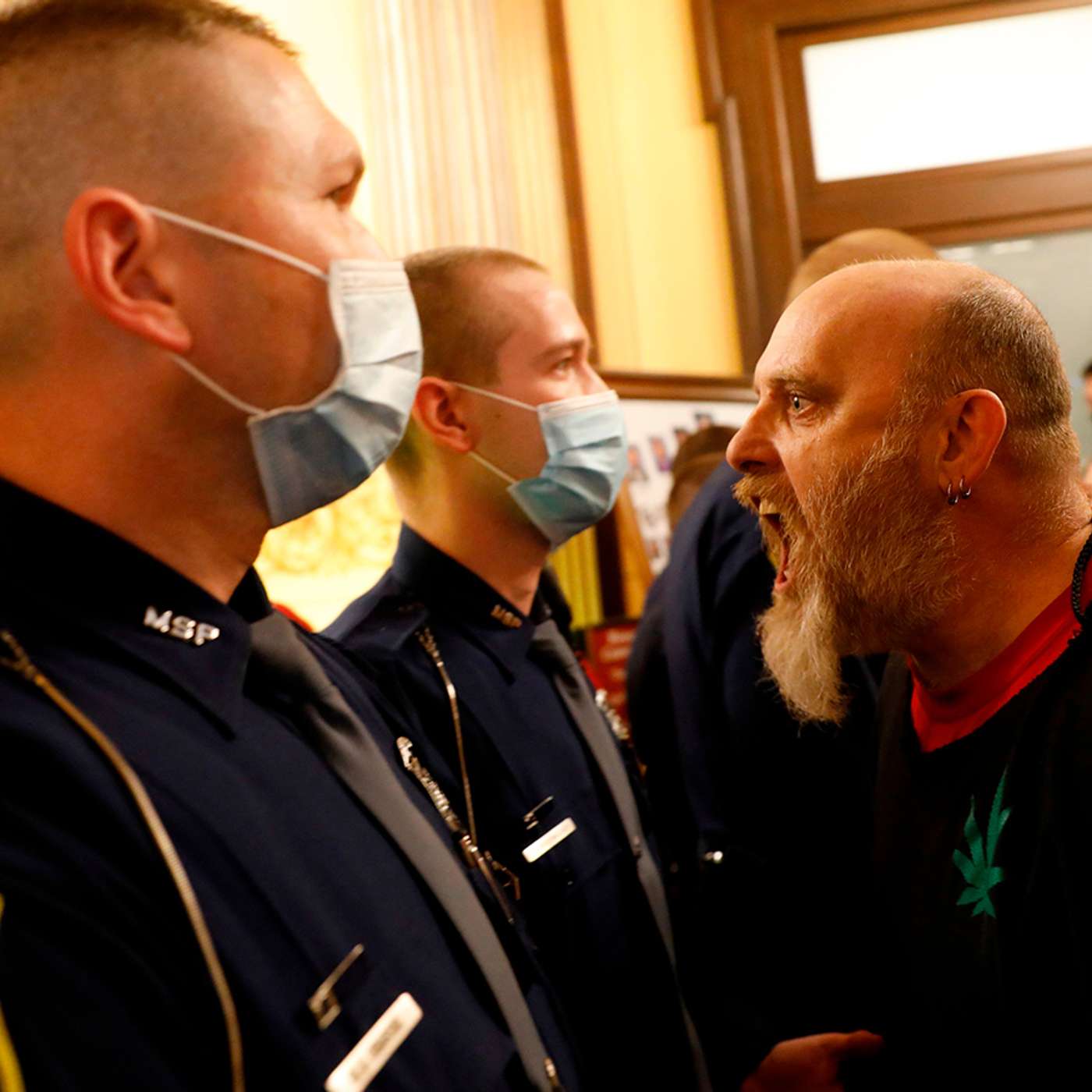
Protesting during a pandemic is a dangerous political act. But in recent weeks, the world has watched as Americans, some armed, have gathered in state capitols to demand the easing of lockdown restrictions. After the death of a black man in Minnesota who was in police custody, the left is now reemerging on the streets. What motivated these protests? Were they grassroots movements or pushed from the top down? And what does this all tell us about the state of the American union beset by a virus and hurtling towards a Presidential election in November? To discuss these issues, USSC hosted a webinar event featuring Senior Lecturer in American Politics and Foreign Policy Dr David Smith in conversation with Elliott Brennan, author of the recently released USSC report "Coronavirus and protest: How COVID-19 has changed the face of American activism".
Ep 34Trade tensions and economic coercion: What is next for the US-China-Australia relationship?
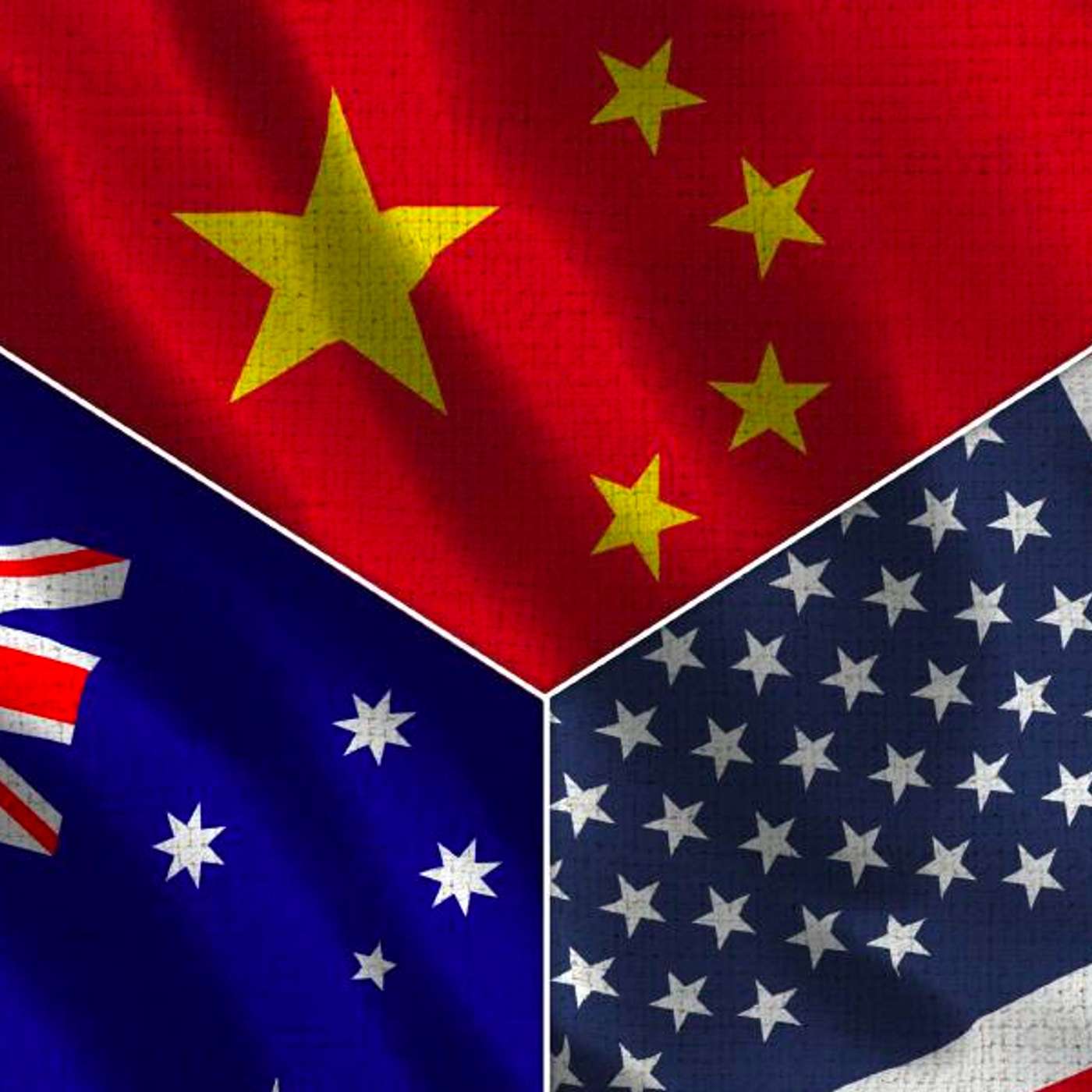
Elizabeth Rosenberg is a Senior Fellow and Director of the Energy, Economics and Security Program at the Center for a New American Security. In this capacity, she publishes and speaks on the national security and foreign policy implications of the use of sanctions and economic statecraft as well as energy market shifts. From May 2009 through September 2013, Ms Rosenberg served as senior advisor at the US Department of Treasury, to the Assistant Secretary for Terrorist Financing and Financial Crimes, and then to the Under Secretary for Terrorism and Financial Intelligence.Peter Harrell is an Adjunct Senior Fellow at the Center for a New American Security, where he focuses on the intersection of economics and national security. From 2012-2014, Mr Harrell served as the Deputy Assistant Secretary for Counter Threat Finance and Sanctions in the State Department’s Bureau of Economic and Business Affairs. In that role, Harrell was instrumental in developing the international sanctions against Iran, Russia and Syria and in the easing of sanctions against Myanmar.Ashley Feng is a Research Associate for the Energy, Economics and Security Program at the Center for a New American Security. Her research focus includes US-China trade relations, China’s economic policies and China’s global economic footprint. Her work and commentary have appeared in NPR, CNBC, Foreign Policy, Fortune, Scientific American and The National Interest.Dr John Lee is a Senior Fellow (non-resident) at the United States Studies Centre at the University of Sydney. He is also a Senior Fellow (non-resident) at the Hudson Institute in Washington DC. From 2016-2018, he was senior adviser to Australian Foreign Minister Julie Bishop.Dr Charles Edel is a Senior Fellow and Visiting Scholar at the United States Studies Centre at the University of Sydney. Prior to this appointment, he was Associate Professor of Strategy and Policy at the US Naval War College, and served on the US Secretary of State’s Policy Planning Staff from 2015-2017. He is the co-author of The Lessons of Tragedy: Statecraft and World Order (2019).
Ep 33A conversation with The Washington Post White House Bureau Chief Philip Rucker
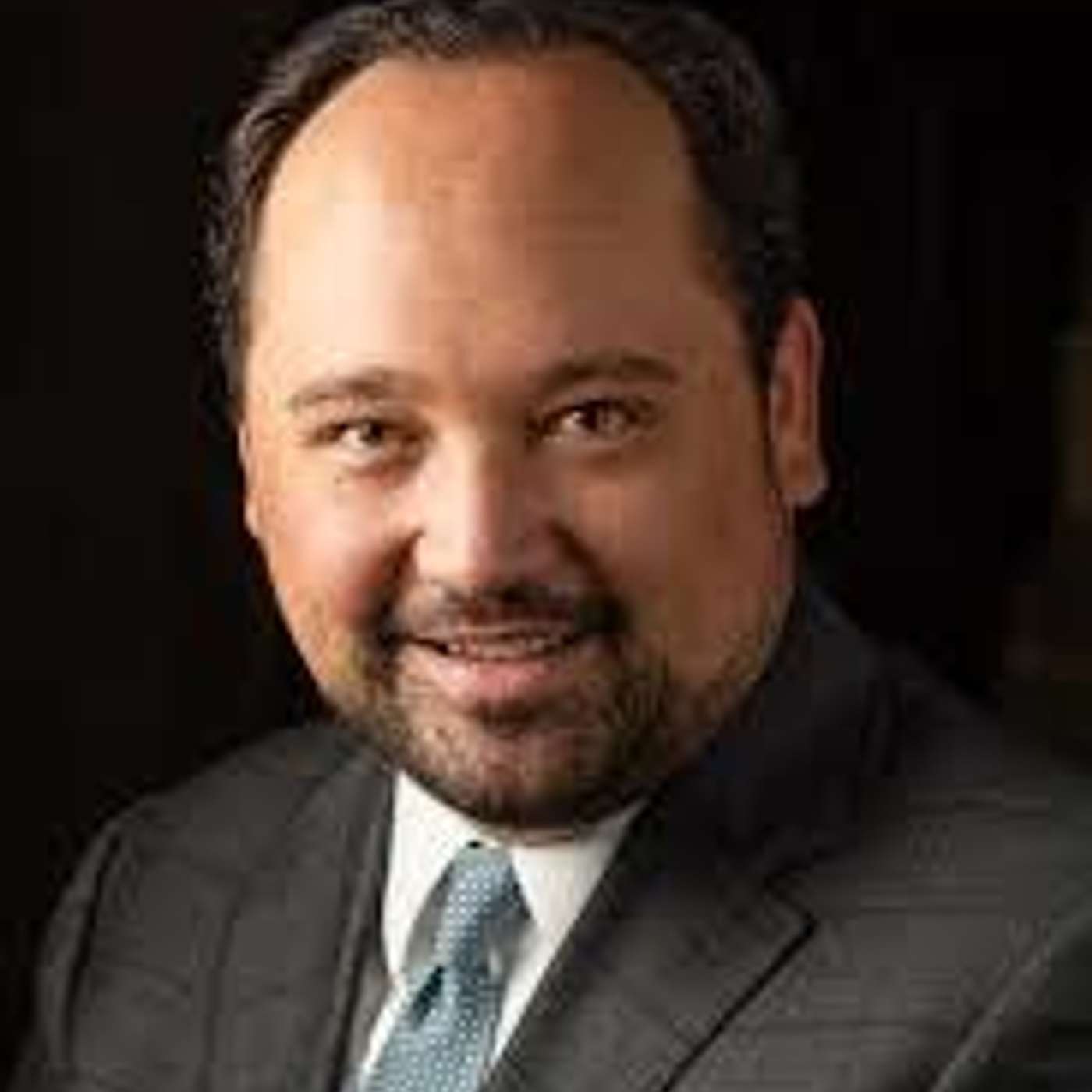
Philip Rucker is the White House Bureau Chief at The Washington Post, leading its coverage of President Trump and his administration. He and a team of Post reporters won the Pulitzer Prize and George Polk Award for their reporting on Russia's interference in the 2016 presidential election. Rucker is co-author with Carol Leonnig of A Very Stable Genius: Donald J. Trump’s Testing of America, a No. 1 New York Times bestseller. Rucker joined the Post in 2005 and previously has covered Congress, the Obama White House and the 2012 and 2016 presidential campaigns. He serves as an on-air political analyst for NBC News and MSNBC, and graduated from Yale University with a degree in history.
Ep 32US foreign policy, Iran and the United States after the 2020 election
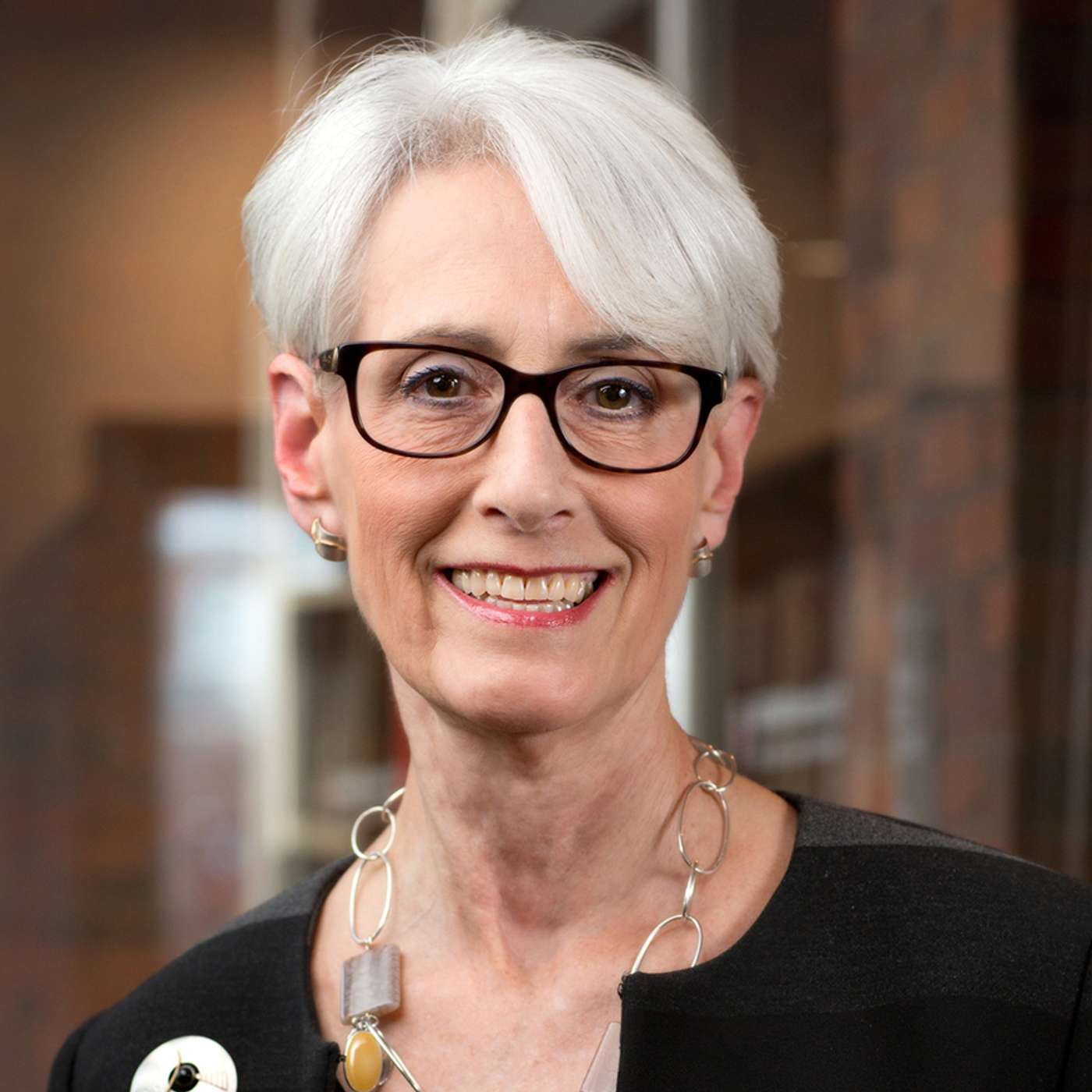
Ambassador Wendy R. Sherman is a professor of the practice of public leadership and director of the Center for Public Leadership at the Harvard Kennedy School. In addition, she is a senior fellow at the School’s Belfer Center for Science and International Affairs. Ambassador Sherman is senior counselor at Albright Stonebridge Group and former US Under Secretary of State for Political Affairs. She is currently an MSNBC global affairs contributor and on the USA TODAY Board of Contributors. Ambassador Sherman is the author of Not for the Faint of Heart: Lessons in Courage, Power and Persistence published by PublicAffairs, September 2018. Ambassador Sherman led the US negotiating team that reached agreement on a Joint Comprehensive Plan of Action between the P5+1, the European Union, and Iran for which, among other diplomatic accomplishments, she was awarded the National Security Medal by President Barack Obama. Prior to her service at the Department of State, she was vice chair and founding partner of the Albright Stonebridge Group, counselor of the Department of State under Secretary Madeleine Albright and special advisor to president Clinton and policy coordinator on North Korea, and assistant secretary for legislative affairs under Secretary Warren Christopher.
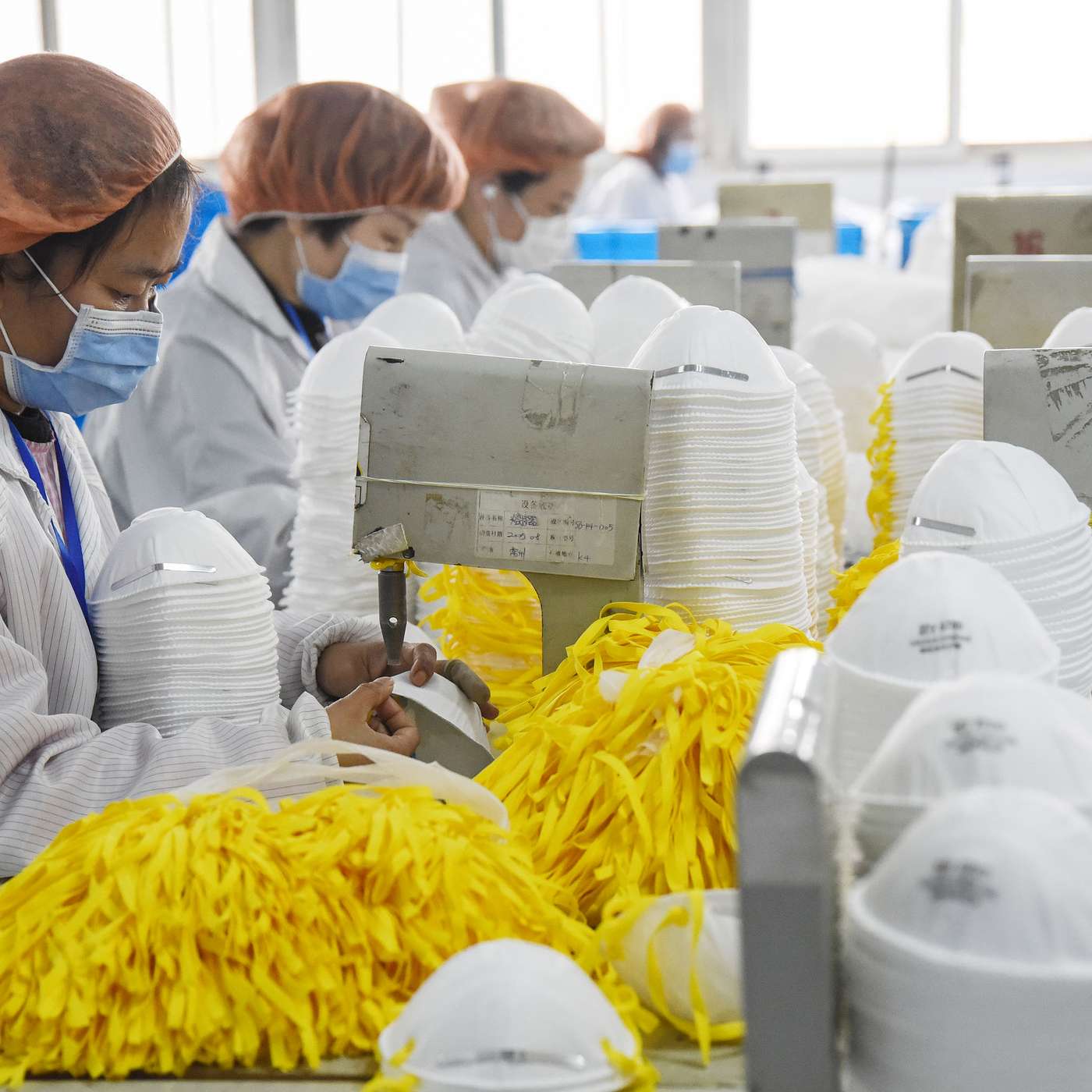
Ep 31What is the real cost of help from bad Samaritans?
Philippe Le Corre is a Research Associate with the Harvard Kennedy School and a Non-resident Senior Fellow with the Carnegie Endowment for International Peace. He is also a fellow-in-residence at CY Cergy-Paris University.Dr Gorana Grgic is a jointly appointed Lecturer at the Department of Government and International Relations and the United States Studies Centre. Her research interests include transatlantic relations, US alliances, conflict resolution and democratisation. She is the author of Ethnic Conflict in Asymmetric Federations (Routledge 2017).
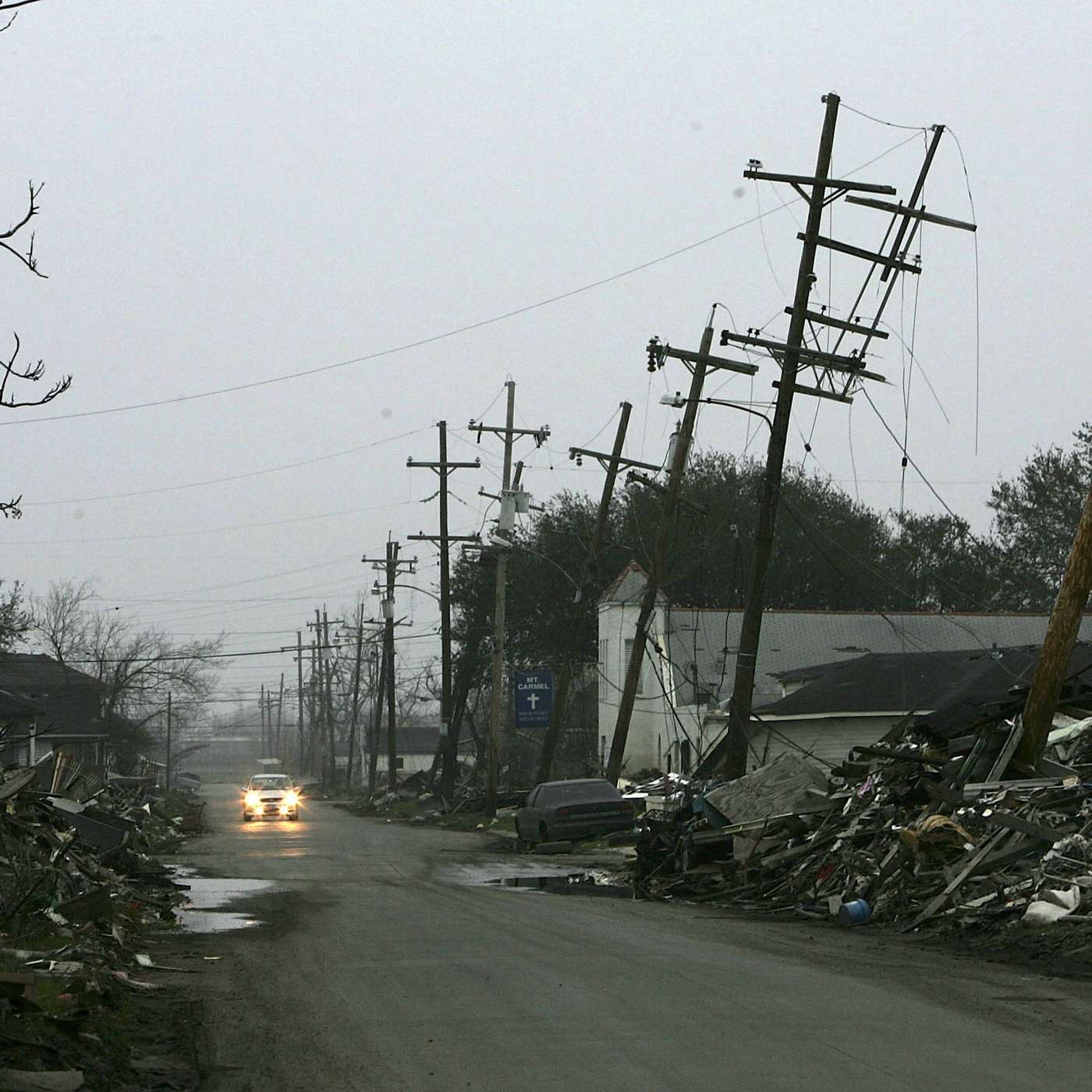
Ep 30Nuclear disasters, tsunamis and pandemics: An insider’s guide to how the US Government responds to crises
Scott Deitchman, MD, MPH served for 30 years as a Commissioned Officer in the US Public Health Service, retiring in May 2017 at the rank of Rear Admiral. At the Centers for Disease Control and Prevention he led the CDC’s responses to the public health challenges, chemical, radiological, and natural disasters including the 2004 Asian tsunami disaster, the 2010 Deepwater Horizon oil spill, and the 2011 Fukushima Daiichi nuclear reactor emergency. RADM Deitchman served in the White House as the Vice President’s Medical Advisor for Homeland Security Affairs. He currently is a Principal with Gordon & Rosenblatt LLC, consulting on prevention and control of disease outbreaks caused by Legionella and other organisms. Dr Deitchman also serves as adjunct faculty at the Uniformed Services University of the Health Sciences in the National Center for Disaster Medicine and Public Health. His honours include the Distinguished Service Medal, Meritorious Service Medal, and Outstanding Service Medal.Adam Kamradt-Scott is an associate professor in global health security and international relations at the University of Sydney. His research and teaching explores how governments and multilateral organisations cooperate and interact when adverse health events such as disease outbreaks, epidemics and pandemics occur, as well as how they respond to emerging health and security challenges.
Ep 29How is COVID-19 accelerating US' messy economic separation from China?
The pandemic will eventually subside. But ‘normal functioning’ of the economic relationship between the world’s two largest economies will be increasingly different to what it was before, according to a new report from USSC Non-Resident Senior Fellow, Dr John Lee. The three Ds – decoupling, disentangling and diversification – are the likely US playbook to handle the messy economic separation. But how does this occur after decades of US supply chains relying on “Made in China”? Which sectors will be the most disrupted? What are the implications for Australia? To discuss these issues, the USSC hosted a webinar event featuring USSC Senior Fellow Dr Charles Edel in conversation with Dr John Lee, USSC Non-Resident Senior Fellow and the author of the recently published USSC report "US-China economic distancing in the era of great power rivalry and COVID-19".
Ep 28US Election Watch: Progressive politics and a coronavirus campaign trail
We are six months out from arguably the most pivotal and fraught US election in living memory. The COVID-19 pandemic is fundamentally altering the terrain on which the 2020 election will be contested. Amid an ongoing health crisis and a potentially catastrophic economic downturn, the Mueller report, the 2018 blue wave, and impeachment seem like ancient history. To help interpret and analyse this unique election season, the USSC is hosting a serious of events featuring Australia’s leading US election experts who will provide critical insight for these challenging times. The first of our Election Watch events focussed on progressive politics and the pandemic with analysis from panellists Dr Charles Edel, Dr Gorana Grgic and Bruce Wolpe in a conversation moderated by USSC CEO Professor Simon Jackman.
Ep 27A conversation with John Berry, former US Ambassador to Australia
The United States and New York City, in particular, has been the global epicentre of the COVID-19 pandemic for the past month. Many Australians live and work in New York, and so much of Australia’s deep commercial and financial ties with the United States run through New York. How are the thousands of businesses that operate between the United States and Australia faring in a period of closed borders? And looking beyond business, what is the role of the US-Australian alliance amid a global pandemic? To discuss these issues, the USSC hosted a webinar event featuring Ambassador John Berry (ret.), President of the American Australian Association, in a conversation with US Studies Centre CEO Professor Simon Jackman. Ambassador John Berry served as the 25th US Ambassador and President Obama’s personal representative to Australia from 2013-2016. Prior to that, Ambassador Berry served in multiple senior government positions, earning three unanimous Senate confirmations, including: the head of “HR” for the federal government as Director of the Office of Personnel Management (OPM); the “COO” of the Department of Interior as Assistant Secretary for Policy, Management and Budget; the head of 40 per cent of federal law enforcement as Acting Assistant Secretary for Enforcement at the Treasury Department; and Legislative Director for Rep. Steny Hoyer. Ambassador Berry has also been a leader in the non-profit sector, serving as the Director of the Smithsonian National Zoo; The National Fish and Wildlife Foundation, and Government Relations for the Smithsonian Institution. Ambassador Berry has accomplished many firsts, most notably, the first openly LGBT US Ambassador to a G20 country and while at OPM, he was the highest-ranking LGBT executive official in US history.
Ep 26State-backed disinformation campaigns: How can democracies fight back?
While the United States and Australia have both increased scrutiny of state-backed disinformation and foreign interference campaigns in recent years, the coronavirus pandemic has seen an increase in disinformation alongside targeted actions by foreign governments designed to leverage this crisis for strategic effect. How serious are these disinformation campaigns? What threat do they pose to democratic processes and institutions? How are free and open societies such as the United States and Australia responding to these intrusions? To discuss these issues, USSC hosted a webinar panel discussion featuring Zack Cooper and Laura Rosenberger, Co-Directors of the German Marshall Fund’s Alliance for Securing Democracy program, and USSC Director of Foreign Policy and Defence Ashley Townshend, in a conversation moderated by USSC CEO Professor Simon Jackman. Zack Cooper is a research fellow at the American Enterprise Institute and co-director of the Alliance for Securing Democracy. He studies US defence strategy and alliances in Asia. He served as assistant to the deputy national security adviser for combating terrorism at the National Security Council and as special assistant to the principal deputy under secretary of defence for policy at the Department of Defence. Laura Rosenberger is director of the Alliance for Securing Democracy and a senior fellow at The German Marshall Fund of the United States (GMF). Before she joined GMF, she was foreign policy advisor for Hillary for America, where she coordinated development of the campaign’s national security policies, messaging, and strategy. Prior to that, she served in a range of positions at the State Department and the White House’s National Security Council (NSC). Ashley Townshend is Director of Foreign Policy and Defence at the United States Studies Centre at the University of Sydney, where he works on strategic affairs with a focus on the Indo-Pacific region. Ashley is also founding convenor and co-chair of the US-Australia Indo-Pacific Deterrence Dialogue and a lecturer in the Centre’s postgraduate program. A frequent contributor to the Australian and international media, Ashley’s analysis has appeared in outlets such as the Financial Times, CNN, the Australian Financial Review, Bloomberg, ABC, and Sky News.
Ep 25Who is winning the politics of the pandemic in the United States?
Tragically, the United States has the world’s highest number of confirmed COVID-19 cases and fatalities. Compounding matters is the impending presidential election in November, putting Trump’s leadership of the crisis under intense pressure and scrutiny, set against a background of deep division between Republicans and Democrats. Democrats attack Trump as “weak”, while Trump and his supporters point to China, the World Health Organization and state governments as bearing responsibility. Who is winning the politics of the pandemic in the United States, how, and what are the consequences for the upcoming presidential election? To discuss these issues, USSC hosted a webinar discussion featuring Cameron Stewart, Washington Correspondent for The Australian, in a conversation moderated by USSC CEO Simon Jackman. Mr Stewart picked up the issues addressed in his article from 20 April, “Coronavirus: Donald Trump attacked as US deaths pass 40,000” and talked about what’s next as the issue plays out. Cameron Stewart is an Associate Editor and Washington Correspondent for The Australian. This is his eighth US presidential election since he started with the paper and he is working in Washington DC during this pandemic. His investigative reporting covers foreign affairs, defence and national security and he also writes features for the Weekend Australian Magazine and is a regular contributor for Sky News.
Ep 24What will the airline industry look like post COVID-19?
The aviation industry is facing the most challenging period of its history, with US airline passenger volume down 95 per cent from a year ago and global passenger revenue down 55 per cent in the same period. How does the aviation industry recover? Will proposed bailouts be enough to keep the industry afloat? What does an aviation industry look like after a global pandemic? To discuss these issues, the USSC hosted a webinar event featuring Director of Innovation and Entrepreneurship Claire McFarland in conversation with Justin Wastnage, Non-Resident Fellow and author of the recently published USSC brief "What will the airline industry look like post-COVID-19? Why the era of cheap flights may be over”.
Ep 23COVID-19, a trade war and strategic competition: How Washington's view of China has shifted
A more robust approach to China is one of the few areas of bipartisanship in a highly polarised Washington, DC. But is China likely to remain bipartisan during and after the 2020 election? How is the Trump administration approaching strategic competition with China amidst a global pandemic? Beyond American politicians, what is the “inside the beltway” view of Beijing? To discuss these issues, the USSC hosted a webinar event featuring United States Studies Centre CEO Professor Simon Jackman in conversation with Bethany Allen-Ebrahimian, the China reporter for Axios. Bethany Allen-Ebrahimian covers Beijing's influence and intentions and writes the weekly Axios China newsletter. Based in Washington, DC, she was also the lead writer of the International Consortium of Investigative Journalists report known as the "China Cables", which detailed classified Chinese government documents revealing the inner workings of China’s detention camps in Xinjiang. Bethany was previously a national security reporter for The Daily Beast and an editor and reporter for Foreign Policy magazine. She was an Arthur F. Burns Fellow in Berlin and was previously a Jefferson Fellow at the East-West Center in Honolulu, Hawaii. She previously spent four years in China. Allen-Ebrahimian holds an MA in East Asian studies from Yale University, as well as a graduate certificate from the Johns Hopkins-Nanjing University Center for Chinese and American Studies.
Ep 22Lessons learned from the US response to COVID-19
While the United States is now reporting hundreds of deaths from COVID-19 every day, Australia has so far seen a total of fewer than 100 deaths since the pandemic began. But is Australia on a similar path to the United States? Are parts of the United States already “flattening the curve”? What public health lessons can be learned from the US experience thus far? To discuss these issues, the USSC hosted a webinar event featuring United States Studies Centre CEO Professor Simon Jackman in conversation with Professor Raina MacIntyre, an expert on emerging infectious diseases at the Kirby Institute at UNSW Sydney and a member of the expert panel advising the Australian government on the coronavirus response.
Ep 21The economic playbook for managing COVID-19: Lessons from the last economic downturn
Global recession is almost surely one of the consequences of COVID-19, as households and businesses and government curtail economic activity, trying to slow the spread of the virus. At the same time, governments and central banks are making unprecedented interventions, attempting to soften the blow. Will they be successful? Are lessons learned in the last economic downturn relevant to today? To discuss these issues, USSC hosted a webinar event featuring United States Studies Centre CEO Professor Simon Jackman in conversation with Non-Resident Fellow David Uren. Non-Resident Fellow David Uren is one of Australia’s leading economic writers. He was the Economics Editor for The Australian from 2013 to 2018 and led that newspaper’s federal economic coverage for 15 years. He is author of several books, including his co-authored book with Lenore Taylor, Shitstorm, which examined the Rudd government’s management of the Global Financial Crisis.
Ep 20The US military's role in response to COVID-19
As the United States federal government works to mobilise against the COVID-19 pandemic, the United States armed forces are set to assume an increasingly greater role in the response. But with the National Guard already contributing nearly 20,000 troops and likely to contribute thousands more to the COVID-19 response, what will the impact be on the US military’s overseas deployments, training and readiness? What does military deterrence in the Indo-Pacific look like in the middle of a pandemic? To discuss these issues, USSC hosted a webinar event featuring Director of Foreign Policy and Defence Ashley Townshend in conversation with Dr Jim Golby, USSC Non-Resident Senior Fellow and the author of the recently published USSC brief “The US military's role in response to COVID-19”. In addition to being a Non-Resident Senior Fellow, Jim Golby is an active duty US Army strategist and is currently serving as a defence policy adviser at the United States Mission to NATO. Jim previously served as a special adviser to the Vice President of the United States, as a special assistant to the Chairman of the Joint Chiefs of Staff, and as an assistant professor of American Politics, Policy, and Strategy at the US Military Academy at West Point. Before becoming an Army strategist, Jim commanded a security company in Iraq (2006-07) and led a scout platoon in combat in Iraq (2004-05).
Ep 19The US and Australia responses to COVID-19
COVID-19 is overwhelming some locations more than others. The United States and Australia are both free and open democratic countries with leading scientists but their experience with COVID-19 has been exceedingly different. Why are there currently so many more cases per capita in the United States than Australia? Is Australia likely to eventually follow the path of the United States? How do the powers of the US federal government to mitigate the spread of the virus differ from the powers of the Australian government? To discuss these issues, the United States Studies Centre held a webinar event featuring CEO Professor Simon Jackman in conversation with non-resident fellow and health policy expert Dr Lesley Russell.
Ep 172020 Vision: What to expect from the United States this year
One year from this month, a newly elected president will take office in Washington, DC. The long and intense competition leading to that day begins on 3 February 2020, with the Iowa Caucuses, the first nominating contest in the Democratic Party’s primaries for the 2020 presidential election. The period between those two election calendar events is less than a year but no less momentous, as we are also expecting to see an impeachment trial in the US Senate, more US troops returning to the Middle East, and continued tensions between the United States and China. What are Trump’s chances of re-election? Which Democratic challenger is likely to be Trump’s opponent in November? What impact will renewed tensions in the Middle East have on the election, and what are the implications for Australia? And what will be the trajectory of rivalry between China and the United States in this election year? To hear more on these issues, the USSC hosted the first in a series of public events on the 2020 US presidential election by the US Studies Centre. Panellists: Simon Jackman, CEO and Professor of Political Science; Kim Hoggard, Non-Resident Fellow and former staffer for President Ronald Reagan and President George H.W. Bush; Brendon O’Connor, Associate Professor in American Politics and author of Anti-Americanism and American Exceptionalism; and Ashley Townshend, Director of Foreign Policy and Defence at the United States Studies Centre
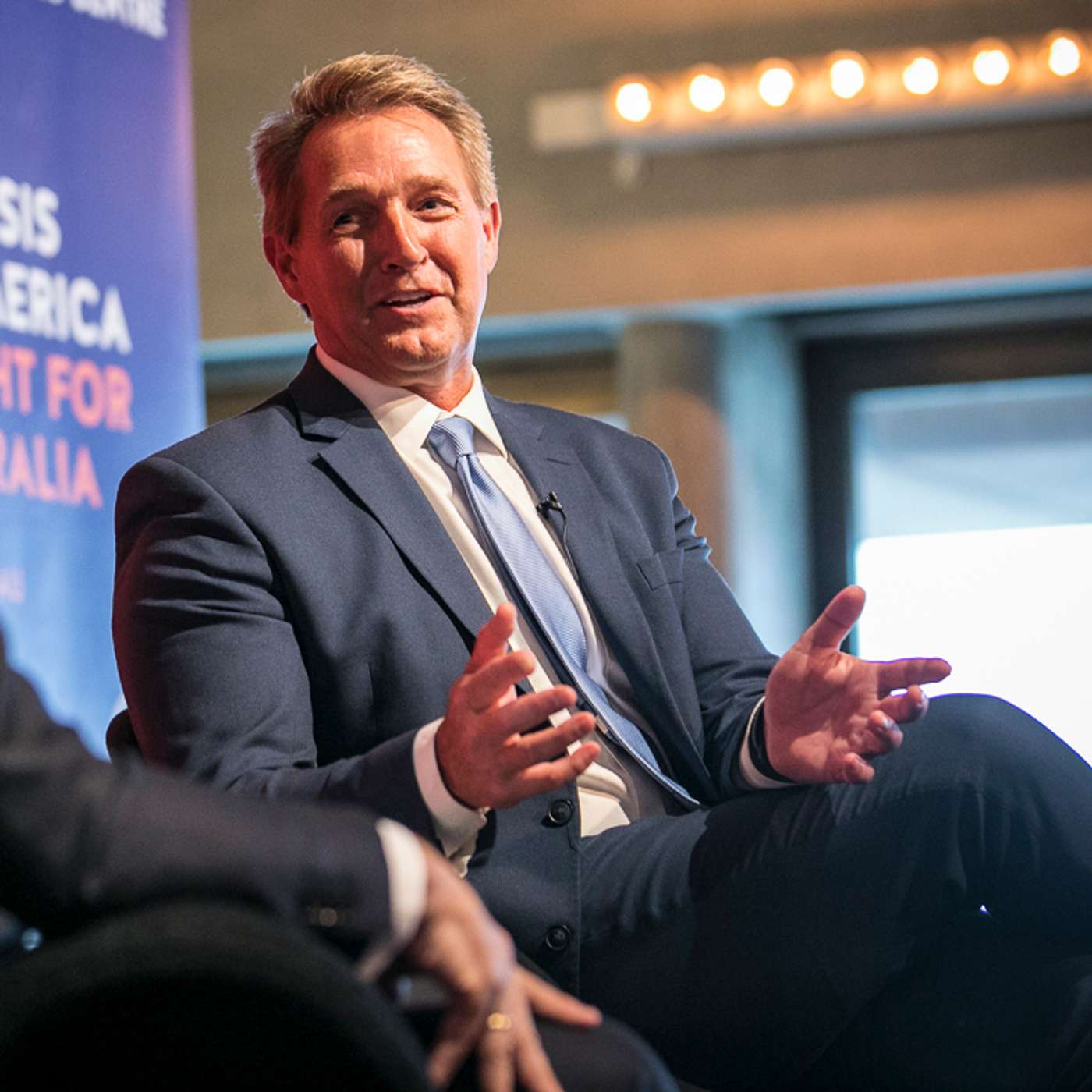
Ep 18Risking your career in favour of your principles: Former US Senator Jeff Flake in conversation
Former US Senator Jeff Flake joined United States Studies Centre CEO Professor Simon Jackman for a conversation about his experiences with the president and the US Congress, his views on impeachment and the 2020 US presidential election.
Ep 16Impeachment: The insiders' guide
We are on the precipice of the third presidential impeachment in United States history. No US president, however, has ever been removed from office. Will President Trump be the first? What impact will impeachment have on US policymaking? What are the lessons from past impeachments? How will impeachment affect US foreign policy in 2020 and what can US allies expect from the United States heading into next year's election? At this event, “Impeachment: The insider’s guide”, a compilation of analysis by US Studies Centre experts was launched. Panellists for the discussion included Professor Simon Jackman, Dr Charles Edel, Dr Gorana Grgic and Bruce Wolpe.
Ep 15Foreign policy address by Marise Payne
The United States Studies Centre hosted a speech by Senator the Hon. Marise Payne, Australian Minister for Foreign Affairs. The keynote foreign policy address was on Australia’s active role in its region – and beyond – to help foster an international environment that offers security, stability and prosperity. She was joined by USSC CEO Simon Jackman for Q&A after the speech.
Ep 13Parliament, Congress and glass ceilings
Former US Representative for Utah's 4th district Mia Love was the first black Republican woman to be elected to the US House of Representatives. Shadow Minister for Families and Social Services, and Shadow Minister for Indigenous Australians Linda Burney, MP was the first Aboriginal person to be elected to the NSW Parliament and the first Aboriginal woman to serve in the Australian House of Representatives. The two groundbreaking women join forces for a special 'in-conversation' event at Parliament House to discuss race, gender and their political firsts in Australia and the United States. Deputy Federal Editor of The Sydney Morning Herald and The Age, Stephanie Peatling, moderated their discussion.
Ep 14Mia Love on Trump, race and the future of the Republican Party
For most of America's history, race has powerfully shaped its politics. Today, race is as relevant as it has been since the Civil Rights era, perhaps the single most important political fault line in the US electorate, destined to feature prominently in the 2020 election cycle.Charges of racism have dogged Donald Trump's presidency. Republican members of Congress have also been accused of cowardice in not supporting these criticisms of the president, of abandoning the best traditions of the Grand Old Party in favour of populism, nativism and racism. To discuss these recent developments in American politics — and how they will figure in the 2020 campaign — the United States Studies Centre hosted Mia Love, the first black Republican woman to be elected to the US Congress. She was joined in conversation by the ABC’s US politics analyst and presenter of Planet America John Barron and United States Studies Centre CEO Professor Simon Jackman for a discussion on attitudes to race and immigration in the United States and Australia, and the future of the Republican Party.
Ep 12Averting crisis: American strategy, military spending and collective defence in the Indo-Pacific
America’s defence strategy in the Indo-Pacific is in the throes of a serious crisis. Faced with an ever more capable and assertive China, the US military urgently needs to refocus on the requirements of great power competition and rebuild its strength after years of costly conflict in the Middle East. Washington, however, appears unable to sufficiently focus its armed forces on this goal; while budget uncertainty and political instability has seen Congress fail to deliver a defence spending plan commensurate with the overall scope of US strategy. The result is an increasingly dangerous mismatch between America’s strategic ends and available means. In a special report from the United States Studies Centre, Ashley Townshend, Brendan Thomas-Noone and Matilda Steward argue that in the absence of hard choices by US leaders to spend more or do less in the world, America will confront rising levels of strategic risk with destabilising consequences for the Indo-Pacific. To avert a deeper crisis, they recommend that Australia take steps to advance a strategy of collective defence to offset shortfalls in America’s regional military position and bolster a favourable balance of power. The report was launched in Canberra with a panel discussion featuring the report authors and Lisa Murray from The Australian Financial Review.
Ep 11US allies and the future of the Indo-Pacific
There is a growing consensus among American allies and partners that an open, stable and prosperous Indo-Pacific is in the interests of all nations and must be preserved. Beyond this broad vision for regional order, however, are a range of differences in national priorities, security and economic interests, and views about rules, norms and values. As the Indo-Pacific strategic landscape becomes more challenging, creating a demand for greater cooperation between the United States and its regional partners, these differences need to be better understood. To what extent are the aims of Indo-Pacific countries aligned on issues of security, geoeconomics and regional diplomacy? What are their common strategic goals? And how can Australia work with likeminded partners to strengthen a collective approach to the region’s future? The United States Studies Centre held a public panel discussion with five US, Australian and regional experts to learn more about these important strategic trends and the future of the Indo-Pacific. Panellists: Evan Feigenbaum, Vice President for Studies, Carnegie Endowment for International Peace; Lavina Lee, Senior Lecturer, Department of Modern History, Politics and International Relations, Macquarie University; Rajeswari Rajagopalan, Distinguished Fellow & Head of the Nuclear Space Policy Initiative, Observer Research Foundation; Sugio Takahashi, Head, Policy Simulation Office, National Institute for Defense Studies; modetrated by Ashley Townshend, Director, Foreign Policy and Defence, United States Studies Centre.
Ep 9"An experience I couldn't pass up": Participants in the Washington DC Placement Program on what it's like to be an intern in the US capital
Cheran Ketheesuran and Jeanne Shu — participants in the United States Studies Centre's Washington DC Placement Program — talk about their experience working in the US capital whilst living and studying at a US college.
Ep 10The future of the Australia-US alliance: Report briefing
The authors of a new report examining the future of the Australia-US alliance amidst increasing tensions with China held a briefing at Parliament House in Canberra. Former advisor to US Secretary of State John Kerry, Dr Charles Edel, and former advisor to Australian Foreign Minister Julie Bishop, Dr John Lee, joined forces for the special USSC report, which details why there are divergences between the two allies when it comes to countering China and how to narrow those differences. Secretary of the Department of Foreign Affairs and Trade, Frances Adamson, moderated the discussion with the authors. At the briefing, the authors presented their findings and laid out their bold recommendations for navigating the US-Australia relationship into the future.
Ep 8The future of the Australia-US alliance
US Studies Centre Senior Fellow Dr Charles Edel and Non-Resident Senior Fellow Dr John Lee launched their special report at an event in Sydney, presented their findings, and laid out their bold recommendations for navigating the relationship into the future. Non-Resident Senior Fellow Dr Elsina Wainwright moderated a discussion with the authors.
Ep 7Reagan: 'Making America great' the first time
Donald Trump was not the first presidential candidate to want to ''Make America Great Again". Ronald Reagan's successful 1980 campaign led with the same pledge before the former Hollywood actor, union leader and California governor won office and undoubtedly changed the country and its politics throughout his eight years in the White House. But is that where the similarities between the 40th and 45th presidents end? Former executive assistant to Ronald Reagan, Peggy Grande, discussed the man, the president and his lasting impact on politics today during a public event hosted by the United States Studies Centre. USSC Non-Resident Senior Fellow and former US congressional advisor Bruce Wolpe moderated the discussion.
Ep 6Bringing industry to airports: How the US experience can help Western Sydney take off
Report author Justin Wastnage presents insights into the US development of industry clusters in aerospace, AgTech and medical devices. His presentation was followed by a panel featuring: Mike Gallagher (Strategy Director for defence industry prime Northrop Grumman Australia), Serena Lee (Co-founder of indoor vertical farming startup Farmwall), and Professor Simon Ringer (Academic Director of Core Research Facilities, and Professor of Materials Science and Engineering in the School of Aerospace, Mechanical & Mechatronic Engineering at the University of Sydney).
Ep 5Breakfast with New York Times President, International Stephen Dunbar-Johnson
The United States Studies Centre hosted a breakfast and 'in-conversation' event with Stephen Dunbar-Johnson, President, International of The New York Times Company. He was joined by Claire McFarland, Director of the United States Studies Centre's Innovation and Entrepreneurship Program, for a discussion about the future of media organisations and international business models. Stephen Dunbar-Johnson is responsible for the oversight and strategic development of the Times Company’s international businesses. He was appointed in October 2013 to lead the global expansion of the company.
Ep 4Microsoft President Brad Smith in conversation
The United States Studies Centre hosted a keynote address and Q&A with Microsoft President Brad Smith. Mr Smith used the occasion to discuss artificial intelligence, ethics and governance, and the use of facial recognition technology in Australia and the United States.
Ep 3The State of the Union and President Trump's 2019 agenda
What will be the priorities for the Trump administration in 2019 and what will be the impact on international allies and business? This panel discussion was moderated by The Wall Street Journal's Australia/New Zealand Bureau Chief David Winning and featured USSC Senior fellow and former advisor to US Secretary of State John Kerry, Dr Charles Edel; Director of the USSC Trade & Investment Program Dr Stephen Kirchner; Director of the USSC Innovation and Entrepreneurship Program Claire McFarland; and non-resident senior fellow Dr Elsina Wainwright, AM.
Ep 2US midterm election briefing: Parliament House, Canberra
What will the US Congress look like after November 6 and what are the implications for Australia and the world should President Trump be hindered by a Democrat-controlled House of Representatives? With a record-breaking number of women candidates running for office this cycle, are there also lessons for Australia in regards to female representation in politics? USSC were in Parliament House, Canberra to tackle these questions, drawing on their research on these issues over the past 12 months. Speakers: Professor Simon Jackman, Chief Executive Officer, United States Studies Centre; Dr Charles Edel; Senior Fellow, United States Studies Centre; and Dr Jennifer Hunt, Lecturer, National Security College, Australian National University.
Ep 1Fear of automation and the rise of populism and protectionism
The American economy is being permanently affected by automation. In the coming years, an increasing number of individuals will lose their jobs as a result of automation and artificial intelligence. This will have widespread implications for the economy, but also potentially for politics and policy areas like immigration. Peter Loewen is a professor at the Department of Political Science and the Munk School of Global Affairs & Public Policy at the University of Toronto, as well as a fellow at Stanford University's Center for Advanced Studies in the Behavioral Sciences. He joined the United States Studies Centre's CEO Professor Simon Jackman and director of its Innovation and Entrepreneurship program Claire McFarland to explore how fear about automation is related to support for populist candidates and parties, and for more protectionist public policy. They discussed original data from a recent survey of American adults.