
USSC Live
237 episodes — Page 2 of 5
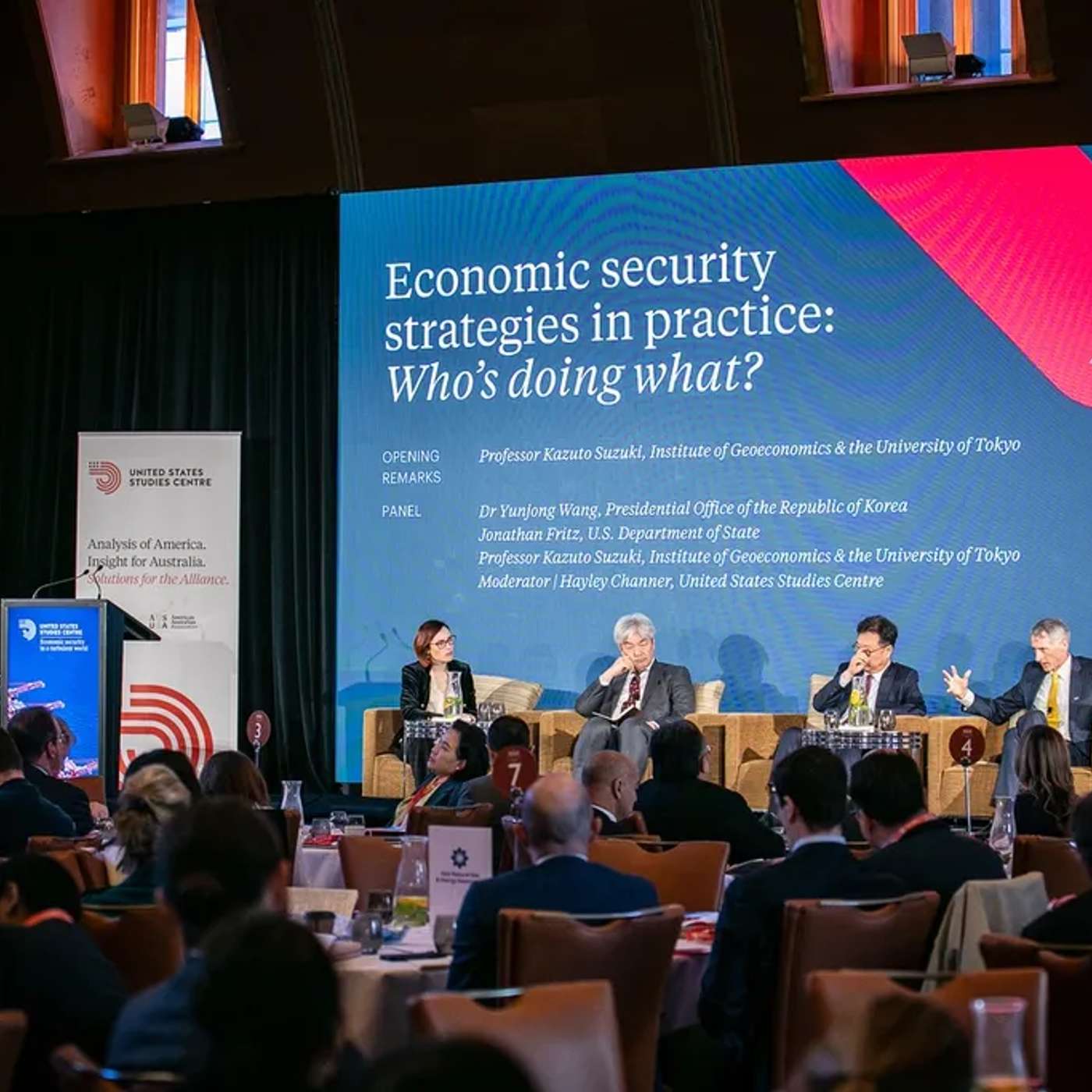
Ep 187Economic security in a turbulent world | Session 2: Economic security strategies in practice: Who’s doing what?
On 19 and 20 June 2024, the United States Studies Centre hosted a major international conference in Sydney spotlighting the search for “economic security in a turbulent world”. Over a day and a half, the conference brought together leading policymakers, business executives and independent experts from around the world to discuss arguably the defining economic policy debate of our age – how to reconcile security and prosperity in an era of strategic competition and economic interdependence.Session 2's opening remarks were provided by Professor Kazuto Suzuki, Director, Economic Security, Institute of Geoeconomics at the International House of Japan and Professor of Science and Technology Policy, Graduate School of Public Policy, University of Tokyo. This was followed by a panel discussion moderated by Hayley Channer, Director of the Economic Security Program at the United States Studies Centre, and featuring Dr Yunjong Wang, Deputy National Security Advisor for Economic and Cyber Security in the Office of the President of the Republic of Korea; Jonathan Fritz, Chief of Staff to the Undersecretary for Economic Growth, Energy and the Environment, US Department of State; and Professor Kazuto Suzuki, Director, Economic Security, Institute of Geoeconomics at the International House of Japan and Professor of Science and Technology Policy, Graduate School of Public Policy, University of Tokyo.
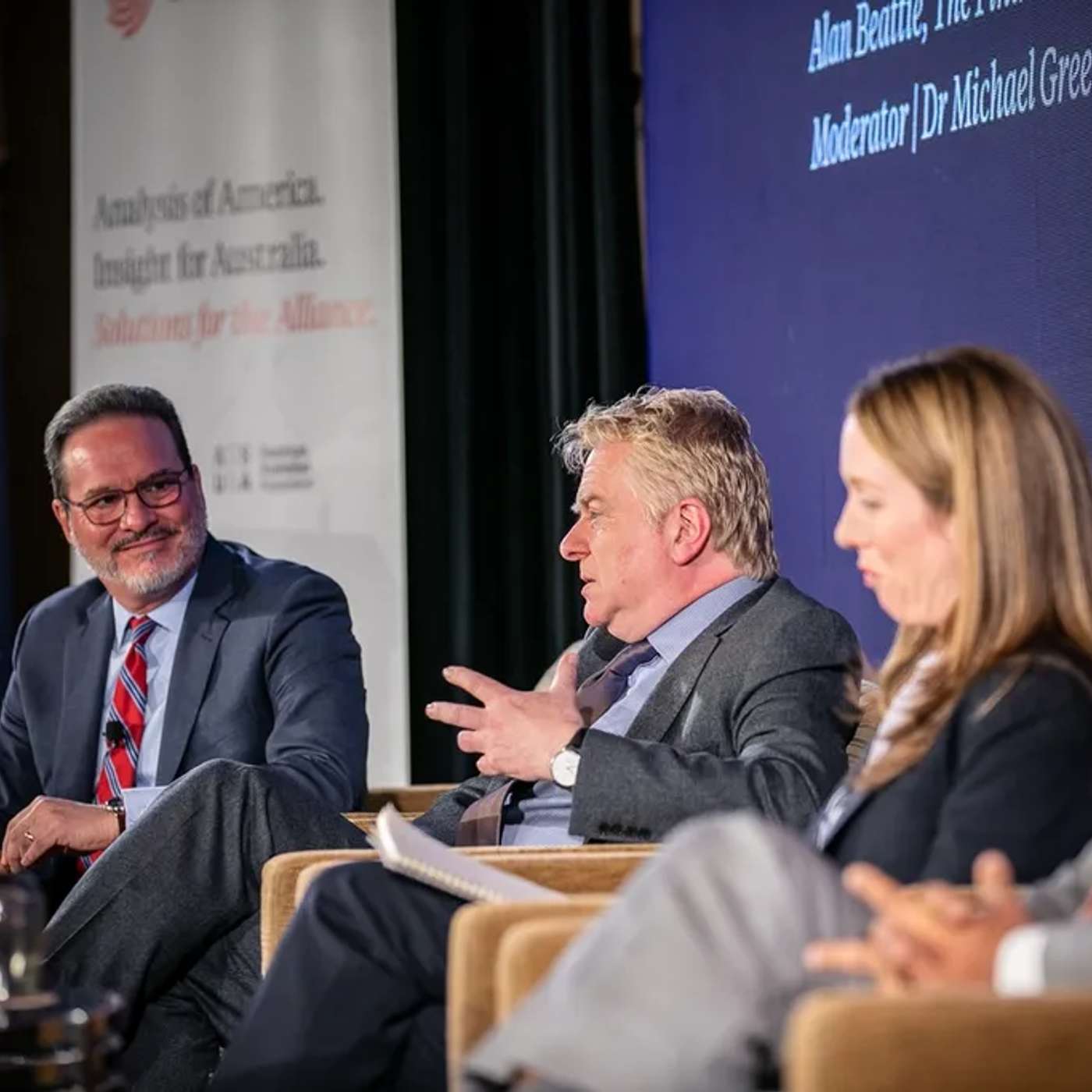
Ep 186Economic security in a turbulent world | Session 1: Geopolitical turmoil and the search for economic security
On 19 and 20 June 2024, the United States Studies Centre hosted a major international conference in Sydney spotlighting the search for “economic security in a turbulent world”. Over a day and a half, the conference brought together leading policymakers, business executives and independent experts from around the world to discuss arguably the defining economic policy debate of our age – how to reconcile security and prosperity in an era of strategic competition and economic interdependence.In session 1, Alan Beattie, Senior Trade Writer for the Financial Times delivered a keynote address. This was followed by a panel discussion moderated by Dr Michael Green, Chief Executive Officer of the United States Studies Centre, and featuring Ziad Haider, Global Director of Geopolitical Risk, McKinsey & Company; Emily Kilcrease, Senior Fellow and Director of the Energy, Economics and Security Program, Center for a New American Security; and Alan Beattie, Senior Trade Writer, Financial Times.
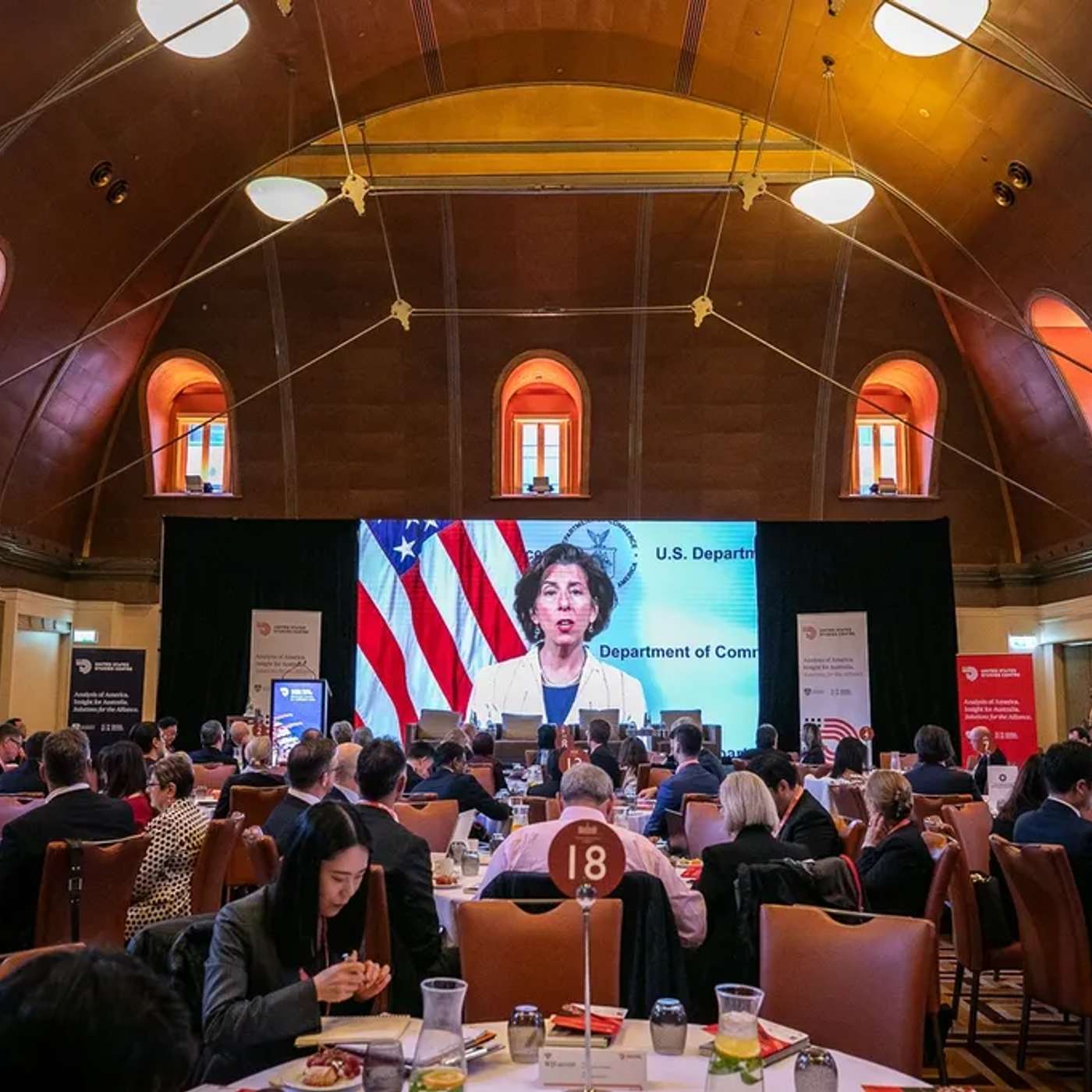
Ep 185Economic security in a turbulent world | Welcome and address by Gina Raimondo, Secretary of Commerce
On 19 and 20 June 2024, the United States Studies Centre hosted a major international conference in Sydney spotlighting the search for “economic security in a turbulent world”. Over a day and a half, the conference brought together leading policymakers, business executives, and independent experts from around the world to discuss arguably the defining economic policy debate of our age – how to reconcile security and prosperity in an era of strategic competition and economic interdependence.USSC CEO Dr Michael Green provided welcoming remarks for the conference. Gina Raimondo, US Secretary of Commerce, then provided remarks via video.
Ep 184Allies and Partners Poll 2024: Australia, the United States and Japan converge on alliances and China despite US election uncertainties
The United States Studies Centre launched the latest edition of the USSC’s annual public opinion polling. The 2024 Allies and Partners Poll by USSC Director of Research Jared Mondschein and Research Associates Samuel Garrett and Ava Kalinauskas reveals that despite uncertainties about the US presidential election, the publics of Australia, the United States and Japan are converging in their views of alliances and China.Do Australians believe their alliance with the United States should continue if Donald Trump is re-elected? How would all three countries react to an invasion of Taiwan? Is support for AUKUS growing or in decline?The event featured two panel discussions with USSC experts dissecting the latest public opinion findings from Australia, the United States and Japan ahead of a historic election.1. How do Australia, the United States and Japan think about the future of alliance cooperation, economic security and AUKUS?Dr Michael Green, Chief Executive OfficerProfessor Peter Dean, Director of Foreign Policy and DefenceHayley Channer, Director of Economic SecurityJared Mondschein, Director of Research2. How do Australia, the United States and Japan think about the future of US democracy and a second Trump presidency?Bruce Wolpe, Non-Resident Senior FellowBarbara Comstock, Non-Resident Senior FellowProfessor Benjamin Reilly, Non-Resident Senior FellowMari Koeck, Director of Engagement & Impact
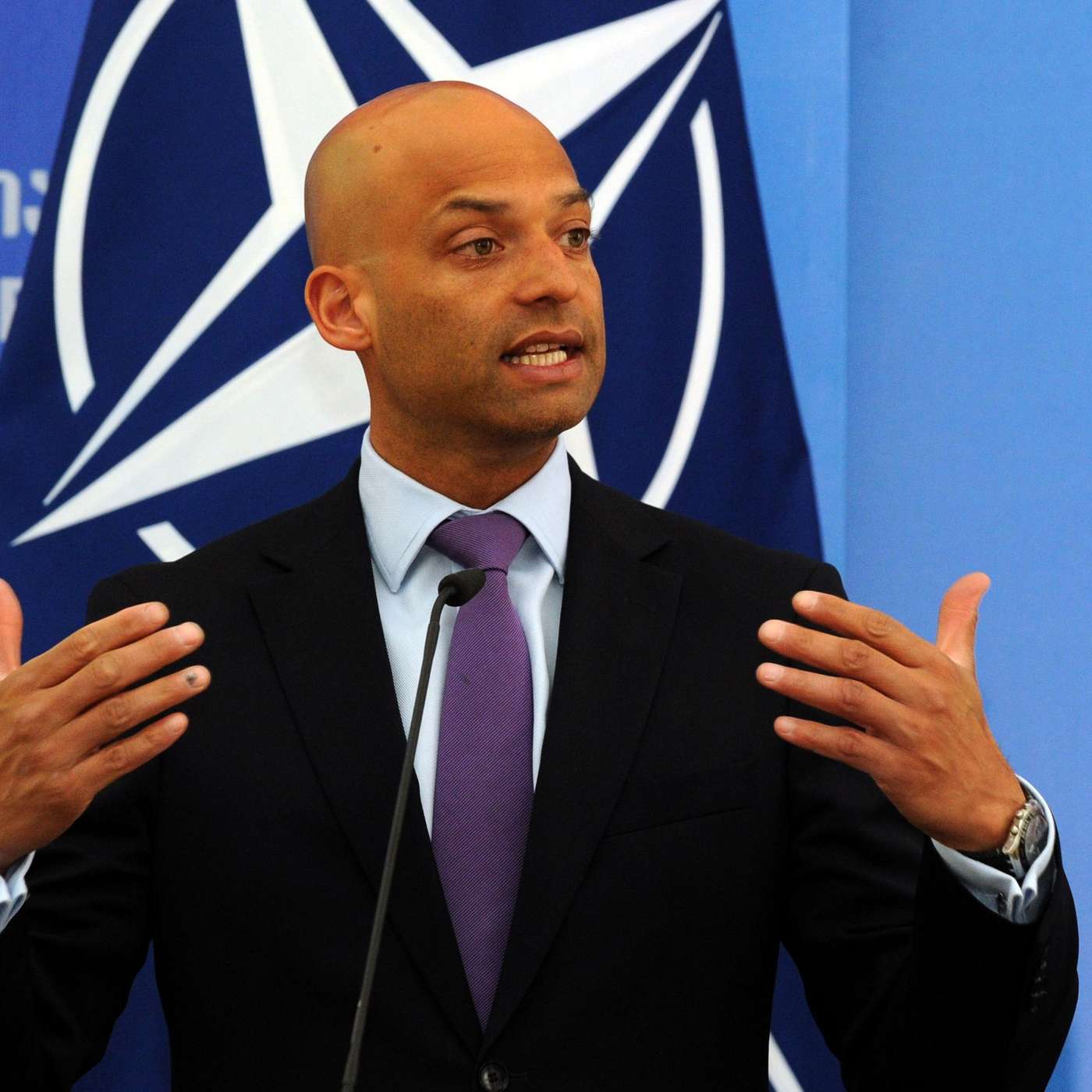
Ep 183Cyber threats, disinformation and sabotage: Lessons learnt from Russia's war in Ukraine
On the eve of its February 2022 invasion, Russia conducted a massive cyber attack on Ukraine’s satellite communications that not only downed services in Ukraine, but the spill-over effects were also felt all across Europe. Two-and-a-half years later, what many saw as the first true cyber war in world history is now also characterised by disinformation warfare.At last month’s NATO’s Washington Summit, the allies doubled-down on a commitment to engage and work with partners in the Indo-Pacific, particularly on cyber defence, countering disinformation, and technology.What lessons can we learn about cyber threats and the role of technological innovation from the war in Ukraine? What do these trends tell us about cyber threats and opportunities in the future? How can NATO and partners in the Indo-Pacific apply these lessons in the ongoing technological race against potential adversaries and strategic competitors?To discuss these issues, the USSC hosted a public forum featuring NATO Deputy Assistant Secretary General for Innovation, Hybrid and Cyber James Appathurai in conversation with Dr Michael Green.
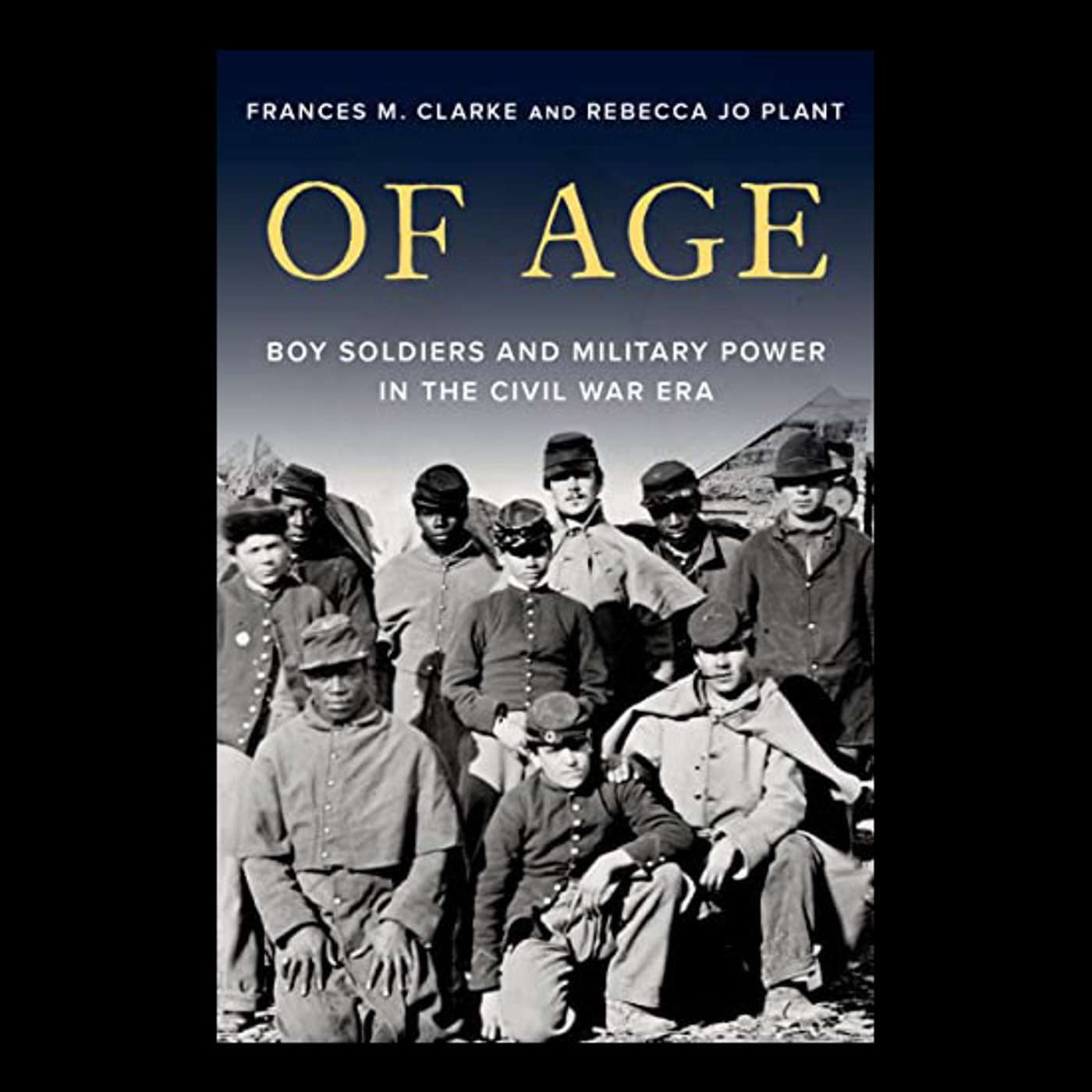
Ep 182Expert discussion of Frances Clarke's prize-winning book: Of Age: Boy Soldiers and the American Civil War
The USSC hosted historians Frances Clarke, Michael Green, Michael McDonnell, and Kathryn Schumaker of the University of Sydney and the United States Centre for a lively discussion of Associate Professor Frances Clarke’s award-winning book, Of Age: Boy Soldiers and the American Civil War (Oxford University Press, 2024).Roughly ten per cent of all soldiers in the American Civil War were underaged. As Clarke and her co-author Rebecca Jo Plant reveal in Of Age, these boys and young men not only contributed vitally to the Union Army, but they also challenged the scope of American federal authority. As boys ran off to join the war effort, their parents often sought to bring them back home. The point at which a father’s authority ended and the United States Government’s began became the subject of intense conflicts over the meanings of childhood, parental rights, and state power in America.For Of Age, Clarke and Plant received the prestigious 2024 Lincoln Prize, awarded by the Gilder Lehrman Center for the best book on the Civil War, and the Grace Abbott Prize, awarded by the Society for the History of Children and Youth for the best English-language book on the history of children, childhood or youth published in 2023.
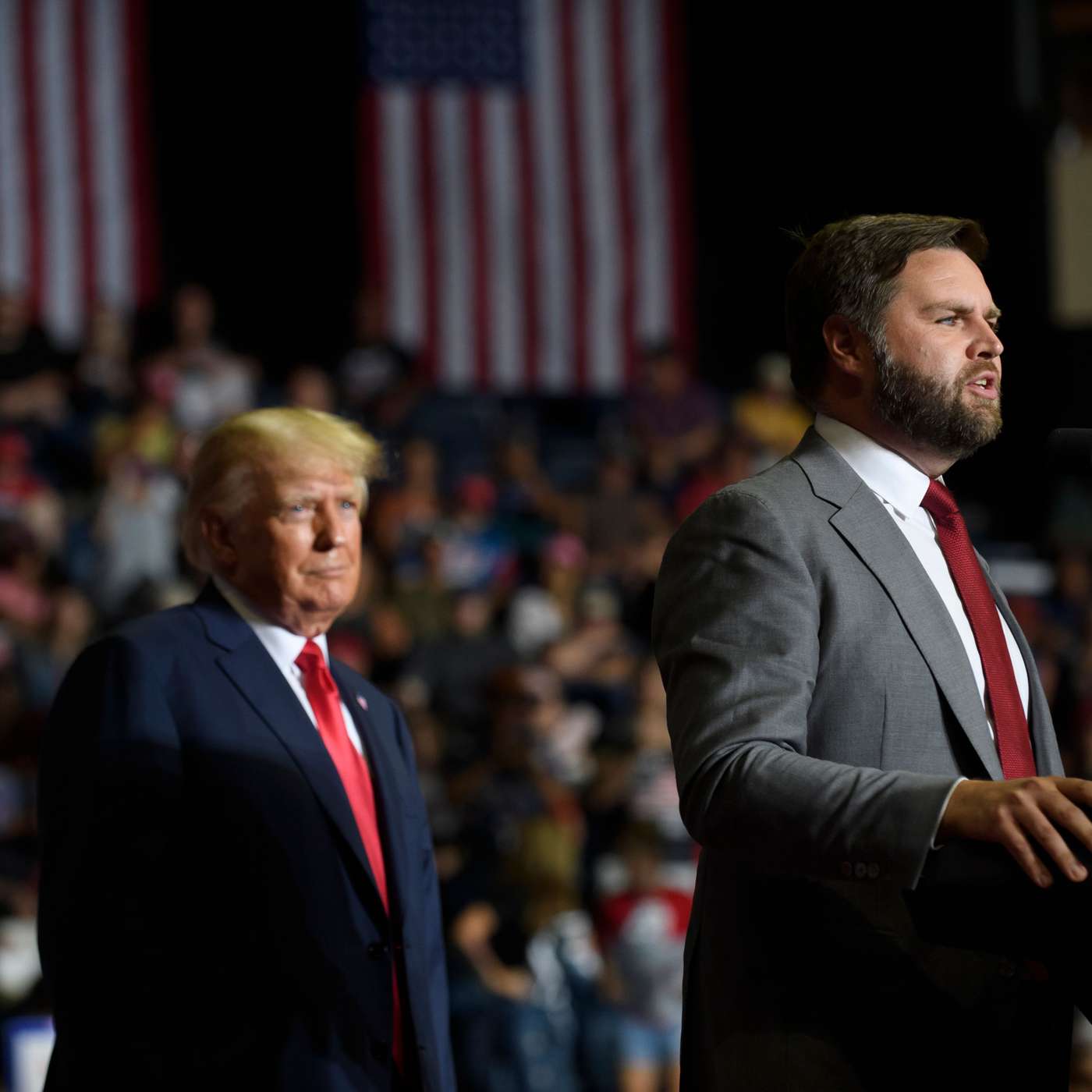
Ep 181Inside the Republican Party: In conversation with Barbara Comstock
In his third run for the White House, Donald Trump’s hold over the Republican Party appears to be stronger than ever. Even his former rivals are rallying around him — and echoing Trump's signalling that he may not respect the election result in November.But Trump’s selection of a younger running mate in Ohio Senator JD Vance has ignited discussion about the future of the Republican party, the America First movement and American democracy itself. With a resurgent Democratic Party under Vice President Kamala Harris looking to maintain control of the White House for another four years, the world is watching to see whether the Republican Party will remain in lockstep with the former president or begin to move out of Trump's shadow.Former Republican Congresswoman Barbara Comstock served as the US representative for Virginia’s 10th Congressional district in the House of Representatives between 2015 to 2019, and was named as one of the ‘Top Ten Most Effective Lawmakers’ in the 115th Congress by the Center for Effective Lawmaking. As an ABC News political contributor and regular guest on CNN, PBS and MSNBC, she has spoken extensively on the state and future of the modern Republican Party. She also co-chairs the bipartisan National Council on Election Integrity, which is dedicated to combatting election disinformation.Can Trumpism outlive Trump himself? What is the future of the Republican Party? How can election integrity be preserved in a time of deep political polarisation? What should Australians be watching for in the lead-up to the election?To answer these questions, the USSC hosted a live event with former Congresswoman Barbara Comstock, in conversation with Australian Financial Review senior editor Emma Connors.
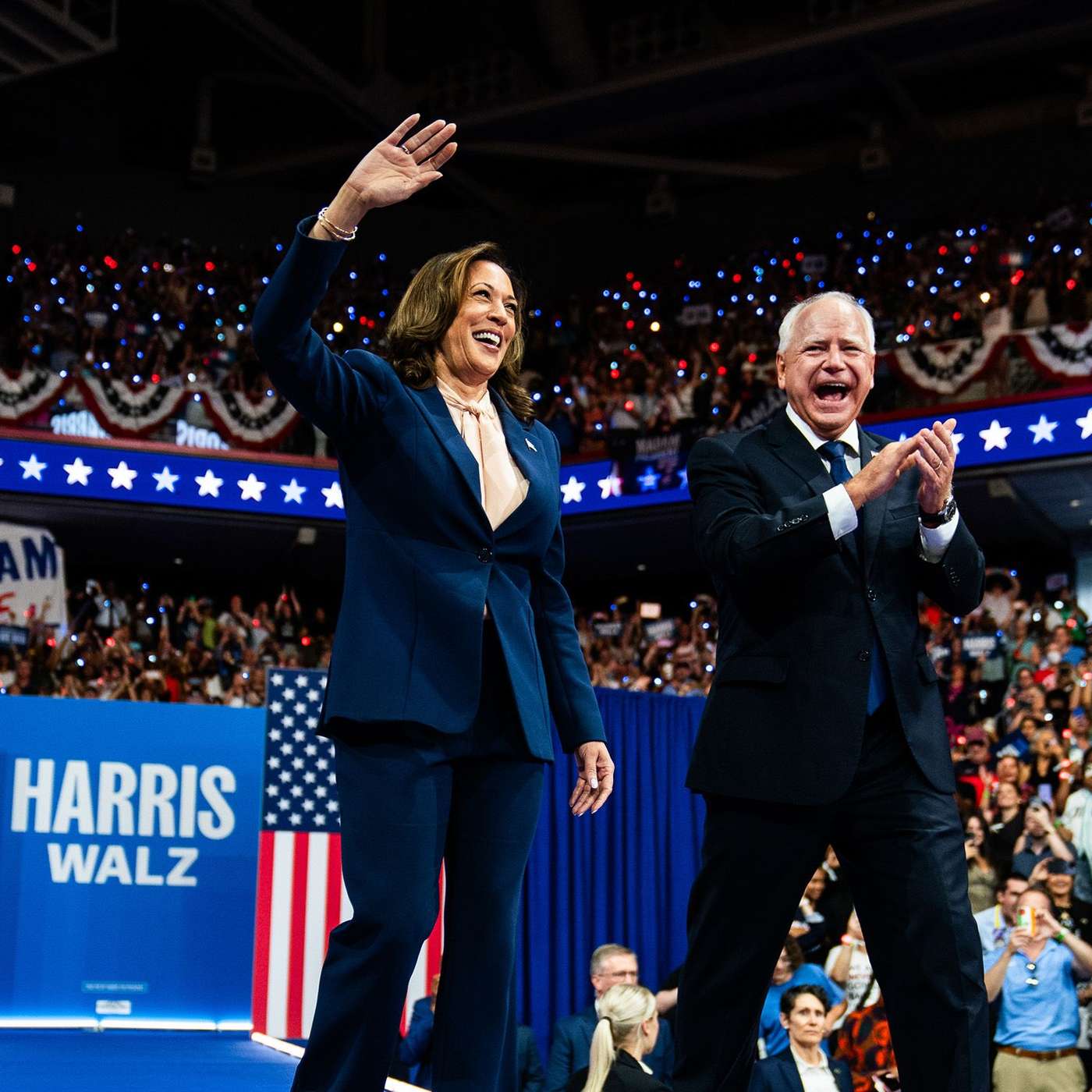
Ep 180Election Watch 2024: The Democratic National Convention
The 2024 US presidential race now looks dramatically different compared to just three weeks ago. Democrats will head into the party’s national convention with a new name at the top of the ticket, Vice President Kamala Harris, alongside her newly minted running mate, Minnesota Governor Tim Walz. With less than 80 days until Americans head to the polls, all eyes will be on the Democratic National Convention to see how Democrats capitalise on this newfound momentum and navigate the fresh lines of attack being launched by Republican nominee Donald Trump and his allies.What are the key takeaways from the 2024 Democratic National Convention? What is the Democrats’ strategy for executing the shortest presidential campaign in modern US history? How is the transformed Democratic ticket reshaping the presidential race? What should Australians be watching for in the lead-up to the election?To answer these questions, USSC hosted a live panel featuring co-host of popular television show “Planet America” on ABC TV Chas Licciardello, USSC Senior Lecturer in American Studies Dr Kathryn Schumaker, and USSC Director of Research Jared Mondschein, in a conversation moderated by USSC Director of Engagement and Impact Mari Koeck.
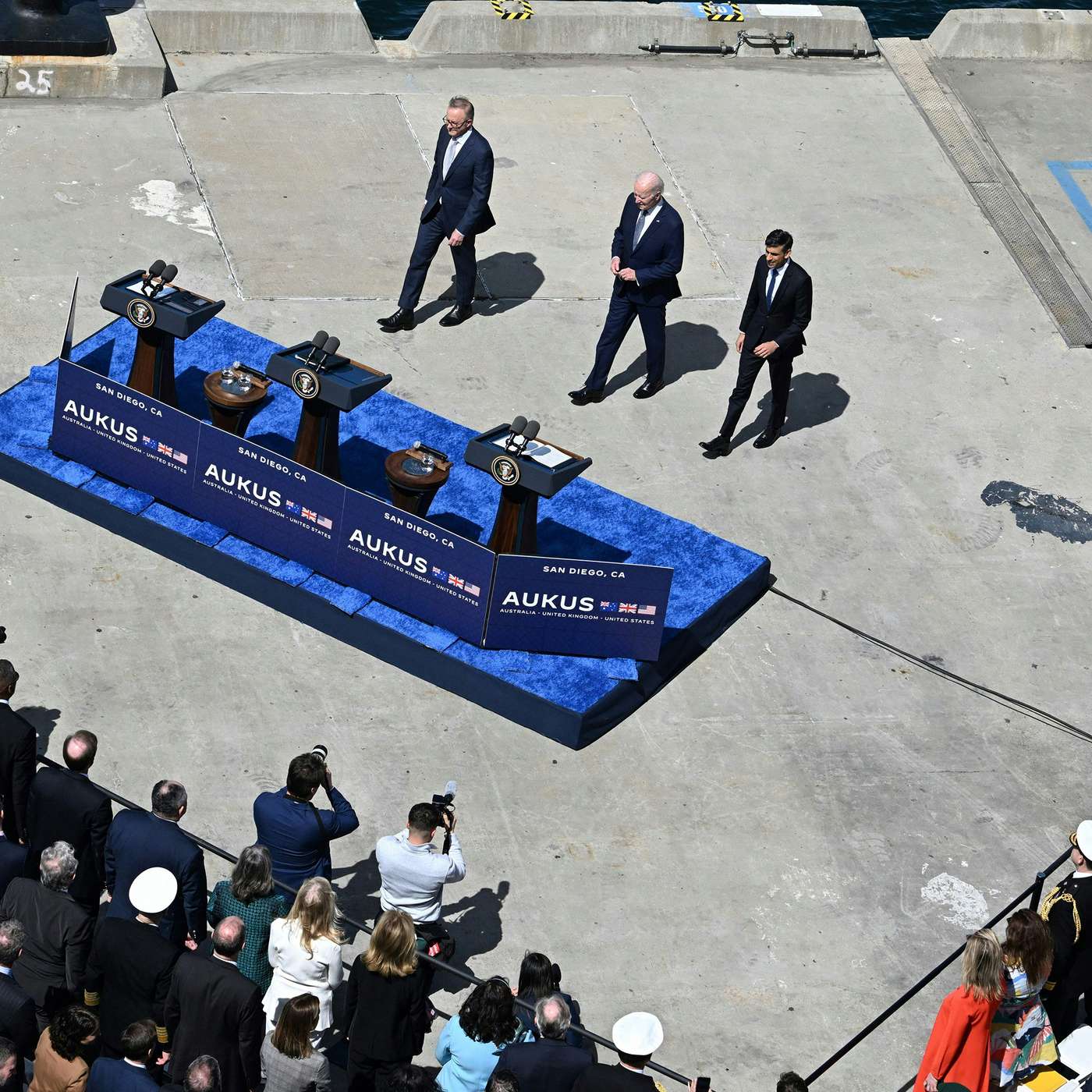
Ep 179AUKUS enablers? Assessing US and Australian defence export control reforms
The AUKUS countries are on the verge of an historic moment. Over the past twelve months, lawmakers and officials in Australia, the United Kingdom, and the United States have made notable progress in harmonising their respective defence trade control regimes in the service of accelerating AUKUS technology cooperation. These reforms, once implemented, will mark a significant step towards the creation of a ‘defence free-trade zone’ between the three partners. At the same time, there is disagreement across the Australian and US defence communities about the extent to which these reforms will enable AUKUS projects across the board, or what more might be required to ensure that they deliver their intended effects. Notwithstanding important work to date, maximising the benefits of AUKUS defence trade harmonisation will require the three countries to address a range of legal, political, and technical challenges, both new and old, at the national and trilateral level.How did export control debates within Australia and the United States unfold over the last 18 months, and what were the consequences? What sorts of revisions might be required in order to ensure that these reforms truly enable AUKUS projects, especially those under Pillar II? Is this the first step in a wider project of wider AUKUS regulatory reform?In a new report, AUKUS enablers? Assessing US and Australian defence export control reforms, non-resident fellow at the American Enterprise Institute, Dr William Greenwalt and USSC Research Fellow in the Foreign Policy and Defence program Tom Corben assess progress towards the creation of an AUKUS “defence free trade zone,” and the challenges – old and new – posed to its full realisation. This report is the successor to the authors’ highly influential May 2023 report, Breaking the Barriers: reforming US export controls to realise the potential of AUKUS. For this webinar event, the authors spoke about defence export control reforms in Australia and the United States, and what these might mean for the future of AUKUS.
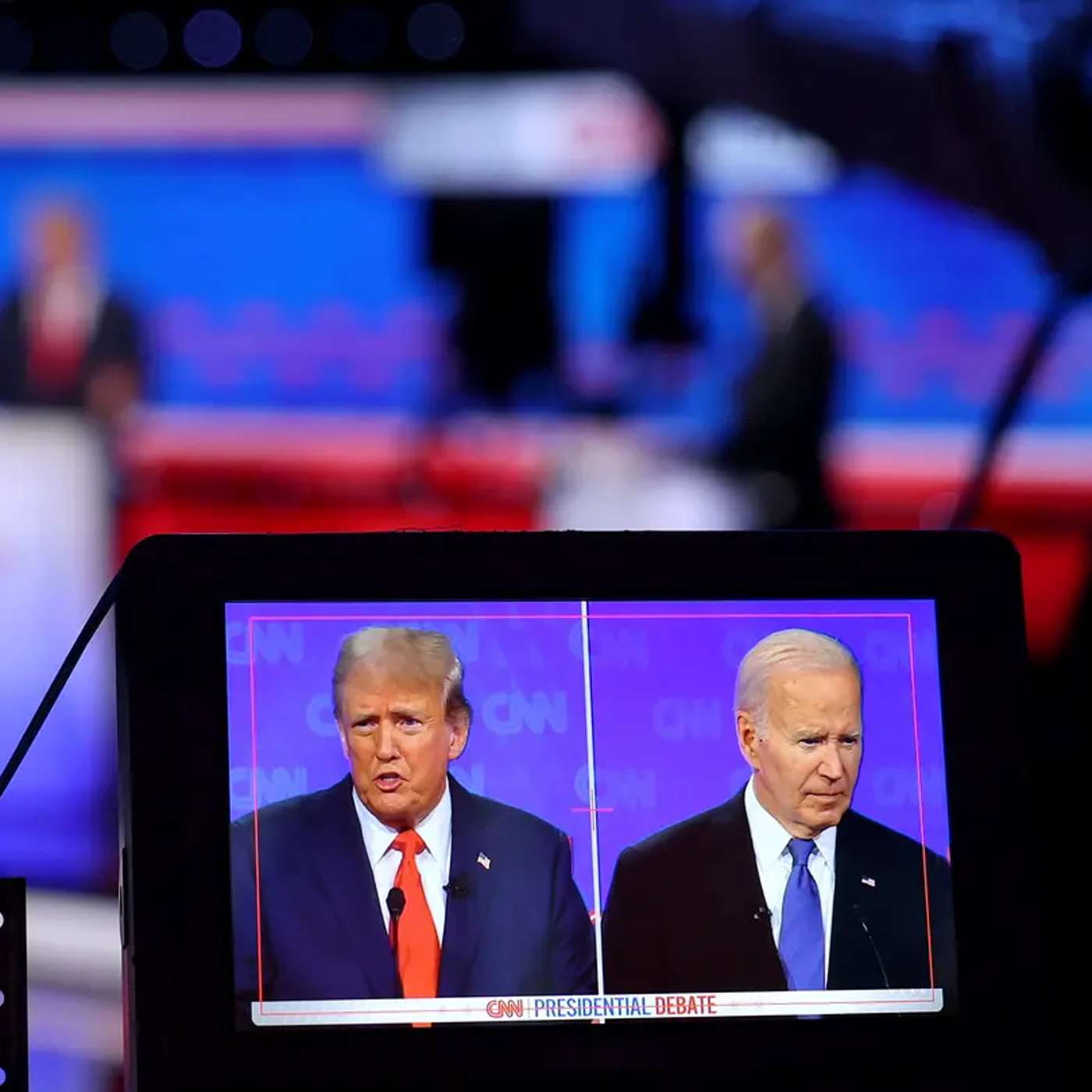
Ep 178Election Watch 2024: New Cold Wars in a year like no other
As the United States heads towards one of the most consequential elections in its history, US allies and partners around the world are watching intense strategic competition play out between the United States and China. Against the background of the 2024 US presidential election, questions abound over the future of US leadership at home and abroad.Pulitzer Prize-winning New York Times journalist David Sanger was one of the few journalists selected to ask President Biden a question in his press conference following the NATO Summit in Washington DC and has reported on Washington during the last seven US presidential administrations. His latest book, New Cold Wars: China’s Rise, Russia’s Invasion, and America’s Struggle to Defend the West, considers America’s global position in this pivotal time.What might the 2024 election mean for global powers? What is the future of US-China relations? What should Australians be watching for in 2024?To answer these questions, the USSC hosted a live event with New York Times White House and National Security Correspondent David Sanger, in conversation with United States Studies Centre CEO Dr Michael Green.
Ep 177Election Watch 2024: Reflections on the Republican National Convention
The 2024 US presidential election campaign is reaching fever pitch. Former president Donald Trump’s coronation as the 2024 Republican presidential nominee at the Republican National Convention will make him the first major party candidate to be nominated for three consecutive elections in 80 years. Meanwhile, the Democratic Party is consumed with speculation over whether President Joe Biden will make a last-minute withdrawal from the race.What are the key takeaways from the 2024 Republican National Convention? What is the diverse Never Trump coalition’s strategy for taking him on amid growing questions about President Biden’s viability? What should Australians be watching for in the lead up to the election?To answer these questions, USSC hosted a live panel featuring co-host of popular television show “Planet America” on ABC TV Chas Licciardello, former Assistant Press Secretary for President Ronald Reagan Kim Hoggard, and USSC Director of Research Jared Mondschein, in a conversation moderated by USSC Director of Engagement and Impact Mari Koeck.

Ep 176Governing AI: How are governments engaging with generative AI?
Generative artificial intelligence has dominated headlines across the world for the past two years. Popular models include OpenAI’s ChatGPT, Google’s Gemini and image generators like Midjourney. However, generative AI sits at the intersection of several cross-cutting issues – from data governance and privacy to innovative capacity – that impact businesses, government and society at large. As a result, governments are tackling this challenge from very different directions.Why are governments so keen to develop generative AI and foundation models? What are governments doing to encourage generative AI? How might that backfire? What controls could be put on the data used to train AI?To answer these questions and many more, the Emerging Technology Program at the United States Studies Centre was pleased to host Professor Susan Ariel Aaronson, Research Professor from George Washington University and Director of the Digital Trade and Governance Hub. Susan is also co-principal investigator with the NSF-NIST (National Science Foundation and National Institute of Standards and Technology) Institute for Trustworthy AI in Law & Society, TRAILS, where she leads research on data and AI governance.Hayley Channer, Director of the Economic Security Program with the United States Studies Centre at the University of Sydney hosted the discussion. Hayley has a diverse background having worked as an Australian Government official, Ministerial adviser, think tank analyst, and represented global non-profit organisations.Professor Susan Ariel Aaronson’s trip to Australia was made possible by the generous support of the US Department of State.
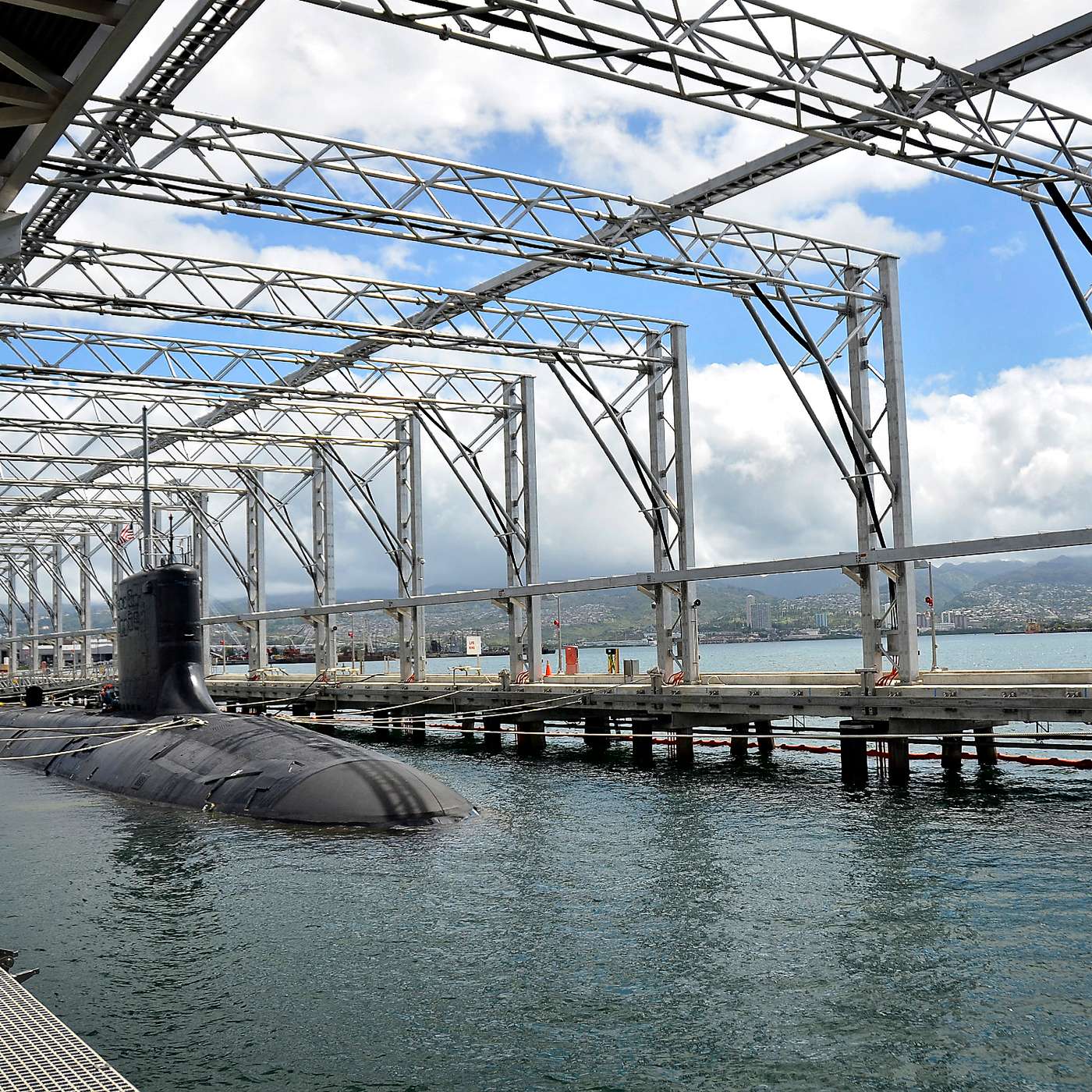
Ep 175AUKUS, allies and partners
AUKUS is making waves internationally as an ambitious program of industrial integration, economic development, and strategic alignment between the US and two of its strongest allies. As other likeminded states in the Indo-Pacific consider their strategic options in a period of rapid geostrategic change, there is increasing discussion of expanding participation in AUKUS through formal and informal partnerships, demonstrated most clearly in a recent decision of the AUKUS defence ministers to consider cooperation with Japan on AUKUS Pillar II advanced capability projects. At this event, panellists Dr Zack Cooper, Senior Fellow, American Enterprise Institute; Professor Peter Dean, Director, Foreign Policy and Defence, United States Studies Centre; Jennifer Parker, Expert Associate at the National Security College, Australian National University and an Adjunct Fellow in Naval Studies at the University of New South Wales Canberra, and Professor Alessio Patalano, Professor of War and Strategy in East Asia discussed the potential for widening AUKUS participation to other likeminded states, including Japan, South Korea, Canada, the Philippines, and New Zealand. Panellists discussed the case for and against expanding participation in AUKUS and what expanded participation in AUKUS would look like in practice. Hayley Channer, Director, Economic Security at the United States Studies Centre moderated the discussion.This event was part of the United States Studies Centre's "Next Generation Leaders in the Australia-US Alliance initiative" and was supported by funding from the US State Department.
Ep 174Sydney launch of Red book | Blue book 2024: A guide to the next US administration
In 2024 we are once again faced with the prospect of either Joe Biden or Donald Trump back in the Oval Office. However, this time we have presidential track records to draw from as we prepare for the next administration. At this event, the United States Studies Centre launched its latest report Red Book | Blue Book 2024, a guide for decision-makers regarding the next US presidential administration.Which policies will be most impacted by a change in leadership? What will a second Biden or Trump term mean for Australia? What should Australian decision-makers know and do under President Trump vs. President Biden?The event featured authors of the report across two panel discussions.Panel 1: How will a second President Trump or President Biden term impact AUKUS, relations with China and alliances in Asia?Dr Michael Green, Chief Executive OfficerProfessor Peter Dean, Director of Foreign Policy and DefenceHayley Channer, Director of Economic SecurityPanel 2: How will political dynamics in Congress and the White House affect trade policy and relationships with the White House?Dr John Kunkel, Senior Economic AdviserBruce Wolpe, Non-Resident Senior FellowVictoria Cooper, Non-Resident FellowJared Mondschein, Director of Research
Ep 173Parliament House, Canberra launch of Red book | Blue book 2024: A guide to the next US administration
In 2024 we are once again faced with the prospect of either Joe Biden or Donald Trump back in the Oval Office. However, this time we have presidential track records to draw from as we prepare for the next administration. At this event, the United States Studies Centre launched its latest report Red Book | Blue Book 2024, a guide for decision-makers regarding the next US presidential administration.Which policies will be most impacted by a change in leadership? What will a second Biden or Trump term mean for Australia? What should Australian decision-makers know and do under President Trump vs. President Biden? The event featured a number of the report's authors in a panel discussion:Dr Michael Green, Chief Executive Officer, United States Studies CentreHayley Channer, Director of Economic Security, United States Studies CentreProfessor Peter Dean, Director of Foreign Policy and Defence, United States Studies CentreDr John Kunkel, Senior Economic Adviser, United States Studies CentreJared Mondschein, Director of Research, United States Studies Centre
Ep 172The future of democracy in the Pacific and Southeast Asia
The United States Studies Centre hosted a launch event for the USSC major report, Aligning values and interests: Japanese and Australian democracy support in the Pacific and Southeast Asia.No issues have aligned Japan and Australia more than the multi-faceted challenges China poses, particularly in the Pacific and Southeast Asia. Yet as Japan and Australia have drawn closer than ever in areas of security, trade and regional aid, there remains far more work to be done in response to China’s erosion of democratic norms.How can Australia and Japan — two of the largest regional development partners — better support democracy in the region? How can they align their strategic priorities with the needs of a complex and emerging region? What role should the United States have in their efforts?To answer these questions, USSC CEO Dr Michael Green moderated a discussion with report editor USSC Non-Resident Senior Fellow Dr Lavina Lee and report author Dr John Lee, Senior Fellow at the Hudson Institute.

Ep 171Climate transition heating up: The race for the clean energy transition in the Indo-Pacific
The Albanese and Biden governments are united in positing that climate change poses an existential threat and are modernising their alliance relationship to tackle it. Major efforts are underway to boost renewable technology innovation, harness critical minerals and bolster domestic manufacturing to accelerate the clean energy transition. Yet significant hurdles remain to realising bilateral climate ambitions.Australia and the United States must navigate the simultaneous challenges of decarbonising, building their domestic industrial bases, supporting the energy transition across their region, and competing with China for new sectors.Are Australia and the United States competing when it comes to the clean energy transition? What has Australia-US climate cooperation promised and can it deliver? How can Australia and the United States balance their international climate efforts with boosts to manufacturing at home?To answer these questions, USSC hosted a live event with Australia’s Ambassador for Climate Change Kristin Tilley, USSC Women in the Alliance Visiting Fellow Jane Nakano, and USSC Non-Resident Senior Fellow Meg McDonald in conversation with USSC Director of Economic Security Hayley Channer.This event was hosted by the United States Studies Centre’s Women in the Alliance initiative.
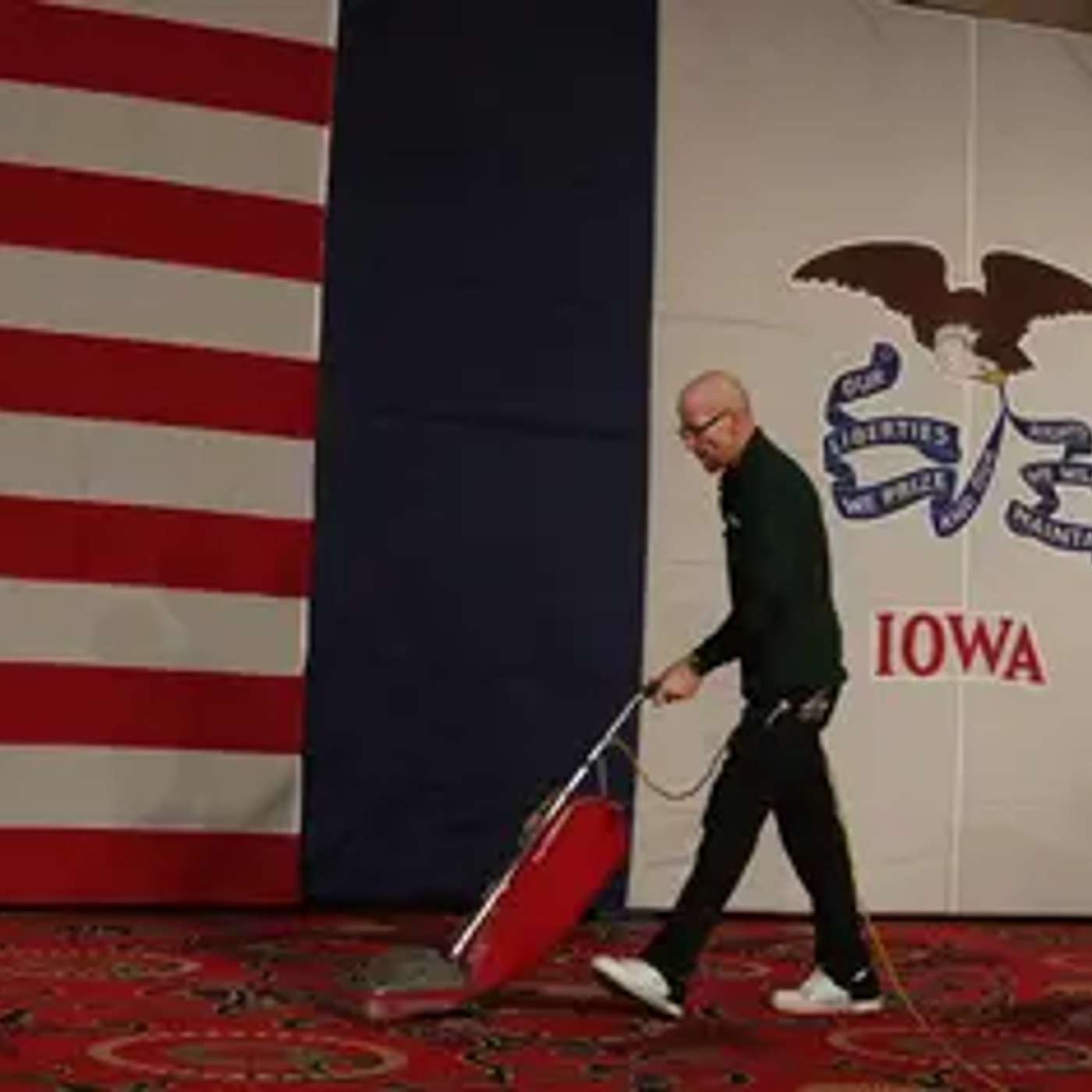
Ep 170Election Watch 2024: Trump v. Biden redux?
The Iowa caucuses on 15 January were the first test of whether any GOP challengers can make a dent on former president Trump’s dominating lead in the Republican race to be the presidential nominee. From February, the primary races will accelerate in the lead up to a climactic Super Tuesday set to occur around the same time as some of the pending Trump trials. In the midst of this, President Biden will deliver possibly his final State of the Union address, making a direct appeal to the American people about his accomplishments and vision for the future.Can President Biden cut through the noise around the Trump campaign? Do any GOP challengers have a shot at dethroning Trump? What should we expect in the lead up to Super Tuesday?To discuss these issues, USSC hosted a panel discussion with US politics USSC experts Associate Professor in American Politics and Foreign Policy David Smith, Director of Research Jared Mondschein and Research Editor Victoria Cooper who provided a readout on the Iowa caucus results and what it portends for the year ahead.
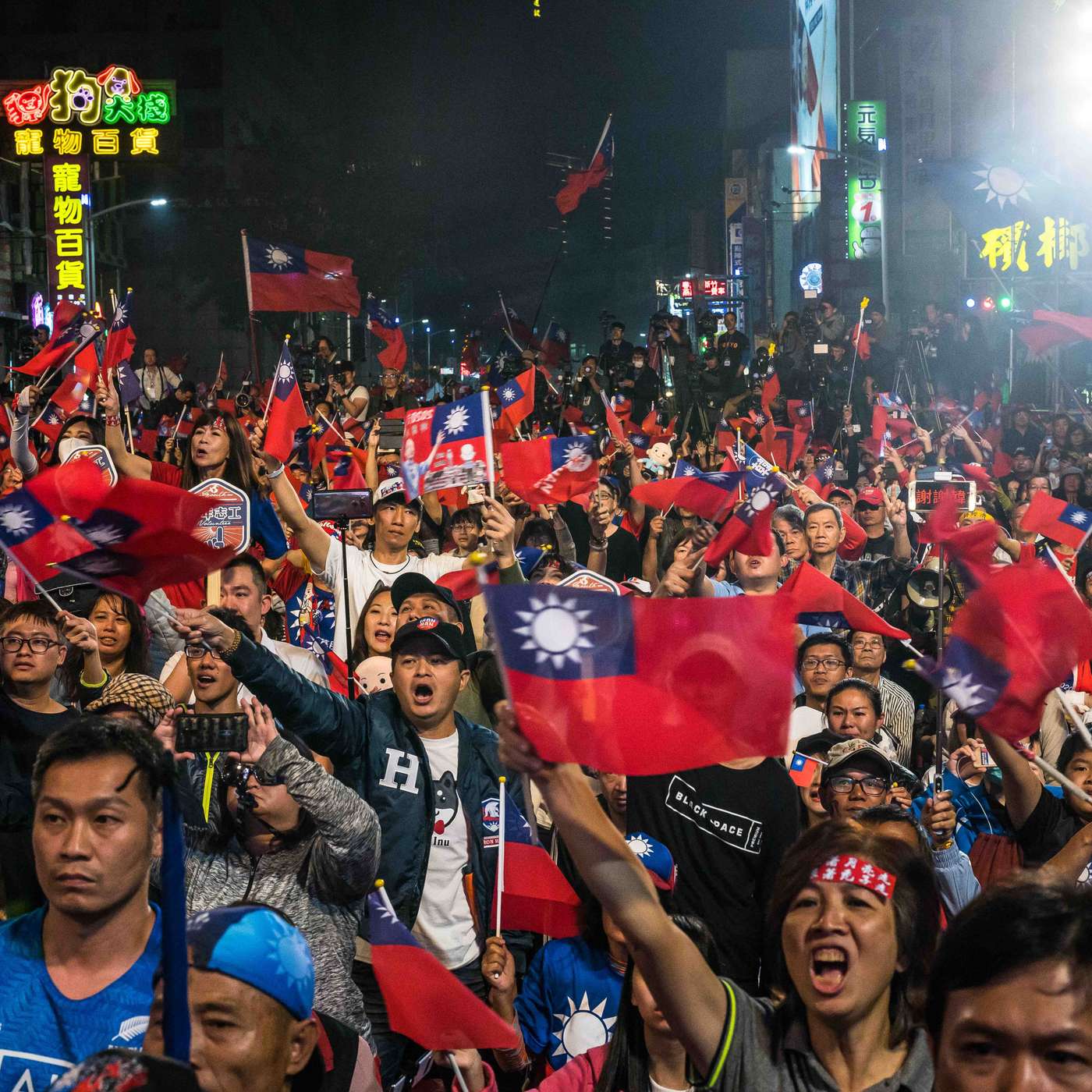
Ep 169Taiwan's upcoming election: The implications for Australia
Although global attention is focused on the upcoming US presidential election in November 2024, a key regional election looms much sooner — the Taiwanese presidential election on 13 January. The contest to succeed the term-limited President Tsai Ing-Wen has already seen intrigue and drama, with four candidates vying for Taiwan’s highest office and, at one stage, two of them mulling a joint bid to unseat the ruling Democratic Progressive Party. Frontrunner and current vice president William Lai's views on independence have been the source of much discussion and, with high tensions in the Taiwan Strait and belligerent rhetoric from Beijing, the results of the election will hold significant implications for the entire region.How might the election affect cross-strait relations? What are the possible implications of the election for Australia? How could the election shift Taiwan policies in Washington and other allied capitals?To answer these questions, USSC hosted a panel discussion with Lowy Institute Senior Fellow for East Asia Richard McGregor, USSC Non-Resident Senior Fellow Dr Lavina Lee and USSC CEO Dr Michael Green in conversation with USSC Research Director Jared Mondschein, with opening remarks from Taiwanese Representative to Australia Douglas Hsu.Douglas Hsu is Taiwan’s Representative to Australia. He was previously Director General of North American Affairs within Taiwan’s Ministry of Foreign Affairs and served in the Political and Congressional Liaison divisions of the Taipei Economic and Cultural Representative Office in the United States.Richard McGregor is a Senior Fellow for East Asia at the Lowy Institute and a Senior Associate (Non-resident) at the Center for Strategic and International Studies (CSIS) in the United States. He is a former Beijing and Washington bureau chief for the Financial Times and the author of numerous books on East Asia.Dr Lavina Lee is a Non-Resident Senior Fellow at the United States Studies Centre and a Senior Lecturer in the Department of Security Studies and Criminology at Macquarie University, Sydney. Prior to joining Macquarie University in 2007, she was a political risk consultant with Control Risks Group.Dr Michael Green is Chief Executive Officer at the United States Studies Centre. Previously Dr Green was Senior Vice President for Asia, Japan Chair, and Henry A. Kissinger Chair at the Center for Strategic and International Studies (CSIS) and served on the staff of the National Security Council from 2001 through 2005.
Ep 168The insider's guide to the 2024 US presidential election
One year out from the presidential election, and less than three months until the first of the Republican primary contests, the coming year is set to be a whirlwind of political drama — primaries, debates, conventions, the unprecedented legal trials of a former president and the US Constitution being tested as never before. With Joe Biden looking to cement his legacy as president, Republican candidates crisscrossing the country to shore up support, and Donald Trump ploughing his own path back to the Oval Office, on-the-ground insights are key to understanding a presidential race like no other.What are the key issues and trends to watch as we head into an election year? What happens if Donald Trump wins his party’s nomination, but is convicted of a crime? What does the future of US politics look like?To answer these questions, USSC hosted a live event with Politico Chief Washington Correspondent Ryan Lizza, and New York Magazine Washington Correspondent Olivia Nuzzi in conversation with USSC Director of Research Jared Mondschein.Ryan Lizza is Politico’s Chief Washington Correspondent. He was formerly Senior Political Analyst for CNN and The New Yorker’s Washington correspondent from 2007 to 2017.Olivia Nuzzi is Washington Correspondent for New York Magazine. She has also written for Politico Magazine and The Washington Post. She was named in Forbes’ 2018 “30 under 30” list.
Ep 167Sydney International Strategy Forum | USSC 2023 polling insights — part two
In August 2023, the United States Studies Centre conducted a public opinion survey in Australia, the United States and Japan to understand the public sentiment in each nation on a variety of issues one year out from the 2024 US presidential election. Jared Mondschein, Director of Research and Victoria Cooper, Research Editor at the United States Studies Centre discussed findings of the poll during a presentation to the Sydney International Strategy Forum. This is the second of two presentations. The Sydney International Strategy Forum brought together prominent thought leaders, policymakers and industry experts to tackle the big issues confronting Australia, the United States and the Indo-Pacific. From bolstering supply chain resilience to turning AUKUS into reality, the forum discussed the enormous opportunities and risks posed by such cross-cutting challenges and what they mean for the future of our region. The forum was held at the Four Seasons Sydney on 1 November 2023.
Ep 166Sydney International Strategy Forum | Panel 4: AUKUS, the Quad and the future of alliances and partnerships
Moderated by Dr Michael Green, CEO at the United States Studies Centre, this session of the Sydney International Strategy Forum features panellists Professor Peter Dean, Director, Foreign Policy and Defence at the United States Studies Centre; Rep. Akihisa Nagashima, a member of the Japanese House of Representatives; Dr Zack Cooper, Senior Fellow at the American Enterprise Institute; and Dr Gorana Grgić, Senior Lecturer in US Politics and Foreign Policy at the United States Studies Centre. The Sydney International Strategy Forum brought together prominent thought leaders, policymakers and industry experts to tackle the big issues confronting Australia, the United States and the Indo-Pacific. From bolstering supply chain resilience to turning AUKUS into reality, the forum discussed the enormous opportunities and risks posed by such cross-cutting challenges and what they mean for the future of our region.The forum was held at the Four Seasons Sydney on 1 November 2023.
Ep 165Sydney International Strategy Forum | Strategy simulation insights
Professor Peter Dean, Director, Foreign Policy and Defence at the United States Studies Centre; Dr Zack Cooper, Senior Fellow at the American Enterprise Institute; and Hayley Channer, Director, Economic Security at the United States Studies Centre provided insights from an international strategy simulation that was hosted by the Centre to test how political thresholds, perceptions of risk, and national strategic assumptions might affect collective responses to a multi-faceted contingency in the Indo-Pacific. The Sydney International Strategy Forum brought together prominent thought leaders, policymakers and industry experts to tackle the big issues confronting Australia, the United States and the Indo-Pacific. From bolstering supply chain resilience to turning AUKUS into reality, the forum discussed the enormous opportunities and risks posed by such cross-cutting challenges and what they mean for the future of our region. The forum was held at the Four Seasons Sydney on 1 November 2023.
Ep 164Sydney International Strategy Forum | Panel 3: Navigating de-risking, disruption and emerging technology
Moderated by Jared Mondschein, Director of Research at the United States Studies Centre, this session of the Sydney International Strategy Forum features panellists Michaela Browning, Vice President Government and Public Policy for Asia Pacific at Google; Dr John Kunkel, Senior Economic Adviser at the United States Studies Centre; and Hayley Channer, Director, Economic Security at the United States Studies Centre. The Sydney International Strategy Forum brought together prominent thought leaders, policymakers and industry experts to tackle the big issues confronting Australia, the United States and the Indo-Pacific. From bolstering supply chain resilience to turning AUKUS into reality, the forum discussed the enormous opportunities and risks posed by such cross-cutting challenges and what they mean for the future of our region. The forum was held at the Four Seasons Sydney on 1 November 2023.
Ep 163Sydney International Strategy Forum | Panel 2: US politics at the crossroads
Moderated by Victoria Cooper, Research Editor at the United States Studies Centre this session of the Sydney International Strategy Forum features panellists Ryan Lizza, Chief Washington Correspondent at Politico; Olivia Nuzzi, Washington Correspondent at New York Magazine; Associate Professor David Smith, Professor in American Politics and Foreign Policy at the United States Studies Centre; and Bruce Wolpe, Non-Resident Senior Fellow at the United States Studies Centre. The Sydney International Strategy Forum brought together prominent thought leaders, policymakers and industry experts to tackle the big issues confronting Australia, the United States and the Indo-Pacific. From bolstering supply chain resilience to turning AUKUS into reality, the forum discussed the enormous opportunities and risks posed by such cross-cutting challenges and what they mean for the future of our region. The forum was held at the Four Seasons Sydney on 1 November 2023.
Ep 162Sydney International Strategy Forum | Keynote address and fireside conversation with The Hon. Madeleine King MP
Minister for Resources and the Minister for Northern Australia the Honourable Madeleine King MP delivered a keynote address to the Sydney International Strategy Forum before joining Hayley Channer, Director of Economic Security at the United States Studies Centre, for a fireside conversation. Ms King is the Minister for Resources and the Minister for Northern Australia. She has been the federal member for Brand since 2016 and in 2019 she was promoted to the role of Shadow Minister for Trade. She has also held positions as Shadow Minister Assisting for Small Business and Shadow Minister for Consumer Affairs. The Sydney International Strategy Forum brought together prominent thought leaders, policymakers and industry experts to tackle the big issues confronting Australia, the United States and the Indo-Pacific. From bolstering supply chain resilience to turning AUKUS into reality, the forum discussed the enormous opportunities and risks posed by such cross-cutting challenges and what they mean for the future of our region. The forum was held at the Four Seasons Sydney on 1 November 2023.
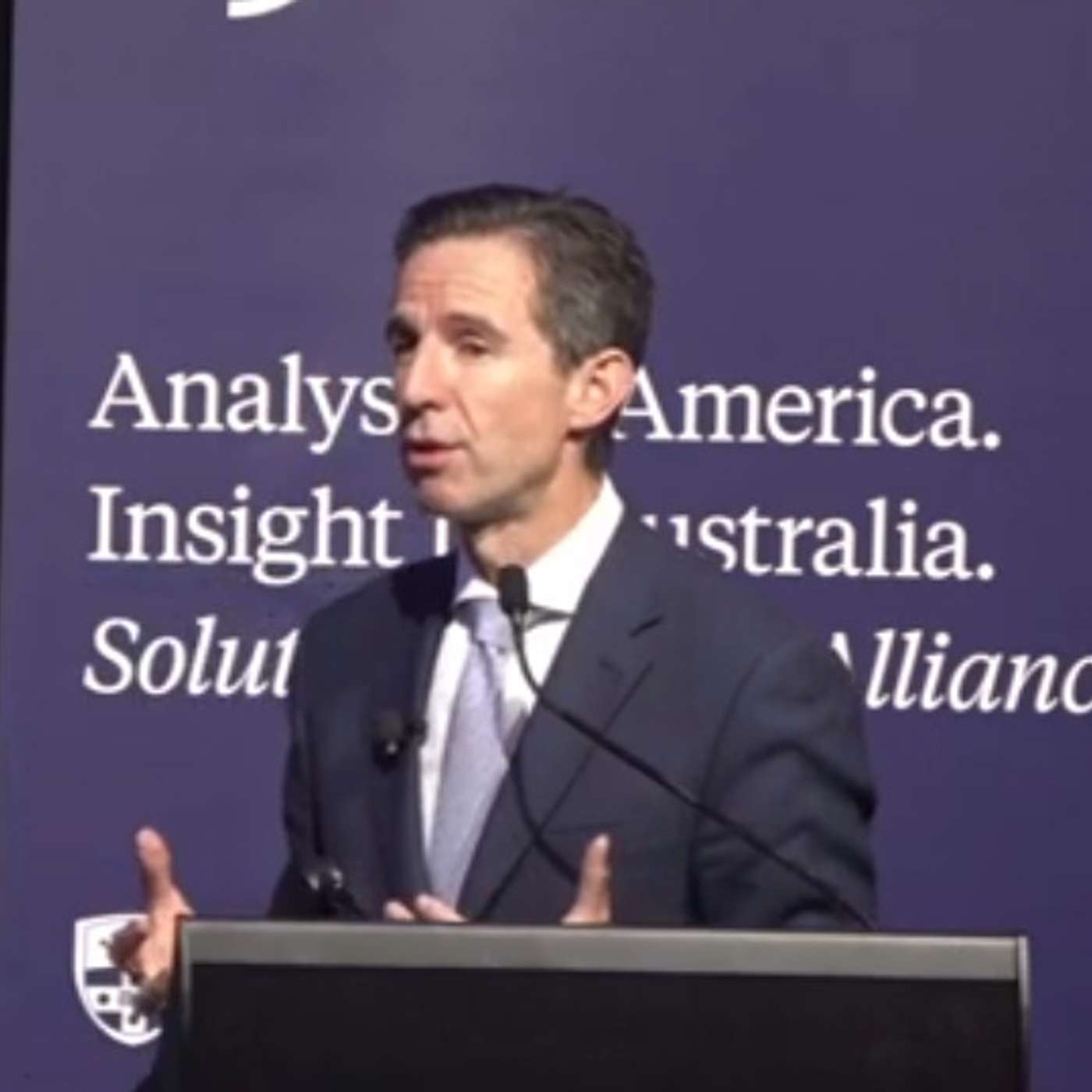
Ep 161Sydney International Strategy Forum | Keynote address and fireside conversation with Senator Simon Birmingham
Shadow Minister for Foreign Affairs Senator the Honourable Simon Birmingham delivered a keynote address to the Sydney International Strategy Forum before joining Peter Dean, Director of Foreign Policy and Defence at the United States Studies Centre, for a fireside conversation. Mr Birmingham is Shadow Minister for Foreign Affairs and Leader of the Opposition in the Senate. He has served as a Liberal Party Senator for South Australia since May 2007. Under the Morrison government, Mr Birmingham was appointed to the position of Minister for Finance and Leader of the Government in the Senate after serving as Minister for Trade, Tourism and Investment. Prior to this, he served as the Minister for Education and Training, Assistant Minister in the education portfolio. The Sydney International Strategy Forum brought together prominent thought leaders, policymakers and industry experts to tackle the big issues confronting Australia, the United States and the Indo-Pacific. From bolstering supply chain resilience to turning AUKUS into reality, the forum discussed the enormous opportunities and risks posed by such cross-cutting challenges and what they mean for the future of our region. The forum was held at the Four Seasons Sydney on 1 November 2023.
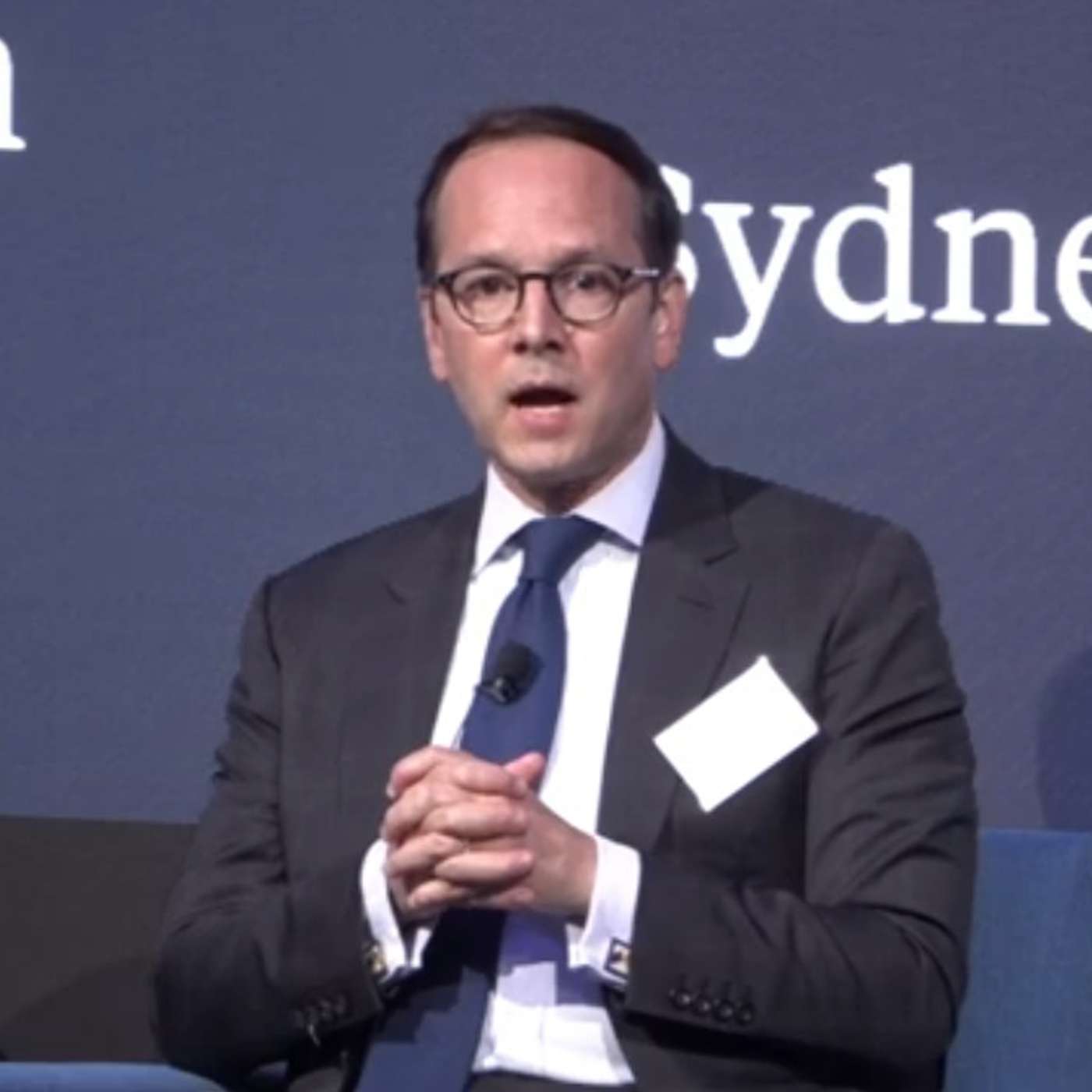
Ep 160Sydney International Strategy Forum | Panel 1: How far will US-China confrontation go?
Moderated by Dr Michael Green, CEO of the United States Studies Centre, this session of the Sydney International Strategy Forum features panellists Michèle Flournoy, Co-founder of WestExec Advisors; Admiral Phil Davidson, former Commander of US Indo-Pacific Command; Dr Evan Medeiros, Professor and Penner Family Chair in Asia Studies in the School of Foreign Service at Georgetown University; and The Hon. Kim Beazley AC, former Australian Ambassador to the United States. The Sydney International Strategy Forum brought together prominent thought leaders, policymakers and industry experts to tackle the big issues confronting Australia, the United States and the Indo-Pacific. From bolstering supply chain resilience to turning AUKUS into reality, the forum discussed the enormous opportunities and risks posed by such cross-cutting challenges and what they mean for the future of our region. The forum was held at the Four Seasons Sydney on 1 November 2023.
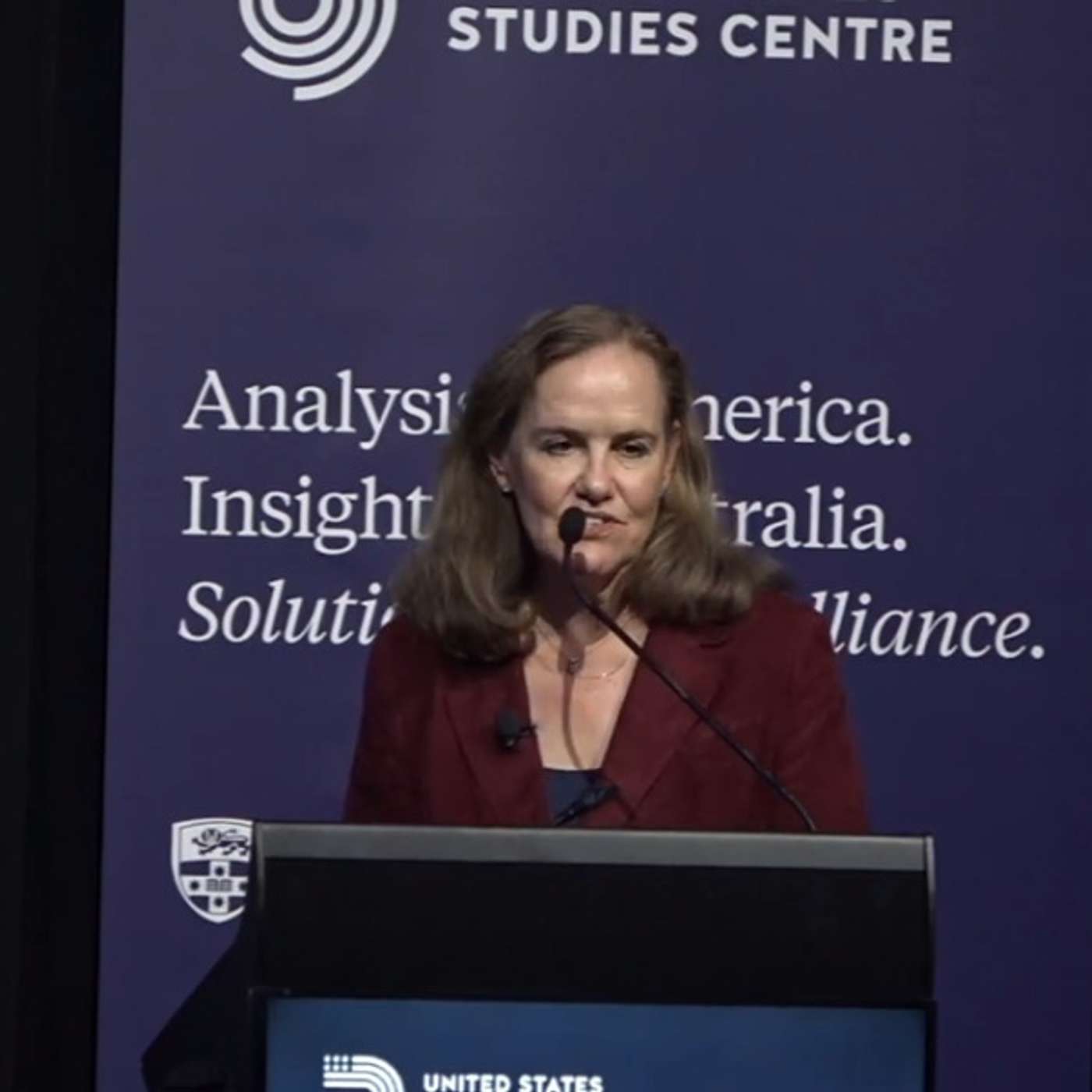
Ep 159Sydney International Strategy Forum | Keynote address and fireside conversation with Michèle Flournoy
Michèle Flournoy is Co-Founder and Managing Partner of WestExec Advisors, and Co-Founder, former Chief Executive Officer, and now Chair of the Center for a New American Security. Ms Flournoy served as the Under Secretary of Defense for Policy from 2009 to 2012. She was the principal advisor to the Secretary of Defense in the formulation of national security and defence policy, oversight of military plans and operations, and in National Security Council deliberations. Ms Flournoy delivered a keynote address at the Sydney International Strategy Forum and then joined United States Studies Centre CEO Michael Green for a fireside conversation. The Sydney International Strategy Forum brought together prominent thought leaders, policymakers and industry experts to tackle the big issues confronting Australia, the United States and the Indo-Pacific. From bolstering supply chain resilience to turning AUKUS into reality, the forum discussed the enormous opportunities and risks posed by such cross-cutting challenges and what they mean for the future of our region. The forum was held at the Four Seasons Sydney on 1 November 2023.
Ep 158Sydney International Strategy Forum | Welcome remarks and USSC 2023 polling insights — part one
Dr Michael Green, CEO of the United States Studies Centre provides welcome remarks for the inaugural Sydney International Strategy Forum held at the Four Seasons Sydney on 1 November 2023. Jared Mondschein, Director of Research and Victoria Cooper, Research Editor at the United States Studies Centre then discussed the findings of a public opinion survey conducted by the United States Studies Centre In August 2023 in Australia, the United States and Japan. The poll measured public sentiment in each nation on a variety of issues one year out from the 2024 US presidential election.The Sydney International Strategy Forum brought together prominent thought leaders, policymakers and industry experts to tackle the big issues confronting Australia, the United States and the Indo-Pacific. From bolstering supply chain resilience to turning AUKUS into reality, the forum discussed the enormous opportunities and risks posed by such cross-cutting challenges and what they mean for the future of our region. The forum was held at the Four Seasons Sydney on 1 November 2023.

Ep 157The GOP debate breakdown: What just happened?
Republican presidential candidates gathered in Milwaukee for the biggest event of the 2024 election cycle so far: the first Republican presidential debate. With the power to make or break the candidates jockeying to stand out in the crowded GOP field, the first debate is a critical step in deciding who will ultimately face off against likely Democratic nominee Joe Biden in the 2024 presidential election. While the stage may be set, much remains unknown.Does anyone stand a chance to dethrone frontrunner Donald Trump? Who were the winners and losers of the expectation game? As the dust settles, what did the debate tell us about what to expect in the road to the 2024 presidential election?To explore these questions, USSC hosted a public forum featuring politics experts Associate Professor David Smith, Senior Lecturer Dr Gorana Grgic and Research Editor Victoria Cooper in conversation with Director of Research Jared Mondschein.
Ep 156Countering a Taiwan crisis with economics
The past few years have seen an unprecedented use of economic coercion as a tool of international relations, from sanctions placed on Russia, Iran, and North Korea to the ongoing export control battle between China and the United States. How far will these tools go? Would sanctions work in China in the event of a Taiwan crisis? What would it mean for the private sector and businesses?To discuss this, USSC hosted a discussion with Adam Smith, a world-leading international trade compliance lawyer and former advisor to President Obama, in conversation with Hayley Channer, Director of Economic Security at the United States Studies Centre.Adam Smith is a partner and co-chair of the International Trade Practice at Gibson, Dunn & Crutcher, based in Washington DC. He served as a senior advisor in the Obama Administration, providing guidance for strengthening sanctions (Russia and Syria) and easing measures (Burma and Cuba), and on enforcement actions following sanctions violations. He frequently chaired the US Treasury delegation to EU/G7 consultations regarding Russia sanctions and worked on Iran sanctions in conjunction with the nuclear deal. He is the author of three legal texts and dozens of articles and book chapters, and has testified on sanctions before the US Congress and the UK Parliament.
Ep 155How Australia can navigate US-China economic battles
Strategic competition between the United States and China, Australia’s most important ally and largest trading partner respectively, means Australia must maintain a delicate balancing act. China has recently begun removing restrictions on Australian imports in signs of improved bilateral relations, even as it threatens economic coercion in other areas of the region. With an uncertain global economic outlook and rising tensions across the Indo-Pacific, questions of how Australia should engage with China's economy have never been more important.How should Australia balance relations with its largest trading partner, and its most important ally? What is the outlook for economic disruption in China and spillovers to the Indo-Pacific region? How can Australia best navigate economic relations with China in the age of strategic competition? To discuss these questions, the United States Studies Centre hosted a discussion with Rhodium Group founding partner and USSC Visiting Fellow, Daniel Rosen in conversation with USSC Economic Security Program Director, Hayley Channer.Daniel Rosen is a former White House staffer on the National Economic Council and National Security Council, Daniel is an internationally recognised expert on China’s economy and global interactions in an age of strategic competition, and a trusted adviser to corporations, investors and policymakers. He is a member of the Council on Foreign Relations, and a board member of the National Committee on US-China Relations.
Ep 154Readout on President Biden's Asia trip: A conversation with Kurt Campbell, Edgard Kagan and Mira Rapp-Hooper
While debt-ceiling negotiations required President Biden to call off the Australia leg of his recent trip to the region, this did not stop progress on a number of major initiatives across the Indo-Pacific. At the G7 in Hiroshima, Japan, key global leaders discussed a wide range of salient issues, from countering economic coercion and redoubling support for Ukraine to clean energy and nuclear disarmament. The leaders of all four Quad countries were also able to hold a rescheduled Quad Leaders Summit on the sidelines of the G7 and Australian Prime Minister Anthony Albanese and President Biden also met one-on-one and struck a deal adding a climate and clean energy "third pillar" to the alliance. With a sizeable agenda amid condensed timelines, what was prioritised in the discussion between Quad leaders? Did the outcomes from the G7 meet expectations? What is next for the White House's Indo-Pacific team following President Biden’s Asia trip?To discuss these issues, the United States Studies Centre hosted a webinar with White House National Security Council Indo-Pacific Coordinator Dr Kurt Campbell, White House National Security Council Senior Director for East Asia and Oceania Edgard Kagan and White House National Security Council Director for Indo-Pacific Strategy Dr Mira Rapp-Hooper in discussion with USSC CEO Dr Michael Green.
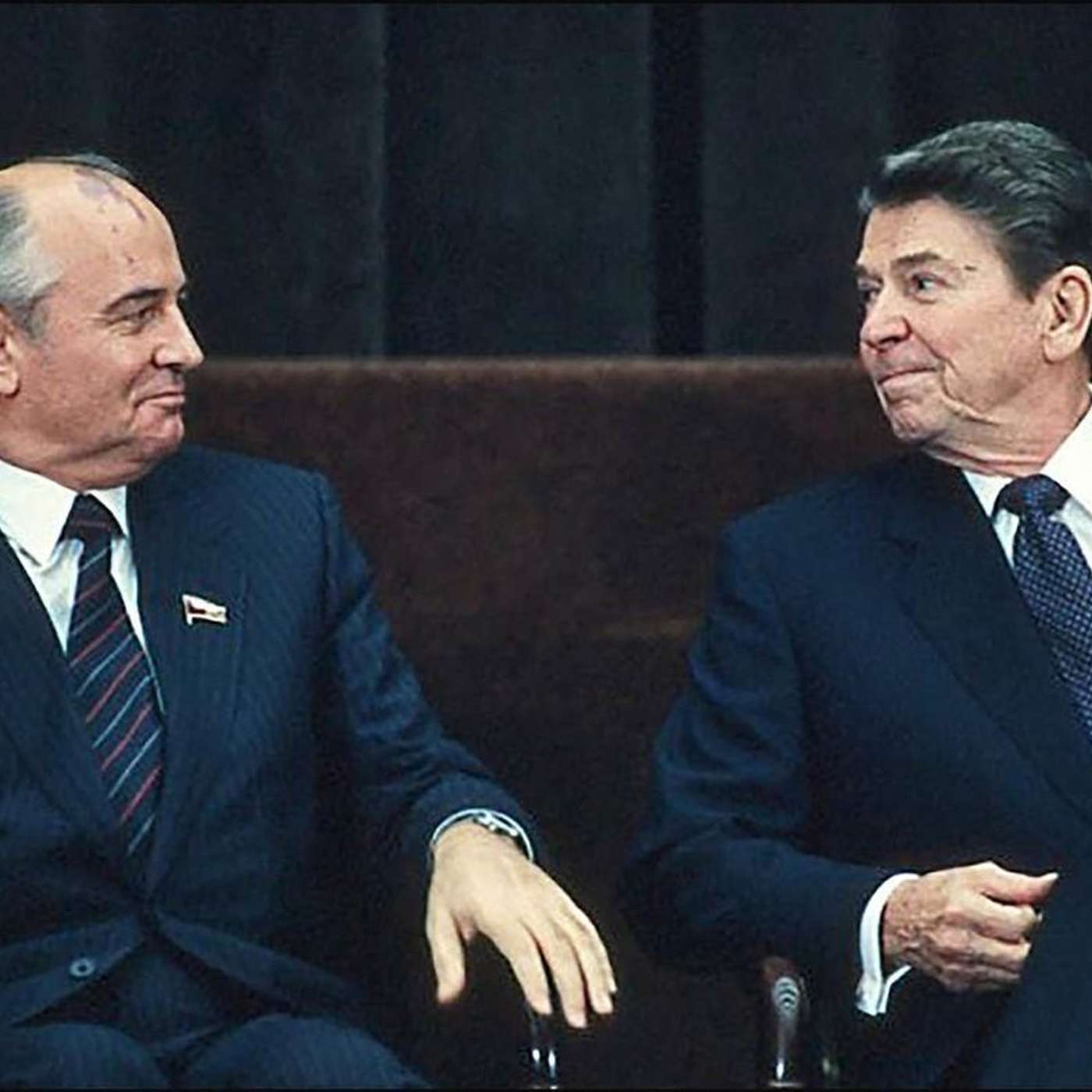
Ep 153How to stop a Cold War from becoming hot: Lessons from Ronald Reagan
In the era of strategic competition, debate about how to preserve the international rules-based order without provoking a catastrophic conflict continues unabated. Following the invasion of Ukraine, concerns around Taiwan have made the stakes in these debates only more tangible. To answer the critical question about how to avoid great power conflict, former White House staffer Dr William Inboden argues we should look to the past and, specifically, US President Ronald Reagan’s role in the waning days of the Cold War. What lessons from President Reagan’s foreign policy apply to current tensions in the Indo-Pacific? How should the United States work with allies and approach economic realities in the Indo-Pacific? What would Reagan do about Xi Jinping?To discuss these questions, the United States Studies Centre hosted an in-person event featuring USSC Visiting Fellow Dr William Inboden, Executive Director and William Powers, Jr. Chair at the Clements Center for National Security at the University of Texas-Austin, and author of The Peacemaker: Ronald Reagan, The Cold War, and the World on the Brink, in conversation with USSC CEO Dr Michael Green.
Ep 152The optimal pathway for ITAR reform
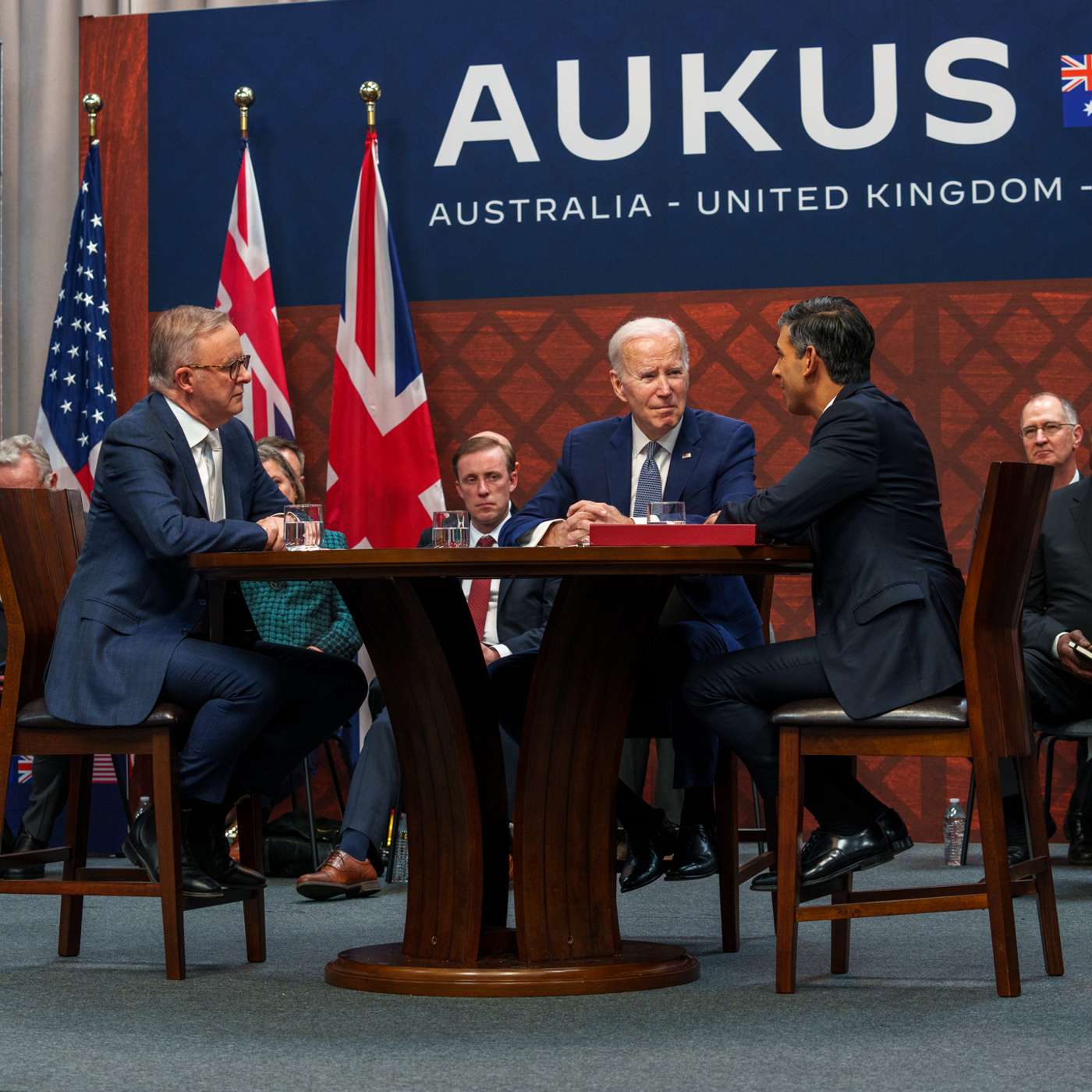
Price tag aside, one of the biggest obstacles to the success of AUKUS is export controls. Stakeholders in all three AUKUS countries are increasingly concerned that the United States International Traffic in Arms Regulations (ITAR) present a significant challenge to the timely sharing of equipment, information, and technology between the three countries. These challenges are not new, but the stakes have never been higher. Realising the full potential of AUKUS hinges on timely ITAR reform. Indeed, ITAR reform is essential to the delivery of Australia’s nuclear-powered submarines under AUKUS Pillar I and fostering genuinely trilateral collaboration on advanced capabilities under AUKUS Pillar II.How might ITAR provisions hamper the implementation of the AUKUS agreement? Why did previous efforts to reform US export controls for Australia and the United Kingdom fall short? What sorts of revisions are being considered across the US system? Is the best route to enduring ITAR reform through legislative action or an executive order?In a report released prior to this webinar, non-resident fellow at the American Enterprise Institute, Dr William Greenwalt and USSC Research Fellow in the Foreign Policy and Defence program Tom Corben tackled these questions and provided a roadmap towards reforming ITAR to realise the full potential of AUKUS. The Centre hosted a webinar with the authors, along with USSC non-resident fellow Jennifer Jackett, for a discussion on reforming US export controls to realise the potential of AUKUS.
Ep 151What to expect from the Quad Leaders' Summit
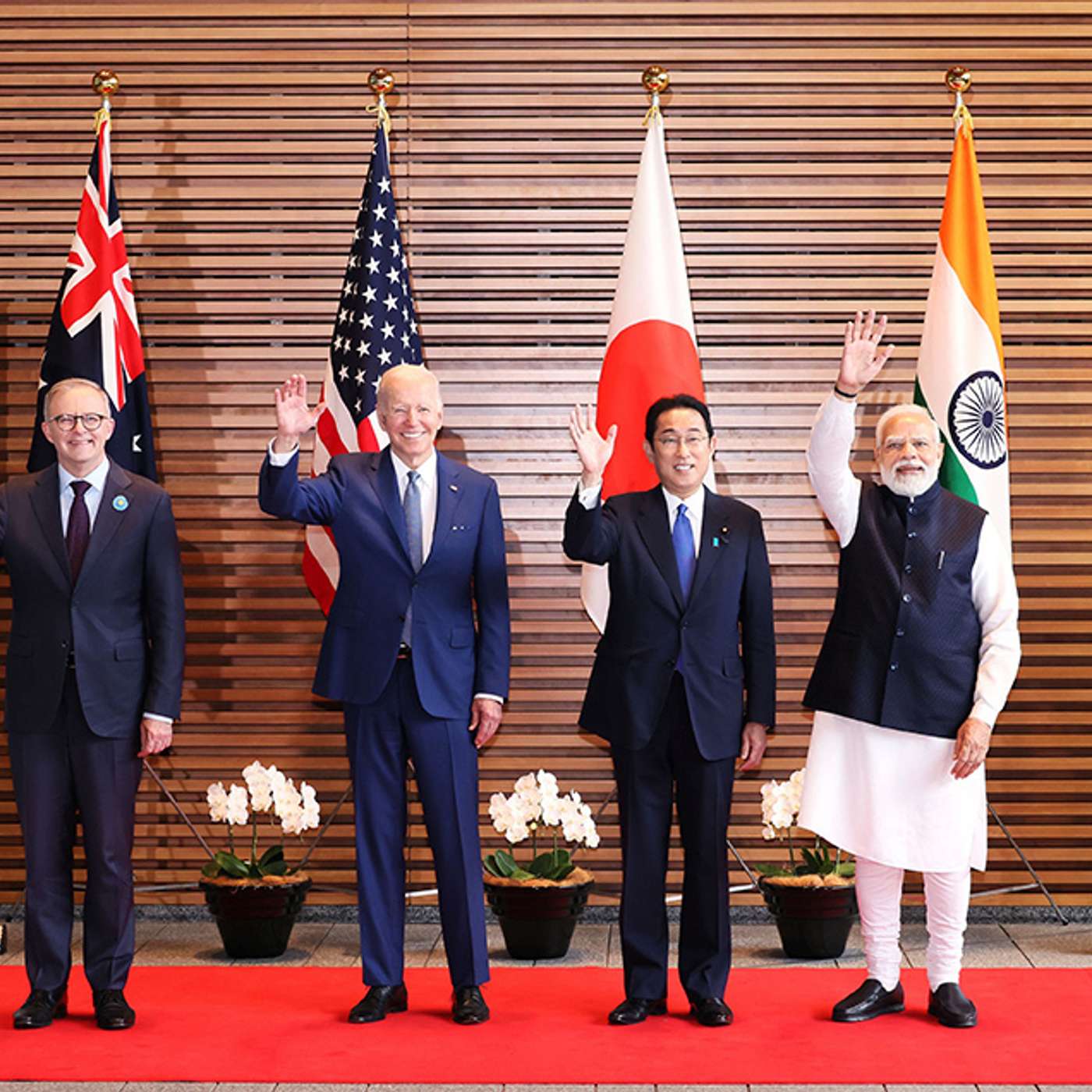
The Quad partnership — Australia, India, Japan and the United States — represents a powerful grouping of Indo-Pacific states seeking to maintain stability and resilience in the world’s most dynamic region. What can the history of the Quad, which dates back to the George W. Bush administration, tell us about its future? How can the Quad successfully align the diverse views across the region to address shared challenges?To discuss these questions, the United States Studies Centre held a public forum featuring CEO Dr Michael Green, Director of Foreign Policy and Defence Professor Peter Dean, non-resident Senior Fellow Dr Lavina Lee, and Research Fellow Tom Corben.
Ep 150The fight for democracy in Asia
The United States Studies Centre and the National Endowment for Democracy (NED) hosted a special event to hear from leaders across the region about the state of play for democracy and how aligned countries can work together. The event featured a keynote address followed by a panel discussion.Keynote addressAustralian economist Professor Sean Turnell spent much of his professional career studying the Myanmar economy and moved there to advise the State Counsellor of Myanmar Aung San Suu Kyi. After the February 2021 coup d’état toppled the democratically-elected government and the military assumed control of the country, Turnell was detained and imprisoned for nearly two years along with almost 6,000 others while more than 800 people were killed in the violent uprising.Panel discussion: Regional approaches to supporting democracyAmbassador Yukio Takasu, Chair, Future of Democracy Study Project and Former Permanent Representative of Japan to the United NationsDr Sook Jong Lee, President Emeritus, Senior Fellow and Professor of Public Administration, Sungkyunkwan UniversityDr Henry Ivarature, Deputy Director, Strategic Engagement, Australia Pacific Security College, Crawford School of Public Policy, Australian National UniversityModerated by Dr Michael Green, CEO, United States Studies Centre The panel reported on the Sydney round of the Sunnylands Initiative co-sponsored by the NED and USSC to assess the state of democracy in the Indo-Pacific and identify pathways to strengthen democratic partnership. Other participants in the conversation included representatives of Freedom House, the International Republican Institute, the National Democratic Institute, and thought leaders from across the Indo-Pacific.

Ep 149Technology, innovation and strategic competition: A conversation with The Hon Dr Andrew Leigh and Dr Robert Atkinson
In an era of heightened economic and technological competition, the United States and Australia are rapidly recalibrating their strategic approach. The technology policy landscape is front-of-mind across all aspects of business and government. This conversation explored a range of technology issues facing Australia and the United States including, the role of AI and automation in jobs, innovation and inequality, data sovereignty, the CHIPS Act, decoupling and technology regulation. The United States Studies Centre hosted a discussion featuring The Hon Dr Andrew Leigh MP, Assistant Minister for Competition, Charities and Treasury and Dr Robert Atkinson, President of the Information Technology and Innovation Foundation (ITIF) moderated by Dr Miah Hammond-Errey, USSC Emerging Technology Program Director.

Ep 148AUKUS briefing: What you need to know about the AUKUS report
With the acquisition of nuclear-powered submarines through AUKUS, Prime Minister Anthony Albanese said Australia is on the cusp of “the single biggest leap in our defence capability in our history.”Now, 18 months since the original surprise announcement, the highly-anticipated AUKUS report shares the “optimal pathway” to acquire the nuclear-powered submarines. But the pathway is fraught with challenges and aligned intentions do not guarantee delivery. Where is the greatest daylight between the three countries in terms of the nuclear submarine production? What role will the advanced capabilities pillar play during the long lead-up to acquisition of the submarines? How should, or shouldn’t, we read the AUKUS report?To discuss these issues, USSC hosted a webinar discussion with United States Studies Centre CEO Dr Michael Green, Director of Foreign Policy and Defence, and lead author of the 2023 Defence Strategic Review, Professor Peter Dean and Director of Economic Security Hayley Channer.

Ep 147Pride and the alliance: Alan Joyce and Ambassador John Berry (ret'd) in conversation with Annabel Crabb
The United States and Australia both followed circuitous routes to marriage equality. When US Ambassador to Australia John Berry (ret'd) first arrived in Australia in 2013, he was the first openly-gay US ambassador to a G20 country. However, not only was same-sex marriage not legal in Australia, it was not yet legal in all of the United States. In Australia, Qantas Group CEO Alan Joyce AC was one of the most influential voices in the marriage equality campaign. How have these influential leaders seen LGBTQ+ rights advance in their lifetimes? How did the journey to marriage equality compare between the United States and Australia? What work still needs to be done, and what role can the close US-Australia relationship play?As Sydney welcomes WorldPride 2023, the United States Studies Centre was honoured to welcome Qantas CEO Alan Joyce AC and former US Ambassador to Australia John Berry in conversation with the ABC’s political commentator Annabel Crabb.Alan Joyce AC was appointed Chief Executive Officer and Managing Director of Qantas in 2008. Most recently he has led the Group’s recovery from the COVID-19 crisis, which had a devastating impact on the global aviation industry. As a senior business figure in Australia, Alan is well known for championing inclusion and diversity. He was named a Companion of the Order of Australia (AC) in the Queen’s Birthday 2017 Honours List for his contributions to gender equity, inclusion and diversity, and a supporter of Indigenous education, as well as for his contribution to tourism and aviation. He is a Patron of the Pinnacle Foundation, providing educational scholarships, mentoring and opportunities for young LGBTQ+ people, and is a founding member of Pride in Diversity.Ambassador John Berry is President of the American Australian Association. He served as United States Ambassador to Australia under President Obama from 2013 to 2016, the first openly-gay person to be appointed and confirmed as US Ambassador to a G20 Nation. Berry led former President Obama’s successful LGBT strategy and was the first openly-gay person confirmed by a Republican-controlled Senate as well as the highest-ranking openly-gay person in US history at the time when he was confirmed as Director of the Office of Personnel Management in 2009.
Ep 146A conversation with Walter Russell Mead
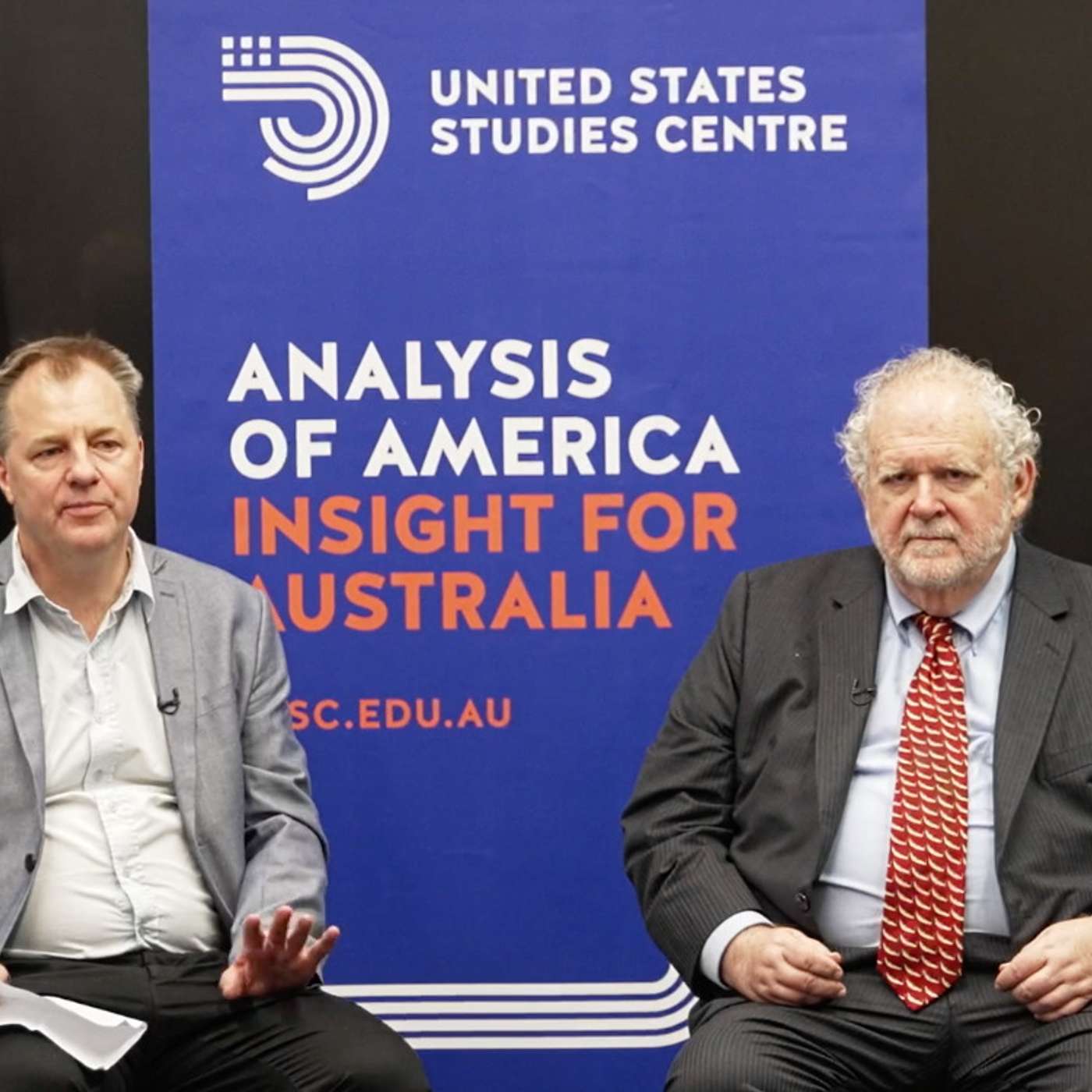
At his inauguration more than two years ago, President Biden promised that America was back, ready to resume its leadership role in world affairs. But, as a multitude of crises present increasingly complicated policy problems for world leaders, how can the Biden administration hope to manage these tumultuous international relations? What is the United States trying to accomplish in its foreign policy? And why is it that the world seems so constantly unstable and in flux? Understanding US foreign policy and strategy has never been more important.To discuss these questions the United States Studies Centre was delighted to host foreign policy expert and esteemed academic, Walter Russell Mead in conversation with USSC Professor of US Politics and US Foreign Relations, Brendon O’Connor.Walter Russell Mead is the Ravenel B. Curry III distinguished fellow in strategy and statesmanship at Hudson Institute, the James Clarke Chace professor of foreign affairs and humanities at Bard College, and the "Global View" columnist at the Wall Street Journal. From 1997 to 2010, Mr Mead was a fellow at the Council on Foreign Relations, serving as the Henry A. Kissinger senior fellow for US foreign policy from 2003 until his departure. He is a member of Aspen Institute Italy. Mr Mead writes on a wide variety of subjects ranging from international affairs to religion, politics, culture, education and the media. He has contributed to a wide variety of leading American journals ranging from Mother Jones to GQ and frequently appears on national and international radio and television programs.
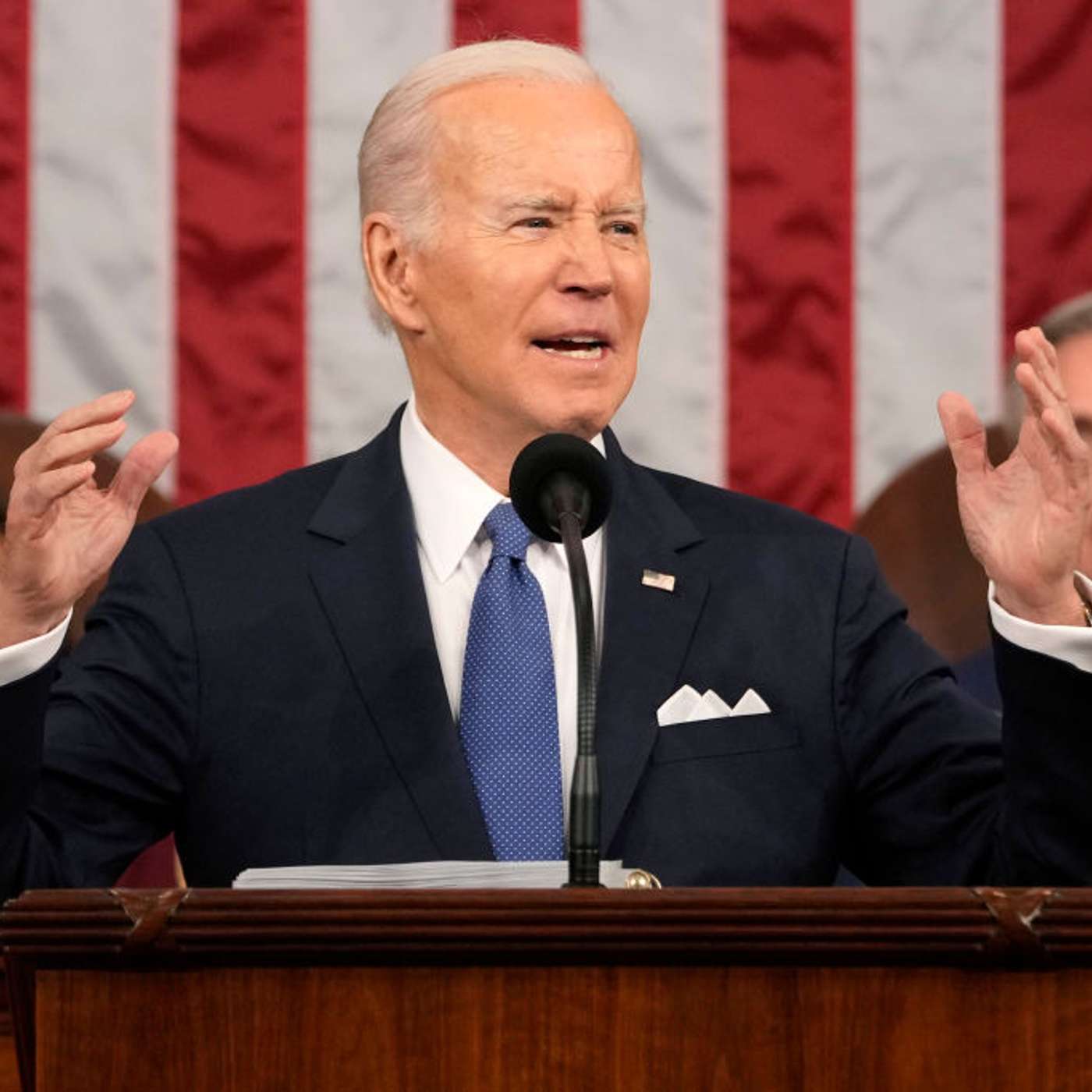
Ep 145State of the Union 2023: USSC pre-game analysis
On 7 February, President Biden will make his State of the Union address to a joint session of Congress and his first appearance before the newly Republican-controlled House of Representatives. As directed by the US Constitution, the sitting president must deliver to Congress "information of the State of the Union". Less of a report card, the annual message has become an opportunity for the president to publicly tout their accomplishments and rally support for their policy agenda for the year ahead.How will President Biden present his legislative roadmap to a divided Congress? Will any messages cut through beyond the focus on classified materials and the 2024 election? Will any foreign policy priorities get a mention beyond Ukraine?To explore these issues ahead of President Biden's address, the United States Studies Centre hosted a webinar featuring USSC politics experts Associate Professor David Smith and Research Associate Victoria Cooper in conversation with Director of Research Jared Mondschein.
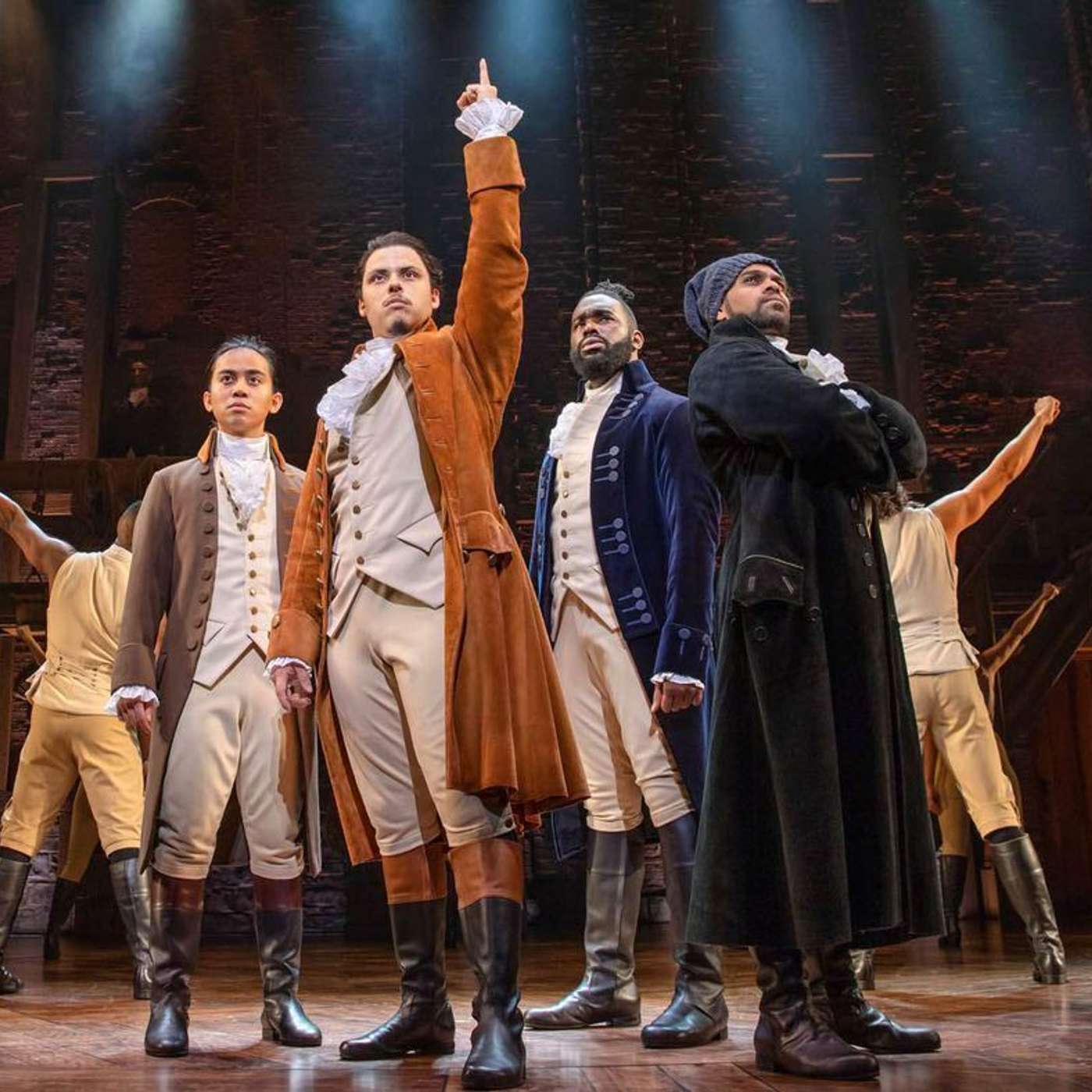
Ep 144Meet the Hamilton Australia cast: In the room where it happened
Lin-Manuel Miranda’s widely acclaimed rap retelling of the story of America’s first treasurer, Alexander Hamilton, effectively scrubbed the moniker of “forgotten founding father” when it became one of the most successful Broadway musicals of all time. When Hamilton launched in Sydney in 2021, it was the only place in the world the musical was being performed. As Hamilton commences its final weeks in Australia, the United States Studies Centre welcomed Jason Arrow (Alexander Hamilton), Akina Edmonds (Angelica Schuyler), Matu Ngaropo (George Washington) and producer Michael Cassel for an exclusive discussion and Q&A.What are the similarities and differences in the American and Australian founding stories? How did the Australian performance differ from other locations? How did the cast rehearse with the Hamilton creative team in the midst of the pandemic?To discuss these questions, the producer and members of the Hamilton joined USSC CEO Dr Michael Green, Non-Resident Senior Fellow Bruce Wolpe and Research Associate Victoria Cooper for a conversation about the Hamilton Australia experience.
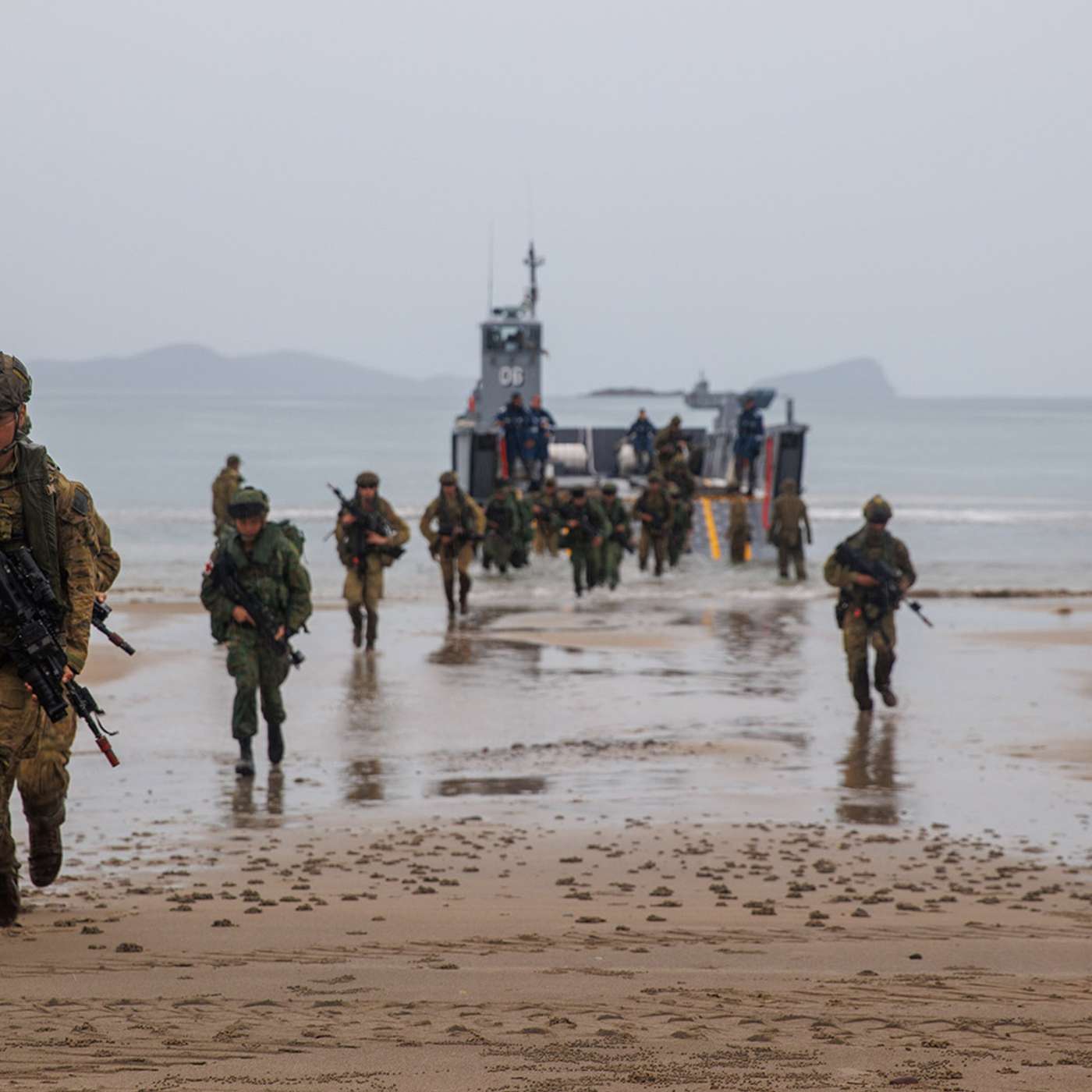
Ep 143Many hands: Australia-US contributions to Southeast Asian maritime security resilience
The United States Studies Centre launched a new report by the Foreign Policy and Defence Program, titled Many Hands: Australia-US contributions to Southeast Asian maritime security resilience. While Australia and the United States already pursue a range of security cooperation activities in Southeast Asia, this report examines how they can work together with Indonesia, the Philippines, Singapore and Vietnam to resist maritime coercion in the South China Sea. The webinar featured the report authors: Andi Supriyanto (Universitas Indonesia), Professor Renato Cruz De Castro (De La Salle University), Dr Collin Koh (RSIS, Nanyang Technological University) and Dr Lan-Anh Nguyen (Diplomatic Academy of Vietnam), in conversation with USSC Research Fellow Dr Peter K. Lee.
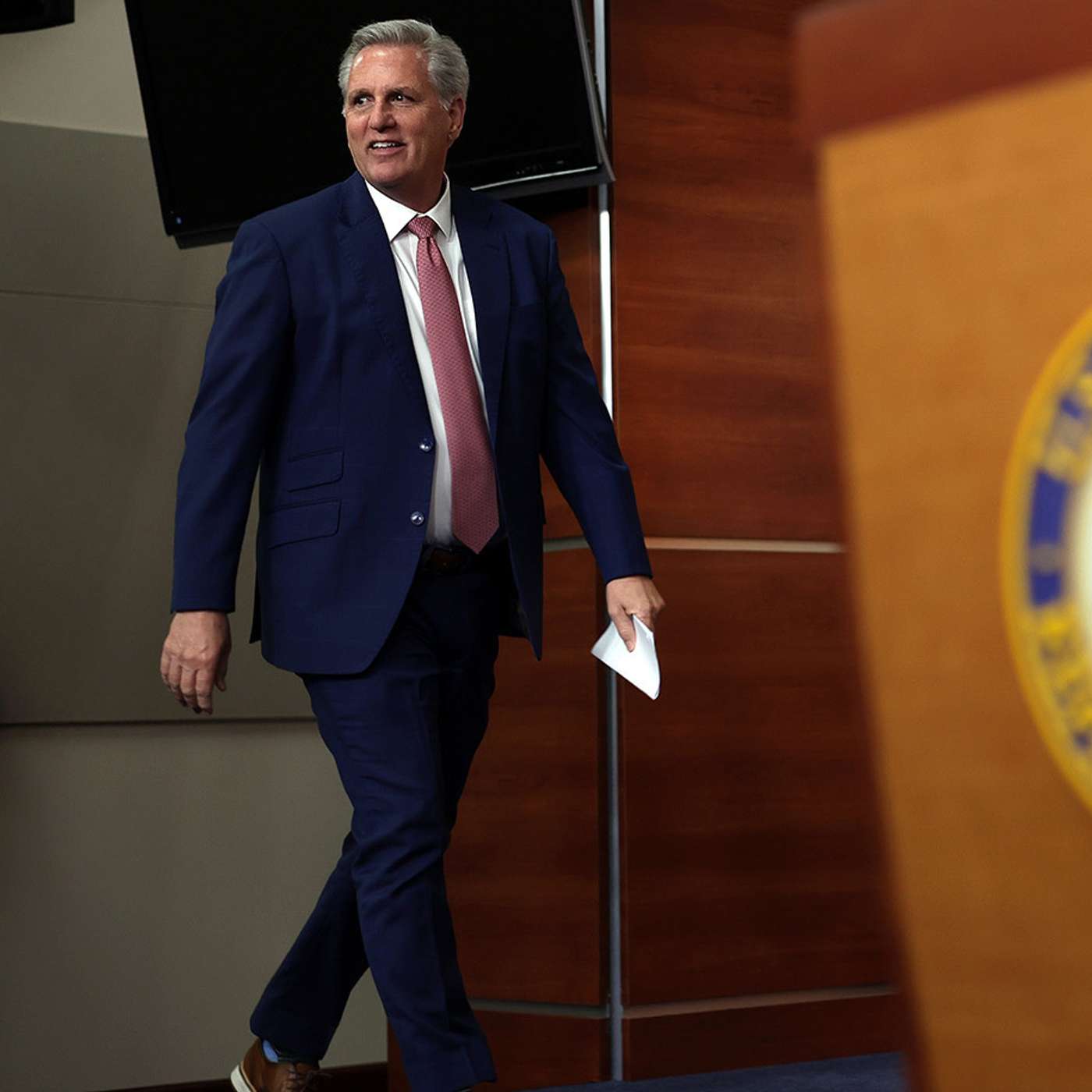
Ep 142What does the new Congress mean for Australia?
While the broad bipartisan support for AUKUS and the Australia-US alliance are unlikely to change with the new Congress, budget constraints and priorities will likely shift in ways that present both new challenges and new opportunities for Australia. What will a Republican-controlled House of Representatives mean for US defence spending? Will the election results change the US approach to China? How and where can Australia work with the United States on the next steps for AUKUS? To discuss these issues, the USSC hosted an event with Louis Lauter, a former Legislative Affairs official with the US Department of Defense and Vice President of Beacon Global Strategies in conversation with United States Studies Centre CEO Dr Michael Green.
Ep 141US Midterms 2022: The stakes for Australia and the alliance | Looking towards 2024
The United States Studies Centre launched its publication, US Midterms 2022: The stakes for Australia and the alliance at a special event in Canberra. USSC commissioned polling on public opinion in the United States, Australia and Japan on issues ranging from sentiment toward AUKUS and the stationing of US troops in allied nations to alignment on climate change and priorities for the next US Congress. This session of the conference looks forward and features Dr Michael Green, Chief Executive Officer of the United States Studies Centre; Jared Mondschein, Director of Research; and Victoria Cooper, Research Associate. USSC Chairman Mark Baillie wraps up the conference with some final insights.
Ep 140US Midterms 2022 | The US political map ahead of November 8 with Ron Brownstein
This session features CNN and The Atlantic's Ron Brownstein in conversation with Jared Mondschein, Director of Research at the United States Studies Centre. The session is part of a half-day conference hosted by USSC to launch its publication, US Midterms 2022: The stakes for Australia and the alliance. USSC commissioned polling on public opinion in the United States, Australia and Japan on issues ranging from sentiment toward AUKUS and the stationing of US troops in allied nations to alignment on climate change and priorities for the next US Congress.
Ep 139US Midterms 2022 | A conversation with Jane Coaston on what’s happening in America
This session features New York Times journalist Jane Coaston in conversation with Dr Michael Green, CEO of the United States Studies Centre. The session is part of a half-day conference hosted by USSC to launch its publication, US Midterms 2022: The stakes for Australia and the alliance. USSC commissioned polling on public opinion in the United States, Australia and Japan on issues ranging from sentiment toward AUKUS and the stationing of US troops in allied nations to alignment on climate change and priorities for the next US Congress.
Ep 138US Midterms 2022: The stakes for Australia and the alliance | Report findings
The United States Studies Centre launched its publication, US Midterms 2022: The stakes for Australia and the alliance at a special event in Canberra. USSC commissioned polling on public opinion in the United States, Australia and Japan on issues ranging from sentiment toward AUKUS and the stationing of US troops in allied nations to alignment on climate change and priorities for the next US Congress. This session of the conference includes an introduction by USSC CEO Dr Michael Green, a presentation on the major findings by Director of Research Jared Mondschein and Research Associate Victoria Cooper. The session concludes with a discussion on the national security implications for the alliance agenda featuring Professor Peter Dean, Director of Foreign Policy and Defence, Dr Miah Hammond-Errey, Director of Emerging Technology and Dr Peter Lee, Research Fellow, Foreign Policy and Defence.