
USSC Live
237 episodes — Page 3 of 5
Ep 137Is a 2023 Taiwan invasion imminent or implausible?
Chinese President Xi Jinping secured his historic third term amidst a message of heightened urgency to “reunite” with Taiwan. US officials have come out saying a move to take Taiwan could happen by 2023, but Director of the German Marshall Fund’s Asia Program, Bonnie Glaser says this timeline is based on “sheer speculation.” Does the escalating war of words indicate an invasion is imminent? What are the variables that will influence Taiwan timelines going forward? What would a Taiwan invasion mean for the United States and Australia? To discuss these issues, the United States Studies Centre hosted a special event featuring Bonnie Glaser in conversation with USSC CEO Dr Michael Green.
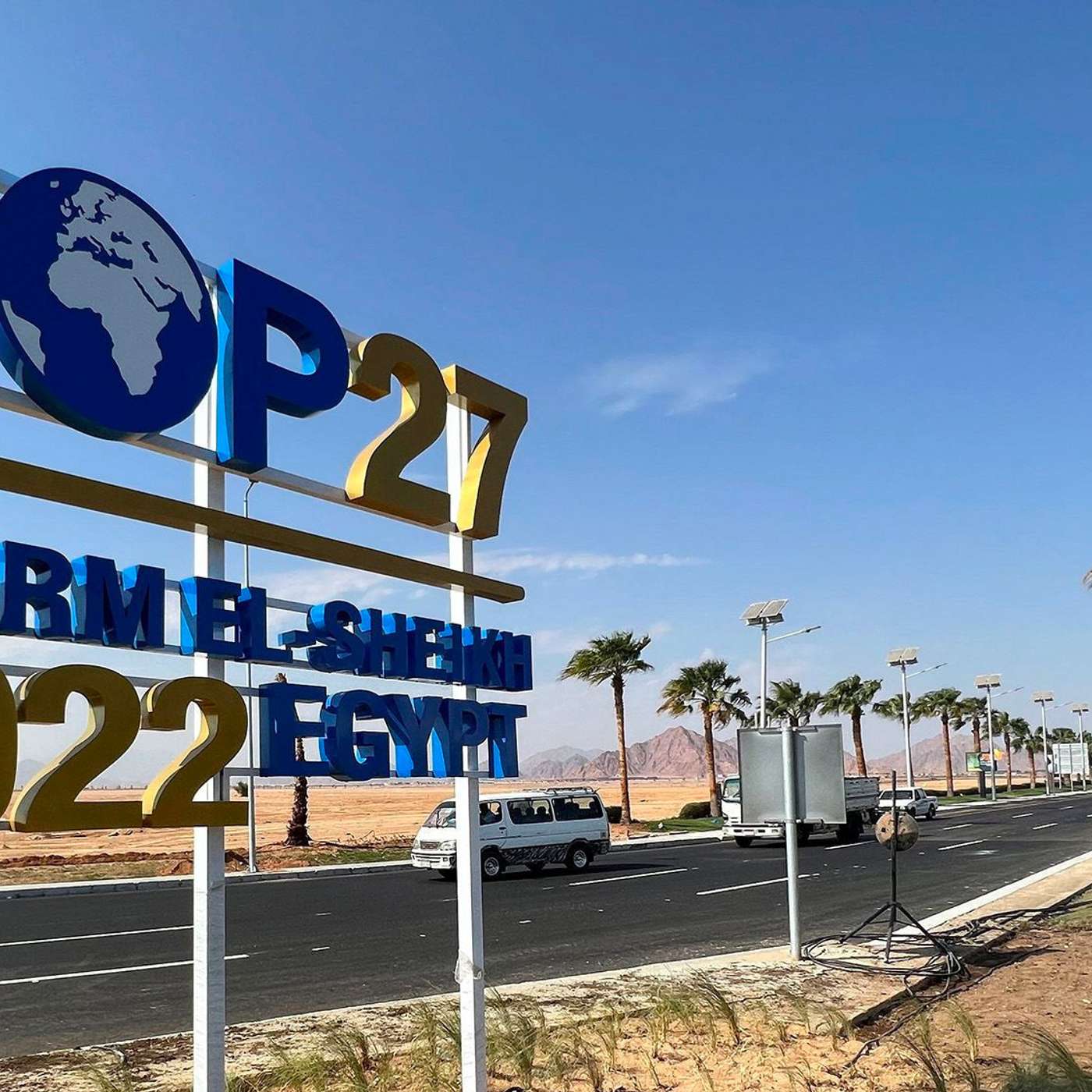
Ep 136A US-Australian agenda for climate change after the midterms
After passing record levels of investment in infrastructure, research and science, and climate the United States is on a clear pathway to a clean energy transition. Such historic legislation coincides with United States Studies Centre polling indicating that significant majorities of Americans and Australians want to see their nations collaborate with each other on fighting climate change. Yet the midterm elections could see President Biden’s Democratic party lose one, if not both Houses of Congress, and experts expect minimal progress at this month’s international climate negotiations (COP27) in Egypt. What sort of collaboration on climate change can we expect from the United States and Australia for the next two years and beyond? Can the alliance pivot to work on climate policy that touches on industrial policy and economic development? Should Australia be as concerned about the recent US climate legislation as the Europeans are? To discuss these issues, USSC hosted an event featuring Meg McDonald, a former senior diplomat now a board member of the NSW Net Zero Emissions and Clean Economy Board, the Foreign Investment Review Board and Environment Commissioner, Greater Cities Commission and Lachlan Carey, a former Australian Treasury official and senior associate at the Colorado-based RMI, where he leads work on US regional economic development through clean energy investment for a conversation with USSC CEO Dr Michael Green.
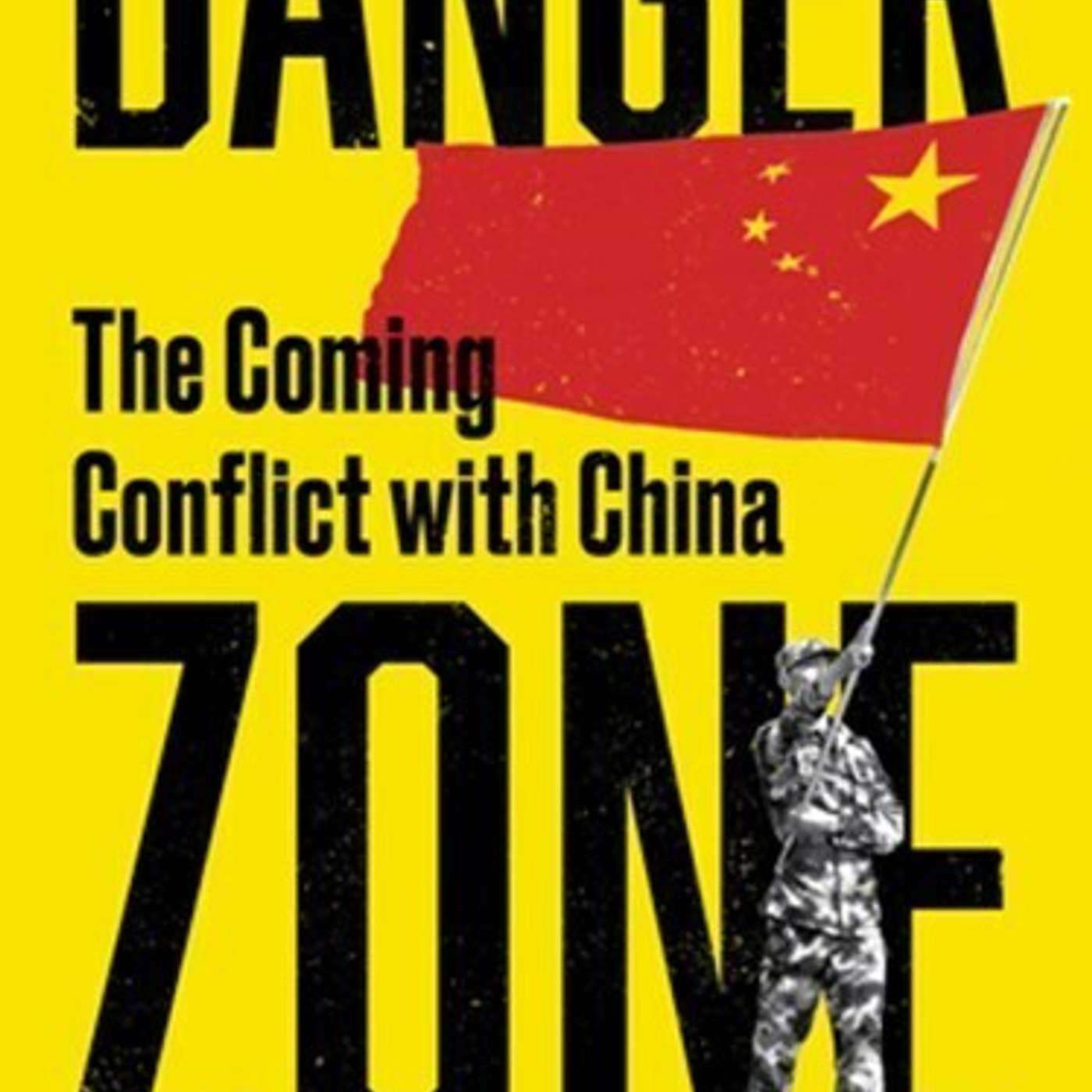
Ep 135Danger Zone: The coming conflict with China with author Hal Brands
If the rest of the 21st century will be defined by strategic competition, Professor Hal Brands posits the 2020s will be the most intense and definitive decade. As the US-China rivalry hits fever pitch, China’s aggression toward Taiwan, economic coercion and military escalation will only escalate during this critical period, which Brands and co-author Michael Beckley label the “Danger Zone.” What are their reasons for believing the 2020s will be the most intense decade? What near-term strategy should the United States and allies in the region adopt? What are the implications for US allies like Australia if they get it wrong? To discuss these issues, the United States Studies Centre hosted an event featuring Professor Hal Brands, author of Danger Zone: The Coming Conflict with China in conversation with USSC's Senior Lecturer in US Politics and Foreign Policy Dr Gorana Grgic.

Ep 134Sharks and the US presidency: A conversation with bite
US presidents are obsessed with sharks. From President Nixon asking the Secret Service to put in shark nets around his Florida holiday house to former President Trump tweeting that "sharks are last on my list." Sharks are an apex obsession. To explore the interactions between 10 presidents and the sharks they conserve or hate, the United States Studies Centre hosted a talk with University of Sydney Senior Lecturer in Public Policy Dr Christopher Pepin-Neff. Starting with Washington and ending with Trump, Dr Pepin-Neff discussed the role of sharks in building up myths and legends around presidents, the masculinity that comes with fighting sharks, and the statesmanship of protecting these fierce fish.
Ep 133Georgia: Ground zero of the US midterm elections
With the US midterm elections for the control of Congress fast approaching, voters in the state of Georgia face important and highly anticipated elections this November. Georgia voters will decide the marquee Senate race between the incumbent Democratic Senator Raphael Warnock and Trump-endorsed newcomer Republican Herschel Walker in a race that may well determine which party controls the Senate. At the same time, Georgia also has a major gubernatorial race, with Republican incumbent Governor Brian Kemp, who spurned Trump's efforts to overturn Joe Biden's victory in Georgia in November 2020, and Democratic superstar Stacey Abrams in the race. With important election integrity issues at stake, races such as these are more consequential than ever. To discuss these, the United States Studies Centre hosted a webinar featuring Alan Abramowitz, The Alben Barkley Emeritus Professor of Political Science at Emory University in Atlanta Georgia in conversation with USSC Non-Resident Senior Fellow, Bruce Wolpe and Research Associate, Victoria Cooper.
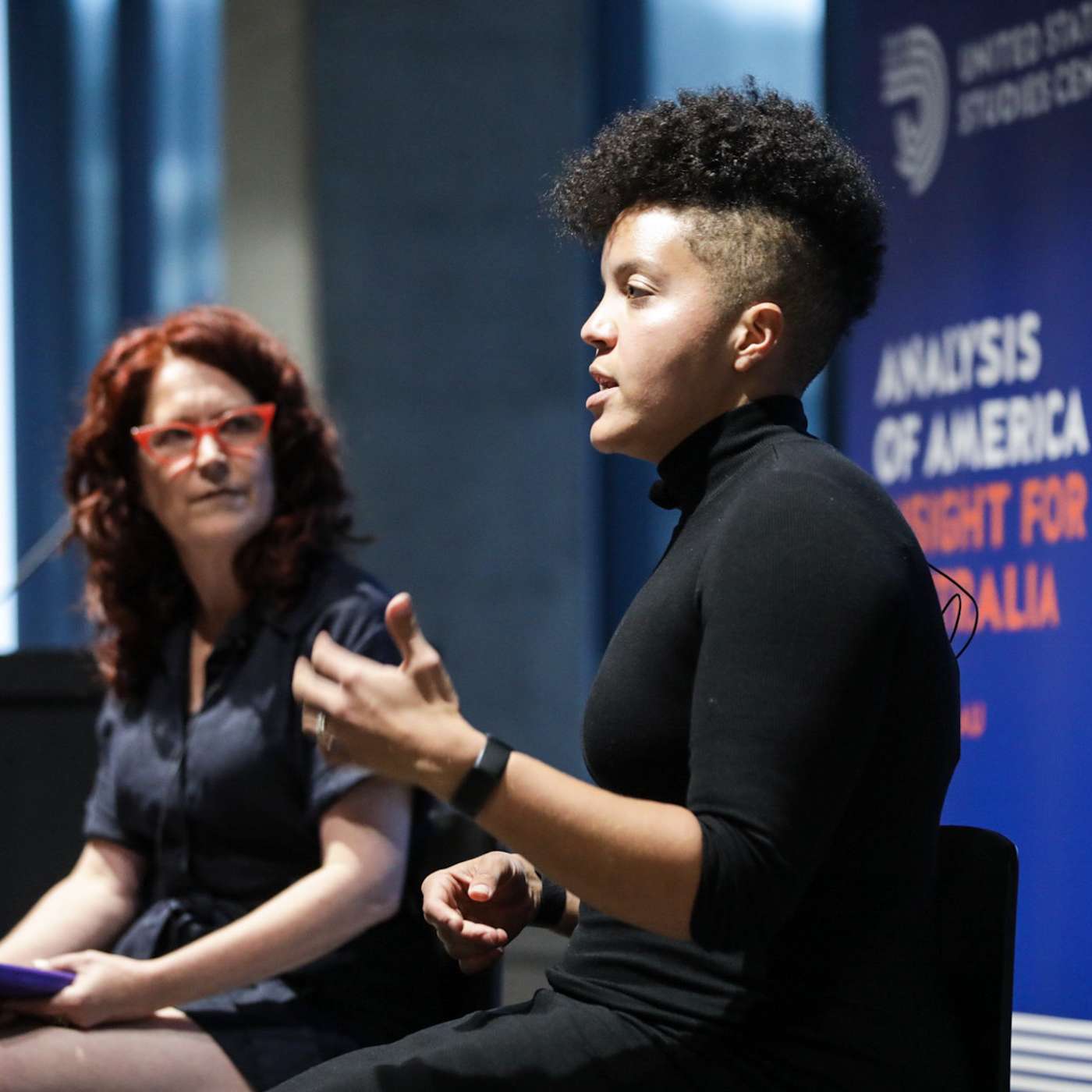
Ep 132US midterms 2022 with Jane Coaston and Annabel Crabb
The United States Studies Centre hosted a special US midterms event featuring The New York Times' Jane Coaston, ABC's Political commentator Annabel Crabb, and USSC's CEO Dr Michael Green. The presumption of a red wave in the US November midterms elections has been tempered by setbacks on the Republican agenda and significant legislative victories for Democrats. But the winner of the US House and Senate elections impacts far more than US domestic politics. The US posture toward China, defence funding, trade agreements and more all hinge on the makeup of Congress. For Australia, the stakes have never been higher in a US midterms election. What US issues are the biggest concern for US and Australian voters? What is the state of play going into the midterms? What do the midterms tell us about what to expect in the 2024 US presidential election? To explore these topics, USSC commissioned polling on public opinion in the United States and Australia. This special event provided an opportunity to discuss the key findings from US Midterms 2022 with Jane Coaston, Annabel Crabb and Michael Green.
Ep 131NATO's new Strategic Concept: Transatlantic security agenda and its implications for Australia
NATO’s Madrid Summit in June brought about the Alliance’s long-awaited new Strategic Concept which delivered an assessment of a much more adversarial international environment and set out a vision for at least the next decade. While the document makes it clear the 30 countries-strong alliance is attuned to the challenges from outside its core geographical and functional areas, it will be looking much closer to home for at least some time to come given the Russian Federation’s aggression in Ukraine and threats to NATO’s eastern flank. Yet, the fact the Indo-Pacific region received a mention for the very first time in NATO’s strategic communication, and Australia implicitly got called upon as a partner that will be crucial in enacting the Alliance’s strategic ambitions, should not be underestimated. To discuss the details of NATO’s 2022 Strategic Concept and its implications for Australia, the United States Studies Centre hosted a panel discussion with: Dr Benedetta Berti - Head of the Policy Planning Unit in the Office of the Secretary General, NATO; Ms Ciara Spencer - First Assistant Secretary, International Security Division, Department of Foreign Affairs and Trade; Professor Stephan Frühling - Strategic and Defence Studies Centre, Australian National Universit; and Dr Gorana Grgic - Senior Lecturer in US Foreign Policy, United States Studies Centre. This project is sponsored by NATO.
Ep 130Universal voting: Can Australia's experience work in America?
The simple act of voting – who can vote, how easy it is to vote, who counts the votes, who certifies the votes, and whether the people accept the legitimacy of the outcome of an election – is at the heart of the crisis of confidence in democracy in the United States. After studying voting practices in dozens of countries, E.J. Dionne Jr. and Miles Rapoport found Australia to be one of the most compelling and effective voting systems in the world. What will it take to begin to apply lessons from Australia of Universal Civic Duty Voting to the American experience? Are such fundamental reforms even remotely feasible? To discuss these issues, the United States Studies Centre hosted a webinar featuring co-authors of the new book, 100% Democracy: The case for universal voting, E.J. Dionne Jr., Senior Fellow at the Brookings Institution and syndicated columnist for The Washington Post and Miles Rapoport, Senior Practice Fellow at the Ash Centre at Harvard Kennedy School in conversation with USSC Non-Resident Senior Fellow, Bruce Wolpe and Research Associate, Victoria Cooper.
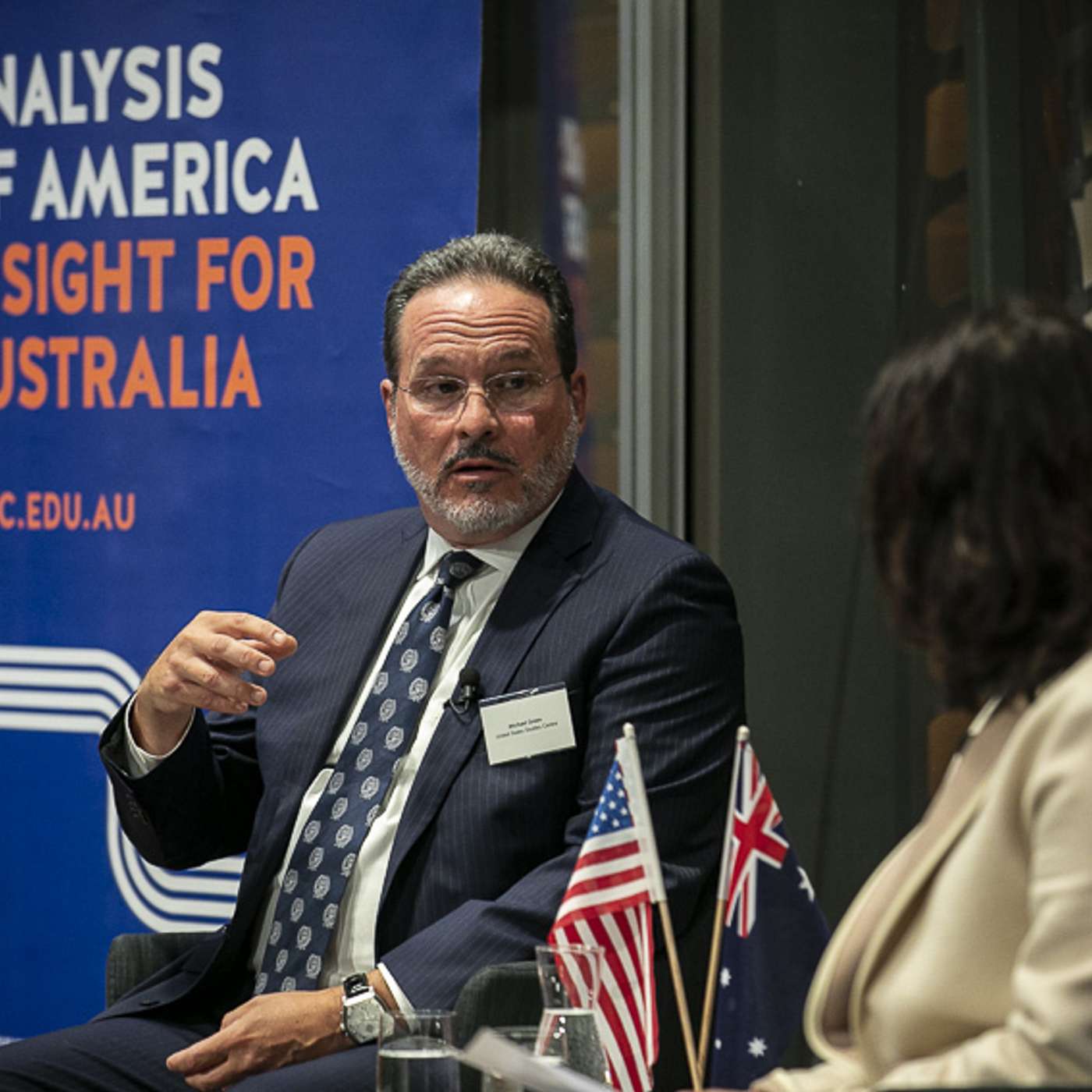
Ep 129Launch of Dr Michael Green’s new book Line of Advantage: Japan’s Grand Strategy in the Era of Abe Shinzō
A world-renowned Indo-Pacific expert, at this event, USSC CEO Dr Michael Green discussed his new book "Line of Advantage: Japan’s Grand Strategy in the Era of Abe Shinzō" with USSC Non-Resident Senior Fellow Dr Lavina Lee. Published in March this year, the book draws from Dr Green’s long-standing connection with former Prime Minister Abe Shinzō. It provides a unique political and historical context for Japan’s new grand strategy and our understanding of the role of US alliances in the Indo-Pacific. Opening remarks are provided by Vice Chancellor of the University of Sydney Mark Scott and closing remarks by USSC Chairman Mark Baillie.
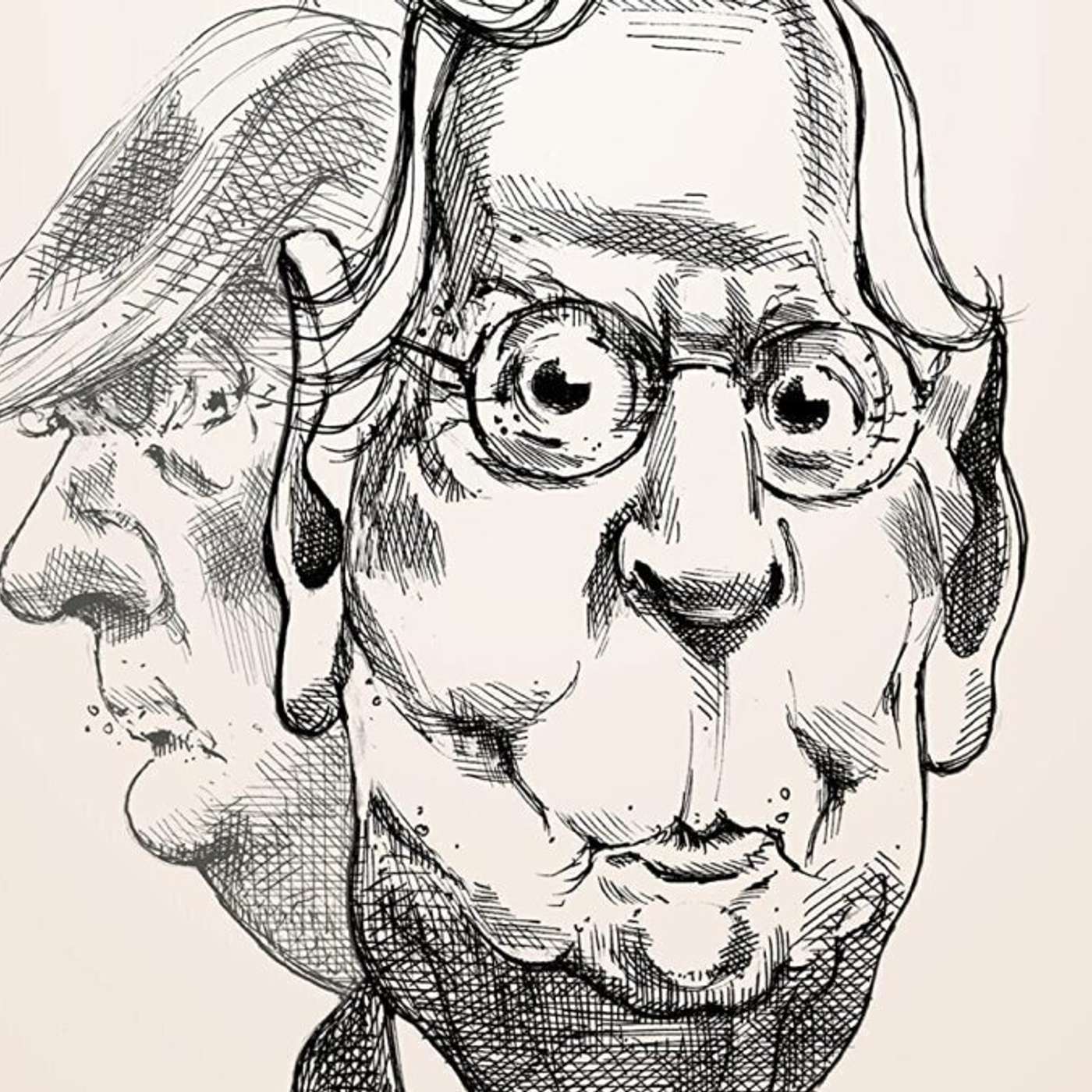
Ep 128American democracy in peril: The US Senate's crucial role
Ira Shapiro's recent book, The Betrayal: How Mitch McConnell and the Senate Republicans Abandoned America, chronicles the US Senate during the Trump presidency. As a veteran scholar and former Senate staffer with bipartisan experience, Shapiro determines that the Senate and its Republican members, led by Mitch McConnell (R-KY), ultimately abandoned late Senator John McCain's (R-AZ) guiding principle 'Country first'. Can the Senate recover its purpose and help resolve legislation to address America's fundamental challenges? What does the future hold for Mitch McConnell, arguably the most powerful Republican Senate leader ever, in the context of the upcoming midterm elections in November? What do the US midterms mean for Australia? To discuss these issues, the United States Studies Centre hosted a webinar featuring Ira Shapiro and Bill Kristol, editor-at-large of The Bulwark, Director of Defending Democracy Together, former chief of staff to Vice President Dan Quayle and one of the most incisive Republican intellectuals and commentators, in conversation with USSC CEO Dr Mike Green and Non-Resident Senior Fellow Bruce Wolpe.
Ep 127The crisis of American democracy: A conversation with Stephen Macedo
The January 6 Select Committee hearings highlight points of crisis in American democracy, yet the roots of these challenges undeniably precede the Capitol riots given US economic, social and cultural trends. Princeton University professor and political scientist Stephen Macedo's authoritative work on immigration, liberalism, populism, and democratic theory explores such trends. What are the most important economic, social, and cultural trends fueling these tensions in US democracy? What can be done to strengthen and improve American democracy? What are the implications for Australia? To discuss these issues, the USSC hosted an event featuring Princeton University's Laurence S. Rockefeller Professor of Politics, Stephen Macedo in conversation with USSC Director of Research, Jared Mondschein and Director of Engagement and Impact, Mari Koeck. Professor Stephen Macedo is a Visiting Professor at the Sydney Social Sciences and Humanities Advanced Research Centre (SSSHARC).

Ep 126A documentary history of the United States with Alexander Heffner
In an age dominated by terms like fake news and disinformation, what are the facts about the history of the United States? In the updated edition of A Documentary History of the United States, Alexander Heffner revisits primary sources to tell the unvarnished history of the United States – compiling the key documents, speeches, letters, tweets and Supreme Court decisions from the Declaration of Independence to Articles of Impeachment against Donald J. Trump following the January 6 insurrection. What do we learn from examining these primary sources? Which documents are critical to understanding the pandemic and its impact on the United States? What significance do these primary source documents have for Australia? To discuss these issues, USSC hosted a webinar event featuring co-author and host of The Open Mind on PBS Alexander Heffner.
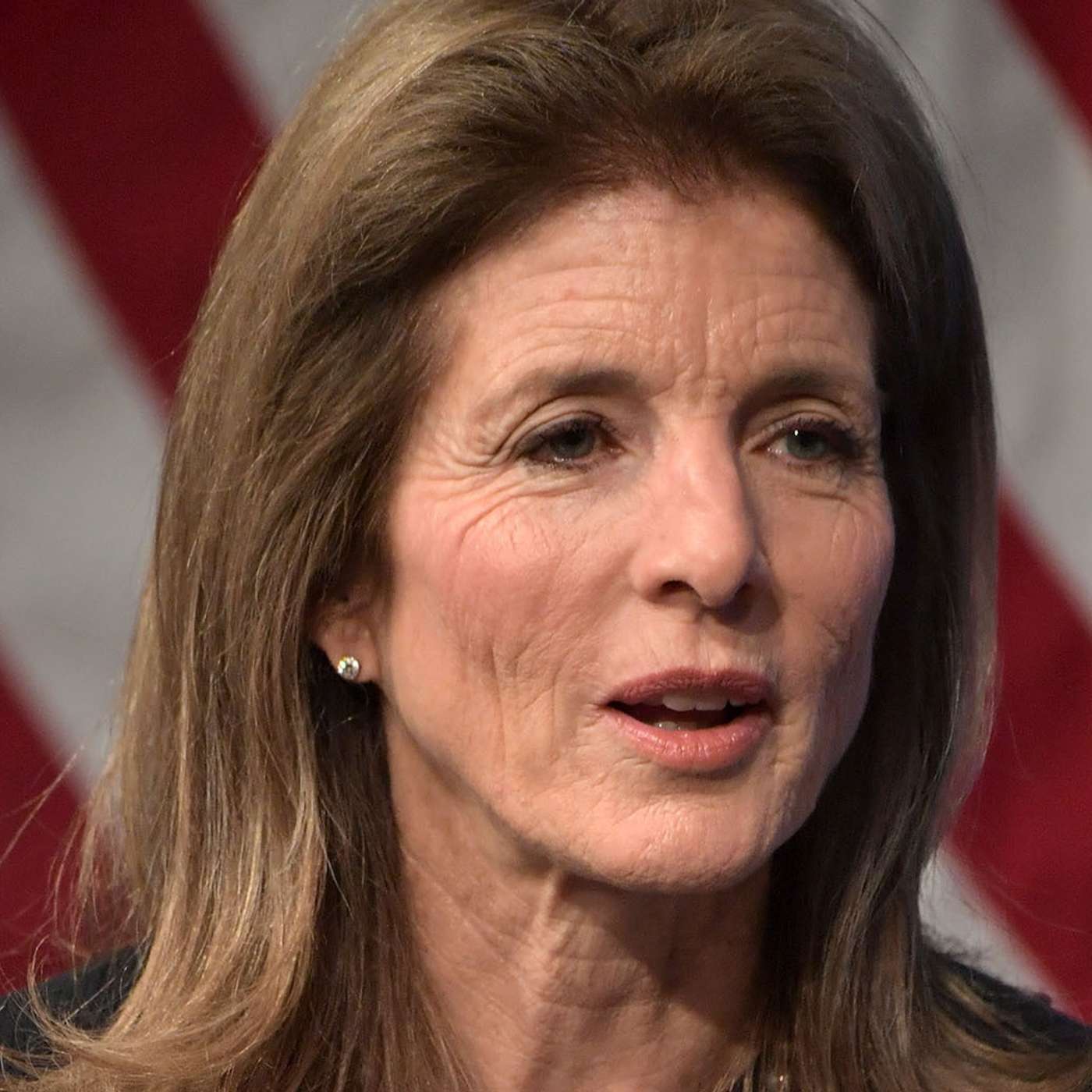
Ep 125What does a Kennedy in Canberra mean for Australia?
As a daughter of a cherished US president, scion of a political dynasty, globally-renowned philanthropist and accomplished former ambassador to Japan, Australia has arguably never had a higher profile US ambassador than it soon will with Caroline Kennedy. What is the history of the relationship between President Biden and Caroline Kennedy? What can we expect of her approach to contentious issues like US trade policy and climate change? How will her approach to China and the Indo-Pacific region compare with when she was ambassador to Japan? The United States Studies Centre hosted a webinar discussion on the newly confirmed US Ambassador to Australia featuring incoming USSC CEO Dr Mike Green, Non-Resident Senior Fellows Stephen Loosley AM and Bruce Wolpe and Research Associate Victoria Cooper.
Ep 124What's next for NATO in the Indo-Pacific after Ukraine?
Russia’s invasion of Ukraine on 24 February altered the European security architecture for generations to come. One clear piece of evidence of this: Finland and Sweden announcing they will be formally applying for membership in the NATO alliance – ending their decades-long neutrality and elevating their NATO engagement from Enhanced Opportunity Partners, alongside Australia, to fully fledged members. With Finland’s membership in NATO more than doubling the length of the alliance’s borders with Russia, how does this change NATO’s relationship with Russia? Given the significant military resources consumed in Ukraine, are NATO allies decreasing their focus or resourcing in the Indo-Pacific? How has Australia’s engagement with NATO changed since 24 February? To discuss these issues, the United States Studies Centre hosted a webinar discussion with USSC Senior Lecturer in US Politics and Foreign Policy Dr Gorana Grgic in conversation with incoming USSC CEO Dr Mike Green.

Ep 123Congress, the White House and democracy at a crossroads: A conversation with Larry Sabato
As we approach the November midterm elections, Joe Biden's presidency, the control of Congress and the future course of America's democracy are all at a crossroads. What is the outlook for both parties in the midterms, and what is at stake for President Biden and the balance of his first term? What are the prospects for a Republican-controlled Congress and what will be their agenda? What could all this mean for the 2024 presidential and congressional elections? What should Australians look for as the United States votes? To discuss these issues, the United States Studies Centre hosted a webinar featuring Dr Larry Sabato, one of America's most distinguished political scientists and founder and director of the University of Virginia's Center for Politics in conversation with USSC's Non-Resident Senior Fellow Bruce Wolpe and Research Associate Victoria Cooper.
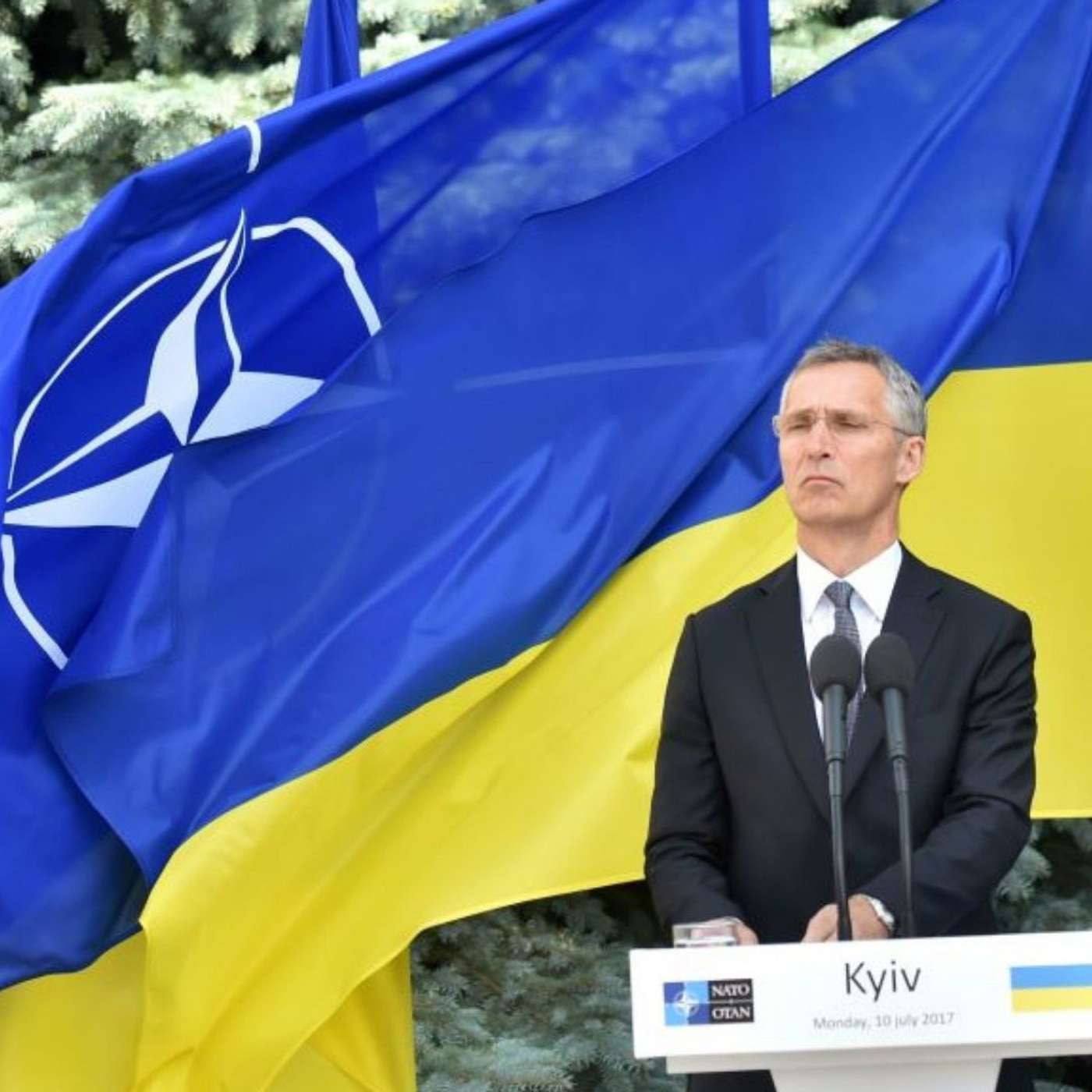
Ep 122NATO Expert Talk Series | NATO and the challenges to the rules-based international order
Russia’s invasion of Ukraine and brazen aggression represent the worst military aggression in Europe for decades. It is also the most blatant breach of international law and state sovereignty on the European continent in a generation, which has, in turn, highlighted the importance of NATO’s core task of defence and deterrence. The aftermaths of the 24 February invasion will have irrevocable consequences for transatlantic security and priorities. Yet, even before this, there were multiple growing challenges to the existing security architecture and institutions that were set up in the wake of the Second World War. What challenges and threats is NATO facing given the current security crisis on their eastern border? How will this impact the upcoming release of the new Strategic Concept? How can these issues be addressed both at the level of the Alliance and in cooperation with partner countries, such as Australia? To discuss these issues, the United States Studies Centre (USSC) hosted an event with NATO's Head of Engagements Mr Nicola de Santis in conversation with USSC Senior Lecturer in US Politics and Foreign Policy Dr Gorana Grgic. Jointly presented by the United States Studies Centre (USSC) and NATO Public Diplomacy Division; this event is part of a series of talks with USSC and NATO experts in which they explore the challenges ahead of NATO and Australia and propose areas where furthering and deepening cooperation can offer solutions.
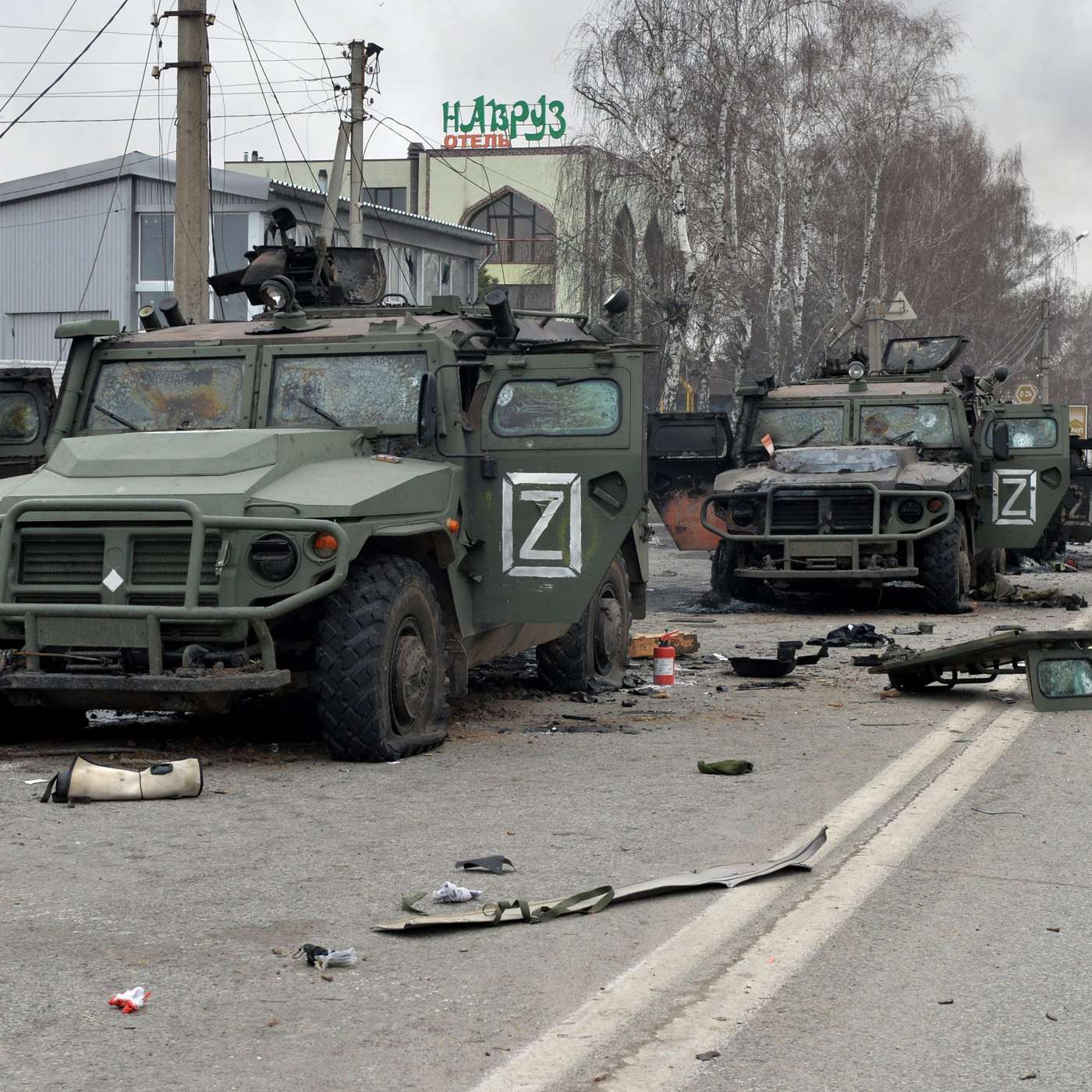
Ep 121Is Russia's invasion of Ukraine a turning point for all US allies or just NATO?
In addition to fomenting sweeping international condemnation, Russia’s recent invasion of Ukraine appears to have convinced key US allies in Europe to increase defence spending to levels that US presidents of all political persuasions have requested for decades. For its part, Australia committed lethal aid to Ukraine and embraced economic sanctions against Russia while Prime Minister Morrison said “nothing is off the table” for future Australian support. But what are the broader implications of this seismic event for Australia? How will Russia’s invasion change the US approach to the Indo-Pacific? Should the Australian Government issue a new Defence Strategic Update to factor in involvement with Europe or reduced attention from the United States? To discuss these issues, the United States Studies Centre hosted a webinar featuring USSC Senior Lecturer Dr Gorana Grgic in conversation with Non-Resident Senior Fellow Stephen Loosley AM.
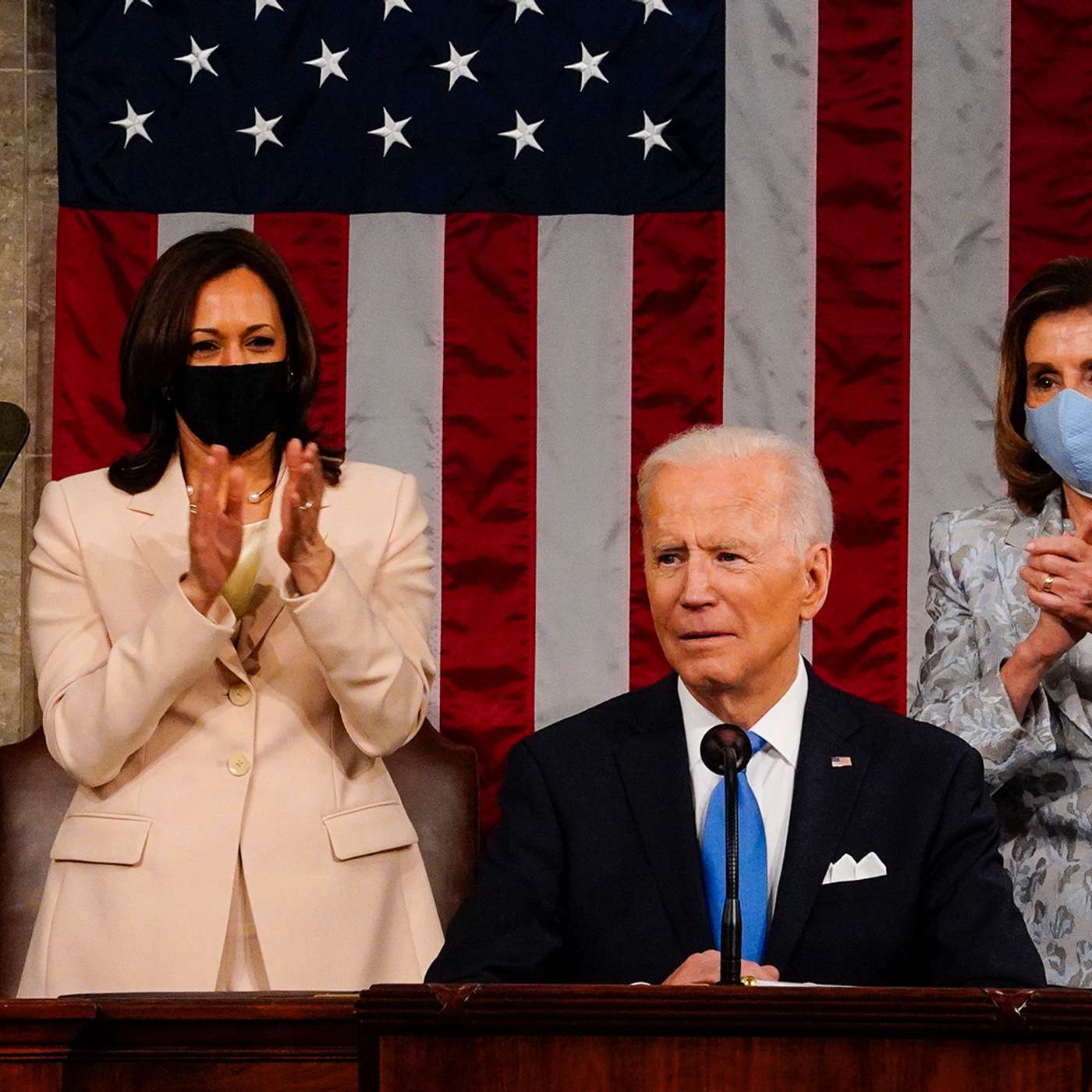
Ep 120Preview of Biden's first State of the Union Address
The US Constitution mandates the president “shall from time to time give Congress information of the State of the Union”, which has now become an annual address from the sitting president. This is an opportunity for the president to make their case – celebrating successes so far and setting the policy trajectory for the year ahead. House Speaker Nancy Pelosi invited President Biden to give his first State of the Union Address on 1 March 2022. Facing dwindling poll numbers and an acrimoniously divided country, can President Biden’s address win him much needed political capital ahead of the November 2022 midterm elections? How much will the Indo-Pacific or other foreign policy feature in his address? What should Australia listen out for? To discuss these issues before President Biden’s address, the United States Studies Centre hosted a webinar event with USSC politics experts Associate Professor in American Politics and Foreign Policy David Smith, Non-Resident Senior Fellow Bruce Wolpe and Research Associate Victoria Cooper in conversation with CEO Professor Simon Jackman.
Ep 119What can the Cold War teach us about strategic competition? A conversation with historian Hal Brands
Challenges the United States faces with China and Russia are frequently, and adamantly, argued to either constitute a new Cold War or not. Leading historian and former Pentagon advisor, Hal Brands, takes a different approach altogether in his new book, The Twilight Struggle: What the Cold War Teaches Us about Great Power Rivalry Today. He posits that regardless of the accuracy of Cold War comparisons, the United States should look to the history of the Cold War for lessons in how to succeed in great power rivalry today. Both the Biden and Trump administrations came to embrace US-China competition, but what should be the ultimate end goal? How should the US approach to such competition in the near term differ from a long-term approach? Where do US allies like Australia fit into this strategic debate? The United States Studies Centre hosted an event with Hal Brands in conversation with USSC Senior Lecturer Dr Gorana Grgic as we unpack what history has to teach about the latest stage in great power rivalry and the future of US foreign policymaking.
Ep 118What to expect in US politics and policy in 2022
On the one-year anniversary of President Biden’s inauguration, experts from the United States Studies Centre (USSC) will give their take on what to expect in US politics and policy in 2022. President Biden’s supporters posit that, in passing the American Rescue Plan Act and the Infrastructure Investment and Jobs Act, he has already accomplished more first-year legislative wins than any president in generations. Yet amid questions of competence following the chaotic Afghanistan withdrawal, inflation rates the highest in decades, the prospect of the most significant changes in abortion law in nearly half a century, and ever-worsening poll numbers potentially foreshadowing a GOP takeover in the midterms, President Biden and the Democrats are undeniably on the defensive. What are the issues likely to dominate US politics and the midterm elections in 2022? What comes of the Biden administration’s policy agenda if Republicans take back control of Congress? What issues should Australians keep an eye on? To discuss these issues, USSC hosted a webinar discussion with politics experts, Senior Lecturer in US Politics and Foreign Policy Dr Gorana Grgic, Non-Resident Senior Fellow Bruce Wolpe and Senior Research Fellow Jared Mondschein in conversation with CEO Professor Simon Jackman.
Ep 117A conversation with The New Yorker's Evan Osnos, author of Wildland: The making of America's fury
After a year beset by a pandemic, civil unrest, and political turmoil, the January 6 attack on the US Capitol began 2021 with the first major attack on American soil since the falling of the twin towers some 20 years before. What are the sources of US political dissolution and division and the resulting implications for Australia? What is the connection between the lives of individual Americans and the dysfunction that characterises Washington? What explains the seismic shifts in the politics and culture in places as diverse as Connecticut, West Virginia and Chicago? To discuss what led to this moment and what can be done about it, the United States Studies Centre hosted a discussion with Evan Osnos, National Book Award and Pulitzer prize-winning author of Wildland: The Making of America’s Fury in conversation with USSC Non-Resident Senior Fellow Dr Charles Edel.
Ep 116Master of the game: A conversation with Martin Indyk on his new book
Martin Indyk has written a landmark book, Master of the Game: Henry Kissinger and the Art of Middle East Diplomacy, on the Mideast diplomacy of Henry Kissinger, Secretary of State to presidents Richard Nixon and Gerald Ford. Indyk’s exceptional and forensic study of diplomatic records along with personal discussions with Kissinger on those events – all informed further by Indyk’s unique insights from his own decades of involvement in the search for peace in the Middle East under presidents Bill Clinton and Barack Obama – provide an extraordinary window on these events and the challenges facing President Biden and his foreign policy team in today’s Middle East. How did the United States end up so centrally involved in Middle East peace negotiations? In an era of strategic competition, what is the Biden administration's Middle East strategy? What does Australia need to know about Biden’s Middle East policy going forward? To discuss these issues, the USSC hosted a conversation with Martin Indyk and the United States Studies Centre (USSC) Non-Resident Senior Fellow Bruce Wolpe and Research Associate Victoria Cooper.
Ep 115NATO Expert Talk Series | Emerging and disruptive technologies: Progress and challenges
Technological advancements that are being exploited for military and security purposes present both new opportunities for militaries around the world, as well as new threats that can emanate from both state and non-state actors. Emerging and disruptive technologies (EDT) are also a key facet of the NATO 2030 initiative and an integral part of the discussions leading to NATO’s new Strategic Concept. The alliance has recently taken decisive steps to retain its technological edge by enabling investment in dual-use technologies of potential application to defence and security by creating the Defence Innovation Accelerator for the North Atlantic (DIANA). The Innovation Fund’s aim is to support the development of a protected transatlantic innovation community. This talk discussed NATO’s approach to EDT in the context of both risks and opportunities for NATO and allies, the ongoing work with public and private sector partners, academia and civil society in this domain, as well as the areas where partner states such as Australia can cooperate on these matters. NATO's Assistant Secretary General for Emerging Security Challenges Mr David van Weel was the special guest. He spoke with the United States Studies Centre's Senior Lecturer in US Politics and Foreign Policy Dr Gorana Grgic. Jointly presented by the United States Studies Centre (USSC) and NATO Public Diplomacy Division; this event is part of a series of talks with USSC and NATO experts in which they explore the challenges ahead of NATO and Australia and propose areas where furthering and deepening cooperation can offer solutions.
Ep 114A seat at the table: The role of regional multilateral institutions in US Indo-Pacific strategy
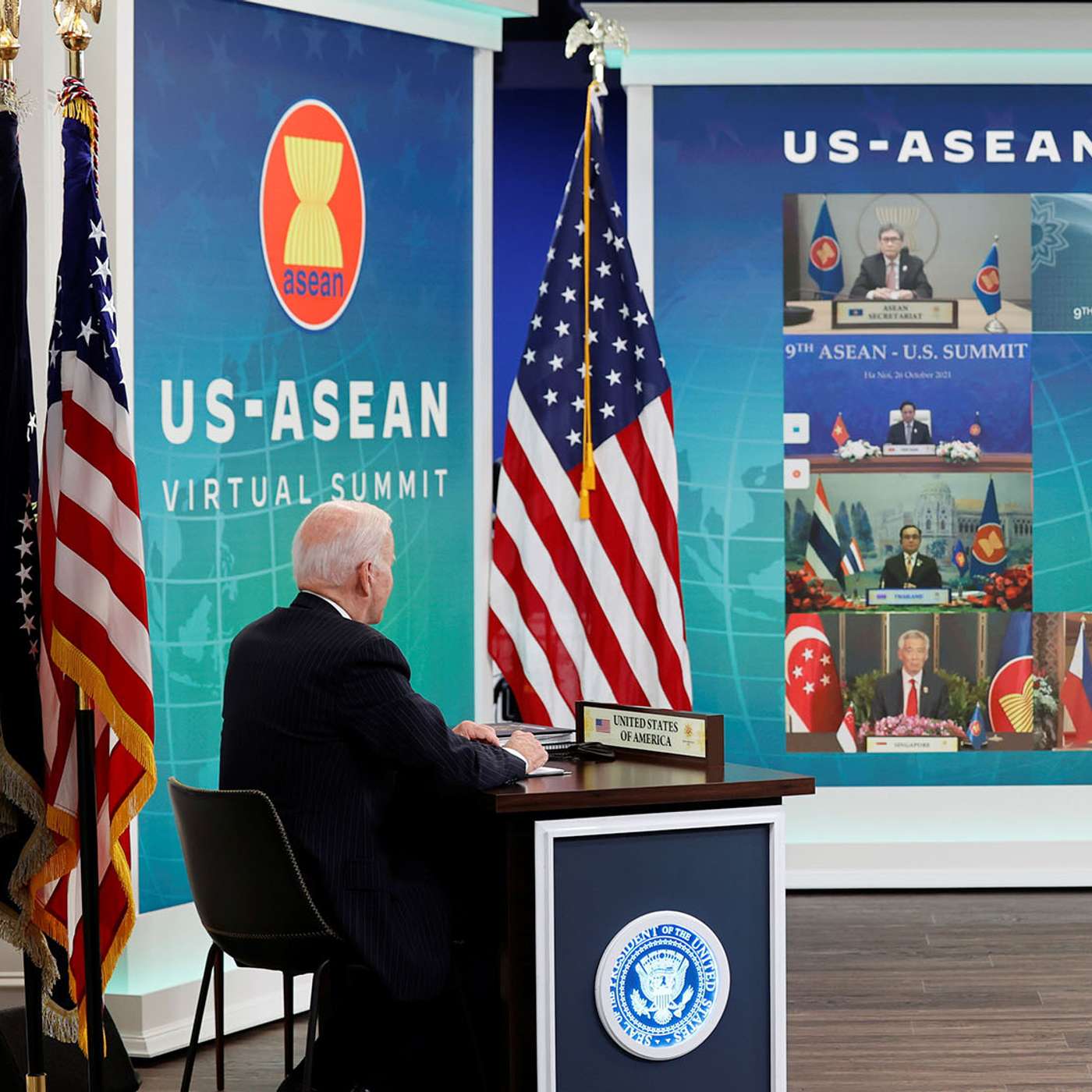
For the past 30 years, Australia has supported inclusive regional security and economic multilateral institutions as a way of entrenching the United States’ role in Asia. With US-China competition intensifying, institutions such as the East Asia Summit (EAS) and Asia-Pacific Economic Cooperation (APEC) are coming under new pressure. Yet even as new narrower groupings such as the Quad take form, the region's established multilateral institutions will remain key forums in the competition for regional influence. How can the United States use ASEAN-led institutions to advance its Indo-Pacific strategy? How does its approach to Asian multilateral institutions compare with that of other countries, including China, Australia and Japan? How should the Biden administration prioritise its ASEAN engagement vis-a-vis the Quad and other narrower regional groupings? And what implications does this have for Australia? To discuss these issues and launch the report A seat at the table: The role of regional multilateral institutions in US Indo-Pacific strategy, the United States Studies Centre hosted a webinar featuring report author Susannah Patton, Research Fellow in USSC's Foreign Policy and Defence Program; Hoang Thi Ha, Lead Researcher at the ASEAN Studies Centre and Co-coordinator of the Regional Strategic and Political Studies Programme at ISEAS-Yusof Ishak Institute; and Dr Prashanth Parameswaran, Global Fellow at the Wilson Center in conversation with Dr Peter Lee, Research Fellow in USSC's Foreign Policy and Defence Program.
Ep 113The fate of President Biden's legislative agenda in Congress
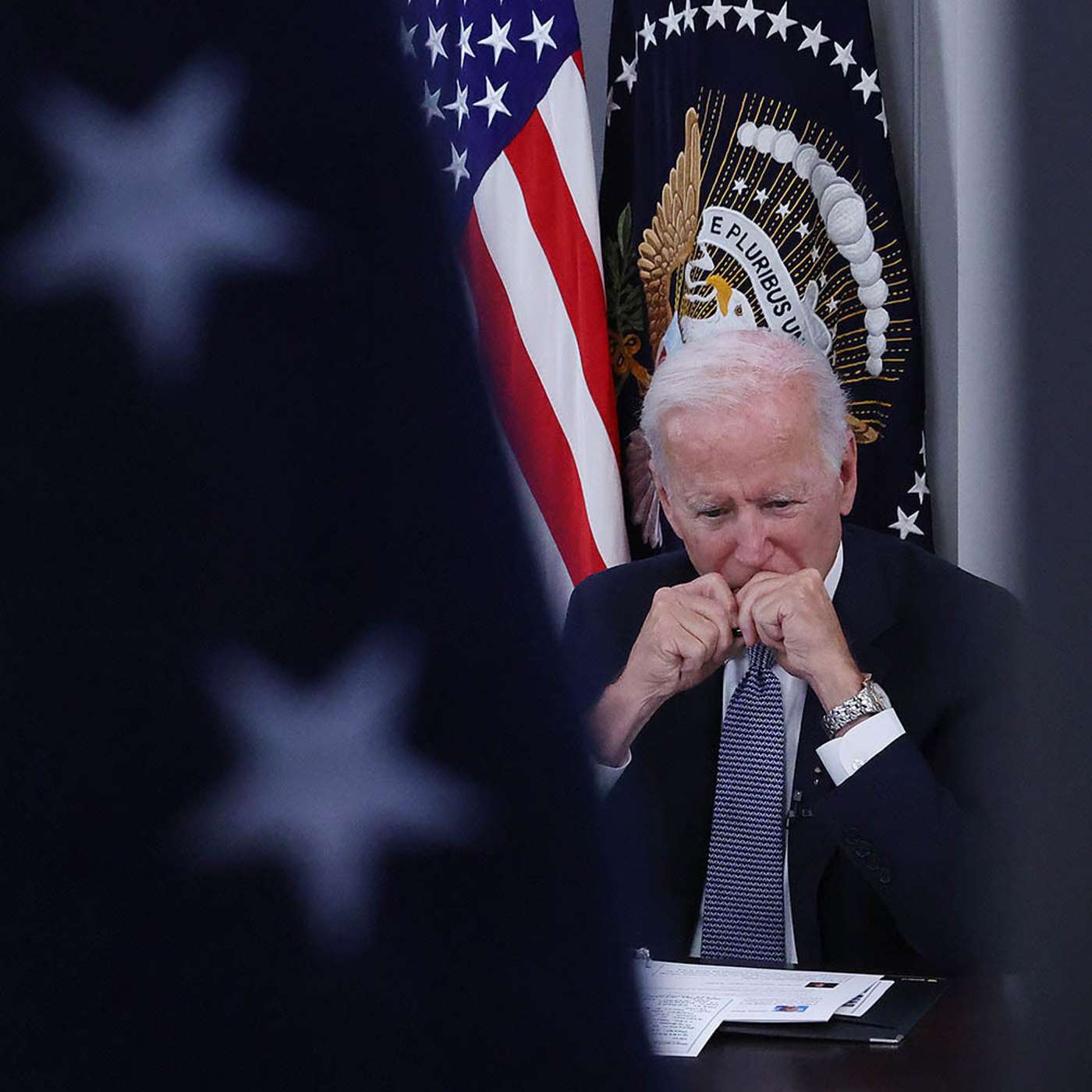
With a Democratic president and Democratic control of the House of Representatives and Senate, the Democratic Party currently holds a rare government trifecta. Yet less than a year since grabbing power, President Biden is staring down the prospect of Democrats legislators derailing their president’s legislative agenda. What happened the last time Democrats controlled Congress and the White House under President Obama? How are the successes and failures from that period shaping the Biden administration’s legislative ambitions? What is President Biden's pathway forward for legislative success? The United States Studies Centre (USSC) hosted a discussion featuring USSC Non-Resident Senior Fellow Bruce Wolpe and Chair of the Department of Political Science at Miami University (Ohio), Professor Bryan Marshall, who recently published the second edition of The Committee, an authoritative study of Congress during the Obama administration. In their latest edition, Wolpe and Marshall update their first-hand account of Congress' work on President Obama's legislative initiatives and provide further analysis of the larger historic political factors at play for a unique expert insight to an understanding of how Congress worked under President Obama and now under President Biden. Together with Sarah Storey, most recently the Minister Counsellor (Congressional) at the Australian Embassy in Washington DC, where she managed the Embassy's strategic engagement with Congress, Wolpe and Marshall discussed Biden's legislative agenda as it moves to climactic votes that will define his legacy.
Ep 112Biden's Indo-Pacific strategy: The state of play
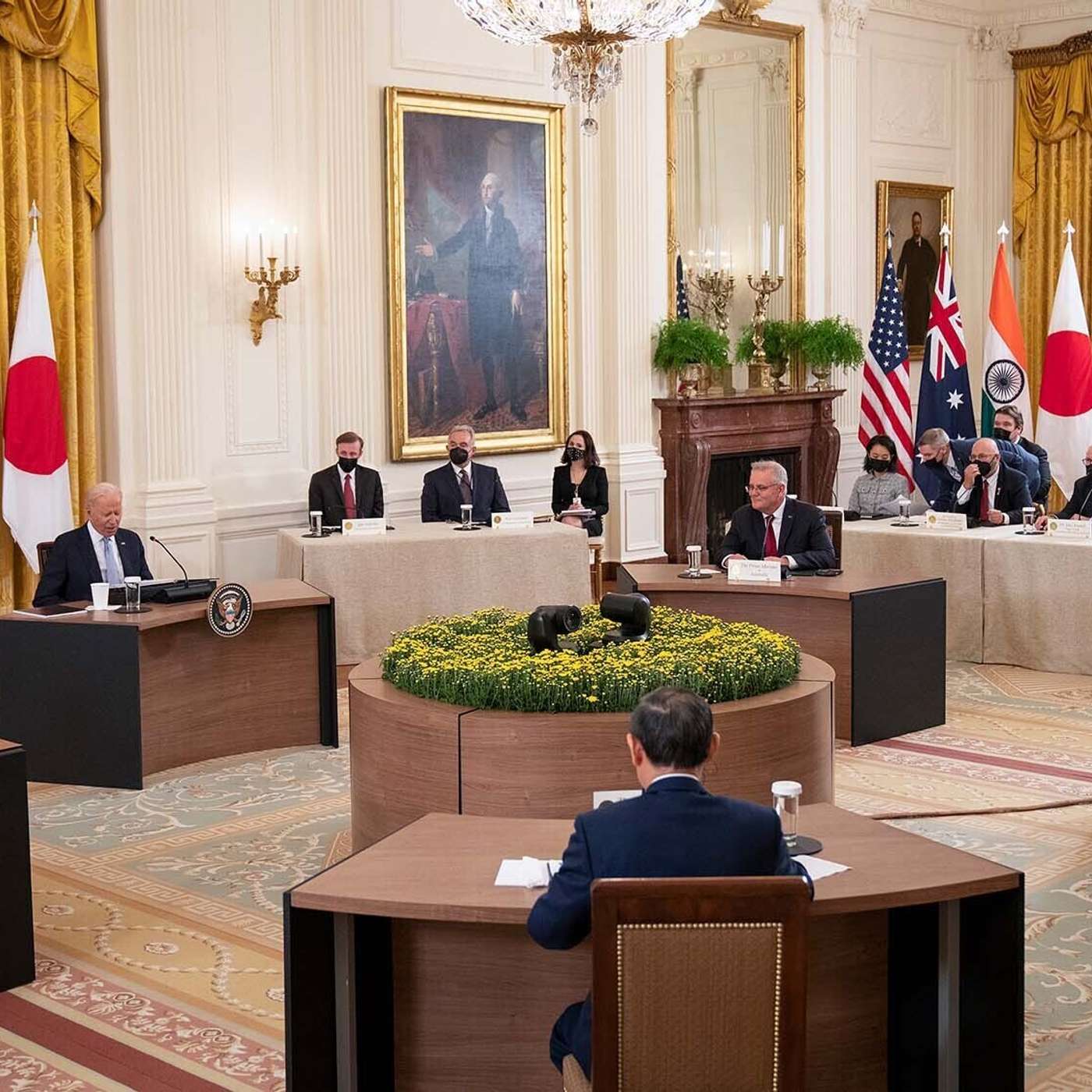
The United States Studies Centre and Asia Society Australia co-hosted a panel discussion on America’s Indo-Pacific strategy under President Joe Biden. The Indo-Pacific is the new global centre of strategic rivalry. President Biden has sought to shore up alliances in the region and ease strained relationships caused by his predecessor. His administration has doubled down on regional partnerships such as the Quad to counter China’s growing assertiveness. The announcement of the AUKUS partnership with Australia and the United Kingdom also suggests a new urgency of purpose in the Indo-Pacific. Even so, questions remain, especially about the ability of the United States to compete effectively in Southeast Asia and to craft an economic strategy for the region following its 2017 withdrawal from the Trans-Pacific Partnership agreement. What is America’s strategy in the Indo-Pacific under President Biden? Can the United States compete effectively with China and can that competition be contained to avoid conflict? What are the implications of the US approach to the Indo-Pacific for Australia's interests? How much should values drive competition with China? Where does Southeast Asia fit in US plans, and can the United States craft an economic strategy in the region? In the leadup to the region’s “summit season”, the USSC and Asia Society hosted a discussion on these issues featuring Richard Maude, Executive Director of Policy at Asia Society Australia, Ashley Townshend, Director of Foreign Policy and Defence at the United States Studies Centre, Susannah Patton, Research Fellow in the Foreign Policy and Defence Program at the United States Studies Centre, and Elina Noor, Director of Political-Security Affairs and Deputy Director, Washington DC Office at the Asia Society Policy Institute. This event will be moderated by Emma Connors, South-east Asia correspondent for the Australian Financial Review.
Ep 111A geoeconomic alliance: The potential and limits of economic statecraft
Policy issues at the intersection of international security and international economics loom increasingly large for Australian and US policymakers. The alliance’s shift from economic engagement to rivalry towards China has reframed international and domestic economic policy settings in light of the security concerns presented by China’s growing power and influence. Unprecedented attention now turns toward geoeconomic statecraft, the use of economic policy instruments to further geopolitical, foreign policy and security objectives. How concerned are Australian policymakers and how concerned should they be? What are the limits of China’s economic statecraft and could it backfire? How should the United States and Australia respond? To discuss these issues, the United States Studies Centre hosted a webinar to launch a report from the Centre's International Economy Program: A geoeconomic alliance: The potential and limits of economic statecraft featuring report author Dr Stephen Kirchner, USSC Director of International Economy; Christine McDaniel, Senior Research Fellow at Mercatus Center and Dr Ben Herscovitch, Research Fellow at Australian National University in conversation with USSC Research Fellow of Foreign Policy and Defence Susannah Patton.
Ep 110Integrated deterrence in the Indo-Pacific: Advancing the Australia-United States alliance
Amid sharpening strategic competition with China in the Indo-Pacific, the Biden administration has proposed the concept of ‘integrated deterrence’ as a cornerstone for US defence strategy. By collaborating more closely with US allies and partners, and by more effectively combining military and non-military instruments of national power, Washington hopes this new approach will deter Beijing’s use of coercion across a wide spectrum of competition. But what exactly does ‘integrated deterrence’ mean? Is it really new? How does it intersect with ongoing efforts to increase interoperability among US allies and partners? And what role is there for the Australia-US alliance to bring integrated deterrence into being in the Indo-Pacific? To discuss these issues, the United States Studies Centre (USSC) and Pacific Forum hosted the launch of “Integrated deterrence in the Indo-Pacific: Advancing the Australia-United States alliance", a new policy brief by Jane Hardy, Visiting Senior Fellow with the USSC and a former Australian Consul-General in Hawaii. Joining her for this in-conversation webinar was Ashley Townshend, Director of Foreign Policy and Defence at USSC, and David Santoro, President of Pacific Forum, both founding convenors and co-chairs of the Track 1.5 US-Australia Indo-Pacific Deterrence Dialogue. This activity was supported by the Australian Government through a grant by the Australian Department of Defence. The views expressed herein are those of the authors and are not necessarily those of the Australian government or the Australian Department of Defence.
Ep 109The future of US politics: A conversation with The Brookings Institution's Sarah Binder and Thomas Mann
During the 2020 presidential campaign, then-candidate Joe Biden famously predicted that a loss by President Trump in the November 2020 election would force Republicans to have an “epiphany” and turn away from Trump. This prediction was not dissimilar from President Obama’s comments during the 2012 presidential election, in which Obama predicted “I believe that if we’re successful in this election, when we’re successful in this election, that the fever may break…because there’s a tradition in the Republican Party of more common sense than that.” But has the Democrat-projected epiphany occurred? Can Biden’s track record for bipartisanship change the course of polarisation? Can one of the most experienced presidents in US history buck historical trends and bring about an era of bipartisanship? What are the implications for Australia if US political divide worsens? To discuss these issues, the United States Studies Centre hosted a webinar featuring Sarah Binder and Thomas Mann, Senior Fellows in Governance Studies at The Brookings Institution in conversation with USSC Non-Resident Senior Fellow Bruce Wolpe.
Ep 108NATO Expert Talk Series: NATO's arms-control agenda
Recent years have seen the unravelling of some of the landmark arms control treaties, compounded with growing strategic competition between major powers and increases in military spending. This inevitably places arms control high on the agenda, including in the framework of NATO 2030. In 2019, NATO Secretary General Jens Stoltenberg said “arms control is in NATO’s DNA”. This talk discussed NATO’s approach to arms control, disarmament, and non-proliferation and the role for arms control in NATO’s next Strategic Concept. It also addressed partnership goals related to Australia in the context of arms control, disarmament and non-proliferation. Special guest for the webinar was NATO’s Acting Director of the Arms Control, Disarmament, and WMD Non-Proliferation Centre Ms Eirini Lemos-Maniati. She spoke with United States Studies Centre's Lecturer in US Politics and Foreign Policy Dr Gorana Grgic. Jointly presented by the USSC and NATO Public Diplomacy Division, this event was the latest in a series of talks with USSC and NATO experts in which they explore the challenges ahead of NATO and Australia and propose areas where furthering and deepening cooperation can offer solutions.
Ep 107An address by Senator the Hon Penny Wong to launch USSC report "Correcting the course"
The United States Studies Centre hosted a virtual address and in-conversation event with Senator the Hon Penny Wong to launch the United States Studies Centre report “Correcting the course: How the Biden administration should compete for influence in the Indo-Pacific.” Senator Wong delivered her remarks on “Australia's contribution to American engagement in the Indo-Pacific” in the wake of this month’s announcement of the AUKUS pact, the 70th anniversary of the ANZUS Treaty and the Australia-US Ministerial Consultations (AUSMIN) in Washington DC. She then joined report co-authors Susannah Patton and Ashley Townshend for a discussion on the United States’ role in the Indo-Pacific region and the way forward for Australian policy. Senator the Hon Penny Wong is Leader of the Opposition in the Senate and Shadow Minister for Foreign Affairs. Senator Wong was elected to the Senate in 2001 and took her seat in 2002. In 2004, Senator Wong was elected to the Shadow Ministry. Following the election of the Labor Government in 2007, she was appointed the Minister for Climate Change and Water. After the 2010 election, she was appointed the Minister for Finance and Deregulation. In 2013, Senator Wong was appointed Leader of the Government in the Senate. After the change of government, she was appointed the Leader of the Opposition in the Senate. Senator Wong is the first woman to hold both these roles.
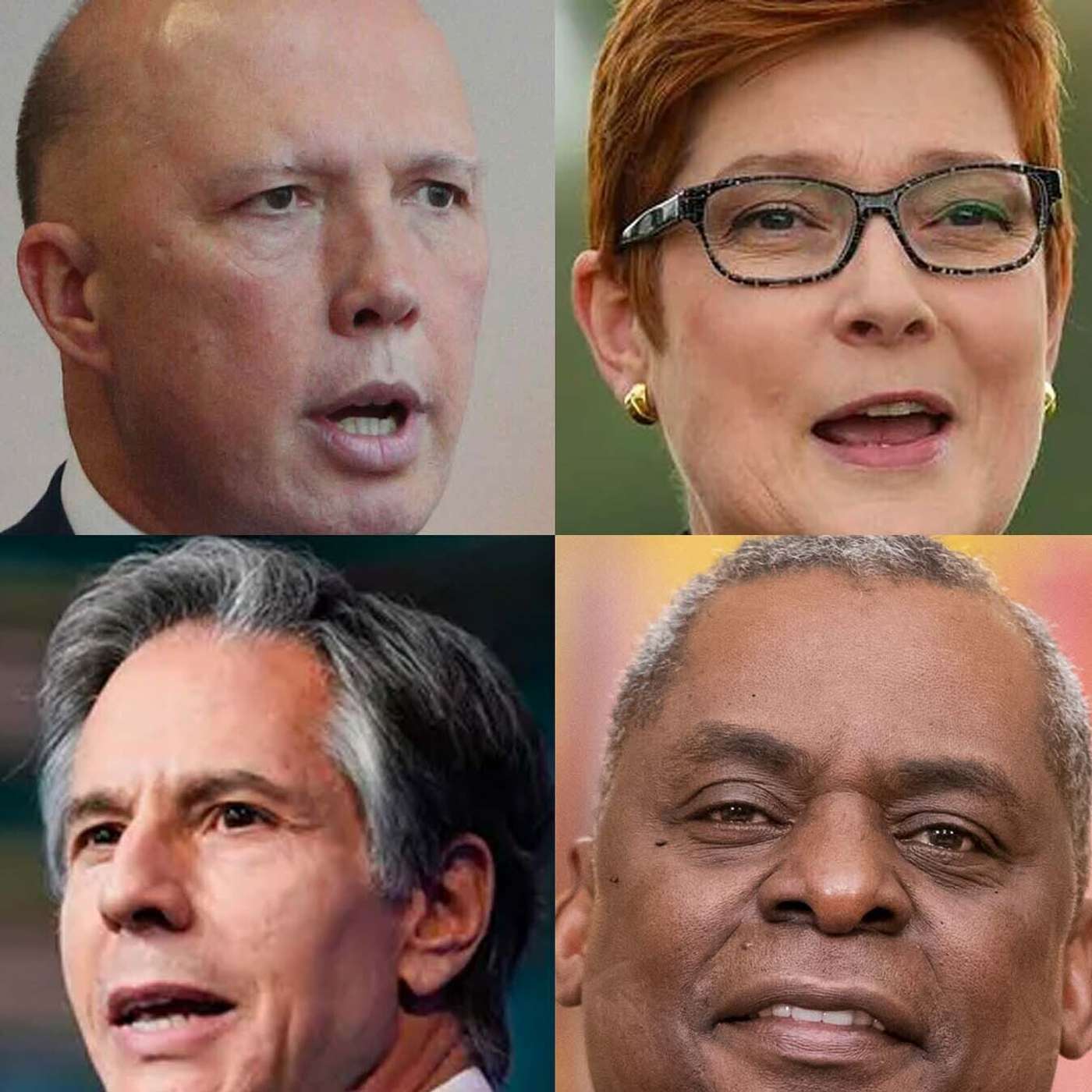
Ep 106Previewing the Biden administration's first AUSMIN meeting
The next Australia-United States Ministerial Consultation (AUSMIN) will take place later this month amidst sharpening strategic competition with China and rising concerns about the direction of Biden’s Indo-Pacific strategy. This meeting between foreign and defence ministers is a critical opportunity for the Australia-US alliance to embark on more ambitious efforts to uphold a stable, open and prosperous regional order. Competing for influence within the Indo-Pacific should be at the top of the agenda for this year’s AUSMIN. How can Australia and the US expand regional military posture and deterrence initiatives? What should be done to deepen engagement and partnerships with Southeast Asia? And how might Canberra and Washington work better together to counter economic coercion and pursue new technology partnerships? To discuss these issues, the USSC hosted a webinar featuring Non-Resident Fellow Jennifer Jackett, Director of Trade and Investment Stephen Kirchner, Research Fellow Susannah Patton and Director of Foreign Policy and Defence Ashley Townshend, moderated by CEO Simon Jackman.
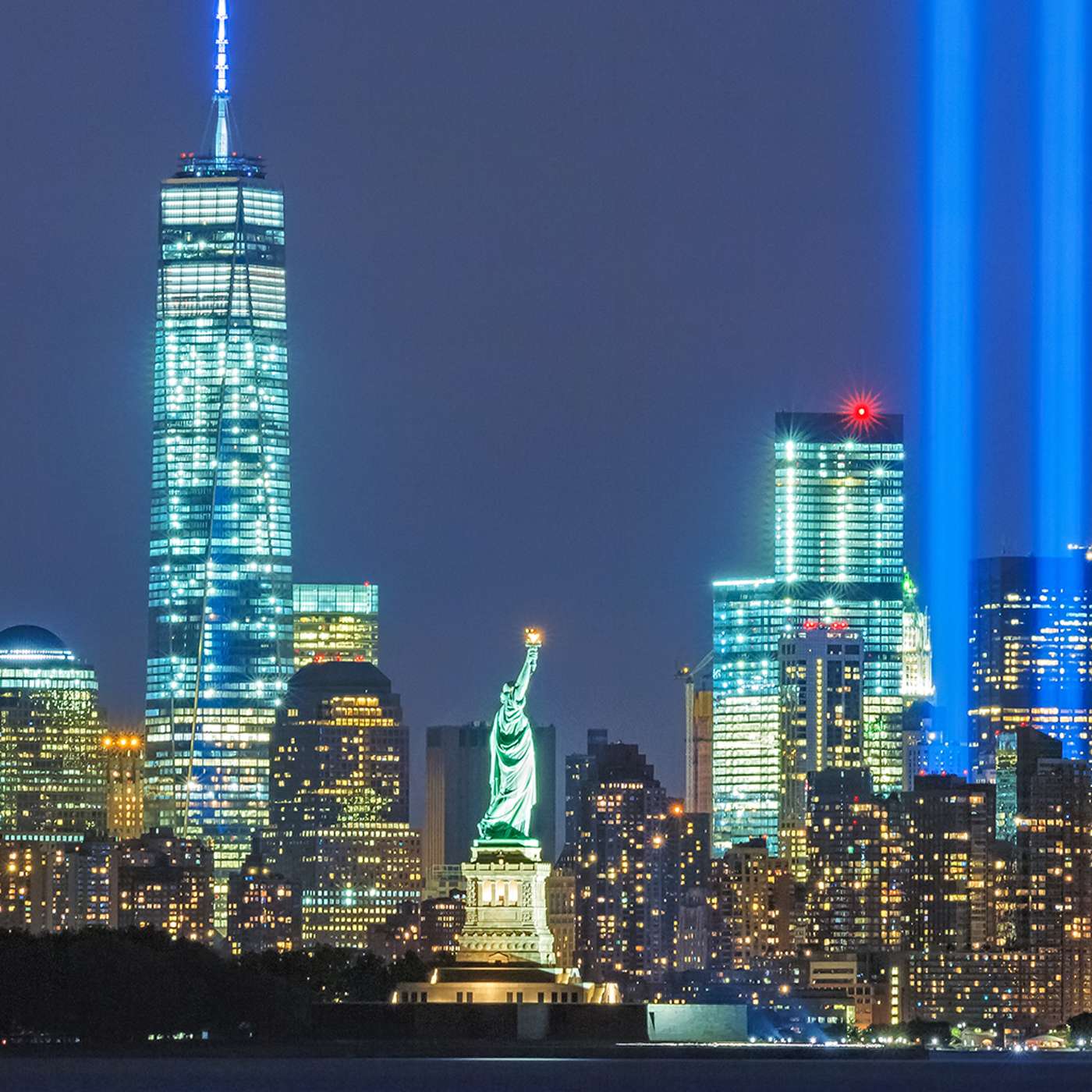
Ep 105Twenty years since 9/11 with Major General Duncan Lewis and General David Petraeus
This year marks 20 years since the September 11, 2001 terror attacks on the United States, the precursor to US-led military operations in Afghanistan, joined by Australia. For the two decades, counter-terrorism and counter-insurgency in theatres far from both the US and Australian mainlands was the dominant, operational focus of the Australia-US alliance. Now both Australia and the United States look to focus the Alliance much closer to Australia, the Australia-US alliance a key element in a network of allies and partners working on a wide array of challenges in the Indo-Pacific. What lessons should both countries take from the twenty years since 9/11 for this next phase of the Australia-US alliance? To explore these questions, the United States Studies Centre hosted USSC Non-Resident Senior Fellow Duncan Lewis AO, DSC, CSC and General David H. Petraeus (US Army, Retired). Both held senior leadership roles in uniform and in civilian life during the post-9/11 conflicts and are uniquely well placed to discuss this topic. Moderating the conversation was USSC Visiting Senior Fellow Jane Hardy, whose most recent posting was as the most senior Australian civilian representative at INDOPACOM in Honolulu. Duncan Lewis rose to the rank of Major General in the Australian Army and was appointed the inaugural commander of Australian Special Operations in January 2001. In civilian life, Lewis served as National Security Adviser in the Rudd government (2008-2011), Secretary of the Department of Defence (2011-2012) and Director-General of Security (2014-2019) under Coalition governments. He joined the United States Studies Centre as Non-Resident Fellow earlier this year. David Petraeus served in the US Army for 37 years, with leadership roles including serving as commanding general, Multi-National Force - Iraq (2007-2008), US Central Command (2008-2010) and commander of the International Security Assistance Force in Afghanistan from 2010-11. He served as Director of the Central Intelligence Agency (2011-12) during the presidency of Barack Obama. In 2009, Petraeus was awarded an honorary Order of Australia.
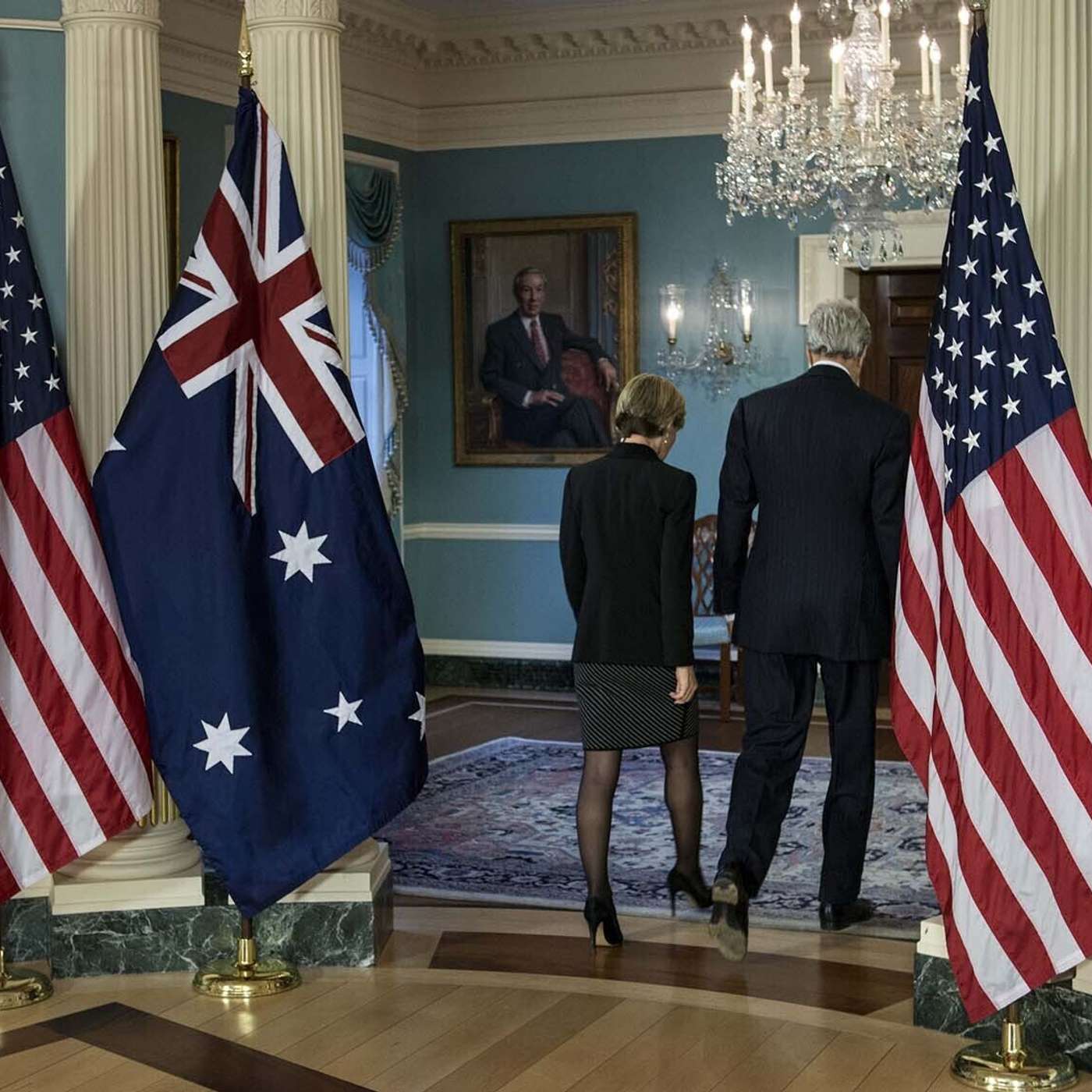
Ep 104Trust and diversify: A geoeconomic strategy for the Australia-US alliance
As Australia and the United States commemorate the 70th anniversary of their alliance, the alliance agenda is burgeoning, matching the pace and breath of geostrategic change in the Indo-Pacific, accompanied by constant innovation in ways nation states project power and influence. China’s economic coercion of Australia is a telling case in point, figuring prominently in recent remarks from US senior officials. But where and how does geoeconomic competition fit in the Australia-US alliance agenda? What should a framework for a geoeconomic alliance cooperation encompass? What does an Australia-US alliance with a geoeconomic agenda look like, institutionally and operationally? The USSC hosted a discussion with the authors of Trust and diversify: A geoeconomic strategy for the Australia-US alliance, a new United States Studies Centre (USSC) report launched on 2 September. The report’s co-authors – American Enterprise Institute Senior Fellow Zack Cooper, Australian National University Senior Lecturer Darren Lim and former Center for a New American Security researcher Ashley Feng – engaged in a discussion moderated by Perth USAsia Centre Research Director Jeffrey Wilson.
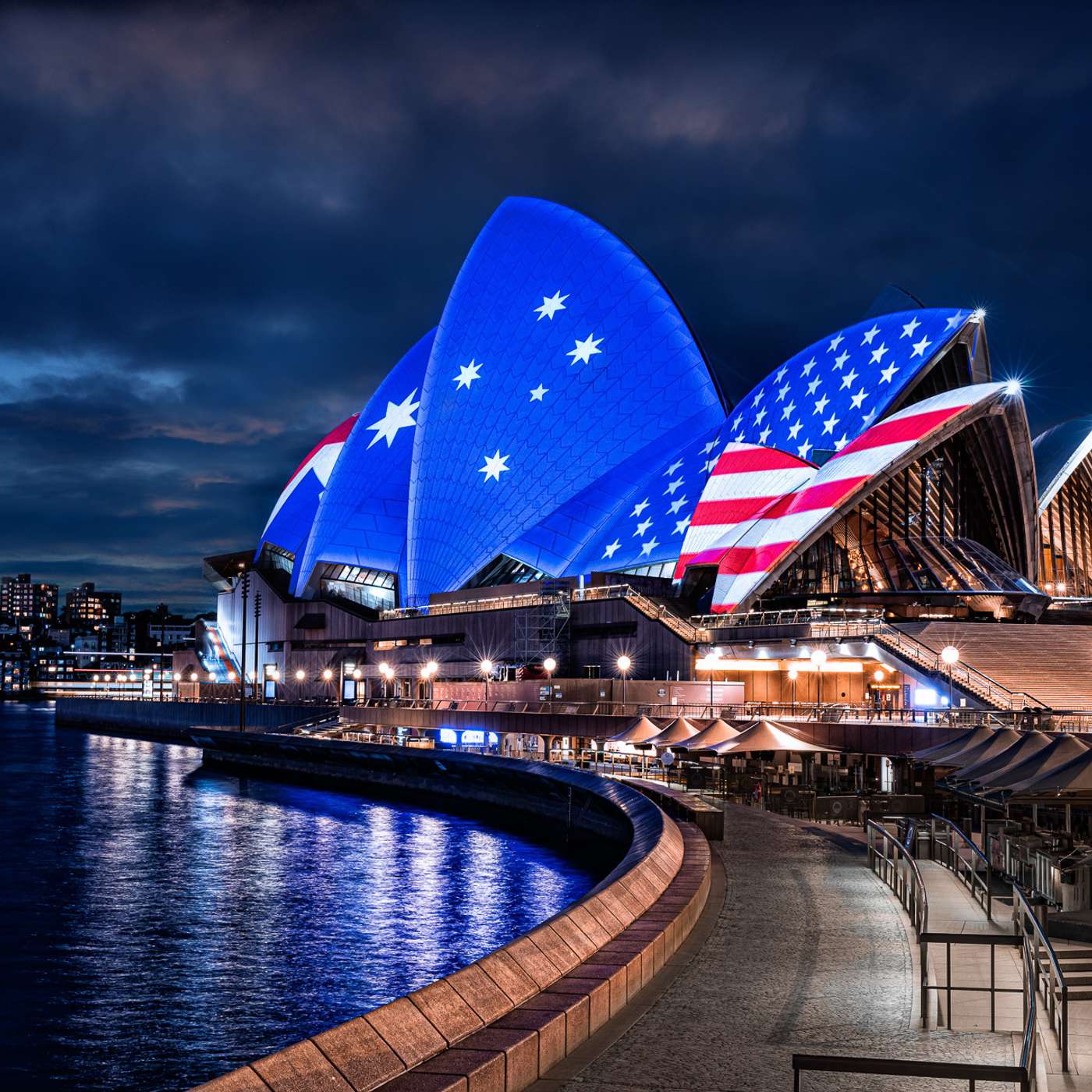
Ep 103The Alliance 70th anniversary with distinguished guests former Prime Ministers Julia Gillard and John Howard
September 1, 2021 marks 70 years since the ANZUS Treaty was signed in San Francisco in 1951, the first major international treaty Australia entered independent of the British government. Today, the alliance between Australia and the United States — and the deep, long-standing channels of trust and cooperation it has fostered — is being tasked with more issues and with more urgency than at any point in its 70-year history. Both John Howard and Julia Gillard presided over critical phases of change in the Alliance, around 9/11 and its aftermath for Howard and the Obama administration’s “pivot to Asia” for Gillard. How did each leader view the Alliance given the geo-strategic and security challenges they faced? How can their experiences of “Alliance evolution” inform the policy choices we face today? The United States Studies Centre hosted a special event featuring a discussion between former Prime Ministers Julia Gillard AC and John Howard OM AC moderated by Dennis Richardson AC who previously served as Secretary to the Department of Defence, Secretary to the Department of Foreign Affairs and Trade and Ambassador to the United States. Prime Minister Scott Morrison MP, Leader of the Opposition Anthony Albanese MP and Premier of New South Wales Gladys Berejiklian MP also provided remarks. Video of this event is available at https://www.youtube.com/user/usstudiescentre
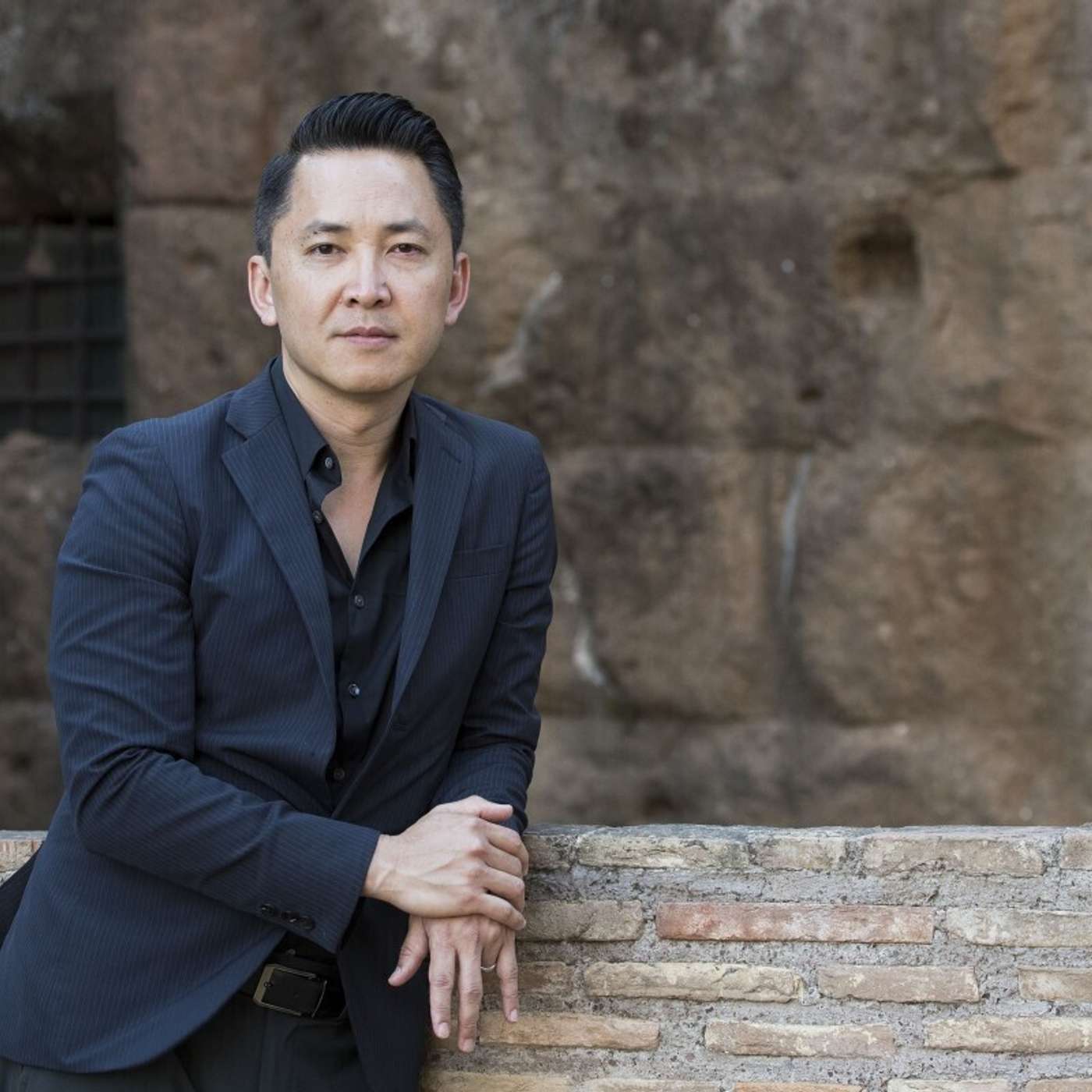
Ep 102American Cultures Lecture with Pulitzer Prize-winning novelist Professor Viet Thanh Nguyen
As a refugee from South Vietnam when he was four years old Professor Viet Thanh Nguyen’s work explores the convergence between politics and literature. The Sympathizer, his thriller about a communist double-agent won the Pulitzer Prize for Fiction in 2016. The United States Studies Centre was honoured to have Professor Nguyen deliver the first-ever American Cultures Lecture. The lecture by Aerol Arnold Chair of English at the University of Southern California Professor Viet Thanh Nguyen was followed by a conversation moderated by USSC Associate Professor of Politics and American Studies Brendon O'Connor. Viet Thanh Nguyen is a University Professor, Aerol Arnold Chair of English, and Professor of English, American Studies and Ethnicity, and Comparative Literature at the University of Southern California. He is the author of Race and Resistance: Literature and Politics in Asian America (Oxford University Press, 2002) and the New York bestseller and Pulitzer Prize-winning novel The Sympathizer (Grove Atlantic, 2016). His latest book is The Committed, the sequel to The Sympathizer, published by Grove Press in March 2021.
Ep 101The Australia-US alliance: Views from the region
As it celebrates its 70th anniversary, the Australia-US alliance continues to evolve in response to a changing regional context in the Indo-Pacific. How do Australia’s neighbours in Southeast Asia understand the purpose of the alliance in 2021? Is the alliance seen as limiting Australia’s autonomy, or enhancing its influence? Is the alliance seen as distracting Australia from engaging its neighbours, or as contributing to regional security? This event explored how various trends, including the emergence of a more regionally assertive China and the development of networked security arrangements, have affected regional perceptions of ANZUS and its role in Australian foreign policy. Hosted by Susannah Patton, Research Fellow in the United States Studies Centre's Foreign Policy and Defence Program, this webinar featured perspectives from three leading Southeast Asian foreign and defence policy experts: Sarah Teo, Assistant Professor and Coordinator of the Regional Security Architecture Programme at the S. Rajaratnam School of International Studies, Nanyang Technological University in Singapore; Evan A. Laksmana, Wang Gungwu Visiting Fellow at the ISEAS Yusof Ishak Institute in Singapore; and Shahriman Lockman, Director in the Chief Executive's Office of the Institute of Strategic and International Studies in Malaysia.
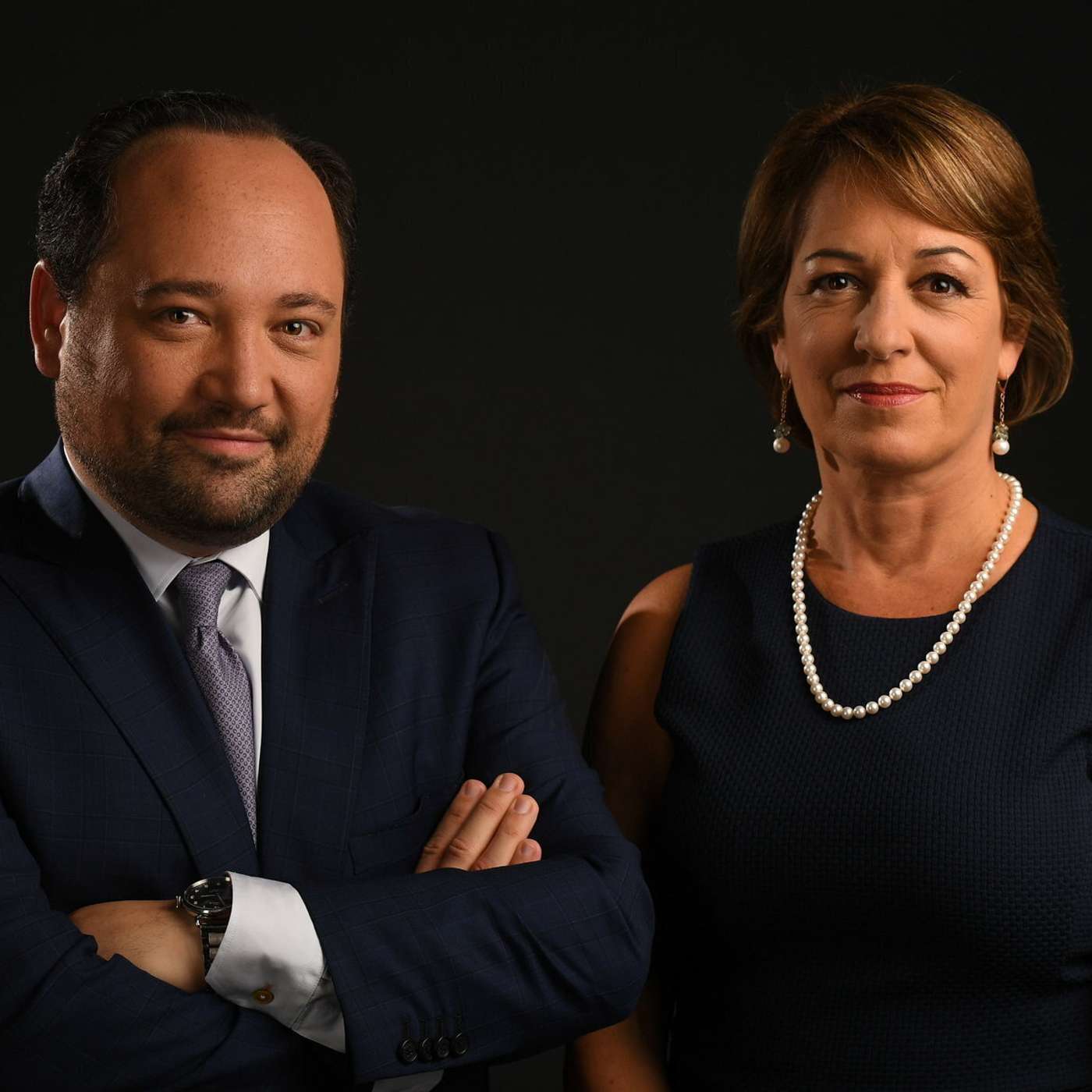
Ep 100Behind Trump the great and powerful - with The Washington Post's Carol Leonnig and Philip Rucker
2020 will be remembered as one of the most tumultuous years in American history. COVID-19 tested every country, every government and every political leader in the world. But with the pandemic arriving as Donald Trump launched his campaign for re-election, the world watched aghast as the United States lost more than 500,000 of its citizens to COVID. From hydroxychloroquine and bleach, to making hostility to masks and social distancing emblems of partisanship, Trump’s last year as president was marked by incompetence, tragedy and ultimately, a violent test of American democratic institutions and social cohesion. How did the government of the world’s most powerful nation get so much so wrong? Who were the voices around Trump during this momentous year? And where to from here, not just for the United States, but for close allies such as Australia? To discuss these issues, the USSC hosted a webinar discussion with The Washington Post's Carol Leonnig and Philip Rucker, authors of the new book and New York Times #1 best seller I Alone Can Fix It: Donald J. Trump's Catastrophic Final Year, in conversation with United States Studies Centre CEO Professor Simon Jackman and Non-Resident Senior Fellow Bruce Wolpe.
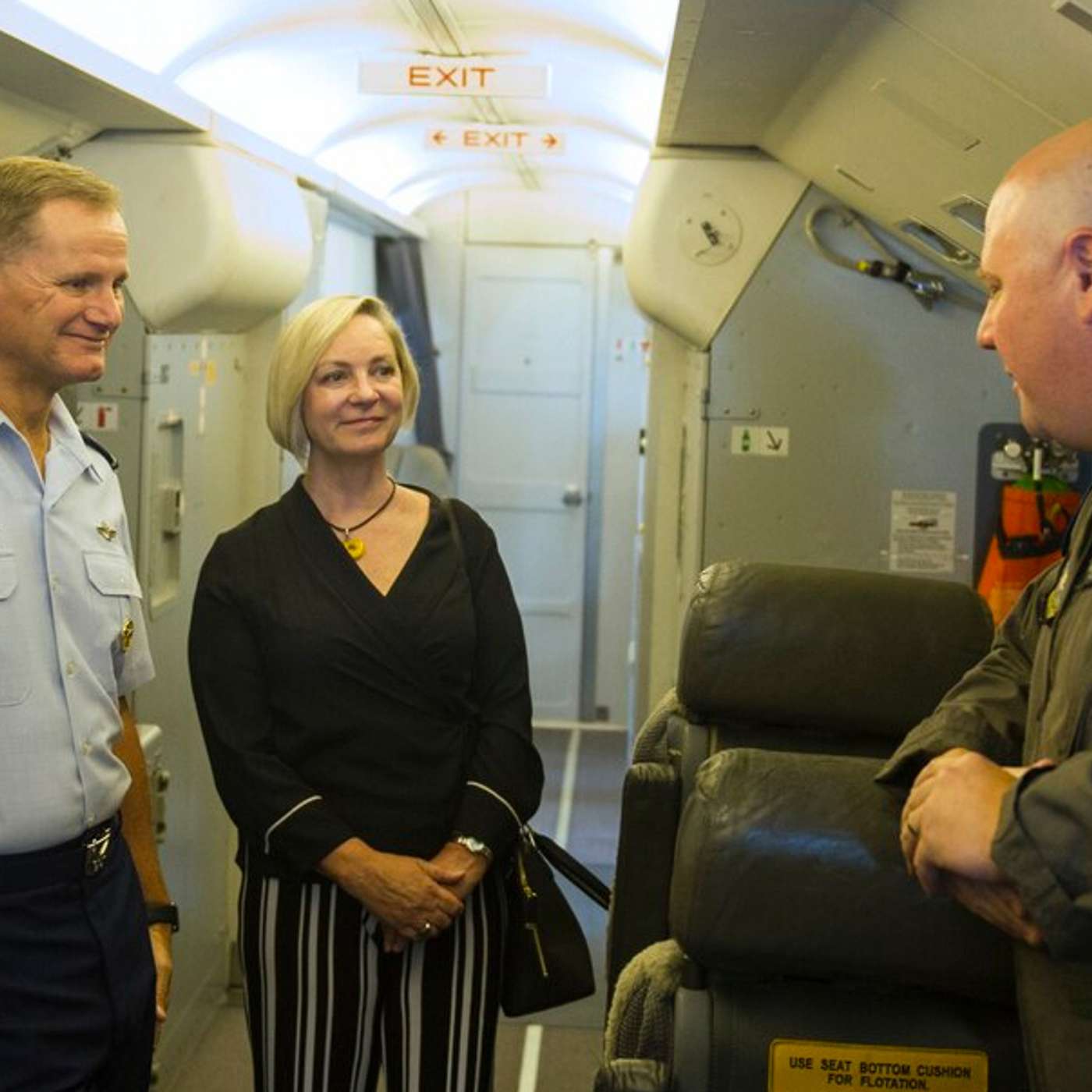
Ep 99US Politics and Policy Web Series with special guest Ambassador Jane Hardy
The United States Studies Centre and Perth USAsia Centre host a monthly web series reviewing the latest in US politics and policy and what this means for Australia. This month our guest was Ambassador Jane Hardy, who has joined the United States Studies Centre as a Visiting Senior Fellow from the Australian Department of Foreign Affairs and Trade. She most recently served as Consul-General in Honolulu from 2018 to 2021 during which time she led Australia’s engagement with US Indo-Pacific Command. Ambassador Hardy joined hosts United States Studies Centre Director of Foreign Policy and Defence Ashley Townshend and Perth USAsia Centre CEO Professor Gordon Flake for a discussion on the Biden administration's Indo-Pacific strategy.

Ep 98US Politics and Policy Web Series with special guests Victoria Farrar-Myers and Valerie Hudson
The United States Studies Centre and Perth USAsia Centre host a monthly web series reviewing the latest in US politics and policy and what this means for Australia. This month hosts Simon Jackman and Gordon Flake were joined by guests Dr Victoria A. Farrar-Myers, a dedicated civic leader, an award-winning educator and a distinguished scholar; and Professor Valerie Hudson, the George H.W. Bush Chair in the Department of International Affairs at The Bush School of Government and Public Service at Texas A&M University, where she directs the Program on Women, Peace, and Security. She will join hosts Simon Jackman and Gordon Flake to discuss the latest in US politics and policy.

Ep 97NATO Expert Talk Series: Outcomes of the NATO Brussels Summit
Cybersecurity, defence innovation and climate change in the military are all on the agenda for NATO’s Brussels Summit on 14 June. But with NATO placing unprecedented attention on the Indo-Pacific, what are the summit’s implications for Australia? What will NATO's defence innovations mean for the Indo-Pacific? How can Australia work with NATO to strengthen cyber defences? USSC hosted a webinar event with NATO’s Director for Security Policy and Partnerships Directorate, Political Affairs and Security Policy Division James Mackey in discussion with USSC Lecturer and NATO Defense College Partners Across the Globe Fellow Dr Gorana Grgic. Jointly presented by the United States Studies Centre (USSC) and NATO Public Diplomacy Division; this event was part of a series of talks with USSC and NATO experts in which they explore the challenges ahead of NATO and Australia and propose areas where furthering and deepening cooperation can offer solutions.
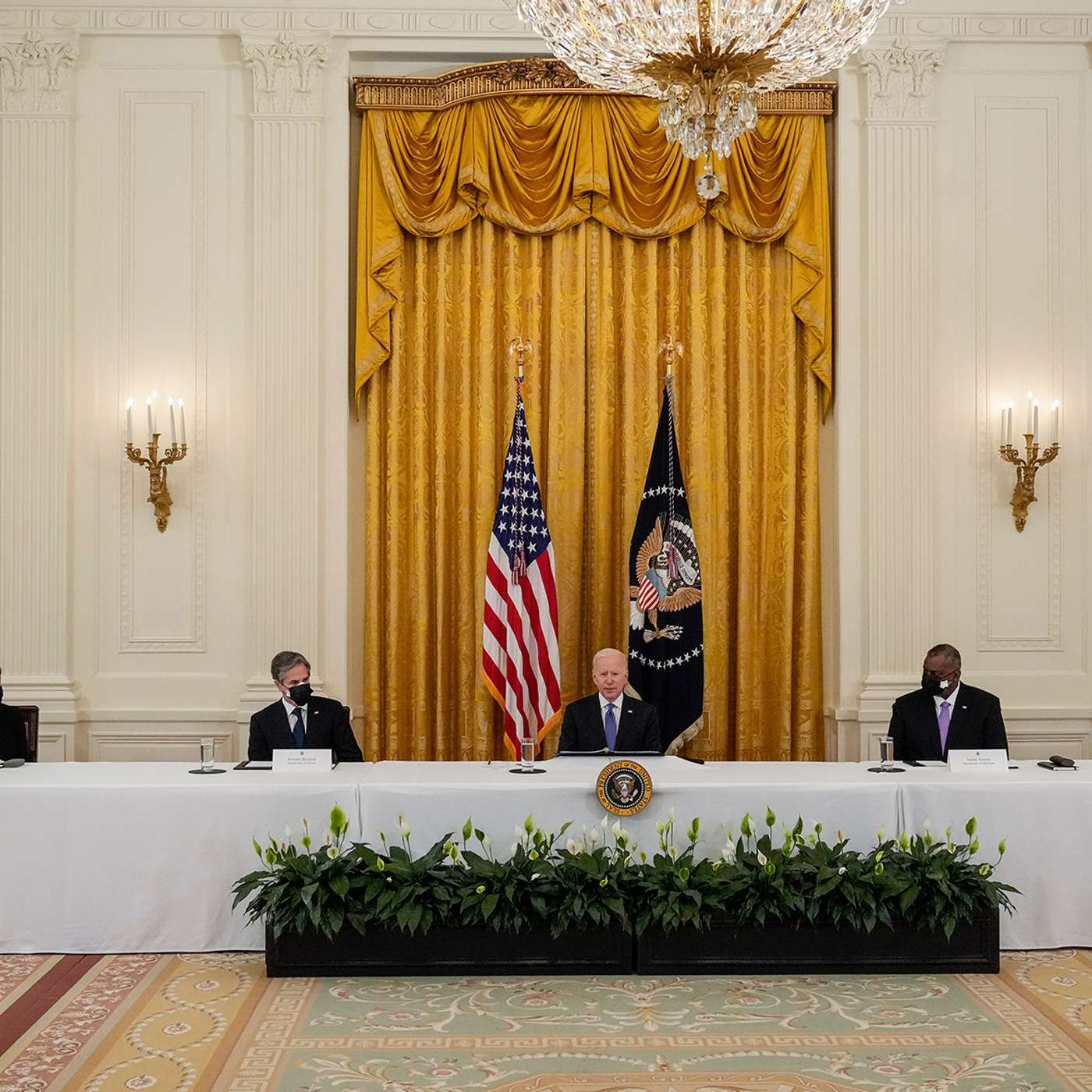
Ep 96Key players in the Biden administration
No campaign promise, rumour mill or day one executive order is as revelatory of a US president’s strategic intentions than the men and women they trust to guide them. A president’s Cabinet and key policy advisors have the extraordinary power of controlling the day-to-day decisions of the federal government. In essence, ‘personnel is policy’ and, as such, the key players of the Biden administration say a lot about the next four years of American politics. How does Antony Blinken’s upbringing by refugees inform the Biden administration Middle East policy? Why is John Kerry seemingly the only household name of the president’s many advisors? Which names does Australia need to know? At this webinar, United States Studies Centre Non-Resident Senior Fellow Bruce Wolpe and Research Associate Victoria Cooper — author of Key players in the Biden administration — discussed these questions and more with host and USSC Senior Research Fellow Jared Mondschein.
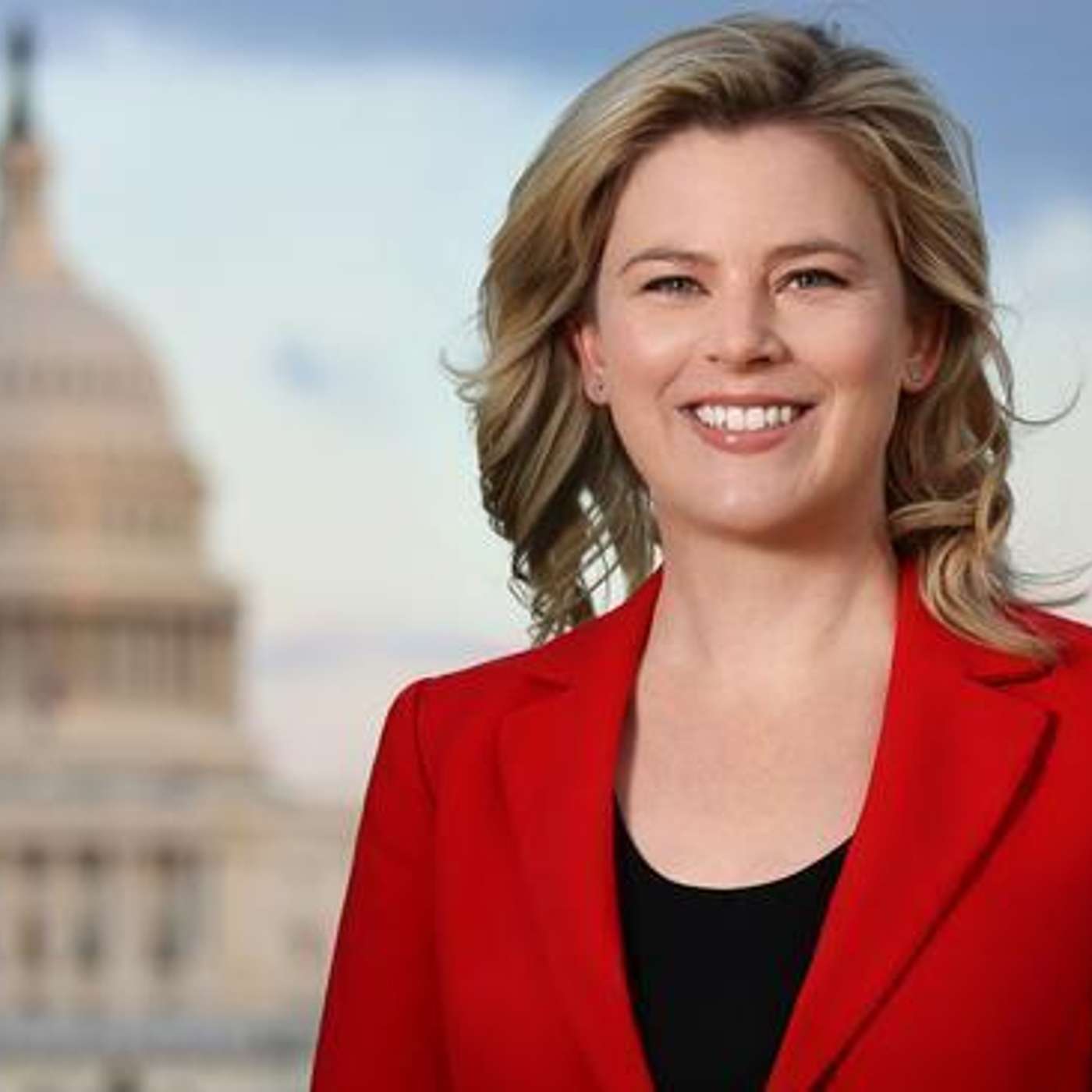
Ep 95US Politics and Policy Web Series with special guest Annelise Nielsen
In the midst of the biggest pandemic in a century, Sky News Host Annelise Nielsen headed to the epicentre – the United States. Bringing a cameraman she ventured into the heart of the 2020 election to talk directly to citizens to understand the people behind the political polarisation. Why were Americans so much more divided over mask mandates than Australians? How many people truly believe the 2020 election was stolen? What has changed since President Biden took office?This month’s US Politics and Policy Web Series featured Annelise Nielsen, the first dedicated Washington Correspondent for Sky News Australia, in conversation with United States Studies Centre CEO Professor Simon Jackman and Perth USAsia Centre CEO Professor Gordon Flake.Annelise NielsenIn 2020, Washington DC-based political reporter Annelise Nielsen was announced as Sky News Australia’s first Washington Correspondent. She is currently on the ground in the US reporting live for Sky News Australia. Previously, Annelise was Sky News Australia’s Canberra based political reporter and co-anchor of AM Agenda with Tom Connell.A journalist with a wide range of experience covering stories across Australia, Asia, the US and the Middle East, she holds a bachelor’s degree in law and experience working in a professional services firm. Her work as a journalist is often driven and informed by a strong interest in justice, the Australian legal system and politics. Annelise is also the author of Money Spinners which explores the Banking Royal Commission and the financial services sector in Australia.
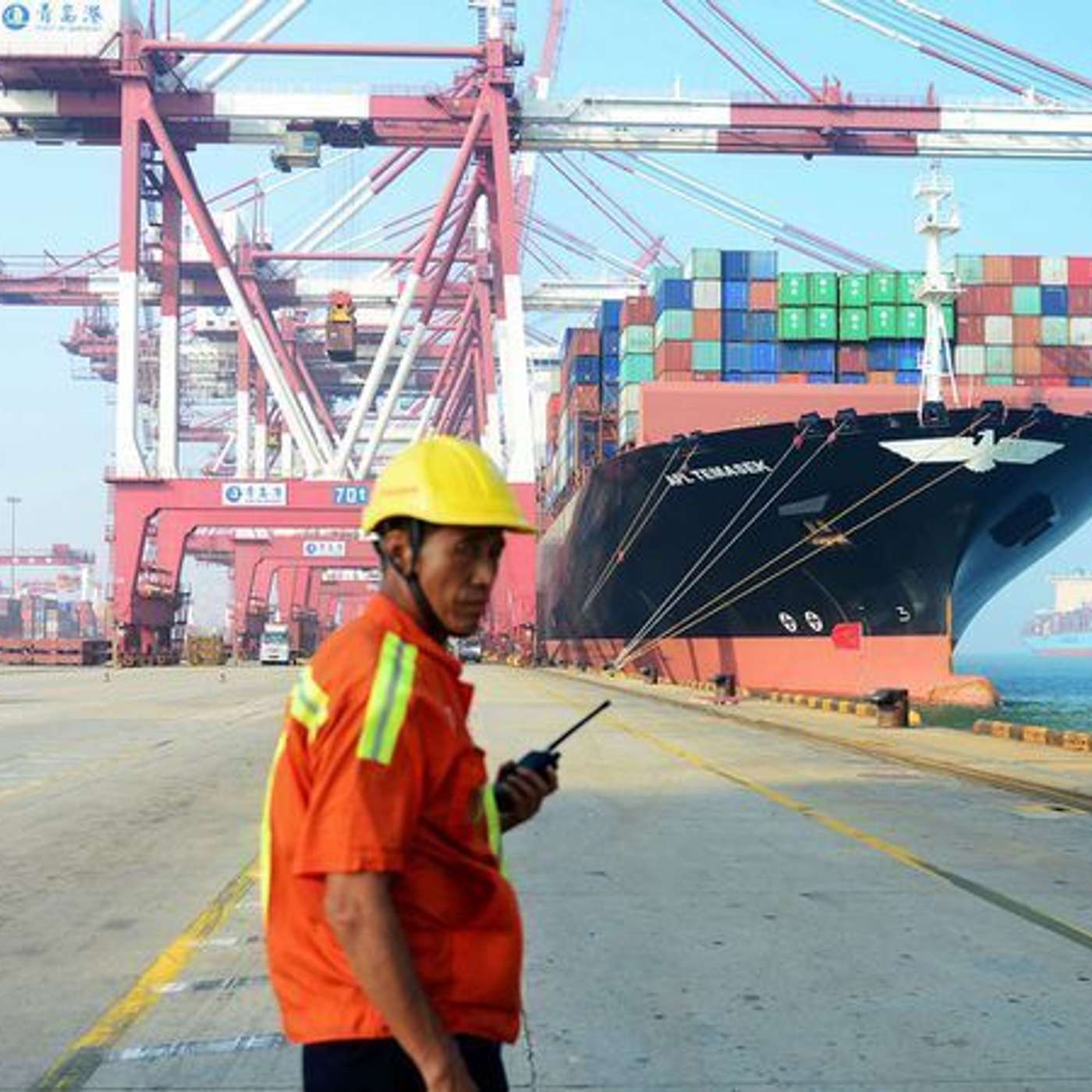
Ep 94State of the United States: Australia-US collaboration for the economic security of the Indo-Pacific
Geoeconomic threats to American primacy are prompting the Biden administration to explicitly connect domestic recovery to external strength, with reviews of supply chains and strategic, government-led investments to secure US technological supremacy. Given increasing threats to the rules-based order, it is imperative that Australia and the US work together to reinforce a secure Indo-Pacific economy. How can Australia work together with the Biden administration to manage geoeconomics, contestation and coercion in the Indo-Pacific region? To discuss these issues, the USSC hosted a webinar discussion with Perth USAsia Centre Research Director Dr Jeffrey Wilson, Senior Policy Fellow Hayley Channer and United States Studies Centre Non-Resident Senior Fellow Dr John Lee in conversation with Perth USAsia Centre CEO Professor Gordon Flake.

Ep 93US Politics and Policy Web Series with special guest Elise Hu
The United States Studies Centre and Perth USAsia Centre host a monthly web series reviewing the latest in US politics and policy and what this means for Australia. This month hosts Simon Jackman and Gordon Flake were joined by Elise Hu, the host of TED Talks Daily, a correspondent for VICE News Tonight and a host-at large at NPR, where she spent nearly a decade as a reporter. She has reported stories from more than a dozen countries as an international correspondent, and opened NPR’s first-ever Seoul bureau, in 2015. She is based in Los Angeles.
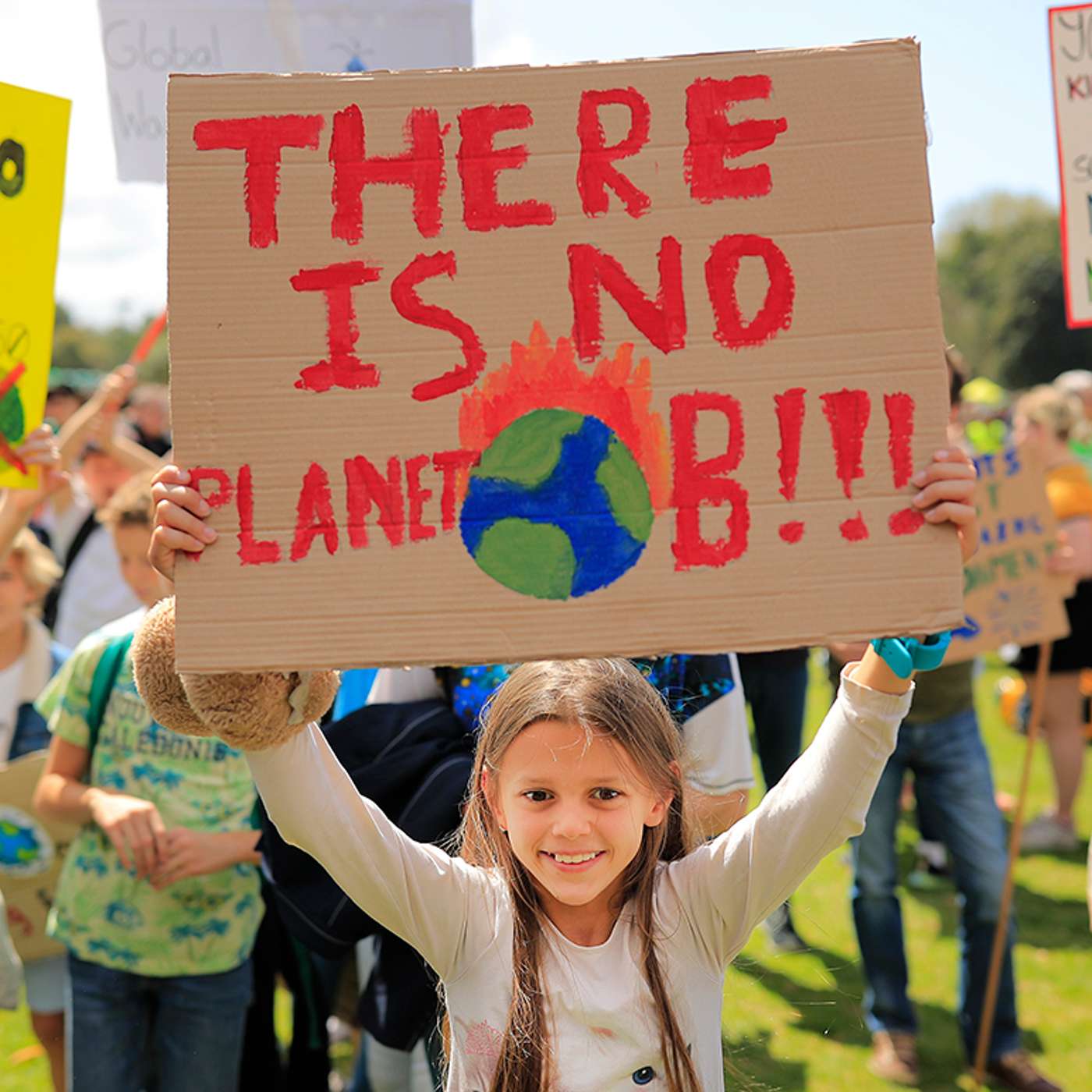
Ep 92Climate and energy in the United States and Australia: Politics, policies and implications for the alliance
President Biden’s recent Leaders Summit on Climate returned the United States to the centre of global climate change action. On the road to the Glasgow climate conference later this year, the United States is ramping up its efforts urging world leaders to adopt more ambitious emissions reductions targets. With Australia’s climate policies labelled “insufficient” by a Biden administration official, how will the US government’s ambitions on climate change impact the future of the US-Australian relationship? How do attitudes towards climate change policy differ between Americans and Australians? What do differing positions on climate action mean for other areas of the US-Australian relationship? What quick wins can the United States and Australia achieve on climate change? The United States Studies Centre hosted a conversation featuring University of Queensland Chair in Sustainable Energy Futures and Director at Andrew N. Liveris Academy for Innovation and Leadership Professor Peta Ashworth, POLITICO Global Translations Editor Ryan Heath and USSC CEO Professor Simon Jackman in which they discussed the implications for Australia under the pressure of an ever-climate conscientious United States, and the global climate challenges ahead of us.

Ep 91The global challenge: Building resilient citizens in an age of disinformation
NATO and Australia relations date back over a decade with Australia being one of the most important contributors to NATO’s missions and operations. Today, NATO and Australia face a new set of global security challenges — from systemic competition, authoritarian powers and non-state actors — that challenge the rules-based order. These occur through cyber threats and the malicious use of new technologies, as well as, other asymmetric threats. The NATO2030 initiative, led by NATO Secretary General Jens Stoltenberg, envisages a more global approach of NATO to world security. Under this new vision, Australia and other Asia-Pacific partners work with NATO to expand shared security interests beyond the Atlantic. The United States Studies Centre and the NATO Public Diplomacy Division present joint NATO Expert Talks. This series of talks with USSC and NATO experts will explore the challenges ahead of NATO and Australia and propose areas where furthering and deepening cooperation can offer solutions. One of the identified solutions in fighting disinformation has been to build societal resilience. How have NATO and its member states fared so far and what is NATO’s strategy in fighting disinformation? How has Australia performed on this front? What can NATO and Australia learn from each other? This first panel discussion brought together NATO Assistant Secretary General for Public Diplomacy Ambassador Baiba Braže and USSC Non-Resident Fellow Dr Jennifer Hunt to explore how disinformation and propaganda, pursued by state and non-state actors, aims to erode the trust and credibility of democratic institutions and systems. The discussion was moderated by USSC Lecturer and NATO Defense College Partners Across the Globe Fellow Dr Gorana Grgic.
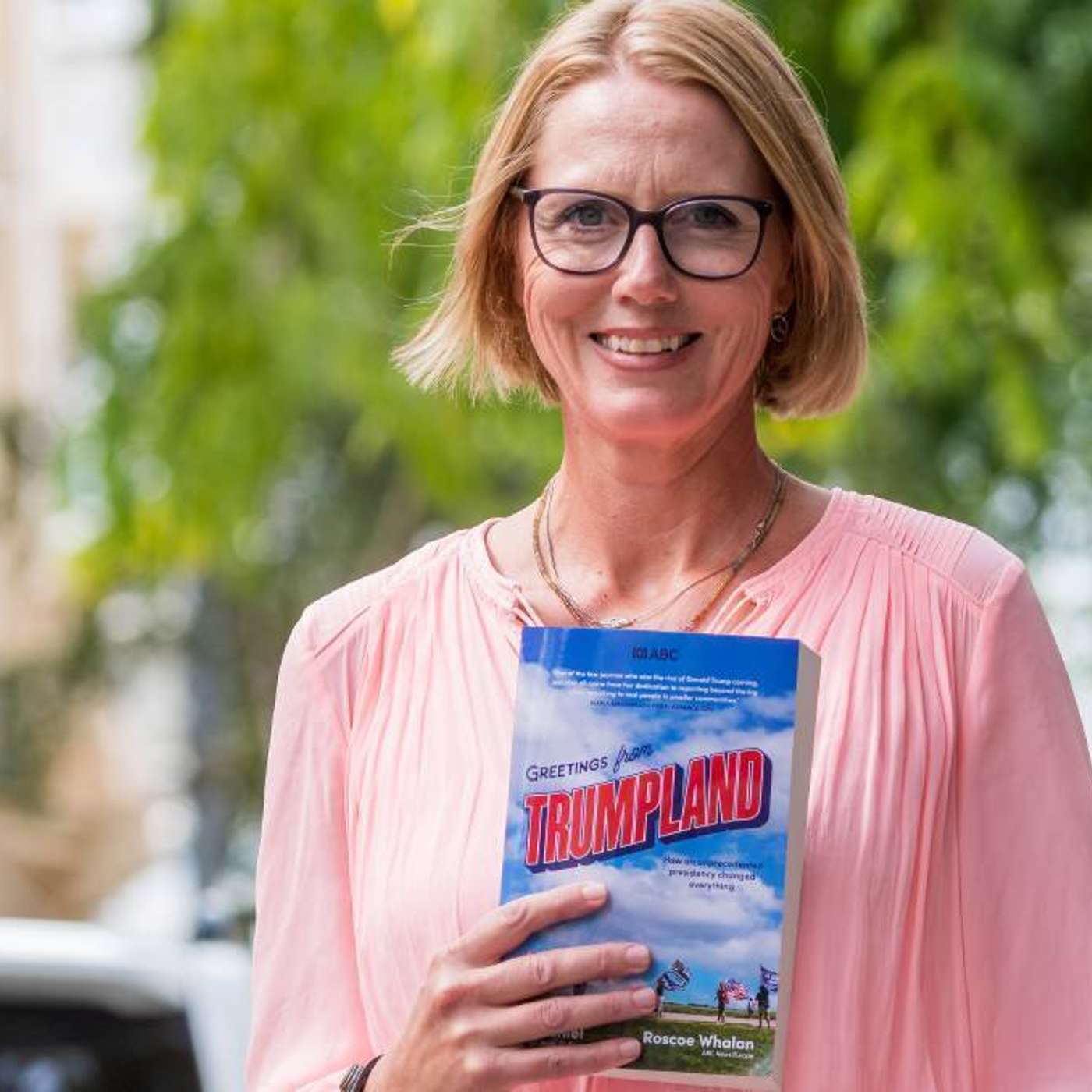
Ep 90From Trumpland to Bidenland
As Washington Bureau Chief for the ABC, Zoe Daniel had a front-row seat to the ascension and decline of Donald Trump. Seeing how he masterfully harnessed fear and anger, coupled with a reality-TV honed entertainment instinct, she bore witness to the dawn of a new era in US politics. With a new steady, staid and significantly unassuming presidential administration, who is the anomaly – Trump or Biden? What happens to Trump followers when he’s not in the White House? How does this change perceptions of US power and influence? To discuss these issues, USSC hosted a webinar featuring Zoe Daniel, co-author of the new book Greetings from Trumpland in conversation with Jim Middleton, former foreign correspondent and ABC political editor. Zoe Daniel was the ABC’s US bureau chief in Washington from December 2015 until December 2019. She is the co-author of Greetings from Trumpland: How an unprecedented presidency changed everything. She was the ABC's South East Asia correspondent from 2009 to 2013 and Africa correspondent from 2005 until 2007. Zoe co-hosted the international news program The World on News 24 and Australia Plus. Jim Middleton has a career spanning 50 years as a political reporter. From 1980-86 he was the ABC's North America correspondent and from 1988-2007 he was the ABC's Chief Political Correspondent and later Political Editor in Canberra reporting six federal elections. From 2008-2014 he was Chief Anchor for the Australia Network.
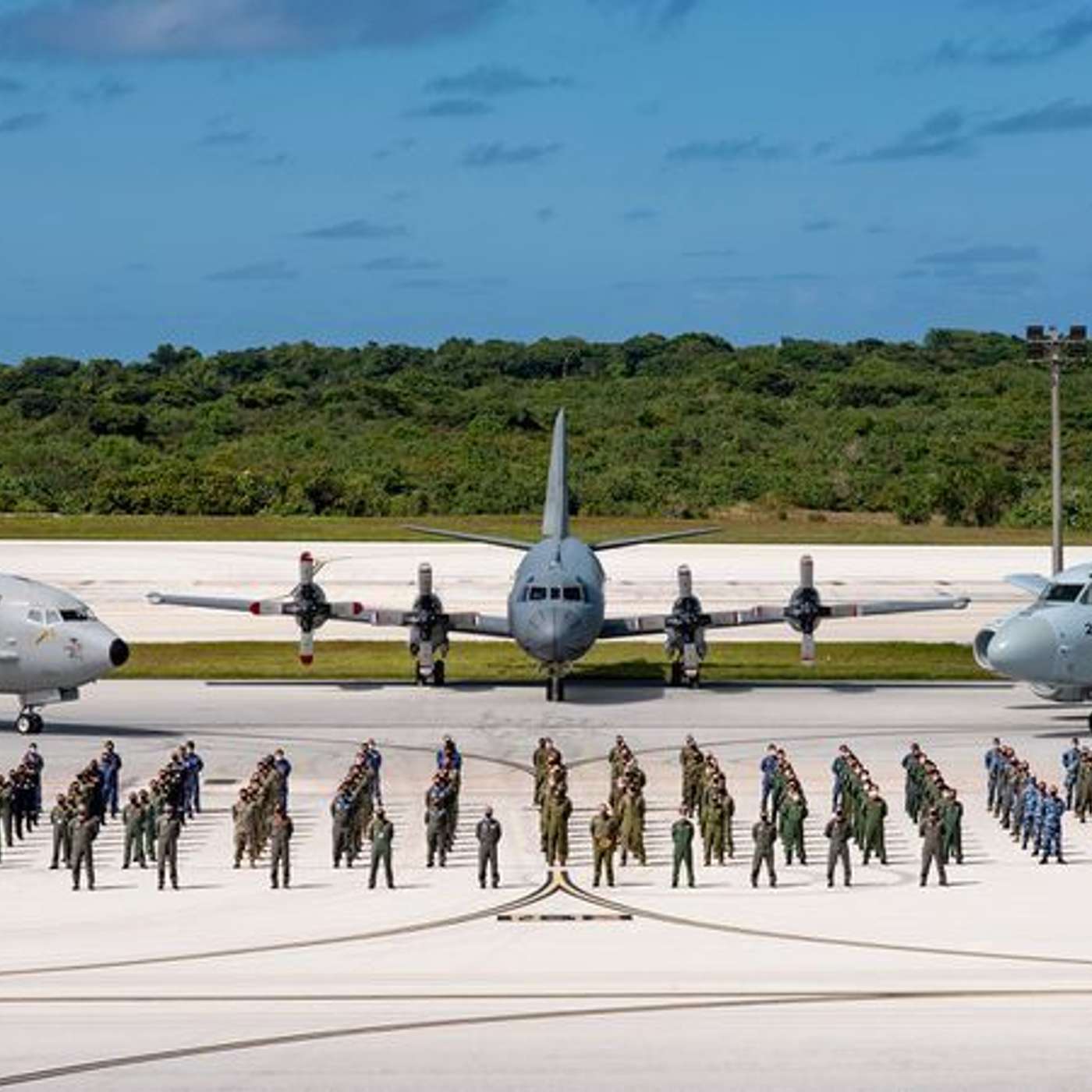
Ep 89State of the United States: How should the United States and Australia bolster collective deterrence and defence?
It is now well accepted in Canberra and Washington that the Australia-US alliance needs to be operationalised in new ways to meet Indo-Pacific strategic challenges. Against a backdrop of intensifying Chinese assertiveness and the United States’ declining capacity to uphold a favourable balance of power by itself, our shared interests in deterrence and defence require greater coordination, alignment and collective action. This cooperation must also be carefully dovetailed with regional needs and security preferences to ensure a broadly collective approach to strengthening stability, sovereignty and resilience across the Indo-Pacific. How should Australia work with the Biden administration to transform the alliance for collective deterrence and defence? Is there a shared understanding between Canberra, Washington and other regional capitals over the ends, ways and means of Indo-Pacific strategy? What does bolstering resilience look like in the maritime domain where China’s grey zone activities are steadily expanding? How can Canberra and Washington make faster progress towards the kind of defence industrial base cooperation that is needed to empower the alliance for future strategic challenges? To discuss these issues, the United States Studies Centre hosted a webinar discussion with United States Studies Centre Director of Foreign Policy and Defence Ashley Townshend, Research Fellow Brendan Thomas-Noone and Australian Strategic Policy Institute Senior Analyst Dr Huong Le Thu in conversation with United States Studies Centre Director of Communications and Stakeholder Engagement Mari Koeck.
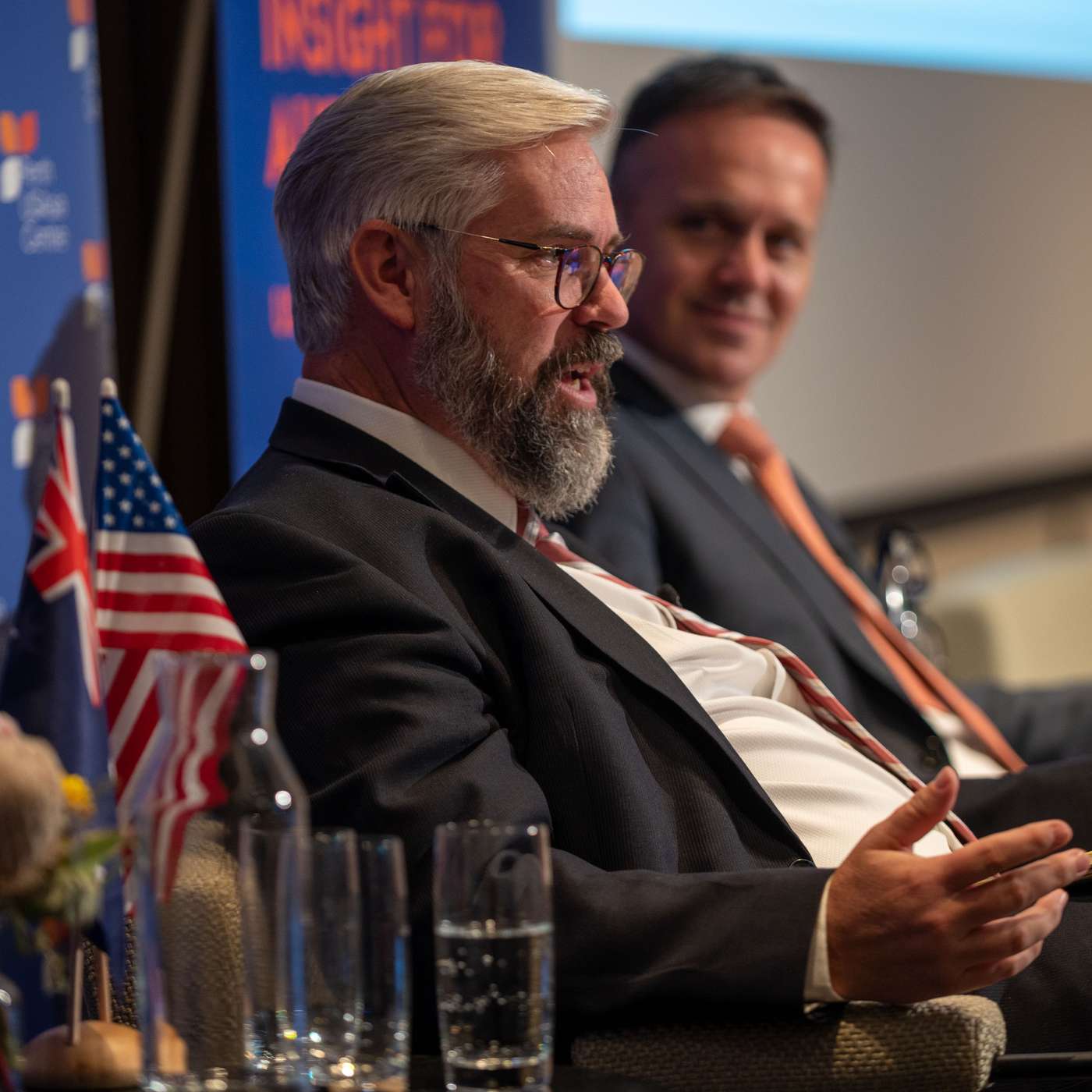
Ep 88State of the United States: An evolving alliance agenda | Closing session featuring The Honourable Arthur Sinodinos AO
The United States Studies Centre at the University of Sydney and the Perth USAsia Centre at The University of Western Australia hosted a conference for the launch of their joint publication, “State of the United States: An evolving alliance agenda”. The conference closed with a session featuring The Honourable Arthur Sinodinos AO, Australia’s Ambassador to the US (joining via Zoom from the United States) in conversation with Professor Simon Jackman, CEO of the United States Studies Centre and Professor Gordon Flake, CEO of the Perth USAsia Centre.