
USSC Live
237 episodes — Page 1 of 5
What does the China-Russia-North Korea axis mean for the Indo-Pacific?
Can the US and allies loosen China's chokehold on rare earths?
The making of America's first Pacific Century: A conversation with historian Christopher Capozzola
Impact of the Supreme Court rulings on Trump 2.0
Building a more resilient Pacific: The allies and partners agenda
Asian crucible: Globalisation, geopolitics and the contest for the future
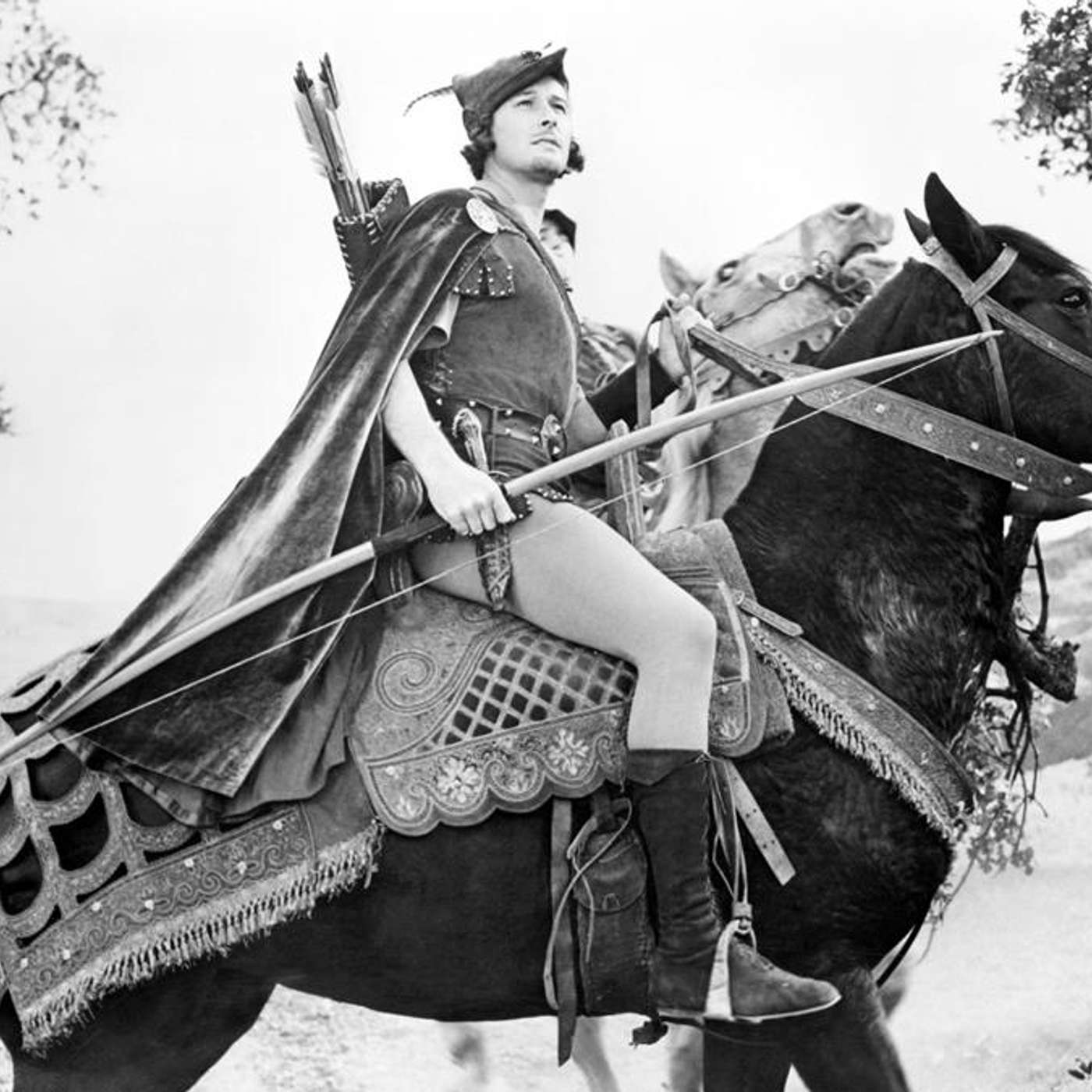
Ep 228Errol Flynn: The true story of Australia's Hollywood icon
Errol Flynn was the first Australian to become a Hollywood icon. His portrayal of Robin Hood in 1938 is one of the most legendary performances on the silver screen. The US Library of Congress selected The Adventures of Robin Hood for preservation in the National Film Registry. From his childhood in Tasmania and London, to his time as a young adult in New Guinea, before he found fame in America, his personal story is as mesmerising as many of the roles he played. Flynn faced trial in 1943 for statutory rape charges and, while acquitted, the trial revealed the sexual trafficking of underage girls in Hollywood on a grand scale.In her new book, Errol Flynn: The true story of Australia’s Hollywood icon, author Patricia O’Brien examines Flynn’s larger-than-life persona and reveals the story behind the well-cultivated Hollywood myths.Who was Errol Flynn behind the silver screen? How did he pave the way for other Australians in Hollywood? How should we think about his legacy?To discuss these questions, USSC was delighted to host a special book launch event featuring Dr Patricia O’Brien, an adjunct professor at Georgetown University, in discussion with United States Studies Centre Senior Lecturer in American Studies Dr Aaron Nyerges.
Ep 227What the Iran war means for the Middle East — and the world
In February 2026, the United States and Israel launched a surprise attack on Iran, killing former Iranian Supreme Leader Ayatollah Khamenei and triggering a wider conflict that now involves most of the Middle East. Missile strikes have killed hundreds of civilians across the region. The crisis has also caused severe economic disruption, with the closure of the Strait of Hormuz driving up consumer prices globally. Governments around the world, including Australia, are now grappling with navigating one of the region's most destructive conflicts in years — and how its effects could reverberate across the Indo-Pacific.What does this mean for the Iranian people?What are the key US objectives and how may this end?What are the implications for Australia and the Indo-Pacific?To answer these questions, USSC hosted a panel discussion with CEO Dr Michael Green, Founding Director of Australian United Solidarity for Iran Dr Rana Dadpour, and Barrister and member of the National Assembly of Iranian Jurists Faraz Maghami, in conversation with USSC Director of Research Jared Mondschein.
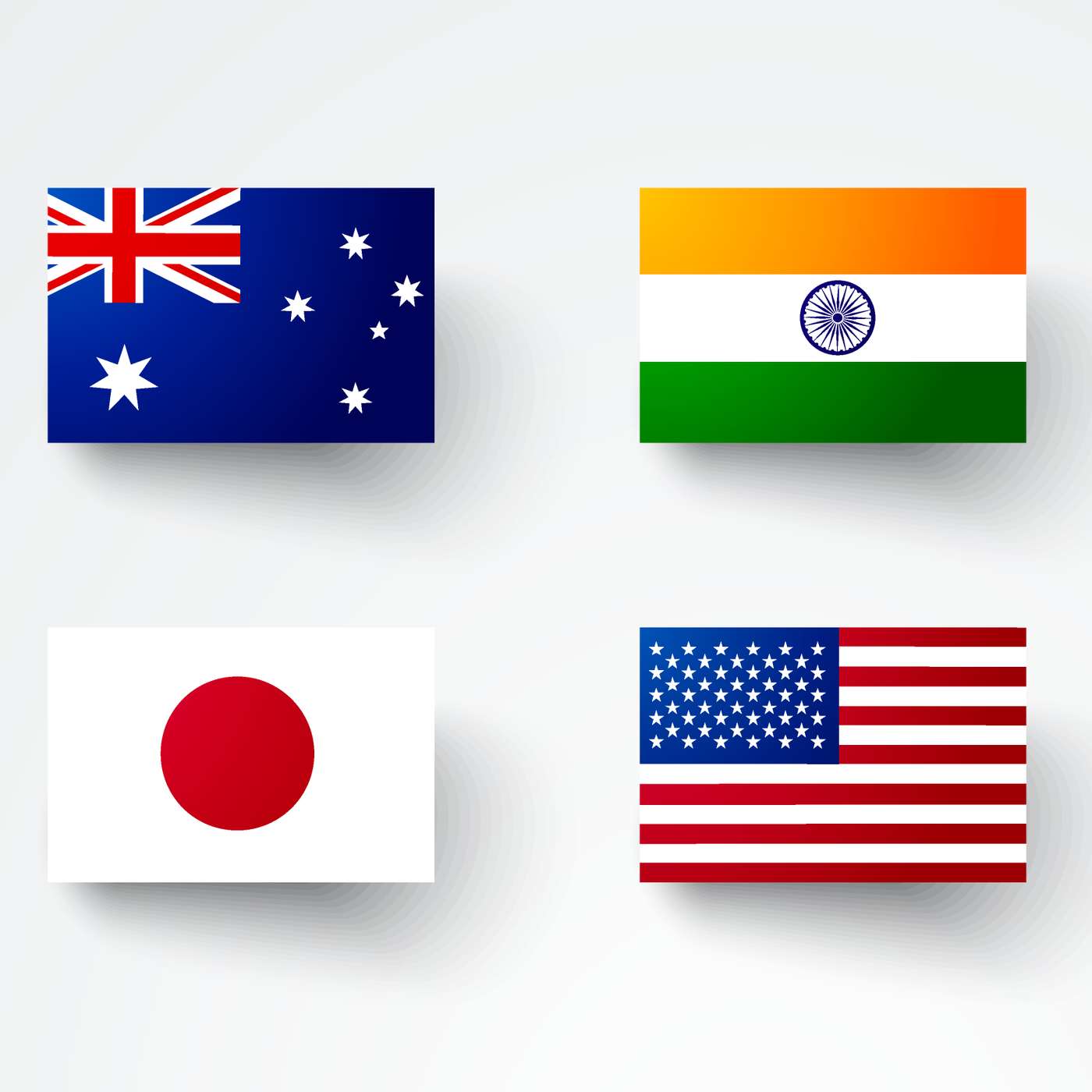
Ep 226The future of the Quad in the age of Trump
The Quad partnership between Australia, India, Japan and the United States has emerged as major pillar of diplomatic architecture in the Indo-Pacific with a sweeping agenda from maritime cooperation to economic security and disaster relief. In 2025, two Quad Foreign Ministers Meetings helped consolidate a refreshed agenda between the four countries. However, the lack of a leaders-level summit under the second Trump administration and lingering challenges in the relationship between the US and Indian governments has left some observers uncertain about the future of the Quad in a new era of geopolitical upheaval.The United States Studies Centre hosted this public event following a day of closed-door discussion at the second Quad Leadership Track-1.5 Dialogue. The panel discussed the regional challenges facing the four Quad countries and outlined key areas for cooperation, including on economic security, transnational security and critical technologies — as well as how to deepen the agenda beyond the Quad amongst other regional partners.Panel of experts:USSC CEO Dr Michael GreenUSSC Director of Foreign Policy and Defence Dr Lavina LeeCenter for Strategic and International Studies Senior Advisor and Australia Chair Dr Charles EdelObserver Research Foundation America Executive Director Dhruva JaishankarModerated by Sydney Morning Herald Foreign Affairs and National Security Correspondent Matthew Knott.
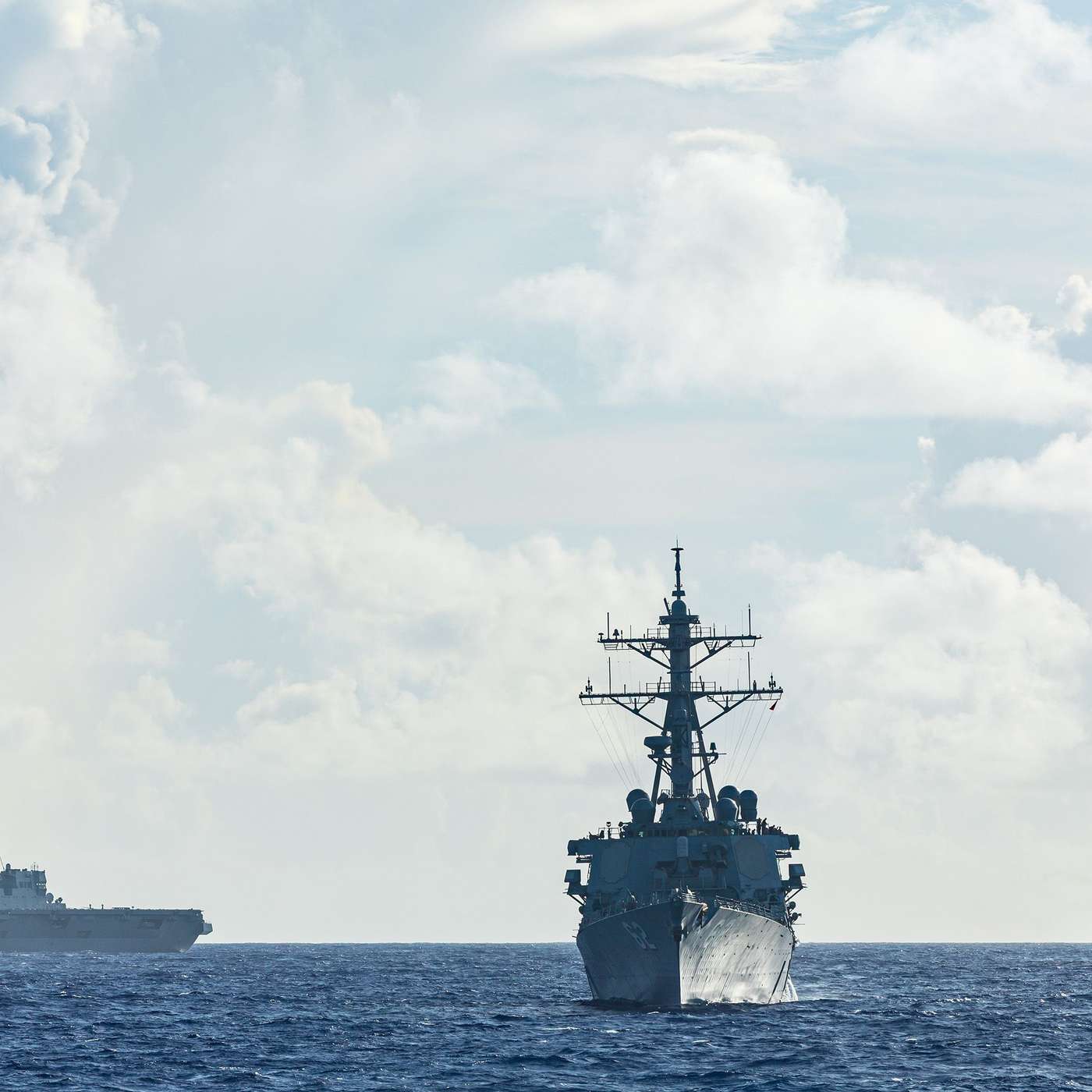
Ep 225Securing the Indian Ocean: India-Australia maritime partnership
The Indian Ocean is fast becoming one of the world’s most geo-strategically contested maritime arenas. The region’s littoral and island states are grappling with how to respond to this strategic competition but also face multi-dimensional maritime security challenges. These, in turn, are exacerbated by climate change and other economic and social vulnerabilities.As the two largest maritime democracies in the Indian Ocean Region, Australia and India share a stake — and responsibility — in its stability and resilience. Both countries are well-positioned to assist littoral and island states in building their governance capacities to address common maritime security challenges. They can accomplish more by working together than alone, but this is easier said than done. Key questions to address include:What are the most pressing maritime security challenges facing the Indian Ocean region?How well are India and Australia currently engaging with littoral and island states and for what purpose?What practical steps can they take to help partners build sustainable governance capacity?And ultimately, what would a truly well-coordinated India-Australia capacity-building partnership look like?To unpack these issues, the United States Studies Centre hosted a fireside chat with Rushali Saha, USSC Maitri Fellow and Dr Lavina Lee, Director of Foreign Policy and Defence at the United States Studies Centre.
Ep 224A look back at year one of Trump 2.0
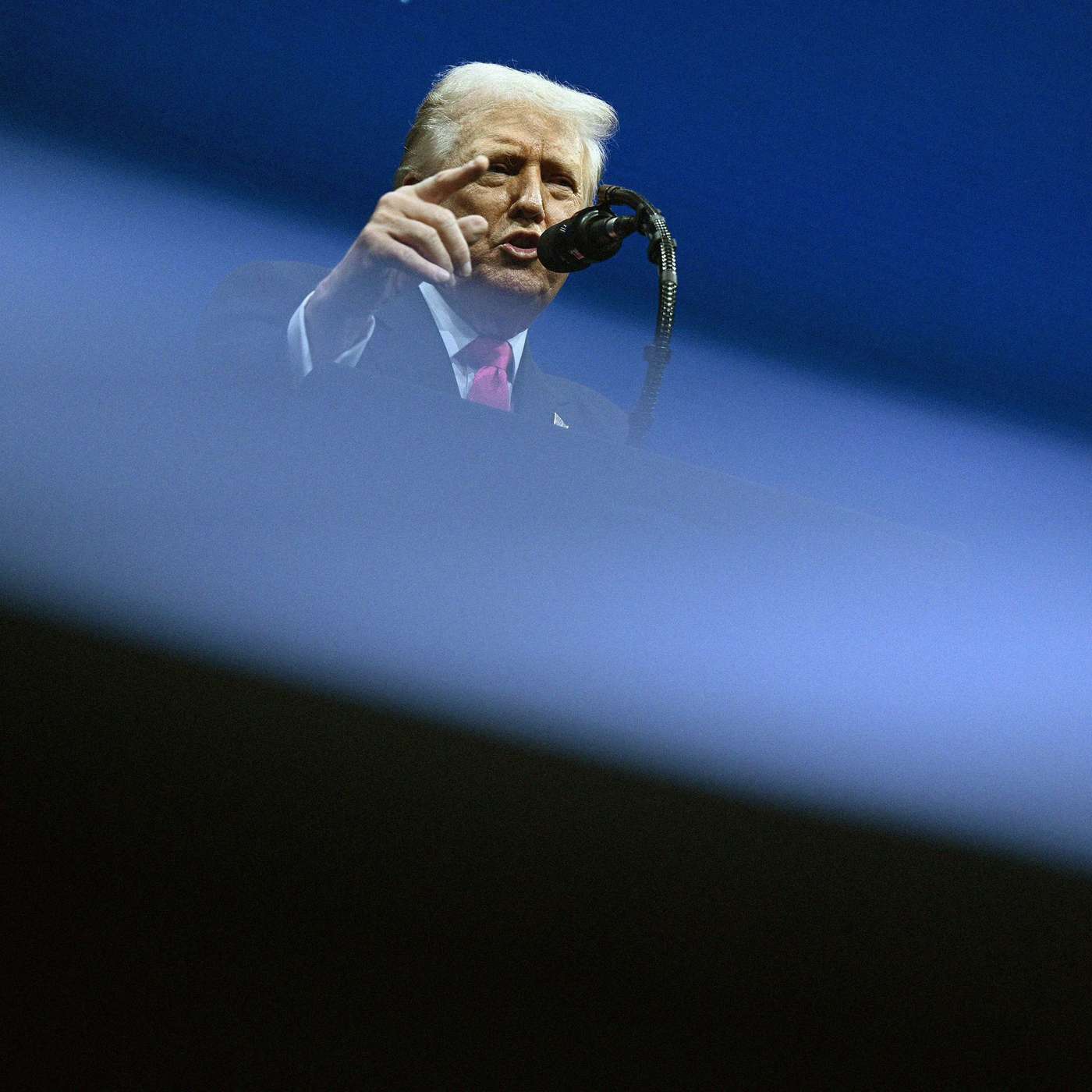
The last 10 months have seen the longest federal government shutdown in US history, the highest levels of US tariffs imposed in nearly a century, unprecedented actions by US Immigration and Customs Enforcement, and a dramatic reshaping of federal government departments. Meanwhile, USSC polling ahead of the successful Albanese-Trump summit showed that Australians had negative views of President Trump but still didn’t want to walk away from the Australia-US alliance. Additional USSC polling was released ahead of this event.After a historic year in US politics, Australia faces key questions about its most important ally.What have we learned from the year in US politics?How has the second Trump administration measured up to expectations?Which of the administration's actions matter most for the future?To answer these questions and to discuss the full results of the 2025 Allies and partners poll, USSC hosted a panel of experts: Chas Licciardello, co-host of “Planet America” on ABC TV, USSC Lecturer in American Studies Dr Kathryn Robison and Director of Research Jared Mondschein, in conversation with Director of Engagement and Impact Mari Koeck.
Ep 223Tides of partnership: Australia-India maritime collaboration in the Indian Ocean region
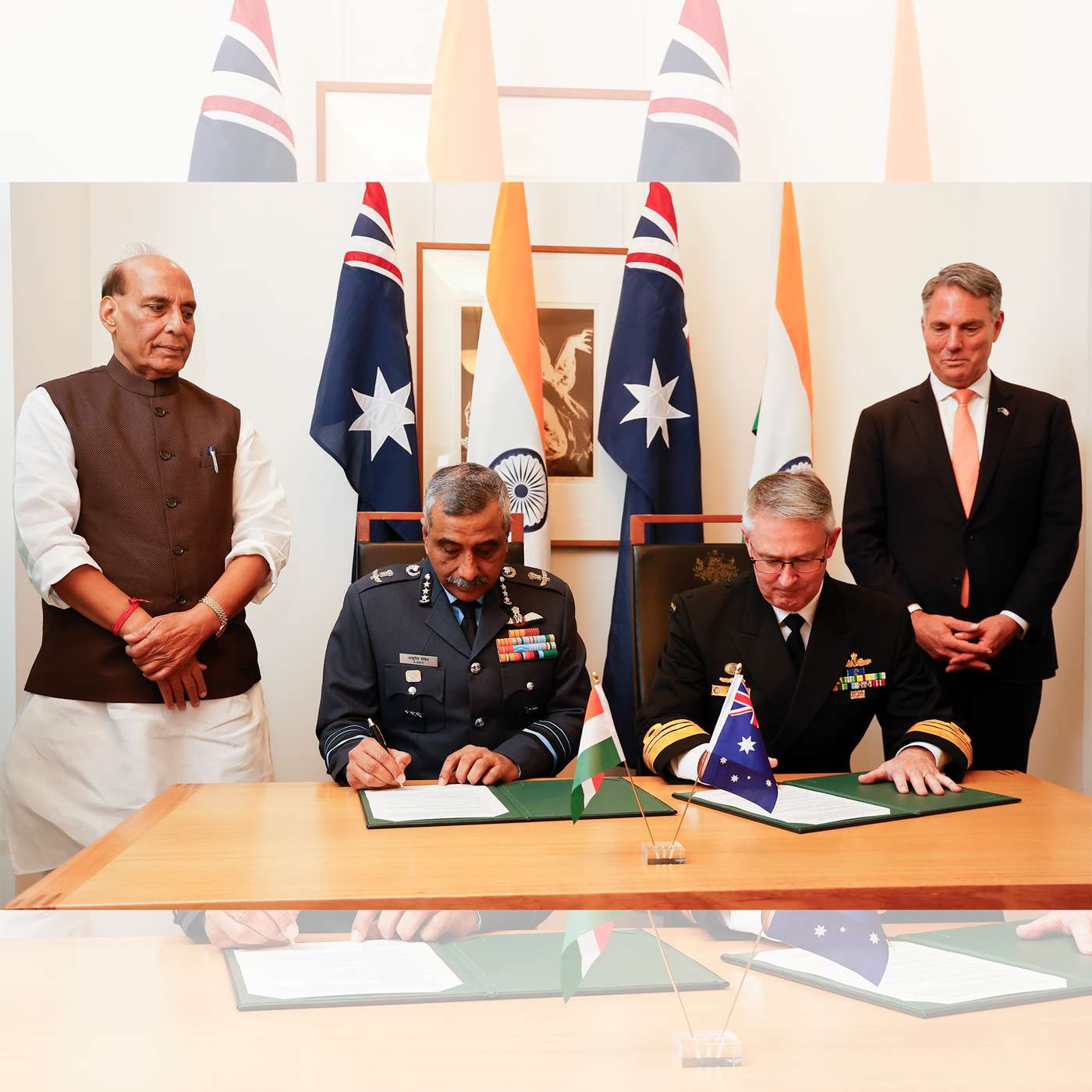
In the wake of recent Australia-India Defence and Foreign Ministers’ meetings, the United States Studies Centre and the Observer Research Foundation (ORF) co-hosted a webinar to explore this evolving bilateral relationship.Moderator Dr Lavina Lee, Director of Foreign Policy and Defence at the USSC, was joined by leading voices from India and Australia, including ORF’s Sayantan Haldar and Pratnashree Basu, USSC’s Maitri Fellow Rushali Saha, and ANU National Security College’s Dr David Brewster.The panel explored the progression of the Australia-India relationship towards increased operational maritime cooperation, including in areas such as maritime domain awareness, undersea cable security and the role of the Quad in shaping regional outcomes.The discussion also considered where deeper collaboration may be needed to support a stable, resilient Indian Ocean region.
Ep 222Sydney International Strategy Forum 2025 | Can allies shape US strategy?
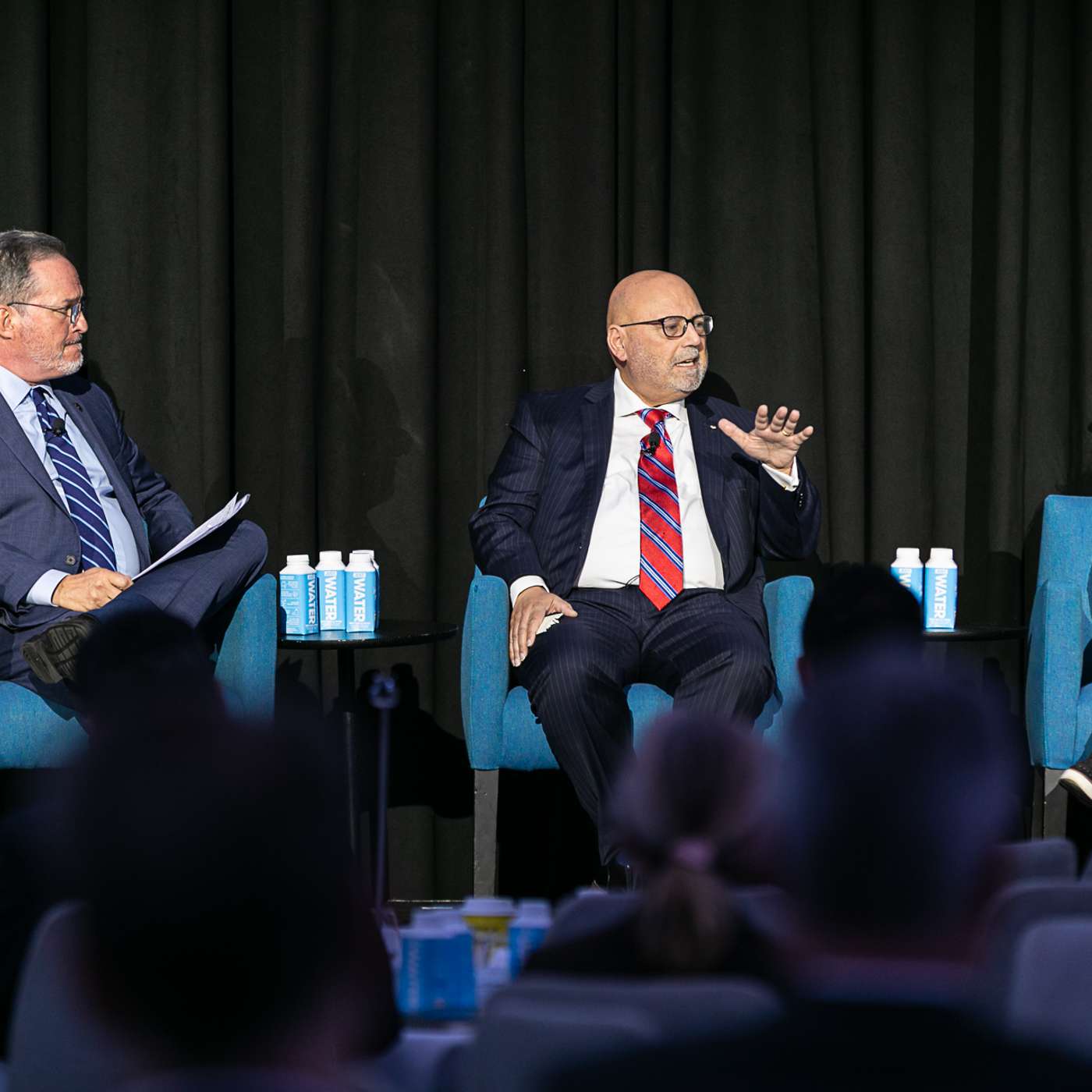
Panel discussion at the Sydney International Strategy Forum featuring Dr Kori Schake, Senior Fellow and Director of Foreign and Defense Policy Studies at the American Enterprise Institute, General David Berger (Ret’d), former Commandant in the US Marine Corps, Takashi Yamashita, Member of the Japanese House of Representatives, and The Hon Arthur Sinodinos AO, Chairman of the United States Studies Centre. Moderated by Dr Michael Green, Chief Executive Officer of the United States Studies Centre.About the Sydney International Strategy ForumPresident Donald Trump’s first 100 days featured norm-breaking policies at a breakneck pace, often to be overturned days or weeks later. At the same time, the wars in Ukraine and Gaza have entered new eras with high-level negotiations, on-again off-again fighting and a new world order forming in real time to adapt to a changing strategic landscape. The 2024 trend of turfing incumbents has given way to foreign elections that many perceive to be a referendum on US politics.What is the future of the United States’ role in the world? How can governments and businesses plan in the midst of constant change? How should allies and partners approach security challenges in 2025 and beyond?These are the questions we tackled with international experts across government, business and academia at SISF 2025. They shared their insights on the discussions happening in Washington, Canberra and Tokyo, and what they meant for US allies and partners around the world.https://www.ussc.edu.au/sydney-international-strategy-forum-2025
Ep 222Sydney International Strategy Forum 2025 | Keynote address from General David Berger (Ret’d)
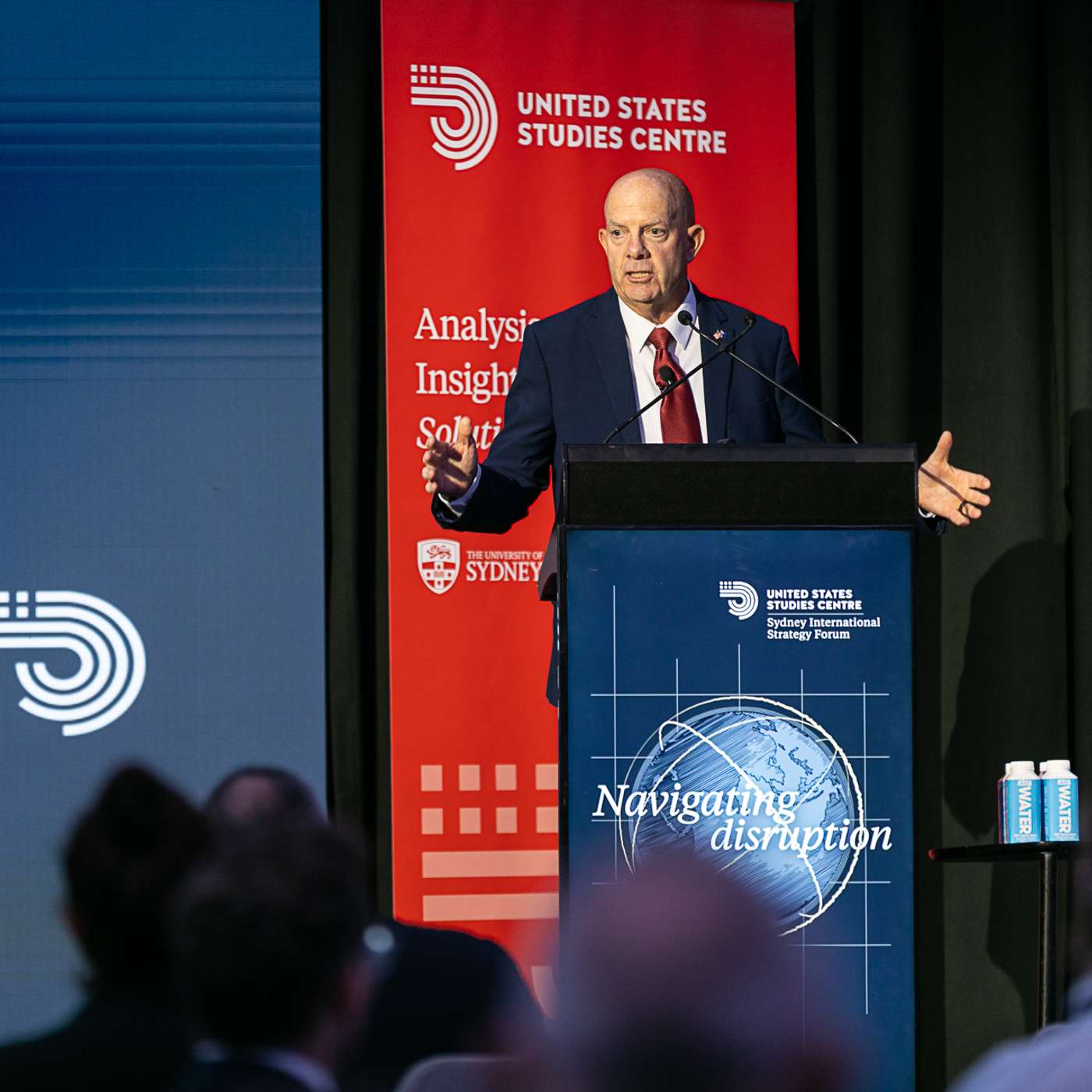
Keynote address at the Sydney International Strategy Forum from General David Berger (Ret’d), former Commandant of the US Marine Corps on the topic of "Can allies shape US strategy?"About the Sydney International Strategy ForumPresident Donald Trump’s first 100 days featured norm-breaking policies at a breakneck pace, often to be overturned days or weeks later. At the same time, the wars in Ukraine and Gaza have entered new eras with high-level negotiations, on-again off-again fighting and a new world order forming in real time to adapt to a changing strategic landscape. The 2024 trend of turfing incumbents has given way to foreign elections that many perceive to be a referendum on US politics.What is the future of the United States’ role in the world? How can governments and businesses plan in the midst of constant change? How should allies and partners approach security challenges in 2025 and beyond?These are the questions we tackled with international experts across government, business and academia at SISF 2025. They shared their insights on the discussions happening in Washington, Canberra and Tokyo, and what they meant for US allies and partners around the world.https://www.ussc.edu.au/sydney-international-strategy-forum-2025
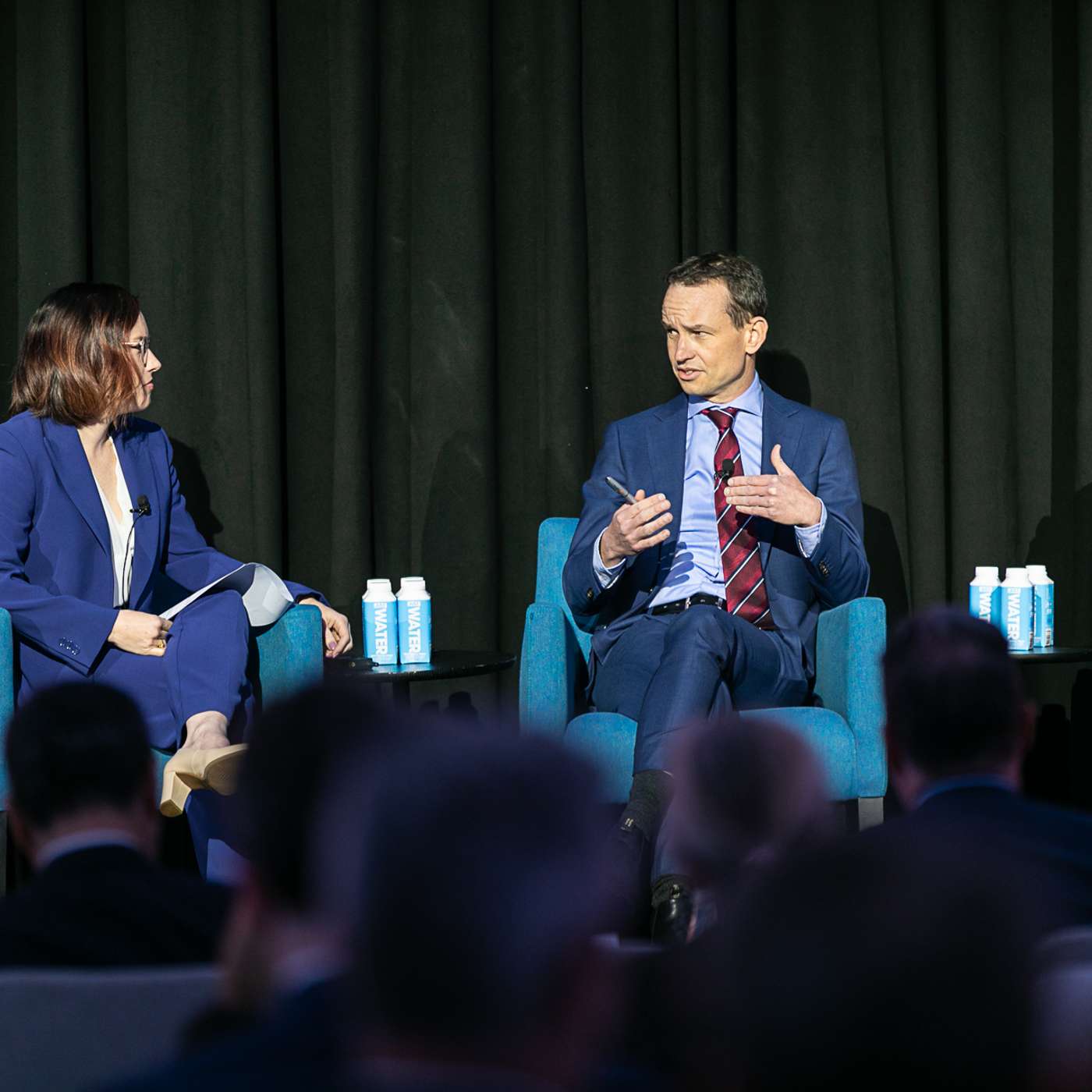
Ep 221Sydney International Strategy Forum 2025 | Leading on economic security: AI and critical minerals
Panel discussion at the Sydney International Strategy Forum featuring Dr Jeffrey Wilson, Director of Research and Economics at the Australian Industry Group, Yoshiaki Wada, former Representative (2016–24) in the Japanese House of Representatives, and Olivia Shen, Director, Strategic Technologies at the United States Studies Centre. Moderated by Hayley Channer, Director, Economic Security, United States Studies Centre.About the Sydney International Strategy ForumPresident Donald Trump’s first 100 days featured norm-breaking policies at a breakneck pace, often to be overturned days or weeks later. At the same time, the wars in Ukraine and Gaza have entered new eras with high-level negotiations, on-again off-again fighting and a new world order forming in real time to adapt to a changing strategic landscape. The 2024 trend of turfing incumbents has given way to foreign elections that many perceive to be a referendum on US politics.What is the future of the United States’ role in the world? How can governments and businesses plan in the midst of constant change? How should allies and partners approach security challenges in 2025 and beyond?These are the questions we tackled with international experts across government, business and academia at SISF 2025. They shared their insights on the discussions happening in Washington, Canberra and Tokyo, and what they meant for US allies and partners around the world.https://www.ussc.edu.au/sydney-international-strategy-forum-2025

Ep 221Sydney International Strategy Forum 2025 | Navigating disruption in trade and finance
Panel discussion at the Sydney International Strategy Forum featuring Dr John Kunkel, Senior Economics Adviser at the United States Studies Centre, Bilahari Kausikan, former Permanent Secretary at the Ministry of Foreign Affairs in Singapore, Jo Masters, Chief Economist at Barrenjoey Capital Partners, and Ziad Haider, Partner and Global Director of Geopolitics at McKinsey & Company. Moderated by John Kehoe, Economics Editor at The Australian Financial Review.About the Sydney International Strategy Forum President Donald Trump’s first 100 days featured norm-breaking policies at a breakneck pace, often to be overturned days or weeks later. At the same time, the wars in Ukraine and Gaza have entered new eras with high-level negotiations, on-again off-again fighting and a new world order forming in real time to adapt to a changing strategic landscape. The 2024 trend of turfing incumbents has given way to foreign elections that many perceive to be a referendum on US politics. What is the future of the United States’ role in the world? How can governments and businesses plan in the midst of constant change? How should allies and partners approach security challenges in 2025 and beyond? These are the questions we tackled with international experts across government, business and academia at SISF 2025. They shared their insights on the discussions happening in Washington, Canberra and Tokyo, and what they meant for US allies and partners around the world.https://www.ussc.edu.au/sydney-international-strategy-forum-2025
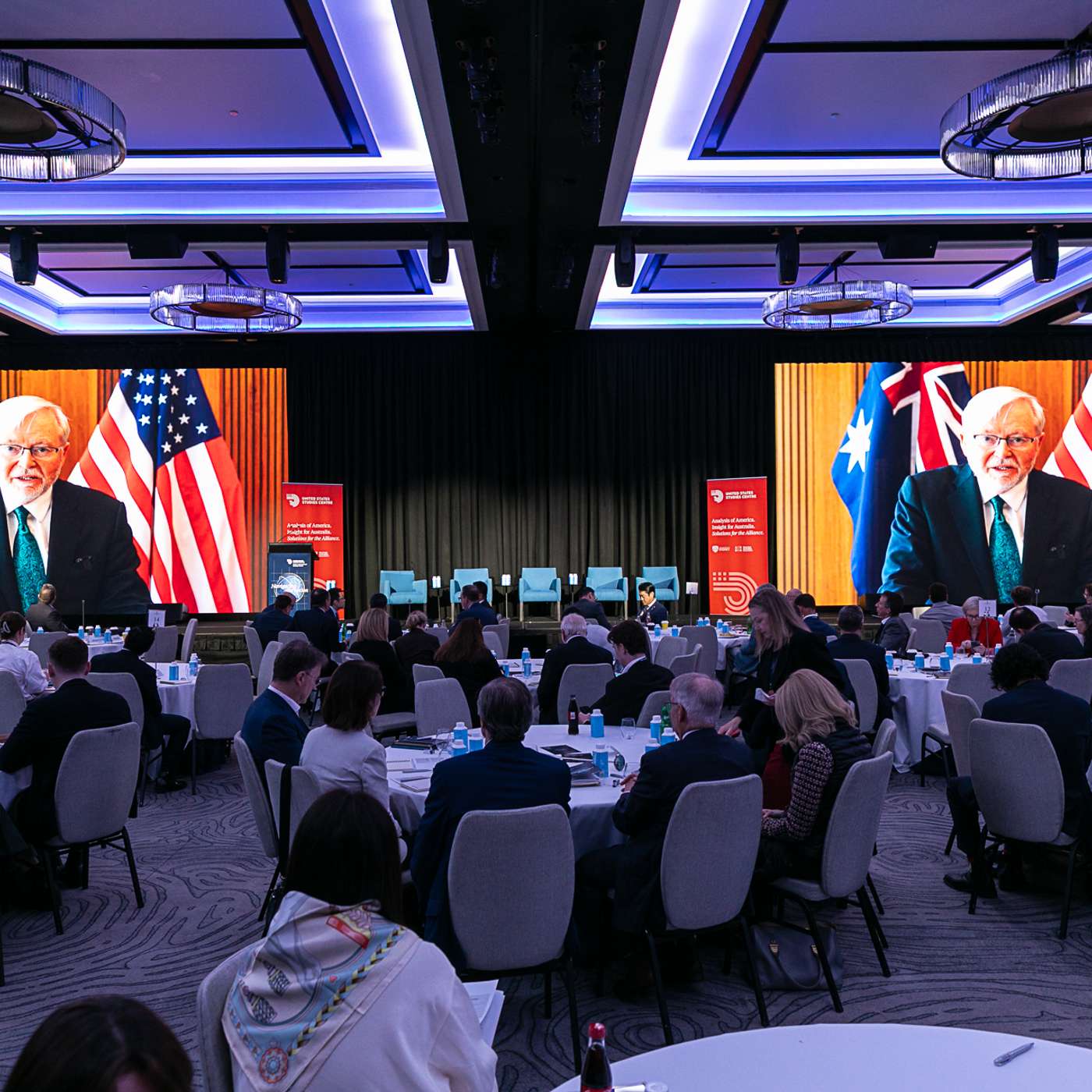
Ep 220Sydney International Strategy Forum 2025 | Keynote address from HE the Hon Dr Kevin Rudd AC
A keynote address at the Sydney International Strategy Forum from His Excellency the Hon Dr Kevin Rudd AC, Australia’s Ambassador to the United States.About the Sydney International Strategy Forum President Donald Trump’s first 100 days featured norm-breaking policies at a breakneck pace, often to be overturned days or weeks later. At the same time, the wars in Ukraine and Gaza have entered new eras with high-level negotiations, on-again off-again fighting and a new world order forming in real time to adapt to a changing strategic landscape. The 2024 trend of turfing incumbents has given way to foreign elections that many perceive to be a referendum on US politics. What is the future of the United States’ role in the world? How can governments and businesses plan in the midst of constant change? How should allies and partners approach security challenges in 2025 and beyond? These are the questions we tackled with international experts across government, business and academia at SISF 2025. They shared their insights on the discussions happening in Washington, Canberra and Tokyo, and what they meant for US allies and partners around the world.https://www.ussc.edu.au/sydney-international-strategy-forum-2025
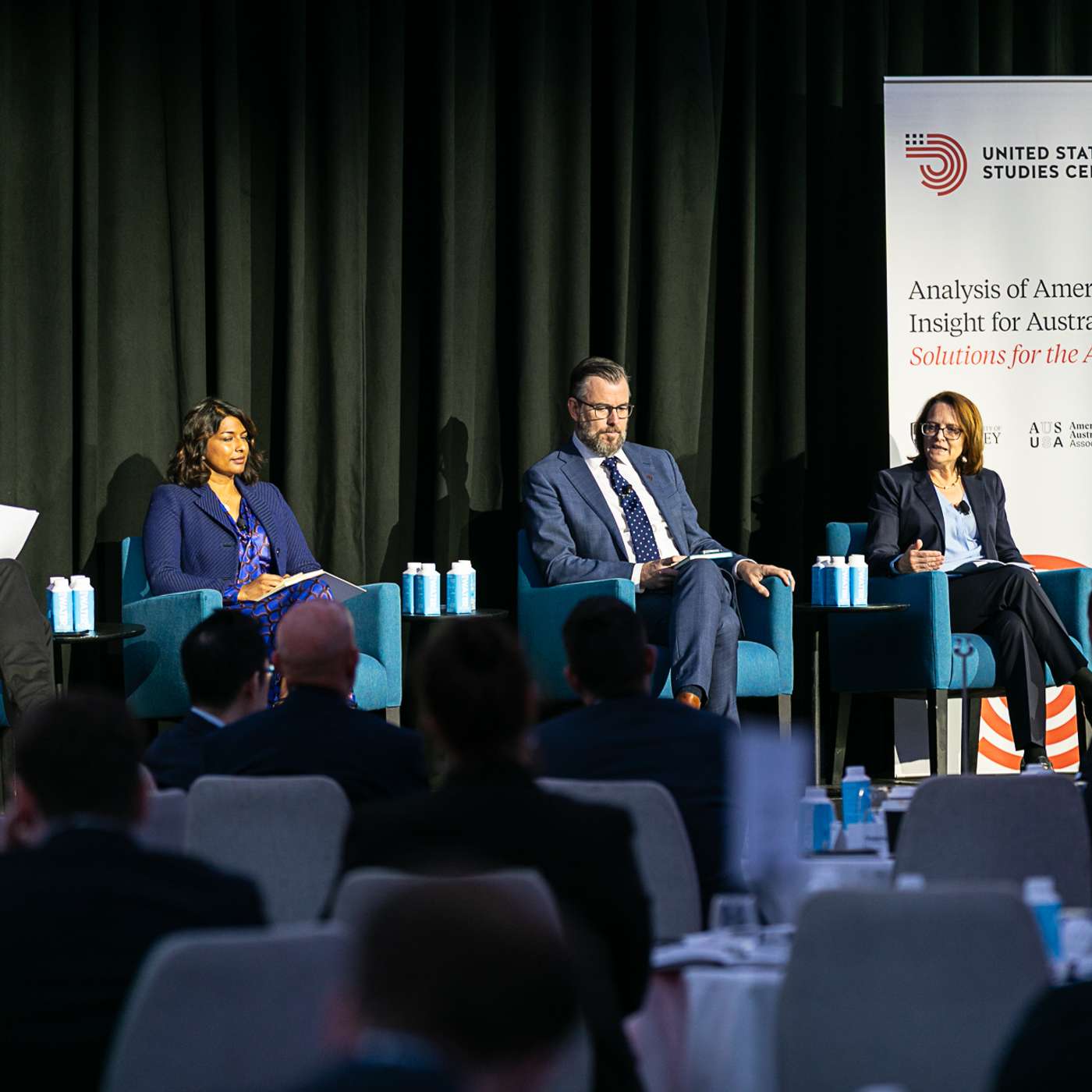
Ep 220Sydney International Strategy Forum 2025 | Are US alliances fit for purpose? AUKUS, the Quad, and the future of security cooperation
Panel discussion at the Sydney International Strategy Forum featuring Dr Lavina Lee, Director of Foreign Policy and Defence at the United States Studies Centre, Lisa Curtis, Director of the Indo-Pacific Security Program at the Center for a New American Security, and Professor Peter Dean, Senior Adviser for Defence Strategy at the United States Studies Centre. Moderated by Cameron Stewart, Chief International Correspondent at The Australian. About the Sydney International Strategy Forum President Donald Trump’s first 100 days featured norm-breaking policies at a breakneck pace, often to be overturned days or weeks later. At the same time, the wars in Ukraine and Gaza have entered new eras with high-level negotiations, on-again off-again fighting and a new world order forming in real time to adapt to a changing strategic landscape. The 2024 trend of turfing incumbents has given way to foreign elections that many perceive to be a referendum on US politics. What is the future of the United States’ role in the world? How can governments and businesses plan in the midst of constant change? How should allies and partners approach security challenges in 2025 and beyond? These are the questions we tackled with international experts across government, business and academia at SISF 2025. They shared their insights on the discussions happening in Washington, Canberra and Tokyo, and what they meant for US allies and partners around the world.https://www.ussc.edu.au/sydney-international-strategy-forum-2025
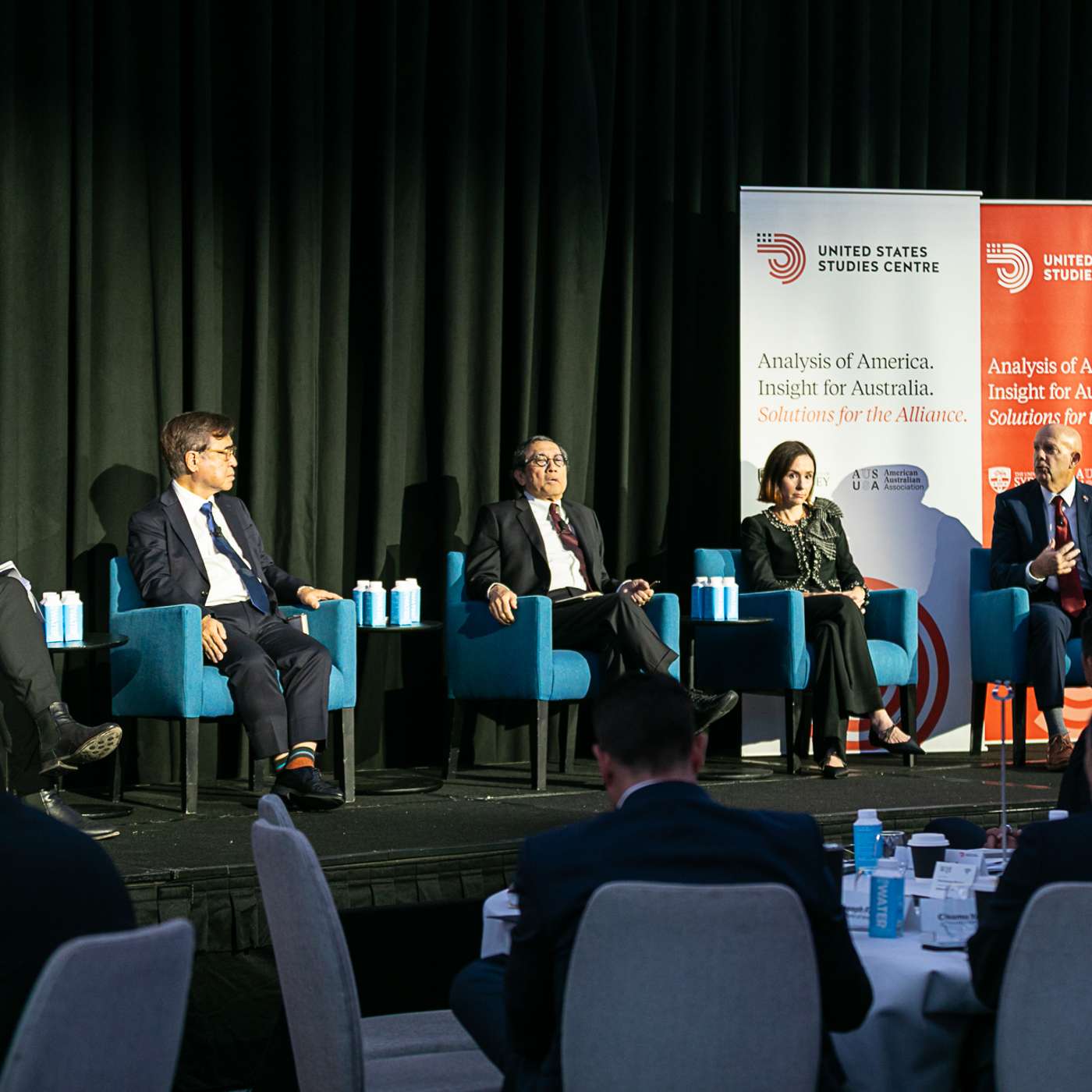
Ep 219Sydney International Strategy Forum 2025 | Is China winning in the Indo-Pacific?
Panel discussion at the Sydney International Strategy Forum featuring General David Berger (Ret’d), former Commandant of the US Marine Corps, Dr Mira Rapp-Hooper, Partner at The Asia Group, Bilahari Kausikan, former Permanent Secretary at the Ministry of Foreign Affairs in Singapore, and Professor Nobukatsu Kanehara, Executive Director of the Sasakawa Peace Foundation. Moderated by Matthew Knott, Foreign Affairs and National Security Correspondent at The Sydney Morning Herald and The Age.About the Sydney International Strategy ForumPresident Donald Trump’s first 100 days featured norm-breaking policies at a breakneck pace, often to be overturned days or weeks later. At the same time, the wars in Ukraine and Gaza have entered new eras with high-level negotiations, on-again off-again fighting and a new world order forming in real time to adapt to a changing strategic landscape. The 2024 trend of turfing incumbents has given way to foreign elections that many perceive to be a referendum on US politics.What is the future of the United States’ role in the world? How can governments and businesses plan in the midst of constant change? How should allies and partners approach security challenges in 2025 and beyond?These are the questions we tackled with international experts across government, business and academia at SISF 2025. They shared their insights on the discussions happening in Washington, Canberra and Tokyo, and what they meant for US allies and partners around the world.https://www.ussc.edu.au/sydney-international-strategy-forum-2025
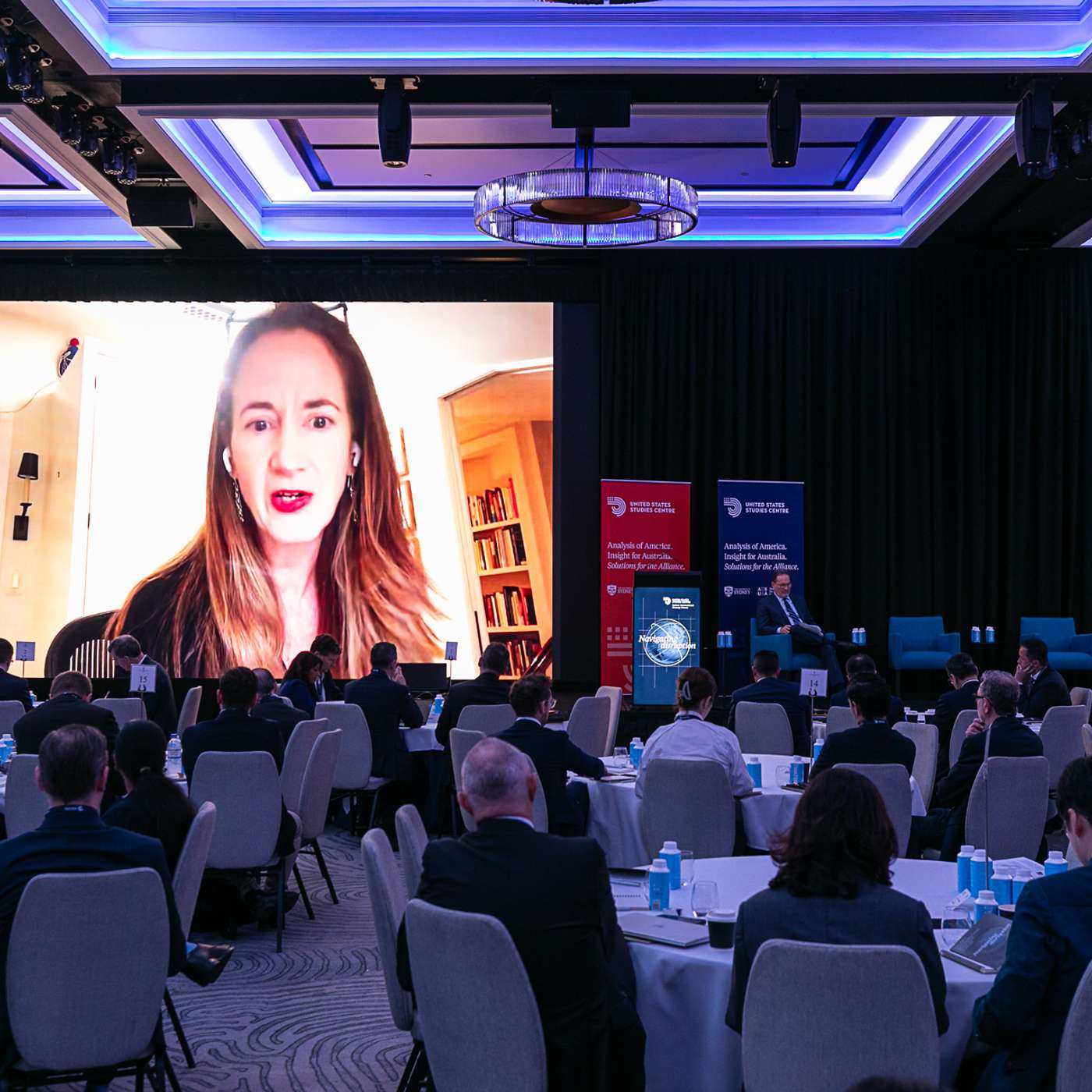
Ep 218Sydney International Strategy Forum 2025 | Keynote address from Avril Haines
Former Director of National Intelligence Avril Haines joined the Sydney International Strategy Forum live by video link to discuss with Chief Executive Officer of the United States Studies Centre, Dr Michael Green, the topic, "Is China winning in the Indo-Pacific?" About the Sydney International Strategy Forum President Donald Trump’s first 100 days featured norm-breaking policies at a breakneck pace, often to be overturned days or weeks later. At the same time, the wars in Ukraine and Gaza have entered new eras with high-level negotiations, on-again off-again fighting and a new world order forming in real time to adapt to a changing strategic landscape. The 2024 trend of turfing incumbents has given way to foreign elections that many perceive to be a referendum on US politics. What is the future of the United States’ role in the world? How can governments and businesses plan in the midst of constant change? How should allies and partners approach security challenges in 2025 and beyond? These are the questions we tackled with international experts across government, business and academia at SISF 2025. They shared their insights on the discussions happening in Washington, Canberra and Tokyo, and what they meant for US allies and partners around the world.https://www.ussc.edu.au/sydney-international-strategy-forum-2025
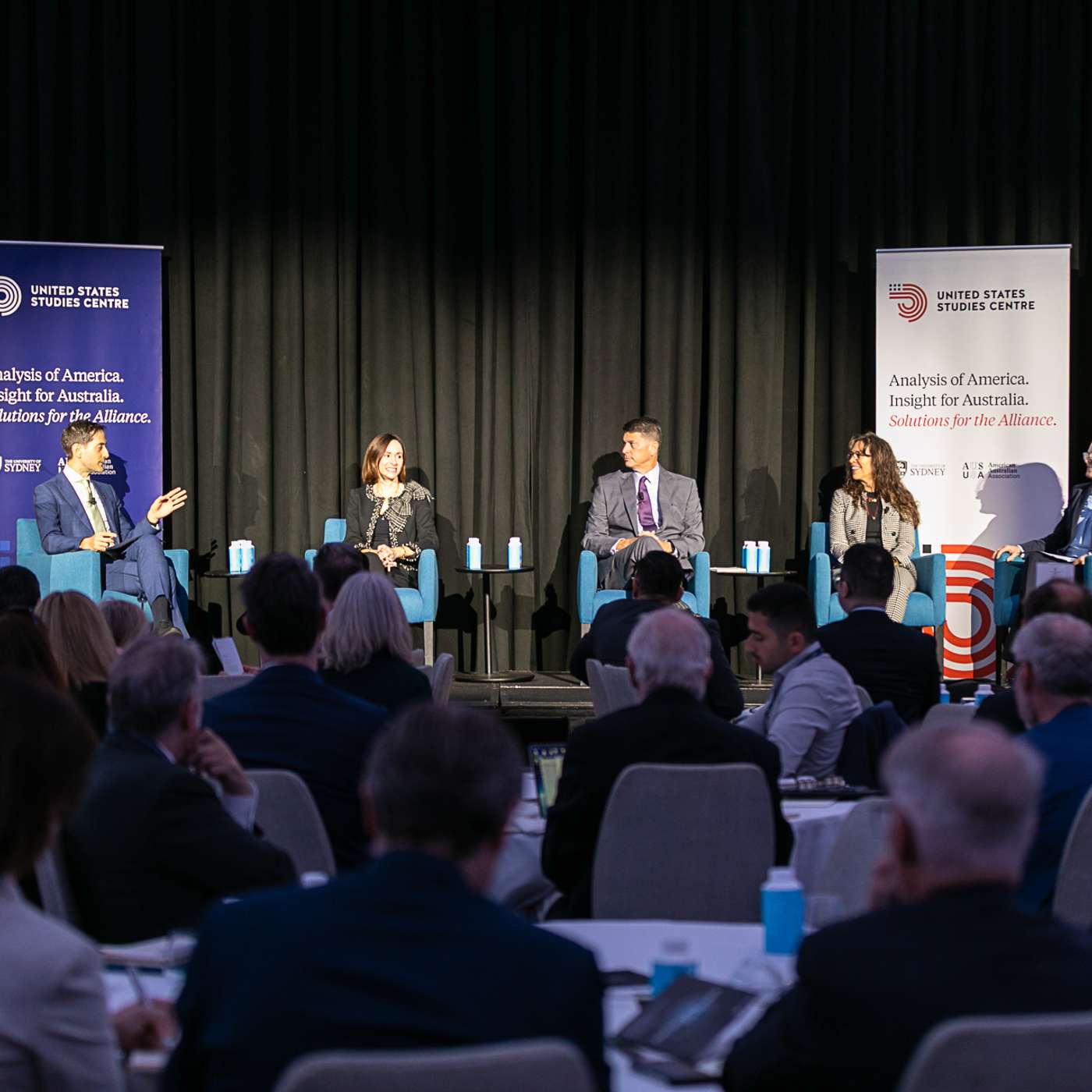
Ep 217Sydney International Strategy Forum 2025 | America abroad, America at home: How much has changed?
Panel discussion featuring Lisa Curtis, Director of the Indo-Pacific Security Program at the Center for a New American Security, Dr Mira Rapp-Hooper, Partner at The Asia Group, Dr Kori Schake, Senior Fellow and Director of Foreign and Defense Policy Studies at the American Enterprise Institute, and Clay Lowery, Executive Vice President for Research and Policy at the Institute of International Finance. Moderated by Jared Mondschein, Director of Research, United States Studies Centre. About the Sydney International Strategy Forum President Donald Trump’s first 100 days featured norm-breaking policies at a breakneck pace, often to be overturned days or weeks later. At the same time, the wars in Ukraine and Gaza have entered new eras with high-level negotiations, on-again off-again fighting and a new world order forming in real time to adapt to a changing strategic landscape. The 2024 trend of turfing incumbents has given way to foreign elections that many perceive to be a referendum on US politics. What is the future of the United States’ role in the world? How can governments and businesses plan in the midst of constant change? How should allies and partners approach security challenges in 2025 and beyond? These are the questions we tackled with international experts across government, business and academia at SISF 2025. They shared their insights on the discussions happening in Washington, Canberra and Tokyo, and what they meant for US allies and partners around the world.https://www.ussc.edu.au/sydney-international-strategy-forum-2025
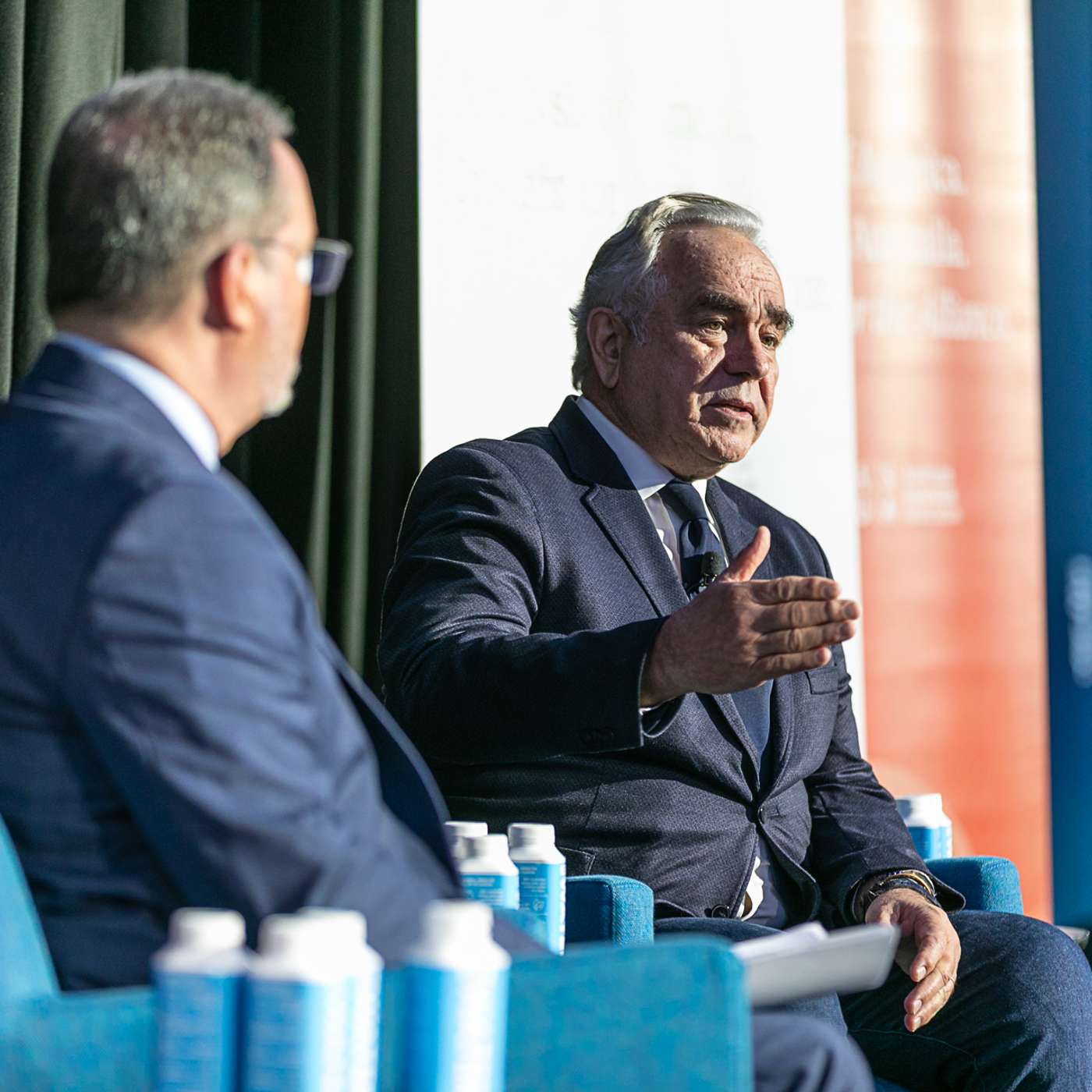
Ep 216Sydney International Strategy Forum 2025 | Fireside conversation with Dr Kurt Campbell
To open the 2025 Sydney International Strategy Forum, former US Deputy Secretary of State, Chairman and Co-Founder, The Asia Group, Dr Kurt Campbell, spoke with Chief Executive Officer of the United States Studies Centre, Dr Michael Green. About the Sydney International Strategy ForumPresident Donald Trump’s first 100 days featured norm-breaking policies at a breakneck pace, often to be overturned days or weeks later. At the same time, the wars in Ukraine and Gaza have entered new eras with high-level negotiations, on-again off-again fighting and a new world order forming in real time to adapt to a changing strategic landscape. The 2024 trend of turfing incumbents has given way to foreign elections that many perceive to be a referendum on US politics. What is the future of the United States’ role in the world? How can governments and businesses plan in the midst of constant change? How should allies and partners approach security challenges in 2025 and beyond? These are the questions we tackled with international experts across government, business and academia at SISF 2025. They shared their insights on the discussions happening in Washington, Canberra and Tokyo, and what they meant for US allies and partners around the world.https://www.ussc.edu.au/sydney-international-strategy-forum-2025

Ep 215Weaponising words: Russia's global influence playbook
Russian disinformation and foreign influence campaigns have increasingly become defining features of today’s information landscape. Their reach extends beyond Ukraine, shaping debates around the globe, including in the United States, Southeast Asia, and Australia.With democratic trust and resilience under increasing strain, this event will explore:The tactics and narratives commonly used in Russian disinformation campaigns.The impact of these campaigns across different regions.How governments, civil society, and communities can strengthen resilience against foreign influence.To discuss these questions, USSC hosted an expert discussion featuring Ukrainian Ambassador to Australia, His Excellency Vasyl Myroshnychenko, ex-career diplomat and strategic communications specialist, Natalia Solieva, and University of Sydney Senior Lecturer in Digital Cultures, Dr Olga Boichak, moderated by USSC Director of Strategic Technologies, Olivia Shen.
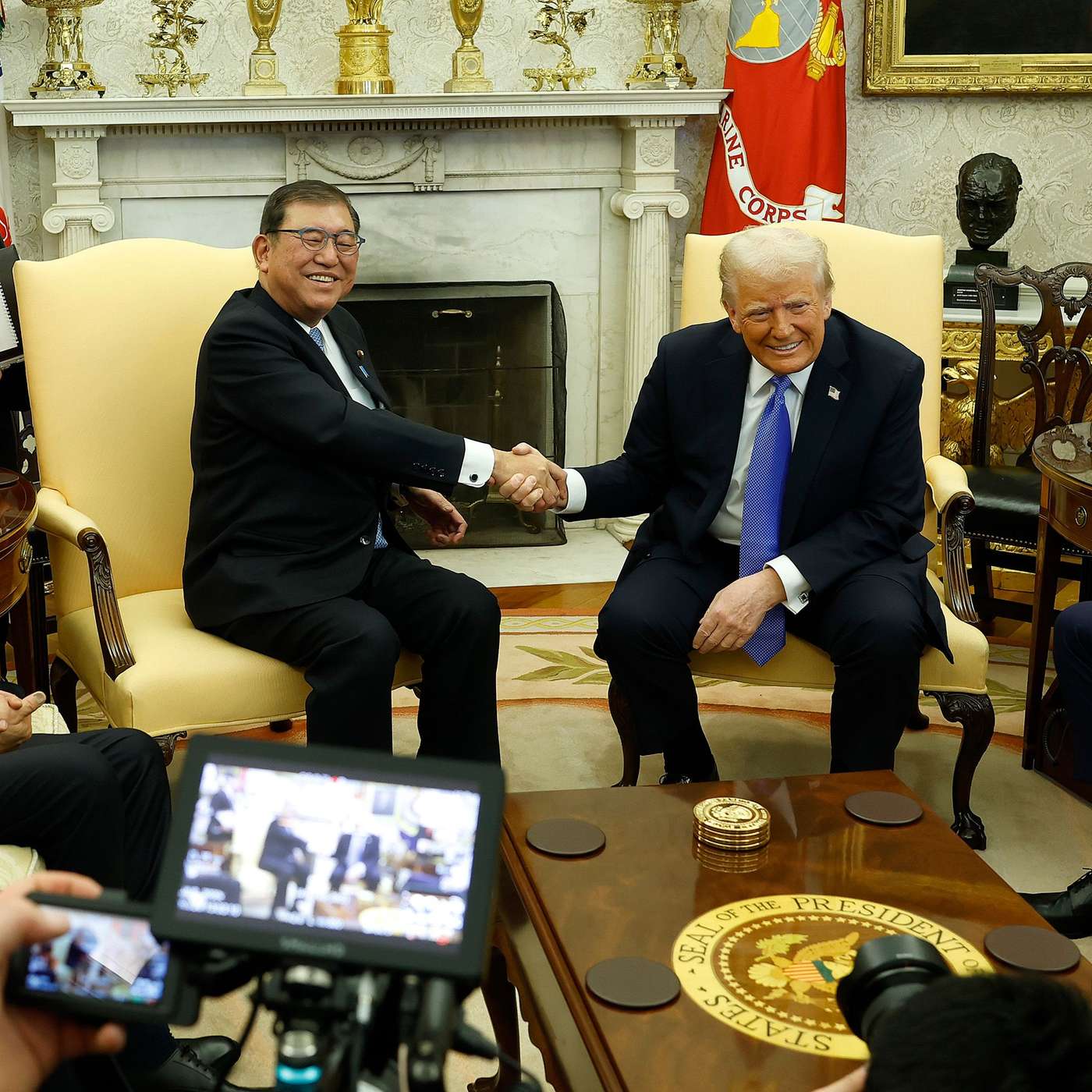
Ep 214Japan's defence revolution and Australia-Japan-US trilateralism under Trump 2.0
A panel of experts unpacked Japan’s National Security Strategy and explored the opportunities and challenges for Australia-Japan-US trilateral strategic cooperation under Trump 2.0. The panel featured two prominent strategic thinkers from the US and Japan.Few countries have done more to reorganise themselves for a new era of strategic competition in the Indo-Pacific than Japan. Building on the strategic vision of former Prime Minister Shinzo Abe, Japan’s 2022 National Security Strategy, National Defense Strategy, and Defense Build-Up Plan provided a new framework for Japan to assume a more active and assertive role in regional security affairs. Since then, successive Japanese leaders have introduced new pieces of legislation, strengthened key national security institutions, increased national defence spending, and expanded Japan’s defence partnerships with the United States and Australia, including trilaterally, to address an increasingly volatile regional and global security environment.The logic of such cooperation remains sound even with the second coming of Donald Trump. Yet even trusted US allies like Japan and Australia are facing difficulties and uncertainty in their relationships with Washington. The threat of tariffs, demands for increased defence spending, reviews of marquee initiatives like AUKUS, and the dismantling of key US national security and diplomatic agencies all pose challenges to Australia, Japan and trilateral cooperation.How have Japan’s security policies developed in recent years? What more must be done to fully implement those changes? How are Australia and Japan navigating their relationships with Trump 2.0? Where is the trilateral defence partnership headed?To discuss these questions, USSC hosted a panel discussion featuring Yuki Tatsumi, Senior Director at the Institute for Indo-Pacific Security; Hirohito Ogi, Senior Research Fellow with the Institute of Geoeconomics at the International House of Japan, and Tom Corben, Research Fellow in the Foreign Policy and Defence Program at the USSC, moderated by USSC Professor and CEO Dr Michael Green.This event was part of the United States Studies Centre’s Assessing Implementation of Abe’s National Security Strategy supported by the Smith Richardson Foundation.
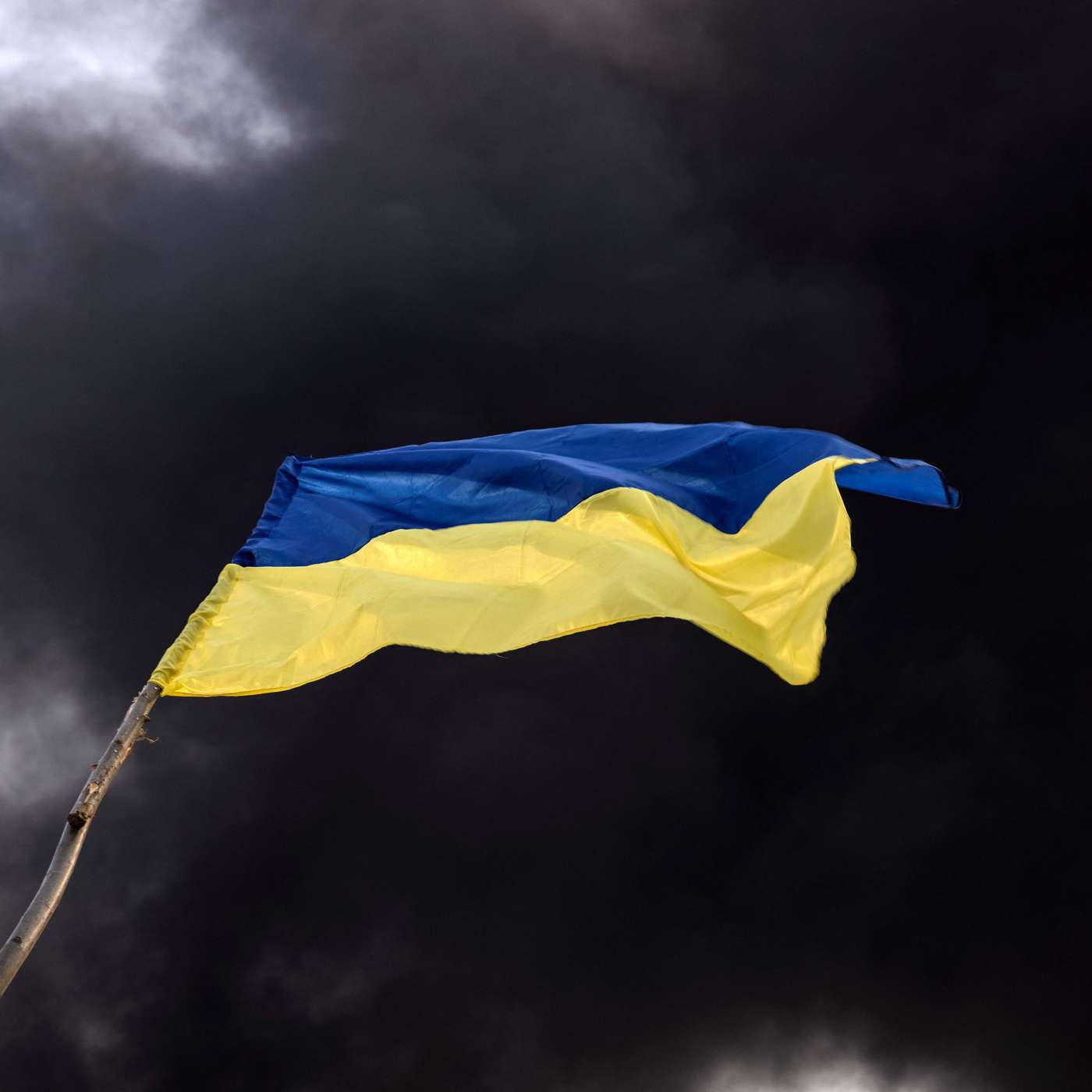
Ep 213Can Ukraine survive?
Three years since Russia’s invasion of Ukraine, the second Trump administration has made sweeping changes to US foreign policy priorities and moved to limit US support for Ukraine. In the last six months, the world has seen an explosive Oval Office meeting between President Trump and President Zelenskyy, NATO states pledging to increase their defence spending to as much as 5% of GDP, and continued Russian attacks on Ukraine. With future US support for Ukraine appearing to be uncertain, key questions about Ukraine’s future arise:Beyond budget pledges, how will European states respond to US demands for them to step up their defence contributions to Ukraine?What role should Australia play in the ongoing conflict?What will the second Trump administration mean for Ukraine’s future?To discuss these questions, the USSC hosted a panel discussion featuring USSC Senior Lecturer Dr Gorana Grgić, University of Sydney Senior Lecturer Dr Olga Boichak, and Griffith Asia Institute Associate Professor (Adjunct) Dr Matthew Sussex, moderated by USSC Director of Research Jared Mondschein.The event began with a virtual address by Ukrainian Ambassador to Australia His Excellency Vasyl Myroshnychenko.
Ep 212Kelly Magsamen: The future of US defence policy
The transition to a new US Administration has sharpened Washington’s focus on the Indo-Pacific, while also exposing deep strategic and political tensions shaping the future of American foreign and defence policy.Competing pressures — between isolationism and interventionism, reassurance and burden-sharing with allies, and fiscal restraint versus demands for force modernisation and advanced capabilities like ‘Golden Dome’ — are creating uncertainty around how the US will deter what Secretary of Defense Pete Hegseth has called China’s “imminent threat” to Taiwan.These tensions raise urgent questions: How has (and hasn’t) the US approach to deterrence in the Indo-Pacific changed under the new Administration? Are US forces adequately postured to support US regional interests and alliance commitments? Where are the major fault lines in US regional strategy, and what do they mean for the future of regional security and US influence in the Indo-Pacific?To unpack these issues, the United States Studies Centre hosted a fireside chat with Kelly Magsamen, former Chief of Staff to Secretary of Defense Lloyd Austin and Senior Advisor at The Asia Group. The conversation was moderated by Professor Peter Dean, Director of Foreign Policy and Defence at the United States Studies Centre.This event is part of the United States Studies Centre's ‘Next Generation Leaders in the Australia-US Alliance’ project which is supported by funding from the US State Department.

Ep 211David Shambaugh: How China won and lost America
For more than five decades following the 1972 rapprochement between the United States and China, the two countries seemed to be steadily building a sound relationship, even accounting for periodic setbacks like the Tiananmen Square massacre.The last decade, though, has seen a sharp increase in tensions and a complete reorientation of US policies toward China — from “engagement” to “competition.” Australia, too, has changed its approach to its largest trading partner.What happened? Where is strategic competition heading? And what should US allies like Australia know?This United States Studies Centre event featured Professor David Shambaugh, a world-renowned China scholar and author of “Breaking the Engagement: How China Won and Lost America”.
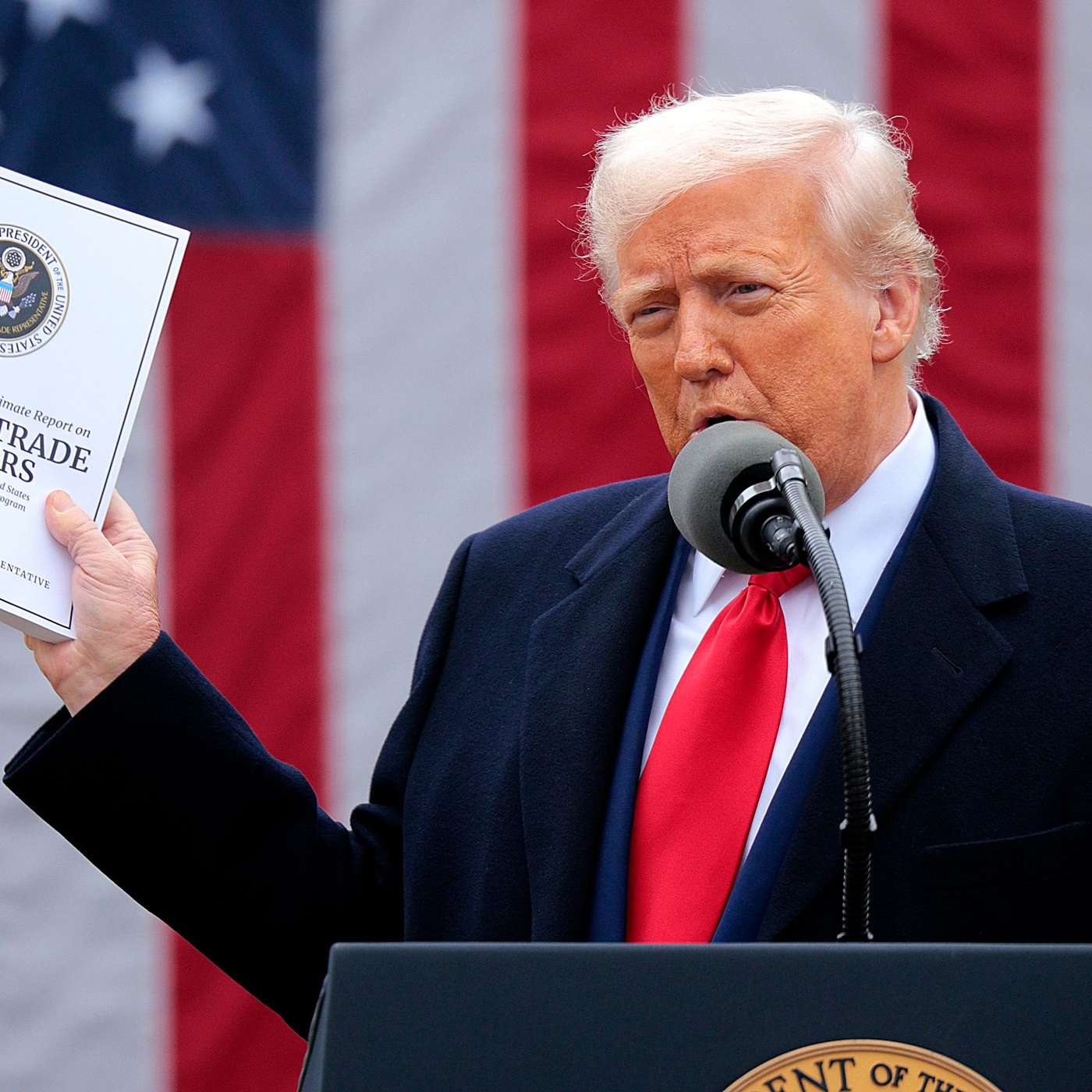
Ep 210Trump's tariffs and the future of the global order
The future of the global economic order is in flux. Beijing's coercive economic policies, President Trump’s unprecedented tariffs, and the embrace of industrial policies around the world have cast doubt on the future of international economic rules. Globally, countries like Australia are being forced to contend with a more fragmented economic landscape that is affecting trade and technology flows, supply chains, multilateral institutions, and relations with the major powers.In this era of unpredictability, critical questions arise:Where are Trump's tariffs heading and how will they impact US economic relations and the United States as a place to do business?Are the US and China heading for economic decoupling?How should countries like Australia, Japan, South Korea, and India navigate great power competition and economic pressure?What is the impact on alliance relations?What role will minilateral and regional groups play in shaping a post-tariff global order?These questions were discussed by leading expert in diplomacy and economic affairs in East Asia, Ambassador Kurt Tong and USSC CEO, Dr Michael J. Green, at a public event moderated by USSC Director of Economic Security Hayley Channer.
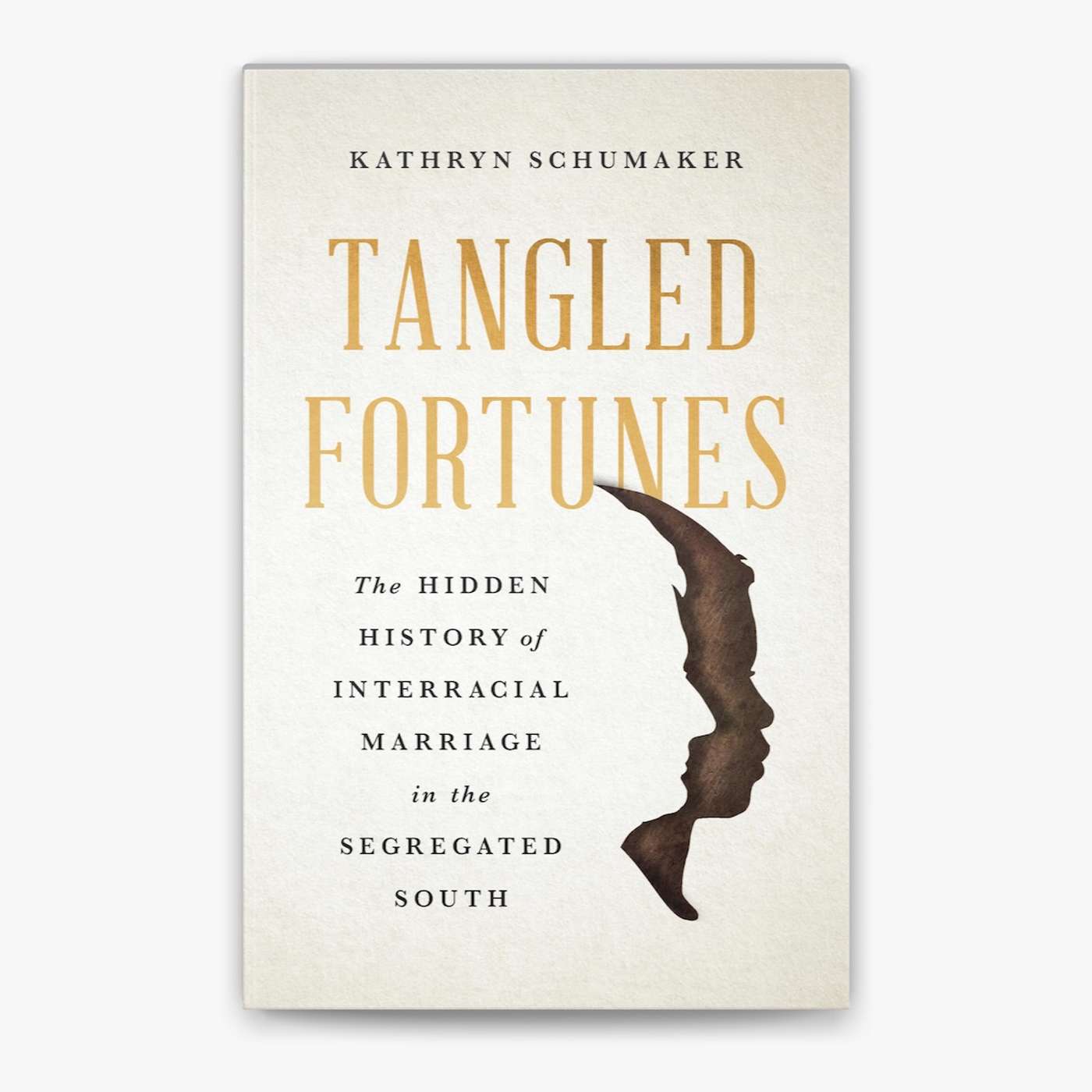
Ep 209Expert discussion of Kathryn Schumaker's book, Tangled Fortunes: The hidden history of interracial marriage in the Jim Crow South
To launch USSC senior lecturer Dr Kathryn Schumaker's new book, Tangled Fortunes: The Hidden History of Interracial Marriage in the Jim Crow South (Basic Books, 2025), Dr Schumaker was joined by scholars Dr Michael Green, Associate Professor Frances Clarke, and Dr Aaron Nyerges to discuss the themes of the book.Prior to the US Supreme Court’s 1967 ruling in Loving v. Virginia, most American states prohibited interracial marriages at one time or another. But as Dr Schumaker reveals in Tangled Fortunes, such laws did not effectively prevent interracial marriages. Indeed, enforcement of such laws was inconsistent when it came to relationships between white men and Black women. In some Southern communities, such unions were tolerated – though often subject to social disapproval. The book offers a new narrative of the rise and fall of racial segregation from the perspectives of ordinary people whose primary goal was to keep their families together in the face of great difficulty.Read the Wall Street Journal review of Tangled Fortunes.

Ep 208Space traffic jam: Challenges facing space sustainability
Out of sight, out of mind. Low Earth Orbit has undeniably become busier, with upwards of 10,000 satellites and millions of pieces of space debris currently in orbit. With vital services—ranging from communications to climate monitoring, national defence, and financial services—increasingly reliant on space, the proliferation of space assets and debris, and the associated risks of collisions, explosions, and anti-satellite warfare have become a major political issue.Countries have developed new tools and cultivated norms to improve traffic management and space sustainability. However, amid a proliferation of space stakeholders; the absence of binding international agreements; and challenges in monitoring activities in space, significant gaps remain.How are public and private actors navigating the challenges of growing congestion in space? How can international frameworks like the Outer Space Treaty be strengthened to address these risks? And how can space sustainability be integrated into the national security policy debate?To address these questions, the United States Studies Centre was pleased to host a webinar with Audrey M. Schaffer. Ms Schaffer is an internationally recognised expert in space policy, currently serving as Vice President of Strategy and Policy at Slingshot Aerospace and Non-Resident Senior Associate with the Aerospace Security Project at the Center for Strategic and International Studies. She previously served in the US government for over 15 years, holding positions in the Executive Office of the President, Department of Defense, Department of State, and National Aeronautics and Space Administration (NASA). Ms Schaffer led the US delegation that negotiated the UN Guidelines for Space Sustainability and, from 2021–23, served as Director for Space Policy on the National Security Council of the Biden-Harris Administration.This webinar was hosted by Dr Kathryn Robison, Lecturer in American Studies at the United States Studies Centre and Senior Research Fellow at the Australian Centre for Space Governance.This event was made possible with funding from the US State Department.
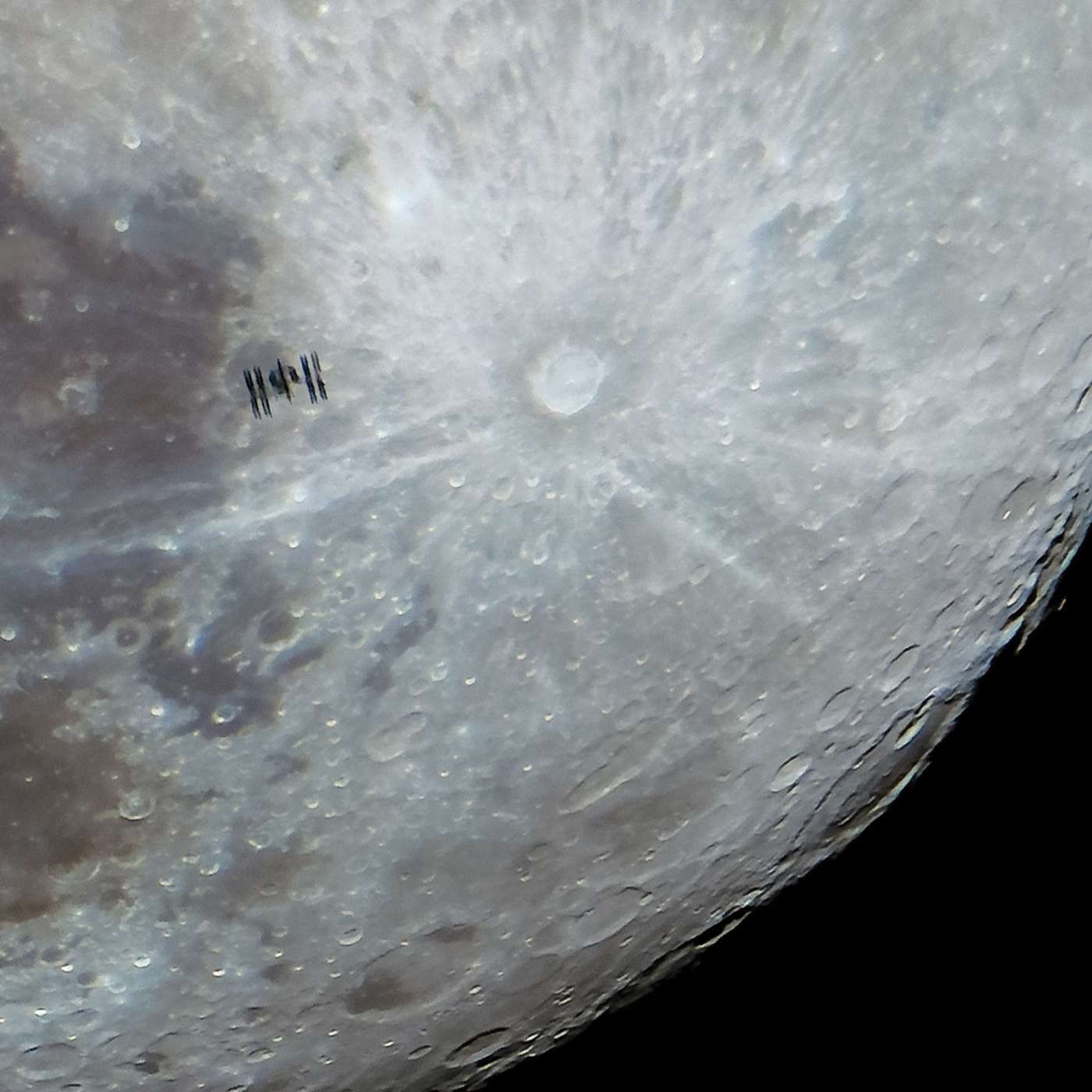
Ep 207Cosmic shield: A panel on space security
As space technologies proliferate and international political competition heats up, space has become a hotly contested strategic and operational domain. The rise of space-related threats, from increased orbital congestion to the proliferation of anti-satellite (ASAT) weapons now threatens to upend the international balance of power and drive crisis instability and arms racing between the world’s major powers.What are the strategic implications of the militarisation of space? How have space threats evolved since the Cold War ‘Space Race’? What measures exist to safeguard critical space infrastructure and to manage space traffic? And how are space-based threats reflected in Australian policy and strategic thinking?To discuss these issues, the United States Studies Centre hosted a panel featuring the following experts:Audrey Schaffer, an internationally recognised expert in space policy and former Director for Space Policy on the National Security Council staff. Ms Schaffer is currently the Vice President of Strategy and Policy at Slingshot Aerospace and a Non-Resident Fellow with the Aerospace Security Project at the Center for Strategic and International Studies.Professor Melissa de Zwart, Deputy Director and Chief Investigator of the ARC Centre of Excellence in Plants for Space, and Professor of Space Law and Governance at the University of Adelaide. Professor de Zwart is a prominent legal scholar, working in the areas of commercial and military uses of outer space, encompassing both domestic and international space law.Aude Vignelles, Director of Vignelles Space and former Chief Technology Officer of the Australian Space Agency. At the Australian Space Agency, Ms Vignelles was a core contributor in the development of the technical roadmaps of the Australian Civil Space Strategy.The event was moderated by Dr Kathryn Robison, Lecturer in American Studies at the United States Studies Centre and a Senior Research Fellow at the Australian Centre for Space Governance. The panel will be followed by audience Q&A.This event was made possible with funding from the US State Department.
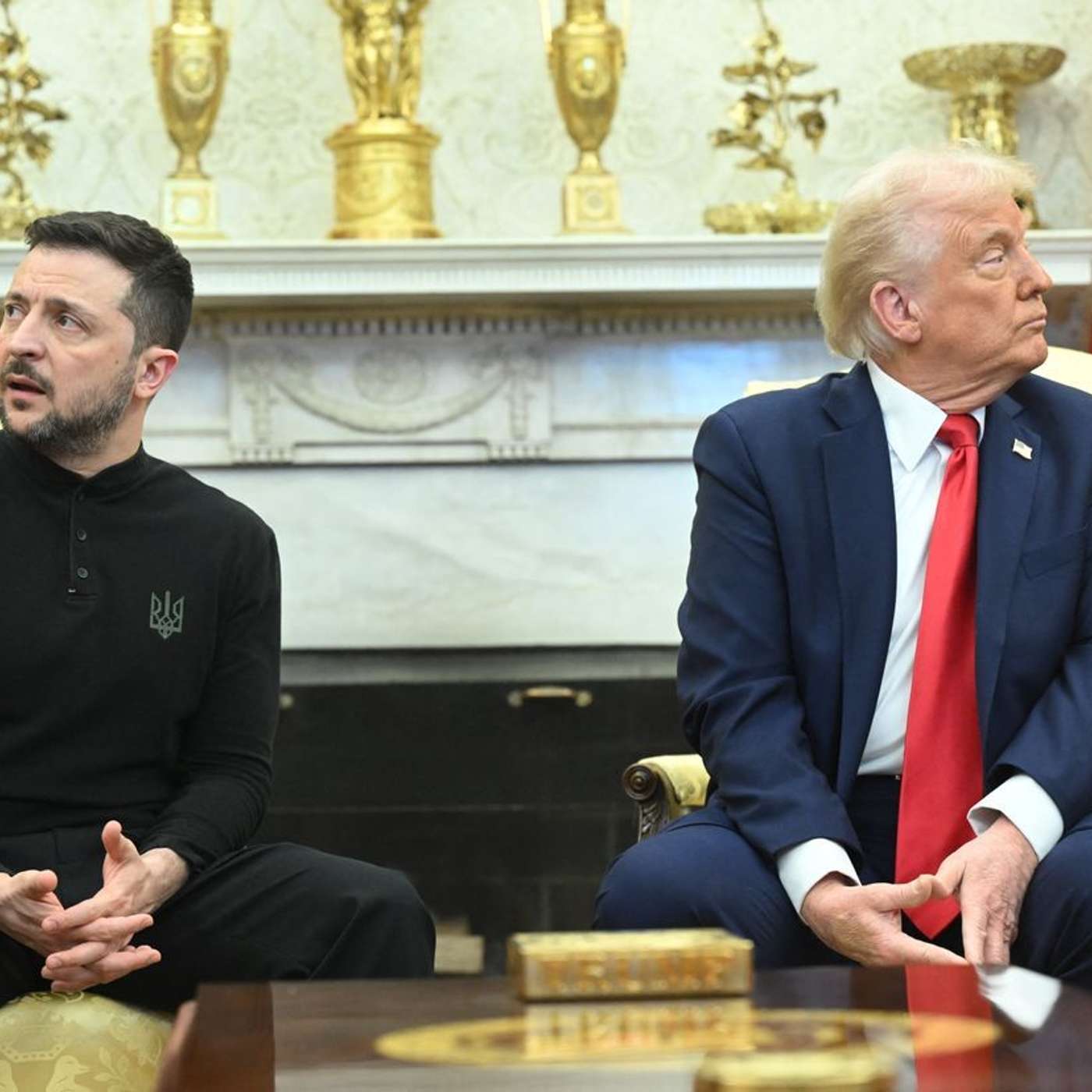
Ep 206100 days of the second Trump administration
The United States Studies Centre hosted an exclusive event in partnership with The Sydney Morning Herald.April 30 marked 100 days of the second Trump administration. While many expected the return of an unconventional administration, the speed and degree of actions thus far have surprised even the most seasoned of analysts.What do the first 100 days tell us about the next four years? Is this an aberration or the new normal? How should Australia navigate this administration?The Sydney Morning Herald's foreign affairs and national security correspondent Matthew Knott unpacked the key issues of the second Trump administration with political and international editor Peter Hartcher and world editor Catherine Naylor.They were joined by USSC experts, Chief Executive Officer Dr Michael Green, who previously served on the National Security Council at the White House from 2001 to 2005, and Director of Research Jared Mondschein.
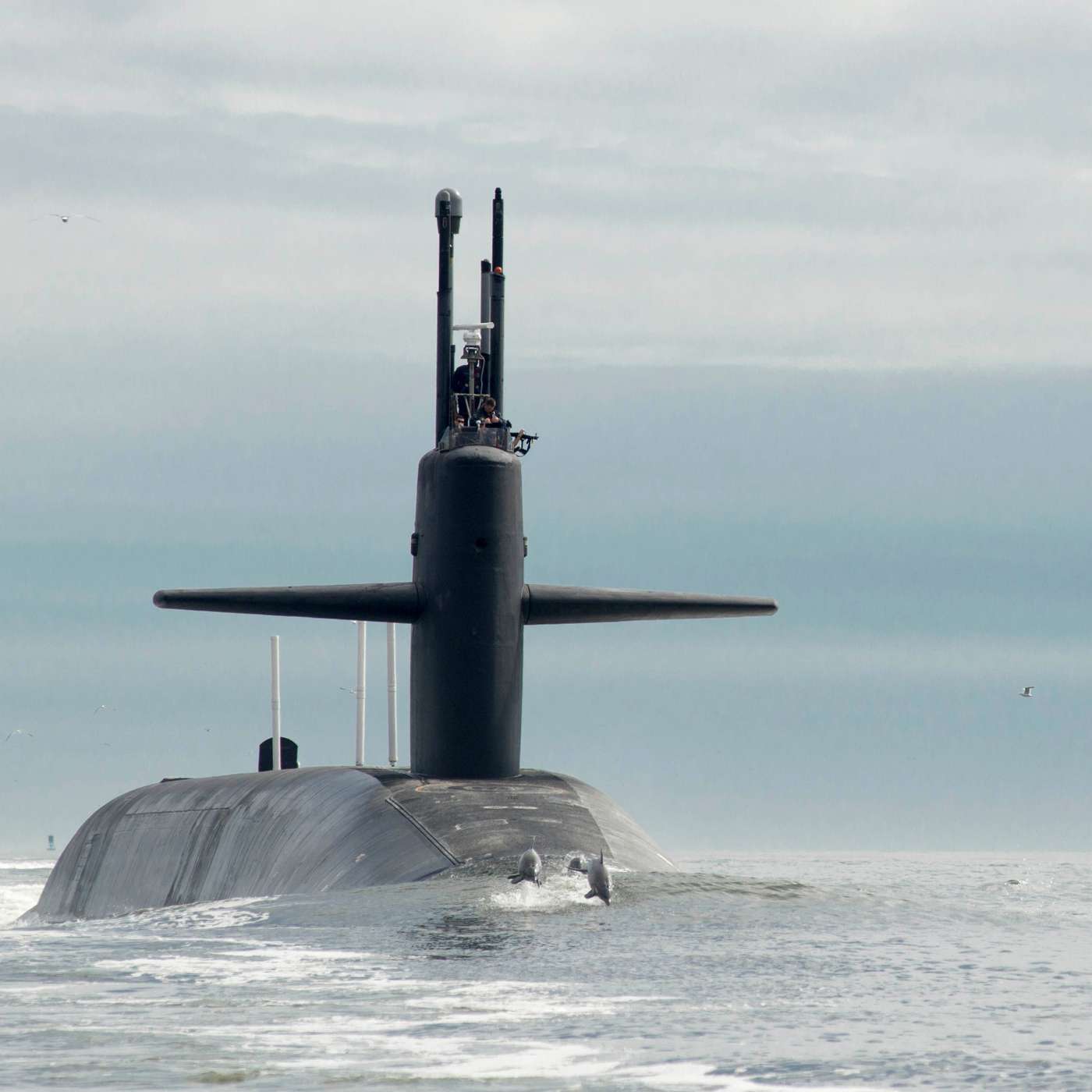
Ep 205US export controls, AUKUS and Australia
Export controls and investment screening are taking centre stage in the United States as Washington attempts to protect military and industrial advantages against China while simultaneously exploiting commercial opportunities for its high-tech industries and expanding technological cooperation with allies and partners. Within this complex policy context, the United States, the United Kingdom, and Australia are seeking greater harmonisation of national export control systems to unlock new defence and technology trade opportunities and deliver on the AUKUS partnership.These developments raise critical questions for Australian stakeholders. What is the state of play for export controls in the United States, and what can we expect under a second Trump Administration? Will we see alignment on export controls between the United States, the United Kingdom, and Australia? And what does this all mean for Australia and the AUKUS enterprise?To address these questions, the United States Studies Centre hosted a webinar with Kevin J. Wolf, Partner at Akin Gump Strauss Hauer & Feld and a former Assistant Secretary of Commerce for Export Administration under the first and second Obama Administrations (2010–17). Mr Wolf has more than 30 years’ experience advising on export controls, sanctions, and international trade, with expertise in US Export Administration Regulations (EAR), International Traffic in Arms Regulations (ITAR), and the Committee on Foreign Investment in the United States (CFIUS).This conversation was hosted by Tom Corben, Research Fellow in the Foreign Policy and Defence Program at the United States Studies Centre. Mr Corben is the co-author of Breaking the barriers: Reforming US export controls to realise the potential of AUKUS and AUKUS enablers? Assessing defence trade control reforms in Australia and the United States.This event is made possible with funding from the US State Department.

Ep 204US-China competition: AI, chips and export controls — where to next?
As US-China technology competition intensifies, governments across the world are keeping a tighter grip on the advanced semiconductor chips, AI models, and investments that underpin AI. This is complicated by the fact that the private sector — not government — is at the cutting edge of AI and associated technology innovations. With emerging technology now considered central to national security, both government and the private sector must find new ways to coordinate and collaborate.What impact will the new Trump administration have on US-China competition? Are the controls around semiconductor chips and AI models a sustainable approach? How can governments coordinate their export controls, investment screening and other regulation efforts? Will we gradually see international alignment on these issues – what are the current barriers?To unpack these questions, the United States Studies Centre brought together an esteemed panel:Kevin J. Wolf is Partner at Akin Gump Strauss Hauer & Feld LLP and former Assistant Secretary of Commerce for Export Administration, Bureau of Industry and Security (BIS) under the first and second Obama administrations (2010–17). Kevin has more than 30 years of experience advising on export controls, sanctions and other international trade issues, with particular knowledge across the US’ Export Administration Regulations (EAR), International Traffic in Arms Regulations (ITAR) and regulations administered by the Committee on Foreign Investment in the United States (CFIUS). Kevin J. Wolf’s trip to Australia is made possible by the generous support of the US Department of State.Dr Alan Dupont AO is founder and CEO of geopolitical risk consultancy the Cognoscenti Group. He is also Defence and National Security Advocate for the Northern Territory Government. One of Australia’s best-known strategists he has an international reputation for his expertise on geopolitical risk, defence and national security having worked extensively at the interface of security, politics, business and technology in government, the private sector and academia. Moderating the discussion was Hayley Channer, the Director of the Economic Security Program with the United States Studies Centre at the University of Sydney. Hayley has a diverse background having worked as an Australian Government official, Ministerial adviser, think tank analyst, and represented global non-profit organisations.
Ep 203Geopolitical trends to watch in 2025
On Monday, 20 January 2025, President-elect Donald Trump was sworn in as 47th President of the United States. He has said he’ll end the war in Ukraine before he takes office and war continues to escalate in the Middle East. Australia itself will host a federal election in 2025 which may shift international relationships.What sort of impact would Trump’s economic, trade, and technology policies have on Australian businesses? How do the wars in Ukraine and the Middle East impact the Indo-Pacific? What are the key international watch points for Australia in 2025?To discuss these issues and provide a briefing on geopolitical trends and what they mean for government and business, United States Studies Centre (USSC) CEO Dr Michael Green and Director of Economic Security Hayley Channer hosted a public briefing followed by audience Q&A.
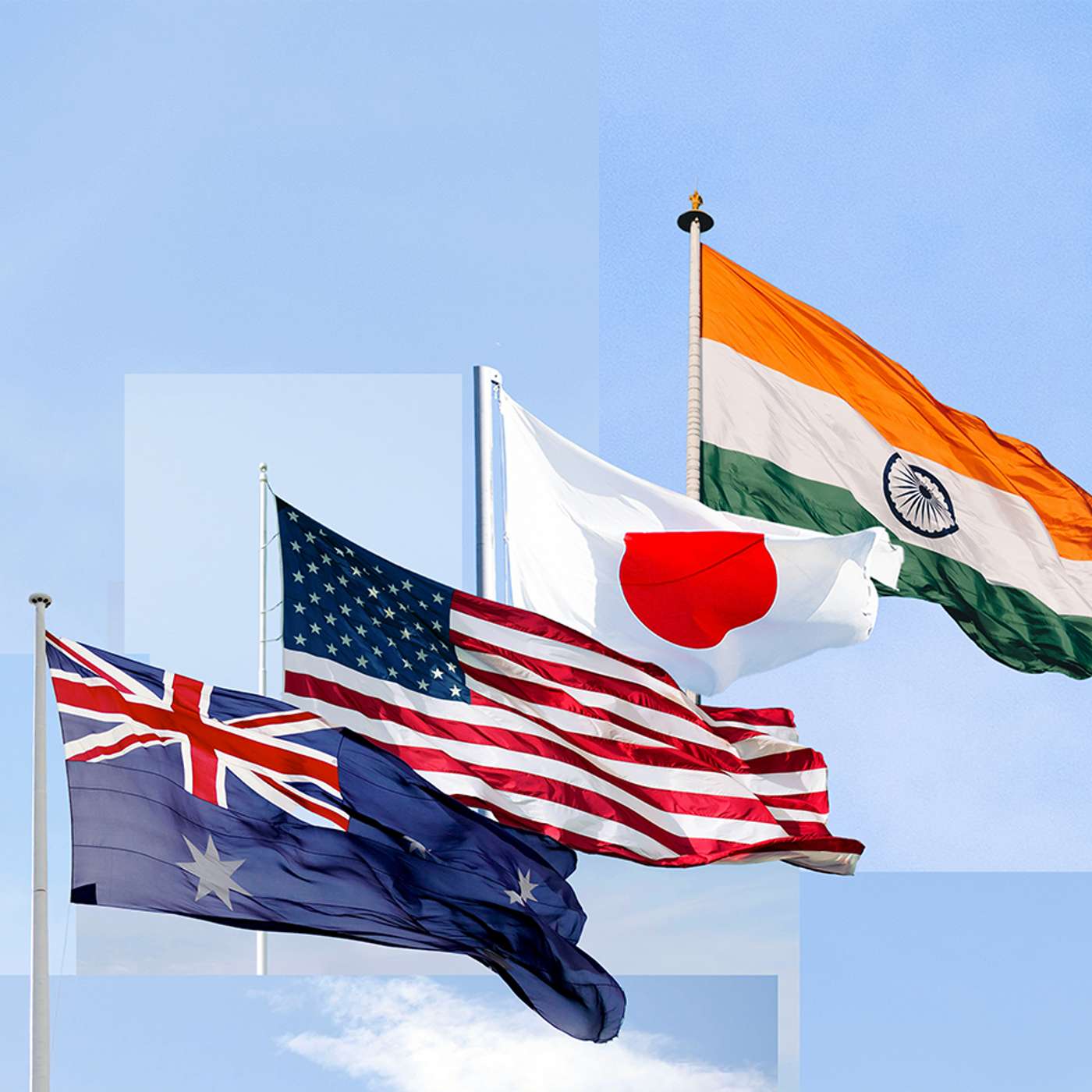
Ep 202The future of the Quad
In 2017, the first Donald Trump administration revived the Quad partnership between Australia, India, Japan and the United States after years of inactivity. Now, as the second Trump administration begins to take shape, the Quad continues to enjoy bipartisan support in all four countries and it seems the grouping is here to stay.The partnership has become a key pillar of diplomatic architecture in our region. But despite this goodwill and strong foundation, the Quad has sometimes struggled to articulate a clear mission, and its future agenda will need to deliver meaningful impact in the Indo-Pacific.The United States Studies Centre hosted a public panel event following a day of closed-door discussions at the Quad Leadership Track-1.5 Dialogue. Panelists answered key questions facing the Quad on topics such as critical technology, climate and the energy transition, and maritime security, and discussed the future of the Quad partnership itself as a new US presidential administration prepares to take office.The event featured leading experts on the Quad, including USSC CEO Dr Michael Green, USSC Non-Resident Senior Fellow Dr Lavina Lee, Carnegie Endowment for International Peace Nonresident Scholar, South Asia Program Darshana Baruah and Aoyama-Gakuin University Lecturer Dr Takuya Matsuda in conversation with Matthew Knott, Foreign Affairs and National Security Correspondent for The Sydney Morning Herald and The Age discussing the Quad's challenges, possible solutions, opportunities for collaboration and the Quad's future agenda.
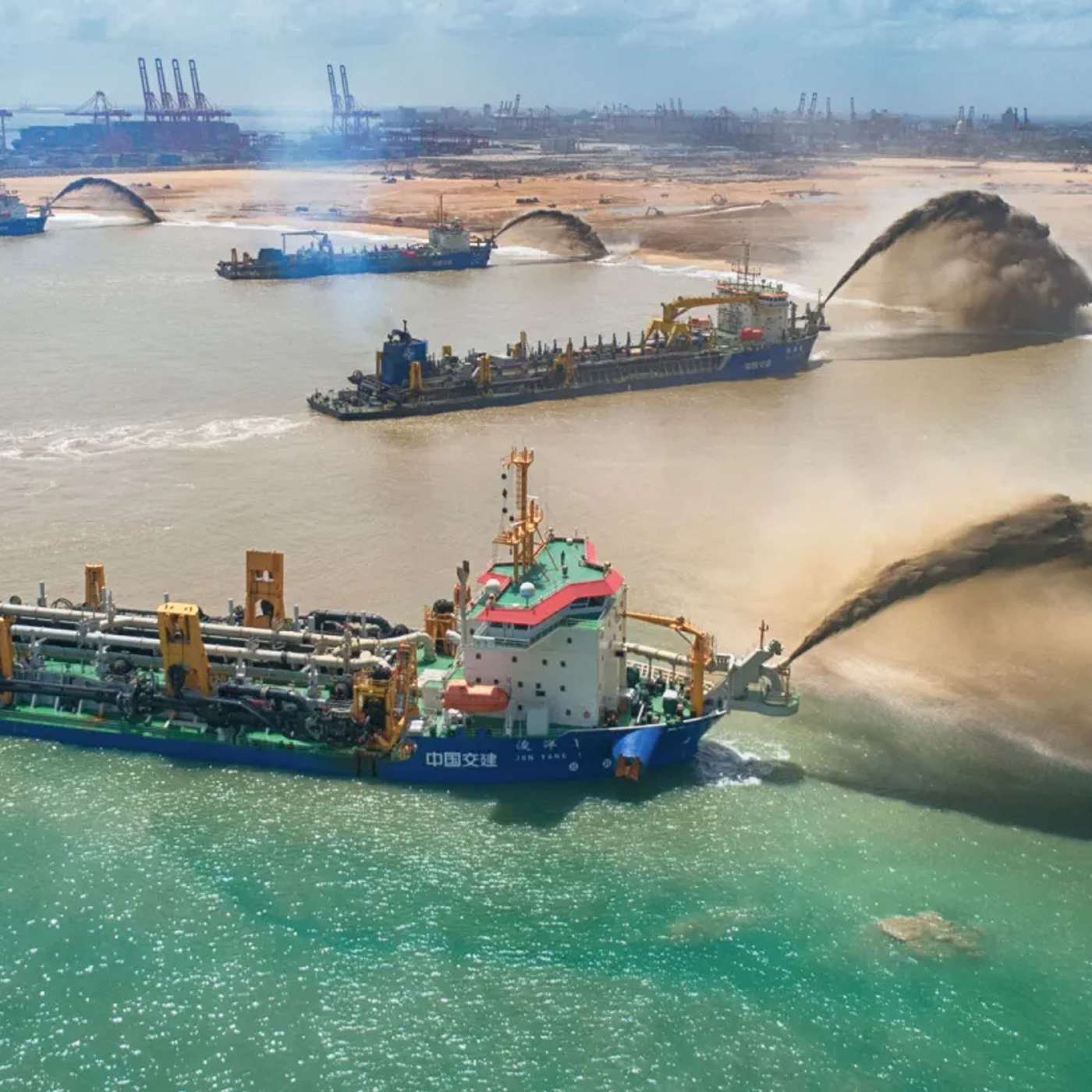
Ep 201Building bridges across the Indian Ocean: Australia-India cooperation for connectivity and growth
The Indian Ocean Region brims with economic promise, yet it faces growing challenges — from inadequate infrastructure to fierce geoeconomic competition. As China deepens its presence through the Belt and Road Initiative, Australia and India are poised to offer a resilient and strategic alternative.This event featured inaugural Maitri Fellow Riya Sinha in conversation with USSC Economic Security Director Hayley Channer, discussing opportunities for India and Australia to collaborate on Indian Ocean port linkages, supply chains and sustainable development.They discussed practical ways to create a competitive edge that not only advances each country’s interests but also benefits the broader regional landscape.Riya Sinha's Maitri Fellowship is generously supported by the Centre for Australia-India Relations (CAIR).
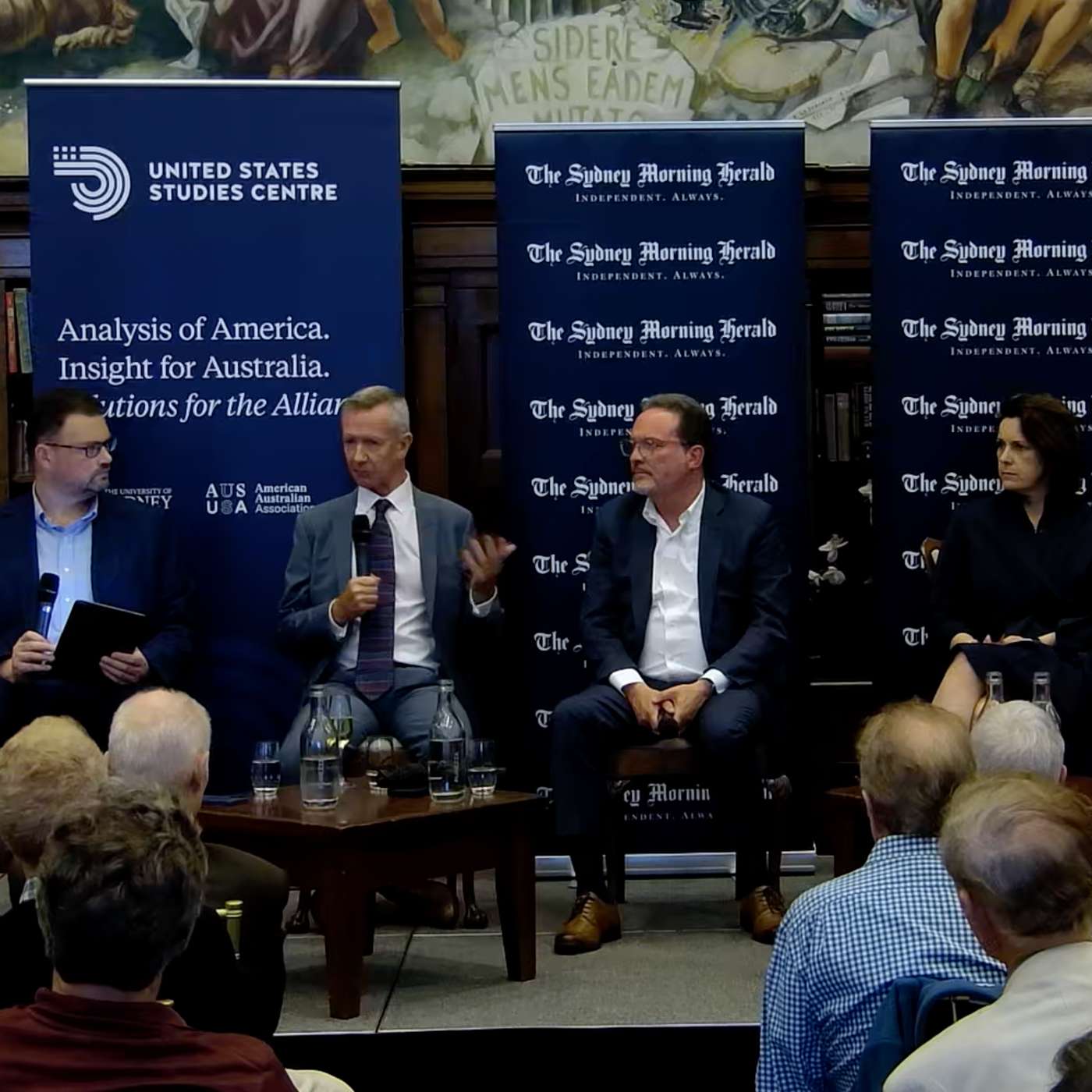
Ep 200Who will be America's next president: Kamala Harris or Donald Trump?
The 2024 presidential race is already emerging as one of the most important elections of our generation, and could shape Australia’s foreign policy for years to come. So what can we expect? On 24 October 2024, the United States Studies Centre hosted an exclusive event in partnership with The Sydney Morning Herald. SMH editor Bevan Shields, political and international editor Peter Hartcher and columnist and senior writer Jacqueline Maley were joined by USSC experts, Chief Executive Officer Dr Michael Green, who previously served on the National Security Council at the White House from 2001 to 2005, and Director of Research Jared Mondschein.
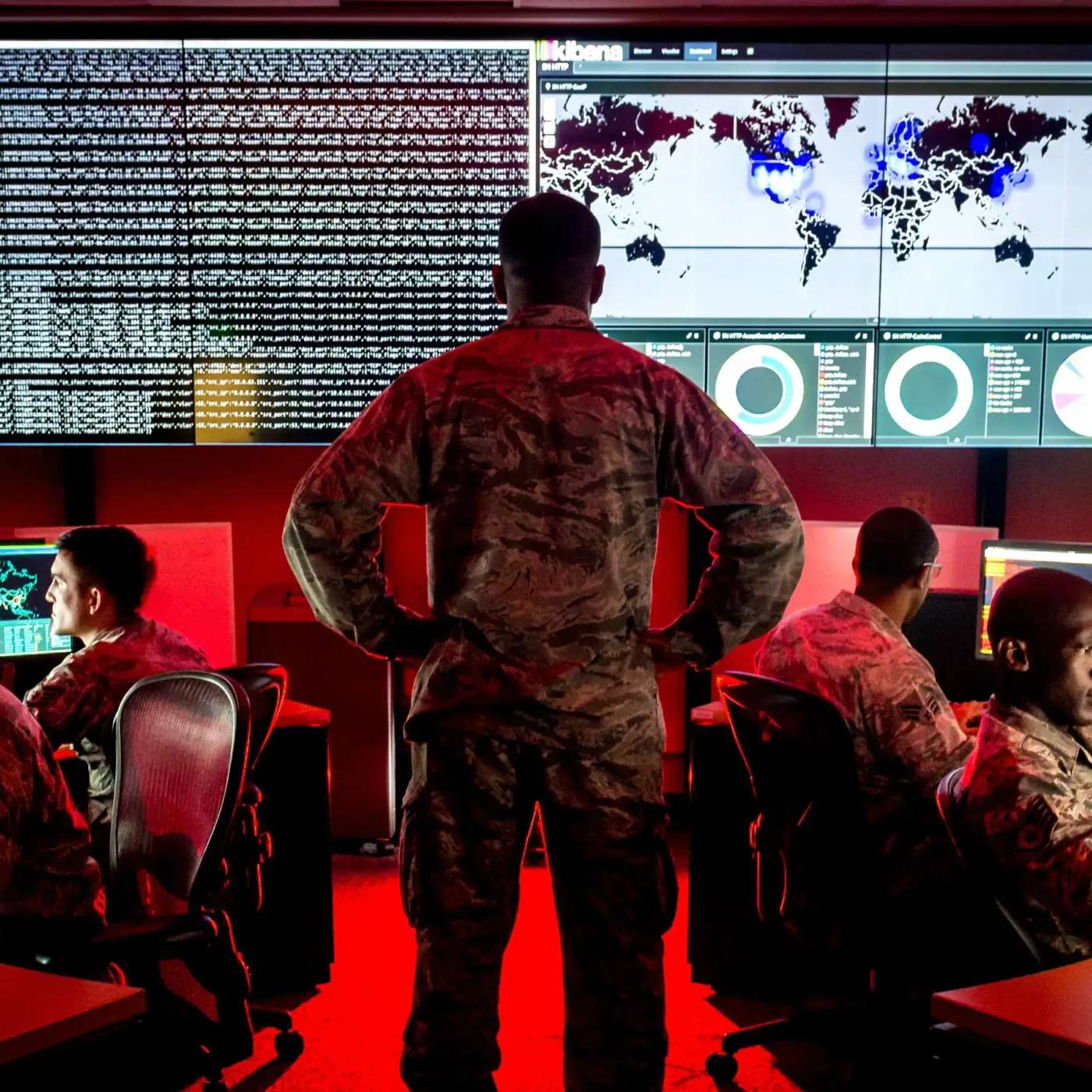
Ep 199Competition in cyberspace and the future of US security leadership
We are increasingly living our lives in cyberspace — from global banking and financial transactions, to managing critical infrastructure and supply chains, to social media. With more government, business and public interactions happening online, coupled with concentrated strategic competition, there are more nefarious state-backed and rogue cyber actors seeking to take advantage of this.What could cyber and national security policy look like under a first Harris administration or second Trump administration and what could this mean for the region? What implications do the major cyber incidents of the last two years — from the Russia–Ukraine conflict to the Volt Typhoon campaign — have for countries around the world and for Australian businesses? How has US cyber, intelligence and technology policy evolved?The USSC held an event featuring Admiral (ret) Mike Rogers, a senior US expert on cybersecurity and geopolitics. Admiral Rogers is the former Director of the US National Security Agency and former Commander of US Cyber Command. Admiral Rogers brings deep knowledge and experience, having served both President Obama and President Trump in shaping US cyber, intelligence and technology policy between 2014 and 2018.Admiral Rogers was joined by John Barron, renowned ABC journalist and co-host of Planet America.The discussion considered how to tackle some of the most pressing cyber and national security challenges of our time.This event was run in collaboration with CyberCX.

Ep 198Folk singers and the FBI
An eye-opening exploration of the intersection between folk music and political activism, writer and historian Aaron J. Leonard dived into the lives of some of the 20th century’s most influential folk singers—Woody Guthrie, ‘Sis Cunningham, Pete Seeger, Lee Hays, and Burl Ives—and their contentious relationship with the US government. These artists weren’t just cultural icons, but also outspoken political activists, closely monitored by the FBI and targeted for their associations with the US Communist Party.Through rare video clips, news clippings, and declassified files obtained through the Freedom of Information Act, Leonard uncovered the intense surveillance and suppression these artists faced.Aaron J. Leonard, author of Heavy Radicals: The Secret War on America’s Maoists and The Folk Singers and the Bureau, brought these stories to life in a compelling presentation. The event concluded with a conversation led by Associate Professor Charles Fairchild (Sydney Conservatorium of Music), giving participants the chance to engage directly with these powerful narratives.
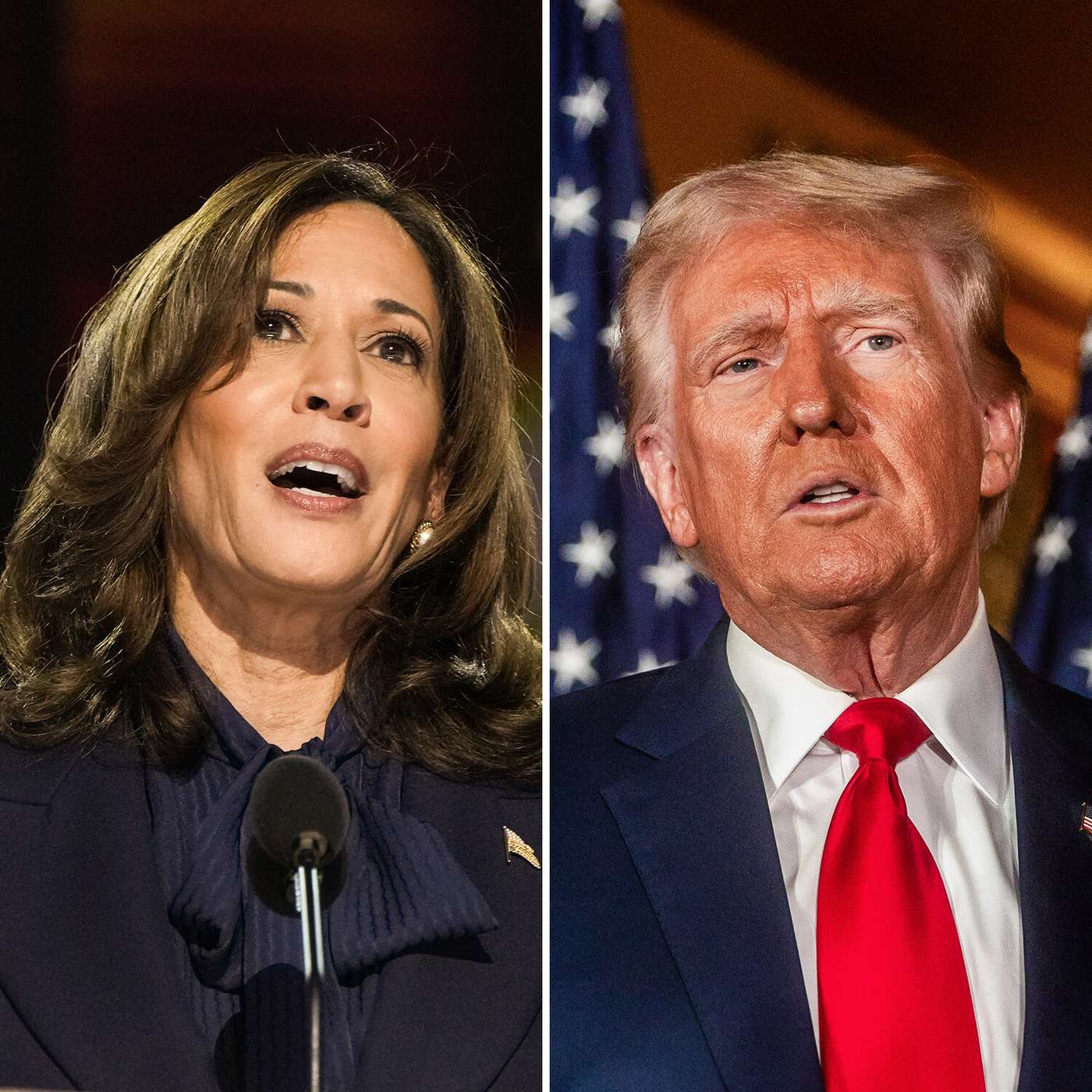
Ep 197Understanding the 2024 US Election: A webinar for educators
The United States Studies Centre held a discussion hosted by Lecturer in American Studies and political scientist, Dr Kathryn Robison. This webinar featured a panel of leading experts who shared their knowledge and perspectives on critical aspects of the US election for use in the classroom and beyond.Topics discussed:How the Electoral College worksFeaturing: Dr Kathryn Robison and Professor Brendon O’ConnorThe intricacies of the Electoral College and its crucial role in American elections.The Impact of the US Election in Australia and the Indo-PacificFeaturing: Dr Kathryn Robison and USSC CEO, Dr Michael GreenHow the 2024 US Election will shape political dynamics in Australia and the broader Indo-Pacific region.Public opinion and pollingFeaturing: Dr Kathryn Robison and Associate Professor David SmithThe essential role of public opinion and polling in influencing electoral strategies.The event was attended by high school teachers, educators, and anyone keen to deepen their understanding of the US election process. Attendees received a resource sheet aimed at high school students and teachers.
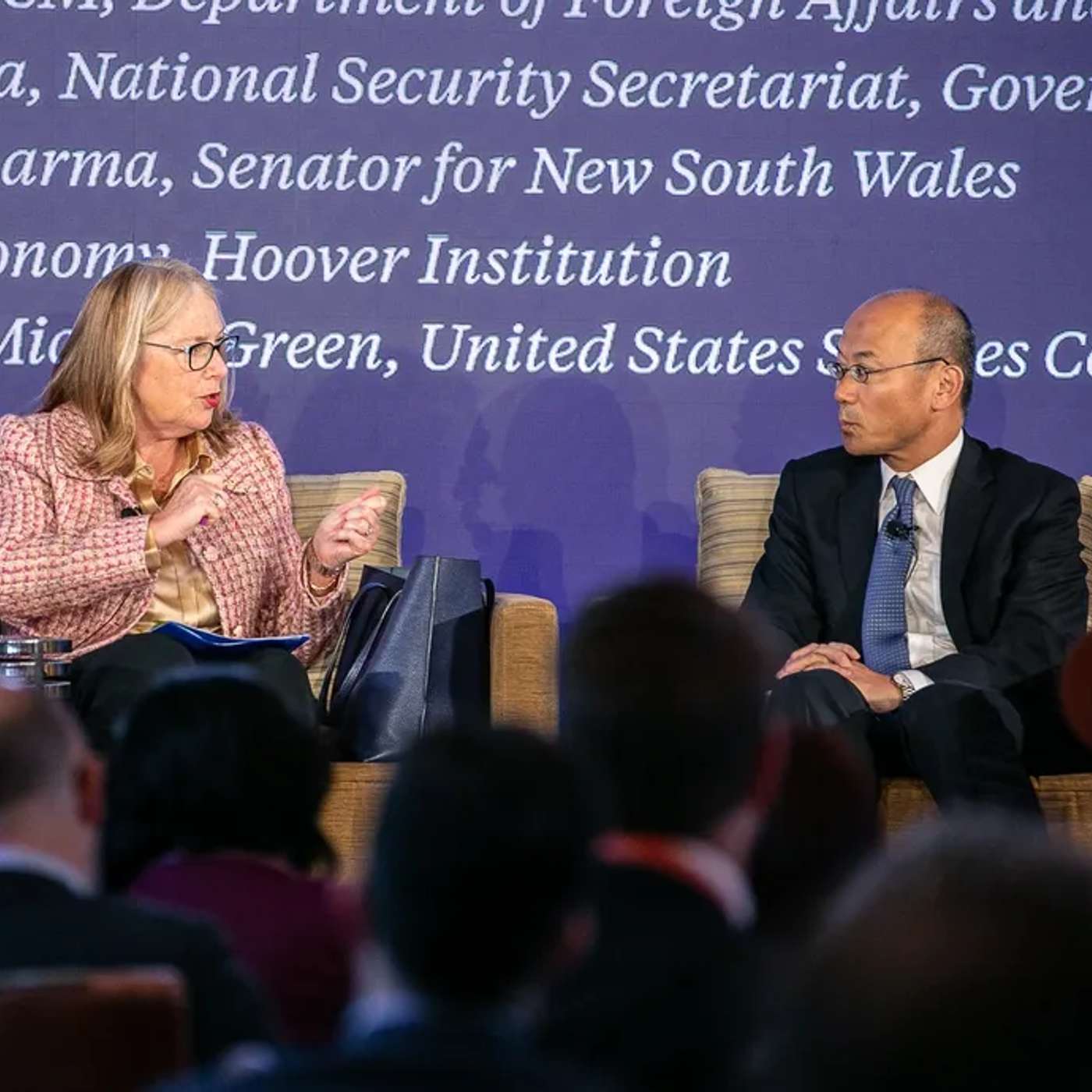
Ep 196Economic security in a turbulent world | Session 9: Reconciling security and prosperity: What’s at stake in 2024?
On 19 and 20 June 2024, the United States Studies Centre hosted a major international conference in Sydney spotlighting the search for “economic security in a turbulent world”. Over a day and a half, the conference brought together leading policymakers, business executives and independent experts from around the world to discuss arguably the defining economic policy debate of our age – how to reconcile security and prosperity in an era of strategic competition and economic interdependence.The final session featured opening remarks by Jan Adams AO PSM, Secretary, Department of Foreign Affairs and Trade, followed by a panel discussion moderator by Professor Peter Dean, Director, Foreign Policy and Defence, United States Studies Centre, with panellists Jan Adams AO PSM, Secretary, Department of Foreign Affairs and Trade; =Yasuo Takamura, Cabinet Councillor, National Security Secretariat, Government of JapanSenator Dave Sharma, Senator for New South Wales; and Dr Elizabeth Economy, Hargrove Senior Fellow, Hoover Institution, Stanford University.
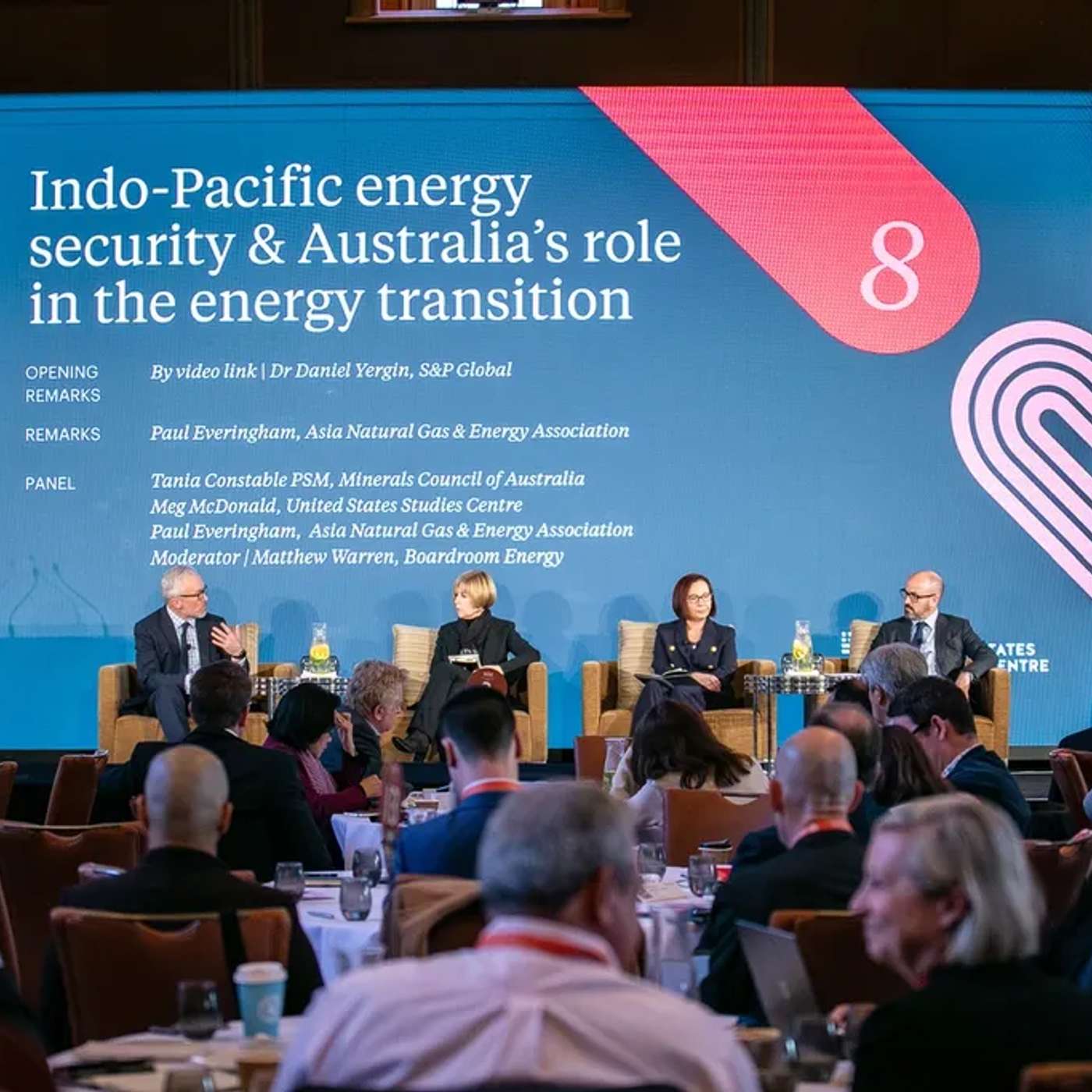
Ep 195Economic security in a turbulent world | Session 8: Indo-Pacific energy security and Australia’s role in the energy transition
On 19 and 20 June 2024, the United States Studies Centre hosted a major international conference in Sydney spotlighting the search for “economic security in a turbulent world”. Over a day and a half, the conference brought together leading policymakers, business executives and independent experts from around the world to discuss arguably the defining economic policy debate of our age – how to reconcile security and prosperity in an era of strategic competition and economic interdependence.In session 8, opening remarks were provided by Dr Daniel Yergin, Vice-Chairman of S&P Global (by video-link) with further remarks given by Paul Everingham, Chief Executive Officer, Asia Natural Gas & Energy Association. Then followed a panel discussion moderated by Matthew Warren, Principal, Boardroom Energy, and featuring Tania Constable PSM, Chief Executive Officer, Minerals Council of Australia; Meg McDonald, Non-Resident Senior Fellow, United States Studies Centre and Member of the NSW Net Zero Emissions and Clean Economy Board; and Paul Everingham, Chief Executive Officer, Asia Natural Gas & Energy Association.
Ep 194Economic security in a turbulent world | Session 7: Technology dynamics, disruption, and de-risking: the security-prosperity nexus
On 19 and 20 June 2024, the United States Studies Centre hosted a major international conference in Sydney spotlighting the search for “economic security in a turbulent world”. Over a day and a half, the conference brought together leading policymakers, business executives, and independent experts from around the world to discuss arguably the defining economic policy debate of our age – how to reconcile security and prosperity in an era of strategic competition and economic interdependence.In session 7, opening remarks were provided by Emily Kilcrease, Senior Fellow and Director of the Energy, Economics and Security Program, Center for a New American Security. Further remarks were given by Mike Yeh, Regional Vice President, Corporate External and Legal Affairs, Microsoft Asia. Then followed a panel discussion, moderated by Helen Mitchell, Non-Resident Fellow, United States Studies Centre; Professor Kazuto Suzuki, Director, Economic Security, Institute of Geoeconomics at the International House of Japan and Professor of Science and Technology Policy, Graduate School of Public Policy, University of Tokyo; and Emily Kilcrease, Senior Fellow and Director of the Energy, Economics and Security Program, Center for a New American SecurityMike Yeh, Regional Vice President, Corporate External and Legal Affairs, Microsoft Asia.
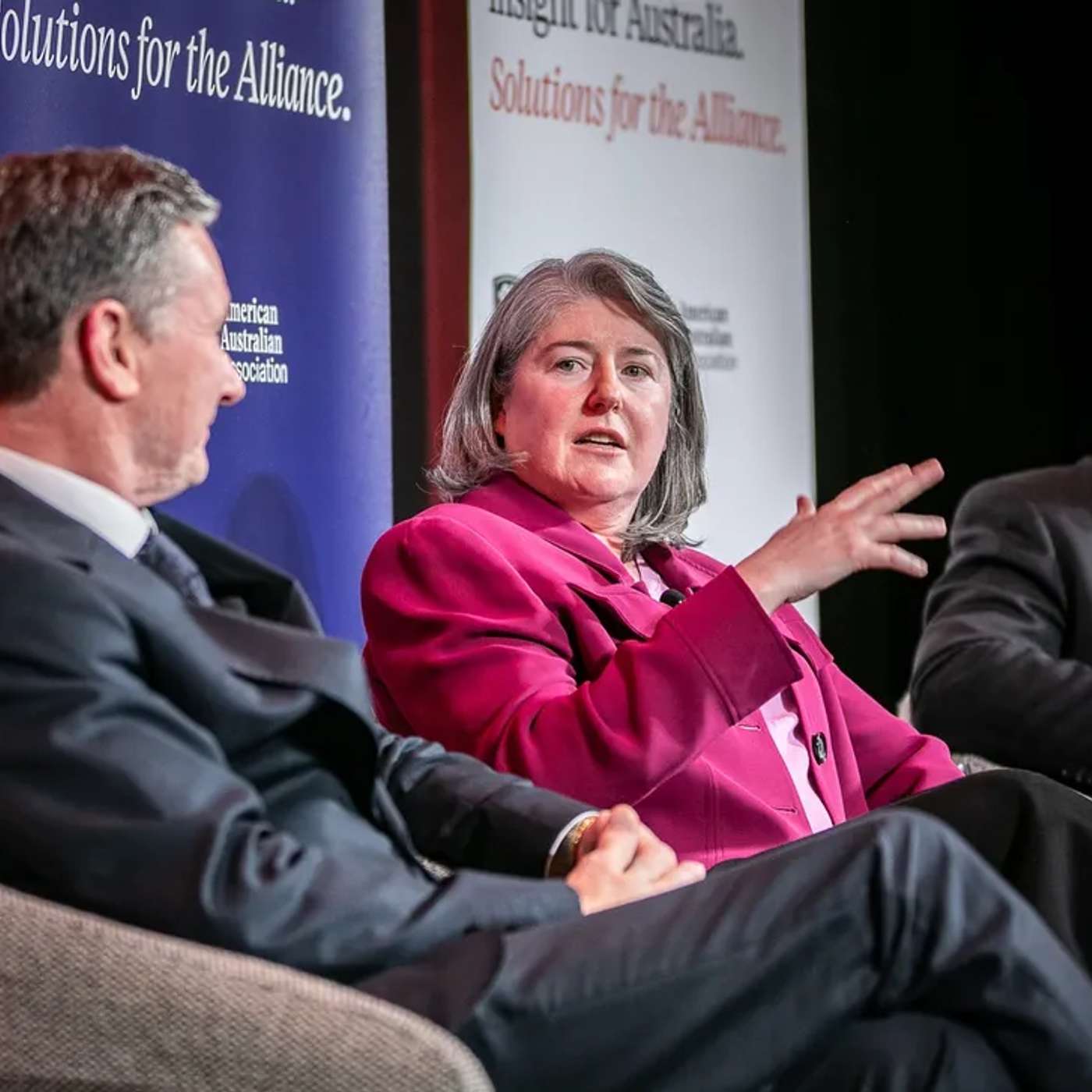
Ep 193Economic security in a turbulent world | Dinner panel | Fusing security and economic interests: Practitioners’ perspectives
On 19 and 20 June 2024, the United States Studies Centre hosted a major international conference in Sydney spotlighting the search for “economic security in a turbulent world”. Over a day and a half, the conference brought together leading policymakers, business executives and independent experts from around the world to discuss arguably the defining economic policy debate of our age – how to reconcile security and prosperity in an era of strategic competition and economic interdependence.The conference dinner featured a discussion between Andrew Shearer, Director-General, Office of National Intelligence; Meghan Quinn PSM, Secretary, Department of Industry, Science and Resources; and David Fredericks PSM, Secretary, Department of Climate Change, Energy, Environment and Water. The discussion was moderated by Dr Michael Green, Chief Executive Officer of the United States Studies Centre. Welcome remarks were provided by Mark Baillie, Chairman of the United States Studies Centre.
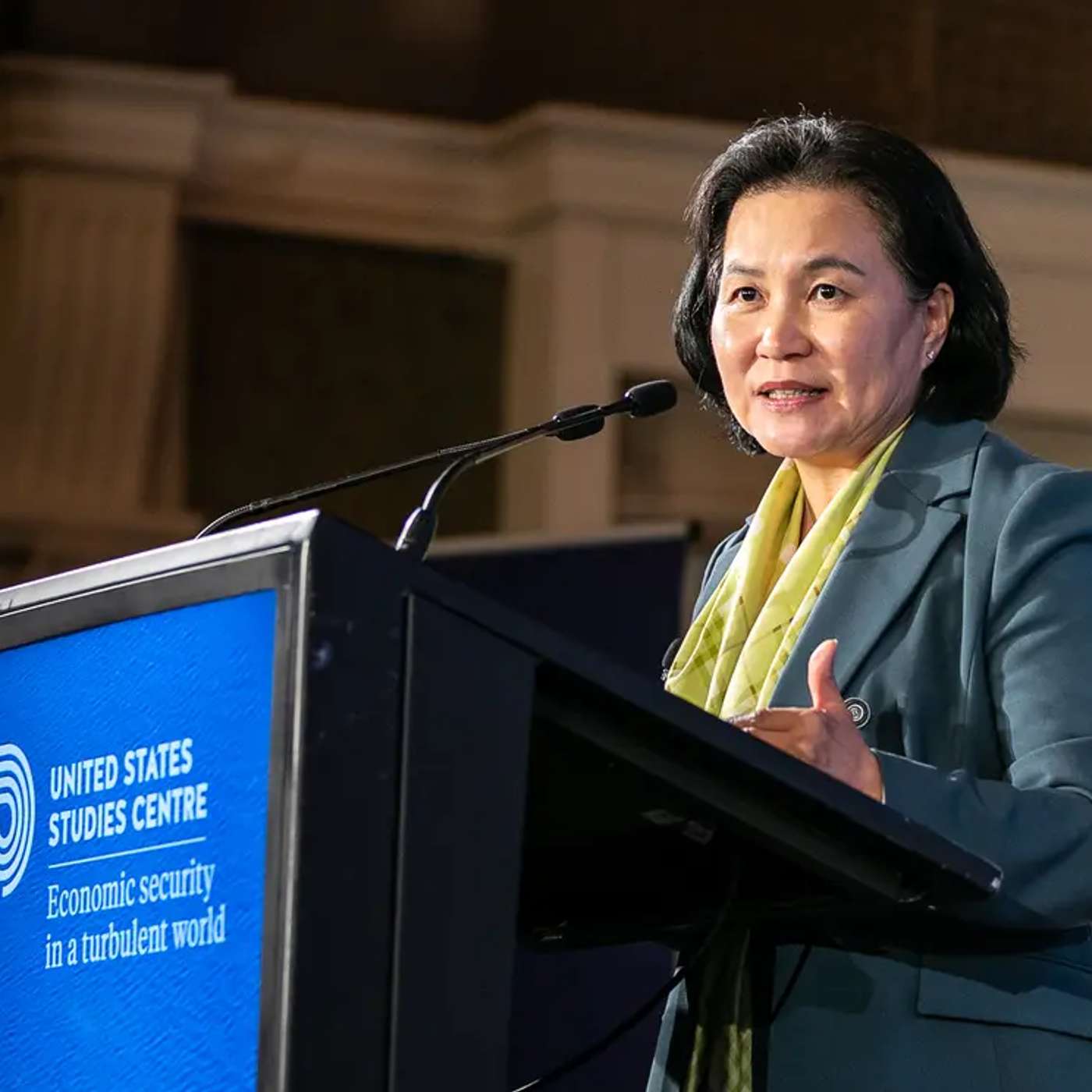
Ep 192Economic security in a turbulent world | Session 6: Global economic governance: Where to for the “rules-based order”?
On 19 and 20 June 2024, the United States Studies Centre hosted a major international conference in Sydney spotlighting the search for “economic security in a turbulent world”. Over a day and a half, the conference brought together leading policymakers, business executives and independent experts from around the world to discuss arguably the defining economic policy debate of our age – how to reconcile security and prosperity in an era of strategic competition and economic interdependence.Session 6 was delivered in four parts:A keynote address by The Honourable Mathias Cormann, Secretary-General, Organisation for Economic Co-operation and Development (by video-link);An address on "A view from East Asia" by Professor Myung-hee Yoo, Visiting Professor at the Graduate School of International Studies, Seoul National University and former Minister for Trade, Republic of Korea;A panel discussion moderated by Dr John Kunkel, Senior Economics Adviser at the United States Studies Centre. with expert comments from George Mina, Deputy Secretary, Trade and Investment Group, Department of Foreign Affairs and Trade; Alan Beattie, Senior Trade Writer, Financial Times; and Professor Myung-hee Yoo, Visiting Professor at the Graduate School of International Studies, Seoul National University and former Minister for Trade, Republic of Korea; andAn address on "Europe’s economic security strategy: A view from Brussels" by Denis Redonnet, Deputy Director-General and Chief Trade Enforcement Officer, Directorate-General for Trade, European Commission (by video link).
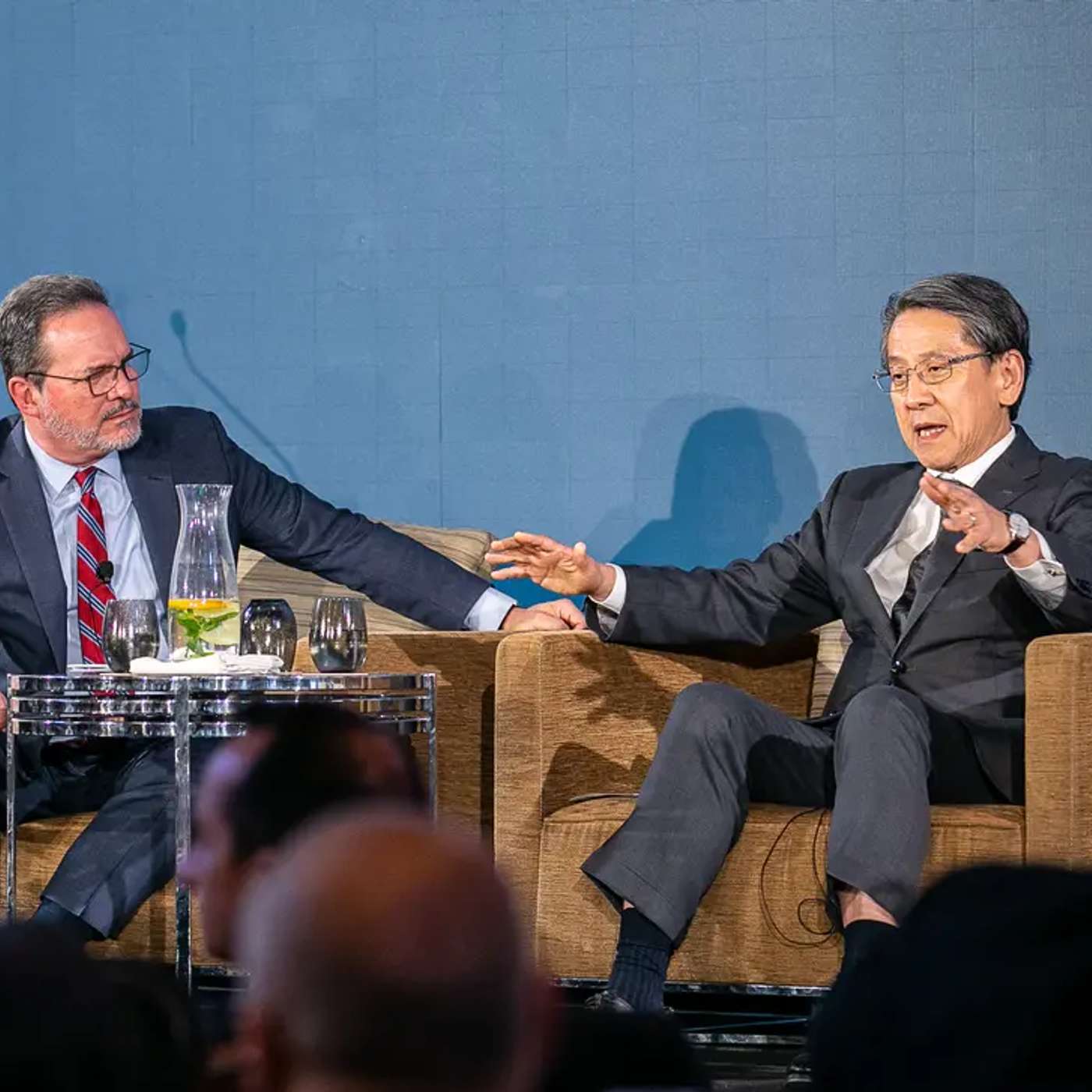
Ep 191Economic security in a turbulent world | Session 5: Economic statecraft in an age of strategic competition
On 19 and 20 June 2024, the United States Studies Centre hosted a major international conference in Sydney spotlighting the search for “economic security in a turbulent world”. Over a day and a half, the conference brought together leading policymakers, business executives and independent experts from around the world to discuss arguably the defining economic policy debate of our age – how to reconcile security and prosperity in an era of strategic competition and economic interdependence.Session 5 featured a keynote address from Tadashi Maeda, Chairman of the Japan Bank for International Cooperation, followed by a discussion between Tadashi Maeda and Dr Michael Green, Chief Executive Officer of the United States Studies Centre.
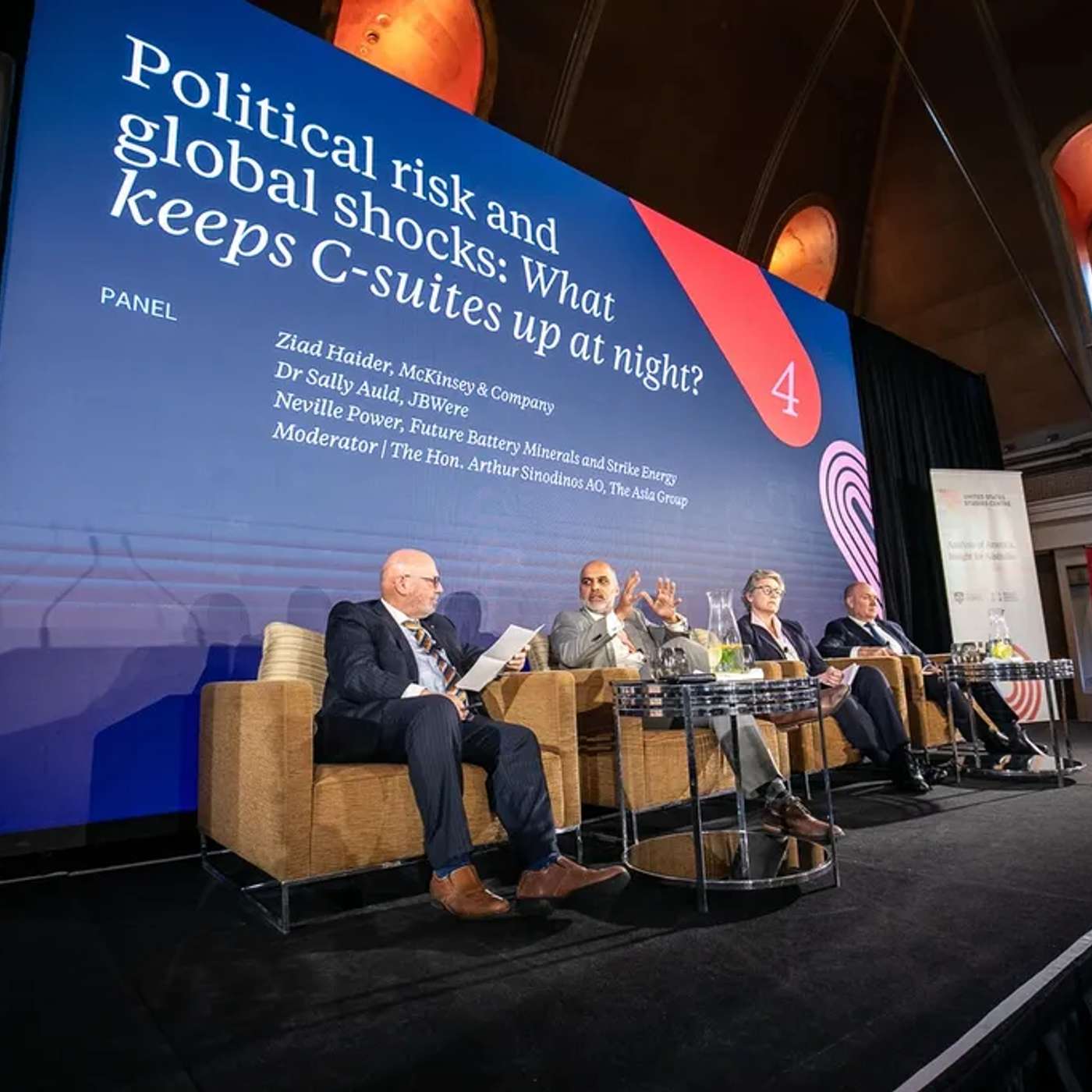
Ep 190Economic security in a turbulent world | Session 4: Political risk and global shocks: What keeps C-suites up at night?
On 19 and 20 June 2024, the United States Studies Centre hosted a major international conference in Sydney spotlighting the search for “economic security in a turbulent world”. Over a day and a half, the conference brought together leading policymakers, business executives and independent experts from around the world to discuss arguably the defining economic policy debate of our age – how to reconcile security and prosperity in an era of strategic competition and economic interdependence.Session 4 was moderated by The Honourable Arthur Sinodinos AO, Partner at The Asia Group and former Australian Ambassador to the United States, and featured panellists Ziad Haider, Global Director of Geopolitical Risk, McKinsey & Company; Dr Sally Auld, Chief Investment Officer, JBWere; and Neville Power, Chairman of Future Battery Minerals, Deputy Chairman of Strike Energy and former Chair of the Australian Government’s National COVID-19 Coordination Commission.
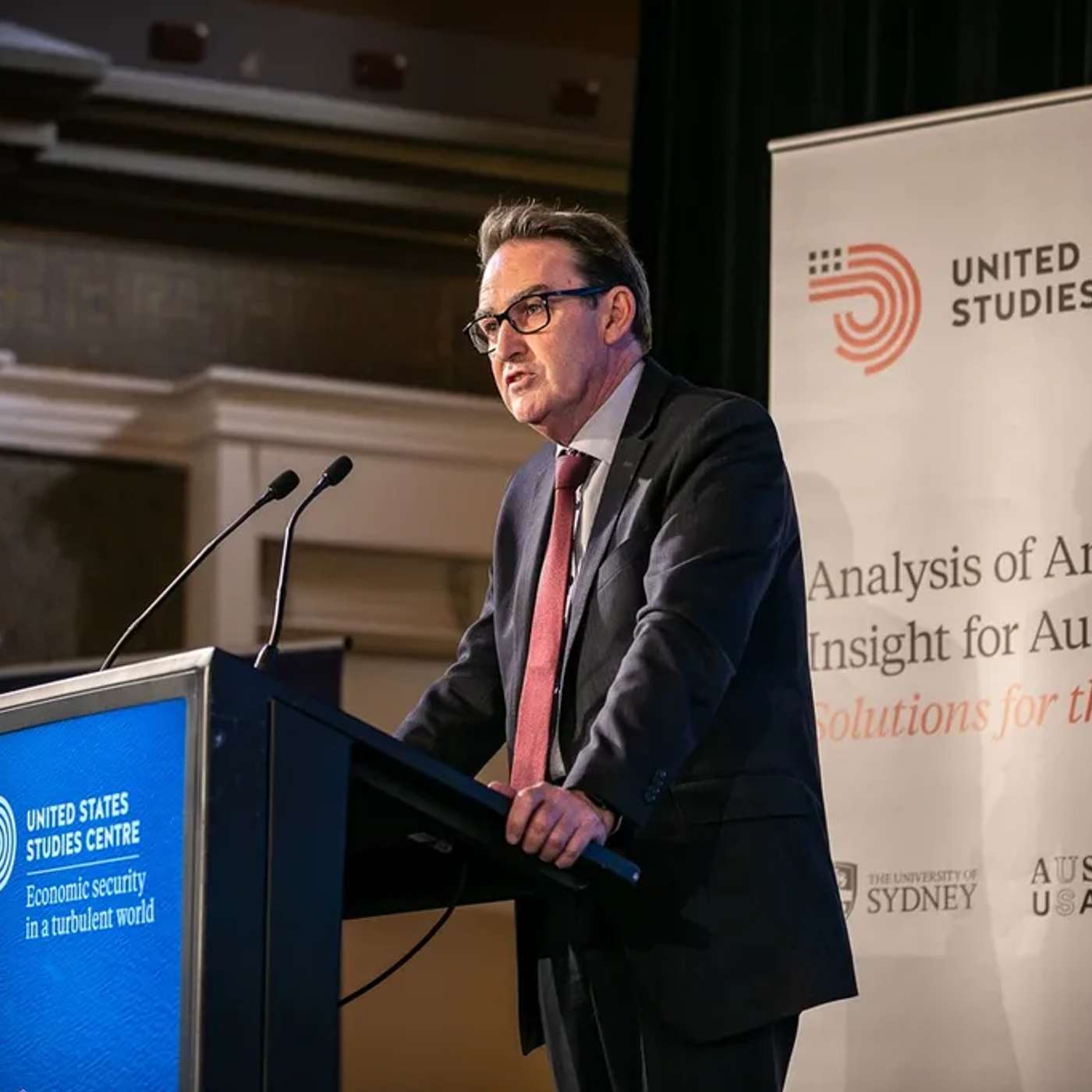
Ep 189Economic security in a turbulent world | Keynote address by Dr Steven Kennedy PSM, Secretary to the Australian Treasury
On 19 and 20 June 2024, the United States Studies Centre hosted a major international conference in Sydney spotlighting the search for “economic security in a turbulent world”. Over a day and a half, the conference brought together leading policymakers, business executives and independent experts from around the world to discuss arguably the defining economic policy debate of our age – how to reconcile security and prosperity in an era of strategic competition and economic interdependence.A keynote address was provided by Dr Steven Kennedy PSM, Secretary to the Australian Treasury.
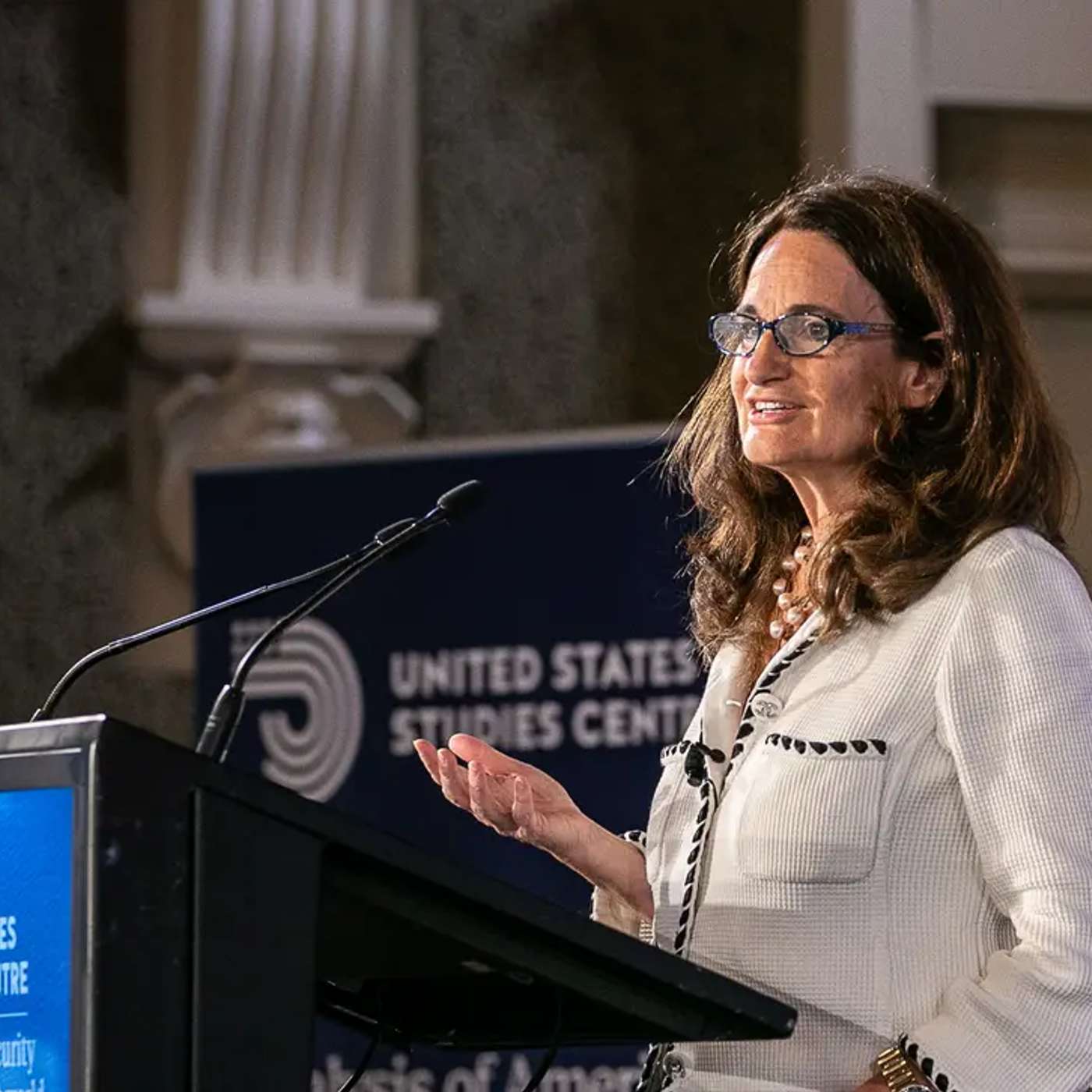
Ep 188Economic security in a turbulent world | Session 3: US-China economic competition: An insider’s perspective
On 19 and 20 June 2024, the United States Studies Centre hosted a major international conference in Sydney spotlighting the search for “economic security in a turbulent world”. Over a day and a half, the conference brought together leading policymakers, business executives and independent experts from around the world to discuss arguably the defining economic policy debate of our age – how to reconcile security and prosperity in an era of strategic competition and economic interdependence.Session 3 featured a keynote address by Dr Elizabeth Economy, Hargrove Senior Fellow, Hoover Institution, Stanford University. A panel discussion followed, moderated by Dr John Kunkel, Senior Economics Adviser at the United States Studies Centre, and featuring experts Richard McGregor, Senior Fellow for East Asia, Lowy Institute and Dr Elizabeth Economy, Hargrove Senior Fellow, Hoover Institution, Stanford University.