
TuneIn | Health
124 episodes — Page 1 of 3
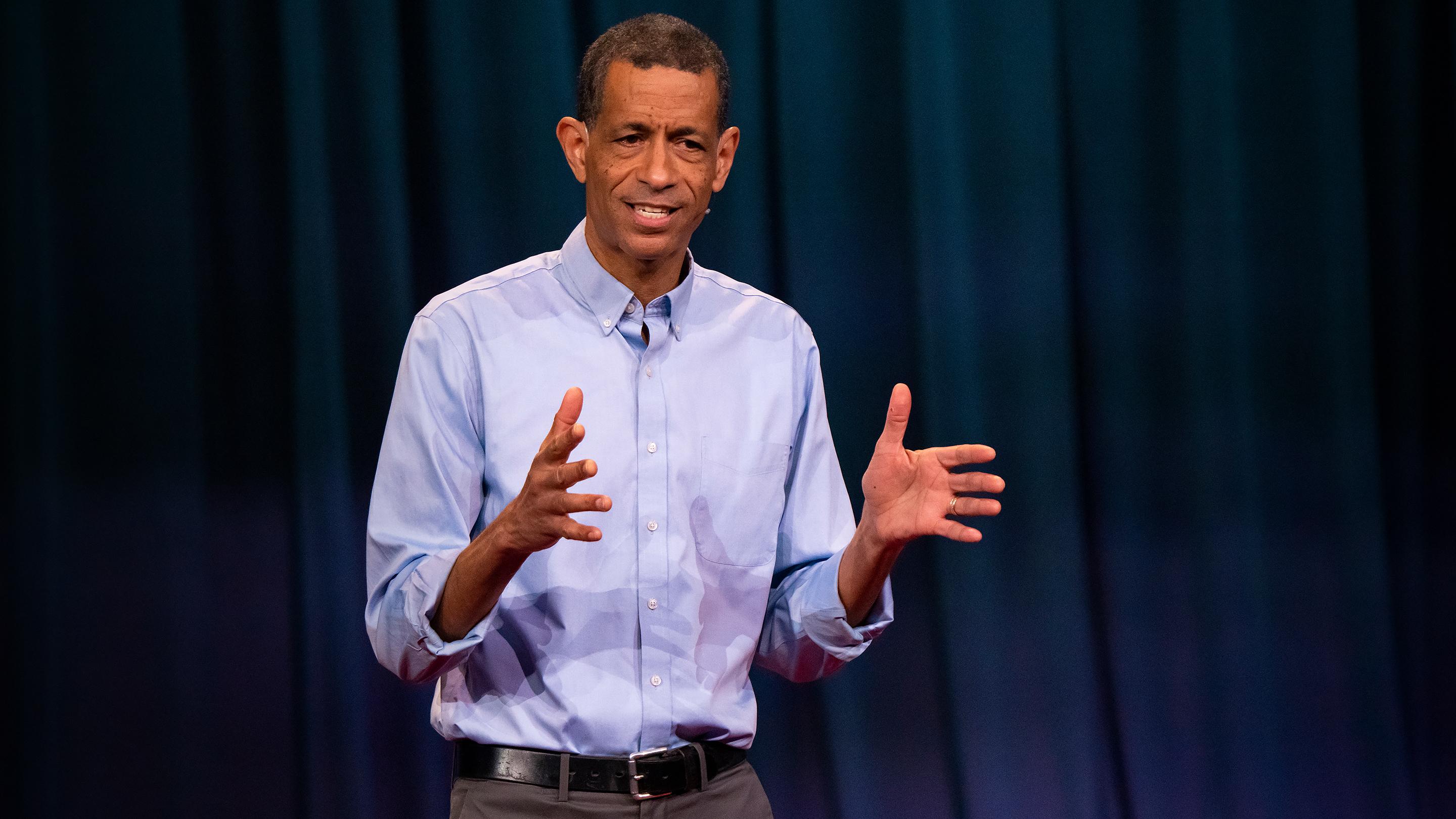
Why is it so hard to get effective birth control in the US? | Mark Edwards
Nearly half of all pregnancies in the United States are unplanned, the result of millions of people being unable to get the birth control method that works best for them. Reproductive health advocate and 2023 Audacious Project grantee Mark Edwards discusses Upstream USA's nationwide effort to expand access to high-quality contraceptive care by integrating it into primary health-care settings -- a crucial shift towards increasing equal health opportunities and empowering people to decide when and if they want to start families. (This ambitious idea is a part of the Audacious Project, TED's initiative to inspire and fund global change.)
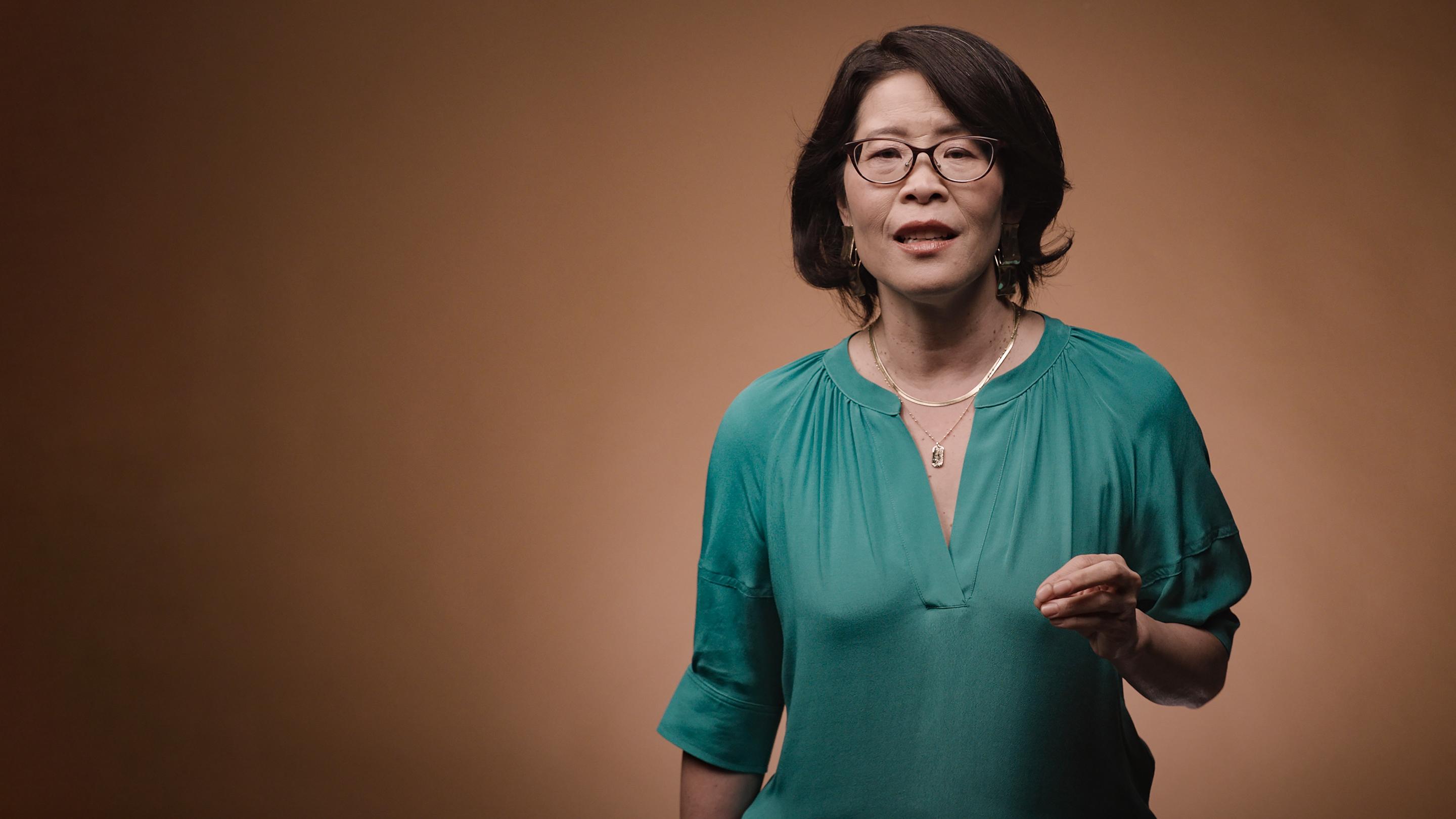
How to calm your anxiety, from a neuroscientist | Wendy Suzuki
What if you could transform your anxiety into something you can actually use during your work day? Neuroscientist Wendy Suzuki shares two evidence-based activities -- breathing and movement -- that can soothe your nervous system and fuel creativity and connection.
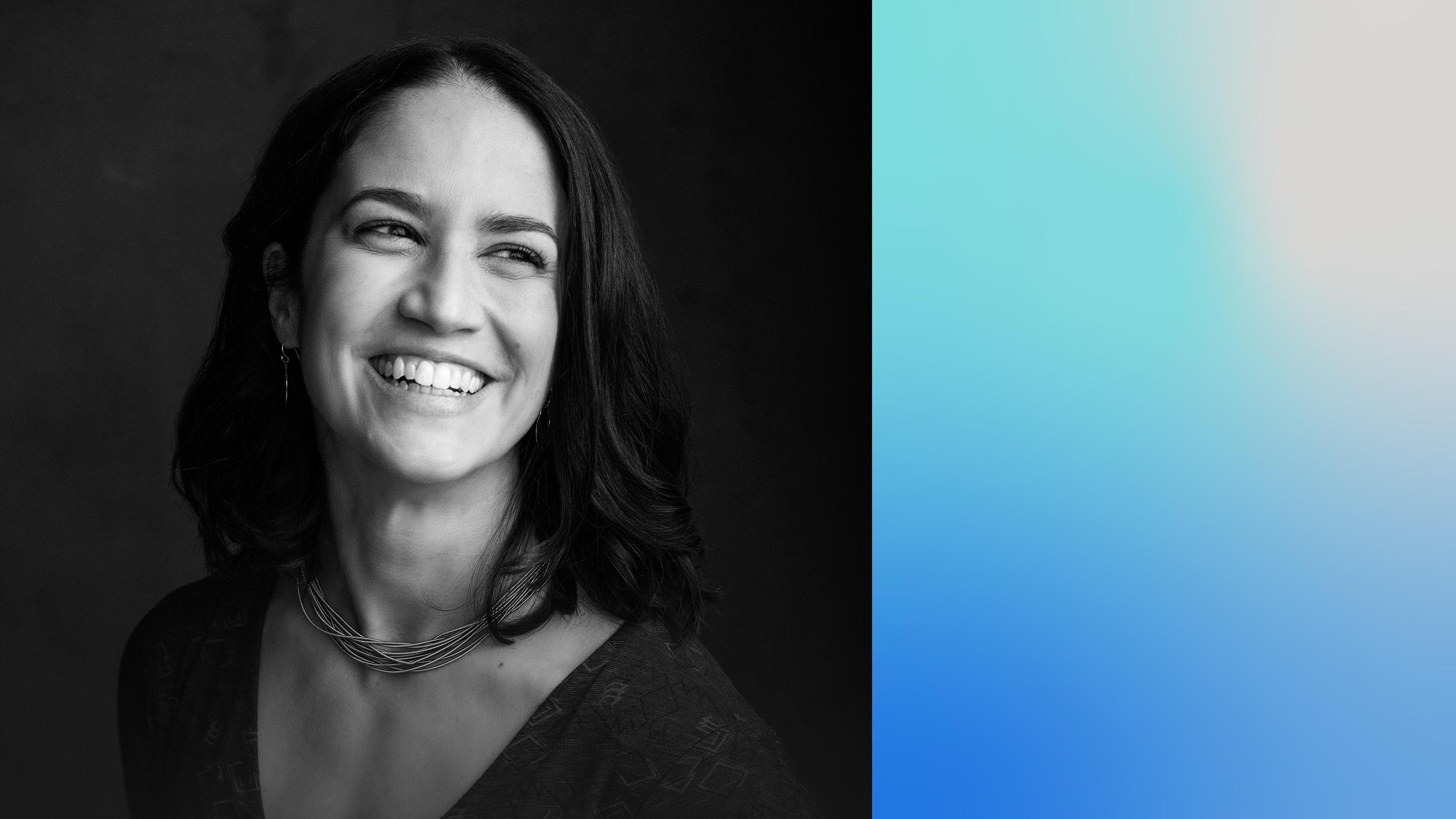
3 elements of true fun — and how to have more of it | Catherine Price
What comes to mind when you think about the most fun moments of your life? Science journalist Catherine Price asked thousands of people across the world this question, and their answers led her to a new definition of "true" fun: a special confluence of playfulness, connection and flow. Hear her thoughts on why having fun is good for your mental and physical health and how to identify the tell-tale signs of "fake" fun -- as well as actionable tips for identifying what brings you joy. (This conversation, hosted by TED science curator David Biello, was part of an exclusive TED Membership event. Visit ted.com/membership to become a TED Member.)
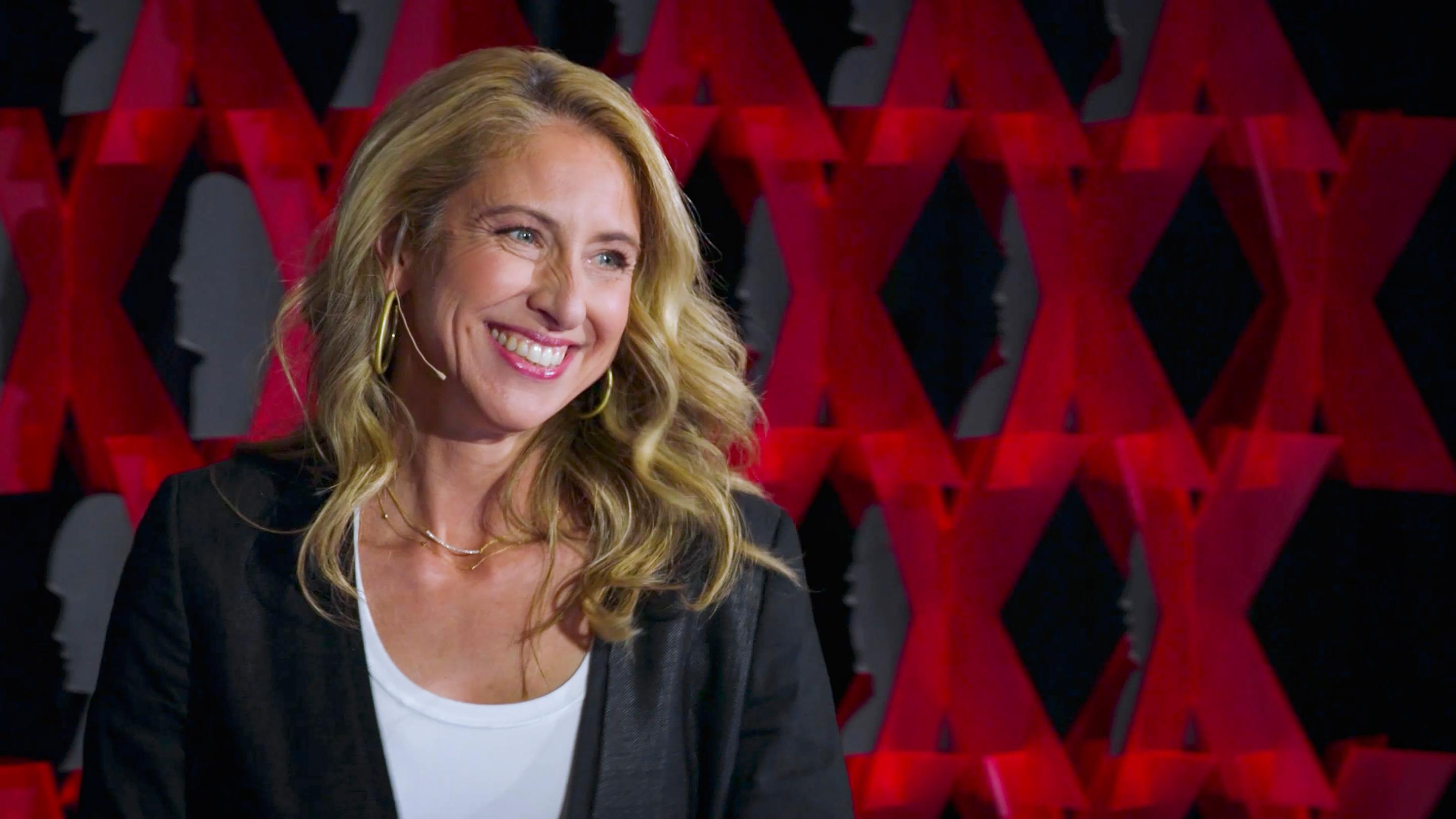
What girls and women in sports need to unlock their potential | Kate Ackerman
As a sports scientist, athlete and director of the Female Athlete Program at Boston Children's Hospital, Kate Ackerman understands that women athletes need more than pretty sports bras or new sneakers to achieve peak performance -- they need true investment committed to their health and well-being. Ackerman advocates for a long overdue sports medical system that's dedicated to the study and development of women athletes, supporting lifelong success on and off the field.
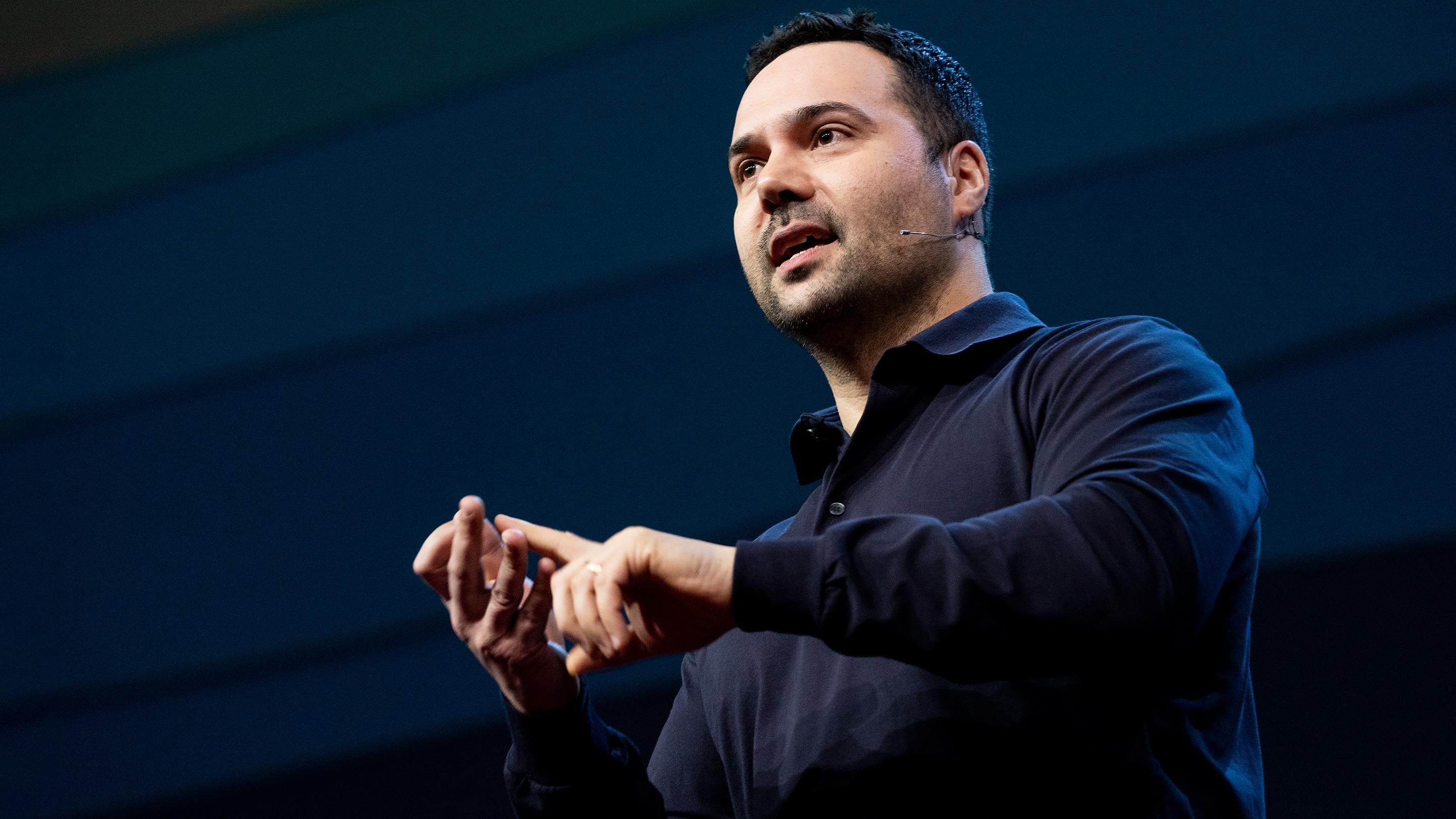
A socialist perspective on the pursuit of happiness | Aaron Bastani
Several crises are set to define the next century -- but journalist Aaron Bastani believes we have the technological ability to meet our biggest challenges and create unprecedented levels of prosperity for all. He shows how we could get there by ditching capitalism as the world's economic operating system and adopting "universal basic services," where governments would freely provide life essentials like housing, health care, education and transport. (Followed by Q&A with head of TED Chris Anderson and public finance expert Maja Bosnic)
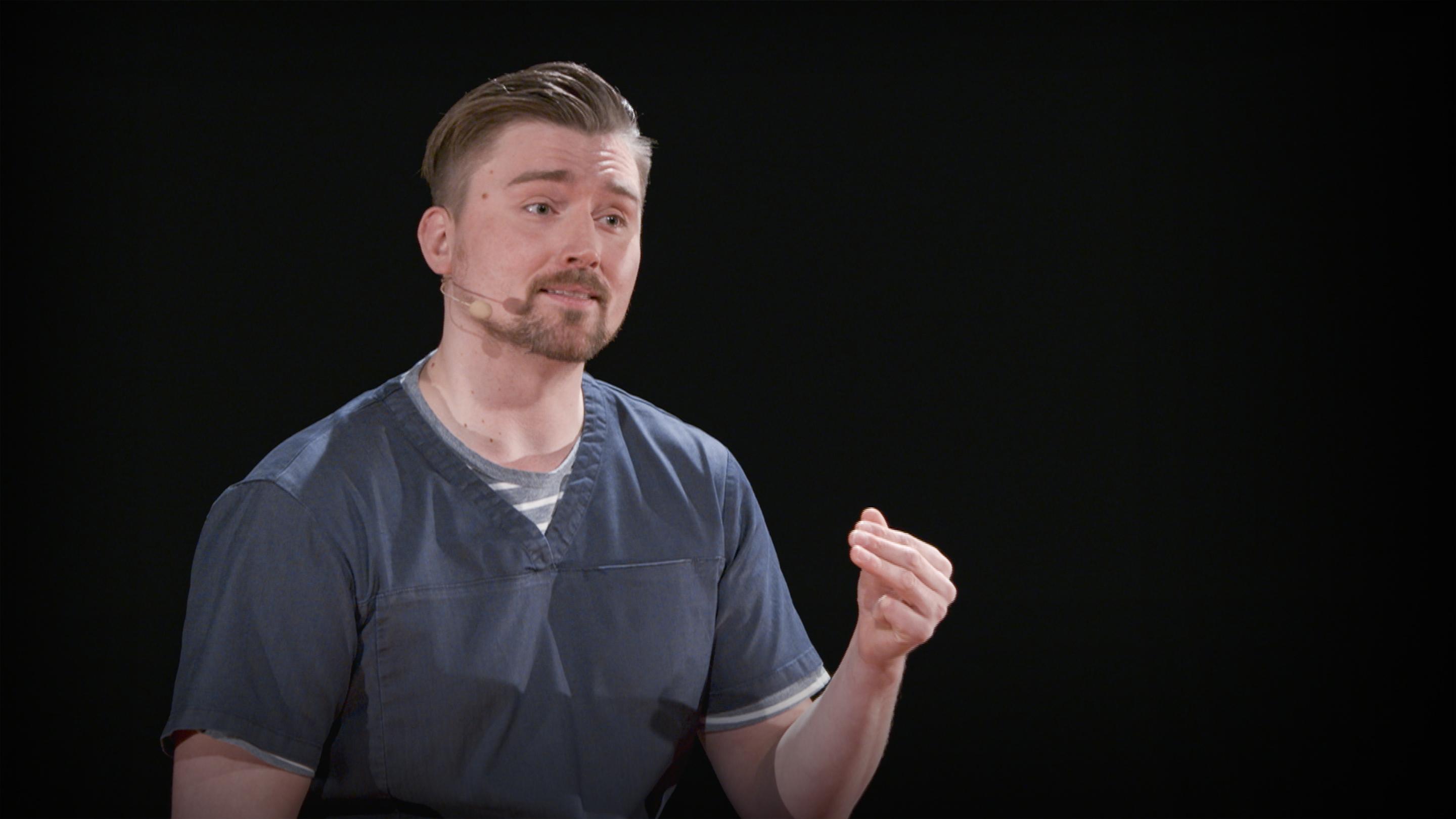
Why nurses are key to medical innovation | Ben Gran
Nurses represent the front line of health care -- from first breaths to last moments, and everything in between. But there's a vital place nurses are missing in action, says Ben Gran. He makes a compelling case for integrating their invaluable insights and experience into health tech innovation to help make care (and the process of providing it) better for generations to come.
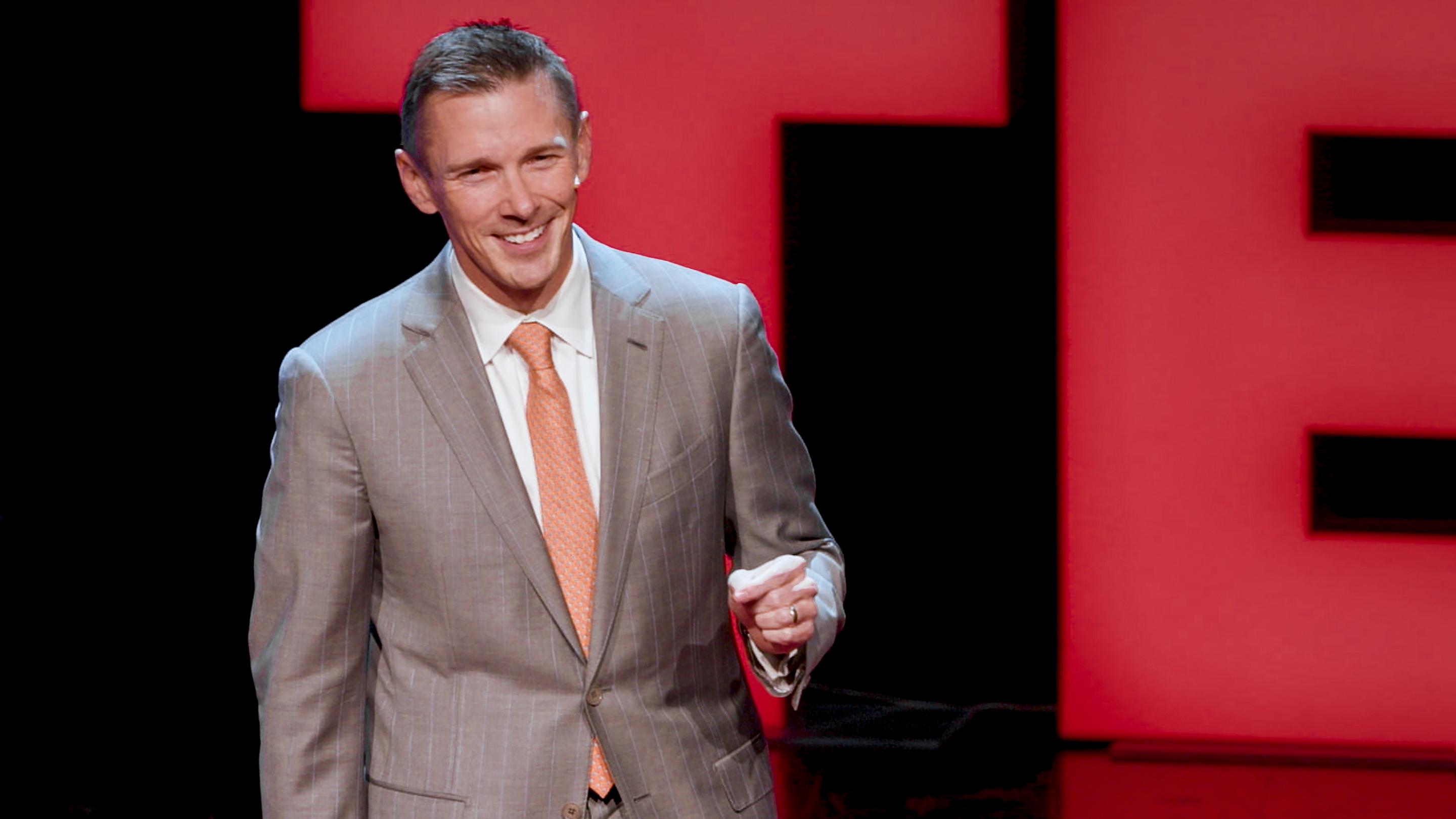
Is there a link between cancer and heart disease? | Nicholas Leeper
Does the key to stopping cancer lie in the heart? Cardiologist Nicholas Leeper digs into emerging scientific research on the link between the world's two leading causes of death, heart disease and cancer, sharing how their biological origins may be connected -- and treatable with the same therapeutics. A call to challenge dogma and break down traditional silos in science, with the hope of saving lives.
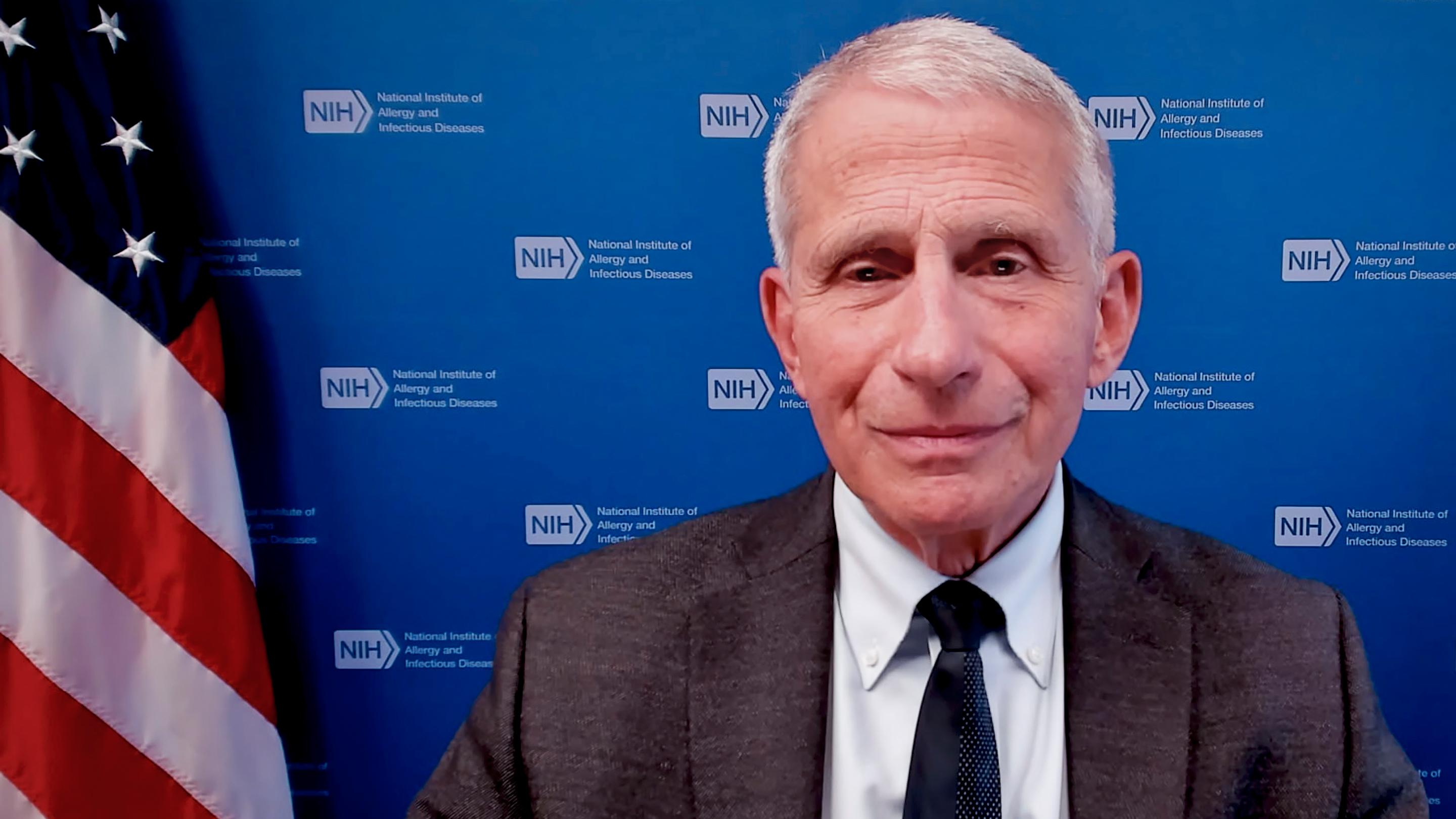
Is the pandemic actually over? It's complicated | Anthony Fauci
"Be spreaders of facts and truths," says scientist and immunologist Dr. Anthony Fauci. Having advised seven US presidents on various disease outbreaks including COVID-19, he shares insights on the present and future of pandemics, backed up by decades of experience in public health. Hear him dive into the latest on protecting yourself from the virus, his unwavering faith in science, what he plans to do after retiring (or "rewiring") -- and soak up some hard-won wisdom for the next generation. (This conversation, hosted by TED science curator David Biello, was part of an exclusive TED Membership event on September 20, 2022. Visit ted.com/membership to become a TED Member.)
The bias behind your undiagnosed chronic pain | Sheetal DeCaria
While doctors take an oath to do no harm, there's a good chance their unconscious biases can seep into how seriously they take your pain. Physician Sheetal DeCaria explains how perception impacts medical care and treatment -- and calls for health care professionals to check in with how they do their patient checkups.
Why the price of insulin is a danger to diabetics | Brooke Bennett
The price of insulin in the US is both outrageous and deadly to those who can't live without it. Diabetes advocate Brooke Bennett shares her own struggles living with type 1 diabetes and how the astronomical cost of a life-saving drug leaves millions struggling to survive. A rallying cry for an affordable and humane livelihood for those with chronic illness.
Why having fun is the secret to a healthier life | Catherine Price
Have you had your daily dose of fun? It's not just enjoyable, it's also essential for your health and happiness, says science journalist Catherine Price. She proposes a new definition of fun -- what she calls "true fun" -- and shares easy, evidence-backed ways to weave playfulness, flow and connection into your everyday life.
The brain science (and benefits) of ASMR | Craig Richard
A curious, quiet revolution of sound has taken over the internet. Physiologist Craig Richard explains the soothing brain science of Autonomous Sensory Meridian Response (ASMR), tracking its rise in popularity and why this fascinating phenomenon is so relaxing to millions of people around the world.
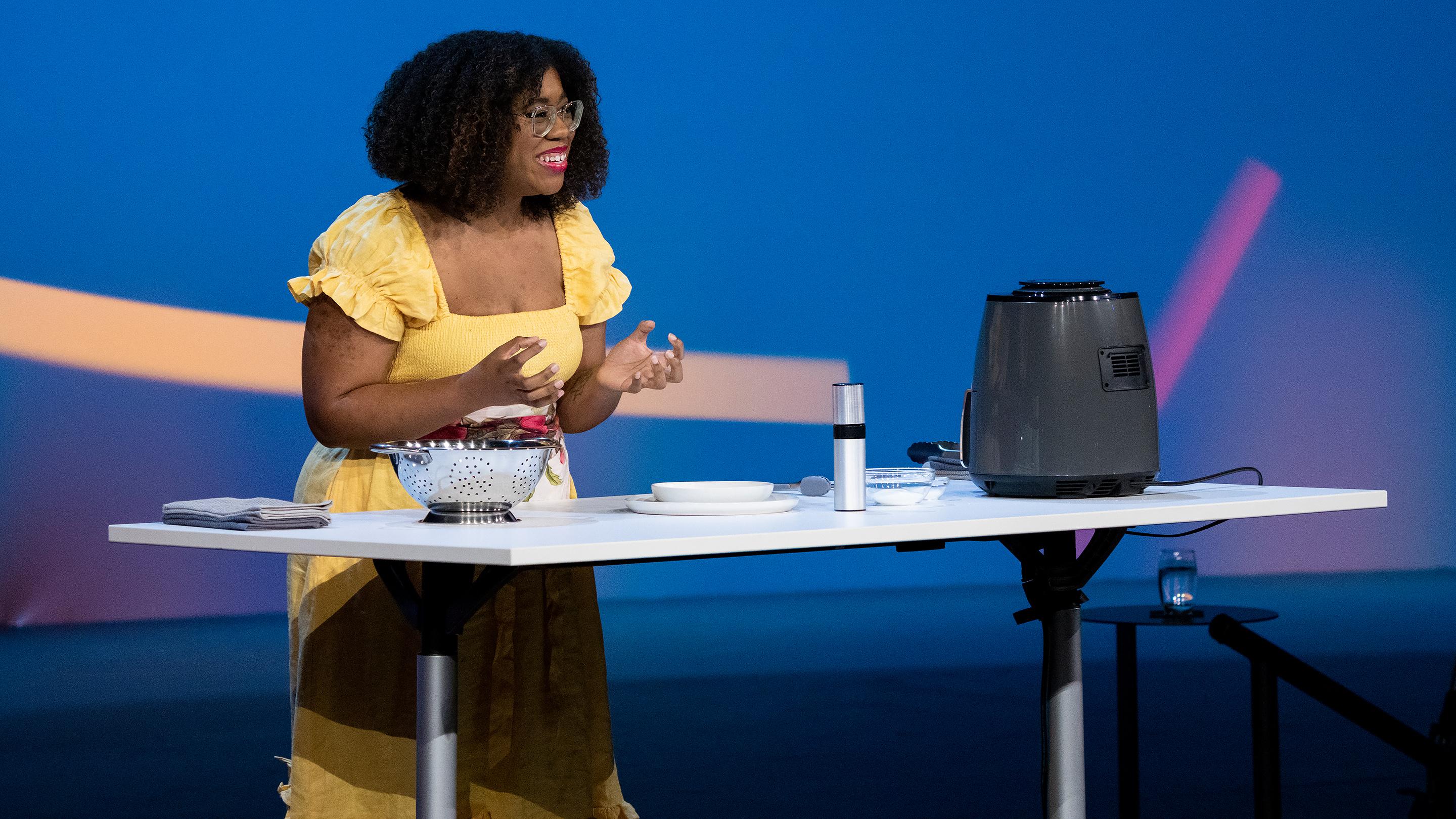
A flavorful field guide to foraging | Alexis Nikole Nelson
Whether it's dandelions blooming in your backyard or purslane sprouting from the sidewalk, vegan forager Alexis Nikole Nelson is on a mission to show how freely growing flora could make its way to your plate. With contagious enthusiasm and a live cooking demo, she explains the benefits of expanding your palate to include "wild" foods that are delicious, nutritious and planet-friendly -- and gives three tips for helping others go from skeptical to confident in their own food adventures.
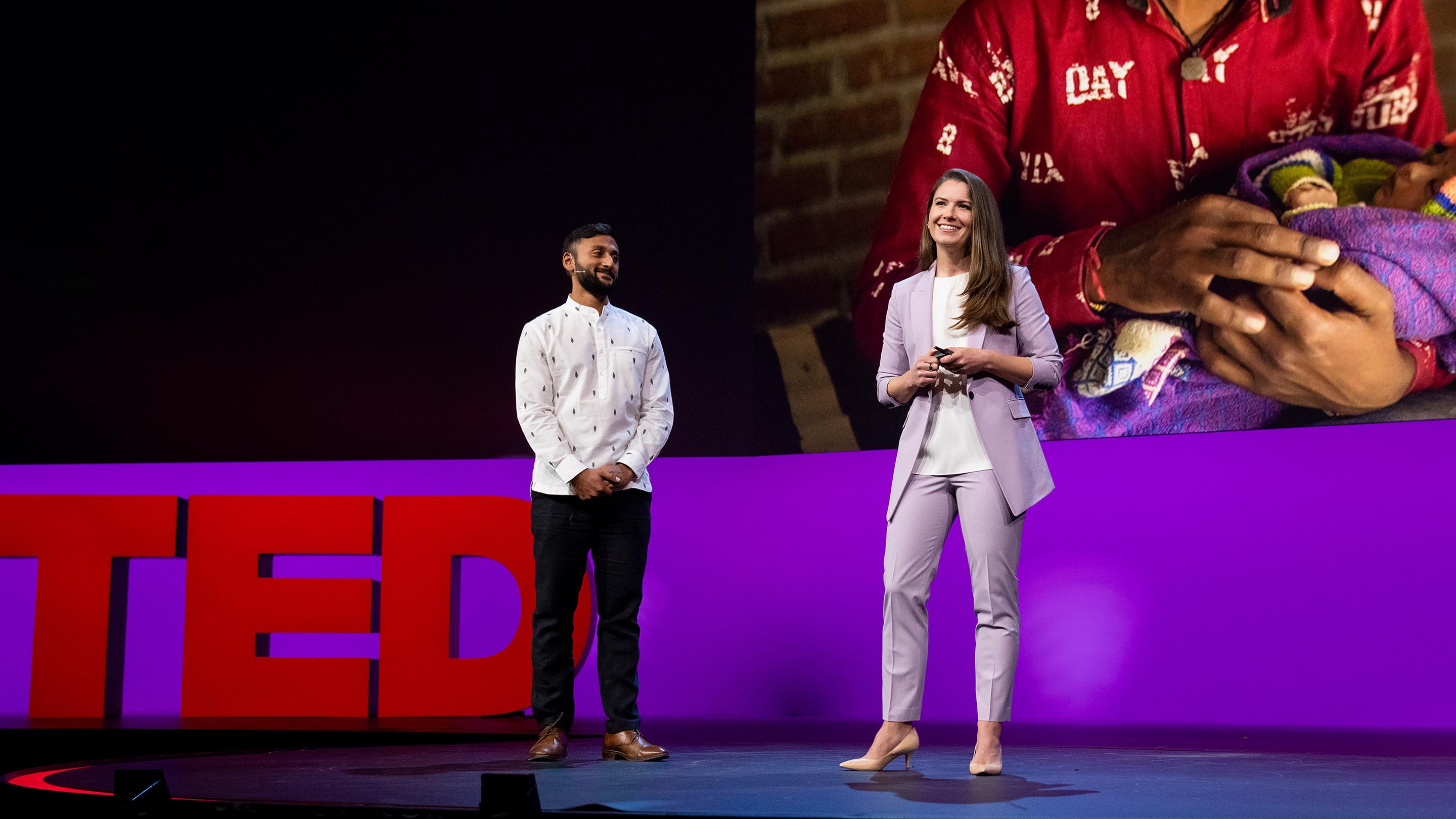
The most powerful untapped resource in health care | Edith Elliott and Shahed Alam
Whether we're rushing a child to the emergency room after a fall or making chicken soup for a feverish spouse, love inspires us to act when a family member gets sick. Global health activists Edith Elliott and Shahed Alam believe we can harness this power to create better health outcomes for everyone. Learn how their organization Noora Health works with doctors and nurses in India and Bangladesh to train the family members of hospital patients with essential skills to support their sick loved ones -- and how they plan to expand their reach to support 70 million caregivers who care for more than one billion people over the next six years. (This ambitious plan is a part of the Audacious Project, TED's initiative to inspire and fund global change.)
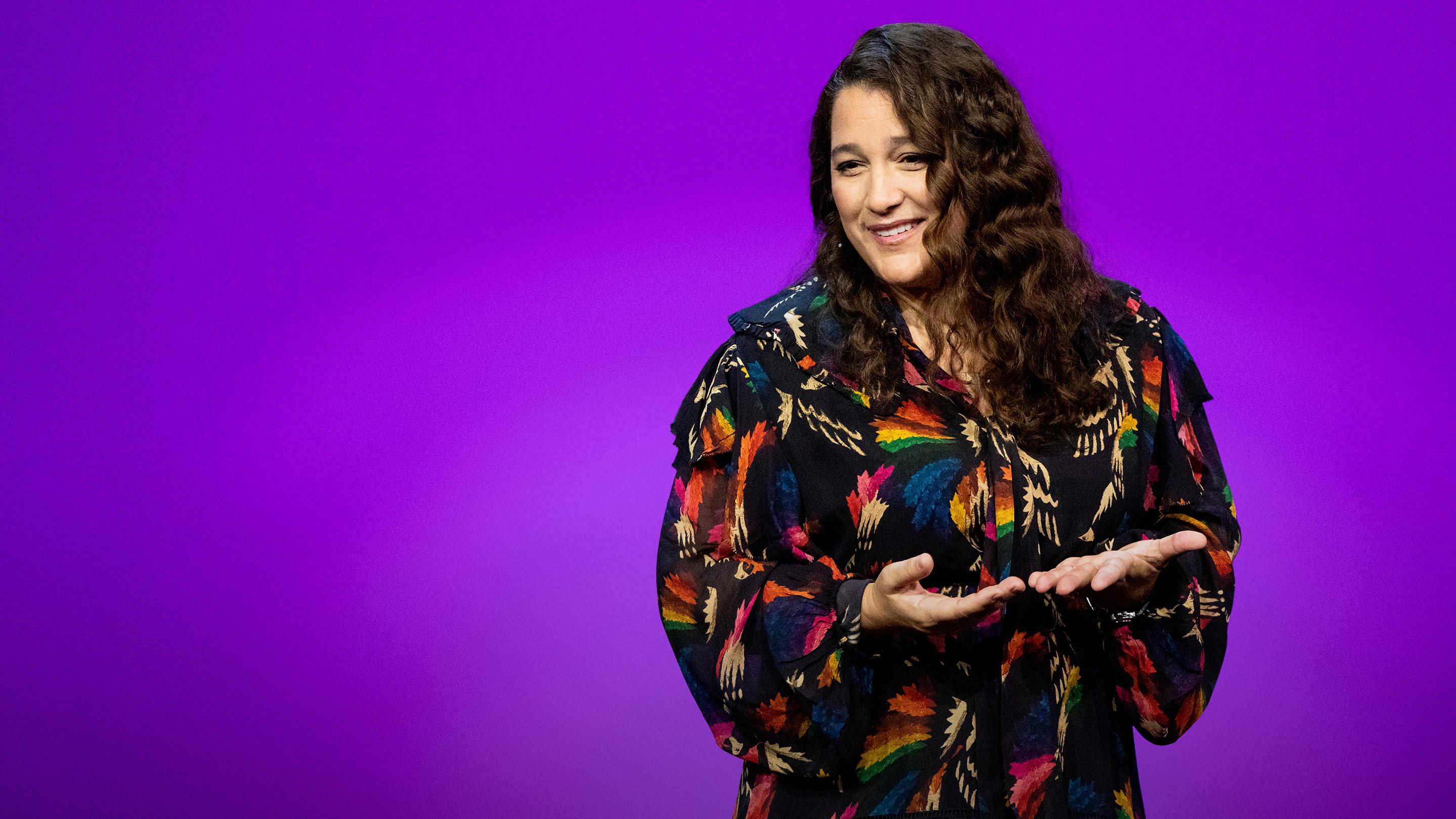
Mental health care that disrupts cycles of violence | Celina de Sola
In Latin American countries like El Salvador, homicide rates are alarmingly high thanks in large part to a vicious cycle of violence -- people don't have a chance to heal from recurrent individual and collective trauma. With her team at Glasswing International, de Sola is hoping to break this cycle by equipping government employees like teachers and police officers with the skills and knowledge they need to provide mental health care to those who need it most. Their goal: to transform more than 2,000 frontline institutions in 25 of the highest risk municipalities in Central America with community-based approaches to mental health support, reaching nearly 10 million people along the way. (This ambitious plan is a part of the Audacious Project, TED's initiative to inspire and fund global change.)
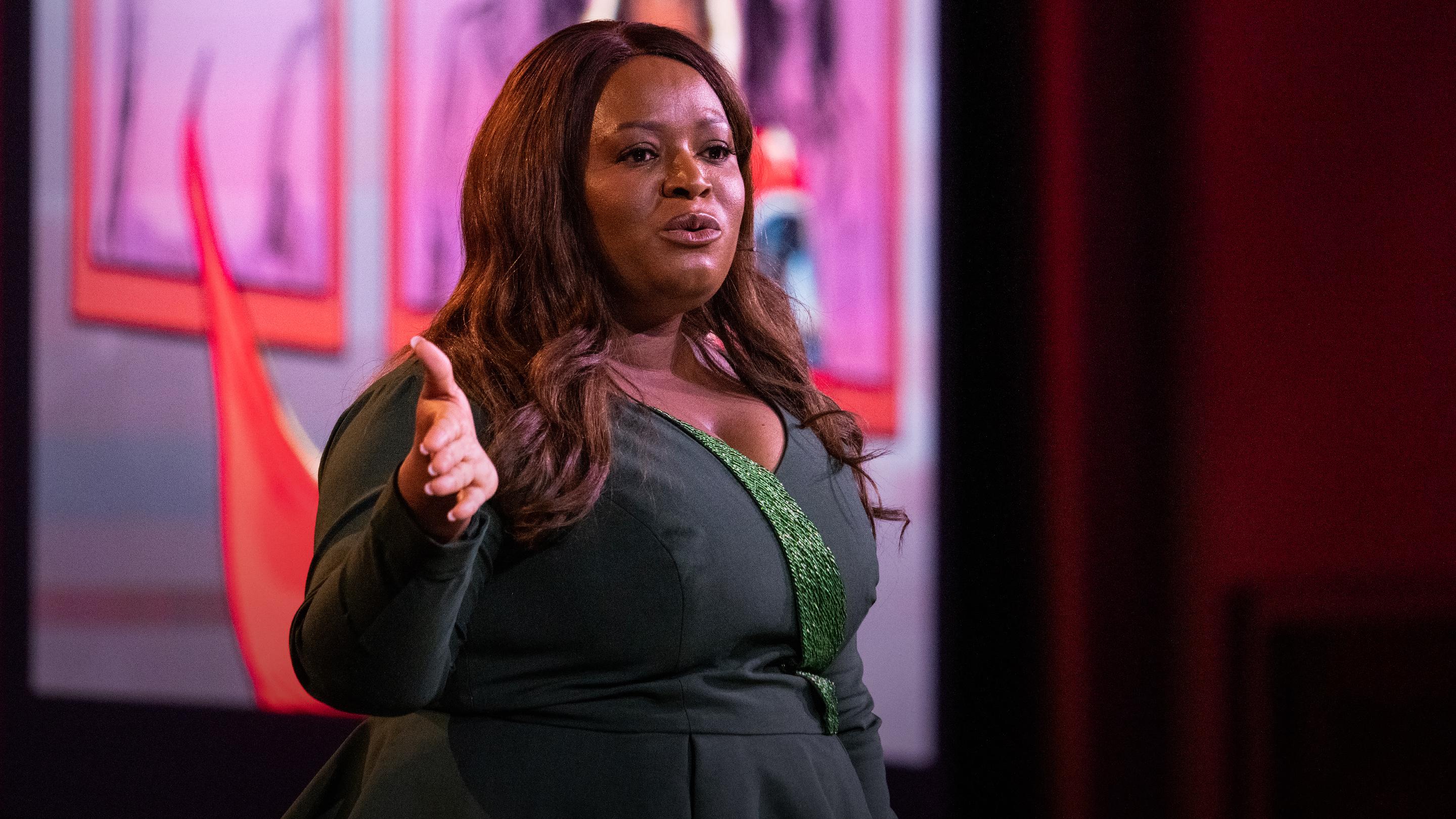
The funding gap in start-up investing | Temie Giwa-Tubosun
"It is time to close the funding gap for Black female-led start-ups the world over," says entrepreneur Temie Giwa-Tubosun, whose company LifeBank delivers life-saving medical supplies to remote areas in Africa. Today, LifeBank operates successfully across the continent, but Giwa-Tubosun knows that barriers to funding prevent many other brilliant business ideas from blossoming. She highlights examples of impactful women-led ventures around the world -- and challenges investors to help more of them thrive.
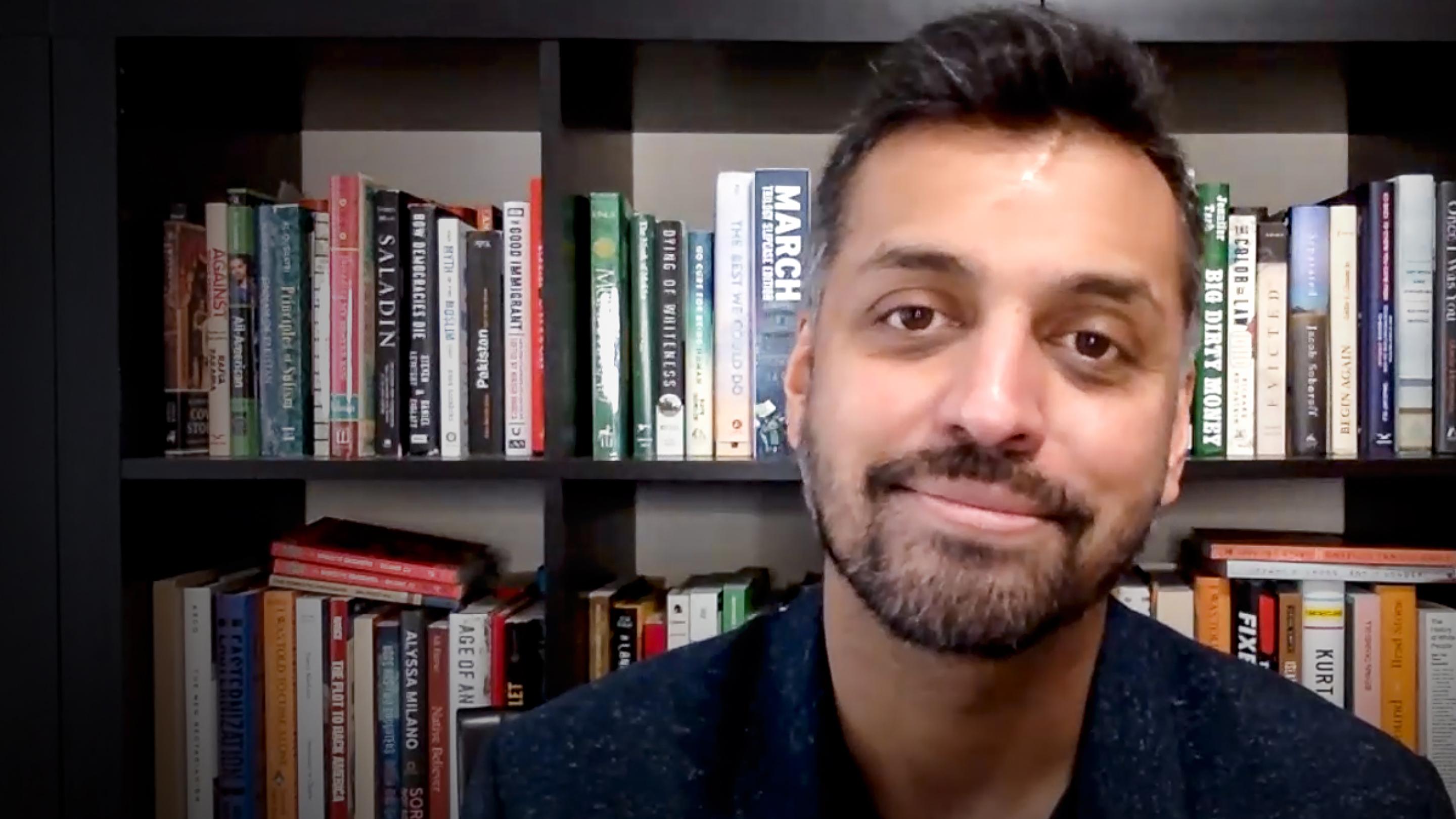
3 lessons on hope in challenging times | Wajahat Ali
It can be hard to remain hopeful during seemingly hopeless times. Sharing hard-won wisdom on how to not give up when the going gets tough, writer Wajahat Ali talks about the challenges he faced with his daughter's cancer diagnosis and the COVID-19 pandemic, detailing three actionable things we can all do to find the silver linings in our lives -- and invest in hope where we can. (This talk and conversation, hosted by TED current affairs curator Whitney Pennington Rodgers, was part of an exclusive TED Membership event. Visit ted.com/membership to become a TED Member.)
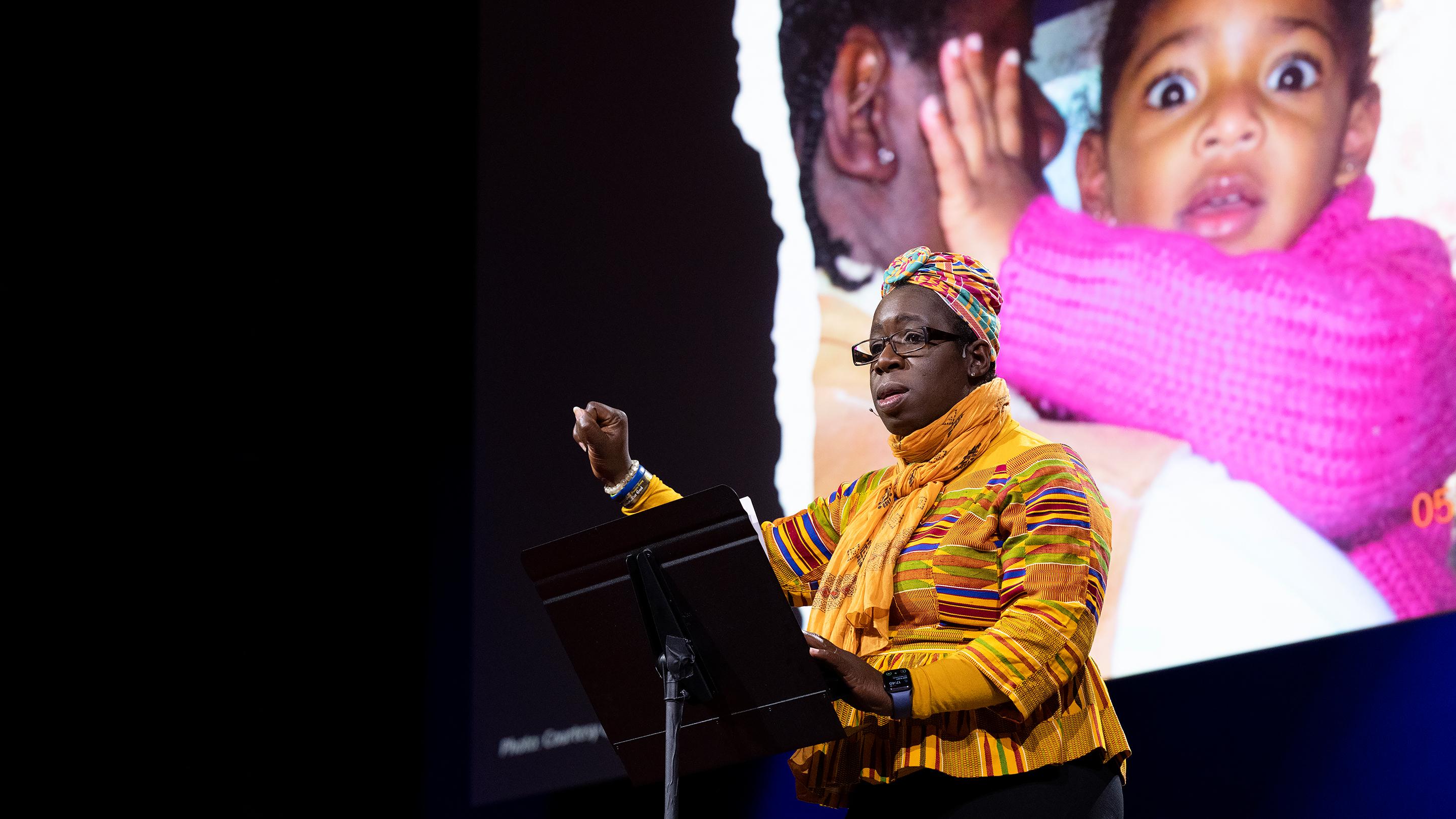
The tragedy of air pollution -- and an urgent demand for clean air | Rosamund Adoo-Kissi-Debrah
"Breathing clean air is every child's human right," says grassroots campaigner Rosamund Adoo-Kissi-Debrah, sharing the heartbreaking story of her seven-year-old daughter, Ella Roberta, whose asthma was triggered to a fatal point by air pollution. Now, Adoo-Kissi-Debrah is on a mission to raise awareness about the harmful effects of unsafe air on our health and the planet. In this moving talk, she details why governments have an urgent responsibility to take action on air pollution -- and ensure that all children have a chance to live full and healthy lives.
A new way to help young people with their mental health | Tom Osborn
TED Fellow Tom Osborn wants more young people to have access to the mental health support they need. With the Shamiri Institute, he and his team are training 18- to 22-year-olds to deliver evidence-based mental health care to their peers in Kenya -- which has only two psychiatrists for every million people. Hear how their community-first, youth-oriented model could become a template to help kids across the world lead successful, independent lives.
3 ways to prepare society for the next pandemic | Jennifer B. Nuzzo
What if we treated the risk of pandemics the same way we treat the risk of fires? In this eye-opening talk, infectious disease epidemiologist Jennifer B. Nuzzo unpacks how the Great Baltimore Fire of 1904 sparked a cultural shift in how we defend against fires -- and explains why pandemics demand the same sort of reaction. She breaks down the data we need to gather when facing possible danger, the drills we need to ready ourselves and the defenses that could keep future threats at bay -- so next time, we're prepared.
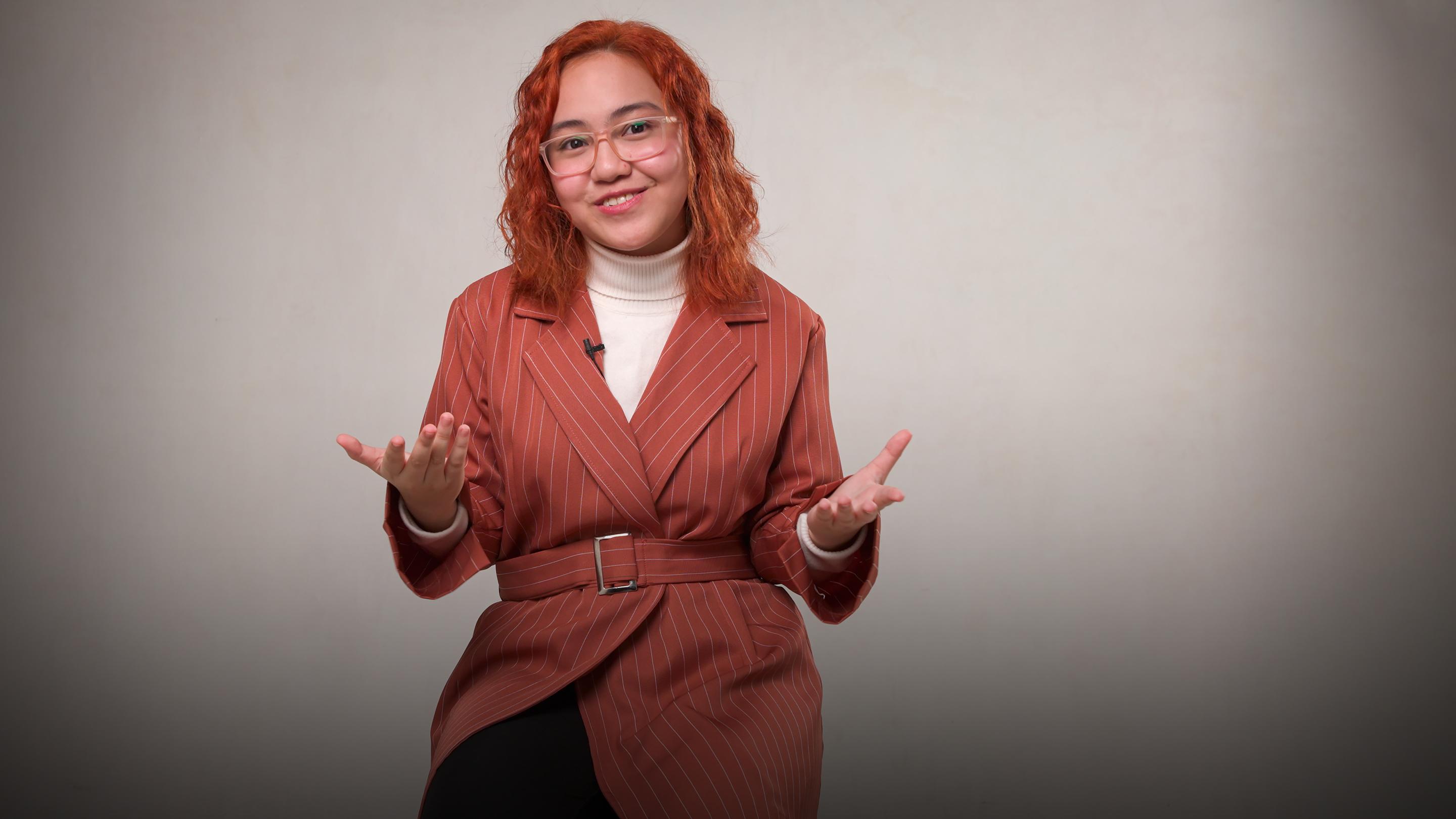
How to protect your mental well-being online -- from a Gen-Zer | Peachy Liv
Whether you have one follower or a million, we've all witnessed nastiness and hate speech on social media. YouTube content creator and mental well-being motivator Peachy Liv advocates for a kinder, more respectful digital world -- and urges us all to reflect before we share our thoughts online. Hear her tips for dealing with cyberbullying and personal insights on how we can all make the internet a safer place.
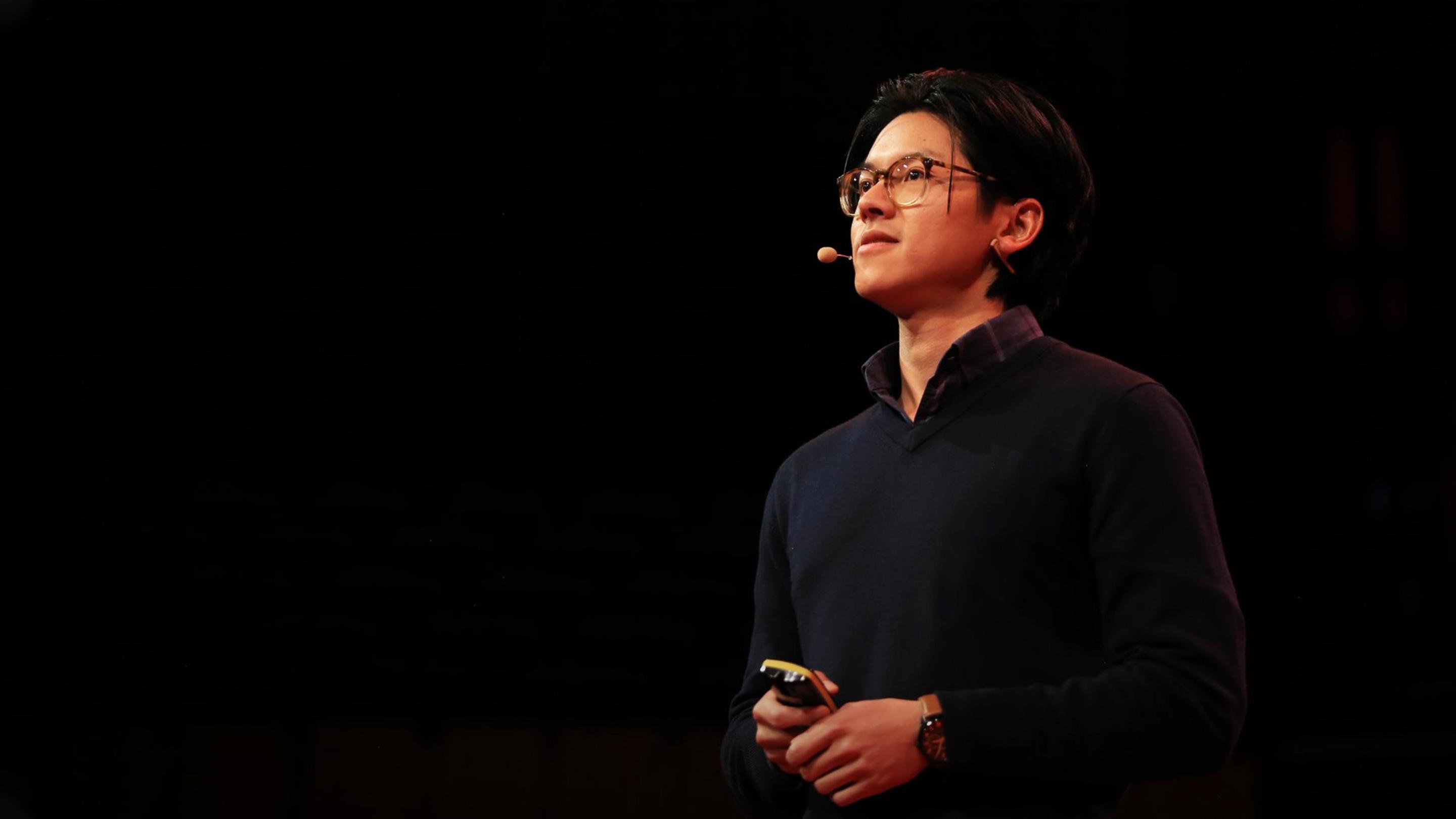
The science of preserving sight | Joshua Chu-Tan
As you get older, your eyes worsen and become susceptible to a disease called age-related macular degeneration -- the leading cause of blindness, with no cure in sight. Sharing the science of how your vision works, researcher Joshua Chu-Tan offers breakthrough insights on a lesser-known RNA that could change the treatment for this disease, preserving the gift of sight for longer and improving the quality of life for millions of people.
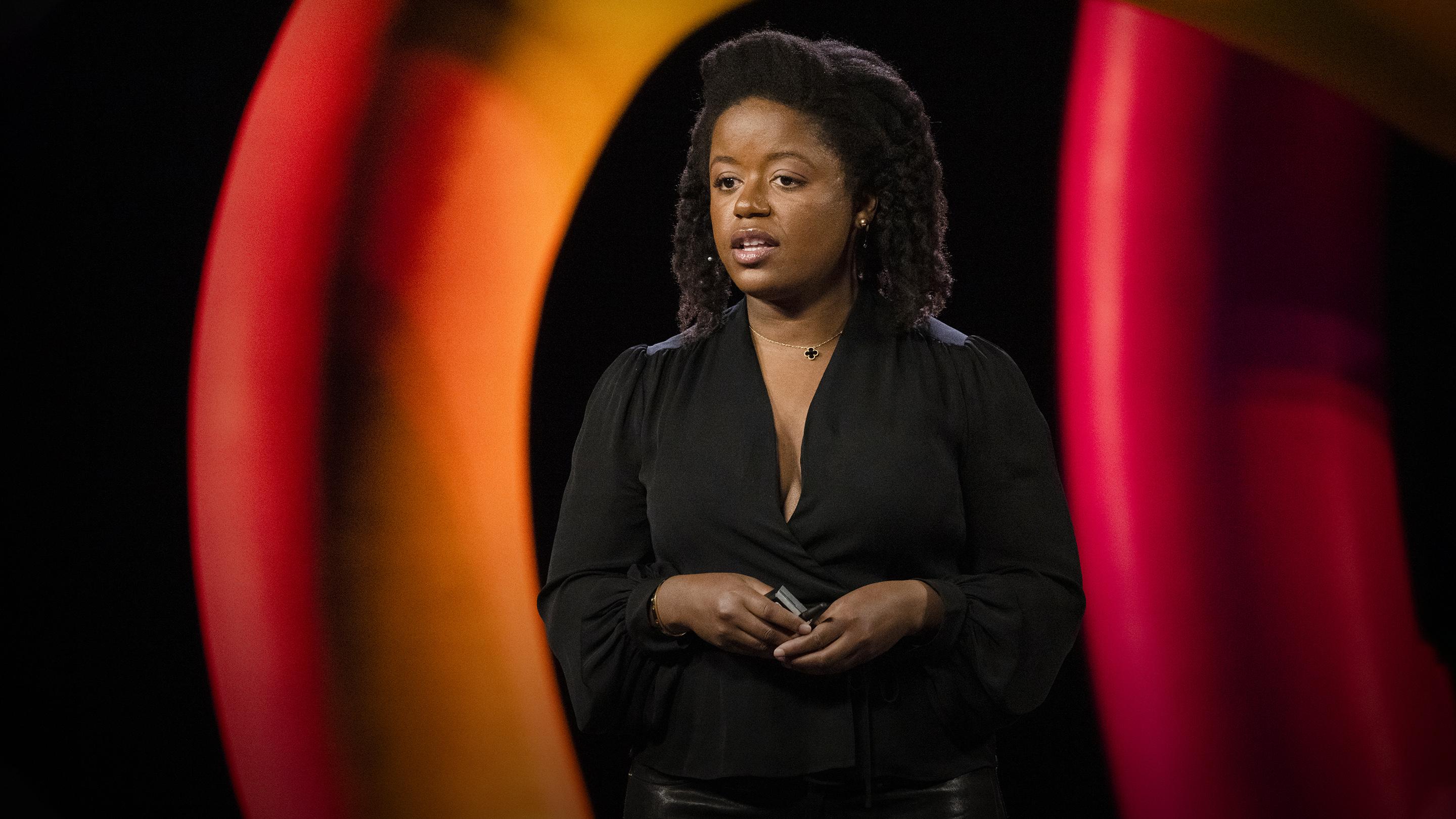
Why skin disease is often misdiagnosed in darker skin tones | Jenna C. Lester
Skin is one of the most powerful predictors of health, yet nearly half of all new dermatologists admit to feeling uncomfortable identifying health issues on darker skin tones -- resulting in poorer health outcomes for patients of color. In this crucial talk, TED Fellow and dermatologist Jenna C. Lester shares her effort to extend medical training beyond its current limited scope and ensure all medical students get trained in the full spectrum of diseases as they appear in all patients, regardless of skin tone.
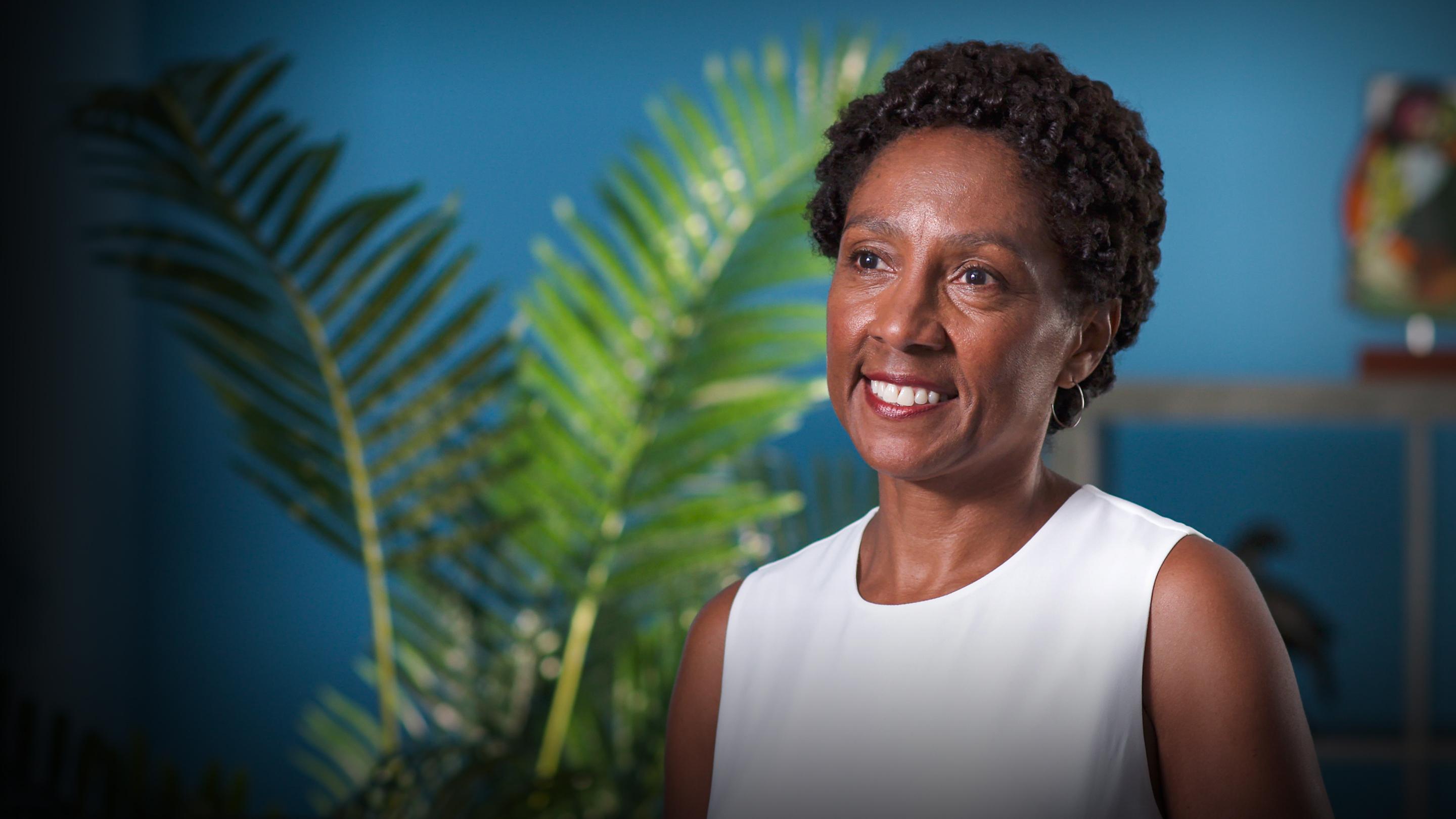
3 ways community creates a healthy life | Olivia Affuso
Maintaining a healthy weight takes more than diet and exercise, says physical activity epidemiologist Olivia Affuso. In this actionable talk, she shows how you can kickstart a healthy life by tapping into the collective power of a community that supports and motivates your health goals.
The inaccurate link between body ideals and health | Nancy N. Chen
Global obesity rates are on the rise, but body shaming campaigns are doing more harm than good, says medical anthropologist Nancy N. Chen. Reflecting on how the cultural histories of body ideals have changed over time, she offers a new way to view ourselves and our health by enhancing body diversity to close the gap between what's ideal and what's real.
A smart bra for better heart health | Alicia Chong Rodriguez
Could an everyday clothing item help protect your health? In this quick talk, TED Fellow Alicia Chong Rodriguez introduces us to a smart bra designed to gather real-time data on biomarkers like heartbeat, breath and temperature. Learn how this life-saving gadget could help close the gender gap in cardiovascular research -- and, finally, usher women's health care into the 21st century.
The tiny balls of fat that could revolutionize medicine | Kathryn A. Whitehead
What if you were holding life-saving medicine ... but had no way to administer it? Zoom down to the nano level with engineer Kathryn A. Whitehead as she gives a breakdown of the little fatty balls (called lipid nanoparticles) perfectly designed to ferry cutting-edge medicines into your body's cells. Learn how her work is already powering mRNA-based COVID-19 vaccines and forging the path for future therapies that could treat Ebola, HIV and even cancer.
The life-saving tech helping mothers make healthy decisions | Aparna Hegde
Overcrowded clinics, extensive wait times and overworked doctors are taking a devastating toll on mothers and children in India. In this eye-opening talk, urogynecologist and TED Fellow Aparna Hegde exposes the systemic gaps that lead to preventable deaths every minute -- and introduces scalable, affordable and empowering tech solutions that improve maternal and child health outcomes, upend patriarchal family dynamics and save lives.
Electronic pills that could transform how we treat disease | Khalil Ramadi
Could a small jolt of electricity to your gut help treat chronic diseases? Medical hacker and TED Fellow Khalil Ramadi is developing a new, noninvasive therapy that could treat diseases like diabetes, obesity, Parkinson's and Alzheimer's with an electronic pill. More targeted than a traditional pill and less invasive than surgery, these micro-devices contain electronics that deliver "bionudges" -- bursts of electrical or chemical stimuli -- to the gut, potentially helping control appetite, aid digestion, regulate hormones -- and even stimulate happiness in the brain.
How synthetic biology can improve our health, food and materials | Emily Leproust
What if we could use biology to restore our balance with nature without giving up modern creature comforts? Advocating for a new kind of environmentalism, scientist and entrepreneur Emily Leproust rethinks modern sustainability at the molecular level, using synthetic biology to create green alternatives. From lab-developed insulin and disease-resistant bananas to airplanes made of super-strong spider silk, she explains how reading and writing DNA can lead to groundbreaking innovations in health, food and materials.
My mother's final wish -- and the right to die with dignity | Elaine Fong
After a terminal cancer diagnosis upended 12 years of remission, all Elaine Fong's mother wanted was a peaceful end of life. What she received instead became a fight for the right to decide when. Fong shares the heart-rending journey to honor her mother's choice for a death with dignity -- and reflects on the need to explore our relationship to dying so that we may redesign this final and most universal of human experiences.
What it takes to crush a pandemic | Johanna Benesty
An effective COVID-19 vaccine is just the first step in ending the pandemic, says global health strategist Johanna Benesty. In this illuminating talk, she explores the various barriers to "equitable access" -- making sure COVID-19 therapeutics are available to all -- and shares a creative approach to research and development that could ensure vaccines are rolled out fairly, efficiently and at a global scale.
What it means to be intersex | Susannah Temko
For intersex people -- those born with sex characteristics outside the traditional definitions of female and male -- the stakes to appear "normal" are high. Drawing on her personal experience, Susannah Temko reveals the shame, prejudice and harm faced by the intersex community, as they're forced to conform to a binary understanding of sex that ultimately hinders their health and well-being. She calls on us all to discard outdated notions of biological sex and accept the complexity within humanity.
A COVID-19 "exit" strategy to end lockdown and reopen the economy | Uri Alon
How can we return to work without spurring a second surge of coronavirus infection? Biologist Uri Alon shares a thought-provoking strategy: four days at work followed by 10 days of lockdown, a cycle that would exploit a weakness in the virus's biology and potentially cut its reproductive rate to a manageable level. Learn more about this approach -- which has already been adopted by both companies and countries -- and how it could be a key to reopening the economy responsibly. (This virtual conversation, hosted by head of TED Chris Anderson and science curator David Biello, was recorded on May 20, 2020.)
Can we edit memories? | Amy Milton
Trauma and PTSD rewire your brain -- especially your memory -- and can unearth destructive emotional responses when stirred. Could we eliminate these triggers without erasing the memories themselves? Enter neurologist Amy Milton's mind-blowing, memory-editing clinical research poised to defuse the damaging effects of painful remembered experiences and offer a potential path toward better mental health.
The mental health benefits of storytelling for health care workers | Laurel Braitman
Health care workers are under more stress than ever before. How can they protect their mental health while handling new and complex pressures? TED Fellow Laurel Braitman shows how writing and sharing personal stories helps physicians, nurses, medical students and other health professionals connect more meaningfully with themselves and others -- and make their emotional well-being a priority.
Crisis support for the world, one text away | Nancy Lublin
What if we could help people in crisis anytime, anywhere with a simple text message? That's the idea behind Crisis Text Line, a free 24-hour service that connects people in need with trained, volunteer crisis counselors -- "strangers helping strangers around the world, like a giant global love machine," as cofounder and former CEO Nancy Lublin puts it. Learn more about their big plans to expand to four new languages, providing a third of the globe with crucial, life-saving support. (This ambitious plan is a part of the Audacious Project, TED's initiative to inspire and fund global change.)
An evolutionary perspective on human health and disease | Lara Durgavich
How does your genetic inheritance, culture and history influence your health? Biological anthropologist Lara Durgavich discusses the field of evolutionary medicine as a gateway to understanding the quirks of human biology -- including why a genetic mutation can sometimes have beneficial effects -- and emphasizes how unraveling your own evolutionary past could glean insights into your current and future health.
It's OK to feel overwhelmed. Here's what to do next | Elizabeth Gilbert
If you're feeling anxious or fearful during the coronavirus pandemic, you're not alone. Offering hope and understanding, author Elizabeth Gilbert reflects on how to stay present, accept grief when it comes and trust in the strength of the human spirit. "Resilience is our shared genetic inheritance," she says. (This virtual conversation is part of the TED Connects series, hosted by head of TED Chris Anderson and head of curation Helen Walters. Recorded April 2, 2020)
Why sleep matters now more than ever | Matt Walker
A good night's sleep has perhaps never been more important. Sharing wisdom and debunking myths, sleep scientist Matt Walker discusses the impact of sleep on mind and body -- from unleashing your creative powers to boosting your memory and immune health -- and details practices you can start (and stop) doing tonight to get some rest. (This virtual conversation is part of the TED Connects series, hosted by head of TED Chris Anderson and current affairs curator Whitney Pennington Rodgers. Recorded April 1, 2020)
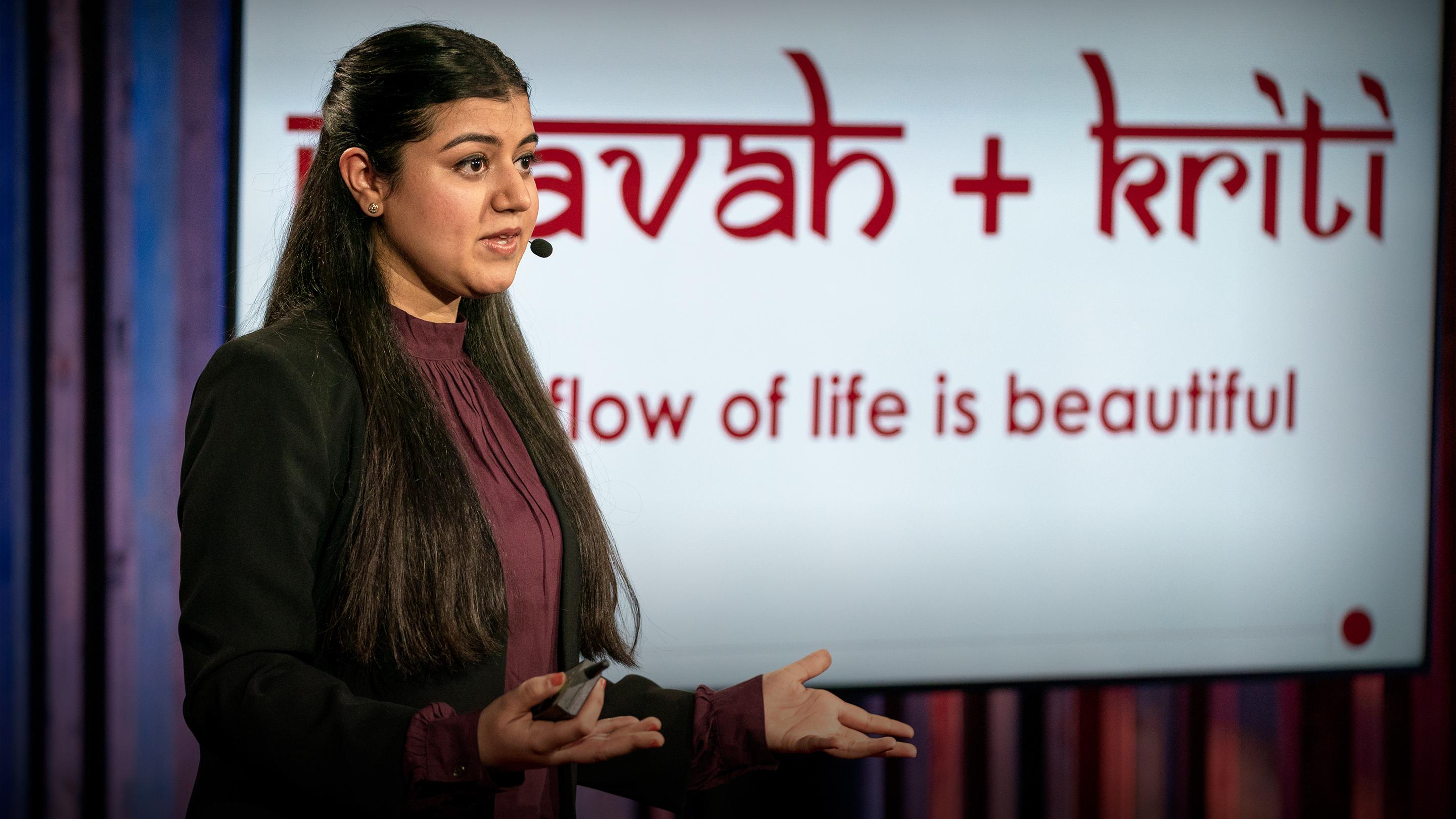
A campaign for period positivity | Ananya Grover
Having your period is exhausting -- and for many people across the world, menstruation is even more challenging because of stigmas and difficulty getting basic hygiene supplies, says social activist Ananya Grover. In this uplifting, actionable talk, she shares how "Pravahkriti," her campaign to spread period positivity, creatively engages with everyone to promote menstrual health, raise awareness and break taboos around periods.

How menopause affects the brain | Lisa Mosconi
Many of the symptoms of menopause -- hot flashes, night sweats, insomnia, memory lapses, depression and anxiety -- start in the brain. How exactly does menopause impact cognitive health? Sharing groundbreaking findings from her research, neuroscientist Lisa Mosconi reveals how decreasing hormonal levels affect brain aging -- and shares simple lifestyle changes you can make to support lifelong brain health.
What investigating neural pathways can reveal about mental health | Kay M. Tye
Neuroscientist Kay M. Tye investigates how your brain gives rise to complex emotional states like depression, anxiety or loneliness. From the cutting edge of science, she shares her latest findings -- including the development of a tool that uses light to activate specific neurons and create dramatic behavioral changes in mice. Learn how these discoveries could change the way you think about your mind -- and possibly uncover effective treatments for mental disorders.
How to turn climate anxiety into action | Renée Lertzman
It's normal to feel anxious or overwhelmed by climate change, says psychologist Renée Lertzman. Can we turn those feelings into something productive? In an affirming talk, Lertzman discusses the emotional effects of climate change and offers insights on how psychology can help us discover both the creativity and resilience needed to act on environmental issues.
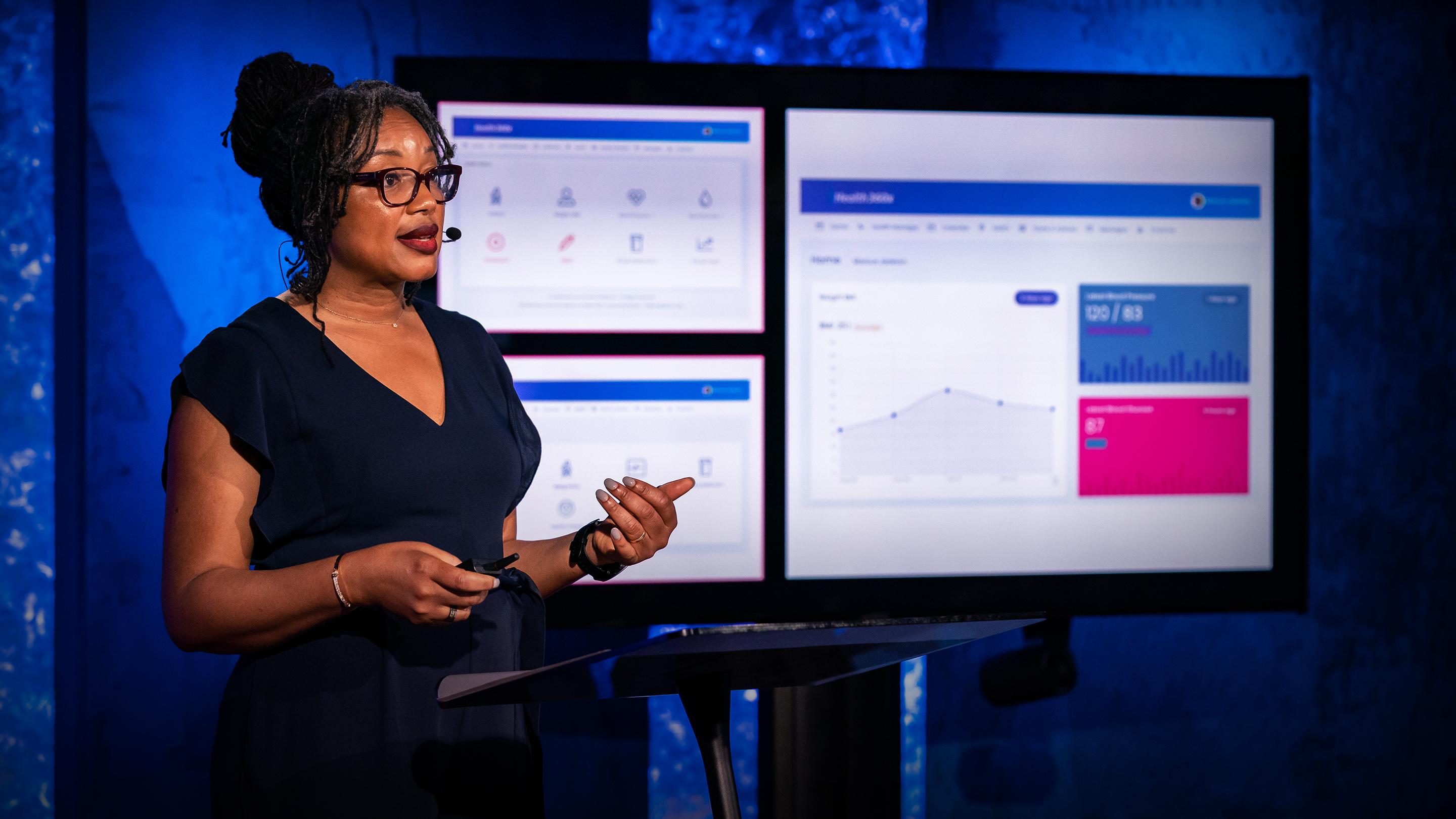
A personal health coach for those living with chronic diseases | Priscilla Pemu
There's no shortage of resources to help people change their health behaviors -- but far too often, these resources aren't accessible in underserved communities, says physician Priscilla Pemu. Enter "culturally congruent coaching," a program Pemu and her team developed to help patients with chronic diseases monitor their health with the assistance of a coach from their community. Learn more about how this approach transcends language and cultural barriers -- and could potentially transform health care in America.
How the gut microbes you're born with affect your lifelong health | Henna-Maria Uusitupa
Your lifelong health may have been decided the day you were born, says microbiome researcher Henna-Maria Uusitupa. In this fascinating talk, she shows how the gut microbes you acquire during birth and as an infant impact your health into adulthood -- and discusses new microbiome research that could help tackle problems like obesity and diabetes.

Why it's so hard to make healthy decisions | David Asch
Why do we make poor decisions that we know are bad for our health? In this frank, funny talk, behavioral economist and health policy expert David Asch explains why our behavior is often irrational -- in highly predictable ways -- and shows how we can harness this irrationality to make better decisions and improve our health care system overall.

What vaccinating vampire bats can teach us about pandemics | Daniel Streicker
Could we anticipate the next big disease outbreak, stopping a virus like Ebola before it ever strikes? In this talk about frontline scientific research, ecologist Daniel Streicker takes us to the Amazon rainforest in Peru where he tracks the movement of vampire bats in order to forecast and prevent rabies outbreaks. By studying these disease patterns, Streicker shows how we could learn to cut off the next pandemic at its source.
The medical potential of AI and metabolites | Leila Pirhaji
Many diseases are driven by metabolites -- small molecules in your body like fat, glucose and cholesterol -- but we don't know exactly what they are or how they work. Biotech entrepreneur and TED Fellow Leila Pirhaji shares her plan to build an AI-based network to characterize metabolite patterns, better understand how disease develops -- and discover more effective treatments.

4 questions you should always ask your doctor | Christer Mjåset
"Doctor, is this really necessary?" Backed by startling statistics about overtreatment, neurosurgeon Christer Mjåset explains the power of this and other simple questions in the context of medical treatment and surgery -- and shares how patients can better work with doctors to get the care they need.