
TuneIn | Health
124 episodes — Page 2 of 3

This could be why you're depressed or anxious | Johann Hari
In a moving talk, journalist Johann Hari shares fresh insights on the causes of depression and anxiety from experts around the world -- as well as some exciting emerging solutions. "If you're depressed or anxious, you're not weak and you're not crazy -- you're a human being with unmet needs," Hari says.
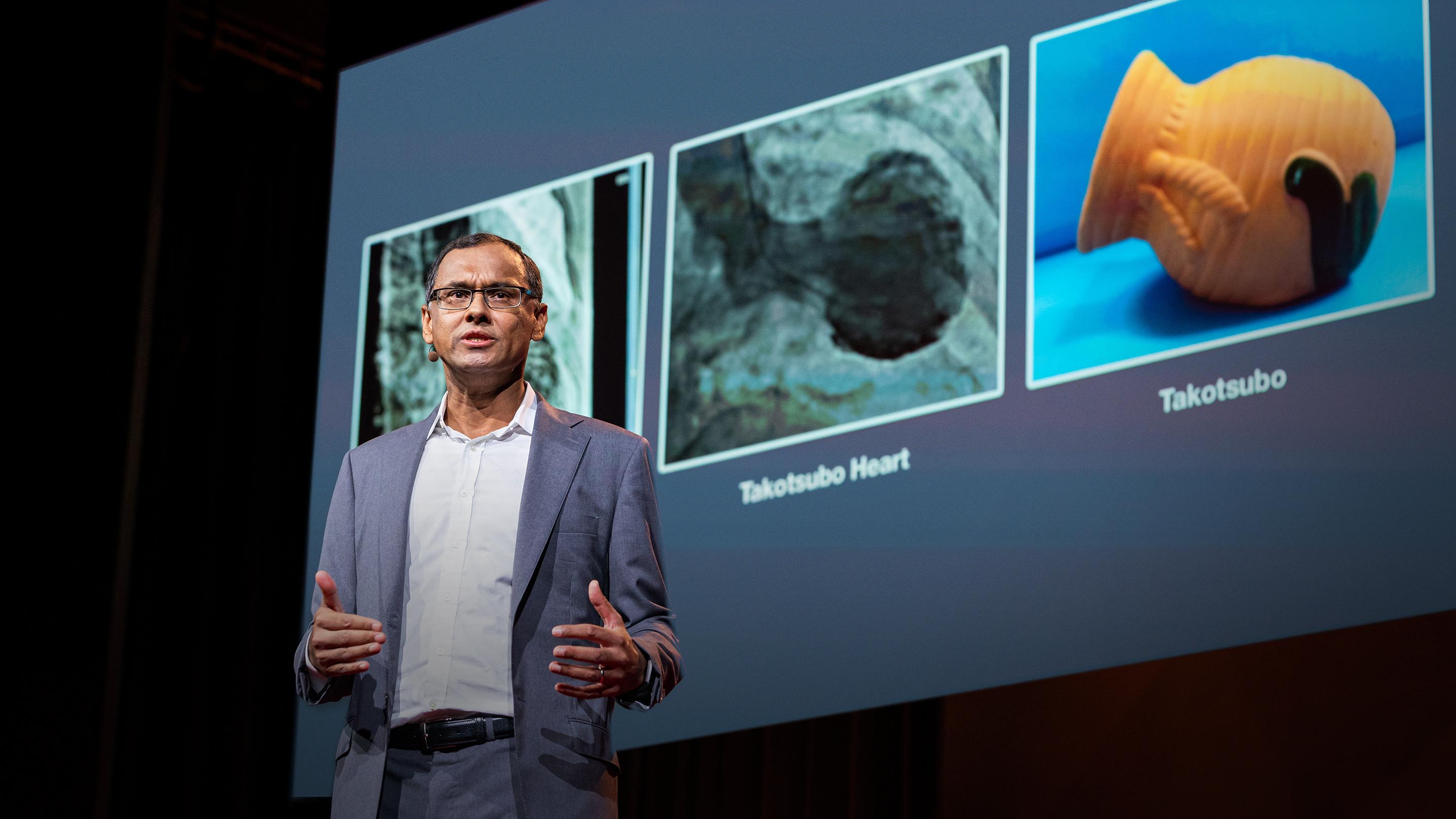
How your emotions change the shape of your heart | Sandeep Jauhar
"A record of our emotional life is written on our hearts," says cardiologist and author Sandeep Jauhar. In a stunning talk, he explores the mysterious ways our emotions impact the health of our hearts -- causing them to change shape in response to grief or fear, to literally break in response to emotional heartbreak -- and calls for a shift in how we care for our most vital organ.
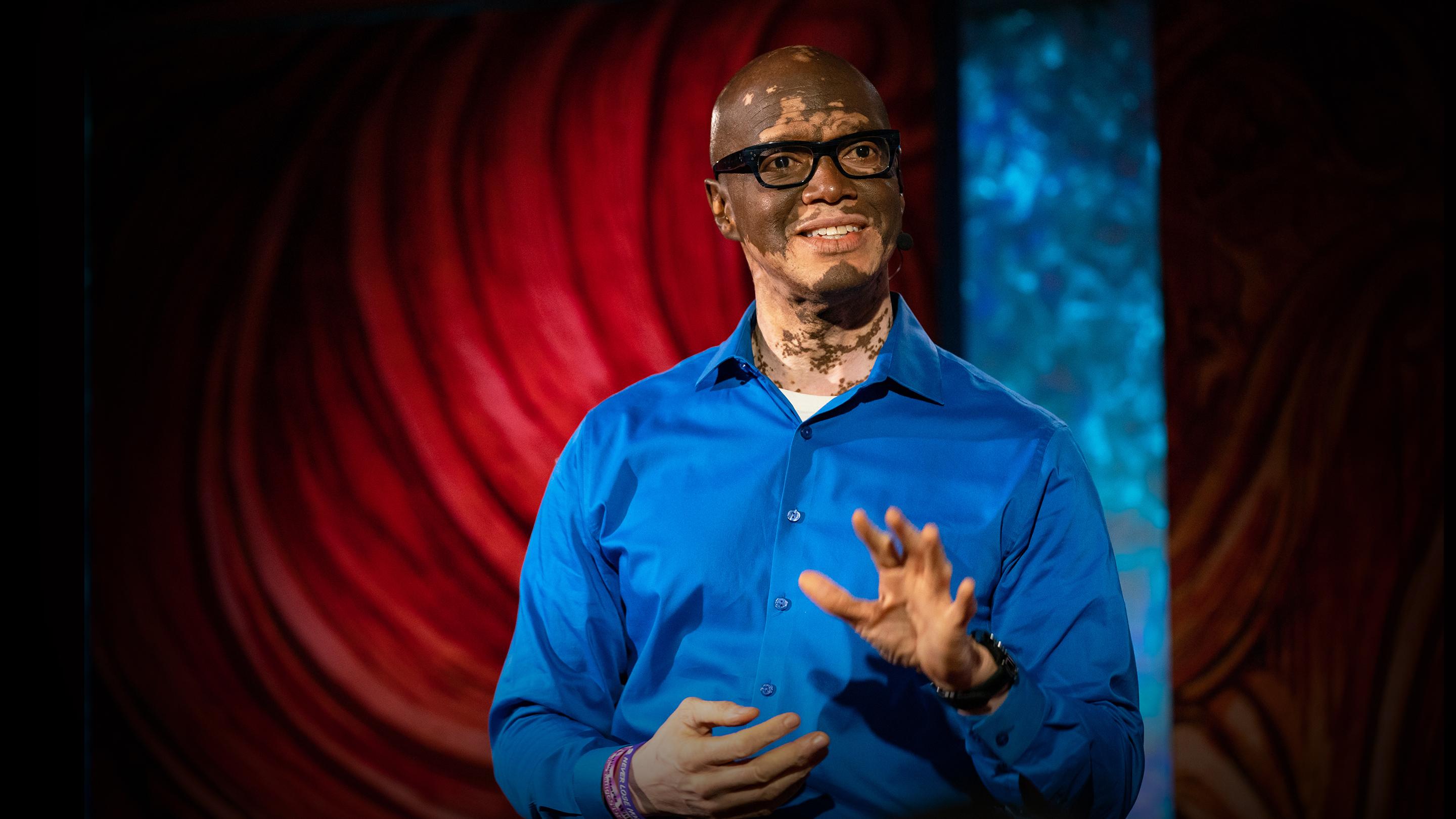
How I help people understand vitiligo | Lee Thomas
TV news anchor Lee Thomas thought his career was over after he was diagnosed with vitiligo, an autoimmune disorder that left large patches of his skin without pigment and led to derision and stares. In a captivating talk, he shares how he discovered a way to counter misunderstanding and fear around his appearance with engagement, dialogue -- and a smile. "Positivity is something worth fighting for, and the fight is not with others -- it's internal," Thomas says. "If you want to make positive changes in your life, you have to consistently be positive."
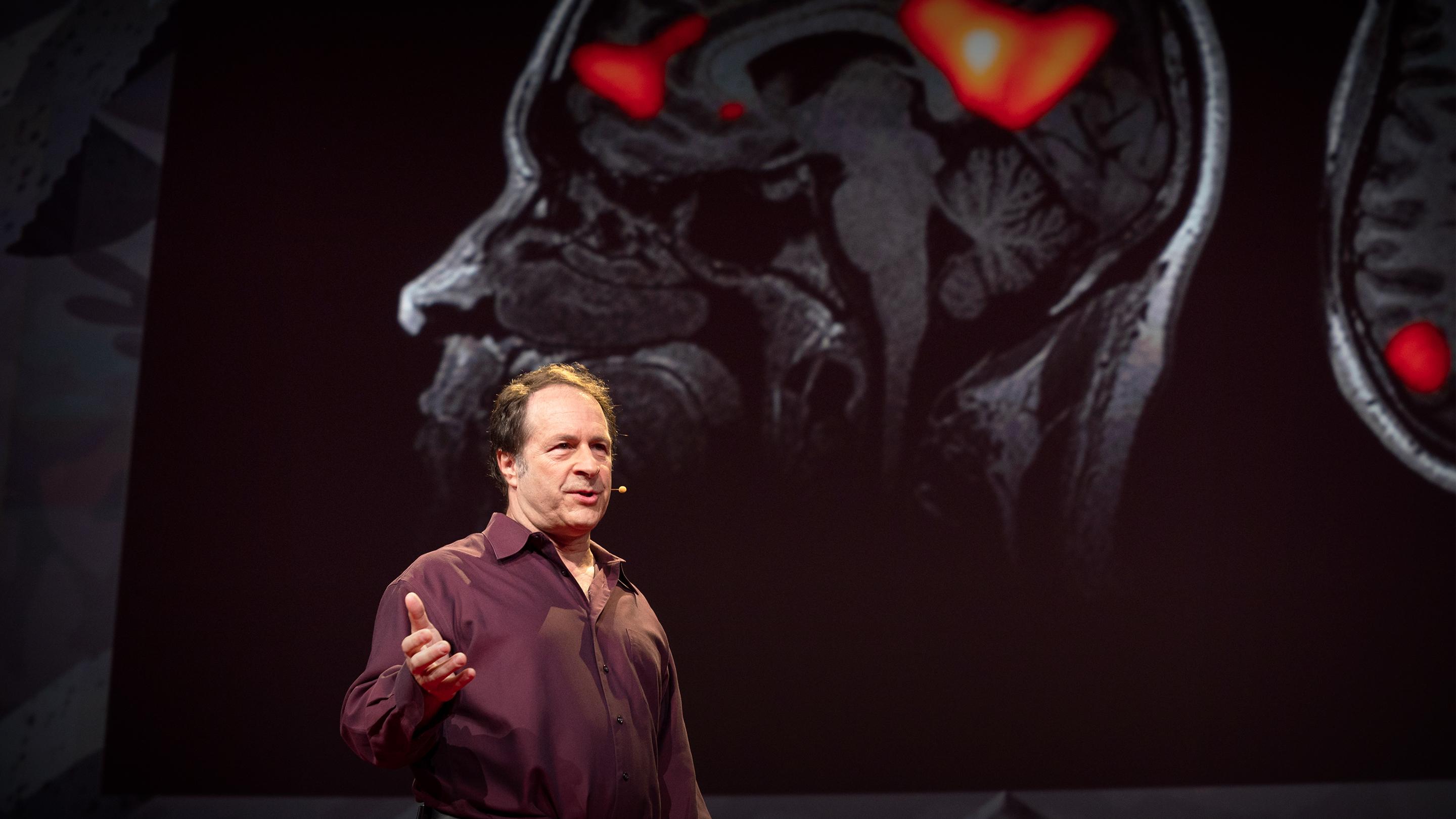
The future of psychedelic-assisted psychotherapy | Rick Doblin
Could psychedelics help us heal from trauma and mental illnesses? Researcher Rick Doblin has spent the past three decades investigating this question, and the results are promising. In this fascinating dive into the science of psychedelics, he explains how drugs like LSD, psilocybin and MDMA affect your brain -- and shows how, when paired with psychotherapy, they could change the way we treat PTSD, depression, substance abuse and more.
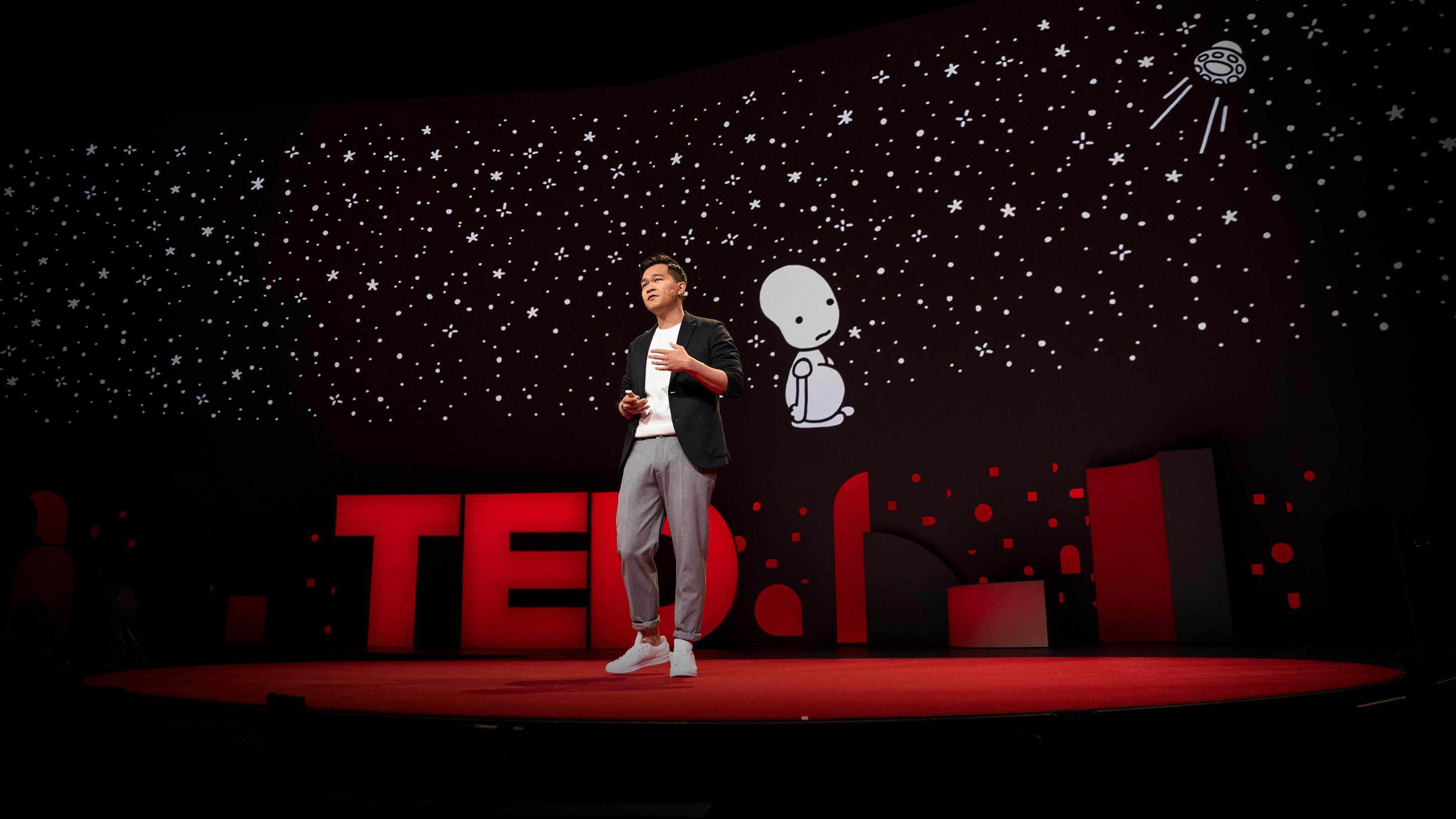
You are not alone in your loneliness | Jonny Sun
Being open and vulnerable with your loneliness, sadness and fear can help you find comfort and feel less alone, says writer and artist Jonny Sun. In an honest talk filled with his signature illustrations, Sun shares how telling stories about feeling like an outsider helped him tap into an unexpected community and find a tiny sliver of light in the darkness.
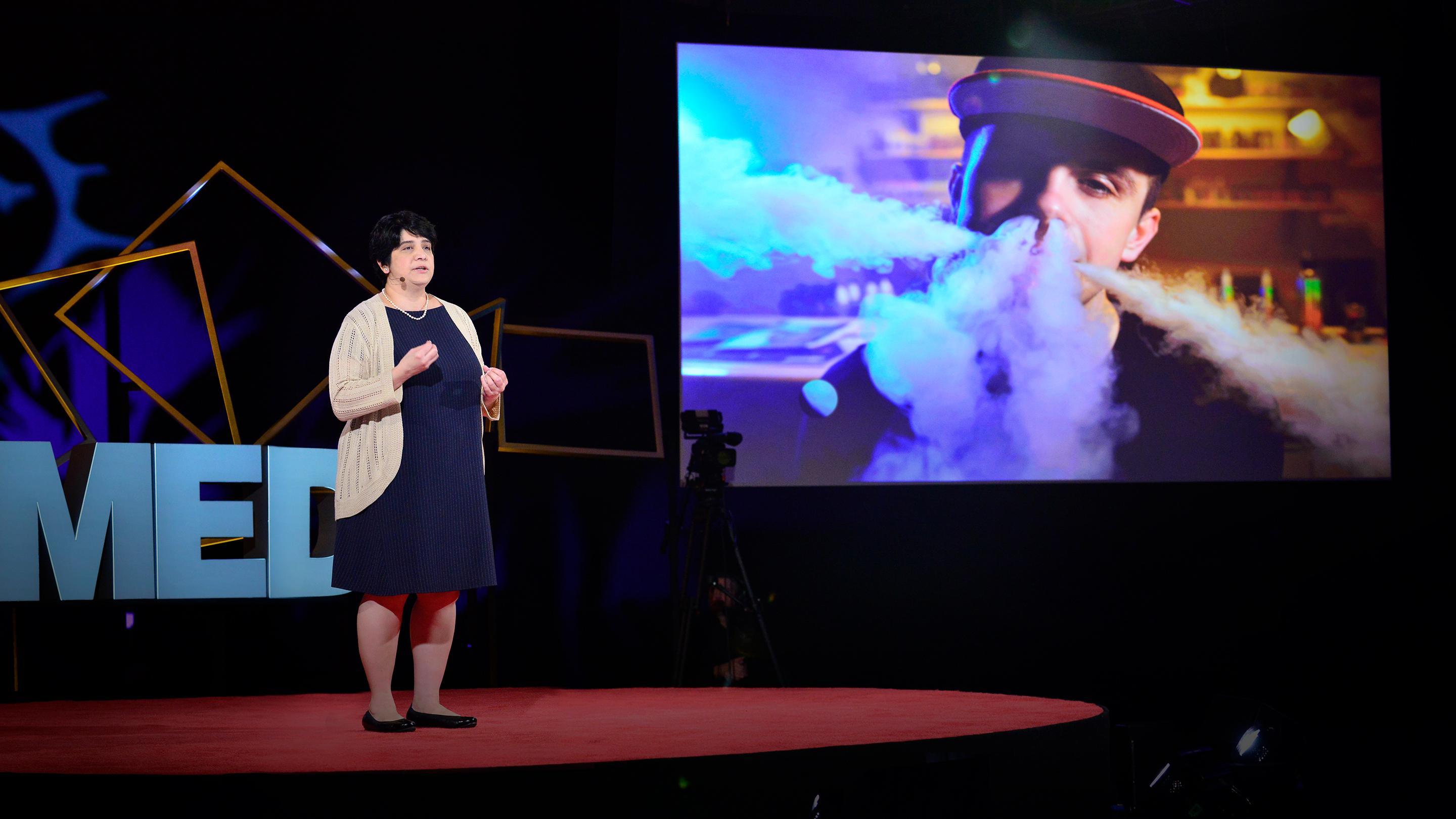
What you should know about vaping and e-cigarettes | Suchitra Krishnan-Sarin
E-cigarettes and vapes have exploded in popularity in the last decade, especially among youth and young adults -- from 2011 to 2015, e-cigarette use among high school students in the US increased by 900 percent. Biobehavioral scientist Suchitra Krishnan-Sarin explains what you're actually inhaling when you vape (hint: it's definitely not water vapor) and explores the disturbing marketing tactics being used to target kids. "Our health, the health of our children and our future generations is far too valuable to let it go up in smoke -- or even in aerosol," she says.
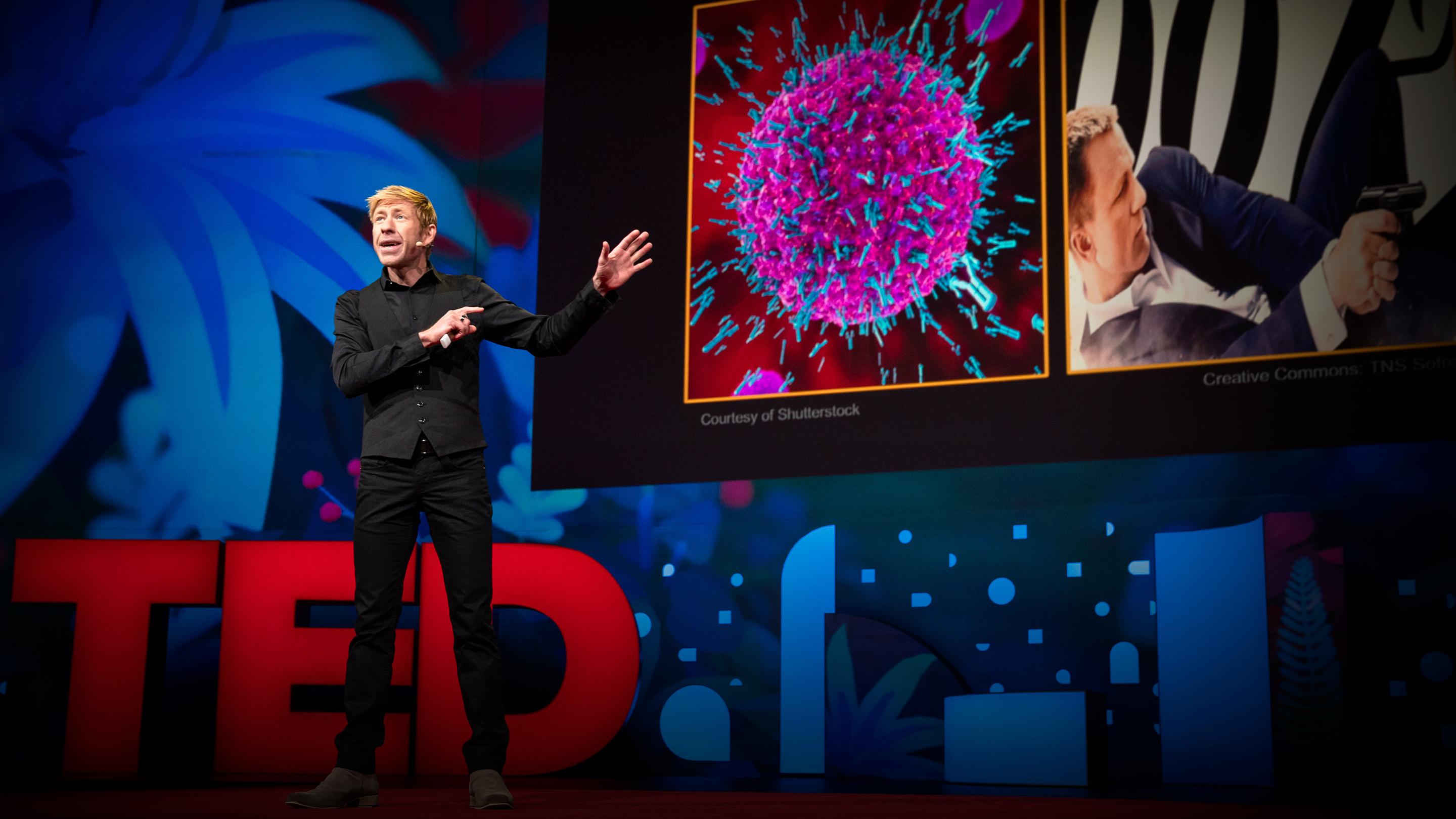
Sleep is your superpower | Matt Walker
Sleep is your life-support system and Mother Nature's best effort yet at immortality, says sleep scientist Matt Walker. In this deep dive into the science of slumber, Walker shares the wonderfully good things that happen when you get sleep -- and the alarmingly bad things that happen when you don't, for both your brain and body. Learn more about sleep's impact on your learning, memory, immune system and even your genetic code -- as well as some helpful tips for getting some shut-eye.
How your brain's executive function works -- and how to improve it | Sabine Doebel
You use your brain's executive function every day -- it's how you do things like pay attention, plan ahead and control impulses. Can you improve it to change for the better? With highlights from her research on child development, cognitive scientist Sabine Doebel explores the factors that affect executive function -- and how you can use it to break bad habits and achieve your goals.
The surprising connection between brain injuries and crime | Kim Gorgens
Here's a shocking statistic: 50 to 80 percent of people in the criminal justice system in the US have had a traumatic brain injury. In the general public, that number is less than five percent. Neuropsychologist Kim Gorgens shares her research into the connection between brain trauma and the behaviors that keep people in the revolving door of criminal justice -- and some ways to make the system more effective and safer for everyone.
An AI smartwatch that detects seizures | Rosalind Picard
Every year worldwide, more than 50,000 otherwise healthy people with epilepsy suddenly die -- a condition known as SUDEP. These deaths may be largely preventable, says AI researcher Rosalind Picard. Learn how Picard helped develop a cutting-edge smartwatch that can detect epileptic seizures as they occur and alert nearby loved ones in time to help.

A new class of drug that could prevent depression and PTSD | Beck Brachman
Current treatments for depression and PTSD only suppress symptoms, if they work at all. What if we could prevent these diseases from developing altogether? Neuroscientist and TED Fellow Beck Brachman shares the story of her team's accidental discovery of a new class of drug that, for the first time ever, could prevent the negative effects of stress -- and boost a person's ability to recover and grow. Learn how these resilience-enhancing drugs could change the way we treat mental illness.

The "dementia village" that's redefining elder care | Yvonne van Amerongen
How would you prefer to spend the last years of your life: in a sterile, hospital-like institution or in a village with a supermarket, pub, theater and park within easy walking distance? The answer seems obvious now, but when Yvonne van Amerongen helped develop the groundbreaking Hogeweyk dementia care center in Amsterdam 25 years ago, it was seen as a risky break from tradition. Journey with van Amerongen to Hogeweyk and get a glimpse at what a reimagined nursing home based on freedom, meaning and social life could look like.

What if all US health care costs were transparent? | Jeanne Pinder
In the US, the very same blood test can cost $19 at one clinic and $522 at another clinic just blocks away -- and nobody knows the difference until they get a bill weeks later. Journalist Jeanne Pinder says it doesn't have to be this way. She's built a platform that crowdsources the true costs of medical procedures and makes the data public, revealing the secrets of health care pricing. Learn how knowing what stuff costs in advance could make us healthier, save us money -- and help fix a broken system.
How doctors can help low-income patients (and still make a profit) | P.J. Parmar
Modern American health care is defined by its high costs, high overhead and inaccessibility -- especially for low-income patients. What if we could redesign the system to serve the poor and still have doctors make money? In an eye-opening (and surprisingly funny) talk, physician P.J. Parmar shares the story of the clinic he founded in Colorado, where he serves only resettled refugees who mostly use Medicaid, and makes the business case for a fresh take on medical service.

Why noise is bad for your health -- and what you can do about it | Mathias Basner
Silence is a rare commodity these days. There's traffic, construction, air-conditioning, your neighbor's lawnmower ... and all this unwanted sound can have a surprising impact on your health, says noise researcher Mathias Basner. Discover the science behind how noise affects your health and sleep -- and how you can get more of the benefits of the sound of silence.
What your breath could reveal about your health | Julian Burschka
There's no better way to stop a disease than to catch and treat it early, before symptoms occur. That's the whole point of medical screening techniques like radiography, MRIs and blood tests. But there's one medium with overlooked potential for medical analysis: your breath. Technologist Julian Burschka shares the latest in the science of breath analysis -- the screening of the volatile organic compounds in your exhaled breath -- and how it could be used as a powerful tool to detect, predict and ultimately prevent disease.
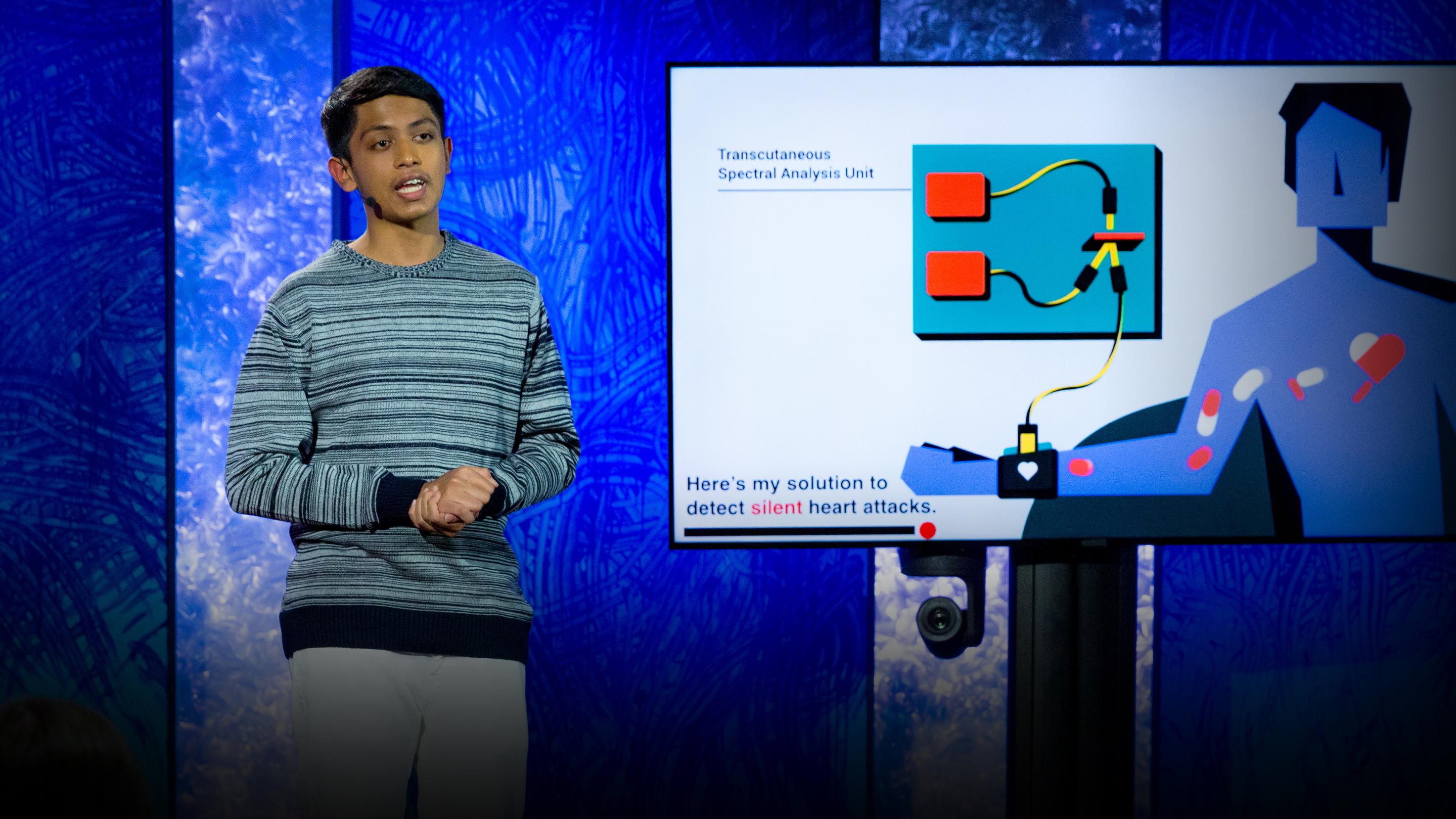
A life-saving device that detects silent heart attacks | Akash Manoj
You probably know the common symptoms of a heart attack: chest and arm pain, shortness of breath and fatigue. But there's another kind that's just as deadly and harder to detect because the symptoms are silent. In this quick talk, 17-year-old inventor Akash Manoj shares the device he's developed to stop this silent killer: a noninvasive, inexpensive, wearable patch that alerts patients during a critical moment that could mean the difference between life and death.

In the opioid crisis, here's what it takes to save a life | Jan Rader
As a fire chief and first responder, Jan Rader has spent her career saving lives. But when the opioid epidemic hit her town, she realized they needed to take a brand-new approach to life-saving. In this powerful, hopeful talk, Rader shows what it's like on the front lines of this crisis -- and how her community is taking an unusual new approach to treating substance-abuse disorder that starts with listening.
How isolation fuels opioid addiction | Rachel Wurzman
What do Tourette syndrome, heroin addiction and social media obsession all have in common? They converge in an area of the brain called the striatum, says neuroscientist Rachel Wurzman -- and this critical discovery could reshape our understanding of the opioid crisis. Sharing insights from her research, Wurzman shows how social isolation contributes to relapse and overdose rates and reveals how meaningful human connection could offer a potentially powerful source of recovery.
What Americans agree on when it comes to health | Rebecca Onie
We may not be as deeply divided as we think -- at least when it comes to health, says Rebecca Onie. In a talk that cuts through the noise, Onie shares research that shows how, even across economic, political and racial divides, Americans agree on what they need to live good lives -- and asks both health care providers and patients to focus on what makes us healthy, not what makes us angry.

What doctors should know about gender identity | Kristie Overstreet
Kristie Overstreet is on a mission to ensure that the transgender community gets their health care needs met. In this informative, myth-busting talk, she provides a primer for understanding gender identity and invites us to shift how we view transgender health care -- so that everyone gets the respect and dignity they deserve when they go to a doctor.
How we could teach our bodies to heal faster | Kaitlyn Sadtler
What if we could help our bodies heal faster and without scars, like Wolverine in X-Men? TED Fellow Kaitlyn Sadtler is working to make this dream a reality by developing new biomaterials that could change how our immune system responds to injuries. In this quick talk, she shows the different ways these products could help the body regenerate.
Why the hospital of the future will be your own home | Niels van Namen
Nobody likes going to the hospital, whether it's because of the logistical challenges of getting there, the astronomical costs of procedures or the alarming risks of complications like antibiotic-resistant bacteria. But what if we could get the lifesaving care provided by hospitals in our own homes? Health care futurist Niels van Namen shows how advances in technology are making home care a cheaper, safer and more accessible alternative to hospital stays.

How to create a world where no one dies waiting for a transplant | Luhan Yang
For nearly half a century, scientists have been trying to create a process for transplanting animal organs into humans, a theoretical dream that could help the hundreds of thousands of people in need of a lifesaving transplant. But the risks, specifically of transmitting the PERV virus from pigs to humans, have always been too great, stalling research -- until now. In a mind-blowing talk, geneticist Luhan Yang explains a breakthrough: using CRISPR, a technique for editing genes, she and her colleagues have created pigs that don't carry the virus, opening up the possibility of safely growing human-transplantable organs in pigs. Learn more about this cutting-edge science and how it could help solve the organ shortage crisis.
A new way to fund health care for the most vulnerable | Andrew Bastawrous
In 2011, eye surgeon and TED Fellow Andrew Bastawrous developed a smartphone app that brings quality eye care to remote communities, helping people avoid losing their sight to curable or preventable conditions. Along the way, he noticed a problem: strict funding regulations meant that he could only operate on people with specific diseases, leaving many others without resources for treatment. In this passionate talk, Bastawrous calls for a new health care funding model that's flexible and ambitious -- to deliver better health to everyone, whatever their needs are.
A love letter to realism in a time of grief | Mark Pollock and Simone George
When faced with life's toughest circumstances, how should we respond: as an optimist, a realist or something else? In an unforgettable talk, explorer Mark Pollock and human rights lawyer Simone George explore the tension between acceptance and hope in times of grief -- and share the groundbreaking work they're undertaking to cure paralysis.
What commercialization is doing to cannabis | Ben Cort
In 2012, Colorado legalized cannabis and added to what has fast become a multibillion-dollar global industry for all things weed-related: from vape pens to brownies and beyond. But to say that we've legalized marijuana is subtly misleading -- what we've really done is commercialized THC, says educator Ben Cort, and that's led to products that are unnaturally potent. In an eye-opening talk, Cort examines the often unseen impacts of the commercial cannabis industry -- and calls on us to question those who are getting rich off of it.
How cancer cells communicate -- and how we can slow them down | Hasini Jayatilaka
When cancer cells are closely packed together in a tumor, they're able to communicate with each other and coordinate their movement throughout the body. What if we could interrupt this process? In this accessible talk about cutting-edge science, Hasini Jayatilaka shares her work on an innovative method to stop cancer cells from communicating -- and halt their fatal ability to spread.

You may be accidentally investing in cigarette companies | Bronwyn King
Tobacco causes more than seven million deaths every year -- and many of us are far more complicit in the problem than we realize. In a bold talk, oncologist Dr. Bronwyn King tells the story of how she uncovered the deep ties between the tobacco industry and the entire global finance sector, which invests our money in cigarette companies through big banks, insurers and pension funds. Learn how Dr. King has ignited a worldwide movement to create tobacco-free investments and how each of us can play a role in ending this epidemic.
The agony of opioid withdrawal -- and what doctors should tell patients about it | Travis Rieder
The United States accounts for five percent of the world's population but consumes almost 70 percent of the total global opioid supply, creating an epidemic that has resulted in tens of thousands of deaths each year. How did we get here, and what can we do about it? In this personal talk, Travis Rieder recounts the painful, often-hidden struggle of opioid withdrawal and reveals how doctors who are quick to prescribe (and overprescribe) opioids aren't equipped with the tools to eventually get people off the meds.
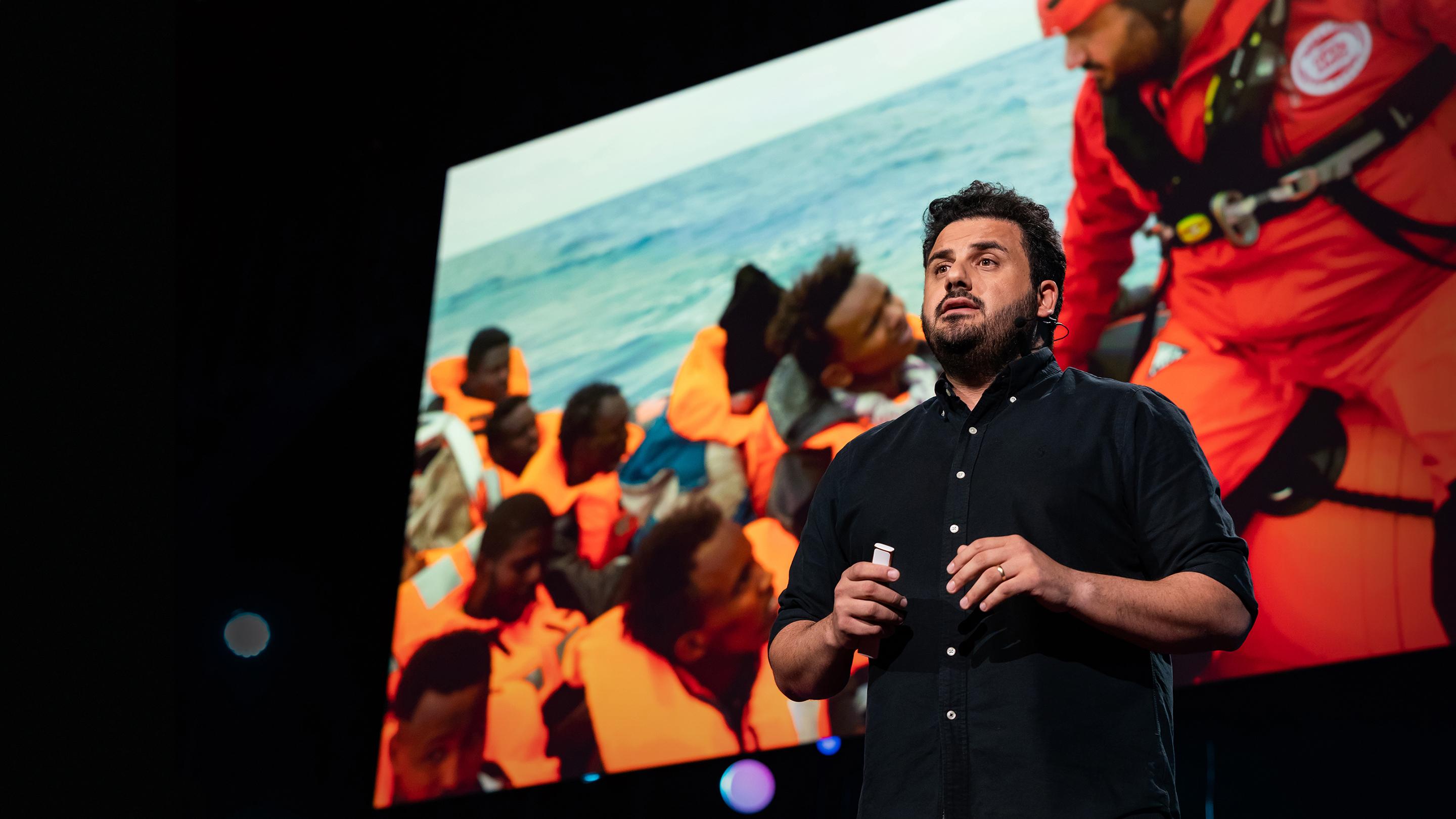
How we can bring mental health support to refugees | Essam Daod
The global refugee crisis is a mental health catastrophe, leaving millions in need of psychological support to overcome the traumas of dislocation and conflict. To undo the damage, child psychiatrist and TED Fellow Essam Daod has been working in camps, rescue boats and the shorelines of Greece and the Mediterranean Sea to help refugees (a quarter of which are children) reframe their experiences through short, powerful psychological interventions. "We can all do something to prevent this mental health catastrophe," Daod says. "We need to acknowledge that first aid is not just needed for the body, but it has also to include the mind, the soul."
How to start a conversation about suicide | Jeremy Forbes
Is there someone in your life dealing with anxiety, depression or thoughts of suicide -- but is too ashamed to talk about it? Jeremy Forbes saw this happening around him, and now he's on a mission to teach people how to start a conversation about it. In this deeply personal talk, Forbes shares his approach to helping a group of traditionally silent men in his community open up about their struggles. "We can all be life preservers," he says.
The harm reduction model of drug addiction treatment | Mark Tyndall
Why do we still think that drug use is a law-enforcement issue? Making drugs illegal does nothing to stop people from using them, says public health expert Mark Tyndall. So, what might work? Tyndall shares community-based research that shows how harm-reduction strategies, like safe-injection sites, are working to address the drug overdose crisis.
What if we eliminated one of the world's oldest diseases? | Caroline Harper
Thousands of years ago, ancient Nubians drew pictures on tomb walls of a terrible disease that turns the eyelids inside out and causes blindness. This disease, trachoma, is still a scourge in many parts of the world today -- but it's also completely preventable, says Caroline Harper. Armed with data from a global mapping project, Harper's organization Sightsavers has a plan: to focus on countries where funding gaps stand in the way of eliminating the disease and ramp up efforts where the need is most severe. Learn more about their goal of consigning trachoma to the history books -- and how you can help. (This ambitious idea is part of the Audacious Project, TED's initiative to inspire and fund global change.)
Math can help uncover cancer's secrets | Irina Kareva
Irina Kareva translates biology into mathematics and vice versa. She writes mathematical models that describe the dynamics of cancer, with the goal of developing new drugs that target tumors. "The power and beauty of mathematical modeling lies in the fact that it makes you formalize, in a very rigorous way, what we think we know," Kareva says. "It can help guide us to where we should keep looking, and where there may be a dead end." It all comes down to asking the right question and translating it to the right equation, and back.
Our fight for disability rights -- and why we're not done yet | Judith Heumann
Four decades ago, Judith Heumann helped to lead a groundbreaking protest called the Section 504 sit-in -- in which disabled-rights activists occupied a federal building for almost a month, demanding greater accessibility for all. In this personal, inspiring talk, Heumann tells the stories behind the protest -- and reminds us that, 40 years on, there's still work left to do.
What if we paid doctors to keep people healthy? | Matthias Müllenbeck
What if we incentivized doctors to keep us healthy instead of paying them only when we're already sick? Matthias Müllenbeck explains how this radical shift from a sick care system to a true health care system could save us from unnecessary costs and risky procedures -- and keep us healthier for longer.

A rite of passage for late life | Bob Stein
We use rituals to mark the early stages of our lives, like birthdays and graduations -- but what about our later years? In this meditative talk about looking both backward and forward, Bob Stein proposes a new tradition of giving away your things (and sharing the stories behind them) as you get older, to reflect on your life so far and open the door to whatever comes next.
Can I have your brain? The quest for truth on concussions and CTE | Chris Nowinski
Something strange and deadly is happening inside the brains of top athletes -- a degenerative condition, possibly linked to concussions, that causes dementia, psychosis and far-too-early death. It's called chronic traumatic encephalopathy, or CTE, and it's the medical mystery that Chris Nowinski wants to solve by analyzing brains after death. It's also why, when Nowinski meets a pro athlete, his first question is: "Can I have your brain?" Hear more from this ground-breaking effort to protect athletes' brains -- and yours, too.
What I learned when I conquered the world's toughest triathlon | Minda Dentler
A 2.4-mile swim, a 112-mile bicycle ride and then a full-length marathon on hot, dry ground -- with no breaks in between: the legendary Ironman triathlon in Kona, Hawaii, is a bucket list goal for champion athletes. But when Minda Dentler decided to take it on, she had bigger aspirations than just another medal around her neck. She tells the story of how she conquered this epic race, and what it inspired her to do next.
How to connect with depressed friends | Bill Bernat
Want to connect with a depressed friend but not sure how to relate to them? Comedian and storyteller Bill Bernat has a few suggestions. Learn some dos and don'ts for talking to people living with depression -- and handle your next conversation with grace and maybe a bit of humor.
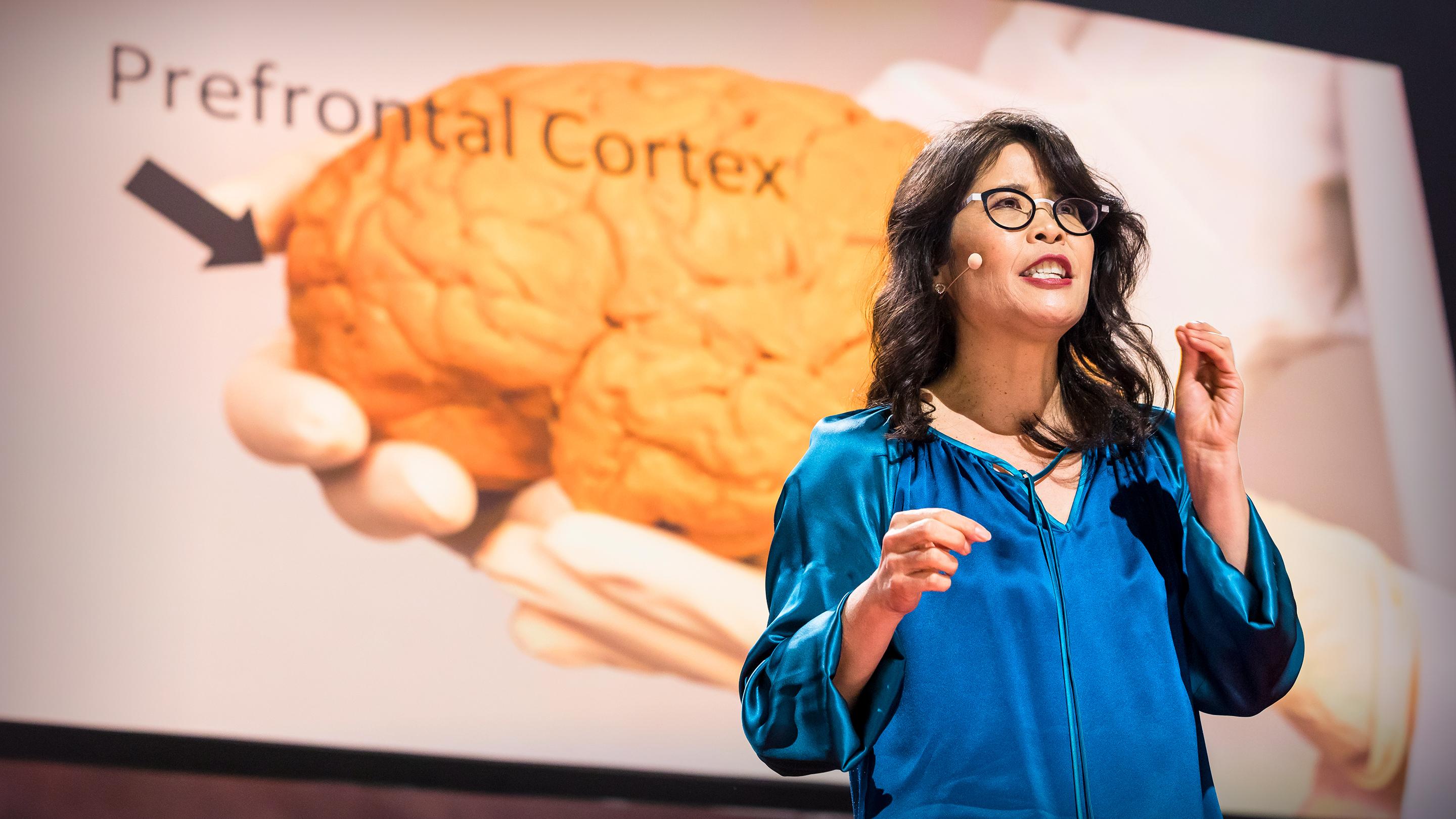
The brain-changing benefits of exercise | Wendy Suzuki
What's the most transformative thing that you can do for your brain today? Exercise! says neuroscientist Wendy Suzuki. Get inspired to go to the gym as Suzuki discusses the science of how working out boosts your mood and memory -- and protects your brain against neurodegenerative diseases like Alzheimer's.
Why I train grandmothers to treat depression | Dixon Chibanda
Dixon Chibanda is one of 12 psychiatrists in Zimbabwe -- for a population of more than 16 million. Realizing that his country would never be able to scale traditional methods of treating those with mental health issues, Chibanda helped to develop a beautiful solution powered by a limitless resource: grandmothers. In this extraordinary, inspirational talk, learn more about the friendship bench program, which trains grandmothers in evidence-based talk therapy and brings care, and hope, to those in need.
The dangerous evolution of HIV | Edsel Salvaña
Think we're winning the battle against HIV? Maybe not, as the next wave of drug-resistant viruses arrives. In an eye-opening talk, TED Fellow Edsel Salvana describes the aggressive HIV subtype AE that's currently plaguing his home of the Philippines -- and warns us about what might become a global epidemic.

The hidden role informal caregivers play in health care | Scott Williams
Once a cared-for patient and now a caregiver himself, Scott Williams highlights the invaluable role of informal caregivers -- those friends and relatives who, out of love, go the extra mile for patients in need. From personal care to advocacy to emotional support, unpaid caregivers form the invisible backbone of health and social systems all over the world, Williams says -- and without them, these systems would crumble. "How can we make sure that their value to patients and society is recognized?" he asks.
Talk about your death while you're still healthy | Michelle Knox
Do you know what you want when you die? Do you know how you want to be remembered? In a candid, heartfelt talk about a subject most of us would rather not discuss, Michelle Knox asks each of us to reflect on our core values around death and share them with our loved ones, so they can make informed decisions without fear of having failed to honor our legacies. "Life would be a lot easier to live if we talked about death now," Knox says. "We need to discuss these issues when we are fit and healthy so we can take the emotion out of it -- and then we can learn not just what is important, but why it's important."
Our treatment of HIV has advanced. Why hasn't the stigma changed? | Arik Hartmann
The treatment of HIV has significantly advanced over the past three decades -- why hasn't our perception of people with the disease advanced along with it? After being diagnosed with HIV, Arik Hartmann chose to live transparently, being open about his status, in an effort to educate people. In this candid, personal talk, he shares what it's like to live with HIV -- and calls on us to dismiss our misconceptions about the disease.
Want to get great at something? Get a coach | Atul Gawande
How do we improve in the face of complexity? Atul Gawande has studied this question with a surgeon's precision. He shares what he's found to be the key: having a good coach to provide a more accurate picture of our reality, to instill positive habits of thinking, and to break our actions down and then help us build them back up again. "It's not how good you are now; it's how good you're going to be that really matters," Gawande says.

A new weapon in the fight against superbugs | David Brenner
Since the widespread use of antibiotics began in the 1940s, we've tried to develop new drugs faster than bacteria can evolve -- but this strategy isn't working. Drug-resistant bacteria known as superbugs killed nearly 700,000 people last year, and by 2050 that number could be 10 million -- more than cancer kills each year. Can physics help? In a talk from the frontiers of science, radiation scientist David Brenner shares his work studying a potentially life-saving weapon: a wavelength of ultraviolet light known as far-UVC, which can kill superbugs safely, without penetrating our skin. Followed by a Q&A with TED Curator Chris Anderson.

The brain benefits of deep sleep -- and how to get more of it | Dan Gartenberg
There's nothing quite like a good night's sleep. What if technology could help us get more out of it? Dan Gartenberg is working on tech that stimulates deep sleep, the most regenerative stage which (among other wonderful things) might help us consolidate our memories and form our personalities. Find out more about how playing sounds that mirror brain waves during this stage might lead to deeper sleep -- and its potential benefits on our health, memory and ability to learn.