TrustTalk - It's all about Trust
147 episodes — Page 2 of 3
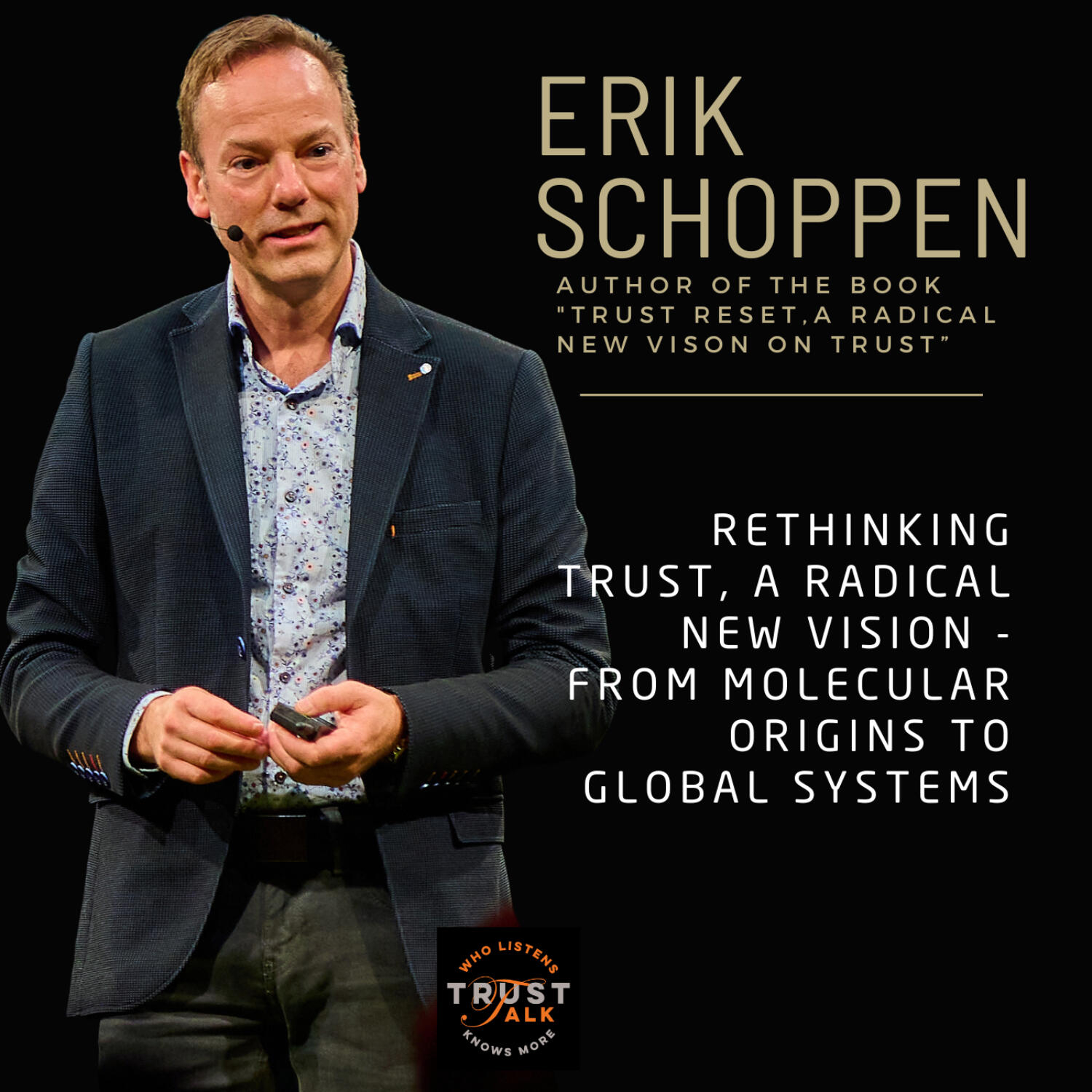
Ep 96Rethinking Trust: A Radical New Vision - From Molecular Origins to Global Systems
In the interview, Erik Schoppen discusses his forthcoming book "Trust Reset: A Radical New Vision on Trust" and the need for a new perspective on trust theories. He believes that traditional theories are insufficient in the face of rapid technological advancements and global changes. Erik emphasizes that his upcoming book integrates new insights from biological and artificial research, offering a comprehensive view on trust that spans from its molecular origins to complex social and digital systems. He explains that trust has evolved as a survival mechanism, starting from early neural networks in ancient organisms. This evolution has led to the development of three biological forms of trust: cognitive, affective, and behavioral attitudes, known as the CAB model. He elaborates that these attitudes play a role at various levels, from self-trust to interactions in social networks, and larger organizational structures, to system and societal trust. He highlights the need to understand trust as expanding networks that increase in complexity., describing trust as information that flows through these networks and levels, allowing for the measurement of trust attitudes in various contexts. He also introduces the concept of the circular trust loop, consisting of three transformational processes: regaining, rebuilding, and renewing trust. These processes help restore trust in individuals and societies, especially in the face of current global conflicts and uncertainties. Addressing the integration of biological aspects of trust, Schoppen acknowledges Paul Zak's research on the neurochemical oxytocin but emphasizes the need for a broader, multidimensional approach. He introduces his “integrated multilevel trust framework”, which considers trust from a molecular to a global scale, addressing challenges such as the climate crisis. He further breaks down the cognitive, affective, and behavioral responses that shape trust today. He provides examples, such as hiring decisions, to illustrate how these responses influence our interactions and decisions based on trust. Discussing the future of trust and AI, Erik raises concerns about whether AI will trust humans rather than the other way around. He explains that AI processes information much faster and more logically than humans, potentially perceiving us as untrustworthy and irrational. This shift necessitates a new field of research on trust in the context of AI.
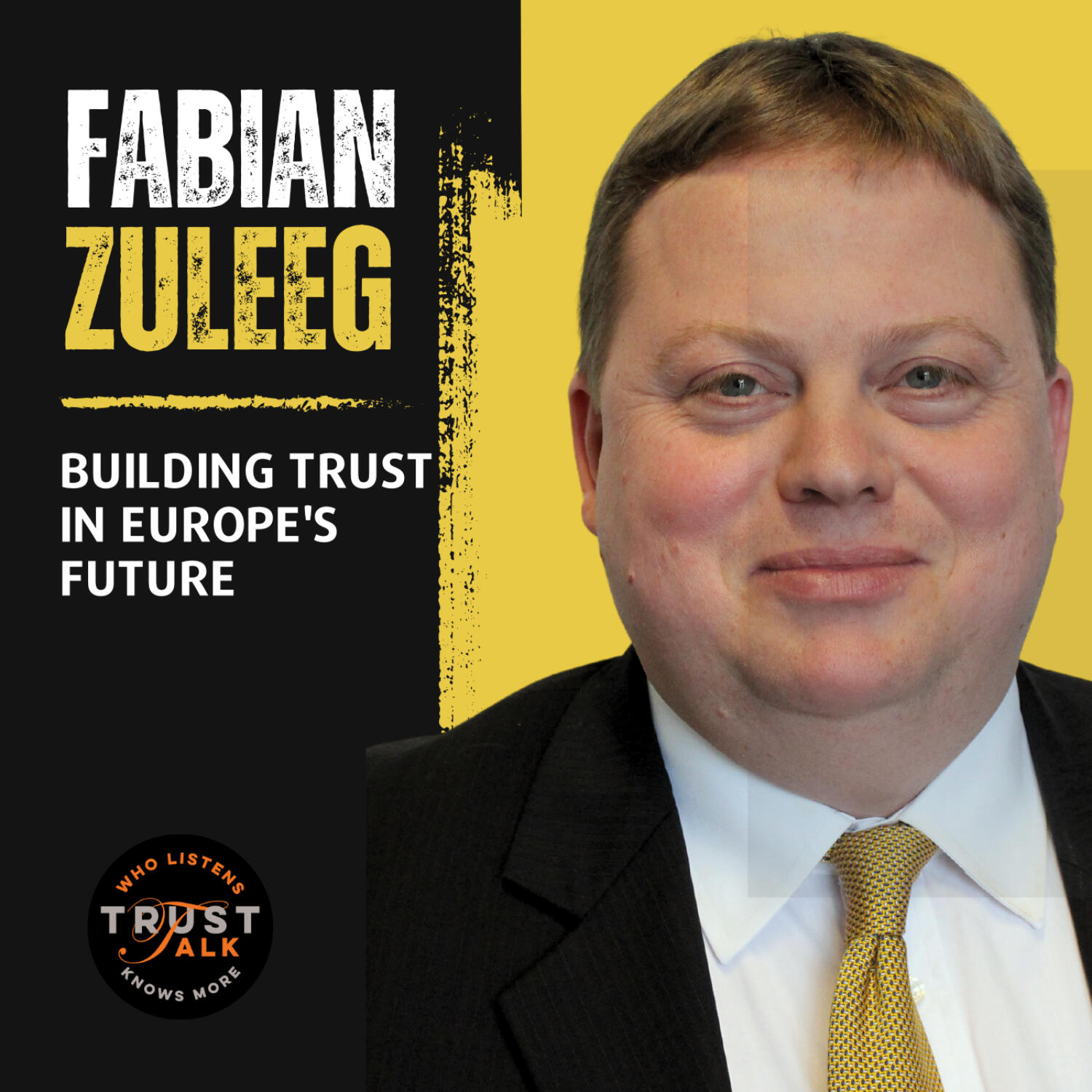
Ep 95Building Trust in Europe's Future
Our guest today is Fabian Zuleeg, CEO of the Brussels-based think tank European Policy Center (EPC). He discusses EPC’s role in advising decision-makers and influencing policy engaging in events, publications, and networking, with trust being crucial in its operations, including the trust of decision-makers, personal trust, and trust in confidentiality and ethics. Zuleeg reflects on the EU’s creation to foster trust among member states through cooperation, laws, institutions, and economic interdependence. However, he notes that recent challenges have decreased trust due to increased diversity and complex crises. He introduces the concept of “cognitive dissonance”, where unrealistic views lead to ineffective actions, and discusses "permapolycrisis," referring to ongoing overlapping crises. He argues that crises can foster trust if faced collectively, as seen during COVID-19 and Russia’s invasion of Ukraine, though unity is harder in international relations with the US or China. Zuleeg criticizes the "collective progress illusion," where Europe’s actions are insufficient to meet major challenges. He calls for honesty about the difficult, costly nature of overcoming these challenges, using climate action as an example, and emphasizes strategic planning and involving citizens in long-term solutions. Addressing far-right and populist movements, Zuleeg describes these "anti-parties" as opposing policies without offering solutions. He stresses that democratic leaders must prove democracy can handle complex problems by being honest, admitting mistakes, and emphasizing collective action. Zuleeg touches upon the role of think tanks like EPC in an environment where facts matter less. He emphasizes producing and explaining facts, adapting to the competitive information marketplace, and engaging in accessible debates. He notes the challenge of ensuring proposed solutions are practical and effective. On EU expansion, he argues that trust is impacted by the. Promises to new members must be credible, but reforms are necessary to ensure the EU functions effectively. He highlights the Western Balkans’ prolonged accession process as a trust issue. Finally, Zuleeg discusses EPC’s future challenges, including adapting to policy developments, crises, and new technologies. Attracting high-level analysts and dealing with technological changes, such as artificial intelligence, are key.
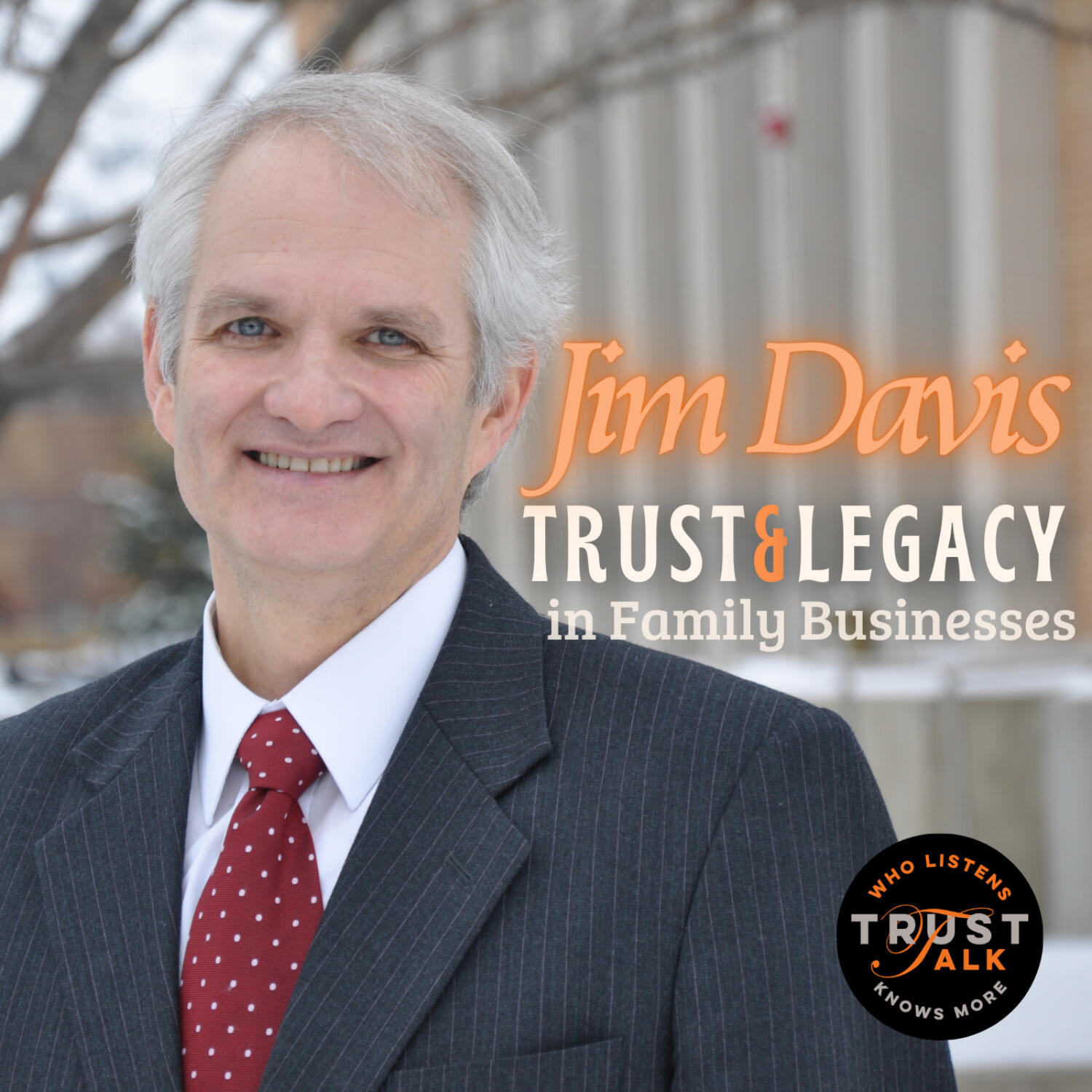
Ep 94Trust and Legacy in Family Businesses
In this episode we explore the unique dynamics of family businesses with Jim Davis, a professor at the Huntsman School of Business at Utah State University. Jim explains the critical roles of trust and legacy in family enterprises and the differences between stewardship and agency theory. Stewardship theory suggests that leaders can be trusted to act in the best interests of the organization and its employees, while agency theory posits that leaders are self-interested and need to be controlled. Jim discusses how these theories uniquely apply to family businesses, highlighting the challenges and opportunities in balancing tradition with the need for innovation and sustainability. He addresses the paradox of legacy; while it provides continuity and a strong cultural foundation, it can also become a source of strategic inertia, limiting entrepreneurial behavior. Jim emphasizes the importance of co-creating legacy, where each generation decides which values and traditions to retain and which to adapt. He also touches on the concept of social emotional wealth (SEW), which leads family businesses to prioritize family benefits over purely financial returns. The interview explores the psychological traits of good stewards, including needs for personal growth, achievement, affiliation, and self-actualization. Jim explains that businesses can cultivate stewardship by sharing responsibility and opportunities for growth rather than imposing control. He highlights the evolving landscape of business, where sustainability and multiple performance measures among stakeholders are becoming increasingly important. He calls for more research into the dynamics of trust, especially how to restore it once broken, and the distinction between low trust and distrust.
Ep 93Building Brand Trust, Fast vs. Slow Thinking
In this episode, Steve van Riel, Senior Strategy Director and EMEA Head of Trust Development at Edelman UK, discusses his journey from UK politics to consumer trust research. Reflecting on the 2015 UK general election, Steve explains how trust influenced the outcomes. Labour wasn't trusted to manage finances effectively, while the Conservatives weren't trusted to do so compassionately, leading to an inconclusive result. This experience highlighted the importance of trust in high-stakes elections. Steve's academic research, influenced by Daniel Kahneman's "Thinking Fast and Slow," examines how System One (fast, intuitive thinking) and System Two (slow, deliberate thinking) processes affect trust decisions. He applies this framework to consumer trust, explaining that low-stakes decisions often rely on fast thinking, where simple rules of thumb and heuristics guide choices. In contrast, high-stakes decisions require slow, deliberate thinking, where individuals weigh the evidence and consider potential risks more carefully. He explains the concept of trust games, which provide a more nuanced, risk-based measure of consumer trust compared to traditional surveys. These games, involving real money, offer insights into consumer behavior towards brands, demonstrating how people use different cognitive processes when trust is at stake. For example, participants might make quick, intuitive decisions in familiar, low-risk scenarios, while they engage in more deliberate, thoughtful decision-making in high-stakes situations. Steve also discusses the practical implications for businesses. For quick, intuitive decisions, companies can leverage simplicity and familiarity to build trust, using elements like simple logos, straightforward messaging, and user-friendly websites. For more deliberate decisions, businesses need to provide detailed, reassuring information and emphasize their reliability and regulatory compliance. He explains that in high-stakes scenarios, consumers are more likely to trust companies that demonstrate transparency and accountability. He addresses the challenge boards face in turning abstract trust concerns into actionable strategies. He advocates for a unified framework across all business units to ensure trust is an integral part of business strategy and evaluation. He shares examples of successful implementations, such as Tesco's approach to pricing and McDonald's efforts to rebuild trust over decades. Steve concludes by highlighting the ongoing challenge of maintaining precision and discipline in trust research. He stresses the need for practical applications of academic insights to solve real-world problems, using the example of how Boeing could apply trust research to rebuild its reputation after a series of accidents.
Ep 92Trust, Policing and Public Safety
In this episode, our guest, Joe Hamm, a trust scholar from the School of Criminal Justice at Michigan State University, explores various themes centered around the concept of trust, particularly in the realms of criminal justice, policing, and environmental health. Joe discusses how trust plays a crucial role in the interaction between the public and law enforcement. He differentiates trust from legitimacy, explaining that while legitimacy concerns the acceptance of authority and its inherent power, trust focuses more on managing the vulnerability associated with this power. Hamm emphasizes that trust in police is significantly influenced by the public’s perception of potential internal harms (e.g., misuse of authority or excessive force) rather than just the external harms (like crime) that police are expected to protect against. His studies highlight variations in how different racial and ethnic groups perceive these harms and trust law enforcement. Joe also talks about trust in the context of environmental contamination, specifically referring to a case involving Dow Chemical in Michigan. He illustrates how high levels of trust in Dow Chemical led the local community to underestimate the risks of dioxin contamination in nearby waters, which, in turn, affected their engagement in protective behaviors like avoiding consumption of contaminated fish. This part of the discussion underscores the complex impact trust can have on public health behaviors and risk assessment. Joe advocates for bridging the gap between academic research on trust and its practical applications. He suggests that media platforms like podcasts can facilitate better communication between researchers and practitioners, potentially leading to more effective trust-building strategies in various sectors.
Ep 91Trust in Times of Crisis: Corporate Perspectives
Our guests today are Peter Wakkie and Tjeerd Wassenaar, talking about trust, crisis management, and corporate governance, leveraging their extensive experience in legal and corporate roles. They emphasize the critical importance of maintaining trust, highlighted through an example of an M&A transaction impacted by the COVID-19 pandemic, demonstrating how unexpected events can complicate negotiations and the importance of adaptability and integrity in such situations. They show the importance of proactive risk management, advocating for a strategy that involves staying ahead of potential threats to protect the company's reputation and maintain trust. They discuss the necessity of a "trust but verify" approach and highlight the value of clear, enforceable rules over ambiguous principles to ensure consistent corporate behavior, reflecting on how these practices integrate into a company's DNA. Peter shares his cautious stance on using communication experts during crises, stressing the conflict between the need for transparency and the potential legal repercussions, advocating for a balanced approach to crisis communication. A significant focus is given to the practical application of the Three Lines of Defense model in risk management, emphasizing the need for active involvement and regular checks across company units to prevent crises effectively. The podcast wraps up with reflections on the evolving business climate in the Netherlands, particularly discussing the challenges posed by the disconnect between business expectations and governmental actions. They explore how different corporate governance approaches, like the stakeholder model prevalent in Europe, impact business operations and decision-making, particularly in contrast to the shareholder-focused models in the UK and the US.
Ep 90Trust Unites: Empowering Women
Today we're joined by Carine de Meyere, the dynamic founder and president of Women of the World. Carine shares her vision behind her mission: to unite and empower one million women and girls by 2030. Set against the goals of the United Nations Sustainable Development, she details her path of ambition, recognition, and the pivotal role trust plays in building meaningful connections and collaborations. Carine takes an in-depth look at how women navigate and overcome obstacles in male-dominated fields, highlighting the crucial roles of mentorship, leadership, and trust, offering her insights on the need for women in leadership, the connection between trust and empowerment, and the effects of cultural differences on trust. We discuss topics such as the importance of women's leadership for global peace and decision-making, the pressing need for systemic change, and the empowerment of women in politics and other areas. The conversation with Carine de Meyere provides a motivational call to action to foster a more just, trusting, and equal world. Get ready to be inspired, challenged, and encouraged to join the movement towards achieving gender equality and strengthening sisterhood worldwide.
Ep 89Food for Thought: Trust, Health, and Policy
Our guest is Marion Nestle, Professor Emerita at New York University and a prominent advocate in the field of food politics and public health, discusses her journey and insights into the food industry, trust in our food system, and the intersection of food, health, and sustainability. Growing up with a radical background, Marion was influenced by values of fairness and equity, which she carried into her career, initially trained as a scientist before shifting focus to nutrition and food systems. She critiques the food industry's prioritization of profit over public health and highlights the essential need for government intervention and public support to address the disparities in food access and the impact of food production on the environment. Marion discusses the challenges of feeding a growing global population and the misalignment between food companies' profit motives and the need for sustainable, healthy food access for all. She advocates for a more diverse and regulated food industry to ensure environmental sustainability and public health. Addressing the controversy surrounding GMOs, she criticizes the food industry for eroding public trust through lack of transparency and misrepresentation of GMOs' role in feeding the world. She underscores the importance of sustainability in the food system and the obstacles faced due to the industry's resistance to practices that may reduce profit margins. She encourages governmental pressure on the food industry to adopt better practices for the greater good. Discussing food choices, Nestle emphasizes the simplicity of maintaining a healthy diet through sensible eating habits and advocates for government and societal efforts to combat obesity by transforming the food environment. Finally, Marion addresses the need for focused research on making healthy foods accessible and sustainable, highlighting the importance of addressing climate change through food production. Her ongoing commitment to writing and research reflects her dedication to improving food systems and public health. The interview illuminates the complexities of trust, food politics, and sustainability, emphasizing the need for informed action and advocacy to foster a healthier, more equitable food system.
Ep 88The Evolution of Trust: Insights from a Pioneer
Our guest today is Roger Mayer, Professor of Management, Innovation & Entrepreneurship at North Carolina State University. He discusses his foundational 1995 article on trust, emphasizing its role in risk-taking within professional settings and reflects on the evolution of his model, which defines trust as the willingness to make oneself vulnerable to another entity (be it a person, group, or technology) without having the ability to directly control or monitor their actions, distinguishing it from trustworthiness. Roger Mayer responds to criticisms by underscoring the intentional simplicity and broad relevance of his trust model, which was designed with minimal variables for wide applicability, including unexpected fields like AI and robotics. He acknowledges the trade-offs of this approach but values the model's capacity to spark debate and advance scientific discourse He also previews his upcoming book, "A Research Agenda for Trust: Interdisciplinary Perspectives," aiming to facilitate interdisciplinary research in trust. Additionally, he explores trust in autonomous technology, distinguishing between trust in the technology itself and its creators. He revisits his 1995 trust model in the context of government trust, introducing a new measure assessing vulnerability. Mayer explores the often-overlooked dimension of police officers' trust in the public, underscoring the importance of bidirectional trust. He unveils that officers are inclined to engage more openly and take proactive measures when they sense a higher degree of trust from the public. This viewpoint pivots the conventional emphasis from how much the public trusts the police to a more reciprocal understanding of trust, where the perceptions of law enforcement about public trust play a crucial role. He also addresses the challenges faced by university research, critiquing the excessive focus on production over impactful, meaningful research. He advocates for a balance between theoretical exploration and practical application, urging researchers to ensure their work contributes tangibly to society. This approach, he suggests, is essential for bridging the gap between academic research and real-world societal benefits, particularly in the field of trust.
Ep 87The Impact of Perceived Justice on Societal Trust
Kees van den Bos, author of the book "The Fair Process Effect," explains his extensive research on societal conflicts and the pivotal role of trust. Through his book, he underscores the critical importance of fair treatment by authorities in nurturing trust and cooperation within society. He introduces the "Perceived Procedural Justice Scale," designed to quantitatively assess fairness, highlighting how fairness is integral to fostering a sense of belonging and respectful treatment among community members. Van den Bos's research goes further to explore the detrimental effects that perceived unfairness can have, such as fostering distrust and societal polarization. He provides a comprehensive perspective on these issues, emphasizing the need for early intervention in societal conflicts. By advising authorities and citizens to remain vigilant to societal dynamics, recognize and validate the concerns of various community members, and ensure these concerns are met with understanding and appreciation, he offers a pathway towards mitigating these negative impacts. Moreover, Van den Bos stresses the importance of adopting normative standpoints that reinforce democratic values, including peaceful and respectful treatment of one another and the maintenance of the rule of law. He acknowledges the imperfections in societal institutions, such as the legal system, but advocates for continuous efforts to enhance their functioning. This balanced approach is crucial for maintaining the fabric of a democratic society, even if it means accepting some losses as the cost of upholding fundamental values. Through this lens, Van den Bos provides a logical and informative framework for addressing and preventing the issues of distrust, polarization, and conspiracy thinking that can arise from perceived unfairness.
Ep 86Creating a Trusting Workplace
In this episode, we explore the complex relationship between trust, control, and HR practices with our guest, Antoinette Weibel, Professor of Human Resources Management at the University of St. Gallen (Switzerland). She talks about how control mechanisms, from coordination to surveillance, impact trust in the workplace. The conversation highlights the difference between enabling and coercive controls, how bureaucracy can sometimes nurture trust, and the critical role of HR in nurturing trustful relationships. We also delve into the nuances between distrust and low trust, the ethical implications of technology use, and the importance of research and consultancy in building authentic trust.
Ep 85Digital Divides: Navigating Tech, Trust, and Power
Our guest today is Anu Bradford, the Henry L. Moses Professor of Law and International Organization at Columbia Law School and the author of the book 'Digital Empires: The Global Battle to Regulate Technology'. In this conversation, Bradford explores the complex digital future where technology regulation, innovation, and trust intersect. She discusses the distinct regulatory paths of the US, China, and the EU, predicting a world split between techno democracies and autocracies. Delving into the geopolitical intricacies, Bradford sheds light on the challenges faced by companies like Nvidia and ASML amidst global tech tensions. Her profound insights into the power dynamics between tech giants, and states, and the need for assertive regulation offer a nuanced perspective on building a balanced, trust-centered digital society.
Ep 84How Leaders Create High-Trust Organizations
Our guest, Bob Hurley, Professor Leading People and Organizations at the Gabelli School of Business at Fordham University (New York), talks about his theory of organizational capacity for trustworthiness, highlighting Unilever's approach to genetically modified foods, Bob Moore's employee ownership plan at Bob's Red Mill and how external pressures shape organizational adaptations, using examples like the global financial crisis and Mattel's product safety issues. He reviews BAE Systems' response to a bribery scandal and Salesforce's stakeholder engagement, emphasizing the importance of robust governance and competence in building trust. His comprehensive analysis offers insights into business ethics, leadership, the importance of governance and organizational behavior, focusing on the core aspects of trust in today's business environment. Hurley stresses the balance between short-term responses and long-term trust-building strategies, emphasizing the role of competent leadership in fostering a trustworthy organizational environment. This comprehensive discussion offers valuable insights into the evolution and management of trust in complex corporate settings.
Ep 83Santa Claus on Trust and Magic: A Heartfelt Holiday Conversation
In episode 83, enjoy a heartwarming conversation with Santa Claus. Santa discusses maintaining trust with children and adults, shares touching stories where trust made Christmas wishes come true, and reflects on his role as a symbol of joy and generosity. The interview also delves into how Santa ensures inclusivity for all children, manages the secrets and wishes shared with him, and the importance of trust within his team at the North Pole. Santa leaves listeners with a powerful message about trust and the spirit of Christmas.
Ep 82Storytelling and Media Influence in Building Public Trust
Jeanine Turner, our guest in episode 82 of TrustTalk, delves into the complex interplay of trust and communication. She examines the influence of storytelling and media in shaping public trust, particularly in contexts of global conflict, while addressing the prevalent issues of fake news and media scepticism. In her enlightening discussion, Turner spotlights significant takeaways from her book "Being Present," highlighting the criticality of maintaining a mindful social presence amid the distractions of the digital world. Further, she imparts insightful guidance on nurturing personal relationships and trust in a digital landscape. Jeanine also ventures into the future of communication technologies, notably the integration of AI, underscoring the growing importance of empathy in our increasingly digital interactions.
Ep 81Mind Game Mastery: The Trust Edge in Sports
Our guest is Dan Abrahams, a renowned sports psychologist, who delves into the mental aspects of sports. Dan emphasizes the foundational role of trust in both individual performance and team dynamics, explaining how it's as crucial in team sports like football and basketball as in individual sports such as tennis and golf. The discussion includes Dan's unique approach to mental skills training, tailored for athletes at all levels, and his innovative 'Game Face' concept, which assists athletes in achieving their optimal mental state for peak performance. Dan also touches upon the function of sports psychologists in premier football teams, with a particular focus on Ajax and Manchester United, detailing the importance of psychological strategies and trust cultivation in enhancing team performance. Additionally, the episode covers how breaches in trust can impact an athlete's performance and overall well-being, and the role of sports psychologists in rebuilding trust following major scandals. This episode is a must-listen not only for sports enthusiasts but for anyone interested in the psychological elements that drive success and effective teamwork.
Ep 80Trust Dynamics: Competence, Distrust and Generalized Trust
Our guest today is Sim Sitkin, a Professor at Duke University, Durham (N.C.) He explores the intricate dynamics between trust and distrust, highlighting their distinct natures and the challenges involved in navigating these complex emotional states. He uncovers the nuances of how trust can vary incrementally across different domains, and contrasts this with the pervasive and often unyielding nature of distrust. He provides perspective on the vital role of values in shaping trust relationships. Through Sitkin's study involving a Dutch court, we learn how value incongruence between groups can lead to a breakdown in communication and trust, explaining the processes of rebuilding trust, and focusing on shared values and perspectives. Sitkin also touches on the role well-crafted control systems play in cultivating trust, drawing parallels from Ideo's approach, which harmonizes such systems with company ethos to reinforce trust. Furthermore, he provides insight into his forthcoming research, which seeks to consolidate the fields of trust and distrust into a unified theory. He emphasizes that competence alone is insufficient for trust to flourish, leaders must demonstrate benevolence and an understanding of their team's perspectives and values. He discusses the "tipping point" of trust, a critical juncture where accumulated missteps can erode trust beyond a simple fix, stressing the importance of early recognition and intervention to prevent distrust from becoming entrenched. Additionally, he touches on the impacts of immediate actions versus systemic changes on trust, the critical role of understanding in building trust, and the importance of relational leadership behaviors. Finally, we wrap up our conversation with a look towards the future. Sim Sitkin, alongside colleagues, is pioneering a general field theory to integrate research on distrust, trust, and generalized trust, aiming to illuminate the future landscape of trust in our rapidly evolving world.
Ep 79Redefining Leadership: Trust & Inspire
Our guest today, Stephen M.R. Covey, emphasizes the profound importance of trust in leadership. He believes that trust, once broken, can only be rebuilt through consistent and genuine behavior rather than mere words. Covey passionately advocates for a leadership style of "trust and inspire" as opposed to the traditional "command and control." In this approach, leaders need to embody attributes like integrity, credibility, and transparency. They should be the first to demonstrate the values they wish to instill in their teams. Furthermore, Covey makes a distinction between leadership and management. While management often pertains to processes and objects, leadership is about guiding and inspiring people. He posits that individuals do not want to be merely managed; they wish to be led, trusted, and inspired. To this end, Covey introduces the idea that leadership is akin to stewardship, highlighting responsibility over rights. This perspective calls on leaders, especially those at the CEO level, to view their roles as stewards who model behavior, extend trust, and inspire those they lead. Concluding his insights, Covey commends the TrustTalk podcast for amplifying the essential conversation around trust, underscoring its pivotal role in today's world.
Ep 78Building Trust in Adversarial Diplomacy
In episode 78 our guest, professor Nick Wheeler, discusses several crucial aspects of international relations and diplomacy. He explores the concept of "reassurance summits" and the role they play in diplomacy, where leaders attending diplomatic summits seek reassurance and test whether the other side perceives their defensive actions as stemming from fear and insecurity rather than hostile intent. He challenges the conventional wisdom that leaders should only engage in face-to-face diplomacy when their interests are already aligned. He introduces the idea of "security dilemma sensibility" in international relations, challenging the notion that uncertainty inevitably leads to competition and distrust. He emphasizes the need for leaders to understand the defensive motivations of others and break the cycle of misperceptions to promote cooperation and trust. Nick Wheeler delves into the possibility of developing social bonds and trust in the absence of face-to-face interaction. Drawing from Randall Collins' work, he suggests that weaker social bonds can indeed be formed without physical proximity, particularly through textually mediated interactions. He highlights the importance of shared security dilemma sensibility and shared mood in this context. He shares a cautionary tale from Dostoyevsky's "The Brothers Karamazov" to illustrate the limits of trust in transactional relationships. He argues that trust based solely on individual calculations of benefits and risks can quickly erode when the context changes. Shifting his focus to India-Pakistan relations, Wheeler examines the trust dynamics between leaders like Vajpayee and Sharif, emphasizing the importance of "trust, capacity, vulnerability" in assessing whether leaders can fulfill their promises and commitments. He also highlights the complexity of trust and opportunism in adversarial relationships. The discussion continues with an exploration of the role of interpersonal dyads in changing conflict situations. Wheeler underscores the significance of leaders being able to deliver on their commitments and the challenges of scaling up trust beyond individual relationships. He emphasizes the need to embed trust within decision-making processes and society itself to address future uncertainty. Finally he touches upon his upcoming book with Marcus Holmes, "Personal Chemistry: Social Bonds and International Conflict." The book aims to demystify the concept of personal chemistry in international relations by developing a theory that explains why leaders sometimes establish positive interpersonal relationships and sometimes do not. Through case studies, they aim to shed light on the factors influencing leaders' relationships and trust dynamics in diplomacy and conflict resolution.
Ep 77Trust Research, Trust Repair and Vulnerability
Our guest today is Nicole Gillespie. She is the KPMG Chair in Organizational Trust and Professor of Management at the Australian University of Queensland Business School and an International Research Fellow at the Centre for Corporate Reputation at Oxford University. In the podcast interview, we cover various aspects of trust. She begins by addressing the challenge of translating theoretical trust research into practical solutions, noting that academia often values theoretical contributions over solving real-world issues. To bridge this gap, she advocates for interdisciplinary research that tackles critical trust problems and suggests collaboration with industries and non-governmental organizations. She also highlights the importance of practitioner-oriented journals to make research accessible. Nicole notes the emergence of a trend towards valuing research impact and relevance in academic work, particularly with interdisciplinary efforts addressing significant challenges. Vulnerability's role in trust is another key topic. Nicole emphasizes that trust involves a willingness to be vulnerable based on positive expectations. Trust is most pertinent in uncertain and risky situations. An interesting paradox arises where high-trust relationships create a subjective sense of security while making individuals objectively vulnerable. She highlights the importance of understanding vulnerability's bright side, including its role in fostering connections, innovation, and resilience. The interview further delves into the challenges of establishing trust across cultural boundaries. Gillespie co-authored a paper exploring trust dynamics between German supervisors and Chinese supervisees. The research highlighted the clash of cultural expectations, particularly regarding hierarchical relationships. Chinese employees often entered with high initial trust due to cultural expectations, while German supervisors focused more on task-oriented dynamics. The misalignment led to disillusionment and challenges in maintaining trust. Lastly, Gillespie touches on the significance of trustworthy AI. She was part of a paper outlining a model for ensuring trustworthy AI. While acknowledging the rapidly evolving landscape of AI, she explains the six dimensions of the model: organizational alignment, data integrity, system robustness, security, legal compliance, and ethics. Gillespie emphasizes the need for a comprehensive approach, integrating these dimensions to ensure responsible and trustworthy AI use. The interview concludes with a focus on the future of trust research. Gillespie highlights the evolving nature of technology, particularly AI, and its impact on trust relationships. She suggests exploring how emerging technologies affect trust dynamics, polarization, and societal relationships. As she commends the podcast host for his dedication to discussing trust-related topics, Gillespie underscores the importance of continuous research and dialogue in understanding and maintaining trust in an ever-changing world.
Ep 76Understanding the Trust-Law Dynamic: Insights on Legitimacy
Our guest, Tom Tyler, a psychologist, and professor at Yale Law School, highlights the paradox in the legal academy, where much of the law is dependent on beliefs about psychology, yet it is seldom based on actual psychological research. Tom mentions the significance of trust in the legal system and its central role in discussions within law schools and the field of law. They emphasize that trust is a crucial component of legitimacy and that the ability of the legal system to function effectively relies on the trust the public places in legal institutions. He explains that historically, the legal system relied on a sanction-based model, threatening punishment to ensure compliance. However, behavioral science research has shown that building trust between the public and legal authorities is a more effective approach to gaining compliance and cooperation. Trust allows for a more cooperative relationship between the population and law enforcement, leading to an increased willingness to cooperate, provide information, and engage with the community, which aids in crime control. The concept of procedural fairness plays a significant role in building trust in legal authorities. People want to be treated with dignity, respect, and have decisions and policies explained to them. Research suggests that procedural fairness is more important in determining trust in authorities than the actual outcomes of their decisions. Additionally, trust is not solely about neutrality and rule-based procedures, but also encompasses relational aspects, such as sincerity, benevolence, and taking into account the needs of the people being dealt with. Tom argues that trust in legal authorities leads to not only compliance but also contributes to building the viability and strength of communities. A trust-based system promotes engagement, social connections, and active participation in community governance and activities. This, in turn, can reduce the need for constant surveillance and policing, making the community more self-regulating and self-sustaining. He notes that implementing procedural justice in policing and courts has shown positive outcomes in various communities. Improving the internal climate of law enforcement, as well as how officers are treated by their superiors, can positively impact how they treat the public, ultimately leading to enhanced procedural fairness and trust in the community. Furthermore, Tom argues that procedural justice is a widely accepted and agreed-upon concept across different ethnic, cultural, and economic groups. It is seen as a universal feature that fosters trust in legal authorities. While primarily studied in advanced industrialized societies, the principles of procedural justice have been found to hold true in various contexts.
Ep 75The Impact of Political Trust on Representative Democracy
Our guest today is Tom Van der Meer, a political science professor from the University of Amsterdam. He's an expert in political trust, social connections and voting patterns. Tom highlights the historical importance of political trust since post-World War II. He explains that the idea of a continuous decline in trust isn't entirely accurate. Trust levels vary across regions and times. He shares an interesting idea when people lose trust due to poor government performance, it might actually motivate them to get more involved in a democracy like voting and protesting. This can lead to positive change. Tom also explores what shapes political trust. He breaks down reasons like fair institutions, electoral systems, and education's impact. He discusses the link between corruption and trust, showing how corruption hurts trustworthiness and the importance of fairness in countering it. Tom talks about how politicians talk about trust and the connection between populism and political trust. He points out that the two aren't always directly linked, but trust affects how people vote and which parties they support. When asked about Francis Fukuyama's view on populist politicians and distrust in institutions, Tom partially agrees but adds nuance. He challenges the idea that populism always arises from declining trust, pointing out examples like modern populism emerging in high-trust countries. He also notes that the connection between rising populism and decreasing trust isn't always direct, as events and trust fluctuations don't consistently match Fukuyama's theory. Tom does share agreement with Fukuyama on the growing politicization of political trust. He observes that voters now choose parties based on trust levels a change from the past, where Trusters and Distrusters often voted for the same parties. Tom highlights the role of polarization and ideology in shaping party dynamics. He's concerned not just about overall trust levels, but also how trust is distributed across parties. He warns that parties dominated by distrusting individuals could lead to challenges like questioning election legitimacy, as seen in the United States.
Ep 74Unveiling Online Trust: Insights from Pew on Modern Challenges
Our next guest, Lee Rainee, director of the Pew Research Center’s Internet & Technology Research Group, delves into the subject of trust in the context of the Internet and institutions. He identifies two key aspects of online trust. Firstly, a decline in trust, particularly concerning major technology companies and institutions. People have become increasingly skeptical about the privacy and reliability of these entities. This decline is further exacerbated by the interplay between privacy concerns, trust issues, and confidence in institutions within the online space. However, despite the declining trust, he argues that people are unlikely to disengage from online activities. The internet has become deeply integrated into modern life, and essential tasks, such as banking and shopping, heavily rely on online tools. People have grown dependent on the convenience and efficiency offered by internet-based services, even if they express reservations about trusting the companies providing them. The conversation also explores several contributing factors to declining trust. Historical events, such as the Vietnam War, Watergate scandals, and economic recessions, have eroded trust in institutions over time. The internet has amplified these trends by providing access to information about institutional shortcomings, fuelling suspicions and concerns about trust. Political polarization is another influential factor. The rise of right-wing nationalist organizations, combined with politics becoming a divisive battleground, has led to heightened mistrust among citizens. Additionally, frustrations arise from the perception that governments are inept in addressing major societal challenges, such as climate change, misinformation, and the pandemic. Notably, trust is portrayed as a transactional calculation. Individuals weigh the potential benefits of an interaction against the compromises it might entail. Trust, in this context, becomes context-specific and contingent on various factors, reflecting a complex interplay of motivations and perceptions. Lee discusses the research methodology employed to study trust. Given the declining response rates to phone polls, online surveys have become more prevalent. Ensuring representative samples is crucial to obtain accurate insights into trust levels. However, some individuals distrust survey-givers, which may lead to incomplete data representation. He discusses the echo chamber argument, where people seek information that aligns with their views, but his data shows that highly motivated partisans from both the activist left and right actively engage with diverse information, including opposing views, to strengthen their arguments and understanding of the political landscape. Partisanship, civic engagement, and commitment to the political system play a significant role in determining the information people seek. The interview touches upon the role of academia and research in understanding trust. Different researchers focus on various aspects of trust, ranging from political culture and democratic institutions to corporations and macroeconomics. Understanding the complexities of trust in its various forms and contexts remains an ongoing area of exploration.
Ep 73Immigration, Ethnic Diversity & Trust
Our guest, Peter Dinesen, Professor of political science at UCL London and the University of Copenhagen talks about the consequences of immigration on generalized social trust. In his research, he explores if immigrants bring low levels of trust from their home countries or adapt to the trust levels in their new countries. And if natives respond to the increased presence of immigrants with lower levels of trust. Immigrants tend to catch up to the trust levels of natives in their new countries, while there is evidence of a weak negative effect of the presence of immigrants on trust levels among the native-born. However, Peter cautions against exaggerating the negative consequences, as other factors such as low corruption play a more significant role in trust. This is illustrated by trust increasing to record levels in Denmark since 1980 despite increasing immigration to the country.
Ep 72Blockchain and the New Architecture of Trust
Kevin Werbach, professor of Legal Studies and Business Ethics at the Wharton School, University of Pennsylvania, and formerly Counsel for New Technology Policy at the U.S. Federal Communications Commission, is a well-known expert on the business, legal, and social implications of emerging technologies. In this interview, we explore blockchain technology and its impact on traditional notions of trust. He delves into the different architectures of trust, including peer-to-peer trust, Leviathan trust, and intermediary trust, highlighting the limitations and risks associated with these traditional forms of trust, leading to the introduction of decentralized architecture offered by blockchain technology. The interview focuses on the application of blockchain in enhancing trust in specific contexts, using the example of Walmart implementing a blockchain-based solution to improve food safety within its global supply chain. The guest speaker emphasizes how blockchain can overcome trust barriers and inefficiencies, leading to enhanced trust and improved outcomes. The conversation also delves into the potential of blockchain technology to bring about freedom from corporate and government power, while acknowledging the risk of empowering criminals. Kevin highlights the importance of blockchain as a part of rebuilding trust in society, by providing transparent and decentralized systems for verifying information and maintaining integrity. He sets out the value of cryptocurrencies, bitcoin, with an emphasis on how blockchain technology provides trust through the integrity and transparency of the ledger. The interview concludes with a discussion on the viability of blockchain technology, the collapse of centralized platforms like FTX, and the comparison between the telecom industry and blockchain.
Ep 71National Identity, Partisan Polarization and Trust
In this episode nr. 71, Eric Uslaner, in his latest book, “National Identity and Partisan Polarization” delves into the complex topic of trust and its implications for societies and politics. He highlights some key insights and concerns regarding trust, corruption, nationalism, and their interconnections. Throughout the interview, we explore the moral basis of trust, it lies in the belief that people of different backgrounds can trust each other based on shared interests, regardless of ethnic, religious, or ideological differences. This belief instils the notion of equality and is typically learned from parents at an early stage of life. Trusting individuals are more likely to engage in charitable giving, volunteerism, and compromise in both personal and political spheres. However, the current climate of political polarization runs counter to the concept of generalized trust. The level of trust in a society is strongly influenced by the degree of economic equality. Corruption tends to thrive in societies with low levels of trust and high levels of inequality. In highly corrupt environments, resources for public goods such as education and healthcare are diminished. Moreover, individuals in such societies often prioritize their own well-being and may support corrupt leaders from their own group. Punishing corrupt individuals alone is insufficient, as new corrupt actors will likely take their place. The guest emphasizes that reducing corruption requires widespread public education. The rise of nationalism globally signifies a decline or stagnation in trust. Nationalism reflects particularized trust, where individuals trust only those who are similar to them. It often entails perceiving those different from oneself as threats to the desired social order. Countering the rise of nationalism is challenging and requires long-term efforts, including education and generational change. Political trust presents a similar challenge, as opposing sides tend to view each other as enemies. Our guest expresses concerns about the growing nationalism trend worldwide. Notably, Sweden, a country known for its tolerance, experienced the rise of nationalist parties advocating for stricter immigration policies and emphasizing divisions between natives and foreigners. The United States has also seen immigration become a major political concern. Troublingly, in some cases, immigration opposition gained more support for certain political parties than they lost on other issues such as abortion. The rise of nationalism presents complex challenges without immediate solutions. Throughout our conversation, we explore the multifaceted nature of trust, its relationship with corruption and nationalism, and the difficulties associated with addressing these issues. The guest's insights shed light on the dynamics shaping trust in societies today.
Ep 70Building Trust and Empowering Women in Leadership
Our guest today is Marguerite Soeteman-Reijnen, former Chairman of the Executive Board of Aon Holdings B.V. and member of SER Topvrouwen. She tells about her journey to her current position and her interest in supporting and encouraging women in leadership roles. She emphasizes the importance of trust in her career success and the success of the organizations she has led. Trust is particularly significant in the insurance industry, where she started her career, as it is based on the principle of ultimate good faith. Marguerite explains that building trust involves logic, empathy, and authenticity. She believes that trust is crucial in relationships and leadership and highlights the role of trust in women's leadership. The interview also discusses a study that suggests women are less prone to losing trust and more likely to regain trust even after repeated transgressions. Marguerite attributes this to women's optimism and relationship-driven nature. However, she notes that personal experiences and the frequency of trust violations can influence individual responses. When it comes to balancing trust and empathy with making sound business decisions, Marguerite mentions the importance of trust but verify approach. She emphasizes the need to gather all relevant information, maintain competence and confidence, and have realistic self-awareness. Building trust with underrepresented groups requires leaders to foster an inclusive and belonging culture. In her former role at Aon Holdings, trust is vital in providing risk and insurance solutions to clients. We talk about a recent report on sexually transgressive behavior in a TV show and the importance of independent and unbiased investigations to maintain trust. She offers advice to young women aspiring to leadership roles in underrepresented industries, the importance of continuous learning, asking questions, making oneself visible, and believing in oneself.
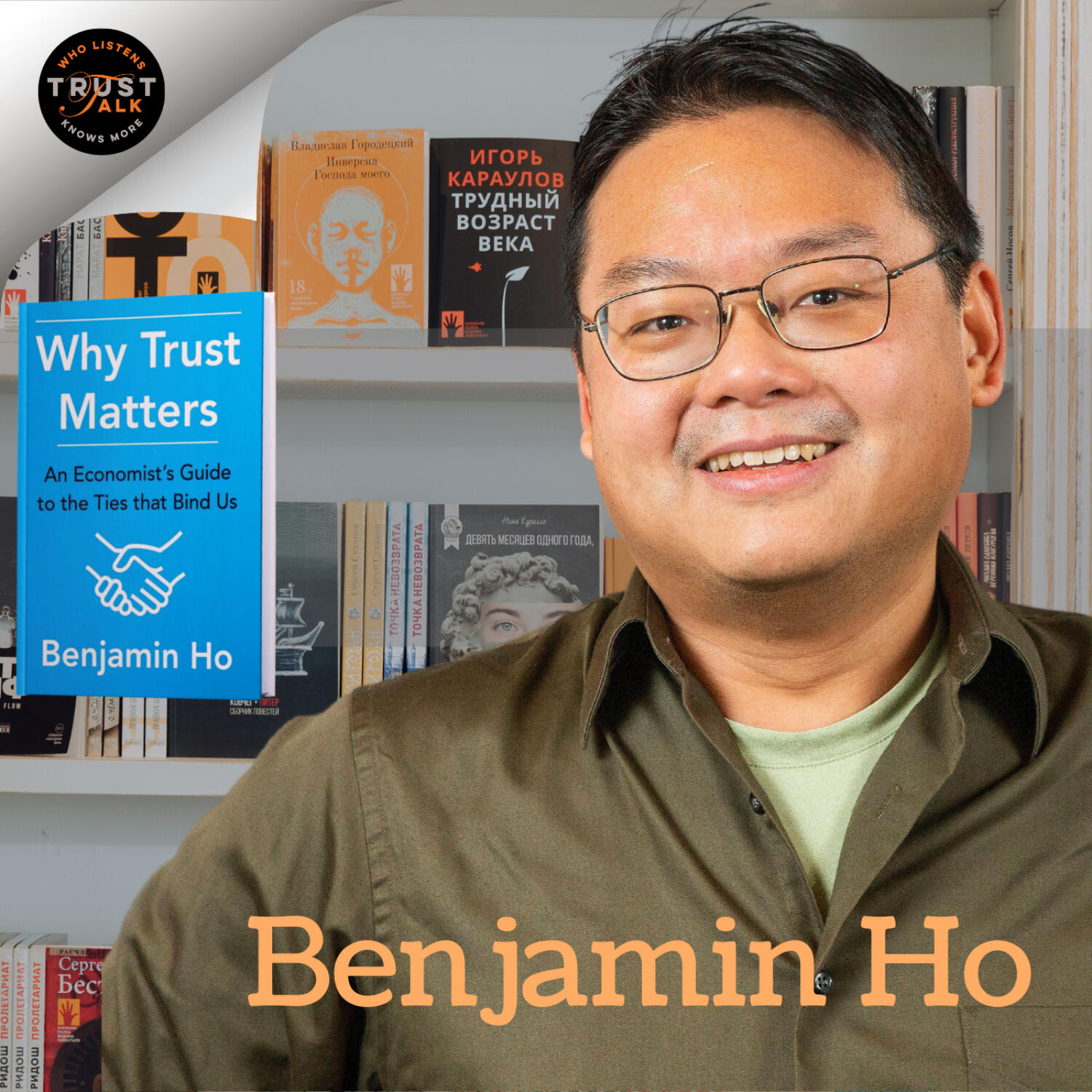
Ep 69Why Trust Matters
In this new episode, we explore the fascinating world of trust and cooperation in economics with economist Benjamin Ho, author of "Why Trust Matters, An Economist's Guide to the Ties That Bind Us." He discusses how game theory offers insights into trust, highlighting the role of reputation, history of interactions, and vulnerability in building trust. He also explores the use of social signaling and mathematical principles in understanding trustworthiness, particularly in relation to apologies using Bayes' rule. The interview delves into the puzzle economists faced in explaining cooperation and altruism, emphasizing that most people are inherently cooperative, except for economists who are trained to be self-interested. The importance of cooperation, fairness, and altruism in human nature and society is highlighted, drawing from Robert Frank's book on the baseline economic model. Early hunter-gatherer societies faced the trust dilemma and developed accounting systems, language, and legal systems to facilitate trust and cooperation as communities expanded. The complexities of apologies are examined, emphasizing the need for them to carry a cost or commitment to be effective. The experiment involving Bill Clinton's apologies showcases the trade-offs between likability, respect, and authority for politicians. The cost associated with trust-building, such as in apologies, is emphasized, with costly apologies proving more effective in restoring trust. In cooperative dilemmas like climate change, trust plays a crucial role, as coercion is impractical at the international level. The Paris Climate Accords' approach of transparency to foster trust, accountability, and positive behaviors is discussed. The relationship between trust and contract enforcement is explored, noting that while trust and contract enforcement often go hand in hand, excessive rules in contracts can hinder trust-building by limiting vulnerability and risk-taking. The importance of including trust-building mechanisms in economic development is emphasized, as the absence of trusted institutions hinders poverty alleviation and overall progress. The interview sheds light on the significance of trust in economics, drawing from game theory, behavioral economics, and historical perspectives. It underscores the role of trust in cooperation, apologies, climate change, and contract enforcement, and emphasizes the need to prioritize trust-building in educational curricula and economic development efforts.
Ep 68Trust & Lobbying
Our guest is Peter van Keulen, a prominent lobbyist in The Netherlands. He talks about trust as a fundamental aspect of lobbying, and the importance to establish and maintain it through transparency, integrity, and access. He discusses the essential elements for building trust in lobbying, namely integrity, and access. Integrity is demonstrated through a code of conduct that outlines how lobbyists protect their clients' interests and how they act towards the people they seek to influence. Access is the ability to interact with decision-makers due to relationships built over time. While knowing decision-makers does not guarantee success, it can be useful. In the United States, lobbyists must register and disclose certain information about their activities under the Lobbying Disclosure Act of 1995. In Europe, regulations have been introduced, but they vary by member state, and The Netherlands has been slow to regulate lobbying. The European Commission has rules in place that prohibit former commissioners or high-level professionals from acting as lobbyists for a specific party for a specific period after leaving their position. However, there are still stereotypes and misconceptions about lobbying that can impact the perception of the profession as a whole. When people view lobbyists as only representing big corporations or having questionable motives, it can be challenging to establish trust. That's why it is crucial to educate the public and policymakers about the diversity of actors involved in lobbying and how it operates to foster trust and create a more positive image of the profession. Ultimately, building trust is an ongoing process that requires open and honest communication and a commitment to ethical practices. NGOs, governments, and municipalities also engage in lobbying activities, and the growth of lobbying activities in the Netherlands is in the municipalities and provincial decision-making levels. By promoting transparency, integrity, and access, lobbyists can build and maintain trust with decision-makers and the public.
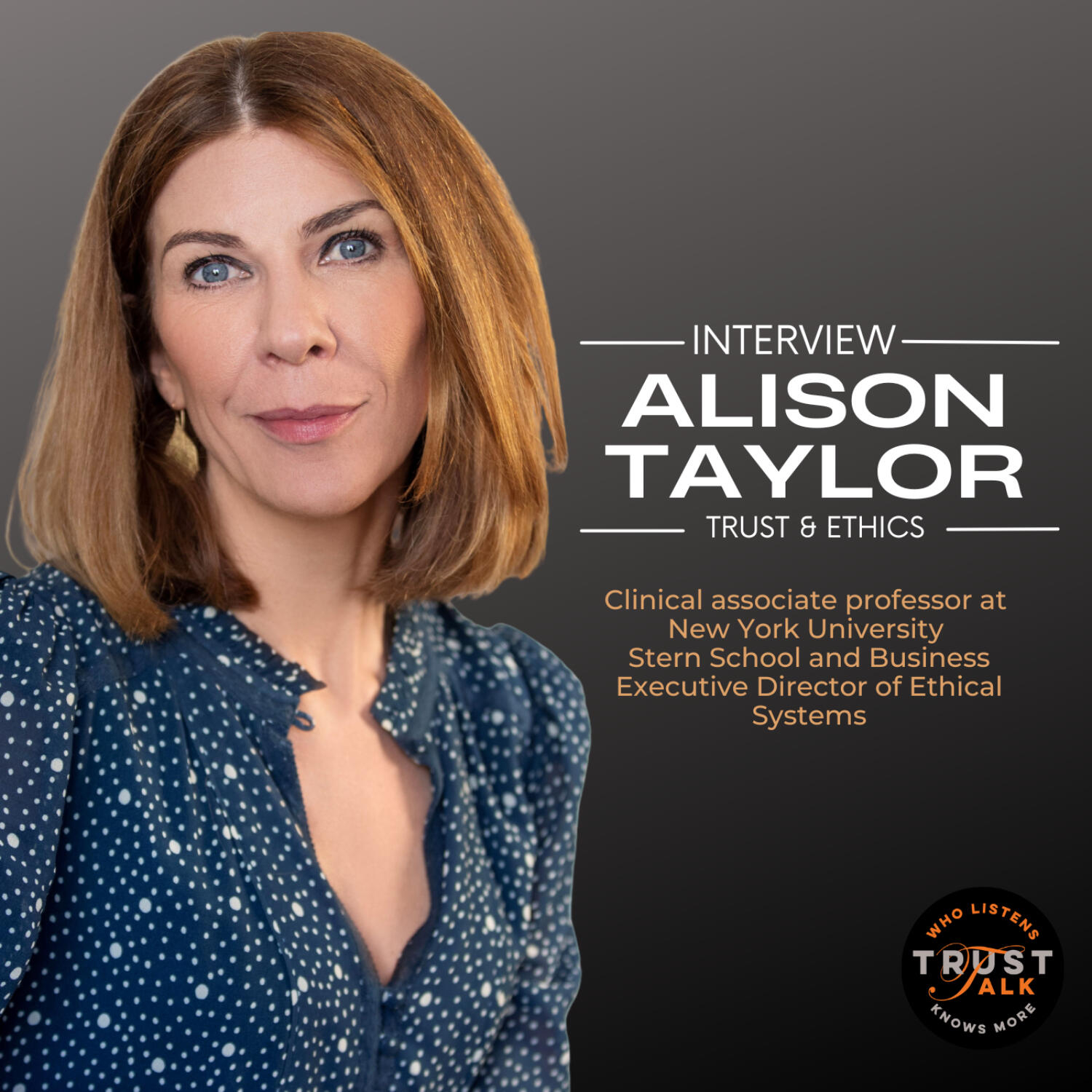
Ep 67Trust & Ethics
Our guest today is Alison Taylor, clinical associate professor at New York University Stern School and Business Executive Director of Ethical Systems, a non-profit research collaboration focused on bringing the best ideas on business ethics from academia into the corporate sector. She has had a diverse career working in corporate investigations in emerging markets, leading her to question the role of culture and leadership in businesses. Her background in political science, history, and organizational psychology has given her a unique perspective on business ethics. She believes that society has lost consensus on what it means to be a good business and her upcoming book aims to clarify this confusing debate. She argues that organizations should focus less on rules and compliance programs and more on building ethical decision-making capacity. They should bring in the wisdom of the collective and have debates about gray areas to jointly make decisions based on the collective's wisdom. Rather than treating ethics as a fundamental black-and-white issue, she suggests building thoughtful capacity for ethical reasoning among the workforce and in society in general. We talk about Elon Musk's decision to lay off the director of Ethics, Transparency and Accountability at Twitter, she believes that he may have underestimated the complexity of content moderation and is now facing the consequences of his decision. She raises the topic of transparency and questions the notion that more transparency leads to more trust in businesses, despite the increase in the level of information available about corporate conduct over the past two decades. She argues that that businesses need to change how they think about ethics and be more transparent and honest, while also being more restrained in what they promise to achieve. She suggests corporations should have a more focused strategy on what they can and cannot solve and stop exaggerating and spinning a story to deflect scrutiny. Finally, she explains how leaders can navigate ethical dilemmas and make decisions in the best interest of their organization.
Ep 66360 Degrees Trust
Our guest today is Jan van der Spoel, the author of "360 Degrees Trust." His approach, known as the Trust Compass, can elevate ordinary relationships into high-trust ones. During our interview, Jan discusses his background in graphic design and how his fascination with human behaviour led him to explore the concept of trust. He also shares how he created his own tools to better understand the challenges of achieving a consensus on trust. Jan then goes on to outline the top three things that organizations can do to foster team spirit through trust: intent, system, and power balance. He stresses that all three are critical in building a team that trusts one another. Furthermore, he explains that control is the antithesis of trust and details how organizations can transition from a culture of control to a culture of trust. Jan recommends providing employees with professional freedom and setting clear expectations instead of micromanaging them, as studies show that this approach can be more effective in motivating employees than having a task-based manager watching over their shoulders.
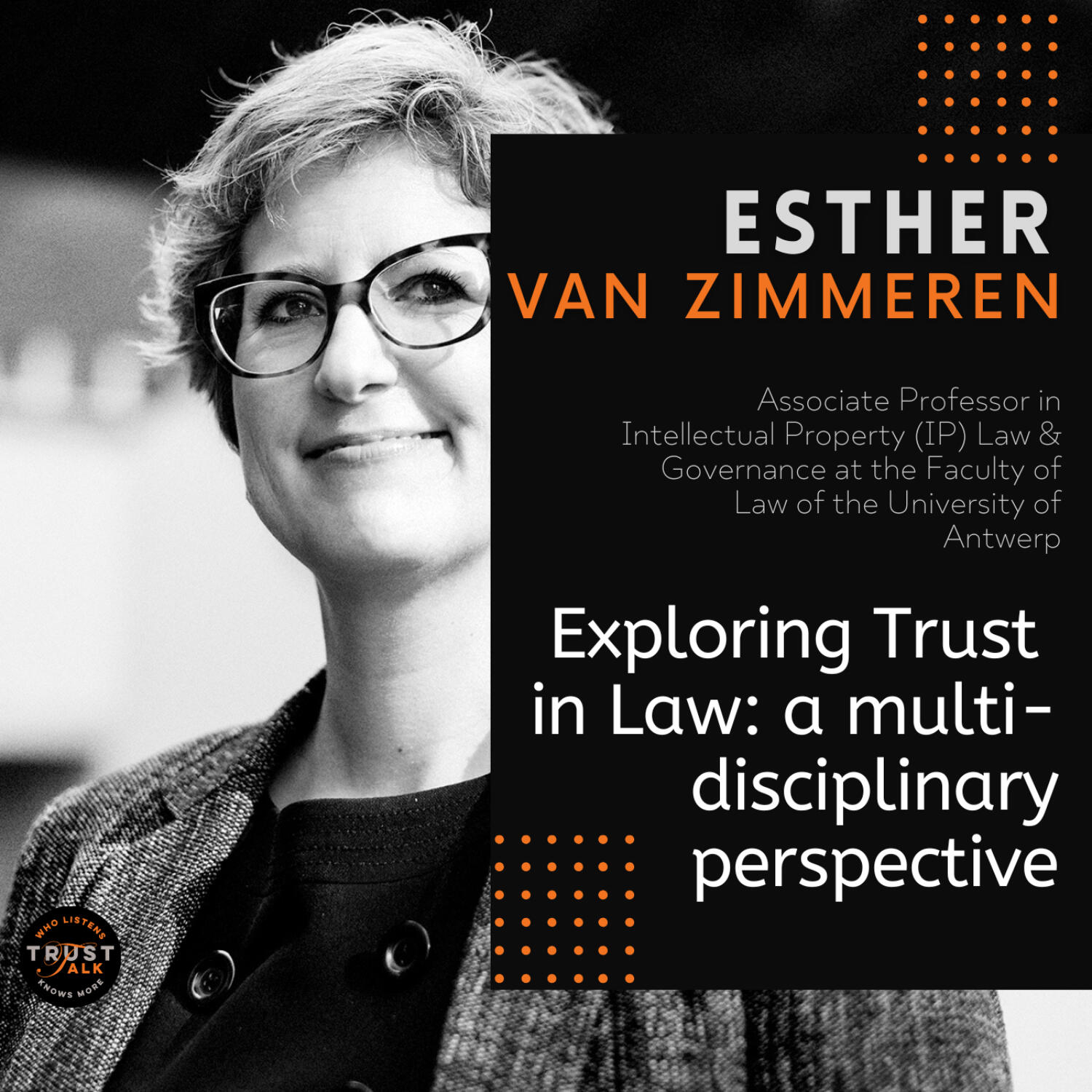
Ep 65Exploring Trust in Law: a multi-disciplinary perspective
Our guest today is Esther van Zimmeren, Professor of Intellectual Property Law & Governance at the Faculty of Law of the University of Antwerp and coordinator of the Centre of Excellence GOVTRUST. The connection between trust and the legal profession is not a simple one. In legal literature, the concept of trust typically pertains to confidence in (legal) institutions, such as courts, judges, or "the legal system." Legitimacy is often used as a synonym for trust, despite its unclear relationship with trust in broader literature from other disciplines. The terms trust, rule of law, and legitimacy are used interchangeably without specifying their drivers or consequences, leading to a lack of clarity in their practical implications. Esther discusses the challenges of creating trust in contractual arrangements, particularly in complex IP licensing and patent pool agreements. They explore the balance between creating clarity and legal certainty while leaving room for innovation and open communication to build trust. She suggests that clear milestones can be imposed at the beginning of the contract, but renegotiation and mediation can be used when more space is needed. The use of alternative dispute resolution, such as mediation, can help to maintain good long-term relationships and build trust. She highlights the importance of considering the context in determining the effectiveness of rules and contracts. They suggest that differences in outcomes may be related to variations in empirical research and theoretical work, as well as factors such as the type of collaboration, contract, actors involved, and geographical scope. Esther van Zimmeren believes that legitimacy, fairness, and procedural justice are important considerations for trust in an organization or institution, especially in a regulatory governance context. She talks about the Unified Patent Court in Europe, which has promising rules for fairness and impartiality but faces challenges in terms of the independence of its technically qualified judges who work part-time for patent firms. She emphasizes the need to look at specific examples rather than general concepts when discussing trust in the legal system.
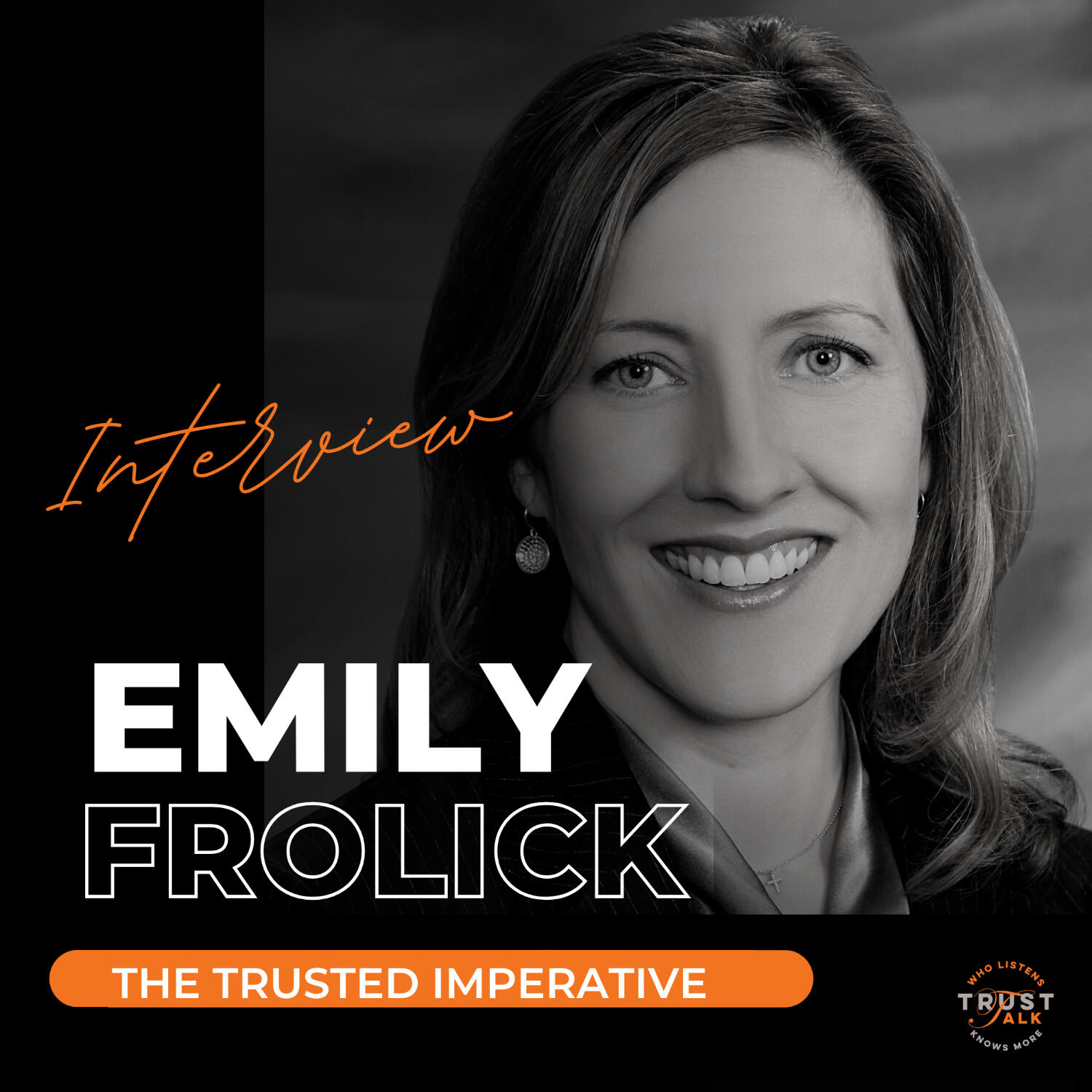
Ep 64Trusted Imperative
Our guest today is Emily Frolick, lead partner of KPMG’s "Trusted Imperative", a new, proactive, strategic approach to risk management that creates a powerful platform for growth and innovation. By inspiring trust in customers, investors, employees, suppliers, communities and regulators, businesses can achieve sustainable advances in performance and efficiency. She talks about the different risks that companies face, including regulation, technology disruption, brand reputation, environmental factors, and cyber risks. In the area of digital transformation, she notices significant changes to businesses, from moving key functions to the cloud to creating new digital offerings and ways to not overlook the role of trust. She talks about a cultural change project by KPMG, conducting interviews and workshops with key stakeholders to identify challenges and desired outcomes, leading to a better understanding of the steps needed to create a culture of trust and accountability.
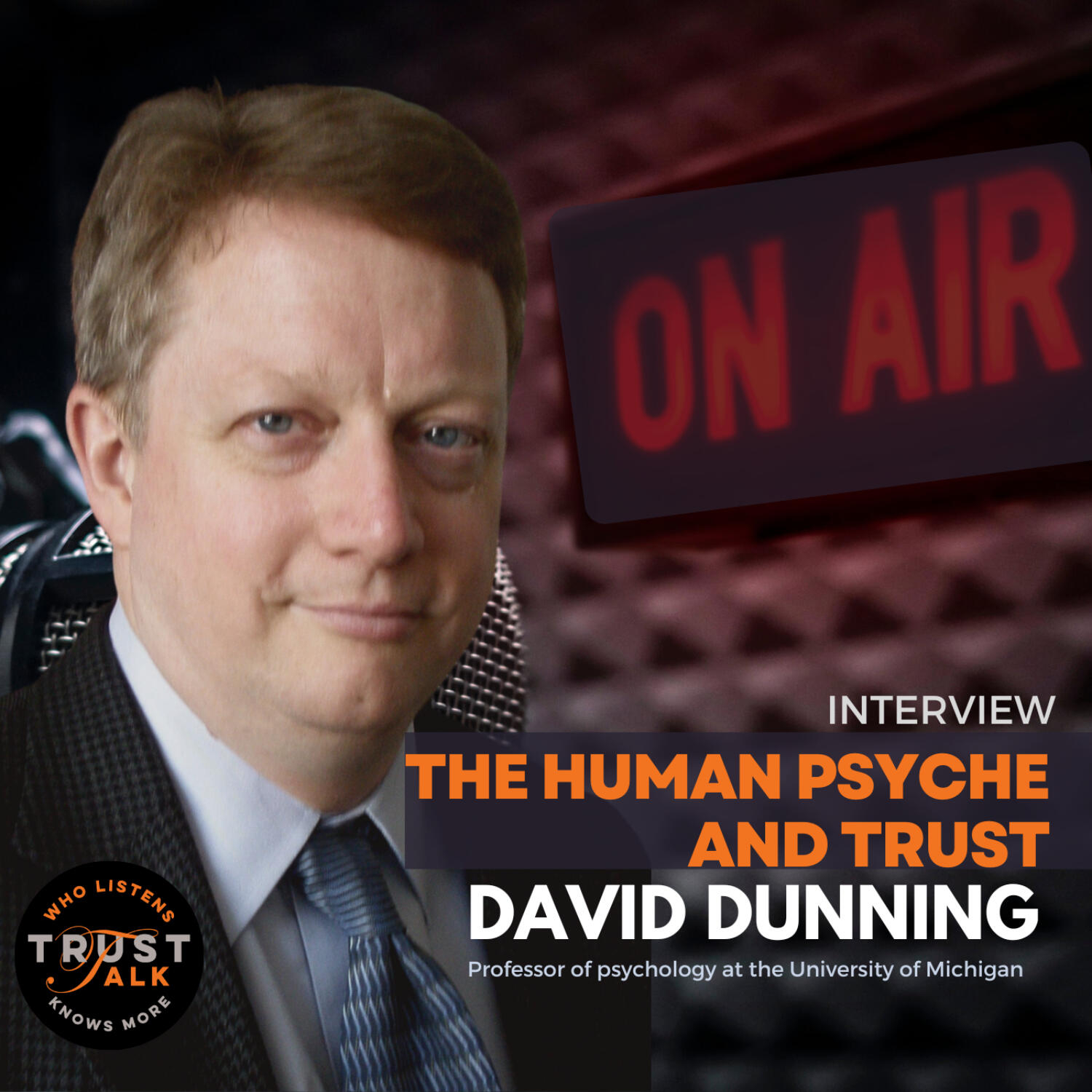
Ep 63The Human Psyche and Trust
Today’s guest is David Dunning, professor of psychology at the University of Michigan - known from the "Dunning-Kruger effect" - who focuses in this interview on the psychology underlying human misbelief. In the interview, we talk about what is going on in the human psyche that's allowing people to trust, and why people trust other people when, according to the economics of rational analysis, they shouldn't. Trust often turns out to be not really an economic decision. When you go to a doctor there's a norm that if your doctor says X, unless you have excellent reasons to ignore him, you should go with the doctor’s advice. Trust is crucial not just for established relationships. It’s also especially vital between strangers with no responsibility toward each other outside of a single interaction. Psychologists found “excessive” trust rates rising much higher than anticipated, given people’s aversion to risk and rather cynical expectations of their peers’ trustworthiness. Many trust even though they expect their trust not to be honored. David is most well-known for the Dunning-Kruger effect when a person's lack of knowledge and skills in a particular area causes him to overestimate his own competence. We talk about the 1986 negotiations between Reagan and Gorbachev, both walked away from a potentially historic agreement that would have eliminated nuclear threats. They famously walked away from a deal because they couldn't get themselves to trust one another.
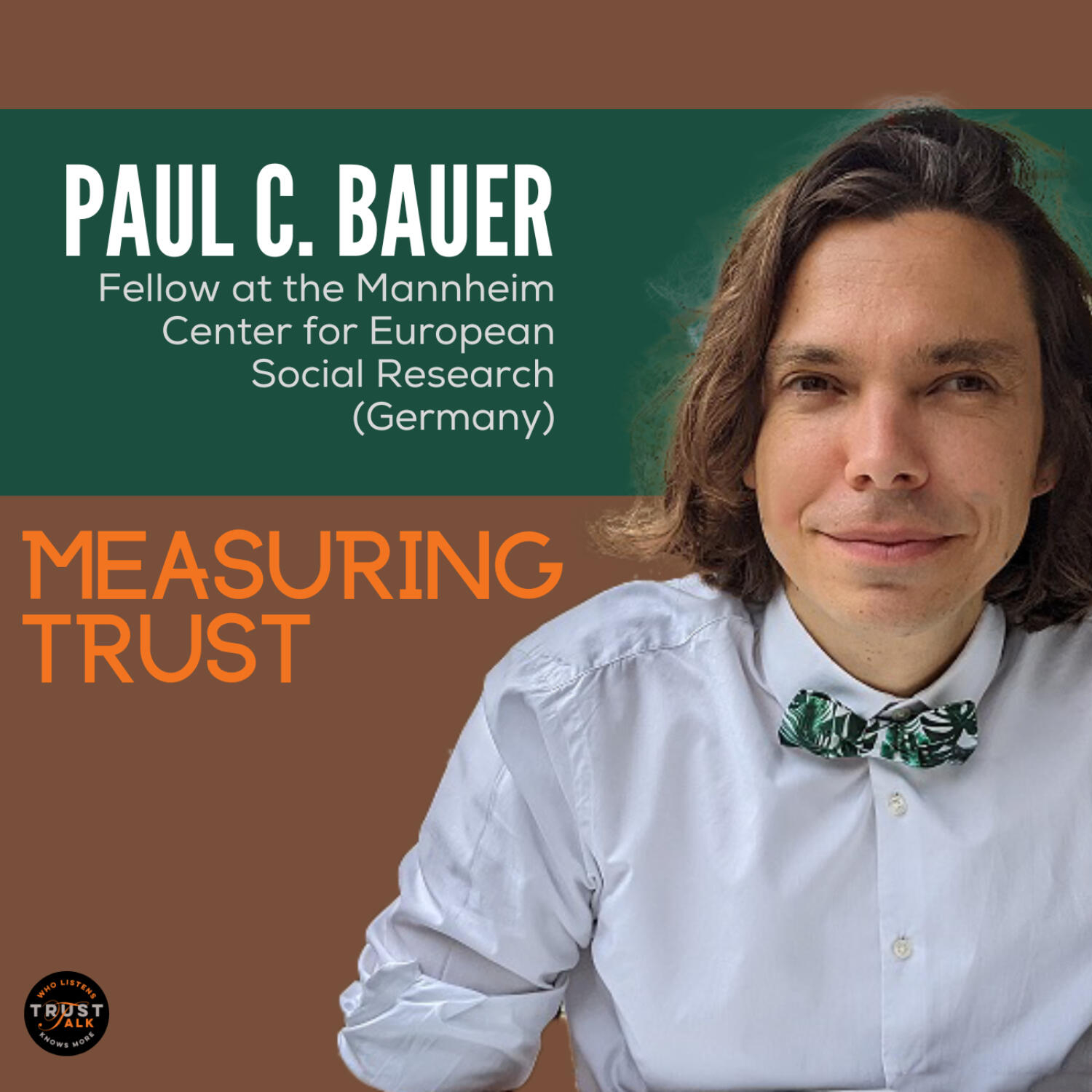
Ep 62Measuring Trust
Our guest today is Paul Bauer, a research associate at the Mannheim Center for European Social Research (Germany). He wrote his doctoral thesis on trust in 2015, and is particularly interested in the methodological side of trust research. In some of his work, he investigates whether different people interpret surveys on trust in similar ways, using causal research designs to examine the effects of experiences such as victimization or unemployment, on trust. Despite decades of research into trust measuring individual trust remains unsatisfying due to problematic survey questions that are used to measure social trust. There are two main methods used to measure trust, surveys and behavior observation. Surveys ask for people's judgments about trust, while behavior observation looks at behaviors based on trust. The trust game is an example of the latter, where trust is measured by the amount of money sent from the trustor to the trustee and how both parties behave. He suggests that non-alignment between the many surveys by organizations Like Edelman, Pew, and major consultancies like Deloitte, PwC, EY, and KPMG may be due to different survey questions, different time points for data collection, and different samples. The OECD guidelines on measuring trust are helpful but could be updated with more recent knowledge. He believes that even though trust is emotional and subjective, it should still be quantified, and mentions his research on audio responses to measure trust. He also points out that definitions of trust are often detached from measurements of trust and discusses his work on finding a better fit between the definition and measurement of trust. Finally, he reflects on the possibilities AI gives researchers to handle larger amounts of data in a shorter time, thus proving more in-depth research results.
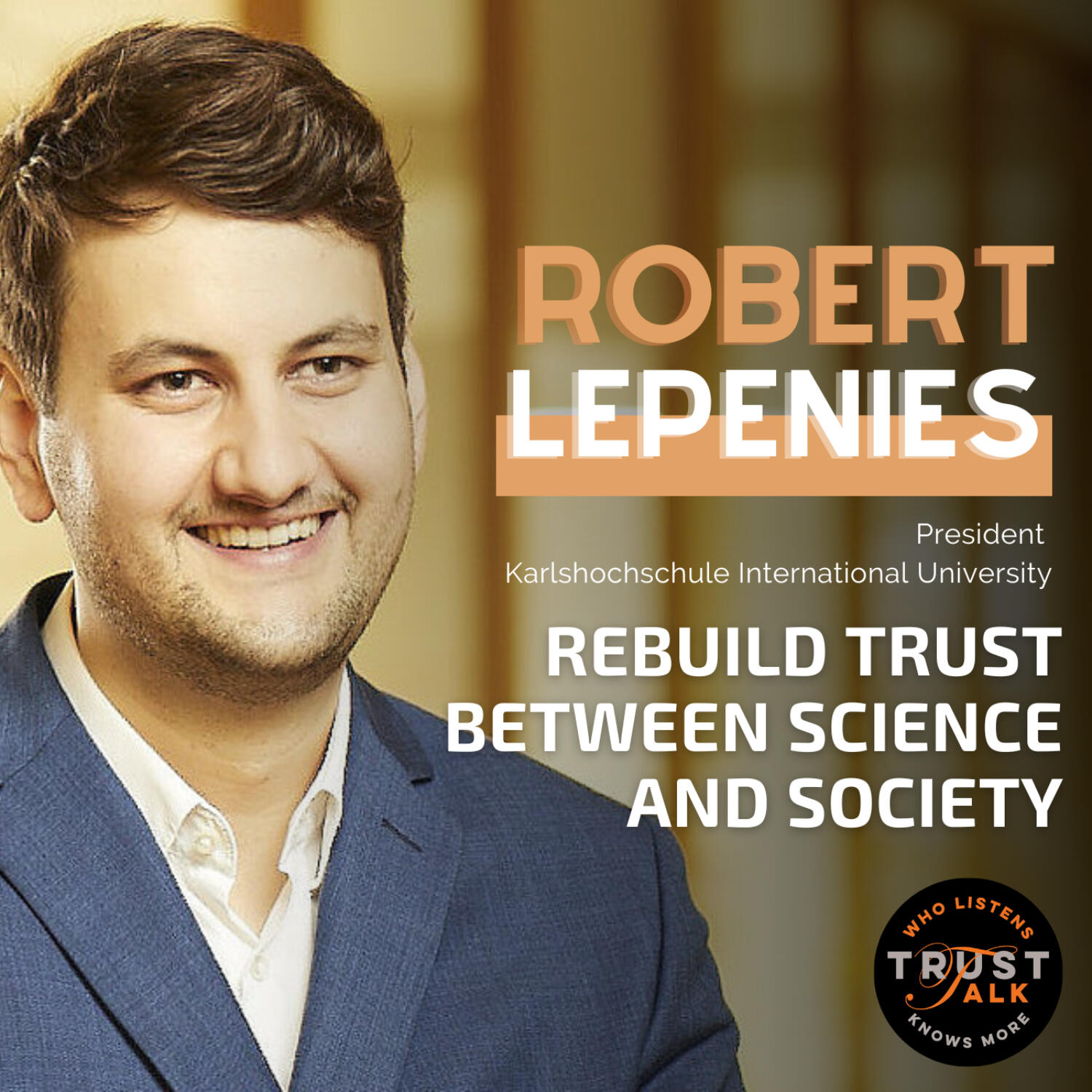
Ep 61Rebuild Trust between Science and Society
Today’s guest, Robert Lepenies, the youngest university President in Europe, believes that there are major economic and political interests that fuel the denial of science. We should focus not only on the symptoms but also on the deeper underlying structures that allow denialism to thrive. To maintain trust in science. Scientists should actively address issues like science publications that become more focused on ranking and commercialization rather than the content of the research or industry-sponsored research. He is a frequent user of social media platforms such as TikTok, Twitter (he is called "The TikTok Scientist"), and LinkedIn to disseminate scientific insights. When talking about ChatGPT he advocates soul searching about what is the purpose of the texts we produce in science, asking ourselves, why do we produce it in the way that we produce it? Why is it valuable to write, understand, read, to critically reflect? And what is it that the machine can do and what is it that it can't do? As to AI-generated output, he believes that traditional methods of evaluating research are not enough to establish trust, suggesting the need for an “extended peer community" involving a broader range of people and stakeholders in the evaluation process.
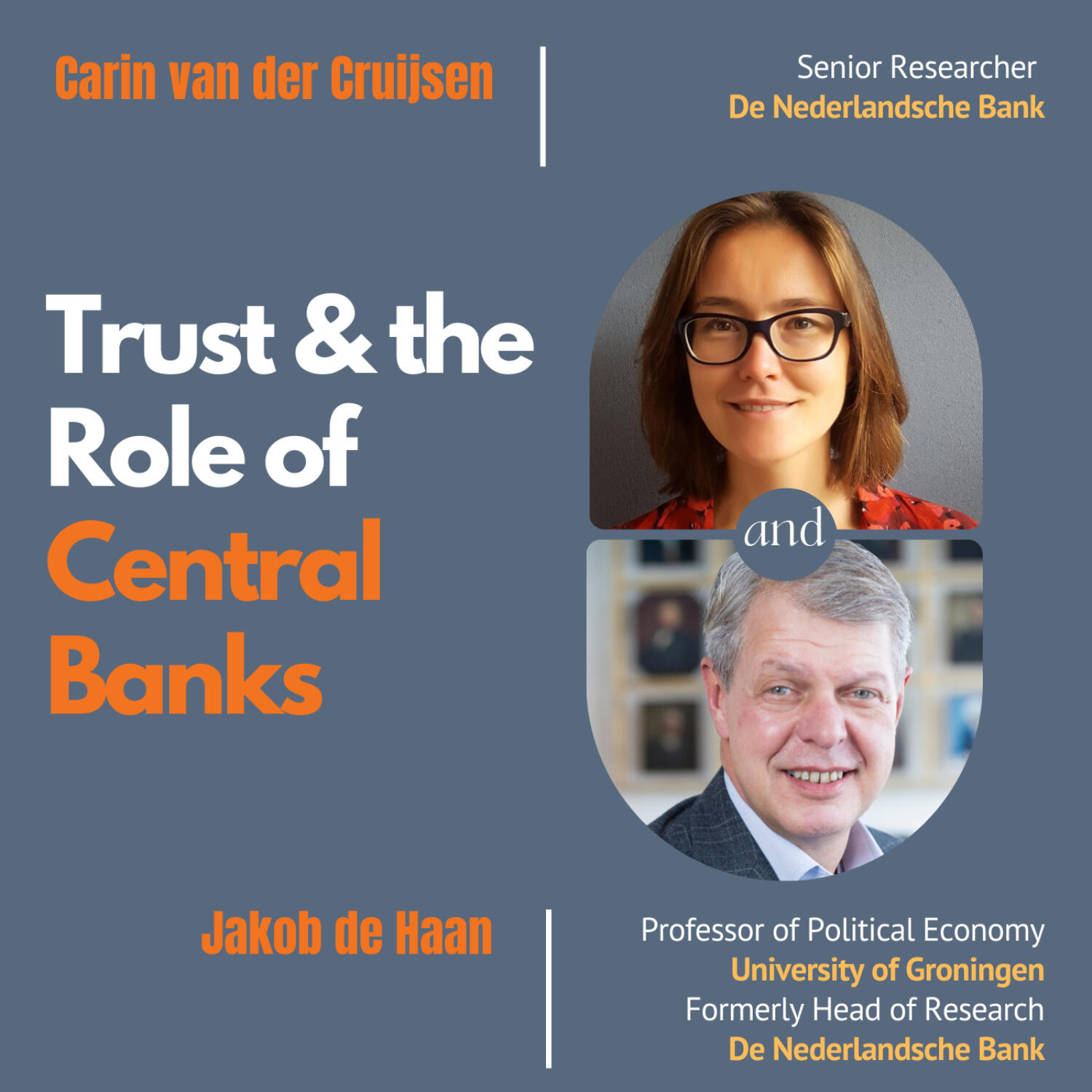
Ep 60Trust and the Role of Central Banks
Trust in Central Banks is critical for the effectiveness of a monetary policy, and for reaching price stability. Today's guests, Carin van der Cruijsen (senior researcher at De Nederlandsche Bank, the Central Bank of the Netherlands) and Jakob de Haan (professor of political economy at the University of Groningen, Netherlands) talk about the importance of explaining monetary policy actions to the general public, the need for financial knowledge, the relation between trust and inflation, the main driver of trust in financial institutions, and the communication sensitivity of communication by financial markets.
Ep 59Santa Claus' Christmas interview
It’s almost Christmas Eve and TrustTalk is very proud to have Santa Claus as our guest sharing with us some thoughts about building trust in challenging times. We ask Santa to give us a bit of advice on how we can become nicer to each other, and what we can do to reach millions of children around the world that live in poverty and are surrounded by conflict. Asked what he would like to give us as his advice for 2023: trust yourself!
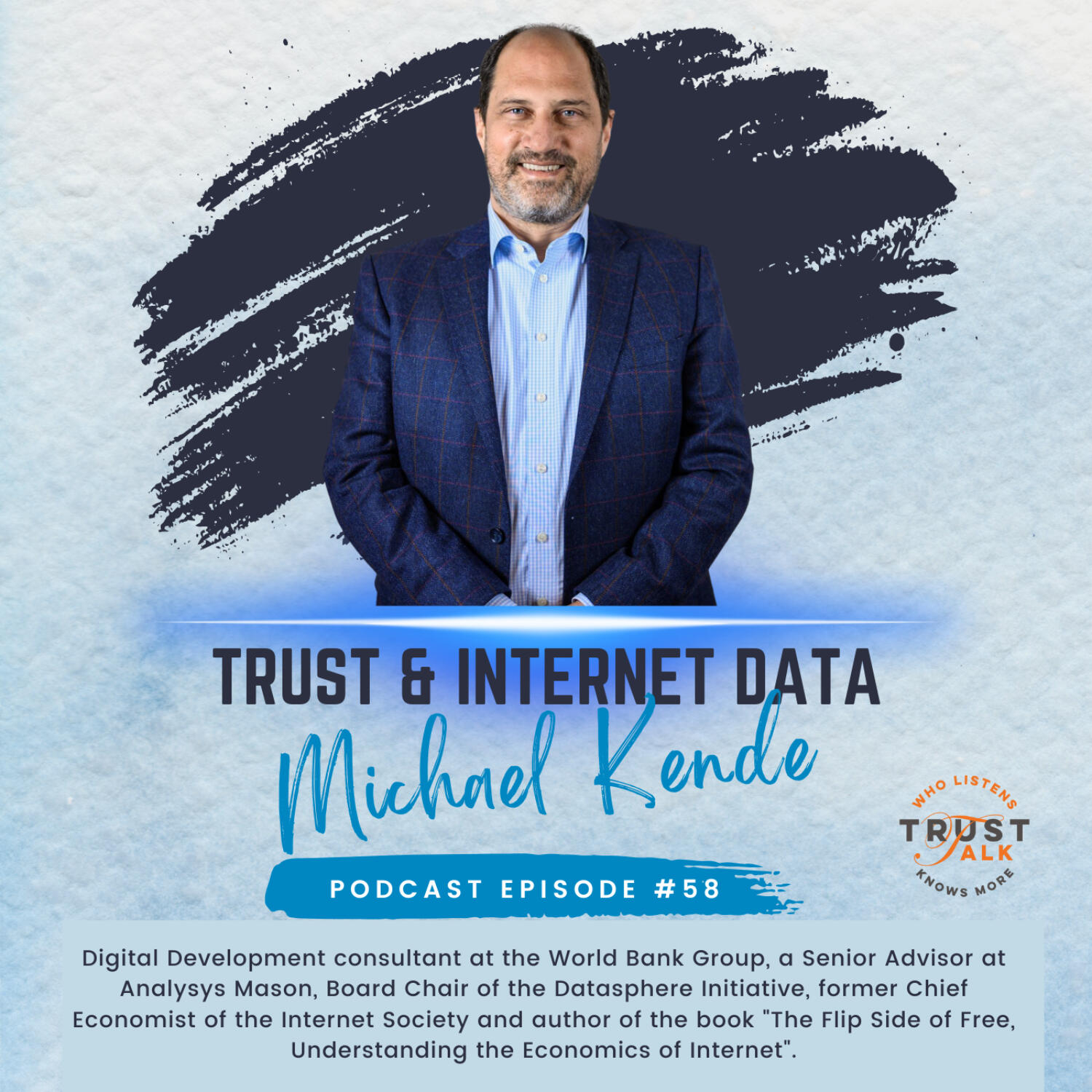
Ep 58Trust & Internet Data
Our guest today is Michael Kende. He has a Ph.D. in economics from MIT and is a Digital Development consultant at the World Bank Group, a Senior Advisor at Analysys Mason, and the Board Chair of the Datasphere Initiative and until recently Chief Economist of the Internet Society. He has done a significant amount of work on promoting Internet development in emerging regions around the world. He works on the economics of cybersecurity, as a means to reduce data breaches and increase trust in the Internet. The Internet has brought us numerous free services like contacting people, creating online content, video conferencing, sharing videos, communicating, and working online, but it comes at a price, as the data we put online, some of it very personal, raises privacy issues, makes us vulnerable to cyberattacks and results in a concentration of power in large companies and governments. He talks about trust and the privacy paradox and the “flip side” of free services that internet provides. The way to grow trust is through technology and regulation, giving the example of the automobile industry where in the 60ties there were no safety regulations until Ralph Nader’s book in 1965 “Unsafe at Any Speed”. He talks about the European GDPR Directive, the Data Sphere Initiative, the privacy paradox, and contact tracing apps like the Ehteraz app Qatar required people to use during the Soccer World Cup. Asked about the Internet of Things (IoT), says Michael that he doesn’t think all of the lessons of the Internet of websites and services online have been learned.

Ep 57Trust Yourself
Myra White, the author of the book "The Superstar Roadmap", talks in this interview about how to trust yourself and how to objectively observe yourself. Why become some people a chess master and most of us don’t? The best way to trust yourself is to go out and try things, trust and understand why there is some you are good at and some things you are not, don’t sit in your armchair but get up and trust your capabilities. We trust people when we have personal contact with them and get to know people from other cultures. She talks about the lack of trust among Americans, the education system in the US versus the UK, too many rules, and whether that stimulates or blocks trust.
Ep 56Does Gen Z still trust?
Our guest today is Martijn Lampert, co-founder and Research Director at Glocalities, a values-based international research, and marketing insights organization that became known after their 2020 study on trust in the United Nations. Their most recent Trend Study 2022 is based upon interviews of 300,000 people stretching over 20 countries and spanning 8 years since the start in 2014. Gen Z is more activist and at the same time less optimistic and disenfranchised about their future, they have diminishing trust in meeting sustainability goals, and their prospect to flourish as well as to make a political impact. Half of the world's population is aged below 30, but only 2.6% of the world's parliamentarians are under 30. The young generation is the highest educated generation ever in human history. They have higher levels of trust in education and science, they are the most connected generations ever through the internet, and at the same time are emancipating and increasingly looking for purpose and quality of life.
Ep 55Interorganizational Trust
As the ultimate expert on the role of trust between organizations, Reinhard Bachmann talks about the importance of risk and vulnerability: you do not need to trust if you are not vulnerable, nor if you want to avoid any kind of risk. What role play competence and integrity? He speaks about his research into the role of trust and power in two types of inter-organizational relationships, vertical relations (supply chain) and horizontal relations (M&A, joint venture, cooperations), the “system” or “institutional” trust in liberal capitalist countries (like in the UK) versus coordinated capitalist countries (like in Continental Europe). In the case of acquisition transactions, two organizations need to be integrated, it is not uncommon that one side distrusts the other (job loss, uncertainty) and why is it that many M&A transactions or joint ventures fail, due to lack of trust? In organizational trust you need to see real persons who represent an organization: if it is an abstract organization and you would not associate any human face with it, it is very difficult to trust. Too much trust is dangerous too: the global financial crisis of 2008 was for a part caused by too much trust in financial advisers (“blind trust”). He reflects upon organizations that say they do not need trust because they can control and monitor operations more closely by technical means (surveillance, video, etc), wondering whether trust becomes obsolete (he thinks it is not).
Ep 54Trust & the Future of Democracy
Our guest today is Francis Fukuyama. He is the Olivier Nomellini Senior Fellow at Stanford University's Freeman Spogli Institute for International Studies and a faculty member of the Center on Democracy, Development and the Rule of Law, and a professor of Political Science. His interest in philosophy and inspiration for his later work came from his undergraduate teacher, Allan Bloom. He talks about interpersonal trust that enables formal institutions to establish property rights and the rule of law and a commercial code to promote economic activity, about the lack of trust that will add to transaction costs and make business dealings much more difficult. When asked about the eroding political trust he talks about the rise of populist politicians and the distrust they foster against institutions as well as media to gain power, the elite losing sight of the views of ordinary people, being unresponsive and unaccountable, which has led to a crisis of trust in political institutions. We talk about information distortion, conspiracy theories, and the imperviousness of fact-checking and evidence. He counters China and Russia’s arguments that liberal democracy is an obsolete system, and talks about Putin’s Ukraine war and the effects that any outcome will have on other conflicts in the world, the Biden election win denial in the US, people’s disenchantment with European institutions for not delivering.
Ep 53Trifecta of Trust
In his book, Trifecta of Trust, psychometrics and leadership expert Joseph R. Folkman has collected compelling data to make the case for the value of trust in leadership. His research shows that there are three core behaviors that create and reinforce trust from others. By mastering this leadership trust trifecta, you can increase success and happiness, both in business and in life.
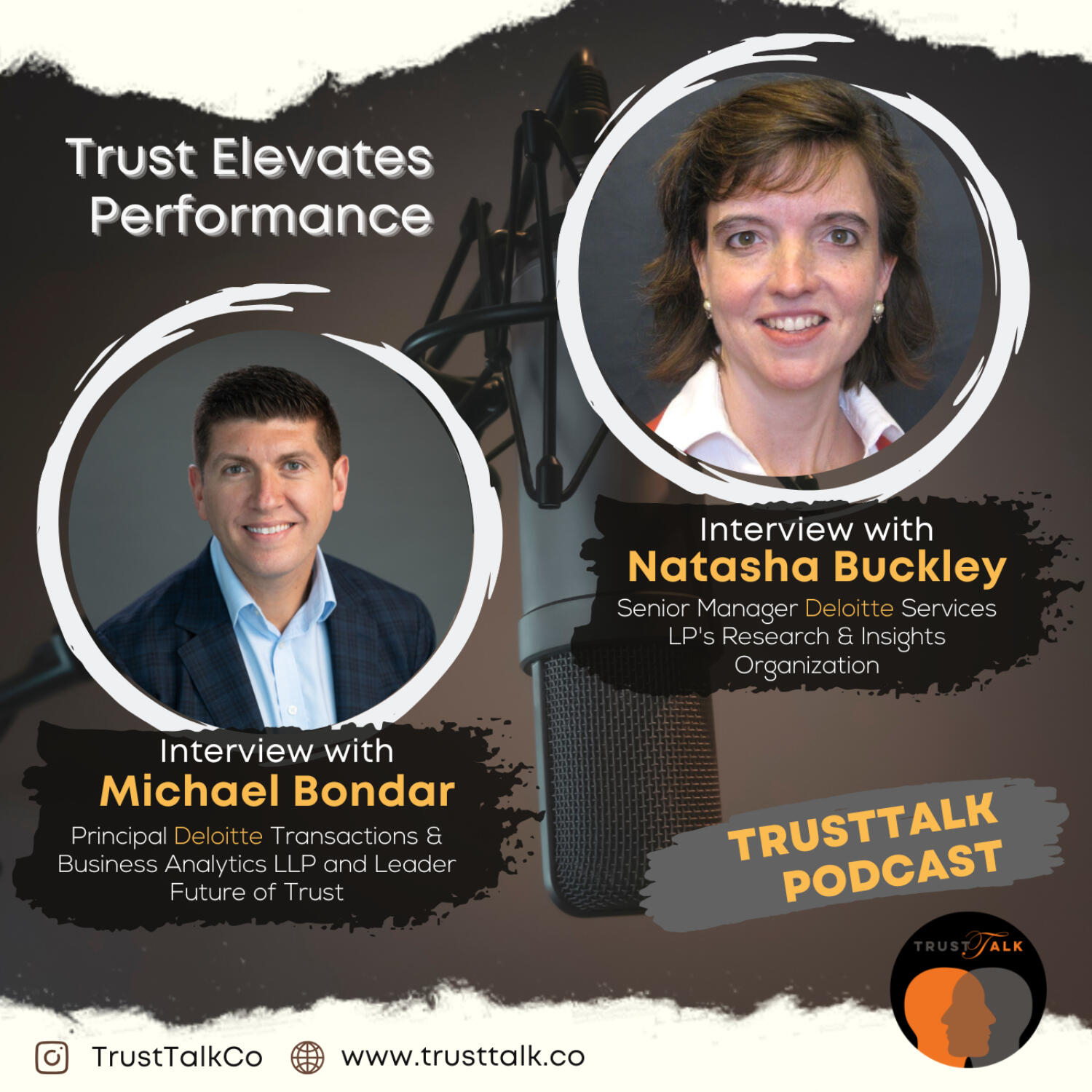
Ep 52Trust Elevates Performance
Today's guests are Deloitte's Michael Bondar and Natasha Buckley. Michael is a principal in Deloitte's Advisory Business and the US and global leader of Deloitte's Enterprise Trust Practice. Natasha is a senior manager at the Deloitte Centre for Integrated Research. Trust drives enterprise performance and mitigates risk. Trust elevates customer and brand loyalty, which can increase revenue. It enhances levels of workforce engagement, which can result in increased productivity and workforce retention. They talk about the old adage that you can only manage what you can measure and how Deloitte measures trust to help clients make strategic decisions. Natasha and Michael also talk about how specific operating areas like superior customer service delivering innovative solutions or protecting customer data significantly elevate trust in a brand leading to higher performance. We talk about digital engagement and digital transformation and why they are key drivers of trust. About A.I. and how it can help to validate information accuracy. How trust across different stakeholder groups can be maintained and the trust challenges that lay ahead.
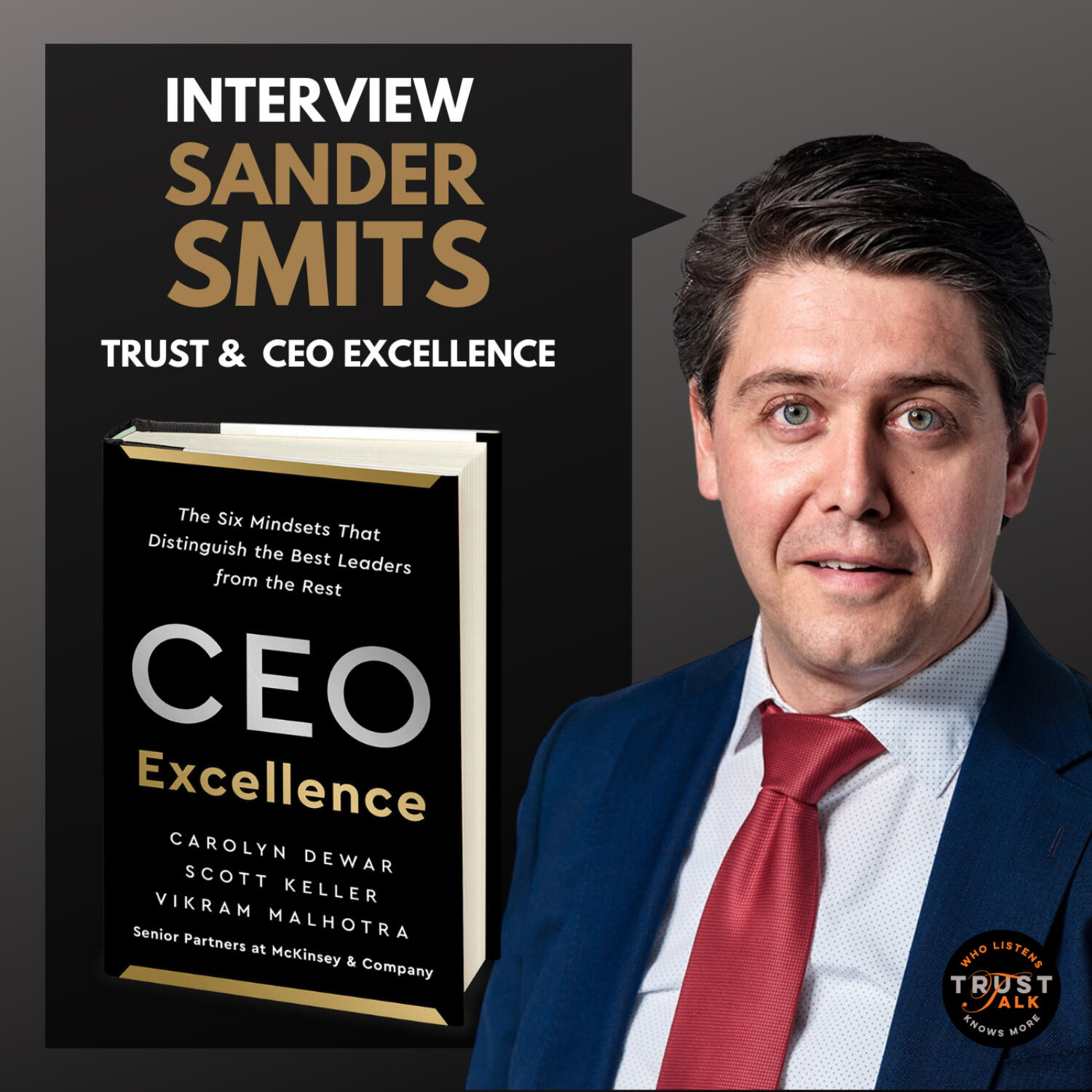
Ep 51Trust & CEO Excellence
Today's guest is Sander Smits, senior partner at McKinsey Amsterdam. He talks about the book “CEO Excellence”. The consultancy firm interviewed over 2.400 CEOs out of their database, from which they selected 67 “Excellent CEOs” for the book. He talks about the role of Roosevelt’s “fireside chats” during the financial crisis of the 1930s to create trust and the parallel with CEOs finding ways to establish trust with the company’s board and its stakeholders, the need for transparency with the board, and the different dynamics that play a role in steering the company, like setting a bold vision on where the company should be headed to and by doing so build trust. 68% of CEOs that were interviewed said they were completely unprepared for their new role, and one-third of Fortune 500 CEOs don’t make it through the first 3 years of their tenure. He talks about the book’s research into six mindsets - McKinsey calls it the “Irreducible Core” – that CEOs have to rise to the top of the list, one of them to listen to numerous inputs and from that formulate a bold vision. Engaging with stakeholders builds trust. He mentions the example of the Nestlė CEO who reached out to environmentalists to talk about renewable raw materials and how to use that, trying to fully understand their point of view. He likes a quote from one of the interviewed CEOs: do you want to have a team of stars or do you want to have a star team?
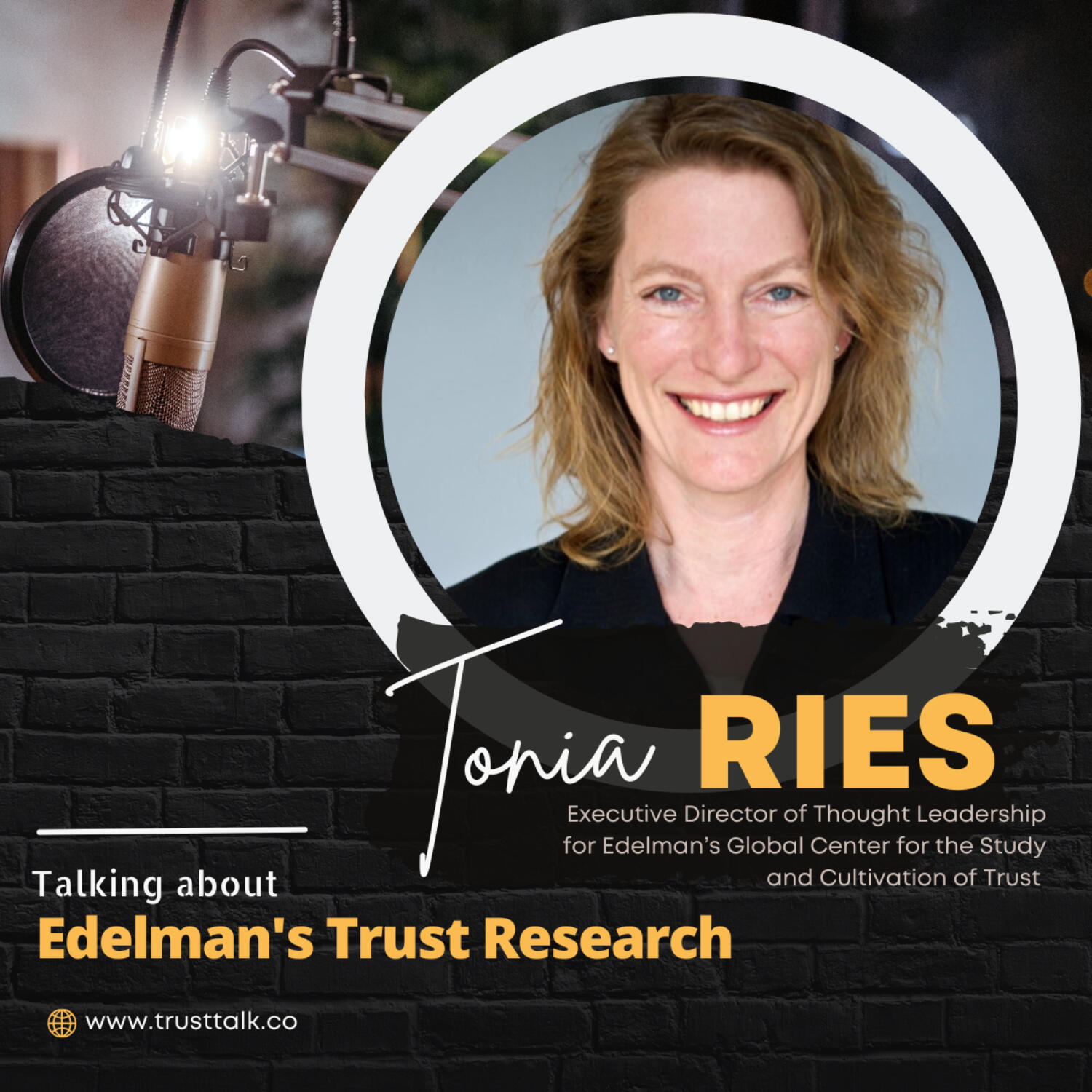
Ep 50Edelman's Trust Research
Our guest today is Tonia Ries, Executive Director of Thought Leadership for the Edelman Trust Institute. For more than 20 years Edelman has been publishing the Edelman Trust Barometer on the status of trust in four institutions: business, government, NGOs, and media. She talks about GenZ and their predilection for employment values and societal roles of their employers, spreading their influence on Western culture and views on the role of trust. Recent trust research shows an epidemic of misinformation and widespread mistrust of societal institutions and leaders around the world, a failing trust ecosystem unable to confront the infodemic, leaving the four institutions—in an environment of information bankruptcy and a mandate to rebuild trust and chart a new path forward. Recent research shows that governments are not seen as competent, nor ethical. Rather businesses are more trusted increasingly being asked to take on responsibilities that historically have been responsibilities for governments. She talks about exciting new opportunities when it comes to trust research. The interview concludes with Tonia’s vision of the main challenges for trust research. She talks about stakeholder capitalism and the debate as to who should the primary stakeholder of business be.
Ep 49Trusted Coaching
Our guest today is Reinhard Stelter, Professor of Sport- and Coaching Psychology at the University of Copenhagen, Denmark. He advocates a new form of coaching as a transformational dialogue, one that fosters trust between the coach and the dialogue partner by a more relational “attunement” or resonating with the coaching partner. He refers to the need for what the German sociologist Hartmut Rosa called “Resonance”, to show that in times of ever-growing acceleration in technology, private interactions, and social processes, resonance might be the solution. He advocates that in the process of resonating with another person, we can develop trust and growth in relationships and understanding. He talks about his move from performance-oriented sports psychology towards developing coaching as a transformational dialogue where trust is the foundational premise. The focus is on developmental issues, where clients or dialogue partners struggle with themselves or specific challenges they are faced with. The perspective of “dialogue coaching” can be described as fellow-human companionship: dialogue guides – a professional coach or colleague or a friend – support their dialogue partner by including themselves in the dialogue as a collaborative and co-reflecting partner.
Ep 48What can Robotics and AI teach us about Trust?
As a researcher in AI and robotics, Benjamin Kuipers, in this interview, sees increasing applications of AI in our society. It is natural to wonder whether the behavior of these artificially intelligent systems should somehow be governed by ethics. There is general agreement that ethics imposes constraints on individual behavior for the benefit of society as a whole. There is also a general recognition that trust is important, for individuals, organizations, and society as a whole. But aside from recognizing that trust is in general a good thing, few people have looked carefully at the specifics of how trust serves the thriving, and perhaps even the survival, of our society. In this interview, Benjamin Kuipers, based on ideas from many insightful thinkers, suggests a framework for how these elements work together: a society thrives when it has the resources to respond to threats and opportunities when it gains resources through positive-sum interactions where many positive-sum interactions are forms of cooperation, which in turn involves vulnerability to exploitation by partners. Trust is a willingness to accept vulnerability, confident that it won’t be exploited, and for trust to be effective, one’s self and others must be trustworthy. Through ethics, a society teaches its members how to be trustworthy and how to recognize trustworthiness in others.
Ep 47Trust and Global Cooperation
Our guest today is Jason Rhys Parry, Senior Content R&D at Sapienship, the global social impact company founded by Yuval Noah Harari and Itzik Yahav and headed by Naama Avital. Sapienship's mission is to focus global attention on the most important collective challenges facing the world today, through entertainment, education, and investments. In this interview, he talks about an old mechanism for academics to build trust, the footnote, and the damaging effect hiding scientific work behind paywalls has on public access to information. Global cooperation did produce unintended positive effects on global warming as he explains the Montreal Protocol did by storing billions of tonnes of carbon stored in plants that would otherwise be in the atmosphere. He talks about the “replication crisis” in science, flawed studies, experiments that fail to replicate, the effect of too much media attention, and a lack of self-criticism and self-evaluation. And about the cost of averting climate breakdown: the “2%-More-Rule”: if humanity invests just an extra 2% of Global GDP in developing eco-friendly technologies and infrastructure every year, this would be enough to prevent catastrophic climate change.