TrustTalk - It's all about Trust
The Trust Journey, Navigating its Complexities and Embracing its Power.
Severin de Wit
Show overview
TrustTalk - It's all about Trust has been publishing since 2020, and across the 6 years since has built a catalogue of 147 episodes, alongside 1 trailer or bonus episode. That works out to roughly 60 hours of audio in total. Releases follow a fortnightly cadence.
Episodes typically run twenty to thirty-five minutes — most land between 21 min and 29 min — and the run-time is fairly consistent across the catalogue. None of the episodes are flagged explicit by the publisher. It is catalogued as a EN-NL-language Society & Culture show.
The show is actively publishing — the most recent episode landed 2 weeks ago, with 19 episodes already out so far this year. Published by Severin de Wit.
From the publisher
Trust is the invisible force that shapes our world - from the personal to the geopolitical. At TrustTalk, we’re committed to exploring trust in all its complexity. Since 2020, we've been engaging with thought leaders from around the globe to unpack how trust influences relationships, business, technology, society, and global affairs. Every episode offers insightful conversations that reveal why trust matters - and what happens when it breaks down. If you’re curious about the forces that hold people, institutions, and nations together, this is a journey you won’t want to miss.
Latest Episodes
View all 147 episodesGlobalization's Six Faces, and Who We Trust
God, Money and the Nation, A History of Trust
Trusted Brands: Voice, Volume, Vulnerability
Being Right Never Earns Trust
Trusting, Line by Line
How Medicine Earns Trust
Trusted Philantrophy
Understanding the Trust-Law Dynamic: Insights on Legitimacy
Why Trust Matters
The Trust We Assume, the Consent We Feel
San Francisco: Where Progress Meets Distrust
Trust Me, I'm Emotional
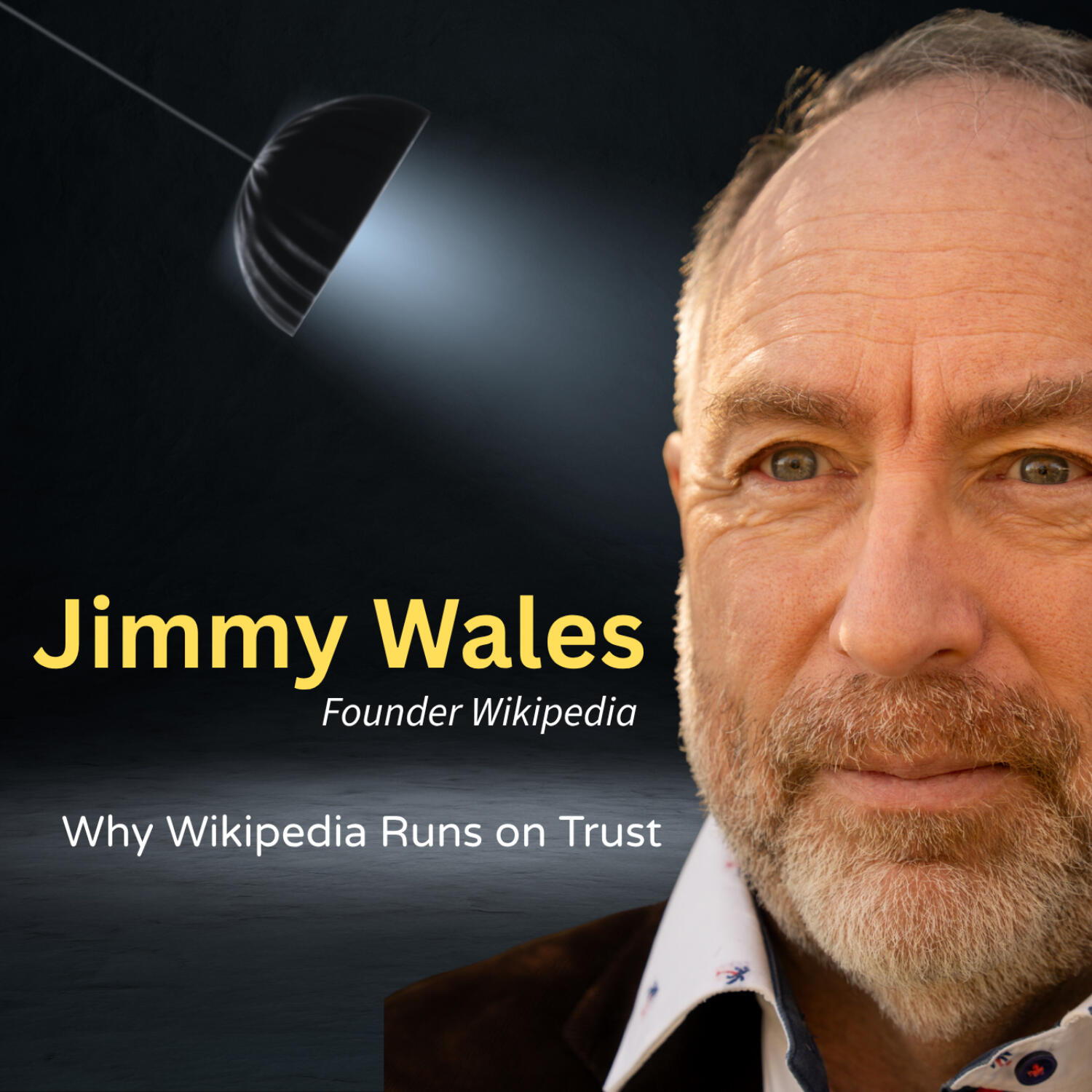
Ep 133Why Wikipedia Runs on Trust
Wikipedia serves 11 billion pages a month and almost nobody questions it anymore. But how did millions of anonymous strangers, unpaid and from every culture, manage to build the world's largest encyclopedia together and keep it honest? The answer, according to Jimmy Wales, is trust — and trust by design. In this conversation, Jimmy Wales, founder of Wikipedia and author of The Seven Rules of Trust, talks about what it actually takes to build trust at scale. We discuss why assuming good faith works better than suspicion, why civil conversation is rare online but does not have to be, and what the Nixon checkers speech teaches us about transparency. We also look at how organizations can recover from a trust crisis, and why, more often than people think, they can.
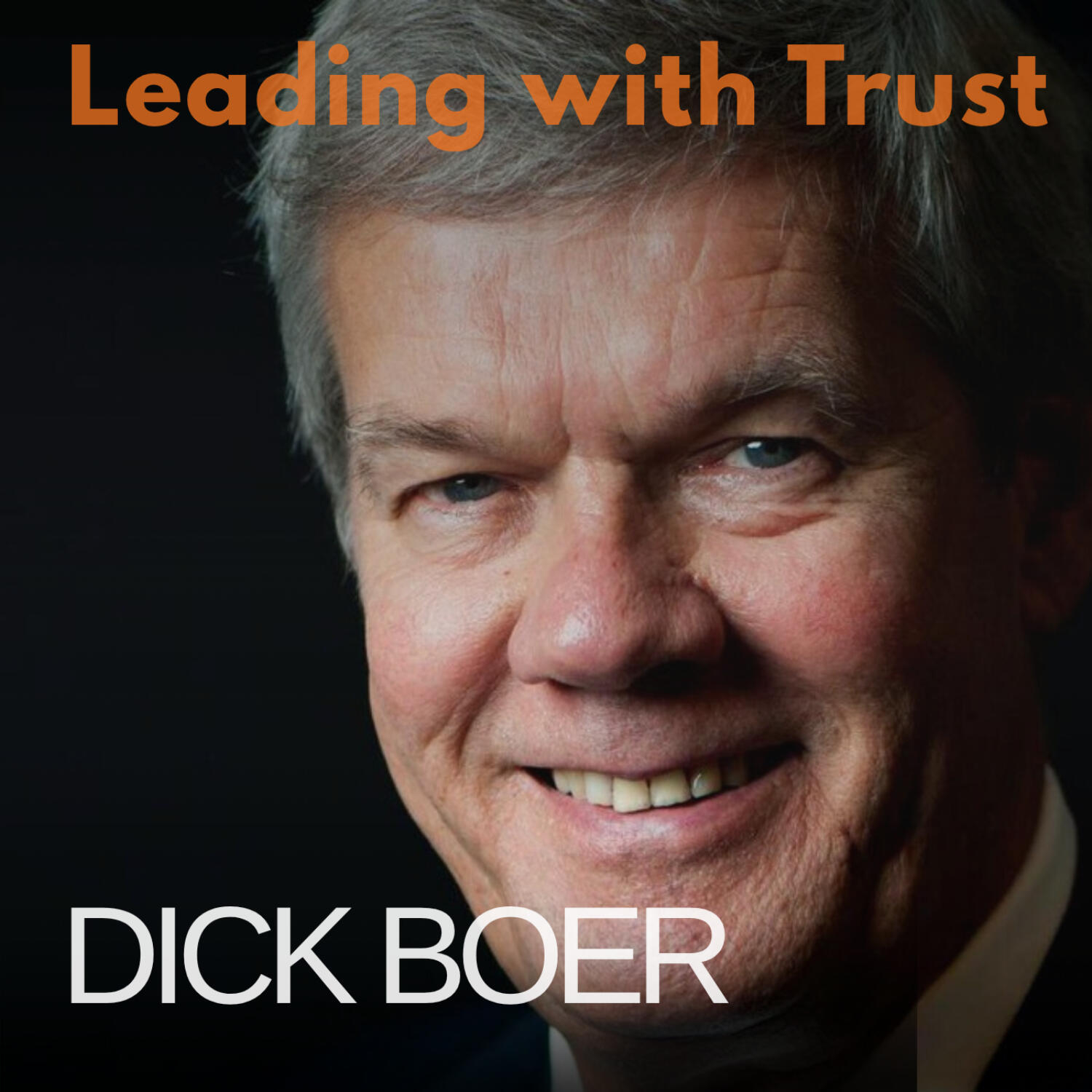
Ep 132Leading with Trust
Every day, millions of people trust retailers to decide what ends up on their table. But that trust extends far beyond the products themselves. It touches supply chains, leadership decisions, sustainability, and the values that guide a company, often under pressure and out of public view. In this episode of TrustTalk, we speak with Dick Boer, former CEO of Ahold Delhaize and now a board member and advisor to several large companies, who led one of the world’s largest food retail companies through major transformations, including a global merger and the aftermath of a corporate crisis. He reflects on how trust operates at every level of retail, from food quality and sourcing to employees, customers, and society. Dick Boer shares candid insights on the dilemmas leaders face when values collide with commercial pressures, why trust must be actively rebuilt after a crisis, and how leadership culture differs across countries. He also discusses the importance of purpose-driven leadership, the role of transparency with boards and teams, and why trust in leadership ultimately begins with building the right team. Looking back on his career, he reflects on the hardest lessons he learned about trust, the importance of staying grounded as a leader, and why openness, honesty, and the courage to make difficult decisions are essential to maintaining trust over time.
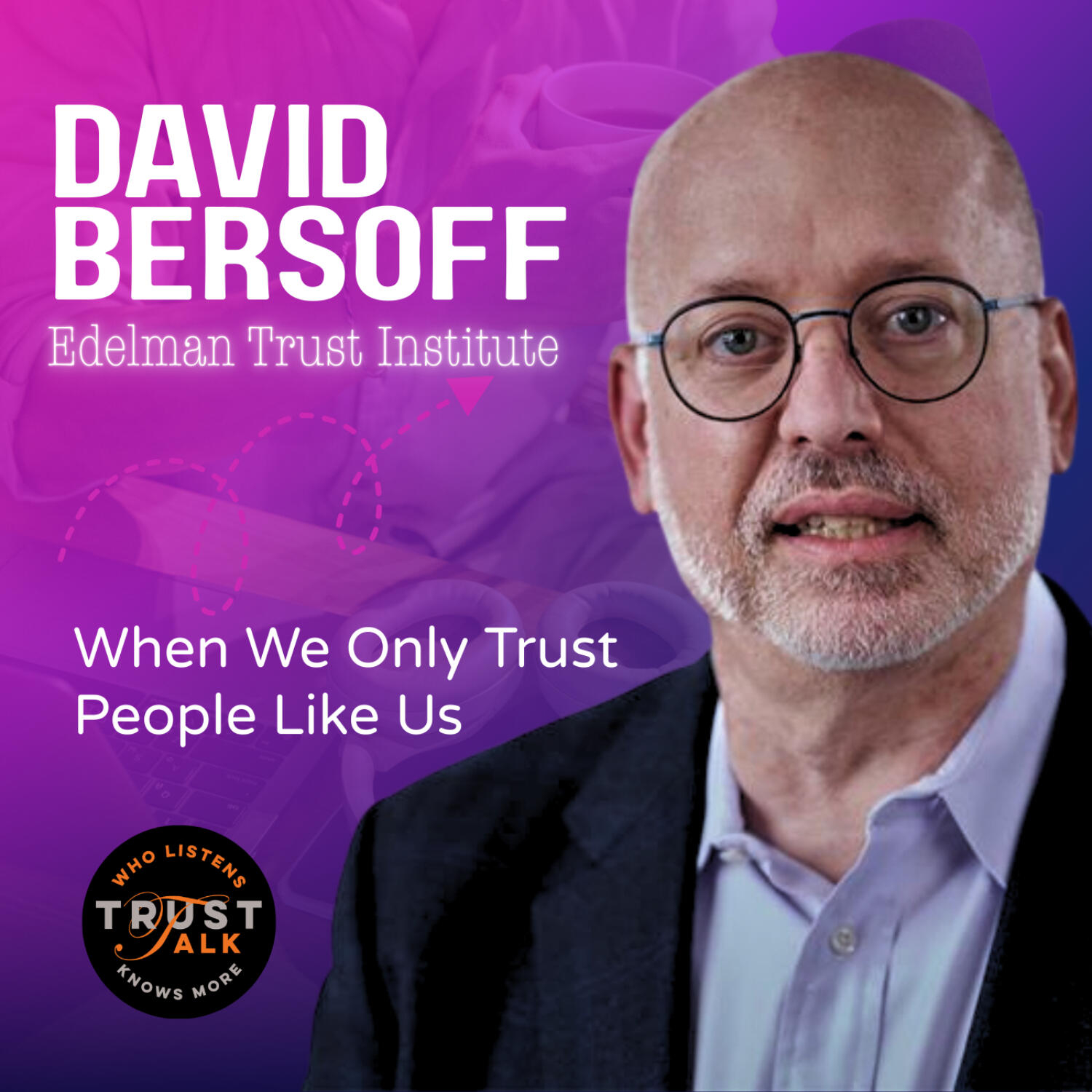
Ep 131When We Only Trust People Like Us
David Bersoff, Head of Research at the Edelman Trust Institute, has spent decades measuring trust across the globe. His most striking finding right now isn't that trust is collapsing, it's that our trust circles are shrinking. We've reached a point where people who think differently, vote differently, or read different sources can barely get into each other's trust circles. When those circles stop overlapping, the bridges between us disappear, and democracy starts to strain. In this conversation, David unpacks what he calls insularity: the homogenization of trust to the point where 7 in 10 people hesitate to trust someone who is simply different from them. He also explains why trust isn't disappearing overall but becoming dangerously uneven, with the gap between those who feel institutions work for them and those who feel the system is stacked against them widening every year. We dig into why employers have become the unlikely safe harbour of trust, what "certainty bubbles" can teach businesses navigating uncertainty, and why trust brokering, helping groups understand each other rather than trying to change each other, may be the most realistic path forward in today's climate. David also shares three things most people fundamentally misunderstand about trust: that just because you experience trust every day doesn't mean you understand how it works; that there are different kinds of trust, in ability, in motivation, in integrity, each granting a different licence to the people or institutions that earn them; and that trust is something you have to actively strategise around and build on purpose. It doesn't simply come from being a good company or doing your job well.
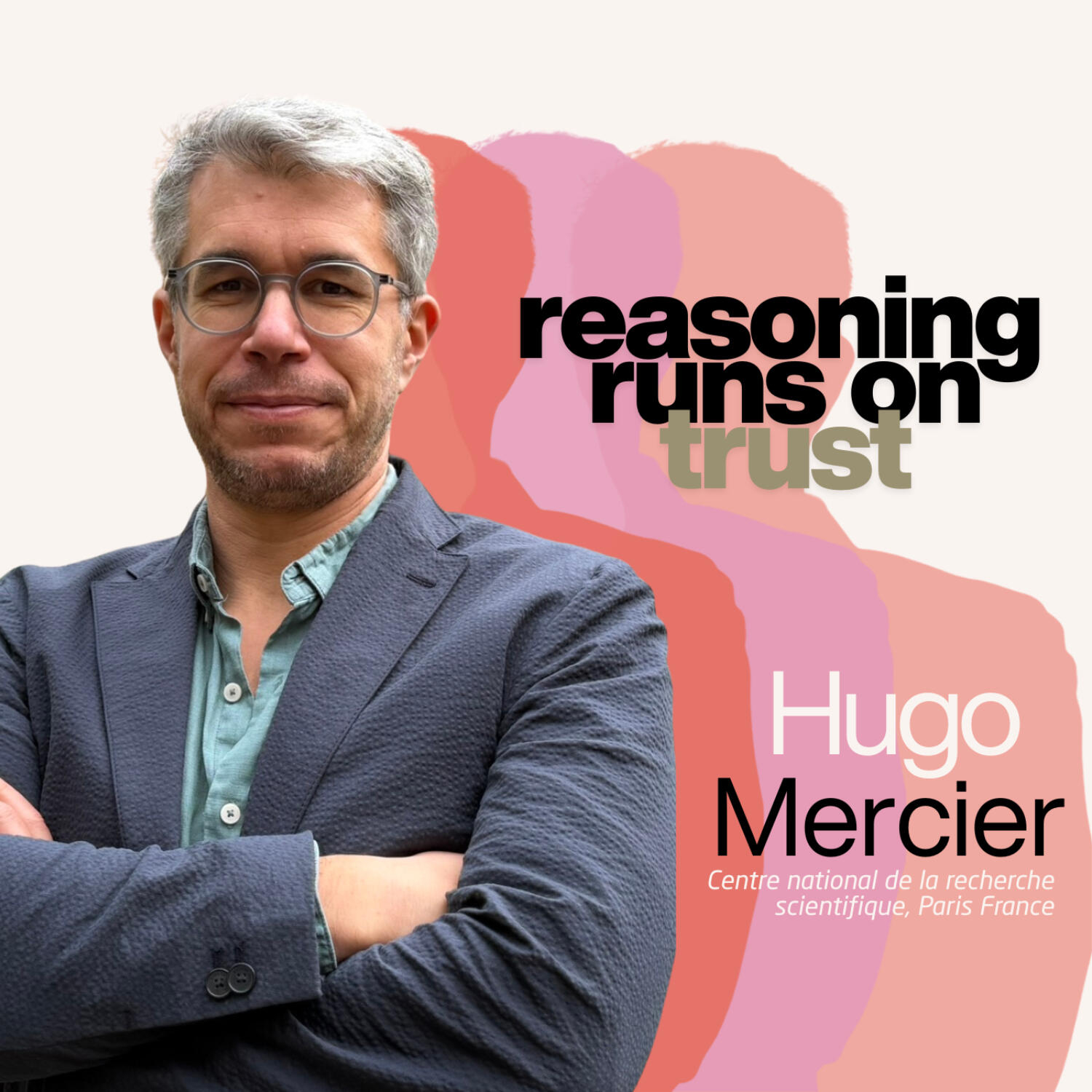
Ep 130Reasoning Runs on Trust
When we disagree with someone, it's tempting to assume the problem is simple: they're irrational, biased, or misinformed. But what if human reasoning doesn't work the way we think it does? What if reasoning isn't primarily about finding the truth on our own, but about exchanging arguments with others? In this episode of TrustTalk, we speak with cognitive scientist Hugo Mercier of the CNRS in Paris and co-author of The Enigma of Reason. He explains why humans may be better at reasoning than we assume, why disagreement often turns on trust rather than logic, and what this means for science communication, polarization, and our ability to reason together. Hugo Mercier also reflects on how confirmation bias can serve a useful function in group deliberation, why personal and local relationships often succeed where institutional messaging fails, and why, despite everything, he remains cautiously optimistic about our collective capacity to reason well.
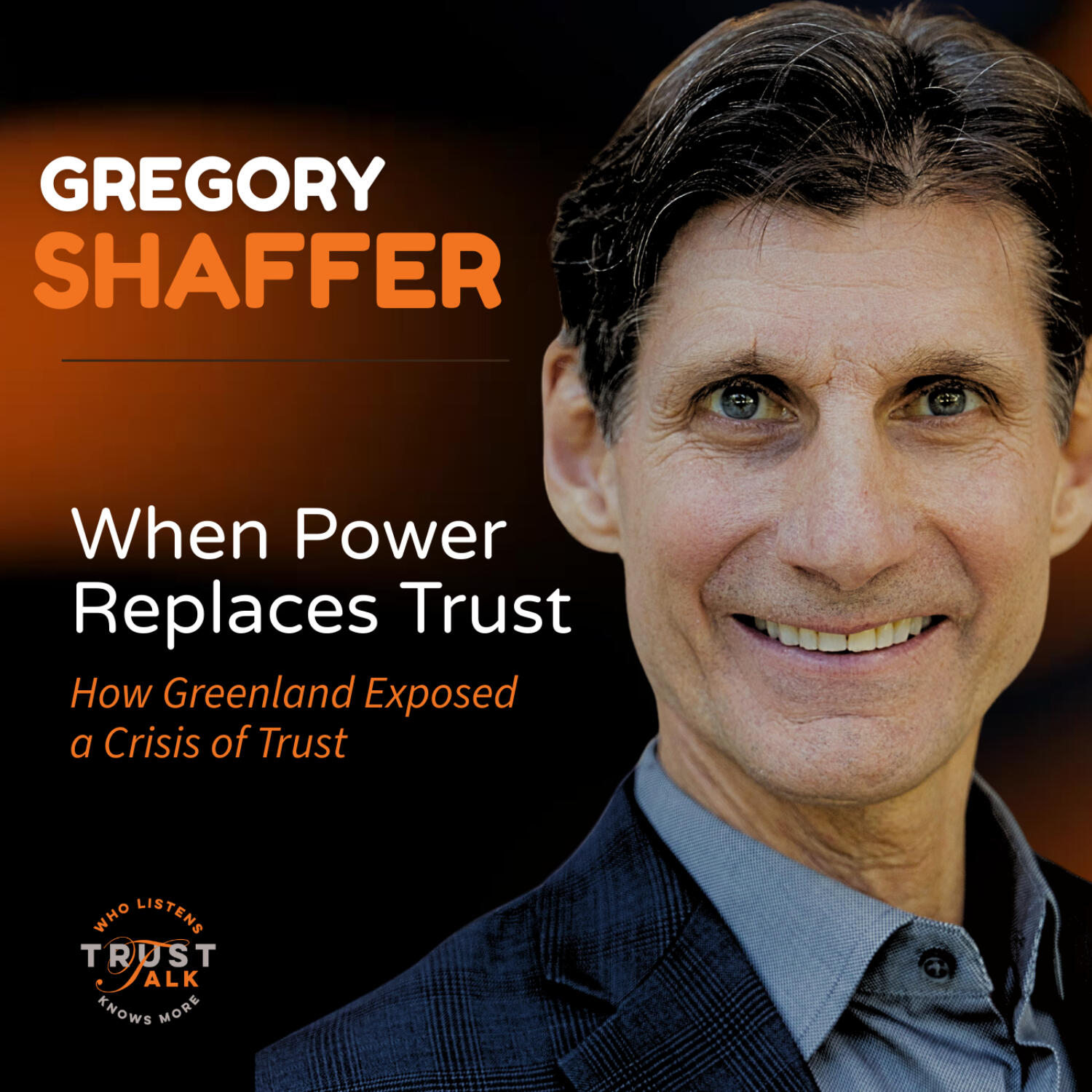
Ep 129When Power Replaces Trust
When the United States openly pressured Denmark over Greenland, the immediate dispute faded fast. The damage to trust did not. This episode looks beyond Greenland to a bigger question: what happens when the world’s most powerful country starts behaving like an unreliable partner? International law, trade agreements, and security alliances only work if states believe others will still play by the rules when it no longer suits them. That belief is now under strain. With Gregory Shaffer, Scott K. Ginsburg Professor of International Law at Georgetown, we talk about power, coercion, and the quiet erosion of trust in international treaties. Is the U.S. still seen as a credible partner? Are rules giving way to pressure politics? And are we already sliding into a global order where raw power matters more than promises? This is not just a diplomatic story. It may be a systemic risk.
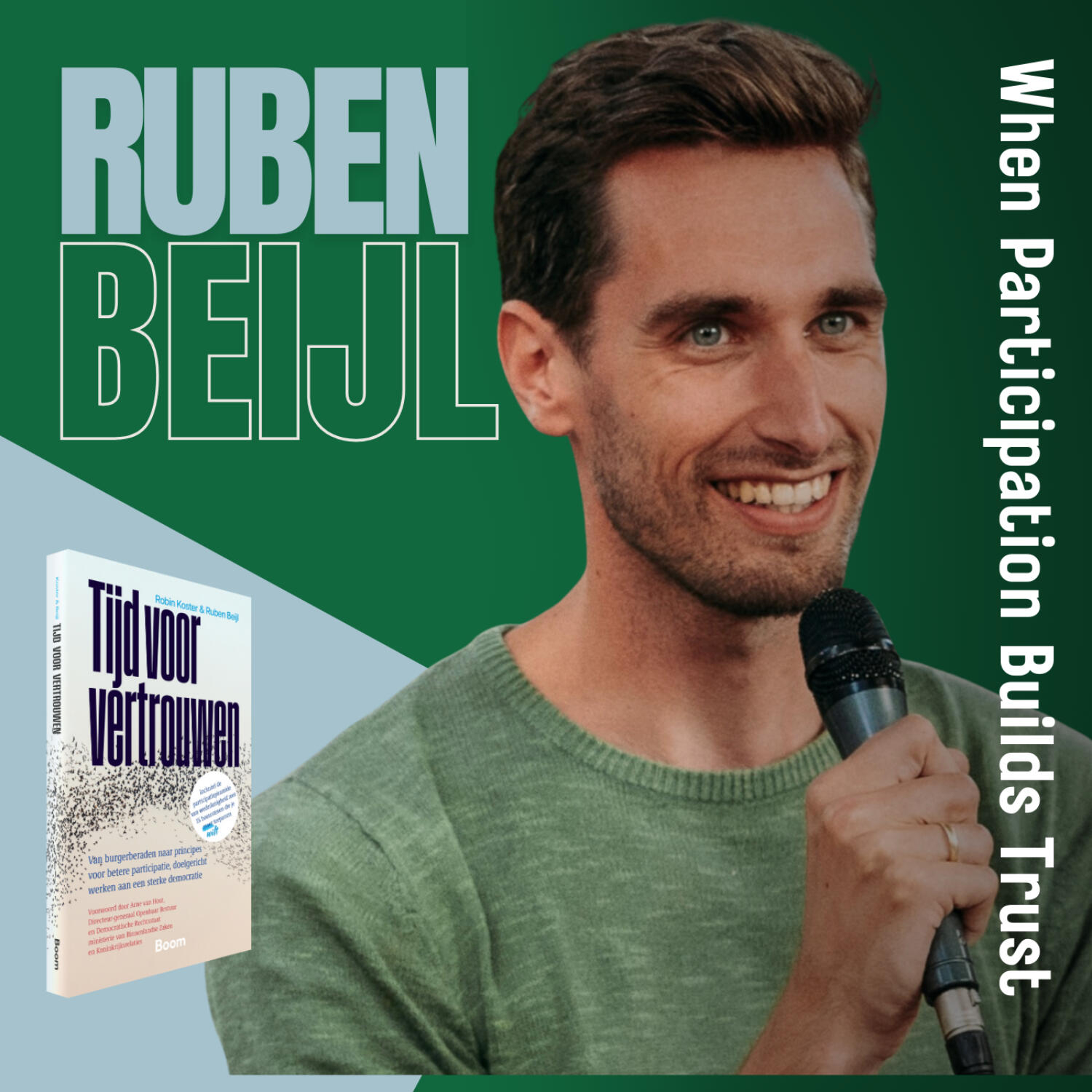
Ep 128When Participation Builds Trust
Trust is often talked about as if it were bad weather, something that just happens to us, beyond anyone’s control. But what if trust doesn’t disappear by accident, and what if its erosion has very concrete causes? In this episode, Ruben Beijl, co-author of Time for Trust (Tijd voor Vertrouwen), discusses how trust is built through participation and erodes when participation is only symbolic. Drawing on his work with citizens’ assemblies, Ruben explains why people do not lose trust because they disagree with outcomes, but because their voices ultimately do not matter. He shows why disagreement can coexist with trust, while being ignored cannot, and why psychological safety is essential if people are expected to speak openly and honestly. The conversation also explores why timing is crucial, why informing citizens is not the same as involving them, and why handing over real responsibility is often the hardest step for institutions. Ruben argues that trust grows when governments are willing to create genuine space for influence, even when that means giving up control and accepting uncertainty. This episode offers a clear, practice-based look at trust as something shaped by everyday choices and institutional behavior, rather than by intentions alone.
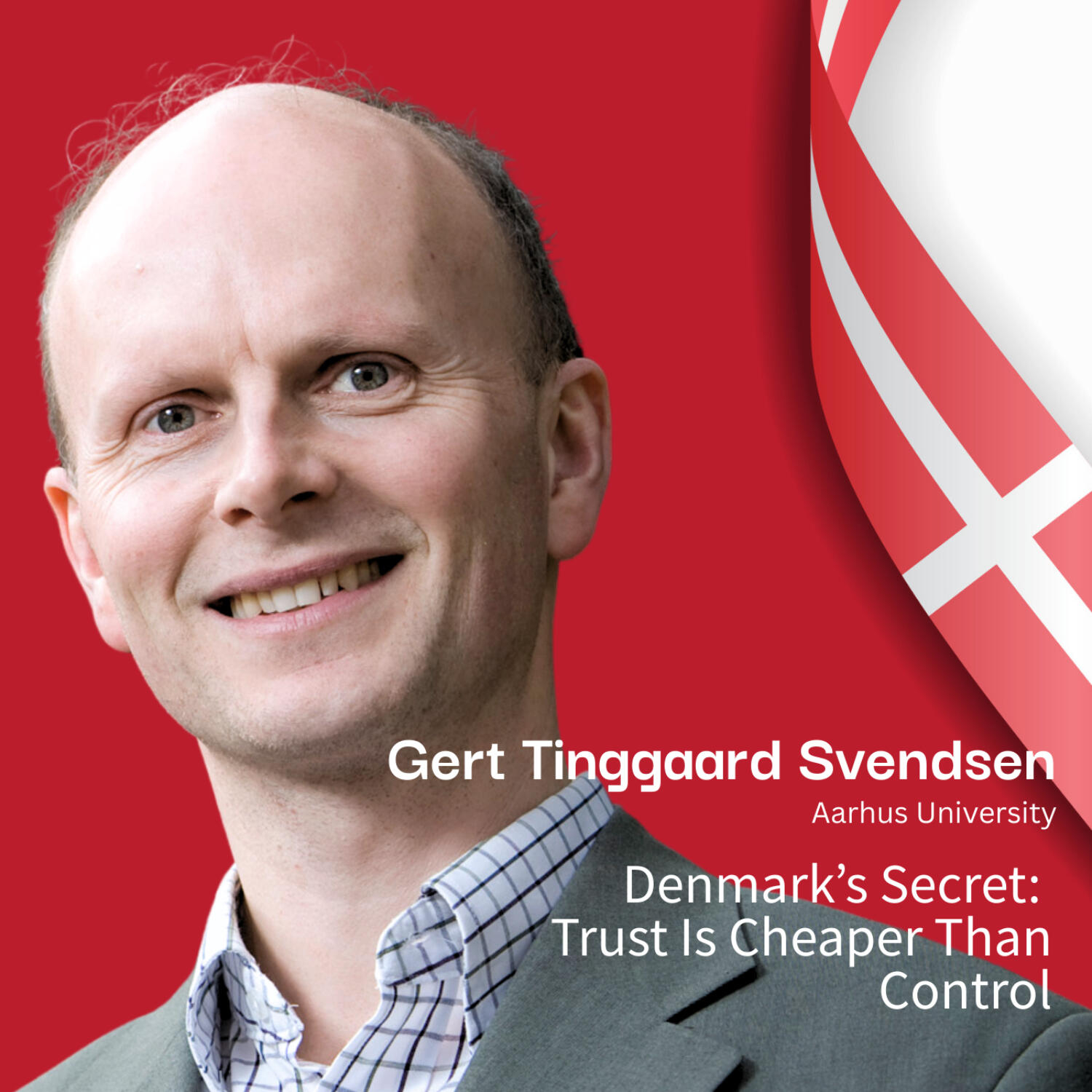
Ep 127Denmark’s Secret: Trust Is Cheaper Than Control
My guest today, Gert Tinggaard Svendsen challenges one of the most common myths about high-trust societies: that trust is cultural or “in the DNA.” In Denmark, he argues, trust is built, not inherited. It grows from institutions, incentives, and everyday experiences of fairness. He defines trust in practical terms: the likelihood of being cheated. When corruption is low and the rule of law applies equally, people learn that cooperation usually pays. That is why corruption is so destructive, it signals that some people are above the rules, and once that belief takes hold, trust quickly erodes. Much of Denmark’s resilience, Gert explains, comes from long traditions of face-to-face trade and strong social norms. People learned that cheating carried social costs. That still matters today. Most people are what he calls “hard riders”: willing to cooperate and contribute. Trust survives because “tough riders” step in when someone breaks the rules, correcting behavior before it spreads. The same logic applies to politics. High trust makes consensus possible. Citizens carry a lifetime record of successful cooperation — a “trust rucksack” — which makes compromise feel safe. Compared with the Netherlands, Gert sees Denmark as less polarized, partly because political dialogue remains strong even with extreme parties. Strong institutions are just as important. Low corruption and real meritocracy allow people to believe the system is fair. In welfare states, this is crucial: citizens must trust that taxes are used well and that everyone who can contribute does so. When that balance holds, welfare becomes a form of collective insurance rather than a source of resentment. Gert warns against over-control. Treating everyone as a potential cheat undermines trust and raises costs. As he puts it: 100 percent control equals zero trust. The biggest long-term risks for Denmark are creeping bureaucracy, centralization of power, and declining face-to-face interaction. Trust, he says, is like a winning sports team — it only lasts if you keep training. Once taken for granted, it can disappear faster than anyone expects.
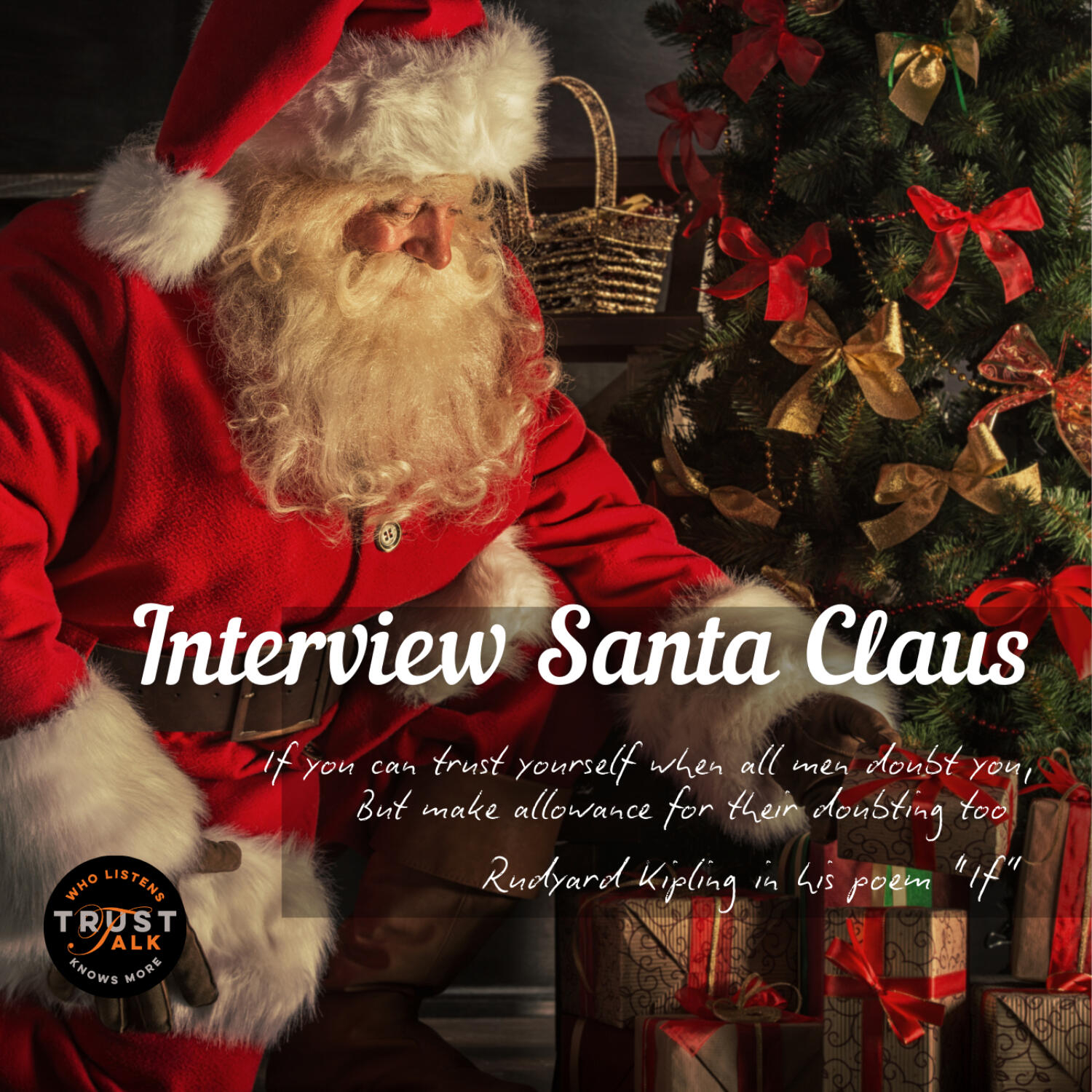
Ep 126A Season for Trust
On Christmas Eve, Santa Claus joins TrustTalk to discuss trust, doubt, and why listening to ourselves and to others matters as we look ahead to a new year, referring to Rudyard Kipling’s poem "If" on how to be confident without ignoring the doubts of others.