
Trending Globally: Politics and Policy
221 episodes — Page 4 of 5

The Sandinista Revolution at 40 Years
Trending Globally will have more coverage of the US election results in the coming weeks, but today, as votes are still being counted, we have something for those who might want a little break from election news. This is the first episode of a series we produced last year about the Sandinista Revolution in Nicaragua. The Sandinistas first came to power over 40 years ago, but in many ways their revolution remains unfinished. It’s a story about politics and war, but it’s also about a family, and how to imagine a better future when nothing is certain. In this episode: Who are the Sandinistas? How did they grow from a rag-tag army to an unstoppable revolutionary force? On this episode we get answers -- from former Sandinistas themselves. You can listen to the remaining three parts of 'Revolution Revisited' here: Part II: https://soundcloud.com/watsoninstitute/trending-globally-presents-revolution-revisited-part-ii Part III: https://soundcloud.com/watsoninstitute/revolution-revisited-part-iii Part IV: https://soundcloud.com/watsoninstitute/revolution-revisited-part-iv For more information about the conference this podcast was based on, including recorded lectures and a short film featuring many of the voices in this podcast, visit [watson.brown.edu/nicaragua]. And you can read a transcript of this episode here: [https://drive.google.com/file/d/1KsYAx_K0F3LbIL-cdiSKrzrOUX-AcTeq/view?usp=sharing]

The Promise of Plasma in the Fight Against Covid-19
On this episode Sarah talks with physician, public health expert, and Watson Faculty Fellow Adam Levine about a new study examining the effectiveness of convalescent plasma treatment for people with Covid-19. Depending on what Adam and his colleagues find, it could mark the beginning of a new phase in the fight against coronavirus. Adam’s team is looking for volunteers for this study, in Rhode Island and across the country. You can find out if you qualify and learn how to get involved by following the links below:Trial for people currently infected with Covid-19. Trial for people who are at high risk of infection. Adam Levine is Director of the Center for Human Rights and Humanitarian Studies at the Watson Institute, as well as Director of the Division of Global Emergency Medicine at the Warren Alpert Medical School of Brown University. You can learn more about Watson’s other podcasts here.

Chinese Power, Interrupted
In the US, we’ve grown accustomed to hearing about China’s transformation into a ‘global superpower’ in the 21st century. But according to journalist and author Michael Schuman, that’s not the only way to see China’s economic and political resurgence. On this episode, Watson’s Director Ed Steinfeld talks with Michael about his book 'Superpower Interrupted: The Chinese History of the World.' The book will be, to many, a fresh perspective on Chinese history. But it's more than a history lesson; it’s also a powerful example of how national narratives develop, and how they are used for political ends. You can learn more about and purchase 'Superpower Interrupted: A Chinese History of the World,' here. You can learn more about Watson’s other podcasts here.
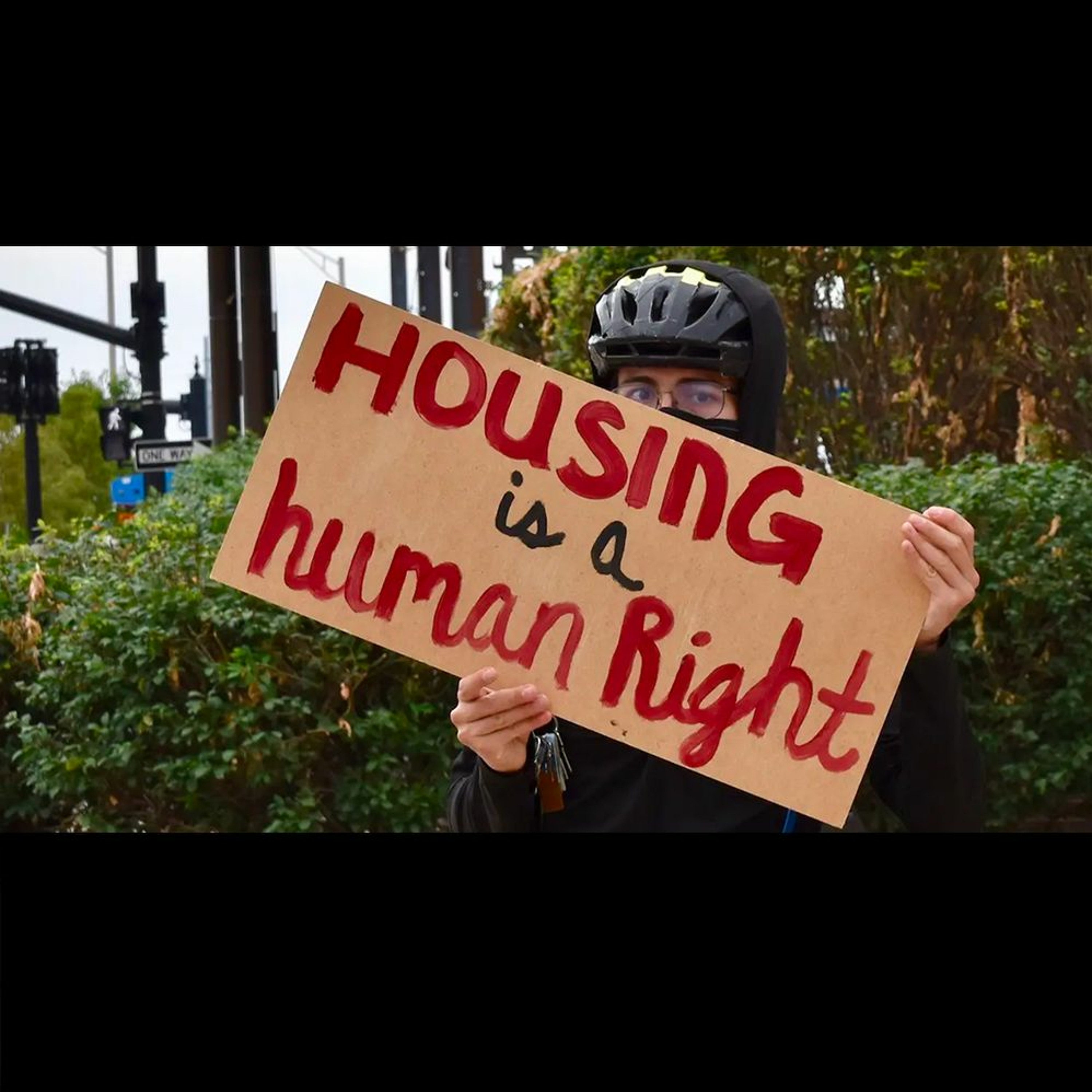
Less to Lean On, Part 2
This is the second part in a special series from Trending Globally exploring the housing crisis in the United States, and in Rhode Island in particular. The crisis has been exacerbated by the COVID-19 pandemic, but as we’ll show, it’s a problem that has been with us for much, much longer. In Part 2, we explore the role racism has played in this ongoing crisis, through policies and practices both unofficial and government sanctioned. We also look at how history is repeating itself today, as President Trump implies that white suburbs are facing an existential threat. But if the current inequalities are the result of deliberate actions, perhaps deliberate actions can also be used rectify them.Listen to Parts 1, 3, 4, and the series epilogue. Contributors to this podcast include students from Brown University and the media collective Signs of Providence. You can learn more about their organization here. (Photo credit: Steve Ahlquist)

Connecting Farmers and Food (Even If They Have to Drive the Trucks Themselves)
After reading about how supply chains were disrupted by the pandemic, and how American farmers were suddenly left with food they couldn’t sell, Will Collier ‘20 (Architecture and Economics concentrator) and Aidan Reilly ‘21 (Political Science and Government concentrator) had an idea: maybe they could raise money to buy the food, and deliver it themselves to people that needed it. So in the midst of the pandemic they founded Farmlink, which to date has delivered over 10 million pounds of unsold produce to food banks across Southern California. And while their idea was born out of this current crisis, it has grown into something far bigger than emergency relief. This episode is the third in our series on how Brown students are navigating the pandemic. Will and Aidan discuss how they came up with the idea for Farmlink, the underlying issues in our food system that have made Farmlink so impactful, and what it’s like learning to drive a semi-trailer. You can learn more about Farmlink here. You can learn more about Watson’s other podcasts here.Photo credit: Owen Dubeck

How Good Documentaries Transcend Borders, and Why We Need Them Now More Than Ever
A good documentary doesn’t just tell a story; it makes you question what you think you know, and helps you to understand lives that are different from your own. Rory Kennedy ‘91 is a celebrated documentary filmmaker; Randall Poster ‘83 is a film music supervisor, who has worked with filmmakers such as Wes Anderson and Martin Scorsese. Last year, they helped launch the John F. Kennedy Jr. Film Initiative, which is housed at Watson. Like John, they’re both Brown alums; John was Rory’s cousin, and Randy’s classmate. Through screenings, discussions, and workshops, this Initiative connects world-class documentarians with the Brown community, at a time when more and more students are looking to use narrative storytelling in their research and activism. On this episode, Watson’s Director Ed Steinfeld talks with Rory and Randall about their careers in film, the motivation behind the Initiative, and the power documentaries have to affect social change.You can sign up to for updates about the initiative here. You can learn more about the full slate of programming here (Fall Event announcements will be added in the coming days). You can learn more about Watson’s other podcasts here.
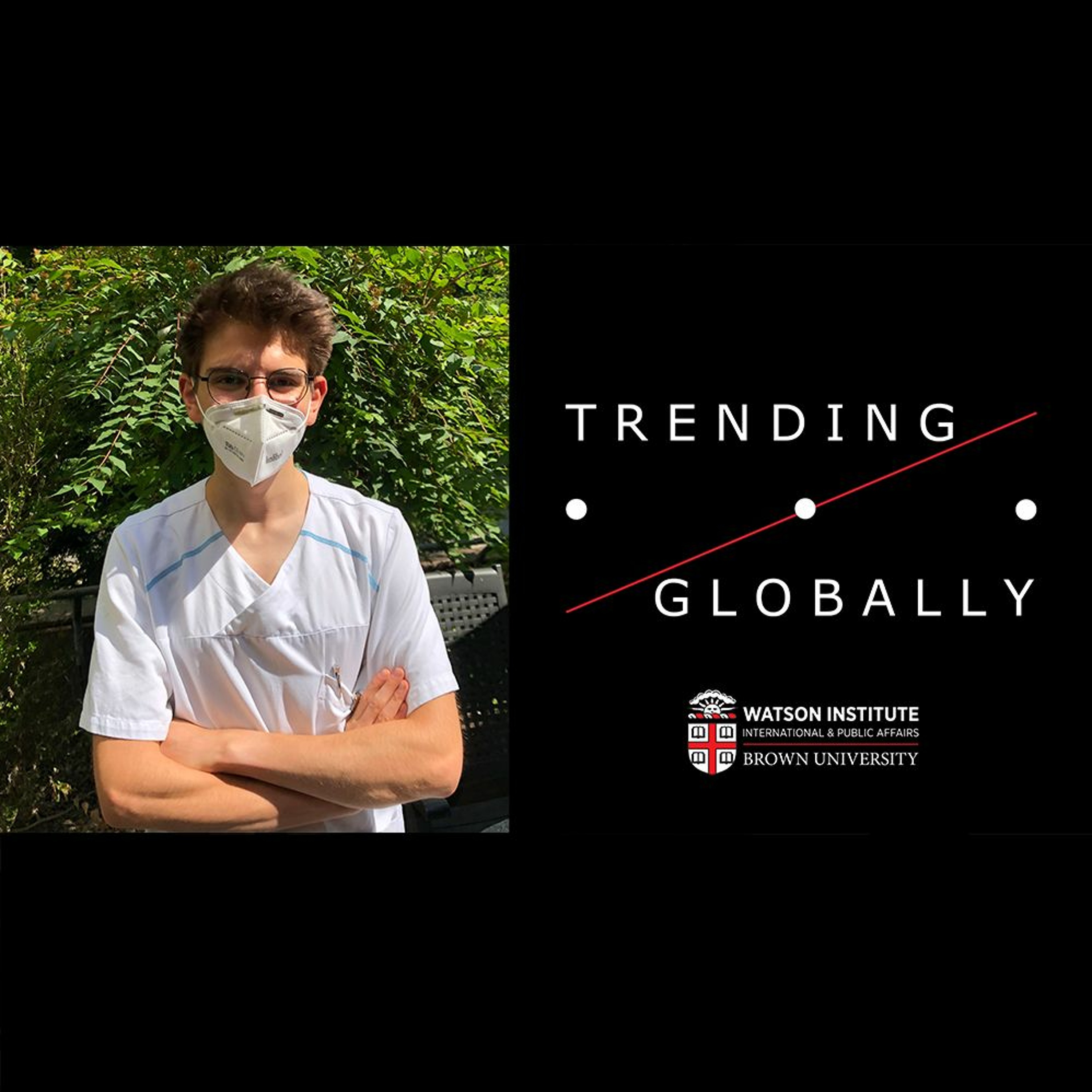
How One Brown Undergrad Became a Frontline Health Worker
This is the second in our ongoing series of conversations with Brown students about life during the pandemic. On this episode: Aaron Gruen ‘22 is a double concentrator in chemistry and music, and he was preparing for the most important cello recital of his life when Brown’s campus closed in March. He flew back home to Germany, and finished his classes remotely. Between classes, he found a new extracurricular -- serving as a frontline healthcare worker.You can learn more about Watson’s other podcasts here.

'All-American Nativism' with Dan Denvir, Part II
On this episode, the second part of our interview with writer and Taubman Center Visiting Fellow Dan Denvir about his book ‘All American Nativism: How The Bipartisan War on Immigrants Explains Politics as We Know It.’ In it, Denvir explores the long, disturbing history of nativism in the US, and the fundamental role it plays in our politics today. If you haven’t listened to Part I yet, you can find it on your favorite podcast app or listen to it here: [https://soundcloud.com/watsoninstitute/all-american-nativism-with-dan-denvir-part-1] You can learn more about and purchase Dan Denvir’s book here: [https://www.versobooks.com/books/2858-all-american-nativism] You can read the transcript of this episode here: [https://drive.google.com/file/d/1wDN1xr7jc-blWyaRda2GctF5B9ZQykJY/view?usp=sharing]

'All-American Nativism' with Dan Denvir, Part I
On this episode guest-host Dan Richards talks with Dan Denvir, a journalist, host of the hit podcast ‘The Dig,’ and Visiting Fellow at the Watson's Institute's Taubman Center for American Politics and Policy. His recent book, ‘All-American Nativism: How the Bipartisan War on Immigrants Explains Politics as We Know It,’ explores the foundational role nativism has played in American politics, and explains why the Trump Presidency is less of an aberration than many would like to believe. This will be the first in a two-part conversation with Denvir. You can learn more about and purchase his book here: [https://www.versobooks.com/books/2858-all-american-nativism] You can read or download a transcript of this episode here: [https://drive.google.com/file/d/15jvSN59FRB-93QU4AXPIRVHwE5X1qMNW/view?usp=sharing]

How to Cover China, with CNBC’s Beijing Bureau Chief
What’s it like working for an American news outlet in China? The short answer: more complicated than you or I can imagine. On this episode Watson’s director Ed Steinfeld talks with CNBC’s Beijing Bureau Chief Eunice Yoon '95. Eunice has reported on some of the biggest stories in China’s recent past, from the Beijing Olympics in 2008 to the coronavirus today. They discuss what it’s like practicing journalism in a country not known for its openness to the press, covering coronavirus from the place where it all began, and why reporting on life in China is more important now than ever.You can learn more about Watson’s other podcasts here.
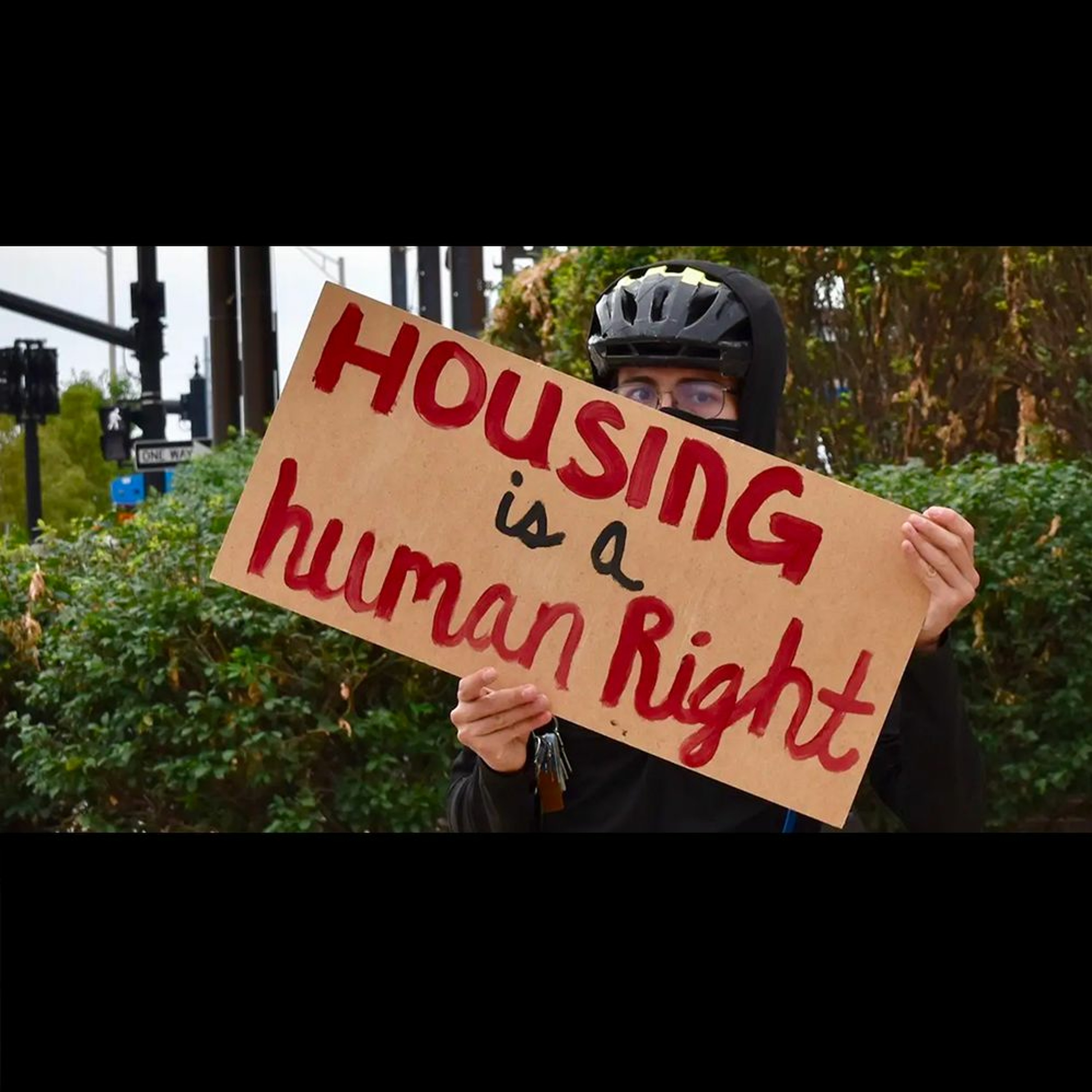
Less to Lean On: Housing Insecurity in Rhode Island, Part 1
This is the first part in a special series from Trending Globally exploring the housing crisis in the United States, and in Rhode Island in particular. This crisis has been exacerbated by the COVID-19 pandemic, but as we’ll show, it’s a problem that has been with us for much, much longer. In this series Sarah talks with tenants, landlords, housing advocates, academics, and government officials to illuminate the complexity of housing in this moment — and its dire consequences for those suffering from illness, unemployment, and the threat of eviction. It's a story about economics, race, history and public health, and about a system that's been broken for about as long as it's existed. It's also a story about how, thanks to an unprecedented crisis and the tireless work of activists, things might just be starting to change.Listen to Parts 2, 3, 4, and the series epilogue. Contributors to this podcast include students from Brown University and the media collective Signs of Providence. You can learn more about their organization here. (Photo credit: Steve Ahlquist)

Confused About How to Stay Safe in a Pandemic? Emily Oster is Here to Help
In the last 5 months we have learned a lot about coronavirus and Covid-19. But sometimes it feels like we’re just as confused as we were back in February. What’s safe to do? What activities should we be avoiding? When will things go back to 'normal'? On this episode Sarah talks Watson economist Emily Oster about her newest project, which seeks to provide some much needed clarity to these questions and more. They discuss her new website 'Covid Explained,' and look at some of the most popular questions people are asking. They also explore why health recommendations can be so hard to navigate, and how average people can learn to start thinking a little more like economists.You can visit 'Covid-Explained' here. You can learn more about Watson’s other podcasts here.

Medical Equipment and Global Supply Chains During Coronavirus
The supply chain that brings medical equipment to your local hospital, health clinic, or pharmacy is one of the world’s most important -- and most complex. On this episode Watson’s Director Ed Steinfeld talks with George Barrett '77, former chairman and CEO of Cardinal Health, Inc., which is one of the world’s largest distributors and manufacturers of medical products. They discuss how supply chains for these products normally function, and what’s changed during this pandemic-induced spike in demand. They also look at what private industry and government can learn from this unprecedented moment, and how industries can better prepare for multifaceted emergencies going forward.You can learn more about Watson’s other podcasts here.You can read a transcript of this episode here.
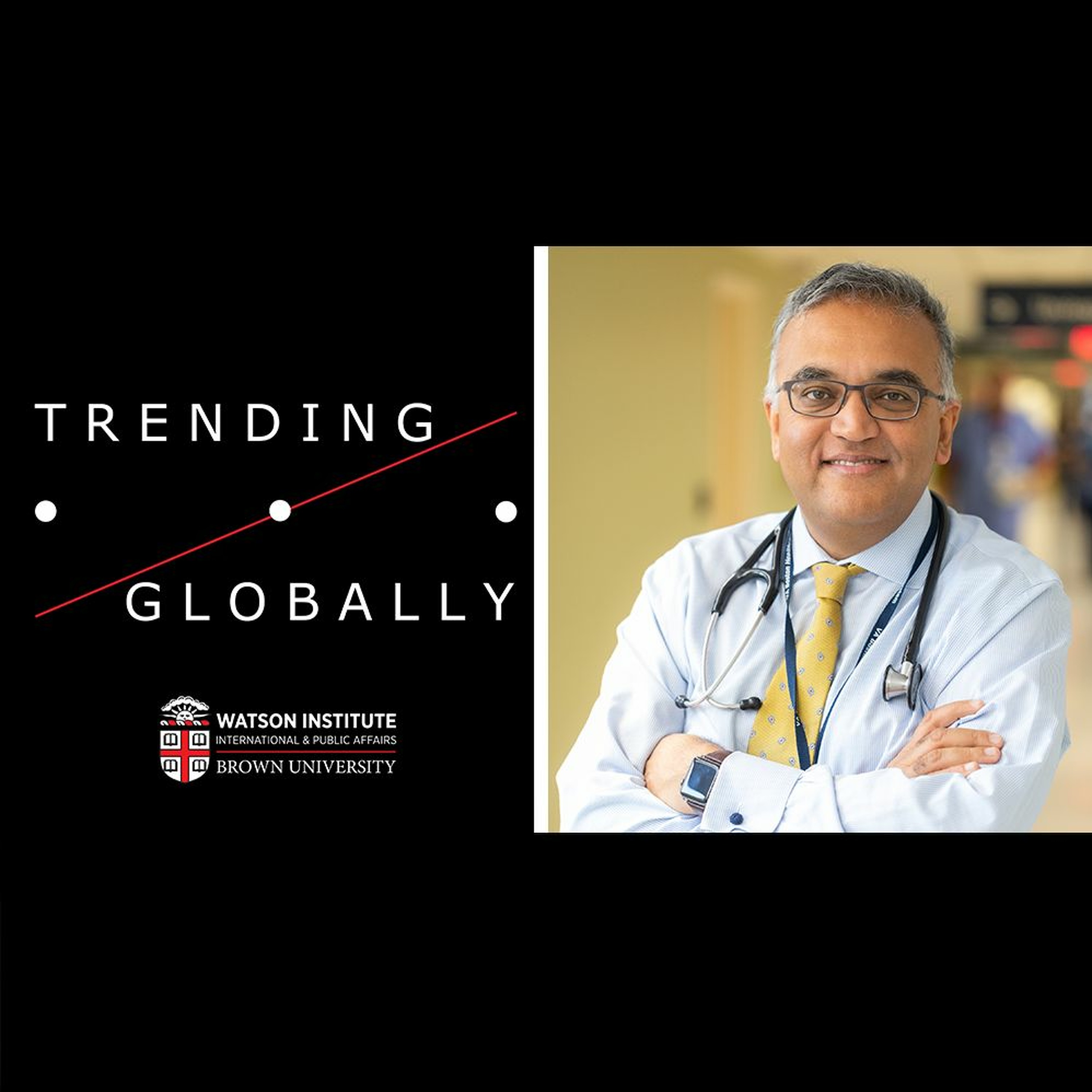
How Racism, Economic Inequality, and Coronavirus Intersect with Dr. Ashish Jha
On this episode Sarah talks with Dr. Ashish Jha, professor of global health at Harvard University and director of the Harvard Global Health Institute (and soon to be dean of the Brown School of Public Health). As the United States reels from the ongoing collision of systemic racism, coronavirus, and economic catastrophe, Sarah and Dr. Jha explore how these issues intersect. They also discuss the effects of absentee national leadership during this crisis, and how to bring science and data back into the center of our nation’s healthcare debate.You can learn more about Watson’s other podcasts here.
'The 1619 Project' and the Power of Narrative
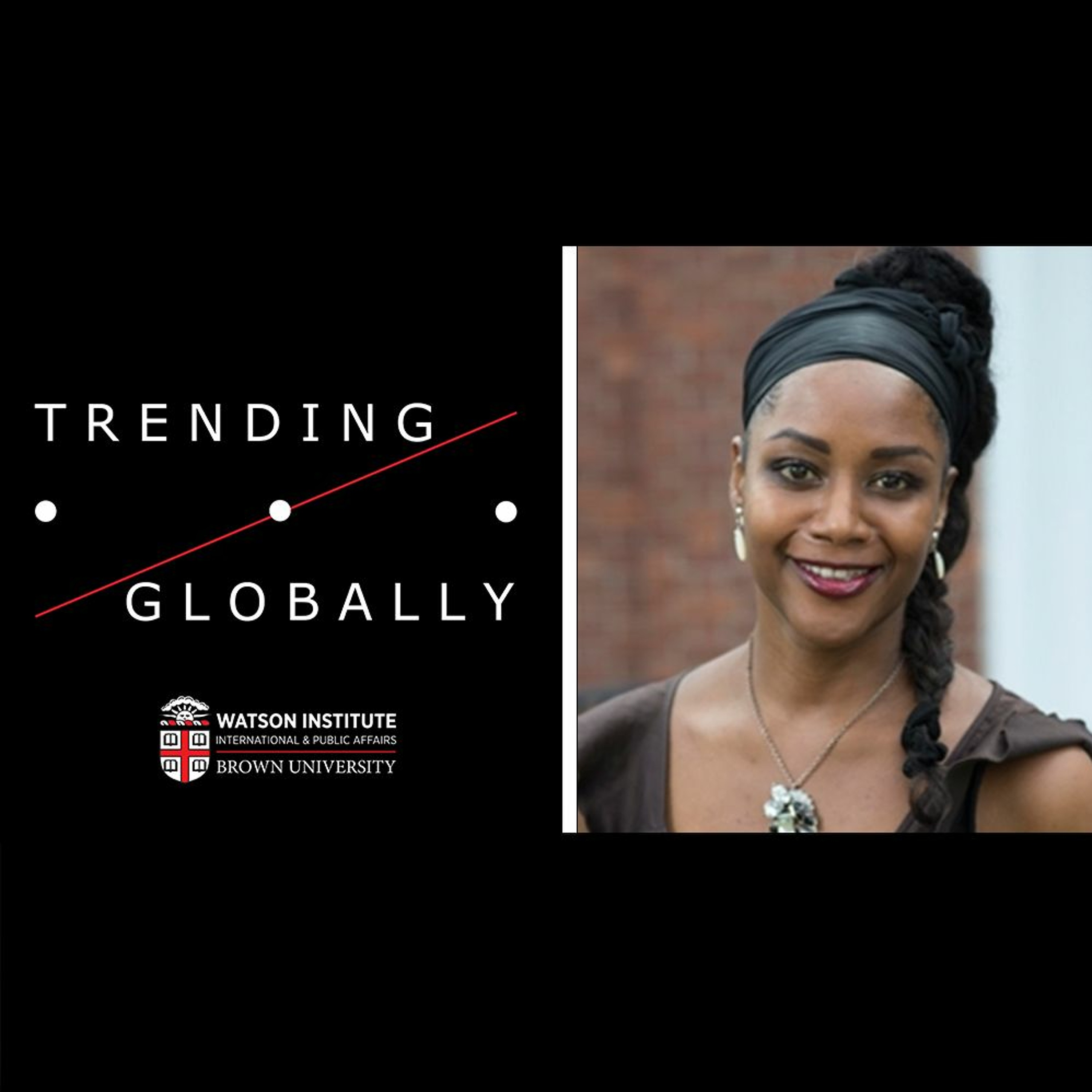
It's not every day that a fiction writer joins the Watson Institute as a Senior Fellow. But ZZ Packer isn’t your typical novelist. In addition to her 2003 debut short story collection 'Drinking Coffee Elsewhere,' she also contributed to The 1619 Project, a groundbreaking set of writings and podcast series from The New York Times, which reframed slavery as the central institution on which the United States was made. It’s been met with praise (including a Pulitzer), as well as criticism among some thinkers and historians. On this episode, Sarah talked with ZZ about The 1619 Project, her work as a writer, and her experience helping students to understand the role narrative plays in politics, policy, and history. *Excerpt at the beginning of the episode from '1619,' the podcast companion to The 1619 Project. You can learn more about The 1619 Project here. You can learn more about Watson’s other podcasts here.
Reimagining Cities with the Mayor of Cambridge, MA
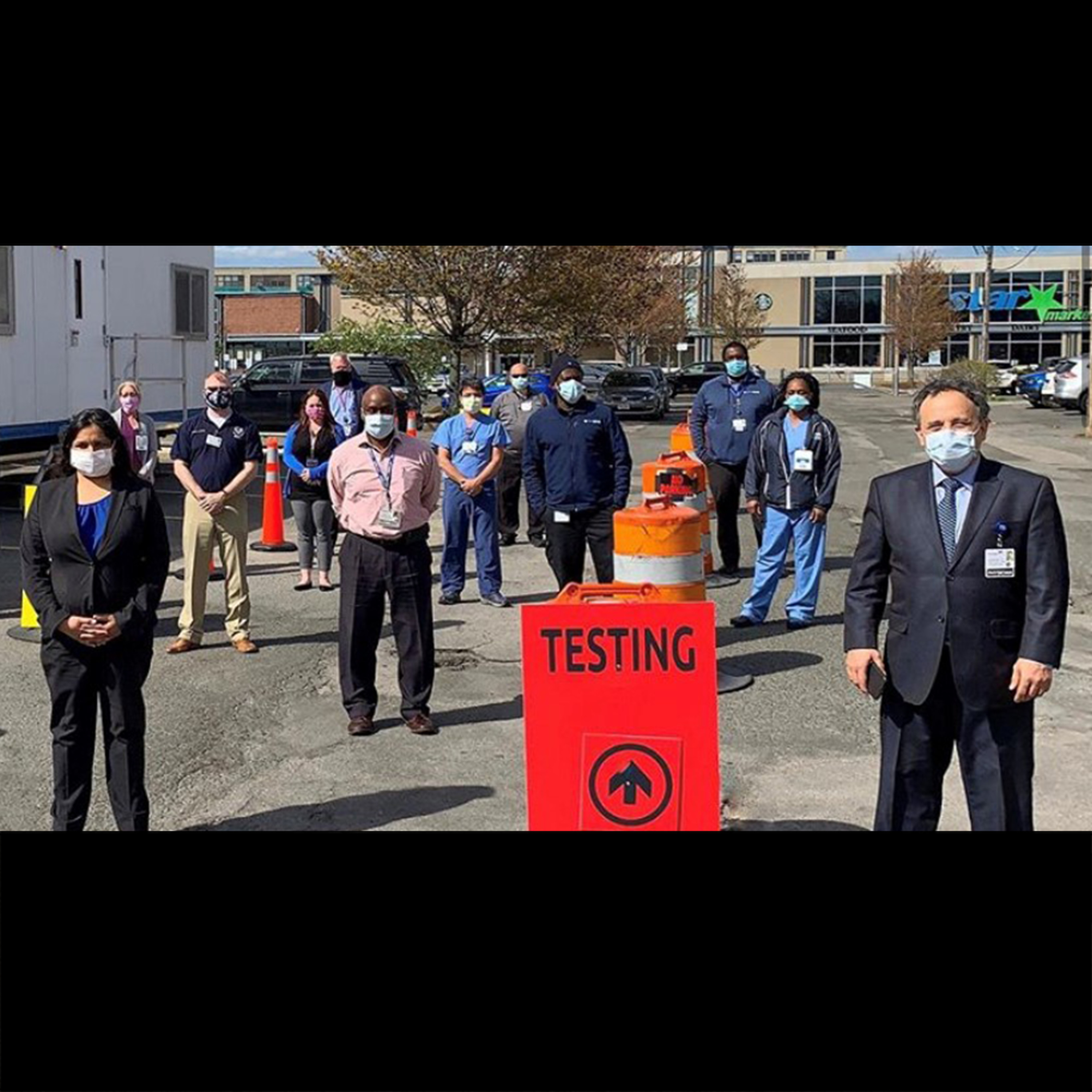
Sumbul Siddiqui is the mayor of Cambridge, MA. Her family moved to Cambridge from Karachi, Pakistan when she was two years old. She studied public policy at Brown and law at Northwestern, before moving back to Massachusetts. She joined the Cambridge City Council, and was elected Mayor this past January -- just as the biggest crisis to ever hit American cities was making its way to the East Coast of the US. On this episode, Watson Visiting Professor and Faculty Fellow Geri Augusto talks with Mayor Siddiqui about health, housing, social justice, and the future of cities in the time of coronavirus.You can learn more about Watson’s other podcasts here.
The Fight Against Covid-19 in RI’s Latinx Communities
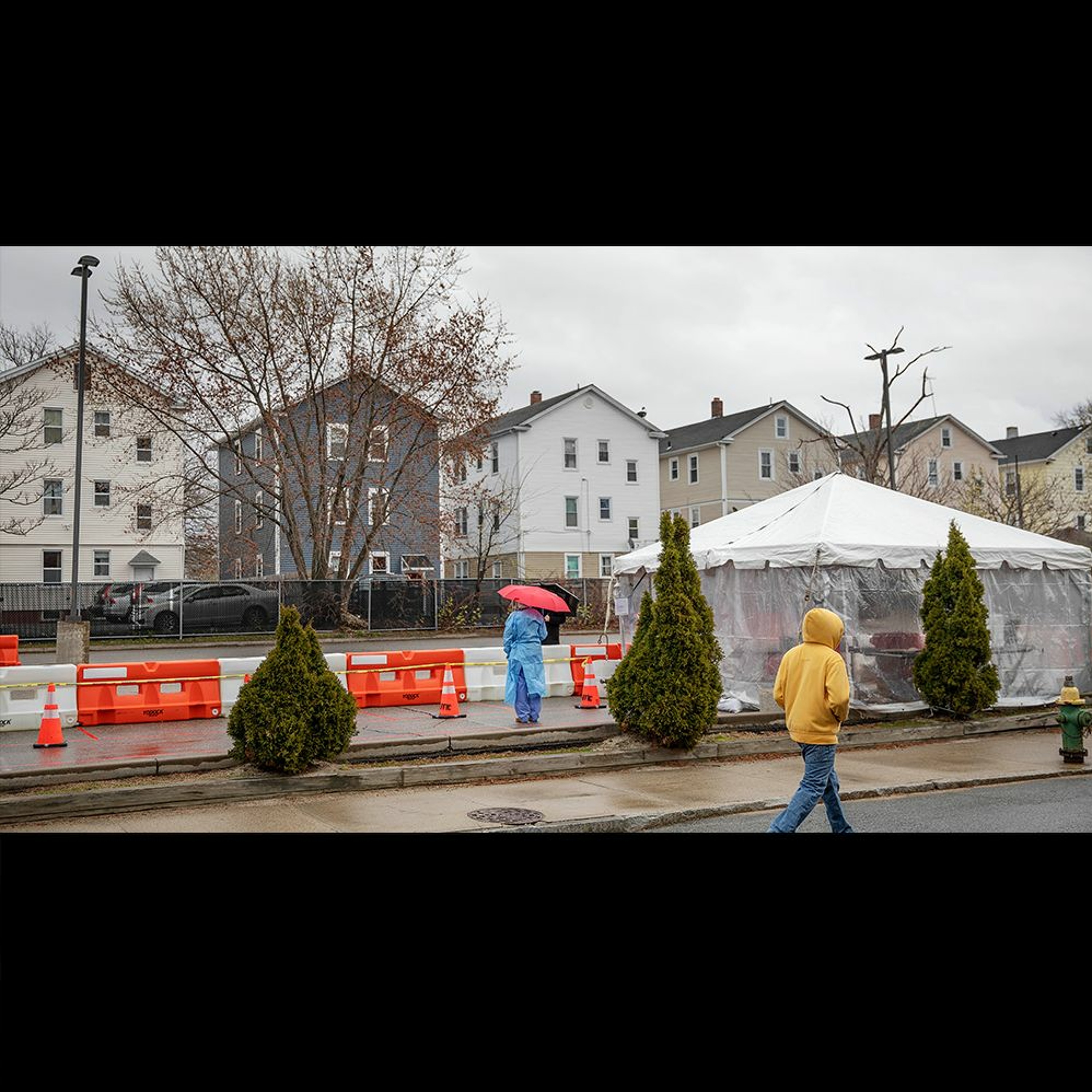
Coronavirus has been called an ‘equal opportunity' virus. But of course... it's not. Communities of color are being disproportionately affected; instead of equalizing anything, this pandemic has thrown into relief the stark inequalities along lines of race and class that are built into American society. And unfortunately, one of the clearest examples of this can be found quite close to Watson's campus. On this episode, the third in a series we're co-producing this semester with Watson’s Center for Latin American and Caribbean Studies, Sarah talks with three medical experts who are on the front lines of this pandemic in some of Rhode Island’s hardest hit communities. It’s a conversation about community health, local politics, and social justice, and while it’s focused on Rhode Island, it speaks to struggles playing out around the world.You can learn more about the Blackstone Valley Community Health Care here. You can read a Spanish translation here. You can learn more about Watson’s other podcasts here.
Community Resilience, International Aid, and National Security
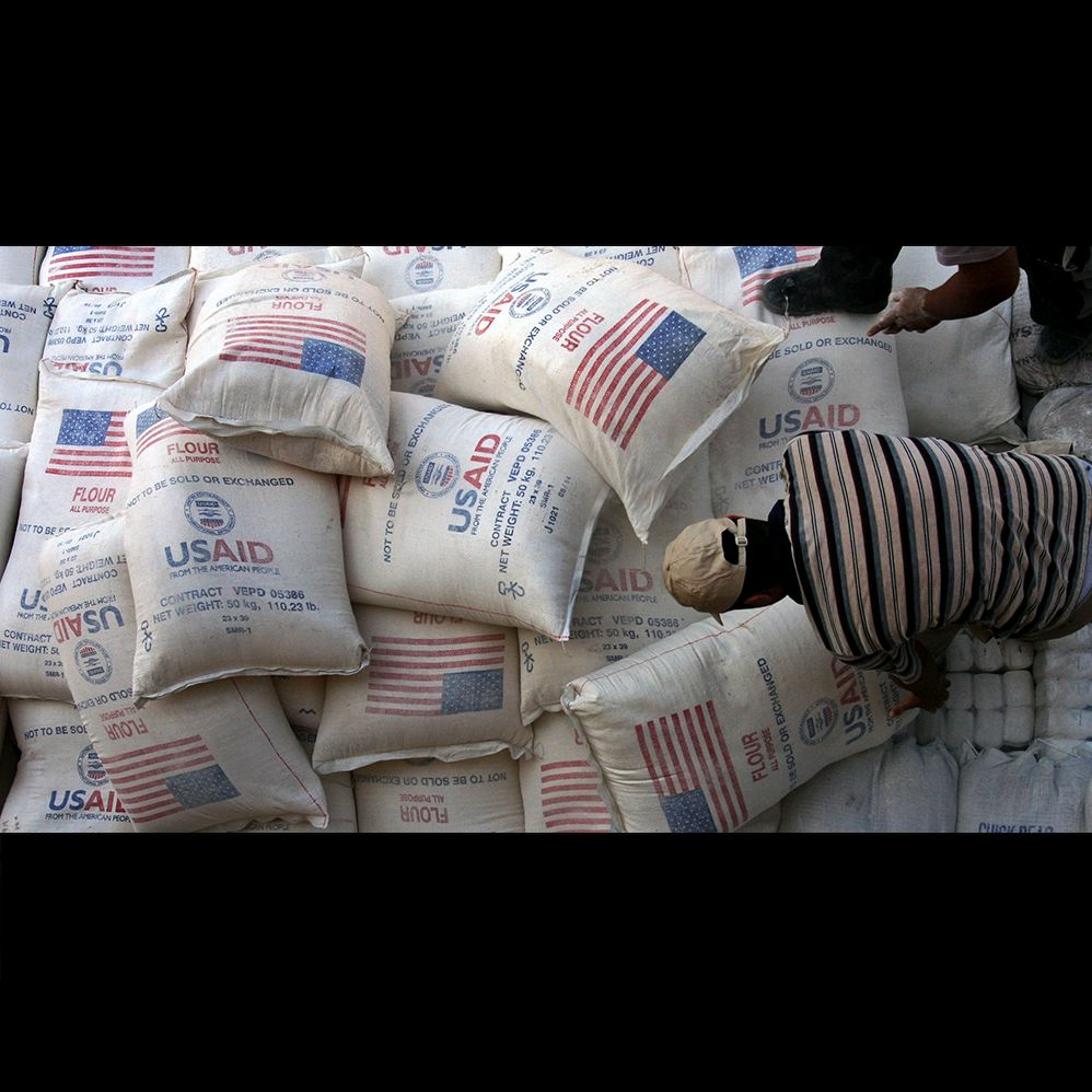
The spread of the coronavirus has highlighted how international development affects the well-being of us all. On this episode Sarah talks with someone who has been a leader for decades in rethinking how we do international development: Watson Senior Fellow Brian Atwood. Brian’s worked with multiple US Presidents, including as the head of the U.S. Agency for International Development (USAID) during the Clinton Administration. They discuss how international development has transformed in the last few decades, the reason that some humanitarian goals were surprisingly easy to meet in the beginning of this century, and why free-flowing information is essential to global health and security.You can read a transcript of this episode here.
How States are Taking the Lead in the Coronavirus Crisis
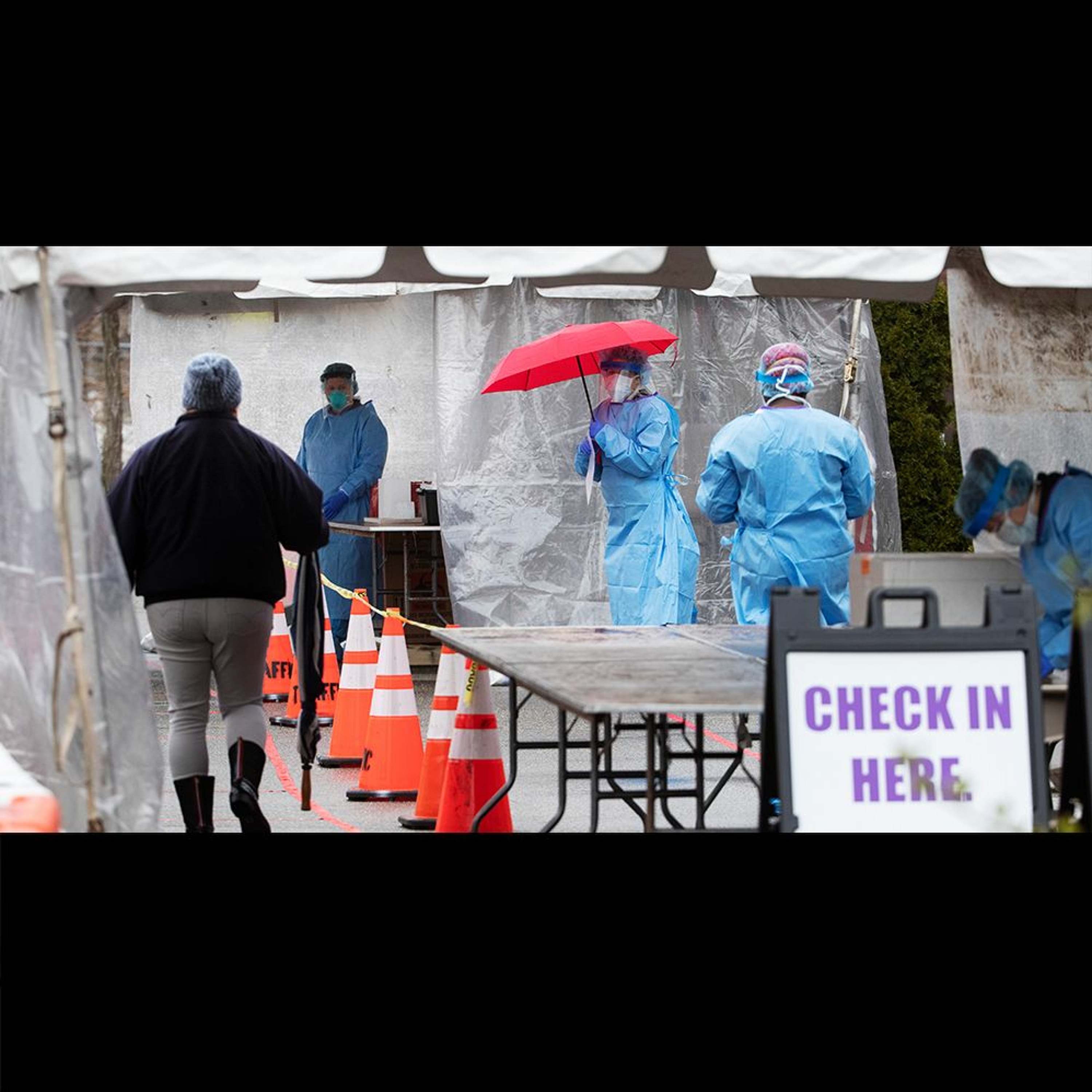
What does it actually mean for a state’s revenue to ‘dry up’? Who’s paying for coronavirus testing sites? How are states working together -- and how are they competing? There’s never been a more important time to understand state and local government, as states have become the political, logistical, and moral center of the US's pandemic response. On this episode Sarah talks with Rhode Island General Treasurer Seth Magaziner. In addition to being a key player in his state's response to this crisis, he’s also an incredible translator of complex legal and financial issues, and of how they affect the lives of everyday Americans. It's a crash course in state politics and finance, and it couldn't come at a better time. You can read a transcript of this episode here: [https://drive.google.com/file/d/1f18mNYo02GpdJUQOS6DdWqj0NkBaqg4M/view?usp=sharing]

Living Abroad in a Pandemic, and Other Stories from Brown Students
This will be the first in an ongoing series of conversations with Brown students about life during the coronavirus pandemic. On this episode Dan and Sarah talk with Alina Kulman, a junior, and Babette Thomas, a senior; two friends who are experiencing this crisis in very different ways. They discuss what it’s like quarantining with classmates, studying abroad while the government wants to ban travel, and the weird feeling of worrying that your parents aren’t properly washing their hands.You can learn more about Watson’s other podcasts here.

How One Social Entrepreneur is Tackling the Refugee Crisis
On this episode, something you might not be getting a lot of these days: a story to raise your spirits. The second in a special series co-produced with Watson’s Center for Latin American and Caribbean Studies (CLACS), guest host Dr. Pablo Rodriguez talks with Mohamed Malim, founder of Epimonia. Epimonia is a Minnesota-based apparel company that’s fighting to help refugees around the world: 50% of their proceeds go to charities supporting refugees, they employ recent refugees in their factory, and their products are designed to raise awareness of refugees’ stories. It’s social entrepreneurship in every sense of the word. On this episode they discuss Mohamed's story, his vision for Epimonia, and why everybody wins when refugees are allowed to thrive.(Record in March 2020.)You can learn more about CLACS here. You can learn more about Epimonia here. You can watch Mohamed’s talk at Watson here. You can read a transcript of this episode here: [https://drive.google.com/file/d/1I3a8-AlWNGsaAeZwbxJg5XEvytmGfyJ9/view?usp=sharing]
Watson and...Tiger King?
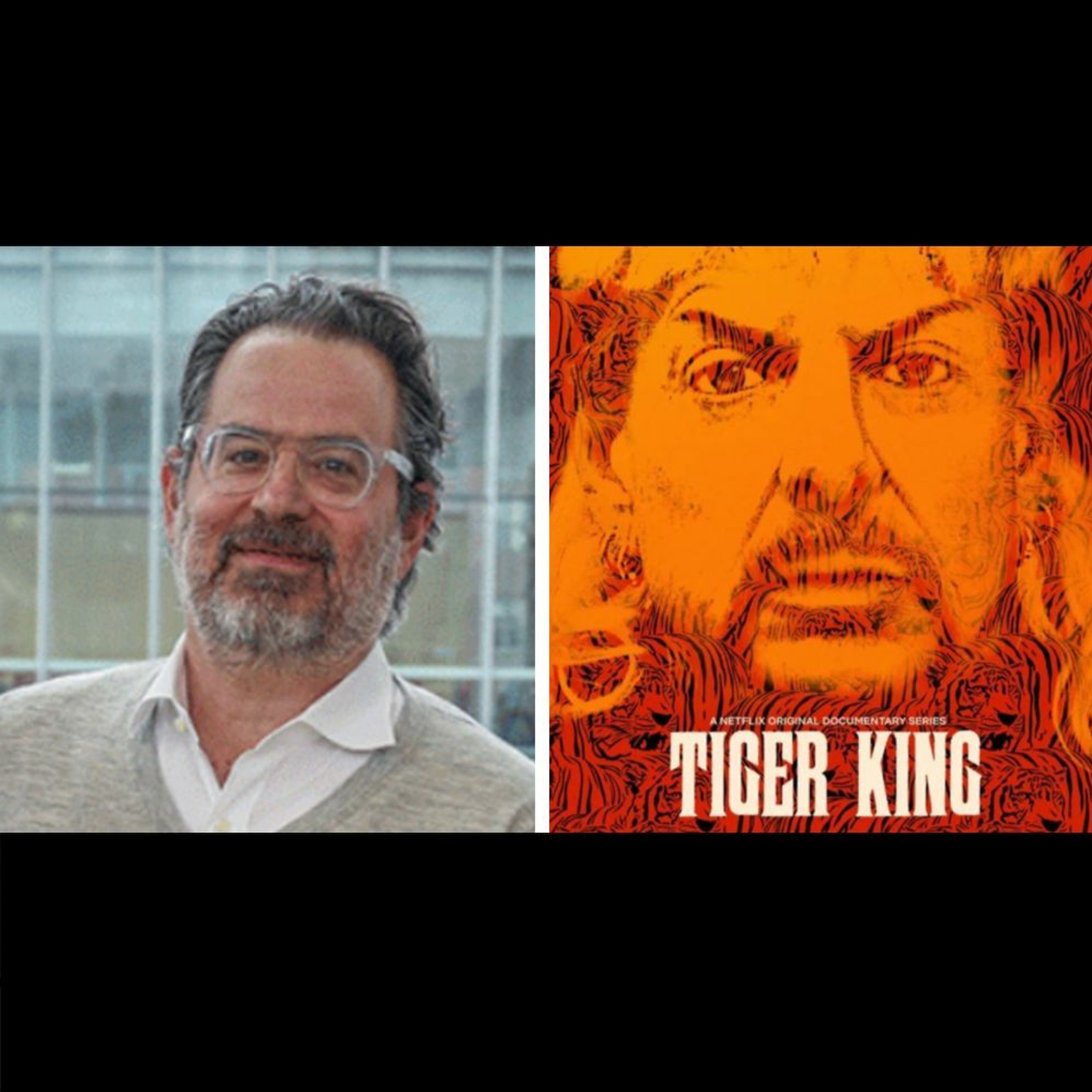
On this episode, Watson's Director Ed Steinfeld talks with film music supervisor Randall Poster '83. Randall has worked with many of Hollywood’s most distinguished filmmakers on a wide variety of projects, including on the hit Netflix series Tiger King. On this live-streamed podcast taping, Ed and Randall talked about the craft of documentary filmmaking, and the role of music in telling stories on film. They also discuss the inspiration for the JFK Jr. Film Initiative, and what to expect from the Initiative going forward. And, of course, they talk Tiger King. This event is part of the John F. Kennedy Jr. Initiative for Documentary Film and Social Progress. You can learn more about the Initiative here. You can watch a video of Ed and Randall's Trending Globally conversation here. You can learn more about Watson’s other podcasts here.
Behind the Curtain on US-China Relations
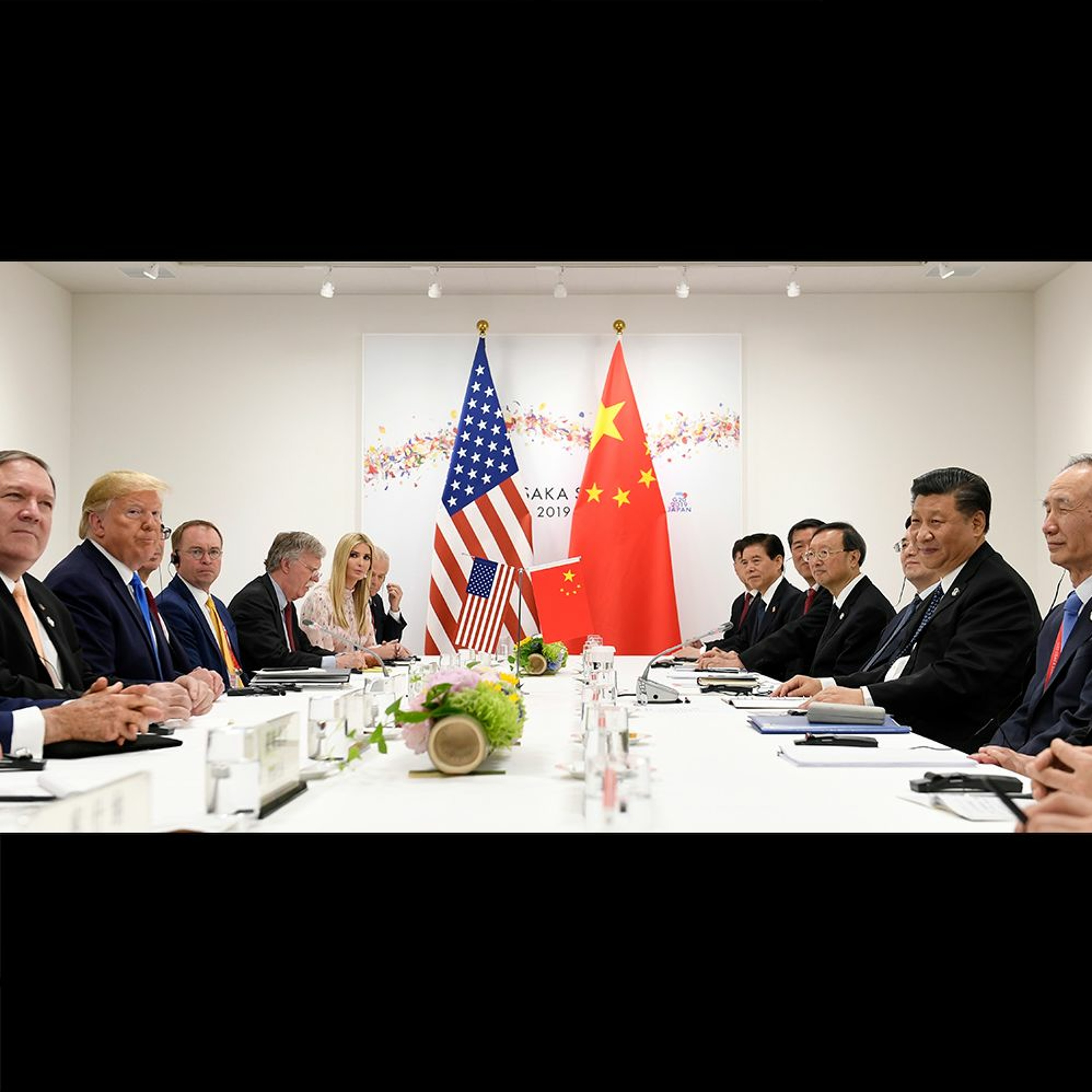
What role do photo ops play in diplomatic negotiations? How much do changing US Presidential administrations affect US-China relations? What’s it like to have dinner with Yao Ming? On this episode, Watson’s Director Ed Steinfeld talks about all this and more with James Green, former official at the US Embassy in China and senior research fellow with the Initiative for US-China Dialogue on Global Issues at Georgetown University. James and Ed go from the big picture to the nuts and bolts of China-US diplomacy, and explore what lifelong diplomats learn that political leaders too often miss. There’s never been a more important time to understand the relationship between these two governments, and this discussion will help you do just that. (Note: this interview was recorded in February of 2020.)You can subscribe to James’s podcast ‘US-China Dialogue Podcast’ on your favorite listening app. You can also find all the episodes here. You can read a transcript of this episode here.
The Four Pillars of Outbreak Preparedness (and How to Rebuild Them)
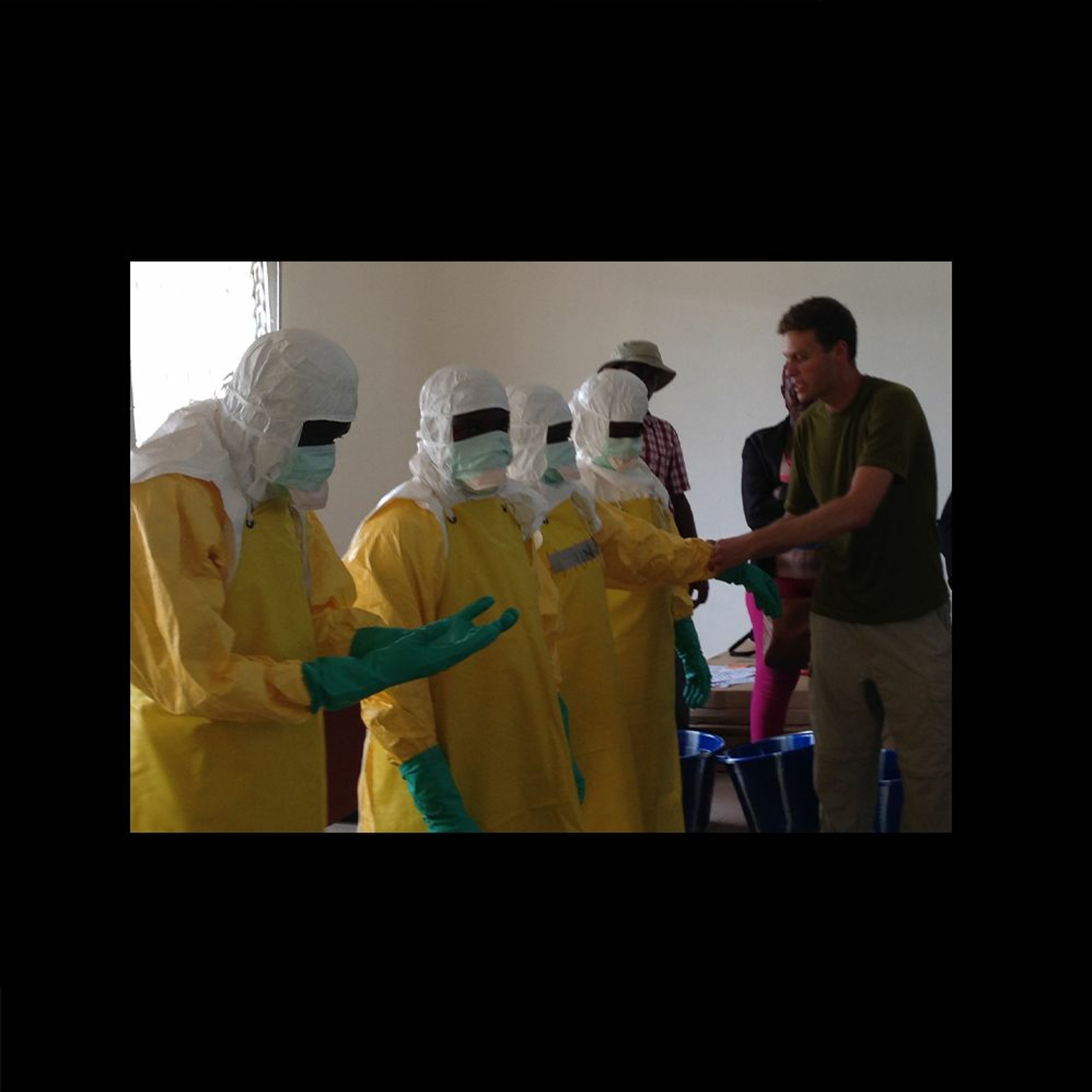
Adam Levine is the director of the Center for Human Rights and Humanitarian Studies at Watson and associate professor of emergency medicine at Brown. Much of his work has grown out of an essential fact about epidemics that many of us are just now learning: as Adam explains on this episode, “our global public health system for detecting outbreaks is only as good as the remote nurse working in a rural village in Africa or Indonesia or anywhere else in the world.” To address this interconnectedness, Adam and health care professionals at Brown have partnered with the healthcare NGO Project HOPE to remotely train health care workers on how to safely identify and combat COVID-19 and the coronavirus. On this episode Adam talks with Sarah about this partnership and the role high-quality training plays at all levels in stopping the spread of a pandemic. They also discuss what Adam’s learned from treating Ebola in active war zones, and why this likely won’t be the last pandemic we see. You can learn more about Watson's Center for Human Rights and Humanitarian Studies here. You can learn more about Project HOPE here. You can learn more about Watson’s other podcasts here.
Humanitarian Aid in a Changing World
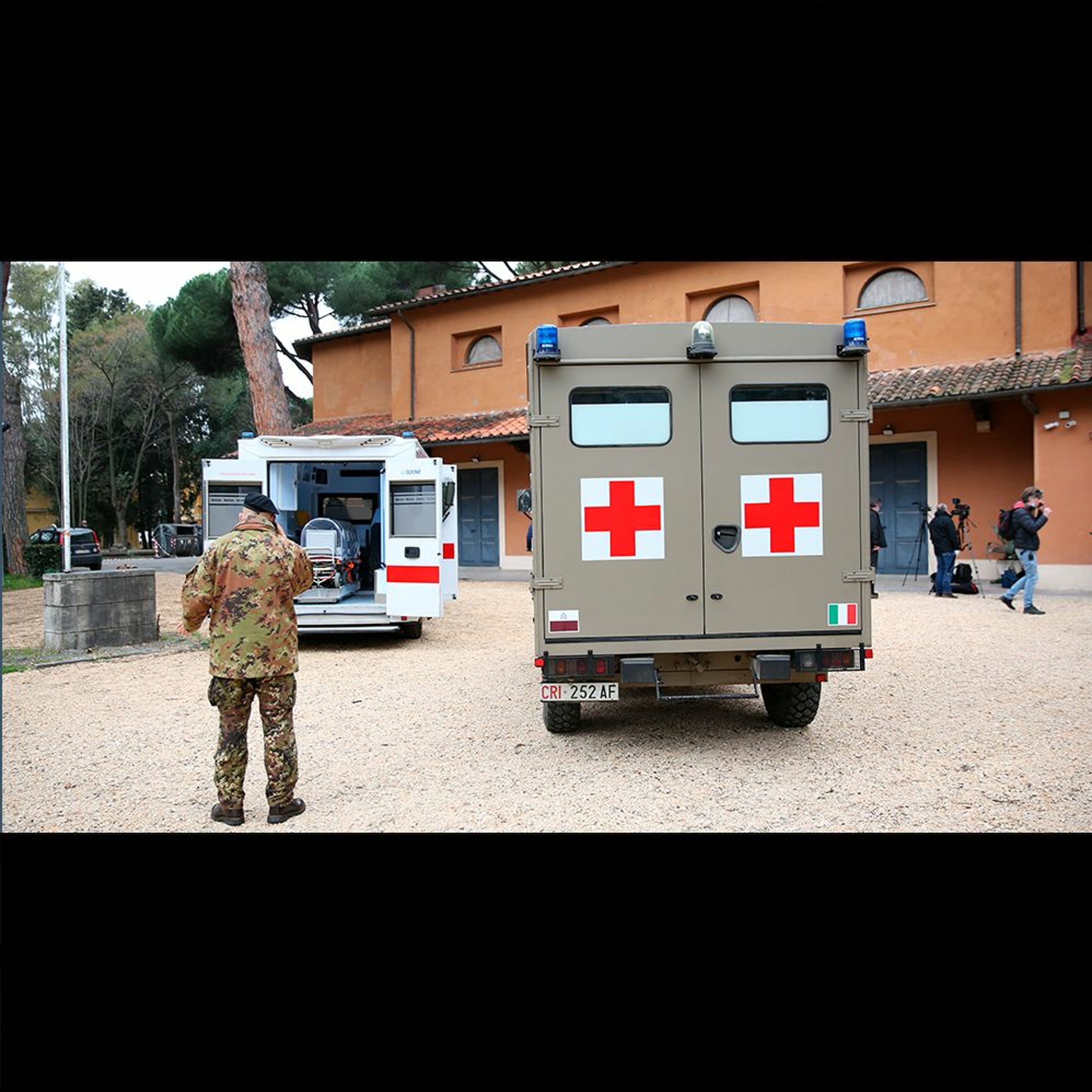
Peter Maurer is the president of the International Committee of the Red Cross. In early March he came to Watson, and Sarah talked with him about the challenges of humanitarian aid in the 21st century. Shortly after they spoke, Coronavirus travelled the globe, and everything seemed to change. But surprisingly, for all that's different now, so much of what Peter had to say still resonates -- maybe now more than ever. It's not a light conversation, but but Peter's wisdom, kindness, and clarity of purpose might actually leave you feeling a little more hopeful about this scary, uncertain time.You can learn more about Maurer's recent talk at Watson here. You can learn more about Watson’s other podcasts here.

A Global View of the Coronavirus Pandemic
Mark Lurie is an epidemiologist and expert in infectious disease at Brown University's School of Public Health. On this episode he talks with Sarah about the underlying issues of the coronavirus pandemic: how the virus spreads, what can be done to slow it down, and the different ways it's being treated by countries around the world. They also discuss lessons we can learn from previous public health crises in fighting this one, and how the pandemic is interacting with other social and economic issues.You can learn more about Watson’s other podcasts here.

The Coronavirus Pandemic and US Politics
The spread of the coronavirus, and global effort to contain it, have quickly upended every aspect of our lives. We at Trending Globally are going to bring your more conversations and insights about this pandemic in the coming weeks from our community of experts at Watson and Brown. On this episode: how the coronavirus is affecting US politics, and how US politics are affecting the development of this public health crisis. Guest host Dan Richards talks with Wendy Schiller, Watson Faculty Fellow and Chair of the Political Science Department at Brown University. They discuss the wide-ranging affects of this crisis on American politics, from the Democratic Primaries to voting reform to how might it affect the concerns and considerations of voters going into the general election.You can learn more about Watson’s other podcasts here.

Exploring The Politics of Natural Disasters
This is the first episode in a special series that Trending Globally will be producing this semester with Watson’s Center for Latin American and Caribbean Studies (also known as CLACS). Each episode will focus on a different aspect of society in Latin America and the Caribbean. To start: the politics of natural disasters and emergency management. Storms like Maria and Dorian have done more than cripple islands in the Caribbean; they've brought up important questions of politics, power, and social justice in the region. We're excited to welcome as a special guest host for this series Dr. Pablo Rodriguez. Dr. Rodriguez is Chair of the Women & Infants Health Care Alliance, Associate Professor at the Warren Alpert Medical School at Brown, and the former Medical Director of Planned Parenthood of Rhode Island. He’s also a radio host here in Rhode Island, and one of the most trusted voices covering politics and Latin-x issues in the state. He spoke with two experts on the Caribbean who are based here at Brown: Patsy Lewis, Professor of International and Public Affairs and Director of the Center for Latin American and Caribbean Studies; and Paget Henry, a sociologist and Professor at Brown. You can learn more about Watson’s Center for Latin American and Caribbean Studies here. You can learn more about Watson’s other podcasts here.
A History of Warfare, and the Drugs That Fuel It
Historians have explored warfare through just about every lens imaginable. But leave it to political scientist and Watson Faculty Peter Andreas to use the lens you haven’t considered: drugs. On this episode Sarah talks with Peter about his newest book ‘Killer High: A History of War in Six Drugs.’ In it, he writes how these drugs - from coffee to opium -- have affected how, and why, we fight. You can see the Watson Institute’s recent panel discussion about the book here. You can learn more about and purchase 'Killer High' here. You can learn more about Watson’s other podcasts here.

Getting Brexit Right with Mark Blyth
On January 31, the UK formally left the European Union. But ‘Brexit’ is far from over. On this episode guest host Dan Richards talks with political economist and Watson Professor Mark Blyth about the next steps in this process, and what they’ll mean for Europe and the UK. Mark’s never been Brexit’s biggest fan, but on this episode he explains to Dan why he has some reasons for hope, and what it might look like to ‘get Brexit done right.’You can learn more about Watson’s other podcasts here.
The 'Anatomy of a Genocide'
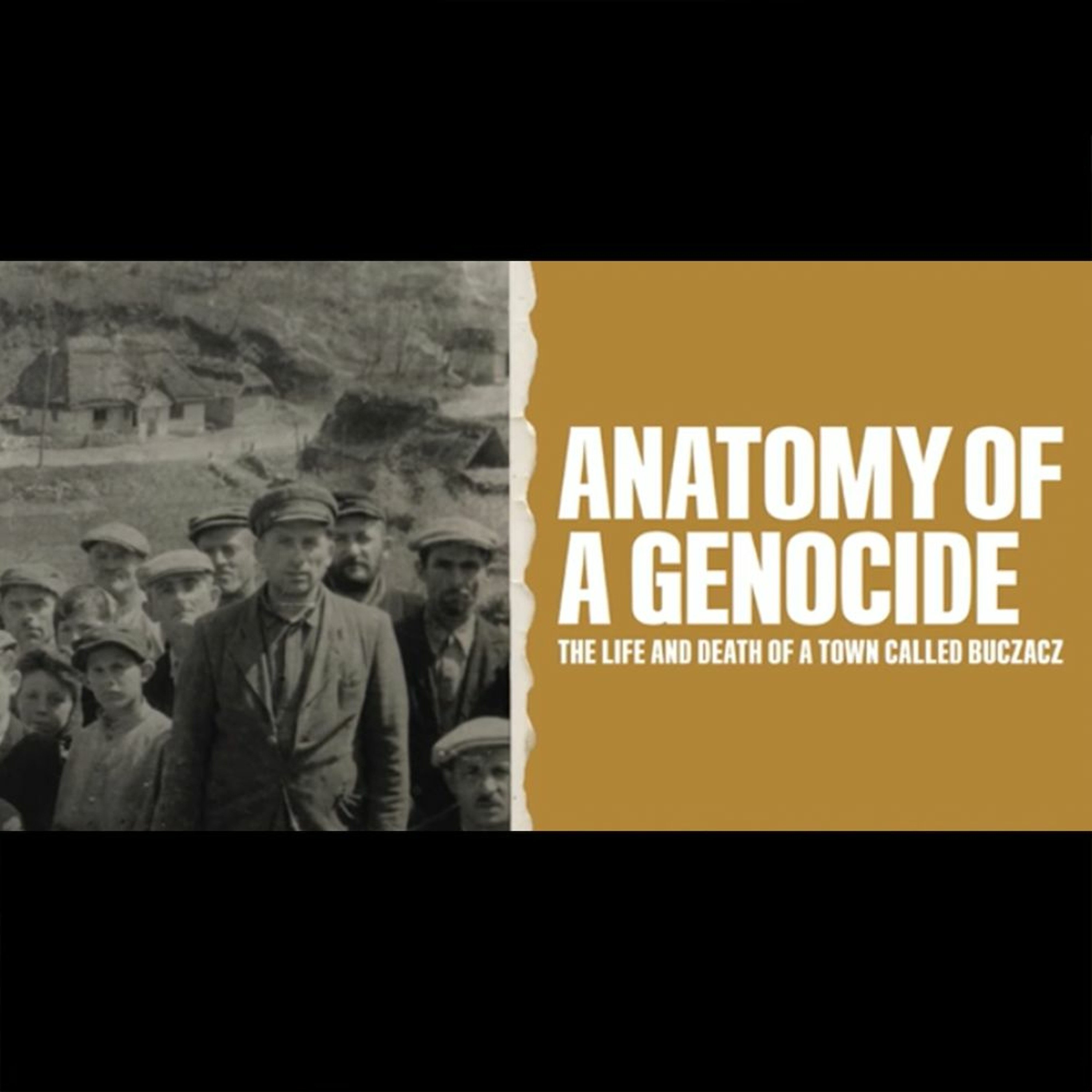
This past January marked the 75th anniversary of the liberation of Auschwitz. On this episode, Sarah talks with Watson Faculty Fellow and historian Omer Bartov about the intimate tragedies that occurred within the massive, industrialized murder of the Holocaust. In his book 'Anatomy of a Genocide: The Life and Death of a Town Called Buczacz,' he vividly illustrates how the residents of one small town went from co-existing to committing mass murder in a matter of years. It’s both an important piece of history and a cautionary tale about how quickly neighbors can turn against each other. You can learn more about and purchase Omer's book here. You can watch Omer discuss the book at the Watson Institute here. You can learn more about Watson’s other podcasts here.

China, the US, and Statecraft in the 21st Century
Tensions between China and the US are at a level not seen in decades. But as Chas Freeman, former Assistant US Secretary of Defense and Watson Senior Fellow believes, the tension between these countries is larger than a tit-for-tat trade dispute. Everything about this relationship is being called to question, and it has implications around the world. On this episode Edward Steinfeld, Director of the Watson Institute and Director of Watson’s China Initiative, sits down with Chas to discuss what may be the biggest story of decades to come: the fast-changing relationship between the US and China. You can read Chas’s paper ‘A World Dividing: The International Implications of the Sino-American Rift’ here. You can learn more about Watson’s China Initiative here. You can learn more about Watson’s other podcasts here.
India at a Crossroads
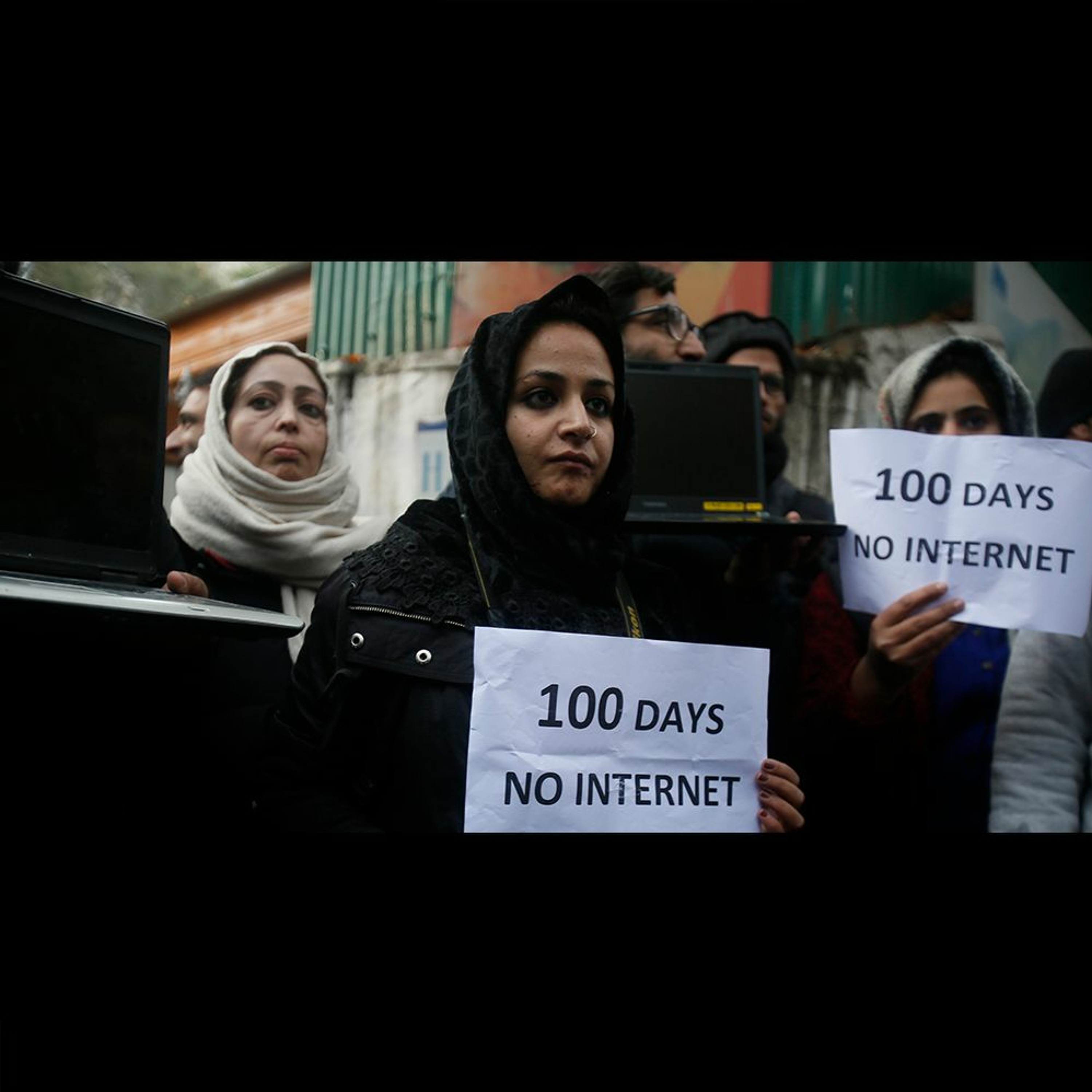
On this episode: why protests have erupted across India in the last few months, and why these protests have been, in many ways, a long time coming. Guest host and producer Dan Richards talks with Sara Shneiderman, associate professor in anthropology and the School of Public Policy & Global Affairs at the University of British Columbia, and Sahana Ghosh, postdoctoral fellow at the Watson Institute, about what they call the “weaponizing of citizenship" in India. You can read more of their analysis in their recent op-ed for The Conversation here. You can learn more about Watson’s other podcasts here.
Islam and Gender in the 21st Century
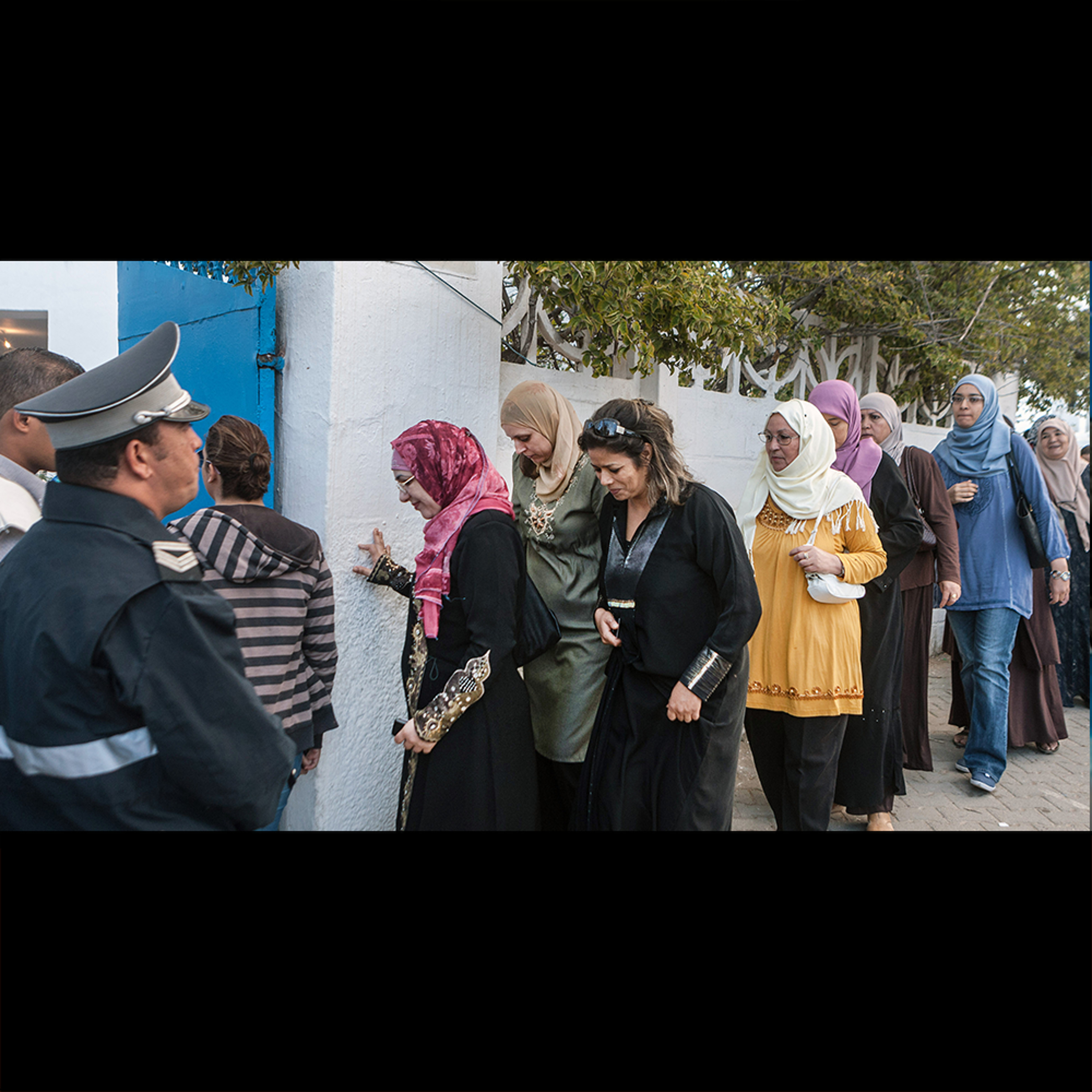
Observers in the West too often have a one-dimensional view of women in Muslim-majority countries; as subjugated, and in need of help in their liberation. On this episode, Sarah sits down with three leading experts on gender politics in the Middle East and South Asia to break down that myth. Anthropologist and Professor at Watson's Center for Middle East Studies Nadje Al-Ali, along with her colleagues Deniz Kandiyoti and Kathryn Poots, coedited the anthology 'Gender, Governance, and Islam,' which explores the complex politics of gender in the Middle East and South Asia. Their conversation with Sarah -- and even more so, their book -- will change how you view the lives of women in this part of the world. You can learn more about and purchase 'Gender, Governance, and Islam' here: https://edinburghuniversitypress.com/book-gender-governance-and-islam.html You can read more about their visit to the Watson Institute, and find links to their lectures, here: https://watson.brown.edu/events/2019/gender-governance-and-islam You can learn more about Watson's Center for Middle East Studies here: [https://watson.brown.edu/cmes/] You can read a transcript of this episode here: [https://drive.google.com/file/d/1ThHrqJZGFqVgp8kG12AT9sy_JGP1YNEL/view?usp=sharing]

Repression and Surveillance for China's Uyghur Minority
This episode is a co-production between Watson's China Initiative and the Center for Middle East Studies at Brown University. This fall, the Center brought to Watson Adeeb Khalid, Director of Middle East Studies at Carleton College, to discuss the history and future of the Uyghurs in Northwest China. Adeeb and Sarah discuss how this minority group ended up as part of China in the first place, and how China’s economic development plan -- known as the ‘Belt and Road initiative’ -- might be connected to renewed tensions we're seeing today. You can watch the presentation Adeeb Khalid gave at Watson here: [https://www.youtube.com/watch?v=pGWOoaePJZg&feature=youtu.be] You can learn more about the China Initiative here: [https://watson.brown.edu/china/] You can learn more about the Center for Middle East Studies here: [https://watson.brown.edu/cmes/] You can read a transcript of this episode here: [https://drive.google.com/file/d/1bc6dHNv_ZgRyBDZNPb1wQJns5KBxRrSW/view?usp=sharing]

Are Men Animals? An Anthropologist's Take
On this episode, public health scientist and Brown Associate Dean Caroline Kuo talks with Watson Fellow Matthew Gutmann about his newest book ‘Are Men Animals? How Modern Masculinity Sells Men Short.’ They explore how what we think of as ‘male behavior’ -- from displays of aggression to mansplaining -- can only be explained by understanding the complex relationship between our culture and our biology. You can learn more about and purchase Matthew's book here: [https://www.amazon.com/Are-Men-Animals-Modern-Masculinity/dp/1541699580] You can read a transcript of this episode here: [https://drive.google.com/file/d/1q-KtxqQuWWoJ4dHTIir6VuW1ofvlNiu7/view?usp=sharing]

The CIA's 'Poisoner in Chief' with Stephen Kinzer
On Trending Globally's 100th episode, Sarah talks with author and Watson Senior Fellow Stephen Kinzer about secret agents, the Cold War, and mind-altering drugs. Stephen's newest book, 'Poisoner in Chief: Sidney Gottlieb and the CIA Search for Mind Control', pulls back the curtain on MK-Ultra, a top-secret CIA project that tried to learn how to control the human mind. Gottlieb ran sinister experiments on human subjects across the globe, and in the process helped spread the use of psychedelic drugs like LSD. It’s one of those stories that if it wasn’t true, you’d never believe it. But it is. You can learn more about and purchase 'Poisoner in Chief' here: [https://us.macmillan.com/books/9781250140432] You can read a transcript of this episode here: [https://drive.google.com/file/d/1ZcfdnJce5Zb6A9cM4HRmoFFFlTYjbha3/view?usp=sharing]

Revolution Revisited, Part IV
In 1979 a group of young rebels, calling themselves the Sandinista National Liberation Front, overthrew a brutal dictatorship in Nicaragua. 40 years later, Nicaraguans are again living under an oppressive authoritarian regime. The current leader? Sandinista Daniel Ortega. In the Spring of 2019, the Watson Institute held an unprecedented conference exploring the history and legacy of this unfinished revolution. Out of that conference came this four-part special series from Trending Globally, telling the story of the Sandinista Revolution from the people who lived it. Part IV: How a country that went through a revolution, a civil war, and a miraculous transition to democracy...found itself under the control of a dictator again today. But like in 1979, young people are taking to the streets, and the world is watching. For more information about the conference this podcast was based on, including recorded lectures and a short film featuring many of the voices from this podcast, visit [watson.brown.edu/nicaragua].
Veterans and Service Members Talk School, Work, and Service
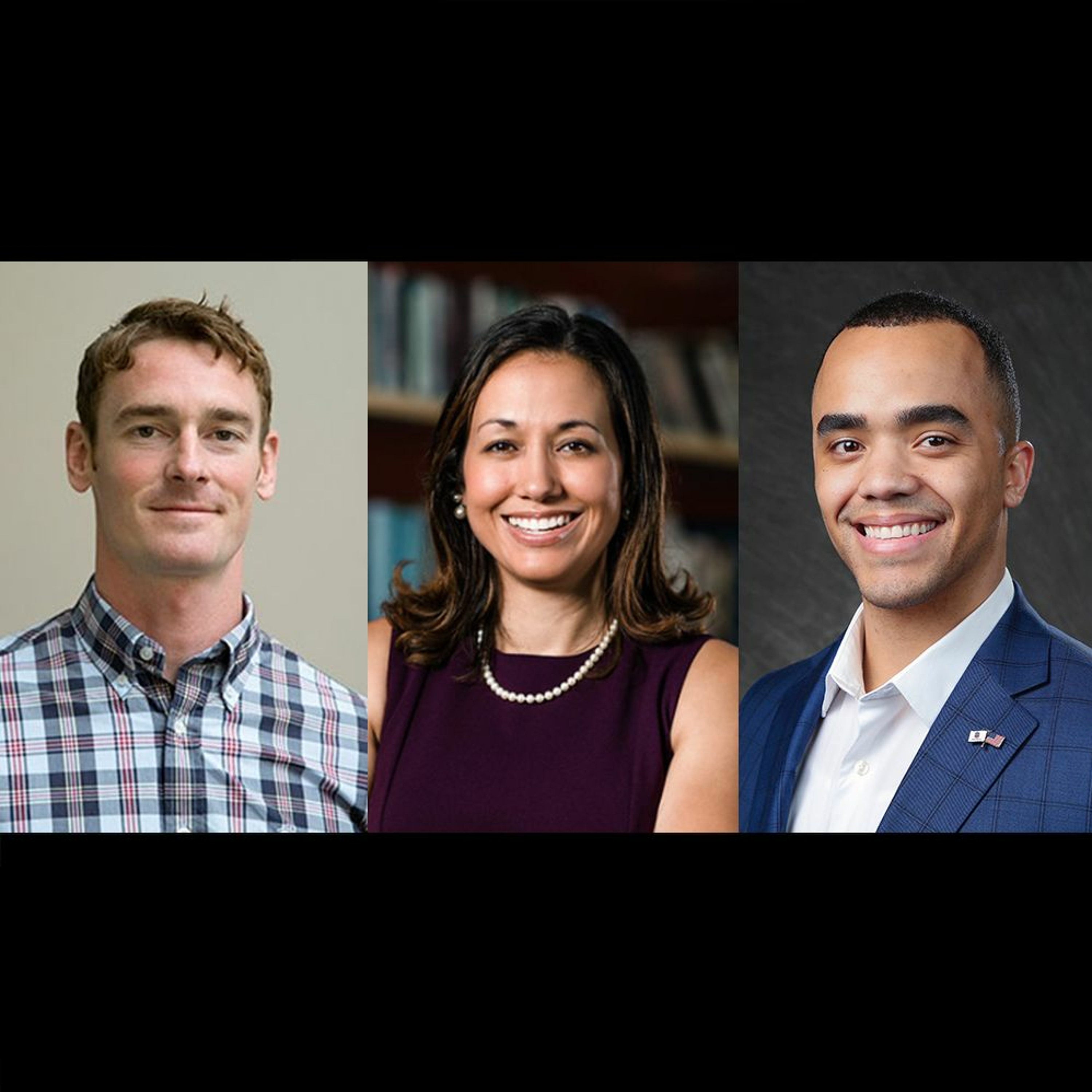
November 11 was Veterans Day, a time to honor and turn our attention to the veterans and service members in our community at Watson. On this special episode, guest host Carrie Nordlund talks with three of them: Aileen Teague is a former Marine Officer and currently a postdoctoral fellow at Watson; Bryan Brown is an active duty Special Forces Officer in the U.S. Army, and currently getting his MPA at Watson; Michael Muir is a prior enlisted Officer in the Marines, and a senior at Brown. It’s a candid and enlightening conversation, and whether you have personal connections to the military or not, we think you’ll learn a lot from what these folks have to say. You can read a transcript of this episode here: [https://drive.google.com/file/d/1VgsQW1NWQ_lLaRkHjpyTvK-Mnx8g53Mw/view?usp=sharing]
Revolution Revisited, Part III
In 1979 a group of young rebels, calling themselves the Sandinista National Liberation Front, overthrew a brutal dictatorship in Nicaragua. 40 years later, Nicaraguans are again living under an oppressive authoritarian regime. The current leader? Sandinista Daniel Ortega. In the Spring of 2019, the Watson Institute held an unprecedented conference exploring the history and legacy of this unfinished revolution. Out of that conference came this four-part special series from Trending Globally, telling the story of the Sandinista Revolution from the people who lived it. Part III: The Contra War. How a CIA-led insurrection against the Sandinista government turned into a genuine, massive civil war by the mid 1980s. We hear from people on different sides of the struggle, as well as from those involved in it's surprising resolution. For more information about the conference this podcast was based on, including recorded lectures and a short film featuring many of the voices from this podcast, visit [watson.brown.edu/nicaragua].

Ecology, History, and Photography with Artist Pamela Petro
At a moment when it feels like there’s an endless stream of breaking news, it’s worth stepping back sometimes, and thinking about things on a longer time scale. On this episode, Sarah spoke with artist and writer Pam Petro '82 about her other-worldly photography exhibit, 'The Blink of Our Lifetimes: The Ecology of Dusk,' which is currently on view at the Watson Institute. They talk art, ecology, memory, history, and impossible-to-translate (but oh-so-useful) Welsh concept of ‘hiraeth.’ It might make you look at the next breaking headline a little differently. Pam Petro’s exhibit 'The Blink of Our Lifetimes: the Ecology of Dusk,' is open to the public and runs through December 20 at Watson, located in the lobby of 280 Brook Street, Providence. You can learn more about the exhibit here: [https://watson.brown.edu/events/2019/blink-our-lifetimes-ecology-dusk]
Revolution Revisited, Part II
In 1979 a group of young rebels, calling themselves the Sandinista National Liberation Front, overthrew a brutal dictatorship in Nicaragua. 40 years later, Nicaraguans are again living under an oppressive authoritarian regime. The current leader? Sandinista Daniel Ortega. In the Spring of 2019, the Watson Institute held an unprecedented conference exploring the history and legacy of this unfinished revolution. Out of that conference came this four-part special series from Trending Globally, telling the story of the Sandinista Revolution from the people who lived it. Part II: Trouble in Paradise. In July 1979, with widespread support at home and abroad, the Sandinista-led Junta of National Reconstruction took over Nicaragua's government. Within a few short years the Junta would crumble, a Civil War would begin, and Nicaragua would find itself the newest front in the Cold War. On this episode we hear from people who led Nicaragua during this transition, as well as from a US diplomat who tried to convince President Reagan to hold off on funding the Contras(spoiler: he didn't succeed). For more information about the conference this podcast was based on, including recorded lectures and a short film featuring many of the voices from this podcast, visit [watson.brown.edu/nicaragua].
Revolution Revisited, Part I
In 1979 a group of young rebels, calling themselves the Sandinista National Liberation Front, overthrew a brutal dictatorship in Nicaragua. 40 years later, Nicaraguans are again living under an oppressive authoritarian regime. The current leader? Sandinista Daniel Ortega. In the Spring of 2019, the Watson Institute held an unprecedented conference exploring the history and legacy of this unfinished revolution. Out of that conference came this four-part special series from Trending Globally, telling the story of the Sandinista Revolution from the people who lived it. Part 1: Who are the Sandinistas? How did they grow from a rag-tag army to an unstoppable revolutionary force? What was their appeal? On this episode we get answers -- from former Sandinista’s themselves. For more information about the conference this podcast was based on, including recorded lectures and a short film featuring many of the voices in this podcast, visit [watson.brown.edu/nicaragua].

Combatting One of Climate Change’s ‘Stealthiest’ Gases
On this episode Sarah talks with Watson Senior fellow Deborah Gordon. Deborah’s newest paper looks at one of the ‘stealthiest’ and most destructive greenhouse gasses: methane. Specifically, the paper uncovers how methane is leaked throughout our infrastructure, from oil rigs to your kitchen stove. It’s a gas leak on a global scale, and it’s warming our planet more than anyone knew. On the bright side, plugging these leaks could make a measurable, immediate impact towards fighting climate change. You can read a transcript of this episode here: [https://watson.brown.edu/files/watson/imce/news/podcast/trending-globally/transcripts/E99_Debbie%20Gordon_Final.pdf]

Politics and Fashion in the Revolutionary Cuba
On this episode, guest host Rich Snyder talks with Maria Cabrera Arus, a visiting professor at the Center for Latin American and Carribean Studies at Watson. Maria studies the sociology, politics, and history of something we all interact with every day: clothes. Specifically, at how clothes communicate power, and project values in a culture. She and Rich explore a place and time that exemplifies this relationship between politics, power, and fashion especially well: Revolutionary Cuba. You can learn more about Maria’s upcoming public lecture at Watson here: [https://watson.brown.edu/clacs/events/2019/maria-cabrera-arus-la-moda-la-revoluci-n-cubana-y-el-hombre-nuevo-fashion-cuban] For more examples and images of Revolutionary Cuba’s material culture, visit Maria’s blog ‘Cube Material’: [https://cubamaterial.com/] You can read a transcript of this episode here: [https://watson.brown.edu/files/watson/imce/news/podcast/trending-globally/transcripts/E98_Cabrera%20Arus_Final.pdf] NOTE: The Center for Latin American and Caribbean Studies at Watson is currently accepting applications for the Cogut Visiting Professorship, which brings scholars from Latin America and the Caribbean to teach and conduct research here at Brown. The application deadline is November 15. You can learn more about it and apply here: [https://watson.brown.edu/clacs/opportunities/fellowships]

The Psychology of Right Wing Populism
From the industrial revolution to the rise of globalization, human society has changed profoundly since our early days as hunter-gathers. But our brains? Not so much. On this episode, Sarah talks with Watson professor Rose McDermott about this evolutionary mismatch, and the vexing problems it creates in our politics and culture. Perhaps nowhere is this more urgently felt than in the rise of anti-immigrant, far-right populism around the world, where leaders and the media have learned to play into our most primal instincts. You can read a transcript of this episode here: [https://watson.brown.edu/files/watson/imce/news/podcast/trending-globally/transcripts/E97_Rose%20McDermott_Final.pdf]

Mark and Carrie - 'Pumpkin Spice' Constitutional Crisis
NOTE FOR LISTENERS: Mark and Carrie will be moving to their own podcast channel after this episode. To hear new episodes of Mark and Carrie from now on, subscribe to their new feed, 'Mark and Carrie,' wherever you get your podcasts. Thanks! Mark Blyth, political economist at Brown's Watson Institute, and Carrie Nordlund, political scientist and associate director of Brown's Master of Public Affairs program, share their take on the news. Topics include: Greta Thunberg and the grown-ups failing our planet, fires and blackouts in California, Brexit: Endgame, Bernie Sanders' health and its effects on the Democratic primary, Mark's super chill visit to Hong Kong, and the US's impending constitutional crisis. You can read a transcript of this episode here: [https://drive.google.com/file/d/1dop41fa1X2-go_mRM13GL4S_ztcapMU-/view]

Making Sense of the US Census
Cristian Farias is a journalist who's written about law and the Supreme Court for New York Magazine, HuffPost, and The New York Times (among many others). For much of the last two years he’s closely followed the Trump administration’s efforts to put a citizenship question on the 2020 census. On this episode of Trending Globally, he and Sarah talk about the politics and policy of the 2020 US census, and why it's fundamentally important to our democracy to get the census right. You can watch Cristian talk from his visit to the Watson Institute here: [https://www.youtube.com/watch?v=l-wAy2jfb-4&feature=youtu.be] You can read a transcript of this episode here: [https://watson.brown.edu/files/watson/imce/news/podcast/trending-globally/transcripts/E96_Cristian%20Farias_Final.pdf]

Tackling Discrimination in America’s Schools
On this episode of Trending Globally, Sarah talks with Watson sociologist Jayanti Owens about her research on racial discrimination in one of America’s most important institutions: our schools. They look at how racial discrimination affects students as young as 5 years old, how these effects ripple out into the rest of society, and how thoughtful public policy can help make an education system that works for every child. You can read a transcript of this episode here: [https://watson.brown.edu/files/watson/imce/news/podcast/trending-globally/transcripts/E95_Jayanti%20Owens_Final.pdf]

Making Sense of the US and Greenland's Relationship
Even by our current standards for presidential news, President Trump’s inquiries into purchasing Greenland this summer were surprising. And while few people took it seriously, Watson political scientist Jeff Colgan still wants to make clear: the US’s relationship with Greenland is no joke. On this episode of Trending Globally, Sarah and Jeff talk about Greenland's role in the Cold War, the politics of nuclear waste clean-up, and the challenges of building a train line...inside of a glacier. They also look at how, with climate change, the US’s relationship to Greenland will matter more and more in the coming decades. This might have been the first time you heard about Greenland on the nightly news, but it probably won’t be the last. You can read a transcript of this episode here: [https://watson.brown.edu/files/watson/imce/news/podcast/trending-globally/transcripts/E94_Jeff%20Colgan%20Greenland.pdf]