
Trending Globally: Politics and Policy
221 episodes — Page 3 of 5
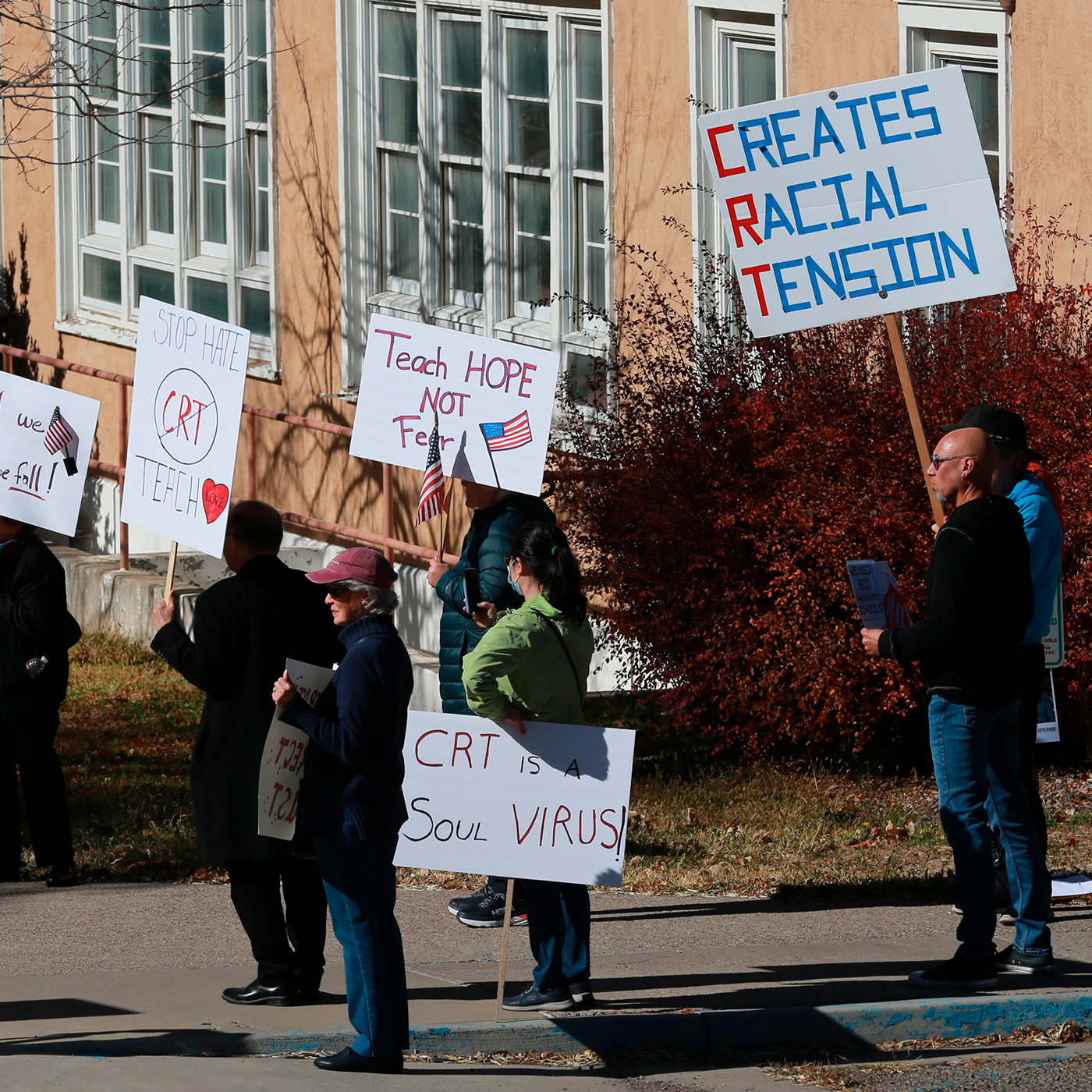
What’s Really Behind the Fight Over “Critical Race Theory” in America’s Schools
Over the past few years, America’s schools have become a battleground in our national politics. Debates about how we teach history and explore issues of race in school have become flashpoints at every level, from school boards to the Oval Office. And there’s one phrase that’s become particularly attached to this tension: “critical race theory.” Those three words have catapulted from the depths of legal academia into the center of partisan politics. But as Danielle Holley-Walker, dean of Howard University Law School and American Council on Education Fellow at Brown University, explains on this episode of Trending Globally, what people today are describing as critical race theory has little to do with its original meaning. And misappropriation of the phrase isn’t just a careless mistake; its use (and misuse) is part of a calculated backlash against social movements that have gained momentum in recent years. On this episode, Sarah talks with Danielle about how the phrase has transformed from a complex legal concept into a conservative talking point, and what that transformation can tell us about race, education, and politics in America today. Read the New Yorker’s 2021 profile of Christopher Rufo. Learn more about the Watson Institute’s other podcasts.
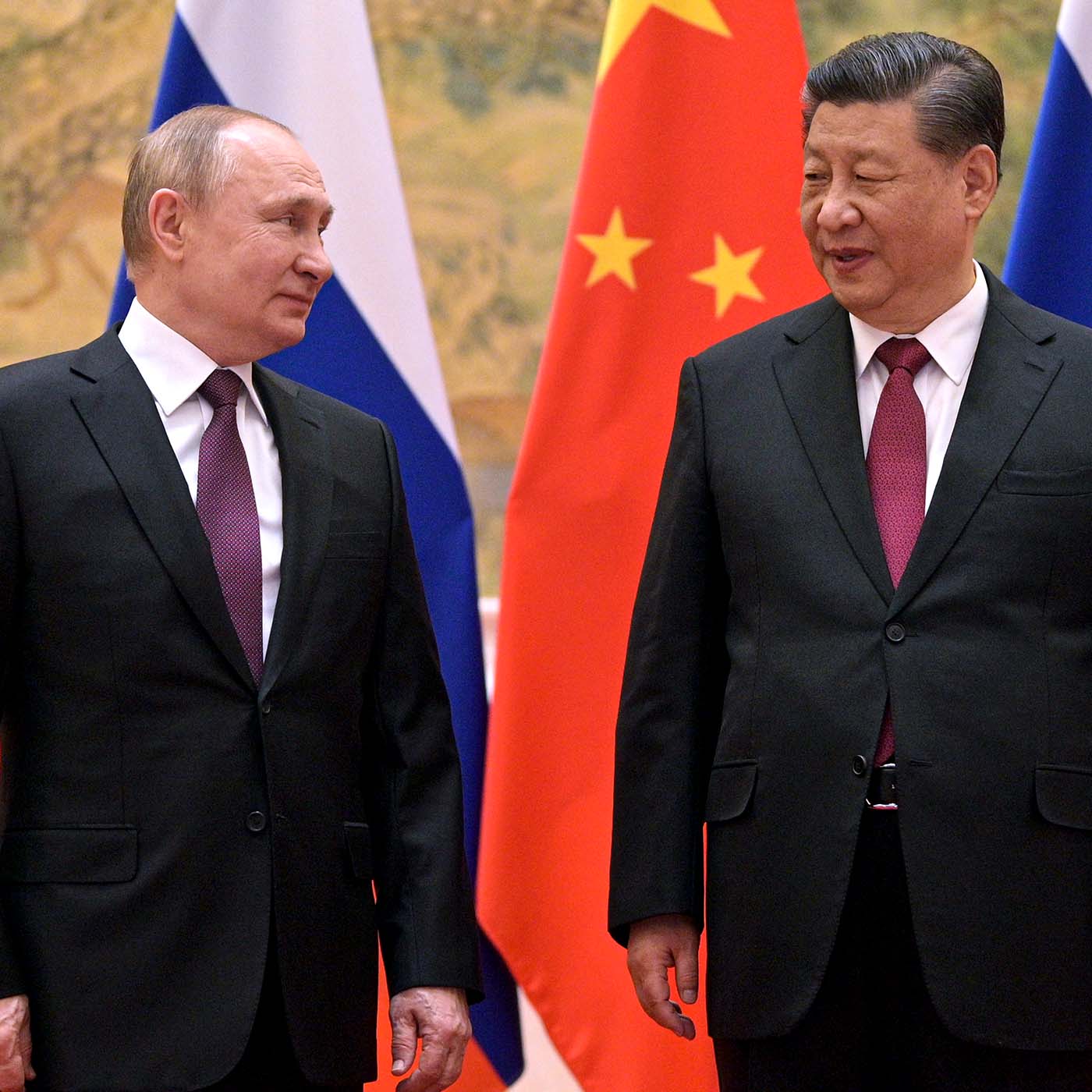
From Ukraine to Taiwan, Understanding ‘Spheres of Influence’
The war in Ukraine has upended what many of us thought we knew about the world today. Whether we’re thinking about Russia and Europe or China and Taiwan, it seems like the range of possible outcomes in conflicts around the world has expanded in unsettling ways. In the midst of all this, Watson Senior Fellow Chas Freeman thinks there’s one key concept we’d all benefit from getting reacquainted with: ‘spheres of influence.’ Chas Freeman is one of America’s leading experts on US-China relations, and a wide-ranging thinker on international affairs, diplomacy, and statecraft. On this episode Chas talks with Watson Director Ed Steinfeld about how thinking in terms of ‘spheres of influence’ could help us better understand the world. In fact, it goes beyond just understanding the world. Chas thinks that concept of ‘spheres of influence’ – with a little tweaking – could actually help global superpowers like the US and China navigate and de-escalate conflicts of the future. Learn more about the Watson Institute’s other podcasts.

Fiona Hill on Russia, the US, Economic Decline, and Demagoguery
Fiona Hill became a household name in 2019, as a witness during President Trump’s first impeachment hearing. But before all that, she was an intelligence analyst specializing in Russia and Europe for Presidents Obama and Bush. And she watched closely as economic stagnation and inequality in Russia fueled populism and authoritarianism. As her new book explains, a similar trajectory has been playing out in her birthplace in the North of England, and in her new home – the United States. The book, titled ‘There Is Nothing For You Here: Finding Opportunity in the 21st Century,’ combines a personal history with a global history, and in the process explains the social and economic forces that lead to anti-democratic movements. This episode was originally broadcast on the Rhodes Center Podcast, another show from the Watson Institute that’s hosted by political economist Mark Blyth. It was recorded in late February, so some references to the conflict in Ukraine may be a little out of date by the time you’re listening to this. But regardless of where this conflict stands as you hear this, Fiona’s analysis of what brought Russia, the UK, and the US to this troubling reality is as timely as ever. Watch a recording of the talk Fiona gave to students on our YouTube Channel.Learn more about and purchase Fiona’s book. Recent analyses on the conflict in Ukraine from other experts at the Watson Institute.
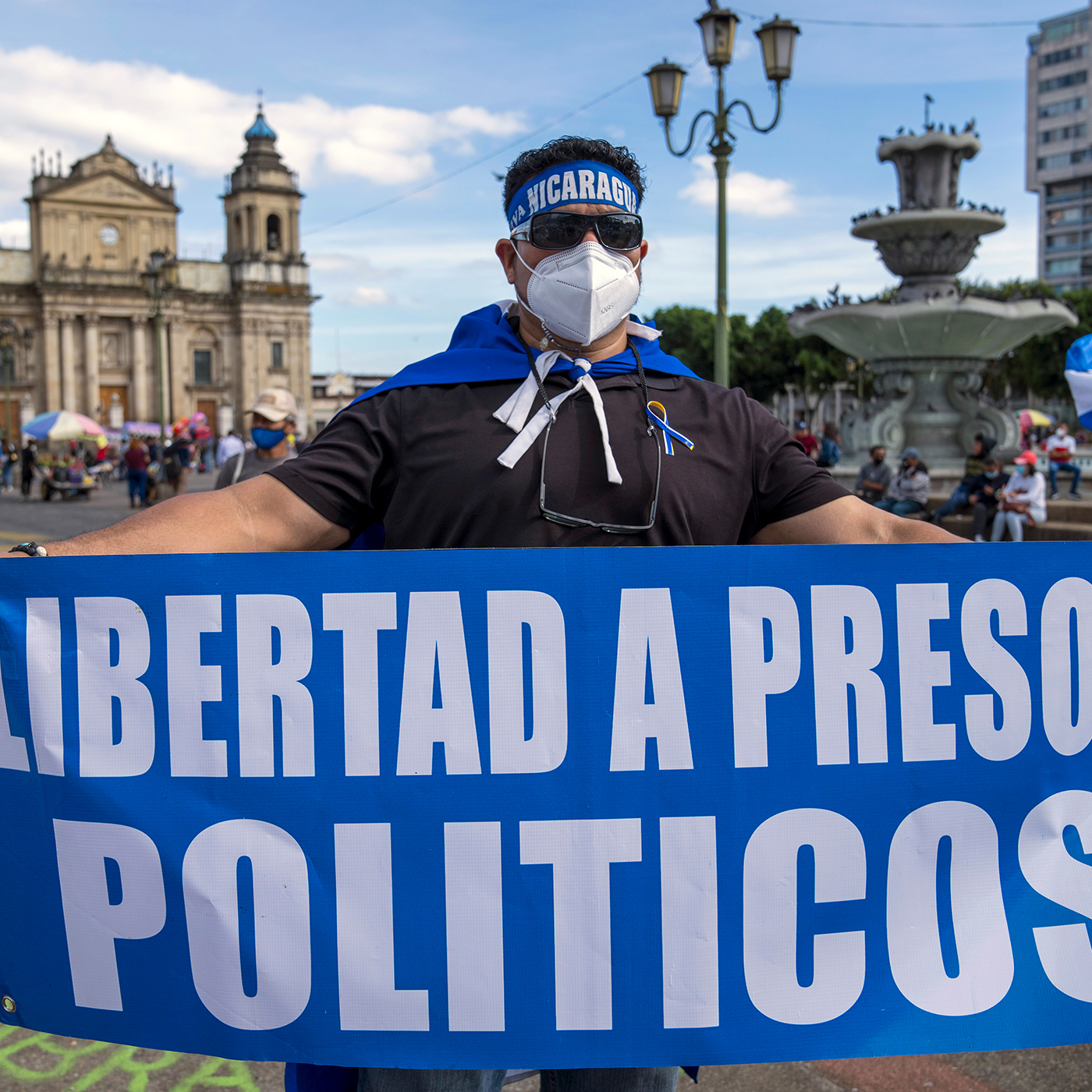
The Fight for Democracy in Nicaragua
This past November, Daniel Ortega was reelected as president of Nicaragua. He ensured his victory by imprisoning his political opponents and launching the largest crackdown on political dissent in the country in decades. This was just the most recent step in his multi-decade effort to transform Nicaragua from a budding democracy into an authoritarian regime. What can’t be forgotten is that just one year ago this horrific turn didn’t seem inevitable. On this episode, Dan Richards talks with two experts on the subject: one is a senior fellow at the Watson Institute, the other an activist in Nicaraguan politics who is currently living in exile. They explain how Nicaragua got to its current state of extreme repression, and what might be done to change it. This is also a story with a special connection to the Watson Institute, which hosted a conference in 2019 marking the 40th anniversary of the Sandinista Revolution. Both of the guests on this episode were at that conference, as were multiple activists who are currently imprisoned in Nicaragua. For more context on this crisis you can listen to the Watson Institute’s limited podcast series Revolution Revisited, which told the story of the Sandinista Revolution from the people who lived it. Part 1Part 2Part 3Part 4Guests on this episode:Stephen Kinzer: Watson Institute Senior fellow in international and public affairs, and author of Blood of Brothers: Life and War in Nicaragua.Luis Carrión: Political activist and democracy advocate, and former senior member of the Sandinista National Liberation Front.

What We Get Wrong About Safety and Security at the US-Mexico Border
In this episode you’ll hear from Ieva Jusionyte, an anthropologist and associate professor of international security and anthropology at the Watson Institute. In addition to teaching and research, she also has a side job – as a licensed EMT. In May 2015 she combined these two passions. She moved to Nogales, AZ, to study emergency responders on the US-Mexico border. For two years she studied life along this border, and worked on it as an EMT herself. What she found became the subject of her book, ‘Threshold: Emergency Responders on the U.S.-Mexico Border.’ In it, she explores how the US-Mexico border – as a legal boundary, an idea, and a physical space – changes emergency response, and what these changes reveal about how borders affect people who live near them. Learn more about and purchase Ieva’s book. Learn more about the Watson Institute’s other podcasts.

When It Comes to Russia and Ukraine, Nothing is Simple
Over the past few months, Russian President Vladimir Putin has built up a massive military presence on Russia’s border with Ukraine. As a result, pundits, politicians, and casual observers of the news have all been asking the same questions: would President Putin actually invade Ukraine? And if so, what would that mean for the rest of the world? These are fair questions, of course. But Michael Kennedy, our guest on this week’s episode of Trending Globally, thinks this framing might actually obscure more than it illuminates.Michael is a professor of sociology at the Watson Institute and an expert on social transformation in Eastern Europe in the post-Cold War era. He’s written and taught extensively on Ukraine, and on this episode he helps make sense of this crisis that defies easy explanation. Despite the complexity of the situation, there’s one thing Michael wants us all to see clearly right now: the stakes of this crisis – for the Ukraine, the US, and democracies around the world – couldn’t be higher. Learn more about the Watson Institute’s other podcasts.

For the US Military, Fossil Fuel is the ‘Lifeblood.’ Here's What that Means for the Planet.
The B-2 Spirit, known as the ‘Stealth Bomber,’ is one of the most advanced aircrafts in the US military. It has a fuel efficiency of about 4.2 gallons per mile. (That’s not a typo; it’s less than one mile per gallon.) Burning a full tank of gas in a B-2 releases roughly 250 metric tons of carbon dioxide into the atmosphere. That’s more than 50 times what the average car releases in an entire year. And that’s just for one trip, for one plane in the US military – the world’s largest institutional consumer of fossil fuel. “The size of that consumption is kind of hard to get your head around,” says Neta Crawford on this episode of Trending Globally. Neta Crawford is a professor of political science at Boston University and co-founder of the Costs of War project, which is housed at the Watson Institute. The project works to uncover the financial, human, political, and environmental costs of America’s post-9/11 wars. This year Trending Globally has teamed up with the Costs of War project to explore what they’ve found.On this episode you’ll hear from Neta Crawford on her groundbreaking work calculating the size and scope of the US military’s carbon footprint. In the process of uncovering the extent of the military’s fuel consumption and carbon emissions, she also traces the long and complex relationship between national security, fossil fuels, and climate change. Learn more about Neta Crawford’s work. Learn more about the Costs of War Project.Learn more about the Watson Institute’s other podcasts.

January 6: One Year After the Capitol Insurrection, What Have We Learned?
It’s been 12 months since a mob of American citizens, driven by the false belief that the presidential election had been stolen from Donald Trump, attacked the US Capitol. The insurrectionists couldn’t overturn the election results, but they did make us question basic assumptions about the state of American democracy. On this episode, host Sarah Baldwin ‘87 and producer Dan Richards talked with experts at Watson and Brown about the attack. They asked scholars of political science and international affairs: what did the insurrection teach us about the state of American politics? How has it changed us? And, perhaps most important: what do we need to do to protect our institutions going forward?Guests featured on this episode:Wendy Schiller, Professor of Political Science and Director of the A. Alfred Taubman Center for American Politics and PolicyJuliet Hooker, Professor of Political Science at Brown University Rose McDermott, Professor of International Relations at the Watson InstituteStephen Kinzer, Senior Fellow in International and Public Affairs at the Watson InstituteLearn more about the Watson Institute’s other podcasts. Read what other experts at Watson had to say in the immediate aftermath of the insurrection.

The Politics and Policy of Righting Historical Wrongs with Amb. Keith Harper
In 1996, Keith Harper began to work on a lawsuit against the US government. It was a class action suit filed by Elouise Cobell, a member of the Blackfeet Confederacy in Montana. She claimed something that many people had long known to be true, but that had never been directly addressed in the US legal system: the US government owed many, many Native Americans a lot of money.Keith Harper - who is a citizen of the Cherokee Nation - became a lead prosecutor for the plaintiff class, which grew to include hundreds of thousands of Native Americans. The case, known as Cobell v. Salazar, became one of the largest class action suits in US history. It awarded a total of $3.4 billion dollars to Native Americans across the country. But as Keith explained to Sarah on this week’s episode of Trending Globally: “It was an important milestone. But we should recognize, it was a mere measure of justice, and not full justice.”Keith would go on to serve as the US Ambassador to the UN Human Rights Council under President Obama starting in 2014. He was the first Native American ever to be appointed to an ambassadorship. This year he’s serving as a senior fellow at the Watson Institute, and on this episode we explore both the groundbreaking case Cobell v. Salazar and what Keith sees as the relationship between Native American rights, international law, and human rights more broadly. Learn more about the Watson Institute’s other podcasts.
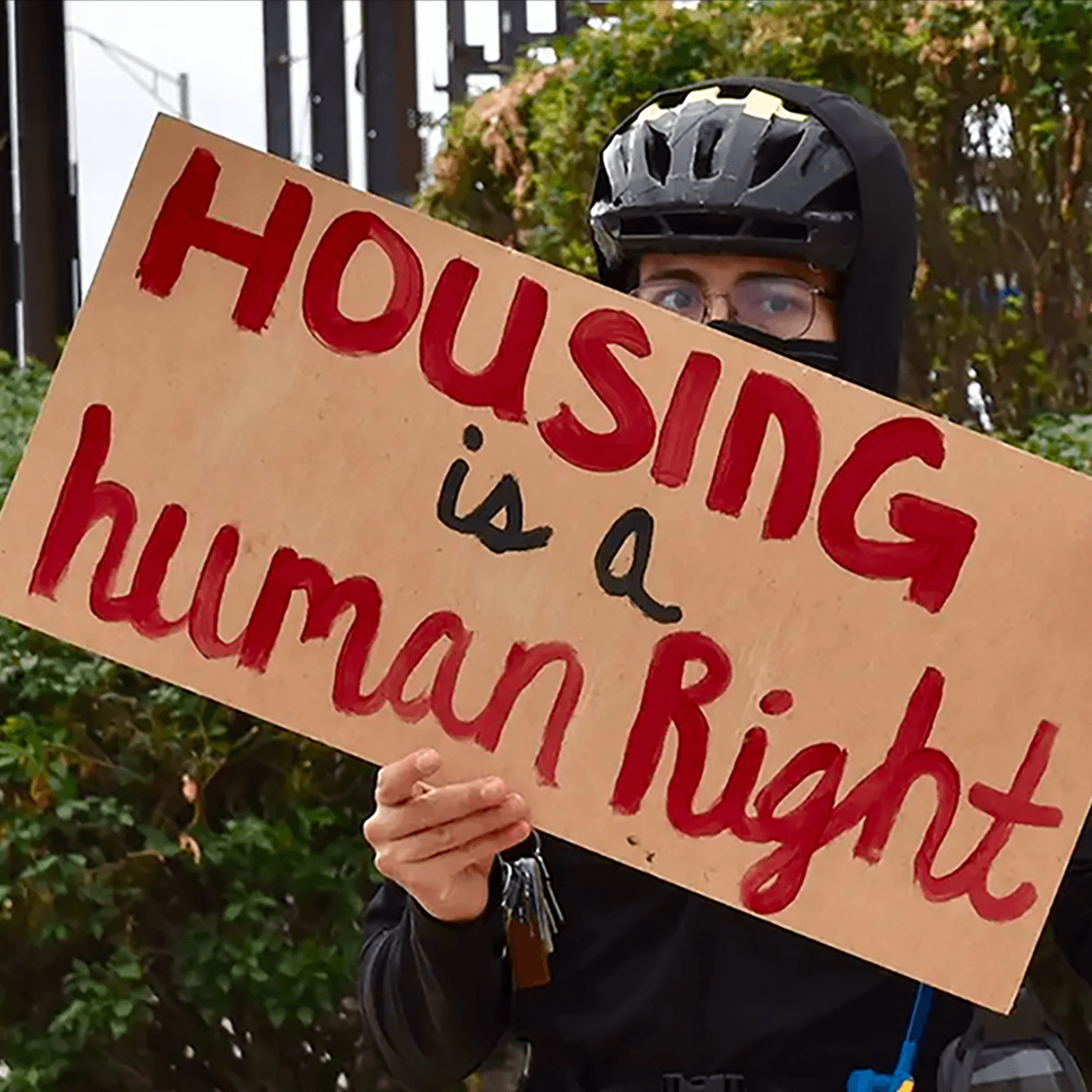
Less to Lean On: Housing Insecurity in Rhode Island and the US
While there’s a lot to be thankful for this fall and winter (such as an effective Covid-19 vaccine) many Americans are still living in the middle of a crisis when it comes to housing. It’s one that’s been brewing for far longer than the pandemic -- and looks like it will outlast it, too. Too many Americans live in unstable housing, or go for stretches of time without any home at all. It’s one of our most embarrassing shortcomings as a country, and addressing it has proven to be one of our most vexing policy problems. This week we’re rereleasing one of our favorite episodes on the topic: part three of Less to Lean On, a series on housing in America that Trending Globally produced in collaboration with the media collective Signs of Providence.This particular episode follows one woman as she tries to navigate the world of affordable housing in Rhode Island. Her story reveals the complex web of forces that keep so many Americans from finding stable housing, and why it’s disastrous not just for individuals, but for our society as a whole. If you like this episode, we recommend you go back and listen to the rest of the series, which covers housing, eviction, and homelessness from a variety of angles. Listen to Part 1Listen to Part 2Listen to Part 4Learn more about Signs of ProvidenceLearn more about the Watson Institute’s other podcasts.
Biden’s Legislative Agenda and the State of US Politics
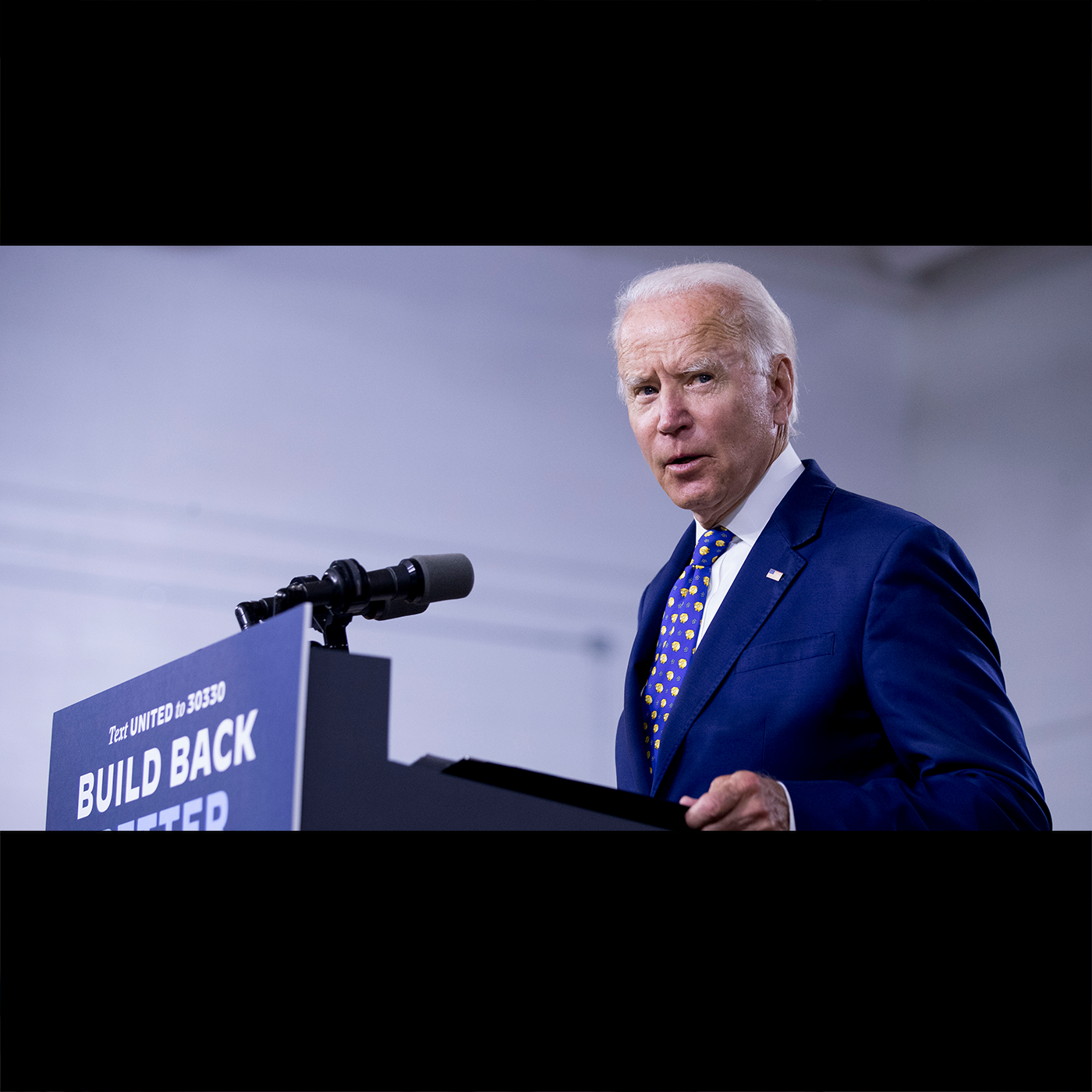
On November 16, a $1 trillion infrastructure bill was signed into law by President Biden, marking the biggest investment in the country’s infrastructure in decades. At the same time, an even larger social spending bill sits in a state of limbo in Congress, with no resolution in sight. What happens in the US Congress over the next few months should matter to everyone, not just the political hobbyists. With proposed government spending on everything from fighting climate change to supporting new industries in the US, the success or failure of President Biden’s legislative agenda will have a huge effect not just in America, but around the world. On this episode Sarah Baldwin ’87 and Dan Richards talk with two experts to get a sense of how President Biden’s agenda has been making its way through Congress, and how the process fits into the bigger picture of US electoral politics. Guests:Carrie Nordlund is assistant dean for undergraduate programs at Brown University, and co-host, with Mark Blyth, of the (aptly titled) podcast, Mark and Carrie. Wendy Schiller is a professor of political science at Brown and director of the Taubman Center for American Politics and Policy, which is housed at the Watson Institute. Learn more about the Taubman Center for American Politics and Policy. Learn more about Watson’s other podcasts, including Mark and Carrie.
Want to Change the World? Let Girls Go to School.
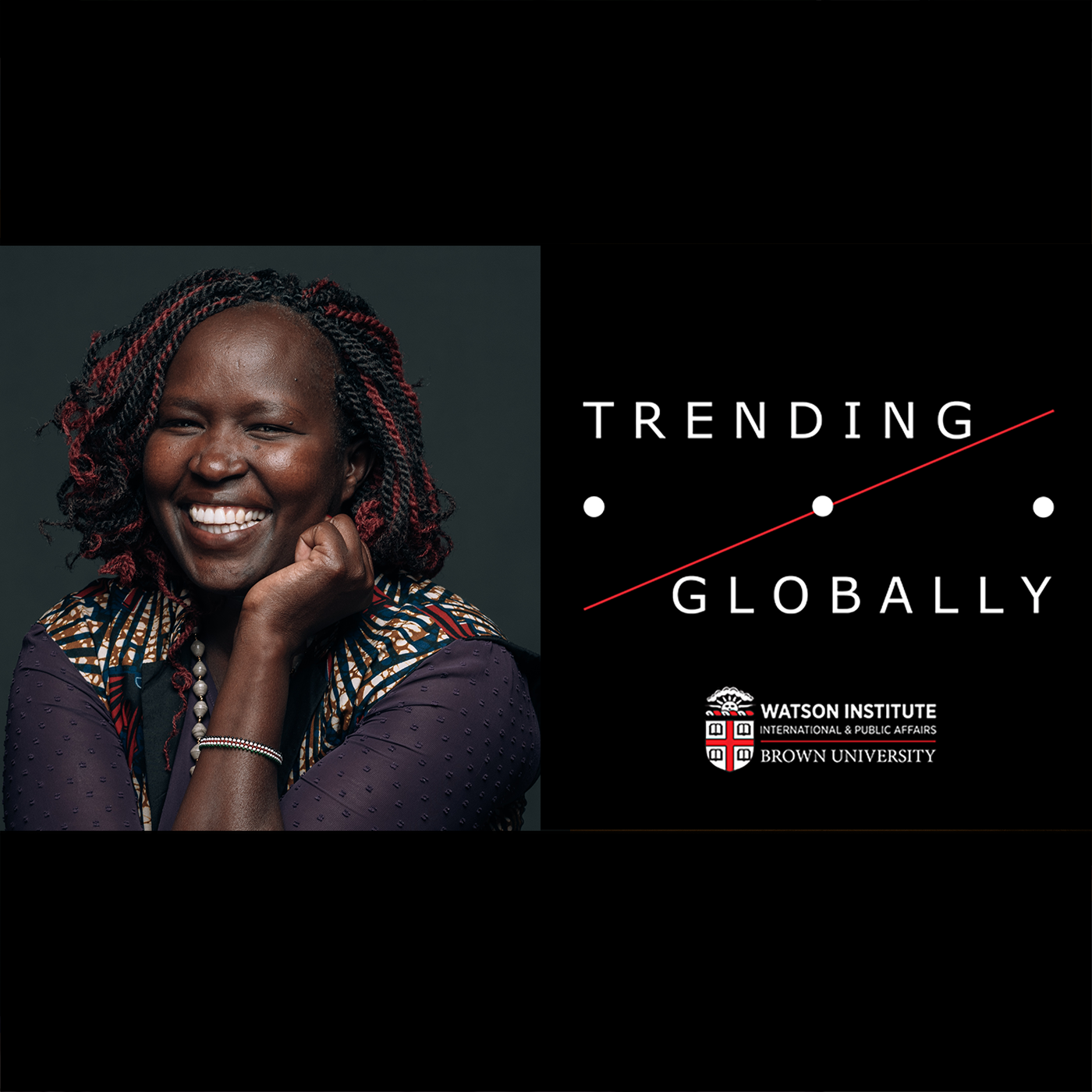
Dr. Kakenya Ntaiya is a senior fellow at the Watson Institute and the founder of Kakenya’s Dream, a female empowerment and education non-profit based in the rural Masai Mara of Kenya. Kakenya grew up in the Masai Mara, in a community where it was expected that women wouldn’t go to school beyond childhood. They’d be subject to early, arranged marriages, and worse. Yet, incredibly, Kakenya forged a different path. On this episode of Trending Globally, you’ll hear Kakenya’s story in her own words, and learn how it led her to develop a new model for girls' education in rural Kenya. It’s a model based on a premise that her life story also affirms: that the education of girls and the health of a community are deeply intertwined. Learn more about Kakenya’s DreamLearn more about the Watson Institute’s other podcasts
The Origins and The Future of Human Rights
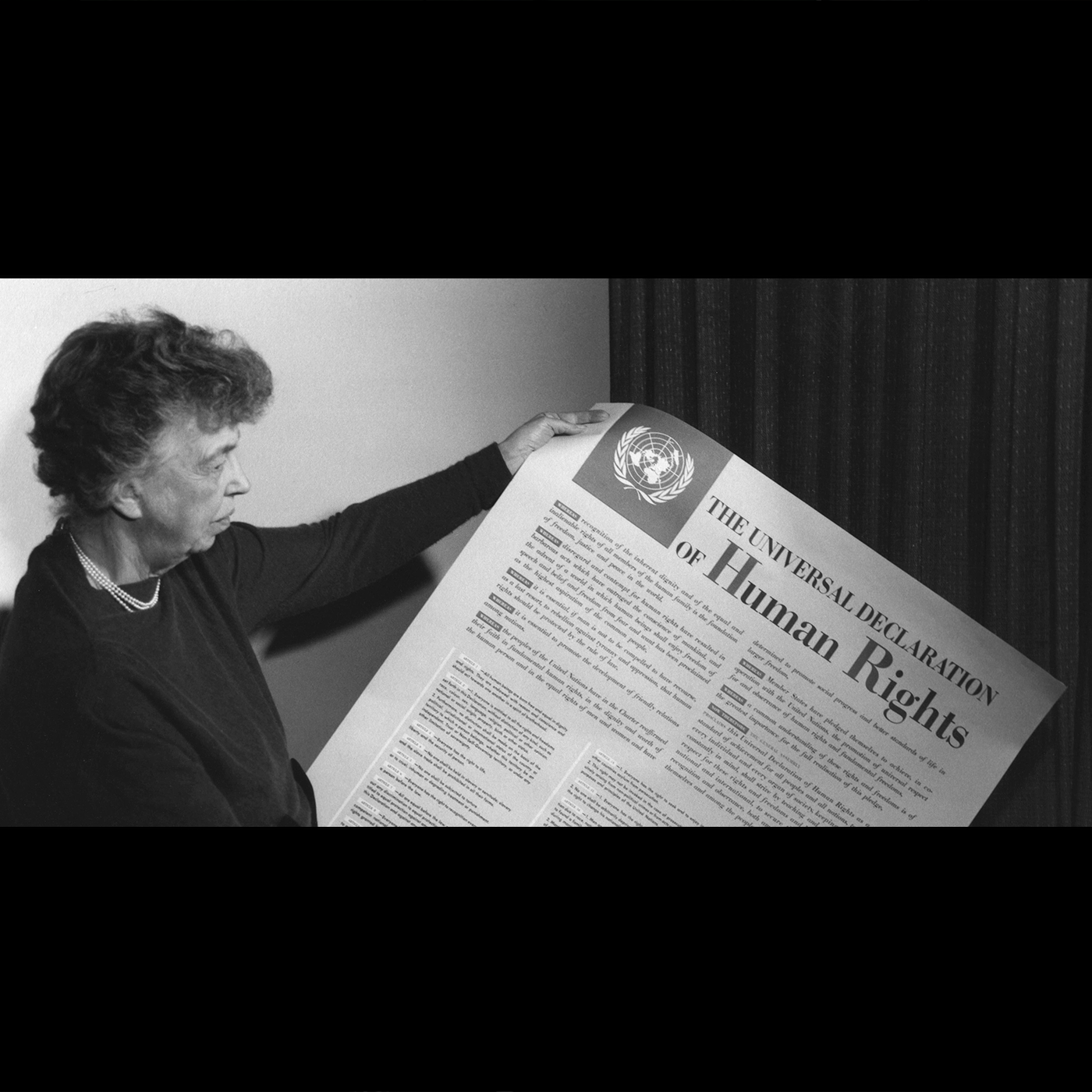
In the world of international affairs, there’s perhaps no concept more fundamental than human rights. Yet despite that, these rights seem to be under greater threat in more places than we’ve seen in a long time. In order to understand how we might better promote human rights around the world, we at Trending Globally wanted to take a step back and explore the very concept of ‘human rights.’ Sarah Baldwin ‘87 and Dan Richards spoke with two experts -- one a political scientist, and one a neuroscientist -- about where exactly this concept comes from, and where it might be going. Guests on this episode:Nina Tannenwald, Senior Lecturer in Political Science at Brown UniversityTara White, Assistant Professor of Behavioral and Social Sciences at Brown UniversityRead Tara White’s paper on ‘Dignity Neuroscience.’Learn more about the Watson Institute's other podcasts on our website.
Extreme Weather is Getting Worse. How Do We Learn to Live With It?
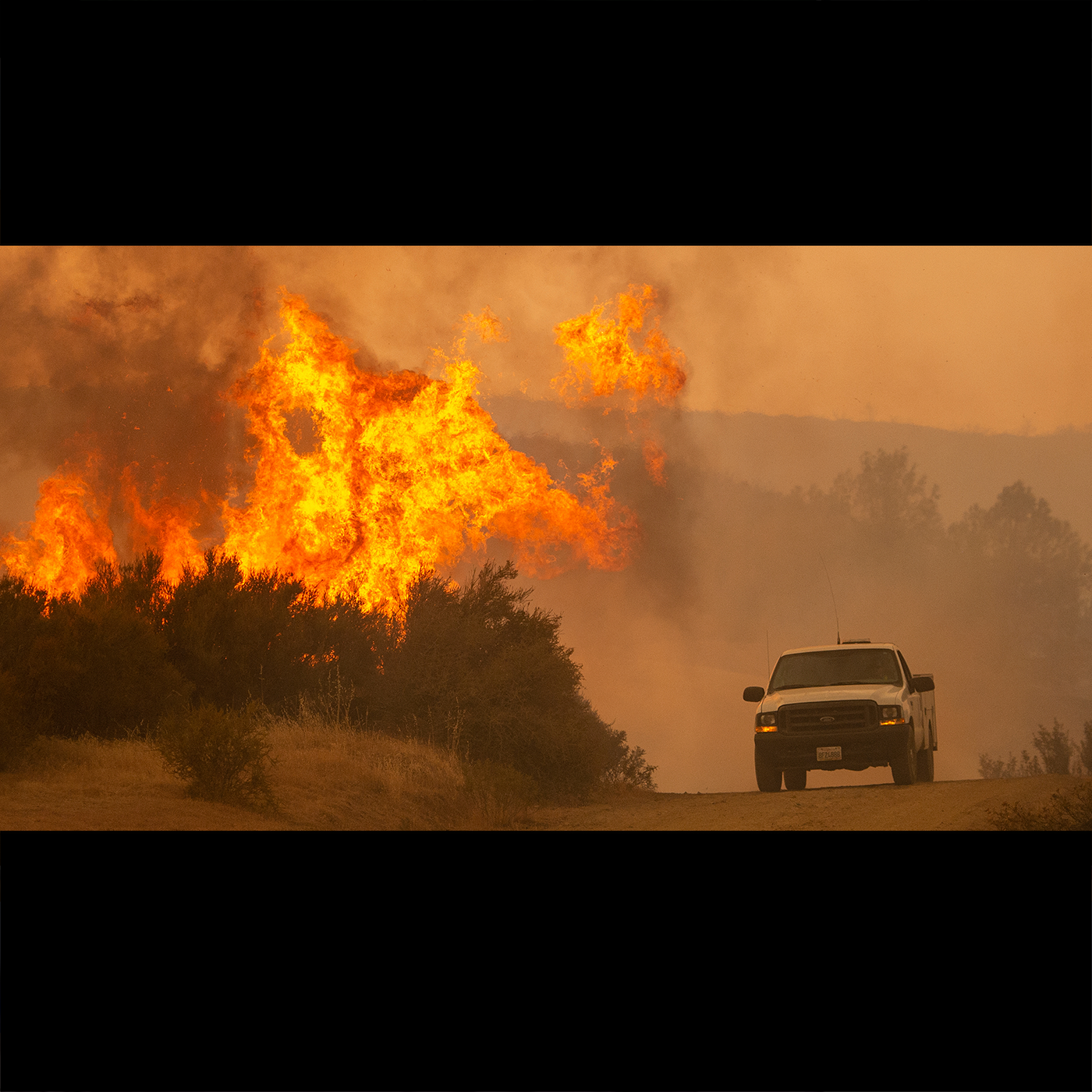
Remember when talking about the weather was boring? Not so anymore. Extreme weather events are becoming more common, and more extreme, with no sign of letting up. On this episode Sarah Baldwin ’87 talks with homeland security expert Juliette Kayyem about what these changes mean for humans: Where should we live? How should we live? How should we think about our place on this planet? Juliette Kayyem served under President Obama as an Assistant Secretary at the Department of Homeland Security and is currently a senior lecturer at Harvard’s Kennedy School of Government, where she teaches crisis management and homeland security. Her upcoming book, The Devil Never Sleeps, reframes how to think about crisis management in an age of disasters, from the level of the individual up through the federal government. And if a conversation with an expert like this sounds too depressing, don’t worry: talking with Juliette is anything but. Learn more about Juliette’s upcoming book The Devil Never Sleeps: Managing Disasters in an Age of Catastrophes. Learn more about the Watson Institute’s other podcasts.

Expand - Ignite - Invite: What Does a More Inclusive Art World Look Like?
The past 18 months have been a strange time for art lovers. Museums and galleries have sat empty. Artistic communities have, like all of us, learned to live in isolation. At the same time, though, there’s been a revolution in how we think of public space in our cities and towns. Streets, parks, and even alleyways have turned into our storefronts, our classrooms, and our museums. What do these changes mean for the art world, and for arts’ relationship to the rest of the world?On this episode, Trending Globally partnered with ‘Providence Curates’ to explore this question. Providence Curates is a nonprofit made up of artists, writers, and curators, dedicated to expanding and diversifying artistic communities in the region and to reimagining how art can enter the public realm. This conversation was put together for PVDFest Ideas 2021, an Arts and Ideas festival in Providence, Rhode Island. Guests on this week’s show: Jonny Skye is a gallerist based in Providence, RI, and a board member of Providence Curates. Spencer Evans is an artist, a professor of drawing at RISD, and a board member of Providence Curates. Melaine Ferdinand King is a 4th-year doctoral candidate in Africana Studies at Brown UniversityJudith Tolnick Champa is an artist, curator, and founder of Providence Curates and the Providence Biennale. ‘Providence Curates: Cultivating a Transformative Experiment,’ is an offshoot of the Providence Biennale. You can learn more on their website, and contact them directly at [email protected]. Special thanks to Stephanie Fortunato, Director, and Dr. Micah Salkind, Special Projects Manager of the City of Providence Department of Art, Culture + Tourism (ACT) PVDFest Ideas 2021, for making this collaboration possible. You can find a list of all of this year’s PVDFest Ideas events (both live and virtual) on their website.
After 20 Years, Measuring the True Costs of America’s Post-9/11 Wars
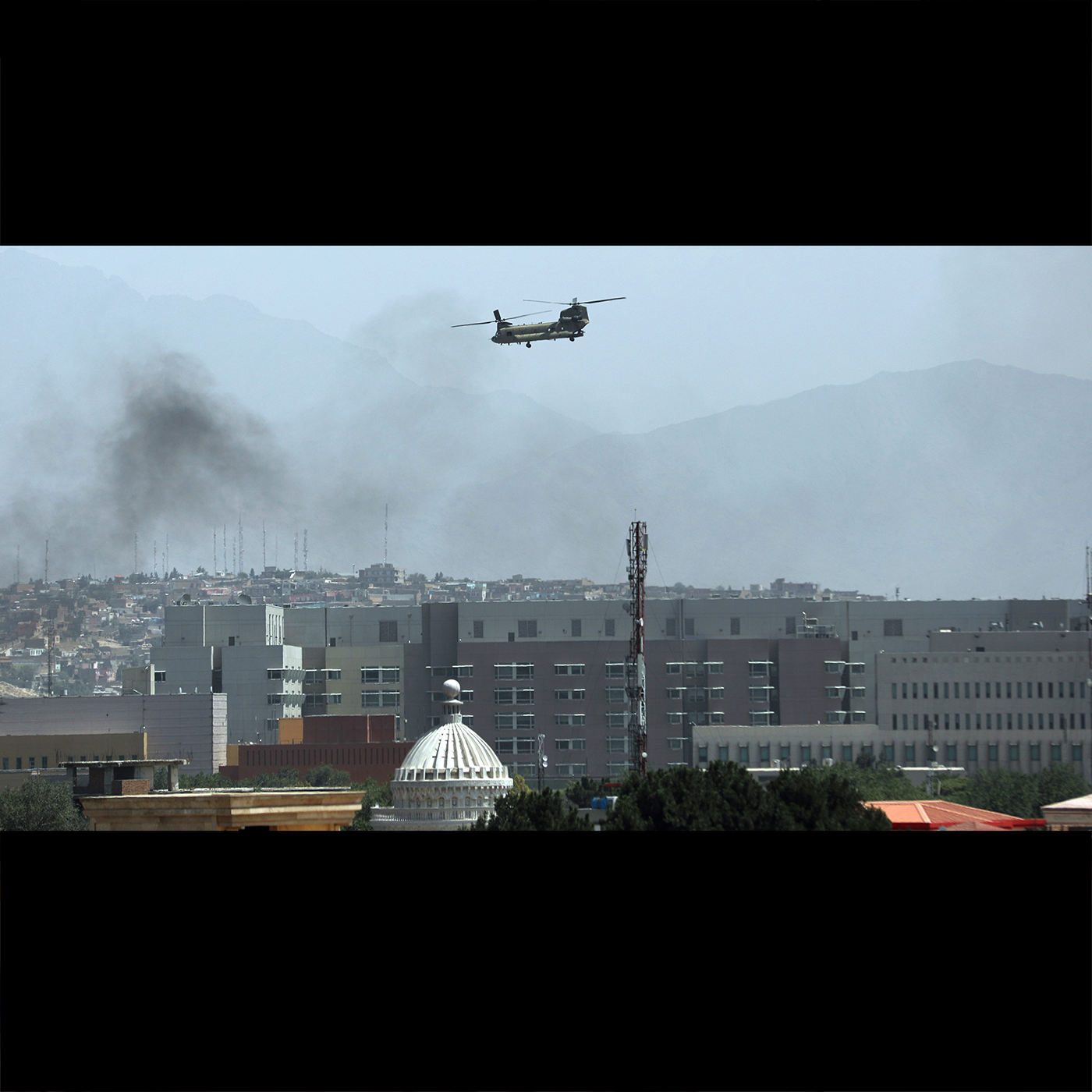
This fall marks the 20th year of American military engagement abroad following the events of 9/11. This year Trending Globally is teaming up with scholars at the Costs of War project to explore the effects of two decades of war. The Costs of War project is an interdisciplinary group of scholars who have stepped in where the government has often failed, working to measure the true financial, human, political, and environmental costs of America’s post-9/11 wars. On this episode Sarah Baldwin ’87 talks with Stephanie Savell, one of the project’s directors, about how the organization started and why its work is more necessary than ever. Dan Richards talks with David Vine about one of the most heartbreaking costs of these wars: the more than 38 million people who have been displaced from their homes in countries including Afghanistan and Iraq.Learn more about the Costs of War Project. Learn more about and purchase David Vine’s book The United States of WarA Global History of America's Endless Conflicts, from Columbus to the Islamic State.Learn more about the Watson Institute’s other podcasts.
From Haiti to Afghanistan to Ethiopia, the Challenge of Supporting Fragile States
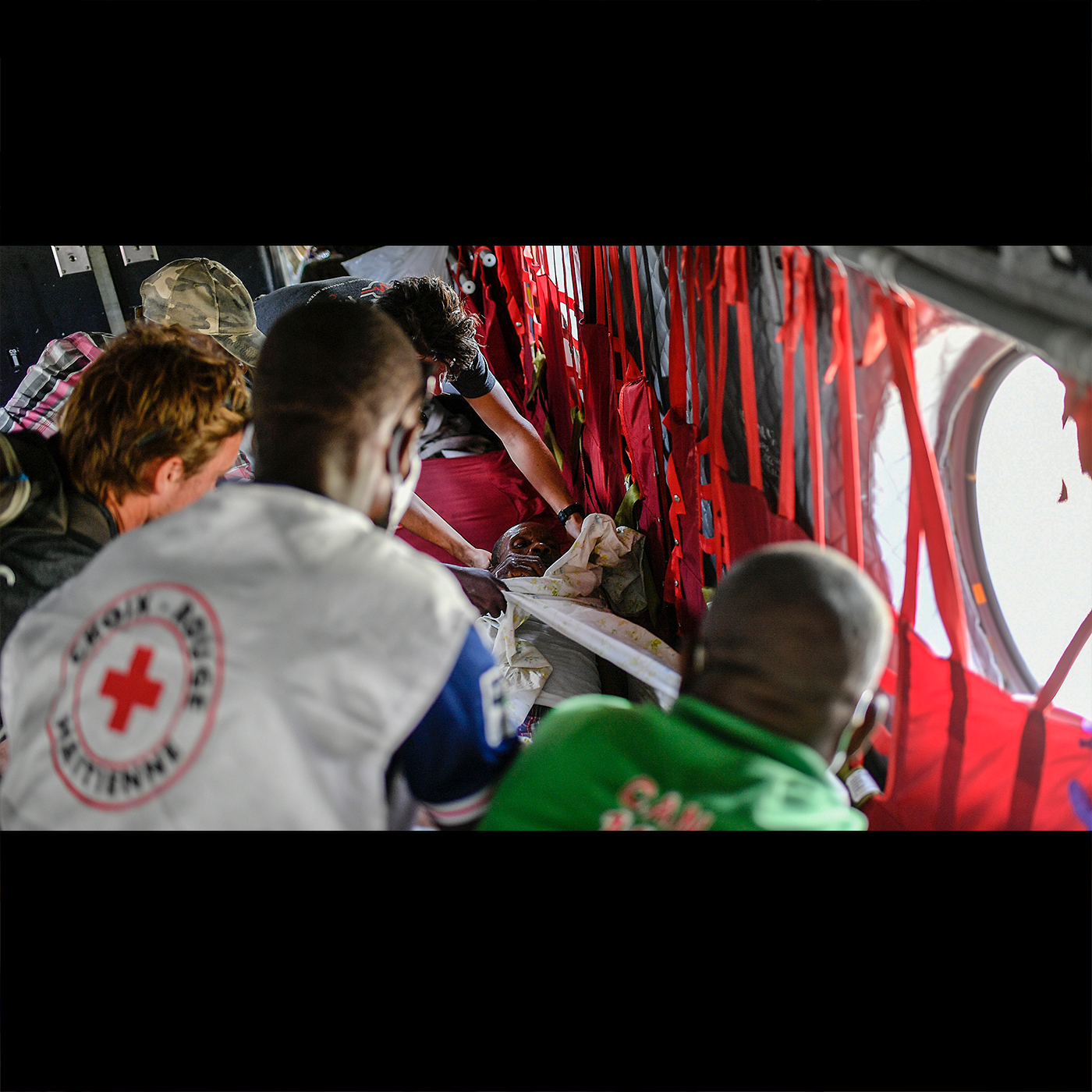
It’s been a summer of crisis in some of the world’s most fragile states. At Trending Globally, we’ve found ourselves asking the same questions over and over lately -- are the world’s rich countries simply not doing enough to help fragile states around the world? Or are they helping, but in the wrong way? On this episode guest host Dan Richards talks with Brian Atwood, a visiting fellow at the Watson Institute, about the unique challenges of providing aid to fragile states. Brian led the U.S. Agency for International Development - known as USAID - under President Clinton. He was also dean of the Humphrey School for Public Affairs at the University of Minnesota from 2002 until 2010. Brian explains what the international community is getting wrong when it comes to helping the world’s fragile states, and what we might change to make it right. You can get more information about this and every other Trending Globally episode, including transcripts, by visiting our website here. You can learn more about the Watson Institute’s other podcasts here.

How to Make Tough Decisions with Economist Emily Oster
Before the pandemic, Watson economist Emily Oster was best known for her books Expecting Better and Cribsheet. They offered data-driven advice about pregnancy and raising young children, and they’ve become required reading for many young parents. Her knack for synthesizing data into plain-language advice made her a natural fit for her next role: as one of the unofficial guiding voices behind school reopening plans in America this past year.The pandemic -- and Emily’s role in it -- have added special valence to her newest book, The Family Firm: A Data-Driven Guide to Better Decision Making in the Early School Years. Unlike her previous two books, this one is focused less on crunching data than on teaching readers how to make complex decisions when they don’t have all the data. As such, it’s probably her most universal book to date. On this episode Sarah ’87 talks with Emily about The Family Firm, her experience in the spotlight during recent debates over school reopening, and how to make decisions that you can feel good about no matter the outcome. You can purchase The Family Firm here. You can learn more about Watson’s other podcasts here.
Hindu Nationalism, Contested Histories, and Challenging the Fascism Blueprint
Audrey Truschke is a scholar who has gotten in some very hot water lately. She’s regularly harassed on Twitter, she’s facing a lawsuit, and she’s received death threats. ‘What’s she an expert in?’ you might ask. Public health? Election law? Critical Race Theory? Nope.Ancient Sanskrit. On this episode we’re sharing part of a new podcast from Watson. It’s called ‘Sensing the Sacred’ and it’s hosted by Finnian Gerety, a visiting assistant professor of religious studies and contemplative studies at Watson’s Center for Contemporary South Asia.Finnian and Sarah talk about the motivation behind the show, which explores spirituality in South Asia from angles as diverse as the origins of yoga to the rise of Hindu nationalism. Finnian also shares some of his recent conversation with Audrey Truschke, where they talk about the role of Sanskrit in Hindu nationalist propaganda, and more broadly about how to contest the ‘fascist blueprint’ we see being enacted around the world today. You can learn more about and subscribe to ‘Sensing the Sacred’ here. You can buy Audrey’s book here.You can learn more about Trending Globally by subscribing to our podcast newsletter here.You can learn more about Watson’s other podcasts here.

ADHD: Who Gets Diagnosed, Who Gets Overlooked, and What It Means for Kids’ Education
School is about more than just the subjects kids are supposed to learn, it’s an essential part of their social and emotional growth. This is something we all know, but sometimes take for granted. Or at least we did -- until last year. The Covid-19 pandemic made all too clear that educational success, mental health, and our environments are inextricably linked. And nowhere is this connection more apparent than in conversations around ADHD, or Attention Deficit Hyperactivity Disorder.On this episode, Sarah Baldwin ’87 talks with Jayanti Owens, assistant professor of sociology and international and public affairs at Watson, about how this highly common, often misunderstood condition is diagnosed and treated. Jayanti's 2020 paper, "Social Class, Diagnosis of Attention-Deficit/Hyperactivity Disorder, and Child Well-Being" which we discuss, recently won the 2021 Outstanding Publication Award from the American Sociological Association's Section on Disability and Society. We’ll also look at what these issues can teach us about the complex relationship between kids’ mental health and their success in school -- a topic which, after this past school year, is sorely in need of a rethink. You can learn more about Watson’s other podcasts here.
Less to Lean On: Epilogue
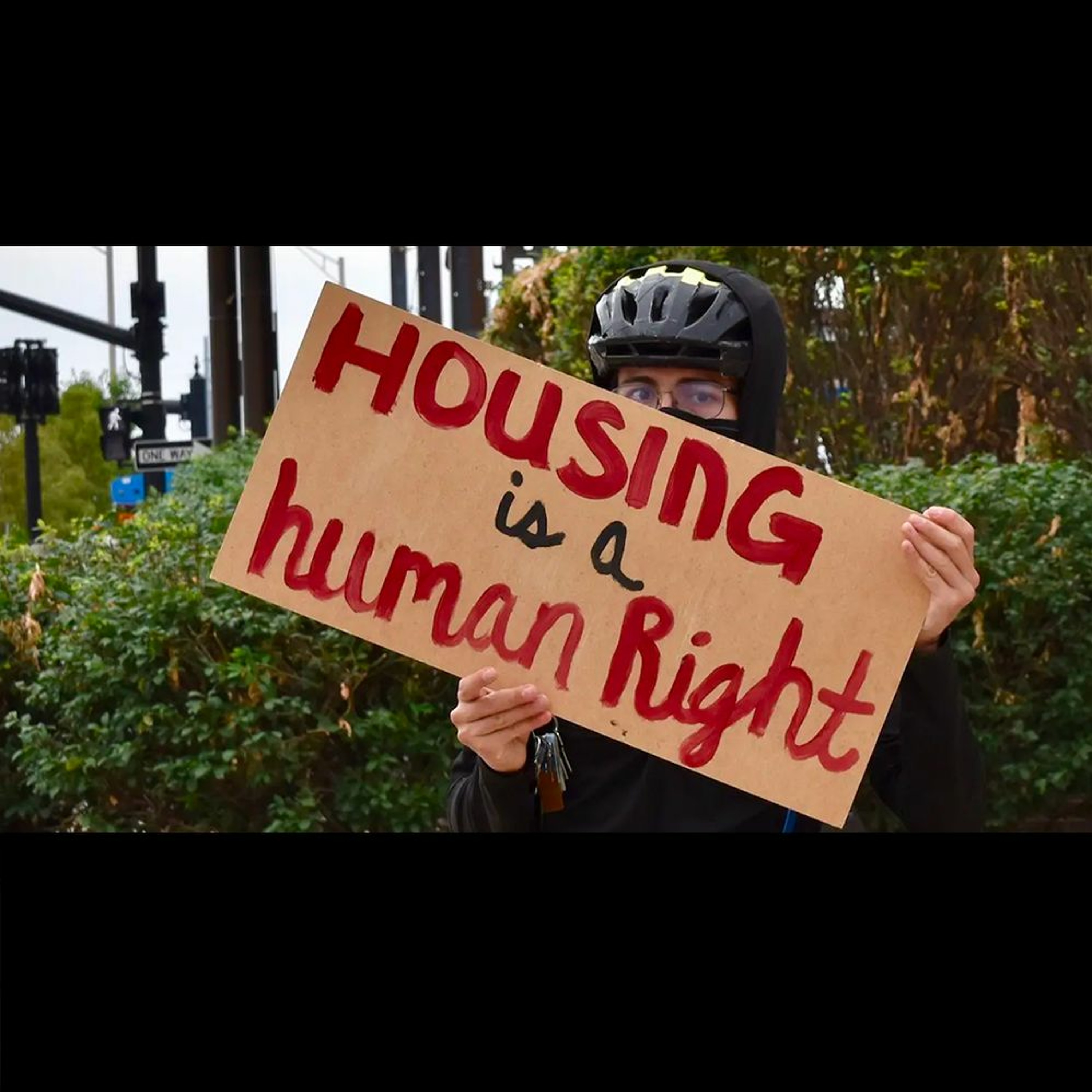
This is the epilogue in a special series from Trending Globally exploring the housing crisis in the United States, and in Rhode Island in particular. The crisis has been exacerbated by the COVID-19 pandemic, but as we showed in this series, it’s a problem that has been with us for much, much longer.On this episode, we introduce you to the Brown students and alumni who made this podcast possible through their research, experience, and expertise. We explore why they became interested in housing in the first place, what they learned from making the podcast, and what issues they still wrestle with when it comes to the problem of housing in America.Contributors to this podcast include students from Brown University and the media collective Signs of Providence. You can learn more about their organization here.Listen to Parts 1, 2, 3, and 4 of Less to Lean On. You can learn more about the Watson Institute's other podcasts here.

Reporting on Race in a Year of Racial Reckoning
Between Covid-19 and America’s racial reckoning over that past 12 months, there’s never been a more important time to understand how race and racism affect both the reporting and the consumption of news in America. In the lead-up to Juneteenth, Watson held an event exploring these issues with some of the leading voices covering race today: New York Times reporter John Eligon and CNN Senior Correspondent Sara Sidner. They were interviewed by former President of CNN Jon Klein ’80. It was a fascinating event that we thought our listeners at Trending Globally would love, so on this episode we’re broadcasting an edited version of their conversation. You can watch a video recording of their full conversation here.You can learn more about Watson’s other podcasts here.

What Exactly Is 'Bidenomics'?
On this episode, we’re sharing one of our favorite conversations from another podcast produced by the Watson Institute: ‘The Rhodes Center Podcast,’ hosted by political economist Mark Blyth. Mark recently talked with economist and Brown professor John Friedman about 'Bidenomics': what it is, what it isn't, and what it can tell us about our precarious economic recovery.You can watch the video of John and Mark's full conversation here.You can subscribe to the Rhodes Center Podcast here.You can learn more about Watson’s other podcasts here.

Do America’s Political Parties Need Couples Therapy? (And Other Questions About Democracy)
In the past 6 months (or maybe the last 5 years) Americans have been thinking about democracy and its fragility in entirely new ways. At the same time -- whether we’re talking about Poland, Turkey, or India -- it feels like democracy is on the edge around the world. But how big are these threats to democracy, actually? And how helpful is it to talk about all these different countries' experiences in the same discussion? On this episode Sarah Baldwin '87 talks with Rob Blair, a political scientist at Watson and founder of the Democratic Erosion Consortium. He’s been thinking about all these questions, and thankfully he has answers. You can learn more about the Democratic Erosion Consortium here. You can learn more about Watson’s other podcasts here.

'Unlearning Race' with Thomas Chatterton Williams
On this episode, Watson Economics Professor Glenn Loury talks with writer Thomas Chatterton Williams. Williams’s 2010 memoir ‘Losing My Cool: Love, Literature, and a Black Man’s Escape from the Crowd,’ combined cultural criticism with his own personal story of falling in (and out) of love with hip hop culture growing up. His 2019 book ‘Self Portrait in Black and White: Unlearning Race,’ continued his exploration of issues at the intersection of race, culture, family, and his own story. Whatever your views, he and Glenn's discussion will be sure to challenge your assumptions about race, class, and identity in America. You can learn about and purchase 'Losing My Cool' here. You can learn more about and purchase 'Self Portrait in Black and White: Unlearning Race' here. You can learn more about Watson’s other podcasts here.

Will US Withdrawal from Afghanistan Mark the ‘Ebbing of an Imperial Tide’?
In April, President Biden announced that the US will pull all of its troops out of Afghanistan by September 11, 2021. On this episode Dan talks with Watson Senior Fellow Stephen Kinzer about what this withdrawal might mean for Afghanistan -- and for the US. As Stephen makes clear, this news brings up questions about US foreign policy that are much bigger than any one conflict or country, and that will have ramifications for the entire world.You can learn more about the Watson Institute's other podcasts here.

Making Public Policy Personal with Anna Lenaker '19 MPA '20
After getting a master’s degree in public affairs at Watson, it’s common for folks to work in government, or with an NGO, or on a political campaign. Less common is what Anna Lenaker, from the Watson MPA class of 2020, did after graduating. She wrote a memoir. The book, titled ‘Able to Be Otherwise,’ tells the story of Anna’s turbulent childhood, growing up with a mother who suffered from overlapping struggles with mental health, poverty, and addiction. On this episode Sarah talks with Anna about her at-times-unbelievable journey from the streets of Tijuana, to fire-ravaged forests of California, to the halls of Brown University. In telling this story, she also provides a powerful argument for how we might re-envision the role of public policy in an interconnected world. You can learn more about -- and purchase -- ‘Able to Be Otherwise’ here or here. You can learn more about Watson’s other podcasts here.

Even After Derek Chauvin, Prosecuting Police Officers Is an Uphill Battle. Why?
On April 20, 2021, Derek Chauvin was found guilty in the death of George Floyd. But despite the overwhelming evidence -- including the infamous video of him kneeling on George Floyd’s neck for more than 9 minutes -- that verdict was hardly a foregone conclusion.On this episode Sarah talks with Nicole Gonzalez Van Cleve, associate professor of sociology at Brown, about why convicting police officers of crimes in the U.S. is so incredibly rare. Her 2016 book, “Crook County,” explores this question, and paints a picture of the overlapping forces that keep justice from being served when it’s directed at the police themselves. You can learn more about and purchase Crook County here. You can learn more about Watson’s other podcasts here.

What’s Missing from the Climate Discussion?
On this episode, Sarah and Dan talk with scholars across Watson about the climate issues they think aren’t getting enough attention. The answers range from how climate change will affect warfare to the role international bribery might play in maintaining a habitable earth. Hopefully these conversations will leave you with lots to think about and underscore just how much our politics, policies, and futures depend on a healthy planet. Guests on today’s episode: Jori Breslawski, Jeff Colgan, Mark Blyth, and Patsy Lewis. You can learn more about Watson’s Climate Solutions Lab here. You can learn more about the Rhodes Center here. You can learn more about the Center for Latin American and Caribbean Studies here. You can learn more about Watson’s other podcasts here.

A Message from Myanmar
In February, a colleague at the Watson Institute forwarded the team at Trending Globally an email from a former student. The subject line read: “I write to you in desperation and with my life at risk.”The email was sent from Yangon, the capital of Myanmar. The man who sent it was not exaggerating.Myanmar is in the midst of violent unrest, which started when the country’s military staged a coup on February 1, 2021. Min (that's not his real name) has been part of the protests against the coup, and he’s been trying to get word out to the rest of the world about what’s happening in his country.On this episode: a conversation with Min about life during military coup, and a message from Myanmar.You can learn more about Watson's other podcasts here.
Less to Lean On, Part 4
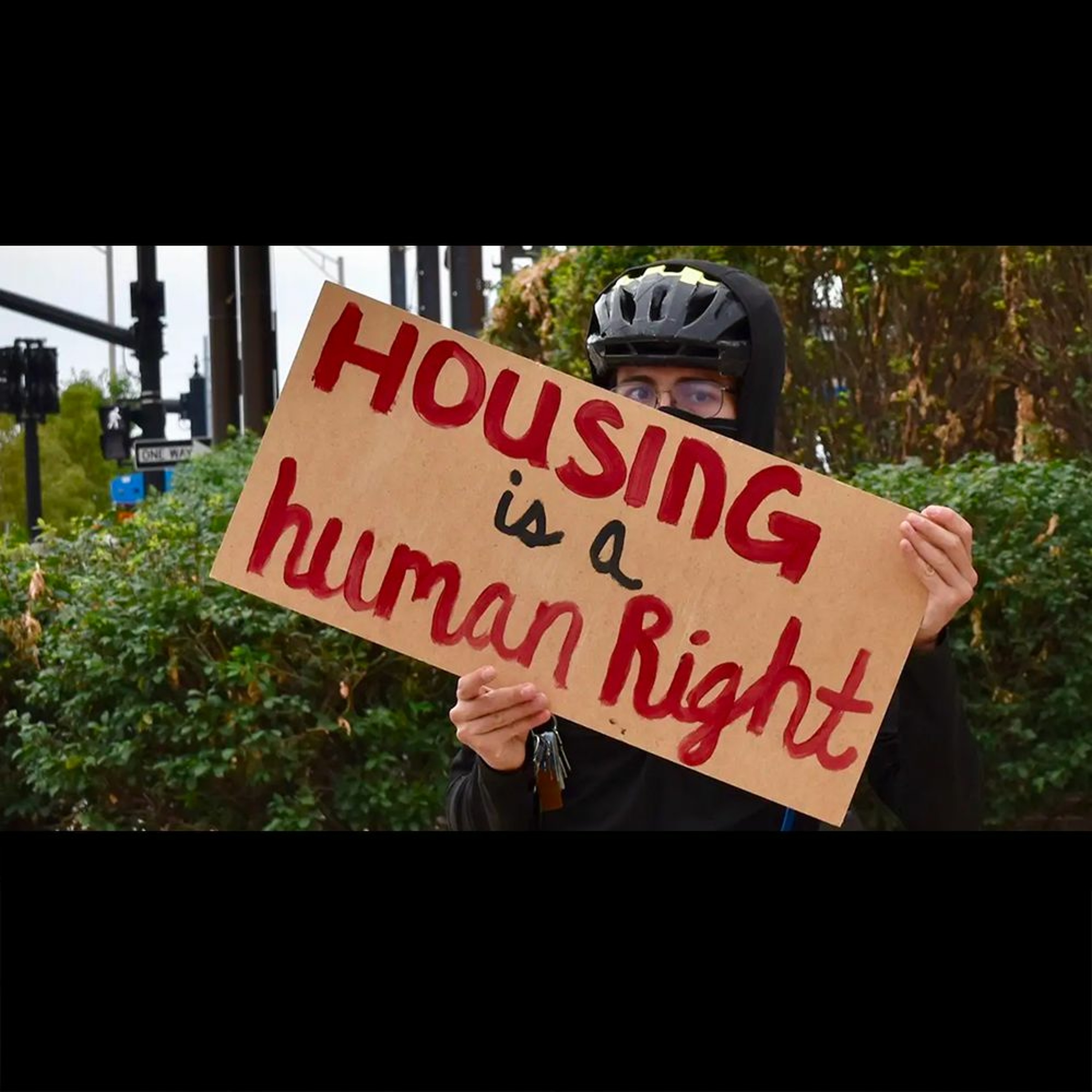
This is the fourth and final part in a special series from Trending Globally exploring the housing crisis in the United States, and in Rhode Island in particular. The crisis has been exacerbated by the COVID-19 pandemic, but as we’ll show, it’s a problem that has been with us for much, much longer.In this episode, we delve into Brown University's complicated relationship with the residential communities it touches. We explore the idea of housing not as a commodity but as a basic human right, and talk with people who are working to make that idea a reality. And we recommend ways that activists, politicians, and residents everywhere we can work toward equitably and affordably housing all Americans.Contributors to this podcast include students from Brown University and the media collective Signs of Providence. You can learn more about their organization here. Listen to Parts 1, 2, 3, and the series epilogue. You can learn more about the Watson Institute's other podcasts here.

Grief, Grievance, and Race in American Politics
2020 was a year defined by loss. Loss of life, of jobs, of opportunities. On this episode Sarah talks with Juliet Hooker, a political theorist and professor at Brown who has been thinking a lot about how feelings of loss affect not just our psyches, but our politics. Her newest book project, tentatively titled “Black Grief/White Grievance,” aims to shed light on how exactly these feelings intersect with matters of race, class, and history, and how they ripple out to our politics (for both good and bad) today. You can read a transcript of this episode here: [https://drive.google.com/file/d/1ep0OFfCll8LbajR2ITb8x_b2cFVW2dd9/view?usp=sharing]

'High-Impact’ Tutoring: Why It’s Exactly What America’s Students Need
So many people have suffered as a result of the pandemic. But there’s one group who may pay the price for an especially long time: America’s children. As schools start to reopen this spring, and federal funds begin to flow into states and municipalities, what can we do to make up for kids’ social, emotional, and academic loss?Susanna Loeb, director of the Annenberg Institute for School Reform at Brown, has some ideas. At the top of the list? Tutoring. To help spread what she and her team call “high-impact” tutoring to a wider range of communities, they’ve created The National Student Support Accelerator, a one-stop resource for schools and teachers to develop effective, long-term tutoring infrastructure in schools. On this episode, Sarah talks with Susanna about the definition of “high impact tutoring,” how to make it scale, and why it’s exactly what America’s students need right now. You can learn more about the National Student Support Accelerator here. You can read more about the story of its creation here. You can learn more about Watson’s other podcasts here.
We Finally Have Covid-19 Vaccines. But Will Enough People Take Them?
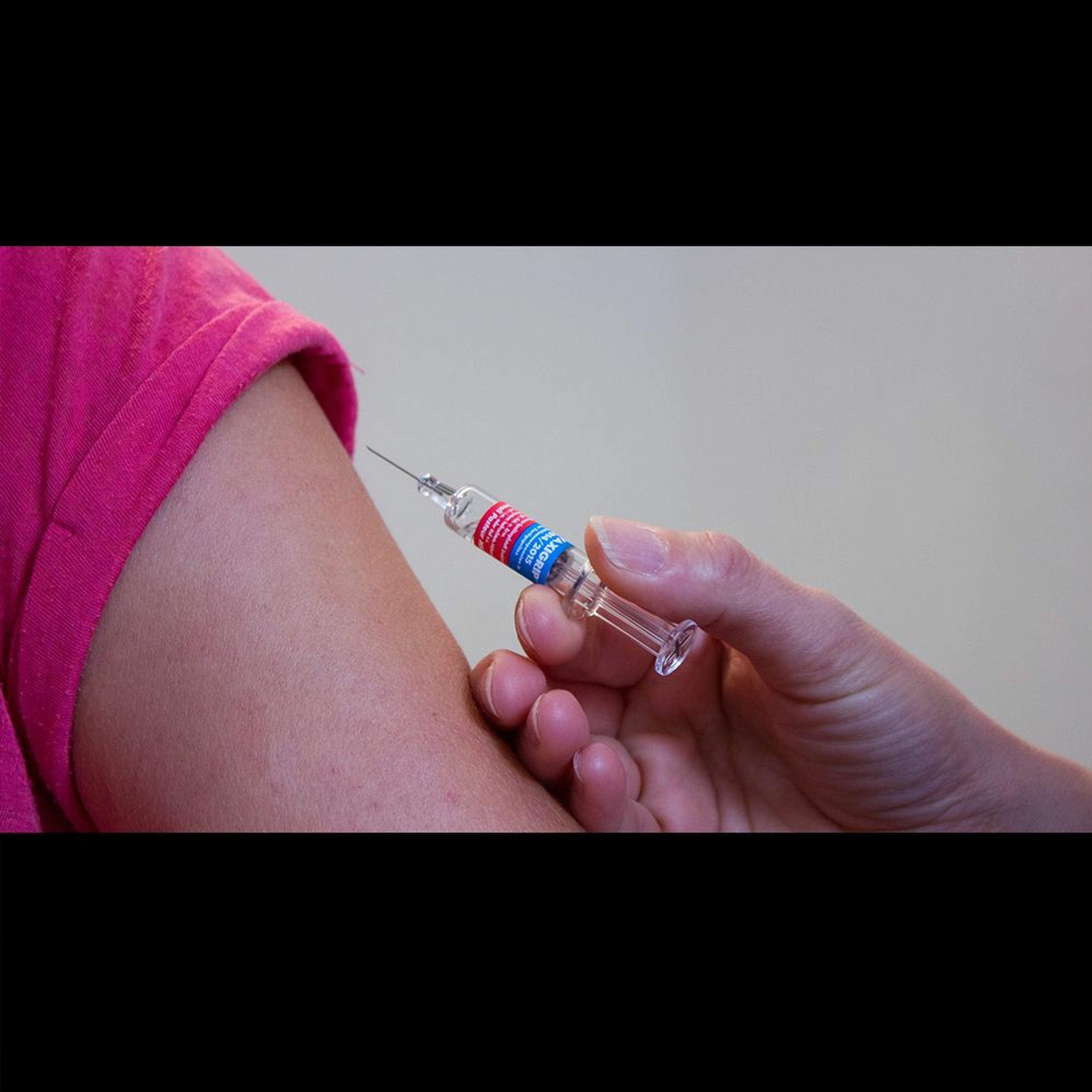
Scientists have developed vaccines for Covid-19 in record time. Now how do we convince enough people to take them? To get a better understanding of the roots and causes of "vaccine hesitancy," Sarah spoke with political scientist and Watson Institute Associate Professor Prerna Singh. In studying the history of mass vaccination, Prerna has come to a troubling conclusion: skepticism (and at times, outright rejection) is an inescapable part of modern vaccination efforts. But by looking at successful vaccination programs of the past, Prerna also explains why this kind of skepticism exists, and what can be done to overcome it. You can learn more about Watson’s other podcasts here.

How the US and China Cooperate (and Compete) on Climate, Covid, and More
On this episode Watson’s Director Ed Steinfeld talks with Deborah Seligsohn as part of Trending Globally’s ongoing series on contemporary China. Deborah’s an Assistant Professor of Political Science at Villanova University, where she focuses on the relationship between business interests and environmental issues in China. Ed and Deborah explore how China’s economic transformation has changed the country’s views towards environmental issues, and how the US and China might cooperate (and, at times, compete) to address global issues like climate change.You can learn more about and listen to the Watson Institute's other podcasts here.

India and the US in a Time of Democratic Erosion
India and the US have both struggled with anti-democratic forces the last few years. What lessons do these countries' struggles have for each other — and for us? There’s no better person to talk with about these issues than Ashutosh Varshney, Professor of International Studies at Watson and the Director of Watson’s Center for Contemporary South Asia. He has a way of explaining familiar politics in unfamiliar ways, and in the process making connections that usually go unnoticed. On this episode, he and Sarah do just that as they discuss democratic erosion in the US and India, and how both countries might change during a Biden Administration.You can learn more about Watson’s other podcasts here.

What One State Can Teach Us About American Politics in 2021
What can one of America’s smallest states teach us about US politics? A lot, it turns out. On this episode Sarah talks with the Boston Globe’s Dan McGowan, a political reporter who covers Rhode Island. Sarah and Dan discuss the pandemic response in Rhode Island, the leftward tilt of the Rhode Island State House in the 2020 elections, and what Americans should expect from their new Commerce Secretary (and former RI governor) Gina Raimondo. You can subscribe to Dan McGowan’s newsletter from the Boston Globe, ‘Rhode Map,’ here. You can learn more about Watson’s other podcasts here.

What Is Methane, and Why Is It So Bad for the Climate?
On this episode Sarah talks with Watson Senior Fellow and member of Watson’s Climate Solutions Lab Deborah Gordon. Deborah is an expert on one of the most destructive greenhouse gasses in our atmosphere: methane. Thanks to the work of people like Deborah, the Biden Administration recently made methane reduction one of its top climate priorities. But as Deborah explains, methane has some peculiar physical and financial characteristics that make curbing it much easier said than done. (Originally broadcast in October 2019.)You can learn more about Watson's Climate Solutions Lab here. You can learn more about Watson's network of podcasts here.

War and Drugs: The History of a Toxic Relationship
On this episode, the shocking history of one of history’s most toxic relationships. Sarah talks with Peter Andreas about his book ‘Killer High: A History of War in Six Drugs.’ In it, he explores the role drugs have played in human warfare - not just as vices, but as commodities, and even as weapons. After hearing this conversation you'll see drugs, war, and the relationship between the two in a new light. (Originally aired February 2020.)You can learn more about and purchase 'Killer High' here. You can see the Watson Institute’s panel discussion about the book here. You can learn more about Watson’s other podcasts here.

What a Biden Administration Means for America’s ‘Forever Wars’
The Biden Administration has rejoined the Paris Climate Agreement, paused deportation of immigrants, and mandated the wearing of masks on Federal property. But there’s one arena that the administration has avoided putting in the spotlight: the future of US military intervention. On this episode Sarah talks with anthropologist and Watson Professor Cathy Lutz about ‘The Costs of War,’ an interdisciplinary project she co-founded 10 years ago that aims to uncover the economic, political, and human costs of America’s foreign interventions since 9/11. As we enter into a new presidency and approach a full two decades since the US invaded Afghanistan and Iraq, Sarah asks Cathy: what are the true costs of these military interventions, and is there hope that maybe they'll be addressed in a more permanent way? You can learn more about Costs of War here. You can join the Costs of War email list here. And you can donate to Costs of War through Brown University here. You can learn more about Watson’s other podcasts here.Photo Courtesy AP Images/Rahmatullah Nikzad

China’s Mission to the Moon, and the New Politics of Space Exploration
Between the presidential election, spikes in the coronavirus pandemic, and the beginning of mass vaccination, you might have missed this other world-historical event: China landed on the moon. On this episode, Watson’s Director Ed Steinfeld talks about China’s lunar mission with Watson Faculty Fellow Jim Head. Jim is a Professor of Geological Sciences at Brown, and a leading expert on interplanetary exploration. They discuss the science and politics of China’s growing space program, and what it means for human space exploration in the 21st century. They also look at why this next generation of space travel will be nothing like the Cold War ‘space race,’ and a little bit about where exactly Elon Musk fits in, too.You can learn more about Watson’s other podcasts here.
Terrorist Group, Armed Militia, or Public Health Provider? In a Pandemic, the Lines Get Blurred.
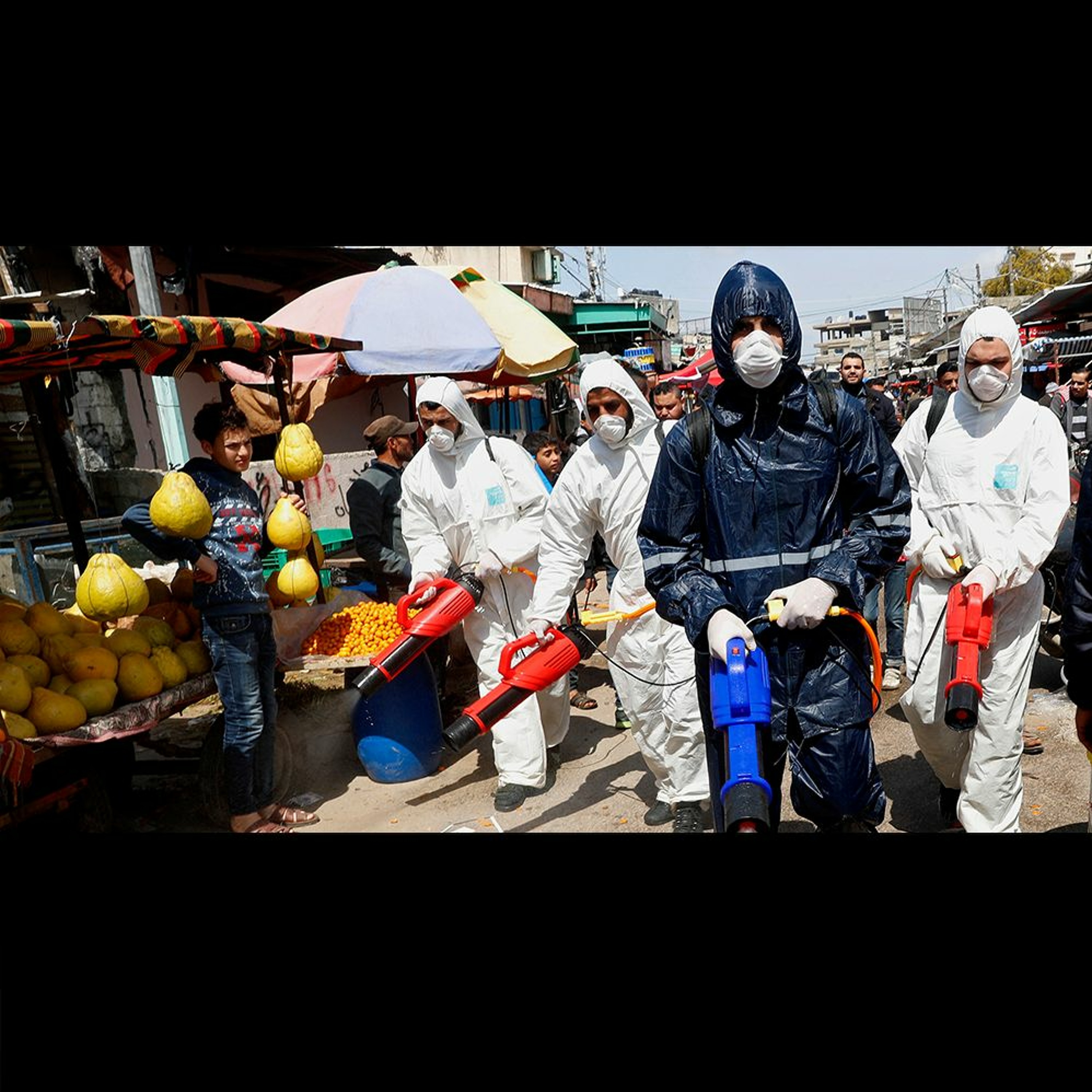
On this episode Sarah talks with Jori Breslawski, a Postdoctoral Fellow at Watson and expert on one type of organization that’s been on the front lines in the fight against Covid-19: armed non-governmental groups. That means groups like Boko Haram, Hezbollah, and the Islamic State, as well as gangs in countries like Brazil, El Salvador, and South Africa. While ‘emergency healthcare provider’ might seem like a surprising role for these types of groups, Jori explains how, once you understand how they operate in society, it's not surprising at all. You can read Jori's article about how armed groups are responding to Covid in 'The Conversation' here. You can learn more about Watson’s other podcasts here.
Less to Lean On, Part 3
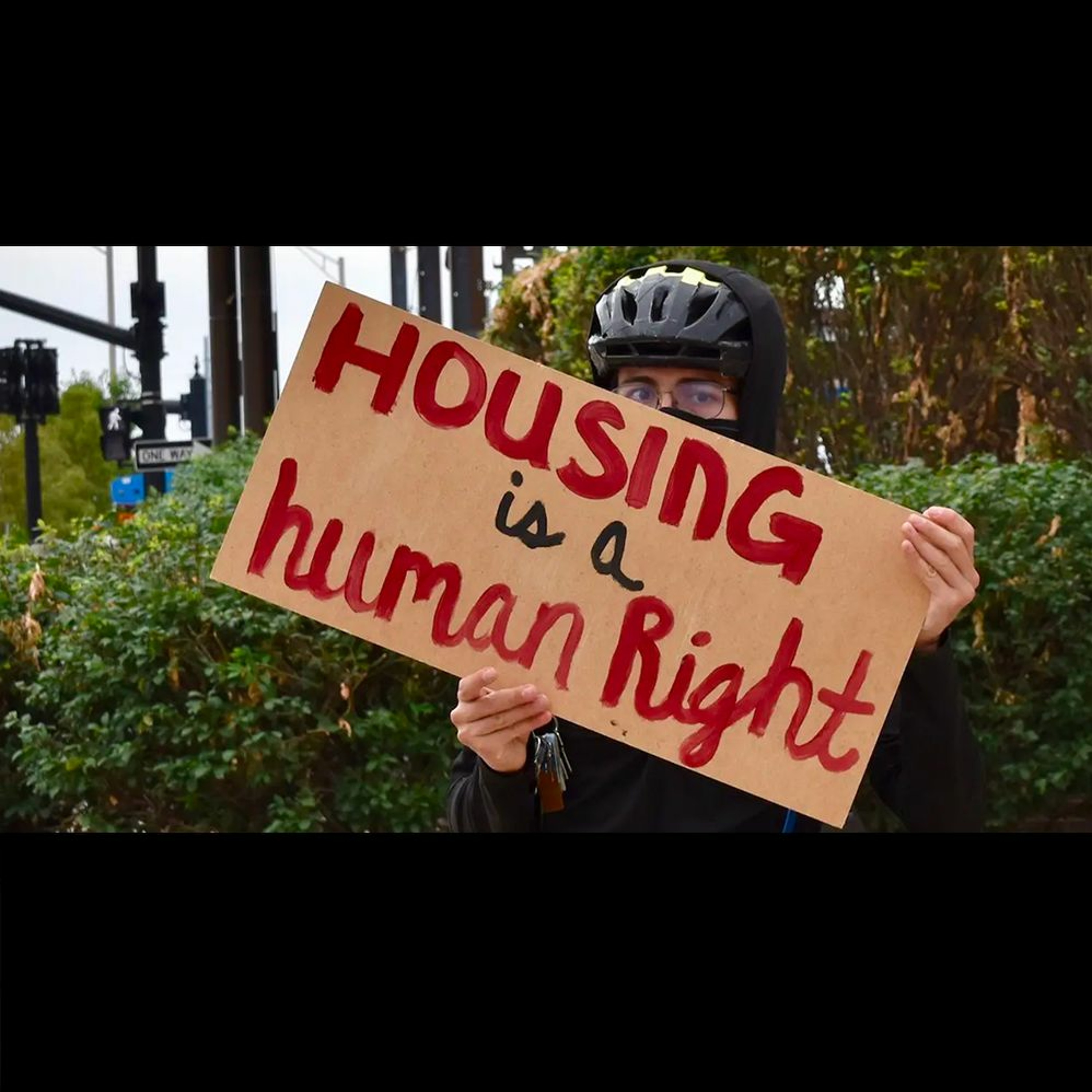
This is the third part in a special series from Trending Globally exploring the housing crisis in the United States, and in Rhode Island in particular. The crisis has been exacerbated by the COVID-19 pandemic, but as we’ll show, it’s a problem that has been with us for much, much longer. On this episode, we follow one Rhode Island family's story in order to understand the psychological and economic costs of eviction, and we examine the state-level policies that make the experience so much more punishing than it has to be. We look at the long-term causes of housing insecurity, and explore what it would actually mean to make housing a human right. Contributors to this podcast include students from Brown University and the media collective Signs of Providence. You can learn more about their organization here. Listen to Parts 1, 2, 4, and the series epilogue. You can learn more about the Watson Institute's other podcasts here.
The Secret History of Presidential Health and Illness
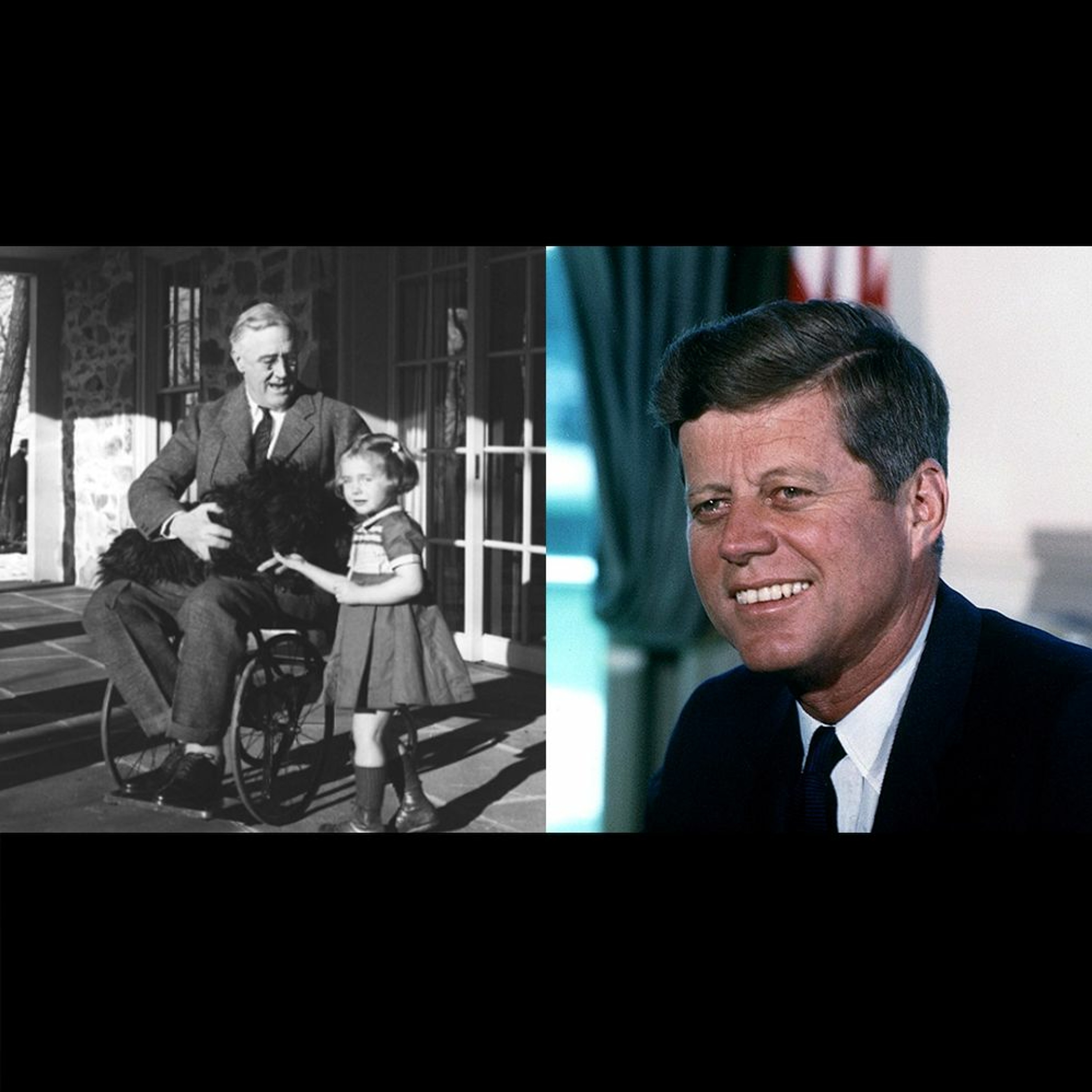
How does a President’s health affect their ability to lead? Do Presidential candidates deserve any privacy in terms of their medical history? How do we define what health issues ‘matter’ for a role as all-encompassing as President of the United States?On this episode Sarah looks for answers with the help of Watson Professor Rose McDermott. McDermott’s 2010 book ‘Presidential Leadership, Illness, and Decision Making,’ explores the history of health issues faced by US Presidents, and the effects they’ve had on the country and the world. As we prepare for the inauguration of a 78-year-old President amidst a global pandemic, there’s no better time to understand the complex relationship between a President’s health and health of the nation.You can learn more about and purchase Rose McDermott's book here. You can learn more about Watson’s other podcasts here.

How to Grow the Democratic Party with Senator Heidi Heitkamp
On this episode Sarah talks with Watson Senior Fellow and former North Dakota Senator Heidi Heitkamp. As the Democratic Party faces a divided government and nation, Senator Heitkamp is someone many people are turning to for ideas on how to move forward. Sarah and the Senator discuss the fallout from the Presidential election, as well as the strategic and philosophical debates that are happening right now within the Democratic Party.You can learn more about Watson’s other podcasts here.

Miss Flying? We Have the Book for You.
On this episode Sarah talks with Watson Visiting Associate Professor of Latin American and Caribbean Studies Erica Durante about her new book ‘Air Travel Fiction and Film: Cloud People,’ which explores the role air travel plays in modern storytelling, and by extension, our culture. By looking at how air travel manifests itself in film, literature, and our everyday lives, Erica makes clear: whether you used to fly regularly or you’ve never gotten on a plane, we’re all cloud people now.You can learn more about and purchase Erica's book here. You can learn more about Watson’s other podcasts here.

Election 2020: Who is Left to Sway?
On this episode Dan talks with Watson Faculty Fellow and Chair of the Political Science Department at Brown Wendy Schiller about the state of the race in its closing days: who has already voted, who is left to sway, and what we’ve learned so far from this unprecedented election season.You can learn more about Watson’s other podcasts here.

A Climate Agenda for the Next US President
No matter who wins the Presidency this fall, this much we know: human-driven climate change will continue to be one of the greatest threats we face, as a country and as a planet. On this episode Sarah talks with Watson Professor Jeff Colgan and political science PhD candidate Fred Shaia about the newly created Climate Solutions Lab at Watson, and their recently published report “Presidential Climate Action on Day One: A Foreign Policy Guide for the Next U.S. President.” The report looks at the ways executive action in the US could be used to fight climate change, with or without cooperation from Congress. Some are ideas you might be familiar with. Others, not so much. All of them are worth considering. You can read Jeff and Fred’s report here. You can learn more about the Climate Solutions Lab here. You can learn more about Watson’s other podcasts here.

RBG is Gone: Now What? (With Senator Sheldon Whitehouse)
On this episode, guest host Rich Arenberg talks with Senator Sheldon Whitehouse of Rhode Island about some of the most pressing issues in American politics. Rich is the Interim Director of the Taubman Center for American Politics and Policy at Watson, and spent decades staffing some of the most influential Congress people of the 20th century. Senator Whitehouse is a leading voice on many issues in Congress, including climate change, campaign finance reform, and judicial appointments. In this conversation, they give an insider’s view on everything from the Supreme Court battle to the presidential election, to the newest evolution of dark money in our politics.You can learn more about the Taubman Center for American Politics and Policy here. You can watch their entire conversation on YouTube here. You can learn more about Watson’s other podcasts here.

The Pope, WWII, and the Vatican’s ‘Secret Archives’
On March 2, 2020, Watson Fellow and Pulitzer Prize-winning author David Kertzer was granted access to the Vatican Apostolic Archives -- formerly known as the Vatican’s ‘secret archives.’ David used the opportunity to explore the records of Pope Pius XII, who led the church during World War II, and whose role in that war is still a source of heated debate. In August, David published a piece in The Atlantic based on his research, about the Vatican’s behavior in the face of rising German power during World War II. It was groundbreaking, beautifully written -- and utterly disturbing. On this episode, Sarah talks with David about what he uncovered, and why it should be a lesson for us all. You can read David’s article in The Atlantic here. You can learn more about Watson’s other podcasts here.