This Sustainable Life
869 episodes — Page 1 of 18
861: Cara Judea Alhadeff, part 1: Actually acting, the joys we feel, and the friction we face
860: Christopher Ryan, part 1: Civilized to Death
859: Jack El-Hai: The Nazi, the Psychiatrist, Nuremberg, and Why to Find Humanity in Those We Call Monsters
858: Beth Bailey, the great-grandmother influencer leading the cleaning of Mérida, Mexico
857: Kim Stanley Robinson: Science fiction writing and leadership
856: David Jenkins, President of Conservatives for Responsible Stewardship
855: Peter DeCarlo PhD: Shocking Cancer Alley research from the scientist who did it
854: John Perkins, part 2: New Book Preview: The Art of the Steal (and restoring American ideals)
853: Kate Williams: CEO, 1% for the Planet
852: Steven Pressfield, conversation 2: His new book, The Arcadian (and A Man at Arms)
851: J. Eric Oliver: How to Know Yourself
850: AJ Harper, part 1: Write to change lives, including yours
849: Josh Bandoch, part 3: How to Get What You Want: Mastering the Art and Science of Persuasion
848: Peter Simek, part 1: EarthX's CEO
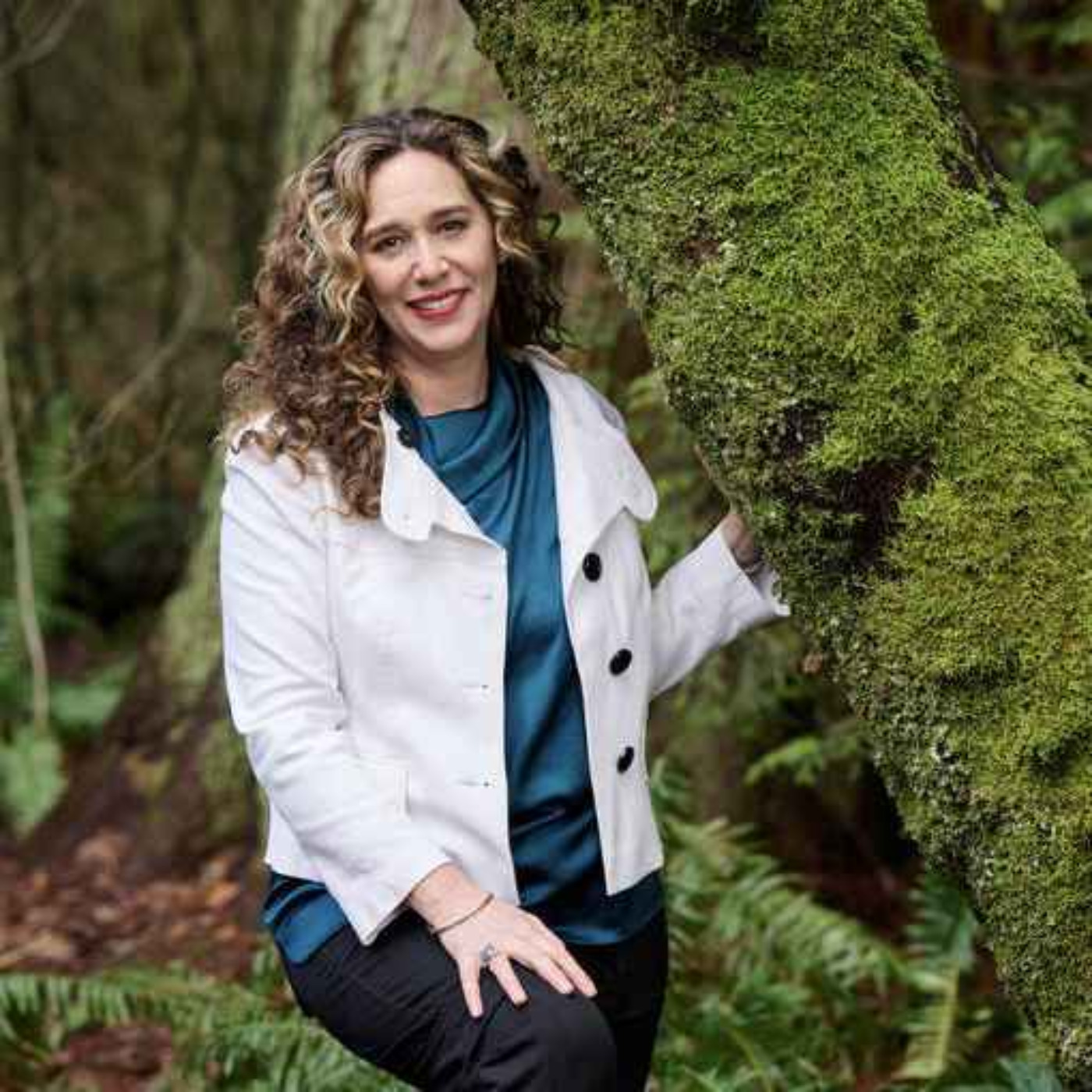
Ep 847847: Tzeporah Berman: Ending Fossil Fuels by Treaty
I met Tzeporah at an event called Climate Week NYC last fall. She was nearly the only person there who spoke about decreasing and stopping extracting fossil fuels. I had to bring her here.Our conversation grew more compelling and interesting as we spoke. The early parts about energy sources besides fossil fuels you may have heard before, but give context.After she shares the realizations that prompted her to lead are what I valued. In particular, she exposes and clarifies how people have simply ignored fossil fuel production or extraction in favor of accounting methods and seeing if they can offset things but not decreasing extraction.She also talked about her strategy, which differs from Paris Agreement approaches and is based on how treaties on land mines and chemical weapons succeeded. She also shares some eye-popping statistics, like how much fossil fuels are used just to transport other fossil fuels, which is just over two-thirds.The bottom line is almost too simple to say, but it bears repeating: we have to stop extracting fossil fuels fast. Tzeporah is one of the few working on, undistracted by things that don't stop us from extracting them.The Fossil Fuel Treaty InitiativeHer TED talk: The bad math of the fossil fuel industryHer book: This Crazy Time: Living Our Environmental ChallengeHer Wikipedia page Hosted on Acast. See acast.com/privacy for more information.
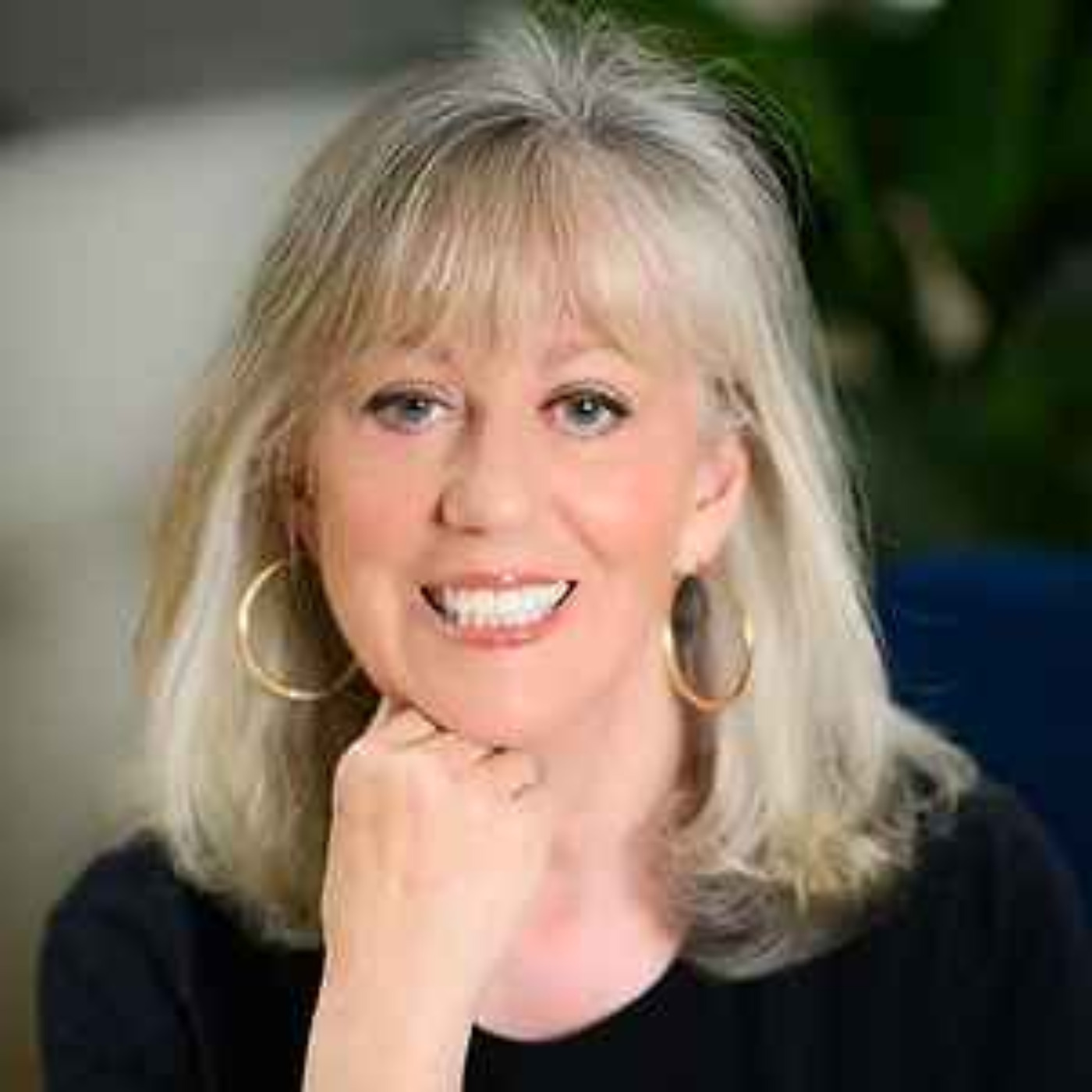
Ep 846846: Gail Eisnitz: The Inside Story of a Life Investigating Factory Farms
Gail shares her investigations into meat industry practices, exploring how exorbitant slaughterhouse production line speeds in a consolidated slaughter industry affect animals as they are being handled and killed, and how the proliferation of massive factory farms impacts animals being raised in intensive confinement.She spent decades in the field documenting violations against farm animals and in the office preparing cases and writing about her investigations in articles and books. Her efforts to expose and prosecute animal abusers were often thwarted by network television producers and by law enforcement authorities. Producers considered her findings too disturbing. The law refused to prosecute abusers. Instead they provided cover for the meat industry---a billion-dollar industry.She gives an inside view behind the closed doors of U.S. slaughterhouses and factory farms. She also shared her challenges and successes in documenting and exposing the findings.As a memoir, Out of Sight has been described by reviewers as a “detective story” and a “page turner” that they “can’t put down," probably for her personal challenges related to her diagnosis with a rare medical visual condition she shares in our conversation.Gail's web pageThe Humane Farming AssociationHer most recent book: Out of Sight An Undercover Investigator's Fight for Animal Rights and Her Own SurvivalHer first book: Slaughterhouse The Shocking Story of Greed, Neglect, and Inhumane Treatment Inside the U.S. Meat Industry Hosted on Acast. See acast.com/privacy for more information.
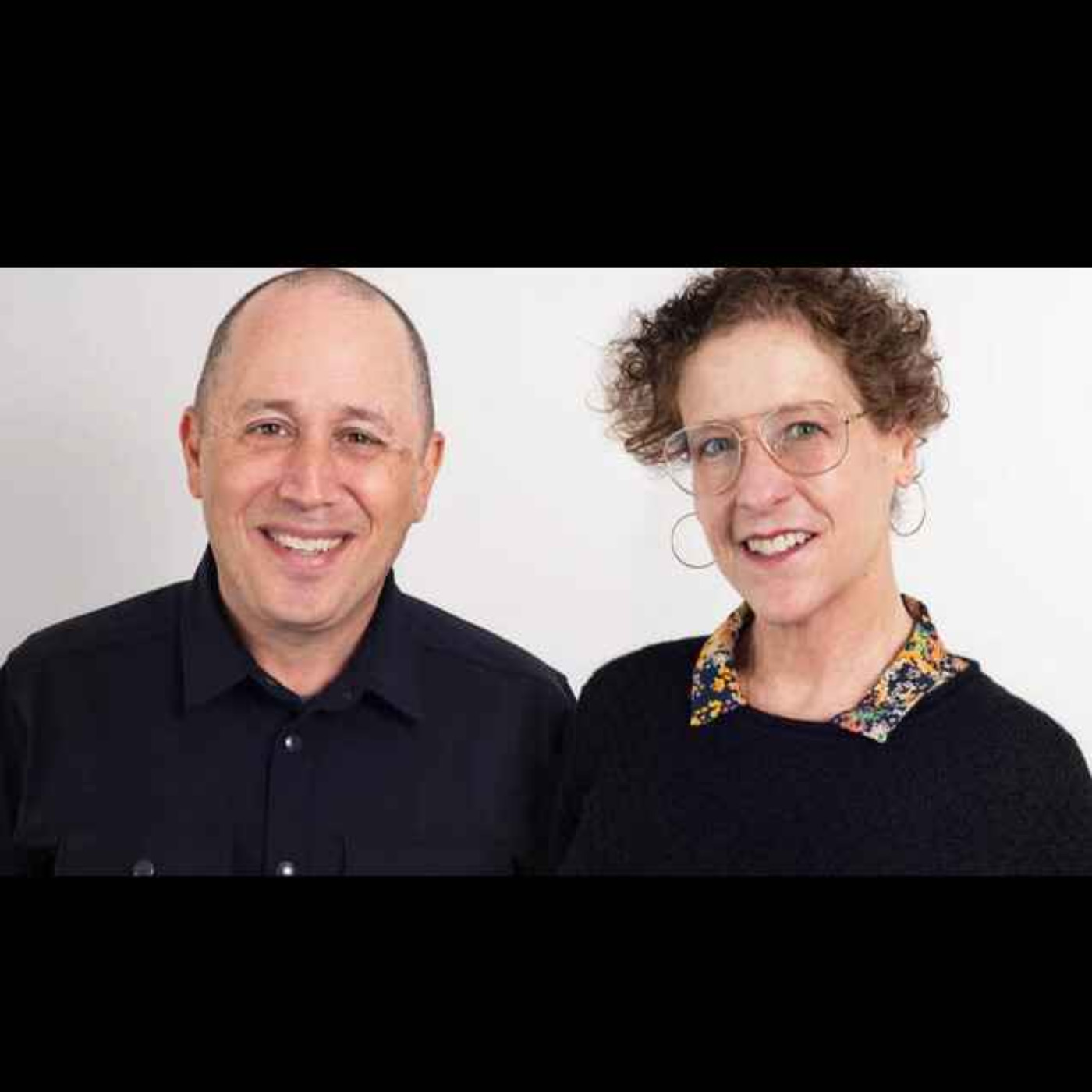
Ep 845845: Sarah Goodyear and Doug Gordon: The War on Cars and Life After Cars
Doug and Sarah's podcastThe War on Cars is a podcast that delivers news and commentary on the latest developments in the worldwide fight to undo a century’s worth of damage wrought by the automobile, approaching the topic from all angles, from politics to pop culture. They release two regular episodes and one Patreon bonus episode per month.Doug and Sarah's BookCars ruin everything. That’s why we need Life After Cars.When the very first cars rolled off production lines, they were a technological marvel, predicted to make life easier and better for everyone; yet a hundred years later, that dream is running on empty.Instead of unbounded freedom, the never-ending proliferation of automobiles has delivered a host of costs, among them the demolition of our neighborhoods, towns, and cities to make way for car infrastructure; an epidemic of violent death; countless hours lost in traffic; isolation from our fellow human beings; and the ongoing destruction of the natural world.That’s why we need Life After Cars. Through historical records, revealing interviews, and unflinching statistics, Sarah Goodyear and Doug Gordon, hosts of the podcast The War on Cars, and former host Aaron Naparstek unpack the scale of damage that cars cause, the forces that have created our current crisis and are invested in perpetuating it, and the way that the fight for better transportation is deeply linked to the fight for a more equitable and just society.Life After Cars expands on the podcast with new interviews and original content—offering something for everyone, from longtime listeners familiar with the harms of car culture to those just beginning to imagine a world with fewer metal boxes zooming around.Cars as we know them today are unsustainable—but there is hope. Life After Cars will arm readers with the tools they need to implement real, transformative change, from simply raising awareness to taking a stand at public forums.It’s past time to radically rethink—and shrink—society’s collective relationship with the automobile.The podcast: The War on CarsThe book: Life After Cars Hosted on Acast. See acast.com/privacy for more information.
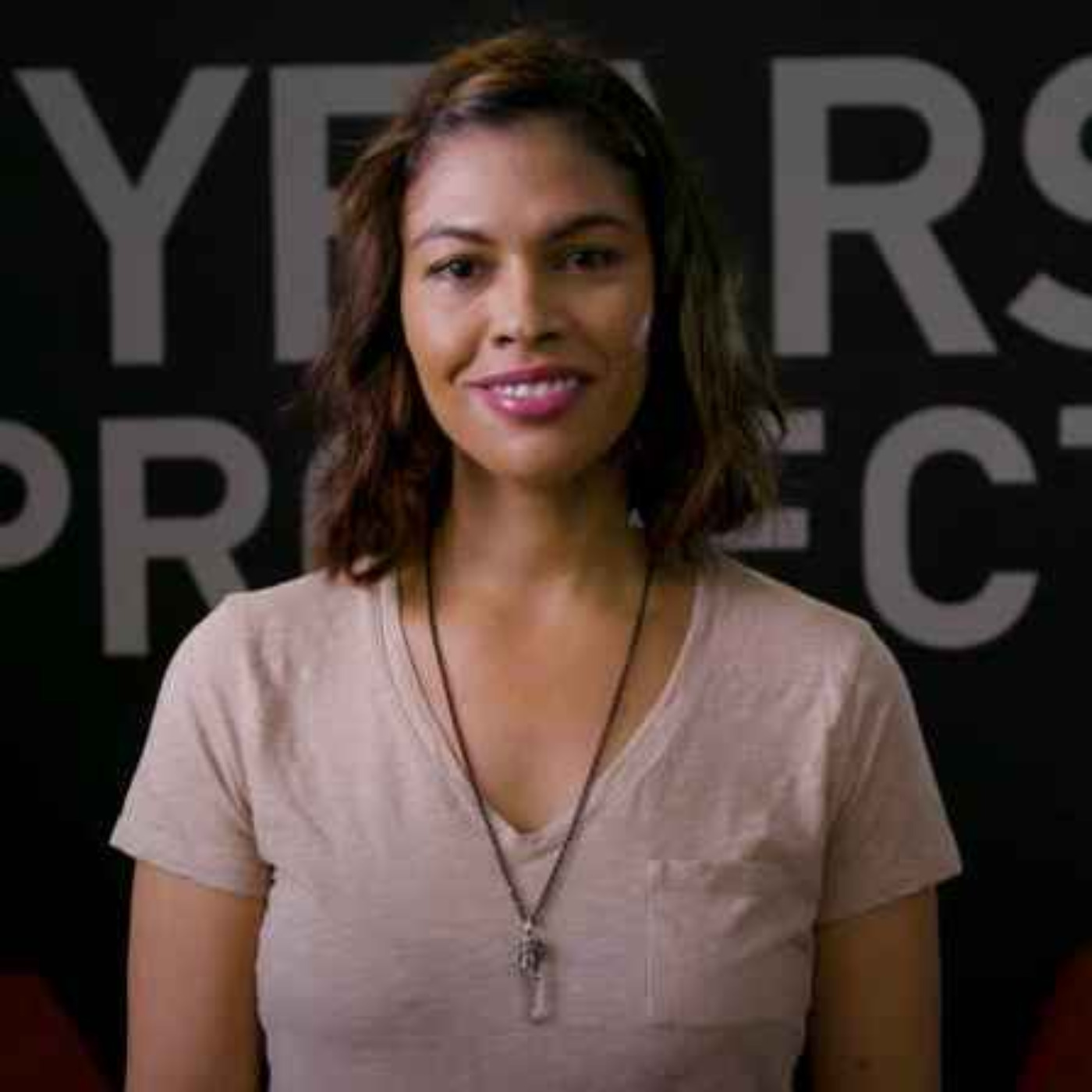
Ep 844844: Maya Lilly, part 1: Effective Storytelling and Producing The Years Project
Since I've seen Maya's work on the Years Project with people like executive producers James Cameron and Arnold Schwarzenegger, I was worried I might feel starstruck.Oh wait, she also worked with series creators Joel Bach and David Gelber (of 60 Minutes); chief science advisors podcast guest Joseph Romm and Heidi Cullen; and episode hosts including Cameron, Schwarzenegger, Harrison Ford, Ian Somerhalder, America Ferrera, David Letterman, Gisele Bündchen, Jack Black, Matt Damon, Jessica Alba, Sigourney Weaver.Oh, and the series won an Emmy for Outstanding Documentary or Nonfiction Series.She was engaging, informative, open, and fun. We laughed a bunch We talked about her passion for the art and practice of storytelling. You have to be true to the science, but you can't skimp on the story or take for granted it will work. We also talked about her background that brought her to this level.The Years ProjectIts YouTube pageMaya's curated climate listUPDATE: After we recorded, Maya noted that about halfway in, she said "Bread and Puppet theatre in San Francisco." The actual troop was The San Francisco Mime Troupe. Hosted on Acast. See acast.com/privacy for more information.
Ep 843843: Judith Enck, part 2: The Problem with Plastic (the Book)
Judith just published The Problem with Plastic: How We Can Save Ourselves and Our Planet Before It’s Too Late.I've read a lot about plastic and hosted many authors. I won't lie. Before starting the book, I thought I should read it because I knew her, but didn't expect much.Instead, I learned a lot new. I found it engaging and compelling. I recommend it.Yes, you'll learn things that are sobering, but you'd rather know than not know, especially things that affect your health and safety and your family's. It also guides you to how to respond, personally, socially, and politically. Judith cares and has experience.Start by listening to our conversation. Then read the book.The Problem with Plastic: How We Can Save Ourselves and Our Planet Before It’s Too LateWEBINAR with co-authors Judith Enck, Adam Mahoney, and Melissa Valliant, January 28, 2026 Hosted on Acast. See acast.com/privacy for more information.
Ep 842842: Silvia Bellezza, part 1.5 and 2: When at first you don't succeed
Since Silvia teaches as a business school, I'll address a leadership aspect of our interaction. I skimped on a leadership step, so we did an episode 1.5, which is my lingo for redoing episode 1 when the person wasn't able to fulfill his or her commitment. That's my responsibility as leader of the interaction.Silvia and I had a wonderful first conversation that led to a commitment that sounded like she'd enjoy it and doable, but in the end wasn't quite. Even if a quick hike north of the city would be enjoyable, catching a Metro-North train from Columbia University isn't that convenient and her schedule may not have bee as flexible as she suspected in our first conversation.For those listening to these conversations to learn the Spodek Method, in our first conversation I didn't check with her how practical the commitment was given her constraints. As the leader of the interaction, I should have asked ahead to imagine her schedule, the logistics of catching the train, and so on. The key measure the first time someone acts on their intrinsic motivation isn't how big it is. It's if they person does it.When someone acts on intrinsic motivation, they'll find it rewarding. If they feel reward, they'll want to do it again and the next time will be bigger, especially if they've always considered acting on sustainability a sacrifice or something that has to be big or any of the other myths people propagate. Sadly, even ardent environmentalists lead people to think of acting more sustainably as something they won't like or won't find rewarding when they use tactics like trying to convince, cajole, coerce, or seek compliance.In this double episode we hear how she did something more practical. At the end, note that she's open to doing more. Hosted on Acast. See acast.com/privacy for more information.
Ep 841841: Sandra Goldmark, part 1: Fixation: How to Have Stuff without Breaking the Planet
How often does something break that you know could be fixed, but you don't know how and there are no places to fix it? I remember repair stores all over the place, but the field doesn't exist any more. We all know about planned obsolescence and how products are designed to break. Now we feel we have to throw things away and replace them (after avoiding buying things when possible, which is far more than most of us practice).Enter Sandra Goldmark, as a member of a growing movement to fix things and make things fixable. She's also an Ivy League professor at Barnard and the Columbia Climate School, so, no, professors don't have to be out of touch.I met Sandra before the pandemic, at a shop she set up down by the South Street Seaport to repair things. Besides her own book Fixation, she was mentioned in a book (The Repair Revolution) in my sustainability leadership workshop alumni book club.Lest you think people have to be born fixers or educated as engineers, a preconception that I find still holds me back, she shares her background not growing up with those things. On the contrary, she found she enjoyed it and found community.Listen for a basic human approach to fixing things and changing culture.Sandra's home pageHer book, FixationHer page at Barnard Hosted on Acast. See acast.com/privacy for more information.
Ep 840840: Dr. Leonardo Trasande, part 1: Sicker, Fatter, Poorer: The Urgent Threat of Hormone-Disrupting Chemicals to Our Health and Future ... and What We Can Do About It
I found Dr. Trasande quoted in a Washington Post article The health risks from plastics almost nobody knows about: Phthalates, chemicals found in plastics, are linked to an array of problems, especially in pregnancy. He said, "Endocrine-disrupting chemicals are one of the biggest global health threats of our time ... And 2 percent of us know about it---but 99 percent of us are affected by it.”The article said that he said that "at the population level, scientists can see telltale signs that those chemicals are undermining human health, adding to growing male infertility or growing cases of ADHD." This outcome suggests a violation of this nation being founded on protecting life, liberty, and property, and the consent of the governed. I also found from this video, Food Contaminants and Additives, that he reported his results thoroughly, taking care not to venture outside his research.I had to talk to him.We talked about his research, what brought him to a new field, now burgeoning, of learning about chemicals that disrupt our endocrine systems---that is, they mess with our hormones. You'll hear that he didn't intend to go into it. It was (tragically) growing in importance since our hormone systems are becoming increasingly disrupted, as are those of many species.I should be more accurate. They aren't passively being disrupted. Consumers are paying companies to produce chemicals that do it.It sounds slimy and scary. I'd rather it didn't happen, but since it does, I'd rather know than not know. I think you would too.Dr. Trasande's NYU faculty page Hosted on Acast. See acast.com/privacy for more information.
Ep 839839: Saabira Chaudhuri: Consumed: Throwaway Plastic Has Corrupted Us
Reading Saabira's New York Times piece Throwaway Plastic Has Corrupted Us told me she saw more about plastic and its effect on our culture than most. A quote from it: "The social costs of our addiction to disposable plastics are more subtle but significant. Cooking skills have declined. Sit-down family meals are less common. Fast fashion, enabled by synthetic plastic fibers, is encouraging compulsive consumption and waste."Her tenure at the Wall Street Journal told me she would communicate it effectively, pulling no punches. As much as I prefer not to link to social media, this video review by Chris van Tulleken, bestselling author of Ultra-Processed People, is about as positive a review as I've seen, all the more since he clarifies that he doesn't know her.So I invited her to talk about her book Consumed: How Big Brands Got Us Hooked on Plastic. It launches today (October 7) in the US, so I've only finished the beginning, but it delivers. In our conversation, she describes what to expect when you read it, plus her back story driving her to write it.Many reviews describe her humor. You'll hear that I held back from asking her about how she worked humor into the topic, since she's not a comedian so I wouldn't expect to perform unprepared, but no worry, she made me laugh unprompted and shared more humor from the book. Obviously it's a serious topic, and Saabira's work shows how much more serious than you probably thought, but being depressed doesn't help solve it.Saabira's home pageHer New York Times piece that brought me to her: Throwaway Plastic Has Corrupted UsHer book page for ConsumedThe video review we mention by Chris van Tulleken, bestselling author of Ultra-Processed People Hosted on Acast. See acast.com/privacy for more information.
Ep 838838: Zach Rabinor, part 2: What if your business and values clash?
Zach and I got so into our first conversation that we had to take a second one to get to the Spodek Method.Listen for yourself, but I hear Zach working with three motivations:His surfer, outdoors self wants to conserve, protect, and enjoy nature and enable others to do the same by experiencing it.His CEO self wants to deliver what his customers want, despite what they want including polluting and depleting---that is, hurting people and wildlife---beyond what nearly anyone who ever lived has. They don't know it and his company's current message implies that they're helping, not hurting.His leadership self wants to improve himself and his work, to resolve conflict, to explore his boundaries and his team's to see if they can change the world.This situation exists in nearly everyone I know: we love humanity and nature, we live in a culture that rewards the destruction of each, and we want to help resolve that conflict. The difference with Zach is not that the stakes are higher. It's that he is willing to share this internal conflict publicly, not to hide it or act like it isn't there. Only by examining one's blind spots and vulnerabilities can one grow in the areas we care about most. Zach is out on the forefront. Hosted on Acast. See acast.com/privacy for more information.
Ep 837837: Zach Rabinor, part 1: Getting serious about sustainable travel?
I met Zach at an event I spoke at sponsored by the Young Presidents Organization, whose members tend to be successful in business. The criteria to join require it. I knew the people would be friendly, but suspected they would pollute and deplete more than most without realizing it.Zach plays a leadership role in the local chapter and was one of the organizers for this event so we interacted more. He was open and sincere about learning about my work and sustainability leadership. As you'll hear, he runs a business that pollutes and depletes---that is, hurts people and wildlife---a lot. Like nearly all businesses that do, it portrays itself as clean and helping people stay clean while doing things that pollute and deplete.Not many people face their inner conflicts, let alone voice them publicly. I see no other way to resolve them. No one has solved the challenges Zach is choosing to face. I know they can be solved as does he, I suspect, but getting there will be hard. Restoring sustainability to his business, among the most polluting and depleting, will be hard, mostly people and cultural challenges, not technical or legislative.I see Zach as a potential pioneer. Let's see if we can help him achieve what few others are trying and most are just covering up. Hosted on Acast. See acast.com/privacy for more information.
Ep 836836 Dr. Robert Fullilove, part 5: Unsustainability is upstream of imperialism, colonialism, slavery, and racism
Since our fourth recording, Dr. Bob and I spoke at length about what's driving me and keeping me going beyond where nearly anyone else does on sustainability leadership. We cover in this recording most of that conversation, plus we go in other directions.He shares the commonalities of what he sees in me and my work with the people he's known and worked with who are also working or worked to change the world, including Martin Luther King, Stokely Carmichael, John Lewis, and his wife, Mindy Fullilove. In the process, I end up sharing parts of my upcoming book. His experience with them, as well as working with prisoners and his experience with psychology and social work, gave me space to open up about racism and my past.This episode felt personal to me. Normally I try to showcase the guest, but his experience and demeanor ended up mentoring me. I felt like I got more out of the conversation than he did, but he said he loved it.This episode differs from most on this podcast. I suspect you'll like its openness, previews of my next book, and his warmth. Hosted on Acast. See acast.com/privacy for more information.
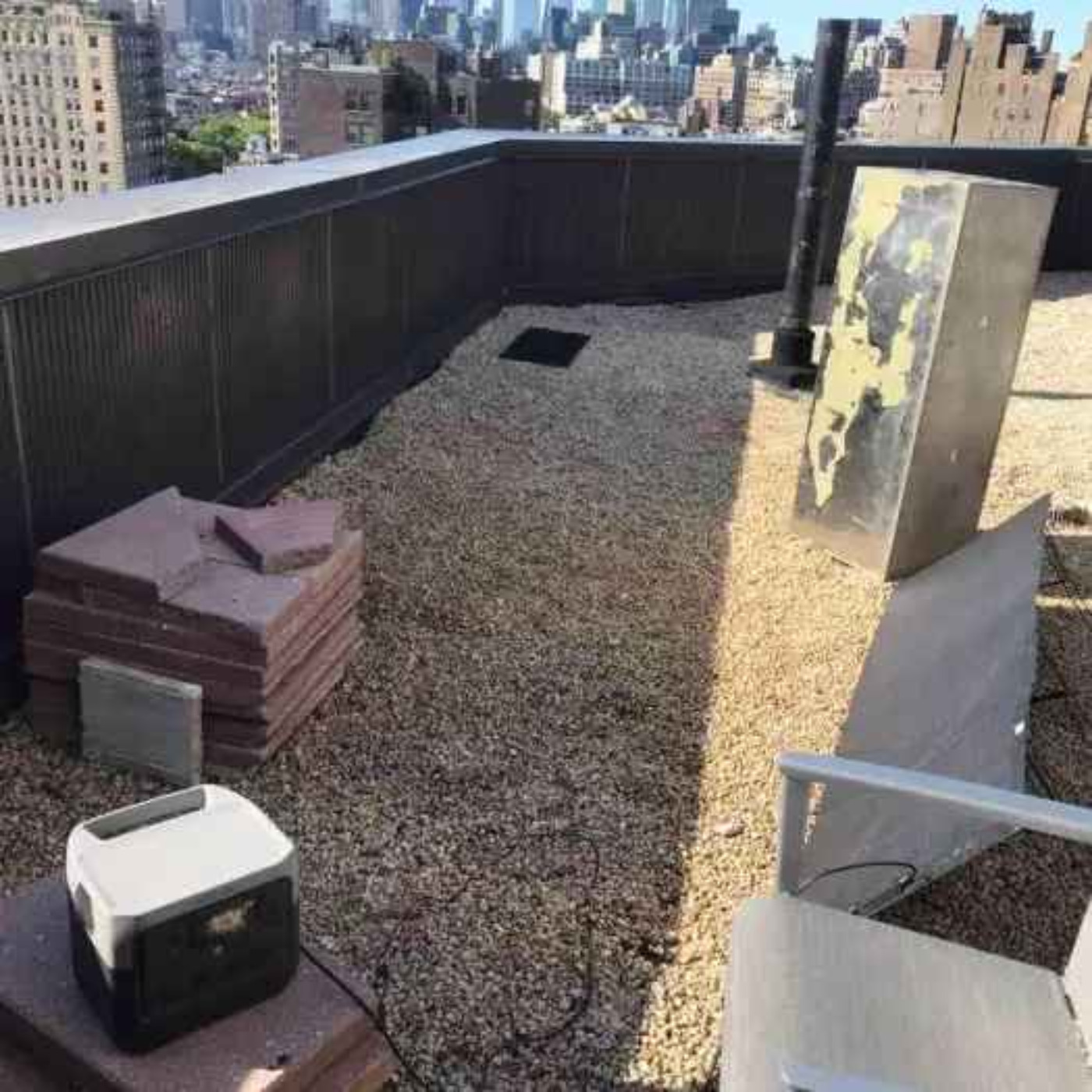
Ep 835835: At last! I can access my roof to charge solar for the first time in 18 months.
This week, I charged my solar panel and battery on my roof for the first time for over 18 months. My building had to do maintenance during which no residents could access the roof. They told us the job would take 5 months, but it took over 18. They also didn't say exactly when it would start until one day I got an email that said I couldn't access the roof until they finished the job.What a relief! This episode shares some of my experiences. Some I liked, like that it helped me develop resilience, it saved me more money, it led to my food being fresher, and it led me to connect with people ranging from local residents to indigenous people around the world to people who lived without electrical power in the past, which is all your ancestors up to the most recent few. Hosted on Acast. See acast.com/privacy for more information.

Ep 834834: Do Americans Know How to Prepare Food From Scratch?
Late summer means produce at peak ripeness, especially peaches and heirloom tomatoes. Regular readers of my blog and subscribers to my newsletter have read of how my volunteering to bring overstock food from stores to places that give it to anyone for free has led to my getting for free amounts I can barely keep up eating that people turn down.This episode shares a saga of my confusion and exasperation at people throwing away and not accepting perfectly good food. I don't want to take it but the alternative is to throw it away.While it's tragic that poor people don't accept this bounty of nature and our broken food system, I'm concluding a bigger picture. I think a large fraction of Americans don't know what to do with fresh, unpackaged produce. They know how to eat apples and bananas. Even other fruit, let alone vegetables like zucchini or radishes, I think they don't know what to do with. I mean, you can pick up a tomato and eat it, and heirloom tomatoes have so much flavor, eating them is like eating gazpacho. Well, the flavor is subtle, so if you're used to doof like Doritos and Ben and Jerry's, you won't notice their nuance and complexity, but still, eating them takes no skill.A couple recent blog posts on the topic:When did you last prepare a full meal from scratch, not one packaged product?More fresh juicy local peaches and heirloom tomatoes than I can handle, saved from waste by rich and poor alike Hosted on Acast. See acast.com/privacy for more information.
Ep 833833: Aaron Blaise: A Master Disney Director and Animator on Self Expression, Leadership, and Nature
Aaron and I met after I got to see a screening of his recent short animated film Snow Bear. I knew about Aaron's achievements from participating in some of the biggest animated movies of all time. I expected to talk about art, creativity, and expression, topics I love. We did, after first hitting on leadership, especially empathy.He started by sharing his growth as an animator and director at Disney. Soon enough we dove into talking about the overlap between leadership and things he loved about his career: directing, teamwork, self-expression, and empathy. We talked about being generous, what it takes to get the best out of a team, and how it feels when you do. We distinguished leadership from authority and how many people confuse them.You'll hear we both enjoyed the richness and depth of our exploration of similar passions from different directions. Plus you'll hear the back story Snow Bear that gives it its richness and depth.Aaron's web page Hosted on Acast. See acast.com/privacy for more information.
Ep 832832: Robert Fullilove, part 4: Action in the Center of Civil Rights in the 1960s
Dr. Bob worked in the heart of the US Civil Rights movement in the 1960s. He shares stories of his interactions with Stokely Carmichael (later Kwame Ture), John Lewis, and more.In earlier conversations with him, I shared what brought me to him. I had been telling people who acted as if acting on sustainability was a burden. I pointed out that people who acted in the Civil Rights movement took greater risks and undertook more challenging work, risking jail, risking physical injury, going to jail, being beaten, and worse, compared to eating fresh, local fruits and vegetables. I continued that I bet they would consider those experiences high points in their lives, ones they wouldn't take back or trade for anything.Then I saw him speak on a panel and heard him describe his experiences. I invited him to the podcast and he shared some experiences relevant to acting on sustainability, as well as on education, leadership, and more.In this episode, he speaks in more detail, including about big challenges they faced: should they continue with nonviolence or adopt violence? He shares the emotional tenor of conversations of people living through history, not knowing answers.First, we talk about fishing, family, and disappearing nature. I'll cherish this conversation. I think you'll value it too. Hosted on Acast. See acast.com/privacy for more information.
Ep 831831: Glenn Hubbard: Dean of Columbia Business School on Adam Smith and Leadership
I can't help but call Glenn "Dean Hubbard" since I met him as a student at Columbia Business School. That was 2005, making him one of the guests I've known the longest.I invited him to the podcast after seeing a talk he gave on the 300th birthday of Adam Smith. My recent learning more about Smith and other Enlightenment thinkers led me to find relevance between their thinking about how to live together without hurting each other and how we handle polluting and depleting today. I knew Glenn studied Smith for longer and in more depth than I have so I invited him to share about Smith.We started with his background, having worked with the White House. He then shared about Smith, in particular not seeing just his economics in Wealth of Nations, also his philosophy in Theory of Moral Sentiments.I shared some of the views I've been developing, though not comprehensively. He responded, politely and informatively, considering my inexperience expressing my ideas. He pushed back and educated.I couldn't help also sharing how much I'd learned at business school that was relevant to sustainability and I found little elsewhere, especially the social and emotional skills of leadership. I couldn't help building up my alma mater and the value of leadership in the task of changing culture.Glenn's home page at Columbia Business School Hosted on Acast. See acast.com/privacy for more information.
Ep 830830: Jo Nemeth, part 2: Nature improves time with loved ones
We jumped in to talking about her Spodek Method commitment. She lives in a suburban area. There's a place near her that borders on bush, which I guess is Australian for undeveloped land. This spot with a bench designed for experiencing nature has been a short walk away from her for a long time, yet until now she never experienced it. Even this time, she put off acting on the commitment.Then she went. You'll hear what it did for her. I had to compare her description to what many people derive from big vacations to Hawaii or Bali, but she spent nothing, didn't have to plan, and didn't pollute or deplete.Her sharing about her experience recreating a wonderful past experience led to her sharing many unique challenges of living without money. Jo will lead you to think differently about your world and relationships to your loved ones and nature.Jo's home page, including her post on catatrophism we talked about Hosted on Acast. See acast.com/privacy for more information.
Ep 829829: Adam Galinsky, part 1: Do you love being inspired? He wrote the book on it.
Adam teaches leadership at Columbia Business School, where I learned there were classes in leadership, which changed the direction of my life. Regular listeners know I consider leadership the most important missing element in sustainability. To change the environmental effects we're barreling into, we have to change the causes, which are our behavior, which result from culture.Changing culture requires leadership, not just management. Effective leadership inspires. Adam's latest book is Inspire.You can imagine my enthusiasm to talk with a star professor at one of the world's top institutions (to which I'm deeply connected) teaching leadership on the topic of how to inspire and become an inspirational person and leader.We begin by talking about his background, how he began working in psychology, then moved to teaching at a business school, and the rewards he found there. Of all the departments and schools in a university, I believe business schools' leadership departments provide the most useful and effective tools and people to solve our environmental situation.In other words, if you are interested in solving our environmental problems, you can learn from Adam. We mostly talk about his book, Inspire, and how to put it into practice.Adam's home pageAdam's page at Columbia Business School Hosted on Acast. See acast.com/privacy for more information.
Ep 828828: Richard Reeves: For Boys and Men: support and love over misunderstanding
When people talk about helping men, a lot of people think any and maybe every man might just have latent misogyny, so helping him risks augmenting misogyny. Richard Reeves has researched the situation extensively and for whatever advantages they (we) once had in some areas, still have in some of them, society has been kicking us down, especially in education, income, medicine, and law.A big part of his job is handling preconceptions and objections. In this regard, his work overlaps a lot with sustainability leadership: people's preconceptions override seeing what's happening right in front of them. Listen to him on any other podcast and you hear he has to bend over backward and repeat himself on simple points that I would think should be obvious to clarify that helping men doesn't mean hurting women. His success shows me that we who work on leadership in sustainability can learn a lot from him.His book Of Boys and Men takes him into challenging territory, but to do important work, sadly difficult. Many of these problems are not caused by boys and men, but boys and men experience them. I found it heavily researched, well researched, and well written. I don't think I'm overstating things, not that I came up with the following observation, but when society disadvantages girls and woman, people tend to say society needs to be fixed but when society disadvantages men, people tend to say men need to be fixed.We can learn from his leadership.Richard's home pageThe American Institute of Boys and Men Hosted on Acast. See acast.com/privacy for more information.
Ep 827827: Chris Berdik: Scientific American loved his book Clamor (so did I)
Sound pollution is pollution. You know it's been growing for your whole life with little sign of decreasing.I wish I lived in a world with less sound pollution, but given that I do, I'd rather be aware and conscious of it than not know. Ignorance of how much sound was affecting me wasn't blissful. Noise still affected me. Awareness enables me to act.But it's not what you think. More decibels doesn't necessarily mean more annoying. Lower decibels doesn't necessarily mean less. Just think of a whiny drone that sounds like a mosquito. I can hear an electric leaf blower as I'm typing these words and while it may be quieter than a two-stroke engine, it's freaking annoying and I can't tune it out.Chris's book Clamor: How Noise Took Over the World and How We Can Take It Back describes more about sound, noise, how they affect us, how our understanding of them change, and new industries developing on sound design. I start by sharing how just the first chapter of his book illuminated elements of sound I hadn't thought of.We cover in our conversation many of the topics his book does, not only the facts but the emotional and health responses, what we can do, what others are doing.Chris's home pageChris's newsletterScientific American's review: 4 Books Scientific American Loved Hosted on Acast. See acast.com/privacy for more information.
Ep 826826: Jo Nemeth, part 1: Living without money frees her to do what she loves
Can you imagine living without money? Humans lived without money for 250,000 years, so it's not necessary for life. Money seems like an invention on par with the big ones, like fire, the wheel, writing, and language.Right off the bat, Jo shares how her life before choosing to live without money was stressful, with less freedom or free time. If you thought having more money would give you more freedom, more free time, and less stress, her experiencing the opposite may prompt you to consider the basics of human interaction. What does it mean about our lifestyles, values, and beliefs that having zero of our culture promotes having more of actually giving us what we want?In earning a doctorate in experimental science, maybe the most fundamental thing I learned is that no matter what I expect or want, nature is always right. If my theory predicts one thing but nature does something different, nature is right and my theory is wrong. Jo's experience suggests something wrong at the heart of economic theory.Anyway, you'll hear how she learned of the possibility of living without money and acted on it. You'll also hear our mutual appreciation and admiration of our living without things society teaches us we can't live without. We're not extreme. More like we're conservative and loving.Jo's page: Jolowimpact Moneyless Low Impact Living Hosted on Acast. See acast.com/privacy for more information.
Ep 825825: Ryan Mandelbaum, part 2: Rising to the challenge of random acts of friendliness
Ryan shares his experience approaching people to share in his joy. The task is not easy anywhere, least of all the Bronx, where he doesn't live but was visiting.Do people in the big city want to hear why some guy is walking around looking at trees and the sky? They wouldn't know he was bird watching until he told them. Do you think they'd welcome him or consider some guy with big binoculars too odd?I don't think I'll spoil anything by giving away that the several conversations he initiated went well because the issue is how they went well and how it led him to feel and act the next day and after.Aren't we all looking for ways to talk about the environment and sustainability that bring joy, affect people, and result in them expressing gratitude?Ryan's home page Hosted on Acast. See acast.com/privacy for more information.
Ep 824824: Dr. Rob Reed, part 2: Learning to love leading effectively
Rob starts by sharing his experience from leadership coaching in the context of a hospital with people in intensive care as well as their families. Situations are often emotionally intense. Treating just facts doesn't work, or can work against you. It can be "terribly ineffective" (not unique to medicine).He recounts learning to lead through emotional awareness, using social and emotional skills he developed through practice in our coaching. He connects with people meaningfully: patients, their families, the other members of his team, everyone.He talks about not telling people what to do but to listen and act with empathy and compassion, that he's developing through deliberate practice.Maybe the most heartfelt part of our conversation comes at the end where he speaks about his longtime vision and dreams for being a doctor. As much as he wanted to care for patients and their families, now he sees how much the skills of leadership enable him to help far more people by leading others to care more effectively. Hosted on Acast. See acast.com/privacy for more information.
Ep 823823: Mark Mills, part 5: We’ll Never Have an Energy Transition
Reading Mark's recent piece We’ll Never Have an Energy Transition in Manhattan Institute's City Journal prompted me to write my recent post, When they say “transition fuel,” they mean “more polluting and depleting,” not less pollution or depletion.Read them both and you'll see he inspired what I wrote and he wrote a lot more, with more research and editing. I recommend reading it and listening to his podcast episode there, but I'd start with this one. In our conversation, you'll hear more details and back story.The core idea of his piece: Every fuel we’ve ever used, we still use, and more than ever. If you think that by ramping up solar and wind that in any way that new energy availability will decrease our use of old energy, you’re dreaming. More likely you’re lying to yourself.That idea is hard for people to swallow if they think humanity's best hope for survival is what they call "clean," "green," or "renewable" energy and learn that those sources aren't clean, green, or renewable. It matters to do the numbers. Mark does.For the record, I come to different strategies than Mark, but I agree with his starting point in the article. I don't think we should start from denying the numbers.Mark's home pageHis recent article in City Journal that prompted me to invite him back: We’ll Never Have an Energy TransitionHis appearance on the City Journal podcast on that piece: Green Energy Fallacies Hosted on Acast. See acast.com/privacy for more information.
Ep 822822: Ryan Mandelbaum, part 1: Wildlife Is Everywhere, Including (especially) NYC (and where you live)
This recording went far beyond my usual preference for recording with guests in person when I can.We met in Prospect Park on one of the peak birding days of the year. Tons of people were out with powerful binoculars and cameras. You'll hear lots of birds chirping in th background and even people who knew Ryan coming up to talk to him.Nature is everywhere. We can enjoy it where we are when we want.You'll pick up how much fun we were having, wonder we were experiencing, and community we were connecting with. Nature makes such experiences happen.Have fun listening to us in nature watching and listening to birds and birders. Keep in mind: the point is only superficially birds and birders, as important as they are. The point is that you can access nature and create moments. It doesn't hurt to have an expert who wrote the book on local wildlife, but it's not necessary. As I mention in the recording, if you plan to visit New York City and want to explore, I'd recommend Wild NYC over nearly any guidebook.Ryan's home page, which links to his book Wild NYC: Experience the Amazing Nature in and around New York City Hosted on Acast. See acast.com/privacy for more information.
Ep 821821: Rob Reed MD, part 1: Learning leadership transforms your life and work
Rob is one of my coaching clients. I asked him to be a guest here since many people perceive leadership and learning it as different than I mean. His work in medicine may not be at the center of sustainability, but I work in leadership, which I apply to sustainability. Listen to this episode to learn what changes to your life you can expect when you take my workshops. Listen to him for the full picture, but I think you'll hear profound and enduring personal growth, professional growth, improved relationships with spouse, children, and coworkers, promotion, security, connecting with your passions and realizing them, and more.It seems an overwhelming majority of people I talk to who haven't explicitly learned leadership associate leadership with the opposite of what I mean when I talk about leadership. They think of it as imposing authority, manipulating, convincing, telling people what to do, and the like.My definition of leadership is helping people do what they already want but haven't figured out how. Rob shares how he is learning and improving his leadership. People in sustainability can learn a lot from his fast and significant learning. Hosted on Acast. See acast.com/privacy for more information.
Ep 820820: Andy Samuel CBE: From worry before the workshop to Fun and Community during and after
Are you thinking about acting more but concerned about feeling guilty or judged that you aren't doing enough? If so, you'll love this conversation. I feel honored to work with people with Andy's background and community, which you'll hear about in our conversation.Despite his working with prime ministers and across Europe and the world, and acting in many ways already in his life, he was also worried about feeling judged or guilty.As he learned more about the Workshop, especially listening to Lorna's episodes before and after she took the workshop, he went for it. The nerves he started with faded before the first session ended, as you'll hear.You'll also hear that instead, he ended up fun. Try to count how many times he says the word in the conversation. He shares about the rewards (also the work). One big benefit: He lives in a home he's rewilding, already surrounded by nature, but the workshop led him to appreciate more.As much as he appreciated nature more, it sounds like the people and community that came with the workshop created as much value as the other changes. Maybe also the connections what he learned helped him create and deepen outside the workshop.Make sure you listen to the end. Andy shares the most in the last 10 to 15 minutes. Hearing people share things like he did makes all the time, effort, and other resources creating the workshop worth it.When you're ready to join, here's the link.Andy's personal pageLorna's episodes that led him to expect not guilt but fun Hosted on Acast. See acast.com/privacy for more information.
Ep 819819: A Course in Sustainability Leadership: 6: Our Brighter Future
This last recording in the series brings together the opportunities. We can't fix all the world's problems or to go back in time and change history. We can't change that people are already dying by the tens of millions annually from environmental problems, a number projected to increase by factors of ten or more.But we can do the best we can. The best we can is all we ever could do. Even if our culture weren't creating all these environmental problems, conflict would always exist. Restoring lost value to our culture that would restore stewardship would keep us from having to hurt innocent people, contributing to this suffering, just to live.Doing the best we can replaces despair, helplessness, hopelessness, anxiety, and all the internal conflict resulting from giving up on our values with meaning, purpose, love, and passion. People say action is the antidote to those things, but not just any action. The action must be effective, as part of a plan that leads to meaningful results.This series shows what action will work for you in the moment and for humanity in the long run, leading to global cultural change, restoring basic human values we've jettisoned in a fool's trade for what we think of as comfort and convenience but has become satisfying short-term, meaningless craving.This summary shows what you can do, on a different scale than avoiding straws. It means taking leadership roles to bring others with us. It's hard work that will take years, but you will love it. You will grow and you will help others around you grow, as well as your whole nation and species to grow from timidity and hoping for the best to restoring values of love, stewardship, family, community, and more.To follow up:The videos of this courseMy book, Sustainability SimplifiedThe Workshop and community Hosted on Acast. See acast.com/privacy for more information.
Ep 818818: A Course in Sustainability Leadership: 5: The Celebrity Opportunities
Look up "Greatest of All Time" on Wikipedia and you'll find Muhammad Ali. This lesson shares how he went from being just the heavyweight champion of the world to the greatest of all time, transcending sport to becoming a statesman.Business people say "culture eats strategy for breakfast," and our culture, while paying lip service to sustainability, promotes and rewards polluting, depleting behavior. Celebrities play a major role in setting culture. When I tell people, "Taylor Swift is probably in an airplane right now," they know what I mean. No one disputes because even if she isn't flying literally that moment, she flies plenty.Yet billions of people want leadership. They want to follow people living by their values.This lesson shares the potential legacy available to any celebrity in an area of global demand that can last centuries to millennia. Those doing performative, ineffective things won't reach it, but that constraint doesn't mean celebrities have to act perfect.They don't have to act perfect.They only have to show they are doing their best.But they have to act genuinely and authentically, allowing their vulnerabilities to show.The Spodek Method enables them to automatically, which is why so many of my podcast guests return for multiple episodes.To follow up:The videos of this courseMy book, Sustainability SimplifiedThe Workshop and community Hosted on Acast. See acast.com/privacy for more information.
Ep 817817: A Course in Sustainability Leadership: 4: The Political Opportunities
Sustainability has become a polarized partisan political issue, despite everyone wanting clean air, land, water, and food. In the US, neither the Democrats nor Republicans have a vision of or plan to sustainability. Both rely on purported solutions that exacerbate and accelerate our current results. Since we reach the general through the specific, I focus on US political opportunities. I believe those outside the US will see clearly how to apply the spirit of this video to their homes.They're like two tired boxers who get stuck toward the end of a fight in an embrace, holding each other up, acting like they're punching but not. On the contrary, they've evolved into a mutually supportive dance, pandering to their bases, pointing at each other, not taking responsibility.Yet there are political paths toward sustainability, which is why I work in sustainability leadership, as opposed to sustainability itself. We need leadership, not performances designed to look like leadership but are the opposite.This video shows conservative, libertarian, and liberal approaches to sustainability from each tradition's principles, including limited government, free market approaches and anti-racist, anti-imperialist, anti-colonial approaches. All are based in the opposite of coercion, convincing, cajoling, or manipulation.They lead to what appears the only solution that works, an APPLE PIE amendment. While it will work, it's as hard for people as dependent on pollution and depletion as we are to envision as the Thirteenth Amendment must have looked to plantation owners. Yet the Thirteenth passed, replacing the most divisive issue in America's history with a source of unity.Passing the APPLE PIE amendment will unify us. Future generations will wonder why we took so long.To follow up:The videos of this courseMy book, Sustainability SimplifiedThe Workshop and community Hosted on Acast. See acast.com/privacy for more information.
Ep 816816: A Course in Sustainability Leadership: 3: Business/Entrepreneurial Opportunities
The solution in video 3---the Spodek Method---creates a new, more effective situation than anything I know of in sustainability.People act on their own motivation that they felt before I met them. Instead of me motivating them, it was more like I unleashed and inspired them. That's the difference in acting on intrinsic motivation instead of extrinsic.Every other sustainability effort I'd ever come across convinced, cajoled, coerced, lectured, manipulated. It might get compliance, but squashed motivation.When someone wants to do something but doesn't know how to achieve it, and you know they'll thank you for helping them do it, that's a business opportunity.This video explores the potential to revolutionize leading people and cultures, even global, toward acting more sustainable. It covers just leading yourself to live more by your values, to working with our team, to starting a project or venture yourself, up to creating a culture-changing project creating a legacy to last centuries and beyond.I'm not saying you can just start these projects tomorrow. Our culture has poisoned the market so much that nearly everyone associates living more sustainably with making their lives and cultures worse. The Workshop will lead you to know otherwise from hands-on practical experience, but it will take time to build the market.Then we'll see demand from billions of people.To follow up:The videos of this courseMy book, Sustainability SimplifiedThe Workshop and community Hosted on Acast. See acast.com/privacy for more information.
Ep 815815: A Course in Sustainability Leadership: 2: The Solution
Now that we understand our environmental problems as cultural, proposals based in technology, market incentives, and legislation don't address the problem. They generally won't achieve the desired outcome and will often achieve the opposite.I share my path toward discovering a solution that works, now called the Spodek Method. Changing culture requires many things, and leadership is one. The Spodek Method is an experiential leadership technique that prompts people to share and act on their values---that is, based on intrinsic motivations. I describe how it works and what it achieves, in yourself and others.So you don't have to take my word for it, I share the experiences of people who have learned the technique, some renowned. Some took my Workshop, others were guests on the podcast. Once you get the Spodek Method and a sense of how it prompts you to transform, I share the vision, mission, and strategies it enables in my mission of changing global culture through a path that is intrinsically rewarding for everyone who tries it.To follow up:The videos of this courseMy book, Sustainability SimplifiedThe Workshop and community Hosted on Acast. See acast.com/privacy for more information.
Ep 814814: A Course in Sustainability Leadership: 1: The Actual Problem
Do you think our environmental problems are rooted in greenhouse gas levels or emissions? Or biodiversity loss? Or any of what makes the headlines?They are symptoms. They all result from our behavior, which results from our beliefs, stories, role models, images, and what makes up our culture.If we magically fixed all of the environmental conditions making the headlines, but didn't change our culture, we would recreate them.Every time you say, "individual action doesn't matter," blame someone else or BP, or anything that keeps you polluting, depleting, living unsustainably, you contribute to that culture, even if you really wish you weren't. You fund the lobbyists creating the political forces accelerating more polluting and depleting.Only by understanding the actual problem can we avoid distractions and solve it.The video goes into more depth and detail. It sets up all the later videos.You'll never see the world the same again. To follow up:The videos of this courseMy book, Sustainability SimplifiedThe Workshop and community Hosted on Acast. See acast.com/privacy for more information.
Ep 813813: A Course in Sustainability Leadership: Quick Introduction: Welcome to the Sustainability Simplified community
Many people see whatever part of what I do, think that's everything, and conclude I'm just doing some personal action or other form of spitting into the wind.I don't like wasting my time any more than anyone else does, nor do I want to see people continuing toLower earth's ability to sustain lifeDestroy others' life, liberty, or property without the consentDeplete from nature to where there is not enough as good in common for othersI'm partly insulted that they think I'm wasting my time or that I haven't developed a comprehensive plan that stops all those things that works at every stage, mainly by working on people's existing motivations. It's based on the Spodek Method and other effective leadership techniques.I posted a series of videos I call A Short Course in Sustainability Leadership that outlines the plan. I designed it for people who want to act and lead, not abdicate and capitulate like nearly everyone else. I recommend watching the videos, which are on this page, but I'm posting the audio here.To follow up: The videos of this courseMy book, Sustainability SimplifiedThe Workshop and community Hosted on Acast. See acast.com/privacy for more information.
Ep 812812: Robert Fullilove, part 3: Politics, family, race, and sustainability
Our third conversation matches the first two in intrigue and quality. We talk about the things that came up for Dr. Bob that got in the way of his commitment. These issues come up for nearly everyone (implying they aren't personal, but cultural beliefs): politics (including reacting to Trump), family, and race.This conversation was one of my first engaging on race unscripted. It's tempting to see some issues as immediate and conclude we have to address them first. This view misses that unsustainability causes them, including racism, tyranny, and corruption. I'm not saying sustainability alone will solve them, but as long as we live unsustainably, we keep causing them.You'll hear a lot more in the conversation. This conversation exemplifies what our culture needs more of. Hosted on Acast. See acast.com/privacy for more information.