
The Zen Studies Podcast
350 episodes — Page 5 of 7

Ep 142142 - Direct Experience Is Liberation: When There Are No Stories, There Is No "You"
Humans evolved to make sense of their experience by explaining with a story, or narrative. Although our stories help us communicate and navigate our lives, they also can preoccupy and burden us. Sometimes they are distressing, depressing, or exhausting to maintain. This is why the Buddha said to train ourselves such that "in the sensed, there is only the sensed, in the cognized, only the cognized." That is, we should train ourselves to experience things without our stories.
Ep 141141 - The Practice of Vow 2: Choosing the Direction We Want Our Lives to Take
The practice of vow is central in Buddhism, as I've discussed before. Vows – alternatively aspirations, intentions, or commitments, formal or informal – are a conscious choice we make about the kind of life we want to live, and the kind of person we want to be. Clarifying the vows we are already living, and the vows we still want to take on, can help give direction and meaning to our lives.

Ep 140140 – Sustainable Buddhist Practice: Creating Form But Keeping It Flexible
How do we create a strong and sustainable Buddhist practice outside of a monastery? We create structure for ourselves and build good habits, but then the circumstances of our lives change. There are many competing demands on our attention and time. We have to mostly rely on our own self-discipline instead of social support. The key is giving our practice form but also accepting that it will constantly change, like learning to shape clay on a potter's wheel.

Ep 139139 - Suchness: Awakening to the Preciousness of Things-As-It-Is
All religions and spiritual practices have one purpose: To relieve our suffering and give us hope. As Buddhists we sometimes emphasize "relieving suffering" and leave it unsaid that, after being freed from your suffering, you will perceive things in a way that gives you hope, inspiration, and solace. The Buddhist teaching of suchness arose a couple hundred years after the Buddha to address the need some of us feel to hear descriptions of the positive aspect of reality from the beginning of our practice.
Ep 138138 - Buddhist Images of Fierceness and Compassionate Anger
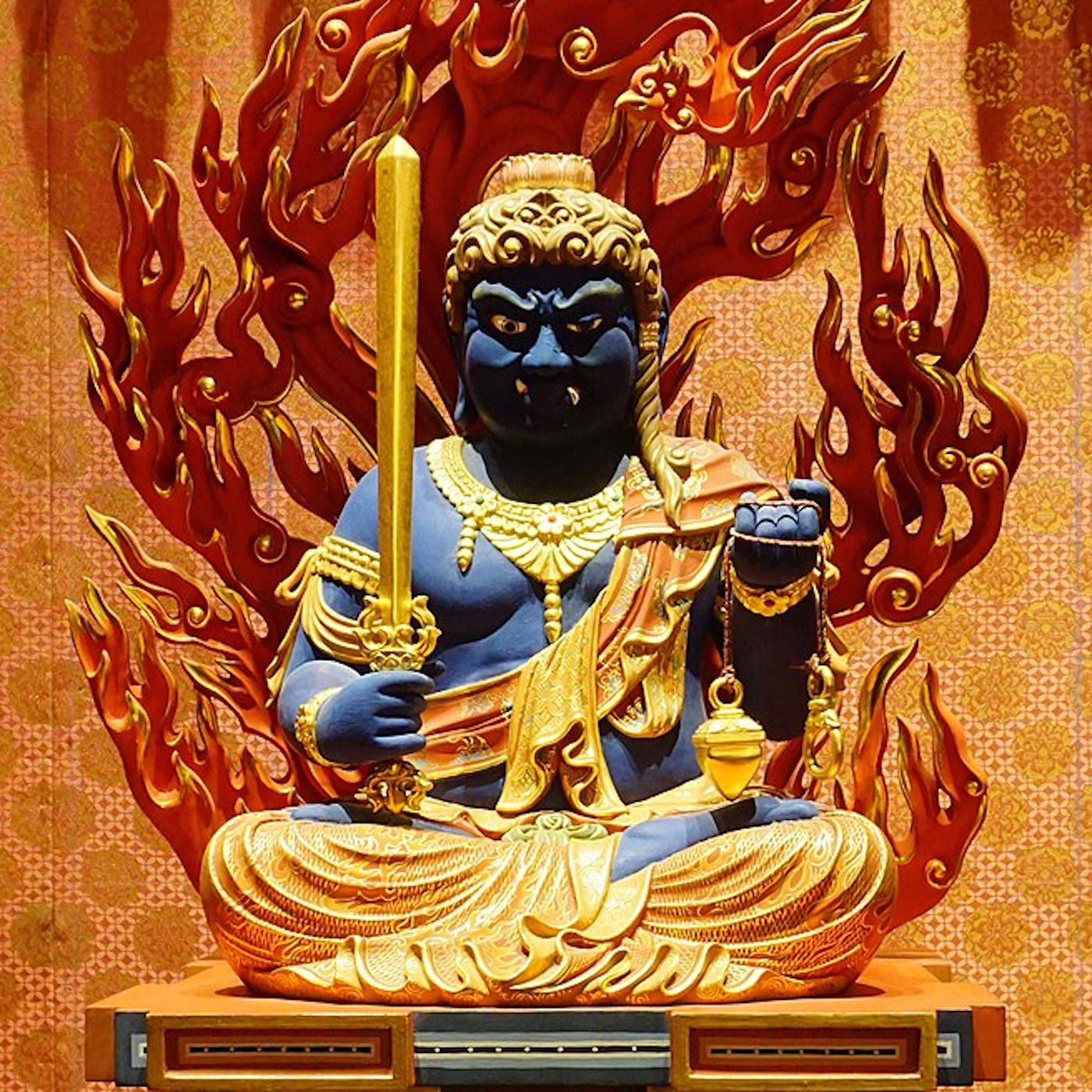
Despite the placid appearance of most Buddha statues and the Buddhist precept against indulging anger, there is a place for fierceness and compassionate anger in Buddhism. Especially when we're faced with injustice or need to protect others, we may need the energy of anger or fierceness to make ourselves heard. I discuss how respect for appropriate fierceness and anger appears in Buddhist iconography and mythology.
Ep 137137 - Sustainable Bodhisattva Practice when the World is (Literally) on Fire
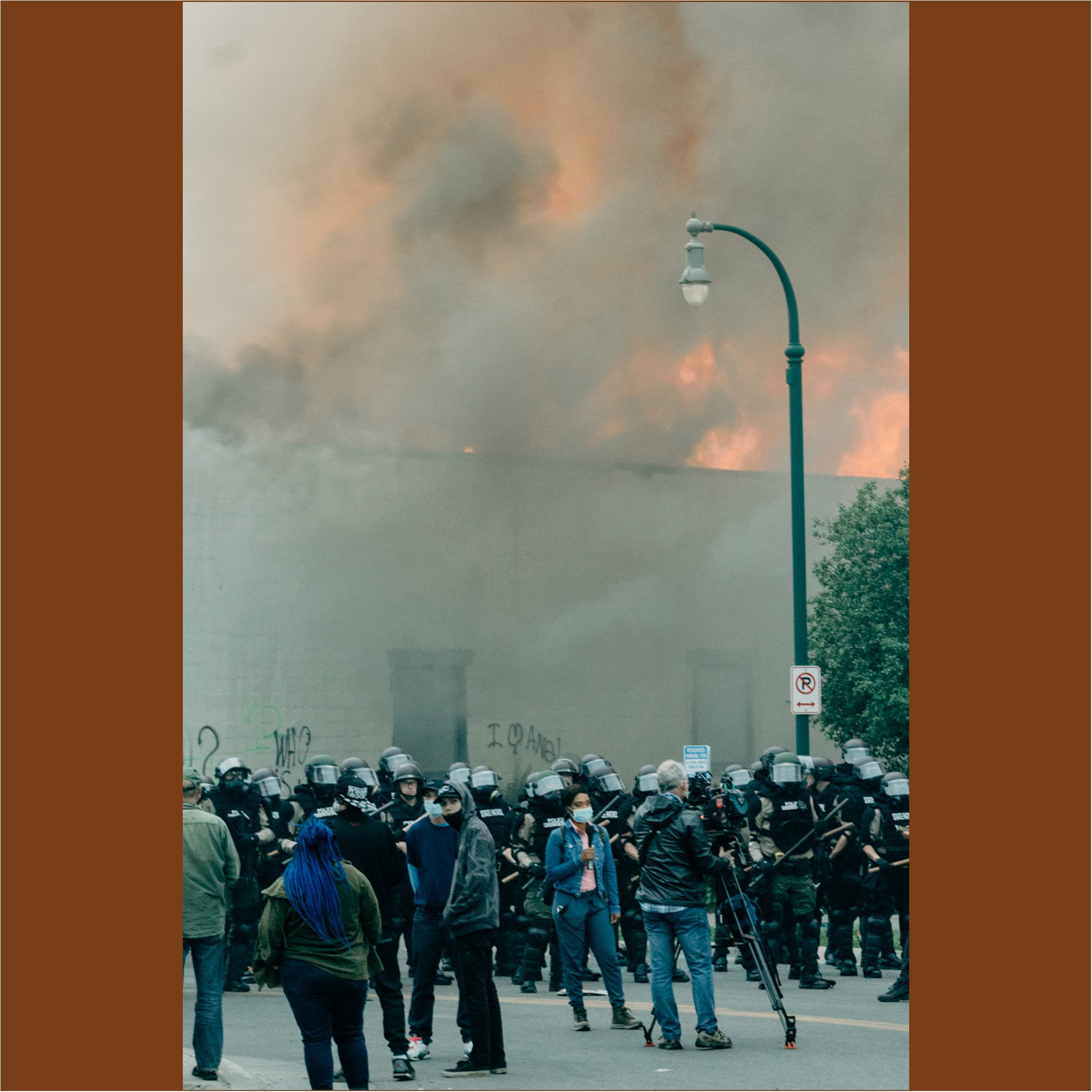
Many American cities are on fire - literally - as tensions over systemic racism erupt. How do we enact our bodhisattva vows in the face of all of this suffering - caused by racism, the global pandemic, the breakdown of earth's natural life support systems, and global heating? Our vow is to "save all beings" but - at least in terms of an individual's goal - that is impossible. How do we honor our bodhisattva vow in a vital and authentic way, as opposed to it being a largely irrelevant ideal?
Ep 136136 - Grief in Buddhism 2: Some Buddhist Practices Helpful for Facing and Integrating Grief
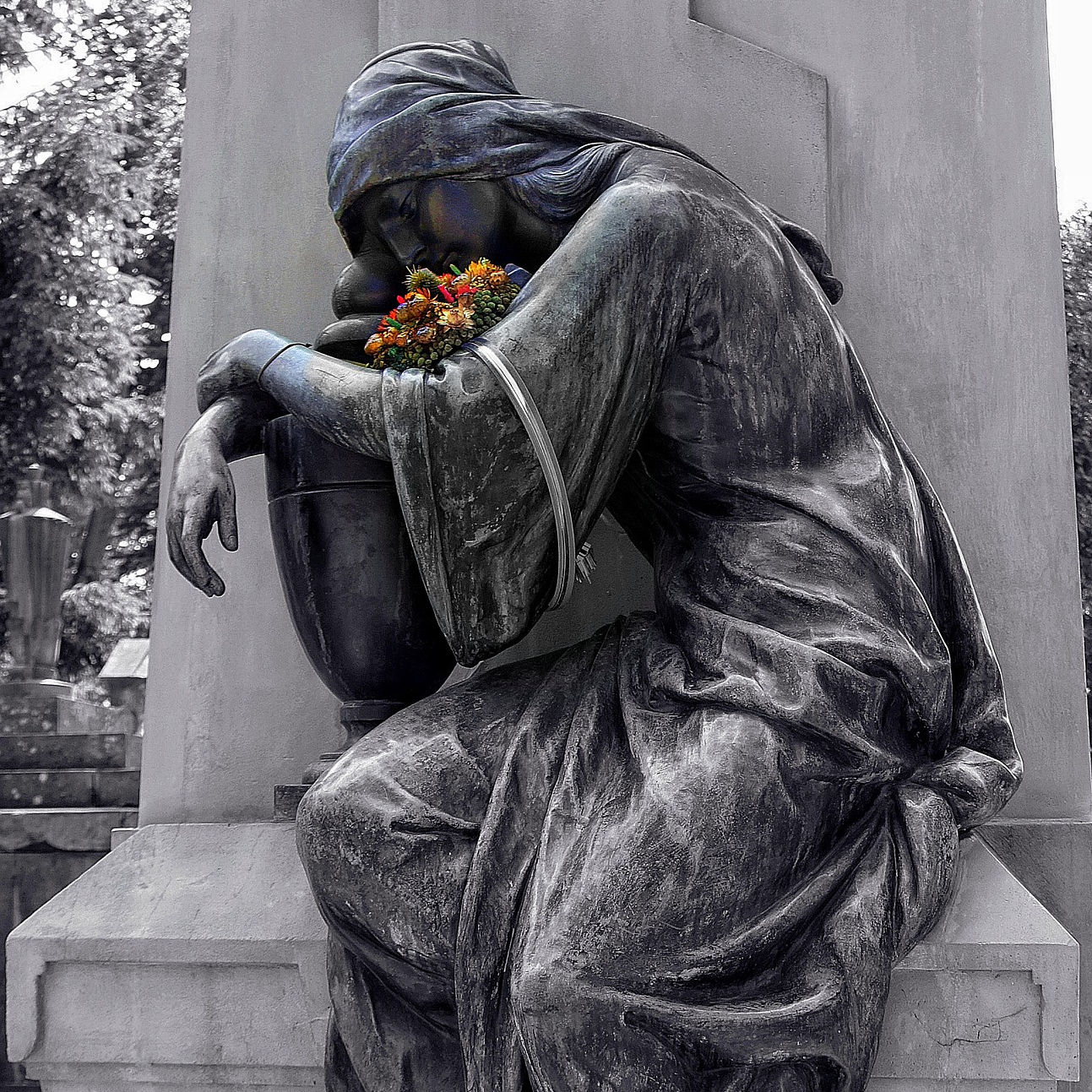
Grief is love in the face of loss; do you want to stop loving in order to stop feeling grief? Of course not. But we also don't want to be controlled or overwhelmed by it. There are a number of Buddhist practices that can help us as we practice with grief – trying to face it, and making sure we don't impede our own grief process. What I'll share in this episode isn't by any means a developed or exhaustive process of grief work, it's just a short list of Buddhist practices that can be beneficial.

Mini Episode - A Four "S" Approach to Shikantaza: Sit Upright, Still, Silent, Simply Be
bonusShikantaza, or the practice of "just sitting," can be challenging. We're asked not to try to control our meditative experience, but are we just supposed to sit there like a sack of potatoes and let habit energy have its way? I present a simple approach to returning to your intention whenever you have a moment of awareness in your sitting, and making that intention very simple and free from expectation of results. We simply intend four "S's": To sit upright, still, silent, and simply be.
Ep 135135 - Grief in Buddhism 1: Buddhist Teachings on Grief and the Danger of Spiritual Bypassing
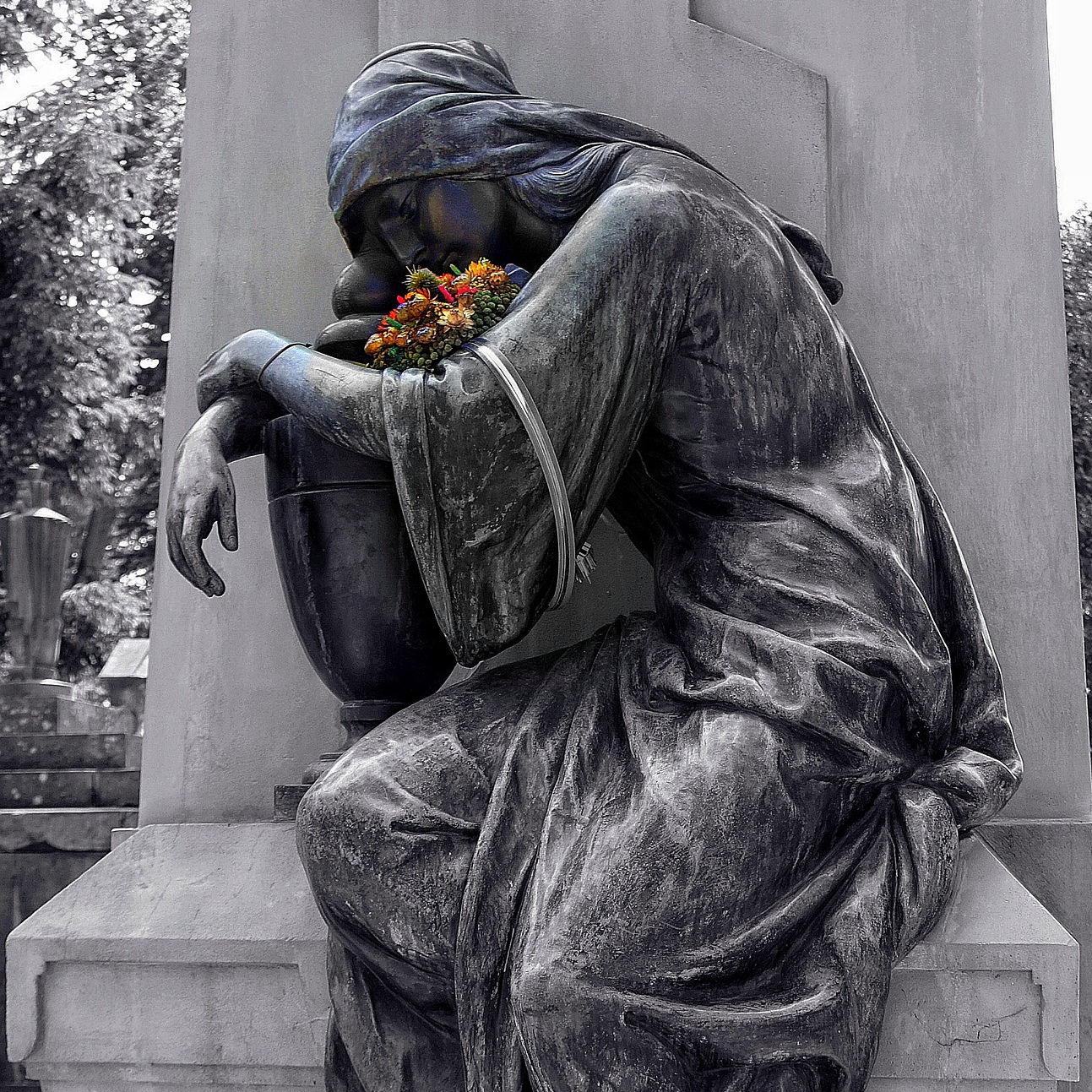
Grief in Buddhism: What are the teachings about it, and how are we supposed to practice with it? It's often easy to suppress or bypass our grief, leaving us stuck in one of the early stages of grief (denial, anger, bargaining, or depression), or unable to face reality or live with a fully open heart. Unfortunately, some Buddhist teachings may seem to suggest it's better if we don't feel grief. I explore the question of grief and how we can practice with it in Buddhism in a fruitful and beneficial way.
Ep 134134 - Lotus Sutra 1: What Is Devotion, and How Does It Fulfill the Buddha Way?
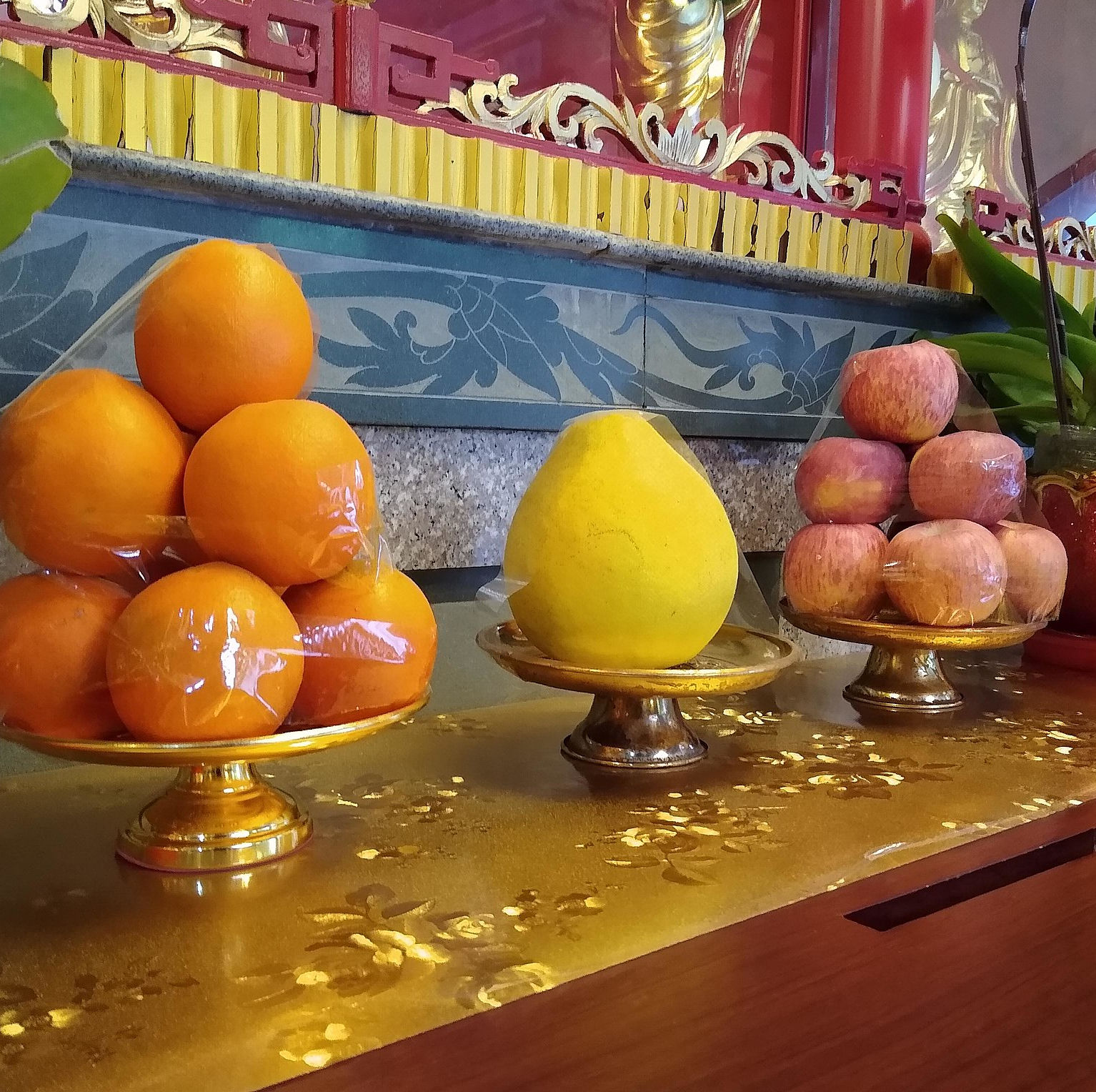
The Lotus Sutra is one of the oldest and most central sutras in Mahayana Buddhism. The sutra states repeatedly that people who perform small acts of devotion, such as making an offering at memorial to the Buddha, "have fulfilled the Buddha Way." What does this mean? I think the Lotus Sutra, and Mahayana Buddhism more generally, is saying that we can transform the universe in an instant, that the smallest of our actions matters, and that the key to all of it is the state of our own mind and heart.

Ep 133133 - Restoring Wonder: Hongzhi's Guidepost of Silent Illumination - Part 2
I continue in a second episode with my reflections on Chan master Hongzhi's "Guidepost of Silent Illumination. I discuss the interdependence of absolute and relative and why that matters in real life; how skillful bodhisattva action arises out of zazen; how silence is the supreme mode of communication, and how serenity and illumination - calm and insight - are both contained in zazen.

Ep 132132 - Restoring Wonder: Hongzhi's Guidepost of Silent Illumination - Part 1
In this episode and the next, I riff off of 12th-century Chan master Hongzhi's short text, "Guidepost of Silent Illumination," one of the most positive and encouraging Zen teachings a know. By "riff" I mean I'll play off of, and spontaneously elaborate on, Hongzhi's words, as opposed to explaining or analyzing them in an exhaustive or comprehensive way. I take this approach because it's more fun, but also because "Guidepost of Silent Illumination," like most Chan and Zen writings, is essentially poetry.
Ep 131131 – Facing Impermanence? Fortunately, Buddhism Is All About Life and Death
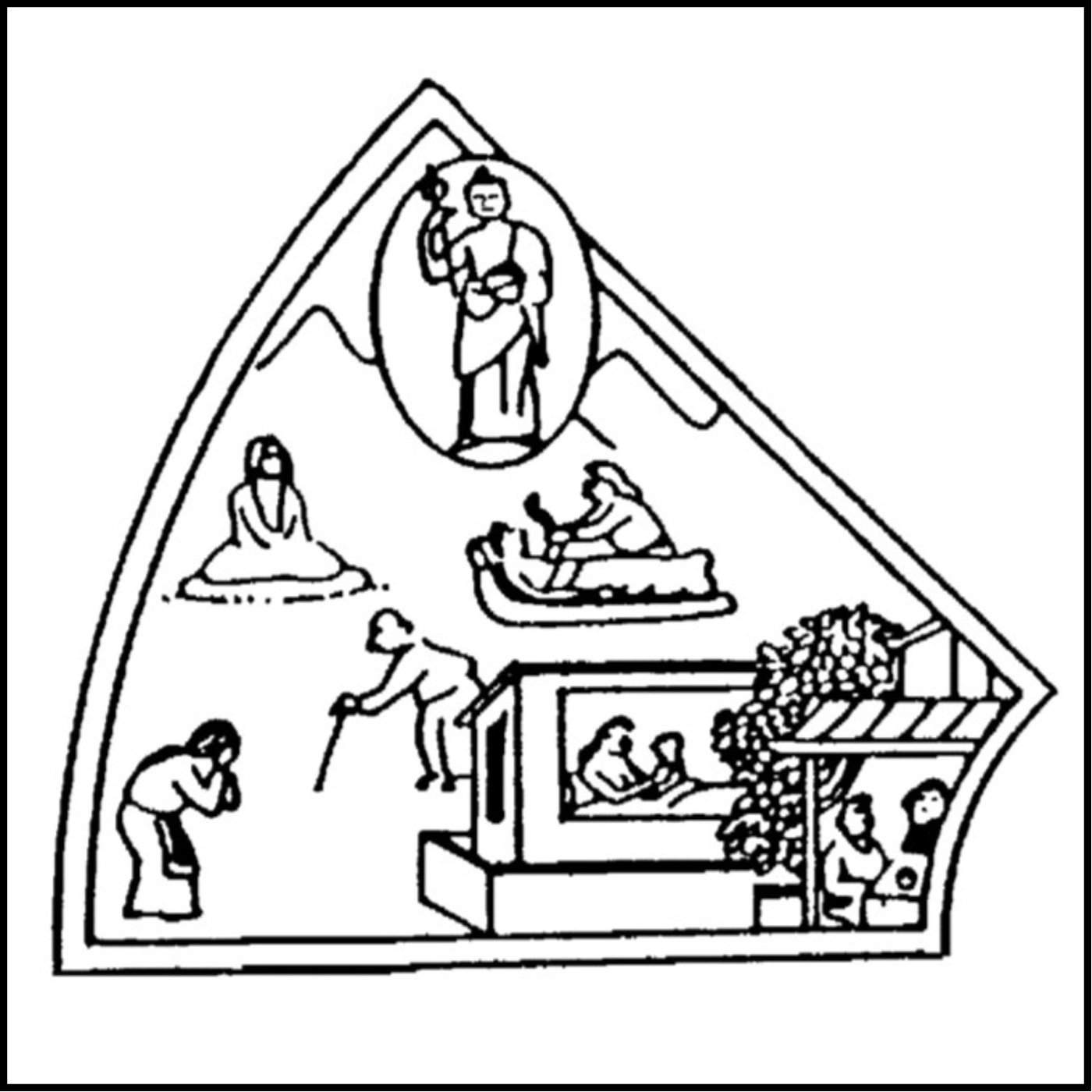
Buddhism's central point is nothing other than impermanence, or the "Great Matter of Life-and-Death." Our practice goes far beyond platitudes or beliefs meant to make you feel better about the whole affair. Instead, our practice is about a direct and personal exploration of the experience and implications of being alive in a world where there is absolutely nothing for us to hold on to. Except, of course, that very fact, and the fact that being fully alive means we don't hold on to anything at all.

Ep 130130 – A Buddhist Approach to Practicing with Fear
Fear is a natural response that helps us protect ourselves and our loved ones, but it can also be inappropriate and debilitating. Buddhist practice offers many ways to help us manage our fear. We start with mindfulness of fear in and of itself, and then become mindful of what feeds it versus what decreases it. We then act in ways that increase our equanimity. We also let go of expectations, assumptions, and narratives in order to decrease suffering and ground ourselves in the absolute aspect of reality.

Ep 129129 - Why Is Self-Esteem Essential When the Self is Empty?
Self-esteem is absolutely essential in Buddhist practice, but it may seem like self-esteem has no place in Buddhism. The Buddha taught us to stop identifying anything as I, me, or mine, because doing so leads to suffering. In Mahayana Buddhism we say the self is empty of any inherently-existing, enduring, independent self-nature. What exactly is it we're supposed to hold in esteem, or have confidence in? If the main point is to transcend self-concern, isn't self-esteem the opposite of what we're going for?

Ep 128128 – Taking Action: Getting Out of the House and Helping Others (Crisis Buddhism Part 3)
Taking Action is the second area of practice in Crisis Buddhism. It means working to help alleviate or prevent the suffering we witness in the world by leaving our homes, interacting with others, and engaging in bodhisattva activity in an active, tangible way. In this episode I begin addressing three reasons we resist Taking Action: We don't think it's "our thing," we don't have the time or energy, or we don't see anything we do that's also worth doing.
Ep 127127 - Crisis Buddhism - Part 2: Bearing Witness
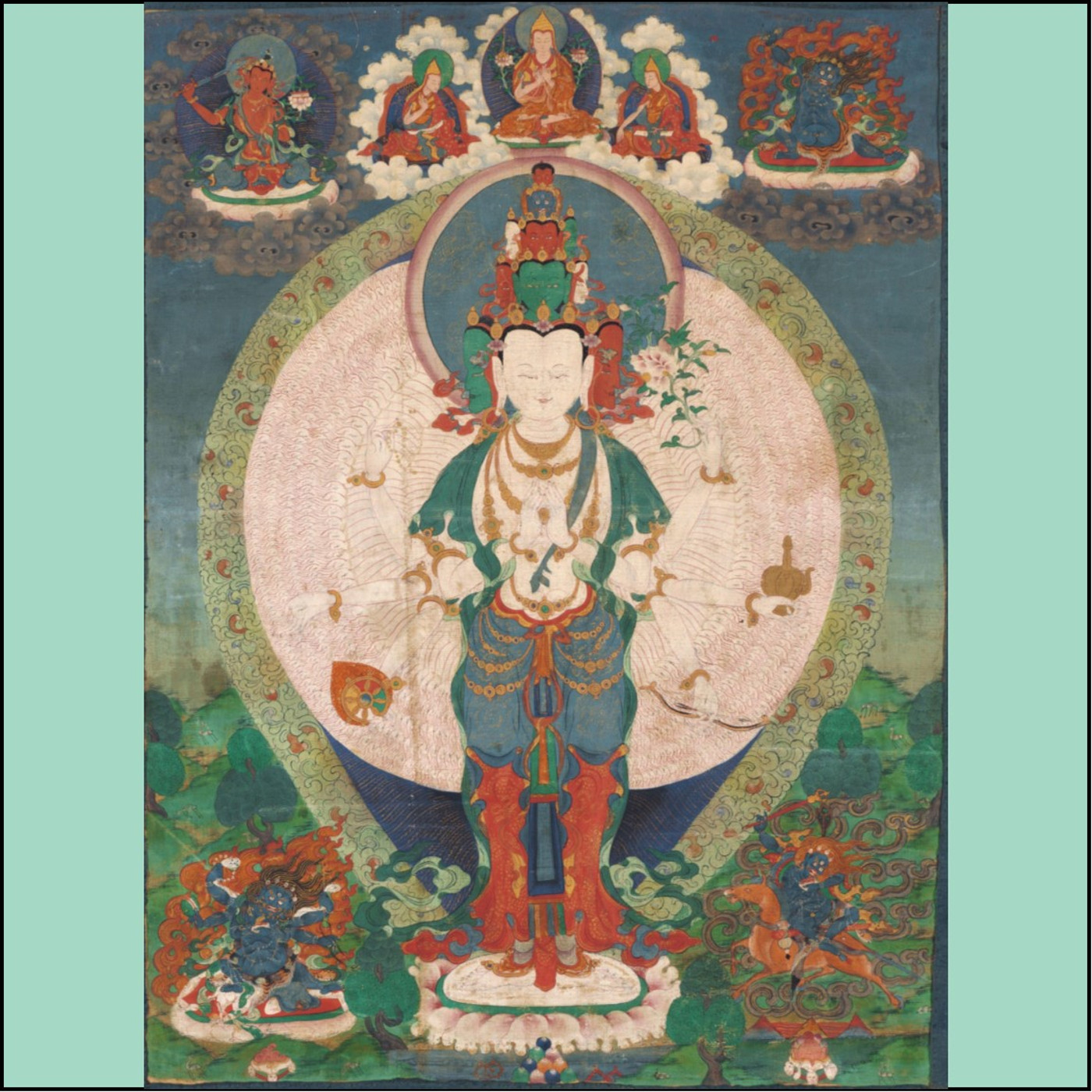
Crisis Buddhism requires us to mindfully balance three essential areas of practice: Bearing Witness, Taking Action, and Taking Care. In this episode I discuss Bearing Witness, or exposing ourselves to the suffering of the world in all its forms in order to make wise decisions, activate our natural compassion, and awaken a sense of urgency. How do we Bear Witness without becoming overwhelmed, depressed, or despairing? We embrace it as a noble practice of compassion and wisdom.

Ep 126126 - Crisis Buddhism: Sustainable Bodhisattva Practice in a World on Fire – Part 1
Crisis Buddhism is a new formulation of practice to help us navigate our everyday lives as we face ecological and climate breakdown. We mindfully balance three areas of practice: Bearing Witness, learning about the suffering of the world to make wise decisions, activate our compassion, and awaken a sense of urgency; Taking Action, participating in a tangible way to help alleviate or prevent the suffering we witness, and Taking Care, engaging in activities, relationships, and practices that sustain us.
Ep 125125 - Liberation Through Understanding the Five Wisdom Energies
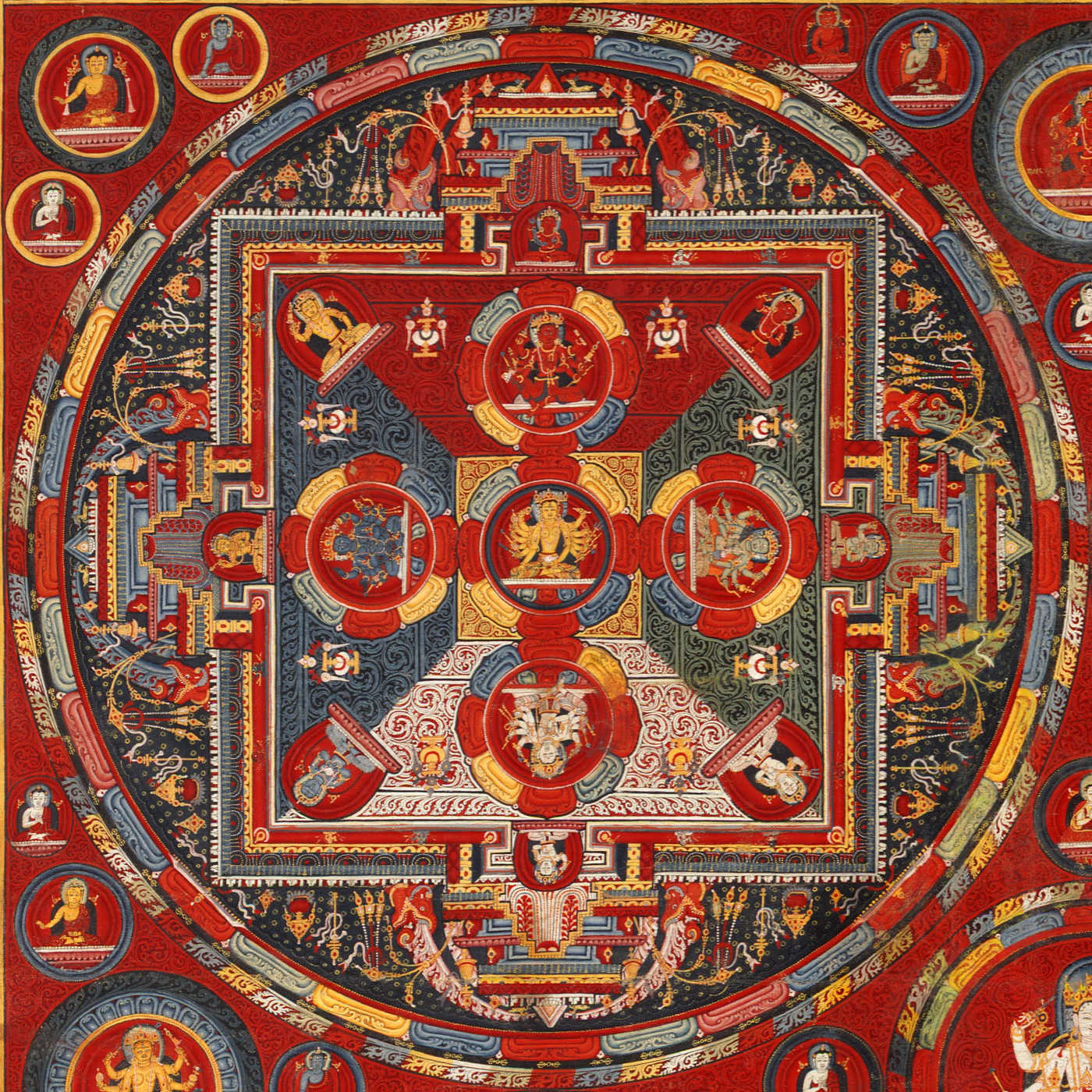
The Vajrayana teaching of the five wisdom energies is a about five types of energy we all have within us, or five tendencies within a human being. Within each of us, one or two energies tend to predominate, resulting in what we might call "personality," but at a deeper level these five energies are about five characteristic orientations to the conundrum of human life.

Ep 124124 - Giving Shape to Our Lives: The Buddhist Practice of Vow
Vows guide our decisions, help us prioritize how we spend our time, resources, and energy, and allow us to discern whether our actions are in harmony with our deeper aspirations - helping us live intentionally instead of letting our decisions be determined by habit energy, inertia, fear, selfishness, or a lack of imagination. I first discuss why it can be so hard to stay true to our intentions, and then I present five aspects of the Buddhist practice of vow that make it a powerful way to shape our lives.
Ep 123123 – Engaging Our Climate Emergency as a Koan and Opportunity
Our practical, lived response to our climate and ecological crisis – as individuals, Sanghas, and Dharma teachers – is inseparable from our Dharma practice. As Greta Thunberg has said, "Change is coming whether we like it or not." Also, as Buddhists we're morally compelled to act for the welfare of other beings. Finally, the eco-crisis is a profound and difficult koan, whether we choose to engage it that way or not - and therefore, it's an opportunity to grow in understanding, compassion, and manifestation.
Ep 122122 - Meditation Is NOT About Stopping Thoughts
In this episode, I talk about why we long to be thought-free. Then I discuss how meditation is not about stopping thought, but instead is a practice of diligently and repeatedly turning our attention to something beyond thought, thereby realigning our whole being. Meditation requires diligence and determination, but also patience, humility, and faith.
Facing Extinction 2: A Personal Journal (Nov 14-22)
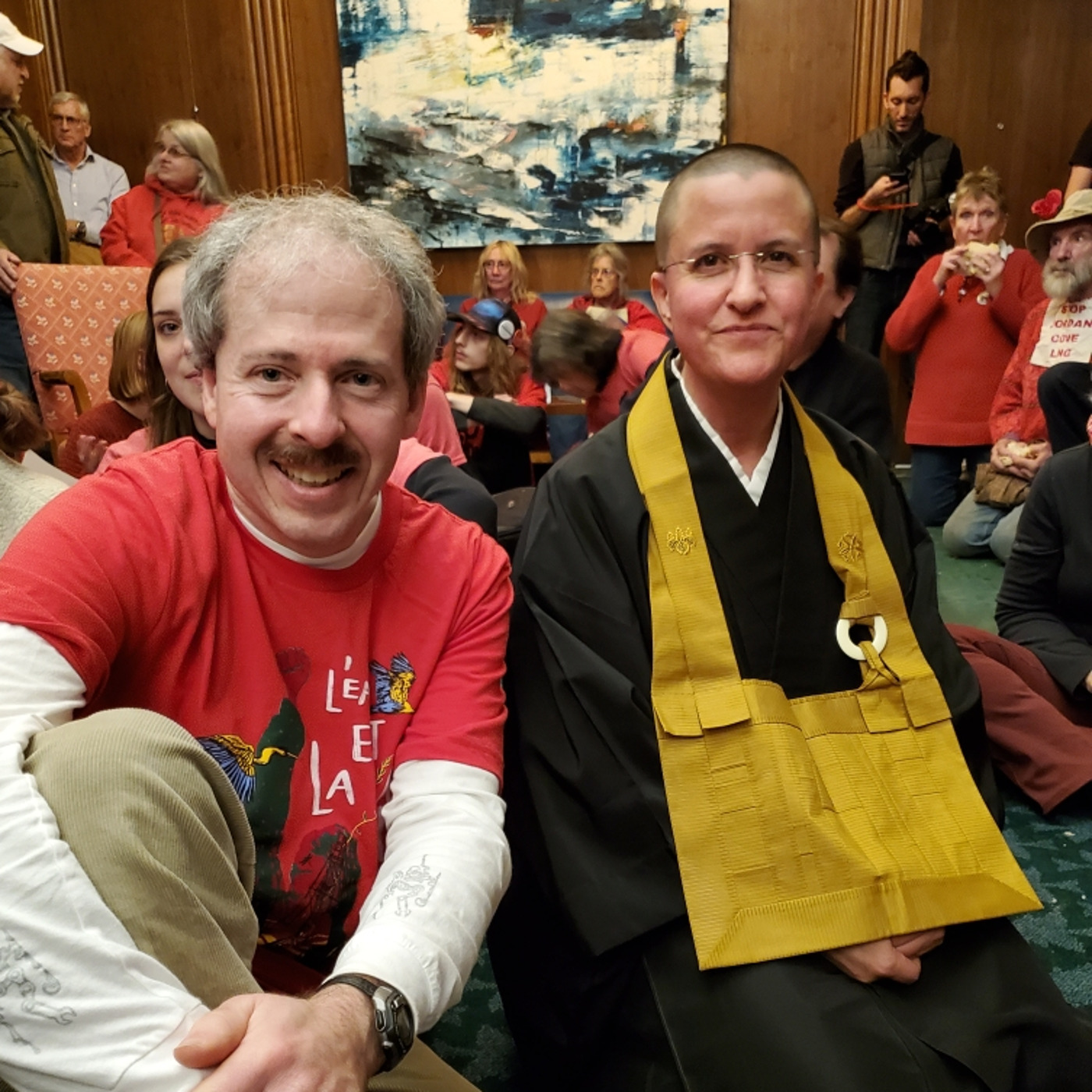
Facing Extinction: A Personal Journal about Trying to Do the Right Thing in a Climate Emergency. Topics: I Need You(r support for my activism); What Does Zen Have to Do with Climate Action? (a discussion with other Zen teachers); What's the Problem? (why cry myself to sleep at night?); Life is (inexplicably and unconditionally) Beautiful; Civil Disobedience as a Cure for Cognitive Dissonance. Please feel free to skip this episode if you're really only interested in episodes explicitly about Buddhism.
Ep 121121 – The Practical Value of Awakening to the Absolute Aspect of Reality
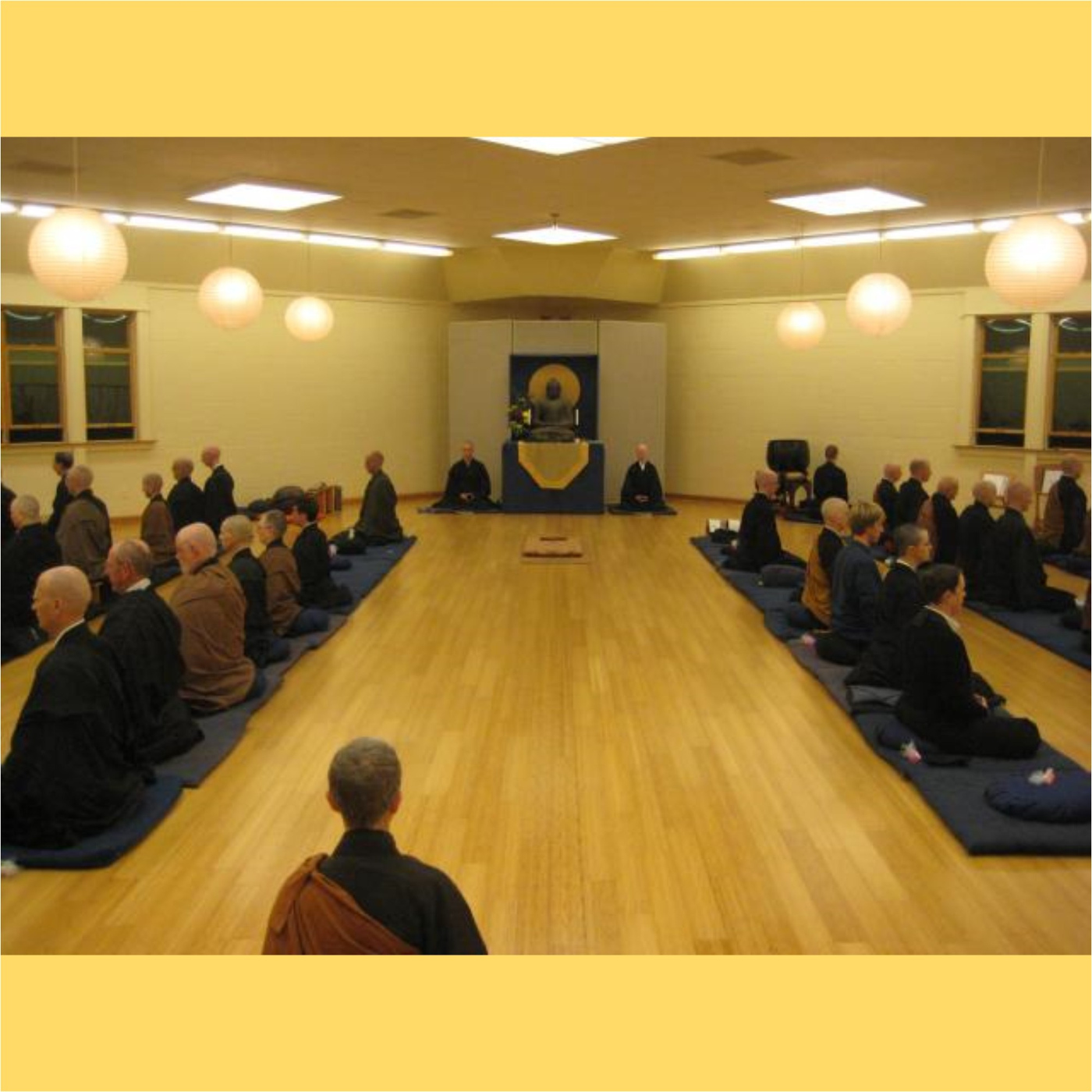
Next week I'll take a break from my busy life and projects in order to attend a silent meditation retreat. After spending the half-a-year since my last retreat immersed in the relative aspect of life, the absolute aspect of life will come to the fore. I hope to regain balance and see everything in a much larger context. In this episode, I talk about what that feels like, and the value of awakening to the absolute aspect of reality if you want be an effective agent for positive change in the relative world.
Ep 120120 - Dogen's Four Ways Bodhisattvas Embrace Living Beings - Part 5 - Identity Action
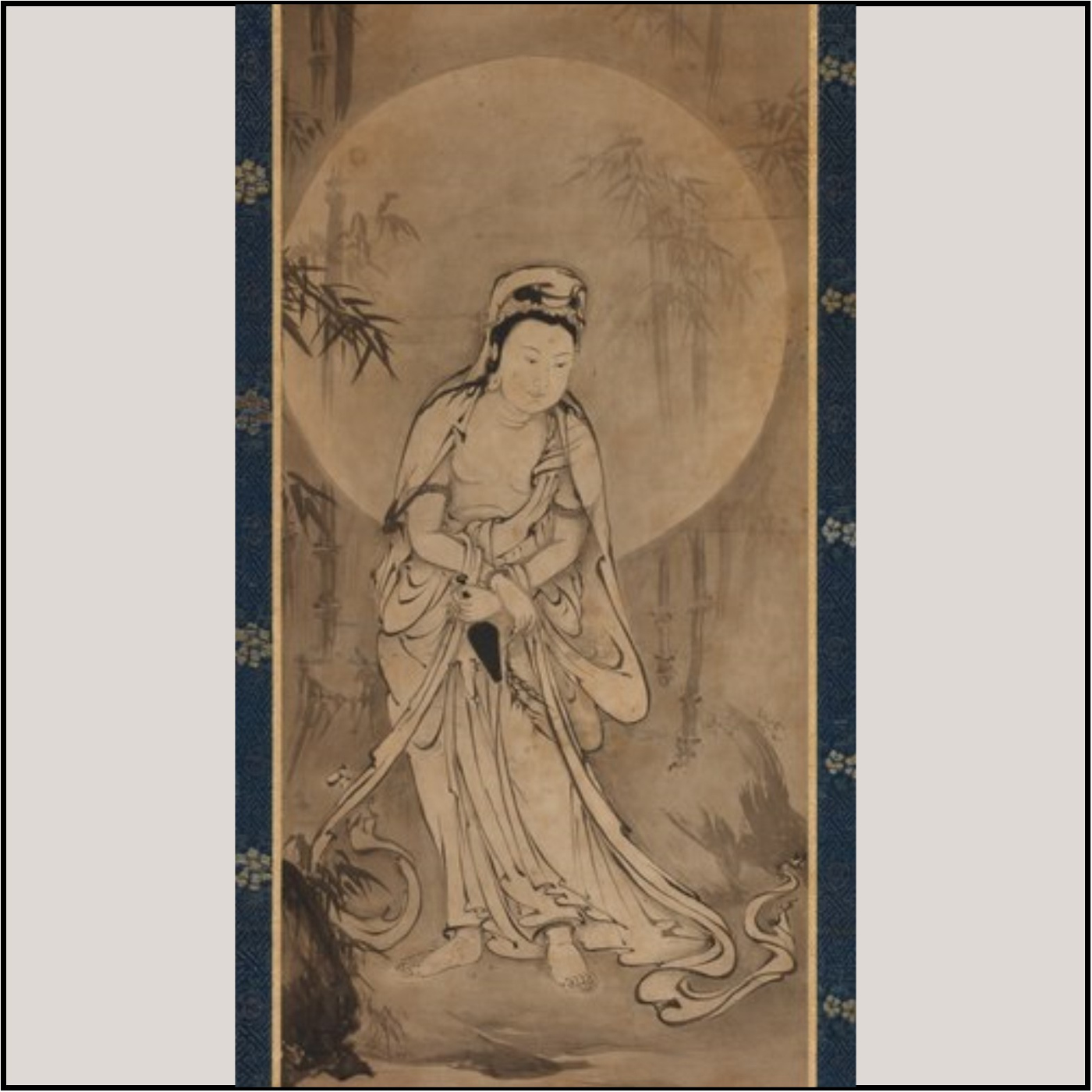
I finish up our study of Zen master Dogen's essay "Four Ways Bodhisattvas Embrace Living Beings" with a discussion of "identity action," or "being in the same boat" with living beings. Even if you're not a big fan of Zen texts, or of Dogen, I hope you'll listen; this episode is on the importance of a bodhisattva – the importance of any of us – making a practice of seeing ourselves as "being in the same boat" with other beings. Can you imagine how different our societies would be if we all tried to do this?

Ep 119119 - Brightening the Mind: Refusing to be Tyrannized by Negative States
Practice can help us "brighten the mind" when we're feeling trapped in negativity, hopelessness, despair, discouragement, depression, lack of confidence, etc. We practice four steps: 1) Acknowledging (noticing and admitting how we're feeling); 2) Taking some time to fully experience whatever it is we're feeling, without trying to change it; 3) Exploring what's going on within us, gently and non-judgmentally, and 4) Engaging in an activity, like zazen, you know is calming and restorative.

Facing Extinction 1: Nov. 3rd - 9th, 2019
bonusThis episode is a part of series I'm trying, "Facing Extinction: Trying to do the right thing in a climate emergency." What does it have to do with Zen and Buddhism? The connection may not be so explicit, but my own practice feels inauthentic unless I talk about the crisis we're facing. Maybe I can make a bigger difference as a Zen teacher and writer by honestly sharing my own struggles and experiences with "trying to do the right thing in a climate emergency," than by trying offer answers to others.

Ep 118118 - Buddha's Teachings 15: Nirvana as the Ultimate Goal of Original Buddhism
Nibbana means "extinguished," and attaining it means you have extinguished the "outflows" of sensuality, ignorance, and the desire for further existence. Someone who attains nibbana experiences ineffable peace and freedom, and a permanent state of human perfection. This episode familiarizes you the teachings about nibbana, discusses some of the implications for Buddhist practice, and points out how views of nibbana are one of the fundamental differences between Theravada and Mahayana forms of Buddhism.

Ep 117117 - Clarifying the Mind Ground According to Keizan's "Zazen-Yojinki"
In his essay "Zazen Yojinki," or "Points to Keep in Mind When Practicing Zazen," 13th-century Zen master Keizan Jokin presents "clarify[ing] the mind-ground and dwell[ing] comfortably in [your] original nature" as our fundamental job as Buddhists if we're seeking liberation. I explore the meaning of this phrase in this Dharma Talk, reflecting on a nondual experience beyond words, and why Zen and Mahayana so often use terms like "mind" or "actual nature" when pointing to it.
Ep 116116 - Do You Need a Zen or Buddhist Teacher?
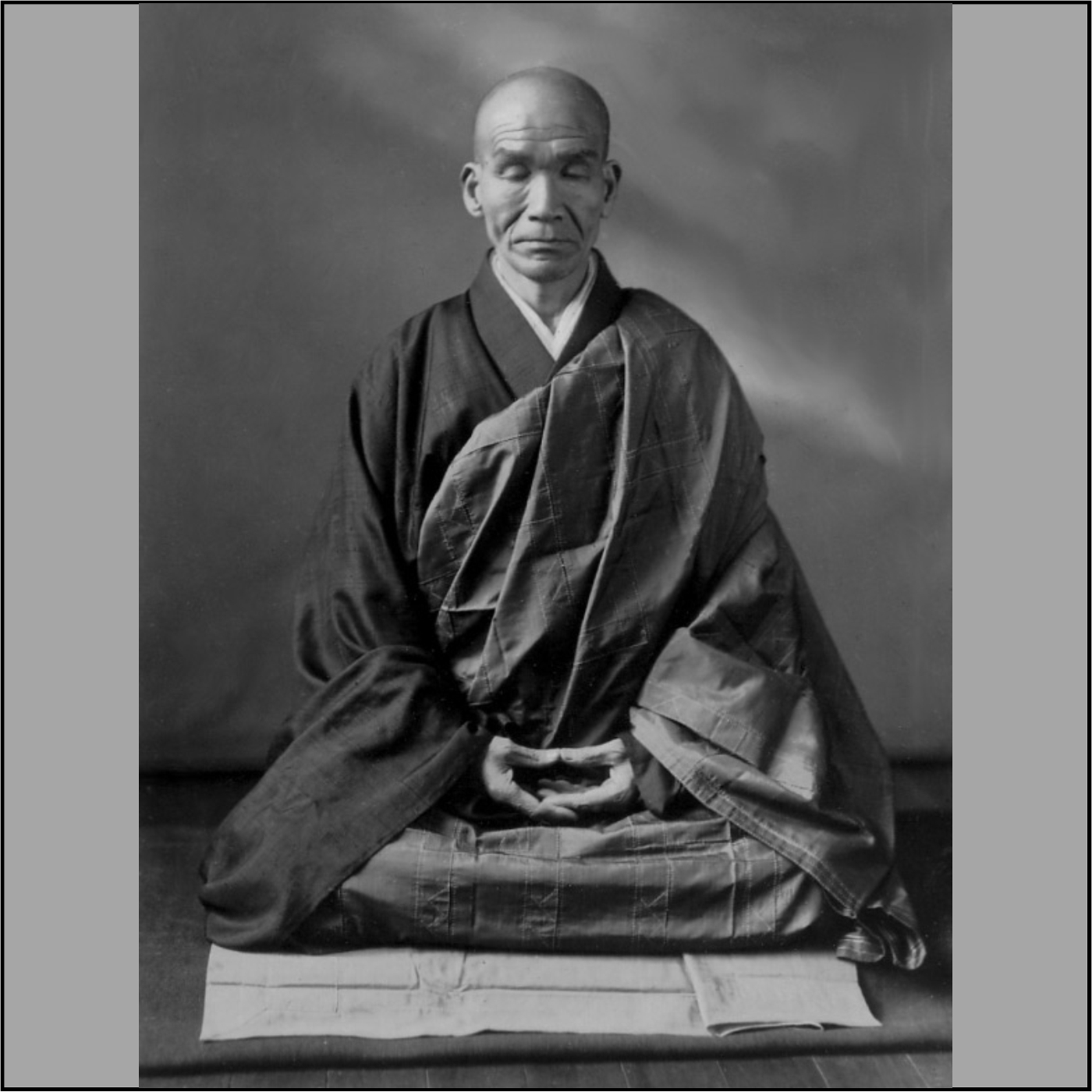
Every few weeks or so, I get an email from a listener who feels they need a Zen teacher. Some people have asked whether I might be able to function as a teacher for them long distance. I'm never sure what to say… I mean, what does it mean for someone to "have" a Zen or Buddhist teacher? Do you really need a teacher? I'm going to explore these questions in this episode, and I imagine you won't be surprised that the gist of my answer is, "It depends."

Ep 115115 - Dogen's Four Ways Bodhisattvas Embrace Living Beings - Part 4 - Beneficial Action
In this episode I continue our study of 13th-century Zen master Dogen's essay, "Bodaisatta Shishobo," or what I'm calling the "Four Ways Bodhisattvas Embrace Living Beings." I cover "beneficial action," which means to use skillful means to benefit beings without discriminating among them, considering their near and distant future, and to do so selflessly.

Ep 114114 - Why Your (Real) Happiness Benefits Others
Real happiness is unconditional, and is achieved by releasing our suffering. Even though things are rarely how we would like them to be - within, or in our personal lives, or in the greater world - we have the potential to let go of our resistance, grief, or anger, and feel more relaxed, at ease, grateful, and enthusiastic. In this sense, working towards real happiness is far from selfish; it makes us much more able to respond compassionately and skillfully, and therefore it benefits others.

Ep 113113 – Clarification: It's Okay to Use Multiple Types of Meditation
In my enthusiastic endorsement of shikantaza or, "just sitting," I may have given the impression I think a real Zen student would only sit shikantaza, and there's no place in Zen for paying attention to, learning from, and working with your thoughts and feelings in meditation. I think it's fine to use multiple types of meditation in your practice, and there's no reason you shouldn't devote some or all of your meditation time to mindfulness of your thoughts and feelings, if you find that fruitful.

2019-09-11 Off-Week Announcement about SFZC Talk
bonusSo sorry... no time to produce a new episode for you this week, but there's still something for you to listen to! I'll be giving the Dharma Talk at San Francisco Zen Center this Saturday, Sept 14th. Livestream the talk at 10:15am Pacific, or watch it later, or download it as a podcast. Visit http://sfzc.org/teachings/video/live-streaming-media, or simply search online for "San Francisco Zen Center Dharma Talks." My working title for the talk is "A Passionate Sermon for Buddhists in a Time of Crisis."
Ep 112112 - Dogen's "Four Ways Bodhisattvas Embrace Living Beings" - Part 3 – Loving Words
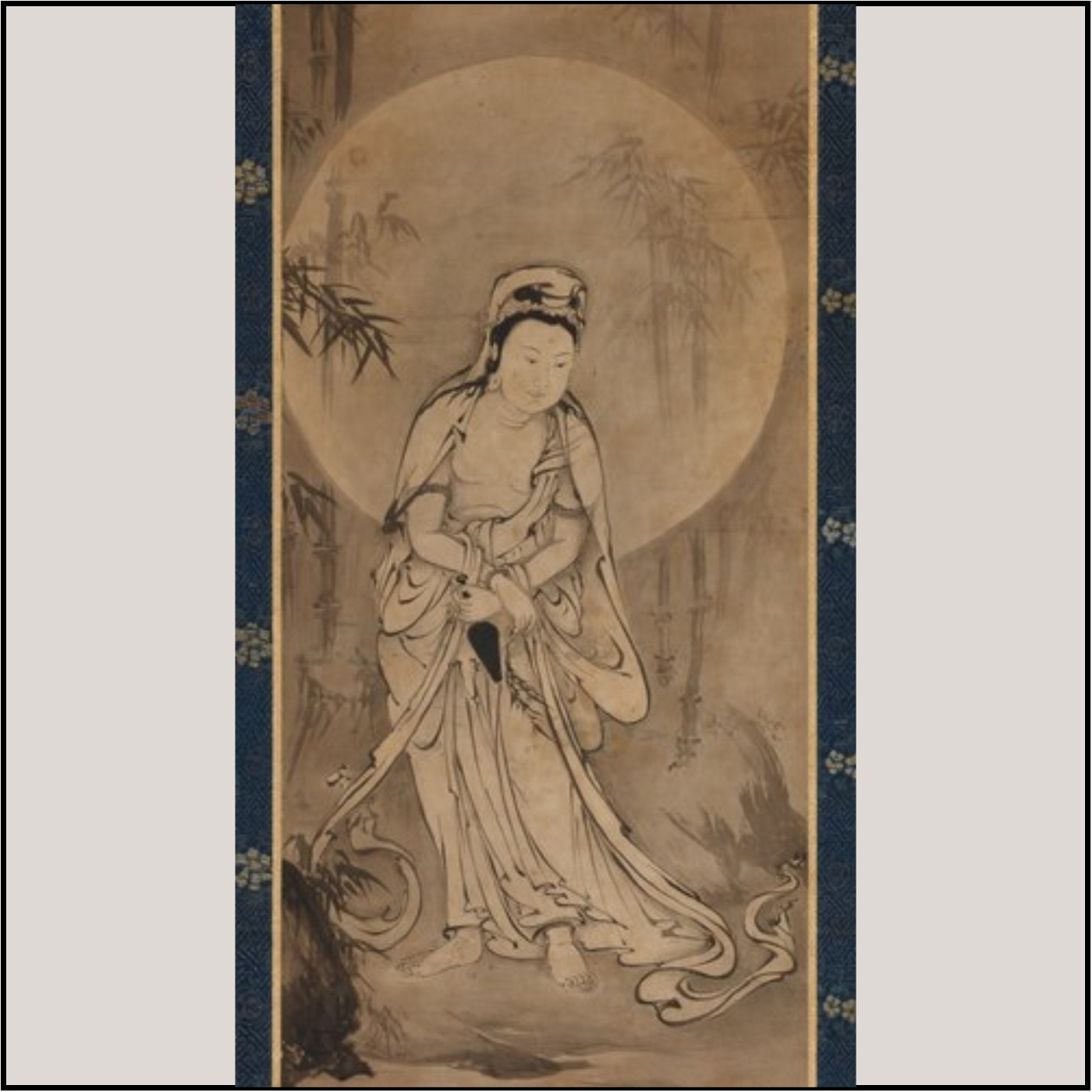
I continue study of 13th-century Zen master Dogen's essay, Bodaisatta Shishobo, "Four Ways Bodhisattvas Embrace Living Beings." In Episode 105 I gave an overview of the essay and defined the bodhisattva's four "embracing actions:" practicing nongreed, loving words, beneficial action, and "being in the same boat" as other beings. In Episode 106 I took us through the part of the essay on nongreed, or giving. Today I cover the section of the essay on loving words, or kind speech.
Ep 111111 – You Can't Hold on to Stillness: Practice in Activity
If we're lucky, our practices of meditation and mindfulness give us some sense of spaciousness, stillness, and silence. What about when we engage in activities more complicated and demanding than potentially calming manual tasks like weeding the garden, sweeping, or washing the dishes? Zen master Dogen teaches us a better way to practice in the midst of activity: maintaining joyful mind, nurturing mind, and magnanimous mind. These qualities have the potential to grow even stronger as we get busier.
Ep 110110 - How Understanding Impermanence Can Lead to Great Appreciation
We do not have retreat from appreciation of conditional or material things in order to live an enlightened life. However, we must diligently turn the lens of practice onto all of our relationships to things and to beings. Learning to see and accept the impermanence of all things and yet to "enjoy them incredibly" is a wonderful practice opportunity.

Ep 109109 - What Does Buddhism Have to Say About Mass Shootings?
Of course, traditional Buddhism doesn't say anything about mass shootings per se, but it does present teachings on human nature, behavior, and choices. In this episode I discuss the Buddhist of view of how and why people do horrible things, pointing out how Buddhism is realistic but also optimistic, and how a Buddhist view can help relieve some of our fear and despair.

Ep 108108 - Buddha's Teachings 14: The Five Skandhas as Focus for the Practice of Not-Self (Anatta)
The "Five Skandhas," or aggregates, are the five aspects of a human being: Form, the body; Feelings, our positive, negative, or neutral reactions to stimuli; Perception, the basic process of labeling or identifying things; Consciousness, awareness of sights, sounds, smells, tastes, touch, and thoughts; and Mental Fabrications, all of our active processes of mind. The Five Skandhas aren't so much a teaching in an of themselves as they are a tool for exploring the teaching of Anatta, or not-self.
Ep 107107 - Finding and Enacting Our Best Response to the World's Suffering
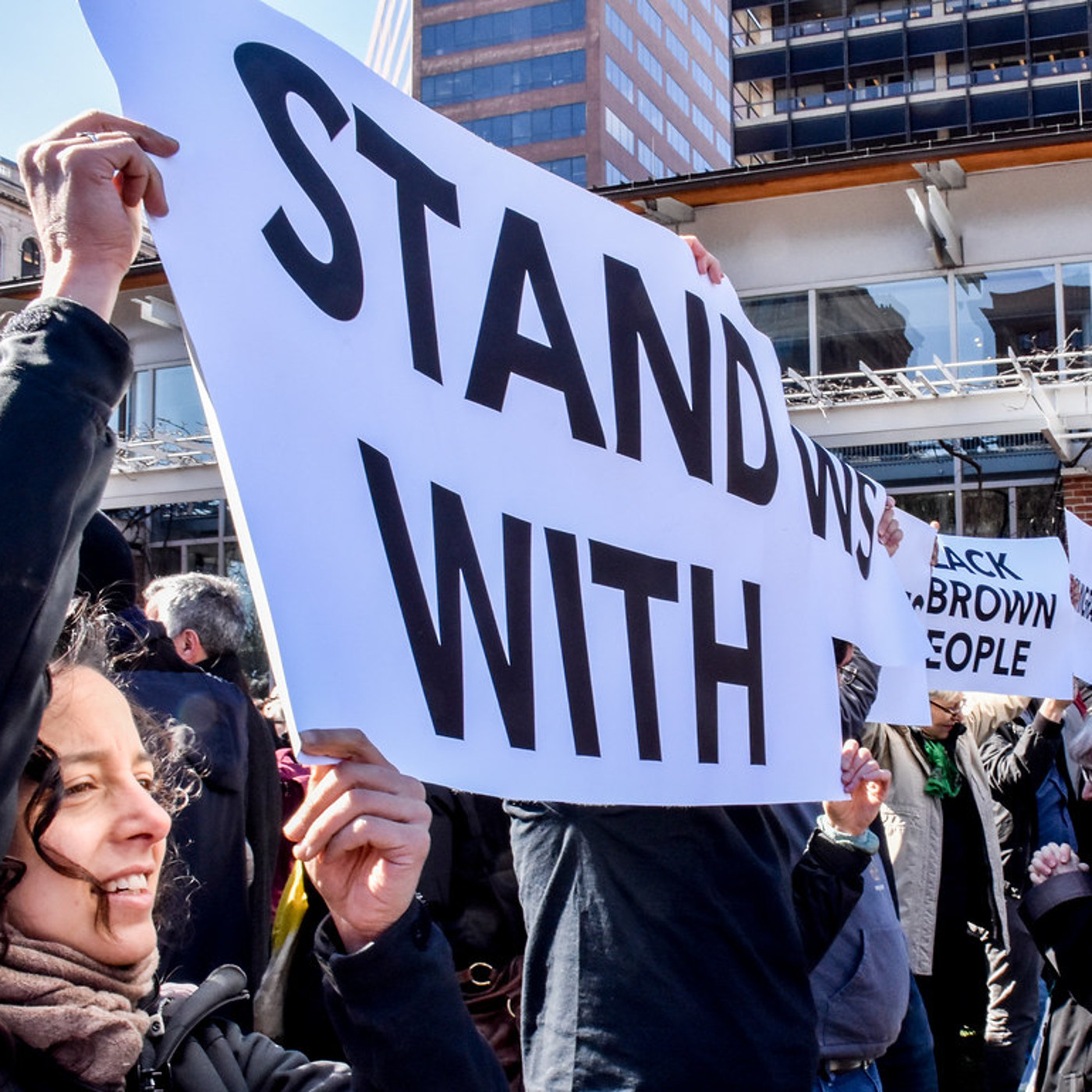
Buddhism includes values of Right Action and Right Livelihood, generosity, goodwill, and compassion, and Mahayana Buddhists vow to free all beings from suffering. It's not easy to enact these values and aspirations in the modern world, which is so complex we find ourselves complicit in causes of suffering simply by participating in society, or by neglecting to stand up for change. How do we find and enact our best response to the world's suffering without getting overwhelmed, depressed, or discouraged?
Ep 106106 - Dogen's Shishobo: The Four Ways Bodhisattvas Embrace Living Beings – Part 2
In the last episode I introduced an essay by Zen master Dogen called Bodaisatta-Shishobo, or the Four Ways Bodhisattvas Embrace Living Beings. I briefly defined the bodhisattva's four embracing actions: Giving, kind speech, beneficial action, and "sharing the same aim." Then I started working through Dogen's essay line by line. In this episode I finish the section of the Shishobo on giving.
Ep 105105 - Dogen's Shishobo: The Four Ways Bodhisattvas Embrace Living Beings
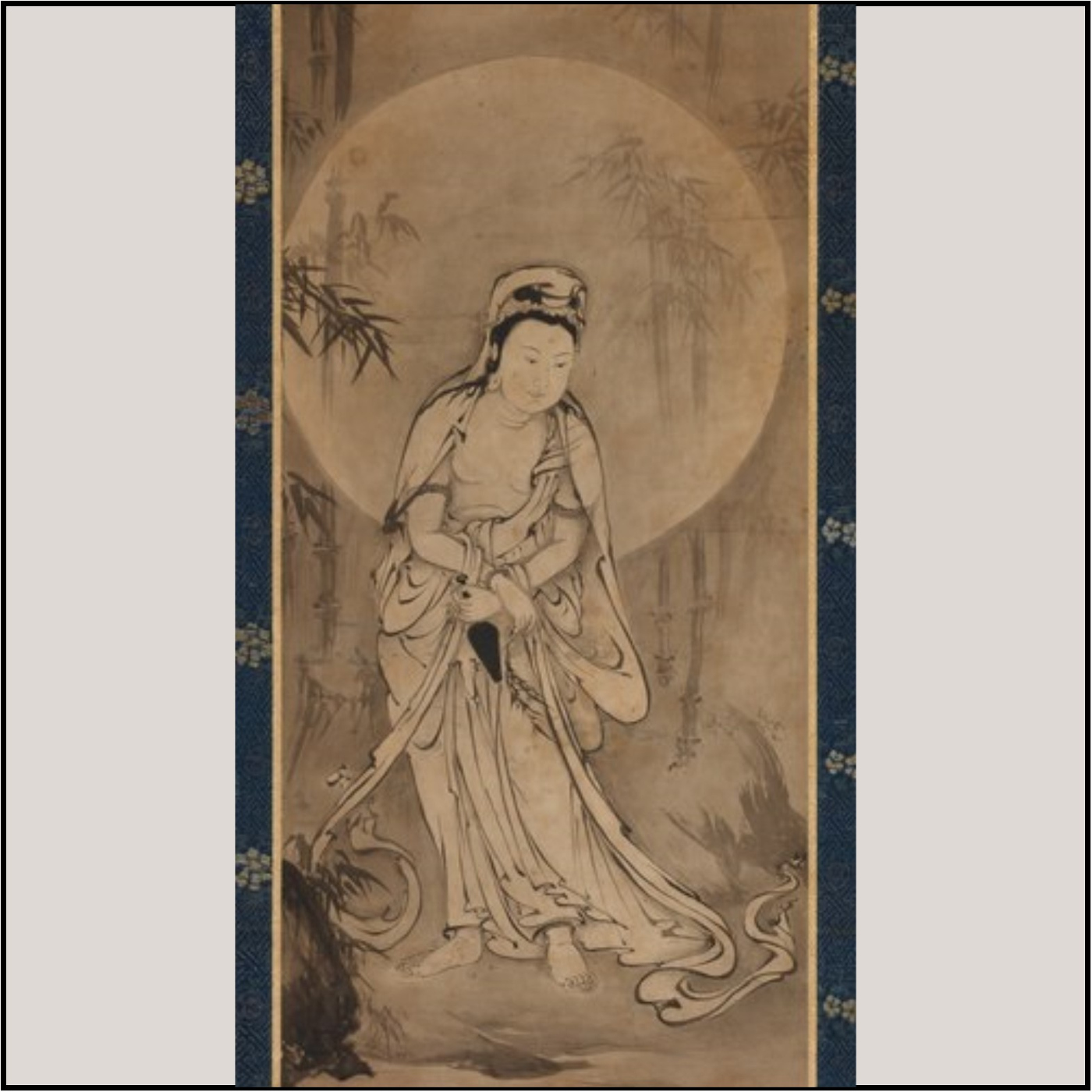
Given the many stressful and sad things happening in the world right now, I thought I'd spend a couple episodes on an inspiring essay by 13th century Zen master Dogen called "Bodaisatta-Shishobo," or the "Four Ways Bodhisattvas Embrace Living Beings." The bodhisattva's four embracing actions are giving, kind speech, beneficial action, and sharing the same aim. In this episode I'll briefly introduce the text and define the four actions, and start delving into Dogen's essay, section by section.

Ep 104104 – Buddhists: It's Time to Address the Climate Emergency
Most western convert Buddhist communities have had the luxury of regarding "activism" for social or environmental justice as an optional or supplemental activity some people take up because they have the time, kind of like a hobby. The truth is, many of us are so busy it's difficult to imagine finding time for activism regarding the climate emergency. However, we may not have a choice – at least not if we hope to avoid extinction. And if there are no sentient beings, there are no buddhas.
Ep 103103 – Twelve Pali Canon Suttas Every Buddhist Should Know – Part 3
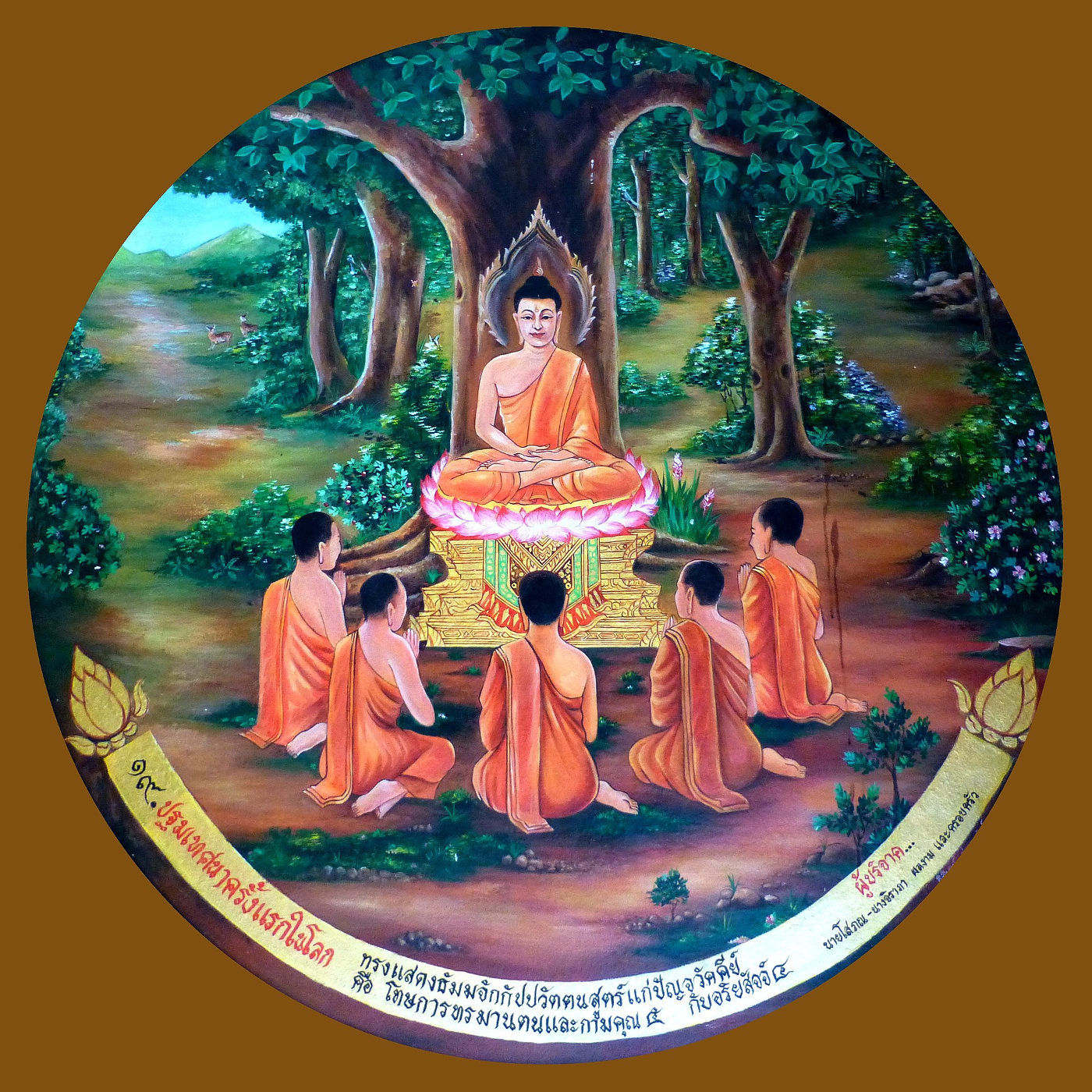
Theravadin and Vipassana Buddhists tend to be familiar with the Pali Canon, particularly the suttas, or discourses of the Buddha. Other Buddhists don't tend to spend as much time exploring Pali texts. When we aim to do so, it can be a difficult to know where to start - given the printed versions of the suttas end up being about five times the size of the Christian bible! In the interest of encouraging study of the Pali Canon suttas, I've come up with a list of twelve I think every Buddhist should know.

Ep 102102 – Nine Fields of Zen Practice: A Framework for Letting Practice Permeate Your Life – Part 3
Buddhist practice can permeate every aspect of our lives. To help practitioners appreciate this outside the full-immersion experience of residential training, I've defined Nine Fields of Zen Practice: Zazen, Dharma Study, Cultivating Insight, Precepts, Opening the Heart, Connecting with the Ineffable, Nyoho, Karma Work, and Bodhisattva Activity. In this episode I cover Nyoho, Karma Work, and Bodhisattva Activity.
Ep 101101 – The Koan of Awakening: Do You Know the Essential Truth Yet, Or Not?
From the beginning, it's been clear that the highest rewards of Buddhism are experienced through a fundamental and radical shift in the way you understand the world and your place in it. This shift has been called different things, including awakening, enlightenment, Right View, realization, satori, or kensho ("seeing one's true nature"). I explore "awakening" in Buddhism: What's meant by the term, attitudes we take toward it, why it's so elusive, and how we can make the process of seeking less painful.
Ep 100100 – Twelve Pali Canon Suttas Every Buddhist Should Know – Part 2
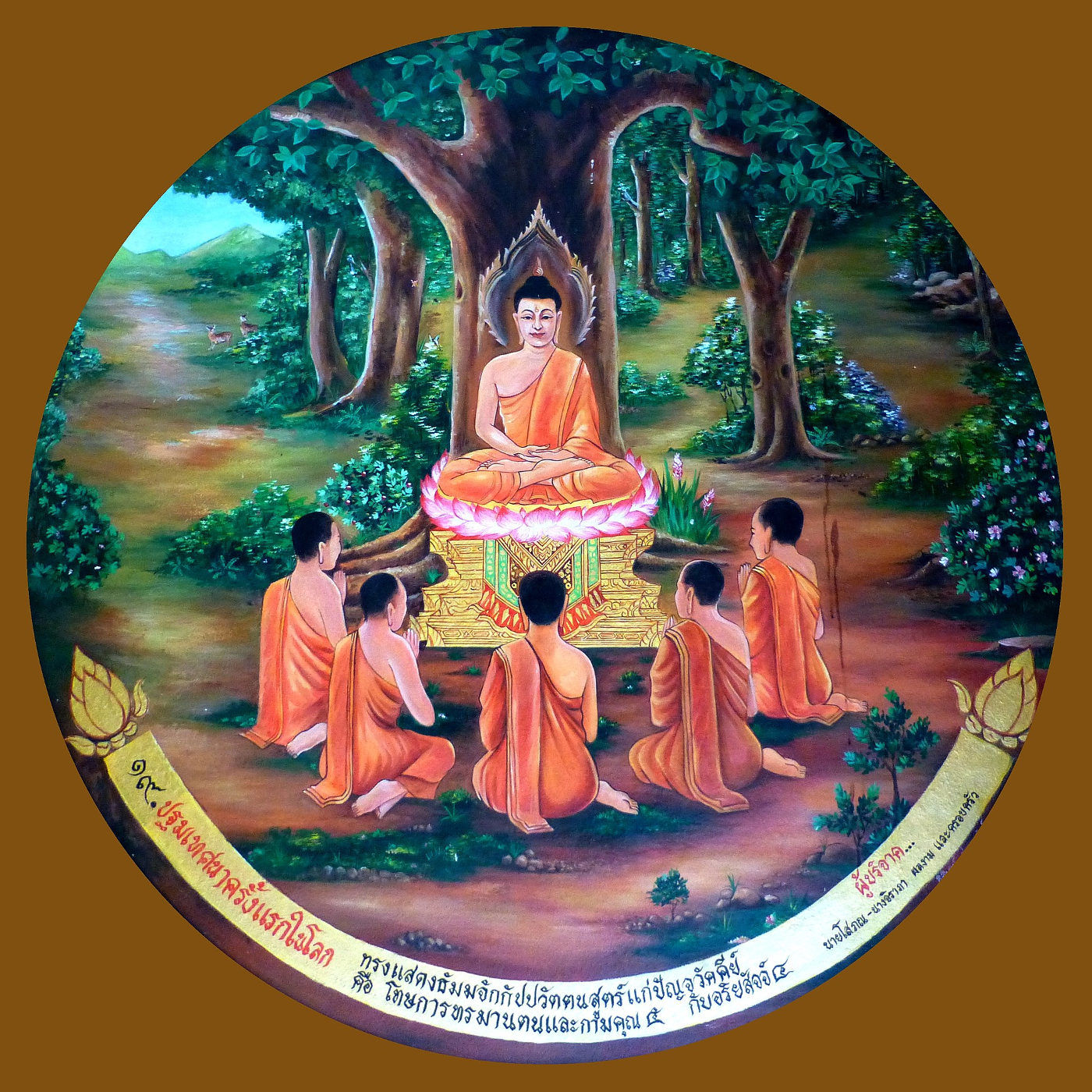
Theravadin and Vipassana Buddhists tend to be familiar with the Pali Canon, particularly the suttas, or discourses of the Buddha. Other Buddhists don't tend to spend as much time exploring Pali texts. When we aim to do so, it can be a difficult to know where to start - given the printed versions of the suttas end up being about five times the size of the Christian bible! In the interest of encouraging study of the Pali Canon suttas, I've come up with a list of twelve I think every Buddhist should know.
Ep 9999 – Nine Fields of Zen Practice: A Framework for Letting Practice Permeate Your Life – Part 2
Zen practice can permeate every aspect of our lives. To help lay practitioners appreciate this outside the full-immersion experience of residential training, I've defined Nine Fields of Zen Practice: Zazen, Dharma Study, Cultivating Insight, Precepts, Opening the Heart, Connecting with the Ineffable, Nyoho, Karma Work, and Bodhisattva Activity. In this episode I cover Precepts, Opening the Heart, and Connecting with the Ineffable.
Ep 9898 – Nine Fields of Zen Practice: A Framework for Letting Practice Permeate Your Life – Part 1
Zen practice can permeate every aspect of our lives. To help lay practitioners appreciate this outside the full-immersion experience of residential training, I've defined Nine Fields of Zen Practice: Zazen, Dharma Study, Cultivating Insight, Precepts, Opening the Heart, Connection to the Ineffable, Nyoho, Karma Work, and Bodhisattva Activity.
Ep 9797 – Twelve Pali Canon Suttas Every Buddhist Should Know – Part 1
Theravadin and Vipassana Buddhists tend to be familiar with the Pali Canon, particularly the suttas, or discourses of the Buddha. Other Buddhists don't tend to spend as much time exploring Pali texts. When we aim to do so, it can be a difficult to know where to start - given the printed versions of the suttas end up being about five times the size of the Christian bible! In the interest of encouraging study of the Pali Canon suttas, I've come up with a list of twelve I think every Buddhist should know.