
The Zen Studies Podcast
350 episodes — Page 4 of 7

Ep 192192 – The Eight Worldly Winds: Gain, Loss, Status, Disgrace, Praise, Censure, Pleasure, Pain
According to one of the foundational Buddhist teachings, we are doomed to be "blown about" by Eight Worldly Winds unless we engage in spiritual practice: Gain and loss, success and failure, praise and blame, pleasure and pain. Personally, I find this a vivid and useful metaphor for the human experience. I share an excerpt from a Pali sutta about the Eight Worldly Winds, and then explore what it means to be "blown about" by them, and what we can do about it.

Ep 191191 – Contemplating the Future: The Middle Way Between Dread and Hope
When we contemplate the future, it may seem like we have only two options: dread, or hope. If we can't summon hope, we may avoid thinking about the future at all in order to escape dread. Fortunately, the Buddhist Middle Way offers an alternative. Instead of getting stuck in dread or clinging desperately to hope, we refuse to get caught in either extreme. We can walk a dynamic path of practice, facing the future with eyes open while remaining responsive and free.

Ep 190190 – Leaping Beyond Fear of Rejection: Giving the Gift of Self
The gift of self - such as our time, attention, energy, enthusiasm, perspective, sympathy, and creativity brightens the lives of everyone around us. Although the self is "empty" of inherent, enduring self-essence, it is all we have to offer the world. Unfortunately, many of us are very inhibited when it comes to sharing ourselves. Fortunately, we can make a practice of offering ourselves open-handedly, setting aside the need for affirmation as we do so.

Ep 189189 – Collecting the Heart-Mind: A Celebration of Sesshin – Part 1
Sesshin - a silent, residential, Zen meditation retreat involving a 24-hour communal schedule - is an extremely valuable way to deepen your Zen practice. I discuss why I strongly encourage you to participate in sesshin, but also why - if you can't do so - it isn't necessary. Then I talk about several of the benefits and Dharma lessons of sesshin. I have many more such benefits and lessons to share, but I'll cover them in Celebration of Sesshin Part 2.

Ep 188188 - What Does Practice Look Like When Your Country Is Broken?
When our country - or global community - is broken, how do we practice? Faced with incomprehensible violence, injustice, lies, greed, and destruction, how do we cope, let alone respond in accord with our bodhisattva vows? Our first responses are usually anger, fear, judgment, and an effort to assign blame. Then may come a desire to check out - to ignore what's happening because we feel powerless to do anything about it. I discuss how our Buddhist practice can help us remain open, strong, and responsive.

Ep 187187 - Lotus Sutra 5: Step Right Up to Get YOUR Prediction of Buddhahood
In the Lotus Sutra, thousands of the Buddha's disciples line up, each requesting their own, personal prediction of buddhahood. What is this about? Shouldn't advanced practitioners of the Buddha way be beyond any concern about themselves? I share the stories from the Lotus Sutra and discuss the teaching contained in them - namely, that we all have self-doubt, and that spiritual liberation is about transcending the self but only manifests through unique, individual sentient beings.

Ep 186186 - Making Peace with Ghosts: Unresolved Karma and the Sejiki (Segaki) Festival
The annual Buddhist ceremony of "feeding the hungry ghosts," or Sejiki, offers rich mythological imagery as a teaching. Metaphorically, a "ghost" is anything painful or difficult which continues to haunt the present although its causes lie in the past. Sejiki and its surrounding mythology encourages us to make peace with our ghosts: We acknowledge them, set appropriate boundaries, make an offering, and hope that, over time, the ghosts will be able to partake of some healing and liberating Dharma.

Ep 185185 – 14 Ways to Enliven Your Zazen – Part 2
I share nine more ways to enliven your zazen without employing methods that introduce dualism and struggle into your sitting. See Episode 184 for why this is important, and for my first five approaches.

Ep 184184 – 14 Ways to Enliven Your Zazen – Part 1

Ep 183183 – Natural Koans: Engaging Our Limitations as Dharma Gates
Formal Zen koans are short stories or statements by past Chan/Zen masters which have been passed down through the generations for study and contemplation by Zen students. Each koan contains a Dharma teaching, and until you personally experience and digest that teaching, the koan remains a closed gate you need to pass through - on the other side of which is greater freedom, wisdom, and compassion. I discuss "natural koans," or Dharma gates that arise in our everyday lives, and how to work with them.

Ep 182182 - Answers to Interview Questions from Eastern Horizon Magazine
I share with you questions and answers from my 2020 written interview for Eastern Horizon, a tri-annual magazine of the Young Buddhist Association of Malaysia (YBAM). There are some basic questions about Zen, and then some questions about what Buddhism has to offer with respect to understanding and coping with the COVID-19 pandemic. Thought you might enjoy hearing a different kind of presentation, where I have kept my answers very succinct.

Ep 181181 - Bodhicitta: Way-Seeking Mind, or the Mind of Enlightenment
Bodhicitta can be translated as Way-Seeking Mind, or the Mind of Enlightenment. It's the part of us that recognizes and seeks truth and goodness, inspiring our spiritual search and motivating our practice. In Mahayana Buddhism, bodhicitta is seen as essential to the path and a cause for gratitude. It also can be seen as the primary source of redemption for humankind, even when it seems the world is dominated by greed, hate, and delusion.

Ep 180180 - The Dharma of Staying Calm When Facing Challenges
When we can't - or don't want to - avoid facing challenges (our own or those of others), what does the Dharma offer us in terms of preventing anxiety, fear, overwhelm, burnout, depression, or despair? I talk about what is really means to stay calm, the value of staying calm, and some practices that can help us do this.

Ep 179179 - Inadequacy to Abundance: Rewriting Our Self-Narrative
As human beings we have a self-narrative, and for most - if not all - of us, this narrative includes a sense of inadequacy. When we conceive of ourselves as a "small self against the world" we will always feel inadequate, and consequently our generosity is inhibited. Fortunately, we can rewrite our self-narrative to include our buddha-nature, because the "boundless self with the world" is a conduit for abundance. The world needs and wants what you have to offer.

Ep 178178 – Declaring War on Global Heating and What That Means to a Buddhist
I remind us of the reality of the climate emergency, and then argue that the most appropriate response to it is for us – as individuals, communities, states, and nations – to declare war on global heating and ecological breakdown. This is the only way we know of, as human beings, to shift into the "emergency mode" mindset we need. I then explain how the imagery of war and battle fits with Buddhist practice.

Ep 177177 - Unconditional Strength and Gratitude: The Medicine of Suchness
The medicine of suchness is life-saving, because even the happiest and most fortunate human life inevitably contains suffering. Sometimes – in our personal lives or in the wider world – we face terrible things that arouse anxiety, depression, fear, despair, or rage, such as our climate and ecological emergency. Our Zen practice offers us suchness as a medicine that can alleviate our despair and help us access strength and gratitude.
Ep 176176 - A Story of My Spiritual Journey Part 3: A Phoenix Rises from the Ashes of Despair
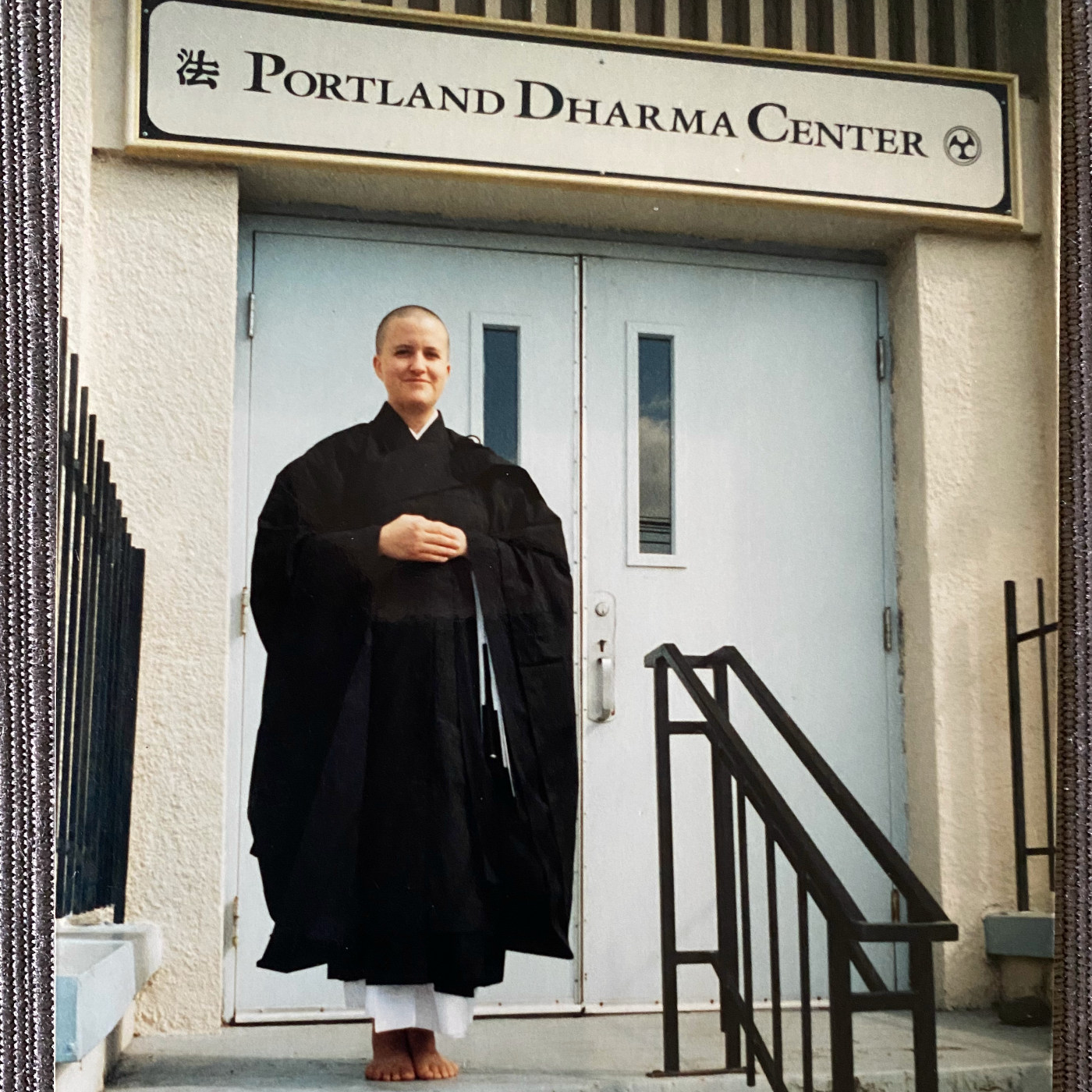
This is the third installment of story about my personal spiritual journey. Check out episodes 174 and 175 for the first and second parts, which took me up to the point I left home to move into a Zen center. Today I'll talk about my path to ordination as Zen monk and the next several years of junior training, including a time I call my "dark night of the soul."

Ep 175175 – A Story of My Spiritual Journey Part 2: Why I Think Buddhism Is Awesome
I'm on sabbatical for July but still wanted to release three episodes this month, so as a change-up I'm telling you a story of my spiritual journey (thus far!). In the last episode, 174, I talked about my early childhood up through my encounter with Buddhism at age 24. In this episode I continue the story up through my departure from the home life to do monastic practice.

Ep 174174 - A Story of My Spiritual Journey Part 1: Conveyor Belt to Death
It's July 2021, and although I'm taking a sabbatical from both my Zen center and my climate activism, I decided to release three episodes this month anyway. A change is sometimes as good as a break, so I figured I would change things up a little and share a story of my spiritual journey (thus far). I hope you enjoy!

Ep 173173 - True Satisfaction: Dogen's Everyday Activity (Kajo) - Part 2
The nature of true satisfaction is something explored by Zen master Dogen in his essay "Kajo," or "Everyday Activity." Using the imagery of having had rice, taking a leisurely nap, and living contentedly in a grass hut, Dogen emphasizes how true satisfaction is unconditional, and that we are nourished by the universe whether we are able to appreciate that fact or not.

Ep 172172 - The Profound and Difficult Practice of Putting Everything Down
Putting everything down is what we do in meditation and sometimes when we're practicing mindfulness in daily life. Caught up in things like worry, excitement, or anger, we often find it nearly impossible to put things down, but it is essential we create time and space to do so. It can help to remember that Zen practice is about getting comfortable repeatedly putting things down, picking them back up, putting them down, and picking them up.

Ep 171171 - Five Requirements for Effective Practice with Any Issue
I propose effective practice with any issue we face requires five things: Recognition of the issue causing stress or suffering; Faith change is possible though practice; Willingness to do what it takes to bring about change; Practice in the sense of actually doing something we think might help bring about that change, and Patience to keep walking the path of practice even if it takes longer than we'd like, or the results aren't exactly what we'd hoped for.

Ep 170170 - Looking to Buddhism to Support Values and Beliefs We Already Hold - Part 2
Continuing with the case study of social action, I follow the discussion of Donald S. Lopez's article on whether Buddhism - in particular, the bodhisattva ideal - has much to offer in the domain of social action. Then I discuss why it matters to some of us that our faith tradition – whatever it is – encourages and supports the values we already hold, and what we might do about it when that isn't the case.

Ep 169169 - Looking to Buddhism to Support Values and Beliefs We Already Hold – Part 1
As modern, mostly lay Buddhists we may seek encouragement and guidance from within the tradition for values we already hold. How much support does Buddhism actually give for things like social action, the importance of justice, honoring our connection to nature, enjoying our family and our daily lives, and learning to love ourselves? If we don't find support within Buddhism for our values, do we simply look elsewhere, or do we expand Buddhism?

Ep 168168 - Is This IT? Dogen's Everyday Activity (Kajo) - Part 1
In Zen we say practice is nothing other than your everyday activity. If we view the Dharma as something special – a particular activity we treat as more sacred, or a state we hope to attain that will be of an entirely different nature than the mundane existence we currently endure – we're missing the point. At the same time, if we think practice is nothing other than just continuing our half-awake, habitual way of living, we're also missing the point! What is the nature of our life and practice?

Ep 167167 - If You're Not Making Mistakes, You're Not Practicing
How can practice with mistakes - so we make fewer mistakes, but also so we aren't paralyzed by fear of mistakes, stressed out trying to avoid them, or stuck in regret or self-recrimination once we've made them? It helps to understand how mistakes are viewed in Zen. They're a sign you're actually practicing, and there's a sense in which this is no such thing as a mistake.
Ep 166166 - The Ceremony of Wesak: Celebrating and Expressing Gratitude for Our Teachers
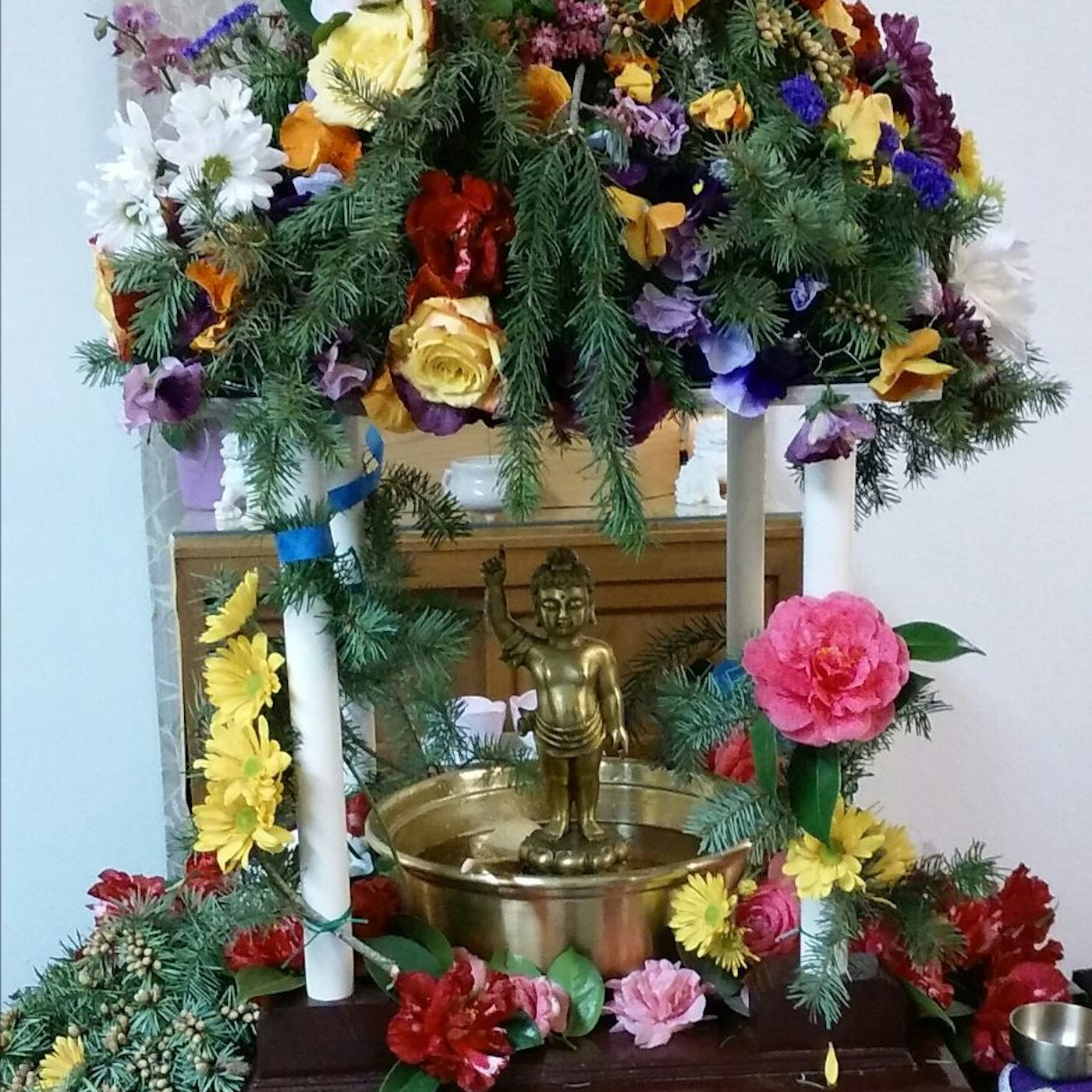
The annual Buddhist festival of Wesak celebrates the birth of Shakyamuni Buddha. The ceremony takes inspiration from the Buddha's mythological birth story, and I describe a version of the ceremony and share some chanting from it. Then I discuss the way Wesak helps awaken our gratitude for the Dharma, for teachers, and for all of those beings who have made our lives possible.

Ep 165165 - The Buddhist Moral Precepts as a Practice for Studying the Buddha Way
The Buddhist precepts aren't just guidelines help us live moral and beneficial lives, they're also practice tools for studying the self. As Zen master Dogen wrote, "To study the Buddha Way is to study the self. To study the self is to forget the self. To forget the self is to be verified by all things..." When we're tempted to break precepts, it's a sign that our "small self" has arisen, and we have the opportunity to observe what's happening and explore new ways to respond.

Ep 164164 – Gratitude as a Dharma Gate
Gratitude can be used as a practice to shift our attention from self-centered problems and complaints to an awareness of the miracle of simply being alive. It can help us be less reactive, depressed, anxious, and irritable, and more mindful and - frankly - happy. I explore the practice of gratitude and traditional Buddhist teachings about it.

Ep 163163 - Lotus Sutra 4: Parable of the Plants - Superior, Middling, or Inferior Beings and the Dharma
The Lotus Sutra Parable of the Plants says that just as rain falls equally on plants big and small and each plant takes up what they need, so the Buddha shares the Dharma with all beings without any judgment or preference regarding their capacity, and each being receives what they need. I explore this message as well as the implication that there are indeed superior, middling or inferior practitioners and how this can challenge our ego.

Ep 162162 – Am I a Good Buddhist?
If you practice Buddhism, it's natural to ask yourself, at some point, "Am I a Good Buddhist?" It's difficult to see ourselves as a good Buddhist when we fail to act in accord with our own deeper aspirations. And yet, according to Zen, no amount of practice is going make us into a Buddha, any more than you can polish a tile and make it into a jewel. So what is practice about?
Ep 161161 - The Parinirvana Ceremony and the Teaching of the Buddha's Dying and Death
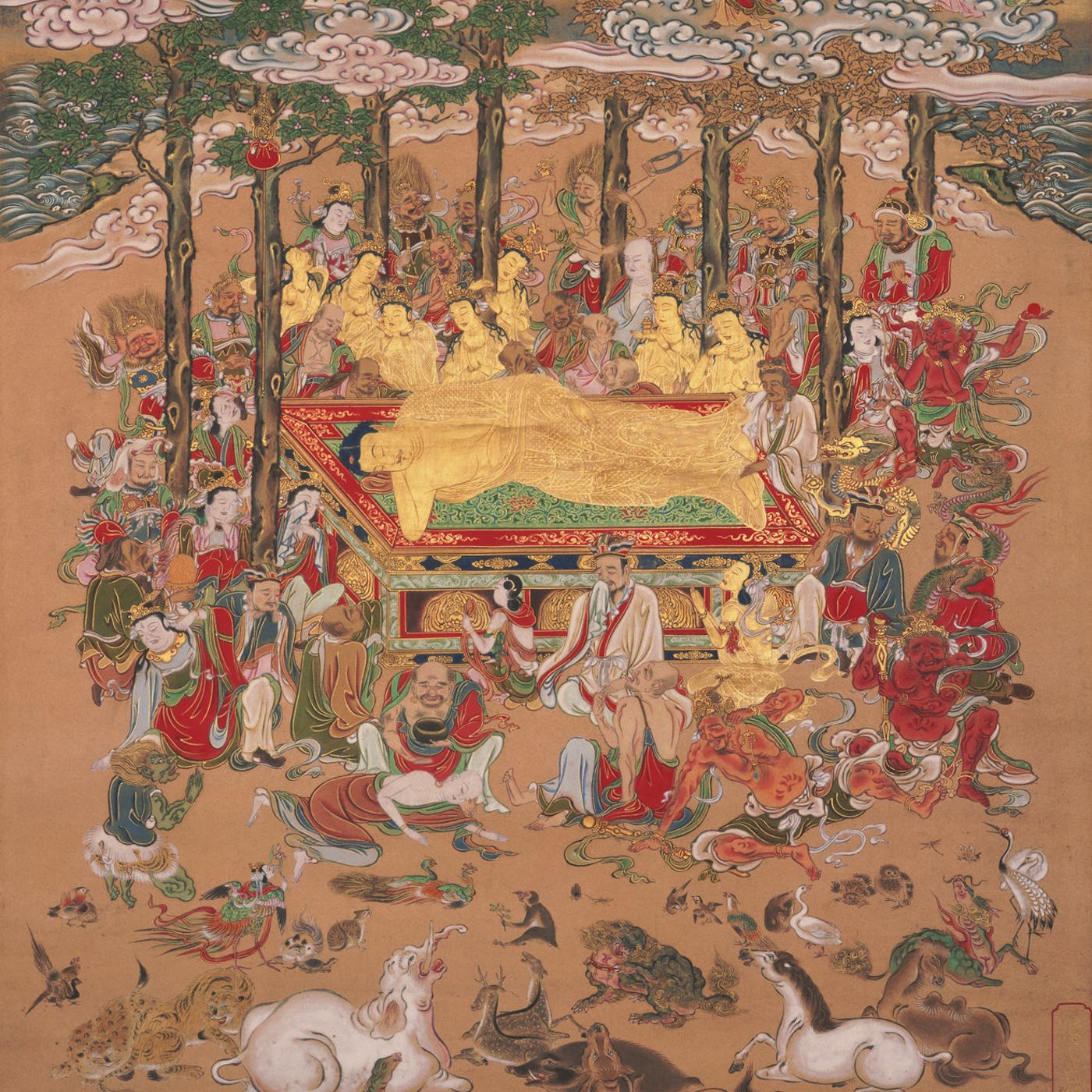
Parinirvana, the death of the Buddha Shakyamuni, is commemorated by a ceremony in mid-February in most Buddhist communities throughout the world. The Buddha gave several important teachings right before his death, and there is teaching contained in the very manner and fact of his passing. In this episode I describe the Parinirvana (Nehan) ceremony in my lineage and discuss what we can learn from it.

Ep 160160 - Bearing Witness without Burning Out
For the sake of ourselves and others, we need to learn to Bear Witness without burning out. Bearing Witness means exposing ourselves to the suffering in the world in all its forms out of compassion. At the root of all suffering are the three poisons of greed, hate, and delusion, so Bearing Witness also means being aware of those forces in the world and the effects they have. This practice can be agitating and emotionally exhausting, so we need to learn how to do it without burning out.

Ep 159159 – Active Receptivity in Zazen: Surrounded by a Symphony
Active receptivity is what we're aiming to cultivate in zazen, and in the rest of our practice. Despite the emphasis on what we're NOT doing in zazen, it should lively and energetic activity, not passive. Think of putting aside your physical and mental activities in order to become incredibly quiet and receptive. Shhh! What's that? It's like we're surrounded by the music of a whole symphony that we usually can't even hear because of our internal and external chatter.

Ep 158158 – Social Strife and the Forgotten Virtue of Decorum
Recent events show how deep a divide has developed within the United States. Those guilty of crimes need to be held accountable, but how do we repair the social fabric of our nation? It may help to renew cultural respect for the value of decorum: Dignified behavior according to social standards for what demonstrates a basic respect for one another's humanity and acknowledges our mutual dependence. I discuss the teachings on decorum in Buddhism, and how critical it is to social harmony.
Ep 157157 – Bodhicitta: The Critical Importance of Dissatisfaction
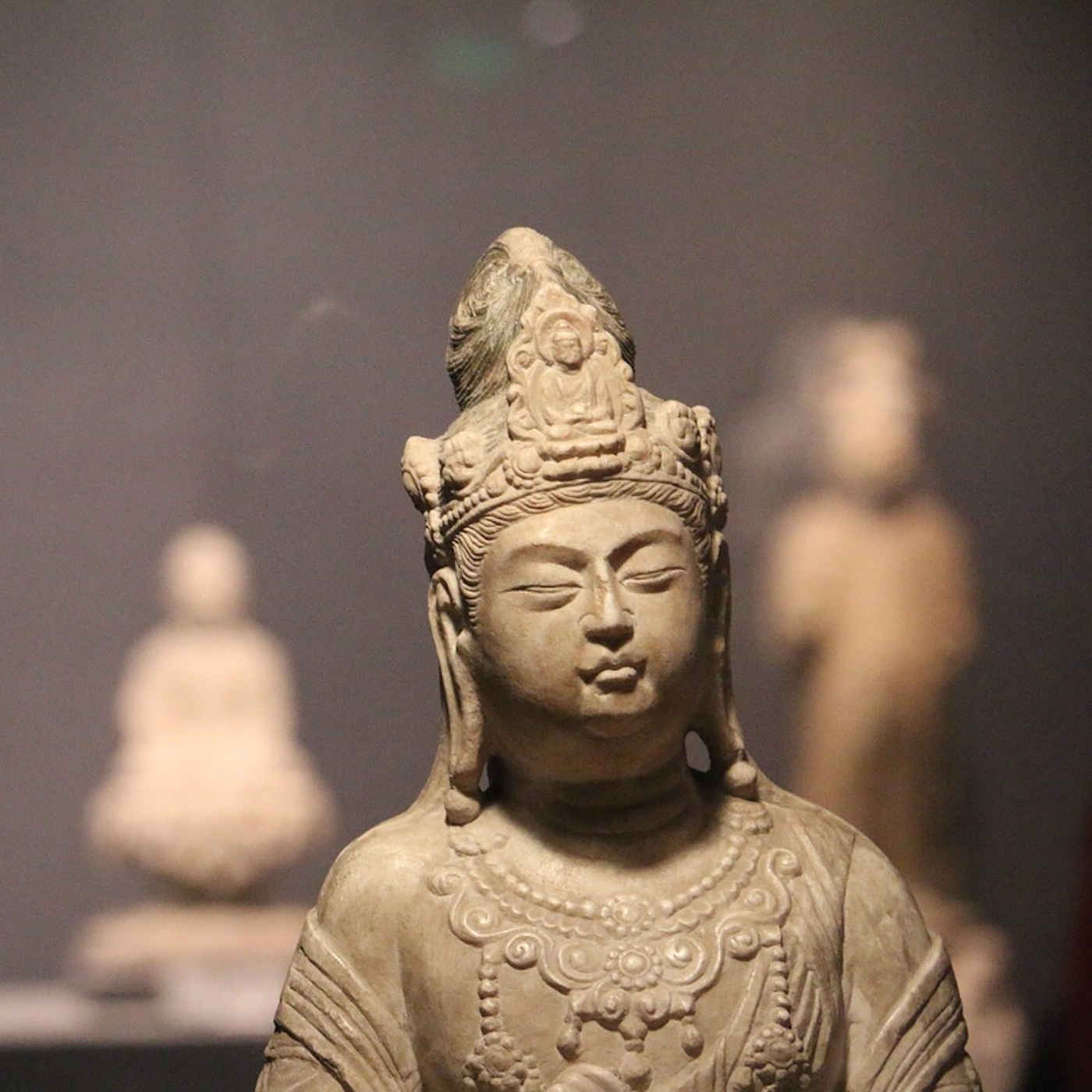
Dissatisfaction can lead to Bodhicitta. Bodhicitta is a Buddhist term literally meaning "awakened mind" that can translated as "the mind that seeks the way." It's the part of us which aspires to free ourselves and others from suffering – arising, ironically, from dissatisfaction. We think, "There must be a better way," or, "There must be more to life than this." Then we arouse the determination to find out, and this propels us down the path of practice.

Ep 156156 – Ebb and Flow in Buddhist Practice: Cycles of Energy, Inspiration, and Focus
You can expect your Buddhist practice to go through a cycle of ebb and flow in terms of energy, inspiration, and focus. At times, hopefully, you feel motivated and determined, and experience a period of learning and growth. Then there will inevitably be periods where your practice loses momentum. It may feel dull or aimless, or you may fall back into old, not-so-healthy habits. It's important you don't give up practice in times of low ebb, but instead recognize this as part of a natural cycle.

Ep 155155 - Avatamsaka Sutra - Each One of Us Has Unique Bodhisattva Gifts to Offer - 2
Part of our bodhisattva path is embracing our uniqueness and finding our own particular, special bodhisattva capacity, talent, and calling. Each of us has our own unique way, or ways, of serving in this world. It just takes some imagination to discover them. Teachings from Avatamsaka Sutra can help stimulate our imaginations in this regard. In this episode I tell five more bodhisattva stories and reflect on how they might manifest in real life.

Ep 154154 - Avatamsaka Sutra - Each One of Us Has Unique Bodhisattva Gifts to Offer – Part 1
Part of our bodhisattva path is embracing our uniqueness and finding our own particular, special bodhisattva capacity, talents, and calling. Each of us has our own unique gifts to offer the world which will determine what kind of service we should devote ourselves to, it just takes some imagination to discover them. A teaching from Avatamsaka Sutra can help stimulate our imaginations in this regard.

Ep 153153 - Kshanti, The Perfection of Endurance: Life's Not Always a Bed of Roses
Kshanti is the Buddhist perfection (paramita) of endurance. Practice can relieve suffering, but it takes work; it isn't a magic pill that brings instant peace and bliss. An essential part of our practice is learning how to endure - but not in a passive way, but in a determined refusal to be beaten down, defeated, deflated, or stopped in our efforts to relieve suffering for self and other and bring about a better world.

Ep 152152 - Lotus Sutra 3: This Means YOU - The Parable of the Lost Son
The Lotus Sutra parable of the Lost Son perfectly conveys the difference between hinayana and Mahayana practice. Despite what we may think of ourselves, we already have everything we need - including the capacity for great liberation and service. At the same time, we need to practice in order to grow into our inheritance.

Ep 151151 - The Emptiness of Self and Why It Matters
The emptiness of self is a Zen teaching that may seem rather abstract and philosophical, or even kind of nihilistic, depressing, or disorienting. Why does this matter? In brief, knowing the true nature of our self is what liberates us from fear and suffering.

Ep 150150 - Zazen as the Dharma Gate of Joyful Ease
In this episode I focus on how zazen is the dharma gate of joyful ease, because experiencing it as such is so profoundly restorative at a time when our lives tend to be stressful in many ways. I also think it's necessary to explore the way in which zazen is the dharma gate of joyful ease because that dharma gate is subtle and can be elusive because to enter it we have to let go of all of our normal ways of operating.

Ep 149149 - Understanding People's Actions Through the Six Realms Teaching
Understanding people's actions can be difficult. Sometimes we can't help but feel disbelief, judgment, or disgust toward people based on how they respond to the suffering of others. The Buddhist teaching about the Six Realms of existence can help us understand people's mind states and motivations, hopefully leading us to greater patience, less judgment, and – most importantly – insight into what might work best to get through to people and help them change.

Ep 148148 – Three Ingredients for a Generous Life in a Crazy World
Bearing Witness, Taking Care, and Taking Action: A skillful balance of these ingredients helps you sustain energy, motivation, positivity, and equanimity even when so many things are falling apart, corrupt, unjust, discouraging, even frightening. It helps you maintain compassion and take responsibility as a citizen of the world without being overwhelmed and disheartened by the scale of the suffering, and helps you take joy in your precious life without denying or ignoring suffering and injustice.

Ep 147147 - Loving-Kindness (Metta) Practice as an Antidote to Fear and Anxiety
When we call suffering beings to mind and extend metta - or loving-kindness - it might seem like we'd be opening up to more suffering and thereby increase our own fear and anxiety, but this is not the case. In fact, metta helps us face reality while aligned with our deeper nature. This alignment results in a sense of sufficiency and strength as we perform an act of generosity, give up our self-centered concerns, and become anchored in our boundless self.
Ep 146146 - Respect Even for Terrible People: What Does It Mean?
Buddhism, like other religions, teaches we should treat each and every human being with respect, regardless of their behavior or off-putting manifestation. What does this really mean? Sometimes people are hateful, manipulative, cruel, selfish, irresponsible, or downright violent and destructive. Surely, in being asked to respect such people, we're not being asked to ignore or condone their behavior, so how does respect for them actually look? And why is it important to cultivate this unconditional respect?

Ep 145145 - No Matter What Happens to You, You Have Choice in the Matter
Buddhism teaches that no matter what happens to us, we always have some degree of choice about how we respond, and what we do next. At those critical, precious moments when your perspective widens and you become more aware of yourself, you can act in accordance with your aspiration to relieve suffering for self and other. This is what practice is: Taking advantage of our moments of choice, which arise countless times throughout the day and night, never losing faith that each of those little choices matter.

Ep 144144 - Lotus Sutra 2: Wake Up! The Parable of the Burning House
The Parable of the Burning House is one of five main parables of the Lotus Sutra, a classic Mahayana Buddhist text. I go through the parable paragraph by paragraph, stopping to reflect on each part of the story along the way and encouraging you to imagine yourself within the story as if it were a dream. I finish up by discussing the relevance of this teaching for our everyday lives and practice.
Ep 143143 - The Experience of Enlightenment and Why It's for All of Us
Whether you are personally intrigued by the concept of enlightenment or not, it is absolutely central to Buddhism. However, enlightenment – to use a kind of corny phrase – is not what you think. I discuss sudden and gradual experiences of enlightenment, the changes such experiences bring about in us, and why it's important for all of us to seek enlightenment.