The Wild Minds Podcast
102 episodes — Page 2 of 3

S7 Ep 51Nature Based Revolution with Amie Andrews
My guest today is Amie Andrews, and in this episode, we dive into the transformative potential of nature-based solutions for health, wellbeing, and community resilience. In this episode we discuss:The role of Small Woods National Charity, including their history and mission to connect people with woodlands.What social forestry is and how it supports both woodland health and human wellbeing.The growing appetite for nature-based activities and the evolving partnership between people and the environment.Insights on balancing human benefits from woodlands with the need to enhance biodiversity and sustainability.Tackling funding challenges in social forestry and how to create sustainable models for the future.The health benefits of nature-based activities, including green prescriptions and their role in healthcare.How policy-makers, researchers, and communities are collaborating to create evidence-based, scalable solutions.Connecting local grassroots efforts to larger policy changes and economic shifts.Show Notes:https://theoutdoorteacher.com/podcasts/episode-51-nature-based-revolution/Music by Geoff Robb: www.geoffrobb.comPlease Rate, Review, & Follow on Apple PodcastsIf you have enjoyed today's episode, please consider rating and reviewing my show! This really helps me to spread the word to more people like you, and to empower more people to take their practice outdoors!Click here, scroll to the bottom, tap to rate with five stars, and select “Write a Review.” Then let me know what you loved most about the episode!Also, if you haven’t done so already, "follow" the podcast, as if you’re not following, there’s a good chance you’ll miss out. Mentioned in this episode:How to Teach Climate Changehttps://theoutdoorteacher.com/climate

S7 Ep 50Reclaiming Values Beyond Capitalism
Welcome to Episode 50! In this episode Marina talks about minimizing harm, critiquing neoliberalism, and exploring land ownership, indigenous perspectives, and sustainable practices.In this episode, Marina struggles with many topics that include:Visioning in the new year as a physical expression of intention and future aspirations.Conversations on creating mindsets that minimize harm to others, oneself, and the natural world.Critique of neoliberalism's disconnection from a respectful land ethic.Reflections on the right to roam and land ownership paradigms.Insights from indigenous perspectives on land ownership and the The Law of Discovery and Terra Nullious (see links).Corporate and political accountability and the need for political will to legislate sustainable practices.Questioning impartiality in climate education within a context of ecological harm.Encouragement for self-care, forgiveness, and accountability in personal growth.Insights from thinkers like Jeremy Lent and Vanessa Andreotti on moving towards an eco-civilization.Show Notes:https://theoutdoorteacher.com/podcasts/episode-50-reclaiming-values-beyond-capitalism/ Music by Geoff Robb: www.geoffrobb.comPlease Rate, Review, & Follow on Apple PodcastsIf you have enjoyed today's episode, please consider rating and reviewing my show! This really helps me to spread the word to more people like you, and to empower more people to take their practice outdoors!Click here, scroll to the bottom, tap to rate with five stars, and select “Write a Review.” Then let me know what you loved most about the episode!Also, if you haven’t done so already, "follow" the podcast, as if you’re not following, there’s a good chance you’ll miss out. Mentioned in this episode:How to Teach Climate Changehttps://theoutdoorteacher.com/climate Free Course in Forest School ActivitiesTry our online training for free: https://theoutdoorteacher.com/free

S7 Ep 49Right to Roam, Right to Learn with Lewis Winks
In this episode, I explore themes of environmental education, behaviour change, and empowerment with researcher, writer, and campaigner Lewis Winks.In this episode we discuss:Rewilding, nature connection, and why advocacy is essential for creating meaningful change. The interplay between individual actions and systemic mandates, such as public health or environmental regulations. How models like "nudging" or educational approaches influence societal transformation. Insights from the Education at a Time of Emergency project, including the role of imagination, storytelling, and values in fostering young people's agency.Consider thematic curriculums inspired by local landscapes (e.g. the River Dart).The Right to Roam campaign and its fight for equitable access to nature amidst England’s stark land ownership disparities.How restricted access to land impacts community empowerment and environmental connection.Exploring alternative worldviews that focus on reciprocity with nature rather than extraction.Identifying leverage points to accelerate momentum for cultural and ecological transformation.Show Notes:https://theoutdoorteacher.com/podcasts/episode-49-lewis-winks-right-to-roam/Music by Geoff Robb: www.geoffrobb.comPlease Rate, Review, & Follow on Apple PodcastsIf you have enjoyed today's episode, please consider rating and reviewing my show! This really helps me to spread the word to more people like you, and to empower more people to take their practice outdoors!Click here, scroll to the bottom, tap to rate with five stars, and select “Write a Review.” Then let me know what you loved most about the episode!Also, if you haven’t done so already, "follow" the podcast, as if you’re not following, there’s a good chance you’ll miss out. Mentioned in this episode:How to Teach Climate Changehttps://theoutdoorteacher.com/climate
The Wild Minds Podcast Trailer
trailerWhat if wild, not domesticated, should be our normal instead of factory-farmed lives? What if you could cultivate fulfilling lives and contribute to a healthy natural world? The Wild Minds podcast is brought to you by me, Marina Robb, an author, entrepreneur, Forest School and Nature-based Trainer and Consultant, and pioneer in developing Green programmes for the Health service in the UK.I'm also the founder of The Outdoor Teacher and creator of practical online Forest School and nature-based training for people working in mental health, education and business.Tune in for interviews, insights, cutting-edge and actionable approaches to help you to improve your relationship with yourself, others, and the natural world.Music by Geoff Robb: www.geoffrobb.comPlease Rate, Review, & Follow on Apple PodcastsIf you have enjoyed today's episode, please consider rating and reviewing my show! This really helps me to spread the word to more people like you, and to empower more people to take their practice outdoors!Click here, scroll to the bottom, tap to rate with five stars, and select “Write a Review.” Then let me know what you loved most about the episode!Also, if you haven’t done so already, "follow" the podcast, as if you’re not following, there’s a good chance you’ll miss out.

S6 Ep 48Remember We Are Wild
Welcome to Episode 48, the final episode of Season 6. I began by thinking about what it would be like to be an animal, a human animal, being force fed in a container of sorts. Trying to imagine the limitations of this lived experience compared to one where I am free to exercise my full-bodied animal life. In this episode Marina:Imagines what it would be like if we were confined and raised to be eaten!Explores what is taken from us when we are caged.Reminds us that everything has agency and is participating.Reviews the themes of the current season.Examines the relational dynamics between humans and the more-than-human world.Considers how we may become oppression-informed, Trauma-informed and Climate informed individualsRevisits power as our ability to influence and act.Asks, “What is oppression?” Defining it as the systematic targeting or marginalization of one social group by a more powerful social group for its own benefit.Emphasises that anything “other” than human does not imply they are a resource, a commodity or have object status.Refers to "The Salmon Boy" story in Being Salmon, Being Human, with reference to Jamie Valadez and Klallam stories told by Adeline Smith (Lower Elwha Klallam Tribe, 2012).Reframes society from a transactional model to one rooted in gift-giving and reciprocal relationships.Show Notes:https://theoutdoorteacher.com/podcasts/episode-48-remember-we-are-wild/ Music by Geoff Robb: www.geoffrobb.comPlease Rate, Review, & Follow on Apple PodcastsIf you have enjoyed today's episode, please consider rating and reviewing my show! This really helps me to spread the word to more people like you, and to empower more people to take their practice outdoors!Click here, scroll to the bottom, tap to rate with five stars, and select “Write a Review.” Then let me know what you loved most about the episode!Also, if you haven’t done so already, "follow" the podcast, as if you’re not following, there’s a good chance you’ll miss out.

S6 Ep 47Land Ownership, Traditional Conservation and Declining Biodiversity with Nadia Shaik
This was a powerful interview with Nadia Shaik, who is a naturalist, conservationist and land justice activist working with Right to Roam. Nadia has worked in Land Policy for the RSPB for over 10 years and is now addressing addressing issues of decolonising the sector.In this episode we discuss:The importance of valuing and protecting nature with the same passion we have for our National Health System.The Right to Roam and the disheartening truth that merely 8% of England's land is available to the public.How limited access to nature contributes to decreasing biodiversity.The State of Nature: https://stateofnature.org.uk/The persistent threat of pesticides that harm insects and contaminate our land.The need to decolonize the nature conservation sector.Embracing injustice as a catalyst for reflecting on our own grief.Show Notes:https://theoutdoorteacher.com/podcasts/episode-47-nadia-shaikh/ Music by Geoff Robb: www.geoffrobb.comPlease Rate, Review, & Follow on Apple PodcastsIf you have enjoyed today's episode, please consider rating and reviewing my show! This really helps me to spread the word to more people like you, and to empower more people to take their practice outdoors!Click here, scroll to the bottom, tap to rate with five stars, and select “Write a Review.” Then let me know what you loved most about the episode!Also, if you haven’t done so already, "follow" the podcast, as if you’re not following, there’s a good chance you’ll miss out. Mentioned in this episode:How to Teach Climate Changehttps://theoutdoorteacher.com/climate Free Course in Forest School ActivitiesTry our online training for free: https://theoutdoorteacher.com/free

S6 Ep 46Growing up: Core Principles and Needs
In this episode I take a look at the four guiding principles that underpin the early years foundation stage in the UK and consider how these principles could also underpin wellbeing.Sometimes it appears that nature-based experiences and learning is alternative or radical, but these very same principles exist underneath our practice we are all unique in the ways we learn and develop. We all need positive relationships to thrive, and have time to follow our own interests and needs. When we develop practices that enliven these principles then children can grow up to feel good enough, and know they are capable enough. In this Episode Marina considers: The importance of understanding child development.Core principles of the Early Years foundation curriculum.The needs of children and the wider community.The what and why of play!The attuned relationship & what this creates when a child is ‘listened to’. Relational needs for secure attachment.Learning spaces that value ‘democracy’ and the opportunities to have your voice, be listened to, experience agency, and your ability to influence.Importance of values, free flow and choice.Understanding of place and the impact on belonging.Multiple challenges of access.The power of empathetic listening – validating how they feel. The value of quality breaks for play and how this improves executive functioning, resilience and emotional self-control as well as the biochemical impact of play for emotional well-being (e.g oxytocin).Show Notes: https://theoutdoorteacher.com/podcasts/episode-46-core-principles-and-needs/Music by Geoff Robb: www.geoffrobb.comPlease Rate, Review, & Follow on Apple PodcastsIf you have enjoyed today's episode, please consider rating and reviewing my show! This really helps me to spread the word to more people like you, and to empower more people to take their practice outdoors!Click here, scroll to the bottom, tap to rate with five stars, and select “Write a Review.” Then let me know what you loved most about the episode!Also, if you haven’t done so already, "follow" the podcast, as if you’re not following, there’s a good chance you’ll miss out. Mentioned in this episode:How to Teach Climate Changehttps://theoutdoorteacher.com/climate

S6 Ep 45Children as Beings and Children as Becomings with Sam Williams
In this episode, I'm speaking with Sam Williams, headteacher of Redcliffe Nursery School, a state-maintained nursery school in the centre of Bristol.I particularly enjoyed the thoughtful exploration of his value of democracy and how this begins for nursery aged children. Really thinking about how a childs’s own agency, as well as being valued for what they think and say and do, links to this value of democracy.Alongside this, the skills and care that is encouraged and needed in understanding and supporting what is meaningful for young people. We also discussed that when children really care about the natural world or our climate, they have a lot of empathy for the living world, but this can result in children feeling really helpless which is contributing to the rise in eco-anxiety.However, if we develop agency in young people, then this has a positive affect on their wellbeing as they experience their ability to be heard, and then participate in the change they want to see. I do think as adults we have a powerful role to support young people’s voices and to advocate with them about what they care about. But For now, lets hear from Sam and his experience of working as a head teacher in Bristol.In this episode, we dive into:Revisiting the purpose of education and what it means for Redcliffe Nursery school.Embracing play as a core ethos.Exploring the idea of children as beings and children as becomings.Highlighting the importance of getting lost in the moment.Shifting our thinking to an ecological perspective, releasing pre-determined outcomes.Looking at creating space for the environment and materials to have their own agency.Reflecting on how ecological identity develops through agency, listening, and voice.Examining how eco-anxiety can be eased through eco-empathy and activism.Highlighting the value of state-maintained nursery schools and the critical importance of equity.Show Notes:https://theoutdoorteacher.com/podcasts/episode-45-children-as-beings-and-children-as-becomings/Music by Geoff Robb: www.geoffrobb.comPlease Rate, Review, & Follow on Apple PodcastsIf you have enjoyed today's episode, please consider rating and reviewing my show! This really helps me to spread the word to more people like you, and to empower more people to take their practice outdoors!Click here, scroll to the bottom, tap to rate with five stars, and select “Write a Review.” Then let me know what you loved most about the episode!Also, if you haven’t done so already, "follow" the podcast, as if you’re not following, there’s a good chance you’ll miss out. Mentioned in this episode:The Advanced Certificate in Forest School and Outdoor Learninghttps://theoutdoorteacher.com/certificate/How to Teach Climate Changehttps://theoutdoorteacher.com/climate

S6 Ep 44The Essentials of Healthy Nature-Based Practice
October has arrived and the days are growing shorter and colder, yet at this time of year, we also experience a last rush of some of the edible plants before the winter. For example you can find nettle, plantain, ground ivy and even cleavers, as well as all of the berries, and if you know what you are doing, its also mushroom season! Though this cycle of growth is coming to a close and death is all around us, thankfully this part of the cycle creates the ground for the next one to come, and soil and fungi science is particularly spectacular at the moment!During my trainings and programmes, we are gathering the last of the hawthorn berries to make hawthorn leather, and looking for rosehips to make cordial and medicine for the winter!In this episode I am grappling with how our choices bump up against the choices of others and the often invisible dynamics involved in our ability to make choices.I also reflect on some of the techniques we may use to create safe enough spaces. Hope you enjoy this episode and do let me know if there are any areas you’d like me to cover in the future!In this Episode Marina considers: How we agree to be together as a group and with wilder spaces when creating groups.What matters to us, including our boundaries and needs, while setting community agreements and allowing permission to choose.The importance of consent for well-being and consider how and where we gather information. How much we go along with ideas or actions and the power of choice. The edges of risk to gain benefits.The role of the practitioner's tone in creating a safe environment. Relational agreements and voicing what we need, while understanding how power shifts in different contexts and identities.The dominant systems and their often-invisible impacts on everyday life.The elements of healthy nature-based practice, leading us to reckon with our assumptions. How core values in education make learning relevant beyond artificial intelligence.The journey of 'hospicing' our culture Show Notes: https://theoutdoorteacher.com/podcasts/episode-44-the-essentials-of-healthy-nature-based-practice/ Music by Geoff Robb: www.geoffrobb.comPlease Rate, Review, & Follow on Apple PodcastsIf you have enjoyed today's episode, please consider rating and reviewing my show! This really helps me to spread the word to more people like you, and to empower more people to take their practice outdoors!Click here, scroll to the bottom, tap to rate with five stars, and select “Write a Review.” Then let me know what you loved most about the episode!Also, if you haven’t done so already, "follow" the podcast, as if you’re not following, there’s a good chance you’ll miss out. Mentioned in this episode:How to Teach Climate Changehttps://theoutdoorteacher.com/climate

S6 Ep 43Relationships Rooted in Consent with Sophie Christophy
My guest today is Sophie Christophy, co-founder of the Cabin and the Lodge, both self-directed learning communities for home educated young people.In 2016 Sophie established the philosophy and concept of consent-based education, which is the theme of today’s podcast. We start the conversation about our dominant culture, and how we find ourselves within a patriarchal world view, regardless of our gender, and that we can all behave, mostly unconsciously in a patriarchal way by normalizing power structures.In this episode, we dive into:What is consent-based education? Key ingredients of consent.What does our culture tell us about relationships, beliefs, behaviours and how do we pass this on? Patriarchy & normalised dynamics.Learning relational technology is rooted in consent. Living with assumptions and biases.From the old paradigm of patriarchy to new paradigm of consent.Agency for human and the more than human.Touching in to how we seek consent in a non-verbal relationshipShow Notes:https://theoutdoorteacher.com/podcasts/episode-43-sophie-christophy-relationships-rooted-in-consent/ Music by Geoff Robb: www.geoffrobb.comPlease Rate, Review, & Follow on Apple PodcastsIf you have enjoyed today's episode, please consider rating and reviewing my show! This really helps me to spread the word to more people like you, and to empower more people to take their practice outdoors!Click here, scroll to the bottom, tap to rate with five stars, and select “Write a Review.” Then let me know what you loved most about the episode!Also, if you haven’t done so already, "follow" the podcast, as if you’re not following, there’s a good chance you’ll miss out. Mentioned in this episode:How to Teach Climate Changehttps://theoutdoorteacher.com/climate The Advanced Certificate in Forest School and Outdoor Learninghttps://theoutdoorteacher.com/certificate/

S6 Ep 42Embodied Practice in our Special Education Needs-World
It’s good to be back for a new season and notice autumn arriving! Isn’t it incredibly difficult to get away from screens and allow time for play, reflection, rest and social connection. On a recent walk, I saw swallows, who will soon be leaving us for southern Africa, and I did some research on Atlantic Mackerel as I saw all these people fishing – turn out they are leaving too and going north – life is always on the move! In this episode I highlight the increase in special educational needs and disabilities in schools as well as social, emotional, mental health challenges for young people. I continue to reflect on embodied practice, for me this means our capacity to notice sensations and feelings in our bodies, which is not easy and how this can help us to be in relationship with each other.I will be exploring some of my own (and maybe your) blind spots so that we can begin to address privilege and power and afford others more dignity and respect.In this Episode Marina discusses: Becoming more awareness of lots of power dynamics and privilegeLearning to be softer on myself and harder on the systemNoting the rise in June 2024 Data for Special Education Needs and Disability (SEND) and Social, Emotional, Mental health (SEMH):Exploring how power influences our lives and addressing our blind spotsRecognising that what feels safe to me may not feel the same for othersHow can we be more regulated as adults and increase our bandwidth for expression of emotion before we tip into fight, freeze or dissociative behaviour.How empowered SEN schools can provide opportunities to engage in vocational learning involving practical embodied experiences that facilitate social interactions and bodies that move!Understanding how stress narrows our window of tolerance (Linked to Podcast: Behaviour is Communication).Welcoming multi-modes of working in a complex world.Practicing staying with the discomfort and trouble (Donna Haraway’s).Valuing diverse life experiences through a metabolic paradigm– everything is alive in its own way.Shifting from a screen-based childhoods to more play-based learning opportunities.Show Notes: https://theoutdoorteacher.com/podcasts/episode-42-embodied-practice-in-our-special-education-needs-world/Music by Geoff Robb: www.geoffrobb.comPlease Rate, Review, & Follow on Apple PodcastsIf you have enjoyed today's episode, please consider rating and reviewing my show! This really helps me to spread the word to more people like you, and to empower more people to take their practice outdoors!Click here, scroll to the bottom, tap to rate with five stars, and select “Write a Review.” Then let me know what you loved most about the episode!Also, if you haven’t done so already, "follow" the podcast, as if you’re not following, there’s a good chance you’ll miss out. Mentioned in this episode:How to Teach Climate Changehttps://theoutdoorteacher.com/climate

S6 Ep 41Special Education Needs & Vocational Learning with David Cowell
Welcome back to Season 6! My guest today is David Cowell, Managing Director of ALP Schools, which runs special educational needs independent schools, funded by the local authority. These five schools are for young people between the ages of 6-19 and 25 who have diagnosed special educational needs.In this episode, we dive into:The potential link between criminal behavior and the kind of educational opportunities we provide for young people.What the purpose of education is.Providing other learning opportunities for young people who find traditional education challenging.How and why, David opened ALP The Lodge.The benefits and impact of vocational learning and outdoor learning for those with special educational needs.Creating outdoor curriculums.PSHE in the outdoors.A special focus on our new Paddleboard Project.The Rise in SEN figures in England.Show Notes:https://theoutdoorteacher.com/podcasts/episode-41-david-cowell-alp-schools/Music by Geoff Robb: www.geoffrobb.comPlease Rate, Review, & Follow on Apple PodcastsIf you have enjoyed today's episode, please consider rating and reviewing my show! This really helps me to spread the word to more people like you, and to empower more people to take their practice outdoors!Click here, scroll to the bottom, tap to rate with five stars, and select “Write a Review.” Then let me know what you loved most about the episode!Also, if you haven’t done so already, "follow" the podcast, as if you’re not following, there’s a good chance you’ll miss out. Mentioned in this episode:How to Teach Climate Changehttps://theoutdoorteacher.com/climate The Advanced Certificate in Forest School and Outdoor Learninghttps://theoutdoorteacher.com/certificate/

S5 Ep 40Wild Hearts, Wise Bodies
This is the final episode of Season 5 until we meet again on September 23rd around the Autumn Equinox! I find myself once again in July, re-committing to taking time to slow down and make sure I spend time in natural spaces. I think in order to walk my talk, particularly with regard to listening deeply to the natural world and the wisdom that might arise from this encounter, I know it’s necessary to slow down, to facilitate for deep body-based listening.This episode pulls together some of the threads from this season, I discuss spirituality and acknowledge that I want my own experience of the spiritual to remain somewhat private – something that I cultivate largely on my own, or with close friends, in order to avoid too many people’s opinions. In this Episode Marina discusses: How our own health and well-being is linked to the health of the planet.The importance of interacting with the world through our imagination and body intelligence. Why is it so awkward to talk about spirituality?The importance of boundaries and choosing when to keep things private or public.What is real anyway? Who has consciousness? How might we experiment stretching our own consciousness? Children’s capacity to apply their imagination through story, role-play, being another animal – their ability to place themselves as ‘the other.’Ourselves as wild animals with a wild heart!How we might explore listening to our dreams and body and notice what may occur.That communication is much more than words.Coming into balance – to be well, we need to balance demands and resources. Being open to other intelligences.Avoiding burnout and the Personal Responsibility Vortex (PRV) as described by Alex Eisenberg: https://www.protectthackerpass.org/the-personal-responsibility-vortex/What we can learn from trees.Show Notes: https://theoutdoorteacher.com/podcasts/episode-40-wild-hearts-wise-bodies/Music by Geoff Robb: www.geoffrobb.comPlease Rate, Review, & Follow on Apple PodcastsIf you have enjoyed today's episode, please consider rating and reviewing my show! This really helps me to spread the word to more people like you, and to empower more people to take their practice outdoors!Click here, scroll to the bottom, tap to rate with five stars, and select “Write a Review.” Then let me know what you loved most about the episode!Also, if you haven’t done so already, "follow" the podcast, as if you’re not following, there’s a good chance you’ll miss out.

S5 Ep 39Listening to the Wild World with Rebecca Wildbear
I’m thrilled to introduce my guest, Rebecca Wildbear. Rebecca is the author of Wild Yoga, a book that guides us to inhabit our bodies and listen to the animate natural world. She tracks dreams, invites us to embrace vulnerability, listening deeply to nature, and to be open to what arises.Rebecca holds an M.S. in Counseling from Johns Hopkins University and spent fifteen years working as a Wilderness Therapist. She’s also a professional river guide, having captained boats through pristine, fish-filled rivers.With over 20 years of experience working with dreams, Rebecca has been a soul guide at Animas Valley Institute since 2006, where she now serves as a Senior Guide.In this episode, we dive into:What does it mean to say the natural world is alive?Revisiting an animated view of the natural world and delving into direct experiences with living, animate species.Exploring the potential for consciousness in plants and rocks and acknowledging the challenge this poses to our modern egos.What is a Soul Guide?Rebecca's book: 'Wild Yoga'.What is wholeness for a human? How can we apprentice to other natural beings to support this wholeness and remember our natural capacities?Exploring visualisation, deep imagination, and dreaming, and how to cultivate an intimate relationship with a tree and listen to what happens next.Inviting listeners to turn off their minds, avoiding the impulse to figure things out, and instead practice open-ended listening.Highlighting how the way we see the world influences how we participate in it. We discuss the 'Personal Responsibility Vortex (PRV) by Alex Eisenburg.Show Notes:https://theoutdoorteacher.com/podcasts/episode-39-listening-to-the-wild-world-rebecca-wildbear/ Music by Geoff Robb: www.geoffrobb.comPlease Rate, Review, & Follow on Apple PodcastsIf you have enjoyed today's episode, please consider rating and reviewing my show! This really helps me to spread the word to more people like you, and to empower more people to take their practice outdoors!Click here, scroll to the bottom, tap to rate with five stars, and select “Write a Review.” Then let me know what you loved most about the episode!Also, if you haven’t done so already, "follow" the podcast, as if you’re not following, there’s a good chance you’ll miss out. Mentioned in this episode:The Advanced Certificate in Forest School and Outdoor Learninghttps://theoutdoorteacher.com/certificate/How to Teach Climate Changehttps://theoutdoorteacher.com/climate

S5 Ep 38Transforming Education and Health Through Nature
Welcome to Episode 38! Today, I'm delving into the transformative power of nature in education and health. I'll be sharing the backstory of Circle of Life Rediscovery, my community interest company, and our journey in offering nature-based programmes and green interventions with the National Health Service and various teams over the past 20 years.In this Episode Marina discusses: Celebrating the nettle seeds from the female nettle plant (Urtica dioica). They have separate female and male plants, full of nutrients, proteins, omega 3 oils. How we can begin to apply our imagination and vision, reflecting on the role of power and participation.Marina shares her journey on how we can participate and create systems that nurture both ourselves and the natural world.Marina delves into how individuals and collective actions can drive system change and discusses strategies to influence and transform existing systems.Circle of Life Rediscovery CIC and an introduction to the Rediscovery Model, which kick-started the delivery of nature-based programmes.Early Days of Eco-Therapy defined by MIND, focusing on a model that listens to young people and provides space, time, safety, and choice around participation. This model listens to young people, offering space and time, safety and choice around participation – If you would like to know more about our green interventions projects please do get in touch. The development of the Certificate in Nature-based Practice as the primary training to offer the tools and practices to enable NHS, health and social workers to take individuals and groups outdoors. Our training Certificate in Nature-based Practice runs twice every year, in the Autumn and Springtime. Marina shares exciting news about Natural England funding for 20 NHS practitioners in mental health and public, primary, and community health services. If you want to fund an NHS practitioner to take part in our Certificate it costs £1000.00 per practitioner. Please contact us on [email protected] receive and share the latest research report on the impact of nature-based training on practitioners in mental health and public, primary, and community health services. Please follow this link: download the full report here : Exploring the impact of nature-based training on practitioners in mental health and public, primary, and community health services by Dr Max Hope. Please feel free to share this link with the wider community stakeholders.Be sure to follow Circle of Life Rediscovery CIC on Facebook, Instagram, LinkedIn or via our email newsletter,“It’s been more enjoyable than I could have imagined. I joined to learn how to bring nature connection to those I work with, but finished feeling supported, new friends, and with a renewed vigour for my own nature connection practice.” 2023 Certificate in Nature-Based Practice Training AttendeeShow Notes: https://theoutdoorteacher.com/podcasts/episode-38-transforming-education-and-health-through-nature/Music by Geoff Robb: www.geoffrobb.comPlease Rate, Review, & Follow on Apple PodcastsIf you have enjoyed today's episode, please consider rating and reviewing my show! This really helps me to spread the word to more people like you, and to empower more people to take their practice outdoors!Click here, scroll to the bottom, tap to rate with five stars, and select “Write a Review.” Then let me know what you loved most about the episode!Also, if you haven’t done so already, "follow" the podcast, as if you’re not following, there’s a good chance you’ll miss out. Mentioned in this episode:How to Teach Climate Changehttps://theoutdoorteacher.com/climate

S5 Ep 37Rewilding our imagination with Dylan Walker
In this episode, I’m so excited to speak with Dylan Walker, who describes himself as part entrepreneur, part ecologist, and part educator.Dylan uses innovative techniques to spark our imaginations, inspiring visions of a wilder world where humans play a central and positive role. He passionately believes that cultivating a deep cultural connection with nature is the only way to safeguard our precious wildlife for the future. This enlightening conversation left me feeling optimistic and deeply contemplative about the urgent need to revolutionize how we teach and learn about our climate and our vital role as a keystone species.We dive into: What is Rewilding?How can we encourage natural processes to restore ecosystems?Discussion on the UK as one of the most nature-depleted countries in the world. Read the UK State of Nature Report 'HERE' The impact of land being owned by a small percentage of people. The potential benefits of more citizens managing natural spaces.The contrast between ownership and indigenous perspectives on land stewardship.How to motivate people to understand and care about local nature and the challenges of connecting with nature when access is restricted and often requires payment.The importance of connecting with nature in our immediate surroundings. Elitism in Nature Conservation.The potential benefits of involving educators and artists in conservation efforts.Research showing higher biodiversity in areas with local indigenous populations compared to those without.The possibility of re-imagining and dreaming big with community involvement.Show Notes:https://theoutdoorteacher.com/podcasts/episode-37-rewilding-our-imagination/Music by Geoff Robb: www.geoffrobb.comPlease Rate, Review, & Follow on Apple PodcastsIf you have enjoyed today's episode, please consider rating and reviewing my show! This really helps me to spread the word to more people like you, and to empower more people to take their practice outdoors!Click here, scroll to the bottom, tap to rate with five stars, and select “Write a Review.” Then let me know what you loved most about the episode!Also, if you haven’t done so already, "follow" the podcast, as if you’re not following, there’s a good chance you’ll miss out. Mentioned in this episode:The Advanced Certificate in Forest School and Outdoor Learninghttps://theoutdoorteacher.com/certificate/How to Teach Climate Changehttps://theoutdoorteacher.com/climate

S5 Ep 36Beyond Net-Zero: Transforming Learning Through Nature's Patterns
Today, I'm beginning to delve into the fascinating world of biomimicry and nature's patterns, exploring how these principles can help us become net contributors in our communities and beyond and of course other interesting ideas! I'll talk about how we could develop these natural blueprints to foster participation, learning, and positive change. I believe it's crucial for everyone to feel empowered in their learning and community engagement, realizing that we can make a positive impact together.In this Episode Marina discusses: What’s happening in the land in July?What does net-positive rather than net-zero mean?What is nature and biomimicry?Learning from life’s ability to create the conditions for life to thrive!How can we learn from all of nature’s Unifying Patterns – could this be a template for all our decisions?How we move from an individual mindset towards a community-relational mindset.Show Notes: https://theoutdoorteacher.com/podcasts/beyond-net-zero-transforming-learning-through-natures-patterns/Music by Geoff Robb: www.geoffrobb.comPlease Rate, Review, & Follow on Apple PodcastsIf you have enjoyed today's episode, please consider rating and reviewing my show! This really helps me to spread the word to more people like you, and to empower more people to take their practice outdoors!Click here, scroll to the bottom, tap to rate with five stars, and select “Write a Review.” Then let me know what you loved most about the episode!Also, if you haven’t done so already, "follow" the podcast, as if you’re not following, there’s a good chance you’ll miss out. Mentioned in this episode:How to Teach Climate Changehttps://theoutdoorteacher.com/climate

S5 Ep 35Humans as Net-Contributors: Learning from Biomimicry and Living Principles with Dr Deborah Benham
My guest today is Dr Deborah Benham. In addition to her academic career as a biologist, Deborah is a biomimicry educator, a Gaia Education and Transition Towns trainer, and has huge experience in how we can draw on living systems to support solutions to societal challenges. I am very inspired to share this episode with you! We can actually be net-contributors as humans rather than always extracting and taking. It’s so easy to speak about all the problems and seemingly hard to find solutions to planetary and personal health, but today we get to glimpse into an emerging set of principles that just may be the foundation to how we run our systems and our lives in the future.We dive into:What does it mean to be wild?You don’t need a wild place to be wild!What a deep nature connection practices facilitate a felt-sense of interconnection – a foundational experience leading to feeling connected to multiple relationships.How we can create positively to the health of the planet as net contributors.Biomimicry and Living Principles to help us do this!Learning to use templates that support living affirming products, processes and systems.Exploring how these frameworks guide us to be a good citizen that supports life to thrive.The imagination – creativity happens best within a set a parameters.What do we need to change? From the personal to the policy level.A deeper understanding that life creates the conditions for life to thrive, so we need to learn from the greatest teacher – the living wild biosphere!Show Notes:https://theoutdoorteacher.com/podcasts/episode-35-biomimicry-and-living-system-solutions/Music by Geoff Robb: www.geoffrobb.comPlease Rate, Review, & Follow on Apple PodcastsIf you have enjoyed today's episode, please consider rating and reviewing my show! This really helps me to spread the word to more people like you, and to empower more people to take their practice outdoors!Click here, scroll to the bottom, tap to rate with five stars, and select “Write a Review.” Then let me know what you loved most about the episode!Also, if you haven’t done so already, "follow" the podcast, as if you’re not following, there’s a good chance you’ll miss out. Mentioned in this episode:The Advanced Certificate in Forest School and Outdoor Learninghttps://theoutdoorteacher.com/certificate/How to Teach Climate Changehttps://theoutdoorteacher.com/climate

S5 Ep 34The What and Why of Outdoor Learning
In episode 34, Marina defines outdoor learning and shares practical examples of its implementation in schools. Additionally, she explores the broader social and economic context we live in and questions if our education system should provide more opportunities for young people to understand political and economic processes, especially with the backdrop of the upcoming UK General elections.It seems remiss to spend 14-16 years in education without grasping basic democracy and economics, and giving young people a platform to voice their ideas. As we develop a practical climate curriculum, addressing these wider systems is crucial.In this Episode Marina discusses: The significance of outdoor learning and nature-based education within a broader social and economic context.Balancing respect for boundaries with personal growth and environmental sustainability is essential.Outdoor learning supports children's healthy development, attachment, and self-regulation, and should integrate the best educational research.Valuing diversity and sustainability in outdoor learning, along with co-creating outcomes with children, is vital.Education and society must urgently adapt to climate change and environmental degradation.Outdoor learning, experiential education, and community involvement are key to addressing these challenges.Show Notes: https://theoutdoorteacher.com/podcasts/the-what-and-why-of-outdoor-learning/Music by Geoff Robb: www.geoffrobb.comPlease Rate, Review, & Follow on Apple PodcastsIf you have enjoyed today's episode, please consider rating and reviewing my show! This really helps me to spread the word to more people like you, and to empower more people to take their practice outdoors!Click here, scroll to the bottom, tap to rate with five stars, and select “Write a Review.” Then let me know what you loved most about the episode!Also, if you haven’t done so already, "follow" the podcast, as if you’re not following, there’s a good chance you’ll miss out. Mentioned in this episode:How to Teach Climate Changehttps://theoutdoorteacher.com/climate

S5 Ep 33Bringing the Outdoors into Mainstream Education with Linda Dupret
We're kicking off Season 5 with an inspiring interview featuring Linda Dupret, a former headteacher with extensive experience leading an urban-based primary school. Linda's passion for the outdoors drove her to integrate nature into mainstream education. I believe it’s crucial to provide young people with as many opportunities as possible to connect with nature. Outdoor learning, including approaches like Forest School, not only boosts wellbeing but also creates engaging educational experiences. In this episode, Linda shares how she incorporates elements like fire and tools into teaching and normalizes outdoor learning in everyday curriculum. This conversation is packed with examples of offering a broad curriculum, enhancing emotional health, and fostering a sense of belonging through outdoor learning.We dive into:Reasons why teachers may be hesitant to take their classes outdoors for learning.Whether a lot of green space is necessary to offer Forest School skills or outdoor learning.How teachers can provide evidence of outdoor learning and its importance for Ofsted inspections.The benefits of incorporating crafts, den-building, and fires into school activities.How outdoor learning engages children, supporting multiple learning environments beyond the classroom.The importance of teacher confidence in conducting outdoor activities safely and effectively.Suggestions on how schools can fund equipment and basic resources needed for outdoor learning.Show Notes:https://theoutdoorteacher.com/podcasts/episode-33-bringing-the-outdoors-into-mainstream-education/Music by Geoff Robb: www.geoffrobb.com Please Rate, Review, & Follow on Apple PodcastsIf you have enjoyed today's episode, please consider rating and reviewing my show! This really helps me to spread the word to more people like you, and to empower more people to take their practice outdoors!Click here, scroll to the bottom, tap to rate with five stars, and select “Write a Review.” Then let me know what you loved most about the episode!Also, if you haven’t done so already, "follow" the podcast, as if you’re not following, there’s a good chance you’ll miss out. Mentioned in this episode:How to Teach Climate Changehttps://theoutdoorteacher.com/climate

S4 Ep 32Wrapping up Season 4: Love, Grief, and the Call for Ecocide Law
Episode 32 is the last episode in Season 4! Marina is pulling together some of her thoughts about the last few weeks, and Season 5 will begin on 17th June.In this Episode Marina discusses: What's Ecocide and Why Does It Matter? (https://www.stopecocide.earth/become)How may our hidden School curriculum shape environmental connection? The educational value of stones, leaves, mud and sticks for the early years.The introduction of Ecocide Bill in the UK in November 2023.How do we educate children for a sustainable culture?The scope for using freely available natural resources to teach. Revising punishment, rewards, praise, and grief. Balancing our life at the expense of not harming others.Show Notes:https://theoutdoorteacher.com/podcasts/episode-32-love-grief-and-the-call-for-ecocide-law/Music by Geoff Robb: www.geoffrobb.comPlease Rate, Review, & Follow on Apple PodcastsIf you have enjoyed today's episode, please consider rating and reviewing my show! This really helps me to spread the word to more people like you, and to empower more people to take their practice outdoors!Click here, scroll to the bottom, tap to rate with five stars, and select “Write a Review.” Then let me know what you loved most about the episode!Also, if you haven’t done so already, "follow" the podcast, as if you’re not following, there’s a good chance you’ll miss out. Mentioned in this episode:How to Teach Climate Changehttps://theoutdoorteacher.com/climate The Advanced Certificate in Forest School and Outdoor Learninghttps://theoutdoorteacher.com/certificate/

S4 Ep 31Exploring Education & Unschooling with Clare Caro
In Episode 31, My guest Clare Caro and I get to explore if the ‘recipe of school’ is synonymous with education. Clare works as a co-director of the social enterprise Root-and-Branch Out, and with the local home-educating community. We dive into:What is home education and Unschooling (coined by John Holt)?· Is it legal to home school, ‘educating otherwise’ in the United Kingdom?· Is the ‘school recipe’ synonymous with education?How we adults also need to ‘de-school’ ourselves.· What are our values and what about going to university? The use of manipulation techniques like punishment, rewards & growling!· The hidden curriculum – how adults treat children.· Growing Divergent thinkers & convergent thinkers with useful examples · The impact of language on your survival brainOur unconscious manipulation and support of ecocide· If we want to teach eco-literacy, we need to stop teaching ecocide e.g extreme use of plastic in schools.· An insight into Clare’s outdoors ‘Partnership model’.Show Notes:https://theoutdoorteacher.com/podcasts/episode-31-exploring-education-and-unschooling/Music by Geoff Robb: www.geoffrobb.com Please Rate, Review, & Follow on Apple PodcastsIf you have enjoyed today's episode, please consider rating and reviewing my show! This really helps me to spread the word to more people like you, and to empower more people to take their practice outdoors!Click here, scroll to the bottom, tap to rate with five stars, and select “Write a Review.” Then let me know what you loved most about the episode!Also, if you haven’t done so already, "follow" the podcast, as if you’re not following, there’s a good chance you’ll miss out. Mentioned in this episode:How to Teach Climate Changehttps://theoutdoorteacher.com/climate

S4 Ep 30There Is Nothing Irrational About Emotions!
In Episode 30, Marina is exploring how we exile certain feelings to our unconscious, and how much we need them back, when we are ready, to be able to feel our grief and to avoid looking for relief in distractions, buying things, blaming others, so that we don’t abandon our own wild dreams and values. Humans are certainly very complex, and I am very interested in how our suppression of feelings is connected to the suppression of our wild ‘natural’ nature, which includes expression of emotions. In this Episode Marina discusses:Emotions are very rational responses! Why is expressing them so important? What is neurobiology? How do minds connect our body and brain!Introducing the work of Neuroscientist Jaak Panskseep – the 7 circuits within our body.Meeting our outcasts and parts that we exile and how they operate within us!How our ‘inner wildness’ holds the key to much treasure if we can befriend the deep feelings we have locked away.The discovery of alarmed aloneness and some options I may have to welcome home some of our most hidden parts.In our animal human nature, our sensuous bodies, fully embodied, are expressive, and curious – all reflecting this wilder, freer energy.How do we reclaim our own needs and build the nurturing inner adult?Giving the opportunity to master skills and build our own capacity and believe we will still be loved.How is your ‘goodness’ measured – does this help you live fulfilling wholesome lives?Show Notes:https://theoutdoorteacher.com/podcasts/there-is-nothing-irrational-about-emotions/Music by Geoff Robb: www.geoffrobb.com Please Rate, Review, & Follow on Apple PodcastsIf you have enjoyed today's episode, please consider rating and reviewing my show! This really helps me to spread the word to more people like you, and to empower more people to take their practice outdoors!Click here, scroll to the bottom, tap to rate with five stars, and select “Write a Review.” Then let me know what you loved most about the episode!Also, if you haven’t done so already, "follow" the podcast, as if you’re not following, there’s a good chance you’ll miss out. Mentioned in this episode:How to Teach Climate Changehttps://theoutdoorteacher.com/climate

S4 Ep 29The Radical Act of Warmth in an Avoidant-Attachment Culture with Sarah Peyton
My guest today is neuroscience educator, Sarah Peyton, who is an author, an international constellations facilitator, Certified Trainer of Nonviolent Communication, and someone who has spent many years integrating constellations, brain science and the use of resonant language to heal trauma.In this episode we dive into:Flight and fight and a less known distress response ‘alarmed aloneness’ – or separation distress.We linked loneliness as a killer and the stressor of aloneness – the modern culture of ‘grow up’, ‘don’t cry’, ‘you can do it on our own’ messages.Re-affirming that our biology says we are not supposed to be alone, and healthy relationships are essential. As practitioners or parents showing our delight in our children, signals that they matter and are cared for!It is in fact a radical act to find warmth for us and others, not evaluating or measuring others, rather appreciating, and connecting with others.What does attachment mean for our health? The astounding statistics surrounding avoidant attachment and how stress increases our sense of aloneness and internal negative dialogue and self-worth. We need to be securely attached! Secure attachment is when we bring the people we love inside us – and are able to have warmth for ourselves.As we talked about the grief of loss of the health of the planet, Sarah, reminds us that healing our trauma, will provide joy, play, and love, which we need to have to stay present to what is happening, and to have the creative energy to take action together.The safer we feel the more parts are able contribute – activism arises from creative response – link to August response in the UK with Prime Minister that Sarah referred to: https://www.theguardian.com/environment/video/2023/aug/03/greenpeace-activists-black-fabric-rishi-sunak-mansion-oil-protest-videoWe create safety by genuinely liking our students, we are inviting each nervous system and brain.Show Notes:https://theoutdoorteacher.com/podcasts/episode-29-sarah-peyton-podcast/Music by Geoff Robb: www.geoffrobb.com Please Rate, Review, & Follow on Apple PodcastsIf you have enjoyed today's episode, please consider rating and reviewing my show! This really helps me to spread the word to more people like you, and to empower more people to take their practice outdoors!Click here, scroll to the bottom, tap to rate with five stars, and select “Write a Review.” Then let me know what you loved most about the episode!Also, if you haven’t done so already, "follow" the podcast, as if you’re not following, there’s a good chance you’ll miss out. Mentioned in this episode:The Advanced Certificate in Forest School and Outdoor Learninghttps://theoutdoorteacher.com/certificate/How to Teach Climate Changehttps://theoutdoorteacher.com/climate

S4 Ep 28Developing Our Inner Compass Through Relationships With The Non-Human World
In Episode 28, Marina is feeling more reflective as she revisits some of the themes from her conversation with Peter Owen Jones last week.In this Episode Marina contemplates:A sense of sanctuary and intimacy with the non-human world, and ‘place’.The celebration of springtime and how the greening of our land informs our practice.The inner compass that pulls us home and helps us navigate the journey.Themes of love and punishment and how we exile parts that we find difficult to ‘own’ as part of ourselves. How do we bring them home? My curiosity about the teachings of Jesus on love and forgiveness – and my interest in other figures in history that we can learn from.How we value others and be present with who they are (intrinsic value), not how they behave (extrinsic value). Show Notes:https://theoutdoorteacher.com/podcasts/episode-28-developing-our-inner-compass/ Music by Geoff Robb: www.geoffrobb.com Please Rate, Review, & Follow on Apple PodcastsIf you have enjoyed today's episode, please consider rating and reviewing my show! This really helps me to spread the word to more people like you, and to empower more people to take their practice outdoors!Click here, scroll to the bottom, tap to rate with five stars, and select “Write a Review.” Then let me know what you loved most about the episode!Also, if you haven’t done so already, "follow" the podcast, as if you’re not following, there’s a good chance you’ll miss out. Mentioned in this episode:How to Teach Climate Changehttps://theoutdoorteacher.com/climate

S4 Ep 27The Seduction of Order with Peter Owen Jones
My guest today is Peter Owen Jones, who is an ecological thinker and activist, as well as a celebrated BBC TV presenter.In this episode we dive into:Are your dancing days ever done?What gets sacrificed for order?Melancholia as a teacherPlug into love as our main human job.The call of the religions of love and similarities rather than differences – are our hearts different?Jesus as a radical teacher of love!Life is not meant to be easy, and we need to love in the face of painA rewording of the ‘Lord’s Prayer’The tough one is loving yourself.Readings from 'Conversations with Nature' p.g 69 & 73.Show Notes:https://theoutdoorteacher.com/podcasts/episode-27-peter-owen-jones/Music by Geoff Robb: www.geoffrobb.com Please Rate, Review, & Follow on Apple PodcastsIf you have enjoyed today's episode, please consider rating and reviewing my show! This really helps me to spread the word to more people like you, and to empower more people to take their practice outdoors!Click here, scroll to the bottom, tap to rate with five stars, and select “Write a Review.” Then let me know what you loved most about the episode!Also, if you haven’t done so already, "follow" the podcast, as if you’re not following, there’s a good chance you’ll miss out. Mentioned in this episode:How to Teach Climate Changehttps://theoutdoorteacher.com/climate

S4 Ep 26Behaviour is Communication
In Episode 26, Marina looks at: The importance of knowing that our behaviour does not really reflect what is going on internally and that most of the time we are not aware of our how our unmet needs are fuelling the behaviour that we need support for, not punishment.Behaviour is an outward expressions of feelings, thoughts, needs and intentions (see Alfie Kohn’s work).How do we want our children to turn out?What’s the cost of a punitive and controlling approach?What does punishment really teach us?Healthy relationships are fundamental to well-being.Show Notes:https://theoutdoorteacher.com/podcasts/25-behaviour-is-communication/Music by Geoff Robb: www.geoffrobb.com Please Rate, Review, & Follow on Apple PodcastsIf you have enjoyed today's episode, please consider rating and reviewing my show! This really helps me to spread the word to more people like you, and to empower more people to take their practice outdoors!Click here, scroll to the bottom, tap to rate with five stars, and select “Write a Review.” Then let me know what you loved most about the episode!Also, if you haven’t done so already, "follow" the podcast, as if you’re not following, there’s a good chance you’ll miss out. Mentioned in this episode:The Advanced Certificate in Forest School and Outdoor Learninghttps://theoutdoorteacher.com/certificate/How to Teach Climate Changehttps://theoutdoorteacher.com/climate

S4 Ep 25Why Love Matters with Jon Cree
To kick off Season 4, Marina is speaking with Jon Cree, who is the co-author of their book, “The Essential Guide to Forest School and Nature Pedagogy”. They dive into:What underpins a healthy model of education?How love really is an essential ingredient.A new model of partnership rather than dominationDiscovering wholehearted learningThe role of love and understanding our needsNeurobiology & our nervous systemsHow we do this in our practiceShow Notes:https://theoutdoorteacher.com/podcasts/episode-25-why-love-matters-with-jon-cree/Music by Geoff Robb: www.geoffrobb.com Please Rate, Review, & Follow on Apple PodcastsIf you have enjoyed today's episode, please consider rating and reviewing my show! This really helps me to spread the word to more people like you, and to empower more people to take their practice outdoors!Click here, scroll to the bottom, tap to rate with five stars, and select “Write a Review.” Then let me know what you loved most about the episode!Also, if you haven’t done so already, "follow" the podcast, as if you’re not following, there’s a good chance you’ll miss out. Mentioned in this episode:How to Teach Climate Changehttps://theoutdoorteacher.com/climate

S3 Ep 24Why is Experiential Learning Needed in Education
In Episode 24, Marina looks at: Our mind's potentialWhat is your Ecological Niche?Embracing the Nature-Centric Model.Choosing where to direct your attention.Fostering a quieter mind.Action as an antidote to anxiety.Humans as net contributors.What is the next moment of experience?Show Notes: https://theoutdoorteacher.com/podcasts/episode-24-why-is-experiential-learning-needed-in-education/ Music by Geoff Robb: www.geoffrobb.com Please Rate, Review, & Follow on Apple PodcastsIf you have enjoyed today's episode, please consider rating and reviewing my show! This really helps me to spread the word to more people like you, and to empower more people to take their practice outdoors!Click here, scroll to the bottom, tap to rate with five stars, and select “Write a Review.” Then let me know what you loved most about the episode!Also, if you haven’t done so already, "follow" the podcast, as if you’re not following, there’s a good chance you’ll miss out. Mentioned in this episode:How to Teach Climate Changehttps://theoutdoorteacher.com/climate

S3 Ep 23Beyond Modernity Eco-Systemic and Tentacular Thinking with Roger Duncan
Season 3, Episode 23: In this week's podcast, I'm chatting to Roger Duncan, an eco-systemic psychotherapist within the NHS. For over 30 years, he worked within the nature therapy world, was one of the pioneer tutors of the Ruskin Mill Education Trust, is a wilderness passage guide and developed a UK based Eco-psychotherapy course called 'Reclaiming our Indigenous Relationship with Nature'.We dive into:What is an eco-systemic psychotherapist?How our world is made up of systems and how we think about systems.The impact of modernity and colonization.Tentacular thinking and re-imagining what it is to be human.The importance of the imaginal.Listening to what young people are saying.Valuing Indigenous knowledge.The Circle of Courage Model.The Embodied, heart-felt process.Show Notes: https://theoutdoorteacher.com/podcasts/episode-23-roger-duncanMusic by Geoff Robb: www.geoffrobb.comPlease Rate, Review, & Follow on Apple PodcastsIf you have enjoyed today's episode, please consider rating and reviewing my show! This really helps me to spread the word to more people like you, and to empower more people to take their practice outdoors!Click here, scroll to the bottom, tap to rate with five stars, and select “Write a Review.” Then let me know what you loved most about the episode!Also, if you haven’t done so already, "follow" the podcast, as if you’re not following, there’s a good chance you’ll miss out. Mentioned in this episode:The Advanced Certificate in Forest School and Outdoor Learninghttps://theoutdoorteacher.com/certificate/How to Teach Climate Changehttps://theoutdoorteacher.com/climate

S3 Ep 22Ecological Niches: Unravelling Our Role
In Episode 22, Marina looks at: Our mind's potentialWhat is your Ecological Niche?Embracing the Nature-Centric Model.Choosing where to direct your attention.Fostering a quieter mind.Action as an antidote to anxiety.Humans as net contributors.What is the next moment of experience?Show Notes:https://theoutdoorteacher.com/podcasts/episode-22-ecological-niches-unravelling-our-role/Music by Geoff Robb: www.geoffrobb.com Please Rate, Review, & Follow on Apple PodcastsIf you have enjoyed today's episode, please consider rating and reviewing my show! This really helps me to spread the word to more people like you, and to empower more people to take their practice outdoors!Click here, scroll to the bottom, tap to rate with five stars, and select “Write a Review.” Then let me know what you loved most about the episode!Also, if you haven’t done so already, "follow" the podcast, as if you’re not following, there’s a good chance you’ll miss out. Mentioned in this episode:How to Teach Climate Changehttps://theoutdoorteacher.com/climate

S3 Ep 21Indigenous Spirituality with Angharad Wynne
Season 3, Episode 21: In this week's podcast, I'm chatting to Angharad Wynne, who is a writer and storyteller, a place-maker and heritage specialist with over 25 years of experience in the field.We dive into:Indigenous Spirituality from this land.The superpower of vulnerabilityWhat arises from the connection between people and place?Experiencing the world as inspirited.What it means to make sacred.What is sacred reciprocity?The need for mythos and logos.Honouring our known sense of connection.What does the Winter Solstice mean to us and our ancestors?A message of forgiveness, peace and caring for the other.What are we committing to with the returning light!3% of influence. Taking responsibility for the way we choose to be in the world and find kinship.Show Notes:https://theoutdoorteacher.com/podcasts/angharad-wynne-podcast/ Music by Geoff Robb: www.geoffrobb.comPlease Rate, Review, & Follow on Apple PodcastsIf you have enjoyed today's episode, please consider rating and reviewing my show! This really helps me to spread the word to more people like you, and to empower more people to take their practice outdoors!Click here, scroll to the bottom, tap to rate with five stars, and select “Write a Review.” Then let me know what you loved most about the episode!Also, if you haven’t done so already, "follow" the podcast, as if you’re not following, there’s a good chance you’ll miss out.
S3 Ep 20Earth’s Whispers: Embracing Winter's Wisdom
In Episode 20, Marina looks at: How nature reminds us to listen and slow downThe wisdom of treesWhat this time of year provokes and invitesRemembering the importance of welcoming in the new and the strangeIn this episode Marina is harder to understand due to a lingering cold, but the show must go on!Show Notes:https://theoutdoorteacher.com/podcasts/earths-whispers-embracing-winters-wisdom/ Music by Geoff Robb: www.geoffrobb.com Please Rate, Review, & Follow on Apple PodcastsIf you have enjoyed today's episode, please consider rating and reviewing my show! This really helps me to spread the word to more people like you, and to empower more people to take their practice outdoors!Click here, scroll to the bottom, tap to rate with five stars, and select “Write a Review.” Then let me know what you loved most about the episode!Also, if you haven’t done so already, "follow" the podcast, as if you’re not following, there’s a good chance you’ll miss out. Mentioned in this episode:How to Teach Climate Changehttps://theoutdoorteacher.com/climate The Advanced Certificate in Forest School and Outdoor Learninghttps://theoutdoorteacher.com/certificate/
S3 Ep 19A Story of Education and Knowledge with Rowan Salim
Season 3, Episode 19: For this Episode, my guest today is Rowan Salim, who is a geographer, facilitator, community gardener and storyteller who loves playing, making things, meeting people, and engaging in deep, slow learning.I enjoyed how this conversation embraced ancestry, how we both value the hospitality and generosity of other cultures.We begin to unpack the idea of progress in relation to the Story of Education, we touch on a consent-based, self-directed socio-cratic system of education. If we can learn outside boxes where children can grow up knowing the local places and spaces, then it may be possible to develop values that align to what we can sustain, and create more livelihoods that are based on relationships. We dive into:How our lineages and different places continue to inform us. Celebrating hospitality and generosity from other lands.Considering international development and what ‘progress looks like’ within ‘The story of education.’An introduction to Socio-cratic education – where children are accepted, which is not authoritarian or coercive.Equating education with schooling - is this indisputable?How we value certain knowledge over others and reduce the diversity of ways of knowing.The growing network of alternative in the UK and abroad.The role of the adult as facilitators to be ‘guardians of flow’ and be ‘play allies.’If we learn and making in many wilder spaces, then we can grow local economies and valued this again and what some tangible steps might look like – time, relationship and listening!Show Notes:https://theoutdoorteacher.com/podcasts/episode-19-rowan-salim/Music by Geoff Robb: www.geoffrobb.comPlease Rate, Review, & Follow on Apple PodcastsIf you have enjoyed today's episode, please consider rating and reviewing my show! This really helps me to spread the word to more people like you, and to empower more people to take their practice outdoors!Click here, scroll to the bottom, tap to rate with five stars, and select “Write a Review.” Then let me know what you loved most about the episode!Also, if you haven’t done so already, "follow" the podcast, as if you’re not following, there’s a good chance you’ll miss out. Mentioned in this episode:How to Teach Climate Changehttps://theoutdoorteacher.com/climate

S3 Ep 18Are You Risk Averse?
In Episode 18, Marina looks at: The empowerment of educators and those who work with young people.What we have lost since the 1920’s, in terms of children’s roaming radius!The cultural lens of risk and play.How our own risk appetite affects us and what we do.Is using our hands for crafts, whittling and fire-making really that risky?Risk is such an important subject that I will definitely keep coming back to, It links to healthy development, the opportunity for change and growth and help us to build self-worth and confidence! Do get in touch if you want to add to this conversation and support positive change in our society.Show Notes:https://theoutdoorteacher.com/podcasts/episode-18-are-you-risk-averse/Watch my Webinar: Why Risky Activities Are So Valuable For Childrenhttps://theoutdoorteacher.com/courses/why-risky-activities-are-so-valuable-for-children/Music by Geoff Robb: www.geoffrobb.com Please Rate, Review, & Follow on Apple PodcastsIf you have enjoyed today's episode, please consider rating and reviewing my show! This really helps me to spread the word to more people like you, and to empower more people to take their practice outdoors!Click here, scroll to the bottom, tap to rate with five stars, and select “Write a Review.” Then let me know what you loved most about the episode!Also, if you haven’t done so already, "follow" the podcast, as if you’re not following, there’s a good chance you’ll miss out. Mentioned in this episode:How to Teach Climate Changehttps://theoutdoorteacher.com/climate

S3 Ep 17Navigating Risk and Adventure Playgrounds with Tom Williams
Season 3, Episode 17: Welcome back to Season 3 – thank you to all my listeners from around the world! I have some great conversations lined up for you for this season. My guest today is Tom Williams, the founder and co-director of Woodland Tribe and also the Business and Service Development Manager at Eastside Community Trust in Bristol. Tom has been a tireless advocate for adventure play throughout his life. We are going to dive into the long history of Adventure playgrounds and how our attitudes to risk have changed over the last 40 years. This is a passionate conversation that helped me to imagine a society we could create. It made me think about how freedom and responsibility are both necessary, and lead to huge personal and collective benefits, as well as the real struggles of running a charity and getting insurance for more risky experiences.We dive into:The concept of freedom in childhood and how it’s hijacked!The philosophy of adventure playgroundsHow children are incredibly good at doing their own risk assessmentsHow overprotection is damagingThe impact of the cost of insuranceAnd so many more interesting ideas to contemplate!Show Notes:https://theoutdoorteacher.com/podcasts/episode-17-navigating-risk-and-adventure-playgrounds/Watch my Webinar: Why Risky Activities Are So Valuable For Childrenhttps://www.theoutdoorteacher.com/p/why-risky-activities-are-so-valuable-for-children Music by Geoff Robb: www.geoffrobb.comPlease Rate, Review, & Follow on Apple PodcastsIf you have enjoyed today's episode, please consider rating and reviewing my show! This really helps me to spread the word to more people like you, and to empower more people to take their practice outdoors!Click here, scroll to the bottom, tap to rate with five stars, and select “Write a Review.” Then let me know what you loved most about the episode!Also, if you haven’t done so already, "follow" the podcast, as if you’re not following, there’s a good chance you’ll miss out. Mentioned in this episode:How to Teach Climate Changehttps://theoutdoorteacher.com/climate
S2 Ep 16What does healthy soil and water have to do with regenerating life?
Season 2, Episode 16: In this episode, Marina shares her new understanding about our planet’s water cycle and how we can begin to consider ways of cleaning our own water from our taps. As the last episode of Season 2, I have added to the show notes a do-it yourself water filter kit and some links to the life-enhancing properties of bio-char!This episode includes:Do it yourself Carbon-filter to remove a range of contaminants in the water coming out of your tap!The importance of soil and water in Climate Change.How the global water cycle regulates the climate and drives 70 -95% of the heat dynamics. The planet is a biotic pump!How rivers have the same architecture as blood in our bodiesWhat we can do in our houses to have clean waterBiochar (activated charcoal) technology could be used to filter water on a small and large scale.How wet woodlands capture the water and prevent flooding downstream! Show Notes:https://theoutdoorteacher.com/podcasts/what-does-healthy-soil-and-water-have-to-do-with-regenerating-life/Music by Geoff Robb: www.geoffrobb.com Please Rate, Review, & Follow on Apple PodcastsIf you have enjoyed today's episode, please consider rating and reviewing my show! This really helps me to spread the word to more people like you, and to empower more people to take their practice outdoors!Click here, scroll to the bottom, tap to rate with five stars, and select “Write a Review.” Then let me know what you loved most about the episode!Also, if you haven’t done so already, "follow" the podcast, as if you’re not following, there’s a good chance you’ll miss out. Mentioned in this episode:How to Teach Climate Changehttps://theoutdoorteacher.com/climate The Advanced Certificate in Forest School and Outdoor Learninghttps://theoutdoorteacher.com/certificate/

S2 Ep 15Regenerative Agriculture and Approaches with Deborah Barker
Season 2, Episode 15: My guest today is Deborah Barker, who brings 25 years’ experience of working in the rural economy, and creative arts in the public, private and voluntary sectors.In this conversation, we discuss holistic ways of thinking about our ecosystem, the importance of soil, farming, and sheep and how the carbon cycles are intricately linked to the water and nutrient cycles. We dive into:The link between our extractive mind sets and climate change.The importance of soil, farming, and sheep! How we can begin to rethink our relationship to clothes.Agro-ecologyExamples of healthy functioning natural cyclesDeveloping an understanding of reciprocity How we need to respect planetary boundaries and how local networking can contribute to carbon solutions.Show Notes:https://theoutdoorteacher.com/podcasts/regenerative-agriculture-and-approaches/Music by Geoff Robb: www.geoffrobb.comPlease Rate, Review, & Follow on Apple PodcastsIf you have enjoyed today's episode, please consider rating and reviewing my show! This really helps me to spread the word to more people like you, and to empower more people to take their practice outdoors!Click here, scroll to the bottom, tap to rate with five stars, and select “Write a Review.” Then let me know what you loved most about the episode!Also, if you haven’t done so already, "follow" the podcast, as if you’re not following, there’s a good chance you’ll miss out. Mentioned in this episode:How to Teach Climate Changehttps://theoutdoorteacher.com/climate

S2 Ep 14Deep Nature Connection & the Importance of Attachment to a Place
Season 2, Episode 14: In this episode, Marina looks at:1. The difference between nature connection and deep nature connection2. The 5 pathways to Nature Connection described by Derby University (link below)3. How different cultures and have a very different relationship with nature 4. Why attachment to place plays an important part in our development and well-being.Show Notes:https://theoutdoorteacher.com/podcasts/deep-nature-connection-and-the-importance-of-attachment-to-a-place/Links:https://www.derby.ac.uk/research/centres-groups/nature-connectedness-research-group/Music by Geoff Robb: www.geoffrobb.com Please Rate, Review, & Follow on Apple PodcastsIf you have enjoyed today's episode, please consider rating and reviewing my show! This really helps me to spread the word to more people like you, and to empower more people to take their practice outdoors!Click here, scroll to the bottom, tap to rate with five stars, and select “Write a Review.” Then let me know what you loved most about the episode!Also, if you haven’t done so already, "follow" the podcast, as if you’re not following, there’s a good chance you’ll miss out. Mentioned in this episode:The Advanced Certificate in Forest School and Outdoor Learninghttps://theoutdoorteacher.com/certificate/

S2 Ep 13Ecological Identity and Childhood Outdoor Play with Professor Jan White
Season 2, Episode 13: My guest today on The Wild Minds Podcast is Professor Jan White, a leading thinker and writer on outdoor play and an advocate for high quality outdoor provision for services for children from birth to seven. Jan is also an award-winning author and in addition to numerous other achievements, is the strategic director of Early Childhood Outdoors.In this episode we talk about: The importance and purpose of childhood and outdoor playHow the environment invites us and creates bondingWe examine the term ecological identity and why we must protect the final frontier of outdoor play.LINKS:www.janwhitenaturalplay.wordpress.com The Certificate In Outdoor Practice www.earlychildhoodoutdoors.orgShow Notes:https://theoutdoorteacher.com/podcasts/professor-jan-white/Music by Geoff Robb: www.geoffrobb.comPlease Rate, Review, & Follow on Apple PodcastsIf you have enjoyed today's episode, please consider rating and reviewing my show! This really helps me to spread the word to more people like you, and to empower more people to take their practice outdoors!Click here, scroll to the bottom, tap to rate with five stars, and select “Write a Review.” Then let me know what you loved most about the episode!Also, if you haven’t done so already, "follow" the podcast, as if you’re not following, there’s a good chance you’ll miss out. Mentioned in this episode:How to Teach Climate Changehttps://theoutdoorteacher.com/climate

S2 Ep 12Rewilding, Power Dynamics and Wild Pedagogy
Season 2, Episode 12: Marina Robb talks about the importance of consent and power, and how so often we don’t realise how this operates in our lives. She also discusses some core ideas within the field of Rewilding Education and Wild pedagogy.In this episode, Marina looks at:• How power shows up in our relationships & schools• How consent and choice lead to agency and self-esteem• The Compass of Rewilding Education • The Touchstones of Wild PedagogyWild Pedagogies: Six Initial Touchstones for Early Childhood Environmental Educators (B.Jickling; S Blenkinsop; M Morse; A. Jensen 2018) Australian Journal of Environmental Education, Vol 34 (2) 159-171, 2018.https://www.rewildingeducation.org/what-tools-can-we-use-to-navigate-our-way The Wild Minds Podcast is brought to you by me, Marina Robb, an author, entrepreneur, Forest School and Nature-Based Trainer and Consultant, and pioneer in developing Green Programmes for the Health Service in the UK.Show Notes:https://theoutdoorteacher.com/podcasts/rewilding-power-dynamics-and-wild-pedagogy/Music by Geoff Robb: www.geoffrobb.com Please Rate, Review, & Follow on Apple PodcastsIf you have enjoyed today's episode, please consider rating and reviewing my show! This really helps me to spread the word to more people like you, and to empower more people to take their practice outdoors!Click here, scroll to the bottom, tap to rate with five stars, and select “Write a Review.” Then let me know what you loved most about the episode!Also, if you haven’t done so already, "follow" the podcast, as if you’re not following, there’s a good chance you’ll miss out. Mentioned in this episode:How to Teach Climate Changehttps://theoutdoorteacher.com/climate

S2 Ep 11Rewilding Education with Dr Max Hope
Season 2, Episode 11: My guest today on The Wild Minds Podcast is Dr Max Hope.Max is Director of Rewilding Education, a collaboration which strives to find ways to make education wilder, freer, more grounded, and more consensual. They are co-facilitator of Call of the Wild, a Devon-based year-long programme which supports participants to develop personal and professional skills as well as igniting a soul-level connection with the living world. They co-lead The Lodge, a self-directed, consent-based learning community for home educated children in Herts/Essex which aims – not to rewild – but to support children and young people to stay wilded and stay connected in the first place. They also run Write On Changemakers, an online and in-person project which encourages and supports activists and changemakers to write.In this episode we talk about: We are going to discuss what does it mean to ‘rewild ourselves’? When do people stop being ‘wild’? in the first place What does it mean to rewild education?LINKS:https://maxhope.co.ukhttps://www.rewildingeducation.orgShow Notes:https://theoutdoorteacher.com/podcasts/rewilding-education/Music by Geoff Robb: www.geoffrobb.comPlease Rate, Review, & Follow on Apple PodcastsIf you have enjoyed today's episode, please consider rating and reviewing my show! This really helps me to spread the word to more people like you, and to empower more people to take their practice outdoors!Click here, scroll to the bottom, tap to rate with five stars, and select “Write a Review.” Then let me know what you loved most about the episode!Also, if you haven’t done so already, "follow" the podcast, as if you’re not following, there’s a good chance you’ll miss out. Mentioned in this episode:The Advanced Certificate in Forest School and Outdoor Learninghttps://theoutdoorteacher.com/certificate/
S2 Ep 10Climate Change, Mental health and Green-Care Models
Season 2: Episode 10: Marina talks about the link between the Climate Crisis and Mental health. Balancing what can seem quite hopeless, with some information about how our health systems in the UK are responding, as well as looking at how our medical models are beginning to include social and green prescriptions as an additional or alternative route to wellness. Topics include• How the Climate Crisis could implicate self-harming• The biopsychosocial approach• Introducing Green care models and Green Prescriptions• Celebrating a Natural England Grant to provide funding to train NHS staff in our Certificate in Nature-based PracticeThe Wild Minds Podcast is brought to you by me, Marina Robb, an author, entrepreneur, Forest School and Nature-Based Trainer and Consultant, and pioneer in developing Green Programmes for the Health Service in the UK.Show Notes:https://theoutdoorteacher.com/podcasts/climate-change-mental-health-and-green-care-models/ Music by Geoff Robb: www.geoffrobb.com Please Rate, Review, & Follow on Apple PodcastsIf you have enjoyed today's episode, please consider rating and reviewing my show! This really helps me to spread the word to more people like you, and to empower more people to take their practice outdoors!Click here, scroll to the bottom, tap to rate with five stars, and select “Write a Review.” Then let me know what you loved most about the episode!Also, if you haven’t done so already, "follow" the podcast, as if you’re not following, there’s a good chance you’ll miss out. Mentioned in this episode:How to Teach Climate Changehttps://theoutdoorteacher.com/climate
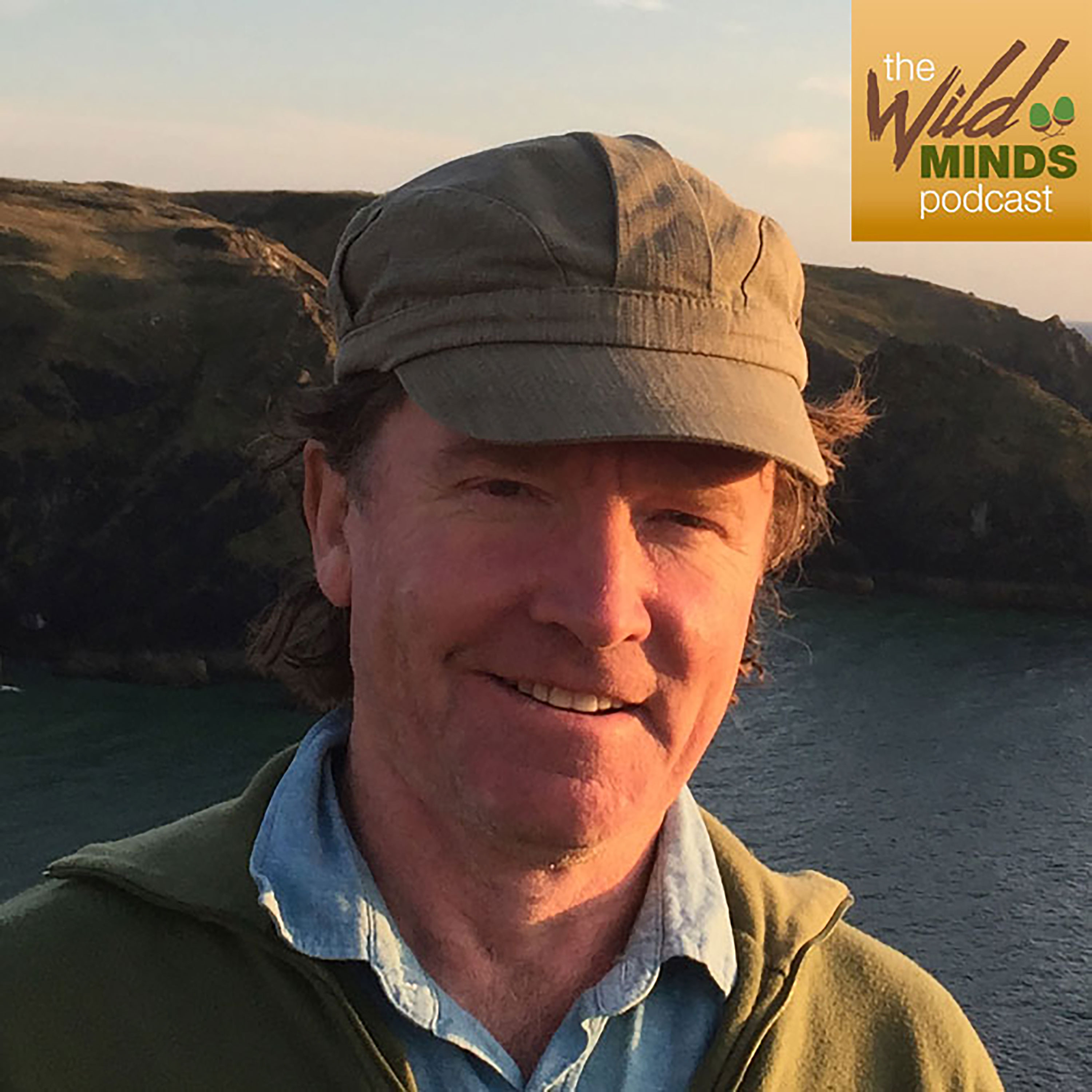
S2 Ep 9Psychiatry, Our Climate Crisis and Mental Health with Dr Alan Kellas
Season 2, Episode 9: My guest today on The Wild Minds Podcast is Dr Alan Kellas MBBS BA MRCPsychAlan trained in medicine and qualified in 1981, worked in General Practice in the NHS, lectured at Bristol University Department of Psychiatry, and was a community NHS Consultant Psychiatrist from 1998 – 2013. He has been a member of the sustainability committee of the Royal College of Psychiatrists, nationally, from its origins in 2014, as Green care and Nature Matters rep, until 2022. www.rcpsych.ac.uk/nature-mattersHe helped set up the Eco-CAMHS faculty group and Nature Matters networks in RCPsych and was an active part of the core advisory team developing the College response to the Climate and Nature crisis, whose position statement was released in May 2021.Read the statement hereThe key message of this statement include:Climate change, pollution and biodiversity loss:• have created a health crisis and it is imperative that psychiatrists are informed about it and actively engaged in these issues.• are interconnected factors which individually and collectively have a profoundly destructive impact on human and planetary health. Our actions and their impacts will be inherited by the generations to come.• have particular implications for mental health and disproportionately affect vulnerable groups, including persons with pre-existing mental illness and children.In this episode Marina and Alan talk about: • What is Psychiatry?• How Nature supports our Psychology• The link between the Climate Crisis and Mental Health• How the natural world plays an essential part in our developmentShow Notes:https://theoutdoorteacher.com/podcasts/psychiatry-our-climate-crisis-and-mental-health/Music by Geoff Robb: www.geoffrobb.comPlease Rate, Review, & Follow on Apple PodcastsIf you have enjoyed today's episode, please consider rating and reviewing my show! This really helps me to spread the word to more people like you, and to empower more people to take their practice outdoors!Click here, scroll to the bottom, tap to rate with five stars, and select “Write a Review.” Then let me know what you loved most about the episode!Also, if you haven’t done so already, "follow" the podcast, as if you’re not following, there’s a good chance you’ll miss out. Mentioned in this episode:How to Teach Climate Changehttps://theoutdoorteacher.com/climate
S1 Ep 8Risk, Rest and Wild Play
Season 1: Episode 8 In this last episode of Season 1, Marina looks at:Risk and vulnerabilityOur need for rest and playNot giving up on asking 'Why!'The book referenced in the podcast is 'Rest is Resistance: A Manifesto' by Tricia Hersey (2022 Aster Publishers)Shownotes: https://theoutdoorteacher.com/podcasts/risk-rest-and-wild-play/ The Wild Minds Podcast is brought to you by me, Marina Robb, an author, entrepreneur, Forest School and Nature-Based Trainer and Consultant, and pioneer in developing Green Programmes for the Health Service in the UK.Music by Geoff Robb: www.geoffrobb.com Please Rate, Review, & Follow on Apple PodcastsIf you have enjoyed today's episode, please consider rating and reviewing my show! This really helps me to spread the word to more people like you, and to empower more people to take their practice outdoors!Click here, scroll to the bottom, tap to rate with five stars, and select “Write a Review.” Then let me know what you loved most about the episode!Also, if you haven’t done so already, "follow" the podcast, as if you’re not following, there’s a good chance you’ll miss out. Mentioned in this episode:How to Teach Climate Changehttps://theoutdoorteacher.com/climate The Advanced Certificate in Forest School and Outdoor Learninghttps://theoutdoorteacher.com/certificate/
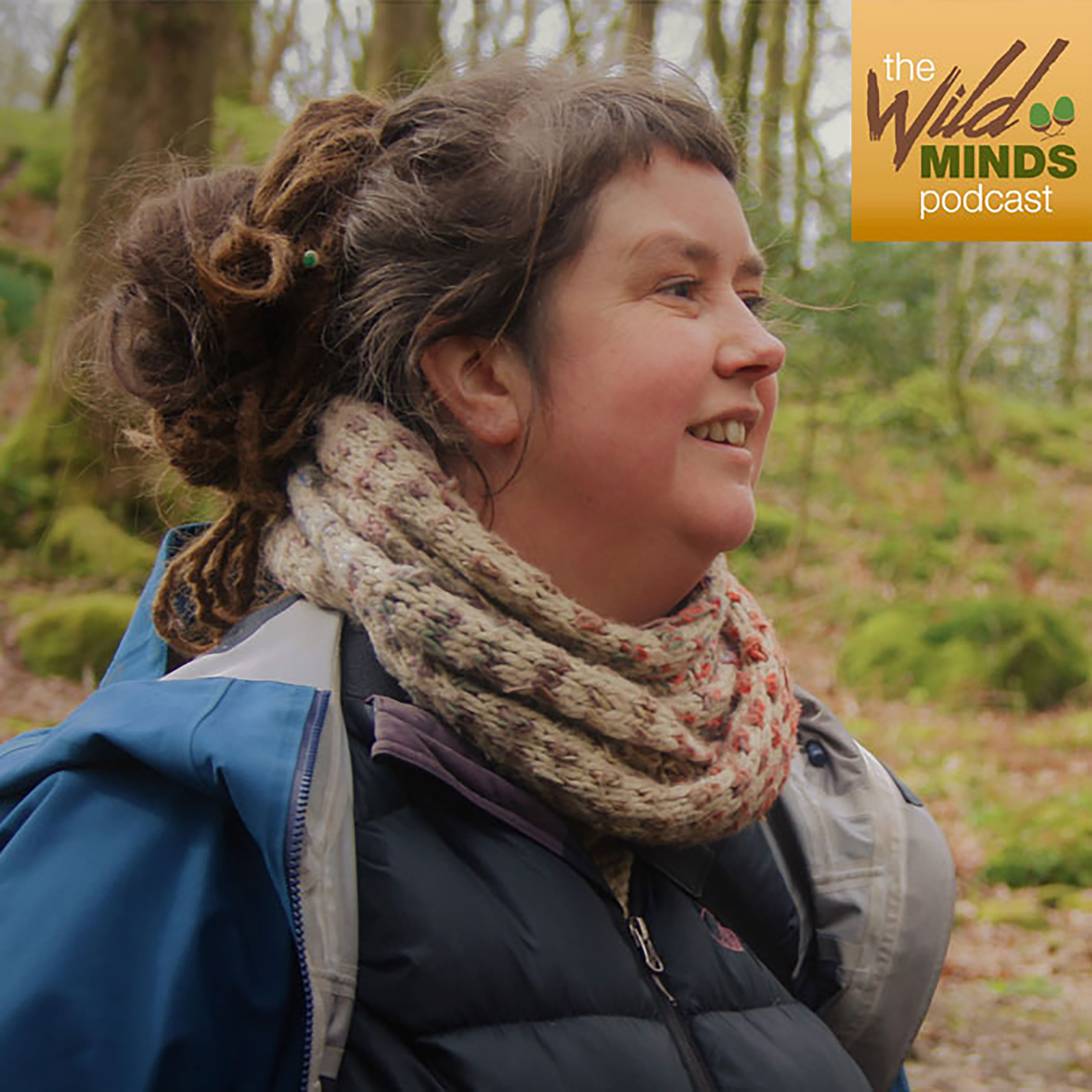
S1 Ep 7Wildness, Wild Play and Uncharted Territory with Lily Horseman
Season 1: Episode 7 My guest today on The Wild Minds Podcast is Lily Horseman. Lily has been following the threads of play, nature, community, and connection through many different roles over the last 25 years. She came to work with children through Playwork and with marginalised families in the late 90’s.In this episode, we discuss:Wildness, wild play and uncharted territoryRisk and our comfort zoneDoes our culture value play? Our diminished roaming radius and outdoor life experiencesNot giving up our WHY?Show Notes:https://theoutdoorteacher.com/podcasts/wildness-wild-play-and-uncharted-territory/Music by Geoff Robb: www.geoffrobb.comPlease Rate, Review, & Follow on Apple PodcastsIf you have enjoyed today's episode, please consider rating and reviewing my show! This really helps me to spread the word to more people like you, and to empower more people to take their practice outdoors!Click here, scroll to the bottom, tap to rate with five stars, and select “Write a Review.” Then let me know what you loved most about the episode!Also, if you haven’t done so already, "follow" the podcast, as if you’re not following, there’s a good chance you’ll miss out. Mentioned in this episode:How to Teach Climate Changehttps://theoutdoorteacher.com/climate

S1 Ep 6Stress & Mental Health: What Happens & What Helps?
Season 1: Episode 6 In Episode 6, Marina looks at:How stress feels in the body. The importance of giving words to our sensations and emotions.The idea of place attachmentA few ideas to improve our ability to emotionally regulate.Shownotes: https://theoutdoorteacher.com/podcasts/stress-and-mental-health/ The Wild Minds Podcast is brought to you by me, Marina Robb, an author, entrepreneur, Forest School and Nature-Based Trainer and Consultant, and pioneer in developing Green Programmes for the Health Service in the UK.Music by Geoff Robb: www.geoffrobb.com Please Rate, Review, & Follow on Apple PodcastsIf you have enjoyed today's episode, please consider rating and reviewing my show! This really helps me to spread the word to more people like you, and to empower more people to take their practice outdoors!Click here, scroll to the bottom, tap to rate with five stars, and select “Write a Review.” Then let me know what you loved most about the episode!Also, if you haven’t done so already, "follow" the podcast, as if you’re not following, there’s a good chance you’ll miss out. Mentioned in this episode:How to Teach Climate Changehttps://theoutdoorteacher.com/climate

S1 Ep 5Mental Health, Emotional Regulation and the Natural World with Alison Roy
Season 1: Episode 5 My guest today on The Wild Minds Podcast is Alison Roy. Alison Roy is an experienced Psychotherapist, Consultant Child & Adolescent Psychotherapist, author, specialist consultant and trainer. Her experience has taught her to understand how important our communications are and how they can enhance or inhibit our relationships in every aspect of our lives. She is invested in helping others to build more healthy relationships through meaningful conversations and enabling people to be more resilient, creative and resourceful. In her work with individuals, couples, families and groups she focuses on the deep significance of early attachments and the impact of trauma and loss on the personality. As the co-founder and previously the Clinical Lead for the CAMHS and East Sussex specialist adoption service – AdCAMHS, she has learned much from those who have experienced significant losses, shocks and challenges in their lives and just how complicated life can be. She has also written a book about adoption, a chapter about education through the arts and contributes regularly to the press and mainstream media.In this episode, we discuss:How nature as our first home is part of a healthy mental health. How gratitude is not necessarily instinctive. Metaphors that help us to understand ourselves. That some children will only engage when they are physical, so the need to be outside and move is paramount. Show Notes:https://theoutdoorteacher.com/podcasts/5-alison-roy/Music by Geoff Robb: www.geoffrobb.comTwitter: @alisonroy20Linked in: Alison-RoyWebsite: www.psych-communications.comA For Adoption: Book on adoption: https://www.routledge.com/A-for-Adoption-An-Exploration-of-the-Adoption-Experience-for-Families-and/Roy/p/book/9780367439477Trauma stories training for professionals. Contact Alison through her website or email her on: [email protected] Creativity in education and children in distress. Alison has written a chapter in a book called Education through the arts: https://www.routledge.com/Education-through-the-Arts-for-Well-Being-and-Community-The-Vision-and/Burke-Cunningham-Hoare/p/book/9780429318115Reflective practice groups – Alison facilitates reflective practice groups for public, community based and private sector organisations. See: https://www.psych-communications.com/consultation-and-trainingPlease Rate, Review, & Follow on Apple PodcastsIf you have enjoyed today's episode, please consider rating and reviewing my show! This really helps me to spread the word to more people like you, and to empower more people to take their practice outdoors!Click here, scroll to the bottom, tap to rate with five stars, and select “Write a Review.” Then let me know what you loved most about the episode!Also, if you haven’t done so already, "follow" the podcast, as if you’re not following, there’s a good chance you’ll miss out. Mentioned in this episode:The Advanced Certificate in Forest School and Outdoor Learninghttps://theoutdoorteacher.com/certificate/How to Teach Climate Changehttps://theoutdoorteacher.com/climate
S1 Ep 4Do We Make Up The Rules?
Season 1: Episode 4 In Episode 4, Marina looks at:Noticing the rules that are in place and asking if we had a part in designing them at all? What teachers are taught in their training. How a teaching mind-set shift may be helpful. A classic outdoor myth. Exploring the key benefits of this approach to learning. Confused about what qualifications you need to take groups outdoors?Download my free guide on Outdoor Learning Myths, co-produced with The South Downs National Park: https://theoutdoorteacher.com/podcasts/do-we-make-up-the-rules/The Wild Minds Podcast is brought to you by me, Marina Robb, an author, entrepreneur, Forest School and Nature-Based Trainer and Consultant, and pioneer in developing Green Programmes for the Health Service in the UK.Music by Geoff Robb: www.geoffrobb.com Please Rate, Review, & Follow on Apple PodcastsIf you have enjoyed today's episode, please consider rating and reviewing my show! This really helps me to spread the word to more people like you, and to empower more people to take their practice outdoors!Click here, scroll to the bottom, tap to rate with five stars, and select “Write a Review.” Then let me know what you loved most about the episode!Also, if you haven’t done so already, "follow" the podcast, as if you’re not following, there’s a good chance you’ll miss out. Mentioned in this episode:How to Teach Climate Changehttps://theoutdoorteacher.com/climate

S1 Ep 3Outdoor Learning & Play with Juliet Robertson
Season 1: Episode 3 Juliet Robertson is a leading outdoor learning consultant, author of 2 popular books, who is living with a terminal illness. Before becoming a consultant, Juliet was a head teacher at three schools. Her other experience draws on a degree in environmental science, as an archaeologist, conservation, outdoor education and years in mainstream teaching, including as a head teacher. Her well-loved blog, Creative Star, (https://creativestarlearning.co.uk) is a must-visit resource full of excellent outdoor learning tips.In this episode, Juliet:● Talks frankly and tenderly about her terminal illness.● Brings all her experience to this conversation, sharing the potential of outdoor learning and outdoor play.● Emphasises that you don’t need a qualification to take learning outside and the preciousness of play.● Challenges the cultural assumption that real learning only happens indoors.● Reiterates that the outdoors is not a ‘subject’, rather an essential place of learning any area of the curriculum.The Wild Minds Podcast is brought to you by me, Marina Robb, an author, entrepreneur, Forest School and Nature-Based Trainer and Consultant, and pioneer in developing Green Programmes for the Health Service in the UK.Show Notes: https://theoutdoorteacher.com/podcasts/juliet-robertson/Music by Geoff Robb: www.geoffrobb.comPlease Rate, Review, & Follow on Apple PodcastsIf you have enjoyed today's episode, please consider rating and reviewing my show! This really helps me to spread the word to more people like you, and to empower more people to take their practice outdoors!Click here, scroll to the bottom, tap to rate with five stars, and select “Write a Review.” Then let me know what you loved most about the episode!Also, if you haven’t done so already, "follow" the podcast, as if you’re not following, there’s a good chance you’ll miss out. Mentioned in this episode:How to Teach Climate Changehttps://theoutdoorteacher.com/climate