The Wild Minds Podcast
Tune in for interviews, insights, cutting-edge and actionable approaches to help you to improve your relationship with yourself, others, and the natural world.
The Outdoor Teacher
Show overview
The Wild Minds Podcast has been publishing since 2023, and across the 3 years since has built a catalogue of 102 episodes, alongside 1 trailer or bonus episode. That works out to roughly 80 hours of audio in total. Releases follow a fortnightly cadence, with the show now in its 11th season.
Episodes typically run thirty-five to sixty minutes — most land between 33 min and 59 min — though episode length varies meaningfully from one episode to the next. None of the episodes are flagged explicit by the publisher. It is catalogued as a EN-language Education show.
The show is actively publishing — the most recent episode landed 4 days ago, with 21 episodes already out so far this year. Published by The Outdoor Teacher.
From the publisher
What if wild, not domesticated, should be our normal instead of factory-farmed lives? What if you could cultivate fulfilling lives and contribute to a healthy natural world? The Wild Minds podcast is brought to you by me, Marina Robb, an author, entrepreneur, Forest School and Nature-based Trainer and Consultant, and pioneer in developing Green programmes for the Mental Health service in the UK. I am the founder of https://www.circleofliferediscovery.com (Circle of Life Rediscovery CIC) and https://www.theoutdoorteacher.com (The Outdoor Teacher) and creator of practical online Forest School and nature-based training for people working in mental health, education and business. Tune in for interviews, insights, cutting-edge and actionable approaches to help you to improve your relationship with yourself, others, and the natural world. https://www.geoffrobb.com (Music by Geoff Robb)
Latest Episodes
View all 102 episodesThe Children Are Ready - Are We?
Reimagining Inclusion - Forest School, Autism & the Power of Relationship
What Needs Pruning?
What if Nature is Part of Medicine?
The Music of Trees
The Medicine of Belonging
What If Your GP Could Prescribe Nature?
Getting to Know the Plants
The Wilderness Cure: What Happens When We Eat the Wild with Mo Wilde
Climate Anxiety Is Not the Problem
Can We Teach Climate Change Without Overwhelming Young People?
Beyond ‘Just Play’: Understanding What Children Need
Restoring the Occupation of Childhood
S11 Ep 88Ceremony, Science and the Sacred
In this final episode of Season 11, Marina reflects on ceremony at a seasonal threshold, where science, spirituality and everyday life meet. As the light shifts toward spring in the North and autumn in the South, this episode explores what keeps us well - personally and collectively - and asks whether we are living as passengers or participants in our time.Topics include:Living at a threshold - Spring Equinox in the North, autumn descent in the South - renewal and death side by side.For most of human history, ceremony aligned us with cycles - watching the Pleiades (Seven Sisters) rise, noticing light, temperature, migration - remembering our place in the unfolding.Science is not naïve materialism - it studies what we cannot see - fields, probabilities, dark matter - but it asks different questions from spirituality.Science reduces suffering through medicine and understanding; ritual, myth, art and community help us face death, grief, forgiveness and meaning.The real tension is not science versus spirituality, but what happens when any system claims exclusive truth.Health requires biology, psychology, belonging and existential depth - mechanism alone is not enough, meaning alone is not enough.The language of “energy” and “spirit” carries different meanings - measurable in physics, experiential in lived reality - clarity matters.Ceremony as intention, beauty and invitation - not personal power, but participationRitual as ordinary acts infused with meaning - gratitude before eating, how we begin the day, how we hold a room, how we tend a conversationMoving from I to We - rites of passage, maturation, community witnessing changeAt seasonal thresholds something must die - a habit, a story, a way of leading, a way of consumingIn a time of climate emergency and confused leadership, we are invited not to be passengers but participants - small daily choices as a form of ceremonyLeadership without domination - strength without humiliation - integrating science without losing reverenceShow Notes:https://theoutdoorteacher.com/podcasts/episode-88-ceremony-science-and-the-sacred/Music by Geoff Robb: www.geoffrobb.com Please Rate, Review, & Follow on Apple PodcastsIf you have enjoyed today's episode, please consider rating and reviewing my show!This really helps me to spread the word to more people like you, and to empower more people to take their practice outdoors!Click here, scroll to the bottom, tap to rate with five stars, and select “Write a Review.” Then let me know what you loved most about the episode!Also, if you haven’t done so already, "follow" the podcast, as if you’re not following, there’s a good chance you’ll miss out.
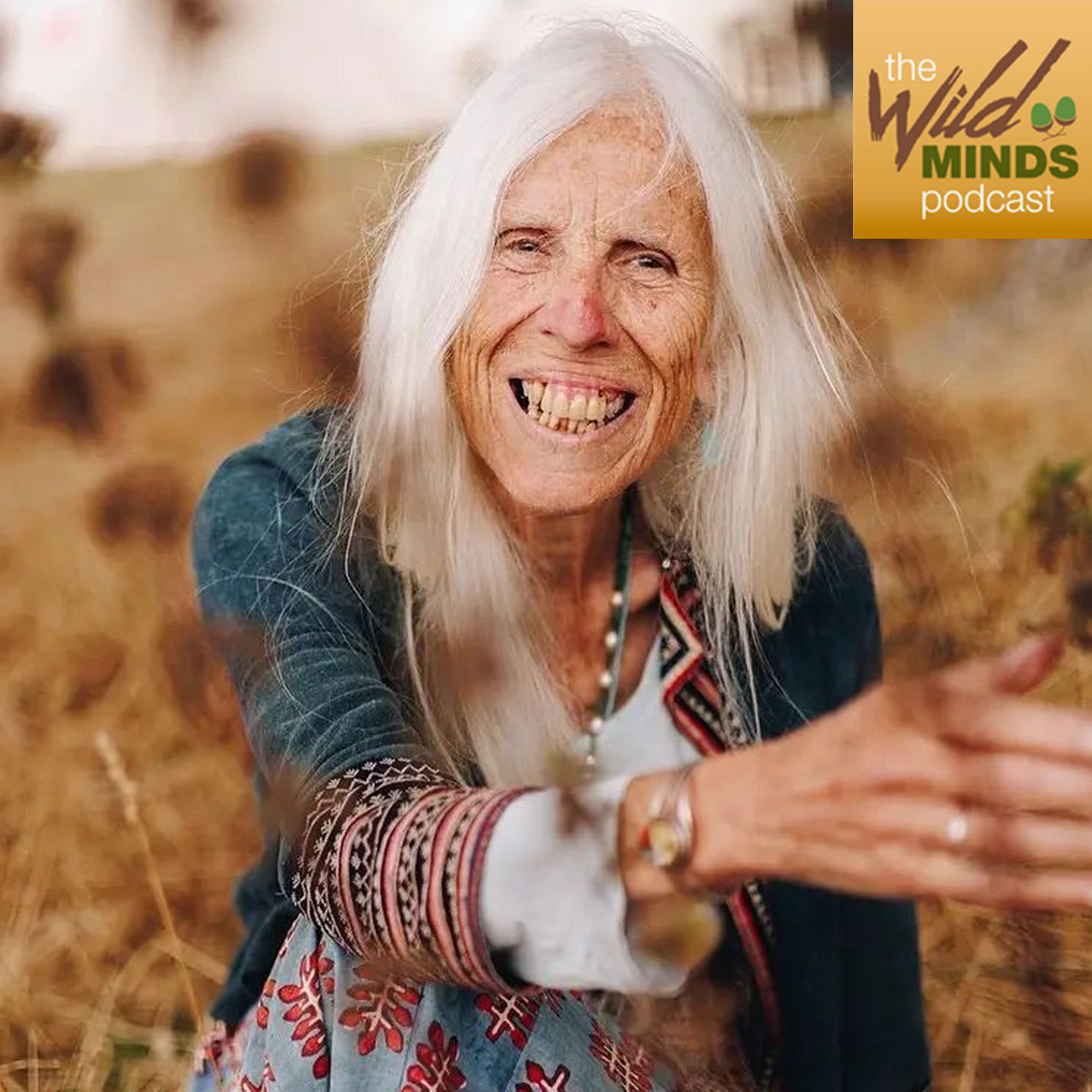
S11 Ep 87Ceremony and Eldership
Sitting by the fire with Annie Spencer, we explore ceremony as lived relationship - with spirit, story, blood, grief, and the long arc from initiation to eldership - and what it means to keep dreaming a life-affirming world in times that feel increasingly divided.Topics include:Sitting by the fire together becomes a doorway into relationship - gratitude not as a nicety, but as a way of remembering life is alive, and not guaranteed.Ceremony, for Annie, starts with intention and beauty - not “performing a ritual,” but making a space that might genuinely invite presence from beyond the purely human.Fire is treated as a being with its own kind of aliveness - honoured, spoken to, and offered things, as a practice of not taking life for granted.A simple daily practice can be enough: choose a time, choose a place, return again and again until something responds - an “altar” as an anchor for attention.This way of knowing doesn’t sit easily inside modern culture - it can feel like being pulled between realities, and that tension can be exhausting.Annie names both the fascination and the danger: exploring other realities without a well-trodden path can unground people - tradition can be a rope that helps you return.Stories shape what we believe is possible - we live inside the story we tell about our lives, and the same event becomes different “truths” depending on who is telling it.Dreaming isn’t escapism: in times of political fear and widening authoritarianism, Annie suggests we can either feed a reality by fighting it constantly, or step back and hold a different dream with strength.Birth and menstruation are framed as everyday ceremonies - women making “a rich nest for life” each month, and the radical possibility of honouring life-giving blood rather than normalising bloodshed.Rites of passage matter because adolescence is a “loose” time - when identity isn’t fixed yet - and a strong experience of belonging, mystery, and beauty can orient a young person for life.Eldership isn’t a label you earn at menopause - it can take decades of turning toward death, letting go of dominance, and learning humility, until you can truly hold community.The elder’s offering is presence, acceptance, and perspective - holding what others can’t bear alone, sharing stories with teachings (without “you should”), and making space for ceremony and healing.The conversation keeps circling back to one core truth: life is relationship and reciprocity - giving and being given to — and even death is framed as the final gift back into the living system.Shownotes:https://theoutdoorteacher.com/podcasts/episode-87-ceremony-and-eldershipMusic by Geoff Robb: www.geoffrobb.com Please Rate, Review, & Follow on Apple PodcastsIf you have enjoyed today's episode, please consider rating and reviewing my show! This really helps me to spread the word to more people like you, and to empower more people to take their practice outdoors!Click here, scroll to the bottom, tap to rate with five stars, and select “Write a Review.” Then let me know what you loved most about the episode!Also, if you haven’t done so already, "follow" the podcast, as if you’re not following, there’s a good chance you’ll miss out.
S11 Ep 86Saving Lives and Cultivating Health
In this episode, I step into what I’m calling the season of the amateur - asking big questions without claiming expertise. I explore how medicine is shaped by culture and worldview, what “evidence” really means, and how different systems - from biomedicine to Ayurveda - understand causation, illness and health.This isn’t a rejection of modern medicine - it’s an attempt to widen the lens. To ask what keeps us well, not only what makes us ill. And to consider whether we can hold scientific rigour and relational depth in the same conversation - without collapsing into superstition, and without dismissing mystery.Topics include:Gratitude for what keeps us well: walking, breathing, rest, friendship, safety, purpose and for the years of disciplined study that form a psychiatrist: medical school, clinical rotations, exams, and over six years of specialist training.What counts as knowledge in medicine - and who decides? Holding expertise and personal sovereignty in the same frame.Medicine across civilisations - Babylon, Egypt, Ayurveda, Chinese medicine, Greece - each emerging from a worldview, none “primitive,” all culturally shaped.The rise of the biomedical model - anatomy, cells, pathogens, biochemistry and its extraordinary success in acute care and life-saving intervention.Evidence-based medicine and the power of Randomised Controlled Trials - what they measure brilliantly and what they struggle to capture.Psychiatry’s measurement dilemma - symptom clusters, self-reported scales, and the question of whether symptom reduction equals flourishing.The placebo effect, expectation, relationship and meaning - what actually creates change?Ayurveda as the “science of life” - balance, prevention, daily rhythms, and cultivating health rather than only treating disease.Green prescriptions and nature-based practice - bridging biomedical legitimacy with relational, ecological models of wellbeing.Safeguarding, discernment and humility - widening causation without abandoning rigour, and asking what it truly means to be well.Shownotes: https://theoutdoorteacher.com/podcasts/episode-86-saving-lives-and-cultivating-health/Music by Geoff Robb: www.geoffrobb.com Please Rate, Review, & Follow on Apple PodcastsIf you have enjoyed today's episode, please consider rating and reviewing my show!This really helps me to spread the word to more people like you, and to empower more people to take their practice outdoors!Click here, scroll to the bottom, tap to rate with five stars, and select “Write a Review.” Then let me know what you loved most about the episode!Also, if you haven’t done so already, "follow" the podcast, as if you’re not following, there’s a good chance you’ll miss out.Mentioned in this episode:How to Teach Climate Changehttps://theoutdoorteacher.com/climate
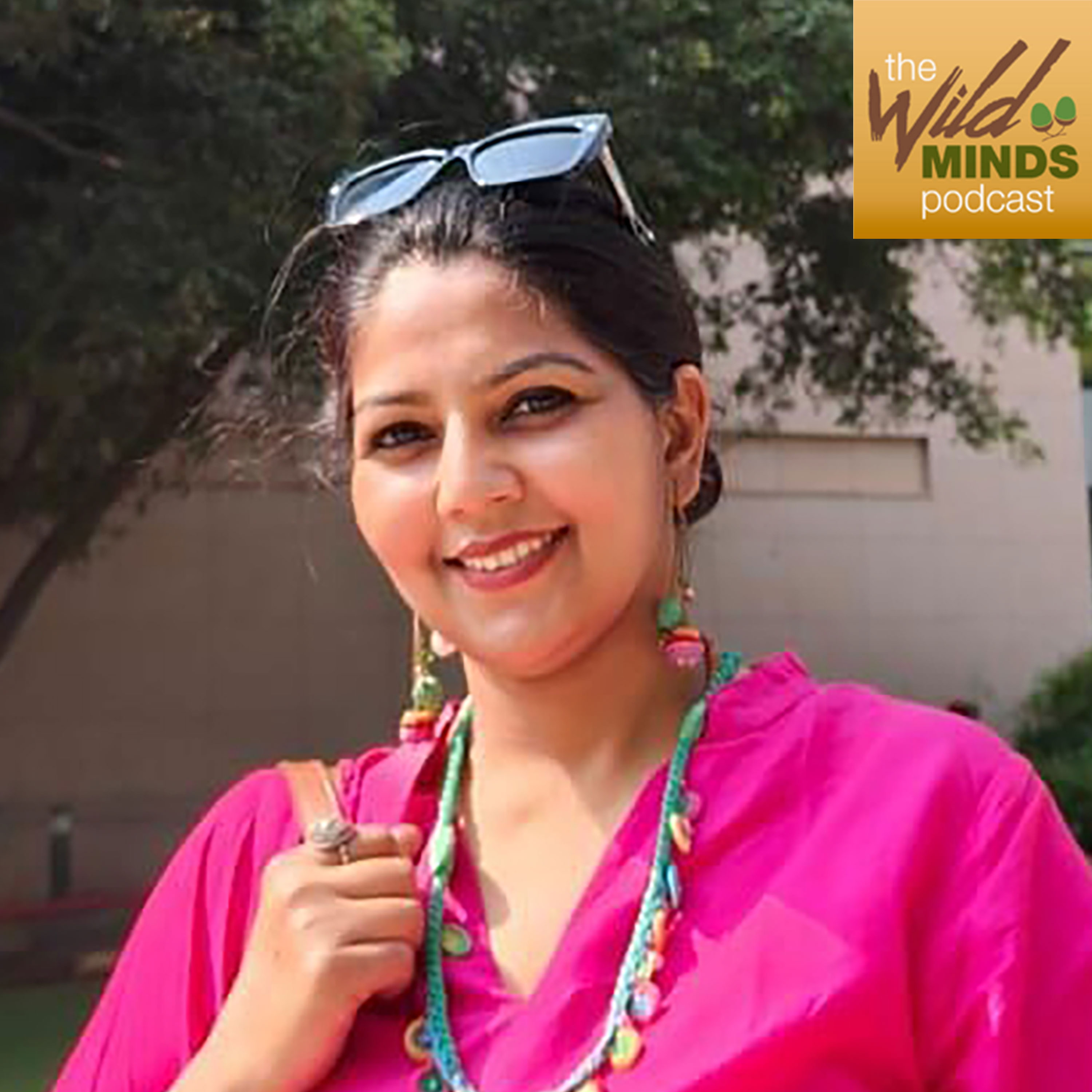
S11 Ep 85The Science of Life: What Ayurveda Can Teach Us
In this episode I’m joined by Dr Kanchan, an Ayurvedic doctor trained in India, to explore a radically different way of understanding health, not only as something we fix when it breaks, but as a lifelong relationship between body, mind, senses, environment, and meaning.This is a conversation about prevention rather than crisis, and about what becomes possible when health is understood as a living, relational process rather than a purely medical one.Topics include:Ayurveda is described as a “science of life,” concerned with the whole arc of living - from conception to death - not just the treatment of diseaseHealth is understood as balance within the body, the mind, and the environment, while illness is a sign that something has fallen out of syncWestern allopathic medicine and Ayurveda are not in conflict; they serve different purposes, with acute medicine vital in emergencies and Ayurveda focused on prevention and long-term wellbeingThe body is seen as intelligent, with healing emerging when the right conditions are restored rather than imposed from outsideAyurveda treats people as individuals, not categories, taking into account constitution, diet, climate, place, habits, and family patternsThe five elements and three doshas are not rigid “types,” but ways of understanding movement, digestion, transformation, and stability within a personAyurveda is framed as a life science rather than only a medical science, with protecting the health of the healthy as its first priorityHumans are not placed above nature but understood as part of it, with personal health inseparable from the health of the living worldThe senses are described as powerful gateways shaping the mind, with overuse, underuse, or misuse contributing to imbalance and anxietyDaily and seasonal rhythms — how we eat, rest, move, and attend — are presented as foundations for mental steadiness and resiliencePurpose and inner alignment matter, with illness sometimes arising when actions drift away from a person’s deeper values or moral compassThe invitation is not to adopt another system wholesale, but to widen our understanding of health, hold multiple ways of knowing, and remember that care, balance, and relationship sit at the heart of wellbeingShownotes:https://theoutdoorteacher.com/podcasts/episode-85-what-ayurveda-can-teach-us/Music by Geoff Robb: www.geoffrobb.com Please Rate, Review, & Follow on Apple PodcastsIf you have enjoyed today's episode, please consider rating and reviewing my show! This really helps me to spread the word to more people like you, and to empower more people to take their practice outdoors!Click here, scroll to the bottom, tap to rate with five stars, and select “Write a Review.” Then let me know what you loved most about the episode!Also, if you haven’t done so already, "follow" the podcast, as if you’re not following, there’s a good chance you’ll miss out.Mentioned in this episode:How to Teach Climate Changehttps://theoutdoorteacher.com/climate
S11 Ep 84Why Climate Education is a Health Issue
In this episode, Marina explores why climate education is a health issue by looking at what actually keeps us well, and what happens when the systems we depend on begin to destabilise.This is a reflection on the living world, on physical reality, and on why informed climate education matters at a time of change.Key points:She begins in gratitude for the living world, and how amazing this biosphere really is!Health is not something we create alone; it arises from stable temperatures, clean water, fertile soils and a functioning atmosphere.Climate conversations often focus on ecology or policy, but beneath them sit physical laws that govern energy, heat and motion - Physics and Chemistry.Climate change is driven by an energy imbalance, not by opinion or belief.Chemistry explains what substances are, but physics explains what energy does in a system.Climate change is already a health issue, showing up in bodies, hospitals and food systems.Human health has always been intertwined with ecological health.What’s most at risk and the stability of ecosystems, food systems and social systemsDenial persists not because the science is unclear, but we don’t assimilate it and come together - I would love to see Cross Party politics.Language matters with Net Zero and Real Zero, especially the difference between delaying harm and stopping it.Education is not an extra burden here; it’s one of the few tools we have for prevention.Staying human means staying in relationship - with each other and with the living world.Shownotes: https://theoutdoorteacher.com/podcasts/episode-84-why-climate-education-is-a-health-issue/Music by Geoff Robb: www.geoffrobb.com Please Rate, Review, & Follow on Apple PodcastsIf you have enjoyed today's episode, please consider rating and reviewing my show!This really helps me to spread the word to more people like you, and to empower more people to take their practice outdoors!Click here, scroll to the bottom, tap to rate with five stars, and select “Write a Review.” Then let me know what you loved most about the episode!Also, if you haven’t done so already, "follow" the podcast, as if you’re not following, there’s a good chance you’ll miss out.Mentioned in this episode:How to Teach Climate Changehttps://theoutdoorteacher.com/climate
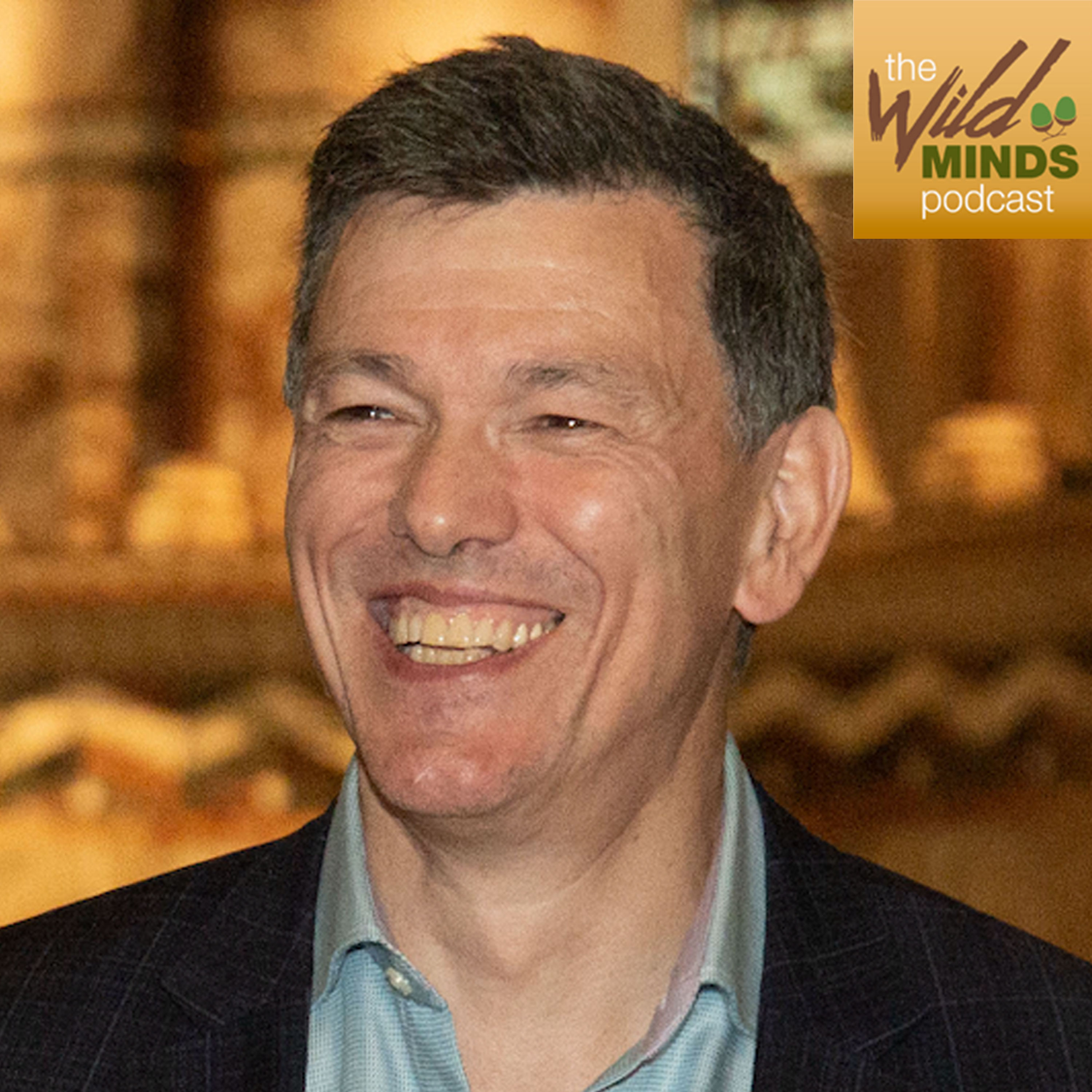
S11 Ep 83Climate Change, Health and Survival with Professor Hugh Montgomery
In this conversation, Professor Hugh Montgomery names climate change for what it is:A survival crisis driven by “radiation gain” and accelerating feedback loops. He cuts through denial, delay and mixed messaging with five simple moves anyone can make now - switch your power, move your money, change your food, shift your travel, and talk about it - then shows how asking seven others can cascade into mass action.We touch on real zero vs net zero, why money we can do now, and how unity across politics beats division.Here are the essentials:Hugh reframes climate change as “radiation gain,” explaining that greenhouse gases trap longwave heat and create positive feedback loops driving escalating warming.Humanity is emitting over 54 billion tonnes of CO₂ equivalent annually, and a fifth of what’s emitted today will still be heating the planet in 33,000 years.Natural systems like oceans and forests can no longer absorb enough carbon; atmospheric CO₂ now rises about four parts per million per year, reaching around 430.5 ppm.Feedback loops include methane release from permafrost (83 times more potent than CO₂), forests becoming net emitters, and loss of reflective ice - 9 trillion tonnes gone - accelerating heating.Hugh warns that the real threat is not only to health but to human survival within the next one or two decades, not centuries.He compares Earth’s situation to a patient long ignoring symptoms - what could have been minor surgery now needs radical, painful treatment to survive.Inaction stems from circular blame between individuals, business, and politicians - each claiming it’s someone else’s responsibility.Many in government and business remain ignorant of climate science or see it as a political issue; some even believe warming will benefit economies through resource access or growth from destruction.Human psychology also plays a role: people avoid short-term loss or pleasure deprivation even when long-term risk is high - similar to health behaviors like smoking or drinking.Fear-based climate messaging fails when it offers no agency; effective communication must link truth with action, empowering people to act immediately.Hugh outlines five tangible actions anyone can take:Switch to 100% renewable electricityMove personal banking away from fossil-fuel fundersShift to a largely plant-based diet (less meat, smaller portions)Reduce air and car travel where possibleTalk about climate concerns openly to normalise actionShownotes:https://theoutdoorteacher.com/podcasts/episode-83-climate-change-health-and-survival-with-professor-hugh-montgomery/Music by Geoff Robb: www.geoffrobb.com Please Rate, Review, & Follow on Apple PodcastsIf you have enjoyed today's episode, please consider rating and reviewing my show! This really helps me to spread the word to more people like you, and to empower more people to take their practice outdoors!Click here, scroll to the bottom, tap to rate with five stars, and select “Write a Review.” Then let me know what you loved most about the episode!Also, if you haven’t done so already, "follow" the podcast, as if you’re not following, there’s a good chance you’ll miss out.Mentioned in this episode:How to Teach Climate Changehttps://theoutdoorteacher.com/climate
S11 Ep 82Together, We Can
Episode 82 invites listeners to arrive into 2026 with honesty, care and a sense of shared responsibility - not as individuals carrying the world alone, but as part of a wider web of life.Drawing on reflections from Jane Goodall’s work, seasonal change and lived experience, this episode explores how we stay present without panic. It asks what it really means to act with courage, dignity and relationship in uncertain times.Here are some of her reflections: Opening the year with Jane Goodall’s reminder that what we do makes a difference - and that change begins with choosing the kind of difference we want to make, rather than acting from fear or urgency.Reflecting on the seasonal crossing between hemispheres, and how growth, decay and renewal are always happening somewhere, all the time - whether we notice or not.Sitting with Alder as a teacher: a tree that carries water and fire, masculine and feminine, strength and softness and how this mirrors our inner lives, our fragility, and our need for both boundaries and surrender.Honouring Jane Goodall’s long life of peaceful activism and her understanding that people can only carry what they can - that survival, dignity and stability matter before wider responsibility.Realising that while I never thought of my work as “democratic,” the erosion of democracy makes it clear how relational, sociocratic and consent-based outdoor learning really is.Sharing the moment from the interview that stayed with me most: Jane Goodall’s mother responding to her disappearance not with punishment, but with curiosity and listening - and how her spirit was not broken.Returning to regulation through breath, movement, sensory connection and time outdoors - remembering that responsibility was never meant to be an individual burden, but a collective one shared with the more-than-human world.Realising that healthy outdoor learning mirrors healthy systems: listening matters, power works best when shared, and sociocratic, relational ways of being together are deeply needed now.Closing with a reframing of “together we can” - not as fixing everything, but as listening more deeply, carrying only what is ours, acting where we are, staying in relationship, and choosing our difference with care.Shownotes: https://theoutdoorteacher.com/podcasts/episode-82-together-we-can/Music by Geoff Robb: www.geoffrobb.com Please Rate, Review, & Follow on Apple PodcastsIf you have enjoyed today's episode, please consider rating and reviewing my show!This really helps me to spread the word to more people like you, and to empower more people to take their practice outdoors!Click here, scroll to the bottom, tap to rate with five stars, and select “Write a Review.” Then let me know what you loved most about the episode!Also, if you haven’t done so already, "follow" the podcast, as if you’re not following, there’s a good chance you’ll miss out.Mentioned in this episode:How to Teach Climate Changehttps://theoutdoorteacher.com/climate