
The Uplifters
250 episodes — Page 1 of 5
What happens to your voice during menopause
Could You Travel Solo Full-Time?
Stop Trying to Control What You Can Only Influence
You Don't Need a Degree to Do the Thing
Lisa Congdon Decided to End It Before It Ended Her
A Midlife Fitness Expert on Rebuilding Strength Without Starting Over
You Were Never Meant to Be Just One Thing
Fulfillment in Midlife
Your To-Die-For Life
How to be Radically Self-Posessed
Rejection is the Goal!
The Midlife Fashionista
The Highly Sensitive Woman in Midlife
Protecting Your Brain Health in Perimenopause and Menopause
How to Rest and Reclaim Your Attention
What Happens After You Sell the $100 Million Company You Built?
Sexual Empowerment in Midlife
Laura LeBleu Lit Her AARP Card on Fire
How to Find Your Creative Soulmate
This Is Not As Scary As Cancer
When Women Get Sick
The Menopause Tax
Motherhood in Midlife
Women Are Better Than Men at Investing — So Why Aren’t We Doing It?
Discovering You're Neurodivergent at 40
What a Near-Cult Experience Taught One Woman About Identity, Leadership, and Midlife Freedom
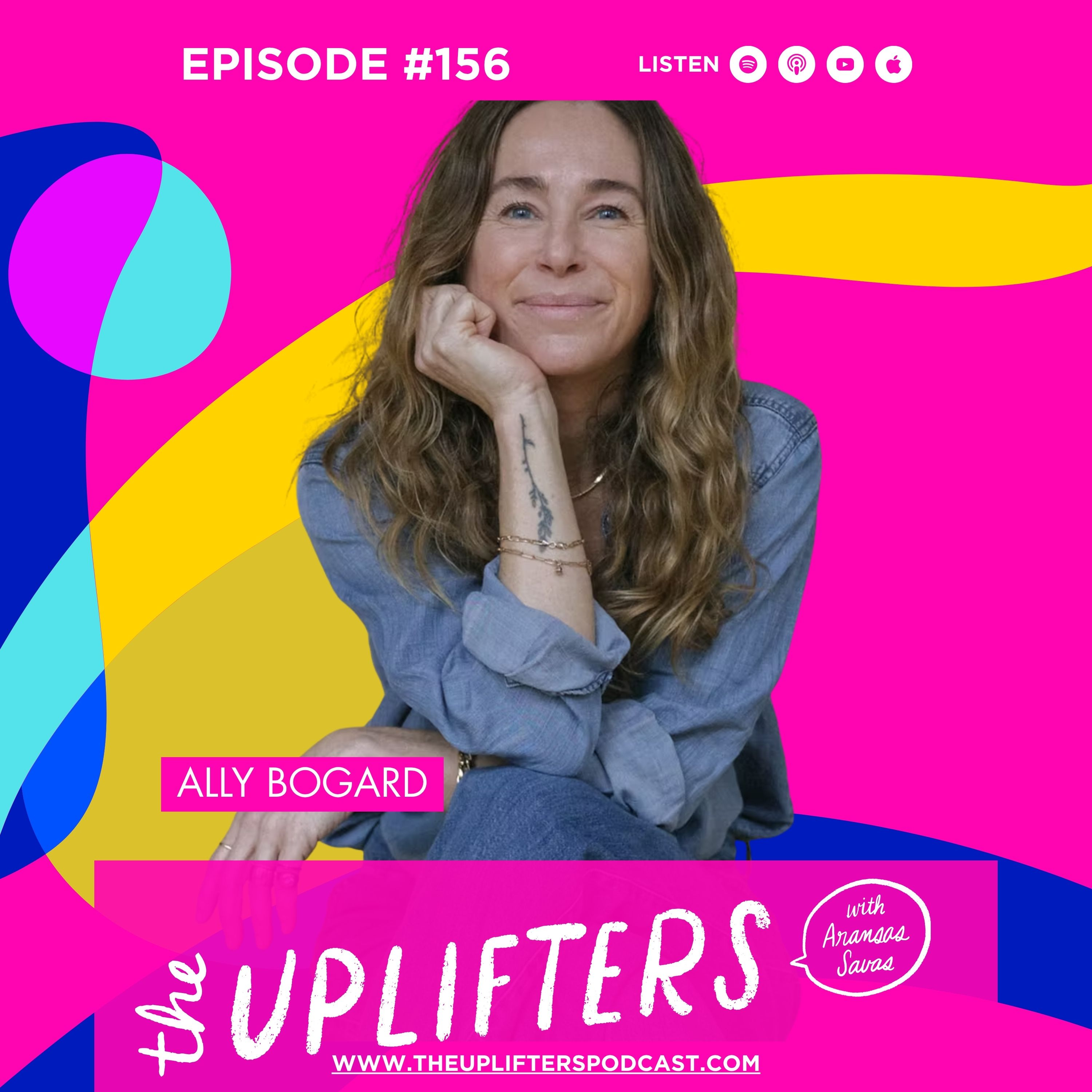
How to Stop Avoiding Your Life
If you're a woman over 40 who has ever found yourself stuck in a loop — knowing what you need to do but unable to make yourself do it — this episode is for you. Somatic teacher and spiritual leadership coach Ally Bogard joins The Uplifters to talk about why we avoid, procrastinate, and what it actually takes to build the courage to live more fully in midlife. Whether you're navigating a midlife transition, a second act career change, or simply trying to close the gap between who you are and who you want to be, this conversation is for you.In this episode, you'll learn how to distinguish between real stress and imaginary stress, how to use tiny completable actions to close the loops that drain your energy, and why building "the riverbank" — your nervous system capacity, your community, your values — matters more than any five-year plan right now.Ally Bogard has spent more than twenty years teaching individuals and groups how to integrate the mind, emotions, and body in service of a more courageous, authentic life. This conversation, recorded at the start of the year and released in spring when real change tends to take root, is a gift for any woman over 40 who is ready to stop postponing her own life.What You'll Learn:How to stop avoiding hard conversations in midlife — Ally's framework for distinguishing what you're genuinely not ready for versus what you're using readiness as an excuse to avoidWomen over 40 and the loop-closing method — why small, completable actions build more courage capital than big dramatic pivotsMidlife reinvention and the nervous system — how somatic regulation supports second act career changes and identity shiftsStarting over at 40 with too many open tabs — the real cost of aspirational queuing and how to get honest about your capacityPerimenopause, identity, and the KPI shift — why what used to define success stops working in the second half of life, and what to replace it withWomen changing careers in their 40s — why building the container (values, community, nervous system capacity) matters more than the planMidlife transformation through self-compassion — how to stop reframing your way out of discomfort and start getting genuinely curious about itKey Takeaways:For midlife career changers: The things you've been postponing aren't going anywhere — they're quietly draining the energy you need to build something new. One tiny, completable action changes that.For women over 40 seeking authenticity: Insight without action is a kind of betrayal. What do you know right now that you can do today?For women navigating midlife transition: You don't need a five-year plan. You need a riverbank — the nervous system capacity, values, and community that let everything else flow.Featured Quote: "Insight without action sucks. What do I know that I can do? What do I know that I can do?" — Ally BogardResources & Links:allybogard.com/eventsInstagram: @allybogardByron Katie's "The Work": thework.comRelated Uplifters episodes: [please add 2-3 relevant deep links]About Ally Bogard: Ally Bogard is a somatic teacher and spiritual leadership coach with over twenty years of experience helping individuals and groups integrate mind, emotion, and body. A women over 40 doing second-act work in the deepest sense, her practice blends rigorous methodology with an intuitive, human-centered approach to nervous system regulation, inquiry, and midlife reinvention.About Your Host:Aransas Savas is a wellbeing and leadership coach specializing in helping women over 40 navigate midlife transitions, career changes, and second-act reinvention. With 20+ years of behavioral research experience partnering with companies like Disney, Weight Watchers, and Best Buy, she hosts The Uplifters Podcast, featuring women doing meaningful work in the second half of their lives. Aransas brings both research rigor and personal experience to conversations about courage capital, midlife transformation, and building meaningful second acts.Connect with Aransas:Instagram: @aransas_savasPodcast Instagram: @the_uplifters_podcastTikTok: @theuplifterspodcastFacebook: Aransas SavasWebsite: theuplifterspodcast.comYouTube: @theuplifterspodcastLinkedIn: Aransas SavasKeywords: perimenopause career change, women over 40, midlife reinvention, menopause second act, starting over at 40, women changing careers 40s, midlife transition women, second half of life, courage capital, midlife transformation, women entrepreneurs over 40, female founders midlife, perimenopause motivation, midlife purpose women, second act career women, women 40s new career, building confidence after 40, midlife dreams women, perimenopause fresh start, somatic healing midlife, midlife identity shift, nervous system regulation women, midlife avoidance, authentic living over 40 Get full access to The Uplifters at www.theuplifterspodcast.com/subscribe
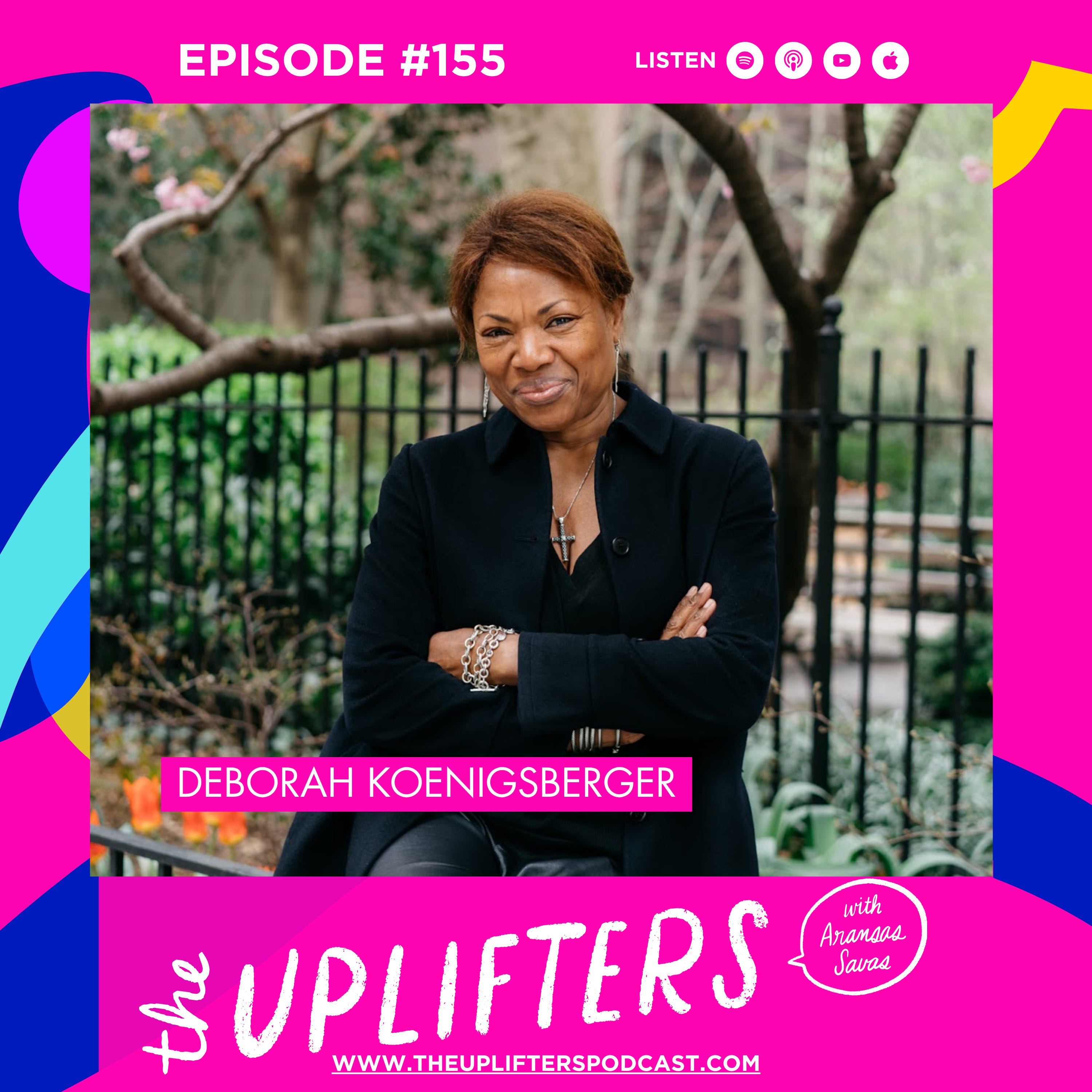
The Knot Principle
Three years ago, I launched this podcast because I believed that women in midlife were doing some of the most important, most underrated work in the world, and that if we could just hear each other’s stories, we would all be braver. Three years and 155 episodes later, I believe that more than ever.So I wanted to close out this Women Making History series with someone who embodies everything The Uplifters stands for. Someone who didn’t set out to change 40,000 lives. Someone who just saw a young woman sleeping in a park and got brave enough to walk over and say hello.Her name is Deborah Koenigsberger. She’s 65, she’s been running Hearts of Gold in New York City for over 30 years, and she is one of the most energized and energizing people I have ever talked to in my life.Deborah started her career as a fashion model and stylist. In 1989, she started her own boutique, Noir et Blanc, a French-themed women’s clothing shop in Manhattan.Then three things happened almost at the same time, like the universe was making a point.One: She was attending a Stevie Wonder concert, seven nights in a row, third row dead center (of course). His song “Take the Time Out” kept rattling around in her head. What did it mean for her?Two: Walking her usual route between home and the boutique, she started noticing a young woman sleeping in Madison Square Park. Deborah finally got up the nerve to approach her. The woman was 19. She’d been molested at home, gone to a shelter, been molested there too, and decided the street was safer than any of her options. Deborah, who had grown up surrounded by community, aunts, cousins, always a couch, always a chair, always somewhere safe to land, couldn’t process it. Nineteen years on this earth and not one person had cared enough to protect her.Third: a makeup artist she’d met on vacation reached out. It was Bobbi Brown, who was just starting to build her name, and she’d been volunteering at a women’s shelter, making the moms feel beautiful. She invited Deborah to do a seminar with her about what to wear when going out. That shelter, it turned out, was between Deborah’s home and her boutique. She had walked past it every single day without knowing it existed. A few months later, she asked the executive director: What do you do for Christmas? They went to the 99-cent store and filled a big bag, and each child got to pick one toy.Deborah thought: That is not Christmas. So she used that season’s proceeds from Noir et Blanc to sponsor a big Christmas party for all 135 kids and their moms. But it was at that party that she got her real education. A little girl ran to show her mother what she’d gotten, and her mother said flatly, “So what. Ain’t nobody ever done nothing for me”. It gutted Deborah at first. Then she sat with it. The mother wasn’t ungrateful. She just didn’t know what this was. She’d never had it. And if she had never felt cared for, she couldn’t do it for her kids. So the work got bigger. Not just Christmas, but Easter, every holiday, every moment that says: you belong, you are seen, someone thought of you. And eventually Deborah understood: it was the mothers who needed support most of all. If mama ain’t happy, ain’t nobody happy. A magnet from her own mother’s fridge became the philosophy of Hearts of Gold.Studies consistently show that women over 40 experience a significant shift in motivation, moving away from external validation and toward meaning-making. The challenge isn’t finding the energy for purpose. It’s giving ourselves permission to act before we have the whole plan.Her Courage Practice: The Knot Principle Imagine a piece of rope tied into a hundred knots, Deborah says. They look impossible. You don’t even want to start. But once you work that first knot loose and thread the loop through, you can get to the next one. And suddenly you realize you can do the whole thing.She calls this taking baby steps, but I think it’s something more specific than that. It’s not about shrinking the goal. It’s about refusing to look at the whole rope at once. Today’s problem is this. Let me see if I can help them with this. And then the next thing. And then the next.For 30 years, Deborah has untied the rope one knot at a time for thousands of families. The audacity of that, when you look at the full picture, is staggering. But she never looked at the full picture. She just worked the knot in front of her. That’s it. That’s the whole practice.What would you be able to do if you stopped looking at the whole rope?5 Ways Deborah Shows Us How to Build Our Courage Capital:Engages instead of averts. Deborah walked toward a young woman sleeping in a park when every instinct says to look away. That single act of engagement started a 30-year movement. The next time you feel the pull to scroll past something hard, consider: what happens if you look up?Acts on what she has, not what she lacks. She didn’t have a nonprofit infrastructure. She had a fashion boutique, a Christmas spirit, and a credit card. S
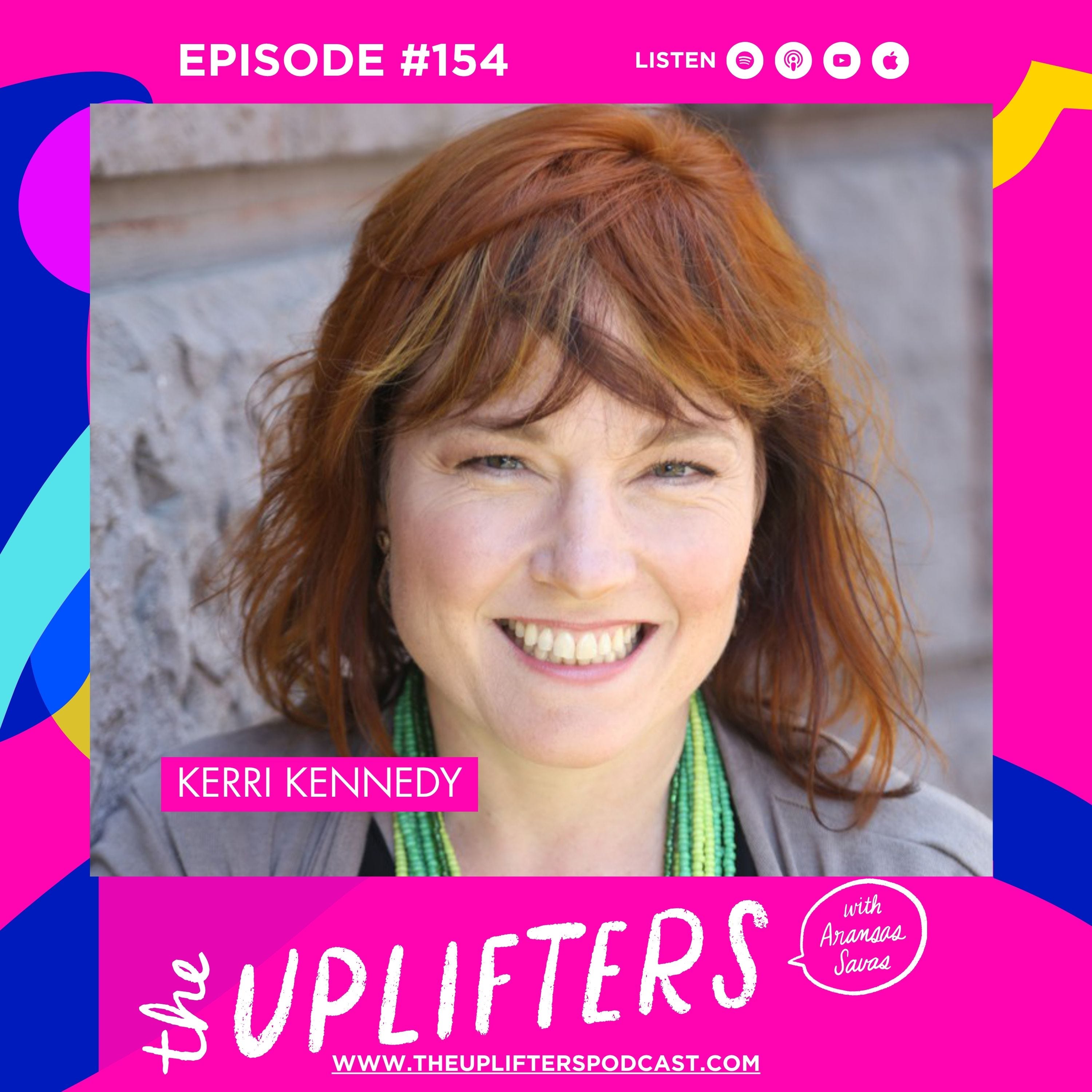
A Global Peace Leader on Turning Fear Into Action When Democracy Feels Fragile
This week on The Uplifters Podcast, global peace leader and midlife changemaker Kerri Kennedy shares how women in the second half of life are uniquely primed for civic action. Kennedy brings 20+ years of experience in human rights, peacebuilding, and political violence response to a conversation that every woman navigating midlife reinvention, community leadership, and the question of "what can I actually do?" needs to hear.In this episode, you'll hear how Kennedy mobilized a community to secure the release of a neighbor detained by ICE, how small community actions add up to a bigger impact, and how she's sustained decades of difficult work without burning out. Her framework for turning fear into action is practical, research-backed, and exactly what women over 40 need right now.From training women parliamentarians in Afghanistan under death threats to founding PACs to get more women elected in New Jersey, Kennedy's story is a masterclass in how midlife women can use their networks, experience, and identity certainty to lead when it matters most.What You'll Learn:How women over 40 lead differently in civic spaces — Kennedy's specific account of how midlife identity certainty, networks, and experience translate to faster, more decisive actionThe 3.5% rule for nonviolent change — what decades of civil resistance research says about how few people it actually takes to shift a systemHow to turn civic paralysis into a menu of options — concrete, risk-calibrated actions from spending your values to showing up in personSustaining long-haul work without burnout — the "Porous Choir" framework for rest, resilience, and collective actionHow to talk to your kids about a scary future — Kennedy's approach to raising engaged, grounded citizens in uncertain timesBuilding your fear threshold incrementally — why courage is a practice, not a trait, and how to expand it safelyKey Timestamps:0:00 - Introduction and Join the Tryb sponsor 1:30 - Welcome and Women's History Month series context 2:30 - Introducing Kerri Kennedy: global peace leader and peacebuilder 5:00 - How a community mobilized to free a detained neighbor 7:00 - How midlife women lead differently: identity certainty and networks 9:00 - Afghanistan, 9/11, and the moments that narrowed Kerri's north star 13:00 - The 3.5% rule: what the science says about nonviolent civil resistance 19:00 - A practical menu of civic actions for every risk tolerance 22:00 - Mirror neurons, ingroup expansion, and bridging political divides 27:30 - Talking to people who are exhausted from the fight 29:00 - The Porous Choir: how to sustain long-haul civic work 31:30 - Medium-term goal setting for movement work (and for weightlifting) 36:00 - What to tell your kids when they're afraid of the future 43:00 - Processing fear and building a fear threshold 48:00 - Translating fear into action: a practical exercise 49:30 - Guest nomination: Marcia, human rights lawyer in Costa RicaKey Takeaways:For midlife women navigating civic engagement: Identity certainty, which research shows peaks around age 65, means women in the second half of life are neurologically primed to act from values rather than fear, making midlife one of the most powerful times for civic leadership.For women over 40 seeking purpose: The "Porous Choir" framework offers a sustainable model for long-term impact: contribute when you can, rest when you must, trust the collective to hold what you can't.For anyone feeling paralyzed by the scale of current events: Kennedy's research-backed 3.5% rule reframes the problem. You don't need everyone. You need a sustained, nonviolent 3.5%, and your small action is part of that percentage.Resources & Links:American Friends Service Committee: afsc.orgKerri Kennedy on LinkedIn: linkedin.com/in/kerrikenKerri Kennedy on Instagram: @kerrikennedy1Book: Indivisible: Global Leaders on Shared Security (co-edited by Kerri Kennedy)Related episode, Amy Cohen (Families for Safe Streets): Listen on SpotifyRelated episode, Rev. Ann Kansfield (FDNY Chaplain): Listen on SpotifyRelated episode, Laura Kavanagh (First Female NYC Fire Commissioner): Listen on SpotifyJoin the Tribe: jointhetryb.com, code: UPLIFTER20About Kerri Kennedy:Kerri Kennedy is a global peace leader with more than two decades of experience advancing human rights, protecting civic space, and responding to political violence worldwide. She serves as International Associate General Secretary at the American Friends Service Committee (AFSC), overseeing peacebuilding, humanitarian response, and migration programs across four regions and more than 20 country offices. She is the co-editor of Indivisible: Global Leaders on Shared Security and the founder of two PACs supporting women in New Jersey politics. A midlife changemaker in every sense, Kennedy brings hard-won global experience home to local community action.About Your Host:Aransas Savas is a wellbeing and leadership coach specializing in helping women over 40 navigate midlife transition
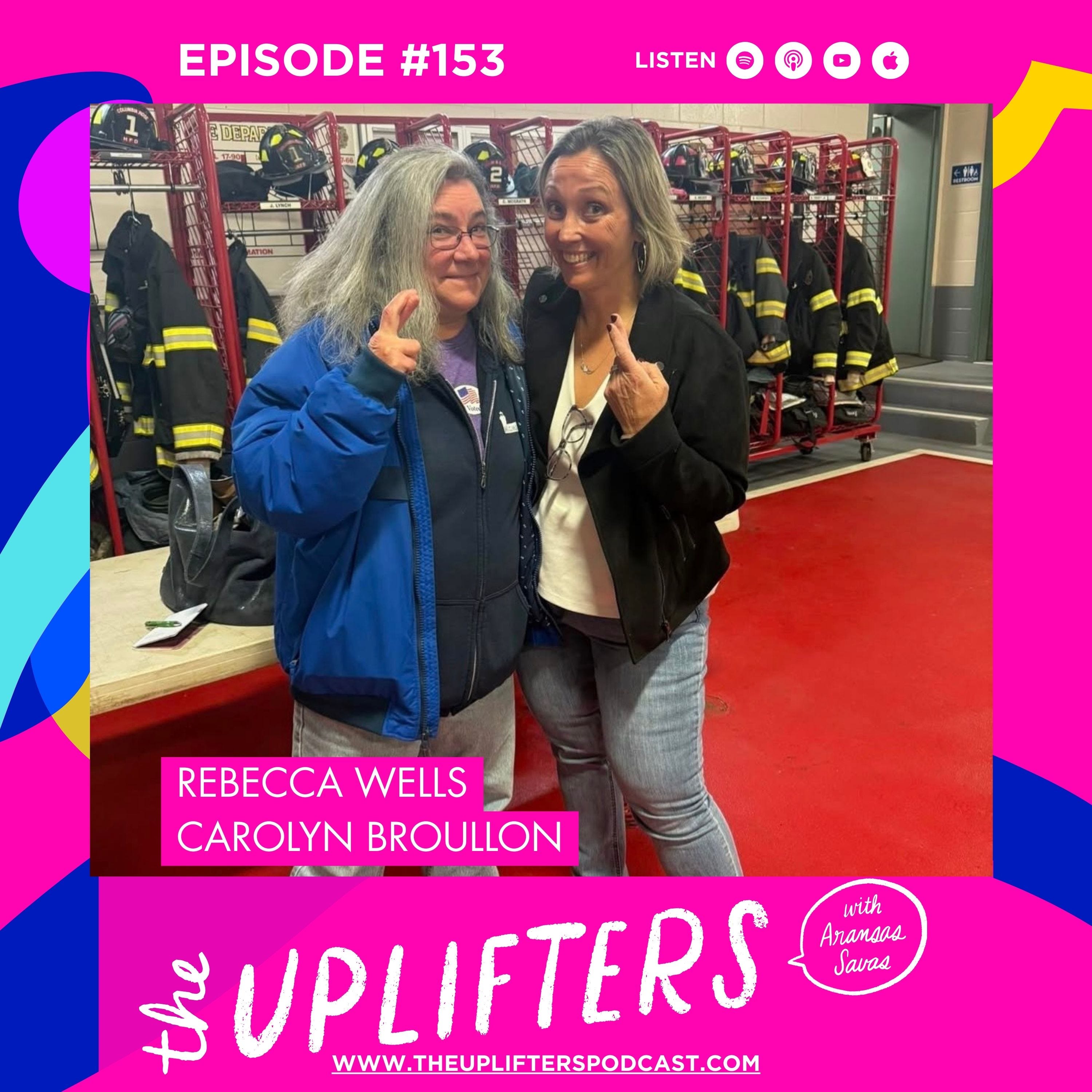
Midlife Women Shaping Local Politics
What does it look like when midlife women step up to lead in a world that has historically told them to sit down? In this episode of The Uplifters Podcast, host Aransas Savas sits down with her own neighbors, two women who ran against each other for mayor of Highlands, New Jersey, to talk about local leadership, community engagement, and the very specific courage it takes to run for office as a woman over 40. Women currently make up just 28% of Congress, hold only 12 of 50 governorships, and are twice as likely as men to rate themselves unqualified to run for office even with identical credentials. This is a conversation about why that has to change, and how midlife women are uniquely positioned to lead it.You'll hear Rebecca Wells, the first woman to serve as fire chief of the Highlands Fire Department, and Carolyn Broullon, a three-term mayor, talk candidly about what it took to campaign in a small town, how they see the future of their community, and what civic engagement really looks like at the local level. Whether you've thought about running for office, joining a committee, or just finally going to a town council meeting, this episode is for you. For midlife women navigating second act reinvention or looking for ways to create real-world impact, this is your reminder that the most powerful change often starts in your own backyard.What You'll Learn:How midlife women in politics overcome the confidence gap — and why women are twice as likely to underestimate their own qualificationsStarting over and showing up after loss — Rebecca ran for mayor months after losing her father and what that taught her about grief and purposeWomen over 40 in civic leadership — what barriers still exist and how these two women navigated themBuilding community trust as a midlife woman — the Edelman research on proximity and why face-to-face engagement matters more than everHow to get involved in local politics without running for office — practical entry points for midlife women who want to make a differenceNonpartisan elections and women's leadership — what happens when you remove party labels and ask people to actually thinkMidlife reinvention through community service — how showing up locally can become a second act of purpose and impactKey Timestamps: 0:00 - Introduction and Join the Trybsponsor spot 1:30 - Welcome and state of women in politics stats 3:00 - Introducing Rebecca Wells and Carolyn Broullon 4:30 - What Highlands means to Rebecca (lifelong resident) 5:45 - What Highlands means to Carolyn (chosen community) 7:00 - Their shared vision for the future of the town 10:00 - The experience of running for office as a midlife woman 11:30 - Rebecca on running while grieving her father 13:30 - Carolyn on building community trust through presence 15:00 - Bringing kids into the campaign 17:30 - The election results and what a 66-vote margin means 19:30 - A thousand people who didn't vote — civic disengagement 21:00 - Helen Arteaga and the power of local impact 22:30 - How disengagement connects to feeling powerless 25:00 - Rebecca's plan for a non-political neighborhood group 27:00 - Nonpartisan elections, tribalism, and voter behavior 30:00 - Closing: how to show up in your own communityKey Takeaways:For midlife women considering civic leadership: You don't have to have all the answers. You just have to ask the questions and be willing to enlist others to help find solutions.For women over 40 seeking purpose and impact: Real change starts locally. The most powerful thing you can do in a broken-feeling world is take care of your own backyard.For midlife women navigating loss or transition: Rebecca ran for mayor months after losing her father. Grief can be a north star, not just a stopping point.Featured Quote:"If you can give a night a week, you get to learn your neighbors, have input, and really shape your community." — Rebecca WellsResources & Links:Related episode: Helen Arteaga — First Latina CEO of NYC Health + Hospitals/ElmhurstEdelman Trust Barometer: https://www.edelman.com/trust/trust-barometerJoin the Tribe: jointhetryb.com code: UPLIFTER20About Rebecca Wells:Rebecca Wells is a lifelong resident of Highlands, New Jersey and the first woman ever to serve as fire chief of the Highlands Fire Department. A second-act civic leader and midlife woman in politics, she has served five terms on town council, nearly two decades on the local housing authority, and currently serves as Deputy Chief and on the Board of Education.About Carolyn Broullon:Carolyn Broullon is the three-term mayor of Highlands, New Jersey, a women-in-leadership pioneer who moved to the town in 2002 and has spent over two decades building community trust through presence, dialogue, and civic innovation, including leading the effort to bring nonpartisan elections to Highlands.About Your Host:Aransas Savas is a wellbeing and leadership coach specializing in helping women over 40 navigate midlife transitions, career changes, and second-act reinvention.

How To Build Community
In this episode, we meet Dutch documentary filmmaker Corinne van der Borch and Australian artist-animator Edwina White — two women in the second half of life who turned a dog park friendship into a creative partnership, and a Brooklyn crossing guard into the subject of their upcoming documentary, I Got You. For any woman navigating midlife reinvention, this conversation is a masterclass in starting hyperlocal, accepting help gracefully, and doing meaningful work even when the ground is shifting beneath you.You'll hear how these two collaborators built a community-funded project from the ground up — no big studio, no safety net — while each navigating their own personal upheaval. This is a midlife career pivot story, a creative courage story, and above all, a story about what happens when we pay close attention to the people right in front of us.Miss T, the Bed-Stuy crossing guard at the center of the documentary, is herself a remarkable woman: a foster care survivor who has built a neighborhood family out of loose ties, birthday cards, and epic twice-yearly dinner parties. Her philosophy — generous with love, selective with energy — is something every woman over 40 can carry with them.What You'll Learn:How to start a meaningful creative project in midlife with limited resources — Corinne and Edwina's model of community-funded, in-kind collaborationWhy hyperlocal impact matters for women over 40 seeking purpose — and how Miss T's corner became the center of a whole neighborhood's resilienceHow to convert loose social ties into real community — the skill that defines Miss T's life and that any woman in midlife can practiceBuilding creative partnerships in the second half of life — what made this dog-park friendship into a genuine collaborationAsking for help and receiving it — especially for women over 40 who have been conditioned to go it aloneThe courage to share work publicly before it's finished — and how visibility creates the support you didn't know was comingKey Timestamps:0:00 - Introduction & Join the Tryb sponsor message 1:30 - Welcome to The Uplifters & introduction of Corinne and Edwina 2:45 - Who is Miss T? The Bed-Stuy crossing guard who changes everything 6:30 - How Miss T hosts community dinner parties and builds neighborhood family 9:00 - Loose ties vs. strong ties — and what Miss T teaches us about connection 10:30 - Miss T's philosophy: open-hearted but selective with energy 14:00 - What it means to show up with presence vs. resources 15:00 - Edwina's personal journey: navigating divorce and upheaval during filming 17:00 - How the corner became a refuge — and how the collaboration began 19:30 - The dog park meeting and Sesame Street connection 22:00 - The multimedia vision: animation, drone footage, and mixed-media storytelling 26:00 - The snowball effect: how community support found I Got You 31:00 - Three lessons for doing big, brave things: start local, share openly, accept help 34:00 - How to support the documentary — GoFundMe and skills-based contributions 37:00 - Nominating the next Uplifter: a filmmaker working on a bell hooks documentaryKey Takeaways:For midlife women starting creative projects: You don't need a big platform or big budget — you need one honest story and the willingness to tell it in publicFor women over 40 seeking community: Miss T shows us that connection is a daily practice, not a grand gesture; it's the birthday card, the emoji, the remembered nameFor midlife career changers and collaborators: The right creative partner might be walking their dog twenty feet away — and the project that heals you might also be the one that matters most to your communityFeatured Quote:"It's really easy to fall into the trap of thinking, I don't have enough — and this is a woman who shows us that you just need yourself and the moment you're in to be present and connect in order to have tremendous impact for generations." — Aransas SavasResources & Links:Support the documentary: GoFundMe — I Got YouCorinne's film Sisters on Track — available on NetflixRelated episodes: Gina Hamadey on gratitude and connection | Alison Mariella Désir on building community | Cleyvis Natera on creative courageAbout the Guests:Dutch documentary filmmaker Corinne van der Borch (Sisters on Track, Netflix) and Australian artist-animator Edwina White are midlife creative collaborators whose work spans documentary film, animation, Sesame Street, and now I Got You — a short documentary about Miss T, the Brooklyn crossing guard who became the heartbeat of her Bed-Stuy neighborhood. Both women are in the second half of their careers, making work that centers community, connection, and the quiet heroism of everyday people.About Your Host:Aransas Savas is a wellbeing and leadership coach specializing in helping women over 40 navigate midlife transitions, career changes, and second-act reinvention. With 20+ years of behavioral research experience partnering with companies like Disney, Weight Watchers, and Best Buy,

Finding Love After 40 — And the Fourth Date Rule
Alyssa Dineen: Midlife Dating Coach — Finding Love Online After 40 What does it actually take to find love in midlife — especially when you're starting over after a long marriage, navigating menopause, and swiping on apps you never imagined you'd need? For women over 40 returning to dating, the modern landscape can feel like a foreign country. Dating coach and author Alyssa Dineen found herself there too, leaving an 18-year marriage in her early forties and figuring out online dating in real time. Now she helps midlife women navigate the apps with confidence, strategy, and a lot less heartbreak.In this episode, you'll learn what actually works — from building an authentic profile that attracts the right match to her signature "four-date minimum" rule that has helped countless women find love they nearly walked away from. Alyssa brings both personal experience and professional wisdom to what it means to date with intention during this second act.Alyssa's own midlife reinvention took her from a difficult marriage to a coaching practice she built from scratch, helping online daters feel more empowered as they navigate connection in the second half of life. Her transformation is proof that it's never too late — including the 84-year-old client who met the love of her life and got married.What You'll Learn:How to find love online after 40 — Alyssa's proven strategy for online dating success in midlife, including which apps actually work for women over 40Why the "four-date minimum" changes everything — what science and experience both tell us about chemistry, attraction, and why we give up too soonMidlife reinvention through dating — how getting back out there after divorce can become a profound act of self-discovery for women over 40Building confidence after 40 as a female founder — how Alyssa turned her own second-act experience into a thriving coaching businessHow to create an authentic dating profile — why repelling the wrong matches is a strategy, not a failure, for women seeking meaningful connectionStarting over during midlife transition — what to do when modern dating technology feels completely overwhelmingPerimenopause and romantic connection — understanding how our nervous systems can mistake anxiety for attraction, and how to rewire toward healthier loveKey Timestamps:0:00 - Introduction & Join the Tribe sponsor 1:30 - Welcome to the Love Series finale 2:00 - Statistics on dating after 50 3:00 - Introducing Alyssa Dineen 4:30 - Alyssa's 18-year marriage and the decision to leave 6:45 - Rediscovering herself through dating in her early forties 8:15 - Meeting her partner on Tinder and how Style My Profile was born 11:00 - The parallel between career reinvention and dating reinvention 12:45 - Authenticity in dating profiles and why we hide ourselves 16:30 - The four-date minimum explained 17:00 - Looking back at Alyssa's own four dates with her partner 21:00 - When to keep going vs. call it done 23:00 - The science of neural pathways and old relationship patterns 26:00 - Why we chase the wrong kind of "exciting" 30:15 - Navigating dating app technology in midlife 33:00 - Why you need a strategy (not just an app) to find love 36:00 - The most important thing midlife women should know about finding love 38:00 - Curiosity as the single most powerful dating tool 39:15 - Alyssa's new podcast: The Dating Lab 40:00 - Self-care and the radical practice of napping 42:00 - How to find and support AlyssaKey Takeaways:For midlife women returning to dating: The "four-date minimum" isn't about settling — it's about giving real connection time to develop past the walls we've built from years of lived experienceFor women over 40 seeking purpose and love: Your dating journey can become a second-act reinvention story; the same curiosity and openness that helps you find love helps you find yourselfFor perimenopause entrepreneurs and career changers: Alyssa's path from difficult marriage to thriving business owner is a masterclass in turning personal pain into professional purposeFor anyone who thinks it's too late: A client found love and got married at 84. The data on midlife online dating is actually quite good — 72% of singles aged 43-58 report their online dating efforts led to a real romantic relationshipFeatured Quote:"It is not too late. I hear this from women who are 40, 45, 50, 60 — everybody thinks they've waited too long. It is not too late." — Alyssa DineenResources & Links:Alyssa's website: stylemyprofilenyc.comInstagram: @stylemyprofilenycPersonal Instagram: @alyssadineenTikTok: @stylemyprofileAlyssa's podcast: The Dating Lab (available on all major platforms)Join the Tribe: jointhetribe.com — use code UPLIFTER20 for 20% off your first orderAbout Alyssa Dineen:Alyssa Dineen is a published author, dating coach, and founder of Style My Profile NYC — a transformative coaching practice helping online daters feel more confident and empowered as they navigate modern dating. After leaving an 18-year marriage in her
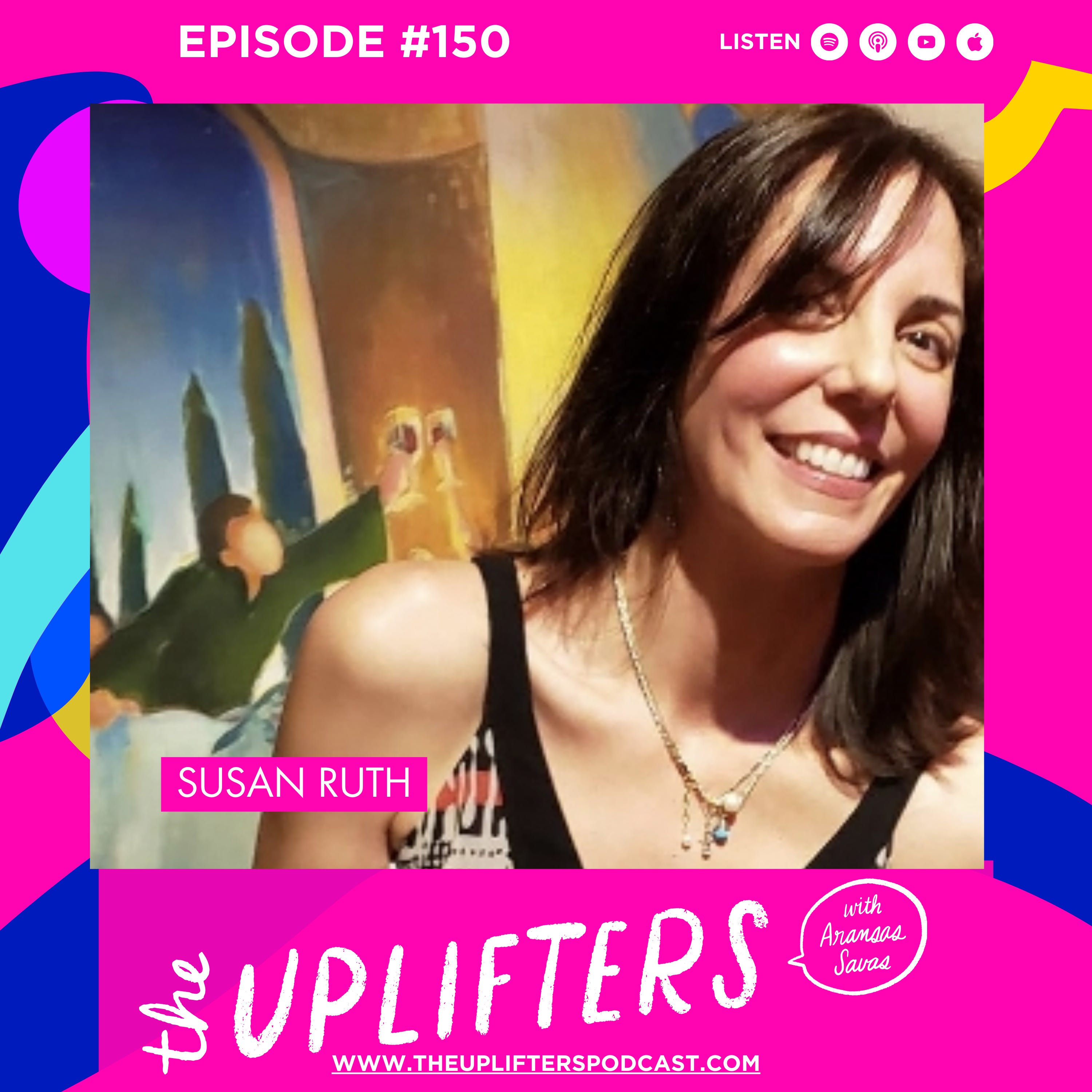
Staying Human in the Age of AI
Susan Ruth: Filmmaker and Podcaster on Human Connection — Staying Fully Human at Midlife and BeyondWhat does it mean to stay human — really, vulnerably human — when AI, algorithms, and an endless scroll are designed to do our connecting for us? Episode 150 of The Uplifters features Susan Ruth, a filmmaker, songwriter, painter, and host of the nearly 500-episode Hey Human Podcast, in a conversation about the most courageous thing women over 40 can do right now: choose presence. For women navigating midlife reinvention, menopause life changes, and the kind of perimenopause-era identity shifts that make you question everything, Susan's story is a powerful reminder that human-to-human sameness is still our most radical resource.In this episode, you'll learn why starting over at 40 or 50 often begins not with a plan but with a single act of connection — and how midlife women are uniquely positioned to lead that charge. Susan's journey from despair in a grocery store parking lot to nearly 500 conversations about what makes us human is a masterclass in turning pain into purpose, staying brave when it would be easier to go numb, and building a second act that refuses to look away.What You'll Learn:How to stay connected in midlifeWhy perimenopause and midlife reinvention are uniquely vulnerable to digital sedation — and how to resist itHow women over 40 can build courage capital through creative expression and community rather than isolationThe midlife mindset shift from consuming to making — and why it changes everythingWhy starting over at 40+ often begins with one small human moment, not a master planHow women in their second half of life can use proximity and presence as antidotes to despair — and fuel for meaningful changeKey Timestamps:0:00 — Introduction and 150-episode celebration~3:00 — The grocery store moment that launched Hey Human Podcast~8:30 — On seeing sameness before difference: "Evening, sister"~13:30 — Nearly 500 episodes and what they've taught her about humans~16:45 — On knowing who you are and why it protects you from the machine~18:30 — The TikTok spiral: recognizing the sedative for what it is~20:30 — Midlife fatalism vs. radical presence~23:00 — Art as defiance: making things when the world gets heavy~26:00 — Starting in your own backyard~32:30 — Nominating Julia CricoKey Takeaways:For women over 40 navigating loneliness: Human connection is still your most renewable resource — and it often starts with showing up for one person close to home.For midlife women in perimenopause or transition: When everything feels out of control, making something — anything — is an act of agency and defiance.For second-act career changers and midlife entrepreneurs: You don't need expertise to start. Susan knew nothing about podcasting. She just knew she couldn't stop asking her question. Nearly 500 episodes later, she's glad she began."Joy is a form of rebellion. Do not be afraid of your own happiness. Be joyful — that's the gift you give to the world."— Susan RuthResources & Links:Susan Ruth on all platforms: @susanruthism (Instagram, TikTok, Facebook, YouTube)Susan's music: Search "Susan Ruth" on Apple Music and all major streaming platformsHey Human Podcast: Available wherever you get podcastsRelated episodes: Susan McPherson (Ep. 85) | Mara Richards Bim (Ep. 31)About Susan Ruth:Susan Ruth is a filmmaker, songwriter, visual artist, and podcaster based in Los Angeles. She is the creator and host of Hey Human Podcast, a nearly 500-episode exploration of what makes us human — and what keeps us from fully becoming so. A fierce advocate for independent art and live performance, Susan has spent her career making work that insists on human connection as an act of both courage and rebellion. Find her @susanruthism across all platforms.About Your Host:Aransas Savas is a wellbeing and leadership coach specializing in helping women over 40 navigate midlife transitions, career changes, and second-act reinvention. With 20+ years of behavioral research experience partnering with companies like Disney, Weight Watchers, and Best Buy, she hosts The Uplifters Podcast, featuring women doing transformative work in the second half of their lives. Aransas brings both research rigor and personal experience to conversations about courage capital, midlife transformation, and building meaningful second acts.Connect with Aransas:Instagram: @aransas_savas | @the_uplifters_podcastTikTok: @theuplifterspodcastWebsite: theuplifterspodcast.comYouTube: @theuplifterspodcastLinkedIn: Aransas SavasFacebook: Aransas Savas | Substack: theuplifterspodcast.comKeywords:perimenopause career change, women over 40, midlife reinvention, menopause second act, starting over at 40, women changing careers 40s, midlife transition women, second half of life, courage capital, midlife transformation, women entrepreneurs over 40, perimenopause motivation, midlife purpose women, second act career women, midlife dreams women, perimenopause fresh start, human conn

Saying Yes to Yourself in Midlife
Picture a 200-year-old barn on a New England flower farm, the kind of place where the air smells like hydrangeas and history, and the stone fence bring you back to that Robert Frost poem you memorized in high school. Now picture the woman who built that life — not inherited it, not stumbled into it — but willed it into existence through decades of patient dreaming and one very courageous conversation.That woman is Wendy Harrop, and the moment I walked into her world at The Phineas Wright House in Massachusetts, I understood immediately why every woman who visits leaves changed. There’s something about being in a space that someone created entirely by saying yes to herself, and only herself, that gives you permission to wonder: what would I build if I stopped waiting for someone to hand me the key?Wendy grew up in California, but her heart always belonged to New England. Her mother is from Massachusetts, and childhood visits planted a seed that took decades to bloom. She packed for a cross-country move three times as an adult — twice unpacking still in California, once living in a neighbor’s guest room for two years with all her furniture in storage — and even then, she’ll tell you she was living a dreamy life.But living the life she had wasn’t the same as having the life she wanted. For twenty years, Wendy had been building her world around the hope that the right person, her husband, an investor, someone, would finally see how great she was and hand her the life she deserved. Then in January 2020, a coach said to her, “No one is sitting around thinking of ways to make your life better. You write your own permission slip.” And Wendy thought: oh. OH. If I’m her... I’m done waiting.She’d been a wedding planner for thirty years, an entrepreneur surrounded by people with corporate jobs who made her feel like she was doing it wrong. She’d been what she calls “high-functioning codependent,” setting herself on fire so everyone else could be warm. She’d been waiting for her husband to say yes to her dreams. And then a coach in a room full of women asked her a question she wasn’t expecting: “If you were in full freedom, would you be with him?” She didn’t even know that was an option.Nine months she sat in the question of her marriage. And then she had the most courageous conversation of her life. Twenty-two years of marriage ended with a fifteen-second outburst and then a very practical discussion about finances. “My courage set both of us free,” she says. And she means it: her ex is happy. Sometimes when we say yes to ourselves, we give others permission to finally do the same.This full-body yes changed everything for Wendy. But saying yes is where a lot of us get stuck, because even if the yes feels easy, the how often feels terrifying. So in this episode, we dig into what it actually takes to give yourself permission before you have all the answers, how Wendy maintained her courage when everything was uncertain, and the morning practice that became the through-line of her YES life.Here’s what we know about midlife women and transformation: the belief that we can change, what researchers call self-efficacy, is one of the strongest predictors of whether we actually will. External validation (like Wendy’s friend saying “she’s living the dream and she knows it”) doesn’t just feel good; it literally rewires how we perceive our own capability. And the women who make the biggest leaps in midlife often describe a similar pattern: a moment when they stopped outsourcing permission and claimed it for themselves. The research calls it agency. Wendy calls it writing your own permission slip. Either way, it changes everything.Listen to this episode if...You’ve been waiting for someone else to give you permission to change your life — a partner, a boss, a bank account, a sign from the universe.You’re in a relationship (or a job, or a town, or a version of yourself) that looks fine from the outside but feels more like tolerating rather than living.You’ve been telling yourself you can’t make a move until you know exactly how it’s all going to work out.3 Ways Wendy Shows Us How to Build Our Courage Capital:She practices waiting as an active, creative choice. Wendy waited twenty-four Mother’s Days to become a mom, three cross-country attempts to reach New England, and two decades in a marriage before the courageous conversation to end it. But she wasn’t miserable in the middle. She was enjoying the present while keeping her dreams alive.She claims agency as a radical, learnable act. Writing your own permission slip isn’t a one-time event; it’s a practice of recognizing that no one is coming to hand you the life you want.She has courageous conversations before she has all the answers. Wendy ended her marriage before she knew exactly how she was going to make it work. She didn’t have a plan. She had a morning practice, a community of wise women, and the conviction that her yes would unlock the how. (And it did — for both of them.)Lif
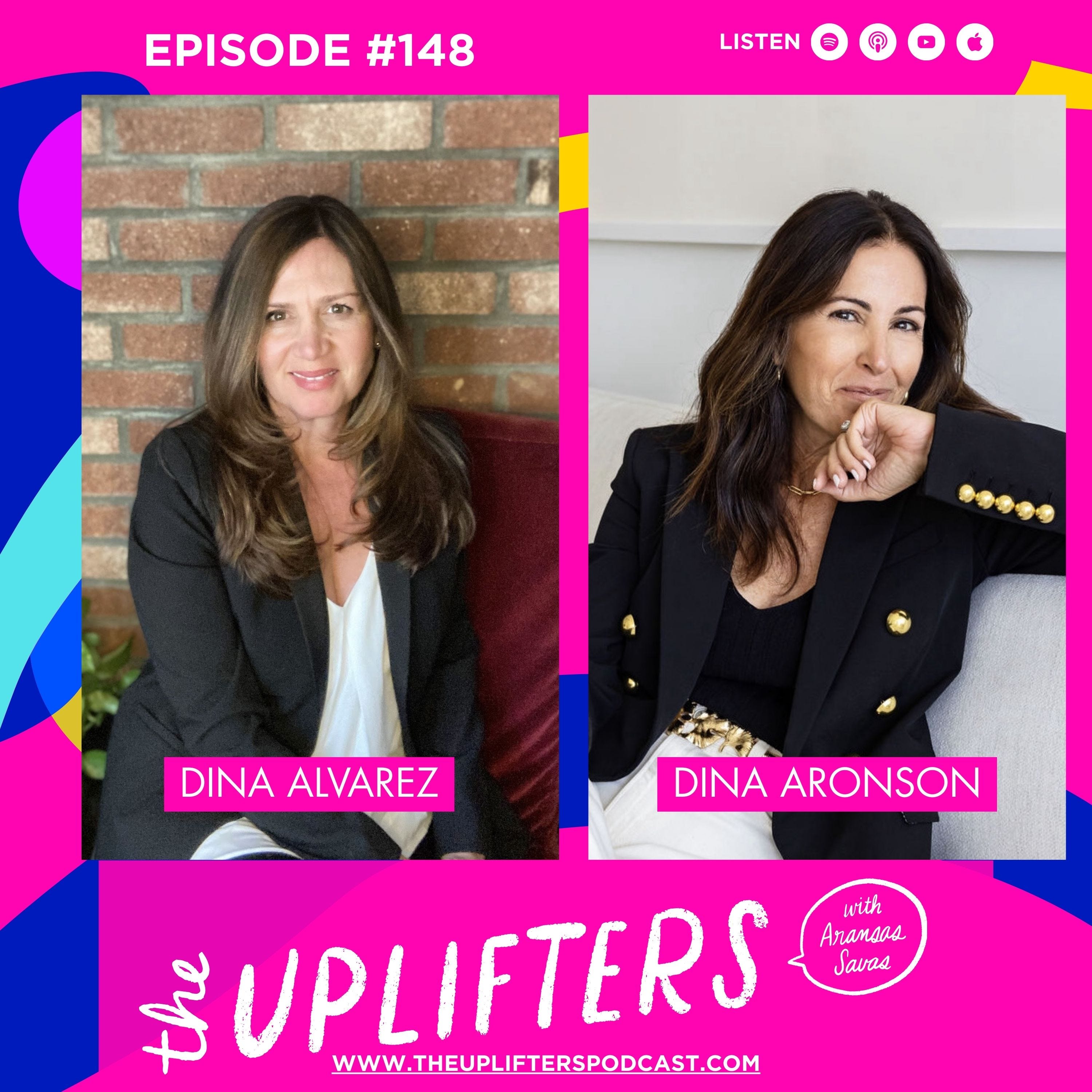
Midlife Private Parts: A Love Note to Female Friendship in Our 50s
Dina Aronson and Dina Alvarez: Creating Midlife Private Parts - An Anthology for Women over 40What happens when two women meet in their fifties and decide that the stories being told about midlife women are incomplete? Dina Aronson, a former attorney turned pro-age advocate and writer, and Dina Alvarez, a freelance writer and co-founder of SomosPadres, created Midlife Private Parts: Revealing Essays That Will Change The Way You Think About Age—an anthology that's reshaping how we talk about midlife transformation, menopause, aging, and what's possible after 40. These two powerhouse editors met through a serendipitous "midlife blind date" and built a creative partnership that's now giving voice to diverse women's experiences of stepping into the 40+ zone and reimagining what comes next. In this episode, we explore how they transformed a cultural need into a community, what it takes to build something meaningful during midlife reinvention, the courage required to pursue big dreams despite feeling unprepared, and why midlife friendships become the foundation for our most important work. If you've ever wondered whether it's too late to start something new, or felt unseen by the narratives being told about your age, this conversation is for you. This is a story about women over 40 reclaiming their narratives, building courage capital together, and refusing to settle for the limited stories culture offers them.What You'll LearnThe power of midlife friendships and creative collaboration — Understand why these years are uniquely positioned for deep partnership and meaningful work alongside other womenHow midlife women are leading cultural conversations about aging — Discover what it takes to publish an anthology that centers diverse women's voices and challenges narrow narratives about the second half of lifeMenopause, mortality, and the stories we're not telling — Explore taboo midlife topics (menopause, death, sexuality, aging) and why representation matters for women navigating these transitionsBuilding courage capital through community — Learn why readiness is not an individual practice but a community effort, and how to identify your allies and amplifiers in midlifeStarting a meaningful project when you don't feel qualified — Understand how decades of lived experience qualify you to do bold creative work, even without traditional credentialsWhat midlife women uniquely offer the world — Recognize the pattern recognition, wisdom, and crystallized intelligence that make midlife the ideal time for innovation and creative endeavorsKey Timestamps0:00 - Introduction and Aransas's connection to Midlife Private Parts3:45 - Meeting Dina Aronson and Dina Alvarez, editors of the anthology5:15 - How the book came to life and what makes it special7:00 - The themes within the anthology: vulnerability, community, and sisterhood10:30 - What topics feel most taboo? Death, menopause, and pleasure14:30 - Why representation and seeing ourselves matters16:45 - The serendipitous "midlife blind date" that started it all18:00 - How two women met post-50 and built a creative partnership20:30 - Adult friendship in midlife and why it matters for mental and physical health23:00 - Overcoming the "am I ready?" question and imposter syndrome29:30 - Dina Aronson's journey from attorney to writer (saying "I am a writer")32:45 - Dina Alvarez on readiness and community: building your support system first35:00 - What resources you've built throughout your life that are ready to use36:45 - Priority practices for body, mind, and spirit at midlife38:15 - What's next? Dina Alvarez embracing public speaking and interviews39:30 - Dina Aronson's dream: turning essays into a Hulu anthology series41:00 - Nominations: Susan Koff (Uncommon Threads) and Jessica Fine (Breathtaking)44:30 - Where to find Dina Aronson and Dina Alvarez and the bookKey TakeawaysFor midlife women seeking career reinvention: Identity precedes action. You don't need perfect credentials or previous experience to pursue something new in midlife. Decades of lived experience and pattern recognition are qualifications in themselves. Say "I am" before you feel completely ready.For women over 40 navigating major life transitions: Readiness is not an individual practice—it's a community effort. Build your support system first, then take the leap with people who believe in you. Your friends become your collaborators, and your collaborators become your deepest friendships.For women seeking representation and visibility: The stories we tell shape what feels possible. When culture stops telling our stories, we lose evidence of what's achievable. Create the representation you need to see. Share your story so other women know they're not alone and understand what's possible for them.For anyone feeling like they don't belong: Every major accomplishment in your life started with saying yes despite doubt. Short-term awkwardness is always worth enduring to avoid long-term regret. The worst thing that
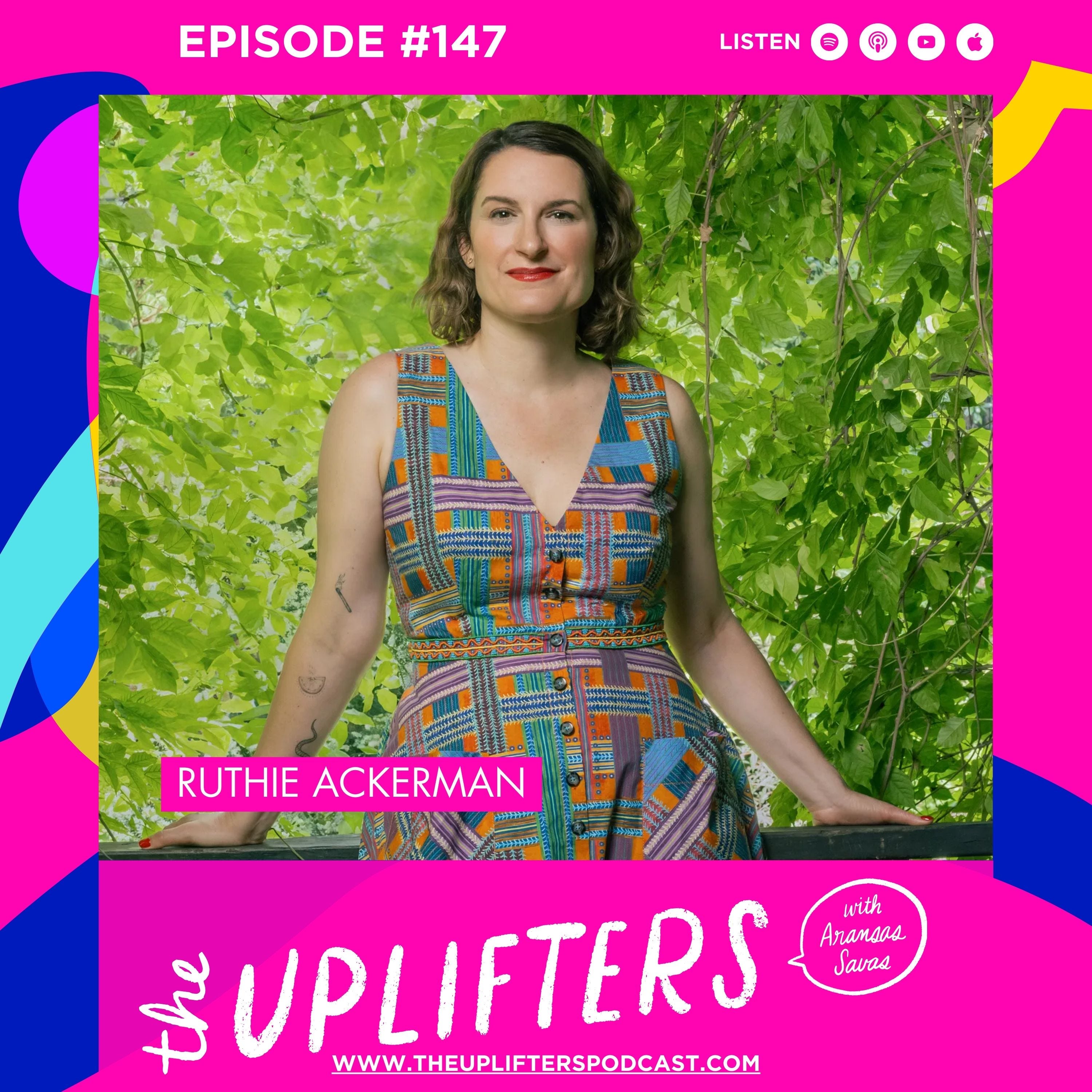
Rewriting the Mother Code at 43
Discover how award-winning journalist Ruthie Ackerman challenged every motherhood myth and became a first-time mother at 43 in this powerful episode about midlife reinvention and career change. In this conversation, we explore Ruthie's journey from believing she inherited a "flaw" that made her unsuitable for motherhood to writing the critically acclaimed memoir "The Mother Code." Learn how she navigated perimenopause career change, questioned limiting beliefs, and discovered alternative models of motherhood that allowed her to pursue both creative work and caregiving.If you're a midlife woman wondering whether it's too late to start over during menopause, change careers, or pursue your creative dreams, this episode offers proof that life after 40 can include profound transformation. Ruthie shares practical strategies for building courage capital through writing, scheduling your brave work, and learning to receive support—essential wisdom for any woman pursuing midlife dreams.What You'll Learn:How to change careers after 40 with authenticity — Ruthie's path from journalism to memoir writing and book coachingStarting over during menopause with creative courage — Becoming a first-time mother at 43 and pursuing writing simultaneouslyBuilding confidence after 40 as a creative professional — Practical strategies for scheduling your brave workPerimenopause motivation for women writers — Turning down the volume on your inner critic while creatingWomen over 40 rewriting their stories — Questioning inherited beliefs and family narrativesMidlife transformation through authentic storytelling — How memoir writing became Ruthie's path to courageSecond act career success stories — From published journalist to acclaimed memoirist and book coachKey Timestamps:0:00 - Introduction4:00 - The family narrative that shaped Ruthie's entire life9:00 - Discovering alternative models of "outlaw motherhood"17:00 - The courage to write when your inner critic screams24:30 - Over-functioning and learning to receive support31:00 - Her first book deal fell through, then Random House said yes (after 37 rejections)37:00 - Uplifting other uplifters: Sloane Davidson nominationKey Takeaways:For midlife career changers: Success isn't about being fearless—it's about doing the work scared and showing up consistently with a calendar block that says your work mattersFor women over 40 seeking purpose: Question the stories you've inherited. Sometimes our most limiting beliefs are just narratives waiting to be investigated with a journalist's curiosityFor perimenopause creatives: You don't need to silence your inner critic, just actively choose not to listen while you create your most authentic workFeatured Quote:"The only thing I could think is that continuing to write is the most worthy, courageous thing that I could do." — Ruthie AckermanResources & Links:Ruthie's memoir: "The Mother Code: My Story of Love, Loss, and the Myths That Shape Us"Instagram: @ruackermanLinkedIn: linkedin.com/in/ruthieackermanThe Ignite Writers Collective (Ruthie's book coaching practice)Ruthie's Substack: "The Spark" (monthly recommendations, craft lessons, and writer spotlights)About Ruthie Ackerman:Award-winning author Ruthie Ackerman's writing has appeared in Vogue, Glamour, O Magazine, The New York Times, The Atlantic, and more. Her Modern Love essay for the New York Times became the launching point for her memoir, "The Mother Code: My Story of Love, Loss, and the Myths That Shape Us." Ruthie launched The Ignite Writers Collective in 2019 and has since become an in-demand book coach and developmental editor helping women over 40 tell their most authentic stories. A Peabody Award-winning former producer for The Colbert Report and Columbia Journalism School alumna, she became a first-time mother at 43, proving it's never too late for a second act career transformation. She lives in Brooklyn with her family.About Your Host:Aransas Savas is a wellbeing and leadership coach specializing in helping women over 40 navigate midlife transitions, career changes, and second-act reinvention. With 20+ years of behavioral research experience partnering with companies like Disney, Weight Watchers, and Best Buy, she hosts The Uplifters Podcast, featuring women doing transformative work in the second half of their lives. Aransas brings both research rigor and personal experience to conversations about courage capital, midlife transformation, and building meaningful second acts.Connect with Aransas:Instagram: @aransas_savasPodcast Instagram: @the_uplifters_podcastTikTok: @theuplifterspodcastFacebook: Aransas SavasWebsite: theuplifterspodcast.comYouTube: @theuplifterspodcastLinkedIn: Aransas SavasKeywords:perimenopause career change, women over 40, midlife reinvention, menopause second act, starting over at 40, women changing careers 40s, midlife transition women, second half of life, courage capital, midlife transformation, women writers over 40, creative careers midlife, perimenopause

Is It Burnout, Postpartum, or Perimenopause?
After two decades climbing the corporate ladder in finance, Karissa Pfeffer hit what she thought was burnout. As a working mom navigating the pandemic, she blamed her exhaustion, anxiety, and brain fog on postpartum recovery and work stress. But at 41, she discovered the real culprit: perimenopause. This revelation transformed her understanding of what women over 40 experience in the workplace—and why 13% of women leave their careers due to unmanaged menopause symptoms.In this episode, Karissa shares her journey from high-achieving corporate executive to certified health coach and founder of Perimenopause Power. She reveals why midlife career changes often happen when women are struggling with undiagnosed hormonal shifts, how nervous system regulation is the missing piece in perimenopause management, and what companies must do to stop losing their most experienced female employees. If you're a woman over 40 wondering why you feel "off," or if you're an employer watching talented women walk away, this conversation will change everything you thought you knew about midlife transition and workplace wellbeing.What You'll Learn:How to recognize perimenopause symptoms in women over 40 — Why fatigue, anxiety, and brain fog aren't "just stress" and can start as early as 35Why nervous system regulation matters more than diet for perimenopause — The cortisol connection between stress, hormones, and that stubborn midlife weight gainHow women over 40 can reclaim energy during perimenopause — Simple daily practices that actually move the needle without adding more to your plateWhy 13% of women leave careers due to menopause symptoms — The shocking workplace cost of unaddressed perimenopause (and how to prevent it)What companies should do to support women in perimenopause — Practical policies that save money while keeping talented employees thrivingHow to make midlife career transitions with hormonal shifts — Why understanding your body changes everything about navigating work and life after 40Starting over at 40 as an entrepreneur with perimenopause — How Karissa built a thriving business while managing symptoms and redefining successKey Timestamps:0:00 - Introduction3:30 - The moment Karissa realized it wasn't burnout—it was perimenopause8:00 - Why symptoms can start at 35 and last for years before diagnosis13:00 - The breaking point: taking a company buyout at 4118:30 - Why nervous system regulation matters more than most people realize24:00 - The cortisol-perimenopause connection and midlife weight gain29:00 - Five-minute practices that actually reduce symptoms35:00 - Why 13% of women leave careers due to perimenopause40:00 - What companies must do to support women in this transition45:00 - Setting boundaries in your 40s and saying no without guilt50:00 - Redefining success: making less money but being happierKey Takeaways:For women over 40 experiencing unexplained symptoms: Perimenopause can start as early as 35. If you're exhausted, anxious, or dealing with brain fog that you're attributing to "just stress," get your hormones checked—and remember that nervous system regulation is just as important as diet and exercise.For midlife women considering career changes: Before you assume you're burnt out or failing, rule out perimenopause. Understanding what's happening in your body changes everything about how you manage your energy and make career decisions.For employers of women over 40: The cost of losing experienced female employees to unmanaged perimenopause is astronomical—$650K to $1.2 million for even small companies. Simple accommodations like flexible work policies, education, and support can save money while keeping top talent.Featured Quote:"I'm not crazy. My hormones are." — Karissa PfefferResources & Links:Karissa's Coaching Collective: Affordable group coaching for women navigating perimenopause www.perimenopause-power.com/collectiveConnect with Karissa: Instagram: @perimenopause-power; https://www.linkedin.com/in/karissa-pfeffer/ Related Uplifters Episodes:Shannon Russell: Second Act Career SuccessMelanie Cohen: Design Your Healthy Life StrategyLisa Crozier: Sobriety and Purpose After 40Jennifer Maanavi: Building Physique 57 in MidlifeAbout Karissa Pfeffer:Karissa Pfeffer is a certified health coach and founder of Perimenopause Power, dedicated to helping women over 40 understand what's happening in their bodies during perimenopause so they don't have to leave their careers. After spending over a decade in corporate finance and data analytics, Karissa experienced firsthand the devastating impact of undiagnosed perimenopause—the exhaustion, anxiety, and brain fog that she initially attributed to postpartum recovery and work stress. At 41, she took a company buyout hoping for relief, only to discover her symptoms were hormonal.Now, Karissa works with individual women through coaching and with corporations to provide education and policy changes that keep talented midlife women thriving in the workplace. Her
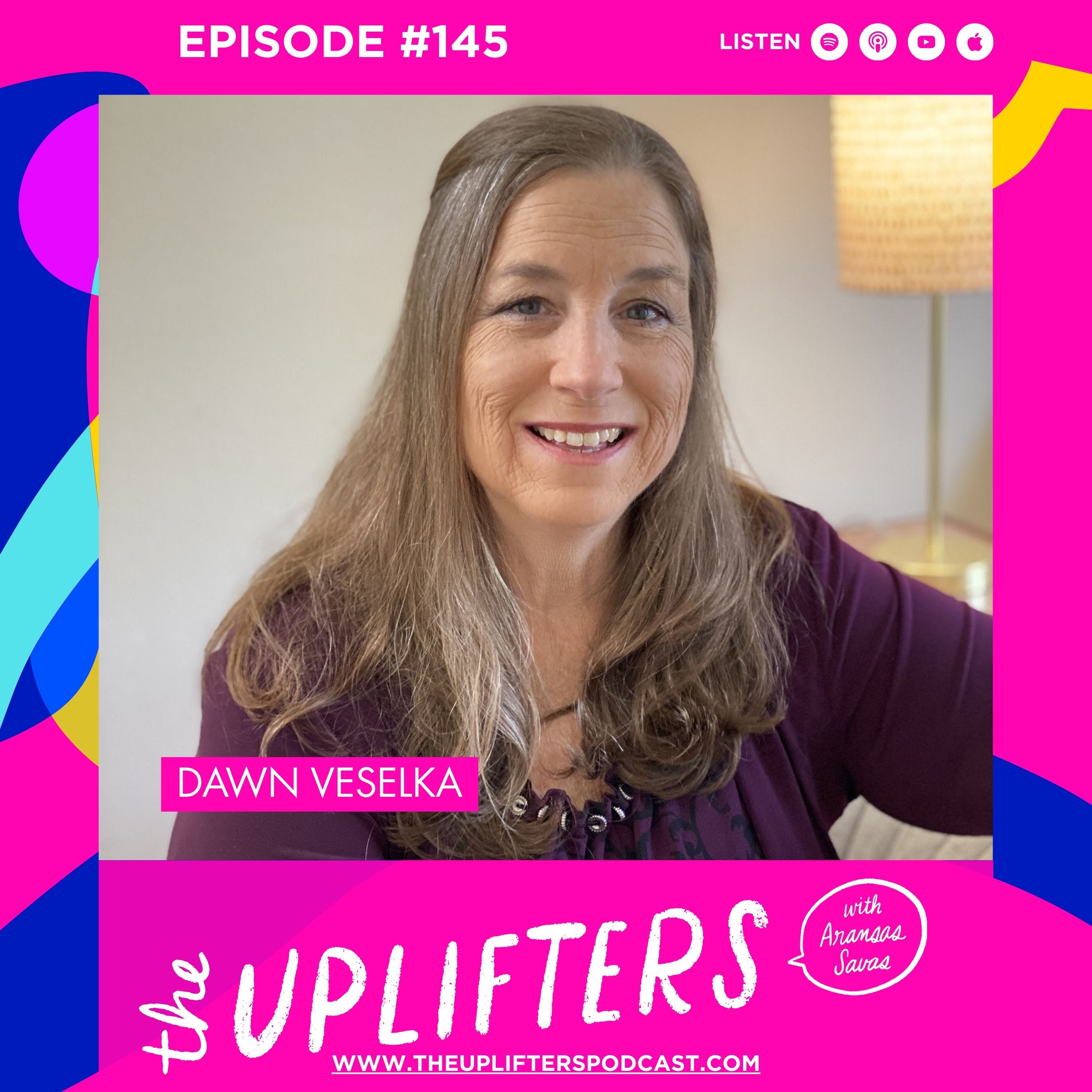
Starting a Nonprofit After 40
If you’ve ever wondered, “Is it too late for me to...” the answer’s NO and The Uplifters are about to show you why. This space is for purpose-driven women who want to do big, brave things in the second half of their lives. I’m your host, Aransas Savas, and I’ve spent the last 20 years at the intersection of behavior change research and coaching.This month for the new year, we're exploring new beginnings with award-winning author Sahar Delijani, perimenopause expert Karissa Pfeffer, comedian-filmmaker Mandy Fabian, and today, Dawn Veselka, who co-founded Cards2Warriors. Welcome to the Uplifters!Listen to this episode if...* You’ve been wanting to start something meaningful but have no idea where to begin* You’re navigating chronic illness (yours or a loved one’s) and feeling invisible* You’ve been telling yourself you need all the answers before you can take the first step* You’re a caregiver who never gets asked “how are YOU doing?”* You’re wondering if it’s too late to build something new in midlifeIs there any better feeling than receiving hand-written love notes in the mail? Today’s guest, Dawn Veselka, built an entire movement around this moment. For 15 years, she’s watched her daughter Sadie navigate chronic illness and rare disease. Somewhere in that long journey of appointments and advocacy, Dawn discovered that most patients, families, and caregivers don’t only need a medical breakthrough, they also need to know someone sees them.Dawn’s StoryDawn didn’t set out to build a nonprofit. She was a radiation therapist treating cancer patients, raising a daughter with complex medical needs, living a full life that already demanded a lot from her. But being the parent of a child with chronic illness, taught her things about isolation that most people never have to understand.Sadie’s diagnosis took years to piece together. Even now, Dawn describes her daughter as having a “mix of diseases” that doesn’t fit neatly into any single category. That’s the reality for so many people living with rare diseases (there are 7,000 of them, and 95% have zero treatment options). These patients and families are navigating without a map, often without a community, frequently without anyone who truly understands.Dawn spent decades in healthcare, but starting Cards2Warriors required an entirely different skill set. She grew up in the generation where typing class was the closest thing to technology training. Now she needed to build databases, manage logistics, create tech systems secure enough to protect patient information. “When you need $30,000 to build your tech to send cards, it doesn’t compute,” she laughs. “But we finally got everything in place.”Like so many of us in midlife, who are translating our experiences into new impactful chapters, Dawn had to own not knowing. No tech background. No nonprofit experience. No clue how to fundraise at scale. Just a clear vision that people battling chronic illness deserved to feel seen, and the willingness to figure out the rest as she went. And recent neuroscientific research teaches us that our midlife brains are uniquely positioned for this kind of work. After decades of pattern recognition and problem-solving across multiple domains (career, caregiving, navigating complex systems), we’re extraordinarily well-equipped to see connections others miss and build solutions that actually work. The challenge isn’t capability. It’s overcoming the belief that major career shifts or new ventures require starting from scratch when, in fact, we’re bringing irreplaceable expertise to the table.Today, Cards2Warriors operates with a simple but powerful model: anyone can sign up to receive cards, anyone can join their card crew to write them, and they don’t require proof of diagnosis or limit support to specific diseases. They’ve built a community of warriors supporting warriors, high school students learning how to talk to people with chronic illness, and volunteers creating tangible reminders of hope. Dawn’s goal is to send 100,000 cards, and she’s well over halfway. The stories that fuel her work are profoundly moving, so grab your tissues for this episode. Her Courage PracticeTethering to Purpose Through StoryDawn’s courage practice isn’t a morning routine or meditation ritual. It’s tethering herself to the pain, both her own and the pain of the people they serve. When the tech fails or the funding falls through or she’s staring at another problem she doesn’t know how to solve, she goes back to the stories.She thinks about the patients. She thinks about caregivers who burst into tears because someone finally acknowledged their invisible work. She thinks about her own daughter Sadie, and all those years of navigating illness without a roadmap.This isn’t about toxic positivity. It’s about remembering why the work matters when everything in her wants to give up. As the stories keep multiplying, her sense of commitment does too. So when Dawn needs courage, she doesn’t have to manufacture it fr

#144: Creative Courage at Any Age
If you’ve ever wondered, “Is it too late for me to...” the answer’s NO and The Uplifters are about to show you why. This space is for purpose-driven women who want to do big, brave things in the second half of their lives. I’m your host, Aransas Savas, and I’ve spent the last 20 years at the intersection of behavior change research and coaching.This month for the new year, we're exploring new beginnings with award-winning author Sahar Delijani, Dawn Veselka who co-founded Cards2Warriors (sending over 48,000 cards of hope to people battling chronic illness), perimenopause expert Karissa Pfeffer, and today, comedian-filmmaker Mandy Fabian. Listen to this episode if...* You’ve been putting off a creative project because you don’t feel ready yet* You’re expanding into something new and feeling simultaneously excited and terrified* You need permission to acknowledge your fears without letting them stop you* You’re tired of feeling like you should have it all figured out before you begin* You want to understand how successful creators avoid self-doubt (spoiler: they don’t)I always thought (hoped) the Giant Iceberg of Creative Fear would get smaller over time. Turns out that’s not the case. If anything, it gets bigger.Because the more we create, the more we know what can go wrong. The more we put ourselves out there, the more aware we become of all the ways we might fail. The more we risk, the more we have to lose. It’s like Mandy Fabian says in today’s conversation: “When you start to expand, it can feel like you’re smaller because the space around you gets bigger to make space for everything that you’ve got to give.”Mandy has been making the choice to step into the bigger space over and over again throughout her creative life. As a comedian, filmmaker, and singer-songwriter, she’s built a career on saying yes to projects that scare her, projects where she’s not entirely sure she knows what she’s doing.Her latest film, Just Plus None (streaming now on Apple TV and Amazon Prime), is a romantic comedy with a twist: the protagonist doesn’t end up with anyone. Instead, she ends up with herself. It’s a film about a woman who’s messy and flawed and doesn’t know how to be a maid of honor, who has loud, unashamed sexual desires, who makes mistakes and learns to love herself where she is. It’s the kind of film that challenges what we think women in rom-coms should be like (and what we think our own journeys toward self-acceptance should look like).Creating it required Mandy to wrestle with the same noisy fears we all do, but courage alone doesn't write the script, find the funding, or push through the three weeks of intense therapy required at the start of the project. So in this episode, we talk about her actual practices for managing fear, the specific ways she processes doubt, and how she's learned to hear limiting beliefs differently (not as truth, but as challenges that prove she needs to be in the room).Her Courage PracticeMandy has developed what might be my favorite courage practice I’ve heard on this show: the therapeutic tantrum.Here’s how it works: When fear and doubt and anxiety are overwhelming, she doesn’t try to positive-think her way through it. Instead, she gives herself permission to throw a full-blown tantrum, either on a friend’s voicemail (with permission to delete without listening) or in her journal or just out loud to herself.She lets herself be “the most scaredy cat, petty, mean-spirited towards myself and anybody else.” She argues for all her limitations. She whines and stomps her feet and declares how unfair everything is and how nobody ever helps her and how she’s going to fail and everyone will laugh.And then she lets it pass.“I let that do for as long as I have to, so that it has its moment,” she explains. “And usually then I go, okay, that’s that. Now let’s work on the other part of it.”What Mandy understands is something most of us resist: those feelings need to be expressed, not suppressed. When we try to bypass them or pretend they don’t exist, they don’t go away. They just turn into a toxic filter that colors everything we see. But when we give them a neutral space to exist, acknowledge them fully, and let them run their course, they lose their power.It’s like she’s created a wind phone for her fears ((H/T Lia Buffa De Feo ), a safe place to release them so they don’t poison her creative process. And then, once the tantrum has run its course, she can ask a different question: “Okay, fun. Would you like to have a word? What would you like to see happen today?”Editor’s note: Sahar Delijani described a very similar practice on last week’s episode, in case you need more evidence in order to let those cranky, negative feelings rip.3 More Ways Mandy Fabian Shows Us How to Build Our Courage Capital:* She moves forward before she feels ready — Mandy admits she often starts projects because she’s “too stupid to believe it could ever go wrong,” driven by dreams rather than detailed plans. But once

#143: What Life-and-Death Courage Teaches Us About Daily Bravery in Midlife
If you’ve ever wondered, “Is it too late for me to...” the answer’s NO—and The Uplifters are about to show you why. This space is for purpose-driven women who want to do big, brave things in the second half of their lives. I’m your host, Aransas Savas, and I’ve spent the last 20 years at the intersection of behavior change research and coaching.This month for the new year, we're exploring new beginnings with award-winning author Sahar Delijani, Dawn Veselka who co-founded Cards2Warriors (sending over 48,000 cards of hope to people battling chronic illness), perimenopause expert Karissa Pfeffer, and comedian-filmmaker Mandy Fabian. Welcome to the Uplifters!Listen to this episode if...* You’re carrying stories that feel too big, too painful, or too important to keep inside* You’ve felt paralyzed by the question “who am I to write this/say this/share this?”* You’re looking for courage to do something big and brave this yearMost of us will never face the kind of capital C Courage that Sahar Delijani writes about, even though lately it doesn’t feel far off. The kind where speaking your beliefs can cost you your freedom, your family, your life. I’ve spent years studying courage, coaching women through their biggest transitions, and interviewing hundreds of people doing brave things. But this conversation taught me so much about the ways great big acts of courage inform the little daily ones, and vice-versa.Sahar writes about people who faced imprisonment, execution, and systematic persecution. But telling their stories? That took a different kind of courage entirely. The daily kind. The kind that shows up when you’re sitting at your laptop, terrified, wondering who gave you permission to tell these stories. The kind that requires you to keep going when every voice in your head says you’re not ready, you’re betraying secrets, you don’t have the right.That’s the courage most of us actually need to learn: how to do the thing we feel called to do even when we’re scared, how to tell the truth even when we were taught to keep it hidden, how to take up space with our voices, our stories, our work, especially in midlife when so much of the world tells us our time has passed.So when Sahar Delijani, whose debut novel Children of the Jacaranda Tree has been translated into 32 languages and published in more than 75 countries, agreed to talk with me, I wanted to understand: How does witnessing extraordinary Courage inform the ordinary courage we need every day? How do you build the stamina to keep doing brave things when the work requires revisiting trauma again and again? And what can those of us doing “smaller” brave things (career changes, creative pursuits, truth-telling in our own lives) learn from someone who’s documenting capital-C Courage?Turns out: everything.Her StorySahar grew up in the aftermath of the 1979 Iranian revolution, in the shadow of her family’s activism and imprisonment. Her parents were among thousands arrested in 1983 for their political beliefs. Her mother was pregnant at the time. Sahar was born in Evin prison, Tehran’s notorious political prison, and spent her first month there before her grandparents raised her alongside her brother and cousin (also born in prison).The 1988 mass executions took her uncle’s life while her parents, fortunately, had already been released. But the trauma didn’t end when her parents came home. It lived in the silence, in the things they couldn’t talk about, in the ways their imprisonment shaped every aspect of their lives even after their release.For years, Sahar didn’t talk about any of it either. Moving to California at age 12 meant geographic distance from Iran, but it also meant the stories stayed locked away. It wasn’t until she decided to write Children of the Jacaranda Tree that she began to unlock those stories, not just for herself, but for others who lived through similar experiences around the world.The book chronicles the lives of families affected by political imprisonment in Iran, weaving together stories of life inside prison walls and the ripple effects on everyone outside them. It follows children born into this tragedy, including those born in prison like Sahar, as they grow up and decide what to do with the legacy of their parents’ courage and sacrifice. Writing it meant breaking decades of silence, meant asking her parents to revisit their most painful memories, and making private family trauma public.In this episode, we talk about what it takes to keep going when your work requires you to revisit the hardest parts of your life again and again, how she rebuilds her courage between projects, how she processes the weight of speaking for others, how she maintains boundaries while staying open to her own feelings, and how she remembers why these stories matter when the cost of telling them feels too high.5 Ways Sahar Delijani Shows Us How to Build Our Courage Capital:* She reconnects to purpose when doubt creeps in. When Sahar questions whether she ha
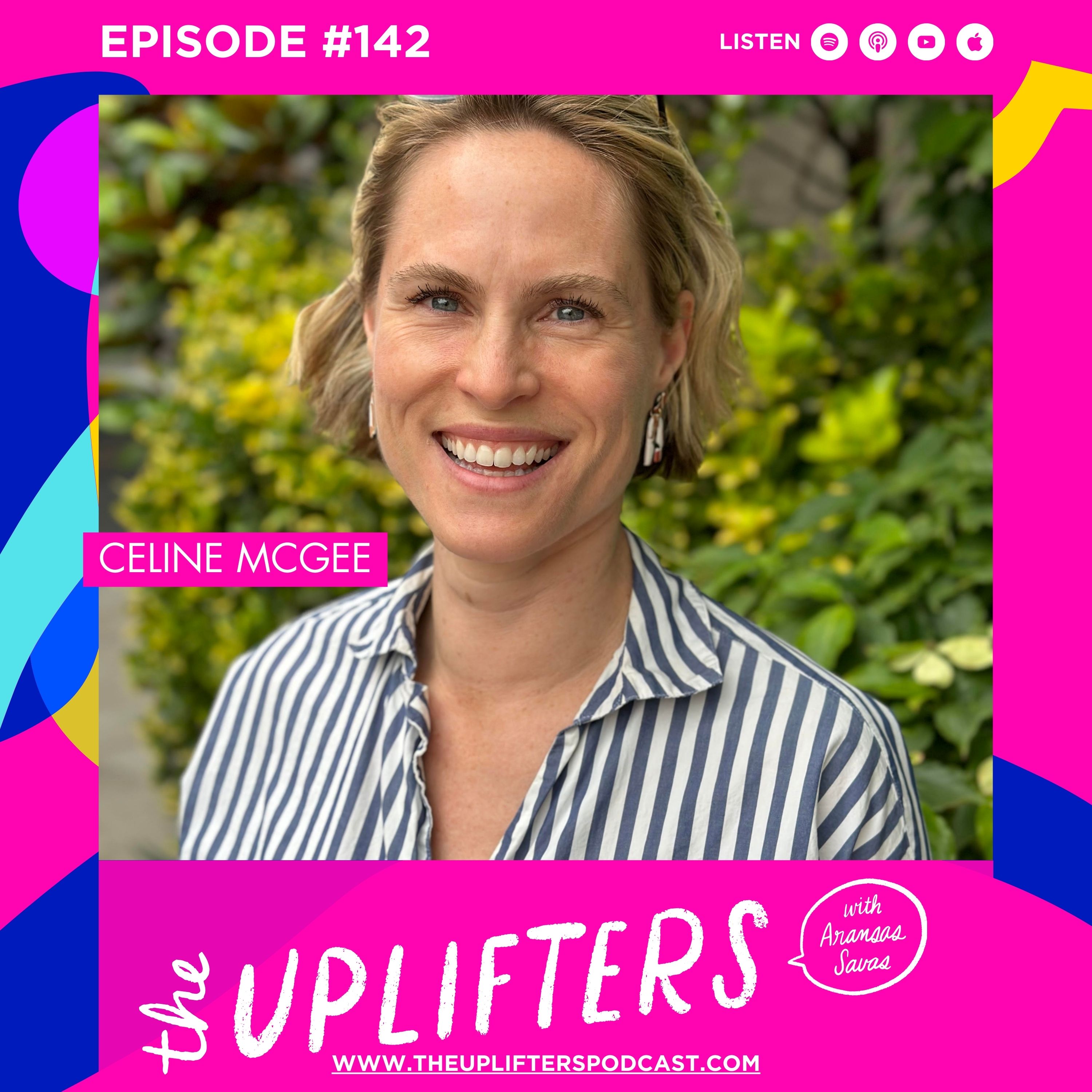
Building Connection in Lonely Times: Celine McGee and The Compliment Squad
In an era of unprecedented social isolation and loneliness, one Philadelphia engineer is combating disconnection one compliment at a time. Celine McGee, who works in corporate telecommunications by day, has spent over a decade approaching strangers with genuine compliments and cards that say "pass it on"—creating what she calls the Compliment Squad.What started with a single compliment during a neighborhood walk has evolved into a grassroots movement challenging our collective fear of talking to strangers. Celine shares how she overcomes the vulnerability of approaching people she's never met, why creating connection matters more than perfection, and how small acts of courage can create butterfly effects of kindness.In this conversation, we explore the crisis of loneliness affecting our communities, practical strategies for overcoming social anxiety, and why sometimes the bravest thing we can do is simply tell someone their shoes look cool. Whether you're an introvert wanting to connect more or someone who believes we need more human interaction in our increasingly digital world, this episode offers both inspiration and practical tools for building courage through everyday connection.What You'll Learn:How to overcome fear of talking to strangers — Practical strategies for approaching people you don't know with genuine complimentsBuilding everyday courage through small acts — Why starting with simple compliments can help you develop confidence in all areas of lifeCreating community connection in isolated times — How one person's small initiative can ripple out to create meaningful changeNavigating social anxiety with purpose — Turning awkwardness into opportunities for authentic human connectionSustaining passion projects alongside demanding careers — Strategies for keeping personal missions alive when corporate work drains your energyKey Timestamps:0:00 - Introduction 4:30 - The origin story of the Compliment Squad 11:45 - Overcoming the vulnerability of approaching strangers 18:20 - How compliments can bridge social divisions 24:15 - Katie's wisdom: "If you haven't been punched in the face, you're fine" 28:45 - Enlisting amplifiers to grow the movement 33:00 - Courage practices for connectionKey Takeaways:For anyone struggling with social connection: Compliments are one of the lowest-barrier ways to break the ice and create authentic moments with strangersFor those managing fear of rejection: Research shows that even imperfect compliments land well—the intention matters more than perfect executionFor community builders: Creating movements doesn't require perfection or grand gestures; it starts with doing more of what already feels good and inviting others to join youFeatured Quote:"If you haven't been punched in the face so far, you're fine. So my point is like I compliment a lot of people I've never seen before or spoken to, and it's fine. So people shouldn't be scared just to give a compliment in any setting." — Celine McGee (quoting her friend Katie)Resources & Links:Follow the... Get full access to The Uplifters at www.theuplifterspodcast.com/subscribe

How to Ask for Help Without Apologizing with Neeshi's Gita Vellanki
What if the key to building your midlife business isn't having all the answers but knowing how to ask the right questions? In this episode, we meet Gita Vellanki, founder of Neeshi, who left a successful career in high tech to create functional foods for women navigating menstruation, perimenopause, and menopause. After watching her daughter struggle with debilitating periods and experiencing her own perimenopausal chaos, Gita drew on her grandmother's wisdom about food as medicine and created a line of chocolate spreads designed to help women feel better without sacrificing pleasure.But Gita's journey from corporate executive to midlife founder wasn't about having the perfect credentials. With zero background in CPG or marketing, she had to learn how to leverage the resources she did have, get specific about her gaps, and become her own loudest advocate. This is a masterclass in starting over at 40, asking for help without apologizing, and building courage capital one brave choice at a time.Whether you're considering a perimenopause career change, wondering about starting a business during menopause, or simply trying to figure out how to take the leap when you don't feel ready, Gita's story offers practical wisdom for women over 40 starting businesses and reclaiming their power in the midlife transition women experience.What You'll Learn:How to start a business after 40 without feeling ready - Gita shares how she began Neeshi with zero CPG experience, learning to leverage what she had rather than waiting for perfect credentialsPerimenopause business strategies for women entrepreneurs - How to identify and fill skill gaps like marketing while building a mission-driven companyStarting over at 40 with limited resources - Practical advice on using your existing network, even when it feels irrelevant to your new ventureWomen over 40 overcoming self-doubt as founders - Why following up doesn't mean being pushy, and how to stop interpreting silence as rejectionMidlife career change through purpose-driven work - How personal pain can become the foundation for meaningful business that helps othersBuilding confidence after 40 as a female founder - The courage practice of asking for help without apology, and trading stress for realistic timelinesMenopause wellness business success stories - From frozen products to hero spreads: how to pivot without judgment when your first idea doesn't workKey Timestamps:0:00 - Introduction 2:15 - How Neeshi was born from watching her daughter suffer 6:30 - Gita's own perimenopause journey and discovering the power of functional food 10:00 - The pivot from frozen products to chocolate spreads 13:15 - Leveraging your existing resources even when they feel irrelevant 16:45 - The marketing challenge and learning new skills at 40+ 20:00 - Why asking for help became her superpower 23:00 - Trading stress for timeline: letting go of artificial urgency 26:45 - Supporting Neeshi and connecting with GitaKey Takeaways:For... Get full access to The Uplifters at www.theuplifterspodcast.com/subscribe

Why Midlife Is Actually Peak Entrepreneurship Age - From Beauty Executive to "Geriatric Founder" at 44
What happens when health challenges in your 40s become the catalyst for a complete career reinvention? In this episode, Kimberle Lau shares her journey from 20-year beauty industry executive to founder of Bake Me Healthy, an allergen-free, plant-based baking company. After pregnancy-induced food intolerances and a breast cancer risk diagnosis, Kimberle left corporate America at 44 to build a mission-driven business serving people with food allergies and intolerances.She opens up about being a self-described "risk-averse" founder, discovering that the average founder age is actually 45 (not 25), and learning to focus on "the next three steps" instead of needing the entire roadmap mapped out. We talk about balancing business building with raising teenagers approaching college age, why she tracks sleep like a KPI, and how "micro-wins" serve as signals to keep going when progress feels slow.This is an honest conversation about midlife entrepreneurship women over 40, starting a business during perimenopause, women changing careers in their 40s, and building something meaningful when everyone's asking "but when will you break even?"What You'll Learn:How to change careers after 40 with purpose — Kimberle shares how 20 years of beauty industry expertise transferred to food entrepreneurship and what made her finally take the leap at 44Starting a business during midlife with family responsibilities — Navigating the reality of building a company while raising teenagers, managing mortgage payments, and planning for college tuitionPerimenopause motivation for women entrepreneurs — How health challenges became the catalyst for purpose-driven work and why midlife is actually the right time to startWomen over 40 starting businesses — Why the average founder age is 45, not 25, and what advantages decades of experience bring to entrepreneurshipBuilding confidence after 40 as a female founder — Overcoming the "am I ready?" question and learning to trust your next three steps instead of needing the full planMidlife transformation through purpose — From corporate burnout in beauty to creating inclusive, allergen-free products that serve an underserved communitySecond act career success strategies — Practical wisdom about evaluating micro-wins, managing risk strategically, and making self-care non-negotiableKey Timestamps:0:00 - Introduction4:00 - From beauty industry executive to food entrepreneur—the health crisis that changed everything12:00 - "Am I too risk-averse to be a founder?" and discovering the average founder age is 4518:30 - Managing the anxiety of building a business as a mom with college tuition looming24:00 - The "next three steps" approach: why you don't need the full roadmap to start28:00 - Listening to micro-wins as signals to keep going33:00 - The sleep habit tracker: treating self-care like a business KPI39:00 - Building a family business: working with her mother and involving her kidsKey Takeaways:For midlife career changers: The average founder age is 45—your decades of expertise are an asset, not a liability. Starting "late" often means starting with more resources, networks, and pattern recognition than younger founders have.For women over 40 seeking purpose: Health challenges and body changes in midlife can become catalysts for meaningful work. What starts as solving your own problem can become a mission serving thousands of others.For perimenopause entrepreneurs: Risk-aversion doesn't disqualify you from founding something. Strategic risk management—having financial cushion, supportive partners, and Get full access to The Uplifters at www.theuplifterspodcast.com/subscribe

Starting a Mission-Driven Business After 40
Starting over during perimenopause and midlife doesn't always mean changing careers—sometimes it means creating entirely new solutions the world desperately needs. In this episode, meet Tara Miko Ballentine, founder of Bright Littles, who transformed her experience of childhood sexual assault into a company helping parents have crucial conversations with kids about consent, boundaries, safety, and diversity.For women over 40 navigating midlife reinvention, Tara's story offers powerful proof that your second act can combine personal healing with public purpose. She launched Bright Littles during the pandemic while parenting full-time, and four years later continues building without breaking even—side hustling, pivoting constantly, and facing the unique challenges female founders encounter when seeking funding.This conversation offers practical wisdom for midlife women pursuing dreams that matter: how to start before you feel ready, how to find courage capital when everyone questions your path, and how to build something meaningful while managing all the other responsibilities of life after 40.What You'll Learn:How to change careers after 40 with purpose — Tara shares her journey from fashion and marketing to founding an education company, proving midlife career pivots can create entirely new industriesStarting over during menopause with limited resources — Learn how to launch a business while working full-time, parenting, and navigating the financial realities of midlife entrepreneurshipBuilding confidence after 40 as a female founder — Discover strategies for persisting when funding goes to men with ideas while women with products face barriersPerimenopause motivation for women entrepreneurs — How to maintain your North Star mission when the journey tests every ounce of your resolveWomen over 40 starting businesses — Practical wisdom about pivoting, learning new skills (even tech!), and building sustainable side hustlesMidlife transformation through purpose — How personal pain can fuel public mission when you're ready to turn wounds into wisdomSecond act career success stories — Real talk about what four years of building looks like without breaking even, and why mission sometimes matters more than metricsKey Timestamps:0:00 - Introduction2:15 - The pandemic moment that sparked Bright Littles6:30 - Crossing personal and business life for the first time10:00 - The "am I ready?" questions every founder asks13:00 - Why 95% of childhood sexual abuse is preventable18:15 - How to start conversations before problems happen22:00 - Pivoting from physical products to digital during tariffs26:00 - The "Periods and Polish" event and online backlash31:00 - How to support Bright Littles' missionKey Takeaways:For midlife career changers: Start with what you know, then pivot as you learn—Tara began with fashion/product experience and adapted everything as she discovered publishing, retail, and subscription modelsFor women over 40 seeking purpose: Your personal experience isn't a liability; it's your competitive advantage. Tara's childhood trauma became her deepest source of mission clarityFor perimenopause entrepreneurs: Side hustling is sustainable—Tara worked as a CMO while building Bright Littles, still consults for income, and has built something meaningful without traditional fundingFeatured Quote:"I feel so passionate about what I am doing. I think most people probably would've quit. I've not financially broke even in four years. That is not for everybody. But I feel like when I started this... Get full access to The Uplifters at www.theuplifterspodcast.com/subscribe

A 30-Year Media Veteran on How to Be a Creator Without Niching Down
Producer Rachel (Rachel Giordano) spent nearly 30 years climbing the entertainment industry ladder—from Barbara Walters and The View to Disney Feature Animation to iHeart Media. But at 47, she realized the traditional path wasn't letting her be fully herself. Now she runs a boutique production company, hosts The Producer Rachel Show, wrote and self-published a children's book (Santa's Secret Wishing Coin), and is helping other midlife women embrace their creative superpowers—ADHD and all.In this conversation, Rachel shares her radical "creator not consumer" mindset shift, why she refuses to "niche down" despite what every algorithm tells her, and how she's building a creative empire by doing things messy, posting for pleasure instead of obligation, and embracing every weird part of herself. If you've ever felt like you had to boil yourself down to one thing to be "marketable," this episode will give you permission to be the umbrella.What You'll LearnHow to shift from consumer to creator mindset (and why a time audit will shock you)The "do it messy" approach to getting your work out into the world without waiting for perfectWhy "niching down" might be killing your creativity—and what to do insteadHow to know what to outsource when you're building something new (hint: if it doesn't move the needle, delegate it)Why comparison is the creativity killer—and how to disconnect from other people's timelinesThe parking lot moment that changed everything for Rachel's businessHow to invest in yourself before you feel "ready" (and trust the gap will fill itself)Why your ADHD might be your midlife superpower, not a problem to fixHow to create content you actually want to make instead of content you think you "should" makeThe surprising way editing became Rachel's meditation practiceWhy being a "multi-hyphenate" at 40+ is actually your competitive advantageHow to support small creators (it's free and takes seconds)Timestamps00:00 - Welcome & Rachel's background in entertainment03:15 - The creator vs. consumer mindset shift06:50 - How behavior change works: focus on what you're gaining, not giving up08:30 - Posting for pleasure vs. obligation13:30 - Comparison as the thief of joy (and creativity)16:55 - "Everyone has ideas. Only entrepreneurs act on them."18:00 - The magic of consistent, small actions19:57 - Why your unique perspective is irreplaceable (even in the age of AI)23:00 - The "network umbrella" approach to personal branding25:00 - Being the brand instead of picking one niche27:00 - Investing in yourself: hiring the VA, the cleaning service, the meal prep29:00 - Why Gen X is the most resourceful generation30:45 - Ageism and why we're going to team up and do our own things31:12 - Getting out of toxic hustle culture and respecting your own boundaries33:30 - The origin story of Santa's Secret Wishing Coin37:00 - Teaching kids about believing, giving, and manifestation38:30 - Becoming your own publisher and what that takes40:00 - "Nobody cares... until they do"42:00 - Growing community before you launch43:00 - Rachel nominates Dr. Rhonda Vaughn44:30 - Support small creators: it's free and changes livesKey Takeaways✨ Shift from consumer to creator: Do a time audit. You probably have more creative time than you think—you're just spending it scrolling.✨ Perfect is too late. Do it messy: Start before you're ready. Go live to test ideas. Edit later... Get full access to The Uplifters at www.theuplifterspodcast.com/subscribe
How to Set and Achieve Audacious Goals After 40 with Kiersten Barnet, Key Advisor to 100 Fortune 100 CEOs
Discover how women over 40 are leading systemic change and tackling audacious goals. In this episode, 42-year-old Kiersten Barnet, Executive Director of the NYC Jobs CEO Council, shares how she's coordinating Fortune 100 CEOs to hire 100,000 low-income New Yorkers—and they're already more than halfway there.If you've ever wondered "is it too late to take on something impossibly big?" this conversation proves the answer is absolutely not. Kiersten reveals her practical strategies for breaking down overwhelming problems, asking better questions, and building the kind of authentic leadership that creates space for everyone behind you. From her annual "letter from the future" practice to her philosophy of "strategic neglect," she offers a masterclass in midlife ambition that's both grounded in research and beautifully human.What You'll LearnCareer Change & Midlife Reinvention:How to pivot from corporate (15 years at Bloomberg) to mission-driven leadership after 40Why women's growth mindset peaks in their 40s and how to leverage itHow to take on audacious goals without having all the answers firstWhy your "not knowing what you want to be" might actually be your superpowerStrategic career pivots for women over 40 seeking meaningful workPerimenopause & Menopause Era Leadership:How to lead major initiatives while raising small children in your 40sWork-life integration strategies that actually work (not the mythical "balance")Why scheduling self-care and date nights matters more than superhuman productivityStrategic neglect: giving yourself permission to let go of the "shoulds"Managing stress and overwhelm during perimenopause while leading high-stakes projectsPractical Midlife Success Strategies:The annual future-letter practice that turns goals into concrete action plans"Eat the frog first": why tackling the hardest thing in the morning changes everythingHow to ask the right questions of the right people when facing big problemsData collection vs. speculation: making better decisions by knowing your "customer"Why problems don't age well and how to build courage through immediate actioBreaking down impossible goals into digestible, actionable stepsWomen 40+ in Leadership:How authenticity (not fitting a mold) makes you memorable and effectiveWhy talking about your children and challenges publicly creates systemic changeThe evolution from "women couldn't make it work" to "this is the new norm"How to measure success when you're in the second half of your lifeBuilding courage capital through facing impossible-seeming challengesMidlife confidence building for women leadersSystemic Change & Social Impact:How to coordinate massive coalitions (like Fortune 100 CEOs) toward common goalsWhy breaking down big problems into digestible pieces is the only way forwardThe importance of hiring and skilling local talent for economic mobilityHow private sector leadership can drive public sector changeWhy transferable skills from hourly work matter more than ever in the AI eraKey Timestamps[00:00] Introduction to Kiersten Barnet and the NYC Jobs CEO Council's audacious goal[02:45] "I don't think I knew any of the jobs I've had existed until basically just before I had them"[04:15] How priorities shift in your 40s: from straight paths to what's right for right now[06:00] Measuring success in the second half of life[07:00] Why growth mindset peaks in your 40s[08:00] The importance of questions and curiosity in leadership[10:00]... Get full access to The Uplifters at www.theuplifterspodcast.com/subscribe

Candace Thompson-Zachery: How Six Certifications and One Big Pivot Led a Dance Executive to Menopause Coaching at 40
Former Dance/NYC co-executive director Candace Thompson-Zachery shares her journey from 20 years in arts advocacy to launching a menopause and wellness coaching practice at age 40. This episode explores career transitions in midlife, building courage capital through curiosity, and why women's growth mindset peaks in their 40s. Candace discusses her path from founding Dance Caribbean COLLECTIVE on a $20K budget to getting six certifications in two years, including menopause coach, wellness coach, and Clifton Strengths coach. Learn how she developed "yearning" for her work, why she views her gray hair as earned badges of honor, and practical strategies for pivoting careers without having all the answers first.What You'll LearnCareer pivot strategies for midlife including how to leverage 20+ years of experience in a new fieldMenopause and perimenopause support for women maintaining high performance during hormonal transitionsBuilding courage capital at 40+ by developing yearning instead of waiting for readinessOvercoming perfectionism and the delayed tactics of collecting endless certificationsStrengths-based leadership approaches for artists, creatives, and organizational leadersNetwork as insurance - how relationships built over decades become your safety netGrowth mindset in midlife - why women's learning capacity peaks in their 40sExecutive wellness strategies encompassing movement, nutrition, mindset, and hormonal healthHow to start before you're ready using beta testers and small experimentsReframing time after 40 - why five years feels manageable instead of dauntingTimestamps00:00 - Introduction & Nutrafol sponsorship message01:00 - Nomination from Charisma J02:00 - Welcome & intro to Candace Thompson-Zachery04:15 - 20 years in NYC's dance and arts ecosystem05:30 - Evolution from dancer to arts advocate06:45 - Founding her own dance collective on $20K08:00 - Navigating doubt vs. curiosity in career evolution10:15 - Motherhood as a catalyst for new confidence11:30 - Reframing time and readiness at 4013:30 - Career coaching and six certifications journey14:15 - Becoming a menopause coach15:00 - Community support during transitions16:30 - Network as insurance and resource inventory18:00 - Starting without all the data19:15 - Developing "yearning" for the work21:30 - Analysis paralysis vs. energizing vision23:30 - Lowering the perfectionist voice through doing24:30 - Hustle as insurance25:30 - Beliefs about aging from first to second half of life27:30 - Gray hair as earned authority29:00 - Feeling groundedness and calm at 4030:15 - Advantages of doing brave things as we age31:45 - Diminished self-consciousness about others' perceptions33:00 - When did you think you'd feel like an adult?34:00 - "It's never too late" - reframing possibilities35:30 - Finding the essence beneath the dream36:30 - What yearning feels like in daily work38:00 - Who inspires you: Sydney Mosley39:00 - How to support Candace's work40:30 - Executive wellness and menopause specialization41:30 - Closing thoughtsKey TakeawaysOn Career Pivots:You don't need all the data before making a change—you've never had all the dataStart with a beta tester or willing friend before launching publiclyYour network from decades of work becomes your insurance policHedge your bets: build the new thing while staying open to full-time workFive years of doing anything will make you... Get full access to The Uplifters at www.theuplifterspodcast.com/subscribe
Elena Brower: How to Hold Less in Midlife
Burnout recovery starts with slowing down. Yoga teacher Elena Brower shares how women over 40 can reduce brain fog, protect energy, and build sustainable courage.Episode DescriptionBurnout recovery isn't about doing more—it's about carrying less. In this episode of The Uplifters, legendary yoga teacher, author, and artist Elena Brower shares her journey from New York City's achievement-driven yoga world to Santa Fe's spacious creative life, offering a roadmap for women over 40 ready to trade exhaustion for sustainable energy.If you're experiencing brain fog, sleep disruptions from stress, or the physical toll of decades of overcommitment, Elena's story offers practical wisdom. She reveals how thriving in midlife means deliberately slowing down—not losing capacity, but gaining longer, richer days and protecting your nervous system from chronic overwhelm.The Hidden Cost of Burnout After 40Many women over 40 attribute fatigue, brain fog, and mood changes solely to perimenopause, but chronic stress and burnout compound these symptoms. Elena's journey demonstrates how addressing the root causes—endless commitments, external validation seeking, and poor boundaries—can improve both mental clarity and physical wellbeing.What You'll LearnBurnout Recovery Strategies:How to use Nonviolent Communication (NVC) for self-compassion and reducing internal stressWhy deliberately slowing down improves focus, energy, and decision-makingPractical techniques for setting boundaries with work and family (including stopping work at 5pm)The connection between achievement culture and nervous system dysregulationBuilding Your Midlife Mindset:How to identify what you're carrying and why (fewer grudges, less rancor, fewer debts)The "Space of Genius" framework for organizing life around what matters mostWhy seeking external validation exhausts you and how to build internal trustHow writing your stories creates retroactive healing without steeping in difficultySustainable Courage Practices:The four-step NVC process: observation, feelings, needs, and self-compassionElena's "truth has tears" writing practice for getting beyond comfortable truthsHow Zen practice builds the internal trust that replaces ambition-driven burnoutStrategies for helping teenagers and partners take responsibility for their own emotional statesWhy This Matters for Women 40+ at WorkThe midlife mindset shift Elena describes isn't about opting out—it's about opting in to sustainability. For women over 40 navigating leadership, career transitions, or simply trying to maintain performance while managing physical changes, her approach offers an alternative to pushing through exhaustion.Key TakeawaysSlower Creates Longer: Moving more slowly through your days paradoxically gives you the feeling of longer, richer days and reduces the cortisol response that worsens perimenopause symptoms.Self-Empathy Reduces Physical Stress: The four-step NVC process (observe, name feelings, identify needs, self-compassion) helps regulate your nervous system before attempting to communicate with others.Ambition and Mistrust Are Linked: The unconscious drive for external validation stems from internal mistrust. Building internal trust through practices like Zen meditation creates sustainable energy instead of burnout cycles.Nobody Owes You Anything: Releasing the belief that people owe you attention or acknowledgment is one of the most freeing acts for reducing resentment and its physical... Get full access to The Uplifters at www.theuplifterspodcast.com/subscribe
When "Fine" Isn't Enough: How Catherine Clark Chose to Rebuild Instead of Tolerate
Midlife career change takes courage. Catherine Clark shares how women over 40 can leave burnout behind, trust impermanence, and create what's next.DESCRIPTION:After 30 years of building a successful branding agency, Catherine Clark made a radical choice in her 50s: she walked away. In this conversation, Catherine shares the truth about midlife career change—how to recognize when partnerships drain your energy, why movement unlocks emotional breakthroughs, and how women over 40 can reimagine success on their own terms.This is a powerful story about burnout recovery, surrendering the need to push through, and building something fluid and graceful in midlife. If you've ever felt trapped by the success you've created, this episode will give you permission to move.IN THIS EPISODE:[00:00] Introduction: Reimagining success in the second half of life[01:28] Catherine's journey: 30 years in branding and the ecosystem that started to fray[04:06] Why women are trained to tolerate energy-depleting relationships[06:24] The courage to address stagnation and trust what's on the other side[08:11] Accepting that change happens whether we choose it or not[09:42] The ocean and the wave: Thich Nhat Hanh's philosophy on impermanence[14:30] What horses taught Catherine about movement as medicine[35:42] The danger of being too strong: when resilience keeps us stuck[36:52] Why surrender requires more strength than pushing through[38:04] Building CREATRIS with fluidity and grace[40:37] How moving your body helps you move emotionallyKEY TAKEAWAYS:✨ Energy-multiplying vs. energy-depleting relationships: Learn to recognize the difference✨ Everything has to work together: career, family, values—your ecosystem matters✨ Movement is medicine: Physical movement unlocks emotional breakthroughs✨ Surrender isn't weakness: Sometimes the bravest thing is to stop pushing✨ Midlife opens doors: When children launch and parents age, new chapters emergeABOUT CATHERINE CLARK:Catherine Clark is the founder of CREATRIS and spent nearly 30 years building a successful branding agency, Clarkmcdowell, working with companies like Starbucks and PepsiCo. After recognizing that her partnership and business model no longer fueled her energy, she made the courageous decision to start fresh in her 50s, creating something more aligned with fluidity, grace, and her evolving values.RESOURCES MENTIONED:• Thich Nhat Hanh's philosophy on impermanence• Gyrotonics (movement practice)• Caroline Weaver / The Locavore (NYC)CONNECT WITH ARANSAS:Subscribe to the Uplifters podcast for weekly conversations with women doing big, brave things in midlife and beyond.TAGS:#midlifemindset #careerchange40 #womenover40 #burnoutrecovery #midlifecareerchange #strongat40plus #thrivingmidlife #secondhalflife #perimenopause #menopause #womenleadership #careertransition Get full access to The Uplifters at www.theuplifterspodcast.com/subscribe
Hala Alyan on Motherhood, Identity, and Resilience
About This EpisodeJoin host Aransas Savas in a powerful conversation with Hala Alyan, a Palestinian-American poet, writer, clinical psychologist, and mother, as they explore the intersections of identity, motherhood, creativity, and social engagement.Key Topics Discussed:Navigating multiple identities as a Palestinian-AmericanThe role of motherhood in understanding personal and collective experiencesCreative writing and storytelling as forms of witness and resistanceAccountability, personal growth, and social responsibilityTimestamps00:00 - Introduction to Hala Alyan01:09 - Exploring Personal Identities03:20 - The Complexity of Cultural Identity12:35 - Motherhood and Storytelling25:32 - Raising a Child with Awareness and Compassion34:05 - The Power of Mundane Moments40:10 - Building Supportive Relationships42:11 - Creative Pursuits and LearningAbout Hala AlyanHala Alyan is a Palestinian-American poet, writer, clinical psychologist, and mother based in Brooklyn. She is the author of a memoir and continues to explore themes of identity, displacement, and resilience through her writing and creative work.The Uplifter ThreadDid you know that every woman on the Uplifters podcast is nominated by a former guest or audience member? This means you and I get to chat with the most inspiring women -- the ones who inspire the women who inspire us!Our current thread:Julie Fleischer → Susan Jaramillo→Kate Tellers from The Moth→Cleyvis Natera→ Deesha Philyaw → Mahogany Browne → Hala Alyan → who nominates Sahar Delijani and describes her as, “A remarkable human and artist, a beautiful writer, a fearless advocate for Iranian human rights.”Lift Her Up:Support Hala’s Work:Buy or borrow I’ll Tell You When I’m Home from your local bookstore or libraryAttend KAN YAMA KAN if you’re in NYC—it’s a beautiful reading series that combines poetry, fiction, memoir, and music while raising funds for monthly mutual aid causes. You can learn more about it by following Hala’s IG.Share her work with book clubs, writing groups, or friends who appreciate literature that grapples with identity, displacement, and belongingSupport Palestine:Hala emphasizes that witnessing and being moved by what you see is transformative—educate yourself about what’s happening in PalestineSupport mutual aid organizations working on the groundSupport the PodcastSubscribe to Uplifters PodcastLeave a ReviewShare with a Friend#Uplifters #HalaAlyan #Motherhood #CreativeWriting #PalestinianAmerican #Podcast Get full access to The Uplifters at www.theuplifterspodcast.com/subscribe