
The Next Page
185 episodes — Page 4 of 4
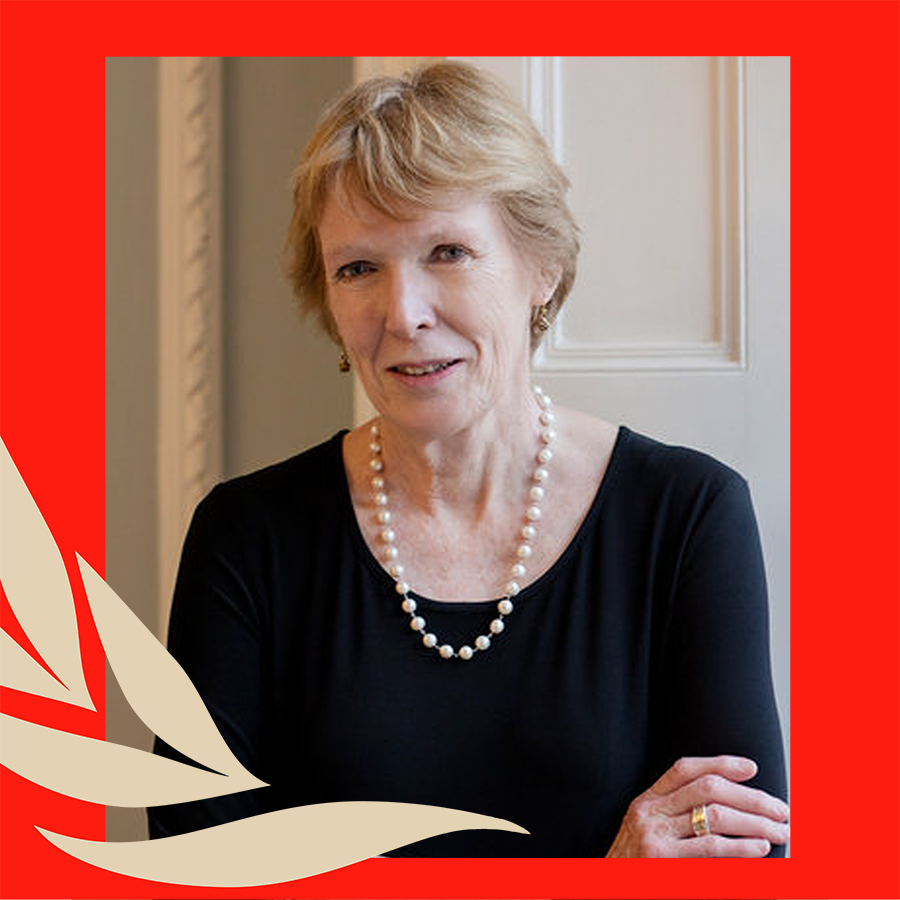
Ep 3632: Historian Margaret MacMillan on the shaping of modern multilateralism
In Episode 32, historian, author and professor of history, Margaret MacMillan, joins The Next Page to share some of her insights on the makings of multilateralism as we know it today. What are some of the roots of modern multilateral cooperation? How did individuals and institutions promote and build multilateralism, and how did they work to spread their ideas? What is the role of public opinion, and has this changed over time? Professor MacMillan shares some fascinating insights into these questions and more, looking at the beginnings of modern multilateralism in the 19th century, to the creation of the first global multilateral organization, the League of Nations, and the post-1945 era with the beginning of the United Nations. As we mark 100 years of multilateralism in Geneva, she also reflects on the evolution of multilateralism over the years, as well as a few thoughts on the multilateralism of the future. As an avid reader and writer of many books on history, she also shares a glimpse of her most recent book, War: How Conflict Shaped Us, soon to be released on 6 October 2020, and a few tips on how she approaches the writing process. Hope you enjoy this listen as much as we did! About Professor Margaret MacMillan Margaret MacMillan is a Professor of History at the University of Toronto and emeritus Professor of International History and the former Warden of St. Antony's College at the University of Oxford. To learn more about her, visit: http://www.margaretmacmillan.com/Bio.php To explore her full collection of books, including Paris 1919: Six Months that Changed the World (2001); The War that Ended Peace (2014); History’s People (2015); and War: How Conflict Shaped Us (2020), visit her website: http://www.margaretmacmillan.com/index.php Further Resources Access the episode transcript here: https://bit.ly/33gBtic To find out more about 100 years of Multilateralism in Geneva, visit: https://multilateralism100.unog.ch/front The UN Geneva Library & Archives also has a Research Guide on multilateralism! Find out more here: https://libraryresources.unog.ch/multilateralism And, view some of Margaret MacMillan's books here at the Library: https://bit.ly/3456R24 Content Speakers: Margaret MacMillan & Natalie Alexander Host & Editor/Producer: Karen Lee & Natalie Alexander Editorial Guidance: Pierre-Etienne Bourneuf, Scientific Advisor at UN Geneva Library & Archives Images: Ander McIntyre Social media designs and transcript: Karen Lee Recorded & produced at the UN Geneva Library & Archives
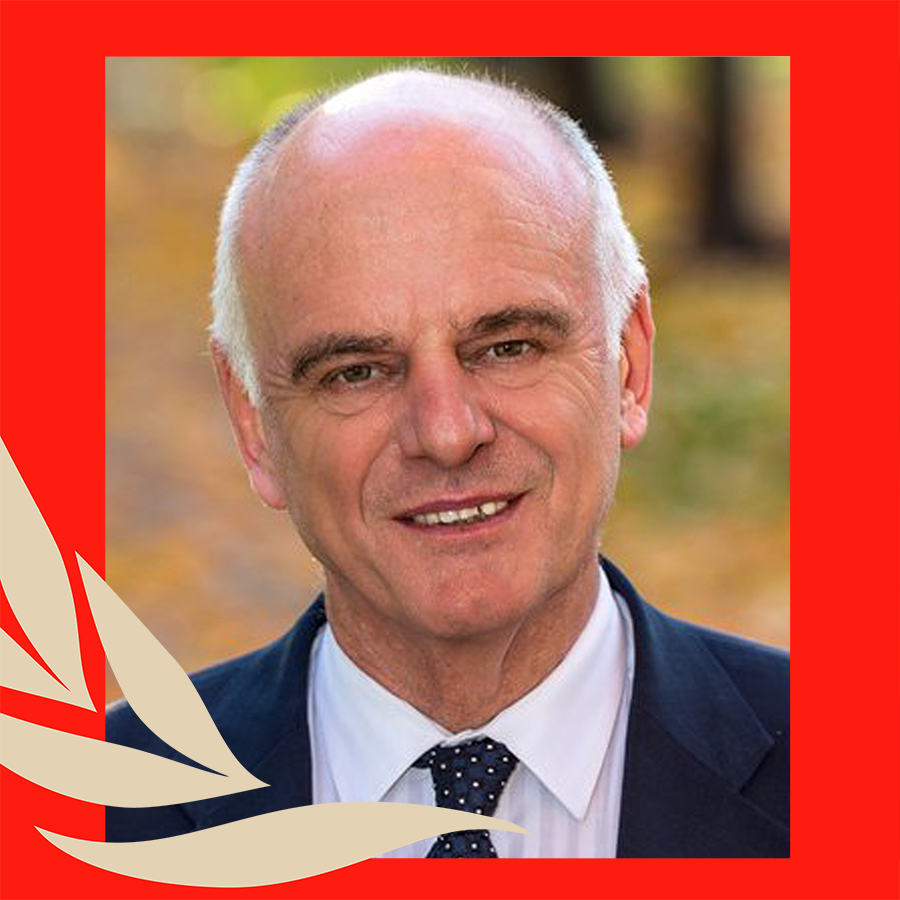
Ep 3531: Dr. David Nabarro on the Impact of COVID-19 on Agenda 2030
Welcome to The Next Page podcast. The UN Geneva Library & Archives are back from summer break, with lots of projects coming up in the next few months. Keep up-to-date over at our Twitter and Facebook pages. In Episode 31 we are joined by Dr. David Nabarro, one of six Special Envoys to the Director-General of the World Health Organization (WHO) for the current COVID-19 crisis, and the Strategic Director at 4SD (Skills, Systems and Synergies for Sustainable Development). In conversation with our Director Francesco Pisano, David shares his unique insights on the current pandemic, its many challenges, but the largely hopeful vision he has for the future. Speaking from decades of service as a medical doctor, special envoy, and strategic director at 4SD, Dr. David Nabarro takes us through the present pandemic, but more importantly, points us to the future, and the collective cooperation we must all champion. We also hear his thoughts on the ways in which he believes COVID-19 will affect Agenda 2030, and the various implications that the virus will have on our path to achieving the sustainable development goals. Resources Learn more about David and 4SD: https://www.4sd.info/ Learn more about Agenda 2030 and the 17 sustainable development goals: https://sustainabledevelopment.un.org/post2015/transformingourworld Access the episode transcript here: https://libraryresources.unog.ch/audio/davidnabarro Content Speakers: David Nabarro and Francesco Pisano Host & Editor/Producer: Karen Lee Images: UN/UNAIDS/David Nabarro (Twitter). Graphics, social media designs and transcript: Karen Lee Recorded & produced by the UN Geneva Library & Archives
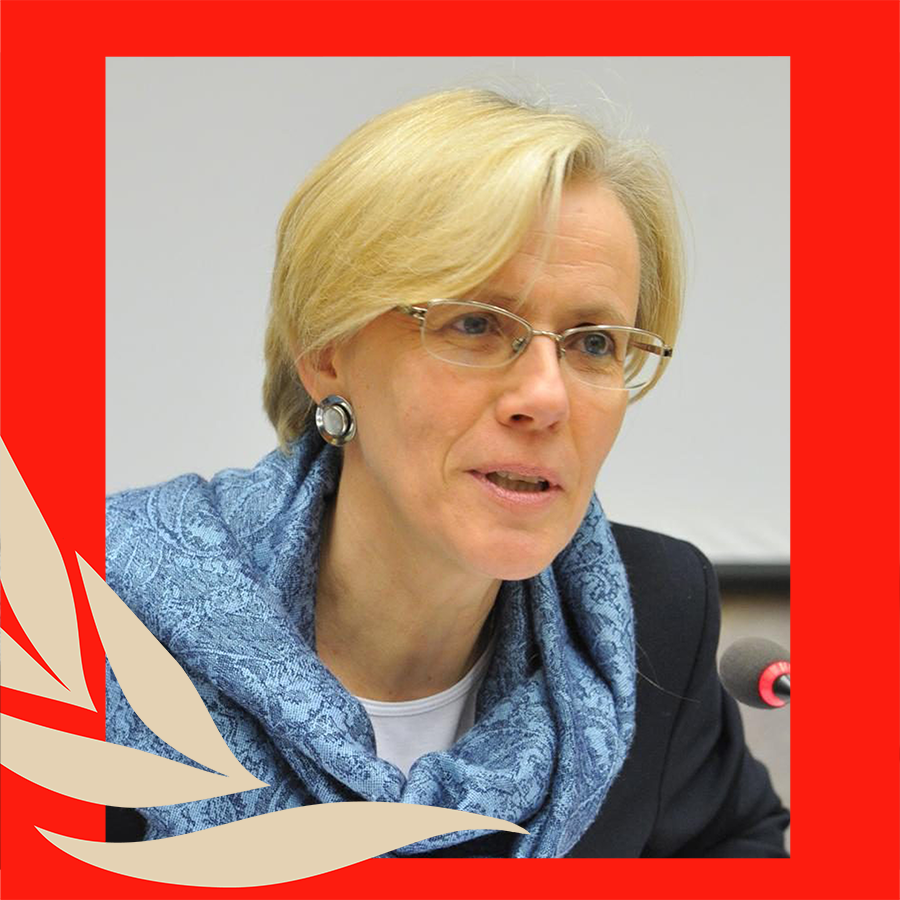
Ep 3430: Corinne Momal-Vanian, new Executive Director of the Kofi Annan Foundation
Welcome to The Next Page podcast. The UN Geneva Library & Archives are back from summer break, with lots of projects coming up in the next few months. Keep up-to-date over at our Twitter and Facebook pages. In Episode 30 we are joined by the new Executive Director of the Kofi Annan Foundation, Corinne Momal-Vanian, who recently joined the Foundation after more than 30 years at the UN, including her most recent post as Director of the Division of Conference Management at UN Geneva. In conversation with our Director Francesco Pisano, Corinne shares about her new role and the work and values of the Kofi Annan Foundation. She also shares her reflections on multilateralism and the current state of the UN today, including some of the challenges its facing, as well as opportunities for how the UN can move forward as we look to multilateralism in the future. We also hear her thoughts on women, gender equality and parity, and leadership in international organizations, and the values she’s inspired by from some of our past and present leaders here at the UN. For more inspiration and learning, head to the links below. Resources Learn more about Corinne and the Kofi Annan Foundation: https://www.kofiannanfoundation.org/member/corinne-momal-vanian/ Access the episode transcript here: https://libraryresources.unog.ch/c.php?g=673332&p=4880979&t=15286 Other Podcast Episodes Listen to Episode 4: Conversation on Innovation in International Organisations with Tina Ambos and Corinne Momal-Vanian Listen to Episode 19: Former President of the Kofi Annan Foundation on his book A Peacekeeper in Africa, Learning from UN Interventions in Other People’s Wars. Listen to Episode 20: Conversation with Catherine Bertini on Leading Transformational Change in International Organizations Check out the Library Research Guides on Women and Gender Equality and Women and Global Diplomacy. Content Speakers: Corinne Momal-Vanian and Francesco Pisano Host & Editor/Producer: Natalie Alexander Images: Kofi Annan Foundation Graphics, social media designs and transcript: Karen Lee. Recorded & produced by the UN Geneva Library & Archives.

Ep 3329: Kartik Sawhney on the intersection of accessibility, education and entrepreneurship, and the power of working together #KnowledgeRising
Our Knowledge Rising series is particularly focused on young activists, knowledge-shapers and change-makers. In this episode, we are joined by young activist and UN Young Leader for the Sustainable Development Goals, Kartik Sawhney, who shares about his ongoing work in accessibility, education and entrepreneurship. As a disability advocate and technologist, Kartik has worked to redefine the term “impact” in accessibility, empowering other people with disabilities to be successful in their own pursuits in technology and innovation. A computer science graduate of Stanford University, Kartik co-founded I-Stem (previously called Project StemAccess), which provides technical training, mentorship and hands-on opportunities to people with disabilities around the world. As the first blind student to pursue science education in high school in India, he also advocated for accessible and equitable education for other students with disabilities in the country. He is currently a software engineer/AI scientist at Microsoft where he works with the Cortana Team, the company’s virtual assistant. In this conversation, Kartik shares about his unique activism at the intersection of accessibility, education and entrepreneurship, his personal experience as a blind person, and the important role of multilateralism — at the level of individuals, companies and nations —in the fight for accessibility. Suggesting different ways in which we can all help to make a difference, Kartik emphasises the need to work collectively together to achieve truly transformational impact. Resources: Podcast transcript: https://bit.ly/2CS0Vjp Engage with Kartik and the rest of the team at I-Stem: https://www.inclusivestem.org/ More on Kartik: UN Young Leaders for the Sustainable Development Goals: https://www.un.org/youthenvoy/kartik-sawhney/ UN Exclusive Interview with Kartik: https://www.un.org/sustainabledevelopment/blog/2019/01/exclusive-interview-kartik-sawhney/ LinkedIn: https://www.linkedin.com/in/kartiksawhney Readings: 2015 study on digital capital and its relationship with disabled students: https://www.sciencedirect.com/science/article/abs/pii/S0360131514002541 Content: Speakers: Kartik Sawhney Host & Editor/Producer: Karen Lee Images: Medium Blog Recorded & produced by the UN Geneva Library & Archives.
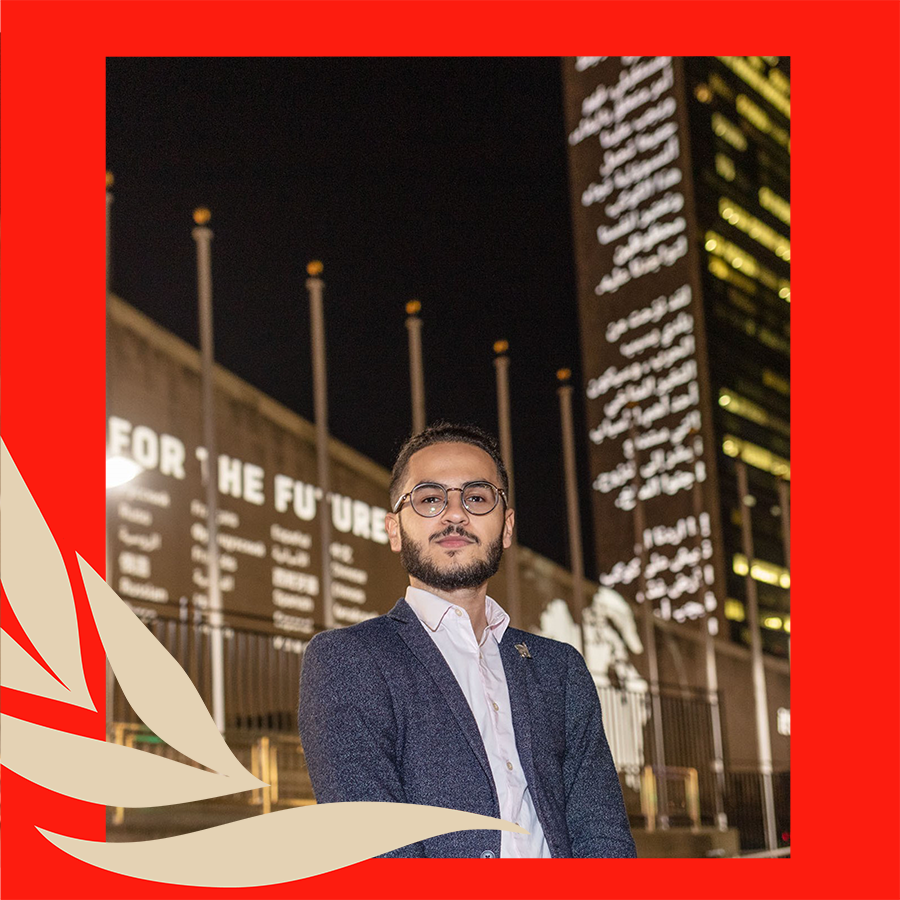
Ep 3128: Ahmed M. Badr on youth, storytelling and transcending displacement through creative expression #KnowledgeRising
This episode continues our Knowledge Rising series, which is dedicated to conversations with young people – activists, knowledge-makers, change-makers – on their work and their views on the issues they’re passionate about. Today, more than 1 per cent of the world’s population, around 79.5 million people, are displaced. This is according to the latest Global Trends Report by UNHCR, the UN Refugee Agency, and is the highest total the Agency has ever seen. But displacement is much more than statistics. In this episode we’re joined by Ahmed M. Badr, one of the UN Young Leaders for the Sustainable Development Goals. He’s a writer, multi-media artist, a social entrepreneur and a former Iraqi refugee. He’s now a graduate of Wesleyan University and the founder of Narratio, a platform for youth empowerment through creative expression. Ahmed shares about his work at Narratio and his interest in the intersection of creativity and youth, particularly youth who’ve been displaced. He underlines the importance of creating spaces for them to tell their own stories, to transcend the circumstances that caused the displacement and to claim their own stories that really move beyond the numbers and the data we often see associated with refugees and displaced persons. Moving forward, he also shares his views on how creativity and multilateralism have much to learn and gain from each other. Resources Podcast: Resettled, hosted by Ahmed, by VPM (Virginia's NPR and PBS station): http://vpm.org/resettled Podcast: A Way Home Together, Stories of the Human Journey, formerly hosted by Ahmed: http://ahmedmbadr.com/awht-podcast Narratio, a global platform for youth empowerment through creative expression: https://narratio.org/ While The Earth Sleeps We Travel, combining Ahmed's own poetry with the personal narratives and creative contributions of young refugees, available 13 October 2020: https://www.earthsleepswetravel.com/ Find Ahmed at his website: http://ahmedmbadr.com/, on Twitter at https://twitter.com/uBadrand on Instagram: https://www.instagram.com/mesopotami/ Content: Speaker: Ahmed M. Badr Host & Editor/Producer: Natalie Alexander. Images: Ahmed M. Badr, Edward Grattan and Bob Zurr. Recorded & produced by the UN Geneva Library & Archives.
Ep 3027: Jerome Bellion-Jourdan on negotiations for the greater good
This episode delves into the world of negotiation. As we mark 100 years of multilateralism in Geneva and the UN turns 75, what is the role of negotiation in the multilateral context? For this conversation, we’re joined by Jerome Bellion-Jourdan for an online recording. He’s currently a Senior Fellow at the Global Governance Centre at the Graduate Institute in Geneva, and before that he served as the lead EU negotiator on a range of thematic issues such as Business and Human Rights as well as country situations in the UN Human Rights Council for almost 9 years. In this conversation, he shares insights into negotiating at the multilateral level, but also some opportunities he sees for change and evolution in the practice of negotiation to address global challenges. He is currently working to explore the potential for an initiative which would provide the space to experiment new formats of negotiations with notably the use of technology to make them more inclusive, and to foster negotiations towards the greater good. He is supported by a team of individuals from international organisations, governments, business, civil society and others contributing pro bono to prepare for a first experiment of a “virtual and inclusive negotiation for the world after COVID-19”. He also shares on some tips on how we can all bring more inclusive conversations and negotiations into our own fields and daily lives. Here below are some resources from the conversation and more. Resources on the project for an international negotiation platform (Global Governance Centre at the Graduate Institute in Geneva) Exploring the potential for an international negotiation platform (including access to a survey for listeners interested to complete) https://graduateinstitute.ch/communications/news/exploring-potential-international-negotiation-platform Preparation for the experiment of "a virtual and inclusive for the world after the COVID-19 outbreak": see more at the Blog & LinkedIn page to contact Jerome Bellion-Jourdan. Readings: Multilateralism: the Anatomy of an Institution, by John G. Ruggie. International Organization, Vol. 46, No. 3 (Summer, 1992), pp. 561-598 https://scholar.harvard.edu/files/john-ruggie/files/multilateralism.pdf Getting to Yes with Yourself (and other Worthy Opponents), by William Ury. New York: HarperCollins Publishers, 2015, 256p. https://www.williamury.com/books/getting-to-yes-with-yourself/ The UN Human Rights Council. A Practical Anatomy, by Eric Tistounet. Cheltenham: Edward Elgar Publishing, 2020, 384p. https://www.e-elgar.com/shop/gbp/the-un-human-rights-council-9781789907933.html Content: Speaker: Jerome Bellion-Jourdan. Host & Editor/Producer: Natalie Alexander. Images: UN Geneva Library & Archives, Jerome Bellion-Jourdan. Recorded & produced at the UN Geneva Library & Archives.
Ep 2926: Holly Syrett & Colette Grosscurt on the global impact of our wardrobe, and acting for local and multilateral change #KnowledgeRising
This episode begins a new series on the podcast called Knowledge Rising, which is dedicated to speaking with young activists, knowledge-shapers and knowledge-makers, in order to hear their own insights on the global issues they’re working on and are passionate about. The series is a space to build our understanding collectively about how we can act on the issues that affect our common future. We kick off with a conversation on the global impact of what we wear: the fashion and apparel industry. Holly Syrett (Senior Sustainability Manager at the Global Fashion Agenda) and Colette Grosscurt (a Responsible Investment Officer at ACTIAM) are based in Amsterdam and are dedicating a lot of their work to helping change the fashion industry to a more sustainable one. They’re both part of the World Economic Forum’s Global Shapers community, a network of young people driving action and change on global challenges. They together co-founded the initiative called Shaping Fashion, and in this conversation share their own insights into this industry, which accounts for at least 8 to 10 per cent of global greenhouse emissions among other impacts on the environment, labor rights and gender equality. They also share what is needed to bring about change globally through multilateral efforts, but also what we can all do to act now by choosing more consciously what we wear. Further Resources: The Shaping Fashion initiative: https://www.weforum.org/projects/shaping-fashion & https://www.globalshapers.org/impact/shaping-fashion Two 2020 collective action projects supported by Shaping Fashion: Slow Fashion Season: https://collaction.org/projects/slow-fashion-season-2020/174/details Closet Mass Index: https://dirtylaundryamfi.wixsite.com/mysite The NGO Fashion Revolution: https://www.fashionrevolution.org Fashion for Good initiative: https://fashionforgood.com Good on You, a resource for rating brands on sustainability and ethical production:: https://goodonyou.eco ACT, the first global commitment on living wages in the garment, textile and footwear industry: https://actonlivingwages.com New Standard Institute: https://www.newstandardinstitute.org/ The Fashion Industry Charter for Climate Action: https://unfccc.int/climate-action/sectoral-engagement/global-climate-action-in-fashion/about-the-fashion-industry-charter-for-climate-action The UN Fashion Alliance: https://unfashionalliance.org/ Content: Speakers: Holly Syrett and Colette Grosscurt. Host & Editor/Producer: Natalie Alexander. Images: Holly Syrett and Colette Grosscurt/Shaping Fashion. Recorded & produced at the UN Geneva Library & Archives.
Ep 2825: Scott Weber on the power of building peace through community, trust & resilience.
This episode brings a conversation on peace: how is it defined and achieved in communities and societies, and how does it stick? UN Geneva Library & Archives Director Francesco Pisano speaks with Scott Weber, the president of Interpeace. Interpeace was originally founded in 1994 by the United Nations, but as it evolved became an independent non-governmental organization in 2000, with continued strong links with the UN. Scott has dedicated his career to supporting people in many parts of the world to build peace for themselves. You'll hear his insights into what he sees as vital to measure and to focus on as communities seek to build peace amid conflict and after conflict; what he thinks are some key challenges in current peacemaking and peace-building; and some ways in which Interpeace is framing peace processes and tools in different ways, and building on the knowledge and resilience of communities. Interpeace Resources To learn more about Interpeace, visit their website: https://www.interpeace.org/ and follow Scott Weber on Twitter: https://twitter.com/Scott_M_Weber Library & Archives Resources You can also visit our dedicated Research Guide on Peace: https://libraryresources.unog.ch/peace or our more specific Research Guide on Women and Global Diplomacy: From Peace Movements to the United Nations: https://libraryresources.unog.ch/womendiplomacy/peace Content: Speakers: Scott Weber & Francesco Pisano. Host & Editor/Producer: Natalie Alexander. Image: Interpeace. Recorded & produced at the UN Geneva Library & Archives.

Ep 27Edition spéciale : Lancement de « ONU Info Genève »
Pour marquer la Journée internationale du multilatéralisme et de la diplomatie au service de la paix (24 avril) et le lancement du nouveau site Web de l'ONU à Genève, le Service de l’information des Nations Unies à Genève présente son nouveau journal radio « ONU Info Genève ». Tous les vendredis sur le site web de l’ONU à Genève, retrouvez l’essentiel de l’actualité de la semaine du Palais des Nations et de la Genève internationale alimentée par nos journalistes. Au menu de cette première édition: La Directrice Générale des Nations Unies à Genève, Tatiana Valovaya, qui évoque les deux événements liés à la Journée internationale du multilatéralisme et de la diplomatie au service de la paix. Les conséquences potentiellement désastreuses du Covid-19 sur la sécurité alimentaire. Le Covid-19 ne doit pas éclipser la lutte contre les changements climatiques.

Ep 2624: Caroline Kende-Robb on fighting for social justice & supporting women in leadership
Welcome to The Next Page, the podcast of the UN Geneva Library & Archives. Episode 24 brings a conversation on two subjects that are also interconnected: social justice and leadership, especially women in leadership. We’re joined by Caroline Kende-Robb, who currently serves as a Senior Advisor at the African Center for Economic Transformation. Before that, she held a range of roles including as the Secretary General of CARE International, the Executive Director of the Africa Progress Panel, and roles at the World Bank, the International Monetary Fund, and in The Gambia in the field of community development. Caroline has dedicated much of her life to fighting social injustice and to supporting women in leadership. In this conversation, she shares with UN Geneva Library & Archives Director Francesco Pisano her experiences and her knowledge about these ideas, especially as they relate to our changing world. You’ll also hear stories from her time working in these different organisations, as well as how she sees leadership, including women in leadership, as we continue to question, debate and explore the idea of leadership today and in the future. Resources To learn more about Caroline and her work, follow her on Twitter: https://twitter.com/CarolineKende. Find out about Yuvel Noah Harrari's books, mentioned by Caroline: https://www.ynharari.com To learn more about the African Progress Panel and their reports, visit: http://www.africaprogresspanel.org/ & https://twitter.com/africaprogress Library Resources Check out the Library Resource Guide on Women & Gender Equality: https://libraryresources.unog.ch/gender and Women & Global Diplomacy: https://libraryresources.unog.ch/womendiplomacy. Content: Speakers: Caroline-Kende Robb & Francesco Pisano. Host & Editor/Producer: Natalie Alexander. Image: Caroline Kende-Robb. Recorded & produced at the UN Geneva Library & Archives.

Ep 2523: ICRC President Peter Maurer on multilateralism, the power of partnership, and working for impact
Welcome to Episode 23 of The Next Page podcast. In this episode, UN Library & Archives Geneva Director Francesco Pisano speaks with Peter Maurer, the President of the International Committee of the Red Cross (ICRC). This conversation will take you on a deeper look into the ICRC, established more than a century ago. Peter Maurer shares about its identities that have developed over time, and gives insights into its connection with the United Nations; the role of young people in the work of the organisation; the value of new ways of thinking and mobilising resources to ensure work that has impact; and what multilateralism means for the ICRC in practice today and in the future. As this episode is recorded online, as we together respond to the pandemic of COVID-19, he also shares what the ICRC is doing and learning from this current situation. ICRC Resources To learn more about Peter Maurer and the work of the ICRC, head to: https://www.icrc.org/en/person/peter-maurer and https://www.icrc.org/en/who-we-are. You can also keep up-to-date via Twitter: https://twitter.com/PMaurerICRC and https://twitter.com/ICRC. In addition, learn more about the Geneva Conventions: https://www.icrc.org/en/war-and-law/treaties-customary-law/geneva-conventions, and the book A Memory of Solferino by Henri Dunant: https://www.icrc.org/en/publication/0361-memory-solferino. Library Resources To explore the Library's online collection on International Humanitarian Law (IHL), visit here: https://tinyurl.com/oaihl20 or take a look at the Library's selection of resources on IHL from our collections (print and online) for the last 10 years: https://tinyurl.com/ihl201020 Content: Speakers: Peter Maurer & Francesco Pisano. Host: Natalie Alexander. Editor & Sound Editor: Natalie Alexander. Image: International Committee of the Red Cross. Recorded & produced at the UN Geneva Library & Archives.

Ep 2422: Prof. Glenda Sluga on multilateralism, internationalism, and our capacity to imagine a better world.
Welcome to Episode 22, featuring Glenda Sluga, Professor of International History at the University of Sydney. She's the author of the book Internationalism in the Age of Nationalism, among other publications, and her research interests span from nationalism and internationalisms, to global and international history, diplomatic history, women and gender, peacemaking, and more. She visited the Library recently for a debate on the Evolution of Multilateralism, Perspectives from the Global South. We have a video recording of that Library Talk if you’d like to check it out. We also invited her for a conversation on the podcast, where she shares her thoughts on the meanings of multilateralism and internationalism. What are the differences and connections between the two, and why is this important? We also look at her views on how multilateralism has evolved over the past century, how it’s impacted such areas as gender equality, and also how multilateralism is linked to our everyday lives and our understanding of our place in the world. To explore more resources, head to the links below: UN Geneva Library & Archives Library Talk on the Evolution of Multilateralism: Perspectives from the Global South: https://www.youtube.com/watch?v=itLGwAtmyZk&list=PLmzrhlc0gF6KfnUyPYsCw5RfJj_UuXydp&index=6 Follow Glenda Sluga on Twitter through the Laureate Research Program on International History account: https://twitter.com/IntHist Learn about the Edith Trilogy of novels by Frank Moorehouse, a fictional series set at the time of the League of Nations: https://www.booktopia.com.au/blog/2011/10/05/frank-moorhouse-author-of-the-edith-trilogy-grand-days-dark-palace-and-now-cold-light-answers-ten-terrifying-questions/ Visit our website on the Centenary of Multilateralism in Geneva: https://multilateralism100.unog.ch/ Content: Speaker: Glenda Sluga Host: Natalie Alexander. Editor and Sound Editor: Natalie Alexander. Image: University of Sydney. Recorded & produced at the UN Geneva Library & Archives.
Ep 2321: Diplomat Jivan Gjorgjinski on the role of small states, creativity and a 'climate of legality' in multilateralism.
In Episode 21, our podcast guest brings you ideas from the perspective of a diplomat. The UN Geneva Library & Archives Director, Francesco Pisano, sits down with Jivan Gjorgjinski, a diplomat who served for 3 years in Geneva as Head (chargé d'affaires) of the Permanent Mission of the Republic of North Macedonia to the UN in Geneva from June 2016 to July 2019. In this discussion, he shares what it was like working in multilateral diplomacy in Geneva, and what this means in action, giving particular highlights from two key experiences: chairing the 2018 Meeting of States Parties to the Biological Weapons Convention (BWC), and the 2019 CCW GG on LAWS, or the Convention on Certain Conventional Weapons Group of Governmental Experts on lethal autonomous weapons systems. He explains more about these legal instruments and why they are key examples of multilateralism in action. He also looks at some critical questions: the role of small-state diplomats in the UN, the role of and opportunity for small states in multilateralism, and how diversity, creativity, and finding common ground come into play in multilateralism. You’ll even hear a bit about why we should be more like a sci-fi series you might know well! To follow Jivan Gjorgjinski on Twitter, head here: https://twitter.com/jivan_gj You can also find out more about the Biological Weapons Convention: https://bit.ly/2VPkiRf and the Convention on Certain Conventional Weapons: https://bit.ly/2VPkiRf at the UN Geneva website. We also have Library Research Guides on Biological Weapons & Chemical Weapons, check them out here as part of the Disarmament series: https://libraryresources.unog.ch/?b=s. Content: Speakers: Jivan Gjorgjinski & Francesco Pisano. Host: Natalie Alexander. Editor and Sound Editor: Natalie Alexander. Image: Jivan Gjorgjinski. Recorded & produced at the UN Geneva Library & Archives.

S1 Ep 2120: Catherine Bertini on Leading Transformational Change in International Organizations
What is transformational change, and when might it be needed in an organisation? This episode brings to you a conversation on leadership and change, particularly on the role of transformational change in international organisations. Our guest is Catherine Bertini, who served as the Executive Director of the World Food Programme (WFP) for 10 years from 1992 to 2002, among other roles in government, the private sector and academia. She was, at the time of her appointment, the third woman to have led a UN agency. Shortly after leaving WFP, she was awarded the World Food Prize in 2003 for the change she led in the organization. Today, she is a Rockefeller Foundation Fellow, and in this role published a recent report called Leading Change in UN Organizations. She sits down with our Director Francesco Pisano, to speak about the key issues in the report, transformational change and the current state of affairs in global governance, as well as what she’s learned about women in leadership, and the role of youth in leading change at the international level. For more information about Catherine Bertini’s work, head to her website: www.catherinebertini.com/. Her report, Leading Change in UN Organizations, is available here: https://bit.ly/2T10ffW. Catherine Bertini also led a leadership discussion at the Knowledge & Learning Commons at UN Geneva. Find out more and links to other UN resources on leadership and change here: https://bit.ly/2PeAlUR. For even more learning, you can find Library’s Research Guides on Women & Global Diplomacy: https://libraryresources.unog.ch/womendiplomacy and Multilateralism: https://libraryresources.unog.ch/multilateralism online. Content: Speakers: Catherine Bertini & Francesco Pisano. Host: Natalie Alexander. Editor and Sound Editor: Natalie Alexander. Image: UN Library and Archives Geneva. Recorded & produced at the UN Library and Archives Geneva.

S1 Ep 2019: Alan Doss on A Peacekeeper in Africa: Learning from UN Interventions in Other People's Wars #BookTalk
In this episode of The Next Page, the podcast of the UN Library & Archives Geneva, we welcome Alan Doss, author of the newly published book, A Peacekeeper in Africa: Learning from UN Interventions in Other People’s Wars (a project of the International Peace Institute and published by Lynne Rienner Press). Alan Doss served as special representative of the UN Secretary General in the Democratic Republic of the Congo and Liberia, and head of the UN peacekeeping mission in the DRC, among other posts. He now serves as president of the Kofi Annan Foundation in Geneva. In this Book Talk episode, Alan Doss sits down with the Director of the UN Library Geneva, Francesco Pisano, to share about his book, which looks at his decade in four peacekeeping operations in Africa. He also shares his insights from many years serving with the UN in peace operations, from the role of peacekeeping and how it has changed over the decades, what he’s learned about leadership in complex environments, and what he sees for the future of UN peace operations. He also shares some personal reflections on former UN Secretary-General the late Kofi Annan, and the legacies he left not only as a leader but as a person. For more information about Alan Doss and his work, visit here: https://www.kofiannanfoundation.org/member/alan-doss/ or find him on Twitter: https://twitter.com/AlanCDoss To learn more about his book A Peacekeeper in Africa, head to Lynne Rienner Publishers: https://www.rienner.com/title/A_Peacekeeper_in_Africa_Learning_from_UN_Interventions_in_Other_People_s_Wars Content: Speakers: Alan Doss & Francesco Pisano. Host: Natalie Alexander. Editor and Sound Editor: Natalie Alexander. Image: Kofi Annan Foundation. Recorded & produced at the UN Library Geneva.
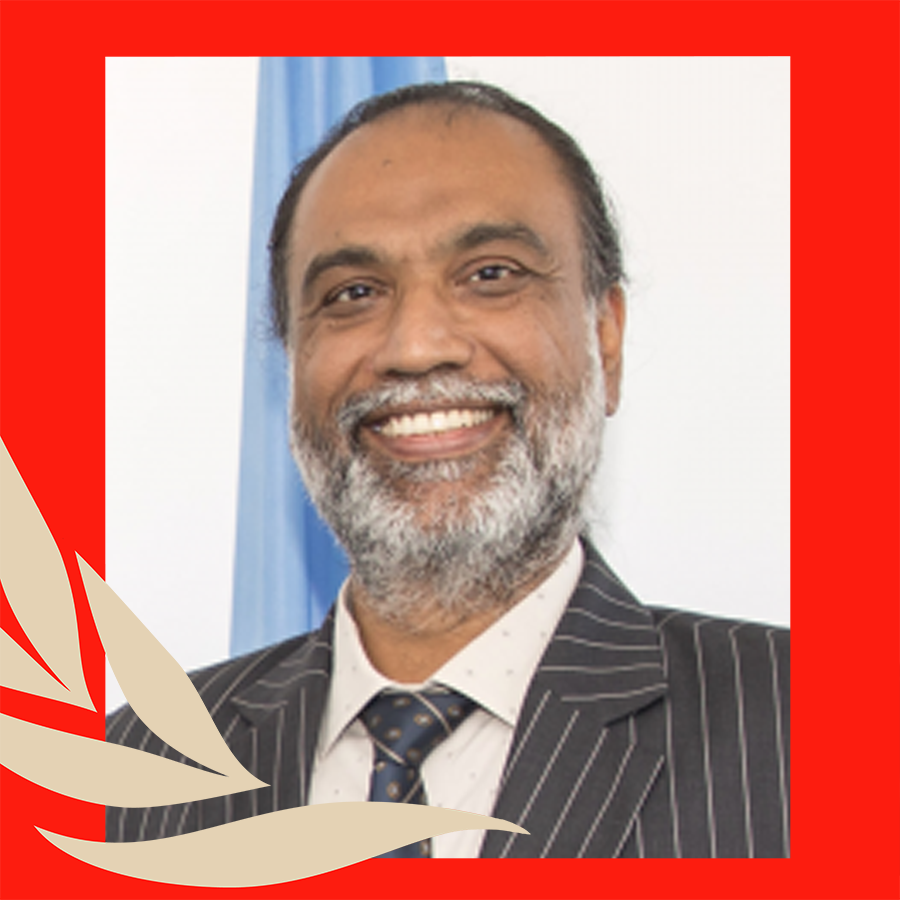
S1 Ep 1918: Amandeep Gill on Nuclear Security Summits: A History #BookTalk
Welcome to the second episode of 2020! In this recording for our Book Talk series, the Director at the Library, Francesco Pisano, speaks with Ambassador Amandeep Gill about his book published in 2019, called Nuclear Security Summits: A History. This book looks at how nuclear security has developed over the period from 1945 to 2006, as well as how it has evolved in practice in more recent years through the Nuclear Security Summits between 2010 and 2016. Ambassador Gill has a range of experience in this field and in others, having taken part in 3 of the summits. For this conversation he shares what his book is about and why he thinks the Nuclear Security Summits changed the domain of nuclear security, through driving what he calls nuclear learnings and knowledge-making. He touches upon ideas around collective intelligence, and the role of leadership but also knowledge communities springing up around the topic, and how such negotiations can also be translated to other multilateral domains such as climate change or artificial intelligence negotiations. Ambassador Amandeep Gill is currently Director of the Global Health Centre project on International Digital Health & AI Research Collaborative (I-DAIR). He was Executive Director and co-Lead of the Secretariat of the UN Secretary-General’s High-Level Panel on Digital Cooperation until August 2019. He previously served as India’s Ambassador and Permanent Representative to the Conference on Disarmament in Geneva. You can find out more about his experience here: https://graduateinstitute.ch/academic-departments/faculty/amandeep-singh-gill You can find Amandeep Gill on Twitter @gioasempre: https://twitter.com/gioasempre, and his book at Palgrave Macmillan: https://www.palgrave.com/gp/book/9783030280376. The UN Library Geneva also has 8 research guides on disarmament topics, including one on Nuclear Weapons. You can find out more about them here: https://libraryresources.unog.ch/?b=s. Content: Speakers: Amandeep Gill & Francesco Pisano. Host: Natalie Alexander. Editor & Sound Editors: Natalie Alexander. Image: Graduate Institute Geneva. Recorded & produced at the UN Library Geneva.

S1 Ep 1817: Jayathma Wickramanayake on leadership, youth & multilateralism
In this episode of our Conversations series, Jayathma Wickramanayake, the United Nations Secretary-General's Envoy on Youth, shares her insights on leadership and youth--particularly young women leaders--with the Director of the UN Library Geneva, Francesco Pisano. It's a fascinating look in to her own experiences, as well as her aspirations and role models, as a leader engaged in advancing multilateralism with youth across the world. Jayathma Wickramanayake is Sri Lankan and was appointed as the UN Secretary-General's Envoy on Youth in 2017, the second person to be appointed into this position. Before joining the UN, she played an active role in youth politics, development and engagement in Sri Lanka. Follow Jayathma Wickramanayake on Twitter: https://twitter.com/UNYouthEnvoy, and learn more about Youth2030: The United Nations Strategy on Youth here: https://www.un.org/youthenvoy/youth-un/. You can also find the Library's research guides on Women & Gender Equality, Women and Global Diplomacy and Multilateralism at our website: https://libraryresources.unog.ch/?b=s. Content: Speakers: Jayathma Wickramanayake & Francesco Pisano. Host: Camille Chambinaud. Sound Editors: Camille Chambinaud & Natalie Alexander. Editor: Natalie Alexander. Image: UN/Mette Lybye Poulsen. Recorded & produced at the UN Library Geneva.
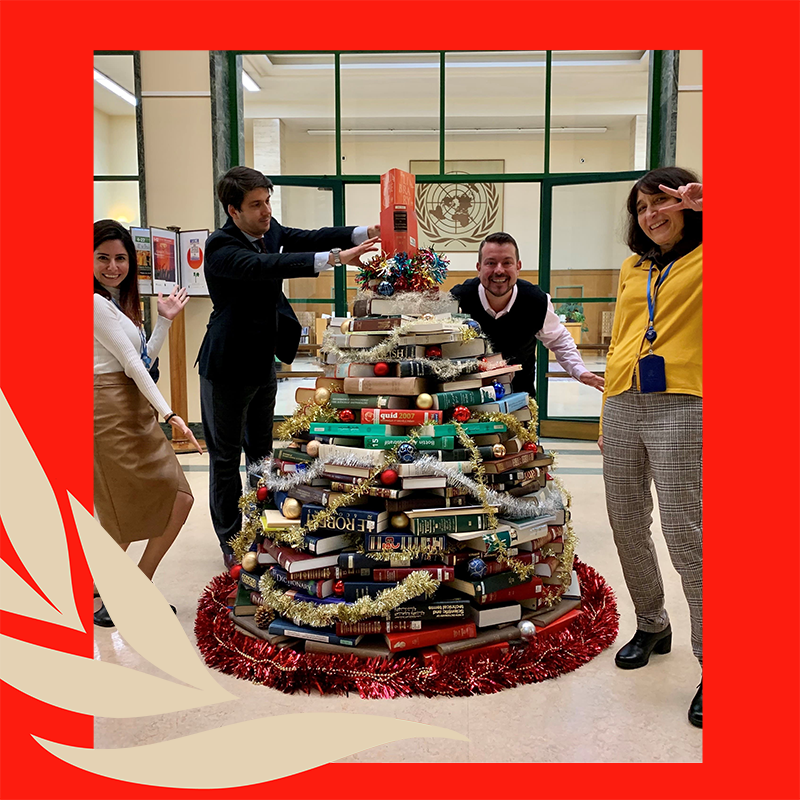
S1 Ep 17Holiday Special Episode - Library Insiders: Stacks, Ghosts and 007.
Welcome to this holiday special episode of The Next Page podcast! As 2019 draws to a close, we take you on a tour of the UN Library Geneva, which this year celebrates 100 years since its founding. How does the Library support multilateralism? You'll hear stories from four of our Library colleagues as they work to support research and understanding on multilateralism. Bonus: they also give us their tips for their favorite holiday reads! Find links to all of the resources they mention below. Enjoy, and happy holidays from the UN Library Geneva. --- Bienvenu.e dans cet épisode spécial de The Next Page! Pour la fin de l'année 2019, nous avons fait le tour de la Bibliothèque des Nations Unies à Genève qui a fêté ses 100 ans cette année. Comment est-ce que la Bibliothèque supporte le multilatéralisme? Vous en saurez plus en écoutant quatre histoires de collègues racontant comment leur travail soutient la recherche sur le multilateralisme. Et en bonus, vous entendrez des suggestions de lecture pour les fêtes! Les liens vers les resources sont mentionnées ci-après. Bonne écoute et bonnes fêtes! Chapter 1: Sebastien Vernay Sébastien Vernay est assistant bibliothécaire dans la section des services. Il anime les visites de groupe à la bibliothèque, vous trouverez plus d'information sur la page web dédiée: https://bit.ly/2PJJbL3. Vous pouvez consulter le catalogue sur Global Search, et les différents guides de recherche ici: https://libraryresources.unog.ch/global. Sa suggestion de lecture pour les fêtes es "L'ONU pour les Nuls", de Yves Berthelot et Jean-Michel Jakobowicz: https://bit.ly/2SaZO3J. Chapter 2: Mélanie Kamar Mélanie Kamar is a Team Analyst for the LONTAD Project (the Total Digital Access to the League of Nations Archives Project). To learn more about this five-year project to digitize the League of Nations Archives (around 15 million pages of content!), visit the website: https://lontad-project.unog.ch/. You can also follow the project's unofficial mascot @lontadinho on Twitter at https://twitter.com/lontadinho. Mélanie's holiday read is A Feminist Manifesto in 15 suggestions by Chimamanda Ngozi Adichie: https://bit.ly/2EA7x3k. Chapter 3: Cristina Giordano Cristina Giordano est cheffe du groupe de la gestion des connaissances dans la section des services de la Bibliothèque. Elle a participé à la préparation et mise en place de l'exposition "Stronger Multilateralism Through Knwoledge and Archives" à l'occasion de l'anniversaire des 100 ans et visible au 3ème étage de l'Angle A/B du Palais des Nations. Sa suggestion de lecture pour les fêtes est "Genève Émois" de Marie-José Astre-Démoulin: https://www.ed-des-sables.ch/publications.htm# Chapter 4: Stefan Vukotic Stefan Vukotic is the Chief of the Archives Management Unit. To learn more about the Centenary of Multilateralism in Geneva, head here: https://multilateralism100.unog.ch/front. Stefan's book recommendation is The League of Nations: Perspectives from the Present: https://unipress.dk/udgivelser/l/the-league-of-nations/, edited by Karen Gram-Skjoldager and Haakon Ikonomou. Content: Speakers: Sebastien Vernay, Mélanie Kamar, Cristina Giardano and Stefan Vukotic. Hosts & Sound Editors: Natalie Alexander & Camille Chambinaud. Images: UN Library Geneva. Recorded and produced at the UN Library Geneva.
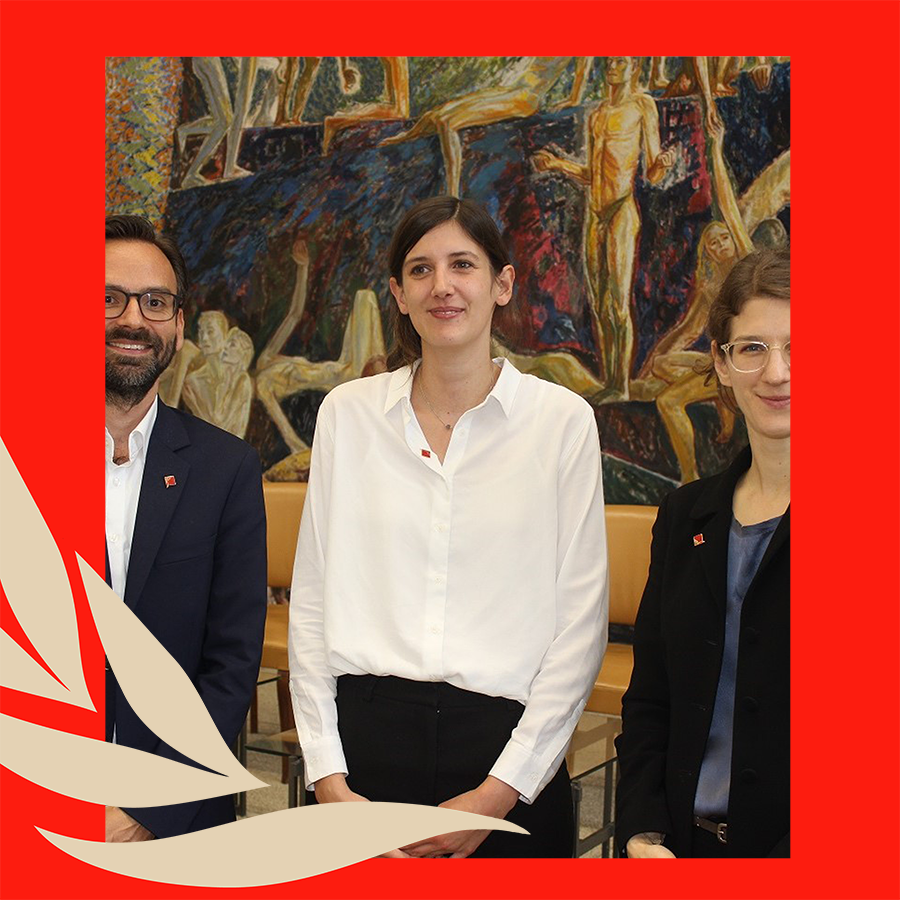
S1 Ep 1616: Women who Shaped Internationalism #LibraryTalk
In this episode of our Library Talk series, Katharina Rietzler and Myriam Piguet share their research and insights into some of the women who shaped internationalism. The discussion, moderated by the UN Library Geneva’s Scientific Advisor, Pierre-Etienne Bourneuf, highlights the contribution of women in the early years of international organizations and how this impacted the development of international affairs and international thought. They also share some of the challenges of conducting research on women in this field. This Library Talk was part of the Centenary of Multilateralism in Geneva celebration. For more information, you can visit the website or listen to Episode 2, introducing our #Multilateralism100 series. Katharina Rietzler is a researcher at the University of Sussex. She focuses on internationalism and American history. Stay tuned for a special episode on Florence Wilson, the first Librarian of the League of Nations, in 2020. Myriam Piguet is a PhD student and researcher at the Global Studies Institute at the University of Geneva. She contributed to the book The League of Nations: Perspectives from the Present, Aarhus, Aarhus University Press, that you can find in our catalogue. She was also part of the 100elles project in Geneva, that renamed 100 streets with names of women who contributed to the historical development of the city and its area. You can find more resources relating to this topic in the booklist put together for this event here. The UN Library Geneva also has research guides on Women & Gender Equality, Women and Global Diplomacy and Multilateralism available online. If you are interested in gender related topics, we invite you to take a listen to Episode 10 with Ambassador Nazhat Shameen Khan on women in leadership, and to Episode 11 with Fatima Sator on how gender equality was included in the UN Charter. Content: Speakers: Katharina Rietzler & Myriam Piguet. Moderation: Pierre-Étienne Bourneuf. Host & Sound Editor: Camille Chambinaud. Images: UN Library Geneva/Ingrid Louise Mondet. Recorded and produced at the UN Library Geneva.
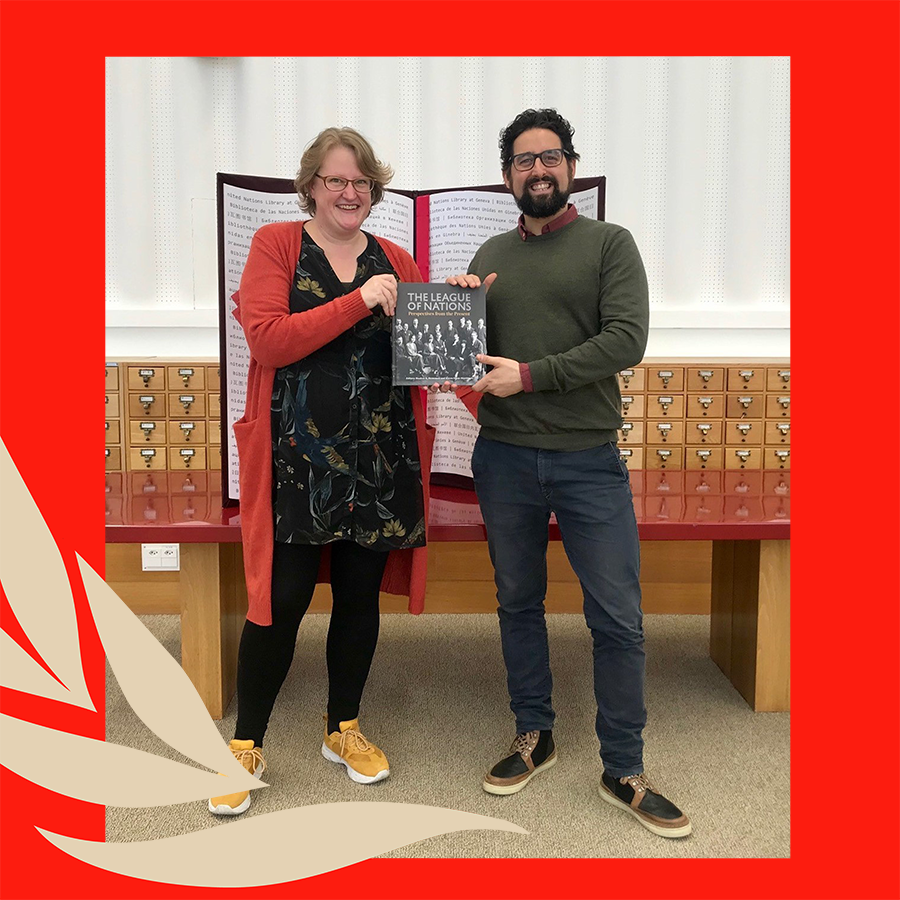
S1 Ep 1515: Multilateralism in Motion: the lasting impact & innovations of the League of Nations #Multilateralism100
Welcome to The Next Page, the podcast of the UN Library Geneva. This episode continues our #Multilateralism100 series, where we explore some of the issues and the people that have shaped multilateralism since the creation of the League of Nations to its transition to the United Nations today, as we mark the Centenary of Multilateralism in Geneva. What ideas are coming out today on the impact and the work of the League, and what opportunities for research are still to come? For this conversation, we had two academics in the studio, Karen Gram-Skjoldager (Associate Professor at Aarhus University) and Haakon Ikonomou (Associate Professor, University of Copenhagen), to share what they’re up to, and a recently published book that they edited, called The League of Nations: Perspectives from the Present. How did the League shape modern multilateralism, what are some innovations that have continued in today’s international organisations, what is being thought of and seen in new ways? They both share their views and some insights from the book, which brings in new ideas from a range of researchers currently exploring the workings of the League. Further resources: Read more at the Aarhus University Blog, The Invention of International Bureaucracy: https://projects.au.dk/inventingbureaucracy/blog/ as well as publications that have come out of the blog project: https://projects.au.dk/inventingbureaucracy/publications/ Find out about the book, The League of Nations: Perspectives from the Present: https://unipress.dk/udgivelser/l/the-league-of-nations/ Learn more about the Centenary of Multilateralism in Geneva: https://multilateralism100.unog.ch/. Content: Speakers: Karen Gram-Skjoldager (Associate Professor, PhD, Aarhus University) and Haakon Ikonomou (Associate Professor, PhD, University of Copenhagen) Host: Natalie Alexander. Editor & Sound Editor: Natalie Alexander. Images: Aarhus University & UN Library Geneva. Recorded and produced at the UN Library Geneva.
S1 Ep 1414: Borders and Walls - Dr. Anna Grichting on the 30th anniversary of the fall of the Berlin wall.
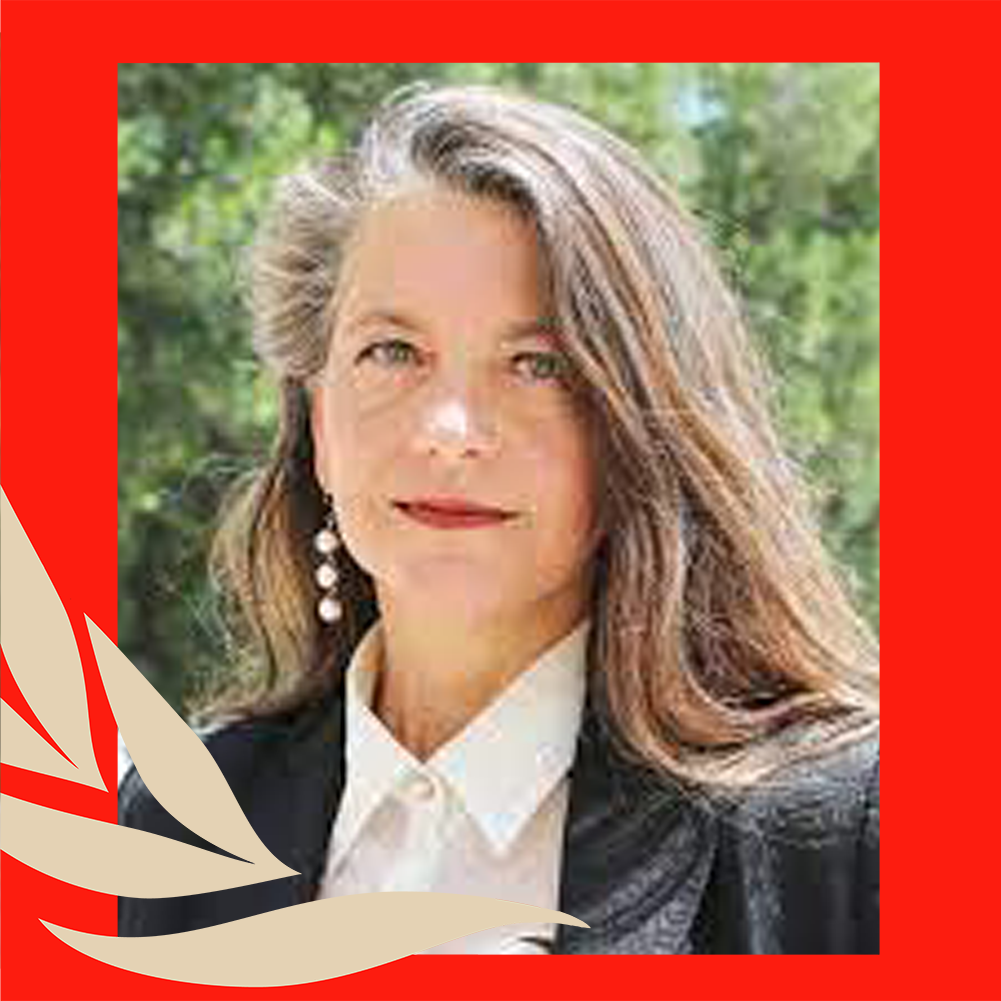
Welcome to this Special Episode of The Next Page, released on 9 November 2019, 30 years since the fall of the Berlin Wall. On this occasion, the Director of the UN Library Geneva, Francesco Pisano, spoke with Dr. Anna Grichting, an architect, urbanist and musician who has devoted much of her work to studying borders and their connection to societies and the environment. In this conversation, Anna shares how she came to be in Berlin the day the Wall fell, and how this propelled her to further explore the wider subject of borders and border zones, be they gone or existing, and what they symbolize across the "long-view of history". She shares her thoughts on the opportunities for a more flexible view of borders, from memory and public spaces, to their connections to social ecology and environmental diplomacy, and the potential to collaborate in helping people to see the value of such spaces for future development. Dr. Anna Grichting graduated with a Doctor of Design in Urbanism from Harvard University. She has taught as a Professor and fellow at the Universities of Geneva, Harvard, MIT and Qatar, and is currently a Senior Research Fellow at the University of Vermont and a Lead Research Consultant for Qatar University. She has published an edited book entitled The Social Ecology of Border Landscapes: http://www.anthempress.com/the-social-ecology-of-border-landscapes. To find out more about Anna's work, visit her website: www.annagrichting.com and her Instagram: https://www.instagram.com/annakatarinag/?hl=en. Content: Speaker: Dr. Anna Grichting. Host: Francesco Pisano. Editor & Sound Editor: Natalie Alexander. Images: Dr. Anna Grichting. Recorded and produced at the UN Library Geneva. ---
S1 Ep 1313: Storytelling session with science expedition leader Paul Rose #LibraryTalk
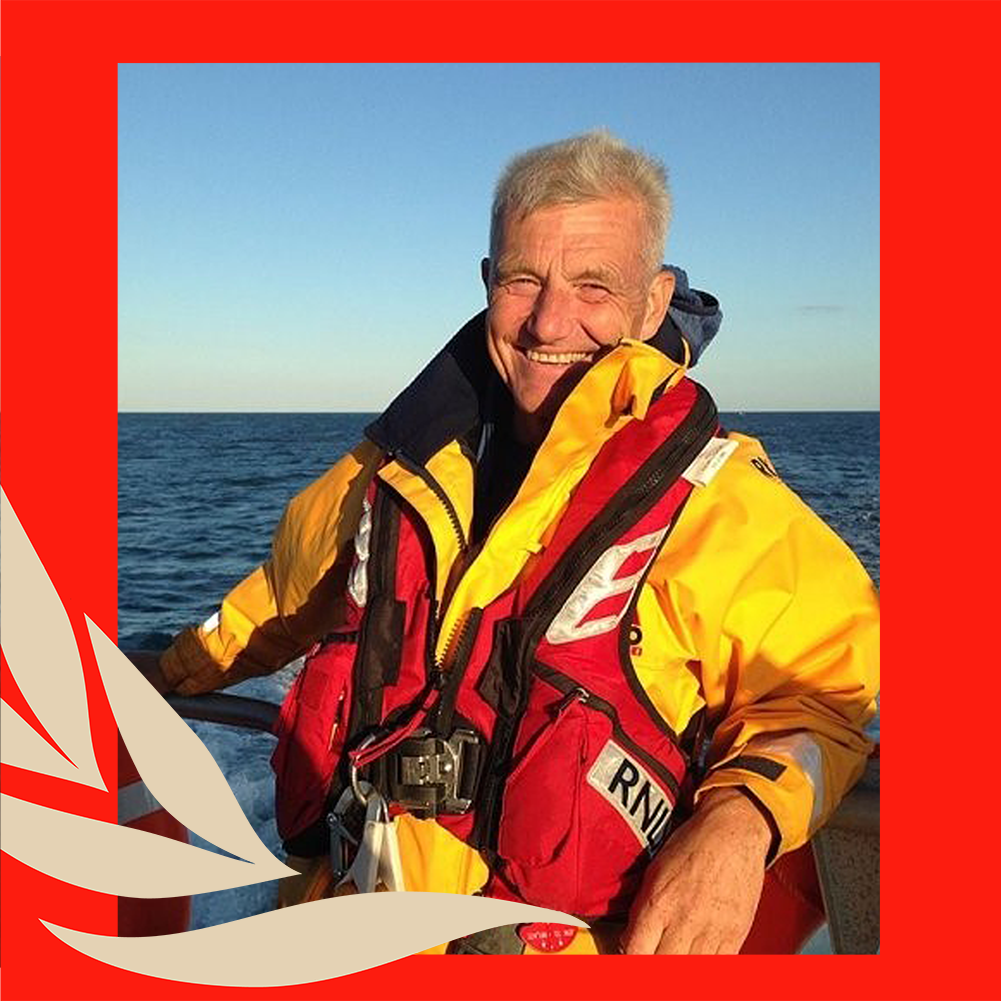
This episode of The Next Page brings you a curated recording of our recent Storytelling session with science expedition leader, Paul Rose. In 2019, our Library Talks programme focuses on SDG 13 on climate action, and the issues the world is facing amid environmental changes. In this context, Paul Rose joined us at the Library to share his life story of engagement for the planet, his thoughts on the some of the biodiversity and sustainability challenges of today, and the opportunities he sees for everyone to make a change and advocate for the environment, both in our own spheres of influence and collectively. As an experienced diver, field science and polar expert, Paul Rose has for many years traveled around the world, supporting scientists to experience, explore and communicate nature's mysteries and diversity. Enjoy this learning moment with him, as he shares his experiences and answers questions from the audience. To find our more about Paul and his work, head to his website: https://www.paulrose.org/ and find him on Twitter: https://twitter.com/Paul_Rose. And also check out the Library's two Research Guides on the SDGs: http://libraryresources.unog.ch/sdgs and climate change: http://libraryresources.unog.ch/climatechange. Content: Speakers: Paul Rose and Sigrun Habermann (moderator, UN Library Geneva) Host: Natalie Alexander. Sound Editor: Camille Chambinaud. Editor: Natalie Alexander. Image: Paul Rose. Recorded and produced at the UN Library Geneva.
S1 Ep 1212: The legacies of the League of Nations and its first Secretary-General, Eric Drummond #Multilateralism100
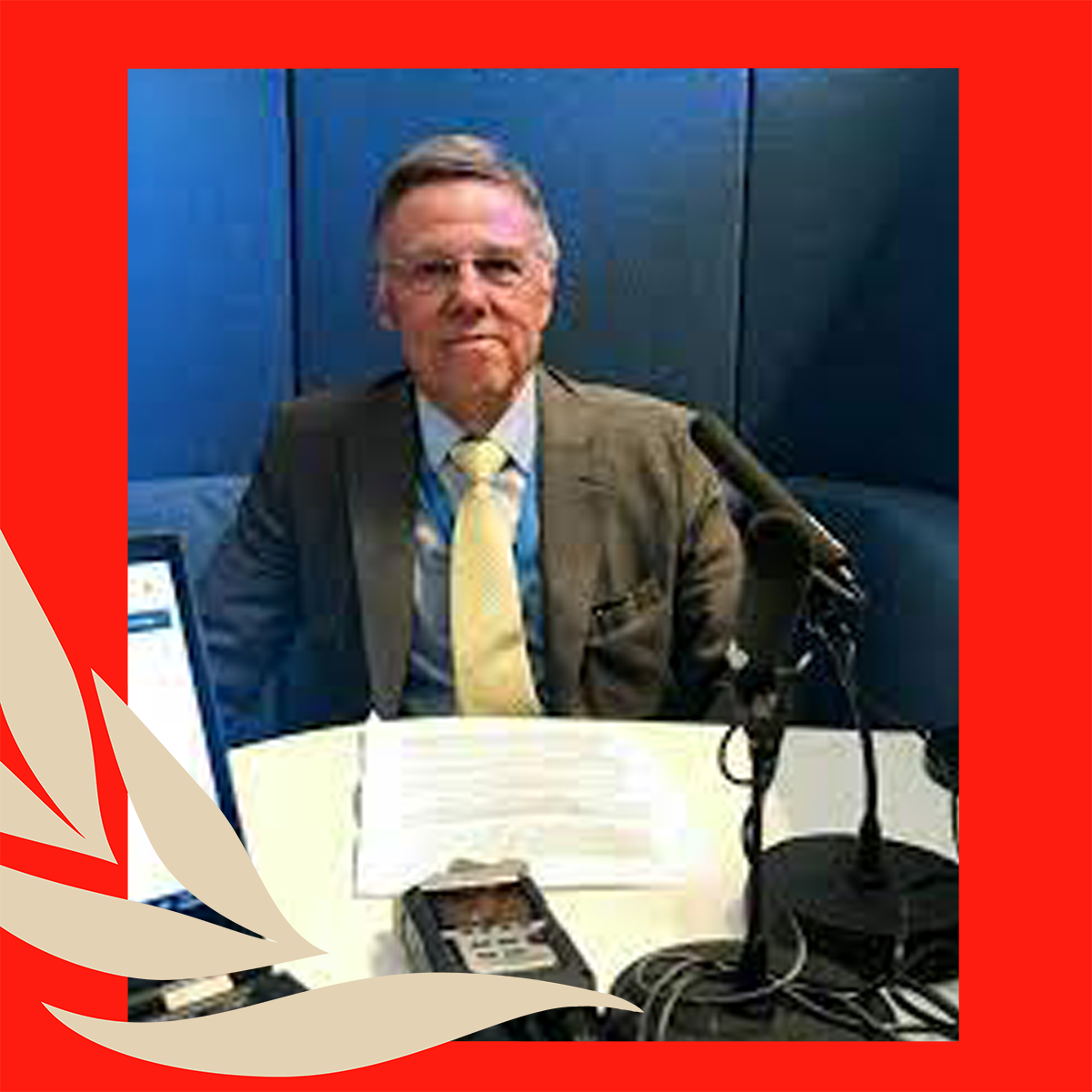
Welcome back to our #Multilateralism100 series, where we share conversations as part of the Centenary of Multilateralism in Geneva, and explore the issues and the people that have shaped multilateralism since the creation of the League of Nations to its transition to the United Nations. In this episode, we take you on a tour back to the time of the League of Nations, as we speak to John Burley, one of the authors of a book published this year called Eric Drummond and his legacies: The League of Nations and the beginnings of global governance. John Burley is a former UN staff member who worked for more than 30 years for different parts of the UN system. For this conversation, he shares with us his research insights on the legacies of the League of Nations and its first Secretary-General, Eric Drummond. While the term multilateralism didn’t exist yet at the time, how did the work of the League and Eric Drummond help to shape the multilateral system and the international civil service of today? John shares with us his thoughts on these questions. Further Resources: Learn more at the Centenary of Multilateralism in Geneva: https://multilateralism100.unog.ch/ & LONTAD, The Total Digital Access to the League of Nations Archives Project: https://lontad-project.unog.ch/. To know more about the book and Eric Drummond, visit here: http://bafuncs.org/eric-drummond-his-legacies/. To view some images of Eric Drummond and caricatures drawn by the well-known Derso and Kelen (mentioned in the conversation), head here: https://bit.ly/2AW0rV5 or see them below. Content: Speaker: John Burley. Host: Natalie Alexander. Editor & Sound Editor: Natalie Alexander. Image: UN Library Geneva. Archival material: United Nations Archives Geneva. Advisers: Stefan Vukotic & Pierre-Etienne Bourneuf. Recorded and produced at the UN Library Geneva. ------------------------------------------------------
S1 Ep 1111: Fatima Sator on how gender equality was included in the UN Charter, and the women of the global south that made it happen.
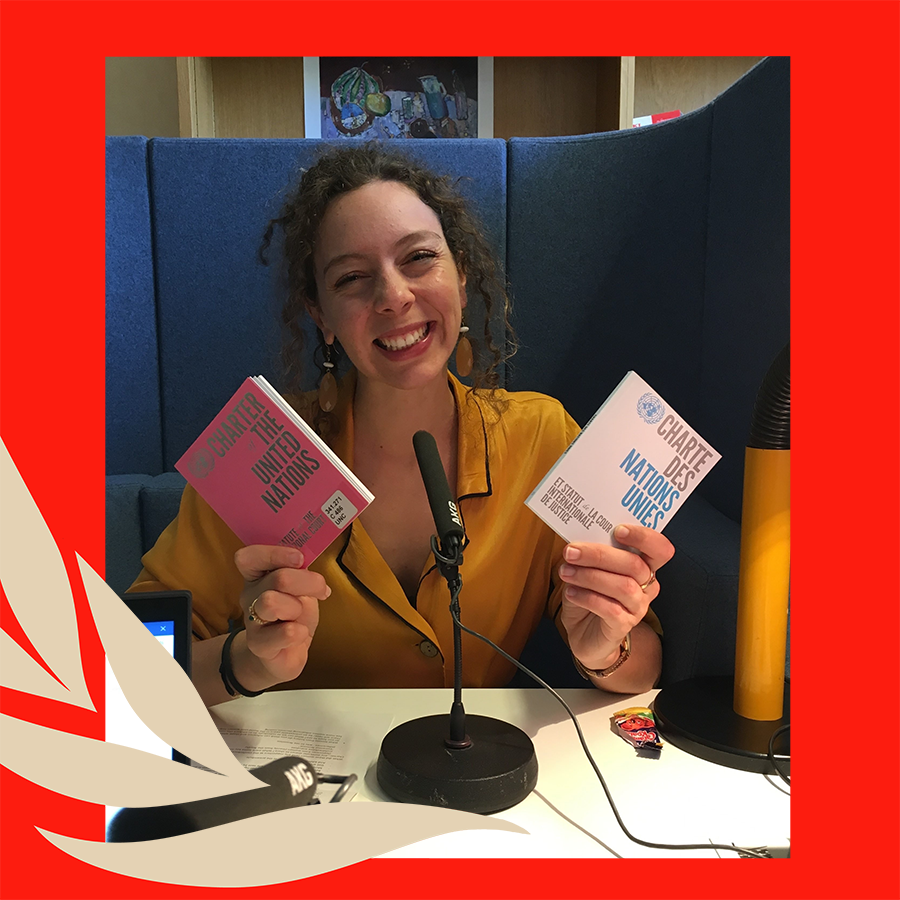
In this episode of The Next Page we speak with Fatima Sator, who shares the story of how a small group of women from the global south, together with their supporters, ensured that gender equality and women's rights were included in the Charter of the United Nations. Who were these women and what did they encounter in 1945 at the the United Nations Conference on International Organization, known as the San Francisco Conference? Fatima, who currently serves as a Communications Specialist at the UN Office for the Coordination of Humanitarian Affairs, shares what she and her fellow researchers found while studying at the University of London. Since then, they've dedicated their time to sharing this story and advocating for the voices and actions of the women of the global south--Bertha Lutz from Brazil and Minerva Bernardino from the Dominican Republic--that made it happen. To watch their TED talk in 2019 at TEDxPlaceDesNationsWomen, head here: https://bit.ly/2TK0VoE To read where gender equality and women's rights are included in the UN Charter, see the Preamble, Article 1 and Article 8. To read Fatima's recommendations: see Getting Our History Right: How Were the Equal Rights of Women and Men Included in the Charter of the United Nations? by Torild Skard, and Women and the Universal Declaration of Human Rights by Rebecca Adami. And, check out the Library's Research Guide on Women and Global Diplomacy. Content: Speakers: Fatima Sator & Natalie Alexander. Host: Natalie Alexander. Editor & Sound Editor: Natalie Alexander. Image: UN Library Geneva. Recorded and produced at the UN Library Geneva.
S1 Ep 1010: Fiji's Ambassador Nazhat Shameem Khan on multilateralism, women in leadership, and the nexus of climate change and human rights
Episode 10 of the Next Page brings a conversation with Ambassador Nazhat Shameem Khan, the Permanent Representative of the Republic of Fiji to the United Nations in Geneva. Director of the UN Library Geneva, Francesco Pisano, joins her to discuss her story and how she joined the Permanent Mission, the importance of multilateralism for small island developing states and vice versa, her thoughts and experiences on the role of women in leadership, and some of the critical issues concerning climate change and human rights in the Pacific and also globally. Ambassador Khan was born in Fiji and has an academic background in law and criminology. During her 16 years as a prosecutor in Fiji, she was appointed Director of Public Prosecutions of Fiji in 1994, and in 1999 was appointed Fiji’s first woman High Court judge. She was appointed Permanent Representative to the United Nations in Geneva in 2014. Follow Ambassador Khan on Twitter: https://twitter.com/nazhatskhan Content: Speakers: Nazhat Shameem Khan & Francesco Pisano. Host: Natalie Alexander. Editor & Sound Editor: Natalie Alexander. Image: Permanent Mission of the Republic of Fiji to the UN in Geneva. Recorded and produced at the UN Library Geneva.
S1 Ep 99: Nikhil Seth on how everyone can relate to the 2030 Agenda and the Sustainable Development Goals
In this episode, part of our Conversation series, Director of the UN Library Geneva, Francesco Pisano, speaks with Nikhil Seth, Assistant Secretary-General at the United Nations and the Executive Director of the United Nations Institute for Training and Research (UNITAR), about his thoughts on the 2030 Agenda and the Sustainable Development Goals (SDGs). Nikhil Seth explains his role in helping to develop and support the SDGs, and why the multilateral and integrated nature of the 2030 Agenda and the SDGs give them greater strength and capacity as an "action agenda" for the UN Charter. He also stresses the importance of partnerships across sectors to achieve the Goals, and why everyone can define and seize their own personal Agenda 2030. Learn more about the 2030 Agenda & the SDGs here: https://sustainabledevelopment.un.org/sdgs. Follow Nikhil Seth on Twitter: https://twitter.com/NikhilSethUN. Content: Speakers: Nikhil Seth & Francesco Pisano. Host: Francesco Pisano. Editor & Sound Editor: Natalie Alexander. Image: UN Photo/Mark Garten. Recorded at UNITAR Geneva headquarters, and produced at the UN Library Geneva.
S1 Ep 88: Genève et le multilateralisme #Multilateralism100
Cet épisode, de la série #Multilaralism100, s’intéresse à la ville de Genève où s’est implantée la Société des Nations puis l’Organisation des Nations Unies, aidant ainsi au développement d’un écosystème international qui contribue à la renommée de la ville. Pierre-Etienne Bourneuf, Conseiller Scientifique à la Bibliothèque des Nations Unies à Genève, nous explique le contexte dans lequel de la Société des Nations est amenée à s’installer à Genève, puis revient sur la période de guerre et de transition vers l’Organisation des Nations Unies qui installera son bureau européen au Palais des Nations également. Pour en savoir plus sur le multilatéralisme à Genève, vous pouvez visiter la page dédiée aux célébrations du centenaire du multilatéralisme : www.multilateralisme100.unog.ch . Un guide de ressources est aussi disponible sur le site, si vous voulez en savoir plus sur l’installation de la Société des Nations, sur le transfert des avoirs avec l’ONU ou sur tout autre sujet lié au centenaire. Contenu : Intervenant(e)s : Pierre-Etienne Bourneuf & Camille Chambinaud Réalisation et montage : Natalie Alexander & Camille Chambinaud Image : UN Photo/Jean-Marc Ferré Enregistré et produit à la Bibliothèque des Nations Unies à Genève
S1 Ep 77: Fabrizio Hochschild on Leadership, Courage and Integrity
This episode of The Next Page offers a learning moment on leadership. The Director of the UN Library Geneva, Francesco Pisano, speaks with Fabrizio Hochschild, Assistant Secretary-General for Strategic Coordination at the Executive Office of the Secretary-General at the United Nations, about his thoughts on principled leadership, moral courage and integrity, and what this means for the United Nations today. Their conversation is centered on Mr. Hochschild's recent article, Courage and Integrity in UN Leadership, published in 2019 by the Dag Hammarskjöld Foundation as part of a series marking 100 years of international civil service, which began in 1919 with the creation of the League of Nations. You can read the full article by visiting the Dag Hammarskjöld Foundation website: https://www.daghammarskjold.se/publication/courage-and-integrity/. Content: Speakers: Fabrizio Hochschild & Francesco Pisano. Host: Natalie Alexander. Editor & Sound Editor: Natalie Alexander. Image: UN Photo/Manuel Elias. Recorded and produced at the UN Library Geneva.
S1 Ep 66: Digital Preservation & Stewardship with Trevor Owens #LibraryTalk
This episode of The Next Page is for anyone interested in digital preservation and stewardship. As digital records increase within organisations and communities, how do we ensure electronic records are preserved and accessible in the long-term? What are the opportunities and what can we do now? In this Library Science Talk, held at the UN Library Geneva as part of the AILIS programme for 2019, Dr. Trevor Owens from the Library of Congress in Washington D.C. shares key principles for supporting digital stewardship, as well as the actions that can be taken today to progress in the practice and connect with others in the international community. Dr. Trevor Owens currently serves as the first Head of Digital Content Management at the Library of Congress in Washington D.C. He works as a librarian, researcher, policy-maker and educator in the field of digital infrastructure for libraries, and is the author of the book The Theory and Craft of Digital Preservation, published in 2018: https://bit.ly/2FUK1is. To find out more, visit his website: http://www.trevorowens.org/. This talk took place on 20 May 2019 at the UN Library Geneva. Content: Speaker: Trevor Owens. Host: Natalie Alexander. Editor & Sound Editor: Natalie Alexander. Image: Trevor Owens. Recorded and produced at the UN Library Geneva.

S1 Ep 55: « Book Talk » avec Romuld Sciora - Qui veut la mort de l’ONU?
Bienvenue dans notre série “Book Talk”, regroupant les conversations que nous avons avec des auteur(e)s sur leurs ouvrages lors de leur visite à la Bibliothèque des Nations Unies à Genève. Nous discutons de livres, mais aussi d’idées et de concepts présentés par ces expert(e)s, académicien(ne)s et intellectuel(le)s. Dans cet épisode, Camille Chambinaud interroge Romuald Sciora, sur le livre qu’il a co-écrit avec Anne Cécile Robert, intitulé “Qui veut la mort de l’ONU”, publié en novembre 2018 aux éditions Eyrolles. Pour plus d’information sur le travail et les oeuvres de Romuald Sciora, vous pouvez consulter son site internet. Contenu: Intervenant(e)s: Romuald Sciora & Camille Chambinaud. Animatrice: Camille Chambinaud. Réalisation et montage: Natalie Alexander. Image: Natalie Alexander. Enregistré et produit à la Bibliothèque des Nations Unies à Genève.
S1 Ep 44: Innovation in International Organizations with Tina Ambos & Corinne Momal-Vanian
Innovation is applied and seen in many fields, but what does it mean and how can international organizations leverage innovation to meet their missions? In this episode, part of our Conversation series, Natalie Alexander speaks with Tina Ambos, Director of the Institute of Management and Academic Director of the International Organizations MBA at the University of Geneva (UNIGE), and Corinne Momal-Vanian, the Director of the Division of Conference Management at UN Geneva, about their work and insights on innovating in international organisations, and what this means for multilateralism. To learn more about the work of Tina Ambos and UNIGE on innovation, head to the i2i Hub: for Innovation and Intrapreneurship, and read their 2 reports: Initiatives with Impact & Seed, Scale, Structure: How International Organizations Shape Innovation. For more information on innovation in the UN system, visit the UN Innovation Network website. Content: Speakers: Tina Ambos & Corinne Momal-Vanian. Host: Natalie Alexander. Editor & Sound Editor: Natalie Alexander. Image: i2i Hub, UNIGE. Recorded and produced at the UN Library Geneva.
S1 Ep 33: Michael Møller, Director-General at UN Geneva
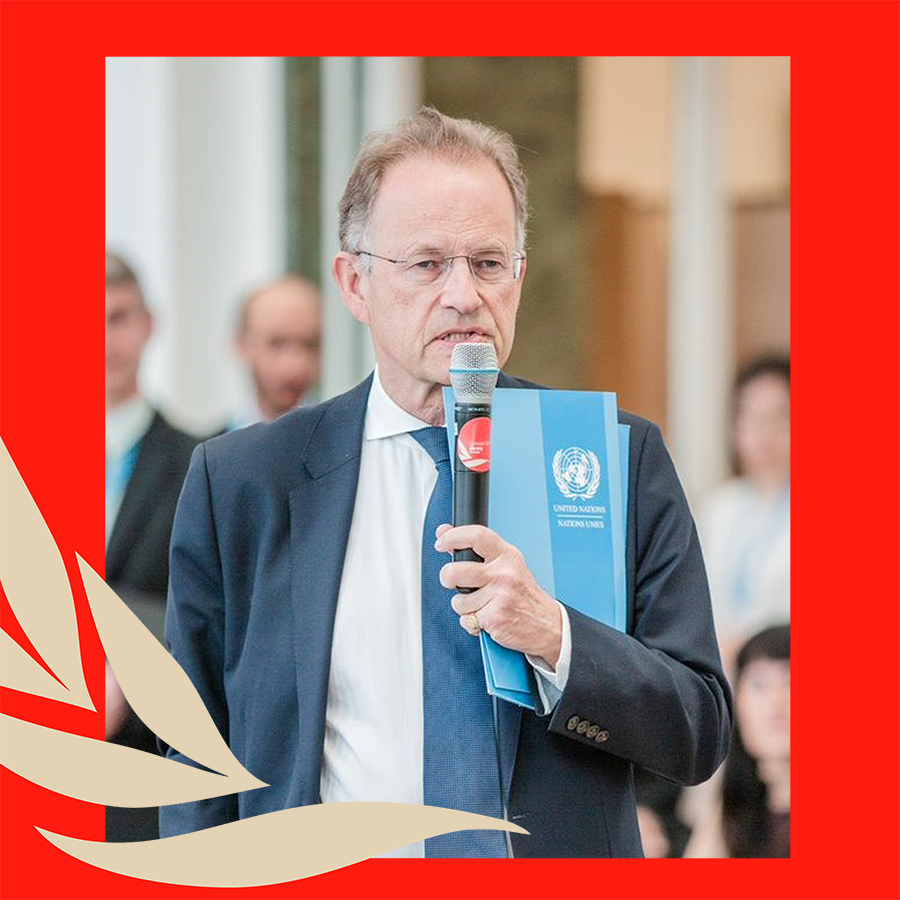
Welcome to our Conversation series, where we sit down with various leaders, experts and contributors to learn from their experiences and insights. In this episode, the Director of the Library, Francesco Pisano, speaks with the current Director-General at UN Geneva, Michael Møller, who completes his term at the end of June 2019. The Director-General shares his thoughts on his time leading UN Geneva, his 40 years of service at the UN, and his view on the role of multilateralism today. Content: Speakers: Michael Møller (Director-General at UN Geneva) & Francesco Pisano (Director of the UN Library Geneva). Host: Natalie Alexander. Editor & Sound Editor: Natalie Alexander. Image: UN Photos/Iryna Turtaieva. Recorded and produced at the United Nations Office at Geneva.
S1 Ep 22: Multilateralism101 - what it is and why we're celebrating its Centenary
Welcome to our #Multilateralism100 series, where we'll share conversations and event recordings on the Centenary of Multilateralism in Geneva, and explore the issues and the people that have shaped multilateralism since the creation of the League of Nations to its transition to the United Nations. In this episode, Natalie Alexander speaks with Library colleagues Stefan Vukotic and Pierre-Etienne Bourneuf to find out the 101 on the Centenary and the development of multilateralism over the past century. Learn more at the Centenary of Multilateralism in Geneva website: https://multilateralism100.unog.ch/. Follow the Library on Twitter and Facebook. Content: Speakers: Stefan Vukotic (Chief of the Archives Management Unit) & Pierre-Etienne Bourneuf (Scientific Advisor). Host: Natalie Alexander Editor & Sound Editor: Natalie Alexander. Image: Alyni Lima. Recorded and produced at the UN Library Geneva.

S1 Ep 11: Africa in Transformation with Carlos Lopes #LibraryTalk
Welcome to our Library Talk series, where you'll find curated recordings from the Library Talks programme at the UN Library Geneva. This episode features Carlos Lopes, an author, academic and former Executive Secretary of the United Nations Economic Commission for Africa. Speaking with the Director of the UN Library, Francesco Pisano, Mr. Lopes presents his latest book, "Africa in Transformation: Economic Development in the Age of Doubt", outlining the 8 challenges and issues he sees as critical to address in the coming years. Carlos Lopes is a Professor at the Mandela School of Public Governance at the University of Cape Town, a Visiting Professor at Sciences Po, an Associate Fellow in the Africa Programme at Chatham House, and a member of the African Union reform team, among other positions. To keep learning, follow Carlos Lopes on Twitter: https://twitter.com/LopesInsights Content: Speakers: Carlos Lopes & Francesco Pisano. Host: Natalie Alexander. Editor & Sound Editor: Natalie Alexander. Images: Amanda Willbye & Johanna Östergren. Recorded and produced at the UN Library Geneva.

S1 Ep 10: Welcome to The Next Page
Welcome to The Next Page, the podcast of the UN Library Geneva. In Episode 0, we introduce you to the podcast and its purpose: to advance the conversation on multilateralism. Our Library is an evolving house of knowledge, specializing in multilateralism and in the work of the United Nations. The Next Page aims to share this knowledge through conversations with experts, recordings of events at the Library, and insights shared by our staff. Join us! Find us on Twitter and Facebook. Content: Speakers: Francesco Pisano (Director of the UN Library Geneva) & Natalie Alexander. Editor & Sound Editor: Natalie Alexander. Images: Johanna Östergren. Recorded and produced at the UN Library Geneva.