
The Next Page
185 episodes — Page 3 of 4

Ep 79Le rôle des savoirs autochtones dans la lutte contre le changement climatique, avec Carine Ayélé Durand et Antine Sonde
Les peuples autochtones sont les plus directement touchés par le changement climatique alors qu’ils protègent jusqu’à 80% de la biodiversité de la planète. Comment garantir leur implication dans les politiques internationales alors que la reconnaissance de ces peuples reste, encore aujourd’hui, un défi majeur ? Dans cet épisode, nous accueillons Carine Ayélé Durand, conservatrice en chef, responsable de l’Unité Collections, et directrice ad intérim du Musée d’ethnographie de Genève (MEG) et Antine Sonde, Senior Fellow auprès de la Section Peuples Autochtones et Minorités du Haut-Commissariat des Nations unies aux droits de l’homme (HCDH), pour parler des peuples autochtones face au changement climatique. Nos invités partagent avec nous des exemples concrets témoignant de l’impact direct du changement climatique sur les peuples autochtones et soulignent la nécessité d’intégrer leurs savoirs dans les prises de décisions. Ressources: Transcript: Transcript - Le rôle des savoirs autochtones dans la lutte contre le changement climatique Injustice environnementale - Alternatives autochtones. Exposition temporaire (MEG) : https://www.meg.ch/fr/expositions/injustice-environnementale-alternatives-autochtones Aide à la visite avec textes de l'exposition, portraits vidéos, audioguide et le conte « Le Prince et le Saumon : https://www.ville-ge.ch/meg/ieaa/index.php Story map pour compléter les notions de réparation et de conflits abordés dans l'exposition : https://storymaps.arcgis.com/stories/c9890fddaa744efaaf784c4caf9d199f Activités du HCDH en faveur des peuples autochtones : https://www.ohchr.org/fr/Issues/IPeoples/Pages/OHCHRs-work.aspx Déclaration des Nations Unies sur les Droits des Peuples autochtones : https://www.un.org/esa/socdev/unpfii/documents/DRIPS_fr.pdf Où trouver cet épisode Apple podcasts: https://podcasts.apple.com/us/podcast/the-next-page/id1469021154 Spotify: https://open.spotify.com/show/10fp8ROoVdve0el88KyFLy YouTube: https://youtu.be/tApSxgttHJw La Bibliothèque et Archives des Nations unies à Genève Facebook: https://www.facebook.com/UNOGLibrary Twitter: https://twitter.com/UNOGLibrary Contenu Intervenants: Carine Ayélé Durand et Antine Sonde Animatrice: Kelly Le Normand Réalisation et montage: Yuinshi (Daisy) Liang & Natalie Alexander Transcription: Yunshi (Daisy) Liang et Alma Rinaldi Enregistré et produit à la Bibliothèque & Archives des Nations Unies à Genève
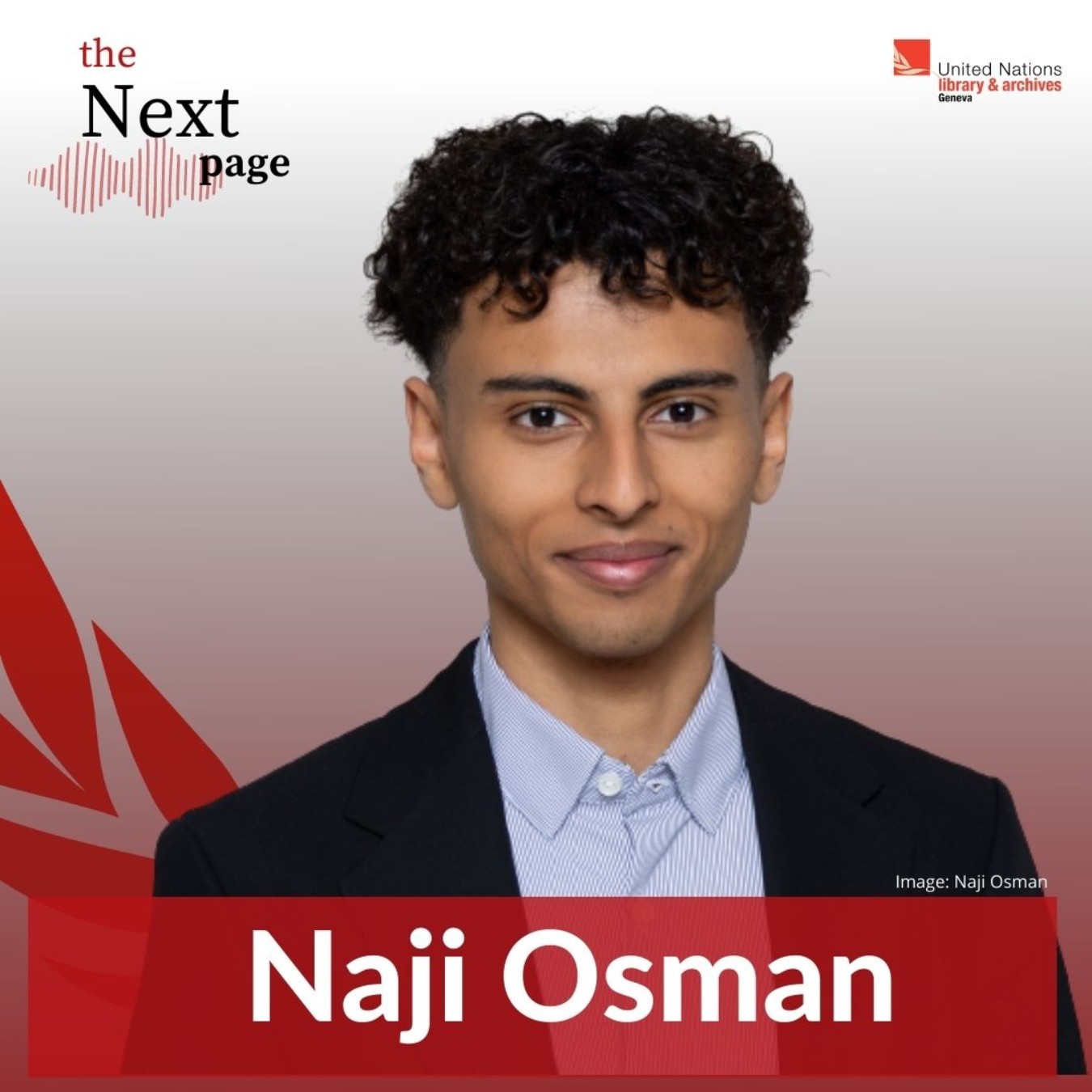
Ep 78Naji Osman on youth, the UN, and building an inclusive multilateralism
According to statistics from the United Nations, our world is home to 1.8 billion young people between the ages of 10 to 24, the largest generation of young people in recorded history. What is the role of youth in today’s multilateralism, as we look to the challenges we face in our present and our future? In this episode, we are joined by Naji Osman, who in 2021 was designated as one of the three Swiss Youth Delegates to the United Nations. Naji is a student and research assistant in the Department of Economics at the University of Zurich, and is actively engaged in global political affairs, economic development and human rights. Today he speaks with our Director Francesco Pisano, about his views on inclusive engagement, in particular, youth participation in multilateralism and how we can build intergenerational synergy to really make an impact as a global community. Resources Transcript: https://libraryresources.unog.ch/audio/transcripts/Naji-Osman-on-youth-the-UN-and-building-an-inclusive-multilateralism Learn more about the Office of the UN Secretary’s General’s Envoy on Youth: https://www.un.org/youthenvoy/ Find statistics on youth from across the UN system: https://www.un.org/youthenvoy/youth-statistics/ Where to listen to this episode Apple podcasts: https://podcasts.apple.com/us/podcast/the-next-page/id1469021154 Spotify: https://open.spotify.com/show/10fp8ROoVdve0el88KyFLy Youtube: Content Speakers: Naji Osman, Francesco Pisano Host: Natalie Alexander Editor & Producer: Yunshi (Daisy) Liang Social media designs: Yunshi (Daisy) Liang & Natalie Alexander Recorded & produced at the United Nations Library & Archives Geneva

Ep 77Ambassador Galib Israfilov on Azerbaijan and enriching multilateralism for our collective future
This episode of the #NextPagePod continues our series of conversations with Ambassadors to the United Nations Geneva, where we explore their experiences as diplomats in a multilateral system, and what the UN means for their countries today as we look to the multilateralism we need for our future. Our Director at the UN Library & Archives Geneva, Francesco Pisano, is joined by the Permanent Representative and Ambassador of the Republic of Azerbaijan to the UN in Geneva, Galib Israfilov. In March 1992, Azerbaijan joined the United Nations. With this year marking 30 years of accession, Ambassador Israfilov shares some of the history of the nation, its regional role today, and his own reflections on the importance of multilateralism from his experiences as both a bilateral and multilateral diplomat. Resources Transcript: https://libraryresources.unog.ch/audio/transcripts/Ambassador-Israfilov-on-Azerbaijan-and-enriching-multilateralism Follow the Permanent Mission of the Republic of Azerbaijan to the UN Geneva on Twitter: https://twitter.com/azmissiongeneva and Ambassador Galib Israfilov: https://twitter.com/galib_is Where to listen to this episode Apple podcasts: https://podcasts.apple.com/us/podcast/the-next-page/id1469021154 Spotify: https://open.spotify.com/show/10fp8ROoVdve0el88KyFLy Youtube: https://youtu.be/QvRMvSgVnys Content Speakers: Ambassador Galib Ifralov, Francesco Pisano Host: Natalie Alexander Editors & Producers: Yunshi (Daisy) Liang & Natalie Alexander Social media designs: Yunshi (Daisy) Liang & Natalie Alexander Image of Galib Ifralov: Dodge and Burn Recorded & produced at the United Nations Library & Archives Geneva

Ep 76Director-General of UN Geneva Tatiana Valovaya on the International Day of Multilateralism & Diplomacy for Peace
Today on the #NextPagePod we release a bonus episode to mark the International Day of Multilateralism and Diplomacy for Peace, established in 2018 by the UN General Assembly, and observed each year on 24 April. At the heart of our podcast is the aim to enrich and promote understanding of the values of multilateralism and international cooperation. To mark this day, our Director at the Library & Archives, Francesco Pisano, speaks with the Director-General of UN Geneva, Tatiana Valovaya. #MultileralismDay #MultilateralismMatters Resources Transcript Learn more about "Our Common Agenda", an agenda of action designed to accelerate the implementation of existing agreements: https://www.un.org/en/content/common-agenda-report/ Find out more about UN Geneva: https://www.ungeneva.org/en and Director-General Tatiana Valovaya: https://www.ungeneva.org/en/director-general Where to listen to this episode Apple podcasts: https://podcasts.apple.com/us/podcast/the-next-page/id1469021154 Spotify: https://open.spotify.com/show/10fp8ROoVdve0el88KyFLy Youtube: https://youtu.be/jyGtsFtB42Q UN Library & Archives Facebook: https://www.facebook.com/UNOGLibrary Twitter: https://twitter.com/UNOGLibrary Content Speakers: Director-General of UN Geneva Tatiana Valovaya, Francesco Pisano Host: Natalie Alexander Editor & Producer: Natalie Alexander Transcript: Yunshi (Daisy) Liang Social Media Designs: Natalie Alexander Image of the Director-General: UN Photo / Jean Marc Ferré Produced at the United Nations Library & Archives Geneva

Ep 75Ambassador Andranik Hovhannisyan on Armenia, multilateralism, and strengthening what unites us
This episode continues our series of conversations with Ambassadors to the United Nations Geneva, where we explore their views as diplomats in a multilateral system and what the UN means for them today. Our Director at the UN Library & Archives Geneva, Francesco Pisano, is joined by the Permanent Representative and Ambassador of the Republic of Armenia to the UN in Geneva, Andranik Hovhannisyan. This year, 2022, Armenia marks 30 years of accession to the United Nations. Ambassador Hovhannisyan shares how he came to serve in diplomacy, as well as moments from Armenia’s history that have marked him the most. He also shares his view on Armenia’s experience with the multilateralism at the UN, and as a historian himself, his thoughts as multilateralism evolves in a changing world. Resources Transcript: https://libraryresources.unog.ch/audio/transcripts/Armenia-multilateralism Follow the Permanent Mission of the Republic of Armenia to the UN Geneva on Twitter: https://twitter.com/Armembsuisse Where to listen to this episode Apple podcasts: https://podcasts.apple.com/us/podcast/the-next-page/id1469021154 Spotify: https://open.spotify.com/show/10fp8ROoVdve0el88KyFLy Youtube: https://youtu.be/VeVBSekEclw Content Speakers: Ambassador Andranik Hovhannisyan, Francesco Pisano Host: Natalie Alexander Editors & Producers: Yunsi (Daisy) Liang & Natalie Alexander Social media designs: Natalie Alexander Image of Ambassador Hovhannisyan: Permanent Mission of Armenia to the UN in Geneva Recorded & produced at the United Nations Library & Archives Geneva
Ep 74It Takes A Global Crisis: Episode 4 - Sustainable Cities
Welcome to Episode 4 of 'It Takes a Global Crisis', a series of four special episodes produced by the UN Library & Archives Geneva in collaboration with the SDG Lab. In this last episode, we explore sustainable cities. According to the United Nations, about 2 out of every 3 people will be living in cities or urban centres by 2050. Did it take a global crisis like the pandemic to highlight what we need for the future of cities? To ensure safe, livable, sustainable spaces? Let’s find out, as our host Edward Mishaud speaks with Dr. Agata Krause, Head of the 2030 Agenda and International Relations at the Center for Sustainable Development, Trondheim Kommune in Norway, and Dr. Bernadia Irawati Tjandradewi, the Secretary General of United Cities and Local Governments Asia-Pacific. Resources Transcript: https://libraryresources.unog.ch/audio/transcripts/It-Takes-A-Global-Crisis-Episode-4-Sustainable-Cities Find out more about the Center for Sustainable Development with Trondheim Kommune in Norway: https://twitter.com/LearningSociTRD?s=20&t=u3INxevAMmIkrFVC3TcgtA Find out more about United Cities and Local Governments Asia-Pacific: https://uclg-aspac.org/en/ Learn more about the C40 Students Reinventing Cities competition: https://www.c40reinventingcities.org/en/students/ Where to listen to this episode Apple podcasts: https://podcasts.apple.com/us/podcast/the-next-page/id1469021154 Spotify: https://open.spotify.com/show/10fp8ROoVdve0el88KyFLy YouTube: https://youtu.be/iJGrFQrGleE UN Library & Archives Facebook: https://www.facebook.com/UNOGLibrary Twitter: https://twitter.com/UNOGLibrary SDG Lab Twitter: https://twitter.com/SDGLab LinkedIn: https://www.linkedin.com/company/sdg-lab/ SDG Lab website: About SDG Lab — SDG Lab Content Speakers: Dr. Bernadia Irawati Tjandradewi & Dr. Agata Krause Host: Edward Mishaud Editors: Yunshi (Daisy) Liang & Natalie Alexander Social Media: Yunshi (Daisy) Liang & Natalie Alexander Production: Natalie Alexander, Edward Mishaud, Marlène Borlant, Evgeniya Altukhova, Tiffany Verga, Yunshi (Daisy) Liang. Social media image: Wirestock. Produced at the UN Library & Archives Geneva
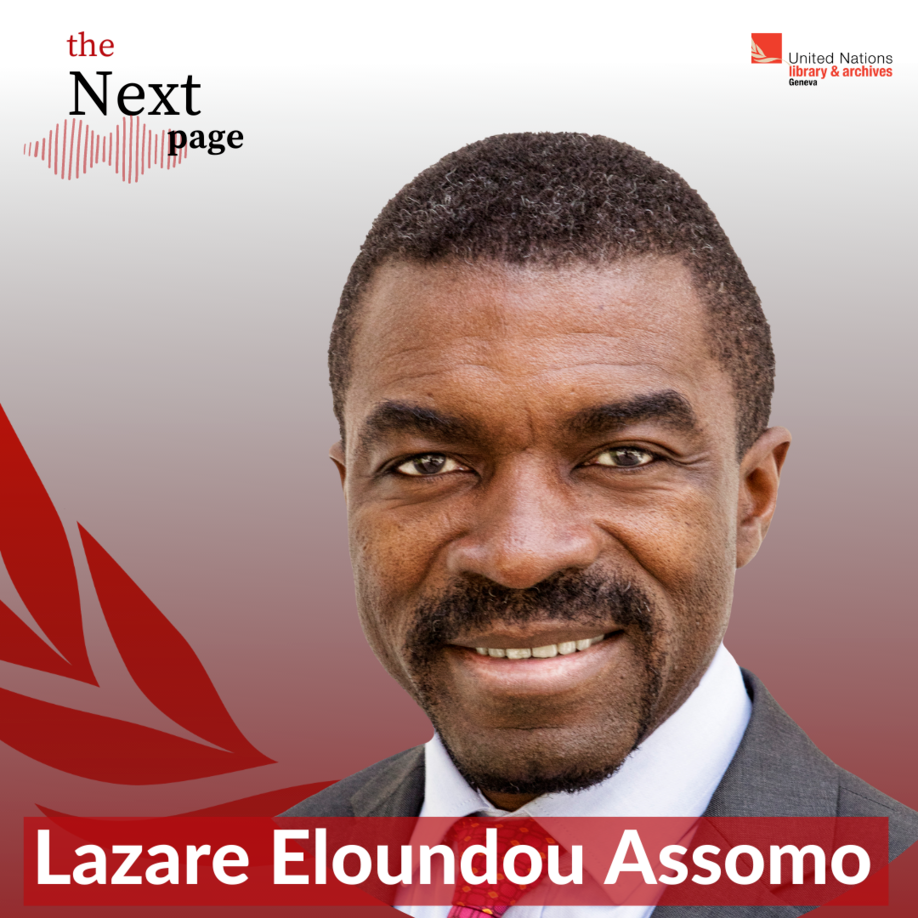
Ep 73Le multilatéralisme et la sauvegarde du patrimoine culturel avec Lazare Eloundou Assomo
Alors que les dégâts causés par les guerres et les conflits sont indubitablement dévastateurs, les tentatives de destruction du patrimoine culturel revêtent une valeur symbolique forte. Puissant outil identitaire et unificateur, la culture est fréquemment instrumentalisée lors de conflits armés pour diviser les communautés. Quel rôle peut alors jouer le multilatéralisme pour la sauvegarde du patrimoine culturel ? Dans cet épisode, nous accueillons Lazare Eloundou Assomo, Directeur du Centre du patrimoine mondial à l’UNESCO et ancien Directeur de l’Entité «Culture et situations d’urgence», pour discuter de cette question. Véritable homme de terrain, il partage son expérience au Mali, où il a mené la reconstruction des mausolées de Tombouctou, et souligne le besoin de mener des actions de terrain pour être au plus près des communautés affectées par les conflits. Enfin, il nous rappelle que la protection du patrimoine culturel est un enjeu de paix et de sécurité global, et nous présente les instruments législatifs et technologiques nécessaires à sa préservation. Nous vous invitons donc à écouter cet épisode passionnant qui, nous l’espérons, vous rappellera le rôle crucial joué par la culture pour l’ensemble des communautés. Bonne écoute. Ressources: Transcription : https://libraryresources.unog.ch/audio/transcripts/Le-multilateralisme-et-la-sauvegarde-du-patrimoine-culturel La culture dans les situations d’urgence : https://fr.unesco.org/themes/culture-situations-durgence Fonds d’urgence pour le patrimoine : https://fr.unesco.org/themes/protecting-our-heritage-and-fostering-creativity/Fonds-d%E2%80%99urgence-pour-le-patrimoine Initiative Faire revivre l’esprit de Mossoul : https://en.unesco.org/fieldoffice/baghdad/revivemosul Initiative Li Beirut : https://fr.unesco.org/fieldoffice/beirut/libeirut Convention de La Haye de 1954 pour la protection des biens culturels en cas de conflit armé : http://www.unesco.org/new/fr/culture/themes/armed-conflict-and-heritage/convention-and-protocols/1954-hague-convention/ Accord UNESCO-UNITAR (UNOSAT) : https://unitar.org/about/news-stories/news/unesco-and-unitar-unosat-team-protect-cultural-heritage-latest-geo-spatial-technologies Où trouver cet épisode Apple podcasts: https://podcasts.apple.com/us/podcast/the-next-page/id1469021154 Spotify: https://open.spotify.com/show/10fp8ROoVdve0el88KyFLy YouTube: https://youtu.be/tApSxgttHJw La Bibliothèque et Archives des Nations unies à Genève Facebook: https://www.facebook.com/UNOGLibrary Twitter: https://twitter.com/UNOGLibrary Contenu : Intervenant: Lazare Eloundou Assomo Animatrice: Kelly Le Normand Réalisation et montage: Natalie Alexander & Kelly le Normand Transcription: Yunshi (Daisy) Liang et Maria Bolotnikov Enregistré et produit à la Bibliothèque & Archives des Nations Unies à Genève
Ep 70It Takes a Global Crisis: Episode 3 - Social Protection
Welcome to Episode 3 of 'It Takes a Global Crisis', a series of four special episodes produced by the UN Library & Archives Geneva in collaboration with the SDG Lab. In this episode, we explore social protection. Host Edward Mishaud is joined by Christina Behrendt, Head of the Social Policy Unit at the International Labour Organization, and Dr. Kate Philip, Programme Lead for the Presidential Employment Stimulus in South Africa. The COVID-19 pandemic has put social protection in the spotlight, inviting us to reflect on social protection policy not only in times of crisis but also in everyday life. What exactly is social protection? What have we learned from countries’ policy responses to the crisis? How does a robust social protection system contribute to individual, community and collective wellbeing? And what can we learn in order to strengthen these systems for future events? Did it take a global crisis to highlight the critical and multi-dimensional role of social protection? Let’s find out. Resources Transcript: https://libraryresources.unog.ch/audio/transcripts/It-Takes-A-Global-Crisis-Episode-3-Social-Protection Find out more about Christina Behrendt, Head of the Social Policy Unit at the International Labour Organization. Follow her on Twitter https://twitter.com/csbehrendt Find out more about the International Labour Organization’s Work in social protection: https://www.ilo.org/global/topics/social-security/lang--en/index.htm ILO. 2021. World Social Protection Report 2020–22: Social Protection at the Crossroads – in Pursuit of a Better Future: https://www.ilo.org/wcmsp5/groups/public/@dgreports/@dcomm/@publ/documents/publication/wcms_817572.pdf Resources on social protection and the COVID-19 crisis: ILO | Social Protection Platform (social-protection.org) Find out more about the Presidential Employment Stimulus in South Africa: https://pres-employment.openup.org.za/img/Presidential%20Employment%20Stimulus%20Review%20and%20Introduction%20to%20Phase%202.pdf Visit the ESCAP Social Protection Toolbox: www.socialprotection-toolbox.org Where to listen to this episode Apple podcasts: https://podcasts.apple.com/us/podcast/the-next-page/id1469021154 Spotify: https://open.spotify.com/show/10fp8ROoVdve0el88KyFLy YouTube: https://youtu.be/U8Hwo9PjGqE UN Library & Archives Facebook: https://www.facebook.com/UNOGLibrary Twitter: https://twitter.com/UNOGLibrary SDG Lab Twitter: https://twitter.com/SDGLab LinkedIn: https://www.linkedin.com/company/sdg-lab/ SDG Lab website: About SDG Lab — SDG Lab Content Speakers: Christina Behrendt & Kate Philip Host: Edward Mishaud Editors: Yunshi (Daisy) Liang & Natalie Alexander Social Media: Natalie Alexander Production: Natalie Alexander, Edward Mishaud, Marlène Borlant, Evgeniya Altukhova, Tiffany Verga, Yunshi (Daisy) Liang. Social media image: https://www.freepik.com/photos/business. Business photo created by fabrikasimf - www.freepik.com

Ep 71Building A Just World Order, with Dr. Alfred de Zayas
In this episode, the #NextPagePod welcomes Dr. Alfred de Zayas, the first person to serve as the UN Human Rights Council's Independent Expert on the Promotion of a Democratic and Equitable International Order, a role he assumed from May 2012 to April 2018. Dr. de Zayas has a background in history and law, with expertise in civil and political rights. He completed his Juris Doctor at Harvard, and his doctorate in history from the University of Göttingen in Germany. Among his many roles, his latest is as a Professor at the Geneva School of Diplomacy and International Relations. He joins host Tiffany Verga to share his latest book, Building a Just World Order. What does this mean and why should it matter as we reflect on the future of multilateralism? He shares his experiences as an Independent Expert, which led to 14 reports which he presented to the UN Human Rights Council and the General Assembly. These reports are compiled in his new book, together with 25 principles of international order for the UN system, which he recommends as holistic and interconnected ways for moving forward to ensure peace, human rights and sustainable development for all. We also hear why he continues to have hope in multilateralism. Resources Transcript: The Next Page - Transcripts - Audio Guide - Research Guides at United Nations Library & Archives Geneva (unog.ch) Find out more about Dr. Alfred de Zayas at his Human Rights Corner website: https://dezayasalfred.wordpress.com/ Find out more about his book, Building A Just World Order: https://www.claritypress.com/product/building-a-just-world-order/ Where to listen to this episode Apple podcasts: https://podcasts.apple.com/us/podcast/the-next-page/id1469021154 Spotify: https://open.spotify.com/show/10fp8ROoVdve0el88KyFLy Youtube: https://youtu.be/7H_AH97E2z4 UN Library & Archives Facebook: https://www.facebook.com/UNOGLibrary Twitter: https://twitter.com/UNOGLibrary Content Speaker: Dr. Alfred de Zayas Host: Tiffany Verga Editor & Producer: Natalie Alexander Social Media & Transcript: Natalie Alexander & Yunshi (Daisy) Liang Produced at the United Nations Library & Archives Geneva
Ep 70It Takes a Global Crisis: Episode 2 - Environment and Social Resilience
Welcome to Episode 2 of 'It Takes a Global Crisis', a series of four special episodes produced by the UN Library & Archives Geneva in collaboration with the SDG Lab. In this episode we look at the environment and social resilience. We're joined by David Smith, Chief Economist and Regional Coordinator of UNDP-UNEP Poverty-Environment Action for the SDGs (PEA), UNEP Africa Office, and Akanksha Khatri, Head of the Nature Action Agenda, World Economic Forum (WEF). Together with host Edward Mishaud, they explore how COVID-19 has shed new light on our understanding of society's critical link with the environment. They discuss the link between economic growth and environmental sustainability, and what needs to change to meet the Sustainable Development Goals. So, did it take a global crisis to realize our own health is linked to the health of our planet? Let's find out. Resources Transcript: The Next Page - Transcripts - Audio Guide - Research Guides at United Nations Library & Archives Geneva (unog.ch) Find out more about David Smith, Chief Economist and Regional Coordinator for the UNDP-UNEP Poverty-Environment Action for the SDGs (PEA), UNEP Africa Office: Click here. Find out more about Akanksha Khatri, Head of the Nature Action Agenda, World Economic Forum (WEF): Click here. Find out more about the UNDP-UNEP Poverty-Environment Action for the SDGs (PEA): Click here. The UpLink: https://uplink.weforum.org/uplink/s/ 1 Trillion Trees - 1t.org: https://www.1t.org/ Global Risks Report: https://www.weforum.org/global-risks/reports 100 million farmers: 100 Million Farmers | World Economic Forum (weforum.org) Where to listen to this episode Apple podcasts: https://podcasts.apple.com/us/podcast/the-next-page/id1469021154 Spotify: https://open.spotify.com/show/10fp8ROoVdve0el88KyFLy Youtube: https://youtu.be/32QMmWjSHg4 UN Library & Archives Facebook: https://www.facebook.com/UNOGLibrary Twitter: https://twitter.com/UNOGLibrary SDG Lab Twitter: https://twitter.com/SDGLab LinkedIn: https://www.linkedin.com/company/sdg-lab/ SDG Lab website: About SDG Lab — SDG Lab Content Speakers: David Smith and Akanksha Khatri Host: Edward Mishaud Editors: Tiffany Verga & Yunshi (Daisy) Liang Social Media: Natalie Alexander & Marlène Borlant Production: Natalie Alexander, Edward Mishaud, Marlène Borlant, Evgeniya Altukhova & Tiffany Verga, Yunshi (Daisy) Liang. Recorded & produced at the United Nations Library & Archives Geneva in collaboration with the SDG Lab.
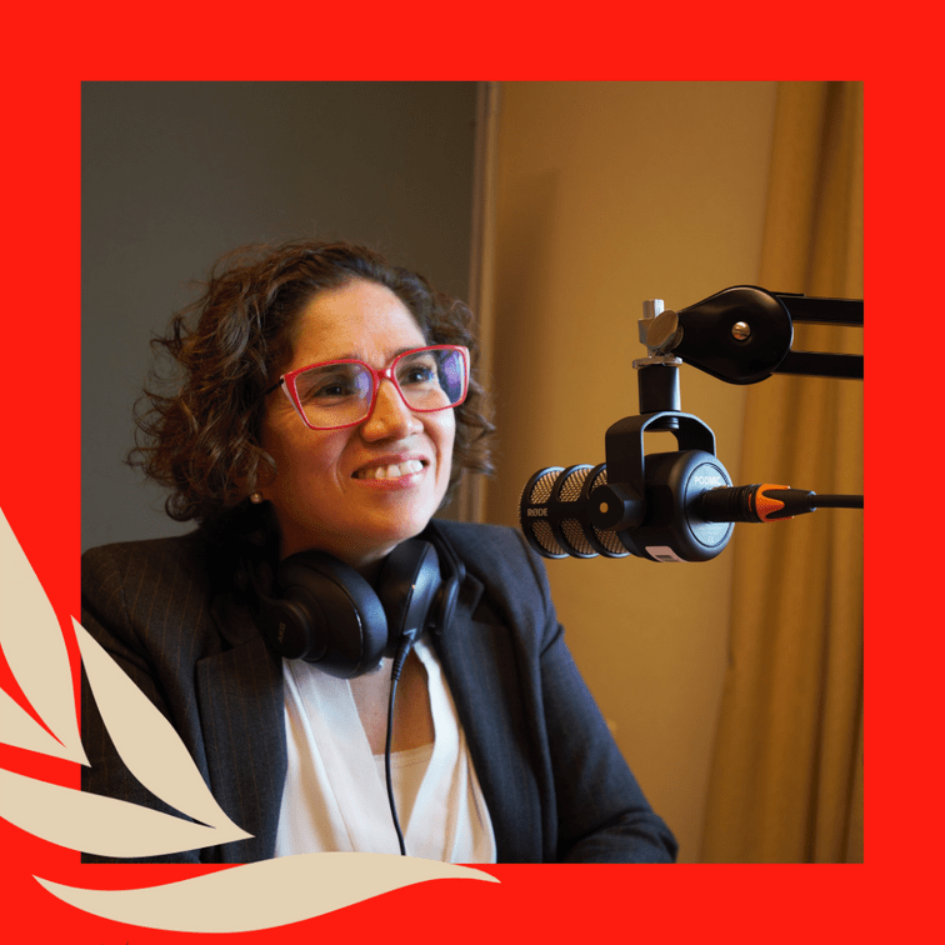
Ep 69Costa Rica, transformative change, and the power of multilateralism with Ambassador Catalina Devandas Aguilar
Happy New Year from the UN Library & Archives Geneva! This episode continues our conversations with Ambassadors to the UN in Geneva. Our Director, Francesco Pisano, is joined by the Permanent Representative of Costa Rica to the UN Geneva, Catalina Devandas Aguilar, who arrived in Geneva in late 2020. She takes us on a fascinating exploration of the history of Costa Rica, its role in the region, and some of its main priorities today that can be examples for the rest of the world, from migration solutions to social protection, green policies and biodiversity, women’s participation, human rights and peace. And, as one of a small number of countries without a standing army, she shares her assessment of Costa Rica’s experience at the UN today, and how the country’s commitment to peace influences its views on multilateralism and collective security. Resources Transcript: The Next Page - Transcripts - Audio Guide - Research Guides at United Nations Library & Archives Geneva (unog.ch) Follow Ambassador Devandas Aguilar on Twitter: https://twitter.com/CataDevandas Follow the Permanent Mission of Costa Rica to the UN Geneva on Twitter: https://twitter.com/CRONUGVA Where to listen to this episode Apple podcasts: https://podcasts.apple.com/us/podcast/the-next-page/id1469021154 Spotify: https://open.spotify.com/show/10fp8ROoVdve0el88KyFLy Youtube: https://youtu.be/wUdt7ziY0V0 Content Speakers: Ambassador Catalina Devandas Aguilar, Francesco Pisano Host: Tiffany Verga Editor & Producer: Natalie Alexander Social media designs: Natalie Alexander Recorded & produced at the United Nations Library & Archives Geneva
Ep 68It Takes a Global Crisis: Episode 1 - Digitalization & Connectivity, a COVID-driven race
Welcome to Episode 1 of 'It Takes a Global Crisis', a series of four special episodes produced by the UN Library & Archives Geneva in collaboration with the SDG Lab. In this episode on digitalization and connectivity, we're joined by Doreen Bogdan-Martin, Director of the ITU Telecommunication Development Bureau (BDT) and Ibrahima Guimba-Saïdou, the Minister Special Advisor to President of Niger and CEO of the National Agency for Information Society (ANSI). Together, they explore the impact of COVID-19 on connectivity and digitalization across the world, and whether progress to achieve the Sustainable Development Goals has been accelerated or disadvantaged through the pandemic. So, did it take a global crisis to advance digitization and connectivity? Let's find out. Note: This podcast, recorded on 6 October 2021, mentions 3.7 billion people, or 51% of the world’s population, remain unconnected to the Internet (Source: ITU Facts and Figures 2020). In December 2021, ITU's latest Facts and Figures 2021 report revealed that the estimated number of people who have used the Internet has surged to 4.9 billion in 2021 (63%), from an estimated 4.1 billion in 2019. However, in 2021, an estimated 37 per cent of the world's population – or 2.9 billion people – have still never used the Internet. Resources Transcript: The Next Page - Transcripts - Audio Guide - Research Guides at United Nations Library & Archives Geneva (unog.ch) Find out more about Doreen Bogdan-Martin, Director of the Telecommunication Development Bureau of the ITU: Click here. Find out more about Ibrahima Guimba-Saïdou, Minister Special Advisor to President of Niger and CEO of National Agency for Information Society (ANSI): Click here. Find out more about the 'Building Smart Villages: A Blueprint – as Piloted in Niger': Click here. Sustainable Development Goals: THE 17 GOALS | Sustainable Development (un.org) The 2030 Agenda: The Sustainable Development Agenda - United Nations Sustainable Development Where to listen to this episode Apple podcasts: https://podcasts.apple.com/us/podcast/the-next-page/id1469021154 Spotify: https://open.spotify.com/show/10fp8ROoVdve0el88KyFLy Youtube: https://youtu.be/wUdt7ziY0V0 UN Library & Archives Facebook: https://www.facebook.com/UNOGLibrary Twitter: https://twitter.com/UNOGLibrary SDG Lab Twitter: https://twitter.com/SDGLab LinkedIn: https://www.linkedin.com/company/sdg-lab/ SDG Lab website: About SDG Lab — SDG Lab Content Speakers: Doreen Bogdan-Martin and Ibrahima Guimba-Saïdou Host: Edward Mishaud Editor: Tiffany Verga Social Media: Tiffany Verga & Marlène Borlant Production: Natalie Alexander, Edward Mishaud, Marlène Borlant, Evgeniya Altukhova & Tiffany Verga Recorded & produced at the United Nations Library & Archives Geneva in collaboration with the SDG Lab.
It Takes a Global Crisis: Episode 0 - Introduction
Did it take a global crisis like the COVID-19 pandemic for us to see the challenges to reaching Agenda 2030? To set in motion solutions for sustainable development for all? Welcome to 'It Takes a Global Crisis', a series of four special episodes produced by the UN Library & Archives Geneva in collaboration with the SDG Lab. In this introductory episode, we're joined by Nadia Isler, Director of the SDG Lab and Francesco Pisano, the Director of the Library & Archives, to explore how the COVID-19 pandemic has in many ways accelerated sustainable development solutions, but also highlighted the challenges, gaps, and limitations of progress. Throughout the series, we'll be talking to a range of experts and practitioners--as they work both on the ground and in advancing policy--about their experiences across the themes of digitalization and connectivity, the environment as a key to social resilience, social protection and sustainable cities. So, did it take a global crisis? Join us for the first episode on 7 January 2022 to find out. Resources SDG Lab website: About SDG Lab — SDG Lab Find out more about Nadia Isler, Director of the SDG Lab: Nadia Isler Find out more about Francesco Pisano, Director of the Library & Archives: Francesco Pisano - MEIG Programme Sustainable Development Goals: THE 17 GOALS | Sustainable Development (un.org) The 2030 Agenda: The Sustainable Development Agenda - United Nations Sustainable Development Transcript: https://libraryresources.unog.ch/c.php?g=673332&p=4880979&t=18980 Where to listen to this episode Apple podcasts: https://podcasts.apple.com/us/podcast/the-next-page/id1469021154 Spotify: https://open.spotify.com/show/10fp8ROoVdve0el88KyFLy Podbean: https://unitednationslibrarygeneva.podbean.com/ YouTube: https://www.youtube.com/watch?v=8f2QYzMy3C0 UN Library & Archives Facebook: https://www.facebook.com/UNOGLibrary Twitter: https://twitter.com/UNOGLibrary SDG Lab Twitter: https://twitter.com/SDGLab LinkedIn: https://www.linkedin.com/company/sdg-lab/ Content Speakers: Nadia Isler and Francesco Pisano Hosts: Natalie Alexander and Edward Mishaud Editor: Tiffany Verga Social Media: Tiffany Verga & Marlène Borlant Production: Natalie Alexander, Edward Mishaud, Marlène Borlant, Evgeniya Altukhova & Tiffany Verga Recorded & produced at the United Nations Library & Archives Geneva in collaboration with the SDG Lab.
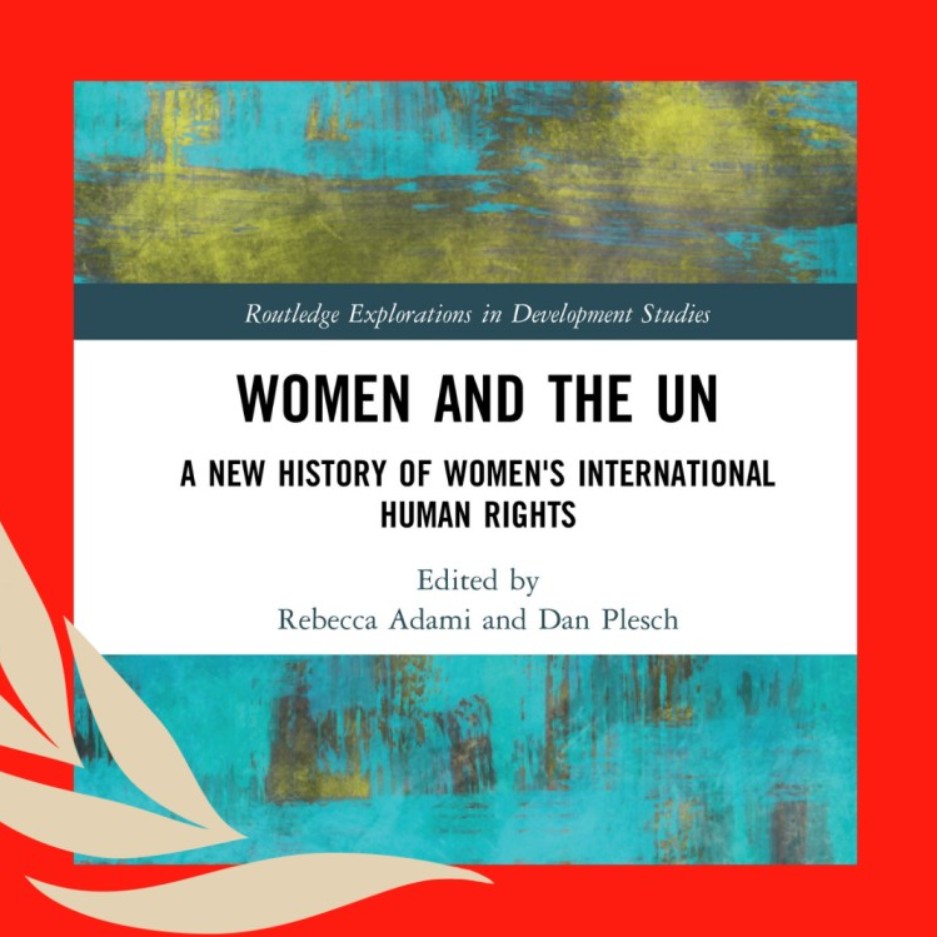
Ep 67Hidden Figures in Women’s International Human Rights, with Ellen Chesler, Fatima Sator and Dan Plesch
This episode brings us on a journey of archaeology. Not the type with shovels and brushes, but rather a restorative archaeology that sheds light on the stories of women who are not well known in the history books. We speak with Fatima Sator, Ellen Chesler and Dan Plesch, two of the authors and the co-editor of a new book published this year called Women and the UN: A New History of Women’s International Human Rights. It documents the stories of influential women, many from the global south, who dedicated their work to ensuring women’s human rights were recorded in UN conventions, treaties and documents. Despite this work, there is very little known about them and their contribution. Fatima Sator is a communications specialist at International Committee of the Red Cross, author and gender equality researcher at School of Oriental and African Studies University of London, or SOAS. Ellen Chesler is an author and Senior Fellow at CUNY's Ralph Bunche Institute for International Studies. They both contributed chapters to the book. Dan Plesch is a co-editor of this volume, together with Rebecca Adami. He is the Director of the Centre for International Studies and Diplomacy at SOAS. We talk about why documenting these stories of women in our history matters for our understanding of multilateralism, and consider how we define multilateralism might to evolve to fully comprehend the contribution of women to key multilateral decisions and documents that exist today. Episode Transcript Access the transcript here. Open Access Book “Women and the UN: A New History of Women’s International Human Rights” - Open Access version online: https://www.taylorfrancis.com/books/oa-edit/10.4324/9781003036708/women-un-rebecca-adami-dan-plesch Book Resources Project Page for Women and the UN: https://www.soas.ac.uk/cisd/research/women-in-diplomacy/women-in-the-un-charter/ Open Global Rights article on the book: https://www.openglobalrights.org/women-and-the-un-a-new-history-of-womens-international-human-rights/?lang=English TEDx PlaceDesNations talk with Fatima Sator and Elise Diettrichson - "These women changed your life": These Women Changed Your Life | Elise Luhr Dietrichson & Fatima Sator | TEDxPlaceDesNationsWomen "Women founders of the UN" - SOAS conference with Rebecca Adami Women and Girls Rising: Progress and resistance around the world, edited by Ellen Chesler and Terry McGovern: https://www.taylorfrancis.com/books/edit/10.4324/9781315708379/women-girls-rising-ellen-chesler-terry-mcgovern Content Speakers: Ellen Chesler, Fatima Sator and Dan Plesch Host: Natalie Alexander Editor & Producer: Natalie Alexander Social media designs: Natalie Alexander Recorded & produced at the United Nations Library & Archives Geneva

Forging a Seat at the Table for Youth at COP with Holly Crockford
As thousands of people ascended into Glasgow to attend COP26, young people fought to have their voices heard. But beyond COP, how do we ensure youth have a seat at the climate table not just now but always? For the month of November, #NextPagePod has gone green in support of COP26. So far we've featured conversations exploring climate issues, youth activism, the science behind the policy and of course talked about what role multilateralism plays in the future of our planet. In this final episode, we are going back to what inspired this series in the first place, COP26, as we talk to one of the young Australian delegates on the final day of the conference. In this episode, we talk to Holly Crockford to hear what she has learned on the ground from a youth perspective but also what she hopes to see after the conference ends. Holly is a young Australian climate leader who is the co-founder of Climate Force and Foundations for Tomorrow an organization powered by the Global Shapers Community, she is also involved with AYFICE (Australian Youth For International Climate Engagement) and has a background in pro-bono law and community volunteering. In this conversation we explore youth accessibility to the conference, what actions Holly wants to see beyond COP and the type of climate leadership she'd like to see. Resources: Find out more about Holly: Holly Crockford — QUT Law Society Connect with Holly: https://www.linkedin.com/in/holly-j-crockford-364003138/ ClimateForce website: https://www.theclimateforce.org/ Connect with AYFICE: YouTube: https://www.youtube.com/channel/UCBLTAoW_y2F2z5zd2WJHVsA Facebook: Australian Youth for International Climate Engagement (AYFICE) Network (facebook.com) LinkedIn: https://www.linkedin.com/groups/12489212/ Find out more about the Global Shapers Community: https://www.globalshapers.org/ What platforms to find us on: Apple podcasts: https://podcasts.apple.com/us/podcast/the-next-page/id1469021154 Spotify: https://open.spotify.com/show/10fp8ROoVdve0el88KyFLy Podbean: https://unitednationslibrarygeneva.podbean.com/ Follow us: https://www.facebook.com/UNOGLibrary https://twitter.com/UNOGLibrary Content: Speakers: Holly Crockford & Tiffany Verga Host: Tiffany Verga Editor & Producer: Tiffany Verga Social media designs: Tiffany Verga Recorded & produced at the United Nations Library & Archives Geneva
When Climate Science Meets Policy with Dr Debra Roberts
With policymakers needing scientific evidence to guide their decisions on topics such as public health and the climate, how do we ensure science makes its way into policy? For the month of November, #NextPagePod is going green in support of COP26. We will feature conversations exploring climate issues, youth activism, explore the science behind the policy and of course talk about what role multilateralism plays in the future of our planet. In this episode, we speak to Dr Debra Roberts about the intersection of science and policy, the bridge builders helping open the communication lines between both worlds and what the future of science multilateralism will hopefully look like. Dr Roberts is currently the Head of the Sustainable and Resilient City Initiatives Unit in the eThekwini Municipality in Durban, and prior to this post she established the Environmental Planning and Climate Protection Department in eThekwini and was selected as the first Chief Resilience Officer in 2013. She was also involved in both the fifth and sixth assessment of the IPCC report has led the Chapter 8 (Urban Areas) section and contributed to Chapter 12 (Africa) on the fifth assessment report. For the sixth assessment report, she became the Co-Chair of Working Group 2 and her team is looking to release their report next year. She also brings to this discussion several years of negotiating experience having sat on various international advisory boards advising on climate issues. Resources: Transcript: The Next Page - Transcripts - Audio Guide - Research Guides at United Nations Library & Archives Geneva (unog.ch) Find out more about Debra: https://www.ipcc.ch/people/debra-roberts/ Visit the IPCC website: IPCC — Intergovernmental Panel on Climate Change View the latest IPCC report: AR6 Synthesis Report: Climate Change 2022 — IPCC AR5 Synthesis Assessment IPCC report: AR5 Synthesis Report: Climate Change 2014 — IPCC The eThekwini Sustainable and Resilient City Initiatives Unit: Durban’s Resilience Strategy What platforms to find us on: Apple podcasts: https://podcasts.apple.com/us/podcast/the-next-page/id1469021154 Spotify: https://open.spotify.com/show/10fp8ROoVdve0el88KyFLy Podbean: https://unitednationslibrarygeneva.podbean.com/ Follow us: https://www.facebook.com/UNOGLibrary https://twitter.com/UNOGLibrary Content: Speakers: Dr Debra Roberts & Tiffany verga Host: Tiffany Verga Editor & Producer: Tiffany Verga Social media designs: Tiffany Verga Recorded & produced at the United Nations Library & Archives Geneva

Youth Action for the Future of Water with Garvita Gulhati
For the month of November, #NextPagePod is going green in support of COP26. We will feature conversations exploring climate issues, youth activism, explore the science behind the policy and of course talk about what role multilateralism plays in the future of our planet. In this episode, we invite you to ask yourself what water means to you and what role it plays in your everyday life. How does our relationship with water impact our communities and our future? In this episode, we are joined by Garvita Gulhati an Indian environmentalist, Forbes 30 under 30 Asia member and founder of 'Why Waste?', an organization that aims to change people's mindsets towards the water after experiencing the devastating impacts of water shortage in her community in India. Today, 'Why Waste?' is India's largest youth-led organization working towards the conservation of water. Resources: Find our more about Why Waste? www.whywaste.io Download the Why Waste? app: app.whywaste.io Read the book online: https://storyweaver.org.in/publishers/4116-why-waste Learn more about the We The Change Now campaign: wethechangenow.com. What platforms to find us on: Apple podcasts: https://podcasts.apple.com/us/podcast/the-next-page/id1469021154 Spotify: https://open.spotify.com/show/10fp8ROoVdve0el88KyFLy Podbean: https://unitednationslibrarygeneva.podbean.com/ Follow us: https://www.facebook.com/UNOGLibrary https://twitter.com/UNOGLibrary Content: Speakers: Garvita Gulhati & Natalie Alexander Host: Natalie Alexander Editor & Producer: Tiffany Verga Social media designs: Tiffany Verga Recorded & produced at the United Nations Library & Archives Geneva
Le rôle du Cameroun dans le multilatéralisme d’aujourd’hui et de demain, avec Ambassadeur Salomon Eheth
Nous sommes heureux d’accueillir pour cet épisode l’Ambassadeur et Représentant de la Mission permanente de la République du Cameroun auprès de l'Office des Nations Unies et des autres organisations internationales à Genève, Monsieur Salomon EHETH. Il est rejoint par notre Directeur, Francesco Pisano, dans le studio pour une conversation fascinante sur l’histoire de son pays et la place actuelle du Cameroun dans le contexte politique et stratégique en Afrique. Il partage aussi ses réflexions sur le rôle du Cameroun et le continent africain dans le multilatéralisme d’aujourd’hui et de demain. Nous espérons que vous apprécierez cet épisode, bonne écoute ! Ressources : Ambassador Salomon Eheth: https://bit.ly/3mkBT0d Transcription: https://libraryresources.unog.ch/c.php?g=673332&p=4880979&t=18512 Contenu : Intervenant: Francesco Pisano Animatrice: Kelly Le Normand Réalisation et montage: Kelly Le Normand, Natalie Alexander, Katrine Lyngso & Tiffany Verga Enregistré et produit à la Bibliothèque des Nations Unies à Genève
The Rising Role of Youth in Multilateralism with Maria Isabelle Wieser
How should the UN involve and include young people in multilateralism? How can young people benefit from mentorship? And, are youth content with the pace of global governance? In this episode, Maria Isabelle Wieser, the former Deputy Director of Foraus and former Head of the Think Tank Hub joined the #NextPagePod for a discussion about the role of youth in multilateralism, barriers to diversity for young voices and how to best meaningfully engage youth in the decisions of today. Foraus is a Swiss think tank that advocates for constructive foreign policy and informative dialogue. They provide a platform for young people to access and contribute to a foreign policy outside of the current political party system and publish scientific-based policy recommendations. Currently, there are over 120 volunteers across 12 different thematic groups and 9 regional groups with the two central hubs located in Geneva and Zurich. In discussion with the Director of the UN Library & Archives Geneva, Francesco Pisano, Maria Isabelle explores her experiences navigating the foreign policy scene in Geneva from being bombarded by meetings in her first year to managing a young team throughout a pandemic. She also discusses the current limitations for young people to access international organizations and what needs to be done to best engage young people beyond surface-level meetings. Resources: More about Maria Isabelle Wieser: Maria Isabelle Wieser – Foraus Making Gender Work: The International Dimensions of Labour Market Inequality in Switzerland Making Gender Work (foraus.ch) Where to find Foraus: More about Foraus: Foraus – foraus Facebook : @forausthinktank / @ThinkTankHubGeneva Twitter : @foraus / @ThinkTankHub_CH LinkedIn : Foraus - Swiss forum on foreign policy Transcript: click here Listen to us also on: Apple podcasts: https://podcasts.apple.com/us/podcast/the-next-page/id1469021154 Spotify: https://open.spotify.com/show/10fp8ROoVdve0el88KyFLy Podbean: https://unitednationslibrarygeneva.podbean.com/ Follow us: https://www.facebook.com/UNOGLibrary https://twitter.com/UNOGLibrary Content: Speakers: Maria Isabelle Wieser & Francesco Pisano Host: Tiffany Verga Editor & Producer: Tiffany Verga Social media designs: Tiffany Verga Recorded & produced at the United Nations Library & Archives Geneva
Ep 66The Crossroads of Multiculturalism & Multilateralism with Ambassador Federico Villegas of Argentina
How did Argentina’s multicultural society shape how they approach multilateralism? And how did Argentina contribute to the human rights law we know today? In this episode, Ambassador Federico Villegas, the Permanent Representative of Argentina to the United Nations Office at Geneva joined the #NextPagePod for a discussion around the history of Argentina and how diversity has shaped the country today. Before being appointed to Geneva, Mr. Villegas has had an expansive career in foreign services as a career diplomat and lawyer. Appointed as the Argentinian Ambassador to Mozambique in 2016, he was then appointed as the Director-General of Human Rights at the Ministry of Foreign Affairs of Argentina from 2012 to 2016 and as a Representative to the Southern Common Market in Uruguay from 2008 to 2011. In discussion with Director of the UN Library & Archives Geneva, Francesco Pisano, Mr. Villegas talks about his experience as a UN Disarmament fellow, Argentina’s relations with neighbouring America and how immigration in Argentina created a turning point for society. He also talked about military coups, and how periods in the country’s history led to a new human rights wave dedicated to the enforced disappearances of persons. Resources: More about Ambassador Villegas: https://unctad.org/node/33987 Transcript: click here Listen to us also on: Apple podcasts: https://podcasts.apple.com/us/podcast/the-next-page/id1469021154 Spotify: https://open.spotify.com/show/10fp8ROoVdve0el88KyFLy Podbean: https://unitednationslibrarygeneva.podbean.com/ Follow us: https://www.facebook.com/UNOGLibrary https://twitter.com/UNOGLibrary Content: Speakers: Ambassador Federico Villegas & Francesco Pisano Host: Tiffany Verga Editor & Producer: Tiffany Verga Social media designs: Tiffany Verga Recorded & produced at the United Nations Library & Archives Geneva
Ep 65Media, Truth and Power at the League of Nations with Carolyn Biltoft
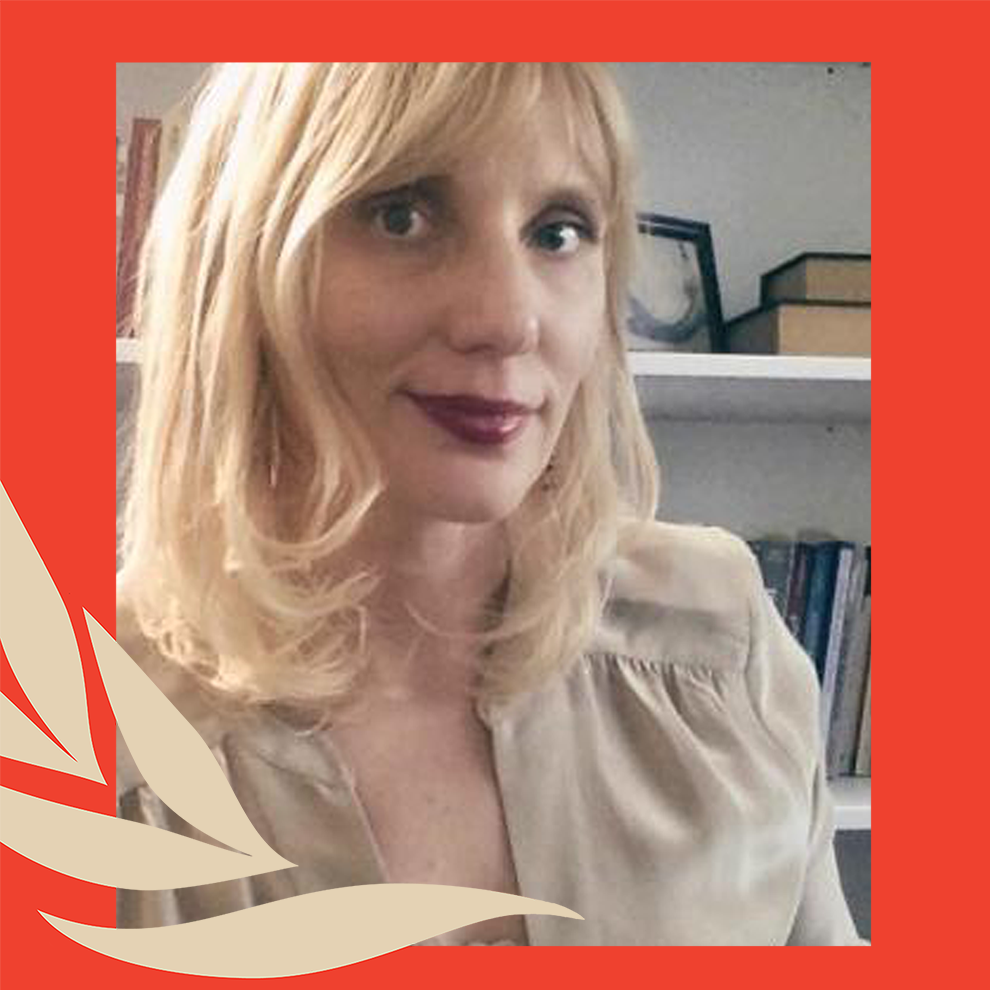
In this episode, Professor Carolyn Biltoft considers how you do global intellectual history and the need for analysis, as she talks about her book, A Violent Peace: Media, Truth and Power at the League of Nations (2021, University of Chicago Press). Looking through the League of Nations, a longed-for project of international peace and cooperation, Biltoft is interested in examining what is this thing called mass media. In her critique of the information system, she looks at how it transforms our relation to power and interacts with our fears, anxieties, and our longing for certainty. We talk about language, money and the press and uncover stories from the time of the League of Nations about Esperanto, typewriters, time-capsules, pneumatic tubes, money, counterfeiting, branding and advertising. We also talk about the tragedy of the suicide of Stefan Lux during the Assembly on 3 July 1936 to bring attention to the horrors occurring in Nazi Germany. Carolyn Biltoft encourages us to hold open what we can never know, to be curious and to keep asking. Resources: Biltoft, C. N. (2021). A Violent Peace: Media, Truth and Power at the League of Nations. University of Chicago Press: https://press.uchicago.edu/ucp/books/book/chicago/V/bo80675830.html Biltoft, C. N. (2020). The anatomy of credulity and incredulity: A hermeneutics of misinformation, Misinformation Review. Harvard Kennedy School. https://misinforeview.hks.harvard.edu/article/the-anatomy-of-credulity-and-incredulity-or-a-hermeneutics-of-misinformation/ More about professor Biltoft: https://www.graduateinstitute.ch/academic-departments/faculty/carolyn-biltoft Transcript: here Content: Speakers: Amy Smith and Carolyn Biltoft Host: Amy Smith Editor & Producer: Katrine Lyngso and Amy Smith Social media designs: Katrine Lyngso Recorded & produced at the United Nations Library & Archives Geneva
Ep 64L‘héritage de Gustave Revilliod, des capsules temporelles aux Nations Unies avec Anne-Claire Schumacher
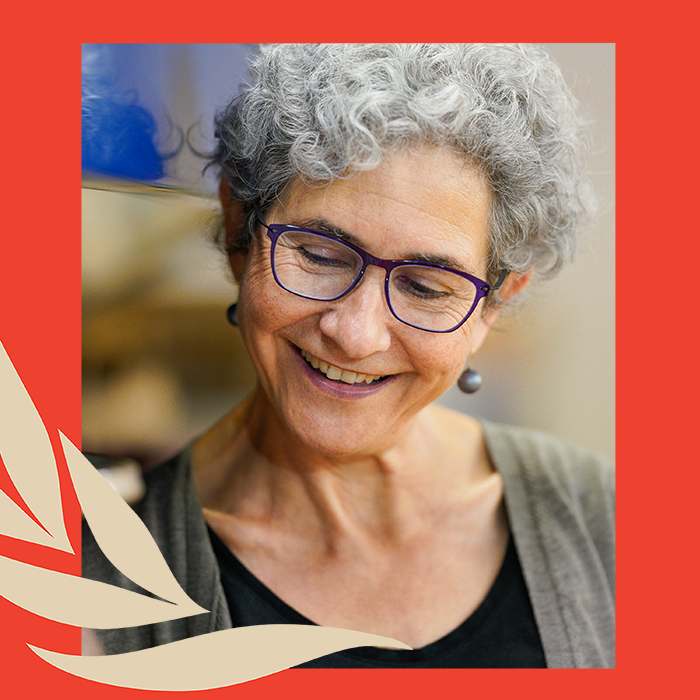
Pour l’épisode 59 de The Next Page, nous sommes heureux d’accueillir Anne-Claire Schumacher pour parler de Gustave Revilliod, du Musée Ariana et de leur lien avec les Nations Unies. Conservatrice en chef au Musée Ariana, le musée suisse de la céramique et du verre, Anne-Claire Schumacher nous propose un regard nouveau sur l’héritage de Gustave Revilliod et son influence sur la Genève internationale. Elle nous dévoile également le contenu des mystérieuses capsules temporelles cachées par Gustave Revilliod et dont deux sont retrouvées en 1933 et 1936, respectivement, par des ouvriers de la Société des Nations. Enfin, elle nous rappelle l’importance de la culture et de l’Histoire pour améliorer le présent et favoriser une plus grande ouverture au monde. Ressources : Musée Ariana : http://institutions.ville-geneve.ch/fr/ariana/ Gustave Revilliod : https://bit.ly/3xYnnhx Parc Ariana : https://www.ungeneva.org/fr/about/palais-des-nations/ariana-park Contenu : Intervenant: Anne-Claire Schumacher Animatrice: Kelly Le Normand Réalisation et montage: Kelly Le Normand, Natalie Alexander & Katrine Lyngso Enregistré et produit à la Bibliothèque des Nations Unies à Genève
Ep 63Cooperative Security amid multilateral doubt with Thomas Greminger
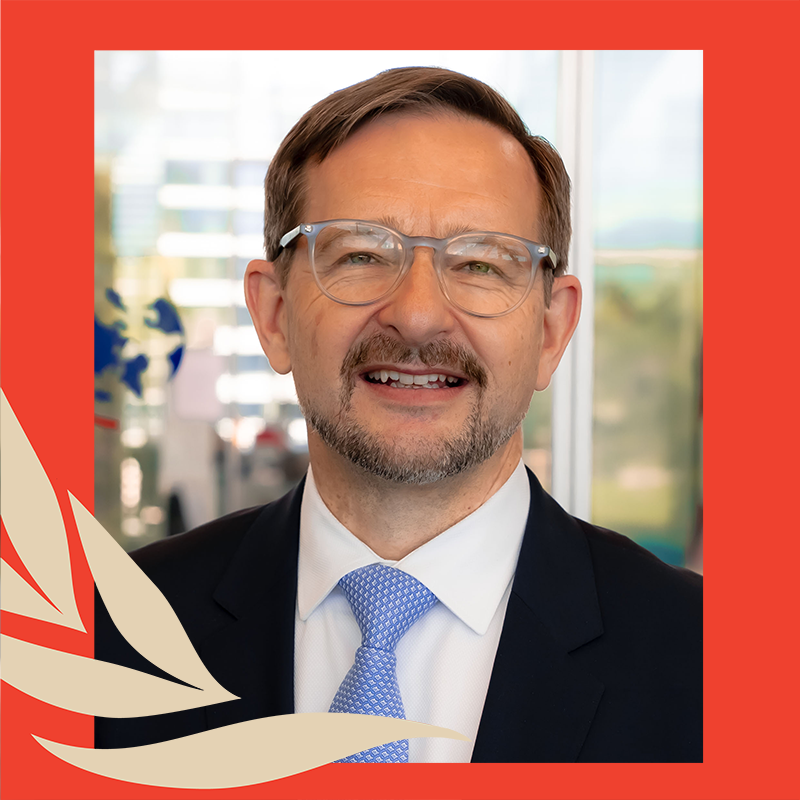
This episode of the #NextPagePod addresses the paradoxical reality that while we face a growing number of systemic security challenges that can only be solved collaboratively, such as climate change and the COVID-19 pandemic, there is also an increasing amount of unilateral policies and political will globally. Our Director Francesco Pisano welcomes Thomas Greminger to the studio to talk about what cooperative security means, and where it can be beneficially applied. As a security expert, the current Director of the Geneva Centre for Security Policy (GCSP) and former Secretary-General of the Organization for Security and Co-operation in Europe (OSCE), he argues that collaboration is the best-proven way to fight our current security challenges and prepare against future security risks. Resources: More about Geneva Centre for Security Policy: https://www.gcsp.ch/ More about Ambassador Thomas Greminger: https://www.gcsp.ch/our-experts/ambassador-thomas-greminger Follow Greminger on Twitter: https://twitter.com/thgreminger Transcript: Here Content: Speakers: Ambassador Thomas Greminger & Francesco Pisano Host: Natalie Alexander Editor & Producer: Katrine Lyngso Social media designs: Katrine Lyngso Recorded & produced at the United Nations Library & Archives Geneva
Ep 62Women in Tech: why it matters with Doreen Bogdan-Martin
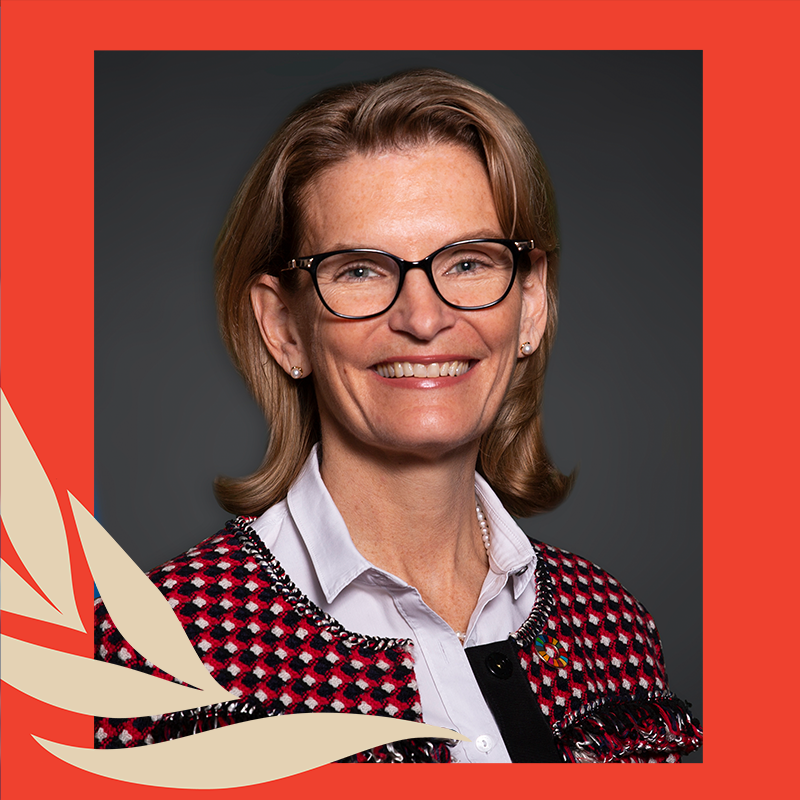
This episode of the #NextPagePod brings you a timely conversation between the Director of the ITU Telecommunication Development Bureau, Doreen Bogdan-Martin and our Director Francesco Pisano about women in tech. As the first woman in ITU’s history to hold a top elected management position, Doreen Bogdan-Martin speaks about her experience as a female leader in the male-dominated tech sector, why the industry can be discouraging for women, why the industry perpetuates gender bias, and tech ethics. Doreen Bogdan-Martin asserts that putting more emphasis on people-centered technology is key to achieving the 17 Sustainable Development Goals and helping people live better lives. She also enlightens us on how the Bureau makes substantial efforts to encourage young people’s participation in the sector, not only as beneficiaries but as creators and changemakers. Resources: Follow Doreen Bogdan-Martin on Twitter at @DoreenBogdan Or the BDT Director's Twitter here @ITUBDTDirector Find Doreen Bogdan-Martin on Linkedin: https://www.linkedin.com/in/doreentbogdan/ Find more info about Bogdan-Martin here: https://www.itu.int/en/ITU-D/bdt-director/Pages/Biography.aspx More about ITU: www.ITU.int The EQUALS Global Partnership for Gender Equality in the Digital Age: https://www.equalsintech.org/ The International Gender Champions (IGC): https://genderchampions.com/ Women@theTable : https://www.womenatthetable.net/ School connectivity effort (GIGA): https://gigaconnect.org/ “Building Smart Villages: A Blueprint”: https://www.itu.int/en/myitu/News/2020/06/12/13/32/Niger-launches-Smart-Village-project Generation Connect Initiative: https://www.itu.int/generationconnect Transcript: here Content: Speakers: Doreen Bogdan-Martin & Francesco Pisano Host: Katrine Lyngso Editor & Producer: Katrine Lyngso Social media designs: Katrine Lyngso Recorded & produced at the United Nations Library & Archives Geneva
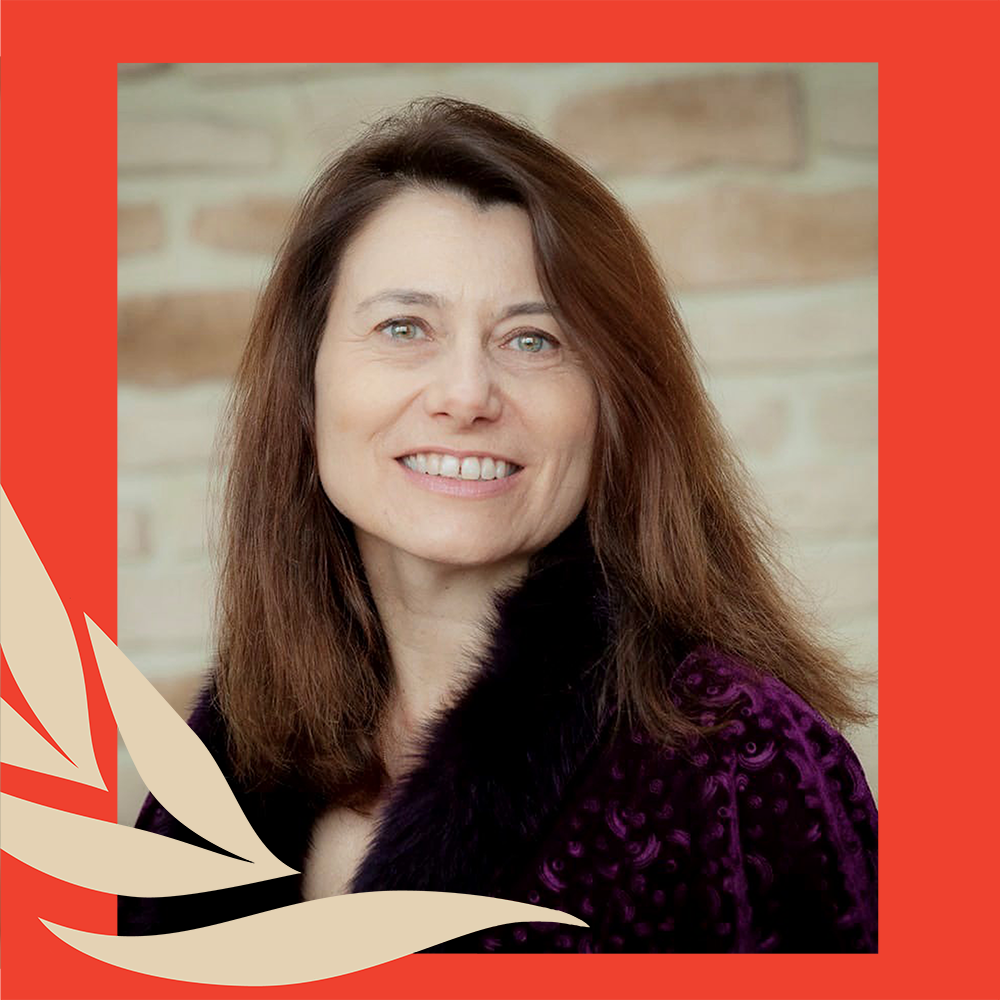
Ep 61Repenser les études internationales et du développement avec Marie-Laure Salles
Pour l’épisode 56, nous sommes très heureux d’accueillir Marie-Laure Salles, qui nous parle des interactions complexes entre le monde dès l’économie et la société et de la nécessité de former les jeunes autrement, si nous voulons « changer la culture du monde » et faire face aux enjeux du futur. Marie-Laure Salles est une sociologue et universitaire renommée qui est, depuis septembre 2020, la directrice de l’Institut des Hautes Études et du Développement (l’IHEID) à Genève. Dans cet épisode, Marie-Laure Salles partage sa vision sur la manière dont les étudiants doivent être préparé au monde de demain d’une manière radicalement différente de celle qui prévaut aujourd’hui. L’épisode permet également de comprendre comment un plan d’action commun entre l’Organisation des Nations Unis à Genève et l’IHEID, qui partagent un lien historique, va permettre de concrétiser en partie de cette vision. Marie-Laure Salles insiste en particulier sur la nécessité de mettre en place des mécanismes qui permettront aux jeunes générations d’affirmer leurs idées auprès de l’ONU et de se faire entendre au sein de l’Organisation. Ressources Plus d'infos sur Marie-Laure Salles: https://g.co/kgs/5KWXtG Retrouvez Marie-Laure Salles sur Linkedin: https://www.linkedin.com/in/marielauredjelic/ Retrouvez Marie-Laure Salles sur Twitter : https://twitter.com/mlevasalles Consultez les recherches de Marie-Laure Salles : https://scholar.google.com/citations?user=g1JxoogAAAAJ Transcription ici Contenu : Intervenant: Marie-Laure Salles Animatrice: Blandine Blukacz-Louisfert Réalisation et montage: Blandine Blukacz-Louisfert, Natalie Alexander & Katrine Lyngso Francesco Pisano pour l’introduction Enregistré et produit à la Bibliothèque des Nations Unies à Genève
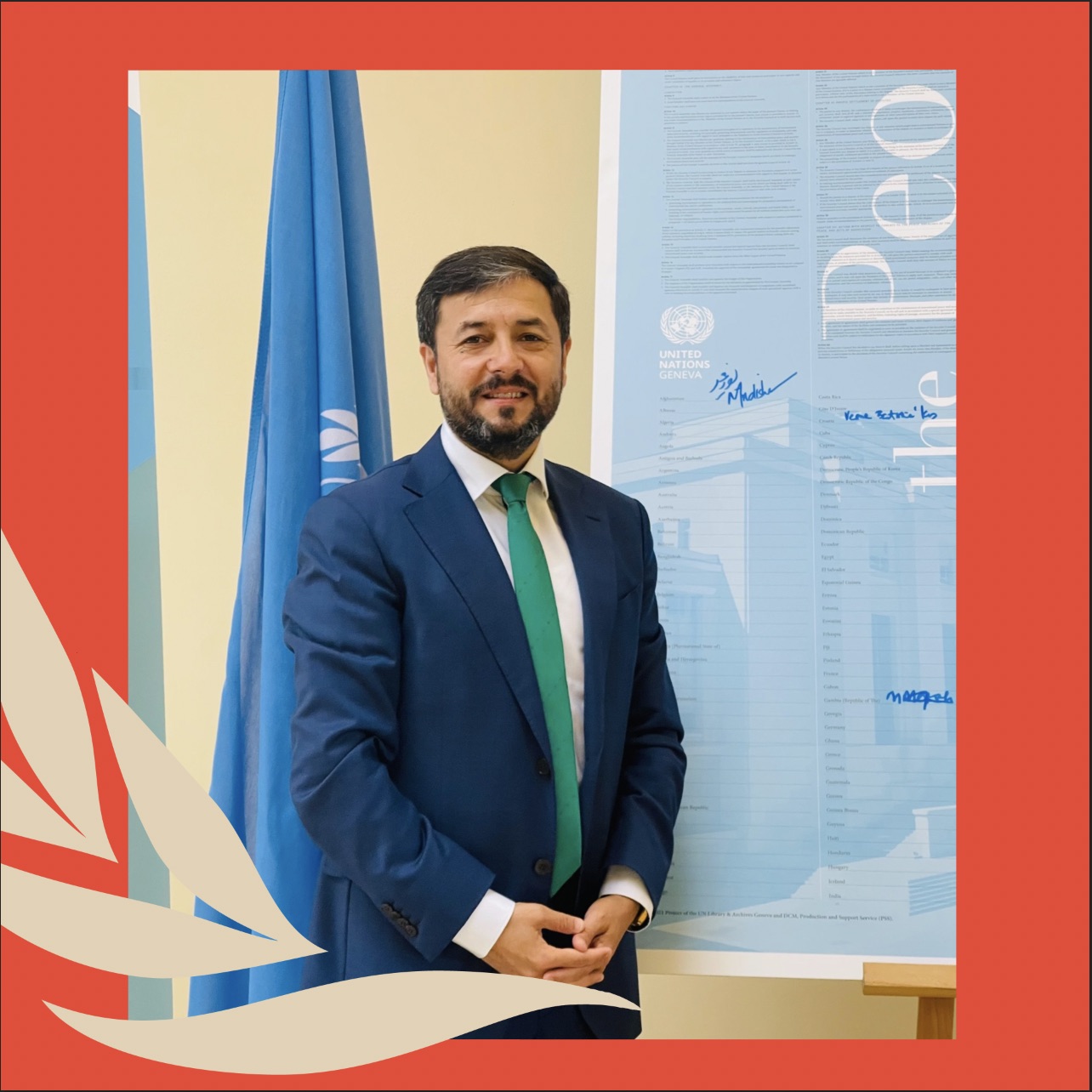
Ep 60Neutrality and vulnerable states with Ambassador Nasir Andisha of Afghanistan
What is neutrality and why it is beneficial for some states? How do geopolitical tensions influence Afghanistan's potential for permanent neutrality? In episode 55 of the #NextPagePod, our director Francesco Pisano spoke to Dr Nasir A. Andisha, Ambassador and Permanent Representative of Afghanistan to the UN in Geneva, about Afghanistan's periods of neutrality which have coincided with periods of stability and peace. Dr Andisha is also the author of Neutrality and Vulnerable States, which analyses the concept and practice of neutrality from an academic and historical perspective. In this conversation, the ambassador also gave us his perspective of Afghanistan's future in light of the US's withdrawal of all its troops and how this can affect its prospects of regional neutrality. Resources: Follow Dr. Andisha on Twitter https://twitter.com/AndishaNasir Neutrality and Vulnerable States: https://bit.ly/36n6NfW More about Dr. Andisha: https://www.geneva.mfa.af/en/the-embassy/ambassador-s-biography.html Transcript: here Content: Speakers: Dr. Nasir A. Andisha & Francesco Pisano Host: Katrine Lyngso Editor & Producer: Katrine Lyngso Social media designs: Katrine Lyngso Recorded & produced at the United Nations Library & Archives Geneva
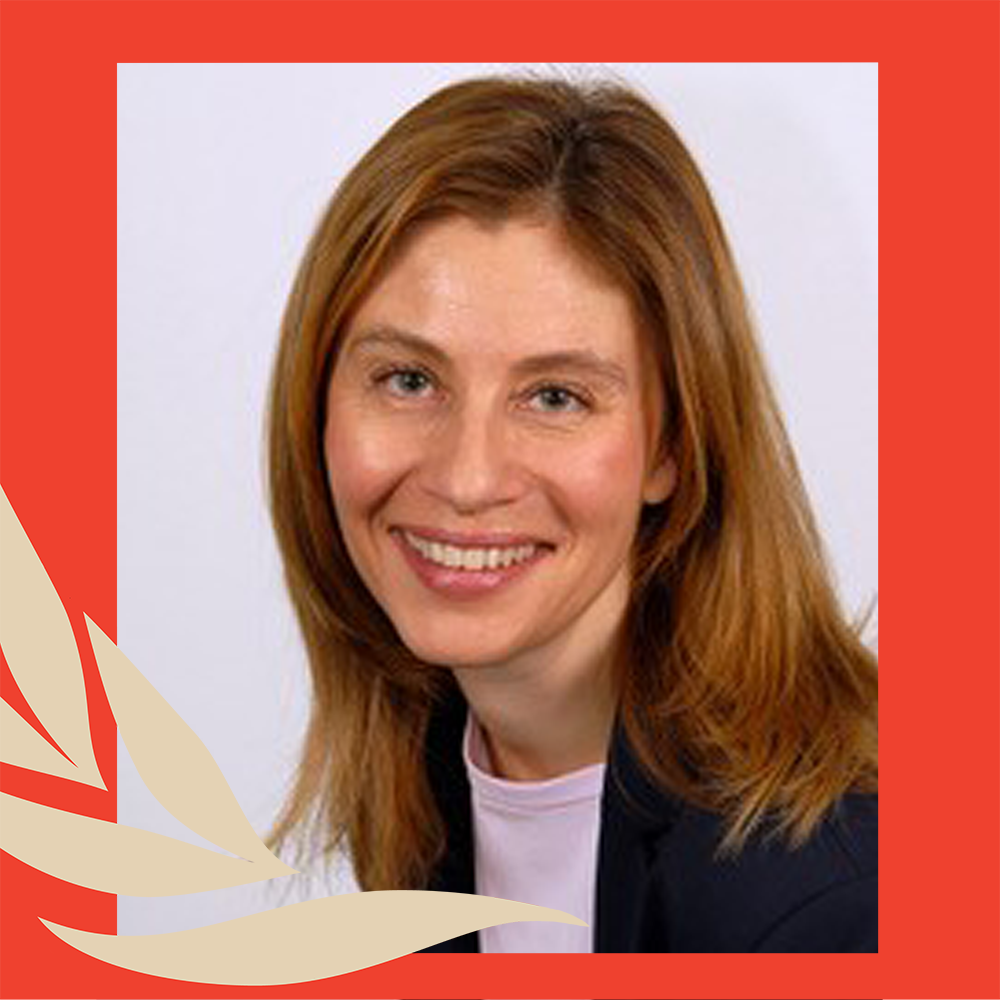
Ep 59L’histoire du multilatéralisme et des organisations internationales à Genève avec Olga Hidalgo-Weber
Pour cet épisode, nous sommes heureux d’accueillir Olga Hidalgo-Weber pour parler de l’ouvrage publié sous sa direction et celle de Bernard Lescaze intitulé «100 ans de multilatéralisme à Genève. De la SdN à l’ONU », paru en 2020 aux éditions Suzanne Hurter. Olga Hidalgo-Weber, en tant qu’historienne et chargée de cours à l’Université de Genève, nous communique sa passion pour l’histoire et partage avec nous son érudition et sa vision sur le multilatéralisme. Elle nous explique, en particulier, quelles sont les nouvelles approches développées dans le domaine de la recherche historique sur les organisations internationales. Elle nous illustre comment cet ouvrage collectif porte un regard nouveau sur la Société des Nations et le multilatéralisme en général. Elle s’exprime également sur la résilience du système multilatéral et sur certains acteurs emblématiques du multilatéralisme. Enfin, elle nous offre un court exposé sur l'institutionnalisation du multilatéralisme en prenant l’exemple du secrétariat international. Cet épisode permet de mieux comprendre comment l'histoire du multilatéralisme peut se confondre avec l'histoire des organisations internationales. Ressources Plus d'infos sur Hidalgo-Weber: https://www.unige.ch/lettres/istge/corps-enseignant/hco/hidalgo-weber-olga/ Retrouvez Olga sur Linkedin: https://www.linkedin.com/in/olga-hidalgo-weber/?originalSubdomain=ch La Grande-Bretagne et l’Organisation internationale du travail: https://bit.ly/3vRk7mN Livre « 100 ans de multilatéralisme à Genève de la SdN à l’ONU », éditions Hurter : https://www.editions-hurter.ch/produit/100-ans-de-multilateralisme-a-geneve-de-la-sdn-a-lonu/ Livre « 100 ans de multilatéralisme à Genève de la SdN à l’ONU », UN Global Search: https://bit.ly/2SizDut Evénement « Genève, ville internationale. De la Société des Nations à l'ONU, 100 ans de multilatéralisme (1920-2020) » : https://mediaserver.unige.ch/play/142340 Contenu Intervenant: Olga Hidalgo-Weber Animatrice: Hermine Diebolt Réalisation et montage: Hermine Diebolt, Natalie Alexander & Katrine Lyngso Enregistré et produit à la Bibliothèque des Nations Unies à Genève
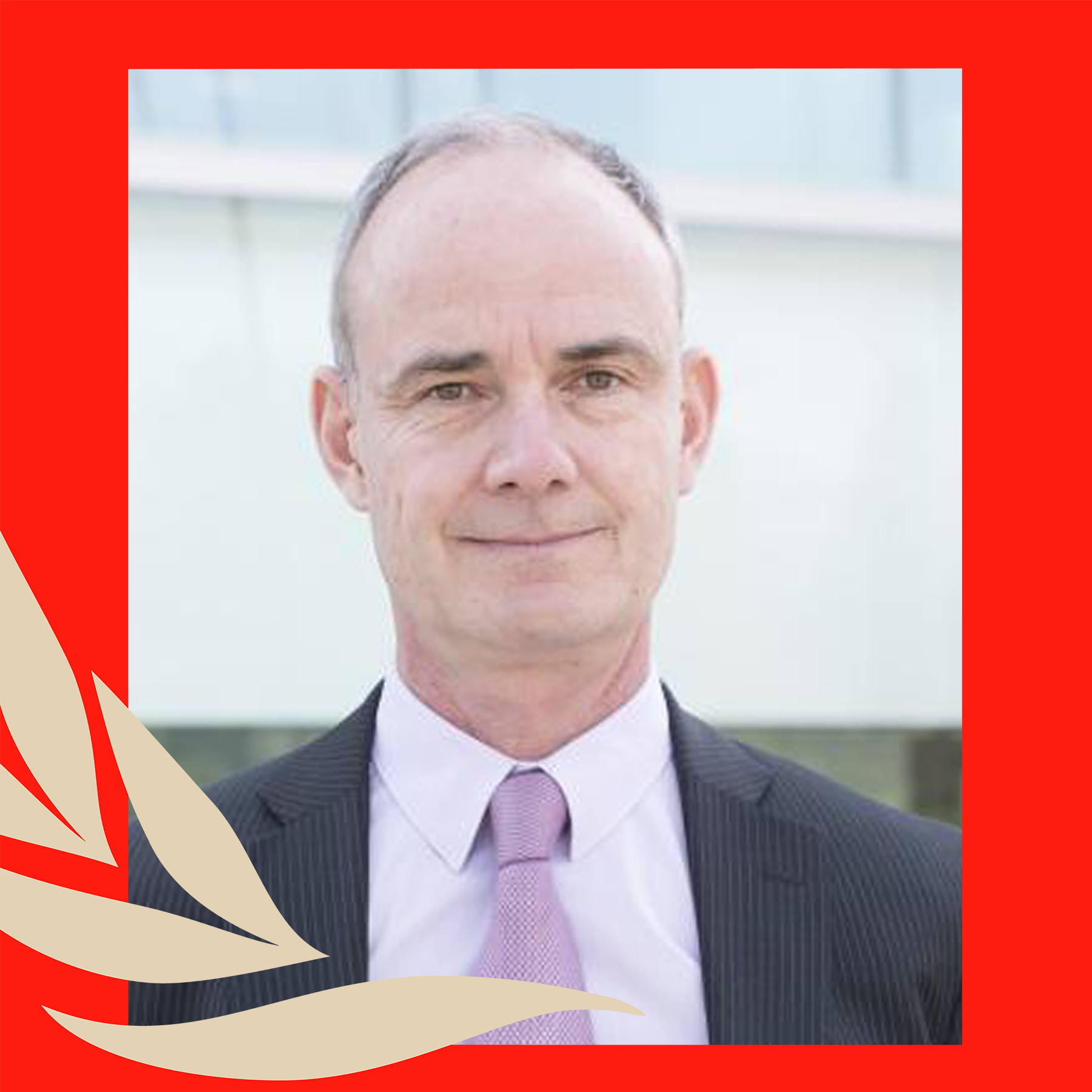
Ep 58Harnessing economics for humanitarian action with Gilles Carbonnier
In this episode, Gilles Carbonnier joined the #NextPagePod for a conversation about applying economic tools and methods to improve humanitarian responses to armed conflicts and disasters. Carbonnier is a specialist in the domain of humanitarian response with expertise on several levels. Carbonnier is a Professor of Development Economics at the Graduate Institute whose research focuses mainly on the economics of humanitarian crises and the Vice-President of the International Committee of the Red Cross (ICRC). Carbonnier also has vast experience as a practitioner in the field of humanitarian missions, in countries including Iraq and Egypt. In this episode, the economist explains how these levels of humanitarian work corporate and especially how economics can contribute to a better understanding of the side effects and contributions of humanitarians. Carbonnier also explained economics can bring valuable contributions to solving armed conflicts in interdisciplinary dialogue with phycologists, anthropologists, historians, and political scientists. Resources: Follow Carbonnier on Twitter: https://twitter.com/gcarbonniericrc Read more about Carbonnier: https://www.icrc.org/en/person/gilles-carbonnier Humanitarian Economics: War, Disaster, and the Global Aid Market: https://bit.ly/3xbYsqG Rebel Economies: Warlords, Insurgents, Humanitarians: https://bit.ly/3vc75Qw Reason, emotion, compassion: can altruism survive professionalisation in the humanitarian sector: https://pubmed.ncbi.nlm.nih.gov/25439560/ The Theory of Moral Sentiments by Adam Smith: https://www.adamsmith.org/the-theory-of-moral-sentiments Households in Conflict Network: https://hicn.org/ Cash Learning Partnership: https://www.calpnetwork.org/ Centre for Economic Policy Research: https://cepr.org/ Transcript: Here Content: Speakers: Gilles Carbonnier & Francesco Pisano Host: Katrine Lyngso Editor & Producer: Katrine Lyngso Social media designs: Katrine Lyngso Recorded & produced at the United Nations Library & Archives Geneva
Ep 57Diversity in youth voice with Alicia Joho #KnowledgeRising
Why does multilateralism matter to young people? And how do we create inclusive and diverse participation of young people in multilateral efforts? In this episode, Natalie Alexander poses these questions and many more to Alicia Joho as a part of our #KnowledgeRising series. Alicia Joho is a student studying a Dual Master's degree in International Relations, Human Rights and Humanitarian Action at the London School of Economics and Sciences Po, a former Swiss youth delegate to the United Nations, Communications Director at STEAR and an intern at the UN's gender unit of the Executive Office of the Secretary-General. Tune in to this conversation about diversity in youth voice, accounts of how young people are already shaping the future of multilateralism and getting beyond "token" representation. Resources: Follow Alicia Joho on Twitter: https://twitter.com/aliciajoho Find Alicia Joho on Linkdin: https://www.linkedin.com/in/aliciajoho/?originalSubdomain=ch Youth Delegate Program: www.youthrep.ch Find the Youth Delegate Program Guide: here STEAR: https://www.stearthinktank.com/ Transcript: Here Content: Speakers: Natalie Alexander & Alicia Joho Host: Natalie Alexander Editor & Producer: Katrine Lyngso Social media designs: Katrine Lyngso Recorded & produced at the United Nations Library & Archives Geneva

Ep 56Invisible history and the Institution of International Order with Prof. Alanna O’Malley
The historian Professor Alanna O’Malley from Leiden University, joined us at The Next Page to tell us more about her work as Chair of United Nations Studies in Peace and Justice and to explore some of the themes in the cross-disciplinary volume she co-edited on The Institution of International Order, tracing the period from the 1920s to the 1970s and spanning the transition from the League of Nations to the United Nations. She discusses the history of internationalism and the dynamic, complex forces at play around these two organisations as global platforms. Professor O’Malley also talks of her current research on the invisible history of the UN and the Global South. Resources: Professor O'Malley's bio: https://bit.ly/2QdzN58 Tracing the Invisible History of the Global South and the United Nations: https://bit.ly/2RR1X6m The Institution of International Order: From the League of Nations to the United Nations: https://bit.ly/3uF8MGR TedTalk: "The United Nations: From Blue Helmets to Blue Skies" https://www.youtube.com/watch?v=Ng2TltnSDmU The Guardians: The League of Nations and the Crisis of Empire by Susan Pedersen: https://bit.ly/3hppl5F The Parliament of Man: The Past, Present, and Future of the United Nations by Paul Kennedy: https://bit.ly/2QelKMK The End of Empire and the Ideological Origins of the United Nations by Mark M. Mazower: https://bit.ly/3borbjC Transcript here Content: Speakers: Amy Smith & Professor Alanna O'Malley Host: Amy Smith Editor & Producer: Katrine Lyngso Social media designs: Katrine Lyngso Recorded & produced at the United Nations Library & Archives Geneva
Ep 55Dr. Elizabeth Sáenz on the interconnectivity of the Sustainable Development Goals
Dr. Elizabeth Sáenz joined The Next Page for a conversation on the interconnection between the Sustainable Development Goals. As a pediatrician and liaison officer for the United Nations Organization on Drugs and Crime (UNODC) at the WHO, Dr. Sáenz specializes in drug dependence treatment, with a special focus on prevention, treatment, and rehabilitation. Speaking on this issue from the perspective of the SDGs, Dr. Sáenz explores how quality education, gender equality and even decent work and economic growth are all intertwined within this context. She highlights the need for greater compassion and understanding, the role that everyone can play towards raising awareness, and the vastly multi-faceted and multi-disciplinary nature of the ongoing efforts in prevention and treatment. Additionally, she speaks on the unique but collaborative roles of the UNODC and the WHO in advancing the conversation on this topic, through the lens of justice and health. A fascinating conversation that shines a light on the interconnectedness of the Sustainable Development Goals, and the role that everyone can play, we hope this episode brings you new insights and perspectives. Resources Twitter – Dr. Sáenz: https://twitter.com/drelisaenz?lang=en UNODC and the SDGs: https://www.unodc.org/unodc/about-unodc/sustainable-development-goals/sdgs-index.html UNODC Drug Prevention and Treatment: https://www.unodc.org/unodc/en/drug-prevention-and-treatment/index.html UNODC 2021-2025 Strategy: https://www.unodc.org/documents/commissions/CND/CND_Sessions/CND_63Reconvened/ECN72020_CRP22_ECN152020_CRP3_V2007057.pdf UNODC Strategic Vision for Africa 2030: https://www.unodc.org/unodc/en/strategy/africa-vision.html Transcript here Content Speakers: Karen Lee & Elizabeth Sáenz Host/Editor: Karen Lee Producers: Karen Lee & Natalie Alexander Social media designs: Katrine Lyngso Recorded & produced at the United Nations Library & Archives Geneva
Ep 54Dr. Katharina Rietzler on recovering Women’s Thought in International Relations
In this episode, historian, author and researcher Katharina Rietzler joins Francesco Pisano to talk about her new book called Women's International Thought: A new history. Dr Rietzler co-wrote the book after her research revealed that numerous women in history have researched and published in the field of international public affairs but only a few were present in the documented history of international relations as a disciple and in international thought. Although the author pays tribute to otherwise marginalised female thinkers in the book, she also stressed the importance of not predetermining, romanticising and generalising women’s intersectional contributions purely on their gender. Tune in to hear this intriguing discussion about rethinking the patriarchal history of international relations by challenging existing paradigms through the recovery of female voices. Resources Dr. Katharina Rietzler - Profile: https://bit.ly/3s9YGfc Follow Katharina Rietzler on Twitter: https://twitter.com/kathistory Women's International Thought: A New History: (book) https://bit.ly/3dNPXKc Read the book through UN Library Geneva The Leverhulme Project on Women’s Thought: https://bit.ly/3wQRzf7 The Leverhulme project publication: https://whit.web.ox.ac.uk/home#/ Transcript Available here Content Speaker: Katharina Rietzler & Francesco Pisano Host: Natalie Alexander Producer/Editor: Katrine Lyngsø Image: Fran Monks Social media designs: Katrine Lyngsø Recorded & produced at the United Nations Library & Archives Geneva

Ep 53Andrea Bellini on the role of art in multilateralism and intercultural dialogue - Excerpt in English
In this brief excerpt of Episode 48 – originally recorded in French – Kelly Le Normand speaks with Andrea Bellini. Director of the Centre d’Art Contemporain Genève, artistic director of the Biennale of Moving Images, curator and contemporary art critic, Andrea Bellini shares his experience of international Geneva and offers us a unique perspective on multilateralism. His exhibitions and publications address major current themes – racial question, feminism, gender identity – and invite intercultural dialogue. He describes art as an indispensable tool for a better understanding of the world and a sharing of universal values. Resources Centre d’Art Contemporain Genève: https://centre.ch Digital platform of the Centre: https://5e.centre.ch/en/ UNOG Art collection: https://bit.ly/3d0F9rS MIRE Project: https://fcac.ch/commande-publique/projet-mire/ Transcript Available here Content Speakers: Andrea Bellini Host/Editor: Kelly Le Normand Producers: Karen Lee & Natalie Alexander Image: Mathilde Agius Social media designs: Natalie Alexander Recorded & produced at the United Nations Library & Archives Geneva
Ep 52Andrea Bellini sur le rôle de l’art dans le multilatéralisme et le dialogue interculturel
Dans ce nouvel épisode de The Next Page, Kelly Le Normand accueille Andrea Bellini. Directeur du Centre d’Art Contemporain Genève, directeur artistique de la Biennale de l’Image en mouvement, curateur et critique d’art contemporain, Andrea Bellini partage son expérience de la Genève internationale et nous propose un point de vue inédit sur le multilatéralisme. Ses expositions et publications abordent les grandes thématiques actuelles – question raciale, féminisme, identité sexuelle – et invitent au dialogue interculturel. Il décrit l’art comme un outil indispensable à une meilleure compréhension du monde et à un partage de valeurs universelles. Ressources Centre d’Art Contemporain Genève : https://centre.ch Plateforme digitale du Centre : https://5e.centre.ch/fr/ Collection d’œuvres d’art de l’ONUG : https://bit.ly/3d0F9rS Projet MIRE : https://fcac.ch/commande-publique/projet-mire/ Transcription: https://libraryresources.unog.ch/c.php?g=673332&p=4880979&t=18232 Contenu Intervenant: Andrea Bellini Animatrice: Kelly Le Normand Réalisation et montage: Karen Lee, Natalie Alexander & Kelly Le Normand Image: Mathilde Agius Enregistré et produit à la Bibliothèque des Nations Unies à Genève
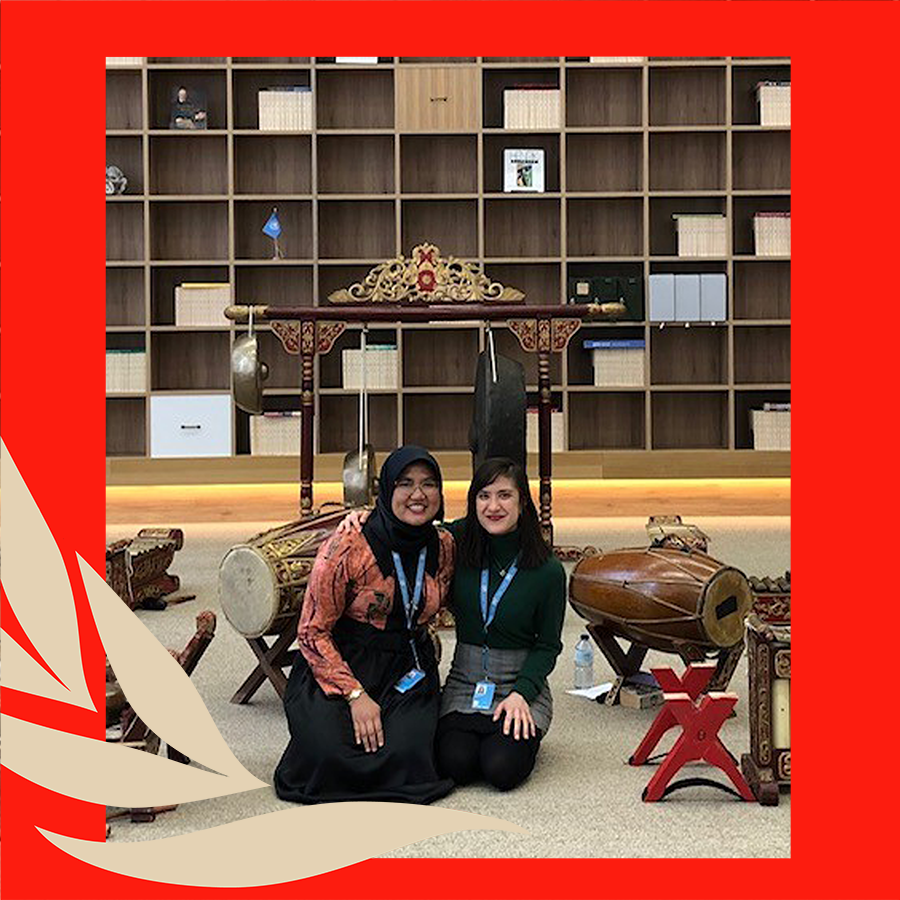
Ep 50Dira Fabrian on the art of diplomacy & finding common ground #KnowledgeRising
In episode 47, Dira Fabrian joins our Knowledge Rising series to reflect on the role of young diplomats in multilateralism today. After a decade serving as a diplomat for her home country of Indonesia, she shares what she's learned in these past years, as well as her advice for young diplomats entering the service in a rapidly changing global and technological landscape. She also shares what she believes is important to make multilateralism more inclusive, and what it takes to find common ground while embracing our diversity. Resources The Women's Power Index, by the Women and Foreign Policy Program at the Council on Foreign Relations: https://www.cfr.org/article/womens-power-index UN-Women - Facts and Figures: Leadership and Political Participation: https://www.unwomen.org/en/what-we-do/leadership-and-political-participation/facts-and-figures Watch the Gamelan being played at the UN Library & Archives Geneva: https://fb.watch/4gxLE-pPEE/ Find out more about the Gamelan: https://www.thoughtco.com/history-of-gamelan-195131 Transcript Available here: https://libraryresources.unog.ch/audio/dirafabrian Content Speaker: Dira Fabrian Host: Natalie Alexander Editor/Producer: Karen Lee & Natalie Alexander Images: Dira Fabrian Graphics, social media designs and transcript: Natalie Alexander Recorded & produced by the UN Library & Archives Geneva
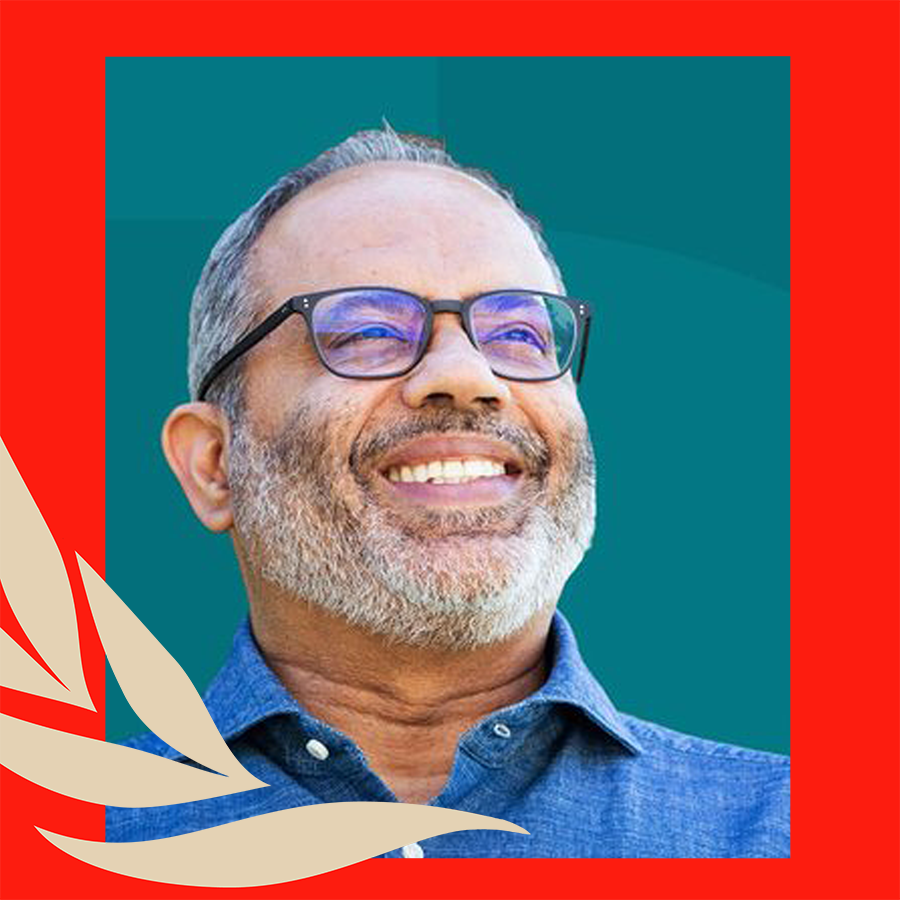
Ep 51Prof. Carlos Lopes on Structural Change in Africa & Investing in Africa’s Youth
Episode 46 sees Professor Carlos Lopes return to the podcast after featuring in our very first episode back in 2019. This time, he joins us online from South Africa, to speak with our Director Francesco Pisano about his latest book: Structural Change in Africa: Misperceptions, New Narratives and Development in the 21st Century, which he authored with George Kararach. Professor Lopes is a Professor at the Mandela School of Public Governance at the University of Cape Town, a Visiting Professor at Sciences Po, an Associate Fellow in the Africa Programme at Chatham House, and the former Executive Director of the United Nations Economic Commission for Africa, among other roles. He joins Francesco Pisano to speak about the importance of this new work, and what is necessary for Africans to change their reality through structural transformation. The book's 7 chapters aim to expand our knowledge about the African continent, and outline practical suggestions for how development in this complex, yet vibrant continent can be achieved. Resources Find out more about the book Structural Change in Africa: Misperceptions, New Narratives and Development in the 21st Century, which is co-authored by Carlos Lopes and George Kararach. Professor Carlos Lopes joined us on the podcast in 2019, to discuss his book "Africa in Transformation: Economic Development in the Age of Doubt". Listen here: https://unitednationslibrarygeneva.podbean.com/e/episode-1-library-talk-african-in-transformation-with-carlos-lopes/. To keep learning, follow Carlos Lopes on Twitter: https://twitter.com/LopesInsights See the episode transcript here: https://bit.ly/3bZoC6T Content Speakers: Carlos Lopes & Francesco Pisano. Host: Karen Lee & Natalie Alexander. Editor & Sound Editor: Karen Lee. Images: Carlos Lopes. Recorded and produced at the UN Library & Archives Geneva.

Ep 49Dr. Filippa Lentzos on biological threats in the 21st century
Last year, 2020, marked the 45th anniversary of the Biological Weapons Convention that was negotiated at the Palais des Nations in Geneva. It was the first multilateral disarmament treaty banning an entire category of weapons of mass destruction. It prohibits the development, production, acquisition, transfer, stockpiling and use of biological and toxin weapons. Last year also saw the outbreak of a major pandemic that humanity is grappling to bring under control. In episode 45, we meet with Dr. Filippa Lentzos, who holds a joint appointment as Senior Research Fellow at the Department of War Studies and the Department of Global Health & Social Medicine at King’s College London, and who is also a regular participant as NGO Coordinator at meetings of the Biological Weapons Convention in Geneva. Dr. Lentzos explains more about her work and her book Biological Threats in the 21st Century, sharing her thoughts on multilateralism for security in this field, providing insights on how to prepare for and respond to outbreaks of disease, and giving us glimpses of emerging technologies. Underlying the conversation is the theme of the importance of moral frameworks. Resources Learn more about Dr. Lentzos and her work: http://www.filippalentzos.com/ Biological Threats in the 21st Century (Book): https://bit.ly/3uhhiw2 United Nations Biological Weapons Convention: https://www.un.org/disarmament/biological-weapons Access the episode transcript here: https://bit.ly/3qtdsxn Content Speakers: Dr. Filippa Lentzos and Amy Smith Host: Amy Smith & Karen Lee Editor/Producer: Karen Lee Images: Dr. Filippa Lentzos Graphics, social media designs and transcript: Karen Lee Recorded & produced by the UN Library & Archives Geneva
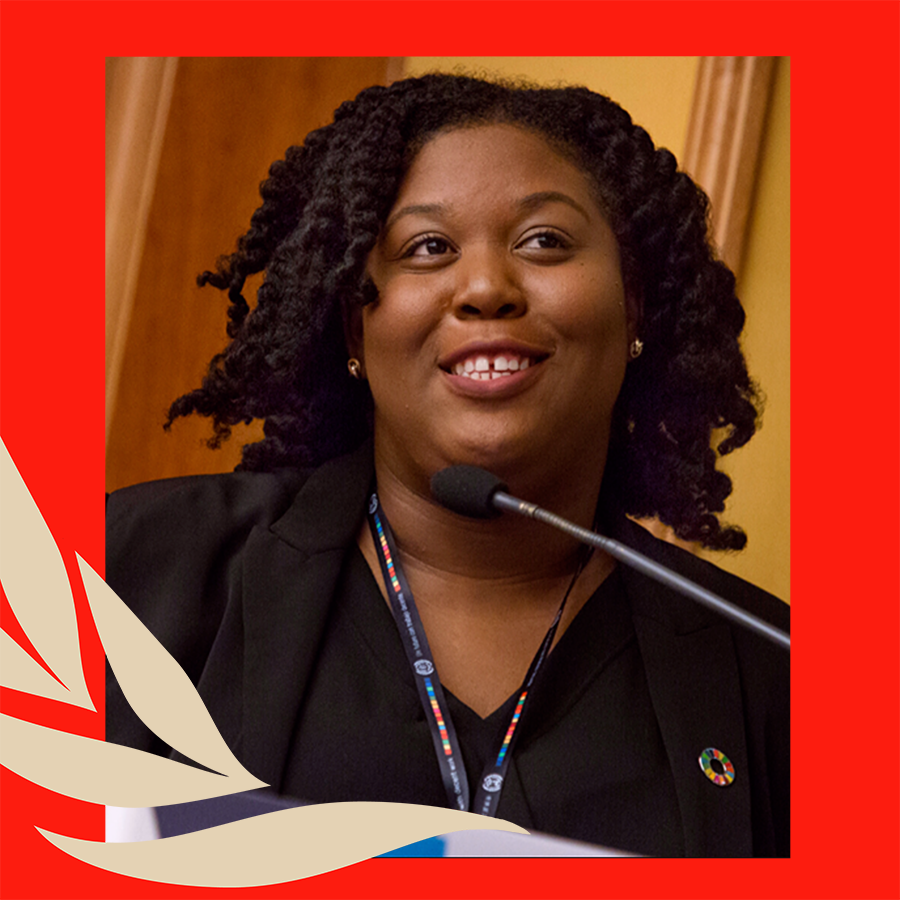
Ep 46Kris Monteith on activating youth voice #KnowledgeRising
Today, we continue with our series Knowledge Rising dedicated to listening to young changemakers. In episode 44, we are joined by Kristeena Monteith. Kris is the creative producer at Talk Up Yout, a suite of multi-media platforms, and executive producer of Talk Up Radio that gives Jamaican Youth a voice and focuses on tackling issues affecting young people. It’s also led, produced and driven by young people and after almost a decade of existence the platform is firmly identified with youth upliftment and empowerment. Not surprisingly, with her dynamism and as a leading activist, Kris was also chosen to be a class of 2018 UN Young Leader for the Sustainable Development Goals. As a young person herself, Kris speaks on the importance and necessity of activating youth voice and shares the many ways she is using the Talk Up Yout platform to not only encourage young people to speak, but others to listen. Resources Access the episode transcript here: https://bit.ly/3qb7XCR Learn more about Kris and her work: https://www.kristeenamonteith.com/ Learn more about Talk Up Yout and Talk Up Radio: https://www.talkupyout.com/ Twitter: https://twitter.com/TalkUpYout Instagram: https://www.instagram.com/talkupyout/ YouTube: https://www.youtube.com/user/talkupyout A special mention to Talk Up Radio’s other superstar co-producer, Andrica Rigg! Youth and Organizations Mentioned Kevaughn Ellis - Inner-city Development Youth Association (IDYA): https://www.instagram.com/innercitydya/ Chelsea Wright - Girls Who Know: https://www.instagram.com/girlswhoknowja/ Dainalyn Swaby - Global Yaadie: https://www.instagram.com/globalyaadie/ Najeeb "Jeeby Lyricist" Spence: https://www.youtube.com/watch?v=o2TarEMxFfk Not mentioned: Isheba Cornwall - Empower Youth Tees: https://www.instagram.com/empower_youth_tees/ Content Speakers: Kris Monteith and Natalie Alexander Host: Amy Smith Editor/Producer: Karen Lee Images: Kris Monteith Graphics, social media designs and transcript: Karen Lee Recorded & produced by the UN Library & Archives Geneva
Ep 48Dr. Hope Elizabeth May on Bertha von Suttner and the power of positive history
This episode introduces a key figure in the 19th century peace movement: the Austrian writer, activist and Nobel Peace Prize laureate Bertha von Suttner. Who was she, what did she work towards, and how does her contribution connect to our present day? Dr. Hope Elizabeth May, Professor of Philosophy and the Director of the Center for International Ethics at Central Michigan University, joins The Next Page to share more about Bertha and her current research as part of the Bertha von Suttner project. This episode is a companion to the event held on 26 January 2021 at the UN Library and Archives Geneva, Bertha von Suttner: A Woman Ahead of Her Time, where Dr. May and Colin Wells (Project Manager of the Total Digital Access to the League of Nations Archives), explore her role as an activist and political thinker, her influence on the establishment of the first multilateral institutions, and her action in favor of international peace. In spite of her achievements, unthinkable for a woman of her time, many do not know about her work and life. This episode, as well as the online event, are designed as an introduction to her work and ideas. We hope you enjoy! Resources: Episode Transcript: https://bit.ly/39hdKkZ To watch the replay of the online event, visit: https://bit.ly/2JZ1prQ Explore resources about Bertha and the peace movement at the Library & Archives in this Research Guide on Bertha von Suttner: https://libraryresources.unog.ch/vonsuttner Learn more about the Bertha von Suttner Project: https://www.berthavonsuttner.com/ Content Speaker: Dr. Hope Elizabeth May Host/Editor: Natalie Alexander Producer: Natalie Alexander Images: Dr. Hope Elizabeth May Social media designs and transcript: Karen Lee & Natalie Alexander Recorded & produced at the United Nations Library & Archives Geneva
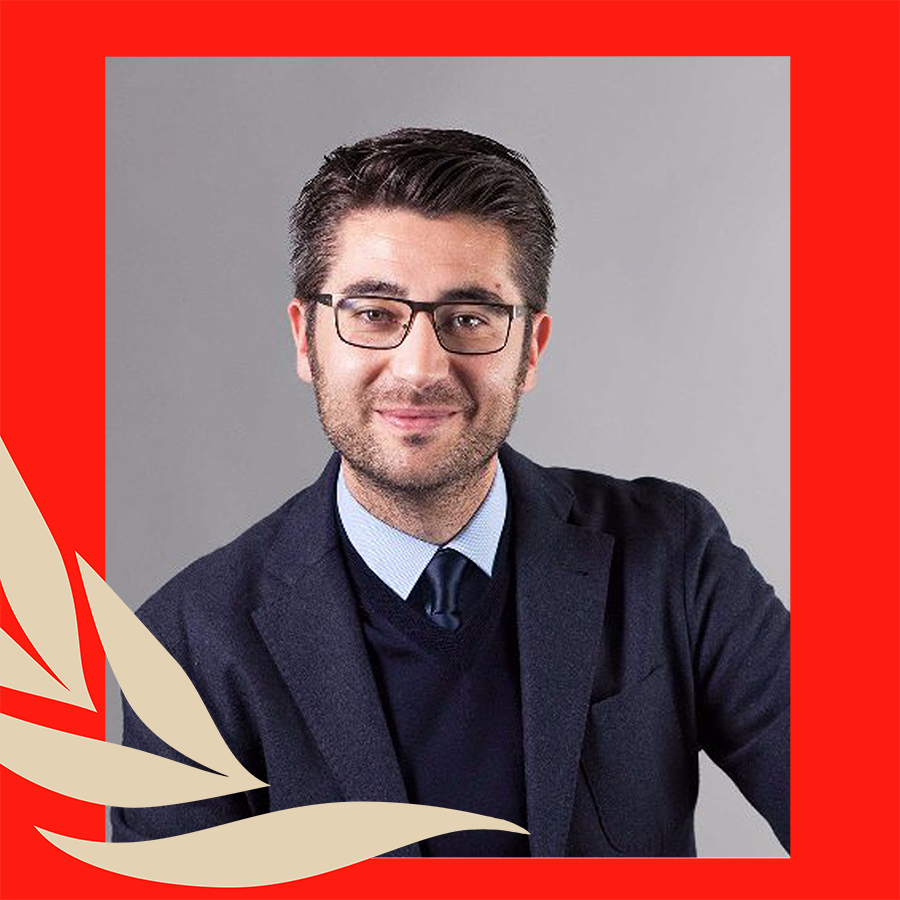
Ep 47Dr. Gabriele Balbi on Techno-diplomacy and Global Communications
Technology has always been an integral part of our lives and our work, but the COVID-19 pandemic has highlighted its role in many new ways. In episode 42, we are joined by Gabriele Balbi, Associate Professor in Media Studies at USI Università della Svizzera italiana. As an expert in media history, his work and research are also greatly connected with the International Telecommunications Union (ITU), a specialized agency of the UN system. In this conversation, Professor Balbi speaks on the rich evolution and growth of global communications, looking at its history from the telegram to the Internet. He also defines the concept of techno-diplomacy, and further explains its role in multilateral collaboration and conversation. As we face rapid digitization and a "new normal", Professor Balbi also touches upon the new challenge of Zoom fatigue, and the need to balance our digital and physical worlds. We hope this episode brings you new insights and perspectives, not only to our present but equally to our past! About Professor Gabriele Balbi Learn more here: https://bit.ly/2XNe3xc Prof. Gabriele Balbi is Associate Professor in Media Studies at the Institute of Media and Journalism (IMeG), Faculty of Communication, Culture and Society, USI Università della Svizzera italiana (Switzerland). At this institution, he is also program director of the Bachelor in Communication, director of the China Media Observatory, vice director of the Institute of Media and Journalism. Furthermore, he is Chair of ECREA Communication History Section and International Liaisons Representative of the ICA Communication History Division. Prof. Balbi's research is focused on media studies with a historical and long-term perspective. His research is at the crossroads of media studies, the history of technology, media archaeology, Science and Technology Studies, the political economy of communication, and cultural studies. About the ITU ITU History Portal: https://bit.ly/3irH1Mv ITU's First 150 Years: https://bit.ly/3ioQep7 ITU Connect 2030 Agenda: https://bit.ly/39QOiSu Resources Episode transcript: https://bit.ly/3nSrPct History of the International Telecommunications Union: Transnational Techno-Diplomacy from the Telegraph to the Internet (Book): https://bit.ly/39XCXA7 Content Speakers: Professor Gabriele Balbi & Karen Lee Host/Editor: Karen Lee & Natalie Alexander Producer: Karen Lee Images: Gabriele Balbi Social media designs and transcript: Karen Lee Recorded & produced at the United Nations Library & Archives Geneva
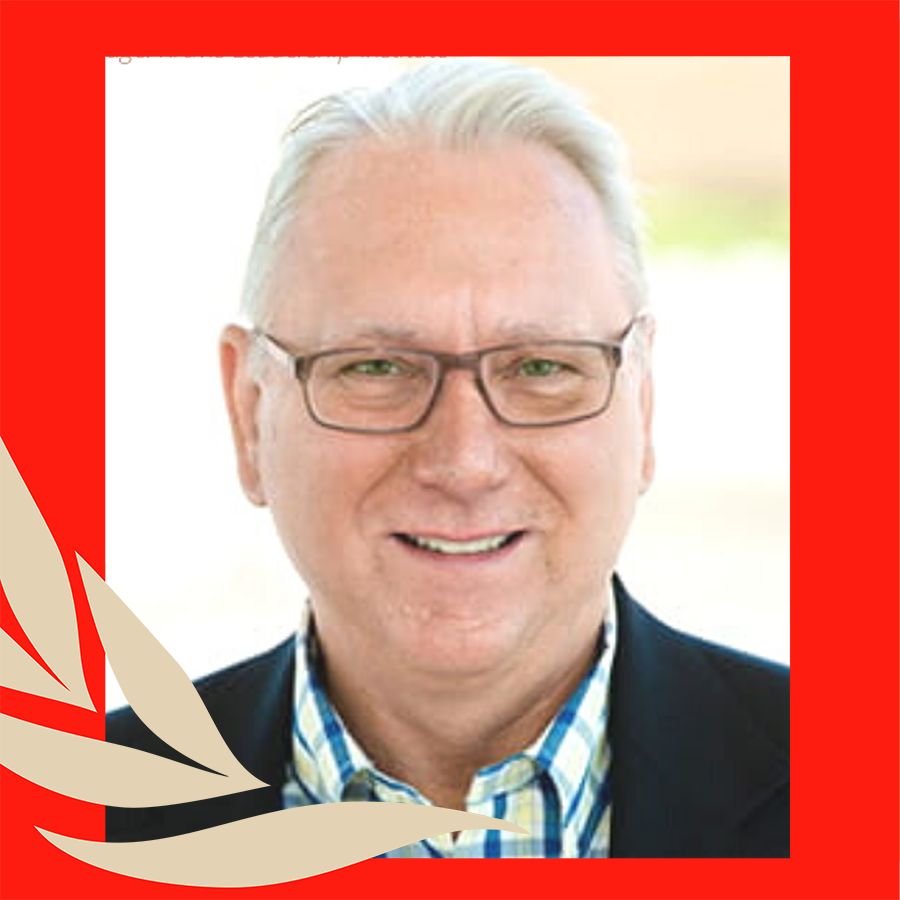
Ep 45Dr. David Day on Learning to be a Leader
Happy New Year to all of our listeners. In Episode 41, our Director Francesco Pisano speaks with Dr. David Day, Professor of Psychology at Claremont McKenna College and Academic Director of the Kravis Leadership Institute. Are leaders born or made? What defines a leader, and how is the concept of leadership evolving as we question the type of leaders we need to meet our global challenges? As we make our way through the COVID-19 pandemic, what can we learn about being a leader? Dr. David Day, a leadership specialist, speaks on the need for three-dimensional leaders, the difference between leader development and leadership development, and looks to the future and what the next generation of leaders might look like. In a time where creative, collaborative, and courageous leadership is essential, Dr. David Day encourages us all to be leaders – in any capacity in which we serve. About Dr. David Day David Day, Ph.D. is a Professor of Psychology at Claremont McKenna College and Academic Director of the Kravis Leadership Institute, Steven L. Eggert ‘82 P'15 Professor of Leadership and George R. Roberts Fellow. Previously he was Professor of Organisational Behaviour and Woodside Chair in Leadership and Management at The University of Western Australia Business School. Resources Kravis Leadership Institute: https://www.kravisleadershipinstitute.org/ Episode Transcript: https://bit.ly/2KKytnh Content Speakers: Dr. David Day & Francesco Pisano Host/Editor: Natalie Alexander & Karen Lee Producer: Karen Lee Images: The Kravis Leadership Institute Social media designs and transcript: Karen Lee Recorded & produced at the United Nations Library & Archives Geneva
Ep 44Prof. Bertrand Badie on inter-sociality and the multilateralism of the future
In this brief English addition to Episode 40 – originally recorded in French – Blandine Blukacz-Louisfert, Chief of the Institutional Memory Section at the United Nations Library&Archives Geneva speaks with Professor Bertrand Badie, a French political scientist and emeritus professor at Sciences Po Paris. In this short summary of the conversation, Professor Badie captures the essence of his new book, Inter-socialités: le monde n’est plus géopolitique. In his book, he argues that international relations have become inter-social rather than geo-political. Resources Learn more about Professor Bertrand Badie's new book Inter-socialités - Le monde n'est plus géopolitique: https://bit.ly/2WoAhF7 Read the transcript here: https://libraryresources.unog.ch/c.php?g=673332&p=4880979&t=16152 Access the UN Library&Archives Geneva research guides and resources here: https://libraryresources.unog.ch/tools Content Speakers: Professor Bertrand Badie & Blandine Blukacz-Louisfert Host/Editor: Pierre-Étienne Bourneuf Producer: Karen Lee Images: Citoyens du Monde / Éditions la Découverte Social media designs and transcript: Karen Lee Recorded & produced at the United Nations Library&Archives Geneva
Ep 4340: L’inter-socialité et le multilatéralisme du futur, selon Professeur Bertrand Badie
Dans cet épisode de The Next Page, Blandine Blukacz-Louisfert, Cheffe de la Section de la Mémoire institutionnelle à la Bibliothèque&Archives des Nations Unies à Genève, accueille le professeur Bertrand Badie pour parler de son dernier livre Inter-socialités - Le monde n'est plus géopolitique. Professeur à Science Po Paris, le professeur Badie est un des spécialistes français des relations internationales les plus connus et reconnus. Auteur de nombreuses publications, ses domaines de recherches portent sur la sociologie des relations internationales, les droits de l'homme et le multilatéralisme. Dans ce podcast, le professeur Badie explique comment le concept d’« inter-socialité » peut nous permettre de mieux comprendre le monde dans lequel nous vivons aujourd’hui. En effet, en examinant les dynamiques du système international d’un point de vue inédit, cet épisode de The Next Page nous amène à réfléchir sur la relation entre le politique et le social, le rôle de la notion de puissance dans les relations internationales, la place de l’Etat dans un monde westphalien de plus en plus contesté, et les transformations provoquées par la mondialisation. Cet épisode est également l’occasion pour entendre le professeur Badie sur sa vision du multilatéralisme. Pour lui, le multilatéralisme du futur doit évoluer en s’inspirant de l’histoire, notamment de la notion de solidarité sociale internationale conceptualisée par Léon Bourgeois, un des pères fondateurs de la Société des Nations et lauréat du prix Nobel de la paix en 1920. Ressources/Liens Inter-socialités - Le monde n'est plus géopolitique: https://bit.ly/2WoAhF7 Bertrand Badie est aussi auteur de nombreux articles scientifiques, contributions et ouvrages comme New perspectives on the international order : no longer alone in this world et Nouvelles guerres : comprendre les conflits du XXIe siècle. N’hésitez pas à consulter notre base de données pour avoir accès aux publications disponibles à la Bibliothèque&Archives des Nations Unies à Genève: https://libraryresources.unog.ch/tools Contenu: Intervenant(e)s: Professeur Bertrand Badie & Blandine Blukacz-Louisfert Animateur: Pierre-Étienne Bourneuf Réalisation et montage: Karen Lee Image: Citoyens du Monde / Éditions la Découverte Enregistré et produit à la Bibliothèque des Nations Unies à Genève
Ep 4239: Professor Kathryn Lavelle on Multilateralism as "Contrasts in Motion"
In episode 39, we continue our exploration of multilateralism by looking at the challenges of multilateralism and discussing Professor Kathryn Lavelle’s new book on that topic. Kathryn Lavelle is the Ellen and Dixon Long Professor in World Affairs at the Department of Political Affairs at Case Western Reserve University in Cleveland, Ohio, where she has worked for the past eighteen years. Professor Lavelle is a permanent member of the New York Council on Foreign Relations and is a global fellow of the Woodrow Wilson International Centre for Scholars in its Global Europe programme. She also serves as a member of the editorial review board of the UNCTAD journal Transnational Corporations. In this conversation with Francesco Pisano, Director of the Library & Archives, Kathryn Lavelle takes us on a journey through her book The Challenges of Multilateralism. Starting with the historical context in which multilateralism emerged and the creation of major problem-solving organizations, she points to how the perception of multilateralism has changed over time. She highlights some of the challenges and the dynamic progress from which these arise, before they move on to discuss International Organizations and what the multilateralism may look like in the future. Professor Lavelle’s book is an accessible read for anyone interested in global development, public health, the environment, trade, international finance, humanitarian law and security studies. Resources Learn more about Professor Kathryn Lavelle's new book The Challenges of Multilateralism: https://bit.ly/37Mol5j Read the transcript here: https://bit.ly/3m1FTj0 The Woodrow Wilson Center for Scholars: https://www.wilsoncenter.org/ Graduate Institute Geneva: https://www.graduateinstitute.ch/home.html Arctic Circle Assembly: http://www.arcticcircle.org/ Content Speakers: Professor Kathryn Lavelle & Francesco Pisano Host/Editor: Amy Smith Producer: Karen Lee Images: Courtesy of Kathryn Lavelle Social media designs and transcript: Karen Lee Recorded & produced at the Library & Archives UN Geneva
Ep 41Carla McKirdy & Klas Moldéus on co-creation and Young UN: Agents for Change #KnowledgeRising
Today, we continue with our Knowledge Rising Series dedicated to conversations with young activists, knowledge-shapers and change-makers. In episode 38, we are joined by Carla McKirdy and Klas Moldéus, members of Young UN: Agents for Change. Established in 2016, Young UN is a cross-UN, global and inclusive network with more than 2,000 members across UN entities in over 80 duty stations. A voluntary and decentralized global network, Young UN fosters a space to catalyze, amplify and accelerate change by crowdsourcing ideas, driving innovation and advocating for cultural change for UN values and the Sustainable Development Goals (SDGs) from the bottom-up. Carla and Klas speak on the values of the Young UN network and their ongoing mission to create a space where innovation and new ideas are encouraged and developed. The two also speak on bridging the gap between Young UN and the mechanisms of the larger international bureaucracy of the United Nations, and the continuous ways they are collaborating and conversing with many different parts of the organization. Just as “Agents for Change” is the network’s motto, Carla and Klas also emphasize the importance of embodying these very words themselves, in their everyday. As young professionals, and young UN staff members, they continue to work towards a shared vision of a UN that fully embodies the principles it stands for. About Carla McKirdy Carla has years of experience in communications and advocacy, encompassing journalism, content marketing, knowledge management and multimedia production in both the private and public sectors. Carla has worked for the United Nations Economic Commission for Africa (ECA) in Addis Ababa, Ethiopia. In addition, she has worked for the Department of Global Communications (DGC) in New York, United States, the United Nations Assistance to the Khmer Rouge Trials (UNAKRT) in Phnom Penh, Cambodia and the International Criminal Court (ICC) in The Hague, Netherlands in different capacities. Currently, she is working at the United Nations Office on Drugs and Crime (UNODC), as the Associate Public Information Officer on the Young Professionals Programme (YPP). About Klas Moldéus Klas Moldéus is working with United Nations Water based in Geneva, Switzerland. Having grown up in Sweden, he has since led sustainable development and startup initiatives in countries including Myanmar, Kenya and Ethiopia. Klas Moldéus is a passionate advocate for sustainable development and innovation, and as part of the Young UN network he has contributed to several initiatives promoting environmental sustainability, bottom-up approaches and driving innovation at the UN. Resources Learn more about Young UN: http://www.young-un.org/ Read the transcript here: https://bit.ly/364KLit Content Speakers: Klas Moldéus & Carla McKirdy Host/Editor: Natalie Alexander Producer: Karen Lee Images: Photos by Klas Moldéus / Carla McKirdy Social media designs and transcript: Karen Lee Recorded & produced at the UN Geneva Library & Archives
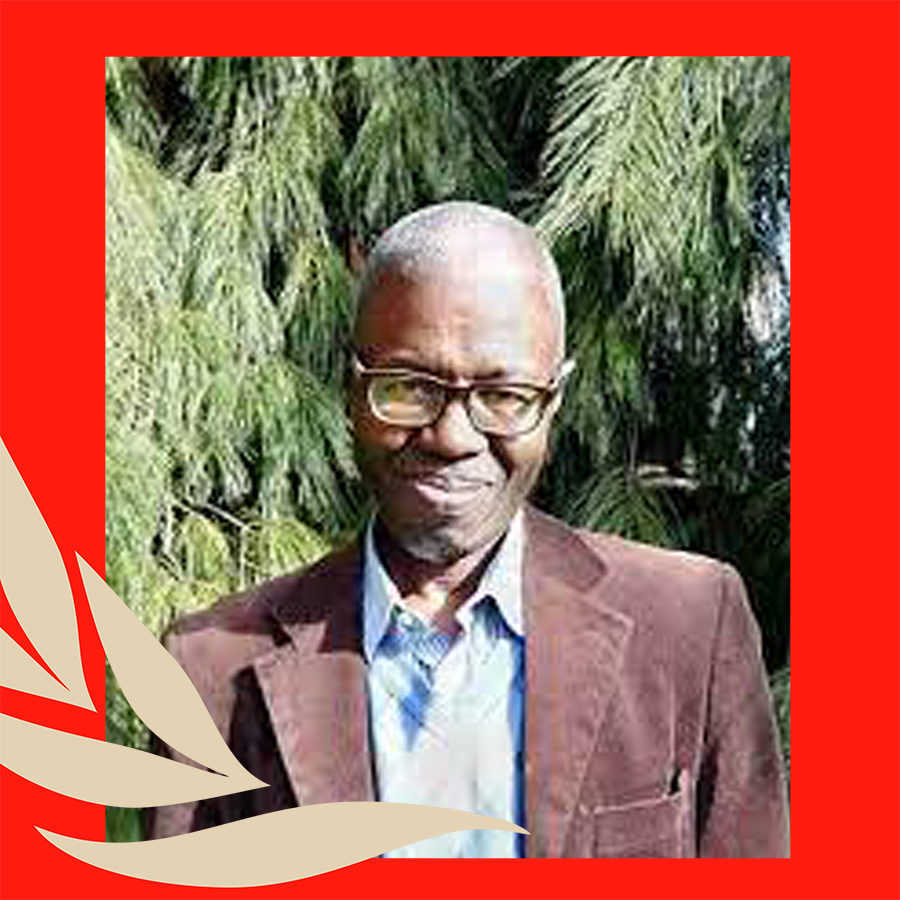
Ep 4037: Philosopher and Professor Souleymane Diagne on achieving our humanity together
Episode 37 brings you a philosophical view on global cooperation, multilateralism and diversity. We speak with Professor Souleymane Bachir Diagne, a Senegalese philosopher who is currently the Director of the Institute of African Studies, as well as Professor of French and of Philosophy at Columbia University in the City of New York. In this conversation, Professor Diagne shares the need to replenish pluralism and diversity in the practice of philosophy today, and to understand the bridges that have connected the philosophies of the world throughout history. He also reflects on global languages, and how each language itself brings a perspective on the world that tests the universality of our own thinking. We also touch upon philosophy in our daily lives - how can the principles of philosophy help us to face our common global challenges, including the climate crisis and pandemics? He shares the philosophical concepts he believes are critical to restitute in order to move forward together. We hope this episode brings you food for thought and action. Resources Learn more about Professor Souleymane Diagne: https://french.columbia.edu/content/souleymane-bachir-diagne Find out about Professor Diagne’s books and publications: https://french.columbia.edu/content/diagne Read the transcript here: https://bit.ly/2Hf94AK Content Speaker: Professor Souleymane Bachir Diagne Host/Editor: Natalie Alexander Producer: Karen Lee Images: Photo by Charlotte Force / Columbia University in the City of New York. Social media designs and transcript: Karen Lee Recorded & produced at the UN Geneva Library & Archives
Ep 3236: The World's Most Traveled Document, with Gudrun Beger & Colin Wells #SpecialEpisode
While we cannot travel much these days, as we work together through COVID-19, we hope this story will take you on a bit of a journey! Our colleagues Gudrun Beger and Colin Wells, from the Institutional Memory Section at the UN Geneva Library & Archives, join us for a special look into the League of Nations Archives. Gudrun is Team Analyst and Colin is Project Manager for the LONTAD Project, the Total Digital Access to the League of Nations Archives Project, which upon completion will ensure free access online to, as well as the digital and physical preservation of, the entire archives of the League of Nations. For this conversation, Gudrun shares a brief history of The World’s Most Traveled Document: our passports and travel IDs. As part of the team working recently on the processing of the Mixed Archival Nansen Fond, they came across examples of some of the very first modern passports and travel IDs issued. Colin also shares some analysis about what we can find in the Archives on these documents, as well as the importance of the Archives collection to our understanding today of our history, the work of the League and some its lasting impacts, and multilateralism as it evolves and moves forward. Resources and Episode Materials The Total Digital Access to the League of Nations Archives Project (LONTAD) will ensure state-of-the-art free online access and the digital and physical preservation of the entirety of the archives of the League of Nations (1920-1946), the first global intergovernmental organization aiming to establish international peace and cooperation, and the predecessor of the United Nations. The League of Nations Archives have been registered since 2009 on UNESCO’s Memory of the World Register. Find out more here: https://lontad-project.unog.ch/ The LONTAD Project Wikipedia page: https://en.wikipedia.org/wiki/Total_Digital_Access_to_the_League_of_Nations_Archives_Project Learn more about the United Nations Archives at Geneva: https://bit.ly/2WZQuRH Find us on Twitter at https://twitter.com/UNOGLibrary and https://twitter.com/lontadinho More on the dried bananas mentioned in the episode: the dried bananas were initially sent by a producer of banana flour to the Economic and Financial Section of the League, with a request to include the item in the new unified customs nomenclature. See a photo of the dried bananas below! Images and Credits Dried bananas, found in the League of Nations Archives (United Nations Archives at Geneva). Fridtjof Nansen, Norwegian polar explorer, scientist, diplomat, humanitarian and Nobel Peace prize laureate. (Wikimedia Commons: Henry Van der Weyd) Nansen certificate issued in France as an international substitute for a passport, part of the League of Nations Archives (United Nations Archives at Geneva). Passport of a Russian refugee (Konstantin Wlassoff-Klass) containing numerous German stamps, part of the League of Nations Archives (United Nations Archives at Geneva). Content: Speakers: Gudrun Beger, Colin Wells and Stefan Vukotic. Host & Editor/Producer: Natalie Alexander. Images: United Nations Archives at Geneva (see images for more information). Sound effects: Via Envato Market (Belle Epoque Waltz and WWI Battle Ambience), Soviet March by Shane Ivers (https://www.silvermansound.com) and World of Brothers Allegretto by Dee Yan-Kee). Recorded & produced by the UN Geneva Library & Archives.

Ep 3935: James Bell on public perception of global cooperation
In episode 35, James Bell, Vice President of Global Strategy at the Pew Research Center, joins us for a deeper look into one of the Center’s latest research polls on public perception of international cooperation. James and his team surveyed more than 14,000 citizens in 14 different countries, asking participants their opinions on the United Nations and its role in multilateral governance. Drawing from his extensive background in research and a specific interest in citizens and how they think and what they care about, James takes us through the research project that was published in September 2020. With a special focus on the way in which young people (those aged 18-29) viewed global cooperation, he shares that the findings indicate an encouraging optimism towards multilateralism and the increasing importance of young voices. He also explores the ways in which different global issues – such as the pandemic and climate change – affect public opinion. We hope this episode offers you a fresh perspective on the importance of data, research and all of its findings. The Research Report – International Cooperation Welcomed Across 14 Advanced Economies: https://pewrsr.ch/3l43bVU About James Bell James Bell is vice president of global strategy at Pew Research Center. He plays a leading role in guiding the international research undertaken by the Center. Bell helps to design survey projects, develop questionnaires, analyze data and write reports. Prior to joining the Pew Research Center, Bell worked at the U.S. State Department for nearly a decade, most recently as director of international opinion research. Bell earned his doctorate in geography from the University of Washington in Seattle. He is an author of The World’s Muslims: Unity and Diversity, Global Opinion of Obama Slips, International Policies Faulted, Russians Back Protests, Political Freedoms, Egyptians Remain Optimistic, Embrace Democracy and Religion in Political Life and Religion in Latin America. Bell has appeared on CNN, CNBC, and BBC World Service Radio, and has presented internationally, including at the U.N. Alliance of Civilizations annual conference. James’ Twitter: https://twitter.com/james_e_bell Further Resources The Pew Research Center: https://www.pewresearch.org/ The Pew Research Center Twitter: https://twitter.com/pewresearch Access the episode transcript here: https://libraryresources.unog.ch/c.php?g=673332&p=4880979&t=15784 Content Speakers: James Bell & Karen Lee Host & Editor/Producer: Karen Lee Images: James Bell / The Pew Research Center Social media designs and transcript: Karen Lee Recorded & produced at the UN Geneva Library & Archives

Ep 3834: Dr. John Pace and the role of civil society in the fabric of human rights
In episode 34, Dr. John Pace, former Secretary to the Commission on Human Rights and Coordinator of the Vienna World Conference on Human Rights joins The Next Page to share his knowledge in the field of human rights, while introducing his recently published book, The United Nations Commission on Human Rights, A Very Great Enterprise. With more than three decades of experience in humanitarian work, Dr. Pace takes us back in time, with a special focus on the council that began it all: The United Nations Commission on Human Rights. Starting from its inception and moving through its ongoing evolution, he takes us on a journey along the Commission’s rich history and its role in the multilateral protection of human rights. He also emphasizes the role of civil society in the discussion and advancement of human rights and multilateral cooperation, and considers the critical questions: how does a topic as universal and intersectional as human rights translate into global cooperation? And why are universal human values important? In this conversation, Dr. Pace richly informs us on a subject that is integral and invaluable to us all. About Dr. John Pace To learn more about his new book: https://bit.ly/3mynCdP The e-version may also be found on most online book stores. In the course of a career spanning over fifty years in the field of human rights, John Pace has been involved in a wide range of experiences in human rights and related institutional structures and procedures. Since leaving regular UN service in 1999, he has held senior positions in the human rights/humanitarian field in Liberia, Iraq, Lebanon, Palestine and Nepal. In the same period, he has worked in various other countries such as Indonesia, Sudan, Cambodia and Vietnam. He has been involved in the establishment and management of most departments that currently make up the Office of the High Commissioner for Human Rights, such as Special Procedures, Technical Cooperation, and External Relations and in later years, the formation, or re-structuring of teams and management units. As a senior official, he played an important role in the design and restructuring of the Secretariat upon the creation of the Office of the High Commissioner for Human Rights (OHCHR). He is currently Senior Visiting Fellow at the Faculty of Law, University of New South Wales, he also sits on the Board of the Diplomacy Training Programme. He is Adjunct at University of Sydney, School of Law. Dr. John Pace on the Future of Human Rights Forum: https://bit.ly/3kE6a6Z Dr. John Pace on civil society and the voyage of the great enterprise: https://bit.ly/31T79c8 Further Resources Access the episode transcript here: https://bit.ly/35HUOsB The UN Geneva Library & Archives also has a Research Guide on human rights! Find out more here: https://libraryresources.unog.ch/hrtimeline Content Speakers: John Pace & Karen Lee Host & Editor/Producer: Karen Lee Images: John Pace / Karen Lee Social media designs and transcript: Karen Lee Recorded & produced at the UN Geneva Library & Archives
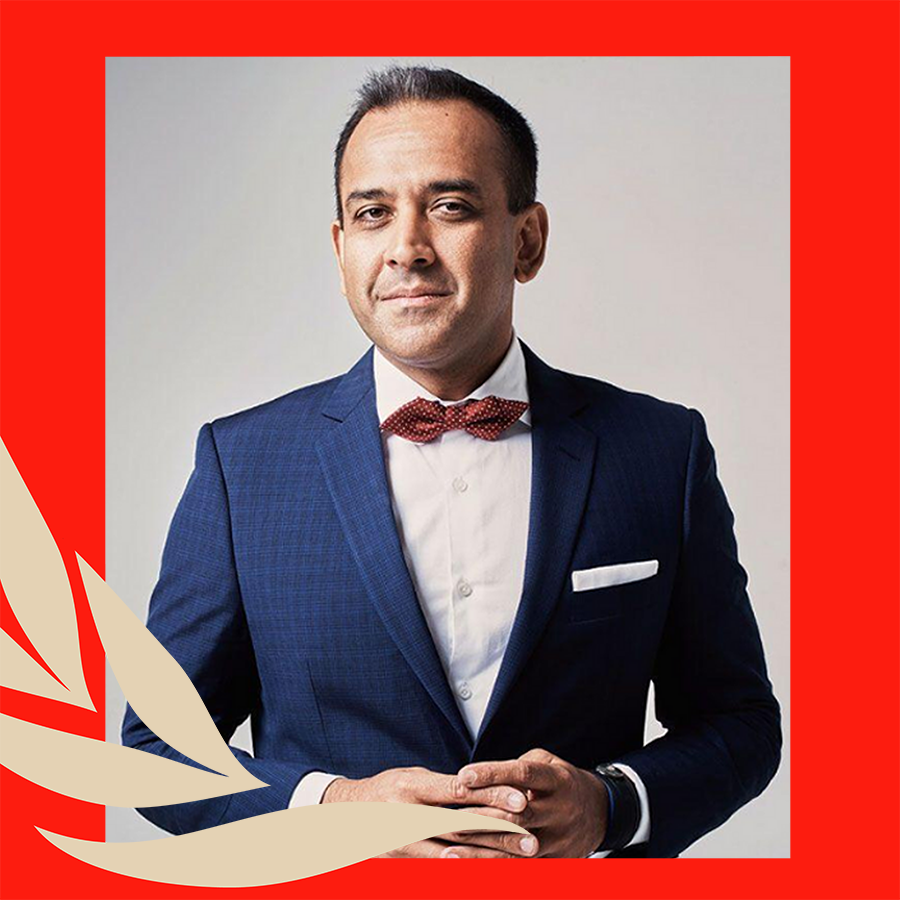
Ep 3733: Ambassador Umej Bhatia on multilateralism through the eyes of small states
In Episode 33, Ambassador Umej Bhatia, Permanent Representative of Singapore to the UN in Geneva and the UN in Vienna, joins The Next Page to speak about multilateralism from the perspective of a small state. What kind of distinct importance does multilateralism and diplomacy have for small states? How does a rules-based multilateral order achieve global cooperation? How can small states turn vulnerability into opportunity? And, how have small states come together in the past and the present to further solidify their commitment to multilateralism? Ambassador Umej answers these questions and more, sharing insights from his years of experience not only as an Ambassador but also as an author and historian. Ambassador Umej speaks about the various layers of multilateralism, from globalization, micro and macrolateralism to vaccine multilateralism. He also shares some insights on his new book, Our Name is Mutiny, a piece of creative non-fiction exploring the Singaporean experience between the years 1907 and 1915. We hope you enjoy the conversation as much as we did! About Ambassador Umej Bhatia Beyond being Singapore's Permanent Representative to the UN, Ambassador Umej is also a writer, historian, Permanent Representative to the Preparatory Commission for the Comprehensive Nuclear-Test-Ban Treaty Organization and Resident Representative to the International Atomic Energy Agency in Vienna. To learn more about Ambassador Umej: https://bit.ly/34zvDaP Ambassador Umej's Twitter: https://twitter.com/BhatiaUmej Singapore UNOG Twitter: https://twitter.com/SGPMissionGva To learn more about his new book: https://bit.ly/2HWBrnc Further Resources Access the episode transcript here: https://bit.ly/3j28XVU The UN Geneva Library & Archives also has a Research Guide on multilateralism! Find out more here: https://libraryresources.unog.ch/multilateralism Content Speakers: Umej Bhatia & Francesco Pisano Host & Editor/Producer: Karen Lee Images: Arabian Business / The National Social media designs and transcript: Karen Lee Recorded & produced at the UN Geneva Library & Archives