The Natural Curiosity Project
366 episodes — Page 3 of 8
Episode 236 - Interview With Dudley Edmondson Nature Photographer
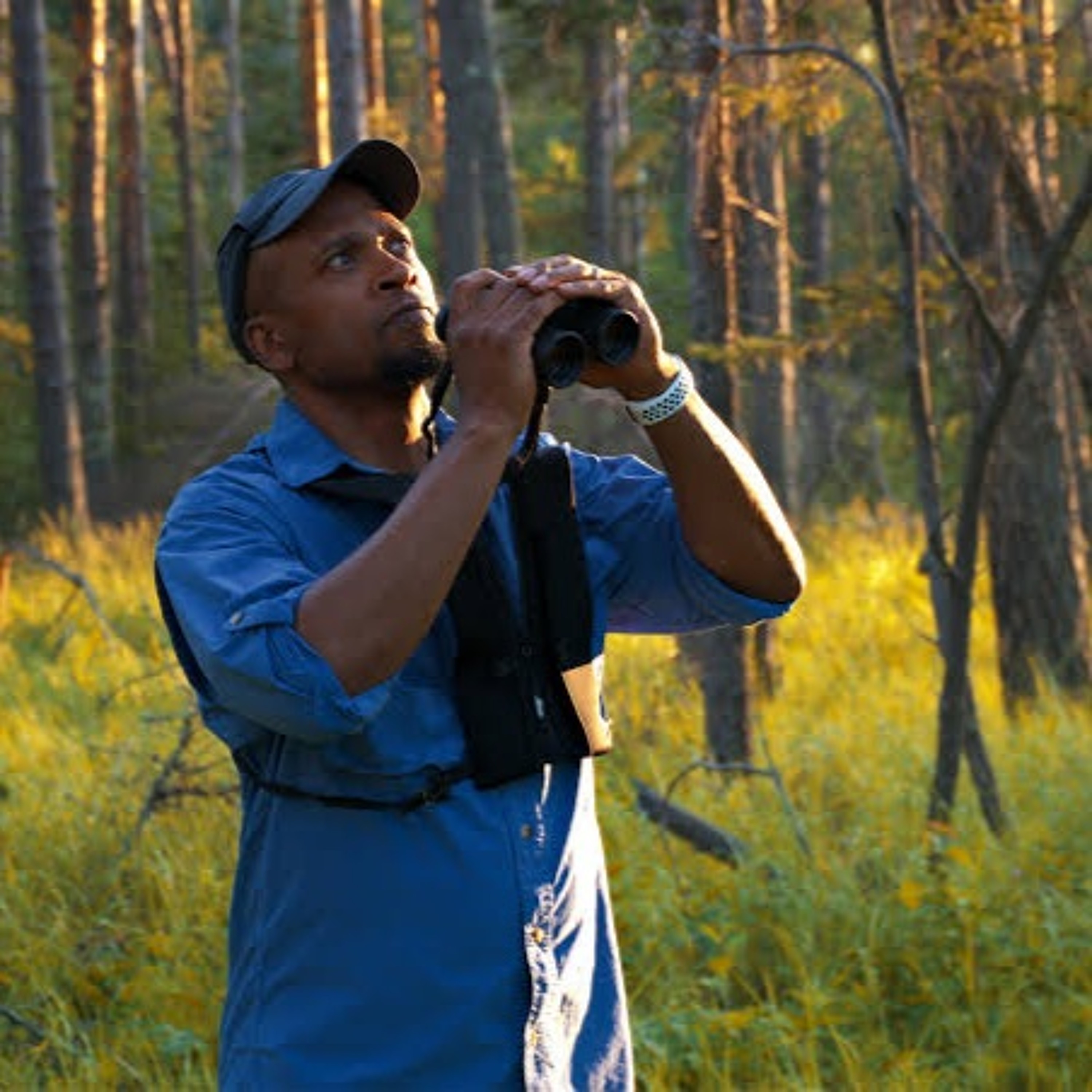
Dudley Edmondson is a gifted nature photographer with a passion for telling nature's story through his books and images. He's also a Black Man in America, and wrestles with all that that means as someone who often feels more comfortable in the wild than he does standing in his own front yard. Listen to his story--and think about what it means.
Episode 235 - Dung Beetles
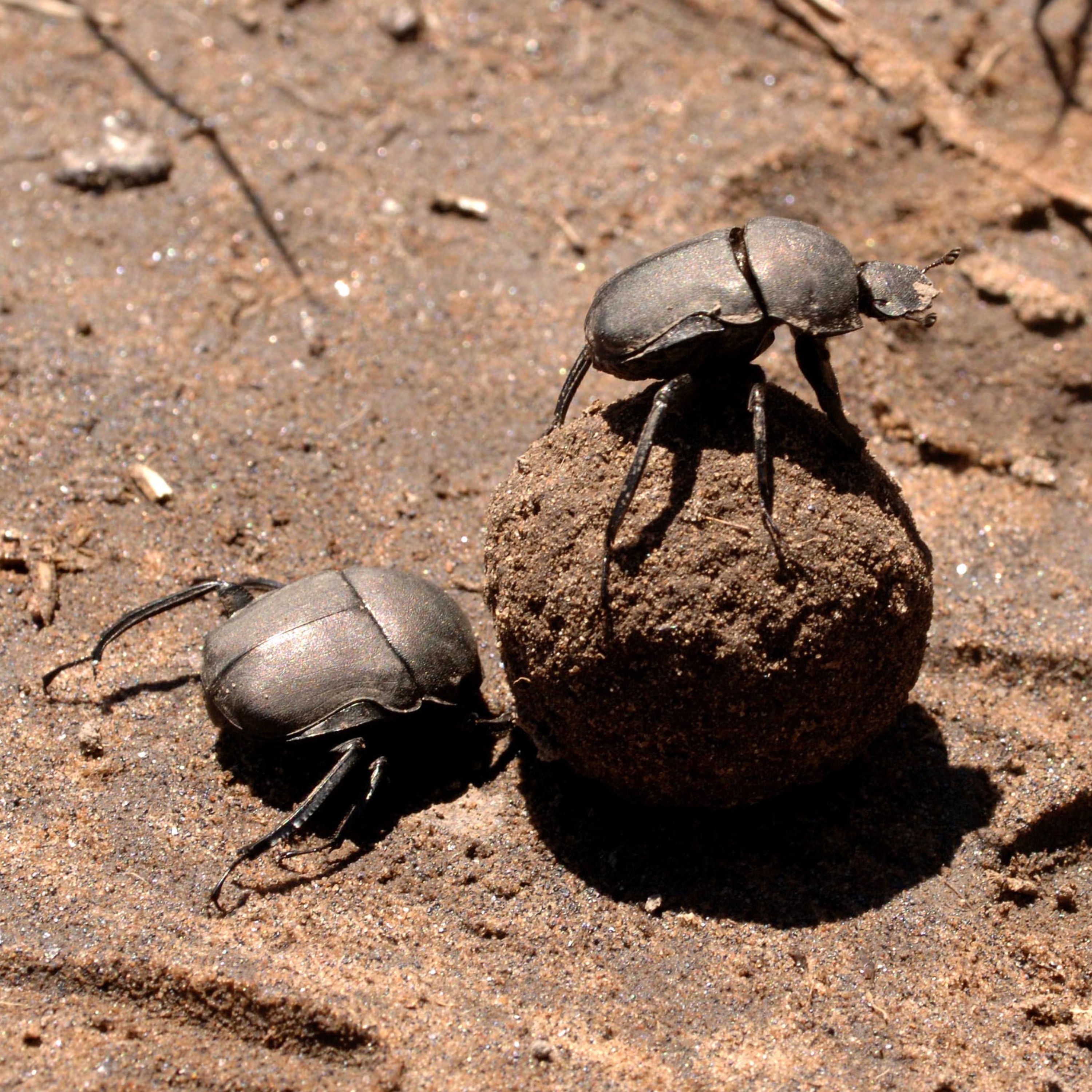
Another track that’s mostly for the kids, this one thanks to a student request about the lowly dung beetle—a much smarter little critter than we give it credit for. Enjoy!
Episode 234 - The Human Library Project
Imagine walking into the library because you’re interested in finding a book that will help you better understand a particular topic. You walk up to the circulation desk, tell the librarian what you’re interested in learning more about, and they say, “I’ve got just the book for you. Wait here.” So, the librarian walks into the back and returns with the book. Only in this library, the books—are people. Because this is the human library. You’re not going to hear from me a lot in this episode, because I want to leave the story to the people who are best equipped to tell it: the founder of the organization in Copenhagen, the manager of the New York City Human Library, and Brian Belovitch, one of their books.
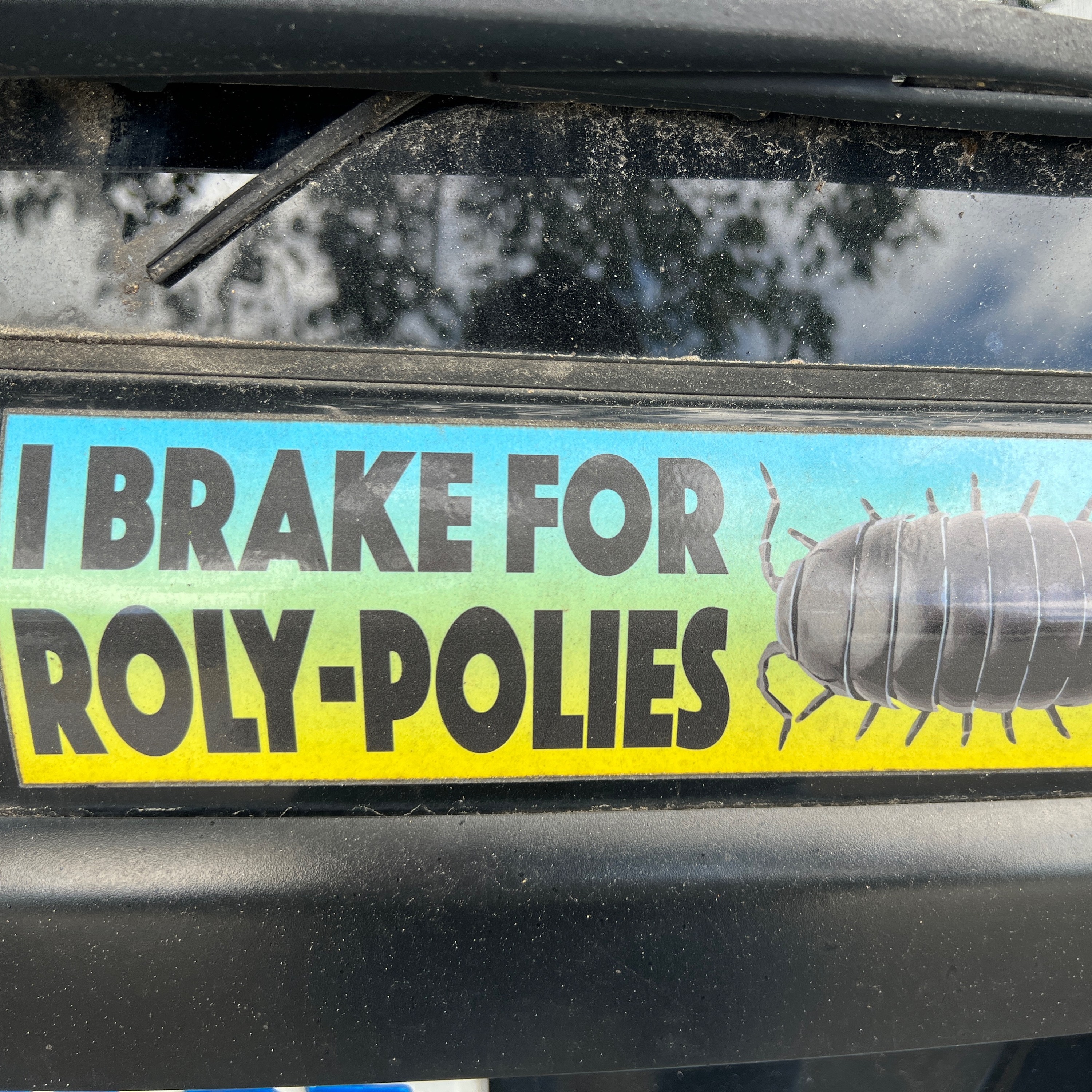
Episode 233 - Holy Moly Roly Poly!
In response to a query from a young student, I decided to talk about roly polies. Hey, it’s Friday—celebrate with something fun!
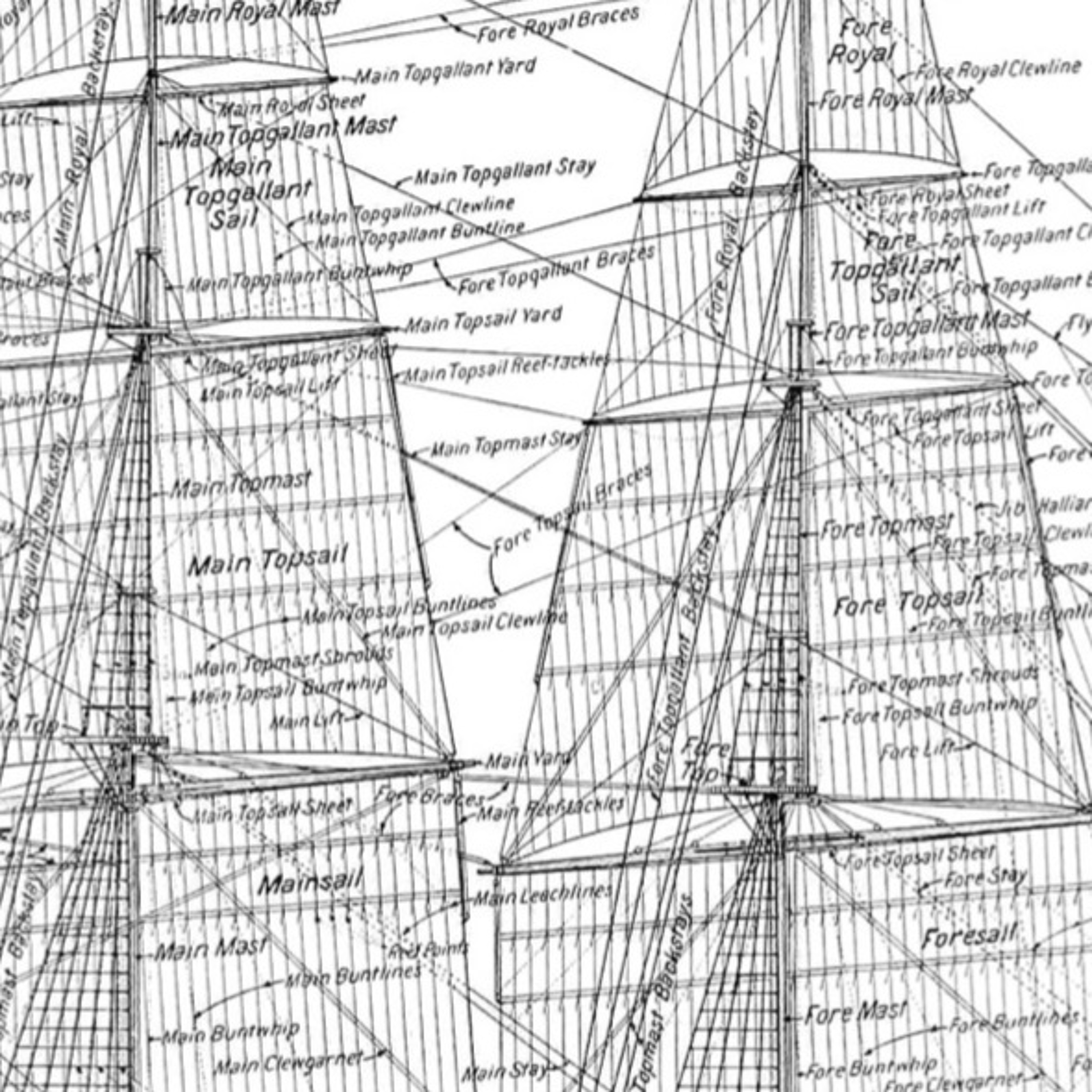
Episode 232—The Argot Of Sailing Ships
I love it when I discover a language all its own—typically related to a craft, or activity. Have a listen—and learn all about the jargon of the three-masted sailing ships. After doing this research, I’m astonished at the complexity of these gigantic works of art. I LOVE this stuff, and I’m not a sailor!
Episode 231 - Of 400s And Other Names
When I was a kid I spent a lot of time in New Mexico, where my grandparents lived (Roswell, specifically). As we drove around, I became fascinated with town names--like Truth or Consequences, New Mexico. Huh? Well, I did some research, and I came up with a list of what I think are the funniest, or most intriguing, town names for every state. Enjoy!
Episode 230 - The SIlverBack Digest
The Natural Curiosity Project, hosted by Steve Shepard, and the Silverback Digest, published by Stephen Morris, have a very special relationship. If you like the Natural Curiosity Project, for example, you’ll like the Silverback Digest as well. Here’s the story of how their partnership came to pass—and why you should absolutely subscribe to both.
Episode 229 - The Strange World Of Synchronicity
Have you ever had this happen: You see a book a shelf that makes you think of a friend you haven’t spoken with in a while. You smile at the memory, and as you smile, your phone rings. You look at the screen, and it’s the person you’re thinking about, calling you. We’ve all had it happen, and it’s kind of weird. But it turns out that there may be some serious science behind the phenomenon—serious, as in quantum physics. It even has a name: Synchronicity. Join me and my friend Tom Myers as we chat about the strange world of coincidences. Or are they?
Episode 228 - Sounds Of The West With Jeff Rice
Want to hear the sound of the largest living organism on the planet? My guest, Seattle-based Jeff Rice, has recorded it. Sound recordist, journalist, documentarian, musician, Jeff wears many hats, and his world is beyond intriguing. Please join us for a great conversation.
Episode 227 - The Power Of Strangers With Joe Keohane
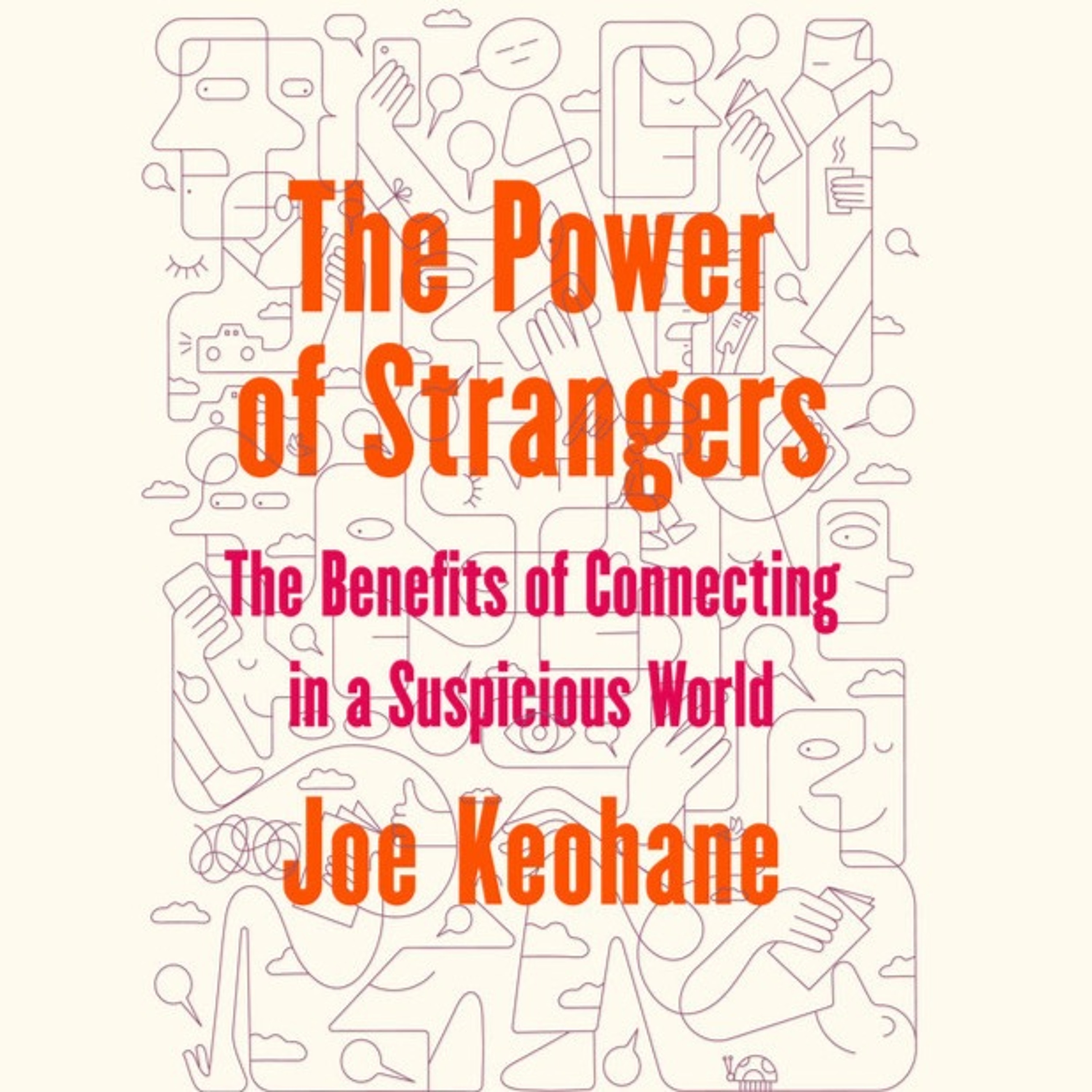
I read a lot of books—an average of 135 per year. And yes, I remember them—most of them, anyway. And every once in a while, a book grabs ahold of my leg and won’t let go. That was the case with “The Power of Strangers: The Benefits of Connecting in a Suspicious World,” by Joe Keohane. In fact, it affected me so strongly that I closed the back cover, went to my computer, found Joe online, and called him. He agreed to be on the program, and this is my interview with him. You’re going to want to hear this one—and you’re going to want to read the book.
Episode 226 - A Man Of Many Talents - John Neville
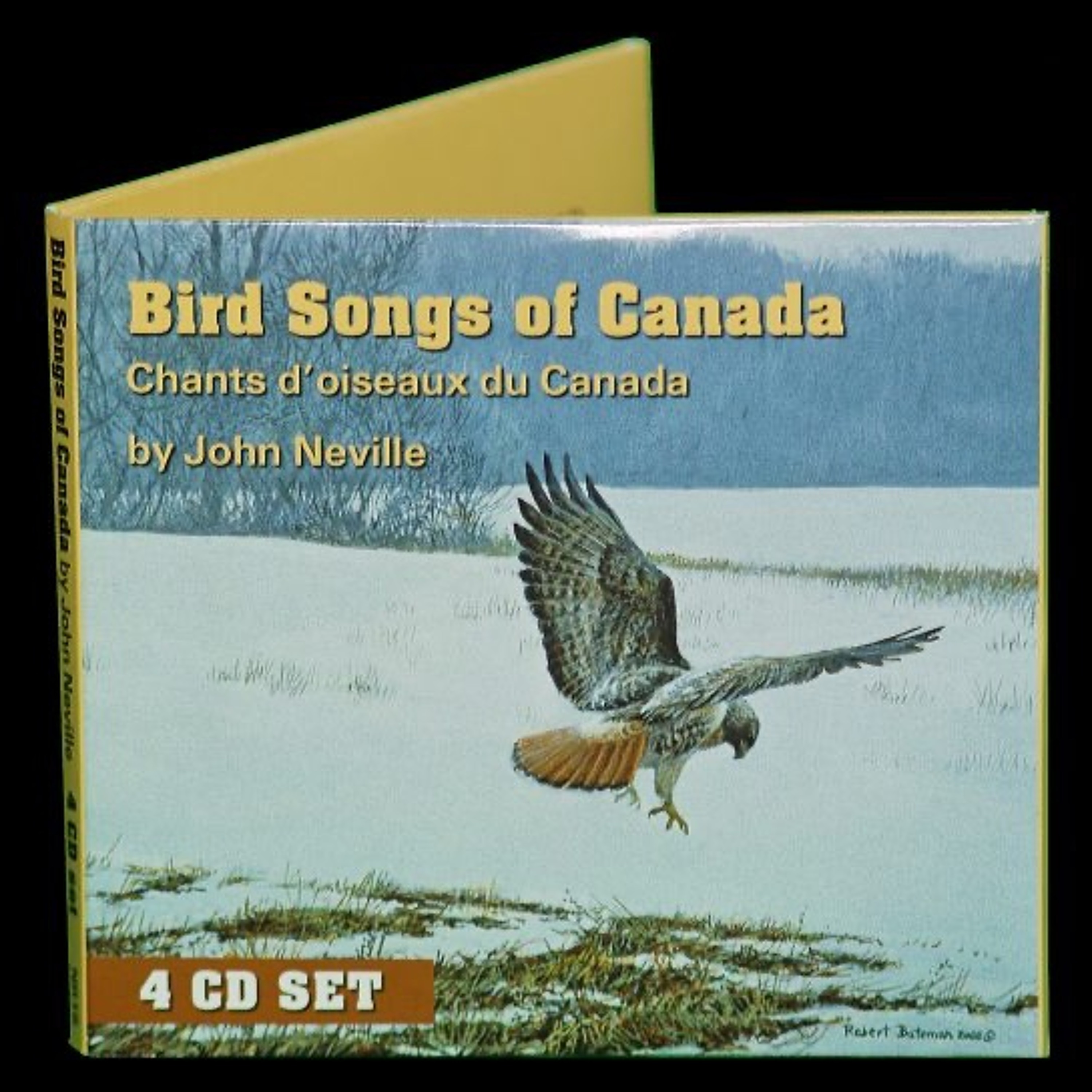
You know how sometimes you meet someone who does something interesting, but as you get to know them, you learn that actually, there’s a lot more to them than that one thing that got your attention in the first place? Well, that explains John Neville. I contacted John because he’s on one of the mailing lists for sound recordists that I belong to. His work intrigued me, so I asked him if he’d be a guest on the show. Like many people I interview on this program, John’s a wildlife sound recordist. I asked him the usual questions, but as we got into the interview, I had to call an audible (You like that? That’s a Podcast joke), because he was going off-script. Suddenly, I’m discovering that this guy I’m having a very interesting conversation with is also a physical therapist, an author, was a city councilman for more than 20 years, spends months in a motor home every year with his wife, traveling around North America recording wildlife, has produced a large number of CDs full of his bird recordings, and has had an outsized impact on his country—and I’m not talking about the U.S. John lives in British Columbia, in western Canada, on an island, and man, does he have a story to tell.
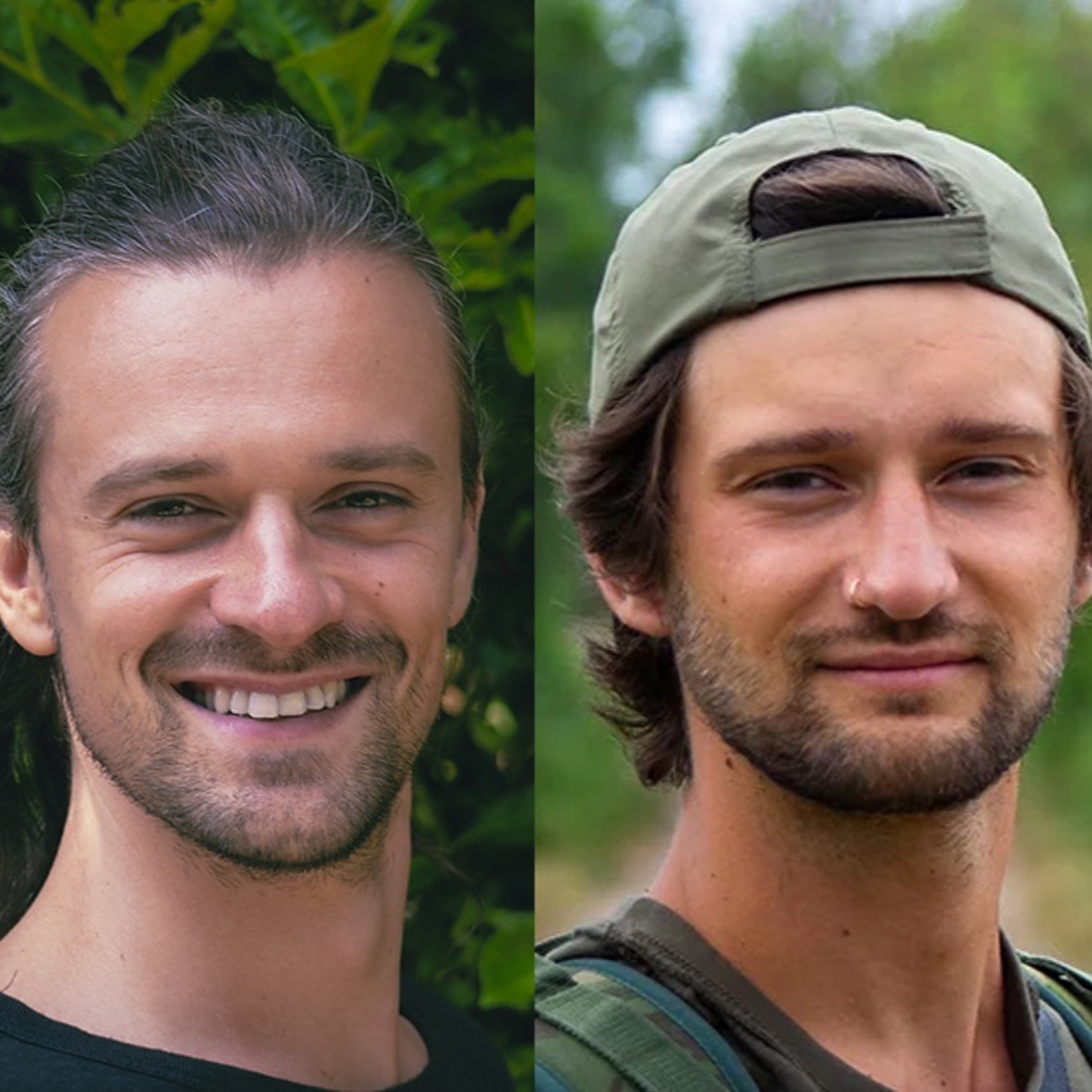
Episode 225: Wings Across Continents with Axel And Ario Drioli
Let’s take a trip. We’re going to start in southwestern Europe and drive as far as we can go into the Arctic, following the annual migration of north-bound birds, photographing and recording them along the way. Then, we’ll turn our vehicles around, this time starting in southwestern Europe and following those same birds as far south as we can go, across the Strait of Gibraltar into Morocco and driving south along the west coast of Africa, all the way to Capetown, a distance of 12,000 kilometers. Sounds kind of daunting, doesn’t it? Perhaps; but that’s precisely the trip that Ario and Axel Drioli have undertaken. Axel is a wildlife sound recordist; his brother, Ario, is a photographer and cinematographer. I caught up with them and asked them to introduce themselves and tell us about themselves and their trip.
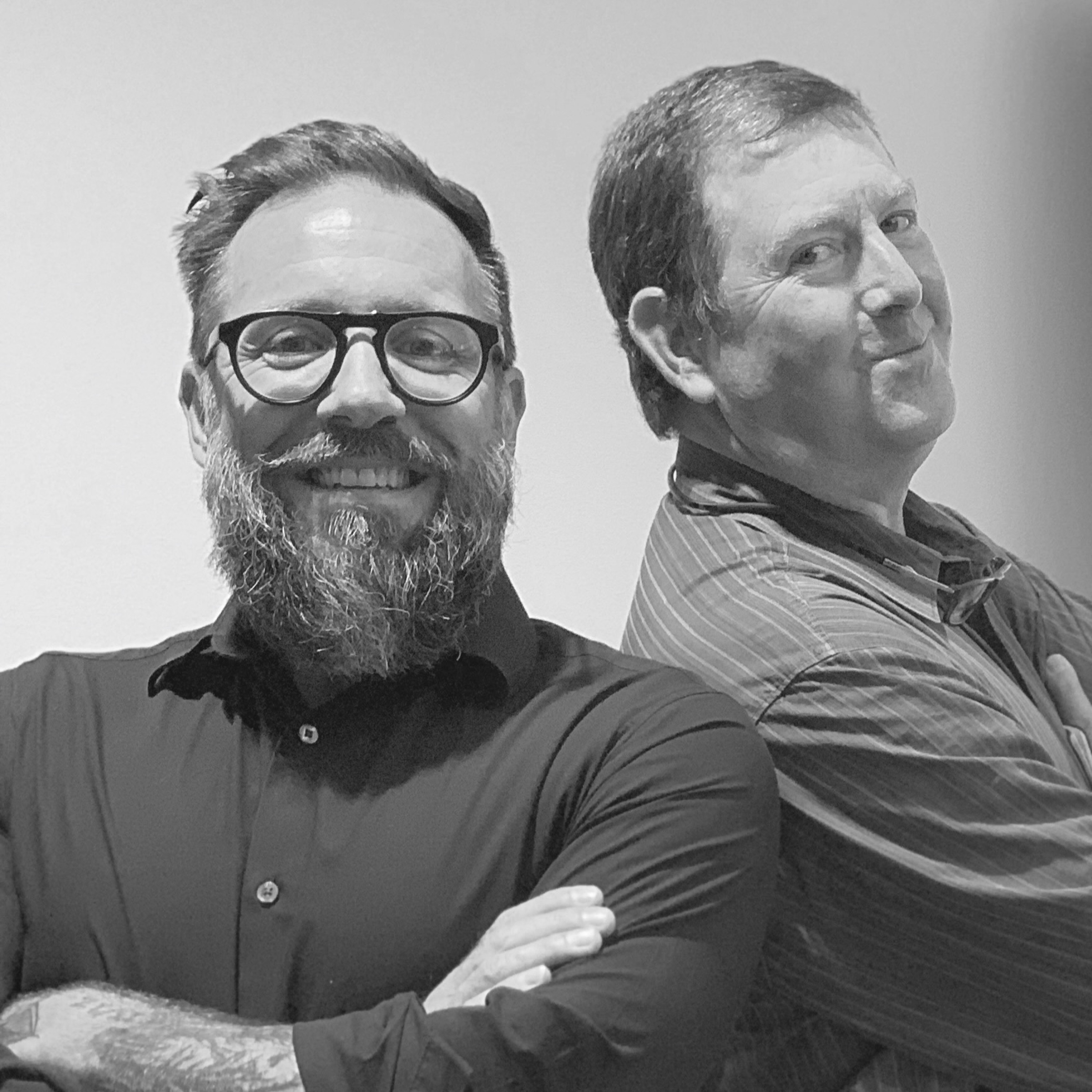
Episode 224 - Ryan McCarty And The Culture Of Good
In this free-flowing conversation, I interview Ryan McCarty, an extraordinary individual with a story to tell that is both inspirational and informative. Actually, that's all I'm going to say. Enjoy!
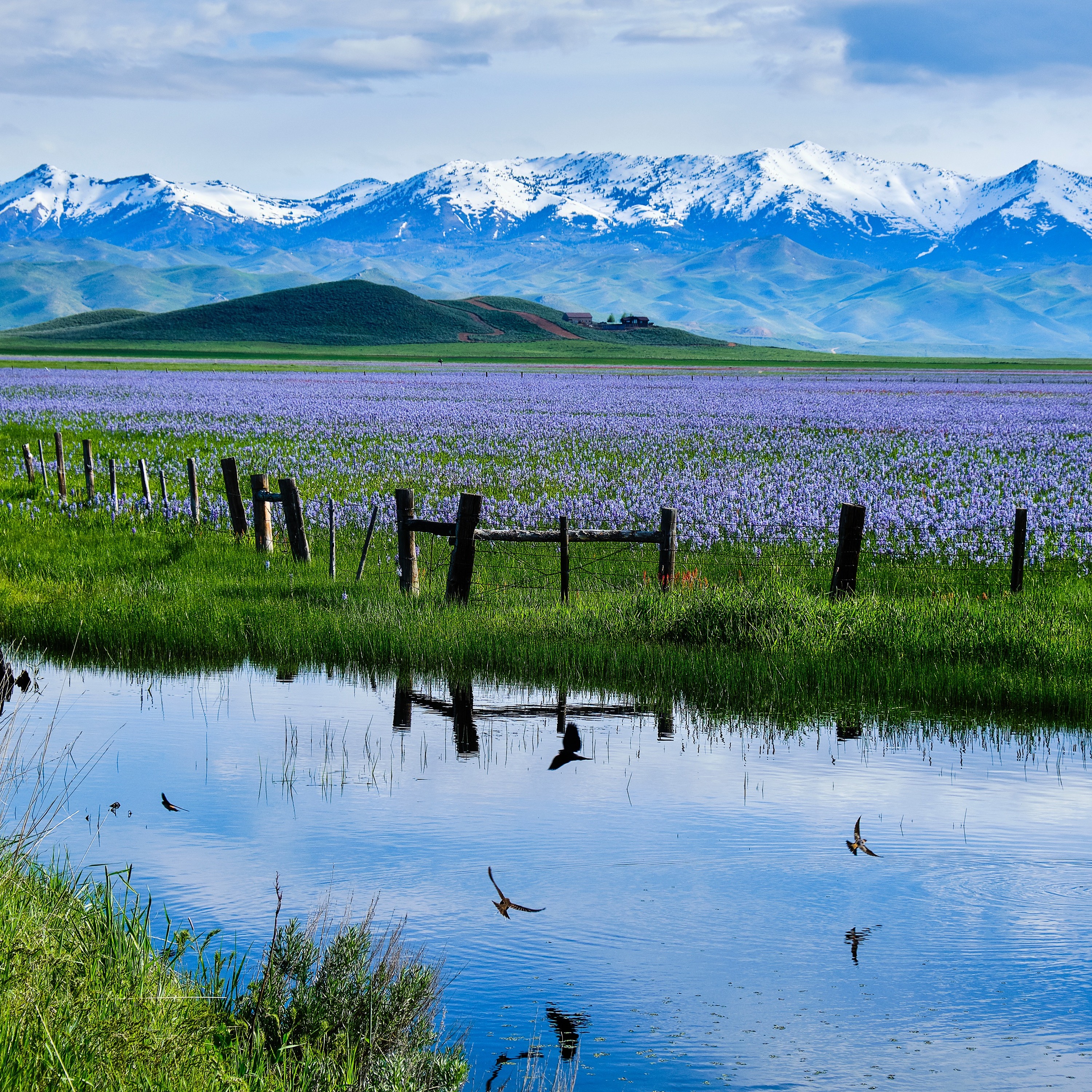
Episode 223 - Rick Hannon Of Evocative Sound
I first ran across Rick Hannon's work when I purchased his album, "Dusk to Dawn on the Camas Prairie." After listening to this extraordinary collection, I reached out to Rick, and he agreed to join me on the Natural Curiosity Project to to talk about career as a photojournalist, photographer, sound recordist, and sound designer. From natural soundscapes like the Camas Prairie, to the sounds of antique typewriters, Rick does it all.
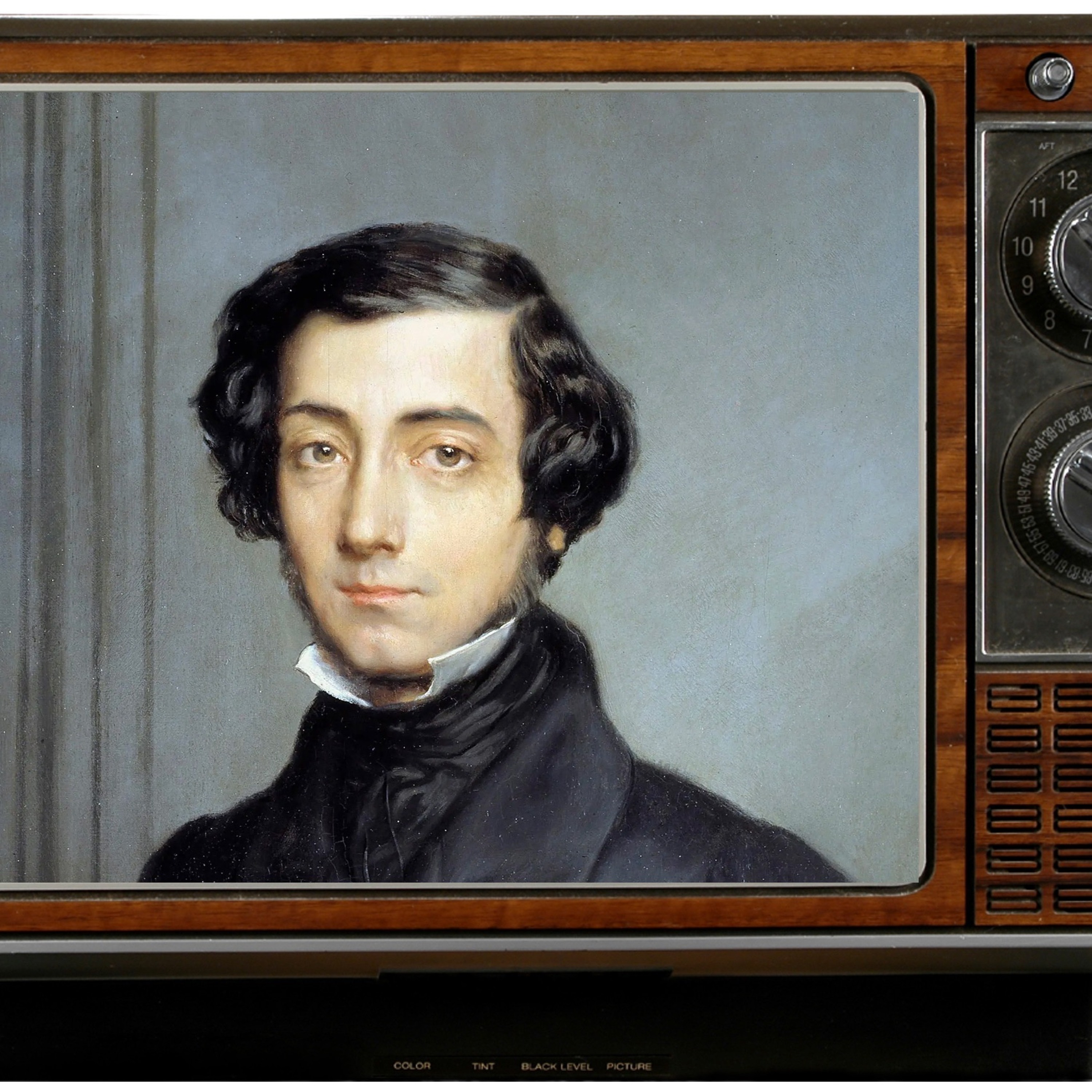
Episode 222 - Thoughts On Television Commercials And Alexis De Tocqueville
A few thoughts about broadcast television (especially the commercials), see through the eyes of Alexis de Tocqueville.
Episode 221—A Few Thoughts On Wisdom
Just a few thoughts on the societal and generational progression from data to wisdom.
Episode 220 - George Vlad Captures The World
If you’re a regular listener, you know that I’m interested in the sounds of the natural world and have interviewed quite a few sound recordists on this program. In this episode, you’re going to meet a guy who is more than just a sound hobbyist. He works all over the world for big movie studios—in fact, when we recorded this, he had just returned from a shoot in the Sahara Desert in Algeria for a big Hollywood production He also produces sounds for the video game industry, which is far more complicated than you may think. My guest is George Vlad. I learned about George’s work a few years ago when I ran across a photograph of him standing on the lip of a volcano with a boom pole extended over the rim. He has recorded soundscapes all over the world: the Amazon Basin, Borneo, the Arabian Desert, the rainforests of west Africa, Madagascar, and all over Europe, including in his native Romania. You can learn more about George and his work, and listen to some great tutorials, at mindful-audio.com, or at his YouTube site. But first, meet George. I caught up with him for this interview at his home in London.
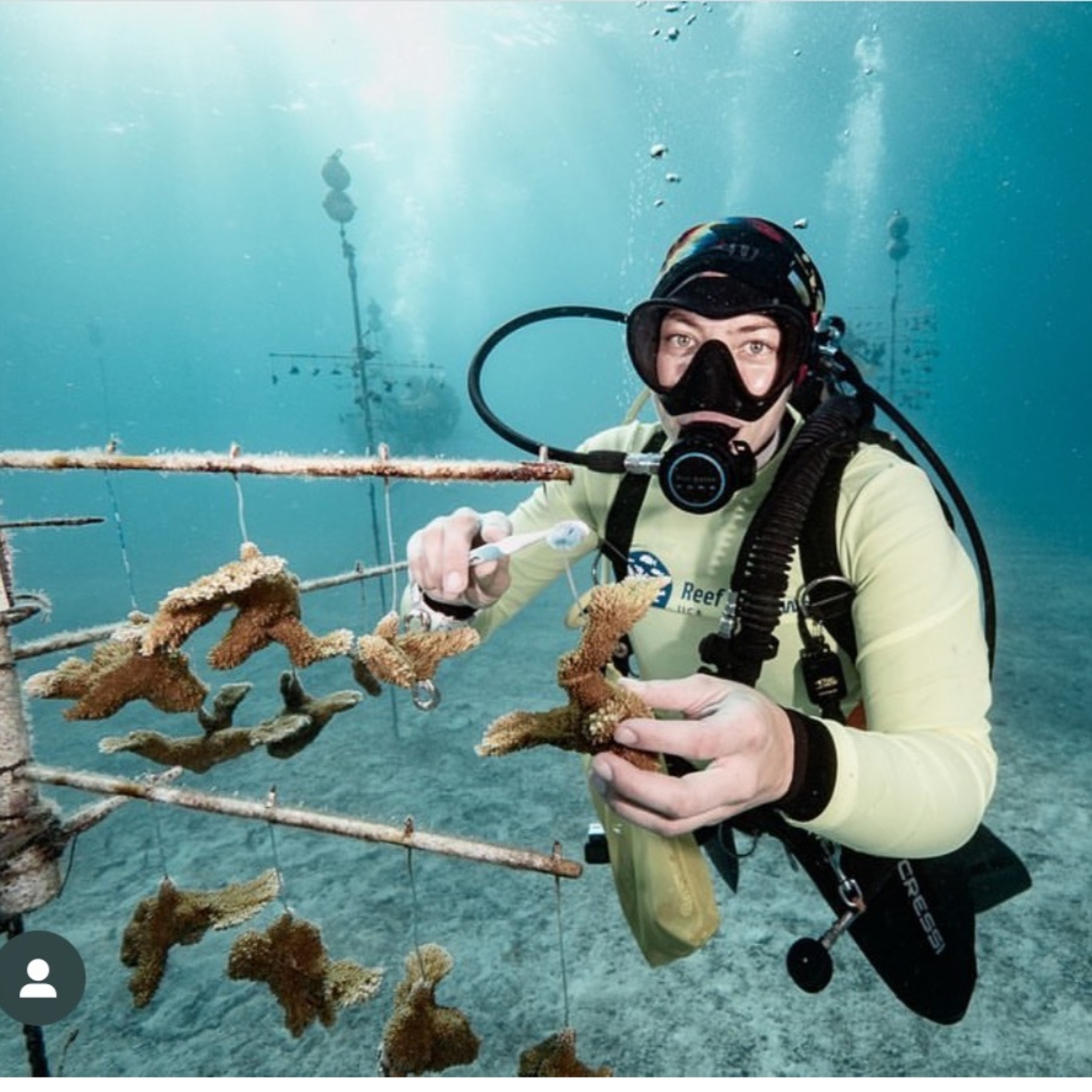
Episode 219 - Reef Renewal USA
Episode 219 - Reef Renewal USA by Dr. Steven Shepard

Episode 218 - Interview With Thomas Meinzen
Thomas Meinzen represents the best of several worlds: he's a composer, a musician, a naturalist, and an avid recorder of the sounds of the natural world. He agreed to sit down with me recently to talk about how he incorporates all his many interests with his over-the-top skills as a musician. And check out his music--you can find his work at https://thomasmeinzen.bandcamp.com.
Episode 217 - Interview With Brad Borkan
If someone were to come to me and say, “I’m going to show you how an explorer, an engineer and a statesman shaped our Modern World,” I’d want that person on my show. Well, meet Brad Borkan, the author of two excellent books: “Audacious Goals, Remarkable Results: How an Explorer, an Engineer and a Statesman shaped our Modern World,” and “When Your Life Depends on It: Extreme Decision-Making Lessons from the Antarctic.” He’s my guest on this program, and you’re in for a terrific ride.
Episode 216 Part 2 - On Generations
One of the most important things to know about human generations is that, contrary to popular belief, they all want the same things from work and life—they just want it in different ways. All companies (other than sole proprietorships) are multigenerational, so the extent to which we all understand the differences among generations is a measure of how well we engage with all of them, attract them, motivate them, reward them, discipline them, and develop them—and that’s not to mention the degree to which we successfully attract them as customers and compete with them in the market. This two-part program describes generations and offers techniques for taking best advantage of the power and value that all generations bring to society and the workplace.
Episode 216 Part 1 - On Generations
One of the most important things to know about human generations is that, contrary to popular belief, they all want the same things from work and life—they just want it in different ways. All companies (other than sole proprietorships) are multigenerational, so the extent to which we all understand the differences among generations is a measure of how well we engage with all of them, attract them, motivate them, reward them, discipline them, and develop them—and that’s not to mention the degree to which we successfully attract them as customers and compete with them in the market. This two-part program describes generations and offers techniques for taking best advantage of the power and value that all generations bring to society and the workplace.
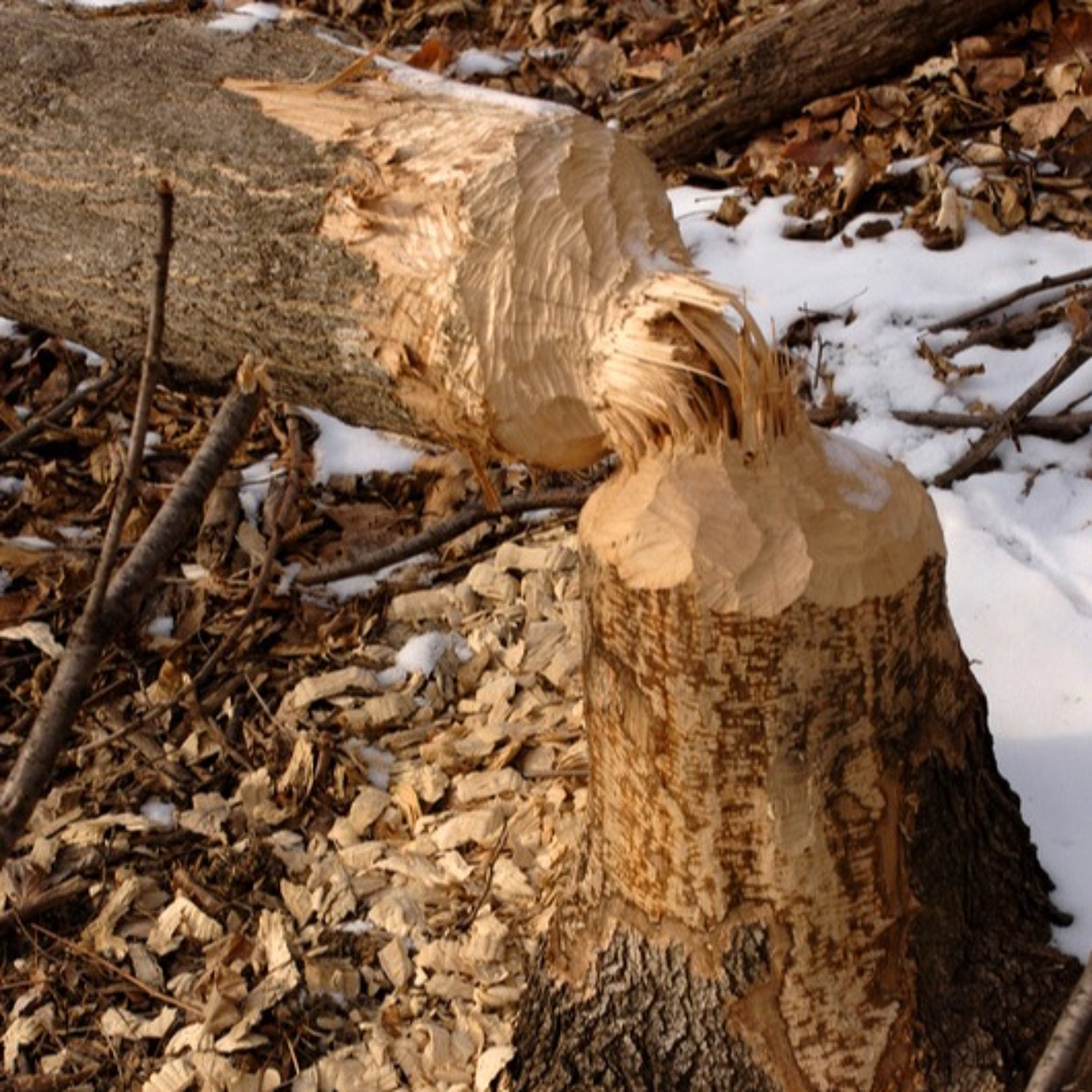
Interlude - Beavers And Peepers
An evening at the local wetland, punctuated by a symphony of spring peepers and an occasional round of applause from the resident beavers.
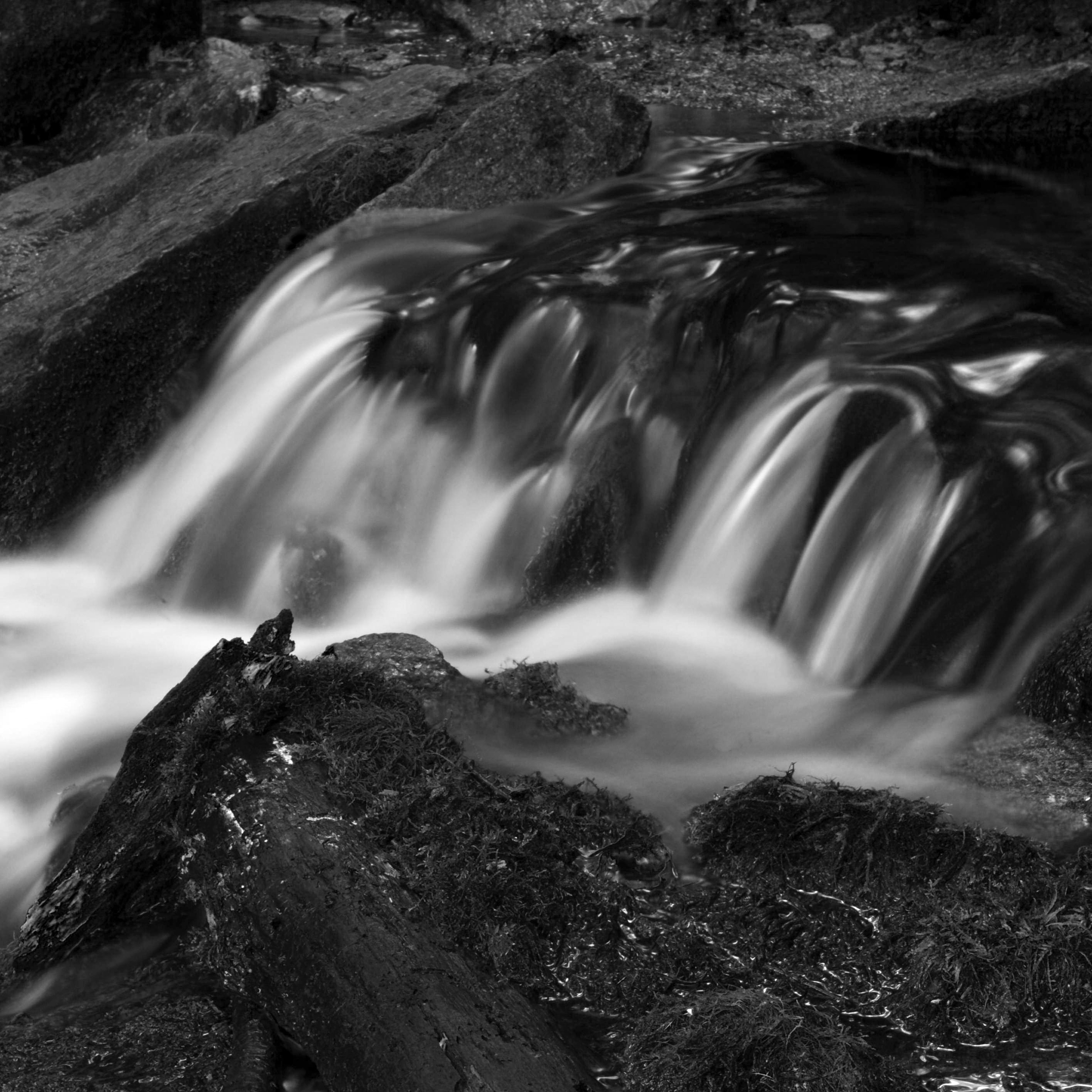
Episode 215 - The Magic Of Water
We rarely give much thought to water, other than when we're thirsty. But as it happens, it is one of the rarest of the rare compounds we know--not just because it is precious, and we're blessed with a lot of it on Earth, but because its chemistry is the stuff of Dumbledore. Have a listen. You can find the episode transcript at https://steven-shepard.com/natural-curiosity-project/.
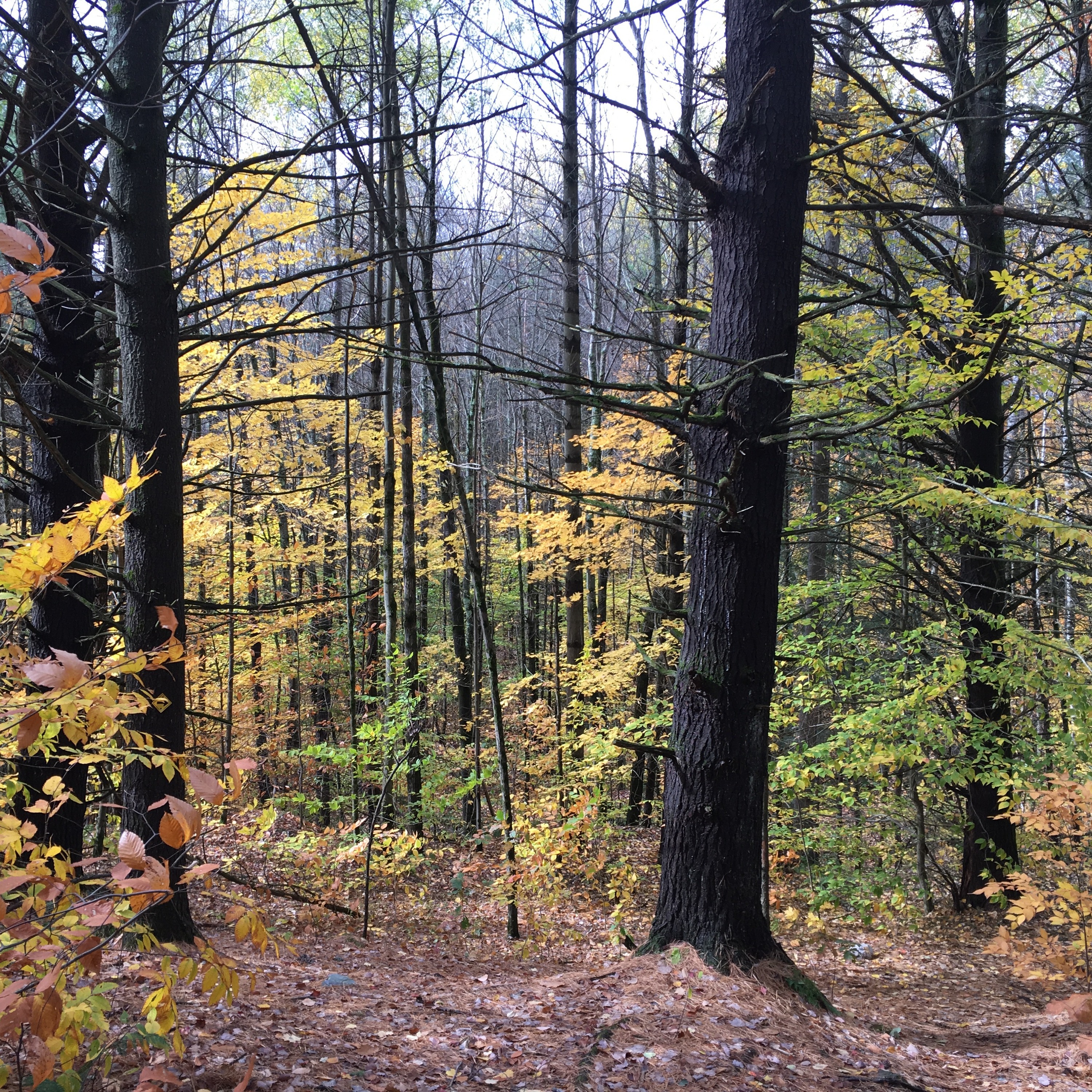
Episode 214 - Ecosenses
An exercise in using all five senses during a walk in the deep woods. Headphones, please--relax and listen. And thank you!
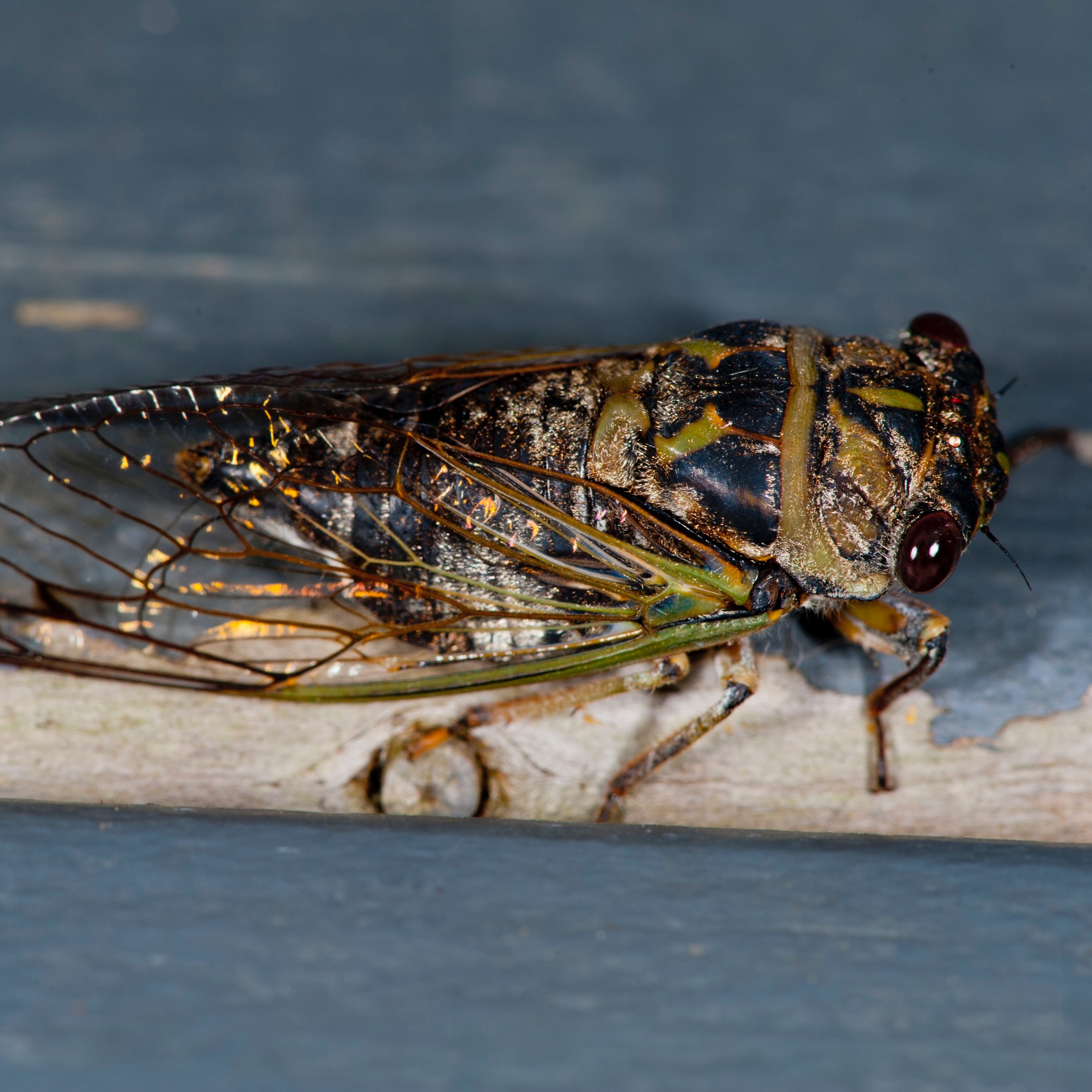
Interlude - Cicadas
It was late August, and I was in central Iowa on a recording trip. I wandered into a cornfield, and at the back of it was a creek, surrounded by cottonwood trees. The trees were filled with 17-year cicadas. The life cycle of these critters is a testament to the magic of life. Shortly after they hatch from the eggs laid by their mothers, the nymphs burrow into the ground, where they stay for 17 years. When they emerge, the clock starts ticking, because from that moment onward, they have about six weeks to live, during which time they mate, lay eggs, and start the cycle once again. They also sing. As I stand here, headphones on my head, I can almost hear them saying, “17 years I waited for this. Mate? Absolutely. Lay eggs? Sure. But first? A little music.”

Episode 213 - A Field Guide To Disinformation
Well, here we are approaching the end of March, which means that once again we will soon be facing the political season in the United States, and all that that implies. I don’t know about you, but I’d rather avoid the debacle we faced last time, when social media pummeled us with disinformation from every direction, making it virtually impossible to separate the wheat of truth from the chaff of falsehood. So, I’ve been digging around, looking for tools to help me clearly separate the two, and I’ve run across some things that I want to share with you—not just because they’re interesting, but because they might be useful in the months ahead. Forewarned is forearmed, as they say.
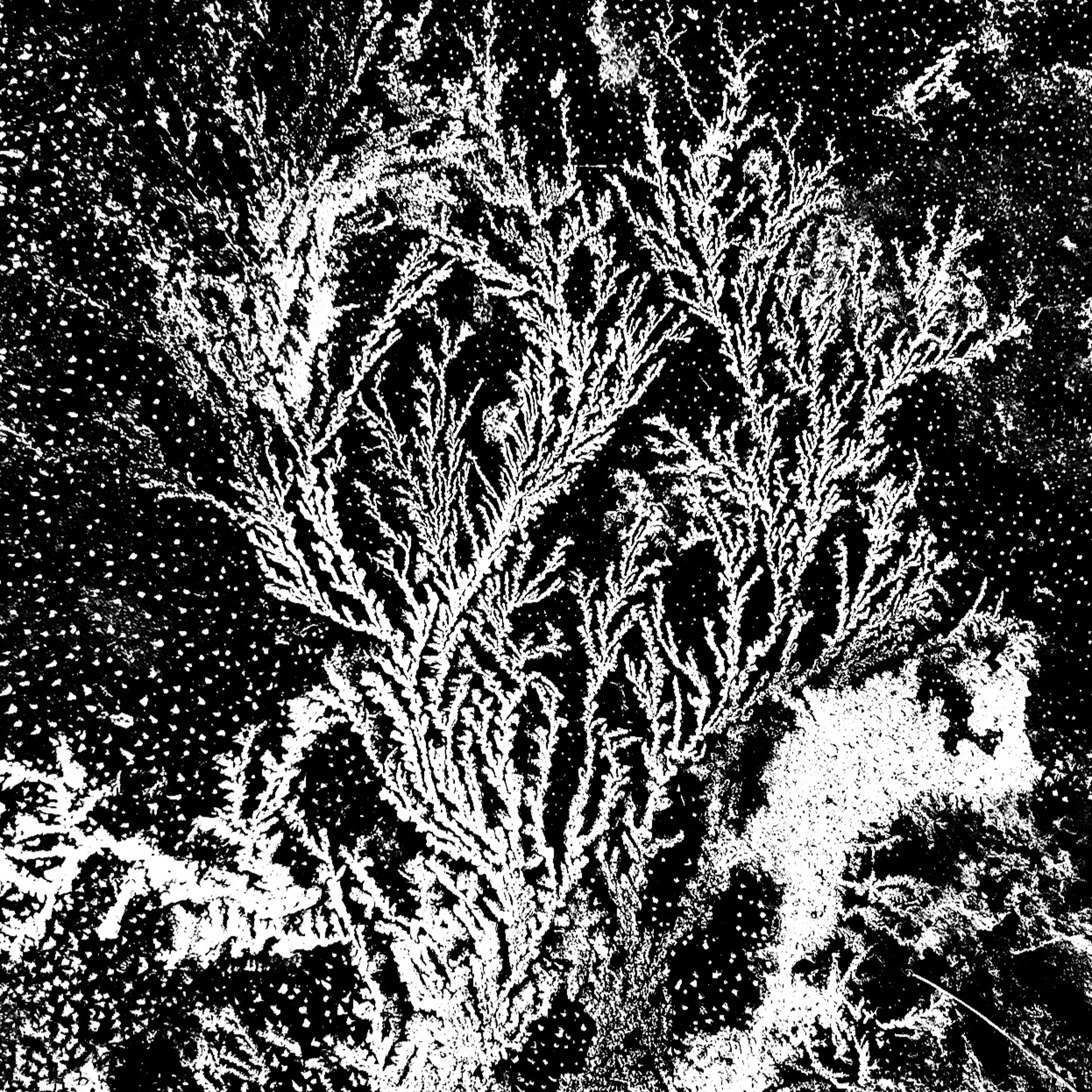
Episode 212 - Dendrites
There's something mesmerizing about the way rivers look from the air--the way they ebb and flow and respond to the topography of the land they flow over. Sometimes, the water flows in a great sheet, like a fan; other times, it flows in a tree-like structure called a dendrite. Well, it turns out that salt can form similar structures when it crystallizes, but only under very specific conditions. It's an amazing and quite beautiful thing--have a listen. Program notes are here: https://stevenshepardcom.files.wordpress.com/2023/03/episode-212-dendrites.pdf.
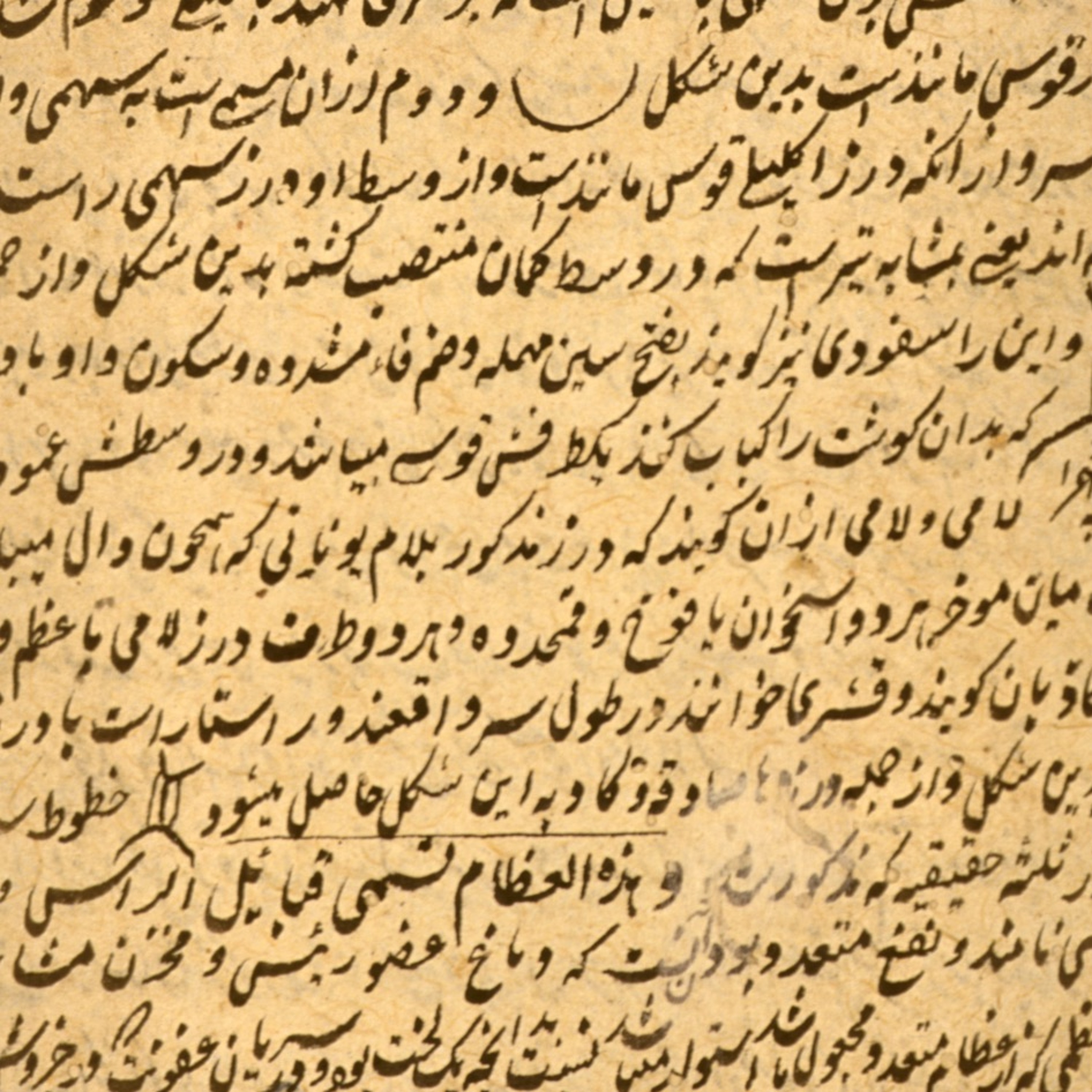
Episode 211 - The Badass Librarians Of Timbuktu
How important are libraries and books? In my mind, very. In some peoples' minds, important enough to risk their lives for their protection. In "The Bad-Ass Librarians of Timbuktu, Joshua Hammer tells the story of Abdel Nader Haidara, a minor government bureaucrat who takes it upon himself to save thousands of precious texts, some of them from the 5th century, all the while evading the clutches of Al Qaeda operatives intent on destroying them.
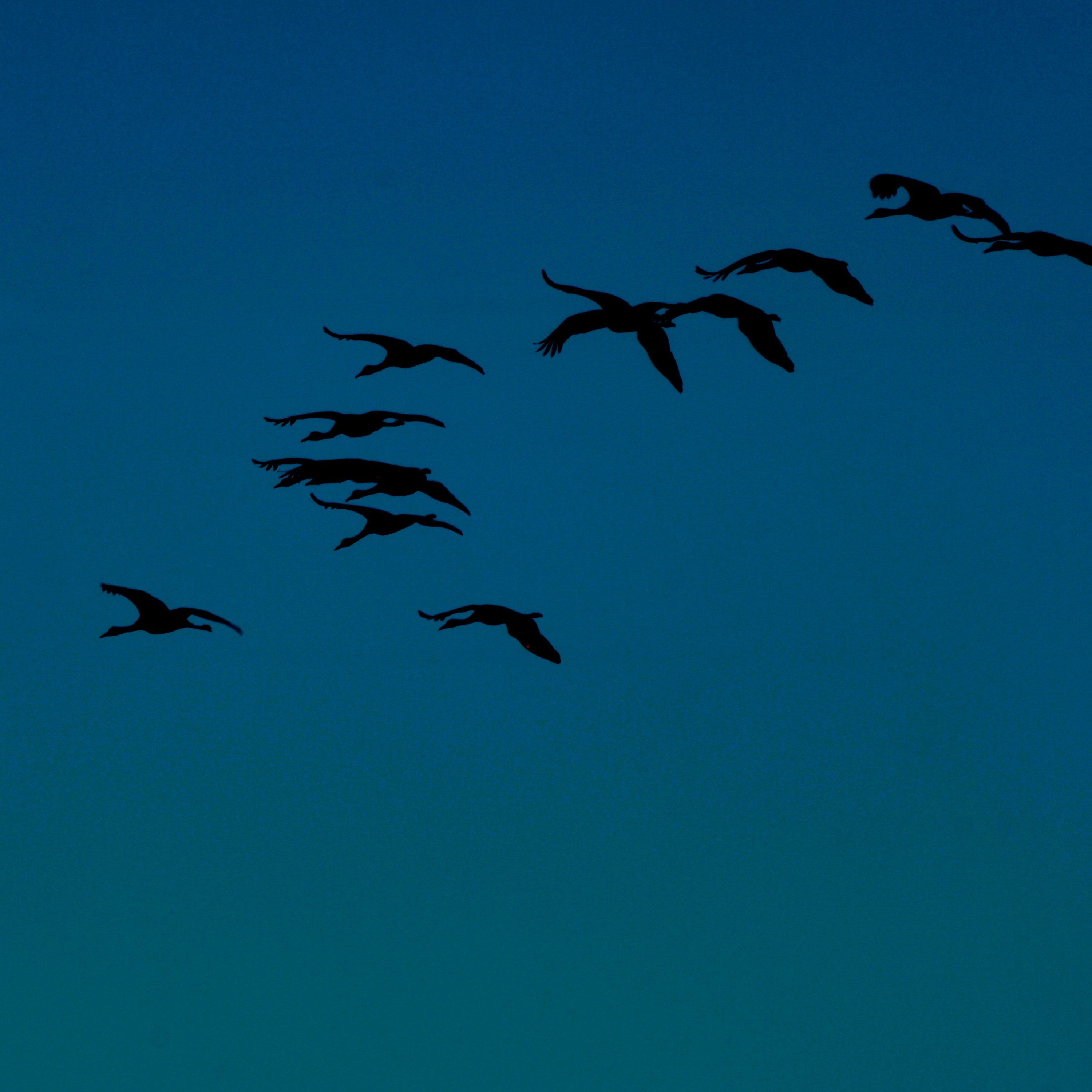
Episode 210 - Leadership's Rotating V
Have you ever wondered why geese fly in that V-shaped formation when they're migrating? Turns out that there's a very important reason--and you might be interested to know that it has a lot to do with the practice of leadership. Enjoy the episode.

Interlude: Freight Rolling Through Norway, Iowa
Just to mess with your mojo from the earlier Parker River track, here's something on the opposite end of the sonic spectrum: A freight train barreling through Norway, Iowa, something that happens about every 20 minutes or so. Headphones again, please, to experience the spatial effect of the train's coming and going. Careful with the volume--it gets a bit loud.
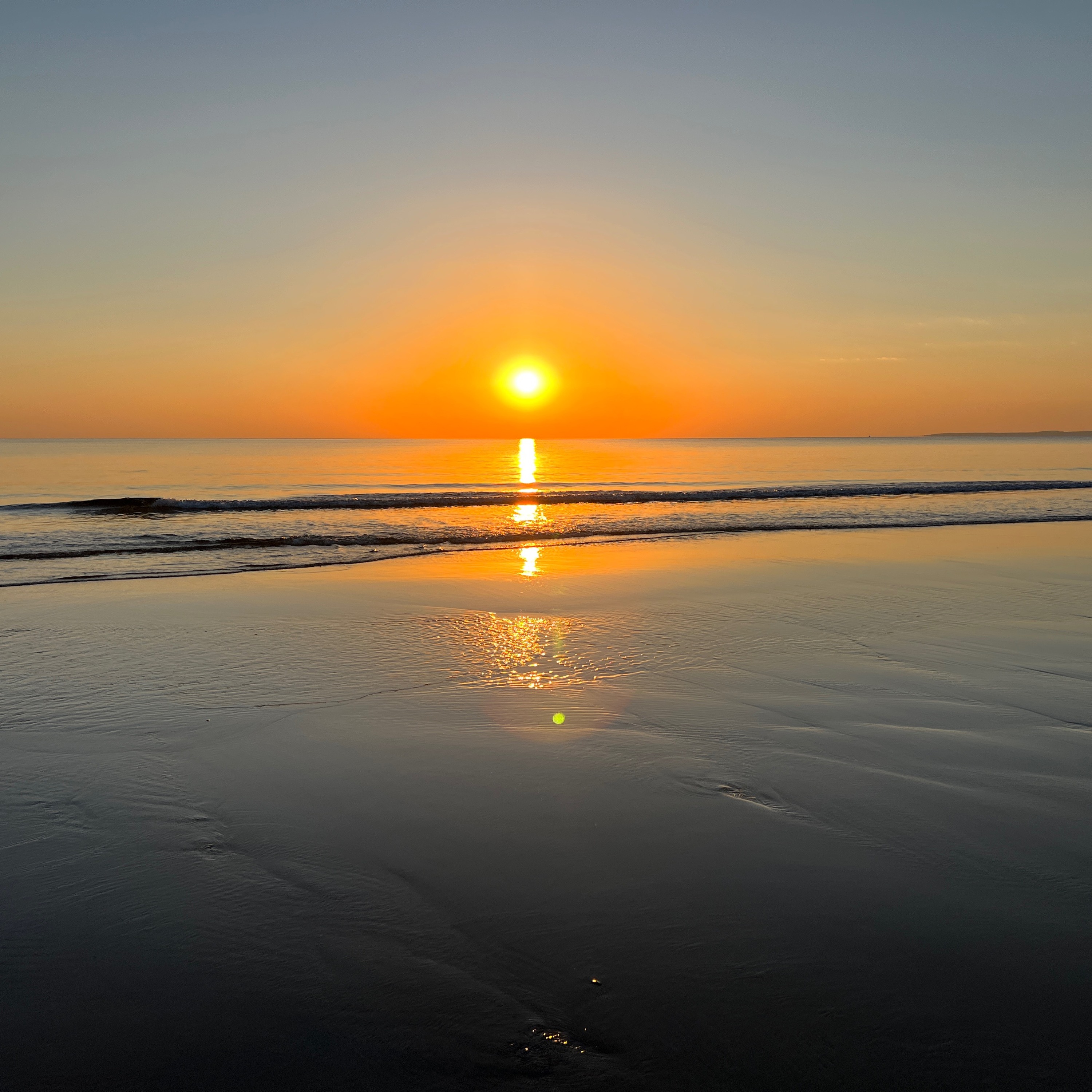
Interlude: Parker River Gentle Surf
Sabine and I have a discovered a new favorite place: Parker River National Wildlife Refuge, in Massachusetts, just over the border from New Hampshire. One of the first, if not THE first, refuges in the national system, it's been around so long that the original brochure (which you can download from the refuges Web site) was written by none other than Rachel Carson. Anyway, put on your headphones and enjoy this ambisonic, surround-sound track of a couple of minutes of gentle surf.
Episode 209 - Thoughts On Reverence And Democracy
After reading Paul Woodruff’s book, Reverence: Renewing a Forgotten Virtue, I found myself thinking about the concept of reverence and what it means in modern society. Woodruff defines it as equal parts awe, respect, and shame. What I walked away with after lots of time spent thinking about the concept is this: Reverence, which has nothing to do with religion, is perhaps the single most important foundational element in modern society. Woodruff elegantly ties together reverence, and ceremony, and community, pointing out that we revere the ceremonies that define a community, because they stand for who and what we are as a family, a town, a nation, or a business. When reverence disappears, ceremony becomes meaningless ritual. My contention is that the intransigent polarization that we’re currently experiencing is happening because of a loss of reverence. I don’t have to agree with the other side’s position, but I do owe them my respect, which manifests as my willingness to listen to what they have to say—again, even if I don’t agree. Please listen to this episode, and then help me start a conversation. This, I believe, is important. You can download the script of this program here: https://steven-shepard.com/2023/03/09/thoughts-on-reverence-and-democracy/.
Episode 208 - Sound Recordist Darren Wassom
Darrin Wassom made an envious (and courageous) career change: He went from a long, successful career as a cybersecurity specialist to being a newly-minted recordist, capturing and sharing the sounds of the natural world. His story is more than just the story of a shifted career: it's the story of someone for whom passion, and balance, and family, and life are more important than career. This is an important story; I hope you enjoy it. You can find Darrin's work at NatureIsMyJam.net, and his Podcast of the same name is available wherever you get your Podcasts. #NatureIsMyJam. @DarrinWassom
Morning Blackbird Chorus
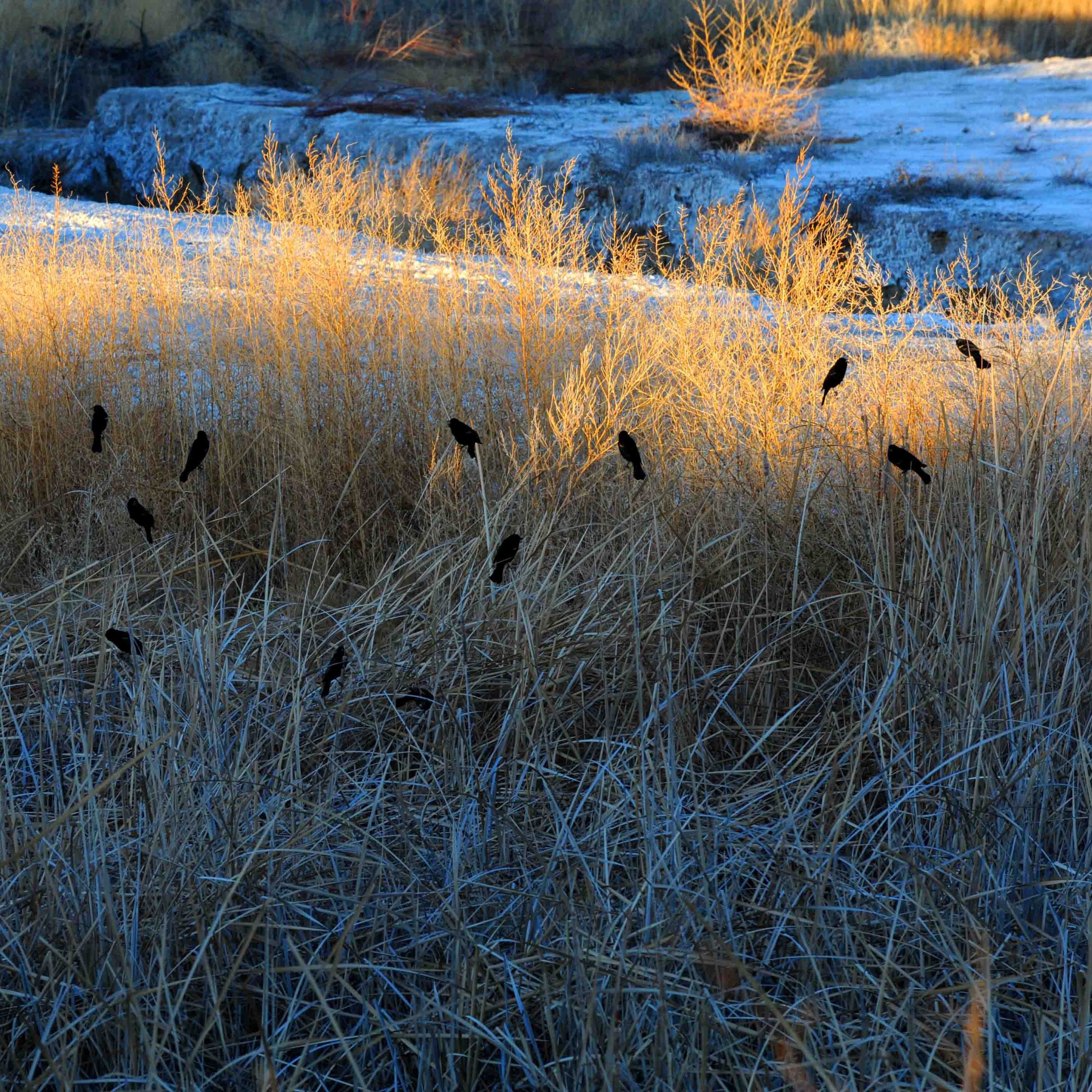
A short morning chorus to brighten your day.
Episode 207 - A Stroke Of Luck With Dr. Bevan Choate
After four intensive years of medical school, a grueling residency, and surgical specialization in urology, Bevan Choate was on top of his game as a full-fledged urologist. Then, on December 3rd of 2020, the music stopped for Bevan. At 36, he suffered a life-threatening stroke. After nearly dying twice, undergoing three brain surgeries, and months in the hospital, followed by endless rehab, he finally went home in February of 2021. During months of therapy, Bevan wrote The Stroke Artist, his book about recovering from a catastrophic brain injury, from the perspective of a young surgeon. But it’s more than that: Bevan’s book is not only about physical recovery: It’s about the things he learned about himself, his life, and the incredible gift of friends and family.
Episode 206 - Celebrate What's Right With The World With Dewitt Jones
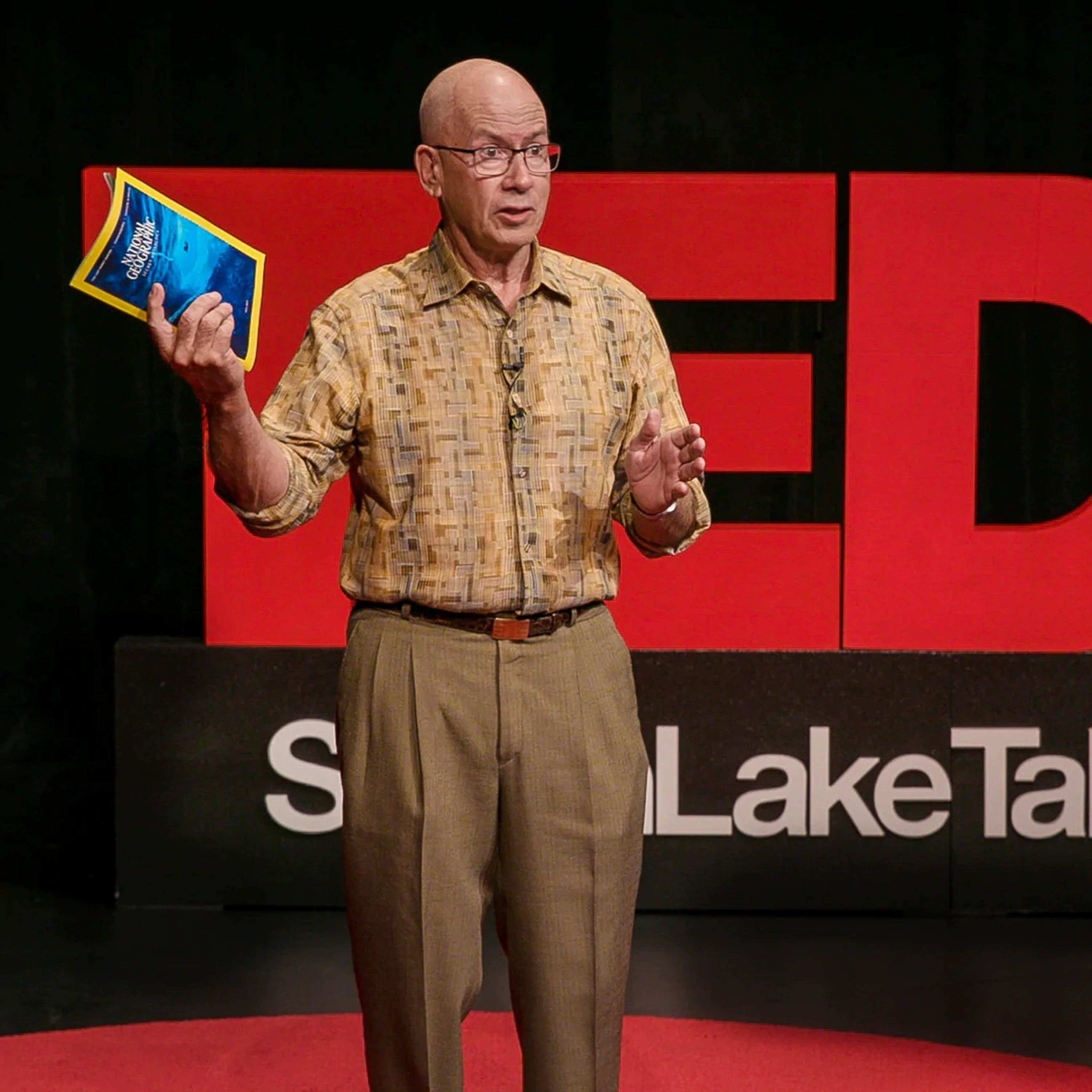
Back around 2007 or thereabouts, one of my customers asked me to be one of several keynote speakers at a big annual sales event they were holding. Thankfully, it worked with my schedule, because Dewitt Jones was also keynoting the event—and I got to hear him speak. I didn't know Dewitt, but it turned out that I knew his work. Boy, did I know his work. Dewitt photographed for National Geographic for 20 years. He shot some of my favorite stories, and as I listened to his presentation, I was captivated by his message: That the world is filled with possibility, and that we should go out of our way to celebrate what's right with the world, rather than wallow in what's wrong with it. Not long ago, I asked Dewitt if he would join me on the program, and he graciously accepted. We hopped on a Zoom call, I, in my office in snowy Vermont, Dewitt at his home on the Hawaiian Island of Molokai. His windows were open, the birds were singing, and for about two hours, we just talked. This is our conversation. Dewitt's wisdom is a gift to us all. Please, really, really listen to what he has to say. And if you're looking for a speaker for an event, look no farther: this is your guy. Check him out at DewittJones.com.
Episode 205 - Travels By Zeppelin
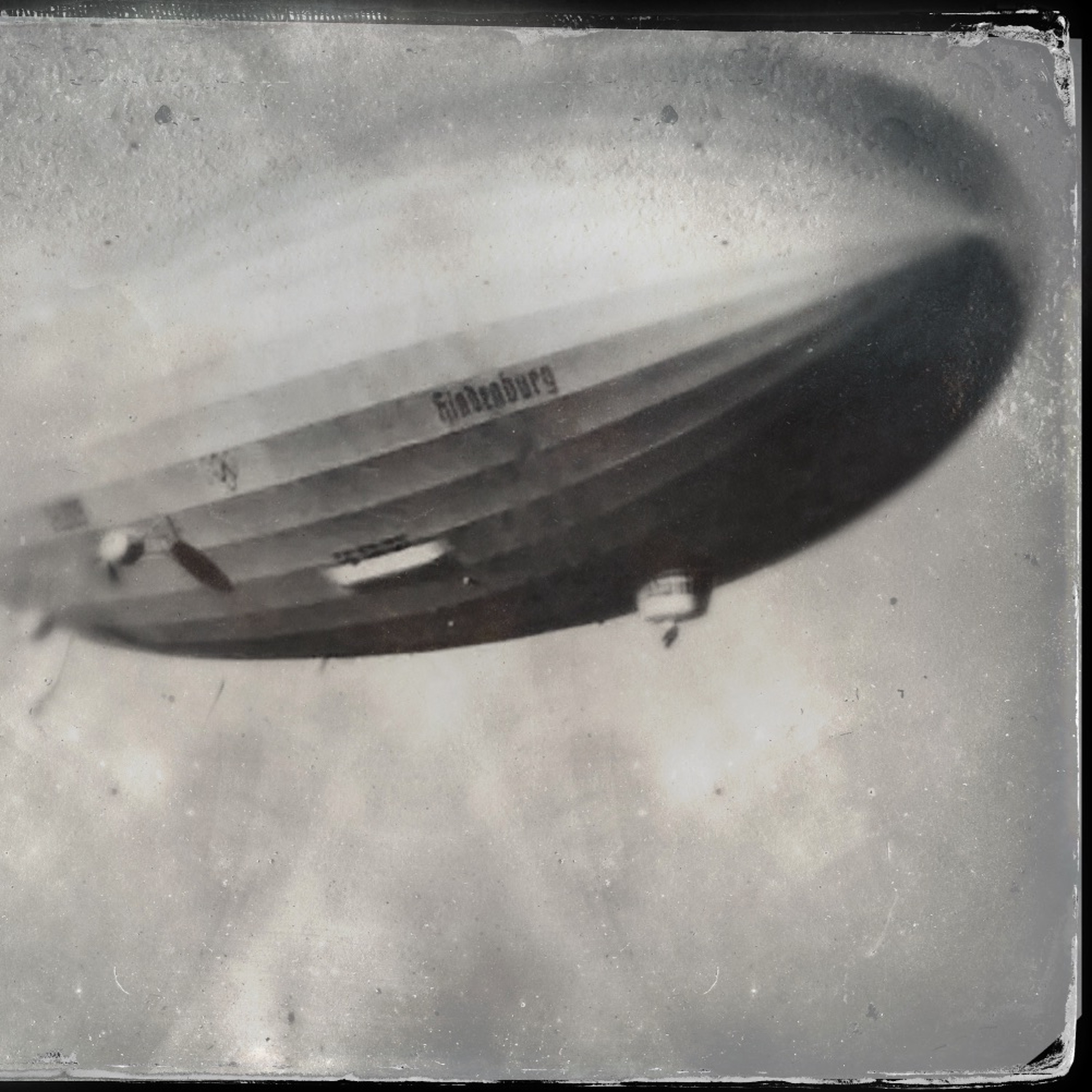
A couple of weeks ago, I was looking through some photographs, and I came across some pictures I took of the Goodyear Blimp, anchored in Carson, California, right next to the freeway. Those pictures got me thinking. What must it have been like to fly in the big dirigibles of the 1930s, those gigantic, hydrogen-filled airships that were sometimes called flying ocean liners? People took long trips on those things—and not a few people. By the time the Hindenburg met its fiery end in New Jersey, more than 3,500 people had made commercial flights aboard the Hindenburg or its sister ship, the Graf Zeppelin; in fact, when the Hindenburg burned, it was in its second season of transatlantic flight. In this episode, we talk about life aboard these behemoths, as John Geoghegan refers to them in his book about these massive airships, When Giants Ruled the Sky. John Geoghegan agreed to join me on this program, as did Alexander Rose, whose book, Empires of the Sky: Zeppelins, Airplanes, and Two Men’s Epic Duel to Rule the World, tells the story of the battle between zeppelins and airplanes in the early days of commercial flight.

Episode 204 - Invention, Innovation And Just Plain Magic
Invention vs. innovation--what's the difference? In this episode we discuss these two forces of social change, and share a handful of amazing stories from each camp. We also hear from John Geoghegan, the author of several books on what he calls "White Elephant Technology," or "WETech." You can learn more about John at https://www.johnjgeoghegan.com. I also welcome my old friend Paul Whalen to the episode; Paul will be joining me on a few more programs in the near future.
Episode 203 - The Control Of Nature
In 1989, author John McPhee published his seminal work, “The Control of Nature.” Written in three long but highly informative and entertaining chapters, McPhee tells tales of human hubris, demonstrating conclusively that when humans begin to see themselves as being greater, stronger than, or superior to nature, nature will put us in our place, every time. In this episode, Natural Curiosity Project host Steven Shepard talks about McPhee’s book in the context of what we’re experiencing today—and shares a few practical things that we can do to set things right.
Episode 202 - A Conversation With Author, Researcher, And Journalist John Geoghegan
John Geoghegan is an author, journalist, historian, storyteller, archivist, and exhaustive researcher. His books and articles cover broad territory, from Japanese underwater aircraft carriers (Operation Storm) to giant American dirigibles in WWII (When Giants Ruled the Sky) to innovations and inventions that, while often extraordinary, never made it to market. Another interesting fact about John is that he’s deaf. His book, Hear Today, Gone Tomorrow, tells the story of a man who, like many of us, depended on his hearing to earn a living, overcame the obstacle and continues to be an exceptional writer, researcher, and of course, family man.
Episode 201 - The Bird Genoscape Project With Jacob Job
One of the best ways to track the long-term health of a species or group of species, and to understand how biologically diverse they actually are, is to map the organism’s genome—the roadmap of genetic diversity. About a year I introduced you to Jacob Job, a professor at Colorado State University who had recently completed his Voices of a Flyway Project. Over the course of several months, Jacob traveled from the Gulf of Mexico all the way up to the Boundary Waters region of northern Minnesota along the Mississippi flyway, recording the voices of the natural world and interviewing everyone from oil field workers to Audubon volunteers about the remarkable ways that they all engage with the non-human citizens of the natural world. Jacob has now moved on to another project: The Bird Genoscape Project, which, through the collection and analysis of feathers, is creating a genomic database of all the birds in North America—and, perhaps, beyond.
Episode 200 - Thank You
Today is a day of celebration! This is the 200th episode of the Natural Curiosity Project, which I started back in 2018. Thank you SO MUCH for continuing to listen--I hope you know how much it means to me. But we're not stopping here--I already have 15 new episodes queued up for release, and there are some great interviews in there. So thank you again--see you on the programs!
Episode 199 - Jay Weiser And The Five Leadership Superpowers
Jay Weiser, whom you met in the last episode a bout deafness and the miracle of cochlear implants, joins me to talk about his Five Leadership Superpowers. If you work for a business where leadership matters (and what business doesn't have that characteristic), you're going to want to hear this episode. You can learn more about Jay, the Five Leadership Superpowers, and his work at www.JayWeiser.com
Episode 198 - Jay Weiser, Cyborg
Jay Weiser is an Atlanta-based leadership consultant and the creator of the Five Leadership Superpowers, which we’ll talk about in the next episode. Jay is also profoundly deaf. In this episode, Jay and I have a conversation about hearing loss, cochlear implants, and how he manages to be an extremely effective leadership consultant, in spite of having lost his hearing. You can learn more about Jay and his work at www.JayWeiser.com.
Episode 197 - The Federal Writers Project
When the Great Depression hit in 1929, jobs disappeared by the millions. Unemployment lines and bread lines became common; the economy was badly wounded, and without jobs, without the machinery that made money move through the economy, its chances of recovery were slim. So, as part of the Second New Deal, and driven by a presidential order from Franklin Roosevelt, the Works Progress Administration, or WPA, was signed into law on May 6, 1935. But there’s another part of the Works Progress Administration that most people have never heard of, and it’s kind of important in its own right. It was called Federal Project Number One, and it had one goal: To protect and preserve the artistic and cultural elements of American society. It had five divisions, one of which was the Federal Writers Project. This episode is about the extraordinary content that the program made possible.
Episode 196 - California Naturalist Michelle Fullner
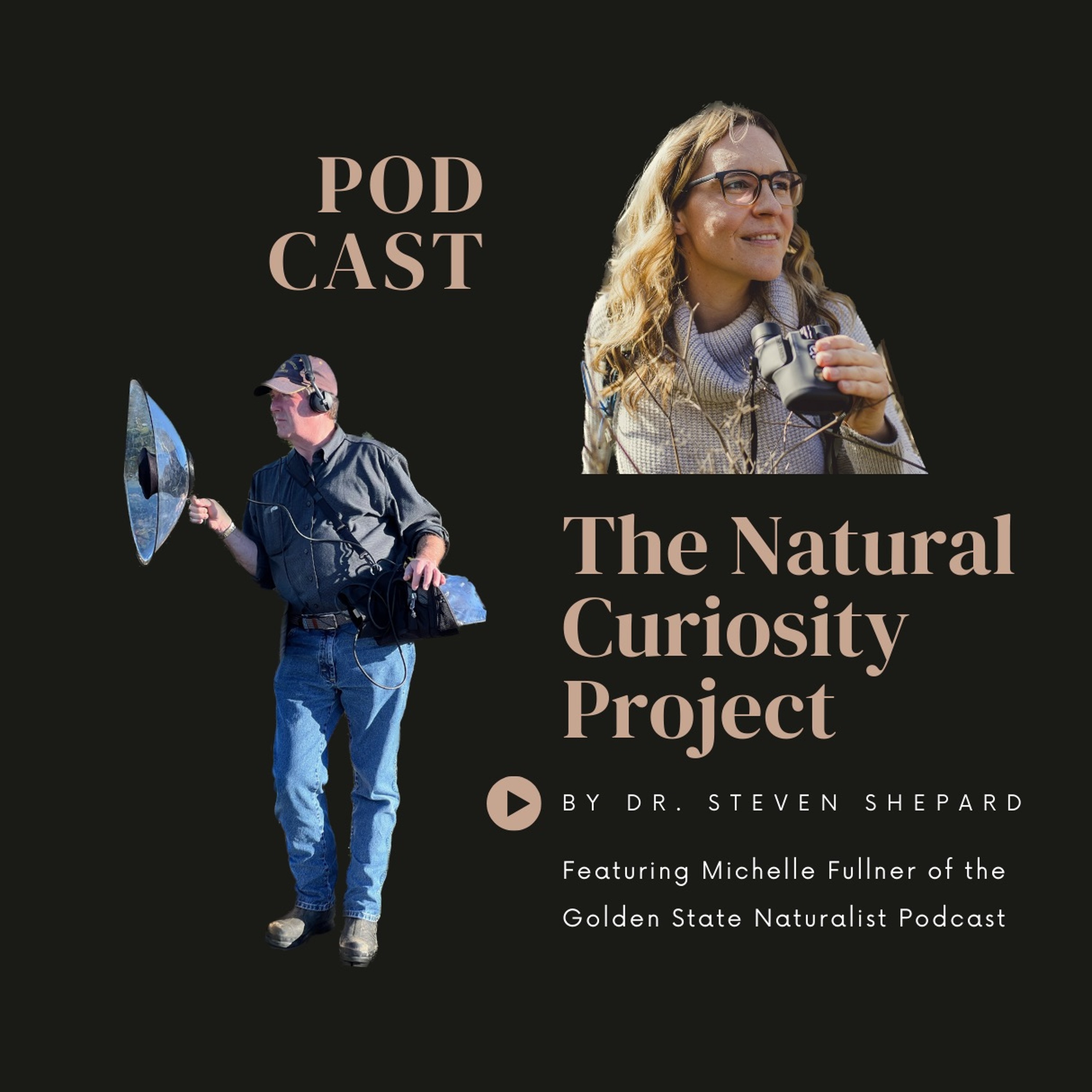
Ever since she was little, Michelle Fullner has been a nature enthusiast. She was always the kid who wandered off into the woods, crawling around on the ground, looking under rocks and logs and rooting around in the mud. Today, in addition to teaching English, Michelle is the creator and host of the Golden State Naturalist Podcast. Not long ago, she decided to enroll in the California Naturalist Program, which reminded her how much she loves nature. To prove it, she started her Podcast. I strongly recommend listening to it. Every episode is a mini-field trip, with fascinating guests who talk about a wide range of topics that span every aspect of the natural world. You can learn more about Michelle and her work at www.goldenstatenaturalist.com. The program is available wherever you get your Podcasts.
Episode 195 - The Creative Mind Of Rob Bender
Rob Bender wears many hats: film director and producer, conservationist, songwriter, musician, and world-class birder. Rob and I met on a film shoot many years ago, and I recently caught up with him in his LA-based studio to talk about his own non-linear career. You can find his music on all the major streaming providers, as well as on Bandcamp: https://robbendermusic.bandcamp.com.
Episode 194 - The Weird World Of Synesthesia
Imagine what life would be like if every time you hear the sound of a robin, you instantly taste salt. Or you hear someone’s name, and the color blue pops into your head. Or, when you hear the sound of the ocean, the taste of apples overwhelms your taste buds. Or, you rub your hands over gravel, and taste pineapple. Or, imagine this: You’re out for dinner with with two other people, and one of them touches the other—and you feel the touch, as well. Welcome to the weird condition called Synesthesia.
Episode 193 - Alice And The Magician
If you've ever watched a craft cocktail being made, and the mixologist reached for a small bottle on the back bar and sprayed a mist across the top of the drink, she was probably adding an essential bit of magic to her creation that was made by Alice and the Magician, a small company founded by brothers Aaron and Sam Wisniewski in Burlington, Vermont. They make fragrances--and the process by which they're made is part witchcraft, part organic chemistry, and all passion. This is a great story--enjoy!