The Natural Curiosity Project
366 episodes — Page 1 of 8
Episode 332-Jurassic AI
Episode 331-Talk Dirty to Me Part 2
Episode 330-A Golden Story
Episode 329-Musings on Bernd Heinrich
Episode 328-Ages of the Anthropocene
Episode 327-Talk Dirty to Me, Part 1
Episode 326-Thoughts on Log From the Sea of Cortez
Episode 325-If You Want Something Different
Episode 324-Jennifer Comeau and Milo the Green Mussel
Episode 323-Life's Battery
I Otter be in the Water
Episode 321-A Climb to Remember
Episode 320-Food Names
Episode 319-Holly Hughes, Publisher and Much More
Episode 318-The Greatest Sentence Ever Written
Episode 317-Russ Willis-AI Ethicist
Episode 316-Ocean Facts
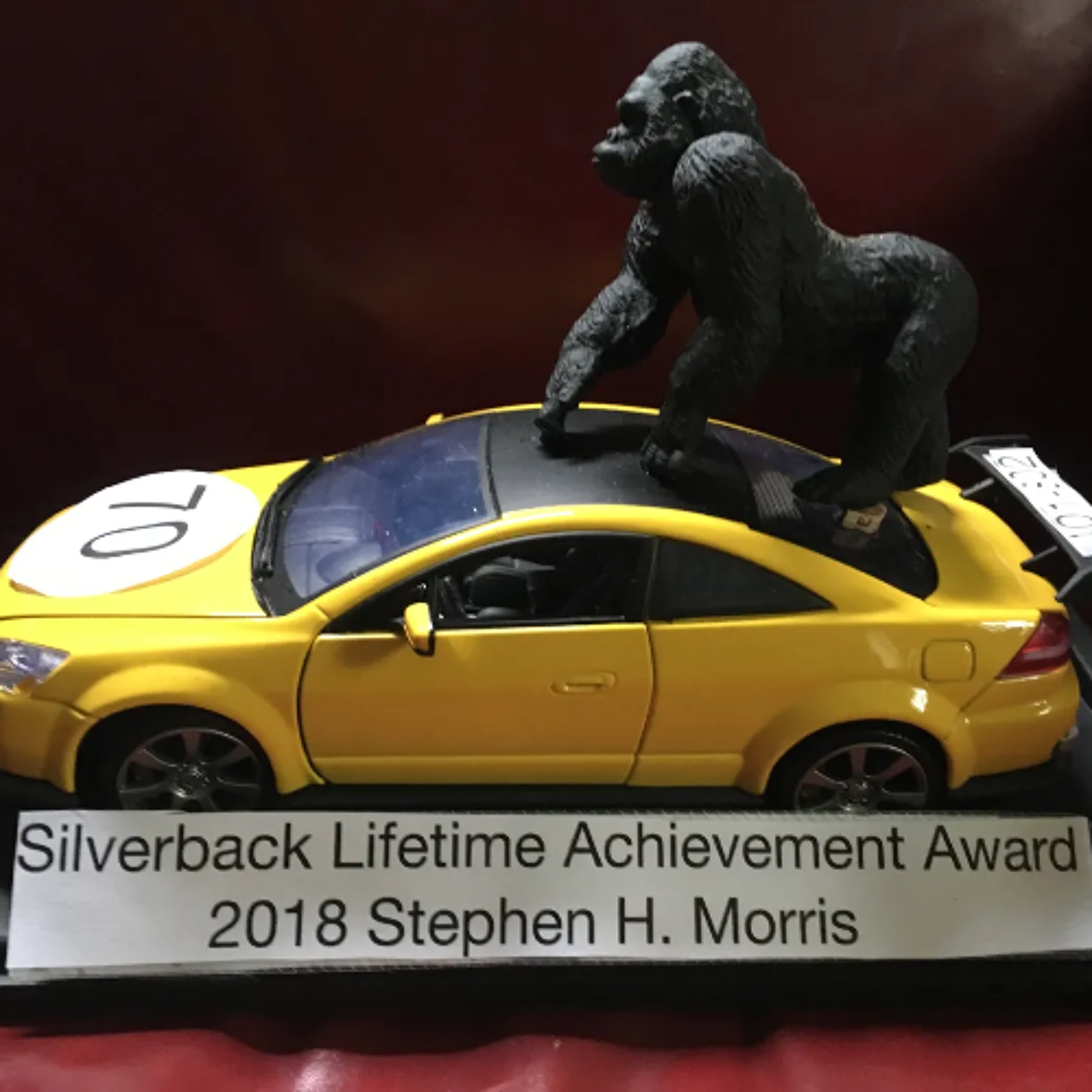
Episode 315-Clixed-Up Miches with Stephen Morris
At various times in the past, I’ve talked about the partnership between the NCP and the Silverback Digest, an online journal published by my friend and fellow Vermonter Stephen Morris. Stephen, or Step as his friends call him, defines eclectic: gardener, traveler, writer, musician, editor, publisher—a man of many talents, vocations and avocations. Eclectic also defines the Silverback Digest. It reflects his broad spectrum of curiosity—which is probably what brought us together in the first place. Anyway, Stephen recently published a piece called “Clixed-up Michés,” a play on words of “Mixed-up Cliches.” He wrote it a few years ago. It made me laugh out-loud, so I thought I’d share it with you—the audio version.
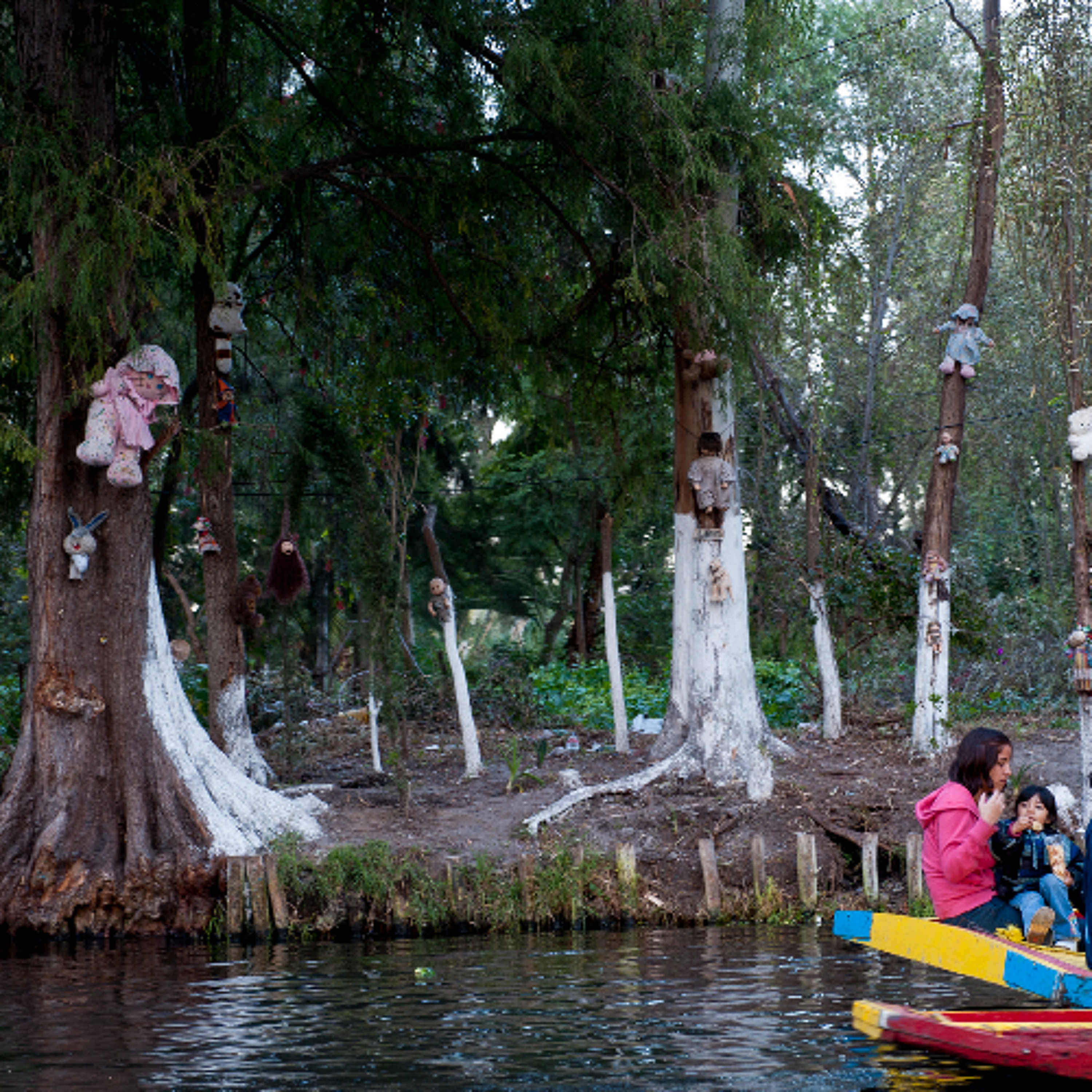
Episode 314-Mexico’s Island of the Dolls
Mexico is rich with mysterious tradition, a culture where magic and mysticism are as present as Catholicism and the lingering Aztec voices that are woven into the wind. But nowhere is it as evident as it is in Xochimilco, especially at La Isla de las Muñecas—the Island of the Dolls.
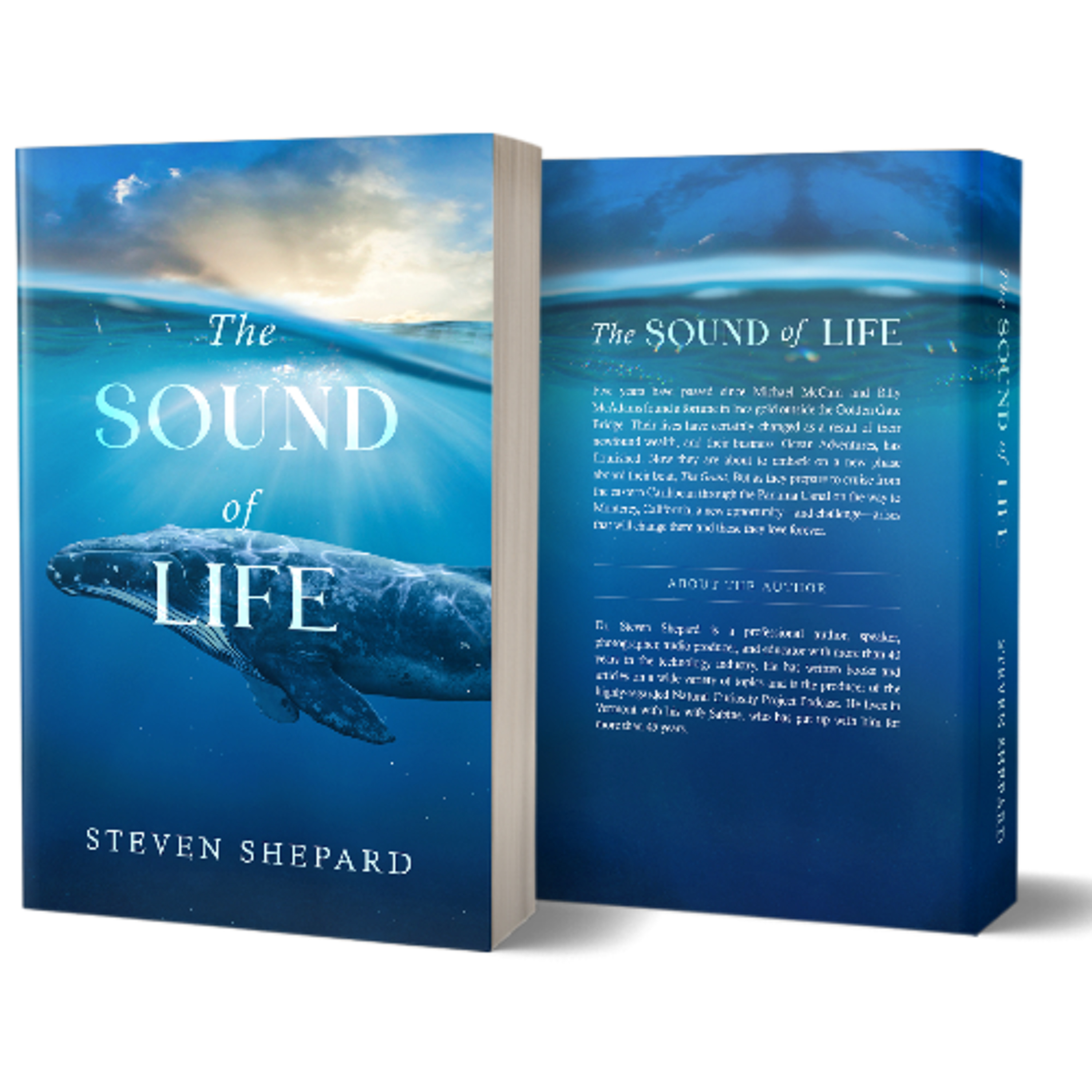
Kyle Steele Interview
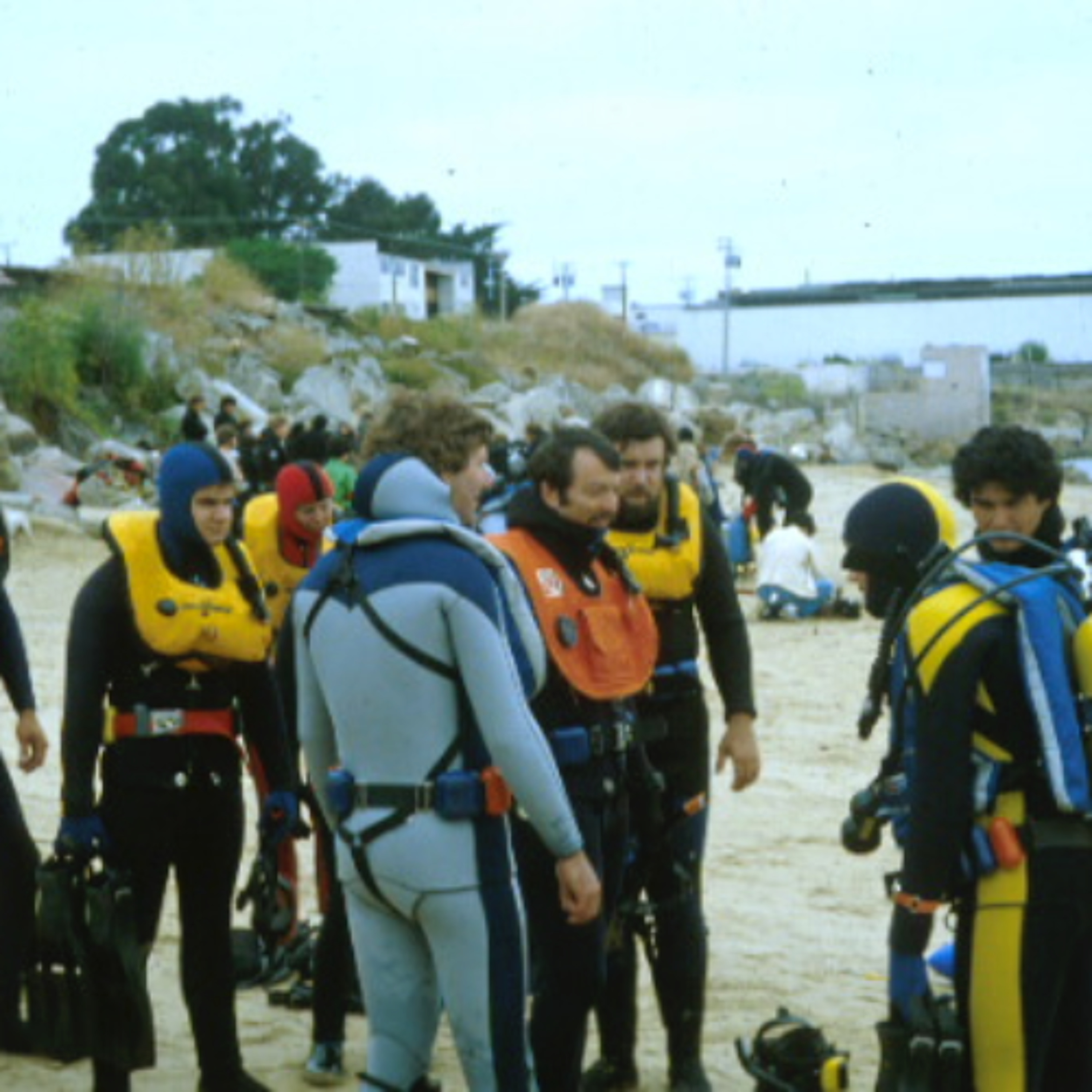
Kyle Steele Interviews Steve Shepard about His New Book, “The Sound of Life.”
Episode 312-What Matters
Do the actions of a single individual matter? If you subscribe to the fundamental tenets of negativism, pessimism, resignation, and snark, the answer to that question is decidedly ‘no.’ But let’s reconsider that.
Episode 311-Interspecies Communication—Fantasy or Reality?
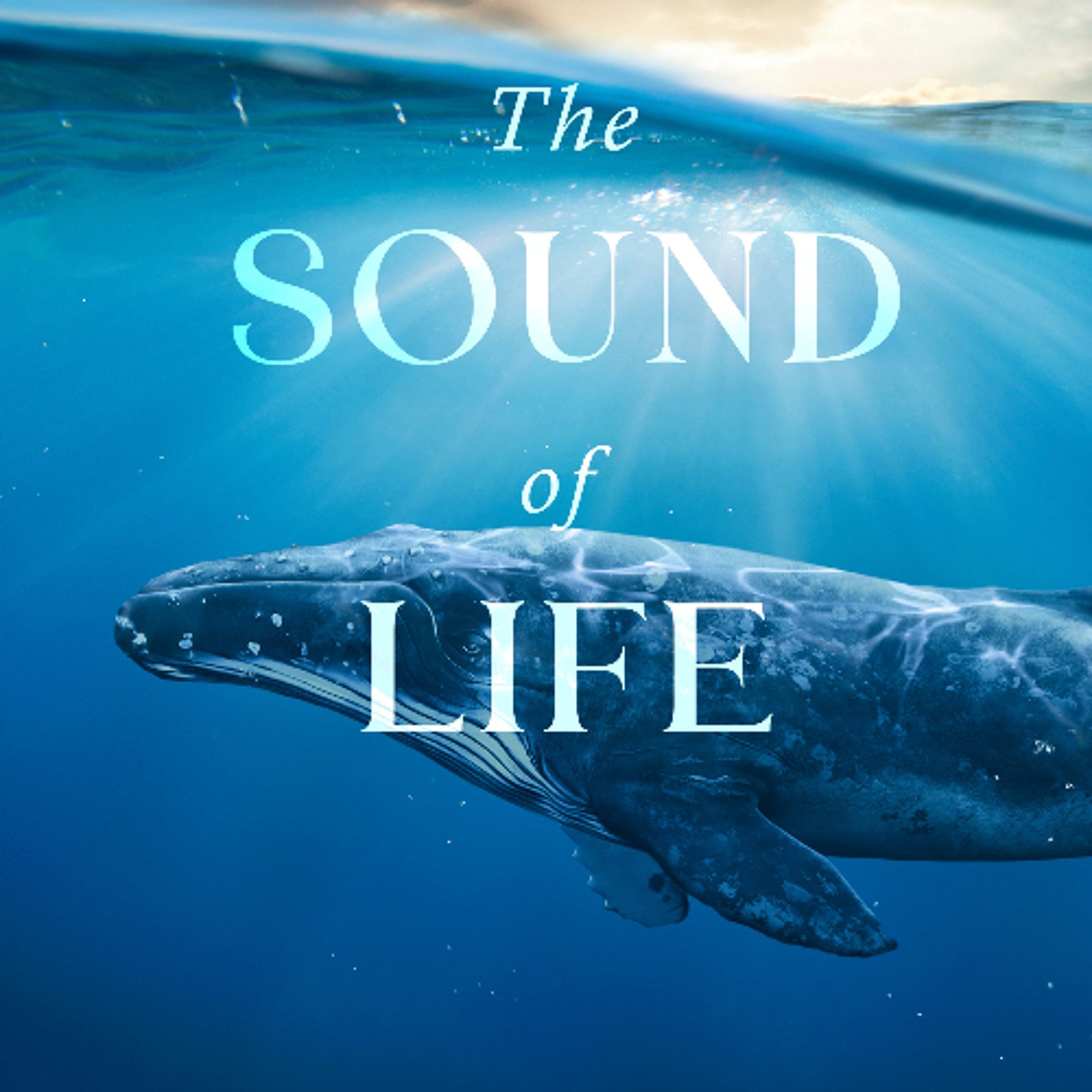
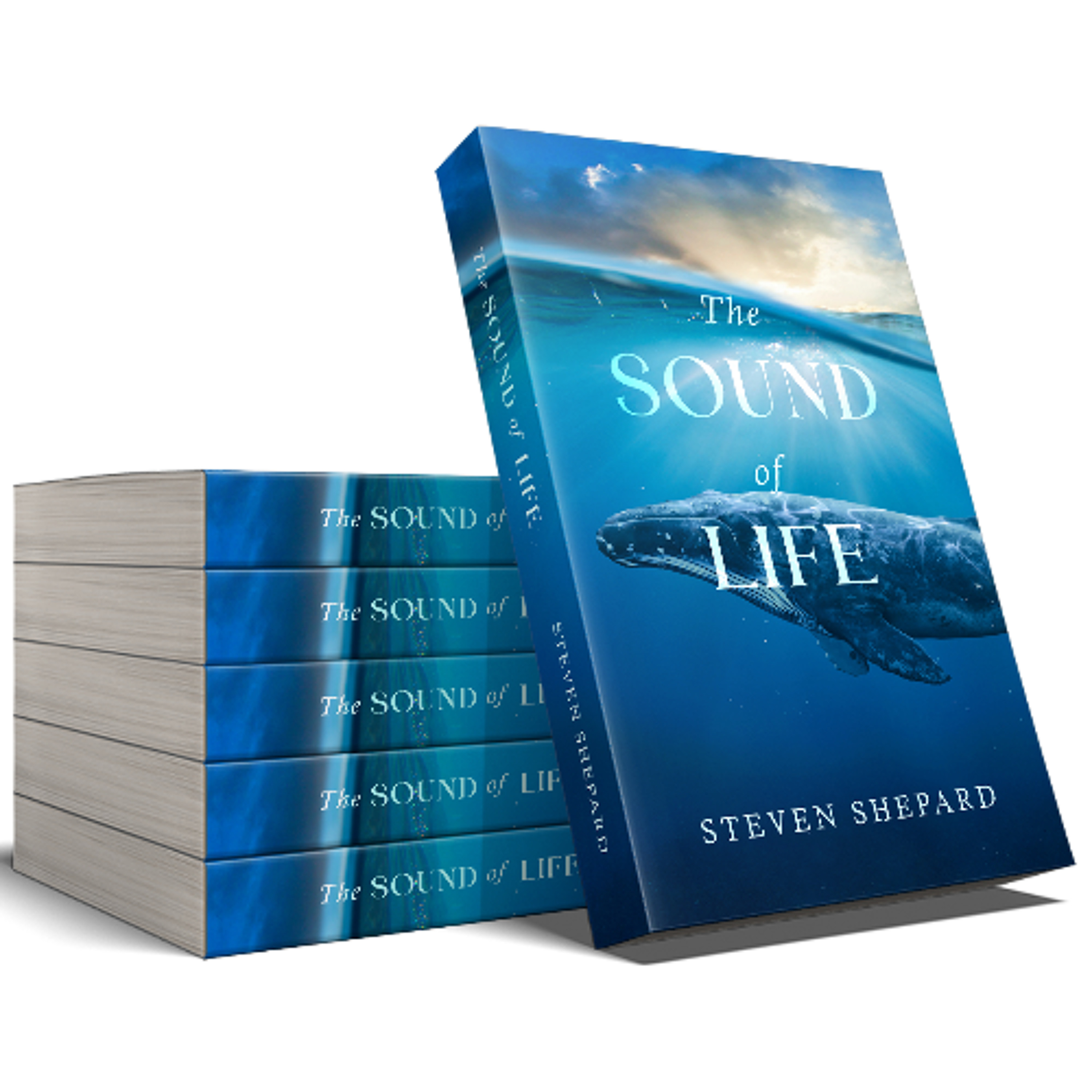
One of the themes in my new novel, “The Sound of Life,” is interspecies communication—not in a Doctor Doolittle kind of way—that’s silly—but in a more fundamental way, using protocols that involve far more listening on our part than speaking. The ability to communicate with other species has long been a dream among scientists, although as I observed in an earlier Podcast episode, we might not be pleased with what other species have to say to us. But that aside, I find it pretty exciting that we’re on the bleeding edge of being able to engage in a form of two-way communication with other species. So, in this episode, I want to tell you a bit about where we are, and why 2026 is widely believed to be the year we make contact.
Episode 310-Centennial Gleissberg Cycles
Lately, we’ve had more displays of the Aurora than usual up here in northern Vermont. I wondered why, and ended up going down one of my occasional rabbit holes in search of the reason. Along the way, I discovered something very interesting. Let me introduce you to the Centennial Gleissberg Cycle—and why you might want to familiarize yourself with it.
Episode 309-2025 Reviewed
Thank you for a great year! I this final episode of 2025, I review some of the highlights of past episodes. Thank you for joining me!
Episode 308-Book Magic
Episode 308-Book Magic by Dr. Steven Shepard
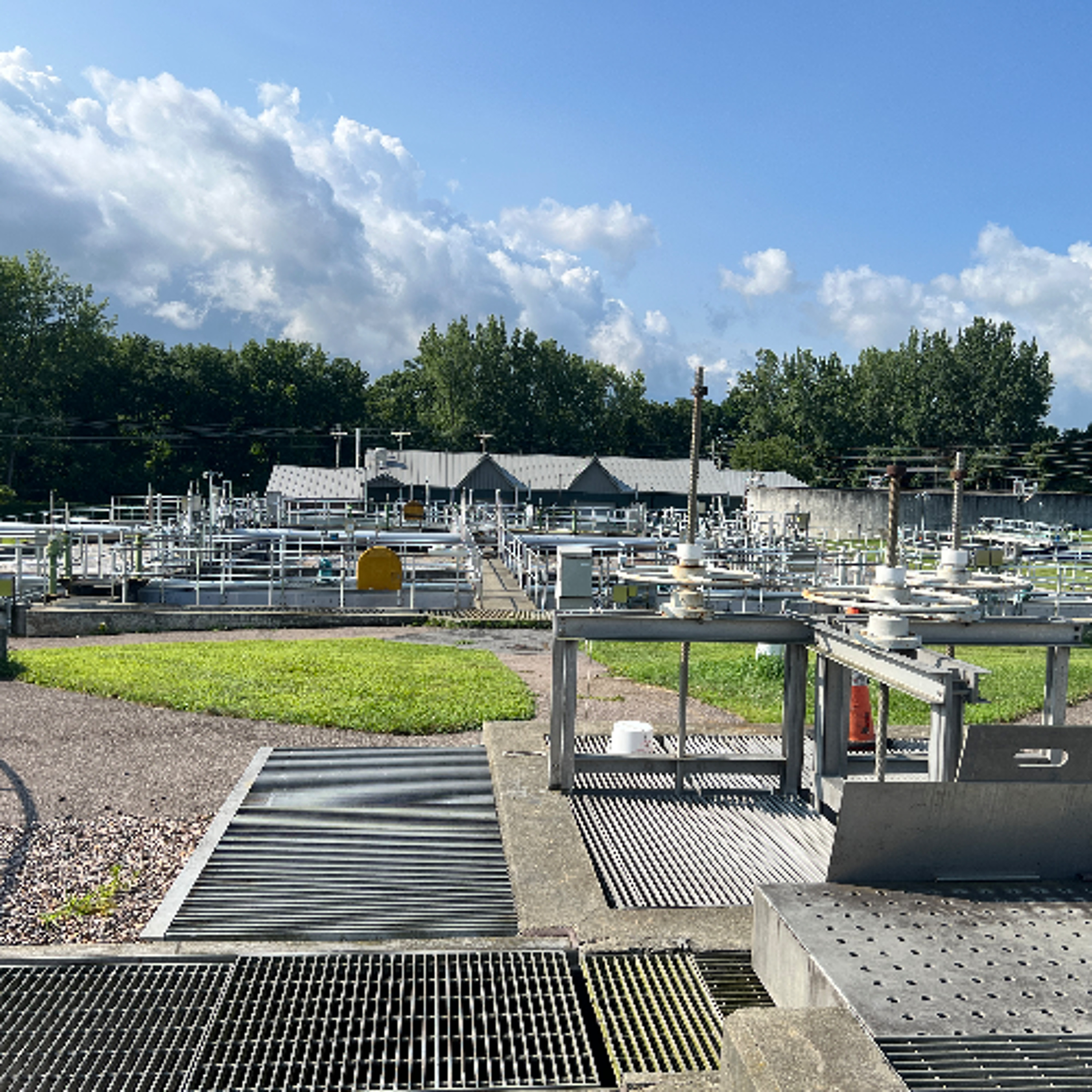
A Tour of the Essex Junction Water Treatment Plant
Join me on a tour of the Essex Junction Water Treatment Facility. It's a lot more interesting than you might think!
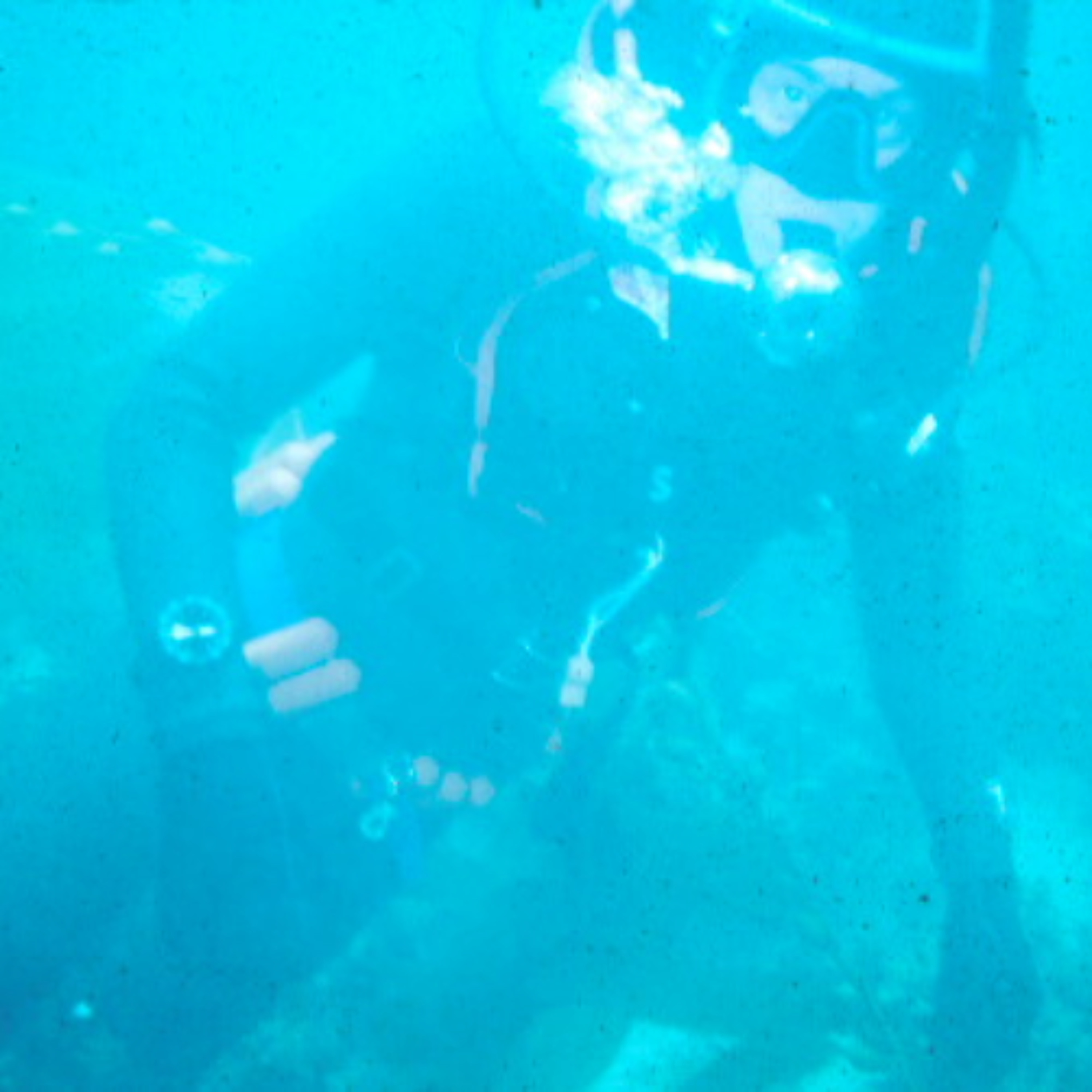
Episode 307-The Sounds Below
The ocean has always been a center-point in my life, a place where I feel the most comfortable. I began SCUBA-diving professionally in 1977, and soon became a dedicated underwater photographer. But it wasn't long before I began to pay more attention to the sounds of the underwater world than I did the sights, and the result was life-changing. Please enjoy.
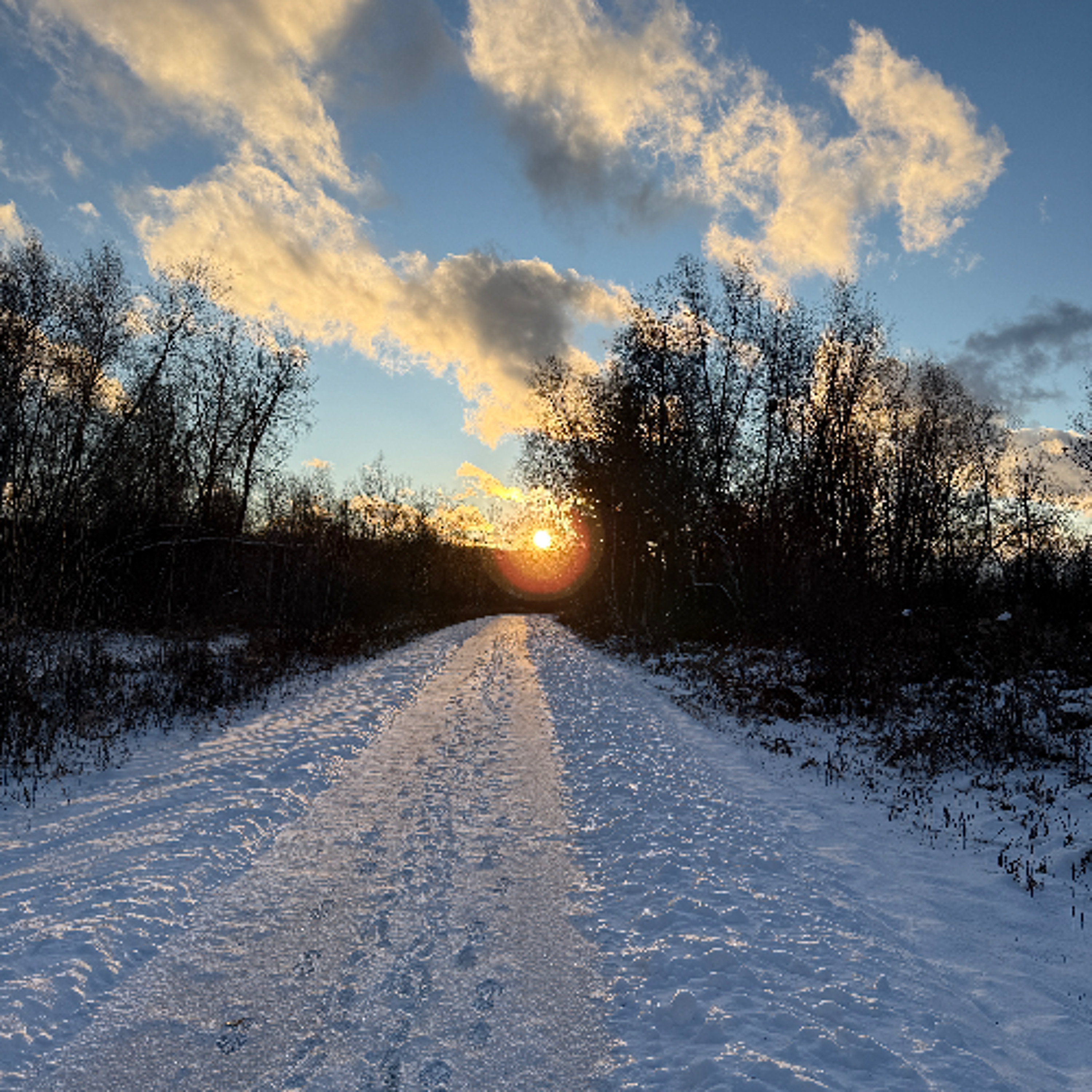
Episode 306-Nature is Calling-Are You Listening-Part 3
This is an audio essay, presented in three parts, about the need to balance the forces of industry and the forces of conservation. We need both, so what I'm about to say, I think, is important. Let me begin by telling you what this audio essay is not about. It is not another tiresome, ‘Chicken Little the Sky is Falling’ story of environmental doom. It is not another finger wagging, how-dare-we-mistreat-the-planet-this-way paean of conservation woe. It is not yet another in a long line of left-wing assaults on the energy sector, nor is it an attack on the right-wing players who want to drill, baby, drill. We are living in a time when society seems to believe that our future MUST be binary. “We can reduce our dependency on oil, or we can be global leaders in conservation and climate change. In fact, “we can reduce our dependency on oil, and we can be global leaders in conservation and climate change.” Here’s how.
Episode 306-Nature is Calling-Are You Listening-Part 2
This is an audio essay, presented in three parts, about the need to balance the forces of industry and the forces of conservation. We need both, so what I'm about to say, I think, is important. Let me begin by telling you what this audio essay is not about. It is not another tiresome, ‘Chicken Little the Sky is Falling’ story of environmental doom. It is not another finger wagging, how-dare-we-mistreat-the-planet-this-way paean of conservation woe. It is not yet another in a long line of left-wing assaults on the energy sector, nor is it an attack on the right-wing players who want to drill, baby, drill. We are living in a time when society seems to believe that our future MUST be binary. “We can reduce our dependency on oil, or we can be global leaders in conservation and climate change. In fact, “we can reduce our dependency on oil, and we can be global leaders in conservation and climate change.” Here’s how.
Episode 306-Nature is Calling-Are You Listening-Part 1
This is an audio essay, presented in three parts, about the need to balance the forces of industry and the forces of conservation. We need both, so what I'm about to say, I think, is important. Let me begin by telling you what this audio essay is not about. It is not another tiresome, ‘Chicken Little the Sky is Falling’ story of environmental doom. It is not another finger wagging, how-dare-we-mistreat-the-planet-this-way paean of conservation woe. It is not yet another in a long line of left-wing assaults on the energy sector, nor is it an attack on the right-wing players who want to drill, baby, drill. We are living in a time when society seems to believe that our future MUST be binary. “We can reduce our dependency on oil, or we can be global leaders in conservation and climate change. In fact, “we can reduce our dependency on oil, and we can be global leaders in conservation and climate change.” Here’s how.
Episode 303-Interview with Shaun Borri
Older media just never seem to go away...as you're about to find out.
Episode 305-The Abyss
Like every part of our planetary geography, oceans have identifiable regions. Beginning at the beach and gradually dropping to about 650 feet is the continental shelf. This shallow region of the ocean is called the sunlit or Epiplagic zone. From sunlight we move into the beginnings of oceanic darkness: we leave the continental shelf and step onto the much steeper continental slope where we enter the twilight or Mesopelagic zone, which descends to about 4,000 feet—the better part of a mile. Here, light from the surface disappears. We continue in darkness down the continental slope into the midnight or Bathypelagic zone, all the way to 13,000 feet—a crushing depth of nearly two miles. But we’re nowhere near the bottom yet. At 13,000 feet, the slope begins to level as it becomes the continental rise on its way to the sea floor, at about 20,000 feet. This is the Abyss, or the Abyssopelagic zone, the dwelling place of creatures that are the stuff of nightmares. Even their names conjure darkness: gulper eels. Angler fish. Vampire squid. Coffinfish. But this is still not the deepest part of the ocean. That honor goes to the Hadal zone, named after Hades, the underworld. These are the ocean’s deep trenches, and they descend to unimaginable depths of nearly 37,000 feet. Mount Everest could be dropped into these canyons and its peak would lie under deep water. In this program, we look at these deep regions, at the organisms that lives there, and at the sounds of the deep.

Episode 304-Interview with Melissa Pons
Because I do so much work in the world of sound, I’m always looking for resources that will inspire and challenge me. One of them is earth.fm, an online resource for people who appreciate the sounds of the natural world. Sound recordists from all over the world—and I mean ALL over the world—contribute tracks to earth.fm to be shared with anyone who wants to listen. They have a great Web site, which is just earth-dot-fm, and a terrific app, available in your favorite app store. In the process of getting to know them I got to know Melissa Pons, their primary content curator. Melissa is enormously talented: beyond earth.fm, her award-winning work as a sound designer and content creator has been featured on the BBC and NPR, among others. But as I got to know Melissa’s work, I began to think of her as much more than a skilled recordist: I also saw her as a thoughtful and deliberate listener. Her field recording albums cover the acoustic waterfront, and her contributions to earth.fm are as varied as they are beautiful. So, I asked Melissa, who is based in Portugal, to join me for a conversation about field recording, sound design, and the importance of going outside, being quiet, and listening to the voice of the natural world. In the program, you get to meet Melissa Pons.
Episode 302-The Wind's Many Voices
Weird, isn't it, that wind is completely silent--silent, that is, until it hits something. Then, it bursts out in myriad voices.
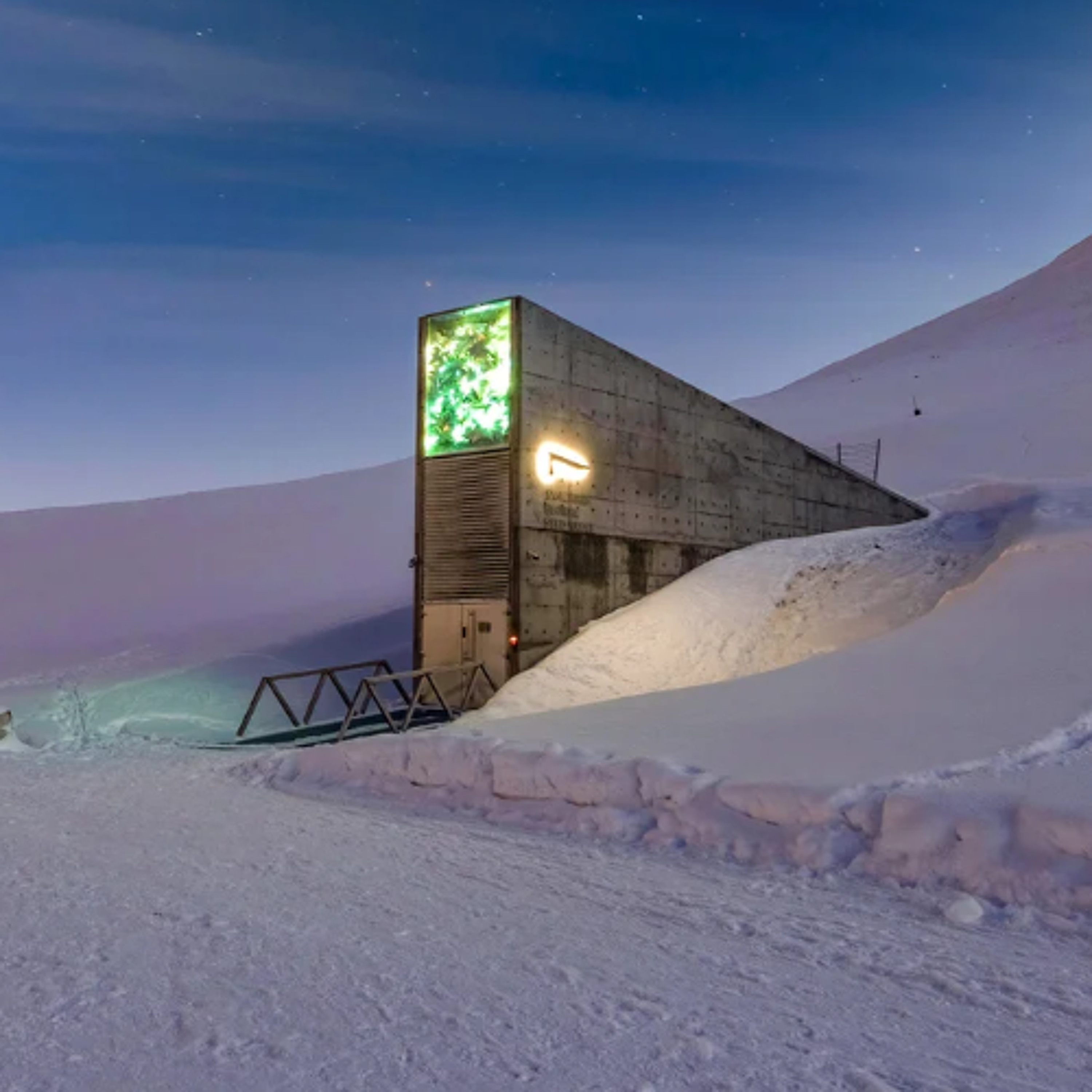
Episode 301-Two Underground Stories
In this episode we travel from central Turkey, the region known as Anatolia, to northern Norway, on the island of Svalbard, to visit two extraordinary subterranean places.
Episode 300-300 Episodes
IT's hard to believe that I have created 300 episodes of the Natural Curiosity Project. Thank you so much--SO much--for staying with me on the adventure. In this episode, Pete Mulvihill recalls some of his favorite episodes--and asks me for mine. The episodes mentioned in the program are 84 (Bud and the tumbleweeds); 77 (How to Read Movie Credits with Bob Verlaque); 181 (Rob Prince and Dark Winter Nights); 206 (Dewitt Jones); 15 (How Trees Work); 16 (Forest Bathing); and 97, 99 and 109 (Letter-writing). Enjoy!
Episode 299-When Acronyms Become Words
Acronyms are "words" that are abbreviations. But they differ from abbreviations because they can be pronounced like a word. Many of these acronyms, like the 'ZIP' in 'Zip Code,' aren't even known as acronyms anymore. In this episode, my friend Pete Mulvihill helps me decode some of the most common acronyms in modern lexicon.

Episode 298-What Do You Hear?
Author John Stilgoe exhorts us to go outside, take a walk or a bike ride, and tune in to the world before us that we miss when we whiz by in a car. I implore you to do the same thing--but instead of paying attention to what you see, pay attention to what you hear.
Episode 297-The Real Mister Bojangles
I was listening to music the other day while driving to and from the dump, and one of my favorites came on: Mr. Bojangles, by the Nitty Gritty Dirt Band. Like most of the songs that rise to the top of my favorites list, Mr. Bojangles has the best qualities of storytelling. But as I listened, I started thinking, something that always gets me in trouble. And, it did. I wanted to know: Who was Mr. Bojangles? Was he real? Well, it turns out that yeah, he was, but there’s a lot more to the story than a single person.
Episode 296-More Thoughts on Writing
Some additional thoughts on the craft of writing.
Episode 295-The Most Complicated Machine Ever Built
Episode 295-The Most Complicated Machine Ever Built by Dr. Steven Shepard
Episode 294-Serendipity and Curiosity in Monterey
I spent a great deal of my life in Monterey, California, most of it under the water while teaching SCUBA diving. I recently discovered a Monterey story that held me spellbound. It begins like this: A marine biologist, a mythologist, and a novelist walk into a bar...
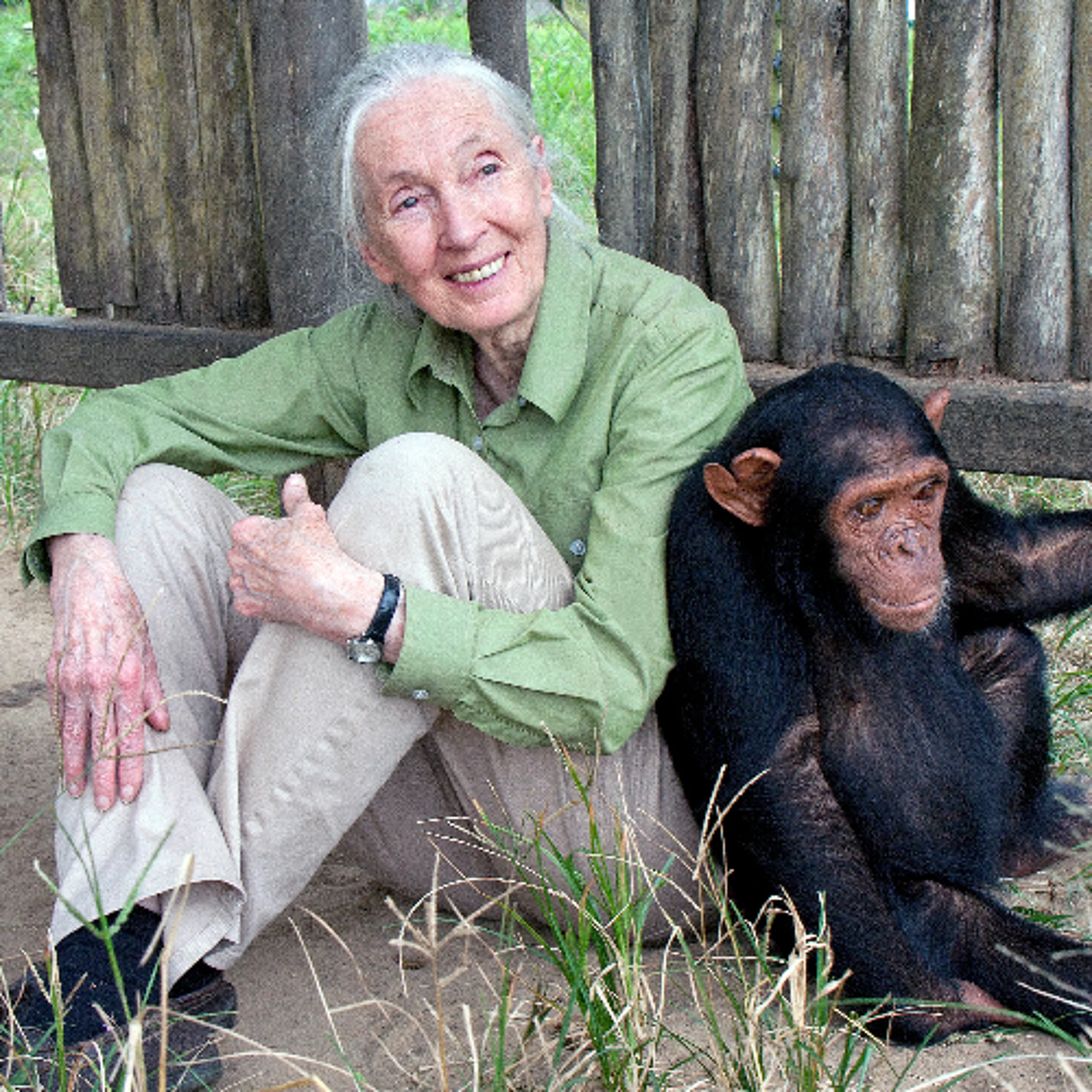
Episode 293-Homage to Greatness Revisited
An homage to Jane Goodall and others like her. This is a repost from 2021.
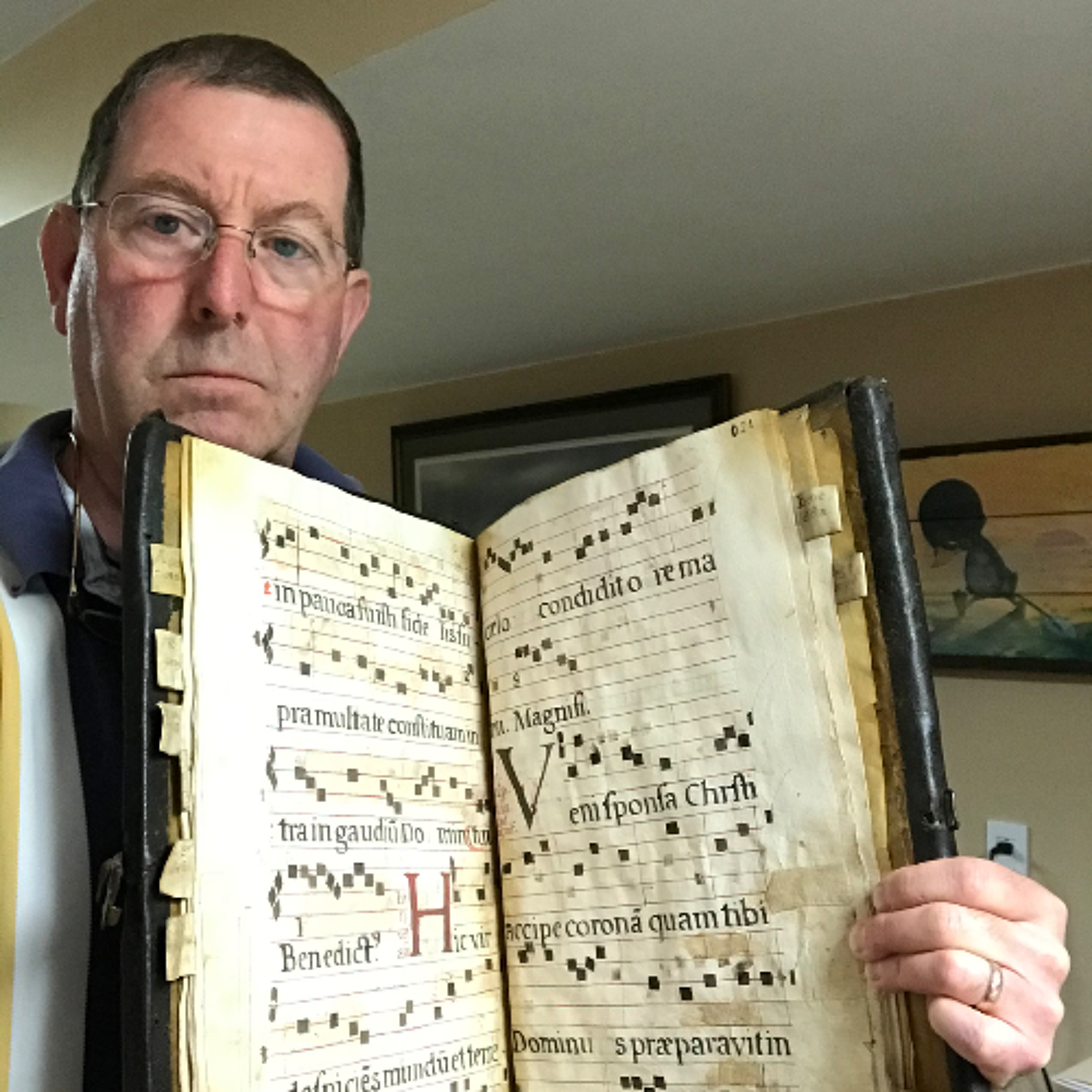
Episode 292-The Lessons of History
This essay contains an important story for the ages. Given current events, and the absolute truth that history does repeat, the lesson is plain, and chilling. 1492 and the years leading up to it in Medieval Spain, were times that should not be repeated. And yet…
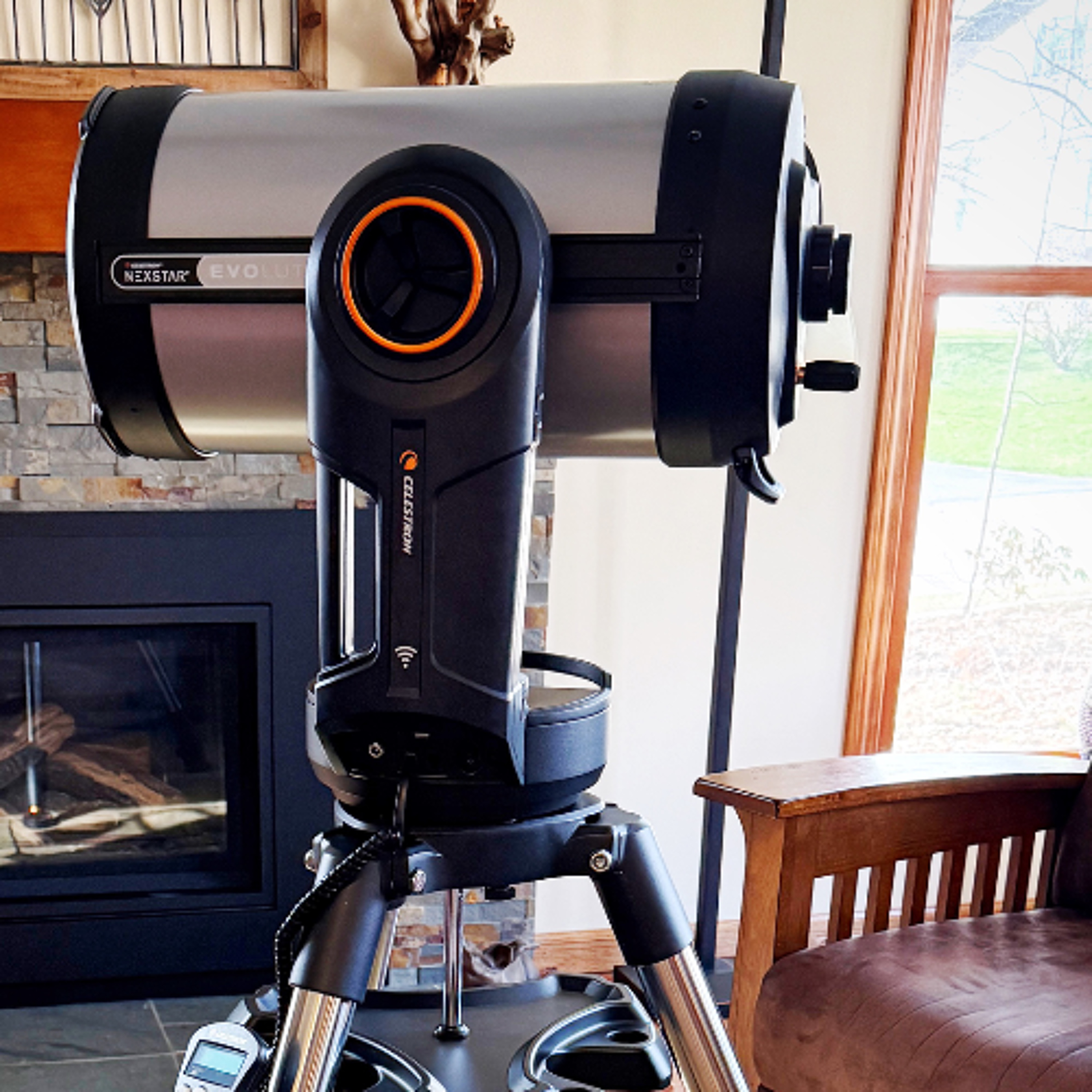
Episode 291-The Dance of Curiosity, Awe and Wonder
Sometimes, curiosity, awe and wonder are the only tools we have. But when it comes to the majesty and magnitude of the night sky, of all the things about it we can’t possibly comprehend, they’re actually the best tools we can have. In this episode we talk about the magic and wonder that happens late at night, when it’d just you, the sky, and pure awe.
Episode 290-The Research Myth
I recently had a conversation about technology’s impact on research today. It’s an argument I could make myself—that technology has resulted in access to more data and information. For example, before the invention of moveable type and the printing press, the only books that were available were chained to reading tables in Europe’s great cathedrals—they were that rare and that valuable. BUT: Does technology give me access to BETTER data and information? I believe the answer to that is no, for a very specific reason: It leaves out the all-important human element in the knowledge molecule, the element that makes sense of the data and then converts it to information. Have a listen.
Episode 289-The Generational Blame Game
It’s human nature for each generation to criticize the generation that preceded it, often using them as a convenient scapegoat for all that’s wrong in the world. The current large target is my own generation, the Baby Boomers. I recently overheard a group of young people—mid-20s—complaining at length about their belief that the Boomers constitute a waste of flesh who never contributed much to society. Respectfully, I beg to differ; this is my response, along with a plea to ALL generations to think twice about that conclusion.
Episode 288-The Wonderful, Terrible Gift of Science
Musings on science, philosophy, and the limits of human knowledge.
Episode 287-When in the Course of Human Events
Short and Sweet: A challenge to our government and our politicians--all of them--to do their jobs. In good conscience, I can't NOT post this audio essay.
Episode 286-Conversation with Science Writer Amorina Kingdon
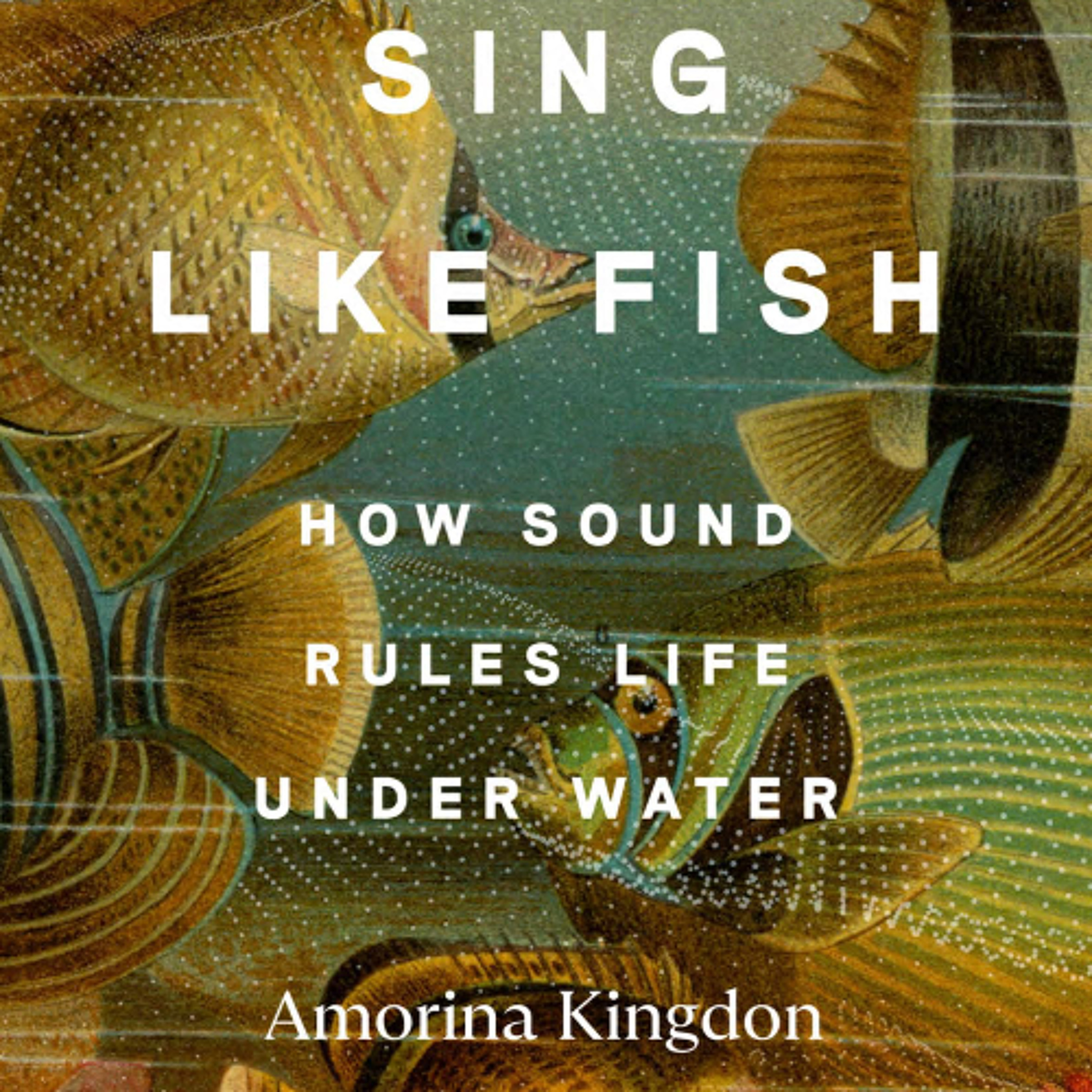
I read something the other day that had a reference in it to a new book that had just come out. The book’s called, “Sing Like Fish,” and it’s written by author and science writer Amorina Kingdon. Needless to say, I immediately ordered the book, and I have to tell you, I burned through it in three days. The subtitle is, “How Sound Rules Life Underwater,” which you can imagine, as a wildlife sound recordist, really caught my attention. Actually, a few things in the book caught my attention, including this quote: “For all the wonders and worries of this subject, the truth is that noise does not match the deep threat posed to the oceans by climate change. And yet, neither issue is monolithic or exists in a vacuum. Warming or acidifying waters will conduct sound differently: Sound’s effect on ecosystems like reefs or Arctic food webs will ricochet into animals’ responses to climate change. Yet I believe that it is never a waste to examine the world though a new lens, through a new sense.” That’s powerful writing. So, as I tend to do, I went looking for the author, and I found her north of the border in British Columbia. Amorina and I had a nice chat, discovered that we have a lot of common interests, including, of all things, the acoustic work done by Bell Laboratories, and she agreed to be on the program. Our conversation wandered all over the landscape—I recorded more than three hours of tape—but I edited it down to the most important points. Here's Amorina.