
Show overview
The Libertarian has been publishing since 2014, and across the 4 years since has built a catalogue of 188 episodes. That works out to roughly 60 hours of audio in total. Releases follow a weekly cadence.
Episodes typically run ten to twenty minutes — most land between 17 min and 20 min — and the run-time is fairly consistent across the catalogue. None of the episodes are flagged explicit by the publisher.
The catalogue appears to be on hiatus or wound down — the most recent episode landed 8.2 years ago, with no new episodes in over a year. Published by Hoover Institution.
From the publisher
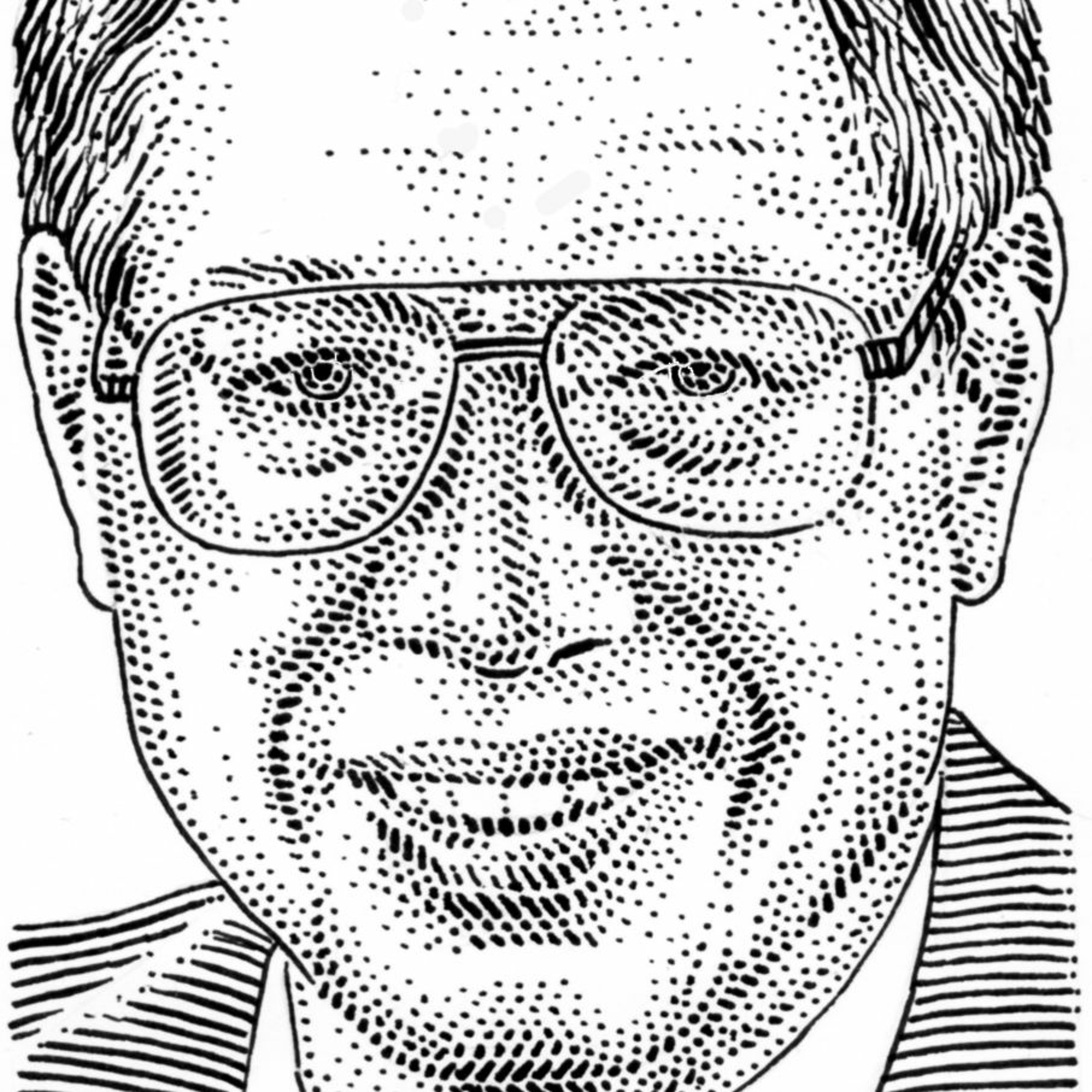
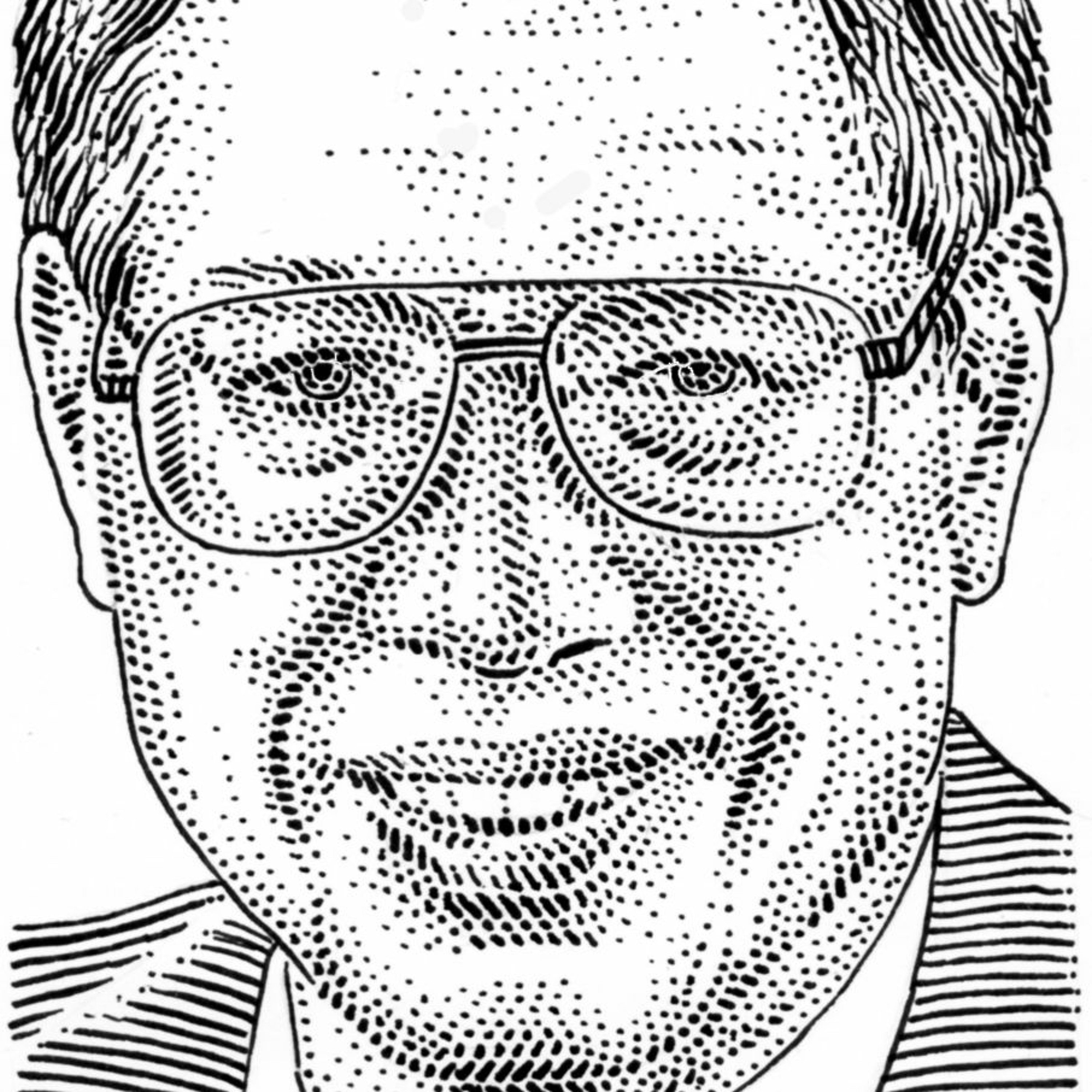
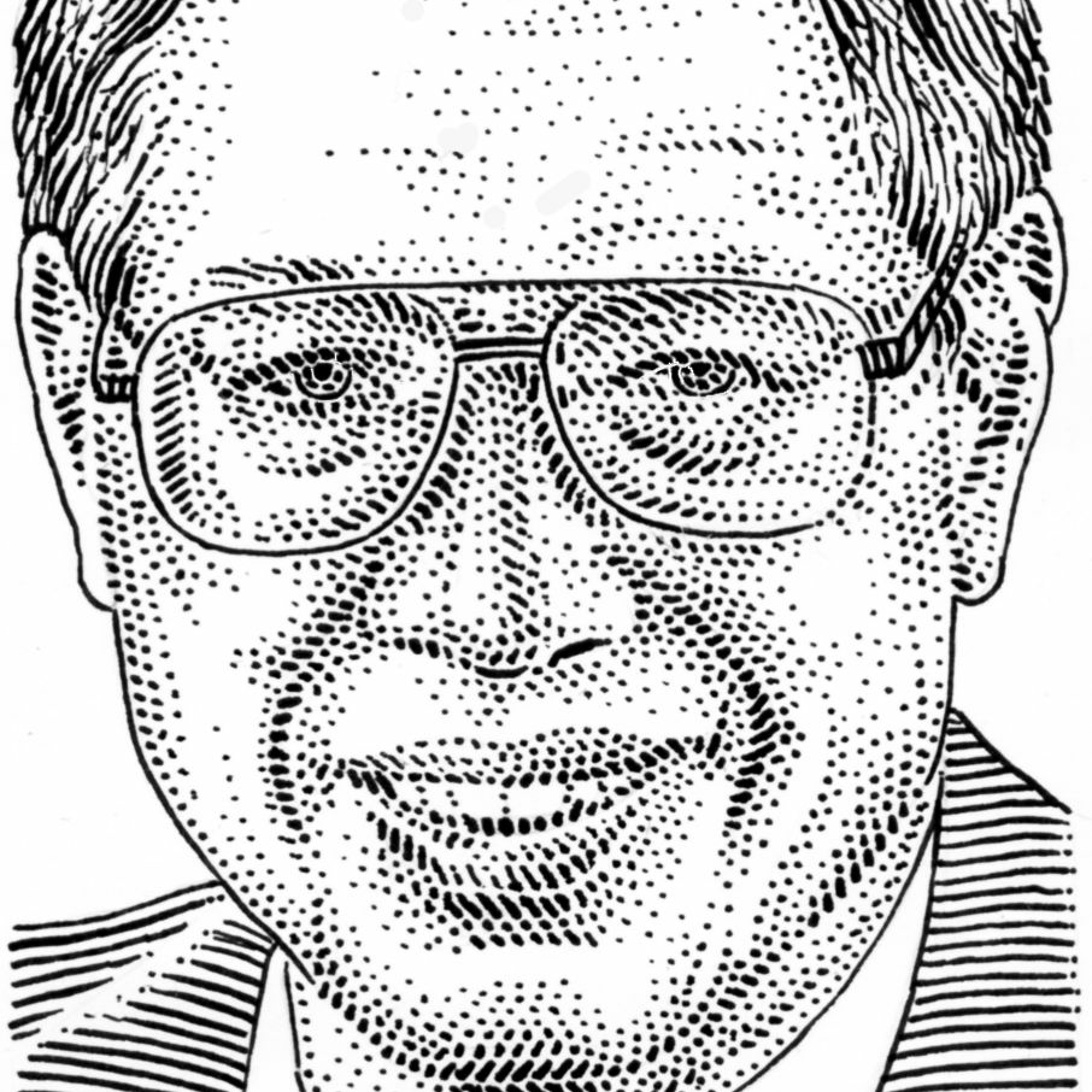
Supplementing his weekly column “The Libertarian,” which appears in the Hoover Institution’s Defining Ideas, Hoover Institution senior fellow Richard Epstein's weekly podcast series adds to Epstein’s regular written analysis that presents his classically libertarian perspective on national developments in public policy and the law. In the podcasts, Epstein will address both breaking news and policy issues.
Latest Episodes
View all 188 episodes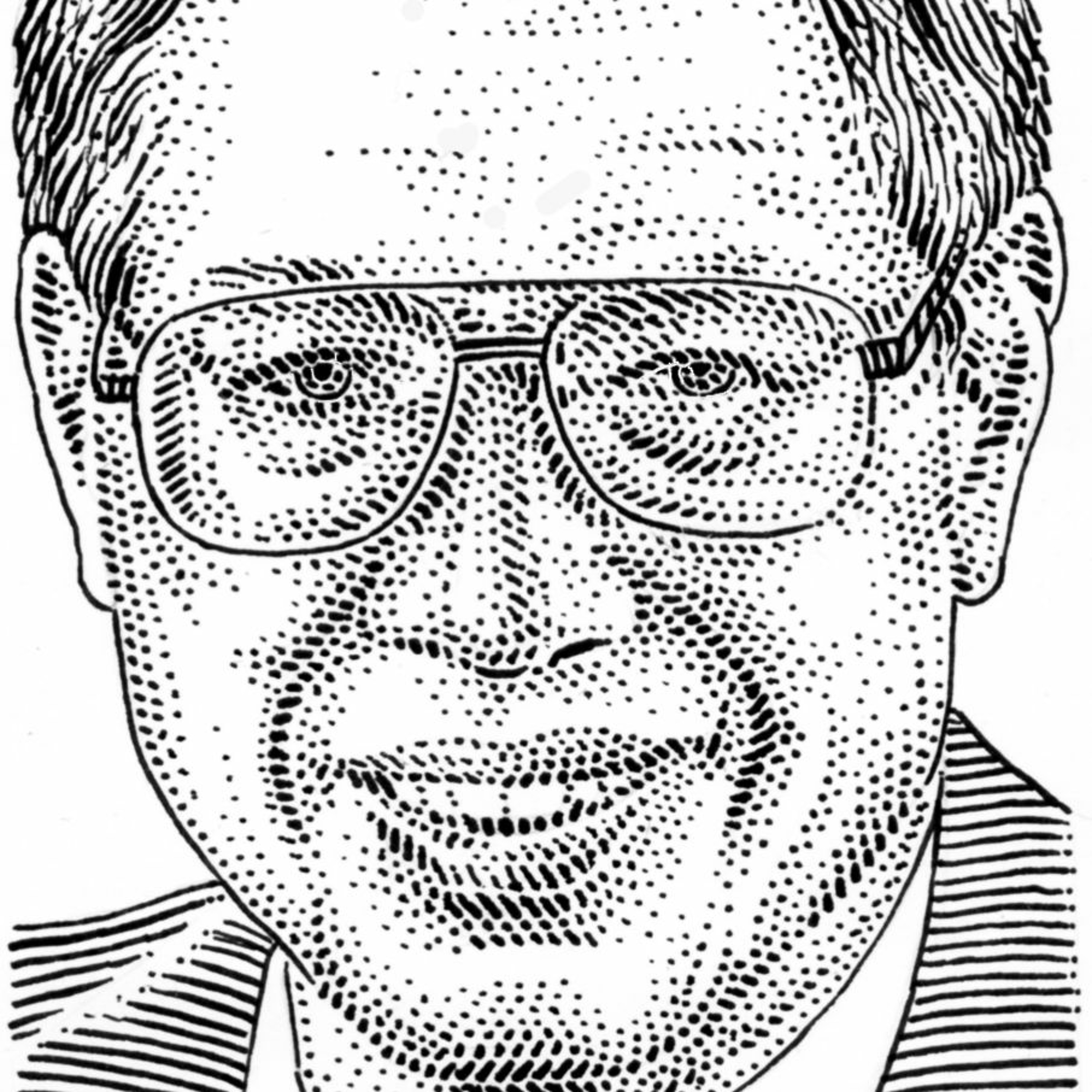
The Behaviorist Temptation
Ten years after the release of Nudge, the volume that popularized behavioral economics, Richard Epstein considers the shortcomings of the behaviorist school and the concept of “libertarian paternalism.”
The Economics of Amazon
Richard Epstein parses President Trump’s economic criticisms of Amazon — and examines a Supreme Court case that will determine how online retailers pay taxes.
The Cohen Raid
Richard Epstein breaks down the legal rationales that may — or may not — have justified the FBI raid on Donald Trump’s personal lawyer. He also examines the broader trajectory of the Mueller investigation. Whose job is in more danger: Mueller’s or Trump’s?
The Unintended Consequences of Anti-Discrimination Laws
Richard Epstein discusses the history behind America’s anti-discrimination laws and explains why they’re not well-suited for the modern economy.
Repeal the Second Amendment?
Richard Epstein reacts to former Supreme Court Justice John Paul Stevens’ suggestion that the Second Amendment be repealed — and explains why the constitutional arguments about guns may point in a different direction than the policy arguments.
The Public Pension Crisis
Richard Epstein explains how public pensions came to be a ticking time bomb for states and cities throughout the US, what the financial ramifications are, and why the road to reform is so perilous.
Trade, Tariffs, and Trump
Richard Epstein contrasts two recent actions by the Trump Administration — the imposition of tariffs on steel and aluminum, and the blocking of a foreign company’s attempts to take over an American tech firm — to demonstrate when national security concerns justify restrictions on trade ... and when they don’t.
Free Speech on College Campuses
Richard Epstein looks at how attempts to suppress conservative speakers on college campuses intersects with the First Amendment, and calls on 50 years of experience as a university professor to diagnose how liberal activism has changed over the years.
The Supreme Court and Public Sector Unions
Richard Epstein looks at Janus v. AFSCME, a Supreme Court case out of Illinois with the potential to dramatically reduce the power of public sector unions.
The Florida Shooting, Gun Control, and the Second Amendment
In the aftermath of the Parkland shooting, Richard Epstein provides his legal analysis of where Second Amendment jurisprudence went wrong and explains what policy options might actually help to ease gun violence -- and why real solutions are devilishly hard to come by.
The Future of Obamacare
Richard Epstein describes a potentially groundbreaking healthcare case out of Idaho, where insurers are looking to give consumers more options than are currently allowed under the Affordable Care Act.
The Nunes Memo and the Mueller Investigation
Richard Epstein parses the memo recently released by Republicans on the House Intelligence Committee, a document that they claim shows impropriety in the FBI's investigation of the Trump campaign.
President Trump, From A Libertarian Perspective
A funny thing happened to America’s libertarian movement – it expected a champion to emerge in the 2016 election; it may or may not have one in Donald Trump. Richard Epstein, the Hoover Institution’s Peter and Kirsten Bedford Senior Fellow and the voice behind “The Libertarian” podcast, grades the Trump presidency from a libertarian vantage. Did you like the show? Please rate, review, and subscribe!
The Trump Agenda and the State of the Union
Richard Epstein opines on whether Donald Trump or Barack Obama deserves more credit for the current economic expansion, then tackles the policy agenda the president laid out in his State of the Union address.
What The Post Gets Wrong About Free Speech
Richard Epstein reviews how the new film The Post portrays the Supreme Court's free speech jurisprudence in the Pentagon Papers case.
Climate Change, the Law, and Economics
Richard Epstein analyzes a lawsuit several major cities are bringing against oil companies over climate change, explains the economic and scientific considerations necessary to seriously grapple with the issue, and describes the libertarian approach to environmental harms.
The Trump Economy
Richard Epstein examines the deregulatory progress being made by the Trump Administration, explains the new tax law's implication for blue states, and imagines the consequences of a world in which the US withdraws from NAFTA.
How Housing Got So Expensive
Richard Epstein explores how land use regulations have led to sky-high housing prices in some of America's largest cities.
Privacy Rights in the Digital Age
Richard Epstein examines Carpenter v. United States, a Supreme Court case testing the limits of the government's ability to engage in digital surveillance, and explains the ideal balance between liberty and security.
Michael Flynn, Donald Trump, and the Russia Investigation
Richard Epstein considers what Michael Flynn's recent guilty plea means for President Trump and his administration, rebutting many of the misleading claims that have emerged in recent press coverage.