
The IR thinker
132 episodes — Page 3 of 3

S2023 Ep 32Methodology & Foreign Policy Analysis - Eldad Ben-Aharon | 2023 Episode 32
This episode of The IR thinker explores the field of foreign policy analysis with Dr Eldad Ben-Aharon, from core concepts and theories to contemporary methodological debates, including questions of Western-centrism, the role of non-state actors and the impact of technology and climate change on research agendas. The conversation then turns to two detailed case studies that illuminate the practice of elite interviewing in international relations: oral history work with Israeli elites and the methodological and ethical challenges of interviewing senior intelligence officials, including a former Mossad director.Eldad Ben-AharonDr Eldad Ben-Aharon is an IRC Post-Doctoral Fellow in International Security at Dublin City University and a researcher at the Peace Research Institute Frankfurt. He received his PhD in History from Royal Holloway, University of London, and his work focuses on the international history of the Middle East during the Cold War through archival research, foreign policy analysis and elite interviews. His research has been published in journals such as the European Journal of International Security, Intelligence and National Security, Studies in Conflict & Terrorism, Oral History Review and Cold War History, and he has written for outlets including Newsweek, The Conversation, The Jerusalem Post, Haaretz, The National Interest, Times of Israel and Globes.Publications:Political audience and non-linear securitisation: Revisiting Israel–Iran relations and the making of the 1979 Islamic RevolutionDoing Oral History with the Israeli Elite and the Question of Methodology in International Relations ResearchMethodological and epistemological reflections on elite interviews and the study of Israel’s intelligence history: interview with Efraim HalevyContent00:00 - Introduction02:14 - Defining Foreign Policy04:30 - Diplomacy vs. Policy06:09 - Evolution of Foreign Policy Analysis08:55 - Theories and Frameworks10:52 - Western Centrism in Policy Analysis14:12 - Actors vs. Institutions16:26 - Trends in Methodology21:04 - Technology and Climate Change in Research24:45 - Theoretical Stance Importance26:32 - Case Study 1: Article Description30:04 - Case Study 1: Methods33:21 - Case Study 1: Challenges36:58 - Case Study 1: Tech Tools40:40 - Case Study 2: Intro & Methods46:36 - Case Study 2: Interviewing Mossad Director49:56 - Case Study 2: Handling Sensitivity54:37 - Case Study 2: Post-Interview Protocol57:25 - Eldad’s Research Motivation Hosted on Acast. See acast.com/privacy for more information.
S2023 Ep 31The Kremlin's Middle Eastern Chessboard - Daniel Rakov | 2023 Episode 31
This episode of The IR thinker examines Russia’s evolving role in the Middle East with Daniel Rakov, focusing in particular on Moscow’s strategic objectives in Syria, its military partnership with the Assad regime and the significance of bases such as Latakia and Tartus. The discussion then turns to Russia’s relations with Iran and China, its energy and nuclear diplomacy in the region, and the ways in which the Russo-Ukrainian war has reshaped Russian ties with Israel and its broader media image.Daniel RakovDaniel Rakov is a specialist on Russian policy in the Middle East and great power competition in the region. He is a senior researcher at Tel Aviv University’s Elrom Center for Air and Space Studies and at the Jerusalem Institute for Strategy and Security, following more than twenty years of service in the Israel Defense Forces, primarily in military intelligence. From 2019 to 2021 he was a research fellow in the Russian Studies Programme at the Institute for National Security Studies in Tel Aviv.Publications:The Growing Impact of the Civilian Population on the Modern Battlefield: A Glimpse into the Russia-Ukraine WarRussia’s Power Image After Prigozhin’s UprisingThe Netanyahu Government’s Approach to Russia and UkraineThe Reasoning Behind Israel’s Refusal to Supply Weapons to UkraineContent00:00 - Introduction00:44 - Russia’s Strategic Aims in Syria02:36 - Military Synergy: Russia and Syria13:35 - Latakia and Tartus: Russia’s Operational Bases16:26 - Implications of a Russia-Iran Arms Exchange24:07 - The Basis of Russia-Iran Cooperation27:03 - China in the Middle East: Boon or Bane for Russia?31:37 - Ukraine’s Effect on Russian-Israeli Relations41:39 - Moscow’s Take on the Abraham Accords47:48 - Russian Energy and Nuclear Diplomacy57:12 - Media Portrayals in the Russo-Ukrainian Conflict Hosted on Acast. See acast.com/privacy for more information.

S2023 Ep 30Drones: The Heart of Russia-Iran Relations? - Scholars of Tomorrow | 2023 Episode 30
This episode of The IR thinker explores the evolving military relationship between Russia and Iran, from the strategic logic behind their partnership to the economics of Iranian drone exports and what Moscow may be offering in return. The discussion considers Russia’s surprising weakness in drone technology, prospects for joint production, scenario analyses of the war in Ukraine and its impact on bilateral ties, and the possibility of deeper Iranian military involvement in the conflict.Scholars of TomorrowScholars of Tomorrow is a panel of emerging researchers who bring fresh perspectives to these questions.Mikael Pir-Budagyan is a graduate student in Eurasian, Russian and East European Studies and a graduate associate at Russia Matters (Harvard Kennedy School), focusing on Russian foreign and domestic policy, regional development and conflict resolution.Aryan Monfarednik studies Philosophy, Politics and Economics at Charles University in Prague and is engaged with activists inside and outside Iran on questions of human rights and freedom.Igor Suvorov is a master’s student in African Studies at the University of Hradec Králové, working in human rights, vocational education and journalism, and founder of the youth NGO Late Night Diplomacy.Ronan Wordsworth holds a master’s degree in Geopolitical Studies from Charles University, works on the university’s Africa programme, and is an analyst and forecaster for Geopolitical Futures on sub-Saharan Africa and the Asia–Pacific; he also co-hosts The Geopolitical Pickle podcast.Juan Francisco Muñoz is an intelligence analyst completing a master’s in Geopolitical Studies at Charles University and co-founder of The Geopolitical Pickle, focusing on contemporary geopolitical trends and security issues.Content00:00 - Introduction06:38 - Delving into Russia-Iran Military Dynamics17:18 - Media’s Magnification: Russia & Iran’s Prominence26:34 - Economic Motives: Are Cheap Iranian Drones the Catalyst?38:47 - Russia’s Offerings to Iran: Beyond the Obvious49:23 - The Absence of Russia’s Drone Programme & The Russo-Iranian Drone Venture57:53 - Scenario Analysis: Ukraine War’s Endgame (5 months, 15 months) and its Impact on Russia-Iran Ties01:07:14 - Could Iran Deploy Contractors or Troops in Ukraine? Hosted on Acast. See acast.com/privacy for more information.

S2023 Ep 29Why to Study International Relations (for Russian students) - Igor Suvorov | 2023 Episode 29
In the current geopolitical landscape, more than 50,000 Russian students are studying abroad, and many choose to hide their identity. Additionally, there are many Russian university lecturers; for those who have left Russia, finding suitable job opportunities can be particularly challenging. Inspired by Ekaterina Schulmann and her efforts to provide relevant information in Russian, I’ve decided to concentrate solely on delivering an educational message for Russian students. I aim to underline the importance of studying international relations and utilising the internet to access open educational resources. To serve this purpose, I have selected Igor, a Russian student who has been studying international relations and who has lived, studied, and worked in the European Union for the past decade.I hope this episode serves as inspiration for those who believe that education and critical thinking are the best safeguards against propaganda.Я прочитал две статьи о российских студентах в Европе, ссылки на которые вы найдёте ниже. Российские студенты в Европе представляют собой интересный сегмент международной студенческой аудитории и одновременно являются особенно острым вопросом для решения. После вторжения России на Украину встаёт сложный вопрос о том, как работать с этими студентами, большинство из которых прибыли в Европу до начала конфликта.Статья в газете PoliticoRussian students in Europe face discrimination — and pressure from MoscowСтатья в газете Le MondeRussian students in France carry the stigma of their nationalityВ этом эпизоде мы общаемся с Игорем, российским студентом, специализирующимся в международных отношениях. Обсудим актуальные вопросы, такие как преимущества и недостатки формального образования в МО, влияние быстрого потока информации на изучение дисциплины, и демократизацию знаний благодаря цифровым ресурсам. Игорь поделится своим опытом практического изучения международных отношений в Африке и расскажет о том, как западно-центрические теории оспариваются на практике. Также затронем тему текущих геополитических тенденций и их влияния на российских студентов.Igor SuvorovИгорь Суворов живёт в Чехии с 2014 года и специализируется в международных отношениях. В настоящее время он учится в магистратуре Университета Градец Кралове по африканистике, с фокусом на устойчивые проекты в Замбии. С осени 2023 года планирует изучать экономику гуманитарной помощи в Лундском Университете, Швеция.Контент00:00 - Введение04:07 - Зачем Изучать МО?04:12 - Формальное Образование против Цифровых Ресурсов08:49 - Плюсы и Минусы в МО13:02 - Информационный Поток и Стабильность МО16:43 - Демократизация Знаний в МО20:00 - Советы Новичкам в МО21:12 - Практика МО в Африке21:42 - Теория и Практика МО в Африке28:03 - Уроки от Местных в Африке32:14 - Академия против Реальности34:28 - Вызов Западным Теориям МО38:56 - Западные “Слепые Пятна” в Африке44:52 - Быть Россиянином Сегодня45:11 - Украинский Кризис и Российские Студенты50:31 - Вызовы и Возможности для Россиян53:07 - Преодоление Предвзятости к Российским Дипломам55:00 - Советы Российским Студентам Hosted on Acast. See acast.com/privacy for more information.

S2023 Ep 28Russian Energy Update 2023 - Tatiana Mitrova | 2023 Episode 28
This episode of The IR thinker explores the changing landscape of Russian energy with Dr Tatiana Mitrova, from the evolution of the nuclear sector and Rosatom’s global ambitions to the structure of the Russian oil market and Moscow’s search for new gas export routes after losing Europe. The discussion addresses questions of energy security, price caps on Russian oil, the relationship between Gazprom and Novatek, and the limited but significant prospects for renewable energy in Russia.Tatiana MitrovaDr Tatiana Mitrova is a Research Fellow at the Center on Global Energy Policy at Columbia University’s School of International and Public Affairs and has more than twenty five years of experience analysing Russian and global energy markets. She previously served as Executive Director of the Energy Centre at the Moscow School of Management SKOLKOVO and as Head of Research in the Oil and Gas Department at the Energy Research Institute of the Russian Academy of Sciences. Dr Mitrova is the author of over two hundred publications in scientific and business journals and eight books on energy issues.Publications:Energy transition in RussiaEnergy and the Economy in RussiaRussian Energy OutlookQ&A | Understanding the Impact of Sanctions on the Russian Oil and Gas Sector with Limited DataContent00:00 - Introduction01:39 - The State of Russian Nuclear Energy Prior to 202207:52 - Rosatom’s International Ambitions Before 202211:40 - Transition in Russian Nuclear Energy Post-202217:15 - Assessing Russian Nuclear Energy Security in 202318:43 - Delving into Concerns Regarding Russian Nuclear Energy Security21:05 - A Comprehensive Look at Rosneft Oil Company’s Magnitude23:45 - Envisioning the Global Landscape Without Russian Oil26:26 - Tracing the Origin of Russian Oil: Is It Possible?30:46 - Overseeing the Global Oil Market: Who Holds the Reins?37:38 - Evaluating the Realistic Price of Russian Oil and Price Caps43:12 - Exploring Russia’s Options for Natural Gas Export Pipelines After Losing Europe49:18 - Analysing the Domestic Requirement of Natural Gas in Russia50:08 - The Feasibility of Converting Russian Natural Gas Pipelines for Hydrogen Use52:09 - Novatek’s Strategic Options if the EU Ceases to Buy Russian LNG56:38 - Gazprom vs. Novatek: Understanding the Independence of Novatek01:00:07 - Current Landscape of Renewable Energy in Russia01:06:51 - Insights into Russian Domestic Energy Security Hosted on Acast. See acast.com/privacy for more information.
S2023 Ep 27Teaching Diplomatic Negotiation - Ida Manton | 2023 Episode 27
This episode of The IR thinker explores the practice and pedagogy of diplomatic negotiation with Ida Manton, examining how teaching methods have evolved, how technology intersects with human skills, and how sensitive topics such as climate change and human rights are incorporated into training. The conversation also considers the use of case studies, the role of theory, emerging specialisations such as cyber and vaccine diplomacy, and the core skills that effective negotiators need today.Ida MantonIda Manton is a researcher and trainer with more than 18 years of experience teaching diplomats, government officials, businesspeople, military personnel and students across Europe and Central Asia in diplomacy, international negotiation, mediation and conflict resolution. She has worked with leading diplomatic academies and organisations including the OSCE, the European Union, NATO, and universities such as the College of Europe, the American University of Central Asia and the Prague University of Economics and Business, and is an active member of the Programme of International Negotiation Trainers.Program On International Negotiation Training (POINT)Ida’s Recommended Publications for everyone who wants to dive into diplomatic negotiations:Diplomatic Negotiation - Essence and EvolutionMaking Conflict Work: Harnessing the Power of Disagreement by Peter T. Coleman and Robert FergusonThe Practical NegotiatorHelsinki Revisited: A Key U.S. Negotiator’s Memoirs on the Development of the CSCE into the OSCE (Soviet and Post-Soviet Politics and Society)PIN BooksContent00:00 - Introduction02:46 - Evolution of Diplomatic Negotiation Teaching09:36 - Technology vs. Human Skills in Negotiations16:23 - Challenges in Teaching International Negotiations20:12 - Student vs. Diplomat: Learning Diplomatic Negotiation23:59 - Utilising Case Studies in Negotiation Education29:10 - Influence of Trends, Climate Change and Human Rights, on Teaching34:08 - Handling Sensitive Topics in Teaching39:46 - Theory’s Role in Negotiation Education44:14 - Ethics and Morality in Negotiation48:49 - Negotiation Specialities: Cyber, Sport, Vaccine Diplomacy53:21 - Guest Experts in Negotiation Classes57:27 - Essential Skills for Negotiators01:02:06 - Importance of Language in Negotiation Hosted on Acast. See acast.com/privacy for more information.

S2023 Ep 26East Mediterranean Gas - Alexander Kislov | 2023 Episode 26
This episode of The IR thinker examines the geopolitics of East Mediterranean gas with Alexander Kislov, from the impact of the Abraham Accords on regional energy cooperation to the non-development of Cypriot reserves, Israeli–Turkish projects and Egypt’s balancing act between domestic needs and export commitments. The discussion also considers the role of major international energy companies, security challenges around offshore fields, and how the EU’s green transition and changing gas demand may reshape the future of Mediterranean pipelines.Alexander KislovAlexander Kislov is a natural gas and LNG analyst with specialist expertise in East Mediterranean, Russian, European and Chinese gas markets. He publishes in outlets such as the Jerusalem Post and prepares analytical reports for high-profile clients in the energy sector.Publications:An LNG facility could make Israel a global gas player - opinionThe Abraham Accords and the EastMed Natural Gas Market: Supporting the Region’s Ambitions to Become a Global Gas PlayerContent00:00 - Introduction01:40 - Overview of East Mediterranean Gas14:41 - Abraham Accords: Impact on Energy Cooperation in the East Mediterranean19:10 - Projected Gas Demand from the EU: A 5-Year Outlook on East Mediterranean Gas26:36 - LNG Carriers: Are There Enough to Meet EU’s East Mediterranean Gas Needs?28:47 - Cyprus’ Untapped Potential: Reasons Behind Its Non-development of Natural Gas Reserves32:49 - The Process Unveiled: Duration to Develop an Offshore Gas Field from Extraction to Export Deliveries34:45 - Turkey’s Significant Role in Mediterranean Gas Dynamics38:56 - Israeli-Turkish Collaborative Gas Projects39:53 - Egypt: Balancing Demographics with Gas Export Commitments43:24 - Israel’s Crucial Role in Gas Extraction in the Mediterranean49:44 - Security Measures for Israeli Gas Fields52:01 - Controversies and Disputes: A Dive into Mediterranean Gas Tensions53:20 - International Players: Their Role and Discoveries in Mediterranean Gas Exploration56:30 - Russian Energy Titans: Their Involvement in Mediterranean Gas58:06 - EU Green Deal: Implications for Future Mediterranean Gas Pipelines Hosted on Acast. See acast.com/privacy for more information.
S2023 Ep 25Nikolai Patrushev's Influence in Kremlin - Mark Galeotti | 2023 Episode 25
This episode of The IR thinker examines the role of Nikolai Patrushev inside the Kremlin, focusing on his position within Russia’s Security Council, his long relationship with Vladimir Putin and his influence over the country’s security and foreign policy. The conversation explores Patrushev’s FSB legacy, his rivalry and cooperation with figures such as Sergey Naryshkin, his anti Western worldview and conspiracy narratives, and the vulnerabilities that accompany his power.Mark GaleottiMark Galeotti is a British historian, lecturer and writer who specialises in transnational crime and Russian security affairs. He is director of the consultancy Mayak Intelligence, honorary professor at the UCL School of Slavonic and East European Studies, a senior associate fellow at the Royal United Services Institute and an associate fellow in Euro Atlantic geopolitics at the Council on Geostrategy. His commentary has appeared in outlets such as The Spectator, The Moscow Times and Foreign Affairs.Publications:Nikolai Patrushev, the man dripping poison into Putin’s earThe VoryPutin’s WarsContent00:00 - Introduction02:11 - An Overview of Russia’s Security Council05:01 - How Transparent is the Security Council?06:19 - The Patrushev-Putin Connection09:52 - Russia’s Triad of Power Sources13:04 - Patrushev’s Sons15:00 - Tracing Patrushev’s Legacy in the FSB17:42 - Diving into Patrushev’s Security Acumen19:45 - The Dynamics between Patrushev and Sergey Naryshkin22:24 - Is There a Challenger to Patrushev’s Influence?26:48 - Navigating Patrushev’s Role in Russian Foreign Policy31:15 - Has Lavrov Stepped Back for Patrushev to Lead?33:17 - Decoding Patrushev’s Anti-Western Stance38:46 - Unravelling Patrushev’s Conspiracy Narratives41:40 - Patrushev’s Counter-strategies against the West: A Look at Public Intelligence47:21 - Exploring Patrushev’s Vulnerabilities50:52 - Patrushev’s Diplomatic Outreach: Can He Forge Alliances for Russia? Hosted on Acast. See acast.com/privacy for more information.

S2023 Ep 24Belt and Road Initiative - Ivo Ganchev | 2023 Episode 24
This episode of The IR thinker offers a comprehensive exploration of China’s Belt and Road Initiative with Dr Ivo Ganchev, unpacking its core objectives, governance and funding, and engaging with debates around debt diplomacy and BRI’s adaptability to shifting geopolitical realities. The discussion also examines how BRI relates to BRICS and the Shanghai Cooperation Organisation, and considers whether the EU’s Global Gateway constitutes a meaningful competitor on the global connectivity landscape.Ivo GanchevDr Ivo Ganchev is a London and Beijing based consultant, executive and specialist in International Relations who has advised multinational firms on their strategic engagement with China. Educated at Newcastle University, the London School of Economics and Peking University, he has served as Vice Chairman of the Bulgaria China Chamber of Commerce, Global Partner at TopBrand Union, and has taught at institutions including Queen Mary University of London and Beijing Foreign Studies University. His work has appeared in journals such as Strategic Analysis and World Affairs, and he is currently involved in establishing the Centre for Regional Integration, a research hub dedicated to the study of regional integration and its global implications.Content00:00 - Introduction02:08 - Overview of the Belt and Road Initiative (BRI)07:27 - Definition of BRI14:34 - Nature of BRI: Is it a Document, Strategy or Framework?16:20 - Beneficiaries of BRI29:08 - Governance and Transparency in BRI34:22 - Funding Sources of BRI46:00 - BRI and Debt Diplomacy51:32 - BRI Investment Studies in Chinese Universities55:45 - BRI’s Resilience to Geopolitical Changes01:01:11 - The EU’s Global Gateway: A BRI Competitor?01:09:18 - Synergy of BRICS, SCO, and BRI01:14:42 - Challenges and Shortcomings of BRI Hosted on Acast. See acast.com/privacy for more information.

S2023 Ep 23Iranian-Azeri-Israeli Geopolitics - Alexander Grinberg | 2023 Episode 23
This episode of The IR thinker explores the complex relationship between Iran and Azerbaijan, tracing its historical roots and examining how ethnicity, geography and regional rivalries shape contemporary relations. The discussion considers the position of the Azeri minority in Iran, the Huseyniyyun Brigade, the Zangezur corridor, the Caspian Sea, Iran’s security ties with Armenia and Israel’s evolving role in the South Caucasus.Alexander GrinbergAlexander Grinberg is an Iran expert at the Jerusalem Institute for Strategy and Security and a captain (res.) in the Israel Defense Forces Military Intelligence research department. He holds degrees in Middle East and Islamic studies, and in Arabic language and literature, from the Hebrew University of Jerusalem and is a doctoral student in Iranian history at Tel Aviv University.Content00:00 Introduction01:01 Overview of Iran-Azeri Relations10:08 The Azeri Minority in Iran15:28 Reasons Behind Iran’s Avoidance of Direct Confrontation with Azerbaijan22:52 The Huseyniyyun Brigade27:57 The Zangezur Corridor29:36 Georgia’s Role in Iran-Azeri Relations32:18 Geopolitics of the Caspian Sea34:28 Iranian Secret Service Operations in Azerbaijan37:54 Ensuring Armenian Security for Iranian Interests40:44 The Relationship between Israel and Armenia42:59 The Significance of the Nakhchivan Region48:07 Iran’s Military Base in Armenia49:40 Major Global Powers and Their Influence in the Caucasus52:55 Israeli Foreign Policy vis-à-vis Azerbaijan56:12 Azeri Foreign Policy and Its Stance towards Israel Hosted on Acast. See acast.com/privacy for more information.
S2023 Ep 22Saudi Arabia Geopolitics - Aziz Alghashian | 2023 Episode 22
This episode of The IR thinker examines Saudi Arabia’s evolving national identity and foreign policy with Dr Aziz Alghashian, focusing on its self-perception as defender of the Muslim world, custodian of Mecca and an often misunderstood actor in Western diplomacy. The discussion explores Crown Prince Mohammed bin Salman’s influence on Saudi identity, the implications of the Abraham Accords, relations with Israel, Syria and Iran, debates over regional security architectures, and the kingdom’s role in energy transition and counterterrorism.Aziz AlghashianDr Aziz Alghashian is a Saudi scholar of Middle Eastern politics who specialises in Saudi foreign policy, particularly Saudi policy towards Israel and wider Arab–Israeli relations. He obtained his PhD in International Relations from the University of Essex in 2019 and has taught International Relations, Politics and Middle Eastern Studies for several years. His research focuses on the often subtle and informal forms of Saudi–Israeli engagement, and he regularly provides expert commentary for media outlets such as France 24, Sky, the BBC, Forces TV and Russia Today.Content00:00 - Introduction01:50 - Saudi Arabia’s Role as Muslim World’s Defender05:31 - Custodianship of Mecca: Saudi Arabia’s Responsibility10:15 - Western Diplomacy with Saudi Arabia: A Misunderstood Approach?13:41 - Mohammed bin Salman: The Man Behind Saudi Identity16:23 - National Support for Mohammed bin Salman19:02 - Misconceptions about Saudi Identity in the West and Asia20:56 - The Abraham Accords: Repercussions for the Middle East26:16 - The Saudi-Israel Relationship31:49 - Divisions in Israeli Society: Implications for Saudi Foreign Policy37:07 - The Palestinian Dilemma: Why Isn’t Saudi Arabia Doing More?41:34 - The Saudi-Syrian Relationship46:38 - Saudi-Iranian Power Dynamics50:28 - Impact of the Assad Regime on Saudi Politics54:16 - Saudi Arabia’s Stance on Regime Change in Iran57:12 - A Security Pact for the Middle East01:00:51 - Belt and Road Initiative: Saudi Arabia’s Involvement01:03:33 - Saudi Arabia and the BRICS Nations01:06:46 - Saudi Arabia’s Journey Towards Sustainable Energy01:11:14 - Saudi Arabia’s Role in Counterterrorism Efforts Hosted on Acast. See acast.com/privacy for more information.

S2023 Ep 21Researching Rich Russians - Elisabeth Schimpfössl | 2023 Episode 21
This episode of The IR thinker explores the world of Russia’s high society, from philanthropy and the “genetic” dimensions of wealth to gender roles, generational divides and the everyday lives of the rich. The discussion follows Dr Elisabeth Schimpfössl’s research journey, examining how she gained access to affluent interviewees, why politics and business were set aside, how she handled accusations of being “pro Kremlin,” and what her findings reveal about oligarchs and the broader Russian elite.Elisabeth SchimpfösslDr Elisabeth Schimpfössl is the author of the acclaimed book Rich Russians: From Oligarchs to Bourgeoisie, published by Oxford University Press in 2018. The book received the 2019 Women’s Forum Book Prize from the British Association of Slavonic and East European Studies and has been reviewed in outlets such as The Guardian, The Financial Times, Foreign Affairs and Frankfurter Allgemeine Zeitung.Content00:00 - Introduction01:36 - Research Inspiration: Russian High Society05:27 - Engaging with Russia’s Affluent Individuals08:41 - Unveiling the Reasons for Participating in Interviews11:10 - Why Sidestep Politics and Business?14:07 - The Duration of Interviews14:17 - Interview Methodology: In-person or Online?15:02 - Choice of Language: Russian or English?15:42 - Crafting the Opening Question17:55 - Any Encounters with the ‘Thieves in Law’?18:41 - Surprising Responses and Reactions24:00 - Emotional Response during Interviews26:37 - Analysing the Collected Data30:27 - Confronting ‘Pro-Kremlin’ Label Accusations35:15 - The ‘Genetic’ Factor in Russian Wealth36:53 - Philanthropy’s Role in Russian High Society40:58 - Women in the Realm of Russian Wealth42:01 - Offspring of Affluence and Society46:56 - The Wealthy Russian Generation Divide49:40 - Perception of Oligarchs: Before and After53:25 - Western Academia and the Oligarch Understanding56:25 - Elisabeth’s Gains: Research Insights and Russian Elite Understanding Hosted on Acast. See acast.com/privacy for more information.
S2023 Ep 20Arctic Geopolitics - Klaus Dodds | 2023 Episode 20
This episode of The IR thinker explores the shifting geopolitics of the Arctic with Professor Klaus Dodds, examining how climate change, great-power rivalry and evolving governance arrangements are transforming the region’s strategic significance. The conversation considers the role and limits of the Arctic Council, rising tensions among Arctic and non-Arctic states, China’s Belt and Road Initiative, the influence of non-state actors and the Arctic’s place in global energy security, before turning to key unanswered research questions in Arctic studies.Klaus DoddsProfessor Klaus Dodds is Executive Dean for the School of Life Sciences and Environment and Professor of Geopolitics at Royal Holloway, University of London. He is a Fellow of the Academy of Social Sciences, the Royal Geographical Society, the Regional Studies Association and an Honorary Fellow of the British Antarctic Survey. His public roles include serving as a specialist adviser to the UK Parliament and working with NATO’s Strategic Foresight Analysis and the UK Department for Environment, Food and Rural Affairs on post-Covid futures.Publications:Border WarsIce humanitiesIce - Nature and CultureContent00:00 - Introduction02:06 - Evolution of Arctic’s Strategic Importance07:35 - Absence of Ex-Soviet States in Arctic Ownership11:07 - Influence of Climate Change on Arctic Geopolitics16:23 - Safeguarding Arctic Indigenous Communities19:27 - Role of the Arctic Council23:24 - Historical Trajectory of the Arctic Council27:44 - Arctic Governance: Positive Outcomes of the Arctic Council31:37 - Key Drivers of Tension in the Arctic38:25 - China’s Belt and Road Initiative in the Arctic43:40 - Influence of Non-State Actors in the Arctic48:22 - The Arctic’s Role in States’ Energy Security53:12 - Unanswered Research Questions in Arctic Studies Hosted on Acast. See acast.com/privacy for more information.
S2023 Ep 19Israel and Cyberthreats - Chuck Freilich | 2023 Episode 19
This episode of The IR thinker explores Israel’s evolving cyber threat landscape and the international implications of its rise as a leading cyber power. The discussion considers the balance between security and civil liberties, the impact of regional and global geopolitics on Israel’s cyber strategy, and insights from Professor Chuck Freilich’s 2023 book on the country’s cybersecurity evolution.Chuck FreilichChuck Freilich is a former deputy national security adviser in Israel and a long-time senior fellow at Harvard’s Kennedy School of Government. He is the author of Zion’s Dilemmas: How Israel Makes National Security Policy, Israeli National Security: A New Strategy for an Era of Change and Israel and the Cyber Threat: How the Startup Nation Became a Global Cyber Power. A senior fellow at the Institute for National Security Studies in Tel Aviv and the MirYam Institute, he has also served as a senior analyst at the Israel Ministry of Defense, policy adviser to a cabinet minister and delegate at the Israeli Mission to the United Nations, and is a frequent commentator in international media on Middle Eastern and security affairs.Content00:00 - Introduction02:13 - Overview of Israel’s Cyber Threat Landscape in 202303:14 - A Decade’s Evolution in Cybersecurity05:54 - Significant Recent Cyberattacks on Israel09:29 - Current Predominant Cyber Threats Faced by Israel10:07 - Strengthening Israel’s Cybersecurity Framework12:14 - The Private Sector’s Role in Bolstering Israel’s Cybersecurity15:00 - Israel’s Stance on Foreign Technologies and Solutions17:54 - Israel’s Global Cooperation in Cyber Threat Intelligence19:49 - The Rising Interest and Shortage in Israel’s Cybersecurity Sector21:03 - Economic Implications of Cybersecurity in Israel23:05 - Geopolitics and Diplomacy: Their Impact on Israel’s Cybersecurity25:11 - The Iranian Cyber Threat: An Analysis26:52 - Unpacking Chinese Cyberattacks on Israel28:05 - The Inspiration Behind a New Book on Israeli Cybersecurity29:25 - The Utilisation of International Theory in Chuck’s Book31:25 - Tackling the Most Challenging Chapter32:42 - Embracing Academic Freedom in Israel35:47 - Balancing Defensive and Offensive Cyber Policies36:51 - Understanding Israel’s Civil and Military Cyber Strategies39:28 - A Sneak Peek into Chuck’s Upcoming Book40:20 - The State of the Academic Cybersecurity Community in Israel Hosted on Acast. See acast.com/privacy for more information.
S2023 Ep 18Fukushima: It's Not Over Yet - Maxime Polleri | 2023 Episode 18
This episode of The IR thinker revisits the Fukushima disaster, examining its diplomatic repercussions, its impact on global energy policy, and the transformation of Japan’s nuclear research and governance. The discussion also addresses the controversy surrounding the release of treated radioactive water, the Japanese government’s crisis communication, the lived experience of those affected, and the wider lessons for managing radioactive sites worldwide.Maxime PolleriMaxime Polleri is an Assistant Professor in the Department of Anthropology at Université Laval in Canada and a member of the Graduate School of International Studies. An anthropologist of science and technology, he studies the governance of disasters and waste with a particular focus on nuclear issues. Dr Polleri is a Network Affiliate at the Center for International Security and Cooperation at Stanford University, where he previously held MacArthur Nuclear Security pre and postdoctoral fellowships, and is a member of MITATE Lab, an international research programme on Fukushima.Content00:00 - Introduction to the Discussion02:09 - Diplomatic Repercussions of the Fukushima Disaster09:42 - Response of Expats in Japan to the Fukushima Disaster11:28 - The Impact of Fukushima on Global Energy Policies21:40 - Post-Fukushima Nuclear Research & Development in Japan25:46 - Evaluating the State of Nuclear Knowledge in Japan28:46 - Comparing Japanese Society Pre- and Post-Fukushima37:15 - International Oversight of Japanese Nuclear Facilities40:00 - The Controversy of Fukushima’s Radioactive Water Release44:24 - Understanding the Process of Radioactive Water Release45:25 - Real-Life Experiences with Radioactive Water Release47:04 - Assessing the Quality of Japanese Government’s Crisis Communication52:47 - Lessons for Humanity from the Fukushima Disaster58:22 - Management of Radioactive Sites Worldwide Hosted on Acast. See acast.com/privacy for more information.

S2023 Ep 17Kazakhstan: Education & International Relations - Alberto Frigerio | 2023 Episode 17
This episode of The IR thinker explores the evolution of higher education in Kazakhstan, from the arrival of foreign universities and shifts in language policy to state support for innovation, digitalisation and the internationalisation of PhD programmes. The discussion examines the influence of Islam, the role of the Kazakh diaspora, education as a form of soft power, the state of academic freedom and the politicisation of academia, before outlining three key reforms needed for the sector’s future development.Alberto FrigerioDr Alberto Frigerio is an International Relations professor at Almaty Management University, with more than a decade of teaching experience in Kazakhstan. He is a recipient of the 2022 CEEMAN Responsible Management Educator award and is noted for consistently strong teaching evaluations. Dr Frigerio is the author of Dystopian World, Казахстан в мультивселенной 21 века: шесть дилемм для определения его будущего пути, International Cultural Heritage Conventions and the Central Asian Region: Current Framework and Future Perspectives, and a series of publications on global challenges and sustainability.Content00:00 - Introduction02:03 - Evolution of Higher Education in Kazakhstan: A Three-Phase View07:21 - Local Response to Foreign Universities in Kazakhstan09:27 - Predominant Languages of Study in Kazakhstan11:37 - Government Support for Higher Education Innovations13:32 - A Comparative Analysis: Private vs Public Universities15:16 - Bolashak Scholarship: An Overview20:21 - Global Interest in Kazakh Higher Education: A Perspective23:08 - Influence of International Students in Kazakhstan27:49 - PhD Programmes: The Influx of International Students30:04 - Religion and Education: The Islamic Influence in Kazakhstan33:00 - Challenges Encountered by International Students36:42 - Engaging with the Kazakh Diaspora: An Exploration40:21 - Knowledge Transfer Mechanisms to the Kazakh Government43:12 - Education as a Tool for Soft Power46:56 - Digitalisation Drive in Kazakhstan50:05 - Intersection of Geography, Civil Society, and Sustainability53:27 - Student Interest in International Relations55:33 - Evaluating the State of Academic Freedom57:52 - Politicisation of Academia in Kazakhstan: A Critical Insight59:29 Three Essential Educational Reforms Needed in Kazakhstan Hosted on Acast. See acast.com/privacy for more information.

S2023 Ep 16Wagner Group Unmasked - John Bruni | 2023 Episode 16
This episode of The IR thinker offers a detailed examination of the Wagner Group, tracing its emergence, leadership and overseas operations, and assessing its performance and limitations in the war in Ukraine. The conversation considers what Wagner’s methods reveal about Russian military strategy, explores the group’s mutiny and seizure of Rostov-on-Don, and discusses the wider implications for Russia’s armed forces, security services and political system.John BruniDr John Bruni is a researcher, analyst and podcaster specialising in military and intelligence affairs, with regional expertise in the Middle East, North East Asia and the South Pacific. His work focuses on defence procurement, terrorism and counter terrorism, United States strategic policy, geospatial intelligence and the proliferation of ballistic missiles. A former lecturer at the University of Adelaide, he has contributed analysis to Jane’s and serves as a non-resident fellow at TRENDS Research and Advisory in Abu Dhabi. He is also the CEO and founder of SAGE International, an independent Australian think tank dedicated to defence, space, security and international relations.Content00:00 - Introduction01:54 - Wagner Group’s Inception & Dmitry Utkin’s Role04:47 - Yevgeny Prigozhin’s Story06:24 - Dmitry Utkin’s Current Status07:38 - Wagner Group’s Overseas Assignments11:07 - Wagner Group’s Travelling & Membership Details14:37 - Procurement & Profitability of Wagner Group16:31 - Comparing Wagner Group with Western Military Contractors19:02 - The Principle of ‘Plausible Deniability’21:44 - Putin’s Acknowledgement of Wagner Group’s Funding & Ownership25:27 - Expectations from Wagner Group and Russian Army in Ukraine28:05 - Coordination Between Wagner Group and Russian Army in Ukraine29:37 - Perception of Wagner Group by High Ranking Russian Military Officers34:14 - Strengths and Weaknesses of Wagner Group36:59 - Lessons Learnt by the Collective West in Ukraine45:25 - Potential Successors of Wagner Group in Ukraine49:46 - Non-destruction of Western Supply Routes in Ukraine: Why?53:01 - Russian Airspace Penetration: How and Why?56:01 - Wagner Group’s Seizure of Rostov on Don Airbase59:57 - Bizarre Tactics of Russian Airforce in Ukraine01:00:35 - Suppression of Enemy Air Defense (SEAD)01:02:41 - Connection Between Wagner Group and FSB01:04:51 - Future Impact & Scenarios: Wagner Group and Belarus Hosted on Acast. See acast.com/privacy for more information.
S2023 Ep 15Israel: Haredim versus Datiim - Michael Freedman | 2023 Episode 15
This episode of The IR thinker examines how two key religious communities in Israel, Haredim and Datiim, understand and relate to the State of Israel, its institutions and its policies.HaredimThe term “Haredi” comes from the Hebrew word for “trembling” or “fearing”, and is often used to refer to “ultra-Orthodox” Jews. Haredim are characterised by their strict adherence to Jewish law (Halacha) and the segregation of their communities from mainstream society.DatiimThe term “Dati” translates as “religious” and it is used to refer to “modern Orthodox” Jews or “religious Zionists”. This group also adheres to Jewish law, but they are generally more integrated into mainstream society than Haredim, and they have a positive outlook on the State of Israel, often viewing its establishment and continued existence as part of a divine plan.Michael FreedmanMichael Freedman is an assistant professor (lecturer) in political science at the University of Haifa, where he is affiliated with the Political Behaviour Lab and the Haifa Data Science Research Center. He received his PhD in political science from the Massachusetts Institute of Technology in 2019.Publications:No Longer Sacred: Religious Post-Zionist Beliefs about the State of IsraelVote with your rabbi: The electoral effects of religious institutions in IsraelContent00:00 - Introduction02:23 - ‘Haredim’ and ‘Datiim’: Divergent Approaches to the State of Israel04:59 - Cohabitation of ‘Haredim’ and ‘Datiim’ in Urban Areas07:43 - What Drives the More Pragmatic Approach of ‘Haredim’ Towards the State of Israel?09:23 - The Possibility of ‘Haredim’ Women Pursuing Political Careers10:45 - Understanding Gender Roles and Labour Participation Among ‘Haredim’ Women12:06 - What Influences the ‘Datiim’ Approach to the State of Israel and the Gaza Strip?16:03 - To What Extent Can Israel be Defined as a Religious State?20:08 - The Prospects for ‘Haredim’ and ‘Datiim’ Serving in the Israeli Army22:12 - Avoiding Mandatory Service in the Israeli Army?24:18 - The Potential for Non-Jewish People to Serve in the Israeli Army25:53 - The Religious Identity of the Israeli Government in 202329:13 - The Dynamics of Benjamin Netanyahu’s Political Support Among Religious Groups32:43 - The Demand for a New Political Party in Israel34:50 - International and Foreign Policy Perspectives on Tensions Between ‘Haredim’ and ‘Datiim’36:28 - The Feasibility of ‘Haredim’ and ‘Datiim’ Serving as Israeli Ambassadors Abroad37:43 - Envisioning an Ideal Political Model for the State of Israel39:23 - Evaluating the Degree of Democracy in Israel: The Impact of Judicial Reform44:06 - The Motivation Behind Governmental Efforts to Strip Courts of Certain Competencies, and the Associated Protests48:25 - Does the Judicial Reform Unite or Divide the ‘Haredim’ and ‘Datiim’?49:18 - Identifying Political Common Ground Between ‘Haredim’ and ‘Datiim’50:50 - The Response of ‘Haredim’ and ‘Datiim’ to the Covid-19 Pandemic52:49 - The Presence of ‘Haredim’ and ‘Datiim’ at Universities55:38 - Where to Find ‘Haredim’ and ‘Datiim’ Scholars?58:06 - Accessing ‘Haredim’ and ‘Datiim’ Communities for Research Purposes Hosted on Acast. See acast.com/privacy for more information.
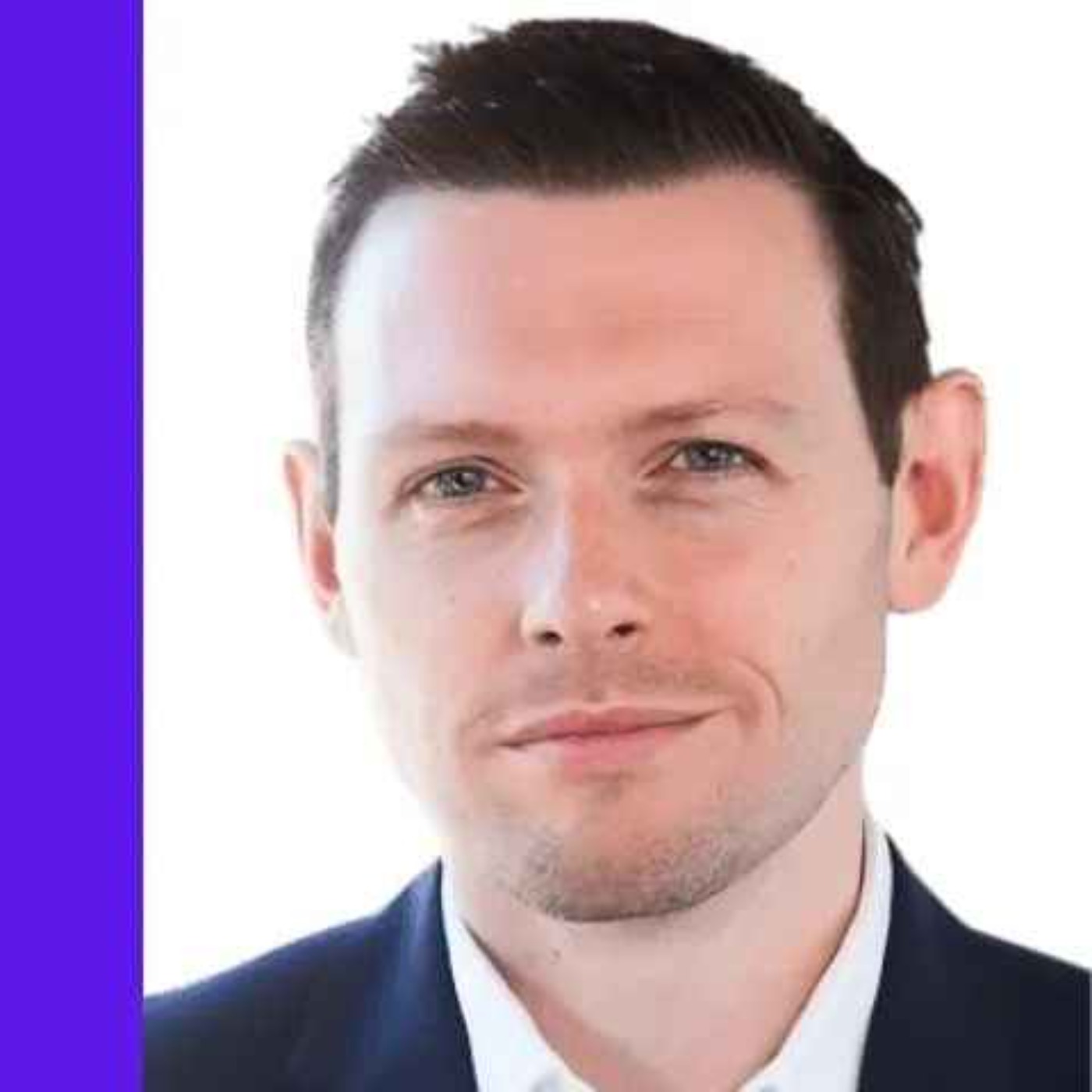
S2023 Ep 14Syria & 12 Years of War - Christopher Phillips | 2023 Episode 14
This episode of The IR thinker returns to Syria more than a decade after the outbreak of war, asking what the country looks like today, who exercises control on the ground, and how regional and external powers shape its future. The discussion addresses the evolution of ISIS and other jihadist groups, President Bashar al-Assad’s position, the roles of Turkey, Russia and Iran, Syria’s readmission to the Arab League, and the wider idea of a “new Middle East”.Christopher PhillipsChristopher Phillips is Professor of International Relations at Queen Mary University of London, specialising in the politics and international relations of the Middle East. Having lived in Syria for several years, he continues to engage closely with the region through regular research trips. Professor Phillips has published widely in leading academic journals and also writes for major international outlets such as The Guardian, The Washington Post and The Atlantic.Publications:What Next for Britain in the Middle East?Everyday Arab IdentityThe Battle for SyriaBattlegroundFrom revolutions to rapprochement: The end of the ‘2011 era’ in the Middle East?Northern Syria has become Erdogan’s punchbagThe international system and the Syrian civil warThe Arabism Debate and the Arab Uprisings‘What is in a Name?’: The Role of (Different) Identities in the Multiple Proxy Wars in SyriaContent00:00 - Introduction02:06 - Islamic State (ISIS) and Syria in 202306:46 - Al-Qaeda, ISIS in Syria and Hayʼat Tahrir al-Sham13:41 - President Bashar al-Assad and Terrorists19:38 - President Bashar al-Assad Tactics and the Opposition22:00 - Who is Fighting in Syria in 2023?29:45 - Turkey’s Goals in Syria37:13 - Russia, Iran & Syria51:00 - The Concept of ‘2011 era’ / Syrian Reacceptance to the Arab League58:47 - Western Reaction to the Arab League Decision to Reaccept Syria01:01:40 - Western Sanctions on Syria01:06:47 - The Concept of ‘New Middle East’ Hosted on Acast. See acast.com/privacy for more information.
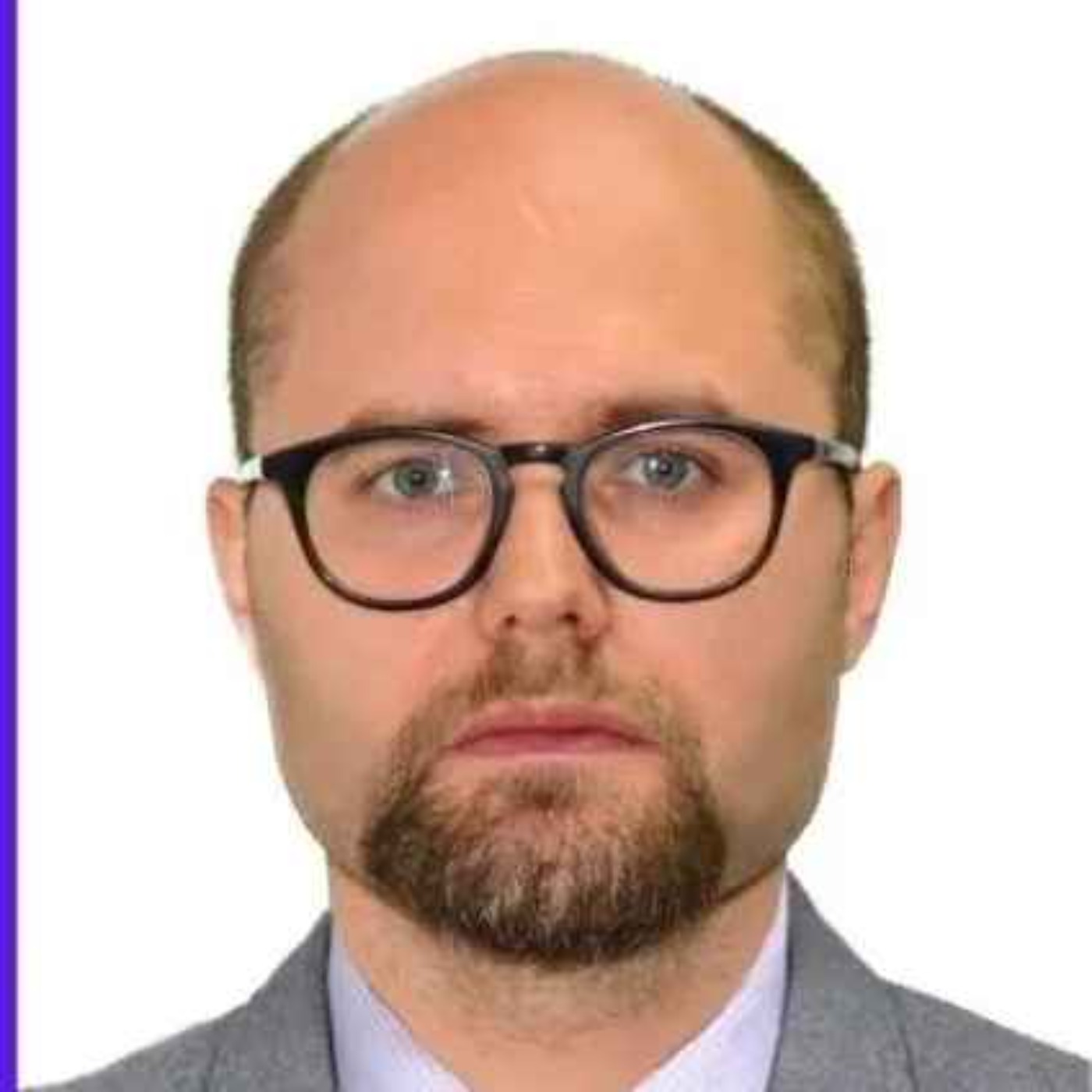
S2023 Ep 13New Russian Constitution - Petr Safronov | 2023 Episode 13
This episode of The IR thinker examines a proposed new Russian constitution developed under the leadership of Dr Petr Safronov and grounded in republican political philosophy. The discussion considers why a new constitutional framework is being advanced, the core values and institutional reforms it envisages, and what a republican reconfiguration of Russia’s legal order, separation of powers and federal structure might mean for the country’s future.Petr SafronovPetr Safronov is a philosopher, education researcher and artist, currently a guest researcher at the University of Amsterdam. His work focuses on multidisciplinary projects at the intersection of scholarship, educational design and the arts, undertaken with partners such as the Oxford Russia Foundation, the Friedrich Ebert Foundation, EdTech firms, private schools and social entrepreneurs. He publishes in both Russian and English on philosophy, education studies and history.You can preview a new draft of the constitution.Content00:00 Introduction02:13 Reasons and Driving Force Behind the Project03:20 People Supporting the Project04:36 Role of Republican Political Philosophy05:56 Current Russian Constitution07:20 Issue With ‘Federation’08:40 Position of the Current Russian Constitution Within the Legal System10:28 Three Proposed Values and Principles16:18 Why Should Russia be a Republic?20:21 Can Russia Use Current State Infrastructure to Build a Republic?22:42 Russia Needs Working Institutions24:40 Why Should Be the Russian Constitutional Court Abolished?27:30 Russian Orthodox Church and Secularity30:31 Balanced Religious Perspective32:00 Energy Security in Russia35:32 Academic Freedom39:34 Getting Russian Citizenship by ‘ius soli’41:25 Auditing Regional Budgets42:50 Federative Treaty46:29 Role of the President48:07 Foreign Policy50:51 Symbols of Russia52:00 How to Implement All Provisions of the New Constitution?53:20 Other Drafts of Russian Constitution55:30 Is It Possible to Reform Russia Without New Constitution? Hosted on Acast. See acast.com/privacy for more information.
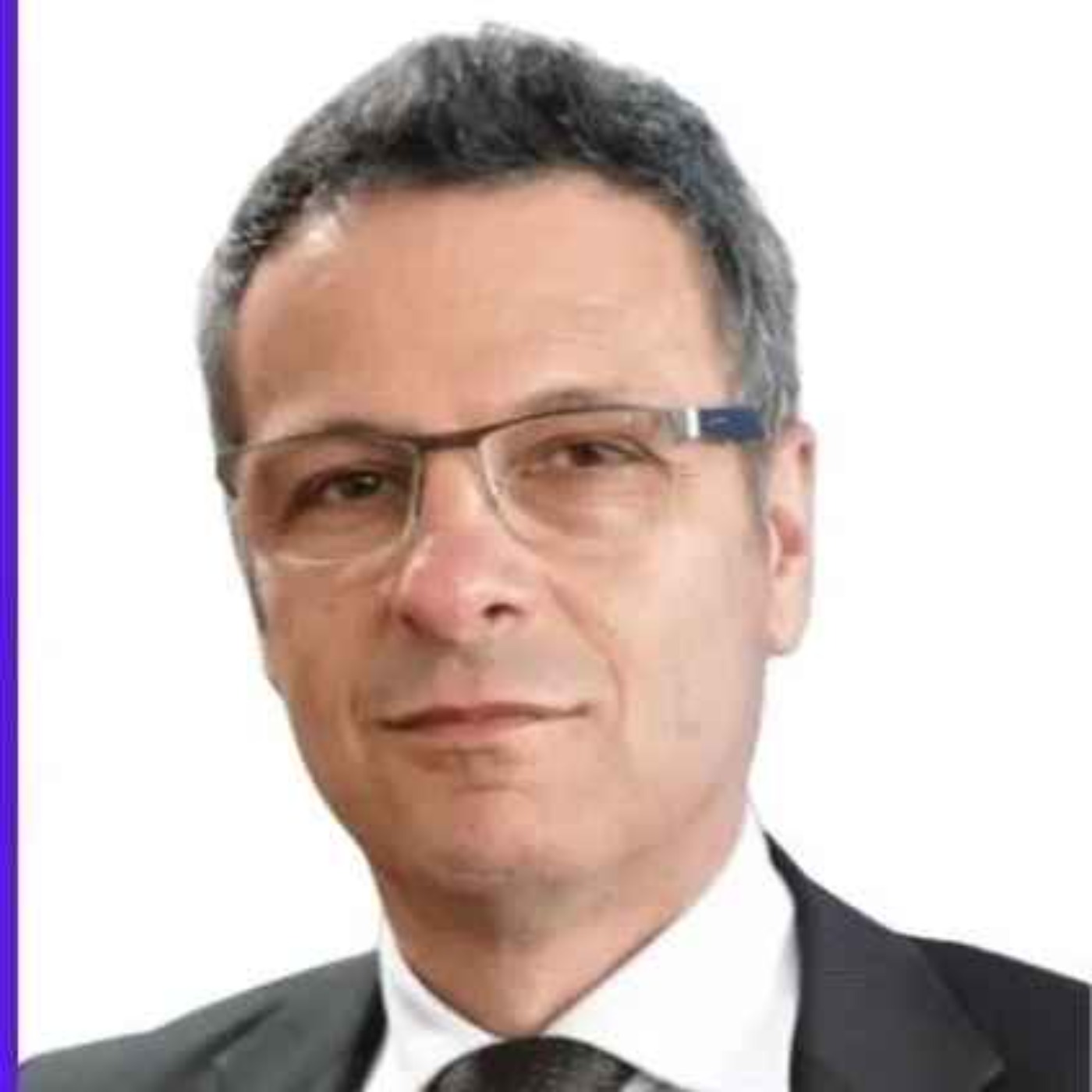
S2023 Ep 12Serbia & Aleksandar Vucic - Vesko Garcevic | 2023 Episode 12
This episode of The IR thinker offers an in-depth examination of President Aleksandar Vučić’s foreign policy, focusing on his management of Serbia’s diplomatic relations, the four pillars of its external orientation and the implications for EU accession. The conversation also considers how Belgrade navigates mounting geopolitical tensions between East and West, including the questions of Kosovo, BRICS, security partnerships and the durability of Vučić’s hold on power.Vesko GarčevićVesko Garčević is a prominent Montenegrin diplomat who has served as Montenegro’s ambassador to NATO in Brussels, to the OSCE in Vienna, and to Austria, Belgium, Luxembourg and the Netherlands, playing an active role during the dissolution of the Socialist Federal Republic of Yugoslavia and Montenegro’s democratic transition. He has taken part in leading international security forums, including the German Marshall Fund’s Brussels Forum, the Munich Security Conference and the Halifax International Security Forum, and is Professor of the Practice of International Relations at Boston University’s Frederick S. Pardee School of Global Studies.Content00:00 - Introduction02:28 - Serbian Foreign Policy During Aleksandar Vučić Era03:23 - Four Pillars of Serbian Foreign Policy04:57 - Which Pillar is the Strongest One?10:23 - What Does Kosovo Mean to Aleksandar Vučić?19:39 - Aleksandar Vučić Vision24:37 - Greater Serbia Concept28:33 - Manipulation of Masses31:38 - Does the European Union Understand Serbia?36:14 - Is the BRICS an Alternative for Aleksandar Vučić?39:49 - Latest Security Updates45:28 - Chinese Military Base in Serbia, a Realistic Scenario?49:06 - Turkey, Cuba and Venezuela53:02 - Why is Aleksandar Vučić Still in Power?56:59 - Weak Points of Aleksandar Vučić1:02:17 - Being a Diplomat During Aleksandar Vučić Era Hosted on Acast. See acast.com/privacy for more information.

S2023 Ep 11Dramatic Scottish Politics - Andrew Liddle | 2023 Episode 11
This episode of The IR thinker examines the evolving landscape of Scottish politics in the decade since the 2014 independence referendum, with particular attention to the Scottish National Party, the repercussions of Brexit and the enduring question of independence. The discussion explores the relationship between Holyrood and Westminster, and considers how debates over energy, investment, immigration and poverty shape Scotland’s future within, or potentially outside, the United Kingdom.Andrew LiddleAndrew Liddle is a writer, political analyst and historian whose work focuses on modern British and Scottish political history. His most recent book, Cheers, Mr Churchill!: Winston in Scotland, has been internationally recognised for its meticulous research and insightful examination of Churchill’s relationship with Scotland.Content00:00 - Introduction01:39 - Scottish Political Landscape After 201403:58 - Who Initiated the Scottish Referendum?06:28 - Scottish National Party09:08 - Scottish National Party: Older vs. Younger Generations10:53 - Other Political Parties in Scotland14:47 - Scottish Green Party & Liberals17:06 - Scottish Parliament21:02 - Should the Scottish Parliament Have More Competencies?23:46 - Scottish Parliament and British Parliament26:53 - Brexit and Scottish Independence Movement31:09 - Scottish Independence: Security Issues33:49 - What Comes After the Referendum?36:15 - Would the UK National Referendum be an Option for Scotland?38:25 - Is There a Scottish Passport?39:58 - Nicola Sturgeon45:07 - Has Nicola Sturgeon Left Any Political Legacy?48:16 - Was Nicola Sturgeon Focusing Too Much on Scottish Independence?51:27 - Humza Yousaf55:00 - Other Scottish Political Leaders58:01 - Scottish Energy Security and New Projects1:01:21 - International Investment to Scottish Energy Sector1:02:46 - What Should be Improved to Attract More Investment to Scotland?1:04:52 - Scottish Economic Diplomacy1:06:32 - Immigration Issues in Scotland1:10:22 - Poverty in Scotland Hosted on Acast. See acast.com/privacy for more information.

S2023 Ep 10Kosovo Crisis 2023 - Helena Ivanov | 2023 Episode 10
Recent tensions, in 2023, between Serbia and Kosovo have flared anew following a raid by Kosovo police on Serb-majority areas in the north of the region, including the seizure of local municipal buildings. The operation sparked violent clashes between Kosovo police and NATO-led peacekeepers on one side and local Serbs on the other, leaving dozens injured on both sides. In response, Serbia has raised the combat readiness of its troops stationed near the border. These developments prompt a troubling question: are we witnessing a return to the politics and atmosphere of war?Helena IvanovDr Helena Ivanov is an Associate Research Fellow at the London-based Henry Jackson Society. She completed her PhD in International Relations at the London School of Economics and Political Science. Before undertaking her PhD, Helena earned a master’s degree in Political Theory from the University of Oxford, and holds a bachelor’s degree in Politics from the University of Belgrade. She has been the recipient of numerous international awards and is a regular contributor to global media and press outlets.Dr Ivanov’s research focuses on the relationship between propaganda and violence against civilians.Publications:Why Still Pro-Russia? Making Sense of Hungary’s and Serbia’s Pro-Russia StanceContent00:00 - Introduction01:42 - International Status of Kosovo03:19 - Kosovo’s International Voice07:41 - EU and Kosovo10:35 - Negotiations with the EU14:26 - Impact of Josep Borrell and Miroslav Lajcak16:35 - Alternative Mediators for Kosovo18:45 - President Vucic and the EU Negotiations22:54 - Kosovo’s Crisis Development and Outlook27:41 - Kosovo’s Demographics29:22 - Principle of Ethnicity in Kosovo33:57 - Tenets of the Latest Tensions in Kosovo in 202338:50 - Are the Serbs in Kosovo without Representation?39:55 - Election Boycott by Serbs41:36 - Impact of Russia and China44:35 - Kosovo vs Crimea47:56 - The Impact of the US Military Presence in Kosovo Hosted on Acast. See acast.com/privacy for more information.
S2023 Ep 9Chinese Stratagem & Leadership - Hei Sing Tso | 2023 Episode 9
This episode of The IR thinker explores whether Chinese political leadership can be better understood through the lens of the traditional Chinese stratagems, commonly known as the Thirty-Six Stratagems. The discussion examines how these historical and cultural concepts, expressed in proverbial form, continue to inform patterns of strategic thinking, decision-making and foreign policy in contemporary China, while also considering their limits as an interpretive framework.Hei Sing TsoHei Sing Tso is an independent scholar whose research focuses on traditional Chinese stratagems. Trained in law at the City University of Hong Kong and the University of Edinburgh, and holding a Master of Arts in theology from the University of Chester, he is also a practising lawyer and President of Guiguzi Stratagem Learning, a training firm that teaches Chinese stratagems to government and business clients.Publications:I Ching and 36 Tricks: Your Personal Wisdom ManualInteresting works mentioned during the interview:Thirty-Six StratagemsUnrestricted Warfare: China’s Master Plan to Destroy AmericaHan Feizi: Basic Writings (Translations from the Asian Classics)Content00:00 Introduction02:32 Chinese Stratagems vs. Strategy04:20 How Many People in China Research the Stratagems?05:57 Why Does Hei Sing Tso Research the Stratagems?10:11 The 36 Stratagems in the Present Context12:46 How to Interpret the 36 Stratagems15:52 Six Categories of the 36 Stratagems19:30 How Do Chinese People Learn About the Stratagems?23:20 The Stratagems and Chinese Foreign Policy25:46 Notable Publications About the Stratagems and Chinese Foreign Policy30:16 How to Research and Understand Chinese Political Leadership36:15 Most Common Misunderstandings About China in the West43:14 Key Challenges for Chinese Leadership Hosted on Acast. See acast.com/privacy for more information.
S2023 Ep 8Decoding Political Myths in Russia - Bo Petersson | 2023 Episode 8
Academic research on political myth remains relatively sparse, and the literature that does exist is scattered across several disciplines, despite the influential work of Roland Barthes in Mythologies and earlier semiological insights by Ferdinand de Saussure. This episode of The IR thinker examines what political myth means in theory and how it operates in practice, focusing in particular on its role in legitimising power in contemporary Russia and shaping narratives around Vladimir Putin, Russian society and the war in Ukraine.Bo PeterssonBo Petersson is Professor of Political Science at Malmö University in the Department of Global Political Studies. He is also Director of the Russia, Ukraine and the Caucasus Regional Research Centre in Malmö, and his work focuses on political myth, legitimacy and leadership in Russia and its neighbourhood.Publications:The Putin Predicament: Problems of Legitimacy and Succession in RussiaRising from the Ashes: The role of Chechnya in contemporary Russian politicsNationalism and greatness: Russia under the Putin presidenciesContent00:00 - Introduction01:50 - Definition of the Political Myth07:15 - Shortcomings of the Concept of Political Myth08:13 - Popularity of the Political Myth09:02 - Political Myth and Legitimizing the Power in Russia (Putin, Medvedev)17:24 - Is Putin Aware of the Political Myth Concept?19:11 - Putin vs. Medvedev20:46 - People Around, Institutions, Ministries24:28 - How Leaders Take Control Over the Political Myth26:50 - Stability, Ups and Downs of Putin vs. the Political Myth30:10 - The Political Myth and Russian Society - Unity vs. Polarisation33:17 - Putin and the War in Ukraine35:08 - Russians Living Abroad39:05 - Russian Identity and the Political Myth41:32 - Social Media and the Political Myth46:26 - The Political Myth as a Research Framework49:16 - Prof. Petersson Research Methods - Sources of Data50:52 - RUSSIA, UKRAINE AND THE CAUCASUS REGIONAL RESEARCH Hosted on Acast. See acast.com/privacy for more information.
S2023 Ep 7Students Shaping the World (Schwarzman Scholars) - Max Browning | 2023 Episode 7
This episode of The IR thinker explores the role of students in international relations, focusing on their contribution to diplomacy and to problem-solving arenas such as international institutions and professional organisations. The discussion features Max Browning from Scotland, a recipient of the Schwarzman Scholars scholarship, which supports emerging global leaders.Max BrowningMax Browning is the Founder and Chairman of One Scotland, a charitable initiative bringing future leaders together through cultural exchange and collaboration at universities in Edinburgh, Glasgow, Stirling and Aberdeen.He graduated from the University of Edinburgh with a Double First in Chinese & Russian in 2022 and am now pursuing and MSc in East Asian Relations.In 2021, he had the privilege of attending the COP26 Blue Zone on behalf of the University of Edinburgh and spoke about the importance of building a global network of young changemakers.His other commitments include managing the Scottish Parliament’s Cross Party Group on China; attending the China Scotland Business Forum; and advising the Scotland China Education Network.Content00:00 - Introduction02:00 - Why should students get engage in international relations?04:00 - The difference between bachelor’s degree and master’s degree students05:01 - How can students go international with their projects?08:05 - How should students contact experts and senior managers?09:26 - What about if students do not study international relations but they want to go international?11:57 - Posh universities vs regular universities14:17 - The most important skills for international students’ projects17:07 - How to develop leadership skills?20:08 - The most difficult barriers to international student collaboration24:31 - Should students involve lecturers and professors in their initiatives?26:26 - How should international student initiatives start?30:24 - The role of diaspora in international student projects32:37 - Digital identity of students’ projects34:39 - Schwarzman Scholars’ scholarship36:42 - Why to go to study in China?38:28 - Which courses will Max study? Who does teach in China?40:49 - Who is going to study with Max?42:07 - Challenges of studying and living in China45:47 - Where will Max live in China?46:50 - Do Chinese students develop international student initiatives?48:37 - Will Max share his experience in China on social media?49:28 - How to get an international scholarship?51:27 - Max’s future job Hosted on Acast. See acast.com/privacy for more information.

S2023 Ep 6Talking with Terrorists - Anne Speckhard | 2023 Episode 6
A scholar who has interviewed more than 800 terrorists worldwide, helped to establish rehabilitation programmes in Iraq, and worked with leading international institutions to understand terrorism, extremism and hate crime, Dr Anne Speckhard brings a uniquely informed perspective to this discussion. This episode of The IR thinker features an in-depth conversation with Dr Speckhard on the drivers of terrorism and extremism, and the possibilities – and limits – of rehabilitation.Anne SpeckhardAnne Speckhard, PhD, is Director of the International Center for the Study of Violent Extremism (ICSVE), Adjunct Associate Professor of Psychiatry at Georgetown University School of Medicine, and an Affiliate of Georgetown’s Center for Security Studies. She has interviewed more than 800 terrorists, violent extremists and their family members worldwide, and created ICSVE’s Breaking the ISIS Brand and Escape Hate counter-narrative projects that use first-hand testimonies to undermine extremist recruitment. An authority on the psychology of terrorism, as well as on rehabilitation and repatriation, she has advised governments, international organisations and security agencies including NATO, the OSCE, United Nations bodies and multiple national law-enforcement services. Dr Speckhard is the author of five books, including Homegrown Hate and Talking to Terrorists, and is a frequent media commentator on terrorism and extremism.Content00:00 - Introduction and Anne’s background04:55 - First interview with a terrorist07:22 - First interview questions and preparation10:27 - Being a woman while interviewing terrorists11:58 - Conditions for interviewing terrorists14:11 - Detainee Rehabilitation Program in Iraq19:59 - Breaking the ISIS Brand Counternarratives Project25:54 - Surprising ISIS propaganda elements28:29 - 4 things making a terrorist30:49 - Women as terrorists34:24 - Women’s motivation to join terrorist groups38:12 - Anne’s new book and a review of three chapters50:47 - The US and European extremism similarities and differences53:32 - Emerging trends in extremism55:53 - The US effort to tackle extremism at the present58:05 - International Center for the Study of Violent Extremism Hosted on Acast. See acast.com/privacy for more information.
S2023 Ep 5 Serbia - Russia: Energy & Politics - Vuk Vuksanovic | 2023 Episode 5
In this episode of The IR thinker, the conversation turns to the complex relationship between Serbia and Russia, with a particular focus on energy, foreign policy and the limits of Russian influence in the Western Balkans. From gas and oil routes to soft power and security ties, the discussion unpacks how Belgrade navigates its position between Moscow and the West.Vuk VuksanovicDr Vuk Vuksanovic is a senior researcher at the Belgrade Centre for Security Policy and an associate at LSE IDEAS, the foreign policy think tank of the London School of Economics and Political Science, specialising in Serbian foreign policy, Russian influence and the geopolitics of the Western Balkans.Content00:00 - Introduction00:57 - Gazprom’s role in the Serbian energy security10:52 - Gazprom’s investment in Serbia12:14 - Diversification of Serbian gas supplies (Azerbaijan)23:21 - Russian reaction to Azeri gas25:02 - Serbian oil supplies, JANAF, DRUZHBA and Hungary31:39 - EU, Druzhba and Russian oil exceptions34:04 - Serbian, Hungarian and Russian energy union35:08 - Why Serbia has no nuclear power plant?38:43 - Does Russia control Serbia?44:30 - limits of Russian influence in Serbia48:52 - Russian “mutual consultations” on the Serbian foreign policy51:44 - Russian soft power and the Wagner Group in Serbia01:01:00 - Serbia’s role between Russia and the West Hosted on Acast. See acast.com/privacy for more information.
S2023 Ep 4 Expat's View on Japan - Maya Matsuoka | 2023 Episode 4
In this episode of The IR thinker, the discussion turns to Japan as seen through the eyes of long-term foreign residents, examining how expats perceive the country’s politics, society, demographics and place in global affairs.Maya MatsuokaI am joined by Maya Matsuoka, host of the talk show Japan Expert Insights, whose professional experience across education, travel and tourism, and IT in both Bulgaria and Japan offers a distinctive vantage point on contemporary Japan.Maya Matsuoka is a long-term resident of Japan. She has worked both in Bulgaria and Japan, her career including positions in the education, travel and tourism, and IT industries.Over the past two years, with the help of the Tim Sullivan, Maya has built Japan Expert Insights into a community hub for professionals who have substantial experience of working and doing businesses in Japan.Content00:00 - Introduction02:59 - Japanese international voice in the last 10 years05:22 - Japanese confidence in international relations07:50 - Young Japanese and global politics11:39 - Japanese elite universities13:22 - Japanese political thinking18:55 - Why changes in Japan take so long23:50 - Abe’s impact on Japan29:14 - Abe’s legacy30:40 - Japanese domestic politics32:40 - One political party in Japan35:38 - Intellectual property decline39:19 - Ageing and demographics41:40 - Raising a child in Japan46:15 - Ukraine and Japan53:19 - Japanese regional relations Hosted on Acast. See acast.com/privacy for more information.
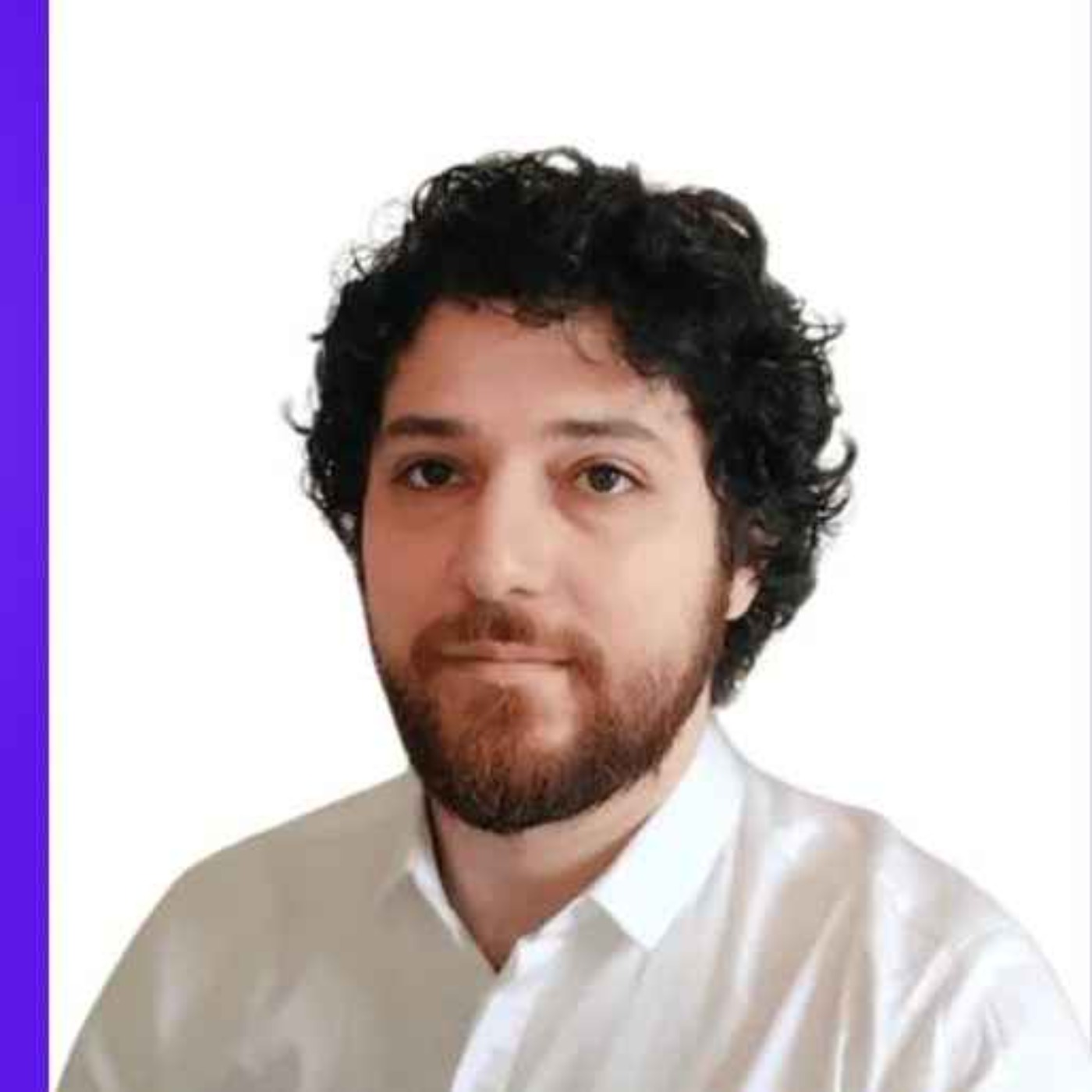
S2023 Ep 3 EU Between Law & Geopolitics - Luigi Lonardo | 2023 Episode 3
Recently, I came across an intriguing book title built around three keywords: “EU”, “Law” and “Geopolitics”. In 2022, the European Union’s foreign and security policy was subjected to a series of real-world tests at the intersection of these very themes. In this edition of The IR thinker, we explore what these developments reveal about the EU’s external action through the lenses of law and geopolitics: what can we learn about the Union’s foreign and security policies within these frameworks, and does the EU possess a sufficiently robust legal architecture to underpin its foreign policy in today’s shifting geopolitical landscape?Luigi LonardoDr Luigi Lonardo is a lecturer in EU law at University College Cork, Ireland, and visiting lecturer in European foreign, security and defence policy at Sciences Po in Paris, France.Publications:EU Common Foreign and Security Policy After Lisbon: Between Law and GeopoliticsRussia’s 2022 War Against Ukraine and the EU’s Foreign Policy Reaction: Context, Diplomacy, and LawContent00:00 - Introduction04:00 - Definition of geopolitics13:03 - Four concepts of EU foreign policy18:20 - Common security and foreign policy20:11 - Treaty of Lisbon22:52 - EU enlargement current stage28:54 - Geopolitics of Russian energy supplies31:04 - Geopolitics of water37:20 - EU enlargement geopolitics42:05 - Legal basis in the EU law43:35 - Sanctions and COREPER II46:00 - EU territory48:45 - EU constitution52:25 - Common geopolitical challenges56:30 - Recommendations for EU geopolitics Hosted on Acast. See acast.com/privacy for more information.
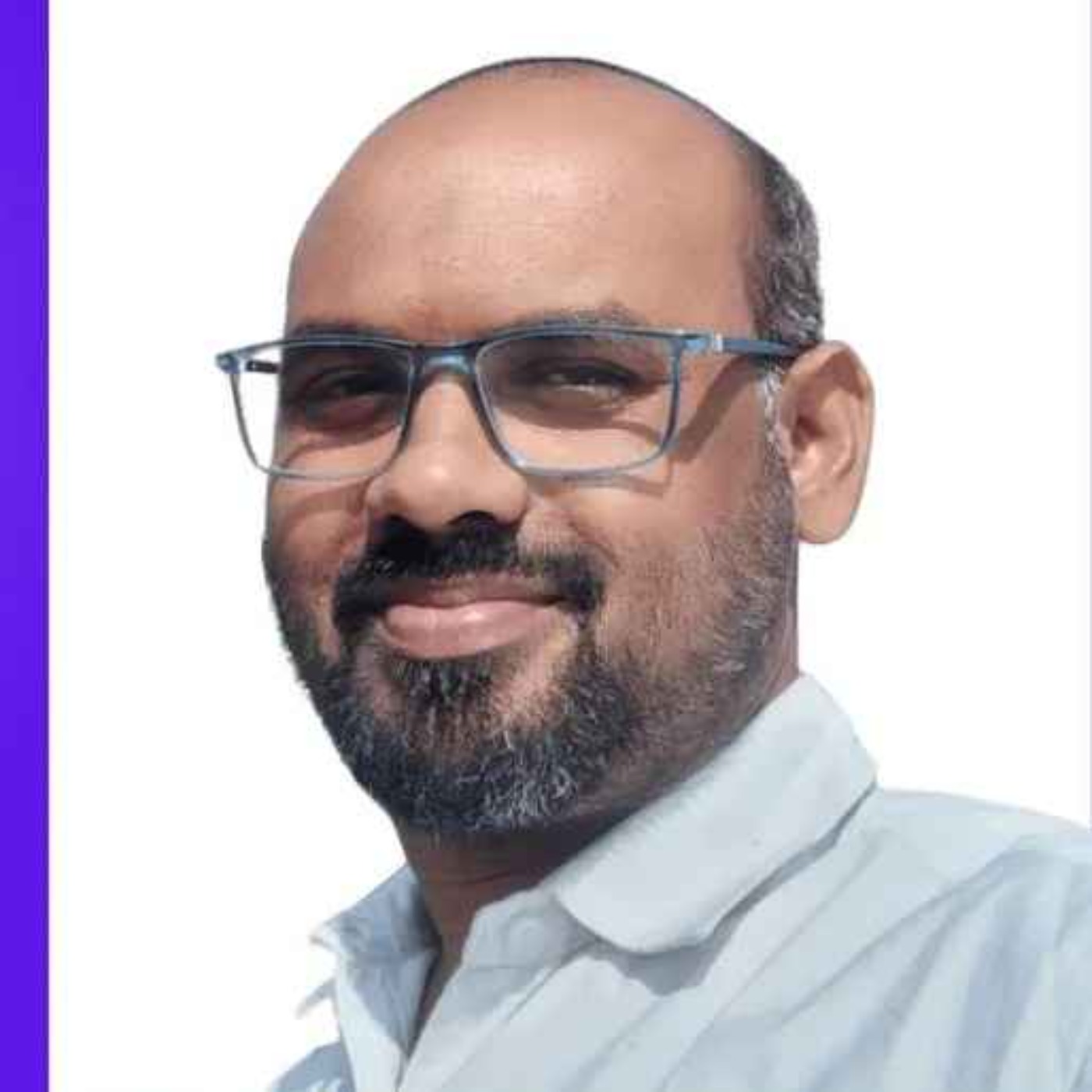
S2023 Ep 2India's Role in BRICS - Junuguru Srinivas | 2023 Episode 2
In this episode of The IR thinker, Prof. Srinivas analyses India’s role in BRICS, from its entry into the grouping to the evolution of its diplomacy under Manmohan Singh and Narendra Modi. The conversation explores the benefits and risks of BRICS for India, misconceptions about Indian diplomacy, and the ways in which domestic politics and the Indian diaspora shape New Delhi’s engagement with the bloc.Junuguru Srinivas is Assistant Professor at Woxsen University in Kamkole, India. He is also the Alina Mungiu Pippidi Professor of Public Policy and Co-Chairperson of the CoE–Public Policy Research.His work focuses on the foreign economic policies of India, Russia and China, as well as the political economy of the Global South in international relations. He has received numerous research grants, delivered presentations and participated in international conferences worldwide. Professor Srinivas is the author of two books: Future of the BRICS and the Role of Russia and China (2022) and Russian Approach towards BRICS and G20, 2001–2012 (2017).Content00:00 - Introduction02:10 - Prof. Srinivas and BRICS06:30 - How India joined BRICS?15:58 - Manmohan Singh21:11 - Narendra Modi 25:15 - BRICS benefits to India34:34 - India's diplomacy38:55 - India's diaspora abroad47:30 - Misconception about India's diplomacy49:40 - India's and BRICS countries analysis1:09:49 - Threats to BRICS1:15:42 - India's politics and BRICS Hosted on Acast. See acast.com/privacy for more information.
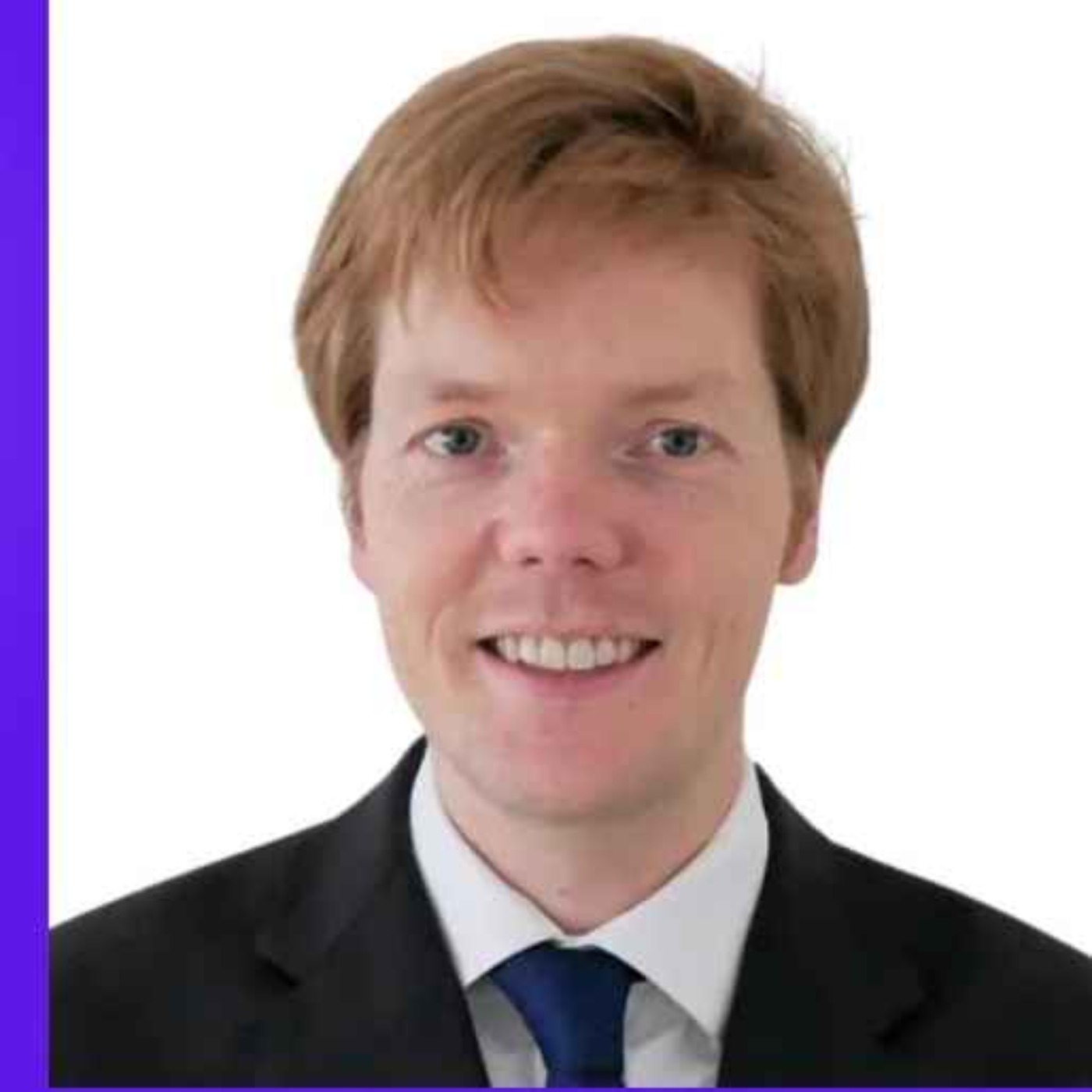
S2023 Ep 1Russian LNG in Europe - Andreas Schroeder | 2023 Episode 1
By all accounts, 2023 will be a year of endless debates about energy relations between the European Union and Russia. On this edition of "The IR thinker", I am curious about Russian LNG in Europe, is it a sign of hypocrisy in the European Union or a smart Russian business move?I am joined by Andreas Schroeder, Head of Energy Analytics at ICIS – Independent Commodity Intelligence Services; a global company with 150 years of experience in delivering market intelligence. Andreas is a leading expert on LNG issues, and I highly recommend connecting with him on LinkedIn, where he posts tremendous sources of knowledge. Content00:00 - Introduction02:07 - Russian LNG in Europe04:45 - Novatek and LNG transport to Europe11:55 - LNG politics and the European Union18:14 - EU gas storage, LNG supplies and terminals23:33 - Russia sells LNG to third countries26:04 - LNG gas contracts29:45 - LNG price components38:43 - LNG market and reforms in Europe44:32 - Recommendation for the European Union Hosted on Acast. See acast.com/privacy for more information.