The Innovation Show
1,271 episodes — Page 14 of 26
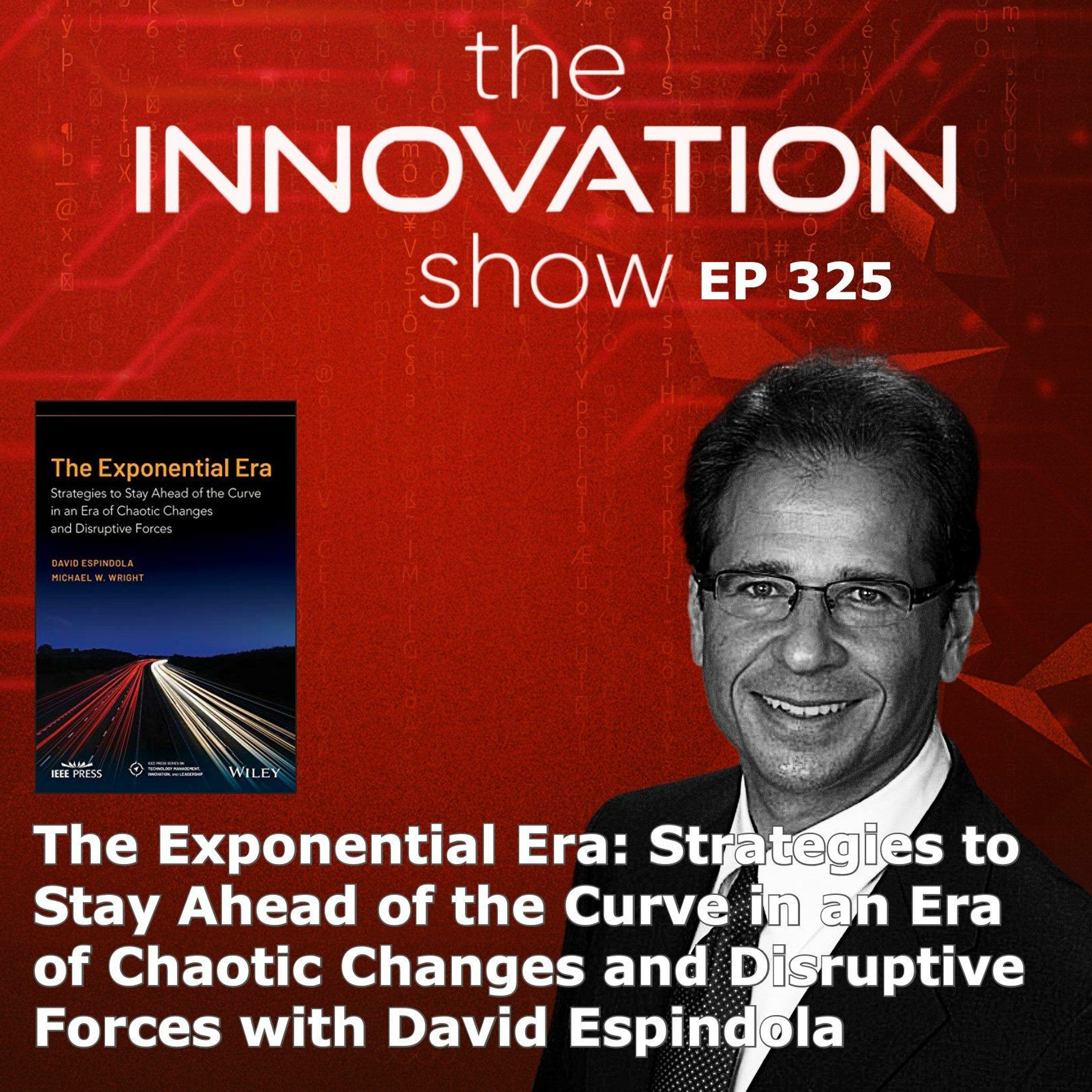
The Exponential Era with David Espindola
Today’s book introduces the Exponential Era, the extraordinary times we are living where the convergence of technology platforms that grow at exponential rates is creating unprecedented opportunities for companies that know how to benefit from it, and disastrous results for those that don't. In the book we learn about: The megatrends shaping the future of business and society The exponential platforms that are creating astonishing opportunities and risks The types of companies that thrive in this environment and those that are being destroyed. We will also learn about a robust methodology called SPX that challenges the current thinking in strategic planning and provides an effective playbook for companies to stay ahead of the exponential curve. Finally, our guest provides a thoughtful discussion about the impact of the Exponential Era on humanity, and how the rapid changes we are experiencing challenge our current societal structures, economics, and ethics. We welcome the co-author of The Exponential Era: Strategies to Stay Ahead of the Curve in an Era of Chaotic Changes and Disruptive Forces David Espindola More about David: https://davidespindola.com
The Exponential Era with David Espindola
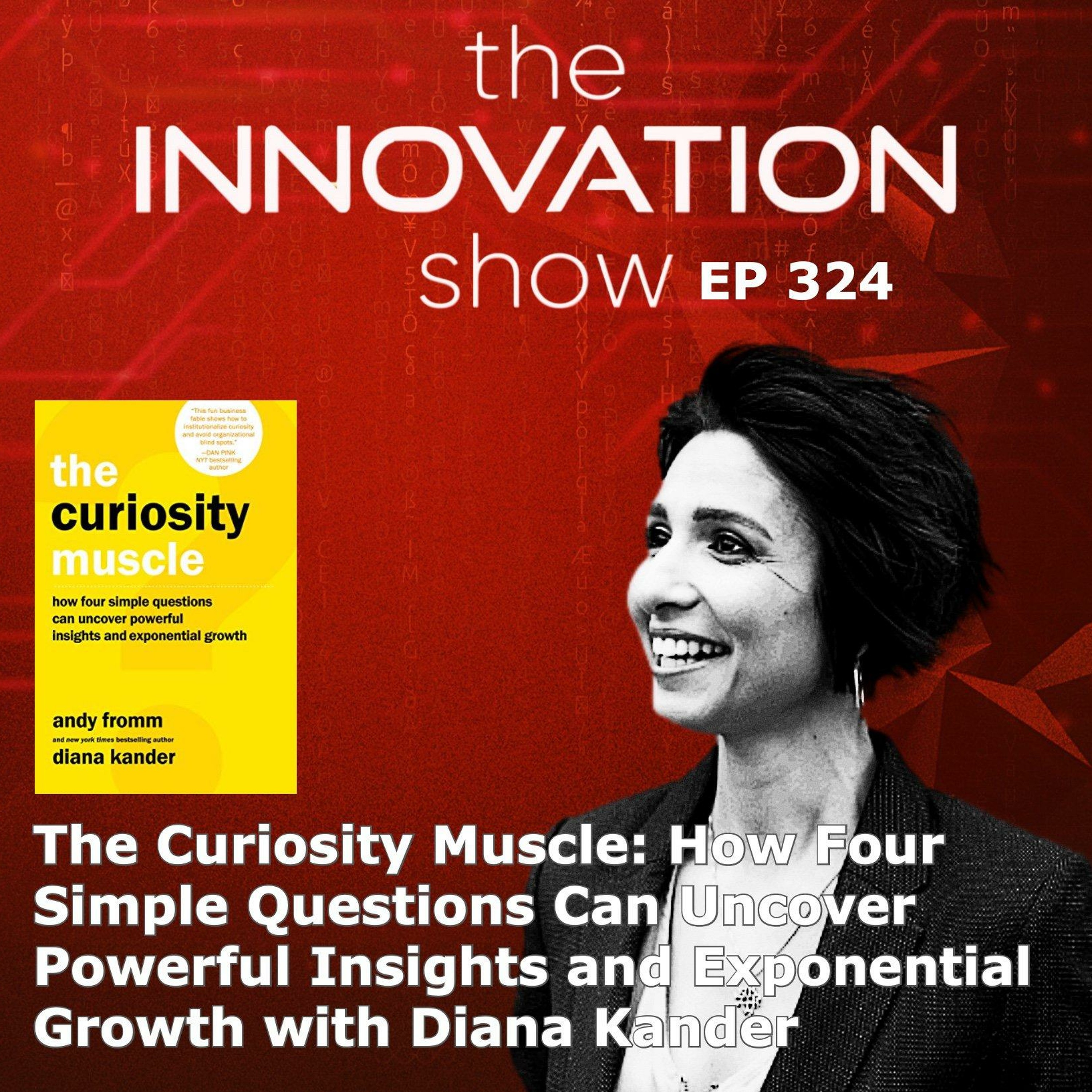
The Curiosity Muscle with Diana Kander
Toys ‘R’ Us. Kodak. Blockbuster. Why is it that some companies evolve while others get left in the dust? How do they lose their relevance with customers? The scary truth is that the only thing harder than getting to the top is staying there. It may sound counterintuitive, but in many cases, it is the success of a company that eventually leads to its downfall. So what does it take to stay competitive and relevant when what customers went wild for yesterday is the boring, banal, bare minimum they’ll accept today? Through the story of the rise and plateau of a gym franchise recounted as a novel, today’s book shows exactly why most companies reaching the peak of their potential lose their curiosity and crash into irrelevance. From how we develop blind spots about our business to the pitfalls of feeling like an expert, this thought-provoking, engaging tale reveals the smokescreens obscuring imminent threats to long-term viability and walks you through specific ways to boost innovation, uncover customer needs, solve problems, create new value for customers, and increase employee engagement. Most importantly, this book demonstrates why curiosity is your greatest asset, driving constant innovation and improvement and helps you ask the essential questions that will take your business from stagnant to soaring. By continuing to work your curiosity muscle over time, you can help your company thrive and become competitive on more than price alone—ultimately, future-proofing your business. We welcome the author of “The Curiosity Muscle: How Four Simple Questions Can Uncover Powerful Insights and Exponential Growth “ Diana Kander. Find Diana here: https://dianakander.com Find her podcast here: https://dianakander.com/podcast/
The Curiosity Muscle with Diana Kander
Innovation Accounting with Esther-Emmely Gons and Dan Toma
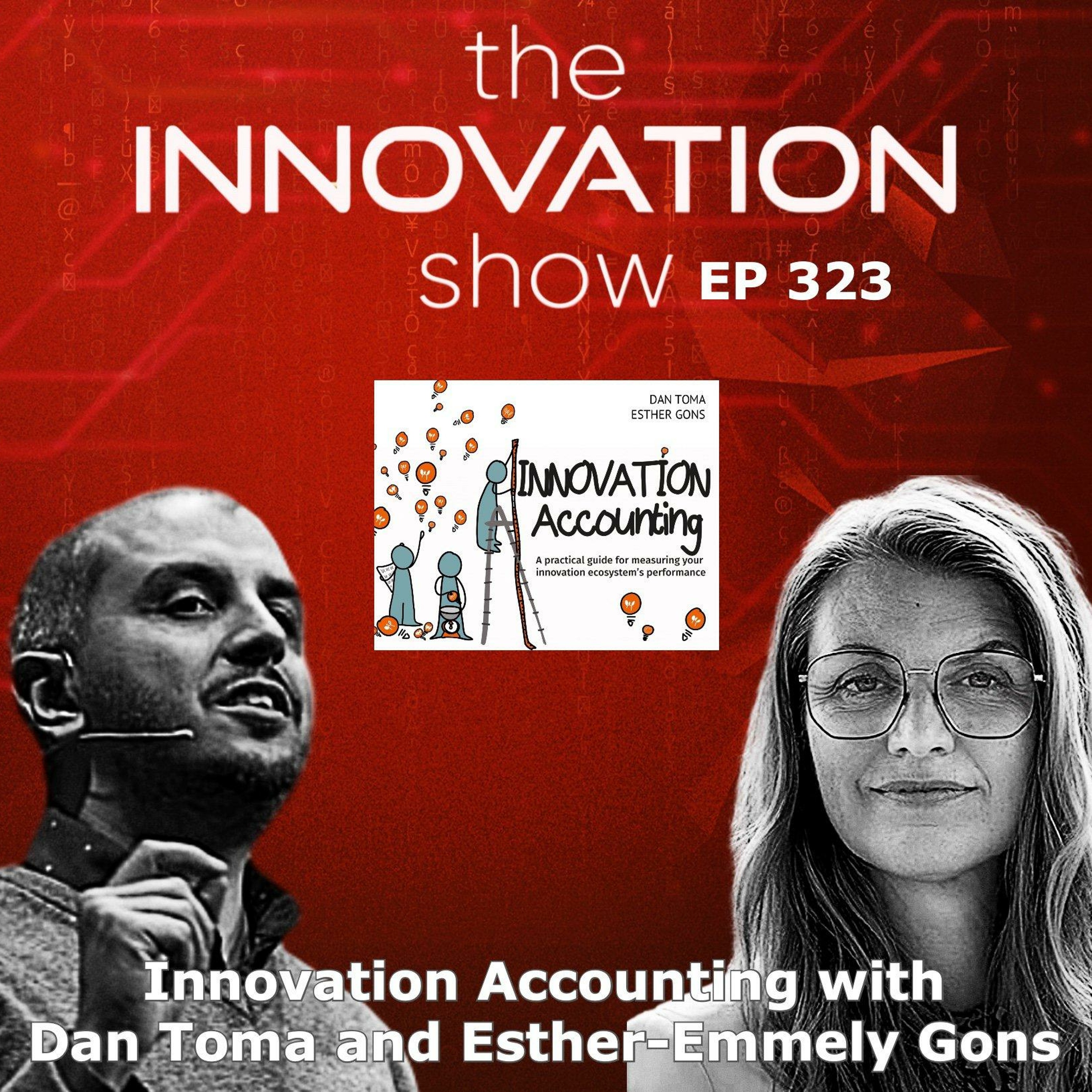
Innovation Accounting with Esther-Emmely Gons and Dan Toma
When a company is committed to growing through innovation standard accounting documents offer insufficient and, oftentimes irrelevant data. Innovation Accounting is a practical guide for these companies to help them measure and track innovation. Most established organizations have understood the need to innovate and become more digital, however the management tools available to leaders seeking to understand the investments in innovation are lacking. Financial accounting in particular is difficult to use in the context of (digital) innovation. Therefore a new complementary system for measuring and tracking innovation is needed. The book provides tools, frameworks, templates, and visualizations that can be easily understood and applied. These can all be used by executives looking for a new way of measuring corporate performance in a world where accounting-recognized assets are becoming commodities, by investors seeking better ways of looking at a company's growth potential, and by managers who need to valuate innovation product teams using more than just financial indicators. Today’s book is an essential go-to book for anyone that wants to measure their company's innovation ecosystem. We welcome the co-authors of Innovation Accounting, Esther-Emmely Gons and previous guest and friend of the show, Dan Toma More about Esther here: https://togroundcontrol.com/about/esther-emmely-gons/ More about Dan here: https://weareoutcome.co
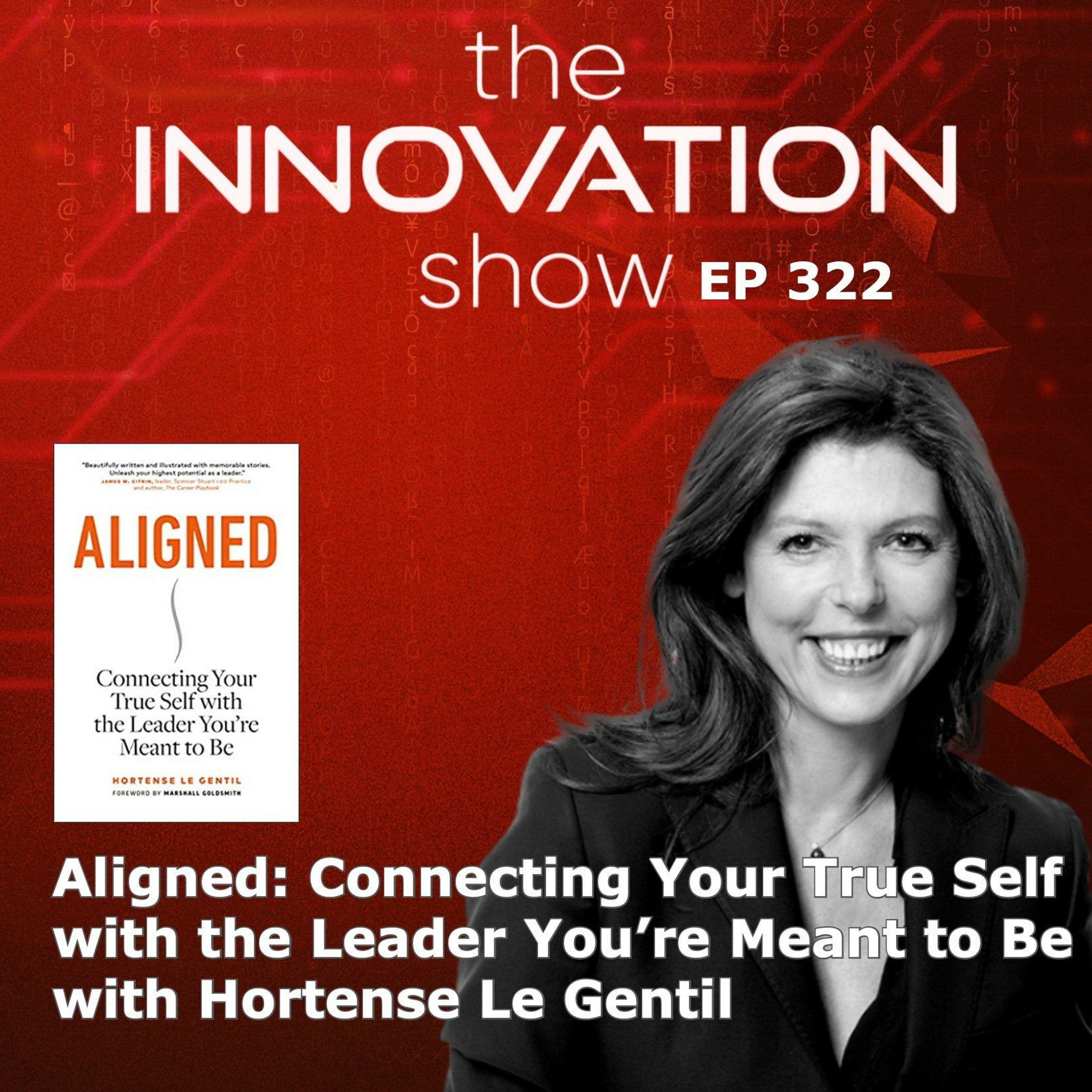
Aligned with Hortense Le Gentil
Have you ever felt like you were on a roll? Every thing seems to be going your way. Time slows, and you see clearly. Past the noise and distractions, you’re able to zoom in on the essential. You take the perfect action at the perfect time. You instinctively know what to do, and you have the profound feeling that you are on the right path. This experience is the manifestation of what our guest calls alignment. Alignment is the congruence of who you are, what you feel, and what you love on a deep and fundamental level with what you do, what you say, what you envision, and where you are going. Alignment is not about falling in step or conforming to others’ expectations, but rather it’s about becoming more yourself—and, in so doing, transcending what you thought were the limits of your capabilities. You too, if properly aligned, can reach higher than you ever thought possible, effortlessly and joyfully inspiring others to embrace and follow your vision. You too can generate that sense of clarity and ease, even in the face of challenges and setbacks. You too can create that congruence of who you are, what you think, and what you do. We welcome the author of "Aligned: Connecting Your True Self with the Leader You’re Meant to Be", Hortense Le Gentil. More about Hortense HLGconsulting.org
Aligned with Hortense Le Gentil
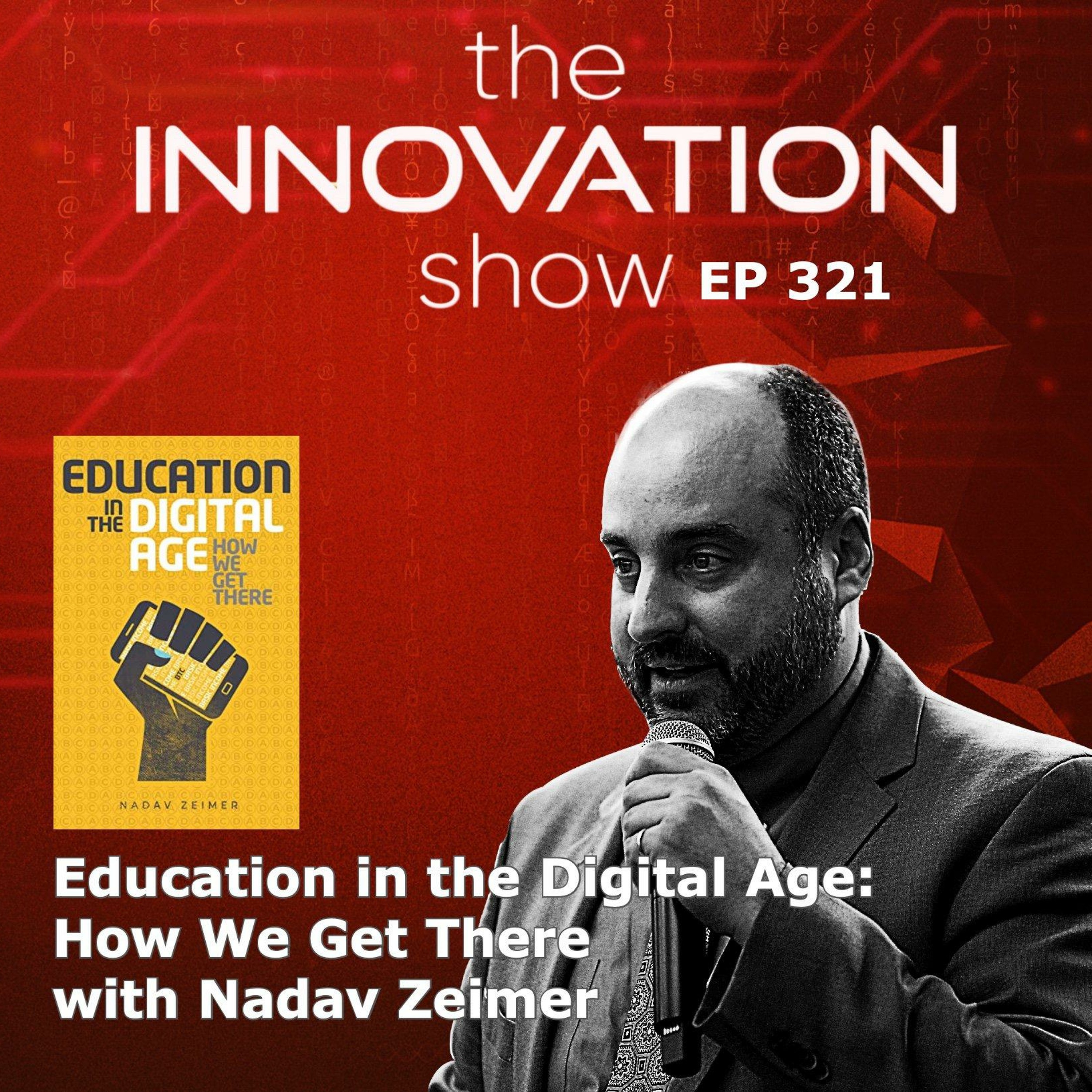
Education in the Digital Age with Nadav Zeimer
Today's books tell us how digital platforms are inverting our economy and what that means for our public high schools.  It is a fascinating read for those interested in transformation, bitcoin, education, and universal basic income.  Questions include: - What does the future of work look like as jobs continue to decline? - Why will trends like decentralization and open-source impact education? - When does human bias impact economic viability and how can anti-bias lead to an anti-fragile democracy and economy? - Will artificial intelligence help or hurt us? And - Should we worry about "surveillance capitalism? We welcome Principal Z, the author of Education in the Digital Age: How We Get There, Nadav Zeimer.
Education in the Digital Age with Nadav Zeimer
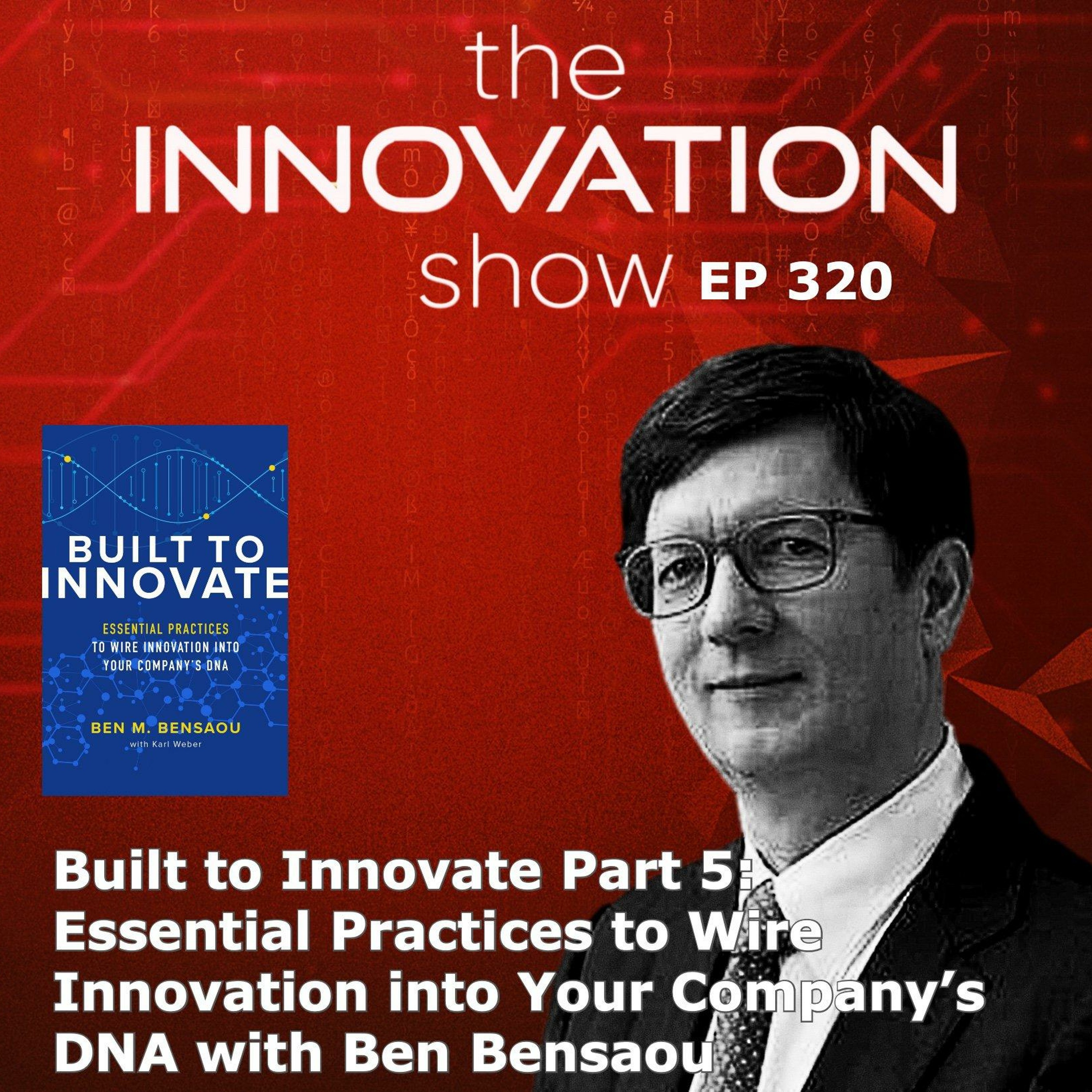
Built to Innovate Part 5 with Ben M. Bensaou
In this episode, we deep dive into the Built To Innovate framework. More details on https://www.builttoinnovatethebook.com It’s no secret that continuous innovation is the key to seizing and maintaining the competitive edge in today’s increasingly challenging business environment. Unfortunately, the process for achieving this holy grail of business has been a mystery—until now. Today's book delivers a proven system for building relentless innovation into your company’s DNA. Our guest, a Professor and former Dean of Executive Education at INSEAD explores the essential practices of many of the world’s most innovative organizations and demonstrates how you can leverage them in your own company. You’ll learn how to drive innovating in product design and creative use of technology―as well as business activities, such as business model redesign, customer service, distribution, finance, talent development, and sales. The big question on the mind of every business leader today is: What can I do to create extra value for my company and the customers we serve?  This book provides everything you need to transform your organization into an innovating engine that continually produces new products and processes to generate enormous new value for you and for the customers you serve. It is a pleasure to welcome back the author of “Built to Innovate: Essential Practices to Wire Innovation into Your Company’s DNA" Ben Bensaou, welcome to the show
Built to Innovate Part 5 with Ben M. Bensaou
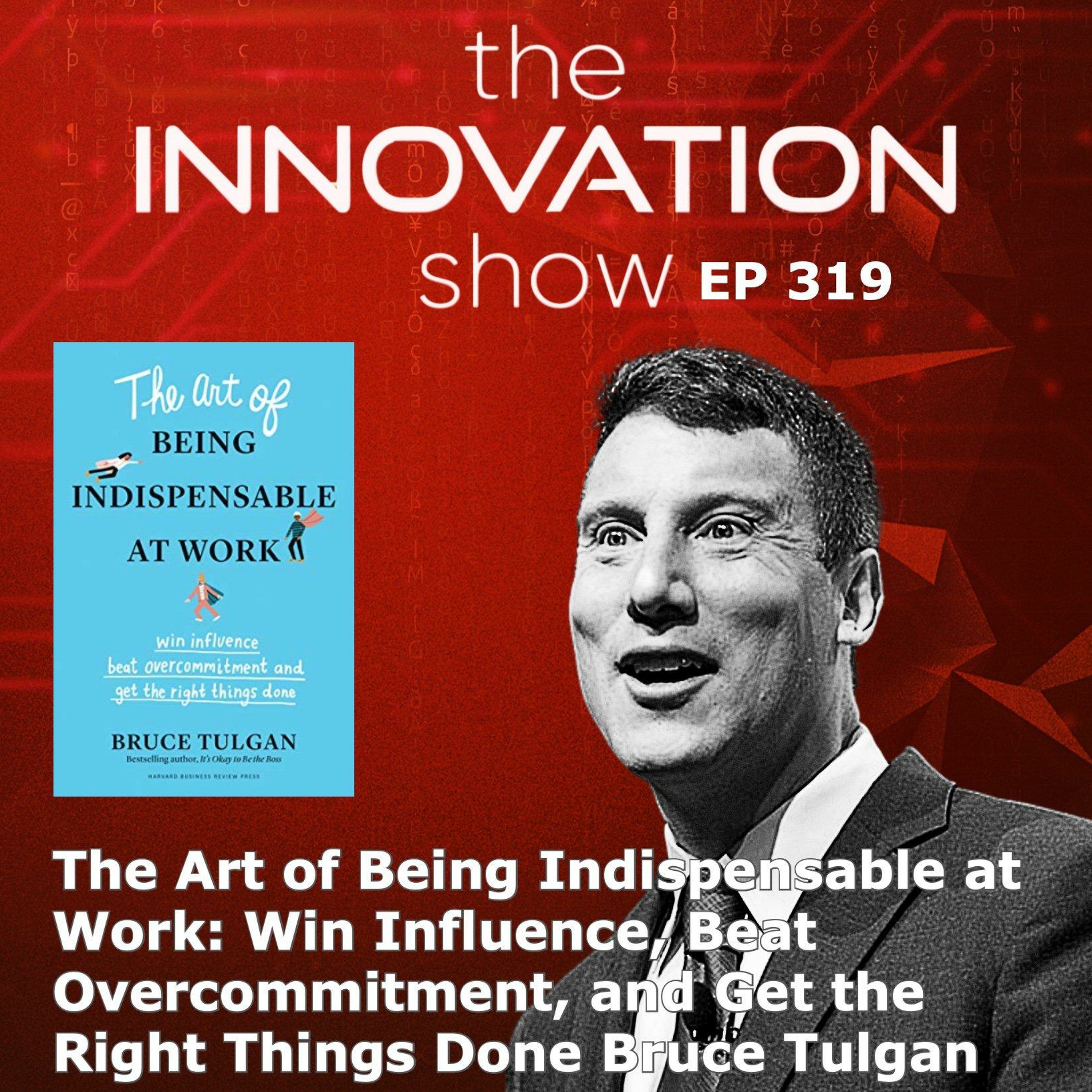
The Art of Being Indispensable at Work with Bruce Tulgan
With new technology, constant change and uncertainty, and far-flung virtual teams, getting things done at work is tougher and more complex than ever. We’re in the midst of a collaboration revolution, working with everyone, all the time, across silos and platforms. But sometimes it feels like we're stuck in a no-win cycle—dealing with an overwhelming influx of asks, with unclear lines of communication and authority. Overcommitment syndrome looms larger than ever before. But even amid the seeming chaos, there's always that indispensable go-to person who thrives on their many working relationships with people all over the organization chart. How do they do it? Go-to people consistently make themselves valuable to others, maintain a positive attitude of service, are creative and tenacious, and take personal responsibility for getting the right things done. Our guest today reveals the secrets of the go-to person in our new world of work. Based on an intensive study of people at all levels, in all kinds of organizations, He shows how go-to people think and behave differently, building up their influence with others—not by trying to do everything for everybody but by doing the right things at the right times for the right reasons, regardless of whether they have the formal authority. We welcome the author of The Art of Being Indispensable at Work: Win Influence, Beat Overcommitment, and Get the Right Things Done Bruce Tulgan More about Bruce and links mentioned in the episode: Email hygiene: https://rainmakerthinking.com/improve-productivity-by-practicing-good-email-hygiene/ Meetings: https://rainmakerthinking.com/a-guide-to-great-one-on-one-meetings/
The Art of Being Indispensable at Work with Bruce Tulgan
Built to Innovate Part 4 with Ben M. Bensaou
In this episode, we explore the case study of Bayer and how the 40 billion dollar giant diffused a mindset of innovating across the organization. It’s no secret that continuous innovation is the key to seizing and maintaining the competitive edge in today’s increasingly challenging business environment. Unfortunately, the process for achieving this holy grail of business has been a mystery—until now. Today's book delivers a proven system for building relentless innovation into your company’s DNA. Our guest, a Professor and former Dean of Executive Education at INSEAD explores the essential practices of many of the world’s most innovative organizations and demonstrates how you can leverage them in your own company. You’ll learn how to drive innovating in product design and creative use of technology―as well as business activities, such as business model redesign, customer service, distribution, finance, talent development, and sales. The big question on the mind of every business leader today is: What can I do to create extra value for my company and the customers we serve? This book provides everything you need to transform your organization into an innovating engine that continually produces new products and processes to generate enormous new value for you and for the customers you serve. It is a pleasure to welcome back the author of “Built to Innovate: Essential Practices to Wire Innovation into Your Company’s DNA" Ben Bensaou, welcome to the show
Built to Innovate Part 4 with Ben M. Bensaou
The Gig Mindset Advantage with Jane McConnell
Companies and organizations around the world are being confronted with alarming challenges—a global pandemic, market shocks, climate change, political instability. But in these unsettled times, today’s guest reveals that managers and executives have a secret weapon on their side: an overlooked group of employees that share what she calls “the gig mindset”—a freelancer-style knack for improvisation, adaptability and innovation that offers a crucial key to the future. Found at all levels of the workforce but often stifled by managers, gig mindsetters are disruptors who upend business as usual and bridge gaps while achieving surprising outcomes and charting new directions. Six case studies of early adopters illustrate how it is shaping business in diverse fields: science and technology, industrial energy, healthcare, financial services, agricultural commodity trading and legal services. We welcome author of The Gig Mindset Advantage: Why a Bold New Breed of Employee is Your Organization’s Secret Weapon in Volatile Times, Jane McConnell
The Gig Mindset Advantage with Jane McConnell
Built to Innovate Part 3 with Ben M. Bensaou
It’s no secret that continuous innovation is the key to seizing and maintaining the competitive edge in today’s increasingly challenging business environment. Unfortunately, the process for achieving this holy grail of business has been a mystery—until now. Today's book delivers a proven system for building relentless innovation into your company’s DNA. Our guest, a Professor and former Dean of Executive Education at INSEAD explores the essential practices of many of the world’s most innovative organisations and demonstrates how you can leverage them in your own company. You’ll learn how to drive innovating in product design and creative use of technology―as well as business activities, such as business model redesign, customer service, distribution, finance, talent development, and sales. The big question on the mind of every business leader today is: What can I do to create extra value for my company and the customers we serve? This book provides everything you need to transform your organization into an innovating engine that continually produces new products and processes to generate enormous new value for you and for the customers you serve. It is a pleasure to welcome back the author of “Built to Innovate: Essential Practices to Wire Innovation into Your Company’s DNA" Ben Bensaou, welcome to the show In this episode, we explore some case studies in innovation including Samsung The Pentagon The cement company-turned renewables EcoCem The paint company AkzoNobel and many nuggets of wisdom in between
Built to Innovate Part 3 with Ben M. Bensaou
Built to Innovate Part 2 with Ben M. Bensaou
Intro It’s no secret that continuous innovation is the key to seizing and maintaining the competitive edge in today’s increasingly challenging business environment. Unfortunately, the process for achieving this holy grail of business has been a mystery—until now. Today's book delivers a proven system for building relentless innovation into your company’s DNA. Our guest, a Professor and former Dean of Executive Education at INSEAD explores the essential practices of many of the world’s most innovative organisations and demonstrates how you can leverage them in your own company. You’ll learn how to drive innovating in product design and creative use of technology―as well as business activities, such as business model redesign, customer service, distribution, finance, talent development, and sales. The big question on the mind of every business leader today is: What can I do to create extra value for my company and the customers we serve? This book provides everything you need to transform your organization into an innovating engine that continually produces new products and processes to generate enormous new value for you and for the customers you serve. It is a pleasure to welcome back the author of “Built to Innovate: Essential Practices to Wire Innovation into Your Company’s DNA" Ben Bensaou, welcome to the show. In this episode, we get into the nuts and bolts of bringing innovation to life within an organisation. We talk about BASF and William Gore and Sons and creating the right environment for people to have time to innovate.
Built to Innovate Part 2 with Ben M. Bensaou
Pierre Wack and the Origins of Scenario Planning with Art Kleiner
In episode 4, we focus on The Mystics in an episode called "The Age of Heretics Part 4: Pierre Wack and the Origins of Scenario Planning" with Art Kleiner This is part of a longer series based on the book The Age of Heretics with Art Kleiner.
Pierre Wack and the Origins of Scenario Planning with Art Kleiner
Built to Innovate Part 1 with Ben M. Bensaou
Intro It’s no secret that continuous innovation is the key to seizing and maintaining the competitive edge in today’s increasingly challenging business environment. Unfortunately, the process for achieving this holy grail of business has been a mystery—until now. Today's book delivers a proven system for building relentless innovation into your company’s DNA. Our guest, a Professor and former Dean of Executive Education at INSEAD explores the essential practices of many of the world’s most innovative organizations and demonstrates how you can leverage them in your own company. You’ll learn how to drive innovating in product design and creative use of technology―as well as business activities, such as business model redesign, customer service, distribution, finance, talent development, and sales. The big question on the mind of every business leader today is: What can I do to create extra value for my company and the customers we serve? This book provides everything you need to transform your organization into an innovating engine that continually produces new products and processes to generate enormous new value for you and for the customers you serve. It is a pleasure to welcome the author of “Built to Innovate: Essential Practices to Wire Innovation into Your Company’s DNA" Ben Bensaou, welcome to the show. Timestamps of content: 3:08 Innovation v Innovating 6:12 Duality of business: Executing v Innovating 9:03  A company’s innovating engine is driven by three key processes of innovating: creation, integration, and reframing 13:10 The Buzzing Fridge of Innovation for Leaders 20:33 The Built To Innovate Framework 34:13 The Power of Thank You The Power of Thank You and Building a Culture of Innovating 40:59 Psychological Safe environments to bring your ideas 48:29 The Importance of a Supportive Board 54:05 Where to start in an organisation and filtering ideas
Built to Innovate Part 1 with Ben M. Bensaou
The Age of Heretics Part 3 with Art Kleiner
When postwar American business was a vast sea of gray flannel suits and tasteful ties, a few unorthodox individuals were not so quietly shifting the paradigm toward the breezier, Google-ier workplace of today. These change agents include a raft of idealistic social scientists as well as nonacademics. In this episode of the multi-part series, we highlight labor organizer Saul Alinsky, who pioneered the use of shareholder activism to open Kodak’s doors to more African Americans. Alinsky was the embodiment of the activist principle that behaving badly is sometimes necessary because, in the words of the civil-rights anthem, “The nice ways always fail.” If ever a neighborly company existed, that was Eastman Kodak. to those outside the company, particularly the black people of Rochester, the company was an object of seething resentment. It was the largest employer in Rochester, and it had never let them into the family. In 1964 twenty thousand black residents lived in Rochester, crowded into a few neighborhoods where landlords rented to them. Most of them had come up from the southern states in search of jobs; now they lived in tenements with twenty-four or twenty-eight families squeezed into houses designed for two. Enter Alinsky, whose organization, the Industrial Arts Foundation, had an unparalleled track record for teaching slum dwellers to improve their own neighborhood conditions, often beginning by winning over the neighborhood’s delinquent gangs. In principle, Kodak managers agreed that opportunities for blacks should be increased, but they didn’t see that this was Kodak’s responsibility. Let the blacks pull themselves up, as every other ethnic group in America had done, to the point where Kodak would want to hire them. Anyone who looked at both organizations could see that an impasse was inevitable. We also discuss shareholder activism, CSR, ESG, and corporate activism. We welcome back the author of, “The Age of Heretics: A History of the Radical Thinkers Who Reinvented Corporate Management” More about Art: https://www.linkedin.com/in/artkleiner/
The Age of Heretics with Art Kleiner Part 3
Rare Breed with Sunny Bonnell
Whether you’re building your career or a business of your own, you have a big advantage: Nobody ever sees the rebel coming. The established players in any industry are always fat, sluggish, and content. You’re defiant, swift, and hungry. Because your ideas are daring (and probably defiant), you’ll blindside the competition. By the time they catch on, you’ve picked their pockets, stolen their best customers, and won the admiring press. As a rebel, you will meet resistance, but you look forward to it. Rebellion is an act of war. The established order always counterpunches and usually wears brass knuckles. Rare Breeds don’t get what they want by adapting to the conventional rules: instead, they use the traits often considered shortcomings as tools for creation and growth. Combining examples and practical tools, our guest identifies seven vices-turned-virtues—Rebellious, Audacious, Obsessed, Hot-Blooded, Weird, Hypnotic, Emotional—to help disruptors and trailblazers discover their inner Rare Breed and tap into them to realize their full potential in work and life. We welcome the author of Rare Breed: A Guide to Success for the Defiant, Dangerous, and Different, Sunny Bonnell More about Sunny: https://rarebreedleaders.com Check out this article for more thought provocation: https://www.fastcompany.com/90711751/traditional-leadership-is-dead-this-is-what-will-take-its-place
Rare Breed with Sunny Bonnell
The Age of Heretics Part 2 with Art Kleiner
Part 2 in this wonderful series When postwar American business was a vast sea of gray flannel suits and tasteful ties, a few unorthodox individuals were not so quietly shifting the paradigm toward the breezier, Google-ier workplace of today. These change agents include a raft of idealistic social scientists as well as nonacademics, like labor organizer Saul Alinsky, who pioneered the use of shareholder activism to open Kodak’s doors to more African Americans. Alinsky, who was literally willing to smash dishes to get attention, was the embodiment of the activist principle that behaving badly is sometimes necessary because, in the words of the civil-rights anthem, “The nice ways always fail.” Today’s guest uses religious terms to title each of the chapters of his book— “Monastics,” “Pelagians,”“Mystics,” and so forth. At first that seems an odd choice for a study of modern corporations and other secular institutions. But he is insightful to do so. Like the heretic whose rejection of religious orthodoxy might send him to the pyre, our guest's organizational heretic “is someone who sees a truth that contradicts the conventional wisdom of the institution to which he or she belongs—and who remains loyal to both entities, to the institution and the new truth.” The person who is willing to make a great sacrifice to change an institution he or she loves is a hero as well as a heretic because, our guest writes, “the future of industrial society depends on our ability to transcend the destructive management of the past, and build a better kind of business.” We welcome the author of “The Age of Heretics: A History of the Radical Thinkers Who Reinvented Corporate Management” and the earlier subtitle was Heroes, Outlaws, and the Forerunners of Corporate Change, Art Kleiner.
The Age of Heretics Part 2 with Art Kleiner
Flux with April Rinne
Whether you’re leading an organization through new realities, building (or rethinking) your career, forging new relationships, seeking peace, or simply not sure what to do next, you’ll gain tools and insights for how to think, learn, work, live, and lead better with a Flux Mindset. Flux shows you how to slow down responsibly, identify what really matters, make wise decisions, and let go of the rest. Flux challenges your assumptions and expectations in ways that enable you to lean into the future with hope rather than fear, and with clarity and confidence anchored in what makes you, you. We welcome the author of Flux, 8 Superpowers for Thriving in Constant Change, April Rinne More about April: https://aprilrinne.com
Flux with April Rinne
The Age of Heretics Part 1 with Art Kleiner
When postwar American business was a vast sea of grey flannel suits and tasteful ties, a few unorthodox individuals were not so quietly shifting the paradigm toward the breezier, Google-ier workplace of today. These change agents include a raft of idealistic social scientists as well as nonacademics, like labour organizer Saul Alinsky, who pioneered the use of shareholder activism to open Kodak’s doors to more African Americans. Alinsky, who was literally willing to smash dishes to get attention, was the embodiment of the activist principle that behaving badly is sometimes necessary because, in the words of the civil-rights anthem, “The nice ways always fail.” Today’s guest uses religious terms to title each of the chapters of his book— “Monastics,” “Pelagians,” Mystics,” and so forth. At first, that seems an odd choice for a study of modern corporations and other secular institutions. But he is insightful to do so. Like the heretic whose rejection of religious orthodoxy might send him to the pyre, our guest's organizational heretic “is someone who sees a truth that contradicts the conventional wisdom of the institution to which he or she belongs—and who remains loyal to both entities, to the institution and the new truth.” The person who is willing to make a great sacrifice to change an institution he or she loves is a hero as well as a heretic because, our guest writes, “the future of industrial society depends on our ability to transcend the destructive management of the past, and build a better kind of business.” We welcome the author of “The Age of Heretics: A History of the Radical Thinkers Who Reinvented Corporate Management” and the earlier subtitle was Heroes, Outlaws, and the Forerunners of Corporate Change, Art Kleiner. More about Art here: https://wiseadvoc8.com
The Age of Heretics with Art Kleiner
Smart Growth with Whitney Johnson
Because the fundamental unit of growth in any organization is the individual, our starting point for talking about growth is you. Some of the questions we will answer are: • Why, despite the desire to learn, can it be so difficult to start something new and stick with it? • What does it take to gain and maintain momentum? • Once we’ve made considerable progress, why do we sometimes tire of what we’re doing and even feel we can no longer do it? Why do we outgrow things so quickly? The more you understand about your deep longing to grow and how to grow yourself, the greater your capacity to grow your people, to grow your company. That’s smart growth. The S Curve of Learning is a map to look at your life: where you were, where you are, and where you want to go—a continuous pathway to achieving potential. When you can picture yourself moving along this growth curve, you can more easily plan a trajectory and plot your progress. You can get smart about your growth. We welcome friend of the Innovation Show and author of yet another fantastic book, Smart Growth: How to Grow Your People to Grow Your Company, Whitney Johnson. More about Whitney here: https://whitneyjohnson.com https://smartgrowthbook.com
Smart Growth with Whitney Johnson
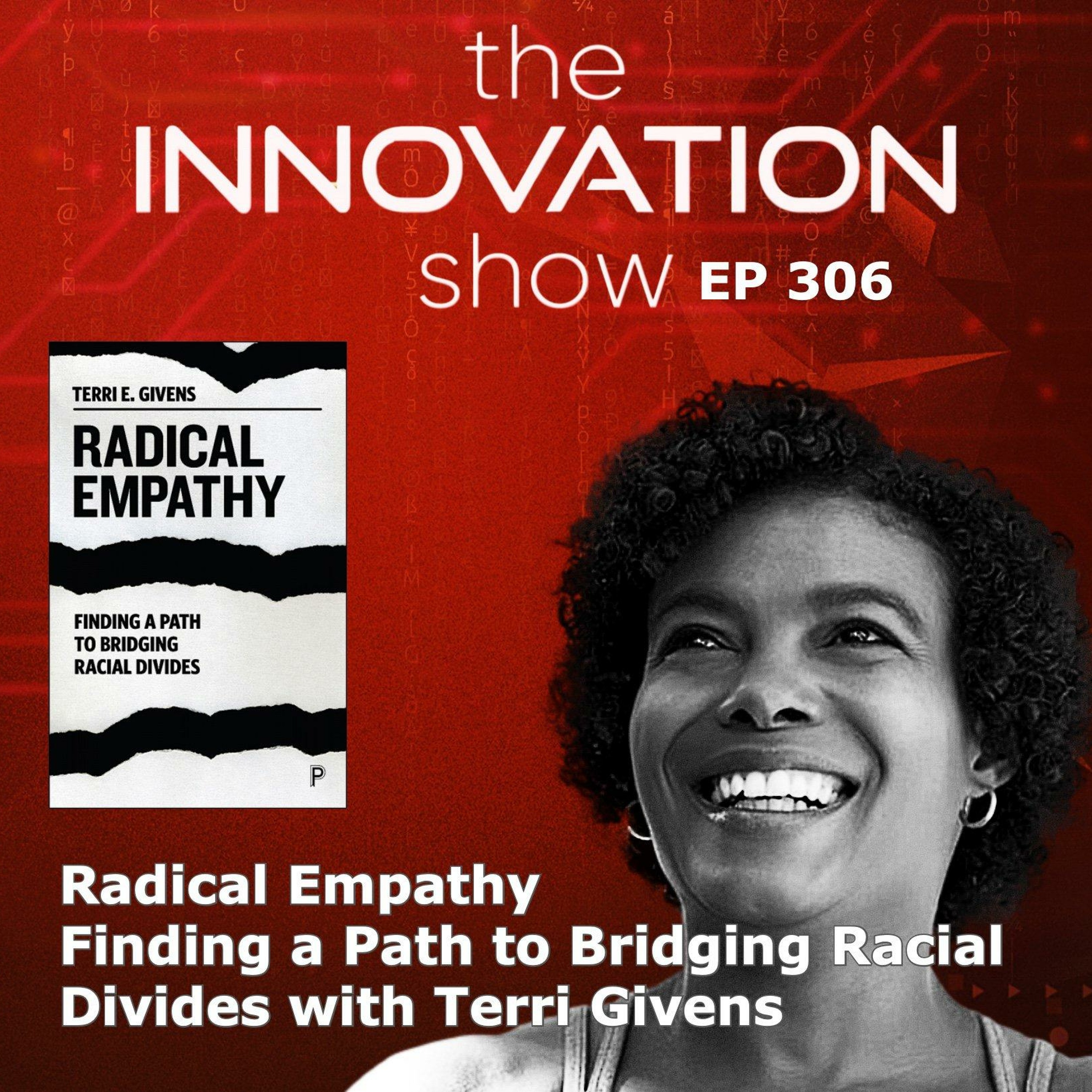
Radical Empathy with Terri Givens
Structural racism has impacted the lives of African Americans in the United States since before the country’s founding. Although the country has made some progress towards a more equal society, political developments in the 21st century have shown that deep divides remain. To bridge our divides, our guest, a renowned political scientist calls for ‘radical empathy’ – moving beyond an understanding of others’ lives and pain to understand the origins of our biases. Deftly weaving together her own experiences with the political, she offers practical steps to call out racism and bring about radical social change. We welcome the author of, “Radical Empathy, Finding A Path to Bridging Racial Divides”, Terri Givens. More about Terri: https://www.terrigivens.com
Radical Empathy with Terri Givens
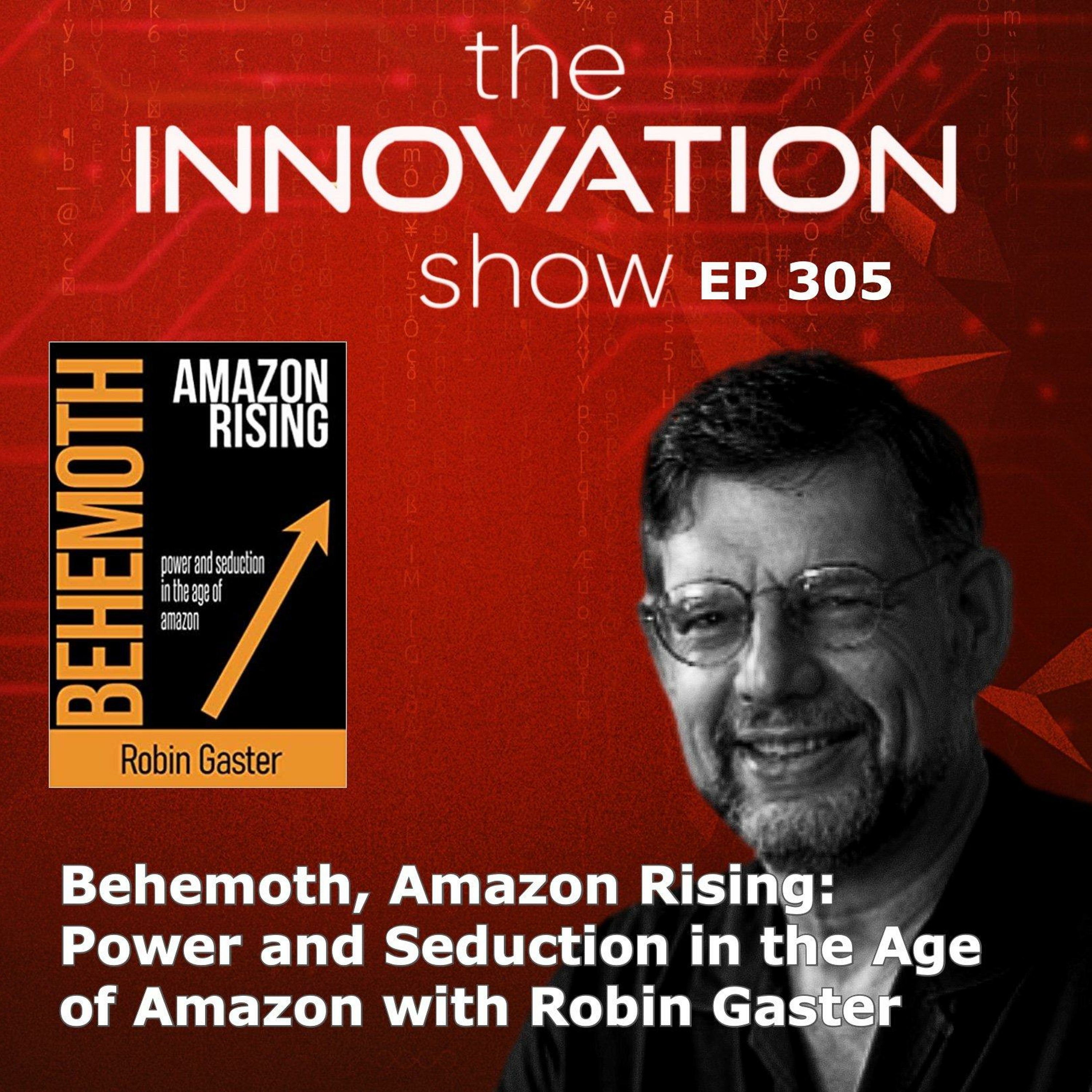
Behemoth, Amazon Rising with Robin Gaster
"Your margin is my opportunity” –Jeff Bezos Amazon is the most extraordinary and important business story of our time. Facebook has more members and is our social network. Google sits right at the heart of the information tsunami. Apple has by far the prettiest toys. But starting 25 years ago as a tiny online bookstore, Amazon now stands astride the e-powered river of goods that flows through the many economies. It is a retailer, a marketplace, an electronic infrastructure, a publisher, an advertising channel, a distributor. It is increasingly the arbiter of retail, the pacesetter for employment, and private taxing authority, taking its bite of every transaction on its Marketplace. And Amazon is just getting started. Across all its business, Amazon is automating rapidly and leveraging the power of enormous and growing capabilities in AI and machine learning. The sheer range and pace of change are formidable. It’s an extraordinary story, and it raises plenty of questions: Where did Amazon come from? How did it grow so big so fast? What can we learn from history? Can we distil key lessons about objectives, strategy, tactics, and especially corporate culture? Where is Amazon going? What will it look like ten years from now? What should we – the collective we – do about it? Is Amazon a threat? Should we simply applaud? Are there characteristics to worry about? And if so, what should we do? Our guest today addresses these questions and many more. We welcome the author of Behemoth, Amazon Rising Power and Seduction in the Age of Amazon Robin Gaster
Behemoth, Amazon Rising with Robin Gaster
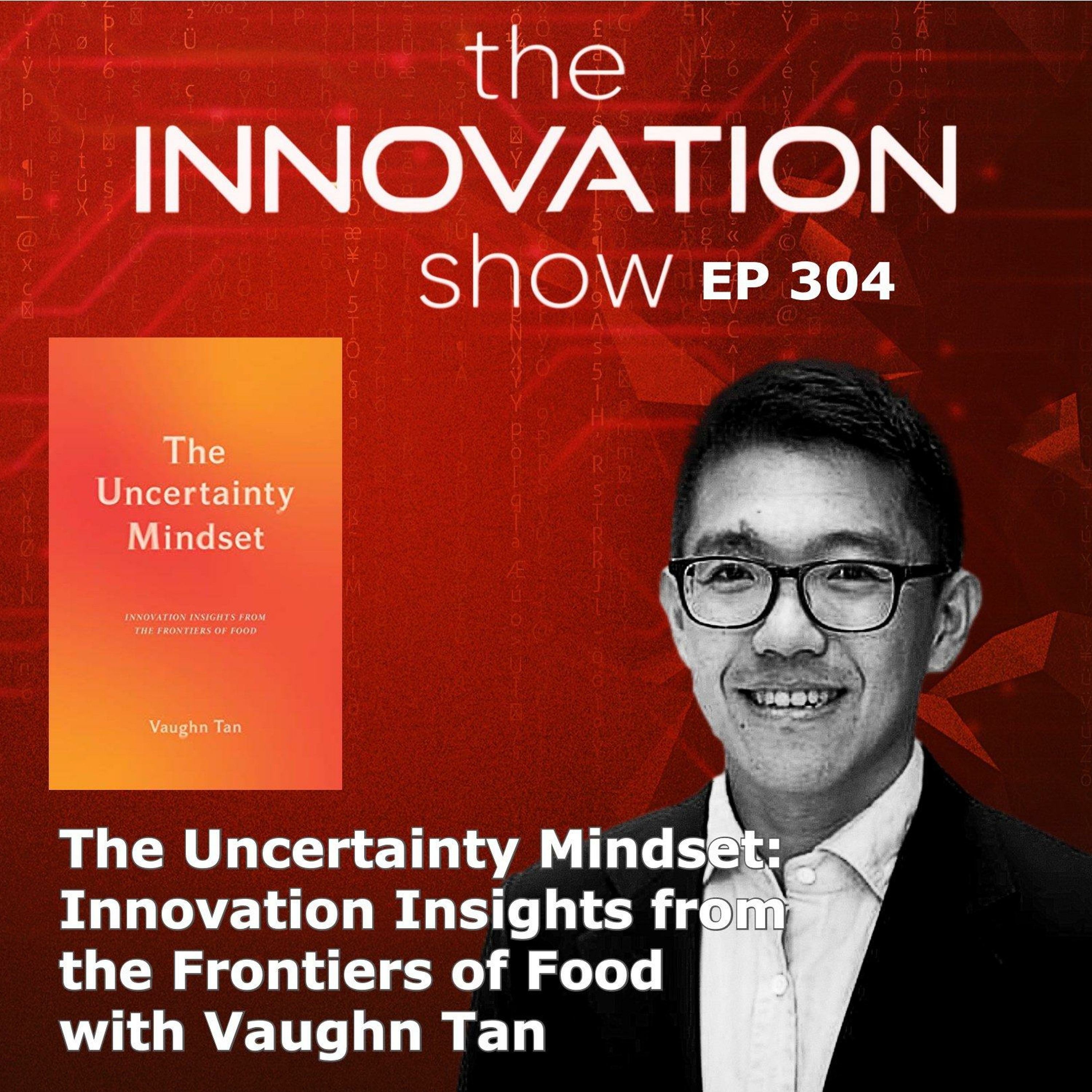
The Uncertainty Mindset with Vaughn Tan
Innovation is how businesses stay ahead of the competition and adapt to market conditions that change in unpredictable and uncertain ways. In the first decade of the twenty-first century, high-end cuisine underwent a profound transformation. Once an industry that prioritized consistency and reliability, it turned into one where constant change was a competitive necessity. A top restaurant’s reputation and success have become so closely bound up with its ability to innovate that a new organizational form, the culinary research and development team, has emerged. The best of these R&D teams continually expand the frontiers of food—they invent a constant stream of new dishes, new cooking processes and methods, and even new ways of experiencing food. How do they achieve this nonstop novelty? And what can culinary research and development teach us about how organizations innovate? Our guest opens up the black box of elite culinary R&D to provide essential insights. Drawing on years of unprecedented access to the best and most influential culinary R&D teams in the world, he reveals how they exemplify what he calls the uncertainty mindset. Such a mindset intentionally incorporates uncertainty into organization design rather than simply trying to reduce risk. It changes how organizations hire, set goals, and motivate team members and leads organizations to work in highly unconventional ways. His book upends conventional wisdom about how to organize for innovation and offers practical insights for businesses trying to become innovative and adaptable. We welcome the author of, “The Uncertainty Mindset: Innovation Insights from the Frontiers of Food”, Vaughn Tan More about Vaughn https://uncertaintymindset.org www.productivediscomfort.org https://twitter.com/vaughn_tan
The Uncertainty Mindset with Vaughn Tan
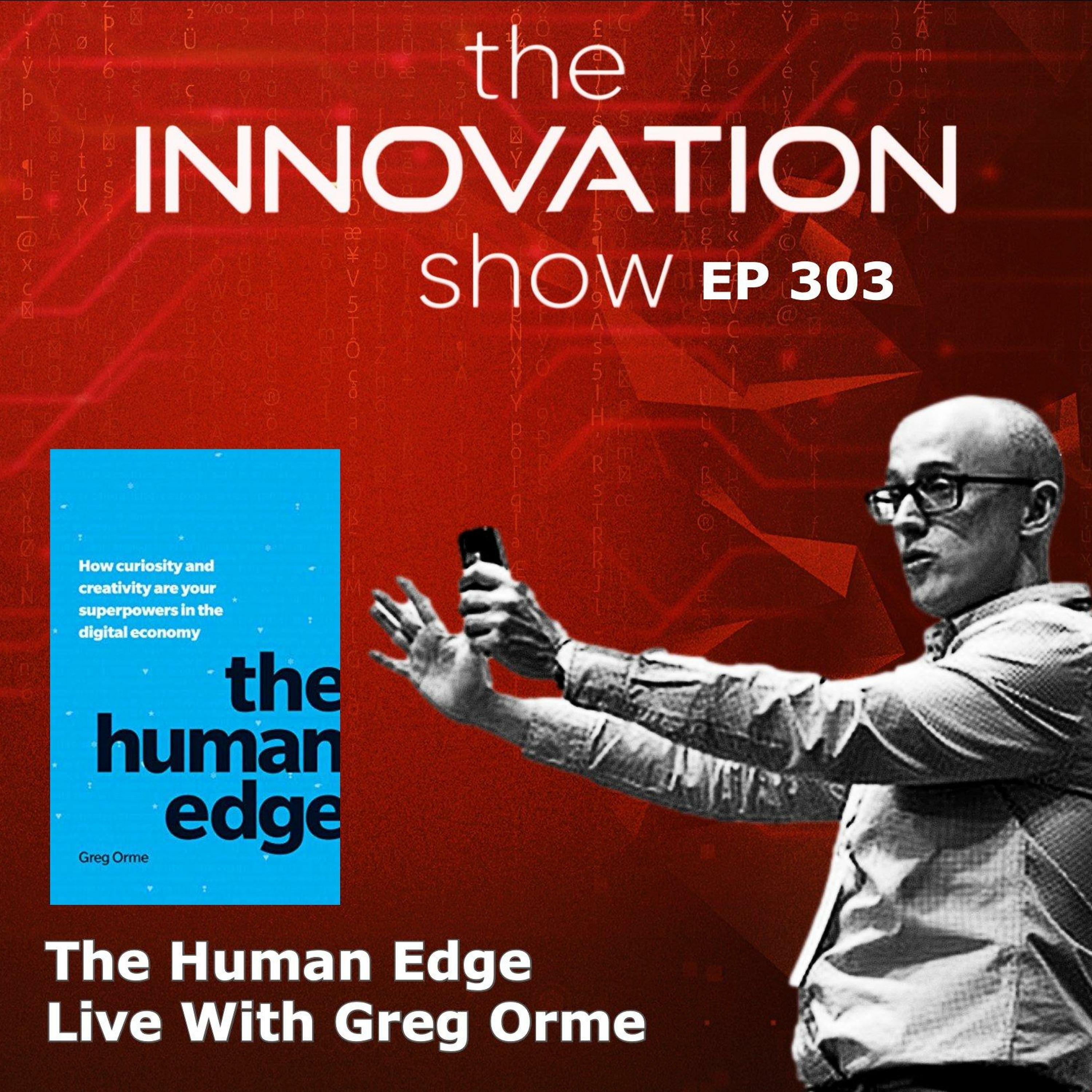
The Human Edge Live with Greg Orme
Our first face-to-face live episode with Greg Orme. Even before the pandemic, it seemed the world was spinning so fast it’s difficult to keep up. Arguably a lot of the technological disruption that was around in 2019 simply got accelerated – remote working, digitization, and AI to name just three.  Our guest today notes in his book: Two hundred and fifty years ago the Industrial Revolution replaced our arms and legs at work. The fourth Industrial Revolution is now replacing our brains.   He says The Machine Age is engulfing both organizations and people. This shift is challenging the very essence of what it means to be human. His book The Human Edge, how curiosity and creativity are your superpowers in the digital economy won Business Book of the year in 2020.   He explores the skills you need to survive and thrive in a world of smartphones and AI. He urges you to stop competing, and instead do things machines can’t. To become a more human, human. We welcome the author of “The Human Edge” Greg Orme. https://gregorme.org
The Human Edge Live with Greg Orme
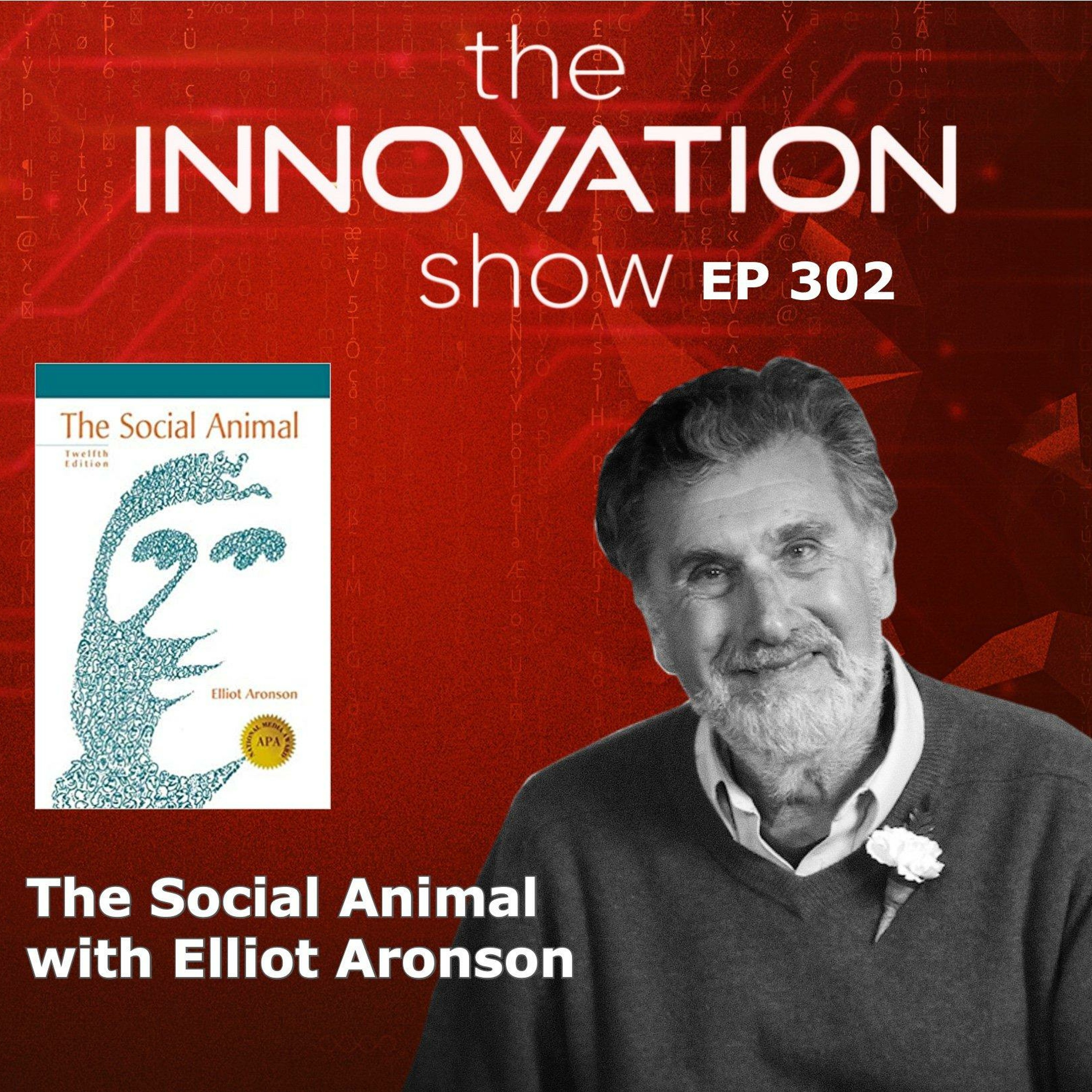
The Social Animal with Elliot Aronson
Our guest today is an American psychologist who has carried out experiments on the theory of cognitive dissonance and invented the Jigsaw Classroom, a cooperative teaching technique that facilitates learning while reducing interethnic hostility and prejudice.  In his 1972 social psychology textbook, The Social Animal, he stated his First Law: "People who do crazy things are not necessarily crazy," thus asserting the importance of situational factors in bizarre behavior. He is the only person in the 120-year history of the American Psychological Association to have won all three of its major awards: for writing, for teaching, and for research.  In 2007 he received the William James Award for Lifetime Achievement from the Association for Psychological Science, in which he was cited as the scientist who "fundamentally changed the way we look at everyday life.”  A Review of General Psychology survey, published in 2002, ranked him as one of the most cited psychologists of the 20th century. He officially retired in 1994 but continues to teach and write. It is an immense honour to host him on today’s show to share his brilliant work. We welcome the author of The Social Animal, amongst a plethora of others,  Elliot Aronson, welcome to the show Jigsaw Classroom: https://www.jigsaw.org
The Social Animal with Elliot Aronson
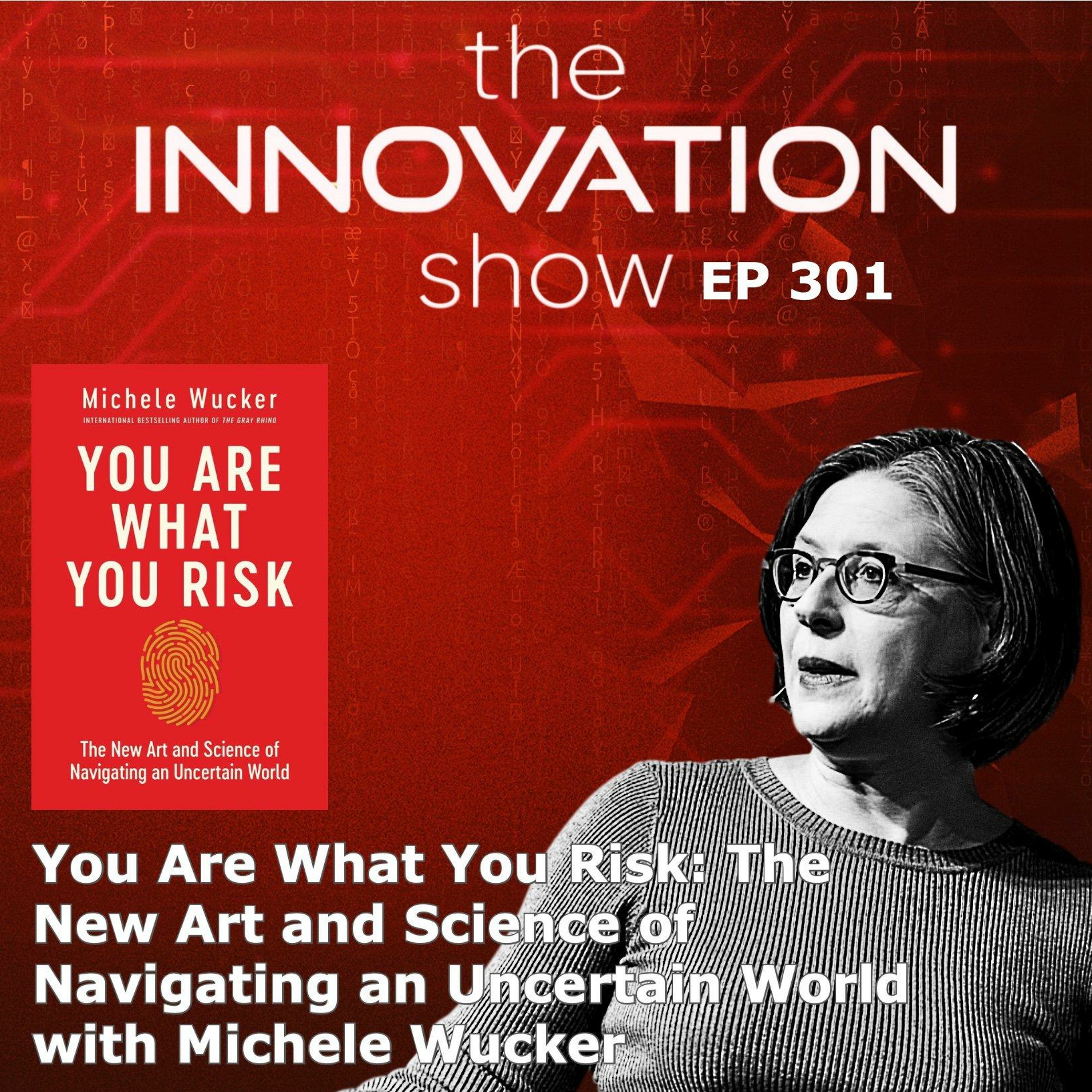
You Are What You Risk with Michele Wucker
What drives a sixty-four-year-old woman to hurl herself over Niagara Falls in a barrel? Why do we often create bigger risks than the risks we try to avoid? Why are corporate boards worried about risky personal behaviour by CEOs? Why are some nations quicker than others to recognise and manage risks like pandemics, technological change, and climate crisis? The answers define each person, organization, and society as distinctively as a fingerprint. Understanding the often-surprising origins of these risk fingerprints can open your eyes, inspire new habits, catalyze innovation and creativity, improve teamwork, and provide a beacon in a world that seems suddenly more uncertain than ever. How you see risk and what you do about it depend on your personality and experiences. How you make these cost-benefit calculations depend on your culture, your values, the people in the room, and even unexpected things like what you’ve eaten recently, the temperature, the music playing, or the fragrance in the air. Being alert to these often-unconscious influences will help you to seize opportunities and avoid danger. Today’s book is a clarion call for an entirely new conversation about our relationship with risk and uncertainty. Our guest examines why it’s so important to understand your risk fingerprint and how to make your risk relationship work better in business, life, and the world. She shares insights, practical tools, and proven strategies that will help you to understand what makes you who you are –and, in turn, to make better choices, both big and small. We welcome a friend of the Innovation Show and author of You Are What You Risk, Michele Wucker, welcome back to the show. More about Michele: https://www.wucker.com