The Innovation Show
1,271 episodes — Page 17 of 26
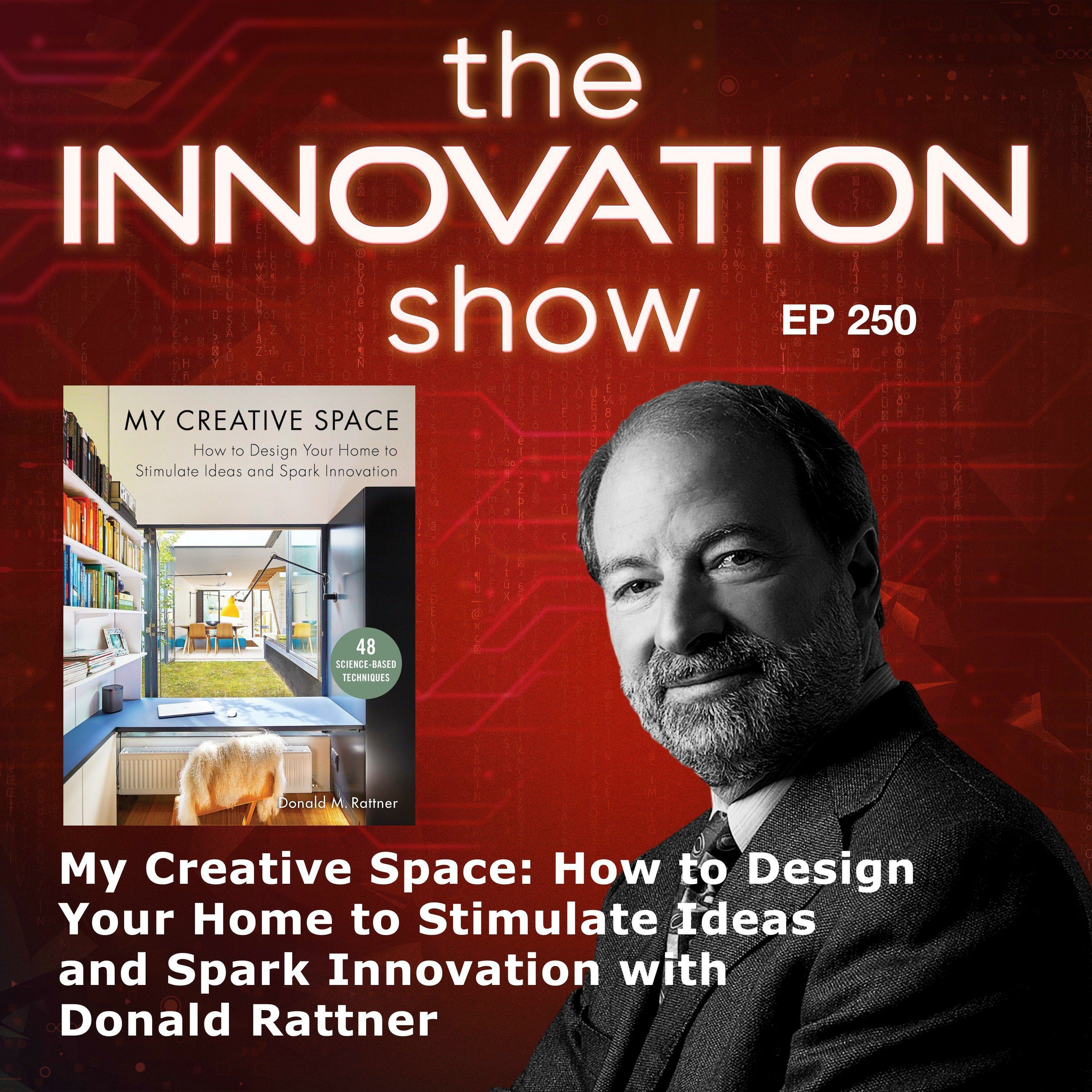
EP 250: How to Design Your Home to Stimulate Ideas and Spark Innovation with Donald M. Rattner
“The relationship between the organism and the environment is transactional—the environment grows the organism, and the organism creates the environment.” ― Alan Watts Creativity isn't all in your head. Sometimes it's in what's around you--especially when you're at home.   For over twenty years, scientists have been discovering connections between our physical surroundings and the creative mind. Today’s book is the first to turn this rich trove of psychological research into practical techniques for shaping a home that will boost your creativity. We welcome Donald Rattner, the author of My Creative Space: How to Design Your Home to Stimulate Ideas and Spark Innovation. More about Donald https://donaldrattner.com
EP 250: My Creative Space: How to Design Your Home to Stimulate Ideas and Spark Innovation with Donald M. Rattner
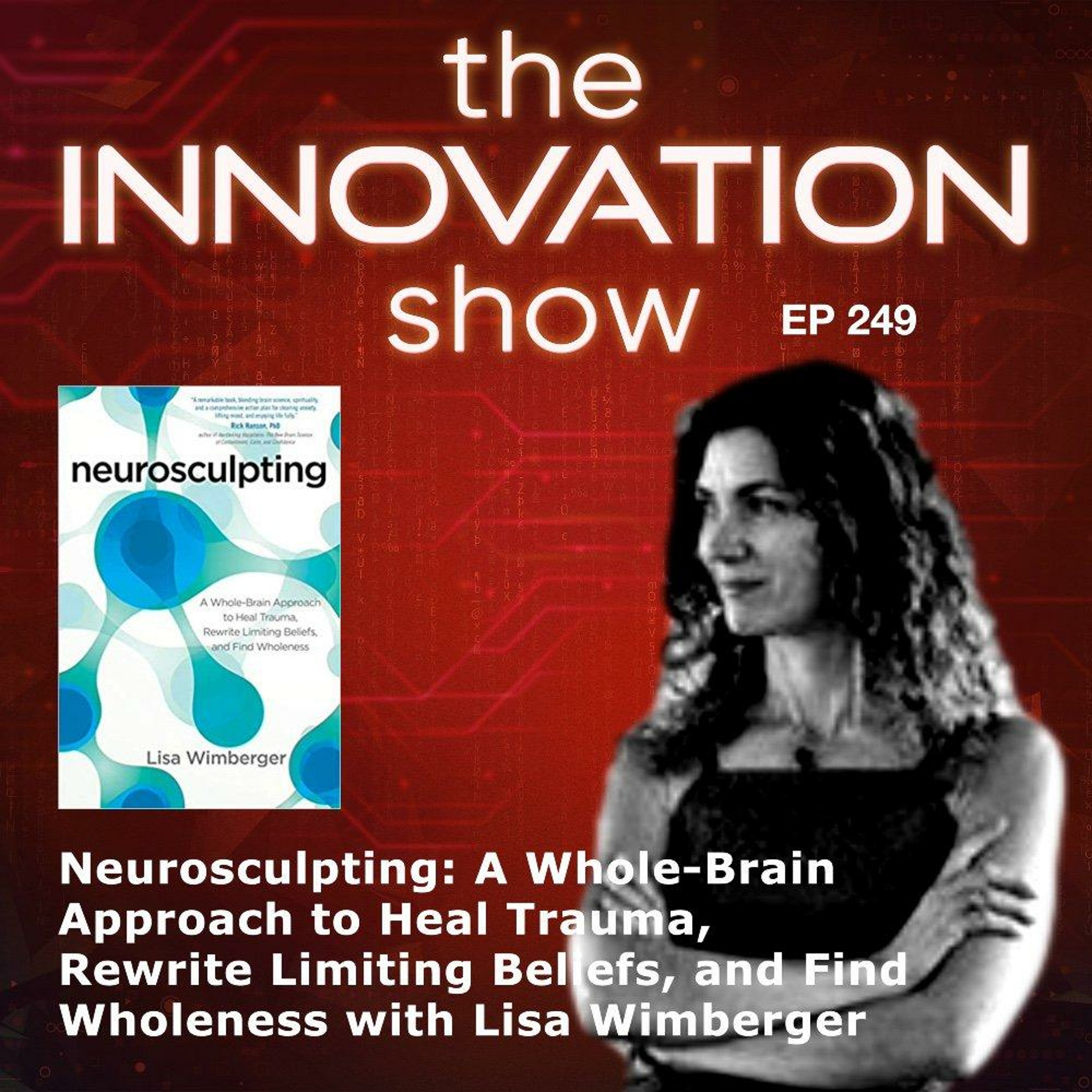
EP 249 Neurosculpting: A Whole-Brain Approach with Lisa Wimberger
“If you could learn to squeeze the vibrancy and beauty out of each moment of your life, would you say yes to a practice that could get you there?”, that is the question our guest asks of us. She then takes us through her technique to do just that. A technique she teaches to first responders, veterans and those who have suffered trauma. It is a please to welcome, author of Neurosculpting: A Whole-Brain Approach to Heal Trauma, Rewrite Limiting Beliefs, and Find Wholeness”, Lisa Wimberger More about Lisa here: https://neurosculptinginstitute.com
EP 249 Neurosculpting: A Whole-Brain Approach to Heal Trauma, Rewrite Limiting Beliefs, and Find Wholeness with Lisa Wimberger
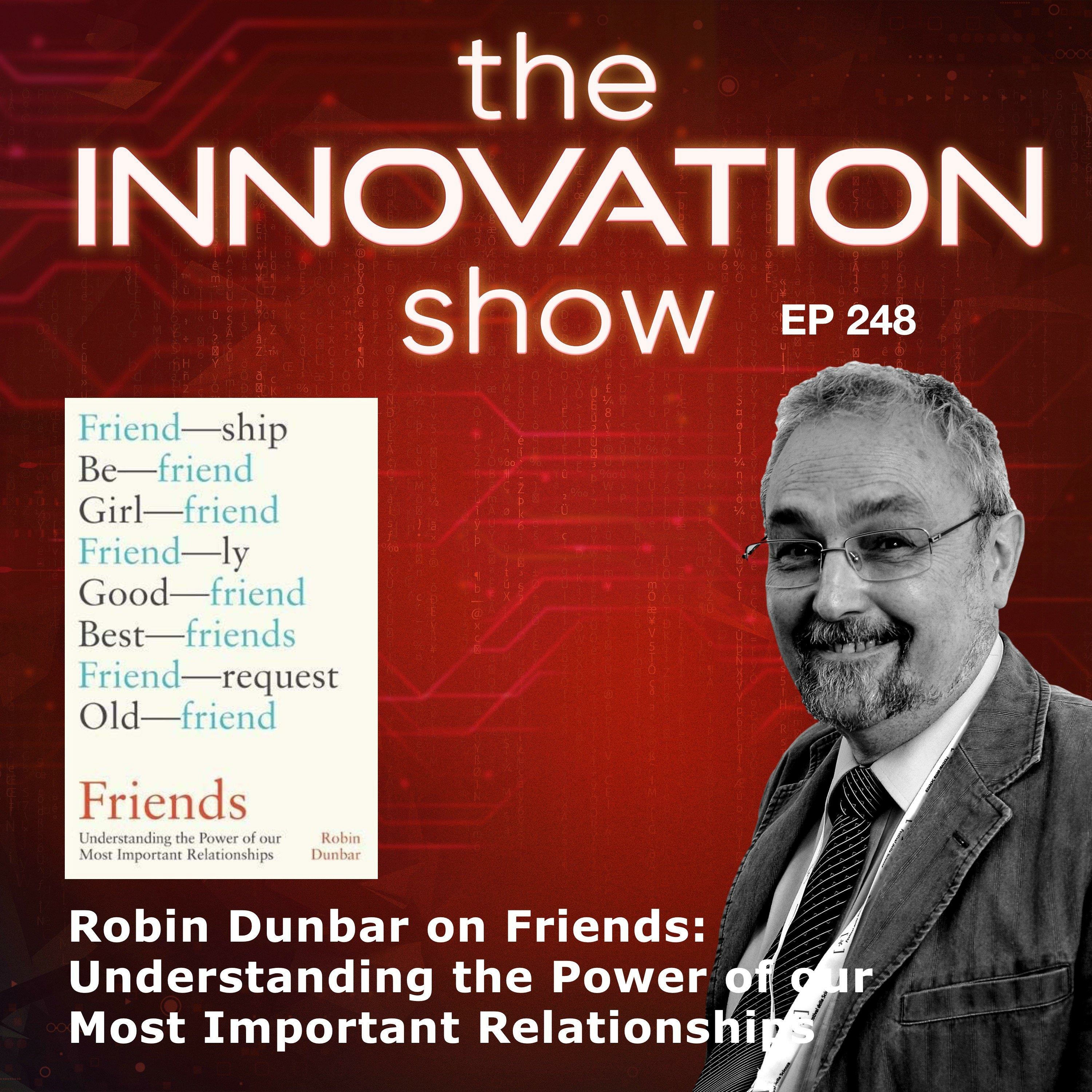
EP 248 Robin Dunbar on Friends: Understanding the Power of our Most Important Relationships
Friends matter to us, and they matter more than we think. The single most surprising fact to emerge out of the medical literature over the last decade or so has been that the number and quality of the friendships we have has a bigger influence on our happiness, health and even mortality risk than anything else except giving up smoking. Our guest is the world-renowned psychologist and author who famously discovered Dunbar's number: how our capacity for friendship is limited to around 150 people. In today’s book, he explores the way different types of friendship and family relationships intersect, and the complex of psychological and behavioural mechanisms that underpin friendships and make them possible - and just how complicated the business of making and keeping friends actually is. Working at the coalface of the subject at both research and personal levels, he has written the definitive book on how and why we are friends. We welcome evolutionary psychologist and former director of the Institute of Cognitive and Evolutionary Anthropology and the Department of Experimental Psychology at Oxford University. His acclaimed books include How Many Friends Does One Person Need? Grooming, Gossip and the Evolution of Language and so many others.
EP 248 Robin Dunbar on Friends: Understanding the Power of our Most Important Relationships
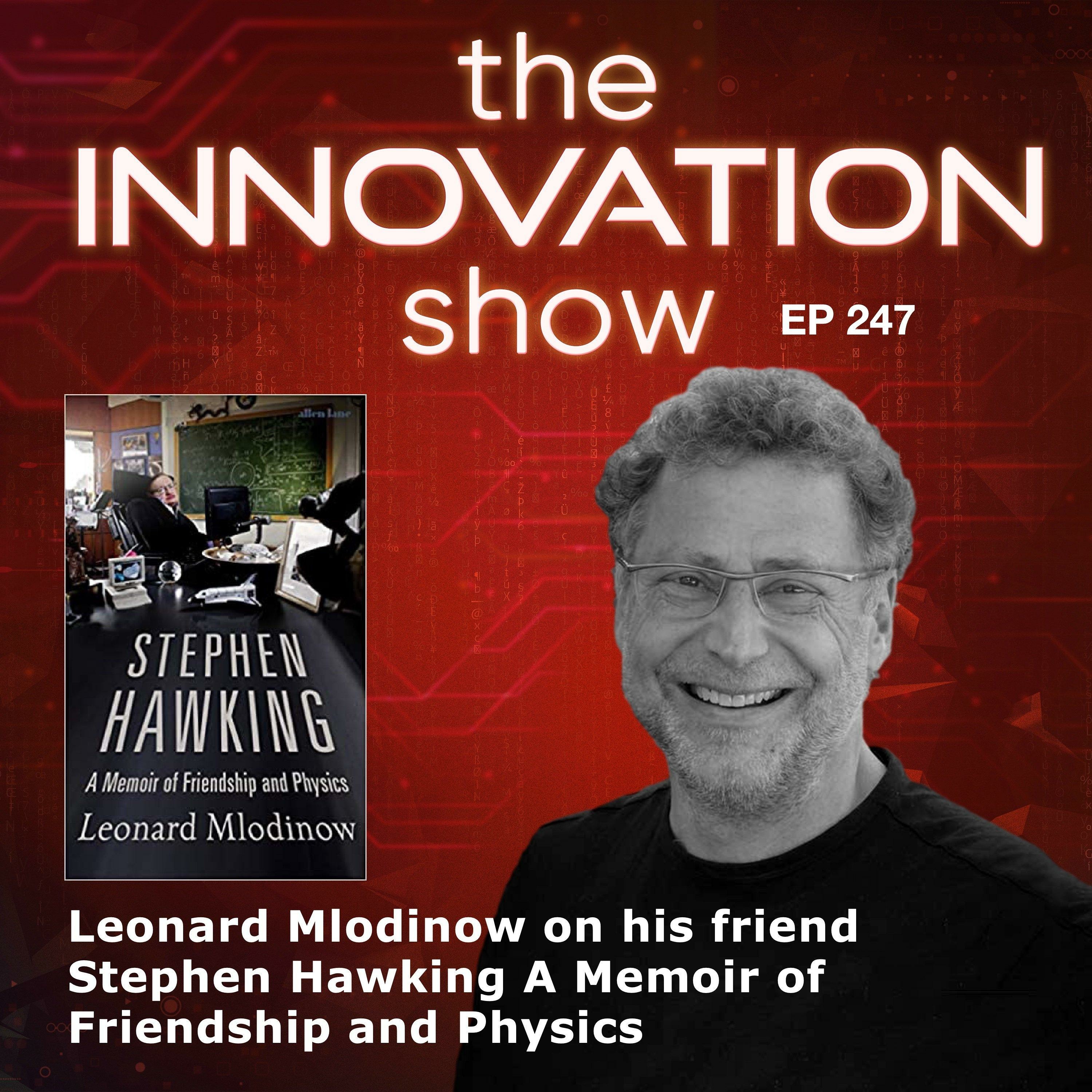
EP 247: Leonard Mlodinow on Stephen Hawking: A Memoir of Friendship and Physics
This episode is an intimate and inspirational exploration of Stephen Hawking— the man and the physicist. It is also a story of friendship, written by his friend also a physicist and renowned author of multiple titles including: Subliminal, Elastic, Euclid’s Window, Feynman’s Rainbow, The Upright Thinkers, War of the Worldviews with Deepak Chopra and 2 books coauthored with Stephen Hawking. It is a pleasure to welcome author of Stephen Hawking: A Memoir of Friendship and Physics, Leonard Mlodinow. We discuss Stephen, the human behind the legend, his challenges and his strength. We discuss elements of Elastic thinking and the benefits of Neurodiversity. More on Leonard on twitter: @lmlodinow
EP 247: Leonard Mlodinow on Stephen Hawking: A Memoir of Friendship and Physics
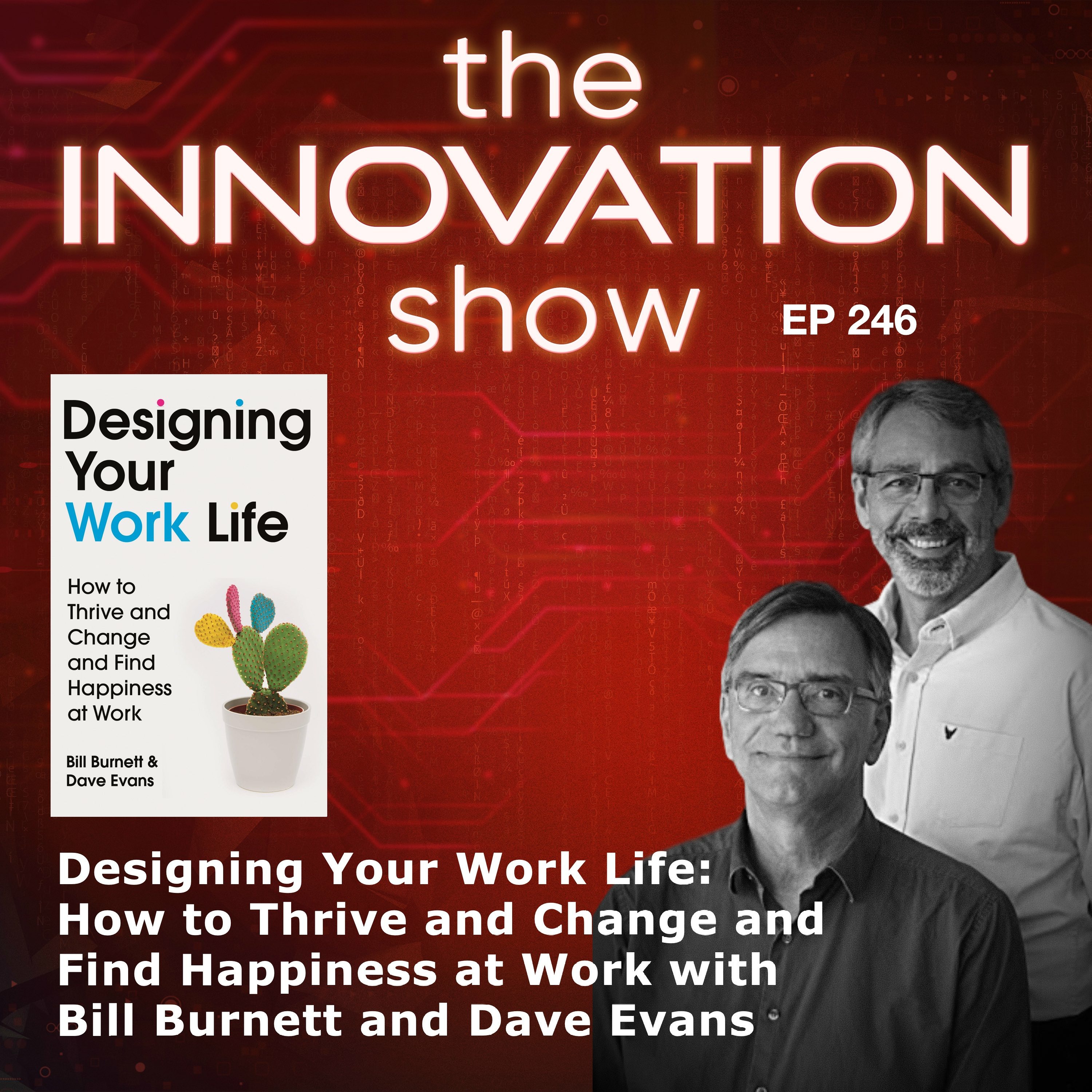
EP 246: Designing Your Work Life with Bill Burnett and Dave Evans
Our guests are Silicon Valley design veterans: One created the first Apple mouse The other designed the award-winning Apple PowerBook and the original Hasbro Star Wars action figures! 13 years ago they founded the STANFORD LIFE DESIGN LAB The course - the most popular at Stanford - has led to a global franchise and a New York Times and worldwide bestselling book: Designing Your Life, published in 2016. Today they are here to discuss their follow-up book : Designing Your Work Life: How to Thrive and Change and Find Happiness at Work We welcome Bill Burnett and Dave Evans More about the guys here: https://designingyour.life/
EP 246: Designing Your Work Life with Bill Burnett and Dave Evans
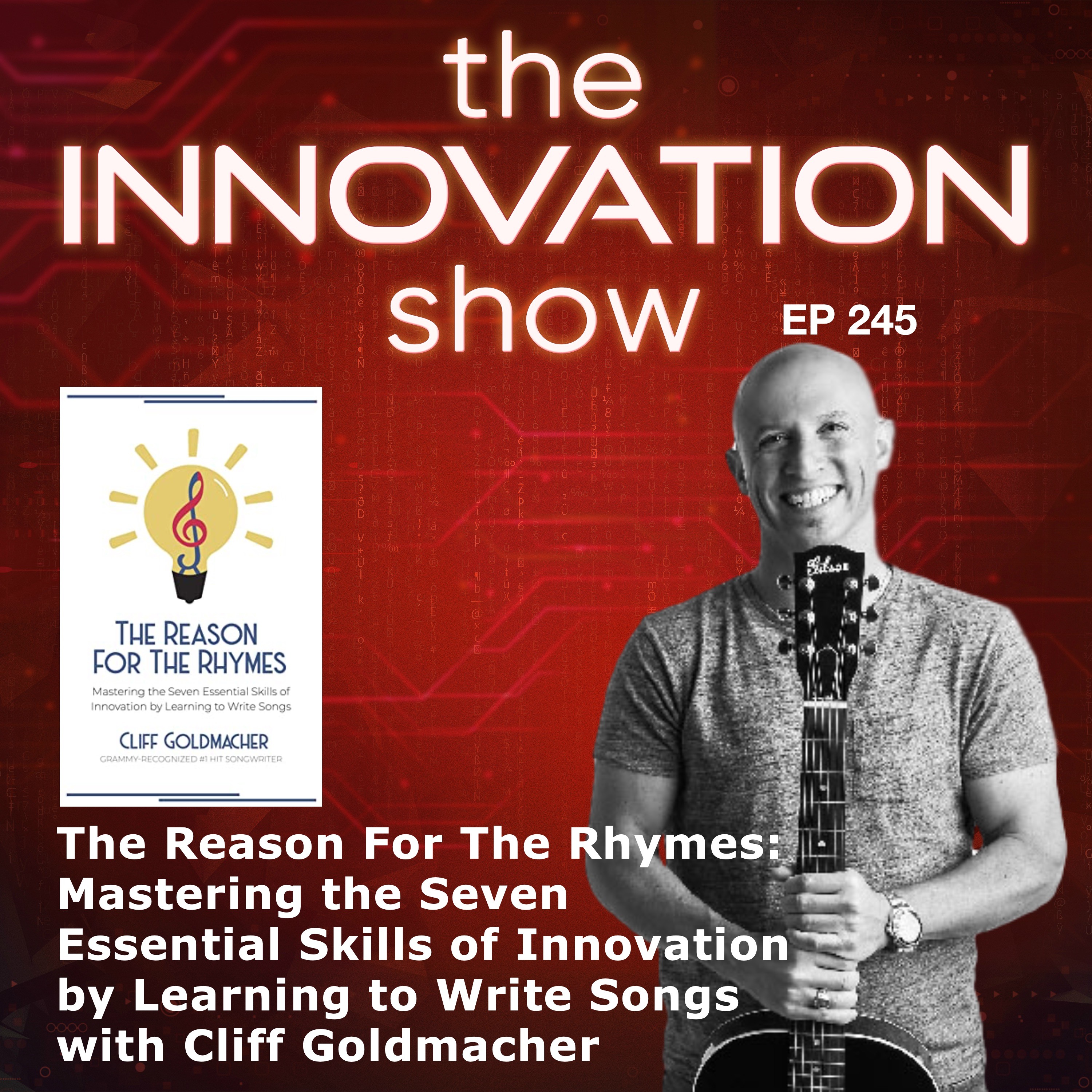
EP 245: Seven Essential Skills of Innovation by Learning to Write Songs with Cliff Goldmacher
GRAMMY-recognized #1 hit songwriter, Cliff Goldmacher shares how to explore, shape and sell our ideas by teaching us how to write songs. Doing so helps develop the essential skills of: Lateral thinking Creativity Communication Empathy, Collaboration, Risk-taking and The diffusion of ideas for better innovators. It is a pleasure to welcome the author of: "The Reason For The Rhymes: Mastering the Seven Essential Skills of Innovation by Learning to Write Songs", Cliff Goldmacher. More about Cliff and his workshops: https://www.thereasonfortherhymes.com
EP 245: The Reason For The Rhymes: Mastering the Seven Essential Skills of Innovation by Learning to Write Songs with Cliff Goldmacher
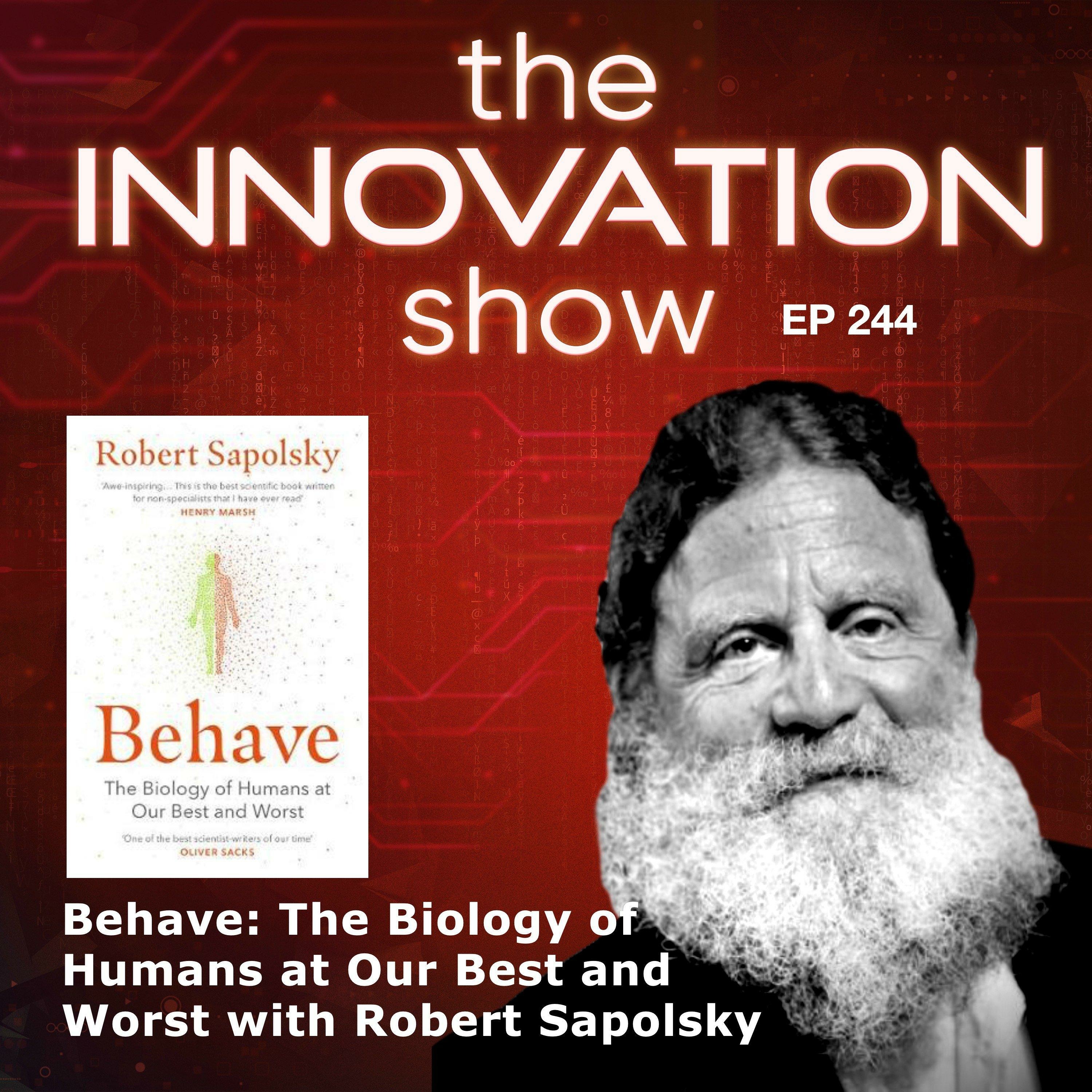
EP 244: “Behave: The Biology of Humans at Our Best and Worst” - Robert M. Sapolsky.
One of my favourite episodes of all time. This genre-shattering attempt to answer the question of human behaviour by looking at it from every angle. Our guest starts by looking at the factors that bear on a person's reaction in the precise moment a behavior occurs, and then hops back in time from there, in stages, ultimately ending up at the deep history of our species and its genetic inheritance. And so the first category of explanation is the neurobiological one. What goes on in a person's brain a second before the behavior happens? Then he pulls out to a slightly larger field of vision, a little earlier in time: What sight, sound, or smell triggers the nervous system to produce that behavior? And then, what hormones act hours to days earlier to change how responsive that individual is to the stimuli which trigger the nervous system? By now, our guest has increased our field of vision so that we are thinking about neurobiology and the sensory world of our environment and endocrinology in trying to explain what happened. But he keeps going—next to what features of the environment affected that person's brain, and then back to the childhood of the individual, and then to their genetic makeup. Finally, he expands the view to encompass factors larger than that one individual. How culture has shaped that individual's group, what ecological factors helped shape that culture, and on and on, back to evolutionary factors thousands and even millions of years old. The result is one of the most dazzling tours de horizon of the science of human behavior ever attempted, a majestic synthesis that harvests cutting-edge research across a range of disciplines to provide a subtle and nuanced perspective on why we ultimately do the things we do...for good and for ill. Wise, humane, often hilarious, Behave is a towering achievement, powerfully humanising, and downright heroic in its own right. What a pleasure to welcome author of “Behave: The Biology of Humans at Our Best and Worst” Robert M. Sapolsky
EP 244: "Behave: The Biology of Humans at Our Best and Worst" - Robert M. Sapolsky.
EP 244: "Behave: The Biology of Humans at Our Best and Worst" - Robert M. Sapolsky.
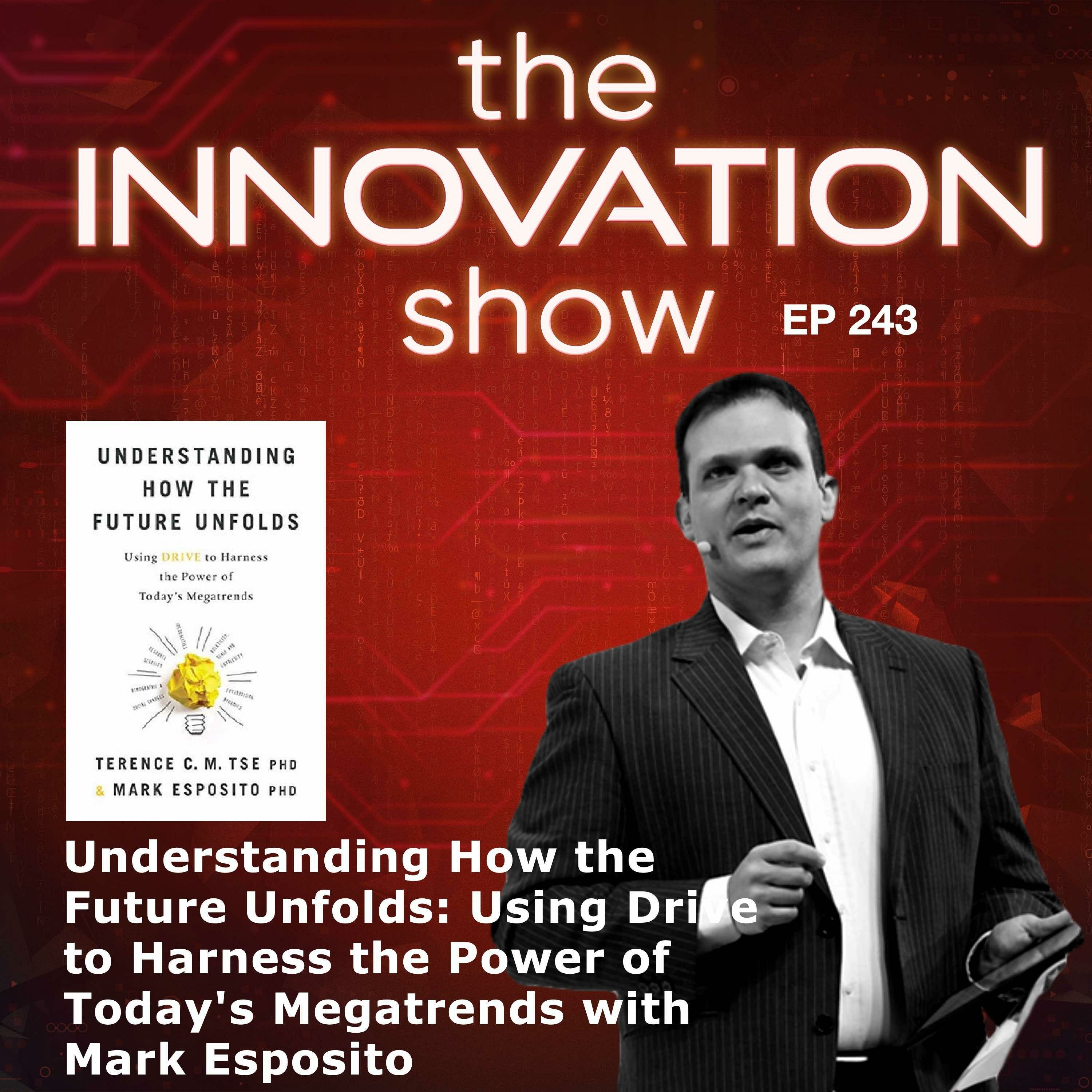
EP 243: Understanding How the Future Unfolds with Mark Esposito
Your business’s success depends on how you prepare for the future. While business leaders of the past looked in the rear-view mirror to predict the road ahead, we must look at the greater forces affecting the social, business and economic world today—megatrends. Our guest today is here to share a fresh, holistic way to think about tomorrow by preparing for it today: He calls it DRIVE. The DRIVE framework examines five interrelated megatrends: • Demographic and social changes • Resource scarcity • Inequalities • Volatility, complexity, and scale • Enterprising dynamics It is a great pleasure to welcome Mark Esposito, the author of “Understanding How the Future Unfolds: Using Drive to Harness the Power of Today's Megatrends”. Some great news as ever, Mark has kindly offered a copy of the book for the innovation show community, just sign up to our newsletter on www.theinnovationshow.io
EP 243: Understanding How the Future Unfolds: Using Drive to Harness the Power of Today's Megatrends with Mark Esposito
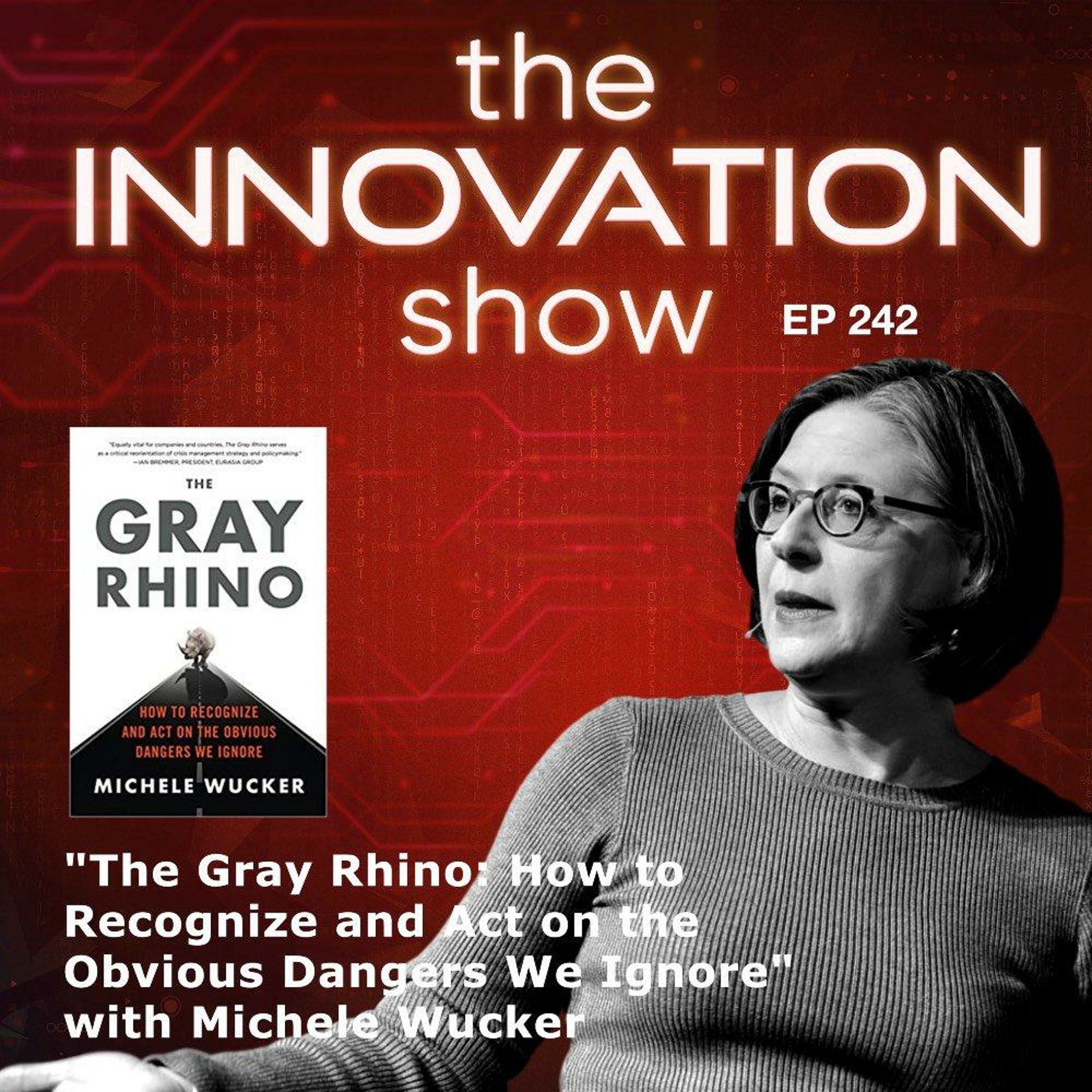
EP 242: The Gray Rhino: How to Recognize and Act on Obvious Dangers with Michele Wucker
When facing a rhino that’s about to charge, doing nothing is seldom the best option. Yet all too often that’s exactly what happens. Danger rarely comes as a complete surprise; instead, it follows many missed opportunities for taking precautions, reading and responding to warning signals. The impulse to freeze is hard to overcome. Sometimes the grip of denial is so strong that we do nothing at all; or, even worse, as in many market booms leading to bust, we do more of what was dangerous in the first place. We welcome the author of "The Gray Rhino: How to Recognize and Act on the Obvious Dangers We Ignore", Michele Wucker. More about Michele: https://thegrayrhino.com Watch it on YouTube: https://youtu.be/pcGS4rsmRTk
EP 242: The Gray Rhino: How to Recognize and Act on the Obvious Dangers We Ignore with Michele Wucker
EP 241: The Nocturnal Brain: Tales of Nightmares and Neuroscience with Guy Leschziner
The Nocturnal Brain: Tales of Nightmares and Neuroscience with Guy Leschziner You can survive longer without food than without sleep. The fact that sleep is fundamental to life is unarguable, but in modern society, at least until recently, we have taken for granted that sleep simply happens, and is a necessary evil to allow us to live our waking lives. Recently, however, there has been a shift in how we view sleep. Rather than being a hindrance to our working and social lives, a biological process that keeps us from being productive, the concept of the importance of sleep is percolating through. Its role in the maintenance of our physical and mental health, our sporting prowess, our cognitive abilities, even in our happiness, is slowly being appreciated. And rightly so. People are taking sleep seriously. The normal expectation of waking up feeling ready for the day ahead is rarely found among our guests patients. Their nights are tormented by a range of conditions, such as terrifying nocturnal hallucinations, sleep paralysis, acting out their dreams or debilitating insomnia. The array of activities in sleep reflects the spectrum of human behaviour in our waking lives. Sometimes these medical problems have a biological explanation, at other times a psychological one, and the focus of the clinical work that he and his colleagues do is to unravel the causes for their sleep disorders and attempt to find a treatment or cure. More about Guy here: https://guyleschziner.com/
EP 241: The Nocturnal Brain: Tales of Nightmares and Neuroscience with Guy Leschziner
EP 240: Hyper-Learning: How to Adapt to the Speed of Change with Edward D. Hess
The Digital Age will raise the question of how humans will stay relevant in the workplace. To stay relevant, we have to be able to excel cognitively, behaviourally, and emotionally in ways that technology can’t. Our guest believes, this requires us to become Hyper-Learners: continuously learning, unlearning, and relearning at the speed of change. To do that, we have to overcome our reflexive ways of being: seeking confirmation of what we believe, emotionally defending our beliefs and our ego, and seeking cohesiveness of our mental models. Hyper-Learning requires a new way of being… and a radical new way of working. We welcome a great friend of the innovation show, hyper learner and author of "Hyper-Learning: How to Adapt to the Speed of Change", Ed Hess. More about Ed: https://www.edhess.org/
EP 240: Hyper-Learning: How to Adapt to the Speed of Change with Edward D. Hess
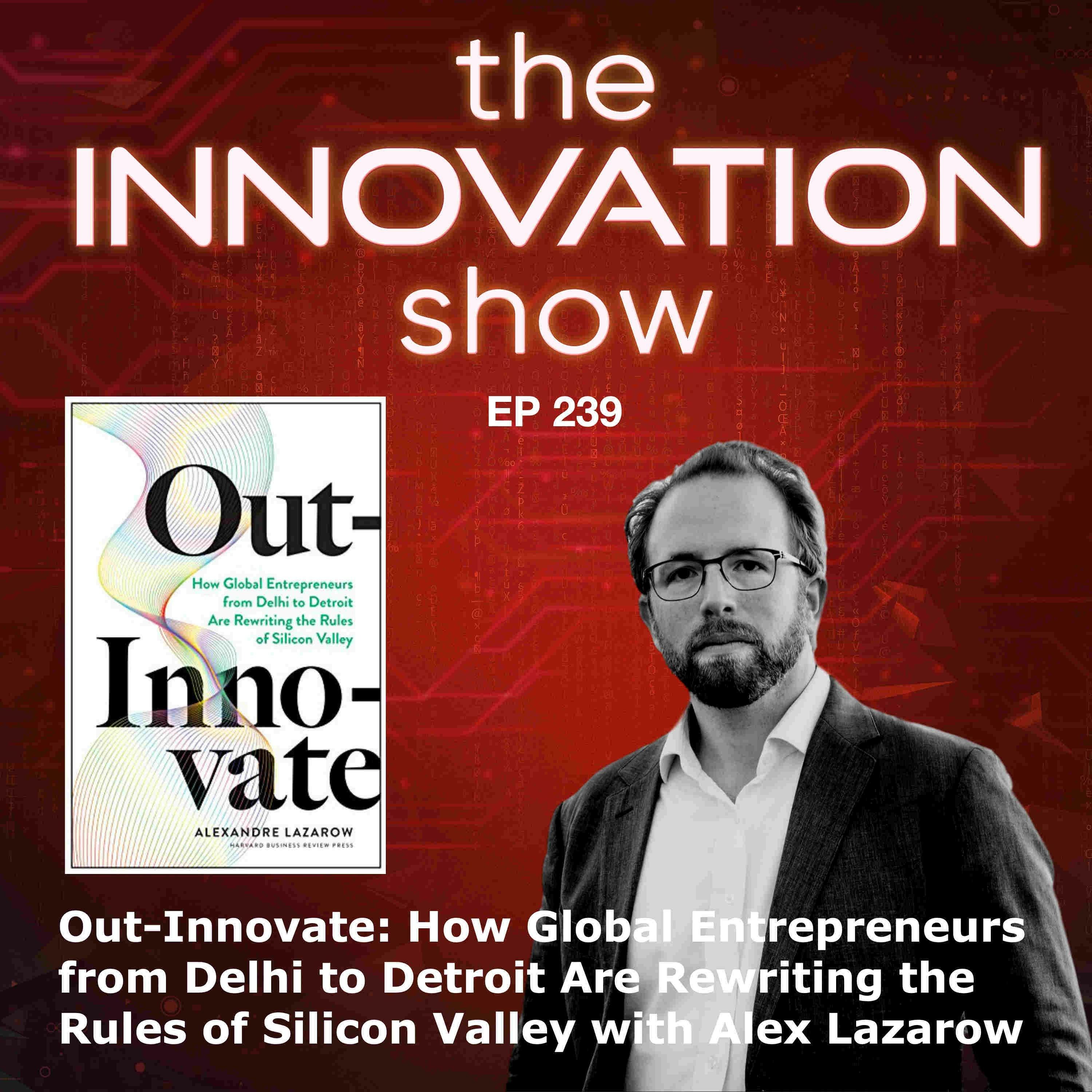
EP 239: Out-Innovate: Rewriting the Rules of Silicon Valley with Alex Lazarow
Startups have changed the world. In the United States, many startups, such as Tesla, Apple, and Amazon, have become household names. The economic value of startups has doubled since 1992 and is projected to double again in the next fifteen years. For decades, the hot centre of this phenomenon has been Silicon Valley. This is changing fast. Thanks to technology, startups are now taking root everywhere, from Delhi to Detroit to Nairobi to Sao Paulo. Yet despite this globalisation of startup activity, our knowledge of how to build successful startups is still drawn primarily from Silicon Valley. As venture capitalist Alex Lazarow shows in this insightful and instructive book, this Silicon Valley "gospel" is due for a refresh--and it comes from what he calls the "frontier," the growing constellation of startup ecosystems, outside of the Valley and other major economic centres, that now stretches across the globe. The frontier is a truly different world where startups often must cope with political or economic instability and lack of infrastructure, and where there might be little or no access to angel investors, venture capitalists, or experienced employee pools. Under such conditions, entrepreneurs must be creators who build industries rather than disruptors who change them because there are few existing businesses to disrupt. The companies they create must be global from birth because local markets are too small. They focus on resiliency and sustainability rather than unicorn-style growth at any cost. With rich and wide-ranging stories of frontier innovators from around the world, Out-Innovate is the new playbook for innovation--wherever it has the potential to happen. More about Alex: https://www.alexlazarow.com
EP 239: Out-Innovate: How Global Entrepreneurs from Delhi to Detroit Are Rewriting the Rules of Silicon Valley with Alex Lazarow
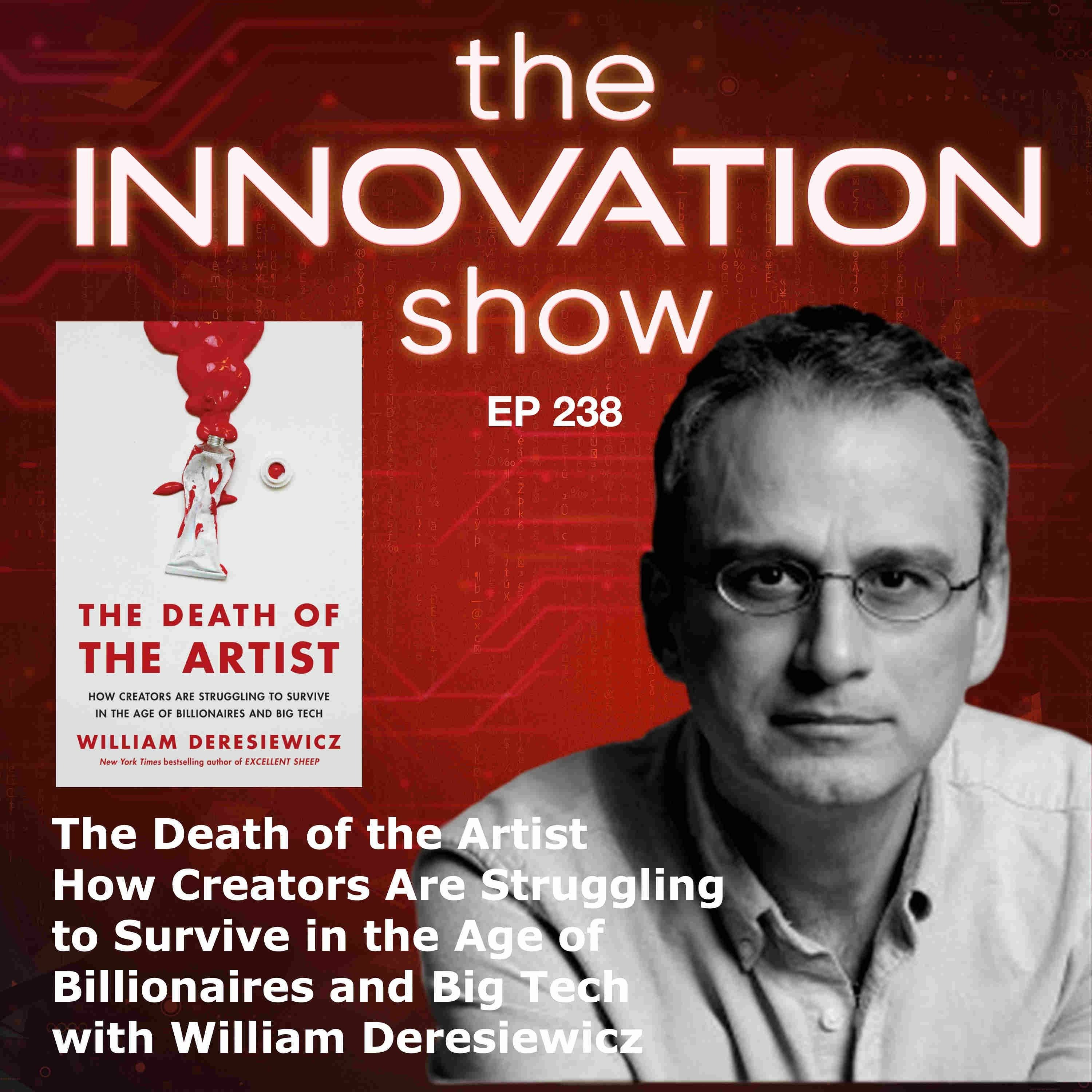
EP 238: The Death of the Artist with Bill Deresiewicz
There are two stories you hear about making a living as an artist in the digital age, and they are diametrically opposed. One comes from Silicon Valley and its boosters in the media. There’s never been a better time to be an artist, it goes. If you’ve got a laptop, you’ve got a recording studio. If you’ve got an iPhone, you’ve got a movie camera. GarageBand, Final Cut Pro: all the tools are at your fingertips. And if production is cheap, distribution is free. It’s called the Internet: YouTube, Spotify, Instagram, Kindle Direct Publishing. Everyone’s an artist; just tap your creativity and put your stuff out there. Soon, you too can make a living doing what you love, just like all those viral stars you read about. The other story comes from artists themselves, especially musicians but also writers, filmmakers, people who do comedy. Sure, it goes, you can put your stuff out there, but who is going to pay you for it? Digital content has been demonetized: music is free, writing is free, video is free, even images you put up on Facebook or Instagram are free, because people can (and do) just take them. Everyone is not an artist. Making art takes years of dedication, and that requires a means of support. If things don’t change, a lot of art will cease to be sustainable. We welcome friend of the Innovation Show and author of “The Death of the Artist: How Creators Are Struggling to Survive in the Age of Billionaires and Big Tech” Bill Deresiewicz, welcome back to the show. Previous episode: Excellent Sheep: https://bit.ly/2ZlQ6OI Bill is here: https://billderesiewicz.com/
EP 238: The Death of the Artist: How Creators Are Struggling to Survive in the Age of Billionaires and Big Tech with William Deresiewicz
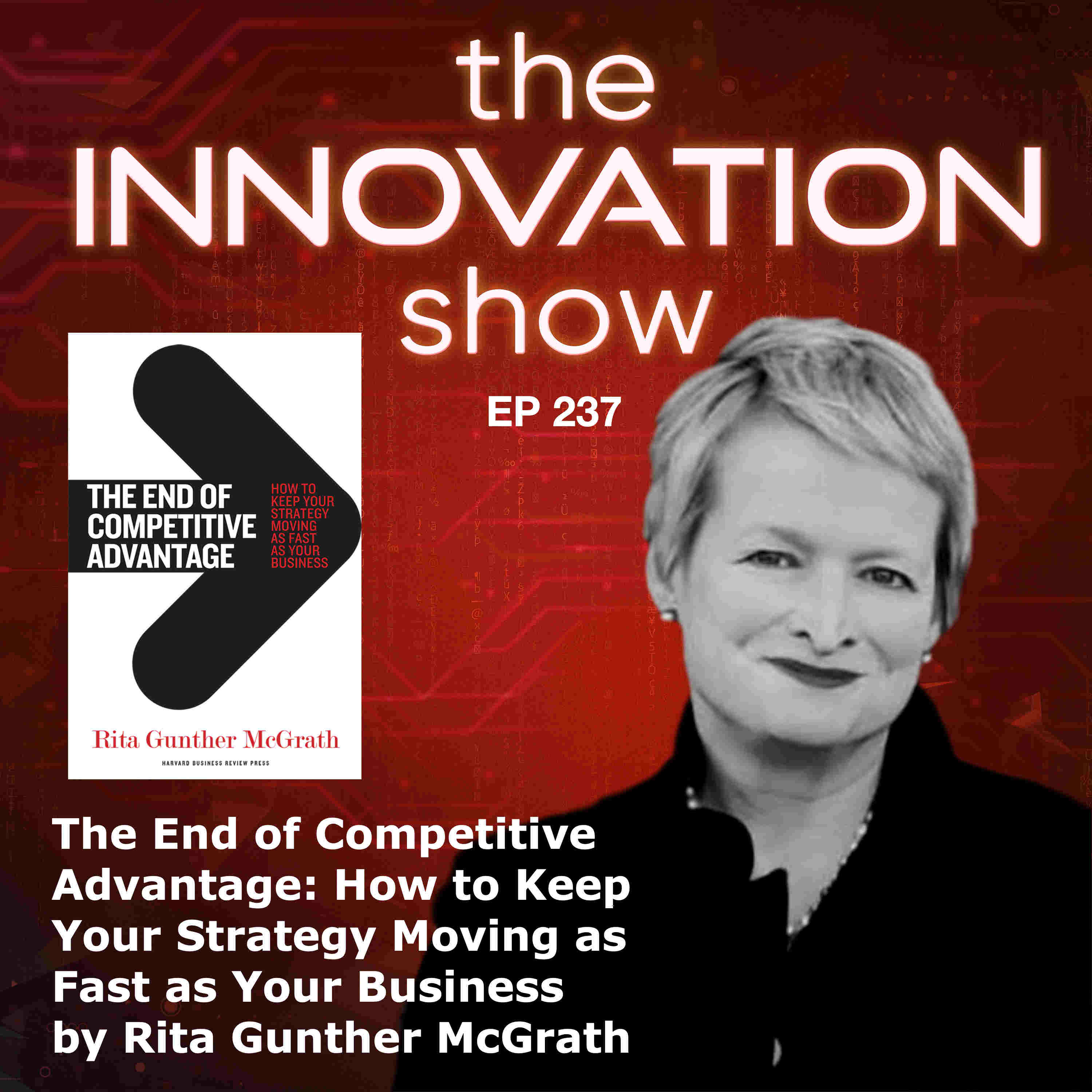
EP 237: End of Competitive Advantage with Rita McGrath
The context of business has changed so rapidly over the past few decades that it may be time for a new lexicon. At the very least, it's time to challenge some of the established thinking about strategy and competition that used to drive business advantage - but no longer does. In this episode, strategy expert and Columbia Business School professor Rita McGrath takes on one of most fundamental and recognised notions in strategy: that of sustainable competitive advantage. She argues this can no longer be the Holy Grail for companies because in a constantly changing environment, deeply ingrained structures and systems designed to extract value actually become a liability. The new path to winning includes taking advantage of shorter term opportunities, as well as relying on new organisational talents like speed and decisiveness. Our guest defines the new transient life cycle of competitive advantage and shows how successful firms manage through it by using an updated philosophy. She offers a bold new set of principles for competing in what we now understand is a continuously volatile and uncertain environment. Consider this your fresh strategy playbook for competing in an accelerating world.
EP 237: End of Competitive Advantage: How to Keep Your Strategy Moving as Fast as Your Business with Rita McGrath
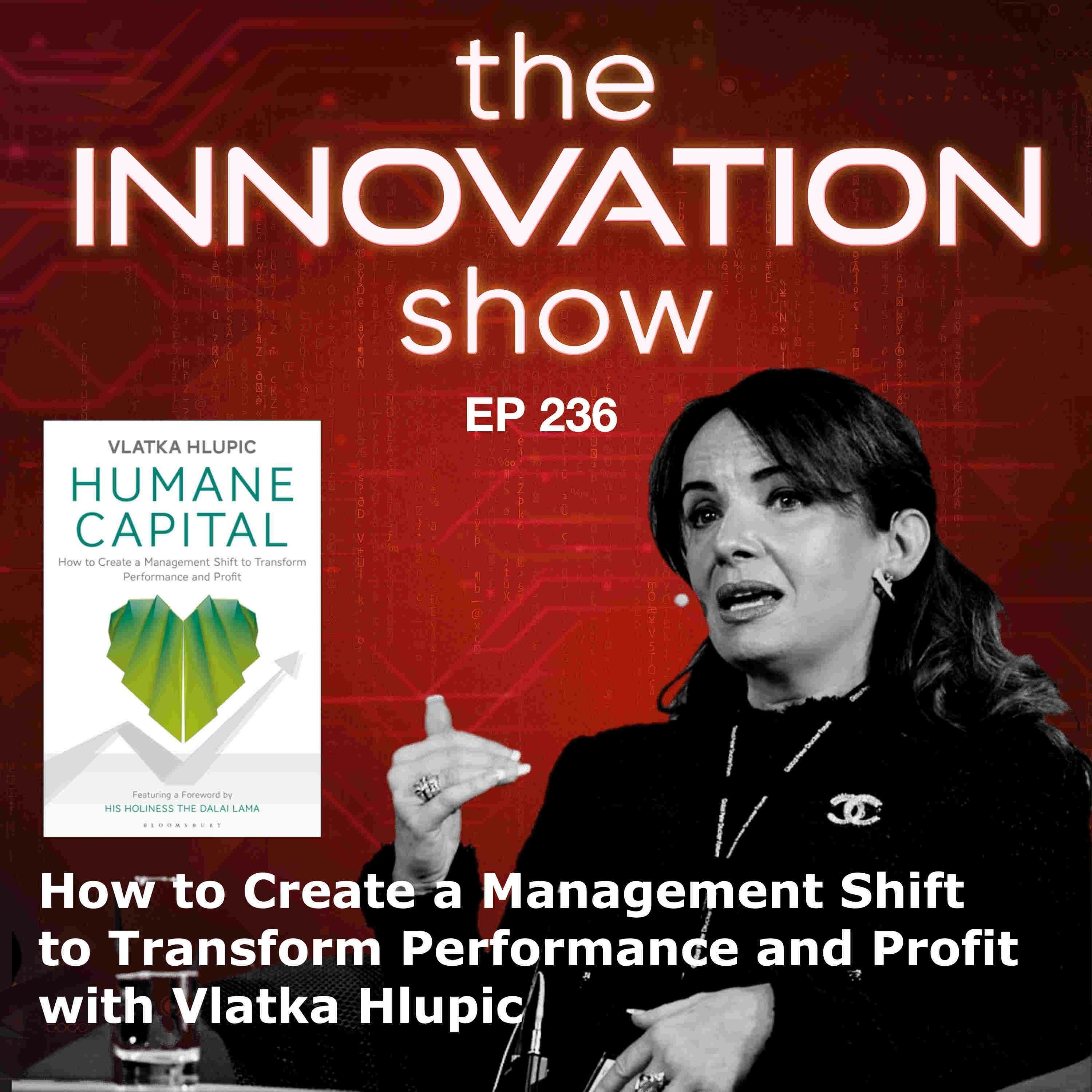
EP 236: Humane Capital with Vlatka Hlupic
Despite decades of research illustrating the benefits of enlightened leadership, the high-performance workplace is still not the norm. Our guest has spent 20 years investigating this paradox, and in this book she forms a penetrating critique of why such strong evidence has had limited impact, and provides an alternative practical approach that any employer can implement to overcome these challenges. She shows that there is a clear correlation between those companies that are good companies and those that do well, with 'good meaning an organization that works with stakeholders, employees, society and customers. While a 'bad' company can do well, its success isn t sustainable - her book explores the steps needed to be taken to become a good organization with long-term, sustainable results. She brings together management wisdom and shows how successful leaders have moved their organizations from controlled and orderly, to enthusiastic and collaborative. Supported by insights from 59 of the leading thinkers and practitioners in the field, the book will guide readers through the arguments for a radical reassessment of current business models, and the successful stories of employers from the private and public sectors who have made the transition. We welcome Vlatka Hlupic , the author of Humane Capital: How to Create a Management Shift to Transform Performance and Profit
EP 236: Humane Capital with Vlatka Hlupic
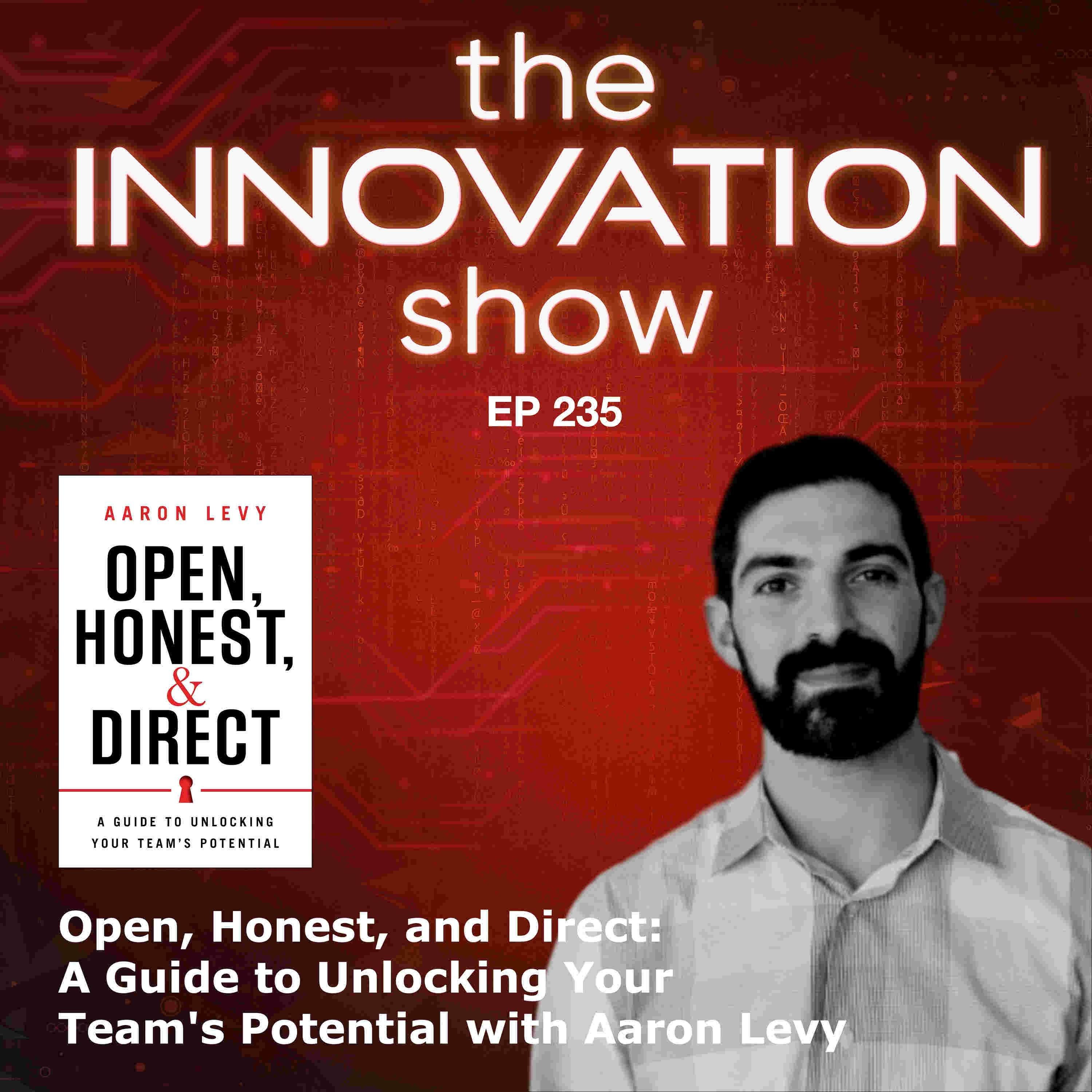
EP 235: Open, Honest, and Direct with Aaron Levy
Building a business requires more than just a good product and talented people; it requires you to take a hard look at how you show up as a leader. Open, Honest, and Direct helps you dive into the heart of your business and your people, identifying changes you can make to transform the way you and your managers lead. Part business book, part personal-development guide, this is a how-to full of practical ways to not only build and lead a high-performance team but also bring out the best in your people. Being a successful manager is less about staying constantly on top of your team and more about providing clarity and context for people. Levy’s method for creating open, honest, and direct leaders within an organization provides you with tactical tools you can put to use right away. This is a toolkit for designing a culture that supports employee performance and future-proofs your business. Many managers are promoted because they are great at what they do, but that doesn’t necessarily translate into their ability to manage a team and get the most out of their people. In today’s business environment where the competition for top talent is intense, it’s integral to not only keep your top talent but also be able to coach all of your people and unlock their full potential. Open, Honest, and Direct is a field guide and powerful movement for leading that will give your organization the competitive edge it needs.
EP 235: Open, Honest, and Direct with Aaron Levy
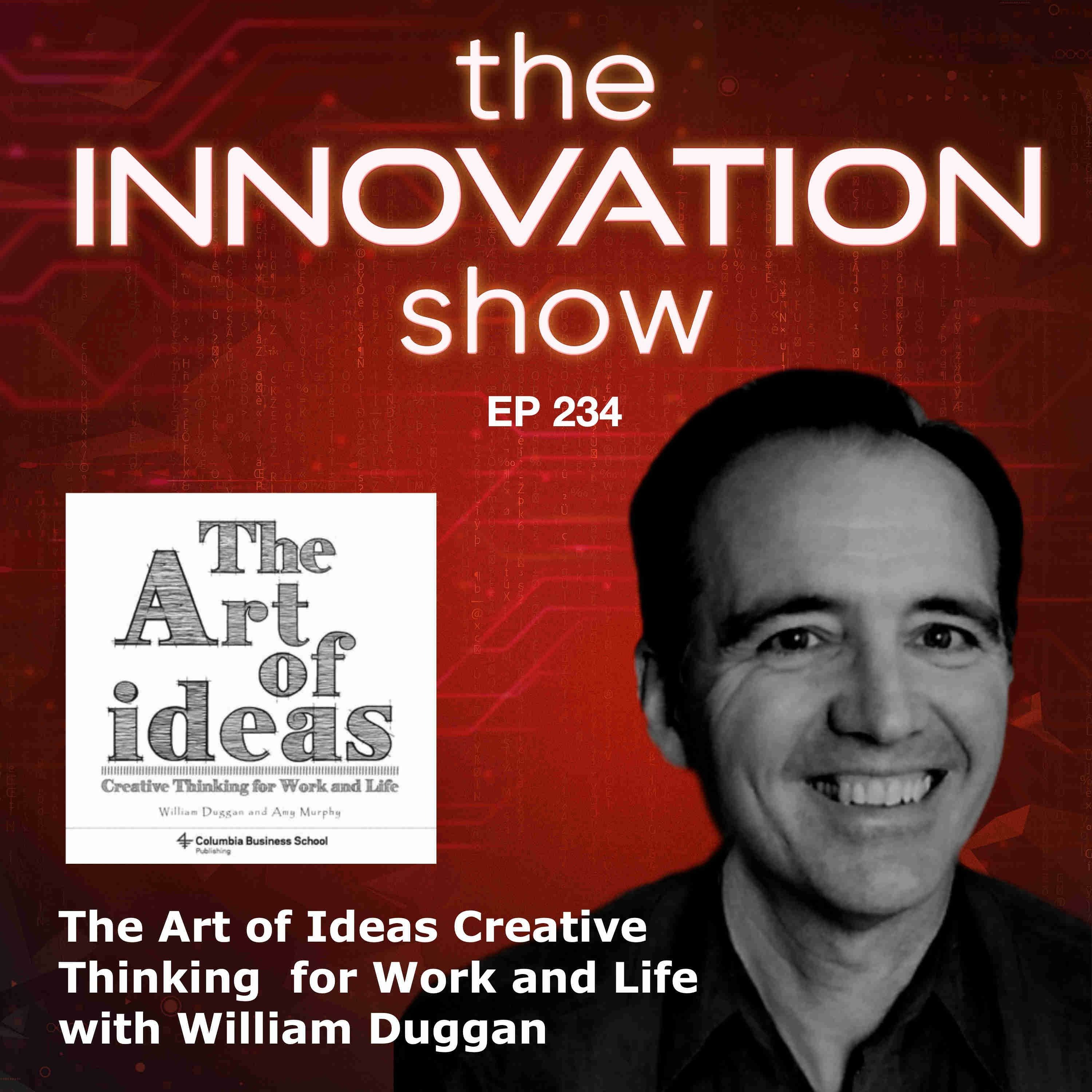
EP 234: The Art of Ideas: Creative Thinking for Work and Life with William Duggan
Great ideas don’t just happen. Innovation springs from creative thinking—a method of the human mind that we can study and learn. In The Art of Ideas, our guest brings together business concepts with stories of creativity in art, politics, and history to provide a visual and accessible guide to the art and science of new and useful ideas. He details how to spark your own ideas and what to do while waiting for inspiration to strike. He shows that regardless of the field, innovations happen in the same way: examples from history, presence of mind, creative combination, and resolution to action. The Art of Ideas features case studies and exercises that explain how to break down problems, search for precedents, and creatively combine past models to form new ideas. It showcases how Picasso developed his painting style, how Gandhi became the man we know today, and how Netflix came to disrupt the movie-rental business.
EP 234: The Art of Ideas: Creative Thinking for Work and Life with William Duggan
EP 233: Are We Smart Enough to Know How Smart Animals Are? with Frans de Waal
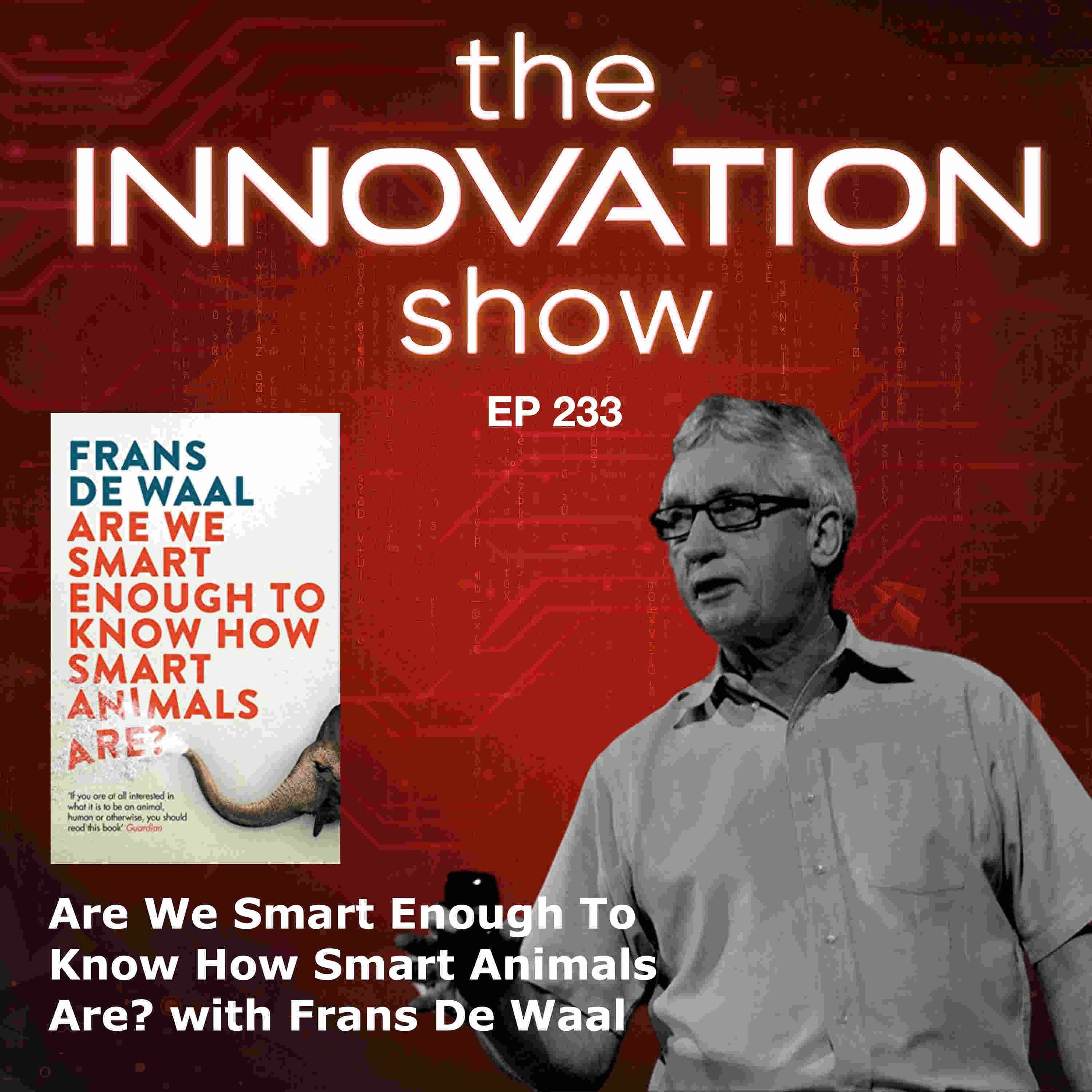
EP 233: Are We Smart Enough to Know How Smart Animals Are? with Frans de Waal
What separates your mind from the mind of an animal? Maybe you think it's your ability to design tools, your sense of self, or your grasp of past and future - all traits that have helped us define ourselves as the pre-eminent species on Earth. But in recent decades, claims of human superiority have been eroded by a revolution in the study of animal cognition. Take the way octopuses use coconut shells as tools, or how elephants can classify humans by age, gender, and language. Take Ayumu, the young male chimpanzee at Kyoto University who demonstrates his species' exceptional photographic memory. Based on research on a range of animals, including crows, dolphins, parrots, sheep, wasps, bats, whales, and, of course, chimpanzees and bonobos, our guest today explores the scope and depth of animal intelligence, revealing how we have grossly underestimated non-human brains. He overturns the view of animals as stimulus-response beings and opens our eyes to their complex and intricate minds. With astonishing stories of animal cognition, his work challenges everything you thought you knew about animal - and human - intelligence. We welcome author of Are We Smart Enough to Know How Smart Animals Are?, Frans de Waal. More about Frans: https://www.facebook.com/franspublic/
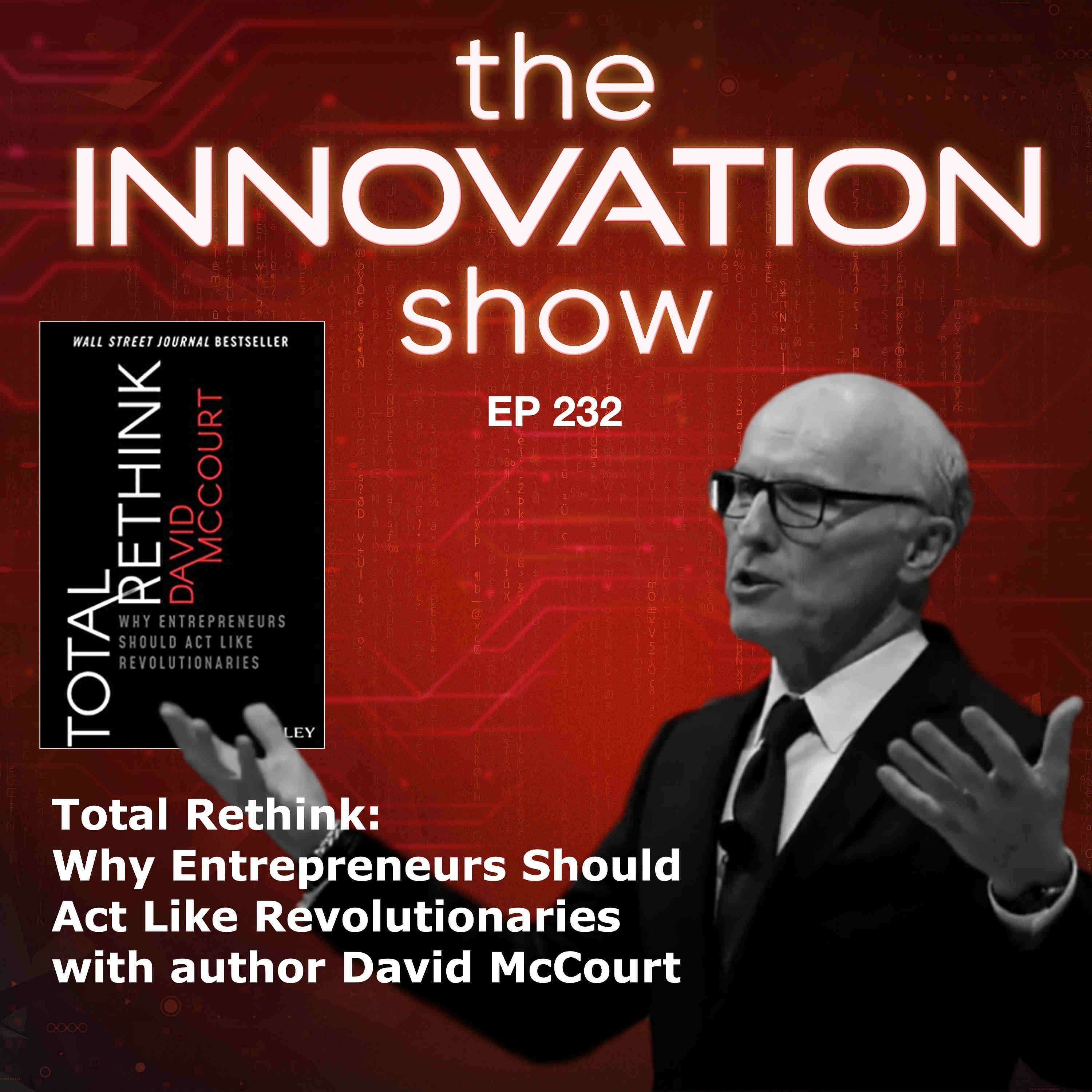
EP 232: Total Rethink: Why Entrepreneurs Should Act Like Revolutionaries with David McCourt
Our guest today argues that everything is changing fast, apart from how we behave. Our ways of thinking and making decisions have changed little, with the traditional wisdom being that improvements are best done incrementally, just as big, established corporations will increase profits incrementally and governments will change laws incrementally.  But the problems we now need to solve require a revolution in thinking and behavior in order to avoid disaster. He lays out the reality of the dangerous situation we find ourselves in and suggests solutions that empower everyone, including business people, politicians, diplomats, and teachers, to repair the damage we have already done, and prepare for the dramatic changes to come. Over a 30-year period our guest founded and bought 20 companies in nine countries. He is an Emmy Award winner and author of the WSJ best-selling book: “Total Rethink: Why Entrepreneurs Should Act Like Revolutionaries” we welcome David McCourt to the show
EP 232: Total Rethink: Why Entrepreneurs Should Act Like Revolutionaries with David McCourt
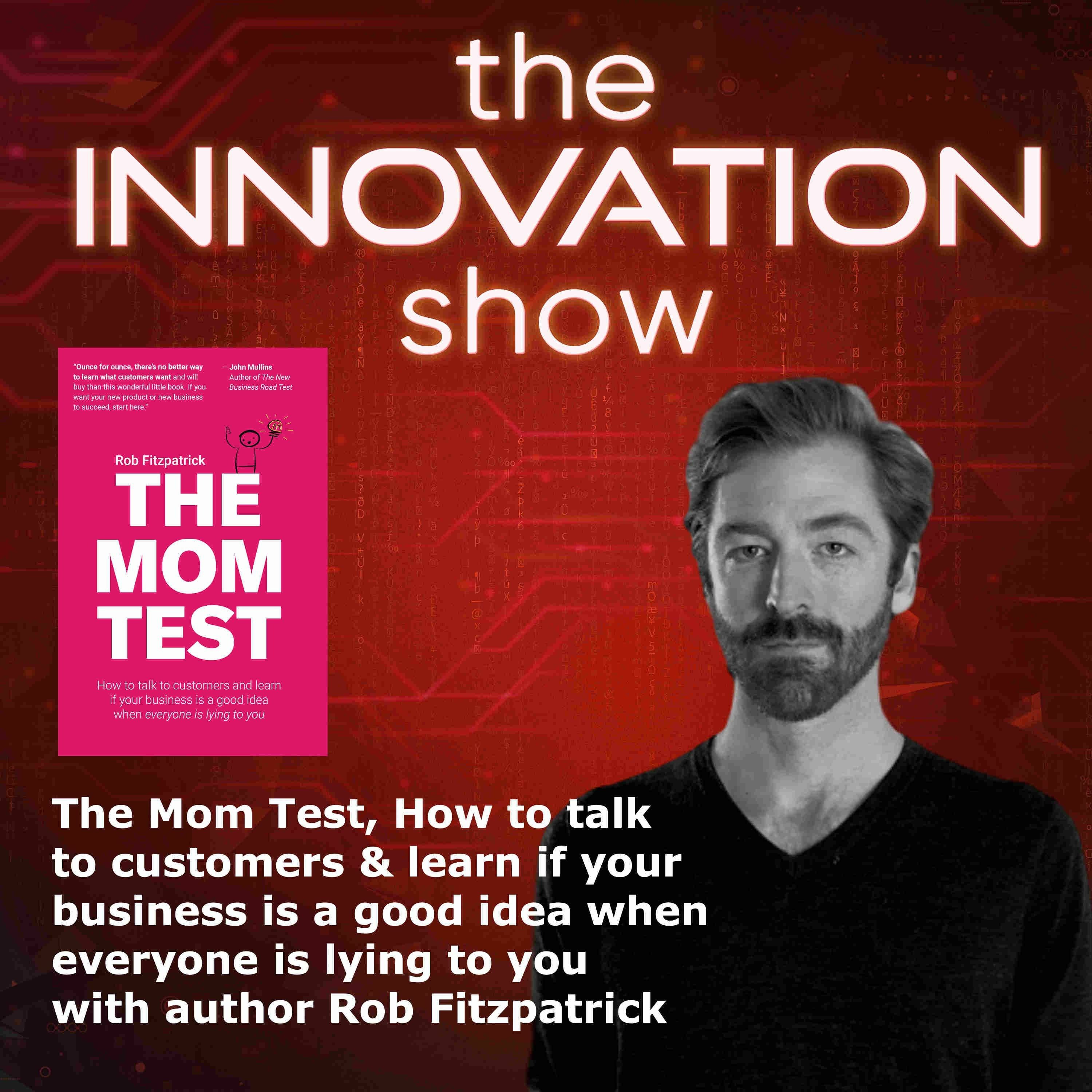
EP 231: The Mom Test with Rob Fitzpatrick
Rob Fitzpatrick is author of "The Mom Test, How to talk to customers & learn if your business is a good idea when everyone is lying to you" His book shows us how customer conversations go wrong and how we can do better. They say you shouldn't ask your mom whether your business is a good idea, because she loves you and will lie to you. This is technically true, but it misses the point. You shouldn't ask anyone if your business is a good idea. It's a bad question and & everyone will lie to you at least a little. As a matter of fact, it's not their responsibility to tell you the truth. It's your responsibility to find it and it's worth doing right. Talking to customers is one of the foundational skills of both Customer Development and Lean Startup. We all know we're supposed to do it, but nobody seems willing to admit that it's easy to screw up and hard to do right. Win one of 2 copies by signing up to the show here: www.theinnovationshow.io and find Rob on ww.robfitz.com
EP 231: The Mom Test with Rob Fitzpatrick
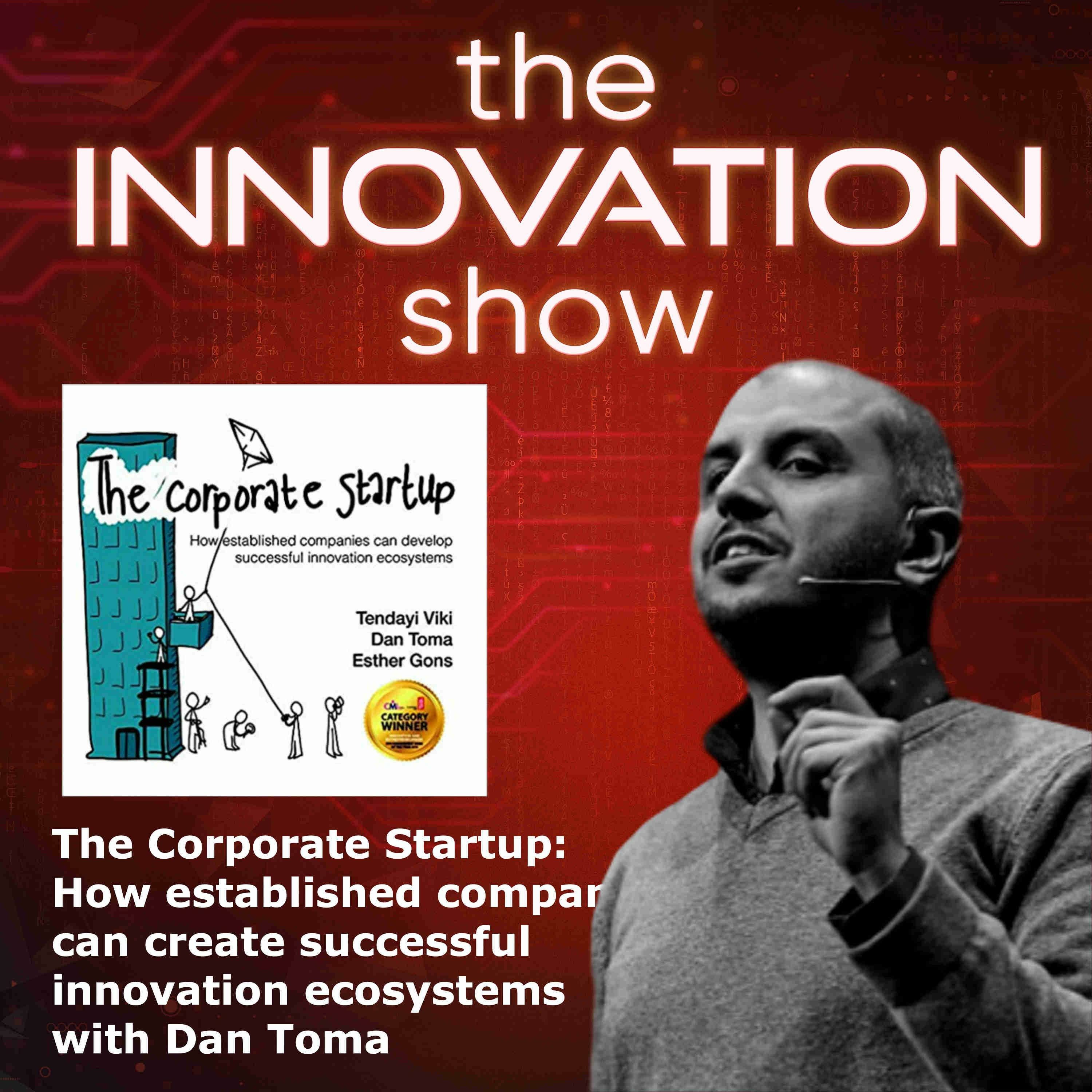
EP 230: The Corporate Startup with Dan Toma
The world around us is changing rapidly. There is now more pressure on established companies to innovate. The challenge most companies face is how to develop new products for new markets, while managing their core business at the same time. The principles and practices outlined in this book provide companies with a blueprint of how to manage innovation while they execute on their core business. The Corporate Startup provides frameworks, visualizations, templates, tools and methods that can be easily applied to develop new products and business models. We welcome author of “The Corporate Startup: How established companies can create successful innovation ecosystems”, Dan Toma, welcome to the show A reminder to sign up to the newsletter on www.theinnovationshow.io and you will be in with a chance to win one of 2 prizes, Dan has kindly offered us a copy of the Corporate Startup Book and access to the Corporate Startup video course worth €480 on https://thecorporatestartupbook.com, ends July 30th 2020
The Corporate Startup with Dan Toma
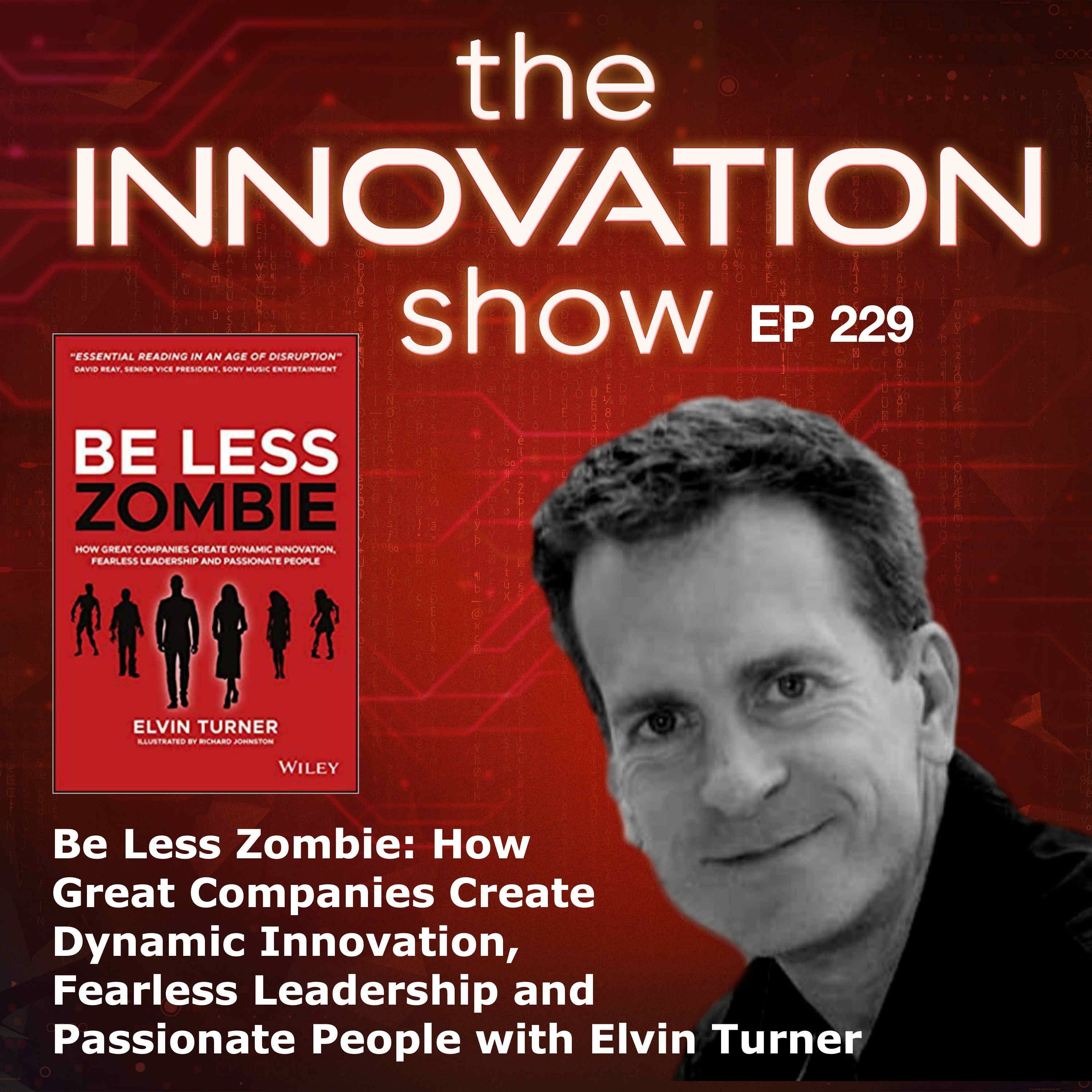
EP 229: Be Less Zombie with Elvin Turner
More agility. More energy. More genius. Why do some companies always seem to have the best ideas, the most engaged people and the most profitable growth? Based on 10 years of research, today’s book goes behind the scenes of some of the world's most innovative companies and decodes the tools, hacks and approaches that help their managers systematically spark ingenuity, agility, and profitable creativity at scale. It presents a pragmatic 'how-to' guide for any team or organisation that needs to adapt its culture, processes, leadership and decision-making for an age of increasingly unpredictable and rapid change. We welcome author of “Be Less Zombie How great companies create dynamic innovation, fearless leadership and passionate people” Elvin Turner https://www.elvinturner.com
Be Less Zombie: How Great Companies Create Dynamic Innovation, Fearless Leadership and Passionate People with Elvin Turner
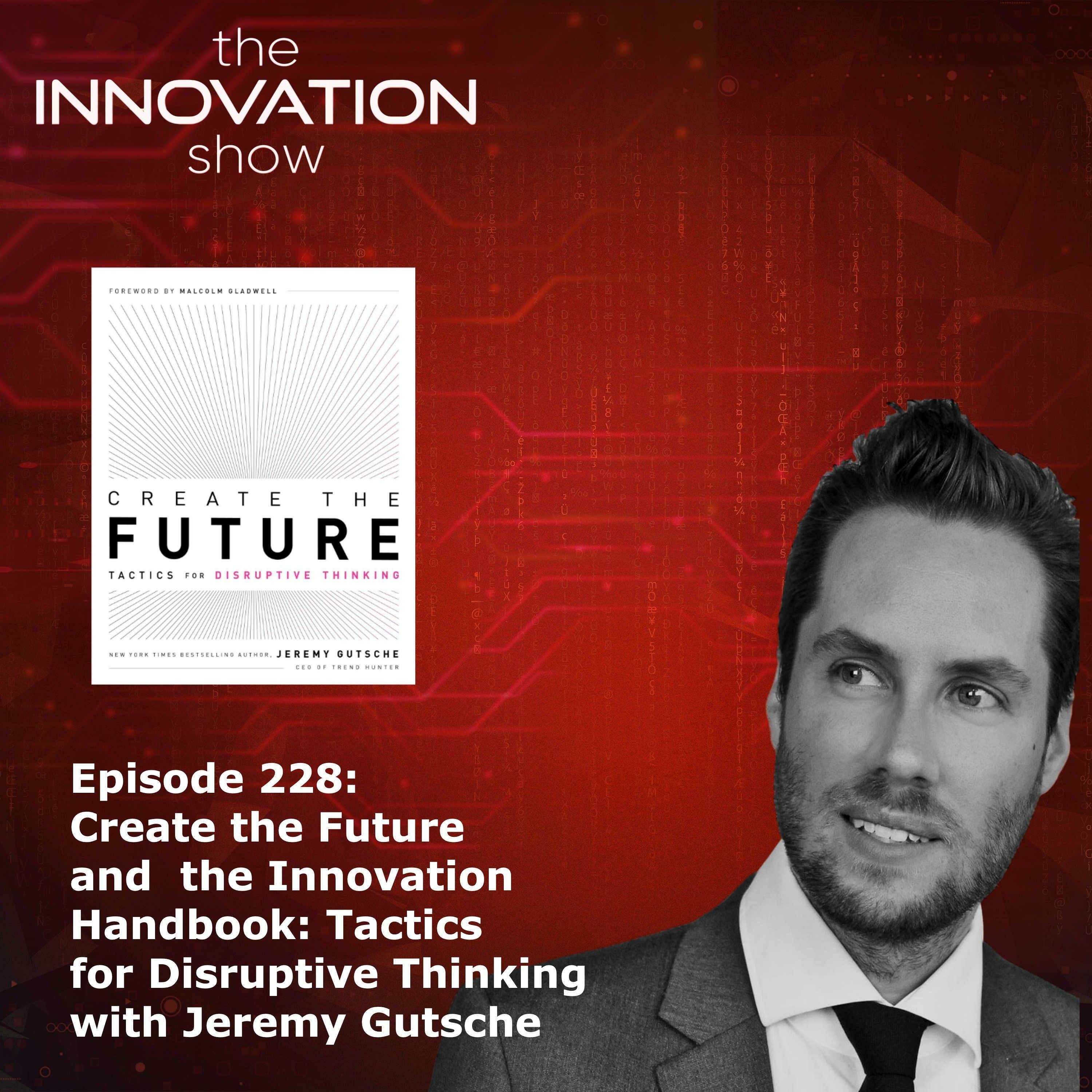
Create the Future and the Innovation Handbook: Tactics for Disruptive Thinking, Jeremy Gutsche
We've reached a point in time when everyone wants innovation, but most people don't know how to actually attain it. It's not easy, which is why there are so many failed brands and companies. In our era of AI, rapid change, disruption, and possibility, there are so many great opportunities within our grasp. However, smart, successful people consistently miss out. Their capabilities are limited by seven traps, and they rely on and repeat past decisions. They miss out on the potential of what could have been. If we could remove these traps, what could we accomplish? How much more successful could we be? Today’s book teaches us how to think disruptively, providing specific steps to create real innovation and change. It combines our guests high energy provocative thinking with tactics that have been battle tested through projects with leading innovators like Disney, Starbucks, Amex, IBM, Adidas, Google, and NASA. CEO of Trendhunter and author "Create the Future + the Innovation Handbook: Tactics for Disruptive Thinking, Jeremy Gutsche"
Create the Future and the Innovation Handbook: Tactics for Disruptive Thinking, Jeremy Gutsche
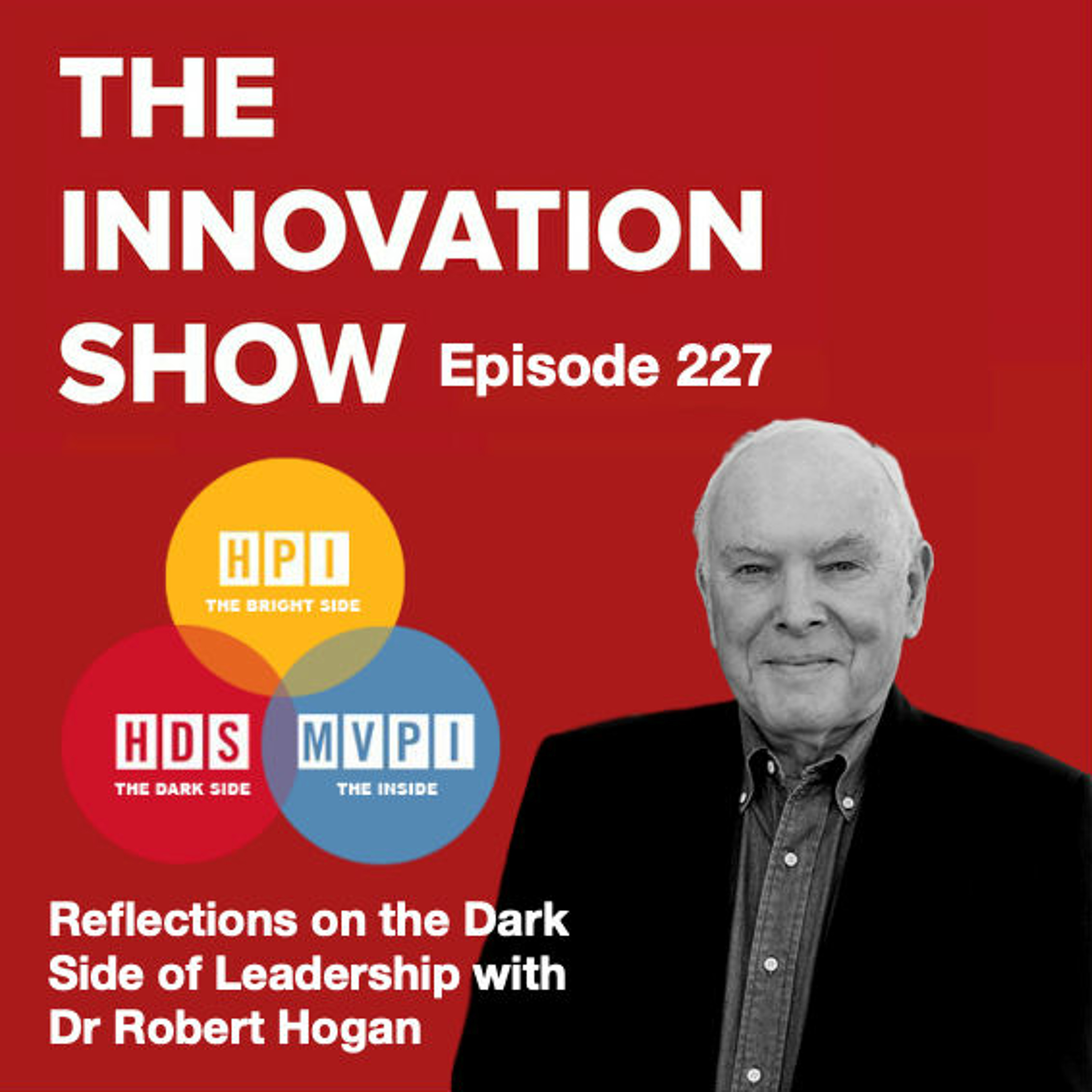
Reflections on the Dark Side of Leadership with Dr Robert Hogan
Being awarded a leadership role within an organization may feel like an amazing accomplishment, but that is only half the battle. The second, and arguably most important half, lies in building and maintaining a highly effective team. However, according to a recent survey conducted on UK workers, managers are failing miserably at this task, and are instead fostering feelings of hate and resentment among their workers. The survey states that while 22% of the UK public say they hate their boss, a staggering 52% identify their boss as their primary source of job dissatisfaction. So, where is it that managers are going wrong, and what can they do to improve their employees’ perception of them? Interesting research during the 1970s–found that managerial failure had little to do with IQ or personal attractiveness. Rather, it was linked directly to interpersonal competence. And, since personality is at the core of interpersonal competence, our guest today developed one of the globe's leading personality assessments to identify the 11 personality scales that cause leaders to fail time and time again. We welcome creator of The Hogan Assessments, Dr Robert Hogan
Reflections on the Dark Side of Leadership with Dr Robert Hogan
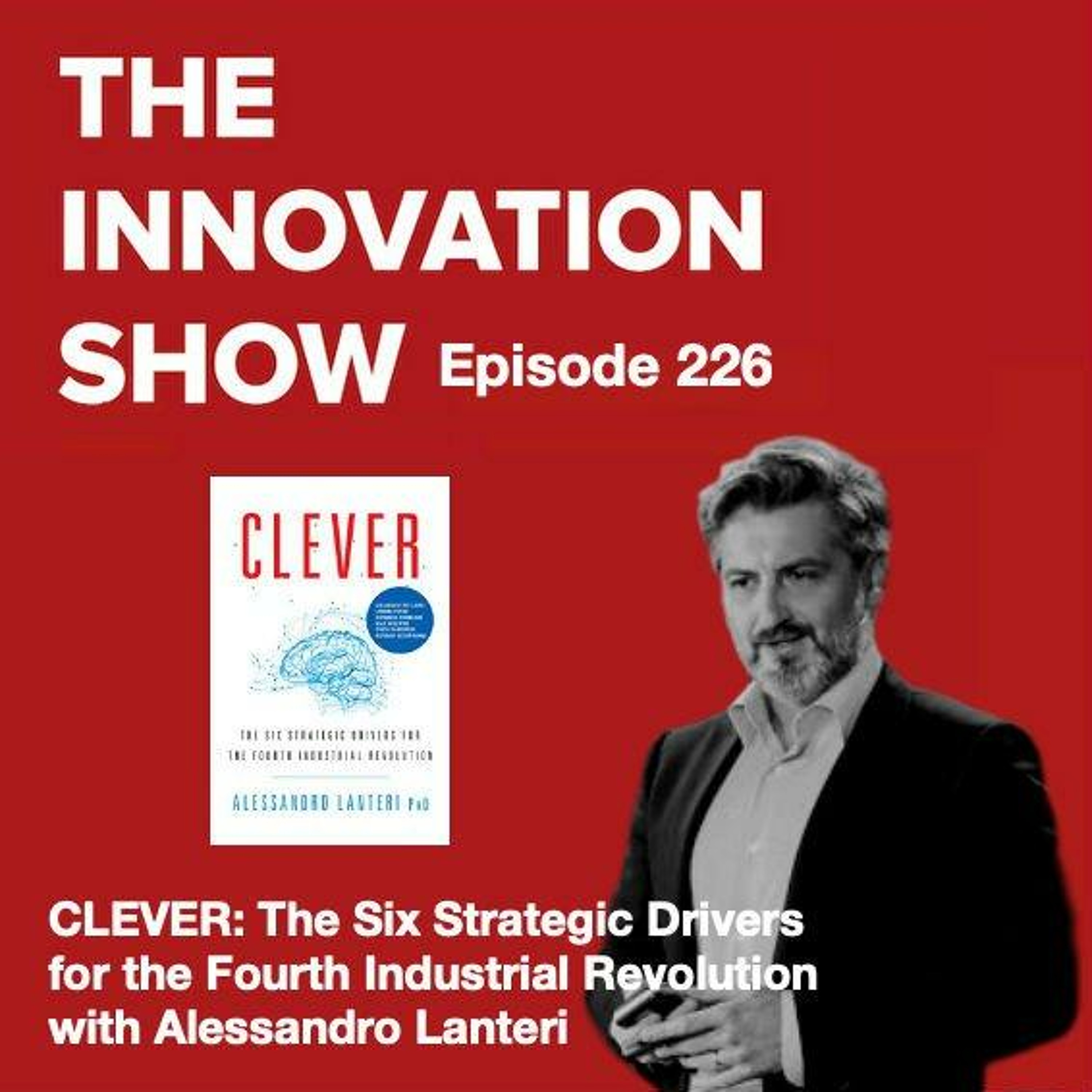
CLEVER: The Six Strategic Drivers for the Fourth Industrial Revolution with Alessandro Lanteri
As a business leader, you need to make decisions that set your company up for success, now and in the future. The challenge is In this fast-changing world, the rules of strategy are being rewritten and the go-to solutions you once relied on are no longer enough. The Fourth Industrial Revolution is here. As emerging technologies like AI and blockchain become ubiquitous, they will unleash unprecedented levels of disruption. Drawing on his broad global experience, our guest delivers the essential guide to strategy for this new era. His CLEVER Framework will help you understand the deep strategic drivers of the Fourth Industrial Revolution, reflect on how they affect you and your business, and respond effectively. If you’re ready to fulfil your potential as a leader and create a future-ready business, it’s time to get Clever. We welcome Alessandro Lanteri, the author of CLEVER: The Six Strategic Drivers for the Fourth Industrial Revolution