The Innovation Show
1,271 episodes — Page 12 of 26
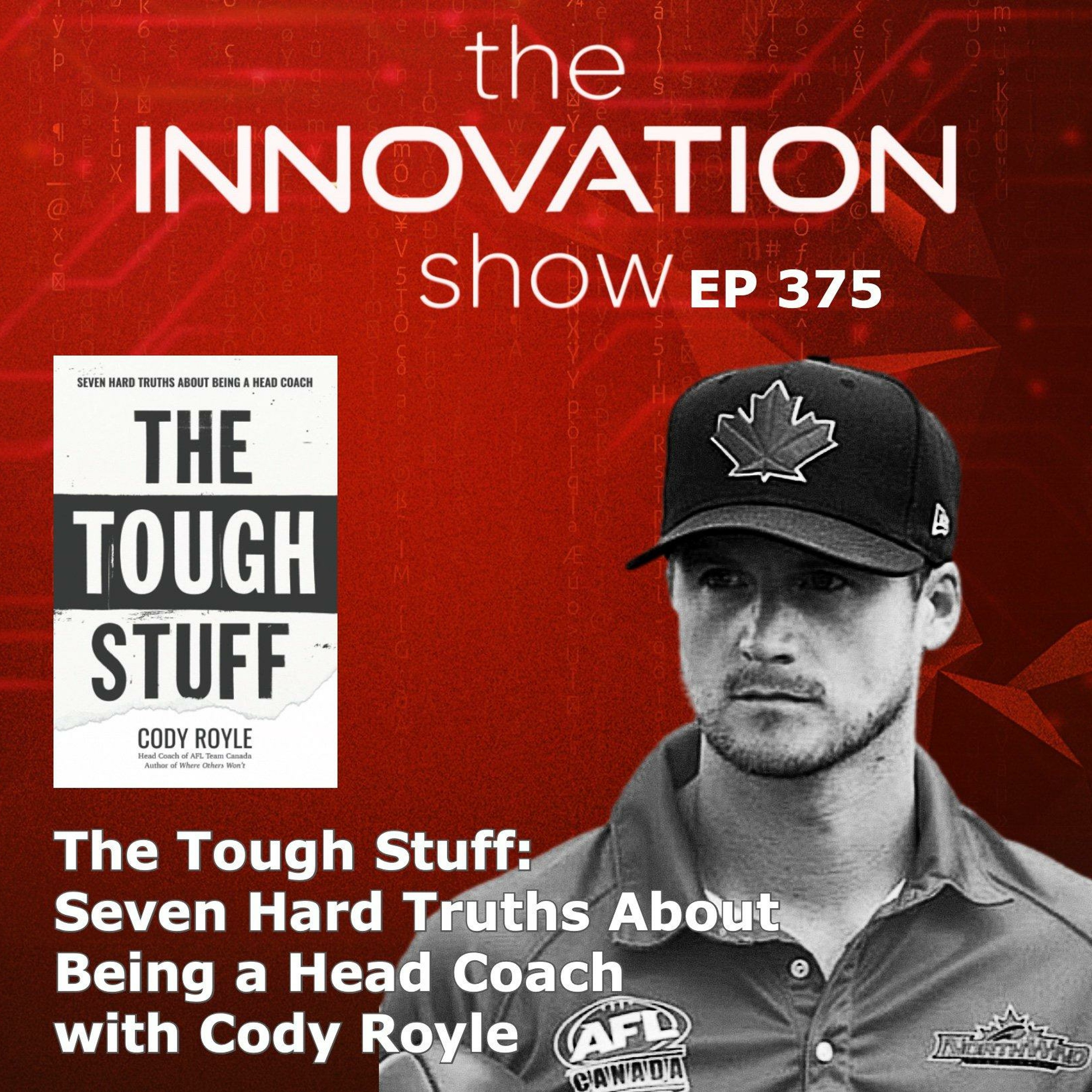
The Tough Stuff Live with Cody Royle
It's you. As the speed of change in elite sports has increased, the support infrastructure around head coaches has not kept up. This has left many coaches--supposedly experts in human performance--walking zombies who don’t sleep, don’t exercise and don’t see their families. To succeed in the modern sporting world, head coaches must face some hard truths. By grappling with these truths, which cut to the very core of who they are as human beings, head coaches can get out of their own way and achieve all-new levels of personal performance. We welcome author  of "The Tough Stuff: Seven Hard Truths About Being a Head Coach" Cody Royle Find Cody here: https://www.codyroyle.com
The Tough Stuff Live with Cody Royle
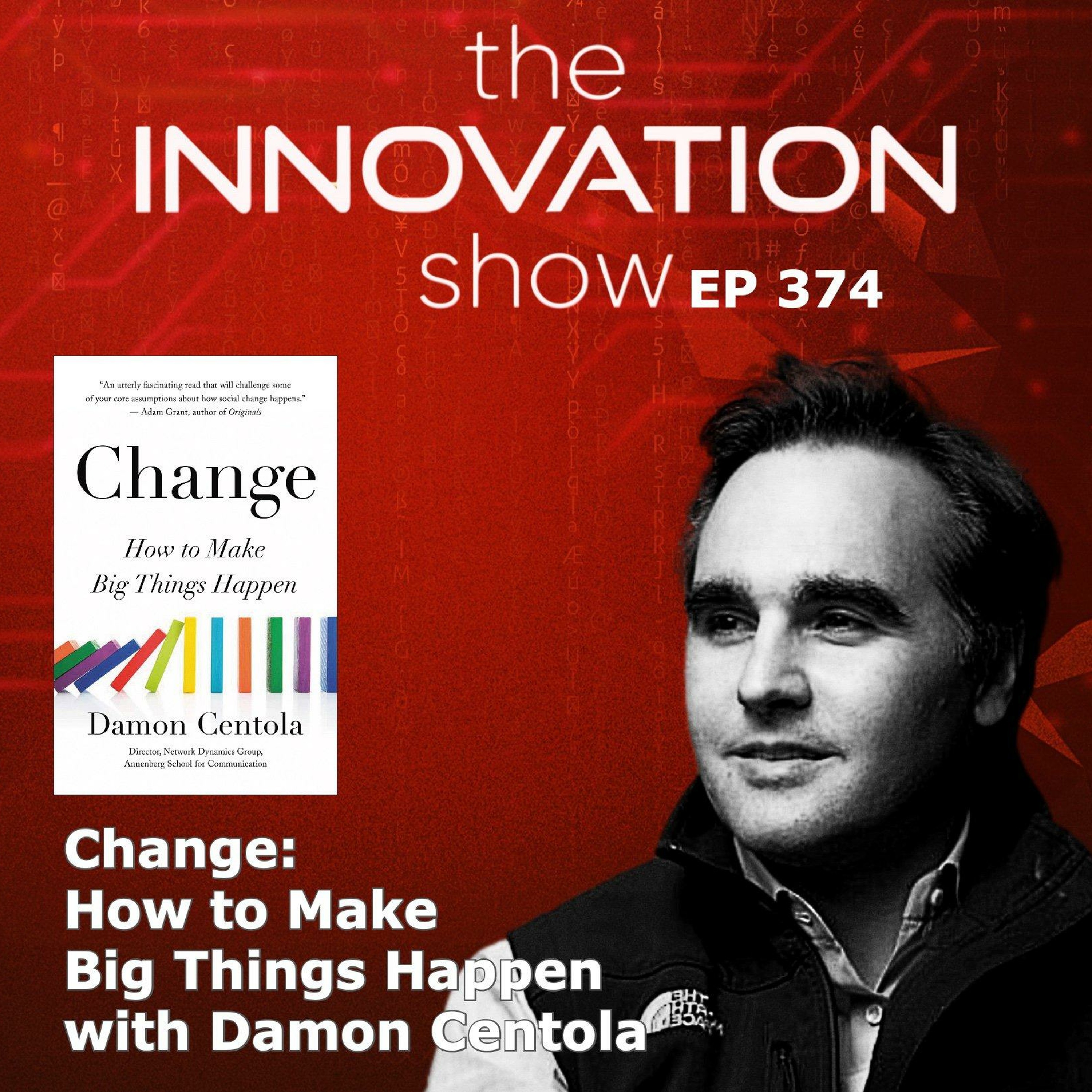
Change: How to Make Big Things Happen with Damon Centola
From the spread of COVID-19 to the rise of political polarisation, from implicit bias to genetically modified food, from NASA to Netflix - it's time to think differently about how change works. Our guest is the world expert in the new science of networks. His ground-breaking research across areas as disparate as voting, health, technology and finance has highlighted powerful and highly effective new ways to ensure lasting change. In today’s book, he distils more than a decade of deep experience into a fascinating new theory that challenges previous assumptions that new ideas are either contagious or not. He shows that beliefs and behaviours are not transmitted from person to person in the simple way that a virus is. The real story of social change is more complex and much more interesting. When we are exposed to a new idea, our social networks guide our responses in striking and surprising ways. Drawing on deep yet accessible research and fascinating examples, his book presents a paradigm-shifting new science for understanding what drives change, recognising our blind spots and how we can change the world around us. We welcome the author of "Change: How to Make Big Things Happen", Damon Centola Find Damon here: https://www.damoncentola.com and here: http://leighbureaultd.com/speakers/dcentola
Change: How to Make Big Things Happen with Damon Centola
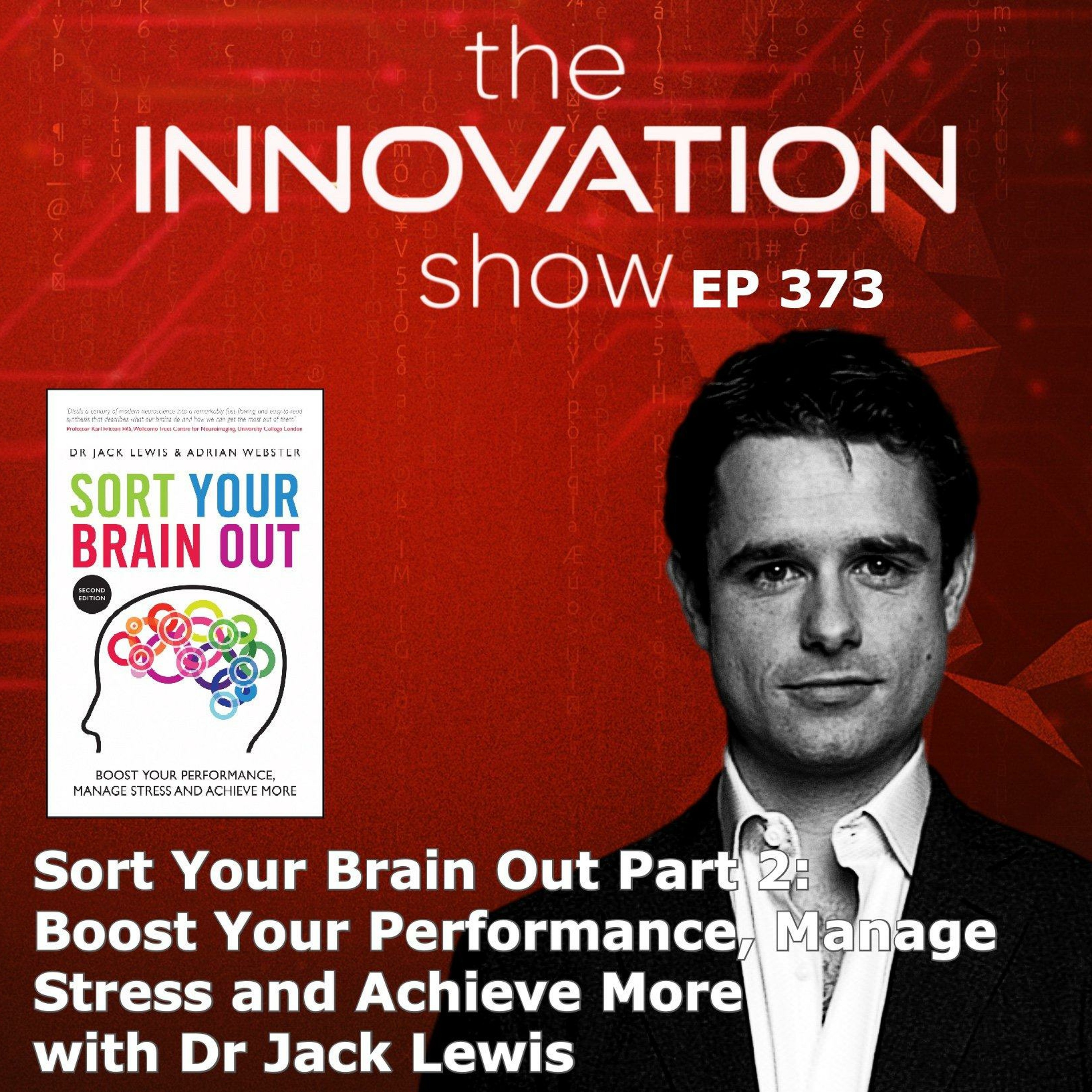
Jack Lewis - Sort Your Brain Out Part 2
We all know that we’re capable of more than what we’re already accomplishing. But what if we discovered the tools we need to get the most out of our brain and achieve unheard-of mental performance? With expert guidance from today’s guest we can discover how to unlock the hidden potential of our brain. Using simple tools and techniques we can use each day, his book will show us how to: * Utilise the principle of neuroplasticity to transform your daily life * Harness straightforward strategies to learn new behaviours * Turn these behaviours into lasting habits and new skills * Understand the latest developments in brain-enhancement * Create better strategies for team innovation and problem solving We welcome the author of Sort Your Brain Out: Boost Your Performance, Manage Stress and Achieve More, Dr Jack Lewis, welcome to the show Find Jack here: https://www.drjack.co.uk Brain man VR: https://www.brainmanvr.co.uk
Jack Lewis - Sort Your Brain Out Part 2
Sort Your Brain Out Part 1 with Jack Lewis
We all know that we’re capable of more than what we’re already accomplishing. But what if we discovered the tools we need to get the most out of our brain and achieve unheard-of mental performance? With expert guidance from today’s guest we can discover how to unlock the hidden potential of our brain. Using simple tools and techniques we can use each day, his book will show us how to: * Utilise the principle of neuroplasticity to transform your daily life * Harness straightforward strategies to learn new behaviours * Turn these behaviours into lasting habits and new skills * Understand the latest developments in brain-enhancement * Create better strategies for team innovation and problem solving We welcome the author of Sort Your Brain Out: Boost Your Performance, Manage Stress and Achieve More, Dr Jack Lewis, welcome to the show Find Jack here: https://www.drjack.co.uk Brain man VR: https://www.brainmanvr.co.uk
Sort Your Brain Out Part 1 with Jack Lewis
Bank 4.0 with Brett King
When we talk about a Bank 4.0 it is good to establish both a timeline and a definition for clarity: BANK1.0: Historical, traditional banking centred around the branch as the primary access point. Started with the Medici family in the 12th century. BANK 2.0: The emergence of self-service banking, defined by the first attempts to provide access outside of bank working hours. Commenced with ATM machines and accelerated in 1995 with the commercial internet. BANK 3.0: Banking when and where you needed it as redefined by the emergence of the smartphone in 2007, and accelerated with a shift to mobile payments, P2P and challenger banks built on top of mobile; channel agnostic. BANK4.0: Embedded, ubiquitous banking delivered in real-time through the technology layer. Dominated by real-time, contextual experiences, frictionless engagement and a smart, AI-based advice layer. Largely digital omni-channel with zero requirements for physical distribution. We welcome Founder of Moven Host of Breaking Banks Radio author of multiple titles but today we focus on Bank 4.0, Banking Everywhere, Never at a Bank Brett King. Find Brett here: http://brettking.com
Bank 4.0 with Brett King
The Human Element with David Schonthal
Today’s book is for anyone who wants to introduce a new idea or innovation into the world. Most marketers, innovators, executives, activists, or anyone else in the business of creating change, operate on a deep assumption. It is the belief that the best (and perhaps only) way to convince people to embrace a new idea is to heighten the appeal of the idea itself. We instinctively believe that if we add enough value, people will eventually say "yes." This reflex leads us down a path of adding features and benefits to our ideas or increasing the sizzle of our messaging - all in the hope of getting others on board. Our guest calls this instinct the "Fuel-based mindset." The Fuel-based mindset explains so much of what we do, from adding countless trivial features to software to bolting a sixth blade onto a shaving razor. By focusing on Fuel, innovators neglect the other half of the equation – the psychological Frictions that oppose change. Frictions create drag on innovation. And though they are rarely considered, overcoming these Frictions is essential for bringing new ideas into the world. In his book, Our guest highlights the four Frictions that operate against innovation. It is a pleasure to welcome the author of The Human Element: Overcoming the Resistance That Awaits New Ideas David Schonthal    Find David here: https://www.davidschonthal.com
The Human Element with David Schonthal
Framers Part 3 with Kenneth Cukier
Framing is a cognitive muscle we can strengthen to improve our lives, work and future. Today’s book shows us how.” We heartily welcome back the author of "Framers: Make Better Decisions In The Age of Big Data", Kenneth Cukier Find Kenneth here: @kncukier https://www.economist.com/books-and-arts/2021/05/11/imaginative-framing-is-the-key-to-problem-solving
Framers Part 3 with Kenneth Cukier
Framers Part 2 with Kenneth Cukier
Framing is a cognitive muscle we can strengthen to improve our lives, work and future. Today’s book shows us how.” We welcome the author of Framers: Make Better Decisions In The Age of Big Data Kenneth Cukier Find Kenneth here: @kncukier
Framers Part 2 with Kenneth Cukier
VISA founder Dee Hock Tribute R.I.P.
52 years ago, our guest foresaw and implemented the foundations for the world’s first trillion dollar organization. Back then, Visa was little more than a set of unorthodox convictions about organization slowly growing in the mind of a young corporate rebel. Today, according to the Visa 2019 annual report, payments and cash volume for the year was a staggering $11.6 trillion dollars, transactions processed on Visa’s networks totalled $138.3 trillion dollars and the year saw some 3.4 billion Visa cards in operation. Our guest is the man who imagined this reality, who had a once-deemed-impossible vision 52 years ago, a vision which has become a concrete reality today. He is a man who has a different view on what the next 50 years can deliver, but that vision will require a radical shift in mindset for every single one of us. His book, "One from Many" is much more than the story of the scarcely believable events that brought Visa into being and led to its extraordinary success. It is also the story of an introverted, small-town child, passionate to read, dream, and wander the woods, the youngest of six, born to parents with but an eighth-grade education. It is a story of crushing confinement and interminable boredom in school and church, along with sharp, rising awareness of the chasm between how institutions profess to function and how they actually do; what they claim to do for people and what they actually do to them. It is about three compelling questions arising from that awareness that came to dominate his life: Why are institutions, everywhere, whether political, commercial, or social, increasingly unable to manage their affairs? Why are individuals, everywhere, increasingly in conflict with and alienated from the institutions of which they are part? Why are society and the biosphere increasingly in disarray? This is the story of a lifelong search for the answer to those questions, which had everything to do with the formation of Visa. It is a story of harbouring four beasts that inevitably devour their keeper; ego, envy, avarice, and ambition; and of a great bargain, trading ego for humility, envy for equanimity, avarice for time, and ambition for liberty. It is a story of events impossible to foresee, that sent (a man of 92) him at 55 on (a journey) an odyssey more improbable than Visa, and infinitely more important. At 91, he is still in the midst of that odyssey Beyond all else, it is a story of the future; of something trying to happen; of a four-hundred year old age rattling in its deathbed as another struggles to be born. It is not just the story of today’s guest, although he is central to it. It is not just your story, or my story, (although you} although we are both in it. It is a story of everyone - - - a story of us all. It is such an immense honour to welcome the founder and CEO Emeritus of Visa and author of the pioneering work "The Birth of the Chaordic Age" and its updated version "One from Many: VISA and the Rise of Chaordic Organization", Dee Hock
VISA founder Dee Hock Tribute R.I.P.
Stories, Dice, and Rocks That Think Act III with Byron Reese
There are reasons we are the way we are; we are optimized for other purposes, not the least of which is thinking in stories not logic. So we did something else instead: we taught rocks how to think. Intrigued? So was I and I’m delighted to host the man who’ll answer this strange question in Act III of “Stories, Dice, and Rocks That Think: How Humans Learned to See the Future--and Shape It” Byron Reese, welcome back to the show Find Byron here: www.byronreese.com
Byron Reese ACT III of Stories, Dice, and Rocks That Think
Framers with Kenneth Cukier: Make Better Decisions In The Age of Big Data
We're often told that humans make bad decisions and that more data is better. But this is backwards: people are good at decisions precisely because we use mental models and can envision new realities outside of data. Great outcomes don't depend so much on the final moment of choosing but on generating better alternatives to choose between. That's framing. It's a cognitive muscle we can strengthen to improve our lives, work and future. Today’s book shows us how. We welcome the author of Framers: Make Better Decisions In The Age of Big Data Kenneth Cukier. Find Kenneth here: http://www.cukier.com @kncukier https://www.economist.com/books-and-arts/2021/05/11/imaginative-framing-is-the-key-to-problem-solving
Framers with Kenneth Cukier: Make Better Decisions In The Age of Big Data
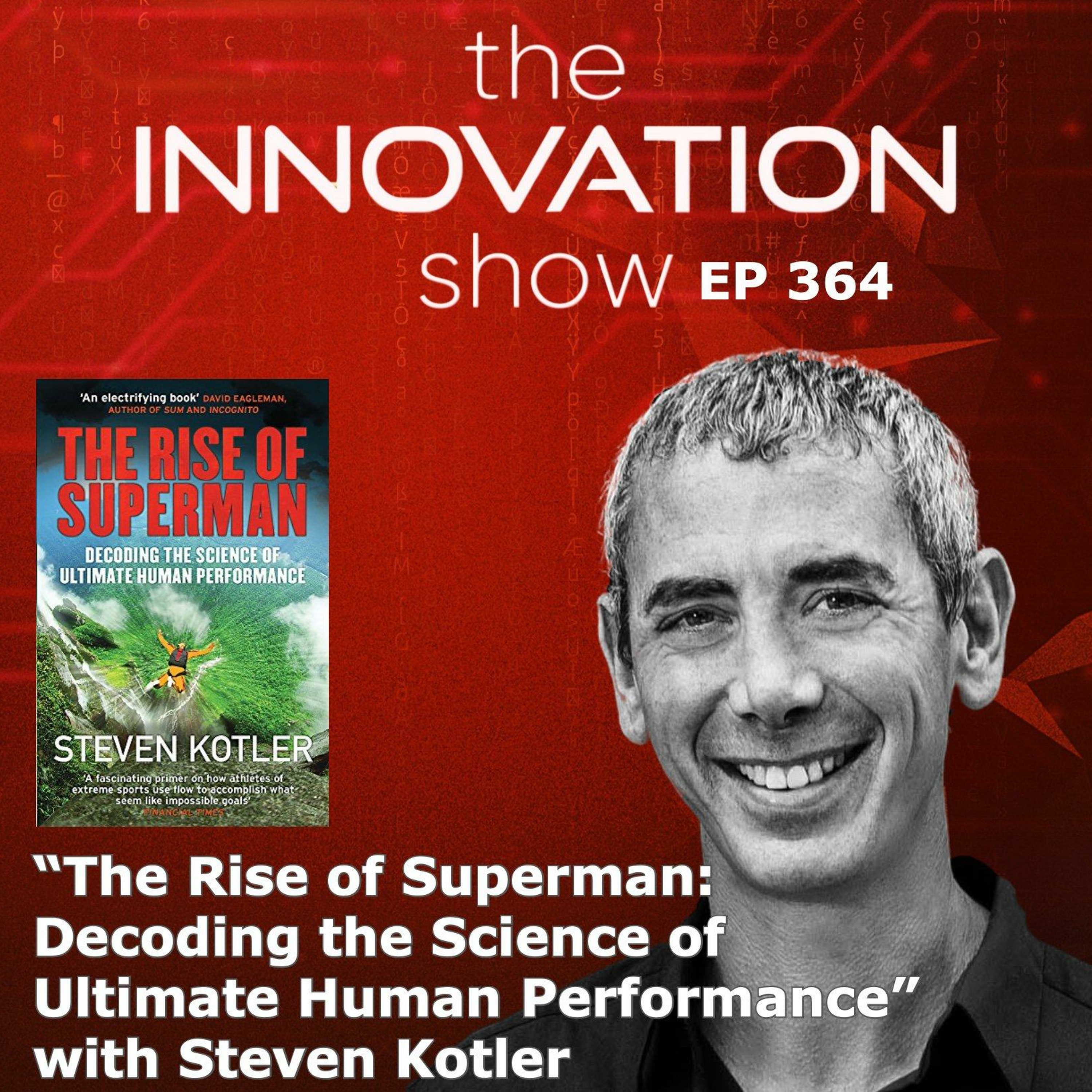
The Rise of Superman with Steven Kotler
Today’s book is about the impossible, but it starts with the invisible. Over the four decades, an unlikely collection of men and women have pushed human performance farther and faster than at any other point in the 150,000-year history of our species. In this evolutionary eyeblink, they have completely redefined the limits of the possible. But here’s the stranger part: this unprecedented flowering of human potential has taken place in plain sight, occasionally with millions of people watching–yet almost no one has noticed. Today’s guest will explain why, he is a friend of the show and author of multiple titles and the focus of today’s episode is “The Rise of Superman: Decoding the Science of Ultimate Human Performance”, Steven Kotler, welcome. More about Steven: https://www.flowresearchcollective.com/flow-blocker-quiz
The Rise of Superman with Steven Kotler
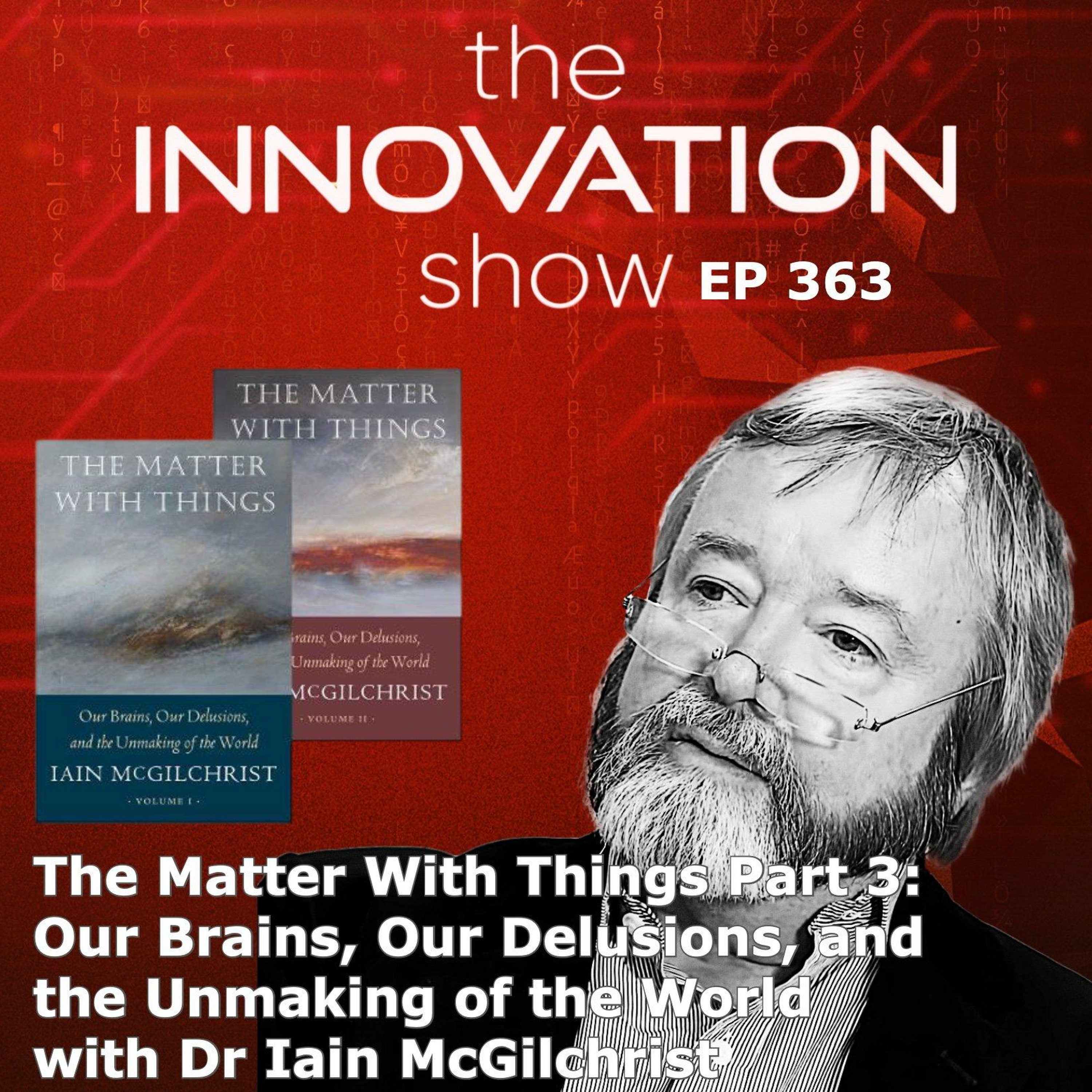
The Matter With Things Part 3 with Iain McGilchrist
It is a pleasure to welcome back the author of “The Matter With Things: Our Brains, Our Delusions, and the Unmaking of the World”, Iain McGilchrist In this episode, we explore intuition, imagination and more. Find Iain here: http://channelmcgilchrist.com
The Matter With Things Part 3 with Iain McGilchrist
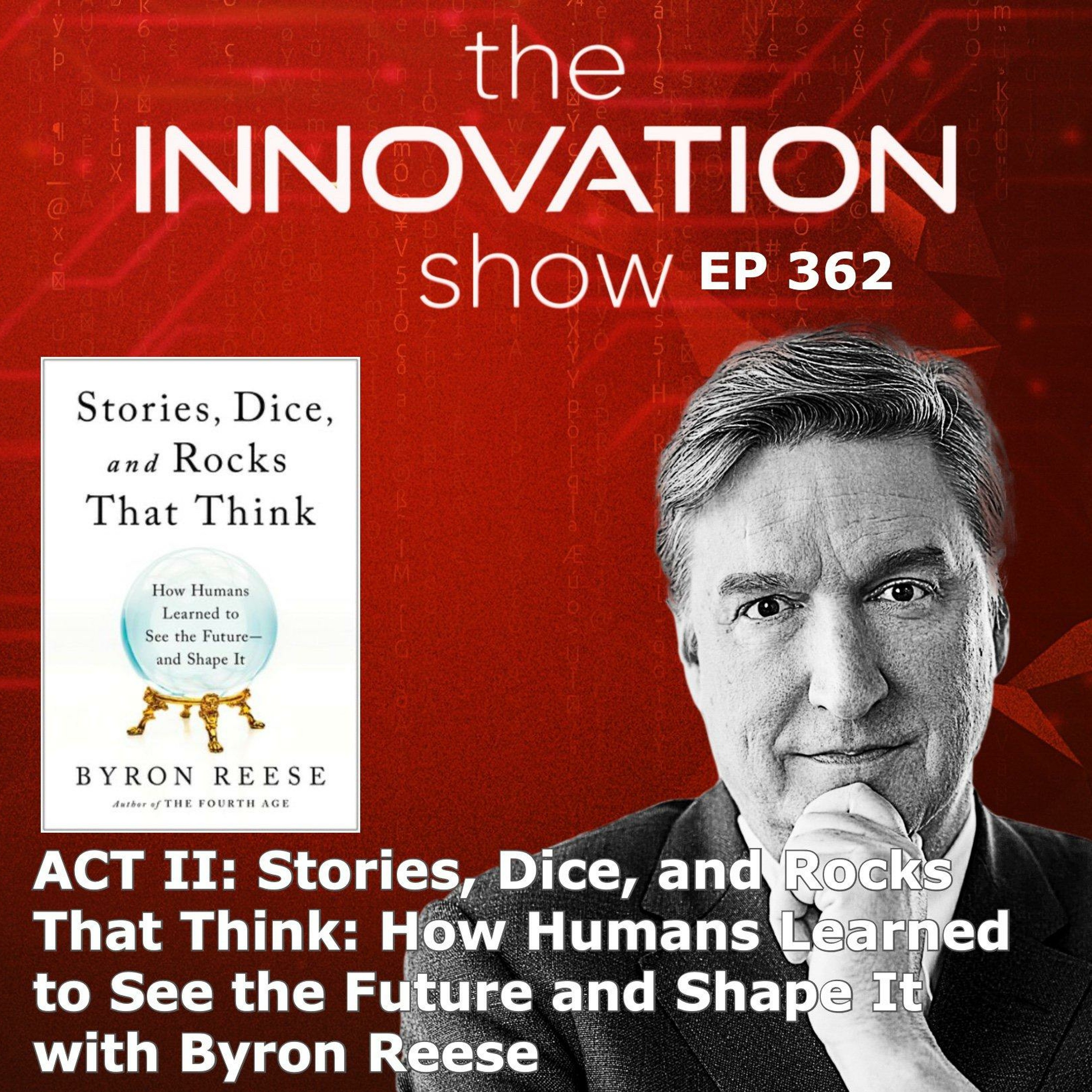
Stories, Dice, and Rocks That Think Act II with Byron Reese
Today we focus on ACT II of Stories, Dice, and Rocks That Think: How Humans Learned to See the Future and Shape It with Byron Reese Act II is set In 17th century France, the mathematical framework known as 'probability theory' is born—a science for seeing into the future that we used to build the modern world. We welcome back the author of “Stories, Dice, and Rocks That Think: How Humans Learned to See the Future--and Shape It” friend of the show, Byron Reese. Find Byron here: www.byronreese.com
Stories, Dice, and Rocks That Think Act II with Byron Reese
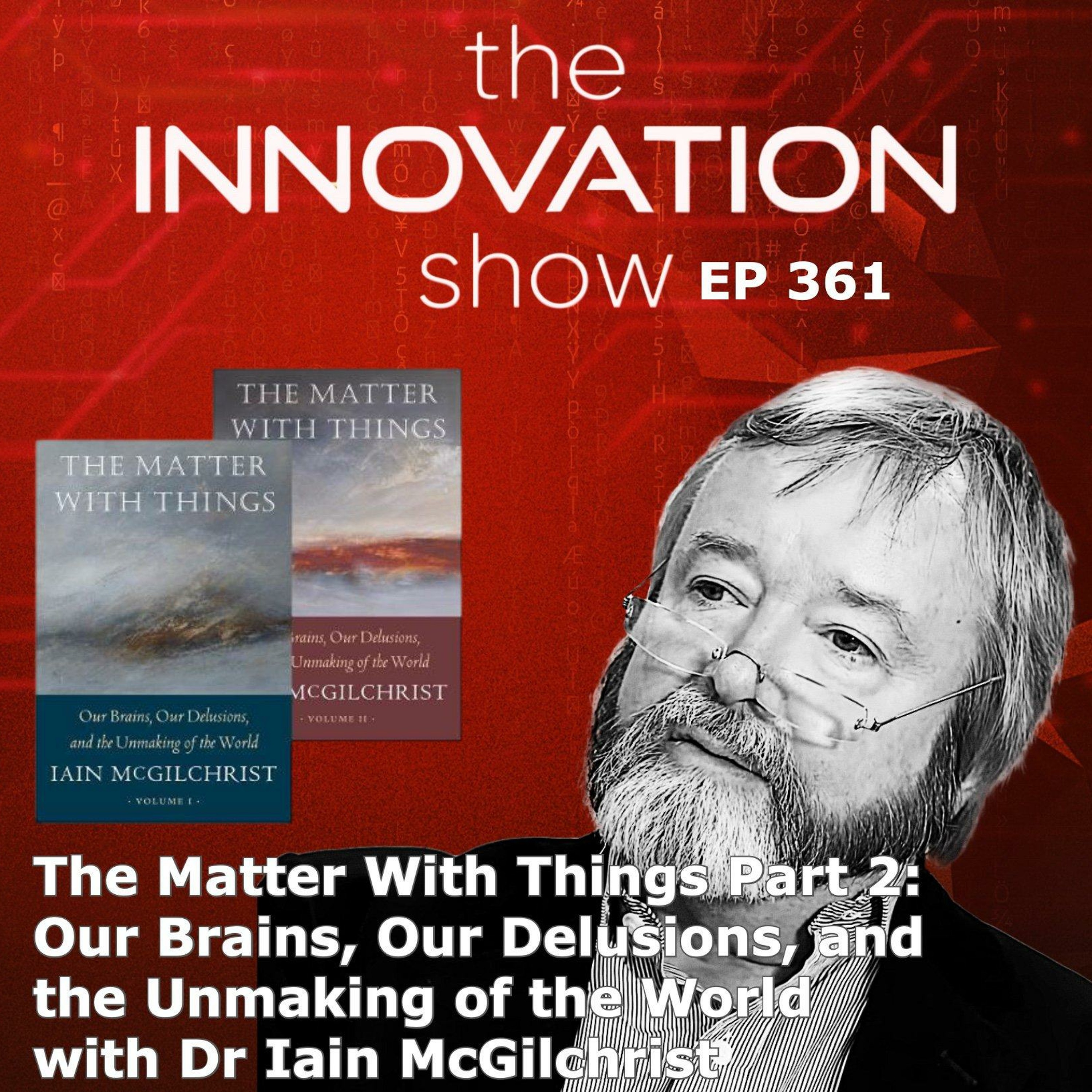
The Matter With Things Part 2 with Iain McGilchrist
In Part I of “The Matter With Things: Our Brains, Our Delusions, and the Unmaking of the World” Iain McGilchrist addresses the means to truth, in the sense of the faculties with which we are endowed for this task. He takes these to be: attention, perception, judgment, apprehension, emotional and social intelligence, cognitive intelligence and creativity. In each case, he looks at what either hemisphere contributes to the process. We don’t stand a hope of diving into each but I felt we should share some of your writing on attention and Perception before we focus today on some of the more philosophical chapters such as intuition. We touched on it on the last day, but for those who know your work! We will know how we attend to the work is of utmost importance to what and how we experience the world? “Attention changes the world. How you attend to it changes what it is you find there. What you find then governs the kind of attention you will think it appropriate to pay in the future. And so it is that the world you recognise (which will not be exactly the same as my world) is ‘firmed up’ – and brought into being. This raises a core question then, What is attention? Find Iain here: https://channelmcgilchrist.com
The Matter With Things Part 2 with Iain McGilchrist
Stories, Dice, and Rocks That Think Act I with Byron Reese
Look around. Clearly, we humans are radically different from the other creatures on this planet. But why? Where are the Bronze Age beavers? The Iron Age iguanas? In today’s episode, our guest argues that we humans owe our special status to our ability to imagine the future and recall the past, escaping the perpetual present that all other living creatures are trapped in.    Envisioning human history as the development of a societal superorganism he names Agora, our guest shows us how this escape enabled us to share knowledge on an unprecedented scale, and predict—and eventually master—the future. He unravels our history as an intelligent species in three acts: Act I: Ancient humans undergo “the awakening,” developing the cognitive ability to mentally time-travel using language Act II: In 17th century France, the mathematical framework known as 'probability theory' is born—a science for seeing into the future that we used to build the modern world Act III: Beginning with the invention of the computer chip, humanity creates machines to gaze into the future with even more precision, overcoming the limits of our brains We welcome back the author of “Stories, Dice, and Rocks That Think: How Humans Learned to See the Future--and Shape It” friend of the show, Byron Reese. Find Byron here: www.byronreese.com
Stories, Dice, and Rocks That Think Act I with Byron Reese
The Magic of Sleep Thinking Part 2 with Eric Maisel
Part 2 of this extended episode with Eric Maisel Imagine solving problems and increasing creativity while you sleep. Grounded in current brain research, today’s book introduces a simple but revolutionary program that shows how to do just that by learning to tune into your deepest intuitions. Case studies illustrate the effects of sleep thinking on ordinary individuals, from a failing college student to an engineer with anger management issues. This tool for idea generation and life-purpose clarification offers answers that lead to actions and result in positive changes, all by getting clear on the real nature of a problem and learning to listen for the answers. We welcome back for part 2 the author "The Magic of Sleep Thinking: How to Solve Problems, Reduce Stress, and Increase Creativity While You Sleep", Eric Maisel More about Eric: https://ericmaisel.com
The Magic of Sleep Thinking Part 2 with Eric Maisel
The Magic of Sleep Thinking Part 1 with Eric Maisel
Imagine solving problems and increasing creativity while you sleep. Grounded in current brain research, today’s book introduces a simple but revolutionary program that shows how to do just that by learning to tune into your deepest intuitions. Case studies illustrate the effects of sleep thinking on ordinary individuals, from a failing college student to an engineer with anger management issues. This tool for idea generation and life-purpose clarification offers answers that lead to actions and result in positive changes, all by getting clear on the real nature of a problem and learning to listen for the answers. We welcome the author of a multitude of titles but the focus of today’s episode is, The Magic of Sleep Thinking: How to Solve Problems, Reduce Stress, and Increase Creativity While You Sleep, Eric Maisel More about Eric: https://ericmaisel.com
The Magic of Sleep Thinking Part 1 with Eric Maisel
Iain McGilchrist - The Matter With Things Part 1
In this landmark new book, our guest addresses some of the oldest and hardest questions humanity faces – ones that have a practical urgency for all of us today. Who are we? What is the world? How can we understand consciousness, matter, space and time? Is the cosmos without purpose or value? Can we really neglect the sacred and divine? In doing so, he argues that we have become enslaved to an account of things dominated by the brain’s left hemisphere, one that blinds us to an awe-inspiring reality that is all around us, had we but eyes to see it. He suggests that in order to understand ourselves and the world we need science and intuition, reason and imagination, not just one or two; that they are in any case far from being in conflict; and that the brain’s right hemisphere plays the most important part in each. And he shows us how to recognise the ‘signature’ of the left hemisphere in our thinking, so as to avoid making decisions that bring disaster in their wake. Following the paths of cutting-edge neurology, philosophy and physics, he reveals how each leads us to a similar vision of the world, one that is both profound and beautiful – and happens to be in line with the deepest traditions of human wisdom. It is a vision that returns the world to life, and us to a better way of living in it: one we must embrace if we are to survive. He is one of my favourite writers and his previous appearance on the show remains one of my favourites and each time I listen to I learn something new, he is back to introduce his latest book, which I consider an oeuvre as in the French word for a body of work and this is a magnificent oeuvre. It is a pleasure to welcome back the author of “The Matter With Things: Our Brains, Our Delusions, and the Unmaking of the World”, Dr Iain McGilchrist More about Iain here: https://channelmcgilchrist.com
Iain McGilchrist - The Matter With Things Part 1
Yes to the Mess Part 2: Surprising Leadership Lessons from Jazz with Frank Barrett
The premise of today’s book is that nurturing spontaneity, creativity , experimentation, and dynamic synchronization is no longer an optional approach to leadership. It’s the only approach. The current velocity of change demands nothing less. It demands paying attention to the mental models, the cultural beliefs and values, the practices and structures that support improvisation. We welcome back the author of: “Yes to the Mess: Surprising Leadership Lessons from Jazz”, Frank Barrett. More about Frank: http://yestothemess.org
Yes to the Mess Part 2: Surprising Leadership Lessons from Jazz with Frank Barrett
The 4 Stages of Psychological Safety Part 2 with Tim Clark
Today’s guest has four questions for us…. First, do you truly believe that all men and women are created equal, and do you accept others and welcome them into your society simply because they possess flesh and blood even if their values differ from your own? Second, without bias or discrimination, do you encourage others to learn and grow, and do you support them in that process even when they lack confidence or make mistakes? Third, do you grant others maximum autonomy to contribute in their own way as they demonstrate their ability to deliver results? Fourth, do you consistently invite others to challenge the status quo in order to make things better, and are you personally prepared to be wrong based on the humility and learning mindset you have developed? In large measure, the way you answer these questions will define the way you value human beings and your relationships with them. It will define the way you draw people out or shut them down, create confidence or induce fear, encourage or discourage. It will determine how you lead and influence others and yourself? We welcome back for part 2 the author of “The 4 Stages of Psychological Safety: Defining the Path to Inclusion and Innovation" Timothy Clark More about Tim: https://www.leaderfactor.com/team
The 4 Stages of Psychological Safety Part 2 with Tim Clark
The 4 Stages of Psychological Safety with Tim Clark
Today’s guest has four questions for us…. First, do you truly believe that all men and women are created equal, and do you accept others and welcome them into your society simply because they possess flesh and blood even if their values differ from your own? Second, without bias or discrimination, do you encourage others to learn and grow, and do you support them in that process even when they lack confidence or make mistakes? Third, do you grant others maximum autonomy to contribute in their own way as they demonstrate their ability to deliver results? Fourth, do you consistently invite others to challenge the status quo in order to make things better, and are you personally prepared to be wrong based on the humility and learning mindset you have developed? In large measure, the way you answer these questions will define the way you value human beings and your relationships with them. It will define the way you draw people out or shut them down, create confidence or induce fear, encourage or discourage. It will determine how you lead and influence others and yourself? We welcome the author of “The 4 Stages of Psychological Safety: Defining the Path to Inclusion and Innovation" Timothy Clark More about Tim: https://www.leaderfactor.com/team
The 4 Stages of Psychological Safety with Tim Clark
The Creator Mindset with Nir Bashan Part 2
Today’s book is designed to bring you simple, sound, and practical tools to awaken your creativity at work—even if you don’t think you are creative. Not fluff or theories. No bull or fillers. Our guest draws on a lifetime of success in business to give you real actionable tools that you can use to become more creative. And each chapter brims with businesslike action items on how to make creativity happen at work. Meant to be used as a manual which you can draw upon at the office, in business, or in your career, this book is all about teaching you how to awaken your long-lost creativity in order to see the world as it can be, not as it is. We welcome the author of “The Creator Mindset: 92 Tools to Unlock the Secrets to Innovation, Growth, and Sustainability" Nir Bashan Find Nir, well, here: https://www.nirbashan.com
The Creator Mindset with Nir Bashan Part 2
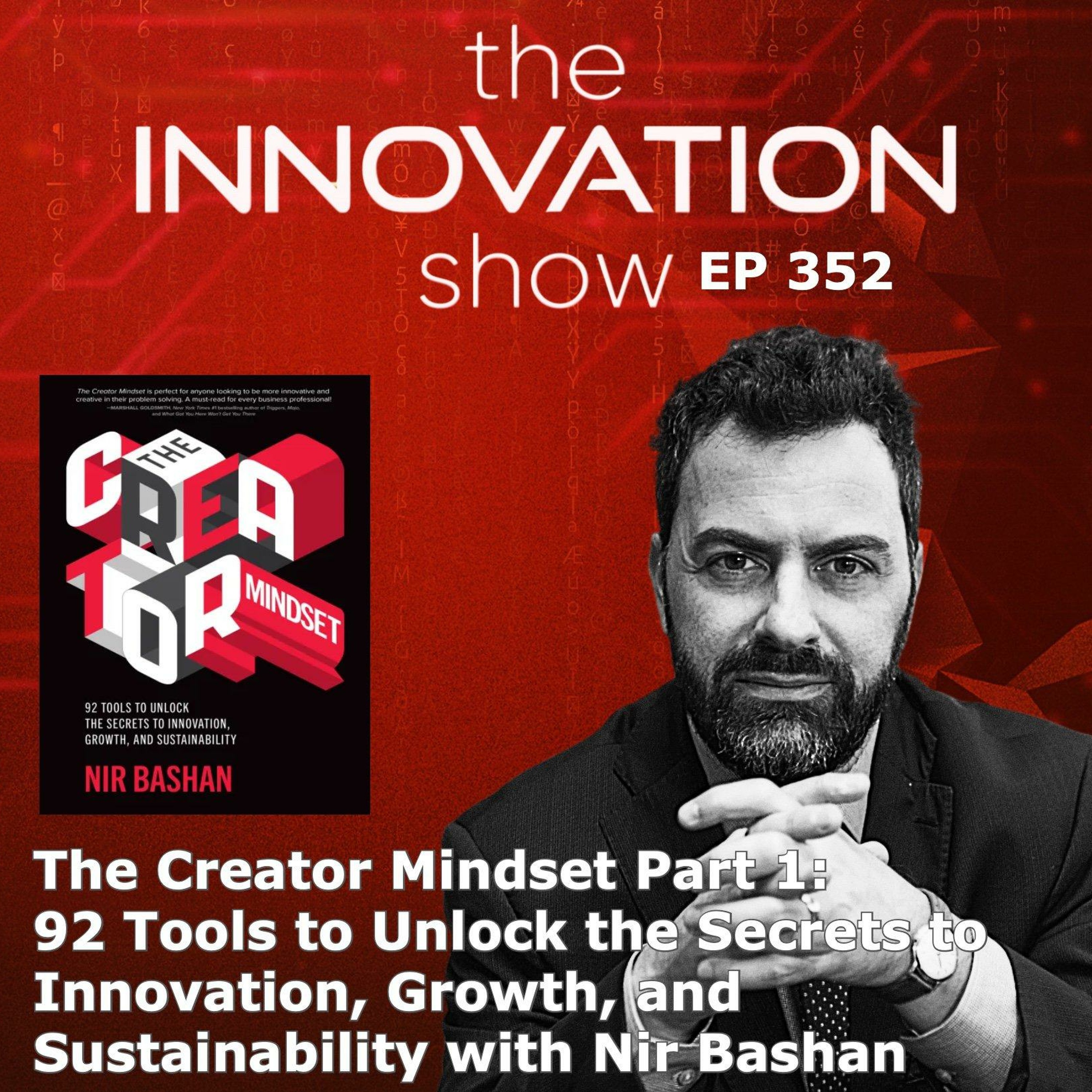
The Creator Mindset with Nir Bashan Part 1
Today’s book is designed to bring you simple, sound, and practical tools to awaken your creativity at work—even if you don’t think you are creative. Not fluff or theories. No bull or fillers. Our guest draws on a lifetime of success in business to give you real actionable tools that you can use to become more creative And each chapter brims with businesslike action items on how to make creativity happen at work. Meant to be used as a manual which you can draw upon at the office, in business, or in your career, this book is all about teaching you how to awaken your long-lost creativity in order to see the world as it can be, not as it is. We welcome the author of “The Creator Mindset: 92 Tools to Unlock the Secrets to Innovation, Growth, and Sustainability" Nir Bashan More about Nir: https://www.nirbashan.com
The Creator Mindset with Nir Bashan Part 1
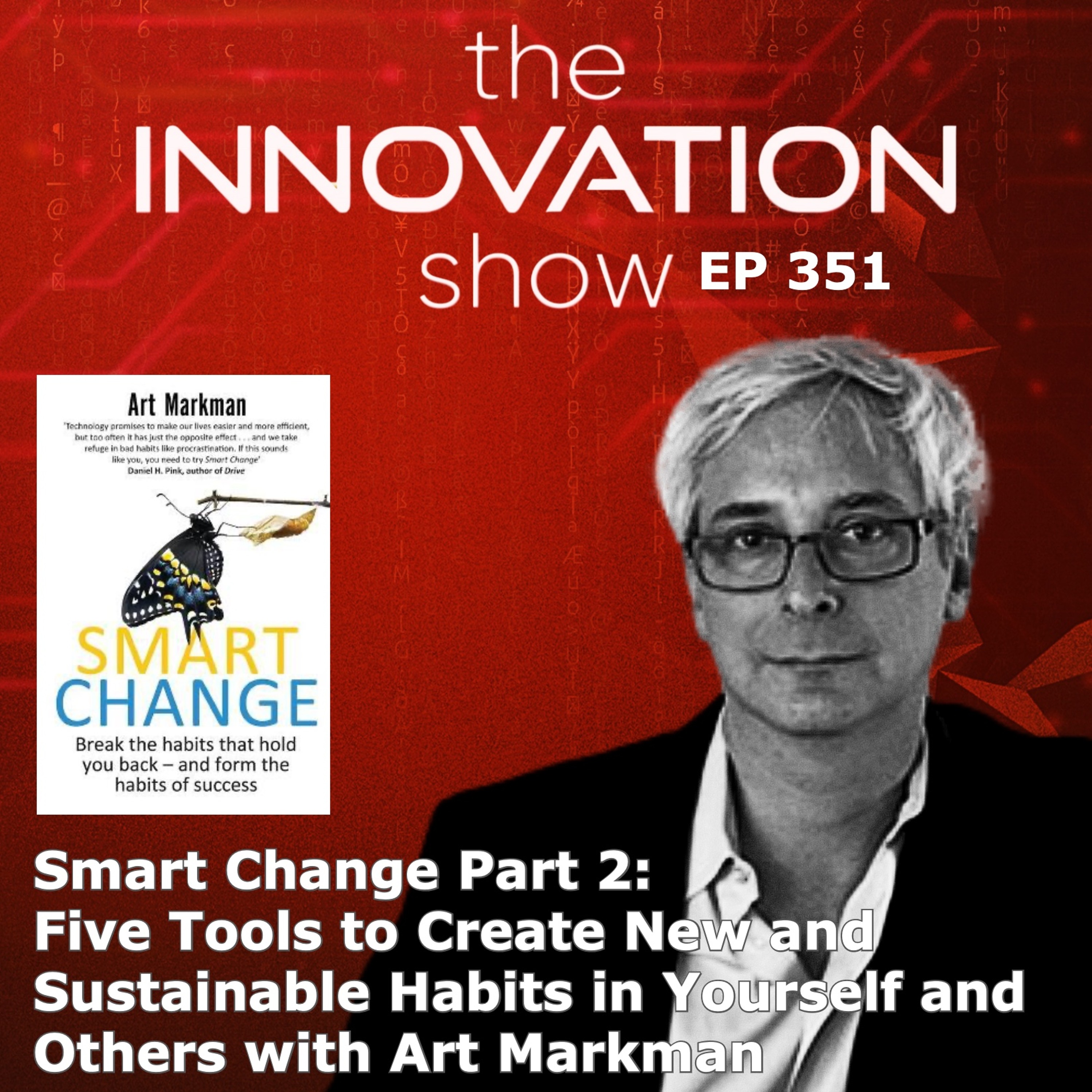
Smart Change with Art Markman Part 2
Part 2 of this great episode:; Habits may help us to carry out our daily routine but they often cause us trouble, from unhealthy eating and smoking, to poor study skills and work routines. We've all experienced that endless frustration when we try to kick a bad habit. The frustration you have now will soon be over. Our guest is a premier cognitive scientist and draws on all the latest scientific research to help us succeed in beating bad habits. With the help of today’s book, not only does he help us to understand just how habits are formed and maintained but he equips us with 5 essential tools to help us change our behaviour for the better and, what's more, influence the behaviour of others at work and at home. These same tools can also be used to help people around us change their behaviours, and this book shows us how. It is a great instruction manual for influencing others. It is a pleasure to welcome the author of “Smart Change: Break the habits that hold you back and form the habits of success”, Art Markman.   More about Art here: http://smartchangebook.com