
The Indicator from Planet Money
426 episodes — Page 5 of 9
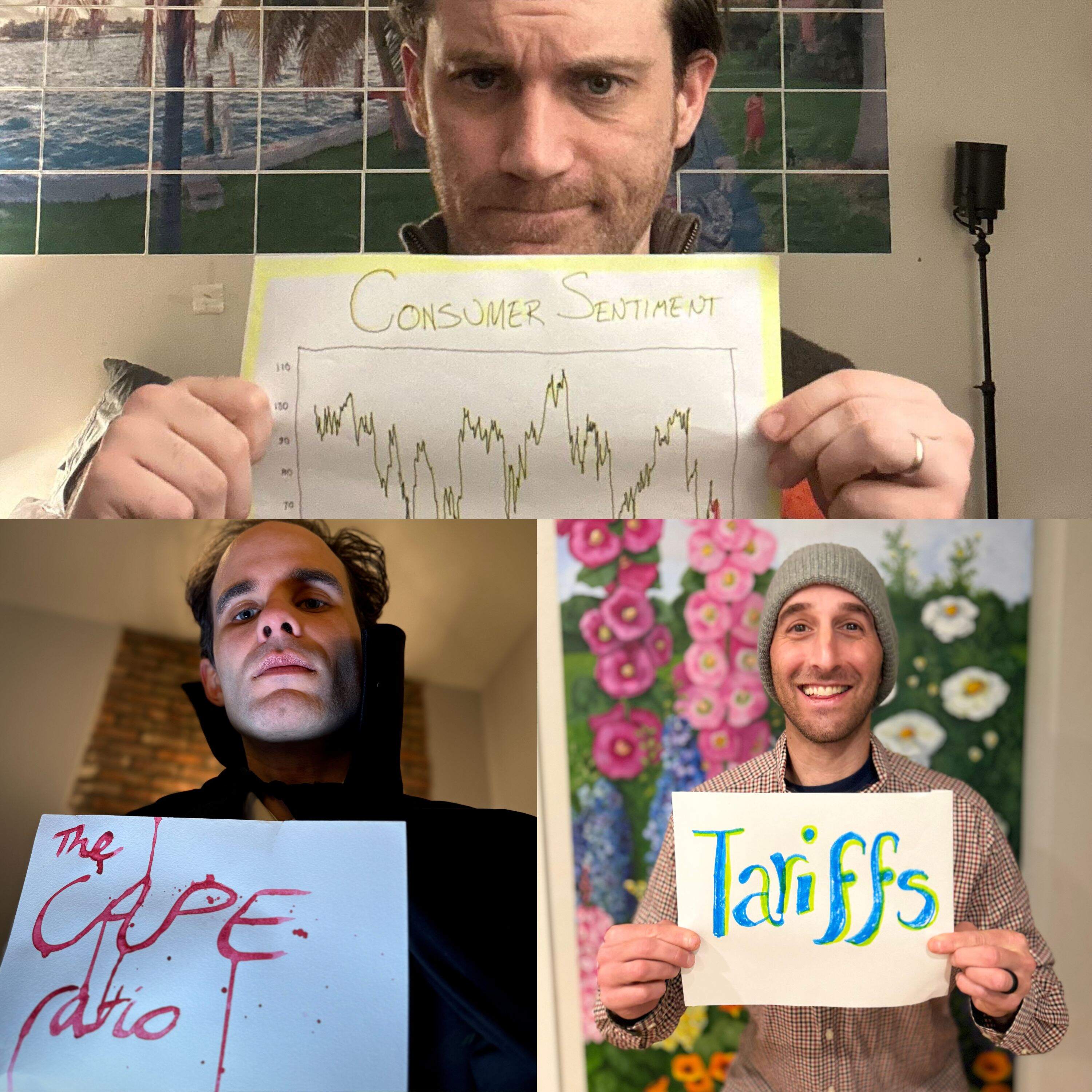
Tariffs. Consumer sentiment. Cape Ratio. Pick The Indicator of The Year!
2025 was a wild year for the U.S. economy. Tariffs transformed the global economy, consumer sentiment hit near-historic lows, and the stock market hit scary, spooky, blood-curdling new heights! So … which of these economic stories defined the year? Our hosts from Planet Money and The Indicator duke it out during our annual … Family Feud!Tell us who you think has THE indicator of the year by emailing us at [email protected]. Put “Family Feud” in the subject line. Related episodes:The Indicators of this year and next This indicator hasn’t flashed this red since the dot-com bubble What would it mean to actually refund the tariffs?For sponsor-free episodes of The Indicator from Planet Money, subscribe to Planet Money+ via Apple Podcasts or at plus.npr.org. Fact-checking by Corey Bridges. Music by Drop Electric. Find us: TikTok, Instagram, Facebook, Newsletter. To manage podcast ad preferences, review the links below:See pcm.adswizz.com for information about our collection and use of personal data for sponsorship and to manage your podcast sponsorship preferences.NPR Privacy Policy

Catching up with a fired federal worker, a shrimper and a fraudster
After a firehose of economic news in 2025, we wanted to check back on some of the people we’ve heard from on our show. Today, we check in with a former federal employee caught in the Trump administration's wood chipper, a Louisiana shrimper on Trump’s tariffs and an update on a financial aid scam. Related episodes: Why do shrimpers like tariffs? What’s the long-term cost of federal layoffs? A big bank’s mistake, explained For sponsor-free episodes of The Indicator from Planet Money, subscribe to Planet Money+ via Apple Podcasts or at plus.npr.org. Fact-checking by Sierra Juarez. Music by Drop Electric. Find us: TikTok, Instagram, Facebook, Newsletter. To manage podcast ad preferences, review the links below:See pcm.adswizz.com for information about our collection and use of personal data for sponsorship and to manage your podcast sponsorship preferences.NPR Privacy Policy

The ghosts of Obamacare past, present and future
Absent a holiday miracle, premium subsidies for the Affordable Care Act are set to expire at the end of this year. This will greatly increase the cost of health insurance for many who rely on the marketplace for their coverage. Today on the show, we are visited by the ghosts of Obamacare past, present and future to learn what’s next for this landmark healthcare legislation.Related episodes: Is Obamacare doomed without extended subsidies?The hidden costs of healthcare churnHow doctors helped tank universal healthcareFor sponsor-free episodes of The Indicator from Planet Money, subscribe to Planet Money+ via Apple Podcasts or at plus.npr.org. Fact-checking by Sierra Juarez. Music by Drop Electric. Find us: TikTok, Instagram, Facebook, Newsletter. To manage podcast ad preferences, review the links below:See pcm.adswizz.com for information about our collection and use of personal data for sponsorship and to manage your podcast sponsorship preferences.NPR Privacy Policy
Will new loan limits lower the cost of grad school?
The One Big Beautiful Bill Act made a lot of changes to the federal student loan system. One of those changes put a new cap on the amount of loans students in graduate school can take on. Today on the show, we explain the theory behind this change and how it could impact the broader labor market going forward.Related episodes: The Market For Student LoansHere's why Black students are defaultingStudent loans are back, U.S. travel is whack, and AI — please, step backFor sponsor-free episodes of The Indicator from Planet Money, subscribe to Planet Money+ via Apple Podcasts or at plus.npr.org. Fact-checking by Sierra Juarez. Music by Drop Electric. Find us: TikTok, Instagram, Facebook, Newsletter. To manage podcast ad preferences, review the links below:See pcm.adswizz.com for information about our collection and use of personal data for sponsorship and to manage your podcast sponsorship preferences.NPR Privacy Policy

Can American cities grow AND stay affordable?
Cities like Austin and Atlanta used to top lists of places people moved to looking for relatively affordable places to live. Until, one day, they weren’t that affordable. On today’s show, how a low cost of living is threatened by growth, and how one sunbelt city in Alabama is planning ahead. Related episodes: Why Americans don’t want to move for jobs anymore How to build abundantly How big is the US housing shortage? The highs and lows of US rents For sponsor-free episodes of The Indicator from Planet Money, subscribe to Planet Money+ via Apple Podcasts or at plus.npr.org. Fact-checking by Sierra Juarez. Music by Drop Electric. Find us: TikTok, Instagram, Facebook, Newsletter. To manage podcast ad preferences, review the links below:See pcm.adswizz.com for information about our collection and use of personal data for sponsorship and to manage your podcast sponsorship preferences.NPR Privacy Policy
Nvidia chips for China, frozen Russian funds, and a lot of self-checkout stealing
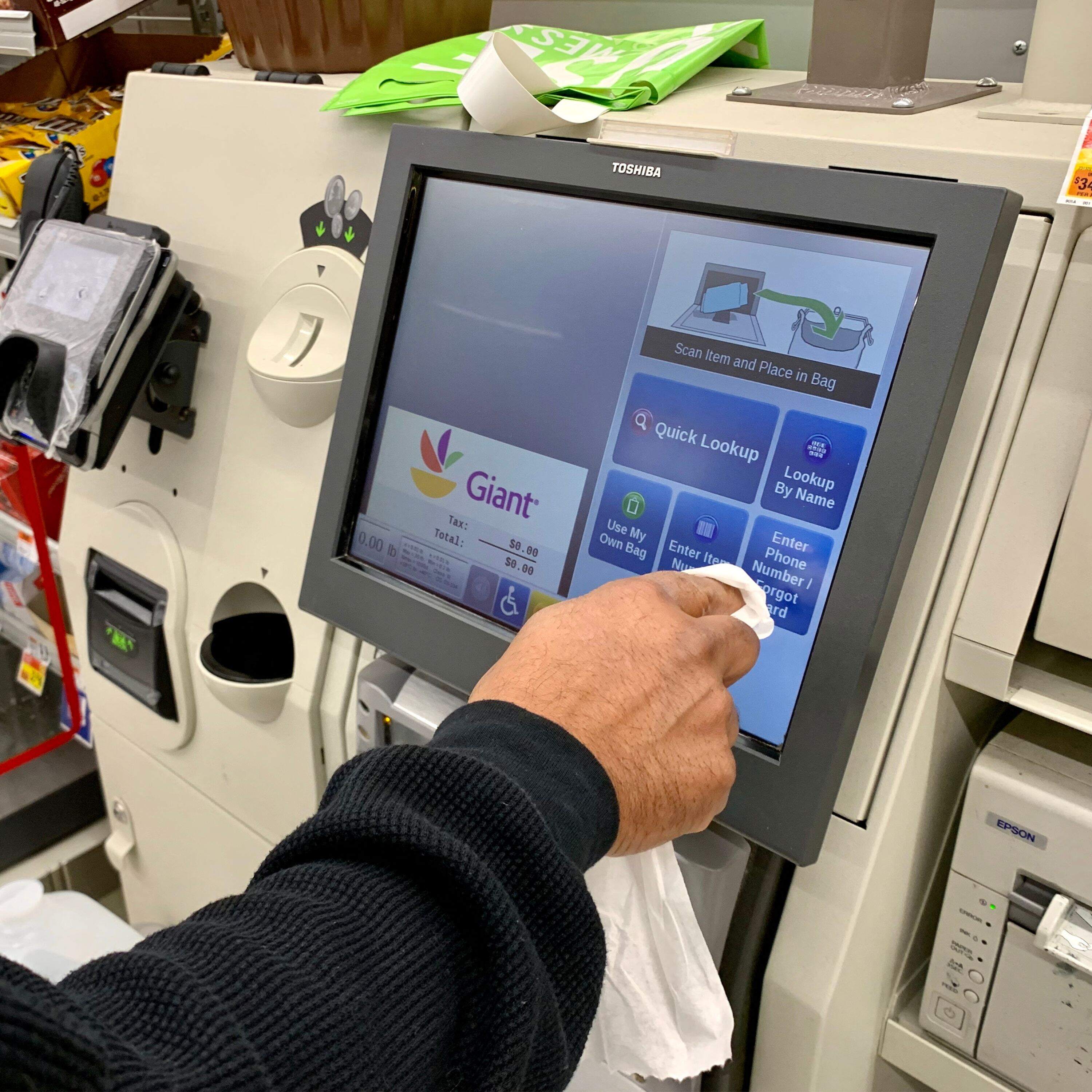
It’s … Indicators of the Week! Our weekly look at some of the most fascinating economic numbers from the news. On today’s episode: Nvidia chips OK’d for China, a sticky frozen Russian asset situation, and a lot of you seem to be stealing from self-checkout. Related episodes: The tower of NVIDIA How to get Russia to pay Ukraine Why the U.S. cut China off from advanced chipsFor sponsor-free episodes of The Indicator from Planet Money, subscribe to Planet Money+ via Apple Podcasts or at plus.npr.org. Fact-checking by Sierra Juarez and Corey Bridges. Music by Drop Electric. Find us: TikTok, Instagram, Facebook, Newsletter. To manage podcast ad preferences, review the links below:See pcm.adswizz.com for information about our collection and use of personal data for sponsorship and to manage your podcast sponsorship preferences.NPR Privacy Policy

How to make $35 trillion ... disappear
You may be familiar with the AI-fueled stock market boom. Well, former International Monetary Fund Chief Economist Gita Gopinath warns it could mirror the dot-com boom of the late 1990s. But worse. She calculates a similar crash could erase $35 trillion in global wealth. Today on the show, what would that mean for the US and global economies? Related episodes: This indicator hasn’t flashed this red since the dot-com bubble Open AI’s deals are looking a little frothyFor sponsor-free episodes of The Indicator from Planet Money, subscribe to Planet Money+ via Apple Podcasts or at plus.npr.org. Fact-checking by Sierra Juarez. Music by Drop Electric. Find us: TikTok, Instagram, Facebook, Newsletter. To manage podcast ad preferences, review the links below:See pcm.adswizz.com for information about our collection and use of personal data for sponsorship and to manage your podcast sponsorship preferences.NPR Privacy Policy

Bitcoin miners are betting on AI over crypto
If you want to make Bitcoin, you need powerful computers and a lot of energy. Well, it turns out the same infrastructure needed for Bitcoin mining is pretty valuable in the era of AI. Today on the show, why some miners are starting to throw in the towel on crypto in favor of supporting AI infrastructure. Related episodes: Whose financing Meta’s massive AI Data Center?This indicator hasn’t flashed this red since the dot-com bubbleFor sponsor-free episodes of The Indicator from Planet Money, subscribe to Planet Money+ via Apple Podcasts or at plus.npr.org. Fact-checking by Sierra Juarez. Music by Drop Electric. Find us: TikTok, Instagram, Facebook, Newsletter. To manage podcast ad preferences, review the links below:See pcm.adswizz.com for information about our collection and use of personal data for sponsorship and to manage your podcast sponsorship preferences.NPR Privacy Policy

How a former Fed vice chair would approach rate cuts
Federal Reserve is meeting to make its interest rate decision after the government shutdown delayed key economic data. Today on the show, we talk to the former Vice Chair of the Fed, Lael Brainard, about what she would do with interest rates in this critical yet foggy economic moment.Related episodes: A little doomsday feeling is weighing on the economyCan ... we still trust the monthly jobs report?For sponsor-free episodes of The Indicator from Planet Money, subscribe to Planet Money+ via Apple Podcasts or at plus.npr.org. Fact-checking by Sierra Juarez. Music by Drop Electric. Find us: TikTok, Instagram, Facebook, Newsletter.To manage podcast ad preferences, review the links below:See pcm.adswizz.com for information about our collection and use of personal data for sponsorship and to manage your podcast sponsorship preferences.NPR Privacy Policy

Take a penny, leave a penny, get rid of the penny
In November, the U.S. stopped production of the humble penny after 232 years in circulation. On today’s show, a former U.S. Mint director shares the fiscal math that doomed the penny, and an artist pay tribute to this American icon. View more of Robert Wechsler’s artwork here. Related episodes: What’s the deal with the platinum coin? For sponsor-free episodes of The Indicator from Planet Money, subscribe to Planet Money+ via Apple Podcasts or at plus.npr.org. Fact-checking by Corey Bridges. Music by Drop Electric. Find us: TikTok, Instagram, Facebook, Newsletter. To manage podcast ad preferences, review the links below:See pcm.adswizz.com for information about our collection and use of personal data for sponsorship and to manage your podcast sponsorship preferences.NPR Privacy Policy

Chips up, rent down, and are people really skimping on holiday gifts?
It’s … Indicators of the Week! Our weekly look at some of the most fascinating economic numbers from the news. On today’s episode: A big goshDRAM memory problem, a holiday spending mystery, and apartment rental prices … decline?! Related episodes: The highs and lows of US rents Taking the temperature of the US consumer We Buy A Lot Of Christmas TreesFor sponsor-free episodes of The Indicator from Planet Money, subscribe to Planet Money+ via Apple Podcasts or at plus.npr.org. Fact-checking by Corey Bridges and Julia Ritchey. Music by Drop Electric. Find us: TikTok, Instagram, Facebook, Newsletter. To manage podcast ad preferences, review the links below:See pcm.adswizz.com for information about our collection and use of personal data for sponsorship and to manage your podcast sponsorship preferences.NPR Privacy Policy
A little doomsday feeling is weighing on the economy
It is a special edition of the Beigies Awards where one regional Federal Reserve Bank will receive lifetime achievement recognition. Today on the show, we speak to its President about the value of economic anecdotes.Related episodes: What keeps a Fed president up at nightUsing anecdotes to predict recessionsFor sponsor-free episodes of The Indicator from Planet Money, subscribe to Planet Money+ via Apple Podcasts or at plus.npr.org. Fact-checking by Tyler Jones. Music by Drop Electric. Find us: TikTok, Instagram, Facebook, Newsletter. To manage podcast ad preferences, review the links below:See pcm.adswizz.com for information about our collection and use of personal data for sponsorship and to manage your podcast sponsorship preferences.NPR Privacy Policy

How Japan’s new prime minister is jolting markets
Sanae Takaichi was sworn in as Japan’s first female prime minister a little over a month ago, and she’s already making waves in the East and West. The first priority for the people of Japan is if her government can fix the country’s cost-of-living problem. Today on the show, we break down what Sanaeonomics could mean for the Land of the Rising Sun.Related episodesHow Japan is trying to solve the problem of shrinking villagesJapan had a vibrant economy. Then it fell into a slump for 30 yearsFor sponsor-free episodes of The Indicator from Planet Money, subscribe to Planet Money+ via Apple Podcasts or at plus.npr.org. Fact-checking by Sierra Juarez. Music by Drop Electric. Find us: TikTok, Instagram, Facebook, Newsletter. To manage podcast ad preferences, review the links below:See pcm.adswizz.com for information about our collection and use of personal data for sponsorship and to manage your podcast sponsorship preferences.NPR Privacy Policy

What would it mean to actually refund the tariffs?
Tariffs are bringing in some serious cash into the US Treasury’s pocket. The problem with that money is that it may need to be refunded. A case in front of the Supreme Court could declare several of Trump’s tariffs illegal, which would prompt a return of billions of dollars. Today on the show, we look at how that would work and why the process will likely not be easy. Related episodes: Three ways companies are getting around tariffsDays of our tariffsFor sponsor-free episodes of The Indicator from Planet Money, subscribe to Planet Money+ via Apple Podcasts or at plus.npr.org. Fact-checking by Sierra Juarez. Music by Drop Electric. Find us: TikTok, Instagram, Facebook, Newsletter. To manage podcast ad preferences, review the links below:See pcm.adswizz.com for information about our collection and use of personal data for sponsorship and to manage your podcast sponsorship preferences.NPR Privacy Policy

Why the US chose not to have a passenger train system like Europe
Why can't the US be like Europe, Japan or India—countries that all have extensive passenger train systems? On today's show, why the US chose not to. We learn why, despite this, US railroads could still be worth bragging about.Related episodes: What happens when railroads get hitchedHow three letters reinvented the railroad businessFor sponsor-free episodes of The Indicator from Planet Money, subscribe to Planet Money+ via Apple Podcasts or at plus.npr.org. Fact-checking by Sierra Juarez. Music by Drop Electric. Find us: TikTok, Instagram, Facebook, Newsletter. To manage podcast ad preferences, review the links below:See pcm.adswizz.com for information about our collection and use of personal data for sponsorship and to manage your podcast sponsorship preferences.NPR Privacy Policy
Moochers, monopolists and market-based poverty help
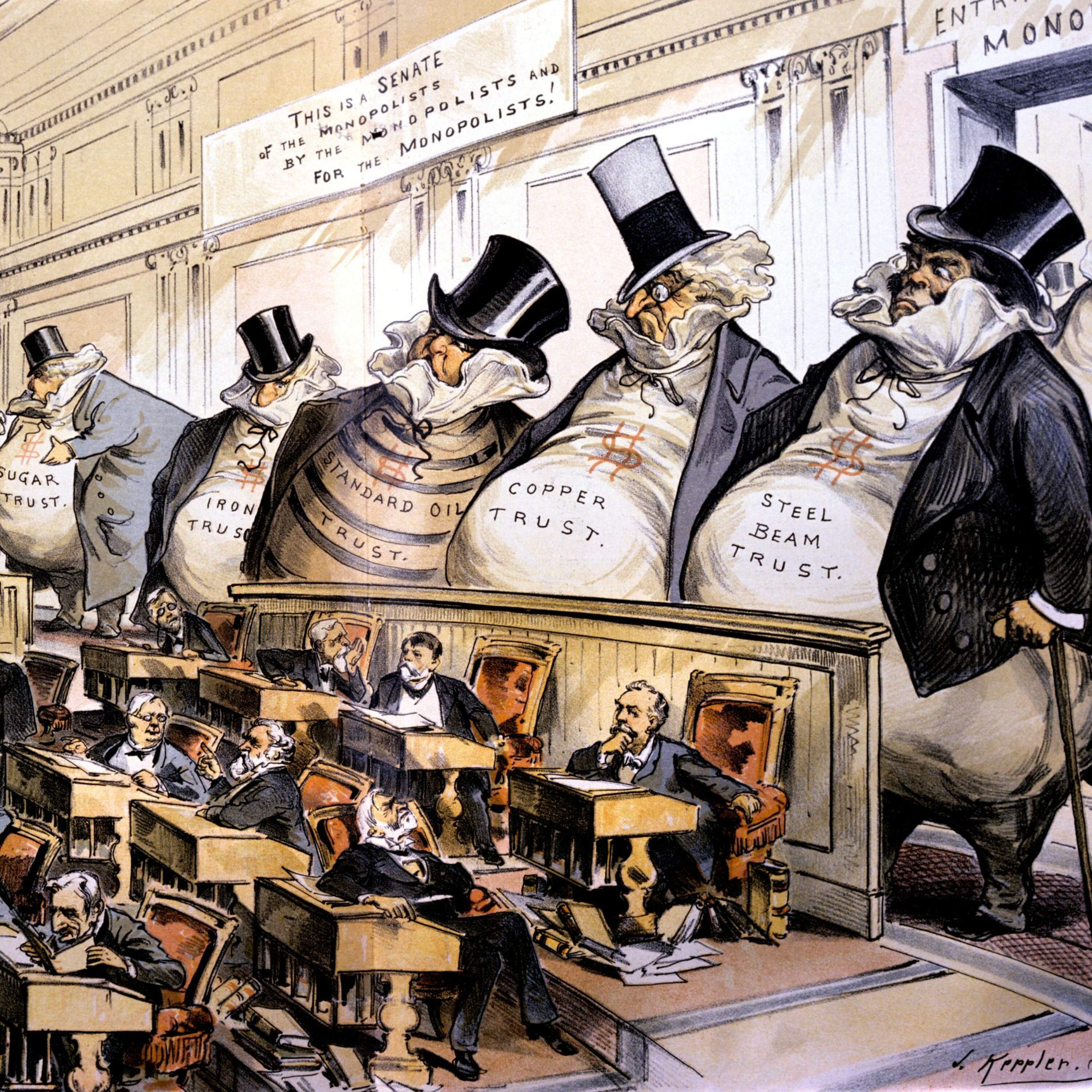
Public sector economics is a fundamental piece of the discipline. So we wanted to give our hosts an opportunity to put their knowledge to the test in a game we’re calling Indicator Quizbowl. Today on the show, Wailin and Darian go head to head to see who the bigger public policy nerd is.Related episodes: Could cash payments ease recessions?A trap-loving DJ takes on economicsFor sponsor-free episodes of The Indicator from Planet Money, subscribe to Planet Money+ via Apple Podcasts or at plus.npr.org. Fact-checking by Sierra Juarez. Music by Drop Electric. Find us: TikTok, Instagram, Facebook, Newsletter.To manage podcast ad preferences, review the links below:See pcm.adswizz.com for information about our collection and use of personal data for sponsorship and to manage your podcast sponsorship preferences.NPR Privacy Policy

Who's financing Meta's massive AI data center?
In a rural pocket of northeastern Louisiana, Meta is building a $30 billion data center called Hyperion. But it’s not being completely financed with Meta’s own money. Today on the show, the opaque system of AI data center financing and why it’s fueling fears of a bubble. Related episodes: OpenAI’s deals are looking a little frothy No AI data centers in my backyard! What $10B in data centers actually gets you For sponsor-free episodes of The Indicator from Planet Money, subscribe to Planet Money+ via Apple Podcasts or at plus.npr.org. Fact-checking by Sierra Juarez. Music by Drop Electric. Find us: TikTok, Instagram, Facebook, Newsletter. To manage podcast ad preferences, review the links below:See pcm.adswizz.com for information about our collection and use of personal data for sponsorship and to manage your podcast sponsorship preferences.NPR Privacy Policy

Who’s buying all the beef?
President Trump has said he’d try to get more Argentine beef into the U.S. So who would actually do the buying? That’s a general theme with a lot of these trade deals — big numbers but vague details. When China says it’ll buy more soybeans, is it the government or companies that does the buying? When South Korea promises to invest in American shipyards, who’s actually doing that? Today on the show, we dig into two questions from listeners and hear directly from an Argentine butcher. Related episodes: Why beef prices are so highHow the South is trying to win the EV race For sponsor-free episodes of The Indicator from Planet Money, subscribe to Planet Money+ via Apple Podcasts or at plus.npr.org. Fact-checking by Sierra Juarez. Music by Drop Electric. Find us: TikTok, Instagram, Facebook, Newsletter. To manage podcast ad preferences, review the links below:See pcm.adswizz.com for information about our collection and use of personal data for sponsorship and to manage your podcast sponsorship preferences.NPR Privacy Policy
Pay transparency. The WhatsApp and Instagram decision. Our beef with screwworms.
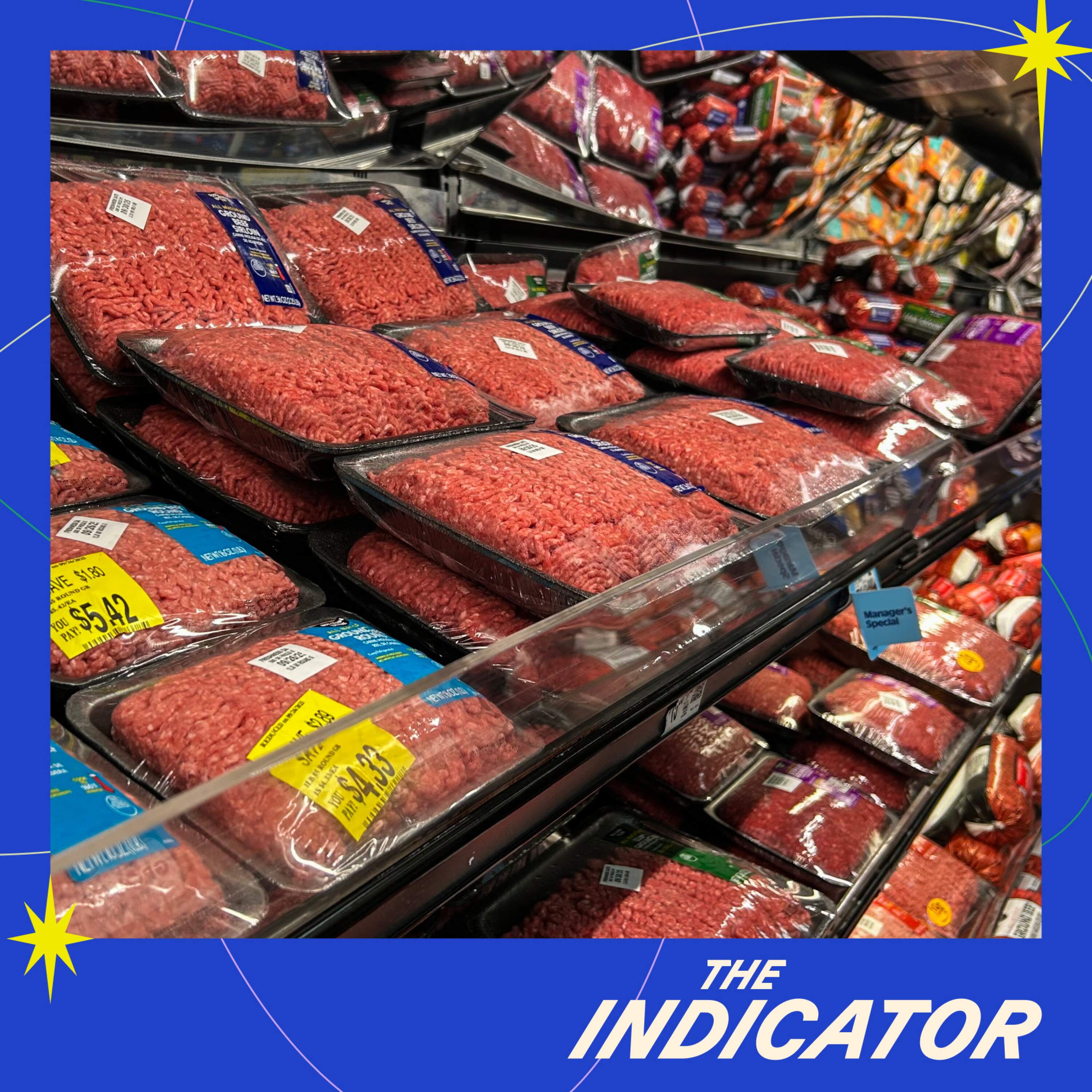
It’s … Indicators of the Week! Our weekly look at some of the most fascinating economic numbers from the news. On today’s episode: the effects of pay transparency, Meta’s big win, and freaky flies and beef. Related episodes: Are we entering a new dawn for antitrust enforcement? Why beef prices are so high For sponsor-free episodes of The Indicator from Planet Money, subscribe to Planet Money+ via Apple Podcasts or at plus.npr.org. Fact-checking by Sierra Juarez. Music by Drop Electric. Find us: TikTok, Instagram, Facebook, Newsletter. To manage podcast ad preferences, review the links below:See pcm.adswizz.com for information about our collection and use of personal data for sponsorship and to manage your podcast sponsorship preferences.NPR Privacy Policy

How to avoid scammers after a natural disaster
When people lose their homes to wildfire, hurricanes or flooding, they're eager to rebuild. But scammers are also ready to take advantage. On today’s show, the lucrative business of contractor fraud and advice on how to avoid them. Related episodes:An indicator lost: Big disaster costs When insurers can’t get insurance Selling safety in the fight against wildfires For sponsor-free episodes of The Indicator from Planet Money, subscribe to Planet Money+ via Apple Podcasts or at plus.npr.org. Fact-checking by Corey Bridges. Music by Drop Electric. Find us: TikTok, Instagram, Facebook, Newsletter. To manage podcast ad preferences, review the links below:See pcm.adswizz.com for information about our collection and use of personal data for sponsorship and to manage your podcast sponsorship preferences.NPR Privacy Policy

Looking for love in the auto supply chain
Foreign automakers already have huge assembly plants in the U.S., but lots of parts and materials come from overseas. To avoid costly tariffs, they gotta buy American. But … How does one meet those suppliers? How do you build a new relationship with them?The answer: Speed dating. Related episodes: The old trade war that brought foreign carmakers to the U.S.Tariffs: What are they good for?For sponsor-free episodes of The Indicator from Planet Money, subscribe to Planet Money+ via Apple Podcasts or at plus.npr.org. Fact-checking by Tyler Jones. Music by Drop Electric. Find us: TikTok, Instagram, Facebook, Newsletter. To manage podcast ad preferences, review the links below:See pcm.adswizz.com for information about our collection and use of personal data for sponsorship and to manage your podcast sponsorship preferences.NPR Privacy Policy

How to make switching jobs not terrifying
The U.S. labor market is stagnant right now, with little hiring and lots of people holding onto their jobs for dear life. In Denmark, there’s a different kind of labor system where it’s easy for employers to hire and fire, but at the same time people have a strong safety net in-between jobs. Today on the show, we learn how “flexicurity” works through the story of a Danish woman who left her job, and we ask how the model could work in the U.S. Related episodes: Why do we live in unusually innovative times?How Marxism went from philosophy to cudgelOzempic's biggest side effect: Turning Denmark into a 'pharmastate'? For sponsor-free episodes of The Indicator from Planet Money, subscribe to Planet Money+ via Apple Podcasts or at plus.npr.org. Fact-checking by Tyler Jones. Translation from Jasmine Lolila. Music by Drop Electric. Find us: TikTok, Instagram, Facebook, Newsletter. To manage podcast ad preferences, review the links below:See pcm.adswizz.com for information about our collection and use of personal data for sponsorship and to manage your podcast sponsorship preferences.NPR Privacy Policy

Why you overpaid at that online auction
Ever put in the winning bid for something on an auction site only to realize you significantly overpaid? Yeah, there’s a phrase for that. On today’s show: the winner’s curse.Richard Thaler’s new book with Alex O. Imas is The Winner’s Curse: Behavioral Economics Anomalies, Then and Now.Read Planet Money’s newsletter on the winner’s curse. For sponsor-free episodes of The Indicator from Planet Money, subscribe to Planet Money+ via Apple Podcasts or at plus.npr.org. Fact-checking by Sierra Juarez. Music by Drop Electric. Find us: TikTok, Instagram, Facebook, Newsletter. To manage podcast ad preferences, review the links below:See pcm.adswizz.com for information about our collection and use of personal data for sponsorship and to manage your podcast sponsorship preferences.NPR Privacy Policy

50-year mortgages, falling real wages, and doing your rideshare due diligence
It’s … Indicators of the Week! We look at some of the most fascinating economic numbers from the news and bring them to you.On today’s episode: The cost of living is outstripping wage growth for most of us, the math behind the Trump administration’s proposed 50-year mortgages, and how we’re just giving Uber and Lyft free money. Related episodes: Trump's plans for the housing market The Money Illusion: Have Americans really gotten a raise? For sponsor-free episodes of The Indicator from Planet Money, subscribe to Planet Money+ via Apple Podcasts or at plus.npr.org. Fact-checking by Sierra Juarez. Music by Drop Electric. Find us: TikTok, Instagram, Facebook, Newsletter. To manage podcast ad preferences, review the links below:See pcm.adswizz.com for information about our collection and use of personal data for sponsorship and to manage your podcast sponsorship preferences.NPR Privacy Policy

Where the US got $20B to bail out Argentina
The U.S. is committed to bailing out Argentina to the tune of $20 billion using a little known mechanism called the Exchange Stabilization Fund. On today’s show, what is this fund, why was it created and does Argentina have any hope of paying it back? Related episodes: Dollarizing Argentina For sponsor-free episodes of The Indicator from Planet Money, subscribe to Planet Money+ via Apple Podcasts or at plus.npr.org. Fact-checking by Sierra Juarez. Music by Drop Electric. Find us: TikTok, Instagram, Facebook, Newsletter. To manage podcast ad preferences, review the links below:See pcm.adswizz.com for information about our collection and use of personal data for sponsorship and to manage your podcast sponsorship preferences.NPR Privacy Policy

Trump's backup options for tariffs
The U.S. Supreme Court may soon rule on President Trump’s favorite tariff law. It could render them moot, but that doesn’t mean the end of tariffs. On today’s show, we explain the president’s back-up options for imposing tariffs.Related episodes: Are Trump’s tariffs legal? Worst. Tariffs. Ever. Three ways companies are getting around tariffs For sponsor-free episodes of The Indicator from Planet Money, subscribe to Planet Money+ via Apple Podcasts or at plus.npr.org. Fact-checking by Sierra Juarez. Music by Drop Electric. Find us: TikTok, Instagram, Facebook, Newsletter. To manage podcast ad preferences, review the links below:See pcm.adswizz.com for information about our collection and use of personal data for sponsorship and to manage your podcast sponsorship preferences.NPR Privacy Policy

Who is the World Cup for anymore?
The World Cup is coming up, and it’s going to cost a pretty penny if you are hoping to attend. Today on the show, we talk to NPR Senior Business editor and World Cup superfan about why the 2026 World Cup will likely be the most expensive in history and why even finding a ticket is more difficult. Related episodes: Peacock, potassium and other Paris Olympics IndicatorsWhy the Olympics cost so muchYou can't spell Olympics without IPFor sponsor-free episodes of The Indicator from Planet Money, subscribe to Planet Money+ via Apple Podcasts or at plus.npr.org. Fact-checking by Sierra Juarez. Music by Drop Electric. Find us: TikTok, Instagram, Facebook, Newsletter. To manage podcast ad preferences, review the links below:See pcm.adswizz.com for information about our collection and use of personal data for sponsorship and to manage your podcast sponsorship preferences.NPR Privacy Policy

How the French pensions débâcle is a warning to us all
France has one of the most generous pension systems in the world. But several governments there have collapsed over questions about how the government will fund it. All over the world, aging populations are forcing governments to rethink their assumptions. Today on the show, what France’s political fiascos teach all of us about the economics of an aging population, and what a retirement expert’s ideal retirement system might look like.Mercer CFA Institute Global Pension Index 2025Related episodes: What would it take to fix retirement? What does the next era of Social Security look like? When Retirement Advice Goes Viral For sponsor-free episodes of The Indicator from Planet Money, subscribe to Planet Money+ via Apple Podcasts or at plus.npr.org. Fact-checking by Sierra Juarez. Music by Drop Electric. Find us: TikTok, Instagram, Facebook, Newsletter. To manage podcast ad preferences, review the links below:See pcm.adswizz.com for information about our collection and use of personal data for sponsorship and to manage your podcast sponsorship preferences.NPR Privacy Policy

Can air traffic controllers keep calm and carry on — without pay?
There’s one job that gets all the attention during a government shutdown: air traffic controllers. Today on the show, we spotlight why this job has taken on outsize political influence and one controller’s experience during the longest shutdown on record. For sponsor-free episodes of The Indicator from Planet Money, subscribe to Planet Money+ via Apple Podcasts or at plus.npr.org. Fact-checking by Tyler Jones. Music by Drop Electric. Find us: TikTok, Instagram, Facebook, Newsletter. To manage podcast ad preferences, review the links below:See pcm.adswizz.com for information about our collection and use of personal data for sponsorship and to manage your podcast sponsorship preferences.NPR Privacy Policy

This indicator hasn’t flashed this red since the dot-com bubble
The “Shiller PE Ratio” is at its highest level since November of 1999. That was at the peak of the online gold rush right before the dot com bubble burst in 2000. Today on the show, we learn what the Shiller PE Ratio is, how it works and whether we should be worried that it’s relatively high right now. You can find John Campbell's book here: Fixed: Why Personal Finance is Broken and How to Make It Work for EveryoneRelated episodes: What’s a Bubble? Zombie 2nd mortgages are coming to life, threatening thousands of Americans' homes For sponsor-free episodes of The Indicator from Planet Money, subscribe to Planet Money+ via Apple Podcasts or at plus.npr.org. Fact-checking by Tyler Jones. Music by Drop Electric. Find us: TikTok, Instagram, Facebook, Newsletter. To manage podcast ad preferences, review the links below:See pcm.adswizz.com for information about our collection and use of personal data for sponsorship and to manage your podcast sponsorship preferences.NPR Privacy Policy

Who's propping up Russian oil?
Russia’s been subject to more than 5,000 sanctions since its invasion of Ukraine. Yet many purported allies of Ukraine are still getting Russian oil — directly or indirectly. On today’s show, how governments are straddling the fence and skirting their own sanctions. Related episodes: How the ‘shadow fleet’ helps Russia skirt sanctions For sponsor-free episodes of The Indicator from Planet Money, subscribe to Planet Money+ via Apple Podcasts or at plus.npr.org. Fact-checking by Sierra Juarez. Music by Drop Electric. Find us: TikTok, Instagram, Facebook, Newsletter. To manage podcast ad preferences, review the links below:See pcm.adswizz.com for information about our collection and use of personal data for sponsorship and to manage your podcast sponsorship preferences.NPR Privacy Policy

How Apple's market power blocked ICEBlock
Last month, the Trump administration asked Apple to remove an app from its App Store that crowdsourced sightings of Immigration and Customs Enforcement agents. Today on the show, we explain what an ongoing legal battle involving the developer of the video game Fortnite has to do with Apple’s latest move to comply with the Trump administration.Related episodes: How Fortnite brought Google to its kneesThe DOJ's case against AppleApple v EverybodyFor sponsor-free episodes of The Indicator from Planet Money, subscribe to Planet Money+ via Apple Podcasts or at plus.npr.org. Fact-checking by Sierra Juarez. Music by Drop Electric. Find us: TikTok, Instagram, Facebook, Newsletter.To manage podcast ad preferences, review the links below:See pcm.adswizz.com for information about our collection and use of personal data for sponsorship and to manage your podcast sponsorship preferences.NPR Privacy Policy

When AI is your job interviewer
Companies are starting to use AI to interview potential employees. Sound creepy? Well, a new study suggests it might not be all bad.. Today on the show, we look at why a job interview with AI might be preferable to one with a human. And Adrian gets grilled by an AI job recruiter named “Anna.” Related episodes: AI creates, transforms and destroys … jobs Fighting AI with AI For sponsor-free episodes of The Indicator from Planet Money, subscribe to Planet Money+ via Apple Podcasts or at plus.npr.org. Fact-checking by Sierra Juarez. Music by Drop Electric. Find us: TikTok, Instagram, Facebook, Newsletter. To manage podcast ad preferences, review the links below:See pcm.adswizz.com for information about our collection and use of personal data for sponsorship and to manage your podcast sponsorship preferences.NPR Privacy Policy

A school cellphone ban study, white collar jobs wither, and spooky candy prices
It’s … Indicators of the…Eek! (Indicators of the Week.) Our regular look at some of the most fascinating economic numbers from the news. On today’s episode: How cell phone bans in schools affect grades, white collar workers get the axe, and AHHH! Halloween candy inflation! Related episodes: Are you afraid of inflation? A finance fright fest For sponsor-free episodes of The Indicator from Planet Money, subscribe to Planet Money+ via Apple Podcasts or at plus.npr.org. Fact-checking by Julia Ritchey and Corey Bridges. Music by Drop Electric. Find us: TikTok, Instagram, Facebook, Newsletter. To manage podcast ad preferences, review the links below:See pcm.adswizz.com for information about our collection and use of personal data for sponsorship and to manage your podcast sponsorship preferences.NPR Privacy Policy

Are China and India BFFs now?
China and India have a long, complicated history. Just a few years ago, there was a spate of armed skirmishes between the two nations. And yet, there are signs of warming relations amidst President Trump’s ongoing trade war. Today on the show, is that trade war pushing India toward China? And what could happen if two of the world’s largest economies come together? Related episodes: China’s trade war perspective What might save China's economy Is the US pushing countries towards China? For sponsor-free episodes of The Indicator from Planet Money, subscribe to Planet Money+ via Apple Podcasts or at plus.npr.org. Fact-checking by Sierra Juarez. Music by Drop Electric. Find us: TikTok, Instagram, Facebook, Newsletter. To manage podcast ad preferences, review the links below:See pcm.adswizz.com for information about our collection and use of personal data for sponsorship and to manage your podcast sponsorship preferences.NPR Privacy Policy

Is Obamacare doomed without extended subsidies?
Health insurance subsidies are at the center of the current government shutdown. Democrats want to extend some expiring Affordable Care Act/Obamacare subsidies. Obamacare has weathered several political storms since its inception, but how will it fare without those subsidies? Today on the show, death spirals and the future of Obamacare.Related episodes: The hidden costs of healthcare churn How doctors helped tank universal healthcare For sponsor-free episodes of The Indicator from Planet Money, subscribe to Planet Money+ via Apple Podcasts or at plus.npr.org. Fact-checking by Sierra Juarez. Music by Drop Electric. Find us: TikTok, Instagram, Facebook, Newsletter. To manage podcast ad preferences, review the links below:See pcm.adswizz.com for information about our collection and use of personal data for sponsorship and to manage your podcast sponsorship preferences.NPR Privacy Policy

How Marxism went from philosophy to cudgel
Republican politicians like to use the term ‘Marxist’ to criticize Democrats. Lately, they’ve dubbed New York City mayoral candidate a ‘Marxist’ despite him identifying himself as a democratic socialist. Today on the show, we dig into what ‘Marxism, as an economic term,’ actually means.Related episodes: Socialism 101Even the facts are polarizedFor sponsor-free episodes of The Indicator from Planet Money, subscribe to Planet Money+ via Apple Podcasts or at plus.npr.org. Fact-checking by Sierra Juarez. Music by Drop Electric. Find us: TikTok, Instagram, Facebook, Newsletter. To manage podcast ad preferences, review the links below:See pcm.adswizz.com for information about our collection and use of personal data for sponsorship and to manage your podcast sponsorship preferences.NPR Privacy Policy

The new language of AI tech workers
It’s hard for young tech workers to find a job, even with the AI buildout bonanza. This has spawned a curious worldview that fears AI is coming for our jobs and a drive to be at the top of the AI food chain. This, tech writer Jasmine Sun believes, is revealed in the emerging dialect of Silicon Valley tech workers. Today on the show, San Francisco slang. Jasmine Sun takes us on a tour of high-agency 996ers and NPCs to see what it could mean for our present and our future.Related episodes: No AI data centers in my backyard!How much is AI actually affecting the workforce?For sponsor-free episodes of The Indicator from Planet Money, subscribe to Planet Money+ via Apple Podcasts or at plus.npr.org. Fact-checking by Sierra Juarez. Music by Drop Electric. Find us: TikTok, Instagram, Facebook, Newsletter. To manage podcast ad preferences, review the links below:See pcm.adswizz.com for information about our collection and use of personal data for sponsorship and to manage your podcast sponsorship preferences.NPR Privacy Policy

Amazon's outage, anxious retirees, and LA brings the Heat, too
It’s … Indicators of the Week! Our weekly look at some of the most fascinating economic numbers from the news. On today’s episode: the Amazon global internet outage, Americans plan to siphon their Social Security checks early, and Mann, we love some Heat 2. Related episodes: What does the next era of Social Security look like? Why aren't filmmakers shooting in LA? For sponsor-free episodes of The Indicator from Planet Money, subscribe to Planet Money+ via Apple Podcasts or at plus.npr.org. Fact-checking by Julia Ritchey Music by Drop Electric. Find us: TikTok, Instagram, Facebook, Newsletter. To manage podcast ad preferences, review the links below:See pcm.adswizz.com for information about our collection and use of personal data for sponsorship and to manage your podcast sponsorship preferences.NPR Privacy Policy

Are concert tickets UNDER priced?
Ticketmaster's CEO says that concert tickets are underpriced. But from inflation to bots to unscrupulous resellers, the market for tickets feels out of control to many fans. Can anything be done?Today on the show: Ticket resellers, a new law in Maine, and a T-shirt cannon. Related episodes:Ticket scalpers: The real ticket masters Ticketmaster's dominance, Caitlin Clark's paycheck, and other indicatorsFor sponsor-free episodes of The Indicator from Planet Money, subscribe to Planet Money+ via Apple Podcasts or at plus.npr.org. Fact-checking by Sierra Juarez. Music by Drop Electric. Find us: TikTok, Instagram, Facebook, Newsletter. To manage podcast ad preferences, review the links below:See pcm.adswizz.com for information about our collection and use of personal data for sponsorship and to manage your podcast sponsorship preferences.NPR Privacy Policy

No AI data centers in my backyard!
In the rush to power AI, data centers are popping up in small communities across the U.S. But a growing backlash against this build-out is pitting communities against developers over energy prices and water use. Today on the show, one Michigan community’s fight to stop a data center and what it means for Big Tech. Related episodes: What $10B in data centers actually gets you Is AI overrated or underrated? For sponsor-free episodes of The Indicator from Planet Money, subscribe to Planet Money+ via Apple Podcasts or at plus.npr.org. Fact-checking by Sierra Juarez. Music by Drop Electric. Find us: TikTok, Instagram, Facebook, Newsletter. To manage podcast ad preferences, review the links below:See pcm.adswizz.com for information about our collection and use of personal data for sponsorship and to manage your podcast sponsorship preferences.NPR Privacy Policy

Should we ditch quarterly earnings reports?
Quarterly earnings reports are a long-standing requirement for public companies in the U.S. But the Trump administration wants to axe quarterly releases and just release them twice a year. And there is evidence to suggest this could be better in the long run for companies and investors. On today’s show, we look at the potential benefits and trade-offs of changing how often companies report their financial results. Related episodes: Can shareholders influence Elon Musk’s trillion dollar pay package? For sponsor-free episodes of The Indicator from Planet Money, subscribe to Planet Money+ via Apple Podcasts or at plus.npr.org. Fact-checking by Sierra Juarez. Music by Drop Electric. Find us: TikTok, Instagram, Facebook, Newsletter. To manage podcast ad preferences, review the links below:See pcm.adswizz.com for information about our collection and use of personal data for sponsorship and to manage your podcast sponsorship preferences.NPR Privacy Policy

Why are veterinarian bills getting so ruff on the wallet?
Since 2020, the cost of veterinary care has increased about 40%—almost twice the rate of inflation. As a result, many pet owners say they've skipped necessary vet care. So, what's going on here? A veterinarian, and a lesser-known economic theory, have some answers. Related episodes: The Vet Clinic Chow Down What Do Private Equity Firms Actually Do? For sponsor-free episodes of The Indicator from Planet Money, subscribe to Planet Money+ via Apple Podcasts or at plus.npr.org. Fact-checking by Sierra Juarez. Music by Drop Electric. Find us: TikTok, Instagram, Facebook, Newsletter. To manage podcast ad preferences, review the links below:See pcm.adswizz.com for information about our collection and use of personal data for sponsorship and to manage your podcast sponsorship preferences.NPR Privacy Policy

Government shutdown fallout, price floors, and AI slop against the machine
It’s … Indicators of the Week! Our weekly look at some of the most fascinating economic numbers from the news. On today’s episode: Frozen and canceled federal dollars, America’s intensifying tit-for-tat with China, and a sloppy trend infiltrating the music business. (With a pocket full of shells.)Related episodes: China's trade war perspective Fighting AI with AI For sponsor-free episodes of The Indicator from Planet Money, subscribe to Planet Money+ via Apple Podcasts or at plus.npr.org. Fact-checking by Corey Bridges. Music by Drop Electric. Find us: TikTok, Instagram, Facebook, Newsletter.To manage podcast ad preferences, review the links below:See pcm.adswizz.com for information about our collection and use of personal data for sponsorship and to manage your podcast sponsorship preferences.NPR Privacy Policy

OpenAI's deals are looking a little frothy
There have been many headline-grabbing AI deals recently: Nvidia investing up to $100 billion in OpenAI. OpenAI promising to buy $300 billion worth of computing power from Oracle. Oracle buying tons of chips from Nvidia. But … where’s the money coming from? Is all this AI overhype … a bubble? On today's show, how money flows in the AI hyperscaling flood. Related episodes: Is AI overrated? Is AI underrated? The messy human drama behind OpenAI For sponsor-free episodes of The Indicator from Planet Money, subscribe to Planet Money+ via Apple Podcasts or at plus.npr.org. Fact-checking by Sierra Juarez. Music by Drop Electric. Find us: TikTok, Instagram, Facebook, Newsletter. To manage podcast ad preferences, review the links below:See pcm.adswizz.com for information about our collection and use of personal data for sponsorship and to manage your podcast sponsorship preferences.NPR Privacy Policy

Inside the growing industry to defend schools from mass shootings
From drones to body armor to bulletproof whiteboards, companies are offering schools a multitude of products to try to deter or protect against the next school shooting. But does any of this stuff work? On today’s show, a look inside the school shooting industry. What's for sale and the psychology behind the growing industry.Related episodes: Why are so many public schools closing? For sponsor-free episodes of The Indicator from Planet Money, subscribe to Planet Money+ via Apple Podcasts or at plus.npr.org. Fact-checking by Sierra Juarez. Music by Drop Electric. Find us: TikTok, Instagram, Facebook, Newsletter. To manage podcast ad preferences, review the links below:See pcm.adswizz.com for information about our collection and use of personal data for sponsorship and to manage your podcast sponsorship preferences.NPR Privacy Policy

Why do we live in unusually innovative times?
For most of human history, economic growth was, well, pretty bleak. But around the Enlightenment, things started clicking. This year's Nobel Memorial Prize in Economic Sciences went to a trio of researchers whose work focuses on how technological progress led to this sustained economic growth. Today we hear from one of them, Joel Mokyr, about his work on European economic history. Related episodes: Why are some nations richer? (2024 Economics Nobel) A conversation with Nobel laureate Claudia Goldin (2023 Economics Nobel) When Luddites attack (Update) (Featuring Joel Mokyr) For sponsor-free episodes of The Indicator from Planet Money, subscribe to Planet Money+ via Apple Podcasts or at plus.npr.org. Music by Drop Electric. Find us: TikTok, Instagram, Facebook, Newsletter. To manage podcast ad preferences, review the links below:See pcm.adswizz.com for information about our collection and use of personal data for sponsorship and to manage your podcast sponsorship preferences.NPR Privacy Policy

Scam compounds, sewing patterns and stolen dimes
As Vice Week wraps up here at The Indicator, we wanted to take a slightly different perspective on the evolving business of crime and take a look at TRUE crime. As in the genre. Because look, people are obsessed with it! Today on the show, our hosts favorite pieces of true crime content. Darian Woods: The Economist’s Scam Inc. Wailin Wong: Wednesday Journal’s A tangled mess Adrian Ma: Philadelphia Inquirer’s Dime Heist story Related episodes: Fighting AI with AI What’s supercharging data breaches? When cartels start to diversify For sponsor-free episodes of The Indicator from Planet Money, subscribe to Planet Money+ via Apple Podcasts or at plus.npr.org. Fact-checking by Sierra Juarez. Music by Drop Electric. Find us: TikTok, Instagram, Facebook, Newsletter. To manage podcast ad preferences, review the links below:See pcm.adswizz.com for information about our collection and use of personal data for sponsorship and to manage your podcast sponsorship preferences.NPR Privacy Policy

How AI might mess with financial markets
Market manipulation is an age-old issue. People trying to make money off unsuspecting investors by artificially influencing the price of a stock, say. But what happens when the one manipulating markets isn't human? This week on The Indicator from Planet Money, we bring you five episodes digging into the evolving business of crime. Today on the show, we hear how AI could spell mischief for the markets, and why the law is already behind in preventing it. Related episodes: How much is AI actually affecting the workforce? Shorters Gonna Short For sponsor-free episodes of The Indicator from Planet Money, subscribe to Planet Money+ via Apple Podcasts or at plus.npr.org. Fact-checking by Sierra Juarez. Music by Drop Electric. Find us: TikTok, Instagram, Facebook, Newsletter. To manage podcast ad preferences, review the links below:See pcm.adswizz.com for information about our collection and use of personal data for sponsorship and to manage your podcast sponsorship preferences.NPR Privacy Policy

When cartels start to diversify
The Sinaloa Cartel made the bulk of its money on cocaine. But cartels are diversifying into new operations including things like wildlife trafficking. Think sharks, jaguars, capybaras. The result is something called “narco-degradation.” On today’s show, we look at what’s driving cartels beyond drugs and how this is wreaking havoc on ecosystems in Central America. Related episodes: Can breaking the law be good for business? Waste Land Will Economic Growth Destroy the Planet? For sponsor-free episodes of The Indicator from Planet Money, subscribe to Planet Money+ via Apple Podcasts or at plus.npr.org. Fact-checking by Sierra Juarez. Music by Drop Electric. Find us: TikTok, Instagram, Facebook, Newsletter. To manage podcast ad preferences, review the links below:See pcm.adswizz.com for information about our collection and use of personal data for sponsorship and to manage your podcast sponsorship preferences.NPR Privacy Policy