
The Indicator from Planet Money
426 episodes — Page 4 of 9

Should the families of organ donors be compensated?
Two economists get into the business—and stakes—of organ donation, and they argue why the government should financially compensate their families.FYI, we are going on a book tour! Planet Money’s first ever book comes out in April. We’ll be celebrating in about a dozen cities. There’s a limited edition tote bag included with your ticket, while supplies last. Details, dates and how to get your ticket at planetmoneybook.com.Related episodes: Too many subscriptions, not enough organs Your Organs, Please For sponsor-free episodes of The Indicator from Planet Money, subscribe to Planet Money+ via Apple Podcasts or at plus.npr.org. Fact-checking by Sierra Juarez. Music by Drop Electric. Find us: TikTok, Instagram, Facebook, Newsletter. To manage podcast ad preferences, review the links below:See pcm.adswizz.com for information about our collection and use of personal data for sponsorship and to manage your podcast sponsorship preferences.NPR Privacy Policy

ICE is bad for business, heat is bad for coffee, and sci-fi is bad for markets
It’s … Indicators of the Week (now on YouTube!), our weekly look at some of the most fascinating economic numbers from the news. On today’s episode: How Minnesota workers were affected by Operation Metro Surge, why coffee’s getting more expensive, and what happens when a sci-fi AI scenario meets the stock market. Related episodes:How ICE crackdowns are affecting the workforceWhy this rural town wants an ICE facility For sponsor-free episodes of The Indicator from Planet Money, subscribe to Planet Money+ via Apple Podcasts or at plus.npr.org. Fact-checking by Julia Ritchey and Vito Emanuel. Music by Drop Electric. Find us: TikTok, Instagram, Facebook, Newsletter. To manage podcast ad preferences, review the links below:See pcm.adswizz.com for information about our collection and use of personal data for sponsorship and to manage your podcast sponsorship preferences.NPR Privacy Policy

How your favorite fish sticks might be funding Russia's war
Russia exports billions of dollars worth of fish a year across the world. But after the invasion of Ukraine, the U.S. banned imports of Russian fish. It turns out those bans are only so effective. Today on the show, how Russia has dodged import bans to keep selling billions of dollars worth of seafood every year, and how the U.S. has struggled to stop it. FYI, we are going on a book tour! Planet Money’s first ever book comes out in April. We’ll be celebrating in about a dozen cities. There’s a limited edition tote bag included with your ticket, while supplies last. Details, dates and how to get your ticket at planetmoneybook.com.Related episodes: What’s propping up Russian oil?How Russia’s shadow fleet is sailing around oil sanctionsFor sponsor-free episodes of The Indicator from Planet Money, subscribe to Planet Money+ via Apple Podcasts or at plus.npr.org. Fact-checking by Vito Emanuel. Music by Drop Electric. Find us: TikTok, Instagram, Facebook, Newsletter. To manage podcast ad preferences, review the links below:See pcm.adswizz.com for information about our collection and use of personal data for sponsorship and to manage your podcast sponsorship preferences.NPR Privacy Policy
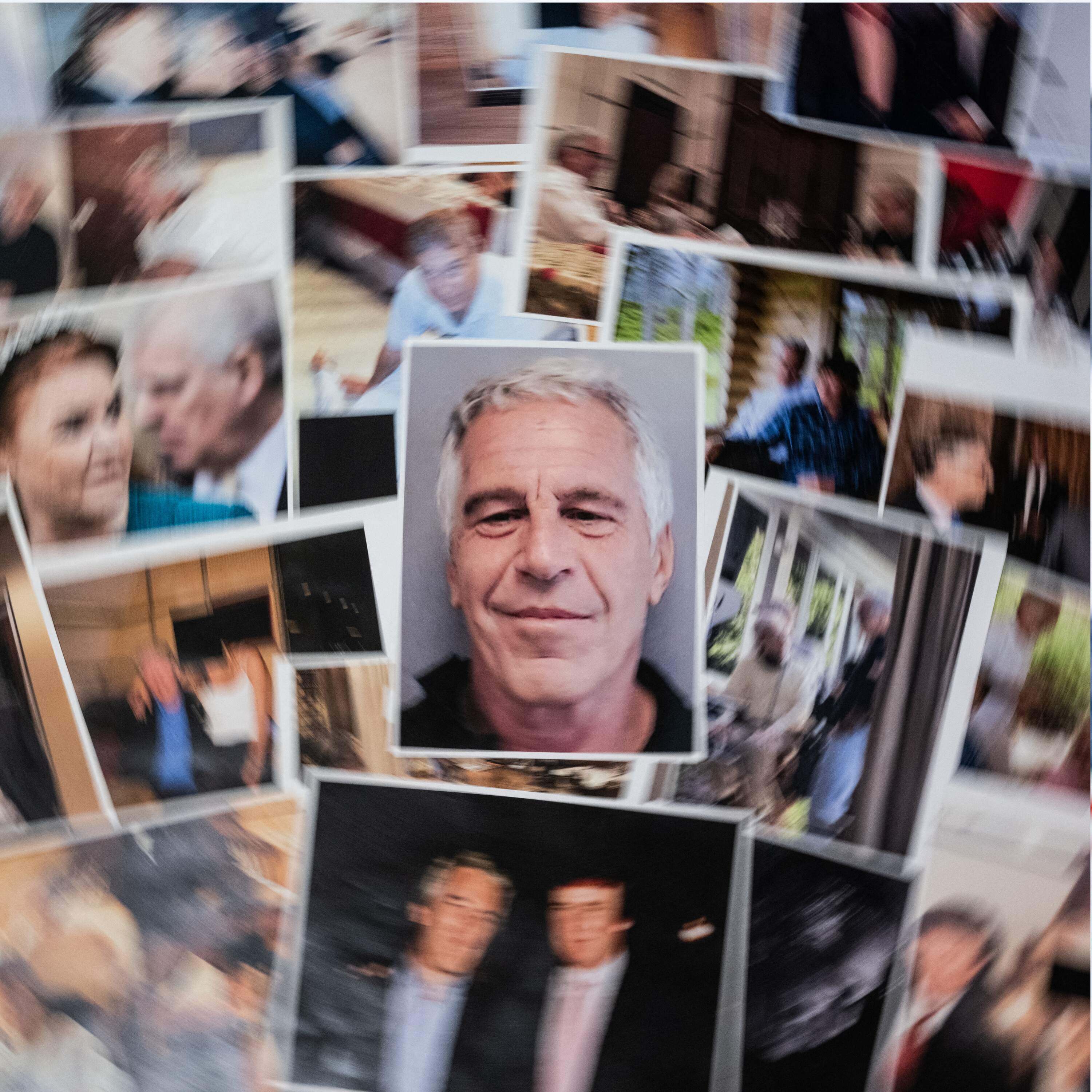
What an Epstein recording reveals about how elites get jobs
What do the latest batch of documents tell us about convicted sex offender Jeffrey Epstein and elite networking? Quite a bit. Today on the show, we analyze one exchange between Epstein and a former world leader to find out how the revolving door works for the rich and powerful. FYI, we are going on a book tour! Planet Money’s first ever book comes out in April. We’ll be celebrating in about a dozen cities. There’s a limited-edition tote bag included with your ticket, while supplies last. Details, dates and how to get your ticket at planetmoneybook.com. Related episodes: Gilded Age 2.0? How close is the US to crony capitalism? For sponsor-free episodes of The Indicator from Planet Money, subscribe to Planet Money+ via Apple Podcasts or at plus.npr.org. Fact-checking by Vito Emanuel. Music by Drop Electric. Find us: TikTok, Instagram, Facebook, Newsletter. To manage podcast ad preferences, review the links below:See pcm.adswizz.com for information about our collection and use of personal data for sponsorship and to manage your podcast sponsorship preferences.NPR Privacy Policy

Do traders who place big bets make big money?
We’re going whale watching today. No, not orcas or great blues, but financial traders that place big bets on something called options. On today’s show, who are these option whales and do their bets always pay off? FYI, we are going on a book tour! Planet Money’s first ever book comes out in April. We’ll be celebrating in about a dozen cities. There’s a limited edition tote bag included with your ticket, while supplies last. Details, dates and how to get your ticket at planetmoneybook.com. Related episodes: Invest like a Congress member For sponsor-free episodes of The Indicator from Planet Money, subscribe to Planet Money+ via Apple Podcasts or at plus.npr.org. Fact-checking by Sierra Juarez. Music by Drop Electric. Find us: TikTok, Instagram, Facebook, Newsletter.To manage podcast ad preferences, review the links below:See pcm.adswizz.com for information about our collection and use of personal data for sponsorship and to manage your podcast sponsorship preferences.NPR Privacy Policy

Why there are roving rotisserie chicken mobs
You asked, we answered. On today’s show, we tackle questions from our dear listeners on whether AI interviewers are biased, what the heck M2 money supply is, and what’s up with the frenzied mobs fighting for rotisserie chickens at the grocery store. Related episodes: When AI is your job interviewerHow beef climbed to the top of the food pyramidRetirement luck, Hassett hassles the Fed, and boneless chicken in ... court? Behind the Tiny Desk and other listener questions For sponsor-free episodes of The Indicator from Planet Money, subscribe to Planet Money+ via Apple Podcasts or at plus.npr.org. Fact-checking by Sierra Juarez. Music by Drop Electric. Find us: TikTok, Instagram, Facebook, Newsletter. To manage podcast ad preferences, review the links below:See pcm.adswizz.com for information about our collection and use of personal data for sponsorship and to manage your podcast sponsorship preferences.NPR Privacy Policy

Can I get my tariff money back now?
The Supreme Court struck down a bunch of President Trump’s tariffs yesterday. The Trump administration originally used an emergency economic powers law to justify the tariffs. And the court said: No! You can’t do that! Bad Trump, bad! This is despite the U.S. having raked in over a hundred billion dollars in import taxes already.On today’s show, unpacking the Supreme Court’s blockbuster tariffs decision. What’s next for tariffs? And … are we getting tariff refunds? Asking for a friend.Related episodes: Trump's backup options for tariffsTariffied! We check in on businessesAre Trump's tariffs legal?Worst. Tariffs. Ever. For sponsor-free episodes of The Indicator from Planet Money, subscribe to Planet Money+ via Apple Podcasts or at plus.npr.org. Fact-checking by Sierra Juarez and Vito Emanuel. Music by Drop Electric. Find us: TikTok, Instagram, Facebook, Newsletter.To manage podcast ad preferences, review the links below:See pcm.adswizz.com for information about our collection and use of personal data for sponsorship and to manage your podcast sponsorship preferences.NPR Privacy Policy

Retirement luck, Hassett hassles the Fed, and boneless chicken in ... court?
It’s … Indicators of the Week! Our weekly look at some of the most fascinating economic numbers from the news. On today’s episode: Why you better hope you retire at juuuust the right time, why the researchers at the Federal Reserve are being scolded by a White House economic advisor, and taking boneless chicken to court. Related episodes: Chicken meat, Gulf of Mexico lawsuit and Social Security beyond the grave Davos drama, credit card caps and tariff truths What would it take to fix retirement? For sponsor-free episodes of The Indicator from Planet Money, subscribe to Planet Money+ via Apple Podcasts or at plus.npr.org. Fact-checking by Sierra Juarez and Corey Bridges. Music by Drop Electric. Find us: TikTok, Instagram, Facebook, Newsletter. To manage podcast ad preferences, review the links below:See pcm.adswizz.com for information about our collection and use of personal data for sponsorship and to manage your podcast sponsorship preferences.NPR Privacy Policy

Why this rural town wants an ICE facility
The Trump administration is planning to pour more than $38 billion into warehouses for mass immigrant detention. While some communities are starting to push back, one rural town has agreed to expand its detention facility. On today’s show, we visit a small town in Georgia to learn about the trade-offs of becoming a detention town. Related episodes: How well are ICE’s 12,000 new officers being trained? How ICE crackdowns are affecting the workforce For sponsor-free episodes of The Indicator from Planet Money, subscribe to Planet Money+ via Apple Podcasts or at plus.npr.org. Fact-checking by Sierra Juarez. Music by Drop Electric. Find us: TikTok, Instagram, Facebook, Newsletter. To manage podcast ad preferences, review the links below:See pcm.adswizz.com for information about our collection and use of personal data for sponsorship and to manage your podcast sponsorship preferences.NPR Privacy Policy

How well are ICE's 12,000 new officers being trained?
The Department of Homeland Security says it has more than doubled the workforce of Immigration and Customs Enforcement under President Trump. Yet videos of immigration officers killing two U.S. citizens and using aggressive arrest tactics have left some politicians and community leaders rethinking the agency’s approach. On today’s show, law enforcement experts assess the training and culture at DHS. Related episodes: How ICE crackdowns are affecting the workforce For sponsor-free episodes of The Indicator from Planet Money, subscribe to Planet Money+ via Apple Podcasts or at plus.npr.org. Fact-checking by Sierra Juarez. Music by Drop Electric. Find us: TikTok, Instagram, Facebook, Newsletter. To manage podcast ad preferences, review the links below:See pcm.adswizz.com for information about our collection and use of personal data for sponsorship and to manage your podcast sponsorship preferences.NPR Privacy Policy

How Iran's flagging economy inflamed its protests
Editor's note: The United States and Israel launched attacks on Iran early Saturday, Feb. 28. For current coverage click here. For background context, the story below was published on Feb. 17, 2026.According to activists, Iran has killed over 7,000 people as part of a crackdown on protesters. Why did protests engulf Iran in the first place? A big contributor: Its flagging economy, which has been in a tailspin for years. It’s a tinderbox.Related episodes: Iran, protests, and sanctionsThe Lost PlaneFor sponsor-free episodes of The Indicator from Planet Money, subscribe to Planet Money+ via Apple Podcasts or at plus.npr.org. Fact-checking by Sierra Juarez. Music by Drop Electric. Find us: TikTok, Instagram, Facebook, Newsletter.To manage podcast ad preferences, review the links below:See pcm.adswizz.com for information about our collection and use of personal data for sponsorship and to manage your podcast sponsorship preferences.NPR Privacy Policy

Jobs numbers, immigrants in healthcare, and ... Jesus Christ?
It’s time for … Indicators of the Week! Our weekly look at some of the most fascinating economic numbers from the news. On today’s episode: Analyzing the new jobs numbers, how letting in more immigrants could reduce elder mortality, and betting on the return of … Jesus Christ. Related episodes: Just how bad are these job numbers? A market to bet on the future Who's gonna take care of grandma? For sponsor-free episodes of The Indicator from Planet Money, subscribe to Planet Money+ via Apple Podcasts or at plus.npr.org. Fact-checking by Sierra Juarez, Cooper Katz McKim and Vito Emanuel. Music by Drop Electric. Find us: TikTok, Instagram, Facebook, Newsletter. To manage podcast ad preferences, review the links below:See pcm.adswizz.com for information about our collection and use of personal data for sponsorship and to manage your podcast sponsorship preferences.NPR Privacy Policy

What it costs to be an elite figure skater like the 'Quad God'
Behind every Ilia Malinin or Alysa Liu, there is an army of elite figure skating coaches and choreographers who have been with them from the beginning. On today’s show, how much does it cost to achieve Olympic glory and why is it so expensive? Related episodes: How college sports juiced Olympic development Why the Olympics cost so much For sponsor-free episodes of The Indicator from Planet Money, subscribe to Planet Money+ via Apple Podcasts or at plus.npr.org. Fact-checking by Sierra Juarez. Music by Drop Electric. Find us: TikTok, Instagram, Facebook, Newsletter. To manage podcast ad preferences, review the links below:See pcm.adswizz.com for information about our collection and use of personal data for sponsorship and to manage your podcast sponsorship preferences.NPR Privacy Policy

What is going on with gold and silver?
The prices of gold and silver are on rollercoaster rides; Gold has been rising over the last few years, silver shot up like a skyrocket in January … but then both plunged in price and sputtered around the end of the month. It raises the question: What is going on? Today on the show, we talk with some traders about what this volatility of gold and silver is saying about the state of the world. Related episodes: Why is everyone buying gold? A new-ish gold rush and other indicators For sponsor-free episodes of The Indicator from Planet Money, subscribe to Planet Money+ via Apple Podcasts or at plus.npr.org. Fact-checking by Sierra Juarez. Music by Drop Electric. Find us: TikTok, Instagram, Facebook, Newsletter. To manage podcast ad preferences, review the links below:See pcm.adswizz.com for information about our collection and use of personal data for sponsorship and to manage your podcast sponsorship preferences.NPR Privacy Policy

The boxed meal helping Americans stay on budget
Food keeps getting more expensive, so how do shoppers respond? They change what they buy, right? It’s not just that cheaper foods get more popular. Shoppers are more nuanced than that. So, today on the show, we choose one classic meal that is tailor-made for this anxious economic moment. Why Hamburger Helper is poised to win 2026.Related episodes: How niche brands got into your local supermarketCan you trust you're getting the same grocery prices as someone else?Hits of the Dips: Songs of recessions pastFor sponsor-free episodes of The Indicator from Planet Money, subscribe to Planet Money+ via Apple Podcasts or at plus.npr.org. Fact-checking by Sierra Juarez. Music by Drop Electric. Find us: TikTok, Instagram, Facebook, Newsletter.To manage podcast ad preferences, review the links below:See pcm.adswizz.com for information about our collection and use of personal data for sponsorship and to manage your podcast sponsorship preferences.NPR Privacy Policy

Are we in an economic 'doom loop'?
Trade wars. Financial panics. Inflation. How come it feels like it’s all bad news in the global economy these days? Economist Eswar Prasad’s answer: something he calls the ‘doom loop.’ That’s where massive geopolitical and economic forces feed off each other and send us careening into disorder. Sounds dire. But it’s not hopeless.On today’s show, are we in a doom loop? And if we are … how do we get out of one?Eswar Prasad’s new book is called “The Doom Loop: Why the World Economic Order Is Spiraling into Disorder”.Related episodes: Is the financial media making us miserable about the economy?Why are some nations richer?For sponsor-free episodes of The Indicator from Planet Money, subscribe to Planet Money+ via Apple Podcasts or at plus.npr.org. Fact-checking by Sierra Juarez. Music by Drop Electric. Find us: TikTok, Instagram, Facebook, Newsletter.To manage podcast ad preferences, review the links below:See pcm.adswizz.com for information about our collection and use of personal data for sponsorship and to manage your podcast sponsorship preferences.NPR Privacy Policy

Just how bad are these job numbers?
It’s a weird time for jobs numbers. Another month, another jobs report pushed back by the Bureau of Labor Statistics. Averaging two private sources, ADP and Revelio Labs: an estimated 4,500 jobs were added in January. Sounds like … not many. And, yet, the unemployment rate hasn’t seemed to have risen. This might be, in part, due to the Trump administration’s immigration crackdown. We’ll explain through the story of one Angeleno.On today’s show, how bad are these job numbers? Or are they not bad at all? And what does immigration have to do with it? Related episodes: Can we still trust the monthly jobs report? (Update) What you need to know about the jobs report revisions What really goes on at the Bureau of Labor Statistics (Update) For sponsor-free episodes of The Indicator from Planet Money, subscribe to Planet Money+ via Apple Podcasts or at plus.npr.org. Fact-checking by Sierra Juarez. Music by Drop Electric. Find us: TikTok, Instagram, Facebook, Newsletter. To manage podcast ad preferences, review the links below:See pcm.adswizz.com for information about our collection and use of personal data for sponsorship and to manage your podcast sponsorship preferences.NPR Privacy Policy
How college sports juiced Olympic development
How did the U.S. become the Olympic powerhouse it is today? Cold War competition. The Soviet Union sponsored their athletes. But America wanted its athletes to pull themselves up by their bootstraps. It birthed an unexpected accelerator of Olympic development: College football. Stay with us now.On today’s show, how college football became an Olympic development engine. And how that engine might not be running as smoothly as it once did.Related episodes: Why the Olympics cost so muchYou can't spell Olympics without IPA huge EU-India deal, Heated Rivalry, and a hefty $200k to OlympiansWhy Host The Olympics?The monetization of college sportsFor sponsor-free episodes of The Indicator from Planet Money, subscribe to Planet Money+ via Apple Podcasts or at plus.npr.org. Fact-checking by Sierra Juarez. Music by Drop Electric. Find us: TikTok, Instagram, Facebook, Newsletter.To manage podcast ad preferences, review the links below:See pcm.adswizz.com for information about our collection and use of personal data for sponsorship and to manage your podcast sponsorship preferences.NPR Privacy Policy

Warming your house the green way just got more expensive
People wanting to purchase heat pumps might soon face sticker shock. Many consumers have sought out energy credits to find a greener and more affordable alternative to heating oil, but the tax credit to help make them cheaper has expired. Today on the show: how homeowners, the renewables industry, and its critics all feel about it.Related episodes: Metals, government debt, and a climate lawsuitAll these data centers are gonna fry my electric bill … right?Cold-o-nomicsFor sponsor-free episodes of The Indicator from Planet Money, subscribe to Planet Money+ via Apple Podcasts or at plus.npr.org. Fact-checking by Sierra Juarez. Music by Drop Electric. Find us: TikTok, Instagram, Facebook, Newsletter. To manage podcast ad preferences, review the links below:See pcm.adswizz.com for information about our collection and use of personal data for sponsorship and to manage your podcast sponsorship preferences.NPR Privacy Policy
All these data centers are gonna fry my electric bill … right?
Data centers are getting a lot of heat right now. There’s neighborhood pushback against them for water usage and environmental concerns, and some politicians on both sides of the aisle aren’t fans for the same reasons. There’s also fear that they could drive up the cost of electricity bills. But that last bit isn’t set in stone. Data center electric bill upcharge is not a guarantee. In fact, it is even possible for data centers to cause power bills to go down. Today on the show: the future of your power bill.Related episodes: No AI data centers in my backyard! What AI data centers are doing to your electric billFor sponsor-free episodes of The Indicator from Planet Money, subscribe to Planet Money+ via Apple Podcasts or at plus.npr.org. Fact-checking by Sierra Juarez. Music by Drop Electric. Find us: TikTok, Instagram, Facebook, Newsletter. To manage podcast ad preferences, review the links below:See pcm.adswizz.com for information about our collection and use of personal data for sponsorship and to manage your podcast sponsorship preferences.NPR Privacy Policy

America's next top Fed Chair
Kevin Warsh has been tapped as the next chair of the Federal Reserve. We’re sure that he’ll have a lot of questions about how to run the Fed if confirmed. So we put together this briefing.On today’s show, three Fed watchers give their advice for the next chair. On politics, interest rate cuts and dealing with the Fed’s repeated trading scandals. Oh, and can someone please forward this episode to Kevin Warsh?Related episodes: One Fed battle after anotherLisa Cook and the fight for the FedA primer on the Federal Reserve's independenceIt's hard out there for a Fed chairFor sponsor-free episodes of The Indicator from Planet Money, subscribe to Planet Money+ via Apple Podcasts or at plus.npr.org. Fact-checking by Sierra Juarez. Music by Drop Electric. Find us: TikTok, Instagram, Facebook, Newsletter.To manage podcast ad preferences, review the links below:See pcm.adswizz.com for information about our collection and use of personal data for sponsorship and to manage your podcast sponsorship preferences.NPR Privacy Policy

A huge EU-India deal, Heated Rivalry, and a hefty $200k to Olympians
It’s … Indicators of the Week! Our weekly look at some of the most fascinating economic numbers from the news. On today’s episode: a HUGE trade deal between India and the European Union, all the hot hockey romance New Yorkers could ever want, and a heavy earnings purse for Olympic competitors, win or lose. Related episodes: Why the Olympics cost so muchThe surprising economics of digital lending For sponsor-free episodes of The Indicator from Planet Money, subscribe to Planet Money+ via Apple Podcasts or at plus.npr.org. Fact-checking by Julia Ritchey and Vito Emanuel. Music by Drop Electric. Find us: TikTok, Instagram, Facebook, Newsletter. Preorder Planet Money's new book here! To manage podcast ad preferences, review the links below:See pcm.adswizz.com for information about our collection and use of personal data for sponsorship and to manage your podcast sponsorship preferences.NPR Privacy Policy

Hawaii’s worker shortage goes NUTS
Macadamia nuts. Labor shortages. Volcanoes. All that might sound like econ Mad Libs, but they’re all connected to the Federal Reserve Bank of San Francisco’s entry into the Beige Book this month: labor shortages are hurting macadamia nut harvests in Hawaii. On today’s show, we take a vacation and talk to someone on the Big Island who runs a macadamia nut farm. He calls them “mac nuts.” Related episodes: Why beef prices are so high For sponsor-free episodes of The Indicator from Planet Money, subscribe to Planet Money+ via Apple Podcasts or at plus.npr.org. Fact-checking by Sierra Juarez. Music by Drop Electric. Find us: TikTok, Instagram, Facebook, Newsletter. To manage podcast ad preferences, review the links below:See pcm.adswizz.com for information about our collection and use of personal data for sponsorship and to manage your podcast sponsorship preferences.NPR Privacy Policy

Why isn’t corporate America standing up to Trump?
President Trump has been storming through corporate America — taking a stake in Intel, demanding a cut of Nvidia’s sales, restricting skilled workers, among other big footed policies.Meanwhile, corporate leaders have mostly just … rolled over.Today on the show: As Trump rewrites the rules of doing business, why aren’t business leaders doing more to speak up?Related episodes: How close is the US to crony capitalism? Davos drama, credit card caps and tariff truths For sponsor-free episodes of The Indicator from Planet Money, subscribe to Planet Money+ via Apple Podcasts or at plus.npr.org. Fact-checking by Sierra Juarez. Music by Drop Electric. Find us: TikTok, Instagram, Facebook, Newsletter. To manage podcast ad preferences, review the links below:See pcm.adswizz.com for information about our collection and use of personal data for sponsorship and to manage your podcast sponsorship preferences.NPR Privacy Policy

Can Europe sell America?
“Sell America.” There’s new talk of how Europe could turn the economic screws on the U.S. after President Trump’s play for Greenland. Selling U.S. Treasury bonds is one way. Another is a legal tool. It’s been called the EU’s bazooka.On today’s show, taking stock of Europe’s financial arsenal. How could America’s largest foreign lender lighten Americans’ wallets?Planet Money wrote a book and is going on tour, come see us: tickets and tour dates here. Related episodes: Davos drama, credit card caps and tariff truthsWhy Trump resurrected the Monroe DoctrineLunch with the man who coined TACOFor sponsor-free episodes of The Indicator from Planet Money, subscribe to Planet Money+ via Apple Podcasts or at plus.npr.org. Fact-checking by Sierra Juarez. Music by Drop Electric. Find us: TikTok, Instagram, Facebook, Newsletter.To manage podcast ad preferences, review the links below:See pcm.adswizz.com for information about our collection and use of personal data for sponsorship and to manage your podcast sponsorship preferences.NPR Privacy Policy

How Pakistan is revving up a fight against tax dodgers
Pakistan has had some major economic bumps as of late, including a near default in 2023. At the root: seriously low tax collection. Millions of Pakistan residents opt out of paying income taxes entirely. This is a problem a lot of lower- and middle-income countries face. On today's show, we talk about why there are so many tax dodgers in Pakistan and what the government is trying to do about it. Related episodes: Is the US pushing countries towards China? A brief history of income taxes For sponsor-free episodes of The Indicator from Planet Money, subscribe to Planet Money+ via Apple Podcasts or at plus.npr.org. Fact-checking by Sierra Juarez. Music by Drop Electric. Find us: TikTok, Instagram, Facebook, Newsletter. To manage podcast ad preferences, review the links below:See pcm.adswizz.com for information about our collection and use of personal data for sponsorship and to manage your podcast sponsorship preferences.NPR Privacy Policy

Davos drama, credit card caps and tariff truths
It’s time for … Indicators of the Week! Our weekly look at some of the most fascinating economic numbers from the news. On today’s episode: Why does Davos feel interesting this year? What if we did cap credit card interest rates? And we’re paying most of those tariffs, aren’t we? Also, big news! Planet Money wrote a book and we’re going on tour this spring. Find tickets and info at planetmoneybook.com. Related episodes: Trump's backup options for tariffs Globalization At Davos: What Happened? The carbon coin: A novel idea For sponsor-free episodes of The Indicator from Planet Money, subscribe to Planet Money+ via Apple Podcasts or at plus.npr.org. Fact-checking by Sierra Juarez. Music by Drop Electric. Find us: TikTok, Instagram, Facebook, Newsletter. To manage podcast ad preferences, review the links below:See pcm.adswizz.com for information about our collection and use of personal data for sponsorship and to manage your podcast sponsorship preferences.NPR Privacy Policy

How beef climbed to the top of the food pyramid
Beef is back on top. Well, at least on top of Health Secretary Robert F. Kennedy Jr.’s new food pyramid, unveiled alongside updated national dietary guidelines. Red meat really never left the great American menu. But how’d it climb all the way up there?On today’s show, America’s storied love affair with beef. And how big business and government have long influenced what winds up on our plates.Related episodes: Why beef prices are so highWho’s buying all the beef?For sponsor-free episodes of The Indicator from Planet Money, subscribe to Planet Money+ via Apple Podcasts or at plus.npr.org. Fact-checking by Sierra Juarez. Music by Drop Electric. Find us: TikTok, Instagram, Facebook, Newsletter.To manage podcast ad preferences, review the links below:See pcm.adswizz.com for information about our collection and use of personal data for sponsorship and to manage your podcast sponsorship preferences.NPR Privacy Policy
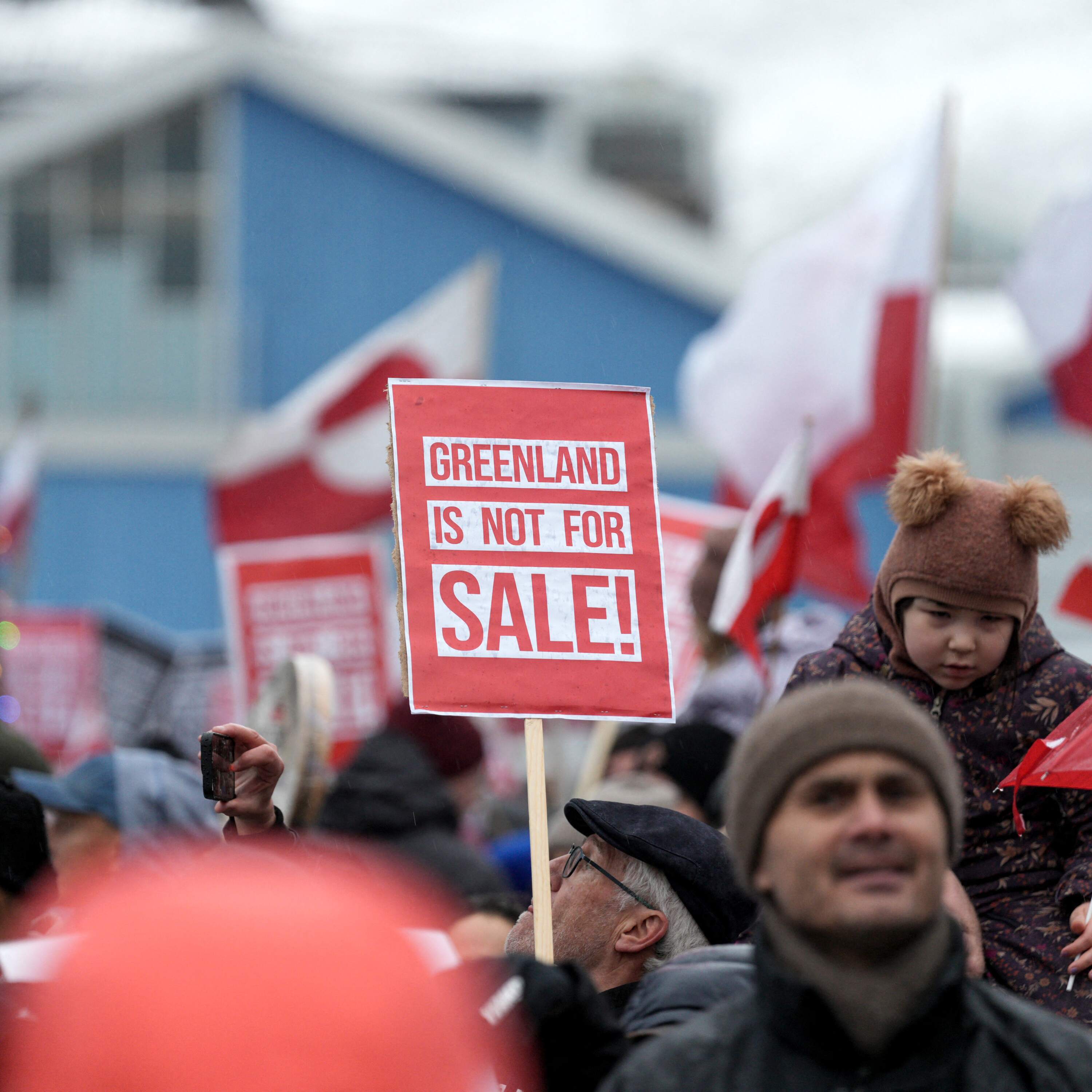
Is Greenland really an untapped land of riches?
President Donald Trump is dead set on acquiring Greenland, and while national security is the stated reason, the country’s untapped mineral wealth could offer another explanation. Today on the show: is Greenland really an untapped land of riches? We talk to one Australian geologist who discovered the great costs and potential rewards of extracting these minerals himself. Related episodes: Add to cart: Greenland Why Trump resurrected the Monroe Doctrine For sponsor-free episodes of The Indicator from Planet Money, subscribe to Planet Money+ via Apple Podcasts or at plus.npr.org. Fact-checking by Sierra Juarez and Julia Ritchey. Music by Drop Electric. Find us: TikTok, Instagram, Facebook, Newsletter. To manage podcast ad preferences, review the links below:See pcm.adswizz.com for information about our collection and use of personal data for sponsorship and to manage your podcast sponsorship preferences.NPR Privacy Policy

Are U.S. defense contractors lavishing their investors too much?
In early January, President Donald Trump signed an executive order threatening bans on defense contractors paying dividends or buying their stock back.Today on the show, we learn about the Trump Administration’s frustrations with the weapons supply chain, find out what a defense industry investor makes of the move, and ask whether this reflects the state tightening its grip on the industry that arms the U.S. military.Related episodes: Are we overpaying for military equipment?Can Just-In-Time handle a new era of war?How to transform a war economy for peacetimeFor sponsor-free episodes of The Indicator from Planet Money, subscribe to Planet Money+ via Apple Podcasts or at plus.npr.org. Fact-checking by Sierra Juarez. Music by Drop Electric. Find us: TikTok, Instagram, Facebook, Newsletter. To manage podcast ad preferences, review the links below:See pcm.adswizz.com for information about our collection and use of personal data for sponsorship and to manage your podcast sponsorship preferences.NPR Privacy Policy

ICE influencers, a world-record trade surplus, and the moon goes nuclear
Welcome back to Indicators of the Week! Our weekly look at some of the most fascinating economic numbers from the news. On today’s episode: Influencers for ICE, China’s tremendous trade surplus, and America heads back to the moon. Related episodes: We resolve to watch these 2026 indicators China's trade war perspective Who owns the moon?For sponsor-free episodes of The Indicator from Planet Money, subscribe to Planet Money+ via Apple Podcasts or at plus.npr.org. Fact-checking by Vito Emanuel. Music by Drop Electric. Find us: TikTok, Instagram, Facebook, Newsletter. To manage podcast ad preferences, review the links below:See pcm.adswizz.com for information about our collection and use of personal data for sponsorship and to manage your podcast sponsorship preferences.NPR Privacy Policy

Why Trump resurrected the Monroe Doctrine
203 years ago, President James Monroe declared the Western Hemisphere off limits to powerful countries in Europe. Fast forward, and President Trump is reviving the Monroe Doctrine to justify intervening in places like Venezuela, and threatening further action in other parts of Latin America and Greenland. On today’s show, how is Trump redefining the Monroe Doctrine and what does it mean for the world?Related episodes: Add to cart: Greenland Is the Panama Canal a rip-off? Venezuela didn’t steal U.S. oil. Here’s what happened Can Europe stand without the U.S. For sponsor-free episodes of The Indicator from Planet Money, subscribe to Planet Money+ via Apple Podcasts or at plus.npr.org. Fact-checking by Vito Emanuel. Music by Drop Electric. Find us: TikTok, Instagram, Facebook, Newsletter. To manage podcast ad preferences, review the links below:See pcm.adswizz.com for information about our collection and use of personal data for sponsorship and to manage your podcast sponsorship preferences.NPR Privacy Policy

Can a good story change economic reality?
Economic decisions aren’t only driven by hard data. A compelling story can change economic behavior and outcomes. In today’s episode, we explore real-world examples of “narrative economics” like how the Suez Canal ended up getting built. And we ask: why do narratives sometimes matter more than truth or data? Related episodes: This indicator hasn’t flashed this red since the dot-com bubble Tariffs. Consumer sentiment. Cape Ratio. Pick The Indicator of The Year! The Beigie Awards: Manufacturing takes center stage For sponsor-free episodes of The Indicator from Planet Money, subscribe to Planet Money+ via Apple Podcasts or at plus.npr.org. Fact-checking by Sierra Juarez. Music by Drop Electric. Find us: TikTok, Instagram, Facebook, Newsletter. To manage podcast ad preferences, review the links below:See pcm.adswizz.com for information about our collection and use of personal data for sponsorship and to manage your podcast sponsorship preferences.NPR Privacy Policy
One Fed battle after another
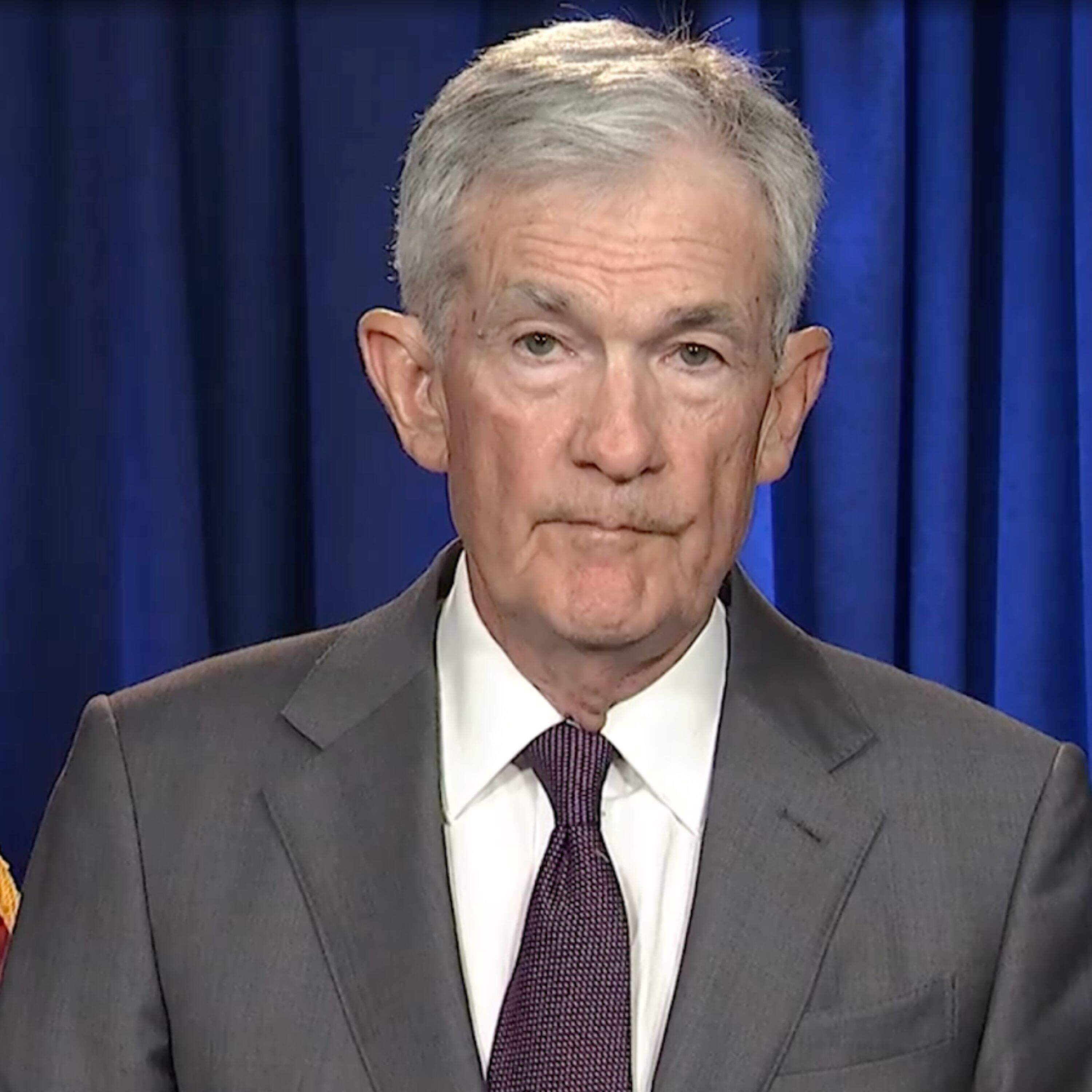
Over the weekend, Federal Reserve Chair Jerome Powell said the Department of Justice served the Fed with grand jury subpoenas. Powell says it’s all a sham. But the stakes are unprecedented: A potential criminal indictment. Central bank independence. Today on the show, the administration’s case against the Fed. How did we get here? And what comes next?Related episodes: Lisa Cook and the fight for the FedTrump's unprecedented attack on the Fed A primer on the Federal Reserve's independenceWhy Is The Fed So Boring?For sponsor-free episodes of The Indicator from Planet Money, subscribe to Planet Money+ via Apple Podcasts or at plus.npr.org. Fact-checking by Sierra Juarez. Music by Drop Electric. Find us: TikTok, Instagram, Facebook, Newsletter.To manage podcast ad preferences, review the links below:See pcm.adswizz.com for information about our collection and use of personal data for sponsorship and to manage your podcast sponsorship preferences.NPR Privacy Policy

How far can philanthropy go to fill government gaps?
While Americans are known for their generosity, the U.S. government, increasingly, is not. The Trump administration’s cuts to SNAP benefits among other aid programs have forced states, foundations and donors to fill the gaps. But can they? On today’s show, the limits of philanthropic efforts to supplant federal aid. Related episodes: Why tech bros are trying to give away all their money (kind of) For sponsor-free episodes of The Indicator from Planet Money, subscribe to Planet Money+ via Apple Podcasts or at plus.npr.org. Fact-checking by Sierra Juarez. Music by Drop Electric. Find us: TikTok, Instagram, Facebook, Newsletter. To manage podcast ad preferences, review the links below:See pcm.adswizz.com for information about our collection and use of personal data for sponsorship and to manage your podcast sponsorship preferences.NPR Privacy Policy

How AI is shrinking the job market for teens
Karissa Tang is a 17-year-old in California who got curious about the impact of AI on typical teen jobs like cashiers and fast food counter workers. She embarked on an ambitious economic research project and shares her findings with us.Related episodes: How much is AI actually affecting the workforce?AI creates, transforms and destroys... jobsWhen does youth employment become child labor?For sponsor-free episodes of The Indicator from Planet Money, subscribe to Planet Money+ via Apple Podcasts or at plus.npr.org. Fact-checking by Sierra Juarez. Music by Drop Electric. Find us: TikTok, Instagram, Facebook, Newsletter.To manage podcast ad preferences, review the links below:See pcm.adswizz.com for information about our collection and use of personal data for sponsorship and to manage your podcast sponsorship preferences.NPR Privacy Policy

Venezuela didn't steal U.S. oil. Here's what happened
President Trump claims Venezuela stole American oil. Is that true? We trace Venezuela's oil industry from its 1920s birth through nationalization and then collapse. Today on the show, how did the Venezuelan oil industry get to a point where it’s barely pulling from its reserves? And will anything change now? Related episodes: Venezuela’s economic descent (Update) Venezuela’s recent economic history (Update) Why oil in Guyana could be a curse For sponsor-free episodes of The Indicator from Planet Money, subscribe to Planet Money+ via Apple Podcasts or at plus.npr.org. Fact-checking by Julia Ritchey. Music by Drop Electric. Find us: TikTok, Instagram, Facebook, Newsletter. To manage podcast ad preferences, review the links below:See pcm.adswizz.com for information about our collection and use of personal data for sponsorship and to manage your podcast sponsorship preferences.NPR Privacy Policy

Can you trust you're getting the same grocery prices as someone else?
When you're in a grocery store nowadays, chances are your data is being collected. From a swipe of the loyalty card to the purchase of an ice cream pint, your data tells stores what you like, how much they should stock, and more. But what if that data meant a grocer could charge you a different price than another shopper?On today's show, the evolving price tag. Related episodes:Should 'surveillance pricing' be banned? How Grocery Shelves Get Stacked How niche brands got into your local supermarketFor sponsor-free episodes of The Indicator from Planet Money, subscribe to Planet Money+ via Apple Podcasts or at plus.npr.org. Fact-checking by Sierra Juarez. Music by Drop Electric. Find us: TikTok, Instagram, Facebook, Newsletter. To manage podcast ad preferences, review the links below:See pcm.adswizz.com for information about our collection and use of personal data for sponsorship and to manage your podcast sponsorship preferences.NPR Privacy Policy

How cocaine smuggling through Latin America really works
Former Venezuelan leader, Nicolás Maduro, appeared in a New York court yesterday. He’s facing drug-trafficking and weapons charges after the U.S. abducted him and his wife in an explosive operation over the weekend. But is there any credibility to the drug-trafficking accusations? And what does the cocaine supply chain look like in 2026?Today on the show, tracing cocaine’s journey from the Andes to the streets of U.S. cities.Further reading: Ioan Grillo – El NarcoRelated episodes: Venezuela’s economic descent (Updated)Why Are Venezuelans Starving?Lessons from a former drug dealerFor sponsor-free episodes of The Indicator from Planet Money, subscribe to Planet Money+ via Apple Podcasts or at plus.npr.org. Fact-checking by Cooper Katz McKim and Sierra Juarez. Music by Drop Electric. Find us: TikTok, Instagram, Facebook, Newsletter.To manage podcast ad preferences, review the links below:See pcm.adswizz.com for information about our collection and use of personal data for sponsorship and to manage your podcast sponsorship preferences.NPR Privacy Policy
Why China pulled the plug on Japan
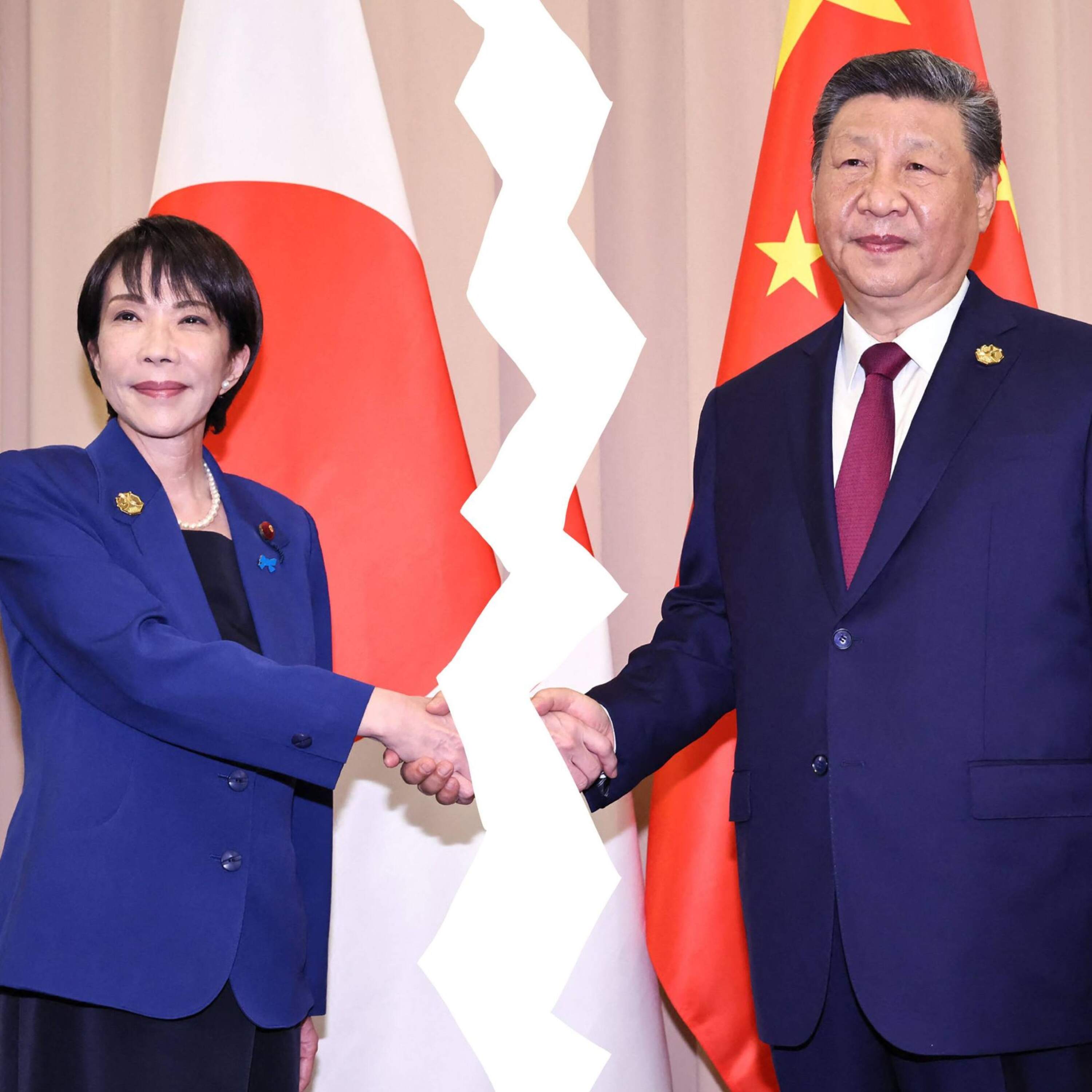
Japan’s new prime minister Sanae Takaichi made waves last fall after saying her country might intervene if China invaded Taiwan. In response, China launched state-organized boycotts against Japan — canceling concerts, restricting seafood imports, and even recalling pandas. Today on the show, what does it look like for a state to organize a boycott, and does it work? Related episodes: How Japan’s new prime minister is jolting marketsWhen do boycotts work? Forging Taiwan's Silicon Shield For sponsor-free episodes of The Indicator from Planet Money, subscribe to Planet Money+ via Apple Podcasts or at plus.npr.org. Fact-checking by Sierra Juarez. Music by Drop Electric. Find us: TikTok, Instagram, Facebook, Newsletter. To manage podcast ad preferences, review the links below:See pcm.adswizz.com for information about our collection and use of personal data for sponsorship and to manage your podcast sponsorship preferences.NPR Privacy Policy

Venezuela’s economic descent (Updated)
At The Indicator, we’ve been following the conditions in Venezuela over the years. In 2024 we covered how Venezuela’s economy went into freefall, and have been checking in with an economist there frequently — including after the U.S. attacked over the weekend, deposing its leader Nicolás Maduro. On today’s show, we’re revisiting our episode about Venezuela’s economy, and hear from our contact in Caracas. Send us questions you’d like The Indicator to answer on future episodes about Venezuela: [email protected]. Related episodes: The Measure of a Tragedy Why are Venezuelans starving? An Economist in Caracas: Day In The Life For sponsor-free episodes of The Indicator from Planet Money, subscribe to Planet Money+ via Apple Podcasts or at plus.npr.org. Music by Drop Electric. Find us: TikTok, Instagram, Facebook, Newsletter. To manage podcast ad preferences, review the links below:See pcm.adswizz.com for information about our collection and use of personal data for sponsorship and to manage your podcast sponsorship preferences.NPR Privacy Policy

We resolve to watch these 2026 indicators
2025 is finally over. We had bad consumer sentiment vibes, tariffs, and a seemingly ascendant stock market. And those are just a few indicators from last year! As we enter 2026, what indicators should we keep an eye on … in the future? On today’s episode, our top indicator predictions for the new year.Related: What AI data centers are doing to your electric bill Tariffs. Consumer sentiment. Cape ratio. Pick the Indicator of the Year! What indicators will 2025 bring? For sponsor-free episodes of The Indicator from Planet Money, subscribe to Planet Money+ via Apple Podcasts or at plus.npr.org. Fact-checking by Sierra Juarez. Music by Drop Electric. Find us: TikTok, Instagram, Facebook, Newsletter. To manage podcast ad preferences, review the links below:See pcm.adswizz.com for information about our collection and use of personal data for sponsorship and to manage your podcast sponsorship preferences.NPR Privacy Policy

Why Americans don't want to move for jobs anymore (Encore)
Americans are moving at record lows for work. What’s driving people to, well, not drive cross-country for jobs? On today’s episode, we explore the rising homebody economy. This episode originally aired Oct. 3, 2025. Related episodes: Why moms are leaving their paid jobs How the end of Roe is reshaping the medical workforce For sponsor-free episodes of The Indicator from Planet Money, subscribe to Planet Money+ via Apple Podcasts or at plus.npr.org. Fact-checking by Corey Bridges. Music by Drop Electric. Find us: TikTok, Instagram, Facebook, Newsletter. To manage podcast ad preferences, review the links below:See pcm.adswizz.com for information about our collection and use of personal data for sponsorship and to manage your podcast sponsorship preferences.NPR Privacy Policy

Gilded Age 2.0? (Encore)
To hear President Trump tell it, the late 1800s, i.e. the Gilded Age, were a period of unparalleled wealth and prosperity in the U.S. But this era was also marked by corruption and wealth inequality. Sound familiar? On today's show, is history repeating itself?This episode originally aired June 5, 2025. Related: Trump's tariff role model For sponsor-free episodes of The Indicator from Planet Money, subscribe to Planet Money+ via Apple Podcasts or at plus.npr.org. Fact-checking by Sierra Juarez. Music by Drop Electric. Find us: TikTok, Instagram, Facebook, Newsletter. To manage podcast ad preferences, review the links below:See pcm.adswizz.com for information about our collection and use of personal data for sponsorship and to manage your podcast sponsorship preferences.NPR Privacy Policy

The cautionary tale of a recovering day trading addict (Encore)
Seasons greetings from the The Indicator! On today's show, the story of a man who started buying and selling stocks as a hobby — and got seriously addicted. We also speak with a neuroeconomist about the human brain on day trading. This piece originally aired Jan. 25, 2025. Related episodes: The young trolls of Wall Street are growing up Invest like a Congress member For sponsor-free episodes of The Indicator from Planet Money, subscribe to Planet Money+ via Apple Podcasts or at plus.npr.org. Fact-checking by Sierra Juarez. Music by Drop Electric. Find us: TikTok, Instagram, Facebook, Newsletter. To manage podcast ad preferences, review the links below:See pcm.adswizz.com for information about our collection and use of personal data for sponsorship and to manage your podcast sponsorship preferences.NPR Privacy Policy

The economic challenges facing men without college degrees
Many men in the U.S. feel like they're not doing as well as their fathers. But what does the data say? This episode, we're sharing an extended conversation between Darian Woods and Richard Reeves, the president of the American Institute for Boys and Men. They discuss what's really going on with men's wages. Richard also argues economic and cultural changes are needed to address the struggles unique to working-class men.This interview was included in one of our bonus episodes for NPR+ supporters. Today we're sharing it with everyone. Learn more about NPR+ and sign up at plus.npr.org. Find us: TikTok, Instagram, Facebook, Newsletter. To manage podcast ad preferences, review the links below:See pcm.adswizz.com for information about our collection and use of personal data for sponsorship and to manage your podcast sponsorship preferences.NPR Privacy Policy

The secret to Nintendo's success (Encore)
For the next week, we're running some of our favorite shows from this year. On today's show, a brief history of Nintendo and how a small playing card company in Japan became a gaming juggernaut. This piece originally aired June 16, 2025.Related episodes: Inside video game economics Forever games: the economics of the live service model The boom and bust of esports For sponsor-free episodes of The Indicator from Planet Money, subscribe to Planet Money+ via Apple Podcasts or at plus.npr.org. Fact-checking by Sierra Juarez. Music by Drop Electric. Find us: TikTok, Instagram, Facebook, Newsletter. To manage podcast ad preferences, review the links below:See pcm.adswizz.com for information about our collection and use of personal data for sponsorship and to manage your podcast sponsorship preferences.NPR Privacy Policy

Why every A-lister also has a side hustle (Encore)
Happy Holidays from The Indicator! For the next week, we're running some of our favorite shows from this year. On today's show, why celebrities are increasingly investing in their own brands.This piece originally aired August 14, 2025.Related episodes:The celebrity crypto nexusThe Olympian to influencer pipeline (Apple / Spotify)For sponsor-free episodes of The Indicator from Planet Money, subscribe to Planet Money+ via Apple Podcasts or at plus.npr.org. Fact-checking by Sierra Juarez. Music by Drop Electric. Find us: TikTok, Instagram, Facebook, Newsletter.To manage podcast ad preferences, review the links below:See pcm.adswizz.com for information about our collection and use of personal data for sponsorship and to manage your podcast sponsorship preferences.NPR Privacy Policy

The worst year of Warren Buffett’s career
As Warren Buffett aged, he became a different sort of figure. He transformed from short-term investor into long-term builder. He used Berkshire Hathaway to start buying companies and build an empire. Today on the show, how did Buffett’s fame become an investment tool and how did he handle the biggest crisis of his career? Related episodes: Planet Money Summer School 2: Index Funds & The BetBrilliant vs. Boring For sponsor-free episodes of The Indicator from Planet Money, subscribe to Planet Money+ via Apple Podcasts or at plus.npr.org. Fact-checking by Sierra Juarez. Music by Drop Electric. Find us: TikTok, Instagram, Facebook, Newsletter. To manage podcast ad preferences, review the links below:See pcm.adswizz.com for information about our collection and use of personal data for sponsorship and to manage your podcast sponsorship preferences.NPR Privacy Policy

The spite acquisition that launched Warren Buffett
With an unprecedented decades-long run of success, Warren Buffett is retiring on December 31, 2025. Buffett’s turning point began with the acquisition of a failing textile mill called Berkshire Hathaway. What began as a “terrible mistake” became the foundation for his empire. Today on the show, how did Buffett become this legendary figure? Related episodes: Planet Money Summer School 2: Index Funds & The BetBrilliant vs. Boring For sponsor-free episodes of The Indicator from Planet Money, subscribe to Planet Money+ via Apple Podcasts or at plus.npr.org. Fact-checking by Sierra Juarez. Music by Drop Electric. Find us: TikTok, Instagram, Facebook, Newsletter. To manage podcast ad preferences, review the links below:See pcm.adswizz.com for information about our collection and use of personal data for sponsorship and to manage your podcast sponsorship preferences.NPR Privacy Policy