
The Indicator from Planet Money
426 episodes — Page 3 of 9
The new AI model that could steal your life savings
Which jobs are future-proofed?
Trump crypto, Trump ballroom and Trump drones
When will the Iran war hit food prices?
How your bank account might predict dementia
How taxing the wealthy could work
Polymarket bots, lithium found: lots!, marathon shoe thoughts
The UAE wants a dollar lifeline
The new economic arms race
Jan. 6ers already got pardoned. Will they get their money back too?
Premium and affordable products are having a moment
The Devil Wears Prada Index, SNAP, and flight cancellations
How to get your tariff cash back
The Iran war puts the petrodollar regime to the test
Corporate landlords aren't the real villain
Is anyone gonna do anything about these Iran War trades?
Fed chair, health care, and AI shoe repair
Fixing the oil crisis might not fix the Persian Gulf
Think the oil shock is bad in the US? Look here
How the workplace helps you win Survivor
Can you really do what you love?
Class myths, an influx of e-ships, and pricey Olympics tix!
Where AI data centers are reducing power bills
How are drivers riding out the gas crisis?
Why infinite scroll's inventor wants to kill his creation
Is the economy red, orange, yellow or green?

Jobs that new college grads are and are not landing
Come see Planet Money live on stage! 12 cities. Details and tix here: planetmoneybook.comEconomists have described the state of the jobs market as “low hire, low fire.” That means employers are not cutting many jobs, but they're also not adding much either, a dismal prospect for many new college grads. On this edition of Jobs Friday, we go to Howard University in Washington, D.C. to see how graduating seniors are faring. Related episodes: Just how bad are these jobs numbers? Do I need a four-year degree? For sponsor-free episodes of The Indicator from Planet Money, subscribe to Planet Money+ via Apple Podcasts or at plus.npr.org. Fact-checking by Sierra Juarez. Music by Drop Electric. Find us: TikTok, Instagram, Facebook, Newsletter. To manage podcast ad preferences, review the links below:See pcm.adswizz.com for information about our collection and use of personal data for sponsorship and to manage your podcast sponsorship preferences.NPR Privacy Policy

Greetings from: Our favorite public goods
Freedom of the Seas. GPS. The Large Hadron Collider. These are all public goods that make our world more prosperous, accurate, and knowledgeable. But we don’t always give them the attention they deserve. Today on the show, the Planet Money book’s main author Alex Mayyasi joins us to take an audio world tour of spectacular public goods, one whimsical postcard at a time. These postcards are gorgeously illustrated in the Planet Money book. Come see Planet Money live on stage in April! 12 cities. Details and tix here: https://tix.to/pm-book-tour. Related episodes: Lighthouses, Autopsies And The Federal Budget The highs and lows of US rents For sponsor-free episodes of The Indicator from Planet Money, subscribe to Planet Money+ via Apple Podcasts or at plus.npr.org. Fact-checking by Sierra Juarez. Music by Drop Electric. Find us: TikTok, Instagram, Facebook, Newsletter. To manage podcast ad preferences, review the links below:See pcm.adswizz.com for information about our collection and use of personal data for sponsorship and to manage your podcast sponsorship preferences.NPR Privacy Policy

Why Pokémon cards are growing faster than your retirement account
Pokémon cards are scorching hot right now. An index tracking the thousands of rare cards shows that valuations have increased 170% in the last year alone. Growth like that really makes you wish you hadn’t given away all your childhood cards years ago.Today on the show, we cover three things that are contributing to the rapid growth of shiny cards produced by the world’s highest-grossing media franchise.Come see Planet Money live on stage in April! 12 cities. Details and tix here: https://tix.to/pm-book-tour. Related episodes: The secret to Nintendo's successThe curious rise of novelty popcorn bucketsThe Curse Of The Black Lotus (Update)For sponsor-free episodes of The Indicator from Planet Money, subscribe to Planet Money+ via Apple Podcasts or at plus.npr.org. Fact-checking by Sierra Juarez. Music by Drop Electric. Find us: TikTok, Instagram, Facebook, Newsletter.To manage podcast ad preferences, review the links below:See pcm.adswizz.com for information about our collection and use of personal data for sponsorship and to manage your podcast sponsorship preferences.NPR Privacy Policy
Who's afraid of private credit?
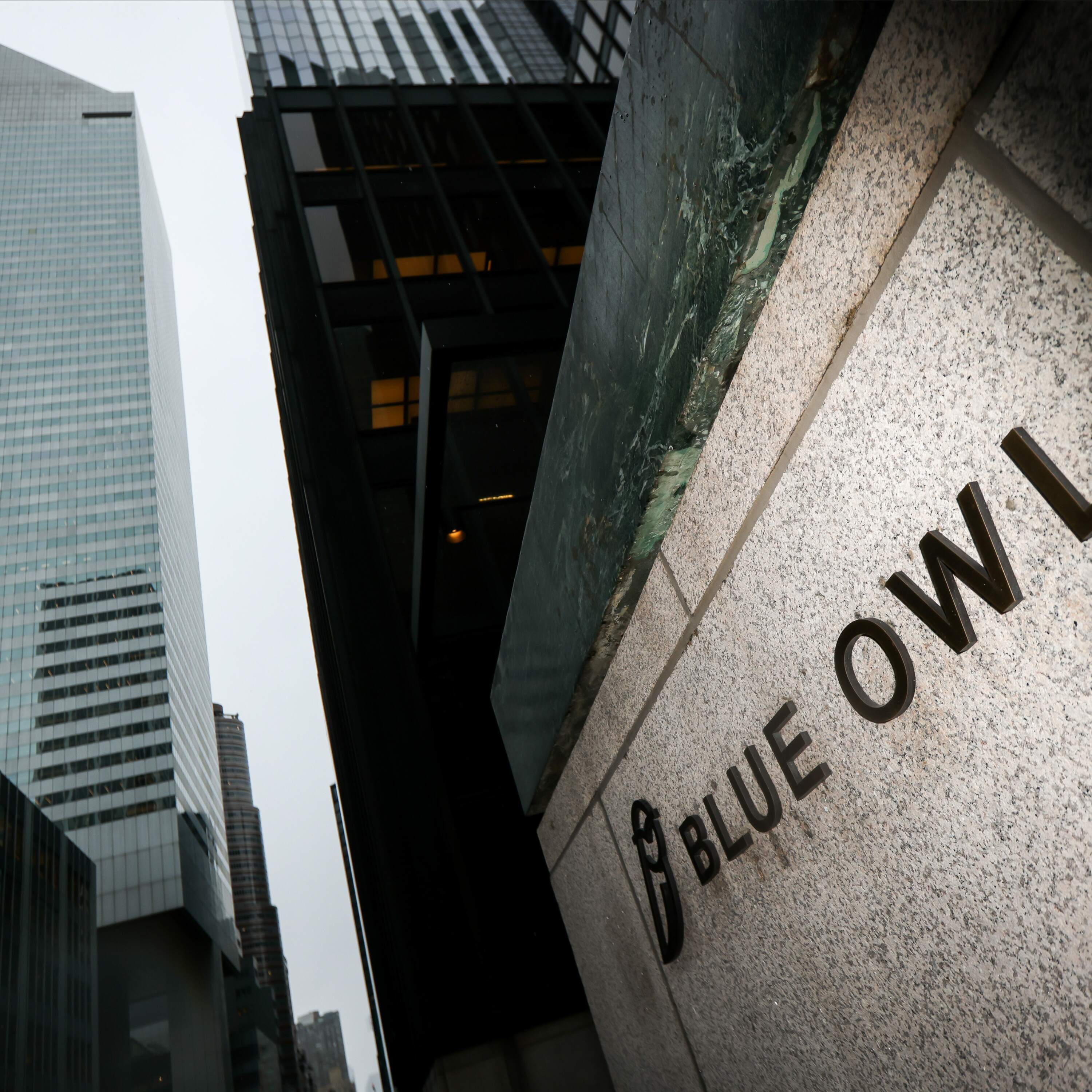
There is a $3 trillion dollar black box at the center of the economy. It’s called private credit. These are direct loans from private investors to private companies. They’re often riskier, less regulated than traditional bank loans – and far less transparent. Spooked investors are scrambling to cash out, and some funds aren’t letting them. It’s all fueling fears of another financial crisis. On today’s show, the private credit exodus. Come see Planet Money live on stage in April! 12 cities. Details and tix here: https://tix.to/pm-book-tour. Related episodes: What could break next? Who’s financing Meta’s massive AI data center?For sponsor-free episodes of The Indicator from Planet Money, subscribe to Planet Money+ via Apple Podcasts or at plus.npr.org. Fact-checking by Sierra Juarez. Music by Drop Electric. Find us: TikTok, Instagram, Facebook, Newsletter. To manage podcast ad preferences, review the links below:See pcm.adswizz.com for information about our collection and use of personal data for sponsorship and to manage your podcast sponsorship preferences.NPR Privacy Policy
Do school lunches really need an overhaul?
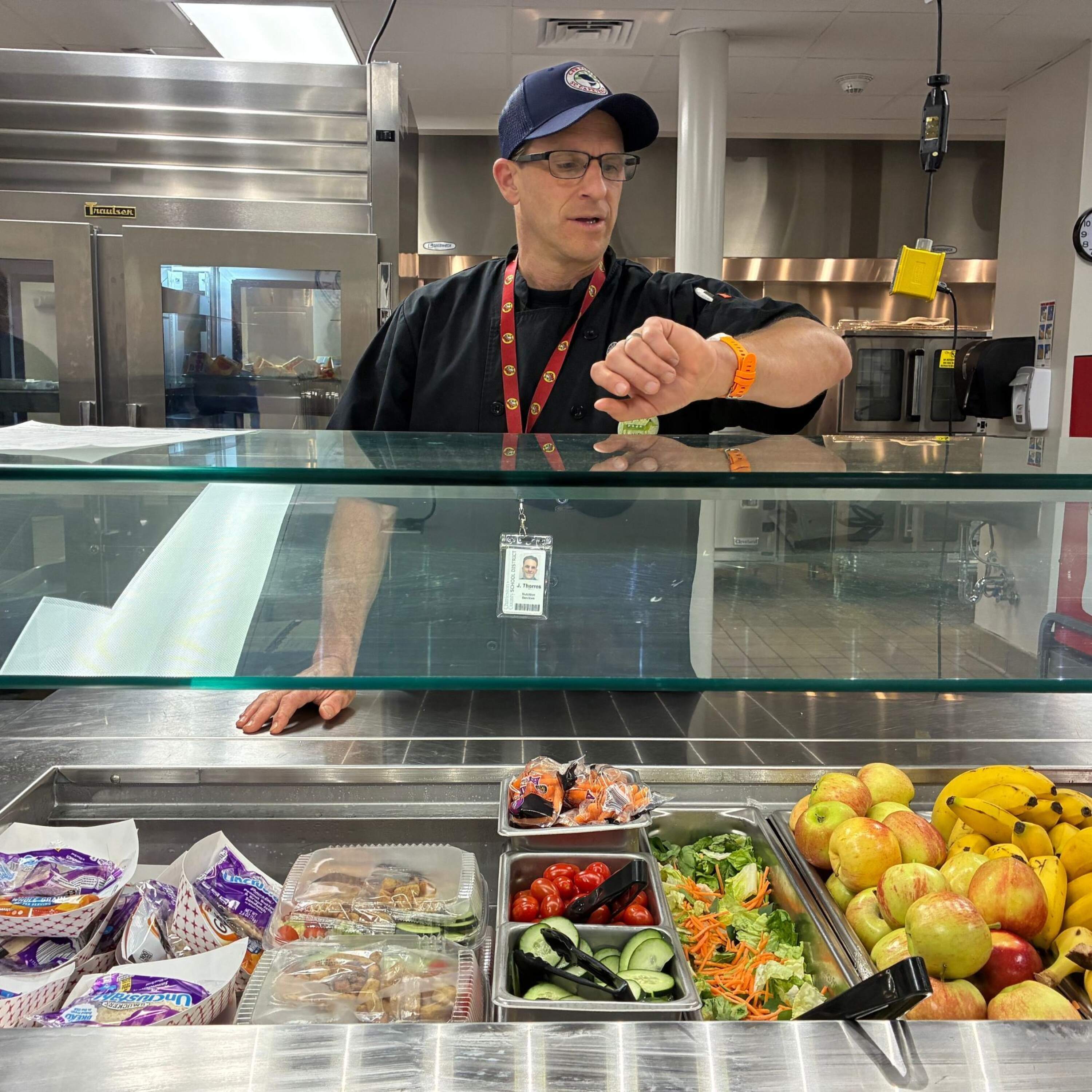
School lunch has been revamped a ton over the last two decades. Now, the Trump administration wants to rejigger the menu once more to align with its Make America Healthy Again agenda. That means more meat. More dairy. But do schools really need another menu overhaul? And could they even afford it?On today’s show, we join a school lunch line in South Carolina to find out what kids are actually eating.Come see Planet Money live on stage in April! Twelve cities. Details and tix here: https://tix.to/pm-book-tour. Related episodes: A food fight over free school lunchHow beef climbed to the top of the food pyramidFor sponsor-free episodes of The Indicator from Planet Money, subscribe to Planet Money+ via Apple Podcasts or at plus.npr.org. Fact-checking by Sierra Juarez. Music by Drop Electric. Find us: TikTok, Instagram, Facebook, Newsletter. To manage podcast ad preferences, review the links below:See pcm.adswizz.com for information about our collection and use of personal data for sponsorship and to manage your podcast sponsorship preferences.NPR Privacy Policy

The US loses tech hires, sayonora to Sora, and Afroman's win
It’s Indicators of the Week (now on YouTube!). It’s our weekly look at some of the most fascinating economic numbers from the news. On today’s episode: The US ain’t doing too hot in attracting European tech workers; OpenAI takes its video generator Sora behind the barn; and a rapper, pound cake, and the police. Related episodes: OpenAI's deals are looking a little frothy We're about to lose a lot of foreign STEM workers For sponsor-free episodes of The Indicator from Planet Money, subscribe to Planet Money+ via Apple Podcasts or at plus.npr.org. Fact-checking by Julia Ritchey and Vito Emanuel. Music by Drop Electric. Find us: TikTok, Instagram, Facebook, Newsletter. To manage podcast ad preferences, review the links below:See pcm.adswizz.com for information about our collection and use of personal data for sponsorship and to manage your podcast sponsorship preferences.NPR Privacy Policy

Tracing the tax that's supposed to fund TSA
Every time you buy a ticket that leaves a U.S. airport, you pay a fee that’s supposed to help fund the TSA. So why have TSA workers been working without pay? Today on the show, we explore the history behind an earmarked tax and its very personal impacts.Come see Planet Money live on stage in April! 12 cities. Details and tix here: https://tix.to/pm-book-tour. Related episodes: Your next flight doesn't have to be so expensive. Here's why How flying got so bad (or did it?) For sponsor-free episodes of The Indicator from Planet Money, subscribe to Planet Money+ via Apple Podcasts or at plus.npr.org. Fact-checking by Sierra Juarez. Music by Drop Electric. Find us: TikTok, Instagram, Facebook, Newsletter. To manage podcast ad preferences, review the links below:See pcm.adswizz.com for information about our collection and use of personal data for sponsorship and to manage your podcast sponsorship preferences.NPR Privacy Policy

Your next flight doesn't have to be so expensive. Here's why
Why are flight tickets so expensive right now? Increased oil prices seems like it’d be the obvious answer. That’s mostly right. Airlines used to do some financial magic to help keep airfare down as oil prices increased, a strategy called “fuel hedging.” But they stopped. And now fliers are on the hook for a lot of the difference. On today’s show, the lost art of fuel hedging. How it worked, plus why airlines stopped doing it.Come see Planet Money live on stage in April! 12 cities. Details and tix here: https://tix.to/pm-book-tour. Related episodes: A lot of gas trapped, oil reserves tapped, and Live Nation gets a (tiny) capWill Trump’s shipping insurance plan work?Listener Questions: Airline tickets, grocery pricing and the FedFor sponsor-free episodes of The Indicator from Planet Money, subscribe to Planet Money+ via Apple Podcasts or at plus.npr.org. Fact-checking by Sierra Juarez. Music by Drop Electric. Find us: TikTok, Instagram, Facebook, Newsletter.To manage podcast ad preferences, review the links below:See pcm.adswizz.com for information about our collection and use of personal data for sponsorship and to manage your podcast sponsorship preferences.NPR Privacy Policy

Why hasn't the Russian economy collapsed?
How has Russia’s economy not completely collapsed after four years of war, sanctions and billions in debt? One economist says it is the war that has been propping up Russia's economy, not the other way around. He calls it smertonomika or death economics.On today’s show, six reasons why Russia’s economy is still chugging along despite burning money by the billions waging war on Ukraine.Come see Planet Money live on stage in April! 12 cities. Details and tix here: https://tix.to/pm-book-tour. Related episodes: How your favorite fish sticks might be funding Russia's warWho’s propping up Russian oil?The economic war against Russia, a year laterFor sponsor-free episodes of The Indicator from Planet Money, subscribe to Planet Money+ via Apple Podcasts or at plus.npr.org. Fact-checking by Sierra Juarez. Music by Drop Electric. Find us: TikTok, Instagram, Facebook, Newsletter.To manage podcast ad preferences, review the links below:See pcm.adswizz.com for information about our collection and use of personal data for sponsorship and to manage your podcast sponsorship preferences.NPR Privacy Policy

The multimillion dollar Saturday Night Live UK gamble
Live from London, it’s Saturday Night? Saturday Night Live made its UK debut over the weekend after a well-hyped promotional campaign. Will this all-American sketch show translate to British audiences? We examine SNL’s multi-million dollar gamble. Come see Planet Money live on stage in April! 12 cities. Details and tix here: https://tix.to/pm-book-tour. Related episodes: Why Paramount went looney tunes for Warner Bros. For sponsor-free episodes of The Indicator from Planet Money, subscribe to Planet Money+ via Apple Podcasts or at plus.npr.org. Fact-checking by Sierra Juarez. Music by Drop Electric. Find us: TikTok, Instagram, Facebook, Newsletter. To manage podcast ad preferences, review the links below:See pcm.adswizz.com for information about our collection and use of personal data for sponsorship and to manage your podcast sponsorship preferences.NPR Privacy Policy

Trump and truckers, Poland prospers, and a booming ant biz
It’s Indicators of the Week (now on YouTube!). It’s our weekly look at some of the most fascinating economic numbers from the news. On today’s episode: The Trump administration cracks down on immigrant truck drivers, Poland becomes a top-twenty economy, and the booming business of … ant smuggling? Related episodes: A trucker, a farmer, and an entrepreneur walk into a global supply shock You Could Always Go To Poland The little pet fish that saved a town in the Amazon For sponsor-free episodes of The Indicator from Planet Money, subscribe to Planet Money+ via Apple Podcasts or at plus.npr.org. Fact-checking by Julia Ritchey and Vito Emanuel. Music by Drop Electric. Find us: TikTok, Instagram, Facebook, Newsletter. To manage podcast ad preferences, review the links below:See pcm.adswizz.com for information about our collection and use of personal data for sponsorship and to manage your podcast sponsorship preferences.NPR Privacy Policy
How Iran is wasting American resources
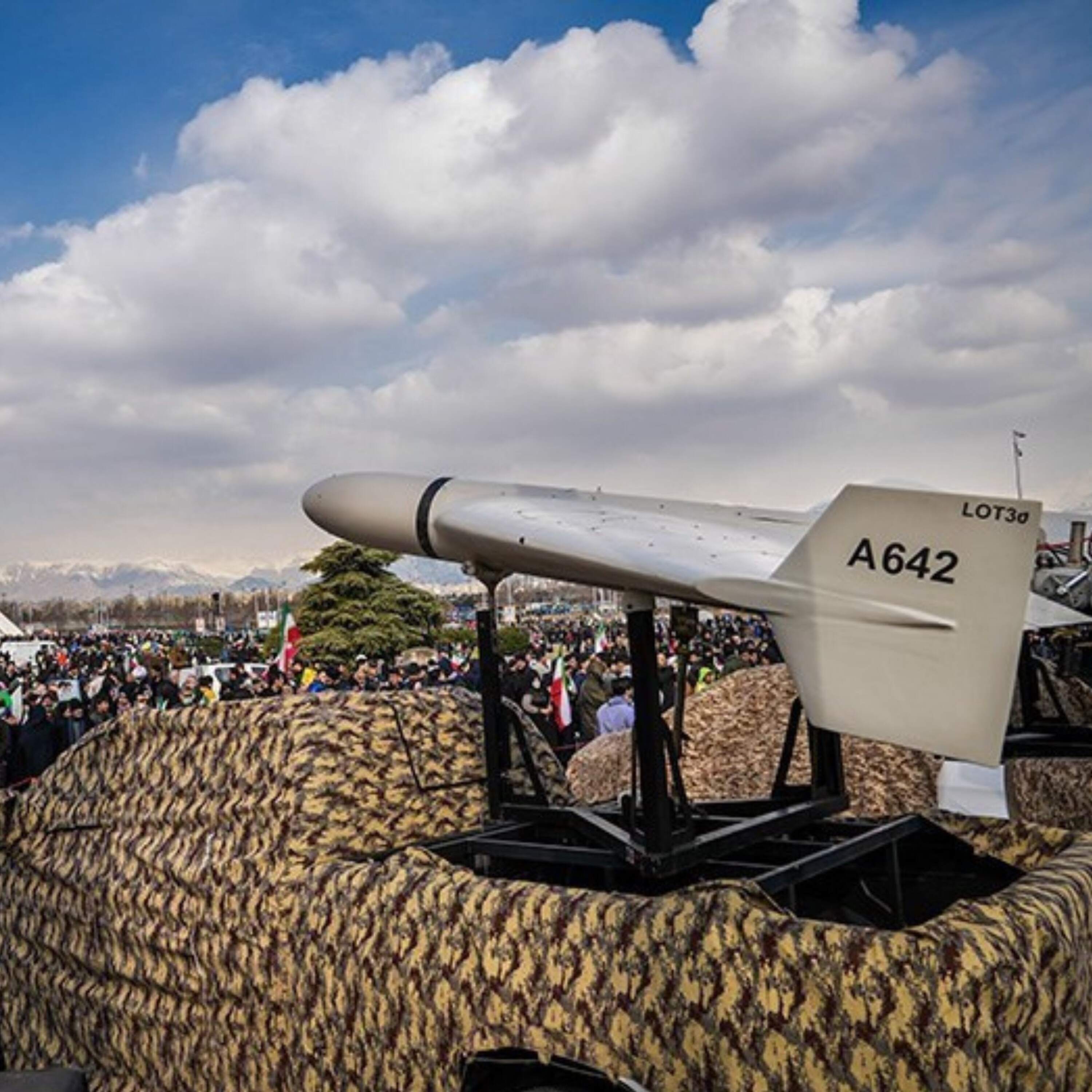
Iran is using an affordable strategy to even the playing field in the war with the U.S. It’s using drones that cost in the thousands of dollars to combat American missiles that cost several million. Military analysts have already signaled concern about the U.S. producing enough munitions, and this isn’t helping. Today on the show, why the U.S. spends so much on munitions and what it’s learning from Iran. Come see Planet Money live on stage in April! 12 cities. Details and tix here: https://tix.to/pm-book-tour. Related episodes: Are we overpaying for military equipment?Can Just-In-Time handle a new era of war? A trucker, a farmer, and an entrepreneur walk into a global supply shock Are we overpaying for military equipment?For sponsor-free episodes of The Indicator from Planet Money, subscribe to Planet Money+ via Apple Podcasts or at plus.npr.org. Fact-checking by Sierra Juarez. Music by Drop Electric. Find us: TikTok, Instagram, Facebook, Newsletter. To manage podcast ad preferences, review the links below:See pcm.adswizz.com for information about our collection and use of personal data for sponsorship and to manage your podcast sponsorship preferences.NPR Privacy Policy

How much is the Iran war costing us?
It’s really hard to estimate the total cost of war in the middle of one. Over the first six days of the Iran war, an estimated $11.3 billion was charged to the public purse. But long-term costs take years to manifest. Even daily costs are fuzzy. Take munitions: the Department of Defense hasn’t budgeted for many of the bombs it's dropping. One more time. The bombs – the bombs! – are not totally priced in.On today’s show, estimating the cost of the Iran war right now. And how healthcare, disability benefits, environmental costs and interest payments could add to its future price tag.Come see Planet Money live on stage in April! Twelve cities. Details and tix here: https://tix.to/pm-book-tour. Related episodes: A trucker, a farmer, and an entrepreneur walk into a global supply shockA lot of gas trapped, oil reserves tapped, and Live Nation gets a (tiny) capWill Trump’s shipping insurance plan work?For sponsor-free episodes of The Indicator from Planet Money, subscribe to Planet Money+ via Apple Podcasts or at plus.npr.org. Fact-checking by Sierra Juarez. Music by Drop Electric. Find us: TikTok, Instagram, Facebook, Newsletter.To manage podcast ad preferences, review the links below:See pcm.adswizz.com for information about our collection and use of personal data for sponsorship and to manage your podcast sponsorship preferences.NPR Privacy Policy
A trucker, a farmer, and an entrepreneur walk into a global supply shock
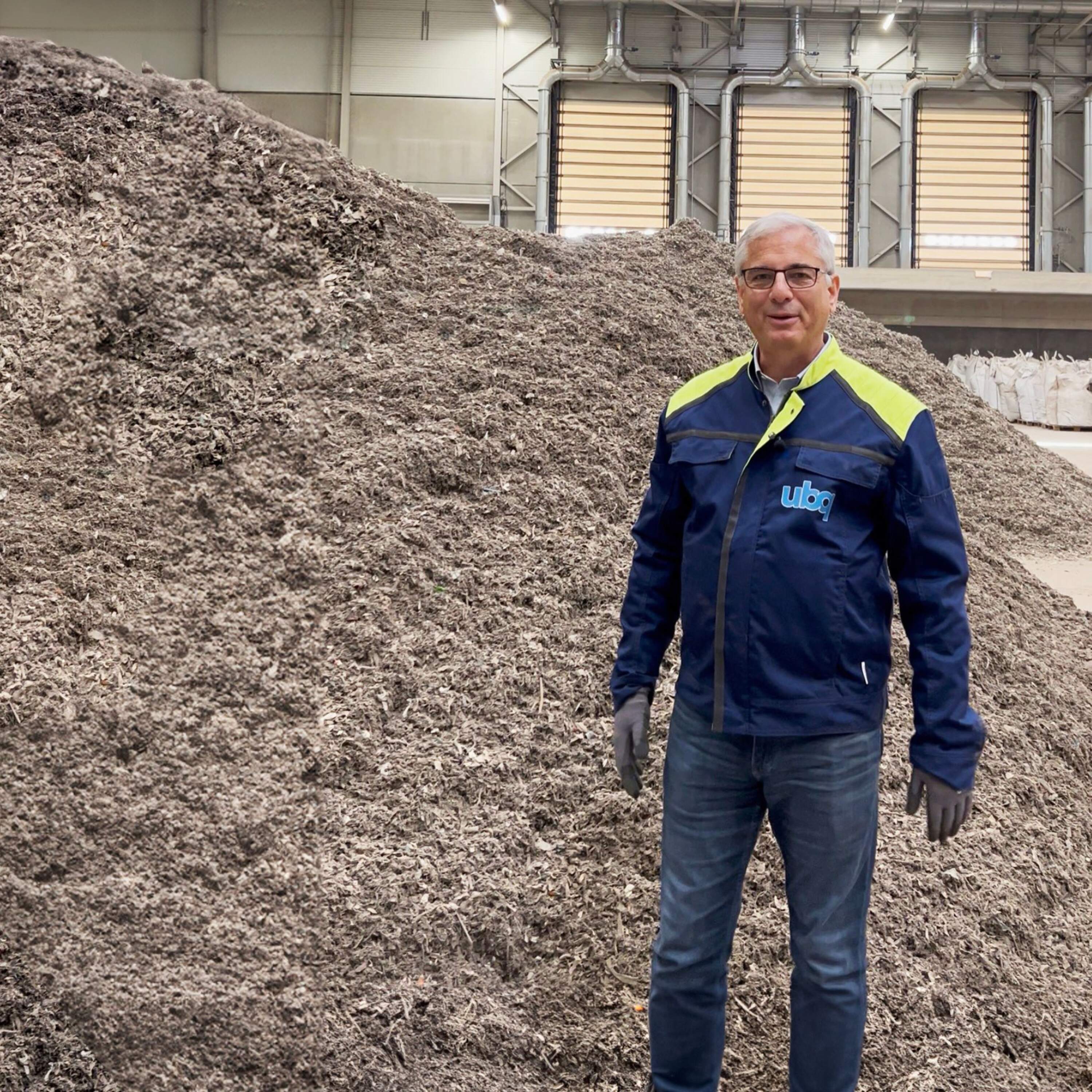
The U.S. and Israel war with Iran is causing a shock to the economic system. Gas prices are higher, diesel too, and even fertilizer is being affected. Today on the show, we speak to three people about the economic ripple effects of the conflict: a truck driver, an Iowa corn farmer, and a manufacturer of an alternative to plastics.Come see Planet Money live on stage in April! 12 cities. Details and tix here: https://tix.to/pm-book-tour. Related episodes: A lot of gas trapped, oil reserves tapped, and Live Nation gets a (tiny) capWill Trump’s shipping insurance plan work? How Iran’s flagging economy inflamed its protests For sponsor-free episodes of The Indicator from Planet Money, subscribe to Planet Money+ via Apple Podcasts or at plus.npr.org. Fact-checking by Sierra Juarez. Music by Drop Electric. Find us: TikTok, Instagram, Facebook, Newsletter. To manage podcast ad preferences, review the links below:See pcm.adswizz.com for information about our collection and use of personal data for sponsorship and to manage your podcast sponsorship preferences.NPR Privacy Policy

Can anything save the news biz?
If you were in the business of making a bunch of money in 2026, you probably wouldn’t pick journalism. From social media to AI, the attention economy has upended the economic calculus for delivering news. But some entrepreneurs are looking to buck the trend.Today on the show, we examine what the success of two startups could mean for the future of journalism.Come see Planet Money live on stage in April! 12 cities. Details and tix here: https://tix.to/pm-book-tour. Related episodes: A brief history of NPR funding For sponsor-free episodes of The Indicator from Planet Money, subscribe to Planet Money+ via Apple Podcasts or at plus.npr.org. Fact-checking by Sierra Juarez. Music by Drop Electric. Find us: TikTok, Instagram, Facebook, Newsletter.To manage podcast ad preferences, review the links below:See pcm.adswizz.com for information about our collection and use of personal data for sponsorship and to manage your podcast sponsorship preferences.NPR Privacy Policy

A lot of gas trapped, oil reserves tapped, and Live Nation gets a (tiny) cap
It’s Indicators of the Week (now on YouTube!), our weekly look at some of the most fascinating economic numbers from the news. On today’s episode: How big is this gas crisis and could releasing oil reserves help? Also, Live Nation gets a deal from the government. Related episodes: Are concert tickets UNDER priced? Will Trump’s shipping insurance plan work? For sponsor-free episodes of The Indicator from Planet Money, subscribe to Planet Money+ via Apple Podcasts or at plus.npr.org. Fact-checking by Julia Ritchey and Corey Bridges. Music by Drop Electric. Find us: TikTok, Instagram, Facebook, Newsletter. To manage podcast ad preferences, review the links below:See pcm.adswizz.com for information about our collection and use of personal data for sponsorship and to manage your podcast sponsorship preferences.NPR Privacy Policy
Should colleges accept money from bad people?
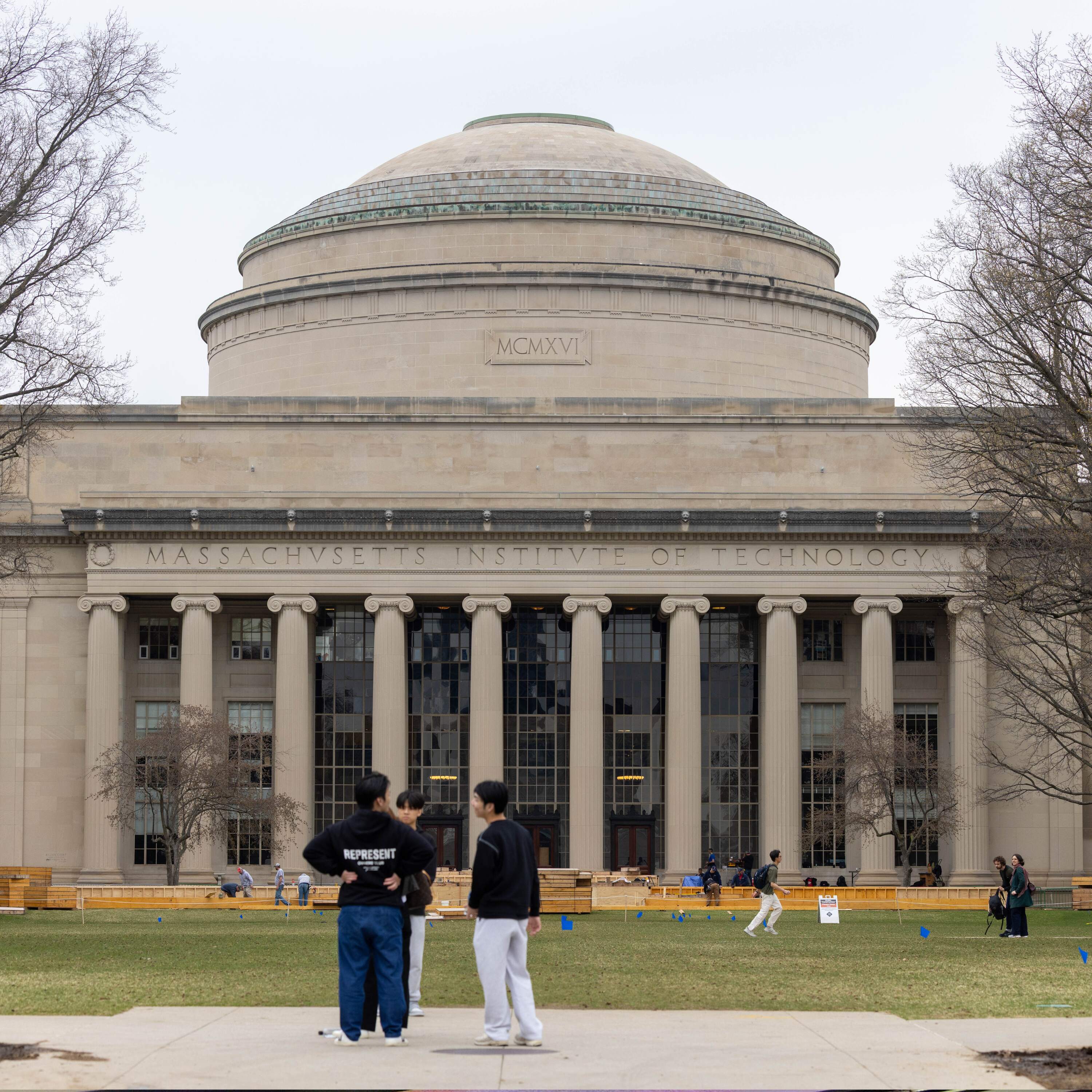
At a dinner in 2010, physicist Sean Carroll is handed a phone. On the other end: A wealthy patron looking to potentially fund his research. Months later came an invite to a conference. It would take place on an island. The caller was Jeffrey Epstein. Sean declined. Many others didn’t.On today’s show, why did so many academics say yes to Epstein’s invites and money? And what Epstein’s ability to ingratiate himself with them reveals about how science research is funded. Come see Planet Money live on stage in April! Twelve cities. Details and tix here: https://tix.to/pm-book-tour. Related episodes: What an Epstein recording reveals about how elites get jobsAmerican science brain drainFor sponsor-free episodes of The Indicator from Planet Money, subscribe to Planet Money+ via Apple Podcasts or at plus.npr.org. Fact-checking by Sierra Juarez. Music by Drop Electric. Find us: TikTok, Instagram, Facebook, Newsletter. To manage podcast ad preferences, review the links below:See pcm.adswizz.com for information about our collection and use of personal data for sponsorship and to manage your podcast sponsorship preferences.NPR Privacy Policy

The shadowy world of merchant cash advances
During the pandemic, mostly unregulated lenders went after struggling restaurants and music venues, charging at times sky high rates. Now, they’ve found a new market: small businesses that desperately need cash to pay tariffs.Today on the show, the story of a financial lifeline that can turn into a financial choke hold.Come see Planet Money live on stage in April! 12 cities. Details and tix here: https://tix.to/pm-book-tour. Related episodes: Can I get my tariff money back now? Three ways companies are getting around tariffs For sponsor-free episodes of The Indicator from Planet Money, subscribe to Planet Money+ via Apple Podcasts or at plus.npr.org. Fact-checking by Sierra Juarez. Music by Drop Electric. Find us: TikTok, Instagram, Facebook, Newsletter. To manage podcast ad preferences, review the links below:See pcm.adswizz.com for information about our collection and use of personal data for sponsorship and to manage your podcast sponsorship preferences.NPR Privacy Policy
Will Trump’s shipping insurance plan work?
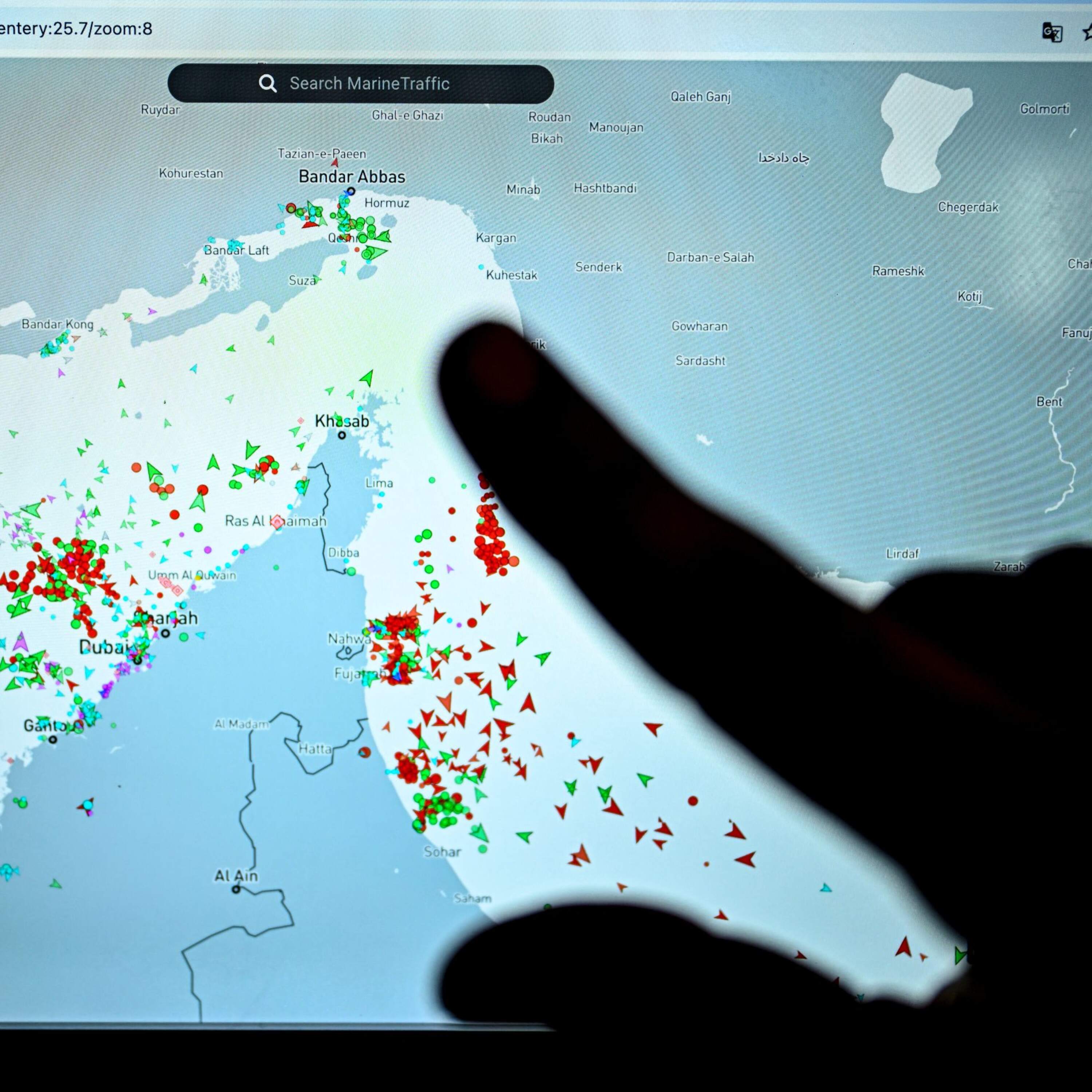
More than a thousand ships are stranded outside the Strait of Hormuz, bobbing in the water. A big reason? Insurance. War insurance premiums have skyrocketed since the war with Iran began. It’s an add-on that covers things regular insurance doesn’t, like missile strikes. And shippers don’t want to foot the bill or put their crews at risk. Cue the traffic jam. On today’s show, how a critical trade chokepoint became the parking lot of the sea. And taking stock of President Trump’s plan to offer reinsurance to get these ships sailing again.Related episodes: How the 'shadow fleet' helps Russia skirt sanctionsWill Iran block the Strait of Hormuz? For sponsor-free episodes of The Indicator from Planet Money, subscribe to Planet Money+ via Apple Podcasts or at plus.npr.org. Fact-checking by Sierra Juarez. Music by Drop Electric. Find us: TikTok, Instagram, Facebook, Newsletter. To manage podcast ad preferences, review the links below:See pcm.adswizz.com for information about our collection and use of personal data for sponsorship and to manage your podcast sponsorship preferences.NPR Privacy Policy

No healthcare premiums? In this economy?! Here's how.
It turns out healthcare in America CAN be cheaper. If your employer wants it to be. Today on the show, we speak with a Canadian-founded startup that has unusually generous benefits for their employees. Come see Planet Money live on stage in April! 12 cities. Details and tix here: https://tix.to/pm-book-tour. Related episodes: Health insurance premiums are going up next year — unless you work at these companiesHealth care costs are soaring. Blame insurers, drug companies — and your employerThe hidden costs of healthcare churnFor sponsor-free episodes of The Indicator from Planet Money, subscribe to Planet Money+ via Apple Podcasts or at plus.npr.org. Fact-checking by Sierra Juarez. Music by Drop Electric. Find us: TikTok, Instagram, Facebook, Newsletter. To manage podcast ad preferences, review the links below:See pcm.adswizz.com for information about our collection and use of personal data for sponsorship and to manage your podcast sponsorship preferences.NPR Privacy Policy

Why are fewer Americans working the night shift?
The night shift isn’t for everyone, but it often means a boost in pay and a foot in the door. Yet a smaller share of Americans are working the graveyard shift than in decades past. Today on the show, where did all the third shift workers go? Come see Planet Money live on stage in April! 12 cities. Details and tix here: https://tix.to/pm-book-tour. Related episodes: Why Americans don’t want to move for jobs anymore For sponsor-free episodes of The Indicator from Planet Money, subscribe to Planet Money+ via Apple Podcasts or at plus.npr.org. Fact-checking by Sierra Juarez. Music by Drop Electric. Find us: TikTok, Instagram, Facebook, Newsletter. To manage podcast ad preferences, review the links below:See pcm.adswizz.com for information about our collection and use of personal data for sponsorship and to manage your podcast sponsorship preferences.NPR Privacy Policy

Want a 2.5% mortgage? Buy it.
Remember those juicy mortgage rates from back in 2021? You don’t actually need a time machine to get one today. You just need to find someone willing to sell their house AND their mortgage to you. Called ‘assumable mortgages,’ they take a long time to get, and you’ll probably need a fat wad of cash.On today’s show, how to buy your way into a cheap mortgage rate.Related episodes: How mortgage rates get madeHow mortgage interest rates work (and why they're currently out of whack)For sponsor-free episodes of The Indicator from Planet Money, subscribe to Planet Money+ via Apple Podcasts or at plus.npr.org. Fact-checking by Tyler Jones. Music by Drop Electric. Find us: TikTok, Instagram, Facebook, Newsletter.To manage podcast ad preferences, review the links below:See pcm.adswizz.com for information about our collection and use of personal data for sponsorship and to manage your podcast sponsorship preferences.NPR Privacy Policy

The anxiety rattling China’s youth
China will soon unveil its economic blueprint for the next five years, including a target for economic growth. This comes as consumption is down, wages aren’t rising, and property prices continue to drop. So what’s the plan? Today, we hear from NPR’s China correspondent Jennifer Pak about the challenges facing China’s economic policymakers.FYI, we are going on a book tour! Planet Money’s first ever book comes out in April. We’ll be celebrating in about a dozen cities. There’s a limited edition tote bag included with your ticket, while supplies last. Details, dates and how to get your ticket at planetmoneybook.com.Related episodes: What might save China’s economyChina’s luxury liquor indicatorFor sponsor-free episodes of The Indicator from Planet Money, subscribe to Planet Money+ via Apple Podcasts or at plus.npr.org. Fact-checking by Sierra Juarez. Music by Drop Electric. Find us: TikTok, Instagram, Facebook, Newsletter. To manage podcast ad preferences, review the links below:See pcm.adswizz.com for information about our collection and use of personal data for sponsorship and to manage your podcast sponsorship preferences.NPR Privacy Policy

Why Paramount went looney tunes for Warner Bros.
Paramount Skydance is making a $110 billion play for Warner Bros. Discovery, and with it intellectual property like Harry Potter, Batman, and subsidiaries HBO and CNN. On today’s show, who is the man behind the deal? Does he really want to make movies? Will any regulators try to stop it? FYI, we are going on a book tour! Planet Money’s first ever book comes out in April. We’ll be celebrating in about a dozen cities. There’s a limited edition tote bag included with your ticket, while supplies last. Details, dates and how to get your ticket at planetmoneybook.com.Related: The Warner Bros. curse (newsletter) Coyote vs. Warner Bros. For sponsor-free episodes of The Indicator from Planet Money, subscribe to Planet Money+ via Apple Podcasts or at plus.npr.org. Fact-checking by Sierra Juarez. Music by Drop Electric. Find us: TikTok, Instagram, Facebook, Newsletter. To manage podcast ad preferences, review the links below:See pcm.adswizz.com for information about our collection and use of personal data for sponsorship and to manage your podcast sponsorship preferences.NPR Privacy Policy