
The Health Sessions
297 episodes — Page 1 of 6
Kim Rogers - Are Parasites Hiding in Plain Sight?
Deanna Hansen - The Hidden Cause of Pain, Tension & Poor Posture

Dr. Majid Fotuhi - The Invincible Brain
This week I'm excited to welcome Dr Majid Fotuhi to the podcast. Dr Fotuhi is a world-renowned neurologist and adjunct professor at Johns Hopkins. His clinically validated "Brain Fitness Program" has produced outcomes rarely seen in cognitive medicine. He proved it's possible to prevent — and even reverse — cognitive decline in just 12 weeks. In this episode, we discuss what people should start doing in midlife to protect their brain as they age, how to detect early cognitive warning signs and so much more. Website: https://drfotuhi.com

Ruby Ryba - Navigating Screen Time in the Digital Age
This week I'm excited to welcome Ruby Ryba to the show. Ruby is a screen time strategist, former teacher, busy mother and author. She has an increasing curiosity in how excessive phone use is impacting our lives in multiple ways. In this conversation we discuss common triggers, strategies and simple-steps that we can all consider when wanting to reduce our screen time. Website: https://howtostopscrolling.com
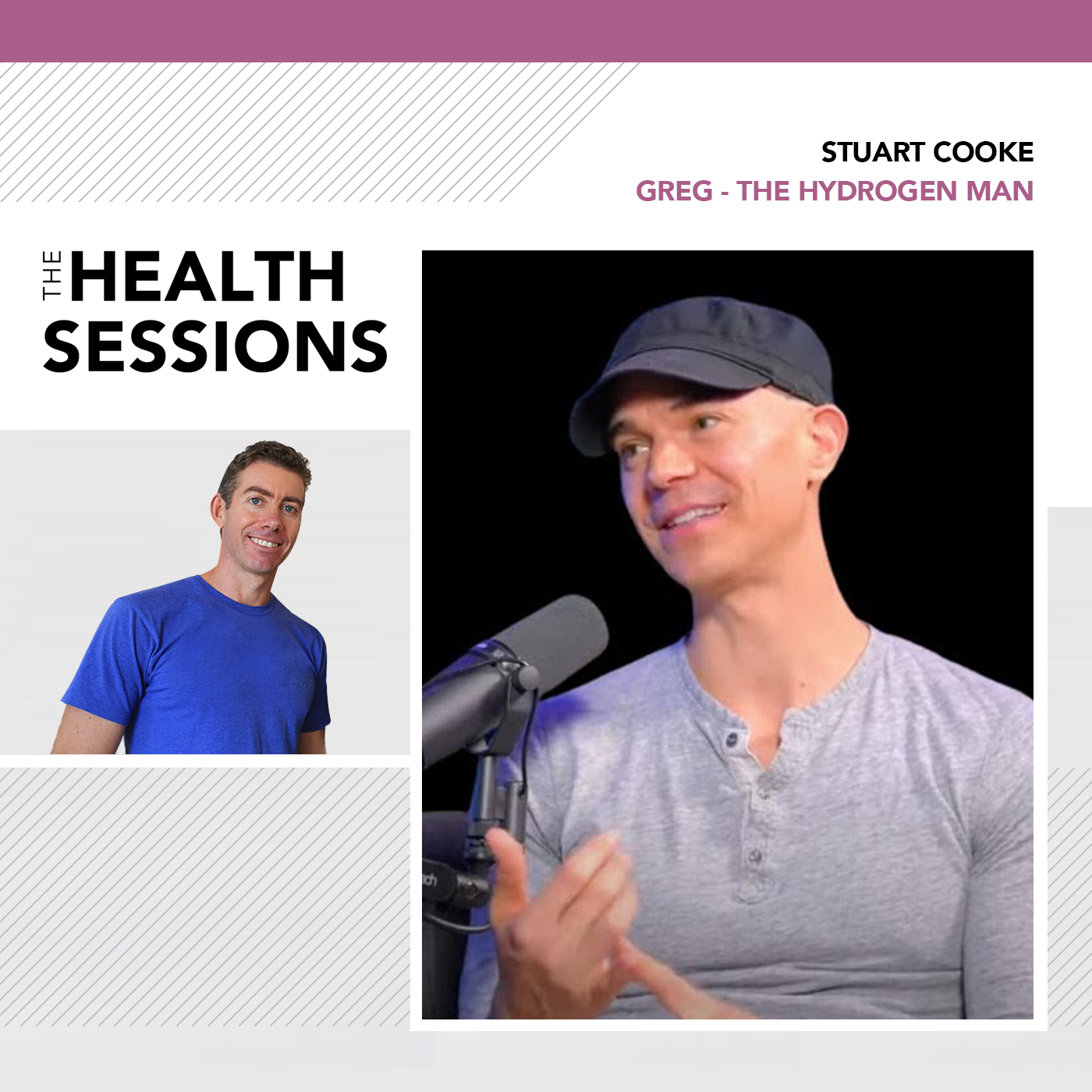
Greg the Hydrogen Man - Uncovering the Healing Power of Hydrogen
This week I'm excited to welcome Greg, AKA 'The Hydrogen Man' to the show. Greg is a molecular-hydrogen-production expert, researcher, and host of the popular YouTube channel, Uprising144K. After studying hydrogen for many years, he implemented it into his health regimen and reversed his health challenges. In this conversation we breakdown the science behind molecular hydrogen, discuss the differences from drinking hydrogen water vs inhalation and so much more. YouTube: https://www.youtube.com/@UPRISING144K Instagram: https://www.instagram.com/uprising144k_ Holy Hydrogen: https://holyhydrogen.com Facebook: https://www.facebook.com/holyhydrogen/
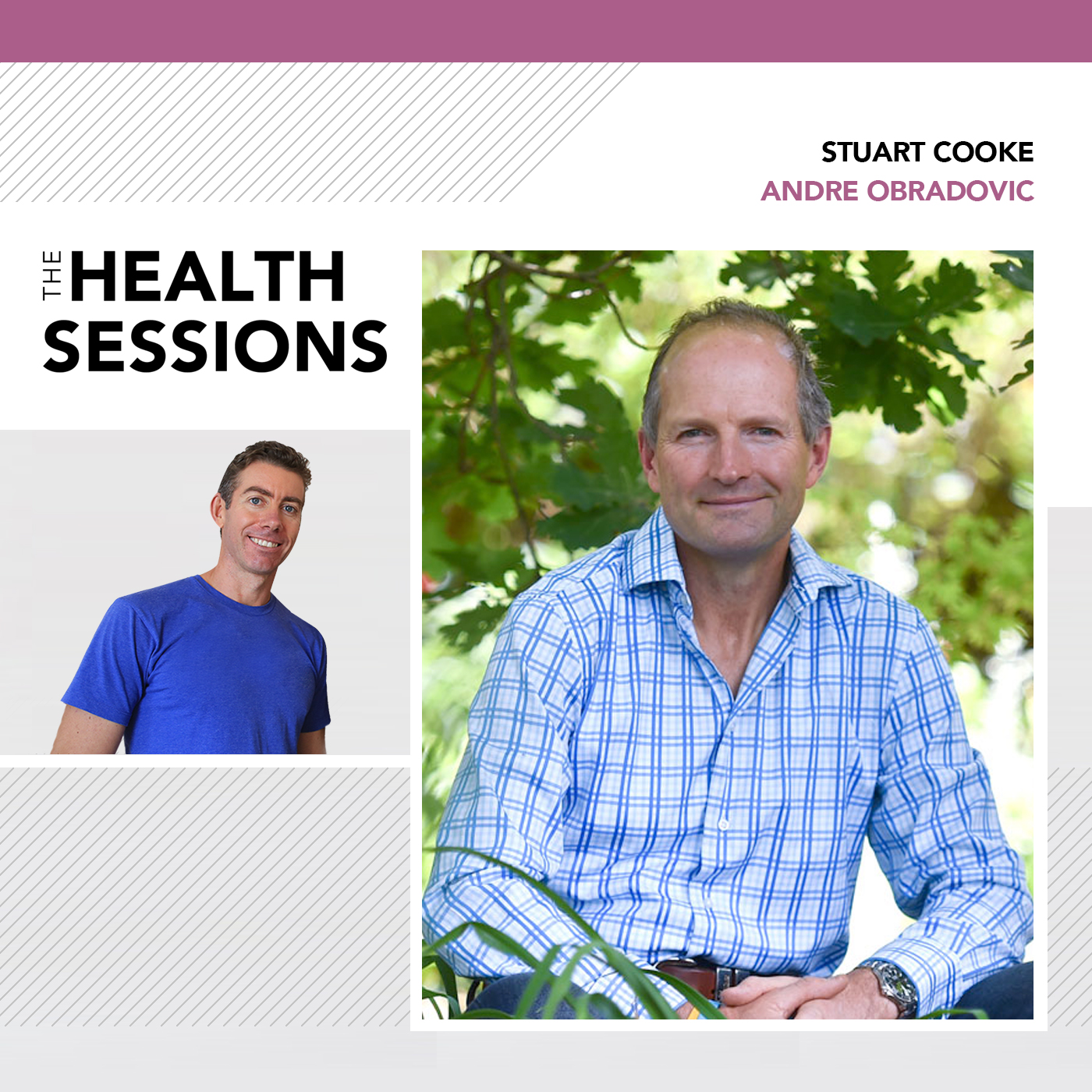
Andre Obradovic - From Fatigue to Force, Redefining Health After 40
Andre Obradovic is an ICF Leadership PPC Level Coach, A Primal Health Coach, a Certified Low Carb Healthy Fat Coach, & a Certified Personal Trainer. Andre is also a Founding member of the Dr. Phil Maffetone MAF certified Coach. He is an Ambassador for the Noakes Foundation, and a regular subject matter expert lecturer for the Nutrition Network (a part of the Noakes Foundation) Andre has completed 16 x 70.3 Ironmans and in 2017 he competed in the 70.3 Ironman World Championships. He has completed 18 Marathons and over 30 Half Marathons. Andre currently focuses on his regime of strength training working partime as a performance coach in the Australian Army and helping men over 40 lose weight. Website : www.andreobradovic.com Podcasts: https://andreobradovic.com/podcast/
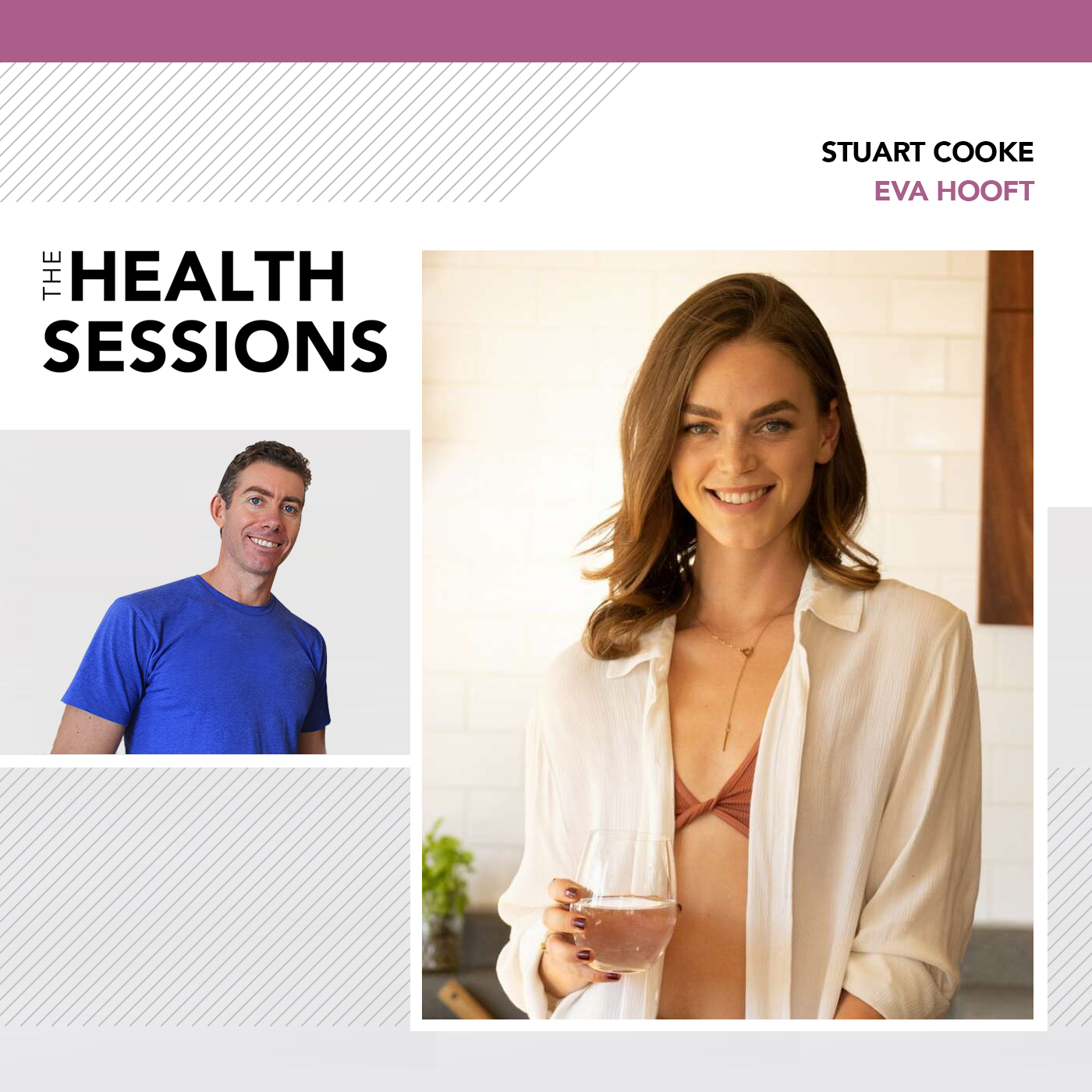
Eva Hooft: Heavy Metals, Hidden Trauma & True Healing
Eva Hooft is a holistic health and detox coach who brings a unique blend of experience from her years in the modeling industry and her own journey of overcoming chronic illness, depression, and deep spiritual challenges. In this conversation we discuss how unprocessed emotions and energetic blocks can manifest in the body, the role of functional detox in true healing, and the powerful transformations that happen when we address mind, body, and spirit together. Wesite: https://www.evahooft.com Instagram: https://www.instagram.com/eva.hooft
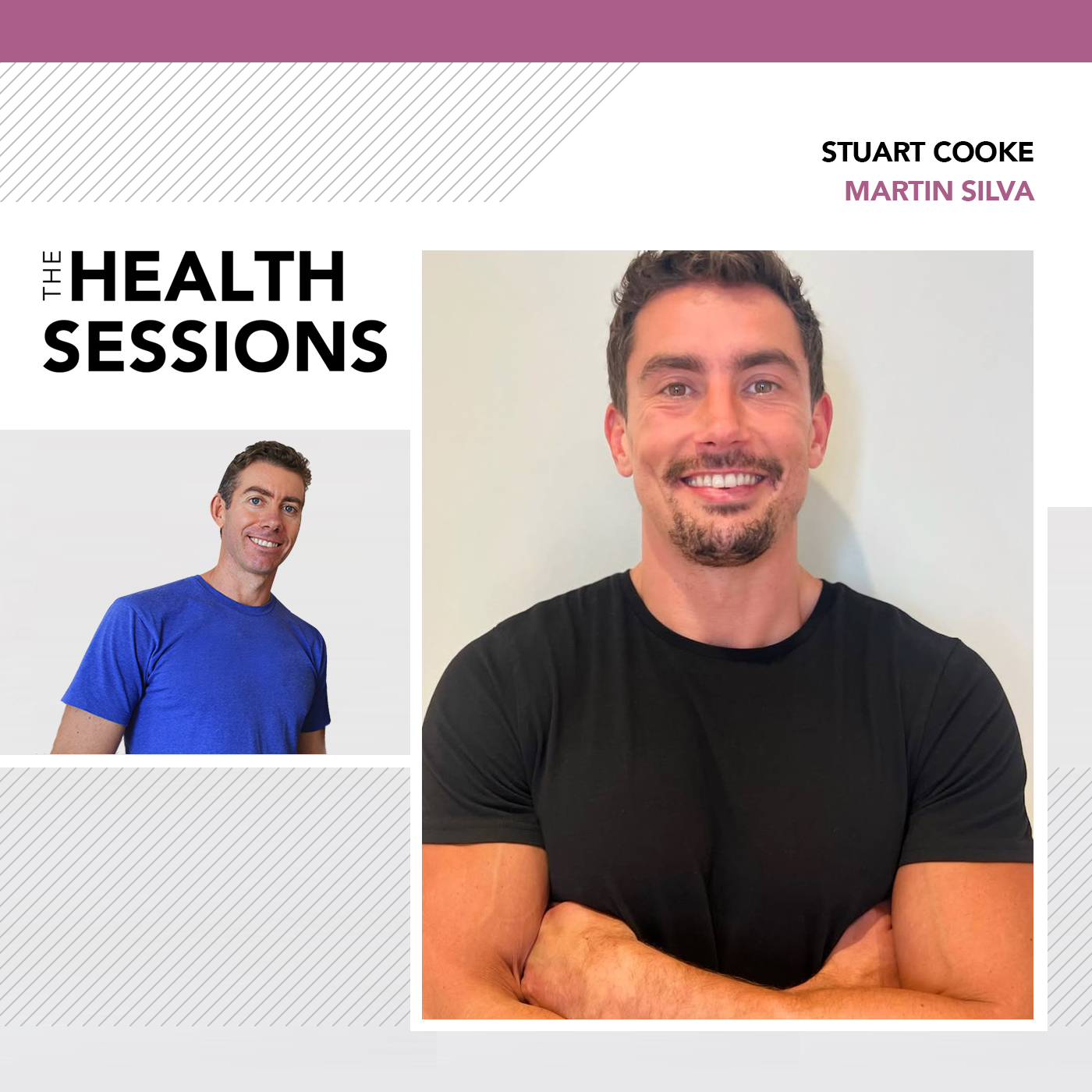
Martin Silva - Tried, Tested, Dismissed: Finding the Dose That Works
Martin Silva is a good friend and founder of 'Optimise Your Body'. He's a dedicated fitness coach with over 20 years of experience helping his clients transform their lives from the inside out. In this conversation we discuss the diet and fitness protocols that deliver the best results, why fasting could create roadblocks and so much more. Instagram: https://www.instagram.com/martinsilvafitness YouTube: https://www.youtube.com/c/MartinSilvaWBFFPro Podcast: https://open.spotify.com/show/1B4oJAgMQE0j4mIfcBikJN?si=mutIZLQdQyi4kO--kL6UTA
Christian Van Camp - The Art of Vital Living
Christian Van Camp is a Holistic Lifestyle & Performance Coach and founder of CVC Wellness. He specializes in helping individuals optimize their health through ancestral living principles, functional movement, and personalized wellness strategies. In this episode, we explore Christian's holistic approach to vitality — from grounding and sunlight to ancestral nutrition, circadian rhythms and the art of living in tune with nature.
Gabriela Rosa - The Fertility Breakthrough
In this conversation, I connect with Gabriela Rosa, a world-renowned fertility specialist, bestselling author, and the founder and clinical director of The Rosa Institute—an organisation dedicated to helping couples create healthy babies, despite previous reproductive challenges. During the conversation we discuss the most overlooked factors affecting conception including diet, lifestyle, emotional wellbeing and so much more. Learn more about Gabriela Rosa here: https://fertilitybreakthrough.com

Dr Philip Ovadia - Unlocking the Secrets of Metabolic Health
In this conversation, Dr. Philip Ovadia, a heart surgeon, discusses the critical role of metabolic health in preventing heart disease. He shares his personal journey from being an unhealthy heart surgeon to focusing on keeping patients off the operating table through lifestyle changes. The discussion covers various aspects of metabolic health, including dietary choices, exercise, stress management, sleep quality, and the misconceptions surrounding heart disease and treatments like statins. Dr. Ovadia emphasizes the importance of understanding and improving metabolic health metrics to enhance overall well-being.

Ryan Hurst - Smart Fitness: Move Better, Live Stronger
Ryan is the Head Coach and Co-Founder of GMB Fitness, where he helps people move better, feel stronger, and build real-world athleticism—without the need for extreme workouts or burnout. With a background in gymnastics, martial arts, and strength training, Ryan has spent years developing a practical, sustainable approach to fitness that prioritizes skill, mobility, and longevity. In this episode, we dive into how to build strength and flexibility for life, why traditional fitness programs often fall short, and the mindset shifts needed to train smarter—not harder.
Ange Davies - Effective Strategies for Managing Burnout
Ange Davies is a corporate wellbeing speaker with a mission to help organisations create a positive and supportive work environment. From a successful executive and leadership career in some of Australia's largest companies to experiencing chronic fatigue, burnout and health challenges. In this podcast we discuss burnout, from the initial telltale signs to the fundamental principals to address and ultimately prevent it.

Dr Jack Kruse - Decentralized Medicine
EThis week, I'm excited to welcome Dr Jack Kruse. Dr Kruse is a board certified neurosurgeon, health educator, and proponent of unconventional health and wellness practices. Dr. Kruse's philosophy often challenges conventional medical approaches, emphasizing the importance of natural living and reconnecting with ancestral health principles. In this episode, Dr Kruse explains the current state of play around decentralised medicine. View all episodes at www.thehealthsessions.com.au Learn more about Dr Jack Kruse at https://jackkruse.com Episode Transcript: Stuart Cooke (00:01.252) Hey guys, this is Stu from the Health Sessions and I am delighted to welcome Dr. Jack Cruz to the podcast. Dr. Cruz, how are you? Yeah, I'm very well, very well indeed. Very excited to have this conversation. But first up for all of our listeners that may not be familiar with you or your work, I'd love it you could just share a little about yourself, please. Dr Jack Kruse (00:08.76) Pretty good, how about you? Dr Jack Kruse (00:21.976) Yeah, I'm a board certified neurosurgeon in the United States. I have been living in El Salvador for the last four years. When COVID hit, I began to question a lot of the things that were present, and I decided to unretire, go back and do trauma call to see if they were lying to us or not. And I found out that they were. So then I decided to do something about it. and I wound up presenting to the Bukele administration in El Salvador and they shared some of their country-wide data with me and things that they were facing. And they asked me, what did I think was the solution? And I told them, I think you need to have a constitutional amendment put into your constitution so this would never happen again. And I think you need to re-educate some of the people in your health ministry, I think. You need to educate the doctors. You need to tell people the truth. You need to have freedom of the press. You need to embrace freedom. And this was an easy message for Bukele because he gave his people freedom almost as soon as he got elected the first time in 2019, 2020 made Bitcoin legal tender. And that basically returns freedom back to people and their, and their money. So since he did that first, and then he cleaned up the crime problem in the country, fixing the next problem actually was pretty easy. The real hard part, since you're Australian, I can imagine you know this because it's still going on in your country, that you can't get even people to admit that there was a problem with COVID. And if you can't admit there's a problem, you can't solve for X. And that's kind of where we're going. And then after me helping President Bukele, then... Stuart Cooke (01:59.77) Mm-hmm. Dr Jack Kruse (02:16.854) that information started to bleed into Bobby Kennedy's vice presidential candidate, Nicole Shanahan. And then Bobby called me about the law and then they started to use the law in their campaign. And then next year, know, this summer he joins forces with Donald Trump and then Donald Trump has got the message now too. So I would consider myself more of a lethal pathogen for probably the COVID narrative than most other people that you could probably have on. Stuart Cooke (02:45.957) Fantastic, wow, that is quite an introduction. And very interesting times ahead. Let's see what happens. mean, game on. Everything that we've been speaking about in the counterculture world of health, wellness and human performance is about to take centre stage. So really, really interested. So coming from a traditional medicine background into being one of the... one of the leaders in the biohacking and wellness space now. How do you look at traditional medicine right now? Dr Jack Kruse (03:16.664) Traditional medicine is like a sweet on the Titanic. They would like to renovate it and I would like the boat to sink. Why? Because we've gone past the point, you know, it's like a patient with metastatic cancer in just about every Oregon. You know, the time to fix it was to do the prevention earlier, but you have to realize that Stuart Cooke (03:26.829) Right. Dr Jack Kruse (03:42.636) The people that control big pharma really are the bankers. It's a, it's a very big story. And when I mean big, complicated because it's a Leviathan to know where all the missing pieces and parts are, you know, it take a lot longer time than you have allocated to talk to me. But in the last, I would say six months in the United States, I have been doing a ton of podcasts. Why? Because people in the United States, unlike probably Australia, unlike Canada, unlike Europe, they're ready for this discussion about really what happened. And I think, you know, the people in the States voted that way on November 5th, that they were sick and tired of being lied to. And we didn't go down the path that, you know, Canada went, you guys went, Europe went, or even places like South America went. We decided that we're still for the freedom of speech. Stuart Cooke (04:16.12) Hmm.
Dr Peter Martone - Why Sleep Position Matters
This week, I'm excited to welcome Dr Peter Martone to the podcast. Dr. Peter Martone has been dedicated to creating the happiest, healthiest most well-rested tribe of people on the planet for over the past 20 years. He is the owner of Atlantis Chiropractic Wellness Centers and the inventor of the Neck Nest, a revolutionary new pillow that is designed to improve your posture while you sleep. Dr. Martone's techniques have been featured nationally on CBS, NBC, ABC and FOX news stations and currently travels the country teaching people regain their health by mastering the art of living a healthy lifestyle. Some questions asked during this episode: How do you define good quality sleep? What are the quick wins to help us feel more rested upon waking? What are your thoughts about sleeping position This week, I'm excited to welcome Dr. Peter Martone to the podcast. Dr. Martone has been dedicated to creating the happiest, healthiest, most well-rested tribe of people on the planet for over the past 20 years. He's the owner of Atlantis Chiropractic Wellness Centres, and the inventor of the Neck Nest, a revolutionary new pillow that is designed to improve your posture while you sleep. In this episode, we talk about why posture matters during sleep and discuss many other strategies to get the best nights rest. Over to Dr. Martone. (00:01:21) Hey guys, this is Stu from 180 Nutrition, and I am delighted to welcome Dr. Peter Martone to the podcast. Dr. Martone, how are you? Dr. Martone (00:01:30) I'm doing absolutely fantastic, Stu. Thank you so much. Just got off of a really cool snow mountain biking ride. So I'm energized and we're ready to deliver. All amped up, real psyched up right now. Stu (00:01:44) Oh, unbelievable. Look, I can't wait to get into this conversation. Sleep is a big one for so many people and well, first up, for all of our listeners that may not be familiar with you or your work, I'd love it if you could just tell us a little bit about yourself, please. Dr. Martone (00:01:58) Yeah, no, thanks. I appreciate that. So one of my missions has always been to help people maximize their life, right? To be able to help them optimize their performance. And I was just sharing with you, I studied my exercise physiology out there in Australia, down in The Gong. And I was a professional trainer, I'm an exercise physiologist, I'm a chiropractor. So I've had all of this education on nutrition and exercise and being able to put it all together and really coming down to the mindset of your health is a product of your daily rituals. And your daily rituals are driven by your beliefs. So if you are not happy with where you are health-wise, whatever it may be, you need to look at how you're thinking and who you're trusting as your resources for your health. And really what we stand for is education on being a different voice and a more empowering message and being able to help people navigate through all of the disinformation that's out there and being able to identify the state of health that they choose. And now we're doing that through sleep.

Anoop Asok & Ann-Maria Tom - The Metabolic Mastery Method
This week, I'm excited to welcome Anoop Asok and Ann-Maria Tom to the podcast. Together they are known as the weight loss whisperers who focus on metabolic mastery and hormonal health to provide their clients with real results. In this episode, we discuss where so many of us go wrong when wanting to lose weight, the importance of calories versus quality of food, and the strategy to actually keep the weight off for good. Over to Anoop and Ann-Maria. Some questions asked during this episode: Where do many of us go wrong when wanting to lose weight? How can we ensure we keep the weight off? How important are calories vs the quality of food we eat? https://180nutrition.com.au/ This week I'm excited to welcome Anoop Asok and Ann-Maria Tom to the podcast. Together they are known as the weight loss whisperers who focus on metabolic mastery and hormonal health to provide their clients with real results. In this episode, we discuss where so many of us go wrong when wanting to lose weight, the importance of calories versus quality of food, and the strategy to actually keep the weight off for good. Over to Anoop and Ann-Maria. (01:15) Hey, guys. This is Stu from 180 Nutrition and I am delighted to welcome Ann-Maria and Anoop, also known as the weight loss whisperers to the podcast. Guys, how are you both today? Ann-Maria (01:27) We're doing fantastic. We are in the middle of winter here in Canada. It's cold, but it's good. Stu (01:37) Exactly right. Ann-Maria (01:38) [inaudible 00:01:38] here today. Stu (01:40) Fantastic. Well, I really appreciate you sharing some of your time. First up, for all of our listeners that may not be familiar with you or your work, I'd love it if you could just tell us a little bit about yourself, please. Ann-Maria (01:50) For sure, my name is Ann and this is Anoop and we are husband and wife. We are fitness coaches and we basically teach people how to lose weight while eating whatever they want, that's what we do. The reason why we got here and all that dates back to three, four years before when COVID started, everyone was sick. (02:16) We are also registered nurses in the ER. We were working in the emergency room at that point in time. We saw a lot of younger population coming through the emergency doors with variety of health issues, especially when we were in the middle of that COVID season. One of the reasons why we started our coaching back then. (02:36) One of the other reasons is also just our journeys, personal journeys, which we'll talk about here in a second, but we literally teach people how to lose weight by [inaudible 00:02:48] Stu (02:51) Well, it can be so confusing because there are a number of different strategies. If you were to jump on the internet right now, you'd see that some people say it's just all about the calories, that's all it is. Whereas other people say, "No, no, it's more about the quality of the food that you eat." Whereas other people say it's about the timing and maybe a mixture of those two as well. (03:12) Maybe there's a personal aspect to it where we need to look at our own physiology in terms of our genetics and our digestive system, et cetera things like that. I guess the question then in my eyes is that where do many of us go wrong? What are the glaring mistakes that we make when we want to lose weight? Ann-Maria (03:33) That's a great question. I think the reason why most of us or most of us are not able to lose weight and where we fall apart is the part that we go all in when it comes to the diet part. We cut a lot of food, then we go into this binge-eating and then we do a ton of exercise. There is not enough balance, I would say, in what we are trying to do, and that's where most people fall short. (04:03) As much as it is true that we need to be in a caloric deficit for us to lose weight, you have to make sure also that your body is ready for it. I don't know how many of you listening this know this, but yes, caloric deficit is required for you to lose weight, but most of the weight loss happens in our brain because the brain is what regulates the weight loss. (04:26) Our brain is literally our thermostat, meaning it wants to keep us in homeostasis, meaning our brain always prioritizes survival over weight loss. One of the biggest mistakes people are making these days is eating very few calories, cutting too much food all at once. Whenever our brain senses too much weight loss happening, again, it goes back to when I said it tries to bring us back to that homeostasis, the vital mechanism. (04:58) How does it do it? By really increasing, upping our hunger cues, making those donuts in the break room feel much more enticing and yummy than it normally is. Physiologically, our metabolic rate also slows down so that we can conserve more energy and send that right back to building up the [inaudible 00:05:21]. Technically, when you are trying to ease eat less food, your brain wants to cheat more. (05:28) The hunger is what is going to really give you
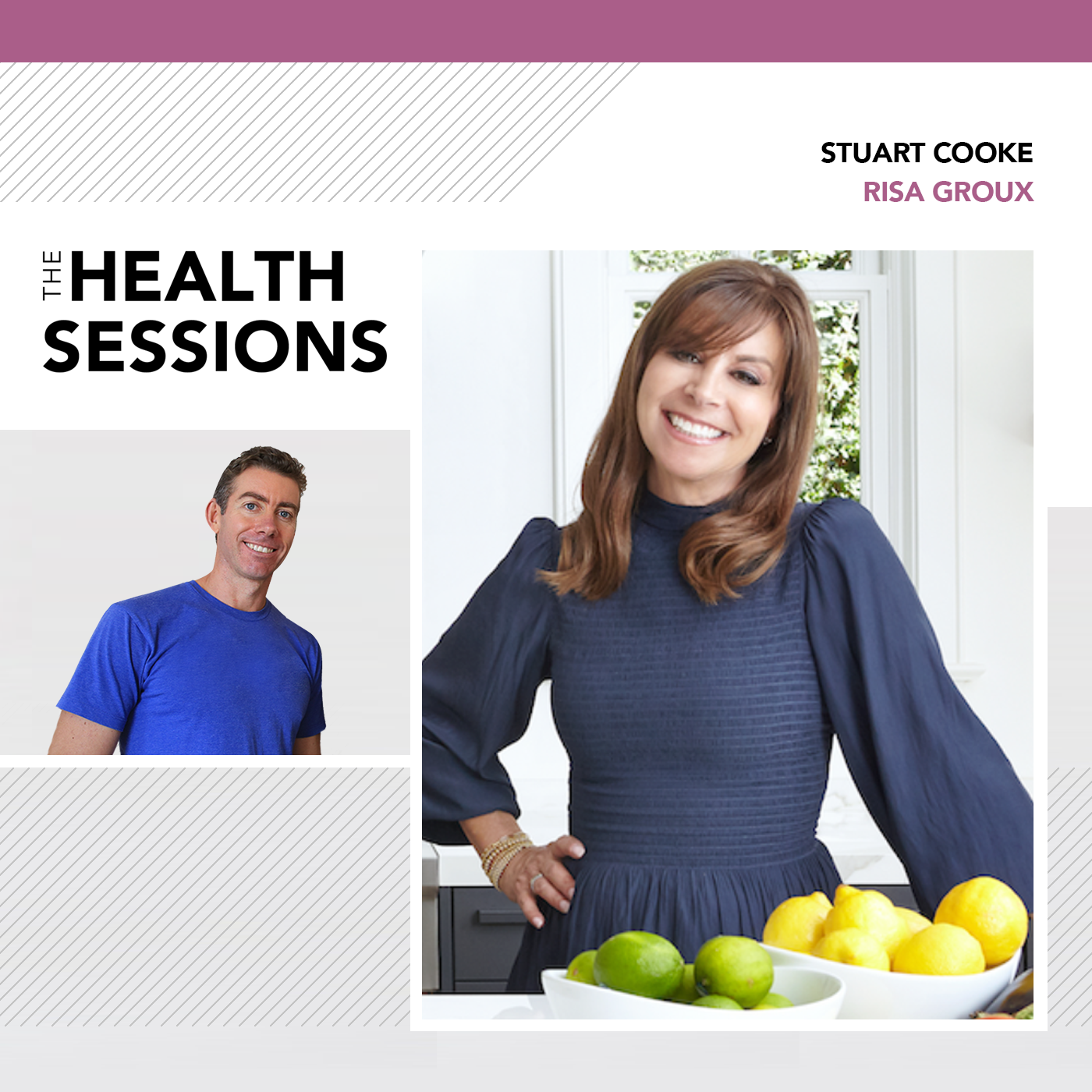
Risa Groux - The FoodFrame Method
Questions asked in the episode How can we determine the best diet for our body? What can we expect from your book 'FoodFrame? Where should we start when wanting to heal https://180nutrition.com.au/ This week I'm excited to welcome Risa Groux to the podcast. Risa is a functional nutritionist and certified autoimmune coach. She has a focus on the root causes of her client's health concerns and treats them naturally through proper testing and subsequent dietary and supplement treatment. In this episode, we discussed the best way to tailor your diet to your health status, the optimal place to start when wanting to address health issues, and dig deep into her dietary methodology called FoodFrame. Over to Risa. (01:19) Hey guys, this is Stu from 180 Nutrition and I am delighted to welcome Risa Groux to the podcast. Risa, how are you? Risa (01:26) I'm doing great, thanks. Thanks for having me. Stu (01:29) Oh, look, I'm really keen to delve in and listen to some of your learnings, I guess, for want of a better word this morning, because I know that you've covered a lot in the terms of health and wellness, and human performance at a whole. But, first up, for all of our listeners that may not be familiar with you or your work, I'd love it if you could just tell us a little bit about yourself, please. Risa (01:52) Sure. I am a functional nutritionist, which means I've been trained in functional medicine, so I do a lot of testing with extensive blood work and stool testing with everyone I work with in my office. I work from everyone from professional athletes to adults, kids, anybody with health issues. I do a lot of gut, or a lot of gut issues, blood sugar dysregulation, thyroid dysregulation, hormones, random... I'm usually the last stop when they come to see me after they've called the doctors and they still have this nagging cough or whatever it might be, a major health issue. For full transcript and interview: https://180nutrition.com.au/180-tv/risa-groux-interview/

Chad Price - Finding Fitness With Kettlebells
This week I'm excited to welcome Chad Price to the podcast. He is a serial entrepreneur with over ten years of experience in multiple industries. His most notable company, Kettlebell Kings, was started from scratch and now it is a multimillion dollar, Fortune 5000, and international company. He is also a former student athlete that graduated from Rice university with an extensive background in all sports. Additionally, He's a Hemp and cannabis advocate that owns a lifestyle brand, Life Grows Green, which promotes health and wellness using all natural ingredients and hemp products. Some questions asked during this episode: Why should we pick up a kettlebell in the gym/home? Can I get a whole-body workout using just kettlebells? How long should a typical kettlebell workout take? http://180nutrition.com.au/ Stu This week, I'm excited to welcome Chad Price to the podcast. Chad is an athlete, entrepreneur, author, and founder of Kettlebell Kings, the number one supplier and community in the kettlebell space. In this episode, we discuss why you should consider including Kettlebells into your workout, the best way to use them, and the quickest way to get the results you want. Over to Chad. (01:10) Hey, guys. This is Stu from 180 Nutrition and I am delighted to welcome Chad Price to the podcast. Chad, how are you mate? Chad (01:16) I'm doing great today. Thank you for having me. Stu (01:19) No, look, thank you. Thank you again for sharing some of your time. I know you're super busy. But first up, for all of our listeners that may not be familiar with you or your work or your companies, et cetera, I'd love it if you could just tell us a little bit about yourself, please. Chad (01:32) Sure. My name's Chad Price, currently, the CEO of Life Grows Green and my consulting agency, Price Digital Consultants. My background is in athletics and sports. After I graduated from Rice University, I started a company... I started several companies, but my most notable company is Kettlebell Kings, and that was a 10-year journey that I just culminated at the beginning of 2022. (01:58) And then, I wrote a book about that journey and starting your own business called Preparing for Battle and trying to help people get mentally prepared for what the next step is in terms of switching from entrepreneurship. I mean, switching from employee to entrepreneurship or transitioning from college or high school, wherever that is, and going into the entrepreneurship journey, having the correct mindset of doing so. Stu (02:21) Fantastic. Wow, what a journey. It sounds like you're muscled up and ready to attack pretty much anything. So, I'm keen today to touch on the kettlebell side of things because I know that it's not very often that you get to talk to a kettlebell king and you'd be one of them, right? So, and also, cognizant of the hemp and CBD stuff, very, very interesting. But we live in Australia, and so that's a no-no for us, unfortunately at this point in time. (02:53) So, I thought we'd dial into your journey with Kettlebell Kings and just kick off for our audience in terms of no doubt, we've all been to the gym and we've seen the rack of kettlebells, but they're next to the dumbbells. They might be next to the resistance bands, which are next to the free weights, which might be next to the assisted machines. Why should we pick up a kettlebell? For full interview and transcript: https://180nutrition.com.au/180-tv/chad-price-interview/
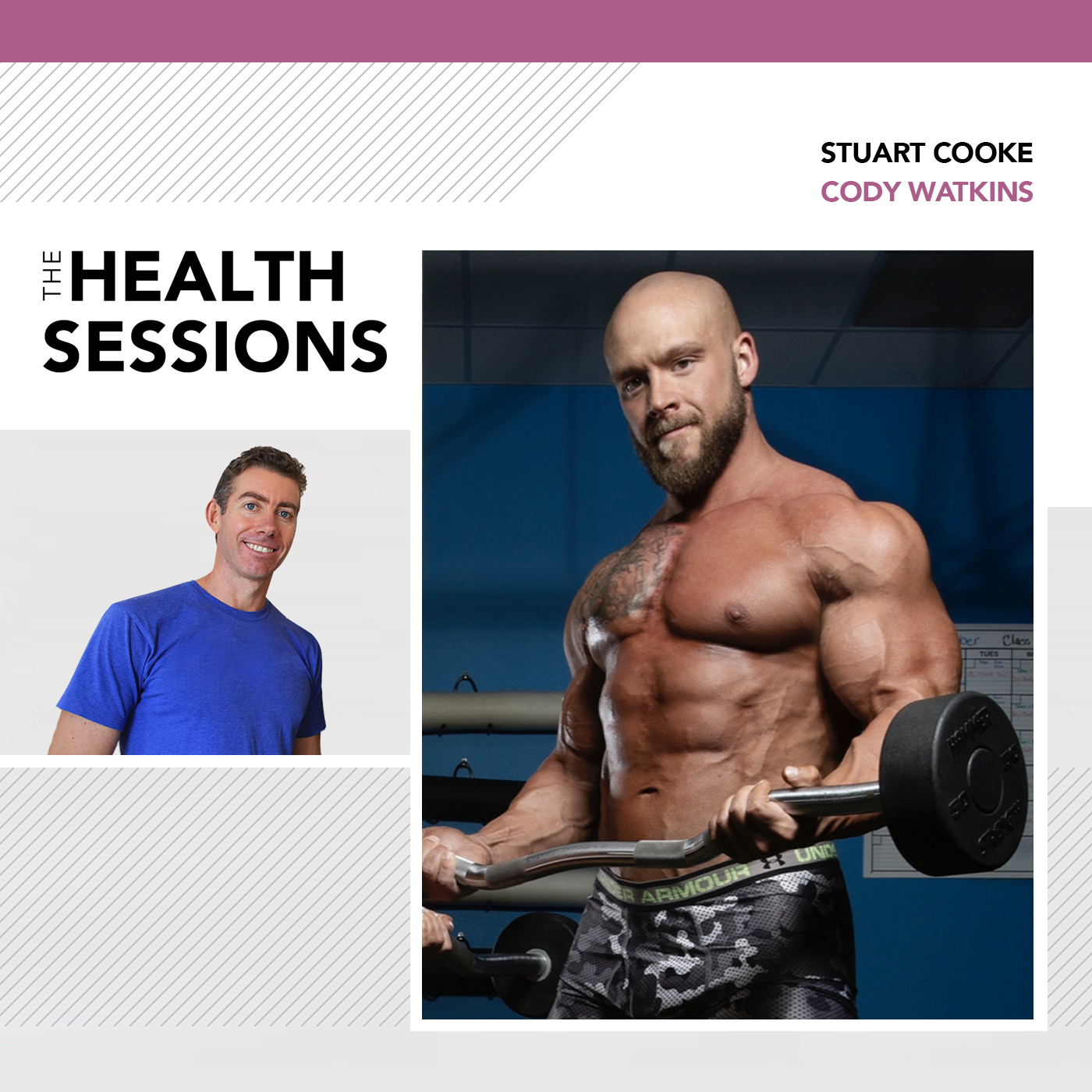
Cody Watkins - Create the Body you Want
This week I'm excited to welcome Cody Watkins to the podcast. Dubbed the King of Transformation. Cody is a renowned online fitness coach. In 2018, he underwent emergency open heart surgery that was required to escape death. He made an astonishing comeback, winning a bodybuilding competition, just 11 months post-surgery. In this episode, we discussed the subtle art of building lean muscle while losing body fat, the importance of cardio when wanting to lean up and so much more. Over to Cody. Some questions asked during this episode: What's the secret to building lean muscle and losing fat at the same time? How important is cardio when wanting to lean up? Should we lift heavy for less reps or lighter for more? https://180nutrition.com.au/ Stu: This week, I'm excited to welcome Cody Watkins to the podcast. Dubbed the King of Transformation. Cody is a renowned online fitness coach. In 2018, he underwent emergency open heart surgery that was required to escape death. He made an astonishing comeback, winning a bodybuilding competition, just 11 months post-surgery. In this episode, we discussed the subtle art of building lean muscle while losing body fat, the importance of cardio when wanting to lean up and so much more. Over to Cody. (01:20) Hey guys, this is Stu from 180 Nutrition and I am delighted to welcome Cody Watkins to the podcast. Cody, good morning, good afternoon for you. How are you mate? Cody (01:30) I'm doing well. Thanks for having me. Stu (01:32) No, I really appreciate your time. Well, looking at your socials and all of your online activities, I know that you're a very busy man, so we'll get into the questions in a second. But first up, for all of our listeners that may not be familiar with you or your work, I'd love it if you could just tell us a little bit about yourself, please. Cody (01:48) Yeah, so I got into fitness pretty early, 15, 16 years old. I think very typical for any male, you're a little bit softer than you like to be, right? You got to get those abs, get it checked, and I just started, I guess, chasing the dragon, so to speak. So, I just kept pushing the size of limit. I got into powerlifting, got into bodybuilding. I did that obviously along the way. It's really easy to get into training since that's all you're doing. So that's where I kind of fell into that with my love for that, and then got into coaching, competed for 12 years in bodybuilding. Ended up having a few setbacks along the way that I had to learn to overcome, the biggest being open heart surgery. That was kind of a side blast, I didn't see that one coming. And yeah, I had a birth effect that I didn't know about. (02:31) I ended up being in stage four heart failure. My heart was like three times the size it should be, and then I got that all patched up. I ended up competing in a bodybuilding show one year later just to see if I could. I wanted to push the limit, but I like to take the reasons or excuses out for when it comes to clients because we'll build hurdles over things that maybe aren't. So, I figured if I could push the envelope, it would help me as a coach overall, because it kind of takes that excuse barrier now when it comes to working with people. Stu (02:57) Oh, my word. So, tell me, when you had that surgery. And I'm guessing with a character like yourself. You live and breathe for working out, feeling good, moving your body. Were you ever told that you've got to take this super, super easy? I wouldn't recommend that you pick up heavy weights or stretch your heart in any way? Was that on the board of the recommendations? Cody (03:24) Absolutely. So, going into it, I didn't know I had it. I had symptoms of heart failure the whole time, but I thought it was just bodybuilding. It was rough, right? I'm pushing through it, grueling along, probably maybe TMI. But man, I was throwing up probably one to two workouts a month, just thought I was lifting hard, but that was my heart not keeping up, right? Stu (03:41) Yeah. Cody (03:42) But anyways, when I found out, my heart valve actually ripped. I had birth defect in it. So, they were like, if this would've happened while you're training, you'd be dead. And the day before I was blasting out legs, just crushed. I was six weeks out from a bodybuilding show. So, I had just DEXA scan at like 6% body fat. I'm like, "Easiest contest prep yet. I'm so far ahead of the game. This is great." And then the next day I was in the hospital dying and had no idea, just side cast. For full interview and transcript: https://180nutrition.com.au/180-tv/cody-watkins-interview/
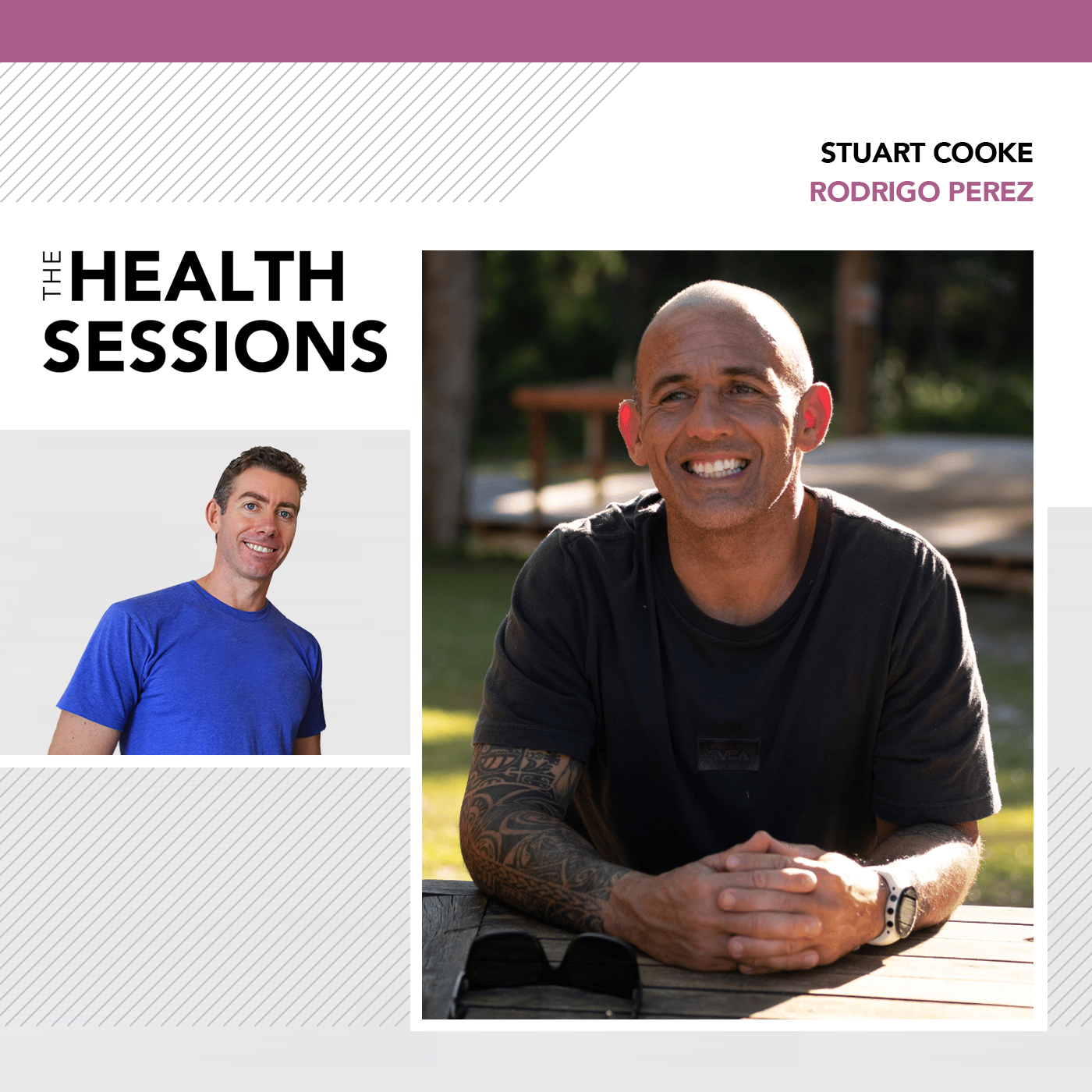
Rodrigo Perez - Discover the Importance of Mobility
This week I'm excited to welcome Rodrigo Perez to the podcast. Rod has helped and trained countless athletes from professionals and elite performers, through to groms and the everyday athlete. His movement methodology and holistic longevity and wellness approach has helped countless of his athletes improve the way they move, to become more aware of their bodies, improve their nutrition, break through plateaus in their performance and ultimately become the optimal version of themselves. Over the last 2 decades he has been broadening and deepening his knowledge. Working with multiple modalities to achieve better mobility and precision of movement, better breathing, self-regulation and mind focusing techniques – we continue to help amateur and professional clients achieve their health and performance goals. Classes, programs, seminars and consultations are focused, professional, challenging, and yet playful – in order to best prepare clients to be the protagonists of their own wellbeing and achievements. Some questions asked during this episode: How should we move if we want to live a long and pain-free life? What exercises shouldn't we be doing if we have lower back problems? How long should we spend on daily mobility? https://180nutrition.com.au/ This week I'm excited to welcome Rodrigo Perez to the podcast. Rodrigo is a performance specialist whose movement, methodology and holistic longevity and wellness approach has helped countless athletes improve the way they move. In this episode, we discuss the importance of mobility if we want to live without aches and pains as we age. We talk about the movements we shouldn't be doing if we have lower back problems, the length of time we should spend each day on mobility and so much more. Over to Rodrigo. (01:18) Hey guys, this is Stu from 180 Nutrition and I am delighted to welcome Rodrigo Perez to the podcast. Rodrigo, how are you? Rodrigo (01:25) Very good. Yourself, Stu? Stu (01:27) Excellent. It's funny because we met many, many years ago when Guy was involved in the business and I know that he was a good friend of yours. I have been seeing your messages on social media continually for so long and I thought I've got to catch up with you because I can see what you're doing really aligns with a lot of the stuff that our audience is really, really interested in. So, first up, for all of our listeners then that may not be familiar with you or your work, I'd love it if you could just tell us a little bit about yourself please. Rodrigo (02:05) My name is Rodrigo. I've been living in Australia for the last 22 years. Been coaching for 26 years. So I am Spanish, half Brazilian. Mom, is a purely Spanish person, and grew up in Brazil probably half of my life was there, and moved to Australia, was a coach there as well. Finished university there. Then exercise science and I am exercise physiologist. Moved to Australia and had a big goal to first learn English. The funny thing is just know learning the Aussie language. So I still chat with you because I was three years in Australia and I went to London. Over there I had a manager there, and then one of the gymnasiums I was working there as a swim coach. They turned to me and they said, "Where you learned your English?" I say, "Well, in Australia." They say, "No, you learned Australian language mate." For full interview and transcript: https://180nutrition.com.au/180-tv/rodrigo-perez-interview/
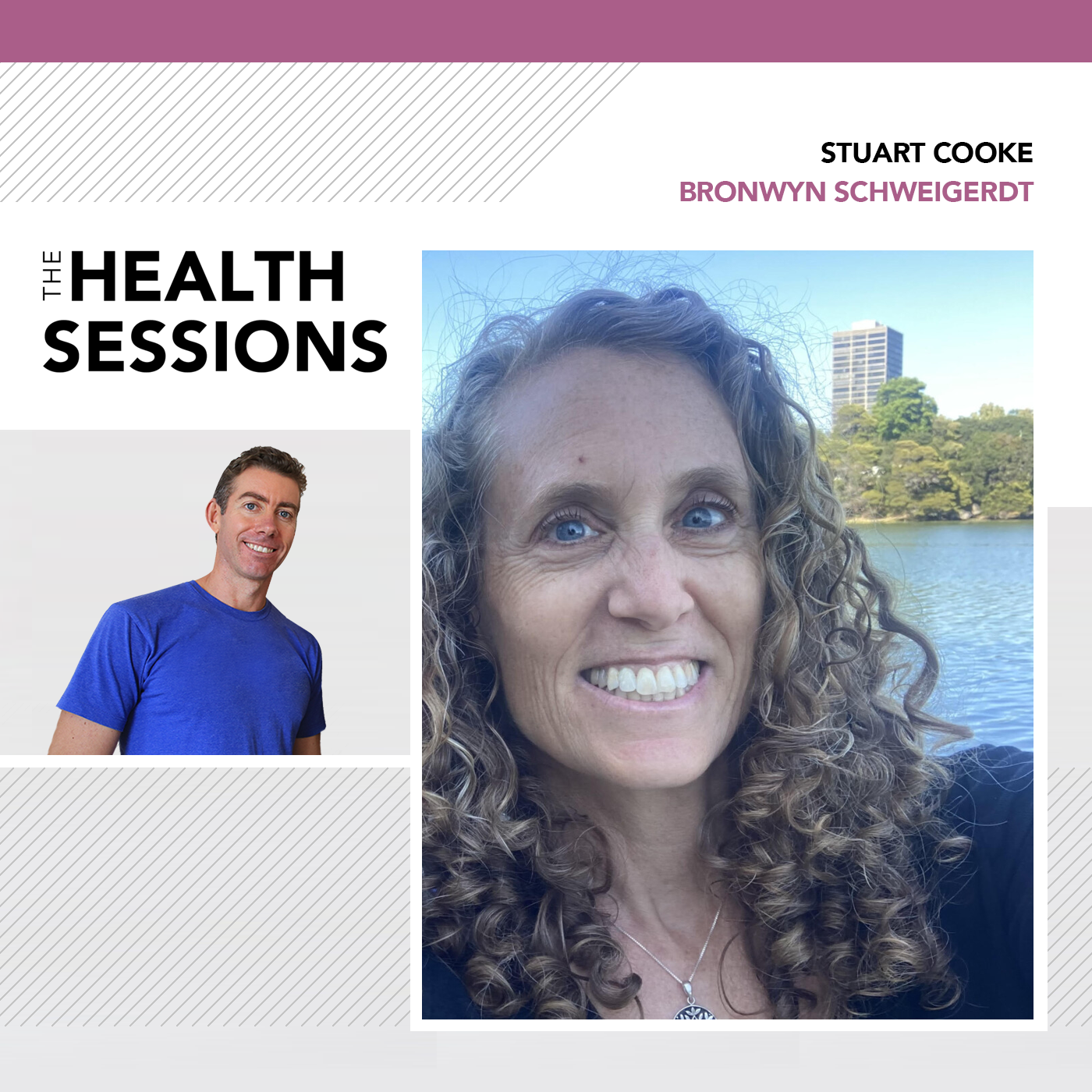
Bronwyn Schweigerdt - Processing Emotions For Better Health
This week I'm excited to welcome Bronwyn Schweigerdt to the podcast. Bronwyn is a psychotherapist with a master's degree in counseling and nutrition. She's commonly referred to as an evocative psychotherapist who helps people reconnect to their anger and heal their relationship with themselves. In this episode, we discuss the traits that may point to an underlying anger issue, the telltale signs that we aren't processing emotions in a healthy way, and strategies to resolve internal issues. Some questions asked during this episode: What is an evocative psychotherapist? How does conventional anger management differ from your approach? How might we know that we aren't processing our emotions in a healthy way? https://180nutrition.com.au/ This week I'm excited to welcome Bronwyn Schweigerdt to the podcast. Bronwyn is a psychotherapist with a master's degree in counseling and nutrition. She's commonly referred to as an evocative psychotherapist who helps people reconnect to their anger and heal their relationship with themselves. In this episode, we discuss the traits that may point to an underlying anger issue, the telltale signs that we aren't processing emotions in a healthy way, and strategies to resolve internal issues. Over to Bronwyn. (01:18) Hey guys, this is Stu from 180 Nutrition and I am delighted to welcome Bronwyn Schweigerdt to the podcast. Bronwyn, how are you? Bronwyn (01:26) I'm good. Thank you for saying my first name very well. It's rare. Stu (01:32) Oh, well, Bronwyn is a very popular name in Australia. Bronwyn (01:36) I know. You have a nickname. You guys call me Bronny. Stu (01:39) Bronny. Bronwyn (01:40) I love it. Stu (01:40) Exactly right. I think I know probably four people called Bronwyn. Bronwyn (01:45) Yeah, it's crazy. Stu (01:47) I was more concerned with your surname, so I don't think that I was too far off the track. I've listened to a few podcasts. Bronwyn (01:55) No, I didn't notice anything. Stu (01:59) Well, look, thank you so much again for your time, but first up, for all of our listeners that may not be familiar with you or your work, I'd love it if you could just tell us a little bit about yourself please. Bronwyn (02:09) Yeah, so I am a licensed marriage and family therapist in California. I came about becoming a therapist, I have an interesting journey that is comical, I guess. So I came to become a therapist later in life because I myself really, really, really needed a good therapist because I fell into a pit of depression where I was barely functioning and I was getting physically ill. So I sought out a therapist and as dysfunctional as I was and as hard as my life was, I thought to myself, I know even right now I could do a better job than she's doing to me. And then I found other therapists and I felt that way with all of them. So I thought I'm going to go back to school and get a second master's degree and become a therapist, and that was part of my healing journey, actually. For full interview and transcipt: https://180nutrition.com.au/180-tv/bronwyn-schweigerdt-interview/

Natalie Kovarik & Tara Vander Dussen: A Unique Perspective on Agriculture
This week, I'm excited to welcome Natalie Kovarik & Tara Vander Dussen to the podcast. Natalie Kovarik and Tara Vander Dussen are the co hosts of the Discover Ag docu-series as well as the popular podcast Discover Ag. Collectively they have been advocating for agriculture online on various social media platforms for over 10 years. Together they have fostered a community of over 255k, spoken on stages across the nation and globe, and empowered a community too reconnect to agriculture and the hands that feed us. Some questions asked during this episode: We're told that cattle are heavily contributing to climate change, what are your thoughts Please explain the difference between monocropping vs regenerative agriculture. How important is animal protein compared to plant-based alternatives?
Megan Lyons - Adrenal Dysfunction: Symptoms, Causes & Treatments
This week, I'm excited to welcome Megan Lyons to the podcast. She is a wellness expert and owner of The Lyons' Share Wellness. Megan is a Harvard graduate, board-certified holistic nutritionist and founder of The Lyons' Share Wellness, where she helps people achieve the healthiest and happiest selves. In this episode, we discuss adrenal dysfunction, the telltale signs, most common causes, and the path to follow when wanting to heal. Over to Megan. Some questions asked during this episode: Tell us about the importance of adrenal health? How can we best test the health of our adrenals? What are the tell-tale signs of adrenal dysfunction? https://180nutrition.com.au/ This week, I'm excited to welcome Megan Lyons to the podcast. Megan is a Harvard graduate, board-certified holistic nutritionist and founder of The Lyons' Share Wellness, where she helps people achieve the healthiest and happiest selves. In this episode, we discuss adrenal dysfunction, the telltale signs, most common causes, and the path to follow when wanting to heal. Over to Megan. (01:13) Hey guys, this is Stu from 180 Nutrition, and I am delighted to welcome Megan Lyons to the podcast. Megan, good morning. How are you? Megan (01:22) Good morning. It's good afternoon over here, but I am doing great and so excited to talk to you today. Stu (01:29) Fantastic, fantastic. First up, for all of our listeners that may not be familiar with you or your work, I'd love it if you could just tell us a little bit about yourself, please. Megan (01:39) Sure. Well, my name's Megan Lyons. I live in Dallas, Texas, and I own a business called Lyons' Share Wellness, where I like to describe it as I get my hands in as much possible related to wellness as I can possibly handle. I like to do a lot of one-to-one work with people. I have a podcast, I have group programs, I have a blog. I do speaking. I do everything I possibly can because this area of life really lights me up. I have so much passion around nutrition and wellness and just the ability that we all have to make ourselves feel much better and go enjoy life at a more full capacity.
Dr Richard Jacoby - Why Sugar is Making Us Sick
This week I'm excited to welcome Dr Richard Jacoby to the podcast. Dr. Richard Jacoby is Board-certified Podiatrist and celebrated author. He is a renowned foot and ankle specialist with over 20 years experience with regenerative medicine. At Innate Healthcare Institute he brings his knowledge and experience of the lower extremities to help avoid surgery for all conditions related to the lower extremities, including pain, neuropathy, plantar fasciitis, sprains, fractures, and many more. Dr. Jacoby is also the Medical Director of Valley Foot Surgeons. He has won the Phoenix Magazine Top Docs Award 4 separate times (2003, 2005, 2008, and 2010), showing both his dedication to patient care along with foot and ankle expertise as a leading Phoenix and Scottsdale area Podiatrist. Some questions asked during this episode: Why do many of us crave sugar? Which everyday foods (that may be perceived as healthy) could derail us? Should we be concerned about consuming 'natural sugars' like fruit?
Adam Lane Smith - Understanding & Resolving Attachment Issues
This week I'm excited to welcome Adam Lane Smith to the podcast. Adam has coached clients through his ATTACHMENT METHOD for years. And he's helped people from a variety of lifestyles, from blue collar families with marital troubles to millionaire CEOs looking or dating help. Anyone looking to fix their dating life, marriage, or overall health of all relationships. Questions asked in the episode What are the most common attachment issues/stories? Why do many of us attract the wrong type of person when we have the best intentions? How important are physical friend groups/meet-ups in the age of digital communication? This week I'm excited to welcome Adam Lane Smith to the podcast. Adam is a transformative force in the field of personal development and relationships. He's a specialist in attachment and has coached a variety of individuals from every walk of life and helped them build the life they've always wanted. In this episode, we discuss the most common attachment issues linked to deep-rooted patterns and beliefs, and dig deep into the strategies to overcome them. Over to Adam. (01:13) Hey guys, this is Stu from 180 Nutrition and I am delighted to welcome Adam Lane Smith to the podcast. Adam, mate, how are you? Adam (01:21) I'm doing great over here. It's good to be called, mate. I always love that. Here in the United States, they say that whenever you're called mate, you feel a little more fancy than you did before. Stu (01:31) It's one of those terms I think that we probably use the most. Every conversation has a mate in there somewhere. But yeah, I feel naked if I didn't use that word. Adam (01:42) We'll pretend that it's special then for me, if that's all right with you. Stu (01:45) It is special. It is special. First up, for all of our listeners there that may not be familiar with you or your work, I would love it if you could just tell us a little bit about yourself please. Adam (01:55) Absolutely. I'm Adam Lane Smith. I am the attachment specialist. I help people fix their relationship problems that have hounded them since the day that they were born. If your childhood was difficult, if you just didn't know how to get love as a kid, and you still don't as a grownup, and things just don't feel right. Maybe you don't have friends, maybe partners are a hard thing, maybe raising your kids is tough. If you need help, that is my specialty. I was a licensed marriage and family therapist for many, many years. Now I do specific coaching and helping people make sure that they take care of that problem right here and now so that they can live a good life.
Etienne Peirsman - Discover the benefits of craniosacral therapy
This week I'm excited to welcome Etienne Peirsman to the podcast. Etienne Peirsman is one of the most respected CranioSacral teachers worldwide, and has been teaching for nearly 35 years. He founded Peirsman CranioSacral in the Netherlands, originated the CranioSacral Professional Organization in Holland, and is an honorary member of The Dutch CranioSacral Practitioner Association Some questions asked during this episode: What is craniosacral therapy? What does a typical craniosacral session look like? What's the relationship between healing and human connection? If you are curious, want I find out more, just jump over to our website. That is 180nutrition.com.au and take a look. Okay, back to the show. This week, I'm excited to welcome Etienne Peirsman to the podcast. Etienne is one of the most respected craniosacral teachers worldwide and has been teaching for nearly 35 years. He founded Peirsman Craniosacral in the Netherlands and is an honorary member of the Dutch Craniosacral Practitioner Association. In this episode, we discuss the principles behind craniosacral therapy, the conditions that are most commonly treated, and the method to achieve a no mind state. Over to Etienne. Hey, guys. This is Stu from 180 Nutrition and I am delighted to welcome Etienne Peirsman to the podcast. Etienne, how are you? Etienne (01:25) I'm totally fine. Stu (01:26) Fantastic. Again, thank you so much for sharing some of your time. I know you've got an incredible story and really, really interesting subject that I know that our listeners would love to hear and understand and figure out a little bit more about how this amazing stuff actually happens. First up, for all of our listeners that may not be familiar with you or your work, I'd love it if you could just tell us a little bit about yourself, please. Etienne (01:54) Well, I've been teaching craniosacral therapy for as long as I remember. Actually, it started in 1990. That's an exact date. I still remember that. I've been doing nothing else since then. I had a practice for about 20 years. Then while I was teaching also, but the rest of the time up to now I just teach craniosacral therapy a little bit all over the world. We just came back from Taiwan where we taught a month, and then we go to Mexico next week for a 10-day class, Italy, Prague, the Netherlands, and US, of course. I published one book about craniosacral. I happen to have it here next to me. It's Craniosacral Therapy for Babies and Small Children. That's a little bit the only book that's available about that subject. Soon, another one is going to come out a little more about also craniosacral, of course. I'm just teaching craniosacral. That's what I do.
Sarah Rusbatch - Sobriety & Grey Area Drinking
This week, I'm excited to welcome Sarah Rusbatch to the podcast. Her mission is to support as many women as possible to change their relationship with alcohol, reconnect to themselves and create a happier, healthier and more fulfilling life. She is a certified Health and Wellbeing Coach, an accredited Grey Area Drinking Coach, a motivational speaker and a passionate ambassador for helping as many women as possible to live their best life. She is also an ex Grey Area Drinker. She finally quit booze in April 2019 and never looked back! Some questions asked during this episode: Is alcohol the best approach when wanting to destress after a hectic day? What are the less obvious signs that we may be drinking too much/often? What do you say to those who reference 'everything in moderation'? https://180nutrition.com.au/ Each episode we cut to the chase as we hang out with real people with real results. This week I'm excited to welcome Sarah Rusbatch to the podcast. Sarah is an accredited sobriety and gray area drinking coach based in Perth and also the face behind Perth's alcohol free movement. In this episode, we discussed the finer points of gray area drinking, uncover whether alcohol really is the best tool to distress after a hectic day at the office, and also dive into the less obvious signs that we may be drinking too much. Over to Sarah. Hey guys, this is Stu from 180 Nutrition and I am delighted to welcome Sarah Rusbatch to the podcast. Sarah, how are you? Sarah (01:09) I'm very well, thanks. How are you? Stu (01:10) Yeah, good. Really, really good. Excited to get into this particular topic today because I know that alcohol in particular is close to many people's hearts and there are lots of nuances where alcohol is concerned. So I think that you'll be the perfect person to expand on that. But first up, for all of our listeners that may not be familiar with you or your work, I'd love it if you could just tell us a little bit about yourself please. Sarah (01:37) Thank you for the introduction. So I'm Sarah Rusbatch. I'm from the UK. I live over in Perth in Western Australia, and I'm a Gray Area Drinking Coach, which is probably not a job title that many people have heard of before. When people ask me what I do, I'm always like, should I give the long answer or the short answer? Because it's not a title that people go, "Oh yeah, I know exactly what that is." So maybe I can start off by explaining to you what is gray area drinking? For full transcript and interview:https://180nutrition.com.au/180-tv/sarah-rusbatch-interview/

Dr William Davis - Understanding The Gut-Skin Axis
Dr. Davis is a medical doctor, expert in gut and heart health, a New York Times bestselling author of 10 books, including the Wheat Belly Series, with nearly 4 million copies sold. He's a leading expert in nutrition, and in this conversation, we discuss his investigations with L-Reuteri, a well-studied probiotic and its connection with skin health. Over to Dr. Davis. Some questions asked during this episode: How long might we see improvements in skin health with the right gut protocol What type of diet/foods would you recommend with skin health in mind Tell us about your investigations with L. reuteri (roy-ter-eye) https://180nutrition.com.au/ This week, I'm excited to welcome Dr. William Davis. Back to the podcast. Dr. Davis is a medical doctor, expert in gut and heart health, a New York Times bestselling author of 10 books, including the Wheat Belly Series, with nearly 4 million copies sold. He's a leading expert in nutrition, and in this conversation, we discuss his investigations with L-Reuteri, a well-studied probiotic and its connection with skin health. Over to Dr. Davis. (01:17) Hey guys, this is Stu from one 180 Nutrition, and I am delighted to welcome back Dr. William Davis to the podcast, Dr. Davis. How are you? Dr Davis (01:25) I'm terrific. Stuart, gladly back. Stu (01:27) No. Thank you so much. For everyone perhaps out there that may not have listened to our first conversation, not familiar with you or your work, I'd love it if you could just tell us a little bit about yourself, please. Dr Davis (01:40) Well, I started very conventionally, Stuart, practicing cardiology, this thing called interventional cardiology where you abort heart attacks and put stents in, drill out people's arteries, those kinds of things, blockages. But I had an odd turn in my life, and that was my mom who was living in New Jersey at the time. I had just moved to Milwaukee, Wisconsin, about a thousand miles away, and I got a call that she died suddenly about four months after her successful two vessel coronary angioplasty. In other words, she died after a procedure that I was doing. I didn't do my mom's of course, but I was doing that simple kind of procedure every day, many times a day. (02:20) But it was a vivid illustration, Stuart, of how fruitless, how pointless, how dangerous it is to try to manage a disease like heart disease in an laboratory, in a cath lab. Because many people, as you know, you've heard these headlines, many people never survive who get to the hospital. They die at home or route. And so I asked this question, this is now back 30 years ago, I asked, could we have identified my mom being at risk a year ahead of time, five years, 10 years? Well, back then, we all thought cholesterol was that tool. Of course, it's proven to be a miserable failure as a preventative tool, though a wonderful source of revenue for the pharmaceutical industry, and they've managed to brainwash an entire generation of physicians into thinking that cholesterol and statin drugs are the cure for heart disease. Of course, they are not. They're not even close. They're barely having any impact at all. That's why in the U.S., 80 million people, Stuart, more than 80 million people take statin drugs, and there's been virtually no impact on the incidence of heart disease. For full transcript and interview:https://180nutrition.com.au/180-tv/dr-william-davis-interview-3
Dr Shivani Gupta - Infusing Ayurvedic Wisdom into Modern Life
This week, I'm excited to welcome Dr Shivani Gupta to the podcast. As the creator of a revolutionary Modern Ayurveda program and a product-line of herbal supplements that fuse east and west, Shivani's expertise makes her an influential and inspirational speaker. Knowledgeable in many areas of Ayurvedic living, Shivani specializes in sharing the ancient science of gut health, simple solutions for revolutionizing self care and reversing stress-related illnesses that threaten our quality of life. Some questions asked during this episode: What are the principles behind Ayurveda? What are your thoughts on modern day western medicine? How can Ayurvedic practices be used to support gut health? https://180nutrition.com.au/ For full transcript and interview: https://180nutrition.com.au/180-tv/dr-shivani-gupta-interview/

Dr Sarah Russo - A Holistic Approach To Anxiety
This week I'm excited to welcome Dr Sarah Russo back to the podcast. Dr Sarah Russo is a clinical psychologist who creates space for you to take a moment to pause, reflect and gain clarity, to enhance your wellbeing, overcome difficulties and grow. Sarah has a warm, compassionate, relaxed, and thoughtful approach in supporting people to connect, enhance confidence and live with meaning. She believes that the key to a successful therapeutic experience is the relationship itself. She creates an environment where others can feel safe, understood, respected, and cared for. Sarah understands that no two people are the same and works collaboratively with her clients to support them to live more meaningful and connected lives. Sarah will take the time to learn about what's most important to her clients, inspire and empower them to navigate life's joys, challenges, and opportunities; whilst also respecting they are the experts of their own life. Some questions asked during this episode: What do you think is the catalyst behind the rise in mental health issues? What are the most common causes & symptoms of anxiety? Are antidepressants a viable long-term solution if chronically anxious? https://180nutrition.com.au/ Hey, this is Stu from 180 Nutrition, and welcome to another episode of the Health Sessions. It's here that we connect with the world's best experts in health, wellness, and human performance in an attempt to cut through the confusion around what it actually takes to achieve a long-lasting health. Now, I'm sure that's something that we all strive to have. I certainly do. (00:22) Before we get into the show today, you might not know that we make products too. That's right. We are into Whole Food Nutrition and have a range of super foods and natural supplements to help support your day. If you are curious, want to find out more, just jump over to our website that is 180nutrition.com.au and take a look. Okay, back to the show this week. (00:45) I'm excited to welcome Dr. Sarah Russo to the podcast. Dr. Russo is a practicing pharmacist whose personal healing journey instigated her to look beyond the counter for holistic solutions to crippling anxiety. In this episode, we discuss the catalyst behind the rise in mental health issues and look at holistic approaches available to address it. Over to Dr. Russo. (01:11) Hey, guys, this is Stu from 180 Nutrition and I am delighted to welcome Dr. Sarah Russo to the podcast. Dr. Russo. How are you? Dr Russo (01:20) Hi. Thanks for having me. Love listening to your accent. This is super fun to be actually over here because I'm from the US. Stu (01:28) Yeah, well, I was going to say apologies for the interruption. Because I know that you guys are on holiday weekend and it's getting later on in the day, so you probably want to do other things as well just to maximize your holiday today. For full interview and transcript:
Dr Alan Bauman - Biohacking Baldness
This week I'm excited to welcome Dr. Alan Bauman to the podcast. Alan J. Bauman, MD, ABHRS, IAHRS, FISHRS is a full-time hair transplant surgeon who founded his medical practice, Bauman Medical, in Boca Raton, FL in 1997 and has treated nearly 30,000 patients and performed over 10,000 hair transplant procedures to date. His compassionate, patient-centered philosophy and individualized artistic approach to protecting, enhancing, and restoring the appearance and health of the hair and scalp is what sets him apart from non-specialists and other practitioners. Some questions asked during this episode: What factors cause hair loss? What are the most common myths associated with healthy hair? What are the latest advancements in hair restoration? https://180nutrition.com.au/ This week I'm excited to welcome Dr. Alan Bauman to the podcast. Dr. Bauman is the founder, CEO and medical director of the Medical Hair Loss Practice at Bauman Medical. Recently he was voted North America's number one top hair restoration surgeon. Dr. Bauman's accessible and interactive presence on social media has garnered millions of video views on YouTube and thousands of subscribers, connections and followers on the most popular platforms. In this episode we discuss the factors behind hair loss, the most common myths, natural therapies, and the latest advancements in hair restoration. Over to Dr. Bauman. Hey guys, this is Stu from 180 Nutrition, and I am delighted to welcome Dr. Alan Bauman to the podcast. Dr. Bauman. How are you? Dr. Bauman (01:33) I'm doing great, Stu. Thank you so much for having me tonight. Stu (01:36) Look, really, really appreciate you sharing some of your time. And I know this is a topic that's going to be close to many of our listeners hearts or heads at least. But first up, for all of our listeners that may not be familiar with you or your work, I'd love it if you could just tell us a little bit about yourself please. Dr. Bauman (01:53) Sure. I'm Dr. Alan Bauman. I'm the medical director of Bauman Medical Hair Transplant and Hair Loss treatment center located in Boca Raton, Florida. But what I've done for the past 25 years is take care of people who are struggling with hair loss or who want to maintain their own living and growing hair, thicker, fuller, healthier, not just part of their lifespan or health span, but they want to also increase their health span and hair span too. For full transcript and interview: https://180nutrition.com.au/180-tv/dr-alan-bauman-interview/

Dafna Chazin - Treating PCOS with Nutrition
This week I'm excited to welcome Dafna Chazin to the podcast. Dafna is a PCOS dietician based in the US and the host of The Down To Earth PCOS Nutrition Podcast, where she shares her expertise in the field of hormonal health, nutrition, and healthy lifestyle changes specifically for PCOS. In this episode, we discuss the environmental factors that can cause or aggravate PCOS and how to support it through diet and lifestyle. Some questions asked during this episode: How is PCOS diagnosed? Do environmental factors cause/aggravate it? Is any type of diet or eating style more effective with the condition? https://180nutrition.com.au/ This week I'm excited to welcome Dafna Chazin to the podcast. Dafna is a PCOS dietician based in the US and the host of The Down To Earth PCOS Nutrition Podcast, where she shares her expertise in the field of hormonal health, nutrition, and healthy lifestyle changes specifically for PCOS. In this episode, we discuss the environmental factors that can cause or aggravate PCOS and how to support it through diet and lifestyle. Over to Dafna. (01:16) Hey guys, this is Stu from 180 Nutrition, and I am delighted to welcome Dafna Chazin into the podcast. Dafna, how are you? Dafna (01:22) Good. How are you? Stu (01:25) Yeah. Very, very good. Thank you. As we mentioned before just off camera, very, very excited to talk about this subject today and pick your brains a little bit because it's a question that comes out almost daily with our audience as well and seems to be ramping up in terms of the prevalence of this particular topic. But first up, for all of our listeners that may not be familiar with you or your work, I'd love it if you could just tell us a little bit about yourself, please. Dafna (01:58) Yeah. Absolutely. So my name is Dafna Chazin. I'm a registered dietician and I help women with PCOS balance their hormones, reverse their symptoms. And I've been in the field of nutrition for over a decade. I've worked in a lot of different settings, but recently in the past five years, I've landed in the women's health and hormone space, partly because I struggled with hormonal issues myself. I don't have PCOS, but I've struggled with many of the symptoms that women with PCOS experience, like acne and hair growth and painful periods, anxiety, digestive issues. You name it, I've had it. And over the years when I was really struggling, it was a time where my stress was really high. I was in the military actually. My diet wasn't so great, but I wasn't making the connection between what was happening with my hormones and my symptoms and the diet and nutrition. I always thought my nutrition and food only impacts my weight, and that's about it. And now we know that that is absolutely not true. For full interview and transcript: https://180nutrition.com.au/180-tv/dafnachazininterview/
Martin Silva - Nutritional Strategies For Optimal Performance
This week, I'm excited to welcome Martin Silva to the podcast. Martin is a transformation coach, award-winning fitness model, public speaker, and podcaster. His focus and commitment with a holistic approach to long-term health sets him apart from his peers. Some questions asked during this episode: How are you currently eating and why + what have you tried and dismissed? Your thoughts on daily protein intake (amount/type/timing) Do you consume supplements for health/longevity? https://180nutrition.com.au/ (00:44) This week I'm excited to welcome Martin Silva back to the podcast. Martin is a transformation coach, award-winning fitness model, public speaker, and podcaster. His focus and commitment with a holistic approach to long-term health sets him apart from his peers. In this episode, we talk about the latest nutritional trends, including daily protein intake, supplements, fasting, and meal timing. Over to Martin. (01:12) Hey guys, this is Stu from 180 Nutrition, and I am delighted to welcome Martin Silva back to the podcast. Martin, mate, how are you? Martin (01:19) I'm really good, thanks, my man. How are you? Stu (01:22) Yeah, very good. Very good. It's been too long, so really, really keen to tap into some of your wisdom today. But first up, for any of our listeners that may not be familiar with you or your work, haven't listened to any of... I think we've done two or three previous episodes, which have been packed full of the most amazing information on body transformation, health and wellness, all of that stuff. I'd love it if you could just tell us a little bit about yourself please. Martin (01:48) Sure, yeah. Thanks again for having me on, Stu. Really, really appreciate it. [inaudible 00:01:51] just set off here then. I'm sure I've been on this podcast more than Stu, this is like my fifth time or something. Awesome. Yeah, a little bit more about myself. As some of the audience might know, I'm huge... Health and fitness is my life essentially, so I live, breathe, and eat a healthy lifestyle, and I've built a career out of that as well. And I've been within the fitness industry for 15, 16 years now. It sounds crazy, but I still feel like I'm in my early twenties, but I'm actually coming up to 36 now. And I was a qualified personal trainer from the age of 20, and always played sports from a young age, and I've always been just so passionate about fitness. (02:28) And now it's got to the point where I always say to people, something might start off as your passion, but then it becomes your purpose. Now it's literally, it's my purpose, and what I'm doing now, obviously with the transformation program and everything else... Because I was a personal trainer face-to-face for about 13 years, and then I built an online transformation program, actually just before COVID happened, about three years ago, and I'm having a much bigger impact this way as well. Because as we talked about before, and we'll talk about today, really helping people change their mindset, really upgrade the way they think, and just basically think at a better level, and change their relationship with food and alcohol, which we all know, the stuff outside of the gym... A lot of my clients love the gym part. You know what I mean? That's the fun part. But the stuff outside of the gym, some of them have had more struggles than others in terms of behavior change and everything else. (03:19) But a bit more about myself. I moved over to Oz just like Stu did quite a few years ago. I haven't been here as long as Stu, but I've been here for six years now. So moved over to Oz, came over here for a year from Wales in the UK, and fast-forward six years, I'm still here, permanent resident now, and living in Sydney, living the dream. And Stu's living even more of the dream up there in Byron Bay, you know what I mean? So we can't complain, mate. For full transcript and interview: https://180nutrition.com.au/180-tv/martin-silva-interview2/
Eduardo Corassa - Discover the Frugivore Diet
This week, I'm excited to welcome Eduardo Corassa to the podcast. He is a clinical nutritionist. focused on raw and vegan diets, founder of the Frugal Health portal, a writer, speaker, author of six books, YouTuber and culinarian. He graduated in Literature and specialized in Natural Hygiene at the University of Natural Health. He has been interviewed by countless TV programs like Globo Repórter, Sem Censura, and Câmera Record, and has published articles in several magazines in the area of health and nutrition. He studied crudivorism and fasting abroad with the world's leading crudivorous leaders. For 11 years, he has been living on an exclusively raw fruit and vegetable diet, and for 9 years, he has been teaching about the correlation between health and food. Some questions asked during this episode: When following this diet, what are the best foods to consume with nutrient density in mind? How might we best navigate this way of eating if we can't afford organic produce? Are there any specific supplements that are key to supporting this diet? https://180nutrition.com.au/product/ for full interview and transcript: https://180nutrition.com.au/180-tv/eduardo-corassa-interview/ This week, I'm excited to welcome Eduardo Corassa to the podcast. He is a clinical nutritionist. focused on raw and vegan diets, founder of the Frugal Health portal, a writer, speaker, author of six books, YouTuber and culinarian. He graduated in Literature and specialized in Natural Hygiene at the University of Natural Health. He has been interviewed by countless TV programs like Globo Repórter, Sem Censura, and Câmera Record, and has published articles in several magazines in the area of health and nutrition. He studied crudivorism and fasting abroad with the world's leading crudivorous leaders. For 11 years, he has been living on an exclusively raw fruit and vegetable diet, and for 9 years, he has been teaching about the correlation between health and food.
Rory Bland - 30 Days on the Carnivore Diet
This week, I'm excited to welcome Rory Bland to the podcast. Rory, from Rory's Kitchen website shares his journey around gut healing, biohacking, personal growth, animal-based eating, and so much more. In this conversation we discuss Rory's 30-day experiment on the carnivore diet as a tool to improve his gut health. He shares exactly what he ate and drank during this time, including the ups and downs and lessons he learned. Over to Rory. Some questions asked during this episode: What do you think compromised your gut health in the first place? Where did the idea to try the carnivore diet come from? What exactly did you eat and drink during the 30-day diet? https://180nutrition.com.au/shop/

Dr Melissa McCreery - The Emotional Eating Rescue Plan
This week, I'm excited to welcome Dr Melissa McCreery to the podcast. Dr. McCreery is a psychologist, emotional eating expert, author and host of the Too Much on Her Plate podcast. She's helped thousands of women break cycles with overwhelm, overload and overeating without feeling deprived and without depending on ridiculous amounts of willpower. In this conversation, we discuss the triggers, foods, and strategies to finally make peace with food and create freedom from emotional eating. Questions asked in the episode: What makes us overeat when we know that we shouldn't? Which foods/drinks are the most difficult to limit (ie. domino foods) Where would we start if we want to address overeating? For full transcript and interview: https://180nutrition.com.au/180-tv/dr-melissa-mccreery-interview/

Zack Schreier - Healthy, High-Performance Living
Stu: This week, I'm excited to welcome Zach Schreirer to the podcast. He is a serial entrepreneur who started his first business in high school, and then co-founded Quevos, a category leading company that pioneered the development of healthy chips made from egg whites. His true passions are health and philosophy, where he co-founded Lifestacks to bring his vision for healthy high-performance living to the market. In this conversation, we discuss how he maintains his personal health and fitness, while building and scaling his companies. Some questions asked during this episode: How do you define good quality sleep? What are the quick-wins where sleep is concerned? If I wake up with a racing mind what should I do? https://180nutrition.com.au/product/superfood-protein-blend-whey/ This week, I'm excited to welcome Zach Schreier to the podcast. Zach is a serial entrepreneur who started his first business in high school, and then co-founded Quevos, a category leading company that pioneered the development of healthy chips made from egg whites. His true passions are health and philosophy, where he co-founded Lifestacks to bring his vision for healthy high-performance living to the market. In this conversation, we discuss how he maintains his personal health and fitness, while building and scaling his companies. Over to Zach. (01:27) Hey guys, this is Stu from 180 Nutrition, and I am delighted to welcome Zach Schreier to the podcast. Zach, how are you? Zach (01:34) Doing great. Thanks for having me, Stuart. Stu (01:36) No, excellent. Looking forward to the conversation today. But first up, for all of our listeners that may not be familiar with you or your work, I'd love it if you could just tell us a little bit about yourself, please. Zach (01:45) Sure, yeah. I'm a food entrepreneur, and most recently we've gotten into the supplement space, and we're looking at creating delightful supplement medications that you look forward to, that make you feel better immediately, and that also support long-term health. To view full transcript and interview: https://180nutrition.com.au/180-tv/zack-schreier-interview/
Dr Damon Ashworth - Deliberately Better Sleep
This week, I'm excited to welcome Dr. Damon Ashworth to the podcast. Dr Damon Ashworth is a Clinical Psychologist who completed a Doctoral degree in Clinical Psychology at Monash University, a Bachelor of Behavioural Sciences, and a Bachelor of Psychological Science with Honours at La Trobe University. Damon is considered an expert in the field of sleep and treatments for insomnia. His Doctoral research was a randomised clinical trial that significantly reduced insomnia and depression severity of participants across only four sessions of Cognitive Behavioural Therapy for Insomnia (CBT-I). He takes a client-centred approach to treatment and aims to reduce distress and improve clients' well-being while helping them achieve their goals. He practices primarily from a Cognitive Behavioural Therapy or an Acceptance and Commitment Therapy framework. However, he also utilises Existential, Psychodynamic, Schema, Interpersonal, Dialectical, Humanistic, and Positive Psychology principles where clients will benefit from such approaches. He is passionate about the field of Psychology and always aims to apply the latest empirical findings to best help individuals meet their psychological and emotional needs. Some questions asked during this episode: How do you define good quality sleep? What are the quick-wins where sleep is concerned? If I wake up with a racing mind what should I do? https://180nutrition.com.au/ This week. I'm excited to welcome Dr. Damon Ashworth to the podcast. Dr. Ashworth is a clinical psychologist and considered an expert in the field of sleep and treatments for insomnia. He recently completed his first book on the subject called Deliberately Better Sleep. In this conversation, we discuss strategies on getting to sleep, staying asleep, and improving the overall quality of our sleep, something that we should all pay close attention to. Over to Dr. Ashworth. (01:16) Hey, guys. This is Stu from 180 Nutrition, and I am delighted to welcome Dr. Damon Ashworth to the podcast. Dr. Ashworth, but I'm going to call you Damon for the purposes of this conversation, as we just discussed, thank you for joining us. How are you? And first up, before we get into the nitty-gritty of the conversation, I would love it if you could just tell us a little bit about yourself, please. Damon (01:41) Sure. Yeah. I'm Damon. I'm a clinical psychologist. So I did my research at Monash University in Australia. It was a clinical trial where we saw people with insomnia and depression, and they'd been given antidepressants, and they weren't improving as much as they'd like to. So we gave them four sessions of CBTI or cognitive behavioral therapy for insomnia, and we found that it improved their sleep, but it also improved their mood and depression, their anxiety, their stress, and also their fatigue. So it had a huge impact. For full transcript and interview: https://180nutrition.com.au/180-tv/dr-damon-ashworth-interview/

Mario Brainovic - Everything You Need To Know About Structured Water
This week, I'm excited to welcome Mario Brainovic to the podcast. He is an entrepreneur, researcher, and CEO of Analemma, a company that enhances the properties and quality of drinking water by transforming it into a coherent liquid crystalline state. In this conversation, we discussed the finer details of structured water, the research behind it, and its impact on our health. Some questions asked during this episode: What is structured and coherent water and how are they different? Explain how drinking structured water impacts our health? How much research exists on the topic of structured water? https://180nutrition.com.au/ This week I'm excited to welcome Mario Brainovic to the podcast. Mario is an entrepreneur, researcher, and CEO of Analemma, a company that enhances the properties and quality of drinking water by transforming it into a coherent liquid crystalline state. In this conversation, we discussed the finer details of structured water, the research behind it, and its impact on our health. Over to Mario. Stu (01:13) Hey guys, this is Stu from 180 Nutrition, and I am delighted to welcome Mario Brainovic to the podcast. Mario, how are you? Mario (01:21) Doing good. Doing good. Thank you so much, Stu, for having me. Thank you so much. Stu (01:26) Look, thank you so much for sharing some of your time today. Now, you are based in Croatia. I'm in Australia. So, you are bright eyed and starry eyed, and I'm a little bit bleary-eyed because it's the end of my day. So, bear with me. Mario (01:35) It's morning here, and it's actually a beautiful morning. So, yeah. Stu (01:41) Oh, wonderful. Wonderful. So, first up, for all of our listeners that may not be familiar with you or your work, I'd love it if you could just tell us a little bit about yourself please. Mario (01:51) So, I was always very passionate about health and wellness. I always had this intuitive knowing that the body has the potential to heal basically anything, that we are created perfectly, so to speak. And I was always very, very interested in finding ways to assist that natural process in a powerful way. I opened a natural pharmaceutical company where I helped thousands of people with amazing, amazing products for many years, and it was a really gratifying experience. I really loved it. And after a decade of doing that, I sold the whole business to Walgreens. for full interview and transcript: https://180nutrition.com.au/180-tv/mario-brainovic-interview/
Bela Castro - The Health Program That Will Align Your Life
This week I'm excited to welcome Bela Castro to the podcast. She is a lifestyle and spirituality coach who is re-energizing common fitness and nutritional goals by revealing what is truly motivating them. In this episode, we discuss why so many of us know what we should be doing, but struggle to take the right path, how long new healthy habits take to become second nature and so much more. Questions asked in the episode Why do so many of us know what we should be doing but struggle to take the right path? How long do new/positive habits take to become second nature? If our biggest struggle is nutrition, how can we create better habits for life? https://180nutrition.com.au/ This week I'm excited to welcome Bela Castro to the podcast. Bela is a lifestyle and spirituality coach who is re-energizing common fitness and nutritional goals by revealing what is truly motivating them. In this episode, we discuss why so many of us know what we should be doing, but struggle to take the right path, how long new healthy habits take to become second nature and so much more. Over to Bela. (01:12) This is Stu from 180 Nutrition, and I am delighted to welcome Bela Castro to the podcast. Bela, how are you? Bela (01:20) I'm great. How are you? Stu (01:21) Yeah, very well, thank you. Very well. Really pleased that we managed to connect and intrigued and enthusiastic about sharing your story and your knowledge today because you've got an interesting story and I know that our listeners are going to be aligned with what you have to tell us. And I think also being the start of a new year when people want to plan perhaps new year's goals and healthy habits, they oftentimes can be a little stuck. So I think that it's going to be a great conversation in terms of just trying to iron out those bugs and set people on the right track as well. But first up, for all of our listeners that may not be familiar with you or your work, I'd love it if you could just tell us a little bit about yourself, please. Bela (02:09) Absolutely. Hi everyone. I am actually from Brazil. I played tennis my whole life, so I'm a former tennis player. I went to college to actually study business management and I actually found out to be not my path. And then I went through a divorce, and like most of us, when we go through a big transition in our lives is when we have that wake up call. And for me was to actually follow what I really wanted to do, which was to study everything related to holistic health. So I invested my time and my energy in learning and developing better communication and habits when it comes to mindset, psychology, everything related to neuroscience, personal training, nutrition. So I could actually grasp a better idea of how can I impact the world in healing, transforming their lives and living their best lives. For full interview and transcript: https://180nutrition.com.au/180-tv/bela-castro-interview/
Matthew Maruca - Using Light to Optimise Your Health
Stu: This week, I'm excited to welcome Matt Maruca to the podcast. Matt Maruca is an entrepreneur, educator and founder of Ra Optics, a company at the forefront of blue light blocking eyewear solutions. He joins us to unpack the science behind how light drives mitochondrial function and circadian rhythms. Some questions asked during this episode: What's the big deal with blue light? Is there an optimal time to start blocking this out? What can we do to ensure that we stay asleep during the night? https://180nutrition.com.au/ This week I'm excited to welcome Matt Maruca to the podcast. Matt is an entrepreneur, educator, and founder of Ra Optics, a company at the forefront of blue light blocking eyewear solutions that eliminate wavelengths of light that can ultimately compromise our health. In this conversation, we discuss the issues associated with blue light exposure and dig deep into how addressing this can lead to more quality restorative sleep. Over to Matt. Hey, guys, this is Stu from 180Nutrition and I am delighted to welcome Matt Maruca to the podcast. Matt, how are you, buddy? Matthew (01:05) I'm doing really well. Thank you, Stu. Stu (01:07) No, it's great. Very, very interested to talk to you on this topic today. And for our listeners, it's going to be very focused on blue light, so something that affects us all. But before we get into the conversation, and first up, for all of our listeners that may not be familiar with you or your work or your company, I'd love it if you could just tell us a little bit about yourself, please. Matthew (01:28) Yeah. Well my name's Matt Maruca. I'm from the United States, from Philadelphia, Pennsylvania. And I got into the health and wellness world at a pretty young age. I'm 23 years old now, but I started when I was basically 13, basically a decade ago, researching health, because I had some challenges of my own. I spent my entire high school years in the classroom, but mentally not in the classroom, reading all the books I could about nutrition and health. And I got into the paleo diet and primal nutrition and all that stuff. Chris Kresser, Rob Wolf, Marxist, and Ben Greenfield in 2014 when it was still really paleo. There's no restaurant menus with paleo. Now I'm in Bali at the moment and every restaurant has a paleo menu or something like that, more or less. But back then you were kind of like, paleo, what's that like the Stone Age? (02:27) It was a different kind of thing. And so, I was just trying to improve my own symptoms, which were mostly just gut-ish, gut discomfort, headaches, allergies, and these types of things. And this whole journey led me to a really cool subject of light and how light affects our health. I came across a really niche group of people, doctors, neurosurgeons, bloggers, talking about light and mitochondria and how it affects everything in our body. And particularly, this idea that struck me was the idea that we're so much more complex than just calories in, calories out, than just our food making up who we are. The idea you are what you eat. Well, there's some truth to that. But at the end of the day, if our metabolism isn't working optimally, for example, for a number of reasons, we could be eating the most perfect diet, but it wouldn't necessarily lead to perfect health. (03:32) And the thing about light that interested me in this, in mitochondria, which are cellular engines, for those who don't know, and we could talk a little bit about them, but it was that the entire metabolism is primarily governed by light. So, for example, the metabolism's more active during the day. Well, why is that? Because that's when the sun is active and we have power for digestion. And the metabolism's basically turned off at night while we're sleeping. Well, why is that? Because there's no sun, there's no power. And so, we don't have the ability to break down things. And so, there's even studies showing out of variety of labs and researchers that when we eat a really, you could feed an animal in tests they've done a healthy meal at the wrong time of day and it's actually worse for their system than an unhealthy meal at the right time of day. (04:25) So, it's imagine, you put fuel or some kind of harmful substance into an engine that's barely running, it could clog it all up. But you put something that's saying substance into an engine that's cranking it full gear and it might be able to burn through it a little faster. That's a way people can kind of visualize it. So, it doesn't mean we should eat bad food. Obviously, nutrition's critical, but the way we're doing it is really important as well. And the timing and the light we're exposed to. So, this was the kind of stuff I was looking at when I was like 15, 16. And I knew this was big even then. So, when I graduated from school, I started a business making blue light protection eyewear, because I learned that blue light, this part of the manmade light spectrum can disrupt our body's rhythm, our circadia

Kelly Tuttle - Strategies For Healing A Traumatic Brain Injury
Stu: This week I'm excited to welcome Kelly Tuttle to the podcast. Kelly is a brain-loving Neurology Nurse practitioner and a traumatic brain injury survivor. She strives to share her coping strategies and tools and helps other TBI patients continue to work and study while they heal. Some questions asked during this episode: What is the definition of a traumatic brain injury? What are the most common symptoms of a head injury? What strategies could we utilise for healing a TBI https://180nutrition.com.au/product/ This week, I'm excited to welcome Kelly Tuttle to the podcast. Kelly is a brain-loving neurology nurse practitioner and a traumatic brain injury survivor. She strives to share her coping strategies and tools, and helps other TBI patients continue to work and study while they heal. In this episode, we discuss the most common symptoms of a TBI, strategies we can use for healing, and explore nutrition, exercise, and sleep as recovery tools. Over to Kelly. (01:15) Hey, guys. This is Stu from 180 Nutrition. I am delighted to welcome Kelly Tuttle to the podcast. Kelly, good morning. How are you? Kelly (01:22) Good morning. I am doing good, and I'm happy to be here with you, Stuart. Stu (01:26) Oh, I really appreciate it. I think I said good morning for me, but it's probably not for you, is it? Because you're on the other side of the globe, and it's probably the afternoon or late afternoon. Thank you so much for sharing some of your time. (01:39) You've got an incredible story, and I'd love for you to share your story with our audience today. First up, for all of our listeners that may not be familiar with you or your work, I'd love it if you could just tell us a little bit about yourself, please. Kelly (01:52) Sure, definitely. Well, I'm a nurse practitioner, and I have specialized in neurology. I did that after surviving a traumatic brain injury. Since my car accident, I have loved helping people with brain injuries to continue to work, study, and live life to their fullest. To view full transcript and interview: https://180nutrition.com.au/180-tv/kelly-tuttle-interview/
Elle Russ - Optimising Thyroid Function
This week, I'm excited to welcome Elle Russ back to the podcast. She is the author of Confident As Fu*k and The Paleo Thyroid Solution – a book which has helped thousands of people around the world reclaim their health. She is also the screenwriter of the award-winning documentary film Headhunt Revisited. She has been seen in Entrepreneur, Success Magazine, Podcasting Magazine, Mind Body Green, Prevention, and more. Some questions asked during this episode: What are the symptoms and most common causes of thyroid dysfunction? Does conventional medicine and functional medicine differ in treatment? What are the risks of undiagnosed or mistreated hypothyroidism? https://180nutrition.com.au/ This week I'm excited to welcome Elle Russ to the podcast. Elle is a writer, health coach and host of the Primal Blueprint podcast. She wrote the Paleo Thyroid solution and is quickly becoming the leading voice of thyroid health. In this episode, we discuss all things thyroid. It's role in the body, the most common causes of disfunction, and where to start when wanting to heal. Over to Elle. (01:12) Hey guys, this is Stu from 180 Nutrition, and I am delighted to welcome Elle Russ to the podcast. Elle, how are you? Elle (01:17) I'm great. How are you? Stu (01:20) Very well, thank you. Very well. Thanks for sharing some of your time. And I know we're on different time... In time zones, so I'm a little bleary-eyed because it's early and I think you've just experienced an earthquake, which you said, so you're probably a little shaken yourself as well. Elle (01:36) I woke up to an earthquake this morning. So I'm thankfully... You're doing better than me right now. Stu (01:42) Okay. So first up, for all of our listeners that may not be familiar with you or your work, I'd love it if you could just tell us a little bit about yourself, please. Elle (01:49) Sure. I'm the number one bestselling author of the Paleo Thyroid Solution and also a book called Confident as FU*K, I'll keep it family friendly. So the two areas, I'm a thyroid expert, accidentally. I suffered for many years and we'll be talking about that. And then also one of my greatest strengths is confidence and self-esteem. So that's another thing that I teach on. So I have courses in both of the books that I write about and also free masterclasses and lots of free information. So if after this and you're listening to the thyroid discussion and you're like, "I don't totally get it, or I want more." Just go to freethyroidmasterclass.com. It's a two-hour video of me getting into the weeds on all of this, and it might shore up anything we might not mention here. So there's lots of free information on my website for everybody to get educated without having to take my course or buy my book. For full interview and transcript: https://180nutrition.com.au/180-tv/elle-russ-interview/

Chris Kresser - The Importance of Nutrient Density
This week I'm excited to welcome Chris Kresser to the podcast. He's a globally recognised leader in the fields of ancestral health, paleo nutrition, and functional / integrative medicine. He is the creator of ChrisKresser.com, one of the top 25 natural health sites in the world, and the author of the New York Times best seller, Your Personal Paleo Code (published in paperback in December 2014 as The Paleo Cure). Chris has been studying, practicing, and teaching alternative medicine for more than fifteen years. Chris's work is informed by his own experience recovering from a chronic, complex illness which began while he was traveling in Southeast Asia in his early 20's. After seeing more than twenty doctors around the world and spending thousands of dollars in an effort to diagnose and treat his condition, Chris decided to take his health into his own hands. Through extensive study and research, continual self-experimentation, and formal training in integrative medicine, he recovered from this debilitating illness and went on to share what he learned with others through his popular blog, podcast, and private practice. Some questions asked during this episode: Is nutrient deficiency common these days if following a 'healthy diet'? What is the most accurate method to measure our nutrient profile? What are the most common deficiencies? https://180nutrition.com.au/ Stu (00:14) This week, I'm excited to welcome Chris Kresser back to the podcast. Chris is a leader in functional medicine and ancestral health. (00:34) He's a New York Times bestselling author and the creator of one of the world's most respected natural health websites. In this episode, we discuss the importance of nutrient density, including deficiencies, accurate ways to measure, and supplementation. Over to Chris. (00:52) Hey guys. This is Stu from 180 Nutrition, and I am delighted to welcome back Chris Kresser to the podcast. Chris, how are you? Chris (00:59) I'm great, Stu. It's a pleasure to be back with you. Stu (01:03) Oh. Look, I really, I'm really looking forward to this conversation, because you are one of the big players, the heavy hitters in this industry with a voice, I think, that people respect, and you've had a whole heap of conversations that have been extremely thought-provoking. But for all of our listeners that may not be familiar with you or your work, and there won't be many, but I'd love it if you could just tell us a little bit more about yourself, please. Chris (01:29) Sure. I'll give you the very short version. I was in my early 20s, traveling in Indonesia, not too far from you and doing some surfing, and I got really sick with a classic kind of tropical illness. It was actually near death in a little village in [inaudible 00:01:48] for a few days and, fortunately, an Aussie who was staying in that village had some antibiotics that helped bring me back from the brink, and that started what became a 10-plus year journey back to health. Along the way, I discovered functional medicine and a paleo type of diet, both of which were instrumental in my recovery. (02:12) As I made progress in my own journey, people began to ask questions. They saw what was happening with me, and they saw how sick I was, and how I was recovering, and they got curious. I shared what I had learned along the way, and at some point a lo in that process, I decided to go back to school to study medicine, functional medicine, in order to translate that experience into something that could help other people. And so about 12, 13 years ago, I started my functional medicine practice, treated thousands of patients since then, and then in 2016 started a training program for other functional medicine doctors to train them in functional medicine, and then launched a health coach program and wrote some books. For full interview and transcript: https://180nutrition.com.au/180-tv/chris-kresser-interview2/

Ashoka Houlahan - Cellular Rejuvenation Techniques
This week I'm excited to welcome Ashoka Houlahan to the podcast. Ashoka is the founder of Quantum Uplift, which is the next generation in wellness centers that incorporates leading edge research with advanced equipment and technology. In this episode, we discuss cellular health, the everyday practices that could negatively impact ourselves, and the strategies and technology on offer that can help. Over to Ashoka. Some questions asked during this episode: What everyday practices could be negatively impacting our cellular health? How does the technology you offer support cellular health? What is the quantum field? https://180nutrition.com.au/shop/ I'm excited to welcome Ashoka Houlahan to the podcast. Ashoka is the founder of Quantum Uplift, which is the next generation in wellness centers that incorporates leading edge research with advanced equipment and technology. In this episode, we discuss cellular health, the everyday practices that could negatively impact ourselves, and the strategies and technology on offer that can help. Over to Ashoka. (01:13) Hey, guys, this is Stu from 180 Nutrition. And I am delighted to welcome Ashoka Houlahan to the podcast. Ashoka, how are you, mate? Ashoka (01:22) Well, thanks, Stuart. Thanks for having me on the program. Stu (01:24) No, thank you so much for sharing some of your time, and we've got some very interesting questions that I want to put to you today because I know that we've got many people out there that have lots of different thoughts and perspectives on some of the things that we're going to speak to you about a little bit later on. So before we dive into those, and for all of those that may not be familiar with you or your work or your company, et cetera, I'd love it if you could just tell us a little bit about yourself, please. Ashoka (01:52) Yeah, okay, thank you. Okay, so I'll try and keep this super brief but relevant for the future conversation. So I guess my original background was as a chemical engineer. And so as part of a chemical engineer, when I came out of school, I went to university, studied physics, chemistry, maths. And I had a trainee shift, which meant I worked as a chemical engineer by day and studied at night and did a hard slog for many, many years, but had a science and analytical background. That went well for a number of years, I was full of ambition and drive. I would best describe myself back then as I was young, egotistical, intellectual, and a little bit arrogant, so as I reflect back on myself. And that got me through life to a certain point, but due to my heavy workload and uni load, I quickly drove myself into the ground, found myself with a near midlife crisis around the age of 22. To view full interview and transcript: https://180nutrition.com.au/180-tv/ashoka-houlahan-interview/
Rafaele Joudry - Discover The Benefits of Sound Therapy
This week I'm excited to welcome Rafaele Joudry to the podcast. She has dedicated her life to helping people overcome auditory problems and enhance their lives through better ear and brain health. She pioneered the first portable Sound Therapy program after discovering how the program could benefit her mother's hearing difficulties. As world leaders in self help Sound Therapy, the Joudrys have enabled individuals from all walks of life to benefit from unique discoveries about the ear and brain. Based on research by specialists in hearing and the development of our nervous system, Sound Therapy can improve ear function and brain integration, relieve tinnitus and hyperacusis, and has a profound effect on the way the nervous system responds to stress. Since founding Sound Therapy International in 1989, Rafaele has toured Australia, Europe & the USA to educate about the impact of sound upon our health. Rafaele holds a Masters of Psychology specializing in Sound Therapy. She has authored dozens of articles plus three best-selling books: Sound Therapy: Music to Recharge Your Brain, Triumph Over Tinnitus and Why Aren't I Learning? Some questions asked during this episode: What is sound therapy and how did you get started in this area? What is sound therapy and how did you get started in this area? What could I expect during a sound therapy session? https://180nutrition.com.au/ Stu (00:24) This week I'm excited to welcome Rafaele Galtry to the podcast. Rafaele has dedicated her life to helping people overcome auditory problems and enhance their lives through better ear and brain health. She pioneered the first portable sound therapy program after discovering how the program could benefit her mother's hearing difficulties. In this episode, we discuss the principles of sound therapy, including the most commonly supported health conditions, and dig into brain plasticity through sensory stimulation. Over to Rafaele. Stu (01:20) Hey guys, this is Stu from one 180 Nutrition and I am delighted to welcome Rafaele Joudry to the podcast. Rafaele, how are you? Rafaele (01:28) Great. Lovely to meet you. Stu (01:30) No. Thank you so much for sharing your time. I very, very interested and intrigued to dig into your specialist topic today, which is sound therapy. But before we get into that, and first up, for all of our listeners that may not be familiar with you or your work, I'd love it if you could just tell us a little bit about yourself, please. Rafaele (01:48) About me. Well, really, I'm sound therapy. I've been doing this for 30 years. Prior to that, for a few years, I was working as a community developer and I started out in social work and community development. I grew up in England originally and then lived in Canada for eight years and came to Australia over 30 years ago. Absolutely love it. So I've been living here enjoying the beautiful East Australian coastline and this great country for 30 years and running my business, which has been a very rewarding process. I'm also very committed to the environment and environmental health generally, being healthy in this beautiful world. For full transcript and interview: https://180nutrition.com.au/180-tv/rafale-joudry-interview/
Ashleigh Feltham - Tips on Staying Healthy Over The Festive Period
This week, I'm excited to welcome Ashleigh Feltham to the show. She is a credited Practicing Dietitian and the owner of Feed Your Future Dietetics. She believe everyone deserves to live a life of health and wellness. She is a qualified personal trainer and group fitness instructor and have been working in the fitness industry for over 15 years. In this episode, we discuss the strategies that we can all implement when wanting to stay social but healthy over the festive period. Over to Ashleigh. Some questions asked during this episode: How might you navigate the festive period when wanting to stay social but healthy? Do you have a stance on alcohol as it's common to overindulge at this time of year? How do you keep stress levels low during the festive period? https://180nutrition.com.au/shop/ Stu (00:03) Hey, this is Stu from 180 Nutrition, and welcome to another episode of The Health Sessions. It's here that we connect with the world's best experts in health, wellness, and human performance in an attempt to cut through the confusion around what it actually takes to achieve long-lasting health. Now, I'm sure that's something that we all strive to have. I certainly do. Before we get into the show today, you might not know that we make products too. That's right. We're into whole food nutrition and have a range of super foods and natural supplements to help support your day. If you are curious, want to find out more, just jump over to our website. That is 180nutrition.com.au and take a look. Okay, back to the show. (00:44) This week, I'm excited to welcome Ashleigh Feltham to the podcast, Ashleigh is a practicing dietician and owner of Feed Your Future Dietetics. She is passionate about helping people achieve their highest quality of life through nutrition, mental health, and exercise. In this episode, we discuss the strategies that we can all implement when wanting to stay social but healthy over the festive period. Over to Ashleigh. (01:12) Hey, guys. This is Stu from 180 Nutrition, and I am delighted to welcome Ashleigh Feltham to the podcast. Ashleigh, good morning. How are you? Ashleigh (01:19) I'm great, thanks. How are you? Stu (01:20) Yeah, really good. So, thank you, thank you again for sharing some of your time. But first up, for all of our listeners that may not be familiar with you or your work, I'd love it if you could just tell us a little bit about yourself, please. Ashleigh (01:31) Yeah, sure. Um, well, my name's Ashleigh, and I am the owner of Feed Your Future Dietetics which is just come up to six years. Um, it's my little baby, I guess you could call it. Stu (01:44) Yeah. Ashleigh (01:45) Um, I'm a bach- I've got a bachelor of human nutrition and a master of Dietetics. Um, as well as that, I've also got a background, um, as an athlete. I was representing Australia for about five years, um, in rock climbing, which kind of gave me a good base to, I guess, see the world from a different perspective. I'm very thankful for. Um, from there, I went on to be a qualified personal training group fitness instructor. So, been doing that for about 15 years. And yeah, ultimately, through my life experience, my perspective on what really matters changed. So, I was mainly focusing on, you know, being an elite athlete and it's very, I guess... It has to be very selfish to be an elite. For full transcript and interview: https://180nutrition.com.au/180-tv/ashleigh-feltham-interview/
Sandie Gascon - Heal Yourself, Mind, Body & Spirit
This week, I'm excited to welcome Sandie Gascon. She is certified integrative healing practitioner. She has spent 10 years researching every aspect of natural healing. Due to her past conditions of lupus, migraines, interstitial cystitis and a whole host of other symptoms, she made it a lifelong quest to learn how to overcome her health conditions. Questions asked in the episode - How do your treatment protocols differ from mainstream conventional medicine? - How can functional lab tests fast-track actionable results? - If I came to you overweight and fatigued with digestive issues, where would you start? https://180nutrition.com.au/ If you are curious, want to find out more, just jump over to our website, that is 180nutrition.com.au and take a look. Okay, back to the show. This week, I'm excited to welcome Sandie Gascon to the podcast. Sandie is a certified functional diagnostic nutrition practitioner and whole-body healing coach who helps people heal from illness. (00:56) In this episode, we discuss the differences of functional versus mainstream medicine, and dig deep into lab tests that provide actionable results. Over to Sandie. Hey guys, this is Stu from 180 Nutrition, and I'm delighted to welcome Sandie Gascon to the podcast. Sandie, how are you? Sandie (01:16) Good. How are you doing? Stu (01:17) Very well. Very well. Thank you so much for sharing some of your time. Very, very intrigued to dig into your knowledge, and listen to some of the stories and information that you've gleaned over the years. But first up, for a lot of our listeners that may not be familiar with you or your work, I'd love it if you could just tell us a little bit about yourself, please. Sandie (01:37) Yeah. So, I am an integrative healing practitioner. I am the founder of the Integrative Healing Academy. I'm the author of Heal Yourself. And my journey through natural healing has been going on for quite a while. It's been really spurred along through my own health issues. That's really what pushed me onto this path. (01:58) I ended up having my first migraine when I was seven, and they just kept getting worse over the years. As a teen, I was diagnosed with bipolar depression, and from there, I really, even at that age, wanted to cure migraine. So, my goal was actually to become a doctor, and I was put on a lot of medications. And over the years, I realized that becoming a doctor wasn't for me because I couldn't get off of these medications. (02:29) I wasn't told about the side effects. I wasn't told about the fact that my body would become very dependent on them. And I ended up changing my career path. After I finished my degree in biomedicine, I went and became a massage therapist. And it was in my graduating year that I ended up developing food poisoning. And from there, my health just kept spiraling. (02:57) Within a year, I was diagnosed with lupus. And a year after that, I ended up having to quit work and move home with my parents. And I ended up going through a really dark, dark year in 2012 because I really felt like I had no hope. I knew I wanted to heal naturally, but the things that I was trying wasn't working. I was mainly focused on diet, in particular, being raw vegan, and it just wasn't working for me. (03:26) So, it was actually through a podcast, and it's why I'm so passionate about doing podcasts, and reaching out to people because it was in a podcast that I actually had a really big mindset shift when I was listening to it. And I realized that I had to not focus on diet. I had to look at root causes of illnesses, and root causes of my symptoms, and really take my science background and figure out, okay, why am I having these migraines?

Dr Frank Shallenberger - Bursting With Energy
This week I'm excited to welcome Dr Frank Shallenberger to the podcast. He is a six time grandfather and four time father. He is one of the originals. He has been practicing medicine since 1973 and has been a pioneer in alternative/integrative medicine since 1978. He is one of only 16 physicians in Nevada that are licensed both in conventional medicine as well as alternative and homeopathic medicine. This allows him to integrate the best of both approaches for optimal results. He has revolutionized the practice of anti-aging and preventive medicine by developing a method to measure mitochondrial function and oxygen utilization. He has written two popular books describing this method, The Type 2 Diabetes Breakthrough and Bursting With Energy, and has authored numerous papers in the international peer reviewed literature on ozone therapy and oxygen utilization. He is also the editor of Second Opinion alternative medical newsletter. He is the developer of Prolozone®, an injection technique that has been shown to regenerate damaged joints, herniated discs, and degenerated joints, tendons, and soft tissues. He has just published the first paper on Prolozone Therapy in the Journal of Prolotherapy entitled, Prolozone – Regenerating Joints and Eliminating Pain. Some questions asked during this episode: Why do we have less energy as we age? What everyday practices could be contributing to fatigue? What strategies do you use to increase overall energy production? https://180nutrition.com.au/ This week, I'm excited to welcome Dr. Frank Shallenberger. Dr. Shallenberger is a practicing physician and has been a pioneer in integrative medicine since 1978. He revolutionized the practice of anti-aging and currently practices at the Nevada Center of Alternate Anti-Aging Medicine. In this episode, we discuss energy, why we seem to have less when we age, and how to increase overall energy and feel more energetic. Over to Dr. Shallenberger. Hey, guys. This is Stu from 180 Nutrition and I am delighted to welcome back Dr. Frank Shallenberger to the podcast. Dr. Shallenberger. How are you? Frank (01:25) I'm great, Stuart. Good to be with you. Stu (01:27) Yeah. Look. Much appreciated for you sharing some of your time. But first up, for all of our listeners that may not be familiar with you or your work, I'd love it if you could just tell us a little bit about yourself, please. Frank (01:39) Well, okay. We'll just keep that a little bit. But basically, I graduated from medical school in 1973, so I'm an old timer. I've been around a long time. Working on 50 years coming up here. Early, I got into medicine because I wanted to help sick people. That's why I got into medicine. Didn't take me long to figure out that that shouldn't really be our primary goal. Our primary goal should be preventing people from getting sick, not waiting until they get sick. I think everybody understands that concept. But back then in the early days, I had to scratch my head and figure out, well, why do people get sick? I finally figured it out and I didn't figure it out all on my own. There's tons of science, but nobody actually put the science together to determine why it is that people get sick. (02:35) That's basically, I developed a system to measure what we're going to be talking about, and then I wrote the book to describe the various things I had learned. So, we can talk a little bit about those kinds of things. But that's sort of my background. I've published papers, I've written books, I've done lots of stuff. I'm president of things and all that. But the really important deal to understand is that a perfect day for me at the office is when every single person that comes in is a hundred percent healthy and sits down and I say, "Why are you here?" and they say, "I'm healthy. I want to stay that way." (03:11) That's a perfect day. That's what doctors ought to really be doing because 90% of the time, the illnesses that I'm seeing in my patients, I'm thinking to myself, that is completely preventable. You did not have to develop this cancer. You did not have to develop this diabetes or whatever it is I'm looking at. That was preventable. So, my mission has always been, well, not always, but for the last 40 years or so has been let's figure out how to do that.
Rob - aka The Grounded Athlete - Learn What It Means To Be Grounded
Rob is a professional sprinter and the founder of the Grounded Athlete and Gaia grounded sandals. The grounded athlete is a platform to spread the awareness of the electrophysiological process of grounding along with its healing properties. Questions asked in the episode What is grounding and why should we be aware of it? What are the best surfaces to ground ourselves? Is there an optimal time required to properly ground ourselves? https://180nutrition.com.au/ Stu (00:44): This week, I'm excited to welcome Rob from The Grounded Athlete. Rob is a professional sprinter and the founder of The Grounded Athlete and GAIA Grounding Sandals. The Grounded Athlete is a platform used to spread the awareness about the electrophysiological process of grounding along with its healing properties. In this episode, we talk about the science supporting grounding and how we can determine the tell-tale signs that we may need to reconnect to the earth. Over to Rob. Stu (01:14): Hey guys, this is Stu from 180 Nutrition, and I am delighted to welcome Rob from The Grounded Athlete to the podcast. Rob, mate, how are you? Rob (01:22): I am fantastic, Stu. I'm happy to be here talking about grounding with you. Stu (01:26): Oh, excellent. Look, I am so excited about grounding, and we were just saying off-air, you've made grounding cool, and I think there's a lot of things that we can take out of that, perhaps, that we might not already know, but I'm kind of interested to get you take on that. But first up, for all of our listeners that may not be familiar with you or your work, I'd love it if you could just tell us a little bit about yourself, please. Rob (01:51): Right. So I started The Grounded Athlete in summer of 2020, right when COVID was kind of just getting really started and all that. I wanted to do something really fulfilling with my life and what better way to do that than teach people about something that's made a big impact in my life? That's grounding. I first found out about grounding as an athlete, because as an athlete, you were always looking for ways to better yourself, and grounding was one of those things that I found that made a pretty significant impact in my life, and in my training, and in my health so I made it my mission to tell other people about this really, really cool phenomenon. For more transcript and interview: https://180nutrition.com.au/180-tv/rob-interview/