The Global Story
677 episodes — Page 6 of 14
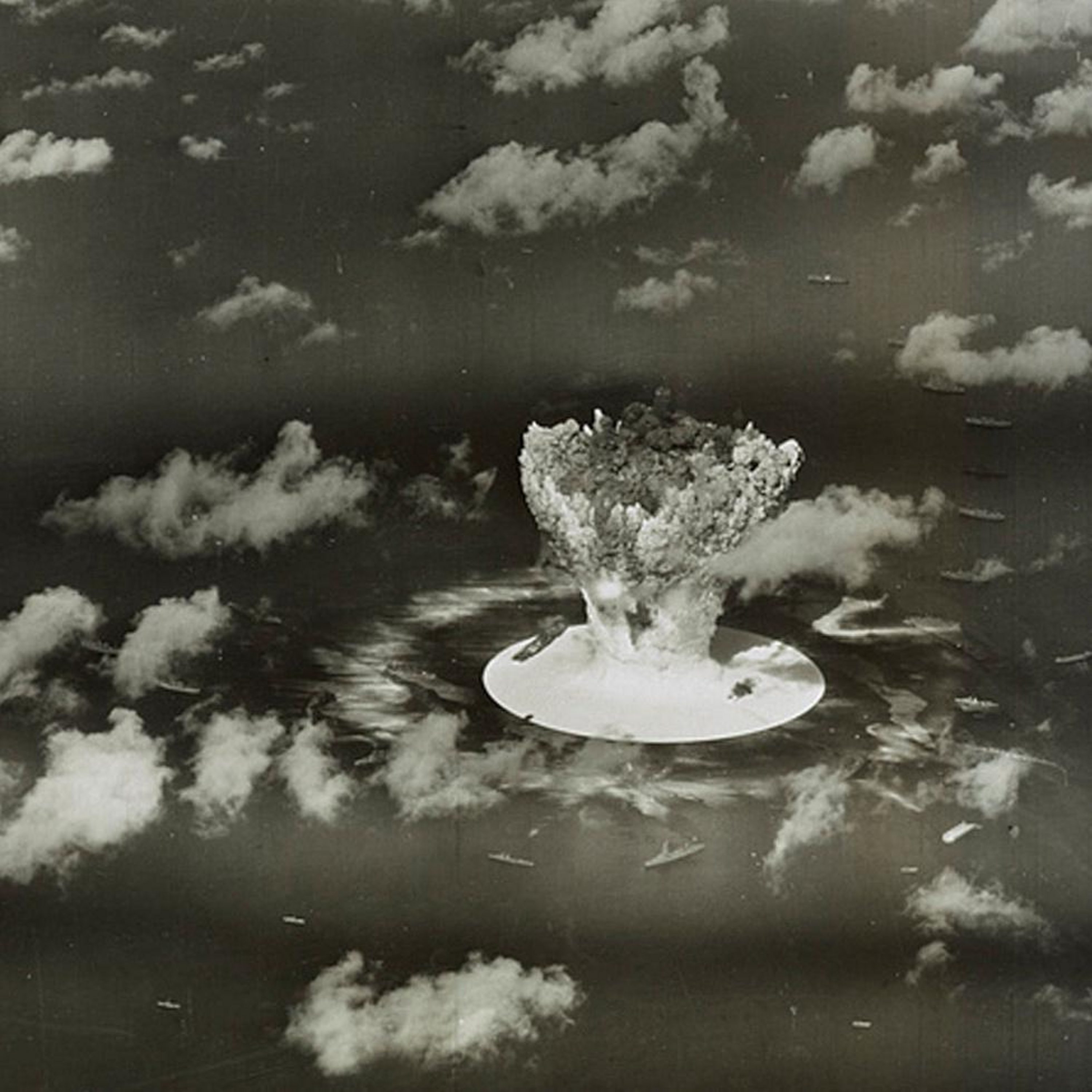
Is the world entering a new age of nuclear testing?
In the last 72 hours, comments from President Trump and his administration have sparked fresh debate about whether the US could – or should – resume the kind of nuclear weapons tests that were halted over 30 years ago.The current debate centres on whether Trump plans to test nuclear delivery systems, such as missiles, or nuclear warheads. The latter would be a major reversal of a long-standing policy, as the US has not tested a nuclear warhead since 1992, but it’s unclear what the plans involve.Today, Tristan speaks to Serhii Plokhy, a history professor at Harvard and author of The Nuclear Age, about what it would mean to return to an era of nuclear testing.Producers: Viv Jones, Xandra Ellin, Aron KellerExecutive producer: James ShieldMix: Travis EvansSenior news editor: China CollinsPhoto: Mushroom cloud rises during Operation Crossroads nuclear weapons test. Reuters
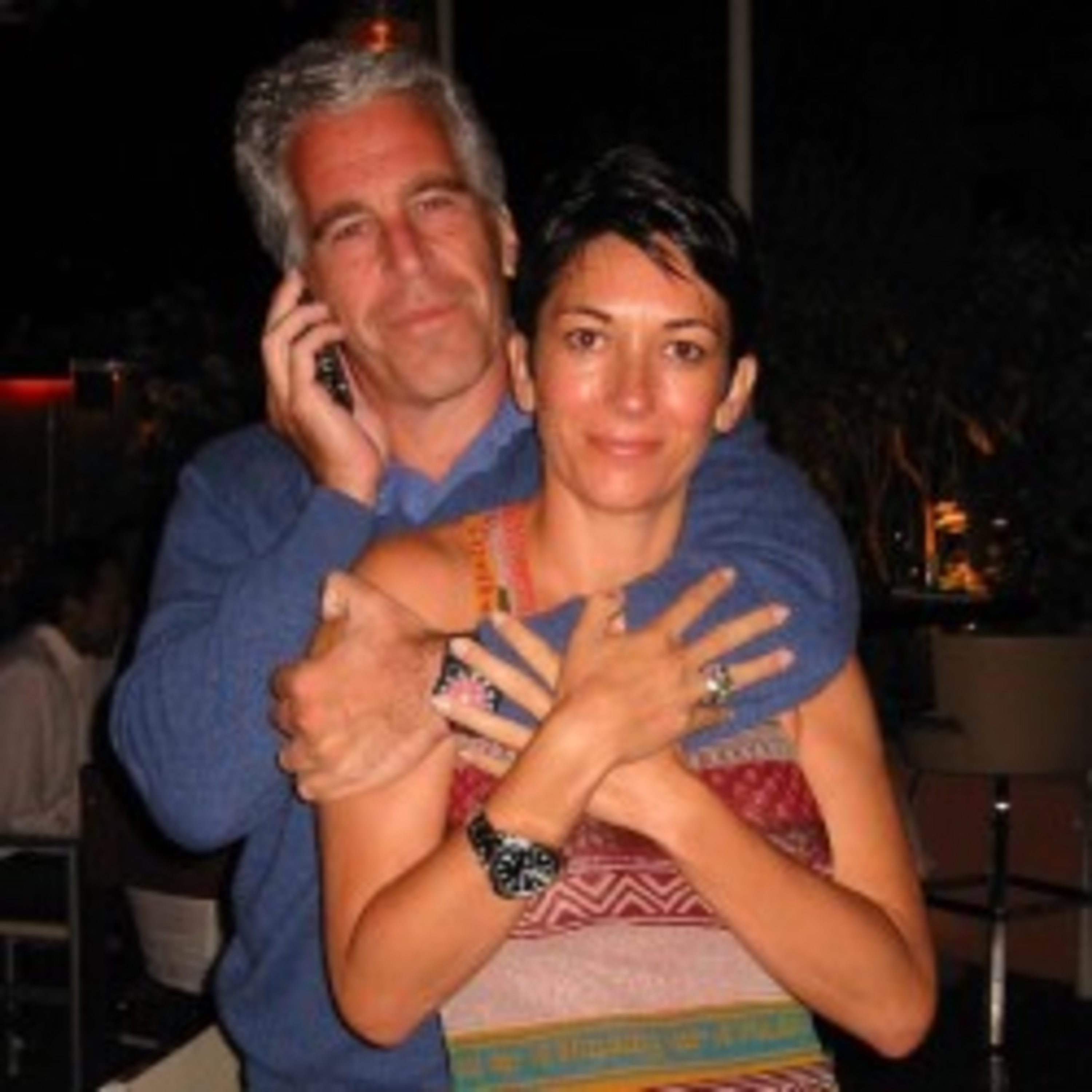
Ghislaine Maxwell, the Epstein Files, and the scandal that won’t go away
**This episode contains themes of sexual abuse and grooming** Calls to release all the Epstein files are growing, after Wednesday’s bombshell release of over 20,000 pages of documents related to the sex trafficking scandal. The private messages released by the estate of convicted sex offender Jeffrey Epstein have increased scrutiny on what President Trump may have known about Epstein’s behaviour. The White House has told the BBC the documents ‘prove literally nothing’. The furore continues to intensify, but there is one woman who has all the answers: Epstein’s long-time associate Ghislaine Maxwell. So who is the disgraced British socialite and what is her role in the scandal? Today we talk to the BBC’s New York correspondent Nada Tawfik, who has covered the case for over a decade.Producers: Sam Chantarasak and Aron KellerExecutive producer and senior news editor: China CollinsMix: Travis EvansPhoto: Ghislaine Maxwell with Jeffrey Epstein. US Department of Justice/PA Wire

The hostage negotiator’s guide to making deals with Putin’s Russia
Donald Trump has spent this year trying to negotiate a deal to end the war in Ukraine. So far, Vladimir Putin doesn’t seem interested in the US’s proposals. One man who has successfully negotiated with Russia – and with many of America’s adversaries – is Roger Carstens, former Special Presidential Envoy for Hostage Affairs. From 2020 to 2025 he worked to free dozens of US citizens taken hostage and wrongfully detained around the world, including in Russia. Securing their release often required complex deals that took years to put together. What does it take to successfully negotiate with Putin’s Russia? Producer: Lucy Pawle Executive producer: James Shield Senior news editor: China Collins Mix: Travis Evans Photo: Roger Carstens. Credit: BBC
Why is Trump threatening to sue the BBC?
The BBC has this week been rocked by a series of controversies, leading its Director General and Head of News to resign, and President Donald Trump threatening to sue the corporation over an edit it made to his January 6th, 2021 speech in one of its programmes, which the BBC admits was misleading. How did the management of the world’s most trusted news broadcaster reach crisis point, and what does this tell us about today’s media landscape? BBC culture and media editor Katie Razzall explains. Producers: Viv Jones, Xandra Ellin and Hannah Moore Executive producer: James Shield Sound engineer: Travis Evans Senior news editor: China CollinsThis podcast was edited on 12 November 2025. We removed a reference to Donald Trump “threatening to remove BBC journalists’ access to his press conferences". This statement should have been attributed to a reported briefing by a senior White House official.(Photo: BBC headquarters in London. Credit: Andy Rain/EPA/Shutterstock)
Is social media dead?
For much of the 21st century, our social lives have been shaped, at least in part, on the internet. But in an age of influencers, generative AI, complex algorithms, and politically entangled technocrats, some users say social media is growing less, well, social. So, is social media dead? Or is it just becoming something else? We speak with New Yorker staff writer Kyle Chayka about what happened to social networks, and what their transformation suggests about the future of media.Producers: Xandra Ellin and Aron KellerExecutive Producer: James ShieldMix: Travis EvansSenior News Editor: China CollinsPhoto: Social media apps on a phone.Yui Mok/PA
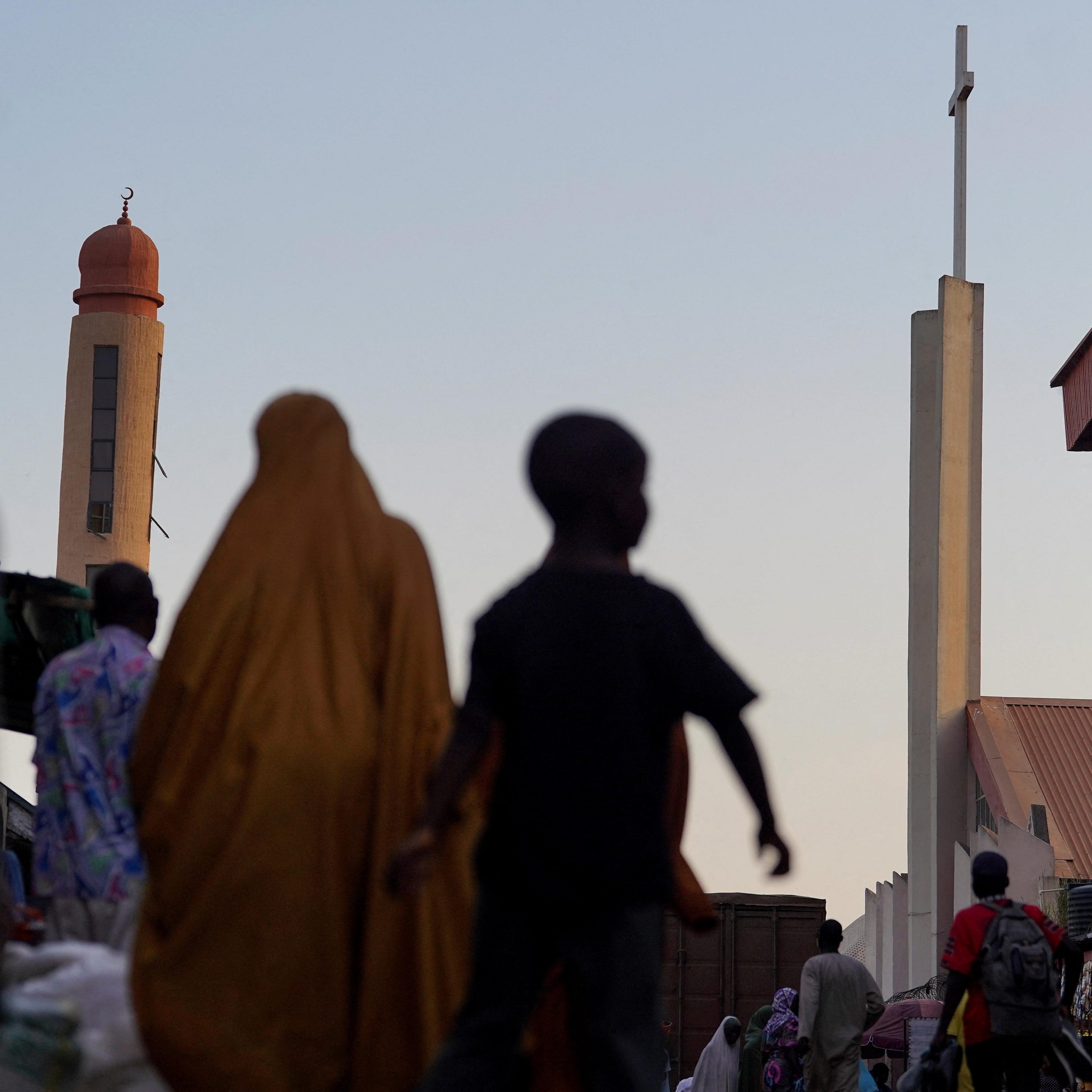
Why Trump is threatening to go 'guns a-blazing' into Nigeria
President Donald Trump has warned that he will target Nigeria if the government there "continues to allow the killing of Christians". For months, campaigners and politicians in Washington have been alleging that Islamist militants were systematically targeting Christians in Nigeria. But how true are the claims that there is a persecution – or even a genocide – of Christians in the West African country? And how does Nicki Minaj come to thank him for his intervention? We speak to the BBC’s global religion correspondent, Lebo Diseko. Producers: Xandra Ellin and Cat Farnsworth Executive producer: Annie Brown Mix: Travis Evans Senior news editor: China Collins (Photo: People walk along a street flanked by St. Joseph Catholic Church and Kano Road Central Mosque in Kaduna, Nigeria, 4 November, 2025. Credit: Marvellous Durowaiye/Reuters)
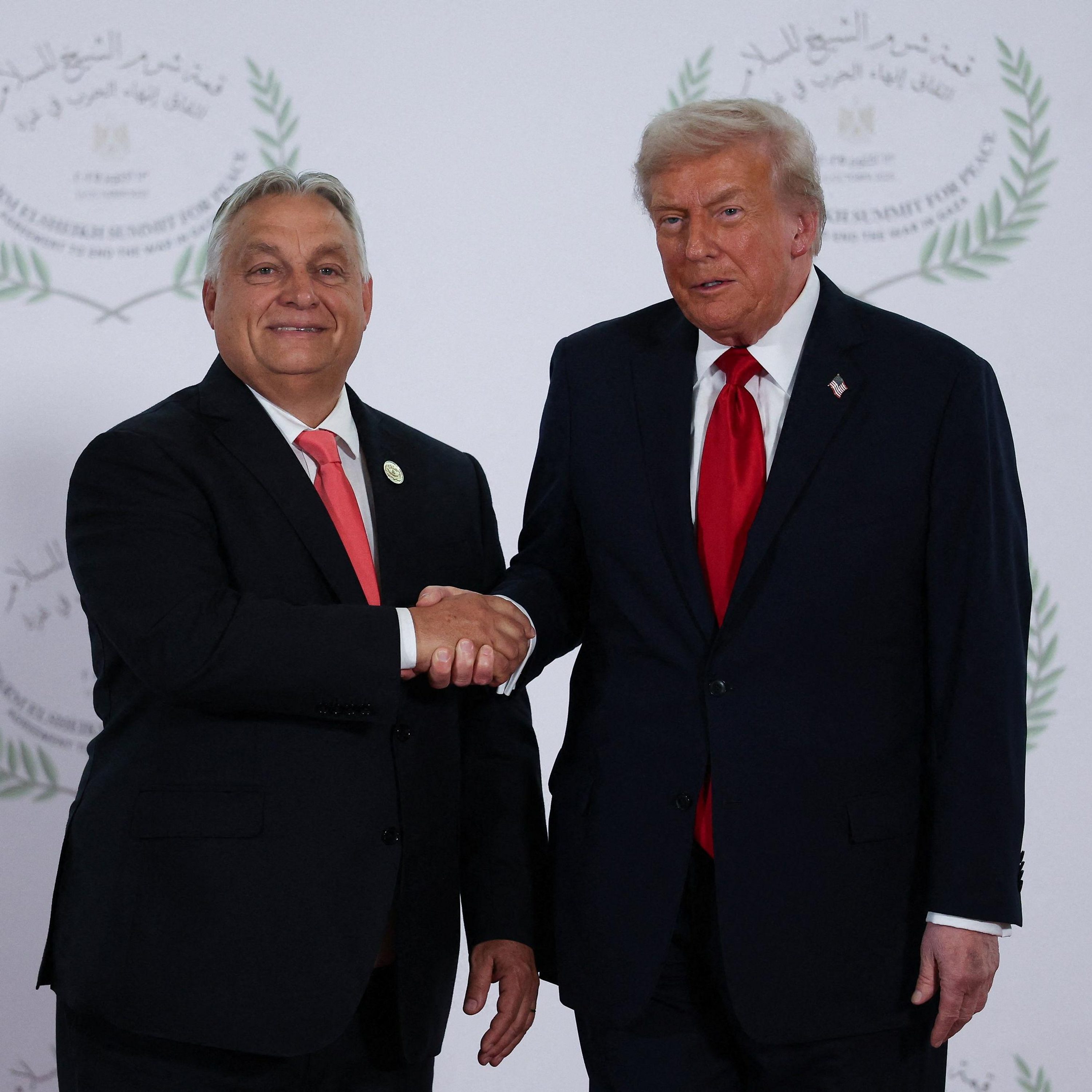
Viktor Orban’s dilemma: Trump’s favour or Russian oil
The man Donald Trump has called a "great leader", and who has long provoked admiration in MAGA circles, suddenly finds himself in an unusual position – at odds with the US president on an issue of critical importance. Viktor Orban, Hungary’s prime minister, is visiting the White House on Friday to try to resolve a dispute over Russian oil and gas. Orban wants to keep buying it, but Trump wants countries to wean themselves off Russian energy and help put the brakes on Russia’s war in Ukraine. Will Trump choose to keep an old friend close, or put pressure on Putin? We speak to Nick Thorpe, the BBC’s correspondent in Budapest, who has covered Orban since the 1980s. Producer: Viv Jones Executive producer: James Shield Senior news editor: China Collins Mix: Travis Evans Photo: U.S. President Donald Trump and Hungarian Prime Minister Viktor Orban. Suzanne Plunkett, Reuters.
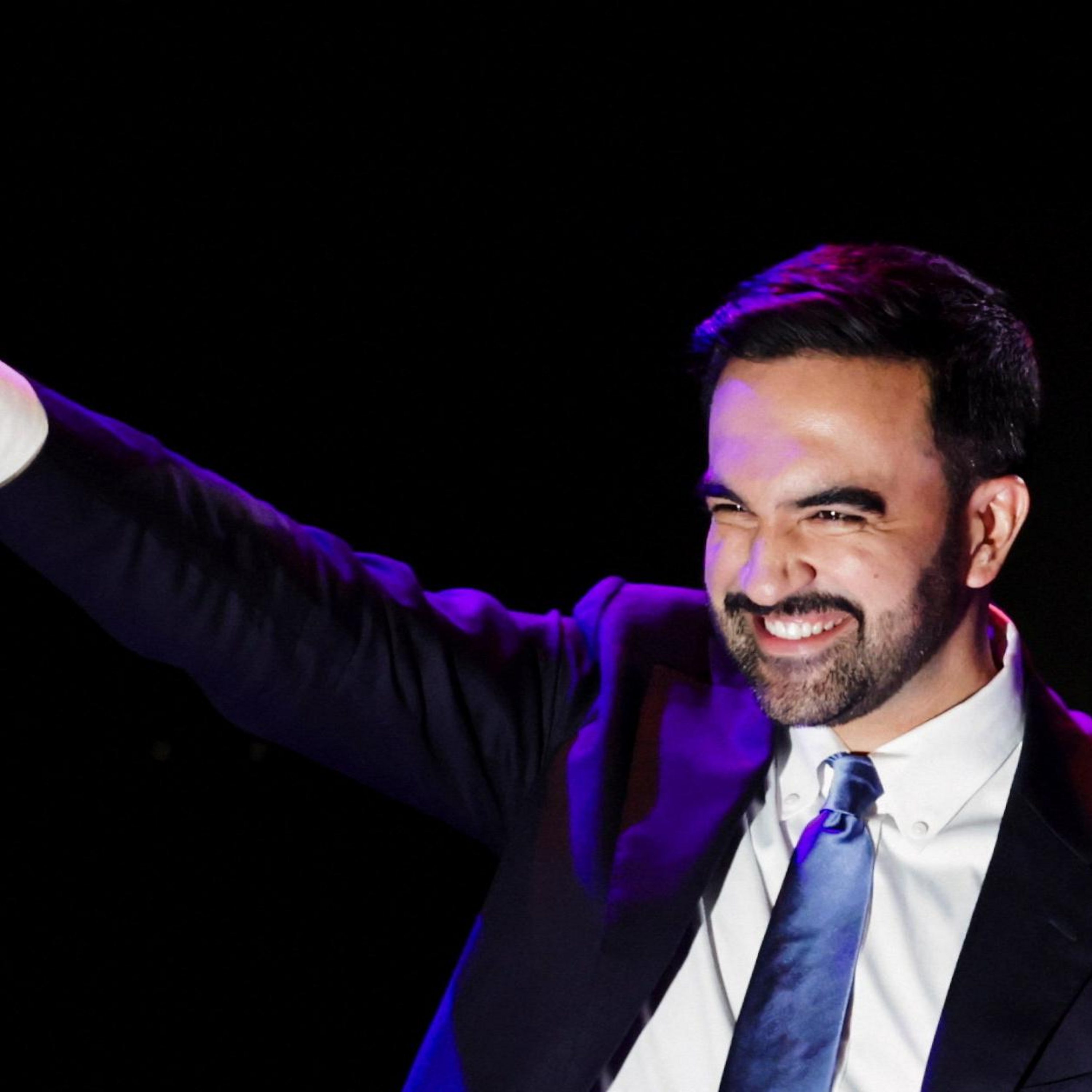
A tale of two cities: London’s lesson for New York’s first Muslim mayor
Even before Zohran Mamdani was elected as New York’s first Muslim mayor, his critics frequently cited London as a sort of cautionary tale, suggesting that New York under Mamdani could go “the way of London.” That’s because London already has a liberal, Muslim mayor - Sadiq Khan. But is that where the similarities end? We talk to Tim Donovan, a former BBC reporter who covered London politics for decades. And we ask Mr Khan himself what it’s like to be a local politician with an international profile - especially when your most persistent critic, is a tenacious man called Donald Trump? Producers: Xandra Ellin, Valerio Esposito and Cat Farnsworth Mix: Travis Evans Senior news editor: China Collins Image: New York City mayor-elect, Zohran Mamdani, waves to his supporters after winning the 2025 New York City Mayoral race. Jeenah Moon / Reuters
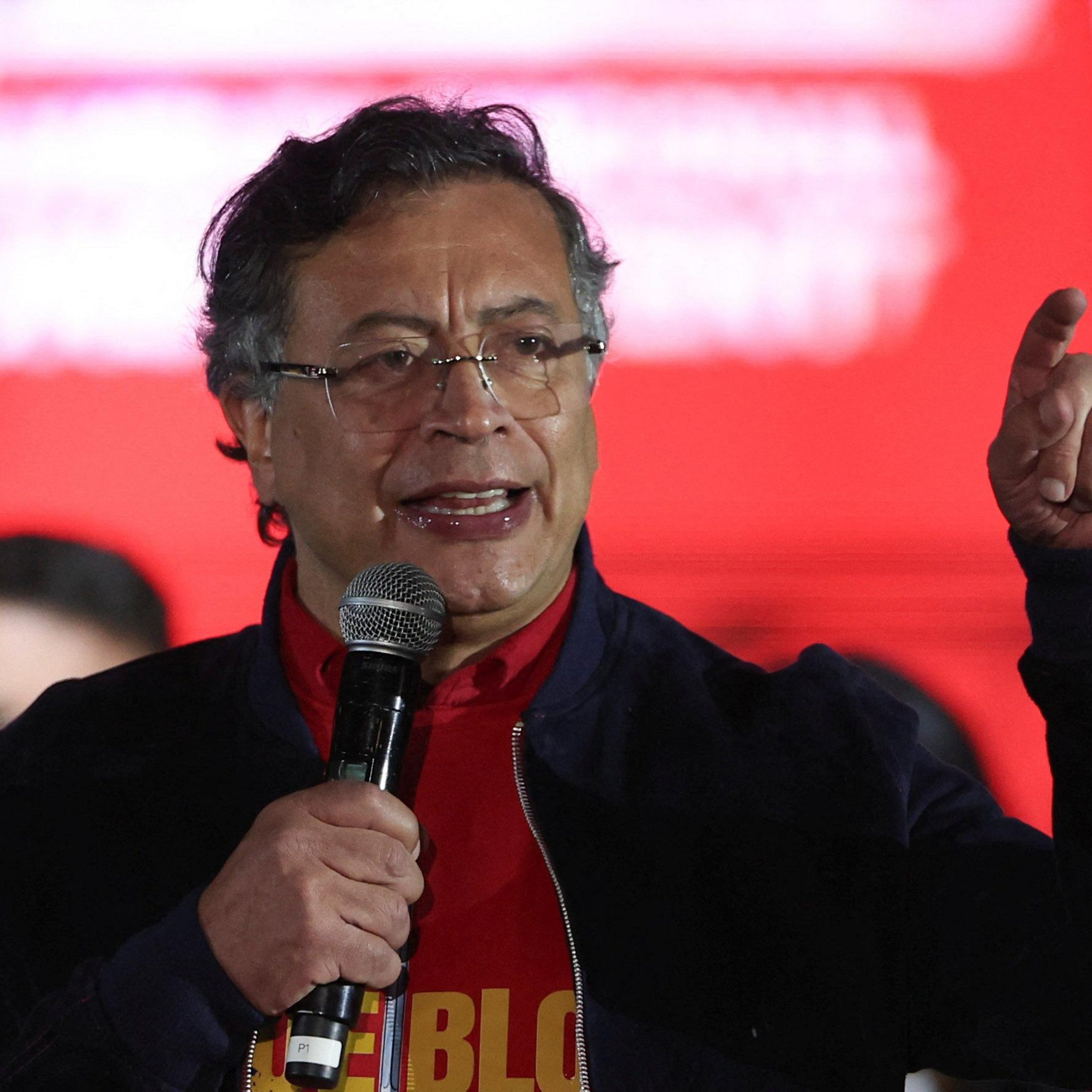
What’s behind Trump’s rift with Colombia?
For years, Colombia has been one of the United States’ closest allies in the region – a key partner in the war on drugs. But now this relationship is coming under strain amidst a personal feud between President Trump, and Colombia’s president Gustavo Petro. In today’s episode, we speak to BBC Mundo’s William Marquez to examine the history of the US-Colombia alliance, and what might be at stake if it falls apart. Producer: Aron Keller Executive producer: James Shield Mix: Travis Evans Senior news editor: China Collins Photo: Colombian President Gustavo Petro. Credit: Reuters/Luisa Gonzalez
The Supreme Court battle over Trump’s tariffs
The Trump administration faces a Supreme Court challenge on Wednesday over its use of tariffs, an economic policy that has upended global trade.This case, which has been described by the President in epic terms, questions the legality of Trump’s signature economic policy - and poses one of the biggest existential threats to his second term so far. In today’s episode, we speak to small business owners across the US, and to BBC business reporter Natalie Sherman, who will be at the Supreme Court this week.Producers: Hannah Moore and Valerio EspositoExecutive producer: James ShieldMix: Travis EvansSenior news editor: China CollinsImage: US President Trump unveils new tariffs on so-called Liberation Day. Jim Lo Scalzo/EPA-EFE/REX/Shutterstock
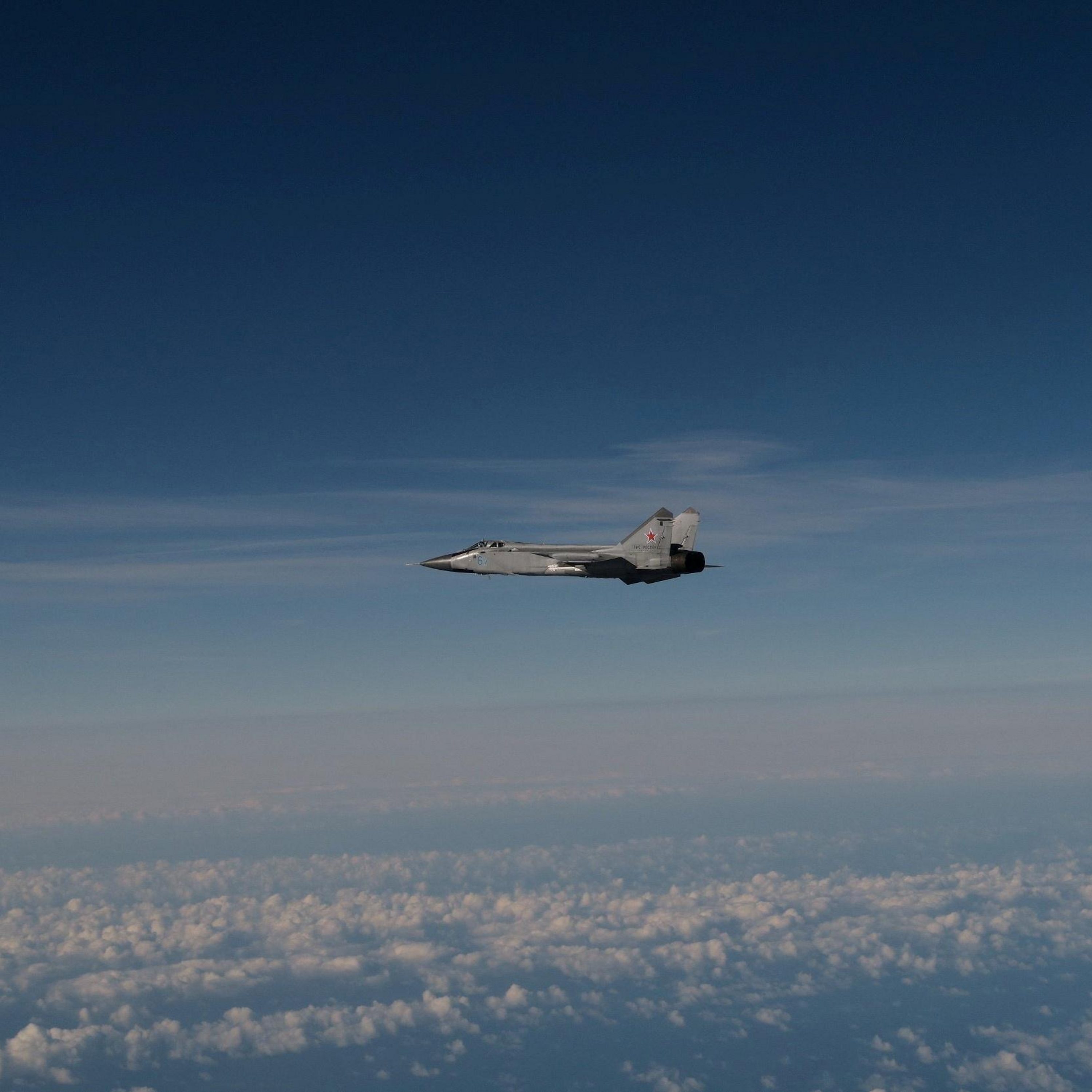
What if Russia wins?
Discussion of nuclear weapons has returned both to our news cycle and to the cultural conversation. Last week, President Donald Trump said that the US would resume testing nuclear weapons. Meanwhile, several recent films and books imagine a near future scenario where a nuclear attack is threatened or carried out. Tristan talks to Carlo Masala, professor of international relations at the Bundeswehr University Munich and author of If Russia Wins. His book imagines a scenario where Russia attacks a Nato country to see whether the alliance will respond, risking a nuclear confrontation. Masala believes Russia is already engaged in ‘hybrid warfare’ with Europe, and he wrote his book as a warning to the west. Producers: Viv Jones, Aron Keller, Xandra Ellin and Valerio Esposito Executive producer: James Shield Mix: Travis Evans Senior news editor: China CollinsImage: A photo published by Swedish armed forces that it says shows a Russian mig-31 fighter jet that took part in the violation of Estonian airspace. Swedish Armed Forces/ Reuters.Credits: The War Game (1965) / Dir: Peter Watkins / BBCDr Strangelove (1964) / Dir: Stanley Kubrick / Columbia Pictures A House of Dynamite (2025) / Dir: Kathryn Bigelow / Netflix
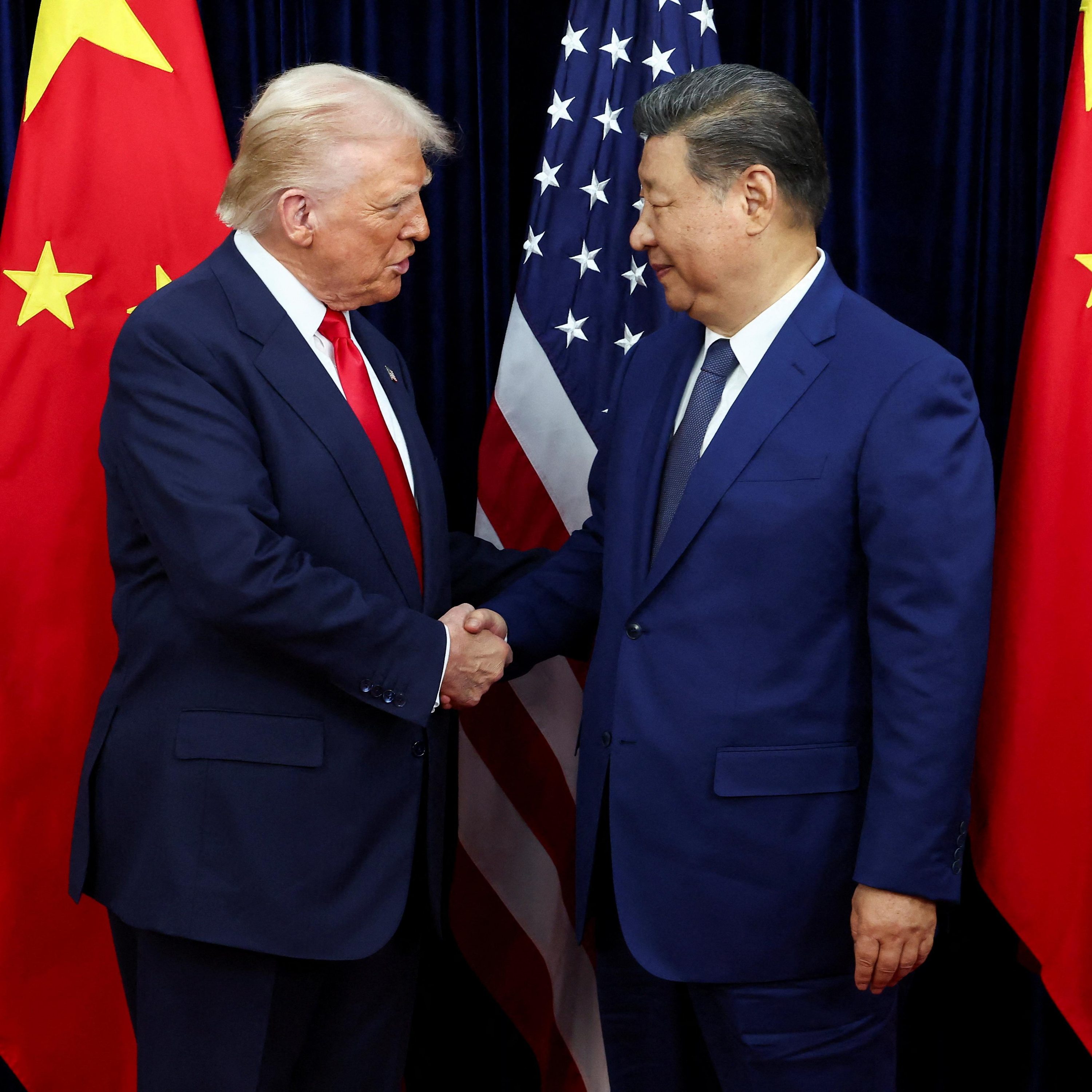
When the two most powerful men in the world met
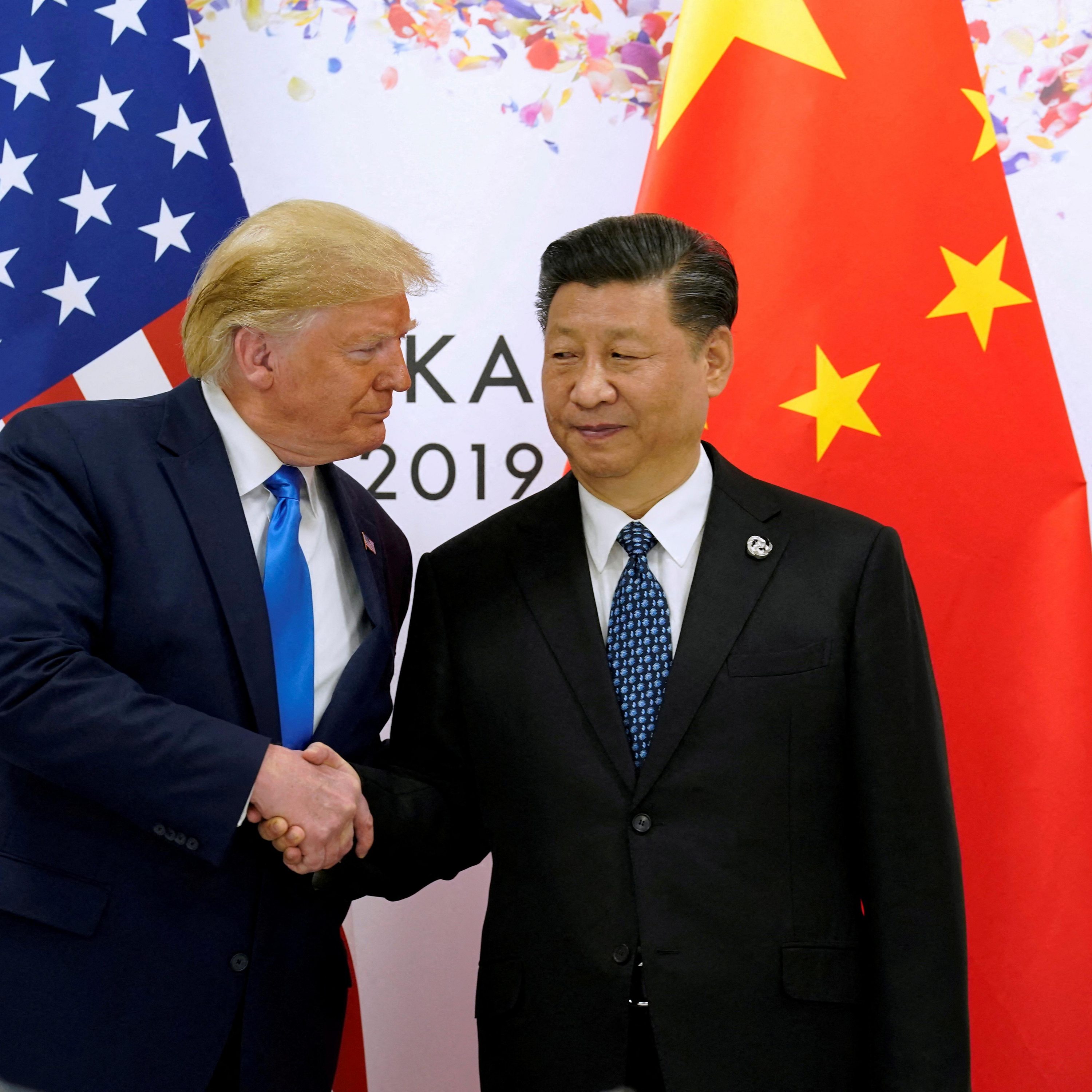
On Thursday, Donald Trump and President Xi Jinping of China held a closed-door meeting in South Korea. The subjects of negotiation ran the gamut — from rare earth minerals, to fentanyl, to computer chips — and, according to President Trump’s subsequent news conference, the two parties reached a long-awaited deal. But exactly what did the world’s two most powerful men agree to? The BBC’s China Correspondent, Laura Bicker, joins us to discuss. Producers: Hannah Moore and Xandra Ellin Executive Producer: Annie Brown Senior News Editor: China Collins Mix: Travis Evans IMAGE: U.S. President Donald Trump shakes hands with Chinese President Xi Jinping as they hold a bilateral meeting at Gimhae International Airport, on the sidelines of the Asia-Pacific Economic Cooperation (APEC) summit, in Busan, South Korea, October 30, 2025. REUTERS/Evelyn Hockstein.
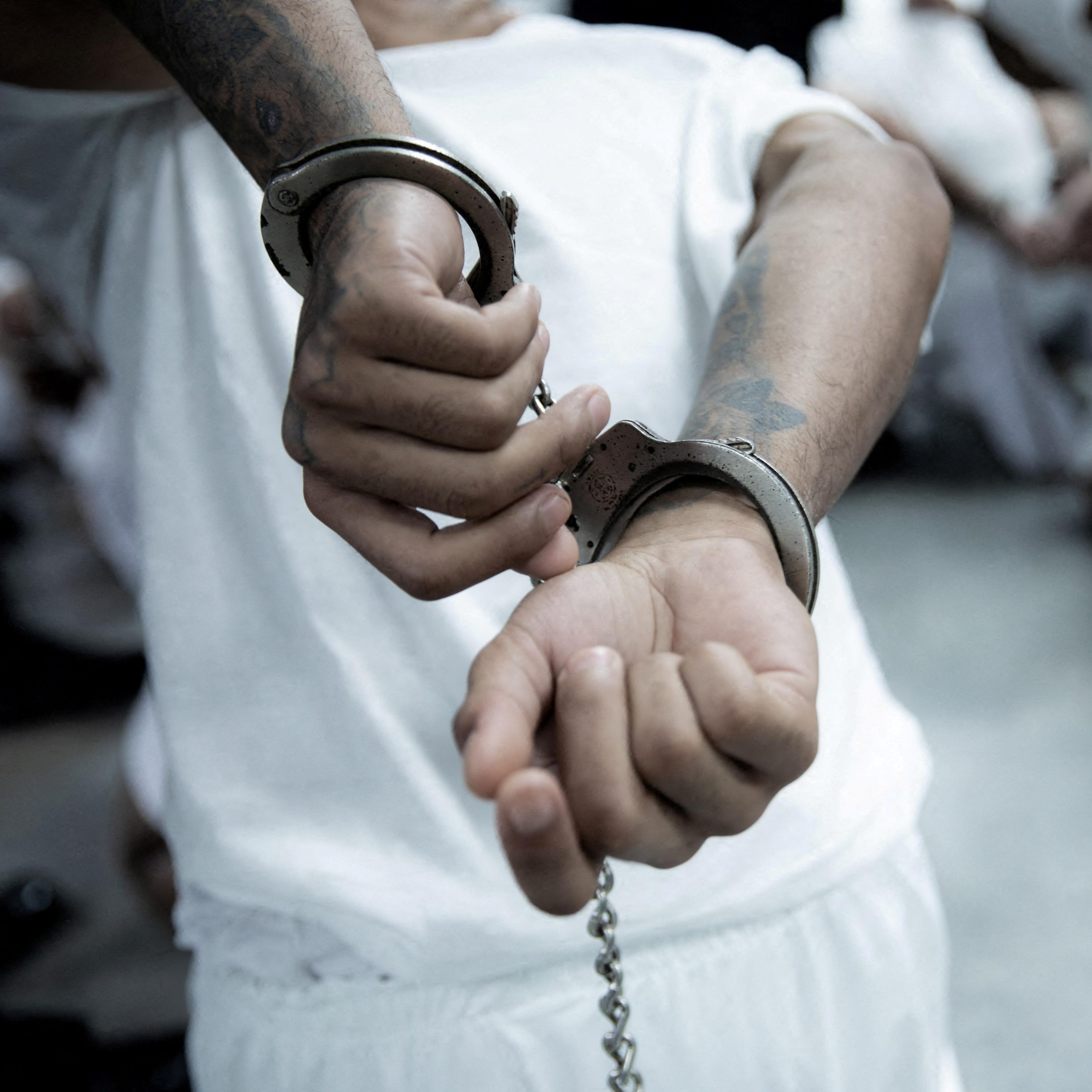
How a Venezuelan prison gang became the face of Trump’s immigration crackdown
The Trump administration has centred on Tren de Aragua – a Venezuelan prison gang – as a justification for cracking down on Venezuelan immigrants, and for several attacks on boats in the Caribbean Sea. When President Trump designated the gang a Foreign Terror Organisation, and invoked a 1798 law that allows presidents to swiftly deport citizens of enemy countries, civil rights groups accused his government of using these measures as a way to deport Venezuelans without due process. Trump has argued he’s acting to "eliminate the presence of all foreign gangs and criminal networks bringing devastating crime to US soil". We speak to Jonathan Blitzer, staff writer at the New Yorker, who has been reporting on how Tren de Aragua became a major focus of Trump’s domestic and foreign policy. Producers: Viv Jones and Aron Keller Executive producer: James Shield Mix: Travis Evans Senior news editor: China CollinsImage: An alleged member of the Tren de Aragua in detention. Reuters.
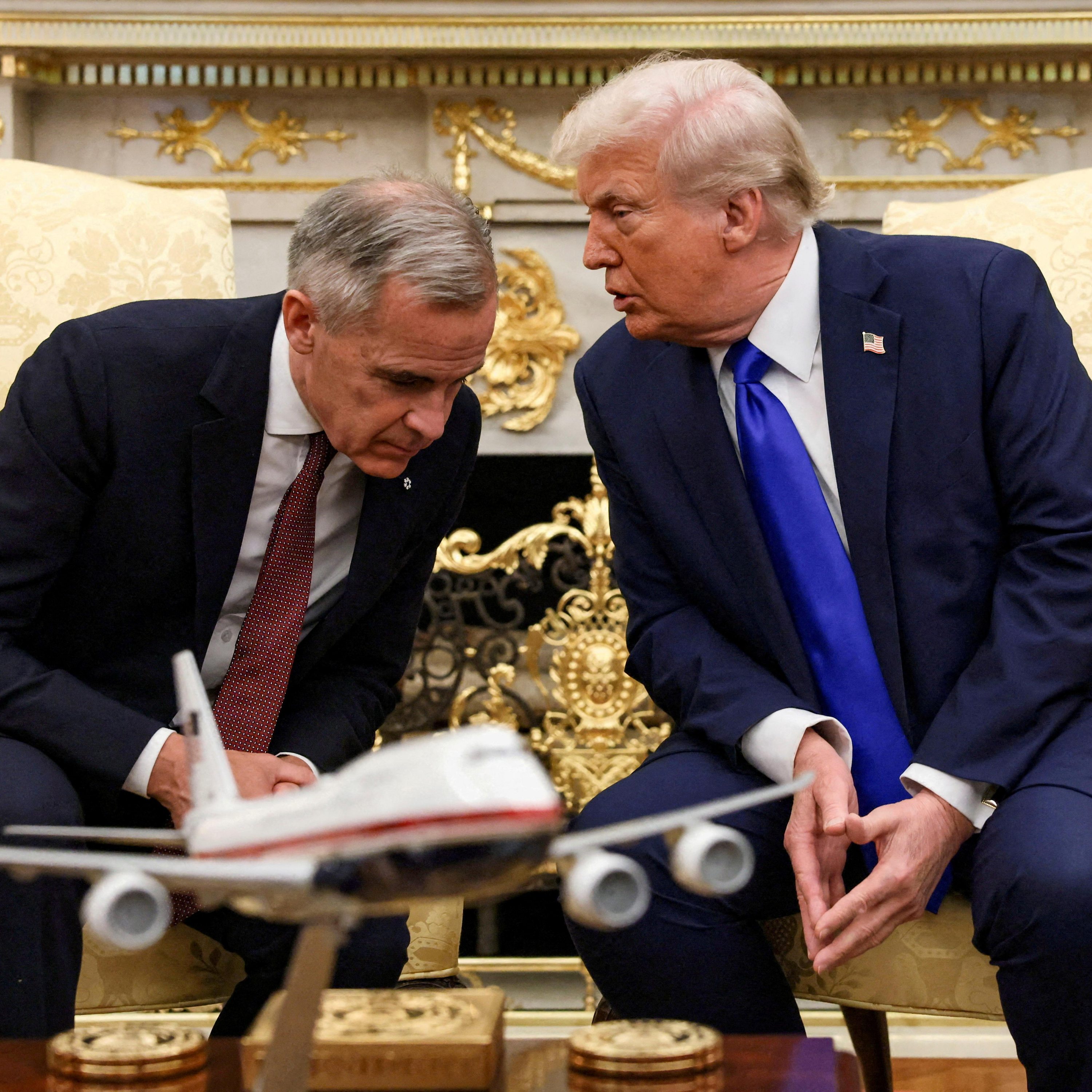
Why the US-Canada relationship is on shaky ground
After months of tense negotiations, President Trump has announced that he has terminated trade talks with Canada. The reason: a new Canadian TV commercial featuring an anti-tariff message from an old Ronald Reagan speech. The ad played during a World Series game and ran on various US cable channels, angering President Trump.The ad is just the latest skirmish between the US and its neighbour to the north. We speak to the BBC’s senior Canada reporter, Nadine Yousif, about how we got here and what the future has in store for the relationship between the two countries.Producers: Valerio Esposito and Xandra Ellin Executive producer: Annie Brown and James Shield Sound engineer: Travis Evans Senior news editor: China Collins (Photo: US President Donald Trump (R) meets Canada's Prime Minister Mark Carney (L) in the Oval Office at the White House, Washington DC,7 October, 2025. Credit: Evelyn Hockstein/Reuters)
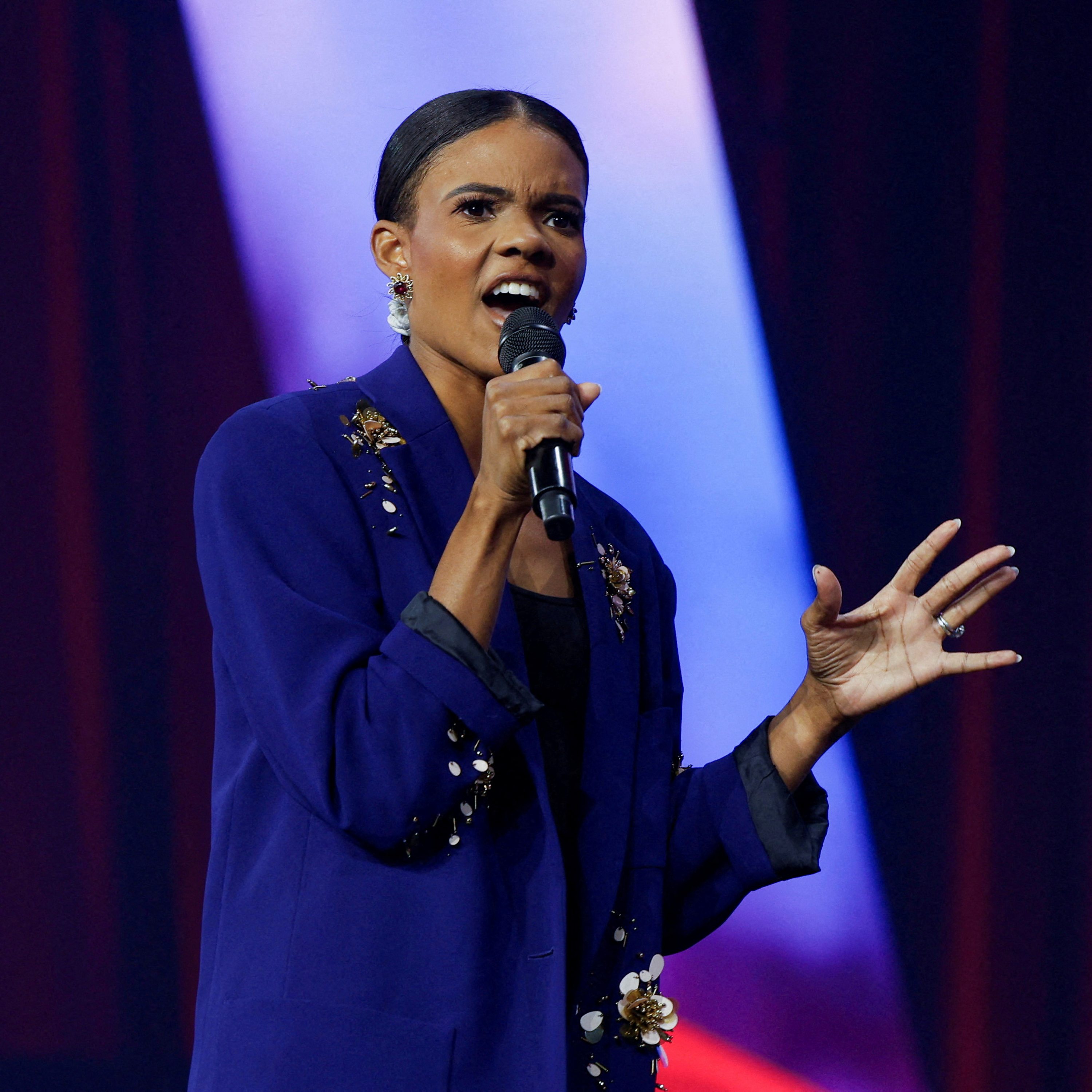
Why is the French president suing Candace Owens?
The controversial right-wing podcaster Candace Owens is being sued by the French president and his wife in a US court. The Macrons are accusing Owens of spreading a conspiracy theory that Brigitte Macron was born a man. So where has this theory come from?We speak to the BBC’s Anoushka Mutanda-Dougherty, host of the Fame Under Fire podcast, about what the Macrons are risking by filing the lawsuit – and whether it’s only adding more fuel to the flames.Presenter: Tristan RedmondProducer: Sam Chantarasak and Lucy Pawle Executive producer: Annie Brown Sound engineer: Travis Evans Senior news editor: China Collins (Photo: Candace Owens. Rebecca Cook/Reuters)
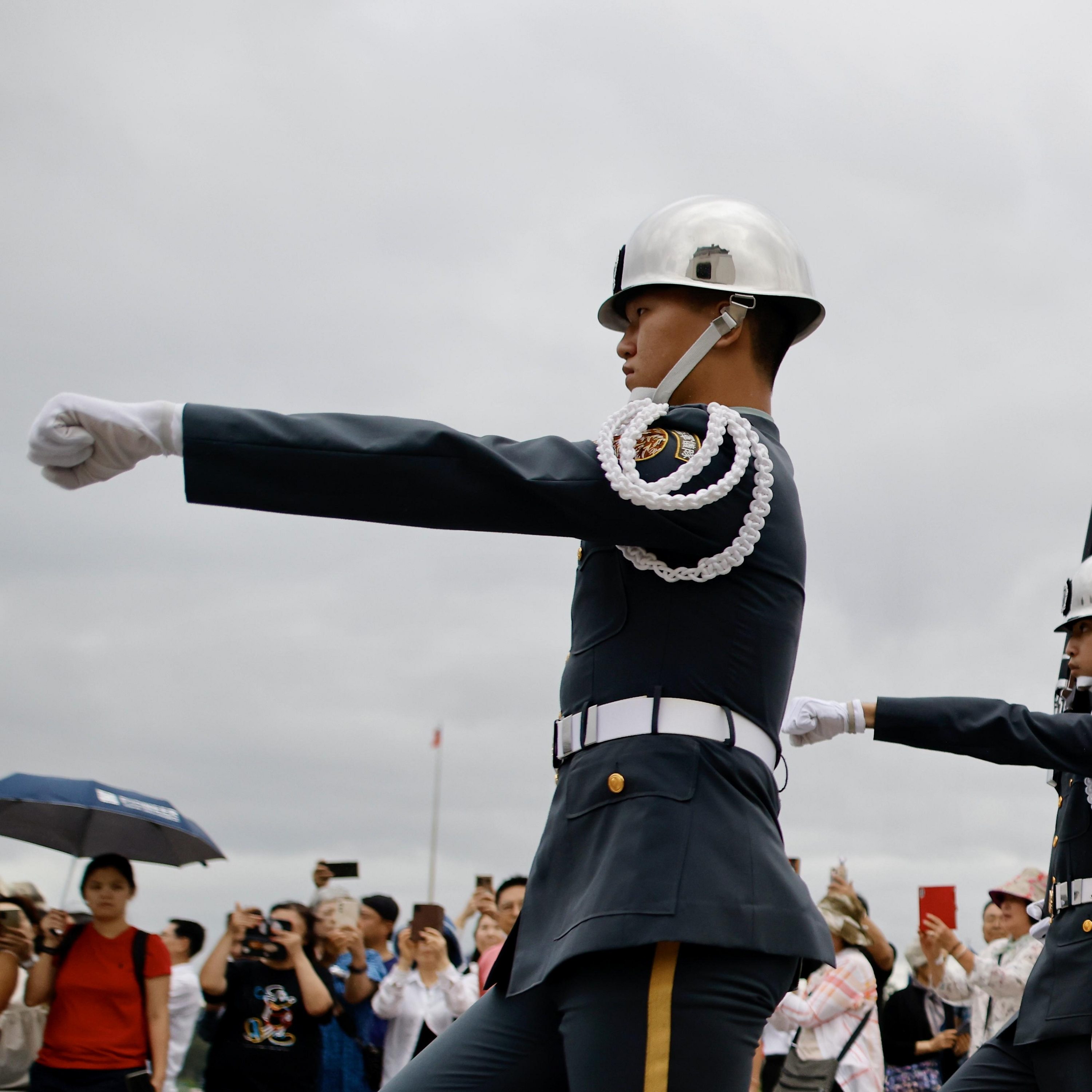
If China attacked Taiwan, what would Trump do?
President Trump is in Asia this week to strike deals with several countries, including with China. One of the big questions overshadowing the trip is Taiwan’s future. China has long vowed to "reunify" with self-governing Taiwan and has not ruled out the use of force. On Sunday, Secretary of State Marco Rubio said the US wouldn’t abandon the island in exchange for a favourable deal with China. But a tug of war has been playing out inside the Trump administration over whether a military battle for Taiwan – if China did try to seize it – would be in America’s best interests. We speak to writer and analyst James Crabtree about what to expect from Trump’s visit to Asia and where Taiwan goes from here. Producers: Viv Jones and Xandra Ellin Executive producer: James Shield Mix: Travis Evans Senior news editor: China Collins Image: Taiwanese people observe the changing of honor guards in Liberty Square in Taipei. Ritchie B Tongo/EPA-EFE/REX/Shutterstock.
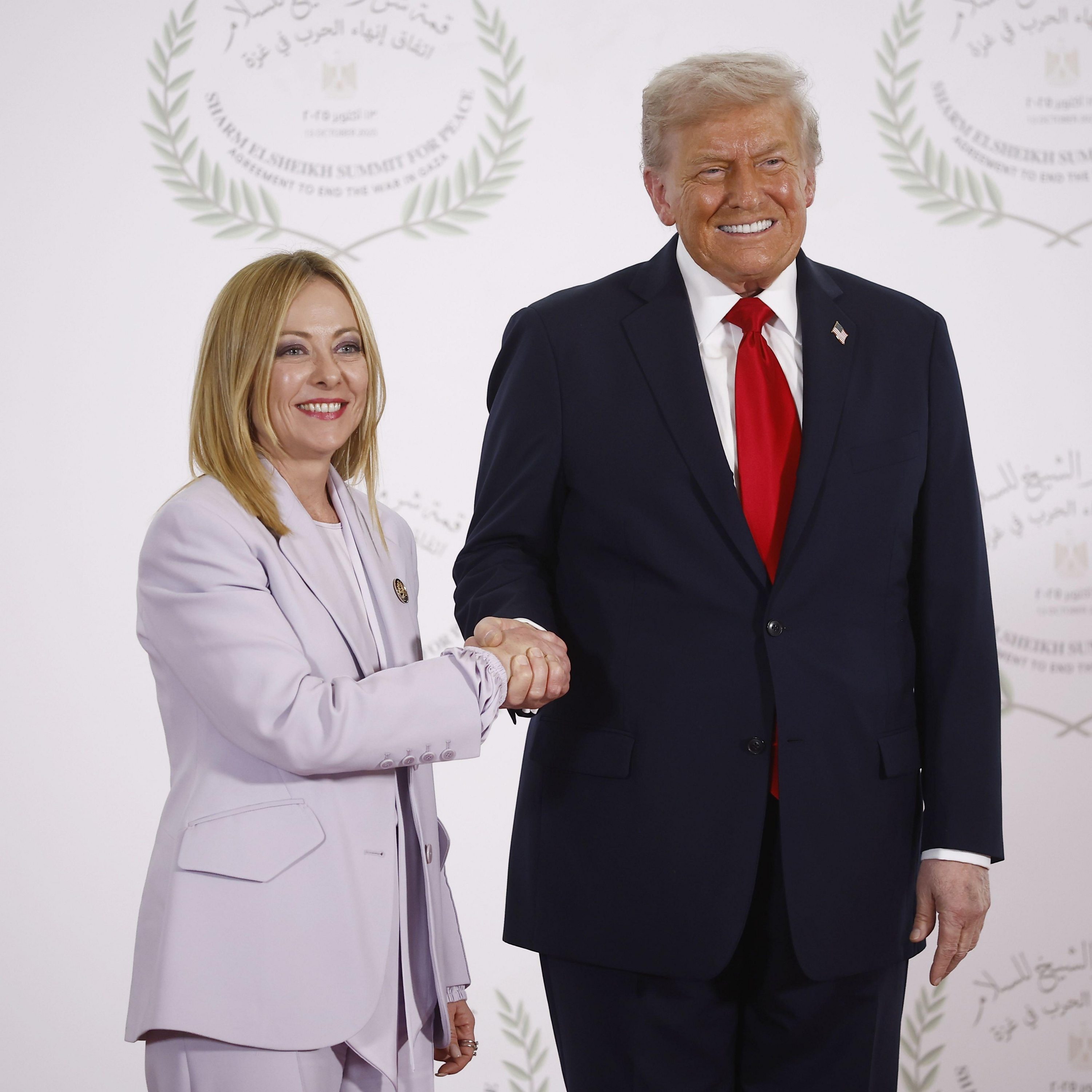
How Giorgia Meloni became Trump's best friend in Europe
Giorgia Meloni is Italy’s first female Prime Minister, and her political star has risen rapidly - from working class roots in Rome, to becoming one of the most important and divisive leaders in Europe. A populist whose party has roots in Italian fascism, and who takes a hard right stance on migration and family values, she has formed a kinship with Donald Trump, who this month alone has promoted her autobiography and her speeches online, and called her “beautiful” on stage. In today’s episode, journalist Barbara Serra joins us to discuss Meloni’s increasingly crucial role in US-European relations. Producers: Hannah Moore and Valerio Esposito Executive producer: James Shield Mix: Travis Evans Senior news editor: China CollinsPhoto: YOAN VALAT/POOL/EPA/Shutterstock
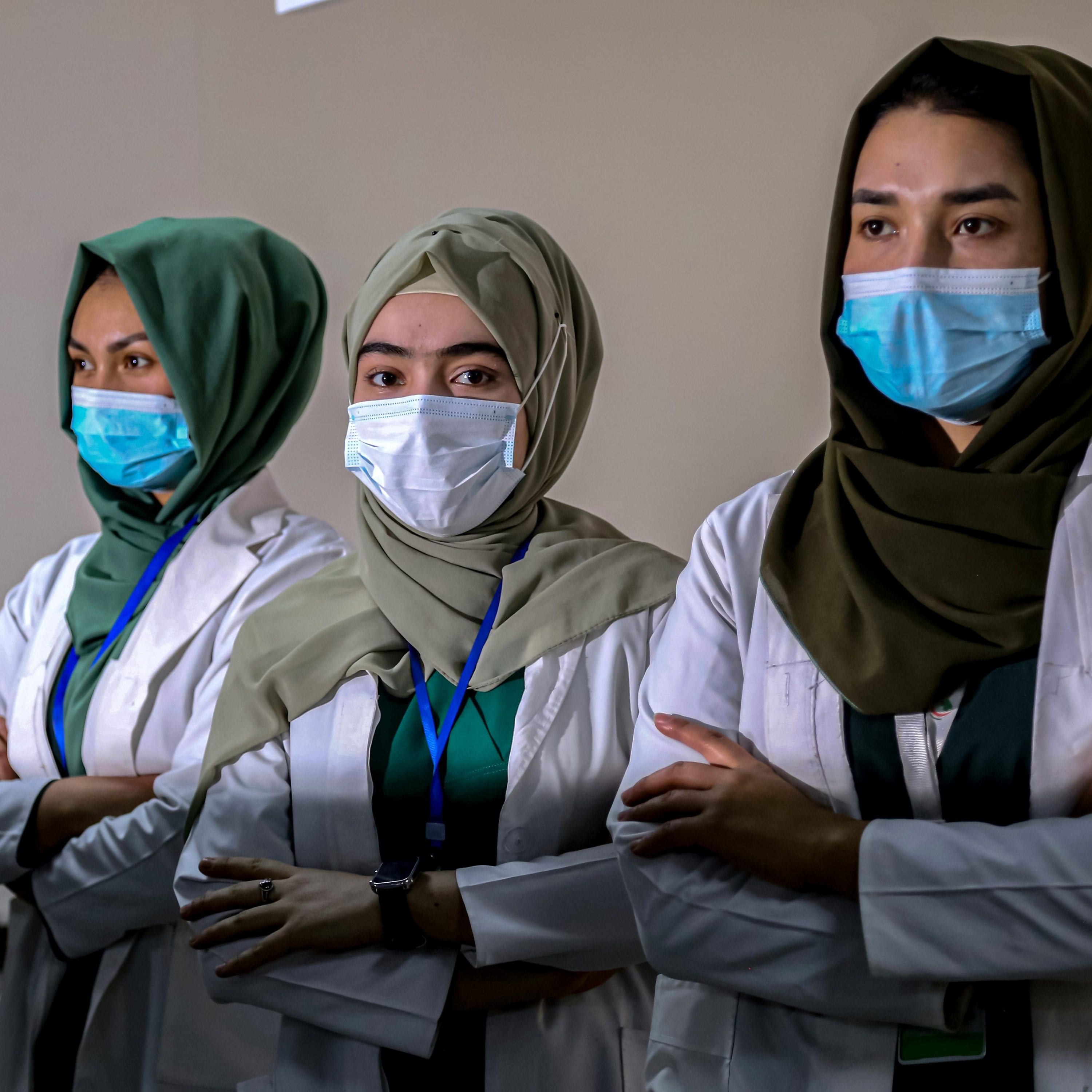
The cost of USAID cuts to women in Afghanistan
Since the Taliban takeover in 2021, the US has contributed billions of dollars in aid to Afghanistan for food and medical care – a lifeline in a country ravaged by two decades of war. But earlier this year, following deep cuts to USAID under the Trump administration, more than 400 USAID-backed medical clinics have closed, and for pregnant women in desperate need of care, the impacts are devastating. The BBC’s South Asia and Afghanistan correspondent, Yogita Limaye, tells us about the families she met on her recent reporting trip, and the lives lost because women did not get the care they needed. Producer: Hannah Moore Mix: Travis Evans Senior news editor: China CollinsPicture: Taliban bans female medical education, Afghan female doctors and midwives face setback, Kabul, Afghanistan, 24 Dec 2024. Samiullah Popal/EPA-EFE/REX/Shutterstock
Jeffrey Epstein and the downfall of Prince Andrew
***This episode contains themes of sexual abuse and grooming*** The memoir of Virginia Giuffre, one of Jeffrey Epstein's most well-known accusers, was published posthumously this week, repeating allegations against Epstein as well as Prince Andrew. The revelations come as Prince Andrew gave up his royal titles, amongst renewed and increasing scrutiny over his relationship with the convicted sex offender Epstein. Prince Andrew continues to vigorously deny all the allegations, but the loss of his titles is a big symbolic moment that allows the rest of the Royal Family to distance themselves from him. His downfall was accelerated by a disastrous 2019 interview with the BBC. We speak to the interviewer Emily Maitlis, now host of the News Agents podcast, about that day, and how Prince Andrew’s story gives us an insight into the ways in which Jeffrey Epstein functioned. Producers: Sam Chantarasak, Lucy Pawle and Xandra EllinExecutive producer: China CollinsSound engineer: Travis EvansSenior news editor: China Collins(Photo: Prince Andrew. Credit: Toby Melville/Reuters)
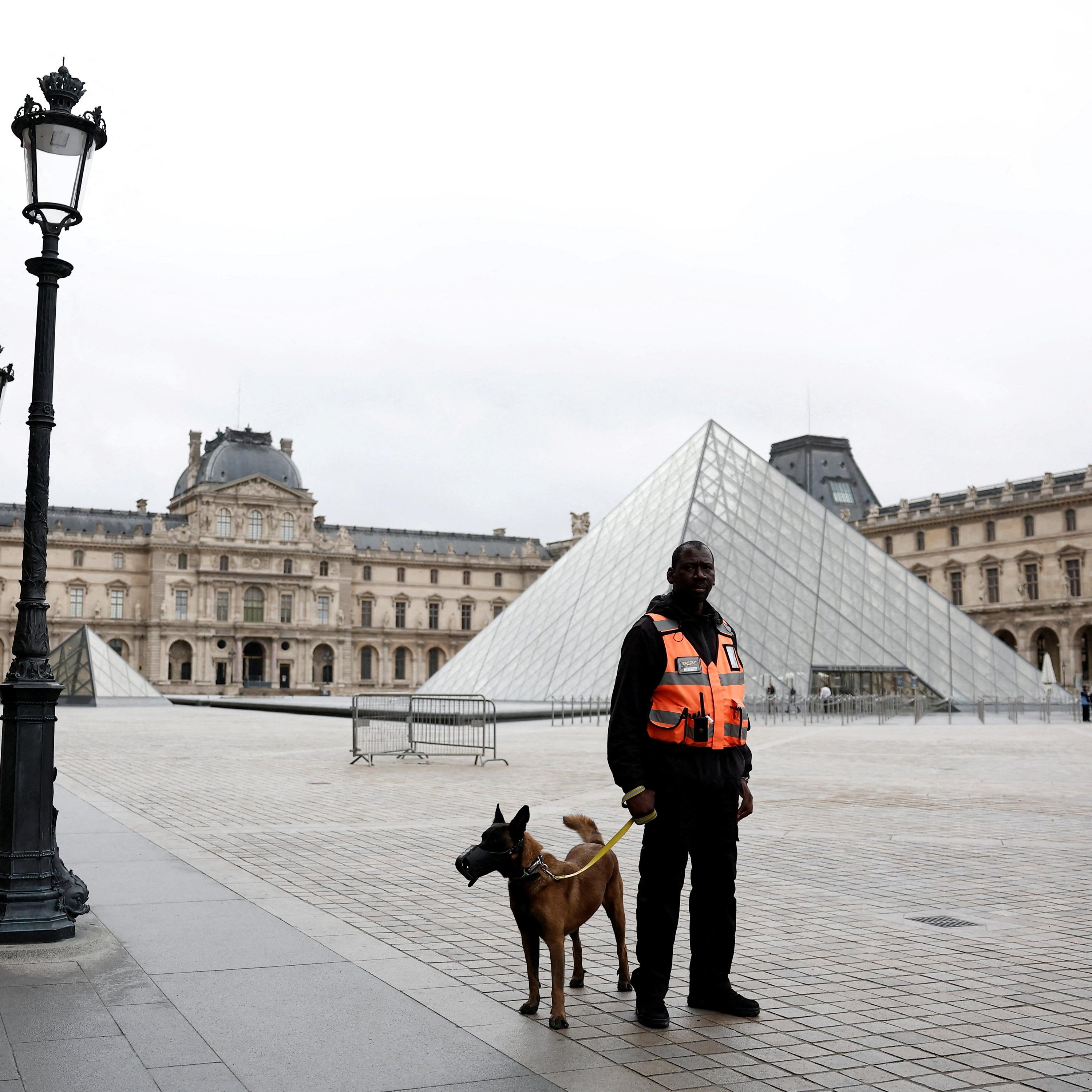
The Louvre daytime heist that shocked the world
The Louvre Museum in Paris was closed for 2 days as the police investigated a brazen heist which resulted in the theft of France's “priceless” crown jewels. Thieves wielding power tools broke into the world's most visited museum in broad daylight, before escaping on scooters with eight items of jewelry of great historical significance.Erin Thompson, Professor of Art Crime at The City University of New York, tells us about the crime that has stunned France - and the rest of the world. Producers: Viv Jones, Aron Keller, Valerio Esposito and Cat Farnsworth Executive producer: Annie BrownMix: Travis EvansSenior news editor: China CollinsImage: A security employee near the glass Pyramid of the Louvre Museum, Paris. Benoît Tessier/Reuters

Is the AI boom actually a bubble?
AI companies are seeing a monumental surge in investment – but some experts are now warning of the risks of an economic bubble. Could AI be the biggest market bubble since the dot-com crash? Or is it a genuinely transformative technology that’s simply taking time to deliver? We speak to the BBC’s Evan Davis. Producers: Aron Keller and Xandra Ellin Executive Producer: James Shield Mix: Travis Evans Senior news editor: China Collins

Why has Trump authorised CIA action in Venezuela?
On Wednesday, President Trump confirmed that he has authorised the CIA to take covert lethal action in Venezuela. The revelation came off the back of a series of US strikes on Venezuelan boats accused of transporting drugs in the Caribbean Sea, which resulted in the death of 27 people in what some human rights experts are calling "extrajudicial executions". The US military operation has the region on edge, leaving analysts wondering whether this is just part of a new war on drugs, or a push to bring down the Maduro regime. The BBC's Will Grant briefs us on these latest developments, and the CIA's history in Latin America. Producers: Viv Jones and Valerio Esposito Editor: Annie Brown and James Shield Sound engineer: Travis Evans Senior news editor: China Collins Image: Miguel Gutierrez/Shutterstock
A Gazan journalist’s diary
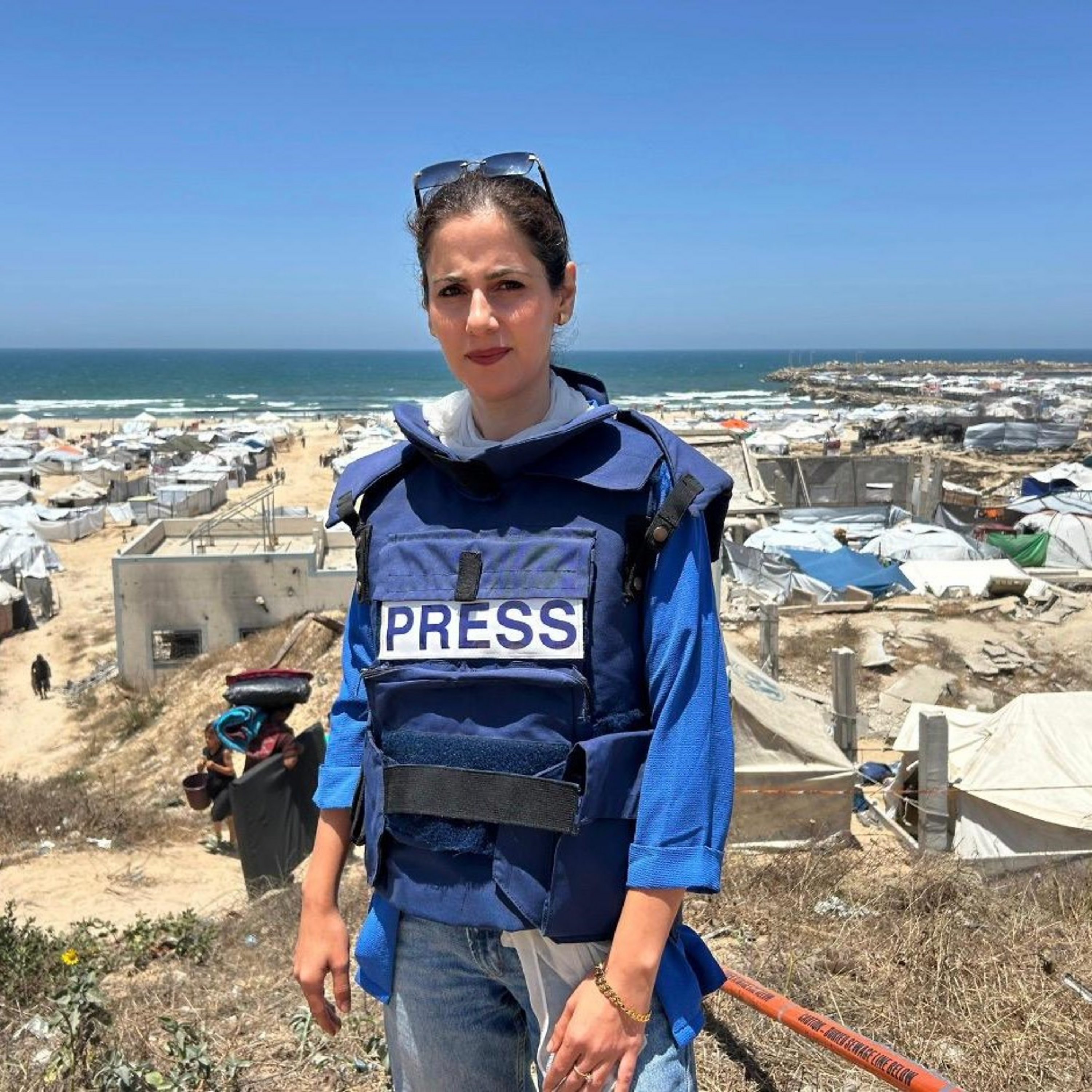
Reporting on the war in Gaza has only been possible because of the work of Palestinian journalists, because the Israeli government will not let foreign broadcasters – including the BBC – inside the territory to report freely, even now a ceasefire is in place. One month ago, freelance journalist Ghada Al-Kurd began sharing voice notes with us, talking about her life, her family, and her days reporting in Gaza City. Her job is dangerous – almost 200 journalists have been killed in Gaza in the past two years – and even with a ceasefire in place, safety is far from reach.Ghada has continued to report for us through her displacements, sharing her treasured memories of pre-war Gaza, and her fears and hopes for its future.Producer: Hannah Moore.Executive producer: James Shield.Mix: Travis Evans.Senior news editor: China Collins.Image: Ghada Al Kurd
Is the US-China trade war back on?
“If there’s a fight, we’ll fight to the end”, a Chinese commerce ministry spokesperson said on Tuesday, of the increasingly fierce trade war playing out between the US and China. As President Donald Trump threatens imposing 100% tariffs on goods coming from China, his counterpart, President Xi Jinping, has restricted US access to its rare earth minerals – which are vital to producing everything from smartphones to fighter jets. With the two leaders due to meet in South Korea later this month, can they break the stalemate, or will they plunge the world’s two biggest economies into a global trade war? BBC China correspondent Stephen McDonnell joins us to discuss how the world’s two largest economies got locked in stalemate – and what it could mean for the cost of the goods we all buy.Producers: Cat Farnsworth and Hannah Moore Mix: Travis Evans Senior news editor: China Collins Image: Russian Matryoshka wooden dolls, depicting US President Donald Trump and Chinese President Xi Jinping. Yuri Kochetkov/EPA-EFE/REX/Shutterstock
Trump is bailing out Argentina. What happened to ‘America first’?
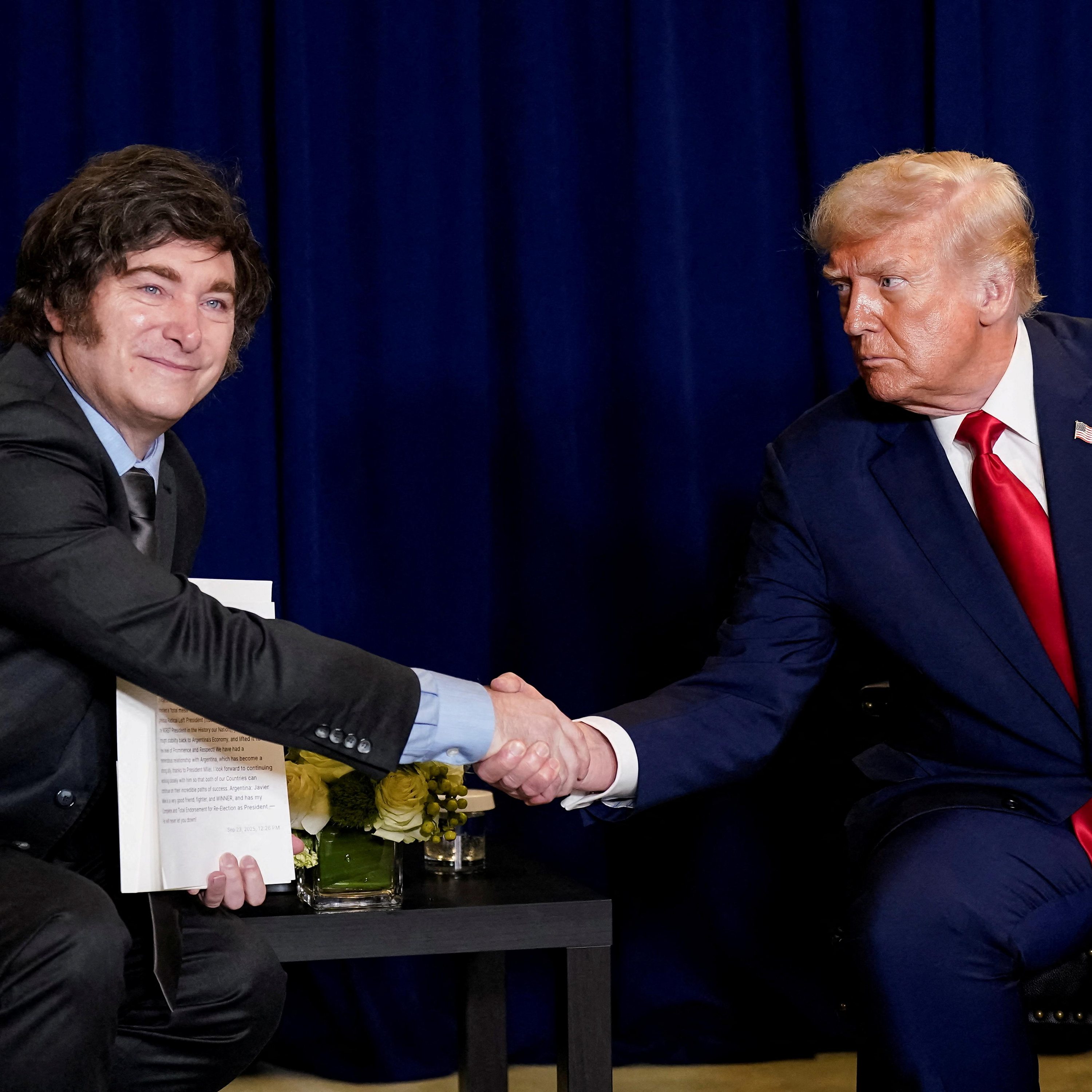
President Trump’s administration may have frozen foreign aid but this week it’s giving Argentina a $20 billion lifeline. It's a move his critics are suggesting is more about politics than sound economics. Argentina’s president, the chainsaw-wielding Javier Milei, is a friend and close ally of Trump’s. On on Tuesday, Milei will visit the White House to discuss the details of this new rescue plan. We ask the BBC’s South America correspondent, Ione Wells, whether Trump is ditching ‘America First’ economics to bail out Argentina, or whether this is a financial gamble that could pay off. Further reading: "How Milei's 'Thatcherite' economics divided his nation - but won over Trump" https://www.bbc.co.uk/news/articles/c9865l8540eo Producer: Viv Jones. Executive producer: James Shield. Mix: Neil Churchill. Senior news editor: China Collins. Photo:Reuters/Al Drago
Why Hamas agreed to a ceasefire – but isn’t disarming yet
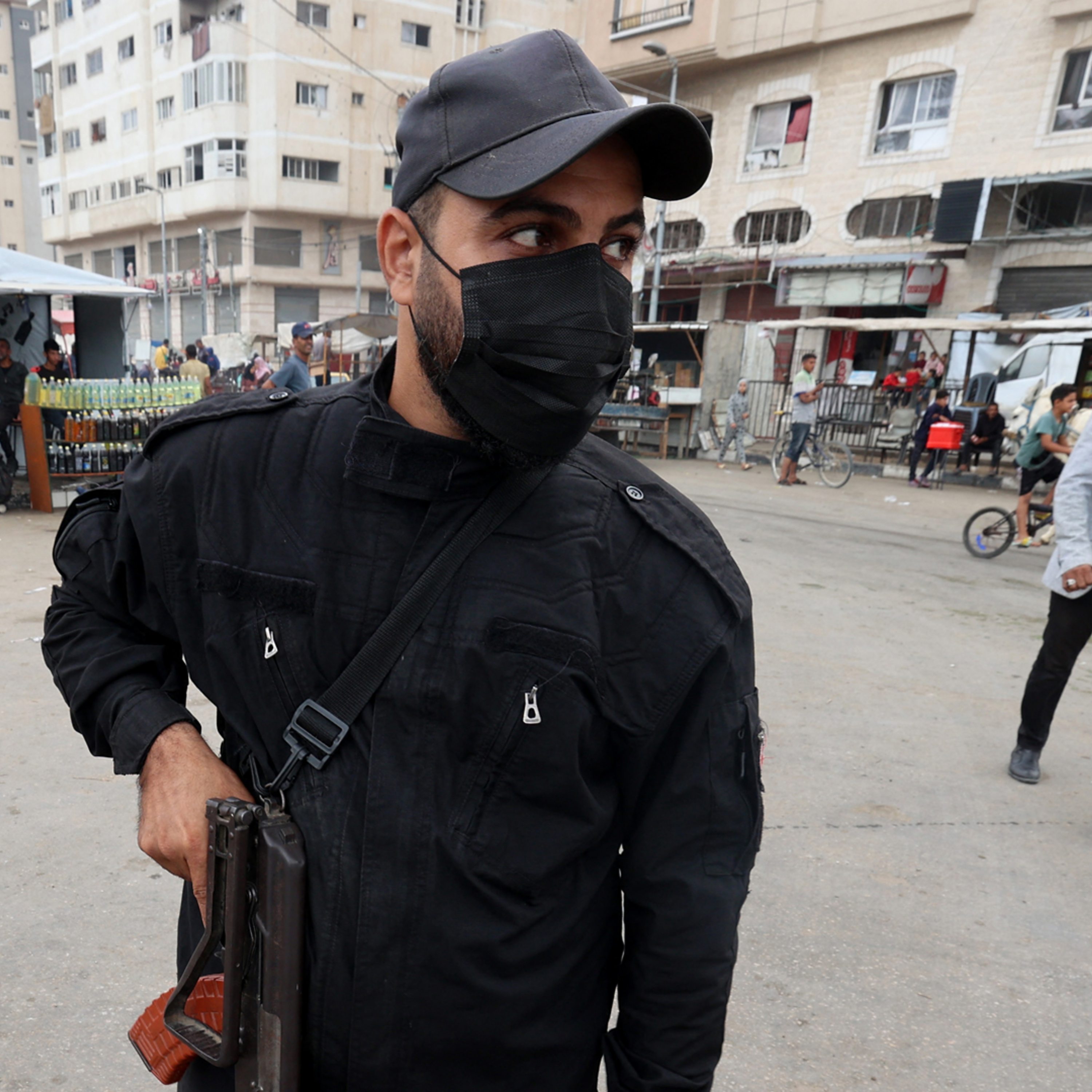
Donald Trump is in Israel today on a victory lap after securing what he claims is the beginning of lasting peace in the Middle East. The Gaza ceasefire – and with it, the release of Israeli hostages and Palestinian prisoners – follows weeks of intense talks brokered by American negotiators. Some of the hostage families have credited the US president with achieving the ceasefire, but his team has more experience in the New York real estate world than in diplomacy. So how exactly did they achieve a deal? And will Hamas really agree to its next phase – disarming and having no role in Gaza’s future? Guest: Lyse Doucet, chief international correspondent. Producers: Lucy Pawle and Sam Chantarasak. Executive producer: James Shield. Mix: Travis Evans. Senior news editor: China Collins. Image: A member of the internal security forces loyal to the Palestinian group Hamas, mans a checkpoint in the Gaza Strip. Photo by Eyad BABA / AFP via Getty Images.
Will the Gaza ceasefire hold?
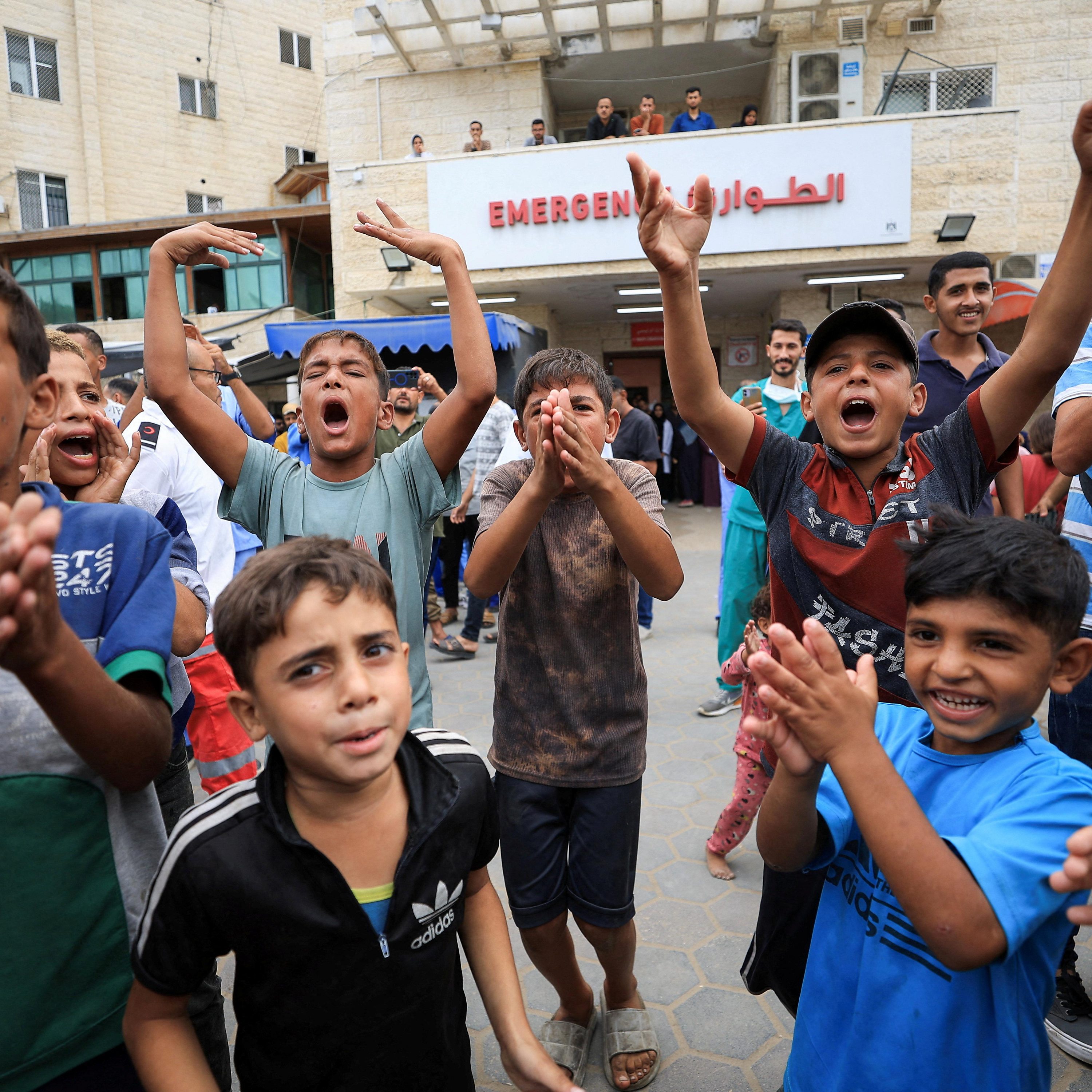
Israel and Hamas have approved President Trump’s plan for a ceasefire and approved a framework including the release of all the hostages and the withdrawal of Israeli troops from parts of Gaza. It is being described as the first phase of a wider agreement, but is the deal secure enough to last?We speak to Liran Berman, whose brothers Gali and Ziv are amongst the last hostages, Laila Ezzat Al Shana, a mother in Gaza, and the BBC’s state department correspondent, Tom Bateman. Producers: Sam Chantarasak and Aron Keller Executive producer: James Shield Senior news editor: China Collins Mix: Travis EvansImage: Reactions in Gaza after President Trump announced that Israel and Hamas agreed on the first phase of a Gaza ceasefire. Dawoud Abu Alkas/Reuters
Australia’s mushroom killer trial
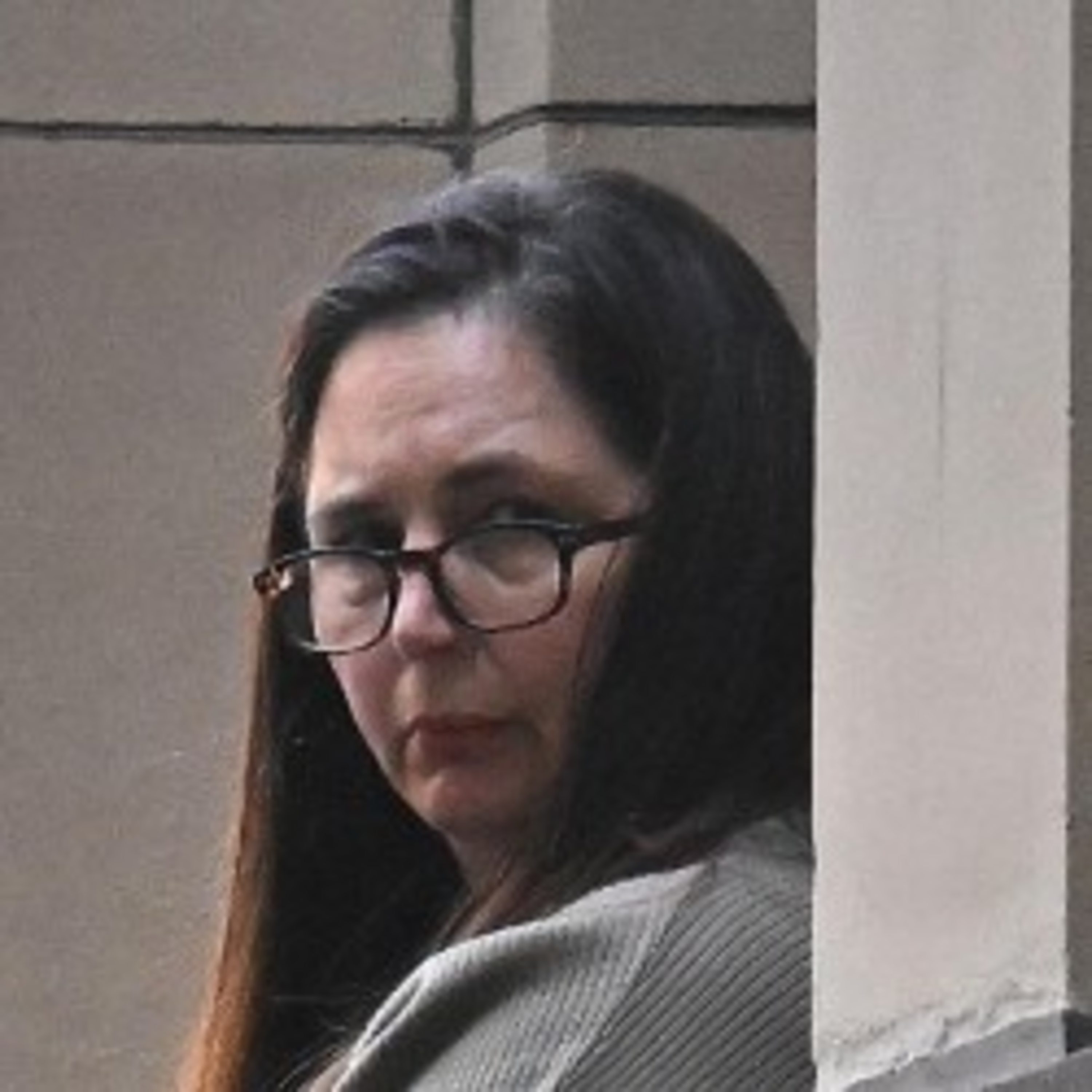
It’s been called ‘Australia's trial of the century’. Erin Patterson, the mushroom murderer, was sentenced last month and given a life sentence, but that wasn’t the end of the story. Both the prosecution and the defence are lodging competing appeals. Patterson wants her conviction overturned, and if her appeal succeeds there could be a retrial. Her prosecutors, however, say her 33 year sentence is ‘manifestly inadequate’ and they want to see her receive longer jail time.These are the latest developments in a story that has launched a flurry of true crime podcasts, books and documentaries. A TV drama is in production, and one of Australia's most eminent writers has announced she’s writing a book about it.The BBC’s Katy Watson talks us through how this suburban triple-murder story became the focus of the increasingly voracious true-crime industry.Producers: Viv Jones, Xandra Ellin and Valerio Esposito Executive producer: Annie Brown Mix: Travis Evans Senior news editor: China CollinsImage: Erin Patterson. AAP/James Ross via REUTERS
Trump’s ‘CEO of everything’
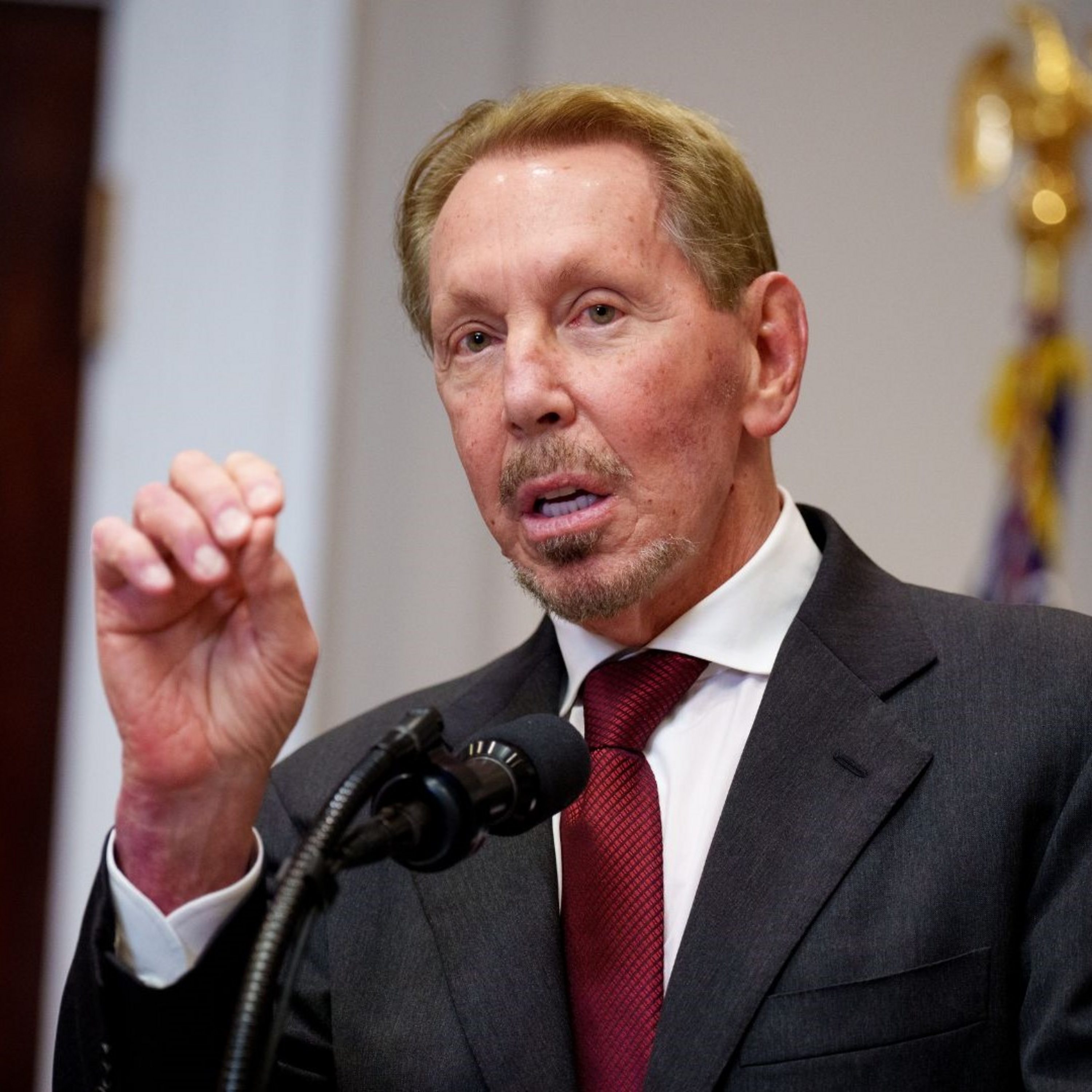
The billionaire Larry Ellison could soon control huge portions of America’s AI, attention economy and legacy media. He already owns swathes of AI infrastructure and is preparing to takeover TikTok, whilst his son, whose company already owns Paramount, is preparing a deal to buy Warner Bros. Discovery. So who is this ‘CEO of everything’, and how is his family dynasty becoming the 21st Century’s Rockerfellers? Producers: Sam Chantarasak and Aron Keller Executive producer: Annie Brown Sound engineer: Travis Evans Senior news editor: China Collins (Photo: Rupert Murdoch and Larry Ellison look on, at the White House, in Washington, US, 3 February, 2025. Credit: Elizabeth Frantz/Reuters)
One man's quest to get his brothers released from Gaza
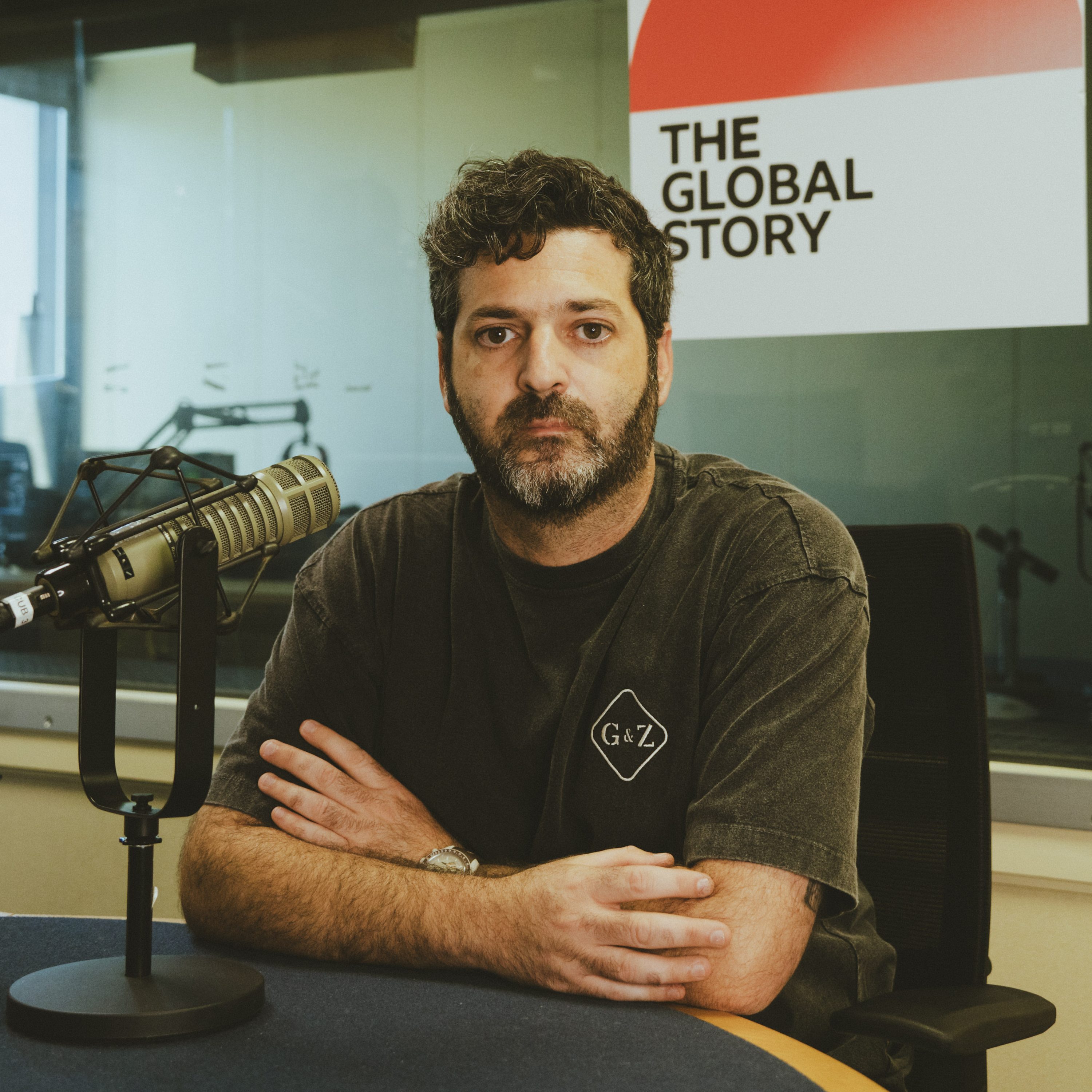
On October 7 2023 Hamas attacked Israel, taking 251 people hostage. Gali and Ziv Berman were among them – twin brothers who lived on a kibbutz near the Gaza border. They were 24 years old. Now, after 2 years they are among the remaining hostages still being held in captivity. But in the last few days the prospect of ending the war in Gaza and releasing the remaining hostages seems closer than ever. That possibility gives Gali and Ziv’s older brother Liran Berman cautious hope. Liran speaks to Asma at length about his memories of October 7th, his quest to get his little brothers out of Gaza, and who he will give credit to if the peace deal succeeds. Producers: Valerio Esposito, Lucy Pawle and Cat Farnsworth Editor: Annie Brown Mix: Travis Evans Senior news editor: China Collins Image: Liran Berman by Valerio Esposito

Is Trump on the brink of achieving peace in Gaza?
Mediators for Hamas and Israel are set to meet in Egypt on Monday for indirect talks, after Hamas agreed to a US peace plan. It’s a stunning diplomatic breakthrough for Donald Trump, whose plan proposes an immediate end to fighting and the release within 72 hours of 20 living Israeli hostages held by Hamas. Today we discuss with the BBC’s State Department correspondent, Tom Bateman, how President Trump reached such a significant breakthrough with Israel and Hamas, and whether his approach to deal making could actually pay off. Producers: Cat Farnsworth and Aron Keller Mix: Travis Evans Senior news editor: China CollinsImage: Gaza City on Sunday 5th October, 2025. Mahmoud Issa/Reuters
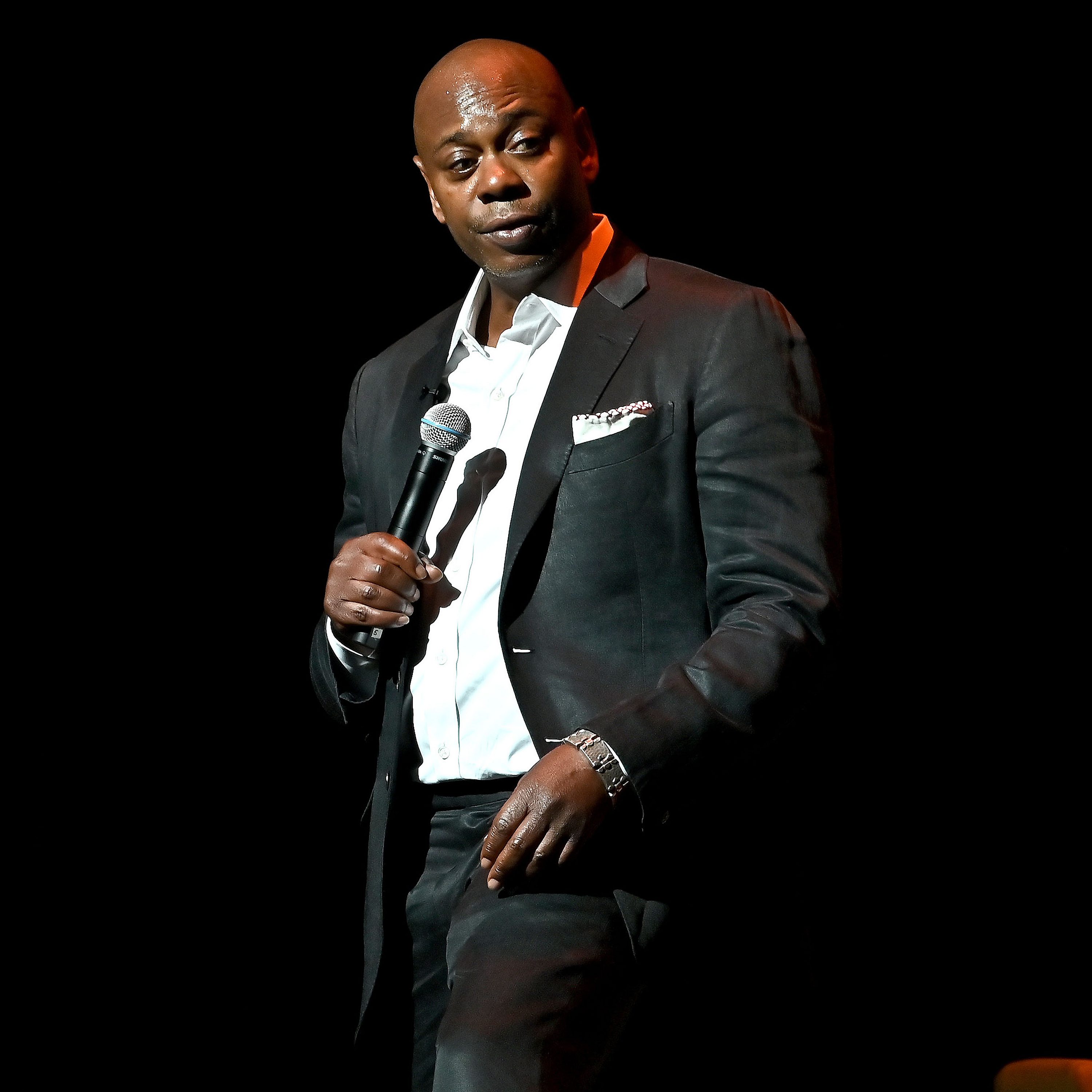
How a festival in Saudi Arabia rocked the American comedy world
This week, some of the world’s most influential comedians have travelled to Saudi Arabia, for comedy festival organized by the government of Crown Prince Mohammed bin Salman. The bill for the Riyadh Comedy Festival includes superstars like Aziz Ansari, Dave Chapelle, Kevin Hart and Louis CK. And the event has attracted significant backlash, with critics accusing the participating comedians of helping Saudi Arabia to “comedy-wash” its record on human rights and free speech. We speak to the comedian Gianmarco Soresi, who has been highly critical of peers who chose to play the festival, and from BBC security correspondent and resident Saudi Arabia expert, Frank Gardner. Producers: Xandra Ellin and Valerio Esposito Executive producers: James Shield and Annie Brown Mix: Travis Evans Senior news editor: China Collins
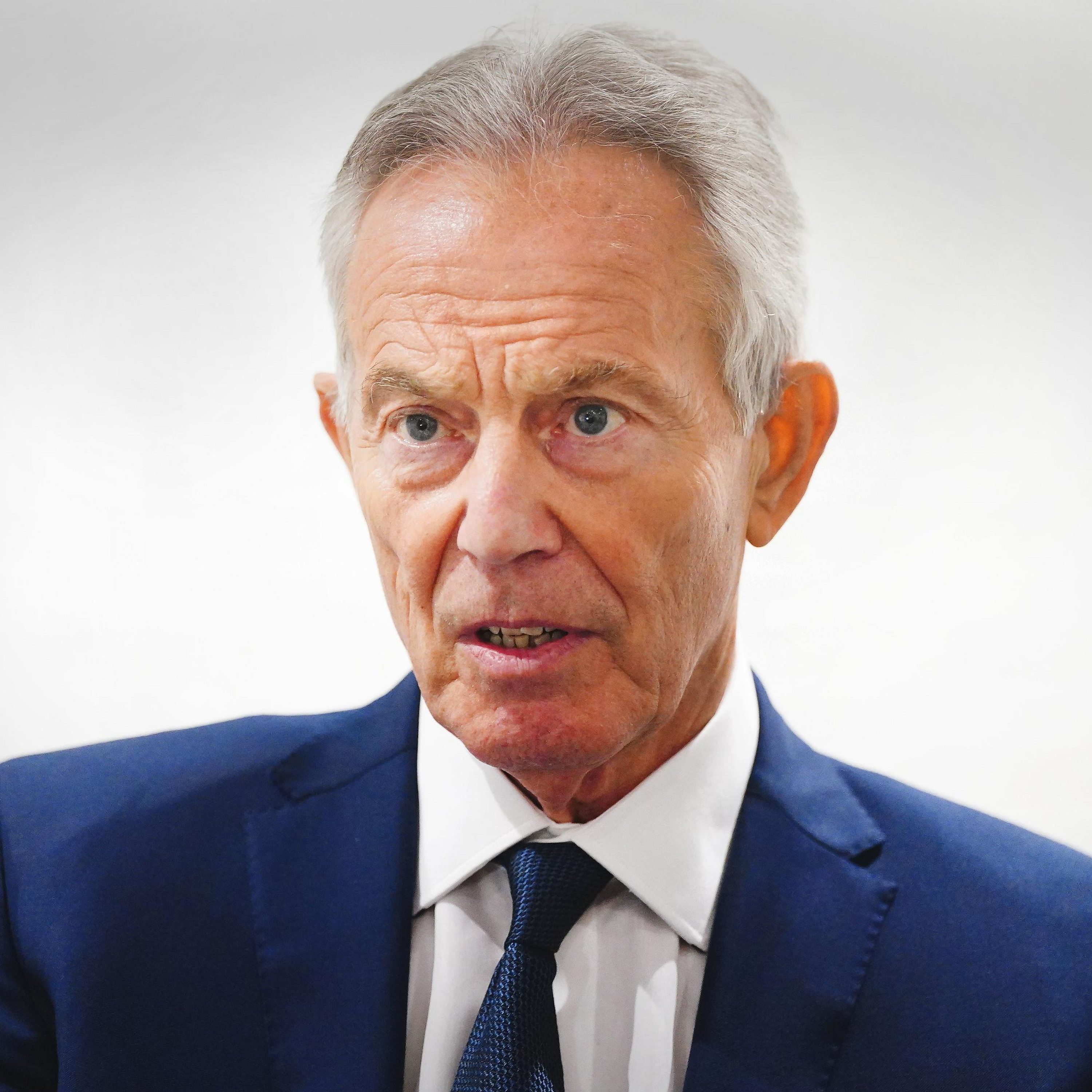
Why did Trump bring Tony Blair into the Gaza peace process?
On Monday, President Trump outlined his proposal for a peace deal in Gaza, a moment he described as ‘potentially one of the great days ever in civilisation’. In a press conference announcing the plan, the President name-dropped Sir Tony Blair and said the former UK Prime Minister would have a key role in the governance of post-war Gaza. Blair has been part of high-level talks with the US and other parties about ending the conflict. To many in the Middle East he remains a divisive figure who is remembered primarily for his role in the US-led invasion of Iraq. So how did Blair become a central figure in this latest plan to end the war in Gaza, and what does this tell us about diplomacy under Trump 2.0? Asma Khalid speaks to the BBC’s diplomatic correspondent James Landale, who charts the story of Blair’s involvement in the Middle East and his warm relationship with President Trump.Producers: Sam Chantarasak, Viv Jones Senior news editor: China Collins Mix: Travis Evans Picture: Former Prime Minister Sir Tony Blair. Credit: Victoria Jones/PA Wire
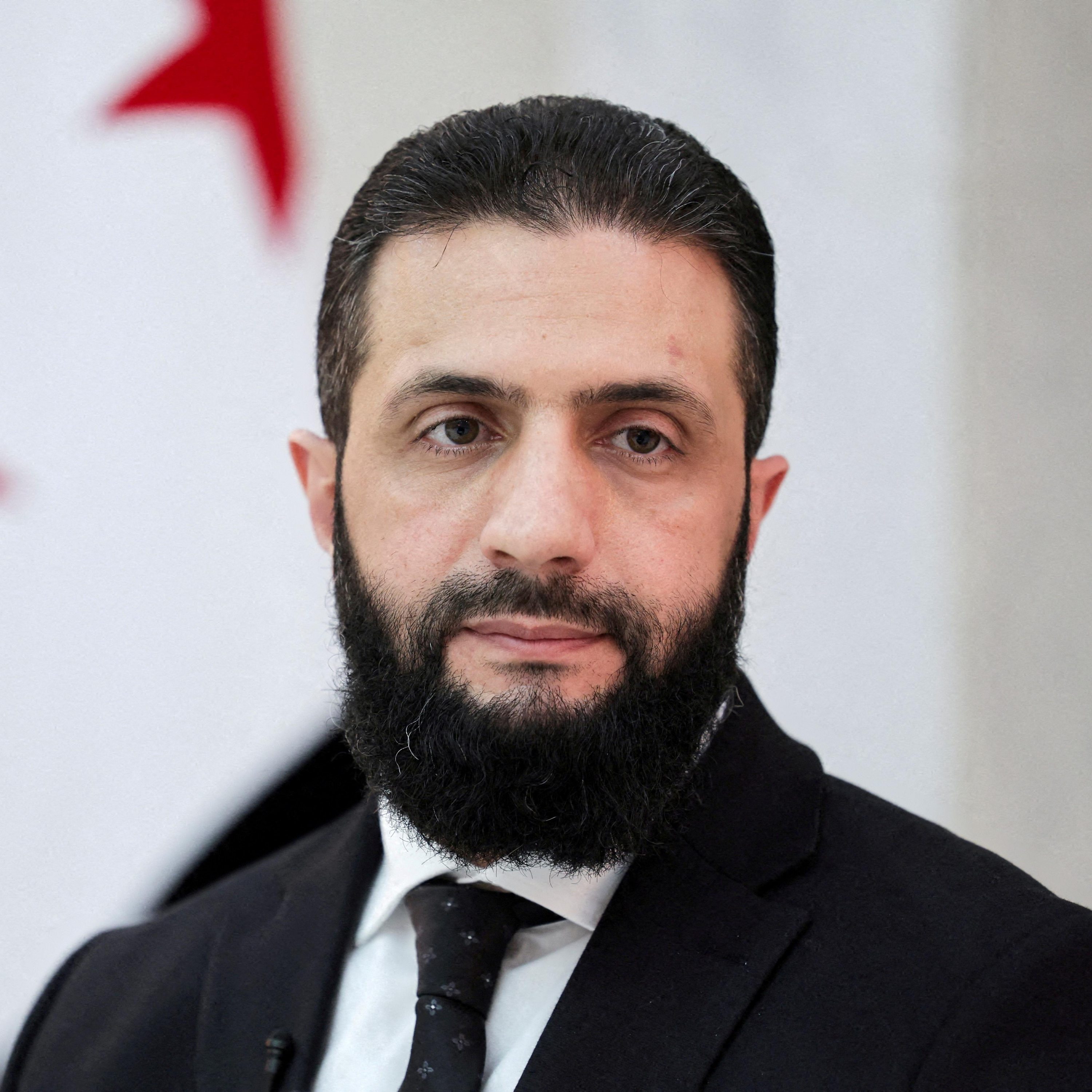
The rehabilitation of Syria’s ex-jihadist president
After getting the red-carpet treatment at the UN in New York last week, the former al-Qaeda fighter who now leads Syria is about to hold an election. But is Syria’s new president, Ahmed al-Sharaa, really about to transition the country into democracy? Or does he have other plans? The BBC's senior international correspondent Orla Guerin joins us from Damascus, where she’s been speaking to Syrians about the country’s future. Producers: Cat Farnsworth and Valerio Esposito Executive producer: James Shield Mix: Travis Evans Senior News Editor: China Collins Image: Syria’s President Ahmed al-Sharaa. Khalil Ashawi / Reuters
Are conspiracy theories America’s biggest export?
Mistrust in science has never been higher. Fewer people are getting vaccinated, a known vaccine skeptic is leading the most powerful health agency in America and an outbreak of measels in Texas this year led to the first fatalities in almost a decade. Then, in August, a gunman opened fire on the headquarters of the Centre for Disease Control with many speculating he was fuelled by misinformation about health.Increasingly this misinformation is being exported around the world.Marianna Spring is the BBC’s Social Media Investigations Correspondent and tells the story of how suspicion of science in America helped radicalise a British mom with devastating consequences.Producers: Cat Farnsworth and Lucy Pawle Executive producer: Annie Brown Mix: Travis Evans Senior news editor: China Collins Image: Martin Pope / Getty

Why Netanyahu gets what he wants from the US
Israel’s Prime Minister Benyamin Netanyahu visits the White House later today, as details from the Trump administration’s 21-point plan to end the war were revealed over the weekend. As Israel continues its offensive in Gaza City, Netanyahu has vowed to ‘finish the job’ against Hamas and shows little sign of making concessions to end the war. Netanyahu has a proven history of getting what he wants from US presidents – so will the same happen at Monday's meeting?Today we speak to the BBC’s chief international correspondent Lyse Doucet who has reported on Netanyahu for three decades.Producers: Sam Chantarasak, Xandra Ellin, Aron Keller and Cat Farnsworth. Executive producer: Annie Brown Mix: Travis Evans Senior news editor: China CollinsImage: Israeli Prime Minister Benjamin Netanyahu addresses the 80th United Nations General Assembly (UNGA) at U.N. headquarters in New York City, U.S., September 26, 2025. REUTERS/Jeenah Moon
The disgraced UK doctor behind autism misinformation
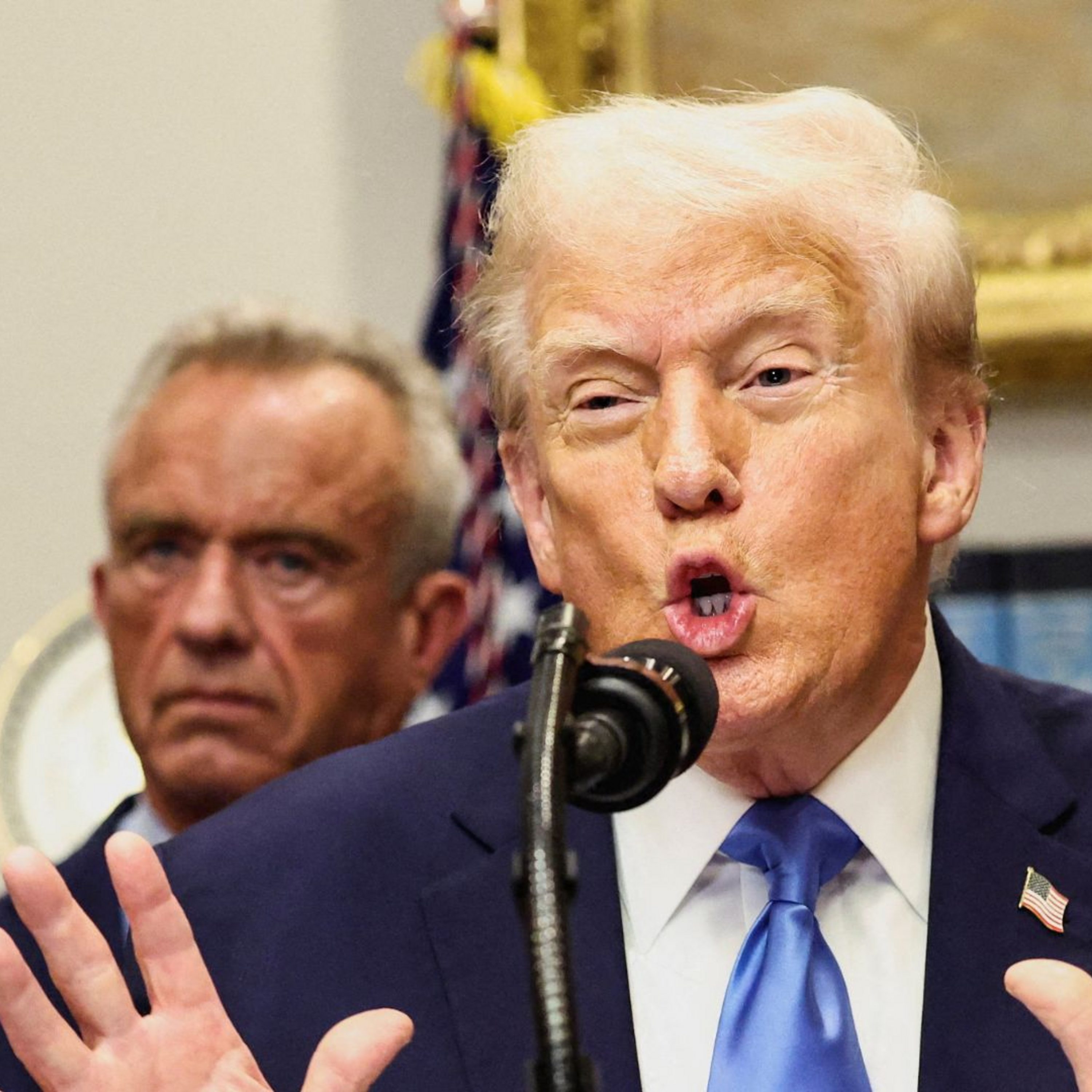
On Monday President Trump and the U.S. Health Secretary Robert F. Kennedy Jr. held a press conference in which they made extraordinary new claims about autism. They suggested a potential link between the use of Tylenol during pregnancy and the development of autism. They also advocated spacing out childhood vaccinations.The two men's interest in the link between vaccines and autism goes back decades but these claims did not originate in the US. They trace back to the UK in 1998, when disgraced former doctor Andrew Wakefield first published his now-debunked theory linking MMR vaccines to autism cases in children.Today on the Global Story science journalist Adam Rutherford explains how the Wakefield vaccine conspiracy became the biggest medical disinformation disaster in recent history, and how these ideas found fertile ground in the Trump administration.Producers: Viv Jones, Valerio Esposito Executive producer: Annie Brown, James Shield Mix: Travis Evans Senior news editor: China CollinsImage: President Donald Trump, in front of U.S. Secretary of Health and Human Services Robert F. Kennedy Jr., delivers remarks linking autism to childhood vaccines and to the use of popular pain medication Tylenol for pregnant women and children, claims which are not backed by decades of science, at the White House. REUTERS/Kevin Lamarque
Why is Trump suddenly saying Ukraine can win the war?
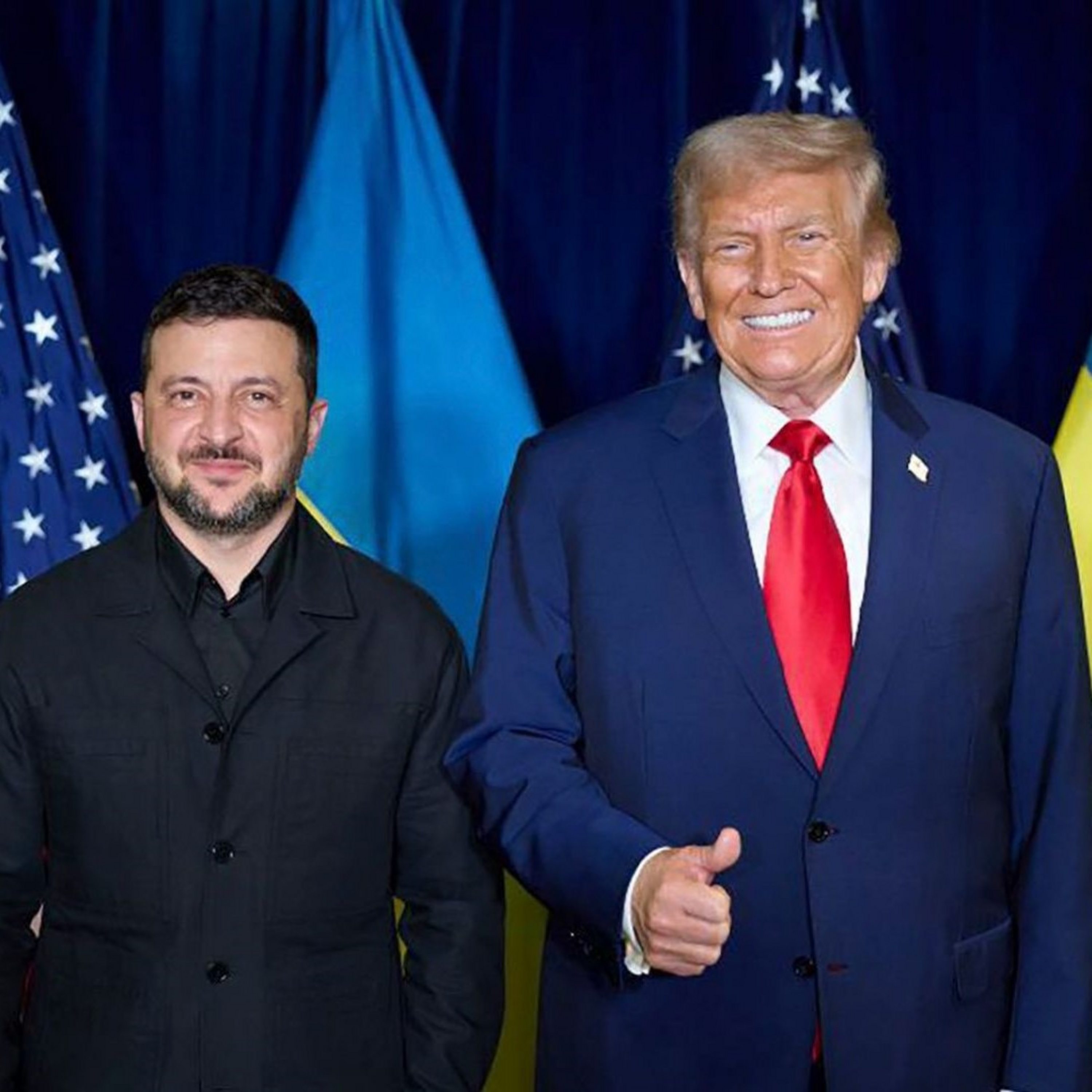
On Tuesday night, Donald Trump signalled a drastic U-turn in his position on Ukraine, claiming in a Truth Social post that Kyiv could win the war against Russia, and take back all the land it has lost. The Kremlin was quick to dismiss his assertion, saying it has, “no alternative” but to continue its offensive. So, is this just another rhetorical turn from the US president, or has something materially changed in Ukraine’s favour? Vitaly Shevchenko, Russia editor for BBC Monitoring, joins us to discuss. Producers: Hannah Moore and Valerio Esposito Executive producer: James Shield Mix: Travis Evans Senior news editor: China Collins
Trump asks: What’s the purpose of the UN?
Heads of state and high-level diplomats have descended on New York to attend the 80th annual United Nations General Assembly. During a meandering address, President Trump railed against immigration and green energy, claimed credit for a spate of recent diplomatic victories, and questioned the legitimacy of the UN as an institution. How right is the president about the diminishing power of the UN? And what is his vision for a path forward?Today, Asma reports from the United Nations General Assembly in New York, where she speaks to BBC Diplomatic Correspondent James Landale and BBC New York Correspondent for the United Nations Nada Tawfik.Producers: Samantha Chantarasak and Xandra Ellin Executive producer: Annie Brown Sound engineer: Travis Evans Editor: China Collins(Photo: Donald Trump speaks during the general debate of the 80th session of the United Nations General Assembly (UNGA). Credit: Sarah Yenesel/EPA/Shutterstock)
Can Apple cut ties with China?
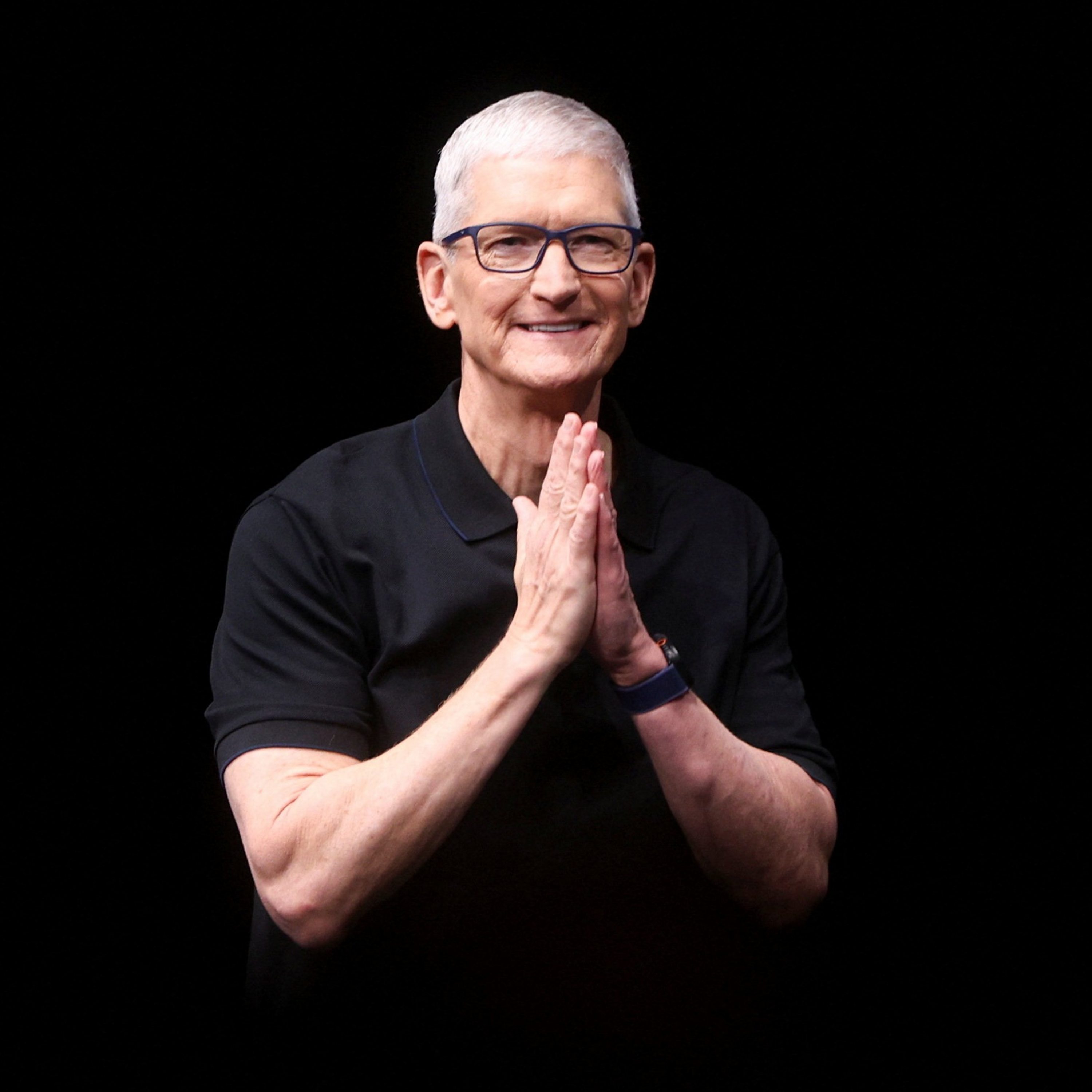
Apple is promising to make more products in the US, backed by a $600bn investment over the next four years. But after decades of relying on Chinese manufacturing that promise is going to be tough to keep. Today we’re joined by journalist and author Patrick McGee to discuss whether Apple can navigate the demands of Donald Trump’s America First agenda and disentangle itself from a made-in-China business model. Producers: Hannah Moore and Aron Keller Executive producers: James Shield and Annie Brown Mix: Nicky Edwards, Travis Evans Senior news editor: China Collins Picture: Apple CEO Tim Cook in Cupertino, California, U.S. September 9, 2025. REUTERS/Manuel Orbegozo
Britain, Canada and others are recognising a Palestinian state. Why now?
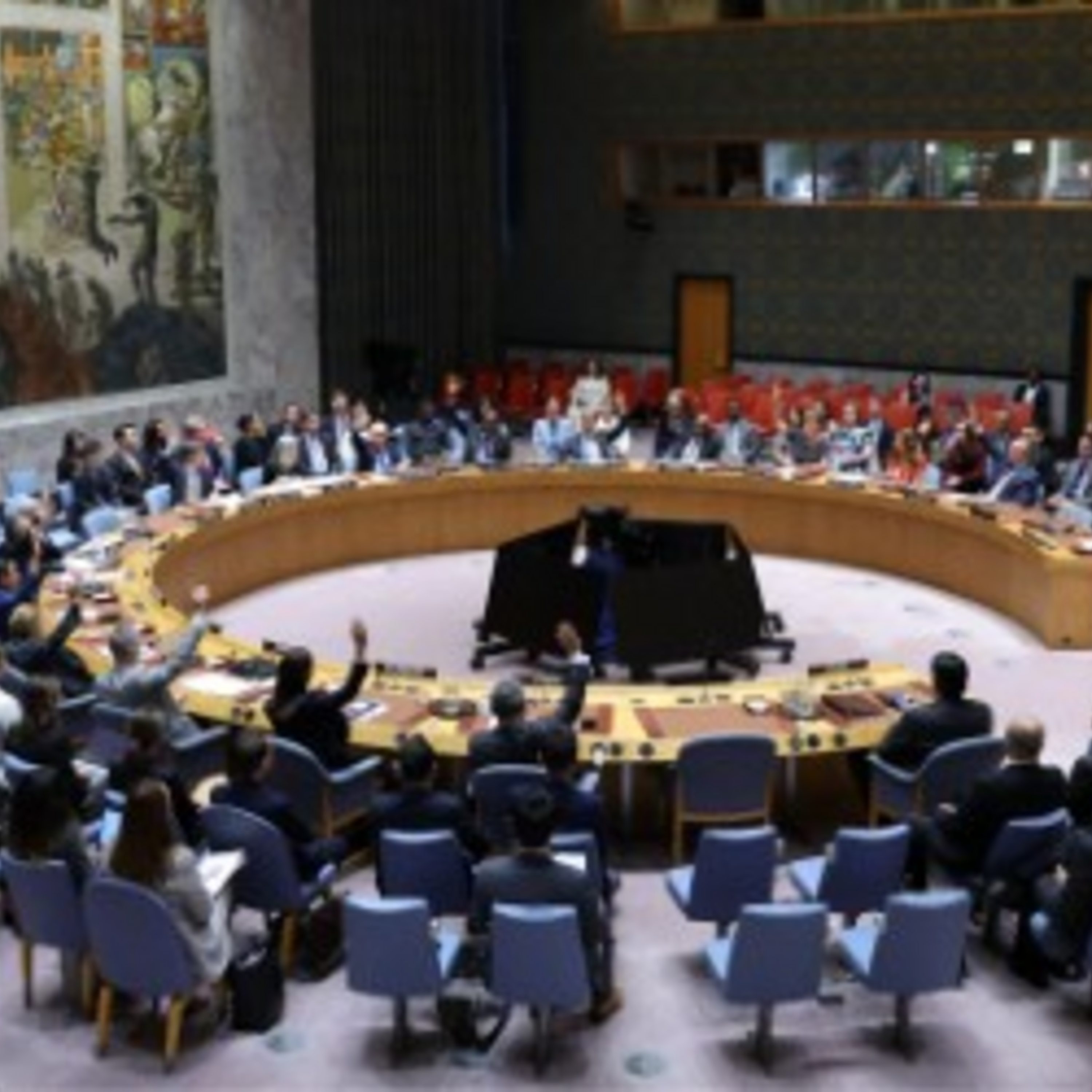
World leaders are currently gathered at the United Nations in New York for the annual General Assembly. This year, the future of the Palestinian territories hangs in the balance: several nations like the UK, France, Canada, and Australia are formally recognising the state of Palestine for the first time. The Trump administration strongly opposes the move, warning that it could embolden Hamas and provoke Israel into annexing the West Bank.How did some of Israel and America’s staunchest allies decide that the time is right to recognise a Palestinian state? We speak to BBC diplomatic correspondent Paul Adams who has spent years reporting from the Middle East.Producers: Xandra Ellin and Viv Jones Executive producer: James Shield Mix: Travis Evans Senior news editor: China CollinsImage: Members of the U.N. Security Council vote on a draft resolution demanding a ceasefire in Gaza, at U.N. headquarters in New York City, U.S., September 18, 2025. Eduardo Munoz/Reuters

Putin’s new Eurovision
At the height of the cold war in the 1970s, the Soviet Union set up an international song contest to rival Eurovision. It was called Intervision, and like its western counterpart, featured a bevy of cheesy songs, sequins and highly flammable outfits – albeit with a different political message. Intervision burned bright and fast – disappearing long before the fall of the Berlin Wall. But this weekend, with Russia still exiled from the Eurovision Song Contest because of its full-scale invasion of Ukraine, Vladimir Putin is reviving the competition, and the USA is due to compete. In today’s episode, BBC Moscow correspondent and Eurovision superfan Steve Rosenberg explores the intertwined histories of Eurovision and Intervision, and the politics behind Putin’s decision. Producers: Hannah Moore and Valerio Esposito Executive producer: Annie Brown Sound engineer: Travis Evans Editor: China Collins(Photo: The international music contest Intervision at Zaryadye Park in Moscow. Credit: Maxim Shipenkov/EPA/Shutterstock)
Why Trumpworld is obsessed with free speech in Britain
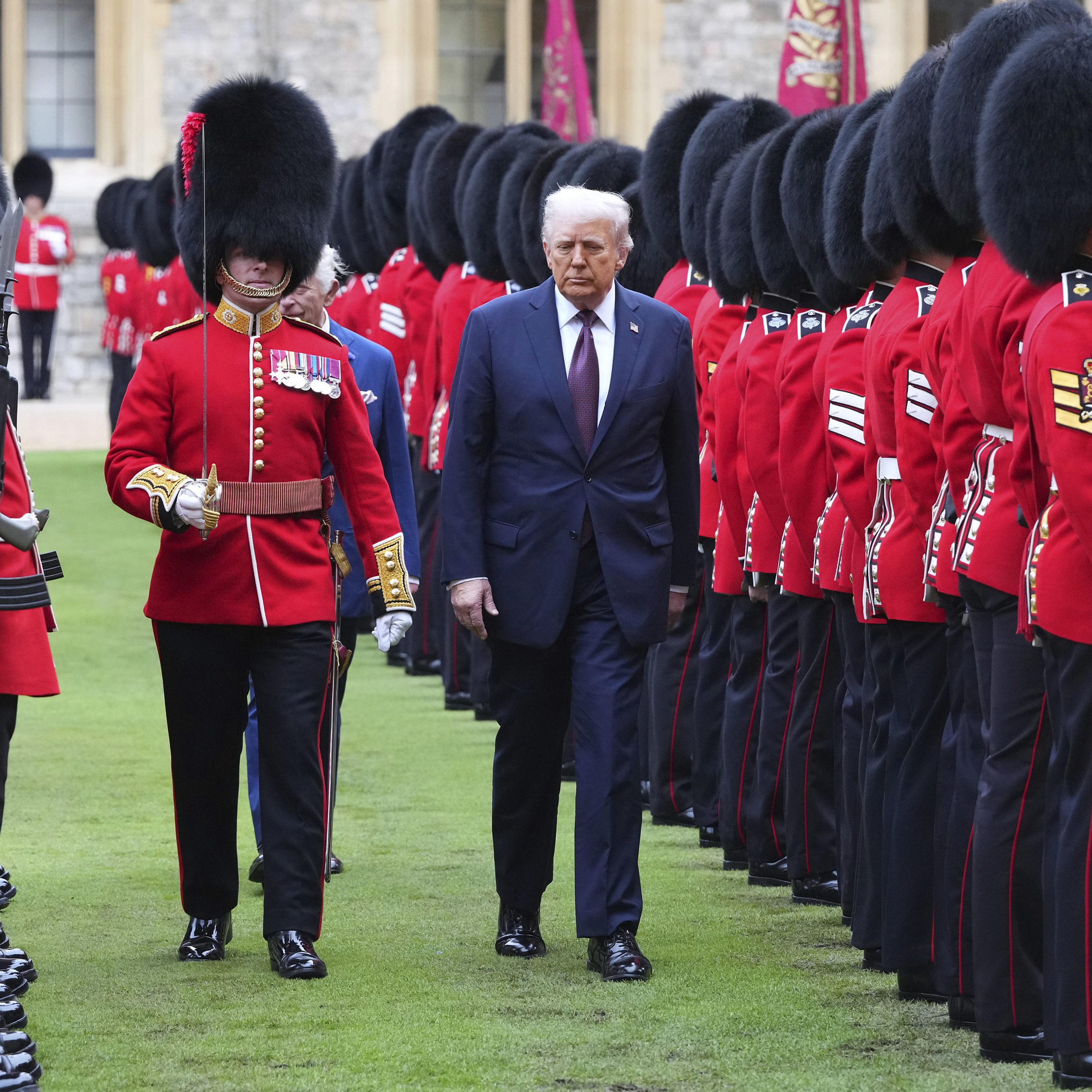
President Trump is in the UK on a State visit, where he’s been hosted by the royal family and is set to meet with Prime Minister Starmer.The two leaders appear to have a strong relationship. But there's one big issue that’s become a sticking point between them.Increasingly, free speech in the United Kingdom is a hot button rallying cry among the conservatives in the United States. Why have Republicans in America become so obsessed with free speech across the Atlantic? Especially when a crackdown on speech is kicking off at home.This programme includes language which some listeners find offensive.Producers: Cat Farnsworth, Viv Jones and Xandra Ellin Executive producer: Annie Brown and James Shield Mix: Travis Evans Senior news editor: China CollinsImage: US President Donald Trump on second State Visit to the UK. Kirsty Wigglesworth/PACredit: Father Ted/Hat Trick Productions/Channel 4
Israel accused of genocide as Gaza City offensive begins
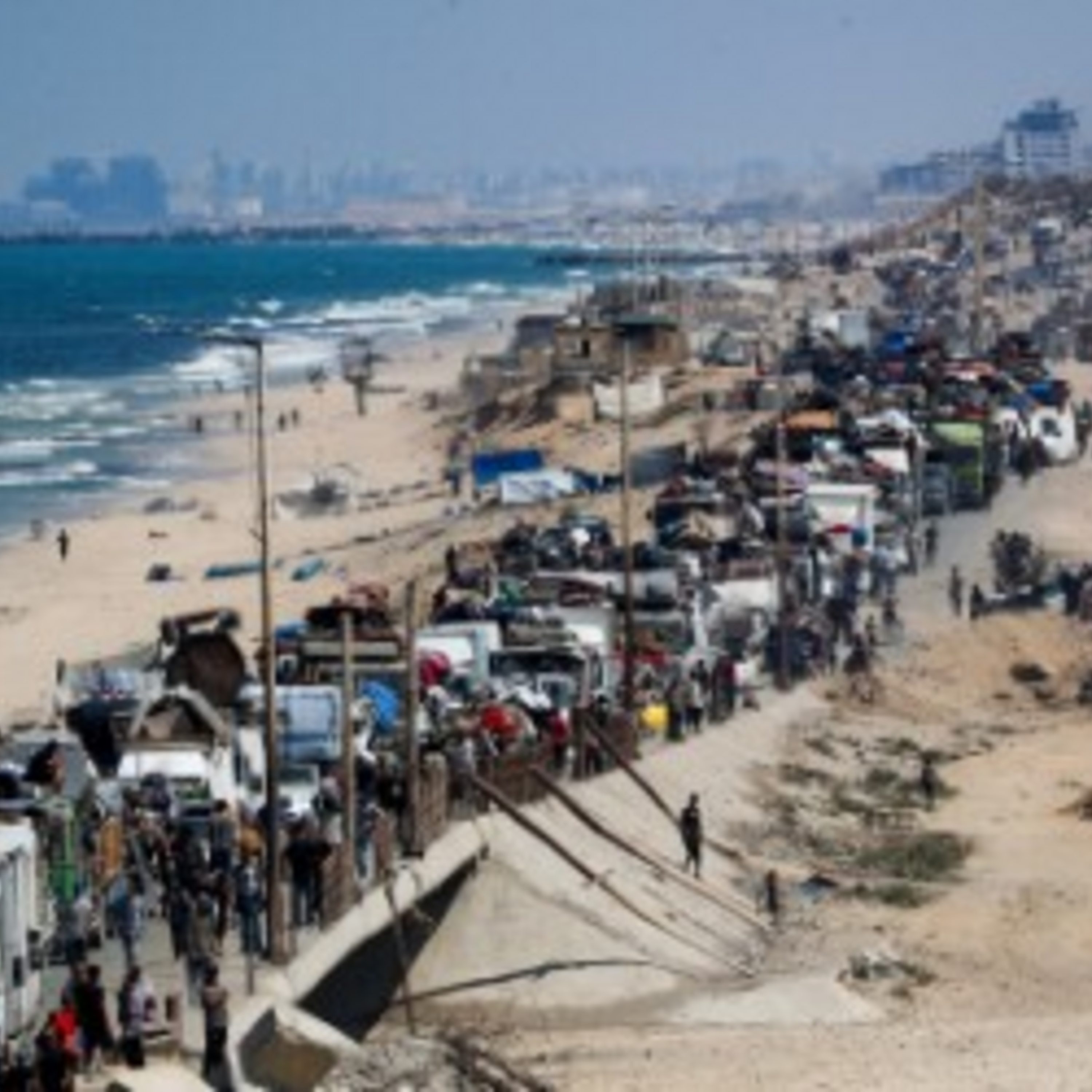
On Tuesday, as Israel launched its long-anticipated ground invasion of Gaza City, a United Nations commission of inquiry concluded that Israel has committed genocide in Gaza. Israel's foreign ministry said it categorically rejected the report, denouncing it as "distorted and false". The report is a major moment in the ongoing debate over whether the situation in Gaza meets the legal definition of a genocide. We speak with BBC Geneva correspondent Imogen Foulkes about the evidence. Producers: Viv Jones, Xandra Ellin Executive producer: James Shield Mix: Travis Evans Senior news editor: China Collins Image: Displaced Palestinians evacuate Gaza City. Mahmoud Issa/ Reuters
The dark memes behind Charlie Kirk’s murder
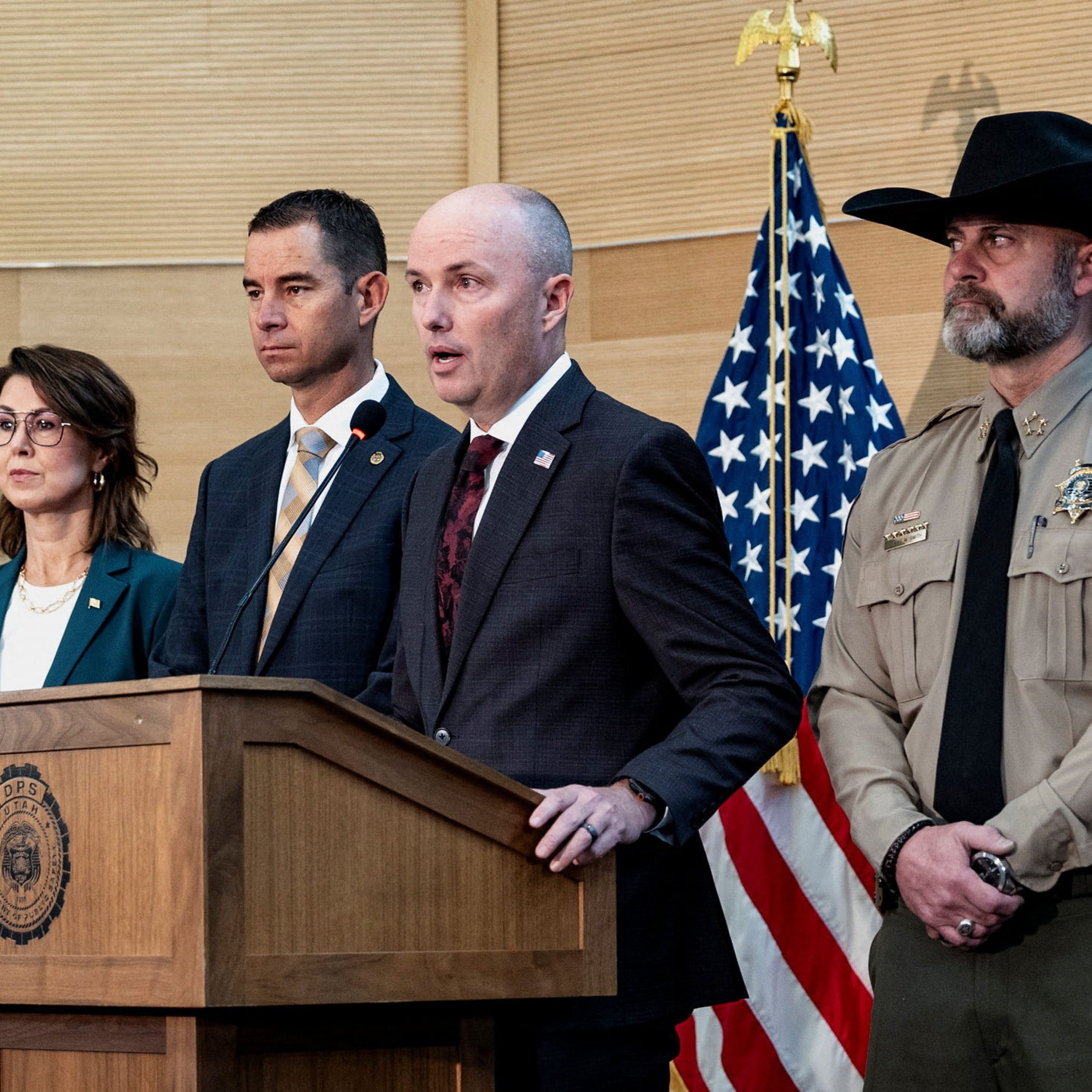
The assassination of conservative commentator Charlie Kirk shocked America and exposed the depth of its political divides. Since a suspect has been arrested, the search for clear motive has only become more complicated. In today’s episode, the BBC’s Social Media investigations correspondent Marianna Spring examines the meaning of the inscriptions on the bullet casings associated with the murder. The markings take us into the dark corners of the internet, but what do they tell us about why Charlie Kirk was killed?Producers: Cat Farnsworth, Aron Keller and Lucy Pawle Executive producer: Annie Brown Mix: Travis Evans Senior news editor: China CollinsImage: Utah Governor Spencer Cox. Cheney Orr/Reuters
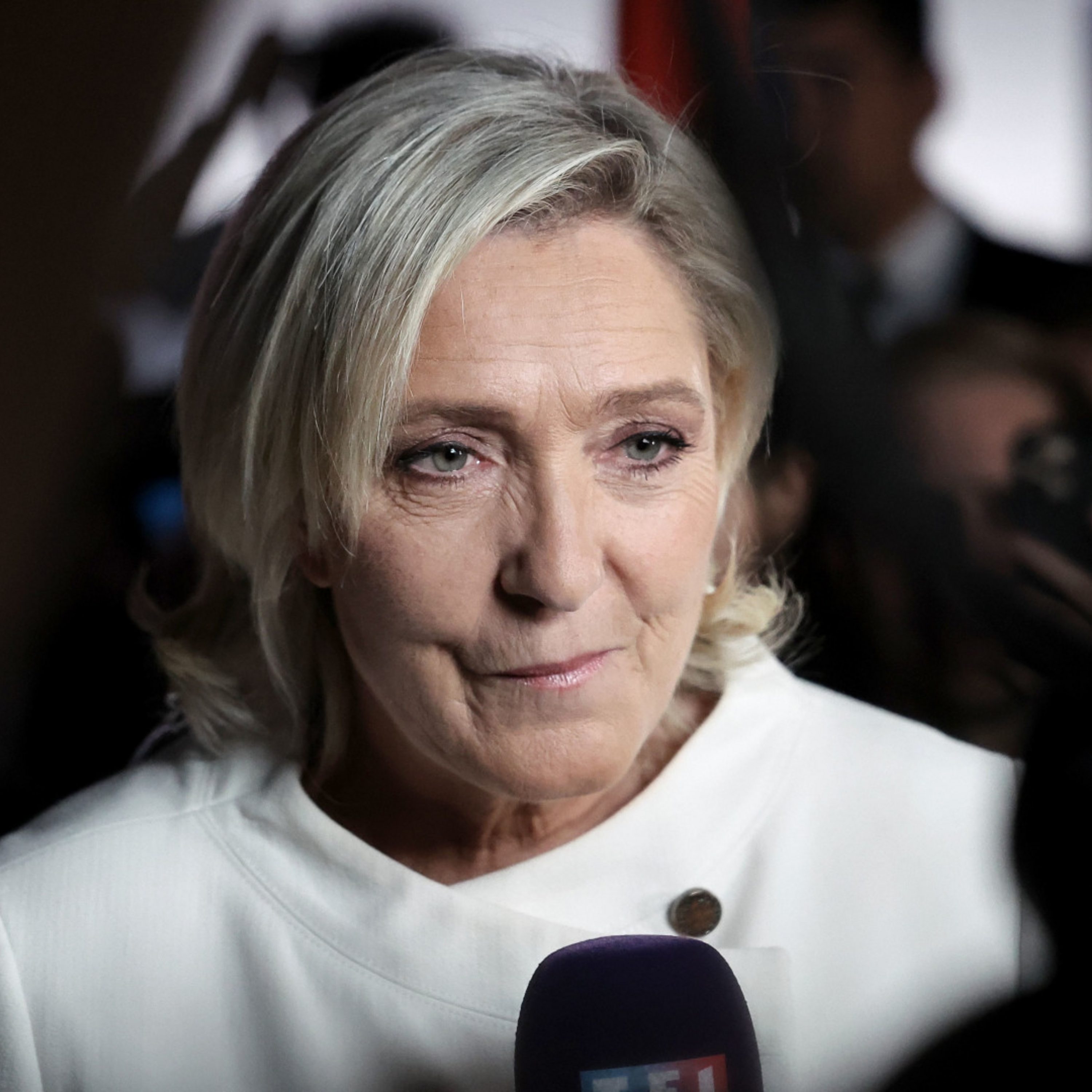
Why France might soon have a far-right government
France is in political turmoil. President Emmanuel Macron has just appointed his fifth prime minister in two years. But it’s unclear whether he’ll be able to form a government. There are calls for Macron's resignation amid nationwide protests and shutdowns. He is running out of options. Waiting in the wings is Marine Le Pen, whose far-right National Rally party has surged in popularity and seems poised to take power. On Sunday at a rally in Bordeaux, she repeated calls for new national elections. So how did this party, with its controversial history, rehabilitate its image? And what would the first far-right government since World War Two mean not just for France, but for Europe and the rest of the world?Producers: Lucy Pawle, Sam Chantarasak Executive producer: James Shield Mix: Travis Evans Senior news editor: China CollinsImage: Marine Le Pen. Yoan Valat/EPA/Shutterstock
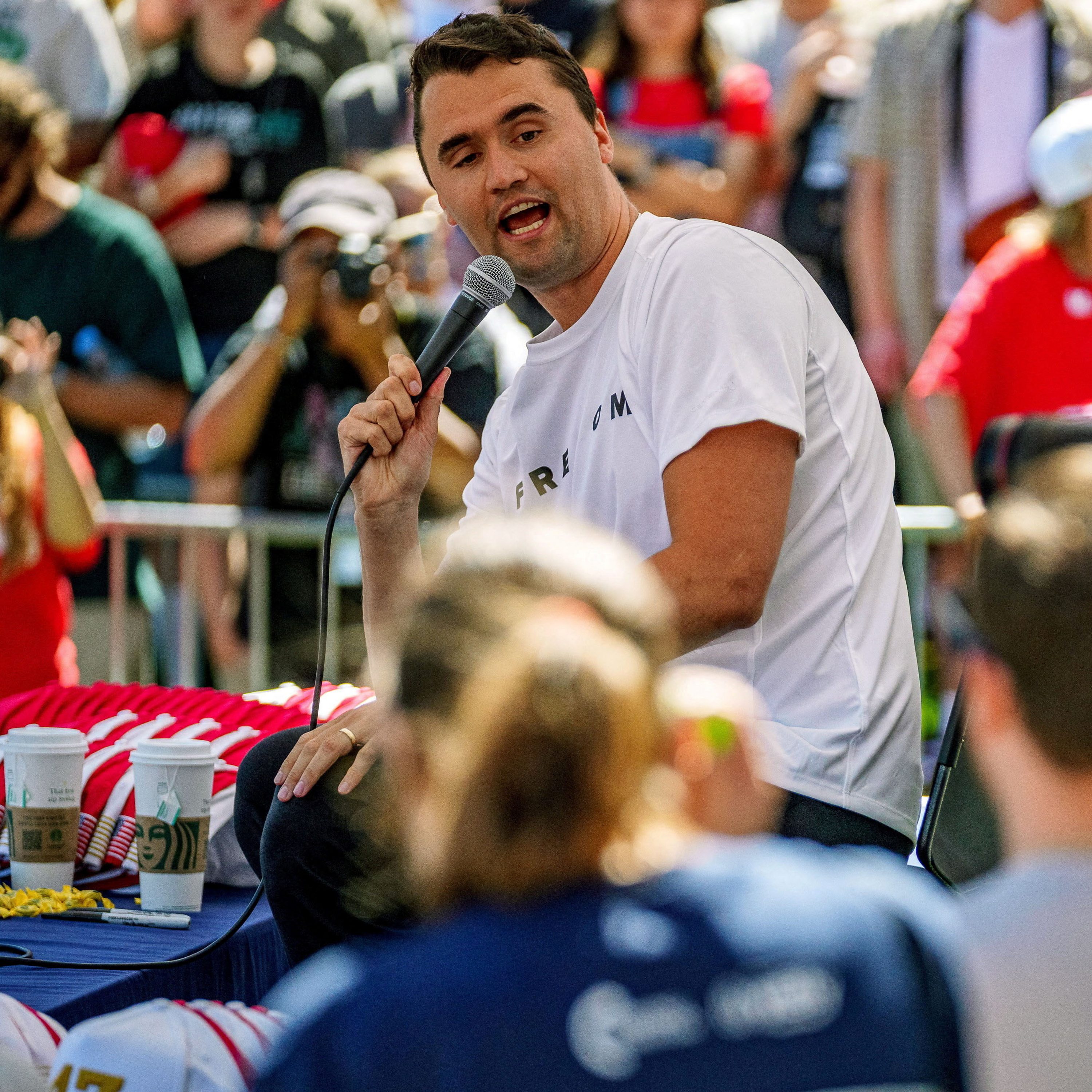
The Charlie Kirk blueprint
On Wednesday, the divisive conservative political activist Charlie Kirk was shot and killed on the first stop of his ‘American Comeback Tour’, where he invited students to engage him in political discussion. Kirk was the founder of the conservative nonprofit Turning Points USA and one of Donald Trump’s most powerful advocates, especially among young people. But his impact stretched far beyond the United States, as he leveraged social media to reinvent the right's image around the world. Today, we speak to Semafor political correspondent, David Weigel, about the blueprint Kirk pioneered for winning young minds to the conservative cause. Then, we speak to Daniel Ogoloma, who partnered with Kirk for a debate while he was a student at Oxford University. He tells us about his plan to bring Kirk’s ideas into Nigerian politics. Producers: Viv Jones, Xandra Ellin, Valerio Esposito, Lucy Pawle, Sam Chantarasak Executive producer: Annie Brown Mix: Travis Evans Senior news editor: China Collins Photo credit: Trent Nelson / The Salt Lake Tribune / Reuters
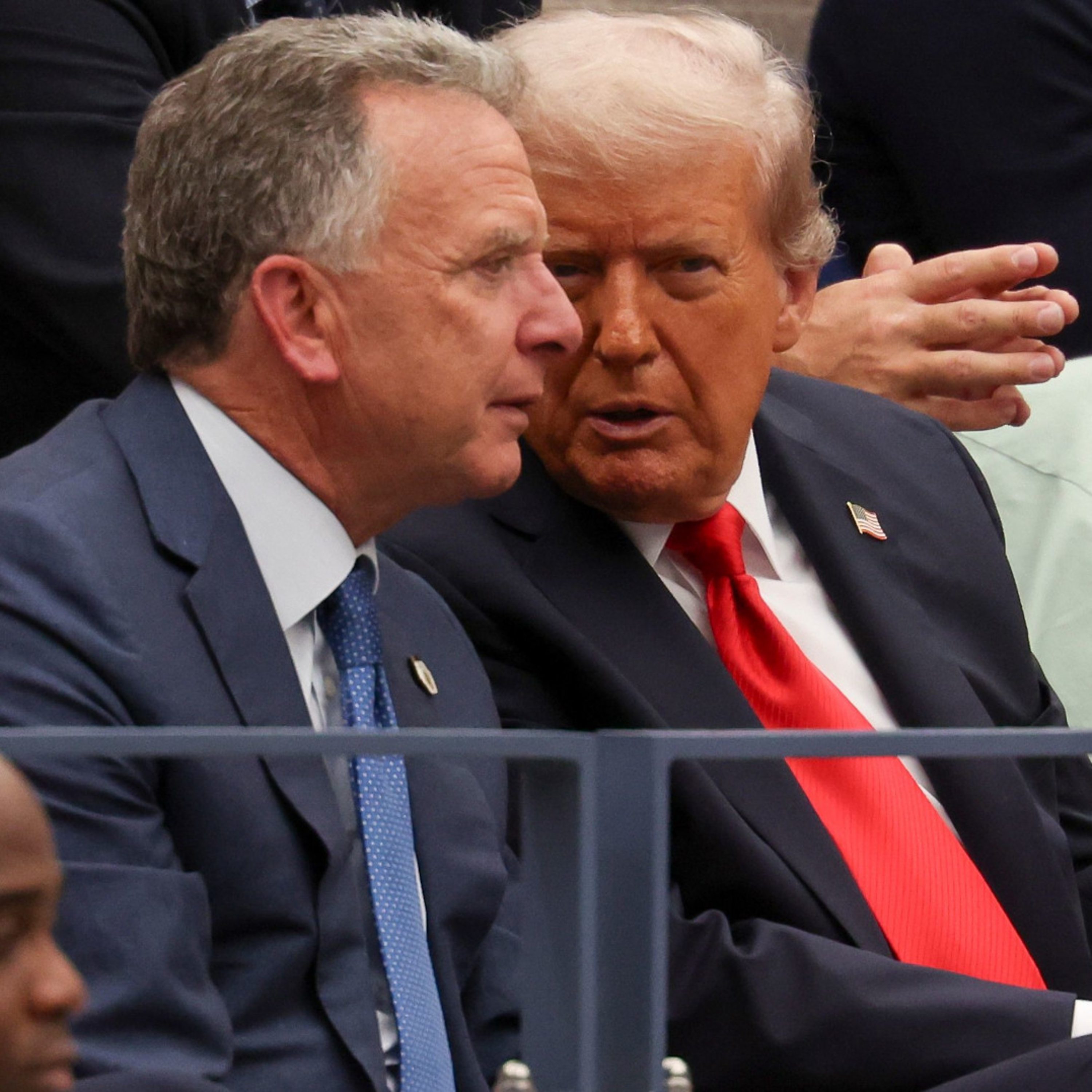
Russia and Israel put Steve Witkoff's diplomacy to the test
Donald Trump wants to broker peace in two of the world’s most intractable wars: Gaza and Ukraine. But this week, both crises have escalated – and the man he’s tasked with solving them has no previous diplomatic experience.Steve Witkoff, a real estate mogul and Trump’s closest confidante, is now at the center of American foreign policy as the ‘envoy for everything’.On today’s Global Story, we speak with the BBC’s State Department Correspondent, Tom Bateman, and ask whether Witkoff’s unconventional style is a weakness – or a strength.Producers: Cat Farnsworth and Aron Keller Executive producer: James Shield Mix: Travis Evans Senior news editor: China Collins Image: President Donald Trump and Steve Witkoff. Sarah Yenesel/EPA/Shutterstock
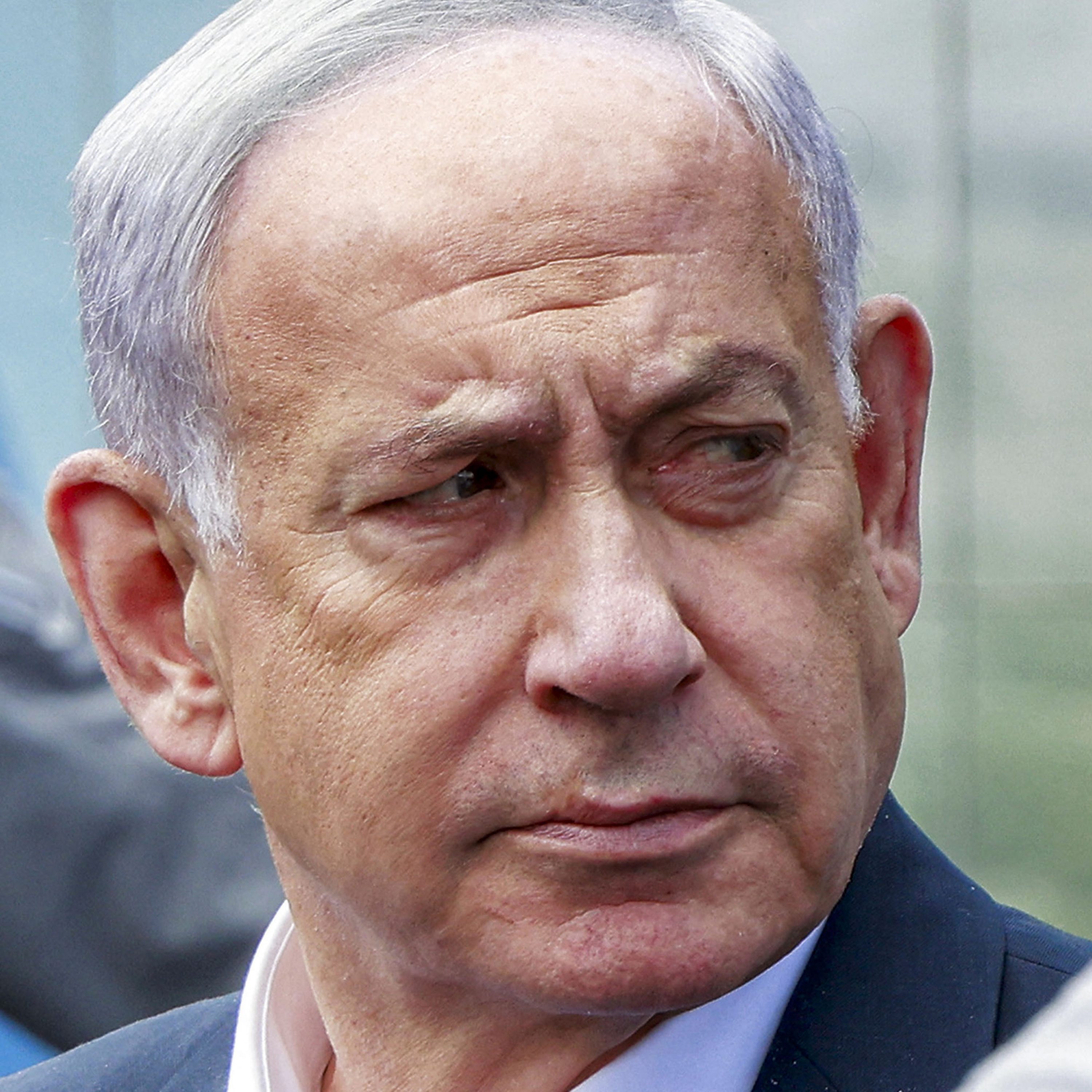
Trump blindsided as Israel strikes Qatar
On Tuesday, Israel carried out a series of unexpected bombings, targeting senior Hamas leaders. The Israeli Defence Forces (IDF) said it was a "precise strike" on those responsible for the October 7 attacks, but the Qataris have called the strike a "blatant violation" of international law. Qatar has been mediating indirect negotiations between Israel and Hamas to end the conflict in Gaza. In the US, White House press secretary Karoline Leavitt said Trump was notified about plans of the strike ahead of time, but said, “Unilaterally bombing inside Qatar, a sovereign nation and close ally of the United States [...] does not advance Israel or America’s goals”. On today's Global Story, we talk to the BBC's Chief International Correspondent, Lyse Doucet, about the impact this could have on future peace talks. Producers: Hannah Moore and Valerio Esposito Executive producer: Annie Brown Mix: Travis Evans Senior news editor: China CollinsImage: Israel's Prime Minister Benjamin Netanyahu on Sept 8 2025. Menahem Kahana / AFP via Getty Images.
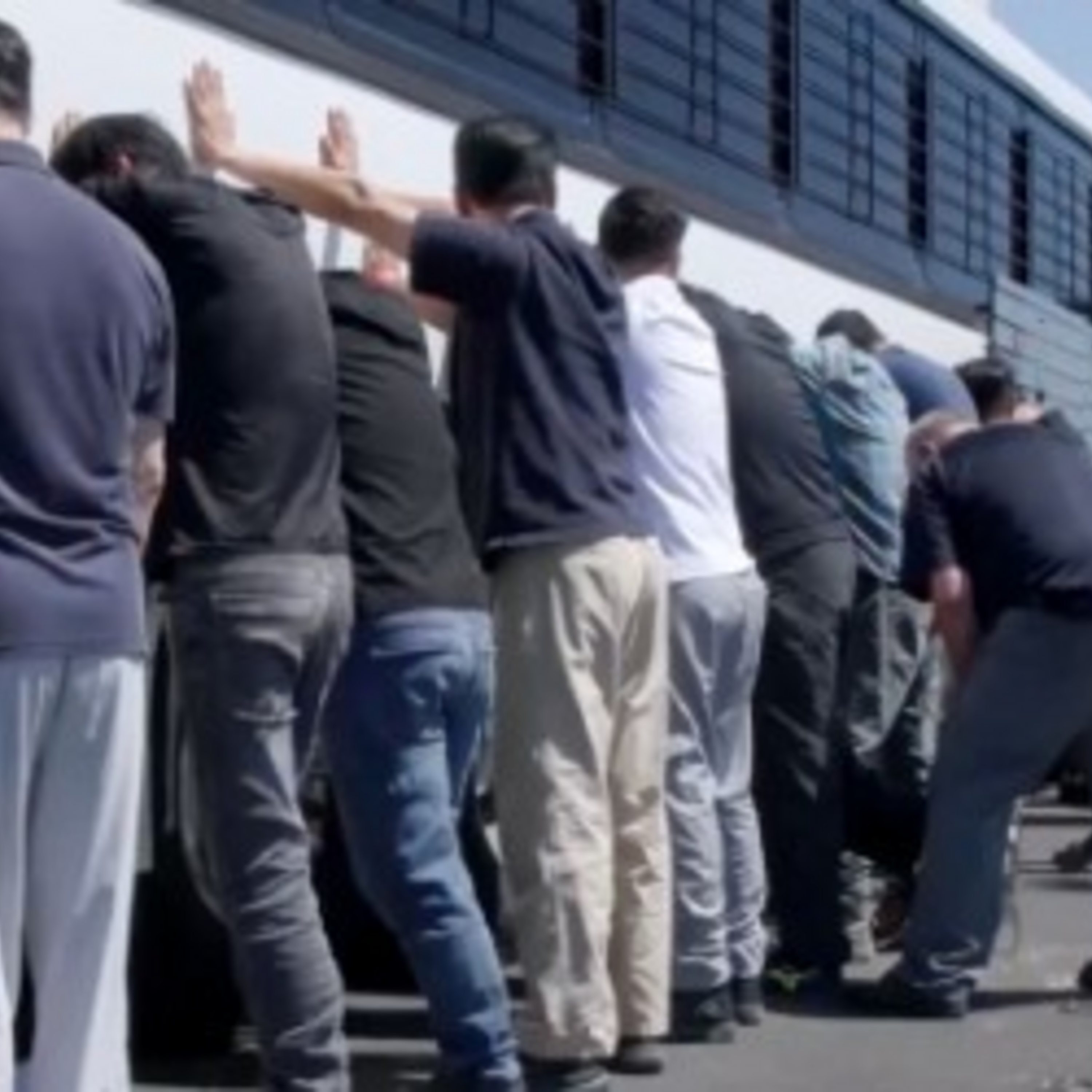
Why is the US government deporting people building factories?
Hundreds of workers, most of them South Korean nationals, were detained last week at a Hyundai plant in Georgia after the largest immigration raid of Trump’s second term. The raid puts two of the administration’s key priorities to the test - cracking down on illegal immigration and bringing manufacturing back to America - but has it exposed a conflict between the two policy goals? We speak to BBC Verify US Correspondent Nick Beake who has been to the site, and to Jake Kwon from the BBC Seoul bureau, about whether this has jeopardised relations between the US and one of its major trading partners.Producers: Sam Chantarasak and Xandra Ellin Executive producers: James Shield and Annie Brown Mix: Travis Evans Senior news editor: China CollinsImage: US immigration raid at Hyundai-LG plant in Georgia. Shutterstock/EPA