The Global Story
677 episodes — Page 5 of 14

Trump’s first year back: for better and for worse
One year into President Trump’s second term, the White House is celebrating what it calls a year of accomplishments. Those achievements stem from significant policy changes that have reshaped life for many Americans. In this episode, we hear from people directly affected by two of the administration’s most ambitious efforts - tariffs and immigration - and how those changes played out in unexpected ways. Producers: Chris Benderev and Valerio EspositoExecutive producer: Bridget Harney Sound engineer: James Shield Senior news editor: China Collins Photo: President Trump at a press briefing to mark one-year of second term in office. Aaron Schwartz/EPA/Shutterstock

Will Trump’s Board of Peace actually stop wars?
In Davos on Thursday, Donald Trump officially launched his new Board of Peace. Initially created to oversee the Gaza peace plan, the body has since expanded in scope. Led by Trump himself, the board says it will address global crises and conflicts. The initiative has raised concerns among traditional allies, while several controversial leaders have been invited to take part.We speak to BBC security correspondent Frank Gardner about whether it could even replace the United Nations.Producers: Sam Chantarasak and Valerio EspositoSound engineer: Travis EvansSenior news editor: China CollinsPhoto: U.S. President Donald Trump in Davos, Switzerland, January 22, 2026. REUTERS/Jonathan Ernst

Is Canada leading the global resistance against Trump?
Canadian Prime Minister Mark Carney seemed to challenge Donald Trump in a speech at the World Economic Forum in Davos this week, declaring that “the old world order is not coming back” and urging fellow “middle powers” to come together. In response, Trump said Canada gets “a lot of freebies” from the United States and “they should be grateful”. After striking a major trade and tariff deal with China – the US’s rival superpower – is Carney emerging as the leader of a global resistance to Trump? And does he have an alternative vision for the world? We speak to Lyse Doucet, the BBC’s chief international correspondent. Producers: Aron Keller, Hannah Moore, Sam Chantarasak and Xandra EllinExecutive producer: James Shield Sound engineer: Travis Evans Senior news editor: China Collins(Photo: Canadian Prime Minister Mark Carney. Credit: Jessica Lee/EPA/Shutterstock)
Have the protests in Iran failed?
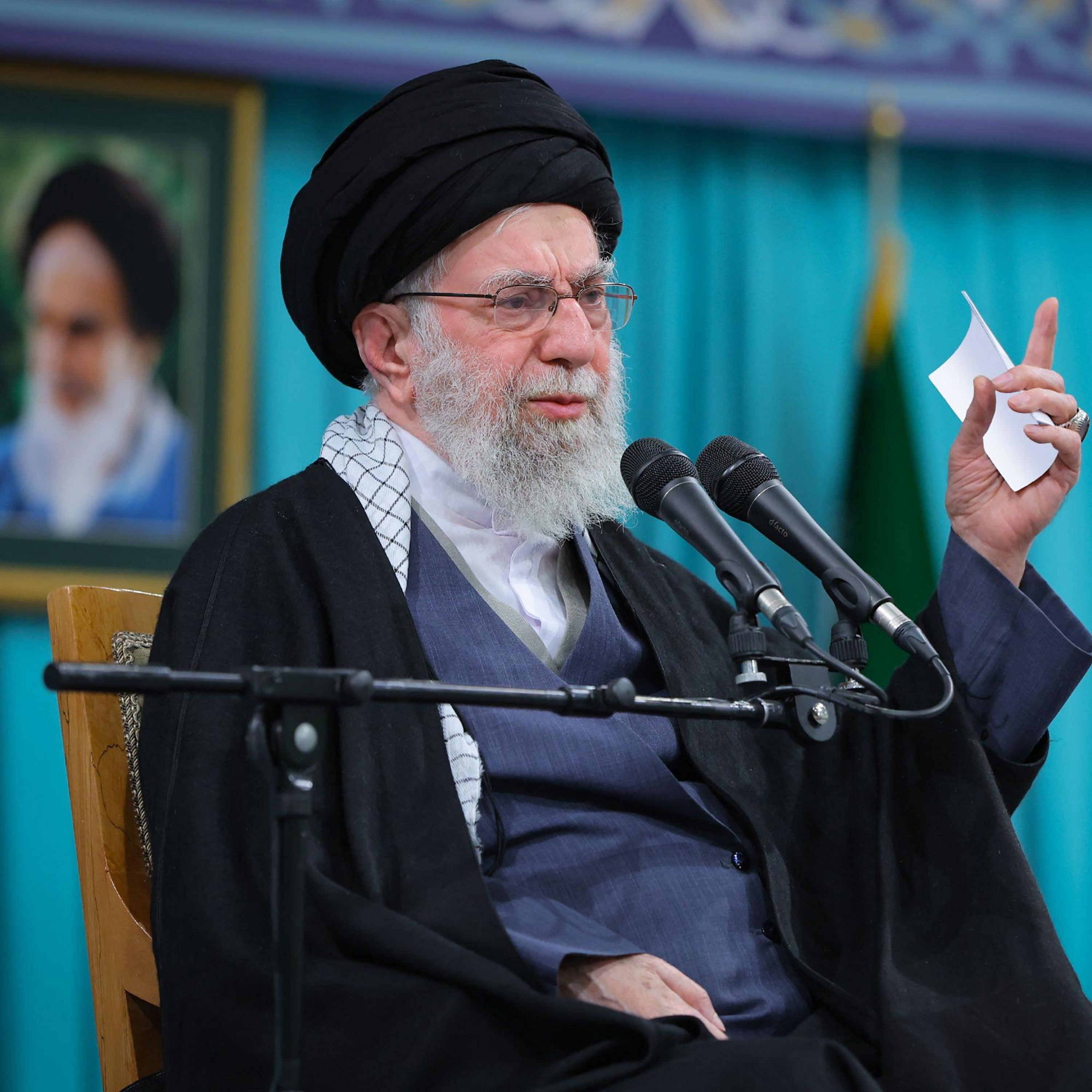
After weeks of mass demonstrations, Iran is reeling from one of the deadliest government crackdowns in its history. In a rare speech on Saturday, Iran’s Supreme Leader Ayatollah Ali Khamenei admitted that thousands of protesters have been killed, "some in an inhuman, savage manner", but he also blamed the US for their deaths.President Trump urged Iranian demonstrators to “keep protesting”, promising that “help is on its way”. Yet the window for US military intervention appears to have narrowed while the Iranian government has largely quelled the unrest. Amid a near-total internet shutdown however, the situation on the ground remains unclear. In today’s episode, we speak with journalists in the BBC’s Persian Service in London, to unpack how anger over the economy escalated into a nationwide uprising that seemed to genuinely challenge the government’s grip on power. They walk us through the difficulties of covering these protests from outside the country, explain why the movement failed to topple the Iranian leadership, and explain what this means for the stability of the Iranian government going forward. Featuring Parham Ghobadi, Sarah Namjoo, Ghoncheh Habibiazad and Maryam Zohdi. Producers: Viv Jones, Aron Keller and Lucy PawleExecutive producers: James Shield and Bridget Harney Sound engineer: Travis Evans Senior news editor: China Collins Photo: A handout photo made available by the Iranian supreme leader's office shows Iranian Supreme Leader Ayatollah Ali Khamenei speaking during a ceremony in Tehran, Iran. Credit: Leader's office handout/EPA/Shutterstock.

Greenland: Could the US regret alienating its Nato allies?
President Trump says he will, "100%" follow through on his threats to impose tariffs if a deal over Greenland is not reached, and responded "no comment" on Monday when asked whether he would use force to seize the island. Even if Trump’s attempt to control Greenland goes no further, has trust between the United States and its Nato allies been damaged beyond repair? We speak to the BBC’s world news correspondent, Joe Inwood. Producers: Cat Farnsworth and Lucy Pawle Mix: Travis Evans Executive producer: James Shield Senior news editor: China Collins Credits: Love Actually (2003) / Dir: Richard Curtis / Universal Pictures Photo: A town in Greenland. BBC.

How Charlie Kirk inspired a new Korean right-wing youth movement
A right-wing movement in South Korea is attracting disenchanted young people who are concerned about mass immigration, lawfare and cancel culture. They sport red baseball caps, idolise Charlie Kirk and chant that “Korea is for Koreans”. The movement has rallied around the impeached former president Yoon Suk Yeol, who was sentenced last week to five years in jail for abuse of power, obstructing justice and falsifying documents in relation to his failed martial law bid in 2024. Yoon could also face the death penalty over insurrection charges, which he denies. The BBC’s Seoul correspondent, Jake Kwon, explains how South Korea found itself at the heart of a globalised culture war. Producers: Valerio Esposito and Cat Farnsworth Mix: Travis Evans Executive Producer: James Shield Senior news editor: China Collins (Photo: Jintak Han/The Washington Post via Getty Images)
The post-World War II era is over. What comes next?
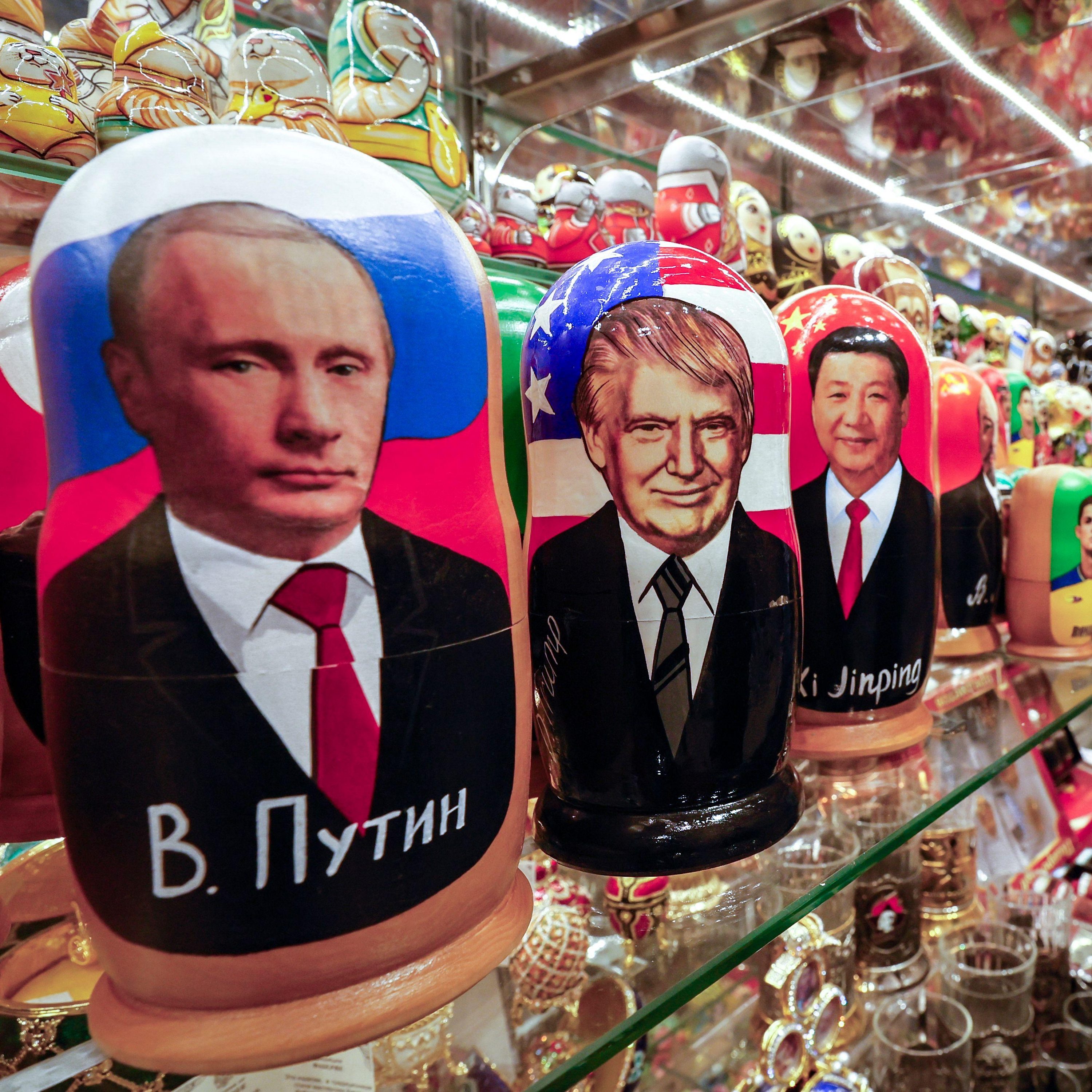
For most of the years since World War Two, many global powers said they adhered to a rules-based international order. Since Donald Trump returned to the White House that idea is falling away. But did it ever exist in reality? And what’s the alternative now? The BBC’s International Editor Jeremy Bowen wraps up our week of special coverage. Producers: Cat Farnsworth and Xandra Ellin Mix: Travis Evans Senior news editor: China Collins (Photo: Presidents Putin, Trump and Xi as Russian dolls. Credit: Yuri Kochetkov. EFE/REX/Shutterstock)
How the US, China and Russia are vying for influence in Africa
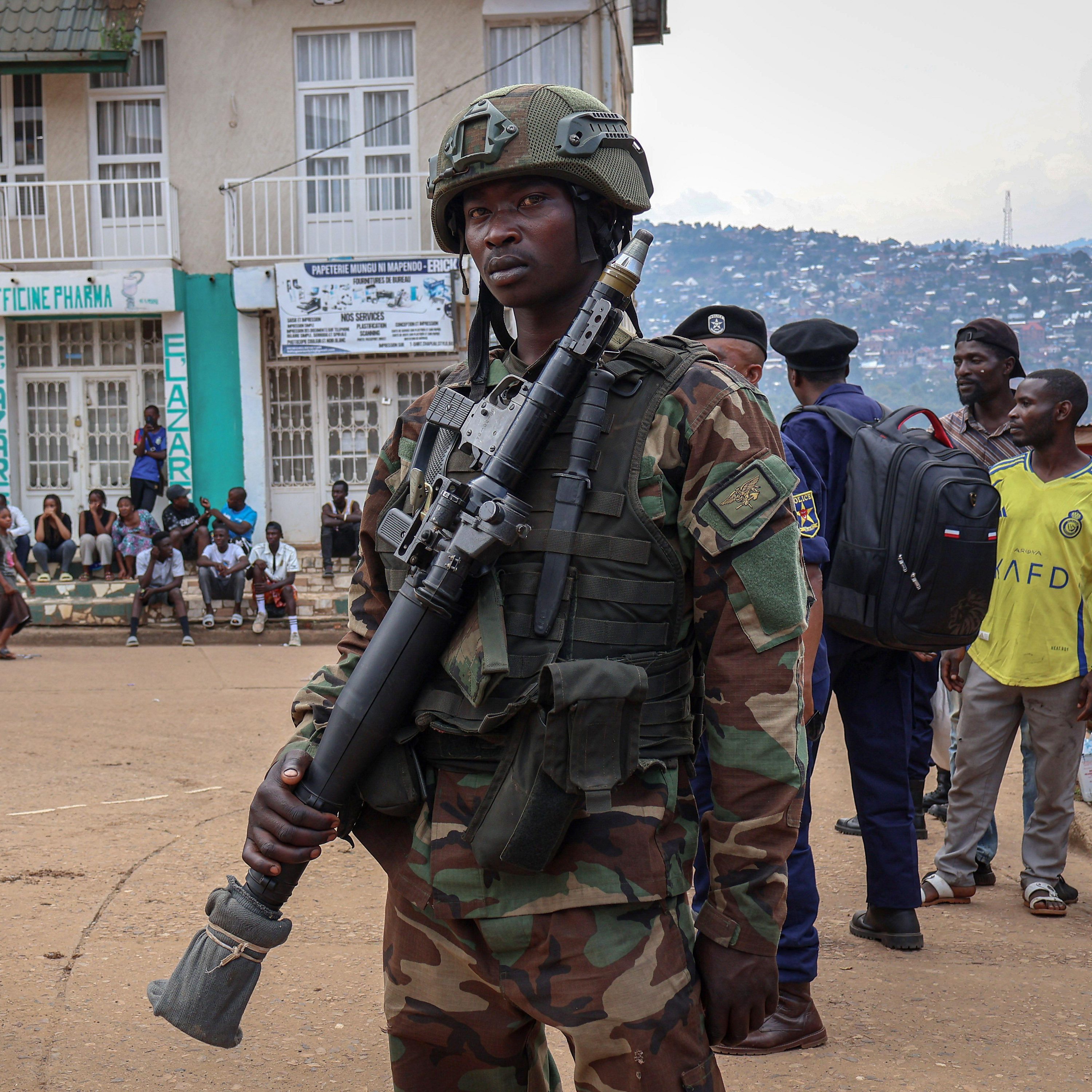
When the leaders of the US, China and Russia look at Africa today, they see huge opportunity – an abundance of natural resources and a skilled, young population. But what does it mean for the continent when African presidents allow these superpowers the influence and investment they want? All this week, we’re teaming up with our BBC sister podcasts to explore how power and influence around the world is shifting. We’re talking about which countries have a sphere of influence, and which countries are in someone else’s. In today’s episode, we speak to Charles Gitonga from the BBC’s Focus on Africa podcast about three countries in Central Africa which have found themselves at the at the centre of a geopolitical tug of war. Producers: Hannah Moore, Aron Keller and Lucy Pawle Executive producer: James Shield Mix: Travis Evans Senior news editor: China Collins Photo: A soldier with the M23 armed group stands guard in Bukavu, South Kivu, Democratic Republic of the Congo. Credit: Marie Jeanne Munyerenkana/EPA-EFE/REX/Shutterstock.
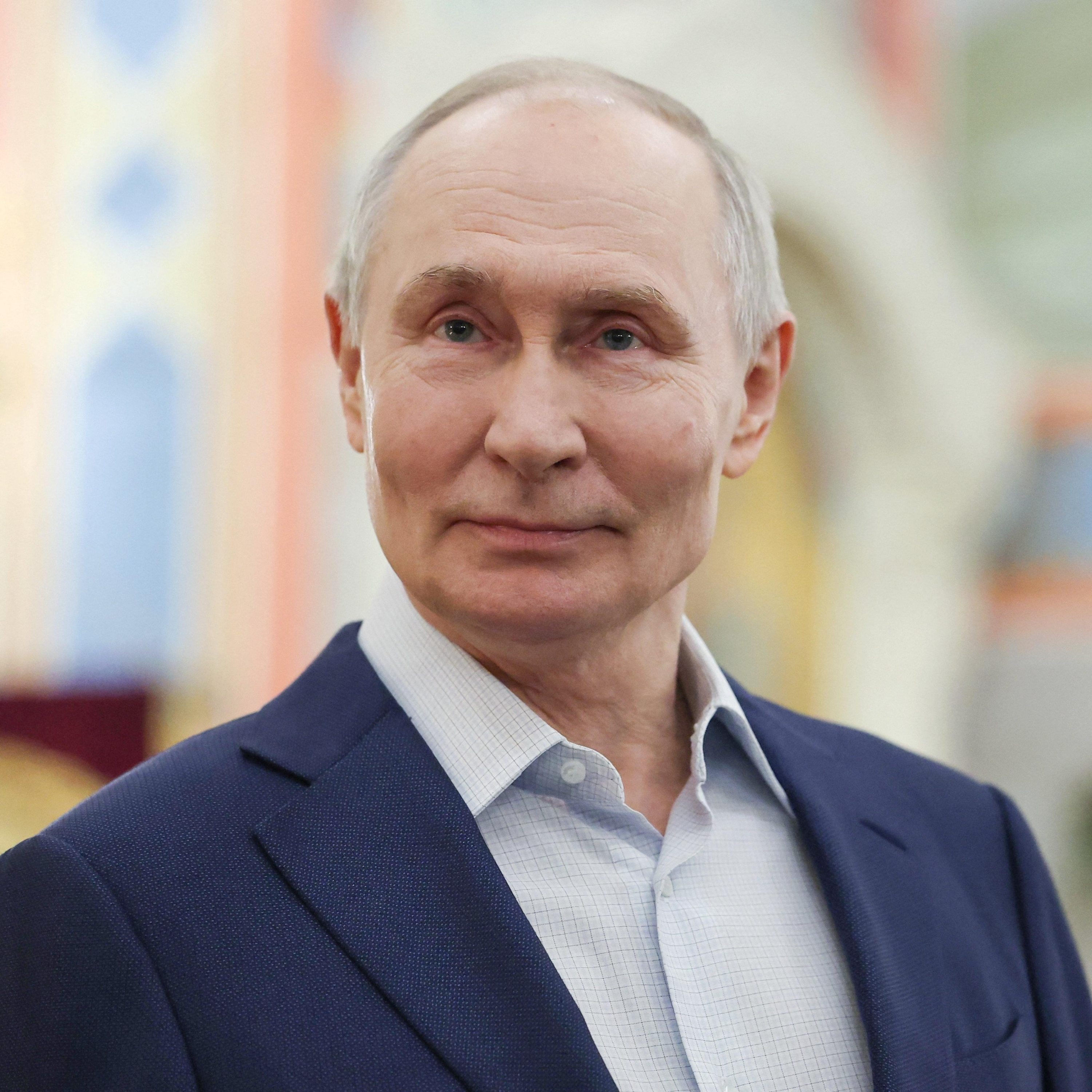
Putin’s pursuit of Russian greatness
All this week, we are teaming up with our BBC sister podcasts to explore how power and influence around the world is shifting. We’re exploring which countries have a sphere of influence, and which countries are in someone else’s. Today, we speak to Vitaly Shevchenko, co-host of Ukrainecast, about how Russia cultivates and controls its sphere of influence. President Vladimir Putin has called the Soviet Union's collapse "the greatest geopolitical catastrophe" of the 20th century. Since he came to power in 1999, Putin has tried to exercise influence over what he calls Russia’s ‘near abroad’: the former Soviet republics in its backyard. Producers: Viv Jones and Xandra Ellin Executive producer: Bridget Harney Mix: Travis Evans Senior news editor: China Collins Photo: Russia's President Vladimir Putin. Vyacheslav Prokofyev/ Sputnik/ Reuters
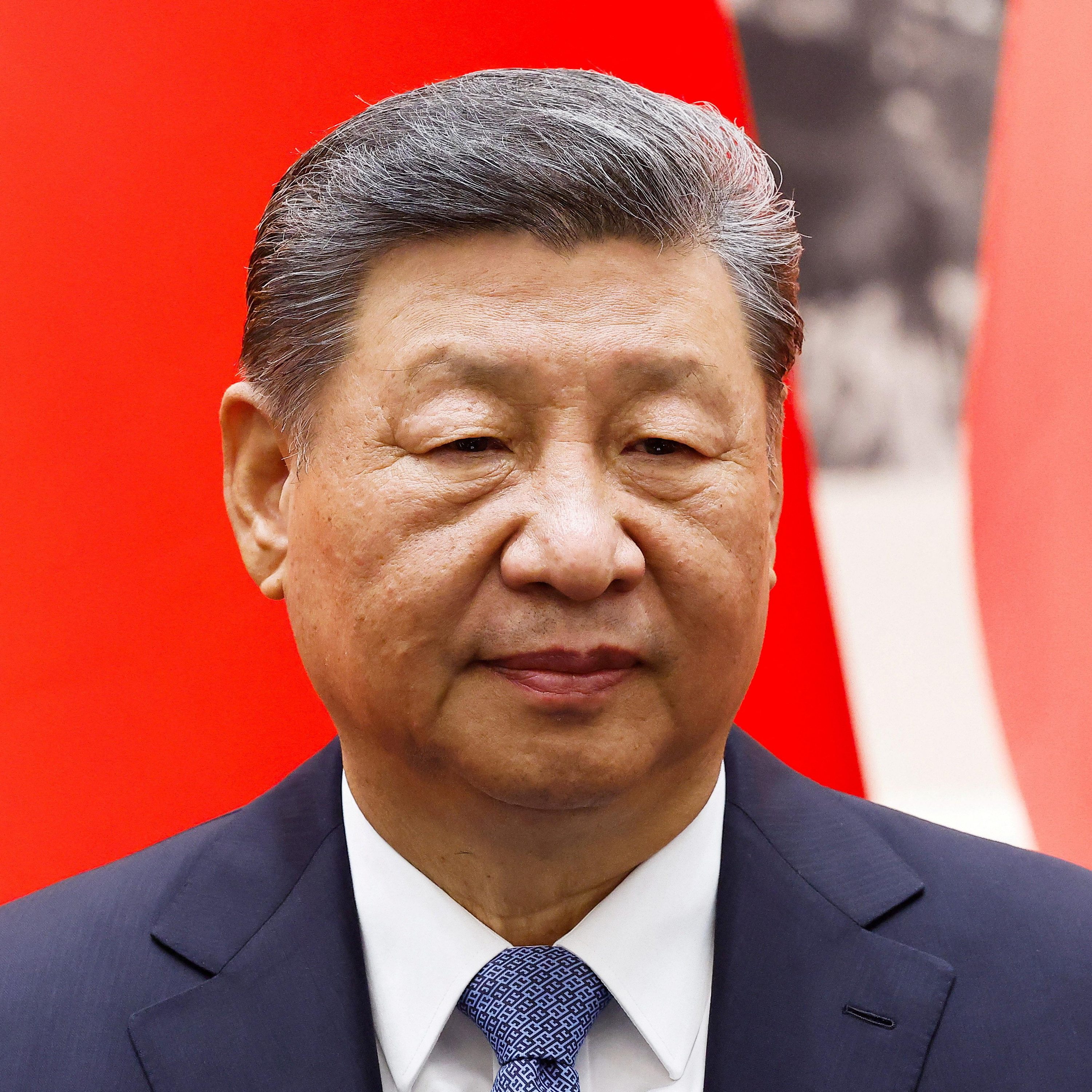
Has Xi Jinping outsmarted his rivals?
How will China respond to a new era of US assertiveness? Could the spectacular events of Trump’s second term change President Xi Jinping’s calculations about whether to flex China’s muscles in Taiwan?All this week, we are teaming up with our sister podcasts to explore how power and influence around the world is shifting. We’re exploring who has a sphere of influence and who finds themselves in one.Today we’re joined by Mariko Oi, host of Asia Specific from the BBC World Service, and the BBC’s China correspondent, Laura Bicker.Producers: Cat Farnsworth and Valerio EspositoExecutive producer: James ShieldMix: Travis EvansSenior news editor: China CollinsPhoto: China’s President Xi Jinping. Maxim Shemetov/Pool/Reuters
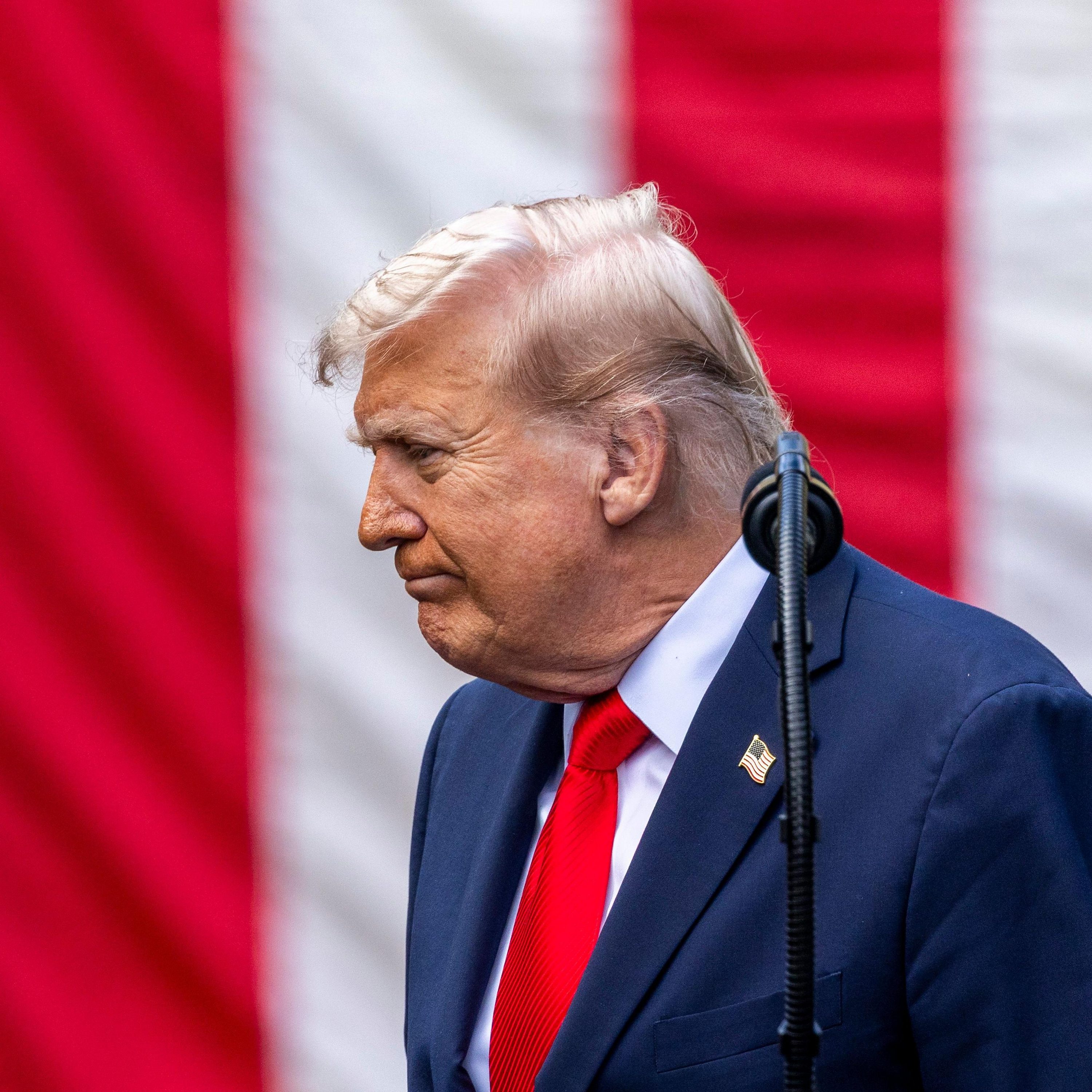
American influence from Monroe to Donroe
How are Donald Trump’s ambitions in Venezuela and Greenland changing America’s place in the world? President Trump’s key adviser Stephen Miller has said that we are living in a world “that is governed by strength, that is governed by force, that is governed by power” - so where has that philosophy come from?All this week, we are teaming up with our sister podcasts to explore how power and influence around the world is shifting. We exploring who is in a sphere of influence and who is being controlled by one.Today, we speak to Anthony Zurcher, co-host of Americast and the BBC’s North America correspondent, about what US history tells us about this moment.Producers: Sam Chantarasak and Xandra EllinExecutive producer: Bridget HarneySound engineer: Travis EvansSenior news editor: China Collins(Photo: President Donald Trump in front of the US flag. Credit: Shawn Thew/EPA/Shutterstock)
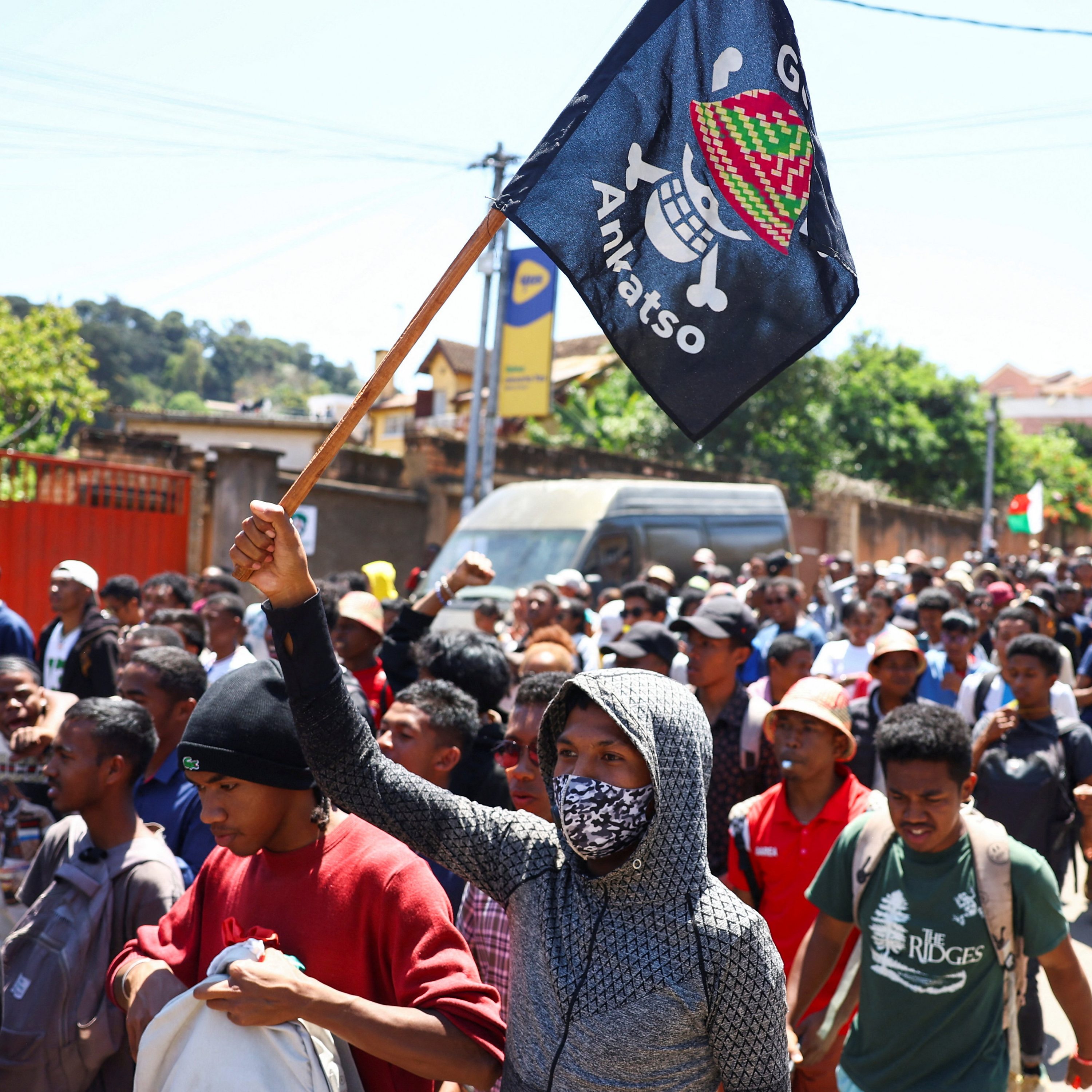
Will Gen Z protests around the world continue in 2026?
Throughout 2025, a massive youth protest movement took shape across the world. From Bangladesh, to Nepal, to Morocco, to Kenya, to the Maldives, young people were taking to the streets to demand, among other things, job security, improved standards of living, and the toppling of corrupt regimes. And in a number of cases their ambitious demands were met.Today we speak to the BBC's social media investigations correspondent, Marianna Spring, about how social media helped spark a movement that transcended borders, and where the so-called, 'Gen Z Revolution' goes from here.Producers: Xandra Ellin and Cat FarnsworthSound engineer: Travis EvansSenior news editor: China Collins(Photo: A protester carries a banner featuring a Malagasy version of the logo of the popular Japanese manga One Piece, during a nationwide youth-led demonstration over frequent power outages and water shortages, in Antananarivo, Madagascar, October 13, 2025. Credit: Siphiwe Sibeko/ Reuters)
Will Trump take control of Greenland?
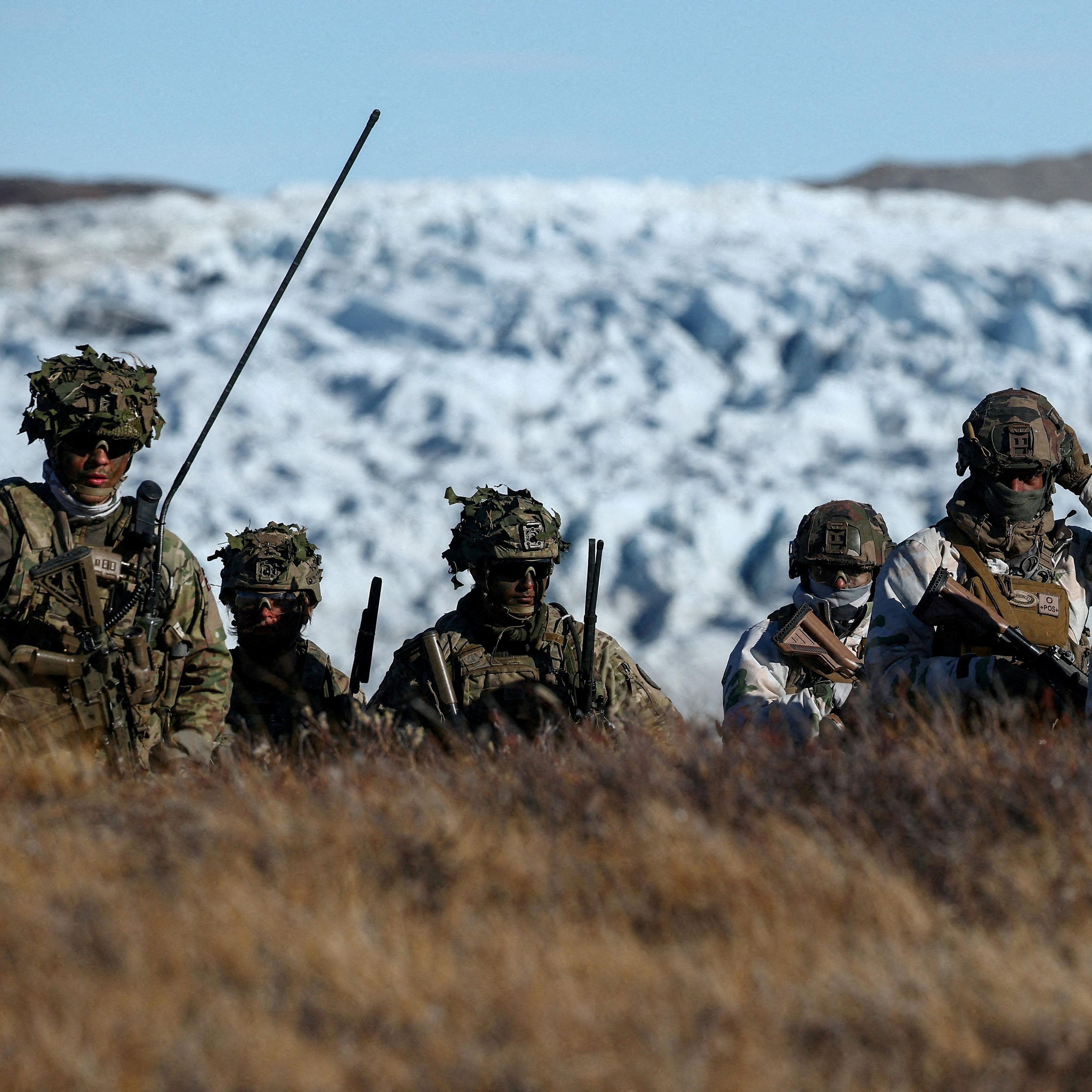
After his major military operation in Venezuela, President Trump has escalated his rhetoric about taking control of Greenland. Trump has repeatedly suggested that the Arctic island – which is a semi-autonomous Danish territory - should be part of the US. "We need Greenland from a national security situation”, Trump told reporters recently, “It's so strategic”. In capitals around Europe, leaders are now wondering if Trump might just follow through on his threats.We speak to journalist Adrienne Murray in Copenhagen to find out how Greenlanders and Danes feel about Trump’s comments, and what any US action on Greenland could mean for the future of Nato and Europe. Producers: Viv Jones, Aron Keller and Xandra Ellin Executive producer: Bridget Harney Mix: Travis Evans Senior news editor: China Collins Photo: Danish troops take part in military drills in Greenland. Credit: Guglielmo Mangiapane/ Reuters
The US ran a war game on the aftermath of Maduro’s fall – it predicted chaos
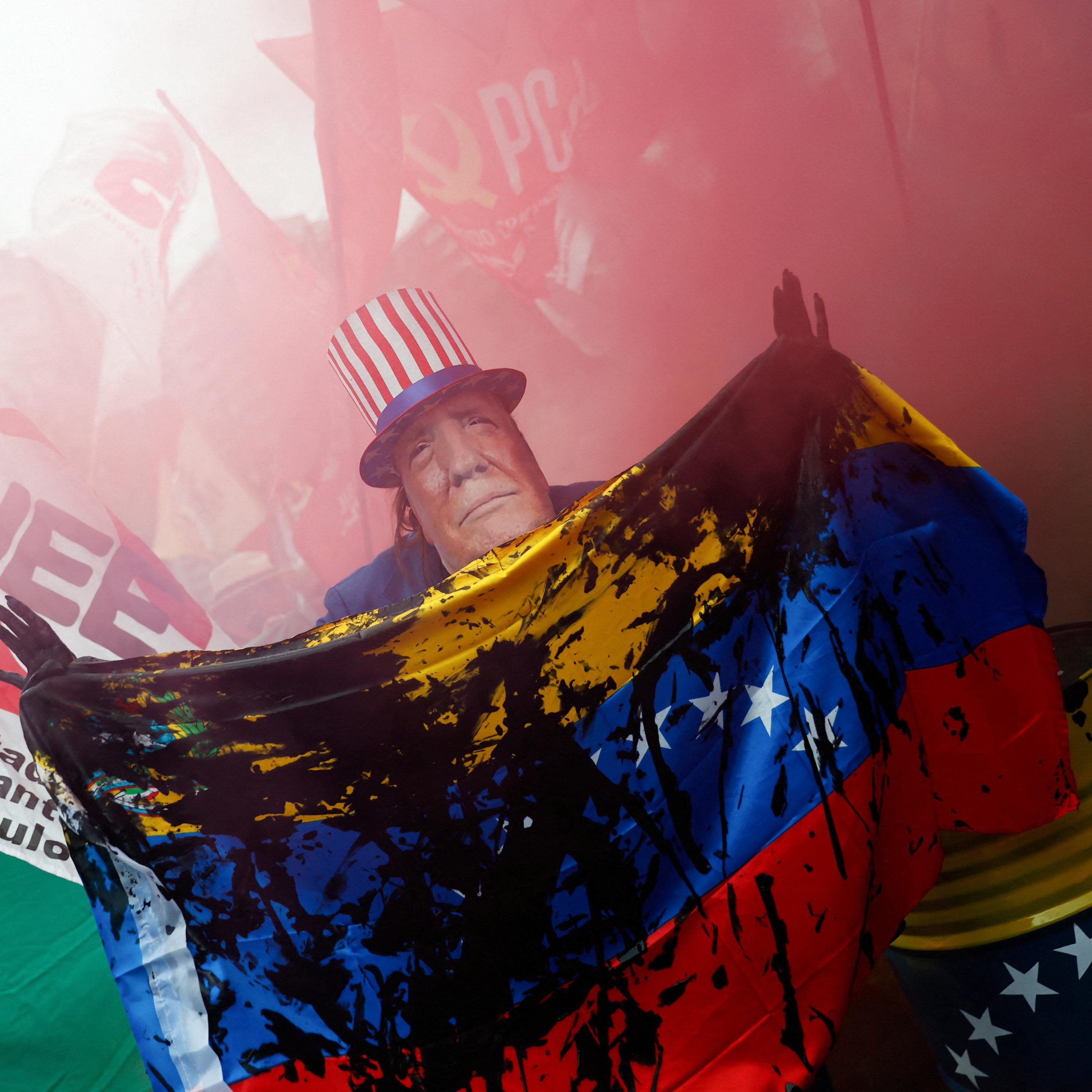
When the US government captured Venezuela’s president, Nicolas Maduro, on Saturday, most of the world was shocked. But US officials had for years been gaming out different scenarios, including predicting what would happen if Maduro was ousted. According to one man who took part, each ended in disaster. On today’s episode, we speak to the former Washington Post journalist Douglas Farah, who participated in war games on Venezuela during Donald Trump’s first term, as well as during the Obama and Biden administrations. Producers: Hannah Moore and Lucy Pawle Executive producer: James Shield Mix: Travis Evans Senior news editor: China Collins Photo: A protest against US strikes on Venezuela and the capture of President Maduro, in Brazil. Tuane Fernandes/Reuters
People who could change the world in 2026
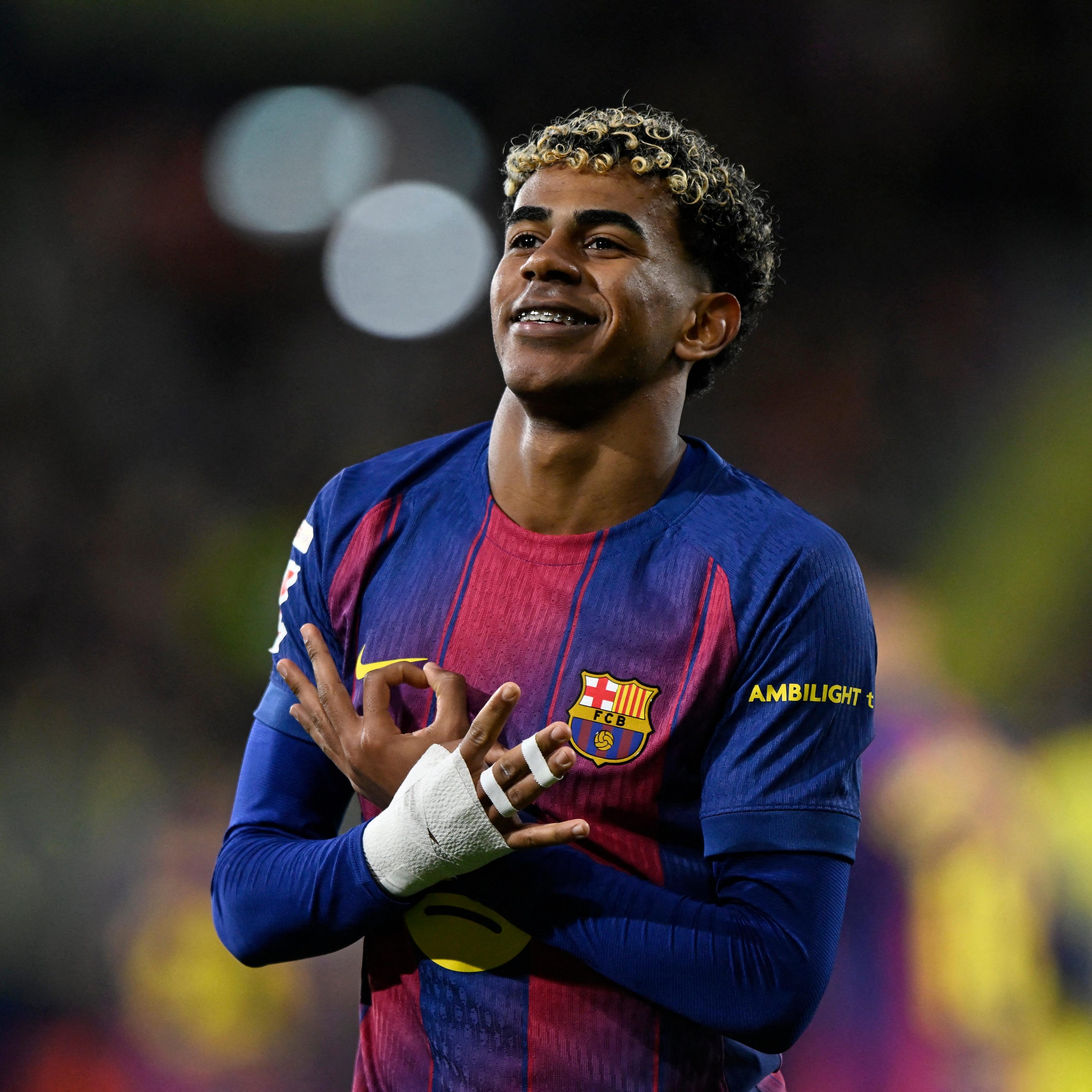
Who might have the power and influence to change the world in 2026? World leaders aside, we choose four people and discuss why they could intersect with some of the big stories and themes of the next year. Producers: Xandra Ellin and Sam Chantarasak Executive producer: James Shield Mix: Travis Evans Senior news editor: China Collins Image: FC Barcelona's Lamine Yamal celebrates scoring a goal. Credit: Pablo Morano/Reuters.
What’s next for Venezuela?
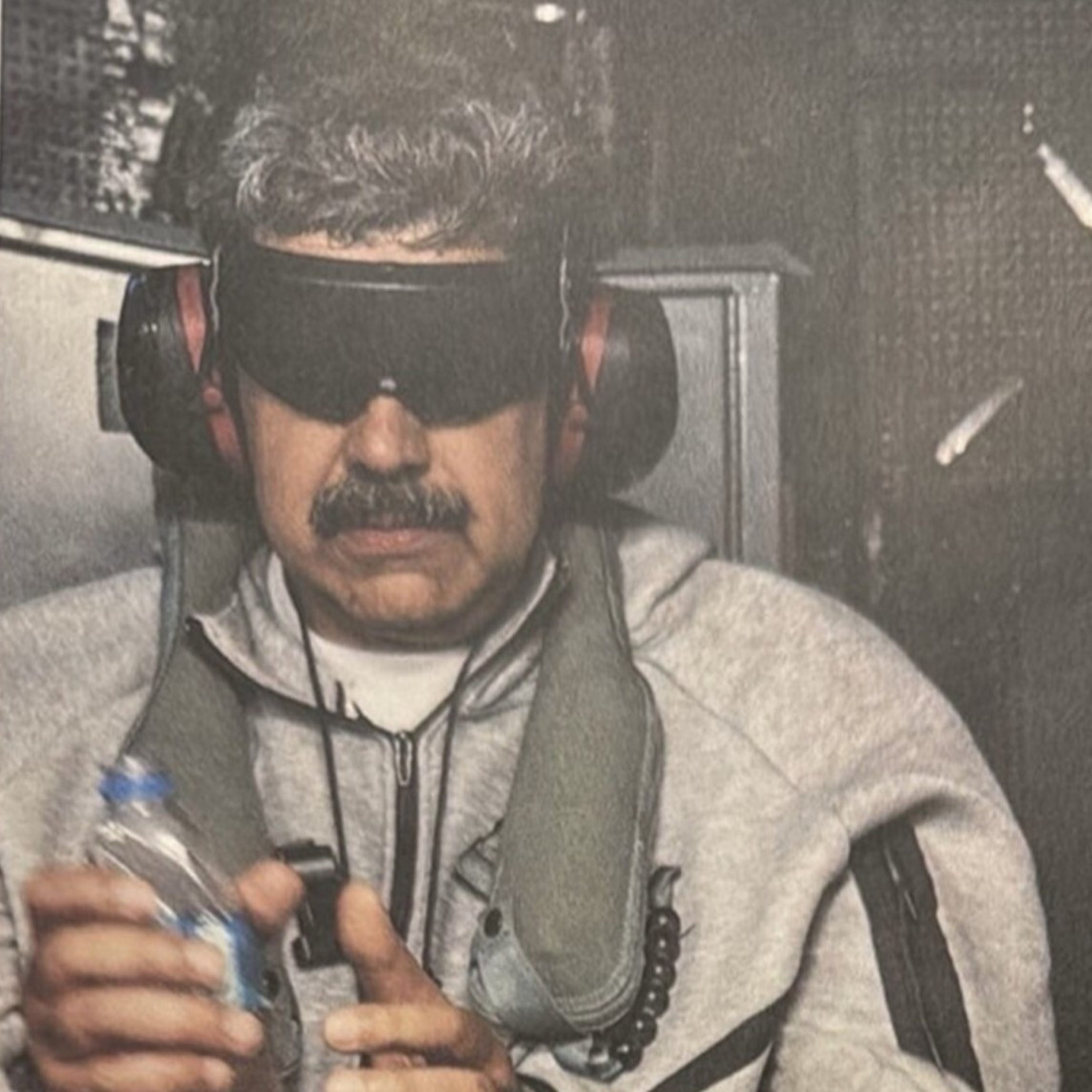
The Venezuelan president Nicolás Maduro and his wife Cilia Flores are due to appear in a federal Manhattan court on Monday, after the United States captured them in a military operation in Venezuela. President Trump says the US will run Venezuela “until such time as we can do a safe, proper and judicious transition”. But Maduro’s allies – including its new interim president – remain in charge. We speak to Ione Wells, the BBC’s South America correspondent, about what might happen in the coming weeks and months. Producers: Sam Chantarasak and Aron Keller Executive producer: James Shield Mix: Travis Evans Senior news editor: China Collins Photo: Nicolás Maduro in an image distributed by President Trump which he said was taken on board the USS Iwo Jima.
Are conspiracy theories America’s biggest export?
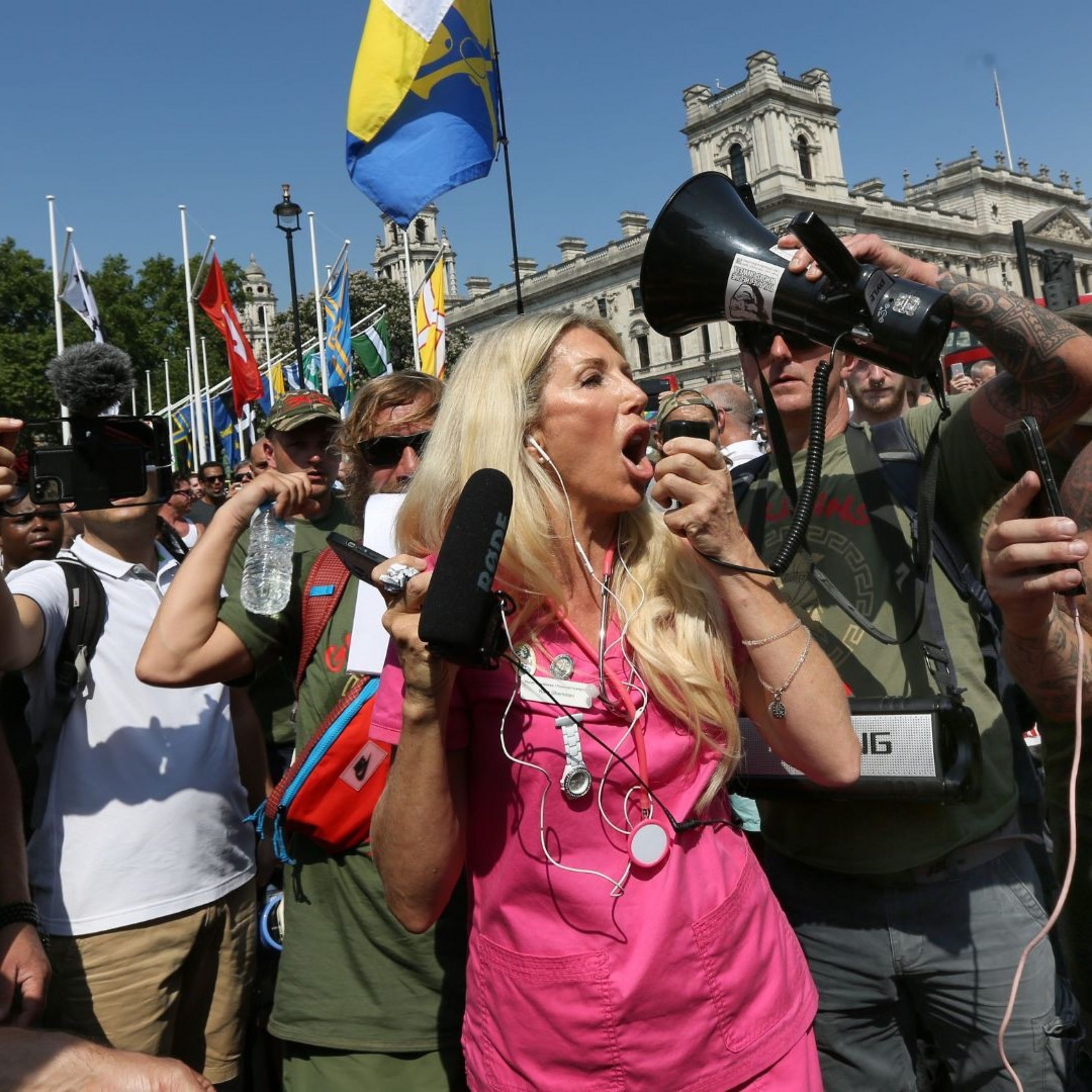
We are away for Christmas, so this is a repeat of a previous episode. Mistrust in science has never been higher. Fewer people are getting vaccinated, a known vaccine skeptic is leading the most powerful health agency in America and an outbreak of measels in Texas this year led to the first fatalities in almost a decade. Then, in August, a gunman opened fire on the headquarters of the Centre for Disease Control with many speculating he was fuelled by misinformation about health. Increasingly this misinformation is being exported around the world. Marianna Spring is the BBC’s Social Media Investigations Correspondent and tells the story of how suspicion of science in America helped radicalise a British mom with devastating consequences. Producers: Cat Farnsworth and Lucy Pawle Executive producer: Annie Brown Mix: Travis Evans Senior news editor: China Collins Photo: Kate Shemirani. Martin Pope / Getty
The death of reading
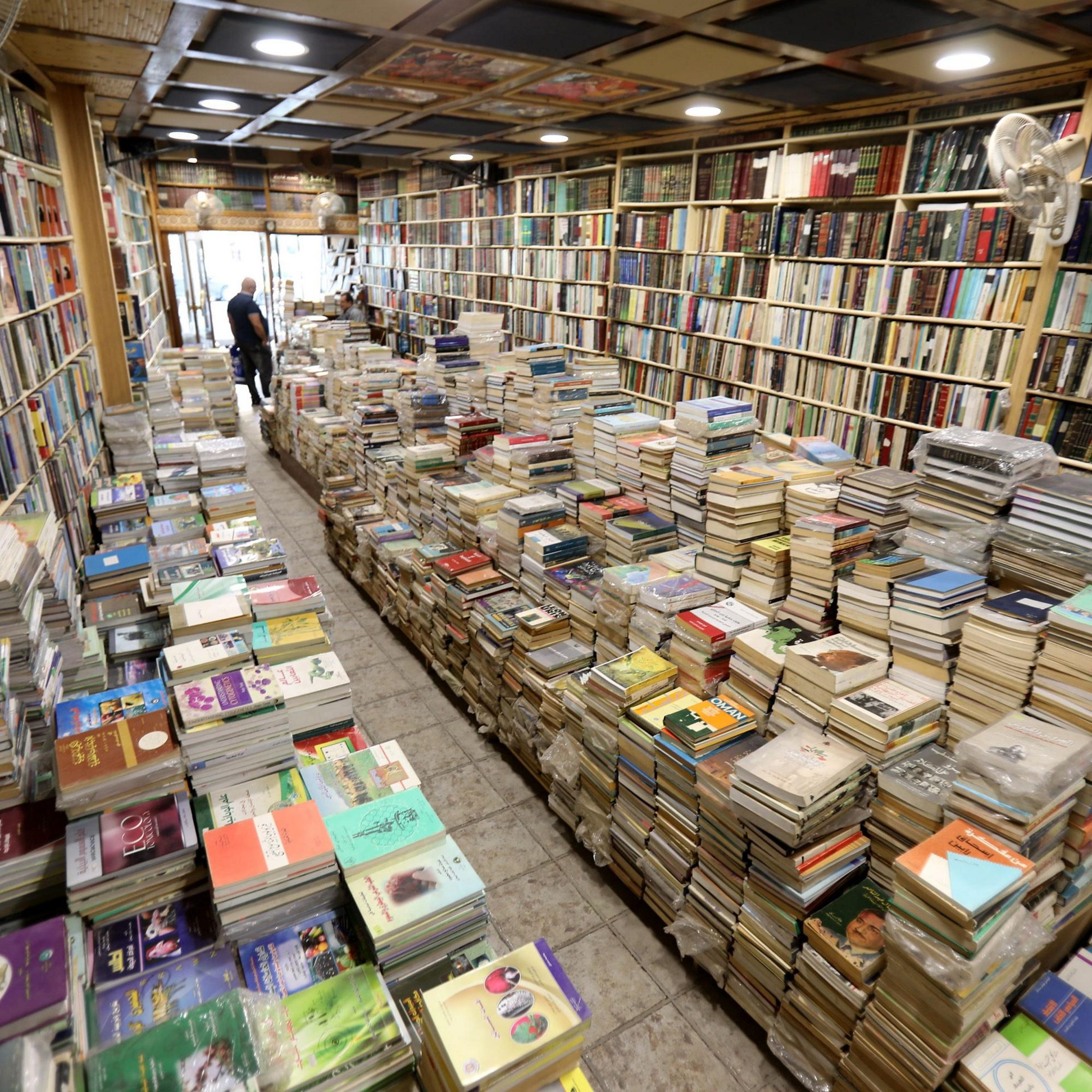
We are away for Christmas, so this is a repeat of a previous episode. Are we living through the slow death of reading - replaced by an addictive screen culture that fragments our attention and floods us with trivial or unreliable information? Writer and voracious reader James Marriott believes we are entering a post-literate age with profoundly negative consequences for education, culture and democracy itself. In today's episode, James traces how an 18th century ‘reading revolution’ shaped the modern-world - and what might follow its sudden decline. Producers: Aron Keller and Sam Chantarasak Editor: James Shield Mix: Travis Evans Senior news editor: China Collins Photo: The al-Nahda al-Arabiya library (Arab Renaissance Library) in central Baghdad. AHMED JALIL/EPA.

The hostage negotiator’s guide to making deals with Putin’s Russia
We are away for Christmas, so this is a repeat of a previous episode. Donald Trump has spent this year trying to negotiate a deal to end the war in Ukraine. So far, Vladimir Putin doesn’t seem interested in the US’ proposals. One man who has experience successfully negotiating with Russia – and many other American adversaries – is Roger Carstens, former Special Presidential Envoy for Hostage Affairs. From 2020 to 2025 he worked to free dozens of US citizens taken hostage and wrongfully detained around the world, including Russia. Securing their release often required complex deals that took years to put together. What does it take to successfully negotiate with Vladimir Putin’s Russia? Producer: Lucy Pawle Executive producer: James Shield Senior news editor: China Collins Mix: Travis Evans Photo: Roger Carstens. Credit: BBC

Is the AI boom actually a bubble?
We are away for Christmas, so this is a repeat of a previous episode. AI companies are seeing a monumental surge in investment – but some experts are now warning of the risks of an economic bubble. Could AI be the biggest market bubble since the dot-com crash? Or is it a genuinely transformative technology that’s simply taking time to deliver? We speak to the BBC’s Evan Davis. Producers: Aron Keller and Xandra Ellin Executive Producer: James Shield Mix: Travis Evans Senior news editor: China Collins Photo: Artificial Intelligence mobile apps. Hannibal Hanschke/EPA/Shutterstock

Nukes for nothing: The deal that broke Ukraine's trust
We are away for Christmas, so this is a repeat of a previous episode. In 1994, Ukraine surrendered the world's third-largest nuclear arsenal, inherited from the collapsed Soviet Union, in exchange for security assurances from the US, Russia, and the UK. Ukraine’s denuclearisation is often considered a huge success story in nuclear non-proliferation, but in retrospect, it may have paved the way for Putin's 2022 invasion. As talk of US-European security guarantees for Ukraine resurfaces in the context of tentative Russia-Ukraine peace talks, we speak with BBC Paris correspondent Andrew Harding about the history of the 1994 agreement, and consider whether Ukraine would ever again believe promises made to protect it. Producers: Sam Chantarasak and Xandra Ellin Executive producer: Annie Brown Mix: Travis Evans Senior news editor: China Collins Photo: France's President Emmanuel Macron and Ukraine's President Volodymyr Zelensky. Ludovic Marin/ Getty

Can Apple cut ties with China?
We are away for Christmas, so this is a repeat of a previous episode. Apple is promising to make more products in the US, backed by a $600bn investment over the next four years. But after decades of relying on Chinese manufacturing that promise is going to be tough to keep. Today we’re joined by journalist and author Patrick McGee to discuss whether Apple can navigate the demands of Donald Trump’s America First agenda and disentangle itself from a made-in-China business model. Producers: Hannah Moore and Aron Keller Executive producers: James Shield and Annie Brown Mix: Nicky Edwards and Travis Evans Senior news editor: China Collins Photo: Apple CEO Tim Cook. Manuel Orbegozo/Reuters

Is social media dead?
We are away for Christmas, so this is a repeat of a previous episode. For much of the 21st century, our social lives have been shaped, at least in part, on the internet. But in an age of influencers, generative AI, complex algorithms, and politically entangled technocrats, some users say social media is growing less, well, social. So, is social media dead? Or is it just becoming something else? We speak with New Yorker staff writer Kyle Chayka about what happened to social networks, and what their transformation suggests about the future of media. Producers: Xandra Ellin and Aron Keller Executive Producer: James Shield Mix: Travis Evans Senior News Editor: China Collins Photo: Social media apps on a phone. Yui Mok/PA

The disgraced UK doctor behind autism misinformation
We are away for Christmas, so this is a repeat of a previous episode. In September, President Trump and the U.S. Health Secretary Robert F. Kennedy Jr. held a press conference in which they made extraordinary new claims about autism. They suggested a potential link between the use of Tylenol during pregnancy and the development of autism. They also advocated spacing out childhood vaccinations. The two men's interest in the link between vaccines and autism goes back decades but these claims did not originate in the US. They trace back to the UK in 1998, when disgraced former doctor Andrew Wakefield first published his now-debunked theory linking MMR vaccines to autism cases in children. The science journalist Adam Rutherford explains to the Global Story how the Wakefield vaccine conspiracy became the biggest medical disinformation disaster in recent history, and how these ideas found fertile ground in the Trump administration. Producers: Viv Jones, Valerio Esposito Executive producer: Annie Brown, James Shield Mix: Travis Evans Senior news editor: China Collins Photo: President Trump & Robert F. Kennedy Jr. Kevin Lamarque/Reuters
Meeting settlers and Palestinians in the West Bank
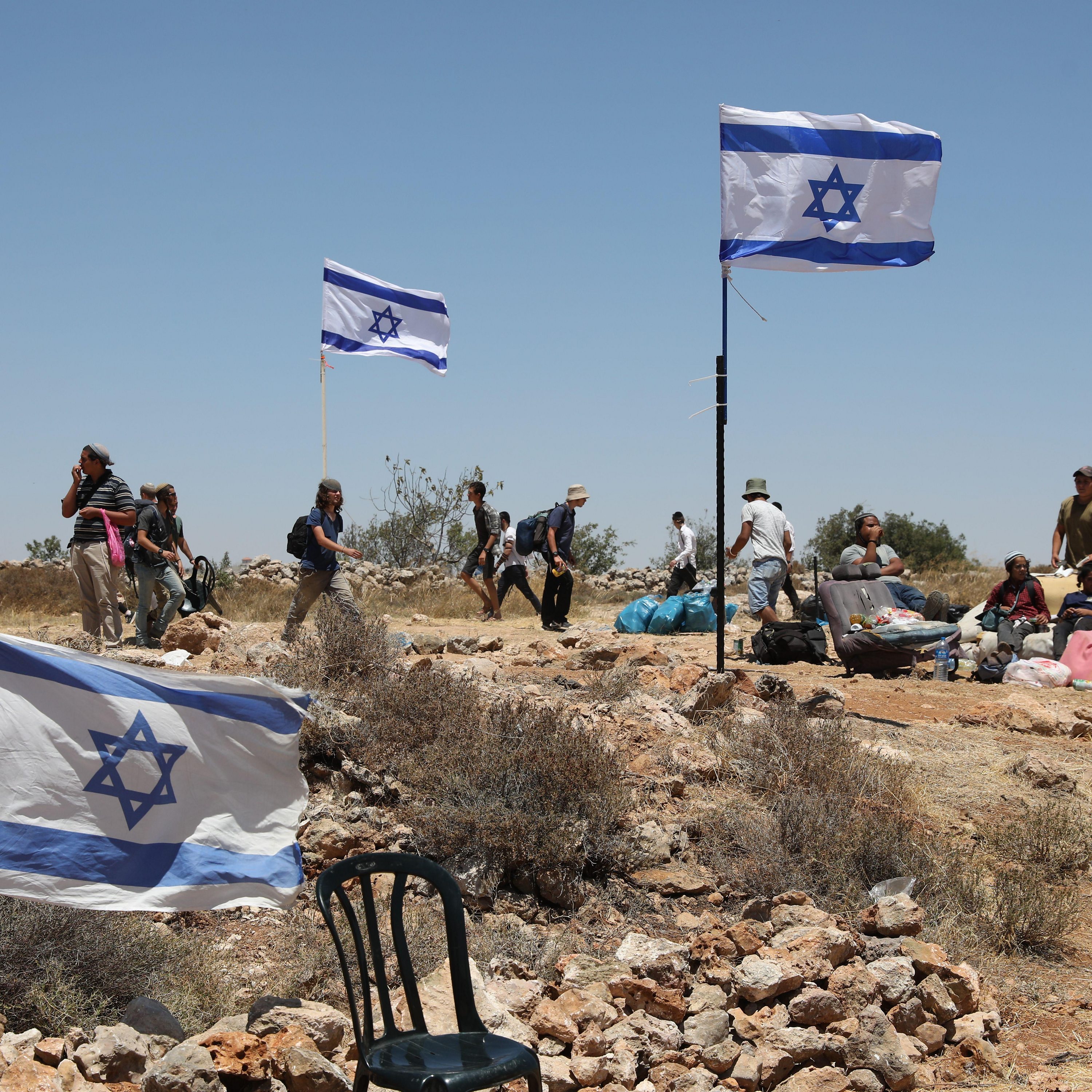
Attacks by Jewish settlers on Palestinians in the occupied West Bank have broken UN records this year, reaching the highest level in almost 20 years.Israel’s Prime Minister Benjamin Netanyahu has blamed a “minority” that “does not represent the large settler public”. Meanwhile, Israel’s security cabinet has just approved the recognition of 19 new settlements as the government continues its settlement expansion push. We’re joined by the BBC’s Sarah Montague who has been speaking with Palestinians who say they are experiencing settler intimidation, and with a prominent settler who is a member of the Israeli parliament. Producers: Viv Jones, Valerio Esposito and Xandra Ellin Executive Producer: Bridget Harney Mix: Marty Peralta Senior news editor: China Collins Photo: Israeli border police remove settlers near Hebron. Credit Abir Sultan/EPA-EFE/REX/Shutterstock.
Is Trump looking for war with Venezuela?
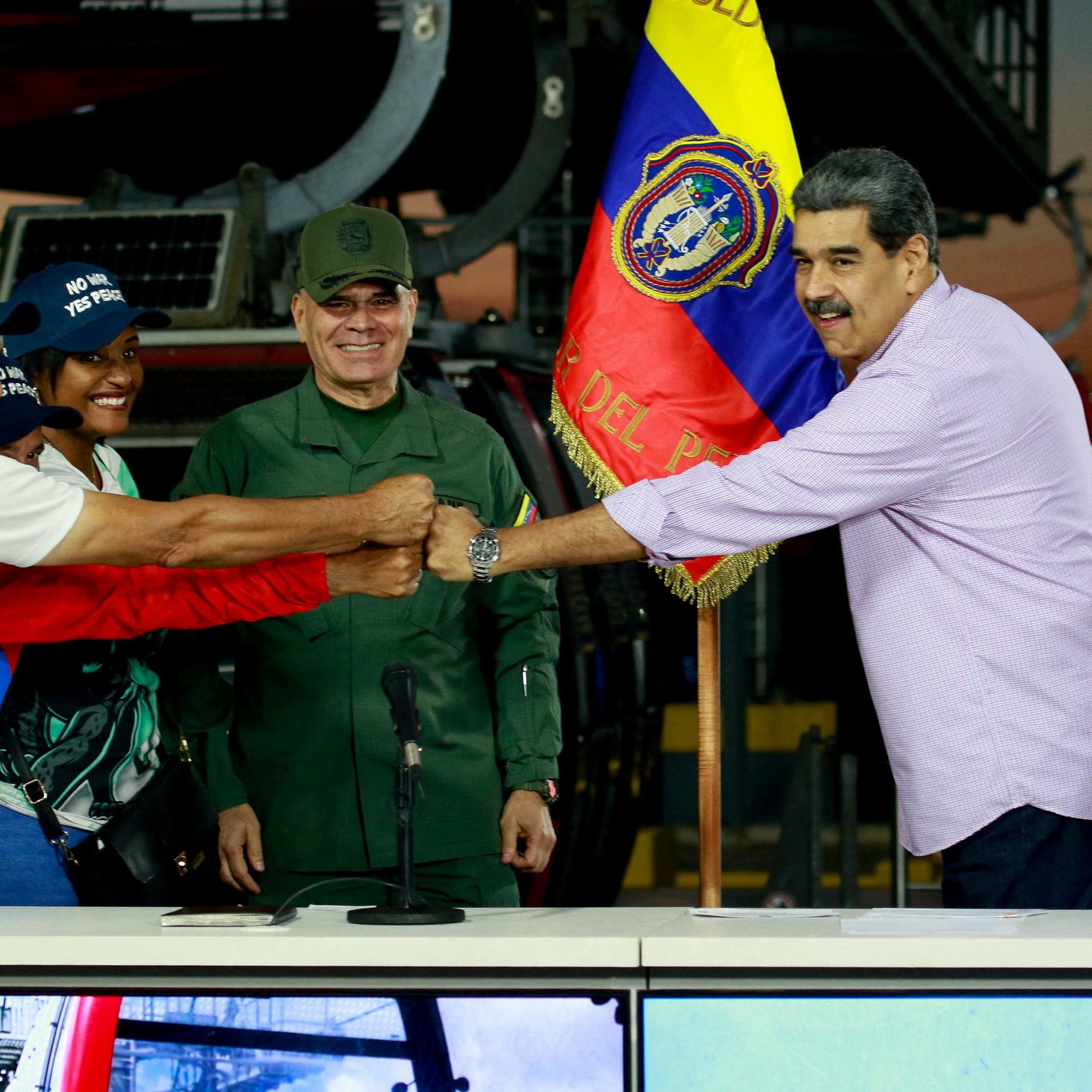
Tensions between the US and Venezuela are reaching a dangerous tipping point. The Trump administration has accused president Nicolas Maduro of leading a drug cartel and declared Maduro's government a “foreign terrorist organisation”. President Trump has also ordered a naval blockade of the country’s oil-sanctioned exports using what he calls “the largest ever armada assembled in the history of South America”.In today’s episode, we speak to BBC Mundo journalist, Jorge Perez Valeri to ask whether the escalating military rhetoric from Washington could be paving the way for war, and how Venezuelans, already grappling with deep economic hardship, are feeling about the prospect. Producers: Sam Chantarasak, Lucy Pawle and Aron Keller. Editor: Bridget Harney Mix: Marty Peralta Senior news editor: China Collins Photo: Venezuela’s President Nicolas Maduro attends an event at the Mariche Metrocable station. Credit: Reuters.

Why K-beauty is everywhere
The promise of pore-free, glassy, youthful-looking skin has made Korean beauty products a global phenomenon. Americans spent as much $1.7bn (£1.3bn) on K-beauty in 2024, according to industry estimates, and the US now imports more cosmetics from South Korea than any other country. How did the South Korean government help K-beauty ride the soft power wave that has also brought us TV shows like KPop Demon Hunters, and pop groups such as Blackpink and BTS? And what are the risks of buying into the ‘perfect’ beauty ideals that the industry promotes? Today, we speak to Elise Hu, the host of TED Daily Talks host and author of 'Flawless: Lessons in Looks and Culture from the K-Beauty Capital'. Producer: Hannah Moore Executive producer: Bridget Harney Mix: Marty Peralta Senior news editor: China CollinsPhoto: Model Lee Hyun-yi attends the photocall event celebrating the launch of AHC’s new product ‘Full Lift Eye Cream for Face’ at the FKI Tower Conference Center in Yeouido, Yeongdeungpo-gu. Credit: iMBC/Imazins via Getty Images.
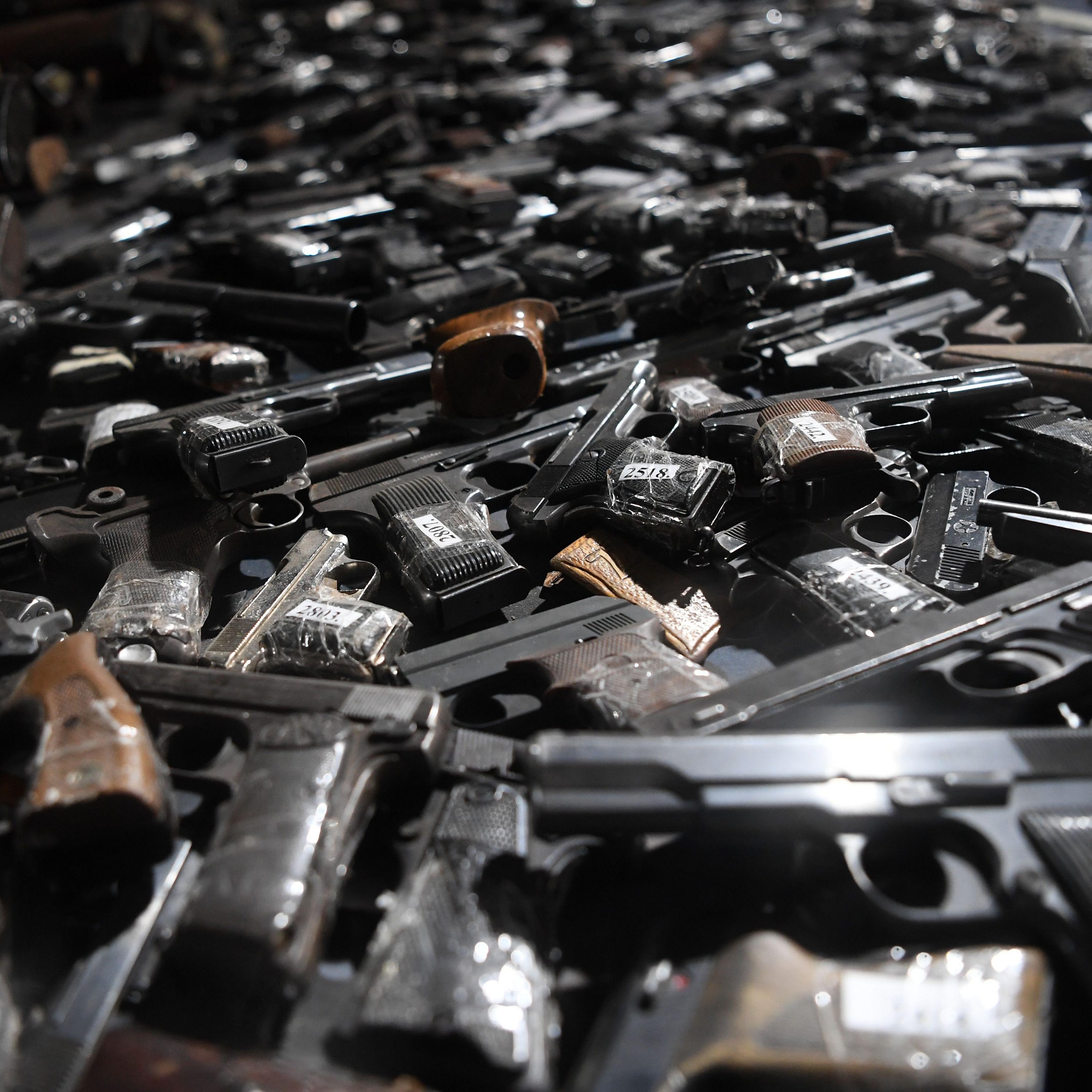
Why Australia’s gun laws aren’t as strong as you might think
After the Port Arthur massacre in 1996, Australia tightened its gun laws, and has since been considered a world-leading example by gun control advocates of how to lessen the chances of mass shootings occurring. However, the mass murder of at least 15 people in an antisemitic attack at Bondi beach on Sunday has again raised the issue of gun access, and Australian prime minister Anthony Albanese has said he is “ready to fight” to strengthen the laws again. On today’s show, Ariel Bogle, an investigations reporter with Guardian Australia, explains why the number of guns in Australia has been rising, and how stricter laws might be received in the country. Producers: Hannah Moore and Xandra Ellin Executive producer: James Shield Mix: Marty Peralta Senior news editor: China CollinsPhoto: Photo of unregistered handguns that were returned to police, near Smederevo, Serbia. Credit: Dimitrije Goll /EPA-EFE/REX/Shutterstock
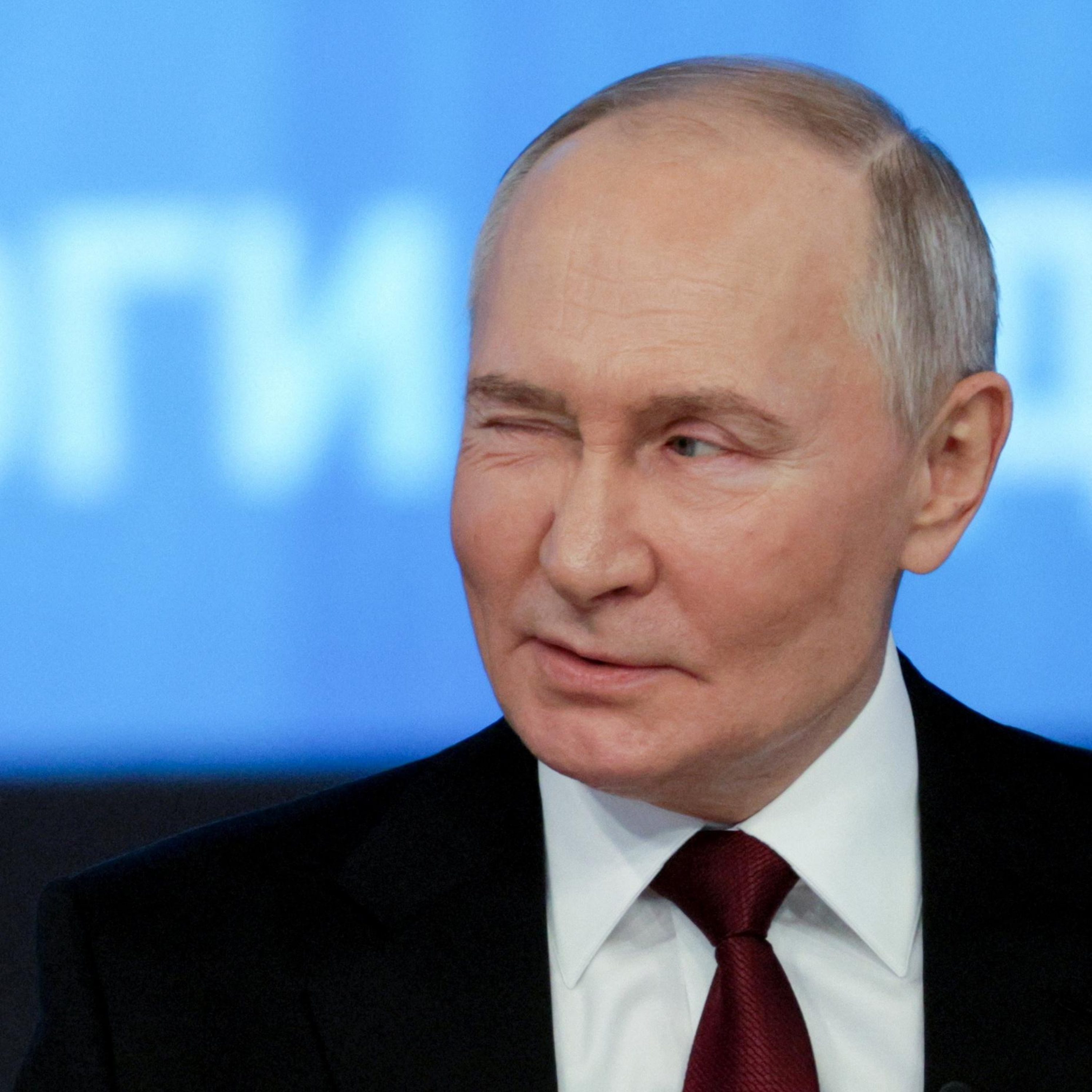
What would it take for Putin to stop fighting in Ukraine?
President Trump says a Ukraine peace deal is ‘closer than ever’ following talks in Berlin with European officials and a delegation from Ukraine. But is it? As the fourth anniversary of Russia's full scale invasion approaches, no peace deal can be agreed without Vladimir Putin’s support. Can he be persuaded to accept anything short of a Russian victory? We speak to the BBC’s Russia editor, Steve Rosenberg.Producers: Valerio Esposito, Viv Jones and Xandra Ellin.Executive producer: James Shield.Senior news editor: China Collins.Mix: Travis Evans.Photo: Russian President Vladimir Putin. Credit: Gavriil Grigorov/Sputnik/Pool via Reuters.
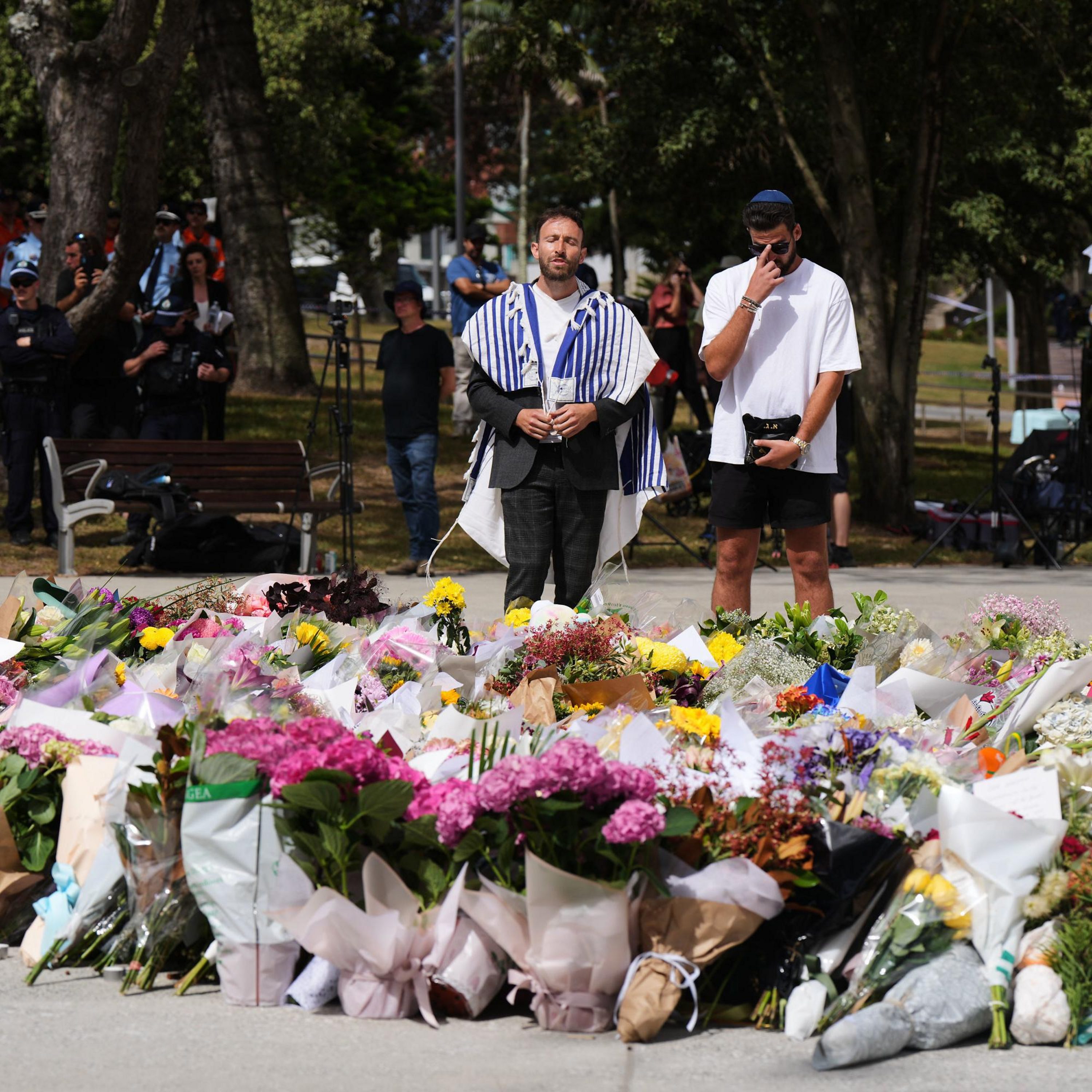
The Bondi Beach massacre and the rise of antisemitic violence
Australia is reeling after its deadliest mass shooting in decades, in which gunmen opened fire on Jewish people gathered for a Hanukkah event on Bondi Beach in Sydney. At least 16 people have been killed – among them a 10-year-old and a Holocaust survivor. The massacre has triggered a reckoning in Australia and beyond.While some are asking how this horror could have happened, others believe an attack like this was grimly inevitable after a string of antisemitic incidents in Australia in the past few years. In today’s episode, we speak to the BBC’s Religion Editor Aleem Maqbool and the ABC’s Hamish Macdonald to explore why antisemitism has surged since October 7th 2023, and why many Jewish communities feel their governments aren’t doing enough to keep them safe. Producers: Cat Farnsworth and Lucy Pawle Mix: Travis Evans Senior news editor: China Collins Photo: Rabbi Yossi Freidman at a memorial for shooting victims at Sydney's Bondi Beach. Mark Baker /AP
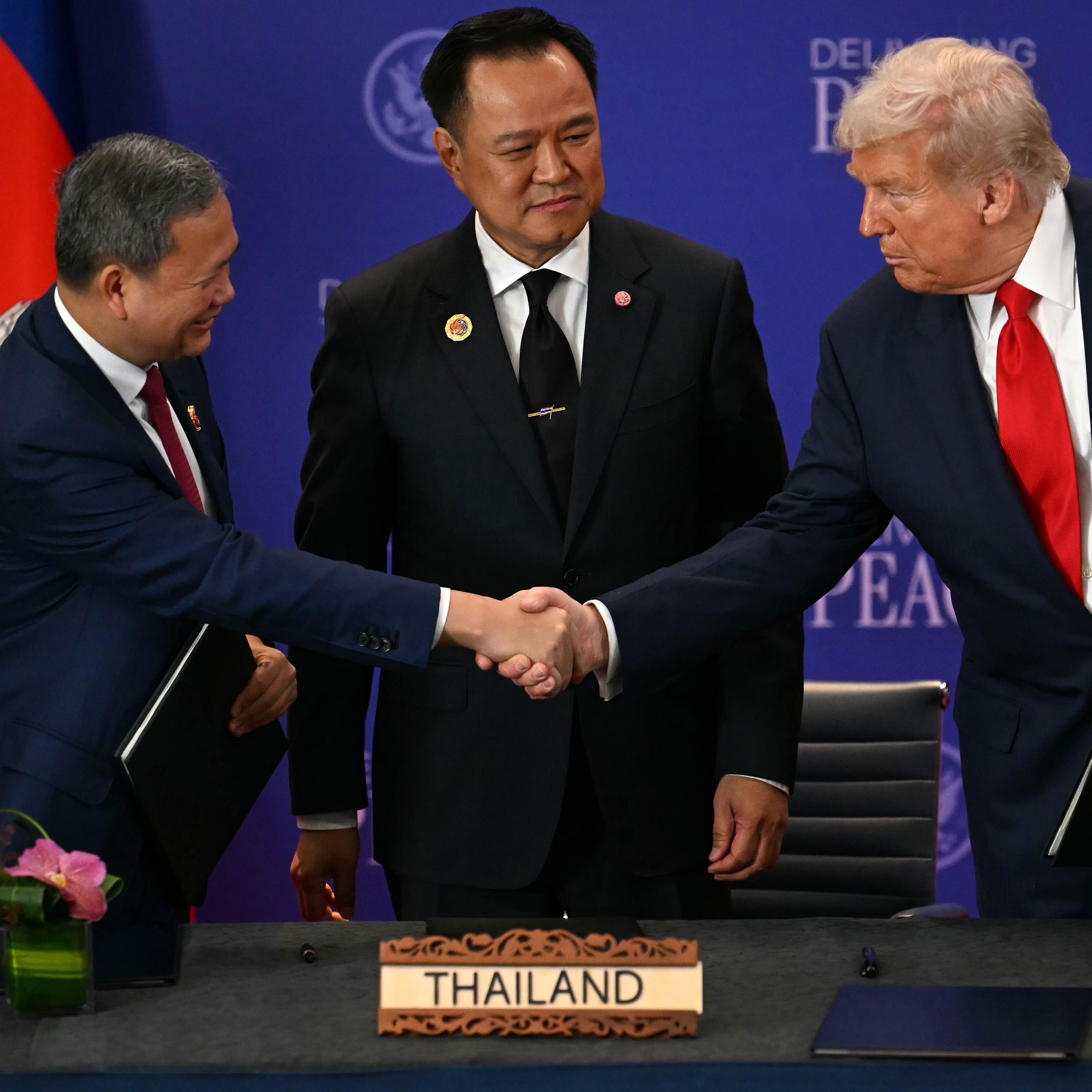
Why Trump’s Thailand-Cambodia peace deal unravelled
Fighting broke out last week on the Thai-Cambodian border, despite a US-brokered ceasefire in July. The conflict was one of the eight wars that President Trump claimed to have ended, so why did this peace deal unravel? We speak to Jonathan Head, the BBC’s southeast Asia correspondent, from Surin on the Thai side of the border.Producers: Xandra Ellin and Sam ChantarasakExecutive producer: Bridget HarneySenior news editor: China CollinsMix: Travis EvansPhoto: Thailand's Prime Minister watches as Cambodia's Prime Minister and President Trump shake hands. Mohd Rasfan/EPA/Shutterstock
The murders that moved a nation: Italy’s new femicide law
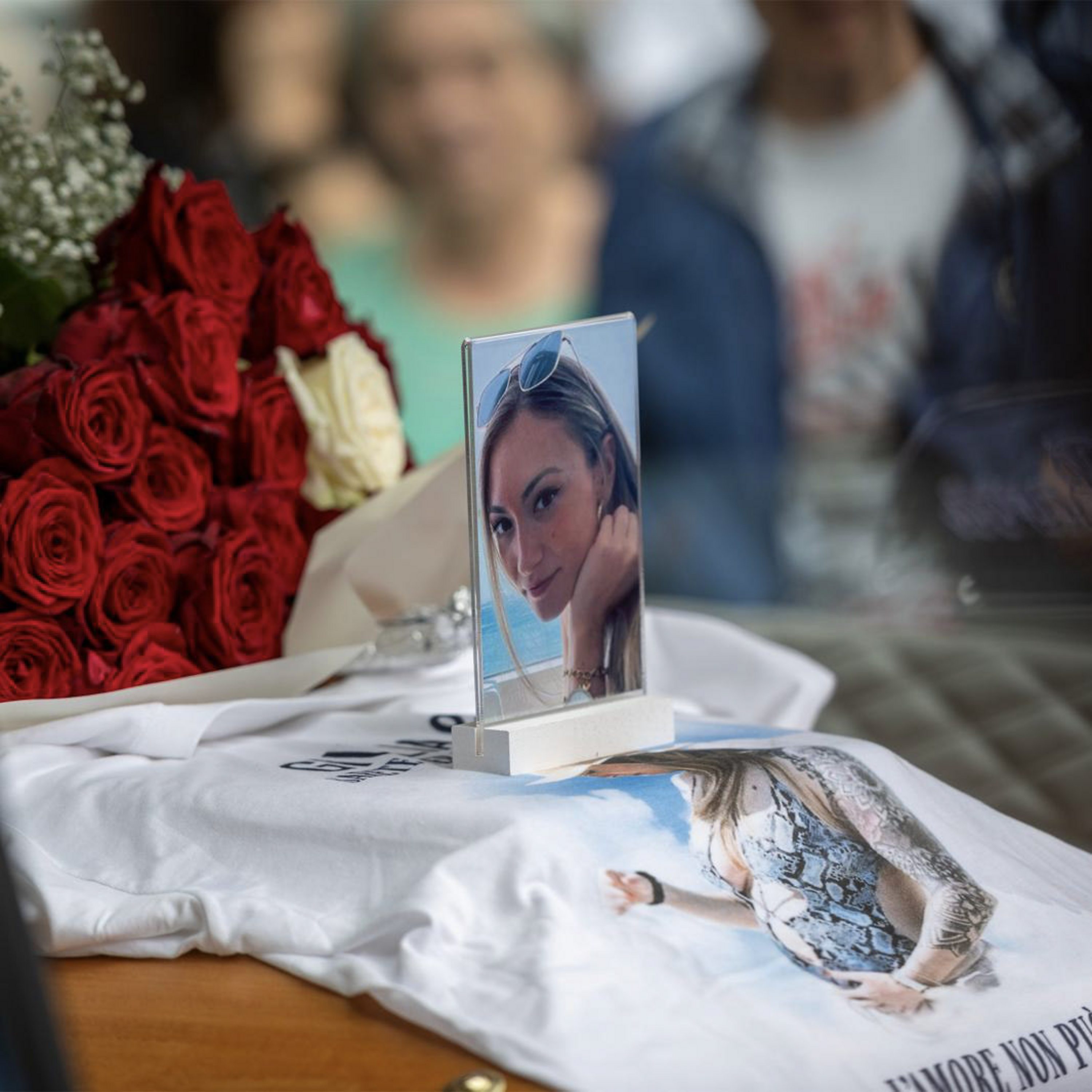
**This episode contains descriptions of abuse and violence**In November, the Italian parliament voted unanimously to introduce the term “femicide” into the country’s legal code. The murder of a woman – on account of her gender – is now a distinct crime, punishable with a life sentence.The United Nations reported that last year nearly 50,000 women and girls were killed by intimate partners or family members.Italy is the latest country to adopt a specific law in an effort to curb violence against women following a string of brutal murders of young women.One of the most publicised was Giulia Tramontano, who was repeatedly stabbed by her partner while seven-months pregnant. Her murder - along with another case – sparked fierce outrage across Italy, culminating in the new law being passed.In this episode, we hear from Giulia’s sister, Chiara Tramontano, and the BBC Southern Europe correspondent Sarah Rainsford. Producer: Valerio EspositoExecutive Producer: James ShieldMix: Travis EvansSenior News Editor: China CollinsPhoto: A framed photo of Giulia Tramontano at her funeral. Credit: Alessandro Memoli/KONTROLAB/LightRocket via Getty Images)
Why the US says Europe is facing ‘civilisational erasure’
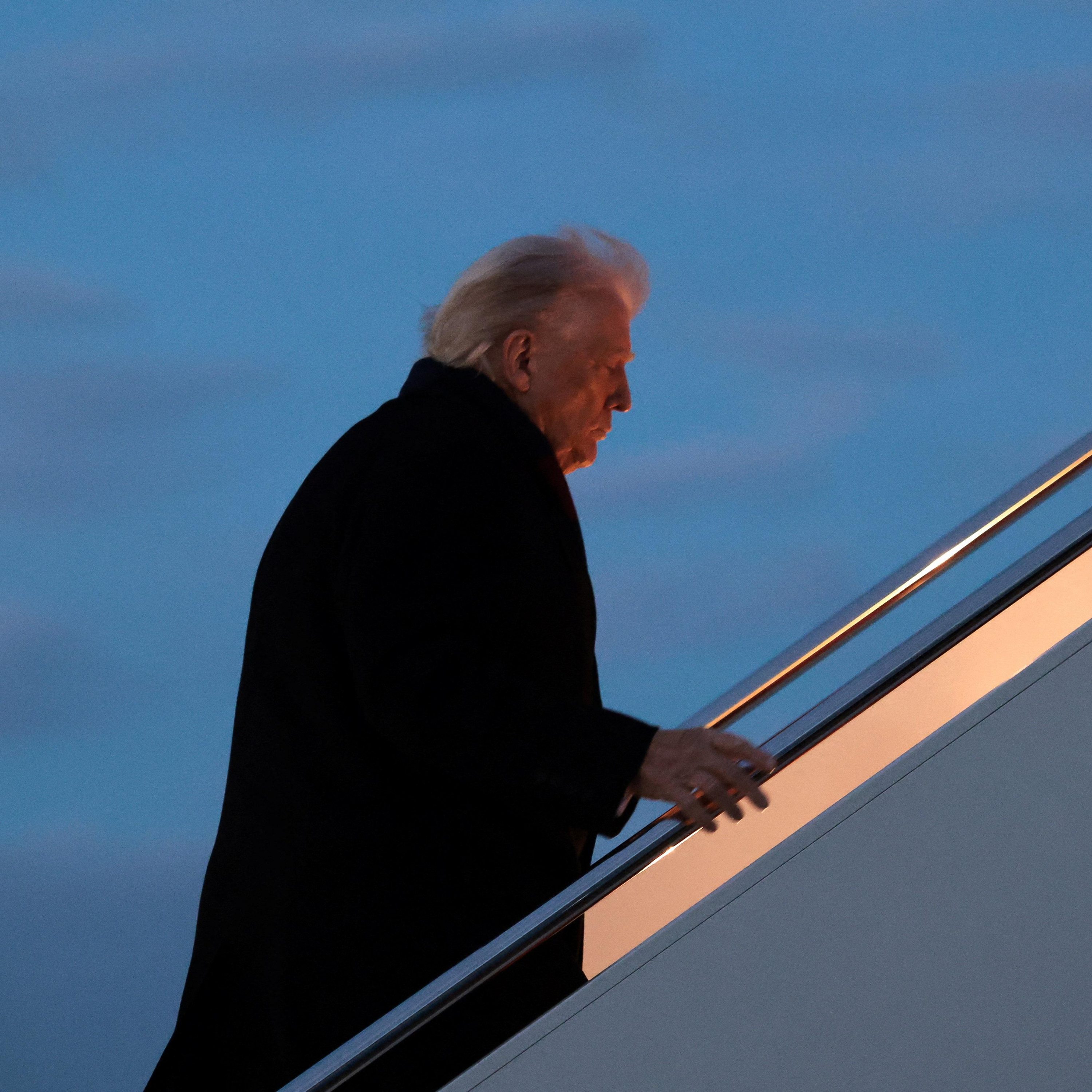
Europe is facing the prospect of ‘civilizational erasure’. That is the official view of the Trump administration, as put in a radical policy document that was released late last week. The US government’s new National Security Strategy paints the most complete picture yet of who the administration sees as its allies and its adversaries, and it has left Europe’s leaders reeling. Today, we speak to the BBC's State Department correspondent, Tom Bateman, about how Trump has turned traditional US foreign policy on its head. Producer: Viv Jones, Lucy Pawle and Hannah Moore Executive producer: James Shield Sound engineer: Travis Evans Senior news editor: China Collins (Photo: US President Donald Trump boards Air Force One, 9 December, 2025. Credit: Jonathan Ernst/Reuters)
How Syria is rebuilding after the fall of a dictator
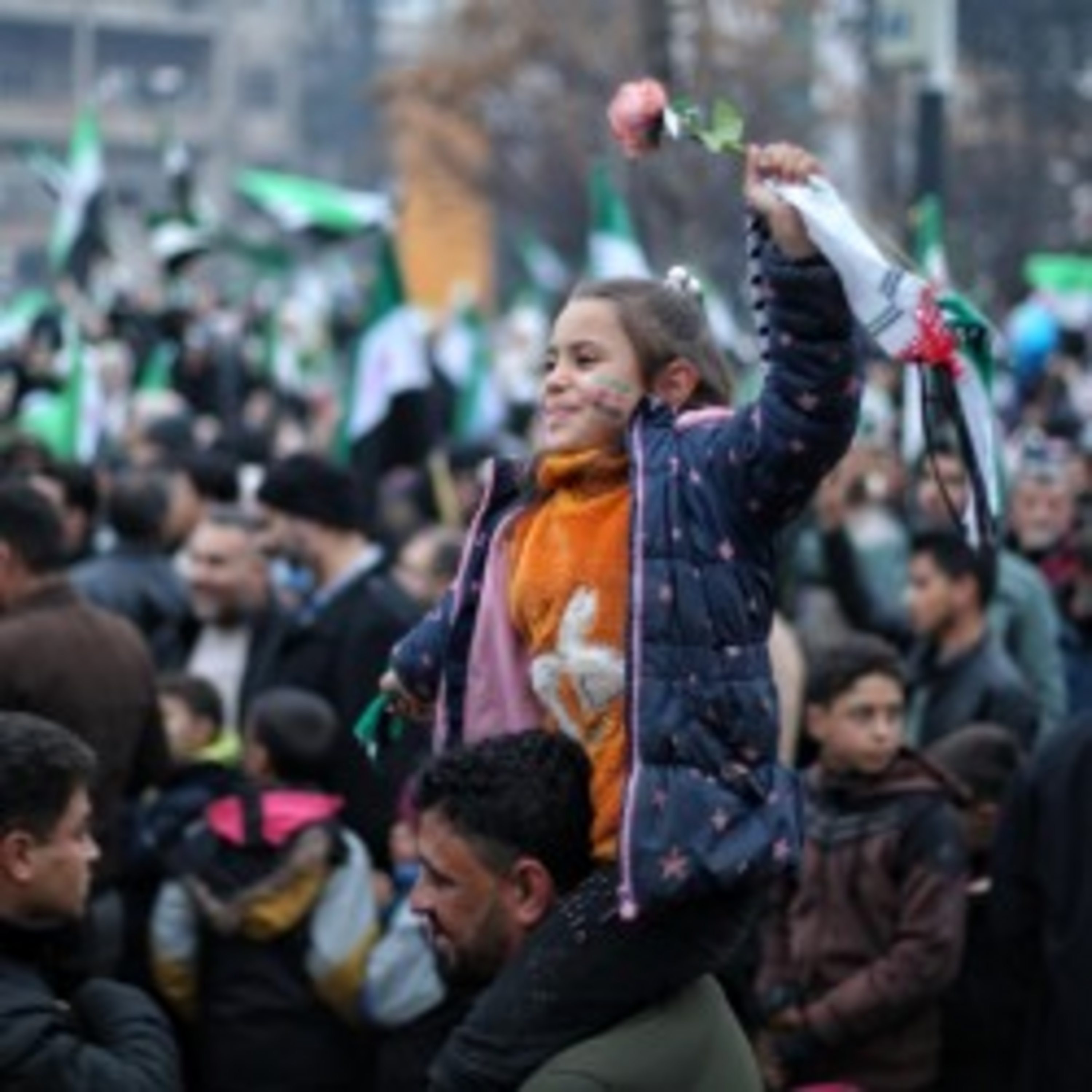
This week, Syrians have been celebrating the first anniversary of the fall of the Assad regime and the end of almost 14 years of civil war. In the year since, the former jihadist turned leader, Ahmed al-Sharaa, has been on an international charm offensive. But has life improved for ordinary Syrians back home? And has Sharaa proven himself to be the reformer the west wants him to be? Today we’re joined from Damascus by the BBC’s international editor, Jeremy Bowen.Producer: Sam Chantarasak Executive producer: James Shield Senior news editor: China Collins Mix: Travis Evans Photo: A young girl sits on her father's shoulders during a parade marking the first anniversary of the ousting of the Bashar al-Assad regime in Idlib, Syria. Bilal al-Hammoud/EPA/Shutterstock

Will a social media ban for Australian teens work?
**This episode contains discussion of bullying and suicide**Australian teens are bracing for a new law coming into effect this week that will ban social media accounts for anyone under the age of 16. The Government says the legislation is designed to protect the mental wellbeing of Australian children and teens – but it’s already proving controversial, not least among American tech companies and some politicians who see the ban as a threat to free speech. In today’s episode, we are joined by Katy Watson, the BBC’s Australia correspondent, to discuss how the country became a global test case for a bold new policy – and crucially, whether it will succeed. Producers: Cat Farnsworth, Aron Keller and Xandra EllinMix: Travis EvansSenior News Editor: China Collins Photo: A teen using her phone ahead of social media band for users under 16. Hollie Adams/Reuters
How the National Guard shooting accelerated Trump’s immigration crackdown
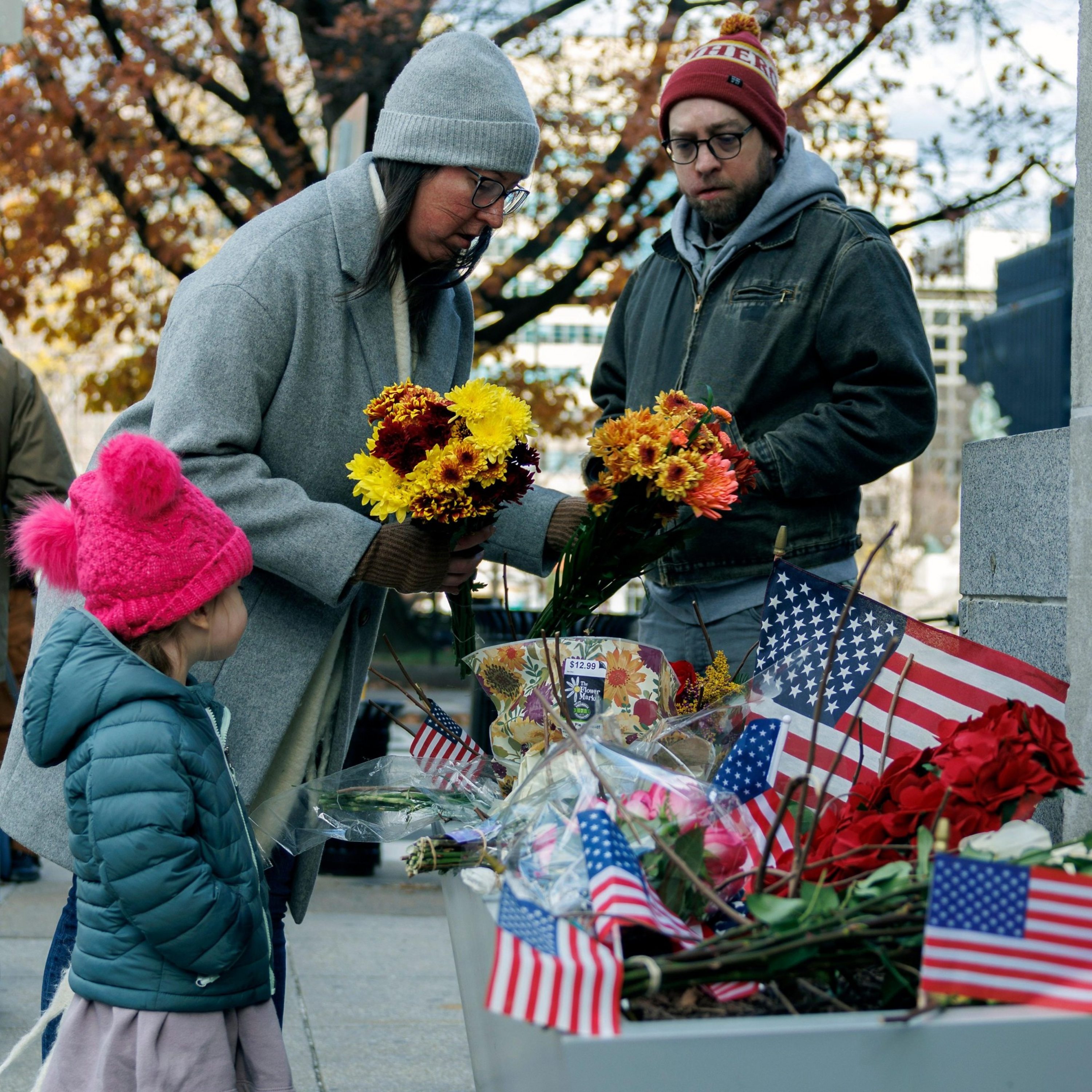
After an Afghan national was charged with shooting two National Guard members in Washington DC, President Donald Trump called for sweeping changes in immigration policy and pledged to "permanently pause migration" from all "third world countries". Afghan nationals, especially those who worked with the US mission in Afghanistan, may now find themselves in a particularly precarious position. Asma and Tristan discuss these rapid recent policy changes, and the BBC’s Mahfouz Zubaide shares recent reporting on how Afghans in America are getting caught up in the crackdown.Producers: Viv Jones, Xandra Ellin Executive Producer: Bridget HarneySenior News Editor: China CollinsMix: Marty PeraltaPhoto: People leave flowers at the scene where two National Guard members were shot in Washington DC. Credit: Will Oliver/EPA/Shutterstock

The Fifa-Trump bromance
Fifa’s president, Gianni Infantino, is widely expected to award Donald Trump the inaugural FIFA Peace Prize on Friday, at the draw for the 2026 World Cup in Washington DC. The prize has led to scrutiny over Infantino’s close relationship with Trump, along with concerns that Trump might move matches from host cities and fears over visa delays or refusals for travelling fans and officials. We speak to Dan Roan, the BBC’s sports editor, about why Infantino is cosying up to Trump, and what it means for football and global diplomacy. Producer: Sam Chantarasak and Aron KellerSound engineer: Travis EvansSenior news editor: China Collins(Image: Fifa President Gianni Infantino shows US President Donald Trump the World Cup Trophy in the Oval Office. Credit: Chip Somodevilla/Getty Images)

How did a Chinese spiritual movement build a US media empire?
When China began cracking down on the spiritual movement Falun Gong in the 1990s, its leader and some followers moved to the United States. From there, they started the Epoch Times, a free newsletter.But in the past decade, the organisation has grown to become a conservative media empire – with a Pentagon press pass, a slick TV arm, and many millions of dollars in revenue. How did they do it? The story involves a mysterious spiritual leader, a dance troupe, and even a federal indictment.What does the meteoric rise of the Epoch Times say about how media and politics in the United States have changed in the last decade? We speak to Brandy Zadrozny, who has investigated the Epoch Times for NBC News.Producer: Lucy Pawle and Cat FarnsworthSound engineer: Martin Peralta and Travis EvansSenior news editor: China CollinsPhoto: Members of the Falun Gong protesting in New York. Credit: Alex Segre/BBC Images)
Why has Trump pardoned Honduras’s drug trafficker ex-president?
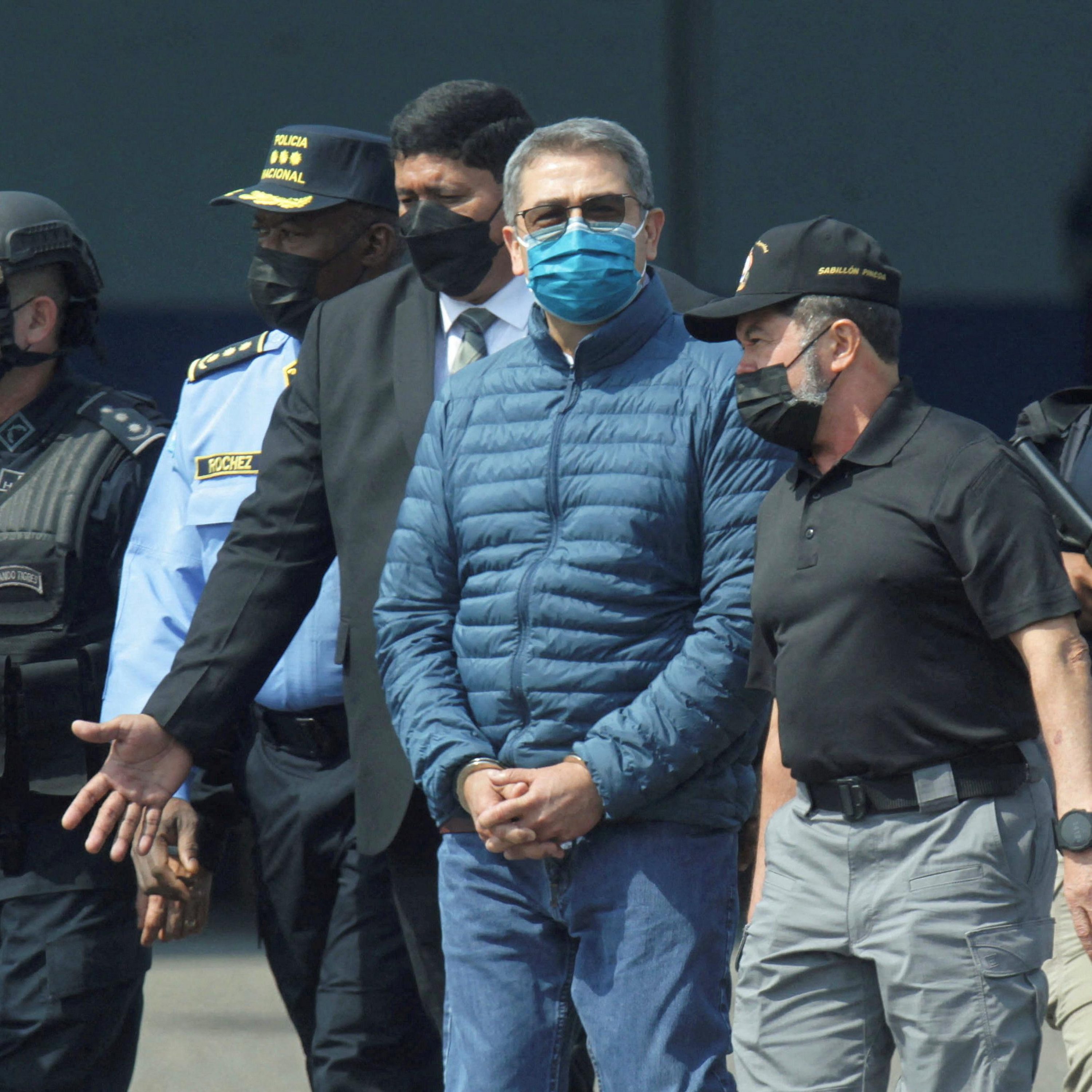
President Donald Trump has pardoned Juan Orlando Hernández, a former president of Honduras who was serving a 45-year sentence for drug trafficking and weapons offences.It was only last year that Hernández was convicted in a New York courtroom of being part of a huge drug trafficking conspiracy, after being extradited to the US. Prosecutors said the operation flooded America with cocaine and turned Honduras into a “narco-state”. But Trump has claimed the investigation was a Biden administration “set up”, and Hernández is now a free man. As the Trump administration ramps up its military threats against Latin American drug cartels, including multiple strikes on alleged drug trafficking boats in the Caribbean, why has it pardoned Hernández? Will Grant reports. Producer: Xandra Ellin, Hannah Moore and Viv JonesExecutive producer: James Shield Sound engineer: Travis Evans Senior news editor: China Collins (Photo: Juan Orlando Hernandez being escorted by US agents for extradition in 2022. Credit: Fredy Rodriguez/Reuters)
The death of reading
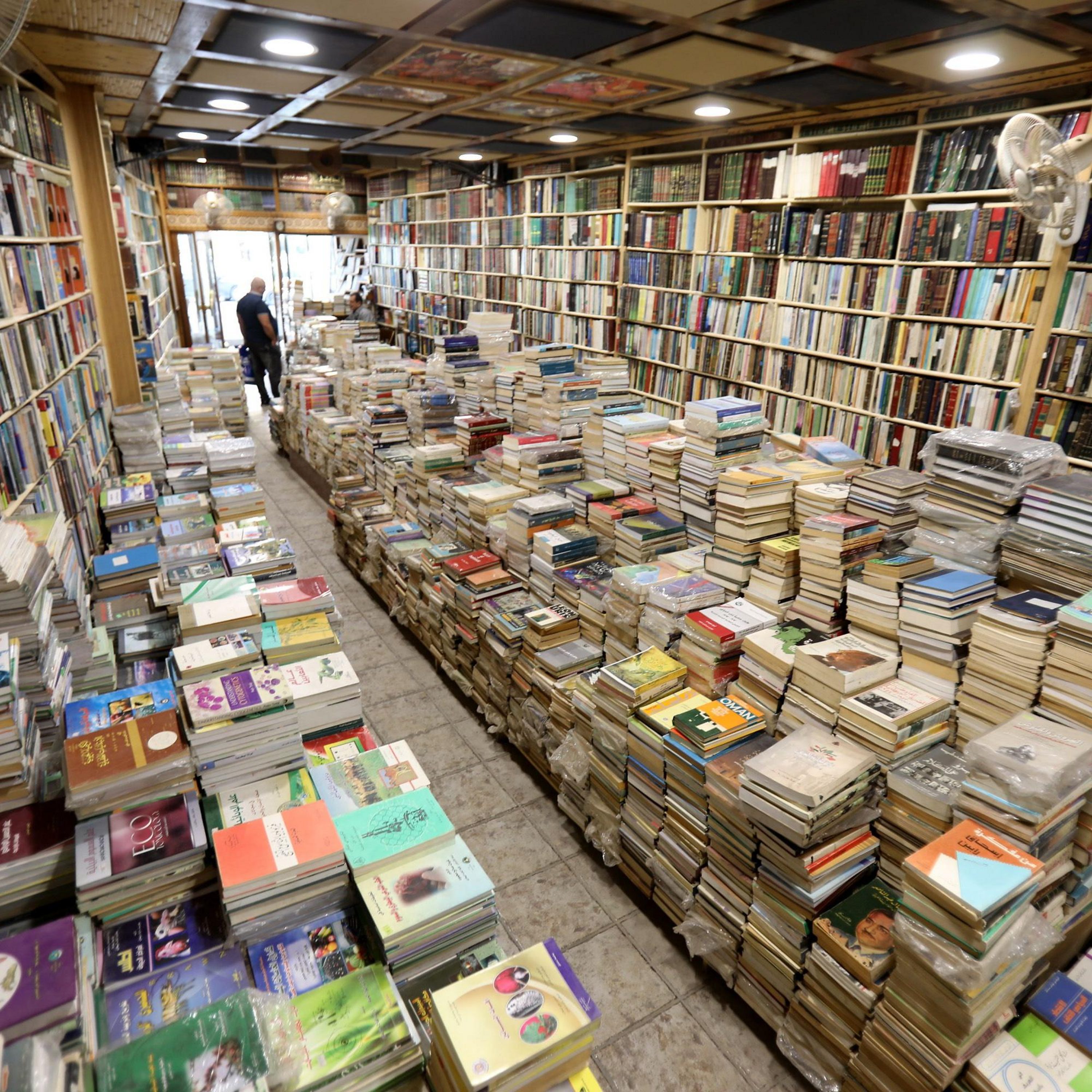
Are we living through the slow death of reading - replaced by an addictive screen culture that fragments our attention and floods us with trivial or unreliable information? Writer and voracious reader James Marriott believes we are entering a post-literate age with profoundly negative consequences for education, culture and democracy itself. In today's episode, James traces how an 18th century ‘reading revolution’ shaped the modern-world - and what might follow its sudden decline. Producers: Aron Keller and Sam Chantarasak Editor: James Shield Mix: Travis Evans Senior news editor: China Collins Photo: The al-Nahda al-Arabiya library in central Baghdad. (Credit: Ahmed Jalil/EPA)

Whatever happened to Iran’s nuclear programme?
Last June, Israel and the United States carried out coordinated strikes on nuclear and military sites across Iran in what became known as the 12-day war. The aim was clear: destroy Iran’s nuclear-enrichment facilities amid warnings that Tehran was dangerously close to developing a nuclear weapon. But conflicting reports in the immediate aftermath left the public uncertain about how effective the operation really was. Six months after the bombings, we speak with Parham Ghobadi, senior reporter for BBC Persian, about what the war actually achieved, the current state of Iran’s nuclear programme, and what daily life inside Iran looks like today. Producer: Viv Jones and Valerio Esposito Executive producer: James Shield Sound engineer: Travis Evans Senior news editor: China Collins (Photo: A US Air Force B-2 Spirit stealth bomber. Credit: US Air Force)
When popes get political
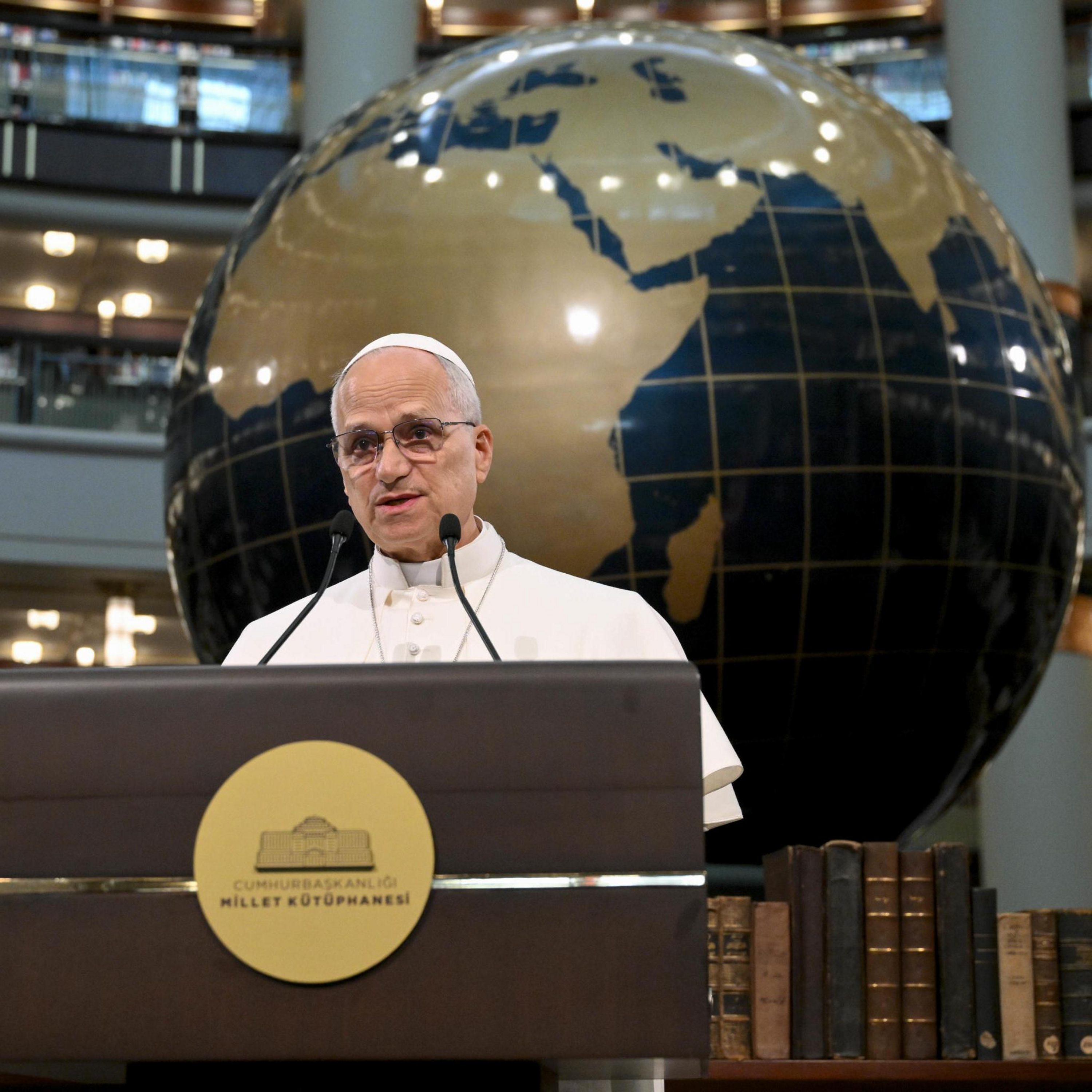
Pope Leo is on his first official visit abroad, and there are already signs he’s willing to use his position to speak out on controversial matters. His recent comments about abortion and the rights of migrants have created headlines in the United States, and raised eyebrows from some conservatives who see the first American pope challenging President Trump’s policies. It wouldn't be the first time that a pope has weighed in on politics. From Nazism to communism and the Cold War, from refugees to climate change, popes have used their position to influence global affairs. In this episode we speak to author and presenter Edward Stourton, who has covered religious affairs and the USA extensively for the BBC, about what power Pope Leo XIV has, and what lessons he can learn from his predecessors. Producers: Lucy Pawle and Sam ChantarasakExecutive producers: James Shield and Bridget HarneySenior news editor: China Collins Mix: Travis Evans Image: Pope Leo XIV visits Ankara, Turkey on 27 November. Vatican Media Handout/EPA/Shutterstock

Shein: How the fast fashion disruptor ran into real world problems
The backlash over the opening of Shein’s first brick and mortar store in Paris this month is just one in a series of controversies and complaints over the ultra-fast fashion retailer. As the company looks to go public, we explore whether its business model can withstand the world’s scrutiny. Laura Bicker, the BBC’s China Correspondent, tells us what she found in the Guangzhou factories supplying Shein, and co-host Tristan Redman heads to the Paris store. Producer: Hannah Moore Executive producers: Bridget Harney and James ShieldMix: Travis EvansSenior news editor: China CollinsPhoto: A customer shops at Shein in Paris, France. Sarah Meyssonnier/Reuters
The international drama of Miss Universe
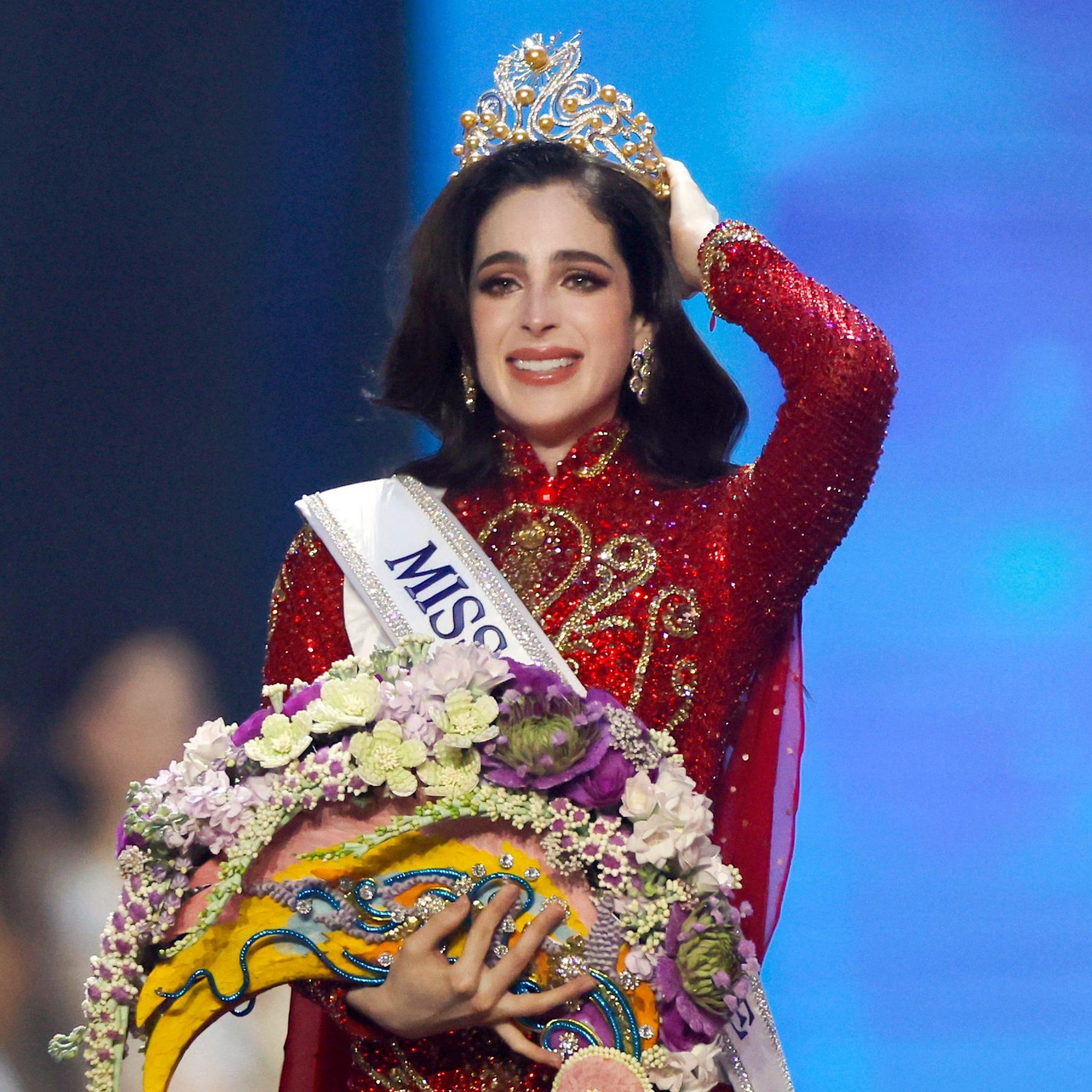
Miss Universe 2025 has been rocked by controversies and chaos, from stage falls and contestants storming out, to judges quitting and allegations of vote rigging – which the organisers deny. The pageant – styled as a celebration of women of all backgrounds and nationalities – has suffered waning international attention in recent years, with many questioning the ideals of femininity it seems to espouse. Could the drama of this year’s competition get people watching again? BBC journalist and Miss Universe expert, William Lee Adams, joins us to discuss. Producers: Xandra Ellin and Hannah Moore Executive producer: James Shield Mix: Travis Evans Senior news editor: China Collins
Can Trump’s Gaza plan turn a ceasefire into permanent peace?
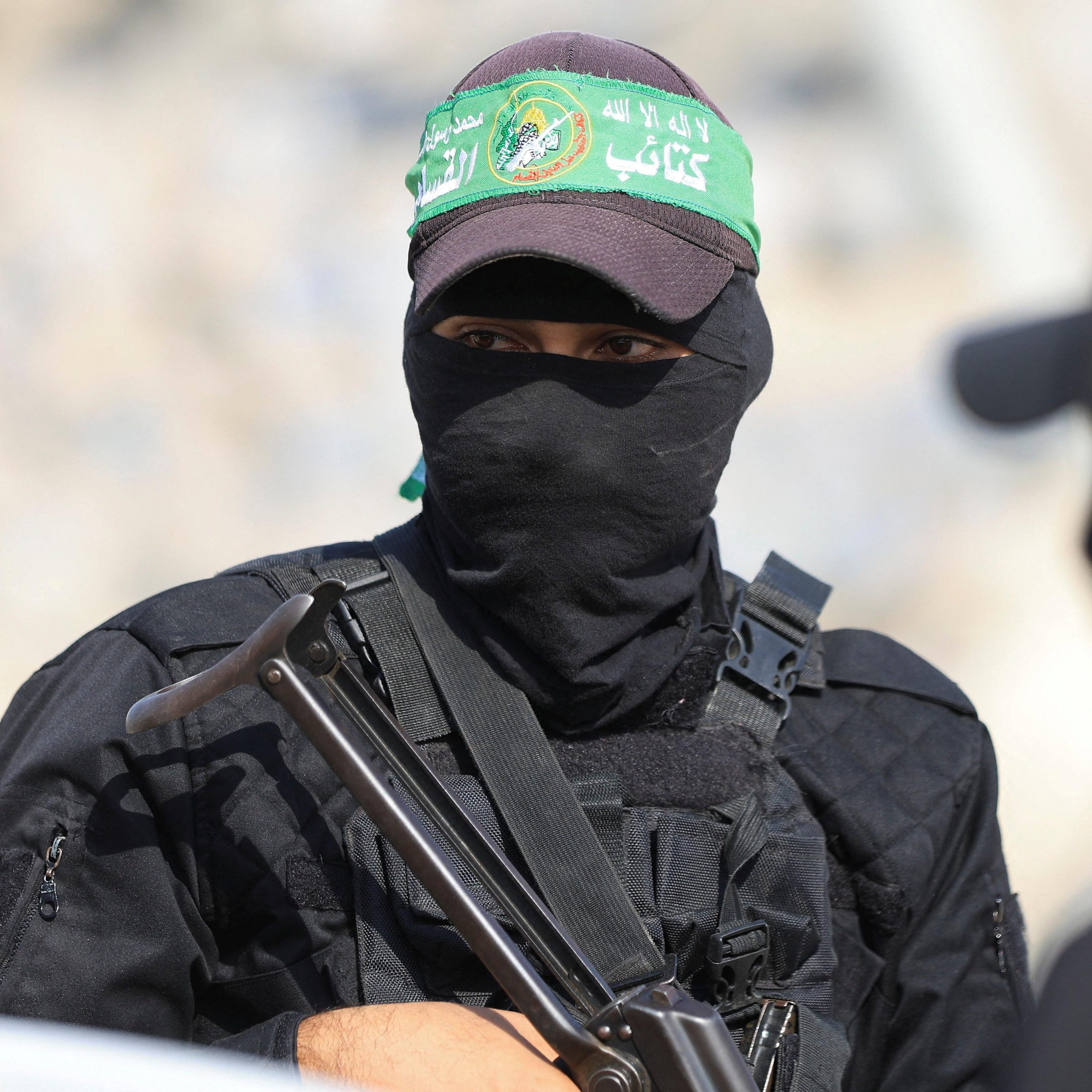
A ceasefire took effect in Gaza just over six weeks ago, and although both sides have accused the other of multiple violations of the agreement, there has not been the return to full-blown war that many feared. But the ceasefire agreement that was signed in early October was not a complete peace settlement. It left many issues still to be negotiated. That ceasefire was part of the first phase of President Trump’s peace plan. Last week, that plan came a step closer to reality when a resolution endorsing it was adopted by the UN Security Council. Within that 20-point plan - which covers everything from how to disarm Hamas, to who should govern Gaza – there are many sticking points that are still unresolved. We speak to Yolande Knell, the BBC's Middle East correspondent in Jerusalem, and ask whether Trump’s plan can still bring a permanent peace to Gaza. And what could happen if it fails? Producer: Viv Jones Executive producer: James Shield, China Collins Mix: Travis Evans Senior news editor: China Collins Photo: Hamas militant in Gaza city. Reuters/Dawoud Abu Alkas
The decision facing Zelensky
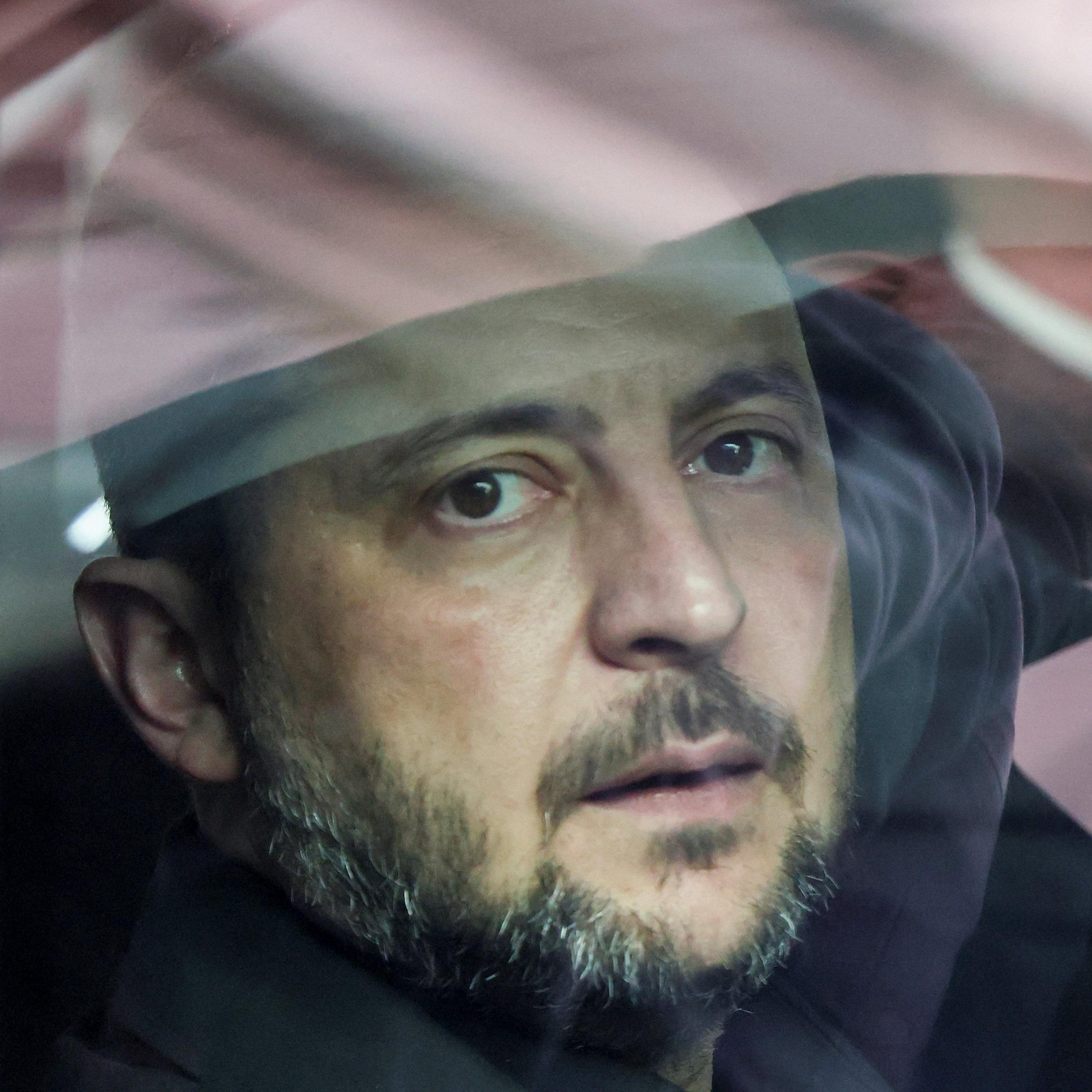
American, Ukrainian and European negotiators met in Switzerland on Sunday to discuss a US-proposed peace plan to end the Russia-Ukraine war. Ukraine’s president, Volodymyr Zelensky, was faced with a dilemma last week – either make concessions to Putin, or risk losing US support. But Zelensky said there were "signals that President Trump's team hears us", and US Secretary of State Marco Rubio said a "tremendous amount of progress" had been achieved. We’re joined by the Oscar-winning Ukrainian film-maker Mstyslav Chernov, and by BBC Ukraine correspondent James Waterhouse, to discuss how Ukrainians feel about the leaked peace plan. Producers: Cat Farnsworth and Lucy Pawle Executive producer: James Shield Mix: Travis Evans Senior news editor: China CollinsPhoto: Ukraine's President Volodymyr Zelensky sits inside a vehicle. Credit: Susana Vera/Reuters.
Is there a genocide of white South Africans as Trump claims?
The US is essentially boycotting this weekend’s G20 summit in South Africa over accusations that the white Afrikaners are ‘being killed and slaughtered’ and that white farmers are having their land ‘illegally confiscated. The South African government say the claims are "widely discredited and unsupported by reliable evidence". Today we speak to BBC correspondent Andrew Harding, who lived and worked in South Africa for over a decade, to find out where these claims came from. Producers: Sam Chantarasak and Xandra EllinExecutive producer: China CollinsSenior news editor: China Collins Mix: Travis Evans Photo: Afrikaner farmers rally to show support for President Trump in Pretoria, South Africa. Credit: Kim Ludbrook/EPA-EFE/REX/Shutterstock
What is Sudan’s war really about?
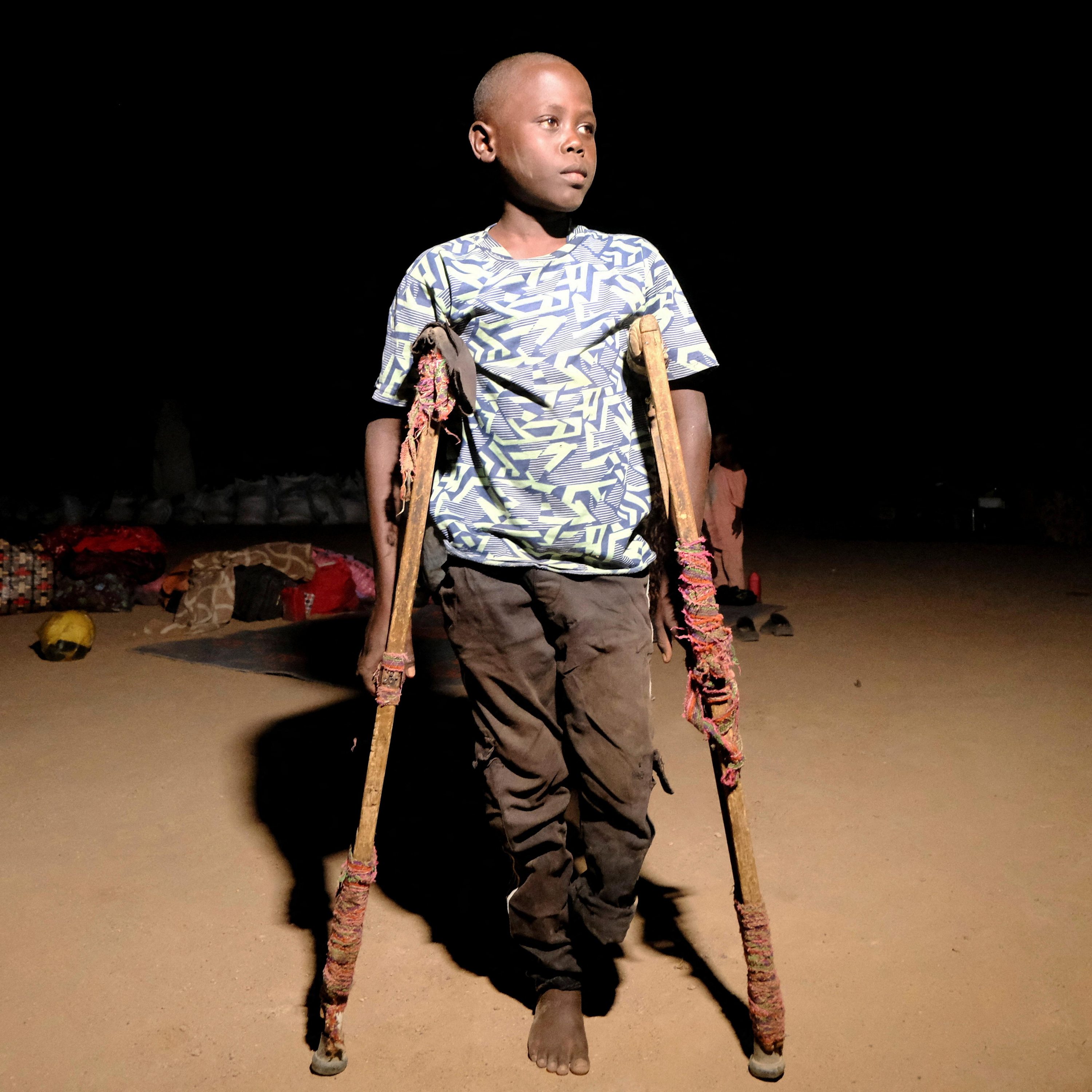
** This episode contains some very distressing details, including of killings, sexual violence and the experiences of children in war** More than 150,000 people have been killed and about 12 million have been forced from their homes since Sudan's civil war began in 2023. But more than two years on, the reasons for the conflict are still not clear. And there are questions about why the international community - including the United States - isn’t doing more to try and stop the supply of weapons to Sudan, and to bring the fighting to an end. On today’s episode, we are joined by BBC Africa correspondent Barbara Plett Usher, who has been reporting on Sudan since the 1990s, and Nawal Al-Maghafi, a senior investigations correspondent, whose recent reporting from Khartoum has brought to light the particular tragedy facing children in this war. Producer: Hannah Moore Executive producer: James Shield Mix: Travis Evans Senior News Editor: China CollinsPhoto: A child who lost his leg due to artillery shelling by the Rapid Support Forces (RSF), stands at a displacement camp in Al-Dabbah, Sudan. Credit: El Tayeb Siddig/Reuters.
The oil lobbyist who tried to sink the first big climate deal
The American lawyer, oil lobbyist and master strategist Don Pearlman is said to have chain-smoked his way through almost every UN climate gathering from the early 1990s until his death in 2005. Some of those who saw Pearlman operate in Kyoto, where the first legally binding international agreement on climate change was agreed in 1997, say he created the playbook for stalling climate talks. The Kyoto protocol was never ratified by the United States, and Pearlman is now the subject of a major play, Kyoto, which has just transferred from London to the Lincoln Center in New York. As the COP30 climate summit takes place in Brazil, we speak to BBC climate journalist Jordan Dunbar, who’s been trying to piece together the true story of the man once nicknamed ‘the high priest of the carbon club’. Producers: Aron Keller and Cat FarnsworthEexecutive producer: James Shield Mix: Travis Evans Senior news editor: China Collins Photo: Don Pearlman at the Kyoto summit / BBC.
The Saudi prince's long road to rehabilitation
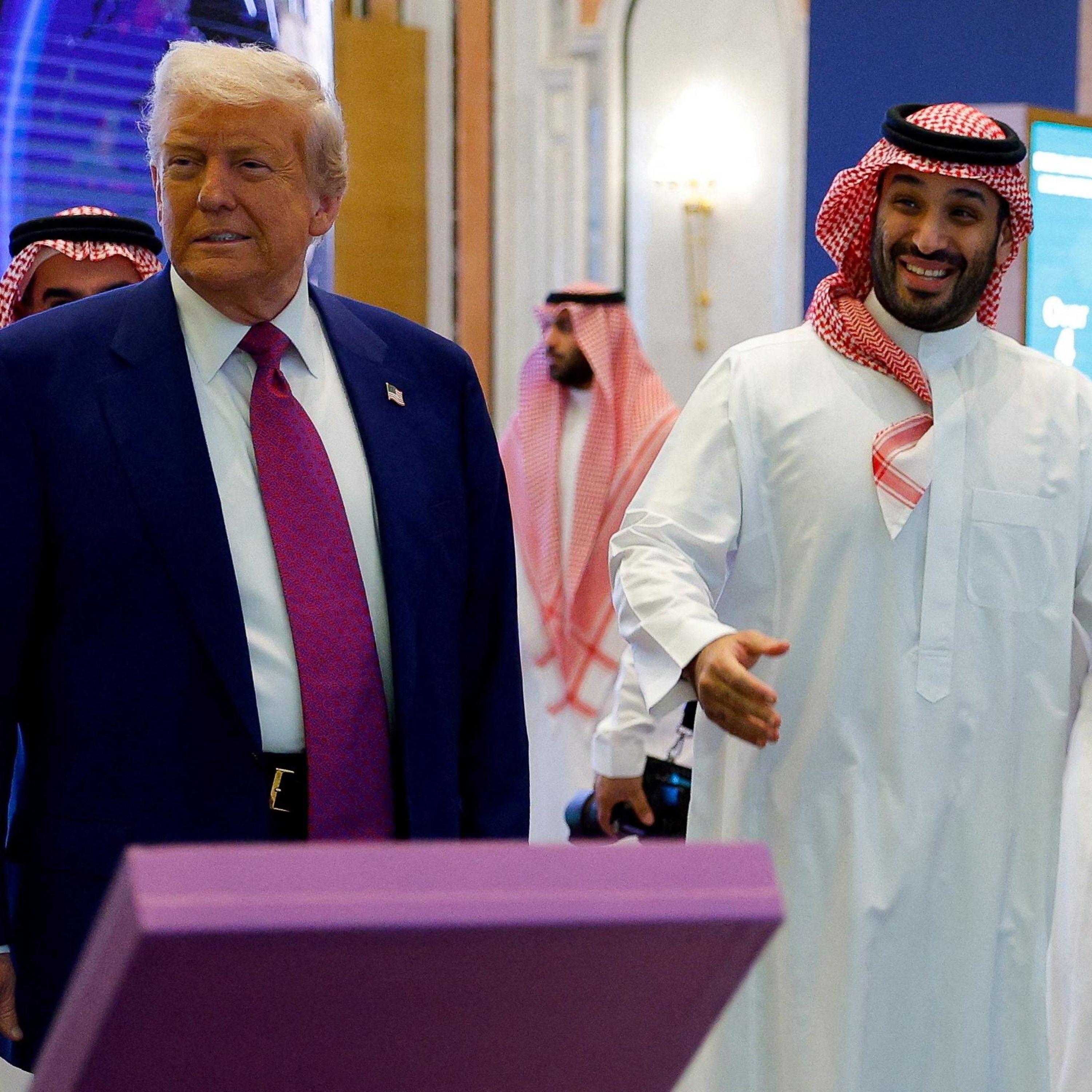
Crown Prince Mohammed bin Salman – MBS – will be welcomed at the White House on his first visit to Washington since the killing of Saudi journalist Jamal Khashoggi led to global outrage. MBS has always denied involvement in Khashoggi’s murder. Nevertheless, both he and Saudi Arabia were ostracised after the killing. Tuesday’s meeting between President Trump and Saudi Arabia’s de facto ruler will build on a relationship between the two leaders which has endured the scandal. But can both parties walk away from these strategic talks with what they want? On Trump’s part, some movement towards the Abraham Accords; and for MBS, a chunky defence package. We talk to BBC security correspondent Frank Gardner. Producers: Cat Farnsworth and Lucy Pawle Executive producer: James Shield Mix: Travis Evans Senior news editor: China Collins Photo: President Trump and Crown Prince Mohammed bin Salman. Brian Snyder/Reuters