The Global Story
678 episodes — Page 9 of 14
Path to the Presidency: Matt Gaetz withdraws
As the US President-elect continues to assemble his top team, it hasn’t been plain sailing. His nomination of Matt Gaetz for the attorney general role led to days of headlines and frenzied analysis by the media and online. Now, after less than a week, he’s withdrawn. On Thursday afternoon, Caitríona Perry spoke with Sumi Somaskanda and digital reporter Kayla Epstein to discuss this bombshell and the other appointments President Trump has made this week. The Global Story brings you trusted insights from BBC journalists worldwide. We want your ideas, stories and experiences to help us understand and tell #TheGlobalStory. Email us at [email protected] You can also message us or leave a voice note via WhatsApp on +44 330 123 9480.
Is Ukraine ready to compromise for peace?
Why President Volodymyr Zelensky’s vision for the end of the war may be changing. After a week of escalation between Ukraine and Russia, we look at the prospect of a peace agreement being reached in 2025. With Moscow making gains on the ground and Donald Trump’s election victory casting uncertainty on the future of US military aid, Zelensky has said Ukraine must do everything it can to end the war through diplomacy next year. But what would Vladimir Putin want from a peace deal? And what is Zelensky willing to give up? On this episode, Lucy Hockings speaks to the BBC’s diplomatic correspondent Paul Adams, who is in the Ukrainian city of Dnipro. Producers: Peter Goffin and Alix PicklesSound engineers: Jack Graysmark and Mike RegaardAssistant editors: Sergi Forcada Freixas and Richard MoranSenior news editor: Sara Wadeson
Delhi smog: 'My eyes are stinging'
Air pollution in parts of India and Pakistan has been likened to witnessing a dystopian movie. India's capital Delhi has been blanketed in a thick layer of smog, with the city's residents complaining of choking and stinging eyes. In neighbouring Pakistan, Lahore has also recorded sky-high air pollution in recent weeks. On today's episode, Sumi Somaskanda hears from Devina Gupta about what it's like to be living in Delhi at the moment. And Dr Gary Fuller (Imperial College London) explains the impact severe air pollution can have on our health, from birth through to our final years. The Global Story brings you trusted insights from BBC journalists worldwide. We want your ideas to help us tell #TheGlobalStory. Email us at [email protected] You can also message us or leave a voice note via WhatsApp on +44 330 123 9480.Producers: Alice Aylett Roberts, Richard Moran and Beth TimminsSound engineer: Mike RegaardAssistant editor: Sergi Forcada FreixasSenior news editor: Sara Wadeson
Logan Paul and a viral crypto controversy
Logan Paul is among the most recognisable social media personalities on the planet. From YouTuber to entrepreneur and even professional wrestler, his fearless approach has seen him amass a loyal following of millions. Now, as the influencer faces criticism over his role in promoting various crypto projects, the BBC looks into his history in the digital currency industry.On this episode, Sumi Somaskanda is joined by Matt Shea and Jamie Tahsin, who are behind the new BBC documentary 'Logan Paul: Bad Influence?' They discuss Logan Paul's flourishing career, the controversy surrounding influencer-led cryptocurrency projects, and how the incoming Trump administration in the United States could transform the crypto landscape.Listeners in the UK can see the full film on iPlayer here: https://www.bbc.co.uk/programmes/m00256wnThe Global Story brings you trusted insights from BBC journalists worldwide. We want your ideas to help us tell #TheGlobalStory. Email us at [email protected] You can also message us or leave a voice note via WhatsApp on +44 330 123 9480.Producers: Laurie Kalus and Mhairi MackenzieSound engineer: Mike RegaardAssistant editor: Sergi Forcada Freixas and Richard MoranSenior news editor: Sara Wadeson
The abuse scandal facing the Church of England
EWhat the resignation of the Church's most senior figure, Archbishop of Canterbury Justin Welby, means for Anglicans worldwide. An independent report found that the Church of England failed to act on allegations that more than a hundred boys were physically and sexually abused by a man running Christian summer camps in the UK and Zimbabwe. What does this mean for the millions of Anglicans in Africa, many of whom were already feeling out of step with the UK leaders of the Church? On this episode, Lucy Hockings speaks to the BBC’s religion editor Aleem Maqbool and the BBC’s correspondent in Zimbabwe Shingai Nyoka. WARNING: This episode includes discussions of child sexual abuse. Some listeners may find this content disturbing. Producers: Peter Goffin and Alix PicklesSound engineers: Hannah Montgomery and Mike Regaard Assistant editors: Sergi Forcada Freixas and Richard MoranSenior news editor: Sara Wadeson
How social media shapes the way we speak
Language is constantly changing. But exposure to social media has seen younger generations, from millennials to Gen Z and Gen Alpha, adopting new terms at a pace never seen before. On this episode, we consider how internet culture is influencing the way many of us speak, as traditional media loses its grip on standard discourse. From vocabulary to grammar, is it possible for politicians to control or protect language, and what is the future of the spoken word in the age of artificial intelligence?Lucy Hockings is joined by journalist and author Sophia Smith Galer and Neil Edgeller from BBC Learning English.The Global Story brings you trusted insights from BBC journalists worldwide. We want your ideas to help us tell #TheGlobalStory. Email us at [email protected] You can also message us or leave a voice note via WhatsApp on +44 330 123 9480.Producers: Eleanor Sly and Laurie KalusSound engineers: Jack Graysmark and Mike RegaardAssistant editor: Sergi Forcada FreixasSenior news editor: Sara Wadeson
Path to the Presidency: Trump prepares for power
US President-elect Donald Trump is assembling his future White House team, blending political allies with some surprising choices. Among his picks are vaccine sceptic RFK Jr as health secretary and Elon Musk to head a newly created "Department of Government Efficiency."On this episode, Caitríona Perry is joined by Sumi Somaskanda and digital reporter Bernd Debusmann Jr. to discuss a period of transition for Joe Biden and Donald Trump, as one prepares to leave the White House and the other plans his return.The Global Story brings you trusted insights from BBC journalists worldwide. We want your ideas, stories and experiences to help us understand and tell #TheGlobalStory. Email us at [email protected] You can also message us or leave a voice note via WhatsApp on +44 330 123 9480.
Does Singapore's death penalty deter drug crime?
Singapore has some of the harshest drug laws in the world. The penalties for trafficking illegal narcotics include decades in prison and even a death sentence. Citizens of Singapore face consequences even if they take drugs while abroad. The government argues its zero-tolerance policy towards drugs – including cannabis - is an effective deterrent.Katya Adler speaks to journalist and documentary maker Linda Pressly about whether Singapore's harsh drugs laws really deter drug crimes.You can listen to Linda's full documentary 'Assignment: Singapore – drugs, rehab, execution' by searching for The Documentary wherever you get your podcasts.Producers: Alice Aylett Roberts and Peter GoffinSound engineers: Mike Regaard and Phil BullAssistant editor: Sergi Forcada FreixasSenior news editor: Sara Wadeson
Trump's new top team
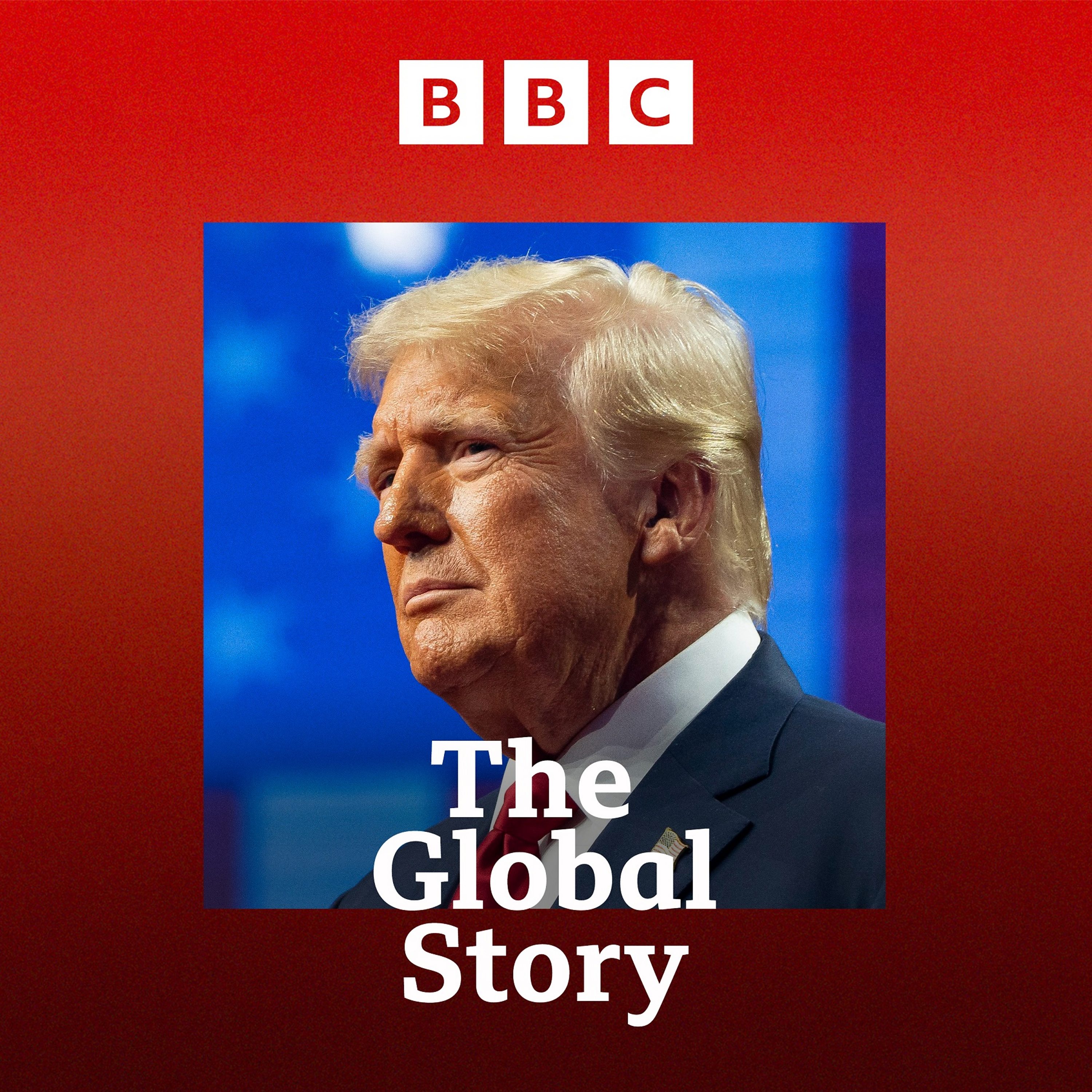
What the president-elect's inner circle says about his priorities. Donald Trump is surrounding himself with loyalists, billionaires and political newcomers as he prepares for his second term in the White House. On this episode, Caitríona Perry asks the BBC’s senior North America correspondent Anthony Zurcher about new additions to Team Trump like Elon Musk, and notable absences, like Ivanka Trump. Producers: Peter Goffin and Tom Kavanagh Sound engineers: Mike Regaard and Gareth JonesAssistant editor: Sergi Forcada FreixasSenior news editor: Sara Wadeson
Germany’s deepening political crisis
Chancellor Scholz’s three-party coalition government has fallen apart, leaving Germany mired in a period of political instability. Disagreements between the chancellor and his finance minister Christian Lindner had bubbled for months, ultimately leading to the latter’s dismissal. That prompted two of Lindner’s party colleagues to resign, effectively dismantling the coalition and leaving the chancellor at the head of a minority government.The political turmoil in Berlin comes as Donald Trump’s second election victory leaves the world wondering whether American support will be pulled from Ukraine. Germany is the European Union’s largest economy, but its manufacturing sector has been struggling, while consumers have been affected by high inflation.The BBC’s Berlin correspondent Damien McGuinness and The Guardian’s Berlin correspondent Kate Connolly tell host Katya Adler about the roots of this crisis, and discuss how it may have ramifications around Europe and beyond.Producers: Tom Kavanagh and Alix PicklesSound engineers: Mike RegaardAssistant editor: Sergi Forcada FreixasSenior news editor: Sara Wadeson
COP29: In Donald Trump’s shadow
Can the world fight climate change without the US? Donald Trump’s election victory threatens to derail the COP29 climate talks taking place in Azerbaijan this week. The US is one of the world’s biggest sources of carbon emissions but the president-elect has called global warming a hoax, championed the oil industry and promised to withdraw from international climate agreements. On this episode, Lucy Hockings speaks to the BBC’s US climate correspondent Carl Nasman and the host of the BBC podcast The Climate Question, Graihagh Jackson.Producers: Peter Goffin, Alice Aylett Roberts and Beth Timmins Sound engineers: Jonny Baker and Ricardo McCarthyAssistant editor: Sergi Forcada FreixasSenior news editor: Sara Wadeson
Social infertility: What's behind falling birth rates?
The proportion of people without children is growing around the world. For some, this new reality reflects changing social attitudes and a desire not to have children, but for others, the decision has been taken out of their hands by a range of factors. The latest statistics available reflect the extent to which this has become a global phenomenon: while the US birth rate is at a record low, China reported its first population decline in six decades in 2022.The BBC’s population correspondent Stephanie Hegarty tells host Lucy Hockings that economic concerns are among the most important when it comes to individuals and couples deciding whether or not the time is right to have a baby, and discusses how the concept of “male malaise” is impacting fertility rates. The Global Story brings you trusted insights from BBC journalists worldwide. We want your ideas, stories and experiences to help us understand and tell #TheGlobalStory.Email us at [email protected] You can also message us or leave a voice note via WhatsApp on +44 330 123 9480.Producers: Tom Kavanagh, Laurie Kalus and Mariana Hernández CarrilloSound engineer: Phil BullAssistant editor: Sergi Forcada Freixas
Path to the Presidency: What happens next?
President-elect Donald Trump has begun appointing his incoming administration. In the span of two months, he will hire four thousand political appointees and move back into the White House. With the Democrats losing the presidential election and control of the Senate, the party now faces a critical reckoning: What went wrong for Kamala Harris and her campaign?On this episode, the BBC's Caitríona Perry, Sumi Somaskanda, and Katty Kay discuss what the next few weeks in US politics may look like after Donald Trump's election victory.The Global Story brings you trusted insights from BBC journalists worldwide. We want your ideas, stories and experiences to help us understand and tell #TheGlobalStory. Email us at [email protected] You can also message us or leave a voice note via WhatsApp on +44 330 123 9480.Producer: Aiden JohnsonAssistant editor: Sergi Forcada FreixasSenior news editor: Sara Wadeson
Could Putin use North Korean troops against Ukraine?
Thousands of North Korean troops have been sent to Russia to support their war in Ukraine. The US government says thousands of troops are now in the Kursk region – right next to the Ukrainian frontline. Can North Korean soldiers fighting for Russia change the dynamics of the war in Ukraine? And how does North Korea benefit from this arrangement? Katya Adler speaks to the BBC’s Ukraine correspondent James Waterhouse and Seoul correspondent Jean Mackenzie about whether North Korea's entry into the Ukraine war will turn it into a truly global conflict.The Global Story brings you trusted insights from BBC journalists worldwide. We want your ideas, stories and experiences to help us understand and tell #TheGlobalStory.Email us at [email protected] You can also message us or leave a voice note via WhatsApp on +44 330 123 9480.Producers: Alice Aylett Roberts and Mariana Hernández CarrilloSound engineers: Phil Bull and Mike RegaardAssistant editor: Sergi Forcada Freixas Senior news editor: Sara Wadeson
What Trump's victory means for the world
Leaders across the world have been reacting to Donald Trump's stunning victory in the US presidential election. America's president-elect returns to the global stage in the context of multiple ongoing conflicts, and economic uncertainty for major players. So as international governments adjust to his seismic comeback, how might the policy decisions of a second Trump administration be felt worldwide?On this episode Lucy Hockings is joined by the BBC's diplomatic correspondent James Landale, to discuss the potential implications in Ukraine, the Middle East, China, Europe, and beyond...The Global Story brings you trusted insights from BBC journalists worldwide. We want your ideas, stories and experiences to help us tell #TheGlobalStory. Email us at [email protected] You can also message us or leave a voice note via WhatsApp on +44 330 123 9480.Producers: Laurie Kalus, Tom Kavanagh, Mariana Hernández Carrillo, Beth Timmins, and Eleanor SlySound engineer: Mike RegaardAssistant editor: Sergi Forcada FreixasSenior news editor: Sara Wadeson
Donald Trump's historic comeback
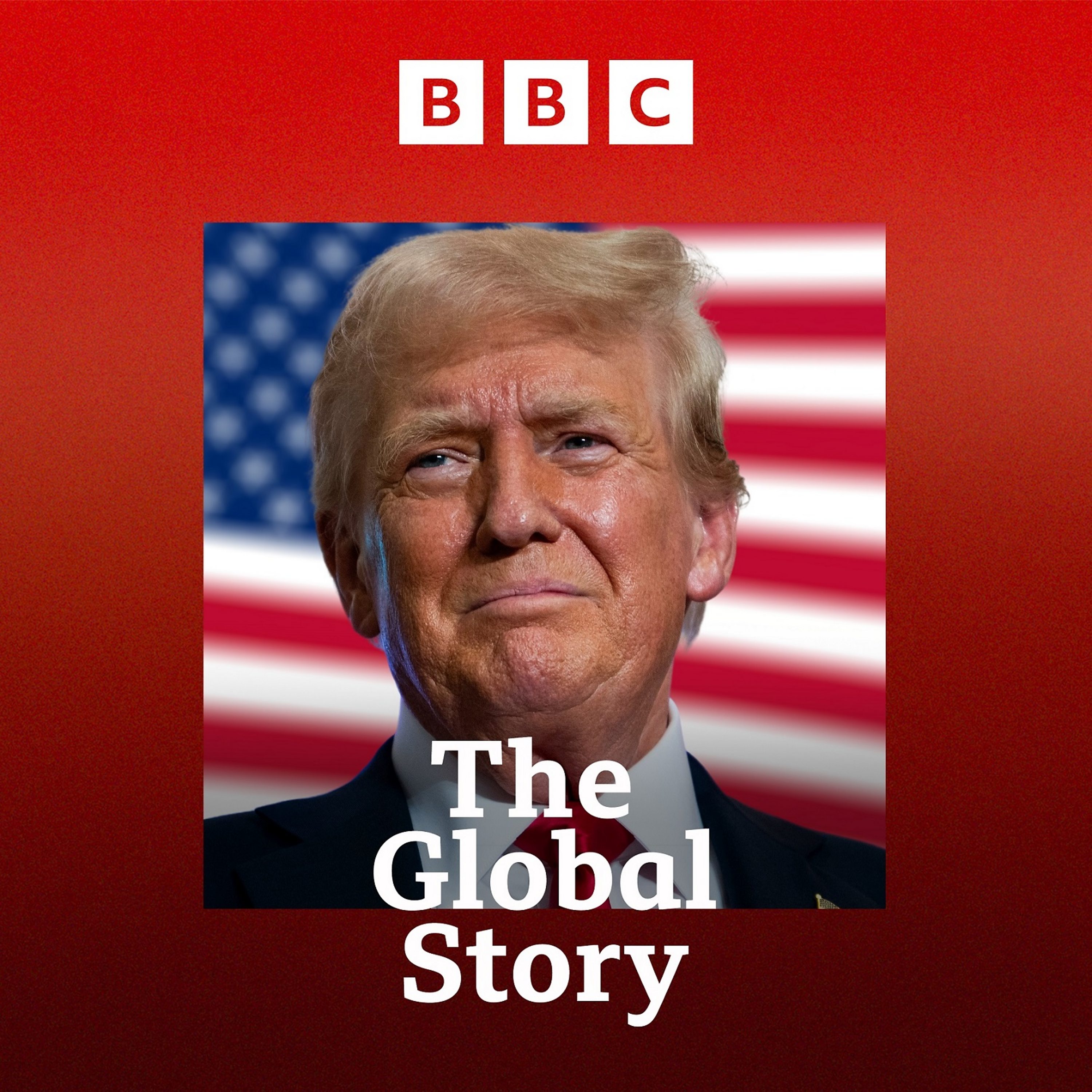
The former president claims he's been given an "unprecedented mandate" by voters. On this episode, Azadeh Moshiri speaks to BBC Chief Presenter Christian Fraser about the prospect of a second Trump term. And Katya Adler asks BBC Correspondent Will Grant and BBC Digital reporter Bernd Debusmann about the mood in the Trump camp, and where Kamala Harris underperformed.The Global Story brings you trusted insights from BBC journalists worldwide. We want your ideas, stories and experiences to help us understand and tell #TheGlobalStory. Email us at [email protected] You can also message us or leave a voice note via WhatsApp on +44 330 123 9480.Producers: Peter Goffin and Richard MoranSound engineers: Hannah Montgomery and Jonny BakerAssistant editor: Sergi Forcada FreixasSenior news editor: Sara Wadeson
Election day: Everything you need to know
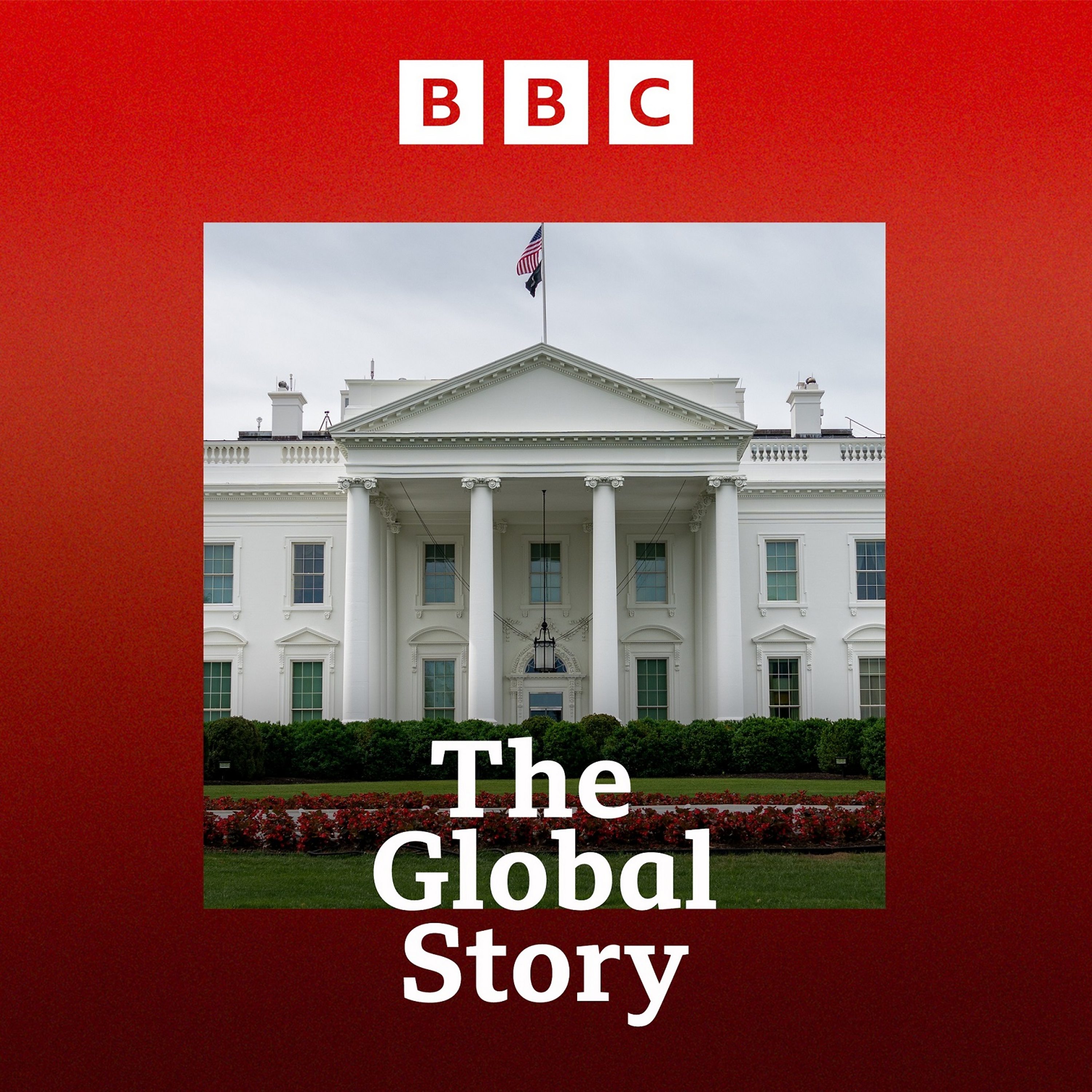
On the final day Americans cast their votes, the US presidential election remains tighter than ever. Success for either candidate depends on their ability to win over undecided voters in swing states — a diverse group with varied backgrounds, concerns, and voting histories. How have Kamala Harris and Donald Trump been trying to convince them? And which states lie in their path to victory and the White House?Lucy Hockings speaks to the BBC’s senior North America correspondent Gary O’Donoghue and digital reporter Ana Faguy, who tell us which of the early results might give an indication of who's in the lead. Listen to our previous episode on the Senate, House and Governors races that could shape the United States here: https://link.chtbl.com/OtherRacesThe Global Story brings you trusted insights from BBC journalists worldwide. We want your ideas, stories and experiences to help us understand and tell #TheGlobalStory. Email us at [email protected] You can also message us or leave a voice note via WhatsApp on +44 330 123 9480.Producers: Richard Moran, Laurie Kalus, Mariana Hernández Carrillo, and Mhairi Mackenzie Sound engineer: Mike RegaardAssistant editor: Sergi Forcada FreixasSenior news editor: Sara Wadeson
Election workers on the front line of American democracy
Harassment, threats and intimidation against local officials are increasing ahead of the election. When the majority of Americans vote tomorrow, it is these election workers that will come face to face with democracy… and the growing mistrust some feel towards the process.The BBC’s Mike Wendling travelled to the battleground state of Wisconsin to hear about the fears of election workers there as the election drew closer. He tells Azadeh Moshiri about the climate of conspiracy and election denialism that has led to them being targeted. The Global Story brings you trusted insights from BBC journalists worldwide. We want your ideas, stories and experiences to help us understand and tell #TheGlobalStory. Email us at [email protected] You can also message us or leave a voice note via WhatsApp on +44 330 123 9480. Producers: Richard Moran and Tom Kavanagh Sound engineers: Jack Graysmark and Hannah Montgomery Assistant editor: Sergi Forcada Freixas Senior news editor: Sara Wadeson
Path to the Presidency: What to watch for on election night
With just days to go until Americans cast their votes, the race for the presidency is in its final stretch. On this episode, the BBC’s Caitríona Perry, Sumi Somaskanda, and Katty Kay break down what to look out for on election night. Will a result be known that night? Which key states and demographics are most likely to shape the outcome?The Global Story brings you trusted insights from BBC journalists around the world. We want your ideas, stories and experiences to help us understand and tell #TheGlobalStory. Email us at [email protected] You can also message us or leave a voice note via WhatsApp on +44 330 123 9480.Producer: Aiden JohnsonSound engineer: Gareth JonesAssistant editor: Sergi Forcada FreixasSenior news editor: Sara Wadeson
Abercrombie ex-CEO faces sex trafficking charges
Inside a BBC investigation that exposed the allegations against Michael Jeffries. The former fashion boss has pleaded not guilty to charges of sex trafficking and prostitution. Jeffries – who turned Abercrombie and Fitch into one of the world’s biggest clothing brands – was arrested along with his life partner and their fixer, and accused of exploiting aspiring male models through force, fraud and coercion. On this episode, Lucy Hockings speaks to BBC Investigations Correspondent Rianna Croxford, who has spent three years investigating the claims against Jeffries.WARNING: This episode includes details of alleged sexual abuse. Producers: Peter Goffin and Eleanor SlySound engineer: Ben Andrews and Gareth Jones Assistant editor: Sergi Forcada FreixasSenior news editor: Sara Wadeson
Inside the gangs smuggling people from Vietnam to Europe
A BBC team has spent months getting under the bonnet of a rapidly growing migrant route. Almost overnight Vietnam has become the largest single source of migrants making the dangerous channel crossing to reach the UK. Speaking to one man who has been involved in the criminal network for decades, we uncover a world of forged documents, premium services and shattered dreams. Lucy Hockings speaks to the BBC’s Paris Correspondent, Andrew Harding and our reporter in Bangkok, Thu Bui. The Global Story brings you trusted insights from BBC journalists worldwide. We want your ideas, stories and experiences to help us understand and tell #TheGlobalStory. Email us at [email protected] You can also message us or leave a voice note via WhatsApp on +44 330 123 9480.Producers: Richard Moran and Mariana Hernández CarrilloSound engineer: Michael RegaardAssistant editor: Sergi Forcada FreixasSenior news editor: Sara Wadeson
US election: The other races that could shape America
As well as electing a president, Americans will also choose hundreds of governors, representatives, and senators. While these races have been overshadowed by the surprisingly dramatic presidential election, they may well determine how much power and success Kamala Harris or Donald Trump has in the White House. On this episode Caitríona Perry speaks to our digital reporter Sam Cabral about the key down ballot races to watch as the results come in. And fellow digital reporter Holly Honderich explains why some Americans will also get to vote directly on one of the elections most divisive topics: abortion. The Global Story brings you trusted insights from BBC journalists worldwide. We want your ideas, stories and experiences to help us understand and tell #TheGlobalStory. Email us at [email protected] You can also message us or leave a voice note via WhatsApp on +44 330 123 9480.Producers: Richard Moran, Beth Timmins, Mariana Hernández CarrilloSound engineer: Philip BullAssistant editor: Sergi Forcada FreixasSenior news editor: Sara Wadeson
America and... the Middle East
How could Kamala Harris or Donald Trump affect Israel, Gaza and the wider region? The spiral of violence in the Middle East – from the Hamas attacks on October 7, to the catastrophic loss of Palestinian life, to Israel’s growing fights with Hezbollah and Iran – has dominated US foreign policy and become a major issue in this year’s presidential election campaign. Harris and Trump both say they want to bring peace and security to the region. So how do they plan to do it? On this episode, Sumi Somaskanda speaks to the BBC’s International Editor Jeremy Bowen in Jerusalem and the BBC’s North America Correspondent Nada Tawfik. You can listen to our other special episodes looking at the impact the US election might have around the world here:America and... the World: https://link.chtbl.com/gqWrGSMTAmerica and... the war in Ukraine: https://link.chtbl.com/9pQYuDqPAmerica and... China: https://link.chtbl.com/CNFrjcPAAmerica and... Climate change: https://link.chtbl.com/zgemOWRXAmerica and…Migration https://link.chtbl.com/TGSmigrationThe Global Story brings you trusted insights from BBC journalists worldwide. We want your ideas, stories and experiences to help us understand and tell #TheGlobalStory. Email us at [email protected] You can also message us or leave a voice note via WhatsApp on +44 330 123 9480.Producers: Peter Goffin, Beth Timmins and Richard Moran Sound engineer: Mike Regaard and Ben AndrewsAssistant editor: Sergi Forcada FreixasSenior news editor: Sara Wadeson
The dangers of China’s cyber-nationalism
A Japanese schoolboy was fatally stabbed by a stranger outside a school in China last month. The killing caused outrage and increased diplomatic tensions between Tokyo and Beijing. Japan blamed the attack on rising xenophobia and online nationalism in China. It was the third high-profile attack on a foreigner in recent months, all of which China has described as “isolated incidents”.On this episode, Katya Adler is joined by BBC digital journalist Fan Wang, and Kerry Allen, who is a China media analyst at BBC News. They discuss whether growing Chinese cyber-nationalism is fuelling violence against foreigners and what impact it is having on China’s reputation abroad.Producers: Alice Aylett Roberts and Mariana Hernández CarrilloSound engineers: Stephen Bailey and Hannah Montgomery Assistant editor: Sergi Forcada Freixas Senior news editor: Sara Wadeson
Israel strikes back: What will Iran do next?
Iran has downplayed the impact of a series of Israeli airstrikes on military facilities that have raised fears of further escalation. Early on Saturday, Israel carried out what it described as “precise and targeted” airstrikes in response of "months of continuous attacks" from Iran.On this episode, Azadeh Moshiri speaks with the BBC’s Chief International Correspondent Lyse Doucet and Parham Ghobadi from BBC Persian. They examine the immediate and broader implications of these attacks and discuss the big question: What does Tehran do next?The Global Story brings you trusted insights from BBC journalists worldwide. You can contact us at [email protected]: Alice Aylett RobertsSound engineer: Mike RegaardAssistant editor: Sergi Forcada FreixasSenior news editor: Sara Wadeson
Path to the Presidency: A very tight race
Just a few days ahead of election day, Kamala Harris and Donald Trump are neck and neck in the polls. The BBC’s Caitríona Perry, Sumi Somaskanda, and Katty Kay explore the intricacies of this tight race and discuss whether one candidate in the US presidential election holds the lead. Every weekend The Global Story brings you "Path to the Presidency," where we delve into the state of the race and examine what’s on the minds of those closest to it.The Global Story brings you trusted insights from BBC journalists around the world. We want your ideas, stories and experiences to help us understand and tell #TheGlobalStory. Email us at [email protected] You can also message us or leave a voice note via WhatsApp on +44 330 123 9480.Producer: Aiden JohnsonSound engineer: Hannah MontgomeryAssistant editor: Sergi Forcada FreixasSenior news editor: Sara Wadeson
Ukraine’s women at war: The Witches of Bucha
The women of Ukraine are on the frontline in many respects. They make up the majority of those fleeing abroad to escape the war and protect their children. They are also increasingly keeping Ukrainian society functioning, as more and more men are conscripted into the army to fight. The Witches of Bucha, as they call themselves, are a volunteer air defence unit made up almost entirely of women, now helping to protect Ukraine’s skies.On this episode, Katya Adler is joined by the BBC’s Eastern Europe correspondent Sarah Rainsford, who has just returned from a reporting trip to Bucha, and BBC Journalist Olga Malchevska, who is from Ukraine. They look at how Ukrainian women have been stepping up and filling the gaps left behind by the country’s men at war. They also discuss how the conflict may change traditional gender roles in Ukraine.Producers: Tom Kavanagh and Eleanor SlySound engineers: Mike Regaard and Hannah MontgomeryAssistant editor: Sergi Forcada FreixasSenior news editor: Sara Wadeson
Canada, India, and their diplomatic death spiral
Canada and India are locked in a fierce diplomatic row, after Canadian prime minister Justin Trudeau doubled down on allegations that senior Indian officials were involved in the murder of a Sikh activist on Canadian soil. Delhi has called the claims "preposterous", and last week the two nations expelled their top diplomats, as relations sank to a historic low. Such a rapid public escalation between democracies is considered largely unprecedented in modern diplomacy, so how are Canada's western allies reacting?On this episode Caitríona Perry is joined by the BBC's South Asia correspondent Samira Hussain, and diplomatic correspondent James Landale. They examine the fallout, explain why the issue of Sikh separatism is so controversial in India, and consider the strategic dilemma the US and others are facing as they debate their own response.The Global Story brings you trusted insights from BBC journalists worldwide. We want your ideas, stories and experiences to help us tell #TheGlobalStory. Email us at [email protected] You can also message us or leave a voice note via WhatsApp on +44 330 123 9480.Producers: Laurie Kalus, Mhairi MacKenzie, and Alix PicklesSound engineers: Phil Bull and Hannah MontgomeryAssistant editor: Sergi Forcada FreixasSenior news editor: Sara Wadeson
Does Australia want the British monarchy?
King Charles’s first visit to Australia since becoming the head of state has reignited the debate over cutting ties with the royals. His tour has been met with fanfare and protest; cheers and heckles — including by Senator Lidia Thorpe in Parliament. So what do Australians think of the monarchy’s role in their country? What would it take to become a republic? Is there still a place for the monarchy in Britain’s former colonies? On this episode Lucy Hockings speaks to the BBC’s Australia correspondent Katy Watson and Royal correspondent Sean Coughlan.The Global Story brings you trusted insights from BBC journalists worldwide. We want your ideas, stories and experiences to help us understand and tell #TheGlobalStory. Email us at [email protected] You can also message us or leave a voice note via WhatsApp on +44 330 123 9480.Producers: Peter Goffin and Alix PicklesSound engineer: Jack Graysmark and Philip BullAssistant editor: Sergi Forcada FreixasSenior news editor: Sara Wadeson
America and… Migration
How might Donald Trump or Kamala Harris try to tackle immigration to the US? People crossing the southern border has become a hot button topic in the next month’s election. Former president Donald Trump’s forceful policies have helped him motivate a base of loyal supporters. Whereas Vice-President Harris has had just weeks to convince Americans that she has a plan. What do we know about their policies, how they differ and what impact they would have?Sumi Somaskanda speaks to our Mexico, Central America and Cuba correspondent, Will Grant. He explains why so many people are leaving the region and how the next president might impact its southern neighbours. And our politics reporter in Washington DC, Bernd Debusmann, helps us separate the facts from the headlines on one of the election's most contentious political issues. You can listen to our other special episodes looking at the impact the US election might have around the world here: America and... the World: https://link.chtbl.com/gqWrGSMT America And... the war in Ukraine: https://link.chtbl.com/9pQYuDqP America and... China: https://link.chtbl.com/CNFrjcPA America and... Climate change: https://link.chtbl.com/zgemOWRX The Global Story brings you trusted insights from BBC journalists worldwide. We want your ideas, stories and experiences to help us understand and tell #TheGlobalStory. Email us at [email protected] You can also message us or leave a voice note via WhatsApp on +44 330 123 9480.Producers: Richard Moran, Eleanor Sly and Mariana Hernández CarrilloSound engineer: Mike Regaard and Ben AndrewsAssistant editor: Sergi Forcada FreixasSenior news editor: Sara Wadeson
Why are there millions of empty homes in Japan?
Abandoned houses – or “akiyas” – have become a symbol of the crisis facing Japan’s population. But a wave of young foreign bargain hunters has started snapping up some of these abandoned homes, inspired by viral DIY videos and social media influencers. Lucy Hockings speaks to the BBC’s Tokyo correspondent Shaimaa Khalil, who has been to meet some of the people bringing akiyas back to life.Producers: Peter Goffin, Alix Pickles and Alice Aylett Roberts Sound engineer: Mike RegaardAssistant editor: Sergi Forcada FreixasSenior news editor: Sara Wadeson
US election: The big issues ahead of the vote
Sumi Somaskanda and Anthony Zurcher respond to questions about the upcoming US election. In this collaboration between The Global News Podcast, The Global Story, and Americast, Oliver Conway presents listener questions on the key topics shaping the vote.
Path to the Presidency: Election security
The key election issues in the swing state of Arizona and America’s image abroad. On this episode, Caitríona Perry, Sumi Somaskanda, and Katty Kay explore election security and the international focus on the 2024 US election.Every weekend The Global Story brings you "Path to the Presidency," where we delve into the state of the race and examine what’s on the minds of those closest to it.The Global Story brings you trusted insights from BBC journalists around the world. We want your ideas, stories and experiences to help us understand and tell #TheGlobalStory. Email us at [email protected] You can also message us or leave a voice note via WhatsApp on +44 330 123 9480.Producers: Aiden Johnson and Tom KavanaghSound engineer: Mike RegaardAssistant editor: Sergi Forcada FreixasSenior news editor: Sara Wadeson
Why thousands of UK prisoners are being freed early
There is an overcrowding crisis in UK prisons. There are also problems with gang violence, drug abuse, self harm and a record number of weapons now being made in jails. To deal with the chronic overcrowding, the UK government has begun releasing thousands of prisoners early in England and Wales.Katya Adler is joined by senior UK correspondent Sima Kotecha to talk about her time inside one of Britain's most notorious jails as they examine how the prison system in England and Wales has been stretched to breaking point.Producers: Alice Aylett Roberts and Eleanor SlySound engineers: Matt Dean and Mike RegaardAssistant editor: Sergi Forcada Freixas Senior news editor: Sara Wadeson
How damaged is Hezbollah?
Israel’s assassination of Hassan Nasrallah, the long-standing leader of Hezbollah, represented a major escalation in its war with the Lebanese militant group. With the region on the brink of a widening conflict, we look at how Israel's attacks on Hezbollah's leadership have potentially weakened the organisation, and what that could mean for the course of the war. Host Katya Adler asks the BBC's security correspondent Frank Gardner how the conflict between Hezbollah and Israel escalated and what each actor might do next.Producers: Tom Kavanagh, Alice Aylett Roberts, Peter Goffin and Beth Timmins Sound engineers: Jonny Hall and Mike Regaard Assistant editor: Sergi Forcada Freixas Senior news editor: Sara Wadeson
Could conspiracy theories and AI impact the US election?
How disinformation and advanced technology might influence the 2024 vote. Why do people fall for online conspiracy theories, and what happens when disinformation shapes real-world events?On this episode, Lucy Hockings is joined by the BBC's disinformation and social media correspondent, Marianna Spring, to explore how conspiracy theories and the rise of AI could shape the upcoming election in the United States. They discuss the role disinformation played in the 2020 vote, leading to real-world consequences, and how these conspiracies continue to undermine the US election system today. They also examine the growing influence of AI in generating and spreading false narratives, and what this could mean for the upcoming presidential race.You can listen to Marianna Spring’s series ‘Why Do You Hate Me? USA’ on BBC Sounds, or wherever you get your podcasts. Producers: Pete Ross and Alix PicklesSound engineer: Mike RegaardAssistant editor: Sergi Forcada FreixasSenior news editor: Sara Wadeson
America and... the war in Ukraine
Could the US election result threaten support for Kyiv? Since Russia's full-scale invasion of Ukraine in 2022, the United States has led the world in providing aid to Kyiv, with contributions totalling more than $175bn. But agreeing additional assistance in Congress has become increasingly difficult, with the attention of the Republican right fixed on domestic priorities. So, as November's presidential election approaches, what could victory for either Kamala Harris or Donald Trump mean for the trajectory of the war?For the latest in a series of episodes about how the impact of the US election will be felt worldwide, Sumi Somaskanda is joined by the BBC's Ukraine correspondent, James Waterhouse, and news correspondent, Will Vernon. They discuss how delays to US aid have directly affected the war on the ground, and what we know about the policy positions of the candidates for the White House.The Global Story brings you trusted insights from BBC journalists worldwide. We want your ideas, stories and experiences to help us tell #TheGlobalStory. Email us at [email protected] You can also message us or leave a voice note via WhatsApp on +44 330 123 9480.Producers: Laurie Kalus, Alix Pickles, Mariana Hernandez-Carrillo, and Mhairi MacKenzieSound engineers: Hannah Montgomery, and Ricardo McCarthyAssistant editor: Sergi Forcada FreixasSenior news editor: Sara WadesonYou can find more of this series in our feed - just look for episodes titled 'America and...'
A week on the open Atlantic, hoping to reach Europe
The BBC’s Africa Eye has been following one man’s journey as he travels hundreds of miles on the open ocean in the hopes of reaching Europe. Mouhamed is one of a growing number of people attempting to travel from Senegal to Spain’s Canary Islands. The journey is ten times longer than the boats crossing the Mediterranean, taking days and sometimes week across parts of the Atlantic Ocean. It is also riskier and more lethal. You can watch the full documentary 'Dark Waters: Africa's Deadliest Migration Route' - https://www.youtube.com/watch?v=ajX6NaVks3w Caitriona Perry speaks to Blanca Munoz and Efrem Gebreab who followed Mouhamed’s journey for the BBC’s Africa Eye. The Global Story brings you trusted insights from BBC journalists worldwide. We want your ideas, stories and experiences to help us tell #TheGlobalStory. Email us at [email protected] You can also message us or leave a voice note via WhatsApp on +44 330 123 9480.Producers: Richard Moran and Tom KavanaughSound engineer: Mike RegaardAssistant editor: Sergi Forcada FreixasSenior news editor: Sara Wadeson
Path to the Presidency: Political storms
How Hurricane Milton and Middle East tensions may impact the US election. On this episode, the BBC’s Caitríona Perry, Sumi Somaskanda, and Katty Kay examine the devastating aftermath of Hurricane Milton, which has resulted in at least 16 deaths in Florida. They discuss the political implications of the hurricane and how escalating tensions in the Middle East are shaping the landscape of the upcoming US elections.Every weekend The Global Story brings you "Path to the Presidency," where we delve into the state of the race and examine what’s on the minds of those closest to it.The Global Story brings you trusted insights from BBC journalists around the world. We want your ideas, stories and experiences to help us understand and tell #TheGlobalStory. Email us at [email protected] You can also message us or leave a voice note via WhatsApp on +44 330 123 9480.Producers: Aiden Johnson and Eleanor SlySound engineers: Darcy O'Bree and Jack GraysmarkAssistant editor: Sergi Forcada FreixasSenior news editor: Sara Wadeson
Hurricane Milton: Destruction, politics, and misinformation
Hurricane Milton has left millions of homes across Florida without power, less than a fortnight after hurricane Helene ravaged states across the south-eastern US. Misinformation surrounding both storms has become rife online, including the false narrative that the government is manipulating the weather ahead of November's election. Further debunked allegations that recovery funds were redirected towards illegal migrants have been adopted by mainstream Republicans, causing widespread political fallout, even as a bipartisan recovery effort continues.On this episode, Azadeh Moshiri is joined by our correspondent in the US, Tom Bateman, and BBC Verify reporter, Marco Silva. They discuss what's happening both on the ground and online, and consider how these events could influence the presidential election. Additional reporting comes from Elizabeth Rizzini.The Global Story brings you trusted insights from BBC journalists worldwide. We want your ideas, stories and experiences to help us tell #TheGlobalStory. Email us at [email protected] You can also message us or leave a voice note via WhatsApp on +44 330 123 9480.Producers: Laurie Kalus, Alix Pickles, and Mariana Hernandez-CarilloSound engineer: Mike RegaardAssistant editor: Sergi Forcada FreixasSenior news editor: Sara Wadeson
Three weeks that changed life in Lebanon
Israeli air strikes have forced more than 1.2 million Lebanese to flee their homes in the past few weeks, and have killed more than 2,000 people in the country in the past year. While the fighting has escalated in recent weeks, there have been regular exchanges of fire between Hezbollah and Israel since October 2023. Hezbollah initially began firing missiles into Israel in solidarity with Palestinians in Gaza amid Israel’s war against Hamas, and continues to say that such attacks will only stop with a ceasefire there. Meanwhile, Israel has also launched a ground invasion of southern Lebanon, and there are fears of further escalation with key Hezbollah backer Iran, which recently fired rockets at several military targets in Israel.Caitríona Perry talks to Beirut-based BBC Arabic correspondent Rami Ruhayem about how Lebanon is coping with the intensification of a conflict which had been simmering for months.Producers: Richard Moran, Tom Kavanagh and Mariana Hernandez-Carrillo Sound engineer: Mike Regaard Assistant editor: Sergi Forcada FreixasSenior news editor: Sara Wadeson
How vulnerable are the undersea cables connecting us all?
In our age of wireless technology, it might be hard to believe that we’re all connected by a few hundred cables running along the sea bed. From the memes we send to friends, to the intelligence used by the military, virtually all internet data between the continents travels along wires thinner than a human hair. If they sound vulnerable, it’s because they are. On average a hundred are accidentally severed each year. And security experts are warning they could be a target for military or terrorist sabotage. Caitríona Perry speaks to Nicole Starosielski, professor at the University of California, Berkeley and author of The Undersea Network, who guides us through these secretive networks. And our security correspondent Frank Gardener helps us understand how vulnerable they are. Producers: Richard Moran and Alix PicklesSound engineers: Mike Regaard and Hannah MontgomeryAssistant editor: Sergi Forcada FreixasSenior news editor: Sara Wadeson
America and... China
The United States and China have had a turbulent history. In recent years, diplomatic relations between the world's two largest economies reached what many observers described as a new low, and despite some growing signs of stability, the future remains uncertain. So, how might this precarious situation be impacted by the upcoming US election?For the latest episode in this special series, Sumi Somaskanda is joined by the BBC's China correspondent Laura Bicker, and our business correspondent Michelle Fleury. They tackle big issues from trade and the economy, to defence and national security, and consider what victory for either Kamala Harris or Donald Trump could mean for the ongoing Sino-American relationship.The Global Story brings you trusted insights from BBC journalists worldwide. We want your ideas, stories and experiences to help us tell #TheGlobalStory. Email us at [email protected] You can also message us or leave a voice note via WhatsApp on +44 330 123 9480.Producer: Laurie KalusSound engineers: Stephen Bailey, Hannah Montgomery, and Ben AndrewsAssistant editor: Sergi Forcada FreixasSenior news editor: Sara WadesonIf you want to hear more from our 'America and...' series, why not listen to the first episode here: https://link.chtbl.com/gqWrGSMT
'The violence is getting out of hand': Crime grips Cuba's streets
The late leader of the Cuban Revolution, Fidel Castro, famously called Cuba “the safest country in the world”. But more and more Cubans are starting to speak out about crime on their streets. And increased violence isn’t the only problem it is facing. Blackouts, food shortages and a lack of water are all fuelling a mass exodus from the country. On this episode, Caitríona Perry speaks to our Cuba correspondent Will Grant about what its rising crime rate reveals about life on this struggling island.The Global Story brings you trusted insights from BBC journalists worldwide. We want your ideas, stories and experiences to help us understand and tell #TheGlobalStory. Email us at [email protected] You can also message us or leave a voice note via WhatsApp on +44 330 123 9480. Producers: Tom Kavanagh, Alice Aylett Roberts and Mariana Hernández CarrilloSound engineers: Ricardo McCarthy and Gareth JonesAssistant editor: Sergi Forcada FreixasSenior news editor: Sara Wadeson
The Conflict: Israel and Gaza one year on
In this special bonus episode of The Conflict Lyse Doucet reflects on some of the biggest moments from the Israel-Gaza war. She is joined by BBC colleagues Jeremy Bowen, Anna Foster and Rushdi Abualouf, who have been reporting from around the region and they discuss what could happen next in the Middle East.
Path to the Presidency: October surprises
Middle East tensions, catastrophic flooding and a vice-presidential debate. What events could shake up the US race? Caitríona Perry, Sumi Somaskanda, and Katty Kay discuss what “October Surprises” could change the course of the US presidential election.Until the US election, every weekend The Global Story brings you "Path to the Presidency," where we delve into the state of the race and examine what’s on the minds of those closest to it.The Global Story brings you trusted insights from BBC journalists worldwide. We want your ideas, stories and experiences to help us understand and tell #TheGlobalStory. Email us at [email protected] You can also message us or leave a voice note via WhatsApp on +44 330 123 9480.Producer: Aiden JohnsonSound engineer: Ben AndrewsAssistant editor: Sergi Forcada FreixasSenior news editor: Sara Wadeson
Israel-Gaza Q&A: One year since October 7
It’s almost a year since Hamas launched an attack inside Israel, triggering the start of the current war in Gaza.Tens of thousands of Palestinians have died in Israel’s bombing campaigns since Hamas’s October 7 attack, and Israel’s recent ground invasion of Lebanon has widened the conflict even further. The Middle East is once again on the brink of a deep and damaging, widespread conflict that will have an impact well beyond the region. To mark one year on from the start of the current war, The Global Story host Katya Adler is joined by Jackie Leonard from the Global News Podcast. The BBC's security correspondent Frank Gardner and Middle East correspondent Yolande Knell answer some of the most-asked questions about what’s really going on in the region and what might happen next.The Global Story brings you trusted insights from BBC journalists worldwide. We want your ideas, stories and experiences to help us understand and tell #TheGlobalStory. Email us at [email protected] You can also message us or leave a voice note via WhatsApp on +44 330 123 9480. Producers: Alice Aylett Roberts, Pete Ross, and Judy FranklSound engineer: Jack GraysmarkAssistant editor: Sergi Forcada Freixas Senior news editor: Sara Wadeson
Iran’s strikes on Israel: Why now and what's next?
Following Iran’s missile attack on Israel, Prime Minister Benjamin Netanyahu has vowed retaliation. President Biden is telling the Israeli leadership that any attack on Iran’s nuclear facilities is off limits. So, how will Israel respond to the 180 missiles that Iran fired across its border? And what has the reaction been in Iran?On this episode of the The Global Story, Azadeh Moshiri is joined by our Diplomatic correspondent Paul Adams and BBC Persian reporter Parham Ghobadi. They explore why Iran has chosen this moment to attack Israel and what Benjamin Netanyahu might do in response.The Global Story brings you trusted insights from BBC journalists worldwide. We want your ideas, stories and experiences to help us understand and tell #TheGlobalStory. Email us at [email protected] You can also message us or leave a voice note via WhatsApp on +44 330 123 9480. Producers: Sergi Forcada Freixas and Eleanor SlySound engineer: Hannah MontgomeryAssistant editor: Sergi Forcada FreixasSenior news editor: Sara Wadeson
US election: Vice-presidential debate reaction
Republican JD Vance and Democrat Tim Walz have been facing off in a surprisingly amicable vice-presidential debate which focussed strongly on policy. Rather than resort to personal jabs, the pair seemed laser-focussed on the records of their respective running mates, covering topics from immigration to abortion and the economy. In this shortened campaign some analysts have suggested the event carried heightened importance, but did the performance of either candidate move the needle and were voters really paying attention?Caitríona Perry is joined at the debate venue in New York by the BBC’s North America reporter Kayla Epstein for her immediate reaction to proceedings.The clips in this episode are from the CBS News Vice Presidential Debate. The Global Story brings you trusted insights from BBC journalists worldwide. We want your ideas, stories and experiences to help us understand and tell #TheGlobalStory. Email us at [email protected] You can also message us or leave a voice note via WhatsApp on +44 330 123 9480. Producers: Laurie Kalus and Alix Pickles Assistant editor: Sergi Forcada Freixas Senior news editor: Sara Wadeson
America and… Climate change
How could Kamala Harris or Donald Trump shape the global response to the climate crisis? As one of the world’s largest producers of fossil fuels and carbon emissions, the US plays a pivotal role in addressing climate change. The environmental policies of the next president could reshape American industry and the economy, while influencing the global fight against climate change. On this episode, Sumi Somaskanda speaks to the BBC’s climate editor Justin Rowlatt and Carl Nasman, who covers US climate issues for the BBC. The Global Story brings you trusted insights from BBC journalists worldwide. We want your ideas, stories and experiences to help us understand and tell #TheGlobalStory. Email us at [email protected] You can also message us or leave a voice note via WhatsApp on +44 330 123 9480.Producers: Peter Goffin, Tom Kavanagh and Eleanor SlySound engineer: Hannah MontgomeryAssistant editor: Sergi Forcada FreixasSenior news editor: Sara Wadeson