
The Friday Habit
234 episodes — Page 1 of 5
Leading on Your Terms: Lessons from a CEO
Why Experience Matters More Than You Think in Entrepreneurship
How to Sell and Exit a Small Business
Why Your Expertise Isn’t as Ordinary as You Think
How to Build a Business That Doesn't Depend on You
From Manager to CEO: The Leadership Shift That Changes Everything
Building a Lead Generation System for Sustainable B2B Growth
Identity Work, Personal Development 3.0, and Building Simplero with Calvin Correlli
Why Most Businesses Struggle to Scale Successfully
Ethical Business Over Everything | How This Founder Rebuilt Right
Ep 223Stop Being Busy. Start Being Productive.
In this episode of The Friday Habit, host Mark Labriola II sits down with Jacob Hicks, a sales strategist and systems thinker passionate about helping entrepreneurs push past their comfort zones, master their time, and build businesses that last.Jacob shares his journey from a shy kid in small-town Iowa to a sales pro who's learned that the best approach to selling isn't closing hard — it's serving authentically. He breaks down the systems, follow-up strategies, and time management frameworks that help small business owners stop being "busy" and start being truly productive.🧠 Key TakeawaysFollow Up or Leave Money on the Table – 80% of business is won after 5+ follow-ups; most salespeople stop after oneSell Without Selling – Build cadences around adding value, not pushing a closeChaos Time Is Your Secret Weapon – Block 30–60 minutes daily for fires so the rest of your day stays protectedTime Blocking = Intentionality – Get granular; don't just block "work time," block specific tasksParkinson's Law Is Real – A task expands to fill the time you give it; iterate your blocks accordinglyAudit Your Time – Especially early on, track where your hours actually goWe Rise or Fall to Our Systems – Goals without systems are just wishes (James Clear)Your CRM Is Your Second Brain – Notes, pipeline stages, and follow-up history are non-negotiableResources & Links:Connect with Jacob!Website: https://jacobhickscoach.com/growth-hub/Download the free Friday Habit Guide: https://thefridayhabit.com0:00 - Chaos Time Strategy - Introduction to time blocking and chaos time concept1:30 - Podcast Introduction & Jacob's Background - Welcome and guest intro3:38 - Jacob's Sales Journey - Early sales experiences and career development5:06 - Modern Sales Philosophy - Moving away from hard closing tactics to relationship building6:54 - Follow-Up Systems - Importance of consistent follow-up in sales8:40 - Sales as Service - Reframing sales as helping people with value-driven follow-up10:49 - Breaking Through Comfort Zones - Overcoming shyness and mindset shifts in sales12:00 - Playing it Too Safe - Recognizing when you're leaving business on the table14:25 - Building Authentic Relationships - Providing free value and making genuine connections16:20 - Time Management Introduction - The constant battle with the clock for entrepreneurs17:14 - Time Blocking Explained - Detailed breakdown of time blocking strategy and Parkinson's Law20:52 - Time Audits - Tracking where your time actually goes22:42 - Busyness vs Productivity - Reframing "busy" as productive and positive24:08 - Coaching Through Time Management - Accountability and overcoming roadblocks26:47 - Building Sustainable Systems - Why small businesses struggle with systems27:45 - Podcast Systems Example - How systems prevent pod fade and business collapse28:52 - Understanding Your Why - Connecting goals to personal motivation29:59 - Follow-Up Systems: 10x10 and 36 Touch - Specific follow-up cadences and frameworks32:18 - CRM as Second Brain - Importance of CRM systems for tracking relationships34:28 - Choosing the Right CRM - CRM recommendations and selection criteria35:60 - Jacob's Personal Habits - Daily practices including time blocking, phone management, and gray scale trick39:36 - Eliminating Friction - Reducing barriers to success (gym bag example)41:32 - Final Advice & Outro - Start with chaos time and closing remarks
Ep 222Why Taking Action Beats Having The Perfect Plan
In this episode of The Friday Habit, host Mark Labriola II sits down with serial entrepreneur Jay Sapovits, a builder who knows firsthand how to turn setbacks into springboards.Jay shares his raw journey—from early success in sports media and private aviation, to losing everything during the financial crisis, to rebuilding and scaling Inked, a custom merch company on track to surpass $5M in revenue.🧠 Key Takeaways Entrepreneurship Isn’t a Straight Line – Success, failure, and reinvention are all part of the processZero to One Is About Action – Stop overthinking and start movingDon’t Spend Money Too Early – Cash preservation beats premature scalingHire for the Role, Not Potential – Designers ≠ operatorsNever Burn Bridges – Integrity compounds over timeYour Network Is a Muscle – Make one reconnecting phone call per weekResources & Links:Connect with Jay!Email: [email protected]: https://www.linkedin.com/in/jaysap/ Download the free Friday Habit Guide: https://thefridayhabit.com01:32 Welcome to The Friday Habit02:10 Meet Jay Sapovits: Serial Entrepreneur & Reinvention Expert10:45 Authentic Personal Branding (White Glasses Story)13:40 Losing Everything at 39: Hitting Rock Bottom16:20 Early Success & the Confidence That Came With It18:40 When Ego Meets the Financial Crisis20:15 Starting Over: Rebuilding Confidence from Scratch24:35 High-Stakes Negotiation & the St. Barts Pivot29:10 Why You Should Never Burn Bridges31:05 The Zero-to-One Playbook Every Founder Needs37:50 The #1 Mistake New Entrepreneurs Make (Spending Too Early)40:45 Why the First $1M Is the Hardest43:50 Hiring the Right People Changed Everything48:45 Pivoting Into the Merch Business & Finding Product-Market Fit50:35 Jay’s Friday Habit: One Call That Changes Everything52:30 Where to Connect With Jay & Final TakeawaysWhy Taking Action Beats Having The Perfect Plan
Ep 221The Real Reason Sales Stop Working In Tough Markets
In this episode of The Friday Habit, Mark Labriola II interviews Walter Crosby, CEO of Helix Sales Development, who shares his extensive experience in transforming underperforming sales teams into revenue-generating powerhouses. The conversation covers Walter's journey into sales, the challenges of transitioning from a sales role to business ownership, and the importance of hiring the right salespeople. Walter emphasizes the need for accountability, clear expectations, and effective compensation structures to motivate sales teams, especially during tough economic times. He also discusses the significance of prospecting and how leaders can shift company culture to foster a thriving sales environment.🧠 Key Takeaways If your sales stall in a down market, it’s usually a systems problem—not the economy.Founders must translate their “natural” sales instincts into repeatable messaging.Hire salespeople who already sell to your buyer—not necessarily your industry.Comp plans should motivate discomfort, not create complacency.Activity, accountability, and standards separate real sales teams from lucky ones.Resources & Links:Connect with Walter!LinkedIn:www.linkedin.com/in/walterlcrosbyHelix Sales: helixsalesdevelopment.comDownload the free Friday Habit Guide: https://thefridayhabit.comChapters00:49 Introduction to The Friday Habit01:39 Walter Crosby's Sales Journey08:28 Transitioning from Sales to Entrepreneurship13:29 Overcoming Sales Challenges as a Small Business20:26 Finding the Right Salesperson and Compensation23:09 Balancing Base Salary and Motivation26:47 Evaluating Sales Team Performance27:49 Identifying Sales Team Strengths and Weaknesses34:47 Coaching vs. Accountability in Sales37:48 Setting Expectations for Sales Success45:29 Building a Thriving Sales Culture
Ep 220Why Every Tough Conversation Goes Wrong
In this episode of The Friday Habit, host Mark Labriola II interviews Greg Stevens, an executive coach and expert in conflict resolution. They discuss the importance of managing emotions in difficult conversations, the journey to understanding and repairing incomplete relationships, and the skills necessary for effective communication. Greg shares insights from his experiences and his book, 'Build New Bridges: The Art of Restoring Impossible Relationships,' emphasizing the need for self-awareness and accountability in both personal and professional relationships. The conversation also touches on performance reviews and how to approach them constructively, as well as the significance of closure in relationships.🧠 Key Takeaways Greg Stevens emphasizes the importance of practicing what you teach in relationships.Incomplete relationships can be identified and addressed for personal growth.Managing emotions is crucial during difficult conversations to avoid escalation.Timing is key; sometimes it's best to step away and revisit a conversation later.Self-awareness is foundational for effective communication and conflict resolution.Performance reviews should focus on inspiration and constructive feedback.Understanding the difference between impossible and salvageable relationships is vital.Closure in relationships can lead to personal healing and growth.Asking questions can help manage emotional responses during conflicts.Investing in conflict resolution skills can lead to breakthroughs in relationships.Resources & Links:Connect with Greg!Website: alignment-resources.com/Greg's Podcast: ashotofinspiration.comDownload the free Friday Habit Guide: https://thefridayhabit.com01:05 Introduction to The Friday Habit02:29 Meet Greg Stevens: The Relationship Coach05:01 The Journey to Conflict Resolution07:48 Understanding Incomplete Relationships09:23 Managing Emotions in Conflict12:34 The Importance of Timing in Conversations14:02 Common Communication Challenges16:04 Building Self-Awareness and Skills19:15 Learning from Real-Life Experiences22:41 Empathy in Parenting and Relationships27:26 Understanding Relationship Dynamics32:46 Constructive Performance Reviews37:21 Measuring Communication Progress40:44 Starting with Yourself in Relationships
Ep 219Why Regret Is More Dangerous Than Risk With Henry Yoshida
In this episode of The Friday Habit, host Mark Labriola II sits down with Henry Yoshida, CEO and Co-Founder of Rocket Dollar, to unpack what it really takes to build a durable fintech company in a highly regulated industry.Henry shares his journey from a risk-averse upbringing and a stable career at Merrill Lynch to founding multiple companies—including Rocket Dollar, now part of a platform managing $12B+ in retirement assets. They dive deep into ownership, timing, regret vs. risk, venture capital trade-offs, and why paying attention to “small signals” can unlock massive opportunities.🧠 Key TakeawaysRegret Is More Dangerous Than Risk – Fear fades, but “what if?” lingersStay a Mile Deep, Not a Mile Wide – Specialization creates leverageTiming Matters More Than Ideas – Many failures are just too earlyVenture Capital Is a Clock – Momentum determines survivalBuild for the Right Customer Segment – CAC must beat LTVBalance Fuels Longevity – Burnout kills good businessesCuriosity Compounds – Small observations connect into big ideasResources & Links:🔗 Learn more about Rocket Dollar: https://bit.ly/4qaDVxUConnect With Henry! Instagram: @fitfinancehenry📘 Download the free Friday Habit Guide: https://thefridayhabit.comChapters:00:42 Meet Henry Yoshida: CEO & Co-Founder of Rocket Dollar02:05 Growing Up Risk-Averse & Fear of Regret04:45 Merrill Lynch’s Competitive Culture07:55 Early Career Lessons That Shaped a Founder10:40 Leaving Stability to Take the Leap13:10 Building & Selling the First Business16:00 Venture Capital, Timing, and Momentum18:55 Failing Into an Acquisition21:35 Why Most Startups Pick the Wrong Customer24:10 The Problem With Traditional IRAs & 401ks27:10 What Rocket Dollar Actually Does30:05 Building in a Highly Regulated Industry32:45 Risk, Regret, and Confidence as a Founder35:40 Burnout, Balance, and Founder Mistakes38:05 Henry’s Friday Habit: Stay Curious & Connect the Dots40:29 Outro
Ep 218Compete On Value, Not Price
In this episode of The Friday Habit, host Mark Labriola II interviews Chad Prinkey, founder and CEO of Well Built Construction Consulting. They discuss Chad's journey from a successful corporate career to entrepreneurship, the challenges of building a scalable business, and the importance of leadership and culture in driving growth. Chad shares insights on competing on value rather than price, the mindset shifts necessary for long-term success, and key systems that can help construction businesses thrive. The conversation concludes with actionable takeaways for listeners looking to improve their own businesses.🧠 Takeaways:Chad Prinkey emphasizes the importance of building a strong company culture.Growth can expose underlying issues in a business.Leadership development is crucial for scaling a company.Competing on value rather than price is essential for profitability.Business owners should prioritize investing in their own companies.Mindset shifts are necessary for long-term success.Creating a three-year organizational chart can guide business growth.Understanding financial health is critical before strategic planning.Building a team of leaders at all levels is vital for success.Continuous improvement and reinvestment in the business are key to sustainability.Resources & Links:Connect with Chad!Website: www.wellbuiltconsulting.comDownload the free Friday Habit Guide: https://thefridayhabit.com00:37 Welcome To The Friday Habit01:24 Meet Chad Prinkey03:03 Delicious Crabs06:28 Chad's Background08:13 Company Growth 09:59 Leaving Something Good For Something Better14:46 The Difficulties Of Leaving Something Good 16:13 How Chad Helped A Company Grow From 300 to 3,000 Employees18:31 Building Leaders That Scale 24:49 Advice For Leaders Playing The Long Game29:47 When Should You Bring New Leaders?32:46 Chad's Book WellBuilt40:06 Take Action42:13 Outro
Ep 217Turning A Side Hustle Into A Brand
In this episode of The Friday Habit, host Mark Labriola II interviews Emma Tessler, founder and CEO of NinentyFiveMedia, a digital marketing agency. Emma shares her journey from a side hustle in interior design to leading a successful remote team specializing in social media strategy and brand storytelling. The conversation covers the importance of building a strong company culture, the challenges of scaling a business, and the evolving landscape of video content in the age of AI. Emma emphasizes the significance of authenticity in marketing and offers actionable advice for entrepreneurs looking to grow their brands.🧠 Takeaways:Emma Tessler transitioned from a side hustle to CEO of 95 Media.The importance of community engagement in social media marketing.Building authority online is crucial for trust and sales.Consistency in content creation leads to better results.Hiring for will over skill can enhance team dynamics.Video content should reflect authenticity to stand out.Niche down in services, but not in target audience.A remote team can provide flexibility and access to diverse talent.Scaling requires effective delegation and teamwork.Building a strong company culture is essential for remote teams.Resources & Links:Connect with Emma and NinetyFivemedia!Website: Ninetyfivemedia.coInstagram: @Ninenty.Five.MediaDownload the free Friday Habit Guide: https://thefridayhabit.com00:35 Introduction to The Friday Habit01:47 Meet Emma Tessler04:15 Emma's background06:08 Building 95 Media: From Side Hustle to Success07:13 Humble Beginnings11:28 Building NinentyFiveMedia21:59 Creating Company Culture23:19 Navigating Remote Work34:34 Advice for Hesitant Business Owners26:01 Staff Structure29:04 Video Content Strategy32:45 Building Authority Online34:31 Working On, Not In Your Business 35:47 Is there Riches in the Niches?39:52 Planning For The Future41:02 Actionable Steps to Scale Your Brand 41:41 Outro
Ep 216The Mindset That Scales Your Business
In this episode of The Friday Habit, Mark Labriola II interviews John Gallagher, a seasoned leadership coach, who shares insights on the journey of leadership, the importance of emotional intelligence, and the mindset shifts necessary for entrepreneurs. Gallagher emphasizes the need for practical frameworks, the signs that indicate a business owner may need a coach, and the significance of legacy in leadership. He also discusses the challenges of consistency, the impact of distractions, and the importance of prioritization and delegation. The conversation concludes with Gallagher's advice on making small changes for personal growth.🧠 Takeaways:Leadership is a continuous journey of growth and learning.Entrepreneurs must shift their mindset from operator to team leader.Delegation is crucial for scaling a business effectively.Understanding the 'so what, now what, so that' framework helps clarify purpose.Regular reflection is key to developing emotional intelligence.Distractions can hinder leadership effectiveness and must be managed.Prioritization is essential for effective time management.Legacy is built through intentional relationships and impact on others.Consistency in habits is more important than initial motivation.Coaching can provide accountability and support for personal and professional growth.Resources & Links:Connect with John: https://coachjohngallagher.com/Linkedin: https://www.linkedin.com/in/coachjohngallagherDownload the free Friday Habit Guide: https://thefridayhabit.com00:00 Introduction to The Friday Habit02:13 Meet John Gallagher03:22 John Gallagher's Leadership Journey09:30 Mindset Shifts for Entrepreneurs13:40 Practical Leadership Frameworks16:17 Recognizing the Need for Coaching18:50 The Impact of Leadership on Legacy 20:43 Developing Emotional Intelligence26:11 Consistency in Leadership Development29:58 Faith and Entrepreneurship: Balancing Control and Trust32:07 Overcoming Distractions: The Entrepreneur's Challenge34:14 Prioritization and Delegation: Keys to Effective Leadership35:30 The Importance of Accountability and Continuous Learning36:19 Small Changes for Big Impact: Stop Eating French Fries36:58 Outro
Ep 215The Power of Truth in Business
In this episode of The Friday Habit, Mark sits down with Kasim Aslam—entrepreneur, author, and founder of the world’s top-ranked Google Ads agency—to unpack the truth about scaling, hiring, and building a business that actually works.From growing up on welfare in Albuquerque to selling an 8-figure agency, Kasim’s story is one of grit, truth, and transformation. He shares how brutal honesty became his superpower, why “scale” isn’t always the goal, and how paying more for the right people can change everything.If you’ve ever struggled to hire great talent, wondered how to scale without losing your sanity, or questioned how AI will change your business—this conversation is full of real talk and practical wisdom.🧠 Takeaways:Why telling the truth is the ultimate business strategyThe “Hourglass of Niching” framework for finding your sweet spotHow to hire top global talent (and avoid bad hires)Why paying more can lead to better resultsHow AI is reshaping entrepreneurship and marketingWhy doing what doesn’t scale is the real secret to growthResources & Links: Connect with Kasim: https://kasim.me Download the free Friday Habit Guide: https://thefridayhabit.com👉 Learn how to dedicate one full day each week to working on your business instead of in your business.
Ep 214Building Sellable Brands with Neil Twa
In this episode of The Friday Habit, Mark sits down with Neil Twa—e-commerce growth expert, founder of Voltage Digital Marketing, and one of the top minds behind building and scaling private-label brands on Amazon.From going bankrupt to building multiple seven-figure exits, Neil shares the real story behind creating businesses designed to sell. He explains why profit isn’t enough, why most entrepreneurs fall into the “hopium” trap, and how putting purpose before profit transformed his life.If you’ve ever thought about starting an Amazon business—or if you’re simply curious about what makes a company truly valuable—this episode is packed with insights you can apply today.🧠 Takeaways:-Don’t marry products—marry the brand and data.-Amazon is just one channel: leverage it, then expand beyond it.-The biggest myth: e-commerce success requires a brand-new invention.-Sales fix everything—but only if profit margins are real.-Avoid the “hopium” mindset of chasing overnight success.-Purpose and values create sustainable growth (profit follows).-The Five F’s for entrepreneurs: Faith, Family, Friends, Finances, and Freedom.Resources & Links:Learn more about Neil: https://VoltageDM.comCheck out Voltage Digital Marketing: https://VoltageDM.com👉 Don’t forget—you can download the free Friday Habit system at https://thefridayhabit.com to learn how to dedicate one full day each week to working on your business instead of in your business.
Ep 213Faith, Focus, and a 7-Figure Agency
In this episode of The Friday Habit, Mark sits down with Ozzy Garner—founder of Advertis, angel investor, and entrepreneur with a passion for helping business owners reclaim their time and scale smarter.From cleaning bathrooms at White Castle to doubling revenue in his first sales job, Ozzy’s path to building a seven-figure agency is anything but typical. He shares candid insights into the grind of entrepreneurship, the lessons learned from angel investing, and how building a business rooted in core values (and powered by faith) has transformed his life.If you’ve ever struggled with focus, wondered when to quit versus push through, or dreamed of creating a company that runs without you—this conversation is packed with perspective.🧠 Takeaways:Why focus—not chasing every shiny object—is the key to sustainable growthThe power of perseverance and “outlasting” to find tractionHow taking a vacation exposes the cracks in your businessScaling by firing yourself from roles and empowering your teamBuilding with intention: serving clients, your team, and your familyWhy faith and entrepreneurship don’t have to be in conflictResources & Links: Connect with Ozzy on LinkedIn: https://www.linkedin.com/in/ozzygarner Explore Advertis: https://advertis.com👉 Don’t forget—you can download the free Friday Habit system at https://thefridayhabit.com to learn how to dedicate one full day each week to working on your business instead of in your business.
Ep 212The Future of Innovation and Authenticity
In this episode of The Friday Habit, Mark sits down with Bernie Youngblood—a rule-breaking marketer, connector, and strategist who’s spent his career reshaping industries and helping businesses, nonprofits, and artists thrive.From a start in finance to building sales and marketing ventures, Bernie has seen firsthand what works (and what doesn’t) in business. He shares lessons from his entrepreneurial journey, the challenges of innovation, and why authenticity—not advertising—is the new currency for brands.This conversation dives deep into big-picture topics: capitalism, faith, diversity, human trafficking, innovation, and the rise of AI. Bernie also offers practical wisdom for entrepreneurs about branding, building impact, and why moving slower may actually help you accomplish more.🧠 Takeaways:-Being good at something doesn’t mean you’ll enjoy it—follow what energizes you.-Diversity, creativity, and authenticity create stronger businesses than profit-driven spreadsheets.-Our culture often resists innovation—entrepreneurs must persist despite resistance.-AI will disrupt every industry, but it also levels the playing field for entrepreneurs.-Brands today aren’t built—they’re revealed. Authenticity is the new currency.-Long-term planning and intentional focus allow you to move slower but do more.-Success isn’t about accumulating marbles—it’s about creating meaningful impact.Resources & Links:Connect with Bernie on LinkedIn (search “Bernie Youngblood”)Learn more about Hot Logic at https://hotlogic.comFollow Bernie on Facebook, Instagram, Twitter, TikTok, and YouTube👉 Don’t forget—you can download the free Friday Habit system at https://thefridayhabit.com to learn how to dedicate one full day each week to working on your business instead of in your business.
Ep 210Profitable Growth in 100 Days
In this episode of The Friday Habit, Mark sits down with Bill Canady—CEO, author, and creator of the Profitable Growth Operating System (PGOS). Bill has managed billion-dollar businesses, led tens of thousands of employees, and written bestselling books like The 80/20 CEO. His newest book, From Panic to Profit, takes readers inside the process of turning struggling companies into thriving ones.From humble beginnings in a double-wide trailer to leading global enterprises, Bill shares how he applied focus, discipline, and the 80/20 principle to rise to the top. He also breaks down the practical framework leaders can use to take command of their business in just 100 days.Whether you’re an emerging leader, a small business owner, or a seasoned executive, Bill’s wisdom will help you simplify priorities, inspire your team, and build long-term success.🧠 Takeaways:-The harder you work, the luckier you get—opportunity comes from momentum.-Focus on the critical few: 80% of results come from 20% of effort.-To grow, leaders must learn to move, adapt, and sometimes sacrifice comfort.-True leadership means empowering your team to design and own the strategy.-Great leaders support their people by clearing obstacles, providing resources, and holding them accountable.-Change management is at the core of building a high-performing culture.-Emerging leaders should start acting like CEOs before they get the title by leading themselves first, then others.Resources & Links:Connect with Bill at https://BillCanady.comGrab his books: The 80/20 CEO and From Panic to Profit (available wherever books are sold)Explore the new 80/20 Institute for courses and leadership training👉 Don’t forget—you can download the free Friday Habit system at https://thefridayhabit.com to learn how to dedicate one full day each week to working on your business instead of in your business.
Ep 211The Six Steps to Stronger Leadership
In this episode of The Friday Habit, Mark welcomes leadership expert and coach Jennifer DiMotta, founder of Uprisers. Jennifer has spent over two decades in corporate leadership, eventually serving as Chief Marketing and Digital Officer of a $22 billion company before creating her own coaching practice.Through her structured and results-driven approach, Jennifer has transformed the often “soft” concept of leadership into an actionable framework that helps middle managers and emerging leaders rise to the next level. She shares her personal journey—navigating single parenthood, climbing the corporate ladder, and ultimately launching her business—and introduces her six-step system for becoming your own leadership coach.If you’ve ever felt stuck in your leadership journey or wondered how to break through to the next level in your career, this conversation is packed with practical insights, mindset shifts, and actionable steps you can take right now.🧠 Takeaways:-Leadership isn’t reserved for a certain personality type—anyone can develop into a strong leader.-Self-awareness is the #1 trait of great leaders; start with honest self-assessment.-Long-term vision paired with 90-day goals gives you a 95% better chance of success.-Accountability partners and reward systems help sustain motivation.-Coaching should be measurable and structured, not just “soft” conversations.-Financial acumen and company-level thinking are key for advancing in corporate leadership.-Sharing your learnings with others reinforces growth and builds stronger teams.Resources & Links:Connect with Jennifer at https://Uprisers.comReach out directly: [email protected] the StrengthsFinder AssessmentFollow Jennifer on LinkedIn👉 Don’t forget—you can download the free Friday Habit system at https://thefridayhabit.com to learn how to dedicate one full day each week to working on your business instead of in your business.
Ep 208Hollywood Hustle to Startup Success
In this episode of The Friday Habit, Mark sits down with Steven Puri—film executive turned tech founder, productivity expert, and remote work evangelist. Steven’s career path has taken him from producing blockbuster hits like Die Hard and The Wolverine to raising millions in venture capital and building tools that help people focus better, work smarter, and reclaim their time.Steven shares fascinating behind-the-scenes lessons from Hollywood—how storytelling principles apply to business—and the practical strategies he’s developed for managing dopamine, achieving flow states, and structuring your day for maximum productivity. Whether you’re a leader managing a remote team or an entrepreneur trying to get more done without burning out, this conversation is packed with actionable insights.🧠 Takeaways:Great storytelling—on screen or in business—comes from understanding what’s really driving your characters (or customers).Your environment matters: create a dedicated space that triggers focus and productivity.Flow states require meaningful, challenging work matched to your skills, plus the right conditions (think music, timing, and feedback).Time boxing and knowing your chronotype help you tackle the right work at the right time of day.Limit distractions—just two hours of protected focus time can change your team’s output dramatically.Sometimes the key to momentum is starting small, not tackling the biggest task first.Decide if you’re serious—commitment comes before any productivity hack can work.You can find Steven at:Website: https://thesukha.coEmail: [email protected]📥 Download The Friday Habit Guide at https://thefridayhabit.com to learn how to set aside one full day each week to work on your business instead of in it.
Ep 207From Hustle to Healthy Sales
In this episode of The Friday Habit, Mark sits down with Leslie Venetz—founder of the Sales Led GTM Agency, LinkedIn Top Voice, and 2024 Sales Innovator of the Year—to talk about building a profit-generating pipeline without burning out.Leslie shares her journey from the high-pressure world of corporate sales to designing a four-day workweek, practicing “deep work,” and creating a business rooted in integrity. She unpacks practical strategies for small business owners and solopreneurs to target the right customers, fix a messy pipeline, and scale sales without losing control—or sanity.From niching down your outreach to replacing yourself in the sales process, this episode is packed with actionable advice to help you grow intentionally and sustainably.🧠 Takeaways:More activity isn’t a strategy—relevance wins over volume in sales outreach.Use firmographic filters and buying signals to target the right accounts.A healthy pipeline has mutually agreed next steps and active movement.Treat your go-to-market approach as a deliberate strategy, even if you’re small.Start replacing yourself in sales one part at a time—don’t disappear overnight.Protect time to work on your business, not just in it.📕 Order Leslie’s new book Profit Generating Pipeline: https://salesledgtm.com/book👉 Check her out on LinkedIn:https://www.linkedin.com/in/leslievenetz👉Want to start spending more time working on your business instead of in it?Download our free guide to The Friday Habit System at https://www.thefridayhabit.com
Ep 206The CEO Growth Blueprint
In this episode of The Friday Habit, Mark sits down with Patrick Thean—international speaker, serial entrepreneur, bestselling author, and former Ernst & Young Entrepreneur of the Year. Patrick shares his journey from building a supply chain software company that landed on the Inc. 500 list to coaching CEOs on how to focus, execute, and scale with intention.From his “7 Key Practices for CEO Success” to practical tips on narrowing your niche, Patrick breaks down the habits, mindset shifts, and leadership skills that separate thriving companies from the ones that stall. He reveals why the best leaders are always learning, how to build a culture that becomes your competitive edge, and why knowing your “core customer” changes everything.🧠 Takeaways:Surround yourself with greatness early in your career to learn what “great” looks like.Be humble enough to seek mentors—and willing to “eat crow” to accelerate learning.Focus means saying “yes” to a few things and “no” to most.Keep growing yourself so your company never outgrows you.Build an early warning system to avoid being blindsided.Align your team not just on what to do, but how to do it.Treat culture as a competitive advantage in attracting and retaining talent.Be intentional about your “people ecosystem” (employees, advisors, customers, partners).Build your strategy around your core customer and resist chasing every opportunity.👋 Connect with Patrick:Website: https://rhythmsystems.comBook: The Journey to CEO Success — Available on Amazon👉 Want to start spending more time working on your business instead of in it?Download our free guide to The Friday Habit System at https://www.thefridayhabit.com
Ep 205Sales, Systems, and Dog Training Wins
In this episode of The Friday Habit, Mark chats with Ryan Wimpey, founder of Tip Top K9 Dog Training—a nationwide franchise with over 20 locations and counting. Ryan shares his incredible journey from training dogs behind a Chick-fil-A in a beat-up van to running one of the top-ranked dog training brands in the U.S.From scrappy beginnings to building a tightly run operation with a full call center, franchise model, and national reputation, Ryan breaks down the real lessons behind building a scalable service business. He also shares why sales training was one of his first investments, how he trains non-salesy people to sell, and what most business owners get wrong when trying to grow.🧠 Takeaways:Start with the problem you love solving, then scale it with systems.Your sales style should reflect your personality—authenticity wins.The key to raising prices isn’t just packaging—it’s professionalism.Rapid follow-up is a huge differentiator—answer leads fast.Don’t bottom-feed: sell to people who value their time more than money.Obsess over product quality, then make the buying process frictionless.Hire a coach to close the gap between where you are and where you want to be.👋 Connect with Ryan:Website: https://www.tiptopk9.comLinkedIn: https://www.linkedin.com/in/ryanwimpey👉 Want to start spending more time working on your business instead of in it?Download our free guide to The Friday Habit system at https://www.thefridayhabit.com
Ep 203Leadership Lessons from Table Tennis
In this episode of The Friday Habit, Mark sits down with Emmy-nominated content creator, strategist, and international table tennis competitor Justin Bookey. As the author of Ping Pong Leadership: 18 Principles to Succeed at Any Table in Business, Sports, and Life, Justin shares how his lifelong passion for ping pong evolved into a leadership framework that blends sport, strategy, and self-awareness.From practicing with Olympians to advising Fortune 100 CEOs, Justin distills decades of insights into memorable “Pong Principles” that can help anyone become a more agile, authentic, and aware leader. Whether you’re running a business, leading a team, or just trying to level up personally, this conversation is full of practical wisdom, unexpected metaphors, and even a few laughs.🧠 Takeaways:Leadership is like ping pong: fast, strategic, and deeply personal.“Embrace your quirks” is more than a feel-good mantra—it’s a path to authentic influence.Don’t try to solve internal problems with external solutions.“What’s your ready position?” means more than being prepared—it’s about knowing your natural strengths and tendencies.Elegant learners stay curious and open, even when it’s hard to hear feedback.Rhythm is everything—understand your own and know when to break it.👋 Connect with Justin:pingpongleadership.comJustin Bookey on LinkedIn👉 Want to start spending more time working on your business instead of in it?Download our free guide to The Friday Habit system at thefridayhabit.com.
Ep 204Why Strategic Finance Can't Wait
In this episode of The Friday Habit, Mark sits down with Ellen Wood—CEO and co-founder of vcfo—to talk about the power of financial strategy, planning for exit, and how to build a more valuable business from day one. As a pioneer in the fractional CFO space, Ellen has helped hundreds of businesses scale, prepare for investment, and exit successfully. She shares practical advice for founders at every stage, from what entity structure to choose to how (and when) to think about your exit strategy.This episode is packed with down-to-earth insights on cash flow, culture, and planning for the long game—even if you’re just getting started.🧠 Takeaways:Every founder has a culture, whether they know it or not—it starts with you.Reverse vesting can protect equity early on in partnerships.A 13-week cash flow forecast is one of the most important tools for small businesses.Retainers and recurring revenue boost both predictability and business valuation.Customer concentration is a real risk—don't become hostage to one client.Even if you're small, you can benefit from planning—and Ellen’s free tools can help.🔧 Resources Mentioned:V360 Strategic Roadmap: vcfo’s signature planning frameworkFree Tools: Finance Pulse and HR PulseBook mention: Traction (EOS framework)🎯 For more insights like these, visit TheFridayHabit.com to download our free guide on how to spend one day a week working on your business instead of in it.
Ep 202Tech Lessons for Founders Ft. Ben Johnson
In this episode of The Friday Habit, Mark chats with Benjamin Johnson, serial tech co-founder and founder of Particle 41. With over two decades in software development, DevOps, and startup building, Ben shares hard-earned lessons on what it really takes to lead successful tech initiatives—from bootstrapping SaaS platforms to advising CEOs on digital strategy.They dig into the evolution of AI, the risk of overengineering, and how founders can use time-tested principles like quarterly planning, intentionality, and simplicity to build smarter—not harder. Plus, Ben explains how he turned 1,000+ unread LinkedIn messages into 10 real leads in 30 minutes using AI.If you're an entrepreneur, CTO, or creative leader navigating the tech landscape, this episode will challenge you to rethink complexity, lead with clarity, and focus on what truly matters.💡 Takeaways:You don’t need all the answers—you need a clear intention and a small next step.“Stage-appropriate decisions” help you avoid overbuilding and stay lean.AI is powerful, but not all tech is good tech—discernment is key.Quarterly planning (vs. annual) creates focus and drives momentum.Founders should demystify the tech—not hide behind it.Artificial relationships and overreliance on digital environments pose risks to younger generations.Building niche products (like Brevo vs. HubSpot) shows there’s still room for thoughtful innovation.Use “future language” with your team to unlock possibility and performance.Vector embeddings and AI search can turn customer data into real insights.Great leadership focuses on intention and empowers teams to figure out the how.🔗 Connect with Ben:https://www.linkedin.com/in/benjaminjohnson/https://particle41.com📚 Learn More:Visit TheFridayHabit.com for show notes, resources, and to download the free guide on working on your business—not just in it.📩 Stay Connected:Subscribe to The Friday Habit for real-world business stories, practical strategies, and weekly inspiration for entrepreneurs and creators.
Ep 201Episode 200 Part 2: What Happens After You Sell
In this follow-up to Episode 200: How to Build a Sellable Business, Mark sits down with Ben Manley to unpack the next phase—what happens after you sell.Ben opens up about the emotional rollercoaster, the lessons he learned from structuring the deal, and the surprising challenges that come with handing over your business. From choosing the right buyer to creating SOPs, setting expectations, and navigating post-sale training, this episode gives a full behind-the-scenes look at what selling a business really looks like.Whether you're deep in the sales process or just dreaming about an exit someday, this is essential listening for any founder who wants to sell smart—and stay sane.🧠 Takeaways:Decide what matters most: profit, legacy, team continuity?Track your trailing 12 months—timing impacts valuationKeep buyers engaged with regular updates (and maybe weekly calls)Document everything—SOPs increase your value and reduce post-sale dependencyDon’t rely on earnouts. Get what you need upfrontPlan for the emotional impact of letting go—and what’s nextRecurring revenue increases your multiple. Build it earlySelling your business is like sending your kid to college. Be ready📘 Action Step: Ben’s top recommendation: Read Built to Sell by John Warrillow.📌 Learn More Visit TheFridayHabit.com for show notes, resources, and to download the guide on working on your business instead of in it. 📣 Stay Connected Subscribe to The Friday Habit for real-world business lessons, candid conversations, and actionable strategies to help you build a business (and life) you love.
Ep 200Episode 200: How to Build a Sellable Business
In this special 200th episode of The Friday Habit, Mark and Ben reunite to celebrate a huge milestone—and to share some big news. After nearly six years as co-hosts, Ben is officially stepping away from the mic (don’t worry, he’ll still pop in from time to time). But before he goes, he’s opening up about what it really took to build, systemize, and sell his business, Knapsack.From Bro Mountain retreats and podcast dreams to building a business that runs without you, Ben walks through his journey of creating a sellable company—from first hire to final handoff. Whether you’re dreaming of an exit or just want more freedom in your business, this episode is packed with practical lessons, honest reflections, and the kind of wisdom only 200 episodes can deliver.🧠 Takeaways:You don’t need an MBA to sell your business—just solid systems and repeatable processesSOPs aren’t helpful if no one uses them—checklists and Loom videos are a better way to trainHaving steady leads and a great reputation increases your business’s valueA strong niche and recurring revenue model can dramatically increase your valuationFinancials matter: clean books and clear reports will save you headaches when it’s time to sellThink about your exit before you need it—everyone leaves their business eventuallyProcesses aren’t about control—they’re about freedom and scalabilityBuyers want turnkey, low-risk operations, not personality-driven businessesYou can start small: document one process, one checklist at a timeReflecting on what’s next can help you build a business with purpose—not just momentum📌 Learn More Visit TheFridayHabit.com for show notes, resources, and to download the guide on working on your business instead of in it.📣 Stay Connected Subscribe to The Friday Habit for real-world business lessons, candid conversations, and actionable strategies to help you build a business (and life) you love.👋 And yes—Ben will be back now and then. You can’t get rid of him that easily.

Ep 200The Friday Habit With Mark Labriola II
trailerEp 199The Art of Customer Interviews in Business
In this episode of the Friday Habit, Nick McEvily shares his journey from design to entrepreneurship, emphasizing the importance of customer interviews and the role of design in business success. He discusses his life in Mexico City, the challenges of the zero to one stage in startups, and the common pitfalls founders face in achieving product market fit. The discussion highlights the necessity of data-driven decision-making and the art of understanding customer needs through effective communication. In this conversation, Nick McEvily shares insights on the importance of effective listening, crafting open-ended questions for interviews, and the significance of gathering honest feedback from clients. He emphasizes the need for entrepreneurs to validate their ideas quickly and the changing landscape of venture capital, advocating for a more thoughtful approach to business development. The discussion also touches on the value of data in decision-making and the importance of humility in leadership.Takeaways:Nick McEvily emphasizes the importance of customer interviews.Design plays a crucial role in building trust with users.The zero to one stage is a critical phase for startups.Delusion can be necessary for founders to succeed.Many founders do not spend enough time understanding their customers.Effective design must resonate with the target audience.Data should back the intuition of CEOs and founders.Customer feedback can be misleading if not approached correctly.Surveys are just one tool among many for gathering insights.Building a strong narrative is essential for fundraising. Good listening skills help decipher unspoken truths.Facing the truth can lead to stronger confidence.Crafting a script is essential for effective interviews.Open-ended questions yield higher quality responses.Limit the number of questions to maintain engagement.Finding unbiased participants is crucial for research.Statistical significance is important in decision-making.Don't wait too long to present ideas to customers.Exploration leads to new opportunities and ideas.The venture capital landscape is evolving towards more validation.Connect with Nick:https://www.nickmcevily.com/https://www.linkedin.com/in/nickmcevilyLearn More: Visit TheFridayHabit.com for show notes, resources, and to download the guide on working on your business rather than in it. Stay Connected: Subscribe to The Friday Habit for more real-life business lessons, candid conversations, and actionable strategies to elevate your entrepreneurial journey.Chapters:00:00 Introduction to Nicholas McEvily 01:04 Life in Mexico City and Family 04:00 Journey into Design and Entrepreneurship 07:00 The Importance of Design in Business 10:00 Navigating the Zero to One Stage 13:04 Common Pitfalls in Product Market Fit 16:00 Insights from Customer Interviews 19:11 The Art of Listening and Understanding 20:37 Crafting Effective Interview Questions 21:33 The Importance of Open-Ended Questions 23:14 Navigating Client Relationships 25:16 Finding Participants for Research 26:23 The Value of Data in Decision Making 28:23 The Balance of Confidence and Humility 30:33 Validating Ideas Quickly 33:05 Exploring New Ventures and Markets 35:42 Learning from Failure and Exploration 37:47 The Changing Landscape of Venture Capital 39:22 Final Thoughts and Action Items
Ep 198From Burnout to Breakthrough: Russel’s Journey to Purpose-Driven Success
In this episode, Mark sits down with Russel Dubree, founder of Performance Faction and former agency owner who built and sold a multi-million dollar creative business. They talk turkey (literally), before diving into the hard-won lessons of entrepreneurship—what it means to grind, the challenges of hiring and leading a team, the highs and lows of partnerships, and what ultimately led to Russel’s decision to sell his agency and pursue business coaching.In this conversation, Russel shares the real story of growing a business from nothing—starting with a $500 credit card charge and a dream, all the way to a $5M agency with 16 employees. He opens up about poor hiring decisions, burnout, navigating family and business, and the wake-up call that helped him redefine success. Now, as a coach, he helps agency leaders find their purpose, build resilient teams, and grow with clarity and intention.Takeaways:Early business lessons often come through trial by fire.Good partnerships require alignment, clarity, and tough conversations.Hiring slow (and right) is one of the most important decisions in growing an agency.Don’t build to the price—price to the value.Growth without process can create chaos, not success.Purpose—not profit—will keep you going long term.Leadership means owning your shortcomings and creating a culture that retains top talent.Time with family can’t be an afterthought. Balance comes with communication.Saying "no" is often more important than saying "yes."Success doesn’t mean burnout—it means building something meaningful, on purpose.Connect with Russel:performancefaction.comhttps://www.linkedin.com/in/russeldubreeLearn More: Visit TheFridayHabit.com for show notes, resources, and to download the guide on working on your business rather than in it. Stay Connected: Subscribe to The Friday Habit for more real-life business lessons, candid conversations, and actionable strategies to elevate your entrepreneurial journey.Chapters:00:00 Intro00:34 Welcome to The Friday Habit 01:14 Guest Introduction: Russel Dubree 01:48 Thanksgiving Turkey Talk 09:57 Balancing Business and Family 10:56 Entrepreneurial Beginnings 23:10 Starting a Web Development Company 29:34 Pricing and Early Challenges 33:15 Hiring and Growing the Business 36:58 Reflecting on Early Growth and Challenges 38:23 Learning from Industry Experts 41:20 Defining Moments and Major Projects 44:39 Improving Processes and Team Dynamics 49:18 Finding Passion and Purpose 54:40 Deciding to Sell the Business 58:53 Post-Sale Reflections and Future Plans 01:14:23 Final Advice and Closing Thoughts
Ep 197The Power Of Data with Paul "Gravy" Graeve
In this episode, Mark and Data Coach Gravy discuss the significance of data in business, exploring Paul's journey from an accidental entry into the data world to becoming a successful entrepreneur. They delve into the lessons learned from the dot-com boom, the importance of data ownership, and the challenges businesses face in managing their data across various platforms. The conversation emphasizes the need for companies to recognize data as their most valuable asset and to take control of it for better decision-making and growth. In this conversation, Data Coach Gravy discusses the importance of data ownership and how leaders can simplify their approach to data management. He emphasizes that data is a company's most valuable asset and should be treated as such. The discussion also covers the evolution of data storage, the impact of AI on business, and the significance of being a data-driven leader. Gravy shares insights on leading remote teams effectively, the role of faith in leadership, and how personal relationships can enhance team dynamics. He concludes with practical advice for leaders to start integrating data into their decision-making processes.Takeaways:Data can drive growth and success for businesses.Paul's journey into data was accidental but transformative.The dot-com boom provided unique opportunities for young entrepreneurs.Learning from mistakes is crucial in business.Data ownership is essential for companies to thrive.Partnerships can complicate business dynamics.Bootstrapping allows for greater control and vision.AI is increasingly reliant on data for effectiveness.Companies must integrate their scattered data for better insights.Understanding data as an asset is vital for modern businesses. Who you are as a company is your data.Data is incredibly simple: strings, dates, and numbers.Leaders must take ownership of their data.SaaS systems are proliferating and are here to stay.AI is integral to the future of business.Love your team to foster better leadership.Success is defined by the love and respect of those who know you best.Having a moral compass simplifies decision-making.Challenges often indicate you're on the right path.Start replacing assumptions with data-driven questions.Connect with Paul: https://www.thedatagroup.cloud/https://www.linkedin.com/in/paulgraeveLearn More: Visit TheFridayHabit.com for show notes, resources, and to download the guide on working on your business rather than in it. Stay Connected: Subscribe to The Friday Habit for more real-life business lessons, candid conversations, and actionable strategies to elevate your entrepreneurial journey.
Ep 196Scaling Success: From Consulting to SaaS with Chris Ronzio
Join hosts Ben and Mark on 'The Friday Habit' as they welcome Chris Ronzio, founder and CEO of Trainual, a leading SaaS platform for small business training and onboarding. They delve into discussions about organizational charts, systems, and processes essential for business scalability. Chris shares insights from his journey, including his consulting background, the development of Trainual, and his entrepreneurial roots. He also talks about his book 'The Business Playbook,' which serves as a comprehensive guide for creating effective business systems. Packed with valuable advice and humorous anecdotes, this episode provides a deep dive into the world of small business management and optimization.Key Takeaways:Chris Ronzio shares his entrepreneurial journey from childhood side hustles to founding a successful SaaS company.Trainual began as a simple internal tool within Chris’s consulting business before evolving into a platform used by 7,000+ companies worldwide.Chris bootstrapped his first real business—a youth sports video production company—at just 14 years old and ran it for over a decade.His transition into consulting exposed him to 150+ businesses, helping him identify scalable patterns in operations and onboarding.The decision to pivot fully from consulting to launching Trainual as a SaaS company was driven by a desire to solve deeper business problems with greater impact.Creating role clarity, documenting systems, and defining responsibilities are essential for building scalable businesses—even in teams as small as five people.Chris emphasizes the importance of productizing services and standardizing internal processes to reduce chaos and boost efficiency.His bestselling book, The Business Playbook, offers a practical guide for building a scalable operations manual and aligning your team.The culture at Trainual prioritizes clarity, thoughtful onboarding, and enabling every team member to thrive in their roles.Success often starts with giving generously—Chris built trust, reputation, and opportunity through offering free help before monetizing his expertise.Connect with Chris: Website: trainual.comLinkedIn: Chris RonzioLearn More: Visit TheFridayHabit.com for show notes, resources, and to download the guide on working on your business rather than in it. Stay Connected: Subscribe to The Friday Habit for more real-life business lessons, candid conversations, and actionable strategies to elevate your entrepreneurial journey.Chapters:00:00 Introduction and Welcome00:06 Meet Chris Ronzio: Founder and CEO of Train01:17 Fun Icebreaker: Unlimited Service for a Year02:20 The Importance of Relaxation and Meditation04:07 Chris Ronzio's Background and Early Life07:08 Entrepreneurial Spirit: Early Ventures10:28 Transition to Consulting and New Challenges18:06 The Birth of Train: From Consulting to SaaS21:41 The Challenges of Starting a Podcast22:38 From Consulting to Equity Projects23:28 The Leap to SaaS26:34 Adapting Team Roles for SaaS30:22 The Importance of Clear Roles in a Company33:44 Writing and Marketing 'The Business Playbook'38:56 Final Thoughts and Takeaways
Ep 195Transforming Business and Life with Philosophical Perspectives
In this episode of 'The Friday Habit,' Mark Labriola and Benjamin Manley are joined by Kayvon Kian, an entrepreneur, teacher, and senior advisor at McKinsey & Company, to discuss his latest book, 'What Is Wisdom?' The conversation covers various philosophical approaches from ancient thinkers such as Socrates, Nietzsche, and Hippocrates, and how their wisdom can guide business decisions. Kayvon shares personal anecdotes, discusses the importance of skeptic capital, and emphasizes strategies for dealing with uncertainty, making better decisions, and focusing on values. The episode concludes with practical advice on preparing for 2022, highlighting the significance of controlled thinking, surrounding oneself with diverse perspectives, and making intentional decisions. Key Takeaways:Skeptic Capital Matters: Kayvan encourages building “skeptic capital”—surrounding yourself with people who challenge your assumptions and help prevent costly mistakes.Ask the Wisdom Question: When facing tough decisions, ask: “What would a wise person do in this situation?” This reframes the decision-making process through timeless values.Use Philosophers as a Thought Board: Kayvan introduces the concept of using historical thinkers (like Socrates, Nietzsche, and Hippocrates) as an advisory board to gain diverse perspectives on modern challenges.Socrates – Embrace Healthy Skepticism: Question your assumptions. Ask “Is that really so?” before jumping into new opportunities or narratives.Nietzsche – Eternal Recurrence: Act as if your decisions will recur infinitely. Would you still choose this path if you had to live it over and over again?Hippocrates – First, Do No Harm: Even with good intentions, interventions can worsen a situation. Sometimes, restraint is the wisest choice.Watch for Patterns (Taoist Influence): Recognize patterns in personal and business life. Understanding recurring cycles can help you predict outcomes and avoid mistakes.Be Present, Not Just Reactive: Don’t live on autopilot. Be mindful of how your words, actions, and energy affect others and yourself—especially in moments of stress.Intentional Decision-Making: Big decisions should be values-driven, not reactive. Slowing down and switching between philosophical frameworks leads to wiser outcomes.Plan for Uncertainty: 2022 (and any year) will bring challenges. Focus on what you can control, invite diverse perspectives, and be open to shifting your mental models.Connect with Kayvan: kayvankian.comhttps://linkedin.com/in/kayvanLearn More: Visit TheFridayHabit.com for show notes, resources, and to download the guide on working on your business rather than in it. Stay Connected: Subscribe to The Friday Habit for more real-life business lessons, candid conversations, and actionable strategies to elevate your entrepreneurial journey.
Ep 194From Seminary to Service: How Faith, Generosity, and Grit Built a Business
In this episode of The Friday Habit, Mark sits down with Chris Tyrell, founder of Chris’s Garage Doors, to talk about the unexpected road from seminary student to successful entrepreneur. Chris shares how faith, community, and a deep sense of purpose have guided his business journey—and why giving generously has always been part of the plan.Chris opens up about how a part-time job in the garage door industry sparked a bigger calling. Today, his company serves not just customers, but the greater good—donating 3% of revenue to local nonprofits and using the business as a platform for ministry. Mark and Chris explore the power of mission-driven leadership, the importance of building a strong brand, and the lessons learned from hiring, coaching, and networking.Whether you’re running a small business or dreaming about launching one, this episode is full of practical advice and honest insight from someone who’s built a business rooted in values—and impact.Key Takeaways:Chris’s journey from seminary to entrepreneurship was guided by faith.His company donates 3% of top-line revenue to local nonprofits as part of a mission to give back.Business can be a platform for ministry and community transformation.Reinvesting in your company is crucial for long-term growth.Relationships and networking play a powerful role in business development.Hiring for attitude often leads to stronger team culture and retention.A clear brand and purpose-driven culture can shape every aspect of your business.Business coaching and peer support help provide clarity and accountability.Understanding your “why” fuels more intentional decision-making.Connect with Chris:Chris’s Garage Doors LinkedIn
Ep 193Burnout, Bad Deals & Building Culture: Lessons from the Entrepreneurial Frontlines with Steve Van Diest
In this episode of The Friday Habit, Mark sits down with Steve Van Diest, President of Acumen’s Front Range region, to unpack the highs and lows of his entrepreneurial journey. From founding a thriving mattress business to launching a customizable pillow company, Steve’s path has been anything but linear.Steve candidly shares his experiences with burnout, making costly business decisions, and the challenges of building a healthy company culture. He opens up about the turning points that led him to give away a profitable business and the lessons he now imparts to other business owners through his work at Acumen.Key Takeaways:Burnout Isn’t Just a Buzzword: Steve reflects on how ignoring signs of burnout led to poor decisions and how he’s learned to identify and address it earlier.Trust, But Verify: The consequences of partnering without proper agreements and how a lack of structure nearly cost Steve his business.Building a Culture of Transparency: Why Steve prioritized hiring people with strong values over sales experience and how that shaped his company’s identity.The Power of Community: How being part of a peer advisory group transformed Steve’s approach to business – and why every entrepreneur should seek out similar connections.Connect with Steve:Website: Acumen ImpactLinkedIn: Steve Van DiestLearn More:Visit TheFridayHabit.com for show notes, resources, and to download the guide on working on your business rather than in it.Stay Connected:Subscribe to The Friday Habit for more real-life business lessons, candid conversations, and actionable strategies to elevate your entrepreneurial journey.
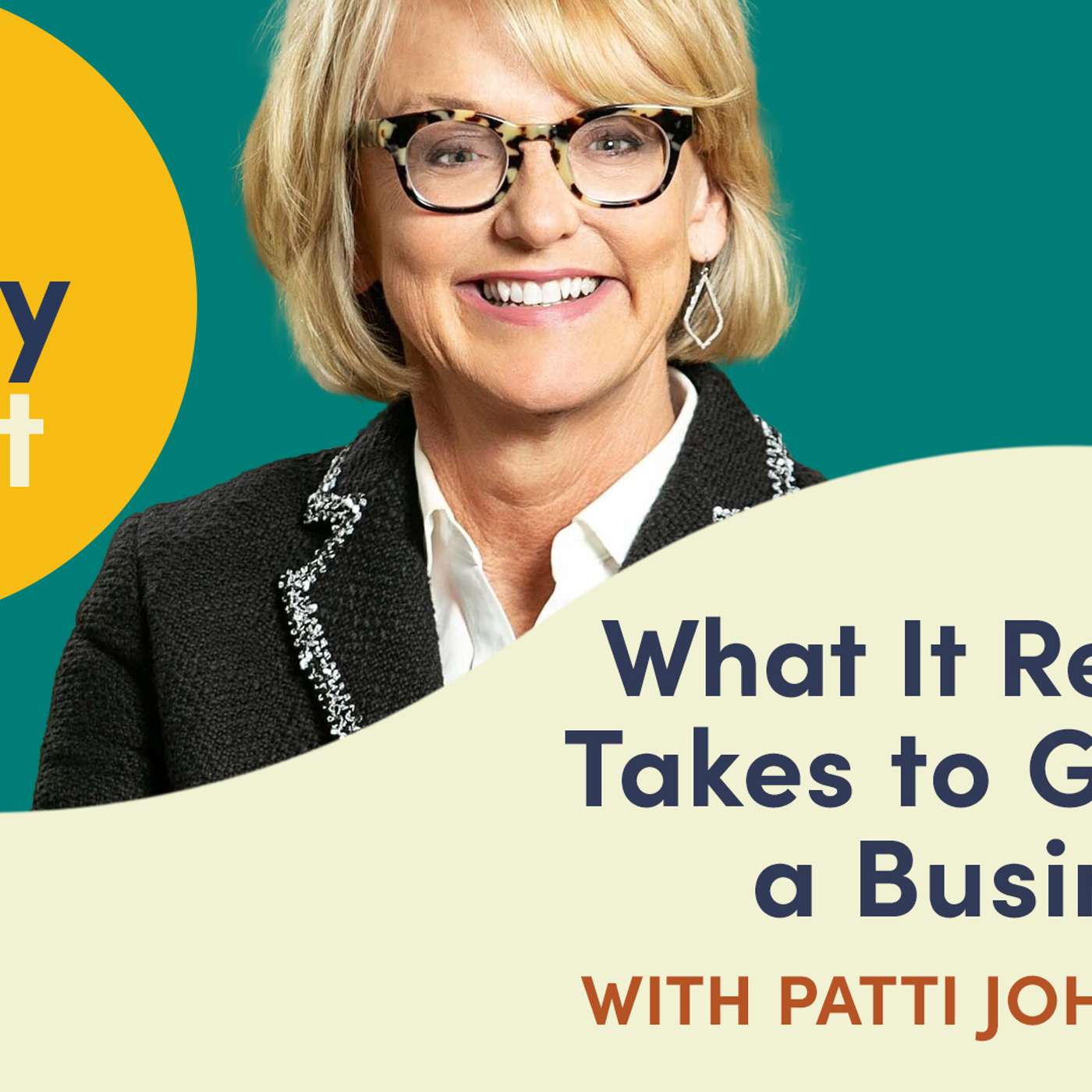
Ep 192What It Really Takes to Grow a Business with Patti Johnson
In this episode, Patti Johnson shares her path from growing up in a small town in Oklahoma to launching a successful consulting business and becoming an author. She talks about what it really takes to start and grow a business, including the importance of research, networking, and building strong relationships instead of relying on traditional sales tactics.Patti and Mark also discuss the value of developing an exit strategy early, diversifying your client base, and learning through leadership challenges. Throughout the conversation, Patti emphasizes the role of mindset, resilience, and personal growth in navigating the ups and downs of entrepreneurship. She also shares key takeaways from her book Make Waves, including how managing your thoughts can drive meaningful action and change.Key Takeaways:• Starting a business takes calculated risk, research, and strong networks.• Relationships are more effective than traditional sales tactics.• Rejection is part of the process—don’t take it personally.• A resilient, positive mindset is essential for long-term success.• Know your business model and focus on delivering real value.• Authenticity builds trust—be yourself.• Plan your exit strategy early and diversify your client base.• Growth comes from discomfort and consistent action.• Good leadership balances honesty with optimism.• Managing your thoughts can drive meaningful progress.Connect with Us:Enjoyed the episode? Be sure to subscribe, leave a review, and share it with a friend or colleague who’d find it helpful.For more insights and resources, visit TheFridayHabit.com.Connect with Patti Johnson:Learn more about Patti and her work at https://pattibjohnson.com/.Check out her book Make Waves wherever you get your books.Thanks for listening—and keep making waves.
Ep 191Open Source Revolution Empowering Business Freedom with David Young
In the ever-evolving landscape of technology, decentralization is emerging as a powerful force for change. This episode of The Friday Habit brings you a fascinating conversation with David Young, a pioneer in cloud computing and open-source technology.David shares his journey from studying ancient Greek and Latin to becoming a trailblazer in the tech industry. He offers valuable insights into the world of entrepreneurship, the importance of perseverance, and the potential of open-source solutions to reshape how we interact with technology.Key Takeaways:The evolution of cloud computing and its impact on modern businessesHow open-source technology is challenging the dominance of big tech companiesThe importance of finding your "single hill" in business and communicating it effectivelyWhy privacy and data ownership matter in today's digital landscapeThe potential of decentralized technologies to foster innovation and competitionDiscover the Power of Open SourceDavid introduces us to Federated Computer, his latest venture aimed at making open-source tools accessible to businesses of all sizes. Learn how these alternatives to popular software suites can offer enhanced privacy, flexibility, and cost-effectiveness.Entrepreneurial WisdomGain valuable insights from David's experiences:The importance of persistence in the face of rejectionWhy understanding your customer's pain points is crucial for successHow to navigate the challenges of bringing new technologies to marketA Vision for the FutureDavid paints a picture of a more decentralized technological landscape, where individuals and businesses have greater control over their digital lives. He challenges listeners to consider alternatives to the status quo and embrace the potential of open-source solutions.Whether you're a tech enthusiast, a small business owner, or simply curious about the future of technology, this episode offers a thought-provoking look at the possibilities that lie ahead.
Ep 190The Ingenious Acquisition of Instagram
In this episode of The Friday Habit, hosts Mark Labriola and Benjamin Manley engage with guests Mark Ackler and Mert Esheri, exploring the intricacies of entrepreneurship, the importance of building relationships, and the lessons learned from their experiences in the startup world. They discuss the journey from idea to execution, the significance of legacy in business, and the insights shared in their book 'Exiting Right'. In this conversation, the speakers delve into the intricacies of business acquisitions, emphasizing the importance of trust, strategic alignment, and the long-term relationships that can be built prior to a sale. They discuss the successful acquisition of Instagram by Facebook as a case study, highlighting the need for companies to understand their value proposition and the chemistry between buyers and sellers. The conversation also introduces the concept of annual exit talks to normalize discussions around potential sales, and the importance of cultivating relationships with potential acquirers over time. Key takeaways include the significance of fit, alignment, integration, and rationale in successful acquisitions, as well as actionable advice for entrepreneurs considering an exit strategy.
Ep 189Building high-performance teams
In this episode of The Friday Habit, Mark Labriola and Benjamin Manley welcome Natalie Dawson, EVP and partner at Cardone Ventures, to discuss her new book 'Teamwork' and the essential strategies for building high-performance teams. The conversation covers Natalie's journey from a failed business leader to a successful entrepreneur, the importance of team alignment, practical tools for team development, and effective hiring strategies. They also explore how to pitch ideas to a team and maintain alignment as the team grows. In this conversation, Mark Labriola II discusses the importance of effective team communication, onboarding strategies, training processes, employee termination, and compensation structures. He emphasizes the need for daily team meetings to foster a winning culture, the significance of intense onboarding to assess new hires, and the necessity of correcting issues promptly to maintain a healthy work environment. Additionally, he shares insights on how to structure compensation to motivate employees and align their goals with the company's vision. TakeawaysThe Friday Habit encourages a mindset of excitement and positivity.Building a high-performance team requires practical tools and strategies.Alignment within a team starts with clear mission and values.Failure can be a powerful teacher in leadership.Creating a culture of development is essential for growth.Effective hiring involves understanding candidates' long-term goals.Communication is key to gaining team buy-in for new ideas.Documenting processes helps in scaling a business.Team dynamics can be assessed through personality tests.Business owners should act as coaches to their team members. Implement daily all-team meetings to share wins.Onboarding should be intense to assess fit quickly.Use the Tell Me, Show Me, Let Me, Coach Me method for training.Correct issues in the moment to prevent escalation.Build a culture that encourages accountability and engagement.Incentivize employees with clear compensation structures.Foster a winning culture to improve morale.Document processes to ensure consistency in training.Encourage team members to take ownership of their roles.Align employee goals with the company's vision for growth.
Ep 188Lessons from a marketing maverick
In this episode of The Friday Habit, we welcome Eric Huberman, founder and CEO of Hawk Media. We explore Eric's entrepreneurial journey, the challenges he faced in the early stages of his career, and the strategies he employed to build a successful marketing consultancy. The conversation delves into the realities of entrepreneurship, the importance of adaptability, and the value of learning from experiences. Eric shares insights on competition, personal growth, and the significance of setting measurable goals in business. In this conversation, Mark Labriola II discusses the intricacies of managing client relationships, the importance of building a strong network in e-commerce, and the role of outsourced CMOs. He shares insights on reactive growth strategies, financial management for hiring, and the evolution of roles within a growing company. Mark emphasizes the significance of understanding purchase cycles in marketing and the need for hiring top talent to ensure success. He also reflects on the impact of COVID-19 on his business and introduces his new book, the Hawk Method, which outlines his marketing methodology.
Ep 187The Importance of Risk-Taking in Entrepreneurship
In this episode of The Friday Habit, hosts Marc Labriola and Benjamin Manley engage with Youngsoo, who transitioned from a successful career in cryptocurrency software engineering to founding Urban EDC, an eight-figure e-commerce business. Youngsoo shares his journey, emphasizing the importance of self-reflection, risk-taking, and audience engagement in entrepreneurship. He discusses the challenges he faced, including job losses and the leap to Silicon Valley, and how he built his business by understanding his interests and validating his ideas through market research. In this conversation, Mark Labriola II shares his entrepreneurial journey, emphasizing the importance of validating ideas through market testing, building trust with customers, and the necessity of financial preparation. He discusses the power of pressure and constraints in achieving success, the significance of feedback loops for continuous improvement, and the transition from being a solopreneur to leading a team. Mark also highlights the importance of strategic hiring, sourcing talent from the community, and managing multiple businesses effectively. He reflects on the need for new challenges and the organic growth of his second venture, GrowthJet, while expressing his desire to empower other entrepreneurs through education and mentorship.TakeawaysYoungsoo felt an inner drive to start a company from a young age.He transitioned from finance to tech, seeking fulfillment beyond corporate jobs.Taking risks in youth can lead to valuable life experiences.The regret minimization framework can guide decision-making.Youngsoo moved to Silicon Valley to immerse himself in the startup culture.He launched Urban EDC by reflecting on personal spending habits.Building an audience before launching a product is crucial.Validating business ideas through market research is essential.Understanding personal interests can lead to successful business ventures.Engaging with potential customers early can shape product offerings. Validate your ideas through market testing.Building relationships is key to business success.Financial preparation is crucial before starting a venture.Pressure can unlock your full potential.Feedback loops help in continuous improvement.Transitioning from solopreneur to team leader is essential for growth.Strategic hiring is important for scaling a business.Sourcing talent from your community can yield great results.Managing multiple businesses requires effective delegation.Empowering others through education is a fulfilling next step.
Ep 186The power of gratitude in personal growth
In this engaging conversation, Cole Rodgers shares his journey as an entrepreneur, life coach, and speaker dedicated to helping men reach their full potential. He discusses the importance of gratitude, navigating conflict, and the challenges he faced in his early career. Cole emphasizes the role of family and personal growth in shaping identity, and he offers valuable insights on overcoming adversity and finding purpose in life. In this conversation, Cole shares his journey of transformation, highlighting the struggles with entitlement, self-worth, and the importance of personal growth. He discusses the impact of loss and the necessity of truth in relationships, emphasizing the internal battles many face. The dialogue explores the significance of building a supportive network and the mission of the School of Man to create better men. Cole provides actionable steps for personal development, encouraging listeners to focus on their future selves and take consistent action towards their goals.TakeawaysGratitude is essential for personal growth.Navigating conflict is a skill that can be developed.Masculinity is often misunderstood and needs to be redefined.Personal experiences shape our approach to life and business.Success is a journey, not a destination.Vulnerability is a key attribute for leaders.Discipline is crucial for long-term success.It's important to connect with others before correcting them.Adversity can lead to significant personal growth.Helping others is a fulfilling mission. Entitlement can hinder personal growth and happiness.Transformational journeys often require radical changes.Loss can lead to profound realizations about what matters.Internal battles are common and must be addressed.Comparison can detract from personal joy and progress.Building a supportive network is crucial for success.Writing to your former self can clarify your journey.Action is essential for personal development.Regret often stems from inaction rather than mistakes.Living authentically is key to fulfillment.
Ep 185From Sailor to Storyteller: Hugh Howey's Journey
In this engaging conversation, Hugh Howey shares his journey from a book-loving youth to a successful author, discussing the challenges and sacrifices he faced along the way. He emphasizes the importance of passion in writing, the learning process through reading, and the unexpected success of his short story 'Wool', which transformed into a bestselling novel. Hugh also reflects on the pressures of success and the need to maintain creativity and joy in the writing process. In this engaging conversation, Hugh Howey discusses his influences in science fiction, the implications of AI on society, and the future of humanity in relation to technology. He reflects on personal choices and sacrifices made throughout his life, shares his favorite sci-fi movies, and recounts the journey of adapting his novel 'Wool' into a series for Apple TV. The discussion highlights the balance between creativity and technology, the importance of storytelling, and the evolving nature of humanity.
Ep 184Building a striving business culture
In this episode of The Friday Habit, hosts Marc Labriola and Benjamin Manley engage with Joseph Fung, a seasoned entrepreneur and CEO of Yovaro. The conversation explores Joseph's entrepreneurial journey, the importance of building a high-performing culture, and the strategies for defining, sharing, and scaling company values. Joseph emphasizes the need for intentionality in culture-building and offers practical advice for entrepreneurs looking to create a thriving work environment. The discussion also touches on the challenges of scaling culture in larger organizations and the significance of recognition and storytelling in reinforcing company values.