The Food Programme
844 episodes — Page 7 of 17
Inside the World Food Programme
Dan Saladino tells the inside story of Nobel Peace Prize winners the World Food Programme.Produced and presented by Dan Saladino.
Loving the Leftovers
Christmas is over, everyone’s eaten too much – and yet, there’s still a mountain of leftover goodies, from the turkey to the cheese board, from the veggies to the fruit cake. So how can we make the most of festive leftovers? And for that matter, leftovers at any time of year? Because this isn’t just about reducing the 4.5 million tonnes of food that UK households waste every year, it can also be a route to some seriously delicious dishes…Sheila Dillon gets creative in the kitchen while finding out more about the leftovers ethos from cook and author Melissa Hemsley, food-loving writer Bill Buford, and author and journalist Debora Robertson; along with tips for up-cycling the remainders of festive feasts from School of Wok's Jeremy Pang, Gardeners' World's Frances Tophill and BBC Food's Emily Angle.Presented by Sheila Dillon; produced by Lucy Taylor in Bristol.Pictured: BBC Food's Ultimate Festive Cheese Toastie from Sarah Cook. Find the recipe at www.bbc.co.uk/food.
Christmas Cooking: The 2020 Edit
Christmas will be different this year, but it doesn't mean it should be any less delicious.Sheila Dillon is joined by cooks who know about cooking for Christmas. She pays food writer Nigel Slater a socially distanced festive visit to talk about one of his favourite seasons in the kitchen. Baker, writer and doctor Tamal Ray, who cooked his family Christmas dinner solo for the first time in 2019, shares his learnings and gives advice for last minute Christmas desserts. Brothers and co-founders of 'Original Flava' Craig and Shaun McAnuff share memories of Christmases past and their ideas for festive party drinks. While writer Kate Young, author of "The Little Library Christmas" speaks to Sheila about making new culinary traditions and embracing the downtime the festive period can provide. And in a year where get-togethers might just look a little bit different, outdoor cook and BBQ expert Genevieve Taylor proves the cold isn't an excuse not to keep cooking al fresco and designs a full Christmas dinner for the fire. With a few days to go before the big day, and whatever's on the menu this year, The Food Programme and friends guarantee a bit of Christmas cheer.Presented by Sheila Dillon. Produced by Clare Salisbury for BBC Audio Bristol.
The Secret Life of Chocolate. Part 2: The future.
Sheila Dillon is joined by baker and chocolatier Selasi Gbormittah and chocoholic comedian Sue Perkins to celebrate the present and future of the British chocolate bar. They look to a new generation of UK bred 'Willy Wonkas', chocolate makers large and small, from South East London to West Wales. And Sheila tracks down one major chocolate player disrupting the international market with its bold designs, flavours and business model focussed on ending child slavery in cocoa production. The last of a two part chocolate special of The Food Programme.Produced by Clare Salisbury for BBC Audio Bristol.First broadcast on BBC Radio 4 in December 2020.
The Secret Life of Chocolate. Part 1: Origins
Dan Saladino explores the origins of cacao, from the bean's journey from central America to Europe and the rise of the chocolate bar.The first of a two part chocolate special of The Food Programme.Produced and presented by Dan Saladino.First broadcast on BBC Radio 4 in December 2020.
Cookbooks of 2020
Whether it's a recipe book full of mouthwatering meals, a deep dive into the science of what we eat or a collection of must-try cocktails, books about food and drink have the power to educate, entertain and enthrall - all in the comfort of your own home. And this year, that's been more important than ever!The Food Programme's presenting team - Sheila Dillon, Dan Saladino, Leyla Kazim and Jaega Wise - gather for their annual book summit, sharing their favourite titles of 2020 and hopefully giving some festive gift inspiration along the way...Plus tales from Iceland's 'Jolabokaflod' Christmas book tradition with Christopher Norris, this year's food and drink book sales chart with The Bookseller's Tom Tivnan, and a first book launch for former BBC Food and Farming Award winners, The Seafood Shack...Produced by Lucy Taylor in Bristol.Featured books include:- Spoon-fed by Tim Spector - Nose Dive by Harold McGee - Root Stem Leaf Flower by Gill Meller- Borough Market: Edible Histories by Mark Riddaway - The Rangoon Sisters: Authentic Burmese Home Cooking by Amy Chung and Emily Chung - Community Comfort: Recipes from the Diaspora compiled by Riaz Phillips- Free the Tipple by Jennifer Croll - Wine from another Galaxy: Noble Rot by Dan Keeling and Mark Andrew - How To Drink Without Drinking by Fiona Beckett - Red Sands by Caroline Eden - Oats in the North, Wheat from the South by Regula Ysewijn - Eat Like The Animals: What Nature Teaches Us About Healthy Eating by David Raubenheimer and Stephen Simpson
What’s the deal with "chlorinated chicken"?
What do we mean by chlorinated chicken? Why is it such a bad thing? What exactly are the UK standards that we’re so keen to promote and protect? To what extent can shoppers afford to prioritise animal welfare over price? And will the government keep its pledge not to undercut our food producers?Using “chlorinated chicken” as a starting point, Charlotte Smith considers the questions around a future trade deal with the US - and others - on the British food sector.She speaks to Cath Elliston from the youth-led movement BiteBack about its ‘Save Our standards’ campaign – and asks US Secretary of Agriculture Sonny Perdue why we should import US poultry.Charlotte discusses current UK poultry production standards and how we compare to other countries with Dr Siobhan Mullan from Bristol Veterinary School, and visits Gloucestershire farmer Charles Bourns, who sees a growing market for higher welfare chicken.We also hear from the Centre for Retail Research’s Professor Joshua Bamfield on consumer purchasing trends, and get more detail on our trade deal options from Emily Lydgate, a senior lecturer in law at the University of Sussex and deputy director of the UK Trade Policy Observatory.Presented by Charlotte Smith, produced by Lucy Taylor in Bristol.
Raymond Blanc: The Lost Orchard
Raymond Blanc has spent decades growing an orchard at Le Manoir. An orchard Raymond has planted with 2500 rare trees from in the hope of saving lost and endangered varieties. He explains to Dan Saladino why the orchard might end up being his greatest legacy, a story he has captured in his book, The Lost Orchard. He also selects five different apples that help tell his life story. Dr Joan Morgan, the world's leading pomologist, described as the 'Queen of Apples' helps to tell the stories of the varieties Raymond has chosen.Produced and presented by Dan Saladino.
University Challenge: How students and universities are managing meals during the pandemic
Universities have become big business in the UK in recent decades - educating around 2.3 million students, with an annual operating expenditure of over £37 billion at the last count.But since the start of this academic year, we’ve heard massively mixed reports on how universities are coping; not least, with managing food provision. In a term when COVID-19 has put new and unexpected pressures on existing frameworks the response from institutes has been hugely varied, from teams rising to the challenge and delivering innovative meal solutions, to “disgraceful profiteering". The situation's prompted student petitions, protests and even rent strikes. So what has this unprecedented clash of virus, education and money taught us about the UK’s centres of learning – and what lessons have they learned, to help things run more smoothly next year?Presented by Sheila Dillon. Produced in Bristol by Lucy Taylor.
Nadiya Hussain: A Life Through Food
It's been five years since Nadiya Hussain left the Great British Bake Off tent victorious, inspiring and instilling confidence in wannabe bakers across the UK. In that time, Nadiya has presented eight TV series and a one off documentary and written 11 books. No surprise then that as a child Nadiya was academic, loved exams and says that in everything she's done in her life since, she has always strived to be the best she can possible be.Leyla Kazim sits down for a conversation with the baker from Luton who has become one of the UK's most beloved TV cooks to ask about her teenage years, her family life and the discrimination she's faced making her way in a majority white food industry. Along with her friend and fellow baker Tan France, she reflects on the significance of her winning the Great British Bake Off all those five years ago.Presented by Leyla Kazim. Produced by Clare Salisbury for BBC Audio in Bristol.
Eat Your Way to Power: Food and Politics on the Campaign Trail
Food can tell us a lot about our politicians, at least that seems to be what we think. We love to see them eat and we obsess about what goes in their mouths. It can be a high-wire act. Do it right to prove that you are just like your voters but do it wrong and you are a slob, a phoney or a weirdo.In this week’s food programme Sheila Dillon investigates the power of public eating in political campaigning. We talk to Trump’s former communications Director Anthony 'The Mooch' Scaramucci about the president’s love of fast food and why he communicates so well through what he eats. Ed Miliband’s former advisor Ayesha Hazarika tells us why photos of him eating a bacon sandwich had measurable effect on the 2015 General Election. We also talk to James Beard winning photo journalist Gary He about his time with some of the Democratic Candidates taking photos of every single thing they ate.Presented by Sheila Dillon Produced by Sam Grist for BBC Audio in Bristol
Faith, Fasts and Feasts: The role of food in Jewish celebration
This year’s autumn run of Jewish holy days has been like no other; but even with coronavirus-related restrictions in place, food and community has remained at the heart of celebrations for Rosh Hashanah, Yom Kippur and Sukkot. Leyla Kazim hears from a socially distanced Sukkot meal in North London hosted by Rabbi Daniel Epstein and his wife Ilana - founder of the Jewish food and heritage organisation Ta'am - along with their son Jacob, and their guest: long-term friend and comedian Rachel Creeger, whose anecdotes about her family's passion for traditional dishes have played a key role in her stage act.Leyla also receives a festival food diary from Rabbi Dovid Lewis and his family in Manchester; chats to singer-songwriter Jessie Ware and her mum Lennie about how they brought Jewish food culture to the table in their Table Manners podcast and new cookbook; and gets some insight into how traditional fare is getting healthier with food writer Judi Rose.Through stories of food, family and feasting, Leyla discovers how Jewish communities in the UK are adapting festivities to the current climate, and the modern world.Produced in Bristol by Lucy Taylor.
English Pastoral: James Rebanks on the future of food.
Dan Saladino visits shepherd and writer James Rebanks whose farm in Cumbria spans three generations. What does can that history teach us about where food and farming go next?In his latest book English Pastoral: An Inheritance James Rebanks provides an insiders account of the seismic changes to farming from the 1960s to the present day. Farming became brilliantly productive, he argues , but ecologically destructive. He explains how Cumbria's landscape was transformed by more intensive agriculture, and what we can do now to bring life back to the soil, to natural habitats and still the produce the food we need.Produced and presented by Dan Saladino.
Taking the Biscuit: How a long-life ration became the quintessential British comfort food
Biscuits aren’t just a classic accompaniment to a cuppa: they’re also somehow an edible comforter - very often providing a link to childhood, to family, to happy memories. And of course, giving that all-important sugary pick-me-up. All of which goes some way towards explaining why, over just one month of lockdown, the UK spent an extra £19 million on biscuits, according to market research firm Kantar; and why baking biscuits helped keep so many of us sane during what's been a tough year.But there is more to the humble biscuit than comfort. This is a food that helped shape wartime rations, that was front and centre of Britain's factory revolution, that formed the basis for an industry that employed thousands and shaped neighbourhoods - and today, remains a key component of the UK's food manufacturing and trade sectors.So what's the secret to their success? Sheila Dillon finds out.Produced by Lucy Taylor for BBC Audio in Bristol.
Wheat Revolutions
Dan Saladino tells the story of wheat from the domestication of wild grasses in the Neolithic Revolution through to the controversial Green Revolution of the 20th century.
Kitchen obsessives: Why aim to cook the perfect dish?
March 2020. Supermarket shelves were bare, restaurants and takeaways were closed, schools and workplaces closed. Perhaps it's no surprise then that all around the world, people started getting creative in the kitchen. But as Leyla Kazim finds in this programme, some cooks took lockdown cooking to a whole new level.Warwickshire cook Dan Fell made headlines for sharing his 'perfect' fried chicken recipe after spending 18 months testing it. In New York, journalist and chef Bill Buford became obsessed with cooking the perfect roast chicken. And journalist Kate Ng spent her days emulating the perfect crimps on her Grandmother's curry puffs. It seemed we'd become culinary perfectionists in our own kitchens.For Leyla Kazim, lockdown was all about baking the perfect sourdough loaf. In this programme she wants asks why so many of us became obsessed with creating the perfect meal, and what the quest for perfecting a dish says about us. She speaks to long standing recipe obsessives food writer Felicity Cloake and 'obsessional' Youtube cook Alex.Presented by Leyla Kazim. Produced by Clare Salisbury for BBC Audio in Bristol.
The Ice Cream Van: A Celebration.
Dan Saladino and his dad Bobo (a former ice-cream man) talk Mr Whippy, 99s and Screwballs. Together Dan and Bobo (who also used to work in restaurants) have explored the wonders of pizza, and looked at the rise of 'Spag Bol,' Now they turn their attention to the history, science and magic of ice-cream on wheels.Featuring John Dickie (author of Delizia and The Craft) and Polly Russell (British Library) on the history of ice cream.Graphic novelist Matthew Dooley (who drew the image for this edition) talks about his book Flake, a drama set in the world of ice-cream vans.Produced and presented by Dan Saladino.
A different kind of S.W.A.T team: Food in Lockdown
In 2019, Romy Gill met Randeep Singh, CEO of NishkamSWAT (Sikh Welfare & Awareness Team). 10 years previous, Randeep and his colleagues had a moment of realisation. More than 200 people in their immediate local community were living without a home. They were hidden from normal life, living beneath bridges or in refuse collection rooms. Together, they decided they could do something to help them, and they begun a project cooking hot meals and sourcing food donations. But they didn't stop there. NishkamSWAT was only in it's infancy. More than a decade on, Randeep and his central team now co-ordinate a fleet of vans, and more than 1000 volunteers, who gather several times a week to provide food and drinks, health services and support at locations across the country and the world. The project comes from the Sikh concept of 'Langar', a volunteer run kitchen found in Sikh temples, and inspired by the message of Guru Nanak. But this is food for anyone who needs it.Then in March 2020, Covid-19 struck and the UK went into lockdown. Suddenly the number of people out on the streets increased, with many people who'd been working in hospitality suddenly out of work. So how have Randeep and his 'different kind of SWAT team' managed to keep running the food service which so many have come to rely on? In this programme, we hear Romy Gill cooking with volunteers, and serving people in central London last year. And Randeep tells how his team have managed to keep their food service going under challenging circumstances. Romy also speaks to chef Ravinder Bhogal of Jikoni restaurant, one of the chefs inspired to help.Presented by Sheila Dillon with Romy Gill. Produced by Clare Salisbury.A BBC Audio Bristol production for Radio 4
Sitopia - a land with food at its centre
Prime Minister Carolyn Steel joins Sheila Dillon for this special edition of The Food Programme from the year 2030. Sheila discusses the prime minister’s rise to power after Britain saw food shortages and riots in the 2020s and what it is like to now live in Sitopia - a land with food at the centre of everyone’s lives. After meeting the prime minister in the Rose Garden, which is now a bounteous vegetable garden, Ms Steel and Sheila take a walk around London to see the radical changes to the country. She meets Chris Young from the Real Bread Campaign to hear about how the banning of industrial bread has created thousands of jobs in bakeries. Sheila holograms with Stephen Ritz, founder of The Green Bronx Machine, to hear how his pioneering work inspired the prime minister to turn school playing fields into gardens and classrooms into kitchens. And they speak with ‘agriwilding’ farmer Rebecca Hosking to see how nature and farming now coexist. Back in the Rose Garden Sheila interviews the Chancellor of the Exchequer, Patrick Holden - who in 2020 was the chief executive of The Sustainable Food Trust - to question him on how Britain can afford to live in Sitopia without a substantial raise in taxes. Prime Minister Steel explains how the Good Food Revolution all began after her book ‘Sitopia: How Food Can Save the World’ was published in 2020. Presenter: Sheila Dillon Producer: Emma Weatherill
Plate of the Nation
This year has already been a big one for food-related events and announcements - from the impact of Covid-19 and panic buying stripping supermarket shelves, to high-profile campaigns around school holiday hunger, to the government's plan to tackle obesity, to the recent launch of Part One of the National Food Strategy.So what does all this mean for the UK's food future?Sheila Dillon is joined by industry experts, to discuss how our food system could and should change in future, and answer questions from listeners and special guests about what those changes might mean and involve.The panellists are Helen Munday, chief scientific officer for the Food and Drink Federation and President of the Institute of Food Science and Technology; Dee Woods, a food educator, co-founder of Granville Community Kitchen and member of the Food Ethics Council; and Chris Elliott, Professor of food safety at Queen's University Belfast and founder of the Institute for Global Food Security. Sheila also speaks to Henry Dimbleby, author of the National Food Strategy, about the first instalment.Produced for BBC Audio in Bristol by Lucy Taylor.
Food and the legacy of slavery
Jaega Wise and Dan Saladino investigate the hidden story of slavery in our food. Between the 17th century and into the 19th, twelve million enslaved Africans were transported to the Caribbean and into the rest of the Americas. Their work transformed industries, including tobacco and cotton, but it was their agricultural labour that made the biggest impact on the world. The modern food system as we know it would not exist without the centuries of the brutal slavery put in place by European powers. The food we eat today, our palates and even the shapes of our bodies, are all a part of the legacy of slavery. And the biggest commodity of all was sugar. Jaega and Dan tell this story with the help of James Walvin, a writer and academic who has spent fifty years researching the role of slavery in making the modern world. Walvin argues that we still haven't acknowledged this fact, and to move forward we will need to come to terms with this history. The most tangible part of lives is in what we eat and drink; tea, coffee, chocolate, all were ingredients made possible with slavery and all were bitter products made palatable with the sugar of slavery. Dan also speaks to Michael Twitty, author of the Cooking Gene, and as an African-American cook, someone who has recreated the lives of enslaved people working in kitchens on plantations. Produced by Dan Saladino.Photo by Johnathan M. Lewis
How Consumers Saved Our Cheese
Many UK cheese makers depend on supplying restaurants and hospitality. They faced ruin when lockdown struck but were saved by consumers buying tonnes of cheese in just a few weeks.In this programme, Sheila Dillon meets those behind the campaign that saved British cheese makers, as well as those who benefited. She finds out why cheese is more than just a delicious treat, and asks 'what now' for the industry.A BBC Audio production, presented by Sheila Dillon and produced in Bristol by Heather Simons.
Return of the Restaurant?
Slowly but surely, restaurants are emerging from the coronavirus lockdown, introducing us to a new world of dining out, with added hygiene and distancing measures. But some outlets aren’t able to open safely yet - some may never open again. And although small, independent outlets might seem like the most obvious victims of this crisis, no business is immune to the effects of Covid-19; as we've seen from the slew of recent closures announced by established high-street brands.There has been government support for hospitality businesses in the shape of grants, for those who can access them; the staff furlough scheme; the dine-in VAT cut; and the new ‘Eat Out To Help Out’ meal discount scheme that launches this month. But with the situation still precarious, will it be enough?Today, Sheila Dillon finds out how Britain’s £130-billion hospitality industry is managing its post-lockdown come-back.We hear from Tanya Gold, food critic for The Spectator Magazine, on the reality of distanced dining; Mark Lewis from the benevolent charity Hospitality Action discusses the influx of requests for support they've seen in recent months; and Vernon Mascarenhas from fruit and veg supplier Nature's Choice talks about how the pandemic has permanently changed the supply sector.We also follow the fortunes of the north London Nigerian tapas restaurant Chuku’s, as sibling founders Ifeyinwa and Emeka Frederick gear up to the big reopening.A BBC Audio production presented by Sheila Dillon and produced in Bristol by Lucy Taylor.
Julian Metcalfe: A Life Through Food
Slowly, the hospitality industry is easing itself out of lockdown: but the sector has been hard hit - particularly those high-street outlets seen in towns and cities across the country, offering quick lunch options for a legion of office workers who are no longer around...In a sector that was already struggling, with slow business hitting chains such as Jamie's Italian and burger brand Byron, what will it take for these brands to not only survive coronavirus, but thrive long term?Who better to ask than a man who's been instrumental in shaping the nation's high-street fast food offerings: Julian Metcalfe.Sheila Dillon speaks to the co-founder of international food retailer Pret A Manger about entrepreneurship, his on Asian-inspired brand itsu, staying creative during lockdown - and what he sees as his mission to offer healthy, affordable fast food on the high street.Presented by Sheila Dillon, produced by Lucy Taylor.
Food and Mood: how eating affects your mental health
One silver lining of lockdown is that it has brought talk of mental health, particularly depression, into the general conversation. And what is becoming increasingly evident is the role that food has in warding off depression and anxiety.Professor Felice Jacka is the leading expert in the link between mental health and nutrition and is the president of the International Society for Nutritional Psychiatry Research. She discusses the wealth of research which demonstrates the link between diet and the growth of the hippocampus.Many people found that cooking helped boost their mood in lockdown - evident from the shortages of baking ingredients on our shelves. Writer and comedian Katy Brand tells Sheila that she finds cooking gives her a sense of control and helps alleviate stress.Kimberley Wilson is unusual among chartered psychologists because she also holds a masters degree in nutrition. When her clients come to her with depression and anxiety one of the first things she does is talk to them about what they eat. She thinks that although we have readily accepted the idea that we need to eat good food to look after other organs in our body, we are reluctant to see the connection to our brain’s health.So if food is proved to be central to improving our mental health, how come GPs are unlikely to talk to you about it? Sheila talks to Dr Rupy Aujla, from the Doctor’s Kitchen, about why good nutrition is too often overlooked in the medical profession.And Romy Gill discusses mental health struggles with fellow chefs Ellis Barrie and Anna Haugh. Chefs spend all day cooking for other people but all too often fail to feed themselves good food. In lockdown chefs have had a moment to reflect on the pressure of a professional kitchen and the impact this has on their mental health.Presented by Sheila Dillon Produced by Emma Weatherill
Child Food Poverty: What next after the Government's U-turn on Free School Meals?
Last month, footballer Marcus Rashford wrote an open letter to MPs calling for them to continue funding free schools meals during the summer holidays. He called for support to a petition started by teenage campaigner Christina Adane, and within hours, the Government responded. All children eligible for free school meals in term time in England would benefit from the ‘Covid summer food fund’. Scotland, Wales and Northern Ireland would also continue with voucher programmes. But funding would stop, Boris Johnson confirmed, after the summer.So what then? In this programme, Sheila Dillon is joined by two young campaigners on child food poverty Jani Clarke and Shane Robinson who've been hearing from young people across the UK with first-hand experiences of food poverty in their communities. They explain how the Covid-19 pandemic has affected home life and access to nutritious food. And why they are working with food campaigning charity The Food Foundation to demand more action from the UK government in their updated Right2Food charter. Sheila also asks actor and campaigner Dame Emma Thompson on why she's calling for the Government to listen to these young people.Deputy Mayor of London for Social Integration, Social Mobility and Community Engagement Debbie Weekes-Bernard explains how the pandemic has affected opportunities for families living in food poverty, and journalist Louise Tickle describes the potential long term impact on children’s' access to education and opportunities should food poverty figures rise in the UK. Presented by Sheila Dillon Produced in Bristol by Clare Salisbury
Is it harder to make it in the food industry if you’re black?
The Black Farmer thinks we’re at another #MeToo moment in world history following the death of George Floyd and the protests and discussions about racism it has sparked. For presenter Jaega Wise, it’s the first time in her life she has experienced race being talked about so frankly across society. She talks to three people who have been at the forefront of the conversation: Melissa Thompson who runs the food and recipe project Foulmouths, Wilfred Emmanuel-Jones who runs the brand The Black Farmer, and Riaz Phillips - author of Belly Full, a book about Britain’s Caribbean food. All three have spoken out about diversity in the food media, hospitality and the supply chain in the last few weeks and Jaega hears their experiences and opinions on being black in Britain’s food industry.Presenter: Jaega WiseProducer: Tom BonnettPicture courtesy of Samer Moukarzel
Rethink: The Food Dimension.
As part of the BBC's Rethink series Dan Saladino asks how we can create a better food future for all in a post-Covid world. Among a cast of experts and activists offering their visions of the future are Microbiome expert and geneticist Professor Tim Spector focuses on diet, nutrition and the lessons learnt during the pandemic. Community cook Dee Woods addresses concerns over poverty and how disadvantaged communities can get better access to food. Produced by Dan Saladino.
Why The Corner Shop Has Come Into Its Own
Remember March? Before the UK lockdown. Remember desolate supermarket shelves? Toilet rolls, eggs, flour nowhere to be found? Where did you turn? Chances are you may have hit the jackpot in your local corner shop.Sales in corner shops and independent grocers were up by 63 per cent in the three months to May according to industry analysts Kantar. For many small grocery shops, business has never been better. But as Sheila Dillon finds out, that's gone hand in hand with exceptionally long hours, miles and miles driven to cash & carries, finding new local suppliers, entrepreneurial social distancing solutions, and alot of community support.In this programme Sheila checks in with the people running corner shops across the country, and with their customers. She hears from Caroline Craig and Sophie Missing, whose local shops inspired them to write 'The Cornershop Cookbook'. And Babita Sharma, author of 'The Corner Shop: The True Story of the Little Shops - and Shopkeepers - Keeping Britain Going' talks about her experience of growing up 'behind the counter'.Presented by Sheila Dillon. Produced in Bristol by Clare Salisbury.
Seed Stories from the Lockdown
Dan Saladino meets some of the people who turned to seeds and grew food in the lockdown. As well as supermarket panic buying, seed sellers also saw huge spikes in sales. Seed producer David Price describes how, as lockdown approached, orders from customers increased by around 600 per cent. The impact Covid-19 has on food supplies explains some of this. Many farmers who supplied restaurants had to quickly start growing different types of food which they could sell into markets that hadn’t been shut down. Veg box schemes were also seeing unbelievable levels of demand and needed access to more seed to ensure future supplies. Lockdown also meant that people gardens were spending more time in them and perhaps experimenting by planting seeds to grow food for the first time. Seed producers became aware that many customers were being motivated by a desire to become more self-sufficient and escape the growing supermarket queues.With the help of gardener and writer Alys Fowler Dan finds out more about our changing relationship with seeds and the power and autonomy seed saving provides. Phil Howard, Associate Professor at Michigan State University explains how the global supply of seed now rests in a small number of corporate hands. In Bristol, Dan meets people who are striving for a new form of food independence during the pandemic, and beginning to grow their own. Another seed producer Fred Groom of Vital Seeds argues that more of us should be saving seeds, growing food and helping to save diversity. He's setting up an online course this summer as a way of recovering some of these lost skills (to find out more go to https://vitalseeds.co.uk/.For decades, helping to keep the seed saving flame alive in gardens and allotments have been various communities around the UK who have continued to rely on them for fresh food. Among them are people who arrived from the Caribbean in the 1950s. Dan meets two inspirational Jamaican growers, Mr Brown and Leon Walker, both are evangelical about the power of seeds to shape our lives. Produced and presented by Dan Saladino.
How food on film is the secret ingredient to storytelling
Leyla Kazim meets Bend it like Beckham director Gurinder Chadha, OBE to hear how she uses food to bring her films to life and hears from Nathalie Morris of the British Film Institute about how breakfasts and arguments over butter tell the story in Phantom Thread.With all this food on screen, inevitably we’re left wanting to eat it. Leyla discovers the people painstakingly recreating recipes like writers Olivia Potts and Kate Young with their TV dinners and the YouTube phenomenon Binging with Babish, who gets millions of views for revealing how to make dishes from TV and film’s biggest hits - like the ram-don noodles from Oscar-winning film Parasite.Featuring clips from:Bend it Like Beckham, directed by Gurinder Chadha and written by Gurinder Chadha, Guljit Bindra and Paul Mayeda Berges with production companies Kintop Pictures, Bend It Films, Roc Media, Road Movies, FilmproduktionWhat’s Cooking? Directed by Gurinder Chadha and written by Gurinder Chadha and Paul Mayeda Berges for BeCause Entertainment GroupPhantom Thread, written and directed by Paul Thomas Anderson for Production companies Annapurna Pictures, Ghoulardi Film Company and Perfect World Pictures.Binging with Babish: Ram-Don from Parasite – produced and presented by Andrew ReaYouTube channel Maangchi video ‘Jjapaguri with steak (aka "Ram-don" from the movie Parasite)’American Beauty, directed by Sam Mendes, written by Alan Ball and produced by Jinks / Cohen Company Presenter: Leyla Kazim Producer: Tom Bonnett
Why Eat Wild Meat?
Dan Saladino looks at the legal and illegal global trade in wild meat. After links have been made between the Covid-19 pandemic and wild animal populations, there have been calls for a complete ban on the hunting, trade and consumption of wild animals. As Dan explains, this would be a mistake and could even lead to greater risks to human health and livelihoods.Most food cultures still feature wild animals, from deer, rabbit and game birds in northern Europe, to cane rats, porcupine and antelope in Africa. Much of this is legal and sustainable, however, in an increasingly globalised world, a parallel and unsustainable illegal trade has been flourishing. Because of its illicit nature hard figures are hard to come by, but the illegal wild animal business is put at around $10bn a year; below the gun and drugs trade but on a par with international people trafficking.Current thinking is that the Covid-19 outbreak originated at a so called 'wet market' in Wuhan in China; the virus is believed to have spread from bats, through other wild or domesticated animals packed together in a market and then passed onto humans. Because of this scenario, there have been calls from health professionals and politicians for a complete ban on the wild meat trade. Everyone agrees that the wild animal markets need to be reformed and current bans on the illegal trade should be enforced. However as Dan hears from EJ Milner-Gulland, Professor of Biodiversity, University of Oxford, who has spent thirty years working on animal conservation, this blanket approach is far too simplistic and could create more harm than good. There are communities around the world still dependent on wild animals for their food security and economic well being. A blanket ban would do serious harm to many already vulnerable populations. Professor Milner-Gulland also explains that there is blurring between wild animals used as food and those used as medicine, which has created a complex supply chain that also blurs the legal status of these animals. What we also need to be focusing on, she argues, is the impact of our own industrial food system on biodiversity and future risks of pandemic. This is a point echoed by Professor Andrew Cunningham, an expert in animal diseases at ZSL. He also explains the long history of zoonotic diseases such as measles, small pox and mumps as they jumped from animals to humans, in some cases thousands of years ago, and then moved around the world as humans travelled and traded. The Chinese food expert Fuchsia Dunlop explains that although the wild meat trade is a big issues in China, live animals have been disappearing from markets in towns and cities in recent decades as the country modernises.To provide an insight into how important wild animals are to the identities and food security of some cultures Dan Saladino speaks with Alyssa Crittenden, based at the University of the Nevada, Las Vegas, an expert on one of the world's last remaining hunter gatherers, the Hadza. Nature, their environment, including wild animals and their meat, are essential to the survival of the Hadza in their remote part of TanzaniaProduced and presented by Dan Saladino.
Last Orders: Does coronavirus spell boom or bust for Britain’s drinks sector?
Alcoholic drinks are not just big business in Britain - they are an essentially social business.Whether it's hitting your local with colleagues after work, raising a reception toast to newly-weds or selecting a favourite bottle to accompany dinner at a special restaurant, those traditional opportunities to buy and sell alcohol have been all but wiped out under lockdown. As Jaega Wise discovers, pubs, bars, restaurants and the drinks producers who supply them have been some of the hardest hit by virus control measures. But at the same time, alcohol sales have soared in recent weeks: retailers have enjoyed a boom in online orders, as have the producers and venues who've been able to adapt and target this new, stay-at-home market. So what does this mean for the British drinks sector in the longer term - and, once we're allowed to meet mates down the pub again, just how significantly will the UK's social landscape have changed?Presented by Jaega Wise, produced in Bristol by Lucy Taylor.
Joe Wicks: A Life Through Food, through lockdown
When Joe Wicks, the personal trainer, started making Instagram videos in his kitchen in 2014, he couldn't have imagined he'd become author of the second biggest selling UK cookbook of all time. He built a social media brand with millions of followers, nay disciples, on Instagram and YouTube who came for the quick healthy recipes and online fitness workouts.And then, just as he was about to embark on a tour of UK primary schools, the Coronavirus pandemic swept the world and the UK. We were told to stay at home. Schools closed. Overnight, Joe came up with an idea. What if he could keep P.E lessons running from people's front rooms?In this programme Sheila catches up with 'The Body Coach' to hear how the huge spotlight on him during lockdown has affected him and his family. And there's a chance to listen again to what happened when Sheila and Joe cooked together in 2019.Presented by Sheila Dillon. Produced by Clare Salisbury.
The Kitchen Front: How wartime food strategies influenced our eating ethos
Making do, digging for victory, the hedgerow harvest, the garden front: food and farming was front and centre during the Second World War, with hearty phrases like these encouraging the population to pull together and do their bit for the national diet.Now, 75 years after Victory in Europe was declared, we’re hearing similar language in political speeches and across the media, as we “wage war” against coronavirus, in a country under lockdown.The rhetoric might be extreme – but as Sheila Dillon discovers, there are lessons to be learnt from the wartime eating ethos; particularly in this current climate of store-cupboard cooking, making do and reducing food waste.In fact, the war years marked a period when British diets and health actually improved. They also paved the way for agriculture’s Green Revolution, the expansion of processed and industrially produced edibles, and the drive towards cheap and plentiful food for all.As the UK marks a VE Day anniversary like no other, Sheila Dillon hears how the food legacy of WWII has influenced our modern diets - and considers what lessons we could still learn from the wartime eating ethos.Presented by Sheila Dillon; produced in Bristol by Lucy Taylor.
Sheffield: A story of a city through its food
Leyla Kazim finds the independent spirit of Sheffield’s self-employed ‘little mesters’, who once combined to power the city’s steel industry, is now being channelled into new models for how food and drink can shape the future of cities. To guide her through the city’s story, artist Pete McKee and musician Richard Hawley tell Leyla what food was like in Sheffield when they were growing up, what’s changed and how a bottle of table sauce called Henderson’s Relish has become iconic. She has pie, chips and peas and a few drops of ‘the black stuff’ with Kane Yeardley who runs pubs and bars in the city, roasts coffee and brews beer with his company True North. Jules Gray from Hop Hideout bottle shop talks about striking out to move to run a bar, Matt Bigland who owns the city’s Cutlery Works food hall talks about the regeneration happening north of the city centre and Professor Vanessa Toulmin and Tim Nye sit down for a coffee at Marmadukes café near the famous Crucible Theatre to explain why the future of Sheffield’s independents could be opening up in the heart of the city. Presenter: Leyla Kazim Producer: Tom Bonnett Picture: Meat 'N' Tater Pie by Pete McKee
Bonus Podcast: More from Sheffield's Pete McKee and Richard Hawley
Hear an extended version of the interview with artist Pete McKee and musician Richard Hawley from the programme Sheffield: A Story of a City Through It's Food. Picture: Meat 'N' Tater by Pete McKee
Covid-19: The Food Waste Dimension.
Dan Saladino investigates how the coronavirus crisis has not only resulted in vast amounts of food being wasted but also saved and redirected to feed people in need.The global food system has been exposed to levels of disruption not seen since World War II. According to Andre Laperriere, of the Global Open Data for Agriculture and Nutrition (GODAN) Covid-19 has led to levels of food waste in developed economies increasing from around 30 per cent to 40 per cent of everything that's produced, distributed and consumed. Many farmers in Europe and north America have been unable to harvest their crops, supplies of food inside restaurants have been left uneaten and dairy farmers have had to dispose of millions of litres of milk. However, Covid-19 is also leading many people to rethink supply chains, reinvent national food systems and innovate. Dan hears about some of these ideas now being put into practice. He finds out how 'Disco Soups', online events that are taking place around the world combining cooking, music and dance is saving tonnes of food going to waste (and providing fun and social interaction). Meanwhile, specialist cheesemakers around the UK are exploring new ways of selling their cheese after restaurants, pubs and cafes were closed for the lockdown. One solution is a forthcoming British Cheese Weekender. This free online event will see cheese makers and experts present tastings and tutorials. The nation is being encouraged to buy cheese from small scale producers and eat along. This way it's hoped hundreds of cheesemakers at risk of going out of business can be saved. Dan also speaks to Tristram Stuart, the food campaigner and author of Waste: Uncovering The Global Food Scandal, about his efforts over two decades to stop good food being wasted and hears how some of the ideas and networks created during that time could provide answers to how we can create a more sustainable food system in the post Covid-19 world. Produced and presented by Dan Saladino.For more information on the British Cheese Weekender go to the Academy of Cheese website: https://academyofcheese.org/british-cheese-weekender/ and for information on setting up your own Disco Soup find out more from the Slow Food Youth Network: https://www.slowfood.com/what-we-do/international-events/world-disco-soup-day/ and look for the Step-by-Step guide.
Love In The Time Of Corona: Stories of community support through food
Every day, with the UK on 'lock-down' as part of government measures to halt the spread of Covid-19, we're hearing inspirational tales of community groups and volunteer services springing up to help others - very often, through food. Over the course of this programme, Sheila Dillon and Dan Saladino - chatting remotely from their respective lock-down locations - hear from just a small selection of the incredible community efforts going on across the country, supporting the most vulnerable during the outbreak: from delivering essentials to the ill and the elderly, confined to their homes; to providing meals for hospital staff working long shifts in Intensive Care Units; to supporting children missing out on their regular free school dinners.This episode is not only a recognition of the ingenious solutions being found - but also looks at how these local strategies, developed in response to a national crisis, could help change our food system for the better in future.Presented by Sheila Dillon and Dan Saladino, and produced in Bristol by Lucy Taylor.
Takeaway transformed: Inside the food delivery revolution
Stepping into a 'dark kitchen', Sheila Dillon explores why takeaway apps are changing food culture and explores how delivery is offering a lifeline under lockdown and diversifying to help people in need. She hears stories from restaurants turning to delivery to stay in business and the people dropping groceries at people's doors and getting food to those who don't have a home. Presenter: Sheila Dillon Producer: Tom Bonnett
05/04/2020
In a special programme - recorded online from self-isolation - Sheila Dillon explores the new art of cooking in lockdown. As we all get used to spending more time at home, what better opportunity for an expedition into our kitchen cupboards? What lurks at the back behind the mountains of stockpiled pasta and tinned tomatoes? And how to feel confident using only the absolute basics - from a tin of beans to a bag of flour. Sheila masters Skype, Zoom and WhatsApp to join some of our favourite chefs and home cooks in their own kitchens, to see how they're passing the time in quarantine.Mary Berry is keeping herself busy with gardening and jigsaws. Baker Richard Bertinet is getting used to making loaves at home after closing his beloved cookery school (luckily, he's got plenty of flour to keep him going). Food writer Felicity Cloake is taking the opportunity to sort out her freezer - and makes a dramatic discovery. And author Lola Milne is embracing the creepily perfect timing of her new book, 'Take One Tin: 80 delicious meals from the storecupboard'.Sheila talks to Dr Rupy Aujla about the importance of maintaining a healthy diet during this challenging time. And we share recipes from the kitchens of Britain as Food Programme listeners send in tips for simple, back-of-the-cupboard cuisine.Presented by Sheila Dillon and produced by Anna Jones.
Eating After Cancer: Can rebuilding relationships with food help cancer patients with their recovery?
One of the unexpected side-effects of dealing with cancer can be how it impacts relationships with food and eating.The various treatments can take away both appetite, and the ability to eat and enjoy food - which has a knock-on effect on the patient's health, social life and wider wellbeing...Sheila Dillon knows this better than most: eight years ago, she was diagnosed with a type of blood cancer called multiple myeloma, and has experienced firsthand what it's like to lose the ability to enjoy a good meal, because of illness.This is an issue that hasn’t always been given due attention, by medics or patients – but a shift is underway: there’s growing recognition that people with cancer not only need nutritious food, but also that the pleasure of eating can actually aid their wellbeing and recovery.Under self-isolation in the coronavirus outbreak because of her 'immuno-compromised’ status from being on maintenance chemo, Sheila delves into the stories of people recovering from or living with cancer, who have been forced to readdress their relationship with what and how they eat; as well as the researchers and cooks pioneering new, food-based solutions.Presented by Sheila Dillon and produced in Bristol by Lucy Taylor.
Coronavirus and Food: Your Questions Answered
As the government updates its plans for coronavirus, Dan Saladino answers your food questions.
Covid-19: The Food Dimension.
Dan Saladino tracks the origins and impact of coronavirus within the global food supply chain. Where are pressures being felt and who's making decisions about feeding Britain? The spead of Covid-19 around the world isn't just proving to be a challenge for public health and economies, it is also proving to be one of the biggest tests faced by the global food system.With around fifty per cent of the UK's food supplies coming from overseas and our dependence on a complex and interconnected food system Dan investigates where the pressures are being exerted and how the government and retailers are responding. Concerns are growing for food banks, charities dependent on surplus food and the most vulnerable in society.Dan also hears from people who have had to feed themselves during the lockdowns in China and Italy. He also speaks to Professor Andrew Cunningham, an expert in zoonotic diseases, about the origins of coronavirus within the food supply chain.Produced and presented by Dan Saladino.
Is the Pasty Really Cornish?
In the week that Cornish people celebrated their Patron Saint St Piran, Dr Polly Russell & Sheila Dillon ask why the pasty remains an emblem of Cornishness for people around the world. There would have been a time when pasties were eaten all over the UK, but the PGI protected Cornish pasty has persevered in Cornwall. Today the Cornish Pasty Association estimate that on it's own, production of Cornish pasties is worth around 20 per cent of the value of the county's food and drink industry. In this programme we hear what the pasty means to people in Cornwall, and all over the world; Because when Cornish miners emigrated away from the UK in the 19th century, they took their pasties with them. At 2020's World Pasty Championships, we meet pasty makers from as far as the USA, Argentina, Jamaica, and closer, from Kent, Sheffield and Bristol. We hear from Bridget Galsworthy de Estavillo, who has helped to reconnect Mexican paste (pasty) makers with their Cornish heritage in the mountain communities of Hidalgo. And we ask what the Cornish pasty says about a new generation's sense of regional/national identity.Presented by Sheila Dillon. Produced in Bristol by Clare Salisbury.
Lights, Camera, Reaction: Life after Great British Bake Off with David Atherton
What's it like becoming a celebrity overnight? Bake Off Winner David Atherton talks fame, food and post-GBBO freak outs with presenter Leyla Kazim and shares stories and gets some advice from Masterchef winner and Wahaca co-founder Thomasina Miers.
A Tale of Two Fish: Salmon, the wild and farmed
Dan Saladino investigates the possible extinction of wild Atlantic salmon within 20 years. Dan travels from the River Spey on Scotland's east coast to fish farms in the west in order to plot the decline of one species, the wild salmon, and the rise of another, farmed salmon.From a population that was close to ten million, wild Atlantic Salmon numbers are now down to below two million. It's cousins further south, the wild Pacific Salmon hasn't seen declines of anything close to this.The author of the ground breaking food books on Salt and Cod, Mark Kurlansky has now turned his attention to the decline of the wild salmon and tells Dan some of the factors that are causing the crisis, from the pollution and dam building in the 19th century, to overfishing on the 20th and the effects of climate change on the oceans in the 21st century. Because the fish goes from being a freshwater fish to becoming an ocean going one, salmon provides, Kurlansky argues, the perfect barometer for how we how humans are treating our our planet, both the land and the oceans.Mark Bilsby of the Atlantic Salmon Trust adds his concerns about the impact the salmon farming industry is having on the wild fish population, from the huge numbers of sea lice that can radiate out from farm pens, containing thousands of fish, out the sea, infecting wild salmon. Escaped fish are also a problem he says. Earlier this year, more than seventy thousand farmed salmon escaped from one pen because of storm damage, Bilsby says events such as these are resulting in a weakening of the salmon's gene pool as the domesticated (and genetically different) farmed fish is now breeding with the wild species.Rory Campbell and Ian Roberts of Mowi, the world's biggest producer of farmed salmon explain the changes they are making in order to make their industry more sustainable and how schemes such as the Aquaculture Stewardship Council are helping to bring lice levels down and improve welfare standards.Produced and presented by Dan Saladino.
What Is Making My Child Fat? Part 2: The Debate and Your Questions.
When Professor Dame Sally Davies left her role as Chief Medical Officer for England in Autumn 2019, she didn't go quietly. Instead, she published a strongly titled, independent, 96 page report 'Time To Solve Childhood Obesity'."The Government ambition" she wrote "is to halve childhood obesity by 2030 – in England, we are nowhere near achieving this. Yet, if we are bold, we can."What followed were a plethora of recommendations for Government bodies, local authorities, schools, researchers, the NHS, the private sector and more.In the second of two programmes, Sheila Dillon invites an expert panel into the studio to discuss the issues, possible solutions and to answer your questions on child obesity related health and disease.Presented by Sheila Dillon. Produced by Clare Salisbury.
What Is Making My Child Fat? Part 1: Finding Solutions to the UK’s Child Obesity Issue
When Professor Dame Sally Davies left her role as Chief Medical Officer for England in Autumn 2019, she didn't go quietly. Instead, she published a strongly titled, independent, 96 page report with a rallying call: 'Time To Solve Childhood Obesity'."The Government ambition" she wrote "is to halve childhood obesity by 2030 – in England, we are nowhere near achieving this. Yet, if we are bold, we can."What followed was a plethora of recommendations for Government bodies, local authorities, schools, researchers, the NHS, the private sector and more.In the first of two programmes, Sheila Dillon meets the young people at the heart of this issue. She asks them what they think needs to change for them to lead healthy lives in the future and walks to school with 14 year old Dev Sharma to ask what he thinks can be part of the solution. She meets individuals, schools and organisations trying to make sense of the complex issues surrounding child obesity and asks what really needs to change before we see a reduction in levels of child obesity in the UK.Presented by Sheila Dillon. Produced by Clare Salisbury.
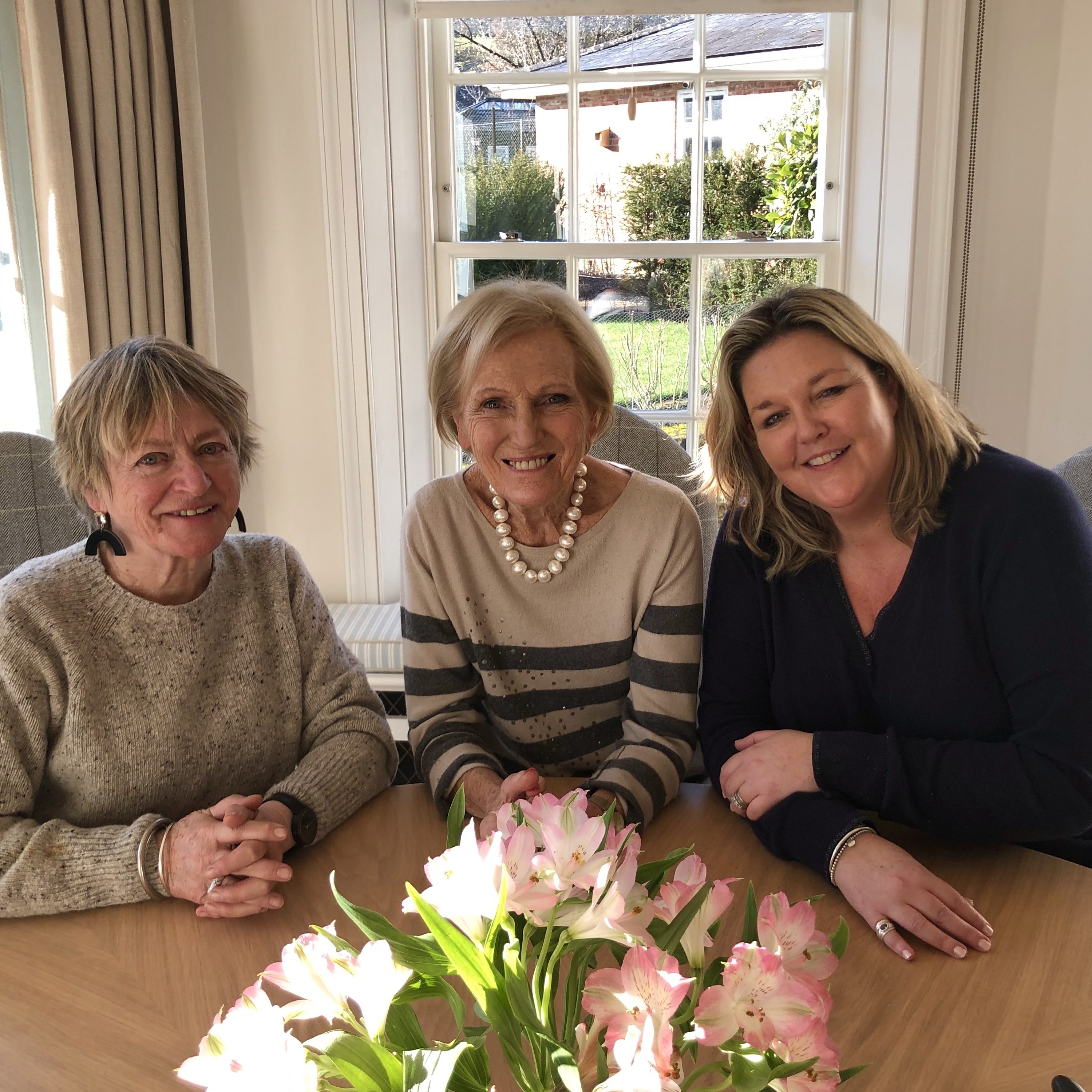
Mary Berry: A Life Through Food
Sheila Dillon speaks to a veteran of the British food scene; a writer and television presenter who has made cooking – in particular baking – accessible, and achievable, for millions: Mary Berry.In a candid conversation over exemplary lemon drizzle cake, Mary talks us through her life through food: from the challenges of forging a culinary career as a woman and a mother in the 1960s, to learning how to handle celebrity in her seventies. With the new series of Best Home Cook, Mary is continuing her quest to educate people of all ages about the joys of cooking. But, as Sheila discovers, this ambitious cook is also a huge advocate for women in the industry - as Mary shares tales of her own struggles to carve out a niche in the culinary world, challenging female stereotypes and sexual harassment in the kitchen… Over the course of the programme, Sheila gets some insight into ‘the real Mary’ from her long-term collaborator and cookbook co-author Lucy Young - as the renowned TV judge discusses careers highlights to date, including Bake Off, becoming a style icon and meeting Royalty; as well as opening up about trials she has faced in her lifetime, including the tragic death of one of her children.