The Emergency Management Network Podcast
421 episodes — Page 7 of 9

The Intersection of Emergency Management and Politics
Government policy is important in guiding disaster preparedness, mitigation, and recovery. In turn, political scientists have devoted considerable attention to the study of hazards and disasters, including the impact of disasters on election outcomes, the capacity of disasters to help set the crowded government agenda, and the various organizational strategies used by emergency management agencies. This week Todd is interviewing Bonnie Kristian, The former Acting Editor and Chief of The Week Magazine and author of Untrustworthy: The Knowledge Crisis Breaking Our Brains, Polluting Our Politics, and Corrupting Christian Community.Links: Bonnie KristianWebsite: https://www.bonniekristian.com/Twitter: https://twitter.com/bonniekristianFacebook https://www.facebook.com/bonniekristianwritesInstagram: https://www.instagram.com/bonnie.kristian/Todd DeVoeTwitter handle: https://twitter.com/ToddTDeVoeLinkedIn: https://www.linkedin.com/in/toddtdevoe/Substack: https://emnetwork.substack.com/Website: https://toddtdevoe.com/ This is a public episode. If you'd like to discuss this with other subscribers or get access to bonus episodes, visit emnetwork.substack.com/subscribe
Why Public Private Partnerships Are Critical
Public-Private Partnerships is an agreement between a public agency and a private sector entity. Through this agreement, the skills and assets of each sector are shared in delivering a service or facility for the use of the general public. As governments seek to upgrade infrastructure and address the challenges of climate change, among other objectives, the need for private-sector involvement has grown. When considering pricing risk in a comprehensive and transparent way, governments can tap into the true expertise of private players. Brian Barnier, Head of Decision Science and Analytics is focused on growing companies, investments, and countries, bringing practical insight to investors, boards, and management to help them bridge from strategy to execution. He accelerates improvement in business results through a "risk lens" that incorporates both growth and turnaround lessons learned across industries, professional disciplines, and countries.Decision Science Analytics - https://decisionscienceanalytics.com/If you would like to learn more about the Natural Disaster & Emergency Management (NDEM) Expo please visit us on the web - https://www.ndemevent.com This is a public episode. If you'd like to discuss this with other subscribers or get access to bonus episodes, visit emnetwork.substack.com/subscribe
Do You Want to Be a Better Emergency Manager? Sharpen the Saw
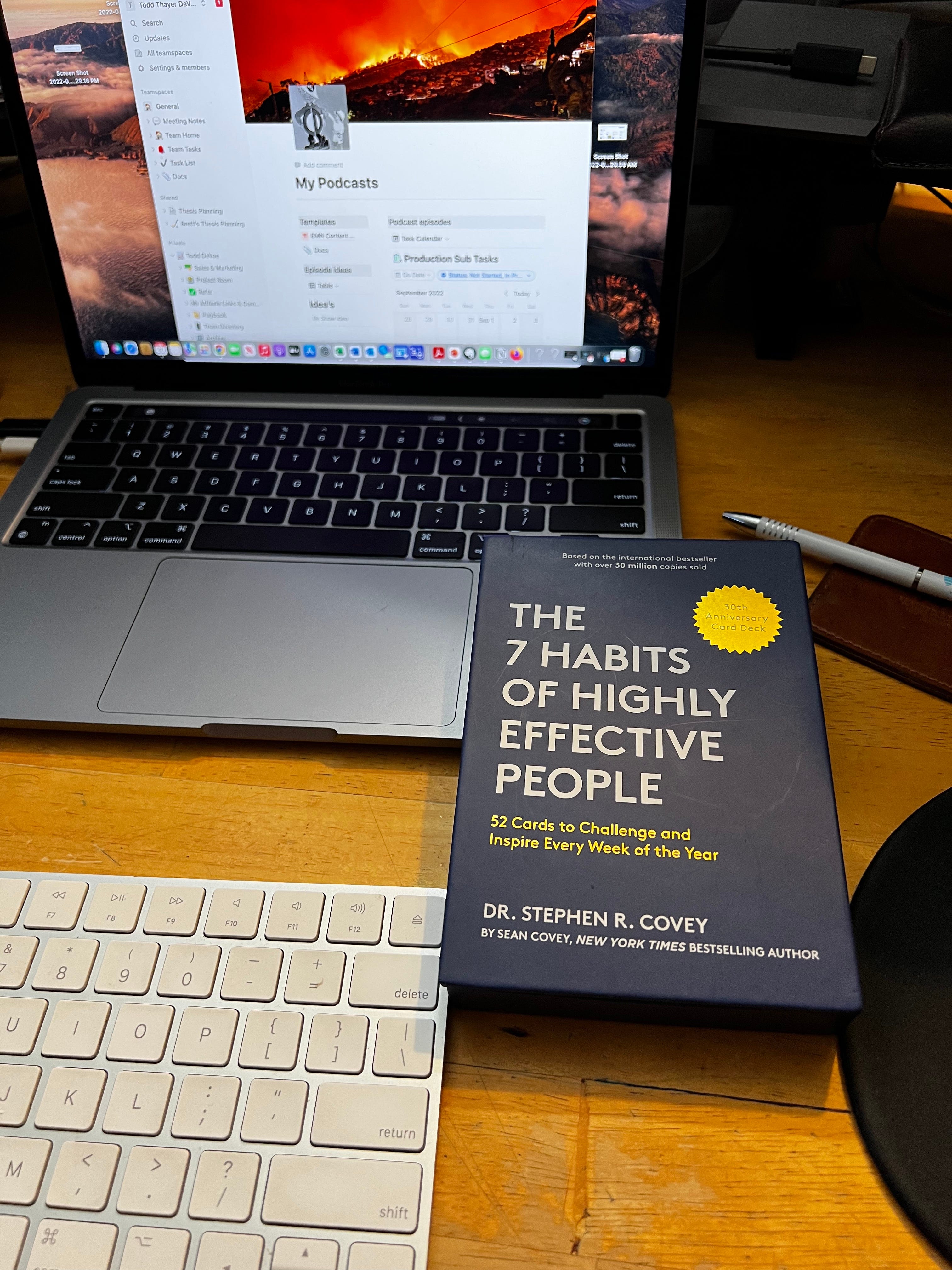
Let's explore The 7 Habits of Highly Effective People by Stephen Covey.I was talking with Dan Scott on the Leader's Cafe about attitude. We got into a deep conversation on how we react to outside pressures, how we deal with them and how those external pressures can impact our team. As leaders, we put on a good face and motivate our team. Right?Attitude is everything. A positive attitude starts within, and sometimes you need a kick start to get it going; everyone falls into a rut occasionally. We feel tired, depressed, unmotivated, and downright aggravated by everything we encounter. When we are in this spot, we must take care of ourselves. First, we need to recognize that we are in a rut. Sometimes we need to have someone tell us that we are there. In the field we have chosen to work in, we may feel we are letting down our team and the people we serve when we think about ourselves first. However, without self-care, we cannot help others. My friend Brian Colburn is a massive fan of The 7 Habits of Highly Effective People and shares the lessons he has learned over the years with me. He even got me The 7 Habits of Highly Effective People card deck that I keep on my desk to remind myself to read a card weekly. Brian says that habit #7, to sharpen the Saw, resonates with him the most. This is a public episode. If you'd like to discuss this with other subscribers or get access to bonus episodes, visit emnetwork.substack.com/subscribe

Why Reading Matters For Leaders/ Hurricane Ian update
Why should you become an avid reader? Join Todd and Marc as they discuss the benefits of reading. Reading can improves intelligence and lead to innovation and insight. Studies have shown that reading makes you smarter through a larger vocabulary, more world knowledge, and abstract reasoning skills. Reading is one of the quickest ways to acquire and assimilate new information. Many leaders believe that reading across fields is good for creativity. And leaders who can sample insights in other fields, such as sociology, the physical sciences, economics, or psychology, and apply them to their organizations are more likely to innovate and prosper. Reading can also make you more effective in leading others.LinksTodd DeVoe Twitter handle: https://twitter.com/ToddTDeVoeLinkedIn: https://www.linkedin.com/in/toddtdevoe/Substack: https://emnetwork.substack.com/Website: https://toddtdevoe.com/ Guest Info HereTwitter handle : https://twitter.com/bonniekristianSubstack: https://substack.com/profile/4393438-bonnie-kristianWebsite: https://www.bonniekristian.com/Instagram: https://www.instagram.com/bonnie.kristian/ This is a public episode. If you'd like to discuss this with other subscribers or get access to bonus episodes, visit emnetwork.substack.com/subscribe

TN2P Tony Russell, CEM Interview
In this episode of Theory-N2-Practice we talk about leadership through service and personal development with Tony Russell. Tony Russell is the Superintendent at the Center for Domestic Preparedness (CDP) in Anniston, Ala. As Superintendent, Mr. Russell provides executive level management and leadership for the CDP as it provides unique, hands-on training to more than 45,000 emergency responders a year from state, local, tribal, and territorial agencies. He is also responsible for operations of the CDP’s 176-acre campus, which is home to the only training facility in the country where civilian responders can train in a toxic agent environment and the Nation’s only hospital training facility dedicated solely to preparing the healthcare, public health, and environmental health communities for mass casualty events related to terrorism or natural disasters.Daniel Scott Links:https://www.linkedin.com/in/daniel-scott-m-a-cem%C2%AE-empp-3-59a8a86a/https://www.instagram.com/d_scott_overdeliver/https://www.facebook.com/D.Scott.and.Associates/https://twitter.com/Haven1981Tony Russell & CDP Links:https://cdp.dhs.gov/superintendent/biographyhttps://cdp.dhs.gov/https://youtu.be/AdBXHm5vgv4Mid-Atlantic Center for Emergency Management & Public Safety (MACEMPS)https://macem.org/Home.aspxhttps://twitter.com/MACEMatFCC?ref_src=twsrc%5Etfw%7Ctwcamp%5Eembeddedtimeline%7Ctwterm%5Escreen-name%3AMACEMatFCC%7Ctwcon%5Es1_c1https://www.linkedin.com/company/macemps/ This is a public episode. If you'd like to discuss this with other subscribers or get access to bonus episodes, visit emnetwork.substack.com/subscribe
How Do We Take Emergency Management Seriously If We Do Not Support Research?
How Do We Take Emergency Management Seriously If We Do Not Support Research?There has been a debate about whether or not someone should have a college degree to be an emergency manager. The second side of the argument is whether we should have emergency management degree programs. For full disclosure, I am an emergency management educator. If you read or listen to the Emergency Management Network, you know that I also write and research trends in emergency management. The field of emergency management is "the discipline and profession of applying science, technology, planning, and management to deal with extreme events that can injure or kill large numbers of people, do extensive property damage, and disrupt community life. When such events occur and cause extensive harm, they are called disasters" (Hoetmer, 1991). This definition eloquently defines emergency management, explaining what a disaster is, and exemplifies how academia and research provide conceptual and practical tools for emergency managers. Researchers tell us who we are, what we do, how and why we do the things we do, and provide guidance and advice as to where we should be going.Emergency management relies on researchers to observe, evaluate, and provide references and reports offering recommendations; reflect on how and what we have done; and help us define, recognize, and understand the multitude of issues we face in emergency management. Dr. Carol Cwick argues that similar disciplines fund research through education programs and advance beyond a mere job to a profession. She continues by stressing that without higher education programs, the field of emergency management is doomed to disappear and be absorbed by public safety programs. Her full interview will be published soon. How do we take a field or discipline seriously if we do not research the issues and the programs' effectiveness? There are areas of study dedicated to the supply chain in the business world. They study disruptions, forecast needs and increasing product varieties, shorter product life cycles, ever-growing expectations of consumers, and rising cost competition due to globalization. The business makes forecasting essential to matching supply with demand. Hundreds of publications, TV news programming, think tanks, and thousands of books are dedicated to business research. You rarely hear people questioning the need for business and MBA education programs. Over the last few decades, Scholars researching emergency management have accumulated literature. This has opened great opportunities for further development of EM theories and strategies.I was asked why we even care to do disaster research. The United Nations Office for Disaster Risk Reduction estimates that globally from 2000 to 2012, disasters killed 1.2 million people, affected 2.9 billion others, and claimed $1.7 trillion in material damage. The United States has moved into a "new normal" of frequent, billion-dollar hurricanes, eight of the ten costliest occurring since 2004. The Department of Defense warns that climate change threatens national security and will cause global political instability due to "prolonged drought and flooding … food shortages, desertification, population dislocation, mass migration, and sea level rise." Not a week goes by without news of a new technological "accident" and the long-term malignant impacts of chemicals, radiation, plastics, and petroleum—the material markers of technological society—on our bodies, communities, and the planet.How do Colleges and Universities Make A Difference In Emergency Management? Academic research looks beyond emergency management's immediate needs; the university's role involves exploring all phases of disaster. As an institution of higher education and research, they, by definition, are responsible for contributing to the body of knowledge for emergency management. And to society as a whole. In addition to expanding education programs, institutions study the intersection of disasters and policy. An example of how research contributes to society is the studies completed on post-disaster homelessness. The roles of universities in researchResearch may be one of the most misunderstood components of emergency management. It is often regarded by disaster responders as an esoteric undertaking carried out by individuals with little understanding of "the real world" and less understanding of disaster issues.In reality, research into disasters is one of the most vital functions that can be carried out by those involved in such events. I had the opportunity to interview Dr. Daniel P. Aldrich, Director of the Security and Resilience Studies Program at Northeastern University. He researches post-disaster recovery. Aldrich's book "Black Wave: How Networks and Governance Shaped Japan's 3/11 Disasters" is an excellent example of how disaster research can shape policy and how emergency management professionals approach preparedness and recovery. I am not arguing that w
The Great ShakeOut Why You Need To Participate
Join Todd DeVoe and Mark Benthien as they discuss why you should participate in the Great ShakeOut! Many areas of the globe are prone to earthquakes (see links below) You could be anywhere when an earthquake strikes: at home, at work, at school, or even on vacation. Are you prepared to survive and recover quickly?Great ShakeOut earthquake drills are an opportunity to practice how to be safer during earthquakes: "Drop, Cover and Hold On." ShakeOut also has been organized to encourage you, your community, your school, or your organization to update emergency plans and supplies and to secure your space in order to prevent damage and injuries.LinksTodd DeVoe Twitter handle: https://twitter.com/ToddTDeVoeLinkedIn: https://www.linkedin.com/in/toddtdevoe/Substack: https://emnetwork.substack.com/Website: https://toddtdevoe.com/ Great ShakeOuthttps://www.shakeout.org/www.earthquakecountry.org This is a public episode. If you'd like to discuss this with other subscribers or get access to bonus episodes, visit emnetwork.substack.com/subscribe
TN2P Ginny Katz Interview
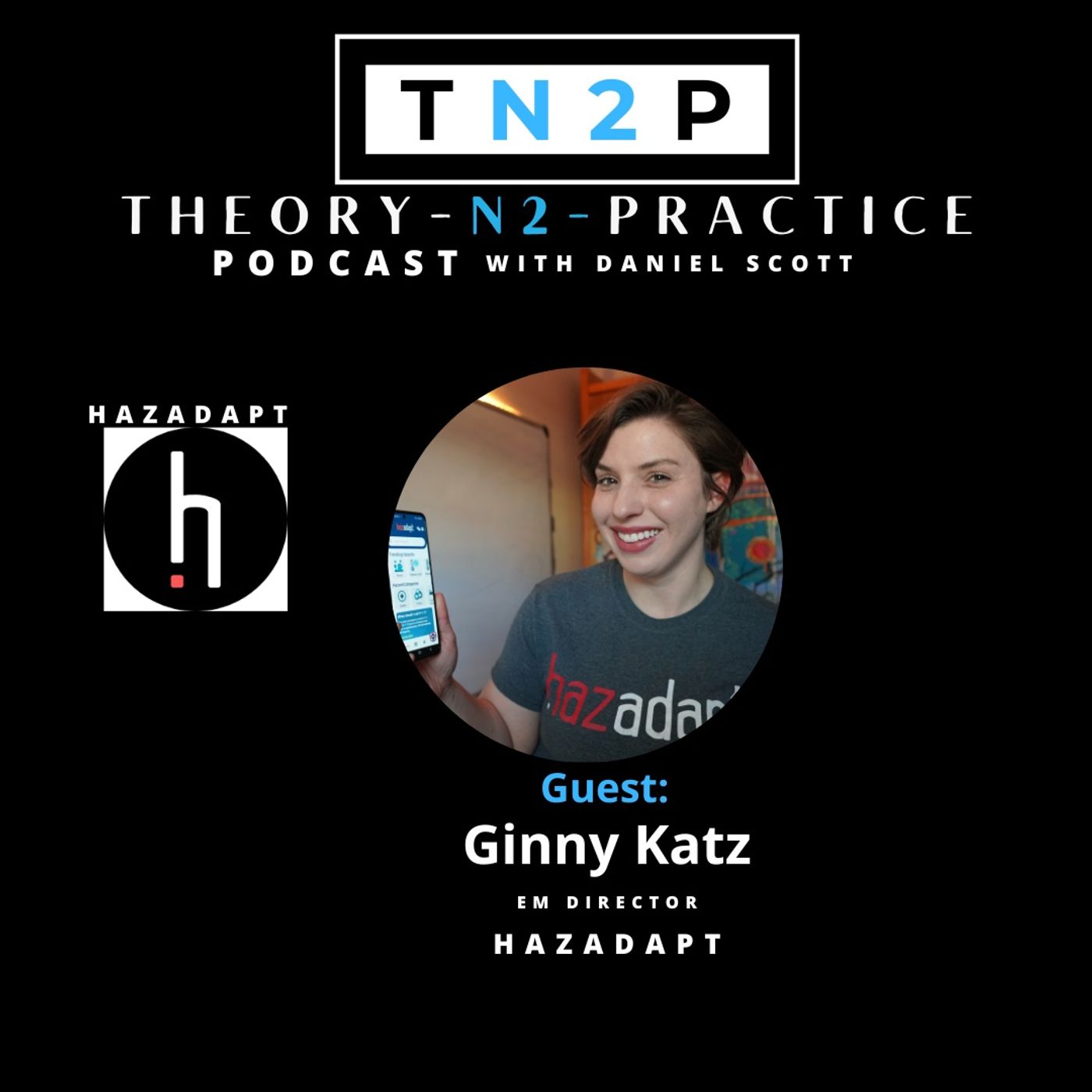
While working to become an Emergency Management GIS and digital communications specialist in 2017, Ginny experienced the impact of emergency communications gaps firsthand. Without relevant information and support, so many people were becoming more vulnerable to hazards, most significantly impacting underserved communities. Realizing that emergency managers are lacking the tools needed to facilitate meaningful and equitable mass engagement with their communities, she became a woman on a mission to build the tools that were so needed. In 2018 Ginny turned this problem into P.h.D. research at Oregon State University and in 2019 created a startup, HazAdapt Inc., to build the solutions. Now, Ginny is proud to present the first results of their hard work, HazAdapt, the Humanity-Friendly Hazard Guide and Emergency Assistant. HazAdapt is a free app and web tool built to boost community resilience from the bottom - up. HazAdapt Links:https://www.linkedin.com/in/virginiakatz/https://www.hazadapt.com/Daniel Scott Links:https://www.linkedin.com/in/daniel-scott-m-a-cem%C2%AE-empp-3-59a8a86a/https://www.instagram.com/d_scott_overdeliver/https://www.facebook.com/D.Scott.and.Associates/https://twitter.com/Haven1981 This is a public episode. If you'd like to discuss this with other subscribers or get access to bonus episodes, visit emnetwork.substack.com/subscribe
A View of Hospital Emergency Management
One of the growing sectors in emergency management is in healthcare. Hospital emergency management is a unique position in the healthcare system. They manage the integration of planning and response efforts within the physical campus and must interact with outside emergency response, emergency management, and public health agencies. Kelly McKinney, the Assistant Vice President of Emergency Management and Enterprise Resilience for NYU Langone Health, discusses how emergency management teams within the healthcare industry are working to overcome the issues they currently face in this ever-changing world.If you would like to learn more about the Natural Disaster & Emergency Management (NDEM) Expo please visit us on the web - https://www.ndemevent.com This is a public episode. If you'd like to discuss this with other subscribers or get access to bonus episodes, visit emnetwork.substack.com/subscribe
Thought Leadership; More Than an Opinion
Thought Leadership Over the last week, I have been thinking about reputation. I have a close friend who is beyond reproach and a very ethical person who takes a hit professionally. It has shaken them; they are struggling personally; however, has it impacted them professionally? Then I received a phone call from one of the people I mentor, and they told me how their office was turned upside down, and they were let go, and their boss was fired. As emergency management professionals, we are in the spotlight at times. Brock Long was called the floor of the capital and defended the hard-working men and women of FEMA. The COVID response opened many questions about what emergency managers do, how they function, and the reporting structure. The City of Los Angeles was in the news because of the after-action report that was honest but not flattering. As a person who lives in the public light, I am sure some of you may sometimes disagree with me. I do not expect all of you even to like me. I hope not personally; however, I try to be empathic and open to other people's views. The problem with reputation is that one person that may not like you can do damage, spread hate, and miss information. That is what my friend is dealing with today. Then the question is, do you trust their leadership and judgment? This is where the value of leadership and reputation can be measured differently. This is a public episode. If you'd like to discuss this with other subscribers or get access to bonus episodes, visit emnetwork.substack.com/subscribe
Climb and Lift: EMPower and Building Confidence as a Woman Public Speaker in the Emergency Management Field
EMPower is a group of emergency management women created to provide support, networking, and leadership skills to assist women in their emergency management career. EMPower hosts events, talks, and networking. Another aspect of EMPower is bringing resources and skills to help women level up in pursuit of executive level positions if desired. A key role is to provide speaking opportunities to women to share their story and practice their presentation skills. Over the past three years, I have built skills and confidence in speaking at multiple conferences around the country. I hope to share my journey as a speaker and give some tips to encourage others to speak more.Todd DeVoe Twitter handle: https://twitter.com/ToddTDeVoeLinkedIn: https://www.linkedin.com/in/toddtdevoe/Substack: https://emnetwork.substack.com/Website: https://toddtdevoe.com/ Guest Info HereTwitter handle: https://twitter.com/missashes92LinkedIn: https://www.linkedin.com/in/ashley-morris-505806/Website: https://aemorrisem.medium.com/ This is a public episode. If you'd like to discuss this with other subscribers or get access to bonus episodes, visit emnetwork.substack.com/subscribe
TN2P Eric McNulty
In this episode of Theory-N2-Practice we talk about leadership through service and personal development with Eric McNulty. Eric J. McNulty is Associate Director and Program Faculty at the National Preparedness Leadership Initiative (NPLI) at Harvard University and an Instructor at the Harvard T.H. Chan School of Public Health. His work centers on leading in high-stakes, high-stress situations. He teaches in multiple executive education programs at Harvard and MIT and graduate-level courses on leadership, negotiation, and conflict resolution at Harvard. He is the co-author of You’re It: Crisis, Change, and How to Lead When it Matters Most (PublicAffairs, 2019). McNulty is also -author Renegotiating Health Care: Resolving Conflict to Build Collaboration (Jossey-Bass, 2011). He is author of e-books Your Critical First 10 Days as a Leader (O’Reilly/Safari, 2015) and Three Critical Shifts for the Evolving Leader (O’Reilly, 2016).Eric McNulty Links:https://www.linkedin.com/in/emcnulty/https://npli.sph.harvard.edu/crisis-leadership-training/Daniel Scott Links:https://www.linkedin.com/in/daniel-scott-m-a-cem%C2%AE-empp-3-59a8a86a/https://www.instagram.com/d_scott_overdeliver/https://www.facebook.com/D.Scott.and.Associates/https://twitter.com/Haven1981 This is a public episode. If you'd like to discuss this with other subscribers or get access to bonus episodes, visit emnetwork.substack.com/subscribe
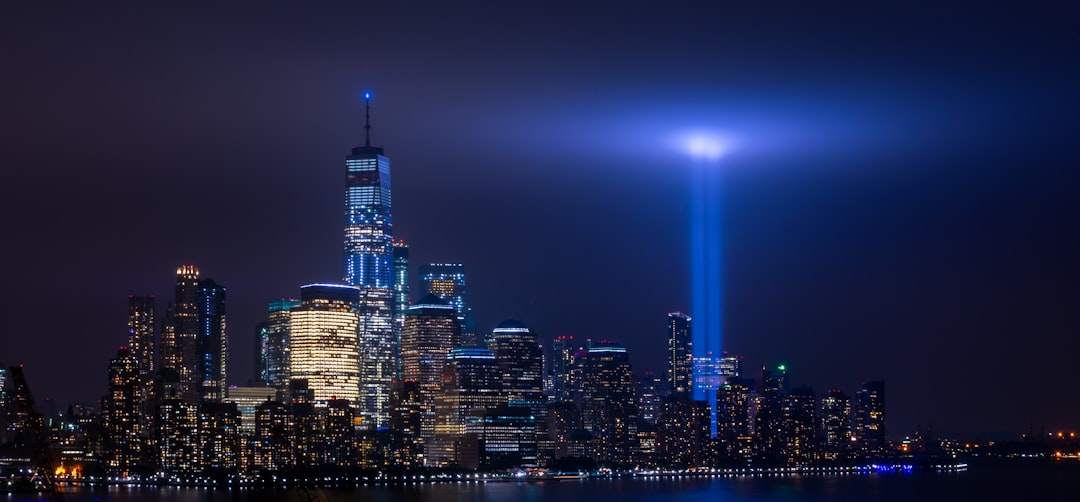
September 11 Changed Emergency Management
On September 11, 2001, the world witnessed the most significant terrorist attack. For those working that day, it started normal, but by the end of the day, our world changed, and the way we did our job did as well. I was assigned to the Jefferson station in Los Angeles on the border of Colver City, down the street from the radio station KABC right off the I-10 freeway. This area is a bustling part of the city. My shift started at 0700 PT, and I hit the road at about 0530 PT to make it on time. As part of my morning routine, I turned on the radio to AM 790 KABC to get the news and traffic report. L.A. Traffic is a bear at all times of the day. I recall this day as if it was yesterday; I turned on the on-ramp to the freeway, and the news reported that a plane had struck the World Trade Center. My first thought was a small plane had hit the tower. Small Aircraft hitting buildings in NYC happened before. Then the second plane hit. I knew this was an act of war. Sponsorshttps://www.disastertech.com/https://www.titanhst.com/https://www.buffalocomputergraphics.com/ This is a public episode. If you'd like to discuss this with other subscribers or get access to bonus episodes, visit emnetwork.substack.com/subscribe

Exploring The Deadly Rise of Injury and Disaster
We often hear it: “Sorry, it was just an accident.” And we’ve been deeply conditioned to accept that explanation and move on. But as Jessie Singer argues convincingly: There are no such things as accidents. The vast majority of mishaps are not random but predictable and preventable. Singer uncovers how the term “accident” protects those in power and leaves the most vulnerable in harm’s way, preventing investigations, pushing off debts, blaming the victims, diluting anger, and even sparking empathy for the perpetrators.As the rate of accidental death skyrockets in America, the poor and people of color bear the brunt of the violence and blame, while the powerful use the excuse of the “accident” to avoid consequences for their actions. Born of the death of her best friend and the killer who insisted it was an accident, this book is a moving investigation of the sort of tragedies that are all too common and all too commonly ignored.In this revelatory book, Singer tracks accidental death in America from the turn of the century in factories and coal mines to today’s urban highways, rural hospitals, and Superfund sites. Drawing connections between traffic accidents, accidental opioid overdoses, and accidental oil spills, Singer proves that what we call accidents are hardly random. Rather, who lives and dies by an accident in America is defined by money and power. She also presents a variety of actions we can take as individuals and as a society to stem the tide of “accidents”—saving lives and holding the guilty to account.Todd DeVoe Twitter handle: https://twitter.com/ToddTDeVoeLinkedIn: https://www.linkedin.com/in/toddtdevoe/Substack: https://emnetwork.substack.com/Website: https://toddtdevoe.com/ Guest Info HereTwitter handle: https://twitter.com/jessiesingernycLinkedIn: https://www.linkedin.com/in/jessiesingernyc/Website: http://jessiesinger.com/Instagram: https://www.instagram.com/JessieSingerNYC/ This is a public episode. If you'd like to discuss this with other subscribers or get access to bonus episodes, visit emnetwork.substack.com/subscribe

TN2P Isamar Garcia Interview
In this episode of Theory-N2-Practice we talk about leadership through service and being a contributing community partner through volunteering. Join us for a great discussion and most valuable insight from one of the best in the emergency management profession, with Isamar Garcia. Isamar is the Emergency Services Planner of Yolo County Office of Emergency Services. She is actively involved as a volunteer of multiple Emergency Management Associations and Organizations, including the California Emergency Services Association (CESA) and the International Emergency Managers Association (IAEM). She participates on and manages a variety of projects with a focus on public education. Always carrying a collaborative attitude, Isamar desires to serve her community through educational efforts such as training and outreach messaging. Links:https://www.linkedin.com/in/daniel-scott-m-a-cem%C2%AE-empp-3-59a8a86a/https://www.instagram.com/d_scott_overdeliver/https://www.facebook.com/D.Scott.and.Associates/https://twitter.com/Haven1981 This is a public episode. If you'd like to discuss this with other subscribers or get access to bonus episodes, visit emnetwork.substack.com/subscribe
Leaning Into Leadership Lessons From a Green Beret
The question “what makes a good leader?” is at the forefront of every organization. Establishing a strong corporate culture creates happy employees and a more efficient work environment. It can also attract great talent that will help your organization prosper. Today we speak with former Special Forces Green Beret, Fran Racioppi, Chief People Officer at Analytix Solutions, and the Host of the Jedburgh Podcast by Talented War Group to discuss how emergency management and disaster response professionals are turned into confident leaders.LinksWeb - https://www.analytix.com/Jedburgh Podcast - https://talentwargroup.com/the-jedburgh-podcast/If you would like to learn more about the Natural Disaster & Emergency Management (NDEM) Expo please visit us on the web - https://www.ndemevent.com This is a public episode. If you'd like to discuss this with other subscribers or get access to bonus episodes, visit emnetwork.substack.com/subscribe
Making A Difference Made Simple
We are four days into National Preparedness Month, and I am challenging all of you to make a difference in our profession. It sounds hard. However, it can be simple. Improving yourself and becoming a better you will make a better profession. Lead by example, and others will follow. This brings me to the person we all can follow as an example. This is a public episode. If you'd like to discuss this with other subscribers or get access to bonus episodes, visit emnetwork.substack.com/subscribe
Celebrating Leadership During National Preparedness Month
Why does public leadership matter in emergency management? Ray Cheung works with many partners to monitor, assess, and teach communities to prepare for a wide range of natural hazards. Ray and his team provide policymakers, emergency managers, and the public with the understanding needed to enhance family and community preparedness, response, and resilience.LinksTwitter handle: https://twitter.com/ToddTDeVoeLinkedIn: https://www.linkedin.com/in/toddtdevoe/Substack: https://emnetwork.substack.com/Website: https://toddtdevoe.com/ This is a public episode. If you'd like to discuss this with other subscribers or get access to bonus episodes, visit emnetwork.substack.com/subscribe
Applying Design Thinking to Emergency Management?
Applying Design Thinking to Emergency Management?I was writing my monolog for one of my podcasts. Prepare, Respond, Recover. I was discussing systems thinking and design thinking in the context of cybersecurity. And it got me thinking, why don't more emergency managers apply design thinking to what they do? A few things stuck with me when I read Steve Jobs by Walter Isaacson. And for the record, I will reread it after writing this piece. Subscribe Today https://emnetwork.substack.com/ This is a public episode. If you'd like to discuss this with other subscribers or get access to bonus episodes, visit emnetwork.substack.com/subscribe

The Use of NGO's In The DIsaster Space
Founded in 2010, Impact Northwest is a non-profit, non-governmental entity providing rescue, medical, and logistical support to those affected by disaster worldwide; preparedness support to communities in need; and professional rescue training.Impact volunteers are made up of people from all walks of life, but the one common thread between them is a commitment to their community and a commitment to humanity.Todd DeVoe Twitter handle: https://twitter.com/ToddTDeVoeLinkedIn: https://www.linkedin.com/in/toddtdevoe/Substack: https://emnetwork.substack.com/Website: https://toddtdevoe.com/ Jake GillandersTwitter handle: https://twitter.com/empactnwFacebook: https://www.facebook.com/EmpactNW/Youtube: https://www.youtube.com/channel/UCFWUCKUowgUkFAMvs-Z0rOQLinkedIn Personal: https://www.linkedin.com/in/jake-gillanders/LinkedIn Company: https://www.linkedin.com/company/empact-northwest/Website: https://www.empactnorthwest.org/ Instagram: https://www.instagram.com/empactnw/ This is a public episode. If you'd like to discuss this with other subscribers or get access to bonus episodes, visit emnetwork.substack.com/subscribe

TN2P Jeff Hansen Interview
In this episode of Theory-N2-Practice we talk about leadership through service and being a contributing community partner. Join us for a great discussion and most valuable insight from one of the best in the emergency management profession, with Jeff Hansen serves as the Director of Community Protection for the Choctaw Nation of Oklahoma. He has over 19 years of experience in the Emergency Management and Response field and has responded to numerous disasters and emergencies. Jeff oversees the Department of Emergency Management, the Department of Criminal Justice, and the Office of the Fire Marshal for the Choctaw Nation.Jeff Hansen Links:https://www.linkedin.com/in/jeffrey-hansen-cem-ba019422/https://www.linkedin.com/company/choctaw-nation-of-oklahoma/Links:https://www.linkedin.com/in/daniel-scott-m-a-cem%C2%AE-empp-3-59a8a86a/https://www.instagram.com/d_scott_overdeliver/https://www.facebook.com/D.Scott.and.Associates/https://twitter.com/Haven1981 This is a public episode. If you'd like to discuss this with other subscribers or get access to bonus episodes, visit emnetwork.substack.com/subscribe
Improving Emergency Management Education
Educational systems are constantly transforming to reflect a more digitized world. Although there are significant benefits that technology brings to the work environment, it also creates a large gap of inequality. Dr. Craig Hansen, President of the University of Applied Research and Development, works to remove the barriers to higher education by allowing professionals in the emergency management and oil and gas industry to gain recognition of their trainings and ultimately pave the wave for horizontal and vertical growth in their careers.If you would like to learn more about the Natural Disaster & Emergency Management (NDEM) Expo please visit us on the web - https://www.ndemevent.com This is a public episode. If you'd like to discuss this with other subscribers or get access to bonus episodes, visit emnetwork.substack.com/subscribe

What is Leadership
Influential leaders take a personal interest in the long-term development of their team, and they use tact and other social skills to encourage team members to achieve their best. It isn't about being "nice" or "understanding"—it's about tapping into individual motivations to further an organization-wide goal. This is a public episode. If you'd like to discuss this with other subscribers or get access to bonus episodes, visit emnetwork.substack.com/subscribe

Climb and Lift: Women In EM Consulting
Alyssa Carrier is a sought-after management consultant, entrepreneur, and civic leader who serves as a strategic advisor and counselor to leaders at Federal and State-level organizations. Alyssa serves as Chief Executive Officer (CEO) of AC Disaster Consulting, LLC, which she founded in 2018. She is frequently called on to lead projects and assemble teams to provide program expertise and compassionate guidance before, during, and after a disaster.Alyssa was recently selected as the 2021 Harvard University National Preparedness Leadership Initiative (NPLI) Meta-Leader of the Year.Todd DeVoe Twitter handle: https://twitter.com/ToddTDeVoeLinkedIn: https://www.linkedin.com/in/toddtdevoe/Substack: https://emnetwork.substack.com/Website: https://toddtdevoe.com/ Guest Info HereTwitter handle LinkedIn: https://www.linkedin.com/in/alyssa-carrier-291188144Website: https://acdisaster.com This is a public episode. If you'd like to discuss this with other subscribers or get access to bonus episodes, visit emnetwork.substack.com/subscribe

TN2P w/guest Dr. Carol Cwiak
In this episode of Theory-N2-Practice we talk about leadership through service and being the authority with Dr. Carol Cwiak. Currently of North Dakota State University (NDSU) Emergency Management Degree Program. One of the more prolific Emergency Management Professionals I know. Join us for a great discussion and most valuable insight from one of the best in the emergency management profession, with the great Dr. Carol Cwiak. This is a public episode. If you'd like to discuss this with other subscribers or get access to bonus episodes, visit emnetwork.substack.com/subscribe

Polio Monkeypox and COVID Test NYC Hospitals
Todd DeVoe: if you have been paying attention to the news, you know that the polio virus has been found in the New York City sewage samples, according to city and state health departments.They felt that this was something they were going to find because some virus cases have popped up north of New York City in Rockland and Orange counties. The detection of poliovirus in the wastewater samples in New York city's alarming but not surprising. According to Mary Bassett and the state health department working with local and federal partners responding urgently to continuing and being aggressive in investigating this polio spread.When I was a kid, we all had shots. I always thought polio was a thing that was in the past. And like everything old comes back around again, this is something we're gonna have to consider. I sat down with Kelly McKinney, and we had a discussion about a whole bunch of different things, but also about the polio virus.Because he's now working in the healthcare system, we put our predictive hats on our Nostradamus hats, if you will. And we were looking to see what is coming potentially in the future. If you guys know Kelly McKinney, you know he's a character with some interesting takes on things.And for sure, we had this great conversation, a very smart and thoughtful way of looking at what could be happening in the near future when it comes to American politics and the impacts on emergency management. And even the metaverse, this is not a typical episode that you would hear on the emergency management network, but I thought it'd be great to share, and I hope you enjoy it too.Kelly, What scares you more, Monkeypox or polio in the sewer systems? I mean that that's a pretty scary thing. Kelly McKinney: yeah, that's a good question. That's a good question. I'll tell you about Bill Gates. Was there somebody who was interviewing Bill Gates, and he said, this polio thing is super scary. Like he was adamant about a big problem. This polio thing was. I figured he knows more than I do. So now I'm a little scared of the polio thing. And we're living with Monkeypox. I was just telling you that, just today, we started to see those curves come down the daily op; the daily case numbers just now beginning to come down a little bit.So we may maybe knock wood. We may be over the hump in New York with Monkeypox, but we're sure not over the hump with polio. Polio is now. We're just seeing the leading edge of that. I don't know what. I don't even know what to think about polio. I don't know when it or if it's spreading, I don't know what that epi curve could look like because we were talking about that.There are lots of folks that have been that have had a polio vaccine; you and I have had one. Are we still, are we, do we have immunity to polio? I hope Todd DeVoe: so. I hope so too, but that's the question. How long does it last? I, we never talked about boosters or anything for that. We could get a titer test and see how we're doing on it. And, and then we had the younger kids. I don't think my kids aren't polio vaccinated. I think they stopped giving it out in the eighties?Kelly McKinney: I don't know. I don't know. I remember a couple of things when I was in like second grade, and they hit me with a gun that, that's vaccine gun. Remember that? And it left. I was like, wow, I don't know what that, I think that was smallpox or something. And that's a monkeypox vaccine. So I don't know, they shot us up with a lot of stuff, Todd, and I think that explains a lot of why we're such a war.Yeah. No, it's like, why are we weird? Like, why are we? I think it had to do with those vaccines back in the. It couldn't be anything else. It couldn't be all that bad TV we watched. I'll tell you something I'm worried about. I saw this thing the other day, and they were talking about the metaverse.They did this research survey on teenagers and their social media use. And TikTok now has exploded. It's only been around, I dunno a couple years, and now everybody's on TikTok. If you're 12 to 19, like you're on [00:04:00] TikTok, 15% of 12 to 19-year-olds are on TikTok continuously from the time they wake up until they go to sleep. They're on TikTok continuously 15%, dude, that, this thing's gonna suck all the kids in it.Kelly McKinney: They're all gonna be in the metaverse. Okay. So here's a question for you, right? What if we have a disaster in the metaverse? What do we do then? Do we need crisis management in the metaverse? Do we have to go in there and do the kinds of things in the metaverse we're doing over here?Cause what if there's a disaster inside the metaverse like, do we gotta go in there and do, and Todd DeVoe: funny is. Brian. And I was back, like in 2009, we were goofing around with this thing called second life. Which is basically the metaverse, he created a skydiving school, and you could buy parachutes and all sorts of weird stuff inside the metaverse side of the second life.But we created emergency operations. The s

Cross-Agency Collaboration
Cross-Agency collaboration is critical to fighting against serious challenges such as the COVID pandemic and storms that impact multiple jurisdictions. These challenges on a wide scale cannot be resolved with traditional siloed solutions. These problems are best handled when organizations break down their boundaries and pool their resources together in order to achieve a mutually beneficial outcome.Todd DeVoe Twitter handle: https://twitter.com/ToddTDeVoeLinkedIn: https://www.linkedin.com/in/toddtdevoe/Substack: https://emnetwork.substack.com/Website: https://toddtdevoe.com/ Guest Info HereTwitter handle: https://twitter.com/evertelhqLinkedIn: https://www.linkedin.com/in/jeff-halstead-33920124 Website: https://getevertel.com/YouTube: https://www.youtube.com/channel/UCzDWKMoWWZzimC5xu8UdaMg This is a public episode. If you'd like to discuss this with other subscribers or get access to bonus episodes, visit emnetwork.substack.com/subscribe

TN2P w/ Guest Todd De Voe, CEM
In this episode of Theory-N2-Practice we talk about leadership through service and being our own best resource with Todd De Voe. Currently of Titan HST and the Emergency Management Network, Todd is the IAEM-R9 President and host of the Todd De Voe Show Podcast. Join us for a great discussion and most valuable insight from one of the best in the emergency management profession, with the great Todd De Voe.Here more from Todd De Voe: https://emnetwork.substack.com/Links:https://www.linkedin.com/in/daniel-scott-m-a-cem%C2%AE-empp-3-59a8a86a/https://www.instagram.com/d_scott_overdeliver/https://www.facebook.com/D.Scott.and.Associates/https://twitter.com/Haven1981 This is a public episode. If you'd like to discuss this with other subscribers or get access to bonus episodes, visit emnetwork.substack.com/subscribe
The Emergency Management Institute Leading Change in Professional Development
Every emergency manager has touched FEMA’s Emergency Management Institute (EMI) in one way or another during their career. As EMI surpasses 70 years of operation, the new Superintendent, Dr. Jeffery Stern discusses how to improve the training and education of the next generation of emergency managers, and the possibility of the development of an Emergency Management Command College.If you would like to learn more about the Natural Disaster & Emergency Management (NDEM) Expo please visit us on the web - https://www.ndemevent.com This is a public episode. If you'd like to discuss this with other subscribers or get access to bonus episodes, visit emnetwork.substack.com/subscribe
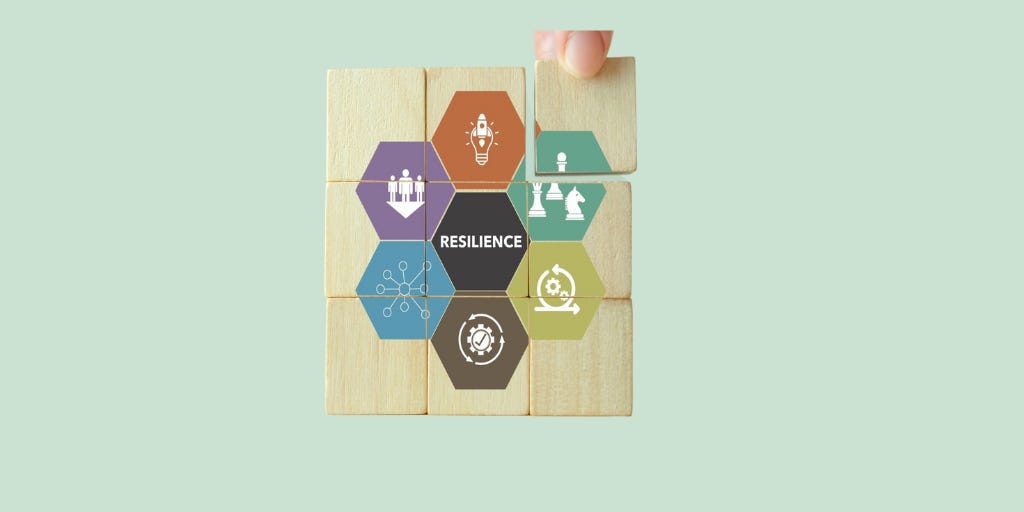
FEMA Warns Emergency Alert System Has a Critical Flaw
FEMA Warns Emergency Alert System Has a Critical Flaw This week, the Federal Emergency Management Agency (FEMA) warned participants in the emergency alert system (EAS) that vulnerabilities can be used to allow threat actors to issue alerts over TV, radio, and cable networks.EAS allows the federal government, the president, or state-level officials to send out emergency warnings about potential weather issues or AMBER alerts for missing children. The alerts are typically sent over broadcast, cable, and satellite TV as well as radio channels and other outlets. FEMA said the public warning system requires radio and TV broadcasters, cable TV, wireless cable systems, satellite and wireline operators “to provide the President with capability to address the American people within 10 minutes during a national emergency.”FEMA did not specify the issues in the warning system but said they are found in EAS encoder/decoder devices that have not been updated to the most recent software versions…Over the last few years, public attention has focused on the federal government's failures in disaster response and recovery. In many cases, the criticism is unwarranted. However, the Federal government has not made progress in resolving an underlying shortcoming in our Nation's preparedness: Developing a universal culture of readiness.Brock Long stated that the United States is in a vicious cycle of communities being impacted by disasters and having to rebuild constantly. And it's almost as if we're not learning anything from what history, mother nature, has taught us. The Culture of preparedness is founded on the shared understanding that future disasters will occur and that every individual is responsible for preparing for and responding appropriately to their abilities to disasters. One of the classes I teach is called The Social Impact of Disasters. We discuss how humans react to disasters and the stress that is put on them, and the community where they live. I use Dr. Daniel Aldrich's books Black Wave and Building Resilience. Here Aldrich discusses how closer communities work together to rebuild after an event. In addition, he explores how the individual's social ties directly affect how they recover from and, in some cases, become stronger because of a disaster. How do we create such a culture? Before COVID, most individuals have not experienced a significant emergency directly. They may have seen disaster footage on TV and had a friend or loved one impacted; however, they felt it was never going to happen to them. Studies show that the presence of a tangible, generally accepted threat is the single most crucial ingredient for creating a culture of preparedness. As a child of the Cold War, the threat of a Nuclear war loomed over our heads. We were prepared for a bomb to drop. In the 1950s and 60s, people on the west coast put bomb shelters in their backyards; our popular Culture was full of references to the "bomb." After the fall of the Soviet Union, America lacks such a perception of risk.One of the issues in the United States is that geographic and industrial diversity means that citizens in different regions are subject to various natural and man-made hazards. This diversity of threats makes it challenging to achieve the universal perception of risk that underlies a culture of preparedness. For most people, preparedness planning is unlikely to be a priority.Recent events have also demonstrated that Americans lack the sense of individual responsibility required to create an authentic culture of preparedness.People tend to perceive that preparedness and emergency response are purely governmental functions. They believe that fire and police are coming to the rescue in a time of need. We cannot blame the individual's thought process because this idea of emergency services coming from the federal government in the time of need is reinforced by official preparedness and response procedures. Emergency preparedness generally does not include an active role for individual citizens. This omission has contributed to an ethic of passivity in the population that negatively impacts our ability to prepare for and cope with disasters. The current view of preparedness as a governmental function must be abandoned; individuals must learn to take an active, rather than a passive, role in preparing for disasters. This sense of individual responsibility will fuel more significant government preparedness initiatives and facilitate effective operations during emergency incidents.How do we change this view? It has to change from the ground up, not the top down. Local jurisdictions need to have a robust preparedness program. The New Zealand integrated civil defense emergency management approach can be described by the four areas of activity, known as the '4 Rs'; Reduction, readiness, response, and recovery. They have developed operational systems and capabilities before a civil defense emergency happens, including self-help and response program

Sister in a Brotherhood
Her career began as a first responder with the fire service in the mid-80s. She recognized early on that to succeed as both a firefighter and a woman in a mostly male workplace would require perseverance, grit, and the ability to command respect.Over her three-decade career, she pushed herself to tackle new challenges and rise into leadership positions. She became an EMT and then a paramedic, while also earning a degree in fire science. When she finally achieved the rank of captain, she was the only woman at the induction ceremony.Now retired, she loves speaking to people about her experiences as a first responder and as a woman in a male-dominated industry. She lives with her husband Mark, and her German shepherd, Chewie, in Florida.Todd DeVoe Twitter handle: https://twitter.com/ToddTDeVoeLinkedIn: https://www.linkedin.com/in/toddtdevoe/Substack: https://emnetwork.substack.com/Website: https://toddtdevoe.com/ Cindie Schooner-BallFacebook: https://www.facebook.com/profile.php?id=100082750782081LinkedIn https://bit.ly/3zgporWWebsite https://sisterinabrotherhood.com/Instagram https://www.instagram.com/sisterinabrotherhood/ This is a public episode. If you'd like to discuss this with other subscribers or get access to bonus episodes, visit emnetwork.substack.com/subscribe

Get Inspiration Attend A Summit
I am about to say something controversial, training classes are great, and education is essential. However, the network you build at summits, symposiums, workshops, and conferences is invaluable. When I attended a summit or conference, I appreciated the diversity of perspectives and many breakout sessions. These events are where professional development and individual growth take place. And summits promote more profound understanding, uncover new learnings and reinforce existing best practices.At each event I attend, I meet great people and connect with old friends. You get to see what works in other parts of the world, not just in the town or county next to you. We know — it's hard to take time away from work. So a conference has to be worthwhile to justify the days out of the office. If that is the case for you, virtual summits work as well. 85% of professionals believe that meeting face-to-face (or zoom-to-zoom) builds stronger, more meaningful relationships. So it goes without saying that large-scale events are the perfect opportunity to expand your network and find potential new mentors and collaborators.It is important to remember that networking takes many forms, so don't rely on planned sessions within the conference itself. Go the extra mile. Arrive early, seek out 'post-conference' events, use the conference app (if they have one) to reach out directly to someone you find interesting, and be sure to have a healthy stack of stand-out business cards at your disposal. My friend is now using a digital business card, and it is on a wristband. Whatever you use, don't be the person fumbling around with a pen and paper.Summits in person are about the experiences. In-person events provide opportunities that you cannot get by reading articles, listing to podcasts, or watching a video. Even online summits give you opportunities to interact with others.Every conference session you attend is an opportunity to have your questions answered by experts. It's also an opportunity that many attendees neglect. So come prepared and take advantage. Map out your conference sessions in advance and brainstorm a few questions for each topic. It may be that the presentation answers all your questions, but if not, you're ready to pick the speaker's brains. When I speak at conferences and summits, I enjoy talking to people that attended my session. I encourage people to continue the conversation over coffee or as we walk in the hallway.What are conferences, symposiums, workshops, and summits about?* They are about inspiration. When it comes to innovation of thought and innovation of action, this is the place. Everybody working the event is focused on the best ways to provide unforgettable experiences. The attendees are looking to be inspired by the speakers and other attendees. * It's about real-world examples. Leaders from around the world want to share their strategies and their success stories. You'll leave with plenty of practical takeaways you can bring back to the office.* It's about networking. Talk to other attendees who are experiencing the same challenges you have. Find out what's working for them, and share what works for you. Make it a point to attend an event this year. The 2022 Emergency Management Leadership Summit is free and has a host of great speakers that you can get to hear and interact with. If you are looking for a great event in New York, the NDEM Expo is November 16-17, 2022, and The International Association of Emergency Managers is November 11-17, 2022, in Savannah, GA. I hope to see you at an event this year; stop and say hi and let's chat. What to ReadGetting to YesMarc C. BakerAs Emergency Managers, we sometimes find ourselves at the negotiation table for issues like budget allocations, acceptable mitigation measures, contracts, or employee compensation. This is a unique aspect of the profession that not all expect or are prepared for, especially those new to the profession. The art of negotiation is a skill that takes time to develop, experience to be good at, and maturity to be comfortable with. Have you ever found yourself in a negotiation? How about a better negotiator? Think about the first time you bought a car discussing the price with the salesperson, were you prepared for that process? How did you feel after the deal you made? I was intimidated and left the dealer feeling violated and later embarrassed when I told my friends about the process and the ridiculous deal I agreed to. I was unprepared and too immature for the process, but I learned my lesson, grew from it, and got a much better deal on the next cars I bought. I think this book does for readers; it gives us good techniques for approaching any negotiation so everyone can walk away from the table with a good deal.Supporters https://www.disastertech.com/?hsLang=enhttps://www.ndemevent.com/en-us.htmlhttps://titanhst.com/ This is a public episode. If you'd like to discuss this with other subscribers or get access to bonus episodes, v

Emergency Management Summit
The Emergency Management Leadership Virtual Summit August 1-3, 2022 will feature some fantastic Leaders and Emergency Management Professionals.Todd DeVoe Twitter handle: https://twitter.com/ToddTDeVoeLinkedIn: https://www.linkedin.com/in/toddtdevoe/Substack: https://emnetwork.substack.com/Website: https://toddtdevoe.com/ Dan ScottLinkedIn https://www.linkedin.com/in/daniel-scott-m-a-cem%C2%AE-empp-3-59a8a86a/Website https://emergencypreparednessnetwork.net/summit51227834 This is a public episode. If you'd like to discuss this with other subscribers or get access to bonus episodes, visit emnetwork.substack.com/subscribe

Dr. Kelly Garrett & The Emergency Management Professionals Program
The vision of the Federal Emergency Management Agency's (FEMA's) Emergency Management Institute (EMI) is to strengthen the field of emergency management by establishing an Emergency Management Professional Program (EMPP). The EMPP provides a framework for acquiring the knowledge, skills, and abilities to enter and progress through the field and to meet the challenges of a dynamic and complex environment. The entire EMPP curriculum is designed to provide a lifetime of learning for a career in emergency management.EMI Link:https://training.fema.gov/empp/Kelly Garrett:https://www.linkedin.com/search/results/all/?keywords=dr.%20kelly%20garrett&origin=RICH_QUERY_SUGGESTION&position=0&searchId=623b19ef-8b20-445b-9738-41e9696026cb&sid=ClLLinks:https://www.linkedin.com/in/daniel-scott-m-a-cem%C2%AE-empp-3-59a8a86a/https://www.instagram.com/d_scott_overdeliver/https://www.facebook.com/D.Scott.and.Associates/https://twitter.com/Haven1981 This is a public episode. If you'd like to discuss this with other subscribers or get access to bonus episodes, visit emnetwork.substack.com/subscribe
The Vision of Leadership
After suffering a traumatic and unfortunate brain injury, Jacob Green first changed career paths and became an EMT and a public safety dispatcher, then rose to the position of Assistant City Manager and founded Jacob Green & Associates, an organization that focuses on organizational and leadership development, emergency management, public safety, and crisis communications. Jacob Green is a nationally recognized expert in leadership development and crisis management and works to build stronger and more resilient teams.LinksJacob Green - https://jacobgreenandassociates.com/If you would like to learn more about the Natural Disaster & Emergency Management (NDEM) Expo please visit us on the web - https://www.ndemevent.com This is a public episode. If you'd like to discuss this with other subscribers or get access to bonus episodes, visit emnetwork.substack.com/subscribe
Leadership
This is a public episode. If you'd like to discuss this with other subscribers or get access to bonus episodes, visit emnetwork.substack.com/subscribe

Climb and Lift: Developing Emergency Management Youth Programs
HERricane is a national program by the Institute for Diversity and Inclusion in Emergency Management (I-DIEM) that provides women a means to explore a career in Emergency Management (as well as associated ones) while developing leadership skills, ensuring success in whatever path they choose. Women are underrepresented in Emergency Management but make up a disproportionate amount of disaster victims particularly regarding loss of life, sexual violence, and loss of income.The City of Los Angeles Emergency Management Department (EMD) is excited to announce that we have partnered with the Institute for Diversity and Inclusion (I-DIEM). to facilitate the first ever West coast HERricane camp. We will host this week-long camp for participants between the ages of 15-25 years old, where HERricaneLA will bring together 45 young women from under-represented communities across Los Angeles City and afford them the opportunity to learn from a diverse group of City leaders including our first responders, policy makers, and emergency managers across multiple Departments and culminates in a Functional Exercise on the last day of camp.Todd DeVoe Twitter handle: https://twitter.com/ToddTDeVoeLinkedIn: https://www.linkedin.com/in/toddtdevoe/Substack: https://emnetwork.substack.com/Website: https://toddtdevoe.com/ Guest Info HereLinkedIn: https://www.linkedin.com/in/crisanta-gonzalez-mpa-32ab5b36/Website: https://i-diem.org/herricane/ and Facebook: https://www.facebook.com/ReadyLAWebsite: https://www.readyla.org/Instagram: https://www.instagram.com/readyla/ This is a public episode. If you'd like to discuss this with other subscribers or get access to bonus episodes, visit emnetwork.substack.com/subscribe

Guest Peter Gaynor, CEM
In this episode of Theory-N2-Practice we talk about leadership through service and engagement with Pete Gaynor, currently of the The LiRo Group and before that FEMA Administrator. Join us for a great discussion and most valuable insight from one of the best in the emergency management profession, Pete Gaynor.Mr. Gaynor (Pete) joined The LiRo Group in April 2021, as the Senior Vice President and Director, National Resilience Response and Recovery Programs. Mr. Gaynor oversees recovery programs that help clients prepare for, respond to, and recover from disasters by delivering outcome-based innovative practical solutions.Pete Gaynor Links:https://www.liro.com/https://www.linkedin.com/in/peter-t-gaynor-cem%C2%AE-7949627/Links:https://www.linkedin.com/in/daniel-scott-m-a-cem%C2%AE-empp-3-59a8a86a/https://www.instagram.com/d_scott_overdeliver/https://www.facebook.com/D.Scott.and.Associates/https://twitter.com/Haven1981 This is a public episode. If you'd like to discuss this with other subscribers or get access to bonus episodes, visit emnetwork.substack.com/subscribe
How Unstable Is The Electrical Grid?
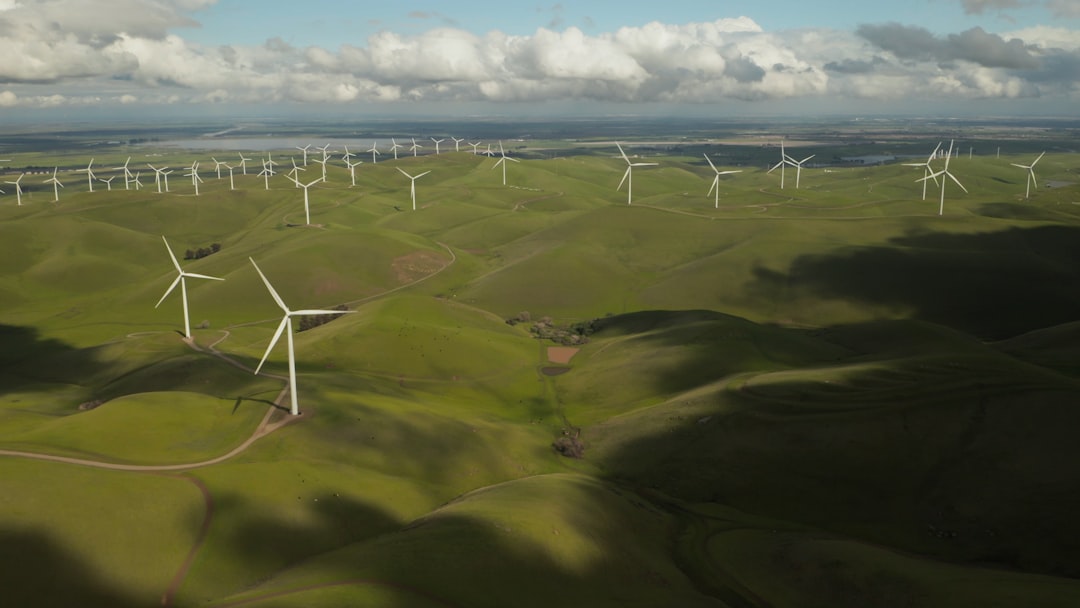
I have been thinking a lot about how unstable the electrical grid is. Everything I am reading and hearing when I talk to experts is America needs a massive overhaul of our antiquated electric infrastructure. The overhaul will not be cheap industry experts say it requires more than $2 trillion. The current network of transmission wires, substations, and transformers is decaying with age and underinvestment, a condition highlighted by catastrophic failures during increasingly frequent and severe weather events.According to a Reuters examination of federal data, power outages over the last six years have more than doubled compared to the previous six years. In the past two years, power systems have collapsed in Gulf Coast hurricanes, West Coast wildfires, Midwest heat waves, and a Texas deep freeze, causing prolonged and sometimes deadly outages.The central and upper Midwest, Texas, and Southern California face an increased risk of power outages this summer from extreme heat, wildfires, and extended drought, the nation’s grid monitor, warned yesterday.In a dire new assessment, the North American Electric Reliability Corp. (NERC) described regions of the country pushed closer than ever toward energy emergencies by a combination of climate change impacts and a transition from traditional fossil fuel generators to carbon-free renewable power.NERC’s analysis examined the potential punch of extreme weather, which may wreak havoc on everything from reduced hydropower to transmission lines brought down by wildfires. Grid operators are increasingly relying on intermittent resources like wind and solar as coal units retire and the reliability and emissions of gas resources come under scrutiny. How the summer unfolds also may have political ramifications, as it could affect public support for President Joe Biden’s push to decarbonize the U.S. grid by 2035.The NERC report also highlighted an increased, urgent hazard to grid operations from the electronic controls that link wind and solar farms to high-voltage grid networks. The devices, called power inverters, must be programmed to “ride through” short-term disturbances, such as the loss of a large power plant or high-voltage line, but too often, they are not. According to the report, Those that shut down compound stress on the grid.The NERC cited incidents in May and June last year when the Texas system was hit with widespread solar farm shutdowns, followed by similar outages in California between June and August. The unexpected events disrupted traditional power plants, interfered with grid recovery operations, and caused some outages of customer-owned power units.The report warned that inverter disruption is one of the most dangerous things on the bulk power system. They state that grid operators can be surprised by the outages when the finely balanced systems are already dealing with instability.Highlighting the most serious regional threats, the report said:* The Midcontinent Independent System Operator (MISO), grid manager and energy market operator in the central Midwest, “faces a capacity shortfall in its North and Central areas, resulting in high risk of energy emergencies during peak summer conditions.”* “More extreme temperatures, higher generation outages, or low wind conditions expose the MISO North and Central areas to higher risk of temporary operator-initiated load shedding to maintain system reliability,” the report said of the MISO region, which runs from Canada’s Manitoba province to Louisiana.* “An elevated risk of energy emergencies persists” across the West this summer “as dry hydrological conditions threaten the availability of hydroelectric energy for transfer.” The report said that nearly 3,400 megawatts of new resources are available as scheduled this summer, and California should be able to meet peak power demands this summer. But a repeat of the heat dome that scorched the entire West in 2019 could threaten the availability of imported power that the state depends on, causing energy emergencies.* In Texas, a “combination of extreme peak demand, low wind, and high outage rates from thermal generators could require system operators to use emergency procedures, up to and including temporary manual load shedding.” Delays in completing new transmission lines now underway “may contribute to localized reliability concerns.”* The report said that drought conditions in the Missouri River Basin might affect gas, coal, or nuclear plants in the Southwest Power Pool that rely on the river for cooling water supplies.* It added that some coal-fired power plant owners have difficulty arranging fuel deliveries because of mine closings, rail shipping interruptions, and increased coal exports.The report warned of threats from Western wildfires, where dry weather raises the risk of ignition and smoke from blazes can diminish output from a utility- and customer-owned solar panels and short circuit high-voltage power lines, as happened last year in Oregon.On top of
Theory-N2-Practice w/Daniel Scott
This is a public episode. If you'd like to discuss this with other subscribers or get access to bonus episodes, visit emnetwork.substack.com/subscribe

Exploring Intelligent Risk
Intelligent risk is an opportunity where the potential gain outweighs the harm or loss to the organization's sustainability. Taking intelligent risks requires a tolerance for failure and an expectation that innovation is not achieved through initiating only successful endeavors. At the outset, organizations must invest in potential successes realizing that some will also lead to failure.James is an advocate of intelligent risk-taking, driven by the belief that risk can be a powerful tool to help organizations reach their maximum potential. Todd DeVoe Twitter handle: https://twitter.com/ToddTDeVoeLinkedIn: https://www.linkedin.com/in/toddtdevoe/Substack: https://emnetwork.substack.com/Website: https://toddtdevoe.com/ James GreenTwitter: https://twitter.com/thejamesgreenLinkedIn: https://www.linkedin.com/in/thejamesgreen/Website: https://www.illuminateadvisory.com/ This is a public episode. If you'd like to discuss this with other subscribers or get access to bonus episodes, visit emnetwork.substack.com/subscribe

Lorraine Schneider, CEM
In this episode of Theory-N2-Practice we talk about leadership through service and engagement with Lorraine Schneider of the Emergency Management Growth Initiative (EMGI) and the Resiliency Initiative. Join us for a great discussion and most valuable insight from one of the best in the emergency management profession, Lorraine Schneider.Lorraine Schneider, MSc, CEMhttps://www.emginitiative.org/https://www.theresiliencyinitiative.com/Links:https://www.linkedin.com/in/daniel-scott-m-a-cem%C2%AE-empp-3-59a8a86a/https://www.instagram.com/d_scott_overdeliver/https://www.facebook.com/D.Scott.and.Associates/https://twitter.com/Haven1981 This is a public episode. If you'd like to discuss this with other subscribers or get access to bonus episodes, visit emnetwork.substack.com/subscribe
Mitigating Stress With Healthy Living
Occupational stress in first responders is associated with an increased risk in mental health problems, while the emotional toll first responders endure on the job has caused suicide rates to skyrocket amongst the industry. Today, prepare.respod.recover. host Todd DeVoe speaks with Brice Long, COO of O2X, an organization that provides customized wellness programs for public safety departments, the military, and federal agencies to improve the lives of the people that fight to keep us safe.O2X - https://www.o2x.com/If you would like to learn more about the Natural Disaster & Emergency Management (NDEM) Expo please visit us on the web - https://www.ndemevent.com This is a public episode. If you'd like to discuss this with other subscribers or get access to bonus episodes, visit emnetwork.substack.com/subscribe
How Do We Turn Complex Problems Into Simple Ones?
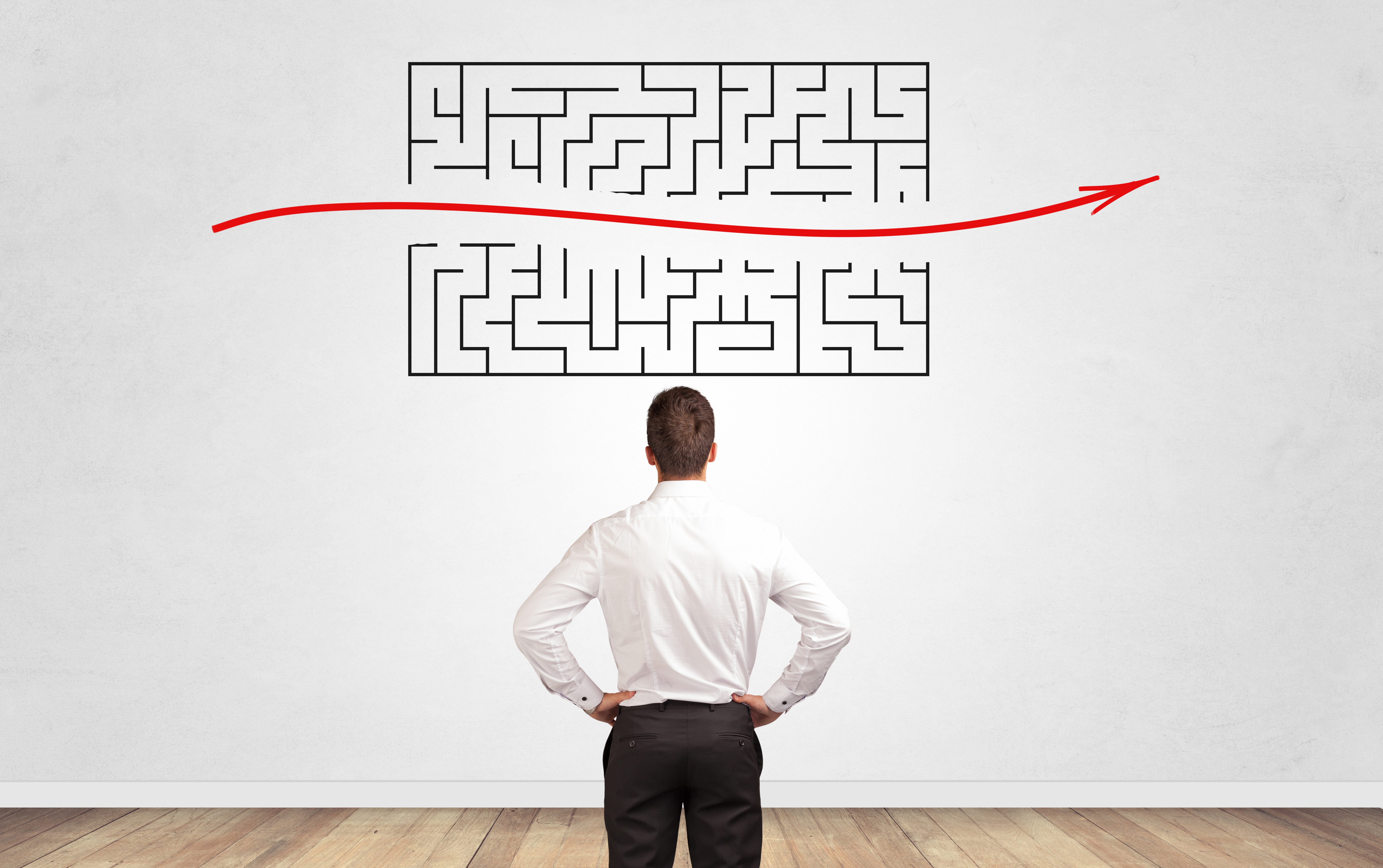
It is 2 AM, and the phone rings. It is never good when the phone rings at 2 AM. Your heart is racing, and dispatch tells you that a major fire has ripped through a senior housing development. The watch commander is requesting resources and the EOC to be activated. Decisions are being made, and you need to get into your OODA Loop fast, or you will be behind the eight ball. When making decisions under pressure keeping things simple makes a huge difference. One of the flaws of being human, we are drawn to complexity. "Build a tower, build a team" is a six-minute TED talk by Tom Wujec, which has been viewed well over 2 million times. We watch small teams, from CEOs to recent kindergarten graduates, given 20 sticks of spaghetti, a yard of string and a yard of tape, one marshmallow, and 18 minutes to build the tallest, free-standing tower they can – typically in competition with other teams. The marshmallow has to wind up on top. The fantastic part of this talk is that the kindergarten students had taller and better towers than the complex towers that civil engineers made. Why is that the case? It was a simple decision-making process. The kindergarten students did not make lists of what was necessary and did not have an ego about who was in charge. See, when everything becomes a priority, nothing is a priority. And at times, a complex system slows down the decision-making process. Einstein may have been known for being a math genius; however, his ability to sift the essential from the non-essential made him think better and make better decisions. Of course, this is harder than it seems.In emergency management, there is an ever-increasing amount of information coming at us. Why is it so hard to sift the essential from the inessential? It is the ability to zero in on what matters most. And yet most of us spend time cluttering our minds with things that don't matter rather than focusing on the simplicity that does.How do we turn complicated problems into simple ones? We need to break down a problem into its components but look at the problem holistically. Keep things as simple as possible. Simplicity has a way of improving performance by enabling us to understand better what we are doing.It focuses on finding easy decisions, breaking down what is hard into its simple components, and stripping away anything extraneous. Focus enables simplicity and clarity of thought, leading to a more positive investing result.Simplicity is FilteringWilliam James said: "The art of being wise is the art of knowing what to overlook." And there are no truer words that have been spoken.In Arthur Conan Doyle's The Reigate Puzzle, Sherlock Holmes says: "It is of the highest importance in the art of detection to be able to recognize, out of a number of facts, which are incidental and which are vital."And part of filtering is understanding what you know and what you don't know, that is, understanding your circle of competence.Socrates said that actual knowledge is knowing the extent of one's ignorance. He argued that most of the disputes and miseries of the world are due to the prevalence of ignorance. People tend to believe in a particular set of theories and enter into conflict with contrary opinions, sometimes intellectually suffering from a lack of knowledge which implicitly is ignorance. That in some cases we are making life-altering decisions with hairball problems without looking for the right string to pull. Donald Rumsfeld stated: Reports that say that something hasn't happened are always interesting to me because as we know, there are known knowns; there are things we know we know. We also know there are known unknowns; that is to say, we know there are some things we do not know.To simplify the decision-making process, you must act on what you know. Understand that you may have to pivot when you get more information that may shift your knowledge of the situation. And keep your eye on the horizon for potential unknown problems that pop up. Is it a skill that can be taught or learned? It probably can if you have enough of a stake riding on the outcome. Some people are extraordinarily good at knowing the limits of their knowledge because they have to be. When you get that phone call at 2 AM, It is easy to make issues and decisions complex, it is skillful to make the complex easy. Supportershttps://www.disastertech.com/https://titanhst.com/https://www.ndemevent.com/en-us/show-info.html This is a public episode. If you'd like to discuss this with other subscribers or get access to bonus episodes, visit emnetwork.substack.com/subscribe

Understanding The Role Consultants Play in EM
With the spotlight on leadership, it’s worth stepping back and understanding the role that Consultants play in helping drive organizational performance. Leaders face a host of challenges, from setting the strategic direction to ensuring the organization is reaching its full potential, and engaging internal and external stakeholders effectively Today we are taking a look at how consultants can provide help and clarity. Todd DeVoe Twitter handle: https://twitter.com/ToddTDeVoeLinkedIn: https://www.linkedin.com/in/toddtdevoe/Substack: https://emnetwork.substack.com/Website: https://toddtdevoe.com/ Nick LoweTwitter handle: https://twitter.com/CPARS_EMHSLinkedIn: https://www.linkedin.com/in/nicholas-nick-lowe-cem-cbcp-mep-23572a1bWebsite: https://www.cparsconsulting.com/email: [email protected] This is a public episode. If you'd like to discuss this with other subscribers or get access to bonus episodes, visit emnetwork.substack.com/subscribe

Developing Leadership Teams
When building teams it is critical to assess the performance and effectiveness of your team at every level. To gain a deeper understanding of your organization’s strengths sometimes you need to hire a team that builds teams. Anthony E. Coletta Jr. specializes in leadership development, performance management, strategic planning, and emergency planning and training.Todd DeVoe Twitter handle: https://twitter.com/ToddTDeVoeLinkedIn: https://www.linkedin.com/in/toddtdevoe/Substack: https://emnetwork.substack.com/Website: https://toddtdevoe.com/ Anthony Coletta Jr. LinkedIn: https://www.linkedin.com/in/anthony-e-coletta-jr-b22637b4/Facebook: https://www.facebook.com/anthony.coletta.9849Website: https://jacobgreenandassociates.com/ This is a public episode. If you'd like to discuss this with other subscribers or get access to bonus episodes, visit emnetwork.substack.com/subscribe
Bayes’ Theorem Applying It To Emergency Management
Bayes’ Theorem Applying It To Emergency Management Mental models help us with making decisions under stress. They give us a starting point, think of how we teach triage, “start where you stand”. This applies to decision-making as well during a disaster or crisis, start with information that you have. We can make the adjustments as more or better information is obtained. This brings me to the concepts of Bayes’ Theorem. Thomas Bayes was an English minister in the 18th century, whose most famous work, “An Essay toward Solving a Problem in the Doctrine of Chances,” The essay did not contain the theorem as we now know it but had the seeds of the idea. It looked at how to adjust our estimates of probabilities when encountering new data that influence a situation. Later development by French scholar Pierre-Simon Laplace and others helped codify the theorem and develop it into a useful tool for thinking.Now you do not need to be great at math to use this concept. I still need to take off my shoes to count to 19. . More critical is your ability and desire to assign probabilities of truth and accuracy to anything you think you know and then be willing to update those probabilities when new information comes in.We talk about making decisions based on the new information that has come in, however, we often ignore prior information, simply called “priors” in Bayesian-speak. We can blame this habit in part on the availability heuristic—we focus on what’s readily available. In this case, we focus on the newest information, and the bigger picture gets lost. We fail to adjust the probability of old information to reflect what we have learned.The big idea behind Bayes’ theorem is that we must continuously update our probability estimates on an as-needed basis. Let’s take a look at a hurricane as our crisis. We have all seen the way it tracks and can predict that it may make landfall at a certain time and location. We can use past storms as predictors of how this hurricane may act and the damage it could cause. However, new information may come to light on the behavior of the storm. This however should not necessarily negate the previous experience and information you have on hand. In their book The Signal and the Noise, Nate Silver and Allen Lane give a contemporary example, reminding us that new information is often most useful when we put it in the larger context of what we already know:Bayes’ theorem is an important reality check on our efforts to forecast the future. How, for instance, should we reconcile a large body of theory and evidence predicting global warming with the fact that there has been no warming trend over the last decade or so? Skeptics react with glee, while true believers dismiss the new information.A better response is to use Bayes’ theorem: the lack of recent warming is evidence against recent global warming predictions, but it is weak evidence. This is because there is enough variability in global temperatures to make such an outcome unsurprising. The new information should reduce our confidence in our models of global warming—but only a little.The same approach can be used in anything from an economic forecast to a hand of poker, and while Bayes’ theorem can be a formal affair, Bayesian reasoning also works as a rule of thumb. We tend to either dismiss new evidence or embrace it as though nothing else matters. Bayesians try to weigh both the old hypothesis and the new evidence in a sensible way.So much of making better decisions hinges on dealing with uncertainty. The most common thing holding people back from the right answer is instinctively rejecting new information, or not integrating the old. To better serve our communities, have a mental model, work with it and use it to make better decisions. PodcastsThe Todd De Voe Show School Shootings and Emergency Management The K-12 School Shooting Database research project is a widely inclusive database that documents each and every instance a gun is brandished is fired, or a bullet hits school property for any reason, regardless of the number of victims, time, or day of the week.The School Shooting Database Project is conducted as part of the Advanced Thinking in Homeland Security (HSx) program at the Naval Postgraduate School’s Center for Homeland Defense and Security (CHDS).Prepare Respond Recover Saving Lives Through Training Due to the uptick of mass shootings over the years, many professions outside of law enforcement are now being trained in active shooter response programs. But have you ever thought about who teaches the law enforcement officers themselves? Join prepare.respond.recover. host Todd De Voe as he talks with Erik Franco, the CEO of "High Speed Tac Med", one of the nation’s most sought-after active shooter training programs for law enforcement and firefighting. Learn about “Run, Hide, Fight” and how this training is preparing law enforcement officers to tackle an active shooter situation as quickly and efficiently as possible.HSTM -

School Shootings and Emergency Management
The K-12 School Shooting Database research project is a widely inclusive database that documents each and every instance a gun is brandished is fired, or a bullet hits school property for any reason, regardless of the number of victims, time, or day of the week.The School Shooting Database Project is conducted as part of the Advanced Thinking in Homeland Security (HSx) program at the Naval Postgraduate School’s Center for Homeland Defense and Security (CHDS).Todd DeVoe Twitter handle: https://twitter.com/ToddTDeVoeLinkedIn: https://www.linkedin.com/in/toddtdevoe/Substack: https://emnetwork.substack.com/Website: https://toddtdevoe.com/ David RiedmanTwitter handle: https://twitter.com/k12ssdbLinkedIn: https://www.linkedin.com/in/david-riedman/ Website: https://www.chds.us/ssdb/about/Youtube: https://www.youtube.com/user/npsCHDS This is a public episode. If you'd like to discuss this with other subscribers or get access to bonus episodes, visit emnetwork.substack.com/subscribe
Saving Lives Through Training
Due to the uptick of mass shootings over the years, many professions outside of law enforcement are now being trained in active shooter response programs. But have you ever thought about who teaches the law enforcement officers themselves? Join prepare.respond.recover. host Todd DeVoe as he talks with Erik Franco, the CEO of "High Speed Tac Med", one of the nation’s most sought-after active shooter training programs for law enforcement and firefighting. Learn about “Run, Hide, Fight” and how these trainings are preparing law enforcement officers to tackle an active shooter situation as quickly and efficiently as possible.HSTM - https://highspeedtacmed.com/If you would like to learn more about the Natural Disaster & Emergency Management (NDEM) Expo please visit us on the web - https://www.ndemevent.com This is a public episode. If you'd like to discuss this with other subscribers or get access to bonus episodes, visit emnetwork.substack.com/subscribe
Navigating Disaster Politics
During a round table, I asked Craig Fugate if we could take politics out of Disaster response. His answer was simple, no. It is that all disaster responses have political consequences. Fema has a training called The Politics of Disaster. Here they state, "Disasters have Political Consequences: One widely observed but not fully understood principle of the disaster/politics relationship is that disasters and their aftermath have significant potential to affect the political environment of a community, state or nation." Jeff Schlegelmilch of Columbia University has a podcast called Disaster Politics. He explores policies that impact disaster response and recovery. Thor Neureiter's documentary Disaster Capitalism sheds light on the strings that come with global aid given to nations after a disaster. This includes how China has exploited mineral mines in Afghanistan and many African countries. We have witnessed the mess that politics created with the COVID response. A time that could have brought the nation together, the political parties used it as an opportunity to attack their opponents. The political gamesmanship after a disaster is not new. Disasters are politicized both by Democrats and Republicans. And despite the perception of increased partisanship in recent years, disaster aid has been a political football since 1972.The Politics of Disaster Funding In October of 2020, after a devastating wildfire ripped through California, FEMA denied federal aid. This was seen as a political stunt by President Trump. Shortly after the denial, Trump reversed the decision and gave California disaster relief funding. Rhetoric notwithstanding, the impact of politics on disaster relief is not news to anyone who has been in emergency management. In many ways, it's an accepted part of how policymakers do business. What might be surprising to some is how this system impacts state officials' behavior.Stated do not have a strong incentive to spend money on projects like dams or levees. These projects are expensive, and spending money on them diverts funds away from more visible and popular initiatives with voters. When a disaster strikes, the governor takes cover and blames the federal government for the lack of funding for infrastructure programs. Winning Elections On Disaster Response (or Recovery) I have argued that we do respond well for the most part. It is covered in the national news showing the heroic actions of rescues from flood waters and firefighters battling the blazes engulfing homes. If there are complaints about how the government failed, it is due to how recovery is handled. How does this impact politics? Local and national leaders are rewarded at the polls when the public thinks they did a good job handling natural disasters and punished when people think they did a lousy job. For a politician's handling of a disaster to be reflected at the polls, voters first need to be aware of the natural disaster and their elected officials. Second, they need to link the political actors with the disaster. They have to believe politicians should take some blame and not place it all on the stroke of bad luck or a negligent corporation. Third, they need to assess whether the leader handled the situation well or poorly.The nation's sensitivity to disaster relief has caused policymakers to undervalue disaster preparedness. As I have written before, politicians are rewarded by the voters when they give or get funding for recovery, and preparedness dollars go unnoticed. The problem is that when disaster preparedness is done well, nobody notices. And I believe some may want the administration in power to fail so that the opposition party can use it for fodder in the next election. As emergency managers, we must keep ourselves out of disaster politics. However, we need to be aware that they exist. At times we are made the scapegoat for failed policies. Start thinking about how seemingly independent systems are connected. We need to understand the political, social, and practical implications of emergency management and disaster response policies and how to navigate them. What To Read: Creating a Personal Development PlanTodd T. DeVoeYou’ve heard the saying, “If you don’t plan, you are planning to fail.” However, even understanding that comment, we forget about it in our personal lives. Most of the time, we apply that type of rational thought to our work life. We sadly forget that planning our personal development is also essential to achieving everything in life we desire. In addition, personal development does include career development.The Speed to Scale ChallengeKelly McKinneyIn late August 2005, the days before Hurricane Katrina made landfall on America's Gulf Coast, FEMA—its federal emergency management agency—deployed an Emergency Response Team to the State of Louisiana’s Emergency Operations Center.But, when it arrived, the FEMA ERT could not combine forces with the emergency managers in Louisiana. Similarly, the State of