The Emergency Management Network Podcast
421 episodes — Page 6 of 9
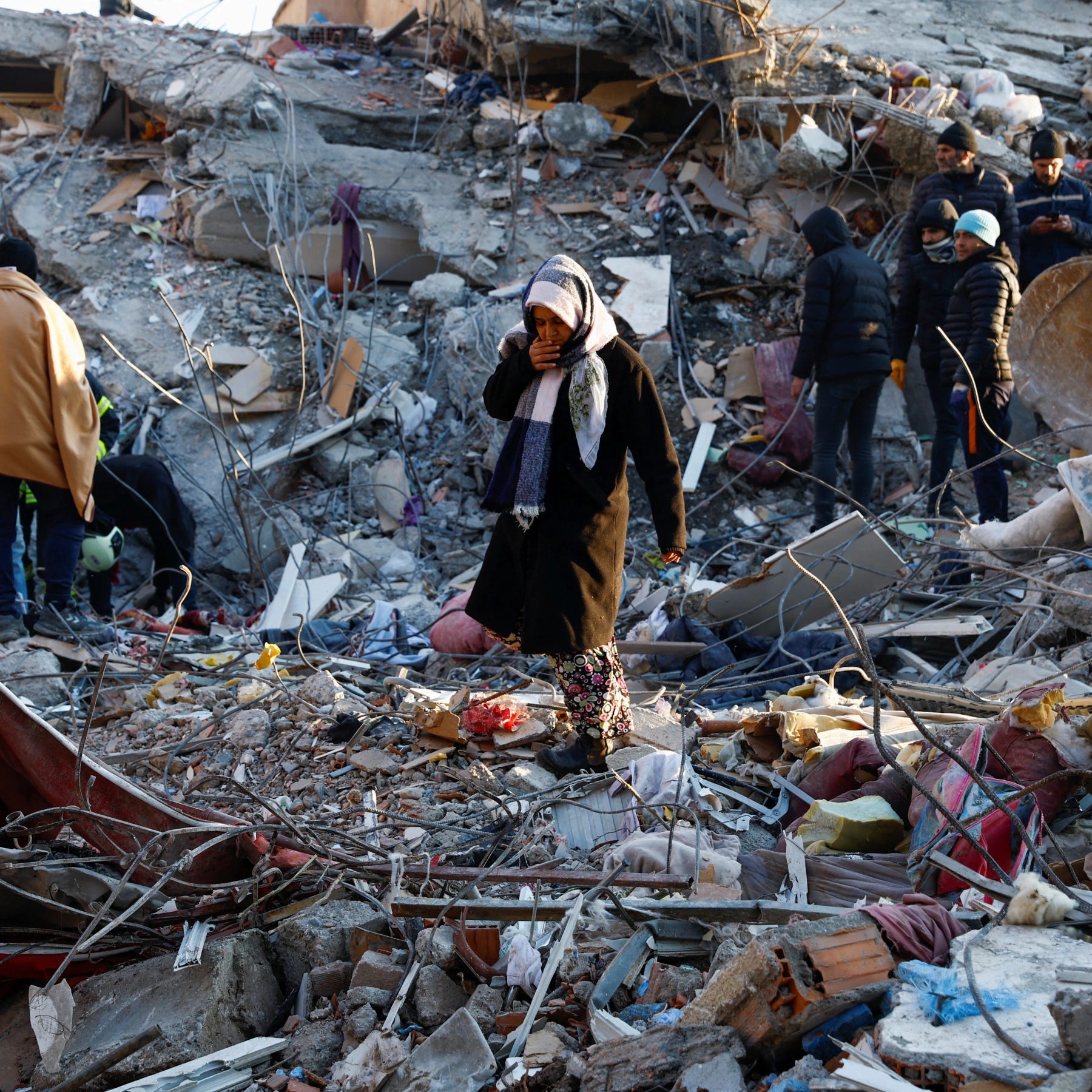
Uniting to Help: Why the World Must Come Together to Send Aid to Turkey and Syria in the Wake of Devastating Earthquake
A catastrophic 7.8-magnitude earthquake struck southeastern Turkey, followed by a significant aftershock, resulting in thousands of casualties and widespread destruction in Turkey and Syria. With communities grappling with the aftermath and relief organizations mobilizing their resources, the question remains: how can the global community extend a helping hand? Additionally, the impact of this disaster on a region already struggling with a decade-long conflict and a massive refugee crisis is a significant concern. This is a public episode. If you'd like to discuss this with other subscribers or get access to bonus episodes, visit emnetwork.substack.com/subscribe
Turkey in Turmoil: Examining the Aftermath of the Devastating Earthquake
This devastating earthquake has left Turkey and the surrounding region in need of the world's assistance. Join the discussion about the challenges faced by communities as they try to rebuild, and what the future holds for Turkey in the wake of such a catastrophic event. This podcast aims to bring attention to the ongoing struggles of those affected by the earthquake and shed light on the long road to recovery. Let's examine the turmoil in Turkey and offer a compassionate look at the people and communities impacted by this tragedy. This is a public episode. If you'd like to discuss this with other subscribers or get access to bonus episodes, visit emnetwork.substack.com/subscribe
Strong Minds, Strong Response: Prioritizing Mental Health For Disaster Workers
The other day I was talking to a group of young emergency management students. One of them asked me how I have coped with the tradies I have seen over the years of my service. Studies have shown that laughter and humor can help to reduce stress by releasing endorphins, the body's natural feel-good chemicals. Humor can also temporarily distract from stress, allowing a person to step back from the situation and regain a sense of perspective.Supporterswww.titanhst.com This is a public episode. If you'd like to discuss this with other subscribers or get access to bonus episodes, visit emnetwork.substack.com/subscribe

The Dog Sitter Lessons Learned In The Disaster Zone
In crisis situations, leaders are rarely fully prepared. Despite experiencing the same nerves and anticipation with each crisis, they respond with the desire to make a difference. Ed Conley, a former FEMA responder and NATO advisor, provides ten principles in "Promote the Dog Sitter" to guide leaders in acting swiftly and effectively in disasters. With his extensive experience, Conley offers a unique perspective on how leaders can overcome challenges, build teams, show compassion, and maintain integrity during crises.Todd DeVoehttps://toddtdevoe.com/Ed Conleyhttps://lnkd.in/gCF8wwGJ This is a public episode. If you'd like to discuss this with other subscribers or get access to bonus episodes, visit emnetwork.substack.com/subscribe
Why we need to build Disaster-Resilient Communities
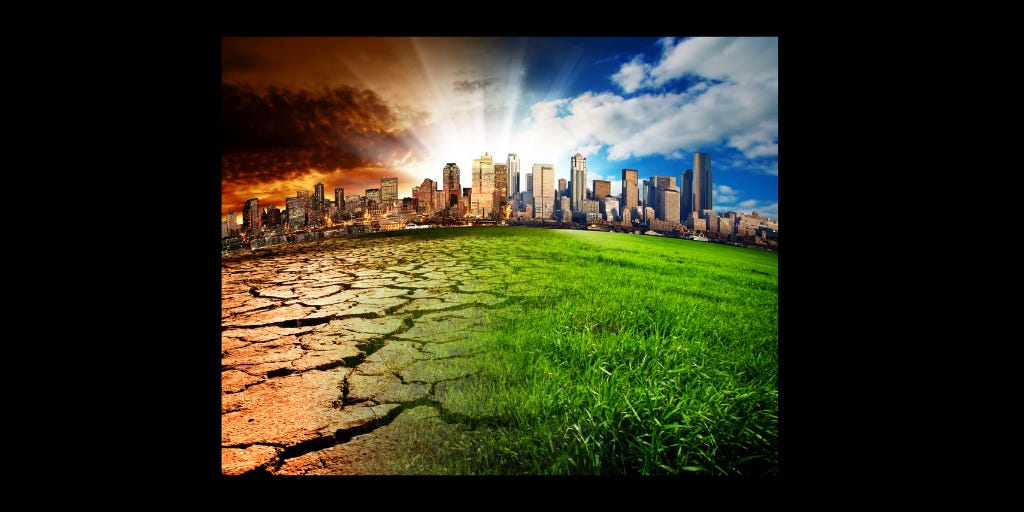
As we close out the first month of the year and stick with the theme of resolve to be resilient, I thought it would be prudent to discuss building a disaster-resilient community.Why we need to build Disaster-Resilient Communities Disasters, whether natural or man-made, can have devastating consequences for communities. In recent years, we have seen an increase in the frequency and severity of disasters, from major hurricanes and floods to wildfires and pandemics. The impacts of these events can be devastating, not only in terms of physical damage but also in terms of human and economic costs. Building disaster-resilient communities are more critical than ever in light of these events. This is a public episode. If you'd like to discuss this with other subscribers or get access to bonus episodes, visit emnetwork.substack.com/subscribe
Getting Fit Makes You a Better Leader
Fitness can help you lead in several ways. Regular exercise can improve physical health and stamina, increasing energy and focus and allowing you to perform better in work and personal tasks. In addition, regular exercise can improve mental health and reduce stress, leading to better decision-making and problem-solving abilities. Furthermore, fitness can help boost self-confidence, making it easier to lead and communicate with others. Additionally, regular exercise can improve cardiovascular health, decreasing the risk of chronic diseases and improving overall longevity. Therefore, fitness can help you lead a more productive, healthy, and fulfilling life.Twitter handle: https://lnkd.in/g36tepcRLinkedIn: https://lnkd.in/gPTFwwWSubstack: https://lnkd.in/eDZhKvF4Website: https://toddtdevoe.com/Guest Link https://snezv.com/ This is a public episode. If you'd like to discuss this with other subscribers or get access to bonus episodes, visit emnetwork.substack.com/subscribe
Buffalo's Blizzard Highlights The Need For Emergency Management
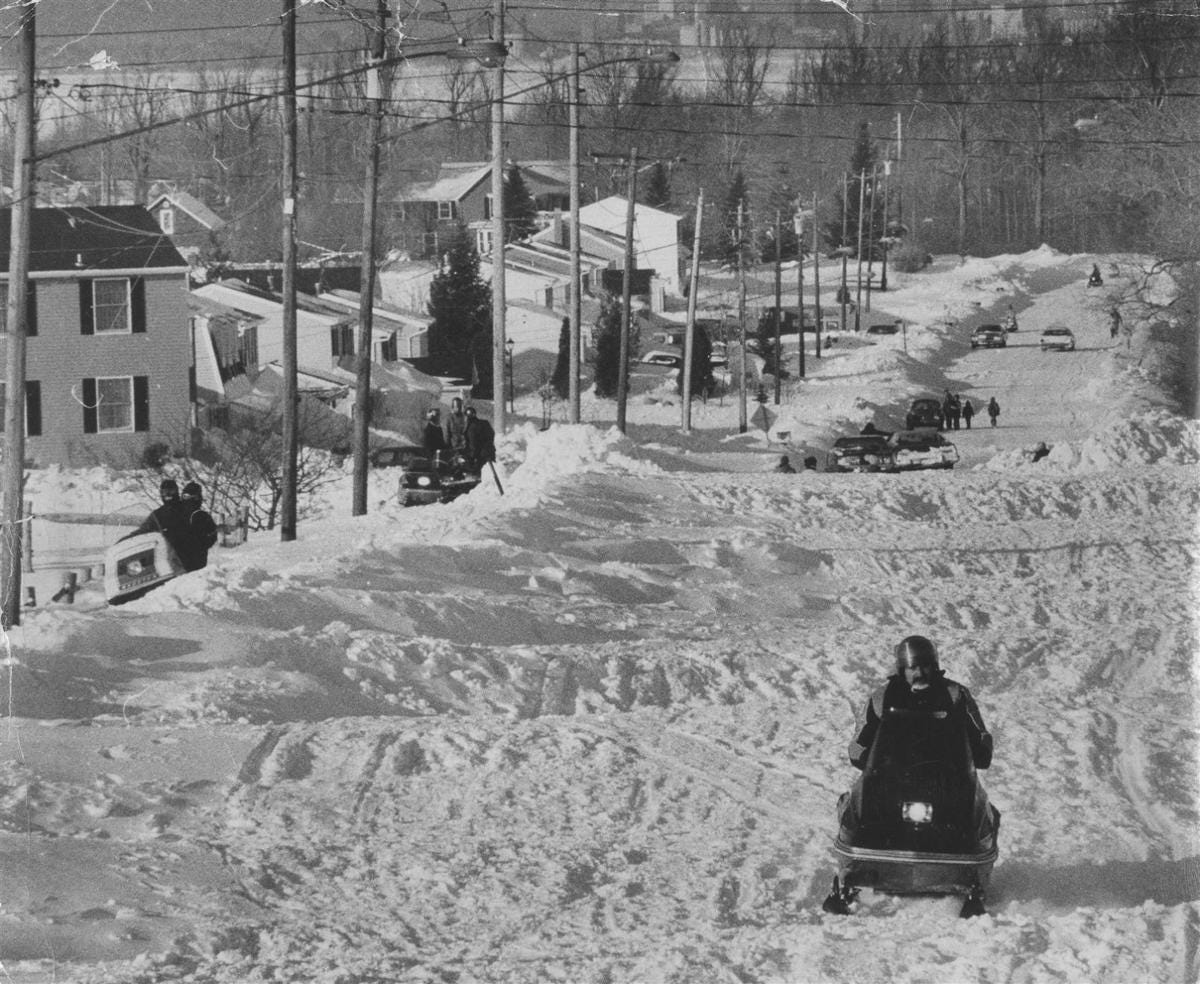
The City of Buffalo needs a dedicated emergency management office to lead its emergency management efforts. This organization would be responsible for the overall coordination and implementation of emergency plans and procedures, working closely with the city government to establish policies and procedures that promote resilience and ensure continuity of operations during a disaster. The cost of hiring an emergency manager may seem high, but it is a small price to pay for the protection and safety of the city and its residents. This is a public episode. If you'd like to discuss this with other subscribers or get access to bonus episodes, visit emnetwork.substack.com/subscribe
Exploring Netflix’s Unified Resilience Framework
What is Enterprise Resilience? Gale Anders and T.J. Mead, who are members of Netflix’s global continuity program, discuss what a relatively new function for Netflix, established in 2020 in response to the COVID-19 pandemic, is. Their team was tasked to develop the best program possible. Their task, make Netflix more resilient than before.Twitter handle: https://twitter.com/ToddTDeVoe LinkedIn: https://www.linkedin.com/in/toddtdevoe/ Substack: https://emnetwork.substack.com/ Website: https://toddtdevoe.com/ This is a public episode. If you'd like to discuss this with other subscribers or get access to bonus episodes, visit emnetwork.substack.com/subscribe

Why You Should Study Leadership Philosophy
Emergency managers are tasked with leading their teams and organizations through some of the most challenging and high-stakes situations imaginable. Given the critical nature of our work, we must invest time in studying leadership philosophy. By gaining a deeper understanding of the various leadership models and philosophies developed over the years, you can gain a deeper understanding of your leadership styles and the strengths and weaknesses of different approaches. This knowledge can help you lead teams more effectively during emergencies, make better decisions, and save lives. Also, studying leadership philosophy can help you develop the critical thinking skills needed to navigate complex and rapidly-changing situations, which is essential for success in emergency management.https://emnetwork.substack.com/https://toddtdevoe.com/https://www.titanhst.com/https://www.iaem.org/ This is a public episode. If you'd like to discuss this with other subscribers or get access to bonus episodes, visit emnetwork.substack.com/subscribe
Leading During a Crisis
Leading during a crisis requires a unique set of skills and a strong sense of resilience. A crisis leader must remain calm and composed under pressure while also being able to think strategically and make quick decisions. They must also communicate effectively with their team and stakeholders, providing clear and consistent guidance. In a crisis, a leader must adapt to rapidly changing circumstances and pivot their strategy as needed. They must also be able to empathize with their team and understand the impact the crisis has on them while remaining focused on the bigger picture and working towards a solution. Additionally, crisis leaders must inspire confidence in their team and stakeholders and provide stability and direction during uncertainty. This is a public episode. If you'd like to discuss this with other subscribers or get access to bonus episodes, visit emnetwork.substack.com/subscribe
TN2P Tomer Kalansky Interview
Throughout my career, I have history of excellence in building businesses through operations management, procurement coordination, HR management, contract negotiations, project management, payroll, sales development, benefits management, and social media marketing. Having worn many hats in my career, I gain immense satisfaction in developing impeccable strategies to significantly reduce operational losses and skyrocket operating profit margin. Most recently, as the Director Of Operations at Arctic Leaf Inc., I played a significant role in building high-powered team that collaboratively optimized cross-functional operation processes—driving efficiency, improving business operations, saving costs, and enhancing ROI.Tomer Kalansky Links:https://www.linkedin.com/in/tkalansky/https://palletshelter.com/Daniel Scott Links:https://www.linkedin.com/in/daniel-scott-m-a-cem%C2%AE-empp-3-59a8a86a/ https://www.instagram.com/d_scott_overdeliver/https://www.facebook.com/D.Scott.and.Associates/https://twitter.com/Haven1981 This is a public episode. If you'd like to discuss this with other subscribers or get access to bonus episodes, visit emnetwork.substack.com/subscribe
Becoming A Resilient Leader
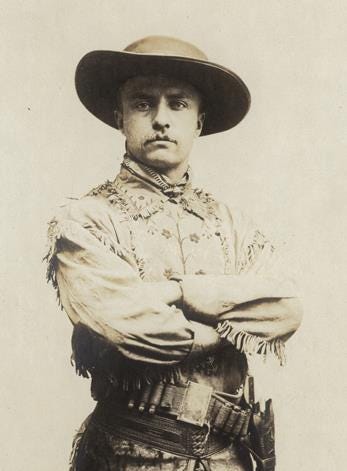
When I was thinking about resilient leaders, Teddy Roosevelt was the first to come to mind. It is not his bravado that interested me; what draws me to him, he should have never even made his way to local politics, let alone his rise to the President of the United States. TR was the first modern President; he fought his demons and tragedies. He was constantly proving himself, not to others, but to himself. He became the most beloved and hated personality in the world. Today, TR is still studied, written about and in some cases revered despite his flaws and, in some ways, because of them.Teddy Roosevelt was born into a wealthy family in New York City on October 27, 1858. His father, Theodore Roosevelt Sr., was a glass importer and one of New York City's leading philanthropists. His mother, Martha Bulloch Roosevelt, came from a prominent family in Georgia. Roosevelt had an older sister, Anna, and a younger brother, Elliott.Despite his privileged upbringing, Roosevelt's childhood was marked by tragedy and illness. His father died of stomach cancer, leaving his mother to raise him and his siblings independently. Roosevelt's mother was a loving and supportive parent, but she struggled with depression and was often bedridden.Roosevelt himself struggled with health problems throughout his childhood. He was a sickly child, suffering from asthma and other respiratory issues. He was also prone to recurrent fevers and was often confined to bed for long periods. Despite these challenges, Roosevelt was determined to overcome his physical limitations and lead an everyday, active life. He began exercising and practicing deep breathing techniques, which helped him improve his lung capacity and strengthen his body.The story goes that as young Theodore Roosevelt approached puberty, still frail, puny and nearsighted, his father (a robust man) said to him, “Theodore, you have the mind, but you do not have the body. You must make your body.” Accordingly, he transformed an upstairs room into a mid-19th-century gymnasium with assorted weights and barbells, punching bags and boxing gloves – and a 19th-century personal trainer to instruct. Thus equipped, TR (the one we know) embraced the strenuous life and shaped up.Roosevelt's mother recognized his love of reading and encouraged his intellectual curiosity. She hired tutors to teach him at home and provided him with many books to read. Roosevelt became an avid reader interested in history and adventure stories. He excelled academically and was a top student at his prep school, Groton School.Despite the challenges he faced, Roosevelt's childhood was a happy and fulfilling one. He was surrounded by a loving family and had the opportunity to pursue his passions and interests. His mother's influence was significant, as she provided him with the support and encouragement he needed to overcome his physical limitations and succeed in life. Roosevelt's childhood experiences would shape his character and inspire him to become the man he would later become - a man of incredible resilience and determination.TR’s resolve was tested On February 14, 1884, when he received the devastating news that his wife and his mother had died on the same day.Roosevelt married his first wife, Alice Hathaway Lee, in 1880. The couple had a baby girl, Alice, in 1884. However, just a few days after Alice's birth, Roosevelt's wife fell ill with kidney failure and died.Just hours after Roosevelt's wife died, his mother, Martha Bulloch Roosevelt, also passed away. She had been suffering from a fever, and her health had declined for some time. Roosevelt was heartbroken by the loss of his mother, who had always been a constant source of support and encouragement for him.The double loss devastated Roosevelt, who was just 25 years old. He was overwhelmed with grief and struggled to come to terms with the loss of his wife and mother on the same day. Roosevelt's father had also died when he was 19, and the loss of his mother left him feeling alone and adrift.Despite his grief, Roosevelt refused to let the loss of his wife and mother define him. He threw himself into his work, focusing on his career and leaving his young daughter in the care of his sister. Roosevelt turned to outdoor activities like hunting and hiking to help him cope with his grief. Some historians believe Teddy Roosevelt suffer from depression. He would take to the woods for months at his low.The double loss of Teddy Roosevelt's wife and mother on the same day was a devastating and life-changing event. Roosevelt's resilience and determination helped him overcome his grief and move forward with his life. He remained committed to his family, work, passions, and enduring spirit helped him emerge from tragedy even stronger than before.To escape the thoughts of his wife, Roosevelt decided to move to the west and start a new chapter in his life In Montana. He purchased a ranch in the Badlands of North Dakota, which he named the Elkhorn Ranch. He became a Law Ma
Becoming A Resilient Leader
Resilient leadership is the ability to effectively navigate and overcome challenges, setbacks, and adversity in order to achieve success. It involves being able to adapt to change, bounce back from failure, and remain positive and focused even in the face of difficult circumstances. Resilient leaders are able to draw on their inner strength and resources to persevere and find solutions to problems, rather than becoming overwhelmed or discouraged by them. They are able to maintain their sense of purpose and direction and inspire and motivate others to do the same. Resilient leadership requires a combination of mental and emotional toughness, self-awareness, self-regulation, and a willingness to learn and grow. It is a critical trait for anyone in a leadership position and can help organizations and teams achieve their goals and thrive in an increasingly complex and dynamic world. This is a public episode. If you'd like to discuss this with other subscribers or get access to bonus episodes, visit emnetwork.substack.com/subscribe
2022 The Year of Resilience
The past year has tested leaders across all sectors, both private and public. Inflation, energy, the continued COVID crisis, disasters and war. Reflecting on the past year sheds light on pivotal moments and forges the path toward a resilient future. However, we can name 2022 to be a year of resilience.LinksTwitter handle: https://twitter.com/ToddTDeVoe LinkedIn: https://www.linkedin.com/in/toddtdevoe/ Substack: https://emnetwork.substack.com/ Website: https://toddtdevoe.com/ This is a public episode. If you'd like to discuss this with other subscribers or get access to bonus episodes, visit emnetwork.substack.com/subscribe
We Wish You All a Happy Holiday and a Very Merry Christmas
While most of us will be spending the holidays with our families, parts of the world are still recovering from disasters. Thousands of our brothers and sisters are working today, managing recovery, feeding the poor, and holding the hand of the elderly who may not have their own families. And those serving as police officers, firefighters, military personnel, and other first responders throughout our nation will miss celebrations with their loved ones. They will be on duty, fulfilling their responsibility to keep the public safe.Thank you all for what you do to keep our communities safe, our citizens prepared, and our teams ready to respond. I hope you all have a wonderful holiday season, a very Marry Christmas, and a Happy Hanukkah.We will see you all next week when we resume our profiles in leadership series.SponsorsBuffalo Computer Graphics Disaster TechTitan HST This is a public episode. If you'd like to discuss this with other subscribers or get access to bonus episodes, visit emnetwork.substack.com/subscribe

The Holiday Special 2022
Today, we are celebrating the holidays with our team. Come and join us as we discuss our dreams, goals, and how we can improve the world. It is the time of year to reflect and spend time with friends and family. We hope you have a wonderful holiday season.LinksTodd DeVoe Twitter handle: https://twitter.com/ToddTDeVoe LinkedIn: https://www.linkedin.com/in/toddtdevoe/ Substack: https://emnetwork.substack.com/ Website: https://toddtdevoe.com/ This is a public episode. If you'd like to discuss this with other subscribers or get access to bonus episodes, visit emnetwork.substack.com/subscribe
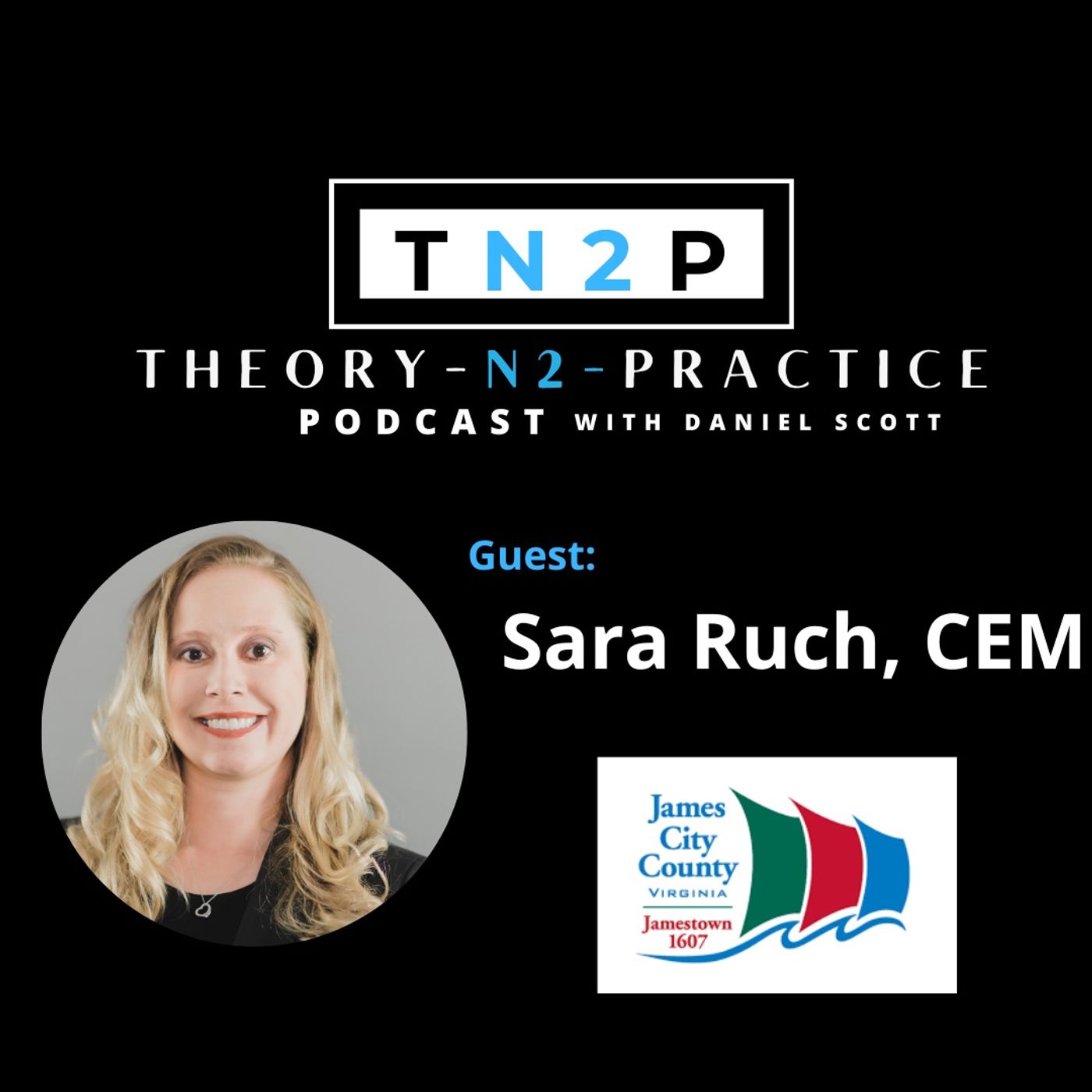
TN2P Sara Ruch Interview
Sara Ruch has been in the emergency management profession since 2006. She is a Certified Emergency Manager through the International Association of Emergency Managers. She is also a Certified Floodplain Manager through the Association of State Floodplain Managers. She is a past president of the Virginia Emergency Management Association and a former Board Member of FEMA’s Region 3 Advisory Council. She was a member of FEMA’s Comprehensive Preparedness Guide Working Group. She is a graduate of from FEMA’s Advanced and Executive Academies. She was recently recognized as Top 40 under 40 for IAEM Region 3 and is also their Secretary/ Treasurer.Sara Ruch Links:https://www.linkedin.com/in/sara-r-a596a24/https://jamescitycountyva.gov/Daniel Scott Links:https://www.linkedin.com/in/daniel-scott-m-a-cem%C2%AE-empp-3-59a8a86a/ https://www.instagram.com/d_scott_overdeliver/ https://www.facebook.com/D.Scott.and.Associates/ https://twitter.com/Haven1981 This is a public episode. If you'd like to discuss this with other subscribers or get access to bonus episodes, visit emnetwork.substack.com/subscribe
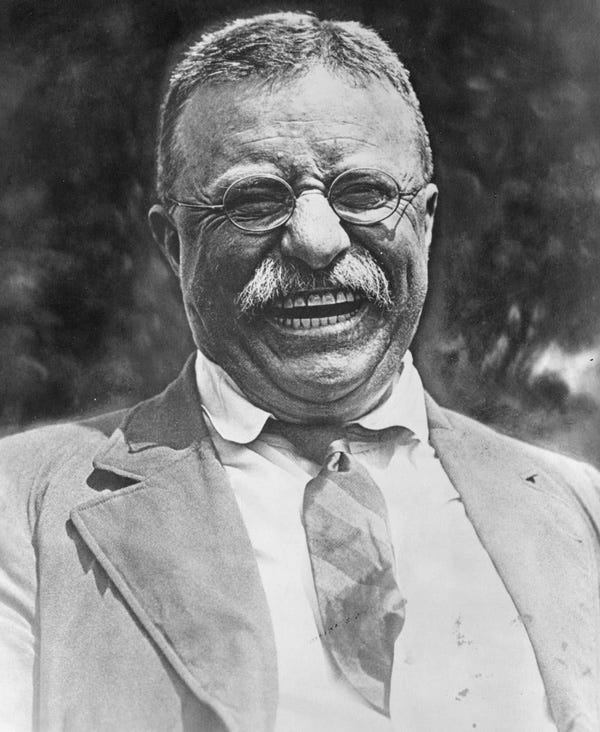
Lessons of Resiliency From Theodore Roosevelt
Lessons of Resiliency From Theodore RooseveltWe talk about resilience in many ways. The field many of you reading this or listing to the podcast have chosen to pursue one that values resilience. The resilience of the community and the individual. The success stories that we share are of the hard-nosed individuals who recovered from the disaster and thrived after. SponsorsBuffalo Computer Graphics DLANTitan HSTDisaster Tech This is a public episode. If you'd like to discuss this with other subscribers or get access to bonus episodes, visit emnetwork.substack.com/subscribe

Building Resiliency One Community at a Time
Community resilience often focuses on growing the capacity to “bounce back” from disruptions. These can be natural disasters, human-caused events, and even war, Preparing for disruption is the only way to build resilience. As we strive to build robust community resilience programs. It is sometimes hard to figure out where to start. The program should engage and benefit the entire community. It is critical to consider all of the challenges that the community may face. It may be an economic disaster that the community is facing or a tsunami, however, together the community will survive.Join Todd as he sits down with Andrea Davis as they discuss The Resiliency Initiative and her vision to bring programs to communities across the world.Todd DeVoe Twitter handle: https://twitter.com/ToddTDeVoe LinkedIn: https://www.linkedin.com/in/toddtdevoe/ Substack: https://emnetwork.substack.com/ Website: https://toddtdevoe.com/ Andrea Davis LinkedIn: https://www.linkedin.com/company/theresiliencyinitiative/ Twitter: https://twitter.com/theresiliencyIn This is a public episode. If you'd like to discuss this with other subscribers or get access to bonus episodes, visit emnetwork.substack.com/subscribe
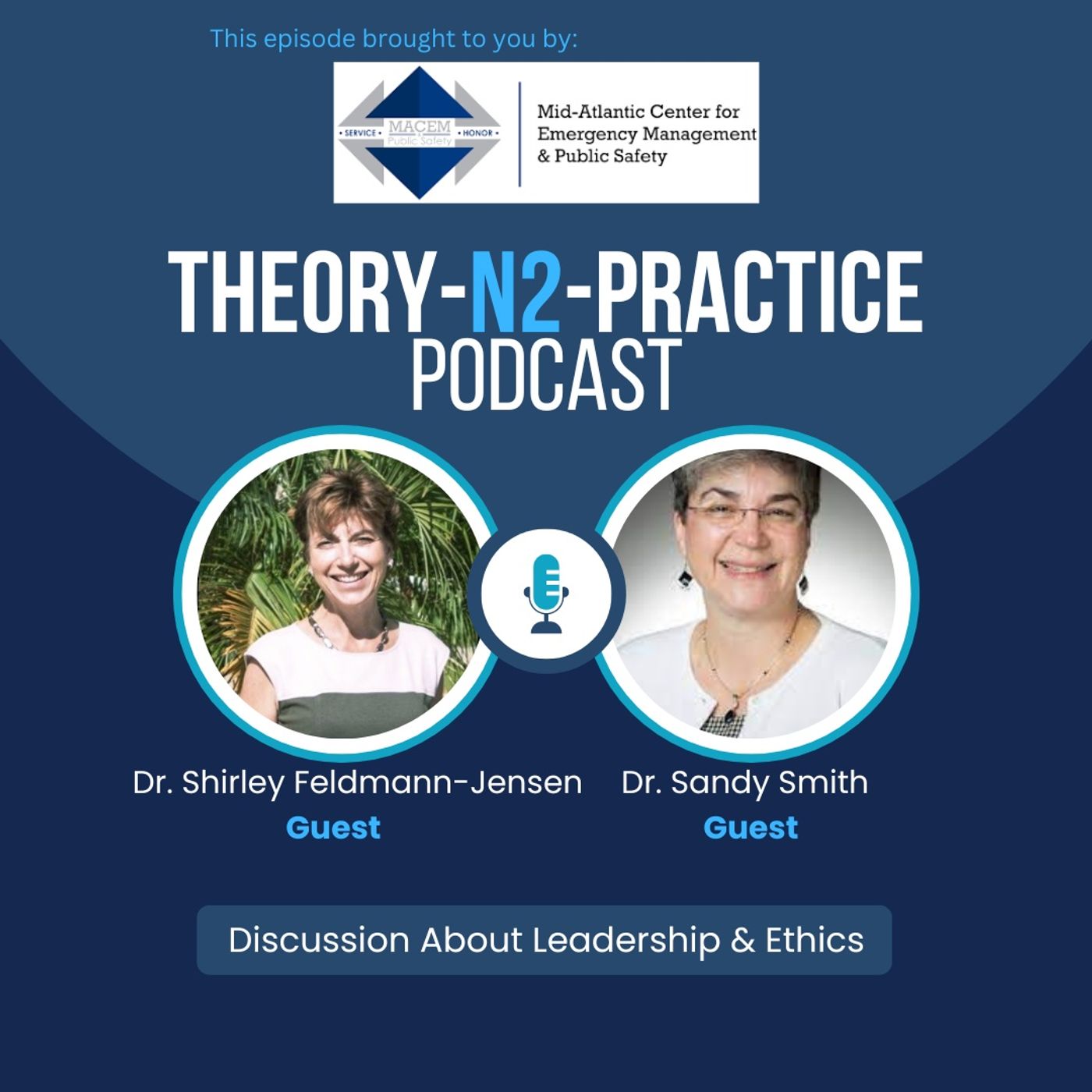
TN2P Interview w/Dr. Shirley Feldmann-Jensen & Dr. Sandy Smith
The main purpose of a code of ethics is to help professionals do what is morally right in any situation where the answer may not always be apparent. Codes of ethics provide a standard and benchmarks for how one behaves and supports the overall occupational identity of emergency managers. With a code of ethics, decision making for moral dilemmas is protected from the typical dangers that exist when the decisions are made ad-hoc.Dr. Shirley Feldmann-Jensen has policy expertise at the intersection of disaster risk management and human outcomes. Scholarly activity focus is on foundations that can advance the professionalization of disaster risk management and on building community resilience to disruptive hazards. Her experience is both international and domestic, spanning a range of public health, disaster risk management, and instructional settings. Dr. Sandy Maxwell Smith is Professor of Emergency Management and Head of the Department of Emergency Management, Professional Studies, and Student Affairs Administration at Arkansas Tech University (ATU). She received her doctorate in nursing from Loyola University Chicago. Sandy has been teaching college students since 1999 and began teaching emergency management courses in 2011. Her research interests include the study of disaster ethics, Emergency Management and Homeland Security core competencies, accreditation issues, disaster preparedness, and health care.Code of Ethics:https://training.fema.gov/hiedu/specialinterest/eemsig.aspxDr. Shirley Feldmann-Jensen:https://www.linkedin.com/in/dr-shirley-feldmann-jensen-09b43261/Daniel Scott Links:https://www.linkedin.com/in/daniel-scott-m-a-cem%C2%AE-empp-3-59a8a86a/https://www.instagram.com/d_scott_overdeliver/https://www.facebook.com/D.Scott.and.Associates/https://twitter.com/Haven1981 This is a public episode. If you'd like to discuss this with other subscribers or get access to bonus episodes, visit emnetwork.substack.com/subscribe

Making A Difference In Your Profession_ Don’t Look for Meaning, Make It Happen
One thought has stayed with me throughout my career, only to become exacerbated during the pandemic. The dreaded: What am I doing with my life?The Wall Street Journal* published an article about nonessential workers questioning the purpose of their jobs. The gist is that people are looking for meaning in their daily work now that everything that matters has a definitive purpose. Now let’s push back on this idea for a second, not look for meaning from your job, but how you are making a difference in your chosen profession.LinksTodd DeVoeTwitter handle: https://twitter.com/ToddTDeVoeLinkedIn: https://www.linkedin.com/in/toddtdevoe/Substack: https://emnetwork.substack.com/Website: https://toddtdevoe.com/SponsorsDLAN: https://www.buffalocomputergraphics.com/IM/DLANDisasterTech: https://www.disastertech.com/ This is a public episode. If you'd like to discuss this with other subscribers or get access to bonus episodes, visit emnetwork.substack.com/subscribe
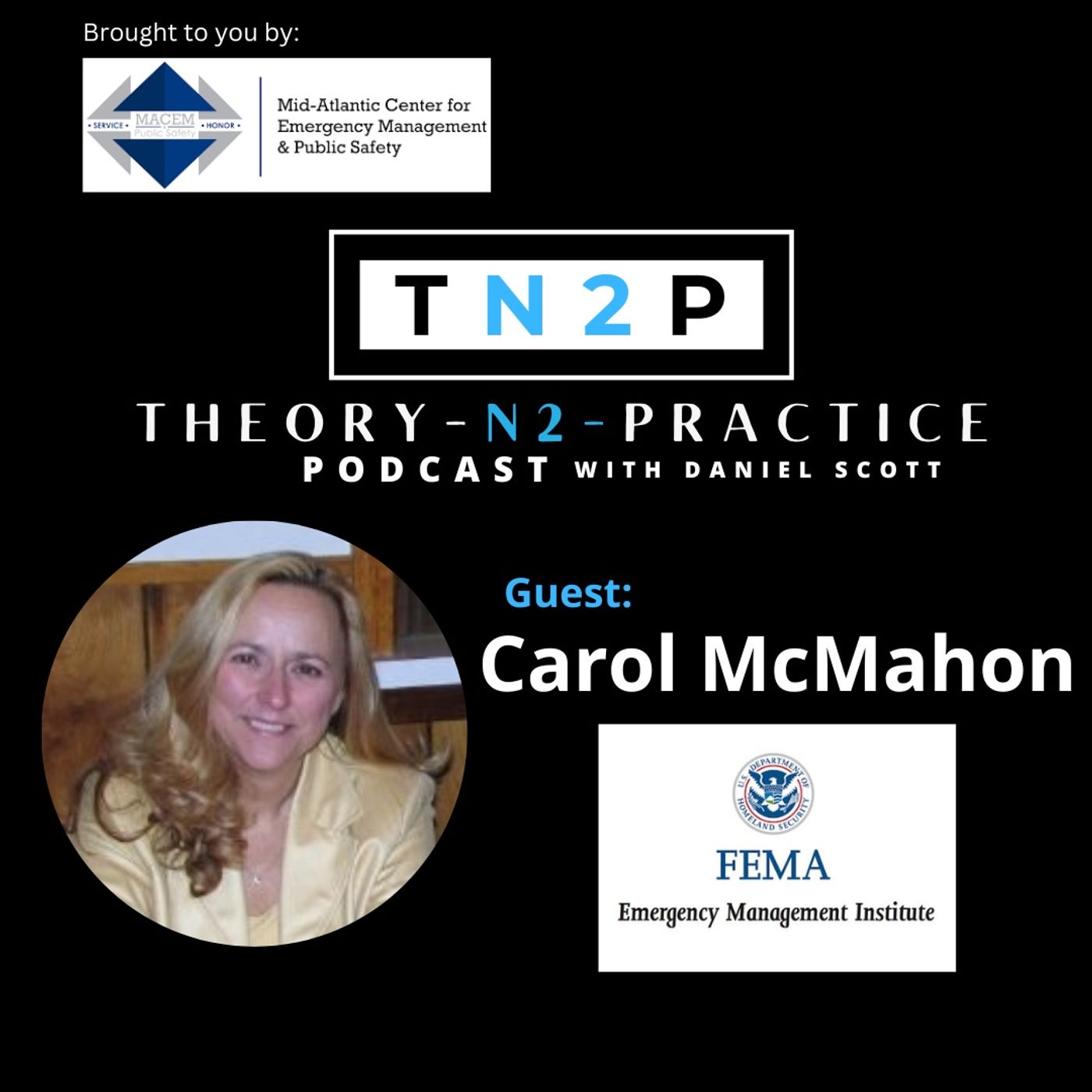
TN2P Carol McMahon Interview
Ms. McMahon served as a member of the City of Gloucester MA, Emergency Management team since 2005 where she recently retired as the Deputy Emergency Management Director. In her role as the EOC Manager, she had managed numerous EOC activations for both planned and unplanned events and has assisted with 10 Presidential declared disasters for Massachusetts. Most recently, she was the Planning Section Chief and Deputy Incident Commander for Gloucester’s COVID response. Ms. McMahon is an Adjunct Instructor at the FEMA National Emergency Training Center and serves as Senior Lead Faculty in the Executive Academy and Advanced Academy. She also has instructed with the Basic Academy, Master Exercise Practitioner Program, and Integrated Emergency Management Courses. She has participated in numerous curriculum review and content development focus groups for the EMPP program. Carol McMahon:https://www.linkedin.com/in/carolmcmahon1/Daniel Scott Links:https://www.linkedin.com/in/daniel-scott-m-a-cem%C2%AE-empp-3-59a8a86a/https://www.instagram.com/d_scott_overdeliver/https://www.facebook.com/D.Scott.and.Associates/https://twitter.com/Haven1981 This is a public episode. If you'd like to discuss this with other subscribers or get access to bonus episodes, visit emnetwork.substack.com/subscribe
Exploring Higher Education Emergency Management
Our nation’s postsecondary institutions are entrusted to provide a safe and healthy learning environment for students, faculty, and staff who live, work, and study on campus. Faced with emergencies ranging from active shooter situations to fires, tornadoes, floods, hurricanes, earthquakes, and pandemic influenza, this is no easy task. Join us as we explore the role of emergency management at New York University with NYU’s Ann-Marie McLaughlin, Director of Emergency Management.Web - https://www.nyu.edu/LinkedIn - linkedin.com/in/anne-marie-mclaughlin-cem-cbcp-cbci-mep-cpp-68a1976/If you would like to learn more about the Natural Disaster & Emergency Management (NDEM) Expo please visit us on the web - https://www.ndemevent.com This is a public episode. If you'd like to discuss this with other subscribers or get access to bonus episodes, visit emnetwork.substack.com/subscribe
The Emergency Management Network Turns One
Thank You All For One Year It is incredible how time flies. When I sold my other venture in June of 2021, It was to expand the network and community we grew. The opportunity to do so would only happen after shedding the old and starting fresh. I was not 100% on how it would look. I was introduced to Substack because of a podcast and thought, why not give it a try? I created our first newsletter in December of 2021 and have yet to look back. So: happy anniversary, especially to those of you who have been here from the start. This is a public episode. If you'd like to discuss this with other subscribers or get access to bonus episodes, visit emnetwork.substack.com/subscribe

Addressing the Challenges of Mass Care
Managing mass casualty or disaster incidents is challenging for any person or organization. Therefore, this paper identifies and describes common challenges to managing such situations, using case and lessons learned reports. It focuses on the sudden onset, man-made, or technologically caused mass casualty or disaster situations. Today we are talking with Vincent Aarts who began his emergency response and management career in 2001 as a wildland firefighter. Vincent left local emergency management for his current position as lead planner and systems integrator with the Office of Resilience and Emergency Management (OREM) – part of the Oregon Department of Human Services (ODHS). The OREM serves as the Emergency Support Function 6 – Mass Care lead agency for the state of Oregon.LinksTodd DeVoeTwitter handle: https://twitter.com/ToddTDeVoeLinkedIn: https://www.linkedin.com/in/toddtdevoe/Substack: https://emnetwork.substack.com/Website: https://toddtdevoe.com/ This is a public episode. If you'd like to discuss this with other subscribers or get access to bonus episodes, visit emnetwork.substack.com/subscribe
Live From IAEM
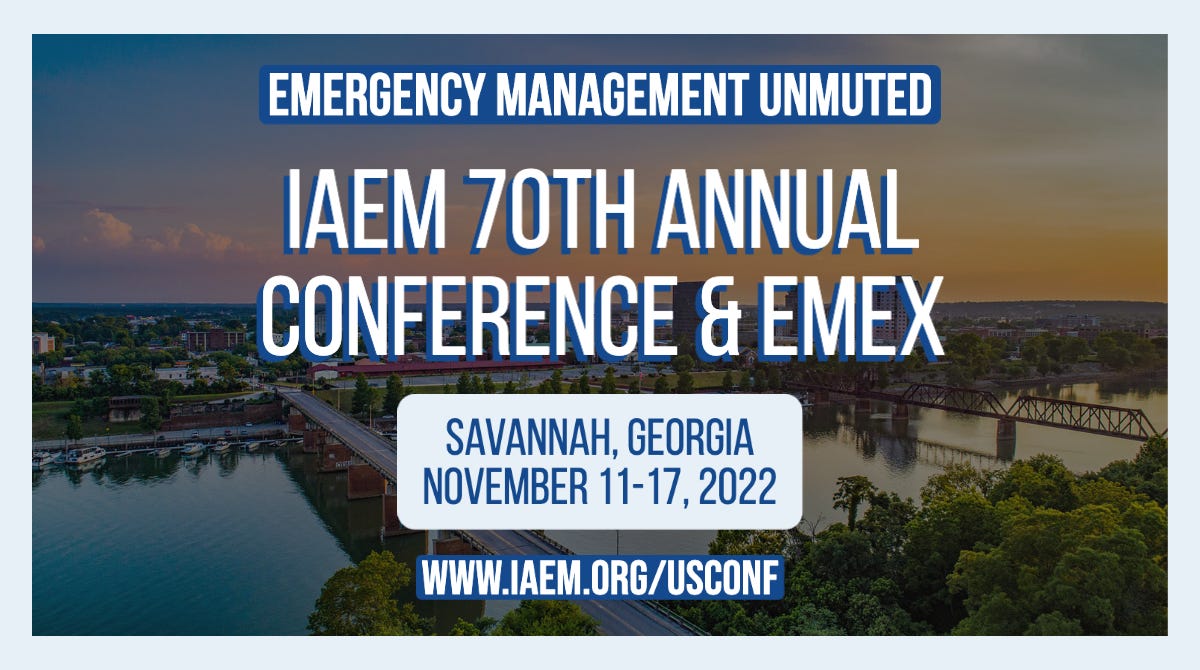
Dan and Todd are live on the floor of the IAEM Conference and EMEX 2022 in Savannah Georgia. See you all next year in Long Beach. This is a public episode. If you'd like to discuss this with other subscribers or get access to bonus episodes, visit emnetwork.substack.com/subscribe

TN2P Eric Self Interview
Eric is a product of higher ed. He has been working in the industry for 10 years, four of which were focused on business continuity. He has worked at Fresno Pacific University where he practiced business continuity and Fresno City College where he teaches online business courses. Eric holds a masters degree in Business Leadership and is the proud father of four boys. Highly motivated, dependable business professional with a successful record of working exceptionally well in teams and independently. Strong work ethic and integrity. Exemplary customer service and sales skills. Ability to identify and effectively resolve problems. Driven to establish and achieve business objectives.At Kuali, we consider these values in every decision we make, every employee we hire, and every interaction we have with you, our clients.Eric Self & Kuali:https://www.kuali.co/abouthttps://www.linkedin.com/in/eric-self-91777813/Daniel Scott Links:https://www.linkedin.com/in/daniel-scott-m-a-cem%C2%AE-empp-3-59a8a86a/https://www.instagram.com/d_scott_overdeliver/https://www.facebook.com/D.Scott.and.Associates/https://twitter.com/Haven1981 This is a public episode. If you'd like to discuss this with other subscribers or get access to bonus episodes, visit emnetwork.substack.com/subscribe
Have Less Meetings and Get More Done
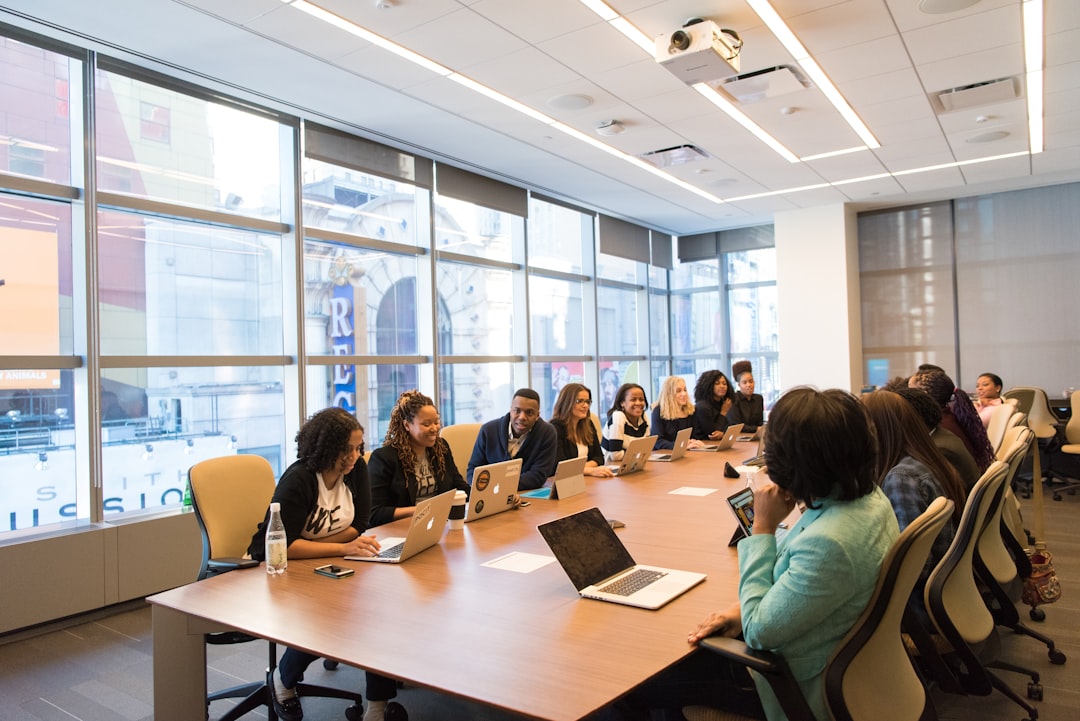
Know when to have a meeting One of the things that we are known for in Emergency Management is meetings. I believe meetings are overrated. I have to admit that I have been known to call and chair my fair share of meetings. So I am not throwing rocks in a glass house. Part of the reason I am posting this piece is to remind my team and me to keep all of us accountable to each other when it comes to our meetings. When we talk about meetings, I am not talking about the simple one-on-ones or briefings we often conduct. I am talking about meetings that involve several people. These types of meetings tend to be unproductive and time suckers. In general, we call meetings for a variety of reasons. However, Decision-making is not one of them. And Getting feedback on a subject can be done in other, more efficient ways. So let's set some guidelines for meetings. The first guideline is when in doubt, do not call a meeting. Question every meeting you have on your calendar, are you having the meeting just for the sake of it? If the answer to that question is yes, then cancel that meeting. This is a public episode. If you'd like to discuss this with other subscribers or get access to bonus episodes, visit emnetwork.substack.com/subscribe

The Books Every Leader Needs to Read
Every year we look at what books our team recommends, the Ten Books that you need to have on your bookshelf, and read them! Now you are entering a room of book nerds and people that have debates and discussions about the authors, the values and lessons learned from each of the books. Some are new, some are classic, and some are unique. Join us for a great conversation, and you may get some holiday gift ideas. LinksTodd DeVoeTwitter handle: https://twitter.com/ToddTDeVoeLinkedIn: https://www.linkedin.com/in/toddtdevoe/Substack: https://emnetwork.substack.com/Website: https://toddtdevoe.com/Brian ColburnWeb - https://sitchradio.comReading List - https://sitchradio.com/podcasters-book-club/ This is a public episode. If you'd like to discuss this with other subscribers or get access to bonus episodes, visit emnetwork.substack.com/subscribe
The Servant Leader Part 3
Thank you all that stopped by the EMN Booth last week at the IAEM Conference. It was great to talk to all of you and even tape a mini-interview for some. I look forward to next year In Long Beach, California. I know a few of you want to get promoted and take leadership roles in your organization. You will get some great insight with this talk today. Let’s get into it.The Servant Leader Part 3In this part of the series, we are discussing getting promoted within your department or you're hired into a leadership position from the outside. One thing that you have to remember is don't believe your press release. This is a public episode. If you'd like to discuss this with other subscribers or get access to bonus episodes, visit emnetwork.substack.com/subscribe

Leading a High-Performance Team NASCAR Style
What does it mean to lead a high-performance team? Todd sits down with NASCAR team owner Jesse Iwuj about leading a fast passed team where a minor mistake could be the difference between winning and losing.Jesse Iwuji is a US Naval Officer(reserves). First and only actively serving US Naval Officer competing in NASCAR. Co-Owner of NASCAR team Jesse Iwuji Motorsports partnered with HOF Former-NFL player Emmitt Smith. Founded The Red List Group, which is an auto racing event company bringing drag racers together around the US to compete for trophies and cash prizes at track events. The Red List Group also owns and runs JBJE Transportation, a trucking and logistics company based in Southern California. NASCAR Driver Analyst with NBC Sports. Keynote Speaker/Motivational Speaker.LinksTodd DeVoeTwitter handle: https://twitter.com/ToddTDeVoeLinkedIn: https://www.linkedin.com/in/toddtdevoe/Substack: https://emnetwork.substack.com/Website: https://toddtdevoe.com/Jesse IwujiLinkedIn: https://www.linkedin.com/in/jesseiwuji/Web: https://www.jesseiwuji.com/Facebook: https://www.facebook.com/JesseiwujiracingTwitter: https://twitter.com/Jesse_IwujiInstagram: https://www.instagram.com/jesse_iwuji/I'm going live using StreamYard! Before leaving a comment, please grant StreamYard permission to see your name at streamyard.com/facebook This is a public episode. If you'd like to discuss this with other subscribers or get access to bonus episodes, visit emnetwork.substack.com/subscribe

Dr. Andrea Adams Interview
Andrea Adams is a skilled professional who brings business and industry experience to any task she undertakes. She earned a Ph.D., in Industrial and Organizational Psychology from Capella University, and holds a J.D. from Loyola Law School in Los Angeles, and an M.B.A. from the University of California, Los Angeles. Andrea is a licensed attorney in the District of Columbia, California, and Colorado. Adams's 25+ business experiences are in the employment arena, helping employers navigate legal and strategic issues and manage the litigation of employment-related cases. Andrea is a coaching psychologist and has worked as an Executive Coach with a focus on creating and developing ethical leadership in business and for individuals.As an ethicist, Andrea's research interests include professional responsibility and leadership ethics, privacy, and informed consent. As Assistant Professor, she is responsible for developing a career reediness initiative for the Crime, Justice, and Securities program to ensure that graduating students thrive in an employment setting. Andrea is a member of the Ethics Support Group of the Higher Education Program at FEMA's National Education Management Institute. Her research interests include ethics in emergency management and data integrity and informed consent. Andrea is on the Advisory Board of the Red Dot Foundation, in charge of revising its privacy and terms of condition policies for its website and mobile applications.Red Dot Foundation:https://reddotfoundation.org/Daniel Scott Links:https://www.linkedin.com/in/daniel-scott-m-a-cem%C2%AE-empp-3-59a8a86a/https://www.instagram.com/d_scott_overdeliver/https://www.facebook.com/D.Scott.and.Associates/https://twitter.com/Haven1981 This is a public episode. If you'd like to discuss this with other subscribers or get access to bonus episodes, visit emnetwork.substack.com/subscribe

Moving Followers to Leaders
Before I get into the meat of the topic, I need to pause and wish all of my fellow veterans a happy veterans day, And I cannot forget my Marine Corps Brothers and Sisters and wish them a very happy birthday. It has been a wonderful 247 years since the founding of the Marine Corps in Philadelphia's Tun Tavern in 1775. Today we are talking about moving followers to leaders. With National Holiday Veterans Day two days away as I write this, I found it fitting to revisit a past interview I conducted with Capt. L. David Marquet from the United States Submarine Force Since I first interviewed David about his book Turn The Ship Around, hundreds of thousands of readers have been inspired by former Navy captain David Marquet's true story. Many have applied his insights to their organizations, creating workplaces where everyone takes responsibility for their actions, where followers grow to become leaders, and where happier teams drive dramatically better results.Like many officers, David was a Naval Academy graduate. He took pride in his accomplishments, and as an experienced officer, when selected for the highly competitive position of submarine command, he was thrilled. David was trained to give orders in the traditional Master and Commander leadership model. When he was allowed to be the skipper of a brand nuclear-powered submarine, he took the opportunity to learn everything about it. However, David faced a new wrinkle when he was shifted to the Santa Fe, an underperforming boat that was dead last in the pacific fleet. Facing the high-stress environment of a sub where there's little margin for error, he was determined to reverse the trends he found on the Santa Fe: poor morale, poor performance, and the worst retention rate in the fleet. Marquet ran into trouble when he unknowingly gave an impossible order, and his crew tried to follow it anyway. He said it was like telling someone driving a 4-speed to the car to shift it into 5th. When he asked why the answer was: "Because you told me to." David realized that while he had been trained for a different submarine, his crew had been trained to do what they were told - a deadly combination.That's when Marquet flipped the leadership model and pushed for leadership at every level. Turn the Ship Around! Reveals how the Santa Fe skyrocketed from worst to first in the fleet by challenging the US Navy's traditional leader-follower approach. Struggling against his instincts to take control, he achieved the vastly more powerful model of giving power to his subordinates and creating leaders.Before long, each member of Marquet's crew became a leader and assumed responsibility for everything he did, from clerical tasks to crucial combat decisions. The team became wholly engaged, contributing their total intellectual capacity every day. Santa Fe set records for performance, morale, and retention. And over the next decade, a highly disproportionate number of the officers of the Santa Fe were selected to become submarine commanders."Organizations should reward risk-takers, even if they fall short once in a while. Let them know that promotions and glory go to innovators and pioneers, not to stand-patters who fear controversy and avoid trying to improve anything."As he recounts, in Turn, the Ship Around!: A True Story of Turning Followers into Leaders the opportunity wasn't without its irony.I took away from this interview how David moved an entire boat from a "can I" to a "May I" mentality. This may not seem like a massive difference to you; however, it is enormous in the traditional Navy and the high-stakes world of the submarine service. Today, young men and women are preparing to fight the next war, and Our military has spent much time and money preparing for tomorrow's battles with antiquated methods. We continue to invest in the latest technologies and systems, but, as we all know, technology is nothing but a facilitator. The people operating the equipment give us the fighting edge, and we have lost our way to helping them grow.And I see the parallel between how emergency management uses decade-old methods to train current and future emergency managers and military training to fight the last battle. There are technologies that we need to embrace by looking at thought leaders like Sean Griffin from Disaster Tech, whose innovations in training and AI are making strides in how we train for the next disaster. However, we also need a pathway for the next generation of emergency management leaders. That is what this series is truly about. Socrates said, "The only true wisdom is in knowing you know nothing." That is the key to leadership. It understands yourself first, seeking to improve and then using that knowledge to shape the organization.Leaders must free their subordinates to fulfill their talents to the utmost. However, most obstacles that limit people's potential are set in motion by the leader and are rooted in their fears, ego needs, and unproductive habits. A transformatio

Lessons Learned During Target Hazard IQ Project - Mark Gillan
Target Hazard Analysis includes a set of tasks to help you get familiar with the project, prepare your data and analyze target hazards. Some tasks include steps that use python scripts in the Target Hazard Analysis toolbox. As you step through each task in the workflow, the scripts will be executed to conduct the analysis.LinksTodd T De VoeTwitter handle: https://twitter.com/ToddTDeVoeLinkedIn: https://www.linkedin.com/in/toddtdevoe/Substack: https://emnetwork.substack.com/Website: https://toddtdevoe.com/Mark GillanTwitter handle: https://twitter.com/BCGENGFacebook: https://www.facebook.com/BuffaloComputerGraphics/LinkedIn: https://www.linkedin.com/company/buffalo-computer-graphics/Website: https://www.buffalocomputergraphics.com/DLAN-Todd-DeVoe This is a public episode. If you'd like to discuss this with other subscribers or get access to bonus episodes, visit emnetwork.substack.com/subscribe

TN2P Anthony Clifton Interview
Anthony Clifton is the Director DeKalb County (Alabama) Emergency Management Agency. He is a Certified Local Emergency Manager – Alabama Emergency Management Agency, Masters Level Emergency Manger – Alabama Association of Emergency Mangers and Member International Association of Emergency Managers Associate Emergency manager.. He has been a Paramedic for 30 years and was last assigned at Anniston Chemical Demilitarization Facility prior to coming to EMA full time. He graduated with a BS in Public Safety and Health Administration from Athens State University, Athens AL. He is on the EMS Advisory Board for Alabama Department of Public Health. Currently serves as an instructor at the Center for Domestic Preparedness in Anniston AL for the Department of Homeland Security, and Emergency Management Institute in Emmetsburg MD for FEMA.Anthony Clifton Links:https://www.linkedin.com/in/anthony-clifton-8405018/https://www.dchsema.us/contactDaniel Scott Links:https://www.linkedin.com/in/daniel-scott-m-a-cem%C2%AE-empp-3-59a8a86a/https://www.instagram.com/d_scott_overdeliver/https://www.facebook.com/D.Scott.and.Associates/https://twitter.com/Haven1981 This is a public episode. If you'd like to discuss this with other subscribers or get access to bonus episodes, visit emnetwork.substack.com/subscribe
Lessons in Followership Make You a Better Leader
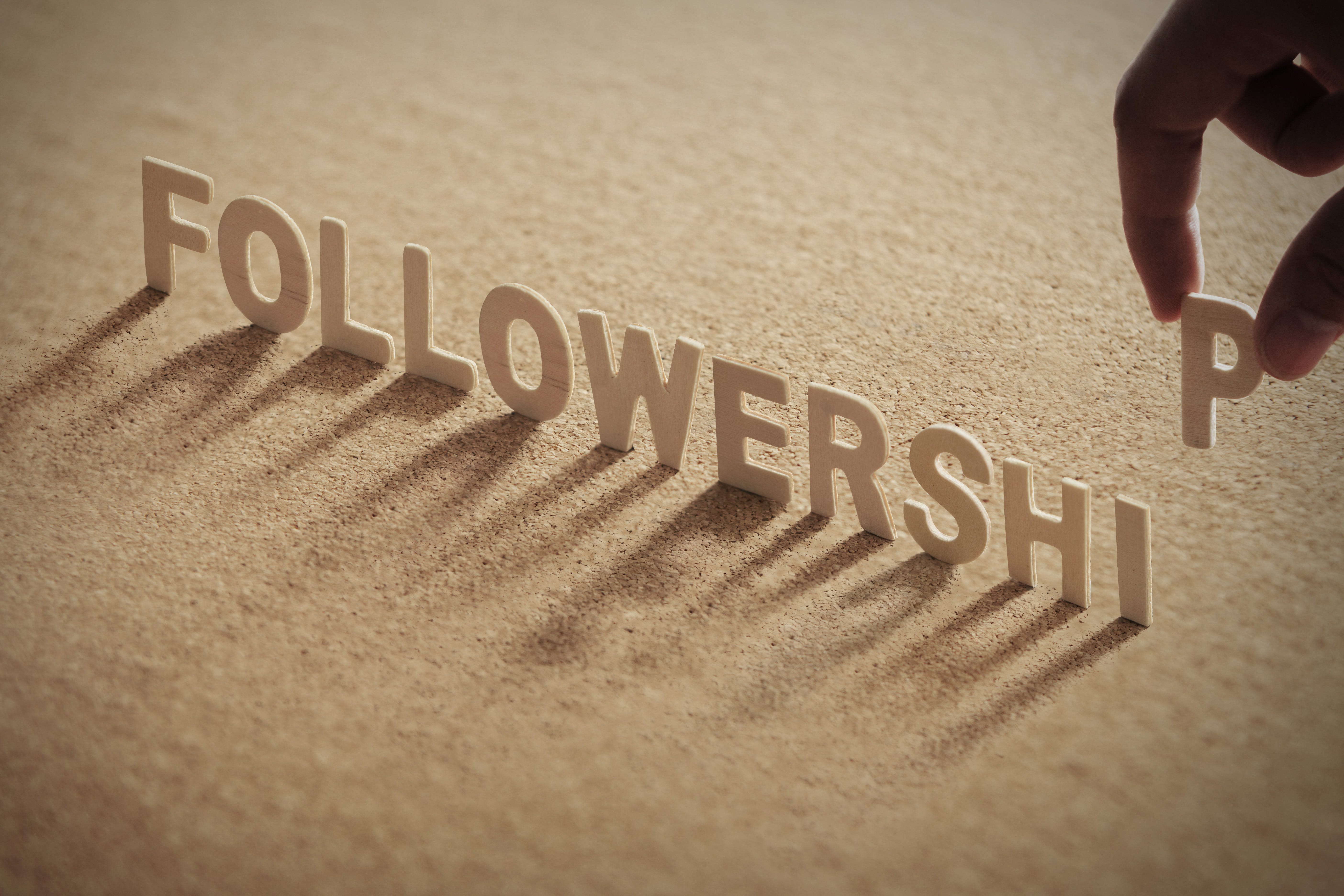
Lessons in Followership Make You a Better LeaderI asked Todd Manns of The Blue Cell to speak to a master's class I am teaching, and as the class was in discussion, Todd dropped some wisdom on the students that I even had to write down. It was from leadership to Followership; we need to understand the Task, Purpose and end state of the mission we are on. That got me thinking. We talk a lot about leadership, but what does it mean to be a good follower? This is a public episode. If you'd like to discuss this with other subscribers or get access to bonus episodes, visit emnetwork.substack.com/subscribe

Why Incident Management Teams Work for Major Planned Events
When planning for major events such as the Super Bowl, New Years’ Eve in New York City, and the Pasadena Rose Bowl Parade. Incident Management Teams are the most helpful way to make these happen. Join Todd as he explores how IMTs are used across the county and why you should use them too.Todd DeVoeTwitter handle: https://twitter.com/ToddTDeVoeLinkedIn: https://www.linkedin.com/in/toddtdevoe/Substack: https://emnetwork.substack.com/Website: https://toddtdevoe.com/Troy R LutrickLinkedIn: https://www.linkedin.com/.../troy-r-lutrick-cem-cpm-nrp.../Website:http://www.medicalsportsgroup.com/ This is a public episode. If you'd like to discuss this with other subscribers or get access to bonus episodes, visit emnetwork.substack.com/subscribe

TN2P Andrea Davis Interview
In this episode of Theory-N2-Practice we talk Andrea Davis, CEM owner of The Resiliency Initiative. Andrea is a recognized expert in the field of emergency management who has dedicated her career to bridging the silos between public and private sectors to create a united approach when it comes to disaster risk reduction. Ms. Davis has held leadership roles with NGOs (The American Red Cross, Save the Children US), the US Federal Government (FEMA, The Federal Reserve) and for Fortune 500 Companies (Walmart, Disney). With each role, Ms. Davis used her influence to lead global initiatives focused on the importance of making risk informed determinations and engaging all members of the community in the decision-making process. Currently, Ms. Davis is the President and CEO of a Women Owned Small Business (WOSB), The Resiliency Initiative (TRI). Ms. Davis founded TRI out of a passion to serve the whole community before, during, and after an emergency. Andrea Davis Links:https://www.linkedin.com/in/andreaeileendavis/https://www.linkedin.com/company/theresiliencyinitiative/https://www.theresiliencyinitiative.com/Daniel Scott Links:https://www.linkedin.com/in/daniel-scott-m-a-cem%C2%AE-empp-3-59a8a86a/https://www.instagram.com/d_scott_overdeliver/https://www.facebook.com/D.Scott.and.Associates/https://twitter.com/Haven1981Mid-Atlantic Center for Emergency Management & Public Safety (MACEMPS)https://macem.org/Home.aspxhttps://twitter.com/MACEMatFCC?ref_src=twsrc%5Etfw%7Ctwcamp%5Eembeddedtimeline%7Ctwterm%5Escreen-name%3AMACEMatFCC%7Ctwcon%5Es1_c1https://www.linkedin.com/company/macemps/ This is a public episode. If you'd like to discuss this with other subscribers or get access to bonus episodes, visit emnetwork.substack.com/subscribe
Is Emergency Management A Profession or a Job
Whether or not emergency management is considered a profession has been discussed and debated for several years. There are all sorts of implications including recognition as professionals, education versus training, classroom instruction versus on-the-job experience, and respect for the work emergency managers do both when responding to a disaster and when doing other things to preserve life, property, and the environment. In addition to performing the duties of an emergency manager, there are political and policy-making issues requiring the emergency manager’s attention. Dr. Carol Cwiak, Associate Professor of Emergency Management at North Dakota State University has been leading the transformation of emergency management from a job to a profession. Dr. Cwiak has lectured around the world on the importance of the code of ethics and core competencies for emergency management. Links: https://www.ndsu.edu/https://www.linkedin.com/in/carol-cwiak-20652410/If you would like to learn more about the Natural Disaster & Emergency Management (NDEM) Expo please visit us on the web - https://www.ndemevent.com This is a public episode. If you'd like to discuss this with other subscribers or get access to bonus episodes, visit emnetwork.substack.com/subscribe

What is a leader?
When you think about great leaders, who comes to mind?Impactful figures like George Washington and Martin Luther King Jr., or perhaps Winston Churchill and John F. Kennedy, might come to mind.But defining what truly marks these historic icons as good leaders proves a bit more challenging. Was it simply their position that made them good leaders, or was it something more?While we’ve all experienced leadership in our lives, we are rarely asked to define “what is a leader.” Answers vary from organizations, individuals, and situations, making leadership qualities even more elusive to pinpoint.What do you think about the next step in your career? This conversation explores the definition and qualities of leadership, how it differs from management, and tips for becoming a better leader.I had the privilege of sitting with Jacki Koci Tamayo, an emerging leader in the emergency management space, and Brian Colburn, a leading podcast producer. This is a public episode. If you'd like to discuss this with other subscribers or get access to bonus episodes, visit emnetwork.substack.com/subscribe

Managing Large-Scale Events Super Bowl LVI
With roughly 100 million viewers each year, The Super Bowl is the most iconic event in American sports. The live broadcast dominates television ratings, and the in-person event brings thousands of visitors to regional hotels, restaurants, entertainment venues, and retail businesses, potentially impacting the local economy.Last year, Super Bowl LVI was hosted by the City of Inglewood in Los Angeles County at the new, state-of-the-art SoFi Stadium. There will be several additional activities and attractions in addition to the Big Game, drawing visitors from near and far. But how much planning do you think you'll need to do for one football game?Todd DeVoeTwitter handle: https://twitter.com/ToddTDeVoeLinkedIn: https://www.linkedin.com/in/toddtdevoe/Substack: https://emnetwork.substack.com/Website: https://toddtdevoe.com/Jeffery Keith SnoddyLinkedIn: https://www.linkedin.com/in/jeffreysnoddy/Website: https://www.cityofinglewood.org/1651/Office-of-Emergency-Services This is a public episode. If you'd like to discuss this with other subscribers or get access to bonus episodes, visit emnetwork.substack.com/subscribe

TN2P Marcus Haynes Interview
Marcus Haynes is a Firefighter Paramedic working in the fire service for fifteen-plus years. Currently, he is assigned to the Safety and Prevention Section of the Phoenix Fire Department. In this role, Marcus is part of a team that oversees health, safety, and prevention strategies for the department's 2,000 plus sworn and civilian personnel.In addition to his public safety service, Marcus has demonstrated the ability to work in the areas of global intelligence, policy, and diplomacy. He has a background in organizational security and risk management, analyzing global strategic and emerging trends to enhance public policy options and mitigate risk to vulnerable populations.Marcus Haynes:https://www.linkedin.com/in/marcus-marcushaynes/Daniel Scott Links:https://www.linkedin.com/in/daniel-scott-m-a-cem%C2%AE-empp-3-59a8a86a/https://www.instagram.com/d_scott_overdeliver/https://www.facebook.com/D.Scott.and.Associates/https://twitter.com/Haven1981Mid-Atlantic Center for Emergency Management & Public Safety (MACEMPS)https://macem.org/Home.aspxhttps://twitter.com/MACEMatFCC?ref_src=twsrc%5Etfw%7Ctwcamp%5Eembeddedtimeline%7Ctwterm%5Escreen-name%3AMACEMatFCC%7Ctwcon%5Es1_c1https://www.linkedin.com/company/macemps/ This is a public episode. If you'd like to discuss this with other subscribers or get access to bonus episodes, visit emnetwork.substack.com/subscribe

Traditional Leaders vs Servant Leadership
What is Leadership? This may seem like a silly question. There are many books, podcasts, and classes on leadership, and that question must have been answered. However, the question, What is a leader keeps coming to the four.Some think of leadership as a formal role given to an individual with a title such as "manager" or "director." For others, a leader is a charismatic individual who can work the room and charm their team to do what they want. Then there is the old debate of "are leaders born?" or can leaders be "made?" This is a public episode. If you'd like to discuss this with other subscribers or get access to bonus episodes, visit emnetwork.substack.com/subscribe

The Impact of Disasters on Women
Studies have shown that women disproportionately suffer the impacts of disasters, severe weather events, and climate change because of cultural norms and the inequitable distribution of roles, resources, and power, especially in developing countries. Women make up the majority of the world’s poor and are more dependent than men on natural resources for their livelihoods and survival. Women tend to have lower incomes and are more likely to be economically dependent than men. When drought or unseasonable rain, for example, threatens agricultural production, men can use their savings and economic independence to invest in alternative income sources or otherwise adapt. Join Todd and Dr. Samantha Montano as they explore the problems and solutions that face disaster survivors and their impacts on women and children.LinksTodd DeVoeTwitter handle: https://twitter.com/ToddTDeVoeLinkedIn: https://www.linkedin.com/in/toddtdevoe/Substack: https://emnetwork.substack.com/Website: https://toddtdevoe.com/Dr. Samantha Montano Twitter handle: https://twitter.com/SamLMontanoLinkedIn: https://www.linkedin.com/in/samantha-montano-7b1453239/Website: http://www.disaster-ology.com/SpeaknSpark: https://www.speaknspark.com/speakers/309-dr-samantha-montano- This is a public episode. If you'd like to discuss this with other subscribers or get access to bonus episodes, visit emnetwork.substack.com/subscribe
TN2P Kathy Francis Interview Part Two
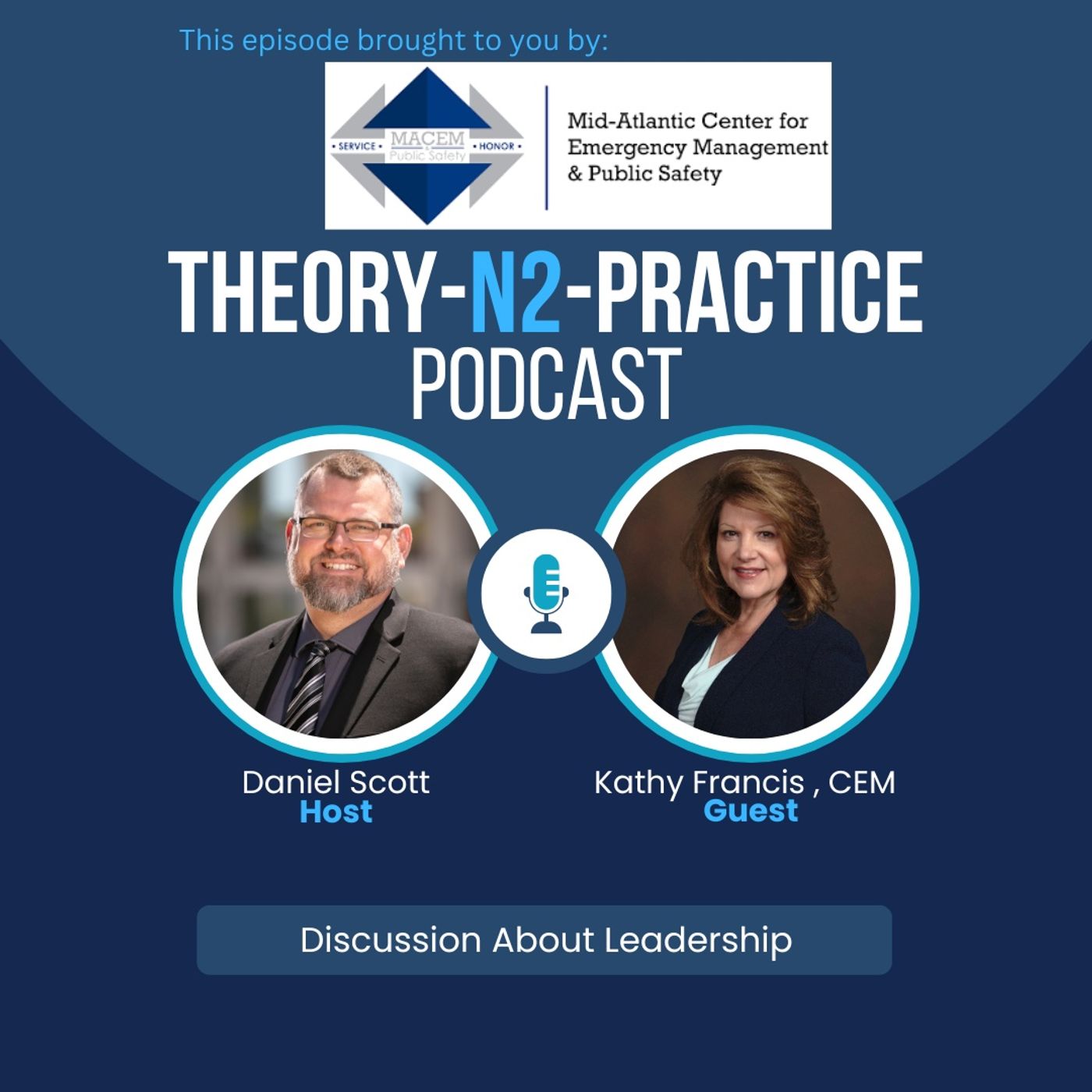
This Episode of Theory-N2-Practice is brought to you by the Mid-Atlantic Center for Emergency Management & Public Safety (MACEMPS)!!!In this episode of Theory-N2-Practice we talk about leadership through service and personal development with, Ms. Kathy L. Francis currently serves as the Frederick Community College Executive Director of Emergency Management Programs, as adjunct faculty, and as leader of the Mid-Atlantic Center for Emergency Management & Public Safety (MACEM&PS).Ms. Francis directs the MACEM&PS to develop and deliver specialty courseware in emergency management and serves as the Postsecondary Affiliate for Homeland Security and Emergency Preparedness for the Maryland State Department of Education Career and Technology Programs. In May 2012, she earned a Master of Science (MS) in Management with the Johns Hopkins University Police Executive Leadership program, and in March 2016, she earned a Certificate of Completion in Crisis Leadership in Higher Education from the Harvard University, John F. Kennedy School of Government.Kathy Francis Links:https://www.linkedin.com/in/kathy-francis-ms-cem-mdpemp-514ab718/Mid-Atlantic Center for Emergency Management & Public Safety (MACEMPS)https://macem.org/Home.aspxhttps://twitter.com/MACEMatFCC?ref_src=twsrc%5Etfw%7Ctwcamp%5Eembeddedtimeline%7Ctwterm%5Escreen-name%3AMACEMatFCC%7Ctwcon%5Es1_c1https://www.linkedin.com/company/macemps/Daniel Scott Links:https://www.linkedin.com/in/daniel-scott-m-a-cem%C2%AE-empp-3-59a8a86a/https://www.instagram.com/d_scott_overdeliver/https://www.facebook.com/D.Scott.and.Associates/https://twitter.com/Haven1981 This is a public episode. If you'd like to discuss this with other subscribers or get access to bonus episodes, visit emnetwork.substack.com/subscribe
Cyber Attacks Not a Matter If, Just a Matter of When
Cyberattacks are an ever-growing threat to critical infrastructures such as power, gas, water stations, and transportation control systems. Cybersecurity breaches can potentially have devastating physical and economic effects.Failing to plan for cyber threats as part of emergency management procedures is detrimental to national security and has become the focus of emergency management over the last 15 years.Prachee Kale, Founding Executive Fellow At CyberTheory Institute, co-founded Think.Design.Cyber to pioneer critical systems and design thinking in the cybersecurity discipline. Prachee is also the co-author of the award-winning research article “Cybersecurity: The End Game” published in Taylor and Francis’s EDPACs Journal. Cyber Theory - https://cybertheory.io/If you would like to learn more about the Natural Disaster & Emergency Management (NDEM) Expo please visit us on the web - https://www.ndemevent.com This is a public episode. If you'd like to discuss this with other subscribers or get access to bonus episodes, visit emnetwork.substack.com/subscribe
Emergency Management Leaders Must Plan For The Russian Use of Nuclear Weapons
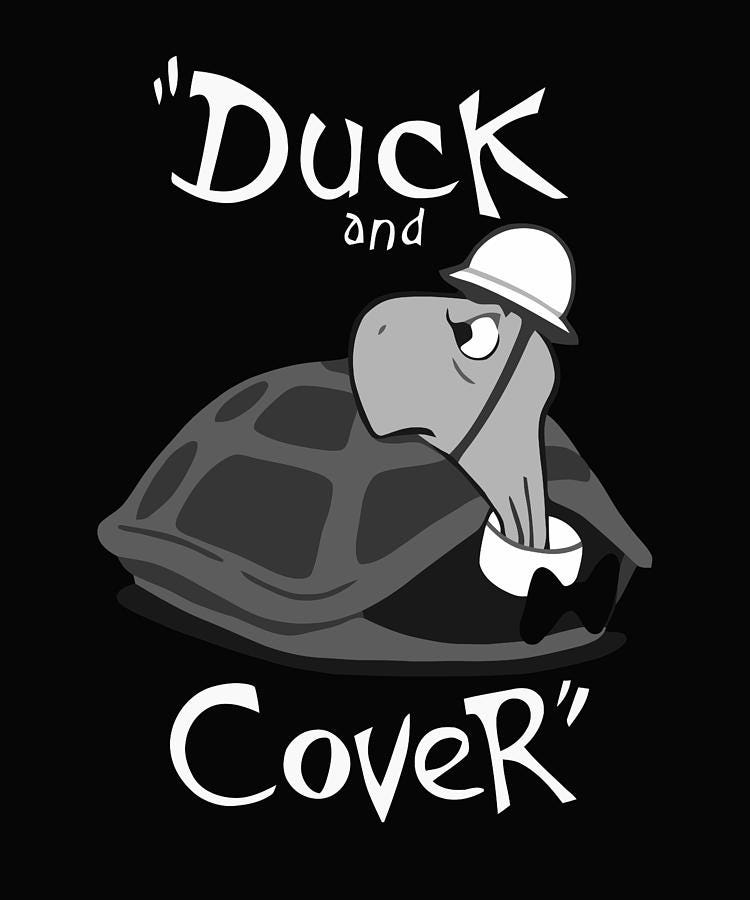
I am the child of the cold war. Our movies were Red Dawn, War Games, Spies Like Us, and Stripes, just to name a few. We practiced duck and cover, and we had fallout shelters in the basements of our schools. The threat of nuclear war was always there, and the fear was real. Since the fall of the Soviet Union, nuclear war has become a conversation only old people talked about. Russia and China became friends with the United States, and we worked together to end the talk of Mutual Assured Destruction (MAD). At a White House Press Conference this week, Press Secretary Karine Jean-Pierre nonchalantly said, “we continue to call out Putin with what he is doing with the nuclear strikes” She then moved to other questions without a second thought. NATO defense ministers will gather this week. One topic of discussion is the risk that Russian President Vladimir Putin might use nuclear weapons in Europe. Putin and the Russian military launched missile attacks against Ukraine's civilian population center in response to the truck bombing of the Kerch Bridge, reinforcing the notion that the Kremlin remains unpredictable.The world is starting to forget the realities of nuclear weapons.Since the Russian takeover of the Crimean peninsula in 2014, the region has seen an exodus of ethnic Ukrainians and Tatars and an influx of Russians, including a military buildup.Putin perceives Crimea as closer to the core of Russian vital interests than the Kharkiv region, which was recently liberated by Ukrainian forces. If and when Ukrainian conventional military forces approach Crimea in hopes of liberating it, According to military pundits and foreign affairs experts Putin may feel more tempted to use a nuclear weapon.In North America, the threat may not be direct. However, The potential Russian use of nuclear weapons demands at least thinking through possible responses. The American military began to study this threat shortly after Putin’s forces invaded Ukraine. Now is the time to discuss the impacts on the civilian population rather than waiting until a crisis moment.The other consideration we need to explore is how a Russian Nuclear strike would push NATO into war. Although the current US administration has been vague on how they would react, it is likely to bring the full force of the Alliance down upon the beleaguered Russian military. This could prompt the involvement of China, Iran, and Syria into action, with support from Venezuela and Cuba. What Are the Next Steps? What might the menu of the next steps include? This summer New York City’s Office of Emergency Management produced a public service announcement advising residents how to survive a nuclear attack. And after some questioned the advisory's timing, The City administration defended its action. According to OEM officials, the campaign's goal is to inform the public on ways to stay safe if nuclear weapons were pointed in New York's direction. This harkened to the Duck and Cover days of the 1950s Civil Defense Burt the Turtle campaign. I must admit that I wondered what the Adams administration knew that the rest of the United States did not. I don’t think they were wrong to produce such a PSA today. FEMA’s Ready.gov site does have a page dedicated to a nuclear explosion, offering solid advice on what to do if you’re in the vicinity of one. This is not an archive page or old information and has been updated, and it notes the pandemic could cause some problems when finding shelter. The page suggests bringing items to protect yourself and your family from COVID-19, such as masks and hand sanitizer if you are evacuated.As of the writing of this piece, only New York City has taken any measures to prepare its population for a nuclear strike. We are a profession that has come from Civil Defense, and I wrote a piece about “Should We Revisit Civil Defense?” I was asking if we should use programs that the CD used for community preparedness. Maybe I was on to something bigger? PodcastsThe Todd DeVoe ShowSteps You Need To Create a Process for Crisis ManagementWhen a natural or human-caused disaster occurs, the process of how the situation is handled sets the tone of response and recovery.The goal of crisis/disaster management is to respond quickly and effectively to minimize damage and position your organization or jurisdiction for recovery once the crisis has passed.A successful process is proactive. It aims to reduce the delay in response and recovery by anticipating potential problems, such as natural disasters or safety concerns. It creates procedures for how you will react if something goes wrong.Crisis/disaster management is crucial for high-profile businesses that can be subject to serious damage to their reputation, whatever the size or scale of the crisis.Business Continuity Today Sharping The Saw, Why You Need to Continue to LearnWhen you sharpen your mental saw, the best way to rejuvenate your dulled-down mind is not to turn it off but to give it something different to think

Steps You Need To Create a Process for Crisis Management
When a natural or human-caused disaster occurs, the process of how the situation is handled sets the tone of response and recovery.The goal of crisis/disaster management is to respond quickly and effectively to minimize damage and position your organization or jurisdiction for recovery once the crisis has passed.A successful process is proactive. It aims to reduce the delay in response and recovery by anticipating potential problems, such as natural disasters or safety concerns. It creates procedures for how you will react if something goes wrong.Crisis/disaster management is crucial for high-profile businesses that can be subject to serious damage to their reputation, whatever the size or scale of the crisis.**Todd DeVoe**Twitter handle: [https://twitter.com/ToddTDeVoeLinkedIn: https://www.linkedin.com/in/toddtdevoe/Substack: https://emnetwork.substack.com/Website: https://toddtdevoe.com/Brian HeadTwitter handle: https://twitter.com/BCGENGFacebook: https://www.facebook.com/BuffaloComputerGraphics/LinkedIn: https://www.linkedin.com/company/buffalo-computer-graphics/Website: https://www.buffalocomputergraphics.com/IM/DLAN This is a public episode. If you'd like to discuss this with other subscribers or get access to bonus episodes, visit emnetwork.substack.com/subscribe

TN2P Kathy Francis Interview Part One
This Episode of Theory-N2-Practice is brought to you by the Mid-Atlantic Center for Emergency Management & Public Safety (MACEMPS)!!!In this episode of Theory-N2-Practice we talk about leadership through service and personal development with, Ms. Kathy L. Francis currently serves as the Frederick Community College Executive Director of Emergency Management Programs, as adjunct faculty, and as leader of the Mid-Atlantic Center for Emergency Management & Public Safety (MACEM&PS).Ms. Francis directs the MACEM&PS to develop and deliver specialty courseware in emergency management and serves as the Postsecondary Affiliate for Homeland Security and Emergency Preparedness for the Maryland State Department of Education Career and Technology Programs. In May 2012, she earned a Master of Science (MS) in Management with the Johns Hopkins University Police Executive Leadership program, and in March 2016, she earned a Certificate of Completion in Crisis Leadership in Higher Education from the Harvard University, John F. Kennedy School of Government.Kathy Francis Links:https://www.linkedin.com/in/kathy-francis-ms-cem-mdpemp-514ab718/Mid-Atlantic Center for Emergency Management & Public Safety (MACEMPS)https://macem.org/Home.aspxhttps://twitter.com/MACEMatFCC?ref_src=twsrc%5Etfw%7Ctwcamp%5Eembeddedtimeline%7Ctwterm%5Escreen-name%3AMACEMatFCC%7Ctwcon%5Es1_c1https://www.linkedin.com/company/macemps/Daniel Scott Links:https://www.linkedin.com/in/daniel-scott-m-a-cem%C2%AE-empp-3-59a8a86a/https://www.instagram.com/d_scott_overdeliver/https://www.facebook.com/D.Scott.and.Associates/https://twitter.com/Haven1981 This is a public episode. If you'd like to discuss this with other subscribers or get access to bonus episodes, visit emnetwork.substack.com/subscribe
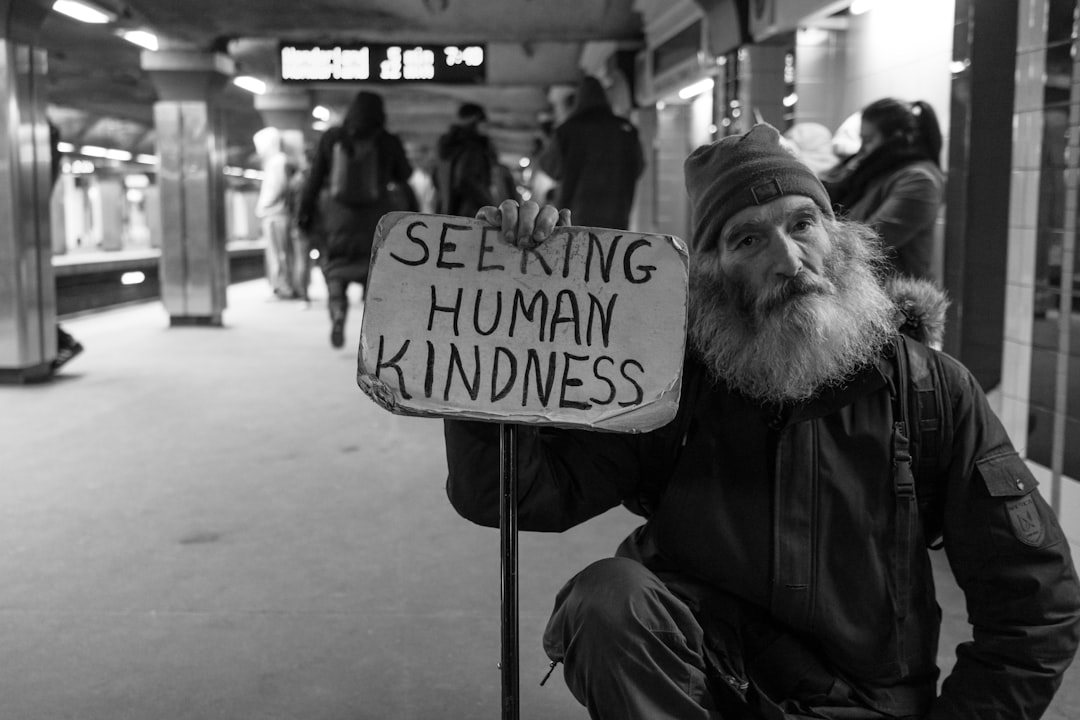
Declaring Homelessness An Emergency
Homelessness has killed more people than natural disasters in California. Ten times more people will die on L.A.'s street in 2019 (~1,000) than died in the deadly 2018 forest fires (103). Over three years, more people will die on the streets of L.A. than in San Francisco's 1906 earthquakeI read a story about how an economic recession turned into a complete collapse of society. As interesting as the story was, I am not sure that a total failure would be the case; however, it looks like a page out of the book in many parts of California. The story follows a young man who had an excellent job in I.T., had a condo outside of Washington, D.C., and was living the American dream. As the economy worsened, he lost his job, house, and car. The story's hero was quickly living on the streets and had to learn how to live without a home. In the story, society fell apart, and social services, law enforcement, and other government services were discontinued because no one was left to pay taxes. Why am I sharing this story? Today we are looking at real unemployment numbers for men. They are struggling in the workplace. One in three American men with only a high school diploma — 10 million men — is now out of the labor force. The most significant drop in employment is among young men aged 25 to 34. This is a public episode. If you'd like to discuss this with other subscribers or get access to bonus episodes, visit emnetwork.substack.com/subscribe