The Emergency Management Network Podcast
421 episodes — Page 5 of 9

Game Day Management: Behind the Scenes with Penn State Emergency Management
Episode Description: Get ready to explore the high-stakes world of Game Day Management, where precision, planning, and quick decision-making are crucial. In this episode, we bring together top minds to share their expertise. Brian P. Bittner, a leader in game-day emergency management at Penn State, joins us to discuss the unique challenges of coordinating safety and operations for one of the largest college football stadiums in the country.We’ll explore how Penn State manages the influx of over 100,000 fans on game days, ensuring their safety and enjoyment while navigating the complexities of emergency preparedness and response. Brian will share his insights on the strategies that keep everything running smoothly, from handling weather-related emergencies to coordinating with local law enforcement and medical teams.Whether you’re an emergency management professional, an event planner, or just fascinated by the behind-the-scenes work that makes game days possible, this episode is packed with valuable insights and practical advice. In the middle of the podcast, a 4.7 earthquake struck my area. We interrupted the interview so I could check in on my daughter. She was a little scared, but with a hug and reassurance, all was well. It goes to show everyone that an event can strike at any time. As always, stay safe and stay hydrated. This is a public episode. If you'd like to discuss this with other subscribers or get access to bonus episodes, visit emnetwork.substack.com/subscribe
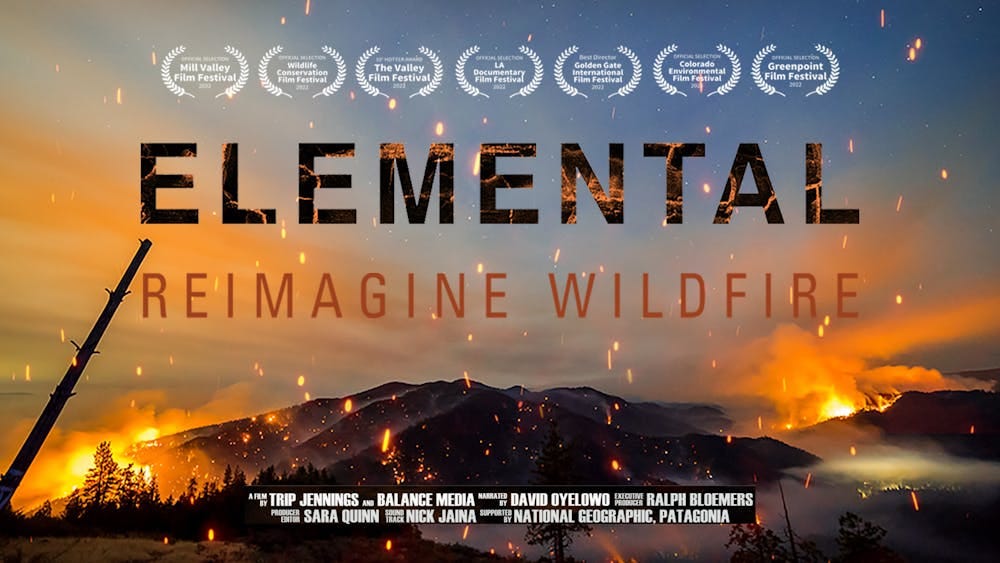
The Future of Wildfire Management:
"Elemental: Reimagine Wildfire" is a timely and thought-provoking documentary that challenges the conventional narratives around wildfires and their management. As emergency management professionals, we are often at the forefront of responding to these increasingly frequent and intense natural disasters. This film provides us with a critical opportunity to rethink our approaches, emphasizing the need for a paradigm shift in how we understand and manage wildfires.The documentary explores the complex relationship between fire, the environment, and human communities, pushing the boundaries of what is traditionally considered effective wildfire management. It highlights the importance of returning to indigenous knowledge and practices, which have long recognized fire as a natural and necessary part of the ecosystem. By integrating these practices with modern science and technology, the film advocates for a more holistic and sustainable approach to wildfire management.One of the key takeaways from "Elemental" is the idea that we need to move away from the notion of fire suppression as the sole strategy for wildfire management. Instead, the film urges us to focus on creating fire-resilient communities through proactive measures such as controlled burns, better land-use planning, and community engagement. This shift in focus aligns with the broader goals of emergency management: to mitigate risk, enhance resilience, and ensure that communities are better prepared to face disasters.For emergency managers, "Elemental" serves as a powerful reminder that our strategies must evolve to meet the challenges of a changing climate. The increasing frequency and severity of wildfires are not just environmental issues; they are public safety concerns that require a coordinated and informed response. By adopting the principles presented in this documentary, we can work towards a future where wildfires are not seen as catastrophic events but as natural phenomena that we can live with and manage effectively.In conclusion, "Elemental: Reimagine Wildfire" is more than just a documentary; it is a call to action for all of us in the emergency management field. It challenges us to rethink our approaches, embrace new strategies, and work collaboratively with communities to build a more fire-resilient future. As we continue to face the growing threat of wildfires, this film offers valuable insights and practical solutions that can help guide our efforts in creating safer, more resilient communities.Links https://www.elementalfilm.com/homehttps://www.elementalfilm.com/streamingtrailer This is a public episode. If you'd like to discuss this with other subscribers or get access to bonus episodes, visit emnetwork.substack.com/subscribe
Perseverance and Innovation: Saving Lives One Family at a Time
Description: Join us for an inspiring interview with Vivek Kaliraman, where he shares his journey of perseverance and the innovative vest and app he has developed to enhance emergency management. Todd discusses the importance of collaboration with social entrepreneurs like Vivek and the need for emergency managers to seek out and support innovative startups. This conversation highlights how unique solutions and partnerships can better prepare communities for emergencies. Thank you for tuning in, and we look forward to seeing you in our next episode!For more information, click here https://perci.us/ This is a public episode. If you'd like to discuss this with other subscribers or get access to bonus episodes, visit emnetwork.substack.com/subscribe

The Emergency Management Song
In the high-stakes world of emergency management, where every detail matters and preparation is critical, finding fun moments can be a rare but vital source of relief. Yesterday, my nephew introduced me to an app that generates full songs from just a few keywords. Intrigued, I decided to experiment with this tool, and th… This is a public episode. If you'd like to discuss this with other subscribers or get access to bonus episodes, visit emnetwork.substack.com/subscribe

TN2P with Shawn Bryan from MOSH-1
In this episode of the Theory-N2-Practice Podcast, we're happy to welcome Shawn Bryan, the visionary owner of MOSH-1, to discuss the groundbreaking work his company is doing in the renewable energy sector. MOSH-1 is leading the charge in developing mobile, off-grid, solar-powered solutions that are revolutionizing how we approach energy independence and are crucial in disaster response and remote applications.Join us as Shawn shares the inspiring journey of MOSH-1, from its inception aimed at addressing the lack of electrical infrastructure in remote areas to its pivotal role in enhancing sustainability and resilience across various sectors. We delve into how MOSH-1's innovative solar units replace traditional generators, providing clean, scalable power everywhere, from emergency responder sites to mobile clinics and beyond.Shawn will also highlight the challenges and triumphs of pioneering new technologies in the clean energy space, underscoring the importance of sustainability in today’s energy landscape and MOSH-1's commitment to a net-zero future.Whether you’re a professional in emergency management, an enthusiast of renewable energy, or someone passionate about innovation that serves humanity, this episode promises to enlighten you about the power of clean energy and the potential for sustainable solutions to transform our world.Tune in to learn how MOSH-1 is not just powering devices but empowering communities, enhancing resilience, and leading the way toward a more sustainable and independent future.mosh-1.com This is a public episode. If you'd like to discuss this with other subscribers or get access to bonus episodes, visit emnetwork.substack.com/subscribe

TN2P - Toxic Leadership with Dr. Rancy Collins
Get inspired, motivated, taught, and engaged with real-life leaders, emergency managers, and emergency management professionals. Founded by a Leadership and Emergency Management Professional for Leaders and Emergency Managers! When it comes to leadership and emergency management, the “Theory-N2-Practice” examines and evaluates learning and leadership.Leader's Intent is a concept frequently used in military and business contexts to describe a clear communication of the goals, purpose, and operational framework for a task or mission. The leader aims to empower subordinates and team members by giving them the understanding necessary to achieve desired outcomes, especially in dynamic and fluid environments where direct supervision is not always possible.Helping leaders redefine success and achieve more than they ever thought possible. Leader's Intent LLC is a trusted and respected firm known for its leadership coaches, emergency managers, and change agents ready to help you and your organization. Keep reading to learn more.Randal A. Collins, Ed.D, CEMEmail: [email protected] Visit us at https://www.leadersintentllc.com/ This is a public episode. If you'd like to discuss this with other subscribers or get access to bonus episodes, visit emnetwork.substack.com/subscribe
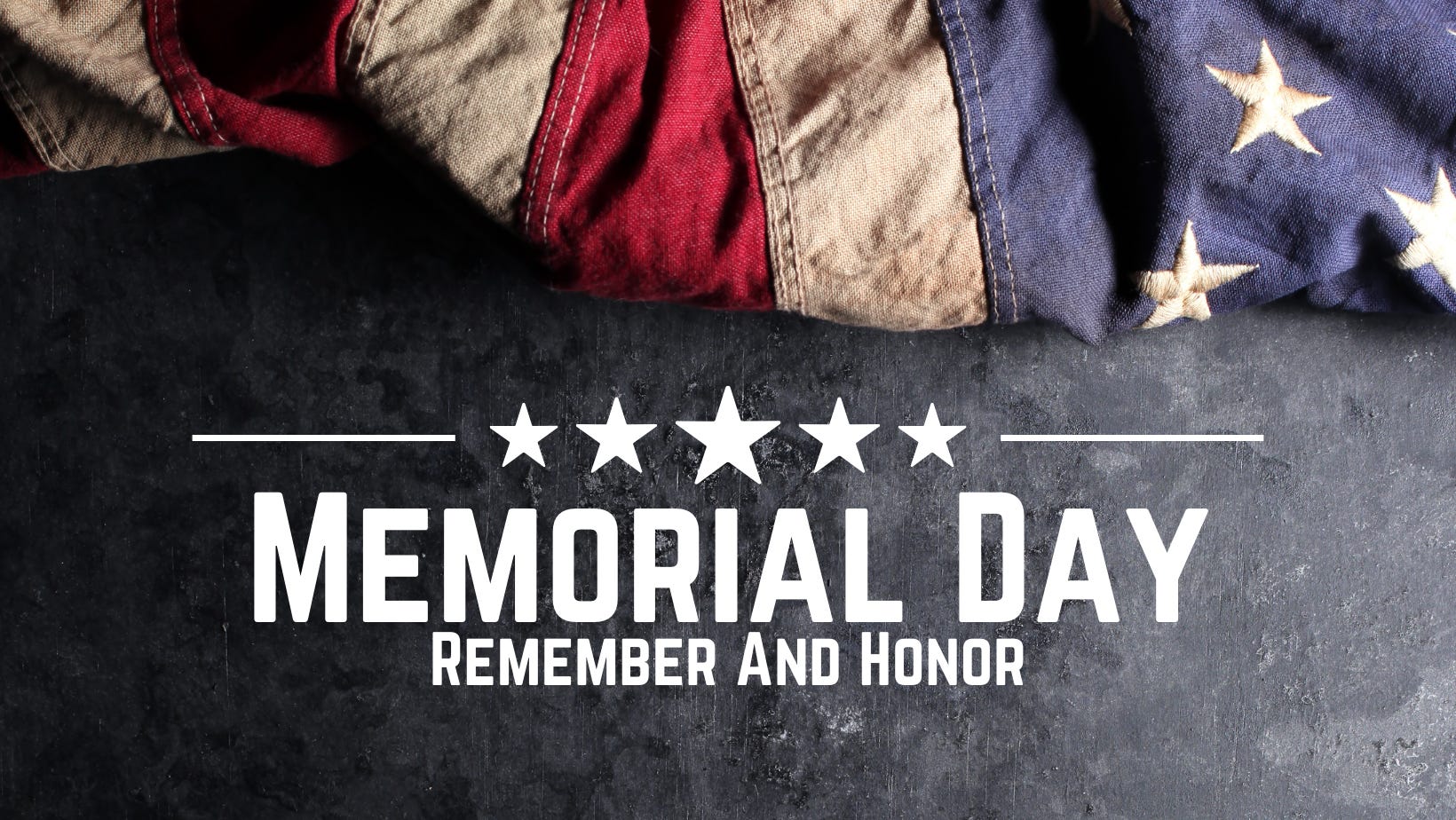
Memorial Day: Observing Sacrifice, and Honor
Today, we honor the brave men and women who have sacrificed in service to our nation. Memorial Day is a time for reflection, remembrance, and gratitude as we pay tribute to those who gave their lives to protect the freedoms and values we hold dear.The origins of Memorial Day can be traced back to the aftermath of the American Civil War, a conflict that tore our nation apart and claimed countless lives. As the war ended in 1865, communities across the country began holding ceremonies to honor the Union and Confederate soldiers who had perished. One of the earliest known ceremonies occurred in Charleston, South Carolina, in May 1865. There, a group of freed slaves gathered to commemorate fallen Union soldiers buried at a local race course, a poignant moment in our nation's history.The first national observance of Memorial Day, then Decoration Day, was declared by General John A. Logan of the Grand Army of the Republic on May 5, 1868. He designated this day as a time to decorate the fallen graves with flowers and hold ceremonies in their honor. The name "Decoration Day" reflected this tradition of adorning the final resting places of our heroes with blooms of respect and remembrance.As the years passed, Memorial Day evolved into a day of national significance, honoring all Americans who died while serving in the military. In 1971, Congress declared Memorial Day a federal holiday to be celebrated on the last Monday in May, giving us a designated day to remember and honor our fallen heroes.Today, Memorial Day is marked by parades, speeches, and ceremonies at military cemeteries and other sites nationwide. We gather in towns and cities, at monuments and memorials, to ensure that the sacrifices of our service members are never forgotten. This day serves as a solemn reminder of the true cost of freedom and the bravery of those who have defended it with their lives.As we stand here today, let us reflect on the courage, dedication, and sacrifice of the men and women who have died in service to our country. Their legacy is one of honor and valor, and their memory inspires us to strive for a future worthy of their sacrifice. Let us also remember the families of our fallen heroes, who carry the weight of loss every day. Their strength and resilience are a testament to the enduring spirit of our nation.Today, take a second or two to bow your head in silence to honor those who have given everything for the United States of America. May we never forget their sacrifice and continue to uphold the values and freedoms they fought for.Thank you. This is a public episode. If you'd like to discuss this with other subscribers or get access to bonus episodes, visit emnetwork.substack.com/subscribe

Streamlining Call Center Workflows in Extreme Events
In the Emergency Management Network series hosted by Todd DeVoe, Jason Hurley and Sarah Bonk from Erie County, New York, discuss their experiences with emergency communication, particularly during crises like blizzards. They emphasize the importance of setting up a call center for crisis communications, recounting the establishment of the "snow line" during the 2022 blizzard. This hotline helped manage a range of issues from locating towed vehicles to coordinating medical treatments.Jason and Sarah highlight the necessity of public outreach and effective communication strategies, particularly for vulnerable populations. They discuss the importance of using clear, understandable language in public messaging and the role of community partnerships in maintaining service networks during emergencies.Sarah discusses the mental health aspects of managing emergency call centers, stressing the need for real-time support and post-crisis care for call takers. They also mention using tools like WebEx and Cisco for remote operations and the significance of annual training to prepare for future emergencies.The conversation concludes with Todd's light-hearted question about the Buffalo Bills' chances of winning the Super Bowl, to which Jason expresses optimistic support. This is a public episode. If you'd like to discuss this with other subscribers or get access to bonus episodes, visit emnetwork.substack.com/subscribe
AI in Emergency Management
Transcripts were produced by Streamyard and edited for easier reading. The content has not been changed Good afternoon, everybody. This is Todd DeVoe, your host of the Emergency Manager Network. We are starting a new series brought to you by DLAN, where we'll be discussing various ideas in emergency management, policy ideas, and how we can move things forward. Today, we're focusing on artificial intelligence and machine learning and how these technologies impact emergency management and decision-making. Tim Matheson from Buffalo Computer Graphics and Eric Kant are joining me. We'll have an in-depth conversation about machine learning and AI. First, let's welcome Eric to the show. Hey, Eric, welcome.Hey, thank you for having me, Todd. Glad to be here.Absolutely. I'm going to bring Tim in, too. You know each other, so no formal introductions are necessary, but we'll do some self-introductions in a moment. Eric, could you give us a quick background on yourself? Your background is impressive, from what you've done in the past to what you're doing now and how you're using AI.Sure. My background has been one of luck and privilege. I started as a firefighter-paramedic in both New York and Florida, where I experienced six presidentially declared disasters. During that time, I was with a very progressive department, and we implemented cutting-edge software, hardware, and processes, even in the mid-90s. I then helped build out systems for disasters like 9/11, Katrina, and Sandy. During those years, I met Tim and Buffalo Computer Graphics, and we worked on several interoperability projects. In the last few years, I've been focused on decision intelligence, applying what is now termed AI, although many of us have been working with these concepts for at least a decade.AI is indeed an interesting and somewhat misunderstood term. We often hear about ChatGPT as AI, but there's more to it. Tim, could you introduce yourself and talk about what you guys are doing at Buffalo Computer Graphics?Thanks, Todd. I'm the Director of Products at Buffalo Computer Graphics, and we develop incident management software. Incident management software can encompass a wide range of functions, from situational reporting to resource tracking and documentation. AI is becoming a significant part of this as more people want to use their data to make informed decisions.Thanks, Tim. And thank you for the work you guys are doing at Buffalo Computer Graphics. AI is often misinterpreted, especially with tools like ChatGPT. Eric, can you explain what AI really is?Absolutely. AI is defined by governance and regulations, which is crucial. For instance, the White House Executive Order and the EU Artificial Intelligence Act offer broad definitions of AI, covering various technologies from regression algorithms to more advanced systems. When we talk about AI, it could mean many different technologies, such as machine learning models, neural networks, and natural language processing, among others.When it comes to large language models like ChatGPT, they're essentially statistical tools guessing the next word or phrase based on patterns in the data they were trained on. They don't truly understand language; they operate on tokens, which are sequences of characters and spaces.Let's discuss using AI in emergency management. We had a discussion about using language models to write emergency messages on the fly, but we agreed that's not a great idea because you need human oversight. However, language models can help create more inclusive messages by refining the language used.I completely agree. Using a large language model for on-the-fly emergency messaging is risky. However, it can be useful for planning and ensuring messages are clear and inclusive. For instance, it can help refine directions or instructions to avoid ambiguity.Exactly. Now, Eric, could you talk about decision intelligence and how it integrates with AI to help make decisions in emergency management?Sure. Decision intelligence is a framework that augments AI to make it useful for decision-making. It involves modeling and contextually framing decisions, which helps in evaluating complex situations. For example, we use decision intelligence to simulate various scenarios and bring back multiple courses of action based on operational parameters.Tim, how does this apply to your work with Buffalo Computer Graphics?We use AI to enhance our incident management software, helping users navigate and understand their systems better. AI assists with customer support, creating internal documents, and responding to requests. However, it's crucial to vet AI outputs carefully because they can sometimes produce unexpected results.Absolutely. AI can provide valuable information, but human oversight is essential. For instance, when dealing with large-scale events like recent tornadoes, AI can help process vast amounts of data quickly, but final decisions should always be made by informed humans.Exactly. AI should be

From the Front Lines to Frontline Careers:
Dscript produced the transcripts; some paragraphs were lightly edited from the audio version for easy reading. However, the spirit of the conversation is the same. There are conversations about mental health, suicide and the impact of disasters on our fellow humans.Welcome everyone to the Emergency Management Network podcast, your go-to source for all things related to disaster management and helping you create a disaster-resilient community.thein-depth Welcome everyone to the Emergency Management Network podcast, your go-to source for all things related to disaster management and helping you create a disaster-resilient community. We are the trusted voice in emergency management as we continue to grow, evolve and enhance your listening experience. We're introducing a few changes that will bring even more depth and insight to the conversations that matter the most in our field. We're expanding our format to include in-depth interviews with leaders and pioneers in emergency management. We'll delve into detailed discussions that impact disaster policy and tackle current challenges.Topics and explore the cutting edge of our field. We want to hear from you during this conversation and the EMN substack page, where you can read articles, leave comments, and become part of the growing community for those who want more from EMN. We encourage you to become a paid supporter, and your contributions will not only help us keep the conversation going but also enable us to bring you more content that you love and the expert insights you need.As a paid supporter, you'll gain access to exclusive content and inside information, making your support even more impactful and appreciated. Before we delve into today's episode, I want to thank Buffalo Computer Graphics and the International Association of Emergency Managers for their ongoing support of the Emergency Management Network.The commitment helps us continue to bring these crucial discussions to you. So whether you're a professional in the field, a policymaker, or someone with a keen interest in emergency management, there's something here for everyone. Be sure to follow us on Substack and consider supporting us in accessing exclusive content and insider information. This week, I was interviewed by Christina Silva, who graciously permitted me to share this entire conversation. Stepping into the interviewee's shoes was a refreshing challenge for me, and our dialogue was genuinely impactful. We delved into some intense topics, though, including mental health and suicide prevention, with a particular focus on the veteran community.And how they can transition and explore a career in emergency management, a field that I'm deeply passionate about. I hope you find this segment engaging. Let's get into the show. This is a public episode. If you'd like to discuss this with other subscribers or get access to bonus episodes, visit emnetwork.substack.com/subscribe

TN2P-Leading During Crisis with Pete Gaynor
Join us on this week's episode of the Theory-N2-Practice Podcast, where we delve into crisis management with Pete Gaynor, former FEMA Administrator and renowned crisis management expert. With an illustrious career that spans over a decade in emergency management across local, state, and federal levels, Pete brings a wealth of knowledge and experience to the discussion. In this episode, Pete shares his insights on the fundamental aspects of leading during crises, drawn from his extensive background, including his pivotal roles during some of our nation's most challenging times, such as the COVID-19 pandemic and numerous natural disasters. We'll explore how leaders can prepare for the unpredictable, make decisive choices under pressure, and communicate effectively in high-stakes situations. Listeners will also gain a unique perspective on the personal and professional challenges of managing emergencies nationally. Pete will discuss the lessons learned from his time at FEMA, his strategic approaches to complex problems, and how he has helped shape the policies that guide today's emergency management practices. Whether you're a public sector leader, a C-suite executive, or anyone interested in the dynamics of crisis leadership, this episode is packed with valuable takeaways. Learn how to harness resilience, strategic thinking, and a proactive approach to not just survive but thrive in the midst of crisis. Tune in to gain powerful insights and practical advice from one of America's top crisis leaders. This is an episode you cannot afford to miss! Available now on Spotify, Apple Podcasts, and wherever you get your podcasts. Feel free to add this episode to your podcast library for an in-depth look into crisis leadership from one of the most experienced leaders in the field. Join us as Pete Gaynor transforms theory into practice, giving you the tools to lead any crisis confidently. Please click the like button and share. If you found value, please share with others and go give a 5-star review and comment. Find and Connect with me on social media; I want to hear from you. Daniel Scott Links:LinkedIn: https://www.linkedin.com/in/danielscotttn2p/Pete Gaynor Links: Pete Gaynor Leadership Course: https://courses.femapete.com/a/2147740050/4kZJzTRb Discount Code: DAN10LinkedIn: https://www.linkedin.com/in/peter-t-gaynor-cem%C2%AE-7949627/ This is a public episode. If you'd like to discuss this with other subscribers or get access to bonus episodes, visit emnetwork.substack.com/subscribe
Decision Making with AI in Emergency Management
AI in emergency management revolutionizes the entire disaster lifecycle, from preparedness to recovery, by harnessing advanced algorithms to analyze vast data sets for risk assessment and proactive planning. AI empowers decision-makers with real-time insights from diverse sources during crises, optimizing resource allocation and response strategies. Automated tools streamline tasks like damage assessment and risk communication, while simulation models enable scenario planning for more effective interventions. In the aftermath, AI aids in post-disaster analysis, guiding long-term recovery efforts by identifying needs and optimizing rebuilding strategies. AI enhances emergency management's agility, efficiency, and resilience, ensuring more effective responses to disasters and emergencies. This is a public episode. If you'd like to discuss this with other subscribers or get access to bonus episodes, visit emnetwork.substack.com/subscribe

TN2P with Karith Foster on Inversity
In this episode of Theory-N2-Practice, we discuss the vision of “Inversity” with Karith Foster. Don’t miss it; it was a great interview! Karith empowers organizations to have conversations about DEIB in a less threatening, more inviting, deeper, and authentic manner. INVERSITY™ is for people genuinely dedicated to elevating the conversation around DEIB because they care about themselves and others whose lives they touch. INVERSITY™ takes the "division" out of traditional DEI programming by offering a genuinely INclusive way to communicate, learn, and create an environment vital to an organization's success. Karith’s secret weapon is that she uses humor in her DEIB training. Why? Because humor boosts memory retention. According to numerous neuroscience research, humor stimulates the brain’s dopamine reward system, which activates motivation and long-term memory. Karith Foster’s experiences are designed to cultivate a sincere comprehension of Diversity INVERSITY™ with the perfect blend of humor, interactive participation, heartfelt stories, and actionable tools.Daniel Scott Links:https://www.linkedin.com/in/danielscotttn2p/https://theoryn2practice.com/ Karith Foster Links:https://www.linkedin.com/in/karithfoster/ https://inversitysolutions.com/ This is a public episode. If you'd like to discuss this with other subscribers or get access to bonus episodes, visit emnetwork.substack.com/subscribe

TN2P Marcus Haynes and Mel Thomson on Enterprise Risk Management
In this episode of Theory-N2-Practice, we talk about Leadership and Enterprise Risk Management (ERM) with Mel Thomson and Marcus Haynes. Don’t miss it; it was a great interview!Mel Thomson leads Enterprise Risk Management at the City of Phoenix. She focuses mostly on uninsurable risks that can impact the city’s strategic plans and goals. Through consulting and facilitation, Mel works with city departments to engage with others in a formalized process to identify, assess, mitigate, and prioritize cross-cutting risks. This allows teams to manage and optimize their risks to either acceptable or unacceptable levels, while leveraging the upside of risks. She also works with leaders to craft their appetites to connect risks vertically and horizontally which produce risk-based decision making and value throughout the city.Marcus Haynes is a seasoned public safety professional with more than 17 years of dedicated service as a firefighter, paramedic, and hazardous materials technician. He is deeply committed to protecting lives, property, and fostering safe environments. Marcus is equipped with a diverse skill set that enables him to effectively respond to a wide range of emergencies, including fires, accidents, health crises, and hazardous materials incidents.In addition to his hands-on experience, Marcus has developed the ability to analyze complex organizational challenges, enhance policy options, and mitigate risks for both the department and the community at large. He holds a master's degree in global security and a bachelor's degree in emergency management, allowing him to approach crisis and disaster management from a holistic and strategic perspective. Marcus values integrity, kindness, resilience, and community and is driven by a mission to make a positive impact in the world.Daniel Scott Links:https://www.linkedin.com/in/danielscotttn2p/EM Leadership Summit:https://theoryn2practice.com/summit-sign-up Mel Thomson Links:https://www.aferm.org/melthomson/ https://www.linkedin.com/in/melissa-thomson-arm-ermcp-42881a71/ Marcus Haynes Links:https://www.linkedin.com/in/marcus-marcushaynes/ This is a public episode. If you'd like to discuss this with other subscribers or get access to bonus episodes, visit emnetwork.substack.com/subscribe
HAPPY NEW YEAR 2024
HAPPY NEW YEAR!!!2024 will be the best year, let's go on this journey together.January 24, 2024 Free Leadership Summit:https://theoryn2practice.com/summit-sign-upDaniel Scott LinkedInhttps://www.linkedin.com/in/danielscotttn2p/ This is a public episode. If you'd like to discuss this with other subscribers or get access to bonus episodes, visit emnetwork.substack.com/subscribe
Happy New Year 2024
As we bid farewell to another remarkable year, we stand united in our commitment to resilience, preparedness, and the well-being of our communities. Together, we have faced challenges, embraced innovation, and continued to strengthen the bonds that define our emergency management family.In 2023, your dedication to safeguarding lives, property, and the environment has been inspiring. Whether responding to natural disasters, coordinating emergency plans, or enhancing community engagement, each of you has played a crucial role in creating a safer and more resilient world.As we step into 2024, let the spirit of hope and positivity guide us forward. May this new year bring fresh opportunities for collaboration, learning, and growth. Let's celebrate the successes of the past and channel that energy into building an even more robust, adaptive, and compassionate emergency management network.May the coming year be filled with triumph, camaraderie, and shared achievements. May our collective efforts continue to impact the lives of those we serve positively.Thank you for being an essential part of the Emergency Management Network. Wishing you a joyful, prosperous, and fulfilling New Year! 🌟Stay resilient, stay prepared, and let's make 2024 a year to remember!Cheers to a Happy New Year! This is a public episode. If you'd like to discuss this with other subscribers or get access to bonus episodes, visit emnetwork.substack.com/subscribe

How Rudolph The Emergency Management Reindeer Saved Christmas
Once upon a time in the bustling, snow-covered town of North Pole, there was a unique reindeer named Rudolph the emergency management reindeer (and he had a bright red nose to boot). Unlike his public safety peers, Rudolph had skills that were not on the front line but were critical to the overall response to a disaster. While the other reindeer were trained in public safety and were playing disaster games, they did not invite Rudolph because well...they did not know what he did. You see Rudolph was more of a behind-the-scenes kind of deer. He had an innate talent for emergency management, but his skills were not well understood or appreciated by others.Santa Claus, the jovial and wise Mayor of North Pole City, oversaw all the town's affairs, including the public safety team. He was a kind and thoughtful leader but, like the others, he hadn't yet recognized the true potential of Rudolph's unique abilities. The public safety reindeer, led by his Fire Chief Dasher, Police Chief Dancer, and Director of Public Works Comet, were skilled and confident in their roles but were skeptical of Rudolph. They often excluded him from emergency drills and critical planning meetings, chuckling about his position and questioning his role in their operations.Rudolph, though disheartened, didn't give up. He spent his time studying emergency management, learning about crisis coordination, recovery planning, and how to keep the town's Christmas spirit alive even in the worst of times. He knew deep down that his skills were valuable, even if the others didn't see it yet.Then, one fateful Christmas Eve, a fierce and unexpected storm hit North Pole City. The blizzard was like nothing they had ever seen. Visibility was near zero, and the public safety reindeer were at a loss. They struggled to coordinate their efforts, and the town was in disarray. The residents of the North Pole, worried about their safety and the delivery of gifts to children around the world, were looking to Santa for a solution.In this hour of need, Santa Claus realized that they needed someone with a different set of skills, someone who could manage this emergency with expertise and bring back order. He thought of Rudolph and his unique abilities. Swiftly, he called upon Rudolph, asking him to lead the emergency response and coordinate the recovery efforts.Rudolph, though surprised, was ready. He quickly assessed the situation, his red nose glowing brightly through the storm, serving as a beacon of hope and guidance in the chaotic night. He organized the public safety reindeer into efficient teams, delegating tasks based on their strengths. He set up emergency routes for gift delivery, ensuring that Santa's sleigh could navigate through the treacherous weather safely.Under Rudolph's leadership, the emergency response was seamless. He showed immense skill in coordinating the efforts, making sure that all residents of North Pole City were safe and that the Christmas spirit was kept alive. The gifts were delivered on time, and the joy of Christmas was not dimmed by the storm.The public safety reindeer, who had once doubted Rudolph, were now in awe of his expertise and leadership. They apologized for not recognizing his talents earlier and thanked him for his incredible contribution. Santa Claus was proud of Rudolph and made him an integral part of the North Pole's emergency management team.From that day forward, Rudolph was no longer just the reindeer with the red nose. He was Rudolph, the skilled emergency manager, a vital part of keeping North Pole City safe and ensuring that every Christmas was merry and bright. The town celebrated him, and he became a beloved figure, not just in North Pole City but all around the world, as the reindeer who saved Christmas in the face of a storm.All of the other public safety reindeer shouted out with glee, Rudolph the Emergency Management Reindeer, you will always be part of the team! This is a public episode. If you'd like to discuss this with other subscribers or get access to bonus episodes, visit emnetwork.substack.com/subscribe
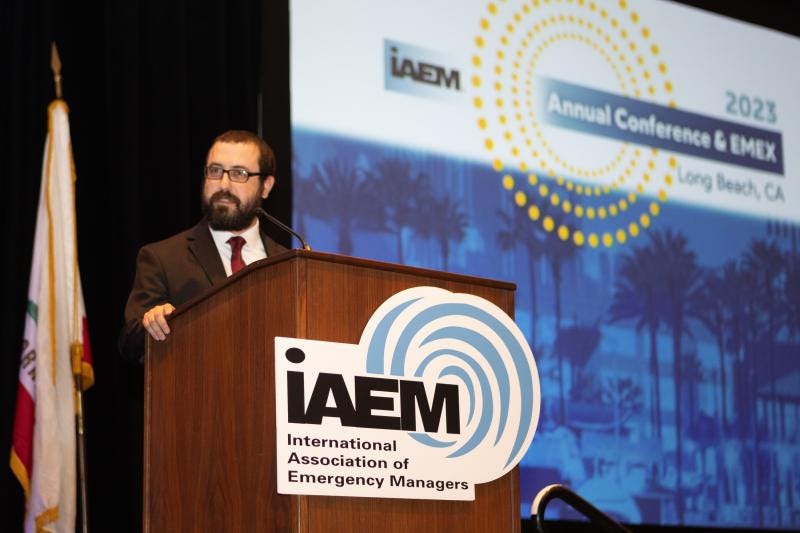
Justin Kates Takes the Helm as IAEM-USA President
As someone who's had the privilege of knowing Justin Kates for several years and sharing a seat with him on the board of the International Association of Emergency Managers (IAEM), I am thrilled to witness his ascent to the role of President for the 2023-24 term. Justin's election is a testament to his unwavering dedication and expertise in emergency management.Justin is known for his thoughtful approach and steadfast commitment to the profession. His leadership at IAEM-USA marks a significant milestone, bringing his rich experience and strategic vision to the forefront. He keenly recognizes the importance of professional associations in advocacy and unifying our members' voices, a quality that makes him an ideal leader for our times.Justin's background is as diverse as it is impressive. From leading emergency management in Somerville, Massachusetts, to his significant contributions in Nashua, New Hampshire, and as a Homeland Security Consultant for the State of Delaware, and in the private sector developing a program for Wawa Inc., his journey is a narrative of relentless dedication to public safety and emergency management. His academic credentials, with degrees from the University of Delaware and the Naval Postgraduate School, further bolster his professional stature. Beyond IAEM, Justin's role as Treasurer of the National Association for Public Safety GIS Foundation and his FEMA National Advisory Council membership highlight his broad influence in the field.Justin’s leadership is a beacon of progress for IAEM-USA. His election as President is an honor and a reflection of the respect and trust he has earned across the emergency management community. I am excited and optimistic about the future of IAEM under his guidance, and I look forward to supporting his initiatives and vision in the coming year.Supporters This is a public episode. If you'd like to discuss this with other subscribers or get access to bonus episodes, visit emnetwork.substack.com/subscribe
Celebrating Three Years of Innovation:
Today, my heart is full of gratitude and excitement. As we cross the three-year mark of our journey together, I want to reflect on our shared experiences and thank each of you for your unwavering support.Three years ago, EMN was an idea, a spin-off from a podcast I was producing. The concept was simple yet ambitious – to deliver emergency management content in new and exciting forms. Looking back, I am overwhelmed by how much we have achieved together. Your engagement, feedback, and encouragement have been the driving force behind our success.Our mission at the Emergency Management Network (EMN) has always been to serve the emergency management community with unwavering dedication and bring innovation to the forefront of our content and programs. As we look to the future, I am excited to announce several new and exciting initiatives in the pipeline, each carefully crafted to enhance your experience with us.These upcoming programs are not just additions to our portfolio; they represent our commitment to staying at the cutting edge of emergency management. We understand that this field constantly evolves, with new challenges and advancements emerging regularly. We aim to ensure that you, our valued community, are equipped with the most current and comprehensive information available.We focus on various formats and platforms to disseminate our content to achieve this. Expect more interactive webinars, in-depth interviews with experts in the field, and hands-on workshops that provide practical insights and skills. We are also enhancing our digital presence, ensuring that our content is accessible and engaging, whether you're reading our newsletter, listening to our podcast, or participating in our online forums.In addition to these content improvements, we are also exploring partnerships with key organizations and thought leaders in emergency management. These collaborations aim to bring diverse perspectives and world-class expertise to our community, further enriching your learning and engagement with us.Our commitment to innovation also means we constantly seek feedback and ideas from you, our audience. Your input has been invaluable in shaping EMN's journey so far, and it will continue to guide us as we develop these new programs.These new initiatives are more than just expanding our content. They represent our ongoing dedication to serving the emergency management community with the most relevant, informative, and engaging content. We are excited to embark on this next phase of our journey with you.Your support becomes even more vital as we continue to grow and evolve at the Emergency Management Network (EMN). We humbly ask you to consider taking the next step in your journey with us by becoming a paid subscriber. Your subscription helps us keep the lights on and fuels our mission to bring innovative and essential emergency management content to our community. Every subscription goes a long way in ensuring that we can maintain the quality and frequency of the valuable resources you've come to expect from us. Additionally, if you find our content insightful and valuable, we encourage you to like and share it with your peers and colleagues. Your endorsements help us reach a wider audience and strengthen our community, allowing us to enhance our knowledge and preparedness in emergency management collectively. Your support, in any form, is greatly appreciated and plays a crucial role in our continued success and growth.I want to extend my deepest thanks to each one of you. Whether you have been with us from the beginning or have recently joined our community, your support has been invaluable. You are the reason we strive to push boundaries and continuously improve.We are excited about the future and are committed to bringing you the best in emergency management content. Stay tuned for more updates, and here's to many more years of growth, learning, and collaboration.Thank you once again for being a part of our journey.Supporters This is a public episode. If you'd like to discuss this with other subscribers or get access to bonus episodes, visit emnetwork.substack.com/subscribe
Progress, Not Perfection
Get inspired, motivated, taught, and engage with real-life Leaders, Emergency Managers, and Emergency Management Professionals.Founded by Leadership and Emergency Management Professionals for Leaders and Emergency Managers!A community to engage in quality discussions and training without the distraction of ads and other nonsense distractions.Let’s get better and let’s do it together!LinkedIn:https://www.linkedin.com/in/danielscotttn2p/Website:theoryn2practice.comGet on my calendar:https://theoryn2practice.com/book-a-call This is a public episode. If you'd like to discuss this with other subscribers or get access to bonus episodes, visit emnetwork.substack.com/subscribe
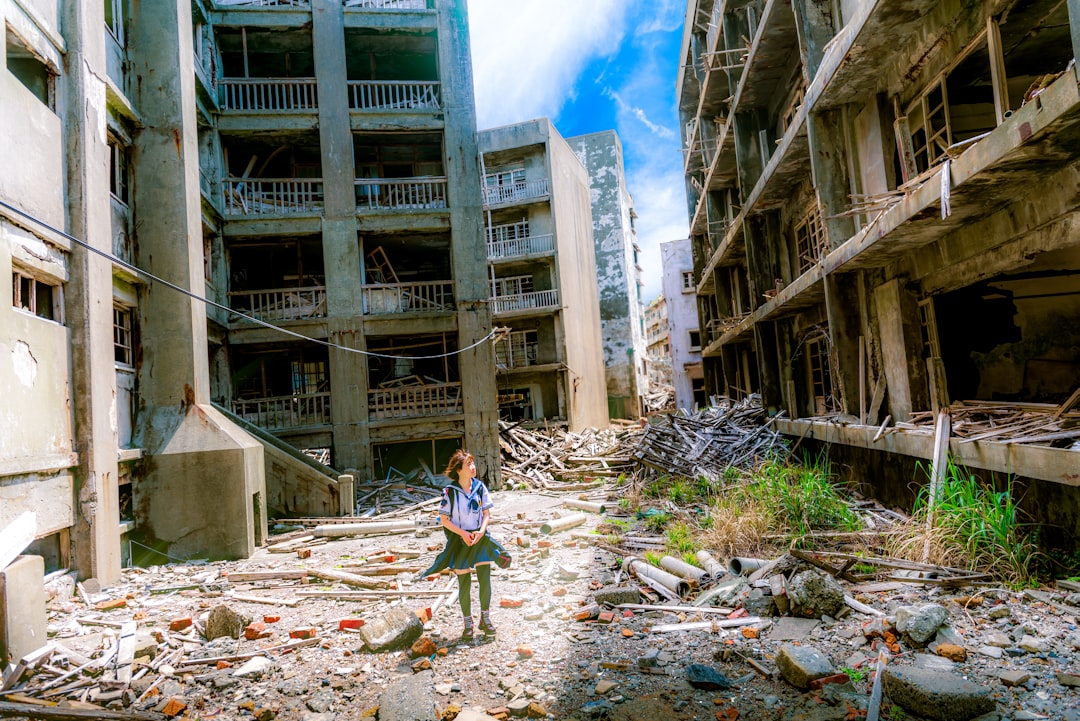
Crisis Management and Public Leadership in Modern Times
Today, we are at a pivotal moment in history. As the world watches with bated breath, nations grapple with crises that test the very core of their resilience and determination. The war in Ukraine has become a stalemate without an off-ramp, and the new conflict in Israel looks as if it may become long and drawn out. We look at the countless other situations many African nations have been in sustained armed conflict. We cannot forget the drug wars between the cartels and the government in Mexico. These conflicts serve as somber reminders of the unpredictable nature of our times.The unexpected assault on Israeli soil has thrown the region into turmoil, leading to immense loss and heartbreak. These devastating incidents raise the age-old question: How can we manage crises effectively as global citizens and leaders? How do we ensure the safety and well-being of the innocent people?Substackhttps://emnetwork.substack.com/Supportershttps://emnmedia.com/supporters/ This is a public episode. If you'd like to discuss this with other subscribers or get access to bonus episodes, visit emnetwork.substack.com/subscribe
Why Am I Doing This?
When it comes to leadership and emergency management, the “Theory-N2-Practice” is an examination and evaluation of learning and leadership.This podcast will take the listener on a journey of personal and professional growth. development with reflection, evaluation, and correction.Join me, Dan Scott, as I go on this journey of self-discovery and talk with some of the greatest leaders, influencers, and inspirational thought leaders in the world.Let’s grow better&Let’s do it togetherLink to the October 12, 2023 FREE Book Release Event:https://api.choreosuite.com/widget/bookings/danielscottLinkedIn:https://www.linkedin.com/in/danielscotttn2p/ This is a public episode. If you'd like to discuss this with other subscribers or get access to bonus episodes, visit emnetwork.substack.com/subscribe
TN2P New Day Same Vision
When it comes to leadership and emergency management, the “Theory-N2-Practice” is an examination and evaluation of learning and leadership.This podcast will take the listener on a journey of personal and professional growth. development with reflection, evaluation, and correction.Join me, Dan Scott, as I go on this journey of self-discovery and talk with some of the greatest leaders, influencers, and inspirational thought leaders in the world.Let’s grow better&Let’s do it togetherTheory-N2-Practice Webpage:theoryn2practice.comOctober 12, 2023 Leadership Networking and Book Release Eventhttps://streamyard.com/watch/9t8qEfGHxnXA This is a public episode. If you'd like to discuss this with other subscribers or get access to bonus episodes, visit emnetwork.substack.com/subscribe

Exploring Policy & Preparedness: Disaster Politics Podcast Returns!
After a thoughtful hiatus, the “Disaster Politics” podcast is set to return, poised to continue exploring the intricate weave of policy, legislation, and disaster management. This pause allowed Jeff Schlegelmilch to reflect, recalibrate, and refine the content to ensure it remains as relevant and insightful as ever.The reintroduction of the show promises to bring forth more enriched and diverse conversations, resuming its mission to dissect the interplay between political mechanisms and disaster-centric entities. The inclusion of Todd DeVoe as a new co-host is bound to infuse fresh perspectives and deeper insights into the dialogue, enhancing the podcast's ability to enlighten its audience on the multifaceted relationship between political processes, institutions, disaster preparedness, response, and recovery. The show's return is eagerly anticipated by its audience, who await more enlightening explorations into the world where politics and disasters intersect.The Crucial Intersection:“Disaster Politics” is a forum that brings together key stakeholders from emergency management, politics, and non-governmental organizations to discuss and dissect how political institutions and processes shape their work. It navigates through the labyrinth of policies, uncovering how they intertwine with different phases of disaster management.Jeff Schlegelmilch and Todd DeVoe:Jeff Schlegelmilch is a well-versed expert in the field whose extensive knowledge enhances the discussions, bringing depth and various perspectives to each episode. Adding Todd DeVoe as a co-host expands the spectrum of expertise and insight available to listeners, providing varied and nuanced views on the interplay between politics and disasters.Core Themes:1. Legislative Impact:The podcast illuminates how legislation can both aid and hinder disaster preparedness and recovery. It delves into the intricate webs of policies that govern response mechanisms and explores the implications of legislation on disaster resilience and management. It also analyzes the effectiveness of existing laws in mitigating the impact of disasters.2. Policy Dynamics:The discussions extend to the role of policy in shaping disaster response and recovery efforts. The podcast provides a comprehensive overview of how policy dynamics influence disaster management strategies and outcomes by considering the impact of political decisions and policy formulations.3. Collaboration and Stakeholder Interaction:The podcast emphasizes the significance of collaboration between different stakeholders involved in disaster management. It explores the synergies and conflicts that arise from interactions between governmental bodies, NGOs, emergency management entities, and the communities they serve.4. Real-world Applications and Case Studies:Each episode is enriched with real-world examples and case studies, which allow listeners to relate theoretical discussions to practical scenarios. These tangible examples illustrate the direct impact of political processes and institutions on the lives of individuals affected by disasters.Aim and Impact:“Disaster Politics” seeks to elevate the discourse surrounding disaster management and political processes, fostering an enriched understanding of their interconnectedness. It aims to generate informed conversations and encourage reflective thinking on the political dimensions influencing disaster preparedness, response, and recovery.Through engaging and thought-provoking discussions, the podcast establishes itself as an essential resource for professionals in the field, policy-makers, and anyone with a keen interest in understanding the political landscape surrounding disasters.The “Disaster Politics” podcast, with its enlightening dialogues and in-depth analysis, serves as a beacon for those exploring the complicated terrains of disaster management and politics. Jeff Schlegelmilch and Todd DeVoe, with their extensive knowledge and experiences, are bridging the gap between policy, legislation, and disaster management, helping listeners understand how politics can shape the trajectory of disaster preparedness, response, and recovery. This invaluable resource is a learning tool and a catalyst for change, encouraging informed discourse and reflection on the multifaceted relationship between disasters and politics.Supportershttp://thebluecell.com/index.htmlhttps://uard.university/https://www.fraem.org/https://www.iaem.org/ This is a public episode. If you'd like to discuss this with other subscribers or get access to bonus episodes, visit emnetwork.substack.com/subscribe
Shifting the Overton Window
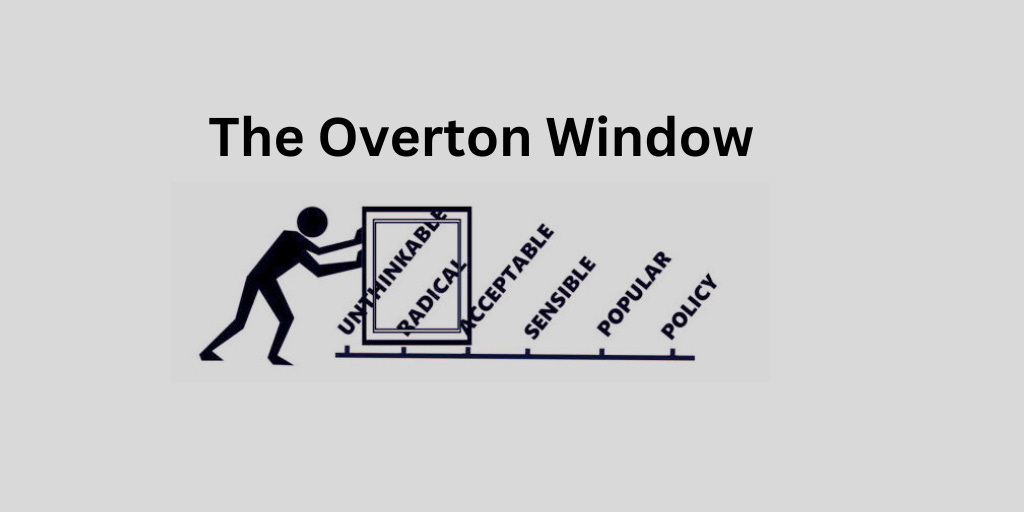
I have been intrigued by the concept of the Overton Window for a while now. Initially because of its profound implications for social policy. The framework offers us a way to understand how cultural shifts happen, how ideas once considered radical can become accepted norms, and how policy change occurs. As I delved deeper, I realized that this concept has an equally significant application in an area of crucial importance—disaster policy and creating a culture of preparedness.So, let’s explore the framework known as the Overton Window and how it can be utilized to foster more robust and effective approaches to managing disasters.For those unfamiliar, the Overton Window is a term that has been applied to a concept that public policy thinker Joseph Overton used to describe the ideas tolerated in public discourse. In essence, it's a conceptual spectrum between 'unthinkable' and 'popular,' marking out the ideas that are politically feasible at any given time.When we speak of disaster policy, we encounter various views influenced by social, political, and economic factors. However, the effectiveness of any disaster policy is significantly constrained by what is considered politically and socially acceptable. Herein lies the power and applicability of the Overton Window.The Status QuoLet's start by examining the current Overton Window regarding disaster policy. Most importantly, immediate response measures, such as deploying emergency services and relief funds, are widely accepted. These are within the 'safe' zone of the Overton Window.However, more proactive, long-term strategies—such as infrastructural improvements to withstand natural hazards or allocating funds to predictive modeling of disasters—are often viewed as 'radical' or 'impractical.' These initiatives are outside the Overton Window, so they struggle to gain political or public support.Shifting the WindowSo, how do we shift the Overton Window in the context of disaster policy? How do we make the 'radical' become 'sensible,' and the 'sensible' become 'popular'?First, awareness and education are critical. Disasters aren't just acts of God or unfortunate coincidences; they result from human choices—where we build, how we build, and how we prepare. We can start changing perceptions through academic research, public discourse, and, most importantly, the education system.Second, we must leverage the media effectively. The media has an unparalleled ability to influence public opinion, for better or worse. By presenting well-reasoned, factual accounts of proactive disaster policies' benefits, we can shift the window of what's acceptable.Case StudiesNow, let's consider some case studies to illustrate these principles. After Hurricane Katrina, there was a noticeable shift in the Overton Window surrounding disaster preparedness. The horrific aftermath and inadequacies in the response efforts were highly publicized. As a result, there was a brief but significant window during which the public and politicians alike were more willing to consider proactive disaster policies.Countries like Japan, which experience frequent natural disasters, have managed to shift the Overton Window to include comprehensive educational programs about disaster preparedness from an early age. Earthquake and tsunami drills are as common as school fire drills, making them a 'sensible' part of the policy spectrum.Creating a Culture of PreparednessSo, what does this mean for creating a culture of preparedness? It means that such a culture only forms after a period of time. We must first expand the Overton Window to make proactive, long-term strategies politically and socially palatable. Creating a culture of preparedness requires us to normalize the discourse around subjects such as risk mitigation, infrastructure resilience, and emergency planning.By expanding the Overton Window, we can make proactive approaches to disaster policy not just 'thinkable' but 'popular' and 'policy-implementable.' This transition will take a lot of work, but it's necessary for our communities' long-term safety and resilience.The need for effective policy is evident as we confront a future that promises more frequent and severe disasters. By understanding and applying the Overton Window concept, we can work towards creating a culture of preparedness that will save lives and protect our communities' economic and social fabric. This is a public episode. If you'd like to discuss this with other subscribers or get access to bonus episodes, visit emnetwork.substack.com/subscribe

Finding the Path to Become a Skilled Emergency Manager
Finding the Path to Become a Skilled Emergency ManagerI wrote a piece called The Hard Truths: Addressing Endemic Challenges in Emergency Management Hiring Practice. It was critical of the current hiring process of choosing underqualified individuals at best or outright unqualified. I call upon the emergency management industry to look at its hiring criteria to better align with the specialized requirements of the field.Since I published that piece, I have had multiple people reach out to me and ask me what they needed to become emergency management professionals. I commend them for that, and they got me thinking about what an individual needs to move from one profession to another. It can be a lonely journey when trying to become an emergency manager.Like any good academic, I want to state the thesis. The need for emergency management. It has never been more pressing to have qualified individuals leading emergency management than today, given the complexity and diversity of challenges our world faces, from natural disasters to health crises. The pursuit of professionalism and establishing robust standards within the realm of emergency management has been a frequent topic of discussion. Last week's article discussed how we must improve hiring practices to ensure qualified professionals are at the helm of emergency management organizations. The piece inspired a subscriber who recently entered the field to contact me. We had a wonderful conversation, and he described his journey and explained his steep learning curve. This provided a moment of reflection for me. Beyond those transitioning from public safety roles, many professionals from various sectors see the allure of emergency management and its significance. With their diverse experiences and backgrounds, these individuals often wonder about the roadmap to integrate seamlessly into this sector. Therefore, to guide these aspiring professionals, here are some structured approaches to equip oneself for a role as an Emergency Manager. Emphasizing the fulfilling nature of this job, I urge anyone who aspires to be an emergency manager to seek the necessary training, immerse themselves in the field, and stride confidently toward becoming a cornerstone in the emergency management profession. Nobody wants to spend the first nine months on the job trying to find footing. The demands of emergency management require us to be proactive, efficient, and competent from day one. This is a public episode. If you'd like to discuss this with other subscribers or get access to bonus episodes, visit emnetwork.substack.com/subscribe
Integrating Disaster Risk Reduction into Emergency Management:
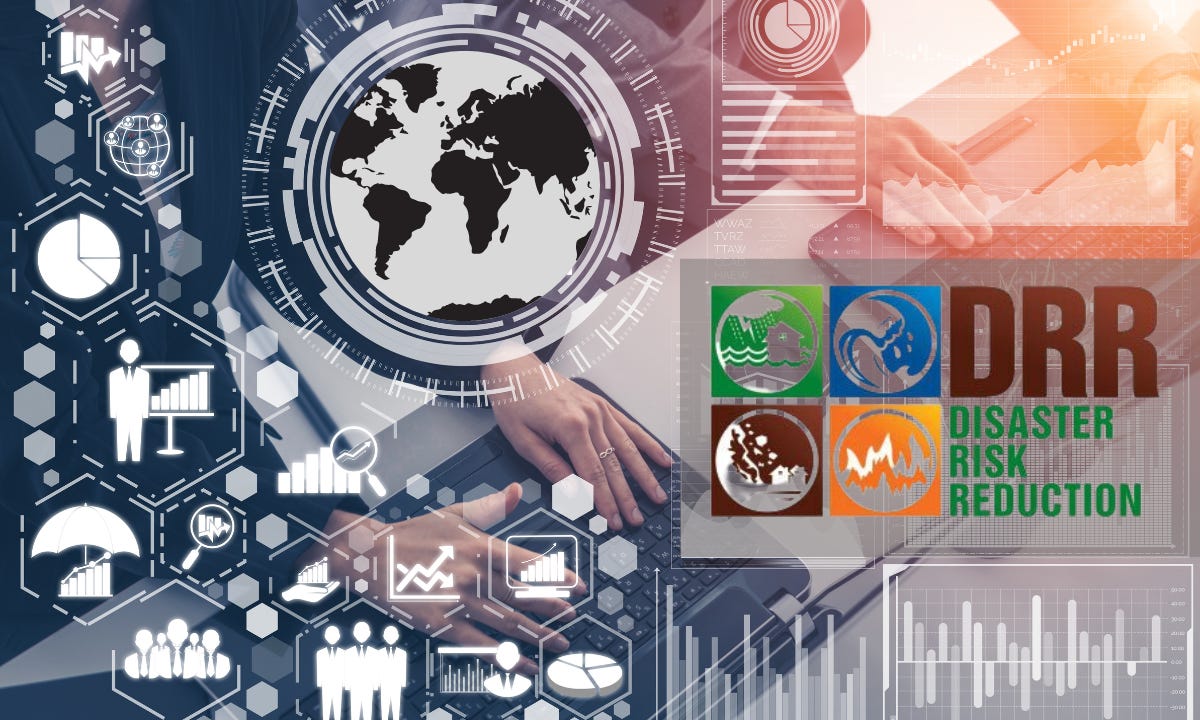
Over the last five years, the U.S. has consistently faced an average of 18 severe disasters annually, each causing damages upwards of a billion dollars. The pattern persisted in 2022, with 18 such incidents inflicting $175.2 billion in damages and resulting in 474 deaths. On a global scale, the EM-DAT Emergency Event Database recorded 387 instances of natural disasters in 2022. These events led to 30,704 lives lost and affected 185 million individuals, with total economic damages reaching an estimated $223.8 billion. In this challenging landscape, it is crucial for emergency management approaches to be both agile and anticipatory. It is time to seamlessly integrate Disaster Risk Reduction (DRR) principles into existing emergency management strategies.The conventional emergency management model has been primarily reactive for many years, emphasizing response and recovery post-disaster. While these aspects remain essential, there is a growing recognition that we must reevaluate how emergency management is performed. A response-centric model overlooks opportunities to lessen disaster impact through proactive planning, perpetuating a cycle of vulnerability and insufficient preparedness.Disaster Risk Reduction is a systematic approach to identifying, assessing, and reducing disaster risks, which calls for a shift in emphasis. DRR insists that we look beyond the immediate aftermath of disasters and focus on mitigating potential risks, improving resilience, and implementing sustainable development strategies. This is not a call to abandon our traditional approaches but to evolve them to fit a more complete and nuanced understanding of what effective disaster management should entail.To substantiate this claim, let me bring to your attention the rising frequency and intensity of natural and anthropogenic disasters. Climate change has exacerbated the severity of weather-related events such as hurricanes, floods, and wildfires. The increasing interconnectedness of our world has also heightened vulnerabilities to technological and biological threats. These evolving risks necessitate an evolving approach.By embracing DRR principles, emergency management can advance in several key areas:1. Risk Identification and Assessment: Accurate data and scientific methods can identify vulnerabilities and predict possible disaster scenarios. This foresight provides the basis for targeted action to minimize risks.2. Community Engagement: DRR strongly emphasizes involving local communities in disaster preparedness plans. This participatory approach ensures that policies are culturally sensitive and appropriately address the unique risks faced by specific populations.3. Resource Allocation: Pre-disaster planning allows for a more efficient allocation of resources, ensuring that first responders and communities have the necessary tools and training before disaster strikes.4. Sustainability: DRR recognizes the importance of sustainable land-use planning and environmental management as a means to mitigate the impact of disasters over the long term.5. Policy Integration: The multi-disciplinary nature of DRR means that it can be integrated into broader policies such as urban planning, climate change adaptation, and public health strategies, thereby magnifying its effectiveness.To overlook the incorporation of Disaster Risk Reduction principles into emergency management is not merely an academic oversight; it is a tangible failure to protect communities and safeguard futures. And so, I urge all stakeholders—policymakers, academics, practitioners, and the general public—to reconsider our existing paradigms in light of the compelling arguments for Disaster Risk Reduction. Only through this integrated approach can we hope to build a resilient and secure global society equipped to respond to disasters and mitigate their impact fundamentally.I will take this time to delve deeper into the five areas I have identified. The first key area where Disaster Risk Reduction (DRR) significantly contributes to enhancing emergency management is risk Identification and Assessment.Understanding the Scope of RisksIt is crucial to understand that risks are not merely singular events waiting to happen; they are a composite of hazard, exposure, and vulnerability. Accurate risk identification goes beyond the rudimentary listing of potential disasters; it requires a nuanced, multi-layered understanding of various interdependent factors. This includes geographical factors, socio-economic conditions, infrastructure resilience, and political stability. For instance, understanding the risks associated with a seismic hazard involves geological knowledge and an assessment of building structures, population density, and emergency response capacity.Scientific Methodologies The advent of sophisticated tools and methodologies has significantly aided the risk assessment process. Geographic Information Systems (GIS), for example, allow for spatial analysis of risk factors, whi

The Hard Truths: Addressing Endemic Challenges in Emergency Management Hiring Practices
In this ever-evolving world, our societies are constantly being tested by emergencies and crises that shake the foundations of our security, stability, and prosperity. In such turbulent times, the efficacy of our responses and actions reveals the robustness of our preparations and the depth of our understanding of emergencies. Yet, I fear the lessons we just witnessed in Hawaii will be repeated. Hawaii is a stark reminder of our vulnerabilities and the pressing need to introspect and reform the system. The perils of assigning unqualified or ill-prepared individuals to roles pivotal to Emergency Management (EM) can't be underscored enough.I want to draw your attention to a profound, complex problem that looms over many jurisdictions within the United States. We need only turn our gaze to the disheartening situation in Hawaii to understand the deep gravity of the matter. The sentiment I bring to you is a stark one: many of our jurisdictions are, in essence, merely one catastrophe away from facing a fate similar to that of Hawaii.In several jurisdictions, retired first responders or politically connected individuals are hired for emergency management roles who need more training in emergency management's labyrinthine, multifaceted role. Many view this job as an easy “retirement” job (full disclosure: I also came from the first responder world 20 years ago.) and find it more complicated than they thought. While the experience of first responders is undeniably invaluable, and they possess critical skills honed from years on the front, there is an underlying concern. This hiring trend has sometimes overshadowed truly dedicated emergency managers who have dedicated their careers to mastering the nuances of emergency management and are genuine EM professionals. Emergency management professionals bring unique competencies and a comprehensive understanding of the field. These hiring practices of taking marginally qualified who may have EM-adjacent careers raise questions about the long-term impact on the quality and effectiveness of emergency management programs.I have long held and will argue today, that we are doing a tremendous disservice to our residents as public servants. How so? By the two cardinal sins in emergency management: firstly, by hiring ill-prepared individuals for the vast responsibilities they shoulder, and secondly, by relegating emergency management to a position of collateral duty. In this context, collateral means that emergency management, rather than being a solid fixture in administrative responsibilities, has been dispersed thinly in a piecemeal fashion, diluting its importance. It has become a mere afterthought or an additional duty rather than a core function. This is deeply problematic in disaster management, where the well-being and lives of our citizenry hang in the balance. For jurisdictions to take a half-hearted approach, believing this is the right solution for the community's needs, is outrageous. The hiring of unqualified individuals to roles of vital importance compounds this issue. Emergency management is a specialized field requiring an in-depth understanding of risk assessment, disaster response, logistics, communication, project management and more. Appointing someone without the requisite skills, experience, or passion is akin to asking a novice to pilot a commercial airplane: the results can be catastrophic. It is not my intent today to cast aspersions or point fingers but rather to implore each and every one of us to acknowledge this pressing issue and commit to actionable solutions. We must re-evaluate and restructure our approach to emergency management. This includes providing rigorous training, investing in specialized personnel, and ensuring that the importance of this function is recognized at every echelon of our administrative structures.To do anything less is to leave our communities vulnerable, to stand unprepared on the precipice of potential disaster. Today, Hawaii is a stark reminder of what can transpire when jurisdictions do not hire the most qualified individuals. Let us use this as a wake-up call, urging us towards action and an unwavering commitment to the safety and well-being of our residents.Let's peel back the layers to truly understand the root causes of this alarming trend.At the forefront is a disturbing misunderstanding of the role of emergency management. To the uninitiated, EM might appear as a sequence of reactive measures. It is a complex symphony of anticipation, planning, strategy formulation, and precise execution. However, limited by their peripheral understanding, many hiring authorities make the egregious error of overvaluing tangential qualifications while undermining the competencies paramount to EM.Next, we cannot overlook the shadows of political influences that lurk in many EM appointments. This isn't merely an administrative concern but a moral and ethical one. When appointments pivot on political affiliations or pressures rather
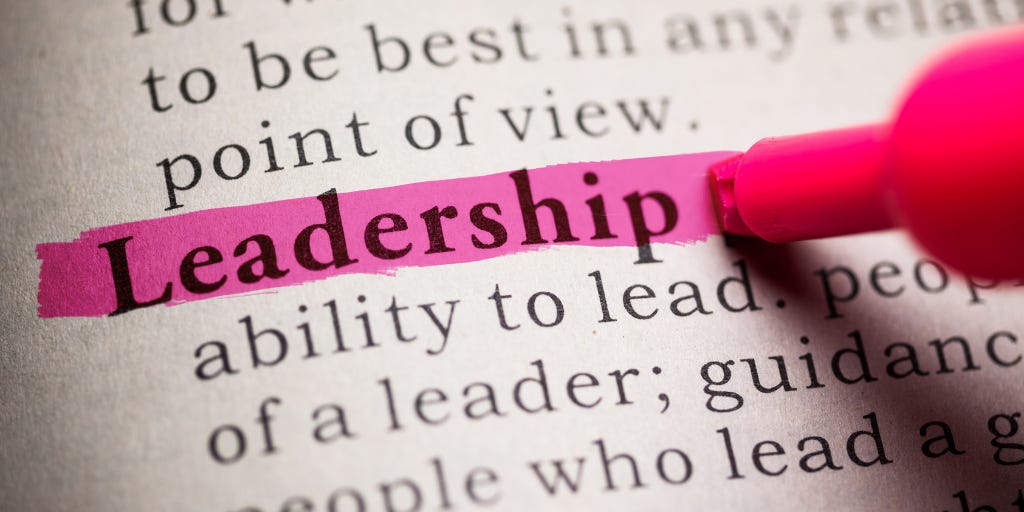
Leadership Redefined
What is Leadership?Let's explore a topic that has the power to change organizations, societies, and, indeed, the world. I am referring to Leadership, a concept that often needs to be more understood and frequently misrepresented. Over the course of this conversation, I aim to distill some fundamental truths about Leadership using the ideals encapsulated in twenty pivotal maximums that capture the essence of true Leadership. "Leadership is not about being in charge. It's about taking care of those in your charge." This perfectly encapsulates the core of what it means to be a leader. Leadership is not a matter of wielding authority or issuing commands. It's about responsibility. It's about caring for and guiding those who depend on you. It's about being a mentor, an advisor, a counselor. When we put the welfare of others before our interests, we embody the true spirit of Leadership.I have always believed that "A great leader knows the way, shows the way, and most importantly, goes the way." A leader is not simply a signpost, directing others from a distance. They are trailblazers, carving a path for others to follow. They stand in the vanguard, dealing with the brunt of the challenges, and are the first to celebrate the victories. Leaders set the pace, provide direction, and inspire through actions, not just words.As we understand it, Leadership isn't a privilege but a duty; it comes from earning respect rather than demanding obedience. As I say, "The power of leadership comes not from the position held, but from the respect earned." Respect is the cornerstone of Leadership, earned through consistency, integrity, and empathy. True leaders inspire respect, not through their title, but through their conduct, character, and dedication. "Leaders are not made. They are grown through trials, failures, and victories." Leadership isn't born out of thin air; it's forged in the fires of challenges. Each failure presents a learning opportunity, each trial a test of resilience, and each victory a reaffirmation of strategy and character. Just as a tree strengthens in response to the wind, a leader grows stronger in the face of adversity.So far, we've spoken about the actions of a leader. However, "Leading is more about listening than speaking; more about understanding than being understood." Leaders need to be in tune with their followers' needs, aspirations, and concerns. They need to listen actively, empathetically, and respond thoughtfully. A leader must seek to understand before being understood, making the environment conducive to open communication and trust-building.This brings us to the sixth axiom: "A leader doesn't just get the message across; a leader makes the message compelling." The art of Leadership involves communicating in a way that inspires, motivates, and drives people toward a shared vision. The message must resonate emotionally, creating a compelling narrative that people can believe in, relate to, and rally behind.And to build this narrative, "The first responsibility of a leader is to define reality. The last is to say thank you." A leader must clearly understand and explain the current situation, outlining the challenges and opportunities ahead. Moreover, acknowledging the team's efforts and expressing gratitude are equally crucial. Recognizing and appreciating contributions builds a culture of respect and camaraderie.Leadership is not about ego but about humility. "The strongest leaders are those brave enough to be humble." They have the strength to admit mistakes, the humility to appreciate others, and the courage to stand for what they believe in, even if it means standing alone. Great leaders understand that their strength lies not in knowing all the answers but in asking the right questions and having the humility to learn from others.Such leaders demonstrate that "Leadership is about setting an example, not setting the rules." Leadership is not about enforcing compliance through rules and regulations. It is about inspiring followership through one's actions. Through their conduct, leaders set the standards for values such as integrity, resilience, commitment, and empathy.Leadership is also about courage. "People don't follow titles, they follow courage." Courage to make tough decisions, accept failure, persist in the face of adversity, and stand up for what is right. Leaders lead by their audacity to dream big, unyielding resolve, and steadfast commitment to their vision.Another vital aspect of Leadership is accountability. "A leader takes a little more than his share of the blame, a little less than his share of the credit." Leaders step forward when things go wrong and step back when things go right. They assume responsibility for failure and distribute credit for success. Such actions foster trust and build a culture of ownership and accountability.As we continue to delve deeper into the qualities of Leadership, let's remember that "The measure of leadership is not the quality of the head
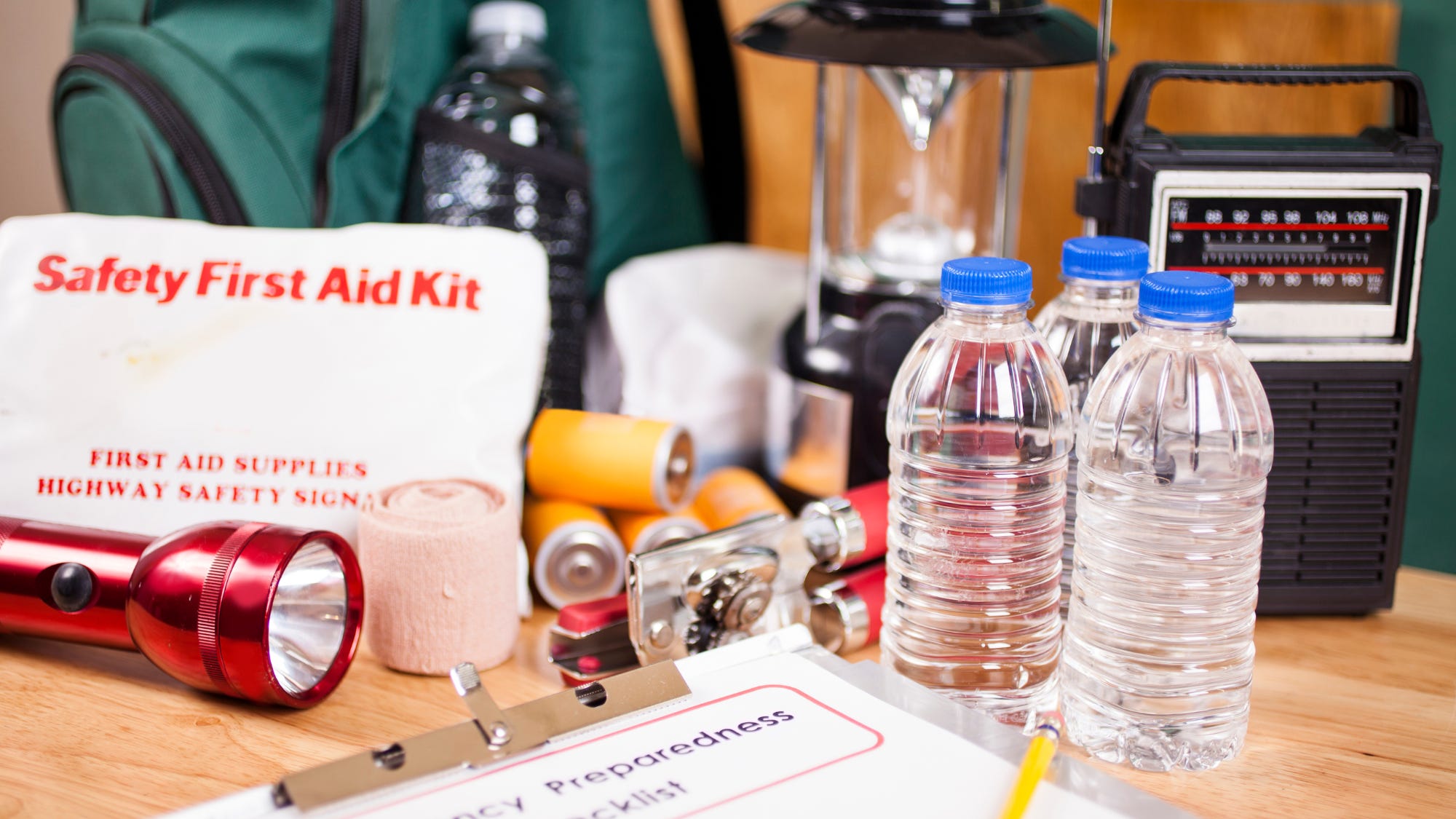
The Role of Emergency Managers in Fostering a Culture of Preparedness
In the contemporary epoch, characterized by escalating environmental uncertainties and rapidly changing weather patterns, disaster management has come under the spotlight. A key aspect of effective disaster management is cultivating a 'culture of preparedness,' a societal framework that prioritizes readiness and proactive action to confront natural and man-made disasters. Let’s explore the role of emergency managers in facilitating the establishment and growth of a preparedness culture.Supportershttps://emnetwork.substack.com/https://emnmedia.com/supporters/ This is a public episode. If you'd like to discuss this with other subscribers or get access to bonus episodes, visit emnetwork.substack.com/subscribe

The Power of Intentionality: Impacting the World through Your Professional Choices
Why do you serve? What get’s you out of bed to do what you do? I want you to know that I appreciate you, not just your work; I appreciate you as an individual, as a person serving your community, and for your decision to better yourself and expand your ideas.The question that I am asked often is why did I choose my profession? It is a question that is timeless, and on the surface, it seems simple. I have given easy answers in the past. I fell into it, or if I want to be philosophical, it is a calling; I want to give back to the community or serve the greater good. These are quick answers that take little thought. However, in our increasingly VUCA and rapidly changing world – what is the concept of the "greater good"? It is a philosophical idea rooted in making choices that benefit the majority, or the collective, instead of merely serving personal interests. This idea has permeated our societies, cultures, and governance systems for centuries and is more relevant now than ever.Plato discussed the concept of the ‘greater good.’ In his view, a just society works toward the common good. This idea is explored in "The Republic," where he presents his vision of an ideal society. Plato's philosophy revolves around 'justice' as a personal virtue and an underpinning principle of a good society. According to him, a just society is one where every individual fulfills their role to the best of their ability for the common good of everyone. In this context, the 'greater good' is society's overall harmony and well-being.Today's objective is to explore the question: What is the greater good? How might we contribute to the benefit of all? How can we ensure that our actions are not solely self-serving but serve others more effectively? How can I discern whether providing more or possibly less of what my loved ones need could contribute to the larger common good? These inquiries, though seemingly straightforward, have profound implications. They serve as a compass, guiding our interactions with the world and shaping our perspectives on life.Firstly, let's delve into the concept of 'intentionality.' Intentionality is a decisive element in pursuing the greater good. Conscious motivation guides our actions, inspiring us to think beyond our immediate desires and individual gains. Intentionality enables us to examine the broader consequences of our decisions, considering how they impact us and resonate within the wider community.Each of us, as individuals, can contribute significantly to the greater good in a multitude of ways: through our professional endeavors, our volunteer work, acts of kindness and compassion, or through the choices we make as consumers and as active participants in a democratic society. The point of departure for all these actions is the intention to serve others and the broader community, not just our interests.Now, it's essential to dispel the notion that contributing to the greater good requires monumental efforts or grand gestures. Quite the contrary, minor actions can create ripples, effecting change far beyond what we might anticipate. A gentle word of encouragement, a small act of compassion, taking a moment to truly understand someone else's viewpoint – these seemingly insignificant actions can contribute enormously to the greater good.Navigating our interactions with people, we should consistently ask ourselves: "Can I give them more or less of what they need for the greater good?" This question is not about blindly fulfilling others' needs. Instead, it compels us to understand what truly benefits them in the long run and society. Sometimes, giving more might create a cycle of dependency, and it would be more beneficial to provide less to encourage self-reliance and personal growth. Conversely, there are situations where giving more time, understanding, and empathy could be the key to fostering greater well-being. The underlying principle is that we need to know and understand others deeply, empathize with their circumstances, and make choices that ultimately promote the collective good.Now I want to talk directly to the emergency management professionals. As an emergency manager working in public service, your daily work is already oriented towards the common good, helping to safeguard lives and communities in times of crisis. Yet, there are more ways to expand your contribution. For instance, you can use your expertise to educate the public on disaster preparedness, helping individuals, families, and communities to become more resilient. Engaging in community events, schools, and local gatherings to discuss emergency planning can be a significant step. You can also advocate for policies prioritizing disaster risk reduction, public safety, and sustainable rebuilding efforts. Be active in your local, state and national emergency management organizations. In your role as an emergency manager, your primary task is to serve your community, particularly during times of disaster. However, you can enhanc

The Age of Collaboration:
Our recent conversation on the “Leader's Cafe” sparked a fascinating discussion about Generation Z and its impact on the workplace. Let’s delve deeper into this core topic, which radically reshapes the world of work and transforms organizational culture. I will explore the process of integrating Generation Z into the workforce and, subsequently, the significant role that Generation X can play as a mentor for this emerging generation. This doesn't only involve managing or leading a new generation; it's about creating an environment borne out of the collective efforts of every generation participating in the workforce.Now, let's start with an understanding of Generation Z. Born between the mid-to-late 1990s and the early 2010s, this generation has grown up in a world where the internet isn't a luxury but a given. They are not just internet users but have evolved alongside it, so much so that their lives are deeply intertwined with digital technology. This interaction with technology from an early age has uniquely shaped their skills, attitudes, behaviors, and expectations.Linkshttps://emnmedia.com/supporters/https://emnetwork.substack.com/ This is a public episode. If you'd like to discuss this with other subscribers or get access to bonus episodes, visit emnetwork.substack.com/subscribe

US Independence Day: A Beacon of Hope in Today's Global Struggles for Freedom
As we celebrate Independence Day in the United States, we need to emphasize its importance and significance in the context of the country's history and foundational principles of liberty, justice, and the pursuit of happiness. And support people and nations that are struggling for their own independence today. This is a public episode. If you'd like to discuss this with other subscribers or get access to bonus episodes, visit emnetwork.substack.com/subscribe
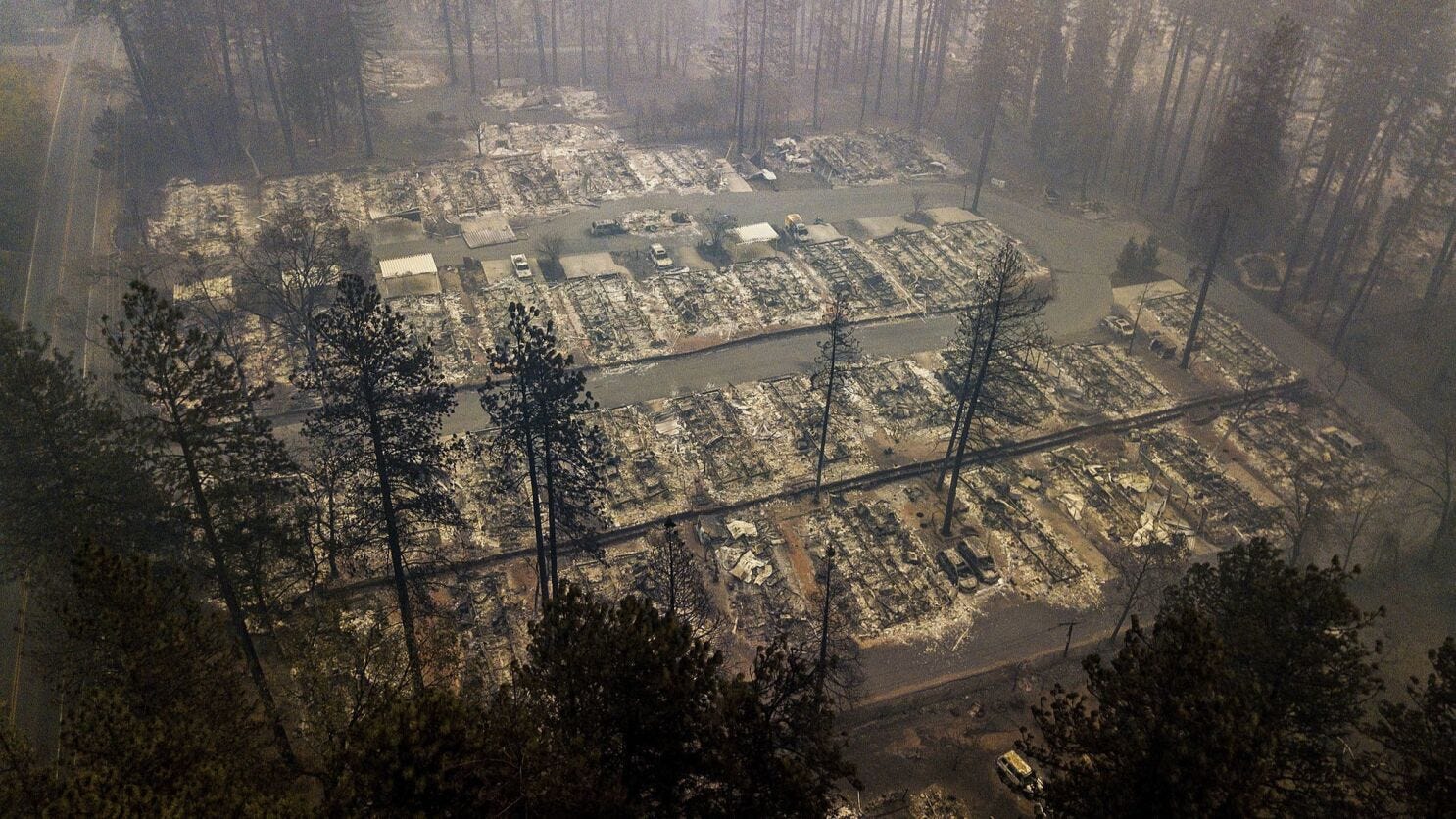
The 30-60-90 Day Principle of Disaster Recovery
The 30-60-90 day disaster recovery plan, influenced by antifragility principles, aims to ensure survival and growth from disasters. The first 30 days focus on restoring business services, jobs, and economic stability with the help of temporary facilities, alternative models, and immediate relief government policies. The next phase (days 30-60) emphasizes community recovery, including emotional, social, and economic aspects, involving community support groups, mental health initiatives, and job programs. The final phase (days 60-90) builds long-term resilience, aiming to restore the pre-disaster state and improve and prepare for future calamities through infrastructure investments, policy adjustments, and robust emergency plans. This plan promotes a dynamic, learning-based approach to disaster recovery, aiming for an antifragile society. This is a public episode. If you'd like to discuss this with other subscribers or get access to bonus episodes, visit emnetwork.substack.com/subscribe
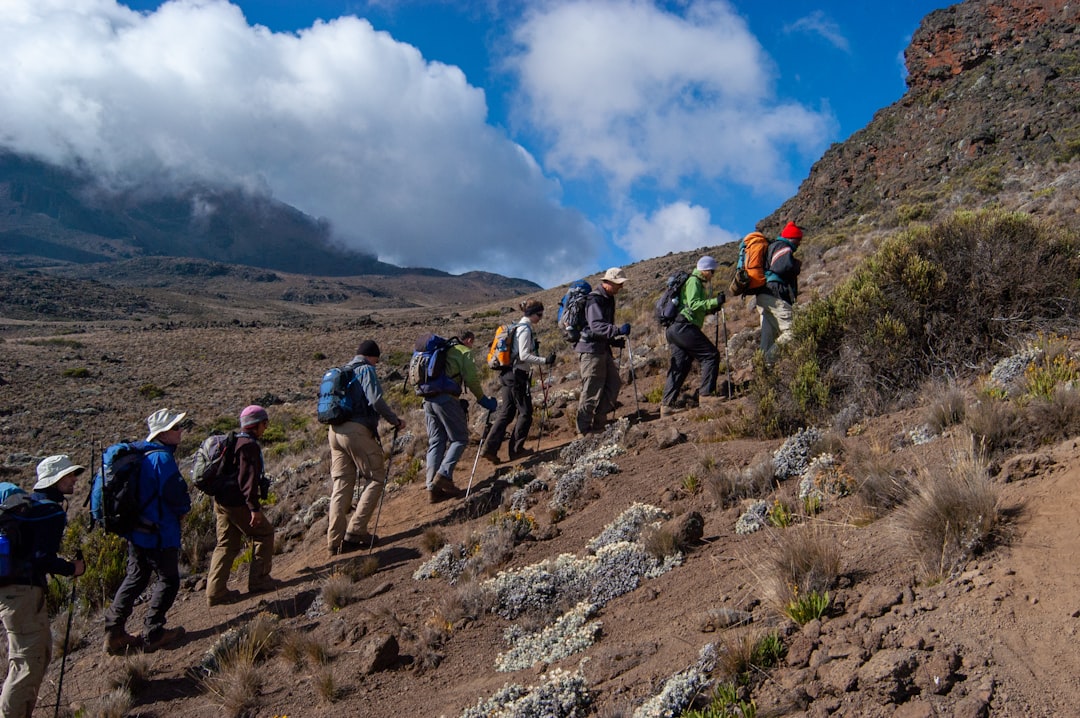
The Transformative Role of Accountability Groups
Today I want to talk to you, yes, you. We need to explore one question. Take the time to ponder this for a second, close your eyes, and answer this simple question. Who holds you accountable? - not to your job or family obligations, but who holds you accountable to your goals? It may be a harder question to answer than you think. We all have friends and associates who we may talk with. However, will they be brutally honest with you? Let’s delve into a subject that is dear to my heart and crucial to our personal and professional development. What is the value and power of belonging to an accountability group? It is one we can all benefit from exploring in depth.In our fast-paced world, we constantly set personal and professional goals for ourselves. They can be as simple as wanting to read more books or as complex as launching a new business venture. However, as we all know, setting goals is easy - achieving them is where the true challenge lies. That's where the idea of an accountability group comes into play.An accountability group is a collection of individuals who come together with the shared purpose of achieving their individual goals. The group provides a structured environment where members hold each other accountable for their progress, offering support, feedback, and motivation. This concept might seem straightforward, but the effects can be significantly transformative. Let's unpack the top ten reasons why joining such a group could be one of your most impactful decisions.The first reason is the most direct one - Goal Achievement. The primary aim of an accountability group is to help its members achieve their goals. Knowing others know your objectives and will check in on your progress adds extra motivation to fulfill these tasks. The group meetings become a deadline, creating a sense of urgency and a commitment that pushes you to keep moving forward.The second benefit is the Structure and Routine that these groups provide. Having a set routine can be a powerful tool in a world where distractions are just a click away. Regular meetings mean you have a structure to work within, which can significantly enhance your productivity. They help break down your larger goals into manageable tasks and ensure you consistently dedicate time to work towards your objectives.Our third point is about Support and Encouragement. Every journey to achieve a goal will face challenges and roadblocks. In these trying times, having a group that understands your journey and offers encouragement can be the difference between giving up and finding the strength to push on. The group provides motivation and emotional support, which is vital for maintaining mental well-being.The fourth reason to join an accountability group is the opportunity for Diverse Learning. Each member of the group brings with them unique experiences, skills, and perspectives. This melting pot of knowledge offers learning opportunities you might have encountered with others. These fresh insights can enhance your personal growth and provide different perspectives on problem-solving.Next, we talk about Feedback and Advice. One of the critical elements of growth and improvement is receiving constructive feedback, and an accountability group provides a safe space for that. Other members can help identify areas you may have overlooked and offer advice based on their experiences. This external perspective helps refine your strategies and accelerates progress toward your goals.The sixth reason is a Sense of Responsibility. Knowing that others are keeping track of your progress increases your commitment to the tasks at hand. This accountability isn't meant to be a burden; instead, it acts as a positive pressure that boosts your productivity.Our seventh point revolves around Building Relationships. As you interact with group members regularly, you form bonds. These relationships become a source of ongoing support and may evolve into personal friendships or professional connections, enriching your network.Coming to the eighth benefit - Developing Good Habits. Regular check-ins and progress tracking instill discipline, which can help cultivate beneficial habits like effective time management, persistent effort, and resilience, key elements for long-term success.The ninth point focuses on Improved Problem-Solving. With a diverse group comes a broader range of solutions to challenges.The collective approach to problem-solving that an accountability group promotes can result in more innovative and effective strategies than you might have devised alone. By harnessing the group's collective wisdom, you can view challenges from various angles, leading to comprehensive solutions considering multiple perspectives.Finally, we arrive at our tenth reason - Enhanced Confidence. Meeting goals, overcoming challenges, and receiving positive reinforcement from your group can significantly bolster your self-confidence. This confidence propels you towards your goals with greater vig

The Crucial Role of AM Radio in Emergency Communication and the Debate Surrounding its Inclusion in Electric Vehicles
AM radio has been a cornerstone of emergency communication, providing vital information during public emergencies and disasters. However, as electric vehicles gain popularity, major automobile manufacturers are gradually phasing out AM radio. Let’s delve deeper into the critical role of AM radio in emergency communication, explore the reasons behind car manufacturers' reluctance to include it in electric vehicles, and expand on the ongoing debate surrounding the AM for Every Vehicle Act.The Importance of AM Radio in Emergency CommunicationAM radio has established its reputation as a reliable and indispensable medium for emergency communication, consistently delivering real-time updates and critical information to communities during times of crisis. One of the key strengths of AM radio lies in its extensive coverage area, which allows it to reach a wide audience across vast geographical regions. Unlike other communication services that may have limitations or face disruptions, AM radio operates on a long wavelength that enables its signals to travel long distances and penetrate obstacles such as buildings and rough terrain. As a result, even in remote or rural areas with limited infrastructure, AM radio can provide a lifeline of information to residents during emergencies.Another advantage of AM radio is the simplicity of its receivers. Unlike more complex communication technologies that require internet connectivity or smartphone usage, AM radios are widely accessible and easy to use. This simplicity is crucial during emergencies when power outages or disruptions may render advanced devices inoperable. In such situations, AM radios powered car batteries become invaluable tools, ensuring that individuals can receive essential updates and instructions regardless of the availability of electricity or internet access.Emergency managers and authorities rely heavily on AM radio to transmit alerts and instructions to the public. Critical information can be disseminated swiftly and efficiently through designated emergency broadcast stations, reaching a broad audience. AM radio acts as a unifying platform that bridges gaps in communication during disasters, enabling emergency managers to convey evacuation orders, weather warnings, public safety announcements, and other vital instructions. This direct communication channel is essential when other communication systems, such as cell phone networks or internet-based platforms, become overloaded or fail due to increased usage or infrastructure damage.Moreover, AM radio plays a crucial role in areas where internet access or smartphone usage is limited. This is especially significant for rural communities and underserved populations facing connectivity challenges. AM radio is a primary source of news, information, and emergency alerts in these regions. It ensures that individuals without reliable internet or smartphones can stay informed and make informed decisions during critical situations. Additionally, studies have shown that many AM radio users belong to the older demographic, who may be less likely to utilize internet-based communication methods. AM radio remains a trusted and familiar medium for these individuals, keeping them connected to their communities and providing important updates during emergencies.The reliability and effectiveness of AM radio in emergency communication cannot be overstated. Its extensive coverage, resilience in the face of disruptions, and simplicity of receivers make it an essential tool for transmitting real-time updates and critical information to communities during crises. As technology evolves, it is vital to recognize the continued importance of AM radio as a backup communication system, ensuring that all individuals, regardless of their access to advanced devices or connectivity, can stay informed and safe during emergencies.Car Manufacturers' Reluctance and ConcernsNumerous automobile manufacturers, including BMW, Mazda, Tesla, Volkswagen, Volvo, Polestar, and Rivian, have decided to remove AM radio from their electric vehicle models. These manufacturers argue that the interference caused by electric car batteries adversely affects AM radio transmissions. The complex electrical systems and high-frequency noise generated by electric motors can disrupt the reception of AM signals.Additionally, car manufacturers contend that alternative methods of disseminating emergency alerts, such as smartphone applications and internet-based platforms, can adequately replace the role of AM radio. They believe that advancements in technology have opened up new avenues for emergency communication, rendering the physical inclusion of AM radio in vehicles unnecessary.Legislation and the AM for Every Vehicle ActThe AM for Every Vehicle Act has garnered bipartisan support in Congress in response to the removal of AM radio from electric vehicles. The proposed legislation seeks to mandate the inclusion of AM radio in all new cars without imposing additio
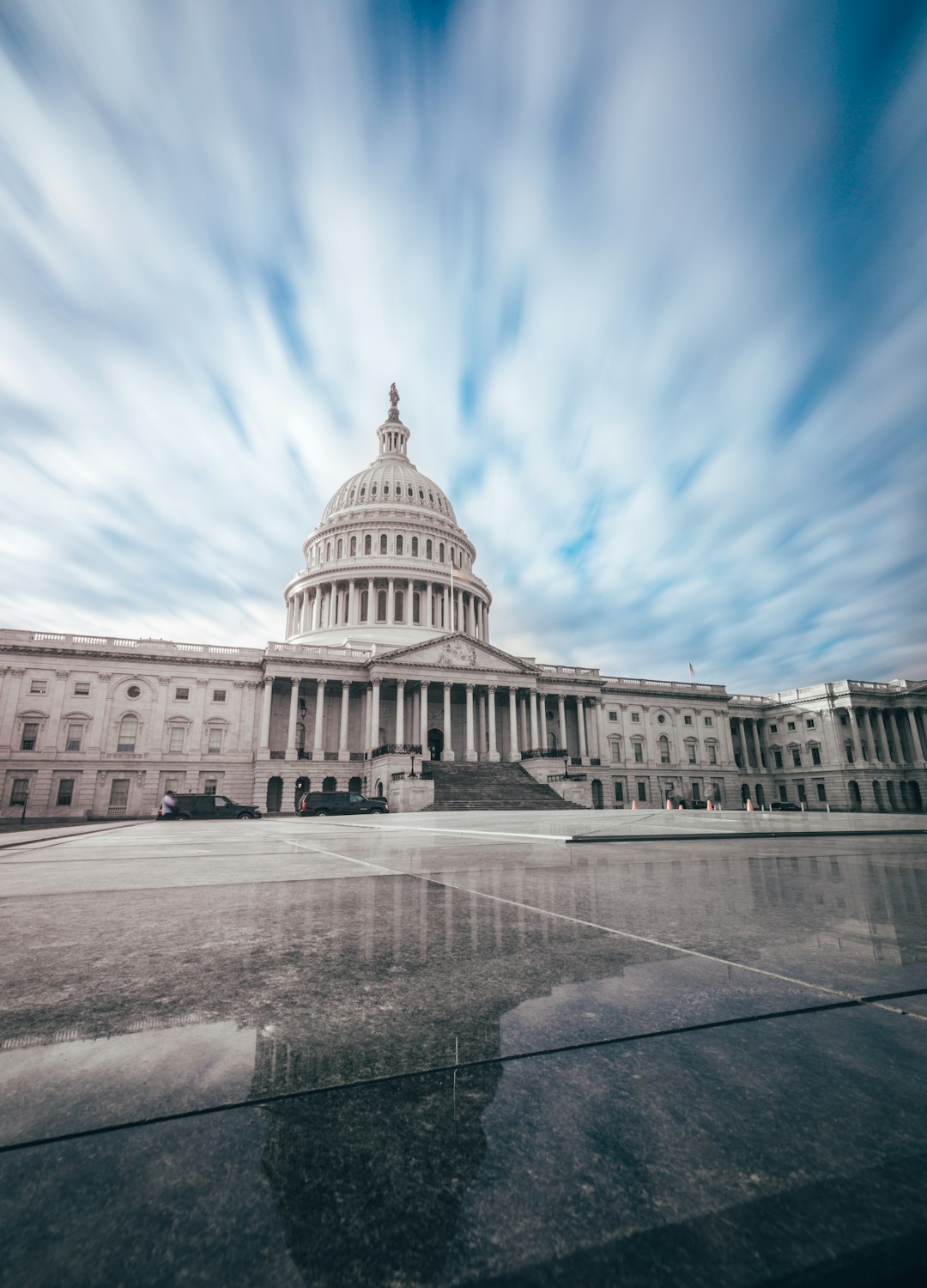
Rethinking Disaster Policy: Empowering the Private Sector for Resilience
In the face of evolving threats and a changing threat landscape, it is crucial to reevaluate and adapt disaster policy to ensure the resilience of our nation. While significant investments have been made in disaster preparedness and response over the last two decades, the role of the private sector still needs to be utilized. With nearly 85 percent of our critical infrastructure owned and operated by private entities, harnessing their capabilities is essential for effective disaster management. However, the private sector often faces barriers when seeking federal assistance for disaster-related efforts. Let’s explore the need for change in disaster policy to bridge the gap between the public and private sectors and unlock the potential of private entities in building a resilient nation.Supportershttps://emnmedia.com/https://emnetwork.substack.com/ This is a public episode. If you'd like to discuss this with other subscribers or get access to bonus episodes, visit emnetwork.substack.com/subscribe
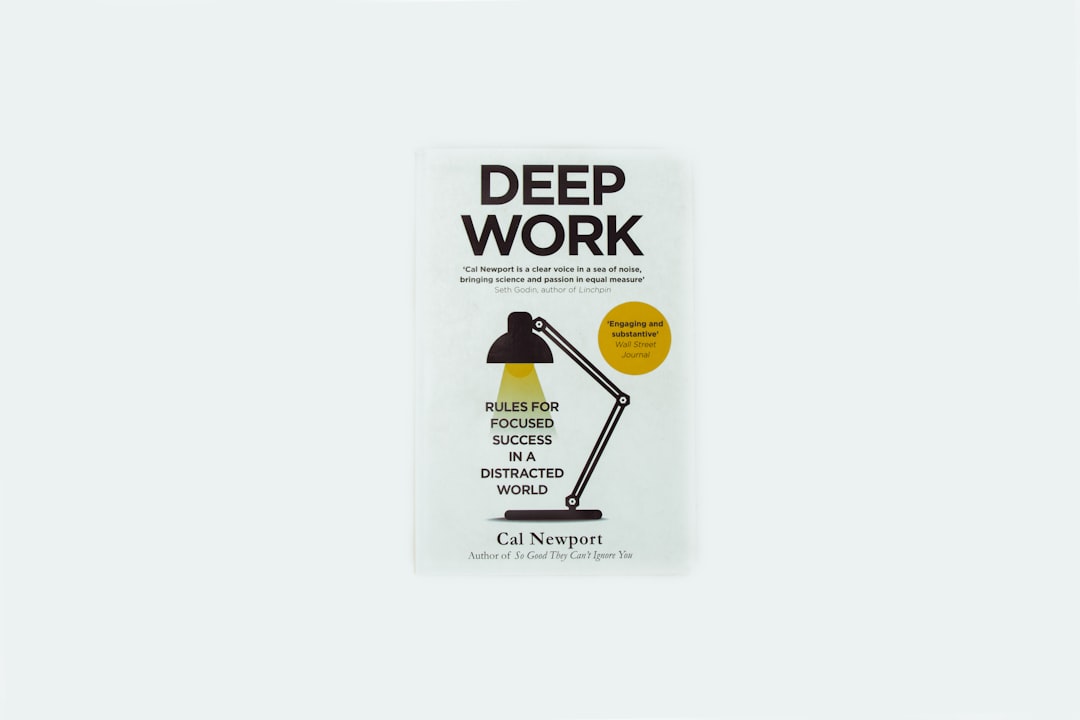
Unlocking Productivity in the Age of Distractions
In today's fast-paced, technology-driven world, distractions have become an ever-present obstacle to achieving meaningful and productive work. Cal Newman's book, "Deep Work," offers valuable insights and actionable strategies to help individuals break free from the shallow work cycle and enter a state of deep concentration. Individuals can tap into their full potential and enhance their productivity by focusing on the task and minimizing distractions. It is a great time to explore the key concepts presented in the book, highlighting the importance of cultivating deep work habits in the modern knowledge economy.https://emnmedia.com/https://emnetwork.substack.com/ This is a public episode. If you'd like to discuss this with other subscribers or get access to bonus episodes, visit emnetwork.substack.com/subscribe

The Importance of Self-reflection in Emergency Management: A Thoreau and Sartrean Perspective
The Importance of Self-reflection in Emergency Management: A Thoreau and Sartrean PerspectiveI had a great conversation with a few of my colleagues about why we chose the field of emergency management. As the night went on, we discussed how we have seen "the great burnout" of emergency management professionals over the last few years. Our profession is not the only one that is suffering. There has been the "Great Resignation" and the "Quite Quitting" that has been occurring since COVID. People are looking for a better work-life balance. https://emnetwork.substack.com/https://emnmedia.com/ This is a public episode. If you'd like to discuss this with other subscribers or get access to bonus episodes, visit emnetwork.substack.com/subscribe

The Writing Lessons of Carl Franklin Braun: A Guide to Clear Thinking and Effective Communication
I came across an article about an innovative leader Carl Braun. What interested me was his approach to communication. Braun believed that the way people communicated was a reflection of their thought processes. To change how someone thought, they needed to change how they wrote and spoke.Many people make the mistake of writing to sound intelligent rather than writing to be useful. This approach can significantly diminish the impact of one's message. The more difficult it is for people to understand, the less likely they are to engage with the message.https://emnmedia.com/ This is a public episode. If you'd like to discuss this with other subscribers or get access to bonus episodes, visit emnetwork.substack.com/subscribe

TN2P Nia D'Emilio Interview
In this episode of Theory-N2-Practice, we talk with Nia D’Emilio who is the Learning & Events Coordinator for Epicenter Innovation. Before working in emergency management, she worked in the theater community in Chicago before moving to Los Angeles and working in the film industry. She holds a B.A. in Religion from Denison University and an M.S. in Leadership for Creative Enterprises from Northwestern University."Both resilience and innovation come in all shapes, sizes and …types! in this 60-min session you will learn about first-of-its-kind research that explores the ten "types" of Resilience Innovators active in the field of emergency management. You'll explore how your unique type can help you save lives in your community, be more effective at work, and create more innovative & resilient teams. Attendees will be given free access to the Resilience Innovator Type Assessment (RITA) so they can continue their professional development after the session." Nia D'Emilio - EpiCenter Innovation This is a public episode. If you'd like to discuss this with other subscribers or get access to bonus episodes, visit emnetwork.substack.com/subscribe

Jazz Music and Disaster Response: The Importance of Adaptive Management
Sitting in front of the computer, thinking about what I should write about for this week's EMN Round-Up, I put on one of my favorite Jazz albums, Miles and Monk, at Newport Live 1958. This LP is an essential listen for everyone alive today! Jazz, in essence, is a group of very talented musicians, each a master of their instrument, coming together; they may have a set list, or they may not. They play off each other's strengths, and somehow, without any sheet music or a conductor, they produce a fantastic piece of music. (If you don’t like jazz, you can find the same type of collaborations with the Grateful Dead or Phish.) Jazz music can teach us much about disaster response, as both involve improvisation, collaboration, and adaptation to changing circumstances. Here are a few ways in which jazz music can inform disaster response:Links https://emnmedia.com/https://emnetwork.substack.com/ This is a public episode. If you'd like to discuss this with other subscribers or get access to bonus episodes, visit emnetwork.substack.com/subscribe
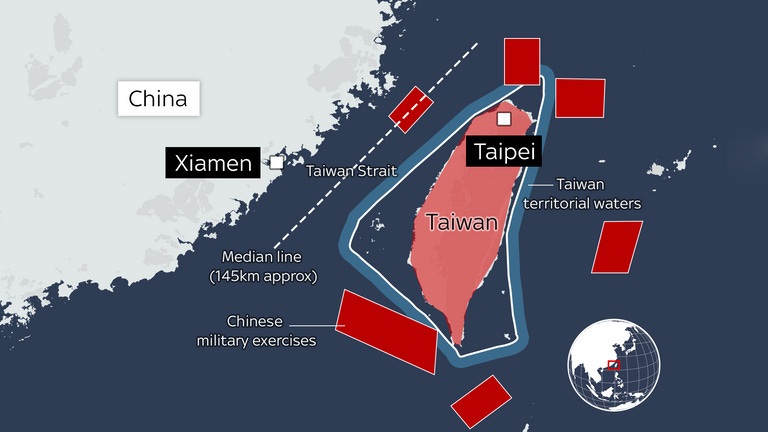
China-Russia Sword Rattling Highlights Need for Stronger Community Preparedness
If I wrote a piece about planning for a pandemic in April 2019 and warned you that communities needed to be ready for social distancing, supply chain issues, and a run on toilet paper, you would have thought I was crazy. After 9/11, critics stated that one of the problems emergency managers have is a failure of imagination. So, today, we need to discuss geopolitics. As tensions continue to rise between the United States and China, and with China's aggressive stance towards Taiwan, it is becoming increasingly important for communities to prepare for the possibility of war. While the prospect of a world war may seem far-fetched, the reality is that it is always possible, and history has shown us the importance of being prepared.https://emnetwork.substack.com/https://emnmedia.com/ This is a public episode. If you'd like to discuss this with other subscribers or get access to bonus episodes, visit emnetwork.substack.com/subscribe

Creating a Culture of Caring: Why Employee Wellbeing Should Be a Top Priority in 2023
2023 looks set to be another turbulent and unpredictable year, with various new stressors and challenges facing individuals, teams, and organizations. From economic uncertainty and political volatility to technological disruption and environmental crises, many factors could impact the well-being and performance of teams in the coming year. Investing in understanding your team's strengths and motives, building more trust with authentic communication, having a clear set of well-being goals and showing care are more important than ever.https://emnmedia.com/https://emnetwork.substack.com/ This is a public episode. If you'd like to discuss this with other subscribers or get access to bonus episodes, visit emnetwork.substack.com/subscribe

Collaborating Approach to Disaster Risk Reduction: A Framework for Action
Natural and technological hazards are a fact of life, and disasters can strike anytime. The frequency and severity of these events are on the rise, and they can cause significant loss of life, property damage, and economic disruption. In recent years, we have seen hurricanes, wildfires, earthquakes, floods, and other disasters affect communities around the world. While focusing on local loss reduction is essential, it is time to adopt a broader approach considering the global context of these hazards, environmental sustainability, and social resiliency.https://emnmedia.com/https://emnetwork.substack.com/ This is a public episode. If you'd like to discuss this with other subscribers or get access to bonus episodes, visit emnetwork.substack.com/subscribe

Stewardship: Taking Care of What We've Been Given
Stewardship is a concept that has been around for centuries, and it involves the responsible management and protection of resources. It can apply to many different areas of life, including financial resources, natural resources, and even personal relationships. At its core, stewardship is about caring for what we've been given to pass it on to future generations in better condition.Stewardship is essential for individuals, communities, and even nations to consider. To be good stewards of our resources, we must first recognize that we are not the sole owners of these resources. Instead, we are simply caretakers for a time, responsible for managing them wisely and using them for the benefit of all. This is a public episode. If you'd like to discuss this with other subscribers or get access to bonus episodes, visit emnetwork.substack.com/subscribe
Mastering the Must-Have Skills: A Look at the Top Competencies for Today's EM Professionals
Last week I was out of pocket with a few events, so if you missed the podcast, it was me, not you. I was at the IAEM Region 9 Symposium. The team that put on the event did an excellent job. And Yes, I am currently the President of the Region. However, the conference committee needs to have the credit for this event. It was fantastic to see some outstanding speakers, and I got to meet some great emergency managers. I recommend attending small local events. Being in that intimate setting, interacting with professionals you may work with, and social networking is second to none.I had a deep conversation with a few attendees about emergency management's current issues. The setting was perfect for exploring the concepts and having some introspection on how the field is changing and developing. Emergency management is constantly evolving as disasters become more frequent and complex. In recent years, emergency management has faced several significant challenges that have forced the field to adapt and grow in new ways.The increasing demand for resources and funding is a significant issue facing the profession today. With the rising costs of disasters, emergency managers are constantly pressured to find new ways to fund their operations and ensure they have the resources to respond effectively to emergencies. The solution to budget restraints requires creative funding solutions, effective advocacy, and strategic planning to ensure that emergency management remains sustainable over the long term.In addition, emergency management is also facing new challenges in technology and innovation. With the rapid pace of technological change, emergency managers must constantly stay abreast of new developments and trends to remain effective. We are looking at everything from new communication technologies and data management tools to advanced mapping and modeling software to help emergency managers make more informed decisions about resource allocation and response strategies.Emergency management is constantly evolving and adapting to new challenges and demands. By staying engaged with the latest developments in the field, emergency managers must ensure that they are prepared to meet the needs of their communities and respond effectively to any emergency or disaster that may arise.All of this is true; however, these are not even the pressing issues we must address. It is more profound than the everyday nuts and bolts of the job, and the topic may appear esoteric. The question that may have the most significant impact on the profession comes from the present challenges that create an environment that fosters ethical uncertainty and predicaments, resulting in tension, distress, and severe societal consequences. One may think this sounds hyperbolic; however, it truly is not. The complexities of hazards and risks associated with the vulnerabilities of communities are escalating. The need for emergency managers to deeply understand disaster policy, economics and the political process is just as critical, if not more important, than the old way of doing things. Today emergency management is more than just the four phases and five pillars taught in IS courses or the tactical skills that can be instilled with on-the-job training. We are looking at future emergency management, including AI, ML, AR, gamification of the workspace, deep thinking, and spacial, systematic decision-making. Disasters may be local; however, they are experienced globally through policies, decisions, plans, and responses that affect people's daily lives. Although ethical decision-making has always been vital in emergency management (EM), its policies and guidance have yet to be adequately acknowledged. As the field aims to attain professional recognition, it needs a code of ethics and conduct. The exploration of the components of an ethical code of conduct for EM has raised inquiries about distinctions or similarities between the required elements.Dr. Carol Cwick and her working group have made a significant contribution to the field of emergency management by developing the emergency management code of ethics. This code provides a set of ethical principles and guidelines for emergency management professionals and helps to promote ethical decision-making and behavior in the field.The emergency management code of ethics was developed through a rigorous process of consultation and collaboration with stakeholders from across the field of emergency management. This process ensured that the code reflects emergency management professionals' diverse perspectives and experiences and provides a practical and relevant framework for practitioners' challenges and issues.However, the emergency management code of ethics is just one piece of a larger puzzle. To ensure that emergency management professionals are equipped to meet the needs of their communities, it is also essential to focus on improving the core competencies of the field.The development of core competencies is es
The world of Risk and Cyber Security
Andrew Owlett is a highly experienced security professional who has developed expertise in managing both cyber and physical security risks at a global scale. They are responsible for building and leading top-performing security teams that can handle the evolving threats in today's digital landscape. In addition to His focus on security operations, Andrew also plays a critical role in driving digital strategy and transformation for risk management. This is a public episode. If you'd like to discuss this with other subscribers or get access to bonus episodes, visit emnetwork.substack.com/subscribe
The Power of IA for Emergency Management
Leading in the AI age requires a unique set of skills and strategies to navigate the rapidly evolving landscape of artificial intelligence. With AI technologies becoming increasingly pervasive in every aspect of our lives, leaders must have a solid understanding of the capabilities and limitations of these systems, as well as the ethical considerations that come with their use. This is a public episode. If you'd like to discuss this with other subscribers or get access to bonus episodes, visit emnetwork.substack.com/subscribe
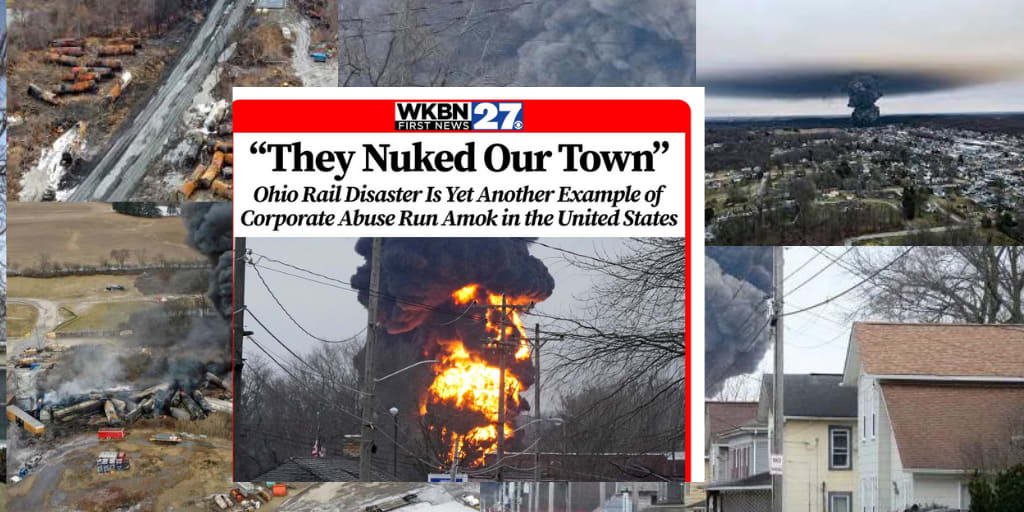
Lessons Learned: Emergency Management at Ohio's Train Derailment
Train Derailment Palestine, OhioUnless you live under a rock, you are aware of the devastating train derailment in Palestine, Ohio, leaving several injured and causing major damage to the surrounding area. The incident has raised concerns about the effectiveness of emergency management procedures, as many have pointed to miscommunication and a lack of response from authorities as contributing factors to the severity of the incident.The derailment occurred when a freight train carrying hazardous materials derailed on a curved section of track, causing multiple cars to overturn and spill their contents. The resulting chemical spill led to nearby residents' evacuation and several significant roads closure. Several people were injured in the incident, including first responders exposed to the hazardous materials.In the aftermath of the derailment, many residents and local officials have expressed frustration with the emergency response. Some have accused emergency management officials of failing to adequately communicate the severity of the incident to residents, leading many to stay in their homes despite the danger posed by the chemical spill.Others have criticized emergency personnel's response time, citing delays in the deployment of resources and a lack of coordination between different agencies. Many have also pointed to a need for more communication between different levels of government, with local officials claiming they needed to be given adequate information from state or federal agencies.The incident has also raised questions about the effectiveness of emergency management plans in dealing with hazardous materials spills. Some experts have suggested that the response to the Palestine derailment was hindered by a lack of specialized training and equipment for dealing with hazardous materials.In response to the criticism, officials from the Ohio Emergency Management Agency have defended their actions, citing the complex nature of the incident and the challenges of coordinating a response with multiple agencies. They have also emphasized the need for continued investment in emergency management training and resources to improve response times and communication.Despite these efforts, the incident in Palestine is a stark reminder of the importance of effective emergency management procedures. As communities continue to face the threat of natural disasters, terrorist attacks, and other crises, emergency management officials must be equipped with the resources and training necessary to respond quickly and effectively to protect the lives and safety of residents.In the aftermath of the train derailment in Palestine, Ohio, many have criticized the lack of federal government response, particularly the perceived inaction of the Federal Emergency Management Agency (FEMA). Despite the severity of the incident and the need for coordinated response efforts, some have claimed that FEMA has been slow to mobilize and provide assistance to affected communities.The lack of federal response has been particularly concerning, given the scale of the disaster and the potential for long-term environmental damage. The train that derailed was carrying hazardous materials, including chemicals used in the production of plastics and synthetic rubber. When these chemicals spilled from the damaged rail cars, they contaminated nearby water sources and soil, posing a significant threat to the health and safety of residents in the area.Despite these dangers, many local officials and residents have claimed that FEMA and the Biden Administration have been slow to respond and provide resources to help mitigate the damage. Some reports have pointed to a need for more communication between federal and local agencies, with little information being provided to local officials about the availability of federal resources or the timeline for their deployment.In addition to concerns about the lack of response, some have criticized the overall readiness of FEMA to respond to disasters. The agency has been criticized for handling major disasters, including Hurricane Katrina and Hurricane Maria. Many have called for increased investment in emergency preparedness and response resources to equip the agency better to handle future disasters.In response to these criticisms, FEMA officials have stated that they are working closely with state and local officials to provide support and resources as quickly as possible. The agency has also emphasized the need for a coordinated, multi-agency response to the incident, citing the complex nature of the disaster and the need for specialized expertise and equipment to deal with hazardous materials.Despite these assurances, the lack of federal response to the train derailment in Palestine has underscored the need for improved coordination and communication between federal and local agencies in the face of disasters. As communities continue to face the threat of natural disasters and other crises, all levels of go