The EI Podcast
401 episodes — Page 6 of 9

EI Weekly Listen — Mark Plotkin on the price of deforestation
The destruction of rainforests threatens valuable cultures and reams of possible medical innovations. Read by Leighton Pugh.Credit: Dennis Frates / Alamy Stock Photo
EI Weekly Listen — On the good society by David Goodhart
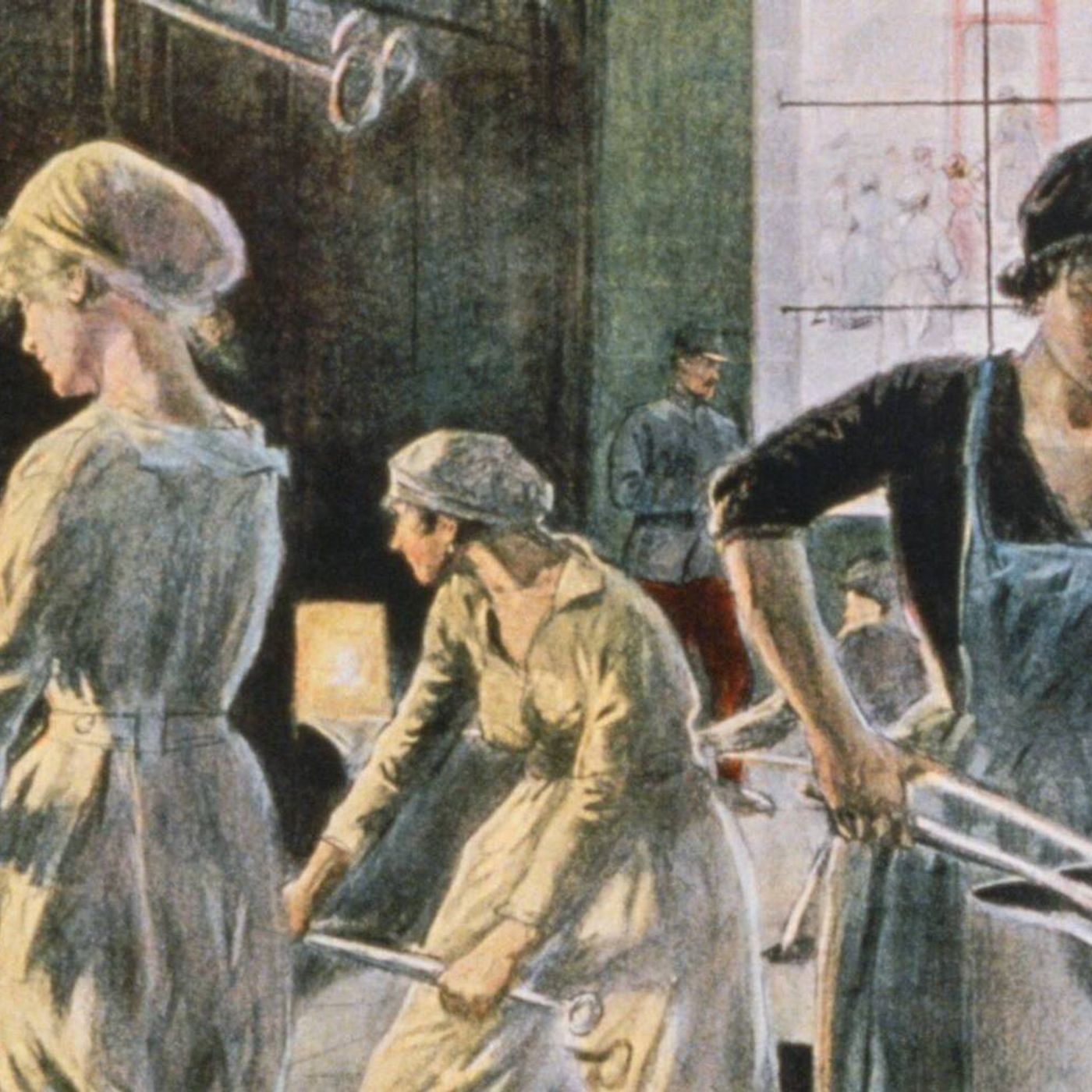
A good society is one with a proper balance between the aptitudes of ‘head’, ‘hand’ and ‘heart’. The modern knowledge economy, however, has delivered higher and higher returns to the cognitive elite and reduced the relative pay and status of manual and caring jobs. Read by Leighton Pugh.
EI Weekly Listen — Time to regulate the development of AI by Maria Borelius
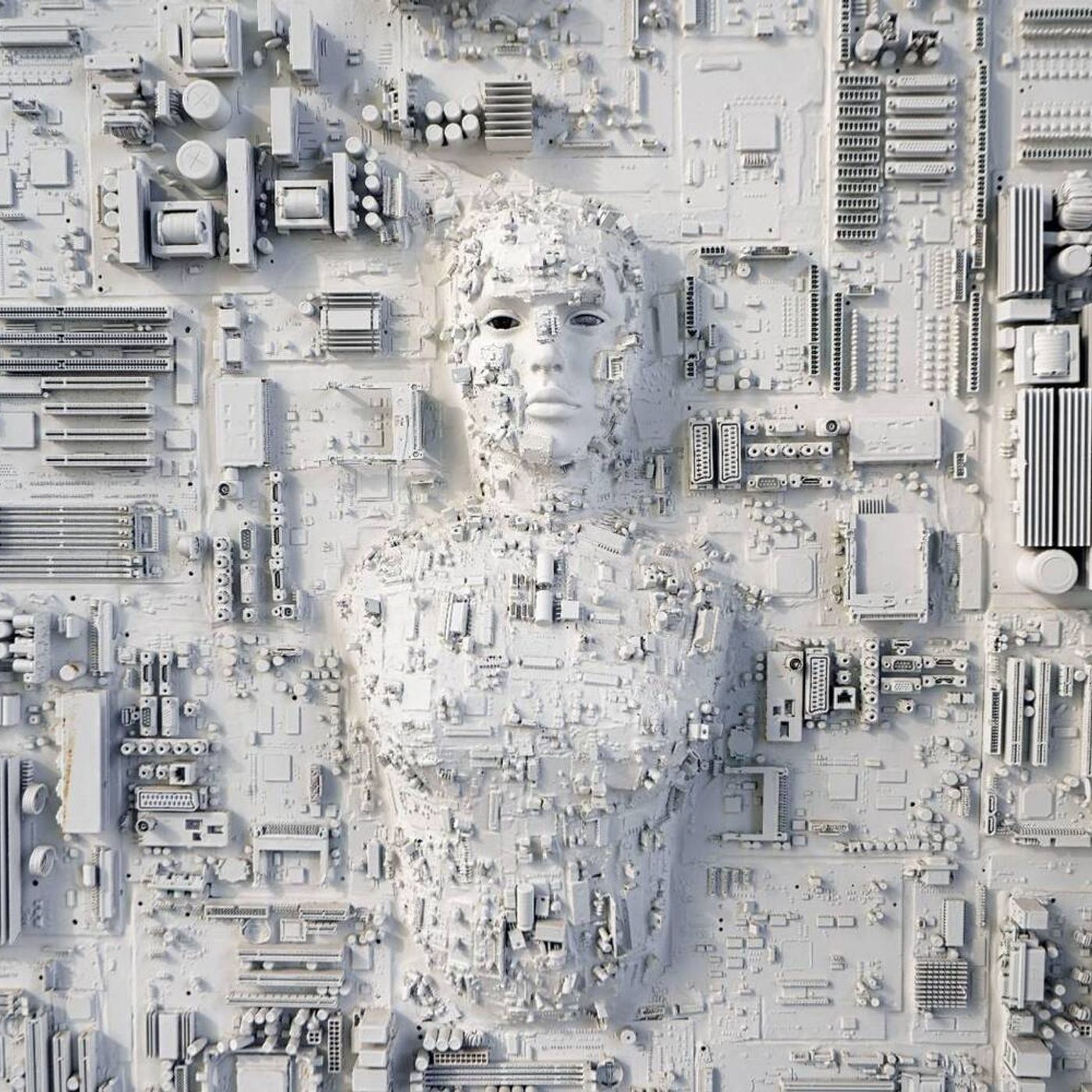
The risks we now face are vast, as is the potential upside of the technology. Read by Leighton Pugh.Art installation on the theme of AI. Credit: Michele D'Ottavio / Alamy Stock Photo

EI Talks... Mick Jagger at 80
As the Rolling Stones frontman enters his ninth decade, EI asks whether there is a future for ageing rockers.Image: Mick Jagger in 1975. Credit: Pictorial Press Ltd / Alamy Stock Photo

EI Weekly Listen — What the Silicon Valley idealists got wrong by Nicholas Carr
The internet and social media were supposed to democratise knowledge and unite the world. Things didn't quite turn out that way. Read by Leighton Pugh.Image: Mark Zuckerberg, co-founder of Facebook. Credit: Kristoffer Tripplaar / Alamy Stock Photo

EI Talks... the future of tourism
Paul Lay and Alastair Benn discuss the explosion of tourism in the modern era and what might come next.Image: Travel poster encouraging tourists to visit Blackpool. Credit JJs / Alamy Stock Photo
EI Weekly Listen — Wealth and poverty in Renaissance Florence by Antony Molho
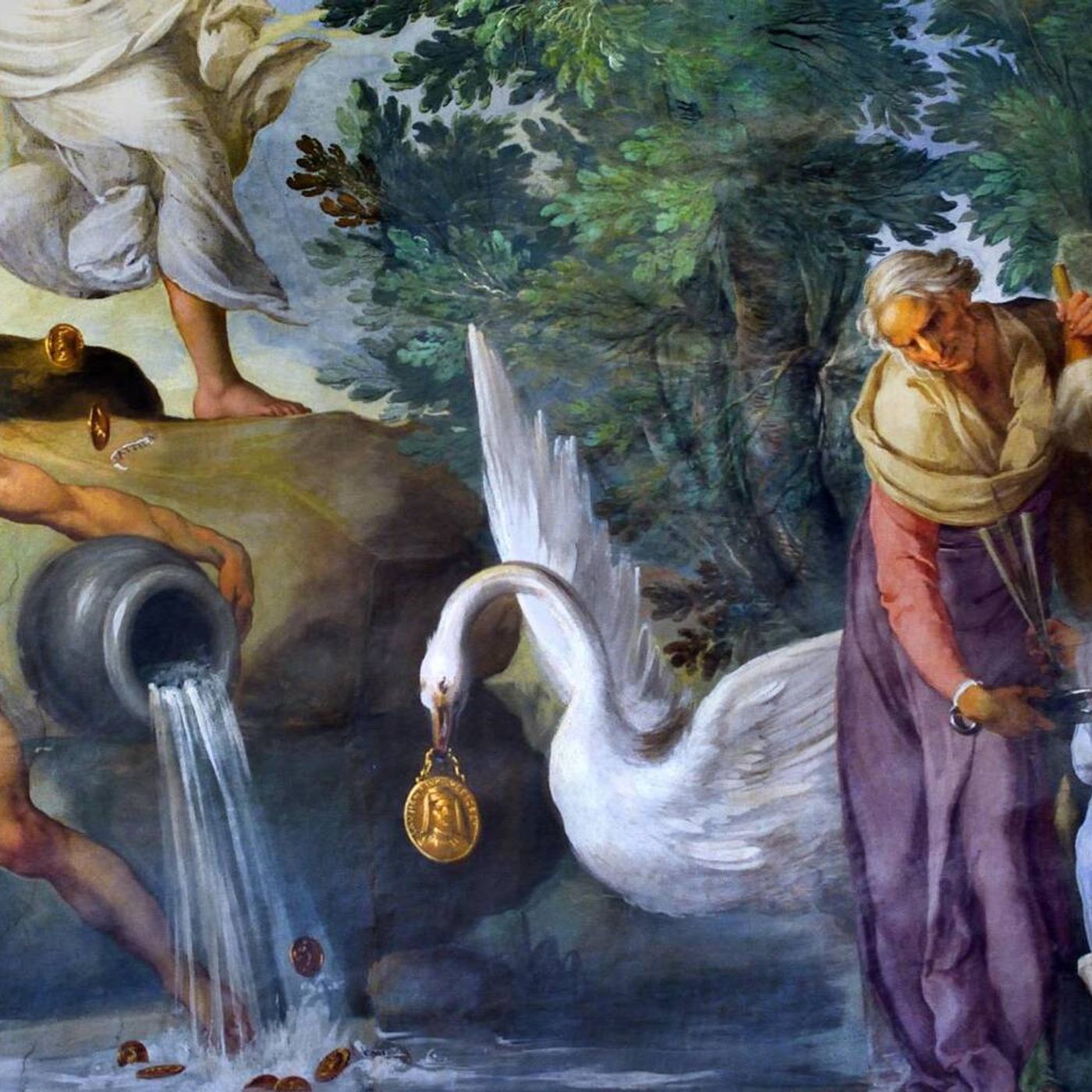
This celebration of wealth, its frequent elevation to an almost religious level, and its justification not only in terms of its social utility but also, and more remarkably, in personal terms, is one of the defining characteristics of the Florentine public culture and private ethos in the fifteenth century and beyond. Read by Leighton Pugh.Image: An opulent fresco in Renaissance Florence. Credit: Peter Horree / Alamy Stock Photo
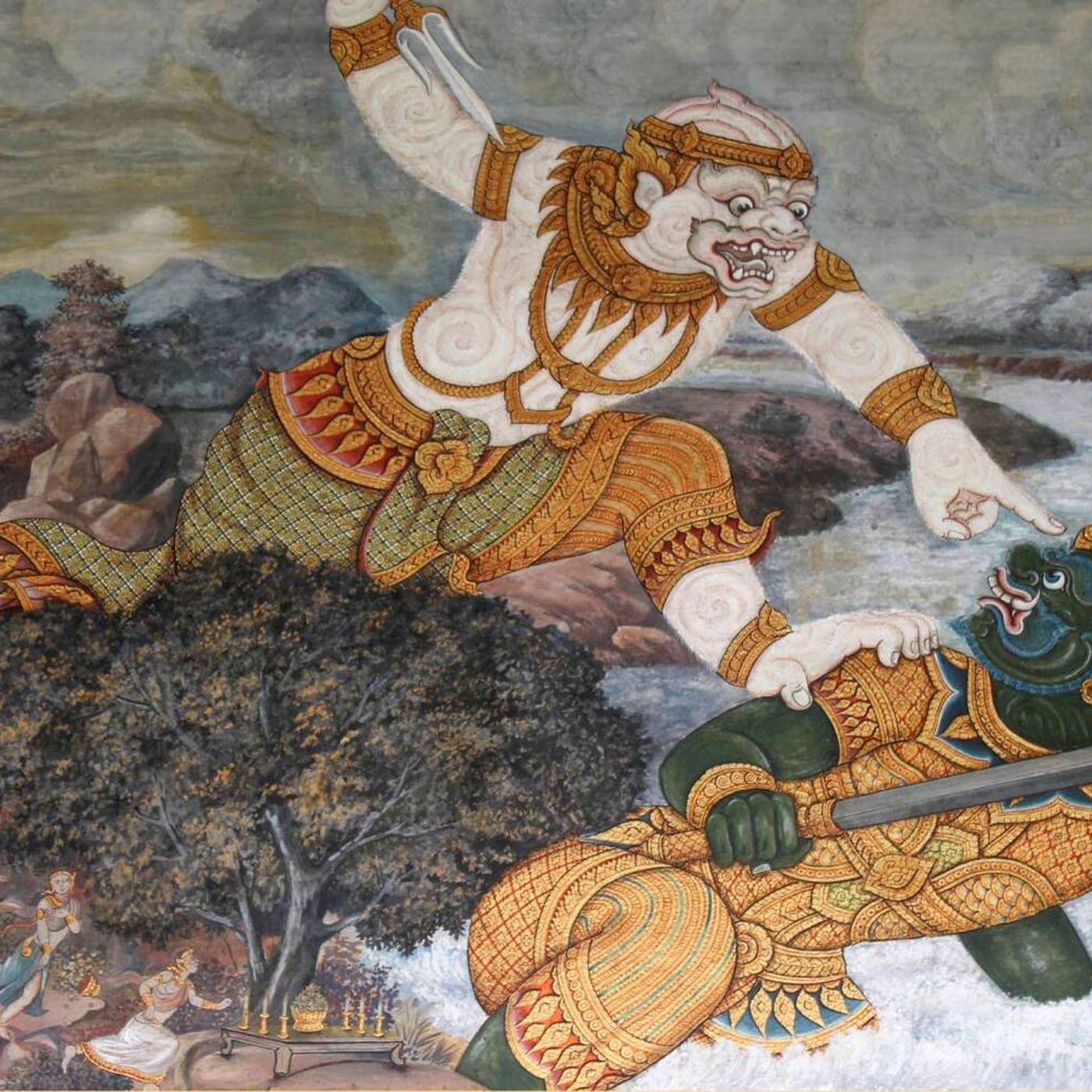
EI Talks... anger
Paul Lay and Alastair Benn calmly discuss the uses and misuses of anger.Image: Thai mural in the temple of the Emerald Buddha, Bangkok. Credit: Sabena Jane Blackbird / Alamy Stock Photo

EI Weekly Listen — The public realm and the language of architecture by John Simpson
We must rescue our cities from a culture of ugliness. Read by Leighton Pugh.Image: Sol House, Northampton. Credit: Paul Hanson / Alamy Stock Photo
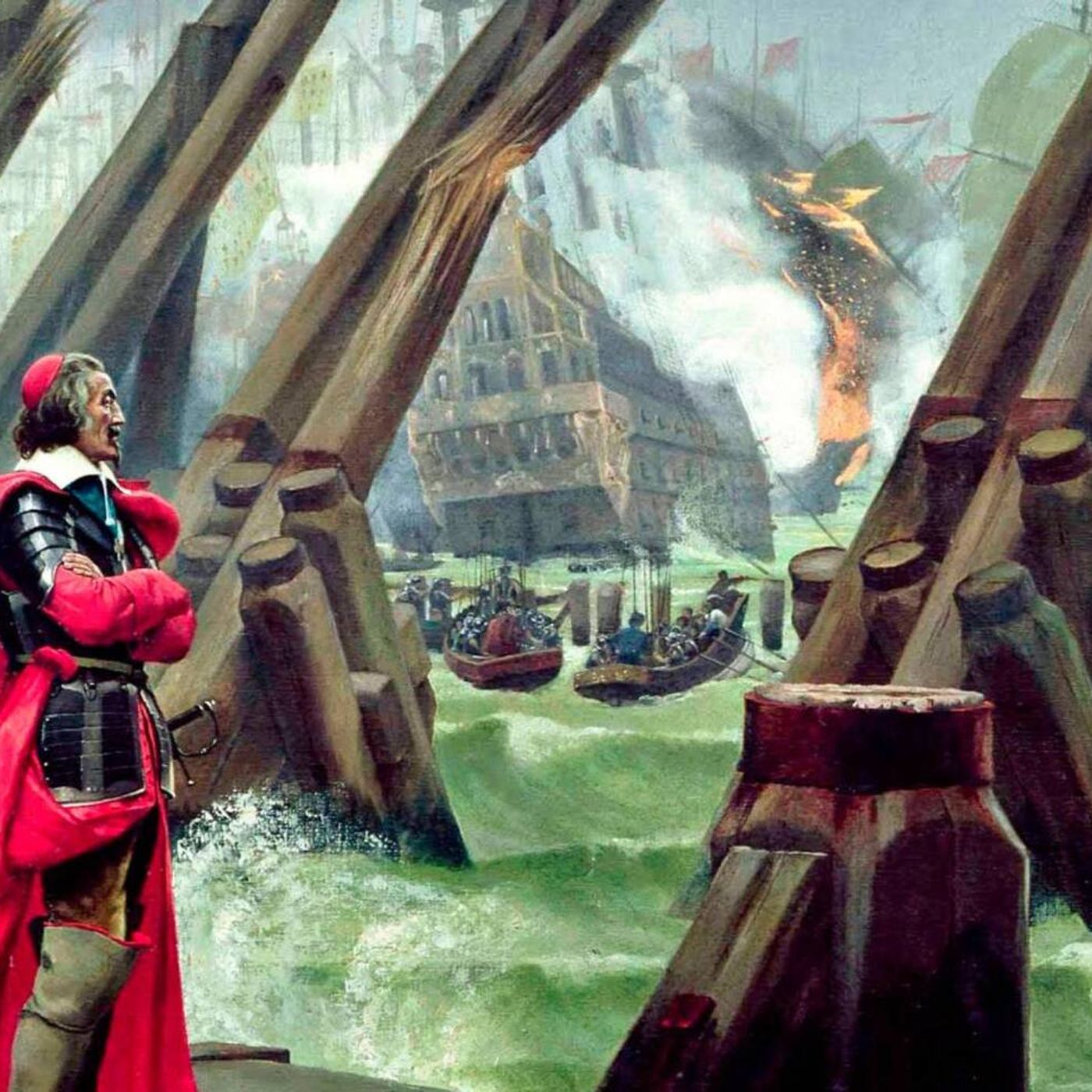
EI Talks... Sully, Richelieu, Mazarin
Paul Lay and Iskander Rehman discuss masters of early modern statecraft: the Duke of Sully, Cardinal Richelieu, and Cardinal Mazarin.Image: Cardinal Richelieu at the Siege of La Rochelle. Credit: Niday Picture Library / Alamy Stock Photo
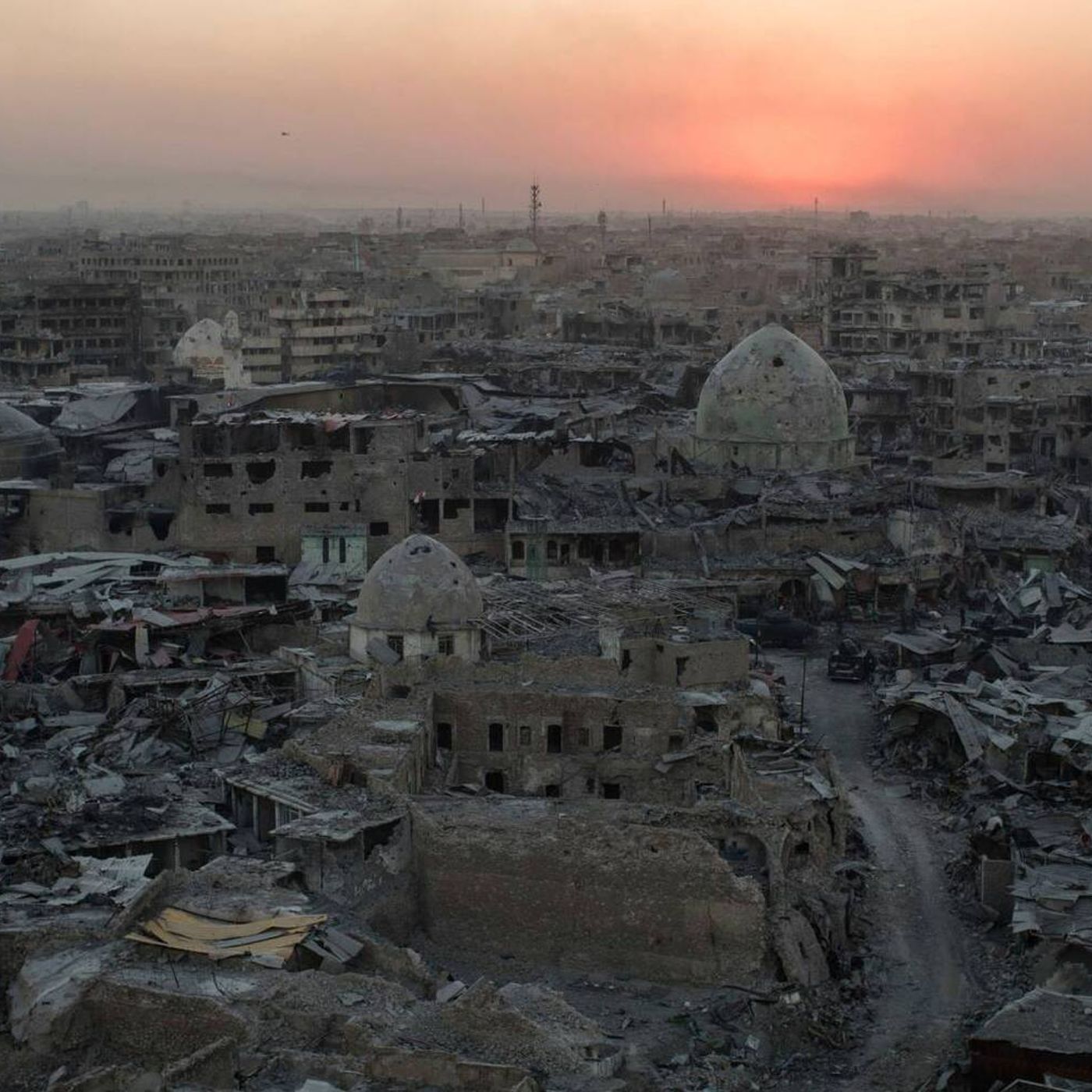
Can warfare ever be considered modern? By Rob Johnson
Even with all its data and technology, contemporary conflict fits uneasily with our definitions of modernity. Read by Leighton PughImage: Mosul's old city destroyed by bombing. Credit: Associated Press / Alamy Stock Photo
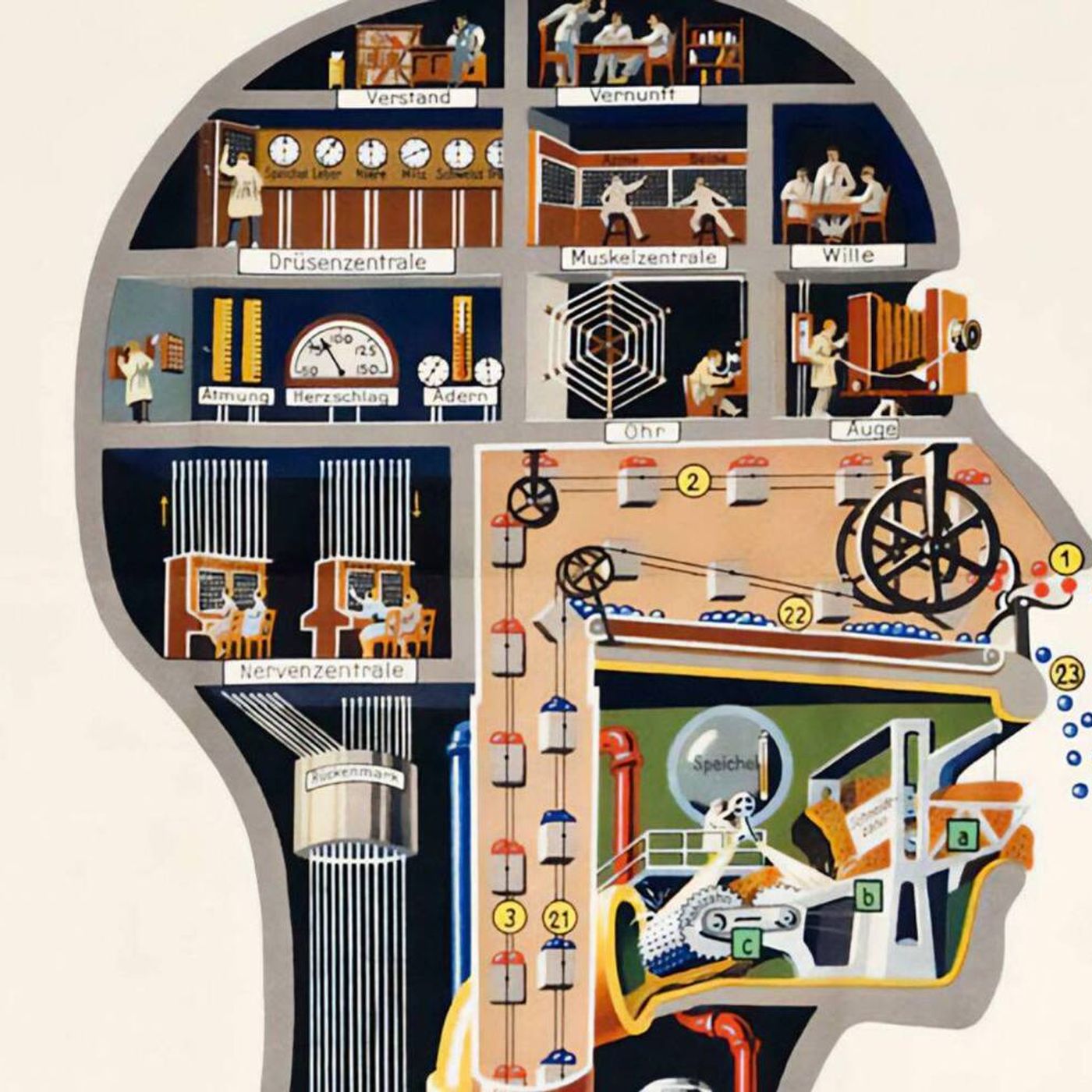
EI Talks... AI and the threat to the arts
Paul Lay and Alastair Benn are joined by Times columnist James Marriott to discuss whether Artificial Intelligence poses an existential threat to the arts.Image: Man as Industrial Palace, a poster commissioned by German physician and author Fritz Kahn in 1926. Credit: JJs / Alamy Stock Photo
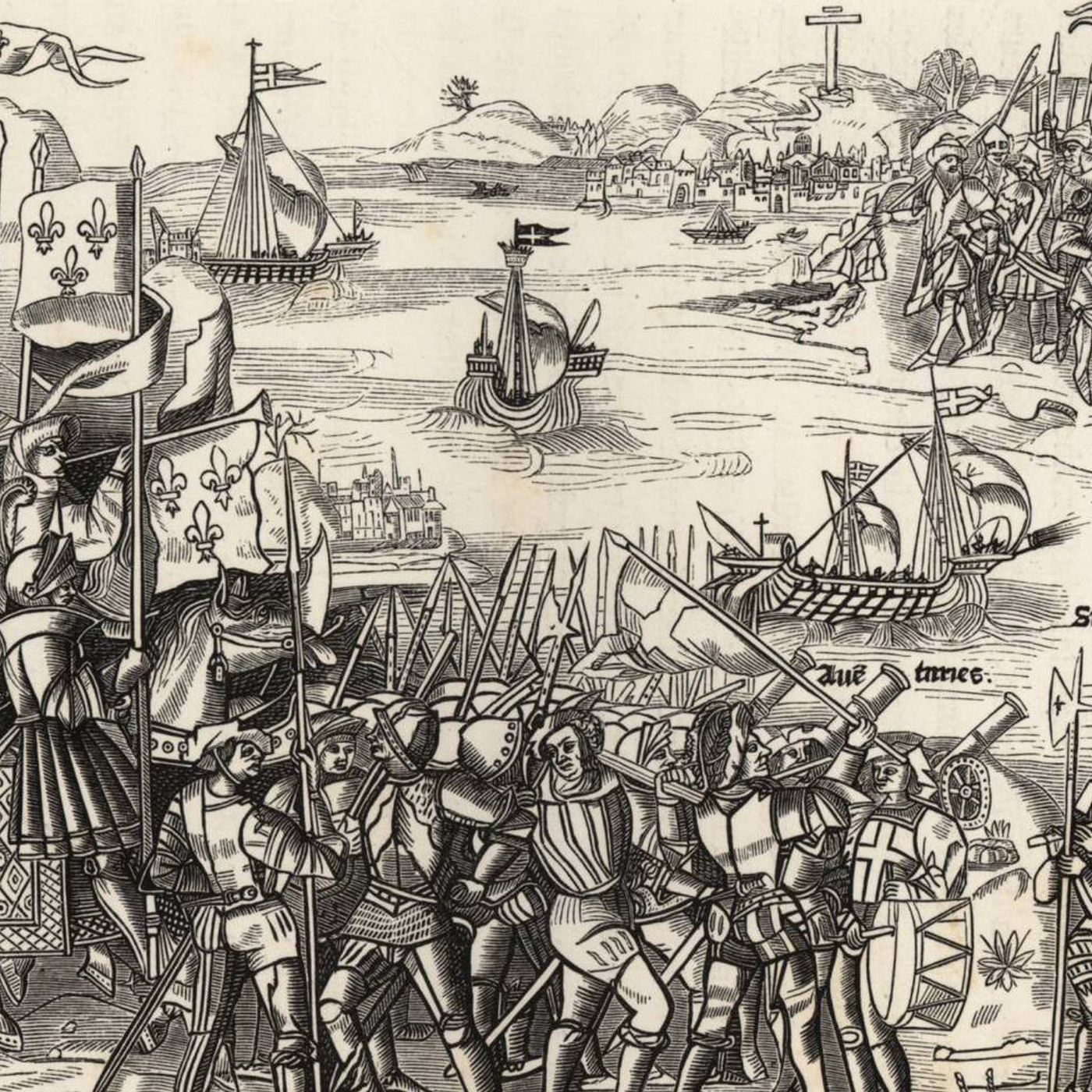
EI Weekly Listen — War and statehood by Philip Bobbitt
Warfare made the early modern state. Read by Leighton Pugh.Image: Renaissance-era woodcut of King Louis IX of France and his army disembarking at Damietta, Egypt, in 1249. In a common anachronism, the army and fleet are equipped with cannons. Credit: Florilegius / Alamy Stock Photo

EI Talks... Machiavelli
Paul Lay and Alastair Benn are joined by Alexander Lee, biographer of Niccolò Machiavelli, to discuss the Renaissance thinker's foundational contribution to the study of statecraft.Image: Niccolò Machiavelli. Credit: GL Archive / Alamy Stock Photo
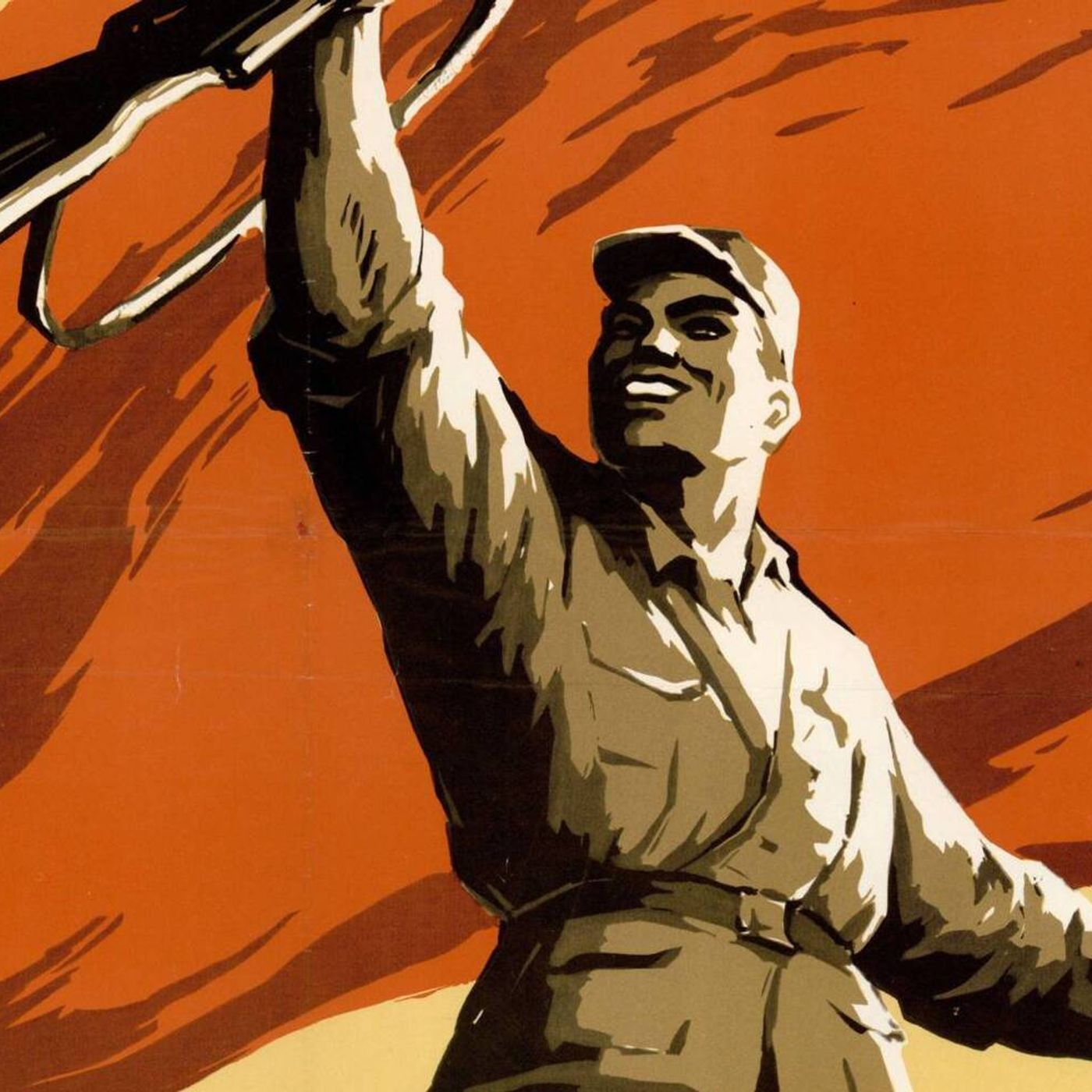
EI Weekly Listen — Clashing histories and present-day tensions in East Asia by Rana Mitter
As China ramps up its military spending, the government in Beijing plays up its role in the Second World War. Read by Leighton Pugh.Image: Chinese poster from the Sino-Japanese War. Credit: Album / Alamy Stock Photo

EI Talks... Cricket
Paul Lay and Alastair Benn discuss the deep meaning of Cricket in light of the forthcoming Ashes series between England and Australia, and the recent wider changes the game has undergone.Image: The Ashes urn. Credit: David Bagnall / Alamy Stock Photo
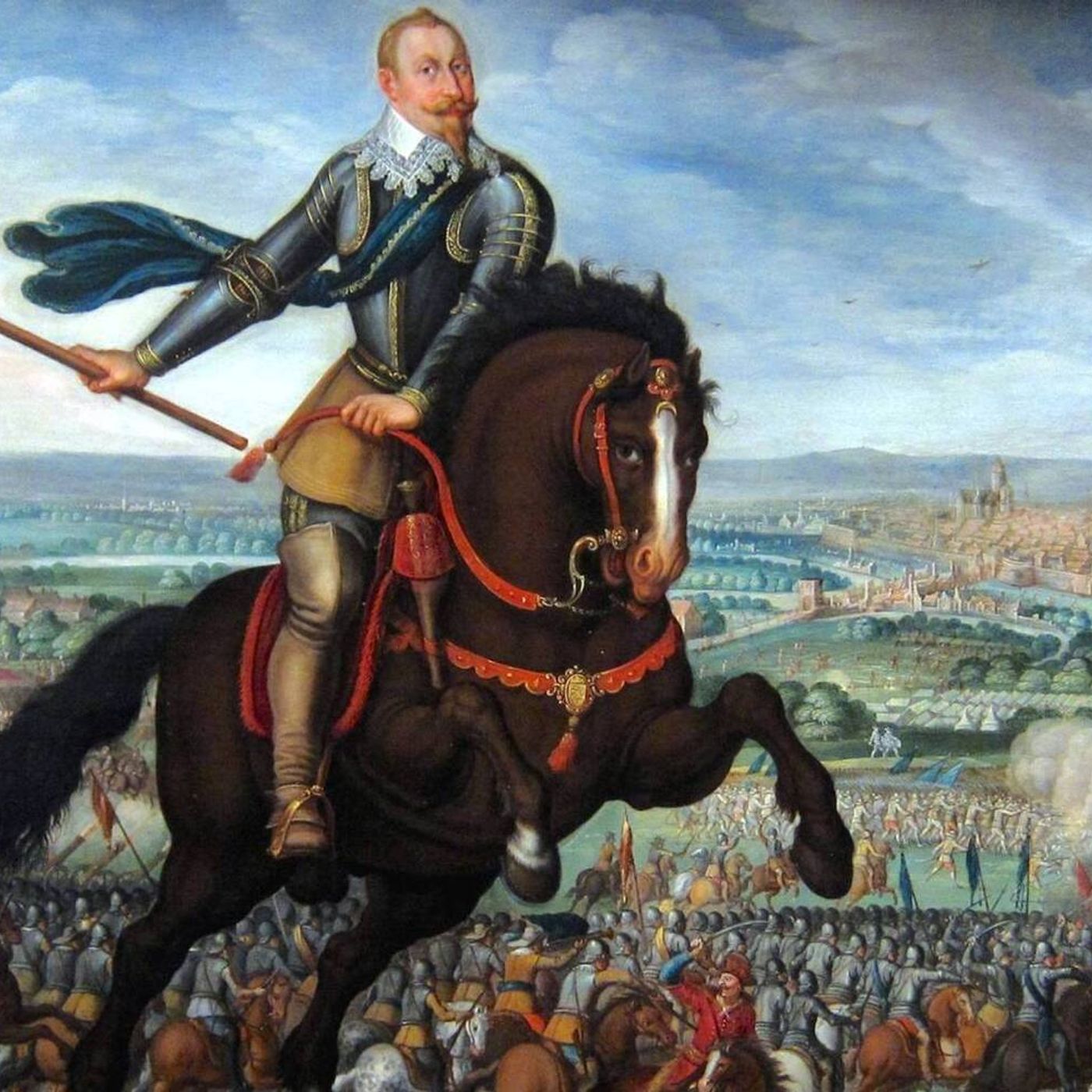
EI Weekly Listen — Do we know the truth about the Thirty Years’ War? By Dick Harrison
Different perspectives and eye-witness accounts reveal historical fallacies and myths about the war. Read by Leighton Pugh.Image: Gustavus Adolphus II. Credit: Wiki Creative Commons
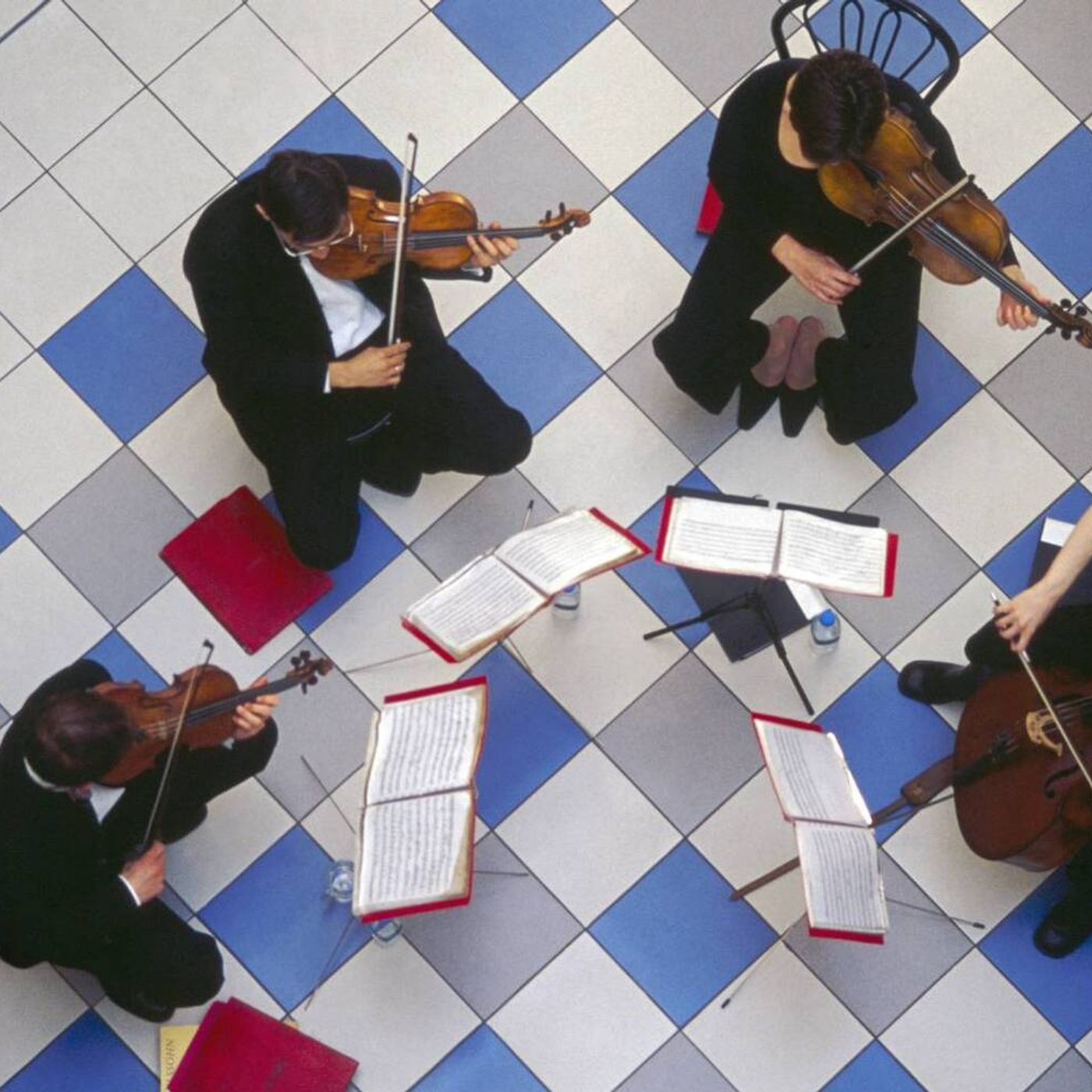
EI Talks... the problem with Classical music
Paul Lay and Alastair Benn discuss the future of Classical music.Image: String quartet playing in the Saint Nicholas Shopping centre, London. Credit: RayArt Graphics / Alamy Stock Photo
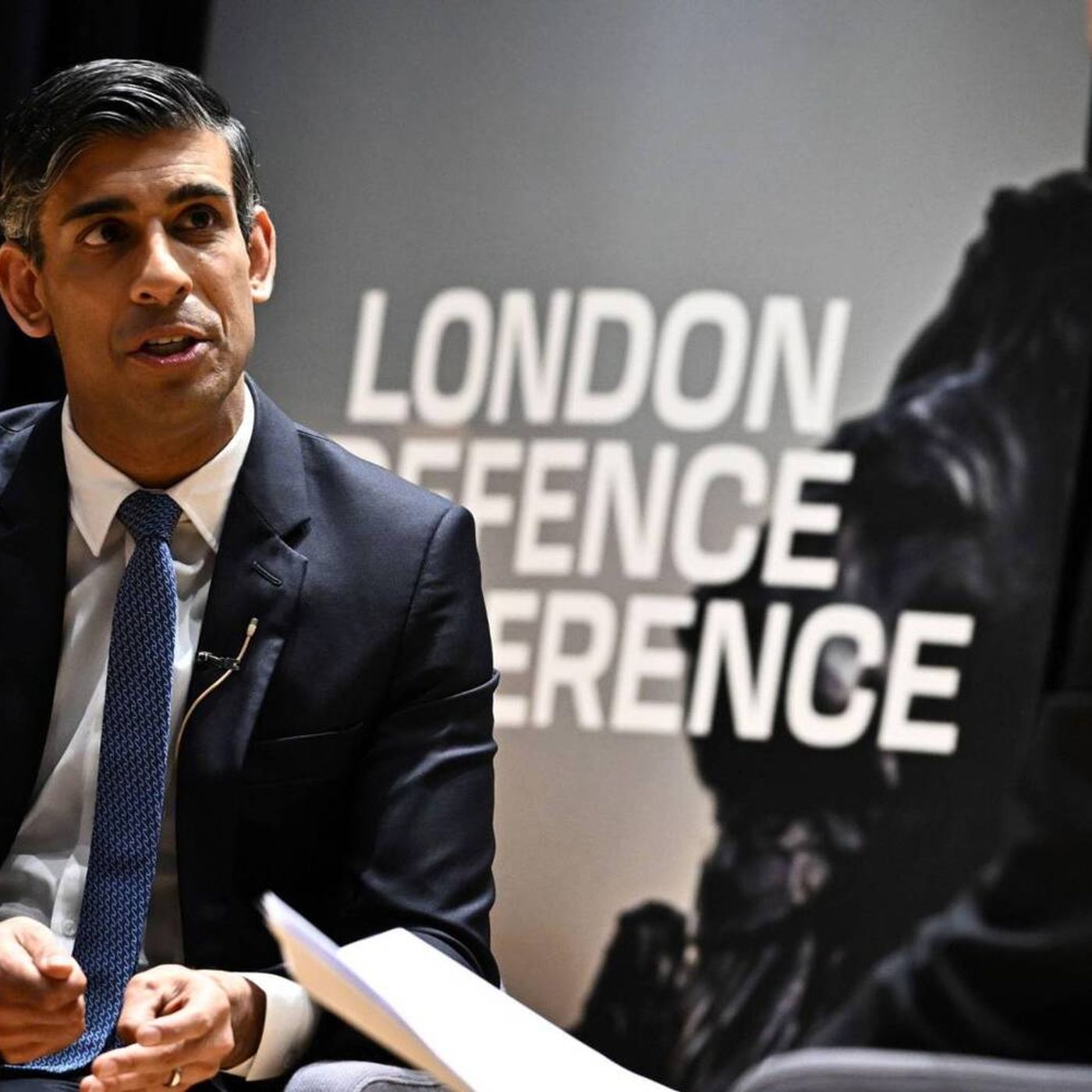
EI Talks... strategy, resilience and defence
Paul Lay and Alastair Benn discuss the London Defence Conference and the return of strategic thinking to the Western alliance.Image: Prime Minister Rishi Sunak speaks with the director of the London Defence Conference, Iain Martin. Credit: PA Images / Alamy Stock Photo
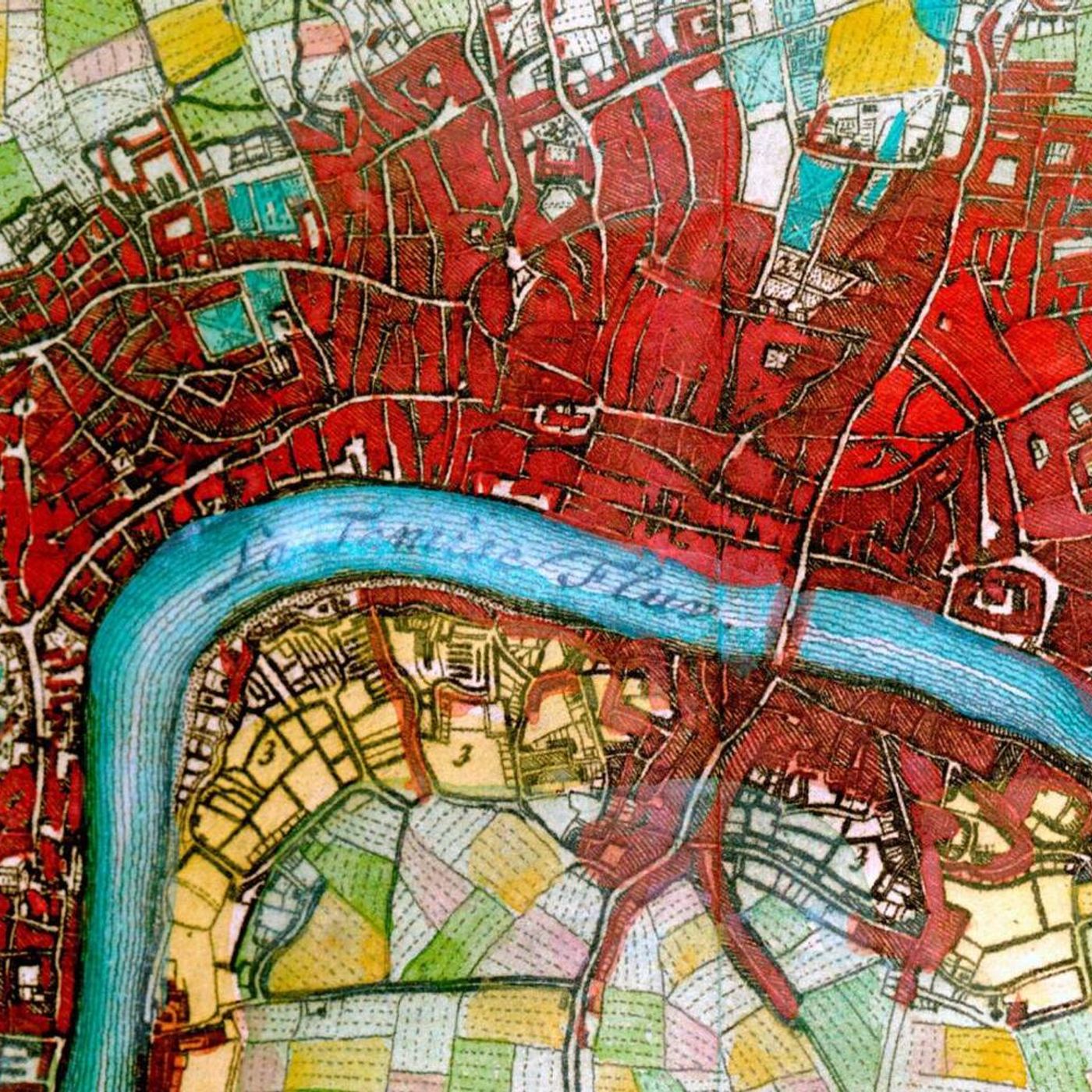
EI Weekly Listen — Each Charter’d Street: Taking the long view on urban planning by Nicholas Boys Smith
For as long as there have been cities they have attracted admiration and fear. Read by Leighton Pugh. Image: Eighteenth century map of London. Credit: Chronicle / Alamy Stock Photo

EI Talks... AI
In the first episode of the Engelsberg Ideas editorial podcast, EI Talks..., Iain Martin, Paul Lay and Alastair Benn discuss Artificial Intelligence and how it might shape the future for better... or worse. Image: Programmable humanoid robot NAQ. Credit: Lilyana Vynogradova / Alamy Stock Photo.

EI Weekly Listen — The geopolitics and grand strategy of Alfred Thayer Mahan by John H. Maurer
Alfred Thayer Mahan's writings on naval warfare have overshadowed his contributions to geopolitics. His theories, however, are clearly playing out today. Read by Leighton Pugh. Image: A print of a First World War Imperial German Navy battlecruiser, the SMS Goeben. Credit: Troy GB images / Alamy Stock Photo
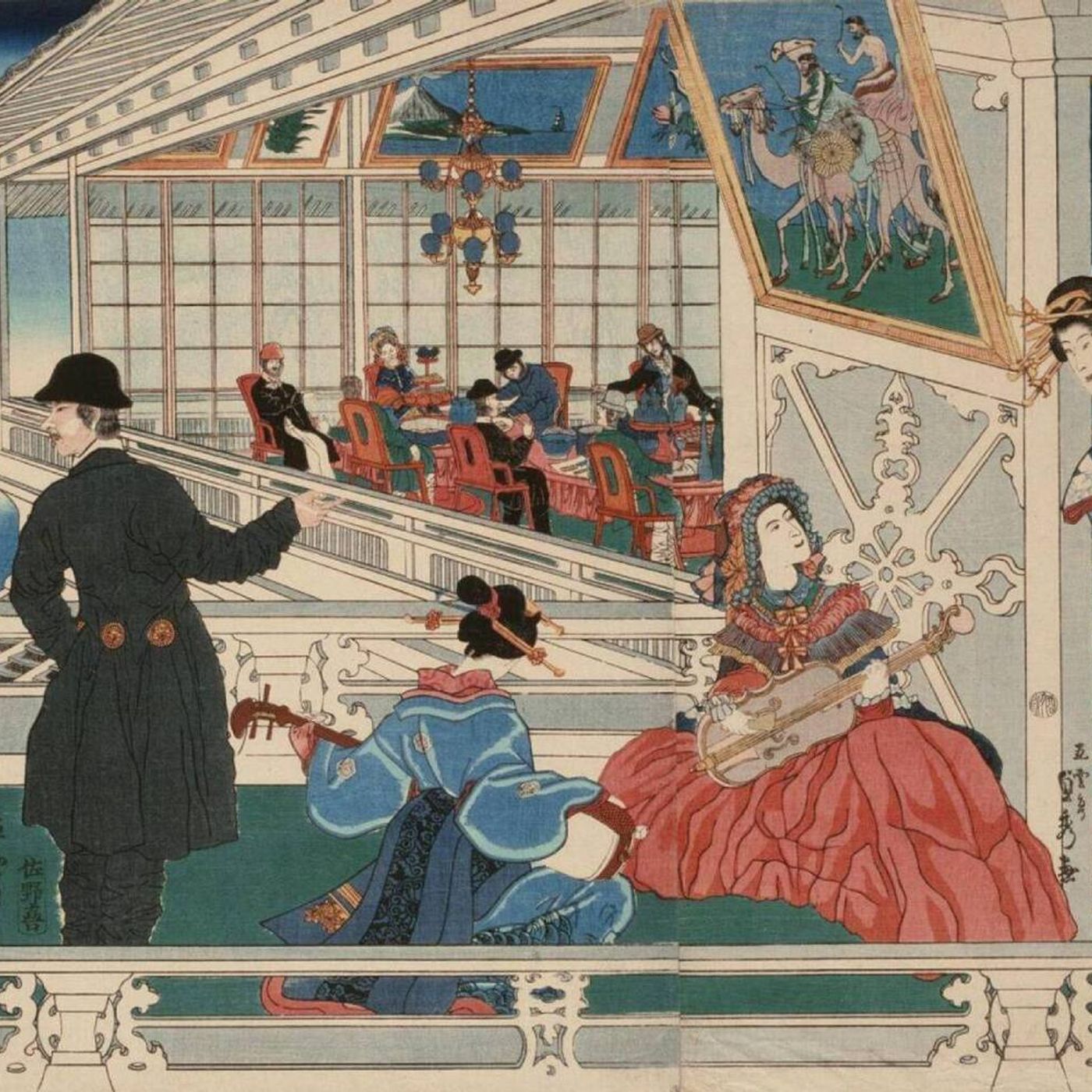
EI Weekly Listen — The cultural conversation of mankind by Christopher Coker
Isolationist thinking and exceptionalism is on the rise and our global culture is the poorer for it. Our civilisations thrive when in conversation with each other: ideas are exchanged and self-reflection is promoted. Read by Leighton Pugh.Image: An American Mercantile Building in Yokohama, 1861. Credit: Heritage Image Partnership Ltd / Alamy Stock Photo.

EI Weekly Listen — Epic news by Jessica Frazier
What are myths for? More than entertainment alone, these epic tales helped the Ancients follow current affairs. Read by Leighton Pugh.Image: Heritage Image Partnership Ltd / Alamy Stock Photo
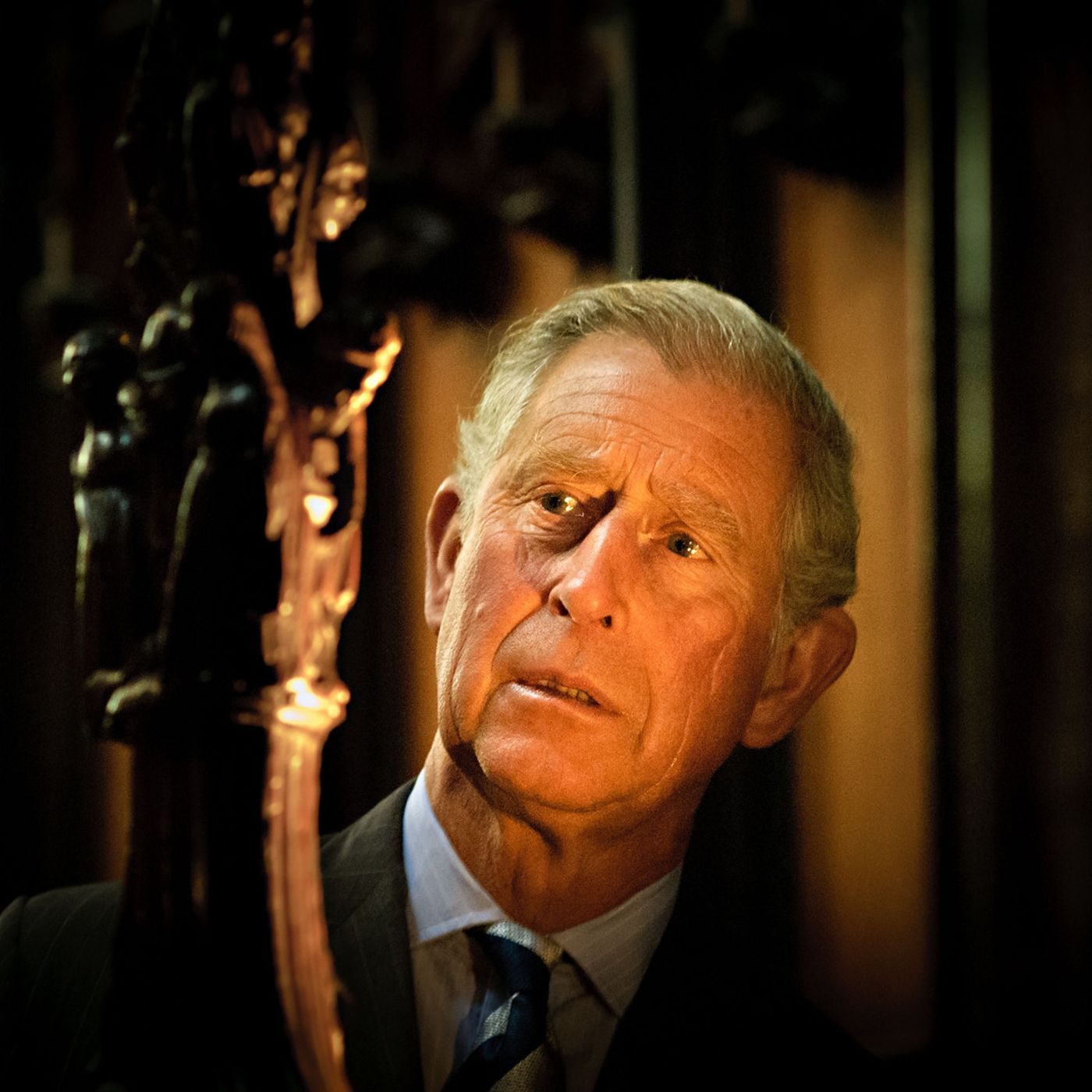
Worldview — A Sacred Coronation for a Secular Nation
Adam Boulton is joined by Paul Lay, Senior Editor of Engelsberg Ideas, Agnès Poirier, journalist and author, and Royal biographer Hugo Vickers, to reflect on the deep meaning and symbolism of Britain's Coronation.Image: King Charles III views a wooden carving at St. Laurence's Church in Ludlow, Shropshire. Credit: Michelle Jones / Alamy Stock Photo.
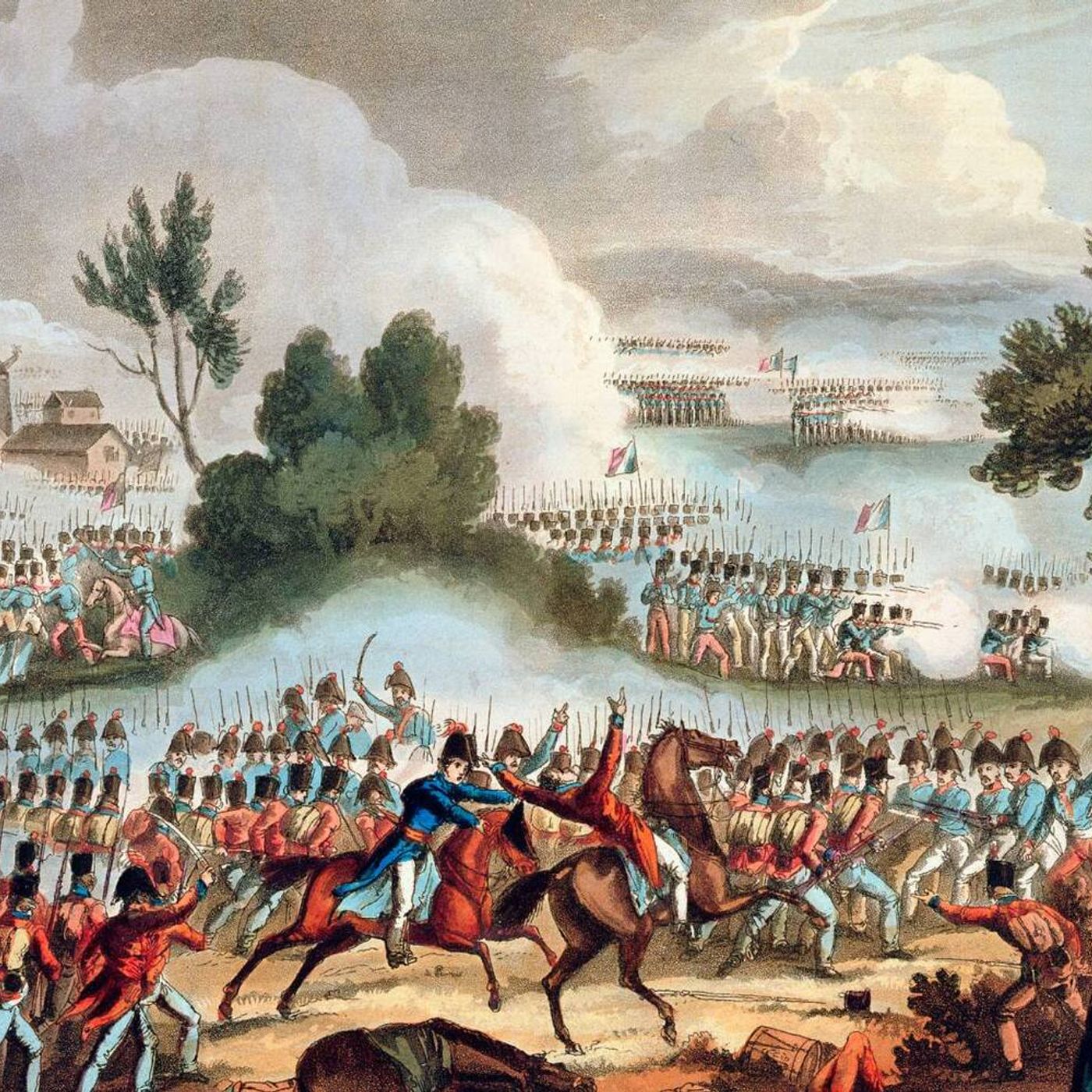
EI Weekly Listen — The other side of the hill by Simon Mayall
In war, we are, like the Duke of Wellington, still trying to guess what is on the other side of the hill, we just have more tools to help us do so. Read by Leighton PughImage: The Left Wing of the British army in Action at the Battle of Waterloo, June 18th 1815. Credit: Historica Graphica Collection/Heritage Images/Getty Images
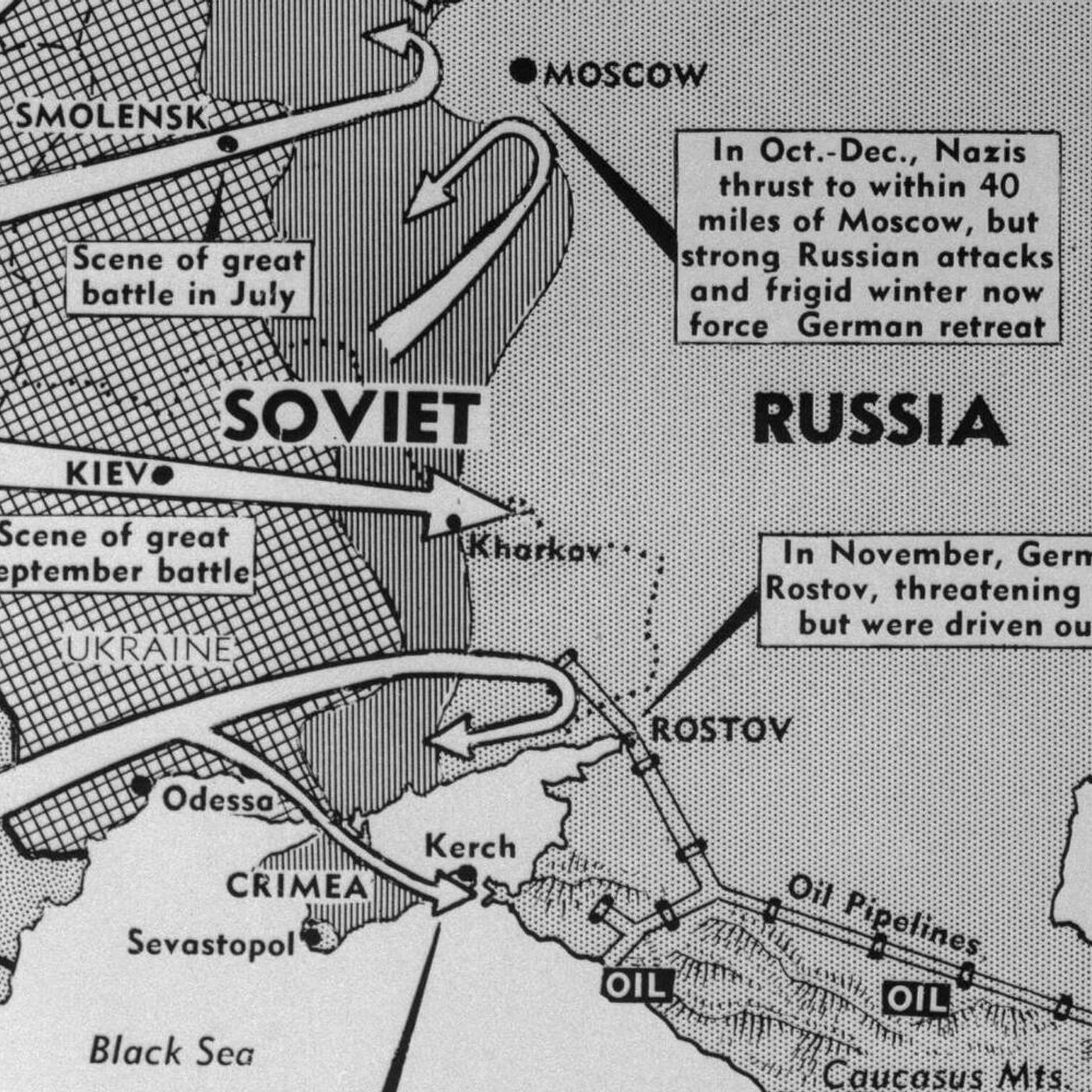
EI Weekly Listen — In search of Lebensraum by Richard Overy
Hitler's conviction that a new Eurasian order should be constructed with Germany at its zenith had its ideological roots in the early science of geopolitics. Read by Leighton Pugh. Image: This map of Russia and surrounding countries highlights Hitler's campaign in Russia and how it went wrong. Credit: Bettmann

EI Weekly Listen — The crusader of goodwill by Janne Haaland Matláry
While no longer a state power, the Catholic Church remains a powerful political force in modern diplomacy. Read by Leighton Pugh. Image: Pope Francis with his weekly audience in St. Peter's Square, Vatican City, in 2018. Credit: Massimo Wallichia / Getty Images.
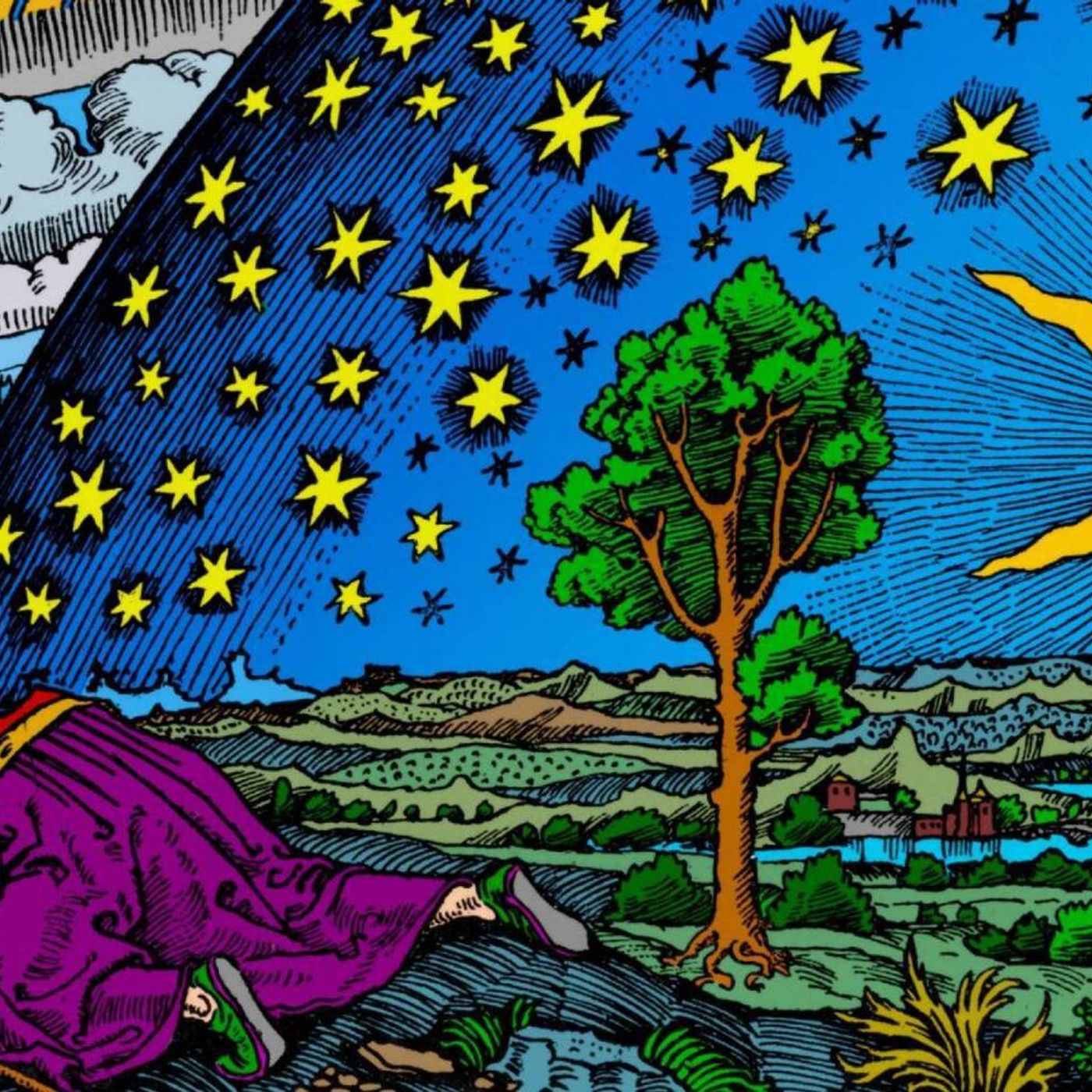
EI Weekly Listen — Where does esotericism belong in modern academia? By Marco Pasi
Scholars of esotericism are often asked to justify their field of research and its place in modern society. However, esotericism provides fertile ground for radical thinking and is a useful means of considering the limitations of standard western thought. Read by Leighton Pugh. Image:The Flammarion Wood engraving. The image is often used as a metaphorical illustration of either the scientific or the mystical quests for knowledge. Credit: RGB Ventures / SuperStock / Alamy Stock Photo.

EI Weekly Listen — Welcome to the fifth age of the city by Yolande Barnes
Changing technology, climate change, and transformations in global finance mean another new era for cities is dawning: the fifth, or digital, age. Read by Leighton Pugh. Image: Ecological skyscraper in Milan. Credit: Paolo Bona / Alamy Stock Photo.

Worldview — the power of central banks
Central banks have held the financial world in their grip for much of the twentieth century, but is their reign coming to an end?In this episode of Worldview, Adam Boulton is joined by the former governor of the Bank of England, Mervyn King, along with journalist and author Merryn Somerset Webb, Iain Martin, Editor-in-Chief of Engelsberg Ideas, and economic historian, Samuel Gregg.Image: Currencies from around the world. Credit: Jochen Tak / Alamy Stock Photo
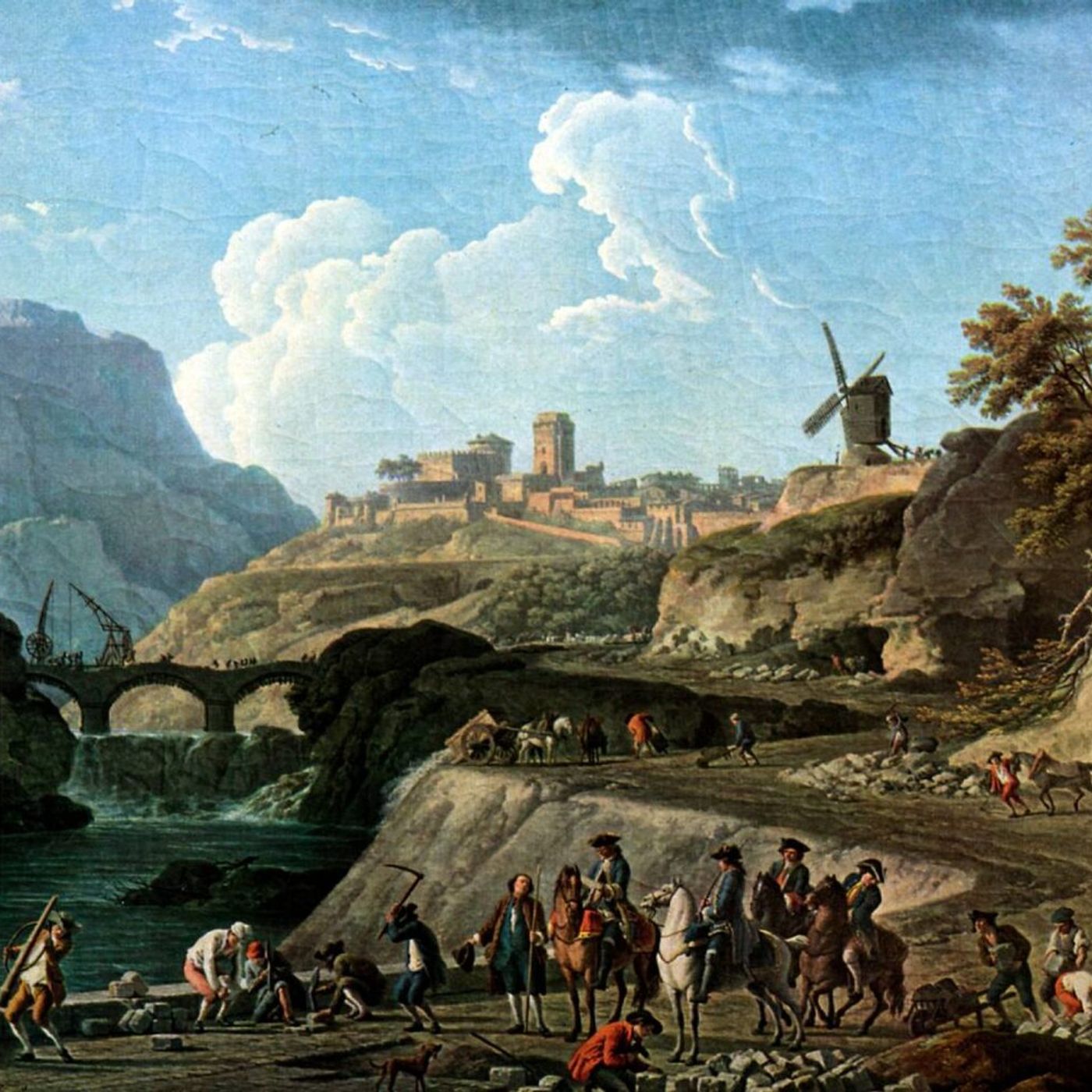
EI Weekly Listen — How the individual invented the modern West by Larry Siedentop
The European Middle Ages have been deemed an era of regression but this couldn't be further from the truth. In this period, the foundations were laid to establish a liberal West centred around the rights of the individual. Read by Leighton Pugh.Image: Construction of highway, eighteenth century France Engineers on horseback inspecting the work, a painting Claude-Joseph Vernet, 1775. Credit: Lebrecht Music & Arts / Alamy Stock Photo.
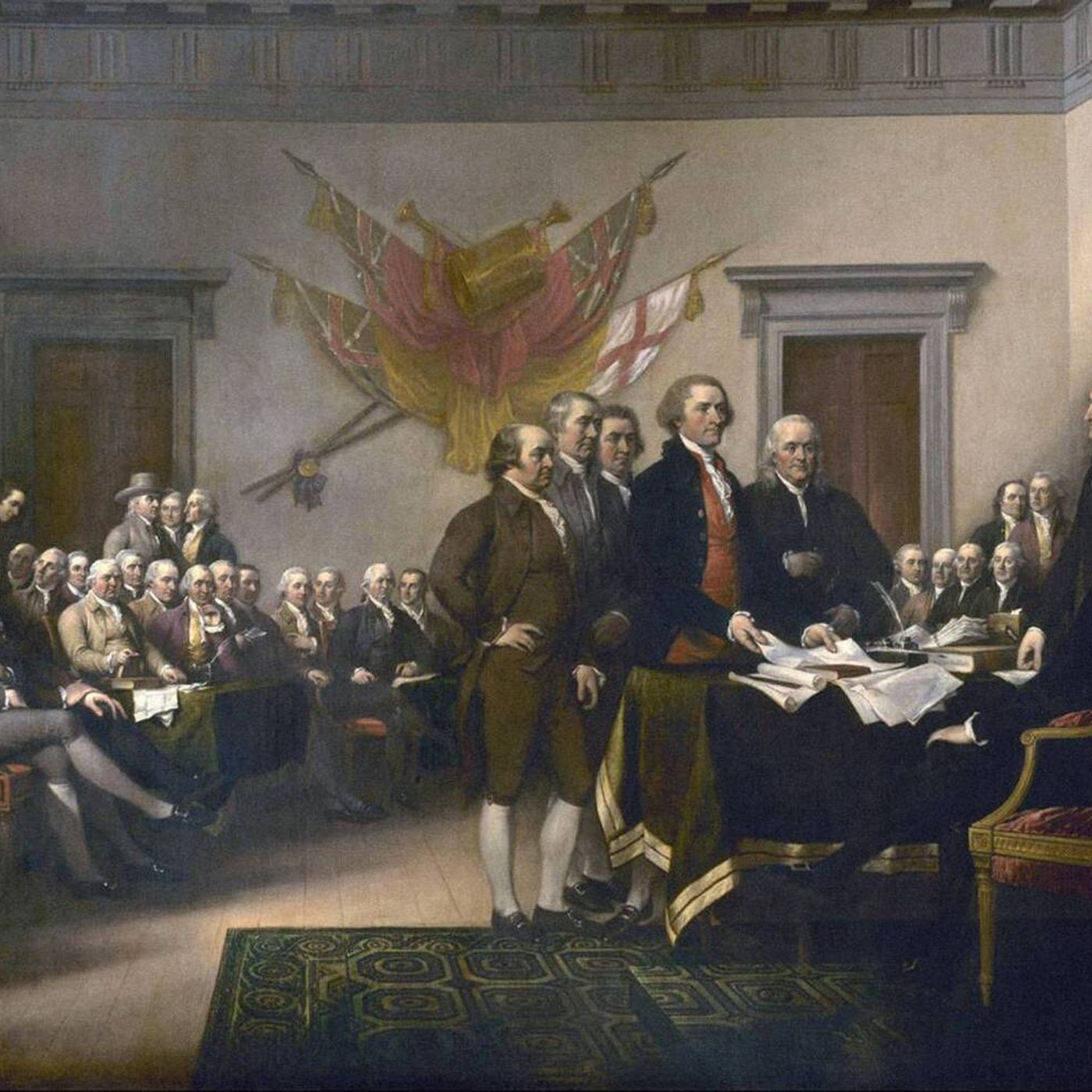
Worldview — The Return of Applied History
How can the lessons of history be applied to the present? What are the benefits of taking the long view? In this episode of Worldview, Adam Boulton is joined by the scholars Robert Crowcroft, editor of Applied History and Contemporary Policymaking: School of Statecraft, Phillip Bobbitt of the University of Texas, Iskander Rehman, an Ax:son Johnson Fellow at the Kissinger Center for Global Affairs at the Johns Hopkins University's School of Advanced International Studies and Gill Bennett, former Chief Historian of the UK's Foreign and Commonwealth Office.Image: The Declaration of Independence by John Trumbull. Credit: Artimages / Alamy Stock Photo.
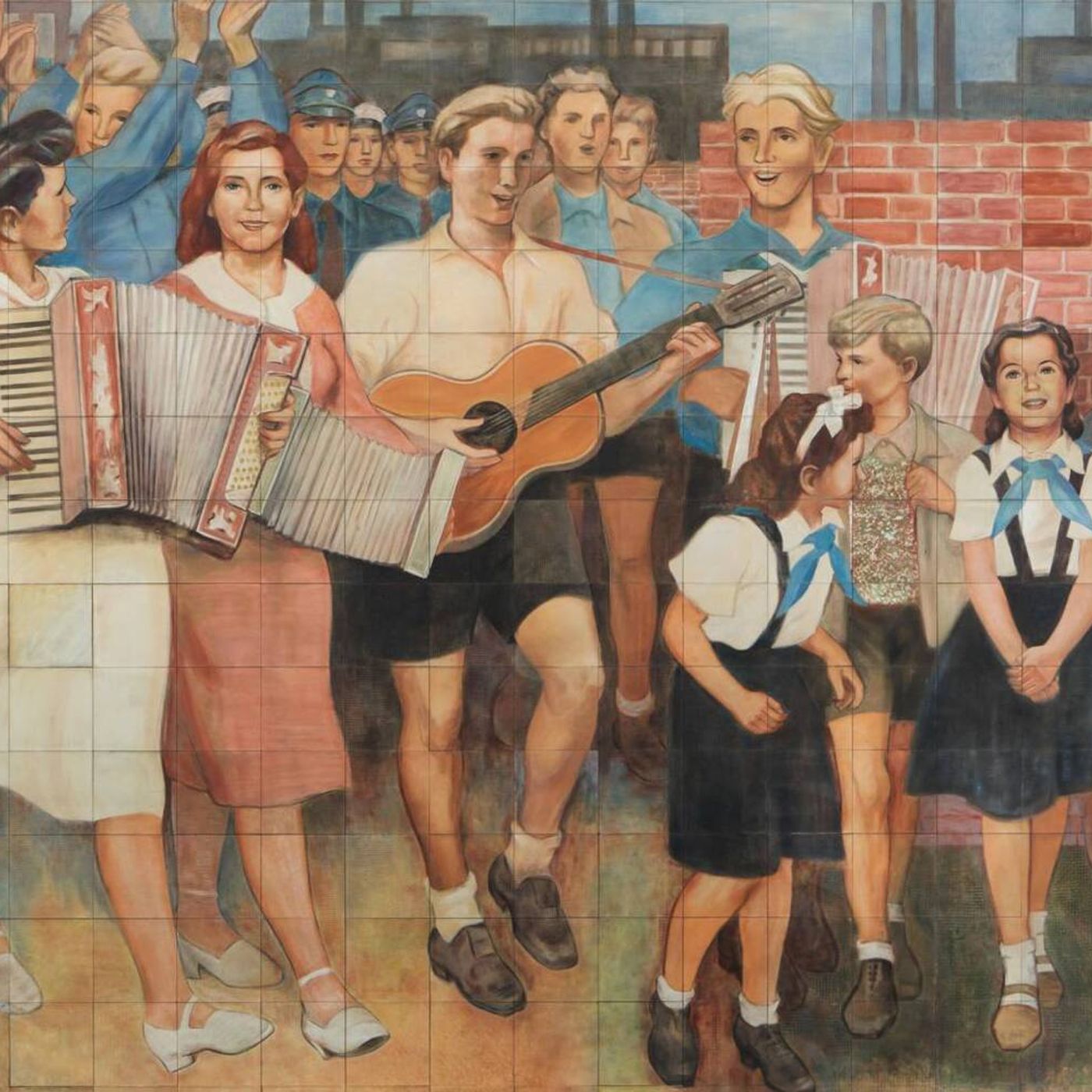
History Lessons — Katja Hoyer on East Germany
In our latest episode of History Lessons, Mattias Hessérus is joined by author, historian and journalist Katja Hoyer to discuss her new book Beyond the Wall: East Germany, 1949-1990. Together, they discuss the GDR and its legacy today. Image: East German pioneers and musicians depicted in the porcelain frieze 'Building of the Republic' designed by German artist Max Lingner (1952–1953) on the building of the Council of Ministers of East Germany (former Reichsluftfahrtministerium), now the Detlev-Rohwedder-Haus in Berlin, Germany. Credit: Azoor Photo / Alamy Stock Photo.

EI Weekly Listen — Bringing beauty back to the city by Anne Fairfax
Cities have been reduced to centres of soulless materialism and their citizens to non-stop consumers. If we hope to create beautiful surroundings, a rethink is required. Read by Leighton Pugh. Image: The Vessel at Hudson Yards, New York City. Credit: robertharding / Alamy Stock Photo.

Worldview — The future of the museum
How does an institution in the business of preserving the past prepare itself for the interests and sensibilities of the future? Where do museums fit in the national psyche? In our latest episode of Worldview, host Adam Boulton is joined by director of the V&A Tristram Hunt, Professor Armand D'Angour and Dr. Tiffany Jenkins to discuss what the future might hold for museums. Image: Renaissance and Medieval sculptures at the Victoria and Albert Museum. Credit: Bjanka Kadic / Alamy Stock Photo.

EI Weekly Listen — Learning from Asian philosophies of rebirth by Jessica Frazier
Asian literature, with its technologically-adept Chinese emperors, Animist Spirit-negotiators, and Yogic sages, shows us how to live well in troubled times. Read by Leighton Pugh. Image: Ma Yuan's The Yellow River Breaches its Course, from a series of paintings of water.

History Lessons — Sarah Bakewell on Humanism
In our latest episode of History Lessons, Mattias Hessérus is joined by author Sarah Bakewell to discuss her new book Humanly Possible: Seven Hundred Years of Humanist Freethinking, Enquiry and Hope. Together they chart the history of the Humanist movement and its relevance to this secular age. Image: The six Tuscan poets. Credit: Giorgio Morara / Alamy Stock Photo.
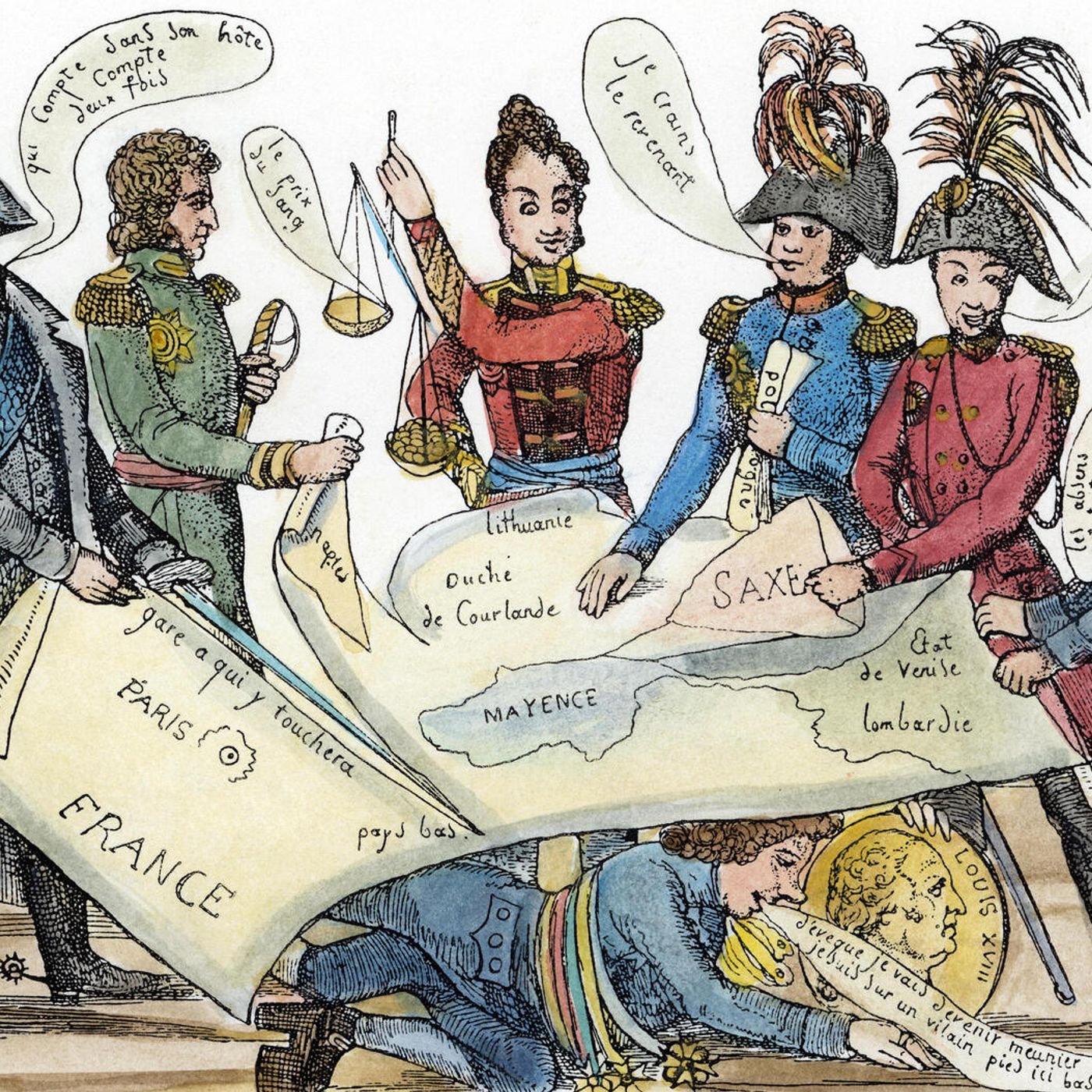
Worldview — How to end a war
Where does war end and peace begin? And what role does diplomacy play in that transition?In our latest episode of Worldview, host Adam Boulton is joined by historians Margaret MacMillan, Andrew Ehrhardt and Frank Gavin, as well as former European Commission High Representative for Foreign Affairs, Catherine Ashton. Image: Satirical cartoon of the Congress of Vienna. Credit: The Granger Collection / Alamy Stock Photo
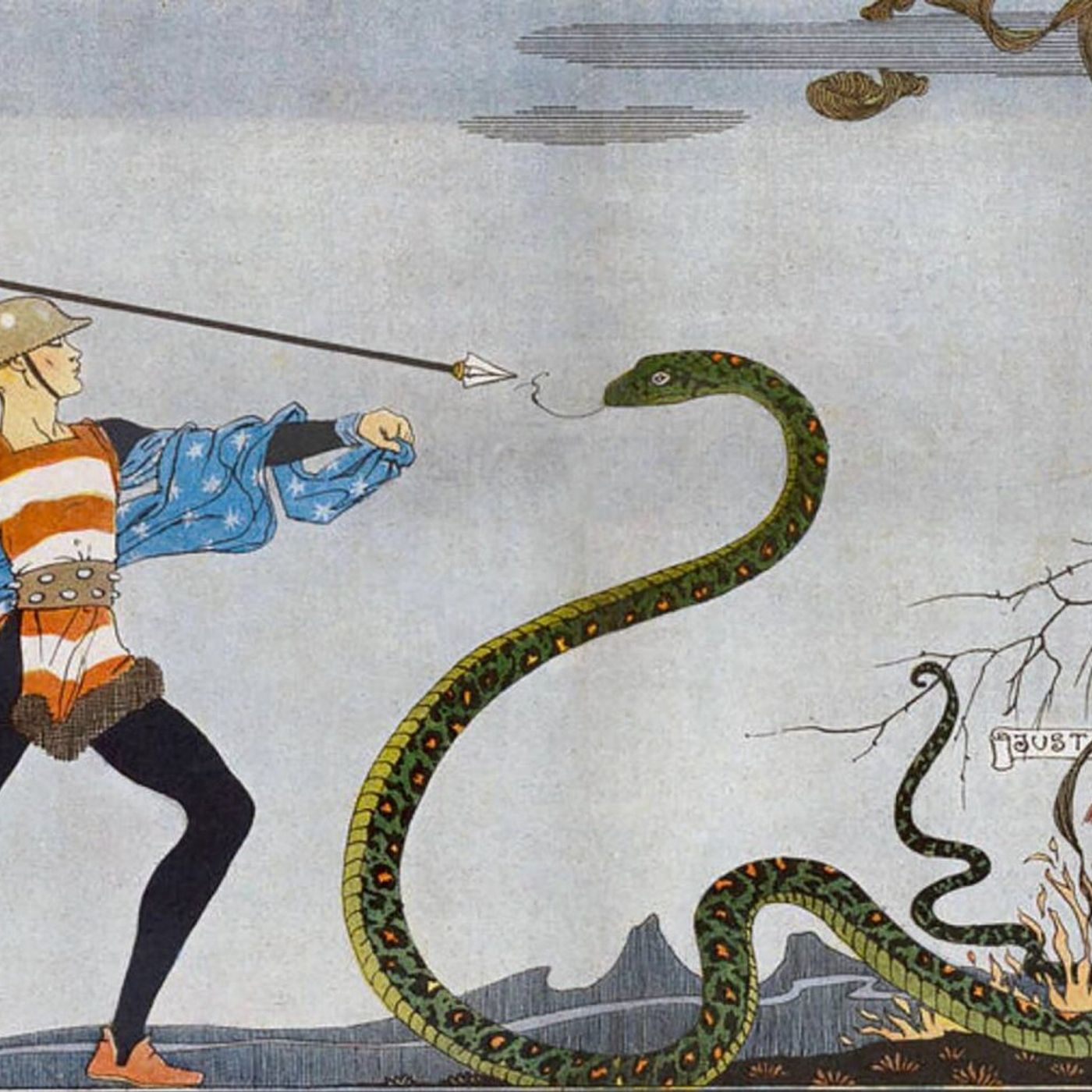
EI Weekly Listen — America’s return as the reluctant defender of the liberal order by Kori Schake
The US cultivated a garden that it grew weary of the burdens of sustaining but, once all other alternatives have been exhausted, the US will be pushed back into defending its liberal world order. Read by Leighton Pugh.Image: 'Young America rescues Europe!', declares a French cartoon from 1918. Credit: Pictorial Press Ltd / Alamy Stock Photo.

Worldview — People power: dealing with demography
Is demography destiny? Shifting patterns in population have marked history, drive political change and sharpen cultural divides. In our latest episode of Worldview, host Adam Boulton is joined by Paul Morland, the UK's leading demographer, Bill Emmott, former editor of the Economist and author of Japan's Far More Female Future, and Richard Assheton, the Times' and Sunday Times' West Africa correspondent.Image description: A group of elderly women in Kyoto, Japan. Credit: Trevor Mogg / Alamy Stock Photo.
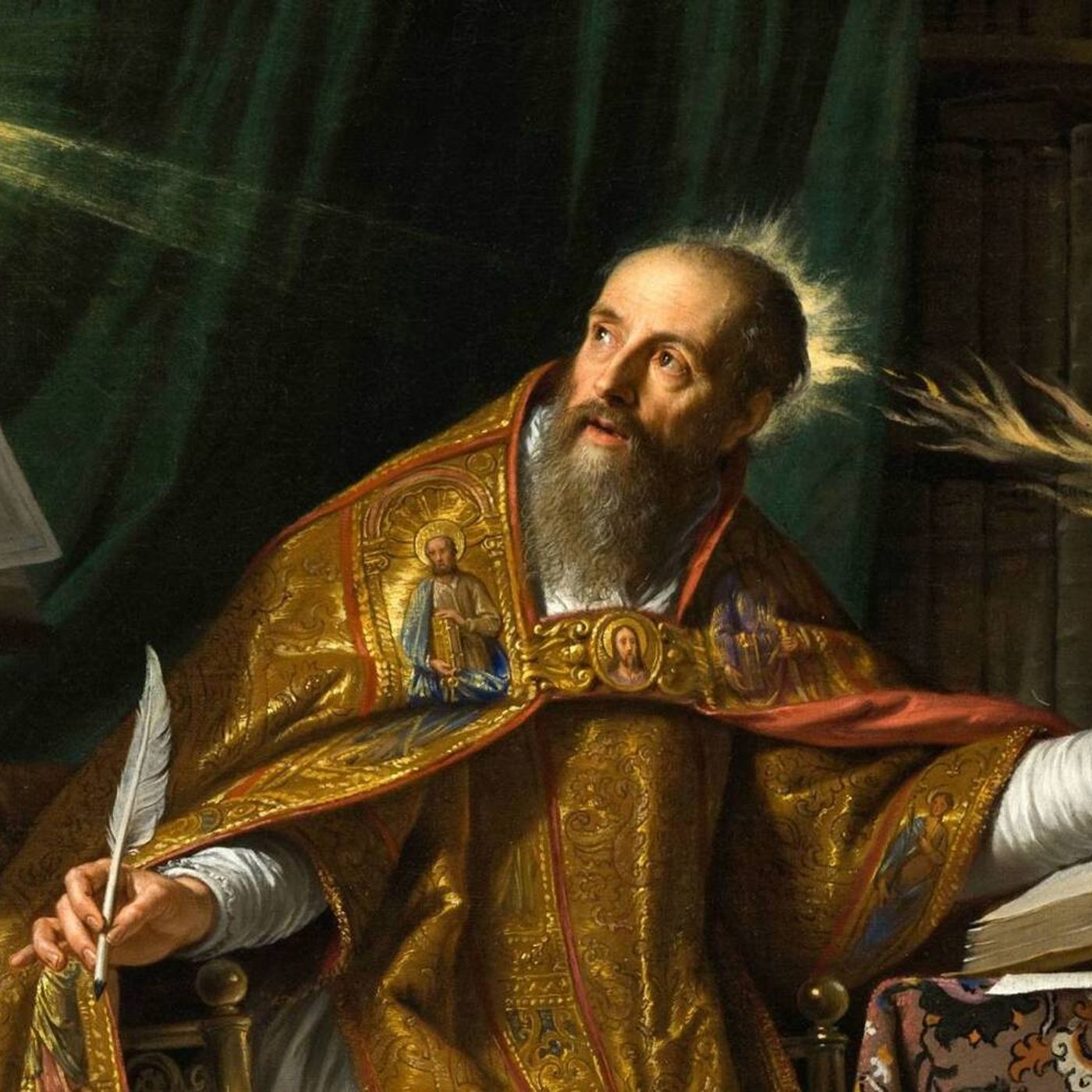
EI Weekly Listen — The City of God: on Augustine’s vision of Empire by Gillian Clark
Augustine’s seminal book was written in the context of the Roman Empire, but it remains ever-relevant. Read by Leighton Pugh. Image description: St Augustine / Wiki Public domain.

Worldview — The risks and the rewards of AI
Artificial Intelligence (AI) is transforming the worlds of art, manufacturing, medicine, even the language we use, at a bewildering speed. Should we fear or welcome it? What are its risks and rewards? And could it ever come to outpace the human mind? In our latest episode of Worldview, host Adam Boulton is joined by Gary Marcus and Ernest Davis of New York University, and Susan Schneider, Director of the Centre for Future Mind, to discuss the profound cultural, philosophical and ethical implications of AI. Meanwhile, journalists Hugo Rifkind and Gaby Wood consider how AI will revolutionise the media and publishing industries. Image description: An auction at Sotheby's, London, selling AI art created by Mario Klingemann, March 2019. Credit: Malcolm Park/Alamy Live News.
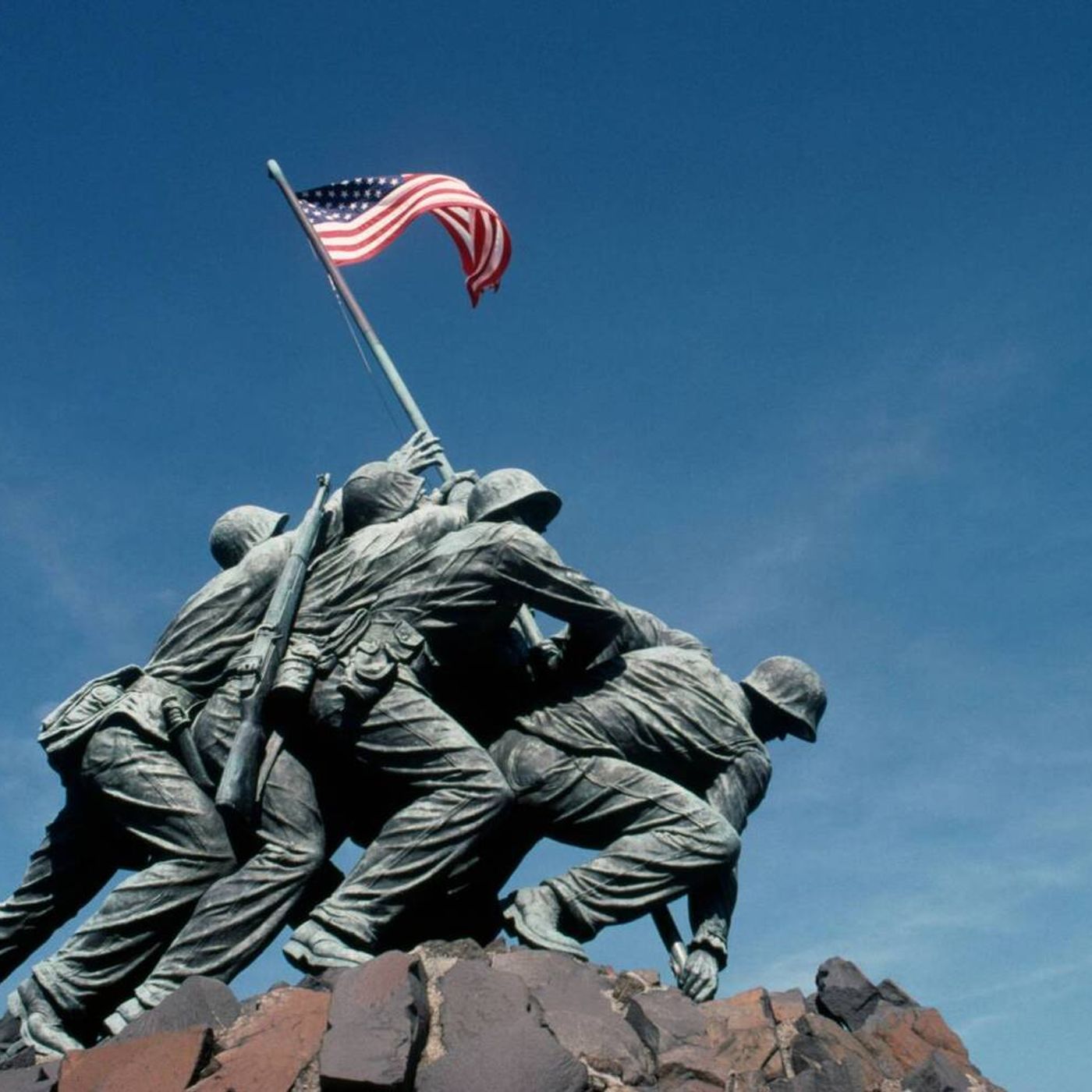
EI Weekly Listen — Geopolitics never went away for the United States by Andrew Preston
For the United States, geopolitics has always been about national identity, even in an era of globalisation. Perhaps it always will be.Read by Leighton Pugh.Image description: The Marine Corps War Memorial, also known as Iwo Jima Memorial. Credit: DeAgostini/Getty Images
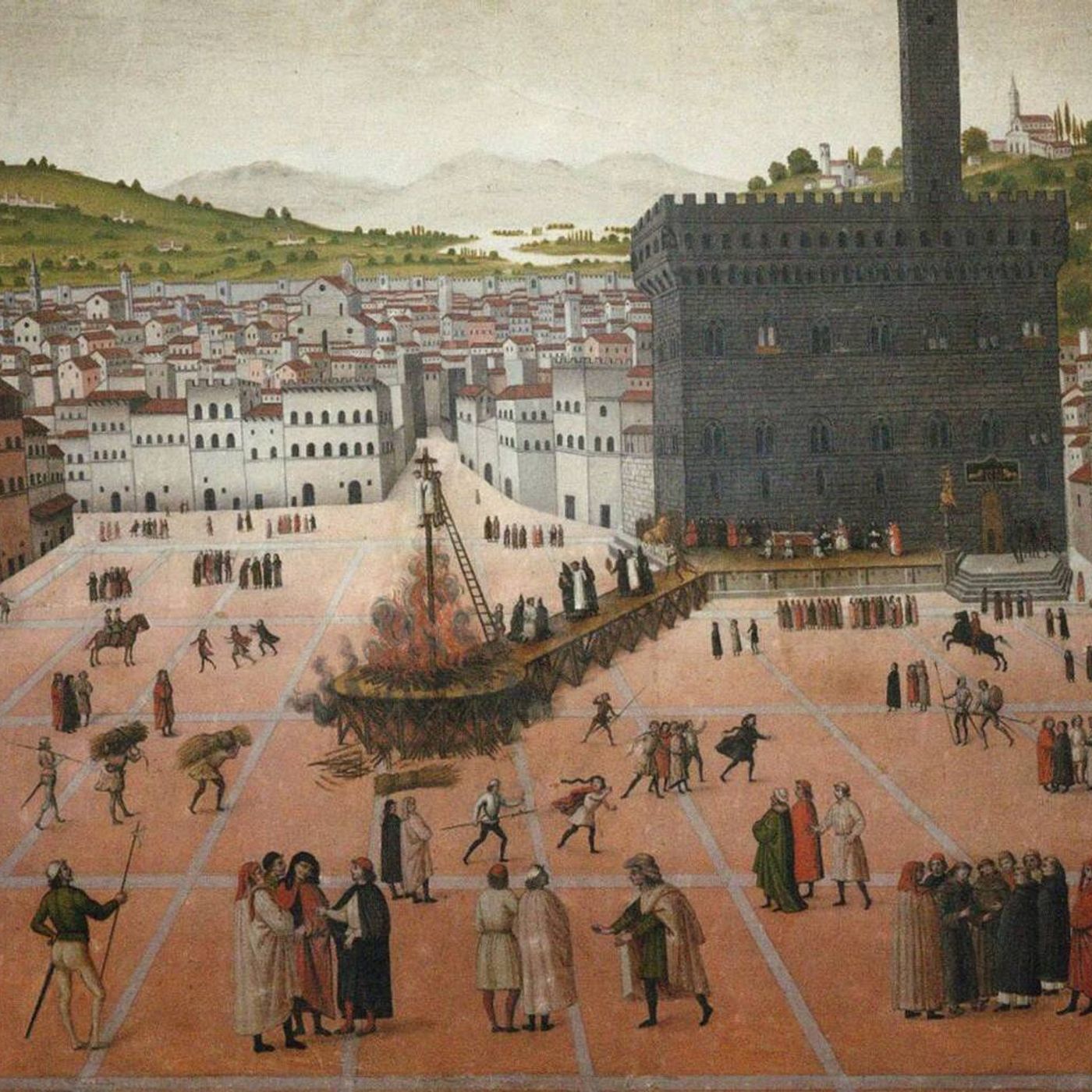
EI Weekly Listen — On Civility by Erica Benner
Navigating politico-religious disagreements in a spirit of civility is nigh-on impossible in eras in which the meaning of civility itself is contested. How do we speak to each other civilly in a time of incivility? Read by Leighton Pugh. Image description: Girolamo Savonarola's execution on the Piazza della Signoria in Florence in 1498. Credit: Heritage Image Partnership Ltd / Alamy Stock Photo.
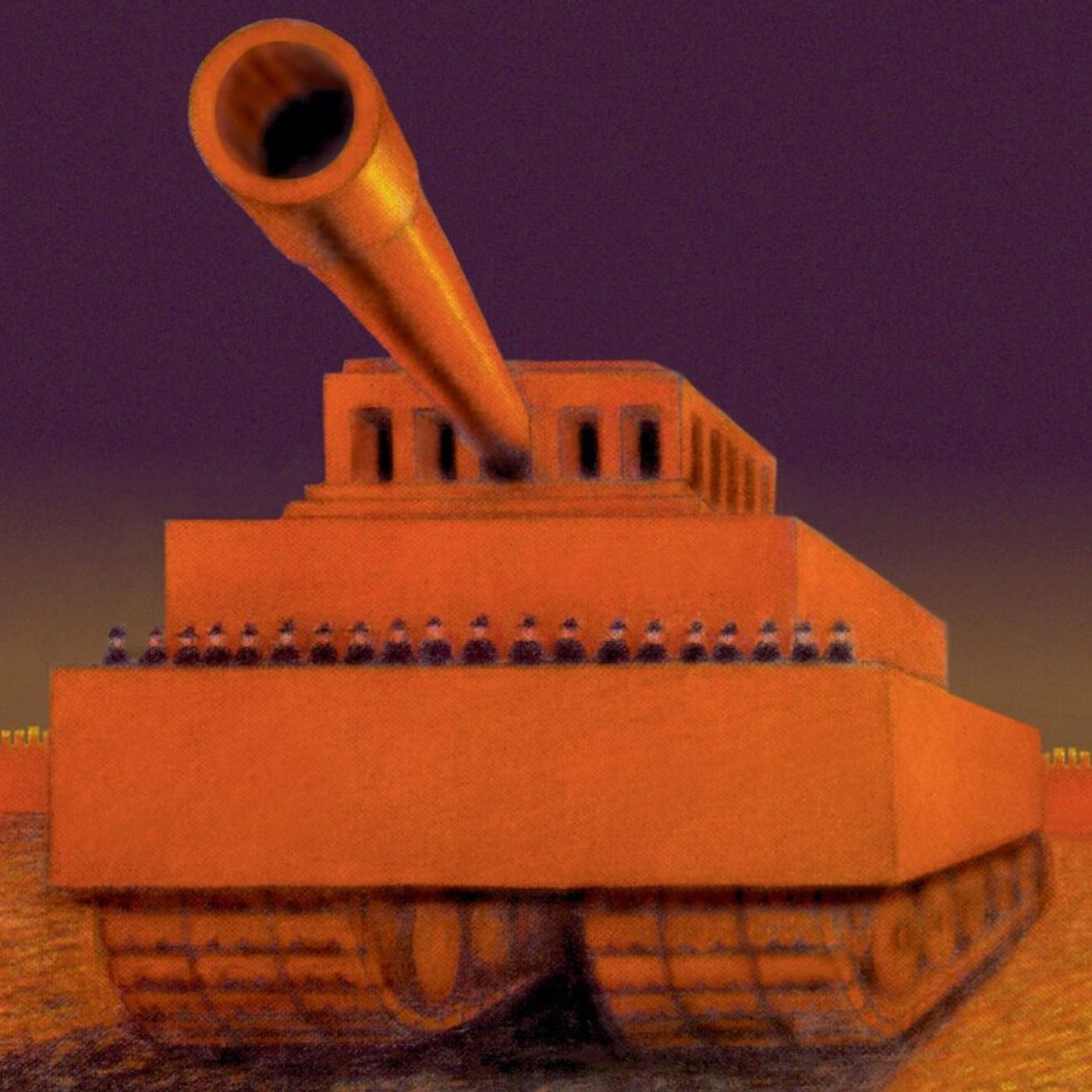
EI Weekly Listen — Information war does not exist by Peter Pomerantsev
In the Cold War the Kremlin tried to convince foreign audiences its disinformation campaigns were real, today the aim seems to be different. Read by Leighton Pugh.Image description: Soviet poster of a tank on Red Square. Credit: Alamy Stock Photo.
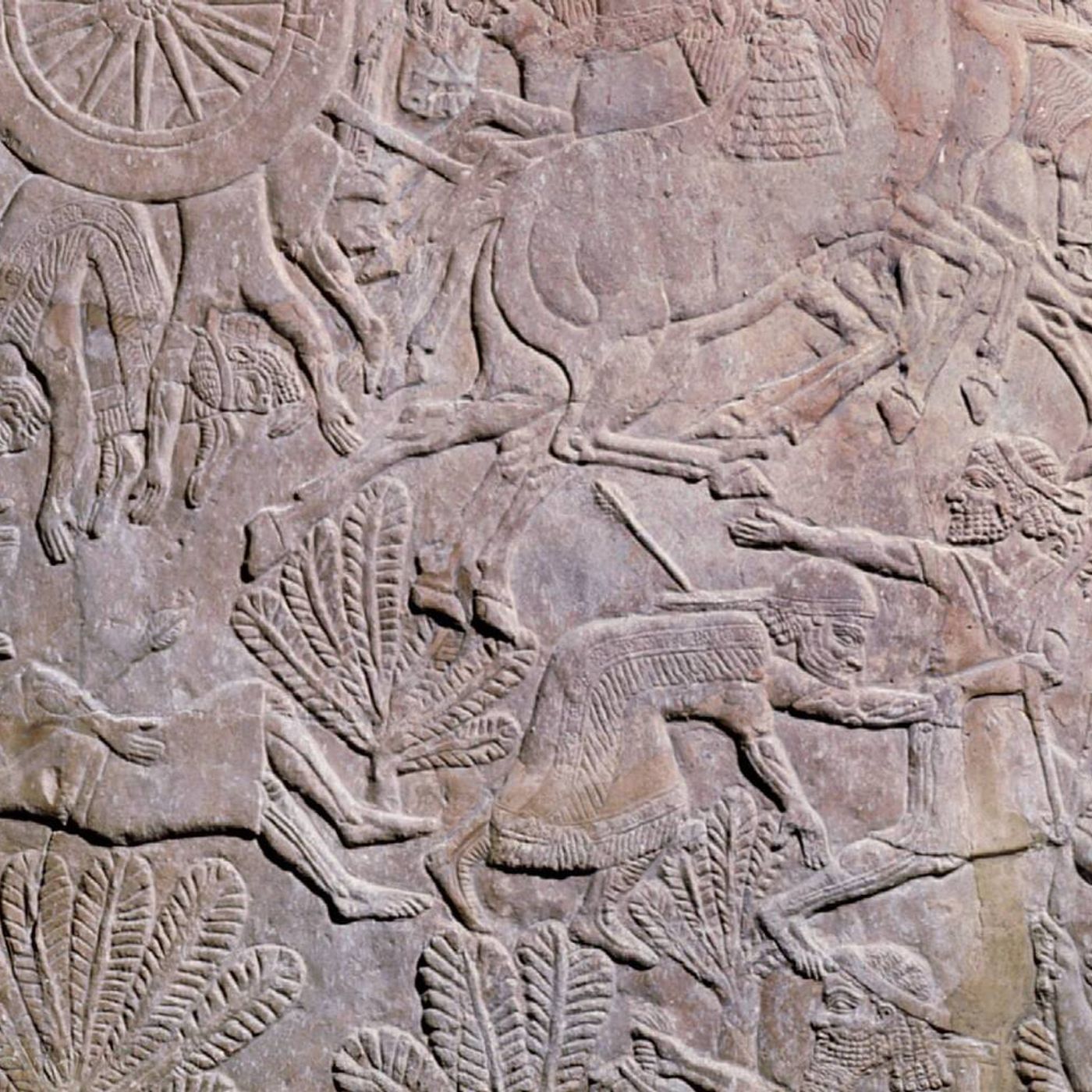
EI Weekly Listen — The ancient roots of the modern holy war by Tom Holland
The crusades, jihad, and wars in defence of intangible ideals all have their origins in a short-lived conflict in the 6th century BC. Read by Leighton Pugh.Stone relief from the palace of Ashurbanipal, A detail from the battle of Til Tuba. Teumman the Elamite king is trying to escape but his chariot crashes. His horses panic, while he is trying to escape with an arrow in his back, supported by his son. Assyrian. Late Assyrian, c 645 BC. Nineveh, Assyria, Ancient Iraq. (Photo by Werner Forman/Universal Images Group/Getty Images)
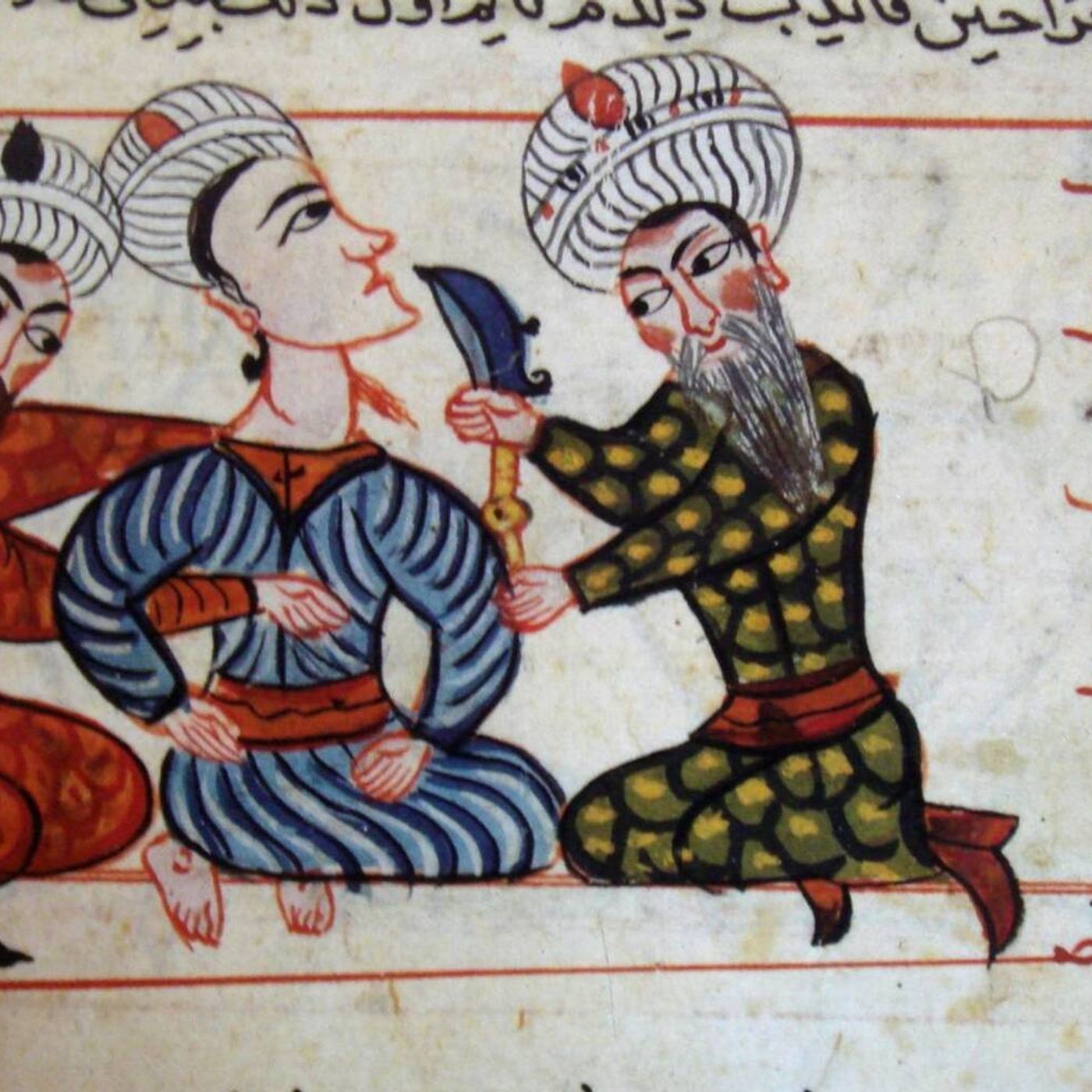
EI Weekly Listen — From the Silk Road to the information superhighway by Peter Frankopan
Globalisation may appear to be a cornerstone of modernity but humans have always both craved and feared connection, be it social, commercial, spiritual or scientific. Read by Leighton Pugh. A 15th Century illustration from a Turkish manuscript depicting a surgical operation. Medical understanding was an important element of the exchange of knowledge between the Islamic world and Europe. Credit: Wikipedia Commons
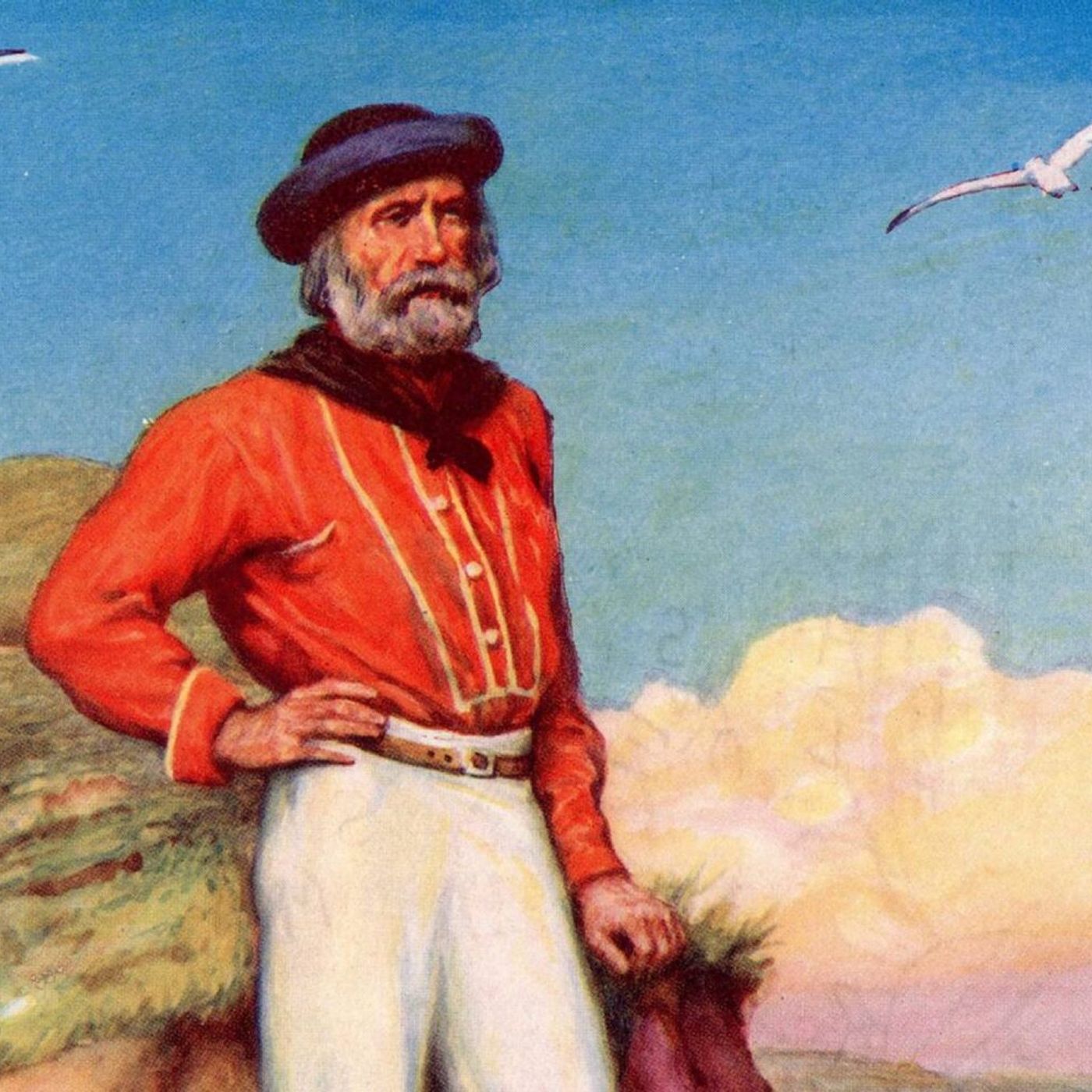
EI Weekly Listen — Finding Garibaldi by Lucy Riall
Garibaldi’s retreat to his home in Caprera spawned a liberal-nationalist ideal of statesmanship that would live long in the European imagination. Read by Leighton Pugh. Giuseppe Garibaldi (1807-1882) in his signature red shirt, gazing towards his beloved Italy from a cliff edge on the island of Caprera off the coast of Sicily. Illustration c1920. Credit: Universal History Archive/Universal Images Group via Getty Images
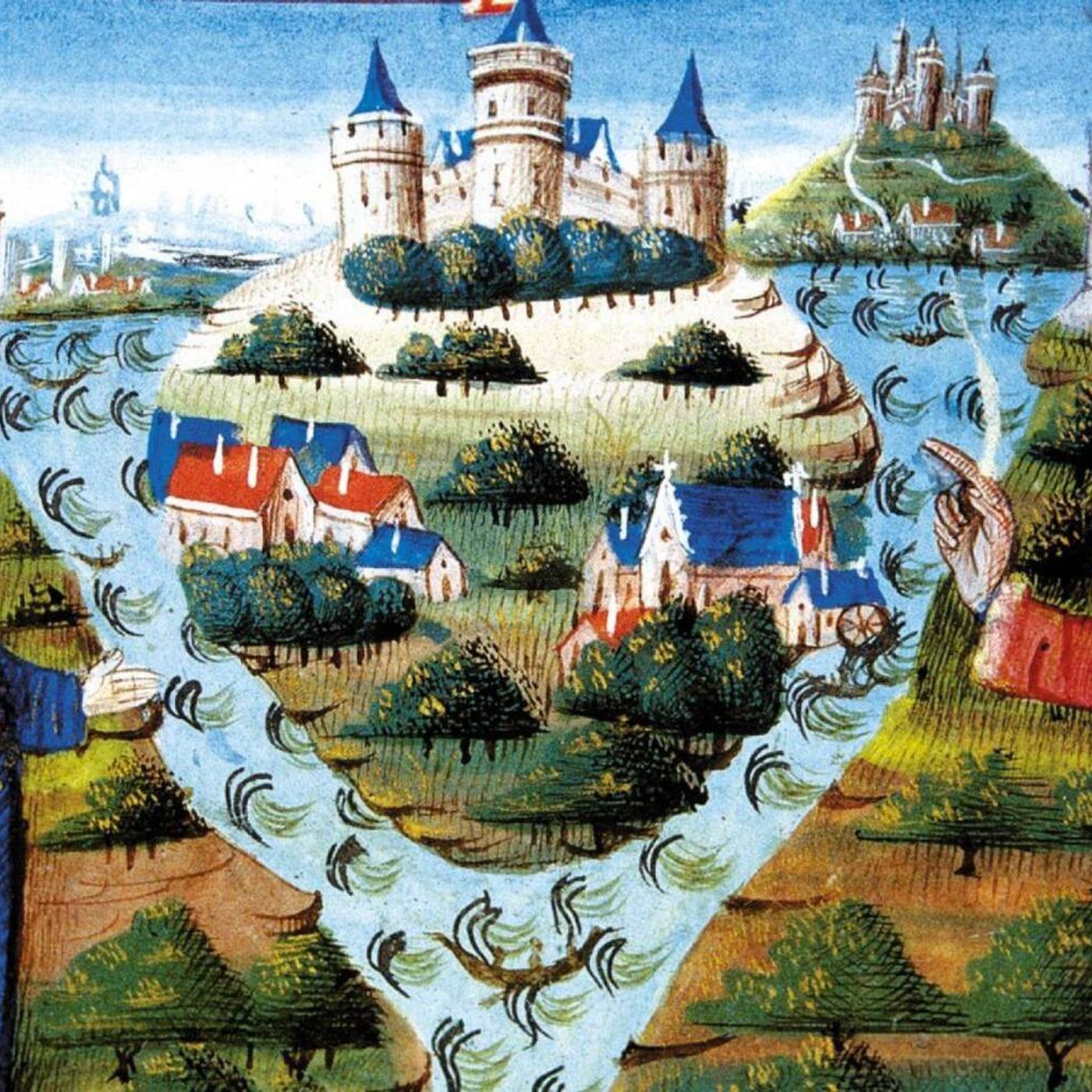
EI Weekly Listen — What did it mean to belong to the Holy Roman Empire? by Peter Wilson
The Holy Roman Empire was neither a nation state nor indeed a conventional empire. Instead, its inhabitants were unified through a web of legal rights. Read by Leighton Pugh.A miniature of the Treaty of Verdun, 843. Emperor Louis I (right) blessing the division of the Frankish Empire in 843 into West Francia, Middle Francia, and East Francia. Credit: Wikimedia commons.