
The EI Podcast
408 episodes — Page 4 of 9
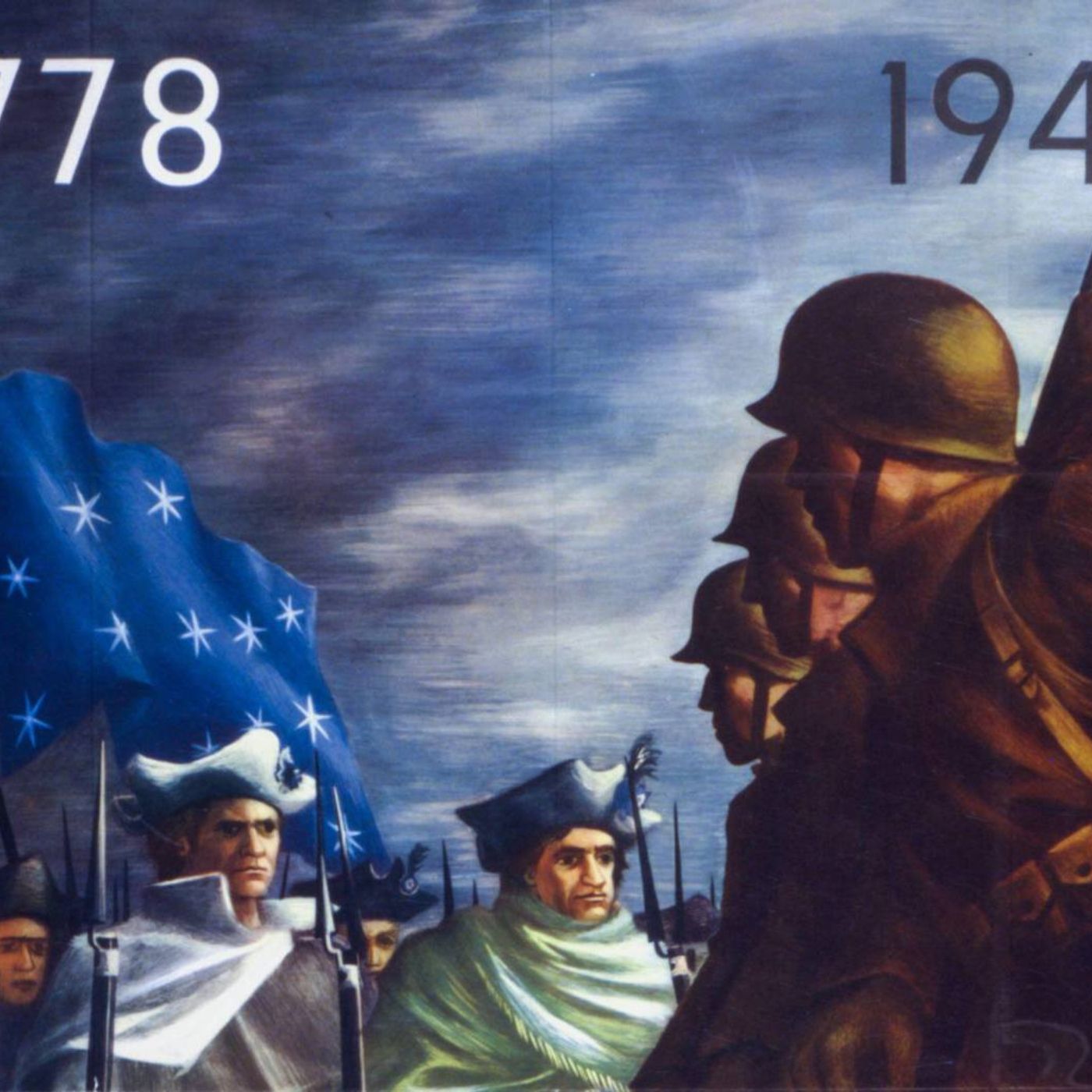
EI Weekly Listen — Kori Schake on US grand strategy
The US must adopt a grand strategy of democratic expansion. Only then can global security be established. Read by Helen Lloyd.Image: American Second World War-era poster. Credit: Mouseion Archives / Alamy Stock Photo
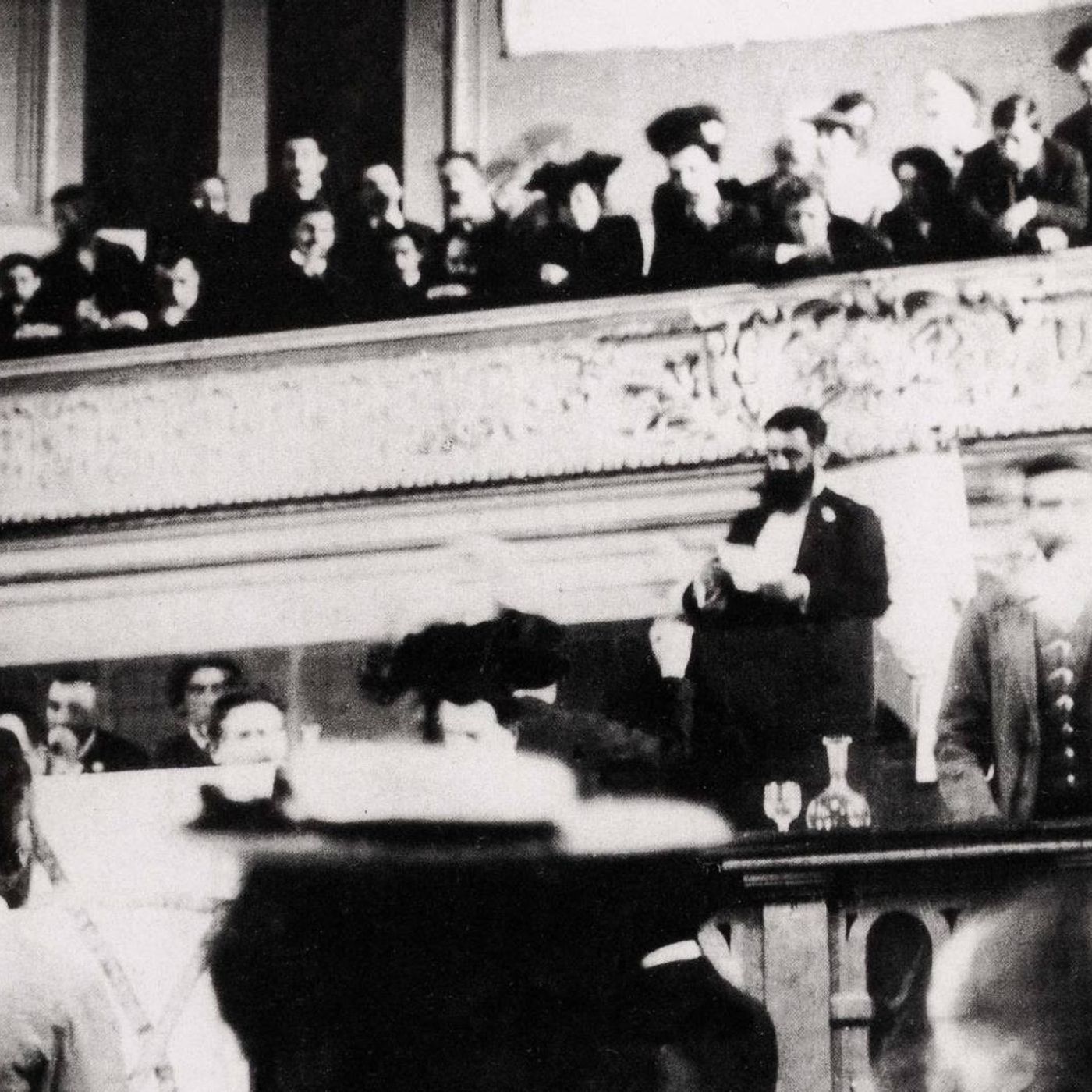
EI Talks... the search for a promised land with Rachel Cockerell
EI's Alastair Benn speaks to Rachel Cockerell, author of Melting Point: Family, Memory and the Search for a Promised Land, a history of the quest for a Jewish homeland at the turn of the 19th century and beyond, weaving memoir, documentary, and literature.Engelsberg Ideas is funded by the Axel and Margaret Ax:son Johnson Foundation for Public Benefit. EI Talks... is hosted by Paul Lay and Alastair Benn. The sound engineer is Gareth Jones.Image: Theodor Herzl addresses the Sixth Zionist Organisation Congress in Basel, 1903. Credit: World History Archive / Alamy Stock Photo
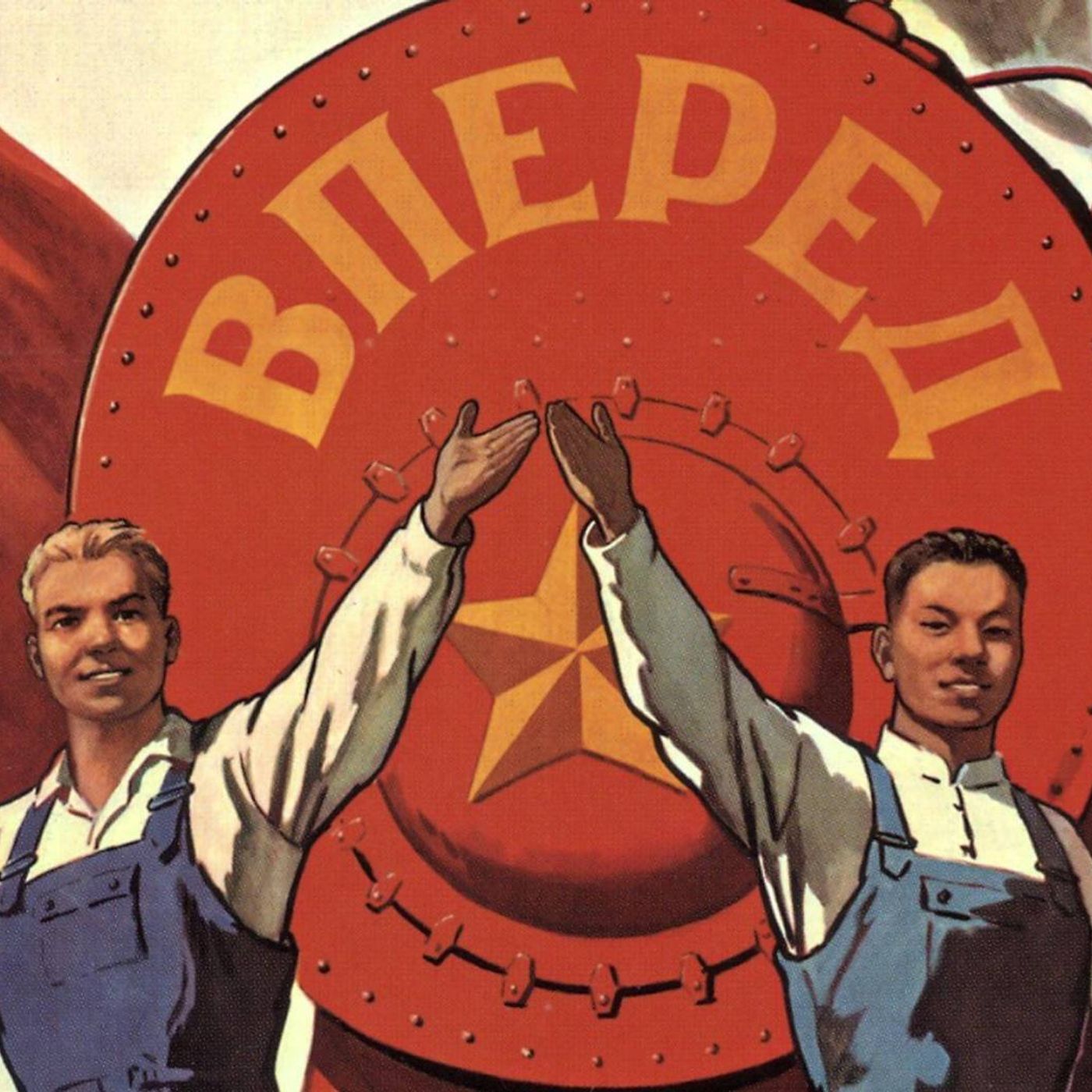
EI Weekly Listen — Sergey Radchenko on the past, present and future of Sino-Russian relations
The tumultuous relationship between Red China and the Soviet Union hints at an uncertain future for the Sino-Russian partnership. Read by Helen Lloyd.Image: Sino-Soviet propaganda poster. Credit: Album / Alamy Stock Photo

EI Portraits — Agnès Poirier on Anna de Noailles, bright star of the Belle Époque
Socialite and literary pioneer - Anna de Noailles was a bright star in the firmament of the Parisian Belle Époque. Read by Sebastian Brown.Image: De László's portrait of Anna de Noailles. Credit: Svintage Archive / Alamy Stock Photo
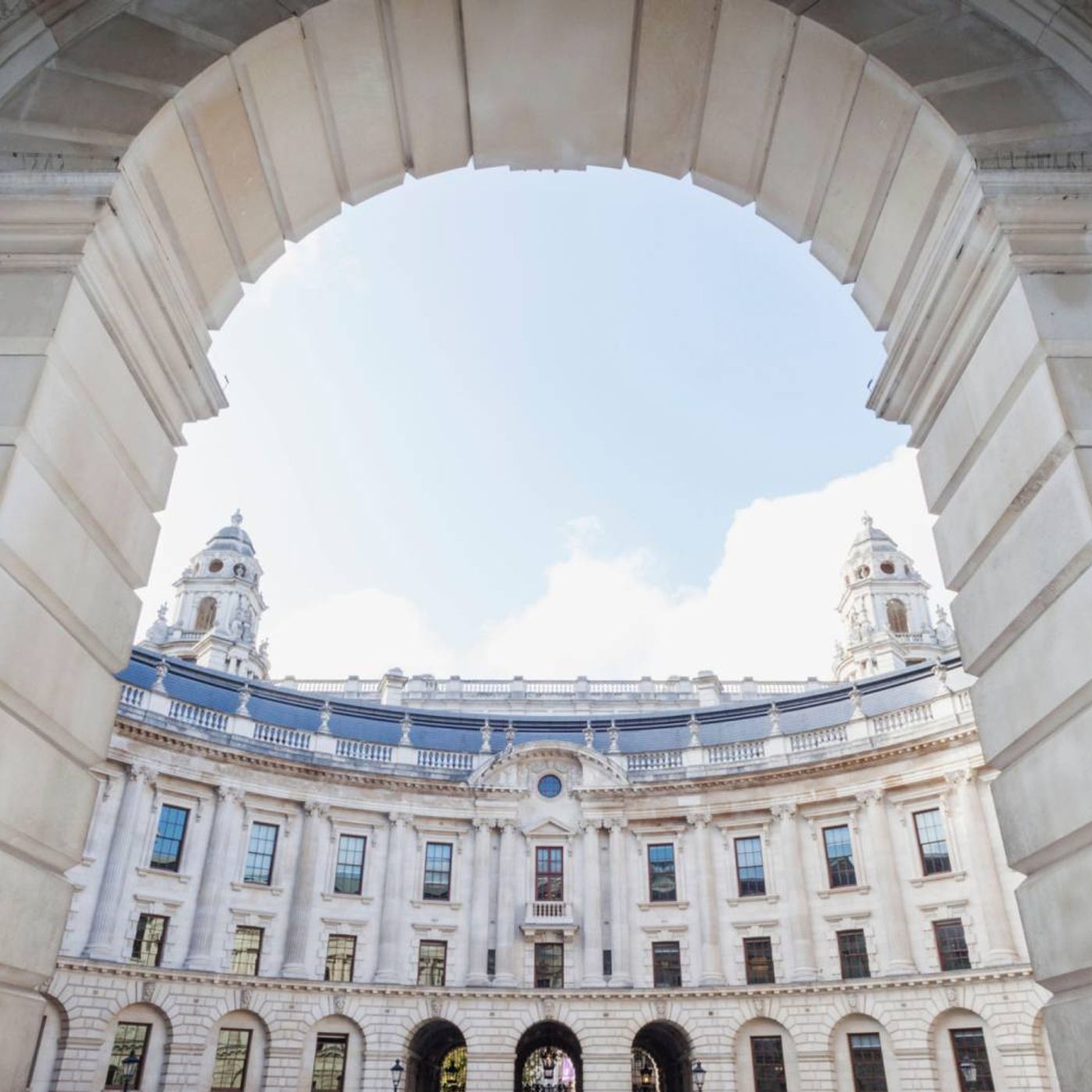
EI Weekly Listen — Munira Mirza on how the British elite lost its way
Stagnation at home and turmoil abroad demand a radical rethink of how – and why – Britain forges its future leaders. Read by Helen Lloyd.Image: The Treasury building in Whitehall, London. Credit: mauritius images GmbH / Alamy Stock Photo

EI Talks... what the Romans found funny with Orlando Gibbs
EI's Alastair Benn sits down with Orlando Gibbs to discuss what the Romans found funny, what we might find not so funny about ancient humour, and whether there is something universal about the comedic genre.READING LISTNo Laughing Matter? What the Romans Found Funny | AntigonePlautus punching up: a different class of comedy | Engelsberg IdeasMary Beard, Laughter in Ancient Rome: On Joking, Tickling, and Cracking Up (University of California Press, 2014)Lionel Abel, Metatheatre: A New View of Dramatic Form (New York, Hill and Wang, 1963)Engelsberg Ideas is funded by the Axel and Margaret Ax:son Johnson Foundation for Public Benefit. EI Talks... is hosted by Paul Lay and Alastair Benn. The sound engineer is Gareth Jones.Image: Michael Palin in Monty Python's Life of Brian. Credit: LANDMARK MEDIA / Alamy Stock Photo
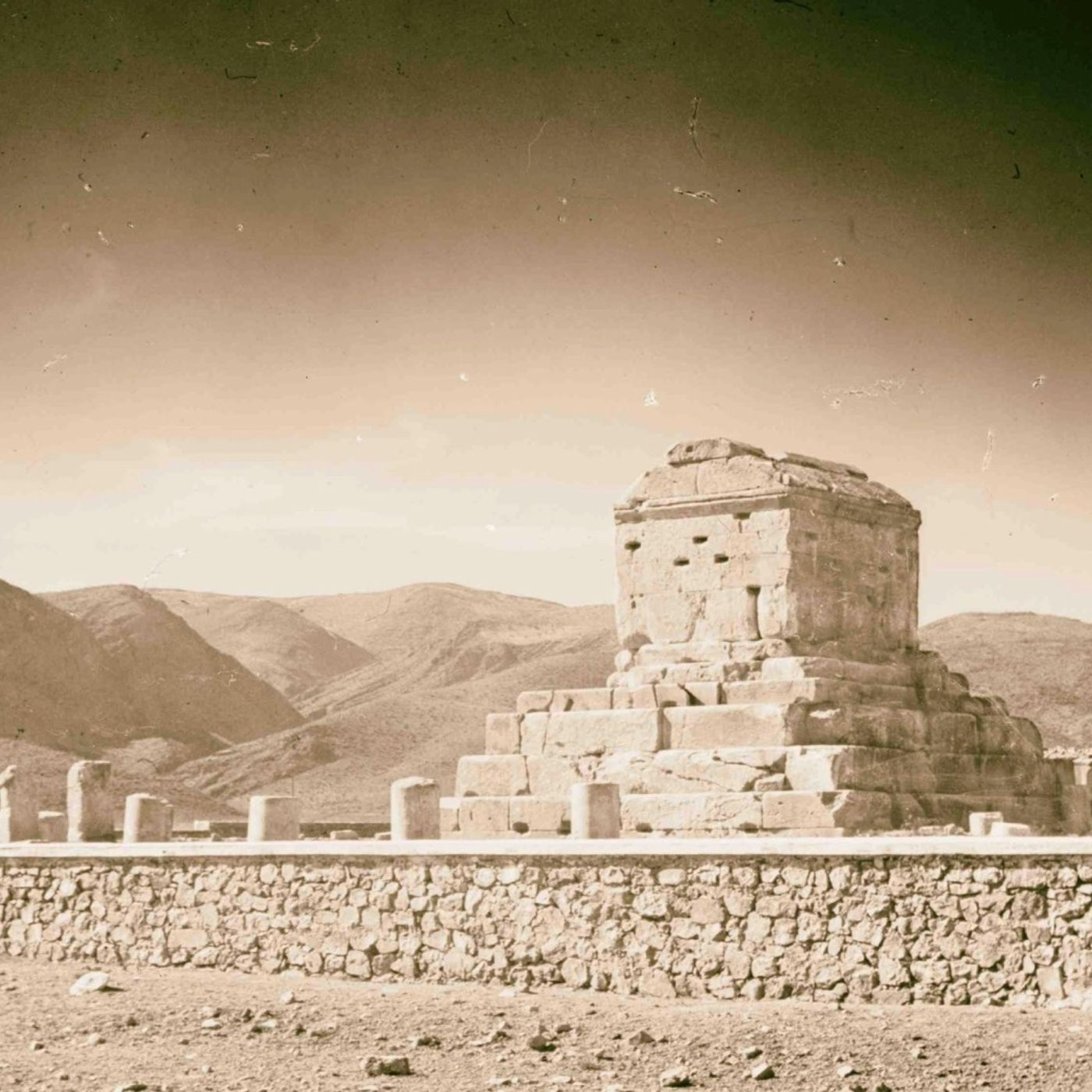
EI Weekly Listen — Ali Ansari on the secret to Cyrus the Great’s success
Few ancient monarchs have enjoyed such a consistent positive reputation as Cyrus the Great. Perhaps it’s time to become reacquainted. Read by Helen Lloyd.Image: The Tomb of Cyrus, Iran. Photograph taken in 1898. Credit: Penta Springs Limited / Alamy Stock Photo

EI Portraits — Andrew Wilton on Amanda McKittrick Ros, the Florence Foster Jenkins of the romantic novel
Andrew Wilton profiles Amanda McKittrick Ros, a late Victorian novelist admired in her day but now largely forgotten. Read by Sebastian Brown.Image: A typical late Victorian scene. Credit: Dave Rheaume / Alamy Stock Photo
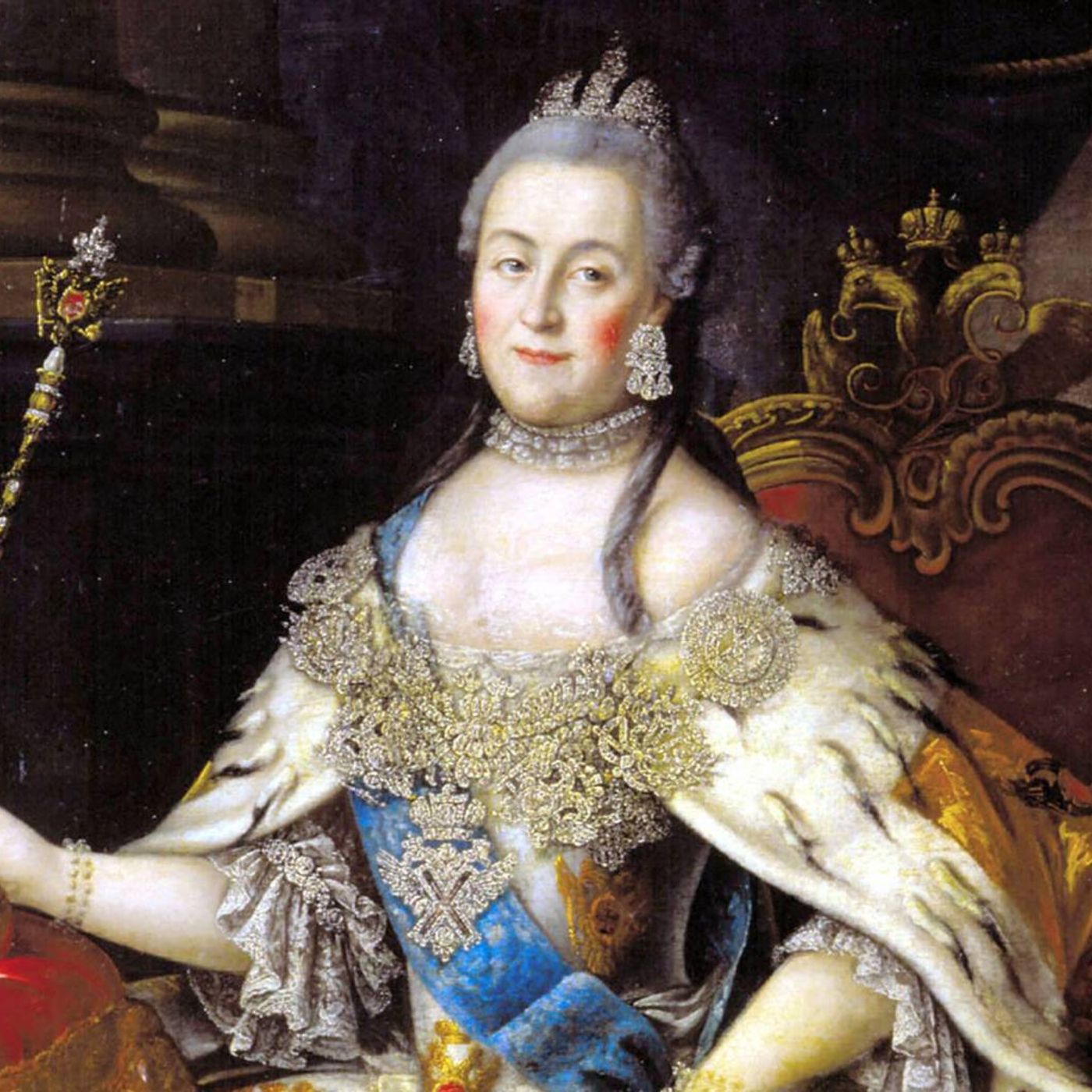
EI Weekly Listen — Lucy Ward on the invention of Catherine the Great
Catherine II’s inoculation against smallpox was an extraordinary act of political self-creation. Read by Helen Lloyd.Image: A portrait of Catherine the Great (1729-1796) by Alexey Antropov. Credit: Pictorial Press Ltd / Alamy Stock Photo

EI Talks... the atomic human with Neil D. Lawrence
Neil D. Lawrence, inaugural DeepMind Professor of Machine Learning at the University of Cambridge and author of The Atomic Human: Understanding Ourselves in the Age of AI, joins the EI team to challenge received wisdom on our AI future.Engelsberg Ideas is funded by the Axel and Margaret Ax:son Johnson Foundation for Public Benefit. EI Talks... is hosted by Paul Lay and Alastair Benn. The sound engineer is Gareth Jones.Image: An illustration of artificial intelligence. Credit: lorenzo rossi / Alamy Stock Photo
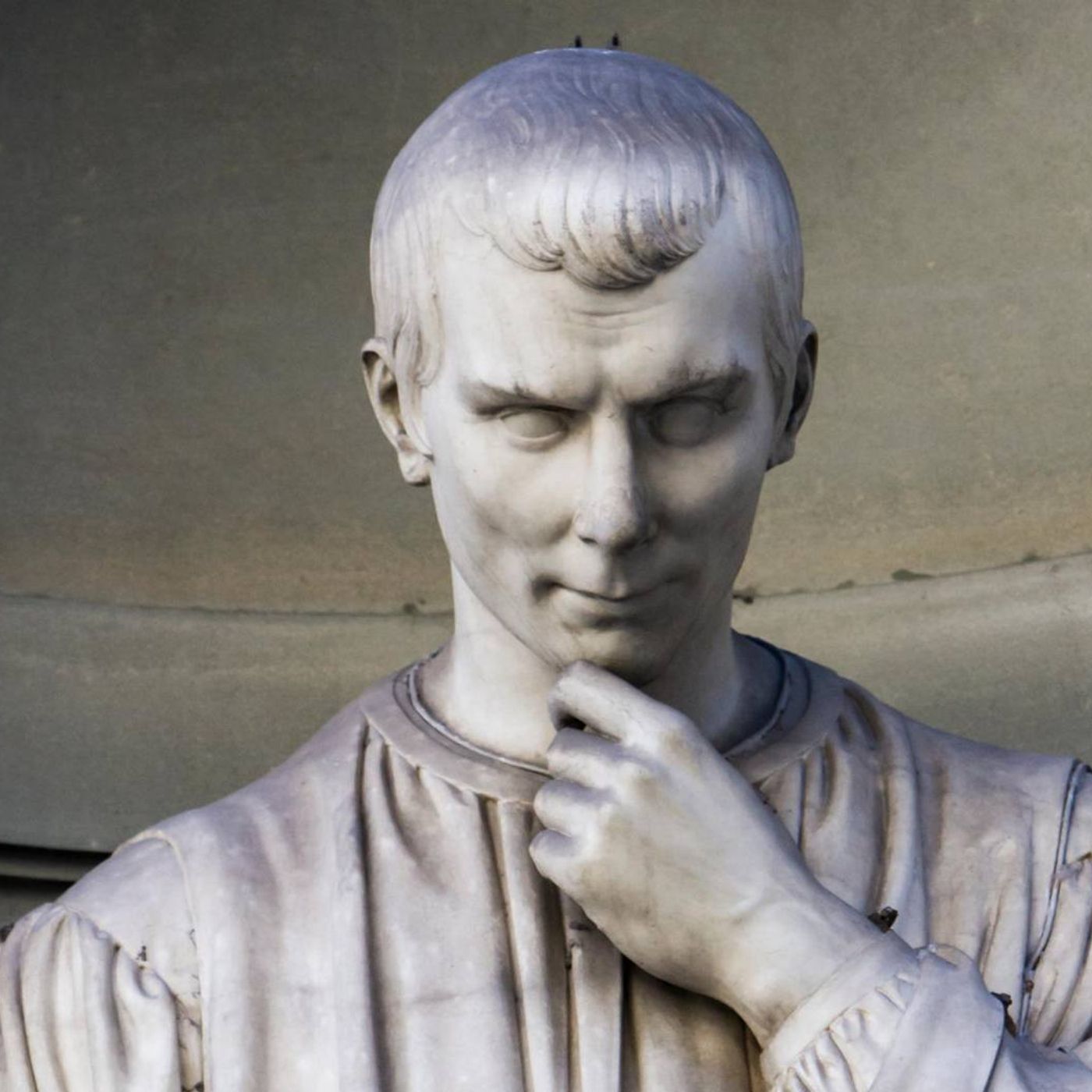
EI Weekly Listen — Alexander Lee on why Machiavelli wrote The Prince
If we want to understand the ‘meaning’ of The Prince, we should start with Machiavelli himself. Read by Helen Lloyd.Image: A statue of Niccolo Machiavelli in Florence, Italy. Credit: Goran Bogicevic / Alamy Stock Photo

EI Portraits — Rana Mitter on Tsiang Tingfu, pre-revolutionary China’s last bridge with the West
Rana Mitter profiles Tsiang Tingfu, the American-educated diplomat and historian, who sought Chinese national revival on cosmopolitan lines. Read by Sebastian Brown.Image: Tsiang Tingfu raises his arm to veto a proposal introduced by the Soviet Union to the UN. Credit: SuperStock / Alamy Stock Photo

EI Weekly Listen — Francis J. Gavin on the terrible dilemmas of leadership in a thermonuclear world
Nuclear weapons are likely to be around for a long time to come – and the predicaments they create for world leaders are unlikely to be easily solved. Read by Helen Lloyd.Image: President John F. Kennedy with Robert McNamara during the Cuban Missile Crisis. Credit: RBM Vintage Images / Alamy Stock Photo

EI Talks... Paris in the Belle Époque with Marie Kawthar Daouda
Marie Kawthar Daouda, author and a lecturer in French language and literature at the University of Oxford, joins EI's Alastair Benn to discuss how Belle Époque-era Paris continues to fascinate, with its burgeoning commercial culture, everyday beauty and glittering department stores.Engelsberg Ideas is funded by the Axel and Margaret Ax:son Johnson Foundation for Public Benefit. EI Talks... is produced by Alastair Benn. The sound engineer is Gareth Jones.Image: Jean Béraud's painting 'Paris, rue du Havre', c. 1882. Credit: IanDagnall Computing / Alamy Stock Photo
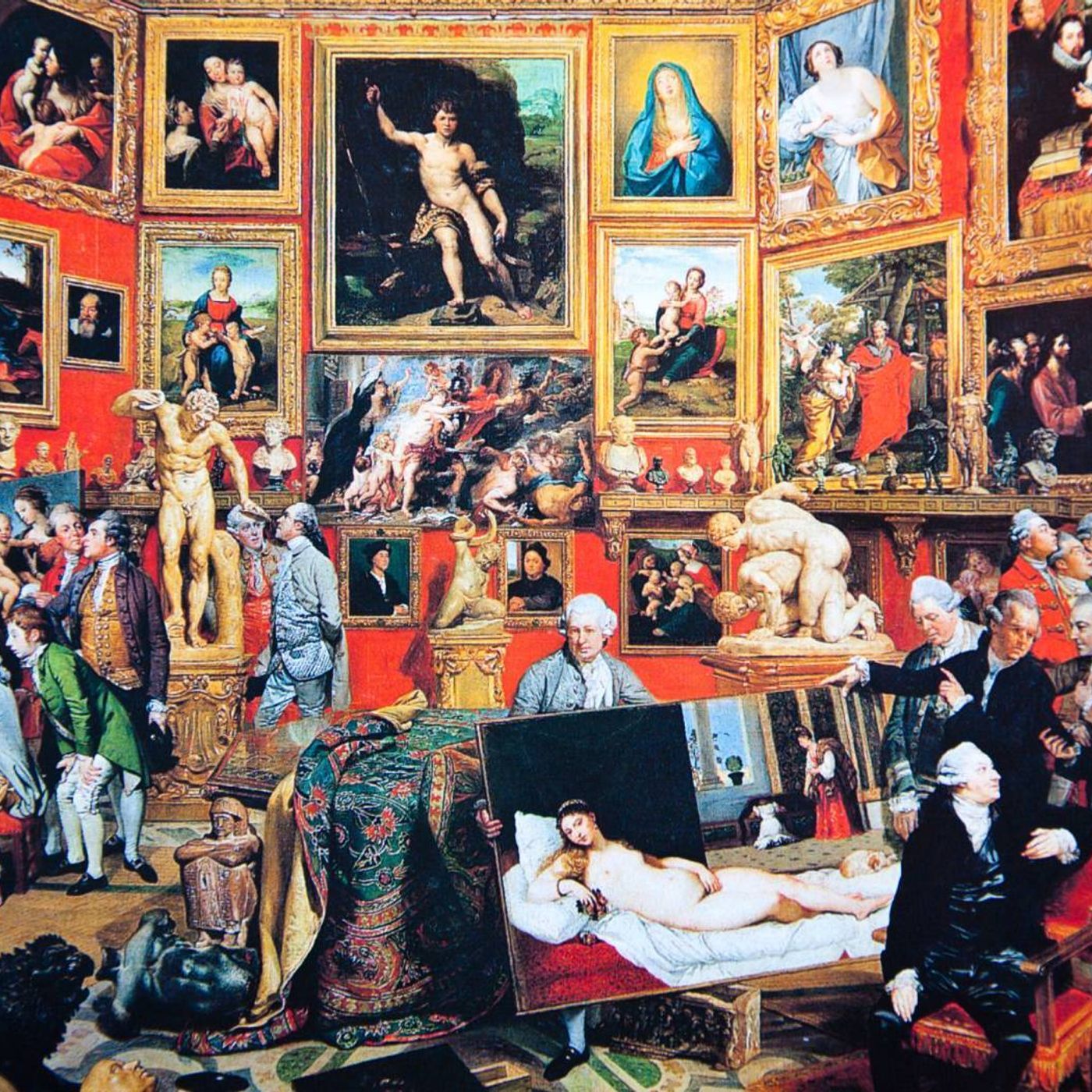
EI Weekly Listen — James Marriott on why human art matters in the age of AI
A world of machine art would be an eerie one. Art connects us to one another. We cannot, and we should not, replace that connection with an uncanny simulacrum of it. Read by Helen Lloyd.Image: The Tribuna of the Uffizi by John Zoffany. Credit: PAINTING / Alamy Stock Photo
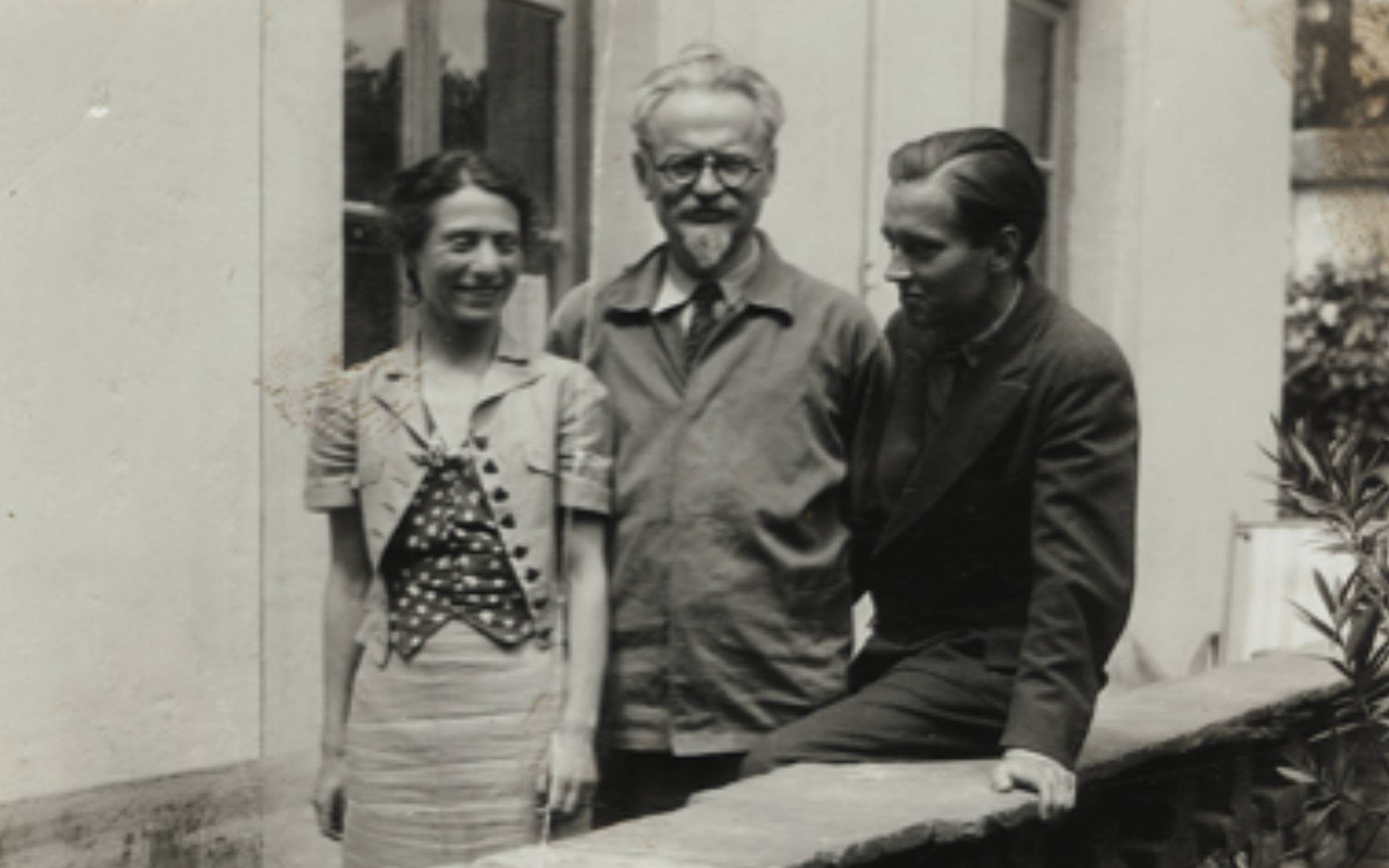
EI Portraits — Lawrence Freedman on John McDonald, poker-playing popularizer of game theory
Lawrence Freedman profiles the Fortune journalist and best-selling author who played a key role in shaping mid-20th century perceptions of strategy and the role of the corporation. Read by Sebastian Brown.Image: From left to right: Dorothy McDonald (wife of John, née Eisner), Leon Trotsky and John McDonald in Coyoacan, Mexico, in the 1930s. McDonald was recruited to help defend Trotsky from charges made at Stalin's show trials. Credit: General Collection, Beinecke Rare Book & Manuscript Library, Yale University
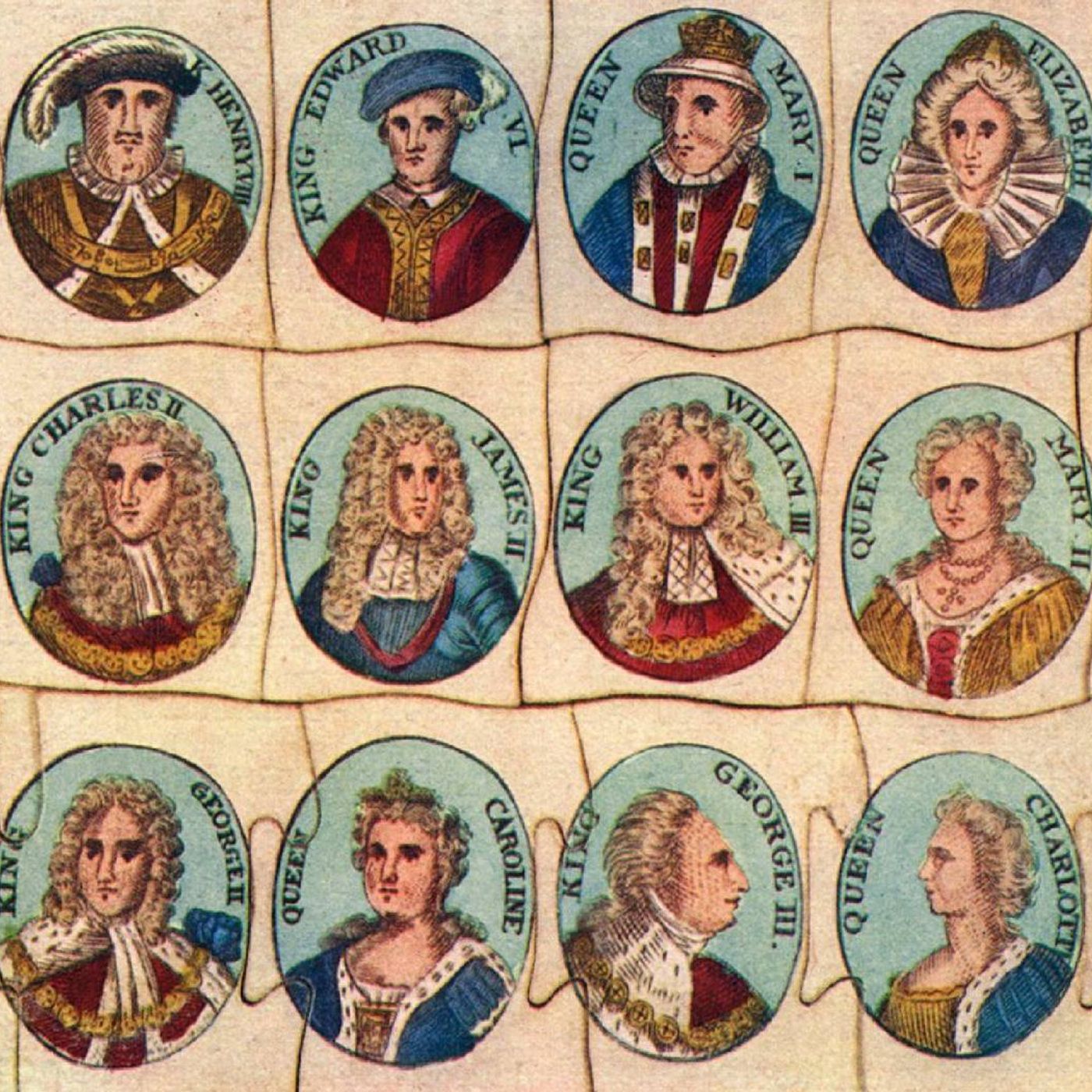
EI Talks... bringing history to the public with Alice Loxton
The historian and broadcaster Alice Loxton joins the EI team to discuss her forthcoming book, Eighteen: A History of Britain in 18 Young Lives, and her fight to bring serious history to a wider public.Image: A jigsaw puzzle from the early nineteenth century, bearing representations of the Kings and Queens of England from William I to George IV. Credit: Chronicle / Alamy Stock Photo

EI Weekly Listen — Katja Hoyer on East Germany's battle for technology
East Germany’s quest to catch up with the technological innovations of the West prompted some remarkable successes, but also expanded the oppression of its mass surveillance apparatus. Read by Helen Lloyd.Image: The Trabant car being manufactured at the East German Sachsenring car plant. Credit: Classic Picture Library / Alamy Stock Photo

EI Talks... how advertising consumed the counter-culture with Ian Leslie
EI's Alastair Benn sits down with Ian Leslie, author of Conflicted: Why Arguments Are Tearing Us Apart and How They Can Bring Us Together, to discuss how the counterculture went mainstream.Image: An advert on the Nike store at Oxford Circus. Credit: Matthew Chattle / Alamy Stock Photo

EI Weekly Listen — Gudrun Persson on Russia’s forever war against Ukraine
An often-overlooked fact about the current Russo-Ukrainian War is that over the centuries Russia has waged several wars to try to conquer Crimea and the Donbas area. Read by Helen Lloyd.Image: Ukrania quae et Terra Cosaccorum cum vicinis Walachiae, Moldoviae, by Johann Baptiste Homann (1664–1724), 1720. Credit: history_docu_photo / Alamy Stock Photo

EI Portraits — Catherine Ostler on Maria Antonia of Bavaria, Electress of many talents
Catherine Ostler profiles Maria Antonia, Electress of Saxony, an artistic polymath who helped re-shape elite culture in the Enlightenment age. Read by Sebastian Brown.Image: An 18th-century portrait of Maria Antonia of Bavaria, Electress of Saxony, by Peter Jacob Horemans. Credit: Heritage Image Partnership Ltd / Alamy Stock Photo

EI Talks... Ronald Reagan's grand strategy with William Inboden
EI's Angus Reilly discusses how Ronald Reagan put economic openness at the heart of the battle for ideas against Soviet Communism with William Inboden, author of The Peacemaker: Ronald Reagan, the Cold War, and the World on the Brink.Image: Ronald Reagan at the Durenberger Republican convention Rally, 1982. Credit: World History Archive / Alamy Stock Photo
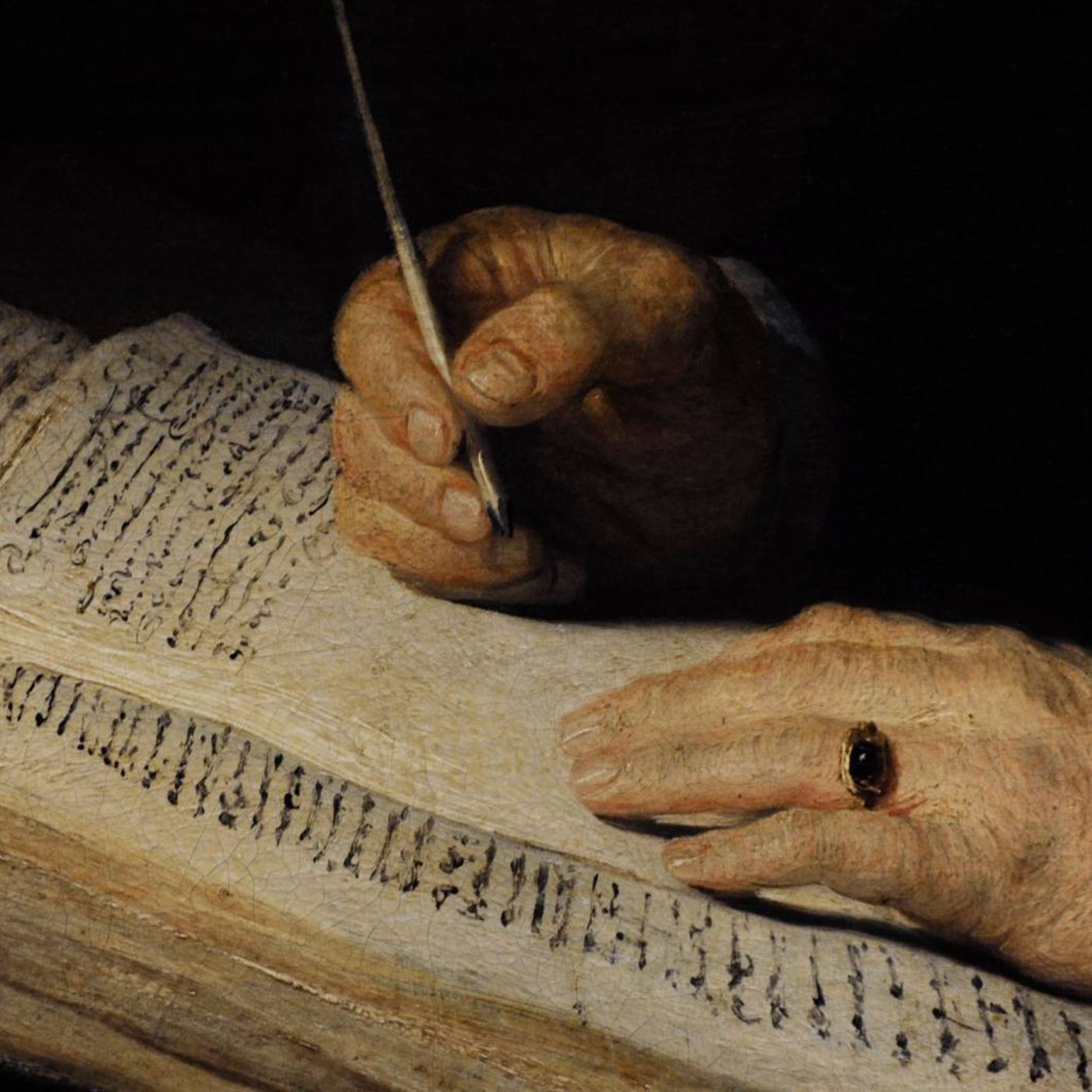
EI Weekly Listen — Iskander Rehman on early modern information overload
The sense of being overwhelmed and constantly distracted is nothing new. Historians and policymakers should look to the 17th century for guidance on how to grapple with information overload. Read by Helen Lloyd.Image: Rembrandt's 'Portrait of a Scholar', 1631. Credit: PRISMA ARCHIVO / Alamy Stock Photo

EI Talks... marketing Classical music with Richard Bratby
EI's Alastair Benn discusses the condition of Classical music today with Richard Bratby, chief Classical music critic of The Spectator.Image: Music scores. Credit: Tim Gainey / Alamy Stock Photo
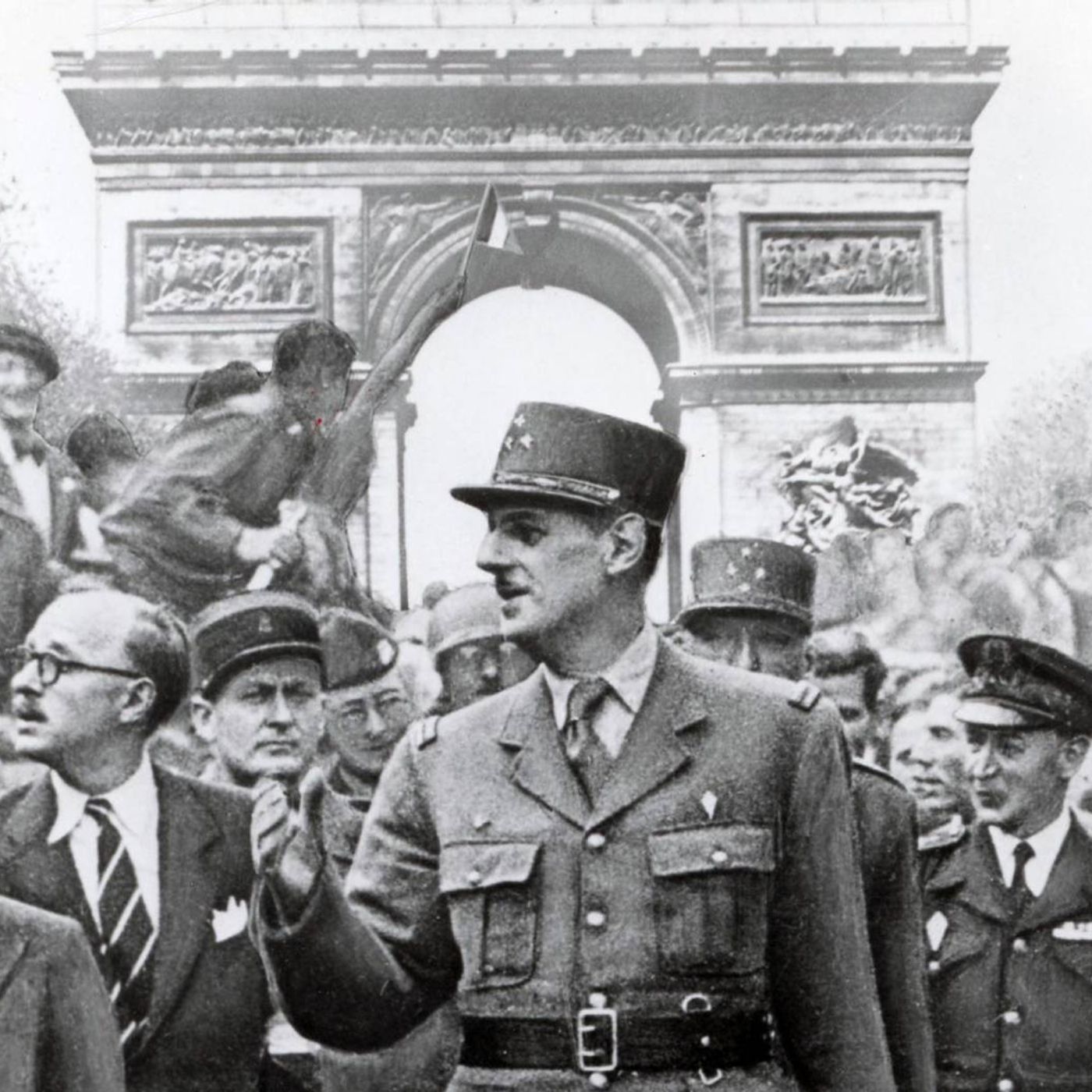
EI Weekly Listen — Julian Jackson on De Gaulle’s world in motion
Part statesman, part prophet, Charles de Gaulle knew instinctively that political success and failure are inevitably interlinked, and that history would be the ultimate judge of both. Read by Helen Lloyd.Image: The President of France Charles de Gaulle marches through the streets under the Arc de Triomphe in 1944. Credit: ZUMA Press, Inc. / Alamy Stock Photo

EI Talks... John Law and financial crises with Kwasi Kwarteng
EI's Iain Martin is joined by Kwasi Kwarteng, historian and former Chancellor of the Exchequer, to discuss the turbulent life of the 18th-century financial speculator John Law, whose innovative ideas were credited with bringing Ancien Régime France to the brink of ruin. There are echoes of what happened when the Truss government tried its own financial experiment, he acknowledges.Image: A cartoon of John Law (1671–1729), the Scottish economist who was appointed Controller General of Finances of France under King Louis XV. Credit: PRISMA ARCHIVO / Alamy Stock Photo

EI Portraits — Laura Freeman on Helen Sutherland, brave cultivator of the beautiful
Laura Freeman profiles Helen Sutherland, an isolated, austere, and fastidious heiress who dedicated herself to art. Read by Sebastian Brown.Image: Woman Playing a Piano, by Winifred Nicholson. Her work was championed by Helen Sutherland. Credit: Paul Quezada-Neiman / Alamy Stock Photo
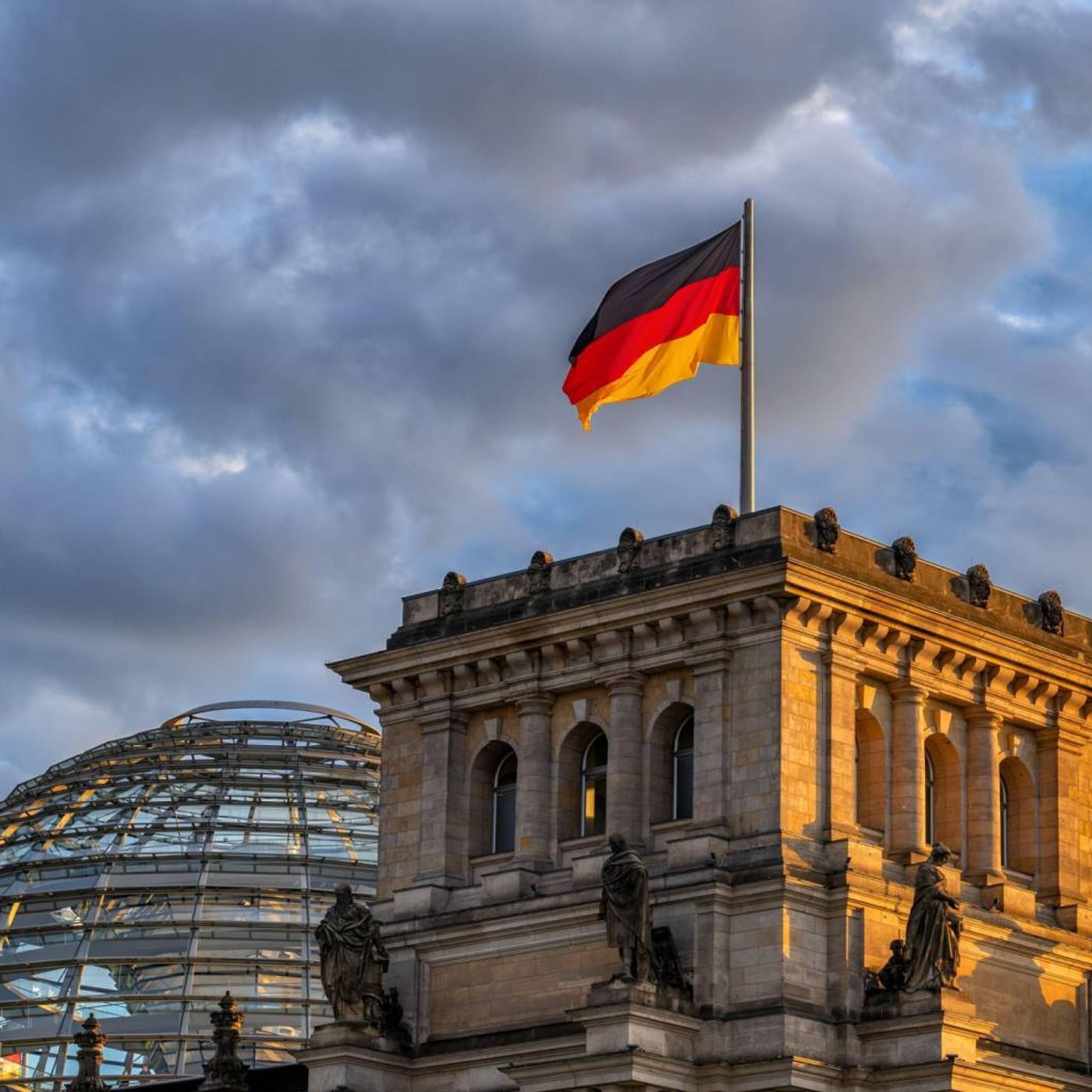
EI Weekly Listen — Josef Joffe on Germany, the engine that couldn't
Celebrated as predestined shepherd in the glory days of Angela Merkel, Germany in the 2020s is an uncertain giant who has defied expectations, good or bad. Read by Leighton Pugh.Image: The top of the Reichstag Building. Credit: Artur Bogacki / Alamy Stock Photo

EI Talks... women of the ancient world with Daisy Dunn
The leading classicist Daisy Dunn joins EI's Paul Lay to discuss her new book, The Missing Thread: A New History of the Ancient World Through the Women Who Shaped It.Image: Nikolaos Gyzis, a 19th Century painter, depicts Sappho playing the lyre. Credit: Photo 12 / Alamy Stock Photo
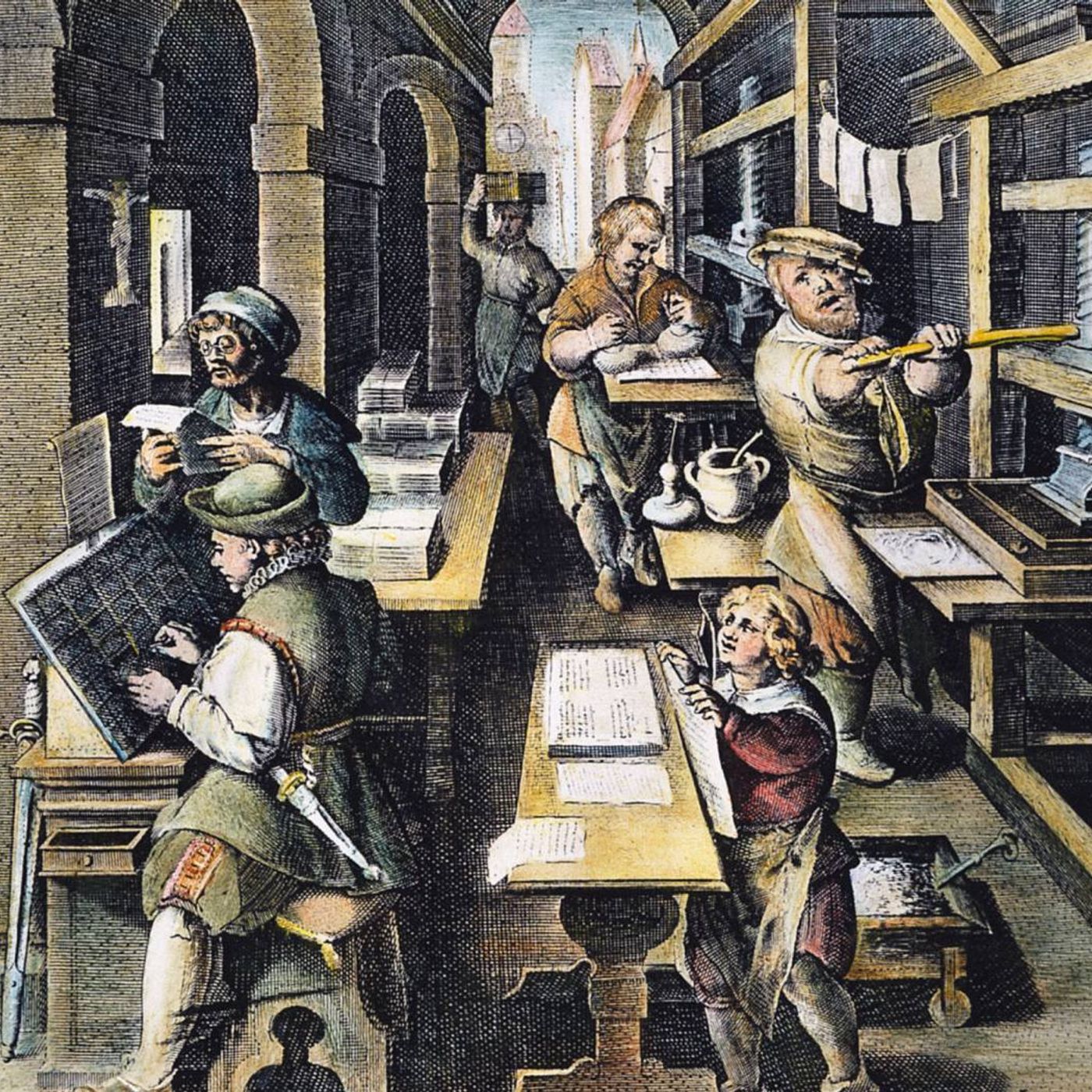
EI Weekly Listen — Maurizio Viroli on how we can learn from history
We cannot afford not to rediscover the fine art, nowadays almost forgotten, of learning from history. Read by Leighton Pugh.Image: 16th Century engraving by Theodoor Galle, titled The Printing of Books. Credit: The Granger Collection / Alamy Stock Photo
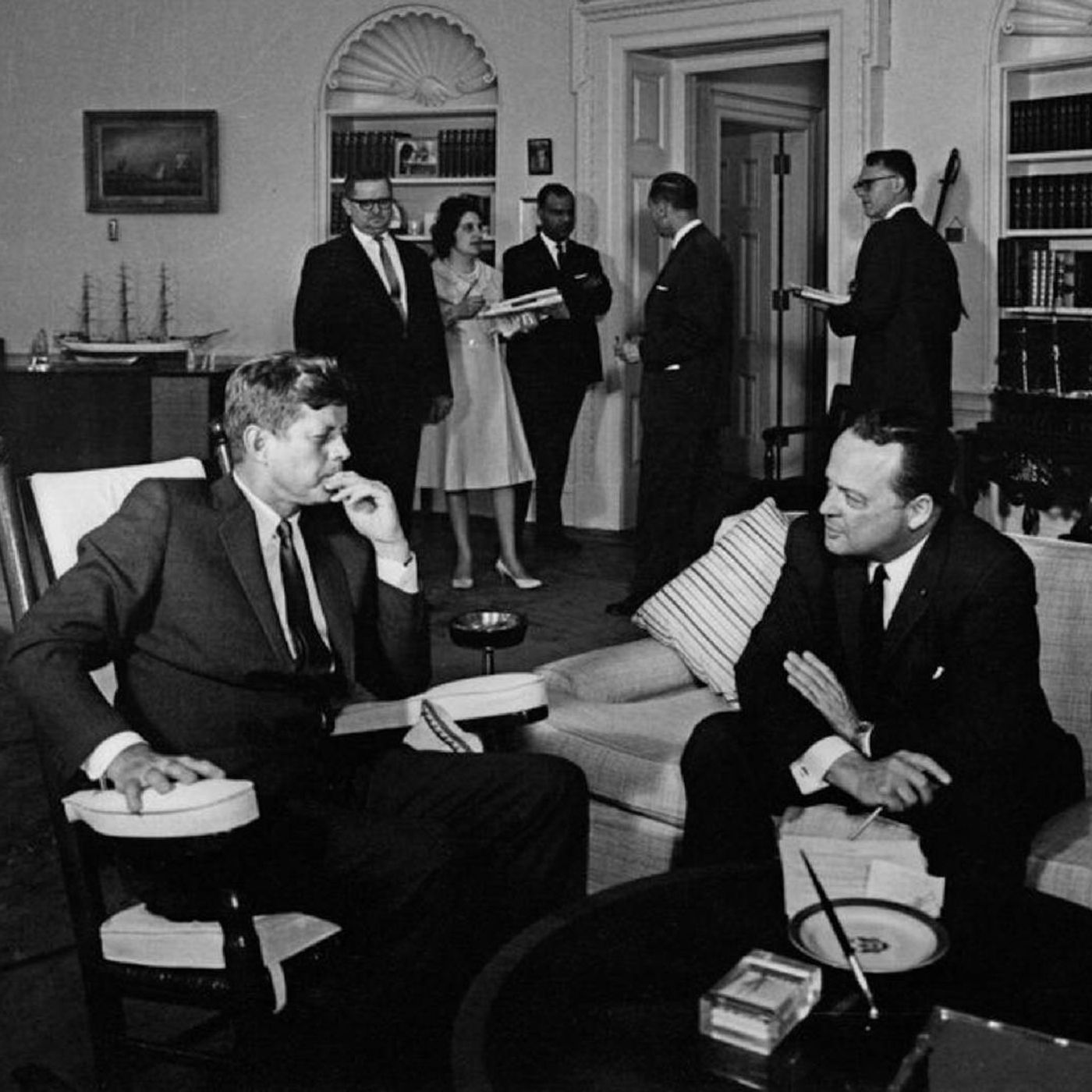
EI Portraits — James Barr on George McGhee, American father to Britain’s Suez Crisis
James Barr profiles the debonair and open-faced diplomat, George McGhee, whose shuttle diplomacy helped accelerate Britain's decline as a player in the Middle East. Read by Sebastian Brown.Image: President John F. Kennedy (left, in rocking chair) meets the newly-appointed US Ambassador to West Germany, George McGhee. Credit: Gibson Moss / Alamy Stock Photo

EI Weekly Listen — Philip Bobbitt on the decay and renewal of the US constitutional order
A new constitutional order is coming. Read by Leighton Pugh.Image: The Lincoln Memorial in Washington DC. Credit: Lane Erickson / Alamy Stock Photo

EI Talks... the history of democracy with Erica Benner
Erica Benner applies ancient wisdom to modern problems in her new book Adventures in Democracy: The Turbulent World of People Power. She shares her insights with EI's Deputy Editor, Alastair Benn.Image: Gathering of the Areopagus, a deliberative court that met in the open air in ancient Athens. Credit: North Wind Picture Archives / Alamy Stock Photo
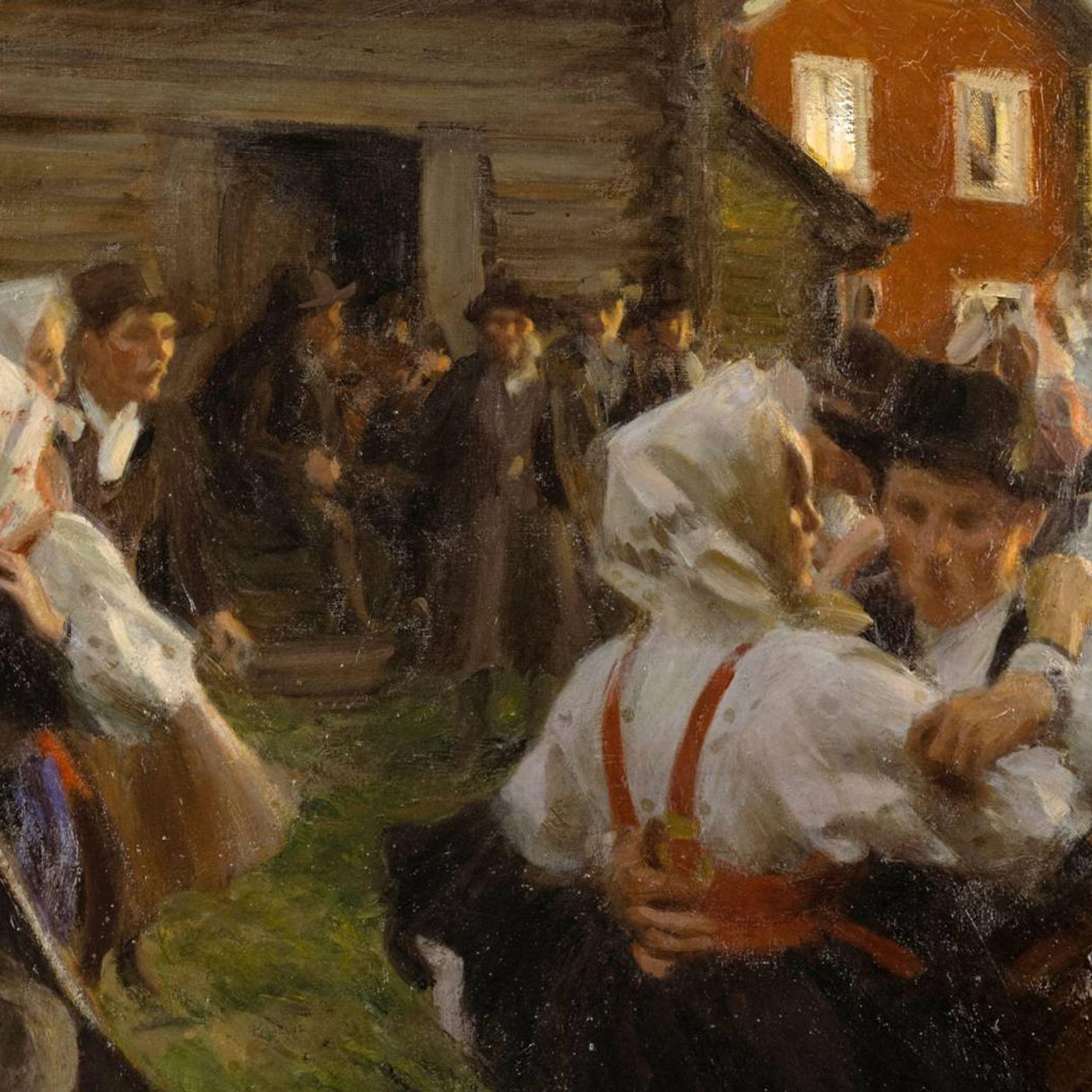
EI Weekly Listen — Lars Trägårdh on the origins of Swedish democracy
‘Democracy’ is in Sweden built on a basis fundamentally different from the one associated with the development of liberal democracy in the West. Read by Leighton Pugh.Image: Midsummer Dance by Swedish artist Anders Zorn (1860-1920) painted in 1897. A classic of Swedish art history showing traditional folk dancing in the Dalarna countryside in the extended summer evening light. Credit: Universal Art Archive / Alamy Stock Photo

EI Portraits — Dominic Sandbrook on Jesse Ventura, the wrestling governor who blazed a trail for Trump
Dominic Sandbrook profiles Jesse Ventura, the former Navy SEAL and WWE champion who won Minnesota’s governorship in 1999 on an anti-elite ticket. His transition from showbiz to politics was a precursor of the age of Trump – but ’the Body’ was no ordinary populist. Read by Sebastian Brown.Image: Minnesota Governor Jesse Ventura yells to the crowd at his People's Inauguration in Minneapolis. Credit: Associated Press / Alamy Stock Photo

EI Weekly Listen — Josef Joffe on the future of the European Union
What is the future of the European Union? The EU is sui generis. It certainly cannot be a nation state. Nor is it destined to turn into a Staatsnation or willed nation. Then what? Read by Leighton Pugh.Image: European Union flags. Credit: Brian Lawrence / Alamy Stock Photo
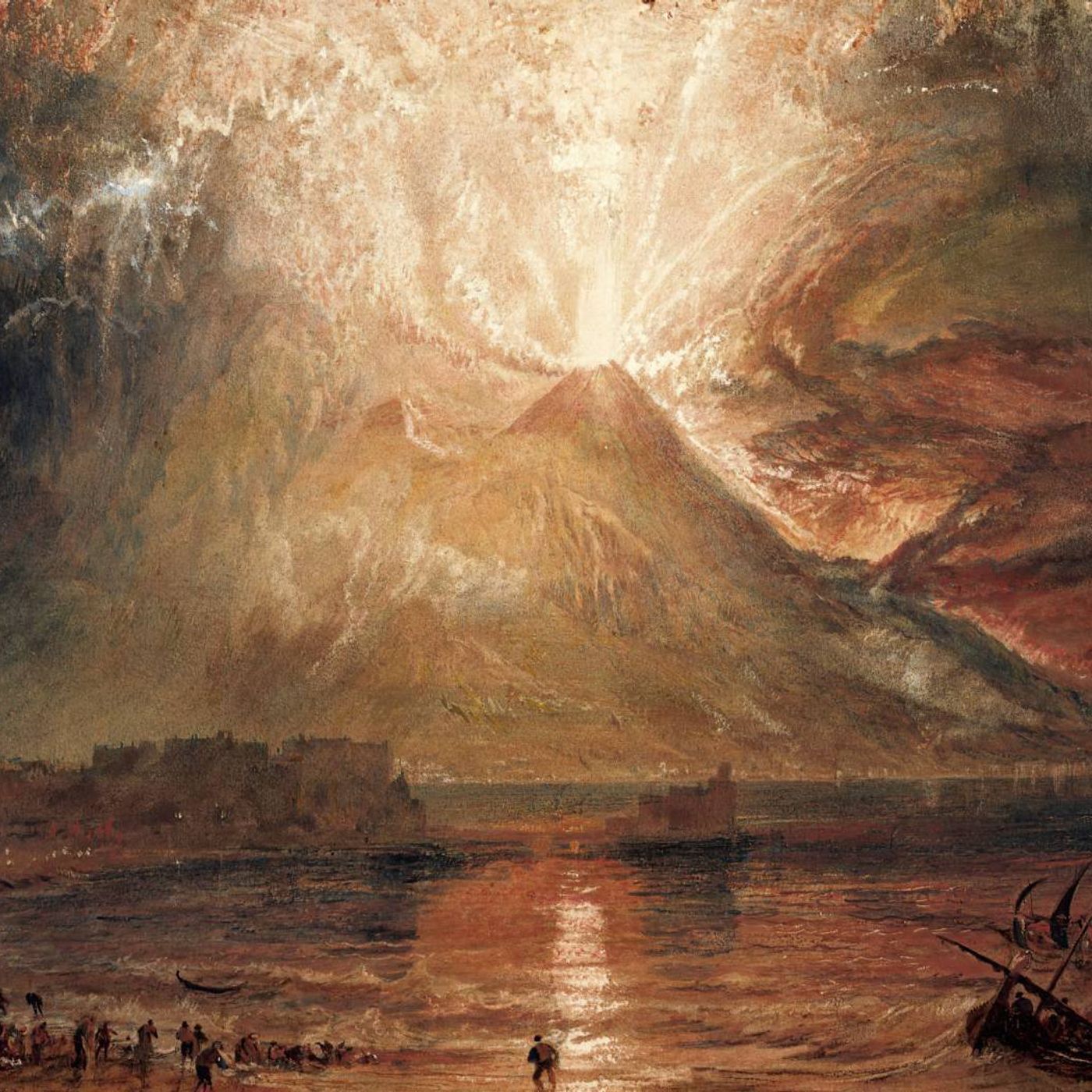
EI Talks... the age of upheaval
EI's Paul Lay and Alastair Benn ask: do we really live in an age of upheaval?Image: Turner's Vesuvius in Eruption. Credit: Artefact / Alamy Stock Photo

EI Weekly Listen — Simon Mayall on the history of the modern Middle East
The current violence and turmoil in the Middle East is expressive of a conflict between rival ideas, between the modern nation state and an old, historical concept of an Islamic caliphate. Read by Leighton Pugh.Image: Abdel Nasser at a rally after the rupture of relations with Syria. Credit: colaimages / Alamy Stock Photo
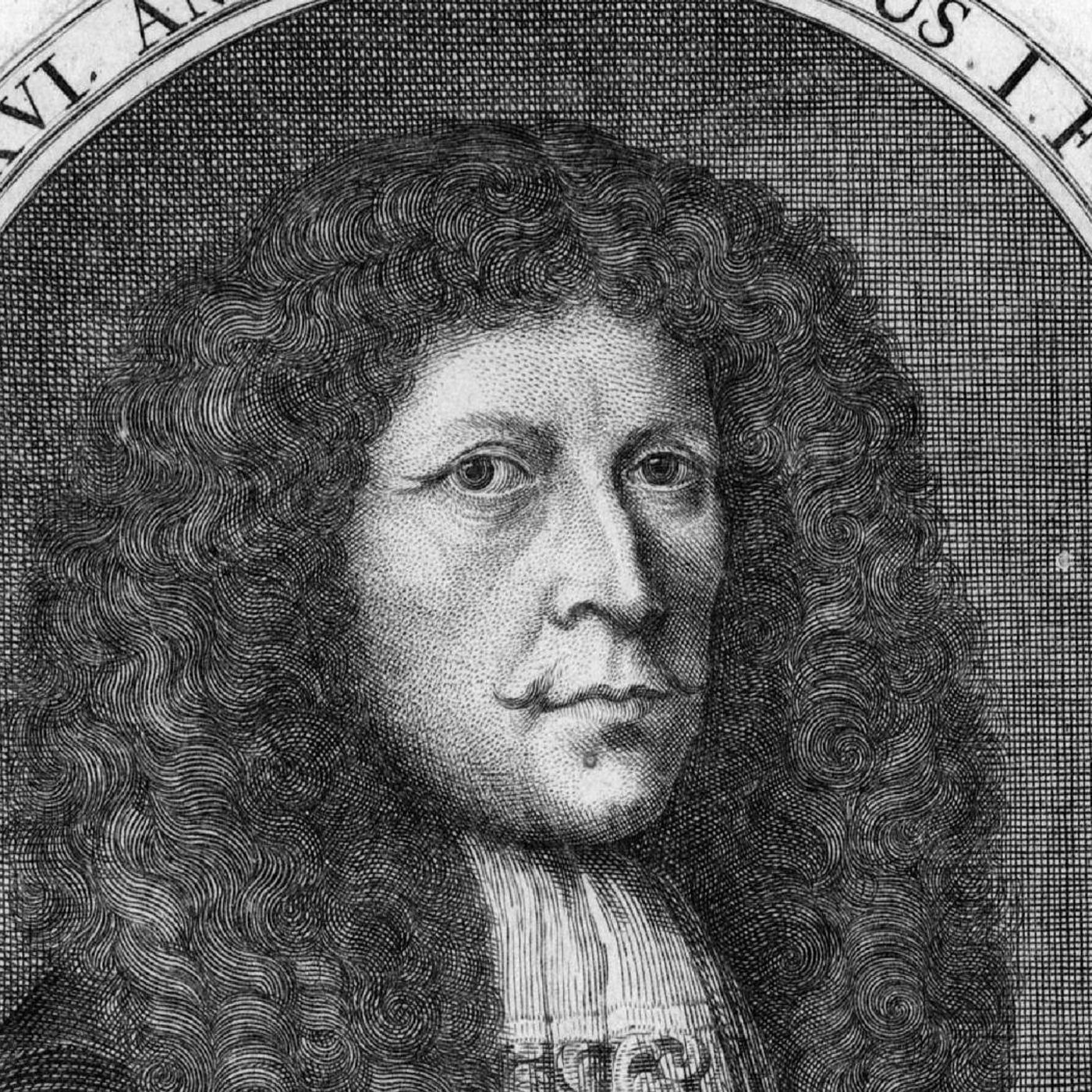
EI Portraits — James Hardie on Heinrich Biber, composer of rapture and ravings
James Hardie on the violinist-composer who mixed the sacred and profane in his fantastical music, a lost genius of the 17th century. Read by Sebastian Brown.Image: A print of Heinrich Biber. Credit: The Picture Art Collection / Alamy Stock Photo
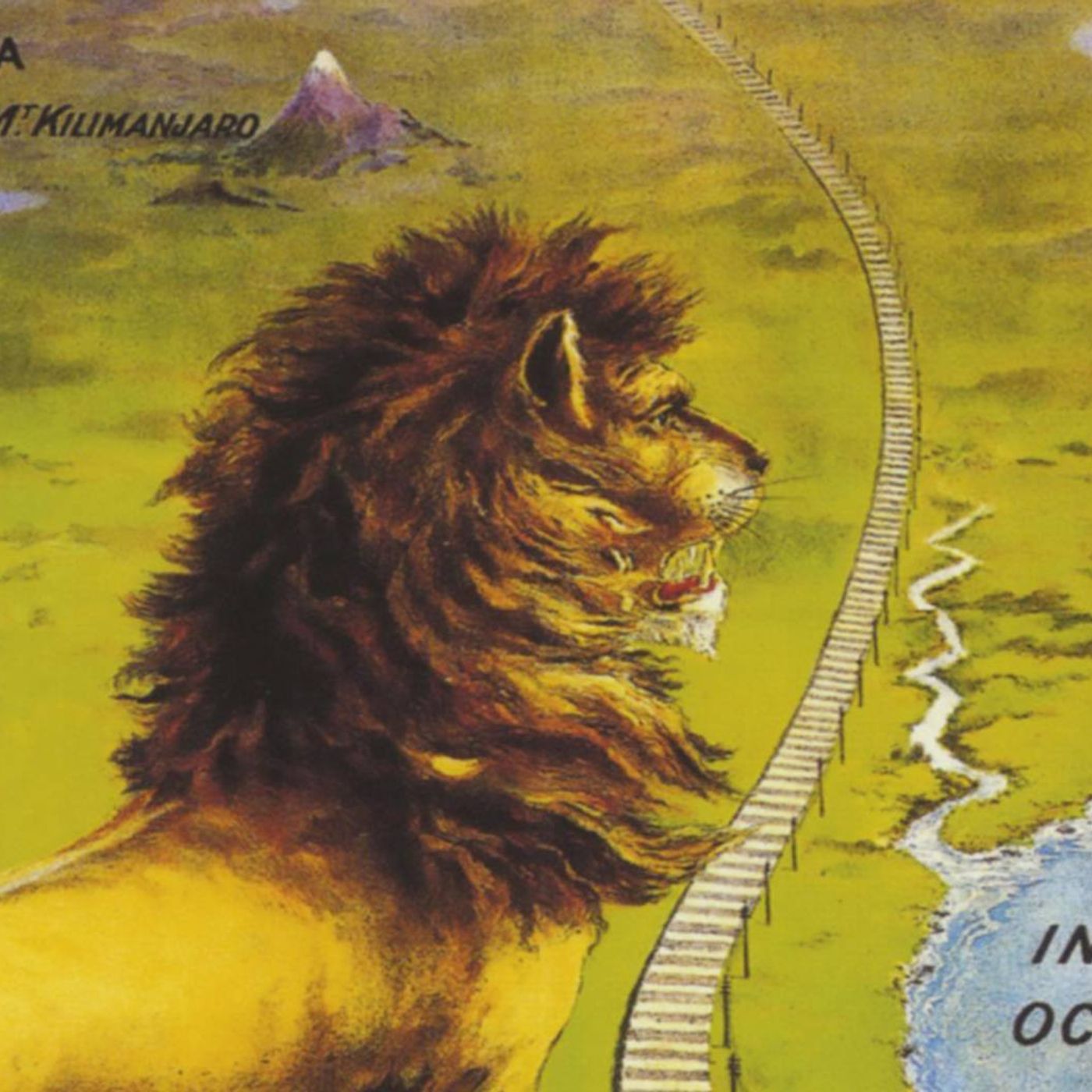
EI Weekly Listen — Lawrence James on the invention of jingoism
Jingoism was a natural offshoot of late Victorian imperialism. Read by Leighton Pugh.Image: Poster for a British imperial railway company. Credit: Pictorial Press Ltd / Alamy Stock Photo
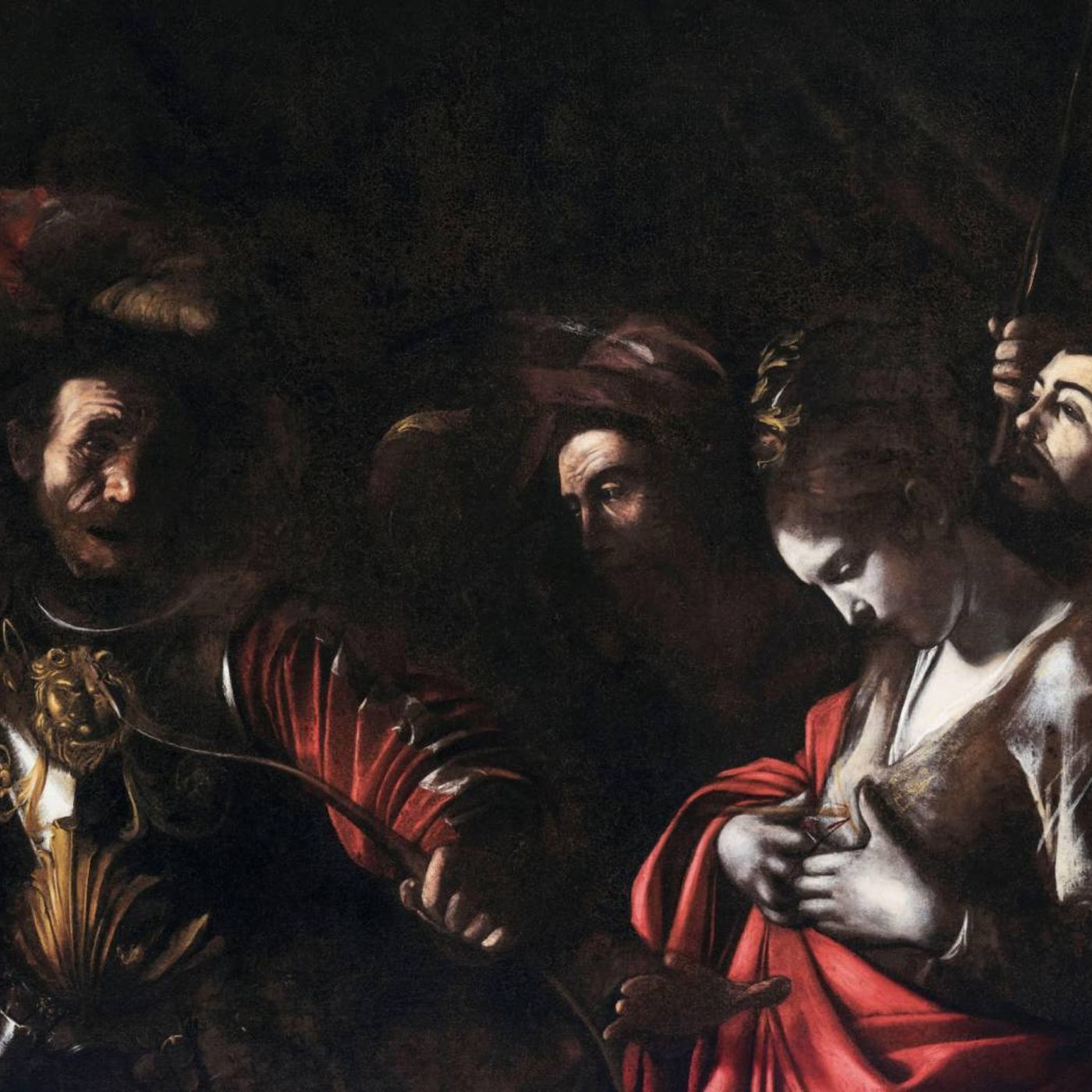
EI Talks... Caravaggio
A small but riveting exhibition at London's National Gallery tells the dramatic story of the troubled Renaissance master's 'last' painting.Image: The Martyrdom of St Ursula, 1610. Credit: incamerastock / Alamy Stock Photo
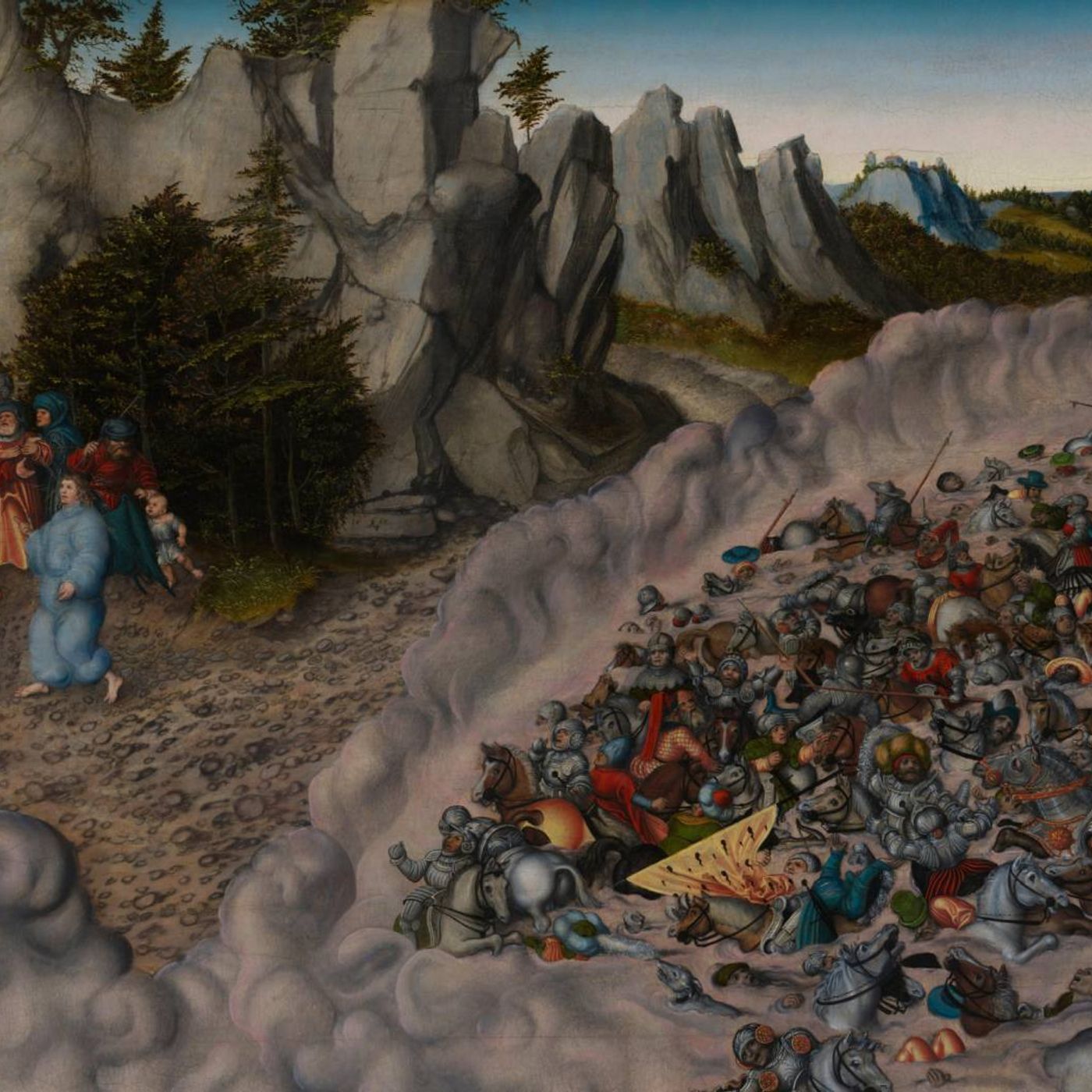
EI Weekly Listen — Steven Grosby on the persistence of nationhood
What is a nation, what is its significance, and to what problems of life is its persistence a response? Read by Leighton Pugh.Image: Lucas Cranach's The Crossing of the Red Sea, 1530. Credit: Heritage Image Partnership Ltd / Alamy Stock Photo
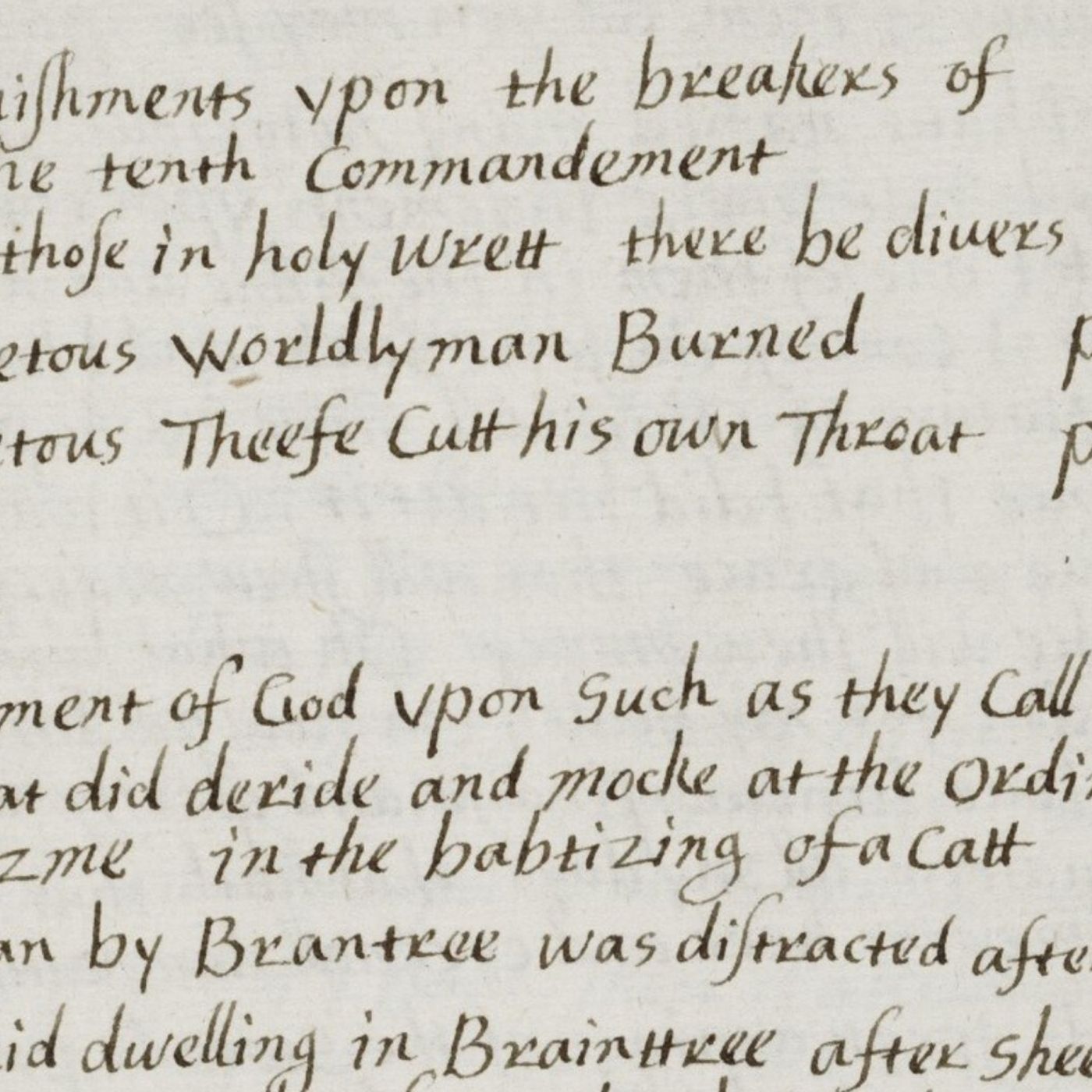
EI Portraits — Vanessa Harding on Nehemiah Wallington, Puritan chronicler who had far less fun than Pepys
Vanessa Harding on the God-fearing diarist Nehemiah Wallington whose personality was far removed from the cosmopolitanism of Samuel Pepys, his fast-living contemporary. Read by Sebastian Brown.Image: An excerpt from Nehemiah Wallington's diary, dated 1654. Credit: Folger Shakespeare Library.
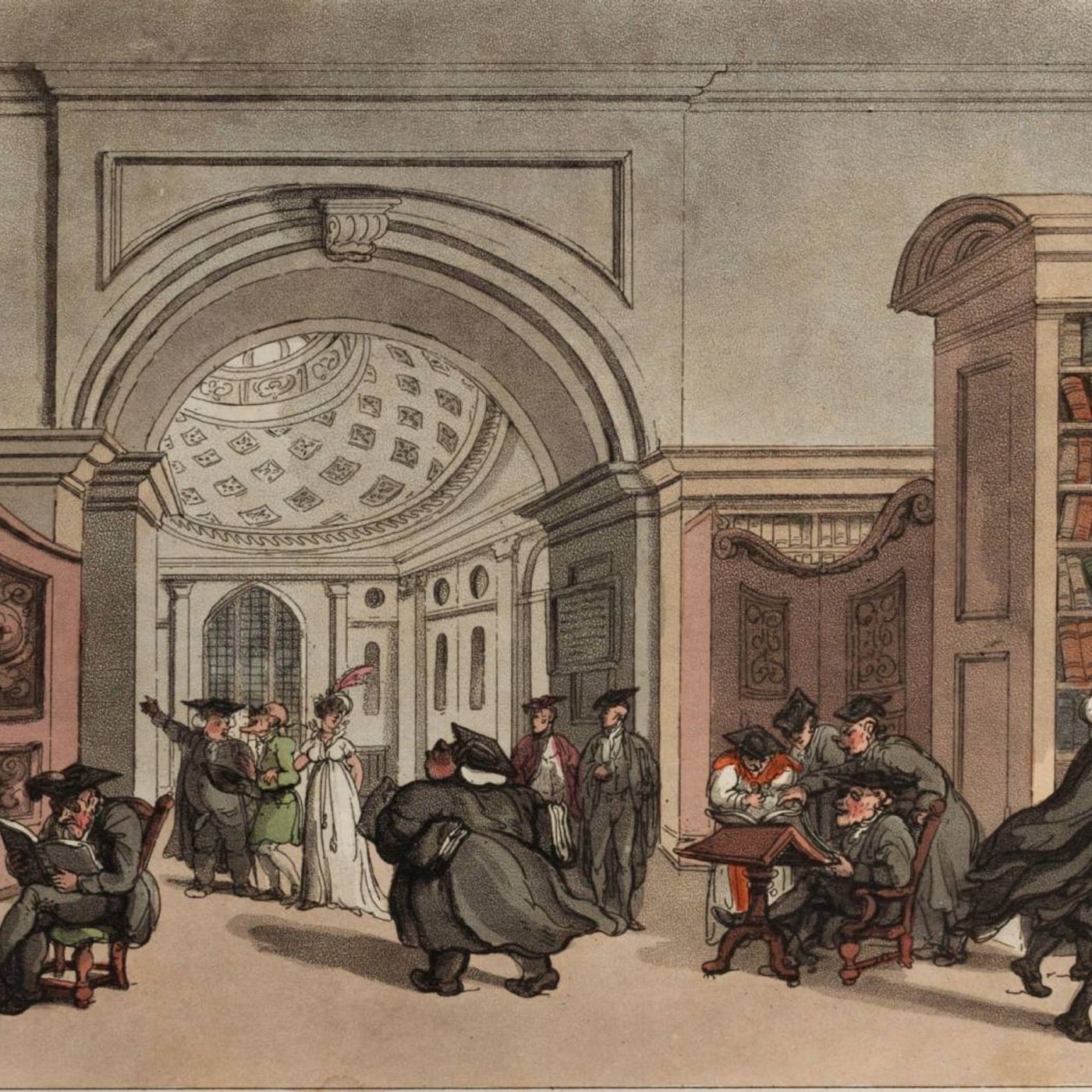
EI Weekly Listen — Adrian Wooldridge on meritocracy
The biggest division in modern society is between the meritocracy and the people, the cognitive elite and the masses, the exam-passers and the exam-flunkers. Read by Leighton Pugh.Image: Caricature of a Cambridge University library in the Georgian era. Credit: Thomas Rowlandson / Alamy Stock Photo
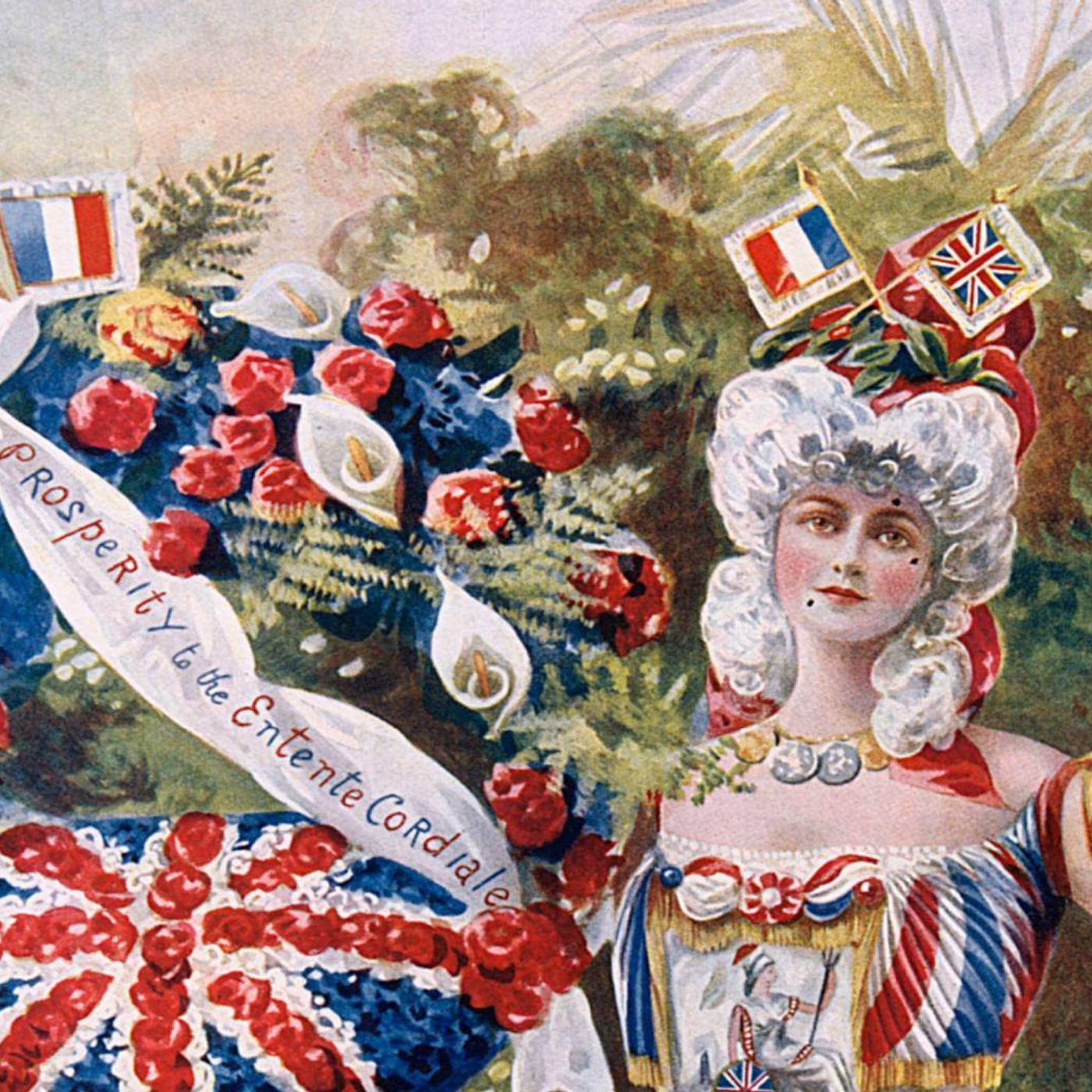
EI Talks... the Entente Cordiale with T.G. Otte
Self-interest, imperial competition and new threats in Europe - T.G. Otte examines the complex 120-year long history of the Entente Cordiale with EI's senior editor, Paul Lay.Image: First prize winner at the Covent Garden fancy dress ball in 1905, a lady dressed in an elaborate costume as the Entente Cordiale. Credit: Chronicle / Alamy Stock Photo
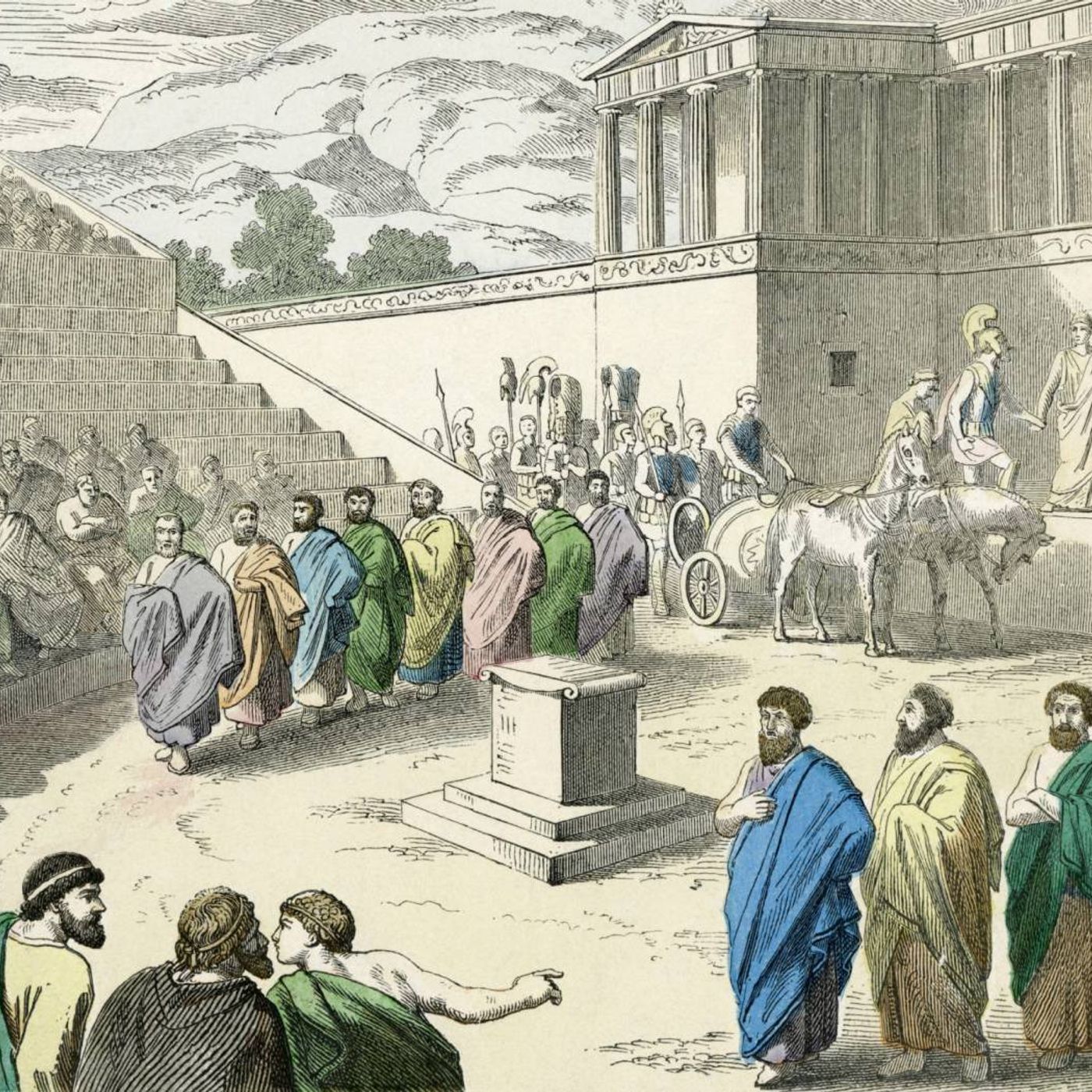
EI Weekly Listen — Mariano Sigman on how language has shaped human consciousness
How did our ancestors think? Read by Leighton Pugh.Image: A play is performed in an ancient Greek theatre. Credit: Classic Image / Alamy Stock Photo
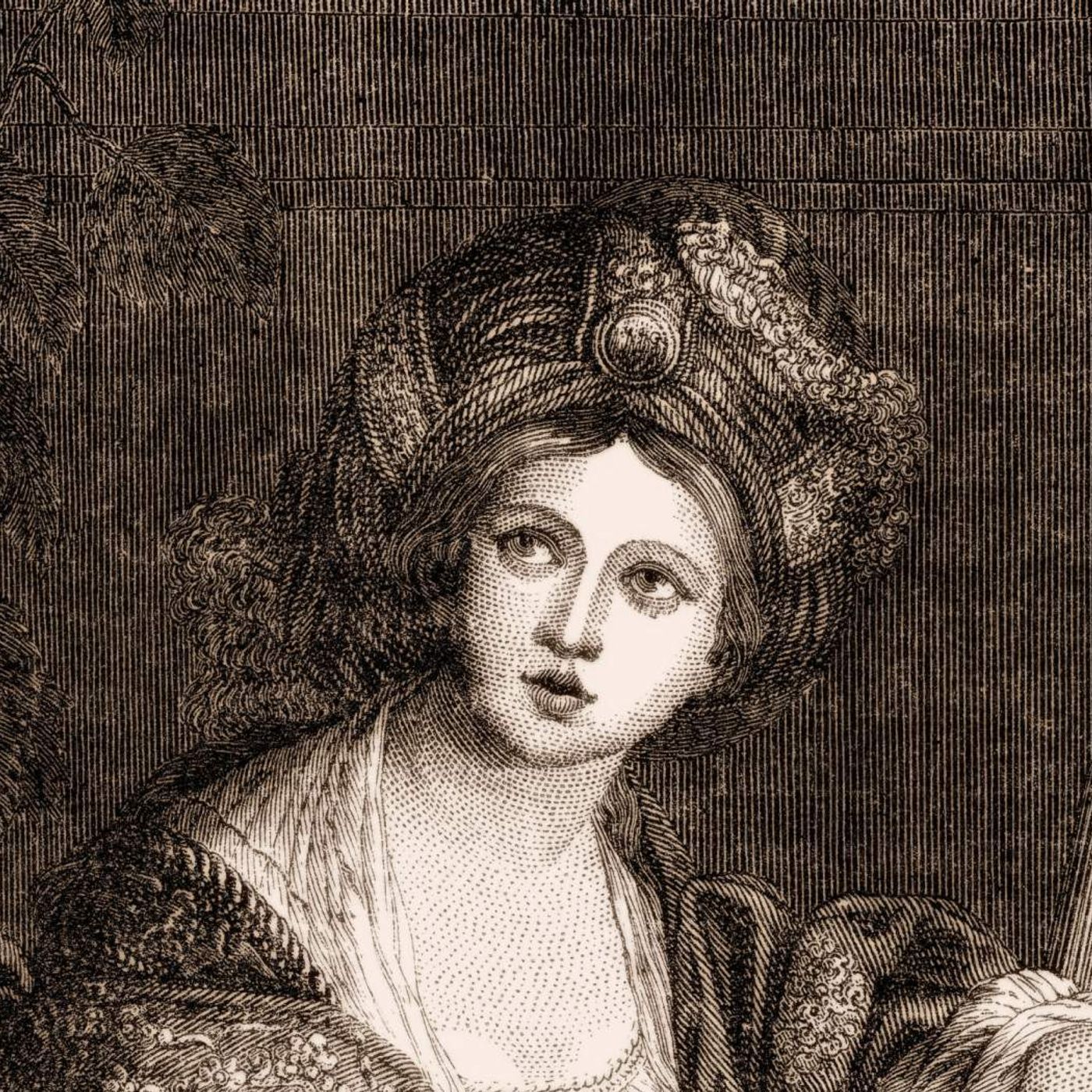
EI Portraits — Peter Frankopan on Anna Komnene, the princess who chronicled Byzantium’s changing fortunes
Peter Frankopan on the Byzantine princess Anna Komnene who, banished to a convent for her political ambition, devoted her gifts of observation to charting the fortunes of her father's empire – etching her legacy as Europe's first female historian. Read by Sebastian Brown.Image: Anna Komnene, a Byzantine princess and scholar. Credit: history_docu_photo / Alamy Stock Photo
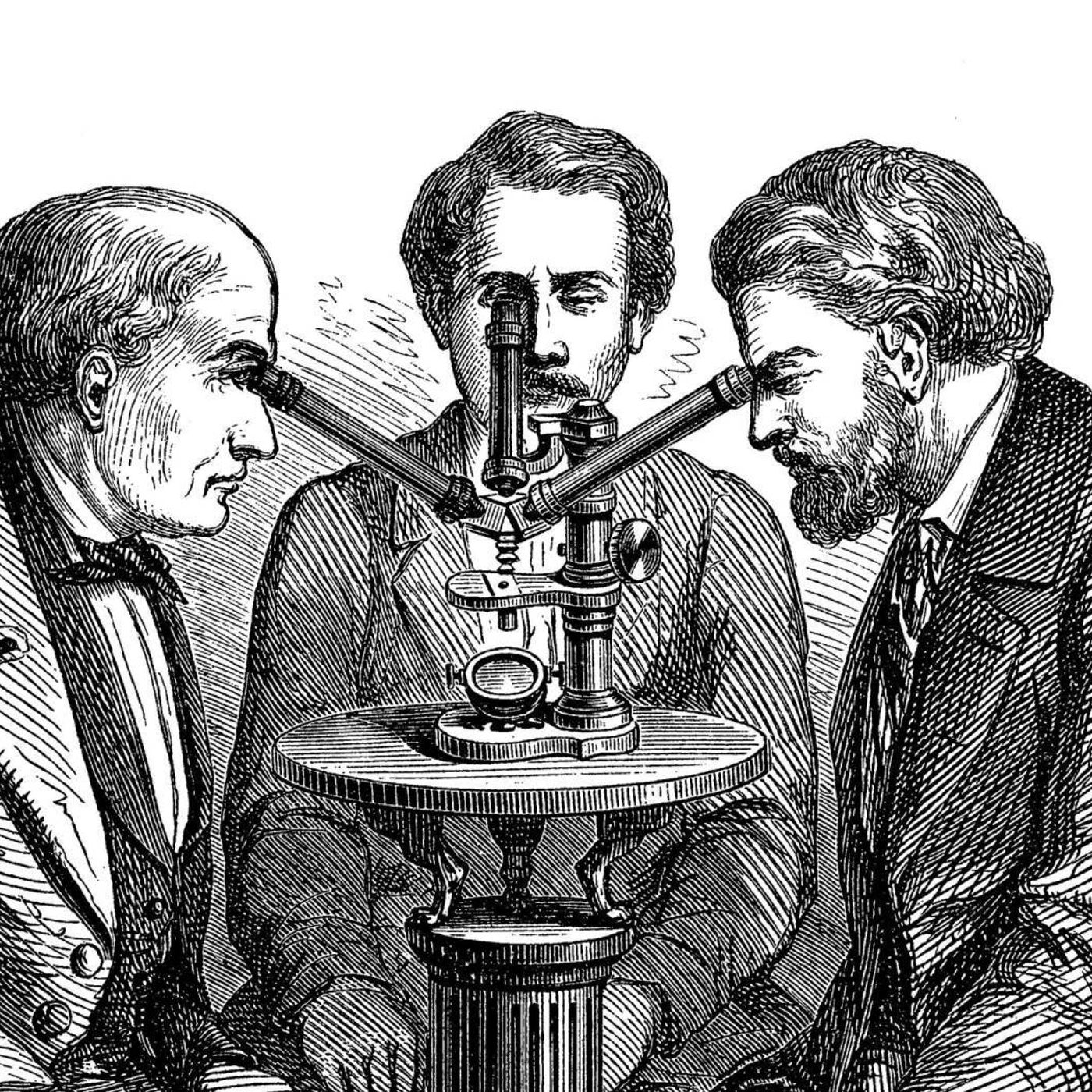
EI Weekly Listen — Nathan Shachar on ideology in science
There is no linear, moral progress in knowledge and science. Read by Leighton Pugh.Image: Triple-microscope made by the optician Camille Sebastien Nachet in Paris. Credit: gameover / Alamy Stock Photo
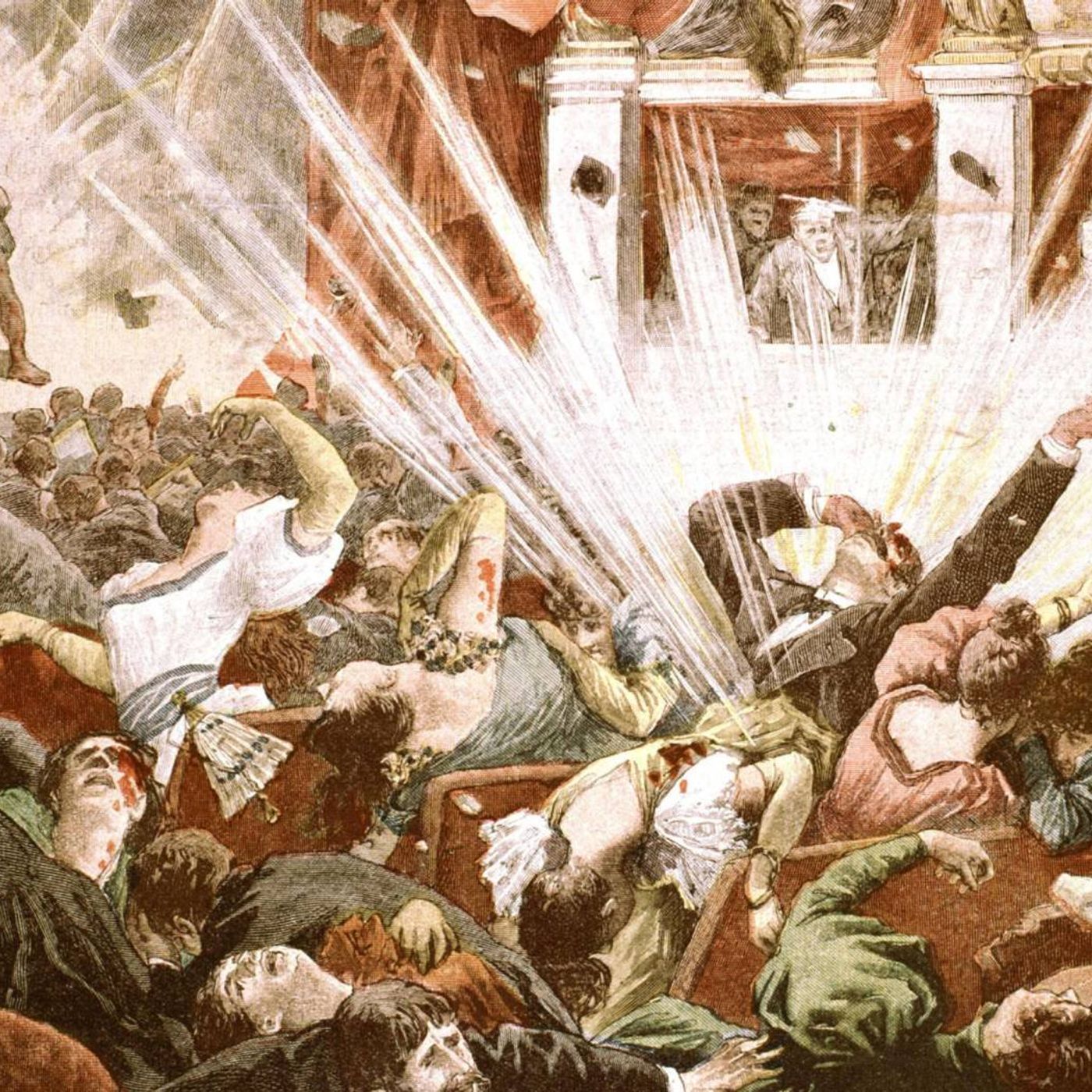
EI Talks... terrorism with Suzanne Raine
EI's Deputy Editor Alastair Benn speaks to Suzanne Raine, visiting professor in the Department of War Studies at King's College London, about the evolution of the terrorist threat and its long history.Image: Anarchist outrage at the Liceo theatre in Barcelona, 1893. Credit: Photo 12 / Alamy Stock Photo

EI Weekly Listen — Gregory Feifer on the mirage of Russian power
The mistake many Western countries make is to take Russia largely at face value. Read by Leighton Pugh.Image: Nesting Russian dolls showing former leaders. Credit: Mr Standfast / Alamy Stock Photo