The EI Podcast
408 episodes — Page 2 of 9
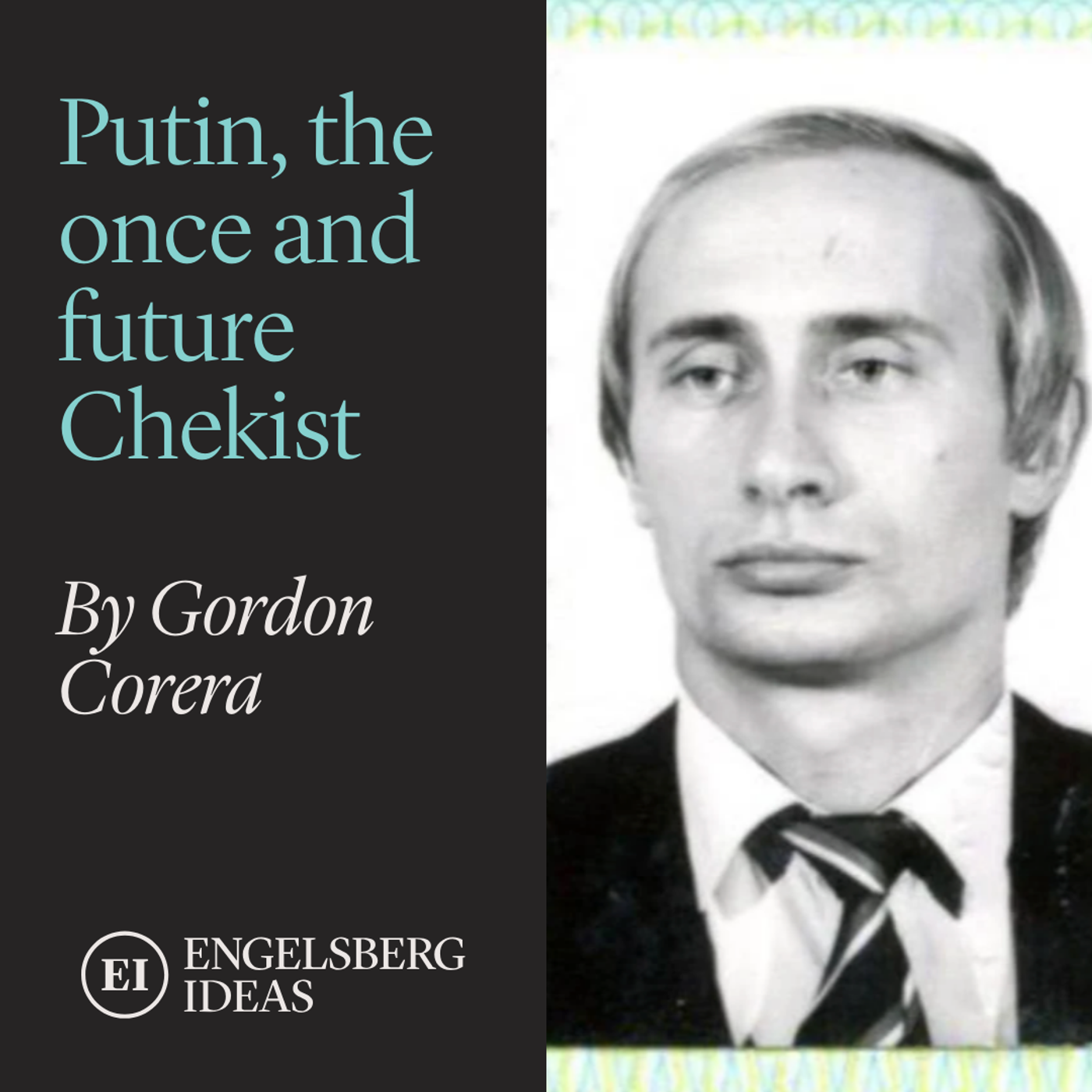
Putin, the once and future Chekist
Gordon Corera contends that to truly understand Vladimir Putin, you have to understand the phenomenon of Chekism. Read by Leighton Pugh.Image: Vladimir Putin's East German Stasi identification card issued while he worked as a KGB agent in Dresden in 1985. Credit: Pictorial Press Ltd
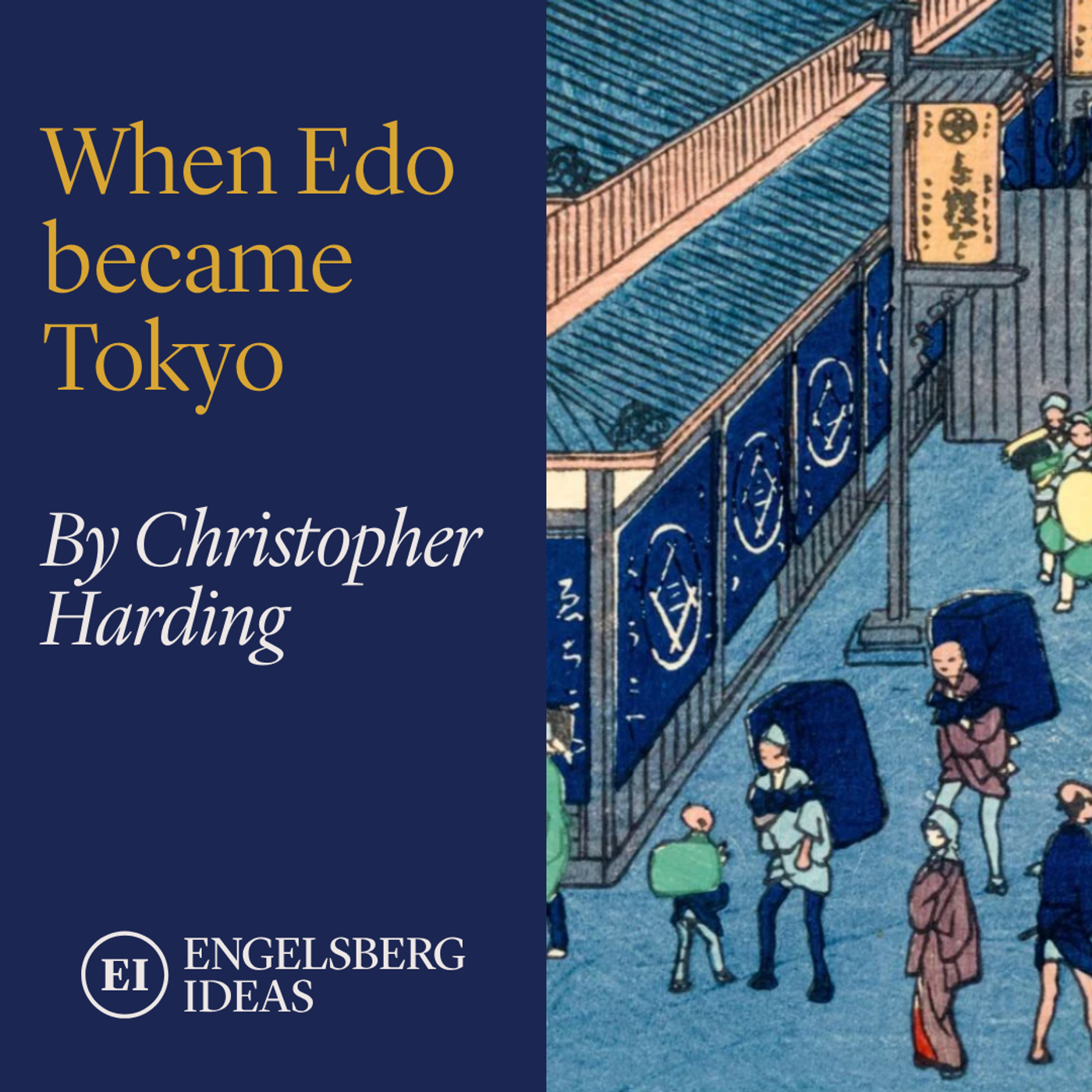
When Edo became Tokyo
Christopher Harding on the birth of Tokyo. Read by Leighton Pugh.Image: A woodblock print by Utagawa Hiroshige. From One Hundred Famous Views of Edo, 1856. Credit: incamerastock / Alamy Stock Photo
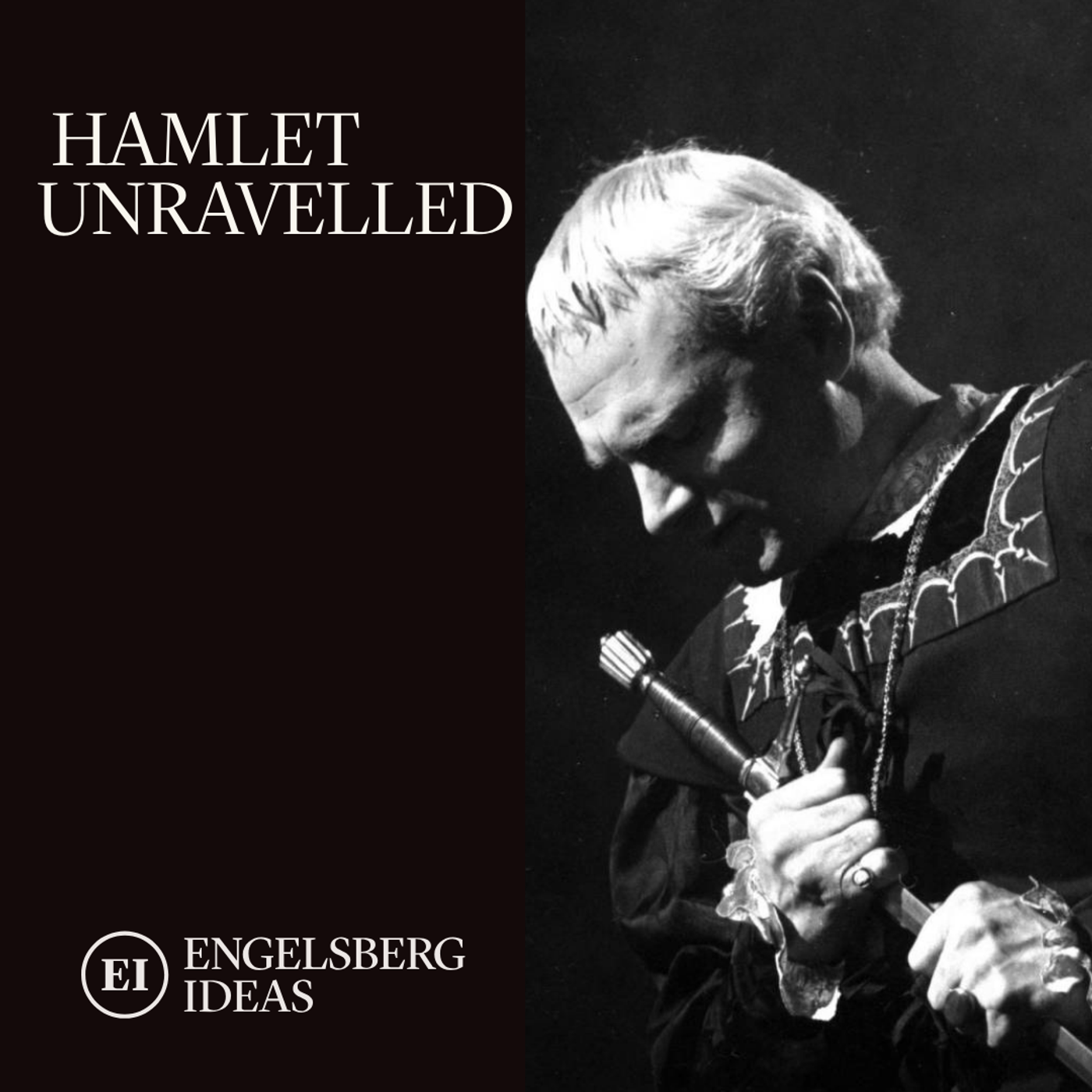
Hamlet unravelled
Emma Smith, Professor of Shakespeare Studies at Oxford University, explores Hamlet and its rich critical history with EI’s Alastair Benn and Paul Lay.Image: Laurence Olivier plays Hamlet in 1948. Credit: Masheter Movie Archive
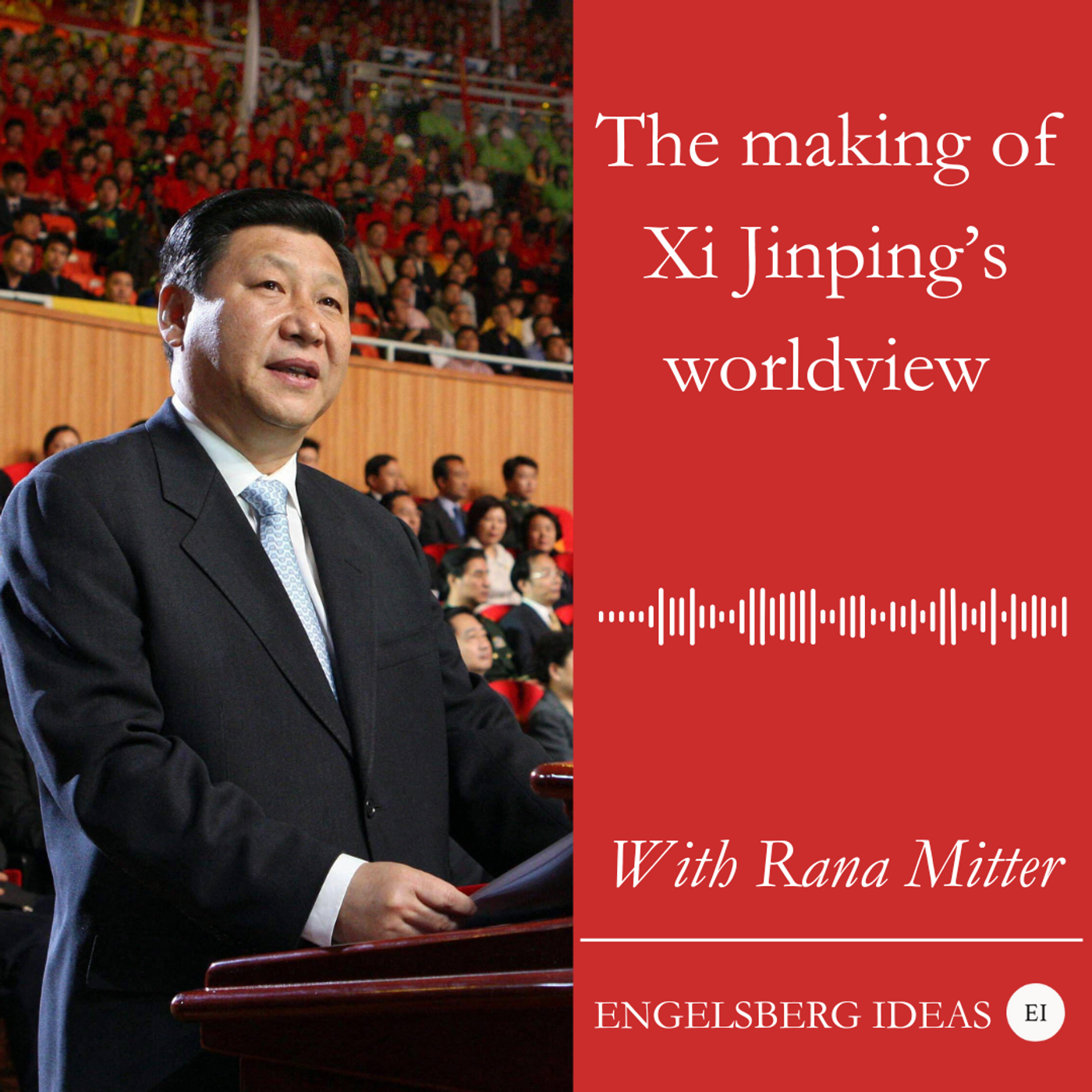
The making of Xi Jinping's worldview
Rana Mitter explores Xi Jinping’s personal and ideological mindset in conversation with EI’s Jack Dickens.Image: Then Vice President Xi Jinping makes an address in preparation for the 2008 Olympics. Credit: Imago
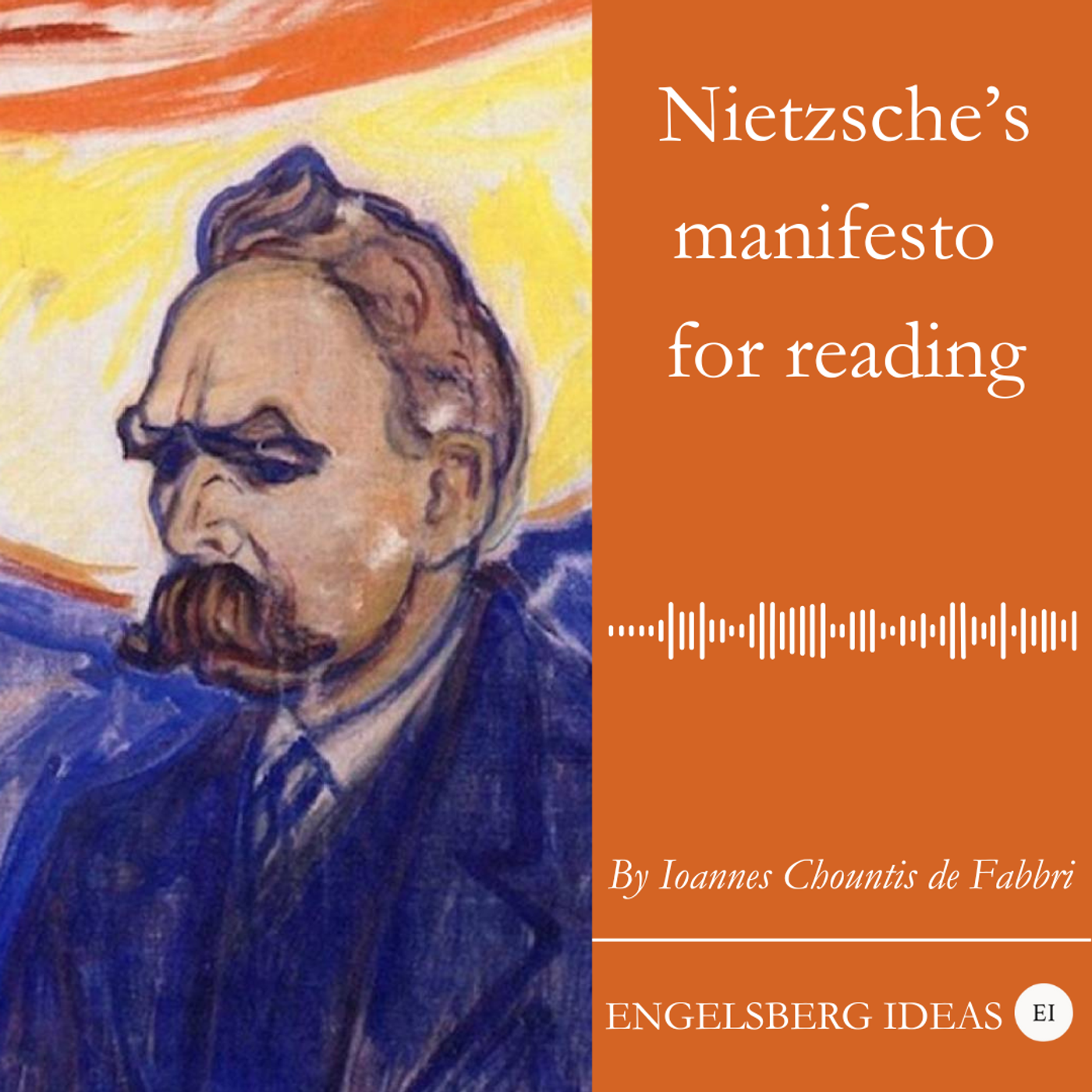
Nietzsche’s manifesto for reading
Ioannes Chountis de Fabbri on reading as an antidote to the restless spirit of the industrial age. Read by Leighton Pugh.Image: Edvard Munch's painting of Friedrich Nietzsche. Credit: Darling Archive / Alamy Stock Photo
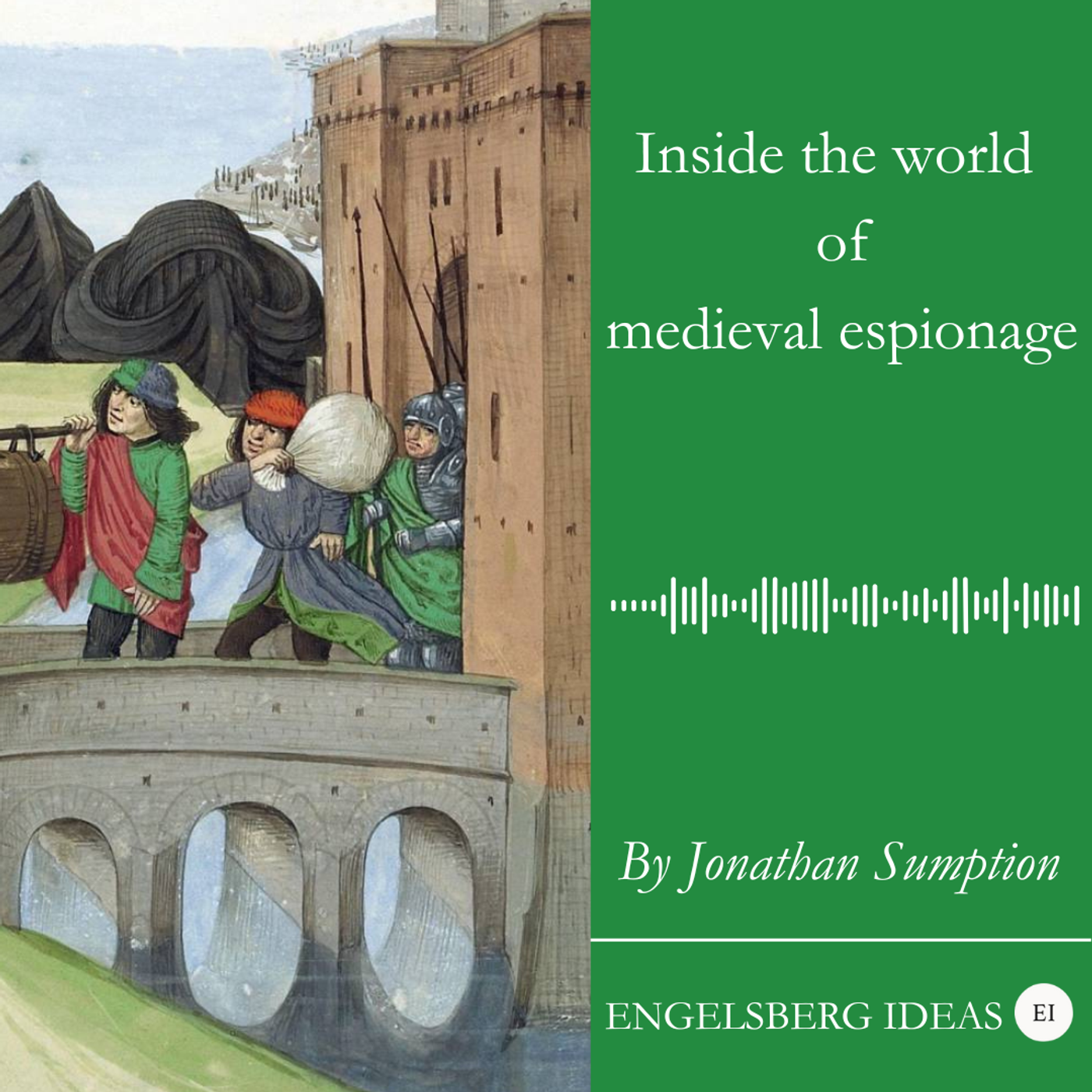
Inside the world of medieval espionage
Jonathan Sumption surveys the last generation of spies before the creation of Europe's professional intelligence services. Read by Leighton Pugh.Image: King Charles VI of France prepares for war. Credit: Science History Images / Alamy Stock Photo
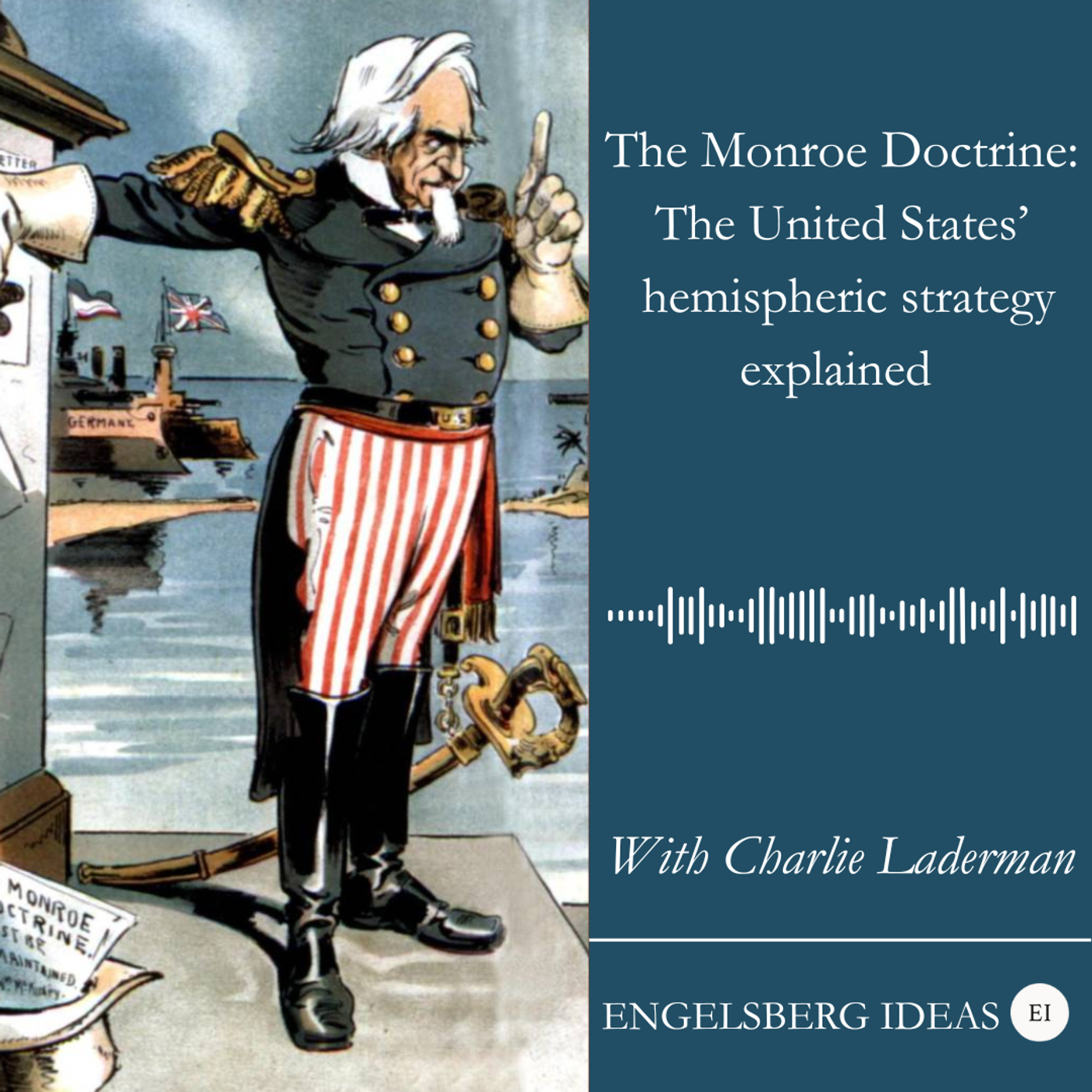
The Monroe Doctrine: The United States’ hemispheric strategy explained
EI's Jack Dickens is joined by Charlie Laderman, associate professor at the University of Florida’s Hamilton Center, to discuss how the United States’ hemispheric ambitions emerged from great-power competition – and why the Monroe Doctrine still matters.Image: A satirical cartoon lampooning the expansion of the Monroe Doctrine. Credit: Photo 12
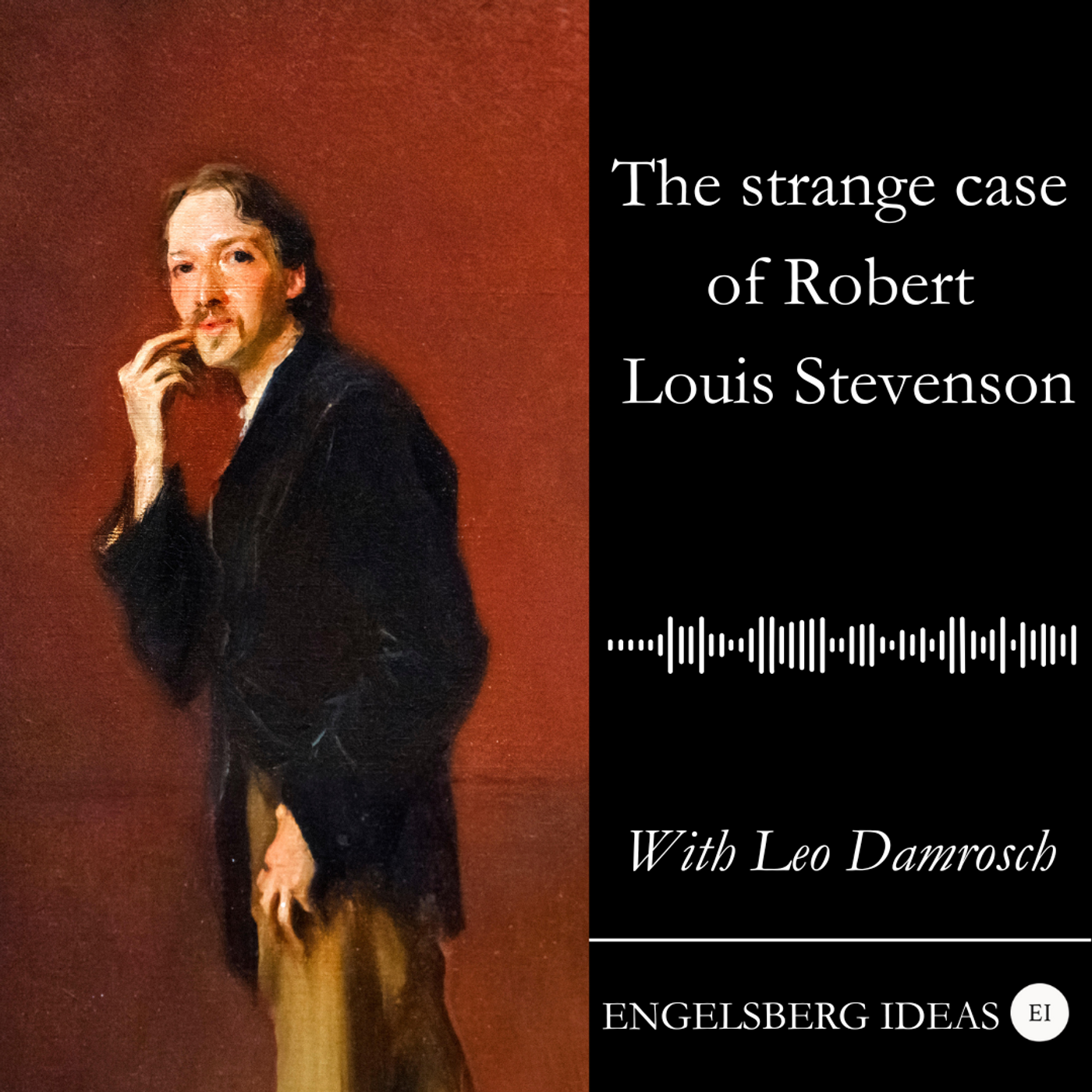
The strange case of Robert Louis Stevenson
Alastair Benn is joined by Leo Damrosch, author of Storyteller: The Life of Robert Louis Stevenson, to explore the life and legacy of the celebrated Scottish writer, including one of his most enduring literary achievements, Strange Case of Dr Jekyll and Mr Hyde.Image: 'Robert Louis Stevenson' by John Singer Sargent, 1885. Credit: IanDagnall Computing
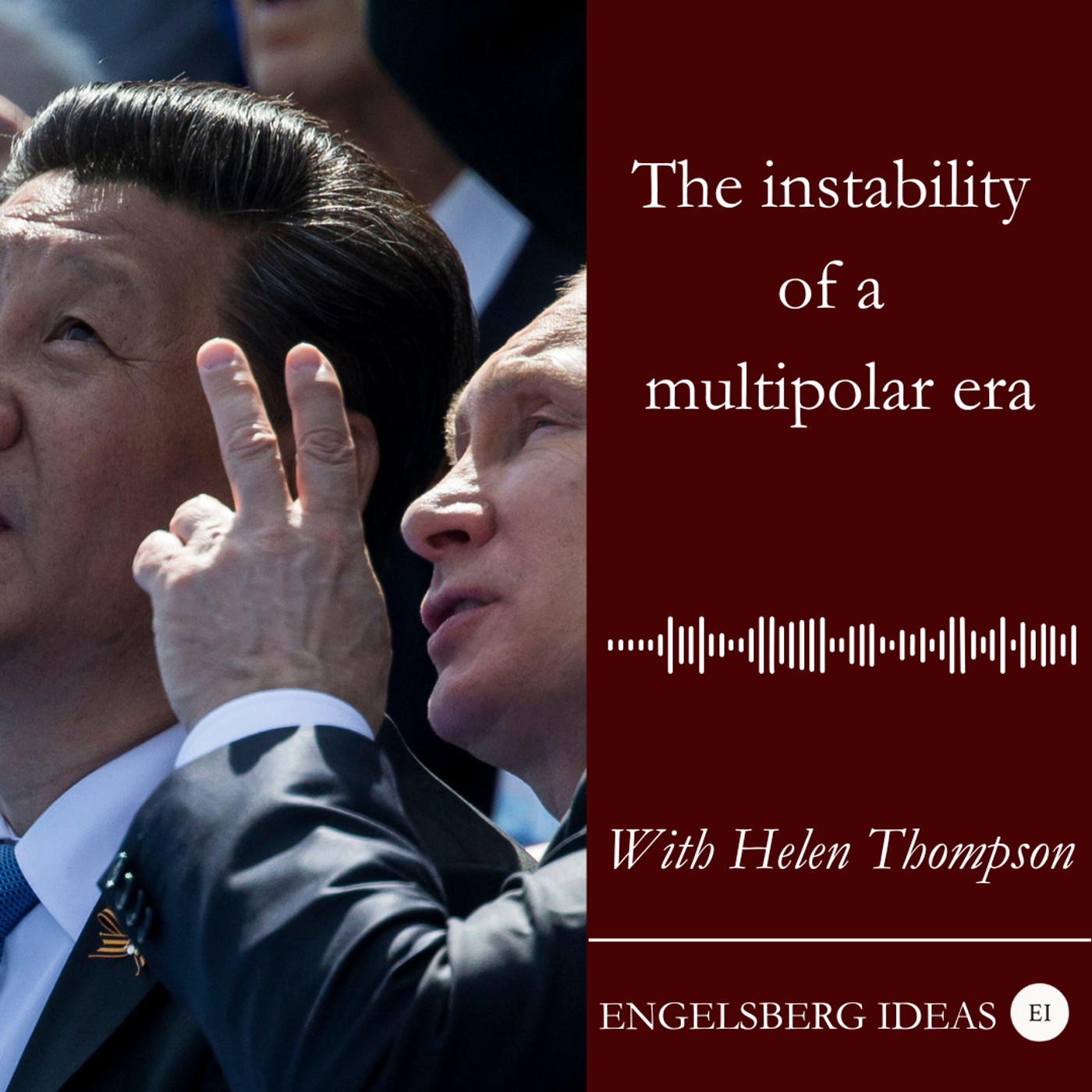
The instability of a multipolar era
EI's Paul Lay is joined by Helen Thompson to discuss US–China rivalry, the growing importance of the Western Hemisphere in geopolitics, and the inherent instability of a multipolar world.Image: Russian President Vladimir Putin speaks to Chinese President Xi Jinping at the Victory Parade marking the 70th anniversary of the surrender of Nazi Germany in the Second World War. Credit: Associated Press
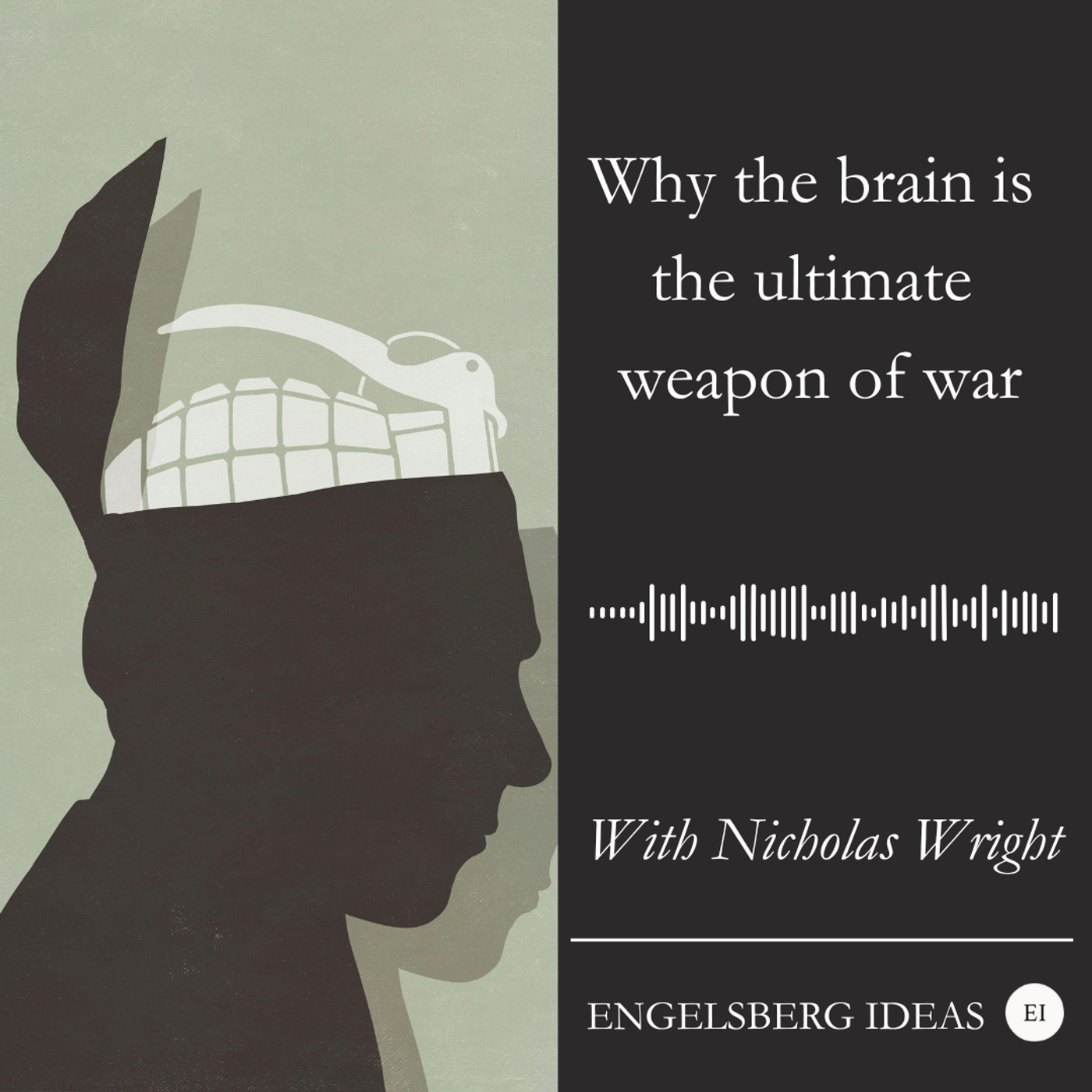
Why the brain is the ultimate weapon of war
EI's Paul Lay is joined by neuroscientist Nicholas Wright to discuss how the brain shapes war, and how war shapes the brain.Image: The brain as a weapon of war. Credit: fStop Images GmbH

The end of Pax Britannica
Graeme Thompson on the fall of a liberal world order. Read by Leighton Pugh.Image: 'Taming the British Lion'. Puck magazine, 1888. Credit: Historical Images Archive

The classical key to the AI revolution
John Tasioulas examines how a classical conception of democracy – distinct from liberal democracy – may offer the resources needed to meet the challenges posed by Artificial Intelligence. Read by Leighton Pugh.Image: Rudolph Müller, View of the Acropolis from the Pynx (1863). Credit: Eraza Collection

The Risorgimento myth
Gerald Warner on the origins of a 'black legend' designed to discredit the once-flourishing Bourbon Kingdom of the Two Sicilies. Read by Leighton Pugh.Image: A painting displaying the splendour of the Neapolitan fleet. Credit: The Picture Art Collection

China's quest to engineer the future
EI's Paul Lay is joined by technology analyst Dan Wang to discuss how China has engineered its way to global power status. Image: New high-rise buildings in China. Credit: ton koene
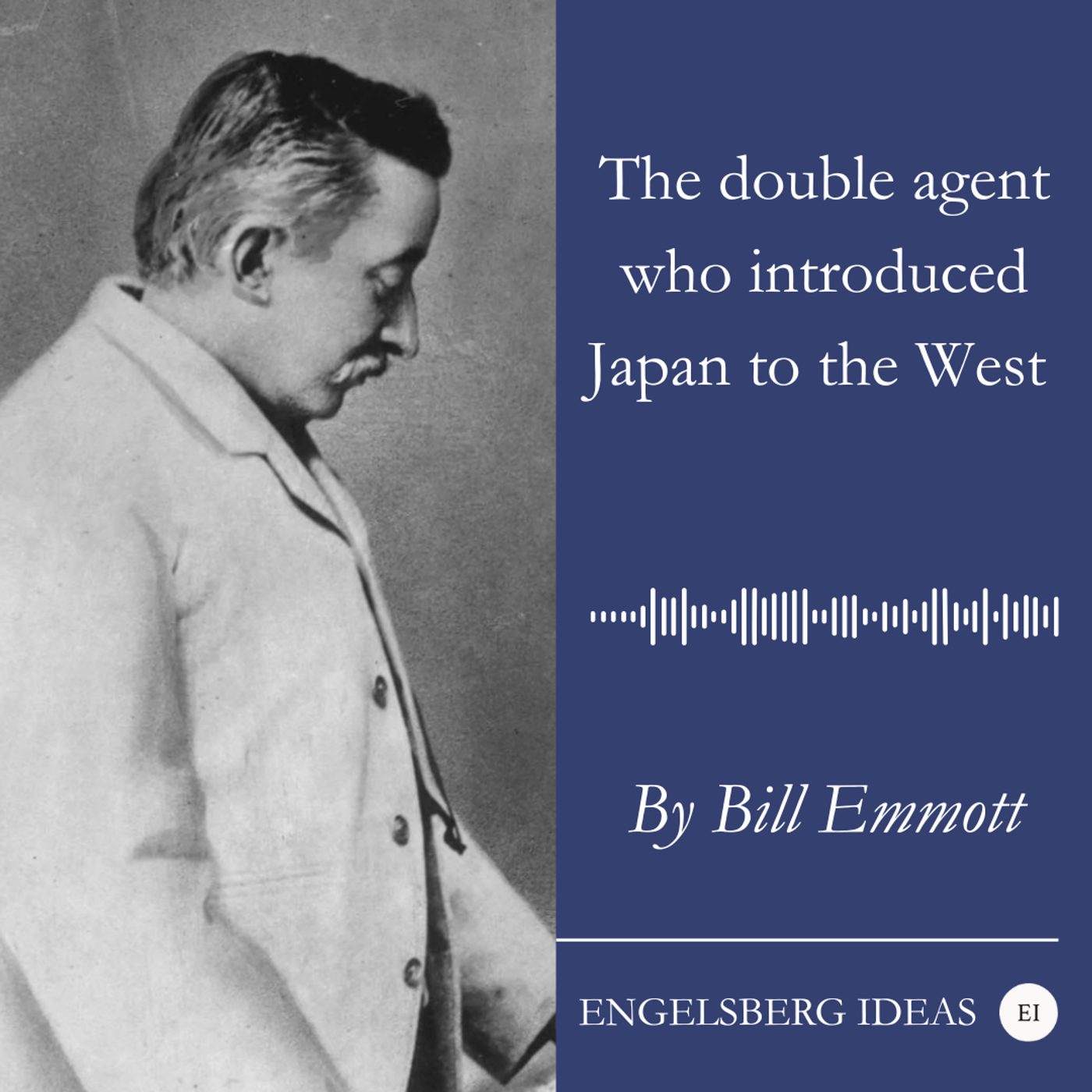
The double agent who introduced Japan to the West
Bill Emmott profiles Lafcadio Hearn, the Anglo-Irish-Greek foreign correspondent who made Japan his home. Read by Leighton Pugh.Image: Lafcadio Hearn photographed with his wife, Setsuko Koizumi, and their son. Credit: GRANGER - Historical Picture Archive / Alamy Stock Photo
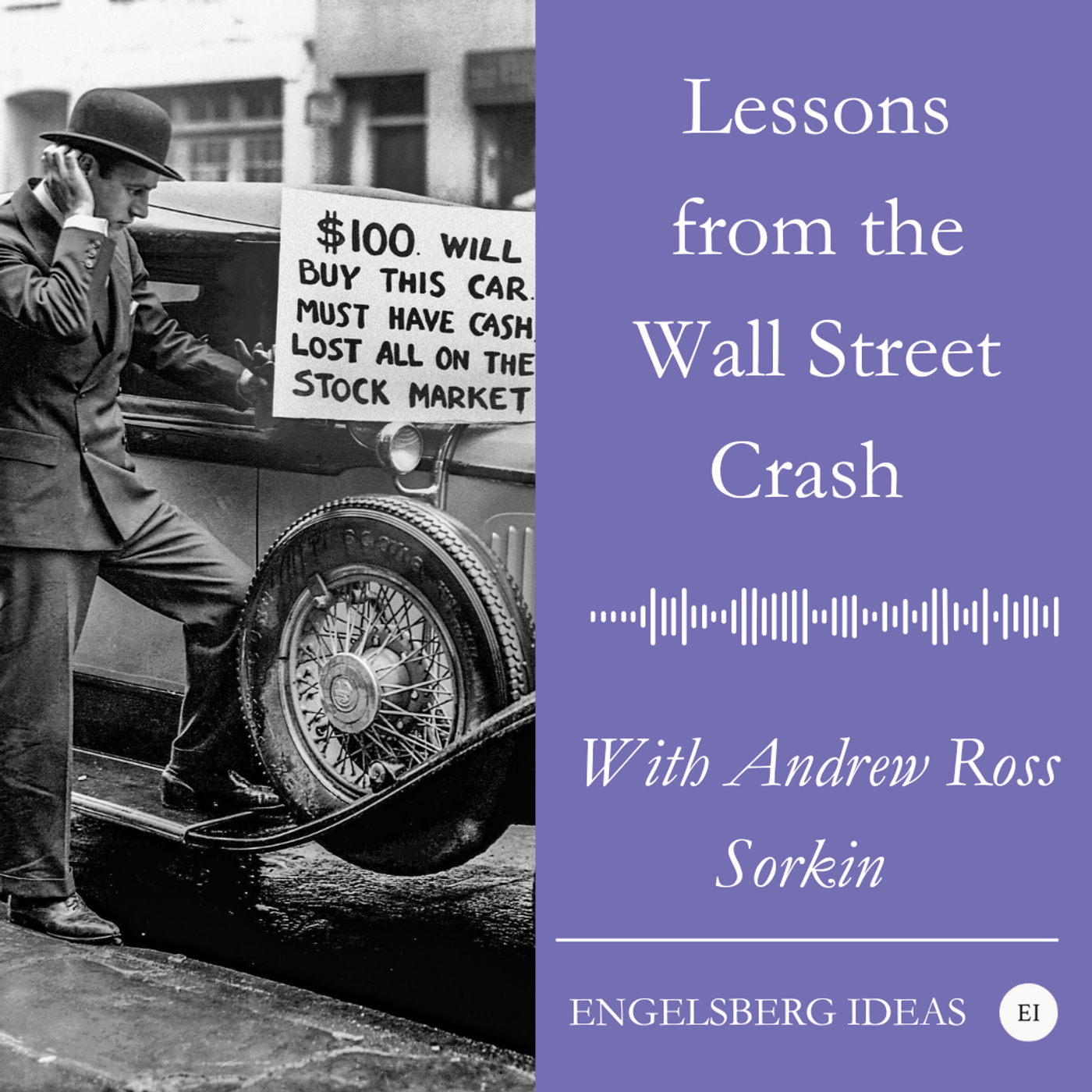
Lessons from the Wall Street Crash
Bestselling author Andrew Ross Sorkin discusses his new book, 1929: The Inside Story of The Greatest Crash in Wall Street History, with EI's Iain Martin.Image: The Wall Street financial crash of 1929, with a city businessman speculator trying to sell his car for $100 cash, having lost all on the stock market. Credit: Alamy/ Shawshots.
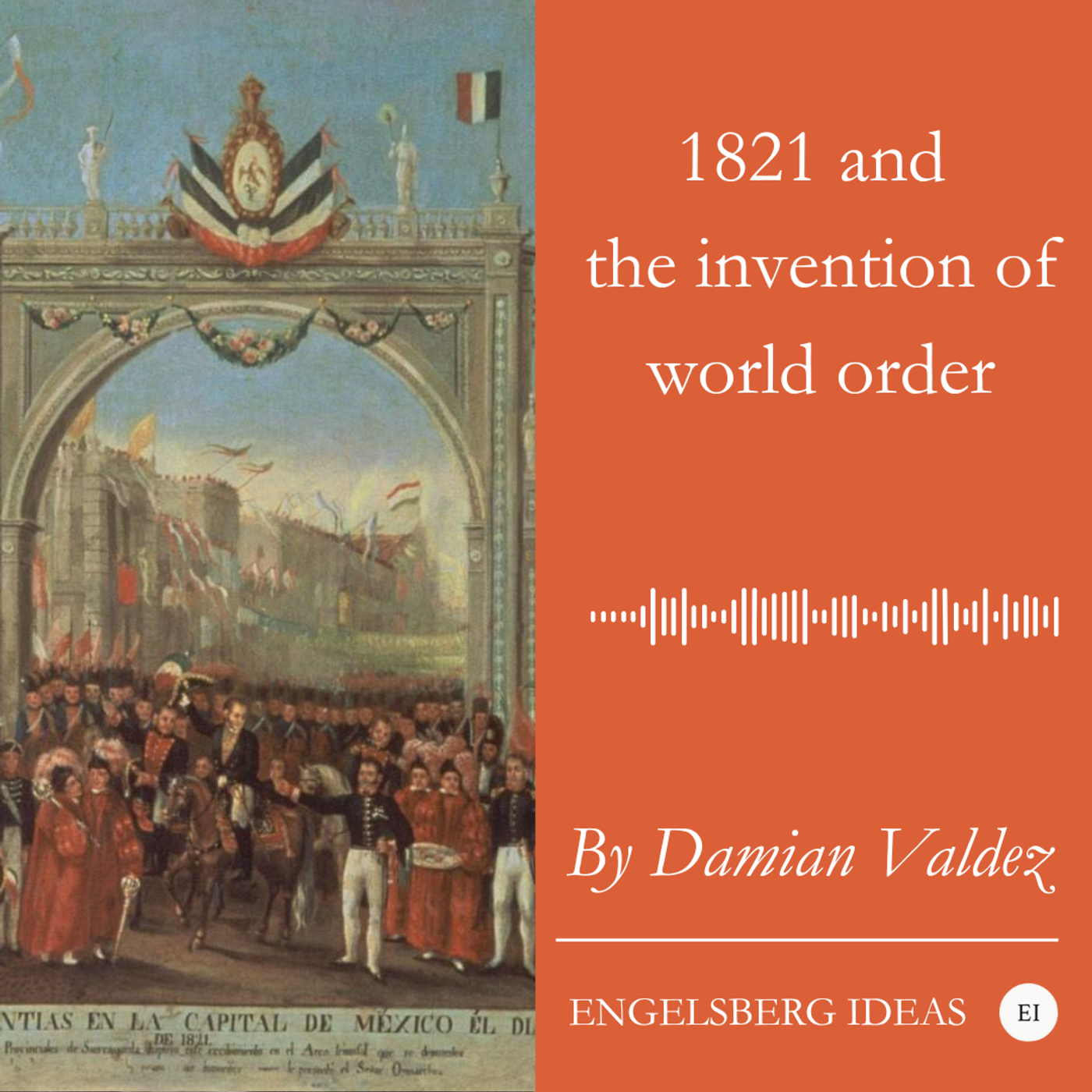
1821 and the invention of world order
Historian Damian Valdez on international order's 19th-century origins. Read by Leighton Pugh.Image: Mexican general Agustín de Iturbide rides through a ceremonial arch to welcoming officials in Mexico City on September 27, 1821, after decisively winning independence for Mexico. Credit: Album / Alamy Stock Photo

The growing-pains of Graham Greene
Critic Malcolm Forbes investigates Graham Greene's troubled childhood. Read by Leighton Pugh.Image: Graham Greene in 1940. Credit: Everett Collection Historical / Alamy Stock Photo
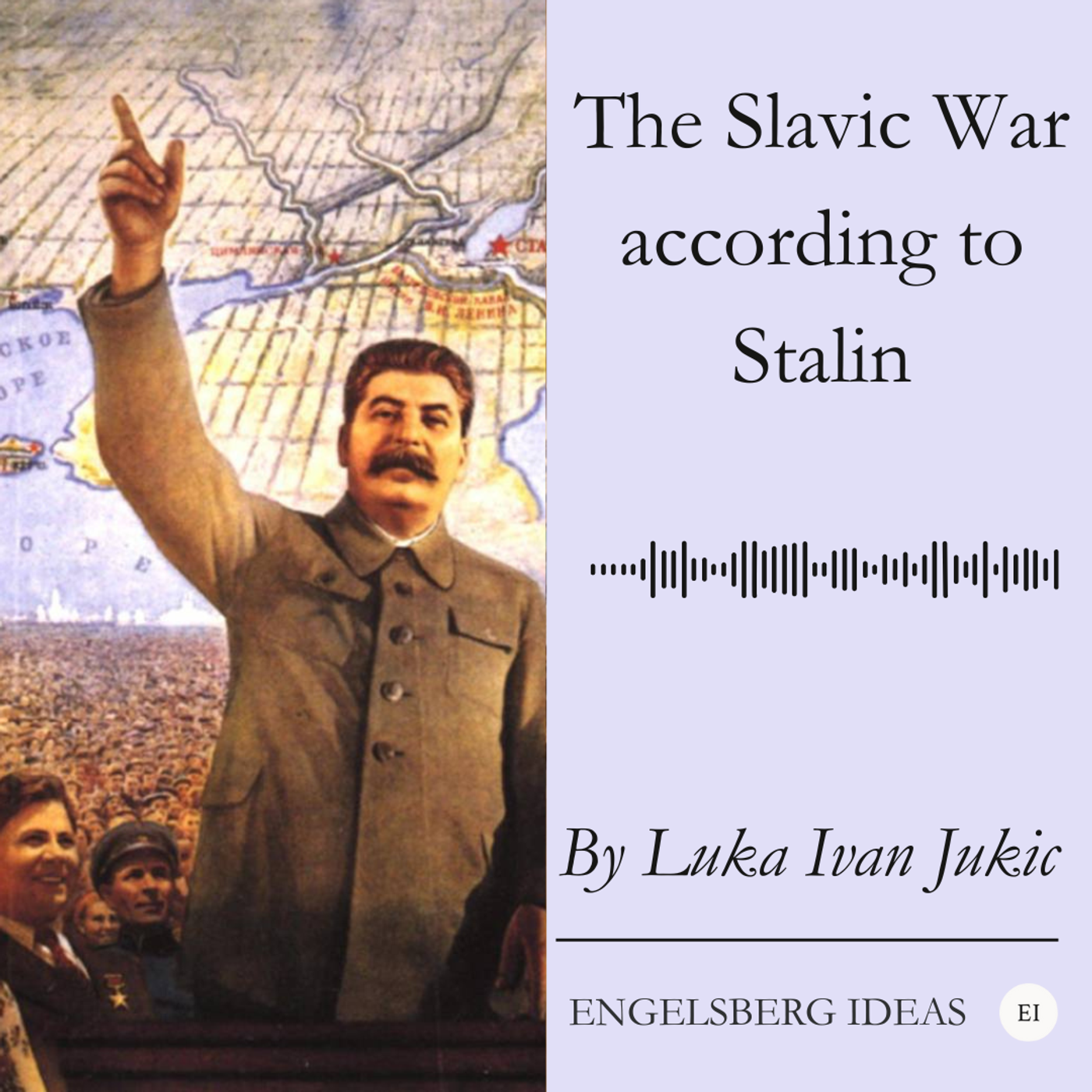
The Slavic War according to Stalin
Historian Luka Ivan Jukic explores how Stalin hijacked the Slavic cause to forge the Soviet Empire. Read by Leighton Pugh.Image: A poster celebrating Stalin at the Russian State Library, Moscow. Credit: Album / Alamy Stock Photo
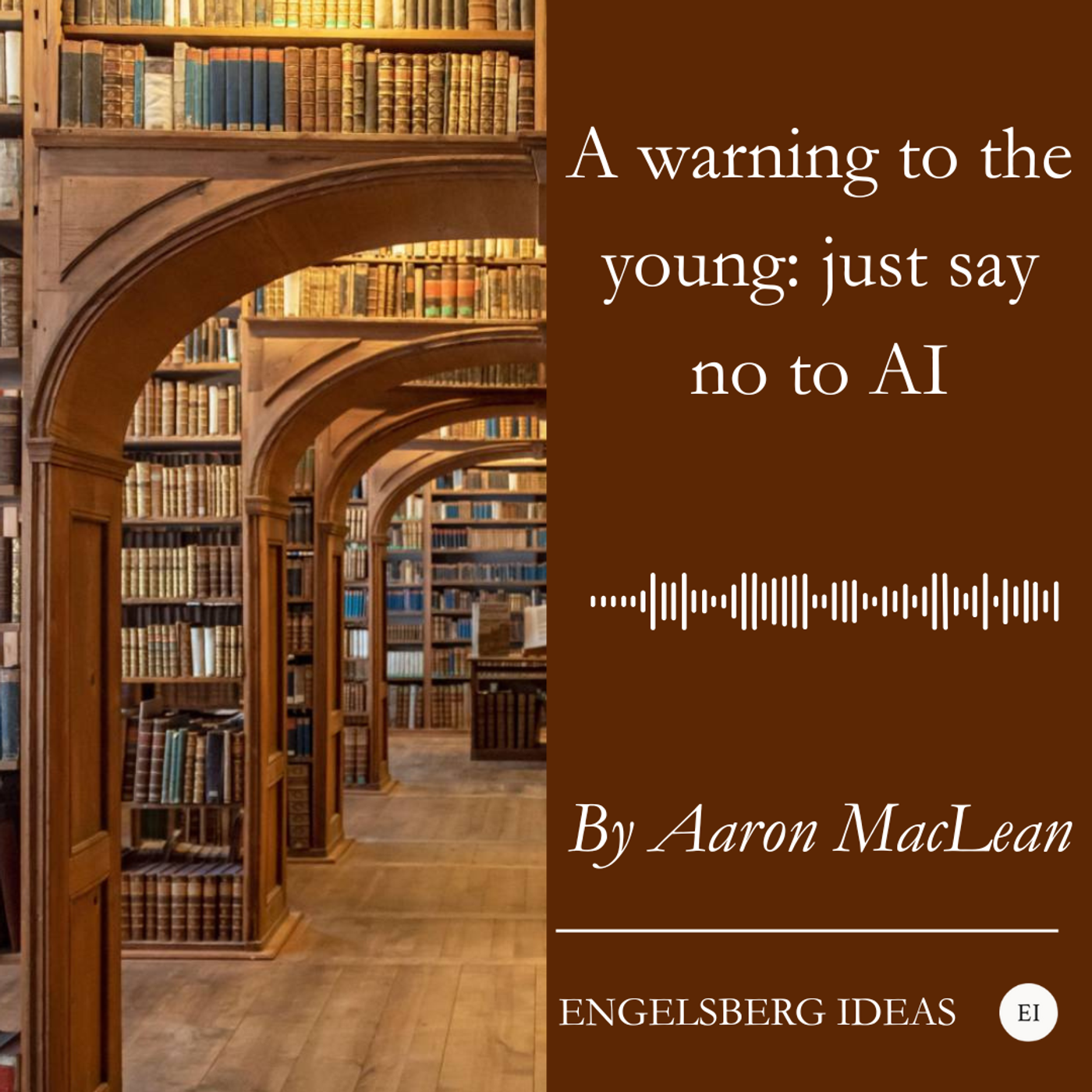
A warning to the young: just say no to AI
Aaron MacLean, host of the School of War podcast, on AI's threat to the life of the mind. Read by Leighton Pugh.Image: The Library Hall of the Upper Lusatian Library of Sciences. Credit: Petr Svarc / Alamy Stock Photo
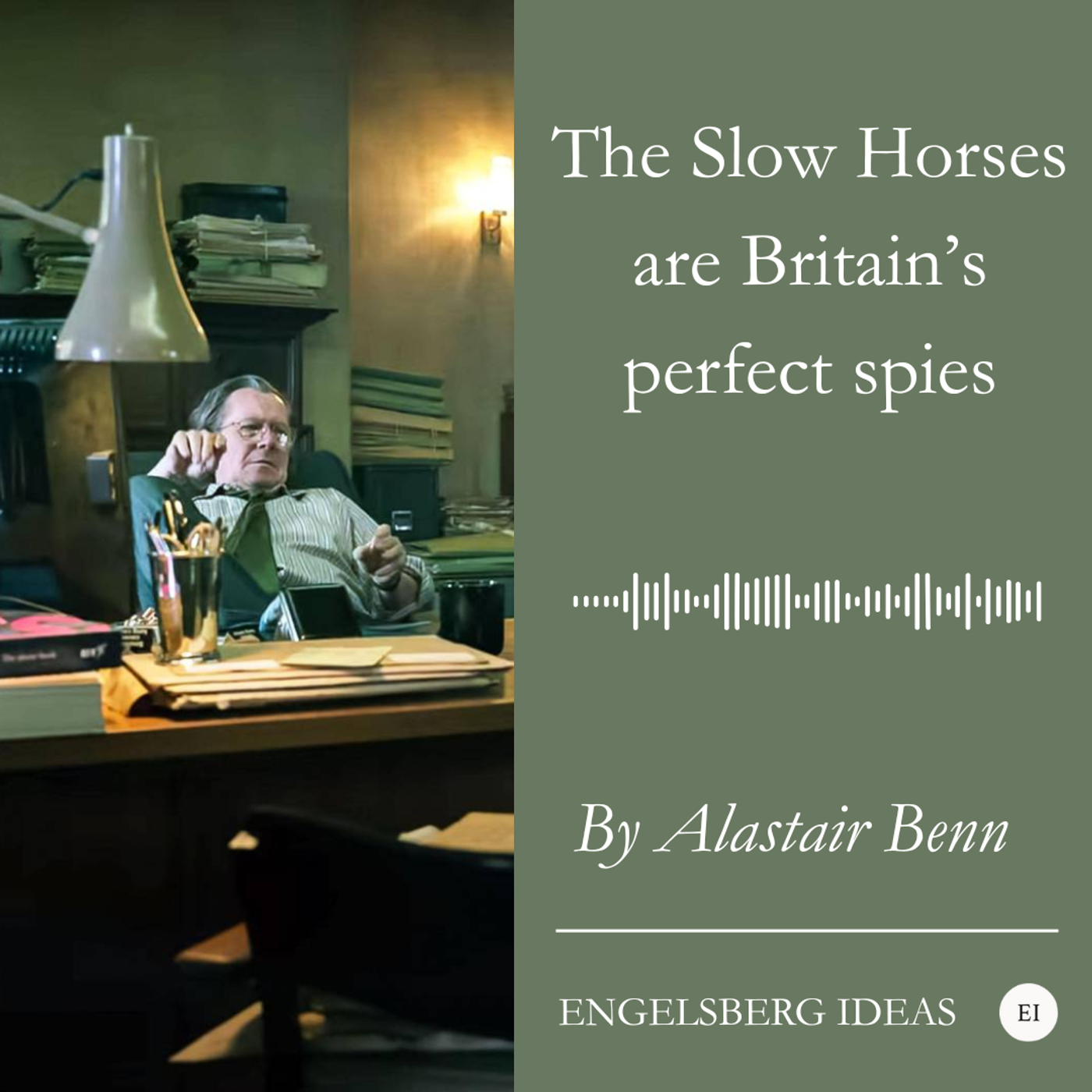
The Slow Horses are Britain’s perfect spies
Alastair Benn on the magic of Mick Herron’s Slough House series.Image: Still from Apple TV's Slow Horses. Credit: LANDMARK MEDIA / Alamy Stock Photo
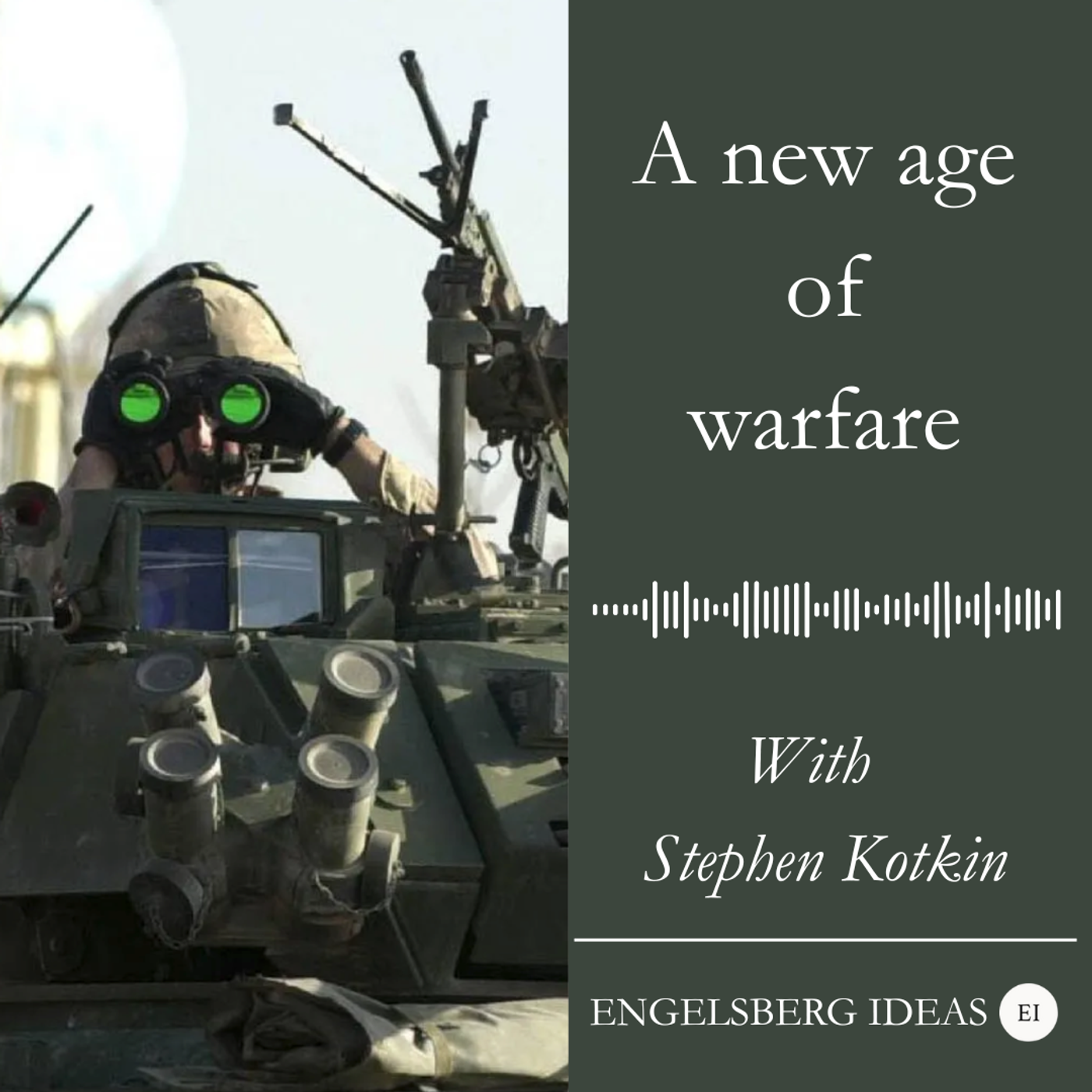
Stephen Kotkin on a new age of warfare
EI's Paul Lay discusses a world order in flux with Stephen Kotkin, historian and biographer of Stalin.Image: A Canadian soldier during a NATO-led operation. Credit: Associated Press

The Great French Songbook
Why do people the world over enjoy listening to songs sung in French? Critic Muriel Zagha illuminates the living tradition of French chanson. Image: Juliette Gréco, the French actress and singer. Credit: Heritage Image Partnership Ltd / Alamy Stock Photo

Our attention dilemma is age-old
Alastair Benn explores an attention dilemma that has haunted western thought for centuries. Read by Leighton Pugh.Image: Detail from Echo and Narcissus by John William Waterhouse, 1903. Credit: SuperStock / Alamy Stock Photo
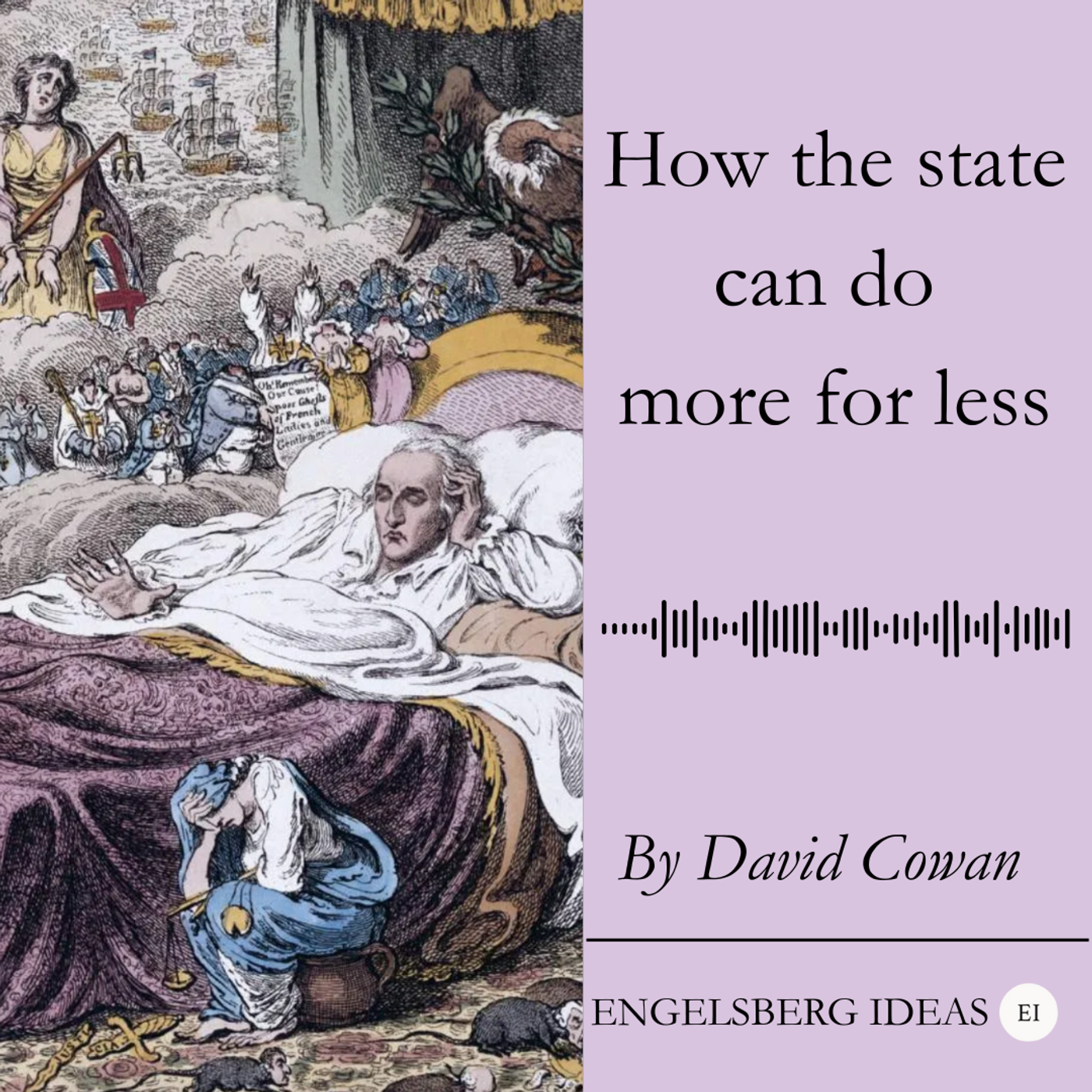
How the state can do more for less
Historian David Cowan explains how radical reform can reshape the state. Read by Leighton Pugh.Image: A political caricature, 'Political Dreams, Visions of Peace, Perspective Horrors', by James Gillray of Pitt the Younger. Credit: INTERFOTO / Alamy Stock Photo
The espionage revolution
David Omand, ex-head of GCHQ, the British government's world-renowned cyber agency, explores how intelligence officers exploit the latest technological advances.Image: Digital espionage is on the rise. Credit: Stu Gray / Alamy Stock Photo
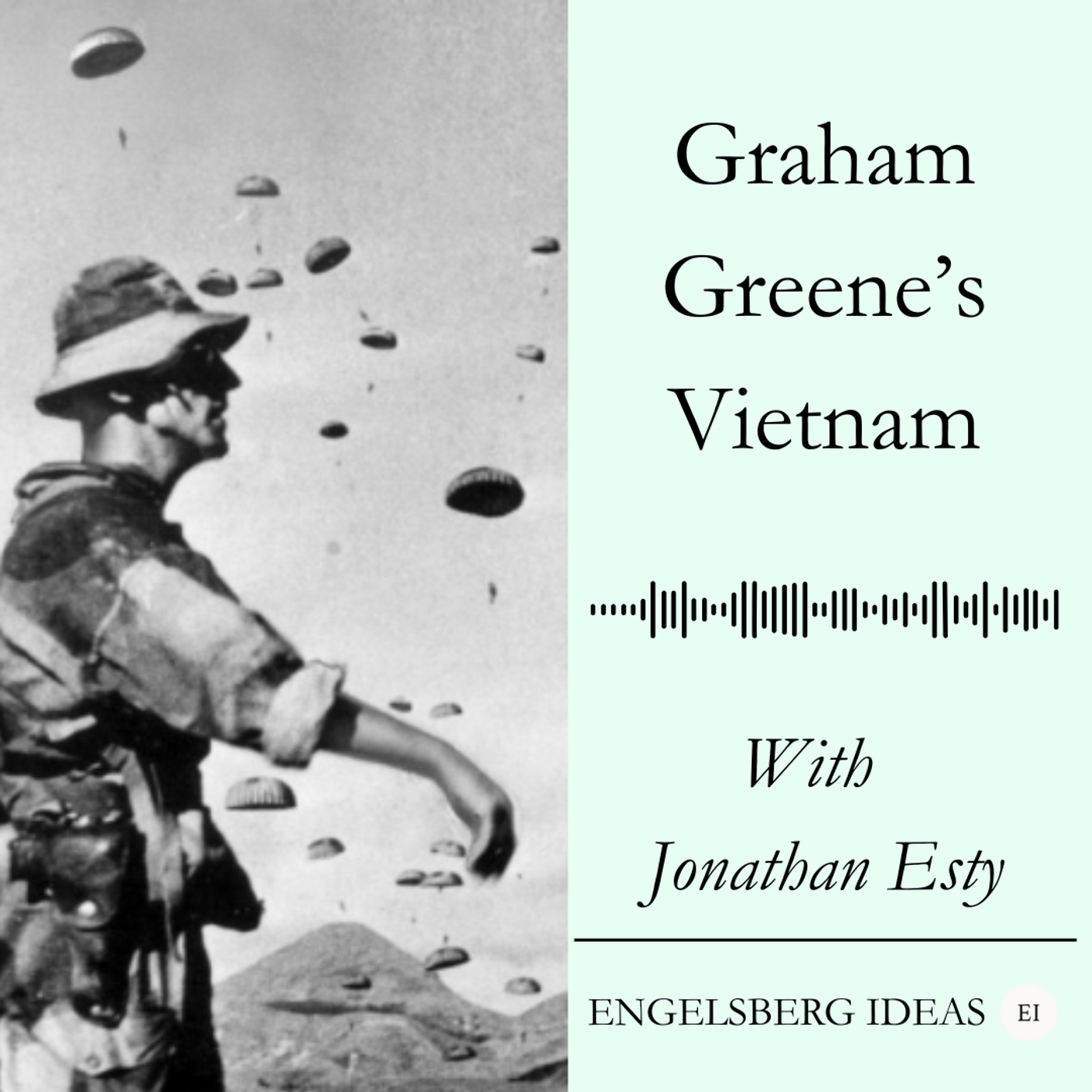
Graham Greene's Vietnam
EI's Alastair Benn and Paul Lay are joined by Jonathan Esty, of Johns Hopkins School of Advanced International Studies, to discuss Graham Greene’s The Quiet American, published 70 years ago, a gripping novel that captures the passing of the baton from the old colonial powers to the new masters in South-East Asia.Image: French paratroops at the beginning of the First Indochina War. Credit: Keystone Press

How the Nazis weaponised Charlemagne
Samuel Rubinstein explores how Nazi historiographers sought to present Adolf Hitler as the heir to Charlemagne. Read by Leighton Pugh.Image: A large Sèvres presentation plate celebrating Nazism's alleged debt to Charlemagne. Credit: INTERFOTO / Alamy Stock Photo

Why do we get the wrong leaders?
James Vitali reflects on the profound importance of political judgement. Read by Leighton Pugh.Image: The front door of Number 10 Downing street. Credit: GreatBritishStock.com / Alamy Stock Photo

Why liberal democracies win total wars
Journalist Duncan Weldon reveals how liberal capitalist economies adapt to total war. Read by Leighton Pugh.Image: Second World War-era British propaganda. Credit: Venimages / Alamy Stock Photo

No more Napoleons: British grand strategy in the 19th century
EI’s Paul Lay joins historian Andrew Lambert to discuss his book ‘No More Napoleons: How Britain Managed Europe from Waterloo to World War One', Lambert's provocative new study of how Britain maximised its naval and diplomatic prestige to maintain a stable, post-Napoleonic Europe.Image: 'A squadron of the Royal Navy running down the Channel' by Samuel Atkins (c. 1760-1810). Credit: Pictorial Press Ltd

The rift that doomed the Confederacy
Historian Katherine Bayford exposes the fractures and contradictions that doomed the Confederacy from within. Read by Leighton Pugh.FURTHER READING:The rift that doomed the Confederacy | Katherine BayfordImage: A statue of Alexander Stephens in the US Congress. Credit: Sipa US / Alamy Stock Photo

The Trial at 100: revisiting Kafka’s prophetic masterpiece
This year marks the centenary of the publication of Franz Kafka’s novel, The Trial - a seminal work that continues to captivate and unsettle its readers. EI’s Alastair Benn and Paul Lay are joined by Karolina Watroba, author of Metamorphoses: In Search of Franz Kafka, to discuss Josef K’s tragic entanglement with a suffocating bureaucracy.Image: Portrait of Franz Kafka. Credit: history_docu_photo / Alamy Stock Photo

How the Knights Templars conquered Christendom
Historian Nicholas Morton explores how a miracle of marketing brought the Knights Templars to prominence. Read by Leighton Pugh.FURTHER READING:The Knights Templars and the pursuit of Christendom | Nicholas MortonImage: A Victorian illustration of the Knights Templars. Credit: Glasshouse Images / Alamy Stock Photo

The lost art of chorography
The writer Josh Mcloughlin reflects on the art of chorography, one of English literature’s most eccentric and mercurial forms. Read by Leighton Pugh.FURTHER READING:The lost art of chorography | Josh McloughlinImage: Renaissance map of Europe showing England. Credit: World History Archive / Alamy Stock Phot

1975, the year that made the modern world
Historian Damian Valdez reflects on the meaning of 1975, a fateful year for the international order. Read by Leighton Pugh.FURTHER READING:1975, the year that made the modern world | Damian ValdezImage: A helicopter is pushed off the overcrowded deck of the aircraft carrier USS Hancock (CV-19) off the coast of South Vietnam during the fall of Saigon. Credit: ZUMA Press, Inc. / Alamy Stock Photo

How Churchill, Roosevelt and Stalin fought Hitler – and each other
EI’s Paul Lay joins historian Tim Bouverie to discuss ‘Allies at War’, his gripping new book on how Churchill, Roosevelt, and Stalin’s uneasy alliance led to the end of the Second World War – and reshaped the global order in ways that are still felt today.Image: Churchill, Roosevelt and Stalin at Yalta. Credit: Niday Picture Library / Alamy Stock Photo

What happened to the politician’s moustache?
Writer Luka Ivan Jukic laments the all-but-total disappearance of facial hair from politics. Read by Leighton Pugh.FURTHER READING:What happened to the politician’s moustache? | Luka Ivan JukicImage: A double portrait of Mozaffar al-Din Shah, the fifth Qajar shah of Iran. Credit: Penta Springs Limited / Alamy Stock Photo

The strange death of squalor
Journalist and author Jenny McCartney celebrates the magic of squalor, and explores how generations of artists have seen the sublime in slime. Read by Leighton Pugh.FURTHER READING:On squalor | Jenny McCartneyImage: Walter Sickert's Easter Monday. Credit: Logic Images / Alamy Stock Photo

Why Finns joined the fight
Geopolitical analyst Charly Salonius-Pasternak examines Finland's long journey to full membership of the Western alliance, and explores how the Nordic nation could play a leading role in its future.FURTHER READING:Why Finns joined the fight | Charly Salonius-PasternakImage: During the Soviet-Finnish war (1939-1940) skiers of the Finnish army in white camouflage made lightning and effective attacks on units of the Red Army. Credit: World of Triss / Alamy Stock Photo

The West’s lust for liberty
The late Christopher Coker, Professor of International Relations at the London School of Economics for almost 40 years, explains why, although the love of liberty is not unique to the West, the lust for liberty is. Read by Helen Lloyd.FURTHER READING: The West’s lust for liberty | Christopher CokerImage: Leonidas at Thermopylae, by Jacques-Louis David, 1814. Credit: Peter Horree / Alamy Stock Photo

Christianity and the creation of England
In this episode of The EI Podcast, the historian Bijan Omrani is joined by EI's Paul Lay to explore the indelible mark Christianity has left on England’s identity and culture.FURTHER READING:The tragic decline of Christian rituals | Bijan OmraniImage: South View of Salisbury Cathedral, JMW Turner. Credit: Penta Springs Limited / Alamy Stock Photo
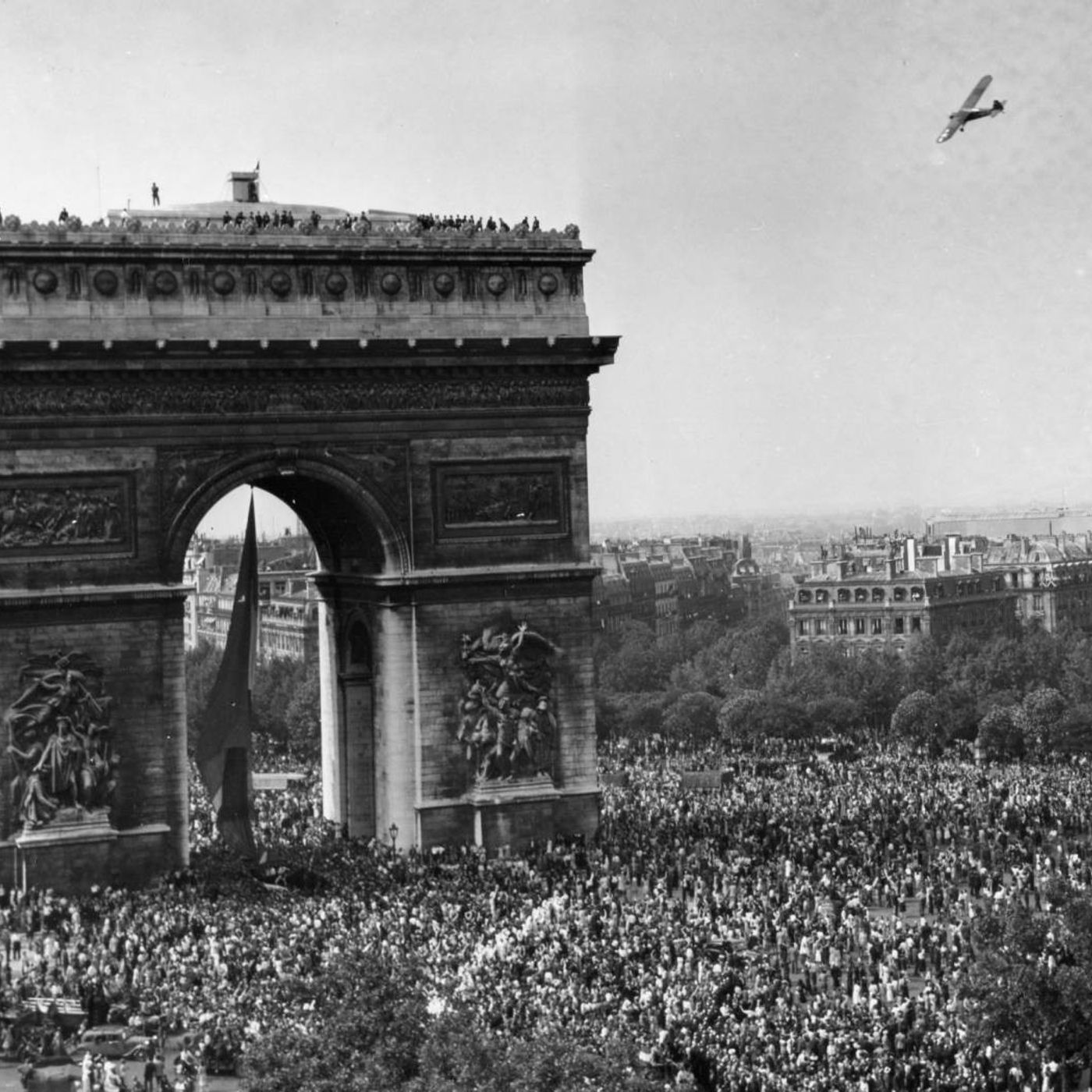
How the liberation of France shaped the modern world
Agnès Poirier, journalist and broadcaster, examines how the liberation of France in 1944 opened the way for Paris to become a laboratory of ideas. Read by Helen Lloyd.FURTHER READING:The liberation of France made the modern world | Agnès PoirierEngelsberg Ideas is funded by the Axel and Margaret Ax:son Johnson Foundation for Public Benefit.Image: Parisians gather around the Arc de Triomphe as Allied forces liberate the city. Credit: RBM Vintage Images / Alamy Stock Photo.

China vs the WTO: The Inside Story
EI's Alastair Benn and Paul Lay are joined by Michael Sheridan, author of two books on China and a foreign correspondent for 40 years, to discuss China’s rise, its subsequent entry into the international trading system, and its contemporary status as the problem child of our globalised world.FURTHER READING:China and America, the great decoupling | Michael SheridanEngelsberg Ideas is funded by the Axel and Margaret Ax:son Johnson Foundation for Public Benefit. This episode of The EI Podcast was hosted by Paul Lay and Alastair Benn, and produced by Caitlin Brown. The sound engineer was Gareth Jones.Image: An electronics recycling facility in Shanghai, China. Credit: Cavan Images / Alamy Stock Photo
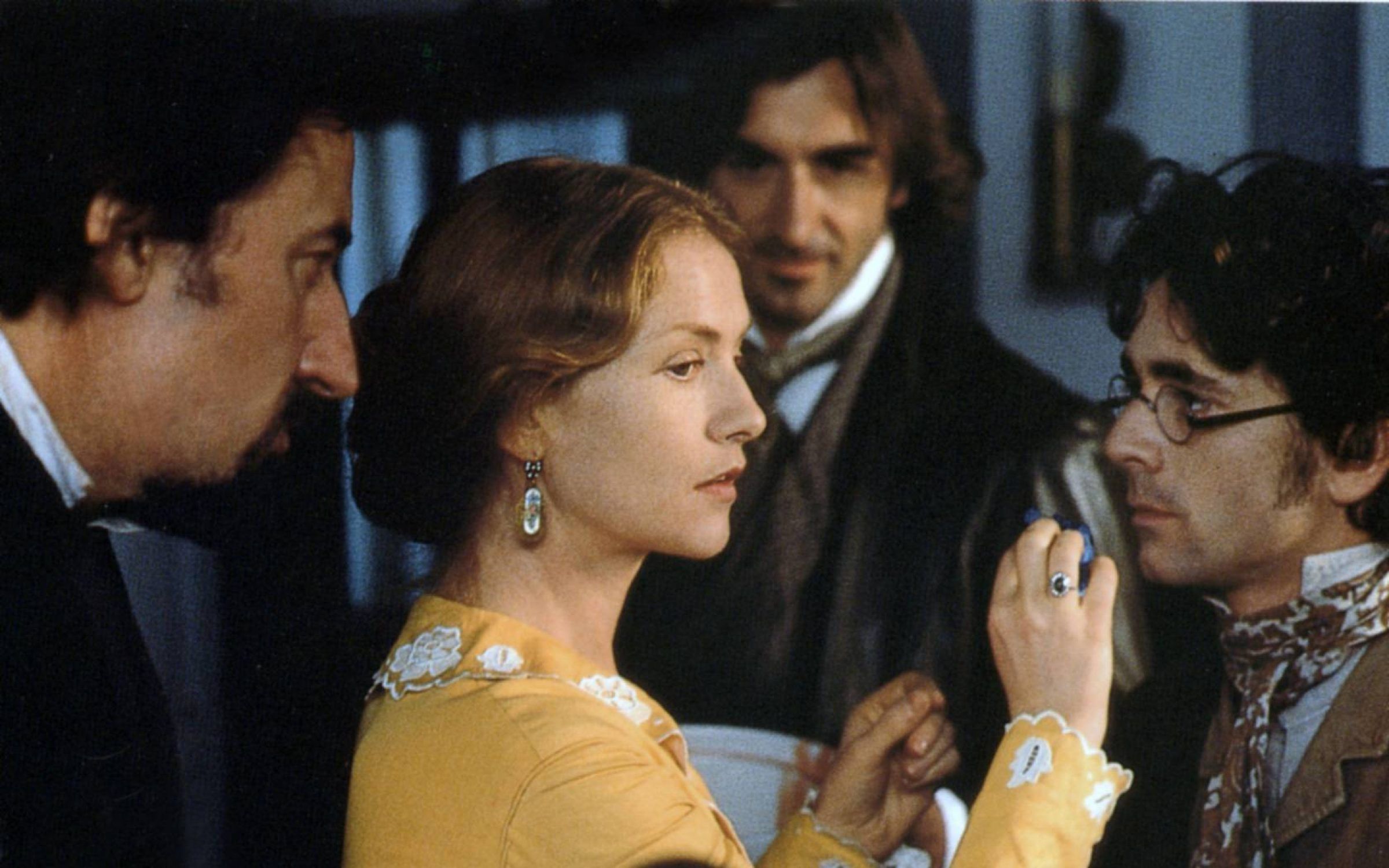
Madame Bovary and the problem of desire
Marie Daouda, lecturer in French language and literature at the University of Oxford, shows how the pursuit of apparently 'real' desires comes at the expense of collective truth. The consequences can be disastrous. Read by Helen Lloyd.FURTHER READING:The truth shall set us free | Marie DaoudaEngelsberg Ideas is funded by the Axel and Margaret Ax:son Johnson Foundation for Public Benefit.Image: Isabelle Huppert, Madame Bovary 1991. Credit: Collection Christophel / Alamy Stock Photo
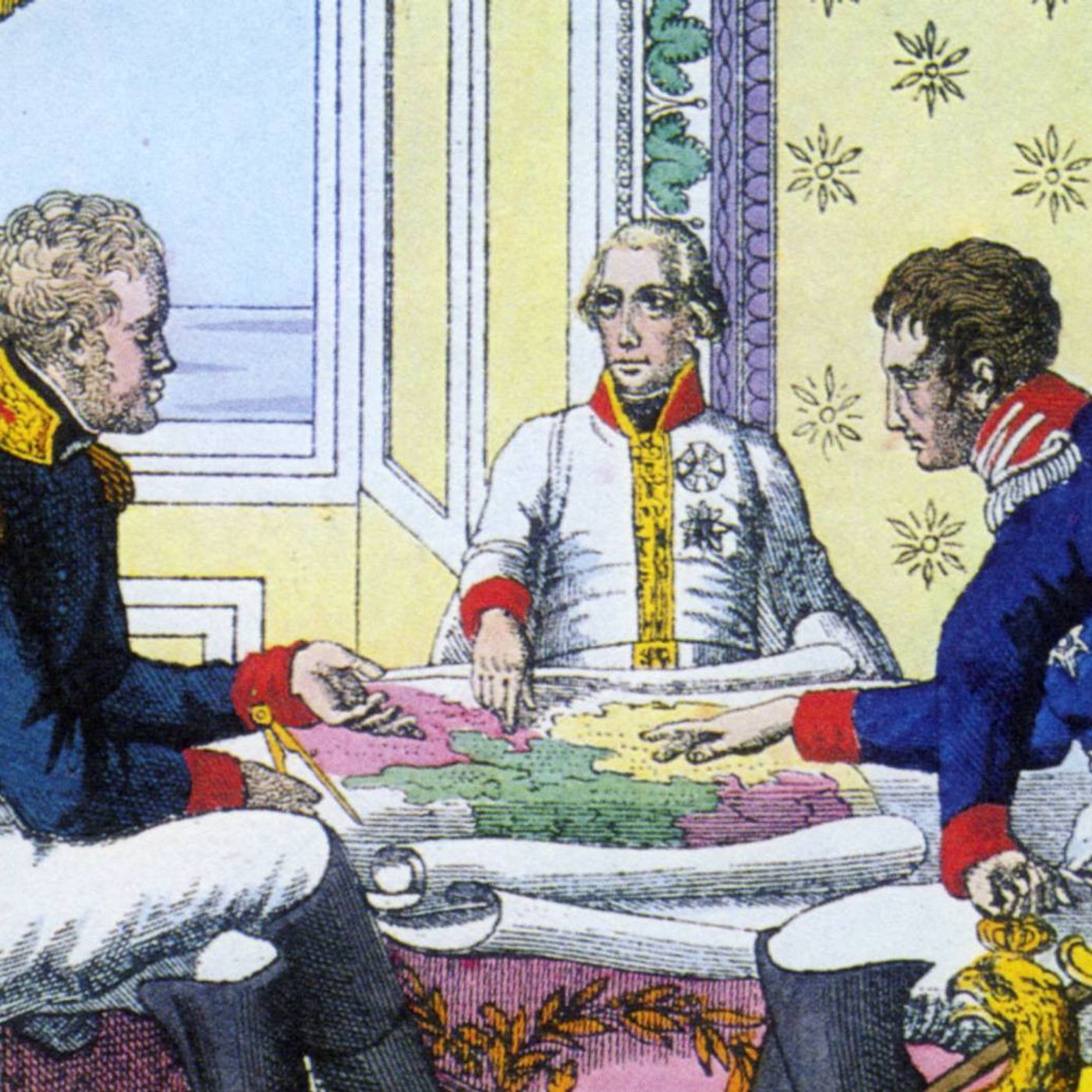
The German key to European liberty
Brendan Simms, founder and Director of the Centre for Geopolitics at the University of Cambridge, illustrates why contemporary Germany struggles to muster a serious military response to the Russian challenge. Read by Helen Lloyd.FURTHER READING:The German key to European liberty | Brendan SimmsEngelsberg Ideas is funded by the Axel and Margaret Ax:son Johnson Foundation for Public Benefit.Image: The Congress of Vienna (1814-1815). Napoleon watching the Tsar, the Emperor of Austria and King of Prussia dividing up Europe. Credit: Pictorial Press Ltd / Alamy
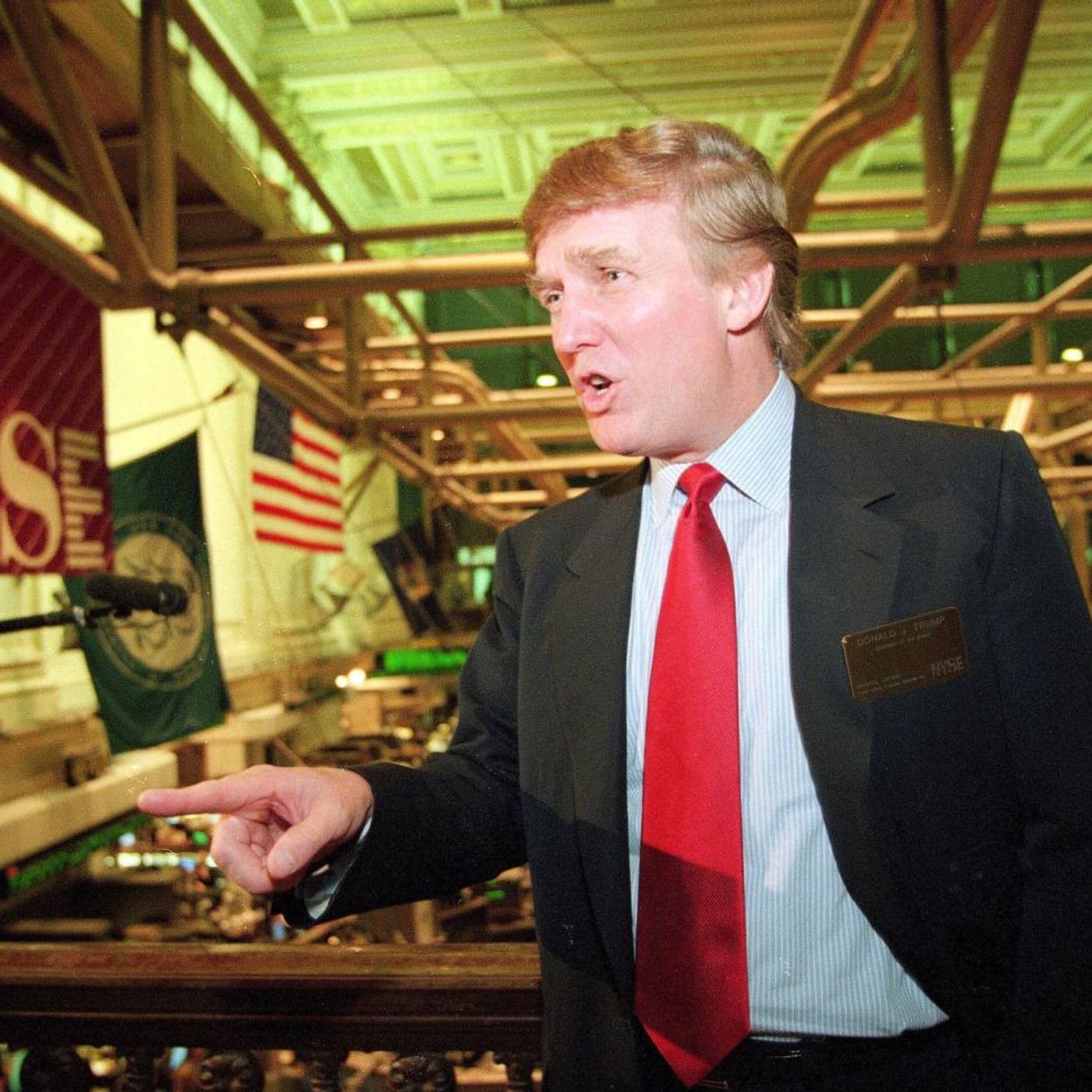
The making of Trump's worldview
What are the deep roots of Trump's worldview? Can we learn to read Trump’s behaviour? And are there opportunities to be had for those who can?EI's Alastair Benn and Paul Lay are joined by Charlie Laderman, Senior Lecturer in International History at King's College London, to discuss how to interpret the Trump White House.This episode was recorded on 7th April.FURTHER READING:How Iran’s Tanker War shaped Trump’s worldview | Charlie LadermanEngelsberg Ideas is funded by the Axel and Margaret Ax:son Johnson Foundation for Public Benefit. EI Talks... is hosted by Paul Lay and Alastair Benn, and produced by Caitlin Brown. The sound engineer is Gareth Jones.Image: Donald Trump poses for photos above the floor of the New York Stock Exchange after taking his Trump Plaza Casino public in New York on June 7, 1995. Credit: Associated Press / Alamy Stock Photo
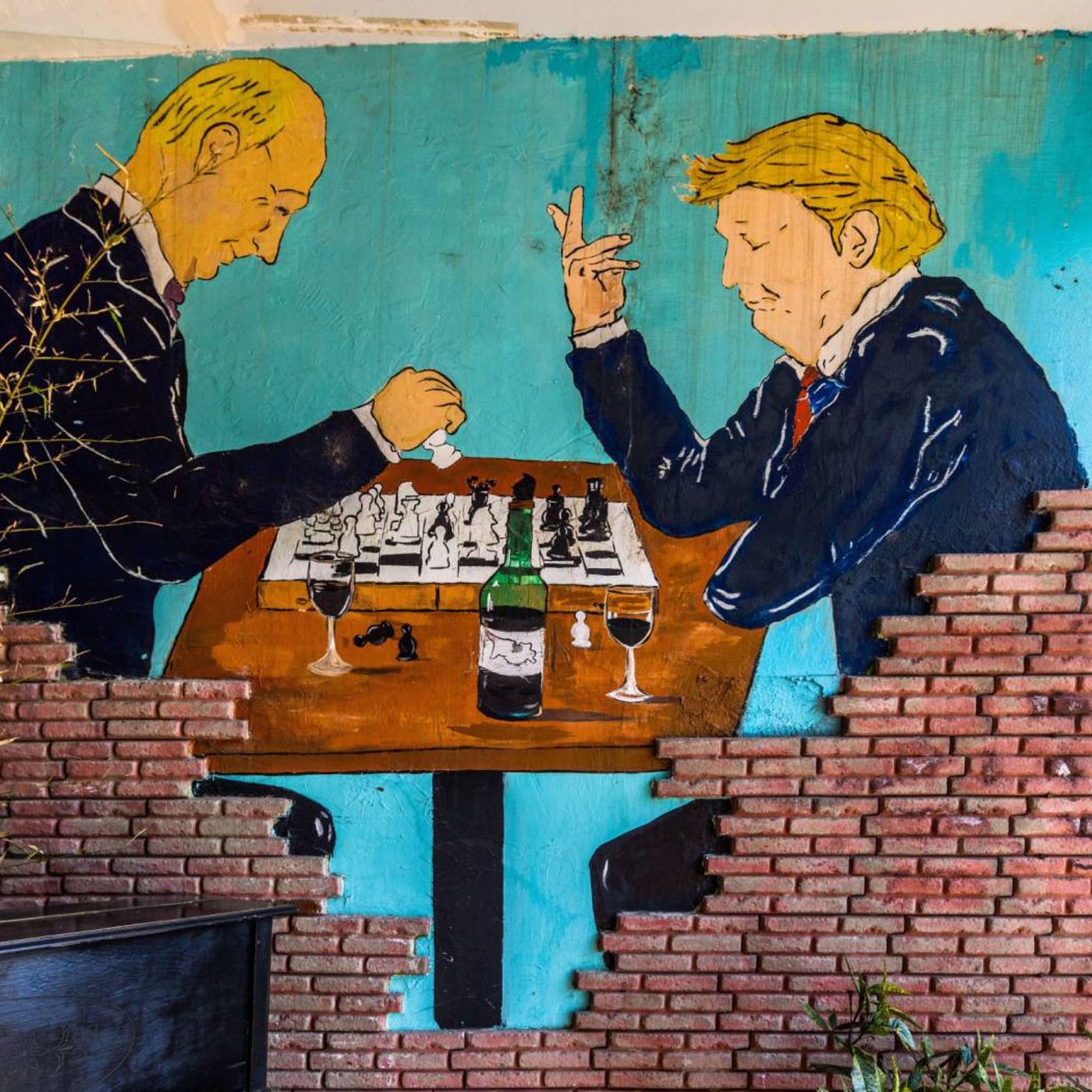
How Russia negotiates
Iuliia Osmolovska, head of the GLOBSEC Kyiv Office, argues that Ukrainians are better placed than their Western partners to decode the Russian negotiating style. Read by Helen Lloyd.Engelsberg Ideas is funded by the Axel and Margaret Ax:son Johnson Foundation for Public Benefit.Image: Street art in Tbilisi of Donald Trump and Vladimir Putin playing chess. Credit: Georg Berg / Alamy Stock Photo
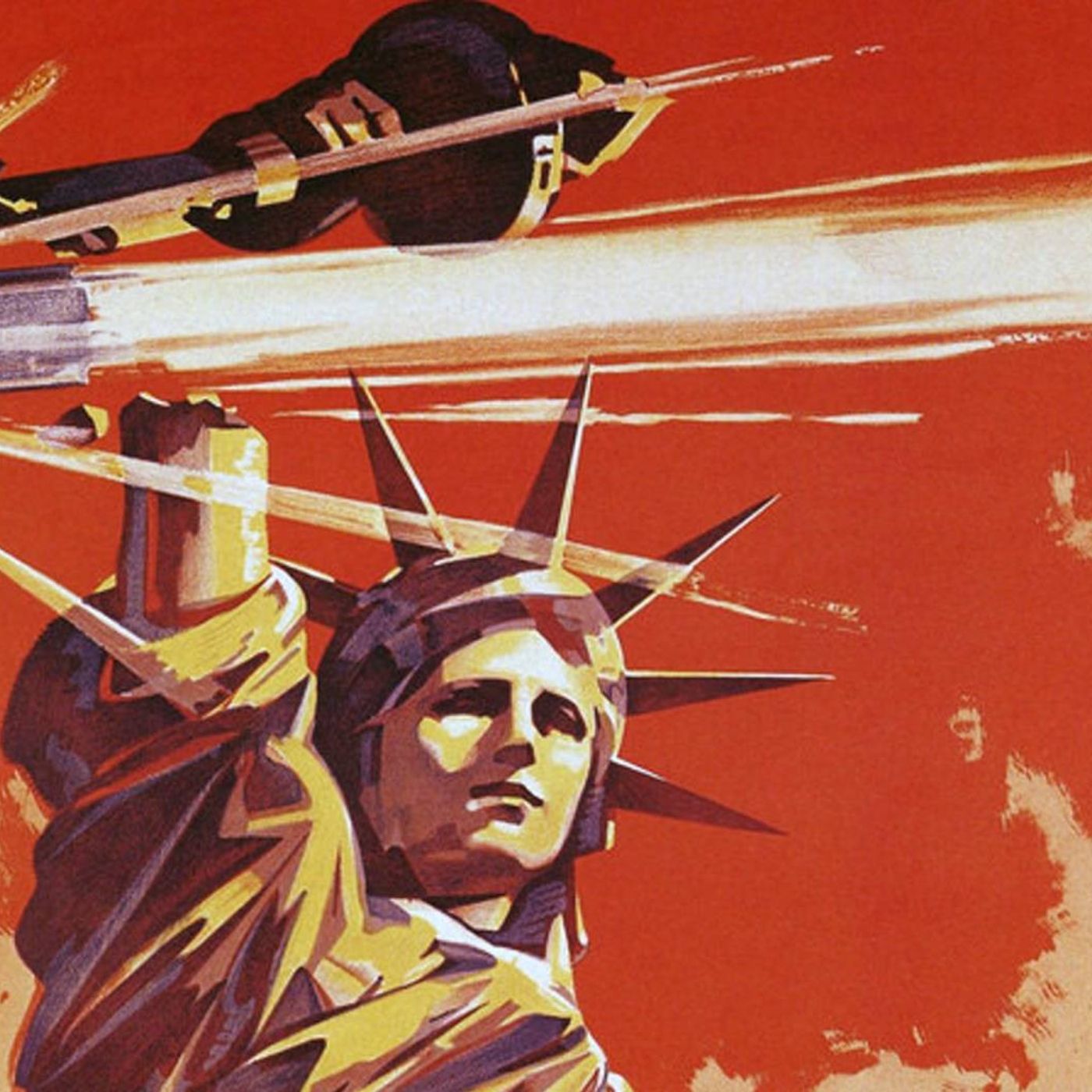
Liberty under attack
Juliet Samuel, columnist for The Times newspaper, highlights that a belief in liberty is not self-evident and its expansion is not inevitable. Read by Helen Lloyd.FURTHER READING:Liberty under attack from enemies within | Juliet SamuelEngelsberg Ideas is funded by the Axel and Margaret Ax:son Johnson Foundation for Public Benefit.Image: Second world war propaganda poster. Credit: Photo 12 / Alamy Stock Photo
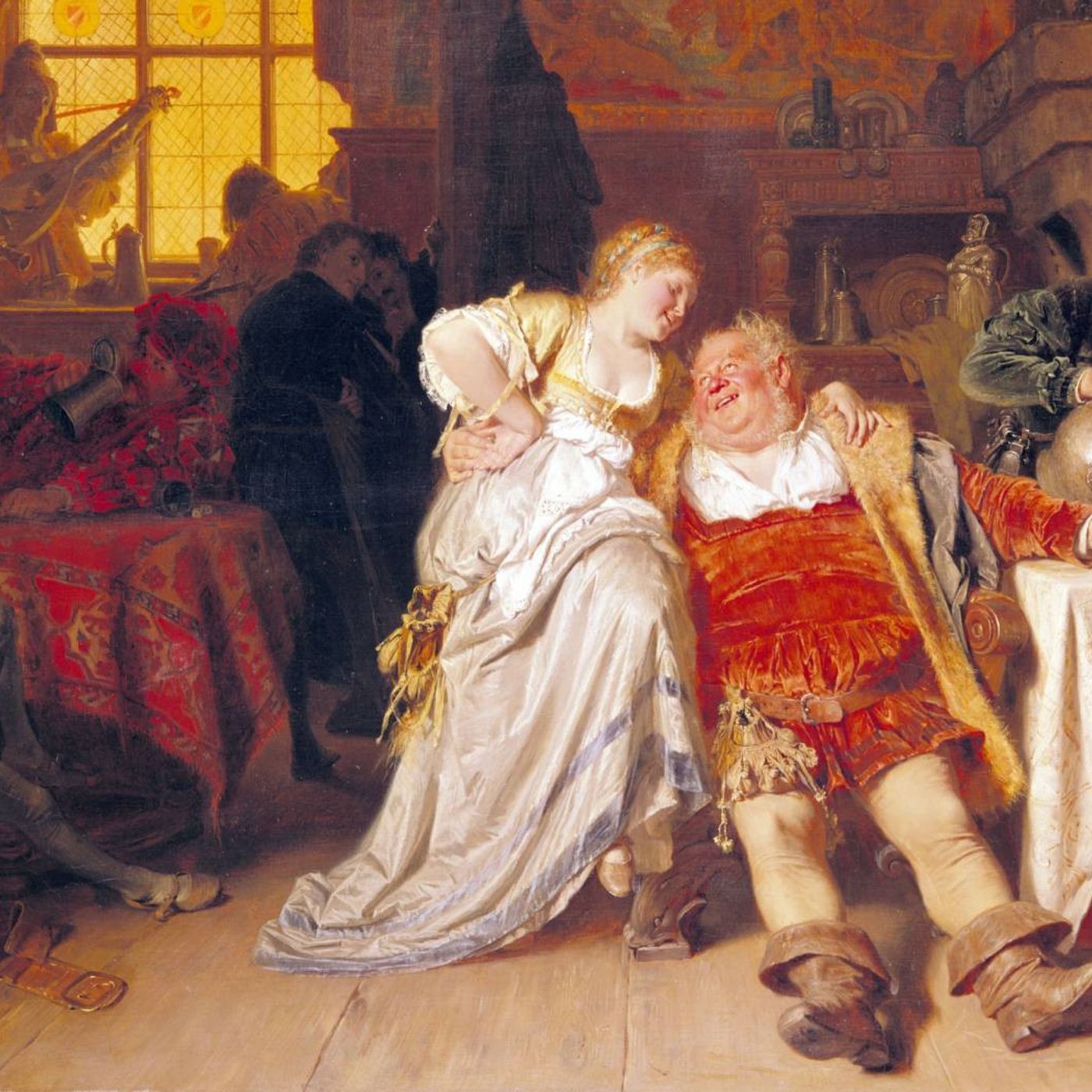
The uses of comedy
What makes us laugh? And why should it matter?EI's Alastair Benn and Paul Lay are joined by the critic Mathew Lyons to discuss the uses of comedy.FURTHER READING:The subtle art of English comedy | Alastair BennEngelsberg Ideas is funded by the Axel and Margaret Ax:son Johnson Foundation for Public Benefit. EI Talks... is hosted by Paul Lay and Alastair Benn, and produced by Caitlin Brown. The sound engineer is Gareth Jones.Image: Eduard von Grützner's Falstaff, 1873. Credit: INTERFOTO / Alamy Stock Photo