The EI Podcast
401 episodes — Page 8 of 9

EI Weekly Listen — Making sense of the Yemen War by Elisabeth Kendall
If a peace deal is not reached, all the key ingredients are present for Yemen to become a failed state. Read by Leighton Pugh.https://engelsbergideas.com/essays/making-sense-of-the-yemen-war/Credit: MOHAMMED HUWAIS/AFP via Getty Images

EI Weekly Listen — The dark side to loving a group by Harvey Whitehouse
Acts of extreme self-sacrifice – such as suicide bombing – are not aberrations. They tell us something about our deepest instincts for group loyalty. Read by Leighton Pugh. https://engelsbergideas.com/essays/the-dark-side-to-loving-a-group/ Credit: TORSTEN BLACKWOOD/AFP via Getty Images

EI Weekly Listen — The fake history of civilisational states by Christopher Coker
So-called civilisational states, including Russia, China and India, invoke fake histories to justify and buttress their contemporary political settlements. But those who cannot let go of the past are always at risk of finding themselves imprisoned by it. Read by Leighton Pugh.https://engelsbergideas.com/essays/the-fake-history-of-civilisational-states/Credit: PUNIT PARANJPE/AFP via Getty Images
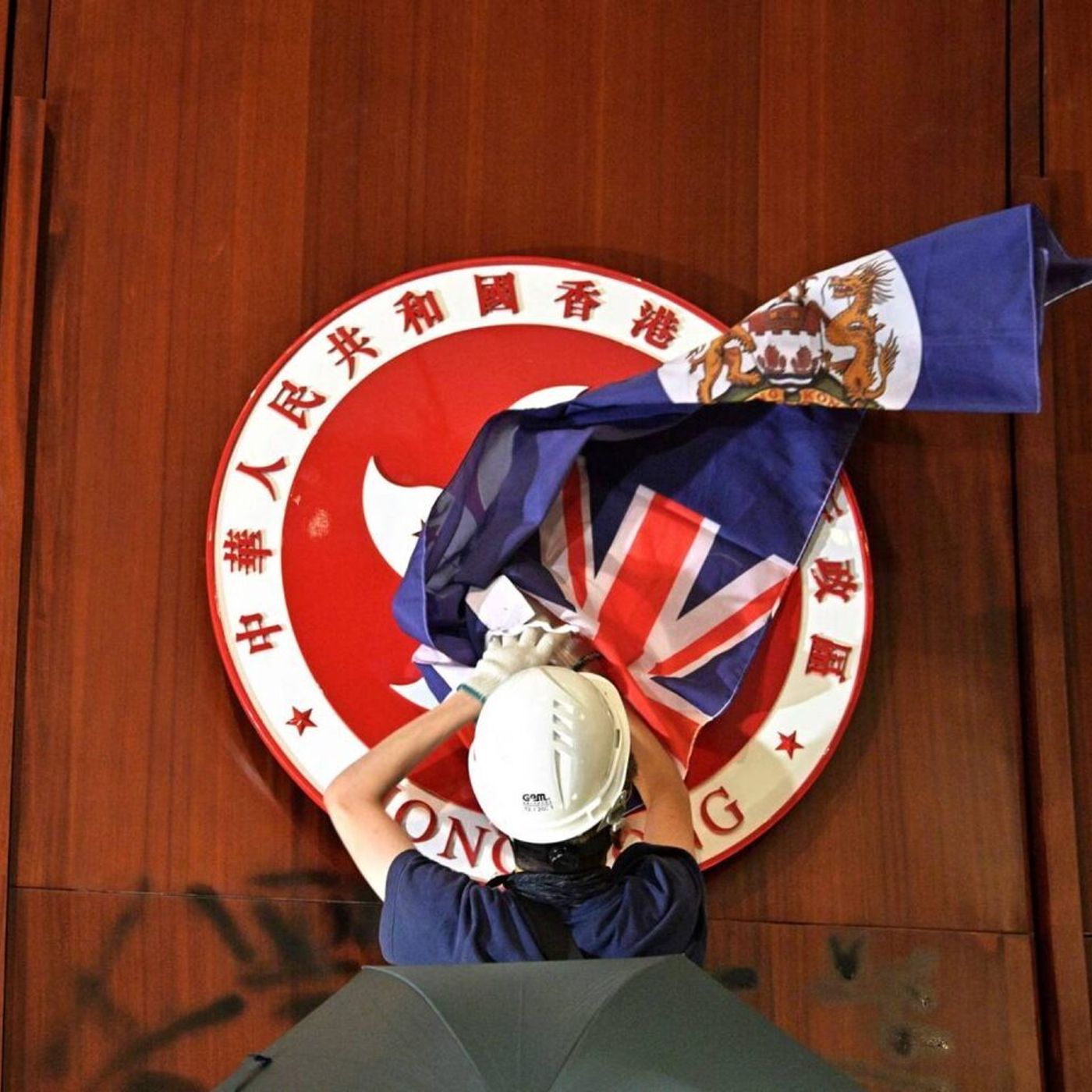
EI Weekly Listen — The flag wars are here to stay by Tim Marshall
Flags have become synonymous with nationhood, character, spirit, and power. In an age of renewed nationalism, their power should not be underestimated.https://engelsbergideas.com/essays/the-flag-wars-are-here-to-stay/Credit: Anthony WALLACE / AFP via Getty Images
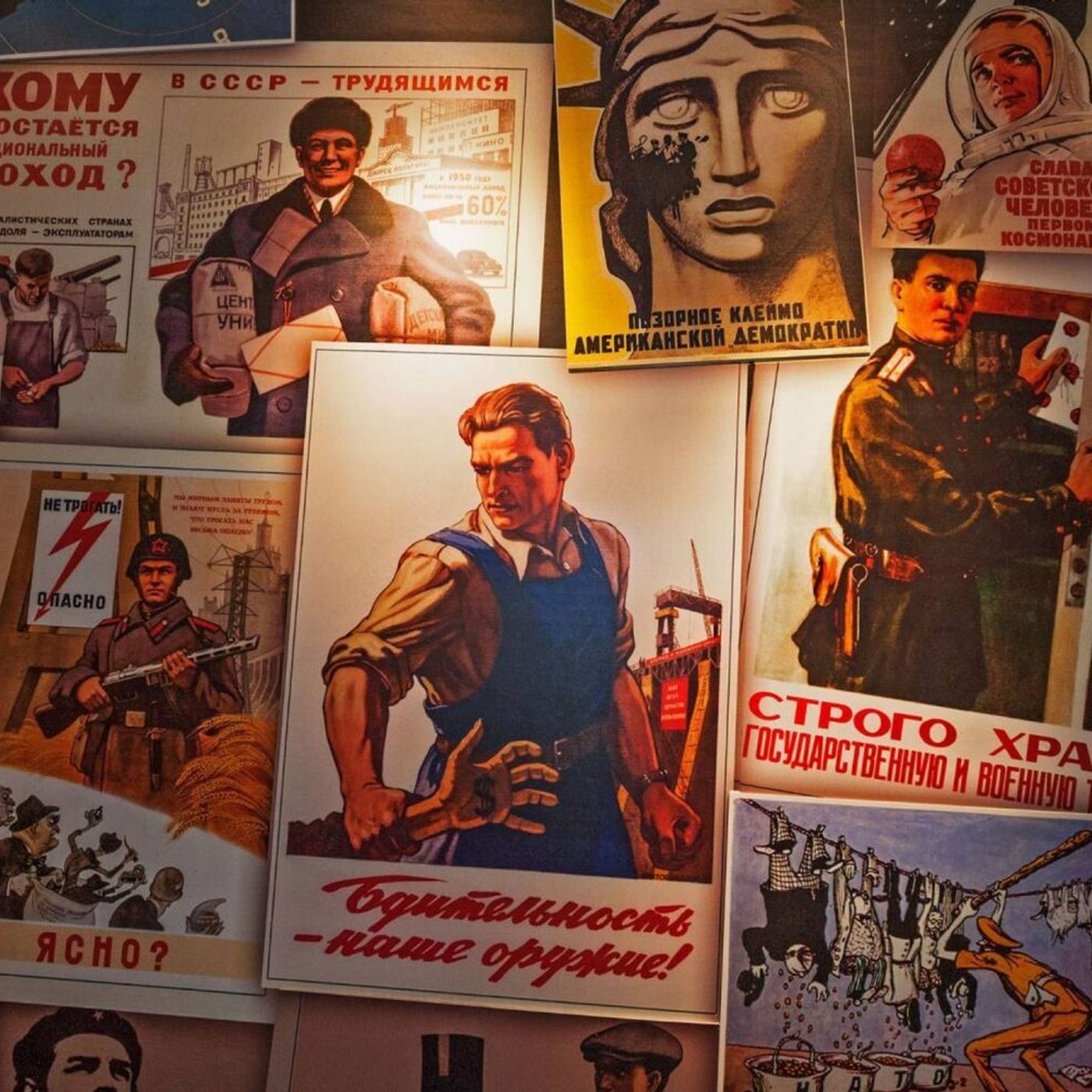
EI Weekly Listen — Disinformation in the information age by Gill Bennett
The line between disinformation, propaganda and fake news is often blurred. This is especially the case when it is unclear whether these untruths or half truths are being disseminated by the 'good' or 'bad' guys. Read by Leighton Pugh.https://engelsbergideas.com/essays/disinformation-in-the-information-age/Credit: Franz Aberham via Getty Images

EI Weekly Listen — Roman geopolitics, an exercise in myth-making by Richard Miles
Once established, Roman exceptionalism and empire needed to be justified and maintained. The practical application of mythology was one way in which this was achieved. Read by Leighton Pugh. https://engelsbergideas.com/essays/roman-geopolitics-an-exercise-in-myth-making/Credit: Fred de Noyelle via Getty

EI Weekly Listen — How US policy failure post-9/11 undermined international order by Emma Sky
The US once enjoyed the esteemed position of being the 'city on the hill', a beacon of hope and an example to the rest of the world. Post-9/11, however, the superpower's conduct in the Middle East has left its reputation tarnished. Read by Leighton Pugh.https://engelsbergideas.com/essays/how-us-policy-failure-post-9-11-undermined-international-order/ Credit: James May/Alamy
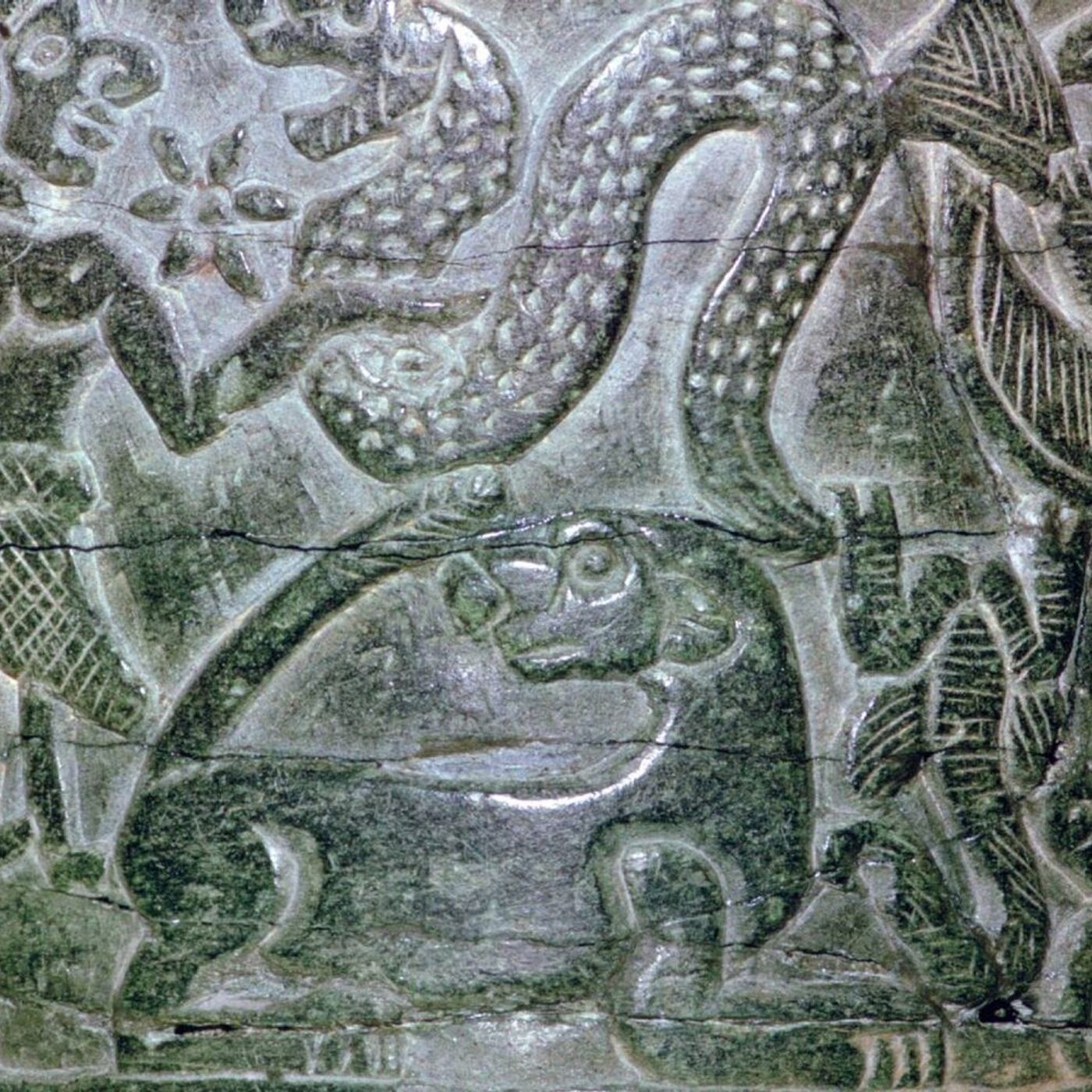
EI Weekly Listen—Uruk and the origins of the sacred economy by Daniel T. Potts
Peering into the hearts and minds those living four thousand years ago is an impossible task. However, when it comes to the worship of the Mesopotamian goddess Inanna, it seems clear to be, quite literally, a labour of love and fear.https://engelsbergideas.com/essays/uruk-and-the-origins-of-the-sacred-economy/Credit: Print Collector via Getty Images
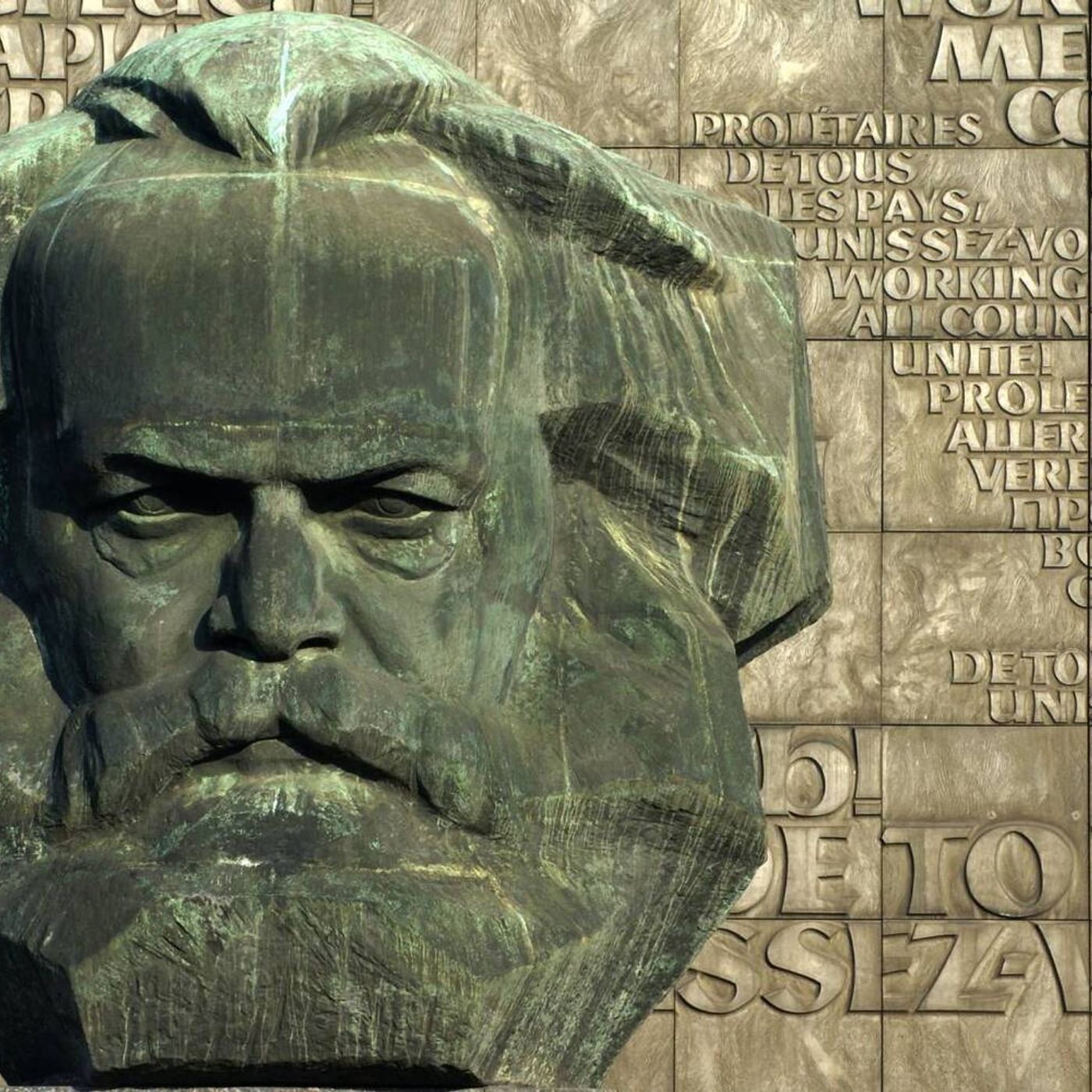
EI Weekly Listen — Capitalism, Socialism and Democracy revisited by Niall Ferguson
While at one point in time the idea that socialist economies would ultimately prevail over capitalism was quite a widespread view the fate of socialist states over the past hundred years have demonstrated that they enjoy only two possible paths: authoritarianism or anarchy. Credit: Shotshop GmbH / Alamy Stock Photo

EI Weekly Listen—Cool war by Noah Feldman
While the US remains the sole reigning super power, the rise of China adds complexity to the current world order. Geostrategic conflict is inevitable, but mutual economic interdependence can help manage that conflict and keep it from spiralling out of control. Credit: Christian Ohde / Alamy Stock Photo

EI Weekly Listen—Russia and geopolitics by Anna-Lena Laurén
As the largest country in the world, Russia's might past and present has an inherent link to its geopolitics. But since the decline of the Soviet Union, Moscow's eyes are constantly straying beyond the national borders. In Russia, expansion is often regarded as a means of self-defence. Credit: Tommy E Trenchard / Alamy Stock Photo
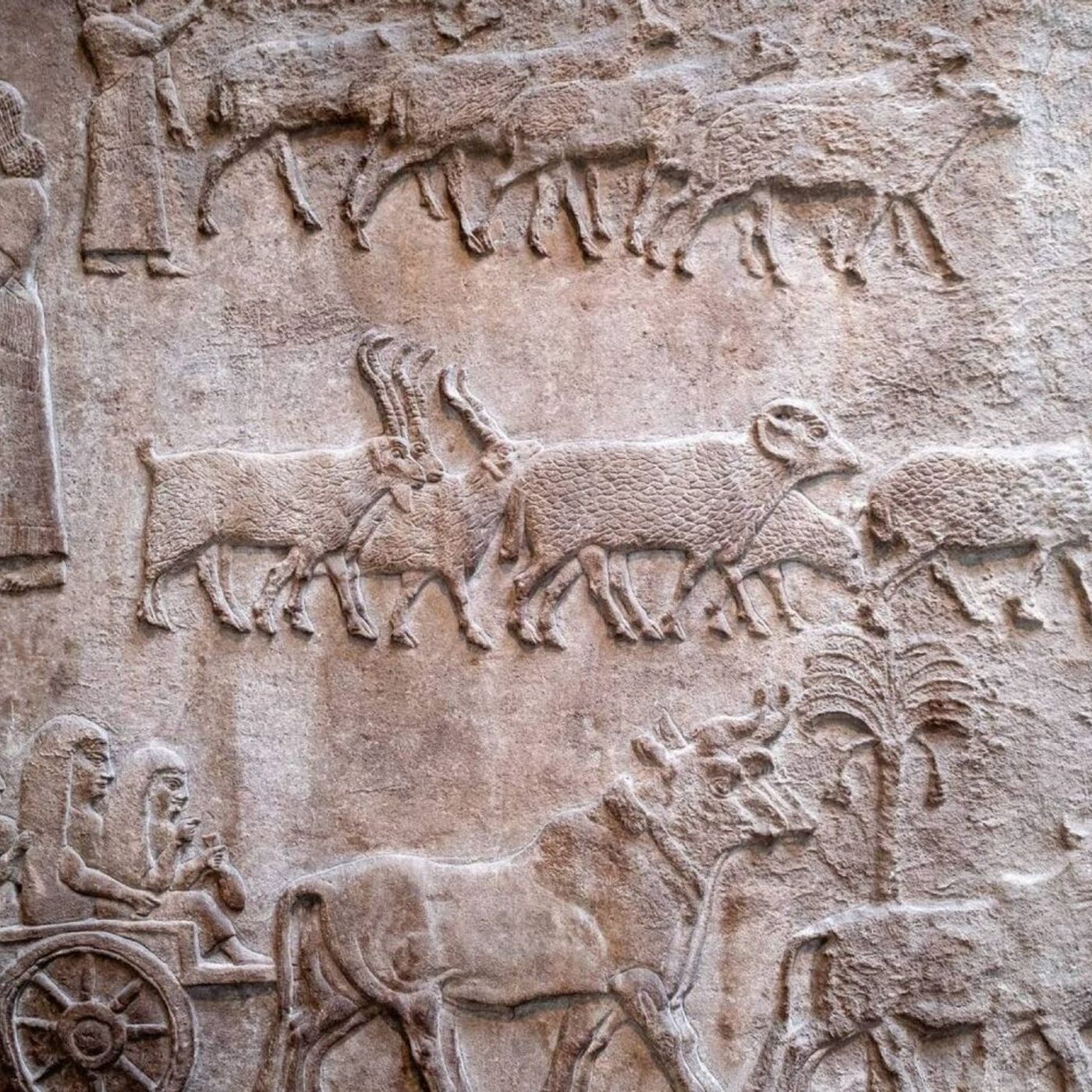
EI Weekly Listen—Fantasy in Middle Eastern nation-making by Nathan Shachar
There is frequently no real reason why one person has more claim to live or even rule over a piece of land than another. A reason, however must be provided and it is often be found in a fantastical interpretation of history.https://engelsbergideas.com/essays/fantasy-in-middle-eastern-nation-making/Credit: Adobe Stock
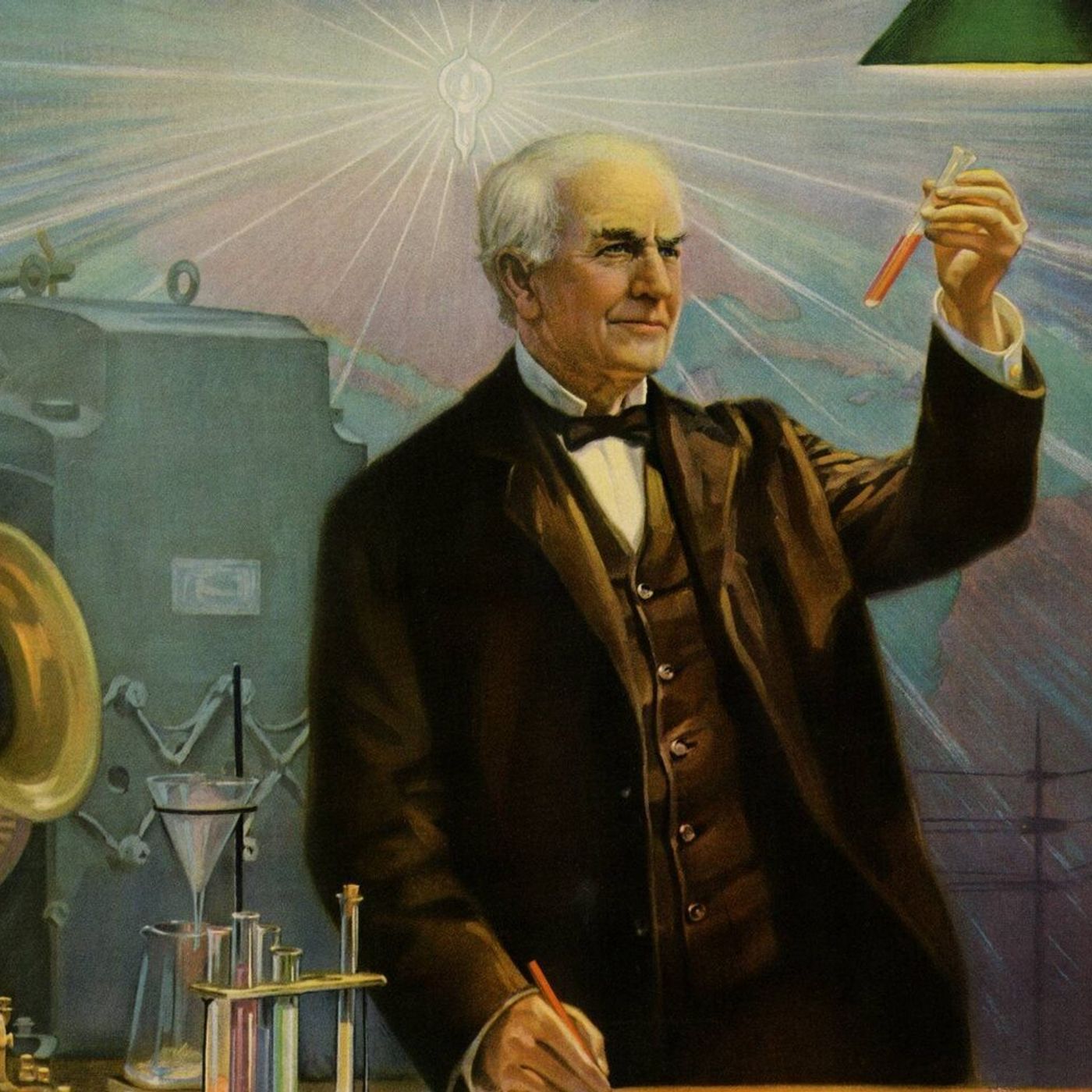
EI Weekly Listen – You are not as clever as you think by Mark Pagel
Why do humans accumulate ideas, knowledge and technologies while other animals are seemingly stick doing the same thing over and over never getting better? Rather than being a question of raw intelligence, it is in fact largely down to luck, trial and error and copying others.https://engelsbergideas.com/essays/you-are-not-as-clever-as-you-think/Credit: Buyenlarge/Getty Images

EI Weekly Listen – Adrian Wooldridge on the return of religion
Voltaire predicted that religion would be defunct in fifty year's time. Karl Marx called it the opium of the masses and Nietzsche declared that God is dead. Adrian Wooldridge is now saying that He's back. From the rise of Islamic extremism to American evangelism, the twenty-first century is seeing a religious renaissance. Read by Leighton Pugh.Credit: Tuul & Bruno Morandi via Getty Images

EI Weekly Listen - Martina Winkelhofer-Thyri on whether Austria is a nation, state or an empire
Studying the evolution of Austria in the 20th century offers deep insight into essential Western political categories. Read by Leighton Pugh.https://engelsbergideas.com/essays/austria-nation-state-or-empire/Credit: Adobe Stock

EI Weekly Listen - Tom Holland on Æthelstan and the forging of a United Kingdom of England
The story of how, over the course of three generations, the royal dynasty of Wessex went from near oblivion to fashioning a kingdom that still endures today is the most remarkable and momentous in the island's history. Read by Leighton Pugh.https://engelsbergideas.com/essays/aethelstan-the-king-who-forged-a-united-kingdom-of-england/Credit: Public domain
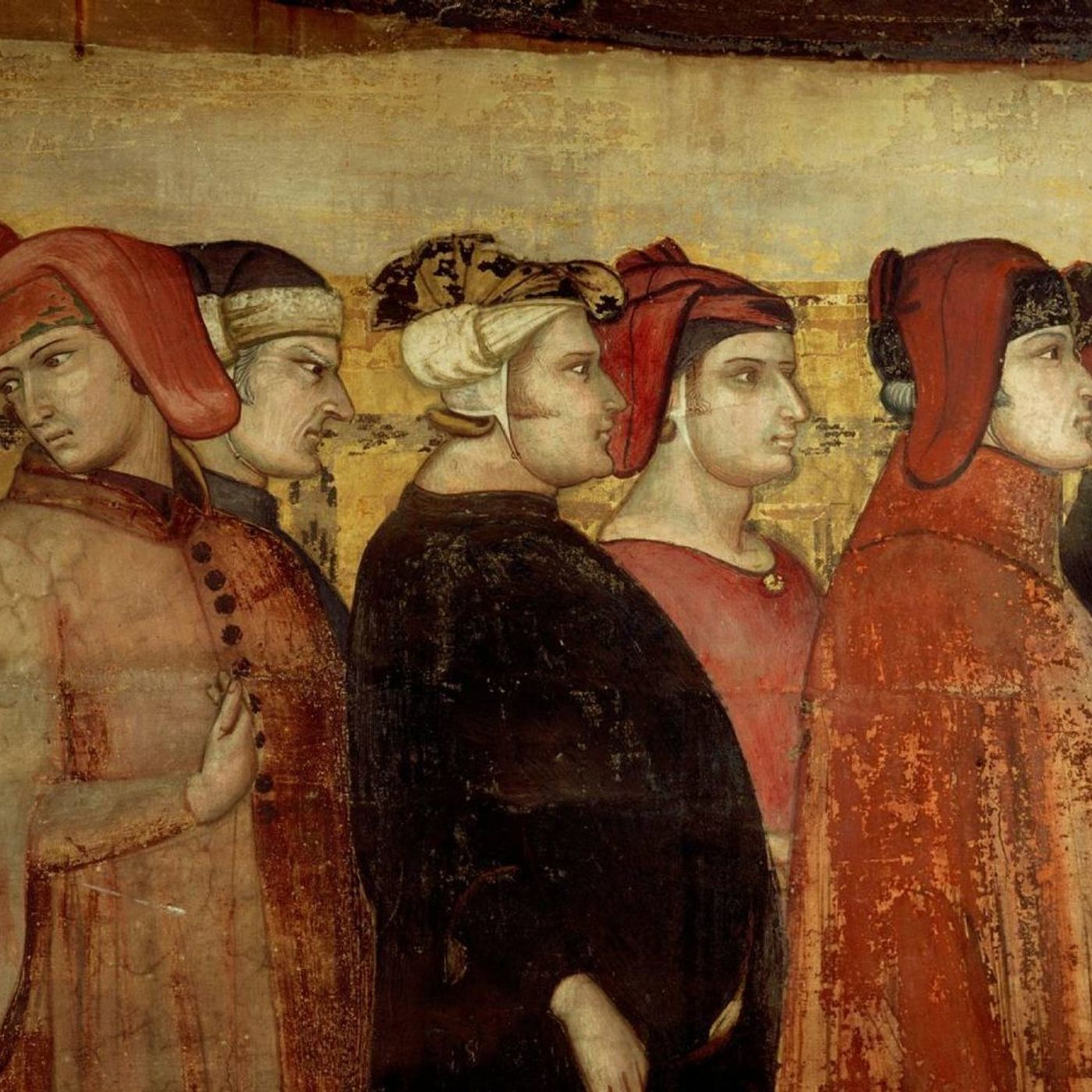
EI Weekly Listen - Maurizio Viroli on the virtues of the city-state
The early modern Italian republics are often portrayed as models of bad government. But the fusion of civic humanism and Christianity they championed endures to this day. Read by Leighton Pugh.https://engelsbergideas.com/essays/in-defence-of-the-city-state/Credit: Alinari Archives/CORBIS/Corbis via Getty Images
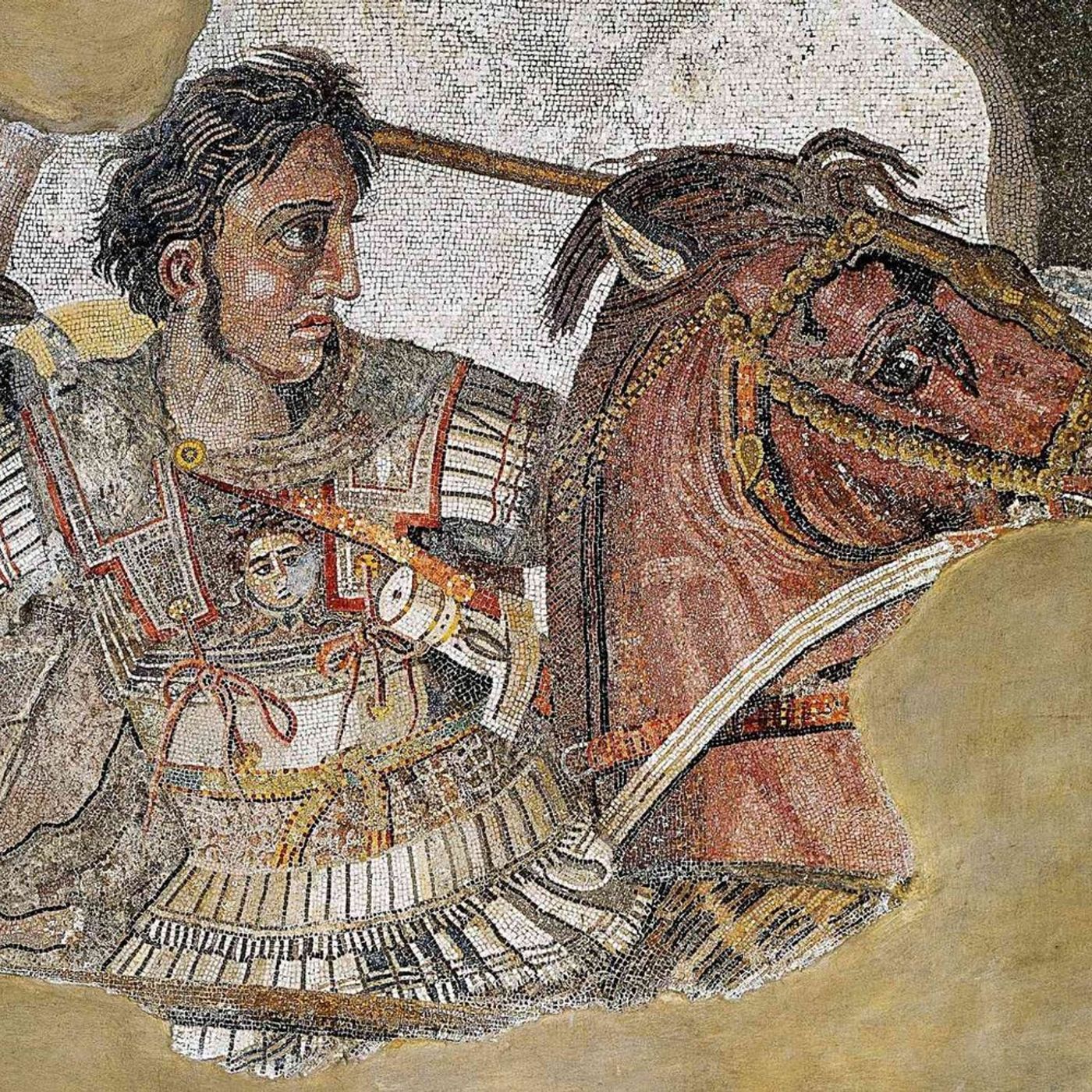
EI Weekly Listen - Robin Lane Fox on nationalism in the classical world
Nationalism is often thought of as a modern development - but its traces can be found in antiquity. Read by Leighton Pugh.https://engelsbergideas.com/essays/did-nationalism-exist-in-the-classical-world/Credit: Wiki Creative Commons
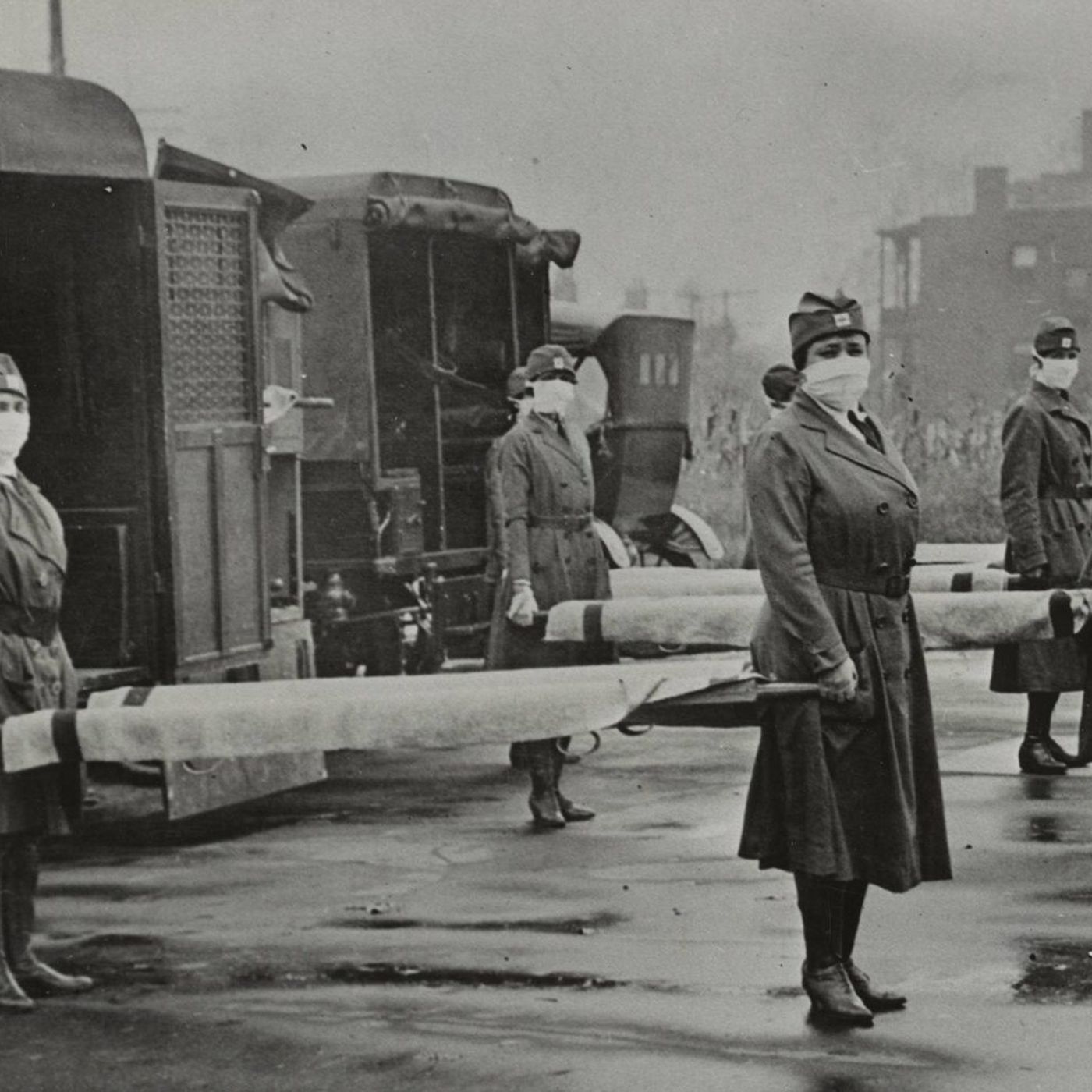
EI Weekly Listen - Hew Strachan on the cost of the 1918-19 pandemic
The influenza pandemic behaved much like the conflict itself - picking out the young and fit before their time. Read by Leighton Pugh.https://engelsbergideas.com/essays/counting-the-cost-of-the-1918-19-pandemic/Credit: Universal History Archive/Universal Images Group via Getty Images
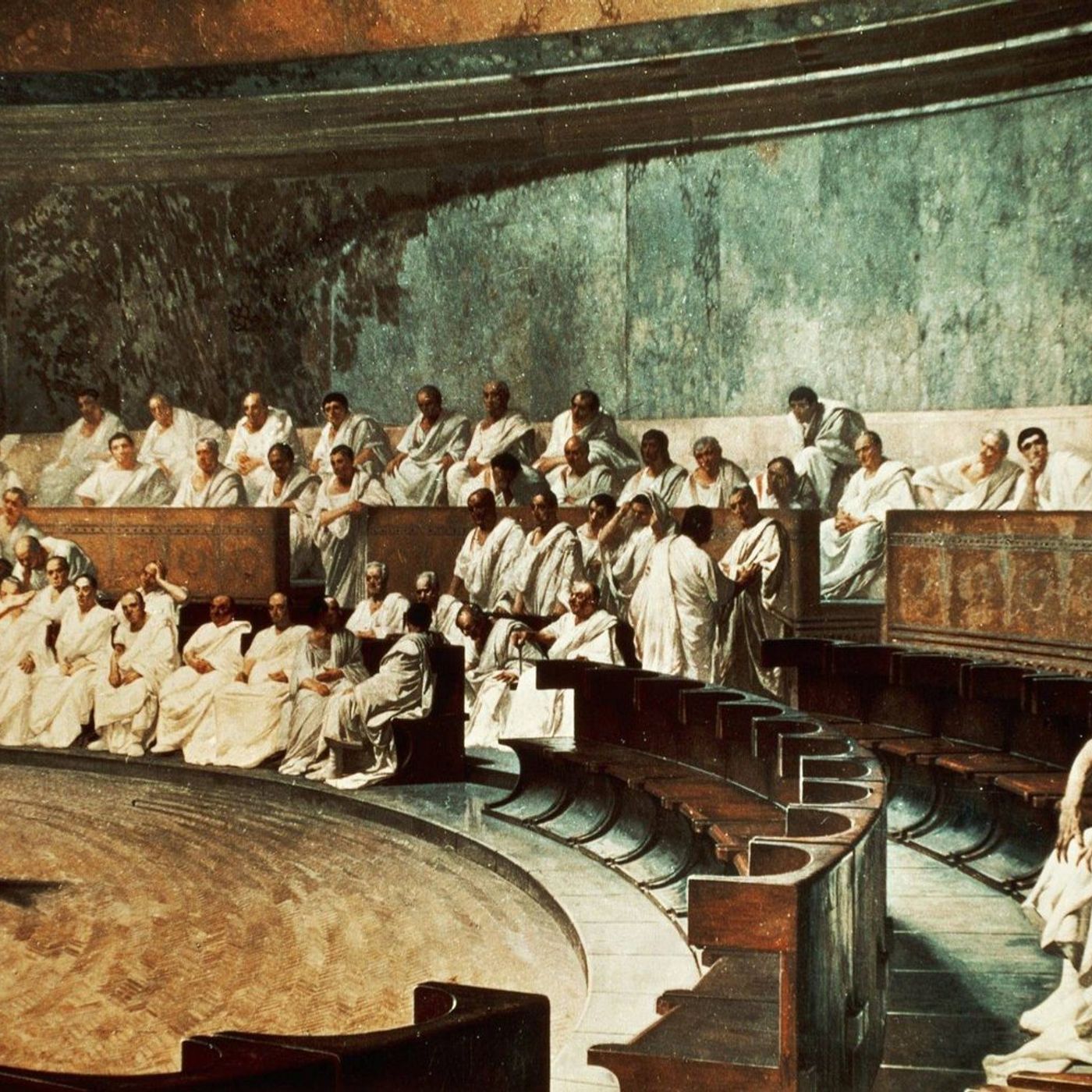
EI Weekly Listen – Alexander Lee on Machiavelli and civil strife
Niccolo Machiavelli, Renaissance statesman and political theorist, saw factional politics as essential to the prosperity of the Roman Empire and his native Florence. Are today's partisan divisions as beneficial? Read by Leighton Pugh.https://engelsbergideas.com/essays/machiavelli-and-the-benefits-of-civil-strife/Credit: Icom Images / Alamy Stock Photo
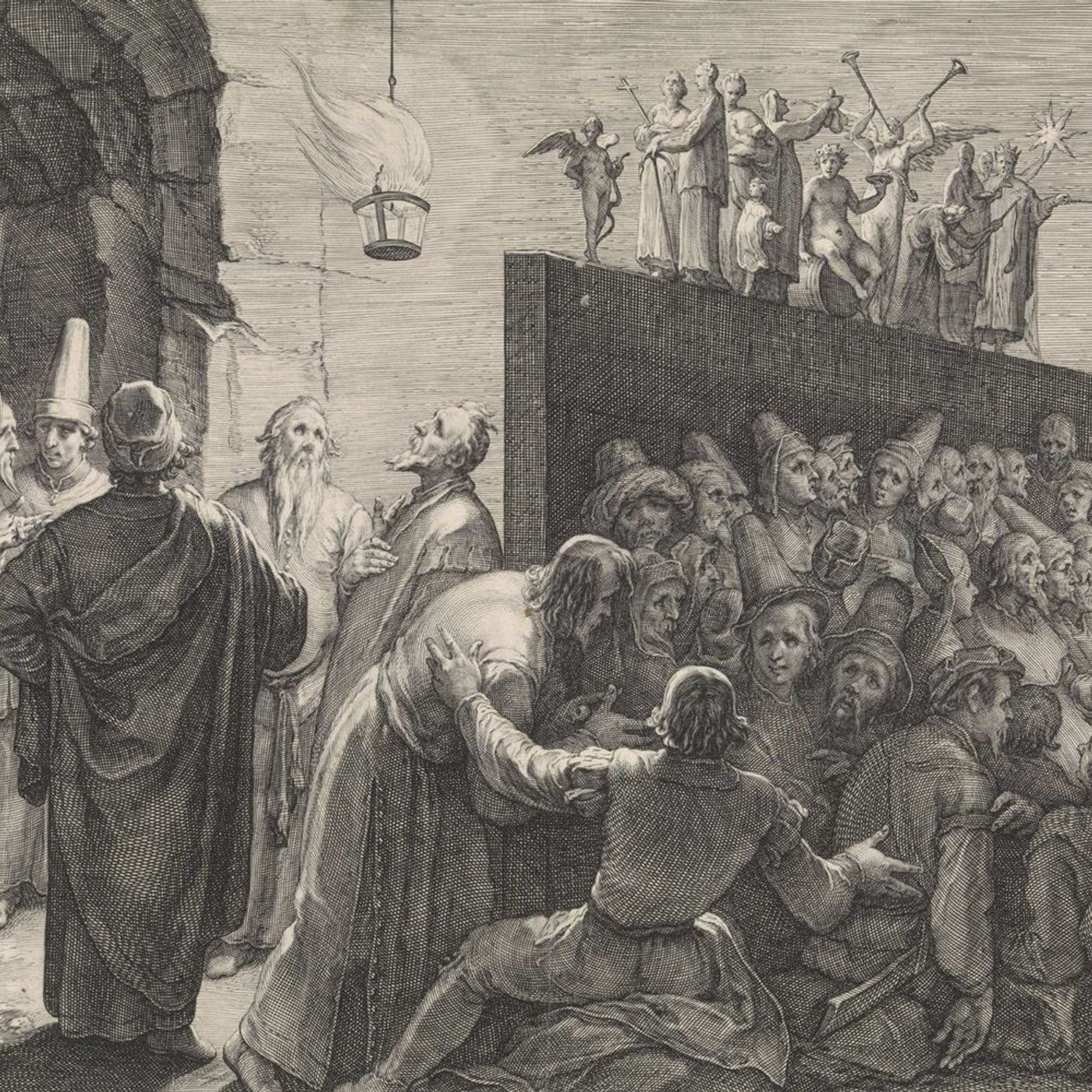
EI Weekly Listen – Adrian Wooldridge on why the West needs Plato more than ever
The Victorians saw Plato's Republic as an indispensable guide to reform of the public sphere - we should follow their lead. Read by Leighton Pugh.https://engelsbergideas.com/essays/leadership-in-crisis-why-the-west-needs-plato-more-than-ever/Credit: Sepia Times/Universal Images Group via Getty Images

EI Weekly Listen – Richard Whatmore on why revolutions are a disaster
Karl Marx was wrong about revolutions - in practice, they beget Caesars and Napoleons. Read by Leighton Pugh.https://engelsbergideas.com/essays/history-shows-revolutions-are-a-disaster/Credit: Andrew Maclear/Hulton Archive/Getty Images

Ep 3636: EI Weekly Listen – Andrew Graham-Dixon on crisis and great art
Social upheaval has often been a catalyst for artistic change - the Renaissance was no exception. Read by Leighton Pugh.https://engelsbergideas.com/essays/crisis-and-the-creation-of-great-art/Credit: Mauro Magliani for Alinari/Alinari Archives, Florence/Alinari via Getty Images

Ep 3535: EI Weekly Listen – Tom Holland on the empty metropolis
Empty city London had its harbingers in literature and history. How will it emerge from its isolation? Read by Leighton Pugh.https://engelsbergideas.com/essays/pandemics-and-the-metropolis-city-lockdown-london/Credit: 1000 Words / Shuttersotck

Ep 3434: Donald Sassoon on a world of nations and states
Despite globalisation, the nation state retains its privileged position in world politics. Read by Leighton Pugh.https://engelsbergideas.com/essays/a-world-of-nations-and-states-is-here-to-stay/Credit: AMA/Corbis via Getty Images

Ep 3333: Jonathan Fenby on China's great uncoupling
Beijing wants to foster a world where Chinese standards replace those of the post-1945 US-led system. Read by Leighton Pugh.https://engelsbergideas.com/essays/chinese-china-the-great-uncoupling/Credit: Feng Li/Getty Images

Ep 3131: David Seedhouse: Covid-19 and the moral case for personal judgement
The tension between independence and compliance is everywhere in society – but in medicine, reason must come before rules. Read by Leighton Pugh.https://engelsbergideas.com/essays/covid-19-and-the-moral-case-for-personal-judgement/Credit: DeAgostini/Getty Images

Ep 3030: Matthew Goodwin: Meet the Zoomer generation
This period of turbulence could turn today's twenty-somethings into the leaders of a new liberal revolution. Read by Leighton Pugh.https://engelsbergideas.com/essays/meet-the-zoomer-generation/Credit: Jack Taylor/Getty Images
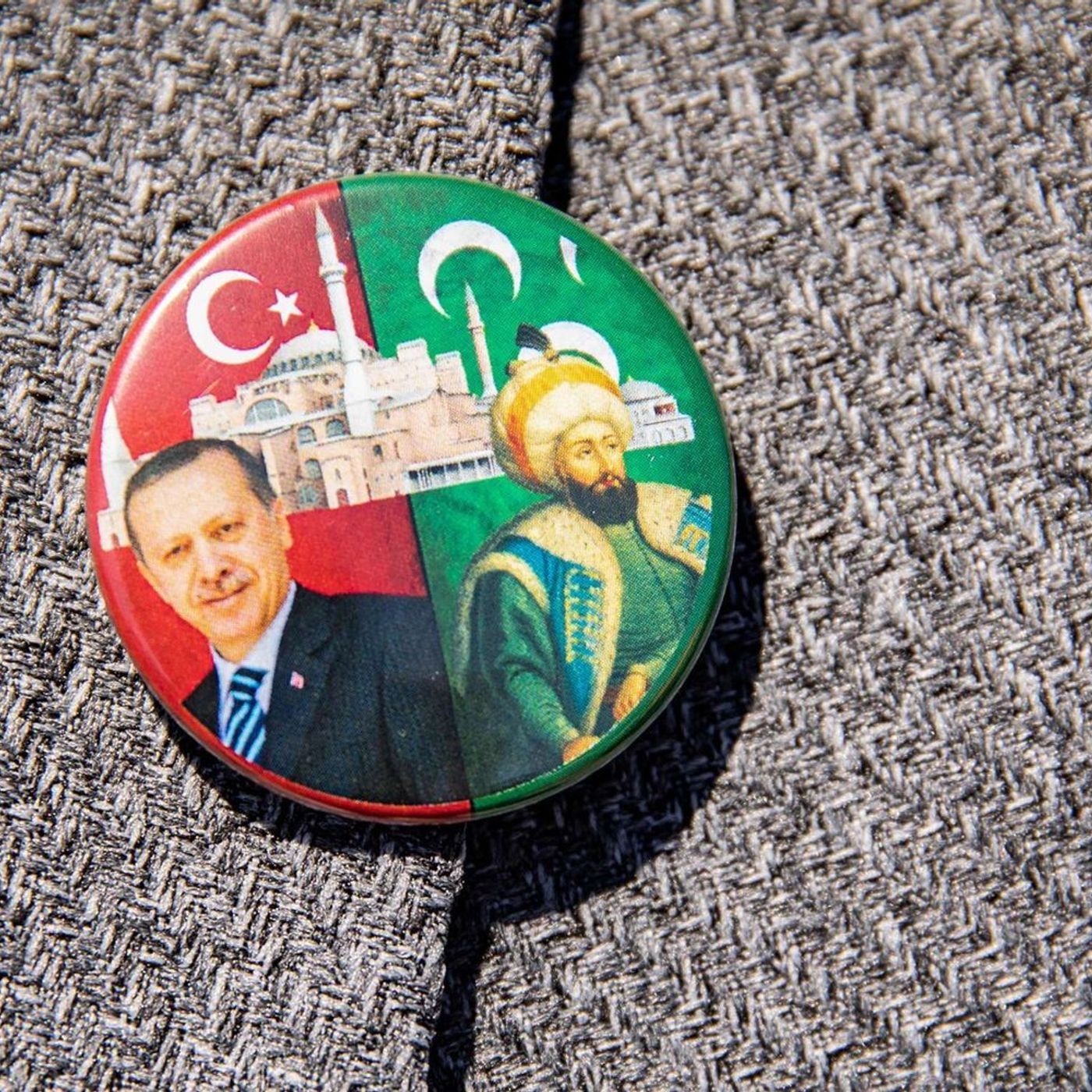
Ep 2929: Tim Marshall: New Turkey's old politics
As a result of President Erdogan's embrace of two interlinked geopolitical concepts, 'Strategic Depth' and 'Blue Homeland', Turkey faces international isolation. Read by Leighton Pugh.https://engelsbergideas.com/essays/new-turkeys-old-politics/Credit: Kerem Uzel/Bloomberg via Getty Images
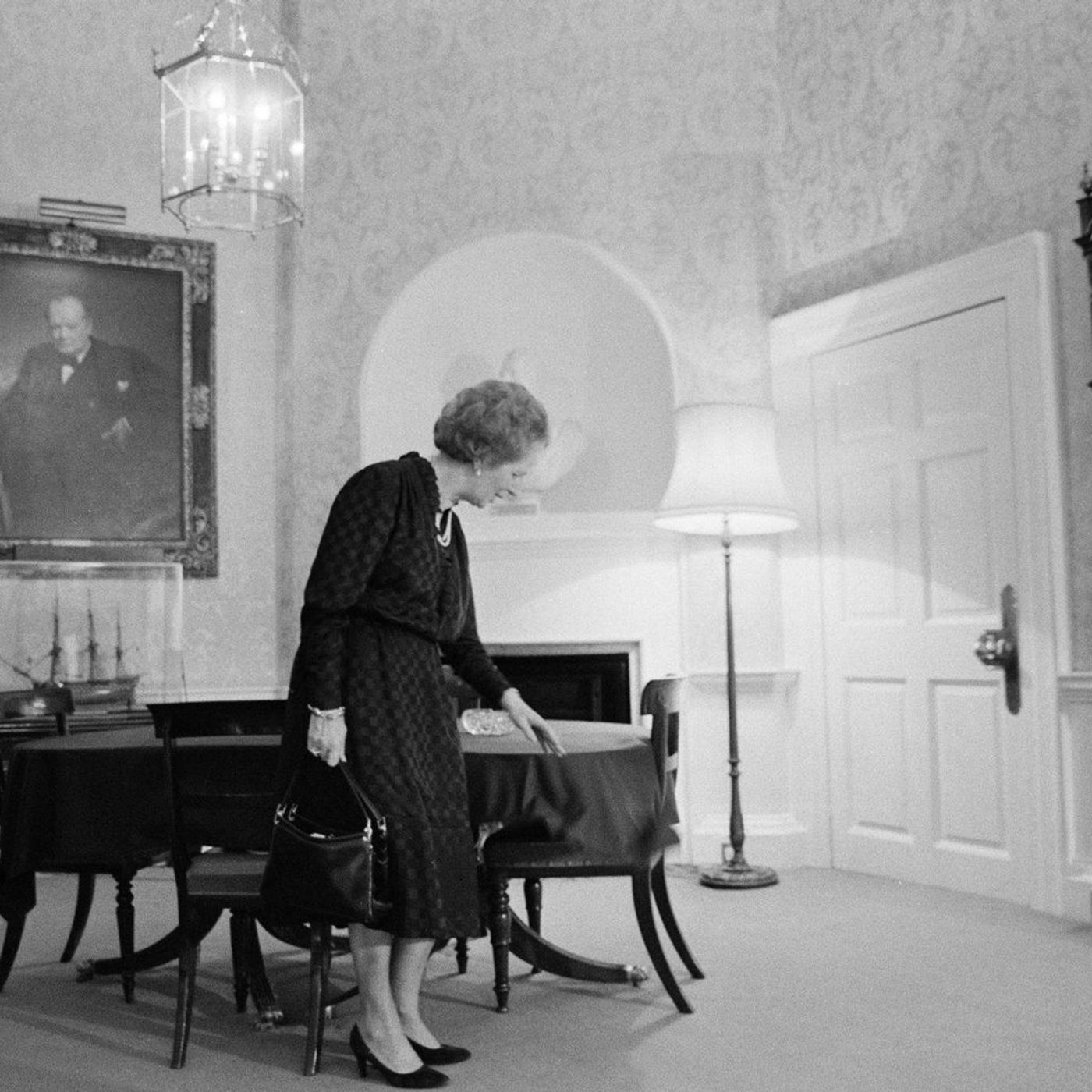
Ep 2828: Graham Stewart on Thatcher's rescue from historical cliché
To argue that Margaret Thatcher attacked the post-war dream is to caricature, not illuminate, her importance to British history. Read by Leighton Pugh.https://engelsbergideas.com/essays/continuity-thatcher-rescuing-a-complex-leader-from-historical-cliche/Credit: John Downing/Getty Images
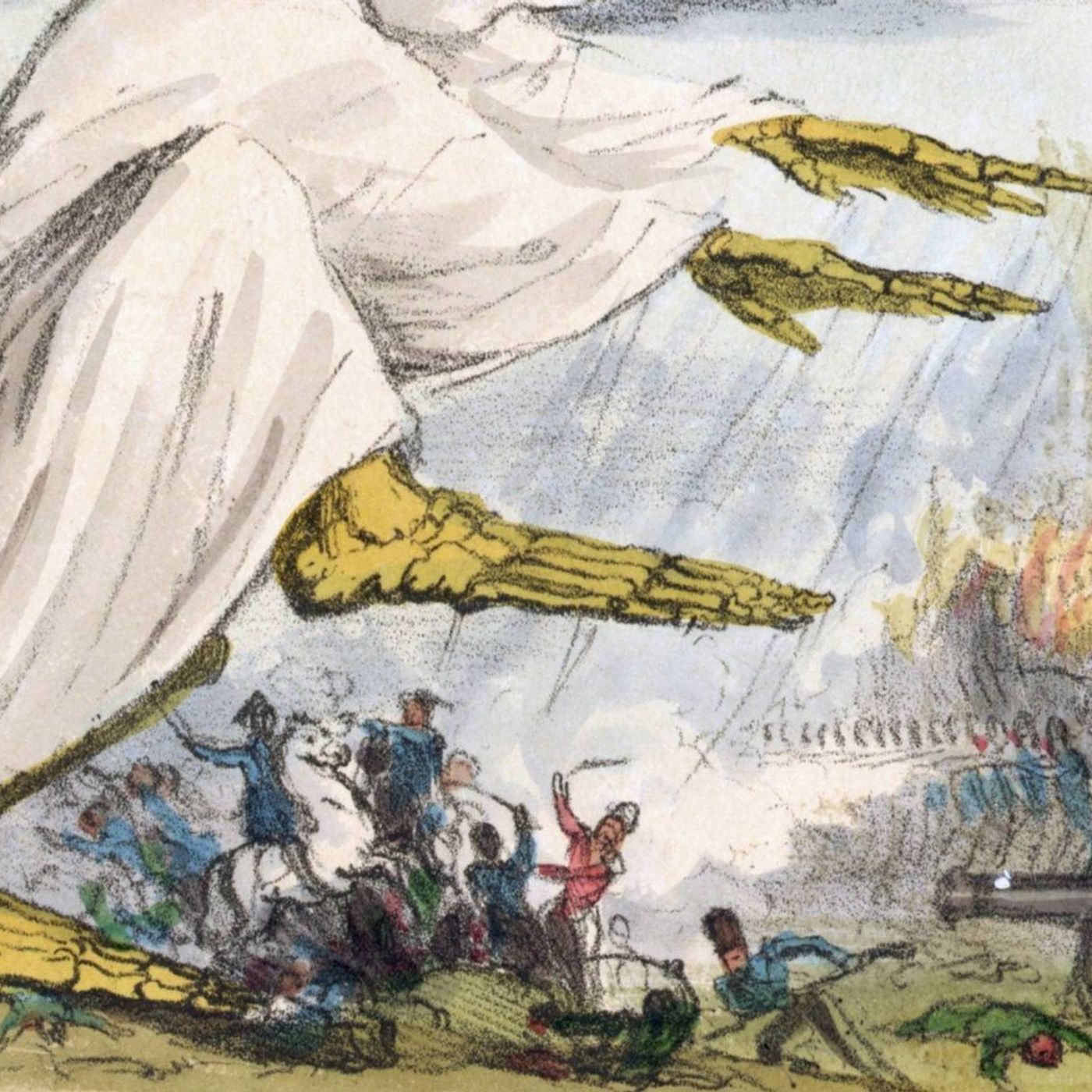
Ep 2727: Mark Honigsbaum: Challenging the 'Great Reset' theory of pandemics
Thucydides saw plague as an opportunity to improve the health of society. But history shows that pandemics have a way of disrupting medical and social progress. Read by Leighton Pugh.https://engelsbergideas.com/essays/challenging-the-great-reset-theory-of-pandemicsCredit: Bettmann
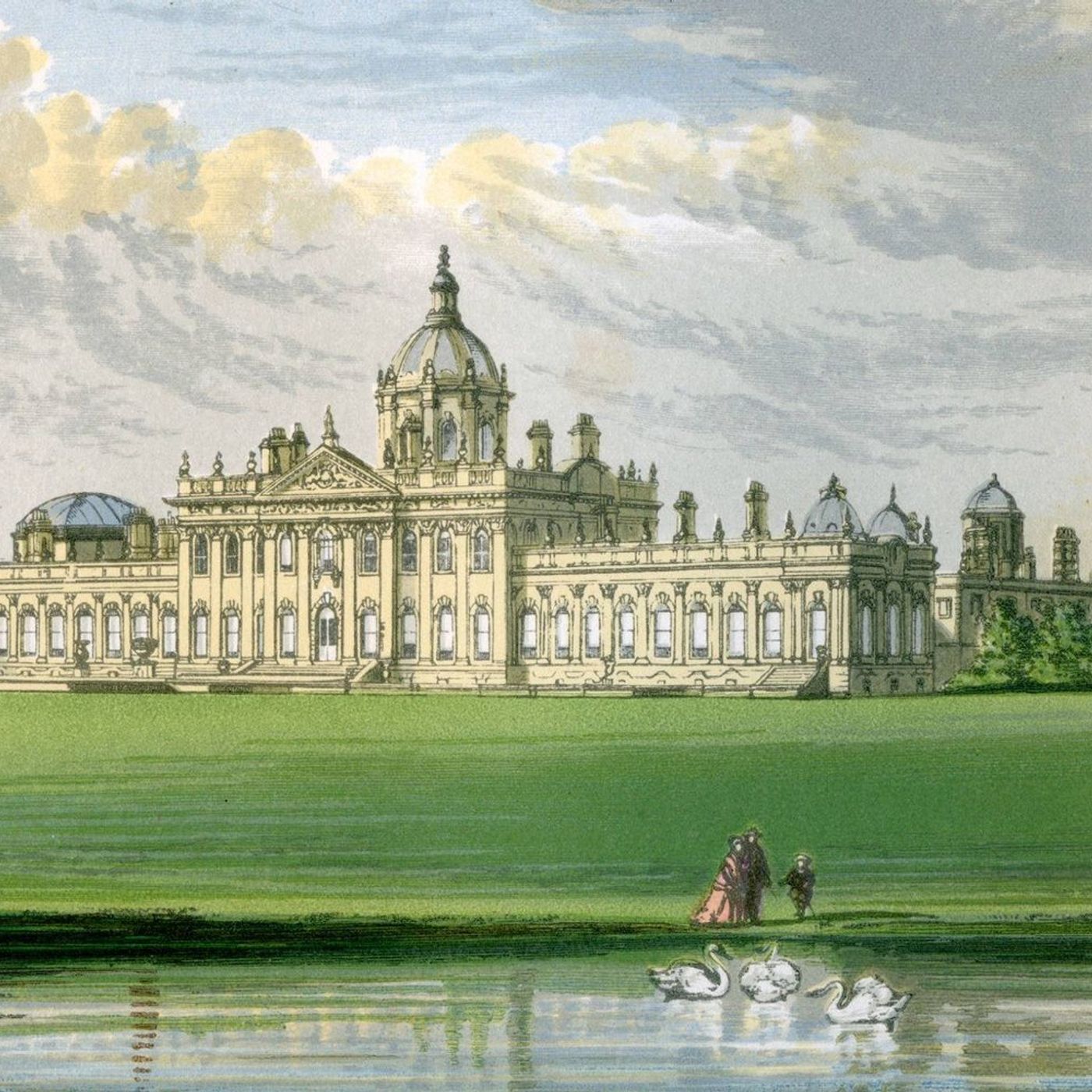
Ep 2525: Clive Aslet: The changing fate of the English country house
Amid the tumult of the 1970s, it appeared the traditional country house had gone into irreversible decline - but it was too early to write it off. Read by Leighton Pugh.https://engelsbergideas.com/essays/upstairs-downstairs-demolished-the-changing-fate-of-the-english-country-house/Credit: The Print Collector/Print Collector/Getty Images

Ep 2323: Helen Thompson: Geopolitics of a pandemic
The Covid-19 crisis has accentuated all the geopolitical fault lines of the past decade. Read by Leighton Pugh.https://engelsbergideas.com/essays/geopolitics-pandemic-geopolitical-conflict/Credit: Adobe Stock

Ep 2121: Philip Bobbitt: A government of laws
The constitutional order is changing as citizens become alienated and demand more say. Americans must take care that their habits of law are not swept away. Read by Leighton Pugh.https://engelsbergideas.com/essays/a-government-of-laws/Credit: REUTERS / Alamy Stock Photo
Ep 2020: Vanessa Harding: Remembering London's last Great Plague
London's response to its last plague epidemic involved close collaboration between crown, City and parish. Read by Leighton Pugh.https://engelsbergideas.com/essays/living-with-the-great-plague-of-1665/Credit: Culture Club / Getty Images

Ep 1919: Johan Hakelius: John Hughes and the making and unmaking of the American Dream
The films of John Hughes updated the American Dream for a new generation, and his complex legacy helps us understand what went so wrong. Read by Leighton Pugh.https://engelsbergideas.com/essays/john-hughes-and-the-making-and-unmaking-of-the-american-dream/Credit: CBS via Getty Images
Ep 1818: Iskander Rehman: Why applied history matters
Forget the seduction of grand theories and presentist moral judgments. To learn the lessons of the past, the great foreign policy analysts of our age must rediscover the art of historical discernment. Read by Leighton Pugh.https://engelsbergideas.com/essays/the-case-for-applied-history/Credit: BLM Collection / Alamy Stock Photo
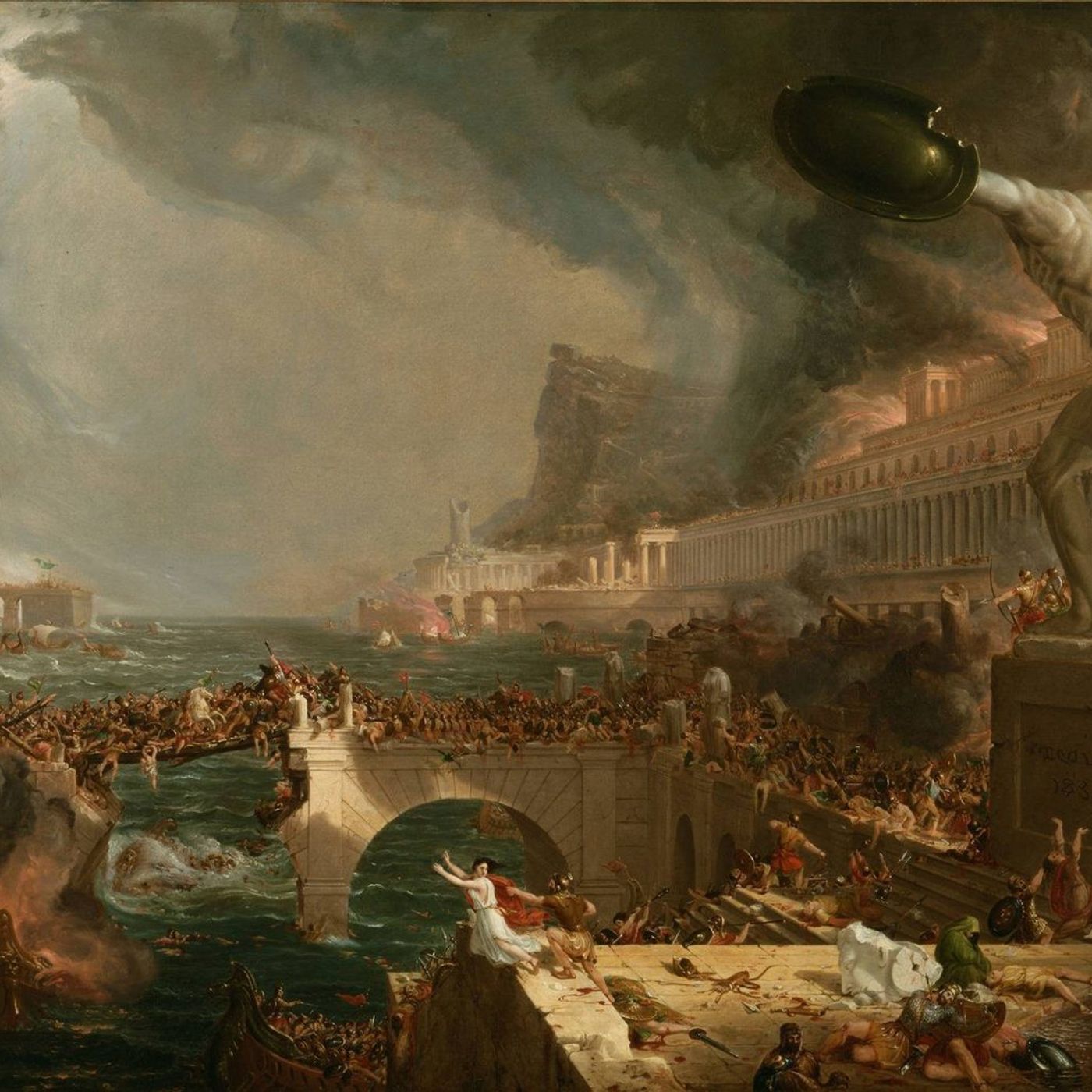
Ep 1616: Gillian Clark: Survival lessons from Ancient Rome
The Romans have so much to teach us about what it means to live in a society in crisis. Read by Leighton Pugh.https://engelsbergideas.com/essays/survival-lessons-from-ancient-rome/Credit: Thomas Cole / Public domain

Ep 1515: Peter Frankopan: This crisis has the capacity to be apocalyptic
Covid-19 heralds the end of our interconnected world. We'll need wise leaders to navigate what comes next. Read by Leighton Pugh.https://engelsbergideas.com/essays/this-crisis-has-the-capacity-to-be-apocalyptic/Credit: Getty Images
Ep 1212: Can America lead again?
Iain Martin with guests Sir Nigel Sheinwald, Professor Joseph Nye, Karin von Hippel and Tom McTague on the foreign policy change facing the Biden administration
Ep 1111: GCHQ – John Ferris on the official history
Mattias Hessérus is in conversation with John Ferris, the historian 'behind the enigma' of Britain's signals intelligence agency.
Ep 1010: MI9 – Helen Fry on wartime escape
Mattias Hessérus is in conversation with Helen Fry on the ingenious exploits of MI9 – the secret service for escape and evasion.
Ep 99: David Omand on what it takes to think like a secret agent
Mattias Hessérus is in conversation with David Omand, former director of GCHQ, on how we can all learn to think like a spy.
Ep 88: Fredrik Logevall on JFK
Over 40,000 books have been written on JFK since his assassination, yet none have succeeded in getting behind the myth of Camelot. Join Mattias Hessérus in discussion with Fredrik Logevall on the making of the man who enchanted America.
Ep 77: Covid and reform: can the West fix its governing systems?
Iain Martin with guests Adrian Wooldridge and Vernon Bogdanor discusses the covid crisis and the long-term impact that it might have on the development of the West.
Ep 66: Alexander Lee on Machiavelli
In this episode of History Lessons, Mattias Hesserus is joined by Alexander Lee to discuss Machiavelli’s life and works. Was he always an adept politician? Was he as immoral as is often claimed?
Ep 55: Asian Philosophies of Rebirth with Jessica Frazier
In this episode of History Lessons, Mattias Hesserus and Jessica Frazier are in conversation about the differences between Eastern and Western philosophies of crisis. Is the desire for a return to ’normal’ inherently western? What can we learn from narratives of rebirth? And, was the global lockdown a mass-participation yogic experiment?
Ep 44: Can the West be revived?
How did the West land in, what we might politely call, a 'sub-optimal' condition? And is a revival of the West feasible? To discuss these questions Iain Martin is joined by Peter Frankopan and David Frum.This is an Engeslberg Ideas podcast.
Ep 33: Leadership in a Crisis with Andrew Roberts
On this episode of History Lessons, Mattias Hessérus is joined by the historian and author Andrew Roberts to look through the careers of great figures like Napoleon Bonaparte, Winston Churchill and Margaret Thatcher (as well as some of history's great villains, Adolf Hitler and Joseph Stalin) and see how they handled the pressure of a crisis.History Lessons is an Engelsberg Ideas podcast.Hosted by Mattias Hessérus.With Andrew Roberts.Produced by Nick Hilton for Podot.
Ep 22: The History of Quarantine with Lincoln Paine
On this episode of History Lessons, Mattias Hessérus speaks to the maritime historian Lincoln Paine, author of The Sea and Civilization, about the history of quarantine, how pandemics have affected trade and travel in the past, and whether globalisation can survive the current moment.Hosted by Mattias Hessérus.With Lincoln Paine.Produced by Nick Hilton for Podot.