The EI Podcast
389 episodes — Page 1 of 8
Christianity’s debt to Rome
Jean Eustache: the outsider who reshaped French cinema
How to end a war
Testament to doomed media
Why Armenia’s elections matter
Len Deighton’s spycraft
China's bid for economic supremacy
A Jewish-American dream
Muslims and Jews' shared inheritance
Finding Turkey in Narnia
The life and legacy of Steve Schapiro
Agent Zo, the spy who saved Poland
Lewis and Clark’s American Odyssey
Why powerful individuals are dominating politics
Weimar’s descent into darkness
The civilising wonders of wine
Can Europe thrive in a multipolar world?
The long shadow of the Nuremberg and Tokyo trials
Universities are at crisis point
The anatomy of the spy novel
The roots of the West’s identity crisis
Iran’s strange Scottish obsession
Washington’s return to Latin America

The Houthis’ forever war
Elisabeth Kendall speaks to EI’s Jack Dickens about what motivates the Houthis. Following the outbreak of the war in Iran, the Yemeni militant group now has an outsized ability to disrupt global trade and threaten regional stability in the Middle East. But who are they and what do they really want?Image: A protester at a pro-Palestine demonstration in Sanaa, Yemen. Credit: Alamy
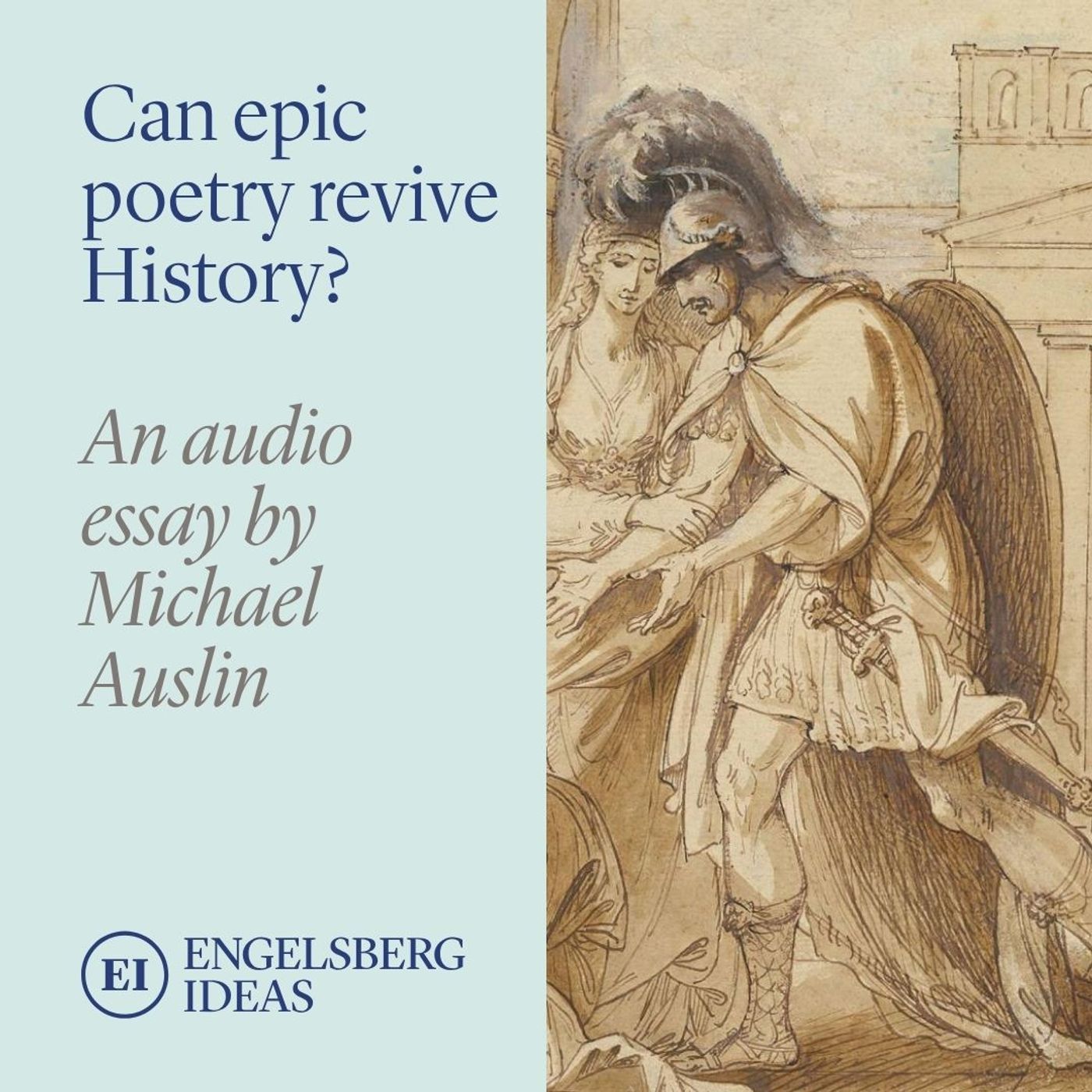
Can epic poetry revive History?
When combined, as the ancients knew, history and poetry offer an incomparable insight into the human condition. Michael Auslin laments the demise of poetry as a form for exploring great moments in history. Image: Hector taking leave of Andromache. Credit: Alamy Stock Photo
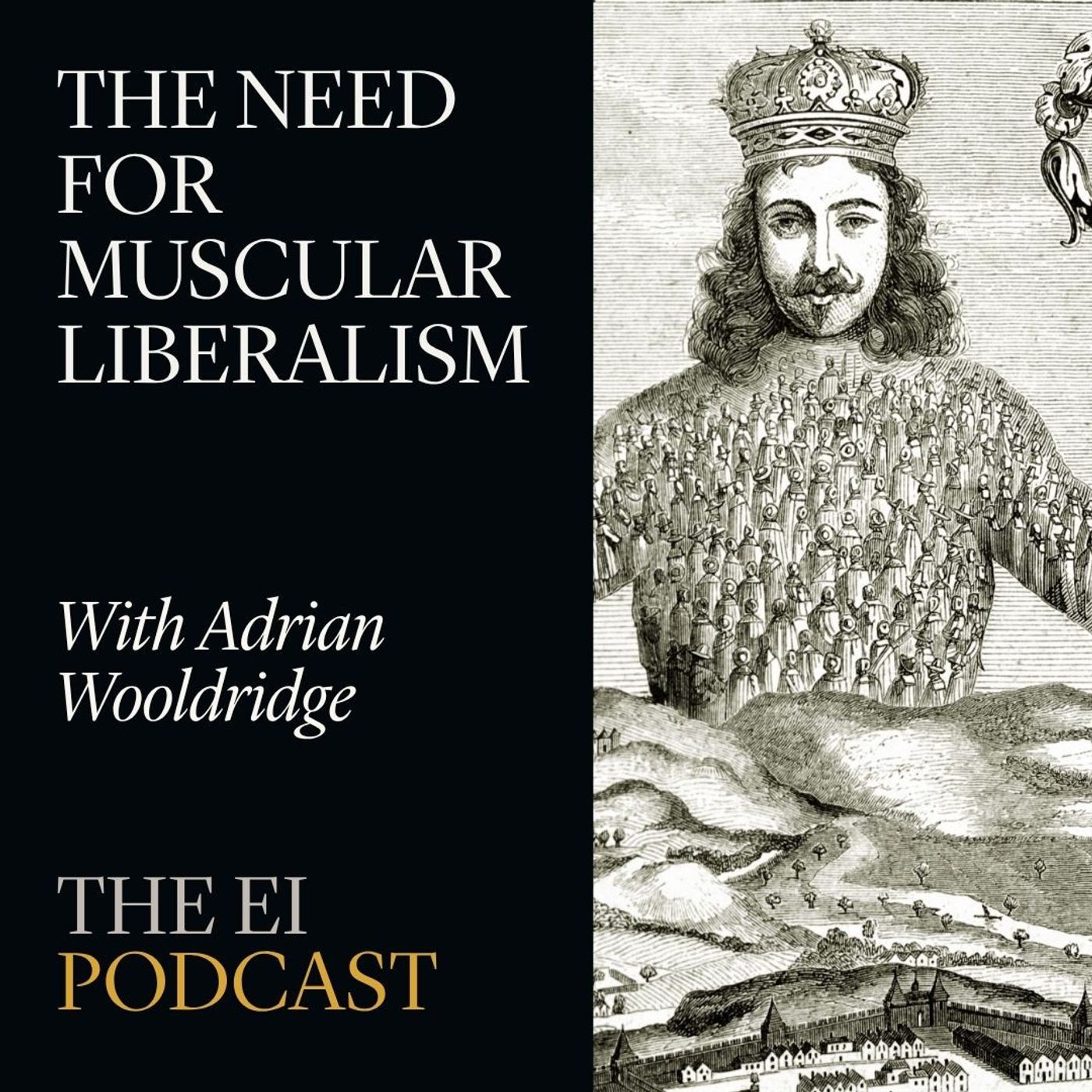
The need for muscular liberalism
Adrian Wooldridge speaks to EI’s Paul Lay about his new book, Centrists of the World Unite! The Lost Genius of Liberalism. He believes that the West can only overcome its current malaise by rediscovering and reviving the liberal tradition.Image: Engraving of the frontispiece from Thomas Hobbes’s ‘Leviathan’ (1651). Credit: Alamy
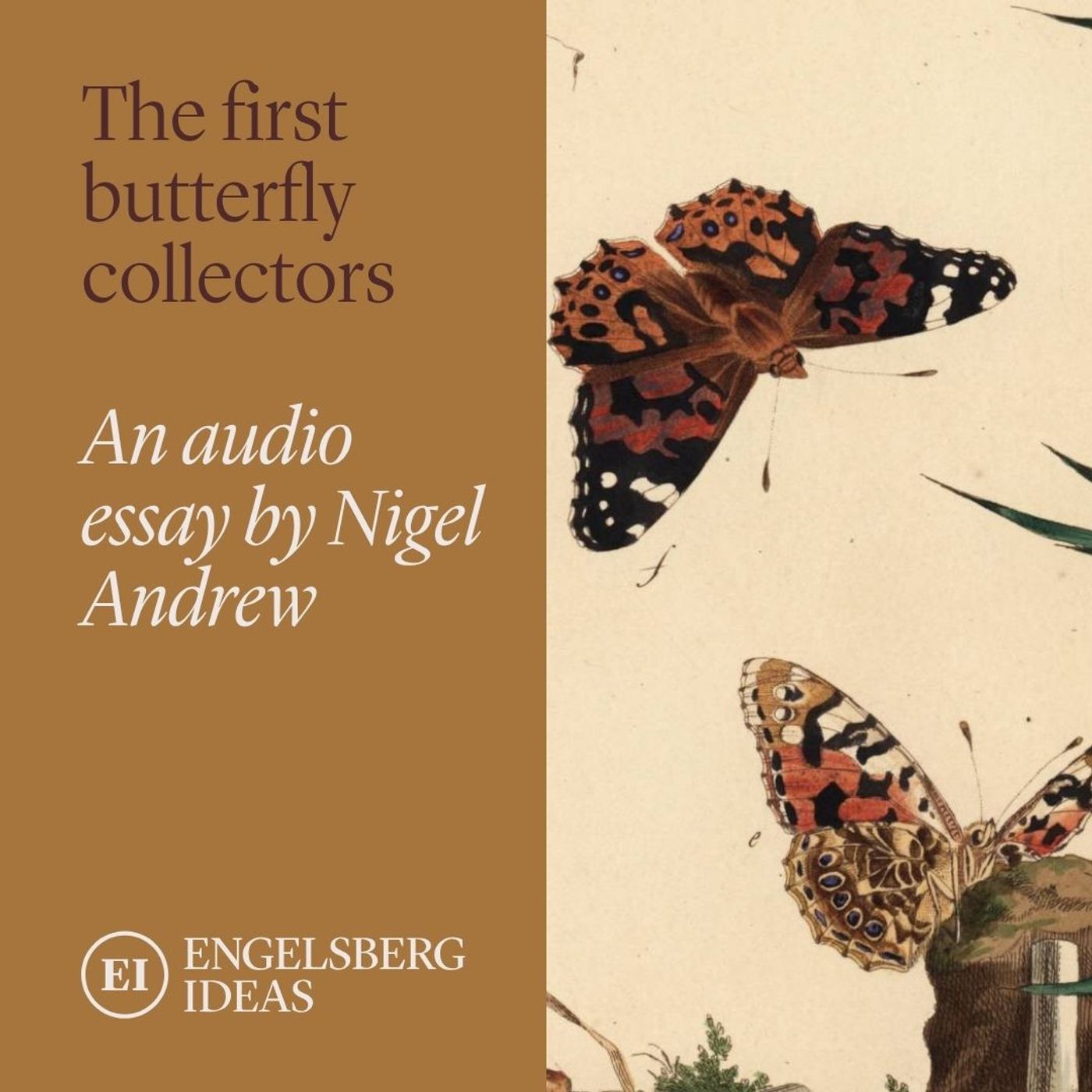
The first butterfly collectors
The Society of Aurelians brought butterflies out of their undeserved obscurity. Nigel Andrew’s audio essay sheds new light on Britain’s first entomological society. Read by Leighton Pugh.Image: Detail from ‘The Aurelian; a Natural History of English Moths and Butterflies’, published by Henry Bohn, London, 1840. Credit: Getty
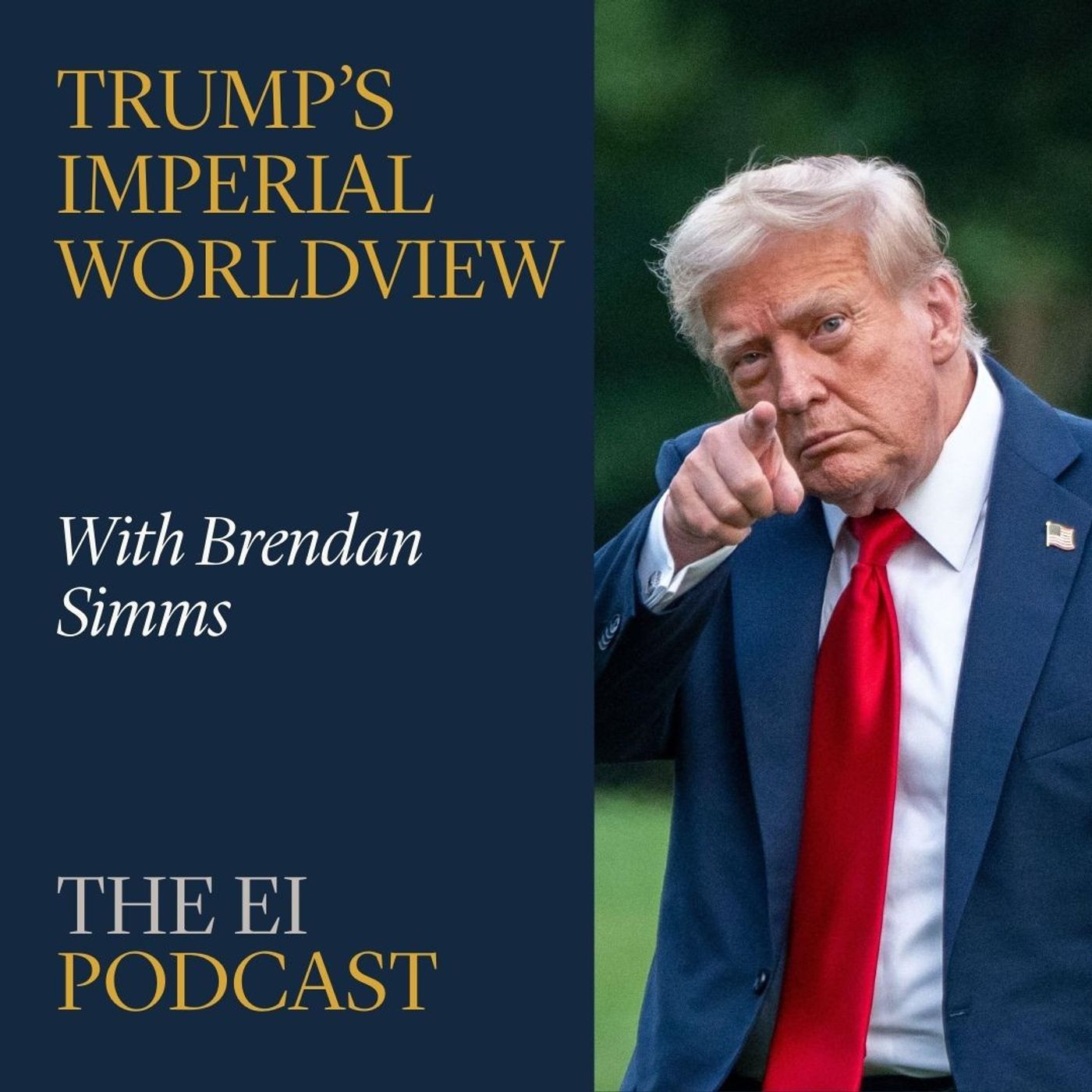
Trump’s imperial worldview
What is driving Donald Trump’s increasingly volatile foreign policy? Brendan Simms examines the US President and his ideological roots with EI’s Jack Dickens.Image: Donald Trump at the White House, July 2025. Credit: Alamy
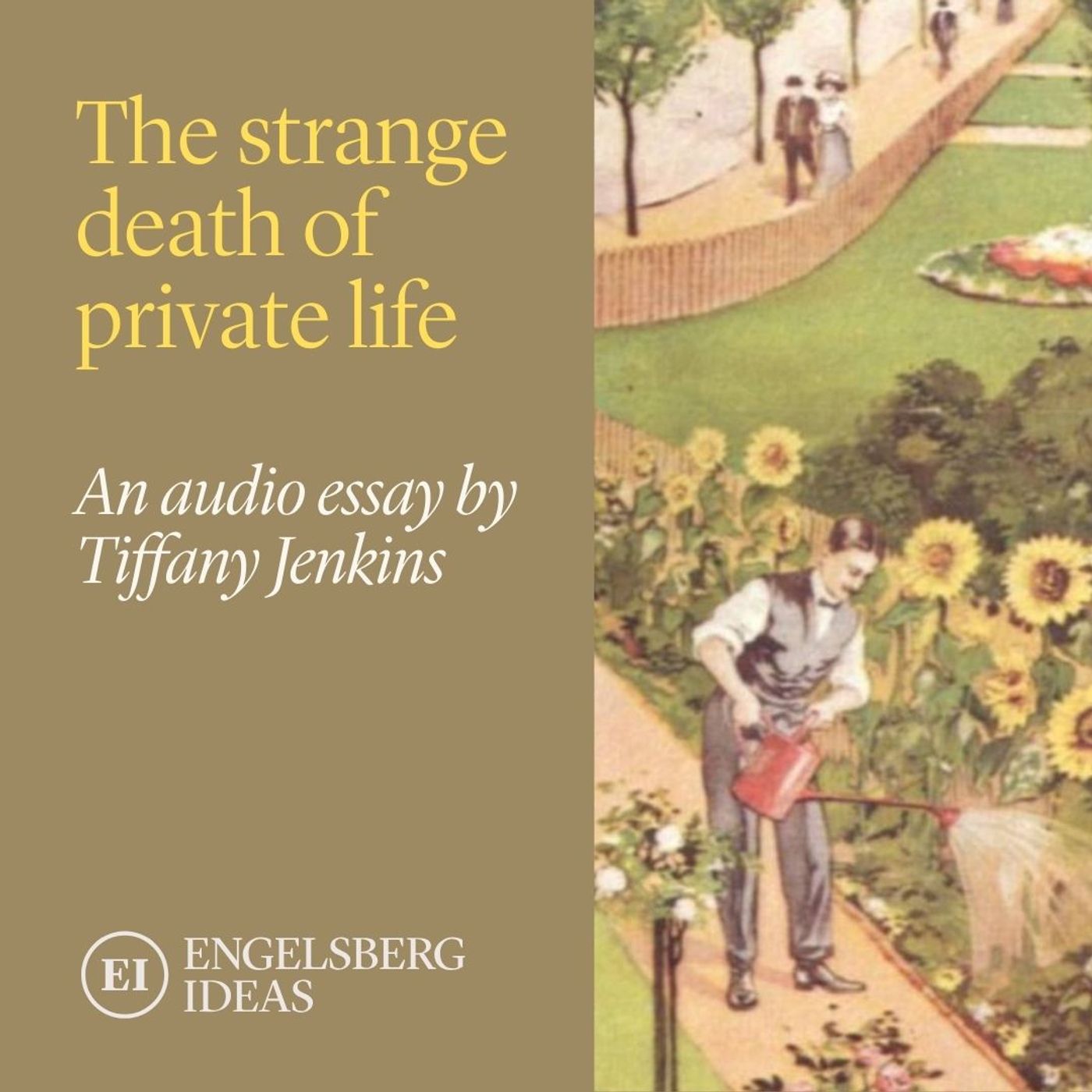
The strange death of private life
In the early 1970s, the idea of a private life – that citizens ought to be left alone by the state – began to disappear. In this audio essay, Tiffany Jenkins argues that we should mourn its absence. Read by Leighton Pugh.Image: 1930s poster for the London Underground. Credit: Alamy
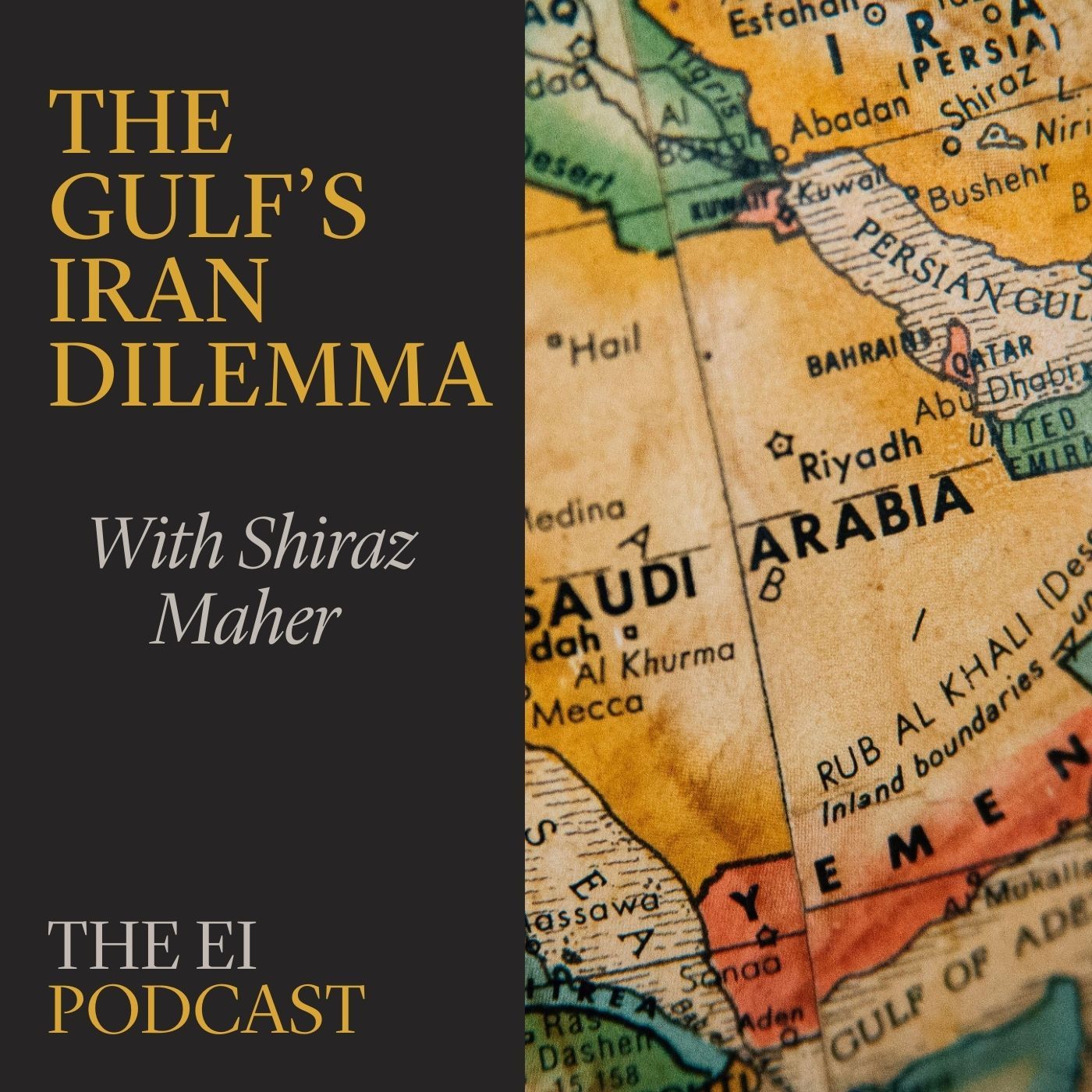
The Gulf’s Iran dilemma
Shiraz Maher examines how the fallout from the US-Iran conflict is reshaping the Gulf States and the wider Middle East, with EI’s Jack Dickens.Image: Close-up vintage map of the Middle East. Credit: Alamy
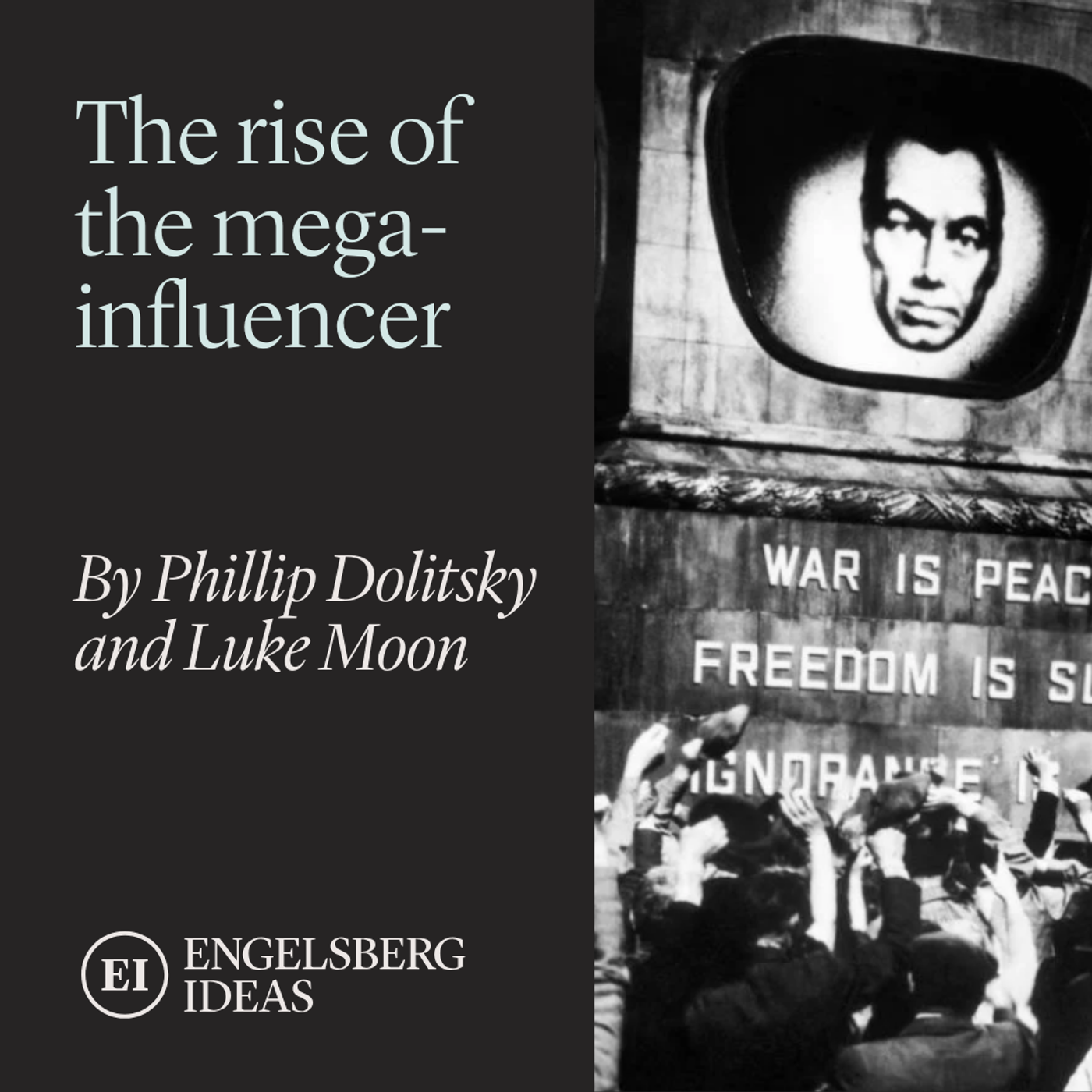
The rise of the mega-influencer
Mega-influencers shape the public imagination. Phillip Dolitsky and Luke Moon explore a world where narrative matters more than fact. Read by Leighton Pugh.Image: Still from a film version of George Orwell's 1984. Credit: Allstar Picture Library Limited

Putin, the once and future Chekist
Gordon Corera contends that to truly understand Vladimir Putin, you have to understand the phenomenon of Chekism. Read by Leighton Pugh.Image: Vladimir Putin's East German Stasi identification card issued while he worked as a KGB agent in Dresden in 1985. Credit: Pictorial Press Ltd

When Edo became Tokyo
Christopher Harding on the birth of Tokyo. Read by Leighton Pugh.Image: A woodblock print by Utagawa Hiroshige. From One Hundred Famous Views of Edo, 1856. Credit: incamerastock / Alamy Stock Photo

Hamlet unravelled
Emma Smith, Professor of Shakespeare Studies at Oxford University, explores Hamlet and its rich critical history with EI’s Alastair Benn and Paul Lay.Image: Laurence Olivier plays Hamlet in 1948. Credit: Masheter Movie Archive

The making of Xi Jinping's worldview
Rana Mitter explores Xi Jinping’s personal and ideological mindset in conversation with EI’s Jack Dickens.Image: Then Vice President Xi Jinping makes an address in preparation for the 2008 Olympics. Credit: Imago

Nietzsche’s manifesto for reading
Ioannes Chountis de Fabbri on reading as an antidote to the restless spirit of the industrial age. Read by Leighton Pugh.Image: Edvard Munch's painting of Friedrich Nietzsche. Credit: Darling Archive / Alamy Stock Photo

Inside the world of medieval espionage
Jonathan Sumption surveys the last generation of spies before the creation of Europe's professional intelligence services. Read by Leighton Pugh.Image: King Charles VI of France prepares for war. Credit: Science History Images / Alamy Stock Photo

The Monroe Doctrine: The United States’ hemispheric strategy explained
EI's Jack Dickens is joined by Charlie Laderman, associate professor at the University of Florida’s Hamilton Center, to discuss how the United States’ hemispheric ambitions emerged from great-power competition – and why the Monroe Doctrine still matters.Image: A satirical cartoon lampooning the expansion of the Monroe Doctrine. Credit: Photo 12

The strange case of Robert Louis Stevenson
Alastair Benn is joined by Leo Damrosch, author of Storyteller: The Life of Robert Louis Stevenson, to explore the life and legacy of the celebrated Scottish writer, including one of his most enduring literary achievements, Strange Case of Dr Jekyll and Mr Hyde.Image: 'Robert Louis Stevenson' by John Singer Sargent, 1885. Credit: IanDagnall Computing

The instability of a multipolar era
EI's Paul Lay is joined by Helen Thompson to discuss US–China rivalry, the growing importance of the Western Hemisphere in geopolitics, and the inherent instability of a multipolar world.Image: Russian President Vladimir Putin speaks to Chinese President Xi Jinping at the Victory Parade marking the 70th anniversary of the surrender of Nazi Germany in the Second World War. Credit: Associated Press

Why the brain is the ultimate weapon of war
EI's Paul Lay is joined by neuroscientist Nicholas Wright to discuss how the brain shapes war, and how war shapes the brain.Image: The brain as a weapon of war. Credit: fStop Images GmbH

The end of Pax Britannica
Graeme Thompson on the fall of a liberal world order. Read by Leighton Pugh.Image: 'Taming the British Lion'. Puck magazine, 1888. Credit: Historical Images Archive

The classical key to the AI revolution
John Tasioulas examines how a classical conception of democracy – distinct from liberal democracy – may offer the resources needed to meet the challenges posed by Artificial Intelligence. Read by Leighton Pugh.Image: Rudolph Müller, View of the Acropolis from the Pynx (1863). Credit: Eraza Collection

The Risorgimento myth
Gerald Warner on the origins of a 'black legend' designed to discredit the once-flourishing Bourbon Kingdom of the Two Sicilies. Read by Leighton Pugh.Image: A painting displaying the splendour of the Neapolitan fleet. Credit: The Picture Art Collection

China's quest to engineer the future
EI's Paul Lay is joined by technology analyst Dan Wang to discuss how China has engineered its way to global power status. Image: New high-rise buildings in China. Credit: ton koene

The double agent who introduced Japan to the West
Bill Emmott profiles Lafcadio Hearn, the Anglo-Irish-Greek foreign correspondent who made Japan his home. Read by Leighton Pugh.Image: Lafcadio Hearn photographed with his wife, Setsuko Koizumi, and their son. Credit: GRANGER - Historical Picture Archive / Alamy Stock Photo

Lessons from the Wall Street Crash
Bestselling author Andrew Ross Sorkin discusses his new book, 1929: The Inside Story of The Greatest Crash in Wall Street History, with EI's Iain Martin.Image: The Wall Street financial crash of 1929, with a city businessman speculator trying to sell his car for $100 cash, having lost all on the stock market. Credit: Alamy/ Shawshots.

1821 and the invention of world order
Historian Damian Valdez on international order's 19th-century origins. Read by Leighton Pugh.Image: Mexican general Agustín de Iturbide rides through a ceremonial arch to welcoming officials in Mexico City on September 27, 1821, after decisively winning independence for Mexico. Credit: Album / Alamy Stock Photo

The growing-pains of Graham Greene
Critic Malcolm Forbes investigates Graham Greene's troubled childhood. Read by Leighton Pugh.Image: Graham Greene in 1940. Credit: Everett Collection Historical / Alamy Stock Photo

The Slavic War according to Stalin
Historian Luka Ivan Jukic explores how Stalin hijacked the Slavic cause to forge the Soviet Empire. Read by Leighton Pugh.Image: A poster celebrating Stalin at the Russian State Library, Moscow. Credit: Album / Alamy Stock Photo