The Dr. Greg Wells Podcast
77 episodes — Page 2 of 2
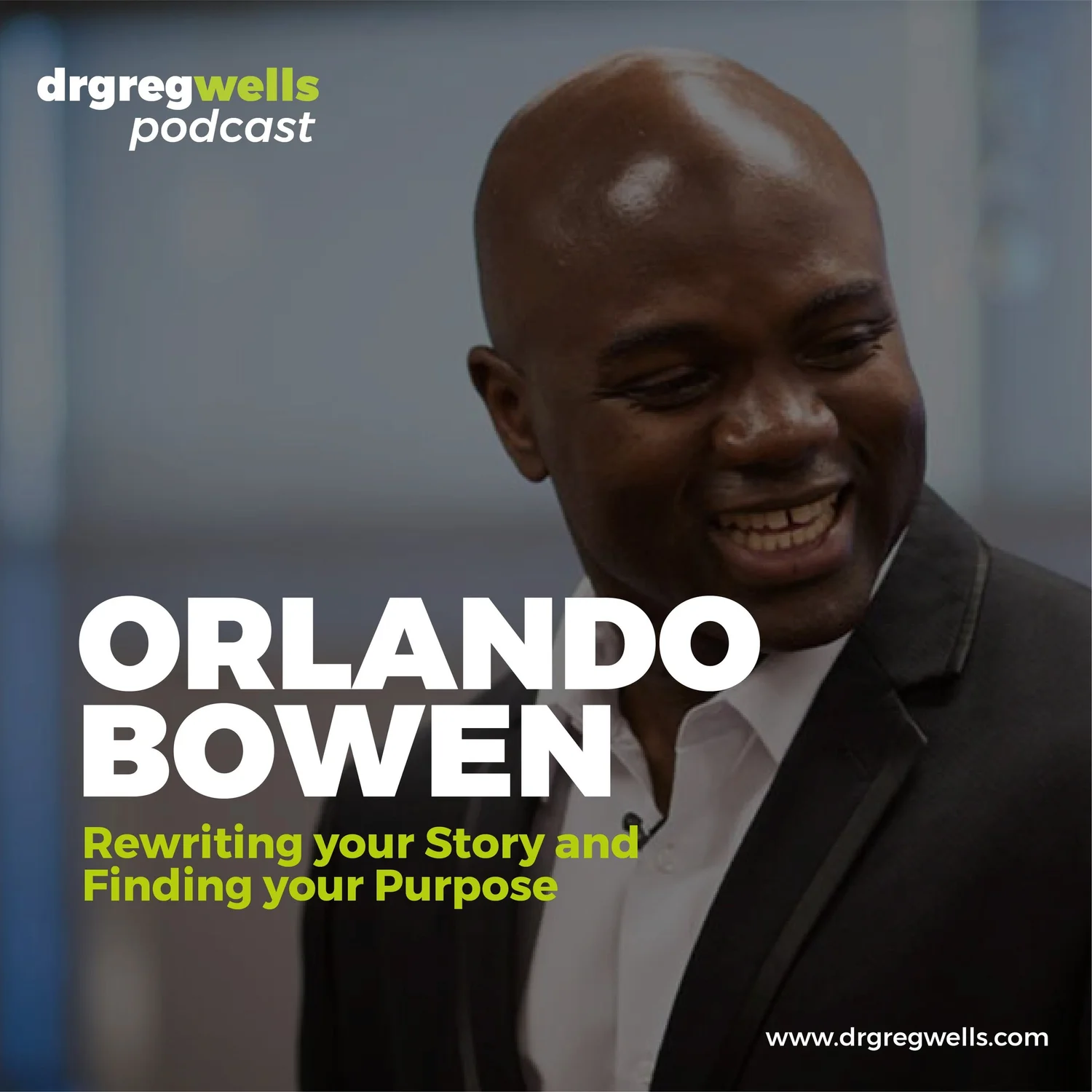
#27 - “Get Off the Sidelines”: Orlando Bowen on Forgiveness and Leadership
He’s tackling this: how do you respond to injustice and betrayal without becoming the very thing that hurt you? Orlando’s answer is to turn trauma into service through forgiveness, community, and courageous leadership. In today’s conversation Orlando Bowen explores how a promising CFL career, a life of community service, and a single night of police brutality collided — and how he chose forgiveness instead of bitterness. He walks Dr. Wells through the assault, the false charges, and the six-year legal battle, and then the turn: seeing that the real purpose was to stand in the gap for the people who wouldn’t have had a voice. Orlando explains how that experience birthed his youth-leadership work and his “get off the sidelines” message for corporations. The result is a raw, hopeful conversation about justice, healing, and showing up for others. You will learn how to keep moving when the system is against you; how to build a tight circle that talks possibility, not pity; how forgiveness is a performance skill — it frees energy for the work ahead; how he turned his story into One Voice One Team, the youth-leadership charity that now empowers thousands of young people every year; and how leaders can create workplaces where every person’s contribution is honoured. You will discover that pain isn’t the end of the story — it can be the assignment. When you decide “this happened, so now I help,” you stop being a victim and start being a catalyst. Most people get stuck in resentment after a wrong, and resentment burns the energy you need to lead, parent, or build. Orlando shows a path to process the hurt, forgive, and return to service so you don’t lose years to bitterness.
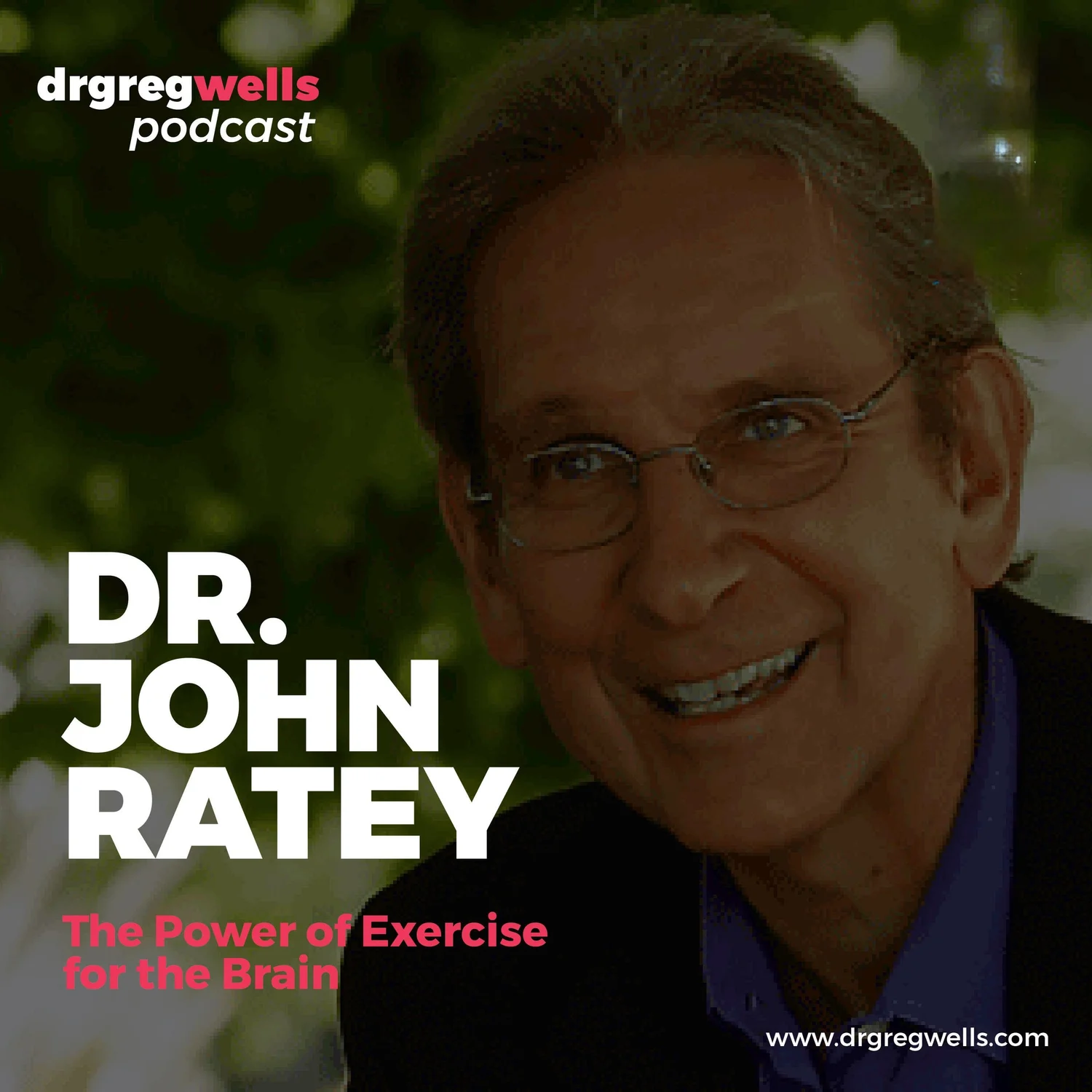
#26 - All about Spark - Your Brain on Exercise with Dr. John Ratay
We know exercise is “good,” but most people — parents, schools, workplaces — still undervalue movement as a brain tool. John is fixing that gap: he shows that physical activity is not optional wellness, it’s primary neurobiology for mood, learning, stress regulation, and healthy aging. In today’s conversation John Ratey explores the revolutionary science behind Spark — how movement changes brain chemistry in real time and why it should sit beside therapy and medication for depression, anxiety, ADHD, and even addiction. He tells the Naperville District story, where daily fitness flipped academic outcomes, then connects it to what we now know about BDNF, endocannabinoids, and neurogenesis. John and Dr. Wells go deep on stress reactivity, GABA, and why fitter people are harder to panic. They finish with a vision for a future where we move more, together, outside — because connection and nature amplify everything exercise does. You will learn how exercise acts like a “smart drug” for the brain — increasing dopamine, norepinephrine, serotonin, endorphins, and endocannabinoids — and why that cocktail can rival meds for mild-to-moderate depression. You will learn how BDNF (brain-derived neurotrophic factor) fertilizes neurons so we can learn faster, remember more, and age better, and why daily movement is the strongest known stimulus for it. You will learn how fitness dampens the stress response by building more GABA-producing cells in the hippocampus, making you less reactive to threat. You will also learn why doing activity with people and in nature multiplies the health effect — the “Spark + Go Wild” equation. You will discover that exercise doesn’t just make you healthier — it makes you a better learner and a more stable human the very same day you do it. Movement prepares the brain for input. Leaders, educators, parents, and even clinicians often treat physical activity as the first thing to cut when life gets busy. Ratey’s work shows that’s backward: if you want calmer kids, sharper teams, and more resilient brains, exercise has to go first, not last.
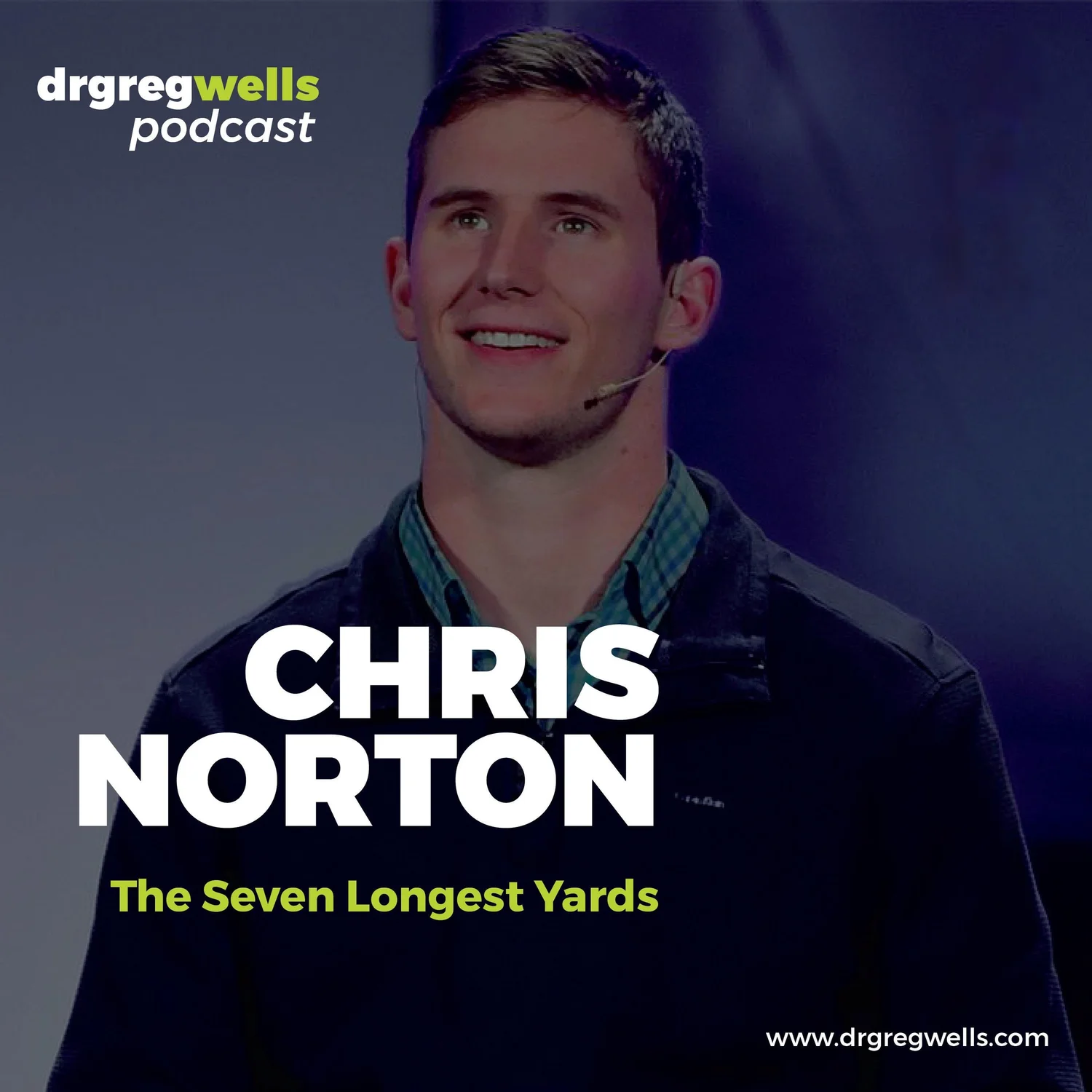
#25 - Overcome Any Challenge And Come Out Stronger with Chris Norton
When life hits you with something you didn’t choose — injury, trauma, partner’s depression, viral attention plus private pain — how do you keep moving forward and make it meaningful? He shows that you can reject other people’s predictions, build progress from tiny daily actions, and turn your story outward to give hope. In today’s conversation Chris Norton explores what it really takes to come back from a catastrophic spinal cord injury — from nodding his head in a hospital bed to walking across his college graduation stage and, years later, seven yards down the aisle with his wife. He and Dr. Wells unpack the moment he refused the doctor’s prognosis, the midnight conversation with his dad about “doing all the little things,” and the later, quieter season when his wife Emily struggled with depression even while their video was going viral. Chris shows how purpose, faith, and accountability can turn suffering into service through speaking, his foundation, and foster/adoptive parenting. It’s a masterclass in radical hope. You will learn how to shift from “why me?” to “what now?” after a life-altering event; why refusing a prognosis can ignite years of disciplined rehab; how micro-wins (a toe wiggle) become the fuel for massive goals (walking across a stage); how to support a partner who’s battling an invisible challenge like depression; and how Chris and Emily use their story to raise money, foster kids, and run a foundation for others with spinal cord injuries. You will discover that you don’t control the circumstance — you control the response. Focusing on the 3% possibility instead of the 97% limitation unlocks energy, action, and hope. Most people think they have to feel ready before they act; Chris shows you can act while scared, grieving, or exhausted — and that action itself is what creates momentum and meaning.
S1 Ep 24#24 - The Power of Music and Crafting Creativity with Tim Nichols
How do creative people keep making great work day after day — not just once? Tim’s answer is: show up, honor the idea, and build a repeatable co-writing process so inspiration has somewhere to land. In today’s conversation Tim Nichols explores the craft behind hit songs and why “must be present to win” is the real secret of Nashville. He tells the origin story of “Live Like You Were Dying” — casual coffee, two stories about mortality, and then a line that changed country music — and explains how he balances art and commerce without selling out. Tim and Dr. Wells dig into courage, collaboration, and why songs sometimes “choose” the artist (as Tim McGraw did in the middle of his dad’s illness). He also reflects on what’s next after the Nashville Songwriters Hall of Fame: keep growing, keep giving, keep creating. You will learn how Nashville’s co-writing rhythm actually works (come in with an idea, fish for a better one, write it that day); why most writers have to “write a lot of bad songs” to get to a great one; how to stay true to the song even when radio wants something different; how one honest story can become a global anthem; and why Tim still invests in personal growth, events, and speaking even after Hall-of-Fame status. You will discover that creativity is a discipline more than a lightning bolt — show up, protect the idea, and the day that changes your life will look exactly like every other day… until it’s not. Writers, founders, and leaders all face the same friction: “What if today’s idea isn’t good enough?” Tim’s approach replaces that anxiety with a system — write daily, co-create, let the song be what it wants to be — so the breakthrough can actually happen.
S1 Ep 23#23 - Dr. Greg Wells on The Power of Flow
Most high performers stay stuck in tension — fatigue, stress, anxiety, tension— and never make the final pivot into flow, where performance feels effortless and output is highest. This episode shows how to move from challenge → focus → flow using physiology, environment, and deliberate practice. In today’s presentation Dr. Wells explores how the nervous system can be guided into a state of flow — not by wishing for it, but by setting the conditions. He walks through his 3-step progression: adopt a meaningful challenge, focus relentlessly on the one thing that matters, and then release tension so the body and brain can do what they’re designed to do. Greg tells the Dawn Wall story — seven years of prep, public failure, and finally flow — to show exactly what happens when an athlete stops forcing and starts flowing. He finishes with a “Titan toolkit” you can use tomorrow morning. You will learn why focus is the primary prerequisite for flow (you can’t flow if you’re distracted), what the “ideal performance state” is and why being too amped or too flat knocks you out of it, how world-class performers use morning capture, movement, and fueling to prime the brain, how to lower sympathetic tone so tension doesn’t choke performance, and how stories — like Bob Marley pulling 60,000 people into flow — prove that one person in flow can move an entire room or organization. You will discover that flow isn’t magic — it’s the result of great setup: a clear challenge, deep focus, relaxed body, and the right energy on board. Get the setup right and flow becomes repeatable. When you’re always “trying harder,” tension rises, technique drops, and you underperform in public — the exact moment you wanted to shine. This episode gives you a science-backed way to pivot out of tension and into flow so effort feels smooth and results go up.
S1 Ep 22#22 - Dr. Greg Wells on The Power of Focus
We live in an era of constant, unrelenting distraction that keeps the nervous system in low-grade fight-or-flight, blocks learning and creativity, and quietly erodes health and performance. This episode shows people how to shift from distraction → deliberate focus using physiology, environment, and language. In today’s presentation Dr. Wells explores how to protect your attention in a world that’s engineered to steal it. He tells the story of climbing Chimborazo in Ecuador—with no cell service—and how immersion in nature, altitude, and risk forced him to focus on the only thing that mattered: getting safely off the mountain. Greg connects that moment to the science of distraction, the “compulsion loop” of our devices, and the sympathetic overactivation that kills problem-solving and creativity. Then he lays out practical focus practices—nature exposure, tech boundaries, single-tasking—that leaders, athletes, and parents can use today. You will learn how constant notifications keep the brain in a sympathetic state and why that suppresses learning, memory, and innovation; how even looking at images of nature drops blood pressure and how weekly “green time” boosts immunity through phytoncides; the difference between threat focus (“everything’s urgent”) and task focus (“the single next step”); why removing tech friction (phone basket, no-phone hikes, scheduled deep work) restores attention; and how challenge + focus + recovery triggers physiological supercompensation—more red blood cells, more capacity, more performance. You will discover that focus is not a personality trait—it’s a physiological state you can build by changing your inputs (breath, nature, tech). Control the inputs and your brain will give you the deep work. Most high performers are trying to do world-class work with a brain that’s half-distracted and half-stressed. Greg’s approach shows you how to clear your mind so your best ideas, best writing, best decisions, and best relationships can actually happen.
S1 Ep 21#21 - Dr. Greg Wells on The Power of Challenge
Most people go after big, meaningful goals (new business, race, book, major change) but then get stuck in a chronic stress/threat response that blocks learning, recovery, and performance. This episode shows how to pivot from threat → challenge using physiology so growth becomes possible again. In today’s presentation clip Dr. Greg Wells explores how to use the science of stress and recovery to take on big, scary goals without burning out. He explains the difference between the sympathetic “gas pedal” and parasympathetic “brake,” and why high performers must be able to switch between them on demand. Greg tells the story of Felix Baumgartner’s panic attacks before the Red Bull Stratos jump to show how breathwork + self-talk + gradual exposure rewires the brain for challenge. Then he maps out a simple three-step sequence anyone can use to grow faster, think better, and perform at a world-class level. You will learn how the body can’t tell the difference between a sabre-tooth tiger and an urgent email; how cortisol and chronic sympathetic activation literally stop new neural branches from forming (so stress blocks learning); how to flip perception from “this is a threat” to “this is a challenge”; how breath, language, and micro-exposure pull you back into parasympathetic recovery; and how elite sport has shifted from “crush them every day” to “train hard, recover harder” to create sustainable high performance. You will discover that high performance isn’t about doing more—it’s about controlling state. When you can deliberately toggle between perform (sympathetic) and recover (parasympathetic), you can take on bigger challenges without paying a health tax. Most ambitious people launch into a challenge and then get derailed by anxiety, poor sleep, brain fog, or overtraining. Greg’s protocol shows you how to stay in the growth trajectory—keep learning, keep adapting, keep creating—rather than sliding into the trauma trajectory.
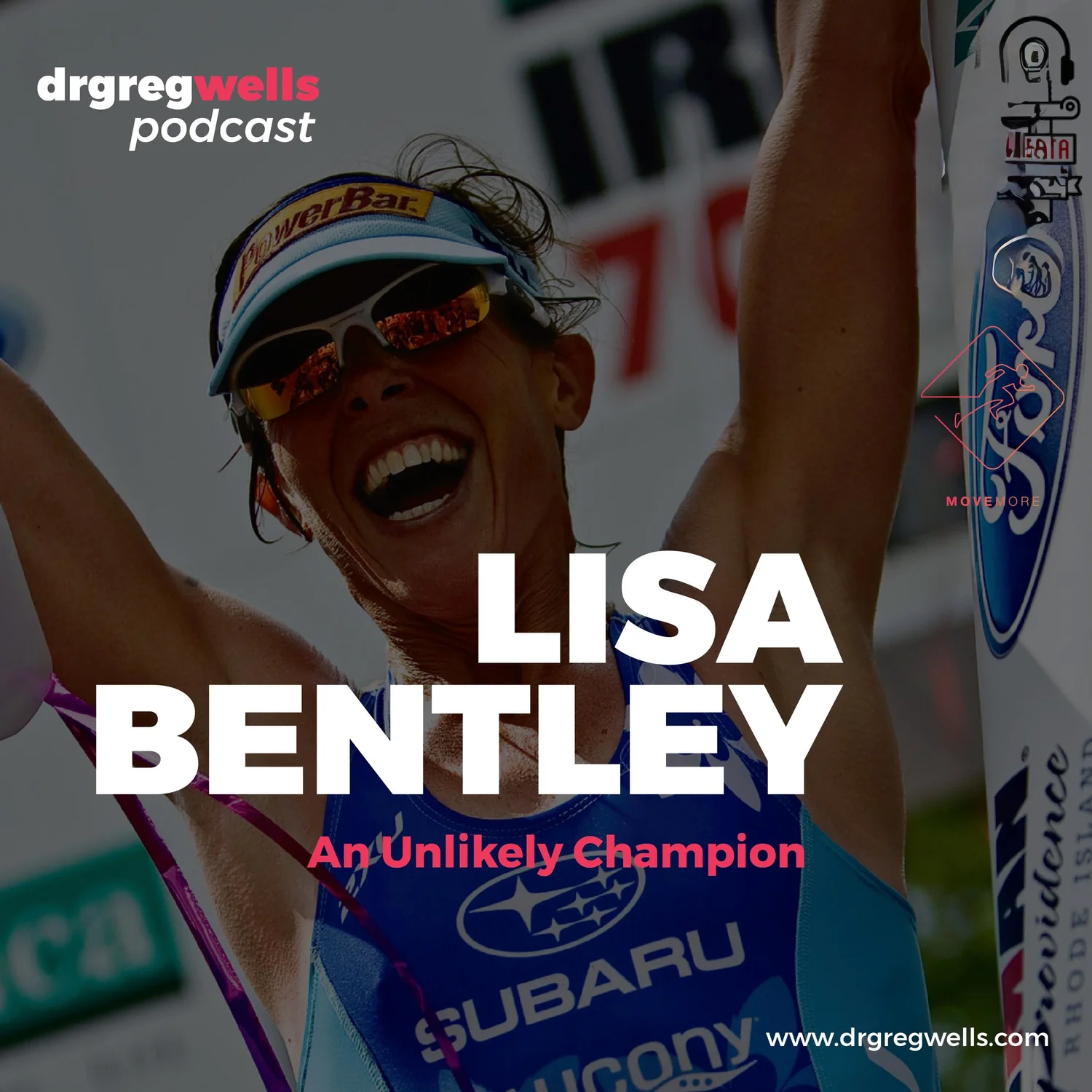
S1 Ep 20#20 - Attitude Wins: 11X Ironman Champion Lisa Bentley’s Playbook for Sustainable High Performance
Closing the gap between high ambition and sustainable, fulfilling performance. Lisa helps people replace self-doubt, data-obsession, and perfectionism with mindset skills, simple systems, and repeatable habits that make winning—in sport and life—actually last. In today’s conversation Lisa Bentley explores how mindset, visualization, and “doing the best with your deck of cards” fueled her rise to 11 IRONMAN titles while living with cystic fibrosis. She breaks down race-week mental rehearsal (Plan A/B/C), chunking the course, and using mantras to keep going when your brain wants an exit. Lisa explains why attitude beats fact, how to trust the “workouts no one sees,” and how to manage tech so it doesn’t manage you. You’ll hear the story behind some of her hardest wins—and how she turned setbacks into a playbook for everyday resilience. You will learn how to run Lisa’s visualization routine (scenario-planning, assets lists, and mantras), why attitude > fact when pressure spikes, how to use numbers without letting numbers use you, and how to shift from all-or-nothing to “start, notice, adjust.” You’ll also learn how to translate elite endurance lessons into busy, real-life routines—so progress happens even on imperfect days. You will discover that extraordinary results come from ordinary behaviors—done consistently—guided by a trained mind that has rehearsed adversity in advance. That’s the engine behind Lisa’s wins and her coaching When life gets noisy, high performers default to perfectionism, self-critique, and device-driven goals. Lisa replaces that loop with clarity, confidence, and controllables—so you can perform at a high level without burning out.
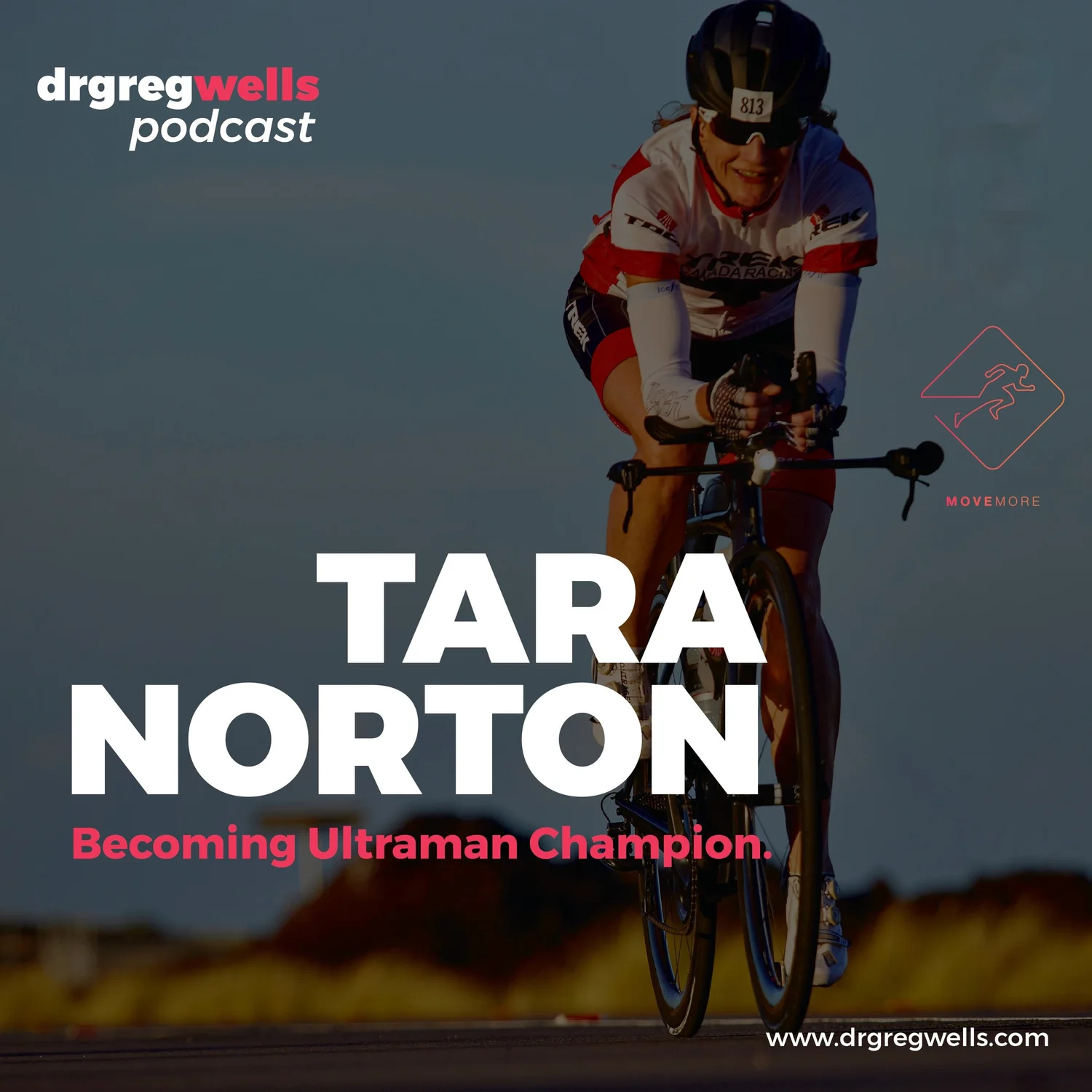
S1 Ep 19#19 - From Broken to Back: Ultraman Champion Tara Norton’s Playbook for Healthy Performance
How to chase big endurance goals after major setbacks—without breaking your body or your life. Tara’s insights turn ambition into sustainable systems: smart load management, flexible mindset tools, and a supportive team culture. In today’s conversation Tara Norton explores the real mechanics of a comeback—how awareness, flexibility, and small, repeatable habits rebuild world-class durability. She takes us inside Ultraman’s three-day gauntlet and the mindset that carried her through broken bones, fear, and self-doubt. Tara shares how a mental coach rewired her response to panic, why “just start” beats perfect plans, and how community and crew make the hardest races possible. We end with practical ways busy people can train hard and stay healthy. You will learn how to separate real risk from recycled fear; a simple framework for adjusting plans when niggles appear (shorten, split, or swap); why missing the right workout protects race-day outcomes; how crew and accountability transform ultra goals; and how to carry a personal mantra into training and life. You will discover that resilience is mostly logistics and honesty: start, notice, adjust, repeat—with a team that keeps you moving when your brain wants an exit. Ambitious people over-index on willpower and under-index on awareness and recovery. Tara replaces “all-or-nothing” with flexible structure so you can build fitness, confidence, and longevity—at any age.
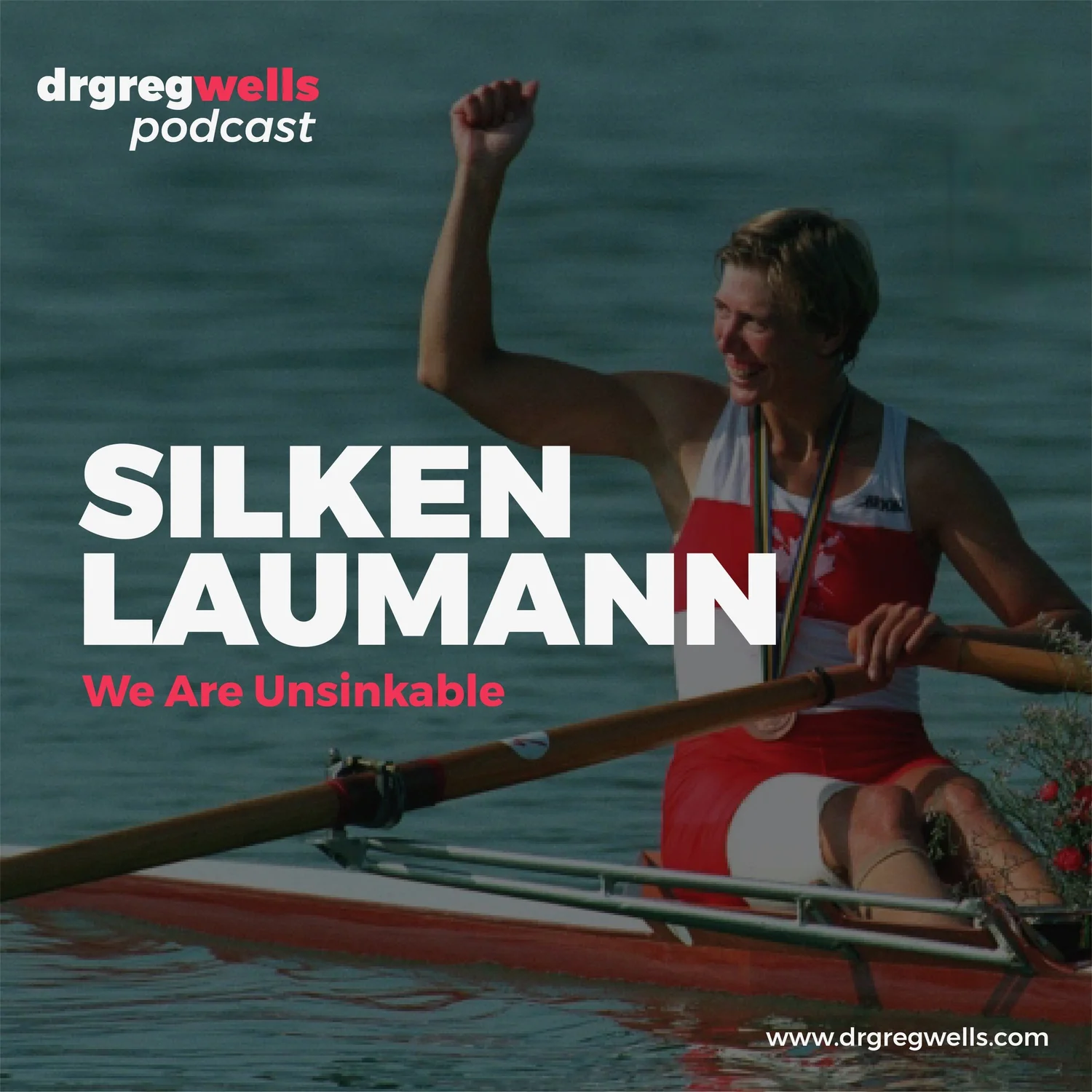
S1 Ep 18#18 - Unsinkable: Silken Laumann on Mindset, Mental Health, and the Power of Real Resilience
We normalize overwork and silence around mental health—until something breaks. Silken helps people and organizations replace stigma and “go-it-alone” toughness with honest stories, practical coping skills, and communities that make recovery and resilience possible. In today’s conversation Silken Laumann explores how mindset, community, and compassionate honesty turn impossible moments into turning points. She revisits her 1992 comeback in Barcelona and the mental health journey that followed, including anxiety, depression, and the decision to ask for help. Silken shares daily practices—breathwork, meditation, and Morning Pages—that stabilize a “big life” of family, speaking, writing, and service. We also dive into Unsinkable, her storytelling platform that helps people move from struggle to hope. You will learn how a clear purpose and fierce focus can override doubt in acute crises; why mental health exists on a spectrum (not a label) and how to recognize situational vs. chronic patterns; the nuts and bolts of Silken’s morning routine (20 minutes of breath-focused meditation and journaling); and how sharing your story—within a trusted community—can reduce shame and accelerate healing. You will discover that the same focus that wins medals can also hide pain—and that sustainable strength starts when you tell the truth, ask for help, and practice small daily resets (breathe, notice, write). When life gets loud—careers, caregiving, travel, expectations—it’s easy to white-knuckle through exhaustion and call it resilience. Silken’s approach replaces stoicism with skills and support so you can keep your edge without losing your health or relationships.
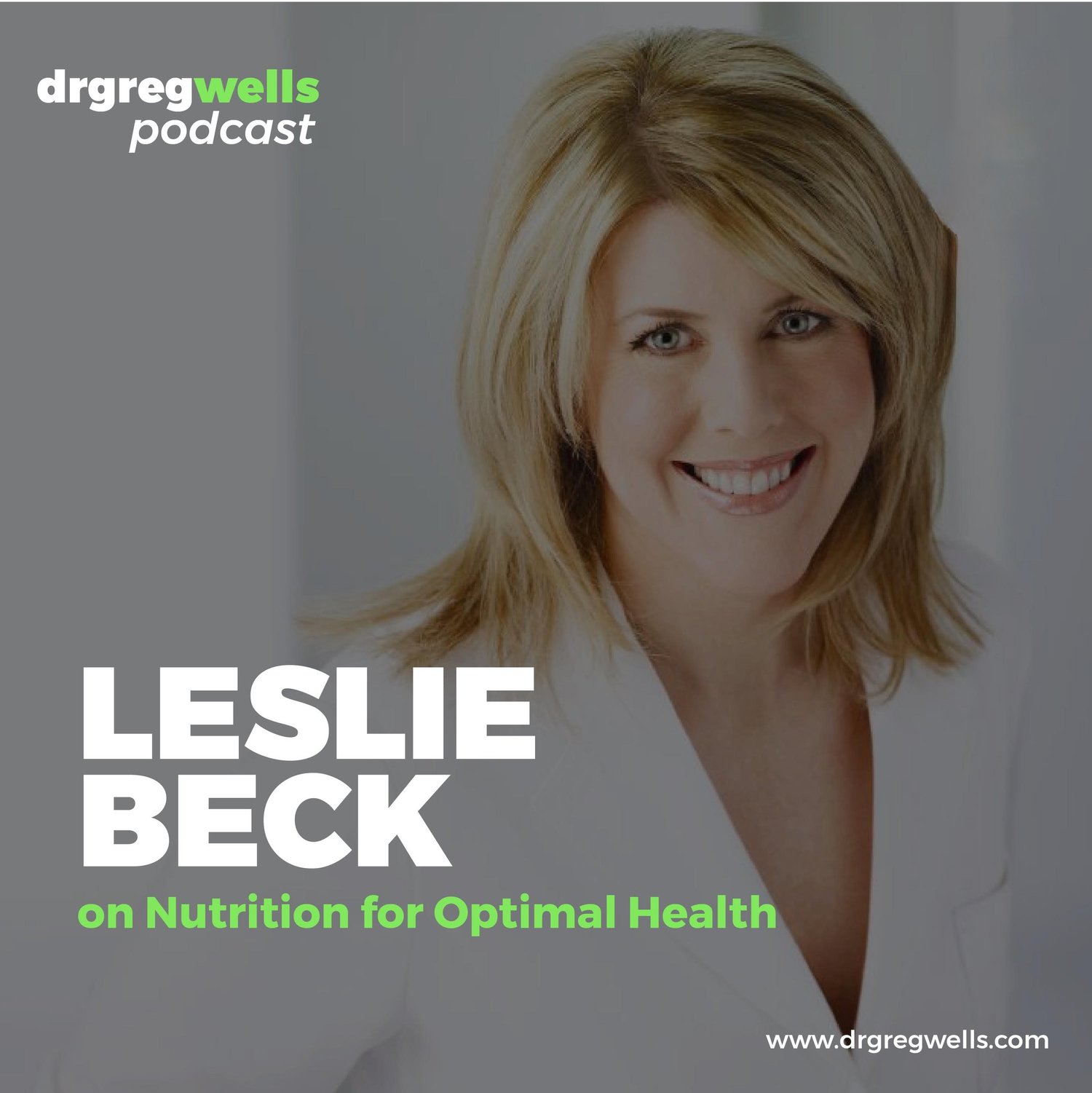
S1 Ep 17#17 - Food First: Leslie Beck on Evidence-Based Healthy Eating
Cutting through nutrition confusion to deliver evidence-based, sustainable eating plans that improve gut, brain, and cardiometabolic health. As a clinician and columnist, she translates fast-moving science (IBS/FODMAP, anti-inflammatory diets, chrono-nutrition) into practical plans people can stick with. In today’s conversation Leslie Beck explores how to build a realistic, sustainable way of eating—one that supports mental health, sleep, and digestion. We unpack the research linking dietary patterns to depression (including the SMILES trial), clarify what low-FODMAP really means for IBS, and separate “food first” from when supplements make sense. Leslie explains why Mediterranean and plant-forward diets remain gold-standard patterns and how planning, batch-cooking, and accountability make change stick. We also touch coconut oil myths, probiotics, microbiome testing, and the surprising nutrition–sleep connection. You will learn how a clinician structures individualized plans at Medcan and why simple organization beats complicated rules; what “low-FODMAP” is (and isn’t) for IBS; how anti-inflammatory, Mediterranean, and plant-forward diets support brain and body; when “food first” is enough and when to consider vitamin D, B12, omega-3s; and how caffeine timing, heavy evening meals, and reflux can erode sleep quality. You will discover that most people don’t need a perfect diet—they need a doable one: plant-forward, minimally processed, planned ahead, and repeated consistently. Small, sustainable behaviors compound into major health gains. Endless nutrition headlines create paralysis and short-term hacks. Leslie replaces noise with evidence-based patterns (Mediterranean, plant-forward), clear IBS protocols (low-FODMAP), and practical systems (planning, accountability) so healthy eating finally sticks.

S1 Ep 16#16 - Do Your Greatest Work: Philip McKernan on Living Your Greatest Life
High external success, low internal alignment. Philip helps driven people name their real fears, tell the truth they’ve been avoiding, and make courageous choices so success actually feels satisfying. In today’s conversation Philip McKernan explores why many top performers feel empty at the summit and how to bridge the gap between achievement and fulfilment. He shares raw stories—from washing abandoned seniors in India to leading “brave adventures” in the Himalayas—showing how service and discomfort surface our deepest truths. We dig into fear (“sit down and have dinner with it”), the difference between success and satisfaction, and the cost of avoiding the conversation that matters most. Philip also unpacks One Last Talk—a framework for speaking your truth to free yourself and help others. You will learn how to identify “old fear” versus convenient, intellectual excuses; a simple way to spot misalignment between your goals and your deeper needs; why courageous service experiences can catalyze clarity; how to reframe public-speaking fear as fear of not being loved; and how to craft your own One Last Talk to unlock action and connection. You will discover that most fear is old, recycled, and loses its grip when you name it—and that speaking a hard personal truth (to one person or many) is often the shortest path from achievement to genuine fullfilment. Philip’s approach replaces avoidance with one clarifying conversation and one honest act—so your work, relationships, and energy align again.
S1 Ep 15#15 - Nobody Wins Alone: Robyn Benincasa on Human Synergy & Comebacks
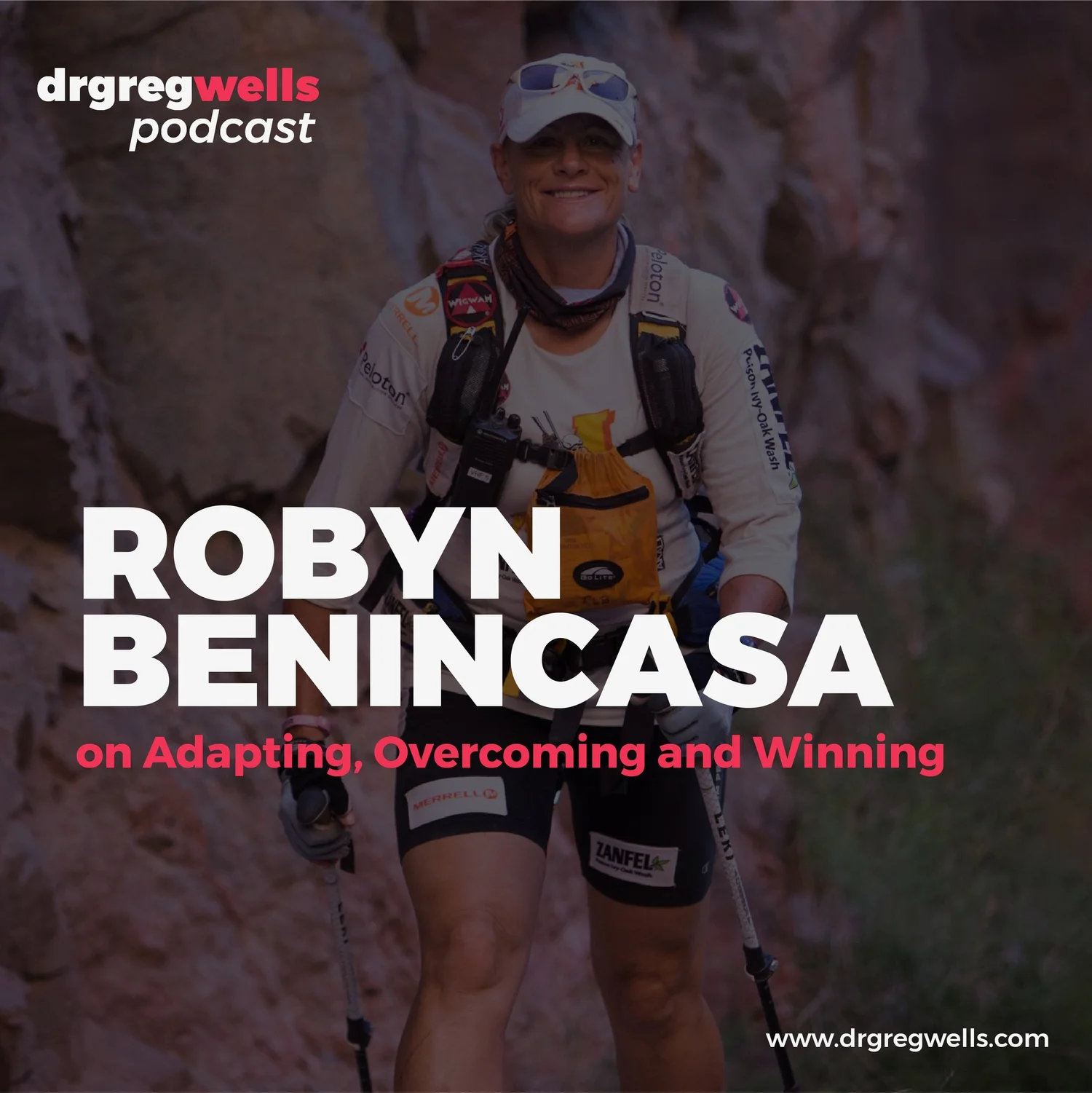
Turning high-performing individuals into cohesive, change-proof teams—so people can navigate setbacks, sustain performance, and win together. Robyn Benincasa tackles the gap between “talent” and “team culture,” giving you a playbook for collaboration under pressure. In today’s conversation Robyn Benincasa and Dr. Greg explore how ordinary, repeatable habits and world-class teamwork create extraordinary results in sport, work, and life. We dig into simple training architecture (Fit–Fast–Force–Flex), clean nutrition principles, and why recovery builds fitness. Robyn shares vivid expedition stories (Ecuador, Tibet, Missouri River 340), the psychology of low points, and how “bricks on the confidence wall” are earned. She also unpacks Project Athena—using team-based adventures to help survivors transform setbacks into comebacks. You will learn how to structure a realistic four-session training week (cardio, intervals, strength, mobility); the difference between training vs. race nutrition; practical anti-inflammatory food choices; when cold exposure helps (and when it hinders) adaptation; and the mindset tools Robyn uses to flip adversity into forward motion (teammate accountability, future-self decisions, and building that confidence wall one brick at a time). You will discover that sustained high performance isn’t built on hacks—it’s built on simple systems repeated consistently, supported by teammates, and protected by recovery. That’s how you earn “confidence bricks” you can stand on when things get hard. Conflicting health advice and constant change lead to overtraining, under-recovery, and scattered teams. Robyn’s approach replaces confusion with a clear rhythm (train, fuel, recover) and a culture of shared ownership so you perform longer—and stronger.
S1 Ep 14#14 - Flip the Formula: Neil Pasricha on Happiness → Great Work → Success
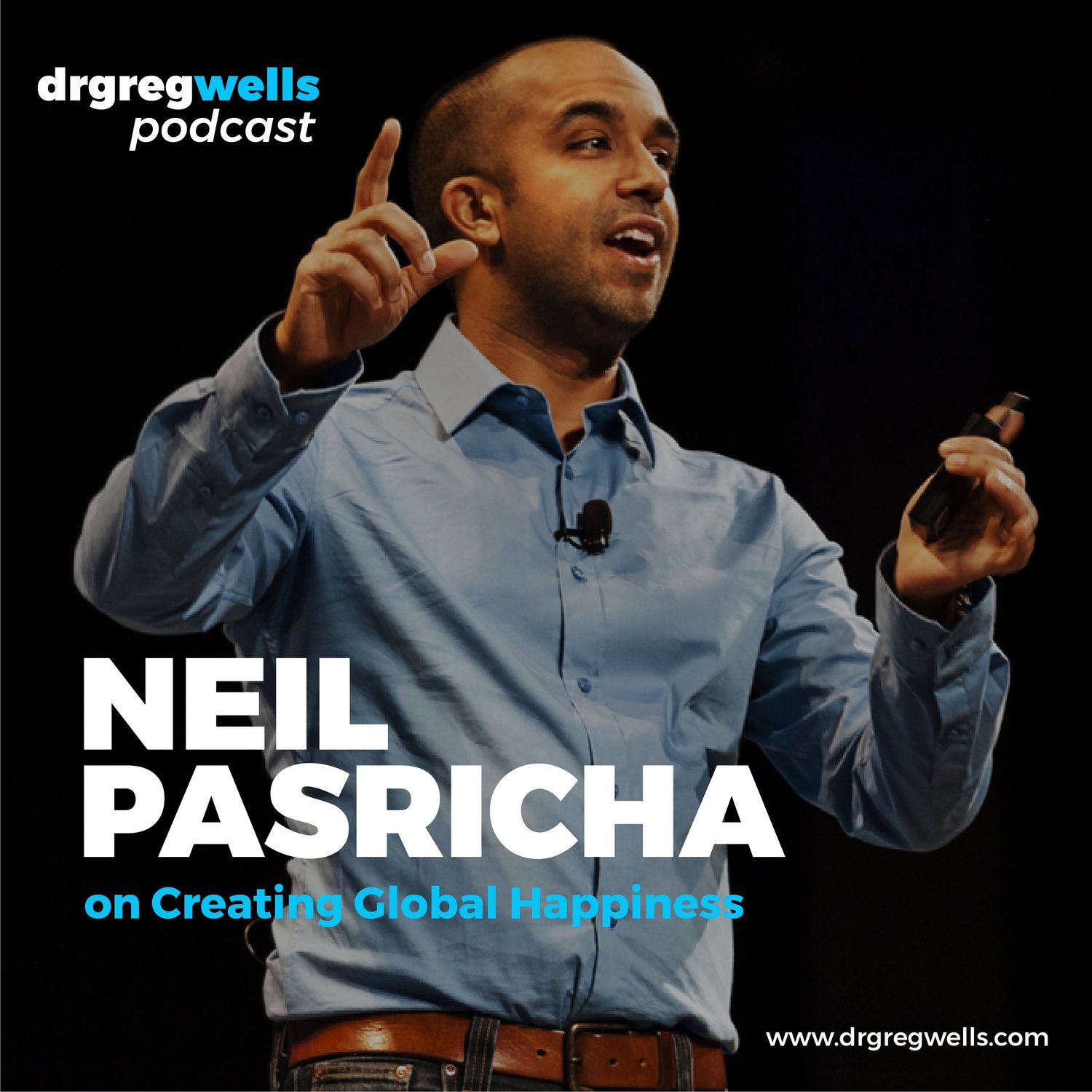
We’re richer and busier than ever—and yet lonelier, more anxious, and less fulfilled. Neil’s work tackles the gap between abundance and wellbeing by turning happiness, resilience, and trust into simple, doable daily practices people actually follow. In today’s conversation Neil Pasricha explores why the classic formula—great work → big success → happiness—is backwards, and how beginning with happiness drives higher performance and deeper fulfilment. He offers three 20-minute “how-to” prescriptions (nature walks, journaling, and reading literary fiction) and explains the neuroscience and psychology behind each. Neil also shares the origin story of his 3 Books podcast and the “confidence through quitting” strategy for reading more and better. Along the way, he reframes resilience with his “Three A’s of Awesome”: attitude, awareness, and authenticity. You will learn why flipping the success model (start with happiness) boosts productivity, creativity, and sales; how to use a 20-minute nature walk to lower stress; why journaling the day’s highlight rewires attention toward positives; how reading 20 pages of fiction builds empathy via mirror neurons; and a practical system for reading more by quitting early and often. You will discover that happiness is not a reward for success—it’s the input that powers it. Prime your brain first; the great work and big results follow. When life feels noisy and overwhelming, we default to vague “shoulds” and stall. Neil replaces overwhelm with clear, 20-minute behaviors that steadily compound mood, focus, and resilience—without requiring more time than you have.
#13 - From Heartbreak to High Performance: Paula Findlay’s Consistency Playbook
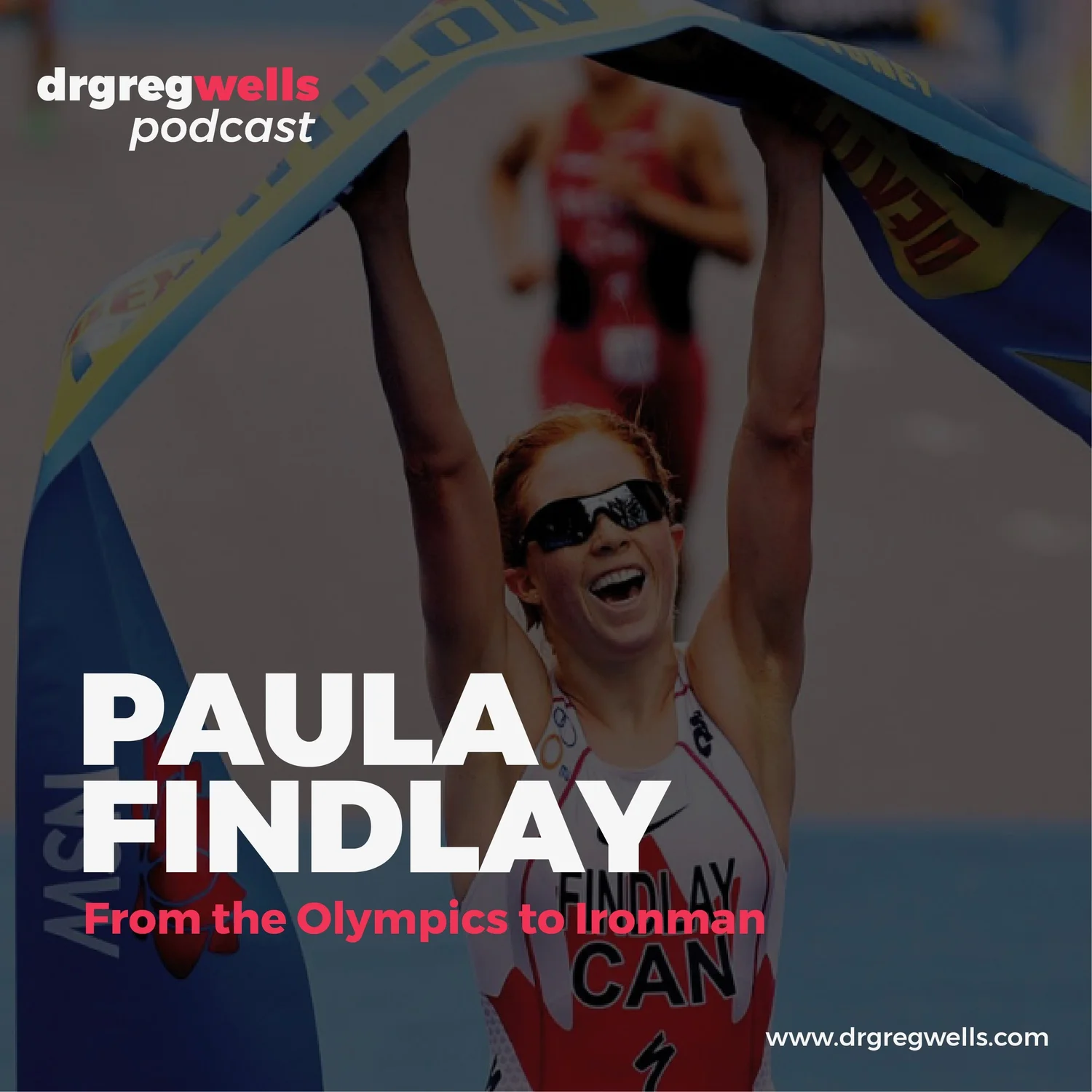
How do you rebuild world-class endurance performance—physically and psychologically—after injury, public disappointment, and inconsistent results? In this conversation, Olympic and Ironman Triathlete Paula Findlay and Dr. Greg explore sustainable training (boring but brilliant consistency), proper fueling, and a healthier competitive mindset that removes unhelpful pressure while still racing at the front. She breaks down the “no secrets” method that brought her back—relentless consistency, intelligent volume, and fueling to match the work. Paula also shares how moving to middle-distance triathlon and building That Triathlon Life with Eric Lagerstrom renewed her joy and results. Along the way, we dig into confidence, expectations, and what it really takes to stay healthy at the top of the sport. You will learn why consistency beats “epic” workouts; how Paula structures 25–30 hour training weeks without breaking down; the recovery habits (simple, repeatable, unglamorous) that keep her healthy; how her nutrition philosophy flipped from restriction to fueling; and the mindset shift that comes from lowering external expectations while still racing like you belong at the front. You will discover that elite endurance success is far less about secrets and far more about boring, repeatable systems—consistent aerobic work, adequate calories, and steady recovery—executed for months on end. That formula rebuilt Paula’s performance and confidence Most driven athletes and leaders over-optimize complexity and under-value consistency. Paula’s approach shows you how to escape the burnout loop—train and fuel enough to adapt, not so much that you implode—so you can perform for years, not weeks.
S1 Ep 12#12 - Lifestyle as Medicine: Small Habits, Big Health.
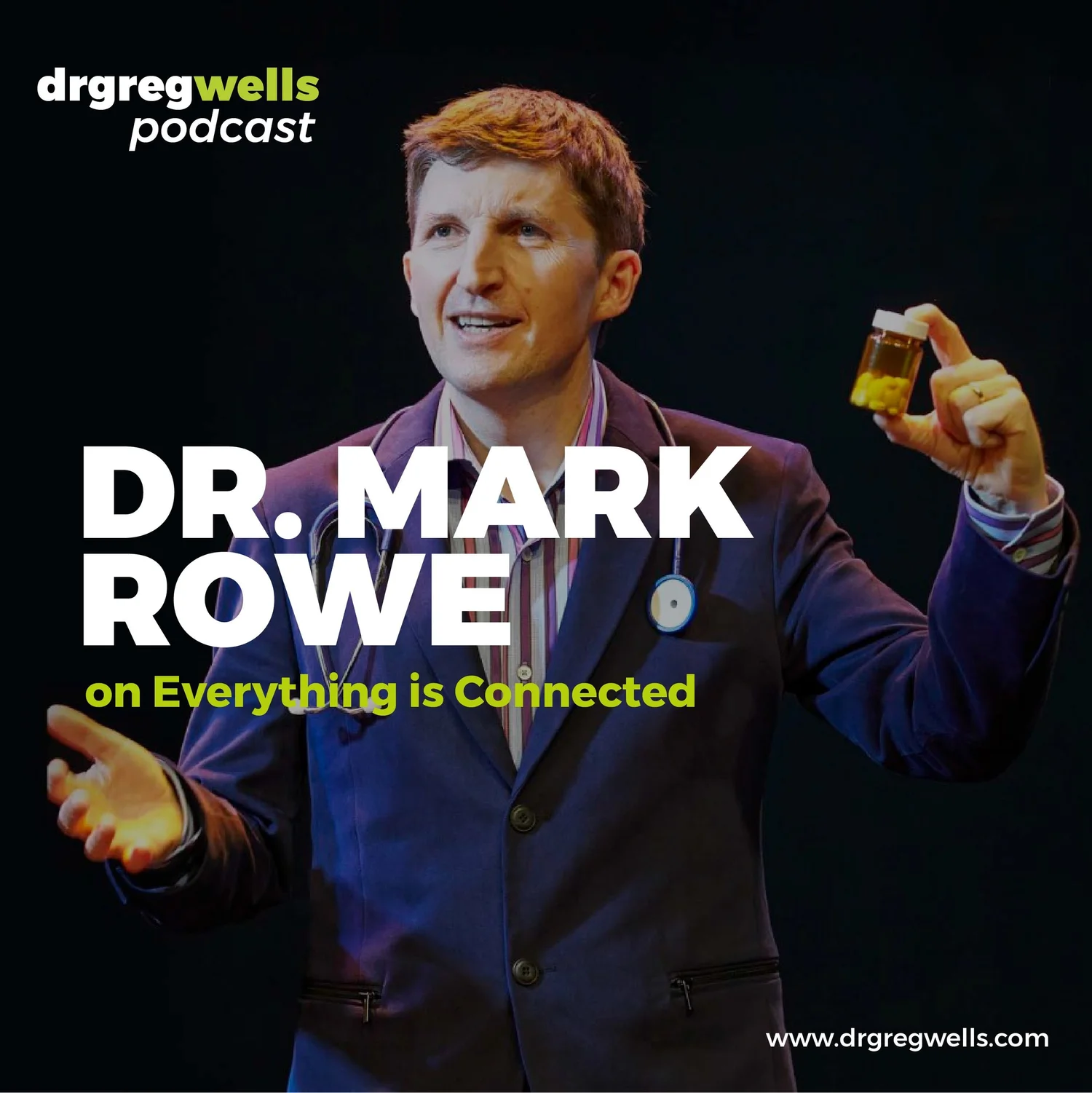
Dr. Mark Rowe is reframing care around lifestyle medicine and habit-building so people can actually change and sustain wellbeing. In today’s conversation Mark Rowe and Dr. Wells explore how lifestyle medicine can prevent, treat, and even reverse chronic disease by integrating movement, nutrition, sleep, and the mind–body–emotion connection. They discuss practical ways to improve gut health, lower inflammation, and use small daily actions to change long-term outcomes. Mark explains why people don’t have a knowledge problem so much as a habit-building problem—and how identity, journaling, and community help close the knowing–doing gap. The conversation lands on sleep and stress recovery as non-negotiables for high performance in work and life. You will learn how lifestyle medicine works in practice (exercise, nutrition, sleep, relationships), why gut health and the microbiome influence mood, immunity, and weight regulation, and how small “butterfly” changes compound via epigenetics to shift health trajectories. You’ll also learn simple prebiotic/probiotic strategies, how inflammation links to diabetes, heart disease, dementia, and depression, and why journaling plus one-habit-at-a-time is the most reliable path to durable behavior change. You will discover that most people don’t need more information—they need systems that make the right behaviors easier than the wrong ones. You’ll also discover how improving your gut environment can improve your brain environment, mood, and decision-making. ackles the “knowing–doing” gap by turning medical guidance into daily rituals—one change at a time—so people actually sustain exercise, eat for their microbiome, and protect sleep under stress. That execution focus helps busy professionals lower inflammation and increase energy without relying solely on medication.
S1 Ep 11#11. Calming the Storm: Ariel Garten on Brain‑Sensing Meditation and Neuroscience
In her conversation with Dr. Greg Wells, Ariel Garten recounts her path from artist and psychotherapist to co‑founding InteraXon and creating the Muse headband. She explains how Muse uses EEG sensors to monitor brain activity and translate mental states into weather‑like sounds; when the mind drifts, the sound becomes stormy, prompting users to return their attention and quiet the “weather”. Garten describes how a concussion taught her that anxiety arises from the amygdala and triggers a cascade of stress hormones, and how approaching experiences with curiosity rather than fear reduces the physiological stress response. She advocates daily meditation as a way to strengthen the brain’s “intentional loop” and improve emotional regulation, envisioning a world where widespread meditation cultivates empathy and reduces conflict. You will learn that brain‑computer interfaces can train mindfulness, daily practice builds the intentional loop and that meditation fosters compassion. You’ll learn to establish a daily meditation practice: Allocate 15–20 minutes each day to focus on your breath. When your mind wanders, gently bring your attention back. This simple practice trains your brain to regulate stress and stay present. Many people struggle to calm their minds and manage anxiety. Garten’s work demonstrates that combining science‑based meditation training with real‑time feedback can demystify mindfulness, making it a practical tool to reduce stress, improve focus and build compassion.

S1 Ep 10#10. The Science of How to Live to 120 - Part 3
Longevity & Performance: Dr. Greg Wells on living to 120. In this conversation, we’re sharing part 2 of Dr. Greg’s presentation at Robin Sharma’s Titan Summit where he shares the latest science related to longevity and healthspan. In this solo episode Dr. Greg Wells shares insights from his Titan Summit presentation on how science is making 120‑year lifespans attainable. He explains that breakthroughs in 3‑D bioprinting, gene sequencing and personalized medicine suggest an era of radical longevity. However, he emphasises that longevity without health is meaningless, and sustainable health comes from daily habits. Drawing on his book research and his work with athletes, Wells outlines a weekly plan of aerobic training, resistance exercise and high‑intensity intervals; he highlights how aerobic exercise inhibits mTOR and lengthens telomeres, while strength training activates mTOR to build muscle and bone. He also discusses the brain–body connection, noting that micro‑movements and mindful movement boost cognition, and that meditation grows grey matter and reduces mortality. Foods rich in antioxidants and healthy fats, adequate sleep, time in nature and practices such as MAP (Move And Meditate) workouts round out his science‑backed blueprint for living a long, vibrant life. Many people feel overwhelmed by complex longevity advice and struggle to integrate health habits into busy lives. Dr. Greg Wells demystifies the science and shows that sustainable high performance comes from simple disciplines practiced every day. By focusing on 1 % improvements across sleep, nutrition, movement and mental health, listeners can overcome inertia and build a resilient foundation for a long, healthy life.

S1 Ep 9#9. the Science of How to Live to 120 - Part 2
Longevity & Performance: Dr. Greg Wells on living to 120. In this conversation, we’re sharing part 2 of Dr. Greg’s presentation at Robin Sharma’s Titan Summit where he shares the latest science related to longevity and healthspan. In this solo episode Dr. Greg Wells shares insights from his Titan Summit presentation on how science is making 120‑year lifespans attainable. He explains that breakthroughs in 3‑D bioprinting, gene sequencing and personalized medicine suggest an era of radical longevity. However, he emphasises that longevity without health is meaningless, and sustainable health comes from daily habits. Drawing on his book research and his work with athletes, Wells outlines a weekly plan of aerobic training, resistance exercise and high‑intensity intervals; he highlights how aerobic exercise inhibits mTOR and lengthens telomeres, while strength training activates mTOR to build muscle and bone. He also discusses the brain–body connection, noting that micro‑movements and mindful movement boost cognition, and that meditation grows grey matter and reduces mortality. Foods rich in antioxidants and healthy fats, adequate sleep, time in nature and practices such as MAP (Move And Meditate) workouts round out his science‑backed blueprint for living a long, vibrant life. Many people feel overwhelmed by complex longevity advice and struggle to integrate health habits into busy lives. Dr. Greg Wells demystifies the science and shows that sustainable high performance comes from simple disciplines practiced every day. By focusing on 1 % improvements across sleep, nutrition, movement and mental health, listeners can overcome inertia and build a resilient foundation for a long, healthy life.

S1 Ep 8#8. the Science of How to Live to 120 - Part 1
Longevity & Performance: Dr. Greg Wells on living to 120. In this conversation, we’re sharing part 1 of Dr. Greg’s presentation at Robin Sharma’s Titan Summit where he shares the latest science related to longevity and healthspan. In this solo episode Dr. Greg Wells shares insights from his Titan Summit presentation on how science is making 120‑year lifespans attainable. He explains that breakthroughs in 3‑D bioprinting, gene sequencing and personalized medicine suggest an era of radical longevity. However, he emphasises that longevity without health is meaningless, and sustainable health comes from daily habits. Drawing on his book research and his work with athletes, Wells outlines a weekly plan of aerobic training, resistance exercise and high‑intensity intervals; he highlights how aerobic exercise inhibits mTOR and lengthens telomeres, while strength training activates mTOR to build muscle and bone. He also discusses the brain–body connection, noting that micro‑movements and mindful movement boost cognition, and that meditation grows grey matter and reduces mortality. Foods rich in antioxidants and healthy fats, adequate sleep, time in nature and practices such as MAP (Move And Meditate) workouts round out his science‑backed blueprint for living a long, vibrant life. You’ll learn how to implement a weekly MAP plan: schedule three aerobic sessions (e.g., running or cycling), two strength workouts and one high‑intensity interval session; incorporate daily micro‑movement and a short meditation immediately afterward. Prioritise 7–8 hours of sleep, include colourful plants and healthy fats in meals, and spend at least one hour in nature each week. These small, consistent practices create a ripple effect that protects mitochondria, reduces inflammation and enhances mental performance. Many people feel overwhelmed by complex longevity advice and struggle to integrate health habits into busy lives. Dr. Greg Wells demystifies the science and shows that sustainable high performance comes from simple disciplines practiced every day. By focusing on 1 % improvements across sleep, nutrition, movement and mental health, listeners can overcome inertia and build a resilient foundation for a long, healthy life.
S1 Ep 7#7. How World Class Daily Practice Can Help You Sustain Your Game.
This podcast conversation is with Alan Stein Jr., a coach, consultant, speaker and author with industry-leading expertise in improving organizational performance, cohesion and accountability. Prior to his current work, Alan spent 20 years working with some of the highest-performing basketball players on the planet, including NBA superstar Kevin Durant. Alan now travels the world teaching organizations how to utilize the same strategies in business that elite athletes use to perform at a world-class level. He has worked with Tower Health, American Express, and USA Basketball, among many other organizations. His new book is Raise Your Game. During the conversation, Alan shares his expertise about performance, having a world-class mindset, the power and importance of practice, and several tips gleaned from time spent with some of the world’s best athletes.
S1 Ep 6#6. All About Protein, Weight Loss and Optimizing Nutrient Intake.
In this episode, registered dietitian and exercise‑nutrition scientist Dr. Eric Williamson breaks down how much protein you actually need, why distribution across the day beats chasing a narrow “anabolic window,” and how needs shift with endurance work and with age. We translate lab findings into simple plate‑building moves you can use on travel days or during heavy training blocks. Eric also tackles the big myths (carbs vs protein, fasting, snack frequency), explains why resistance training is non‑negotiable during fat loss, and shares a practical, hunger‑aware approach to hitting targets without blowing up your social life. Come for the science; leave with a repeatable playbook for muscle, energy, and long‑term health.
S1 Ep 5#5. How mindfulness Helps You Master Your Mind.
What if we could adopt a simple practice that can build our mental strength and mental health at the same time? In this conversation, Dr. Ellen Choi joined Dr. Greg to explore the science of mindfulness and its impact on performance and wellbeing. Drawing from her research and personal journey, she explained how mindfulness training can transform error‑prone, reactive habits into compassionate, intentional responses. The conversation covered practical meditation techniques, the neuroscience of attention, and the importance of aligning actions with values to live a meaningful, high‑performance life. Dr. Choi bridges human physiology, psychological research and practical training. Unlike many mindfulness advocates, she approaches the practice as a scientist and organizational psychologist, rigorously testing its effects on stress, attention, errors and performance in real‑world environments. Her background as a former commercial real‑estate professional, yoga teacher and meditation coach gives her a unique perspective on how mindfulness can be applied in high‑pressure workplaces. She teaches that brief, consistent meditation can build mental strength, self‑awareness and compassion, enabling individuals to shift from reactive to responsive modes under pressure. Through her workshops and research she demonstrates that mindfulness is not just a calming practice but a performance‑enhancing skill that develops resilience and clarity. In this episode, you’ll discover how to use mindfulness to help you notice when your mind is wandering and to gently return your focus to what matters most in your life. High performers often struggle with stress, perfectionism and knee‑jerk reactions that undermine effectiveness. Dr. Choi shows that mindfulness training can build “legit mental strength”—a combination of self‑awareness, compassion and attentional control—that allows you to stay calm under pressure, learn from your mistakes and align your actions with your deepest values. Your mind is a powerful tool for you and Dr. Choi can be your trusted guide to help you master it.
S1 Ep 4#4. How to spark your competitive fire every day.
What if the key to reaching your full potential in your career and life wasn't about what talents you were born with, but something more? In this conversation, Jake Thompson recounts how growing up as a small athlete in football‑crazy Texas taught him to outwork bigger opponents, yet eventually led him to a pivotal realization: the healthiest competition is with your own previous self, not with others. He explains how this shift inspired him to launch Compete Every Day, a company and philosophy that encourages people to beat yesterday’s best through intentional habits, journaling and focusing on purpose rather than comparison. You will learn that that constantly comparing yourself to others is exhausting; instead, competing against your own previous performance fosters sustainable growth. You’ll discover how to use rules like the “midnight rule,” where you can learn from failures, treat them as lessons and then move forward without dwelling on them. Many high performers feel trapped by comparison. Thompson’s insights help you break free from unhealthy competition, and shows you how to focus on what you can control—effort, attitude and habits— to channel your competitive drive into beating yesterday’s version of you. Because motivation fades and discipline compounds so when we compete with ourselves - we can get a little bit better every day.
S1 Ep 3#3. What are we truly capable of achieving?
What are we actually truly capable of achieving? In this conversation, science journalist and former national-team runner Alex Hutchinson and Dr. Greg explore the “curiously elastic” limits of human performance—why endurance underpins achievement across domains, and how the brain co-sets the ceiling we feel in the body. Drawing on the research behind Endure, Alex discussed how perception of effort, context, and belief interact with physiology to shape what we can actually do in sport, work, and life. You will learn that endurance is a universal performance skill, the brain plays a decisive role alongside muscles, lungs, and fuel—making many “walls” more negotiable than they feel, and pain, oxygen, heat, thirst, and fuel each have distinct brain–body dynamics that can be trained and managed. You’ll discover how to use “effort reframing” to make your workouts feel easier and to extend your performances safely. If you are feeling stuck at a performance ceiling—“I just can’t go farther/faster or focus longer”, then this episode will give you a science-based framework to reinterpret those ceilings and reach new heights. Because your endurance and potential is trainable and Alex Hutchinson can show us how to break through.
S1 Ep 2#2. How to improve The Health and Performance of your working brain.
What if you could bridge the gap between cutting edge brain research and knowing what to do today to improve your mental health and performance? In today’s interview, Dr. Brynn Winegard joins Dr. Greg to share how the brain’s physiology has the potential to transform our daily routines and the way we work. Today you’ll learn how to align with your brain’s natural rhythms, how to avoid brain myths that leave you burned out and the power of simple lifestyle shifts that elevate your mental health. Discover the 4 keys to brain health and why moving, eating, resting and interacting with others are essential for helping you to improve your brain so your can live a limitless life. If you are burned out, overwhelmed, or feeling unaccomplished, then this is the episode that you need to listen to. Because a better brain is achievable and Dr. Brynn Winegard will show us the science to help make that happen.
S1 Ep 1#1. How to bring the power of #GladToBeHere to your life.
What would your life be like if you could feel like you feel like you are Glad To Be Here in all parts of your life today? In this conversation, US Navy Blue Angels Lead Solo Pilot John “Gucci” Foley joins Dr. Greg to talk about The Power of Gratitude and the Glad To Be Here philosophy. We learn how the Blue Angels team practice gratitude as a tool to elevate their performance and teamwork. The Glad To Be Here philosophy grounds them in psychological safety and helps them get better every day. You will learn how to elevate your mindset, create a culture of excellence and build trust with people around you. We will discover the keys to practicing gratitude even in high-pressure situations and why the Glad To Be Here attitude is essential for helping you to get mentally healthy and achieve your goals fast so you can live a limitless life along with those around you. If you want to elevate your performance and the performance of your team, then this is the episode that you need to listen to. Because gratitude is something we can do every day to make our lives better and Gucci will show us the way.