The Digiday Podcast
513 episodes — Page 3 of 11
Digiday editors on Trump administration picks and the impact on the ad industry
Since the U.S. presidential election was called, the advertising industry has been parsing through the tea leaves, trying to understand exactly what a Trump presidency means for business. That picture is starting to come into clearer focus as Trump continues to announce cabinet picks and assemble the incoming administration. For example, last week, Trump picked Robert F. Kennedy Jr., a vaccine skeptic who has called for pharmaceutical ads to be banned, to potentially be named Secretary of Health and Human Services. On this week’s episode of the Digiday Podcast, executive editor, video, audio, Tim Peterson and senior marketing reporter Kimeko McCoy are joined by senior marketing editor Kristina Monllos and senior media reporter Sara Guaglione to talk about the incoming administration’s ripple effects on publishing, marketing and media.

Digiday editors discuss how publishers are navigating Trump ripple effects
It’s been roughly a week since Donald Trump was voted into his second presidential term and already, his return to the White House is expected to send ripple effects throughout the advertising world. Publishers are considering what a second Trump presidency looks like in regards to traffic spikes and subscription revenue, otherwise known as the Trump Bump. The brand safety playbook regarding where an advertiser shows up in media may soon need to be reconsidered as more brands look to avoid backlash in the so-called culture wars. All said, it won’t be until January’s inauguration that the full picture of Trump’s presidency comes into focus. But until then, executive editor of news Seb Joseph joins the Digiday Podcast alongside executive editor, video, audio Tim Peterson and senior marketing reporter Kimeko McCoy to discuss what a Trump presidency means for publishers on the heels of the Digiday Publishing Summit in Europe (DPSE). Also in this episode, a recap of Google’s antitrust case and what happens next with the incoming administration.
Inside Dow Jones’s AI governance strategy, with Ingrid Verschuren
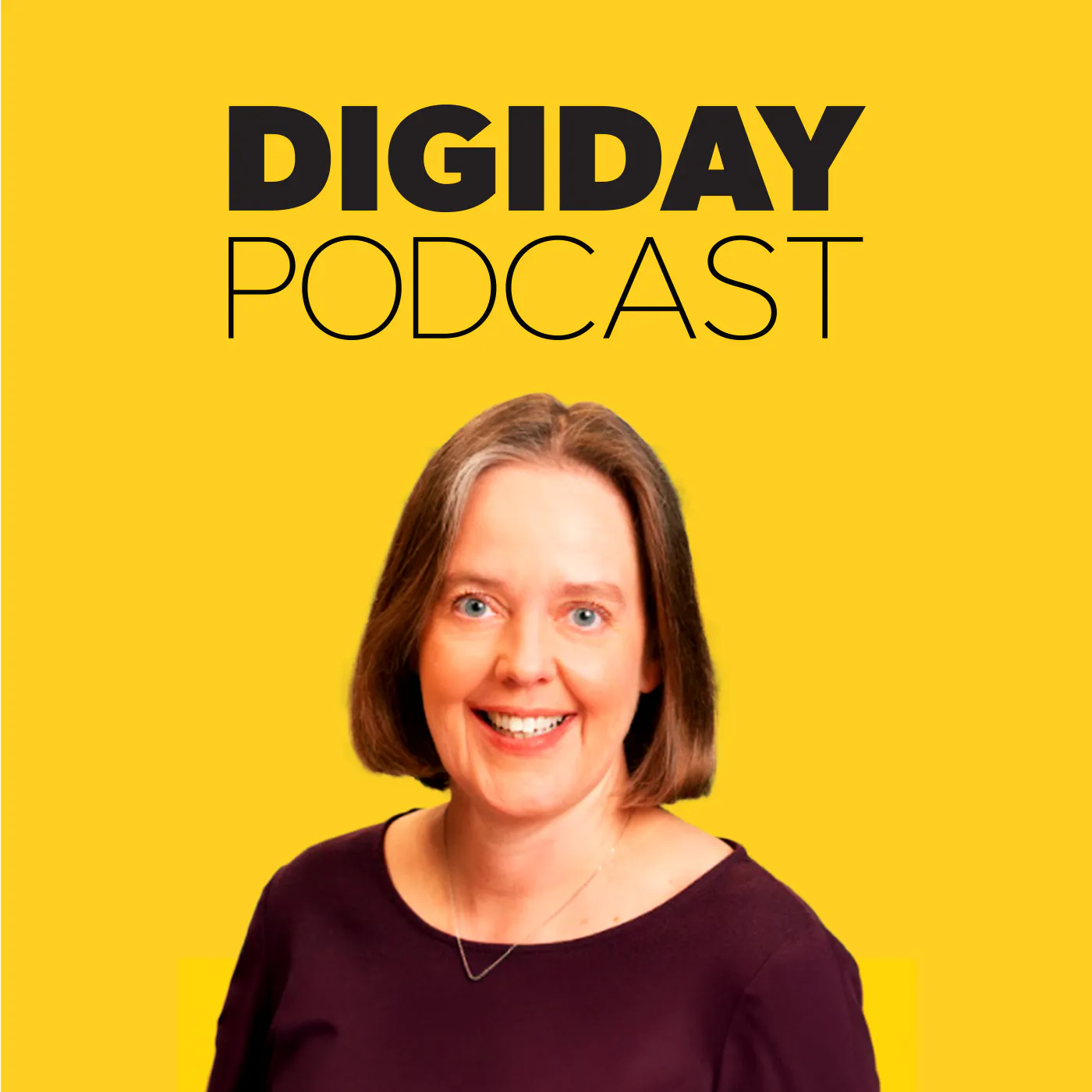
If generative AI is meant to be more tool than threat to media companies, publishers will need to come up with systems governing their use of the technology. For Dow Jones, that responsibility falls to the company’s AI steering committee. “The function of this cross-functional steering committee is really to ensure that whatever we do with gen AI fits with our core principles,” said Ingrid Verschuren, evp of data and AI and gm of Europe, Middle East and Africa at Dow Jones, in a live recording of the Digiday Podcast during Digiday Publishing Summit Europe in Barcelona, Spain, on Oct. 30. Formed roughly 18 months ago, the steering committee comprises 10 members from across Dow Jones’s organization, with representatives from the editorial and the commercial sides as well as its legal and technology teams. The committee members meet every two weeks to evaluate internal as well as external use cases for generative AI. Those use cases can range from how its own publications’ newsrooms implement the technology into their journalism to how AI companies may ingest that content into their large language models. “We want to be absolutely sure that we get fairly compensated for the content. We want also to be sure that it’s very transparent both to use [in] how our content is being used and similarly to the users [so] that they know where the content is coming from,” said Verschuren.
What Rich Lehrfeld’s media buying background means for Walmart RMN business
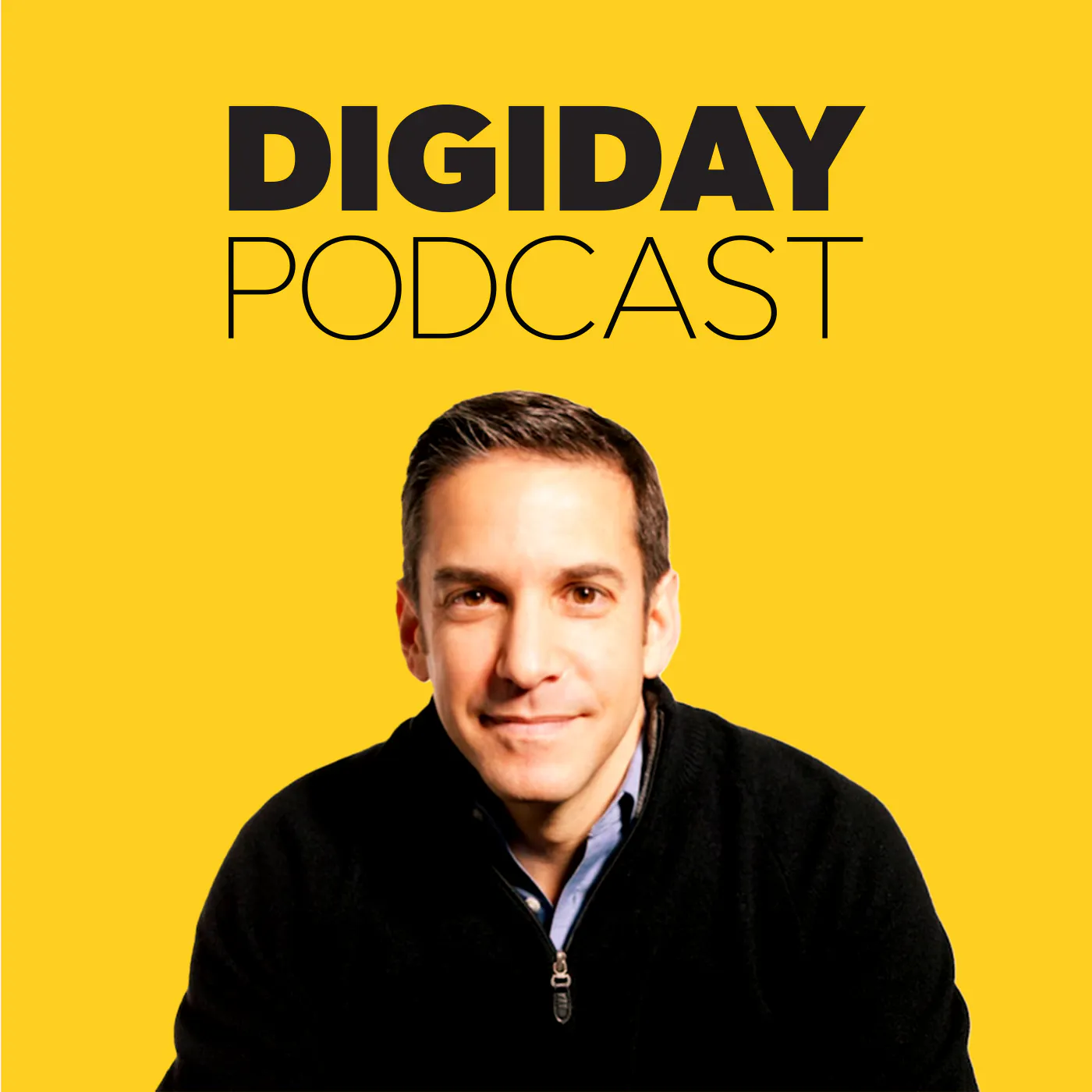
The retail media network space is booming to say the least. An there is a seemingly endless supply of retailers making everything an ad network, all competing for the same ad budgets. To sell its retail media network to advertisers, Walmart Connect placed its bet on Rich Lehrfeld, svp and general manager of Walmart Connect. He’s got a background in media buying, switching to selling media after a 25-year-run and giving him experience on both sides of the aisle. Lehrfeld joined Walmart as svp of brand marketing, creative and media back in 2019 before moving to Walmart Connect in October 2020, according to LinkedIn. “How do I work within a big retail company? And I feel very lucky because the leadership got it and understood if we do it the right way, we do it in a customer-centric way, it can really add value,” Lehfeld said, explaining how his background helps Walmart’s sales strategy.

How to manage an actual online community platform, with Oprah Daily’s Pilar Guzmán
“Community” is one of those words that has been co-opted by businesses and euthanized into a euphemism for “audiences,” “subscribers,” “customers,” etc. But Oprah Daily has created an actual community. Seriously, it’s called The Oprah Insider Community. The platform – which costs $55 a year to access – mixes aspects of YouTube, Facebook, Slack and Reddit. Oprah Daily posts videos of live audience recordings featuring Oprah Winfrey discussing topics like the teen mental health crisis, longevity and menopause with experts. And people can comment on the videos, pose their own questions in threads for other members to respond to and send private messages to one another. “Everything that you can do on the internet, we can embed in this platform,” said Oprah Daily editorial director Pilar Guzmán in the latest episode of the Digiday Podcast. Of course, there’s plenty of things people can do on the internet that the Hearst-owned publication or its tens of thousands of paying subscribers may not want embedded in the platform. Having only officially launched The Oprah Insider Community in September after testing it over the summer, Oprah Daily is still sorting out its content moderation strategy. At the moment, the publication’s staffers are taking shifts – including working weekends – monitoring the platform. But Guzmán acknowledged that eventually the platform will need a more formal oversight operation. “Check in with me in six months, and I’ll tell you. But it’s definitely something that’s on the horizon and that we’ve been earmarking in terms of our org,” she said.

A postmortem on this year’s TV and streaming upfront ad market with UM Worldwide’s Marcy Greenberger
After a string of somewhat monumental upfront cycles since 2020, this year’s annual haggle between TV and streaming ad buyers and sellers was hard-pressed to prove its significance. And yet it did. “The biggest shift or change this year is it was really a reset year from a digital video standpoint in terms of pricing,” UM Worldwide’s chief investment officer Marcy Greenberger said on the latest Digiday Podcast. Disney and Netflix were among the more notable sellers to drop their streaming ad rates in this year’s upfront cycle. But they weren’t alone. In fact, given the ramp-up in streaming ad inventory this year with Amazon Prime Video’s entry into the market, seemingly all sellers were more focused on overall spending commitments than specific pricing thresholds. “There’s just so much more supply that finally convinced the suppliers or the publishers to rethink what the pricing is there often in exchange for volume, but really saw a reset that benefitted advertisers tremendously,” Greenberger said. And that reset is likely to have a legacy that could outlast these latest upfront deals. In some cases, streaming ad sellers dropped their rates by 30% to 40%, according to Greenberger. “I don’t know that I see another massive reset [in streaming ad pricing in the future] like we saw this year,” she said.
In data obsessed marketing landscape, Hinge CMO Jackie Jantos talks brand building
CMOs are once again grappling with the age old question of their role in the C-suite. The job has gotten more difficult in today’s business landscape as marketers face increasing pressure to tie marketing to business results (all while being asked to do more with less money). In some cases over the last few months, companies like Hyundai and Starbucks, have eliminated the CMO role entirely. The role with all of its changes can be challenging, but Jackie Jantos, CMO of Hinge dating app, says it’s a challenge she welcomes, pushing back on short-term metrics in favor of long-term brand building. “But ultimately, if your goal as a CMO is to build a sustainable long-term business, then you need to be shooting the arrow sort of 10 years out,” Jantos said on a recent episode of the Digiday Podcast, “and better understanding how your product will navigate that and how your brand will stay relevant along that way.”

How Disney is nearing its goal to automate 75% of ad sales by 2027
The Walt Disney Company plans to automate 75% of its advertising business by 2027. And the company took a further step toward that end in this year’s annual TV and streaming advertising upfront market. “Of the streaming dollars that came in, of those billions of dollars, more than half of them are transacted programmatically,” Disney’s svp of addressable sales Jamie Power said on stage during the Digiday Publishing Summit in a session that served as a live recording for the Digiday Podcast. A catalyst to the growth of Disney’s automation efforts this year was the parity that the company has created in making the breadth of its streaming inventory available for purchase programmatically. That includes, more recently, its interactive ad formats. “Once we finally were able to enable them, within six weeks the spend was eight times the spend than the year before,” Power said.
New York Liberty's Shana Stephenson on building basketball team's brand and keeping fans in the game
WNBA's New York Liberty is having a moment. It just finished the regular season last Thursday with the best record in the league, defeating top teams like the Las Vegas Aces and the Connecticut Sun. Meanwhile, the team’s mascot Ellie the Elephant has become a celebrity in her own right, known for her dance moves and fashion. But it hasn’t always been that way. Five years ago, the team was struggling, playing in Westchester County Center, a smaller court far away from home. But then things started looking up. Joe Tsai, co-founder of Alibaba and owner of NBA's the Brooklyn Nets, purchased the Liberty and paved the path for the eventual move to the team's current home at the Barclays Center. Then in 2021, Shana Stephenson started as the team’s full-time chief brand officer. In this episode of the Digiday Podcast, Stephenson talks about what it was like building the team’s brand, how Liberty is tapping into the women’s sports hype and, of course, Ellie the Elephant’s viral videos.
How long-form production company Long Lead is investing in the art of journalism
In the age of disrupted digital audiences, media companies are incentivized to constantly be counting clicks, pageviews and engagement — all while optimizing for how those metrics can be best monetized. But Long Lead, a long-form journalism production company, wants to redefine the journalism business model to bring art back into the craft of journalism. Launched in 2020 by founding editor and longtime journalist John Patrick Pullen and hedge fund manager Bill Perkins, Long Lead’s mission is to give journalists the ability to tell their story in the most effective way possible — not the most efficient way possible. So rather than publishing stories as quickly as possible and monetizing them with advertising or paywalls, a freelance journalist can come to Long Lead with a pitch and work with the team to determine its best format: be it a documentary, a podcast, a book or a performance piece. Long Lead then provides the journalist with the technical resources, staffing, time and — most importantly — funding to create the project. Granted, that’s not a cheap feat. And while Long Lead has the luxury of being funded without having to fulfill a revenue goal just yet, Pullen explained that the expense of operating a business like this won’t detract from the journalists themselves. In fact, the journalists are all able to keep their own IP from the projects they create with Long Lead once it’s finished. On the latest episode of the Digiday Podcast, Pullen shares why Long Lead is focused on supporting the art of journalism and how his team determines the best format for different stories that come across his desk.

How Babylist's chief growth officer Lee Anne Grant navigates the AI roadmap
Marketers’ attention to the industry’s latest shiny object, generative AI, has yet to shift out of focus. Some agencies have moved to ink enterprise-level deals with major AI players, like OpenAI, Runway and soon, Perplexity. As these AI-powered tools continue to flood the marketplace, agencies and brands alike say they’re creating auditing policies to ensure data security, stability and fairness. It’s a similar story at Babylist, a baby registry company, according to Lee Anne Grant, chief growth officer of Babylist. “Even before AI, when we tried to build things in-house, our founder and CEO would always say, ‘I always want to see the recommendations of the machine against a human and just gut check it’,” Grant said. On this episode of the Digiday Podcast, Grant talks about how babylist is navigating the AI hype cycle and what the roadmap ahead looks like. Also on this episode, Digiday catches up with Grant about Babylist’s retail media network efforts and its value proposition to advertisers.
Why Sam’s Club's ad platform is banking on member data to attract advertisers
The retail media network space is shaping up to be a competitive one. With countless retailers vying for ad dollars, which retailer gets the bulk of said dollars depends on size and scale. With an expansive brick-and-mortar footprint in the U.S., size and scale are what Sam’s Club Member Access Platform (MAP), the company’s retail access and ad platform, is banking on to draw in advertisers. In this episode of the Digiday Podcast, Ryan Burns, head of strategy at Sam's Club Member Access Platform, talks about Sam’s Club’s pitch to advertisers, standing out in a crowded retail media landscape and plans to continue growth.
Amid layoffs and cost cutting, Time CEO Jessica Sibley is expecting a 'very strong second half'
Even billionaire-backed media companies are not immune to the challenges facing the media and digital advertising industries.Last week, 22 staffers were laid off from Time — which is owned by Salesforce founder and CEO Marc Benioff and his wife and philanthropist Lynne Benioff — as part of a larger reduction of operational costs amid ad revenue declines. Cuts were made to the editorial, sales, marketing, technology and TIME Studios teams, according to a memo from CEO Jessica Sibley sent to Time staffers last week that was shared with Digiday. And more cost cutting measures are coming down the pike, including limiting contractors and downsizing its New York headquarters.At the center of these changes is focusing the company’s editorial and business strategy on its “most commercially successful work” and the “biggest opportunities for growth” at Time, which is its coverage of leadership – particularly in the categories of AI, climate and health — Sibley wrote. That, in part, has played a big role in the transition to the sales team’s B2B revenue strategy.On the latest episode of the Digiday Podcast (which was recorded on July 22, prior to the layoff announcement), Sibley discusses why she views Time’s B2B revenue strategy as the best path forward for growth, as well as other areas of revenue opportunity, including partnerships with AI technology companies like OpenAI and Perplexity.
Future's Jon Steinberg shares his philosophy on AI content licensing deals
Big changes came for the media industry in 2024. Between generative AI technology companies spending millions of dollars to license their content and Google flip-flopping on third-party cookie deprecation plans, publishers have had a lot to sort through. When asked which has been the bigger concern to him, Future plc’s CEO Jon Steinberg said, “The cookie thing keeps me up at night more than the AI thing. The AI thing used to keep me up more at night, but [now] … I have more optimism … The cookie thing — every cookie conversation begins and ends with, ‘Well, there's so much uncertainty.’” On the latest episode of the Digiday Podcast, Steinberg discusses both these topics, as well as why Future hasn’t inked a content licensing deal with an AI tech company … yet.
How Baked by Melissa's CEO and co-founder Melissa Ben-Ishay went from founder to influencer
With so many changes happening across the digital marketing landscape, sometimes the best strategy is to have no strategy at all — at least when it comes to social media, according Melissa Ben-Ishay, co-founder and CEO of dessert company Baked By Melissa. Instead, Ben-Ishay props her phone up on her kitchen counter at least once a week, where she walks her TikTok followers through everything from how to make crispy rice to gnocchi, and, of course, a catalog of desserts. Ben-Ishay is one of many founders-turned-influencers who are navigating the booming influencer marketing space and putting a face to their brands to more authentically connect with followers. The founder-influencer pipeline is standard at this point, and perhaps the trend is most commonplace in the small- to medium-sized business and direct-to-consumer brand spaces, where founders are cranking out content to keep up with the likes of influencers who are launching their own brands. In this episode of the Digiday Podcast, Ben-Ishay talks about being a founder-influencer, and shares her thoughts on the ever-looming TikTok ban and why Baked by Melissa’s social strategy is no strategy at all.
How Twitch CMO Rachel Delphin works to woo livestream creators in a fragmented digital marketplace
In the midst of a booming creator economy, where U.S. marketers are expected to shell out $7.14 billion on influencer marketing by the end of this year, according to Goldman Sachs Research, livestreaming platform Twitch is making a play for creator and advertiser attention, competing against other big tech platforms. Last year, the company was reported to have lost its way with the streaming community, which could be seen as its most valuable asset. At the same time, culture is changing, becoming more fragmented in a way where fewer monocultural moments exist. All said, it’s harder than ever to keep people’s attention, said Rachel Delphin, CMO at Twitch. “Attention feels so divided and it also feels really short as a person, but also as a professional,” she said on the most recent episode of the Digiday Podcast. “Creating content and programs that really capture attention to the point where people want to engage with it, share it, comment on it, that’s a really high bar.” On this week’s Digiday Podcast, Delphin talks about Twitch’s plans to stay in the cultural zeitgeist all while keeping attention from creators and advertisers in a fragmented digital marketplace.
Third-party cookies are hanging on, but Epsilon says brand marketers should still focus on first-party data
Google may have changed course on its approach to third-party cookie deprecation on Chrome, but that doesn’t mean brand marketers should take their foot off the pedal when it comes to testing cookie-less targeting solutions. At least that’s what Rachel Cascisa, vp of platform adoption at Publicis’ marketing tech company, Epsilon, believes. As it is, recent studies from Adobe and Epsilon have found that marketers are “considerably less ready” for third-party cookies to disappear from the advertising ecosystem in 2024 than they were in 2022. And while Chrome may not experience total deprecation after all, by and large industry executives are estimating a steep drop off, upwards of 70% to 80%. “I think that you can liken it to procrastinating to study for an exam,” said Cascisa. But instead of waiting to study, she said Google’s announcement “gives opportunities for [marketers] to focus on things that are third-party cookie deprecation adjacent. Things like first-party data strategy. That is just a good strategy for marketing, regardless of whether cookies will be deprecated or not.” On the latest episode of the Digiday Podcast, Cascisa discusses the different strategies that brand marketers should be putting to the test now, prior to Google firming up its proposed cookie deprecation plan, including clean rooms, data collaboration and ID bridging. She also discusses why or why not these solutions are working for marketers right now, and where cookie-less targeting is still lacking.
GoDaddy shifts gears: CMO Fara Howard talks about-face from provocative Super Bowl ads to focus on small businesses
GoDaddy has been known for its irreverent and racy spots with models — perhaps, most notably, its Super Bowl ads featuring former professional race car driver and model, Danica Patrick, back in 2010. It could be fair to say the web hosting and domain registration company knew how to make waves in the sports marketing space. But the company has sat out the Big Game for the last few years. It’s also moved away from its cheeky, sports-related spots to focus on small businesses and entrepreneurs, said GoDaddy CMO Fara Howard. “I could answer this question in a lot of different ways,” Howard said on the latest episode of the Digiday Podcast when asked about the shift in marketing strategy, “but I believe that we need to tell that story by showcasing actual customers using our products and having success.” On this episode of the Digiday Podcast, Howard talks about the push to boost product awareness, focusing on customers instead of celebrities, how it’s incorporating AI into its products, and the roadmap ahead.
'We're watching the war': Tubi hits growth spurt, but isn't part of the streaming wars, CMO Nicole Parlapiano says
Tubi is having a good run. As of May, the free, ad-supported streaming service was taking 1.8% of monthly television viewing across streaming platforms, tying with Disney+ and beating Max, Paramount+ and Peacock, according to Nielsen. It could be considered a win in the streaming wars. Tubi, though, doesn’t consider itself to be part of said wars, according to Tubi CMO Nicole Parlapiano. “I feel like we’re watching the war,” she said. “The relationship in entertainment [between streaming platforms], which took me a lot to understand was, we're not all at war because we all need each other in a way.” On the latest episode of the Digiday Podcast, Parlapiano shares her perspective on the so-called streaming wars, pitching Tubi’s multicultural viewers and the streaming platform’s growth track.
Jamila Robinson explains why Bon Appétit is getting into sports, relationships and subscription boxes
It’s been a busy summer for Bon Appétit and Epicurious’ editor-in-chief Jamila Robinson, who stepped into the top editor role last September. Amid changing algorithms and impacts to search traffic, Robinson is prioritizing relationship building between audiences and Condé Nast’s cooking brands by expanding the coverage of food to include categories like sports and relationships, challenging the idea of “traditional” cooking and building new subscriber products. Bon Appétit took a page from its sibling brand Allure to create a subscription business similar to Allure’s Beauty Box, but with a cooking twist. This month, the Cook with Bon Appétit monthly subscription box launched, priced at $34 per month, $96 per quarter or $336 per year, providing subscribers with five editorially selected ingredients, five recipes using each ingredient, video instructions and a digital subscription to Bon Appétit and Epicurious. On the latest episode of the Digiday Podcast, Robinson talks about the new Sports issue of Bon Appétit, hitting newsstands today, as well as widening the aperture of cooking culture and lifestyle that the magazine covers to appeal to a modern audience.
'A joint effort': How Wells Fargo sets expectations for how it works with influencers
As the creator economy grows, the very definition of what makes a creator or influencer changes. It has expanded to be inclusive of everything from college athletes under the name, image and likeness (NIL) policy change in 2021 to the latest crop of virtual influencers, springing up alongside generative AI advancements. For Nicole Dye Anderson, svp, head of media relations and influencer strategy at Wells Fargo, influencers can extend to anything from celebrities to media personalities. “[Traditional influencers] might have a strong social following and that's extremely important, to have that strong social following as well,” she said. “But then again, as the newsrooms are shrinking, [shoppers] are looking to these [media influencers] as the experts.” In this week’s episode, Anderson shares more about Wells Fargo’s influencer marketing strategy, how the financial institution mitigates backlash and defines authenticity.
GARM’s lead sheds light on new standards for sustainability measurement in media
Making the digital advertising ecosystem more sustainable has been a burgeoning topic for the past couple of years, but the biggest excuse that’s been holding back companies from making moves to actually reduce carbon emissions is the lack of standards around measuring emissions in the first place. But the Global Alliance for Responsible Media (GARM) and Ad Net Zero aimed to remedy those concerns with its Global Media Sustainability Framework, launched ahead of the Cannes Lions Festival earlier this month.“ We’ve reached a bit of an inflection point to sort of say, ‘Let’s do the right thing by the industry, and make sure that there is a voluntary, flexible framework that basically can enhance transparency, drive consistency and introduce rigor in a way that drives confidence in the work,’” said Rob Rakowitz, co-founder and initiative lead at GARM. On the latest episode of the Digiday Podcast, Rakowitz shared how the framework and standards came together and how their existence should influence the way stakeholders implement carbon cutting initiatives and measure carbon emissions in the advertising ecosystem going forward.

Digiday Podcast at Cannes: Inside Instacart's plans to make every surface shoppable with CMO Laura Jones
Instacart is on a mission to make every surface shoppable, pitching that to advertisers at this year’s Cannes Lions festival. Notably, there’s been an increased presence of retail and commerce media networks on the ground with brands like Chase and United having a presence here at Cannes on the heels of launching their own networks. “This last year has been about moving off-platform. So now, we’re making our data available on an aggregated, anonymized basis to other media platforms,” said Instacart CMO Laura Jones. As things begin to close down today, Jones joins this episode of the Digiday Podcast at Cannes to talk about Instacart’s beefed-up retail media offering, presence at Cannes, and more.

Digiday Podcast at Cannes: What Spotify's push into video could mean for its ad business
We’ve made it to the halfway point of Cannes Lions, where Lee Brown, global head of ads business and platform at Spotify joins this episode of the Digiday at Cannes Podcast. The audio streaming platform has spread its wings a bit, taking a swing at visual content, like music videos and lyrics to follow along with music content. In expanding its content offerings, it has also expanded its opportunity to take in more ad dollars. Keeping pace with the AI boom, Spotify recently announced the launch of its first AI ad format, where marketers can leverage AI for voice ads. For the last 10 years, Spotify Beach has been a Cannes Lions staple, most notably for its concerts on the beach, featuring big-name performers like Dua Lipa or Foo Fighters. For this episode of the Digiday at Cannes Podcast, Brown talks about Spotify’s Cannes anniversary, its play for more ad dollars and becoming a main line item in advertisers’ budgets.
Digiday Podcast at Cannes: How Uber Ads is tackling programmatic challenges and AI innovations
We’re on day three of Cannes, joined by Megan Ramm, global director and head of CPG partnerships at Uber, for this episode of the Digiday at Cannes podcast. This is Uber Ads second year in business and simultaneously, second year at Cannes. Just a few days ago, the company announced that it was expanding its programmatic ad business to include partnerships with demand-side platforms like The Trade Desk, Yahoo's DSP and Google’s Display & Video 360. As of late, programmatic has had a rough go with shrinking ad budgets, uproar around made-for-advertising sites and more. As Uber Ads continues to grow its business, Ramm stopped by the Digiday Podcast at Cannes to talk about Uber's approach to challenges in programmatic, the rise of artificial intelligence and the company’s trajectory. Recorded in Spotify’s studio on the beach at Cannes Lions, tune into the conversation with Ramm.
Digiday Podcast at Cannes: Why Dow Jones CMO Sherry Weiss is focused on AI
On day one of the Cannes Lions International Festival of Creativity, the Digiday Podcast is joined by Dow Jones CMO Sherry Weiss live from the Wall Street Journal’s new location — WSJ has relocated from on the pier to its new location next to the famous Carlton Hotel. Thus far, it's been the usual wheeling and dealing of Cannes Lions with dinner parties and happy hours. Much of the conversation at Cannes has been dominated by the topic of artificial intelligence, a focal point for Weiss. On the ground here at Cannes, Weiss said she's looking to chat with partners about leveraging AI tools for the creative process, something that's become mainstream amongst marketers at this point. But as the AI hype cycle continues, data privacy, safety, and return on investment become bigger talking points. "Honestly, that's going to be a lot of what I'm gonna be doing this week," Weiss said, "is talking with some of our tech partners to figure out how we can start using some of their technology." In the second episode of the Digiday at Cannes podcast, Weiss talks about AI tools in marketing, data privacy within AI and WSJ’s new ad campaign to boost readership.

Digiday Podcast at Cannes: Why Hilton CMO Mark Weinstein says the 'hot air' AI hype cycle isn't over yet
Bonjour from day one of the annual Cannes Lions International Festival of Creativity and the kick-off of the Digiday Cannes podcast. Ahead of this year’s rosé-induced festivities, Hilton CMO Mark Weinstein, a Cannes Lions veteran attendee, joins us for the first episode of Digiday’s week-long podcast series. Last year’s generative artificial intelligence hype cycle hasn’t quite fizzled out yet It's expected not only to show up this year, says Weinstein, but drown out other conversations. No doubt, marketers have found uses for gen AI beyond social copy and internal content creation, but it’s yet to be said if AI will reach an inflection point for brand at this year’s Lions. “Unfortunately, a lot of the conversation will be just blustering and hot air,” Weinstein said. “We're not yet at a point where any of us know, including the people building the capabilities by the way, where this ends.” Tune in to hear how Hilton is using AI internally and how Weinstein says the industry should be talking about AI at this year’s Cannes Lions on the Digiday Podcast at Cannes. And Make sure to tune in tomorrow for the next Digiday podcast at Cannes.
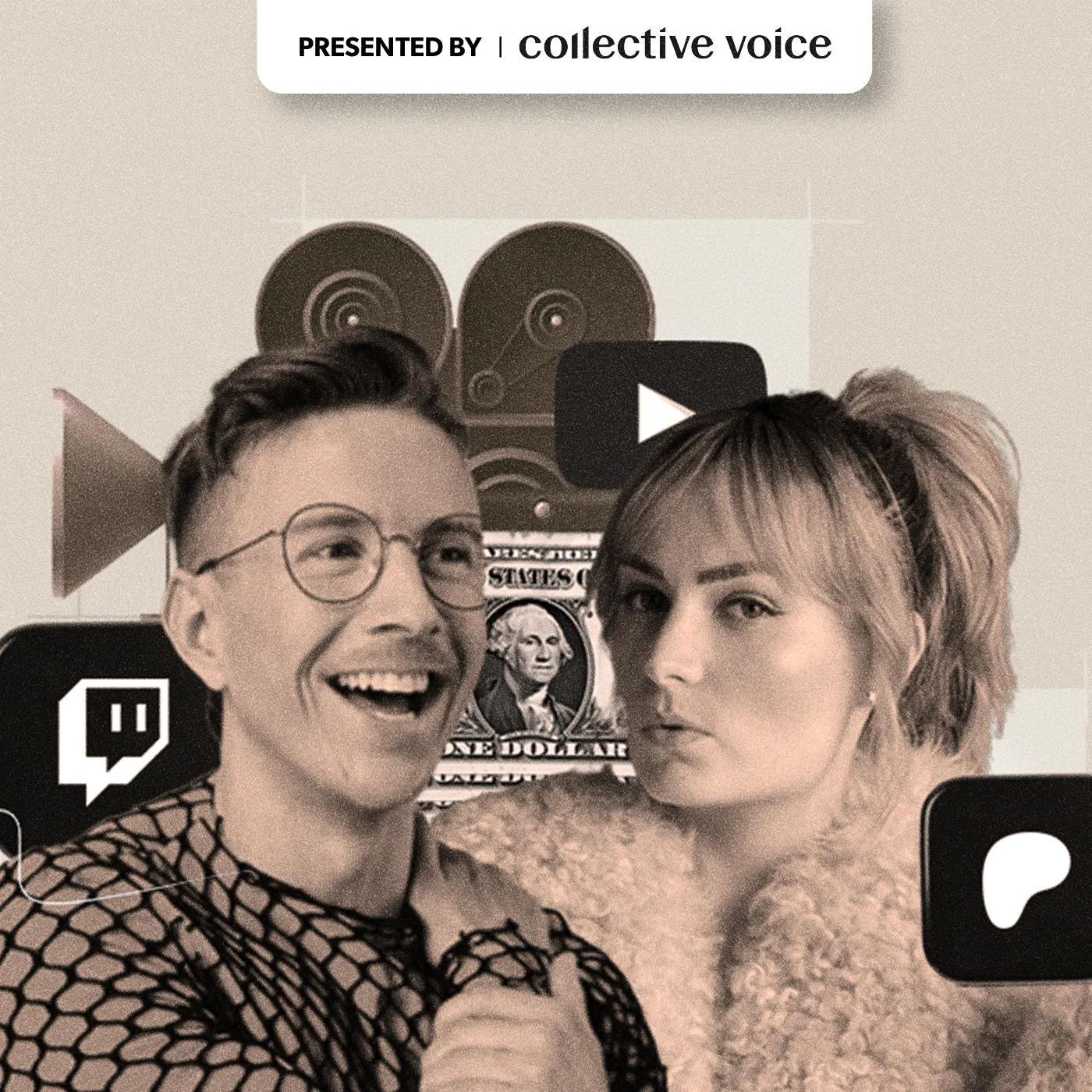
How creators Molly Burke and Tyler Oakley grew online communities through advocacy
Molly Burke and Tyler Oakley joined YouTube more than a decade ago and built their respective online followings by advocating for the causes and communities of people that were important to them — even if it wasn’t always the easiest way to rapidly grow given the platform’s algorithm. Since then, Burke and Oakley both expanded to additional platforms, like Patreon and Twitch, to continue garnering meaningful relationships with their followers. While Burke said she’s been able to learn a lot about her viewers personally through Patreon, Oakley said that two-way direct communication on Twitch has been instrumental in how he creates content in the moment. In the fourth and final episode of the Digiday Podcast’s Creators series, Burke and Oakley discuss why advocacy and speaking from the heart has always been central to their strategies as long-form video content creators, and why that’s helped grow their audiences and businesses.

How Hunter Harris and Caroline Chambers have extended their Substack subscribers into monetizable communities
In a world where video has become the predominant medium for content creators, Substack offers a reprieve in the form of the written word. The subscription-based newsletter platform received a surge of interest during the pandemic, garnering hundreds of new creators — including Hunter Harris and Caroline Chambers — who were interested in monetizing their ideas without always needing to jump in front of a camera. And less than four years later, the platform has enabled these creators to monetize their content via thousands of paid and unpaid subscribers — not to mention advertiser sponsorship, affiliate links or even book deals. In the third episode of the Digiday Podcast’s Creators series, Harris and Chambers discuss how they’ve transitioned their Substack subscriber bases into communities that ultimately help them feed the funnel of audience engagement.
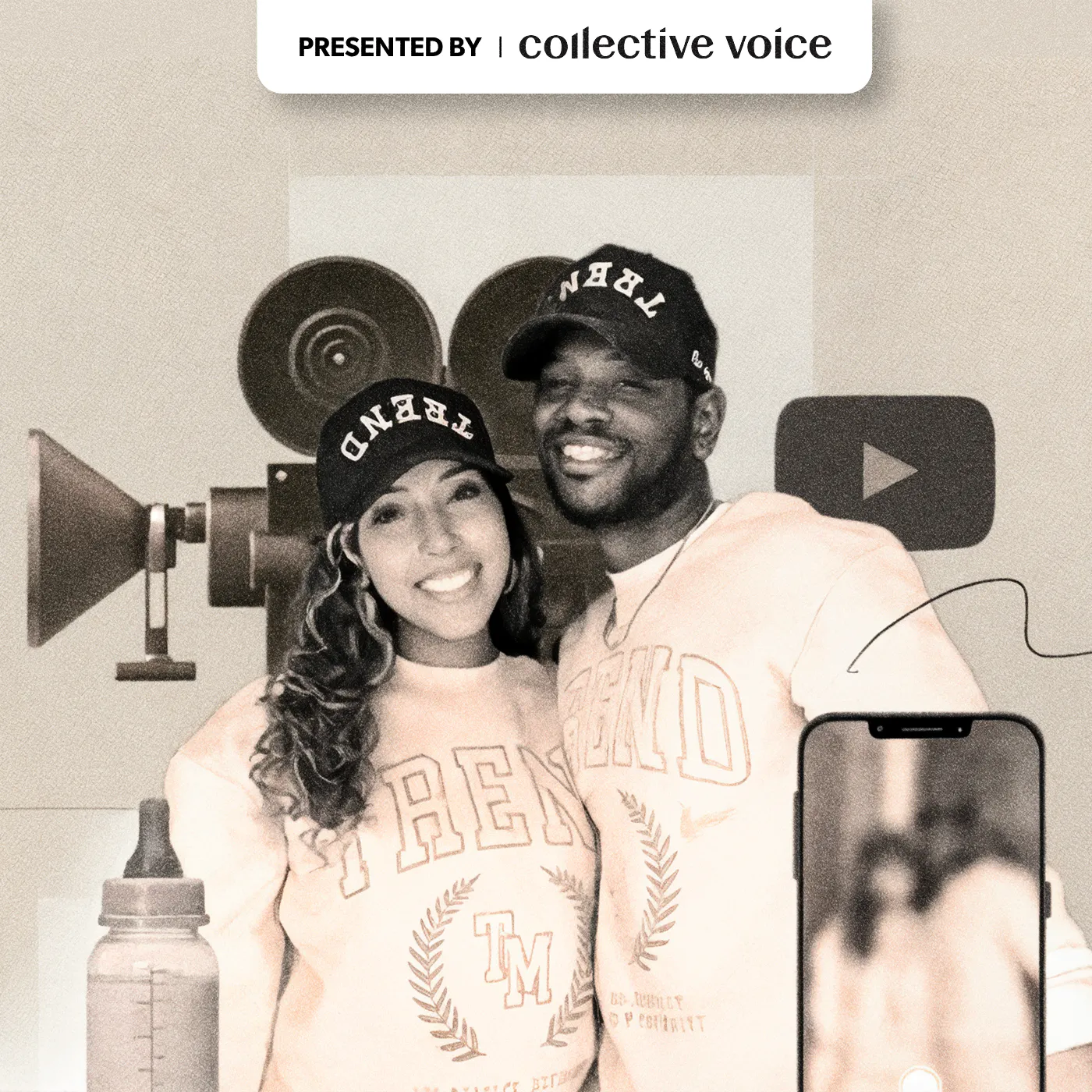
How the Martin family went from part-time vloggers to a family of social media mavens
What started as a part-time, pandemic-induced pregnancy journey vlog has turned into a family business for social media creators Ben and Lazara Martin, and their three boys. Since 2020, the couple has racked up nearly 8 million followers across social media, boasting family-friendly content to strike deals with brands like Huggies, Flexcar and Applebee's. But even as the influencer and content creator landscape continues to grow, changes in platform algorithms, the looming TikTok ban and more put pressure on creators. In the second episode of the Digiday Podcast creator series, the Martin family talks being full time content creators, navigating said ban and more.
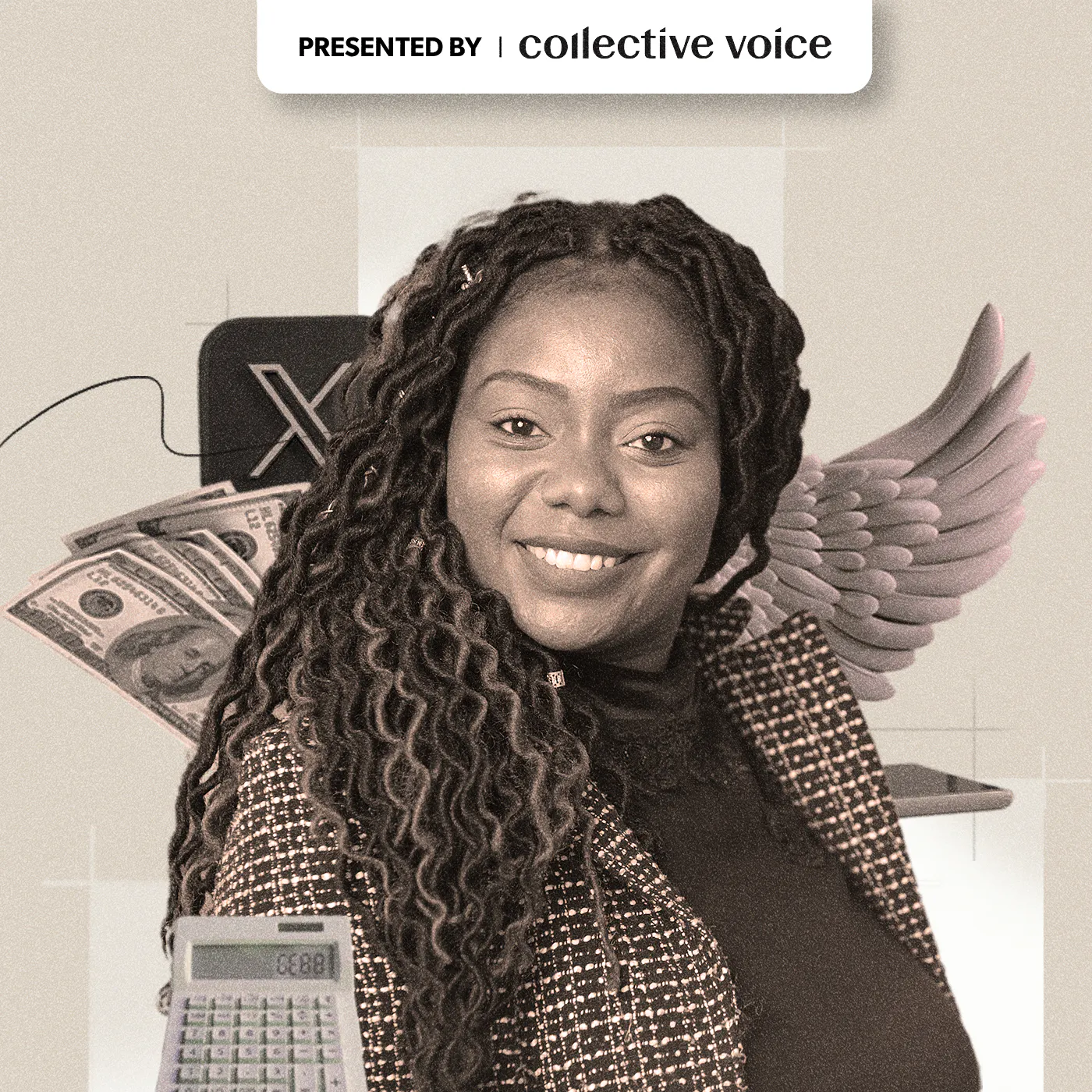
How one content creator thrives on X, despite Elon Musk's shakeup
As a platform, X (formerly Twitter) has seen better days. After Elon Musk took over back in 2022, the platform has fallen from grace with advertisers and creators alike, due to the reinstatement of previously banned accounts, an increase in bots and simultaneous decrease in brand safety. However, X hasn’t managed to scare away everyone. In fact, Jessica Davis, a part-time creator who focuses on career content, has managed to build out a following of more than 40,000 people since starting her account in 2021. Since then, she's been able to convince subscribers and brands to shell out for her tweets, pulling in revenue from monthly subscriptions and funds from the platform's ad revenue sharing program, which launched last summer. In the first episode of the Digiday Podcast’s Creators series, Davis talks about being a text-based content creator in the short-form video era, navigating brand safety on X and the future of content creation in the ever changing landscape of social media.
How FootballCo’s Jason Wagenheim is appealing to ‘soccer curious’ advertisers in the U.S.
Formed in 2020 after TPG bought Goal.com from DAZN, FootballCo has been steadily growing an international audience of soccer fans across its portfolio of nine brands. But this year, FootballCo is making a concerted effort to appeal to the burgeoning fandom of U.S.-based soccer enthusiasts under the leadership of Jason Wagenheim, CEO, North America. Wagenheim, previously the CRO of Bustle Digital Group, joined FootballCo having never before worked in sports media, but that’s what he said his bosses were interested in. Having led the advertising businesses for many lifestyle media companies in his career, Wagenheim said his goal is to convert “soccer curious” advertisers into active spenders by blending lifestyle and sports content into a video-dominant mix that appeals to non-sports native brands. And with many global soccer sporting events coming up in North America over the next couple of years, culminating in the men’s World Cup in 2026, Wagenheim is hitting the ground running, using these tentpole moments to appeal to advertisers and audiences alike in this market.

Canva's CMO Zach Kitschke talks taking the Australian design platform's user base
Like other companies, Canva has been in growth mode recently, looking to scoop up new audiences to grow the Australian design platform’s user base. Notably, headlines from The Information and Barron's dance around Canva possibly going public in the coming years, but no concrete timeline has been announced. In the meantime, the focus is expanding the Australian-based company to other markets around the world, like India, Germany, Japan and Europe, according to Zach Kitschke, CMO at Canva. “We've made some huge strides there over the past few years, but 170 million [Canva users] is just a drop in the ocean of the total population around the world,” he said. Canva has also been prioritizing its artificial intelligence capabilities, which has become the industry’s latest obsession. On this episode of the Digiday Podcast, we caught up with Kitschke to talk about Canva’s marketing strategy, global growth initiative and plans for AI.

How Nuuly plans to retain customer subscriptions, data after its first growth spurt
In the era of so-called subscription fatigue, subscription clothing rental service Nuuly has managed to not only increase its number of subscribers, but also turn a profit while its competitors are scrambling for profitability. Nuuly, which is owned by Urban Outfitters, hit its first growth spurt in Q3 of last year. Nuuly's net sales came in about $65.5 million last October, up from $35.2 million in that same quarter the year prior, marking a nearly 86% increase, according to the company's earnings report. The clothing rental company also amassed nearly 200,000 subscribers as of last December, according to a spokesperson. On this episode of the Digiday Podcast, we caught up with Kim Gallagher, executive director of marketing at Nuuly to talk about the company's growth plans through 2024 and beyond. “This is not the sexy answer, but we feel like we are in this unique spot of we’ve had a lot of growth, we’ve just achieved our first profitable quarter and we still feel like we have a lot of work to do to make our service as good as it can possibly be,” Gallagher said on a recent episode of the Digiday Podcast. “It’s been a couple of years of chasing growth, and we’re like, ‘Yeah, you know what? Let’s just focus on the core for a minute.”

How Newsweek is plotting for audience and revenue growth this election year
A presidential election year has the potential to be a boon for news and politics publishers when it comes to drawing in and monetizing audiences. But even though 2024 is a lot like 2020 on paper, platform performance issues and an unreliable ad market may make this election cycle less lucrative than hoped. For Newsweek’s global chief commercial and growth officer Kevin Gentzel, this means testing out new audience growth strategies and revenue streams to get back to growth this year. “We did end the year with some growth, which was great, [but we] didn't achieve what we set out to accomplish in [2023]. But I feel like we strategically started to sow seeds throughout the year that we knew were going to strategically benefit the business, our readers, brand partners, and start to develop other core commercial aspects of the company that we're beginning to see in 2024 and beyond,” said Gentzel. On the latest episode of the Digiday Podcast, Gentzel discusses how his team is generating referral traffic from alternative platforms, why political advertising dollars are hard to compete for and how Newsweek is looking to monetize readers with new subscription offerings.
Digiday Media Presents: The Return Season Three
Digiday Media's WorkLife is proud to present season three of The Return, a podcast about the modern workforce, with this season focused on middle management. Last season, we heard what it’s like for Gen Z to enter the workforce for the first time in a post-pandemic world. We highlighted themes like why values are so important to Gen Zers, whether or not they are loyal to their employers, how they use TikTok for career advice, what it means to be a young professional who is a boss to older workers, and so much more. This time, we’re hearing from the population of workers that some argue is the backbone of a successfully-run organization: middle management. They are the ones who are navigating those RTO mandates, welcoming a new generation of workers that have a different approach than those who came before them, the rise of artificial intelligence – the list goes on. In season three of The Return, we speak to middle managers themselves to hear beyond their everyday stresses of the job, but what they need to guarantee everyone they manage has what they need to be the best at what they do. C-suite, listen up because they need your help too. We dive into how middle management stress is a decades-long issue (there are New York Times headlines dating back to 1971), how the wrong people are being chosen to be managers which is leading to the rise of “accidental managers,” what it’s like to have hard conversations and having to be a therapist at times, where people are finding support as a middle manager, and how AI is impacting the job of a middle manager. With a Q+A format, you will hear in-depth conversations with folks including Colette Stallbaumer, Microsoft’s general manager of Microsoft 365 and Future of Work Marketing, Rob Pierre, former CEO of advertising services platform Jellyfish, and Emily Field, partner at McKinsey & Company who co-authored “Power to the Middle: Why Managers Hold the Keys to the Future of Work,” to name a few. Season three of The Return is hosted by Cloey Callahan, senior reporter at Digiday Media’s WorkLife, and produced by Digiday Media’s audio producer Sara Patterson. Subscribe to the WorkLife podcast now on Apple Podcasts – or wherever you get your podcasts – to hear the first episode on Tuesday, April 23.
Why Nylon is bringing back print
The 25-year-old fashion, entertainment and culture publication Nylon went digital-only in 2017, but owner BDG is officially reviving the print magazine this year – albeit biannually. Debuting with a limited 50,000-issue run, the magazine will be distributed on newsstands, in the lobbies of high end boutiques, hotels and airport lounges and at Nylon House events, vs. being available via subscriptions, according to Emma Rosenblum, chief content officer at BDG. But that number and distribution model could change based on the reception from readers and advertisers alike, she added. And so far, the advertiser reception has been better than expected, with the premier issue featuring several ad pages. Rosenblum said that she was willing to put out the first relaunched issue of Nylon without any advertisers signing on, just to get a proof of concept in order. But with the sales team already up to snuff on selling a print product thanks to six-times-per year W magazine, securing ad revenue was possible before the first issue went to print. On the latest episode of the Digiday Podcast, Rosenblum discusses the highs and lows of making a print product and why Nylon was the first brand within her remit to have a physical iteration.

How Linktree vp Lara Cohen is championing for creators to get a bigger piece of the pie
The creator economy is bursting at the seams as brands tap into social media stars, both big and small, hoping to recreate word of mouth-style marketing online. In fact, agency clients and brands invested more in influencer marketing in 2023 than they did in 2022, according to Digiday+ research. In Q1 of 2022, 69% of agency professionals said their clients spent at least a very small portion of their marketing budgets on influencers. By Q1 of 2023, that figure jumped to 76%. Goldman Sachs predicts that the creator economy could approach half of a trillion dollars by 2027. As more money flows into the creator economy, creators are looking for two things: their fair share of that money and more sovereignty over their online presences. And Linktree, a link-in-bio tool, is positioning itself to be an intermediary, facilitating the growth, per Lara Cohen, vp of partners and business development at Linktree. “There's a shift happening right now and I think the financial shift has really yet to catch up directionally [with] where the market is right now, in some ways,” Cohen said on the most recent episode of the Digiday Podcast. “The real shift that we haven't seen yet that we're really advocating for on the front lines of Linktree is that these creators should be paid more.” On this episode, we caught up with Cohen to talk about the growing creator economy, monetization at Linktree and what maturation looks like in this space.
Inside Olipop's growth strategy with Chad Wilson, head of marketing
Prebiotic soda brand Olipop is in growth mode, coming off $200 million in annual sales and its first national campaign with pop star Camila Cabello last year. A lot of the six-year-old brand’s initial popularity tracks back to TikTok. However, the last year has been transformational for Olipop, positioning itself as a true competitor to the likes of legacy brands like Pepsi or Coca Cola. “We’re such a different company today than we were 12 months ago largely because of that growth,” said Chad Wilson, head of marketing for Olipop, on a recent episode of the Digiday Podcast. “From a marketing perspective, we have seen huge success in social and influencers. We jumped on social early on in the company’s growth and it was like rocket fuel almost.” On this episode of the Digiday Podcast, we caught up with Wilson to talk about maintain Olipop’s momentum, its in-house agency and what testing and learning looks like on TikTok.
How Janice Min is selling entertainment advertisers on The Ankler
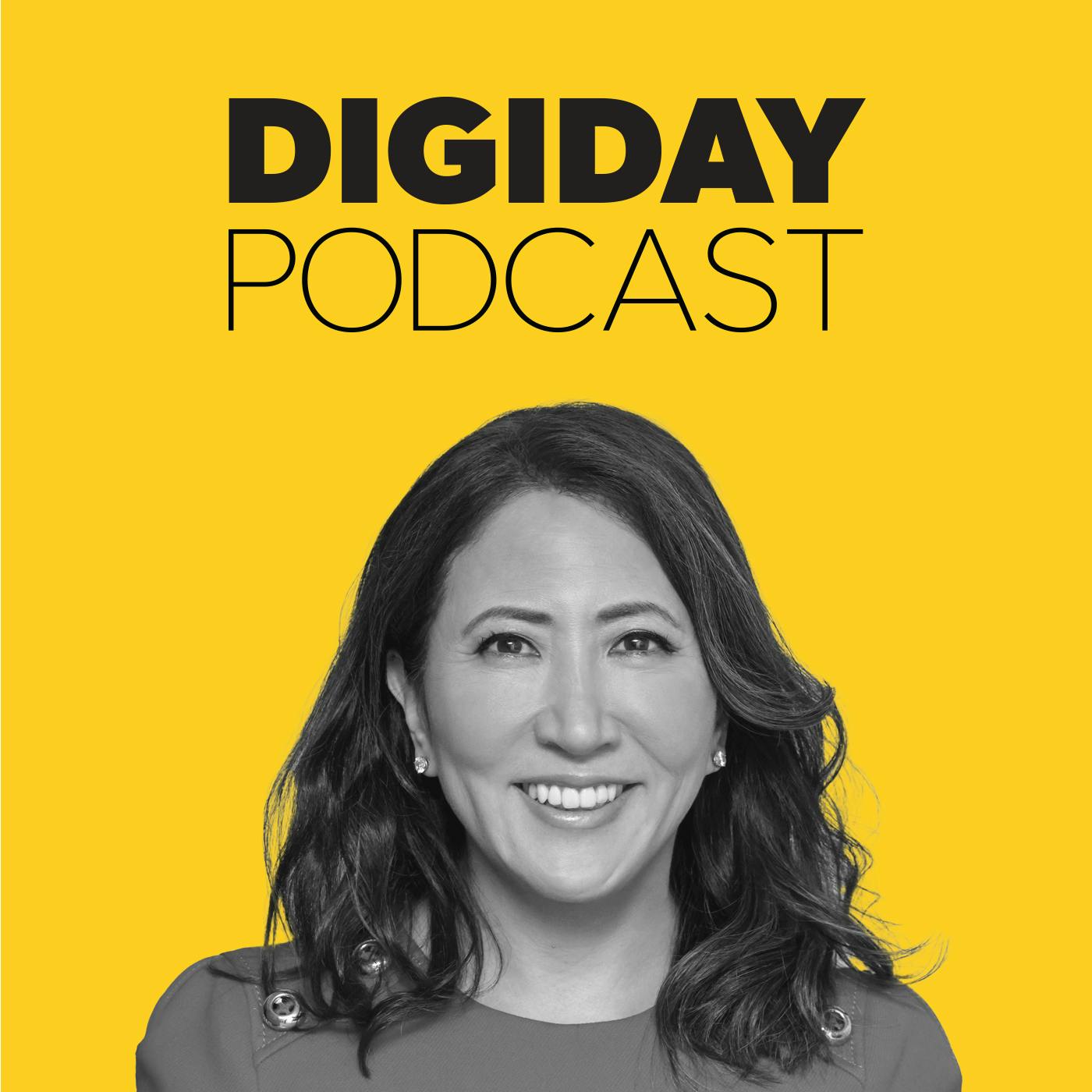
Earlier this year, Janice Min, CEO of The Ankler, said that she’s expecting to hit $10 million in annual revenue in 2025. During a podcast recording with Digiday, Min revised that statement to say, “We have a shot of getting to that number this year.” To do that, Min’s team is taking a three-pronged, straightforward approach: Make good content to attract audiences, quality audiences that are attractive to advertisers, and combine those things in-person through events. “I wish we had some AI-generated something that was going to be the thing that rains down millions of dollars on us, but it's really boring,” said Min. “Boring” — or not, it's notable that a media company that launched in January 2022 and covers Hollywood is charting revenue growth at all amid two major film industry strikes as well as a tumultuous period for advertising revenue. On the latest episode of the Digiday Podcast, Min shares how “tune-in” advertising and “for your consideration” advertising have persisted despite the strikes and how The Ankler, born on Substack, has expanded across platforms to become a full-fledged digital media outlet. Get more from Digiday with the daily newsletter, sent out each weekday morning. Visit digiday.com/newsletters to sign up.
‘It's not just about the results': How Vox Media’s CRO Geoff Schiller is strategizing for ad sales in 2024
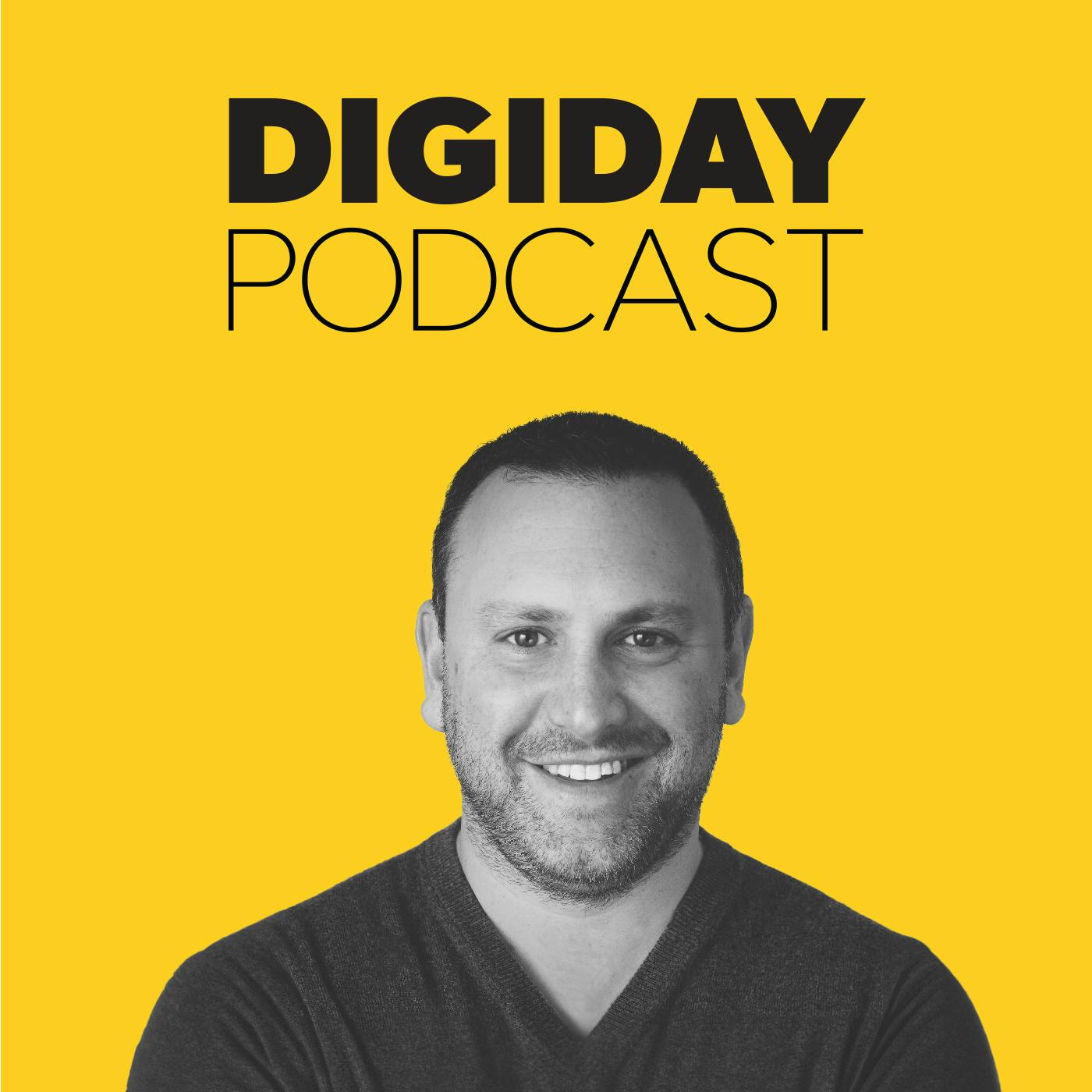
Coming off of SXSW where Vox Media hosted the conference’s three-day-long podcast stage, the company’s recently appointed CRO Geoff Schiller is going all-in on these types of in-person selling opportunities to generate ad deals for the publisher’s portfolio of digital and audio assets.Centering the Vox Media sales pitch on talent, franchises and tent poles, Schiller said on a recent episode of the Digiday Podcast that this is the formula he and his sales team are following to differentiate the digital media company in the market. It’s a similar play to other publishers that are focusing on “going niche” versus competing for scale plays against platforms this year.In this week’s episode Schiller talks about the state of the digital advertising market and how he’s showcasing vertical expertise to clients in various ways, from taking insights on a roadshow to showcases at industry events.
'There's no e-commerce point-of-sale': Farmer's Fridge's marketing director Liz Mella hones in on non-traditional tactics
For the last few months, marketers and advertisers have finally had to reckon with the fallout of Google’s crumbling third-party cookie amid an increasingly fragmented media landscape. Meaning, targeting and measurement are getting harder to do. However, it’s something Liz Mella, director of marketing for Farmer’s Fridge, has been tasked with working through as the food vending company is without an e-commerce point of sale. With more than 1,000 locations nationwide in airports, hospitals, office buildings, universities and more, Mella said Farmer’s Fridge's business model has required non-traditional marketing strategies. “We are looking into doing things, like we’re buying media at the exact point of purchase,” she said in a recent interview with Digiday. “But there's no easy, silver bullet approach to this. It's really doing a lot of small things to build the amplifier effect of media.” On this episode of the Digiday Podcast, we caught up with Mella to talk about Farmer’s Fridge’s non-traditional approach to marketing, measurement and media. Get more from Digiday with the daily newsletter, sent out each weekday morning. Visit digiday.com/newsletters to sign up.
How Zola CMO Victoria Vaynberg has introduced a new brand to expand its audience
Zola isn’t just a website for weddings anymore. Late last year, the e-commerce company went from a one-stop destination for all things wedding to include a new baby registry service, Zola Baby. Typically, a new service comes with renewed customer acquisition efforts. But this latest endeavor has revolved around word-of-mouth as opposed to shelling out ad dollars to find new shoppers, according to Zola CMO Victoria Vaynberg. The company has experimented with out-of-home advertising in the past and currently has an active TikTok presence to help boost brand awareness. On this episode of the Digiday Podcast, we caught up with Vaynberg to talk about Zola’s TikTok strategy, growth in a new category and navigating today’s ever-changing digital landscape. Get more from Digiday with the daily newsletter, sent out each weekday morning. Visit digiday.com/newsletters to sign up.
My Code’s CEO says a floor, not a ceiling, has been set by advertisers for multicultural marketing
While the recent advertising slowdown has also impacted the amount of money allocated to marketing to media companies created for non-white audiences, Parker Morse, CEO and founder of My Code said that it hasn’t stopped marketers from realizing the value in reaching multicultural audiences. In fact, while the industry standard is 5% of advertiser budgets earmarked for multicultural marketing, that figure has turned into a floor, not a ceiling, over the past few years, he said, adding that the expectation is that 2024 will see a return to growth in this sector. On the latest episode of the Digiday Podcast, Morse talks about how My Code is iterating on the go-to-market strategy this year to ensure marketers are aware of the value in reaching multicultural and historically underrepresented audiences, both from a buying power perspective, but also from a sheer volume perspective. Morse also discusses how My Code has spent the past three years building out the portfolio of Hispanic audience-focused publications to build a more holistic representation of Latinx consumers in the United States. Get more from Digiday with the daily newsletter, sent out each weekday morning. Visit digiday.com/newsletters to sign up.
How Group Black’s Kerel Cooper is trying to solve programmatic’s bias problem at the industry level
Following an on-stage conversation at the Digiday Programmatic Marketing Summit in December, Kerel Cooper, president of advertising at Group Black, joined Digiday once again on the latest episode of the Digiday Podcast to dive further into his continued efforts to shed light on the legacy programmatic media buying practices that often disadvantage Black-owned media companies. Working with ad verification firm Double Verify, Group Black pulled together research that illustrates just how much ad inventory on Black-owned media companies is cut from media budgets when rudimentary tools like keyword blocklists and domain-level categorization are implemented in media buys. Now, Cooper is working with his partners at DV to raise awareness of these findings to educate the buy-side as well as work with trade organizations to create standards for not eliminating large swaths of Black-owned media from programmatic spending. In this conversation, Cooper talks about the results of the research with DV as well as how the deprecation of the third-party cookie is changing the way advertisers are up-ending their programmatic buying practices this year. Get more from Digiday with the daily newsletter, sent out each weekday morning. Visit digiday.com/newsletters to sign up.
Magic Spoon co-founder Gabi Lewis talks cereal brand's expanded retail footprint and marketing strategy
Magic Spoon, the cereal company that launched entirely online back in 2019, has since expanded its footprint to more than 16,000 national retailers to meet shoppers where they are, whether that’s online or in-store. Historically, the cereal company built its millennial and Gen Z following via short-form social media videos, podcasts alongside other direct-to-consumer brands. But as its retail footprint expands, so does its ad strategy, to include things like in-store aisle displays. On this episode of the Digiday Podcast, we caught up with Gabi Lewis, co-founder at Magic Spoon, to talk about the brand’s expanded retail footprint, standing out in a crowded category and of course, the measurement woes plaguing marketers. Get more from Digiday with the daily newsletter, sent out each weekday morning. Visit digiday.com/newsletters to sign up.
PepsiCo Beverages on testing and learning its strategy in a fragmented media landscape
Last year, PepsiCo Beverages was taking a test-and-learn approach to a fragmented video landscape. This year, with more ad-supported streaming platforms, most recently including Amazon Prime, the continued creator economy boom and more, there are more places than ever to advertise. That fact is one of the things that keeps Katie Haniffy, senior director of media strategy and investment for PepsiCo Beverages, up at night, she said. “The process has changed,” Haniffy said on the most recent episode of the Digiday Podcast. “Really, there’s probably three things that are going, ultimately, to impact our process.” That’s the booming creator economy, the rise of CTV and retail media. On this episode of the Digiday Podcast, we caught up with Haniffy to talk about changes in the media landscape, how PepsiCo Beverages is keeping up with them and, of course, what measurement looks like in a fractured marketplace. Get more from Digiday with the daily newsletter, sent out each weekday morning. Visit digiday.com/newsletters to sign up.
How British GQ's Adam Baidawi reimagined the legacy men's luxury publication for a modern, global audience
Adam Baidawi stepped into the role of British GQ’s head of editorial content in November 2021 at a time when the legacy men’s fashion and lifestyle title was facing a crucial pivot point in its identity. Not only was Condé Nast reimagining its editorial and business strategy to be internationally structured, but the very idea of men’s fashion and luxury was evolving from a singular ideal image to embracing individuality. Baidawi, who had been a lifelong fan of the title, was also serving as the deputy global editorial director of GQ, and helped lead the refresh of the brand, focusing first and foremost on new luxury and community. On the latest episode of the Digiday Podcast, Baidawi shared how he applied the “new luxury” mentality to the publication’s social strategy, events business and video production, as well as how the shift to international operations strengthened the storytelling ability of GQ across the globe. Get more from Digiday with the daily newsletter, sent out each weekday morning. Visit digiday.com/newsletters to sign up.
How social-centric Gallery Media is taking on events, TikTok Shop and ever-changing algorithms
Digital media companies have to be willing to change with the times if they want to make 2024 a growth year. For Gallery Media Group, publisher of PureWow and ONE37pm as well as over 70 social media-first brands like @Recipes and @Cocktails, this means testing out new social offerings like TikTok Shop, creating social campaigns for clients that will still work despite rapidly changing algorithms and modifying its experiential business to improve the ROI for sponsors. On the latest episode of the Digiday Podcast, GMG’s CRO Chris Anthony shares how the new ad products and event offerings launched in 2023 are contributing to his sales team’s go-to-market strategy in 2024. Get more from Digiday with the daily newsletter, sent out each weekday morning. Visit digiday.com/newsletters to sign up.
Xerox CMO Deena LaMarque Piquion: Embracing AI, targeting the next generation and keeping a legacy brand relevant in 2024
Between Google’s third-party cookie phase out (finally) and the generative AI boom, there are many changes facing the marketing and advertising industry this year. It’s a lot for any marketer to keep up with, let alone the chief marketing officer at a 117-year-old legacy company like Xerox, an office equipment brand. But it’s exactly what CMO Deena LaMarque Piquion has on her to-do list this year, in addition to boosting brand awareness with the next generation of employees and entrepreneurs. “My personal resolution in regard to marketing is to incorporate more AI and personalization into what we do,” she said on the most recent episode of the Digiday Podcast. It's only within the past year that Xerox has ramped up its advertising efforts, in line with America’s return to the office. And as 2024 gets underway, the office equipment brand must grapple with the post-pandemic, new work normal, generative AI and more. On this episode of the Digiday Podcast, we caught up with Piquion to learn more about Xerox’s AI strategy, marketing to the next generation of employees and entrepreneurs, and what it means to keep a 100-plus-year-old brand relevant. Get more from Digiday with the daily newsletter, sent out each weekday morning. Visit digiday.com/newsletters to sign up.