The Debrief
146 episodes — Page 1 of 3
The Verdict on Luxury Fashion’s Designer Reset
Luxury’s Italian Supply Chain Reckoning Isn’t Over
Fashion’s Latest Obsession: The Grocery Store
Can Fashion Sell a New Generation on Trade Jobs?
Has Fashion Had Enough of AI?
Who's Winning Beauty's H1 Reckoning
Why Upcycling Is Suddenly Everywhere in Fashion
The Influencer Follower-Count Era Is Ending
What the Best Fashion Stores Get Right
The Fashion and Beauty Companies Everyone Wants to Work For
Why Everyone's Reading Clothing Labels Again
Is Fashion School Still Worth It?
The Anti-Unicorn Playbook That Beat Fashion's DTC Boom
Luxury’s New Reality
How Nike Built the Biggest World Cup Campaign Ever
Why Activewear Consumers Are Looking Beyond Lululemon
The Debrief | How Books Became Fashion’s Latest Status Symbol
Fashion's Ozempic Reckoning
A Message to Listeners
Inside The Swatch X Audemars Piguet Global Frenzy
Why Are So Many Brands Faking Scandals?
Why People Hate AI
Why Some Retailers are Ignoring the Internet
Why Luxury Still Can’t Find Its Way Out of the Slump
Nike’s Reality Check
Can H&M Prove Sustainability is a Growth Engine?
In March, H&M released financial results alongside its annual sustainability report, presenting two seemingly contrasting narratives. The company reported a 34.6 percent reduction in emissions from 2019 levels and also noted that 91 percent of its materials are now sustainably sourced. However, this environmental progress occurred alongside a 1 percent dip in sales, raising questions about the commercial viability of its green strategy.While many industry peers are backing away from environmental messaging to focus on the bottom line, H&M is arguing that sustainability is not in tension with profit, but is rather a "core driver of future growth". On The Debrief, we examine whether this decoupling of growth from environmental impact can truly resonate with consumers, or if it remains a purely internal metric.Key Insights: As a fast fashion brand, H&M understands that sustainability alone is not going to win back shoppers. Instead, Walid says the company is trying to translate its recent efforts into something more tangible at the point of purchase. The pitch is not that consumers care about emissions reporting in itself, but that sustainability can function as a marker of quality. As Leyla Ertur, H&M’s Head of Sustainability, told Walid during their conversation, “Our customers don’t care about our Scope 3 emissions going down. What they care about is what they’re buying.”Walid suggests that one of H&M’s biggest challenges is the disconnect between how the company sees itself and how customers perceive it. “When we say H&M, I think people are thinking of H&M, the brand … But when H&M talks about itself, they’re talking [about] the whole conglomerate,” she says, pointing to brands like COS and Weekday, which occupy a more elevated position. While those labels may successfully compete with higher-end high street players, that distinction is largely invisible to consumers, who still associate H&M with “fast fashion … something cheap for an occasion.” As a result, while the group may understand how to build more premium propositions across its portfolio, Walid argues that the core H&M brand itself has not yet meaningfully shifted perception. For all the company’s investments and emissions reductions, the core contradiction remains that H&M is still producing and selling huge volumes of clothing. Waleed is explicit about that limitation: “They’re not addressing the overconsumption and overproduction problem in fashion.” At the same time, she notes that H&M is one of the few large players still investing at scale in decarbonisation, water reduction and supply chain upgrades.H&M is investing across sustainability, brand elevation and new channels like resale, but Waleed cautions that it is still too early to judge whether these efforts are working. “They use all these different levers that don’t come into one … There needs to be a way to bring that together,” she says. Initiatives like fashion week shows, collaborations and younger-facing campaigns are designed to re-engage consumers, but “I don’t think people have caught traction … just yet.” For now, the strategy remains a long-term bet rather than a proven turnaround.Additional Resources:Exclusive: H&M Says Sustainability Is Good for Business. Can It Get Shoppers to Care?BoF Analysis: The Rise of Ultra-Fast Fashion PlayersThe Game of ‘Selling’ Sustainability Hosted on Acast. See acast.com/privacy for more information.

The Retailer That’s Obsessed With AI
For years, Revolve was fashion retail’s byword for influencer marketing, particularly around its over-the-top Coachella event. But as the Instagram aesthetic matures and the cost of human-led marketing rises, the company is pivoting. The new mandate? To become as much an AI powerhouse as it is a party-hosting fashion giant. In a recent conversation with Retail Editor Cathaleen Chen, Revolve founders Michael Mente and Mike Karanikolas argued that AI isn't just a buzzword for the board; it’s the engine that will sustain their multi-billion dollar dominance.Chen joined The Debrief to talk about how Revolve is pushing the limits of how AI can be used in retail, and whether its strategy is working. Key Insights: Revolve was founded by software engineers who viewed fashion as an e-commerce "white space,” setting it apart from rivals that invested in new technologies only after establishing themselves in the marketplace. "While Revolve looks like a Shopbop or a Net-a-Porter... Revolve is actually built like a data science company." said retail editor Cathaleen Chen.Revolve differentiates itself by building its own tools where possible, rather than buying off-the-shelf software, including the product search on its website. Using AI, Revolve has moved beyond literal keyword matching to a system that understands the vibe or occasion a customer is shopping for. By analyzing image attributes, the site can surface the perfect "party dress" even if that specific tag doesn't exist, explains Chen. "What their AI tool is able to do is pull up anything that is sequined... or textured... it is anticipating the desire."Revolve fosters a "bottom-up" environment where every employee is encouraged to experiment with AI. They aren't just looking for "moonshots"; they value any application that moves the needle even slightly. "Eeven if something improves efficiency or output by just 1%, that's considered a success,” said Chen.Additional Resources:Why Revolve Can’t Stop Talking About AI | BoFWhy Fashion Doesn’t Talk About How It Uses AI | BoFWhy Revolve Is Embracing Brick-and-Mortar | BoF Hosted on Acast. See acast.com/privacy for more information.
What European Luxury Can Learn From American Fashion
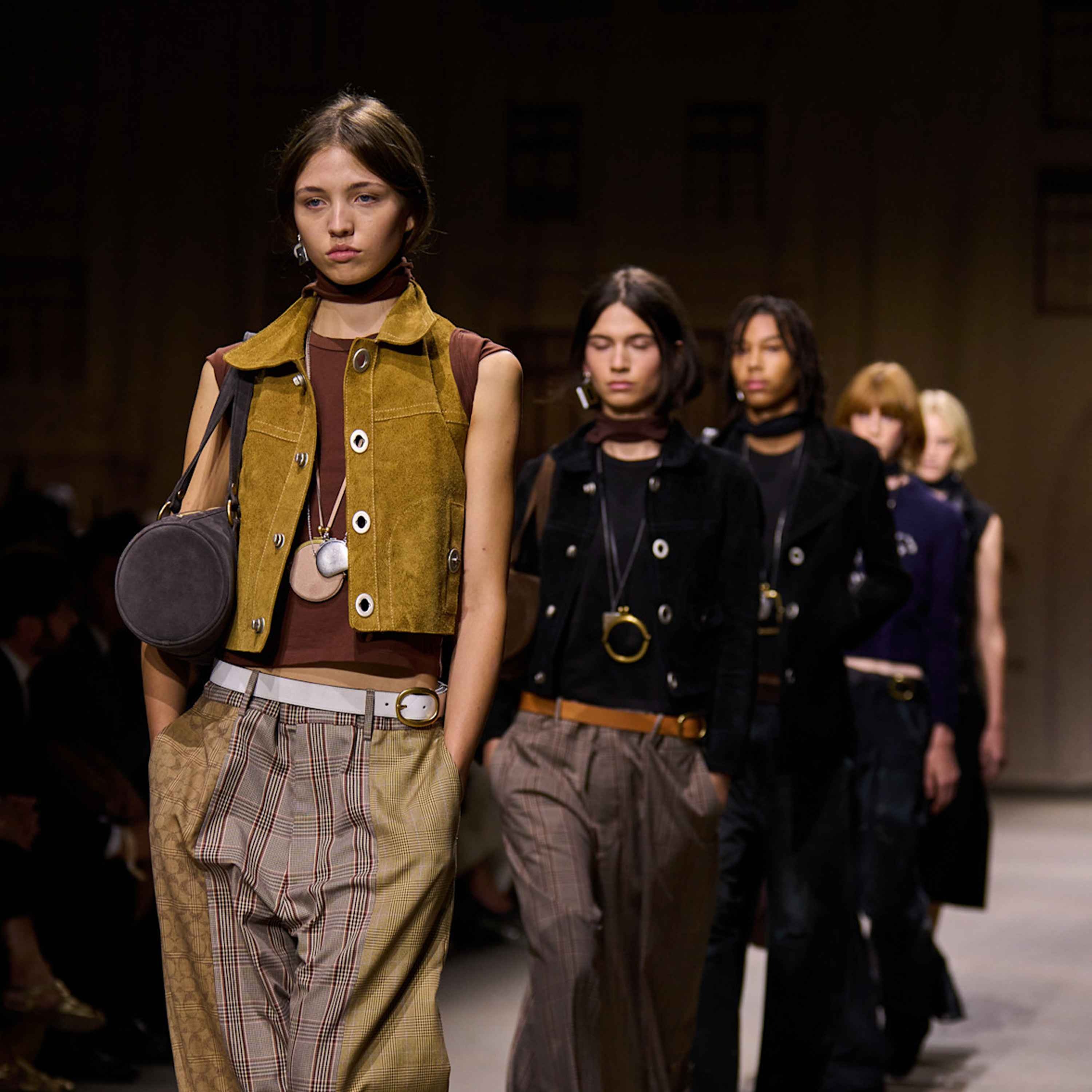
For years, European luxury brands set the pace in fashion, while American labels were often dismissed as overly commercial and too broadly distributed to compete at the highest end of the market. But that balance is shifting. As many European luxury houses struggle with slowing demand, price resistance and creative inconsistency, a group of American brands is seeing renewed momentum. On the episode, Diana Pearl joins Sheena Butler-Young and Brian Baskin to unpack what those brands are getting right, and why their recent success may offer a useful playbook for the rest of the industry.Key Insights:Pearl argues that part of the shift comes down to timing. American brands like Coach, Ralph Lauren and Tory Burch went through their overexposure phase years ago and were forced to correct course, while European luxury brands are only now grappling with the consequences of aggressive growth. “European brands maybe got a little cocky,” she says. “They raised prices too much and maybe let the creative slide a little. I think as those businesses have grown, it just became more about sales and less about focusing on the core of the business.” By contrast, American brands “really had to recalibrate, pull back, think about who is our core customer and laser in on that message.”Pearl presents Coach as the clearest example of how this American reset has worked. Instead of chasing quick expansion, the brand spent years refining its identity, sharpening its offer and building around a defined consumer. “They want to be that first luxury bag purchase that someone makes when they’re in high school, when they get their first job and save up to buy a nice bag,” she says. That focus shapes everything from product to casting to marketing tone. Just as importantly, Coach stopped cycling through products too quickly. Rather than dropping a hit bag and moving on, “when they see these silhouettes start to pop off, they find ways to iterate them,” Pearl says, pointing to the Tabby and the Brooklyn as examples.Pearl says European luxury’s current problems are not just about price, but about value and treatment. Consumers have become more sensitive to whether products feel worth the money and whether the shopping experience feels inviting. “People don’t want to spend their money at a place where they feel like they’re being mistreated,” she says, referring to growing frustration with intimidating store environments, long queues and rigid service hierarchies. She also argues that “cachet can only get you so far,” especially when shoppers no longer feel that the biggest European brands are producing the most desirable or practical items.Another theme in Pearl’s reporting is consistency. Several American brands now doing well are still shaped by founder-led or founder-adjacent creative visions, and she suggests that stability matters. “Even if consumers don’t necessarily know that creative directors are changing, they see it in how a brand feels inconsistent from season to season,” she says. With Tory Burch, Ralph Lauren and Khaite, the creative point of view feels legible and sustained. That makes it easier to build a coherent world around the brand and evolve it gradually, rather than asking consumers to reset every few years with a new designer era.Additional Resources:What European Luxury Can Learn From American Fashion | BoF The Great Fashion Reset | How to Fix Luxury’s Trust Issues | BoF The Great Fashion Reset: Can Designer Debuts Revive Luxury? | The Debrief | BoF Hosted on Acast. See acast.com/privacy for more information.

Why Fragrance Is Fashion’s Newest Digital Frontier
Fragrance is booming, but the way consumers discover and buy scent is changing fast. While scent has traditionally relied on in-person testing, more than half of fragrance purchases in the US now take place online. As department stores decline, brands are leveraging new technologies and creative storytelling to reframe perfume less as a single signature scent and more as an accessory, a collectible and part of a wider personal style. On the episode of The Debrief, BoF beauty correspondents Daniela Morosini and Rachael Griffiths unpack how short-form video, AI tools, layering trends and packaging are reshaping the category. Key Insights: Morosini argues that fragrance’s online shift reflects both the broader movement of beauty sales online and the weakening dominance of department stores, which historically anchored prestige fragrance. What has changed more recently is that digital content has become better at translating scent into something consumers feel they can understand. “Fragrance has historically been a difficult category to sell because so much of the marketing around it… how do you explain to somebody at home what a fragrance really smells like?” she says. Short-form video, she adds, has helped “bridge that gap” by making it easier for people to imagine “if I buy this perfume, I’m going to feel like X or Y.”Griffiths explains that terms like “fragrance wardrobe” and “layering” are not just consumer buzzwords – they signal a real shift in how brands are selling scent. Rather than persuading shoppers to commit to one signature fragrance, brands are encouraging them to build collections, combine scents and buy multiple formats. “A fragrance wardrobe is effectively your fragrance collection,” she says, but the word wardrobe is important because it “hints at that fashion-to-fragrance relationship.” She adds that layering has become a community-building tool because “there’s nothing more niche than when you layer certain things in a way that nobody else has” and create “your own signature scent.”As fragrance becomes more visual and more digitally merchandised, bottle design and format matter even more. Griffiths says packaging remains central because it helps fragrance function like an accessory, whether that is a solid scent compact pulled from a handbag or a bottle photographed for a shelfie. “The packaging is really important,” she says, especially when consumers want products that “look nice for you to slink out of your bag.” Morosini makes a related point: design can also tell consumers how a scent is meant to make them feel. She recalls how Paco Rabanne’s One Million was intentionally packaged like a gold bar to communicate aspiration, wealth and fantasy before anyone had even smelled it.Additional Resources:Prestige Fragrance’s Online Shopping Problem | BoF How to Sell Fragrance Like a Fashion Accessory | BoF Why Fragrance Is the Latest Red Carpet Accessory | BoF Hosted on Acast. See acast.com/privacy for more information.

How Oil Shock Fears Are Rippling Through Fashion
As conflict between the US, Israel and Iran escalates, the threat to shipping through the Strait of Hormuz has pushed energy prices sharply higher. That matters to fashion far beyond the pump: oil and natural gas helps power factories, move goods and produce synthetic fabrics used across the industry. Shayeza Walid and Cathaleen Chen join hosts Sheena Butler-Young and Brian Baskin to explain how the immediate pressure of spiraling oil prices is showing up differently across the supply chain and in consumer markets, and why even a short-lived shock can deepen existing strains on manufacturers, retailers and shoppers.Key Insights:The closure of the Strait of Hormuz has immediate and severe consequences for Asian manufacturing hubs, which rely on the Gulf for approximately 60 per cent of their crude oil. Walid notes that for many producers, “it’s a supply issue and a logistics issue before it’s a cost issue right now.” She continues: “Every single person is dealing with the fact that oil and gas supplies are not coming through to their countries.” In that sense, the first pressure point is not simply higher prices, but whether manufacturers can secure the energy needed to keep production moving at all. Beyond the physical scarcity of fuel, the lack of insurance for shipping companies has created a logistical bottleneck that prevents essential energy supplies from reaching factories in China, India, and Bangladesh. As polyester and other man-made fibres are intrinsically tied to oil, manufacturers focused on synthetics are feeling the pressure quickly. Walid says the impact is already visible in India and China, where producers are seeing both reduced supply and rising prices. “Man-made fibre prices were already going up,” she says. In some Indian manufacturing clusters, she adds, “those areas could very well be crippled if the crisis continues because they only use that type of fabric.”Chen argues that the more immediate consumer effect is not necessarily higher apparel prices, but weaker confidence. She points out that many retailers are still working through existing inventory, so any inflationary effect on clothing would likely come later. “The more immediate effect on the consumer economy is simply psychological,” she says. Even before prices move materially, “consumer anxiety around inflation, even if inflation isn’t here yet, that’s going to affect how much they’re willing, how much they’re happy to spend on things like a pair of jeans.”Both reporters suggest fashion is more used to volatility than it was before the pandemic, but this kind of disruption still reveals how exposed supply chains remain. Chen says many companies have become “very nimble in the situation of crisis”, while Walid points to the need for more durable supplier relationships and stronger local support. “It’s increasingly important to consider local dynamics for their suppliers and where their clothes are being manufactured,” she says.Additional Resources:Oil Shock: What Fashion Needs to Know | BoF War in the Gulf Tests Resilience of a Rare Bright Patch for Luxury | BoF When War and Luxury Collide | BoF Hosted on Acast. See acast.com/privacy for more information.
How Fashion Picks Its Hip Hop Style Icons
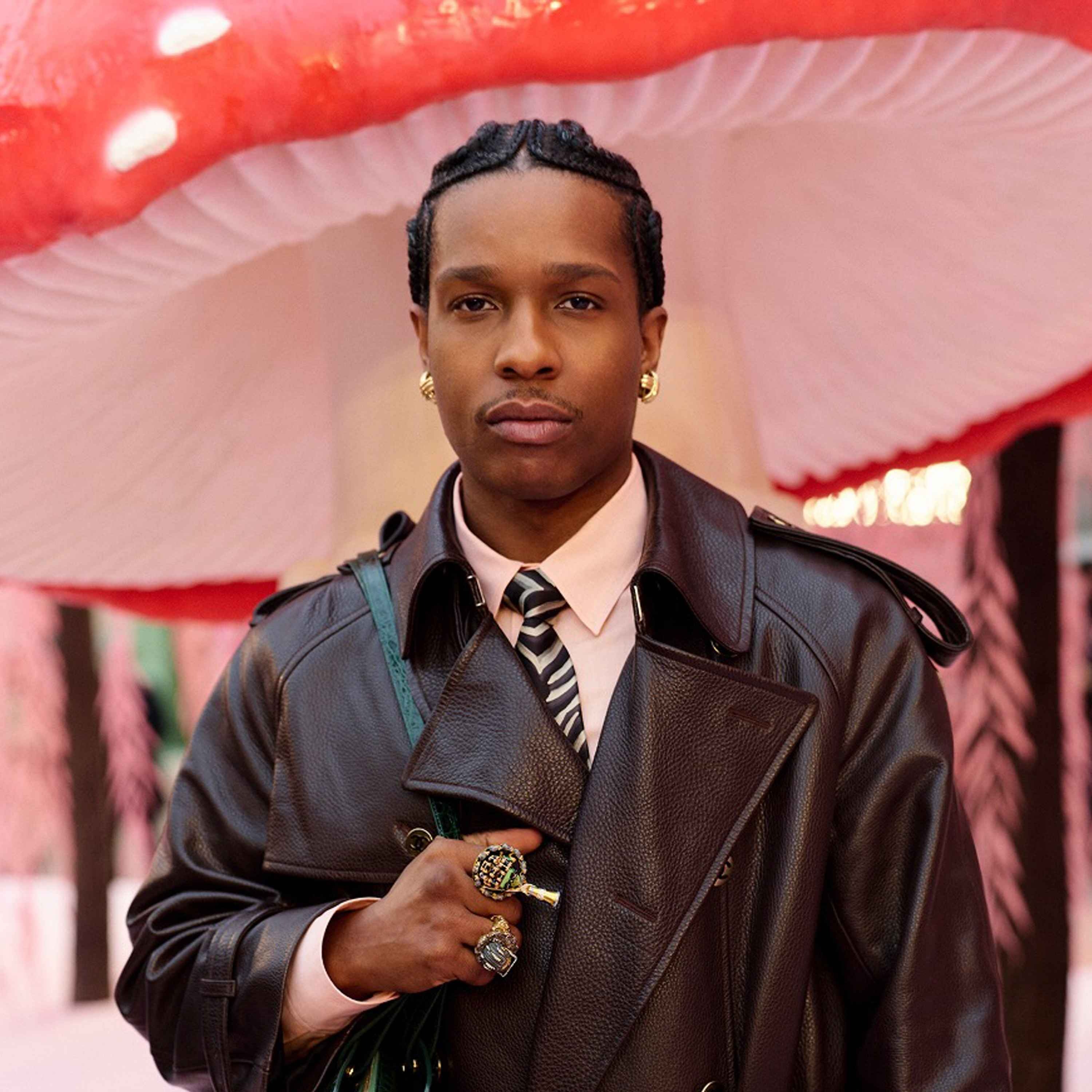
Hip-hop has served as a primary pipeline for fashion’s entry into pop culture for decades, transitioning from organic street-level references to high-stakes global partnerships. Brands have historically leaned on a select group of superstar "style icons" to drive visibility, with A$AP Rocky emerging as the definitive case study for this crossover. However, as Gen Z consumer habits shift and the traditional music-to-market pipeline evolves, the industry faces questions about its over-reliance on a few familiar names.Takanashi joins hosts Sheena Butler-Young and Brian Baskin to discuss the tension between the safety of established stars and the cultural necessity of finding fresh voices.Key Insights:Takanashi positions A$AP Rocky as the case study of hip-hop’s interaction with fashion, whose organic love for runway brands transformed him into a definitive bridge between hip-hop and luxury. He recalls how Rocky name-checked designers in his breakout moment, and how that shifted what young fans even understood as fashion. “On this breakout single ‘Peso’, [Rocky] said that he was into Rick Owens and Raf Simmons,” Takanashi says. “He came out the gate as this rapper who really declared that he was into high fashion.” This authenticity created a bridge that allowed luxury brands to feel comfortable moving beyond traditional streetwear.However, fashion houses frequently default to known quantities like Pharrell, Travis Scott, or A$AP Rocky because their long resumes provide predictable results for risk-averse marketers. This creates a feedback loop where the same faces appear across multiple, sometimes competing, brand categories. “A marketer can just point to several examples they’ve done in the past and they could see the result of it,” Takanashi explains. The industry’s tendency to "glom onto certain familiar names" risks diluting the unique identity of the brands themselves.On the other hand, niche fan bases offer a more potent alternative to mainstream superstars. Some of the most successful recent collaborations have bypassed the Billboard charts in favour of artists with highly engaged, specific communities, such as Action Bronson with New Balance. Takanashi highlights that there is “a lot of strength in just kind of collaborating with artists that aren’t necessarily like charting super high.” Smaller artists with highly engaged and loyal fans can move the needle more effectively than a mass-market star who may feel interchangeable.While brands are happy to dress rising talent for red carpets or front-row appearances, the leap to a global campaign remains a "slow burn." Takanashi points out that many decision-makers lack a deep investment in the culture, leading them to extract value rather than nurture new talent. “Fashion is a business that extracts culture, but doesn’t necessarily give back to it as much as we’d like,” he says. Without more diverse perspectives in positions of leadership, the industry struggles to identify which younger artists possess genuine, long-term cultural resonance.Additional Resources:How Fashion Picks Its Hip-Hop Style Icons Breaking Down Chanel’s A$AP Rocky Partnership What’s Next for Hip-Hop and Fashion Hosted on Acast. See acast.com/privacy for more information.

Tariffs Are Down, But Uncertainty Is Back
Nearly a year after President Donald Trump’s “Liberation Day” tariffs sent shockwaves through the fashion industry, the Supreme Court ruled he did not have authority to impose the sweeping levies. For an industry that imports billions of dollars in clothing, footwear and accessories into the US each year, the decision initially felt like relief. But that optimism narrowed almost immediately as new tariffs were introduced at 10 percent, with Trump indicating they could be raised to 15 percent over the weekend.Key Insights:While a drop to a 15 percent tariff technically represents a rate reduction, the sudden policy reversal has plunged the industry back into a state of operational paralysis. Executives are struggling to form long-term strategies when the foundational rules of global trade shift from week to week. “The problem isn’t even the difference in the rate of tariffs,” Chen explains. “It’s that the uncertainty makes decisions so much harder than if we knew exactly what that rate was going to be, even if it was higher than before.” This volatility forces companies to make reactive, shipment-by-shipment choices rather than fortifying their businesses for the future.The sheer scale of the disruption means that import duties can no longer be managed as a siloed logistical issue. Navigating the changing rules requires constant, cross-departmental negotiation to align product adjustments with consumer messaging. As Bain notes, “In the past, with something like this you would talk to your supply chain manager and come up with a plan with them. Now, you get everyone in the C-suite together into a war room … it’s just constant negotiation within your company and with your consumers.” Despite social media chatter suggesting that brands and consumers are owed money for the now-illegal tariffs, the reality of recouping those funds involves a looming legal nightmare. The government is expected to aggressively fight payback efforts by demanding extensive paperwork or proof that costs were not passed onto shoppers. “Refunds are a possibility, but it's not going to be a simple process,” Bain says. “It's not like returning your e-commerce order online where you fill out a form and you get a bunch of money back.”Fashion has experienced significant sticker shock over the past few years, but brands that successfully raised prices without losing consumer demand are unlikely to surrender those gains now. If the cost of production decreases under the new tariff structure, powerful labels will likely absorb the difference to improve their margins. “I think it's a possibility that some brands and retailers will lower their prices, likely in the form of discounting, rather than lowering retail prices,” Chen says.Additional Resources:The Supreme Court’s Tariff Ruling: What Fashion Needs to Know | BoF US Supreme Court Overturns Trump’s Emergency Tariffs | BoF Will Prices Come Down With Trump’s Tariffs? It’s Complicated | BoF Hosted on Acast. See acast.com/privacy for more information.
How Dior and Chanel Are Winning Back Aspirational Shoppers
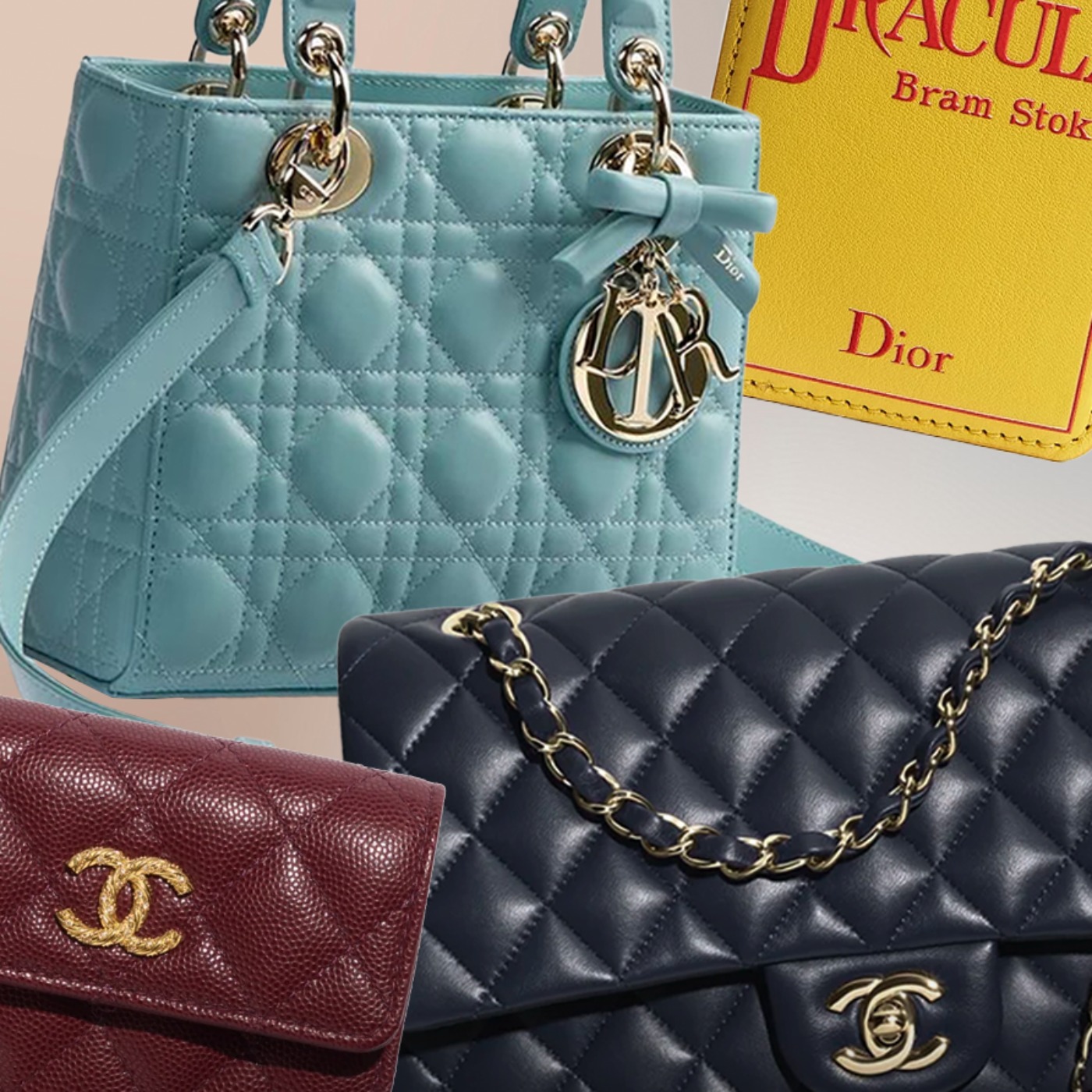
After raising prices aggressively during the post-pandemic boom, luxury brands are now confronting slower growth and a shrinking aspirational customer base. According to Bernstein, average luxury price hikes reached 36 percent between 2020 and 2023, with Dior and Chanel raising prices by 51 percent and 59 percent, respectively. Now, as Bain estimates that more than 50 million aspirational shoppers have left the category, both houses are adjusting their pricing architecture and product mix in an attempt to rebuild volume without sacrificing exclusivity.BoF reporter Joan Kennedy joins The Debrief to unpack how Dior and Chanel are recalibrating pricing and product strategy to win back aspirational shoppers. Key Insights:Dior and Chanel are among the brands that leaned hardest into post-pandemic price increases, prioritising margin expansion and high-net-worth clients. That strategy helped fuel growth at the time, but it has also intensified the industry’s current reckoning. “Pricing has really emerged as this key concern,” Kennedy says. “At Dior and Chanel, prices rose 51 per cent and 59 per cent, respectively.” Products that once served as entry points are increasingly out of reach for aspirational shoppers: “The Chanel medium flap has nearly doubled in price since 2019,” she says.To pull aspirational shoppers back into stores, Dior and Chanel are rebuilding the lower end of their offer – from small leather goods and accessories to playful add-ons. As Kennedy puts it, “brands have been introducing these fun little whimsical items at the bottom, which have a good psychological effect on all shoppers.” And even when the ticket doesn’t shift, brands are trying to make the value proposition feel stronger through newness and storytelling: “maybe the price isn't changing, but it’s trying to hammer home that there's a little bit more value … and really ride the momentum brought by these new creative directors.”Even if excitement around creative directors Jonathan Anderson and Matthieu Blazy reignites interest, the economic backdrop may limit how far that enthusiasm translates into sales. “It’s definitely a big open-ended question – how much of this is a problem with desire versus ability to purchase?” Kennedy says. “Maybe a lot of these shoppers do want these products and are really excited by them, but just don’t have the ability.” In that sense, the reset is only partially in luxury’s control. Products can restore aspiration, but macro conditions ultimately determine movement.Additional Resources:How Dior and Chanel Are Tackling Fashion’s Pricing Problem | BoF The Great Fashion Reset | Can Designer Revamps Save Fashion? | BoF Ready for Relaunch? Jonathan Anderson’s Dior Challenge | BoF Hosted on Acast. See acast.com/privacy for more information.
How Fashion Brands Are Winning the Winter Olympics
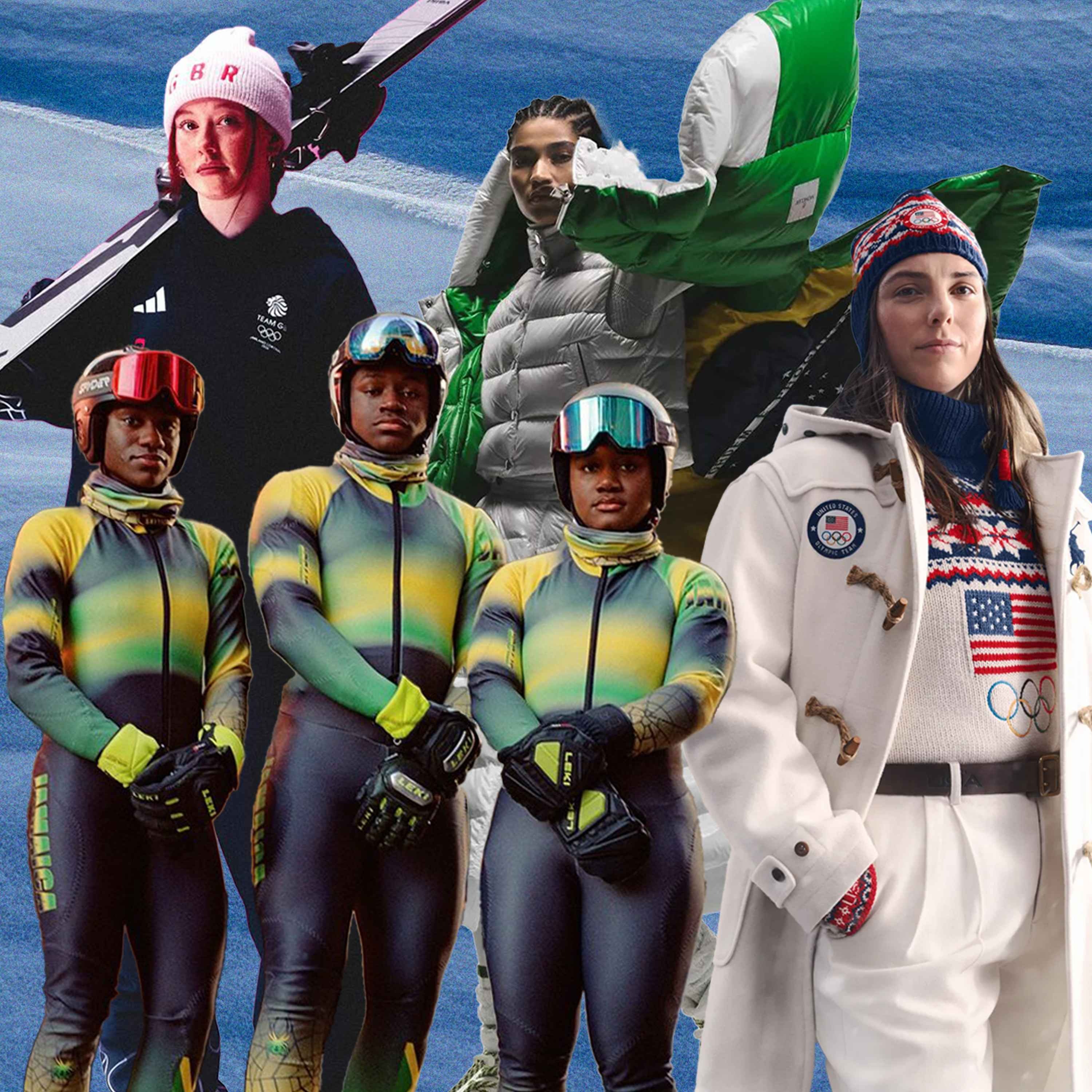
While the Olympics remain one of the world’s biggest sporting stages, they are also one of the most tightly controlled marketing environments. Rules limit how sponsors can interact with athletes and advertise during the Games. As a result, fashion and sportswear brands are finding alternative ways to capitalise on the moment, from outfitting national teams and launching capsule collections to sending squads of influencers to experience the Games.BoF correspondents Haley Crawford and Mike Sykes join Sheena Butler-Young and Brian Baskin on The Debrief to unpack how the winterwear boom is reshaping the Olympic marketing playbook. Key Insights:Musician Bad Bunny’s choice of Zara for his Super Bowl halftime show outfit crystallises a broader tension in fashion marketing: the balance between cultural relevance and commercial perception. Whilst Sykes acknowledged the pushback from critics who found the use of a fast-fashion Spanish brand on such a global platform surprising, he also notes the strategic logic. “This performance is supposed to be about inclusivity, and part of that is accessibility and affordable products. And plus, Zara is also a Spanish brand... It makes more sense considering the cultural magnitude of the performance,” Sykes says.Crawford argues the Games are no longer just about logo placement on performance gear, but a broader spotlight on winter fashion as a growing category. “We've seen that consumers are interested, not only from a performance perspective, but also from a fashion-forward perspective, in having gear that's equally stylish as it is performance driven on the slopes,” she says. But Olympic marketing comes with strict limitations. As Crawford explains, official sponsors can use Olympic branding, but others must tread carefully. For non-sponsors like Canadian label Roots, that means linguistic gymnastics: using phrases like “rooting for Canada” without explicitly referencing the Games.With broadcast advertising and official branding tightly controlled, being visibly present at the Games can be the most direct route to global reach. Sykes points to Adidas’ scale: “We’ve seen a bunch of brands like Adidas…that launched this 700-piece collection.” Even if it is not a traditional campaign, the visibility is enormous. “Just to have your logos on some of these athletes as they perform, while millions of people are watching across the globe, that is the sort of marquee way we’re seeing brands participate,” he says.As leagues and federations try to expand their audiences, fashion-forward fan wear has become a strategic priority. Crawford says Off Season’s approach to Team USA illustrates the shift: rather than just jerseys, brands are creating “wearable jackets and sweaters and things that fans can actually wear in their day-to-day.” Sykes sees the trend as part of a wider evolution across sport. Off Season’s product “reminds me of what the Starter jackets used to be in the 90s,” he says, predicting that more brands will build momentum by “taking team logos and putting them on unique products that aren't just a jersey.”While the Olympic window is tightly controlled, brands often see their biggest opportunities once the closing ceremony ends. Crawford points to the Paris Olympics breakout star Ilona Maher, who “popped off for creating all this viral behind-the-scenes content in the Olympic village,” then landed deals with Maybelline and Paula’s Choice. For fashion, Suni Lee is a recent template. After Paris, she started campaigns for LoveShackFancy and Victoria’s Secret Pink and attended the CFDA Awards with a designer partner. “She really built this whole other part of her public persona,” Crawford says – showing how medals and momentum can translate into longer-term brand equity.Additional Resources:How the Winterwear Boom Reshaped Fashion’s Olympic Playbook | BoF Which Winter Olympians Will Score Beauty Deals? | BoF Hosted on Acast. See acast.com/privacy for more information.
The New Rules for Influencer Marketing
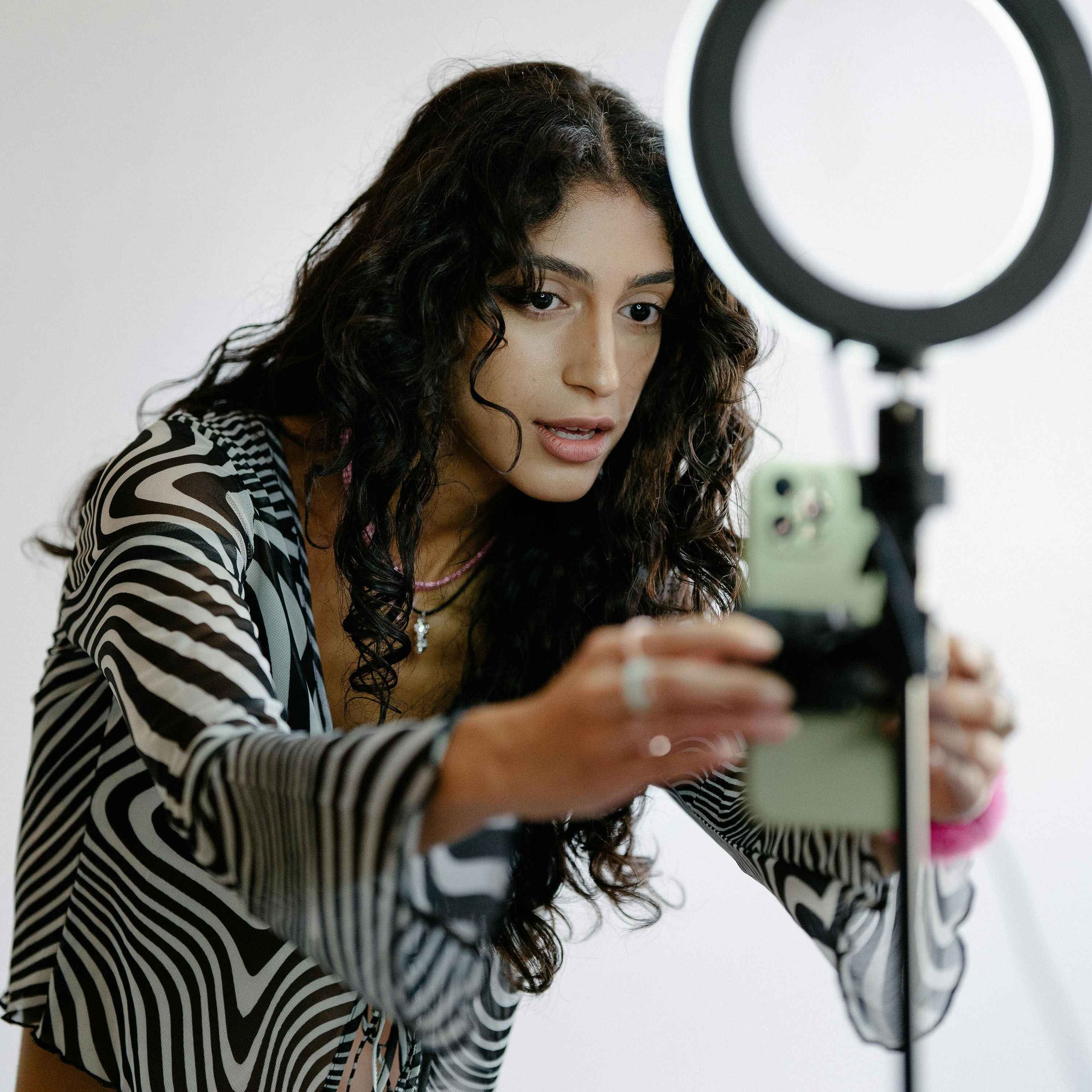
Influencer marketing in 2026 is a different beast. Once dominated by follower counts and splashy sponsored posts, the sector is now shaped by richer performance data, new monetisation models and growing consumer scepticism toward overt selling. As BoF publishes a new case study on the creator economy, Pearl joins hosts Sheena Butler-Young and Brian Baskin to unpack how creators and brands are adapting to a more disciplined, competitive and AI-saturated landscape.Key Insights:One of the most profound shifts in influencer marketing is how success is measured. Where follower size once acted as a blunt proxy for reach, brands now have access to granular data that shows who actually drives traffic and sales. Pointing to platforms like ShopMy and LTK that allow brands to see “exactly what creators were driving sales for them,” Pearl says that visibility has reshaped spending decisions. She explains: “Having more data has totally changed the game. It really is incredibly varied today and there is no one baseline KPI. It’s really just about what are your goals and who’s the best to help you achieve that.”As consumers grow wary of constant selling, trust has emerged as the defining asset creators bring to brands. “Trust is the most important thing,” Pearl says. “If you don’t have your audience’s trust, nothing else matters.” What brands are really buying is not visibility, but a relationship. “What a creator really brings to the table is not necessarily the size of their following; it’s that relationship they have with their audience,” Pearl explains.As the sector professionalises, creators are actively reducing their dependence on single revenue streams. Affiliate marketing, subscriptions and owned platforms are increasingly central to sustainable creator businesses. “Affiliate marketing really provides that base foundational income that you can rely upon,” Pearl says. Substack, meanwhile, offers something brands cannot. She explains: “It brings back some of that intimacy and community that they felt was missing in this TikTok/Instagram world.” This diversification also changes the power balance. “They don’t want to rely too much on one particular partnership,” Pearl says. The upshot is a creator economy that is less fragile – and less easily dictated by brand budgets.Pearl argues the relationship between brands and creators is moving from transactional campaigns to longer-term collaboration. As creators become central to marketing in fashion and beauty, brands are changing how they work with them – and what they ask them to do. Brands can no longer dictate terms “like they used to,” Pearl says, because creators are now “recognised as being a really important part of the marketing puzzle.” That recognition is also changing what brands value: “You’re not just hiring this person for their following… you hire them because they’re a creator. They create great content. They know how to engage an audience.”Additional Resources:From Hype to Discipline: The New World of Influencer Marketing | Case Study Why There Are So Many Influencer Collaborations Right Now | BoF How Creators Can Avoid Being Replaced by AI | BoF Examining 20 Years of Fashion’s Influencer Economy | The BoF Podcast Hosted on Acast. See acast.com/privacy for more information.

Making Sense of Fashion’s Brutal Job Market
Across fashion, companies that once embraced remote or hybrid work are increasingly pushing employees back into the office, with some moving towards four or even five days a week. At the same time, competition for jobs, particularly at entry level, is intensifying amid layoffs, slower industry growth and the rise of AI. On this episode of The Debrief, senior correspondent Sheena Butler-Young and executive editor Brian Baskin are joined by BoF Careers’ Sophie Soar to unpack why the power balance has shifted back to employers, how different generations feel about being in the office, and what practical routes still exist for early-career talent trying to get a foot in the door. Key Insights:During COVID, companies found people could be “just as, and in some cases, more productive” at home – but that was when productivity meant output. Now, Butler-Young argues that employers are widening the definition: “Productivity should also include collaboration, morale, people being together… face time with leaders.” And with the labour market tightening following economic pressure, layoffs and AI taking some jobs, leaders have more leverage to enforce it. “In 2025 and now into 2026, it’s looking more like an employer’s market,” Butler-Young says.While some executives argue that in-person work improves collaboration and reduces errors, Butler-Young warns that motivations are not always benign. She points to a growing sense that mandates can act as a quiet form of workforce reduction. “One way you can get people to effectively fire themselves is to make them come to the office,” she says, noting that some companies may prefer attrition to public layoffs. She also cautions against copy-and-paste policies. “If you’re seeing productivity high and morale high at one to two days a week, you need to ask yourself, what am I hoping to accomplish if I move it to four or five?” Despite a difficult labour market, Soar stresses that fashion companies have not stopped hiring altogether. Instead, they are being more selective, particularly when it comes to junior roles that can be automated. "There definitely is a squeeze on the ones that are considered more rote work,” she says. “Those are the roles you could potentially automate or replace with AI.” However, some employers are still investing in early-career talent. “Those who are still hiring for entry-level roles recognise the benefit that that talent can bring,” Soar explains, pointing to diversity, long-term retention and fresh perspectives.Additional Resources:Fashion Is Done With Remote Work | BoF How to Get Ahead in Fashion’s Stagnant Job Market | BoFHow Fashion Brands Are Making Remote Work Permanent | BoF Hosted on Acast. See acast.com/privacy for more information.
Have Sneakers Lost Their Cool?
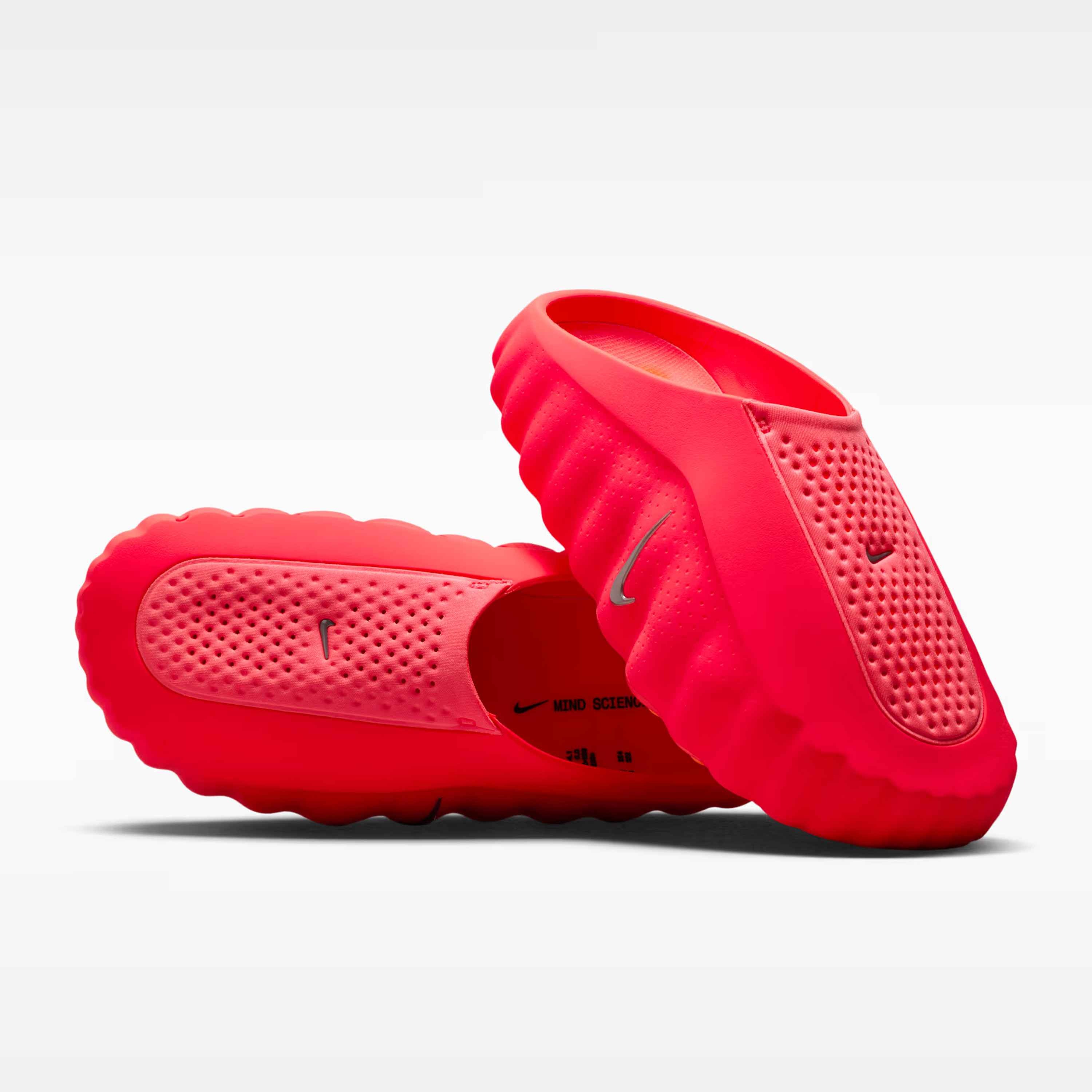
Sneakers have driven growth for the sportswear industry for decades, in recent years accelerated by the pandemic and work-from-home culture. However, a recent Bank of America report sparked debate by suggesting the sneaker boom may be nearing an end, including a rare double downgrade of Adidas. On The Debrief, sports correspondent Mike Sykes joins hosts Brian Baskin and Sheena Butler-Young to examine whether slowing growth marks a genuine reversal of casual dressing, or a return to more sustainable demand shaped by price sensitivity, comfort and experimentation rather than hype. Key Insights:The Bank of America report struck a nerve because it questioned a decades-long growth story about the sneaker industry. “This one was the first one in a while that seemed to spell a bit of doom and gloom for the industry,” Sykes says. “Everyone has been on pins and needles for the last couple of years as Nike has been in its downturn… and Bank of America is saying, yeah, it’s over.” The double downgrade of Adidas amplified that anxiety. “If Adidas is getting the double downgrade here, what does that mean for everyone else?” Sykes asks. The implication was not just brand-specific weakness, but the possibility that the sneaker cycle itself had run out of road.However, slower growth does not necessarily mean sneakers are ‘over’. Instead, the data may reflect a market adjusting after years of abnormal acceleration. “Everyone else seems to feel like things are going at least okay,” Sykes says. “Maybe not perfect, but nothing is perfect in this economy right now.” He notes that among the analysts and industry figures he spoke to, there was little appetite for declaring the trend finished. “People are still into sneakers,” says Sykes. Sneakers and sportswear have lasted because they are easy to understand, easy to buy and relatively affordable compared to many fashion categories. “Sneakers are generally just accessible for people. It’s an easy trend to follow,” Sykes says. “You can easily spot which ones are cool and it’s very easy to hop on the bandwagon.” That accessibility matters even more in a strained economy. As Sykes highlights, with consumers weighing “do I wanna buy this next outfit or do I want to buy groceries,” sportswear’s practicality continues to anchor demand.For the sneaker cycle to truly turn, something has to replace it – either a new hit product within the category or a different footwear trend entirely. Right now, what is emerging is not a shift toward formality, but a widening of what casual footwear looks like, as displayed by the popularity of Nike’s ReactX Rejuven8 recovery clog. “Speaking to people who have wanted this shoe, it’s mostly about the comfort,” Sykes explains. “As far as ending the casualisation trend, this is not a shoe that would do that. This is a shoe that would entrench it.”Additional Resources:Have Sneaker Sales Finally Peaked? | BoF The Sneakers That Mattered Most in 2025 | BoFSneaker Resale Isn’t the Business It Used To Be | BoF Hosted on Acast. See acast.com/privacy for more information.
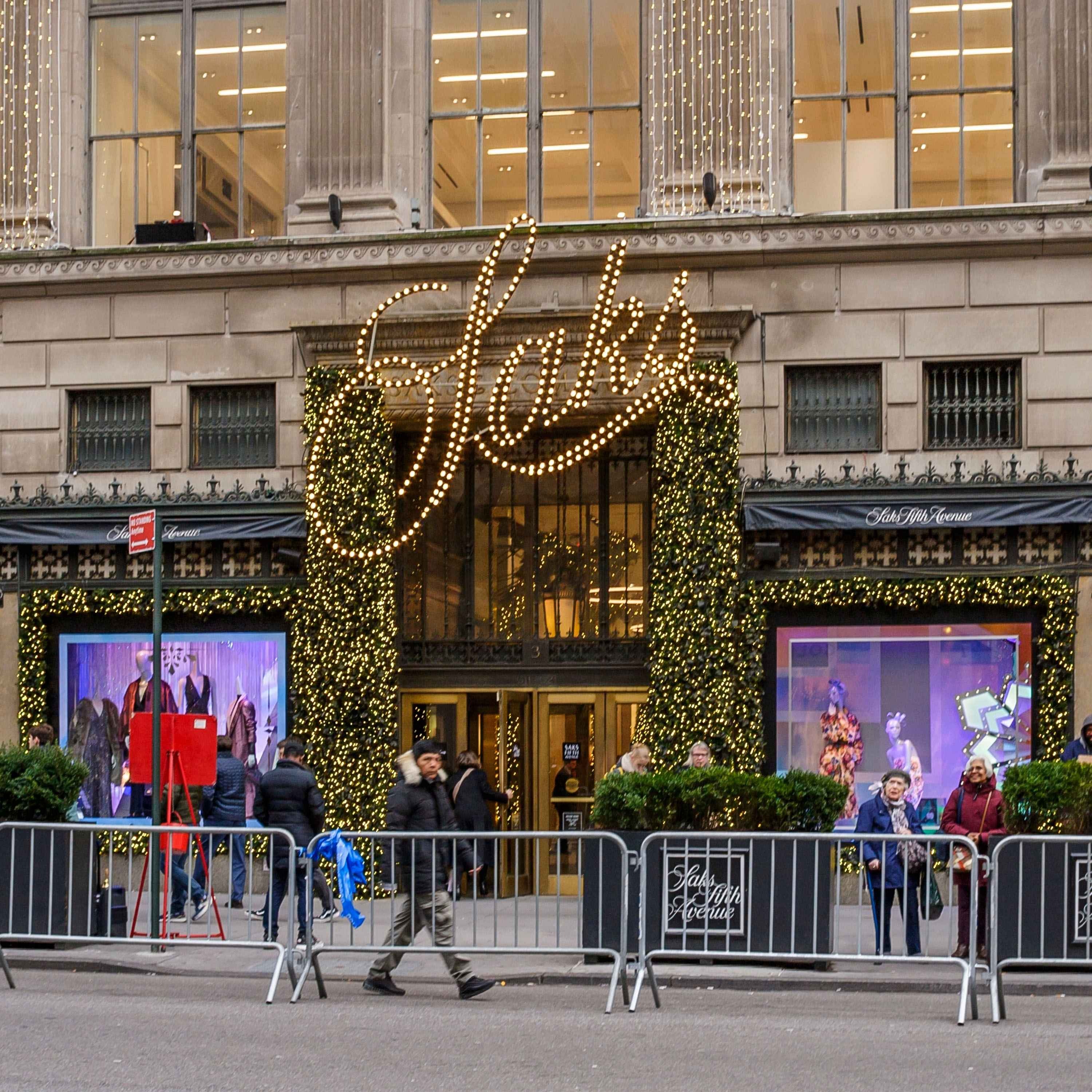
Saks’ Bankruptcy and the Future of Luxury Retail
Saks’ bankruptcy was widely expected, yet still felt like a shock to the fashion system. The department store giant’s Chapter 11 filing outlines $1.75 billion in restructuring finance and $3.4 billion owed to as many as 25,000 creditors – including $136 million to Chanel alone. Who will get paid, and what Saks looks like at the other end of the bankruptcy process, is an open question. Former Neiman Marcus chief Geoffroy van Raemdonck will lead the reset. As BoF’s retail editor Cat Chen puts it, Saks will need to “shrink in order to grow,” curb discounting, and rebuild trust through clienteling and service.Key Insights:Missed vendor payments undermined confidence in Saks Global soon after it acquired Neiman Marcus and Bergdorf Goodman. “Even after Saks created these new payment terms, they weren’t able to stick to their instalments,” Chen says. Labels “stopped shipping to Saks entirely,” creating “a death spiral where Saks wasn’t getting good inventory, and this hurt their ability to attract customers,” and sales slid further.When Saks Global acquired Neiman Marcus, both companies were extremely levered going in, with savings being swallowed by interest. The plan pitched $500 million in cost savings, but Saks Global took on more debt — $2.2 billion in bonds. As Chen explains, with margins in multi-brand retail already slim, “they were ill-fated because… a chunk of whatever sales or savings they were able to generate would be going toward interest payments.” As Saks has 10,000 to 25,000 creditors, owed $3.4 billion, bankruptcy court will approve a list of critical vendors that are essential to Saks’s business. While conglomerates will cope, “it's really the smaller independent brands that might be owed less money, but the amount that they're owed are just so much more critical to their business operations. These are the players that are the most vulnerable right now,” Chen warns — and it’s not just brands. A model shared she’s “owed $46,000...and can’t pay rent now.”Now, Saks must reset its business. Van Raemdonck “took Neiman Marcus in and out of bankruptcy,” yet Chen is blunt about the reality of the situation: “Saks Global will have to shrink in order to grow.” That means closing stores, stabilising cash flow and getting ruthless about discounting. From there, Chen says Saks has to compete on experience, delivering the best customer service and catering to their VICs. Additional Resources:Saks Global Files for Bankruptcy After Monthslong Hunt for Cash | BoF Chanel, Gucci and Capri Holdings: The Brands Topping Saks’ Creditor List | BoF Hosted on Acast. See acast.com/privacy for more information.
Inside Beauty’s 2026 M&A Pipeline
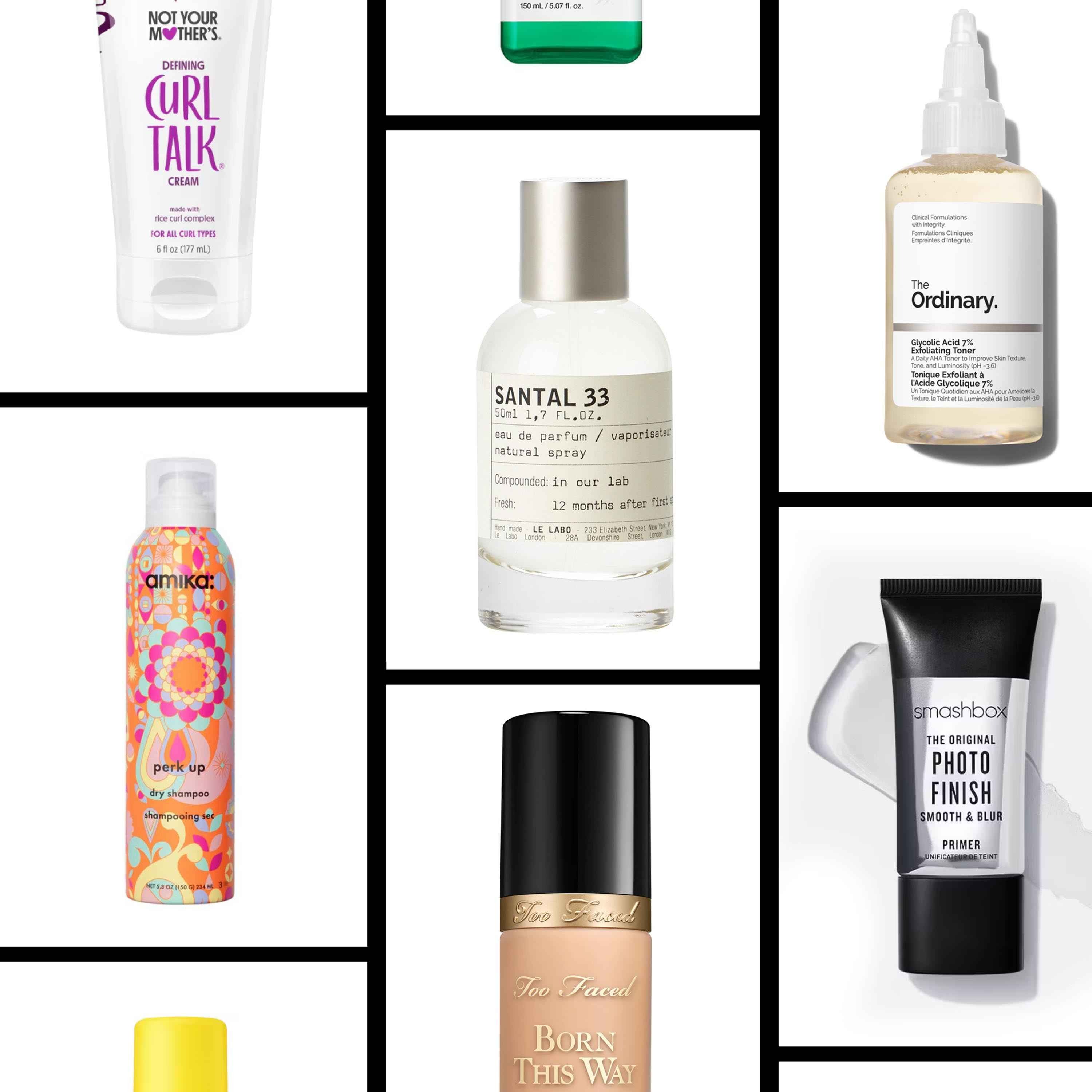
2026 opens with real movement in beauty deals. As first reported by The Business of Beauty, Estée Lauder is exploring a packaged sale of Too Faced, Smashbox and Dr. Jart to free up cash and refocus the portfolio. Who’s next? Colour fatigue is depressing makeup valuations, while fragrance, bodycare and haircare are drawing the most credible buyer interest, particularly from beauty conglomerates. Executive editor of The Business of Beauty, Priya Rao joins Brian Baskin and Sheena Butler-Young to unpack what this year of beauty deals has to offer. Key Insights:With Estée Lauder exploring a bundled sale of Too Faced, Smashbox and Dr. Jart, this portfolio reset signals a valuation reality check. The goal is to free up cash and refocus on culturally relevant, digital-native brands like The Ordinary and Le Labo. As Rao notes, “Deciem sells more skincare products than all of Estée Lauder’s other skincare brands combined,” and “Le Labo is also continuing to be on fire, even though Santal 33 has been around for 15 years.” Colour fatigue is depressing valuations in makeup. Over the past few years, artistry and colour brands have gone to market to find a buyer, but quickly found a landscape already flooded with similar offerings. “There were so many colour brands on the market. People were waiting for the next great one, so they weren’t willing to make a bet on any of these brands until the full slate was out,” says Rao. The result was some colour brands being left in the market, on and off, for over a year. She explains: “It’s kind of like buying a house – why am I going to buy this house at a premium when I could be buying at a discount?”Fragrance, meanwhile, remains a booming, high-margin lane. “All these other beauty businesses – hair care, body and fragrance – are more incremental to a strategic,” says Rao. While private equity is trying across the board, Rao advises that “if you want L’Oréal, LVMH or Estée Lauder, you have to be in categories that add incremental value, rather than ones they’re still trying to figure out.”Haircare offers the clearest near-term upside for acquirers. “Amika has the number one or number two dry shampoo at Sephora,” and its move into Ulta taps “a huge haircare business because of their back bar program”, says Rao. In mass hair care, Not Your Mother’s, which has had its longevity questioned in the past, shows durability and runway. Focused on styling and texture, Rao notes that it “hasn’t even played with shampoo and conditioner yet – in mass hair care, that’s where you play to make the big bucks.”Additional Resources:Exclusive: Estée Lauder Companies Has Put Three Brands Up for Sale | BoF Prestige Hair Care’s Shampoo Problem | BoF Why Fragrance Is the Latest Red Carpet Accessory | BoF Hosted on Acast. See acast.com/privacy for more information.
The Themes That Will Define the 2026 Fashion Agenda
BoF and McKinsey’s annual State of Fashion report finds the industry entering 2026 with caution: 46 percent of executives expect conditions to worsen, citing geopolitics, macro volatility and the risk of shoppers pulling back. Yet there is also a pulse of optimism around AI-driven efficiency, luxury’s creative recalibration and fresh consumer interest in categories from smart glasses to fine jewellery.Tariffs remain the dominant near-term swing factor. Brands mitigated pain in 2025 by pulling forward inventory, but as that cushion runs out, the full impact shows up in 2026 in costs and pricing. More broadly, luxury’s era of price-led growth has run its course; as BoF correspondent Marc Bain puts it, if you ask customers to pay more, you have to “actually offer the value for the price.”Key Insights:The mood has shifted from “uncertain” in 2025 to “challenging” in 2026. Companies feel better equipped but are bracing for a tougher year. “Uncertainty was ‘we don’t know what’s going to happen’. The challenge is, we know what is going to happen and it’s going to be tough,” says Bain.Tariffs will continue to bite in 2026, and price hikes will be part of the playbook. Brands used a mix of mitigation tactics in 2025, but many still expect to pass on costs. “The strategy that the highest number of executives said was their way of mitigating the tariff impact was raising prices,” Bain notes. “To some degree, there's just no way around that. You can do it strategically, but at some point you're probably going to have to raise prices.”Jewellery is the consumer bright spot for the year ahead, as the category has steadily outperformed thanks to steadier, more gradual price rises, exciting design and a strong perception of value retention. “It’s hard luxury… you can wear it a lot and it can still be in good shape,” Bain says, adding that more women self-purchasing are reinforcing demand, with maximal accessories over minimal wardrobes adding another tailwind. He adds, “It sounds almost silly in 2026, but a big shift has been that more women are actually buying jewellery for themselves.According to Bain, 2026 is the year AI gets embedded into the fashion ecosystem. Expect a ‘two steps forward, one step back’ year where efficiency wins drive adoption even as mishaps make headlines. “Companies don’t feel like they can sit out AI,” Bain says. “It’s not like everyone by the end of next year is going to be using ChatGPT instead of Google, but the expectation is it'll be a significantly higher number than [2025]. And at a certain point, even if it's 5 percent of shoppers … it's still enough that you as a business have to start accounting for it. Additional Resources:The 10 Themes That Will Define the Fashion Agenda in the Year Ahead | BoF The Perfect Package: What It Takes to Be a Fashion Leader in 2026 | BoFThe Top Trends That Will Define Beauty in 2026 | BoF Hosted on Acast. See acast.com/privacy for more information.
The Sneaker of the Year 2025
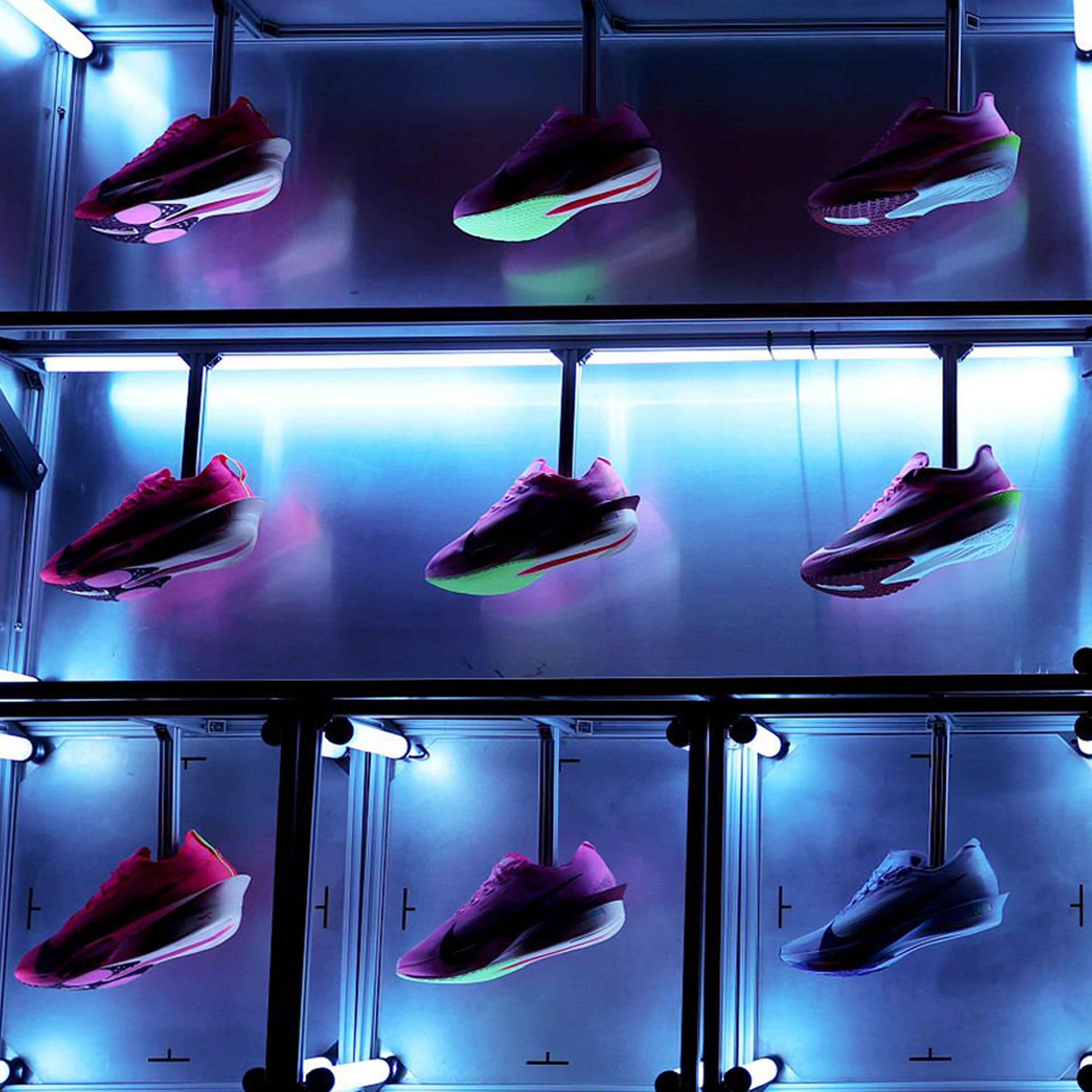
Choosing “sneaker of the year” has rarely been this contentious. In 2025 the debate has splintered opinion between incumbent players like Nike and contenders from Vans, Converse and New Balance as consumers test the field.Whilst Nike’s shadow looms and expands with new silhouettes, real-world volume is being driven by ‘regular’ pairs like ASICS’ black-and-silver GEL-1130.In this episode of The Debrief, BoF’s Sheena Butler-Young and Brian Baskin sit down with Mike Sykes to unpack the data, the storytelling and what this year signals for 2026.Key Insights:In a widening market, this year’s debate has splintered opinions. Unlike typical years with “two to three shoes,” 2025 felt like “it’s five, it’s six, it’s seven, it’s eight,” says Sykes. He frames it as consumers testing “Nike versus the field,” with many deciding, “I’m actually gonna try the field for once,” which explains why we have seen credible contenders from Vans, Converse, New Balance and more.At the same time, reports of Nike’s demise are overdone. “Nike has always – and, in my opinion, probably will always – be the industry standard. The company is just too big at this point; it makes too much money. Even when it fails, it’s still a notch above its competition,” says Sykes. The real question now is which Nike silhouettes win attention. A few years ago it was largely Jordan 1s, 3s and Dunks, however now styles like Infinite Archives 17, Awake’s Jordan 5, and Nigel Sylvester’s Jordan 4 are all taking space.Hype is increasingly powered by storytelling that feels personal rather than driven by pure scarcity. Nigel Sylvester’s Jordan 4 showed how “over the top” yet authentic activations made fans attach to Nigel beyond the sneaker. “He’s riding his bike, kissing babies, shaking hands,” says Sykes. It’s “absolutely marketing” but designed to connect on emotion.On sneaker resale marketplace StockX, beneath the headline-grabbing premiums, Asics is moving serious volume with everyday pairs. As Mike notes, “the black and silver Asics Gel-1130 is just a common shoe that you could probably just go to your Foot Locker and buy,” yet he sees “people just buying the shoe up.” Set against hype, the GEL-1130 shows how “regular everyday shoes that look cool” can dominate real-world sales even when they’re absent from sneaker-of-the-year shortlists.Additional Resources:The Sneakers That Mattered Most in 2025The Kicks You Wear: The Collab of the Year With Bimma WilliamsThe Kicks You Wear: The Death of Sneakers Is Overstated Hosted on Acast. See acast.com/privacy for more information.
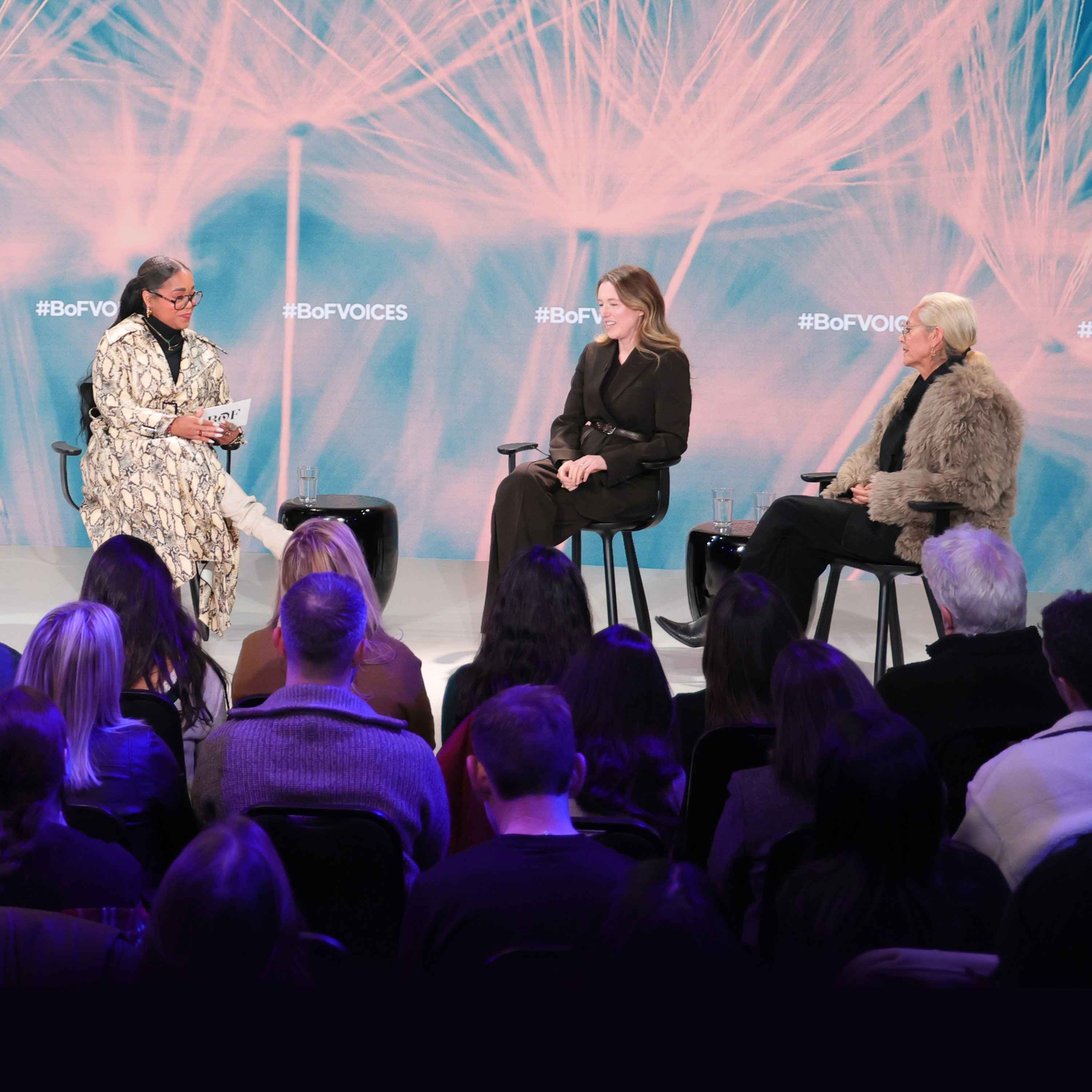
What Happens When Women Lead
Collectively, Clare Waight Keller and Maria Cornejo have over two decades of experience in the fashion industry. Waight Keller’s impressive career includes roles at Givenchy, Chloé and Gucci — and today, she serves as creative director at Uniqlo. Cornejo’s New York–based label, founded nearly three decades ago, counts Michelle Obama and Christy Turlington Burns among its most devoted fans.From deeply entrenched gender biases to the fear of returning to work after giving birth, women face a number of systemic barriers to reaching senior leadership positions in the fashion industry, insiders say. Today, some women designers have found success launching their own labels — and when they do land leadership roles at major houses, often make it a priority to create opportunities for other women, which remain few and far between.At the VOICES 10th anniversary, Waight Keller and Cornejo speak with senior correspondent Sheena Butler-Young about what it’s like to work in an industry where women are the muses and chief customers, but the top commercial and creative roles are dominated by men. Key Insights: Clare Waight Keller says that the inequalities between men and women in fashion are driven in part by the narrative that “men are often seen as the implementers of big change, and women of stability, and so with stability we’re often also cornered into a commercial sense of aesthetic.” Both Waight Keller and Cornejo push back against this notion, saying that women aren’t less creative but simply more considerate of how real women want to dress.Maria Cornejo feels that “there’s a big disconnect in fashion… from what's instagrammable and what is actual reality … all the women I know who have independent businesses… we’re making clothes that women wear.” Both designers say they have encountered inequities as women in fashion, prompting Waight Keller to intentionally assemble an all-women team at Uniqlo. “Women add so much richness into the conversation of clothing, we offer a completely different perspective which is equally powerful and equally relevant,” she says.Additional Resources:BoF VOICES 2025: Finding Connection in Turbulent TimesClare Waight Keller | BoF 500Maria Cornejo | BoF 500 Hosted on Acast. See acast.com/privacy for more information.
5 Big Questions About Luxury
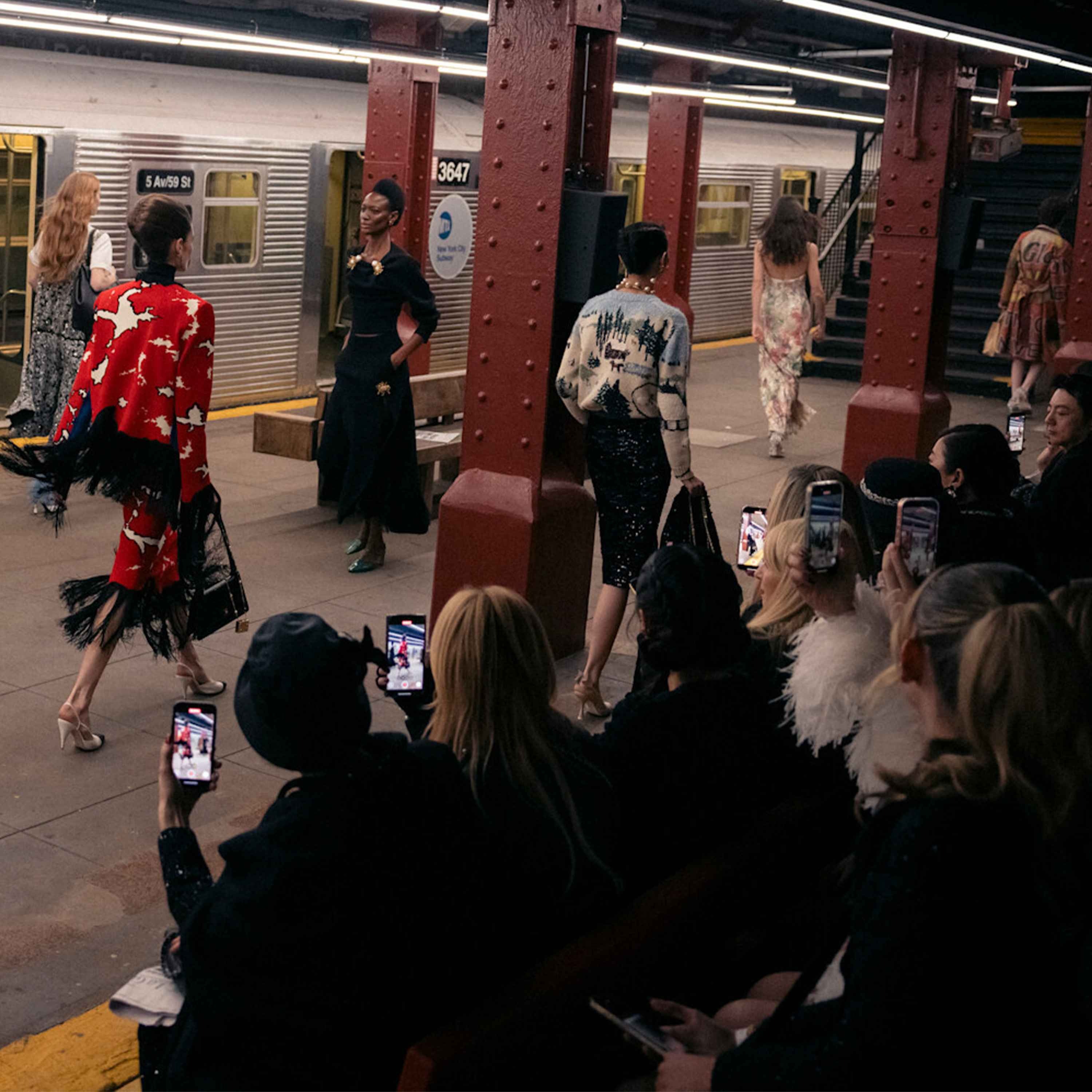
Luxury’s most eventful year in some time is closing with a bang. From Prada’s Versace acquisition to Matthieu Blazy’s debut Chanel Métiers d’Art collection, seismic industry developments are landing on an almost daily basis.In this episode of The Debrief, senior correspondent Sheena Butler-Young and executive editor Brian Baskin are joined by BoF’s Luxury editor Robert Williams, who unpacks all of the industry’s most pertinent news, including the strategic implications of A$AP Rocky’s partnership with Chanel, the rise of the beaten up handbag, and the future of luxury in 2026.Key Insights: The luxury market’s forecast is cautiously optimistic, relying heavily on Chinese consumers and designer-led resets to revive the industry. Brands also need to grapple with justifying value after aggressive price increases in recent years. “Pricing’s certainly going to be an issue and it’s going to be a big issue in the US, which is a really key market for maintaining the brand’s top line,” Williams said.With Prada’s acquisition of Versace closing this week, it remains unclear as to whether the brand will continue with Dario Vitale’s new approach to Versace, or steer towards a more classic, glossy aesthetic. “[Versace] has gone through a pretty radical shift over the past couple of months and whether or not [Prada’s] going to want to continue with that is the biggest most urgent decision, and for them to clarify that for the market,” Williams said.Luxury dining is becoming increasingly popular across the world, but can luxury chains like Langosteria remain cool as they expand? “Fashion once upon a time was all made by your local tailor, your local couturier, and once they decided they could scale taste, that was more desirable than just having something that was more small-scale … In food it seems like it’s kind of the opposite,” Williams said.Originally inspired by Jane Birkin and Mary-Kate and Ashley Olsen, beaten up bags are everywhere in luxury fashion today. “There’s something about the fact that, no matter how much you wear out that bag and trash it, it’s still not going to break and fall apart. I think it just makes it a really cool style gesture. It shows you’re not someone who just bought into it yesterday,” Williams said.Additional Resources:Prada’s Versace Acquisition Closes, Now the Real Work BeginsHow Beat-Up Bags Became a Luxury Status SymbolBreaking Down Chanel’s A$AP Rocky Partnership Hosted on Acast. See acast.com/privacy for more information.
Is This the Year Discount Mania Finally Ends?
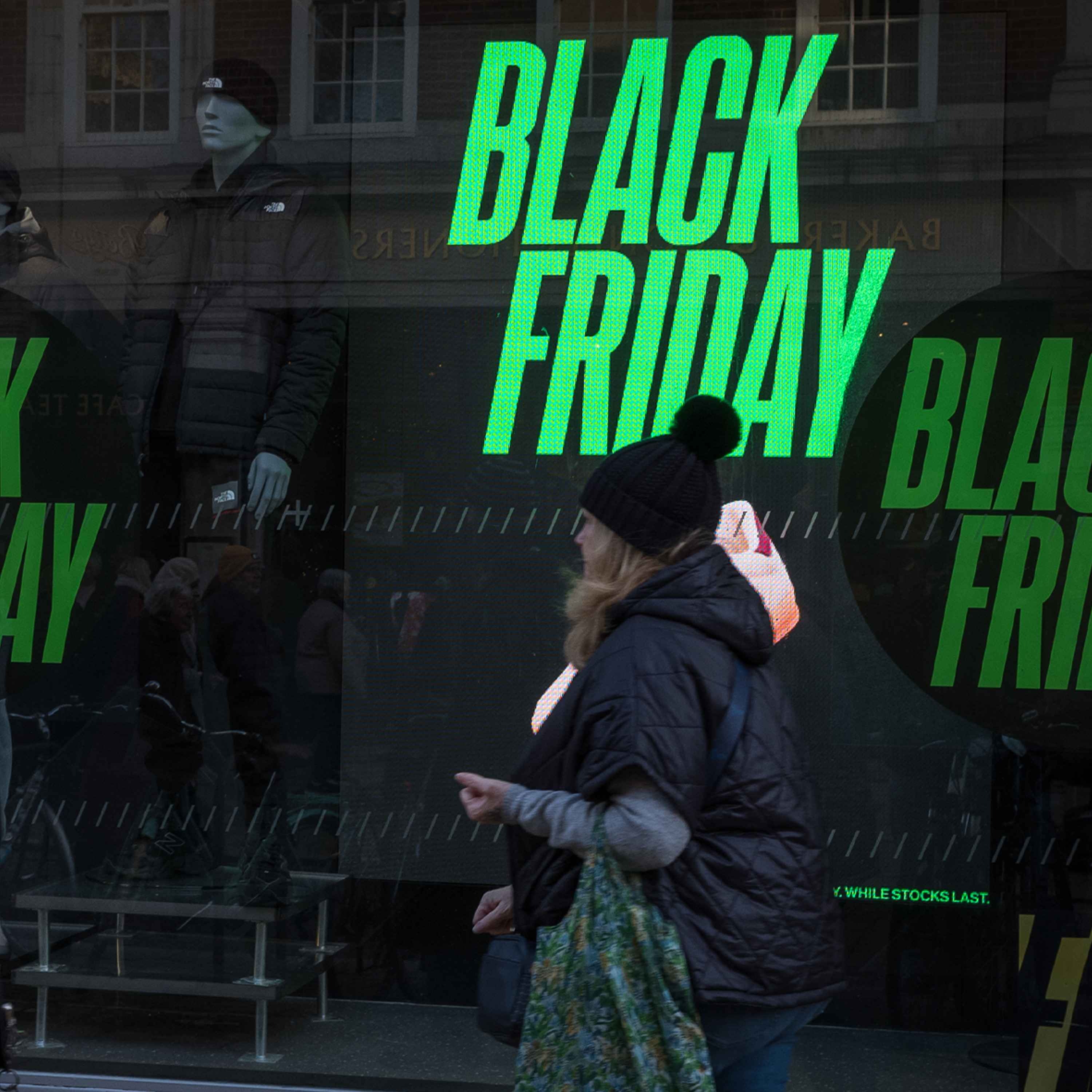
As the holiday shopping season approaches, consumer sentiment is slumping, yet spending is bifurcated – the top end keeps buying while the bottom 80 percent is more cautious. With Black Friday looming, brands are recalibrating promotions around value, desirability and hero products rather than blanket discounts. In luxury, upheaval at several department stores has created white space for rivals to woo high-spending clients through aggressive clienteling and tighter, faster vendor partnerships. In this episode of The Debrief, hosts Brian Baskin and Sheena Butler-Young speak with BoF reporters Cat Chen and Malique Morris about how brands are planning the season.Key Insights: Consumer spending hasn’t vanished, but it’s shifted toward shoppers who still feel flush. As Chen notes, “people are not really feeling rosy about the state of the economy, but the irony is that they’re still spending money.” Since Covid, “spending has been driven by the wealthier segment,” and it’s clear that “what consumers want is value… they want to get a good deal, but they don’t want to buy a cheap product.” For retailers, that means “more sophistication around price architecture” and using AI “to price products perfectly.”“Black Friday–Cyber Monday is not a fix for a mediocre year,” says Morris. Instead, winners are “prioritising desirability over discounts,” introducing “new products specifically for this time” and pushing “hero best-selling product.” The old playbook is out, and “slapping a 50% off everything discount on Instagram is not gonna cut it,” says Morris. In the “age of curation,” even deal-hunters expect editing, storytelling and reasons to stop scrolling.Morris argues that even in a discount-driven moment like Black Friday, shoppers still want offers to feel edited and intentional, and brands are responding with more curated tactics rather than blanket markdowns. “We’re in the age of curation and so even when people are expecting deals, they don’t want to feel like they’re just getting slopped,” says Morris. Tariffs and margin pressure mean many brands cannot afford a race to the bottom, pushing them to plan inventory more carefully, introduce new products specifically for this period and reserve discounts for hero items.Chen explains that this holiday season is especially high stakes for luxury multi-brand retailers because a few big players are stumbling – and everyone else is trying to capitalise. “Saks and SSENSE and Luisa Via Roma are three players that have faced pretty bad challenges this year,” she says. “They have opened up white space for their competitors on healthier financial footing to come in and basically eat their lunch and acquire their customers, acquire their sales.” The response is an aggressive push on clienteling and talent: retailers are not just targeting wealthy individuals, but also the salespeople and stylists who already manage those relationships.Additional Resources:Brands Try to Get the Tone Right for Holiday 2025 | BoF Inside Luxury Retailers’ Bare-Knuckle Fight to Win the Holidays | BoF Black Friday Beauty Goes Beyond the Discount | BoF Hosted on Acast. See acast.com/privacy for more information.
Can Fashion Still Meet Its Climate Promises?
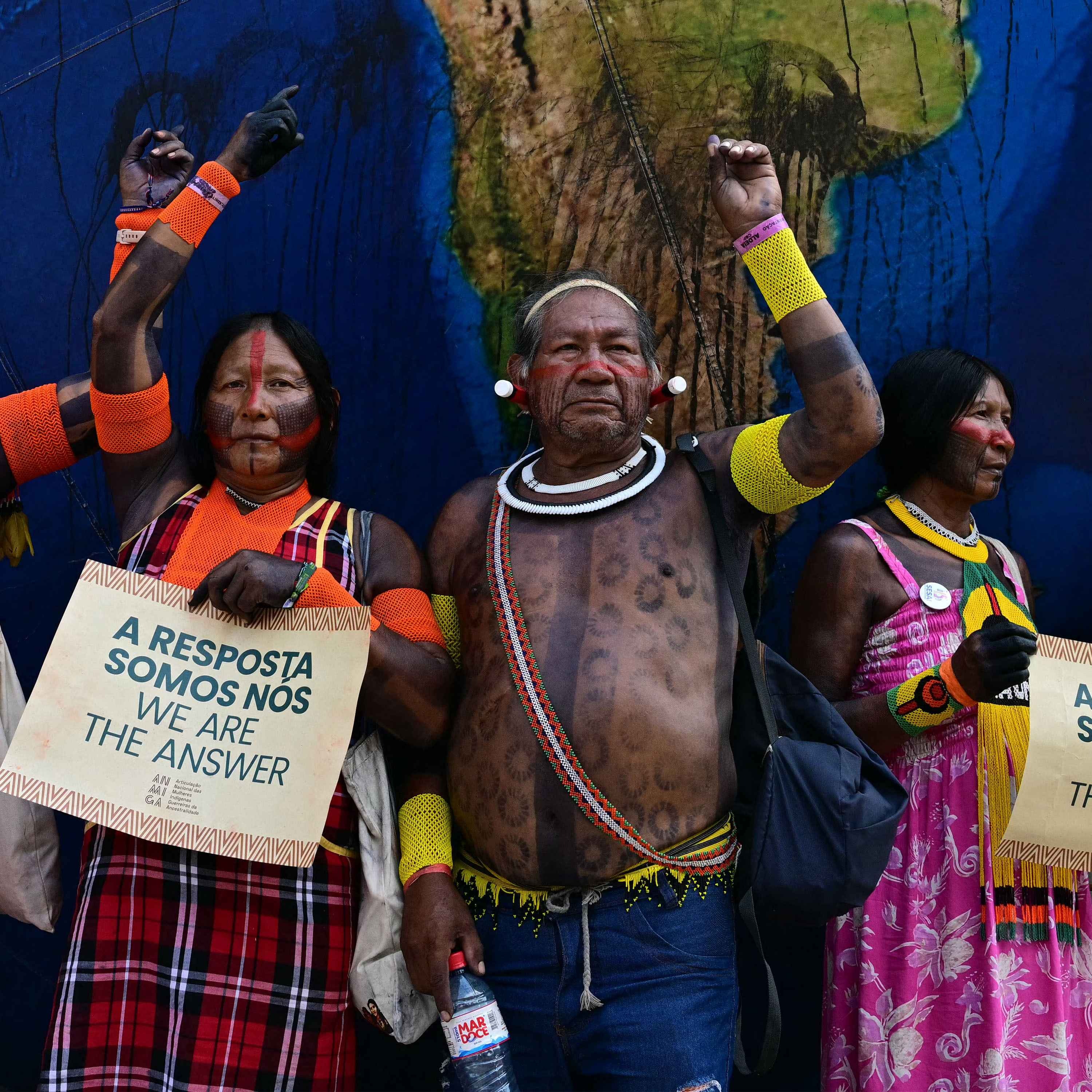
As COP30 gets underway in Belém, a port city on the edge of the Brazilian rainforest, the mood is sober. A decade after the Paris Agreement was adopted internationally to limit global warming, many of the world’s largest fashion companies have fallen short on emissions cuts — and some are moving in the wrong direction, emitting pollutants at an even higher rate than in previous years.In this episode of The Debrief, senior correspondent Sheena Butler-Young and executive editor Brian Baskin are joined by BoF reporters, Sarah Kent and Shayeza Walid, to examine why progress has stalled, how fast-fashion growth is reshaping the landscape, and what practical steps — from decarbonising supply chains to adapting factories to extreme heat — are needed next. Key Insights: Kent says, “I would not say any brand has a credible pathway right now to meet their targets for 2030,” “Even companies that have shown that they’re able to reduce their emissions to date, driving down their carbon footprint over the next five years is going to be harder, more complex and more costly… and really no one company can do that alone.”Kent highlights the industry’s deep structural bind: “The fundamental conflict at the heart of the fashion industry’s climate commitments is that you’ve got a business built on extracting stuff and producing stuff and selling stuff. The more stuff they sell, the better the business does, but the worse the environmental impact is,” “Profitability and sales growth are fundamentally at odds with the environmental commitments companies have made.”Short-term thinking still in the boardroom locks in higher climate impacts, adaptation costs and supply-chain risk. As Kent puts it, “On climate, if you don’t act, you don’t have to make these big investments, and you can keep growing your business and things will trundle along for some time. But the longer you wait to act, the worse the climate impacts you’re going to have to deal with are going to be, and the higher the cost of mitigating them, adapting to them, and trying to continue this business in a climate-constrained world.”Voluntary commitments aren’t enough at fast fashion’s scale. Walid points to Shein: “Shein’s case is very instructive. There’s limits to voluntary commitments, which is what the majority of these brands have made.” She continues, “When the business model is built on speed and volume… it just shows that voluntary commitments are maybe not enough for a fashion brand – especially a brand as big as Shein – to actually tangibly reduce its emissions when its entire business case doesn’t stand for that.”Climate impacts are now serious human and corporate risks. “It’s not just a corporate issue anymore,” says Walid. “People who have the visuals recognise the reality of what’s happening in these factories and the people who are making clothes at the end of the day.” Kent adds: “People who are suffering from heat stress are not as productive… floods are disruptive to production, to logistics, to supply chains. Just because we have not yet seen a major disruption to the apparel supply chain from these climate crises yet is more luck than anything else.”Additional Resources:Can Fashion Still Meet Its Climate Promises? | BoF The Frayed Edge: Is Fashion Quiet Quitting on Climate? | BoF Hosted on Acast. See acast.com/privacy for more information.
Why Is Everyone Obsessed With Accessories?
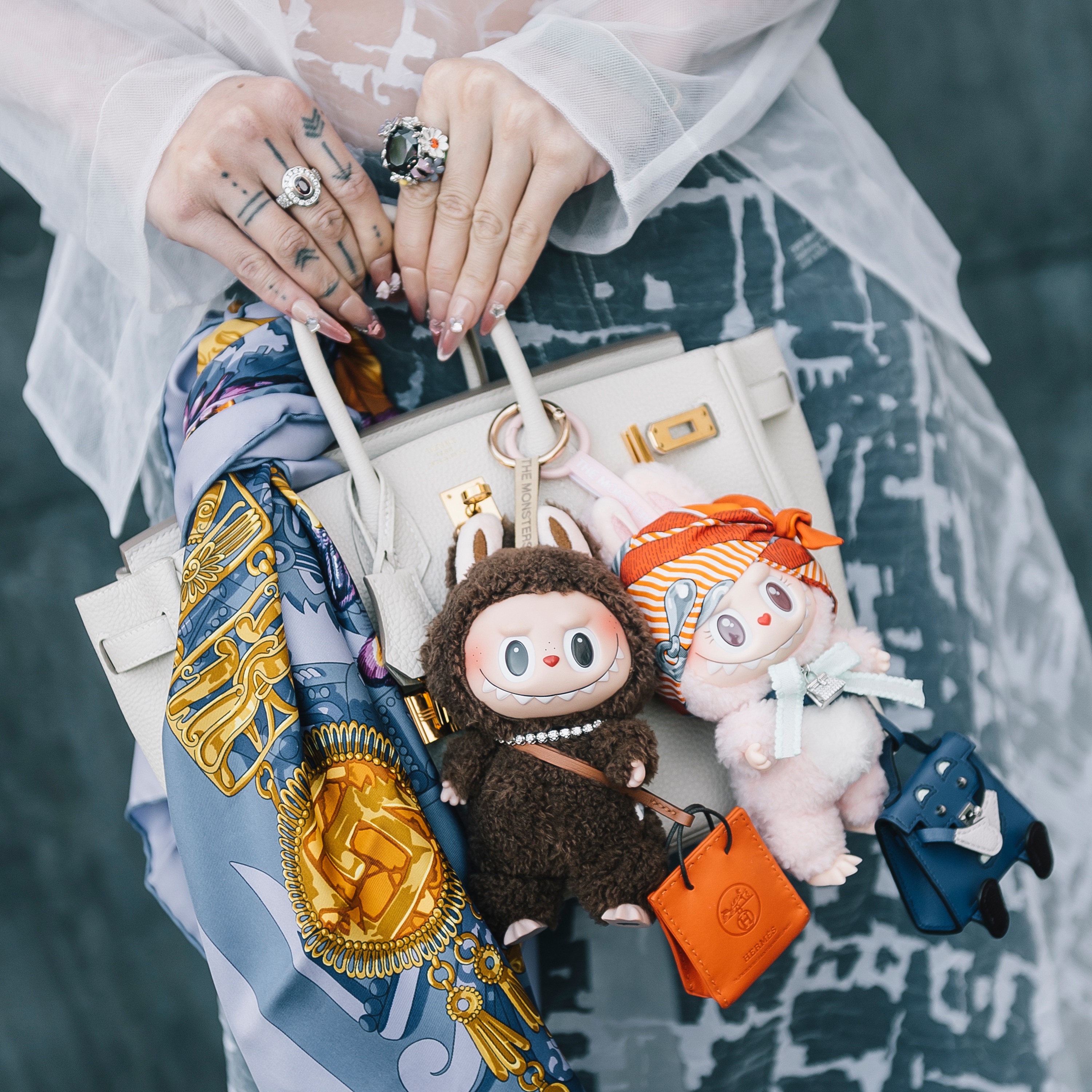
Colourful charms, Labubu-laden handbags and a ring on every finger – accessories sales are booming. A surge of necklace stacks, playful rings and quirky charms is being driven by Gen Z’s push for personal style, using add-ons to customise minimalist wardrobes on a budget. With apparel prices up, accessories act as “little luxuries” and entry points into brands. Retail is responding, with buyers widening small-leather-goods assortments and e-commerce shoots now styling bags with charms to encourage add-on purchases. BoF reporter Diana Pearl joins The Debrief to unpack what’s fuelling the accessory pile-on, how labels are capitalising on it, and how far the trend can go before the cycle turns. Key Insights: According to Pearl, Gen Z is reaching for accessories as a way to personalise their minimalist wardrobes. “Gen Z, which is really looking to define their sense of personal style, is leaning on accessories to do so, especially because minimalism in clothing is still very popular… but they also wanna have a little more fun and accessories are a way to do that,” she says. Regarding the longevity of this trend, Pearl adds, “I think we'll see a consumer that is primed to think of accessories as a more important part of their wardrobe – not just like a finishing touch, but a core element of it.”The Labubu craze captures the mood of the accessories trend – playful, collective and endlessly customisable. “There’s so many different Labubus. There’s a bit of that thrill of the hunt to try to find the right one. You can add it to an Hermès bag or a $100 leather tote from J. Crew,” says Pearl. For many shoppers, she says, “it really speaks to that desire for fun and adding a personal touch. People want things that make them feel good.”While luxury houses profit from entry-level add-ons, Pearl sees independent makers riding the wave. “I think it probably is helping luxury brands but I think even more than that, it’s helping small brands that really can make these cute accessories that feel distinct and different from what everyone else has, because I think a huge part of this is that quest for personal style, wanting something unique,” says Pearl. Pearl frames the moment as a behavioural shift rather than a transient trend. She argues, “trends go away, but they never fully go away. I think every trend leaves a lasting impact or impression on us. Maybe Labubus, toe rings, and bag charms won’t be quite as popular, but maybe they’ll evolve.” Crucially, “I think that this has unlocked something in people… it will have a lasting after effects of this trend, even if not everybody is wearing five necklaces at once in a year from now.”Additional Resources:How Far Can Fashion’s Accessory Obsession Go? | BoF Why Jewellery Feels Like a Better Deal Than a Handbag | BoFLuxury’s Untapped Opportunity in Men’s Jewellery | BoF Hosted on Acast. See acast.com/privacy for more information.

The Human Cost of Trump's Tariffs
In late August, the US doubled duties on Indian goods to 50 percent, in what President Donald Trump described as a punishment for India’s purchases of Russian oil. Brands reacted immediately, postponing or cancelling orders and leaving factories in hubs like Tiruppur and Bengaluru half-filled. With shifts cut and workers laid off, the shock ricocheted through India’s export economy, exposing how little protection garment workers have while relief talks and trade diplomacy drag on.Senior correspondent Sheena Butler-Young and executive editor Brian Baskin are joined by BoF reporter Shayeza Walid to trace how trade policy in Washington quickly impacted the lives of India’s garment workers. Key Insights: The tariff that came into place at the end of August led some suppliers to feel “punished for something they didn’t have any hand in,” as Walid puts it. She adds: “That penalty was linked to India’s continued purchases of Russian crude oil,” and “it hit very fast because brands immediately reacted to it once the 50 percent came into place.”The disruption hit export hubs first and hardest. With brands reluctant to absorb the shock, factories have been left to “bear the brunt,” passing the pressure onto the most vulnerable link in the system. The result is workers facing furloughs, layoffs and open-ended uncertainty. “These workers are largely migrant workers who… don't have the power to collectively bargain and kind of demand what they have the right to”, says Walid. As a result, migrant garment workers are bearing the brunt through layoffs, furloughs and lost income. The response from Western brands has been silence and arm’s-length accountability, as most work through layers of sub-contractors in India. Walid says that, despite public rhetoric on labour rights, “in practice, there's not anything in place that would fix … these short-term contracts and brands not knowing where subcontracting factories are connecting with suppliers.” During Covid, watchdog pressure pushed some labels to repay cancelled orders, but “at this moment, that’s not something that we’re seeing,” Walid notes. In the meantime, a few large exporters are temporarily absorbing parts of the tariff to keep relationships alive – an approach suppliers themselves say is unsustainable – while smaller factories shut and workers absorb the shock.Beyond geopolitics, commercial terms and supply-chain opacity push risk onto workers. “It’s really the purchasing practice and the way contracts work in the supply chain. In the exporting industry, that leaves workers in this really helpless condition,” says Walid. Complexity of the system also weakens accountability: “It’s really extraordinarily difficult to get data and direct kind of causality from a particular brand,” and in hubs like Tirupur, “subcontracting factories are essentially the main suppliers to these bigger factories because they just get such large volumes.” Additional Resources:India’s Garment Workers Are Paying the Price for Trump’s Tariffs | BoF Trump’s 50% Tariff Sows Fear Inside Indian Apparel Hub | BoF Hosted on Acast. See acast.com/privacy for more information.

Would You Let AI Shop for You?
A new wave of AI shopping agents has emerged as Big Tech and start-ups alike vie for dominance of this new market. OpenAI, Google and Perplexity are experimenting with search-to-checkout, while fashion-specific entrants like Vêtir, Phia and Gensmo are learning users' tastes before recommending and purchasing across retailers. But before they get off the ground, trust, accuracy, privacy and simple usefulness remain open questions.Senior correspondent Sheena Butler-Young and executive editor Brian Baskin are joined by BoF reporter Malique Morris to map the agentic ecommerce landscape. Key Insights: AI shopping agents aim to move beyond static recommendations to truly act on a shopper’s behalf. As Morris explains, “traditional e-commerce has algorithms that recommend items based on what you’ve already browsed or purchased,” whereas “an AI shopping agent is supposed to learn the shopper and can act on their behalf,” handle “very specific prompts” and, ultimately, complete the transaction.Agents are trying to replicate the best in-store experience for the ecommerce space. “They’re supposed to be about replicating the in-store salesperson, surfacing the right piece based on the conversation that you might have,” says Morris. As a result, “it’s not calling for brands to rethink how they’re designing their goods,” but more about tools that “help them sell them better and help them get into the hands of the people who are actually really going to want them.”Early users are avid shoppers who love new technology. Morris doesn’t expect a sudden tipping point, but rather gradual mass adoption. “Agentic commerce is [already] here because the tools are being built and experimentation is happening,” he says. “People are going to be conditioned the same way that they were conditioned when Netflix rolled out their algorithms, the same way TikTok and Instagram have with ‘for you’ pages. It’s here, it’s happening and it’s only going to get more efficient.”While the consumer should benefit from this new suite of AI shopping agents, Morris is blunt about power dynamics: “Outside of ‘the consumer is going to win,’ I think it’s going to be who has the resources to perfect this.” Consolidation is to be expected as many smaller platforms are “probably going to get consumed into an OpenAI or a Google or an Amazon. Those already huge [players] are probably going to be the ultimate winners.”Additional Resources:What It Will Take for Consumers to Let AI Shop For Them | BoF Hosted on Acast. See acast.com/privacy for more information.
Does Fashion Still Know What Women Want?
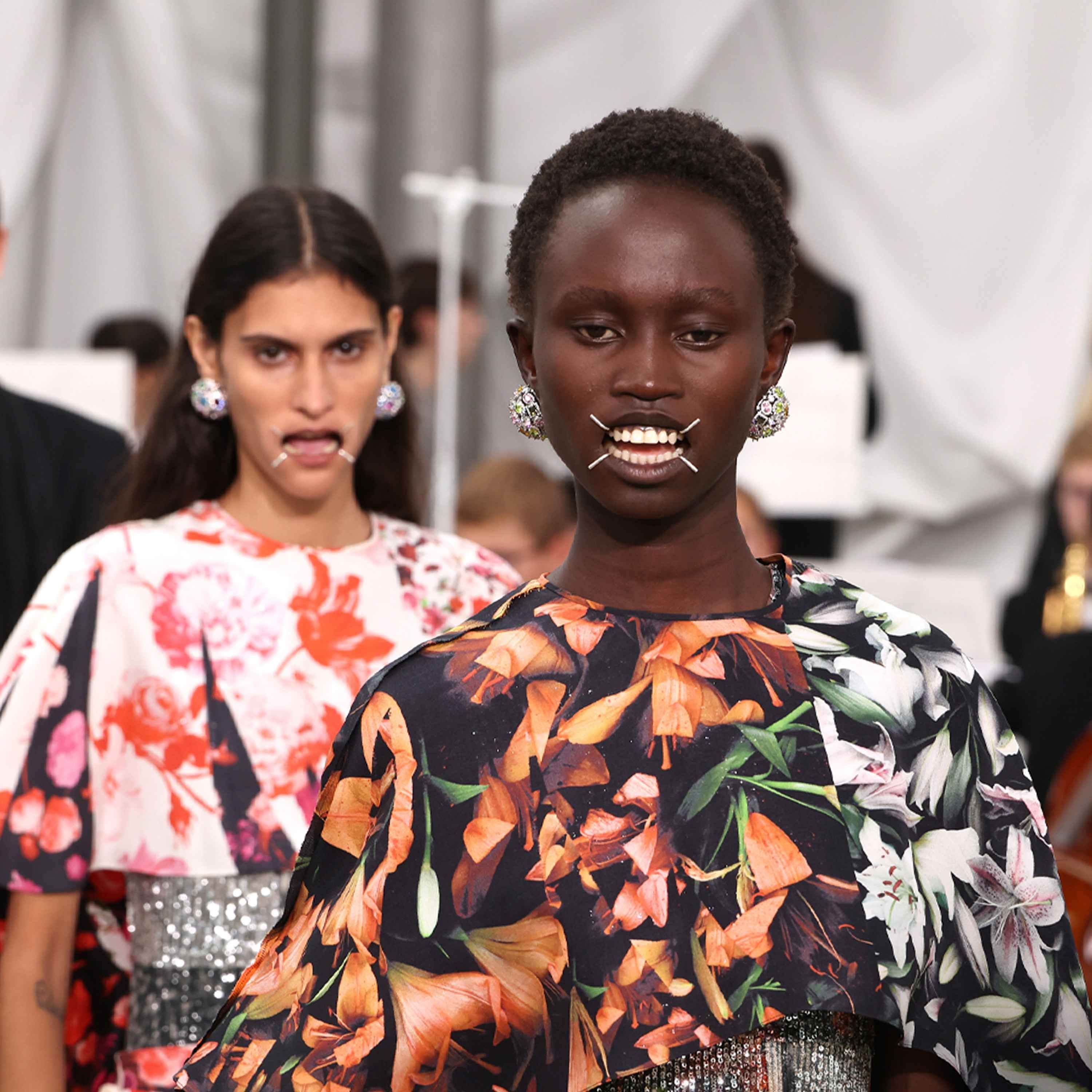
This fashion month, models walked the tightrope between fantasy and function. On the runway, spectacle was dialled up to 100: Alaïa’s armless “straitjacket” dress, Margiela’s metal mouthpieces, and Jean Paul Gaultier’s naked male body prints were among the pieces to spark a wider debate. Some critics have asked what feels like an obvious question: do designers actually understand — or even care — how women dress in their real lives?BoF’s Diana Pearl and Cat Chen join senior editor Sheena Butler-Young to examine why criticism is intensifying now, the role of authorship and how brands can balance showmanship with wearability.Key Insights: Designers face backlash when spectacle eclipses women’s realities. As Pearl observes, “designers weren’t really designing for actual women — or at worst, designing clothes that felt almost disrespectful.” To Pearl, many runway moments “felt either like it was erasing the woman or immobilising them… like fashion is a form of torture.” Even if looks are “dramatized for the runway,” she says, “there’s still a message being sent” that can be interpreted as designers not respecting women. Chen doesn’t see this season as uniquely outrageous in a vacuum, but says context matters. She adds that criticism hits harder now amid other external circumstances, one of which is that many brands are struggling financially. “The fact that these designers had a commercial incentive to be more resonant with consumers and then created these collections that didn't hit at that level, I think that made these collections so much more perceptible to be criticised in this way,” says Chen. Body diversity is the more urgent gap to fix. Pearl says the ultra-thin casting “adds insult to injury… a parade of models that are all extremely thin and… unattainable,” compounding the sense that runways aren’t made with real women in mind. Chen goes further: “the lack of body diversity on the runway is a huge problem,” noting data that shows representation “falling straight down from 2023 to 2025.”Pearl notes perception shifts with who’s in charge: “Women aren’t represented at the top, so it makes us more primed to look at a mouthpiece and feel it’s sexist because it’s coming from a male designer.” Still, she points to shows that balance both: Chanel’s debut “felt very wearable” while staging delivered “otherworldly” theatre, and Khaite’s runways pair mood with pieces that, also, “feel very wearable.” Chen adds that smaller, women-led brands win by staying close to their customer: “It’s really not about spectacle, it’s about being in the same room as their customers.”Additional Resources:Does Fashion Know What Women Want? | BoF Fashion’s Musical Chairs Ends — With Men in Almost Every Seat. | BoF The Emerging Designers Pushing Fashion Forward | BoF Hosted on Acast. See acast.com/privacy for more information.
Can a Shop Truly Be a “Third Place”?
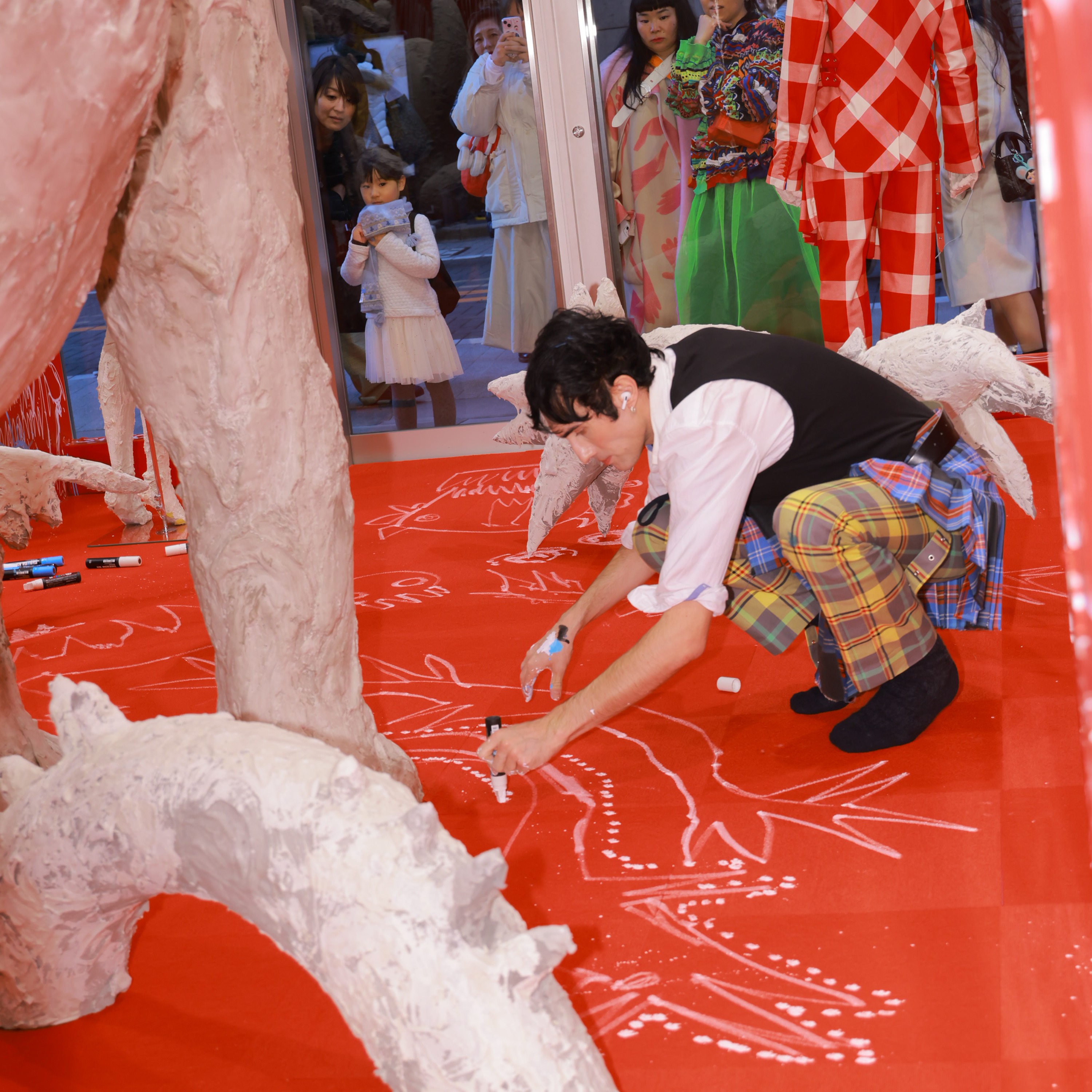
Retailers are racing to repackage shops as “third places” — low-pressure spaces to linger between home and work — as post-pandemic footfall softens and social isolation rises. Sociologist Ray Oldenburg’s original idea centres on civic, low-barrier hubs like cafés and libraries rather than commercial destinations, yet brands are now adding seating, listening bars and in-store cafés to nudge dwell time, loyalty and favourable word of mouth. The best versions use subtle amenities that keep people comfortably in the space, but the sales impact is yet to be proven.In this episode, BoF retail editor Cat Chen joins The Debrief to unpack why scale matters, how to measure success beyond sales, and where third-place experiments risk sliding from community into pure branding.Key Insights: In their efforts to create third places, retailers are utilising food and beverage as subtle amenities that keep people lingering: it’s ‘not about creating food and beverage as a destination, but about simply getting people to spend more time in the store,’” says Chen. Done well, that “authentically [creates] a community,” and “when you have this really positive experience in their ecosystem, you will feel very positively about the brand.” Still, she cautions: “The idea of a third place as a way to drive sales for retailers is an unproven theory.”“Community building is authentic and not a branding exercise,” Chen says. The worst versions of third places feel “branded to death” and designed for photos more than social connection. “At the end of the day, it's not about the social experience of being there, it's about taking a photo of it and being able to consume this luxury brand. That's akin to the first step of being able to afford their $3,000 handbag.” It all goes back to commerce and “is very much the opposite of what Oldenburg meant.” Practical amenities in stores build goodwill. Western outfitter Tecovas’ “radical hospitality” includes a lounge and a free bar inside its store, Sephora succeeds with a hands-off approach when customers are trying samples, and Apple allows patrons to charge their phone or use the bathroom — a small service that leaves a positive halo. As Chen puts it, food and beverage in a third place should be low commitment, cheap and have a low barrier to entry. “There have been a lot of thinkpieces about private members’ clubs popping up in New York and how this is tied to this desire for third places. Private member clubs are not third places, they are the antithesis of third places." Additional Resources:Can a Store Ever Be a ‘Third Place?’ | BoF How Brands Make Community More Than a Buzzword | BoF Hosted on Acast. See acast.com/privacy for more information.