The Debrief
146 episodes — Page 2 of 3
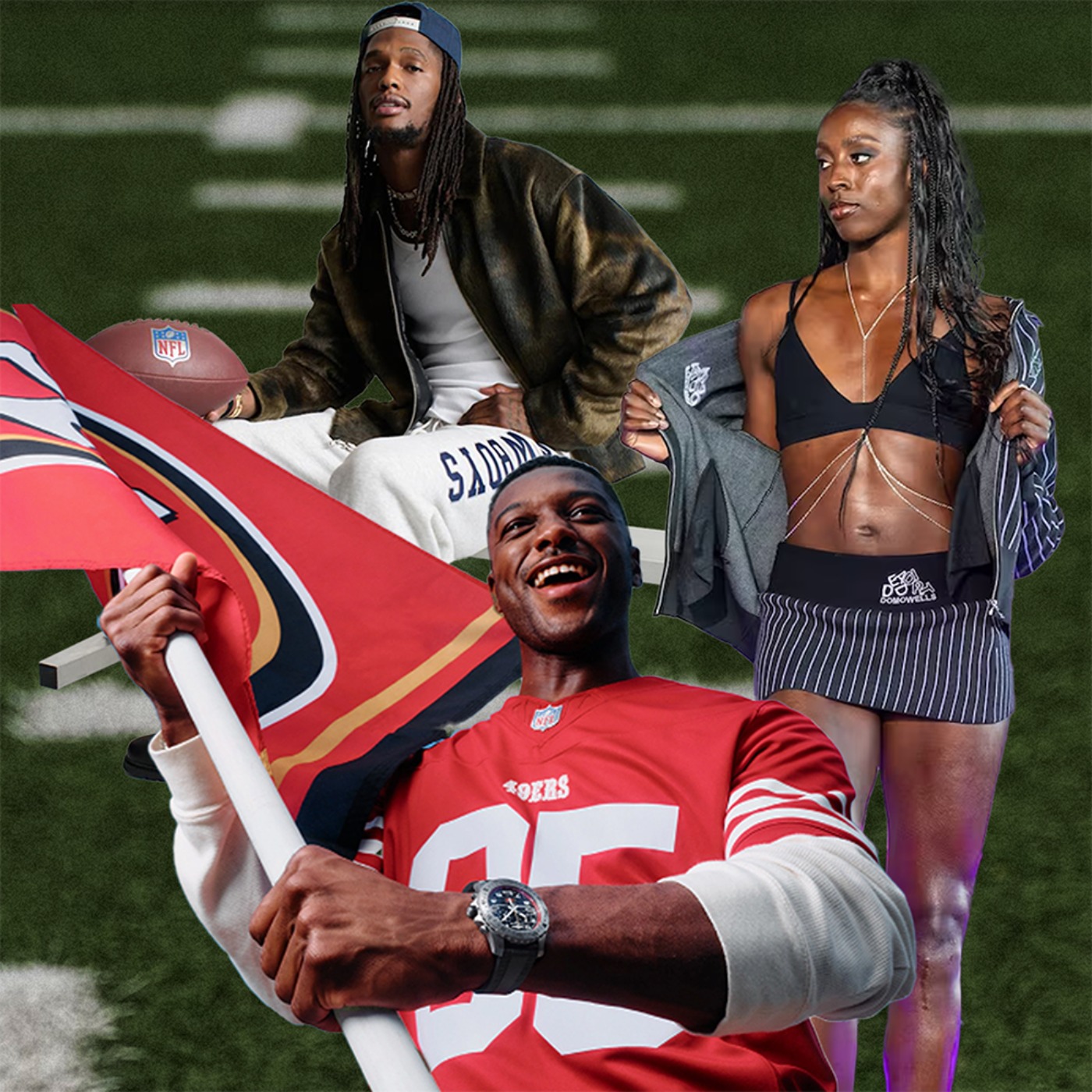
Sports x Fashion: Who’s Really Winning?
From team-branded fashion shows to tunnel-walk capsules and luxury watch deals, sport and fashion are converging at speed. The NFL has rolled smaller licensing tie-ups into marquee partnerships, while the WNBA is emerging as a fertile ground for inventive brand-player collaborations. But alongside the growth is bloat: logo-slap collections, clearance-rack remnants and fuzzy KPIs.Senior correspondent Sheena Butler-Young and executive editor Brian Baskin are joined by BoF sports correspondent Mike Sykes to map the deals that resonate and the ones that miss — and how success of these partnerships are being measured beyond the momentary halo.Key Insights: The WNBA is a collaboration engine because players are the drivers, not passengers. “I think the WNBA right now is a breeding ground for some of these deals in part because the players are eager to find these other opportunities to spread their portfolio,” Sykes says. That unlocks new formats: partnerships “not just between teams and brands or the league and brands, but players themselves and the brands [that] manifest in really cool and unique ways.”Name, Image and Likeness (NIL) has supercharged women’s sports, and fashion is part of the bargaining. Sheena points out the 2021 shift when “college athletes could not monetise their name, image, or likeness” and then stars like “Angel Reese and Caitlin Clark were becoming brands in their own right.” That changes how teams and leagues engage players: “fashion deals can be a bargaining chip on both sides of that equation.”As sports and fashion collaborations become more ubiquitous, authentic propositions are needed to cut through the noise. As Butler-Young puts it, the best examples “take the collections seriously. They treat it like a real fashion product. ‘Anything will do’ – people see through that.” Sykes agrees: “To work with players, you have to work with teams that really want to do things the right way.” It has to make sense for the consumer, and when it doesn’t, the audience calls it out. “The Chelsea and OVO collection was kind of a logo-slap. Even the fans were like, ‘This isn’t it.’” For some brands and athletes involved in these collaborations, partnerships are judged on reach and relevance rather than immediate revenue as the key marker of success. Sykes points to the NFL x Veronica Beard blazers: “There’s still some of that product left and it’s 75 to 80 per cent discounted … you have to look at that as a failure.” Yet the league “takes a holistic view,” he says: even if one capsule doesn’t sell through, lessons on “what you produce, how much, where you produce it, who your core audiences are” feed the next partnership.Additional Resources:Sports and Fashion Are Tighter Than Ever. But Who’s Really Winning? Has Fashion’s Convergence With Sports Gone Too Far? How WNBA Players Are Using Merch to Underscore Their Value Hosted on Acast. See acast.com/privacy for more information.
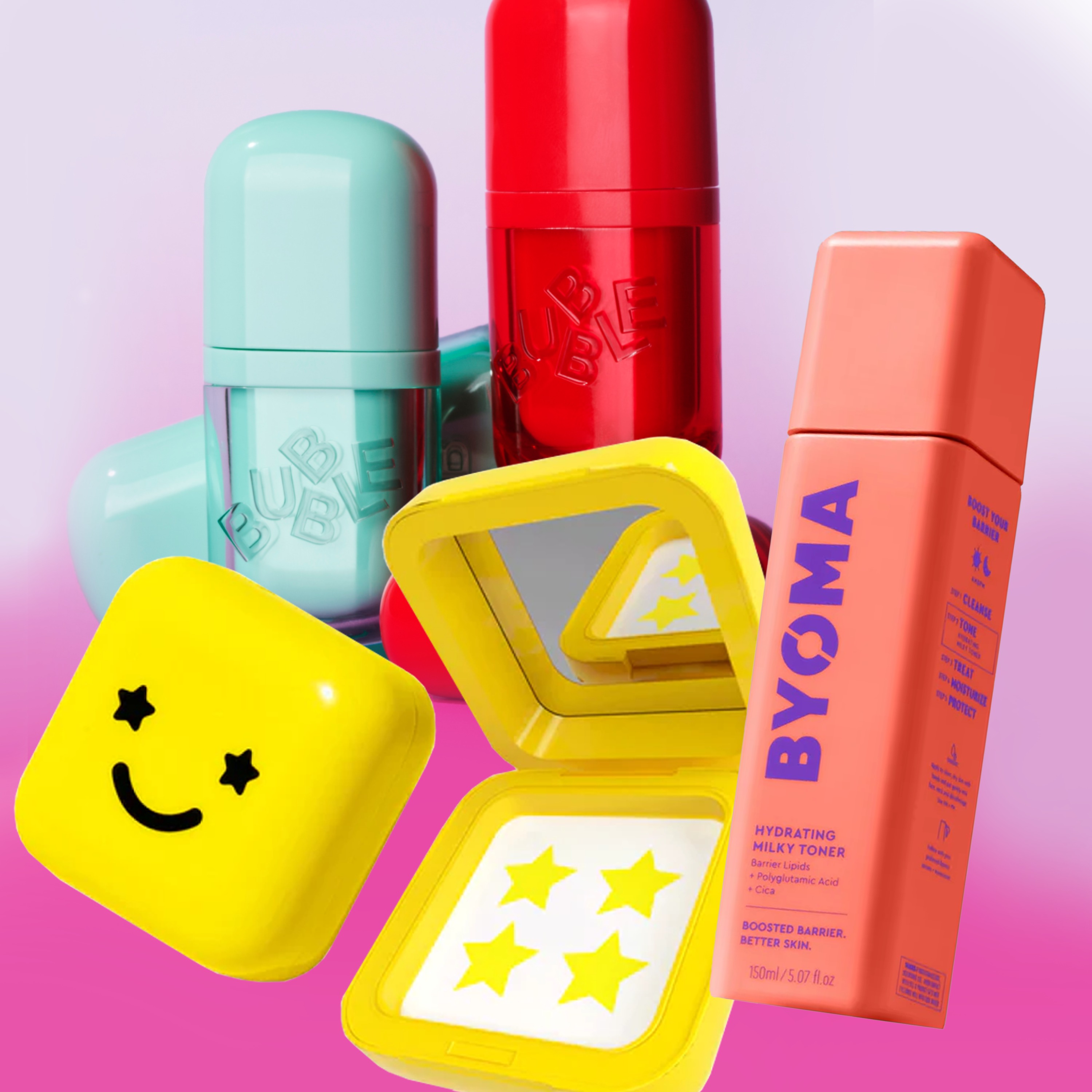
Can Gen-Z Beauty Brands Grow Up?
Brands like Bubble, Starface and Byoma rode TikTok-native aesthetics to win Gen-Z hearts and Sephora shelf space with plush mascots, playful stickers and sensorial jelly textures. Founders close in age to their audience moved fast, crowd-sourced ideas and mastered algorithms. Now the oldest Gen Z consumers are nearing 30 and looking for fewer gimmicks and more proof that formulas work.In this episode, senior beauty correspondent Daniela Morosini unpacks what still resonates, where the “dopamine” look carries a credibility tax, and why channel strategy, product performance and smart casting matter more than ever.Key Insights: Gen Z brands broke through by moving at internet speed and co-creating with their audience. “These brands are all just so digitally native… and for a lot of them the founders were quite young themselves,” says Morosini. They were “small, scrappy businesses [with] shorter product launch cycles [and] really savvy marketing.” Crucially, they “did a lot of crowdsourcing, social listening, and were really plugged into internet forums,” so products felt made with, not just for, their audience.The ‘fun’ factor worked best online as visuals drove discovery: “Goopy, gloopy, sticky things… look good in a video. You see someone put that on their face and then you want to try it.” At the same time, expectations have climbed as “people are really quick to reject a product if it doesn’t perform exactly the way they want.” And bright, playful packaging can backfire for results-seekers: “Colourful, bright things we associate with play, silliness, youth and frivolity… you might think, ‘this is not a serious product.’”If stalwarts like Neutrogena and Clearasil have long dominated the teen aisle, why can’t today’s Gen-Z-first labels simply stay youth brands rather than trying to age up? As Morosini puts it, legacy names “have definitely ceded market share to some of these newer indies… these are brands you can find in every drugstore… [they’re] most teens’ or tweens’ introduction to the beauty category.” But “those brands are not cool,” and the Gen-Z pioneers “really want to be cool… and relevant,” not just “the thing that your mum might pick up… when you’re complaining about having a spot.” The challenge is clear: “it’s hard to be both legacy and cool.”Some labels are widening reach by changing where and what they sell. “Byoma went into some more premium retail pretty quickly,” Morosini notes, adding that “retailers really function as a marketing engine.” Others are broadening beyond a single hero. Ultimately, Morisini says survival hinges on utility. “It will come down to the brands that truly have replenishable products differentiated enough, at the right price point, and genuinely offer unique enough results that people will continue to return to them once any maybe the noise around the texture or the packaging has died down.”Additional Resources:Bubble Was Built on Gen Z. Now, It Must Grow Up. | BoF The Gen-Z Whisperer: How Julie Schott Made Acne a Laughing Matter | BoFHow to Keep the Gen-Z Fragrance Boom Going | BoF Hosted on Acast. See acast.com/privacy for more information.
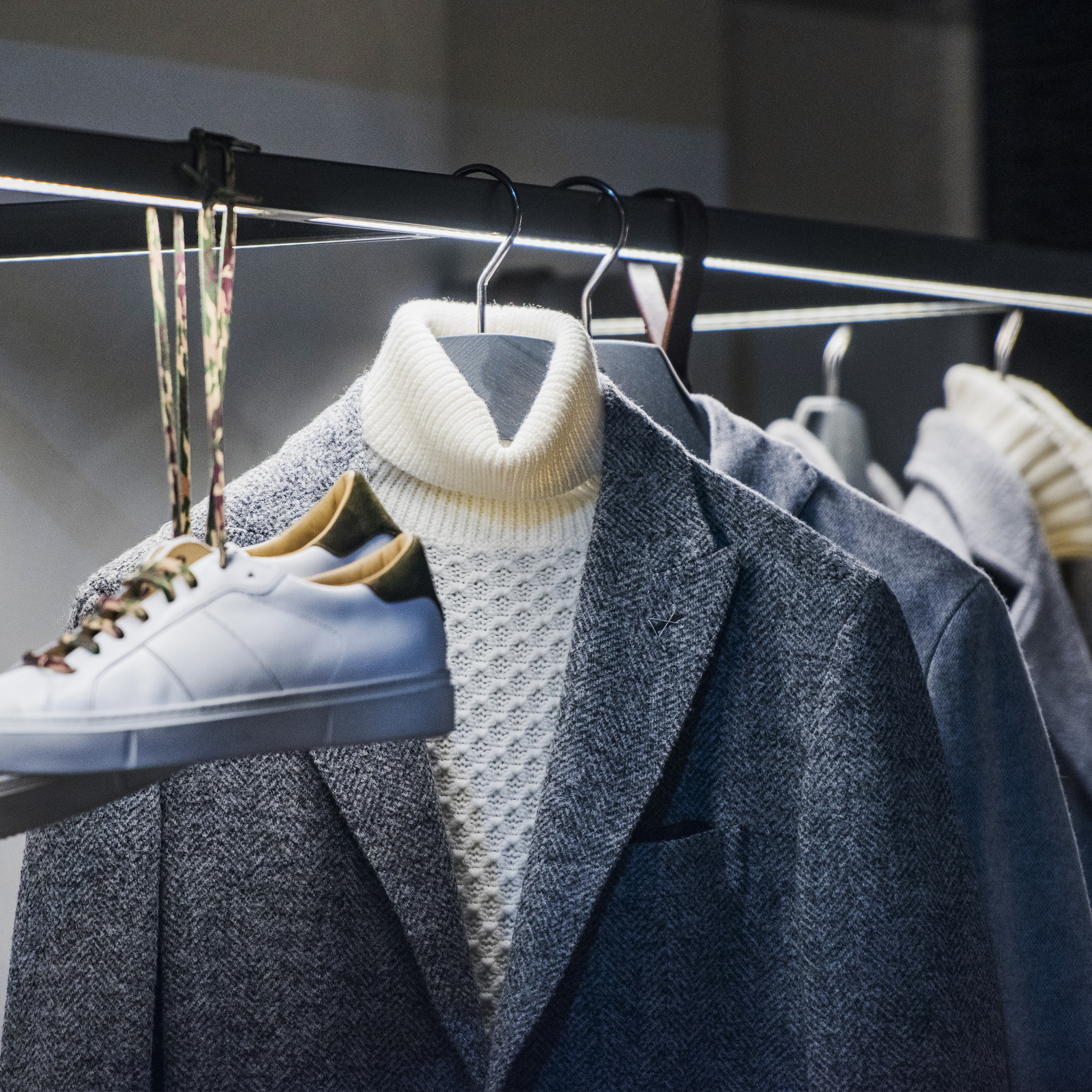
Gen Z Isn’t Buying Luxury’s Story
Luxury is struggling to connect with Gen Z, a cohort raised on TikTok and YouTube who research before they buy, shop vintage and resale as a first stop, and question whether soaring prices match product quality. While Millennials fuelled the last luxury boom via streetwear crossovers and scarcity-led drops, today’s younger shoppers are more value-driven and sceptical of polished brand theatre. In-store, rigid service models feel alien to a generation used to conversational creators.This episode of The Debrief explores what “worth it” means to Gen Z and how brands can earn it. Greater transparency on materials and craftsmanship, content that feels real rather than aspirational, and participation in the second-hand ecosystem will be critical to rebuilding trust and lifetime value with younger consumers. Key Insights: Gen Z are not tuning out of fashion, they’re interrogating it. As BoF correspondent Lei Takanashi puts it, “[Gen Z] are so savvy. They can just look up what the Louis Vuitton bag is made of and see it’s actually canvas… Should I really spend a thousand dollars on that? Is there an alternative?” The backlash is philosophical as well as financial. Editorial apprentice (and Gen Zer) Jessica Kwon says there’s a pervasive idea that luxury conglomerates are just trying to squeeze as much profit as possible. “There is real ire and resentment among Gen Z around price hikes. I think we’re a generation that cares a lot about value for dollar,” she says. When the price, materials and narrative do not align, younger shoppers default to vintage, resale or opting out.Price justification starts with transparency and proof. “Whether it's a thousand-dollar handbag or a $100 candle, you have to explain why luxury costs what it costs, that there’s this craftsmanship and heritage,” says Takanashi. But storytelling alone will not close the sale. “Even then, it’s just so hard to convince that customer that craftsmanship is worth the money. You also have to play into their cultural interests and what they’re passionate about.” That means moving beyond heritage talking points to show living communities, real processes and credible creatives who make the brand feel current.Digitally native Gen Z want real content, not polished marketing campaigns. “Our generation grew up on YouTube, ‘how to build an outfit 101’ – that’s how we got our style advice, not from magazines,” says Kwon, which is why they still “look to influencers and social media for trend analysis.” The tone matters as much as the channel. Takanashi argues that content should “feel real, like an unboxing, not a glossy marketing campaign. … Something that just feels like anyone could make it.” The formats that win are lo-fi, conversational and useful, with creators who will praise and critique in the same breath.Many first encounters with luxury now happen through second-hand, so brands need to embrace that ecosystem and give clear on-ramps back to full price. The product and the pitch must both feel meaningful. Kwon says Gen Z still wants “a very beautiful story” and to “feel like they’re a part of a movement.”Additional Resources:Why Luxury Needs to Rethink How It Speaks to Gen Z | BoF The Great Fashion Reset | When Will Luxury Bounce Back? | BoF Hosted on Acast. See acast.com/privacy for more information.
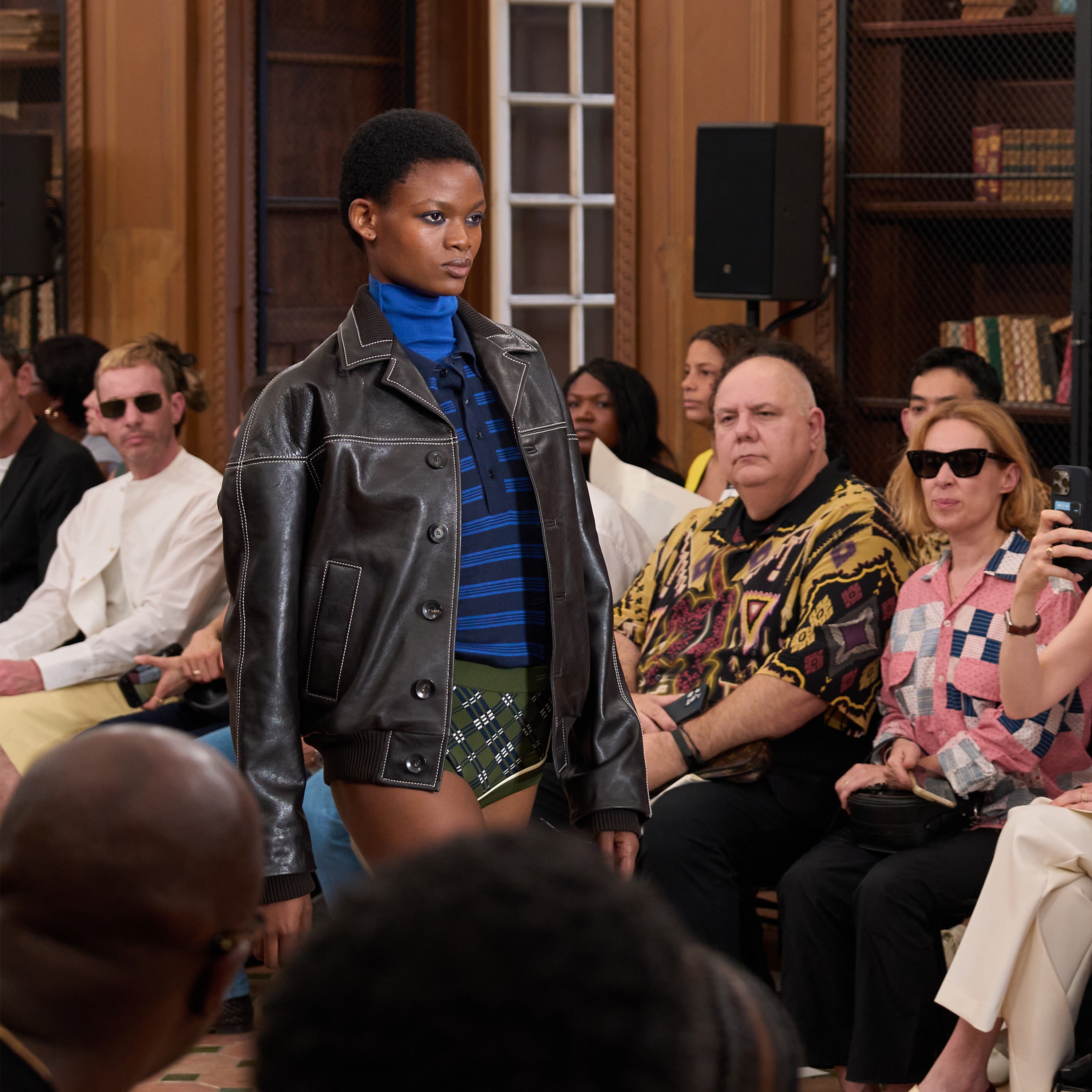
The Great Fashion Reset: Can New Designers Still Build a Business?
Department stores and major e-tailers once incubated new labels with consistent buys and patience; today those channels are shrinking or unstable. Social platforms still create viral moments, but conversion is patchy and fast-fashion copycats shorten the runway for hit products. Against that backdrop, some designers are rewiring distribution, tightening assortments and adding more accessible entry points, while cultivating closer, direct relationships with customers and specialty boutiques.The stakes are high industry-wide: without a healthy pipeline of young labels, fashion’s creative engine risks stalling. On this episode of The Debrief, BoF correspondent Joan Kennedy joins senior correspondent Sheena Butler-Young to discuss how emerging designers are rebuilding their product pipeline around creativity to survive the great fashion reset.Key Insights: Multi-brand partners that once incubated emerging brands are now demanding instant results, just as e-commerce economics have worsened. As Kennedy puts it, “Wholesalers and retailers want to see performance from the get-go. There's more pressure to just be in a store, be slotted in, immediately perform. At the same time, we've seen e-commerce fall apart under the rising costs of everything.” The pressure is systemic: “These retailers are really under pressure. After a few decades of being willing to take more risks, investors haven't seen the return on that. So it's hard to blame anybody; it's just what fashion is going through right now.”Visibility can soar while sales lag, creating a conversion gap designers must close with clearer paths to purchase. “Fashion has been this industry of smoke and mirrors, but in recent years that's been really exacerbated by the fashion hype machine,” Kennedy says. “It has led to this moment where designers have a lot of awareness on social media, not much of a business.” Many have “built these really big audiences online, [who] don't have ways to buy into the brand, or just don't buy the brand.”Without dependable wholesale, labels are rebuilding their direct-to-consumer pipeline through smaller boutiques and sharper merchandising. “A trend I've noticed is that more brands are going back to the trunk shows and creating intimate moments with their shoppers,” Kennedy notes. “Specialty stores and independent boutiques have a very close relationship with their own shoppers, too. It's a little bit closer to demand and you can build a good relationship with the buyer there.” On product, brands like New York-based Area, known for its crystal-embellished clothing, are adding accessible entries: “They’re introducing this line of basics with little rhinestones on them. It’s just more fun dresses at a more accessible price point.”As this fashion season unfolds, Kennedy points to creativity as the competitive edge. “The source of optimism is how evident the importance of creativity is to this industry and how key that is to fueling sales and building good businesses,” she says. “You have to have a very specific product and focus your offering,” and remember that “if [consumers] are going to spend, they want to spend on something that means a lot to them and really stands out – something that is really unique.”Additional Resources:The Great Fashion Reset | Is Fashion Failing Emerging Designers? | BoF Hosted on Acast. See acast.com/privacy for more information.
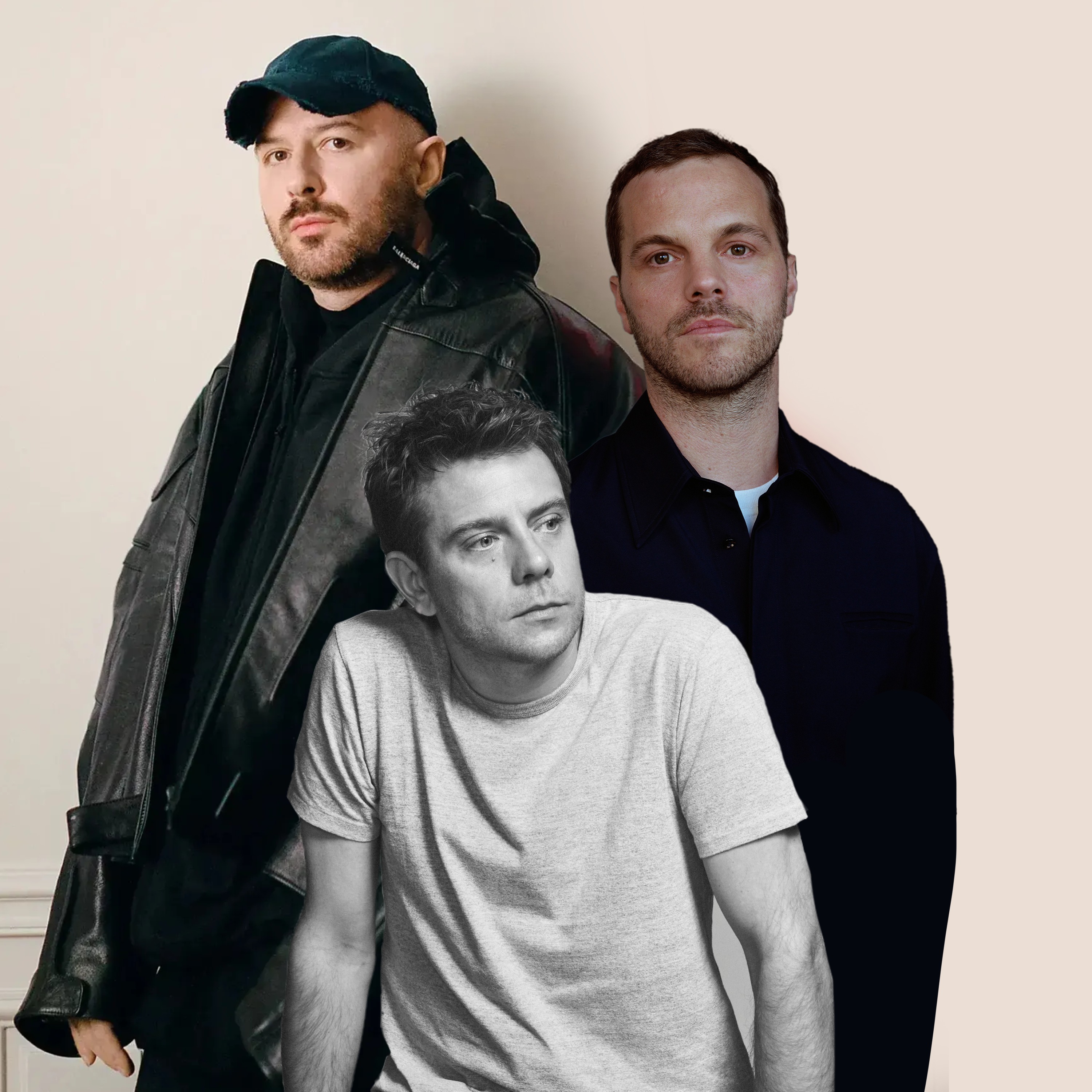
The Great Fashion Reset: Can Designer Debuts Revive Luxury?
This fashion month arrives after years of post-pandemic boom giving way to a sharp slowdown in luxury demand. Weaker consumer confidence in China, pressure on aspirational shoppers and a wave of price hikes have left many brands struggling to keep momentum. To win back customers and justify higher prices, luxury houses are turning to new creative leadership. Runway debuts won’t provide complete solutions, but they will offer early signals of strategy, with some brands leaning into craftsmanship and heritage while others chase louder fashion moments.Alongside executive editor Brian Baskin and senior correspondent Sheena Butler-Young, luxury editor Robert Williams details why the real test will come in the weeks after the shows, when follow-through determines whether excitement lasts.Key Insights: Creative resets are a response to macro pressure and price inflation, not just consumer fatigue. “This isn't just about people being tired of the way fashion looks or the kind of designs a designer was showing us but maybe more about the wider context in which those designs exist,” says Williams. As prices climb, luxury houses need to add tangible value: “the prices for luxury brands have been hiked up so dramatically over the past few years, either the quality or technical craftsmanship … needs to be improved, or the creative.”The role of the creative director is more constrained than ever before. As Williams explains, brands must excite new customers without alienating existing ones. “You can't necessarily count on the fact that if you lose an old client from the previous vision, you're going to be able to get two more because you've got something fresh and new.” Unlike in earlier eras, “brands that have tried to scrap their old business and just count on a new one coming in — they've been burned in recent years.”Williams warns not to expect complete strategy blueprints on day one. “I don't think we're gonna get a fully realised vision for how any company plans to totally turn itself around. But there's certainly gonna be some hints,” he says. Some houses may skew to visible craftsmanship and codes, as Bottega Veneta has done under the new hand of Louise Trotter. Others must take a different route. “It will be quite interesting to see what Gucci and Dior do,” says Williams. “Celebrating heritage is not what anyone is looking for them to do in the current market.”Some brands have had “one really hot day” but then consumers quickly lost interest, while others managed to “milk the content cycle for days and days and really make a big arrival,” says Williams. What matters next is sustaining attention: “Are they able to keep the excitement alive in the days and weeks following the runway show?”Additional Resources:The Great Fashion Reset | Can Designer Revamps Save Fashion?Ready for Relaunch? Jonathan Anderson’s Dior ChallengeWhy Gucci Picked DemnaWhy Chanel Chose Matthieu Blazy Hosted on Acast. See acast.com/privacy for more information.
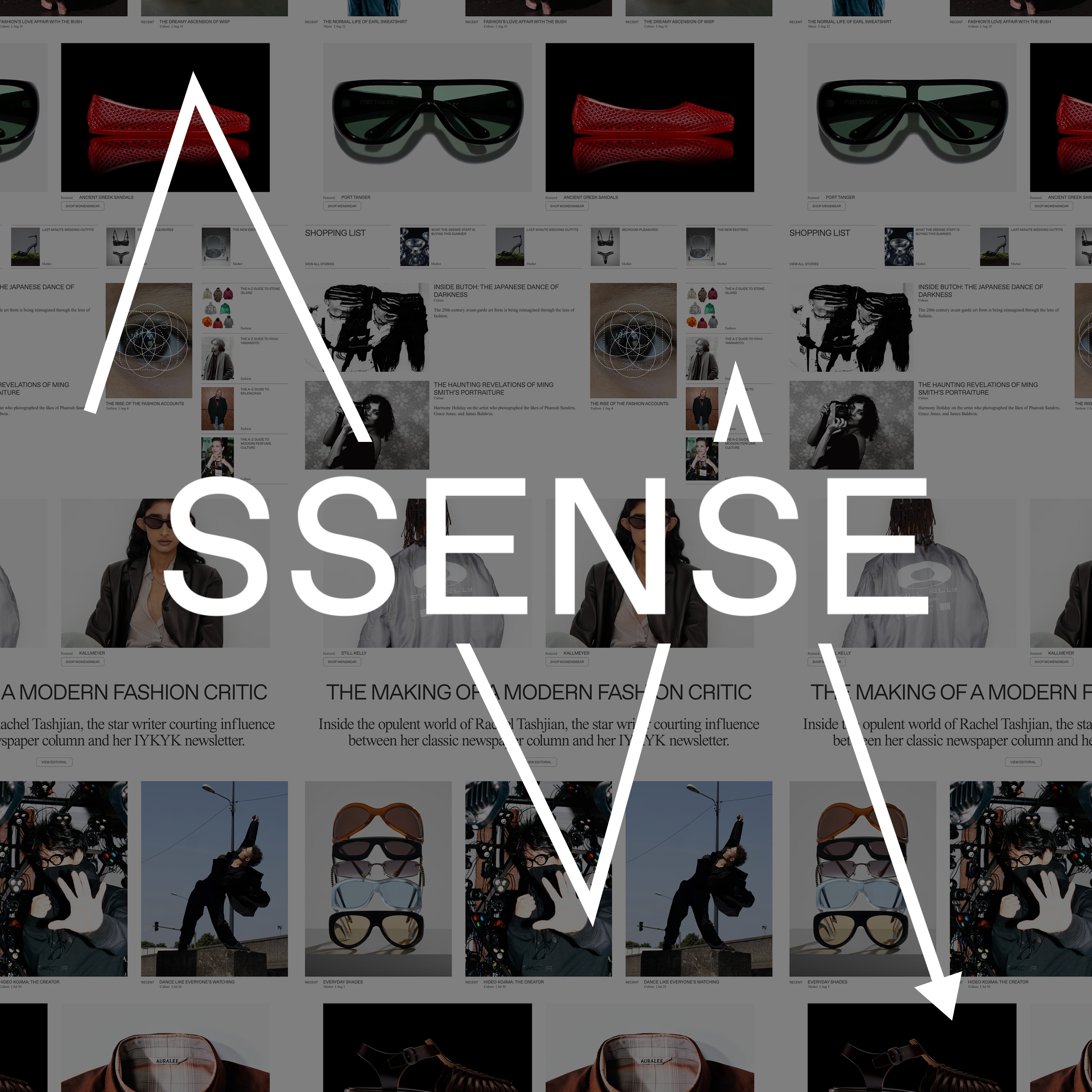
What Went Wrong at Ssense
Ssense’s bankruptcy filing makes it the latest in a long line of online luxury retailers to find itself on the brink. In an internal memo, Ssense co-founder and CEO Rami Atallah blamed US tariffs for creating an “immediate liquidity crisis.” But as BoF correspondent Malique Morris details, the real damage pre-dated the latest trade shock: years of training a young audience to wait for markdowns, overexposure to the US market, and leadership inertia as luxury slowed industry-wide.With hosts Brian Baskin and Sheena Butler-Young, Morris unpacks how Ssense won indie labels and cultural clout but dulled its edge as discounts became the default. They also explore whether Ssense can keep its cool factor while courting full-price shoppers, and which outcomes will best protect the fragile ecosystem of small brands that rely on the platform.Key Insights: Ssense’s strategy of serving younger, aspirational shoppers worked until markdowns became the main event, teaching customers to avoid full price and dulling the platform’s authority with brands. As Morris puts it, “Ssense has been really smart about targeting this younger, aspirational luxury consumer … but over time it turned into this cornerstone for luxury discounting online.” He continues: “It just became associated with being the sale place, which then curbs credibility with designers.” The business model that once drove growth ultimately undercut it.Relying on a Canada-based warehouse feeding a majority-US customer base left Ssense acutely exposed to cross-border friction. Compounding the risk is the fact that it targets young, aspirational shoppers. “Those shoppers’ pockets aren’t bulletproof in an economic downturn,” explains Morris, so demand proved more fragile just as costs rose. Tariffs were the catalyst, not the cause, of pre-existing vulnerabilities.Even as conditions worsened, decision-making lagged. “I think internally what’s happening is that they’re not acting fast enough to respond,” Morris says, adding that industry-wide pressures “have fallen onto them in a particular way.” Slow moves on initiatives like personal shopping and incubation left Ssense leaning further into discounts, accelerating the slide towards creditor protection. According to Morris, a reset doesn’t require abandoning the brand’s cultural core; it requires focusing it. “What’s working well in e-commerce is having a niche and being clear in how you’re going to serve the best customers within that cohort,” Morris argues. “In my mind, Ssense needs to refine its niche and make sure that it's attracting the consumers who will purchase without the need for always-on sales. … There are shoppers in that Gen Z group, many of whom are almost 30, who have the pockets and the temperament to be seduced by curation and not by the fact the next Essence sale is going to ‘hit different’.” Additional Resources:Ssense to File for Bankruptcy Protection After Creditors Push for Sale | BoF Ssense: What Went Wrong | BoF Hosted on Acast. See acast.com/privacy for more information.
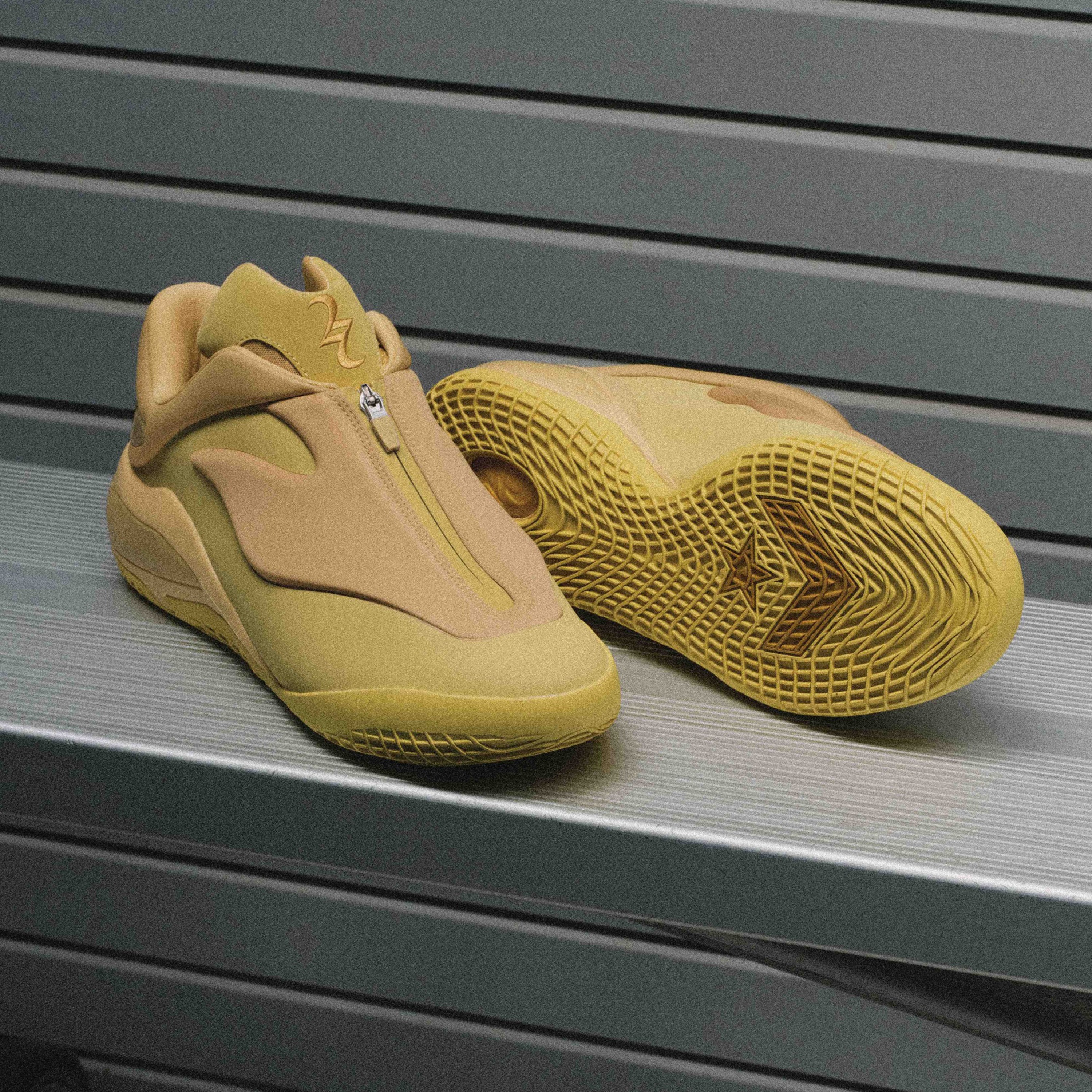
How Basketball Sneakers Got Their Groove Back
Performance basketball shoes have long been embedded in fashion culture, from the iconic Air Jordans of the 1990s to the stylised sneakers worn in NBA tunnel walks. But over the last decade, interest in basketball shoes waned as sneakerheads turned to minimalist silhouettes, running shoes and fashion collabs. Now, a new wave of signature athletes, innovative design from emerging and legacy brands and growing energy around the WNBA are bringing basketball sneakers back into the fashion spotlight.In this episode of The Debrief, BoF correspondents Lei Takanashi and Mike Sykes join hosts Sheena Butler-Young and Brian Baskin to unpack what's changed, what's still missing and what the future might hold.Key Insights: Basketball sneakers lost momentum with consumers when design became too functional and aesthetics too uniform. "All the styles just seemed kind of homogenous... There wasn't much difference there," said Sykes. "If you're not going to give us anything that looks different or anything that's unique, then people are going to go back and look into the past." This lack of innovation pushed sneakerheads toward nostalgic retro styles rather than new performance models.New stars like Anthony Edwards and Shai Gilgeous-Alexander are reigniting interest in signature sneakers, not just through performance but personal style and personality. "He's got the bravado. He's like everything that you want from a signature athlete," said Mike of Edwards. "A lot of these new players... they have this grip on the culture," added Lei, referring to how their on-screen charisma and tunnel fits are helping bring basketball sneakers back to relevance.The women’s game has long been rich in style and creativity — a fact the market is only now starting to catch up to. "Just seeing the creativity and the colour that has always been around the women's game when it comes to the sneakers that they've worn," said Mike. "It just makes it all the more disappointing... if we saw what we see today maybe five or 10 years ago, then the market right now would be completely different."In the past decade, attention shifted away from professional athletes and toward celebrity collaborators like Kanye West and Travis Scott. That dynamic is beginning to change. "From a brand perspective, the athletes just weren't the interesting players in the field," said Mike. "And so now I think the brands are circling back around and recentering athletes in a way that I think we haven't quite seen in a long time."Additional Resources:The Fashion Revival of Basketball Sneakers | BoFHow Soccer Conquered the US Sneaker Market | BoF Sign up to Mike’s newsletter - Sports by Mike D. Sykes Hosted on Acast. See acast.com/privacy for more information.

The Jobs Fashion and Beauty Talent Want in 2025
In the five years since the pandemic, fashion and beauty workplaces have undergone seismic change. Amid mounting economic uncertainty, geopolitical instability and the ongoing climate crisis, a workplace reckoning is underway. Employees are re-evaluating what truly matters at work and for many, that means reassessing everything from their employers’ values to compensation and flexibility.According to BoF Careers’ 2025 global survey of over 1,000 professionals in 74 countries, only 15 percent of respondents said they were satisfied in their current roles. Meanwhile, 45 percent are actively looking for new jobs and workers today are prioritising fair pay, career progression, flexibility, value alignment and transparency over legacy prestige or perks.On this episode of The Debrief, senior correspondent Sheena Butler-Young speaks with BoF’s commercial features director Sophie Soar to explore what talent really wants today and what employers need to do to attract and retain the best.Key Insights: Employees don’t just want transparency; they expect it as a foundation for trust and progression. From salaries to promotions, clarity enables professionals to visualise their future and stay engaged. “Transparency allows people to see their career trajectory at a business, as well as really visualising their future there and what it will look like,” said Soar. “Maybe they don’t find that motivating, but it can also set clear expectations and goals for them to work towards.”Hybrid work remains popular, but it’s not just about flexibility. Without visible leadership, the in-office experience falls flat and fails to deliver meaningful career support or culture. “If you are just providing a space that has a few desks and Wi-Fi, that is not creating the right kind of environment, the right set-up for community, as well as a comprehensive and effective working culture,” said Soar. “If you want employees to be back in the office, then leaders need to be there as well. They need to lead by example.”While high-profile brands still appeal to candidates, they’re no longer enough on their own. Employees are increasingly prioritising ethics, compensation, and leadership over legacy status. “When we were asking individuals as a part of the survey to share which companies they would most like to work for within the fashion and beauty industries, leaders were quite often called out by name,” said Soar. “Lina Nair at Chanel and Brunello Cuccinelli, they were called out individually as being very inspiring to individuals and a very motivating reason to want to work at a company.”As jobseekers increasingly rely on tools like ChatGPT to craft their CVs and cover letters, authenticity and personalisation are becoming critical differentiators. Top employers aren’t looking for generic admiration; they want thoughtful, tailored applications that clearly map experience to the role. “You kind of need to emphasise past the point of saying, ‘I love your brand, and it would be great if I could work at your brand’ – that is really not going to resonate with individuals hiring,” said Soar. “I would highly recommend making sure that if you're using this technology, you try and think about how you can put yourself into it.”Additional Resources:What Fashion and Beauty Professionals Want From Employers Hosted on Acast. See acast.com/privacy for more information.
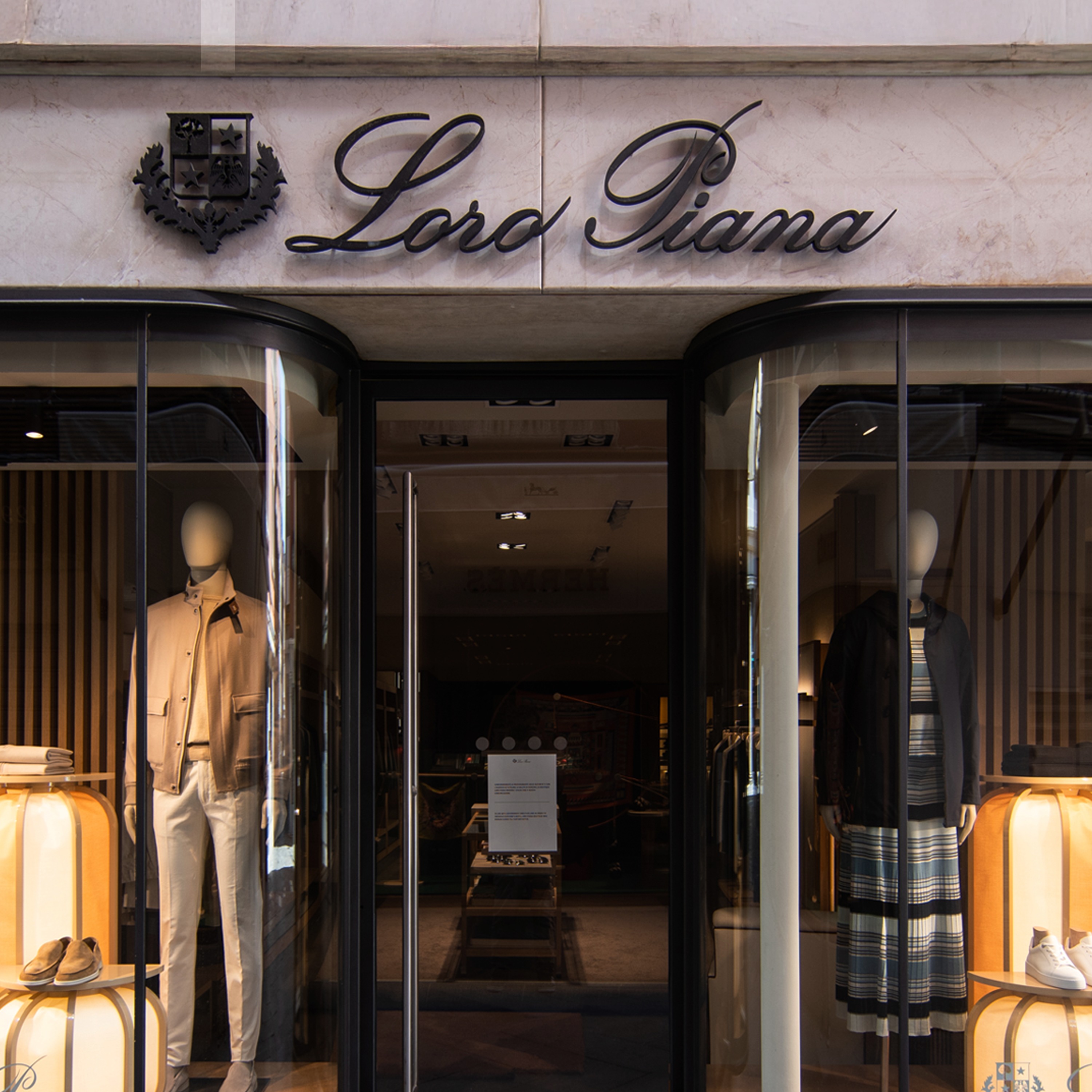
High Luxury, Cheap Labour: Inside Loro Piana's Sweatshop Links
The luxury industry trades on a carefully constructed marketing image, deeply linked to artful claims of exclusivity, craftsmanship, and impeccable standards. But a slew of Milanese court cases linking some of luxury’s biggest names to sweatshops on the outskirts of the fashion capital have sent uncomfortable shockwaves through the sector. Last week, LVMH-owned cashmere brand Loro Piana became the latest company caught up in the scandal. According to prosecutors, inadequate supply chain controls meant thousands of the brand’s cashmere jackets were made under exploitative conditions in illegal workshops. The scandals raise critical questions about luxury’s supply-chain integrity at a time when trust in the sector’s value proposition is already eroding.This week on the Debrief, chief sustainability correspondent Sarah Kent joins Sheena Butler-Young to unpack the investigation and what it means for brands and consumers.Key Insights: Prosecutors in Milan argue that luxury brands’ links to local sweatshops are a feature, not a bug in the system. Companies are negligent in how they monitor their supply chains and routinely turn a blind eye to red flags in order to maximise profits they say. "The crux of these cases is that big luxury brands are not really doing their homework," said Kent. Brands caught in the investigation say they have strong systems of controls in place and that they have cooperated with authorities to understand where things went wrong. Loro Piana, a brand long considered the pinnacle of luxury craftsmanship, is the latest — and perhaps most surprising — name to be swept up in the investigation. Renowned for its control over production and its sourcing of rare materials like baby cashmere and vicuña, Loro Piana sits in one of the most exclusive tiers of fashion, alongside labels like Hermès.Brands caught up in the scandal have been placed under court oversight to ensure they tighten up their supply-chain controls, but the broader systemic issues revealed by the Milanese investigations have no easy fix. "There are deep-seated economic challenges for an industry that is still largely very fragmented, made up of mom-and-pop shops competing on a global stage with countries that have much lower labour costs," said Kent. Manufacturers are under intense pressure on price, speed and flexibility, conditions that have helped give rise to “a cottage industry of cut-price suppliers that are not meeting Italy's own labour laws," she said.In the past, luxury brands have proved remarkably resilient to such scandals."What feels different this time is there is more jeopardy than there has been historically,” said Kent Hefty price increases over the past few years coupled with online complaints about declining quality are already fuelling a noisy debate about whether luxury brands are really worth the money. The sector’s alleged sweatshop links are “feeding into a bigger conversation that's already happening in a dangerous way,” said Kent. “This is not just a one-off scandal affecting one brand that can fade into the background.”Additional Resources:How Loro Piana Was Linked to Labour Exploitation | BoF If You Can’t Trust Loro Piana, Who Can You Trust? | BoF Hosted on Acast. See acast.com/privacy for more information.
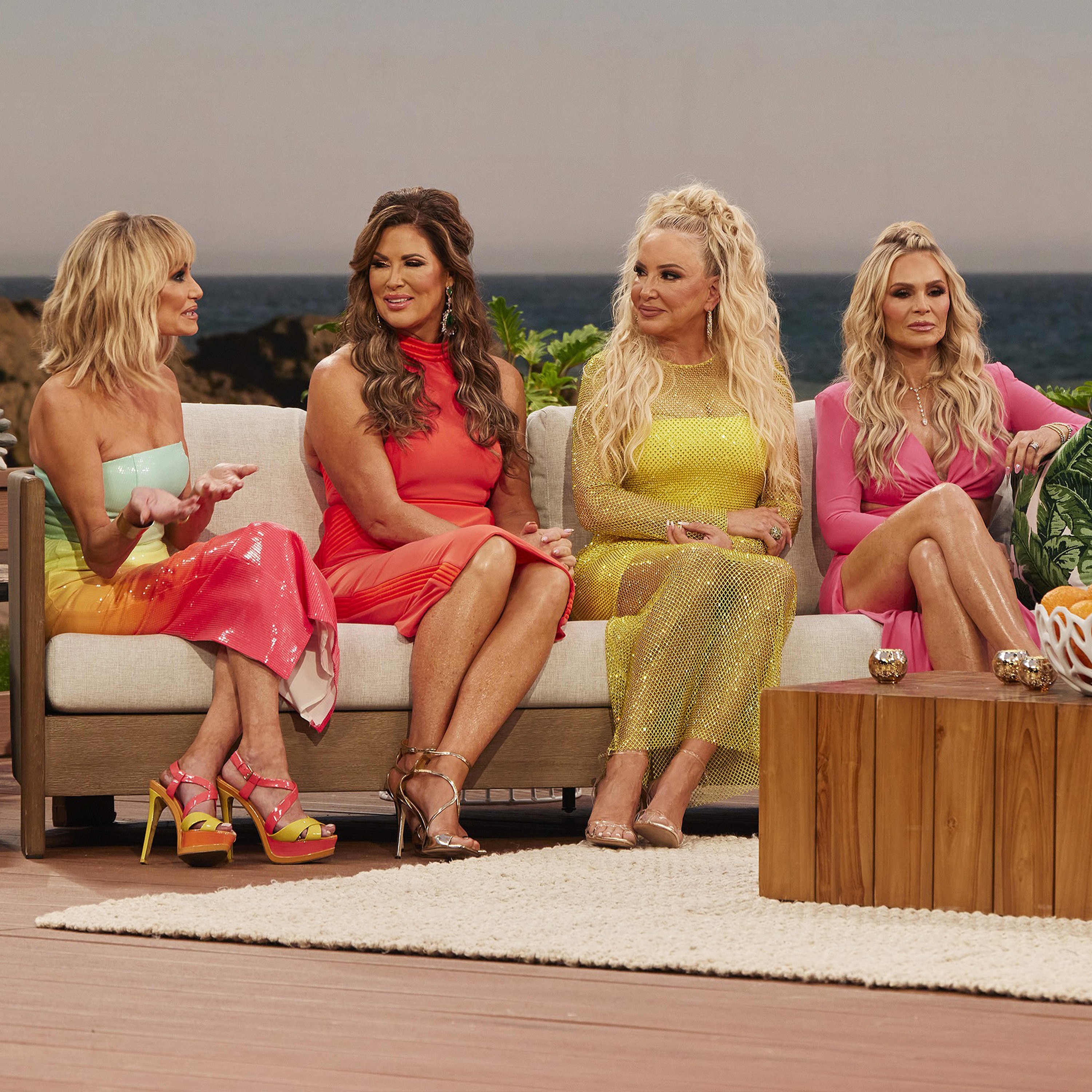
How Fashion Learned to Love The Real Housewives
In nearly two decades since the first “Real Housewives” franchise debuted, reality TV has moved from the fringes of entertainment to become a major cultural force. Today, “Housewives” stars are influencing fashion trends, driving sales, and making inroads into luxury circles that once ignored them. Brands previously wary of the stigma around reality TV are now leveraging the passionate and loyal fanbase of the franchise, positioning these women as both influencers and aspirational figures.Senior news and features editor Diana Pearl joins The Debrief to explore this evolution, uncovering how and why fashion has finally learned to love “The Real Housewives.”Key Insights: Reality TV's path from lowbrow entertainment to cultural staple can partly be credited to the Kardashians, whose acceptance by fashion opened the door for shows like “Real Housewives”. “The Kardashians, for a long time, were not embraced by the fashion industry, and then in the 2010s that started to change,” says Pearl. Even when the fashion industry hesitated publicly, its insiders were already hooked privately. “People started watching the shows themselves… That guilty pleasure has just sort of come out of the shadows,” Pearl explains. Fashion has become integral to the storytelling on “Real Housewives.” What started as subtle displays of wealth, such as Chanel bags or accessories, has evolved into head-to-toe designer ensembles and full-blown fashion storylines. “They’re all decked out in designer looks and it’s like the designers play a role in the show. There’s plot points around, ‘This dress costs this much money,’ or ‘Did you buy that diamond necklace?’” Pearl says. “People are more into the Housewives’ clothes now. It’s just become much more a part of the fabric of the show.”The demographics of the “Housewives” audience significantly overlap with those targeted by fashion brands. The fanbase, consisting largely of women and gay men, is aspirational, engaged and passionate about style. “People of all stripes like reality TV. Lots of luxury customers watch reality TV,” says Pearl. “If you want to connect with consumers, you have to meet them where they are.”Despite increased acceptance, luxury brands remain cautious about fully embracing “Housewives,” partly due to cultural and geographic divides. “The Real Housewives is a very American show. A lot of the luxury industry is in Europe,” Pearl notes. Yet, she adds, embracing these stars can pay off: “When we've seen brands embrace the Housewives, I think the fans reward them for that.”Additional Resources:How Fashion Learned to Love The Real Housewives | BoF Hosted on Acast. See acast.com/privacy for more information.
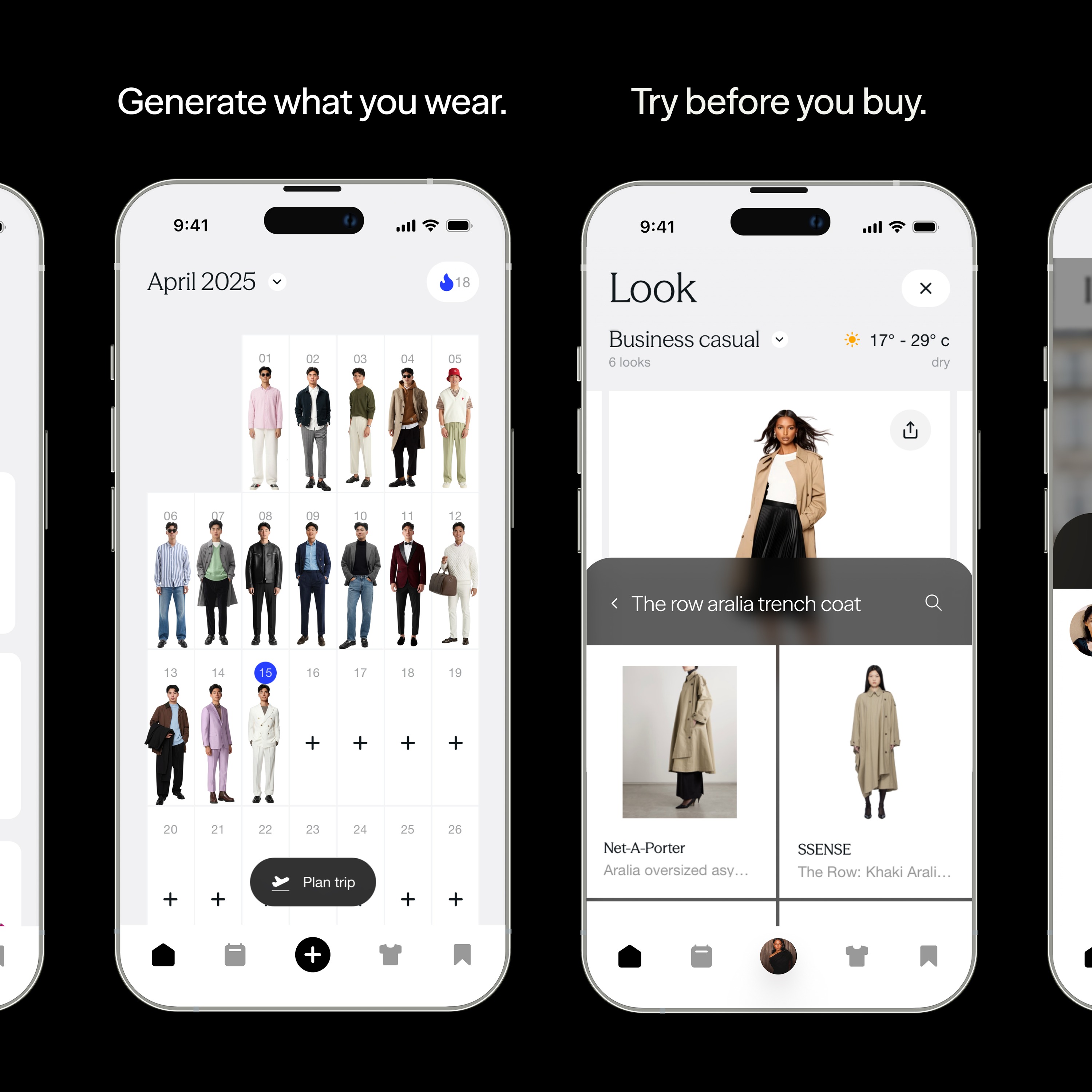
Fashion Tech Boom 2.0
After years of disillusionment with fashion tech, investors are once again excited about its potential, but with a very different mindset to the hype-fuelled boom of the last decade.From AI-powered personal styling apps to virtual try-on tools and personalised search engines, a wave of start-ups is gaining traction – and big backing – by offering real technological solutions to long-standing fashion industry problems.In this episode, senior e-commerce correspondent Malique Morris joins The Debrief to explore how fashion tech is finally growing up, and which companies are leading this more grounded, results-driven wave of innovation.Key Insights: In the previous fashion tech boom, investors were heavily investing in e-commerce startups with little true innovation. “DTC brands … positioned themselves as tech companies because they sold goods online, but there was nothing really revolutionary about them listing products on a website. And I don't know how investors didn't cop to that,” says Morris. Today’s backers are more discerning, favouring startups with clear technical roadmaps and founders who can evolve their product in meaningful ways.Investor interest in fashion tech reignited thanks to the rise of generative AI. As Morris explains, venture capital had been sitting on the sidelines during a broader funding freeze, but AI’s real-world applications reignited excitement. “Startups like Daydream are building a platform for personalised search using AI tools from companies like OpenAI and Google, and they want to be the ChatGPT for fashion and be disruptive in the way that ChatGPT has changed how we use the internet,” says Morris. “What was once a dream is now closer to being tangible and investors want to be the first ones in on that.”Today’s investors are looking beyond flashy pitches and prioritising founders with real technical know-how. “Something that is really separating the people who are just trying to raise money and not breaking through from those who are, are having some sort of technical experience, technical expertise,” says Morris. With the complexity of AI and other advanced tools, investors want to back teams that can build efficiently and with minimal lift. “They want to back founders who know what they're doing,” he adds.While new fashion tech apps offer highly personalised experiences, their complexity may limit mainstream appeal. The question of scale is still unanswered: “There may be a billion people out there who want to do that… There may only be a million. We don't know that just yet.”Additional Resources:How Investors Fell Back in Love With Fashion Tech | BoF Hosted on Acast. See acast.com/privacy for more information.
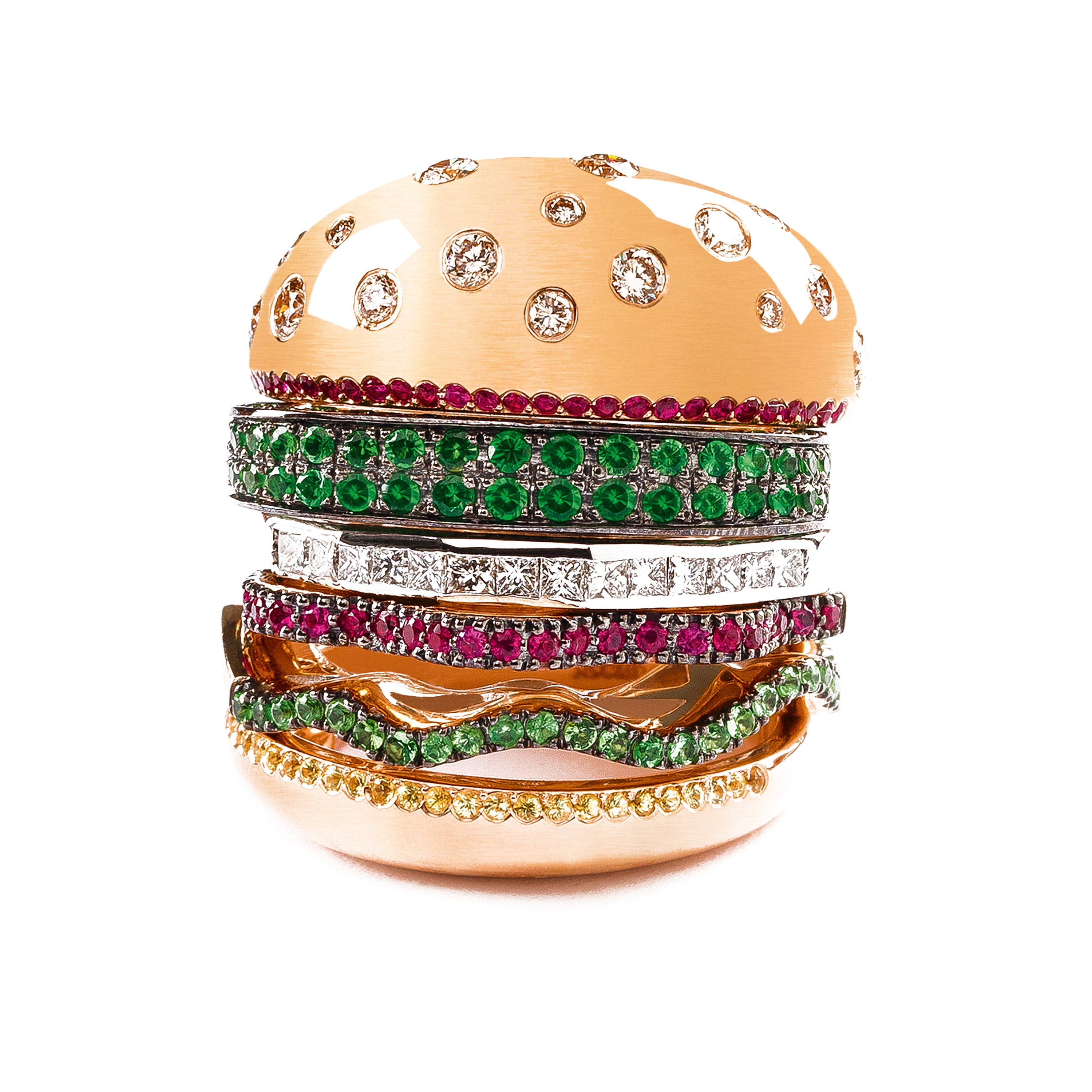
The Jewellery Boom, Explained
As major luxury brands struggle to maintain momentum amid an industry-wide slowdown, one category is bucking the trend: jewellery. While demand for handbags and apparel softens, fine jewellery sales continue to rise, driven by consumer desire for lasting value, emotional resonance and self-expression.Simone Stern Carbone and Joan Kennedy join The Debrief to discuss how independent jewellers are thriving with creativity and personality, the rising popularity of novelty pieces, and why jewellery is uniquely positioned to attract buyers in today's luxury market.Key Insights: Despite slowing luxury sales, jewellery sales have continued to boom. As Stern Carbone notes, consumers perceive luxury jewellery as an inherently safer investment. She says, “Instinctively, a lot of people associate jewellery – especially if it's got gold, gemstones or diamonds – with something you would dish out more money for more readily than for a handbag potentially made out of nylon.”While big jewellery brands are growing, smaller competitors are booming as they foster deep customer relationships and maintain flexible, manageable supply chains. Stern-Carbone highlights, “Jewellery is so personal. When you have a very distinct aesthetic, you really connect with your customers long term, potentially for life. This is a really personal relationship that smaller brands can capitalise on.”Kennedy emphasises that modern jewellery marketing resonates by being accessible and relatable. “One designer I spoke to puts her charm necklaces next to candy necklaces, so that feels fun,” she says. “A lot of these designers are doing things that are very lo-fi. It’s like a picture of a wrist on Instagram. And then they reply to DMs, like, ‘Hey, show me that bracelet with something else.’ So the way that they present it is also really relevant to shoppers, versus the very high-gloss and traditional style of high jewellery.”Novelty jewellery began gaining popularity post-Covid. “People were buying camp jewellery, but they were paying $50 for a funky, colourful ring. And then more recently, people are like, okay, let’s bring in the value piece of this,” says Kennedy. Novelty jewellery has surged as consumers seek personal expression in response to uniform dressing and quiet luxury trends. Kennedy continues, “You're leaning into things that are uniform dressing, so how do we spice that up? Let's go for more novelty in jewellery.”Additional Resources:Why Jewellery Feels Like a Better Deal Than a Handbag | BoF Who Would Pay $20,000 For a Hamburger Ring? | BoFHow Small Jewellery Brands Are Seizing The Moment | BoF Hosted on Acast. See acast.com/privacy for more information.
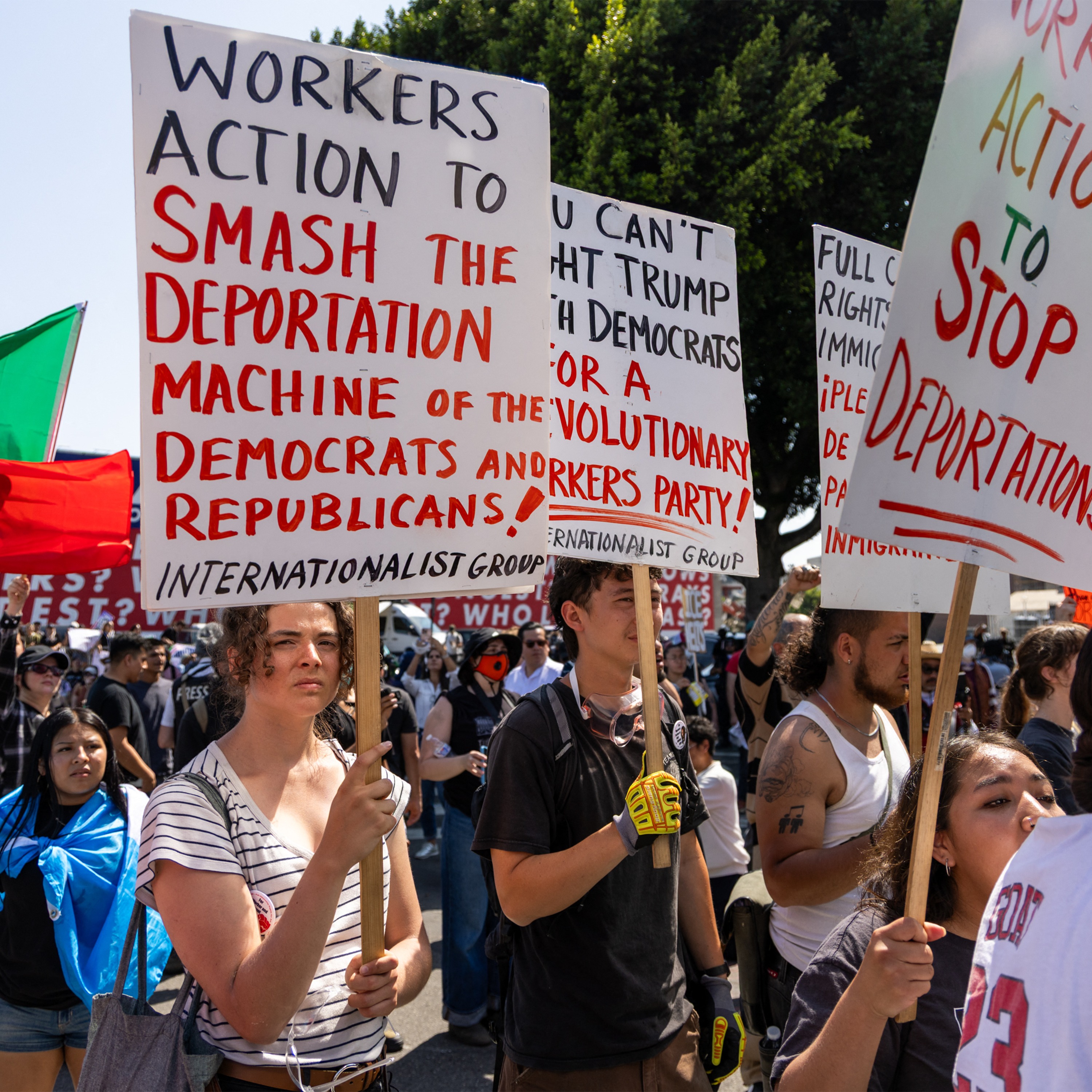
When Fashion Lost Its Voice
Earlier this month, cities across the US saw the most significant wave of demonstrations since the 2020 protests following George Floyd's murder. These latest protests have been sparked by immigration raids conducted by the Trump administration, and while some of those enforcement actions have targeted garment workers, the fashion industry has mostly stayed silent. Executive editor Brian Baskin, senior correspondent Sheena Butler-Young, and retail editor Cat Chen explore the reasons behind the industry's cautious stance, whether fashion can find a new way to engage with politics, and practical steps brands can take to support vulnerable workers.Key Insights: During the Black Lives Matter movement, fashion brands were quick to voice support. Today, in the face of immigration raids affecting garment workers, many brands are noticeably quiet as companies now worry that taking a stance on divisive political issues could trigger backlash. “There's a lot of anxiety and discomfort and frustration behind the scenes, but there is also this other piece of the pie, which is fear of retaliation from the Trump administration,” says Chen. Despite the fear of retribution, Butler-Young also notes how the lack of response is being interpreted outside of the industry: “I think that people see the industry as acting cowardly as an industry that does rely on immigrant labor, legal and otherwise.” Fashion isn’t providing much concrete support behind the scenes, either. “I think another huge issue is that people are feeling really helpless in the sector. There aren't any resources,” says Chen. “We're not seeing trade organisations emerge and come up with guidelines for what employers can do in case of a raid.” She adds, “You have these executives who are operating very blindly.”Brands that lean too heavily on public declarations of diversity and inclusion without backing them up are losing credibility with values-driven shoppers. As Butler-Young explains, “The liberal consumer is just a little bit over hearing companies say something and then not do it.” Instead of splashing their values across LinkedIn or homepage banners, she notes that “some of the brands that are doing a good job by doing the work internally first and then talking about it.” The focus should also shift from performative allyship to practical, on-the-ground support—ensuring that businesses are equipped to respond meaningfully when their workers are directly impacted by policies like immigration raids. As Chen points out, “The most vulnerable people right now don't need big brands to post something on social media or grand political gestures. What they need is a solution to the problem. What they need is for their employers to be prepared.” Additional Resources:Garment Workers Are at Risk. Fashion Can’t Afford to Look Away.Five Years After George Floyd: Can Fashion Still Stand for Something? Hosted on Acast. See acast.com/privacy for more information.
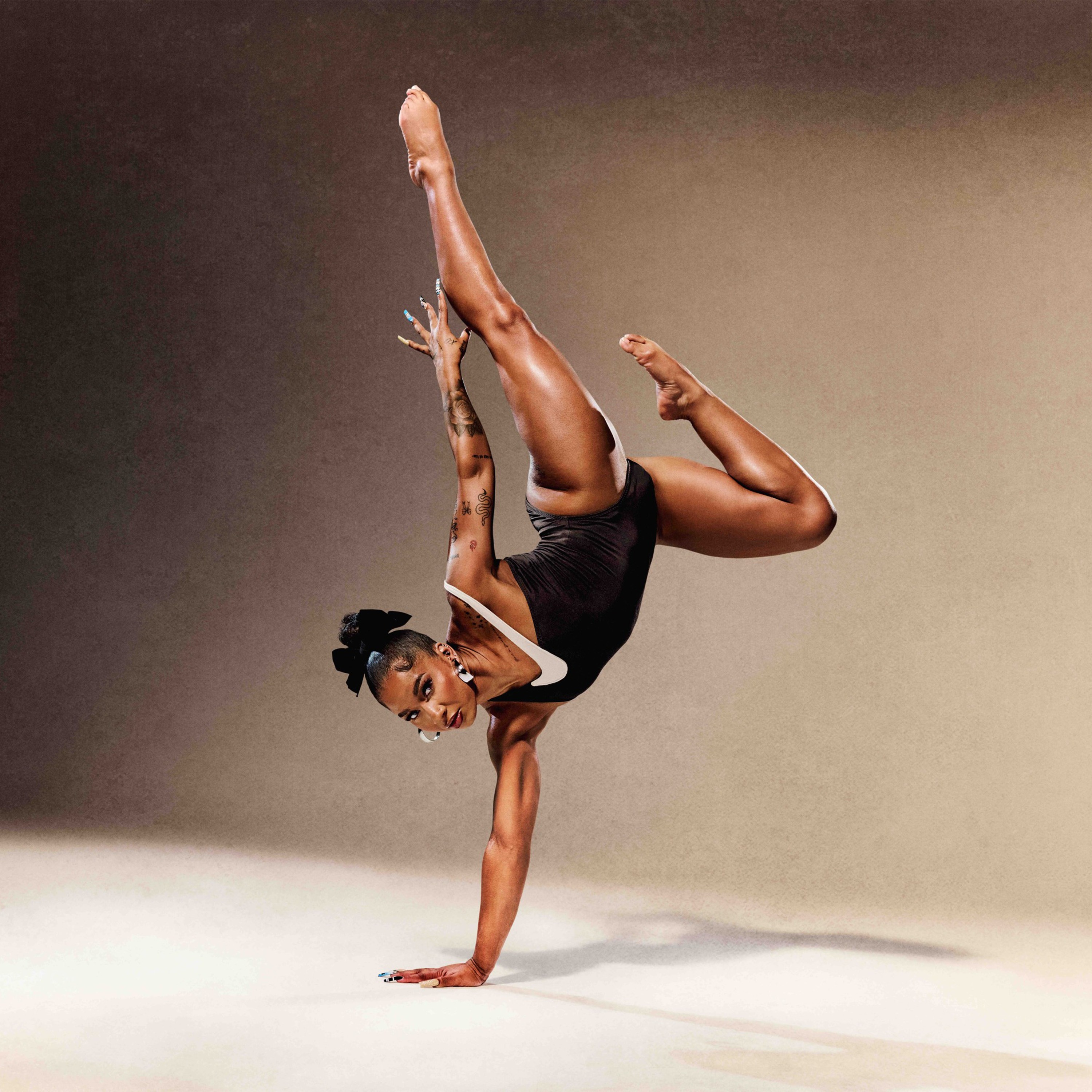
Is Nike Finally Winning With Women?
Nike has been synonymous with sports for decades, but that cultural and commercial cachet has mostly been driven by male athletes like Michael Jordan and Tiger Woods (Serena Williams being a prominent exception). As a result, despite substantial sales, Nike historically struggled to resonate authentically with women, and has at times faced pointed criticism from female athletes, employees and consumers. That appears to be changing. Nike’s “So Win” campaign, which launched with the brand’s first Super Bowl ad in decades, centres entirely on female athletes. A’ja Wilson’s sneaker release was a smash, and a new brand with Kim Kardashian’s Skims will be out soon. The head of Nike Women’s now leads the entire Nike brand. Key Insights: Nike’s current momentum comes after past attempts to boost its women’s business, including a failed 2005 campaign involving catalogs and dedicated stores. Defections by prominent female athletes to rivals, and media investigations into gender equity issues prompted Nike to rethink its approach starting about five years ago. Sheena explains, "They started a think tank with women athletes and women consumers, and what they heard was that women wanted more from the company. This marked the beginning of initiatives driven by women's opinions and taking more women into leadership roles to guide efforts that would genuinely resonate with women." Featuring her first signature shoe, the Nike A'One, WNBA star A’ja Wilson’s campaign was the latest and biggest in a string of successful marketing and product initiatives targeting women, including maternity lines, leak-proof activewear, and technical collaborations like supporting Kenyan runner Faith Kipyegon’s quest to break the four-minute mile. Sheena emphasises, "Nike’s investing end-to-end. They're not just investing in her wearing the logo at a race someday—they're actually supporting her personal goals."The recent appointment of Amy Montagne as Nike’s first female brand president symbolises substantial internal change. Sheena highlights, "Having a woman lead as Nike brand president is another way to activate that lever and get after women's." But consistency remains crucial for lasting success. Sheena stresses, “They've taken their swing before, but it's like the follow-through that counts. Consistency will be the most important thing. If they don’t keep doing all the right things, it could easily shift back.”Additional Resources:Why Women’s Basketball Stars Are Finally Getting Big Sneaker Deals | BoF Nike Forms New Team for Secretive Brand With Kim Kardashian | BoF Is Nike Finally Winning With Women? | BoF Hosted on Acast. See acast.com/privacy for more information.
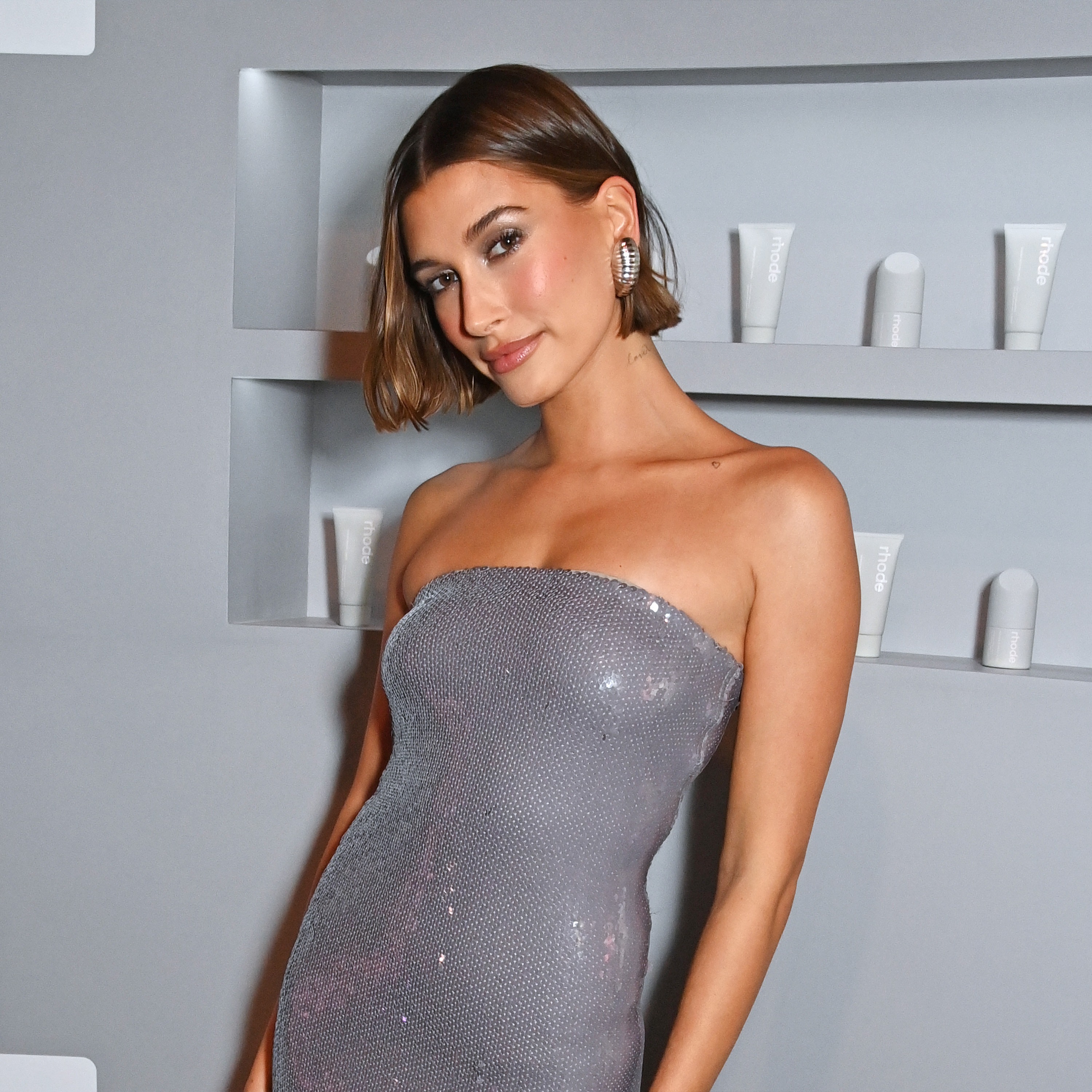
Why Hailey Bieber Won the Celebrity Beauty Lottery
Bieber, a celebrity and influential beauty figure with a strong Gen-Z following, launched Rhode just three years ago, quickly distinguishing the brand with minimalist product offerings closely tied to Bieber's personal aesthetic. She just sold to E.l.f. Beauty for $1 billion, even as rival celebrity beauty brands struggle to grow sales or attract buyers. Priya Rao, executive editor at The Business of Beauty at BoF, joins the Business of Fashion's Brian Baskin and Sheena Butler-Young to discuss how Rhode distinguished itself in a crowded celebrity beauty landscape, why E.l.f. Beauty saw strategic value in the acquisition, and what this landmark deal signals about the evolving beauty industry.Key Insights: Rhode’s clean, minimal brand aesthetic also mirrors e.l.f.’s broader mission, albeit at a different price point. "There’s something about Rhode’s branding that really makes sense with what E.l.f. already does. They both want to be accessible but aspirational," Rao notes. Like Rhode, "E.l.f. has always had a really good sense of what young people want," says Rao.The success of Rhode demonstrates that differentiated, clearly communicated value propositions continue to resonate strongly in the beauty market. "From the consumer side, this just shows that the right brand can find the right price at any time, as long as you're able to point and show you offer something different," explains Rao.Rao highlights how rare it is for a celebrity beauty brand to resonate beyond hype. "Most celebrity beauty brands are not succeeding at this level," she says. Rhode’s limited and focused product assortment have also contributed to its success. "She's not launching everything under the sun," says Rao. "She’s focusing on what she knows and what her audience connects with, and that’s why it’s working."The acquisition isn't just about short-term gain – E.l.f. sees lasting value. "This isn't a flash in the pan for them," says Rao. "They’re betting on Rhode being a long-term growth engine, not just a trendy pick-up."Additional Resources:E.l.f. Beauty Acquires Hailey Bieber’s Rhode Skin for $1 Billion | BoF Hosted on Acast. See acast.com/privacy for more information.
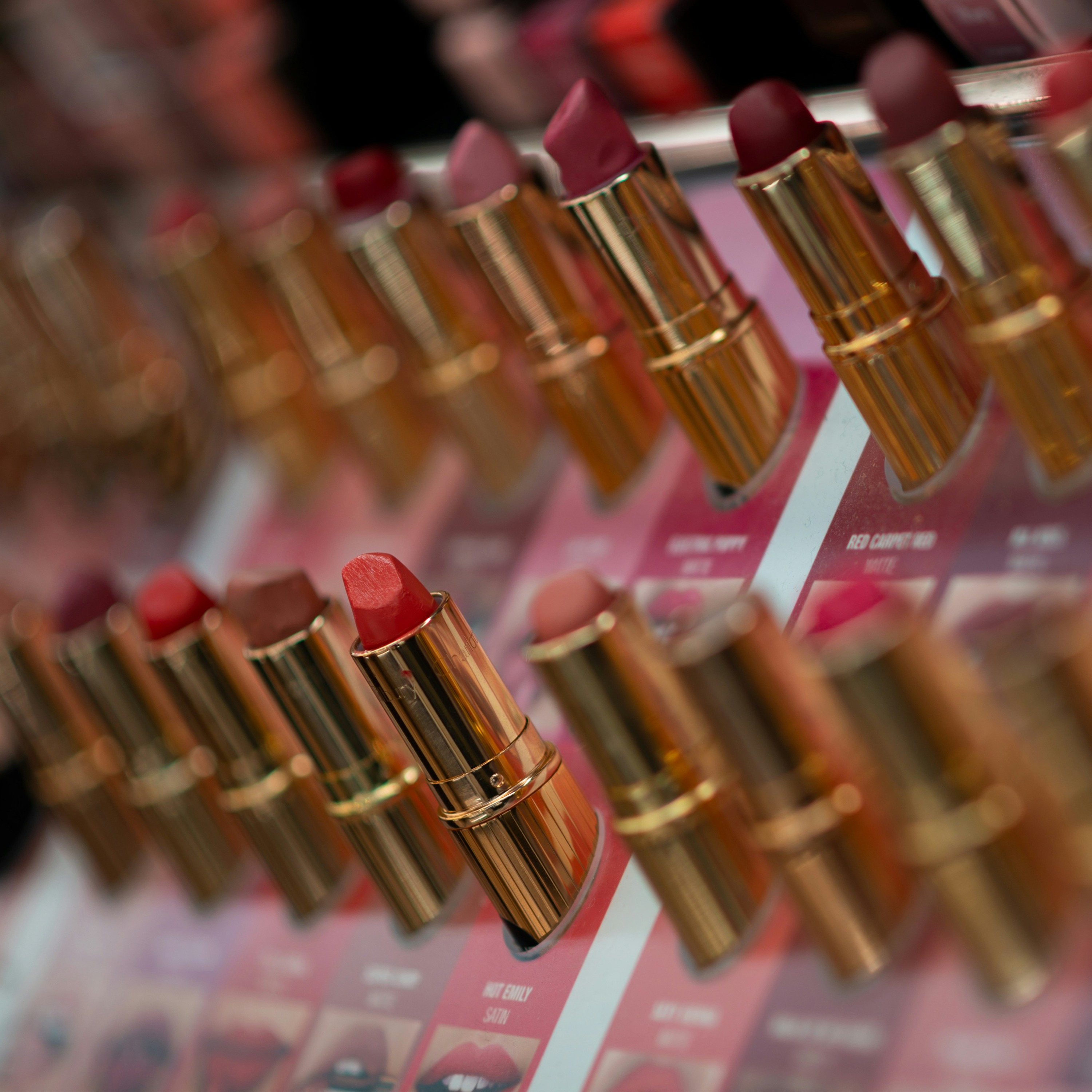
Beauty Is in Its Flop Era
The beauty sector historically thrived during economic downturns, earning a recession-proof reputation encapsulated in the “lipstick index.” However, recent earnings from major beauty conglomerates like Estée Lauder, L'Oréal, Coty and Shiseido indicate that beauty’s resilience is being tested. Sales are declining, layoffs are coming and consumer habits appear to be shifting dramatically. BoF Senior Beauty Correspondent Daniela Morosini joins Brian Baskin and Sheena Butler-Young on The Debrief to examine what's driving this slowdown and how the industry is adapting.Key Insights: Traditionally, small luxury purchases like beauty products thrived during economic pressure. But the landscape has changed. “Prices have really, really grown, and there's just so much more to choose from,” says Morosini. The combination of escalating prices, excessive market saturation, and a shift to online platforms like Amazon and TikTok has diluted the impact of small luxury indulgences. "It's really hard to get seen. So even if you have a more affordable product that more people can afford, you still have to get people to come and look at you and come and interact with you," she adds.Brands once benefited from consistent replenishment and customer loyalty. Today, consumers are more transient, constantly seeking newness. “Customers seem to have this insatiable appetite for more products and more newness,” Morosini notes. But after years of heavy consumption, shoppers are starting to tire of new for the sake of new. “Something that’s really starting to come into focus is that, specifically, American middle-class shoppers are starting to buy fewer beauty products – and that’s having a big knock-on effect.”As consumers become more price-sensitive, brands need to redefine value beyond just pricing. Morosini suggests brands return to basics, emphasising their core strengths and fostering loyalty through consistent, quality products rather than frequent launches. "People are really, really attuned to perceptions of value," says Morosini.Additional Resources:The Beauty Slowdown, Explained | BoFThe End of the Lipstick Index | BoF Hosted on Acast. See acast.com/privacy for more information.
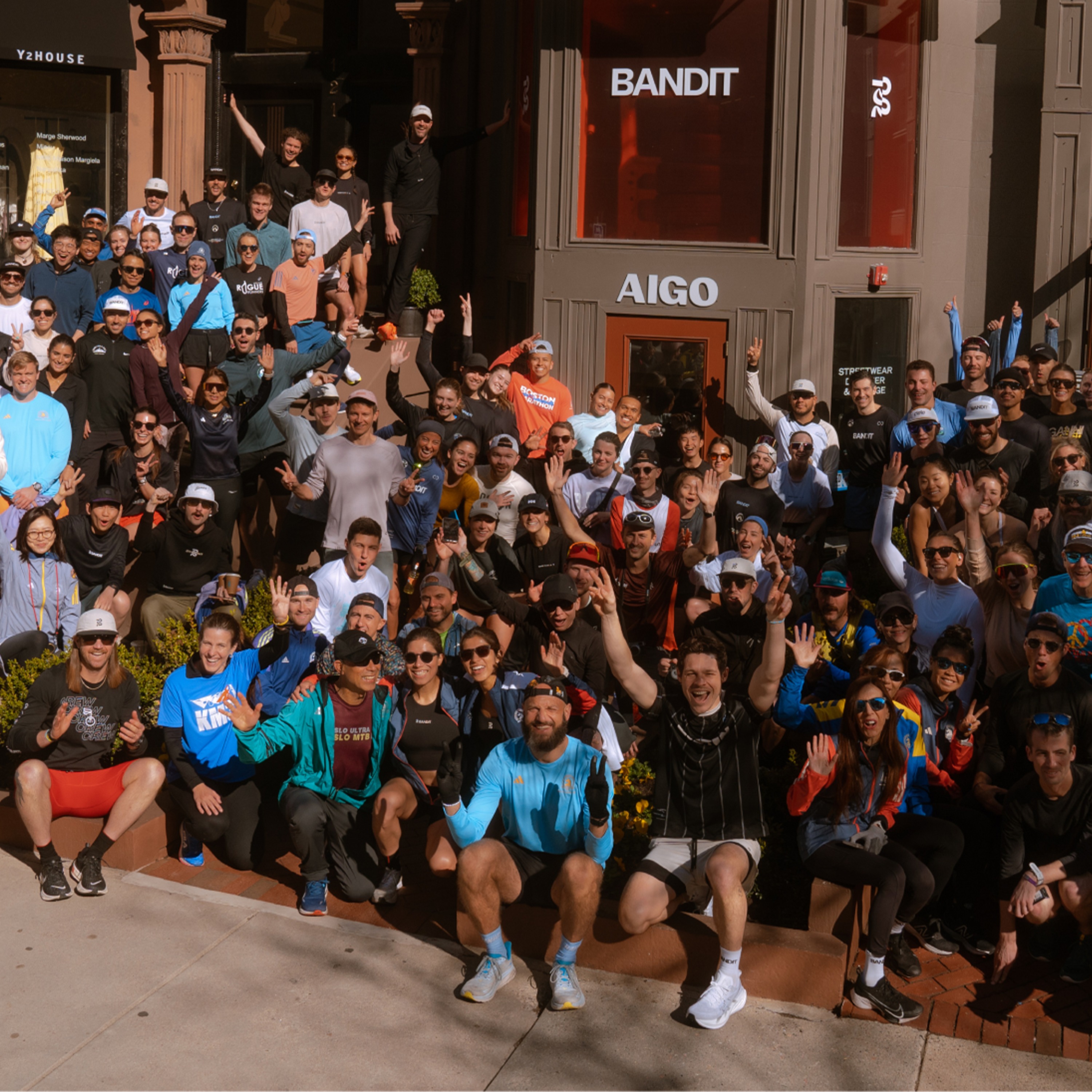
How Fashion Brands Build Community in 2025
As inflation bites and politics polarise, the fashion industry in 2025 is facing unprecedented pressure to hold onto its customers. Brands are looking to community as a deeper and more emotional form of engagement. But building true community takes more than buzzwords. In this episode, BoF correspondent Lei Takanashi joins hosts Sheena Butler-Young and Brian Baskin to unpack his case study on what it really means to cultivate community in fashion and how brands are navigating the pitfalls.Key Insights: In a time when consumers are thinking hard about every purchase, community offers a sense of connection and meaning that goes beyond the product itself. "When I'm shopping today, I'm thinking more about what eggs I'm going to buy this week than the latest release from a brand," says Takanashi. "What really now drives me to make a purchase is like, what does this brand represent? What are its values? How has it improved my life beyond just something I wear?"Different communities serve different purposes, each demanding a unique approach. Takanashi outlines three community types: activity-based, personality-driven and values-driven. Activity-based communities are rooted in shared interests or habits, such as running, where engagement happens naturally through events or clubs. Personality-driven communities hinge on a founder’s charisma and relatability: "People have to see that founder story and kind of see themselves in their shoes." Values-driven communities connect through shared beliefs and causes, but those values must be dynamic. “Your definition of a value can’t be rigid,” says Takanashi. “You have to adapt to how consumers perceive these things.”As brands grow, scaling community takes local focus to remain authentic. "As long as you stay committed to a localized approach and understand that it’s not one size fits all," Takanashi says, pointing to Arc'teryx and Supreme as examples of brands that scale through local relevance and hiring. In addition to staying local, real-world interaction matters and brands shouldn’t rely solely on digital engagement. “You should really be there in person at pop-ups, shake hands with people, talk to the customer... Every brand I spoke about in this case study made some effort to show up in real life."Additional Resources:Case Study | How Brands Build Genuine Communities | BoFWhat Makes a True Community Brand? | BoFHow Brands Make Community More Than a Buzzword | BoF Hosted on Acast. See acast.com/privacy for more information.
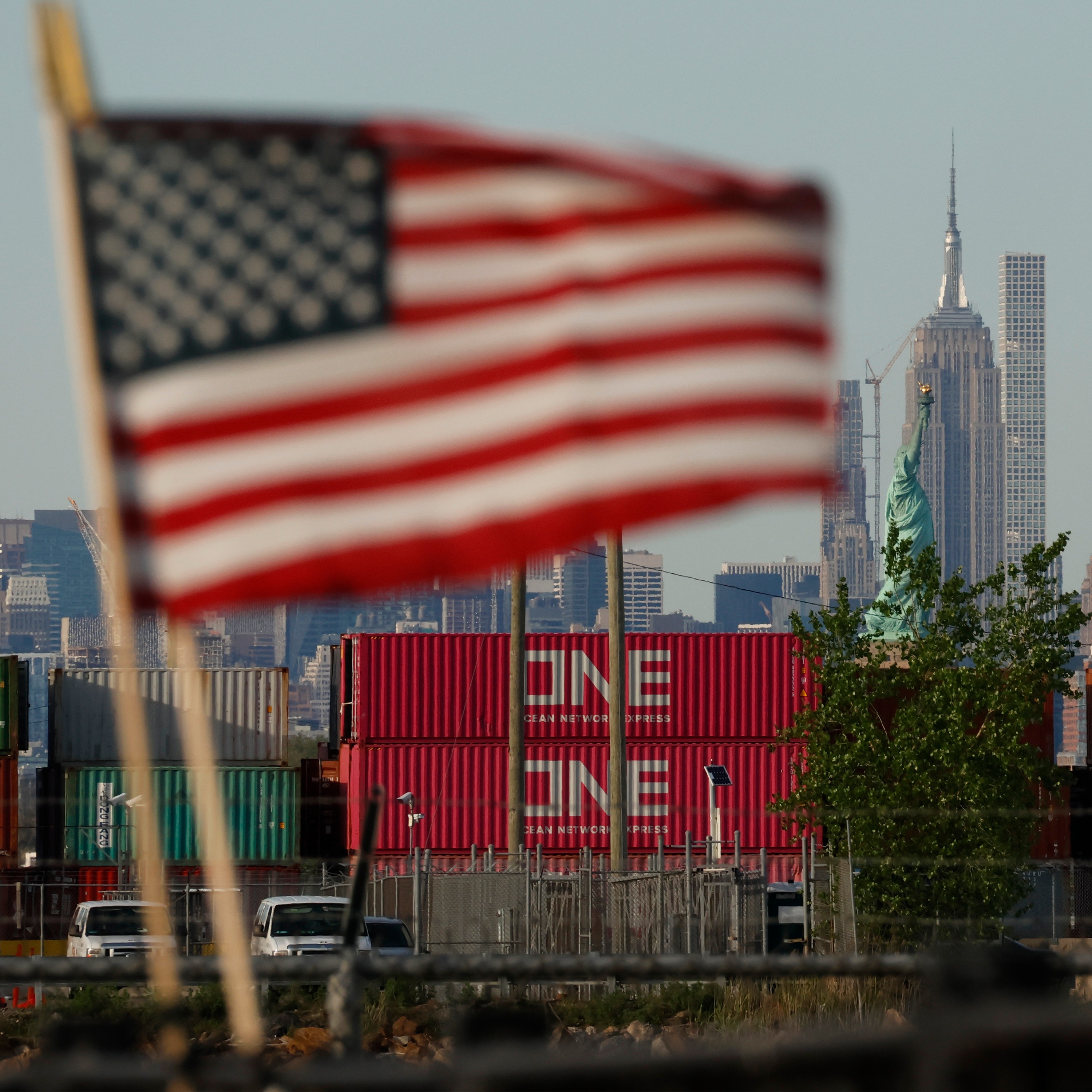
Bonus: The Trade War’s Off, For Now. What's Next for Fashion?
On May 12, the US and China reached a deal to temporarily reduce tariffs for 90 days, offering a breather from an escalating trade war. Stocks surged on the news, but experts warn this relief might not fully resolve deeper industry uncertainties or consumer anxieties. BoF retail editor Cathleen Chen and technology correspondent Marc Bain join hosts Brian Baskin and Sheena Butler-Young to unpack the ramifications of the tariff pause and what the fashion industry can expect moving forward.Key Insights: Tariffs have reduced, but costs still remain high. The Trump administration’s initial 145 percent tariff effectively banned imports from China, a situation now alleviated but not fully resolved. "Lowering that to 30% is a different situation," Bain explains. "It's saying, go ahead, import your stuff, but it's gonna still be expensive."The tariff pause offers temporary clarity, but major production hubs like Vietnam and Cambodia face continuing uncertainty. "Depending on what happens with those negotiations, the whole landscape could shift," Bain notes, as retailers remain cautious about long-term production decisions.Tariffs are not the industry's only concern as consumer sentiment will significantly shape demand. "Beyond what's going to happen with tariffs with dozens of countries, there's also the issue of consumer confidence and sentiment and whether there will be demand to drive sales for the products that do end up in the U.S.," Chen highlights, questioning the robustness of future sales.Despite an easing in the tariff rate for small shipments from platforms like Shein and Temu, the overall uncertainty around the future of the “de minimis” loophole might dampen consumer enthusiasm. "All the news about Shein and Temu has been enough to just keep that customer away," Chen suggests. "I feel like there might be this attitude of, we had a good run of really cheap stuff for a couple of years and maybe you've had enough of it now."Brands should focus on diversifying their supply chains and strengthening industry partnerships. Bain advises brands to "have some redundancy built in. So if one location becomes untenable, you can shift to another spot." Meanwhile, Chen emphasises the importance of collaboration: "Now is a really great time to forge stronger ties to your suppliers, your vendors, even your retail partners," ensuring shared responsibility and minimised impact on consumers.Additional Resources:With the Trade War on Pause, Here’s What’s Next for Fashion | BoF Hosted on Acast. See acast.com/privacy for more information.
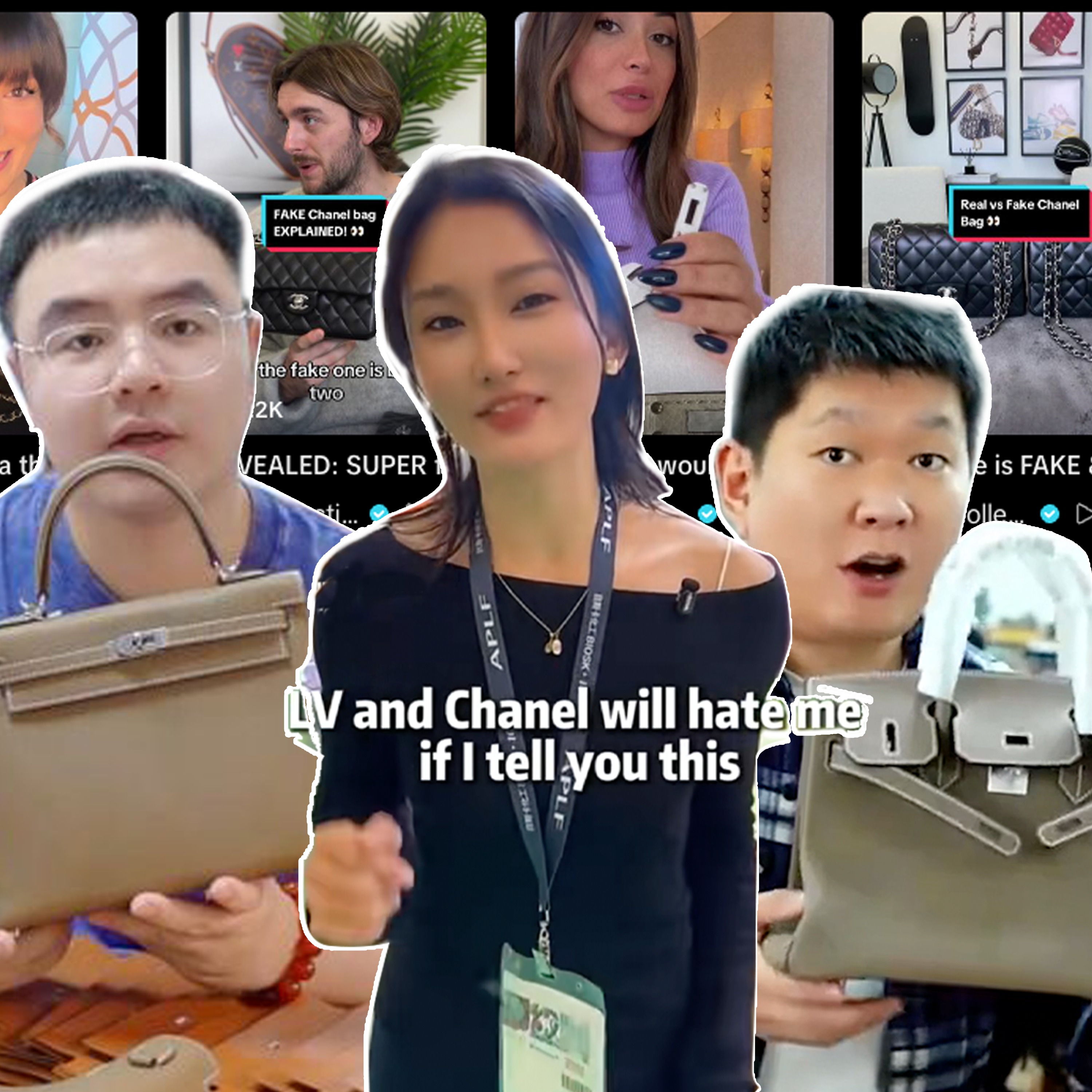
TikTok, Tariffs and Luxury's Fake News Problem
A strange new genre of TikTok videos is challenging long-held assumptions about how luxury products are made. Often shot in anonymous Chinese factories, these videos claim that the so-called "superfakes" flooding the market are indistinguishable from, and sometimes made in the same factories as, high-end bags from the likes of Chanel or Louis Vuitton. While all evidence points to these claims being false, the repetition of these videos has amplified a growing narrative: that luxury pricing is inflated, quality is slipping and production secrets are being exposed. Fuelled further by the U.S.-China tariff dispute and the allure of buying a $10,000 bag for $300, this narrative is resonating with a social media audience increasingly disillusioned with luxury’s mystique. In this episode, BoF's chief sustainability correspondent Sarah Kent joins hosts Sheena Butler-Young and Brian Baskin to break down what’s really happening behind the scenes – and why silence might not be a viable strategy for brands much longer.Key Insights: TikTok's "superfake" narrative may be fiction, but it's feeding real consumer doubt. While only a few viral TikTok videos explicitly claim to produce fakes in the same factories as luxury goods, that idea has travelled widely and taken root. "It is supremely unlikely that any factory that had a real relationship with any luxury brand would go on TikTok to market superfakes," Kent notes. Yet the repetition of these claims underscores luxury's ongoing transparency issue. In the absence of accessible facts, falsehoods thrive.Today’s best craftsmanship isn’t always in Europe as high-quality manufacturing has shifted globally. “For instance, if you were making performance footwear or sneakers in particular, China, Cambodia, and Vietnam are probably the best factories you can find in the world to do that,” Kent explains. “If you want to make a luxury product of that quality, you probably don’t want to make that in France or Italy." The fake bag narrative is irresistible but damaging to luxury. Even those who know the claims are likely untrue find them hard to shake. "It's a delicious narrative," Kent says. One that plays into an existing story of overpricing, declining quality, and aloofness in luxury. Brands have long relied on mythology and mystique. But as Kent notes, that strategy is less effective in a social media age, where misinformation travels fast and reputations can erode overnight. Consumers are questioning whether luxury is worth the price and Kent says consumer doubt "isn’t going away". Luxury brands need to explain more clearly why their products carry such high price tags to slow this erosion of trust that has accelerated since the pandemic, as prices rose and quality concerns mounted. "If brands aren't giving compelling information that explains where their stuff is made and why it’s valued in this manner then those questions aren't going to fade," Kent warns.Additional Resources:Luxury Has a Fake News Problem. Is Silence the Right Strategy? | BoF Hosted on Acast. See acast.com/privacy for more information.
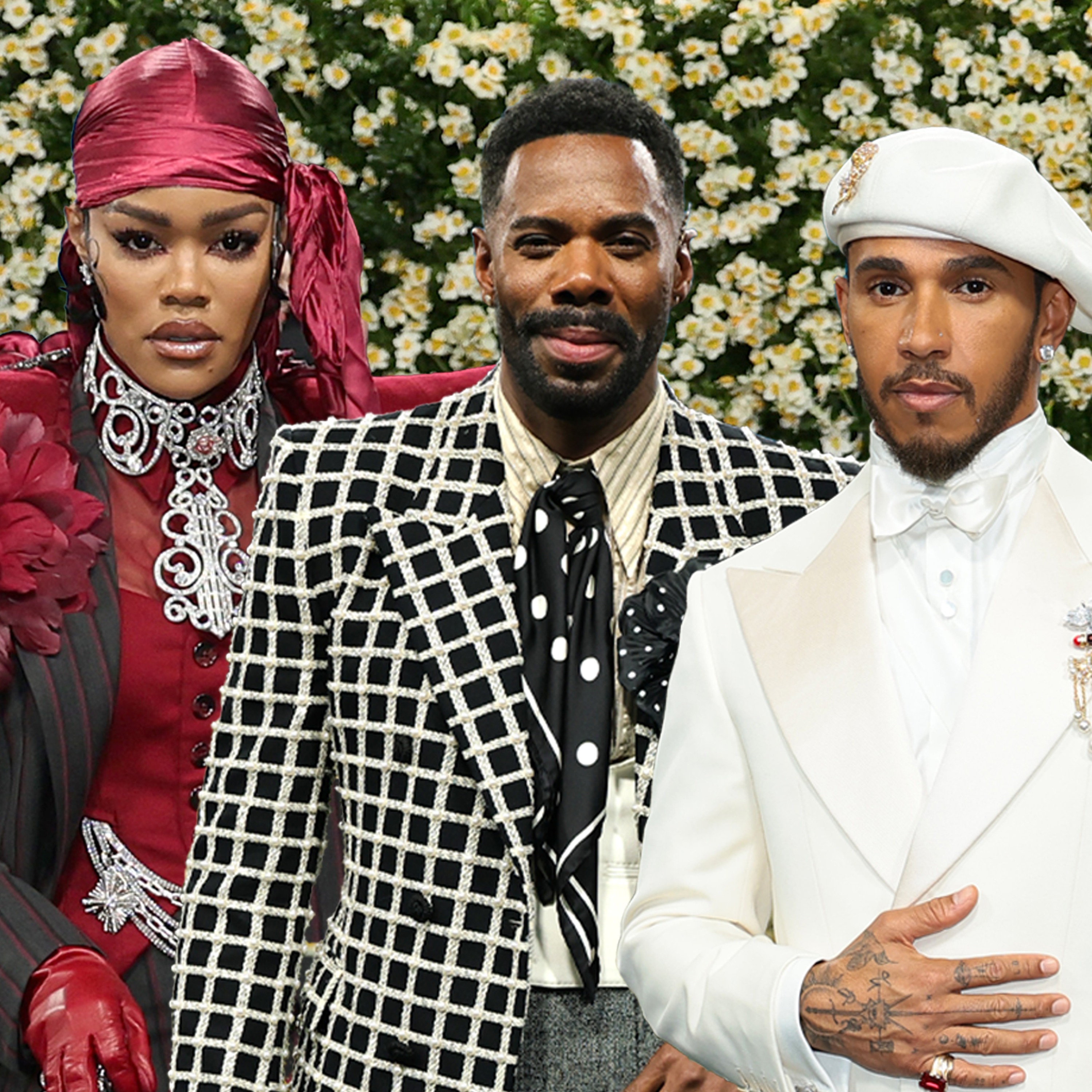
Celebrating Black Style Inside the 2025 Met Gala
The Costume Institute's 2025 exhibition, "Superfine: Tailoring Black Style," celebrated its opening at the annual Met Gala, marking the first menswear-focused exhibit in two decades and the first ever centred exclusively on Black fashion. Inspired by Monica L. Miller's seminal work on Black dandyism, the exhibition took a scholarly approach to exploring the historical and cultural significance of Black tailoring. The gala’s official dress code, "Tailored for You," provided a broader and more personal prompt, encouraging guests to interpret tailoring through their own unique perspectives. DTC correspondent Malique Morris and joins senior correspondent Sheena Butler-Young and executive editor Brian Baskin to reflect on the night’s boldest looks, the broader discussion on representation and inclusion at the event, and how the prestigious gala could evolve to better support diverse talent.Key Insights: The Costume Institute's 2025 exhibition emphasised fashion as a powerful tool used by Black communities to assert dignity and counteract societal prejudice. Organised into 12 sections, each exploring a different aspect of Black dandyism, it thoughtfully included historically significant garments, like abolitionist Frederick Douglass's tailcoat, underscoring the profound role that meticulously tailored attire has played in activism and representation. "It showed how our activism, while not reduced to an aesthetic, is indeed linked to how we wear beautifully cut clothing,” explains Morris.Natural hair was heavily featured in this year’s gala looks. "Black people's natural hair has always been up for debate, especially when it's of tightly coiled texture. Doechii said so much by wearing that beautiful crown on fashion's biggest night,” says Morris. “Redefining, but also defining what is so natural to us is absolutely stunning and worthy of praise at the utmost event like the Met Gala.”The presence of influencers at culturally prestigious events like the Met Gala remains contentious. Morris questioned the necessity of influencer inclusion, advocating instead for prominence to be given to figures whose cultural impact is undeniable and long-lasting. "The people who were actually shifting culture in a really meaningful way, who have stood the test of time and are icons, it makes a lot of sense for them to take up so much oxygen,” he says. “With this Met specifically, when we're talking about the designers and them having more of a buy-in and them having more of a presence, we're moving in the right direction.”Meaningful progression for the Met Gala, and similar institutions, involves sustained and systemic representation rather than temporary or symbolic inclusion. Morris advocates for lasting change, suggesting a shift towards consistent visibility for independent designers from diverse backgrounds. "I want indie brands having an outsized presence at the Met Gala to be endemic," says Morris. “I think that will be the progress.” Additional Resources:Black Beauty Excellence Was the Star of the Met Gala At the Met Gala, Dandies Owned the Night Rethinking Luxury’s Relationship With Black Consumers Hosted on Acast. See acast.com/privacy for more information.
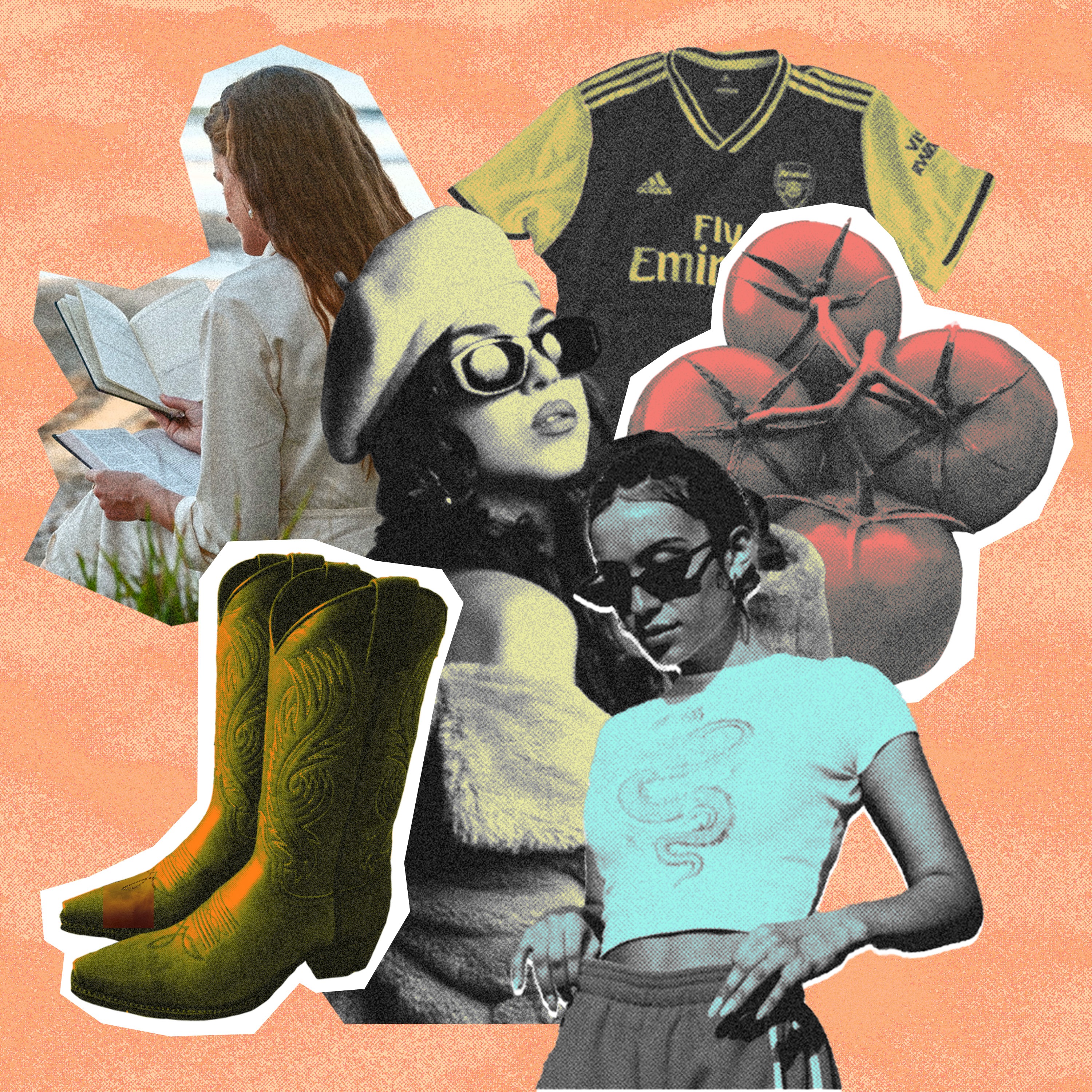
Are Viral Microtrends Losing Their Cool?
Viral microtrends, the fleeting aesthetics popularised on platforms like TikTok, have defined recent fashion moments for young consumers. From the playful "Cottagecore" to the fleeting "Mob Wife", these trends have rapidly cycled through social media feeds and retail shelves. Post-pandemic experimentation drove this cycle, however, the once-accelerating churn of microtrends is beginning to slow, as Gen-Z shoppers seek authenticity, durability and individuality in their fashion choices. On this episode of The Debrief, senior editorial associate Joan Kennedy joins senior correspondent Sheena Butler-Young to talk about what's behind the slowdown in microtrends and what this shift means for retailers and brands.Key Insights: Microtrends gained momentum post-pandemic when young consumers had extra savings, more leisure time, and a desire to explore various identities through fashion. However, the novelty and playful experimentation eventually led to consumer fatigue. Kennedy explains, "Young shoppers are really looking to grasp onto something solid right now," noting an increased awareness that many trends felt "goofy" or even "fake." She adds, “people are talking more than ever about just this viral churn and how wasteful it is."Young consumers increasingly align their fashion choices with specific cultural events, creating marketing opportunities for retailers. "This whole sense of 'what I am doing is how I'm dressing' has become very popular among young shoppers," Kennedy explains, highlighting opportunities around events like the Barbie movie and Beyoncé’s Cowboy Carter tour. Retailers can better predict long-lasting trends by monitoring multi-season appeal and connections beyond social media. Kennedy cites Revolve's chief merchandising officer, Divya Mathur, who recommends looking for trends that "span multiple seasons" and have relevance across social media, runway, and pop culture. Kennedy advises retailers to "lean into more evergreen, identity-based marketing," and rethink "what virality looks like" as consumer engagement evolves. “With a lot of these trends, something goes viral and a brand gets a tonne of sales. But let's take a step back as that might shift and brands have to be ready for that.” Additional Resources:The Decline and Fall of the Viral Microtrend | BoF The Life Cycle of a Viral Fashion Trend | BoFHow the Internet Disrupted Fashion’s Trend Cycle | BoF How to Keep Up With TikTok’s Lightning-Fast Trend Cycle | BoF Hosted on Acast. See acast.com/privacy for more information.
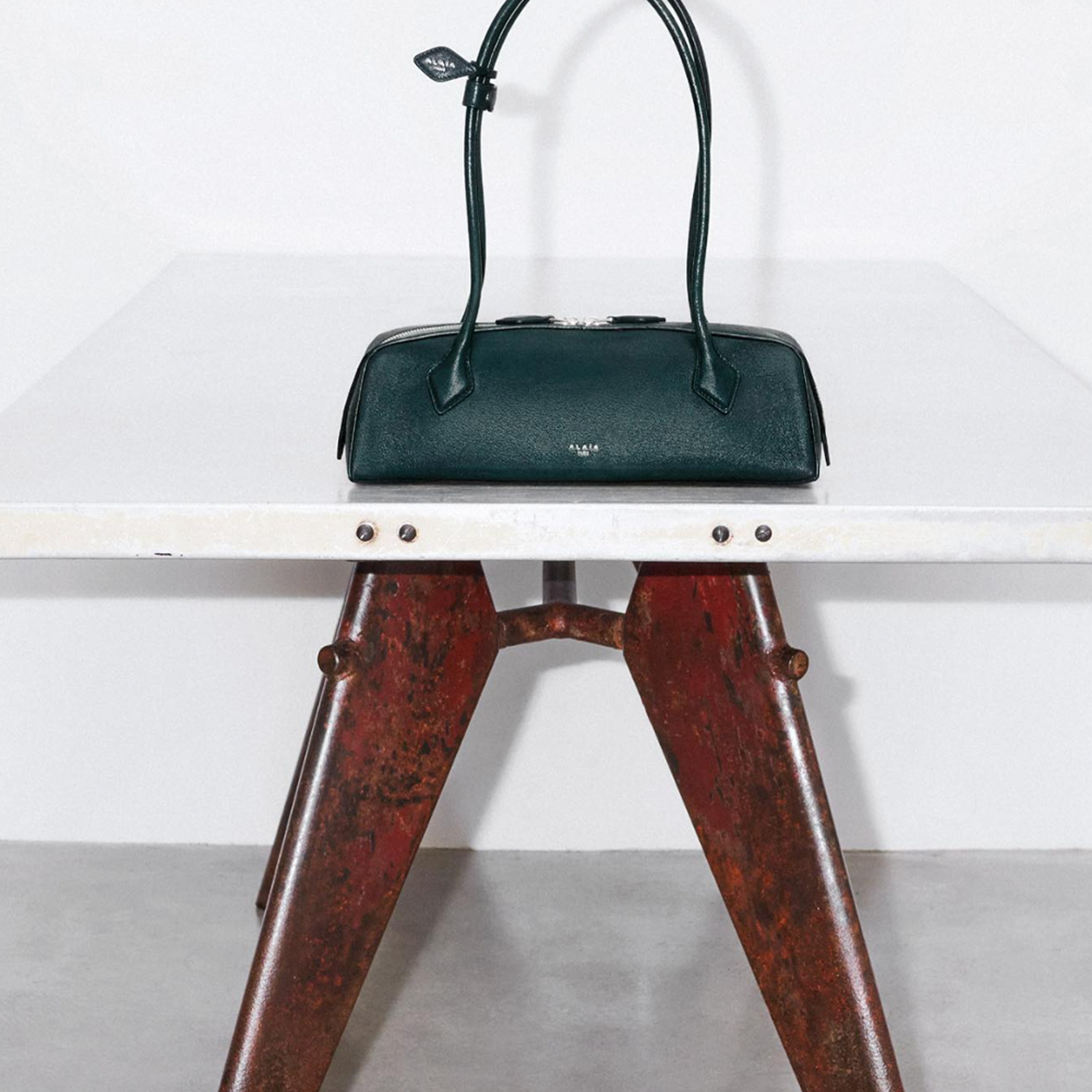
The Power of a Luxury Handbag
From the legendary Hermès Birkin to recent sensations like Alaïa’s Teckel, luxury handbags have long held a distinctive power within the fashion world. Blending brand heritage, practicality, and emotional resonance, handbags often become a signature item for brands to capture consumer attention and drive commercial success. But the ongoing challenge for luxury brands is maintaining innovation, managing consumer desire, and navigating a landscape rife with copycats and shifting trends.On this episode of The Debrief, senior correspondent Sheena Butler-Young speaks with luxury correspondent Simone Stern Carbone about the power of an iconic handbag and the delicate balance brands must achieve to keep them relevant.Key Insights: Bags often become the most recognisable symbols of luxury brands, significantly contributing to their financial performance. For instance, Alaïa’s Teckel bag – a playful, wiener dog-shaped design – helped offset the weaker performance of parent company Richemont’s other fashion labels. “That one bag was able to do so much, not just for the brand but for the larger company that the brand sits under,” says Stern Carbone. “That just says so much about the impact that a single wiener dog-shaped bag can potentially have.”Handbags are particularly attractive as entry-level luxury items because they are recognisable status symbols. “Consumers might not recognise jeans from Bottega, but they will recognise whether a bag is Louis Vuitton,” explains Stern Carbone. “Bags are something that people will purchase time and time again; they will use them daily. And if done right, it really becomes the totemic product for a brand.”Successful handbag designs can become immediate targets for imitation due to limited legal protections and the ease of replicating shapes and materials. “Once the bag gets copied, it's already over,” notes Stern Carbone, underscoring the need for continuous innovation or artificial scarcity, as mastered by Hermès with its Birkin and Kelly bags.Brands must innovate thoughtfully, staying true to their heritage and core identity rather than pursuing novelty for novelty’s sake. “Empower your creative design teams and give new voices a chance,” advises Stern Carbone. “The beautiful thing is there's variety for everybody. Brands just need to authentically strike the cord with their loyal consumer base… and handbags are a way to do it.”Additional Resources:In a Market of Copycats, Handbag Innovators Stand Out | BoF Can Slouchy Work Bags and a Selfie Mirror Grow Delvaux? | BoF How Polène Is Growing French DTC Handbags Into an International Success | BoF On the Wings of Céline | BoF Hosted on Acast. See acast.com/privacy for more information.
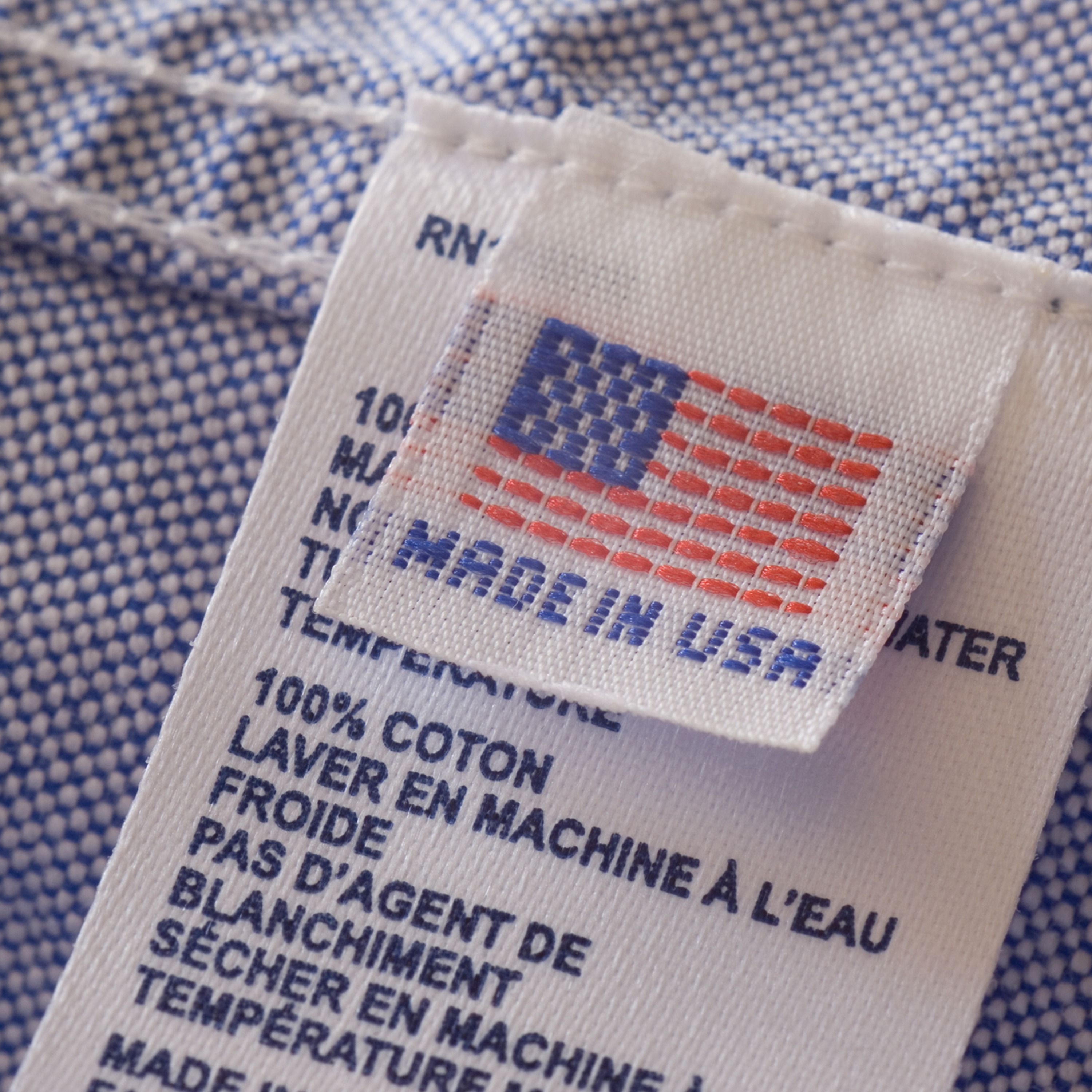
Can Tariffs Really Revive 'Made in USA' Fashion?
In early April, President Donald Trump announced an unprecedented wave of tariffs, imposing duties as high as 145 percent on imports from China. Among the rationales offered were the prospect of a US manufacturing renaissance.The American fashion sector – heavily reliant on overseas production, particularly in China – now faces significant disruption. Some brands are adapting quickly, leveraging their domestic operations and leaning into a ‘Made in USA’ identity. Others are reevaluating their reliance on China as their primary sourcing destination. But the prospect of a mass return of garment manufacturing jobs remains a remote possibility, most economists and fashion industry experts say. In this episode of The Debrief, BoF correspondents Malique Morris and Marc Bain join executive editor Brian Baskin and senior correspondent Sheena Butler-Young to assess whether the dream of American-made fashion is any closer to reality.Key Insights: The ‘Made in USA’ dream remains out of reach due to the lack of US manufacturing infrastructure. "The infrastructure just literally isn't here," says Bain. "Even if you use US grown cotton, most of the time that cotton is shipped out of the US to be spun into yarn and woven into fabric somewhere else. These are all sorts of things that we just don't have here. It's been lost over decades and it would take decades to get it back.”Brands that already manufacture domestically are seeing success from marketing craftsmanship, experience and emotional value. The outdoor clothing company Filson, for example, offers walking tours around their manufacturing facility that shares a space with their Seattle headquarters. “Fashion is already an emotional purchase, and consumers do care about the story behind a brand. That's why brand marketing is so important for building the label,” says Morris. “This is another way to tap into that. It's storytelling, not nationalism.” Whereas the US has a lack of infrastructure for manufacturing, China is in the exact opposite position. Small brands might have their supply chain concentrated in one geographical area and are especially vulnerable to tariff changes. “If that area happens to be China and suddenly there's this giant more than doubling of tariffs, you are in serious trouble,” says Bain. Although cheap overseas clothing companies like Shein and Quince will now be subject to increased duties, consumers won’t abandon cheap fashion overnight. “Even if [middle-class shoppers] are not going to buy American-made brands that are significantly more expensive, maybe they'll go second-hand, maybe they'll vintage,” says Morris. “I think the hope here is that people will just get conditioned out of the idea that they can get $2 jeans and a $10 dress.”Additional Resources:How Made-in-America Brands Turn Tariff Turmoil Into Opportunity | BoFWhy ‘Made in America’ Is Still a Fashion Fantasy | BoFUnravelling the Myth of ‘Made in America’ | BoF Hosted on Acast. See acast.com/privacy for more information.
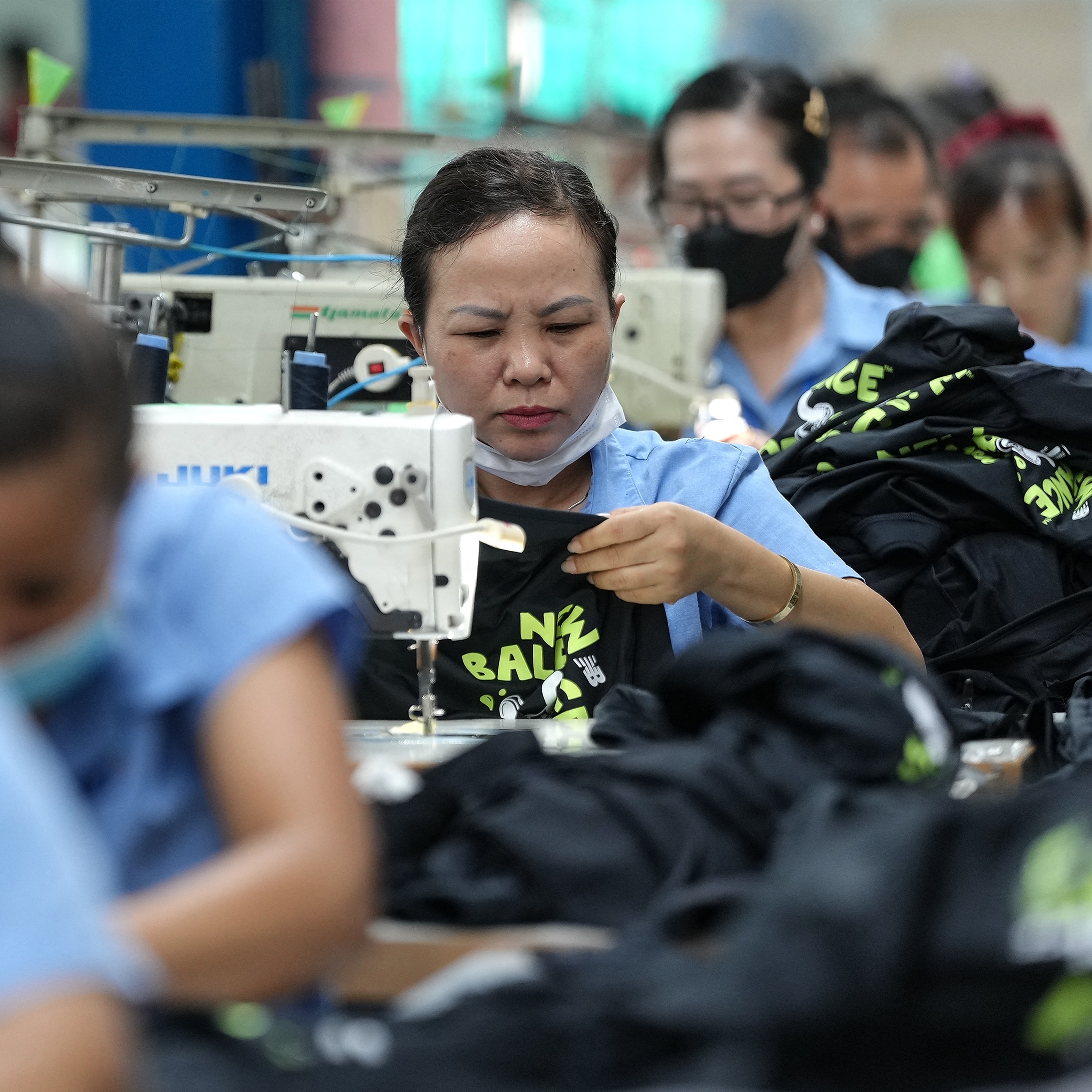
Trump’s Tariffs Change Everything
President Donald Trump announced an unprecedented wave of tariffs on April 2, imposing duties as high as 54 percent on fashion imports from key manufacturing countries, including China and Vietnam, and 20 percent on goods from the EU. These measures immediately sparked panic across global markets, ratcheting up the odds of a US recession and causing sharp stock price declines for major fashion brands such as Nike, Victoria's Secret and VF Corp. Sustainability correspondent Sarah Kent and luxury correspondent Simone Stern Carbone join executive editor Brian Baskin and senior correspondent Sheena Butler-Young to break down the tariffs’ effects on manufacturing, luxury brands, consumer behaviour and potential future shifts within the industry.Key Insights: The belief that these tariffs could quickly restore US-based fashion manufacturing is unrealistic. "It would take years of investment to build up the infrastructure and skill base within the US to replace manufacturing capacity that has been moving abroad for decades. For the apparel industry, it just does not exist on the scale that would be needed," explains Kent.Luxury brands, traditionally insulated by European-based production, will also face pressure. "Even for luxury brands that pride themselves for their production in countries like mostly France and Italy, they are going to be hit with some tariffs too," Stern Carbone points out.The tariffs introduce a complex challenge for luxury brands, requiring careful balancing of price adjustments, consumer sentiment and creativity amid ongoing economic uncertainty. "It's this mix between pricing, demand, maybe a lack of creativity, and also incentivising customers to actually purchase luxury goods," says Stern Carbone. "You don't know what [Trump] is going to do next, you don't know if this is going to stick, so are you going to spend $10,000 on a handbag - even if you can technically afford it - when you don't know what tomorrow brings?" emphasises Kent.The industry isn’t entirely powerless. "Brands have a voice. Brands are part of the global economy. Brands can lobby," says Kent. "They can make it known that they don't like this. If you're not raising your voice and saying, 'hey, this is really hurting big business and it's not making America great again,' then you're not even trying."Additional Resources:Trump’s Tariffs Rock Fashion’s Supply Chain | BoFExplainer: How Trump’s Tariffs Threaten Luxury Fashion | BoFOp-Ed | Fashion’s Reset: What Tariffs Are Forcing Us to Finally Fix | BoF Executive Memo | An Action Plan for Navigating Trump’s Tariffs Hosted on Acast. See acast.com/privacy for more information.
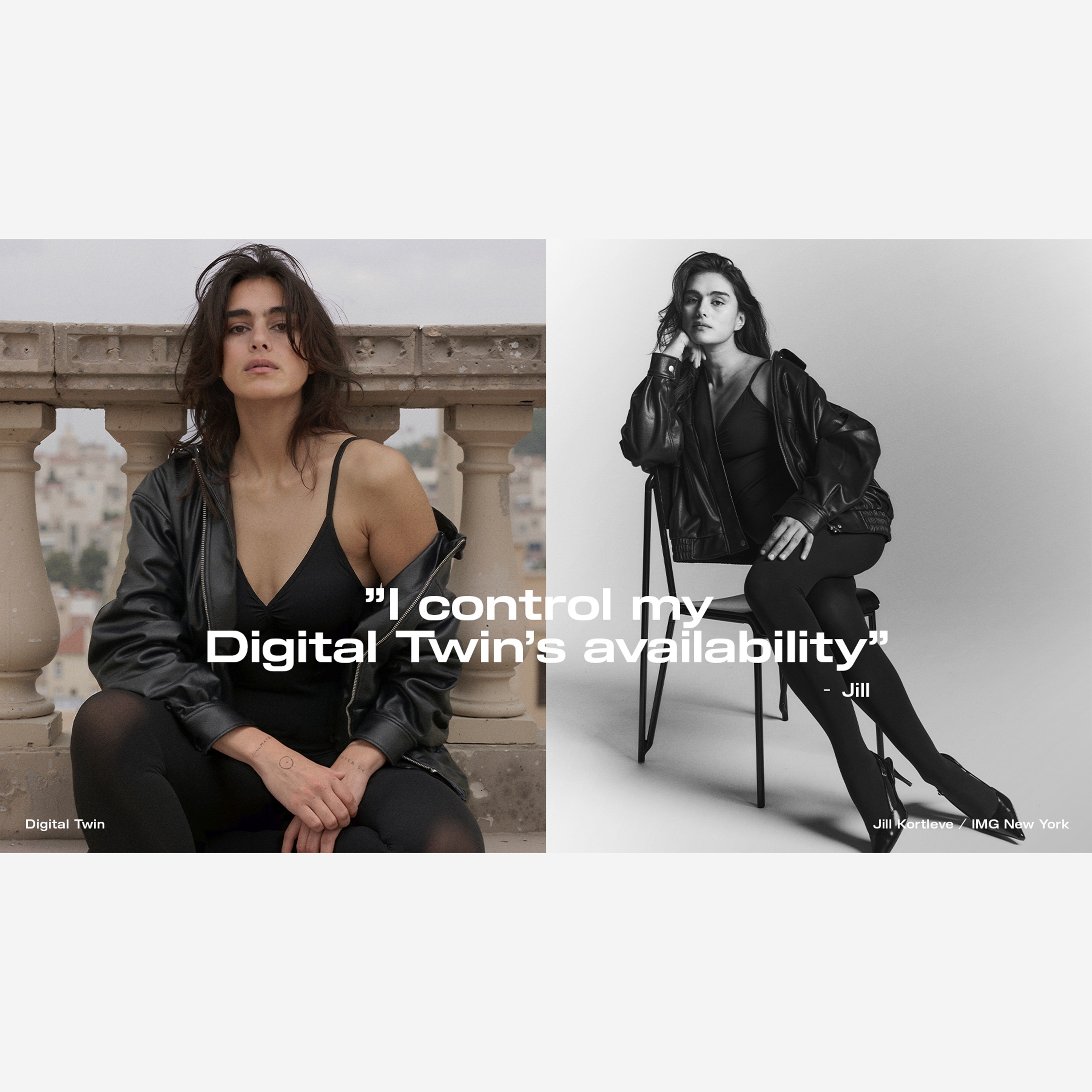
H&M's AI Models and the Future of Fashion Marketing
Fast-fashion giant H&M recently announced its plans to deploy AI-generated "digital twins" of real-life models in marketing campaigns. While H&M argues it's proactively managing inevitable industry changes, including by working with models to compensate them for use of their AI versions, the decision has sparked significant backlash. Comments on social media and statements by industry figures highlight deep-seated anxieties around job security, creative integrity and the value of the human element in fashion. BoF correspondents Marc Bain and Haley Crawford discuss the potential outcomes and tensions arising from AI’s expanding role in fashion marketing.Key Insights: H&M is just the tip of the iceberg: Fashion brands are increasingly embracing AI, from fast fashion to luxury. While AI-generated imagery has quietly infiltrated lower-end markets for some time, H&M's public embrace signifies its move out into the open, and into the world of high-profile campaigns. High-end brands like Coach and Estée Lauder have started using AI for product-focused imagery, indicating a cautious yet clear shift. "Coach uses Adobe Firefly to create digital twins of its products… to scale marketing content and test designs," says Crawford, highlighting how AI is already reshaping marketing across the fashion spectrum.Transparency around AI use in marketing is still inconsistent, and regulations are lagging behind. "The technology is moving so rapidly, it's making its way out into the world already, and the law is trying to catch up," Bain explains. While the EU is moving toward legislating transparency in AI-generated imagery, the lack of clear rules globally adds complexity for brands and consumers alike, creating uncertainty around ethical marketing standards.The rise of AI-generated imagery raises concerns over the loss of the creative collaboration intrinsic to traditional fashion shoots. "What's really at risk of being lost here is that communal process of creating fashion imagery," says Bain. "Some level of creativity and humanity, in addition to all the jobs themselves, which are also hugely important, will also be lost."As AI image generation continues to be adopted by brands, it is creating increased competition, forcing both digital and traditional creatives to innovate further. "You can't only live in an endlessly self-referential cycle of AI image generation, even if AI is piecing different concepts together to generate newness," Crawford says. "People working on photography, art, whatever the artistic format is, will only get more creative and people are going to experiment more to stand out."Additional Resources:H&M Knows Its AI Models Will Be Controversial | BoFThe Fake Fashion Campaigns That Show AI’s Future in Marketing | BoF Hosted on Acast. See acast.com/privacy for more information.
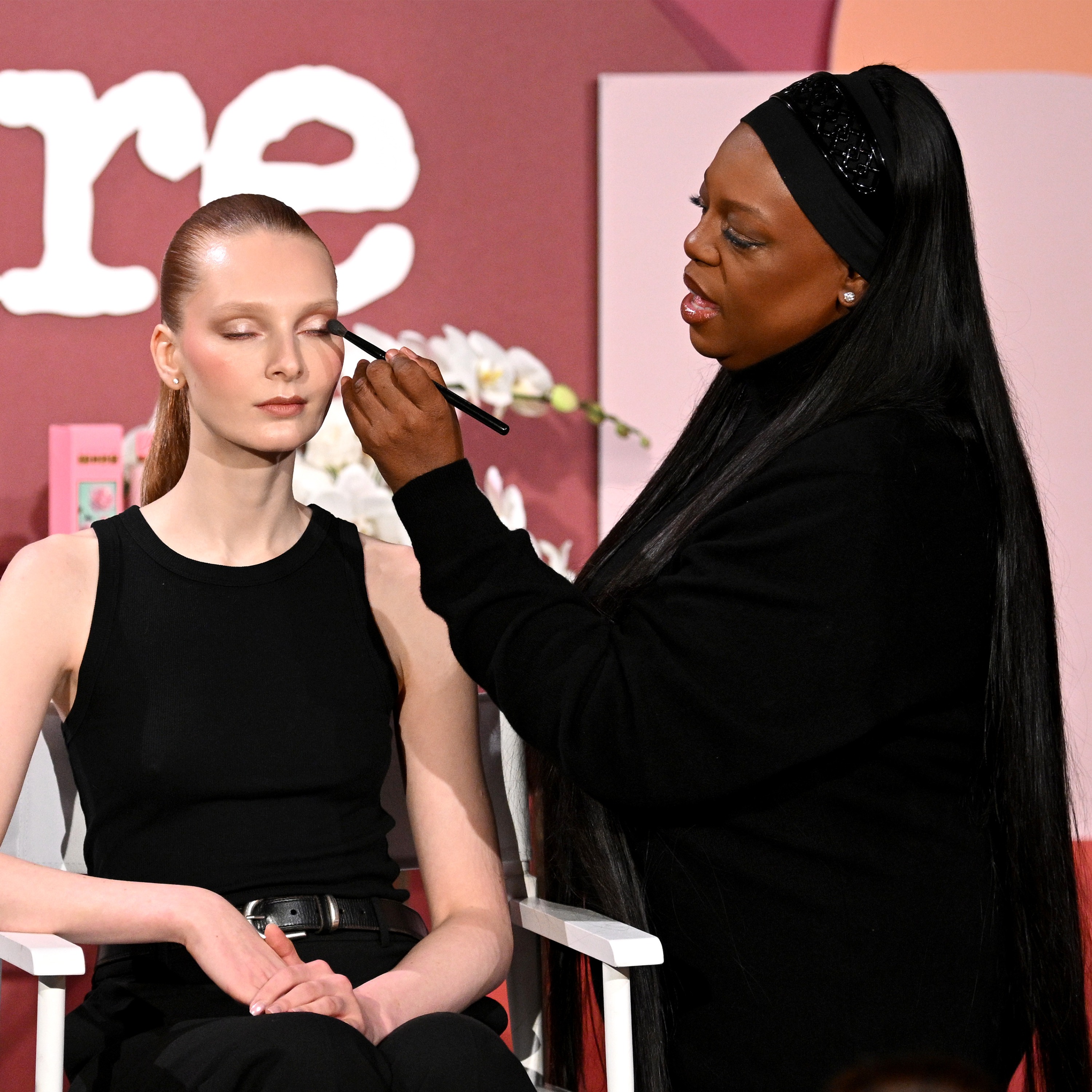
What Happened to Pat McGrath Labs?
Pat McGrath is widely regarded as one of the most influential makeup artists of all time. Known simply as “Mother” to some in the industry, she’s been behind some of the most memorable runway beauty moments for decades. In 2015, she launched her namesake brand, Pat McGrath Labs, which quickly became a beauty phenomenon – going viral with its glittering gold pigment and reaching a $1 billion valuation just two years later.But almost a decade on, the business tells a different story. With its valuation now a fraction of what it once was, high executive turnover, limited product accessibility, and internal challenges, the brand’s future hangs in the balance – even as McGrath's own star continues to rise with a new role as beauty director for Louis Vuitton.The Business of Beauty editor Brennan Kilbane and executive editor Priya Rao, explore what went wrong and how the business can get back on track.Key Insights: In its early years, Pat McGrath Labs thrived as a high-concept beauty brand that translated runway artistry into consumer excitement. The first product, Gold 001, was a multipurpose pressed gold pigment that sold out within minutes and crashed the website. As Kilbane describes, the brand began as “a direct pipeline from her creative brain to the cosmetics market.” The initial success solidified McGrath’s cult status – and set high expectations for what came next.When Pat McGrath's 'glass skin' look went viral after the Maison Margiela couture show, it could have been a pivotal brand moment. But the product inspired by the look – and released more than a year later – failed to maintain momentum. “They tried to capitalise on it by scheduling a masterclass a week later,” says Kilbane, “but it wasn’t fast enough.” Additionally, according to Rao, the bigger issue with late deployment was product wearability: “It’s not something that’s everyday or wearable in any capacity.”Pat McGrath’s artistry is legendary, however operationally, Pat McGrath Labs fell flat. “Pat McGrath Labs was Pat McGrath. She is the CEO, she is the founder, she's the creative director – the buck stops with her,” says Kilbane. With final say on everything from product formulation to packaging, this all-encompassing control created a bottleneck that affected every part of the business. The result was a company where decision-making was slow and fragmented.With valuation plummeting and Sephora shelf space dwindling, both Kilbane and Rao agree that McGrath’s company needs a reset. “Does it need new investors? Probably,” says Rao. “But it also needs leadership and operational know-how for it to actually scale. Otherwise, it’s going to be a pet project in comparison with what she does with Louis Vuitton.” Kilbane adds, “Fixing the company culture is going to be integral – if not even more impactful than integral – to the brand’s longevity.”Additional Resources:What Happened to Pat McGrath Labs? | BoF Louis Vuitton to Launch Makeup Line | BoF Hosted on Acast. See acast.com/privacy for more information.
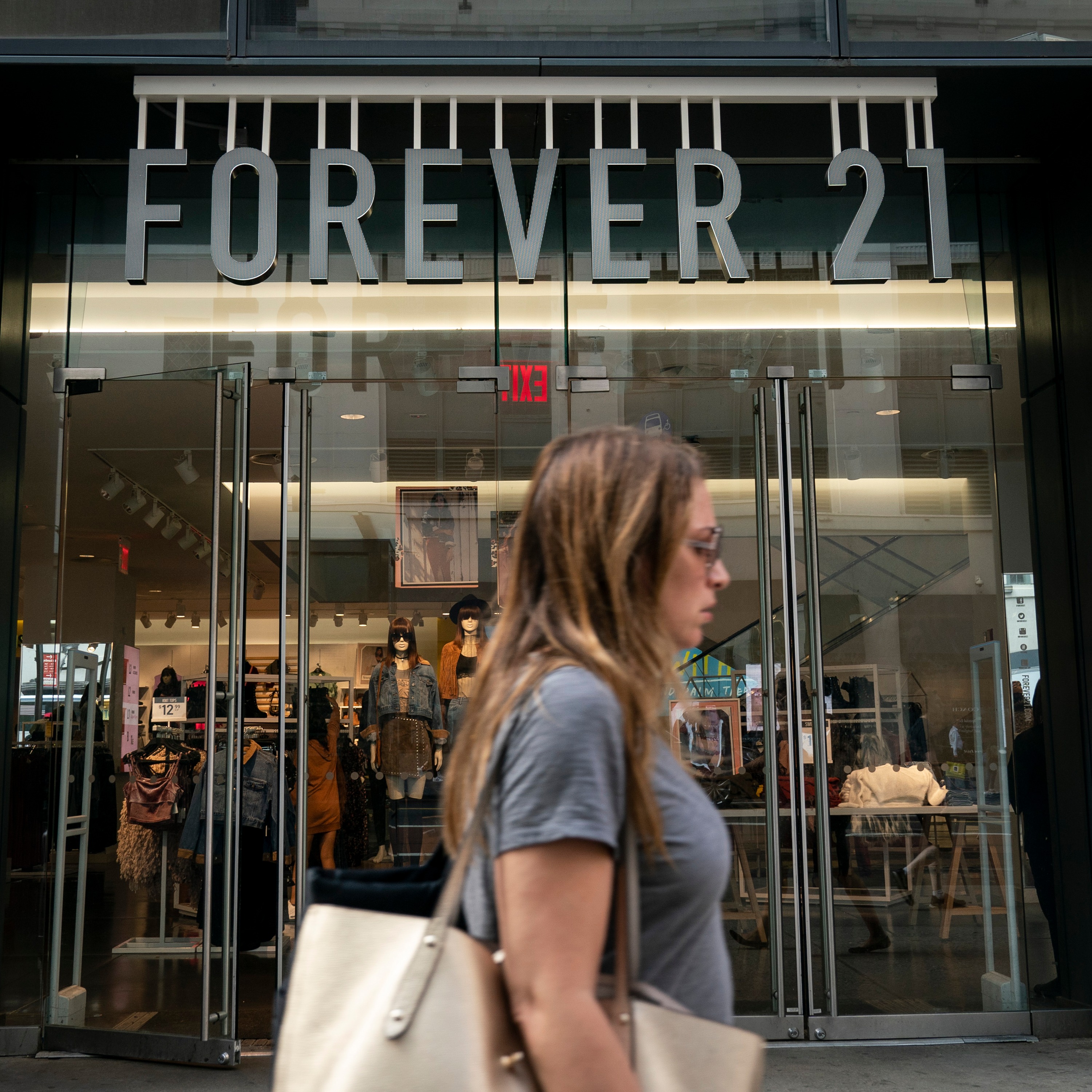
Is Forever 21 Shein's Biggest Victim Yet?
Once a dominant player in fast fashion, Forever 21 recently filed for bankruptcy for the second time in six years, marking the likely end of its run as a physical retailer. The chain, known for introducing ultra-affordable, trend-driven clothing to American malls, struggled to remain relevant as competitors like Zara, H&M, and later Shein and Temu offered faster, cheaper, and more digitally-savvy alternatives. After its initial bankruptcy in 2019, Forever 21 was acquired by Authentic Brands Group and mall operator Simon Property Group, but despite various turnaround attempts – including unusual collaborations and international relaunches – it failed to recapture its former success.Retail editor Cathaleen Chen joins The Debrief to unpack what Forever 21’s fall says about the future of fast fashion.Key Insights: Chen argues that Forever 21’s downfall is largely due to its loss of cultural cachet. “You don't see influencers peddling Forever 21 in the way that you see influencers still promoting Shein, and I think that's a huge factor. You have to spend that money to be relevant,” says Chen.Chen contends that fast fashion retailers like Forever 21 have always struggled with establishing a unique identity, which ultimately made it difficult for them to maintain customer loyalty. “The problem with Wet Seal, Rue 21, and now Forever 21 is that these retailers never really had any kind of identity,” she explains.The retailer’s failure to evolve beyond chasing transient trends has left it vulnerable to more agile competitors. “It's not about just chasing fashion, fashion, fashion the way that I think Forever 21 never got out of, the way that Shein dominates. It's about going the other direction and creating products that your customers want at a level of quality,” says Chen.Looking forward, success in fast fashion will require more than affordability. Chen believes future winners must combine low prices with a compelling retail experience: “There is an element of surprise and delight in that shopping experience. It can't just be cheap, affordable – it needs to offer something more.”Additional Resources:The Year Ahead: Deconstructing Fast Fashion’s Future | BoF Why Shein Keeps Buying Its Rivals | BoF Hosted on Acast. See acast.com/privacy for more information.
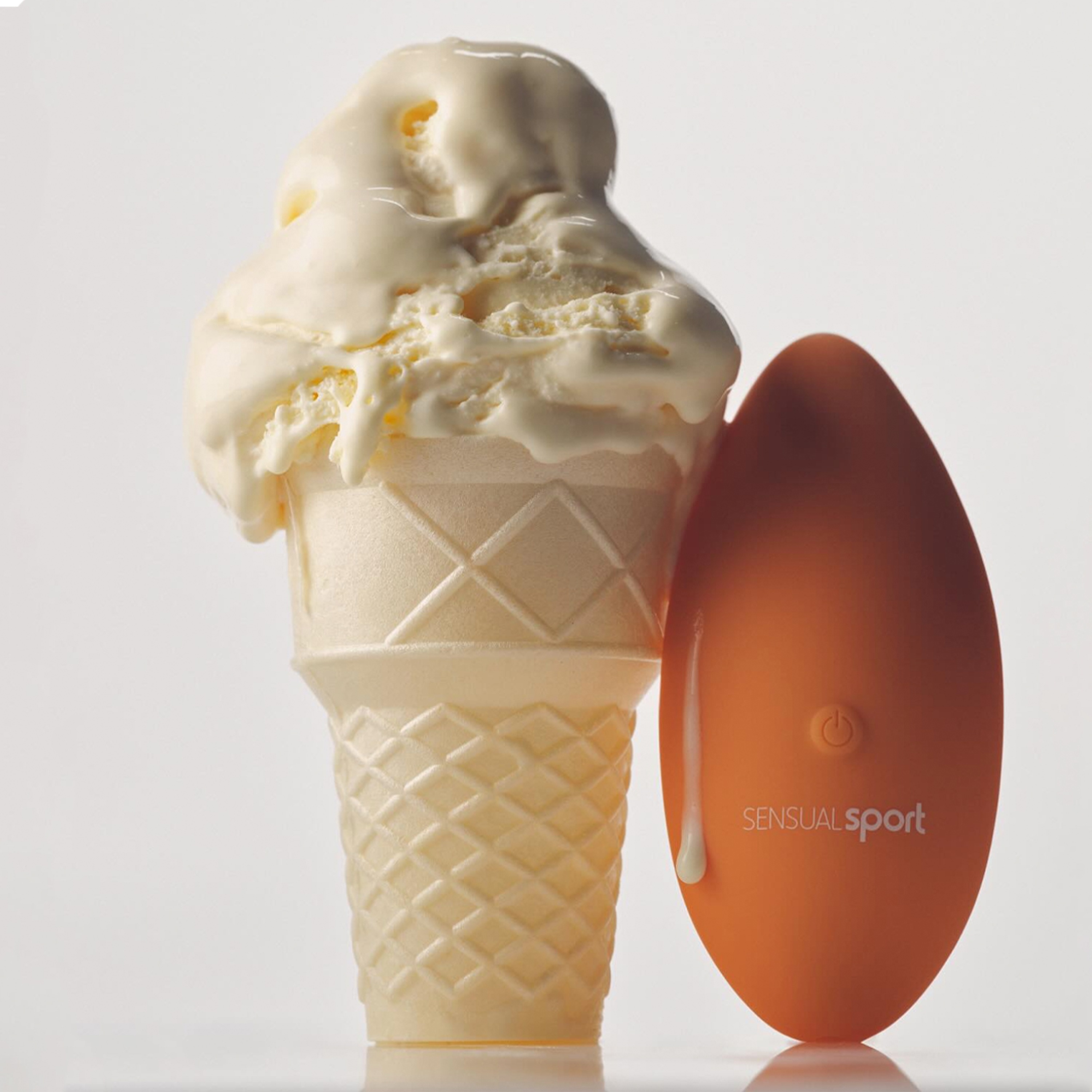
Can You Sell Sexual Wellness Without Sex?
In the 2010s and early 2020s, a new generation of sexual wellness companies selling sex toys, massage oils and other bedroom aides broke taboos by championing pleasure and redefining sex as wellness. Startups such as Hanx and Playground, often founded by women, introduced sleek products that contrasted sharply with the hyper-sexualised image of legacy players like Trojan and Durex. However, recent regulatory restrictions, cultural conservatism, and social media censorship have forced these brands to pivot toward a more health-focused approach. In this episode of The Debrief, editorial associate Yola Mzizi explains how these changes are reshaping marketing strategies and consumer perceptions in the sexual wellness market.Key Insights: Brands in the sexual wellness category initially reframed sex as a wellness benefit. “They didn’t just focus on pleasure but other health benefits that come from engaging in sex,” says Mzizi. “This is a big deal because attitudes around sex were changing and therefore we saw all of these brands come up during this time to reflect that change.” However, as cultural conservatism gains ground, with stricter regulatory and social pressures emerging, those once-radical messages are now being muted, forcing brands to temper their bold narratives in favour of more sanitised, health-focused messaging.Despite early success, sexual wellness brands now face significant challenges due to tighter social media censorship and advertising restrictions. “If you just look at Meta, which owns Instagram, they have very clear policies that their ads cannot promote the sale or use of adult sexual arousal products or services,” says Mzizi. “That can mean anything from erotica to fan fiction, sex toys, but what they do allow are ads centred on reproductive health and sexual health, but only if they're shown to users 18 years or older.” Sexual wellness brands can continue their mission by staying true to their unique identity. “By doubling down, brands can rest assured that they're not diluting their message and the customers who are coming to shop with them know exactly who they are, what they stand for, and what they sell,” says Mzizi. “If you position yourself as a healthcare startup, and then you're selling lube, it may be very difficult to get someone to click purchase because they were duped into getting there.” Abstaining from going overboard with compliance can help preserve brand integrity and keeps loyal consumers engaged even as external pressures push for alternative narratives.Additional Resources:Can You Sell Sexual Wellness Without Sex? | BoF How Sex Toys Broke Into Beauty Retail | BoFAre Condoms Ready for the DTC Treatment? | BoF Hosted on Acast. See acast.com/privacy for more information.
Can Farfetch Be Fixed?
Once hailed as a pioneering platform for online luxury, Farfetch is now undergoing a dramatic operational overhaul. The South Korean e-commerce giant Coupang acquired the luxury marketplace in 2023, rescuing it from near-bankruptcy. Since then, Coupang has implemented sweeping cost-cutting measures that have narrowed losses significantly, but are eroding Farfetch’s footing in the luxury e-commerce space and alienating its core customers. DTC correspondent Malique Morris joins Executive Editor Brian Baskin and Senior Correspondent Sheena Butler-Young to examine Farfetch’s path to profitability.Key Insights: Coupang's relentless drive to push Farfetch toward profitability clashes with the premium expectations of luxury shoppers as cost-cutting is prioritised over customer experience. “Coupang is so hyper‐focused on getting Farfetch to profitability ... and when you're dealing with people who are spending $100,000 a year on the marketplace, it doesn't quite work that way,” explains Morris. “They’ve also cut teams dedicated to working with Farfetch’s VIP customers, who can make up as much as 30% of the company’s annual sales.” This tension between operational efficiency and delivering a high-end experience is at the heart of Farfetch's challenges.Farfetch’s “sold by Farfetch” programme highlights its growing disconnect with luxury brands. As luxury powerhouses like Celine, Alaia and Kering – which includes Gucci, Saint Laurent and Bottega Veneta — pull their collections from the platform, Farfetch has turned to a grey market tactic to maintain its inventory. “Instead of sending the goods straight from the retailers to the customers, the items are now going to a warehouse in Amsterdam to be repackaged,” says Morris. “It's not only a knock to Farfetch's relationship with top brands, but it also risks deteriorating customer service.” This move, intended to sidestep brand resistance risks undermining transparency and trust among high-end partners.Farfetch's biggest superpower is that many independent boutiques still rely on it. “If Farfetch can at least do right by those retail partners, then it probably has a shot of stabilising its footing in online luxury,” says Morris. “Coupang will eventually have to allow Farfetch to reinvest in their relationships with customers and brands. That might cost them a couple million, but hopefully with the renewed focus on just the marketplace, Farfetch won't go back into the red in the process.”Additional Resources:Inside Coupang’s Tug of War With Farfetch | BoFFarfetch Owner Coupang: Everything You Need to Know | BoF Hosted on Acast. See acast.com/privacy for more information.
Why Can’t Fashion Fix Its Labour Exploitation Problem?
The revelation this year of child labour in India’s cotton fields and modern-day slavery in Taiwanese garment factories is the latest scandal concerning worker treatment in fashion’s supply chain. New abuses keep emerging despite efforts by brands, manufacturers, activists, and governments to set clear labour guidelines. Watchdog groups try new tactics to combat the problem, but they face systemic forces far beyond fashion.Sustainability editor Sarah Kent joins executive editor Brian Baskin and senior correspondent Sheena Butler-Young to discuss the problematic labour dynamics underpinning the fashion system.Key Insights: Persistent abuse in fashion’s supply chains is not merely about isolated incidents but reflects deep-rooted socio-economic challenges. In India’s cotton industry, for example, many farmworkers come from extremely marginalised and impoverished communities where exploitation is a norm rather than an exception. Families often work together under hazardous conditions, with little oversight or recourse. “So you're not just dealing with an issue of exploitation that is coming from the [fashion] industry, you're dealing with a culture that is ingrained in the way that community works – and that is a very difficult, complicated thing to try and manage, ” explains Kent. Transparency in supply chains remains critical. Despite decades of advocacy, many brands struggle to verify the origins of their cotton. The global cotton supply chain’s complexity—where materials pass through multiple suppliers and traders—makes tracing raw cotton back to its source extremely difficult. “The traders will have been getting the cotton from ginners who will have got raw cotton from … maybe hundreds of thousands of small family farms aggregated it, ginned it, sold it onto a trader who then sells it up through the supply chain. So by the time it even gets to a spinning factory, tracing it back to the farm where it came from is really, really difficult,” says Kent.In Taiwan’s textile industry, systemic issues like excessive recruitment fees burden migrant workers, yet change is stalling. Despite growing awareness and repeated calls for reform, manufacturers have little incentive to alter longstanding practices without coordinated industry action and regulatory intervention. As Kent notes, “Without other brands operating in Taiwan coming together and trying to do the same thing, the industry as a whole isn't going to move.” And without regulatory shifts, manufacturers have little reason to remove recruitment fee burdens from workers.Consumer trust in ethical claims is vital for brands that present themselves as responsible. However, when ethical certifications and claims are diluted by inconsistent practices and opaque supply chains, consumers quickly lose faith. This erosion of trust can undermine efforts to promote responsible consumption. “If consumers lose trust in what is meant to be a signifier of doing better, then you risk people not caring at all,” Kent warns. “No one's going to pay more for a product that promises to be more responsible and more ethical when it's when they don't believe that it is.”Additional Resources:‘Ethical’ Cotton Is Being Picked by Child Labourers in India, Watchdog Finds | BoFWhy Can’t Fashion Eliminate Labour Exploitation From Its Supply Chains? | BoF Hosted on Acast. See acast.com/privacy for more information.
Can Kering Fix Gucci?
Gucci has long been the shining star of Kering’s luxury portfolio, but the brand's recent struggles have exposed weaknesses in the conglomerate’s position. Gucci’s sales plummeted 24 percent in the fourth quarter of 2024, dragging Kering’s overall performance down by 12 percent. The shock departure of Creative Director Sabato De Sarno after less than two years only deepens the group’s instability.Luxury editor Robert Williams joins executive editor Brian Baskin and senior correspondent Sheena Butler-Young to discuss how Gucci’s downturn is affecting Kering’s broader portfolio, why its attempt at a creative reset didn’t resonate, and what’s next for the group as it searches for a new vision.Key Insights: Gucci's downturn has been severe, with sales falling by almost a quarter in 2024. This dramatic slide highlights the challenge of reinvigorating the brand. “[Gucci] has had a few really big booms, but then also some pretty big busts afterward. That creates additional complications for the group and how much they're able to invest in acquiring new brands, in developing the brands they have. And honestly, to also just continue to exist,” says Williams.Gucci’s identity has become muddled as it leans too heavily on its heritage, potentially limiting its appeal. “Gucci can stand for a lot of things and I think that's where they got a bit confused. It's the biggest Italian luxury brand and maybe they started to think that it was more of a heritage house than it should be,” Williams explains. Williams outlines a protective strategy where the group is preemptively selling off valuable real estate. He cites the sale of luxury jewellery house Boucheron headquarters and flagship store on Place Vendôme, stating, "choosing to cash in on the fact that this building is worth a lot of money is a bit worrying that they feel the need to get that treasury right now." Gucci’s potential for a rapid rebound hinges on securing the right creative leadership to tell a compelling story of the brand and leveraging its extensive assets. “I think real potential for the rebound is there if they can get the right person in place just to tell a very convincing fashion story. It can go very high, very fast again,” Williams says. “They have a lot of real estate, they have a lot of stores in great locations and they have a whole supply chain behind them that's really like rooting for their comeback because it's the biggest client for so many suppliers in the Italian fashion system.”Additional Resources: Can Kering Bounce Back From Its ‘Annus Horribilis’? | BoF The Problems with Gucci and Dior | BoF Hosted on Acast. See acast.com/privacy for more information.
Can Estée Lauder Win Over the Modern Beauty Consumer?
Estée Lauder was long celebrated as a pioneer in prestige beauty, building a global empire on the strength of family legacy, innovative product lines, smart acquisitions and a high-touch in-store experience. However in recent years, the company has lost its wat on each of those strategies, leaving it poorly equipped to stay on top of rapidly shifting consumer tastes. In its latest earnings call, new CEO Stéphane de La Faverie candidly acknowledged that the company had “lost its agility,” and promised to quickly implement an ambitious modernisation plan. The Debrief explores how Estée Lauder’s legacy is now proving to be a burden, and how it can still overcome its challenges. Key Insights: Holding around 86% of the voting rights, Estée Lauder’s tight family control helped maintain a tight focus on prestige beauty, but has contributed to a risk-averse culture that caused the company to miss out on important trends. “A lot of their beliefs are around beauty being a prestige category and a prestige experience and that being the way to win,” says Morosini. “That message in the wider beauty consumer base has been diluted a little bit. People are much more open to shopping for products in different ways and from different kinds of founders. They didn't really let go of their values.” Estée Lauder also made a big bet on China, at one point deriving 25 percent of its sales from the market. However, when demand cooled post-COVID, it exposed weaknesses in its home market strategy. "Not only did the China business really, really sharply decline, but when the Chinese market took a really big hit, it exposed just how much they had neglected their home market of the US and just how much market share they had ceded without anyone really realising,” says Morosini.The company’s new CEO, Stéphane de La Faverie, is spearheading a major strategic overhaul with his "Beauty Reimagined" plan. This vision aims to reinvigorate the brand by streamlining the corporate structure, tripling the pace of innovation, and placing an obsessive focus on the consumer. "They've created more of a skincare brand cluster, a makeup brand cluster, and they've also really simplified the geographic way that they're dividing up the markets and who's overseeing them. I think that could lead to greater agility and better sort of more targeted marketing for each region," says Morosini.Estée Lauder’s model of fuelling growth through brand acquisitions is increasingly unsustainable in today’s volatile market. The company's ability to innovate and adapt has been hampered by heightened domestic competition and an unpredictable economic climate. "I think as time has gone on, it's just got harder and harder because the competition, especially in the US in their domestic market has really, really ramped up. And they don't seem able to accurately forecast what's gonna happen next,” says Morosini. “It's really hard to convince people that something that's been around for a long time is actually cool."Additional Resources:Estée Lauder Knows How to Cut Costs. Can It Also Rebuild Growth? A First-Day Agenda for Estée Lauder’s New CEO Hosted on Acast. See acast.com/privacy for more information.
Fashion’s M&A Market is Heating Up
After a prolonged slowdown, fashion’s M&A market is springing back to life. A combination of falling interest rates, shifting investor sentiment and optimism around economic policy has fuelled a wave of early 2025 deals. Within the first few weeks of the year, brands like True Religion and Kapital were acquired by private equity firms and holding companies, signalling renewed confidence in fashion investments.However, not all acquisitions are about aggressive growth. Some buyers specialise in “managed decline,” acquiring struggling brands to extend their lifespan through licensing or cost-cutting. Others, including private equity firms and strategic buyers, see opportunities to scale promising brands by injecting capital and expertise.“The key for a lot of these companies in finding buyers is proving that their brands are still worth it and can weather these economic cycles and lulls in the market,” shared e-commerce correspondent Malique Morris. Executive editor Brian Baskin and senior correspondent Sheena Butler-Young sat down with Morris to break down the latest deals, the brands poised for sale, and what it all means for fashion in 2025 and beyond.Key Insights: A number of converging factors are driving a new wave of fashion mergers and acquisitions in 2025. Falling interest rates, Trump’s re-election driving investor optimism, and shifting regulations have all played a part in fuelling new acquisitions. “Retailers reported strong holiday sales in 2024, and even though much of that was driven by discounting, it signalled that consumers were still spending,” says Morris. “That kind of activity gives investors more confidence in backing fashion businesses.”Buyers are looking for brands with strong customer loyalty, an engaged audience, and clear growth potential that can weather the ebb and flow of the market. Brands need “good stewards to help them find the best resources to expand without hurting their legacy, whether that be money, retail networks, or supplier relationships,” explains Morris. “It's important to have the resources you need to maintain relevance and compete for consumer attention.”Beauty remains a hotbed for M&A activity. “Unlike fashion, beauty hasn’t faced the same investor hesitancy,” says Morris. “Brands like Merit, Westman Atelier, and Makeup by Mario are seen as prime acquisition targets, while Rare Beauty could be the defining beauty deal of the decade.”Overall, buyers are prioritising brands with strong customer loyalty and cultural relevance. “They're seeking brands with ample customer loyalty and a passionate consumer base that will keep their names in the public consciousness, irrespective of what recent sales growth will look like,” says Morris. He adds, “The thing that is top of mind is, what is the value of your brand? That’s an honest conversation that I’m not sure all companies have with themselves, let alone with buyers.”Additional Resources:What’s Behind the 2025 M&A Wave | BoF Fashion’s Most Anticipated M&A Hot Spots in 2025 | BoF Hosted on Acast. See acast.com/privacy for more information.

How to Future-Proof Your Fashion Career in 2025
The fashion workplace is evolving, shaped by a wave of technological advancements, leadership changes, and cultural dynamics. For many employees, adapting to these changes has become a challenge, while employers must navigate how to foster connection, retain talent, and drive innovation.Executive editor Brian Baskin sits with commercial features editorial director Sophie Soar and senior correspondent Sheena Butler-Young to unpack how businesses can create thriving workplaces in 2025, the role of soft skills in a tech-driven era, and what it takes to re-engage an increasingly disconnected workforce.“In the face of AI and more technology coming in, it is more important to have a human element. What does a human do well? That’s why soft skills are a huge focus,” says Butler-Young. Meanwhile, Soar highlights the growing challenges of employee disengagement, stating, “We are incredibly disengaged as a workforce. Trying to get employees to buy back into what they’re doing and be part of the workplace is going to be really challenging.”Key Insights:The turnover of leadership in fashion is reshaping workplace dynamics. “New leadership means change, even if they're using the same playbook,” explains Butler-Young. “Having someone new at the top of your company tends to affect morale for better or worse, or just makes people feel uncertain.” She adds, “Fashion workplaces are in this perpetual transition this year, which will inevitably shape culture.”In the wake of President Donald Trump’s executive orders targeting corporate DEI programmes, successful DEI strategies in 2025 will integrate horizontally across all business functions, rather than thinking about it as a vertical. “If something is horizontally integrated across the business and is a fundamental aspect of every single core pillar that this business touches upon, it's harder to roll back on those initiatives as a result,” says Soar. Butler-Young adds, “If you as a leader of any kind of organisation appear to flip-flop on your values based on the way the political winds blow, I think that's going to have a harmful effect on your workplace in the long term.”As AI becomes more prevalent, employers are placing greater emphasis on human-centric skills. “In the face of AI and more technology coming in, it is more important to have a human element to it. What does a human do really well? That’s why soft skills are a huge focus,” says Butler-Young. Soar adds, “It’s about engaging a workforce who are constantly striving to think about how they can take this particular tool or opportunity to the next stage and do so with that can-do, positive approach and attitude.”The impact of the attention economy has spread into our work lives. “We are incredibly disengaged as a workforce,” says Soar. “Trying to get employees to buy back into what it is that they're doing and be a part of the workplace is going to be really challenging, especially as they're navigating a hybrid or remote working environment.” Employers, Soar argues, need to address this to optimise their workforce for the future: “It is fundamentally changing the way that we are operating as people as well as employees.”Additional Resources:How to Future-Proof Your Fashion Career in 2025From Trump to Gen-Z, Fashion Faces a Culture QuakeBoF Careers Hosted on Acast. See acast.com/privacy for more information.
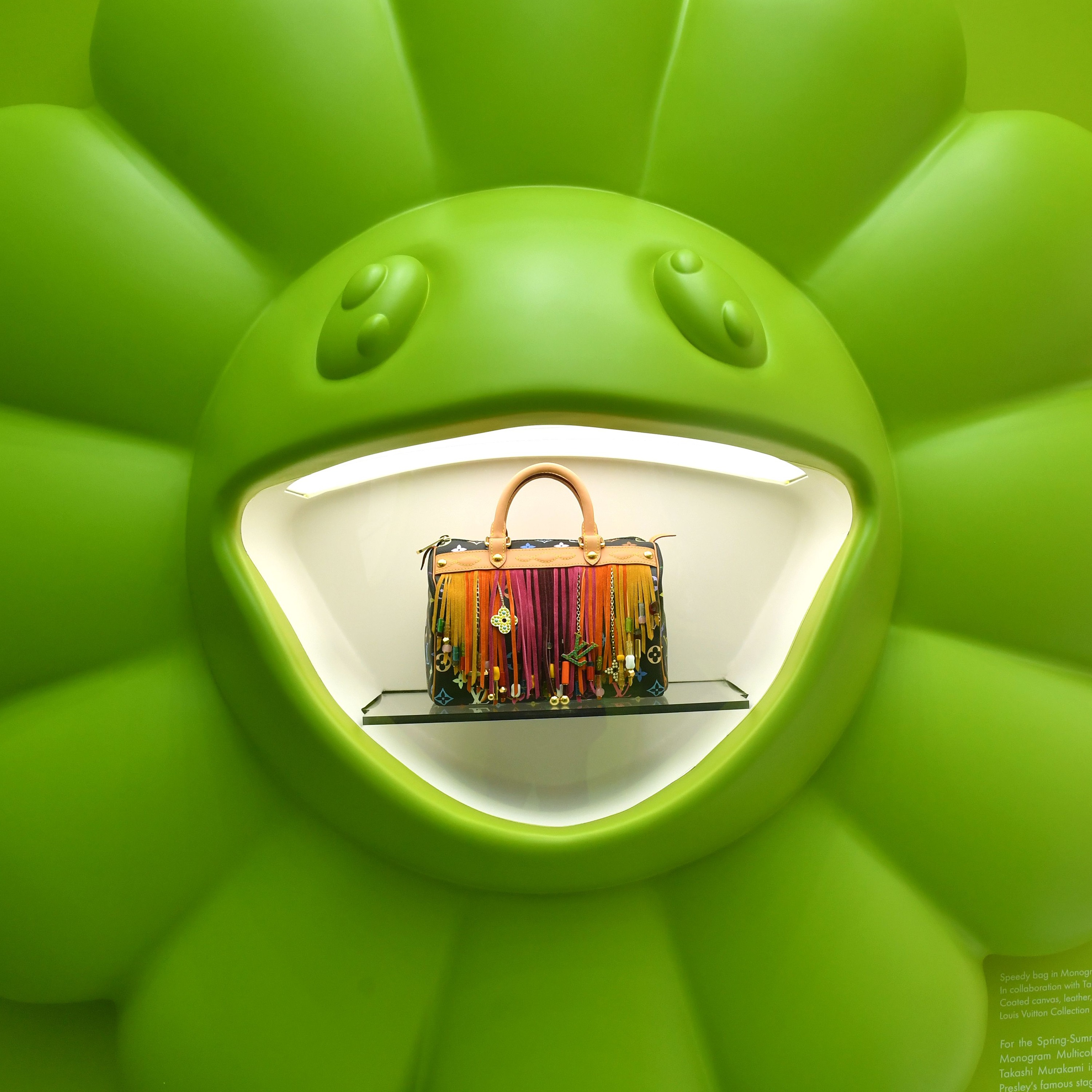
The Evolving Art of Brand Collaborations
Brand collaborations were once rare, highly anticipated events that generated significant buzz. But as they have become more frequent, the challenge lies in creating partnerships that genuinely resonate with consumers and cut through the noise.This week, executive editor Brian Baskin and senior correspondent Sheena Butler-Young sit down with BoF correspondent Lei Takanashi and editorial fellow Julia Lebossé to explore the state of brand collaborations, what makes them succeed or fail, and where they’re headed next.To work, collaborations need to feel authentic. For brands, “letting their collaborators take the wheel and just do what they want to do is really key,” says Takanashi. “When brands collaborate successfully, it’s often because they give creative freedom to the collaborator, allowing them to use the materials they want and tell a story that feels true to their audience,” adds Lebossé.Key Insights: Poorly thought-out collaborations often fail to connect with audiences and just won’t cut it anymore. “When it's done lazily, consumers can tell”, explains Lebossé. “We're becoming much smarter, really looking into brands and what they're doing and what makes sense. … That's why brands really have to step up in terms of what they're doing.”It’s not just big brands that can make waves with collaborations. Lebossé pointed to a sneaker collaboration between Bimma Williams and Saucony as an example where a smaller brand excelled. “They’re showing that, hey, we can do innovation,” explains Lebossé.Brands are finding even greater value in creating physical experiences around collaborations. Takanashi points to the Corteiz x Nike collaboration, where prospective buyers participated in scavenger hunts to buy the shoes. “If someone told me that kids would be lining up to buy Huaraches in 2025, I would not believe them at all,” he says. “But that’s the thing. This brand got kids waiting for hours in the freezing cold to buy their sneakers. It’s really that IRL experience that consumers are looking for when it comes to releases these days.”Additional Resources:Why Fashion Needs the Art World More Than Ever | BoFWhy Are Sneaker Collaborations So Boring? Hosted on Acast. See acast.com/privacy for more information.

How to Choose a PR Agency
Public relations in fashion has transformed drastically from securing magazine features to managing 360-degree brand storytelling. PR agencies now navigate everything from influencer partnerships to event management, social media strategies, and beyond. However, choosing the right PR agency is no small feat, especially for smaller brands or those at critical growth stages.“Having a PR agency that really feels like a genuine organic extension of your team … is what's going to enable you to plan together and collaboratively work on goals that you're super aligned on,” shared marketing correspondent Haley Crawford. Executive editor Brian Baskin and senior correspondent Sheena Butler-Young sit down with Crawford to discuss how brands can evaluate potential PR partners, the challenges and opportunities in the modern PR space, and how to ensure a successful collaboration.Key Insights: The PR industry has evolved significantly. In the past, PR agencies focused on securing mentions in traditional editorial formats, with the ultimate goal being a feature in Vogue or Harper’s Bazaar. Today, their capabilities have expanded. As Crawford explains, “this allows them to represent brands across the full spectrum of physical and digital spaces where shoppers are really interfacing with them and discovering them. … The agency's role is to facilitate telling a cohesive story across all these facets.”Building relationships remains central to PR success. “The ability to build and maintain relationships has always been such a central skill in PR, but it looks totally different today than it did a couple of years ago,” says Crawford. “Today, publicists really have to go above and beyond to use those relationship building skills to build communities around the brand. And I think what really helps is being passionate about the brands that you choose to work with as well.”As artificial intelligence increasingly influences brand strategies, PR agencies must adopt innovative, human-centric approaches to distinguish themselves. This involves “facilitating an unexpected partnership … bringing events to life that really bring consumers that much closer to the brands they love” and helping brands “ to get in front of new audiences that might be unexpected.”When you're meeting with a potential PR partner, Crawford advises to think of it as a job interview. “Could you see them being part of your in-house team? Are they clearly passionate about developing your brand story and taking it to the next level?” Additional Resources:How to Choose a PR Agency | BoFWhat Fashion PR & Communications Professionals Need to Know Today | BoF Hosted on Acast. See acast.com/privacy for more information.
BoF’s Top Stories of 2024
Background:As the year comes to a close, BoF’s executive editor Brian Baskin and senior correspondent Sheena Butler-Young look back on some of their favourite articles from 2024. The stories include topics that dominated industry conversations throughout the year, as well as some that have had key updates since publication.The four articles they discuss are “How Nike Ran Off Course” by sports correspondent Daniel-Yaw Miller, Butler-Young’s three-part Black beauty series, “The Fight for Influencer Marketing Dollars Heats Up” by senior news and features editor Diana Pearl and “Inside Luxury’s Italian Sweatshops Problem” by sustainability correspondent Sarah Kent. The conversation wraps up with a set of predictions for what’s to come in 2025.Key Insights:Miller’s “How Nike Ran Off Course” topped the list of key stories from 2024. It was a trying year for the brand, marred by declining sales quarter after quarter. Many pointed to former CEO John Donahoe as the source, with marketing and product feeling stale since he joined in 2020. “This was the year where it really crystallized that there were viable alternatives to Nike in the market,” said Baskin, with competitors encroaching from all sides. Looking ahead, Butler-Young said “Nike is not resting on its laurels” and is doing a lot to try to “turn around a very large ship,” starting with selecting a new CEO, longtime Nike executive Elliott Hill.Sarah Kent’s story, “Inside Luxury’s Italian Sweatshops Problem,” digs into this year’s viral scandal surrounding luxury brands’ labour practices. “It found that luxury brands that manufacture in Italy…routinely turn a blind eye to labour exploitation in their supply chain,” said Butler-Young. “They ignore red flags raised by audits and sustainability teams for the sake of convenience and cost.” Dior in particular faced social media backlash for “the disparity between what people pay for products and then some of the things that happen in the supply chain,” said Butler-Young. Next year, brands will face penalties for failing to comply with new European due diligence regulations.Baskin and Butler-Young shared predictions for the industry in 2025. For Butler-Young, ESG and DEI will be key to watch as they “attempt to continue to take shape in a very hostile political environment,” said Butler-Young. Early adopters of DEI who stick with it despite ebbs and flows might benefit by being the most innovative in the space down the line. For Baskin, “My prediction is one of these big struggling brands … is going to successfully pull out of its slump,” he said, pointing to Nike as a potential winner. Hosted on Acast. See acast.com/privacy for more information.

The Future of DEI and ESG in a Hostile Political Environment
In the late 2010s, and particularly after George Floyd’s murder in 2020, the fashion industry appeared to embrace a progressive awakening on issues like racial justice and climate change. Diversity, equity, and inclusion (DEI) departments were established, and companies announced ambitious sustainability targets. Yet, from the outset, critics - often from the same communities these initiatives aimed to support - questioned the authenticity of this activism, suggesting it was more about marketing than meaningful change.Now, those sceptics may have been proven right. Following the 2023 Supreme Court ruling against affirmative action, companies have begun scaling back hiring initiatives, grants for Black founders, and other DEI efforts. Sustainability commitments are also under scrutiny, with the industry far behind its climate goals and facing a hostile political environment in the US. Executive editor Brian Baskin is joined by sustainability correspondent Sarah Kent and senior correspondent Sheena Butler-Young to untangle the future of DEI and ESG (environmental, social, and governance).Key Insights: Diversity and inclusion in fashion was built on already fragile foundations. “Most companies didn’t have a DEI department before George Floyd,” Butler-Young points out. She explains that these departments were often created hastily and emotionally, which left them vulnerable to becoming performative. “We never moved beyond that conversation into ‘how is this good for business? Why does this matter for a company beyond social good?’”"The acronym DEI has become so politicised,’” continues Butler-Young. "Something that started off as having some good intentions and some really value-driven tenets, and suddenly it's co-opted and becomes something almost derogatory." Companies are now moving away from the language, but that often means moving away from the work as well. The story in the world of sustainability contains some parallels. “What we’ve begun to see in a handful of cases is a quiet reframing of sustainability commitments, making them less ambitious and, in some ways, more realistic,” says Kent. This includes “the restructuring of sustainability teams, significant layoffs, and a shifting focus.” Although sustainability efforts are losing traction in the US, Kent points out that European regulations will keep the pressure on global brands. “From an investor standpoint, this is a compliance issue - companies need to meet laws or face significant penalties, which is obviously not good for business.”Additional Resources:What Fashion’s Advocacy Will Look Like in the Trump EraTrump’s Impact on Fashion Takes Shape | BoF Hosted on Acast. See acast.com/privacy for more information.
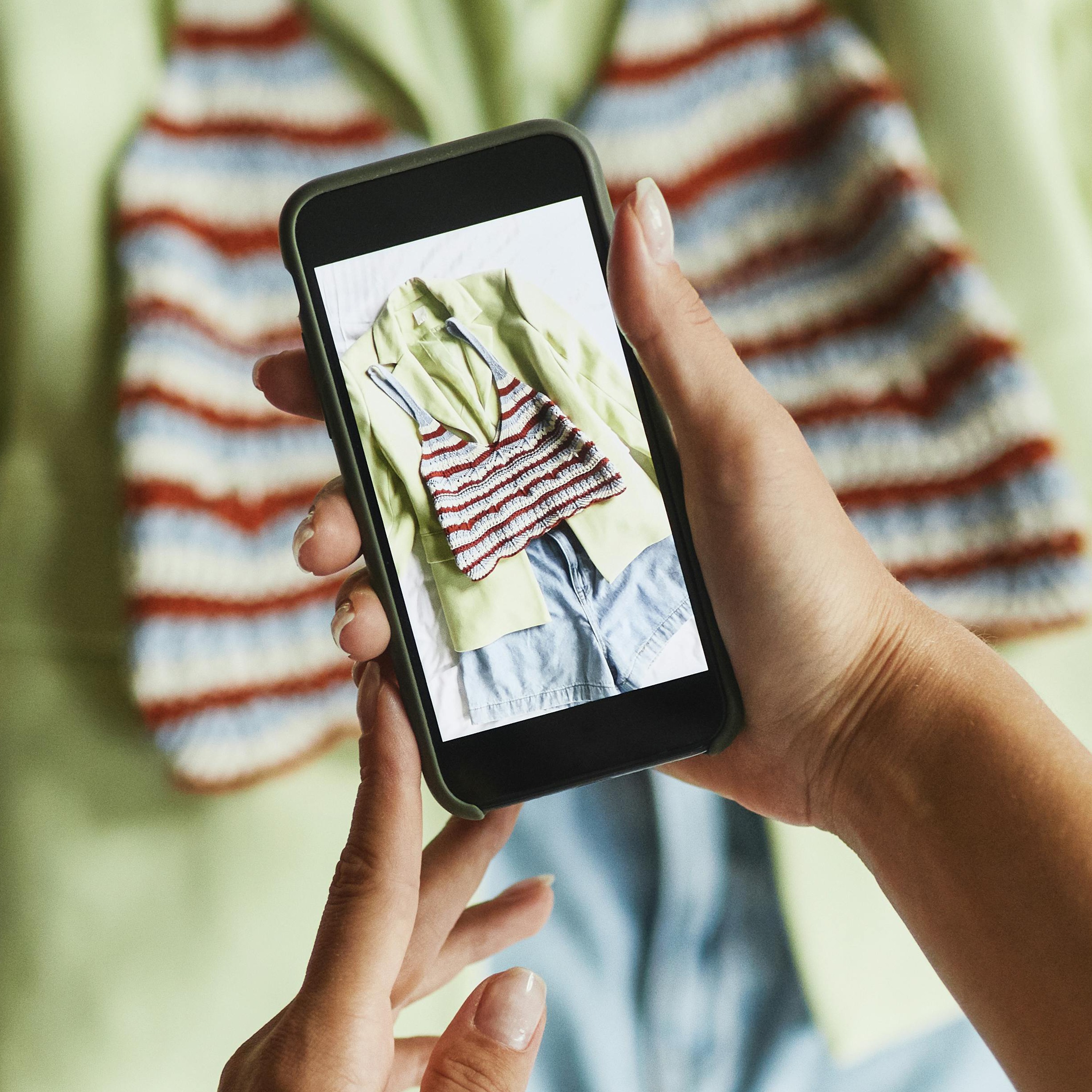
The Future of Resale
Resale is no longer confined to thrift stores or niche platforms; it has grown into a roughly $50 billion industry in the U.S. alone, by some measures. Platforms like Poshmark, The RealReal and Vestiaire Collective have transformed the experience, making it more accessible and attractive to consumers at every price point. At the same time, brands are increasingly stepping into the space, with some launching their own programs to resell returned or used merchandise, transforming what was once a reactive practice into a strategic business opportunity. And new start-ups hope to create a new secondhand market out of brands’ returned merchandise. Retail editor Cat Chen and e-commerce correspondent Malique Morris join senior correspondent Sheena Butler-Young and executive editor Brian Baskin to unpack the evolving resale landscape. Key Insights: The destigmatisation of secondhand fashion is closely tied to convenience. “A large part of the equation is how easy it is to shop and sell secondhand,” explains Chen. “There are dozens of platforms that do peer-to-peer shopping options where you can buy something secondhand for, you know, at a fraction of the cost of retail where you can sell something that you've had for a while.… When resale is top of mind like that, I think the market adapts to that acceptance mentality.”But establishing a leading position in the market has proven difficult, despite rapid adoption. “The learning for operators of these platforms is that there’s very little consumer loyalty in this space,” says Chen. “When I consider selling something, I’m going to look at every single platform - whichever one gives me the quickest sale, the easiest sale, and the most money.” This dynamic has created a fiercely competitive landscape, with platforms racing to attract sellers by offering the best incentives. Bazar is taking a different approach to resale, stocking its marketplace with returned, goods brands would struggle to restock without refurbishment, including some fast fashion. “Bazar doesn’t go through the trouble of necessarily fixing items. It’s kind of listed as is, and customers get a ‘what you see is what you get’ experience,” says Morris. Additionally, Bazar allows fast fashion brands like Cider to offload inventory, which many traditional resale platforms avoid. “There is a level of transparency there which is supposed to be a part of the proposition of sustainability and a part of the proposition of resale as well.”As the industry develops, Morris envisions brands taking more ownership of resale, as platforms like Revive are already helping brands create their own resale programs to handle returned merchandise. Such efforts could turn resale into a sustainable, profitable venture, making it a key part of brand operations. “If resale can prove that it is an avenue for [brands] to achieve profitability … I can see it becoming a bigger priority brands which will make the shopping experience all the better for consumers."Additional Resources:Fashion’s Big Opportunity in Reselling the Unsellable | BoFShould Brands Stop Offering Free Returns? | BoF Hosted on Acast. See acast.com/privacy for more information.
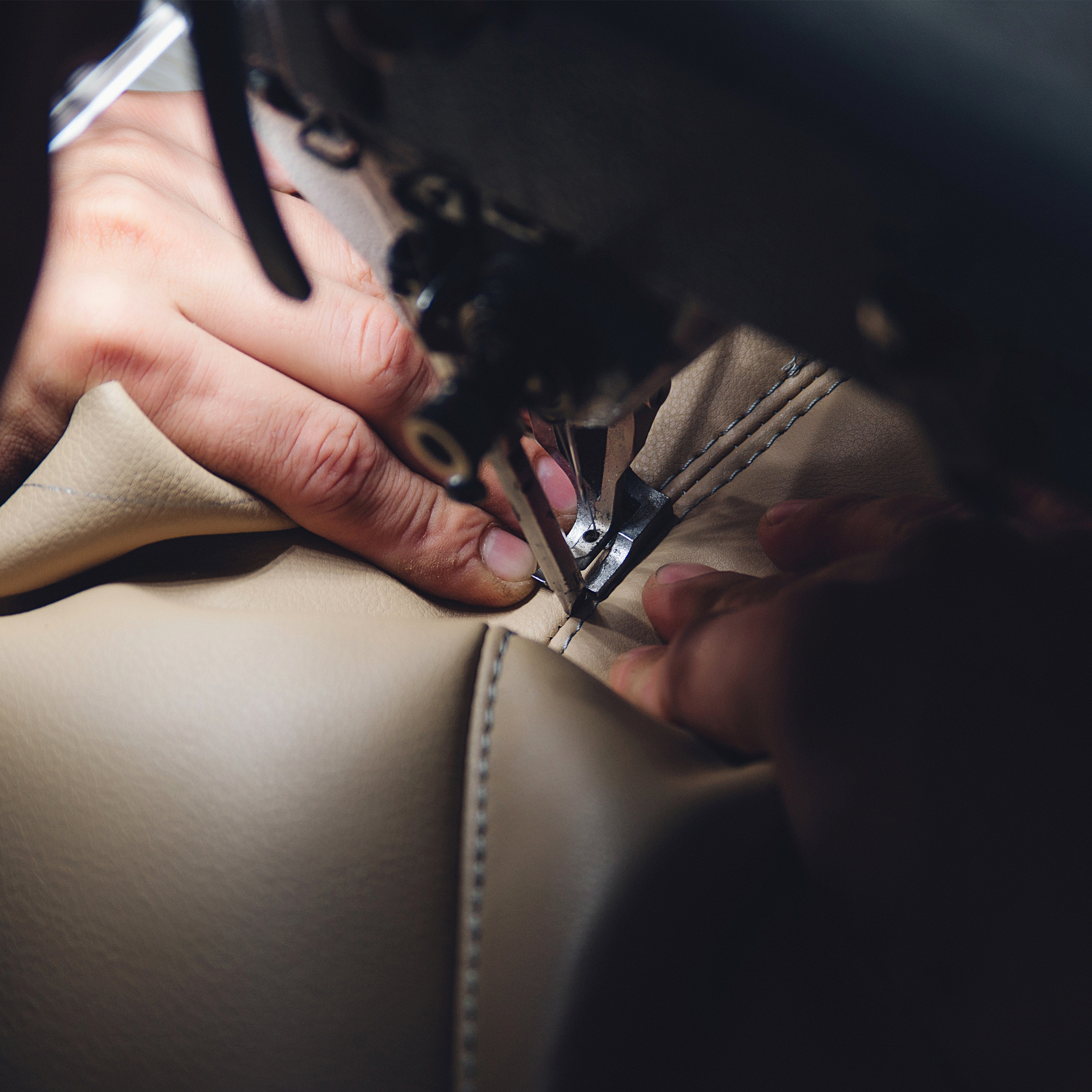
Luxury’s Italian Sweatshops Problem
Background:Over the past year, the pristine image luxury brands have built on their links to artisanal craft, ethical manufacturing and quality has begun to crumble, buffeted by a scandal that has linked labels including Dior and Armani to sweatshops in Italy. According to investigators in Milan, factories producing for the brands were operating illegally and exploiting workers. Dior and Armani have said the allegations don’t reflect their commitment to ethical practices, but prosecutors say the issues uncovered by the probe are systemic and entrenched. Around a dozen more brands could still be implicated, with further cases expected in the coming months. This week, BoF senior correspondent Sheena Butler-Young and chief sustainability correspondent Sarah Kent discuss the findings of BoF’s own investigation into how exploitative practices persist in luxury’s supply chains and what the scandal means for the industry. Key Insights: Luxury brands use their high prices and Italian manufacturing to sidestep concerns over labour practices frequently levelled against lower-priced labels. But the problems pervade even Italy’s most exclusive supply chains. “This may seem shocking and surprising to those outside this part of the industry, but in Italian manufacturing, everyone knows,” said Kent. “It's an open secret.”BoF’s investigation found brands routinely turn a blind eye to labour exploitation, ignoring red flags raised by audits and sustainability teams in the interest of convenience and cost. New regulations mean the risks associated with such scandals will soon be much more severe. Under incoming European due-diligence rules, brands could be subject to penalties of up to five percent of global revenue if they fail to adequately monitor and prevent labour abuses in their supply chains. “There are still a lot of questions around how that's going to be enforced and what that might actually mean,” said Kent. “But that is a chunky piece of change for any big company.”Additional Resources:Inside Luxury’s Italian Sweatshops ProblemIs Luxury Finally Set for a Sustainability Reckoning?Are Luxury Brands Still Worth It? Hosted on Acast. See acast.com/privacy for more information.
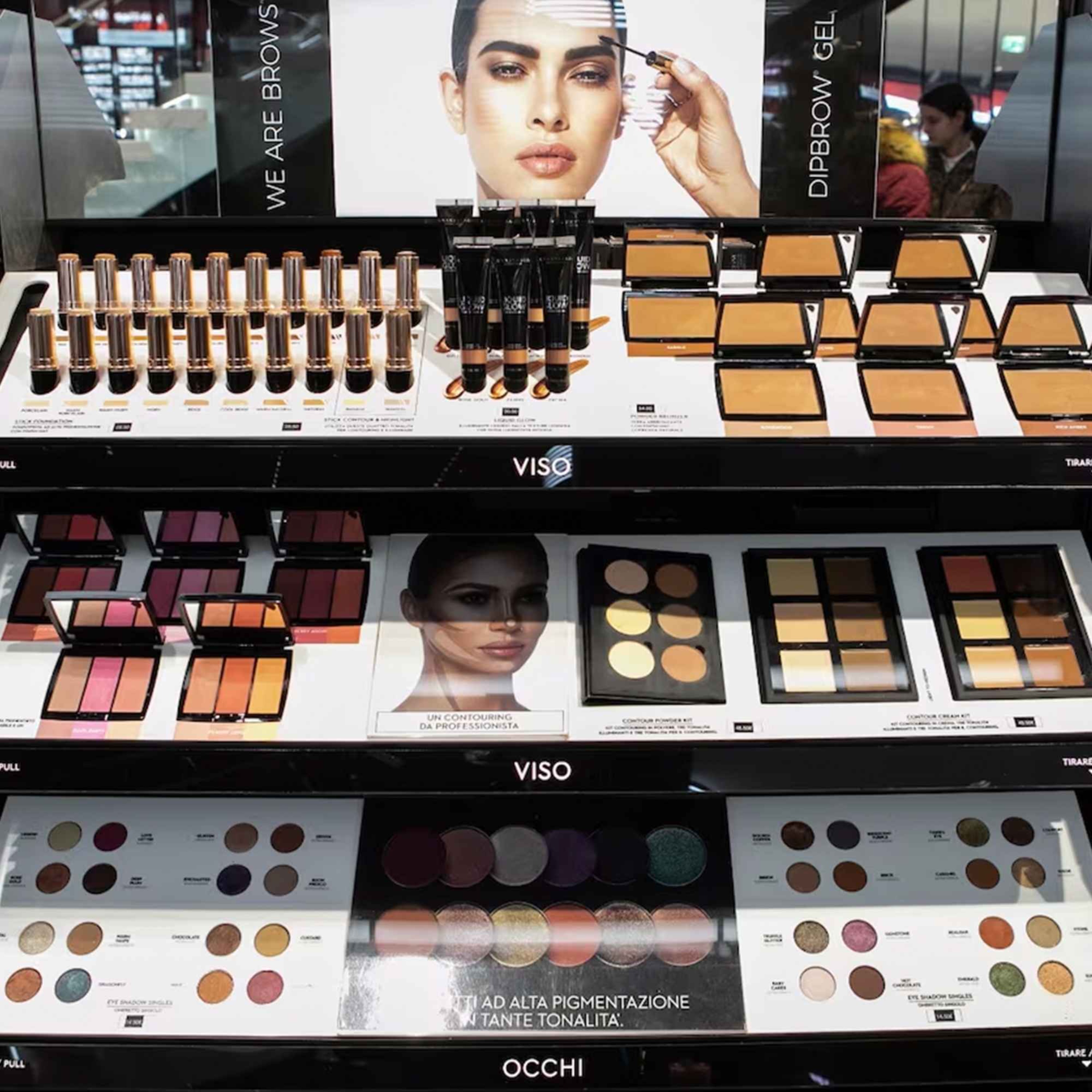
What Happened to Beauty’s Billion-Dollar Brands?
The beauty industry has witnessed a wave of disruptors rise and fall. Brands like Anastasia Beverly Hills, Glossier and Morphe leveraged social media and influencer marketing to achieve rapid success and unicorn valuations. But maintaining momentum has proven challenging, and some of these disruptor brands have seen sales fall and financial hurdles mount. As Glossier proves, there is the possibility of a second chance, but it requires radical changes to the business to pull off. As beauty correspondent Daniela Morosini points out, “The barriers to entry have been removed. You can get a critical mass of fans and build an aesthetic for your brand quite quickly. Making it stick is more difficult.” In today’s crowded market, sustainable growth and a deliberate strategy are essential for standing out.Key Insights: Slower growth in a crowded market can ensure longevity. “It’s the ones that are maybe growing a little bit slower, not having this initial huge rush and then a massive drop-off,” says Morosini. While brands can gain a critical mass of fans and build an aesthetic quickly, sustaining that momentum is much harder in today’s saturated market. “You go on TikTok, and there are 50 brands fighting for your attention. You go to Sephora, there's another 50,” Morosini adds. By focusing on steady, intentional growth, brands are better equipped to stand out and thrive in an environment where consumer choices are overwhelmingly abundant.In a saturated market, having a knowledgeable and authentic founder can differentiate a brand and build trust with consumers. “Brands that had a founder with expertise as a makeup artist or some other kind of professional qualifications helped bear out the brand and add a little bit more credence to it,” says Morosini. These founders often bring a personal approach to their brand, which resonates with consumers.Glossier’s success shows the value of balancing adaptation with staying true to a brand’s core mission. Despite being digital-first, the brand quickly established a physical presence, which “helped enmesh them and establish themselves with more the kind of quote unquote, middle-American consumer, just like a general shopper versus someone who is like a die-hard beauty fan,” explains Morosini. By moving away from an exclusively direct-to-consumer model, Glossier also refocused on its product assortment and customer needs. “Giving up on the DTC-only thing probably allowed them to take a hard look at their product assortment and build out more products that people were really interested in,” Morosini adds.A key lesson for emerging beauty brands is to prepare for both boom and bust cycles. As Morosini explains, “You’re probably going to be getting your most attention both from consumers and investors or acquirers during your fat years. And you need to be ready for the lean years because they're going to come.” She emphasises the importance of hedging strategies, noting, “No matter how well things are going, there will be a competitor snapping at your heels around the corner. Making sure that you’re keeping your strategy and product assortment broad enough to weather that.” Flexibility and foresight are essential to navigating inevitable market shifts.Additional Resources:How Anastasia Beverly Hills Lost Its Footing | BoFUrban Decay’s ‘Naked’ Relaunch Is a Hit. Now Comes the Hard Part. | BoF Hosted on Acast. See acast.com/privacy for more information.
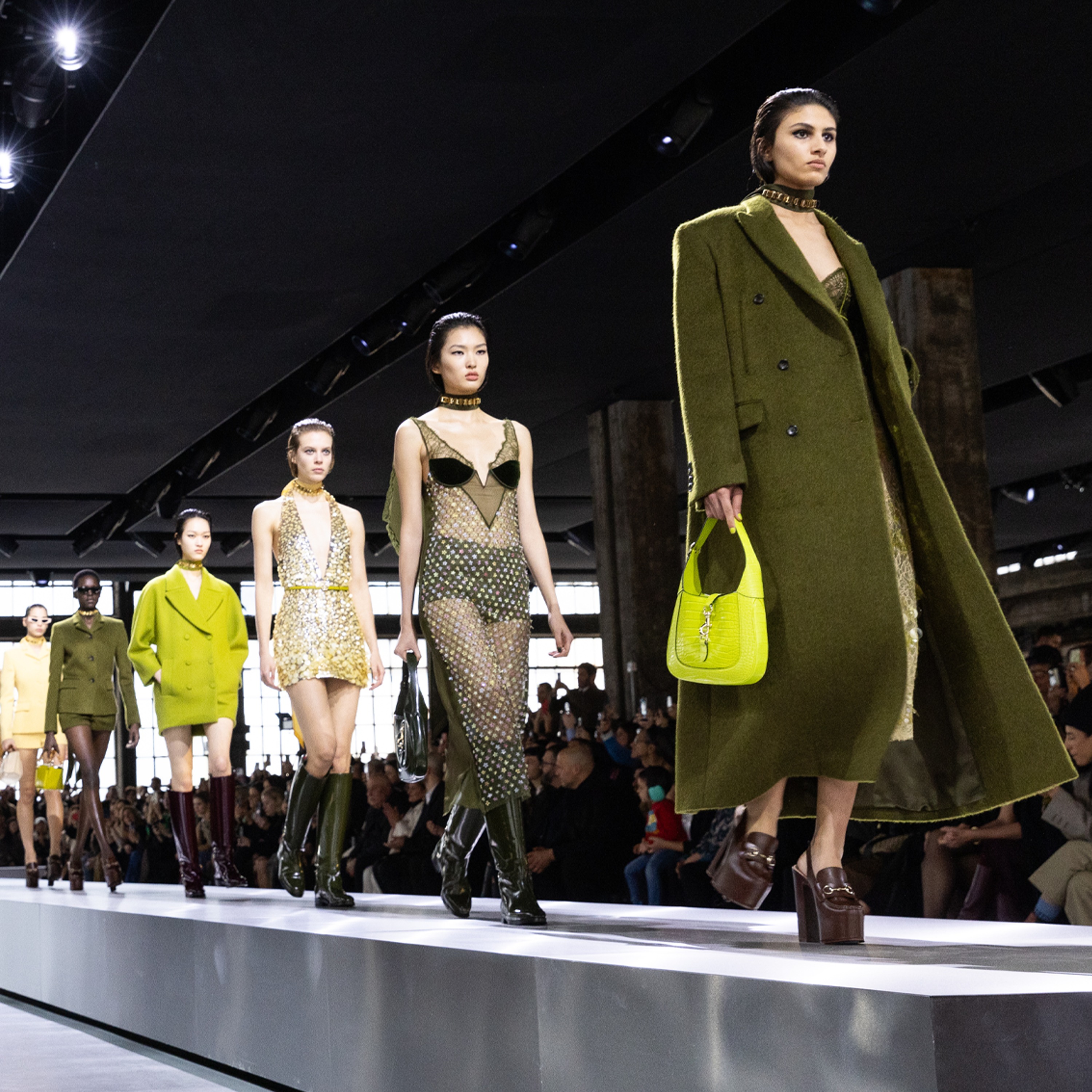
Inside Luxury's Slowdown
For nearly a decade, the luxury sector has experienced what seemed like limitless growth, with brands like Louis Vuitton, Gucci, and Chanel pushing product prices higher — and seeing consumers pay up. However, recent quarterly reports have marked a sudden shift, with even industry giants reporting disappointing revenue. As luxury editor Robert Willliams explains, “These brands are omnipresent and people are seeing them everywhere. Whether consumers finally pull the trigger is so much about their economic confidence, this feel-good factor. Are things going to be better for me next month than they are today?”This week, BoF executive editor Brian Baskin and luxury editor Robert Williams discuss the forces contributing to this downturn, the implications for top brands and potential strategies luxury players are exploring to reignite growth.Key Insights: Global economic uncertainty has hit U.S. and European luxury spending hard. “Whether they finally pull the trigger [on a big purchase] is about economic confidence,” explains Williams, noting that factors like inflation, wage stagnation, and election cycles have consumers second-guessing expensive purchases. There are similar issues in Europe, with proximity to conflicts in the Middle East, Ukraine and Russia additionally impacting consumer sentiment and spending power.However, according to Williams, the biggest issue is China pulling back on this type of spending. China’s luxury market has always been a growth engine, but changing economic sentiments and less travel due to COVID are affecting luxury sales. “[Chinese consumers] are really holding out for when they feel better about the economy. … They’re holding out for when they can feel like they can get a deal because prices are higher in China than most of the world for luxury brands,” says Williams. Many consumers are frustrated with steep price increases, as seen with Dior’s Lady Dior bag, which has jumped 76% in price since 2019. “Customers are quite fed up with how dramatic the price increases have been often for like for like products,” Williams states, adding that consumers often feel they’re “spending a lot more for something that’s not necessarily as good.” Even if quality hasn’t declined, the perception has, especially with social media spotlighting any issues. “With the way our Internet culture works, if someone has an issue with the product, they can make that so public in a way and really disenchant a lot of people and their audience and make them question, is this high price worth it?”Facing a saturated market after years of rapid growth and price hikes, many forecast that 2025 and 2026 are to be similarly stagnant or negative periods for sales.” Even if it wasn't just a question of the prices or if there weren't these other macroeconomic factors, there could be a sense of having saturated the market, of people needing to be bored with fashion a bit so that then they can rediscover it. I'm not sure that it's the right time to introduce the next big idea if you were the one who had it,” says Williams. “Because if you're among the brands whose sales are quite negative … then how much can you really invest in telling the world that you're the one who has the next big idea?”.Additional Resources:Inside Luxury’s Slowdown | BoFWhy Some Luxury Groups Are Doing Better Than Others | BoF Hosted on Acast. See acast.com/privacy for more information.
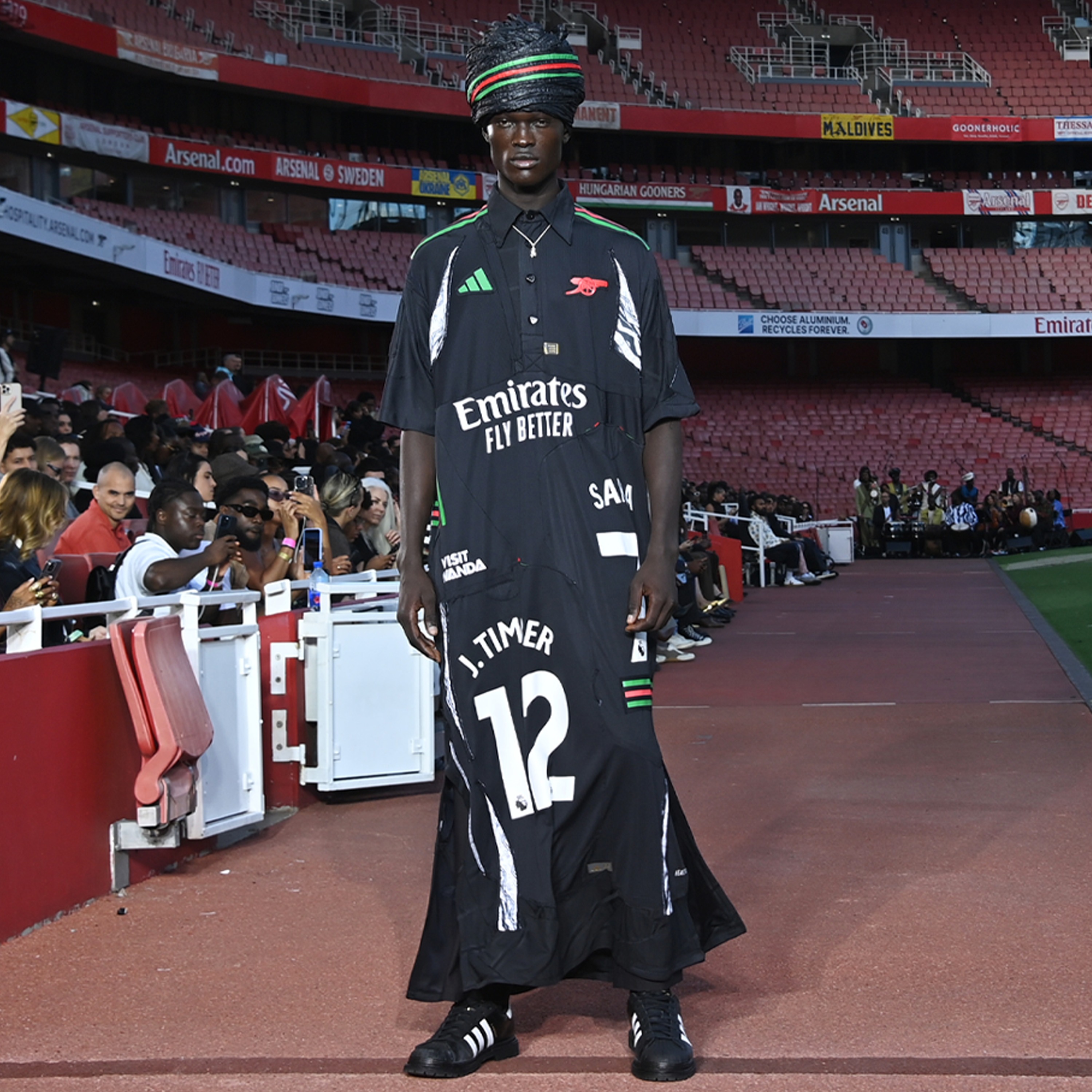
Why Some Sports Win Big in Fashion — and Others Don't
In recent years, sports has provided a rich ground for fashion partnerships. Where even three years ago Dior’s tie-up with Paris Saint-Germain was relatively novel, today it’s harder to find luxury brands that aren’t at least dabbling in football, Formula 1 or other sports. These deals are also getting increasingly elaborate, with brands outfitting athletes, teams and even entire leagues on and off the field. This new wave of partnerships is about more than just looks or finding new audiences — it’s about cultural relevance. “Fashion brands have looked to [sports] to market their products to groups of consumers who maybe weren’t targeted by these brands previously, and athletes themselves have become major brands and media businesses in their own right,” says BoF sports correspondent Daniel-Yaw Miller.This week on The Debrief, Executive Editor Brian Baskin and Senior Correspondent Sheena Butler-Young sit down with Daniel-Yaw Miller to explore how the worlds of fashion and sports are colliding like never before.Key Insights: For a partnership to be successful, it must feel authentic. Arsenal's collaboration with London-based brand Labrum, which presented a runway show at Arsenal's stadium is a prime example. The jersey colours draw influence from the Pan-African flag and hint to the histories of the players and the club. "That partnership makes sense on a cultural level and fans can buy into that authentic messaging rather than just a logo swap,” he says.As individual athletes gain larger followings, brands see more appeal in creating tailored partnerships with rising stars like Coco Gauff and Angel Reese. “Athletes now have a direct bond with fans that the previous generation of stars never had,” Miller notes. “Sports fans have had insights into Coco Gauff and Naomi Osaka’s lives since they were teenagers. They’ve grown with them, and that’s at the very essence of their appeal to these brands.”The rise of women’s sports has opened doors for fashion brands that previously overlooked the sector. "And that's really opened up the sports industry, which has traditionally been extremely male dominated. So a whole range of luxury womenswear brands that previously never really had an entry point into the sports industry,” Miller explains. Some sports struggle to find traction in the fashion world. While Formula 1 has embraced luxury, baseball remains on the sidelines. “Baseball has never quite broken out to have true global appeal in a sense that fashion could leverage,” Miller says. “I think baseball is very similar to where Formula One was before the Liberty Media acquisition, where there was a strict atmosphere around showing an interest in things that are outside the direct line of business for a baseball organisation that's hampered how much the sport and the athletes have been able to be in fashion.”Additional Resources:Fashion’s Sports Obsession Is No Accident | BoF How Athletes Became Fashion Week Royalty | BoF.Inside the Big Business of Styling Athletes | BoF Hosted on Acast. See acast.com/privacy for more information.
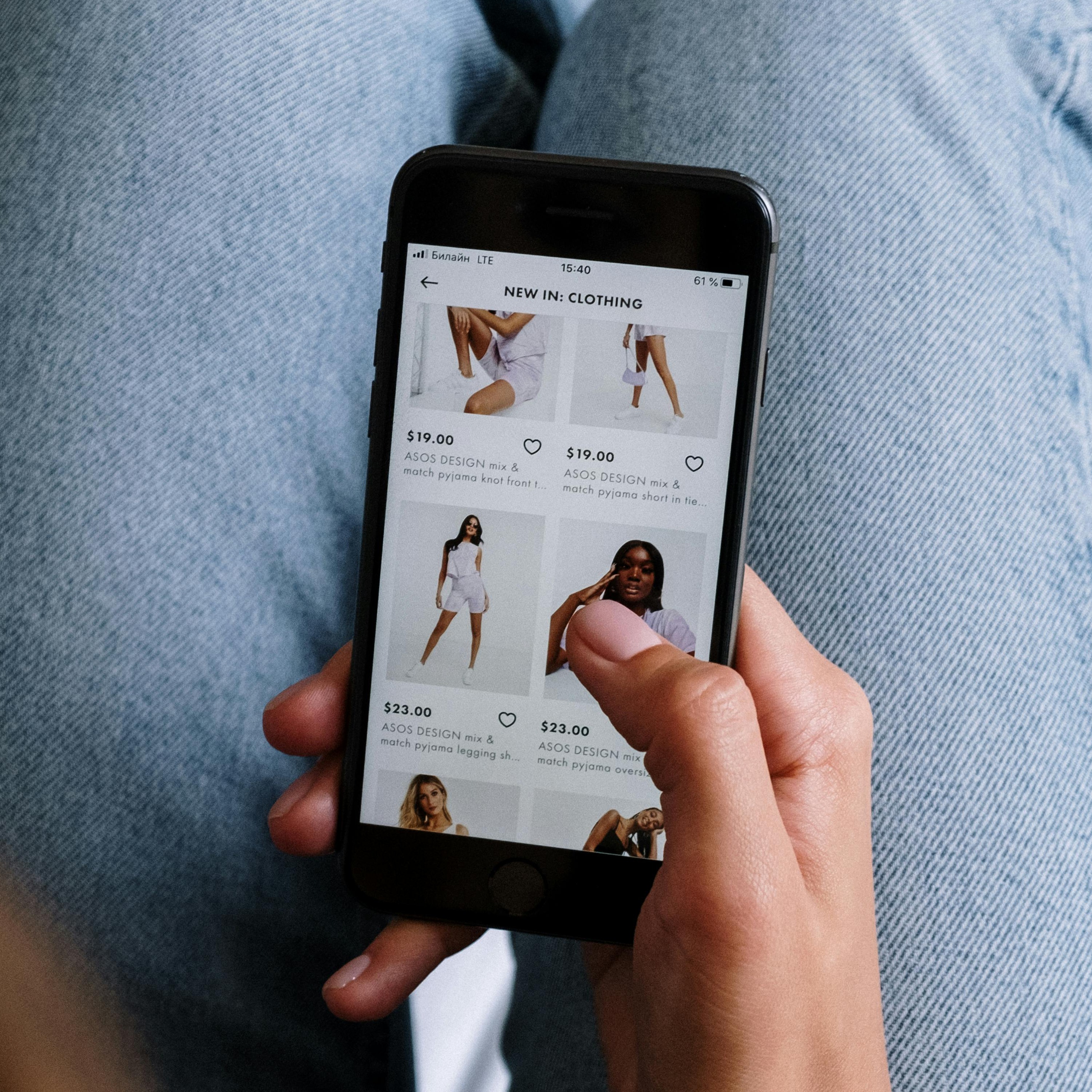
Can AI Make Shopping Online Less Annoying?
Online shopping promises convenience, but finding the right product among thousands – or hundreds of thousands – of options can often feel like a chore. To address this, retailers are experimenting with AI tools that aim to cut through the clutter with improved search capabilities and personalised shopping experiences. These models don’t just match keywords; they understand user intent and interpret complex search terms, moving closer to a more personal shopping experience online.“Search works really well when you know specifically what you're looking for,” senior technology correspondent Marc Bain notes, “but there’s potential for AI to bridge that gap when you don’t.”This week on The Debrief, BoF executive editor Brian Baskin and senior correspondent Sheena Butler-Young sit down with Bain to explore how AI is transforming e-commerce.Key Insights: New AI search tools are evolving past traditional keyword searches, enhancing users’ ability to find what they’re looking for online with greater ease. “These large language models could change search in a way that you can interact with it more naturally,” explains Bain. With AI’s advanced understanding of nuanced searches like “what should I wear to Burning Man?”, these systems can now deliver results based on context, location, and style preferences, making online shopping a more seamless, intuitive experience.AI in e-commerce aims to serve as an attentive, personalised assistant, but brands face the challenge of enhancing the customer experience while maintaining a respectful distance in the digital space. AI must fall on “the right side of the line between concierge and creepy,” Baskin explains. "The ideal is having an online sales associate … where it doesn’t feel like … it’s just throwing products at you to see what sticks,” continues Bain. The goal of AI in e-commerce is to make shopping more intuitive by simplifying search. As Bain notes, “search is notoriously terrible on retail e-commerce sites,” highlighting the need for improvement. However, despite these advancements, consumers may remain hesitant to fully trust AI-driven recommendations. Bain reflects this sentiment, adding, “I would probably look at what it says and then still go do my own research because I don’t fully trust it.” Additional Resources:The E-Commerce Search Bar Gets an AI Makeover | BoF How AI Could Change Online Product Search and Discovery | BoFCase Study | How to Create the Perfect E-Commerce Site | BoF Hosted on Acast. See acast.com/privacy for more information.
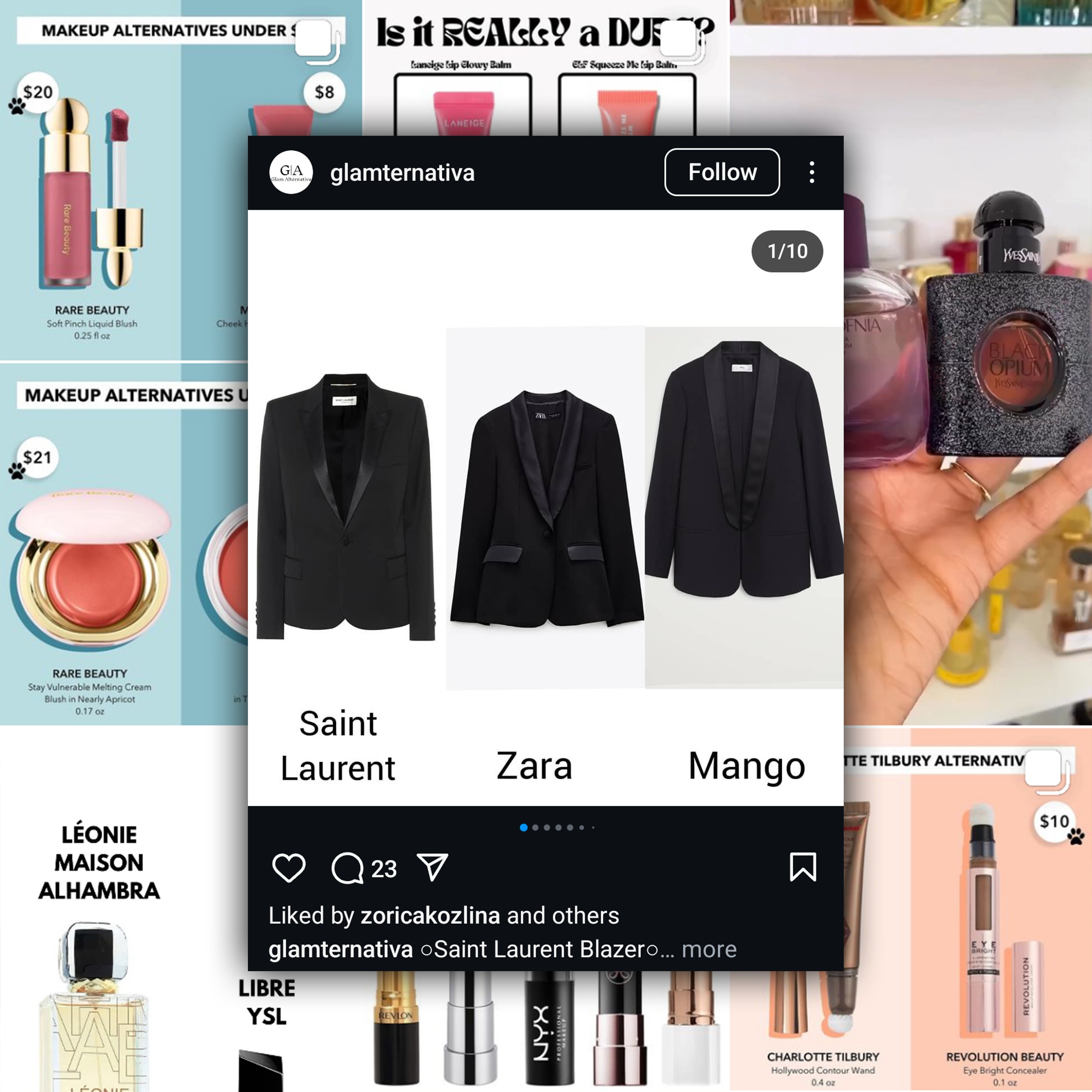
How Dupe Culture is Challenging Traditional Luxury
A growing number of direct-to-consumer brands are disrupting the luxury market by offering high-quality alternatives at more affordable prices. As traditional luxury brands focus on the ultra-wealthy and fast fashion dominates the budget market, these “dupe” brands cater to middle-class consumers who feel priced out of luxury but still want value for their money. Through transparent pricing and savvy use of social media, they are reshaping how consumers think about value and quality.“The term dupe stems from duplication, but it also does speak to consumer sentiment around pricing today - they do feel duped,” says e-commerce correspondent Malique Morris. “Luxury brands have exponentially raised their prices for hip products in a way that is locking out middle class shoppers who typically could splurge on a few nice bags or a few nice sweaters a year.” Key insights:As luxury brands continue to hike prices for their most popular products, middle-class consumers are feeling increasingly excluded from the luxury market. This sentiment is fueling the rise of brands like Quince and Italic. “Luxury brands have exponentially raised their prices for hip products in a way that is locking out middle class shoppers who typically could splurge on a few nice bags or a few nice sweaters a year,” says Morris. “The check is going to come due for luxury brands to explain why their prices are so high.”Dupe brands take advantage of this dynamic by being open about their costs, breaking down exactly how much it takes to produce their items and what they’re selling them for. “Dupe brands are almost annoyingly transparent about pricing in terms of breaking down,” Morris explains. “That’s refreshing for middle-class shoppers who are seeing the prices of things like milk and eggs rise inexplicably. Outside of this vague bogeyman of inflation, their dreams of owning a Chanel bag is moving further away with no real explanation on that front either.” Platforms like TikTok and Instagram have been instrumental in the rise of dupe brands, where influencers showcase cheaper alternatives to high-end products. However, the sustainability of this trend is uncertain. “If consumers stop caring about dupes and engagement goes down, then social media leverage on this front will die out for these brands, but right now, it really is a boon for them,” says Morris.While price is the main draw for dupe brands now, they will need to evolve beyond being simply the cheaper alternative. “What is our differentiator beyond offering good prices now? What is our storytelling? What are our products that are unique to us? If dupe brands can answer those questions, they’ll stop being seen as just cheaper versions,” says Morris. Additional Resources:What Luxury ‘Dupe’ Brands Get Right About Shoppers | BoF Is Dupe Culture Out of Control? | BoF Hosted on Acast. See acast.com/privacy for more information.
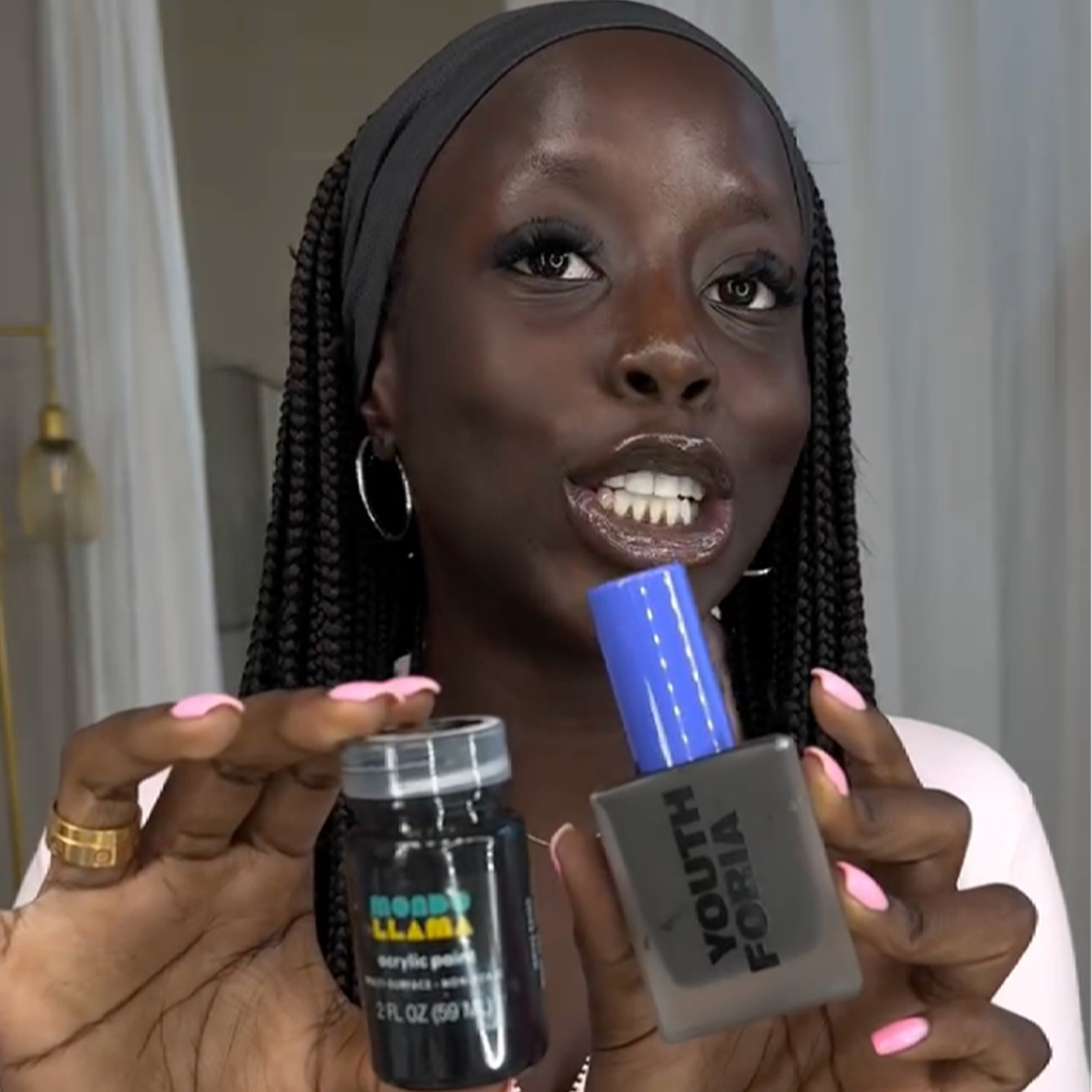
How Beauty Blunders Go Viral and What Brands Do Next
The beauty industry thrives on virality, but in the age of social media, that can be a double-edged sword. One viral TikTok video can catapult a brand to success — or bring it to its knees. From Youthforia’s foundation shade controversy to Huda Beauty’s mislabeling error, brands are discovering that managing customer expectations and addressing backlash swiftly is critical to their survival.“It happens pretty fast when it does happen. … Sometimes it’s an unknown creator who can make [a product] go viral for all the wrong reasons,” says beauty correspondent Daniela Morosini. “You have to be willing to listen when they tell you that you got it wrong.”Key Insights: Building a strong brand community involves more than just creating a product; it means engaging with your customers and allowing them to have a meaningful role in your brand’s development. “If you're going to create a community to help your brand grow, you need to understand that those customers want a seat at the table,” says Morosini. Listening to customer feedback, especially when things go wrong, is crucial. Being proactive in addressing customer complaints is crucial. As demonstrated by Huda Beauty’s mislabeling issue, taking responsibility early on and offering solutions can stop a backlash from spiralling. Morosini notes, “She took full accountability and offered to make everybody whole if they’d bought the wrong shade.”Hair care products, especially those tied to hair loss, tend to evoke emotional responses and intense scrutiny. The stakes are high as hair loss is a sensitive, deeply personal issue. As Morosini points out, “There are so many factors that can cause hair loss… people don't want to roll the dice if there's even a 1% chance a product could be the cause.”Complexion product mishaps can be particularly damaging for beauty brands, as they quickly highlight inclusivity gaps. “It’s just so obvious when a brand has missed the mark with complexion,” says Morosini. “Oftentimes the scandals that seem to cause a lot of blowback, they come back to that exclusionary point,” she adds. “Nobody likes to feel left out.”Additional Resources:What to Do When a Beauty Product Launch Goes Wrong | BoFWhy Beauty Brands Keep Getting Accused of Causing Hair Loss — and What They Can Do About It Editor's Note: The hosts mistakenly identified a YSL blush as a Givenchy blush. BoF regrets this error. Hosted on Acast. See acast.com/privacy for more information.

How Influencers Make Money
The influencer landscape has shifted dramatically over the last decade. While the image of influencers posting flawless selfies on exotic, brand-sponsored trips still resonates, the reality has become far more complex. Influencers now host live shoppable streams, publish newsletters on Substack and engage in intimate group chats. Their goal is not just to build a following and wait for brands to come calling, but to establish multiple sources of income through affiliate links, brand deals, and subscription models.“Influencers and creators have realised that they need to diversify and be on multiple platforms. They need to be connecting with their followers in multiple ways and have a deeper relationship with their followers,” says Diana Pearl, senior news and features editor. “Even five years ago, there were people who didn't really take this industry very seriously and didn't realise the difference they could make for their brand. Now it is impossible to ignore.”Key Insights:In the evolving digital landscape, influencers and creators are no longer relying on a single platform for success. Diversifying their presence across platforms, from Instagram to Substack, is key. Pearl emphasises, “It’s really all just about diversification... not relying so much on one source, not having to rely so much on Instagram, the algorithm, affiliate links and brand deals.”While macro-influencers may reach a broader audience, smaller influencers often have more engaged, loyal followers. “Once you get so big and you've got millions and millions of followers, you can't have that type of relationship with 5 million people the way you can with 100,000,” says Pearl.The rivalry between influencer marketing platforms LTK and ShopMy highlights a shift in the landscape, with ShopMy offering influencers more control and transparency. Pearl explains that while LTK encourages creators to centralise their content on its app, ShopMy allows influencers to share across platforms. “We know our audience, we know what content resonates with them. But if you hand us this really detailed brief and expect us to act like a traditional ad agency... it’s just not going to come off as authentic,” Pearl explains.The industry is becoming more nuanced, with clear distinctions emerging between influencers and creators. While creators focus on producing unique, engaging content, influencers drive sales and hold sway over purchasing decisions. Influence remains the key asset in the industry, one that can be translated across platforms like Instagram, TikTok, or Substack. "At the end of the day, the most valuable commodity in this business is influence," Pearl explains.By understanding their goals and selecting the right partner to meet them, brands can optimise the impact of their influencer campaigns and better connect with their target audiences. “Brands just need to be smart about what are your goals, what’s the right type of person to achieve these goals or right type of partner and who should we go with from there?” says Pearl. Additional Resources:The Widening Gap Between Influencers and CreatorsThe Fight for Influencer Marketing Dollars Heats UpWhat’s Driving the Influencer Subscription Boom Hosted on Acast. See acast.com/privacy for more information.
Can Department Stores Save Themselves?
For decades, department stores were symbols of American retail success, but their shine has long since faded. Overexpansion that began in the 1990s, the growth of e-commerce and the decline of many malls has left a saturated market, with more stores than there is demand. Major department stores have been struggling for decades to adapt to changes in the way their customers shop, with little to show for it. "These challenges existed ten years ago, but the problem we have today is that it’s getting later and later, and more and more desperate for these department stores. Time is running out, and they still haven’t figured out the solution,” says retail editor Cat Chen.In this episode of The Debrief, BoF senior correspondent Sheena Butler-Young speaks with Chen about why department stores are struggling to stay relevant, how activist investors are complicating the picture, and whether following the approach of European department stores like Selfridges can save this iconic segment of the retail industry. Key Insights:Activist investors have been targeting department stores like Macy’s and Kohl’s, but they are more interested in these companies’ real estate portfolios than retail. Chen highlights the parallels with Sears, where the investor Eddie Lampert spun out Sears’ real estate into a separate entity, ultimately leading to its bankruptcy. “The sentiment in the industry is that if these companies were bought out by activist investors it would not be a good sign for the health of these department stores. There wouldn’t be a long-term strategy for maintaining their health,” she says.Nordstrom's strategy for revival includes focusing on experiential retail, enhancing customer service, and possibly going private under the Nordstrom family’s ownership. These moves would allow them to invest in the long-term health of the company without the pressure of quarterly earnings. “The Nordstrom family is really set on making some radical, transformative changes to Nordstrom that they just can't make as a public entity,” Chen explains.European department stores are a potential model for American department stores to replicate. “Look at Selfridges or look at Le Bon Marché. People love spending time in those stores — tourists but also locals,” Chen says. Explaining how European stores are treated like flagships, with significant investments in customer experience and meticulous attention to detail, she adds, “these companies invest in the layout of the store — fixtures, carpeting, lighting — all of these details matter, and European department stores have done a great job making it happen.” Additional Resources:Why Nordstrom’s Founding Family Wants to Take the Retailer Private | BoFInnovation Won’t Save Department Stores. The Right Products Will. | BoFCan Saks, Neiman Marcus and Amazon Save the American Department Store? | BoF Hosted on Acast. See acast.com/privacy for more information.
Why Does Menswear All Look the Same?
A style renaissance that changed how many men dress – mostly for the better – has congealed into a sea of sameness, at least in the eyes of a growing number of fashion critics and influencers. Too many interchangeable brands take the same approach, blending tailoring with casualwear in neutral-toned collections that are stylish but often fail to inspire. The look is often derided as a menswear “starter pack,” but remains popular with consumers. This week on The Debrief, Brian Baskin sits down with correspondents Malique Morris and Lei Takanashi to discuss why this “starter pack” approach works for the industry - but at the cost of long-term brand building and customer loyalty. Additionally, they probe what brands must do to recapture consumers' imagination.“Any brand can make a good product, but what makes a brand good, especially a good menswear brand, is having a great story that's worth telling,” says Takanashi.Key Insights:Menswear brands today are following a familiar formula, leading to a prevalence of “starter pack” lookbooks. “They all do some sort of version of this. Approachability, timeless, stylish and handsome but inoffensive look,” says Morris. This marketing playbook, popularised by brands like Aimé Leon Dore and followed by many others, has led to a lack of creativity and experimentation. As Morris puts it, “everything is good and nothing is great. So if everyone can dress well, then no one is actually cool.”What makes brands stand out over decades isn’t radical changes in design, but compelling storytelling and mythmaking. Morris argues consumers may not be loyal to today’s menswear brands in the long term if they're just buying into a trendy and easy to copy aesthetic. But Takanashi notes that for certain brands that are seen as authentically embracing this style, their best bet is stick to what’s worked: “I feel like in the case of brands like Aimé Leon Dore and Supreme, the long game for them is becoming a heritage label … they have such a distinct point of view that they will always have a core consumer.” As Morris puts it, “what brands should think about is just being themselves.”Additional resources:Why Menswear Is Getting a Marketing Refresh | BoFCan Off-White Get Back on Track? | BoFHow the Streetwear Customer Is Evolving | BoF Hosted on Acast. See acast.com/privacy for more information.
Luxury Fashion’s Designer Diversity Problem
Luxury fashion remains an exclusive club, where leadership positions are often filled from within tight, familiar circles. Despite industry-wide commitments to diversity and inclusion, the sector continues to struggle with gender and racial diversity in its top creative roles. Many luxury companies still operate within networks that favour traditional backgrounds, making it difficult for new, diverse talent to break through.“It's a role where I think people's unconscious biases really can come into play because whether or not they receive something as good design or bad design is going to be so much influenced by the person who told them that it's good design or bad design,” said BoF’s Luxury Editor Robert Williams. This week on The Debrief, BoF Senior Correspondent Sheena Butler-Young sat down with Williams to discuss the structural barriers that keep women and minorities from ascending to these coveted positions. They explore how the industry’s patriarchal business models perpetuate these challenges, the influence of consumer expectations in driving change, and how mass brands like Uniqlo are beginning to shift the narrative by appointing creative directors from unconventional backgrounds. Key Insights:The role of the creative director in luxury fashion has traditionally been defined by a singular, authoritative voice that dictates trends and tastes, often imposing what is considered "right" or "wrong" in design. Williams explains that this model, which elevates the creative director as a gatekeeper of style, makes it challenging for those who don't fit the traditional mould of authority in fashion to rise to the top.“The creative director defined in a very traditional sense … is so much about imposing this authority from the top. And while that's not how everyone operates a brand anymore, … when you have that tradition, that makes it harder for people who don't fit the bill of what someone is used to seeing as a person of authority and in power to rise up.” Women in creative leadership face unique challenges, needing to prove their creative vision with commercial success. Williams explains, “Women have had to maybe back up their creative contributions with commercial results. And I think when you look at the women at the top of the luxury industry, you have a group of women who really know how to say something on the runway and say something with the brand. But then also really to back that up with products that women will want to buy and wear.” This dual expectation places added pressure on women creative directors, which may not be applied to their male counterparts.Luxury fashion remains a highly insular industry, where hiring and promotion often occur within exclusive networks that favour familiar faces and traditional backgrounds. “Many luxury companies still operate within a very exclusive network, which makes it difficult for new, diverse talent to break in,” Williams notes. “It's a very contacts and relationship driven industry, and so reinforcing diversity is quite tricky. If the people in positions of power don't have a really diverse group around them, it's going to be less and less likely that they're going to find out about an interesting talent, someone that they want to kind of cut into the action in terms of their studio.”Additional Resources:Luxury Fashion’s Designer Diversity Problem Persists | BoFDo Mass Brands Need Creative Directors? | BoF Hosted on Acast. See acast.com/privacy for more information.