
The Daily
3,002 episodes — Page 9 of 61

Sunday Special: This Summer in Culture
EWelcome to the Sunday Special, running now through the end of the year. Every Sunday, Gilbert Cruz, the editor of The New York Times Book Review, will talk with a rotating cast of Times critics and culture and lifestyle reporters about “the fun stuff”— pop culture, movies, TV, music, fashion and more.On today’s inaugural episode, Gilbert sits down with Jon Caramanica, a pop music critic at The Times, and Madison Malone Kircher, an internet reporter at The Times, to recap their cultural highs and lows of this summer.Photo: Stephane Mahe / Reuters Subscribe today at nytimes.com/podcasts or on Apple Podcasts and Spotify. You can also subscribe via your favorite podcast app here https://www.nytimes.com/activate-access/audio?source=podcatcher. For more podcasts and narrated articles, download The New York Times app at nytimes.com/app. Hosted by Simplecast, an AdsWizz company. See pcm.adswizz.com for information about our collection and use of personal data for advertising.

'The Interview': Arundhati Roy Knows Where America Is Headed
The acclaimed writer has a new memoir, and a warning.Thoughts? Email us at [email protected] our show on YouTube: youtube.com/@TheInterviewPodcastFor transcripts and more, visit: nytimes.com/theinterview Subscribe today at nytimes.com/podcasts or on Apple Podcasts and Spotify. You can also subscribe via your favorite podcast app here https://www.nytimes.com/activate-access/audio?source=podcatcher. For more podcasts and narrated articles, download The New York Times app at nytimes.com/app. Hosted by Simplecast, an AdsWizz company. See pcm.adswizz.com for information about our collection and use of personal data for advertising.
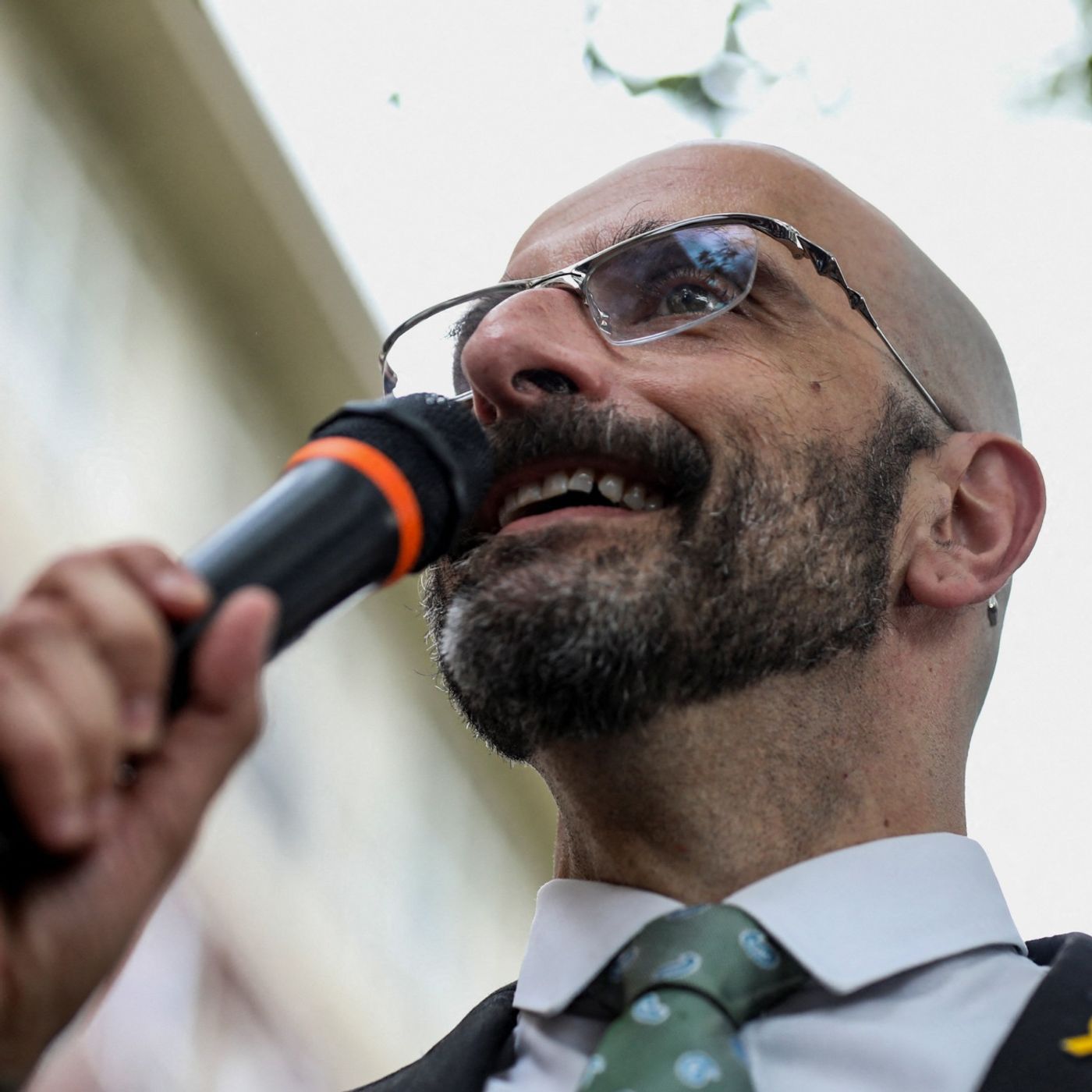
The C.D.C.’s Vaccine Chief on Why Quitting Was His Only Option
Over the past 24 hours, the U.S. Centers for Disease Control and Prevention has been plunged into turmoil.Health Secretary Robert F. Kennedy Jr. tried to fire the agency’s director, Susan Monarez, igniting a standoff that prompted three other senior officials to resign.One of those officials, Dr. Demetre Daskalakis, explains why he chose to take a stand.Guest: Dr. Demetre Daskalakis, a former director at the C.D.C.Background reading: The Covid-19 pandemic made the C.D.C. a frequent target of lawmakers and segments of the general public.Mr. Kennedy’s move to dismiss Dr. Monarez came after she declined to fire agency leaders or to accept all recommendations from a vaccine advisory panel, according to people with knowledge of the events.For more information on today’s episode, visit nytimes.com/thedaily. Transcripts of each episode will be made available by the next workday. Photo: Alyssa Pointer/Reuters Subscribe today at nytimes.com/podcasts or on Apple Podcasts and Spotify. You can also subscribe via your favorite podcast app here https://www.nytimes.com/activate-access/audio?source=podcatcher. For more podcasts and narrated articles, download The New York Times app at nytimes.com/app. Hosted by Simplecast, an AdsWizz company. See pcm.adswizz.com for information about our collection and use of personal data for advertising.

Threats and Cash: How China Meddles in U.S. Local Elections
A curious news story emerged in New York last week. It involved the mayor’s race, a reporter from the news outlet The City and a bag of chips.Michael Forsythe, a reporter on the investigations team at The New York Times, explains how the episode fits into a larger story about how China has been attempting to influence American politics.Guest: Michael Forsythe, a reporter on the investigations team at The New York Times.Background reading: In the past few years, community organizations have quietly foiled the careers of politicians who opposed China’s authoritarian government.Times reporters witnessed supporters of the New York mayor, Eric Adams, handing out cash-filled envelopes. Sometimes, that money went to reporters from Chinese-language outlets.For more information on today’s episode, visit nytimes.com/thedaily. Transcripts of each episode will be made available by the next workday. Photo: Shuran Huang for The New York Times Subscribe today at nytimes.com/podcasts or on Apple Podcasts and Spotify. You can also subscribe via your favorite podcast app here https://www.nytimes.com/activate-access/audio?source=podcatcher. For more podcasts and narrated articles, download The New York Times app at nytimes.com/app. Hosted by Simplecast, an AdsWizz company. See pcm.adswizz.com for information about our collection and use of personal data for advertising.
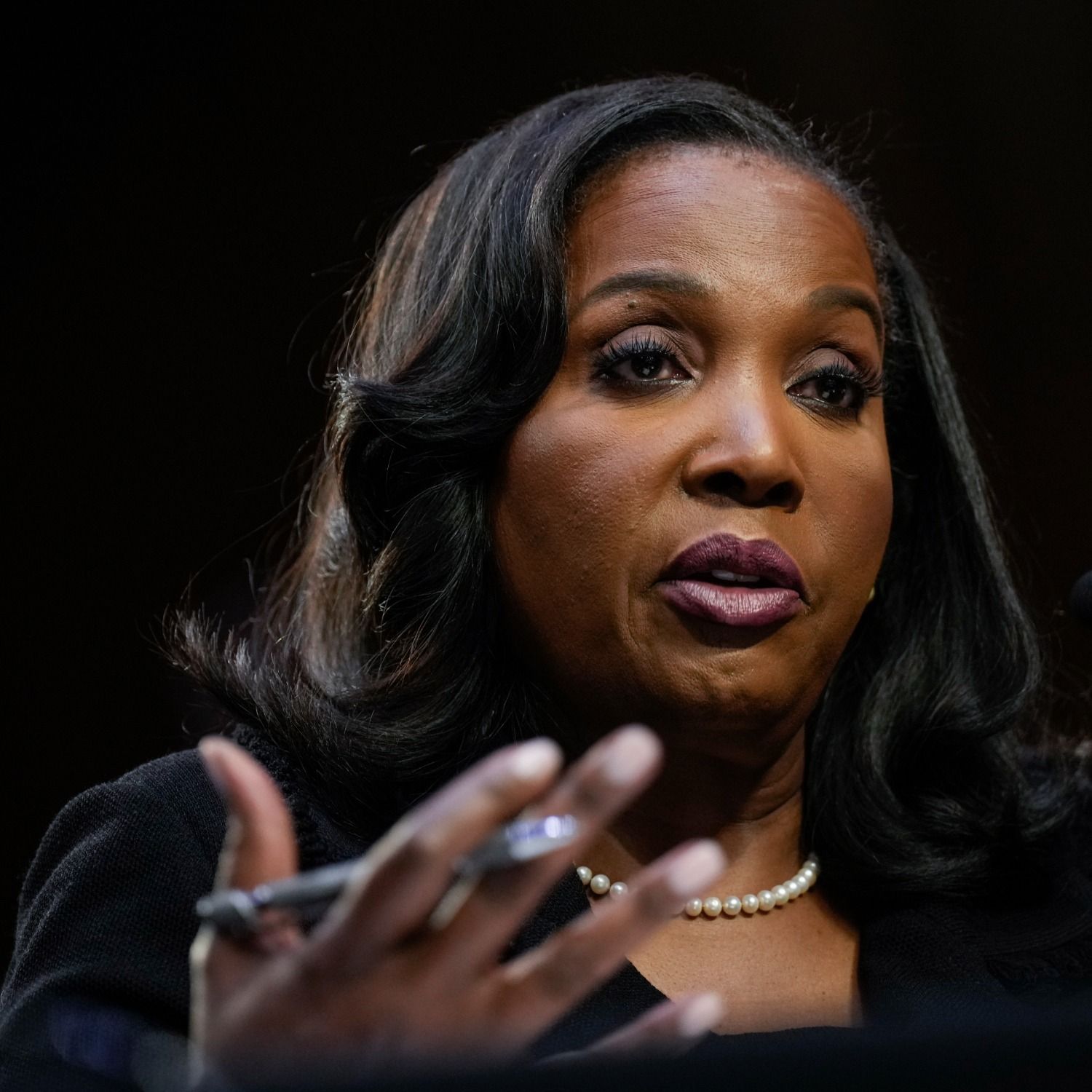
Trump’s Takeover of the Fed
President Trump’s decision to try to fire a member of the Federal Reserve’s governing board is his most audacious attack yet on the independence of the central bank.Ben Casselman, chief economics correspondent for The New York Times, discusses why Mr. Trump’s route to controlling the Fed passes through the governor, an economics professor named Lisa Cook.Guest: Ben Casselman, the chief economics correspondent for The New York Times.Background reading: Mr. Trump’s move to fire Ms. Cook is a legally dubious maneuver that could undermine the independence of the nation’s central bank.Seeking to retool the Fed, Mr. Trump risks upending a pillar of the global economy.For more information on today’s episode, visit nytimes.com/thedaily. Transcripts of each episode will be made available by the next workday. Photo: Drew Angerer/Getty Images Subscribe today at nytimes.com/podcasts or on Apple Podcasts and Spotify. You can also subscribe via your favorite podcast app here https://www.nytimes.com/activate-access/audio?source=podcatcher. For more podcasts and narrated articles, download The New York Times app at nytimes.com/app. Hosted by Simplecast, an AdsWizz company. See pcm.adswizz.com for information about our collection and use of personal data for advertising.

How America Got Obsessed With Protein
Seemingly overnight, Americans have become obsessed with pumping as much protein as possible into every drink, snack and meal.Elizabeth Dunn, a writer and contributor to The Times, explains the origins of this latest nutrition craze.Guest: Elizabeth Dunn, a writer and contributor to The New York Times.Background reading: The David bar, basically a protein Scud missile wrapped in gold foil, has had breakout success. But can the trend last?Read a fact-check about some of the big claims made about protein.For more information on today’s episode, visit nytimes.com/thedaily. Transcripts of each episode will be made available by the next workday. Photo: David Chow for The New York Times Subscribe today at nytimes.com/podcasts or on Apple Podcasts and Spotify. You can also subscribe via your favorite podcast app here https://www.nytimes.com/activate-access/audio?source=podcatcher. For more podcasts and narrated articles, download The New York Times app at nytimes.com/app. Hosted by Simplecast, an AdsWizz company. See pcm.adswizz.com for information about our collection and use of personal data for advertising.

Inside the A.I. Talent Wars
The race to dominate artificial intelligence has become a scramble for talent, with tech companies offering pay packages of $250 million and poaching their competitors’ best employees.Mike Isaac, who covers the tech sector for The Times, explains why all the hype is raising fears that A.I. could become the next big bubble.Guest: Mike Isaac, a New York Times reporter based in the San Francisco Bay Area, covering tech companies and Silicon Valley.Background reading: To navigate the recruitment frenzy, many A.I. researchers have turned to unofficial agents to strategize.Life for workers at Silicon Valley’s biggest tech companies has changed as the behemoth firms have aged into large bureaucracies.For more information on today’s episode, visit nytimes.com/thedaily. Transcripts of each episode will be made available by the next workday. Photo: Photo Illustration by Ihor Lukianenko, via Getty Images Subscribe today at nytimes.com/podcasts or on Apple Podcasts and Spotify. You can also subscribe via your favorite podcast app here https://www.nytimes.com/activate-access/audio?source=podcatcher. For more podcasts and narrated articles, download The New York Times app at nytimes.com/app. Hosted by Simplecast, an AdsWizz company. See pcm.adswizz.com for information about our collection and use of personal data for advertising.

‘Modern Love’: Bridget Everett Says A Best Friend Can Be Your Greatest Love
Stories of romantic love are everywhere, but the actor, singer and comedian Bridget Everett says that friendships deserve our attention, too. Onscreen and in everyday life.Last Fall, Everett appeared on Modern Love to talk about her HBO Original series “Somebody Somewhere,” which centers on a close friendship. Now she’s nominated for an Emmy Award for writing the show, along with Hannah Bos and Paul Thureen.In “Somebody Somewhere,” Everett stars as Sam, a woman struggling with grief and self-doubt after losing her sister. As Sam grows closer to her friend Joel — played by Jeff Hiller, an Outstanding Supporting Actor nominee — the future starts to look more bearable.In this episode of Modern Love, Everett tells Anna Martin why she’s looking for a friendship like the one Sam and Joel have on the show. She also reads a Modern Love essay called “When Your Greatest Romance Is a Friendship,” by Victor Lodato. Lodato was in his 40s when he fell into a platonic life partnership with an artist in her 80s, who lived across the street.In April 2024, Lodato published “Honey,” a novel inspired by Austin Brayfield, the friend he wrote about in his essay.Find new episodes of Modern Love every Wednesday. Follow the show wherever you get your podcasts: Apple Podcasts | Spotify | Amazon Music | YouTube | iHeartRadio Subscribe today at nytimes.com/podcasts or on Apple Podcasts and Spotify. You can also subscribe via your favorite podcast app here https://www.nytimes.com/activate-access/audio?source=podcatcher. For more podcasts and narrated articles, download The New York Times app at nytimes.com/app. Hosted by Simplecast, an AdsWizz company. See pcm.adswizz.com for information about our collection and use of personal data for advertising.
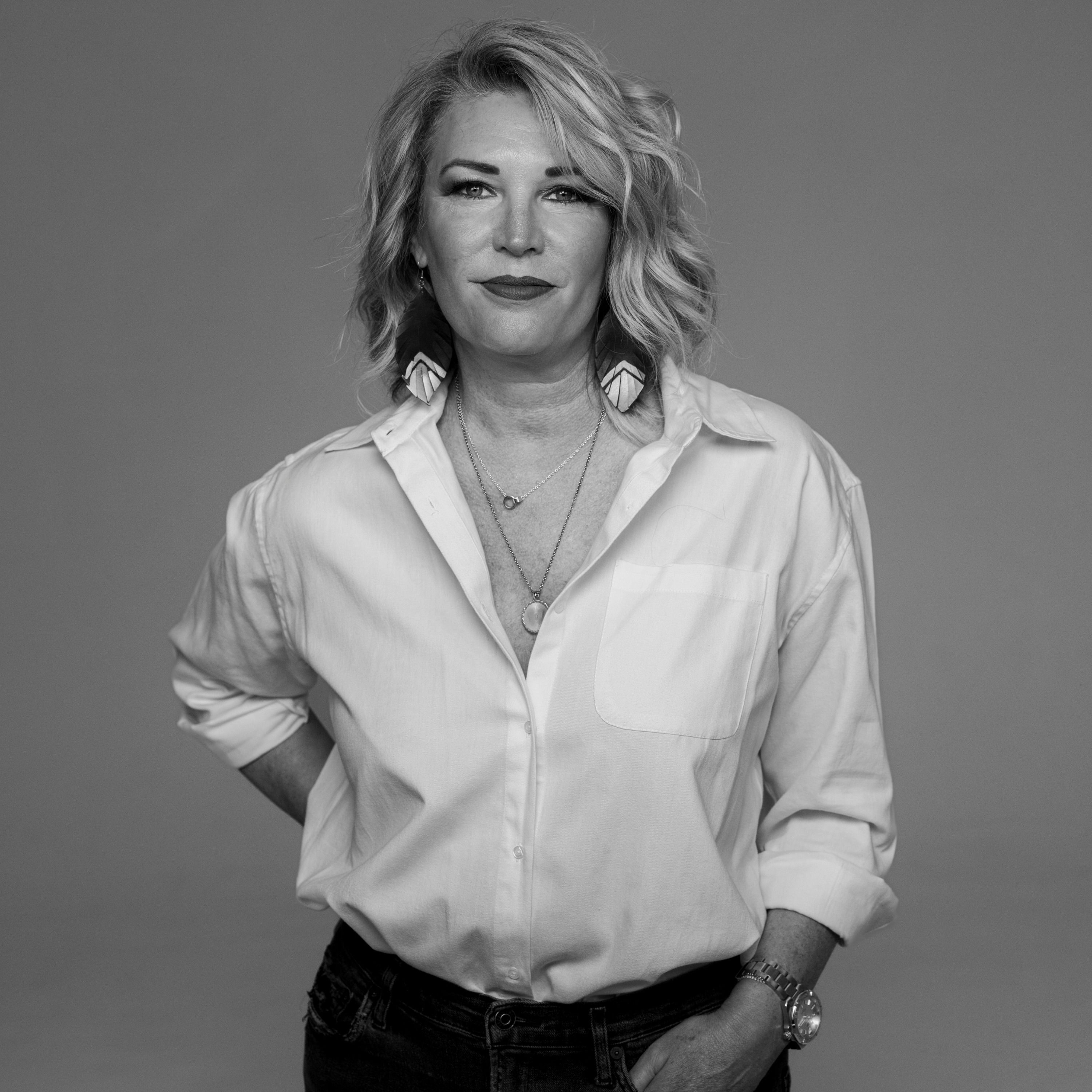
'The Interview': Jen Hatmaker's Life Exploded in Middle Age. So She Built a Better One.
EThe former evangelical star on waking up halfway through her life. Subscribe today at nytimes.com/podcasts or on Apple Podcasts and Spotify. You can also subscribe via your favorite podcast app here https://www.nytimes.com/activate-access/audio?source=podcatcher. For more podcasts and narrated articles, download The New York Times app at nytimes.com/app. Hosted by Simplecast, an AdsWizz company. See https://pcm.adswizz.com for information about our collection and use of personal data for advertising.

California Strikes Back at Texas’ Power Grab
Texas is about to gerrymander five new house seats, and California is ready to retaliate. Gov. Gavin Newsom says that his state will also redraw its congressional maps to create five new districts, effectively fighting fire with fire.Laurel Rosenhall, who covers California’s government and politics, discusses whether the state’s voters will actually go for this plan, whether it’ll work if they do, and what is at stake either way.Guest: Laurel Rosenhall, a New York Times reporter covering California politics and government.Background reading: Mr. Newsom and Democratic state lawmakers moved quickly to create new districts that could help their party flip five congressional seats.The Texas House approved a congressional map intended to help Republicans win five more U.S. House seats.For more information on today’s episode, visit nytimes.com/thedaily. Transcripts of each episode will be made available by the next workday. Photo: Mike Blake/Reuters Subscribe today at nytimes.com/podcasts or on Apple Podcasts and Spotify. You can also subscribe via your favorite podcast app here https://www.nytimes.com/activate-access/audio?source=podcatcher. For more podcasts and narrated articles, download The New York Times app at nytimes.com/app. Hosted by Simplecast, an AdsWizz company. See pcm.adswizz.com for information about our collection and use of personal data for advertising.
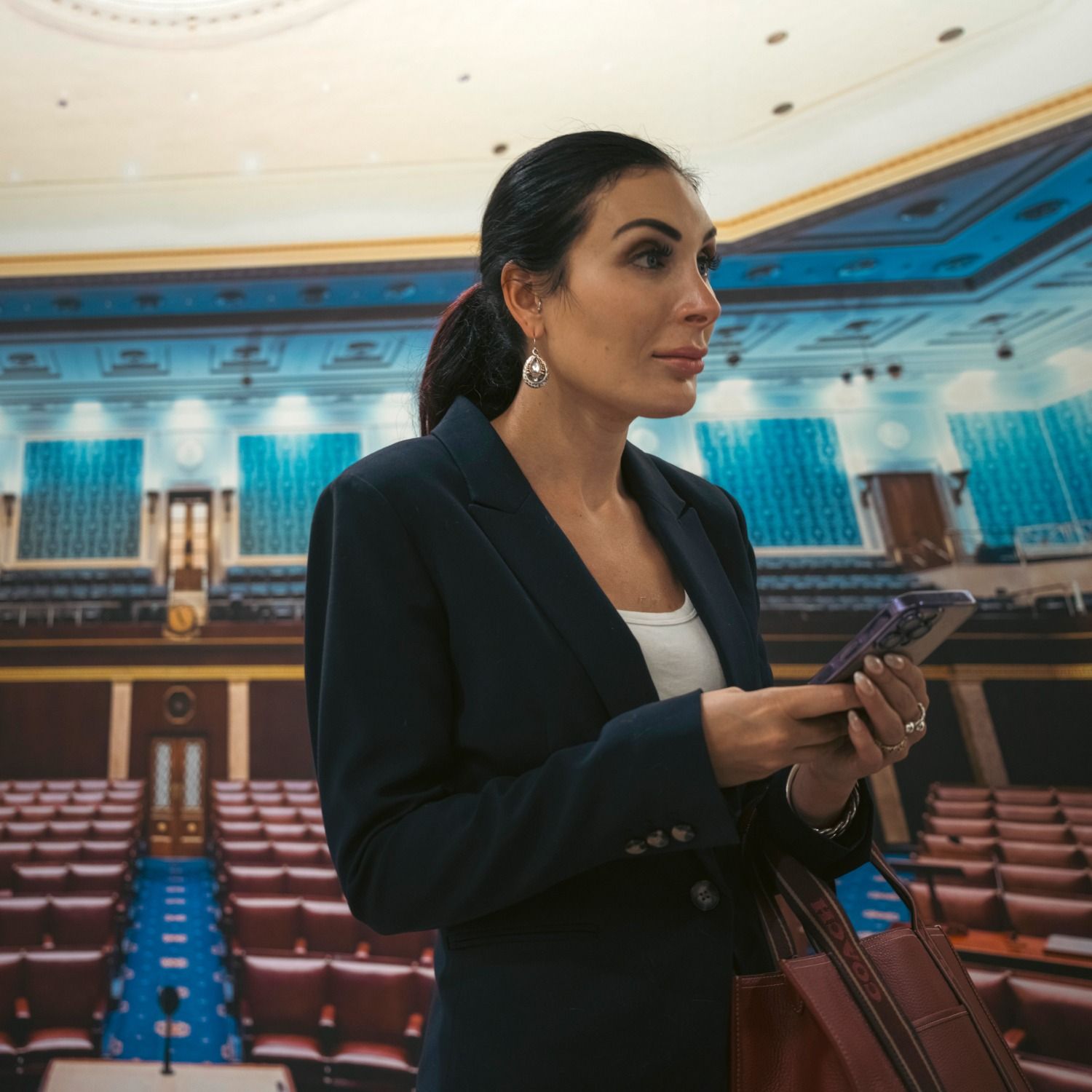
The Right-Wing Provocateur Who Has Trump’s Ear
EWarning: This episode contains strong language.In President Trump’s second term, Laura Loomer has emerged as the most influential outside adviser, telling the president whom to fire and shaping major policy decisions.Ken Bensinger, who covers media and politics, explains how a social media provocateur became Mr. Trump’s favorite blunt instrument.Guest: Ken Bensinger, a New York Times reporter covering media and politics.Background reading: Ms. Loomer is Mr. Trump’s blunt instrument.Her role in firings at the National Security Council showed a rising sway of fringe figures on the president.For more information on today’s episode, visit nytimes.com/thedaily. Transcripts of each episode will be made available by the next workday. Photo: Greg Kahn for The New York Times Subscribe today at nytimes.com/podcasts or on Apple Podcasts and Spotify. You can also subscribe via your favorite podcast app here https://www.nytimes.com/activate-access/audio?source=podcatcher. For more podcasts and narrated articles, download The New York Times app at nytimes.com/app. Hosted by Simplecast, an AdsWizz company. See pcm.adswizz.com for information about our collection and use of personal data for advertising.

Why So Many Parents Are Opting Out of Public Schools
Across the country, public schools are facing steep declines in enrollment, while the movement to use public funds for private education grows.Dana Goldstein, who covers education and families for The New York Times, explains why so many parents are using taxpayer money to privately educate their children — and what this means for American education.Guest: Dana Goldstein, a reporter covering education and families for The New York Times.Background reading: A decline in the number of children and rise in the number of choices has created a crisis for public schools.In July, Congress approved the first national school voucher plan, helping to pay for private education.For more information on today’s episode, visit nytimes.com/thedaily. Transcripts of each episode will be made available by the next workday. Photo: Zack Wittman for The New York Times Subscribe today at nytimes.com/podcasts or on Apple Podcasts and Spotify. You can also subscribe via your favorite podcast app here https://www.nytimes.com/activate-access/audio?source=podcatcher. For more podcasts and narrated articles, download The New York Times app at nytimes.com/app. Hosted by Simplecast, an AdsWizz company. See pcm.adswizz.com for information about our collection and use of personal data for advertising.

Zelensky Survives Second Oval Office Meeting
European leaders raced to Washington to show their support for President Volodymyr Zelensky of Ukraine as he met with President Trump on Monday.It was their first face-to-face meeting at the White House since their disastrous blowup in the Oval Office in February.Michael Schwirtz, who covers global intelligence, explains how and why Mr. Zelensky’s approach has changed.Guest: Michael Schwirtz, the global intelligence correspondent for The New York Times.Background reading: Can Mr. Zelensky trust Mr. Trump? Ukraine’s fate may depend on the answer.Mr. Zelensky and other European leaders have learned a thing or two about negotiating with Mr. Trump.For more information on today’s episode, visit nytimes.com/thedaily. Transcripts of each episode will be made available by the next workday. Photo: Doug Mills/The New York Times Subscribe today at nytimes.com/podcasts or on Apple Podcasts and Spotify. You can also subscribe via your favorite podcast app here https://www.nytimes.com/activate-access/audio?source=podcatcher. For more podcasts and narrated articles, download The New York Times app at nytimes.com/app. Hosted by Simplecast, an AdsWizz company. See pcm.adswizz.com for information about our collection and use of personal data for advertising.

Republican Town Halls Turned Ugly. One Congressman Kept Doing Them Anyway.
From Iowa to New York, Republican members of Congress have struggled to answer constituents’ tough questions about their party’s agenda, with several town hall meetings turning angry and going viral.Republican leaders have told lawmakers to stop holding them all together.Representative Mike Flood of Nebraska has ignored that advice. The congressman speaks about the disappearance of an American political tradition and why he thinks it is worth preserving.Guest: Representative Mike Flood, Republican of NebraskaBackground reading: Representative Flood faced his hometown voters. It wasn’t pretty.From March: Republican House members were told to stop holding in-person town halls.For more information on today’s episode, visit nytimes.com/thedaily. Transcripts of each episode will be made available by the next workday. Photo: Scott Morgan/Reuters Subscribe today at nytimes.com/podcasts or on Apple Podcasts and Spotify. You can also subscribe via your favorite podcast app here https://www.nytimes.com/activate-access/audio?source=podcatcher. For more podcasts and narrated articles, download The New York Times app at nytimes.com/app. Hosted by Simplecast, an AdsWizz company. See pcm.adswizz.com for information about our collection and use of personal data for advertising.

‘Modern Love’: Where Did All My Male Friendships Go?
Sam Graham-Felsen never imagined being lonely. Throughout his childhood and as a young man his life revolved around his friends. But when Sam got married and then had kids, going out with his friends almost felt like a luxury. After years of focusing on everything in his life except friendship, Sam began to realize he was missing something essential, and he decided to get his friends back.On this episode of “Modern Love,” Mr. Graham-Felsen describes how he went from being a boy with a wealth of deep friendships to finding himself feeling lonely as an adult, and what he did to bring friendship back into his life.Read his essay “Where Have All My Deep Male Friendships Gone?” in The New York Times Magazine.Find new episodes of Modern Love every Wednesday. Follow the show wherever you get your podcasts: Apple Podcasts | Spotify | Amazon Music | YouTube |iHeartRadio Subscribe today at nytimes.com/podcasts or on Apple Podcasts and Spotify. You can also subscribe via your favorite podcast app here https://www.nytimes.com/activate-access/audio?source=podcatcher. For more podcasts and narrated articles, download The New York Times app at nytimes.com/app. Hosted by Simplecast, an AdsWizz company. See pcm.adswizz.com for information about our collection and use of personal data for advertising.
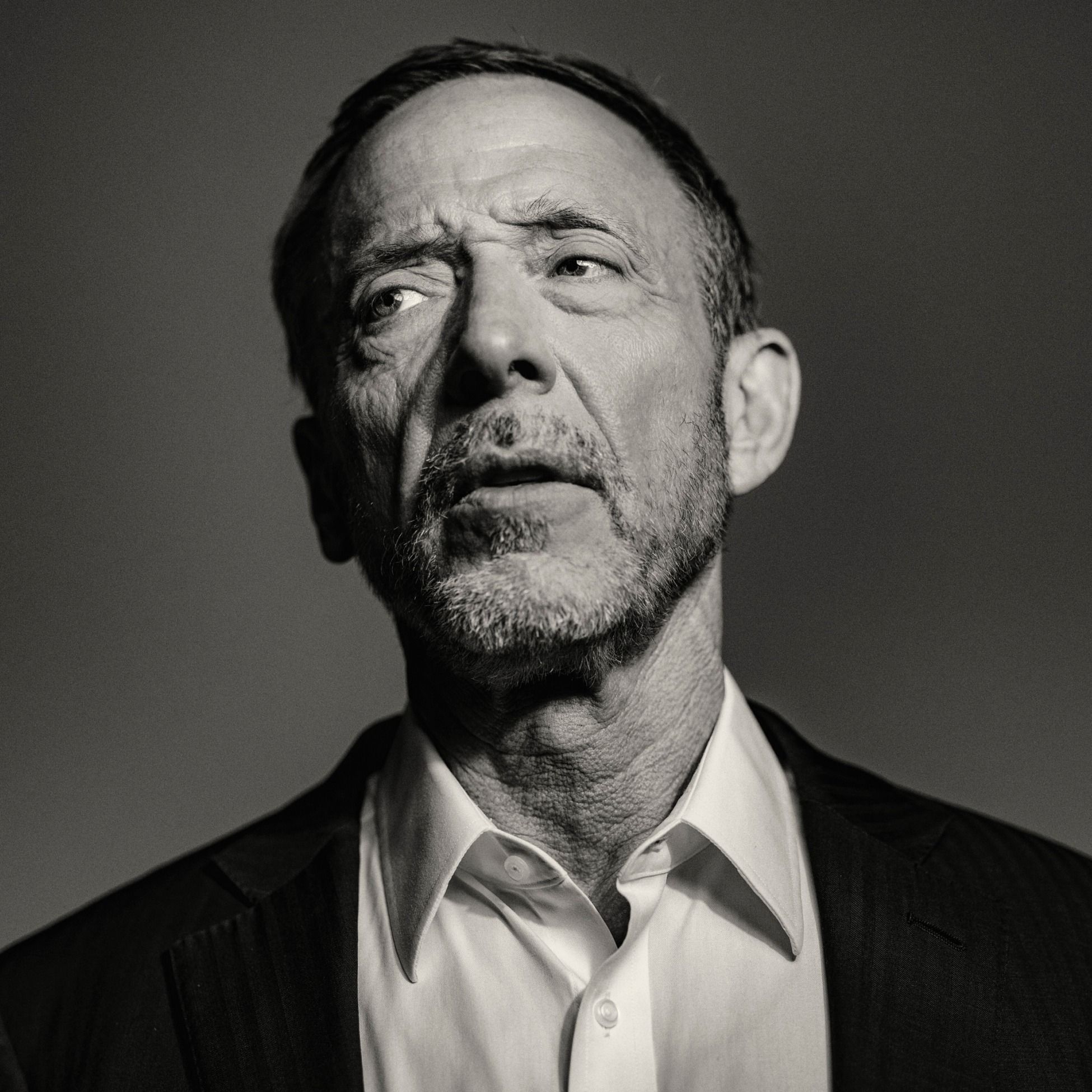
Chris Voss Says Trump's Secret Weapon Is Empathy
The world-renowned negotiator on our “dealmaker in chief” and the benefit of approaching life as a deal waiting to be made.Thoughts? Email us at [email protected] our show on YouTube: youtube.com/@TheInterviewPodcastFor transcripts and more, visit: nytimes.com/theinterview Subscribe today at nytimes.com/podcasts or on Apple Podcasts and Spotify. You can also subscribe via your favorite podcast app here https://www.nytimes.com/activate-access/audio?source=podcatcher. For more podcasts and narrated articles, download The New York Times app at nytimes.com/app. Hosted by Simplecast, an AdsWizz company. See pcm.adswizz.com for information about our collection and use of personal data for advertising.

What Hangs in the Balance of Trump's Meeting With Putin
Today, President Trump and the Russian president, Vladimir V. Putin, are meeting on U.S. soil for the first time, to discuss an end to the war in Ukraine.David E. Sanger, the White House and national security correspondent for The New York Times, discusses the wide range of possible outcomes and why, no matter what happens, the meeting is a win for Mr. Putin. Guest: David E. Sanger, the White House and national security correspondent for The New York Times.Background reading: Mr. Trump said he was going to the meeting to see what Mr. Putin “has in mind.”The U.S. president is pushing to end the war in Ukraine, but analysts say the Russian leader could turn a hastily planned meeting to his advantage.For more information on today’s episode, visit nytimes.com/thedaily. Transcripts of each episode will be made available by the next workday. Photo: Doug Mills/The New York Times Subscribe today at nytimes.com/podcasts or on Apple Podcasts and Spotify. You can also subscribe via your favorite podcast app here https://www.nytimes.com/activate-access/audio?source=podcatcher. For more podcasts and narrated articles, download The New York Times app at nytimes.com/app. Hosted by Simplecast, an AdsWizz company. See pcm.adswizz.com for information about our collection and use of personal data for advertising.

The 100 Best Movies of the 21st Century
EWarning: This episode contains strong language.This summer, The New York Times put out a list of the top 100 movies of the past 25 years. It prompted furious debate about what movies stand the test of time, why they matter and what those movies tell us about ourselves.Kyle Buchanan, a pop culture reporter for The Times, discusses how the list came to be, and actors and directors including Celine Song, Molly Ringwald and Ebon Moss-Bachrach speak about their votes.Guest: Kyle Buchanan, who is a pop culture reporter and serves as The Projectionist, the awards season columnist for The New York Times.Watch the video version of this podcast on YouTube.Background reading: Read the list of the 100 best movies of the 21st century so far.Here’s how The Times decided on the list.For more information on today’s episode, visit nytimes.com/thedaily. Transcripts of each episode will be made available by the next workday. Photo: Jake May/The Flint Journal-MLive.com, via Associated Press Subscribe today at nytimes.com/podcasts or on Apple Podcasts and Spotify. You can also subscribe via your favorite podcast app here https://www.nytimes.com/activate-access/audio?source=podcatcher. For more podcasts and narrated articles, download The New York Times app at nytimes.com/app. Hosted by Simplecast, an AdsWizz company. See pcm.adswizz.com for information about our collection and use of personal data for advertising.

The Sprawling Government Effort to Prosecute Barack Obama
Over the past few weeks, the most senior intelligence officials in the federal government have released a series of new documents which they claim shows that, starting in 2016, President Barack Obama and his deputies carried out a criminal conspiracy against President Trump.Michael S. Schmidt, an investigative reporter for The Times, explains what’s behind the sudden re-emergence on the Trump-Russia saga, and what happens when heads of the C.I.A., F.B.I. and Justice Department all turn their attention to the president’s domestic enemies.Guest: Michael S. Schmidt, an investigative reporter for The New York Times, covering Washington.Background reading: In targeting Mr. Obama, Mr. Trump’s retribution campaign has taken another turn.A spokesman for Mr. Obama said that Mr. Trump’s accusations were ”ridiculous” and “weak.”For more information on today’s episode, visit nytimes.com/thedaily. Transcripts of each episode will be made available by the next workday. Photo: Kenny Holston/The New York Times Subscribe today at nytimes.com/podcasts or on Apple Podcasts and Spotify. You can also subscribe via your favorite podcast app here https://www.nytimes.com/activate-access/audio?source=podcatcher. For more podcasts and narrated articles, download The New York Times app at nytimes.com/app. Hosted by Simplecast, an AdsWizz company. See pcm.adswizz.com for information about our collection and use of personal data for advertising.

Trump Sends the National Guard Into Washington, D.C.
President Trump said on Monday that he would take control of the Washington, D.C., police department and send hundreds of National Guard troops to the city.Devlin Barrett, who covers the F.B.I. for The New York Times, explains why the president says this is necessary and how it fits into his broader strategy for dealing with cities run by Democrats.Guest: Devlin Barrett, a New York Times reporter covering the Justice Department and the F.B.I.Background reading: Trump ordered the National Guard to Washington and a takeover of the capital’s police.But crime is down in Washington.For more information on today’s episode, visit nytimes.com/thedaily. Transcripts of each episode will be made available by the next workday. Photo: Kent Nishimura for The New York Times Subscribe today at nytimes.com/podcasts or on Apple Podcasts and Spotify. You can also subscribe via your favorite podcast app here https://www.nytimes.com/activate-access/audio?source=podcatcher. For more podcasts and narrated articles, download The New York Times app at nytimes.com/app. Hosted by Simplecast, an AdsWizz company. See pcm.adswizz.com for information about our collection and use of personal data for advertising.

What C.E.O.s Really Think About Trump’s Tariffs
Last week, President Trump hit many countries with yet another round of punishing tariffs. So far, the economy has been resilient in the face of his trade war, but it’s unclear how long that will last.Andrew Ross Sorkin, editor-at-large of DealBook, discusses what C.E.O.s are telling him about the president’s tariffs, and where they think all of this is headed.Guest: Andrew Ross Sorkin, a columnist and the founder and editor-at-large of DealBook for The New York Times.Background reading: Staggering U.S. tariffs began last week as Mr. Trump widened his trade war.From DealBook: Mr. Trump’s higher tariffs are here. Now what?For more information on today’s episode, visit nytimes.com/thedaily. Transcripts of each episode will be made available by the next workday. Photo: Jim Watson/Agence France-Presse — Getty Images Subscribe today at nytimes.com/podcasts or on Apple Podcasts and Spotify. You can also subscribe via your favorite podcast app here https://www.nytimes.com/activate-access/audio?source=podcatcher. For more podcasts and narrated articles, download The New York Times app at nytimes.com/app. Hosted by Simplecast, an AdsWizz company. See pcm.adswizz.com for information about our collection and use of personal data for advertising.

‘Modern Love’: The Kind of Pain She Wanted
EFor her entire life, Grace Hussar has been an overthinker. No matter how much she wanted to be in the moment, she always felt as if she was just outside it. But when she took up endurance running, she realized something: Extreme pain turned her thoughts off. She wanted more of that feeling — more pain and less overthinking. As a mother of two with a happy partnership and a career in finance, what she explored next surprised her.On this week’s episode of “Modern Love,” Hussar talks about her essay, “The Kind of Pain I Wanted.” Hussar shares the story of how she discovered that rope play and kink were the keys to newfound presence and pleasure in her life.Find new episodes of Modern Love every Wednesday. Follow the show wherever you get your podcasts: Apple Podcasts | Spotify | Amazon Music | YouTube |iHeartRadio Subscribe today at nytimes.com/podcasts or on Apple Podcasts and Spotify. You can also subscribe via your favorite podcast app here https://www.nytimes.com/activate-access/audio?source=podcatcher. For more podcasts and narrated articles, download The New York Times app at nytimes.com/app. Hosted by Simplecast, an AdsWizz company. See pcm.adswizz.com for information about our collection and use of personal data for advertising.

'The Interview': Jonathan Greenblatt on Antisemitism, Anti-Zionism and Free Speech
How the head of the A.D.L. thinks about the line between legitimate protest and anti-Jewish hate. Subscribe today at nytimes.com/podcasts or on Apple Podcasts and Spotify. You can also subscribe via your favorite podcast app here https://www.nytimes.com/activate-access/audio?source=podcatcher. For more podcasts and narrated articles, download The New York Times app at nytimes.com/app. Hosted by Simplecast, an AdsWizz company. See https://pcm.adswizz.com for information about our collection and use of personal data for advertising.

Every Eight Minutes: Uber’s Alarming Sexual Violence Problem
For years, Uber has said it is one of the safest ways to travel. But a New York Times investigation found that the company has been contending with a major problem: Hundreds of thousands of people reported that they were sexually assaulted or harassed during Uber rides.Emily Steel, who broke the story, discusses what executives knew about the problem and how they failed to take certain steps that were supposed to make riders safer.Guest: Emily Steel, an investigative reporter for the business desk of The New York Times.Background reading: Read the investigation into Uber’s festering sexual assault problem.For more information on today’s episode, visit nytimes.com/thedaily. Transcripts of each episode will be made available by the next workday. Photo: Amy Osborne/The New York Times Subscribe today at nytimes.com/podcasts or on Apple Podcasts and Spotify. You can also subscribe via your favorite podcast app here https://www.nytimes.com/activate-access/audio?source=podcatcher. For more podcasts and narrated articles, download The New York Times app at nytimes.com/app. Hosted by Simplecast, an AdsWizz company. See pcm.adswizz.com for information about our collection and use of personal data for advertising.

Trump Said Family Separations Would End. They’re Happening Again.
During President Trump’s first term, the intentional separation of migrant child from their parents shocked the country and persuaded Mr. Trump to say he would end the practice for good.Hamed Aleaziz, who covers immigration policy for The Times, has found that in Mr. Trump’s second term, the practice has returned.Guest: Hamed Aleaziz, who covers the Department of Homeland Security and immigration policy in the United States for The New York Times.Background reading: Inside President Trump’s new tactic to separate immigrant families.For more information on today’s episode, visit nytimes.com/thedaily. Transcripts of each episode will be made available by the next workday. Photo: Victor J. Blue for The New York Times Subscribe today at nytimes.com/podcasts or on Apple Podcasts and Spotify. You can also subscribe via your favorite podcast app here https://www.nytimes.com/activate-access/audio?source=podcatcher. For more podcasts and narrated articles, download The New York Times app at nytimes.com/app. Hosted by Simplecast, an AdsWizz company. See pcm.adswizz.com for information about our collection and use of personal data for advertising.

More Money Was Supposed to Help Poor Kids. So Why Didn’t It?
For many, the logic seemed unassailable: Giving poor families money would measurably improve the lives of their children. And so a few years ago, social scientists set out to test whether that assumption was right.The results of the experiment have shocked them.Guest: Jason DeParle, a Times reporter who covers poverty in the United States.Background reading: A rigorous experiment appears to show that monthly checks intended to help disadvantaged children did little for their well-being.For more information on today’s episode, visit nytimes.com/thedaily. Transcripts of each episode will be made available by the next workday. Photo: Andrew Seng for The New York Times Subscribe today at nytimes.com/podcasts or on Apple Podcasts and Spotify. You can also subscribe via your favorite podcast app here https://www.nytimes.com/activate-access/audio?source=podcatcher. For more podcasts and narrated articles, download The New York Times app at nytimes.com/app. Hosted by Simplecast, an AdsWizz company. See pcm.adswizz.com for information about our collection and use of personal data for advertising.

The Most Closely Watched Trump Firing in Washington
For many Americans, the government’s monthly jobs number was a pretty dull statistic — until a few days ago, when President Trump angrily fired the person responsible for producing it, the commissioner of the Bureau of Labor Statistics.Now, from Washington to Wall Street, many people are wondering whether you can still trust federal statistics if the president is willing to just get rid of people who give him facts he doesn’t like.On this episode, Ben Casselman joins The Daily to discuss how the government’s economic data suddenly turned into a national drama.Guest: Ben Casselman, the chief economics correspondent for The New York Times.Background reading: President Trump fired America’s economic data collector. History shows the perils of such a move.Until the president fired her, Erika McEntarfer was an economist with bipartisan support.For more information on today’s episode, visit nytimes.com/thedaily. Transcripts of each episode will be made available by the next workday. Photo: Haiyun Jiang/The New York Times Subscribe today at nytimes.com/podcasts or on Apple Podcasts and Spotify. You can also subscribe via your favorite podcast app here https://www.nytimes.com/activate-access/audio?source=podcatcher. For more podcasts and narrated articles, download The New York Times app at nytimes.com/app. Hosted by Simplecast, an AdsWizz company. See pcm.adswizz.com for information about our collection and use of personal data for advertising.
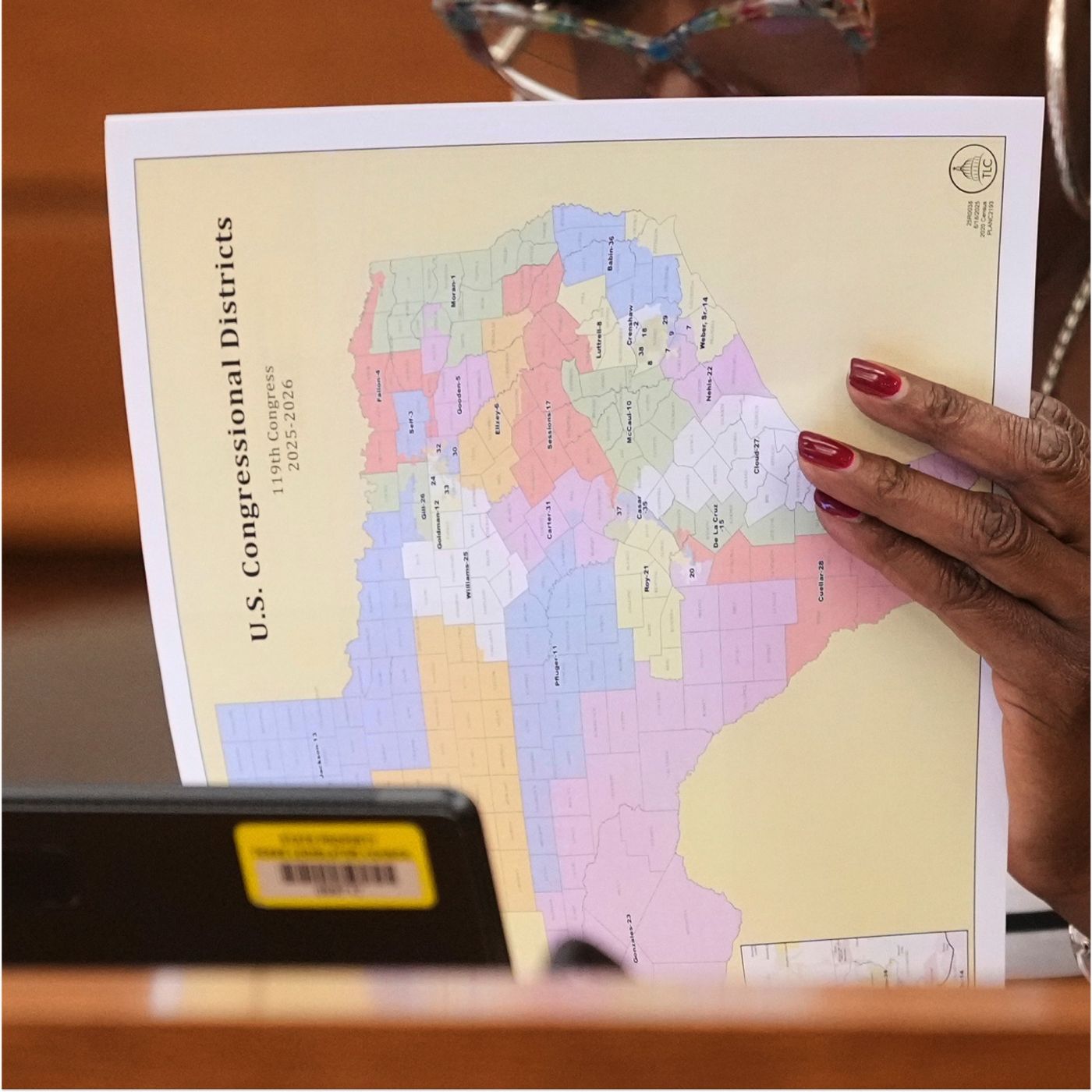
Trump’s Texas Power Grab
In a dramatic act of protest on Sunday, Democratic members of the Texas House of Representatives began to flee the state. It is a last-ditch attempt to stop President Trump and Texas Republicans from adopting an aggressively redrawn congressional map that would eliminate Democratic seats — and could help lock in a Republican majority in next year’s elections.Shane Goldmacher, a Times political correspondent, explains this new chapter in the era of unvarnished partisan warfare.Guest: Shane Goldmacher, a political correspondent for The New York Times.Background reading: The redrawn map, unveiled by Texas Republicans and pushed by Mr. Trump, puts areas of Houston, Dallas and San Antonio that have incumbent Democrats into districts that would now favor Republicans. “We’re leaving Texas to fight for Texans,” Gene Wu, a state representative from Houston and the chair of the Democratic caucus in the Texas House, said in a statement Sunday. Subscribe today at nytimes.com/podcasts or on Apple Podcasts and Spotify. You can also subscribe via your favorite podcast app here https://www.nytimes.com/activate-access/audio?source=podcatcher. For more podcasts and narrated articles, download The New York Times app at nytimes.com/app. Hosted by Simplecast, an AdsWizz company. See pcm.adswizz.com for information about our collection and use of personal data for advertising.

‘Modern Love’: How to Stop Asking ‘Are You Mad at Me?’
“Am I in trouble?” “Am I secretly bad?” These are questions Meg Josephson, a therapist and author, grew up asking herself. She was constantly trying to anticipate other people’s needs, worried that she was letting other people down. And it wasn’t until she found herself standing in the aisle of a Bed Bath & Beyond, trying to remember her favorite color, that she realized her desire to please everyone was eroding her sense of self.On this episode of Modern Love, Josephson talks about how that realization led her to confront her tumultuous childhood, and what it took to stop “people pleasing.” She then reads the Modern Love essay “My Three Years as a Beloved Daughter” by Erin Brown, about a woman who found a type of love in her best friend’s parents that she had never experienced before, and what that taught her about her own parents.Josephson’s book, “Are You Mad At Me?,” is available Aug. 5, 2025.Find new episodes of Modern Love every Wednesday. Follow the show wherever you get your podcasts: Apple Podcasts | Spotify | Amazon Music | YouTube | iHeartRadio Subscribe today at nytimes.com/podcasts or on Apple Podcasts and Spotify. You can also subscribe via your favorite podcast app here https://www.nytimes.com/activate-access/audio?source=podcatcher. For more podcasts and narrated articles, download The New York Times app at nytimes.com/app. Hosted by Simplecast, an AdsWizz company. See pcm.adswizz.com for information about our collection and use of personal data for advertising.

What Many Israelis Don’t Want to See
As the images of starving Palestinian children continue to come out of Gaza and aid groups have confirmed a rising number of deaths from malnutrition, there has been a new round of international outrage, including from Israel’s own allies.Emmanuelle Elbaz-Phelps, an independent Israeli journalist, discusses whether any of the outcry is resonating with Israeli society.Guest: Emmanuelle Elbaz-Phelps, an Israeli journalist.Background reading: Israelis are voicing dissent against the war in Gaza.Anger over the starvation in Gaza is leaving Israel increasingly isolated.For more information on today’s episode, visit nytimes.com/thedaily. Transcripts of each episode will be made available by the next workday. Photo: Ohad Zwigenberg/Associated Press Subscribe today at nytimes.com/podcasts or on Apple Podcasts and Spotify. You can also subscribe via your favorite podcast app here https://www.nytimes.com/activate-access/audio?source=podcatcher. For more podcasts and narrated articles, download The New York Times app at nytimes.com/app. Hosted by Simplecast, an AdsWizz company. See pcm.adswizz.com for information about our collection and use of personal data for advertising.

A ‘Dagger in the Heart’ of Climate Change Regulation
After rolling back a slew of regulations aimed at reversing climate change, and pulling funding for the scientists who monitor it, the Trump administration is now taking its boldest action yet.It’s eliminating the scientific finding at the heart of the government’s ability to fight climate change in the first place.Lisa Friedman, who covers climate policy, discusses the history of the finding, what it did and what happens once it’s gone.Guest: Lisa Friedman, a reporter covering climate policy and politics at The New York Times.Background reading: In a game-changing climate rollback, the E.P.A. aims to kill a bedrock scientific finding.For more information on today’s episode, visit nytimes.com/thedaily. Transcripts of each episode will be made available by the next workday. Photo: Ulysse Bellier/Agence France-Presse — Getty Images Subscribe today at nytimes.com/podcasts or on Apple Podcasts and Spotify. You can also subscribe via your favorite podcast app here https://www.nytimes.com/activate-access/audio?source=podcatcher. For more podcasts and narrated articles, download The New York Times app at nytimes.com/app. Hosted by Simplecast, an AdsWizz company. See pcm.adswizz.com for information about our collection and use of personal data for advertising.
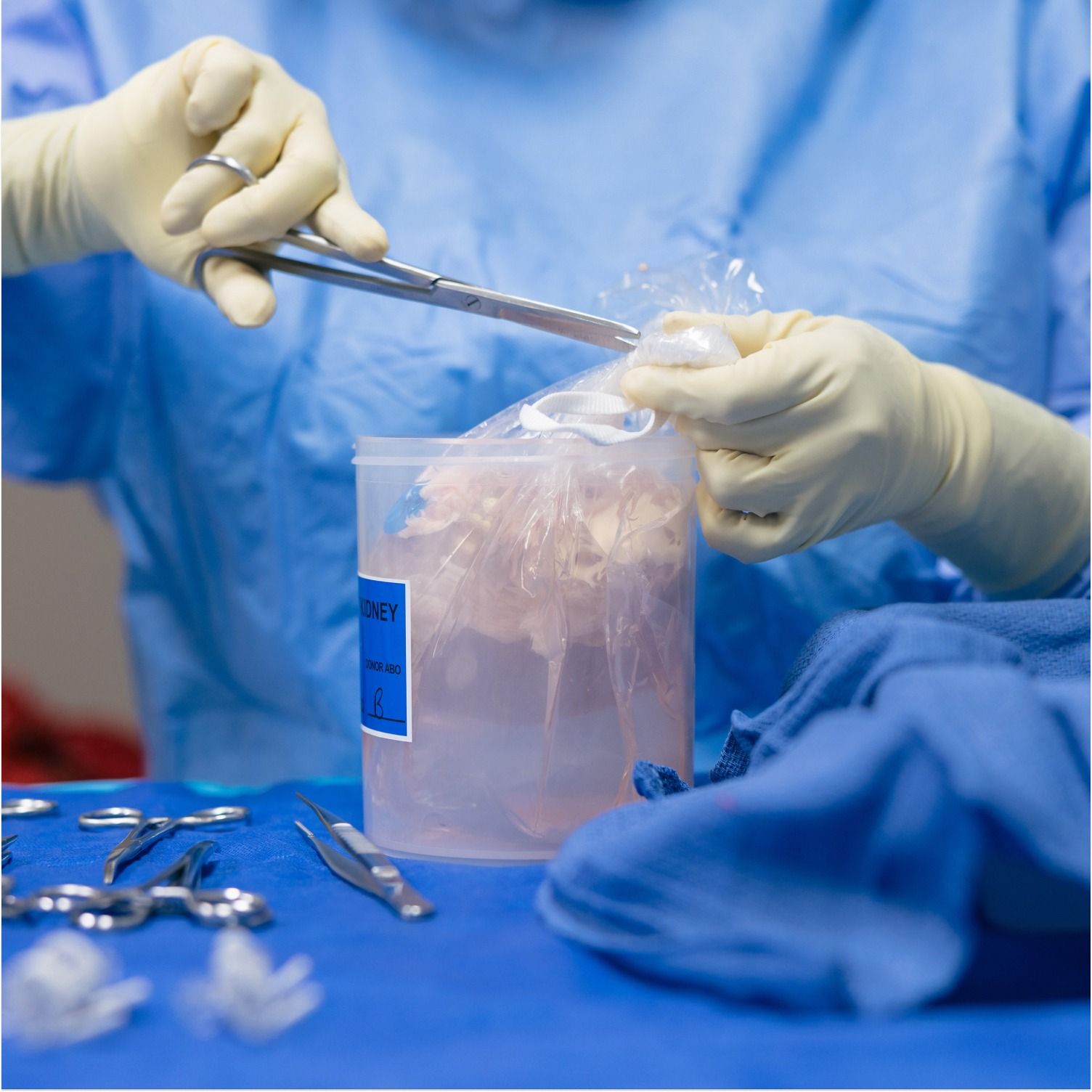
Close Calls and Skipped Lines: The Fraught State of Organ Donation
A major investigation from The Times has found that government pressure to perform more organ transplants is creating greater risk for donors and threatening the overall fairness of the system.Brian M. Rosenthal, an investigative reporter at The Times, explains what he’s uncovered.Guest: Brian M. Rosenthal, an investigative reporter at The New York Times covering America’s organ transplant system.Background reading: A push for more organ transplants is putting donors at risk.For more information on today’s episode, visit nytimes.com/thedaily. Transcripts of each episode will be made available by the next workday. Photo: Alyssa Schukar for The New York Times Subscribe today at nytimes.com/podcasts or on Apple Podcasts and Spotify. You can also subscribe via your favorite podcast app here https://www.nytimes.com/activate-access/audio?source=podcatcher. For more podcasts and narrated articles, download The New York Times app at nytimes.com/app. Hosted by Simplecast, an AdsWizz company. See pcm.adswizz.com for information about our collection and use of personal data for advertising.

Europe Caves to Trump on Tariffs
By almost all accounts, the historic trade deal that was reached between the United States and the 27 nations of the European Union is far better for the United States than it is for Europe.Jeanna Smialek, the Brussels bureau chief for The Times, explains why the European Union gave in to President Trump and the blowback that’s causing.Guest: Jeanna Smialek, the Brussels bureau chief for The New York Times.Background reading: Is the European Union’s tariff deal with the United States good for Europe?The framework agreement is not likely to do much for economic growth on either side. But it avoids new fissures on other foreign policy issues, particularly the war in Ukraine.For more information on today’s episode, visit nytimes.com/thedaily. Transcripts of each episode will be made available by the next workday. Photo: Tierney L. Cross/The New York Times Subscribe today at nytimes.com/podcasts or on Apple Podcasts and Spotify. You can also subscribe via your favorite podcast app here https://www.nytimes.com/activate-access/audio?source=podcatcher. For more podcasts and narrated articles, download The New York Times app at nytimes.com/app. Hosted by Simplecast, an AdsWizz company. See pcm.adswizz.com for information about our collection and use of personal data for advertising.

Faded Froot Loops and Dull Doritos: Is Big Food Losing the War on Dyes?
The summer, some of the biggest food companies in America have announced that they plan to stop using artificial food dyes. It’s a move that would transform the look of some of the best known brands.Julie Creswell, who covers the food industry, explains how the health secretary, Robert F. Kennedy Jr., got the food industry to commit to a change that it has resisted for years — and that could be bad for business.Guest: Julie Creswell, a business reporter covering the food industry for The New York Times.Background reading: How might Jell-O look and taste when artificial dyes are removed?Mr. Kennedy’s battle against food dyes hit a roadblock: M&M’s.For more information on today’s episode, visit nytimes.com/thedaily. Transcripts of each episode will be made available by the next workday. Photo: Joe Raedle/Getty Images Subscribe today at nytimes.com/podcasts or on Apple Podcasts and Spotify. You can also subscribe via your favorite podcast app here https://www.nytimes.com/activate-access/audio?source=podcatcher. For more podcasts and narrated articles, download The New York Times app at nytimes.com/app. Hosted by Simplecast, an AdsWizz company. See pcm.adswizz.com for information about our collection and use of personal data for advertising.

‘Modern Love’: Reneé Rapp on Blurring the Line Between Bestie and Lover
The pop singer and actress Reneé Rapp has a deep love for her friends. She maintains a nonstop group chat with more than 15 close friends every day. Their lives are so intertwined that the line between platonic and romantic can sometimes get blurry, particularly since many of them have dated each other.Rapp, best known for her role in the Broadway musical and new film adaptation “Mean Girls,” has an upcoming album, “Bite Me,” which delves into the intimacy and messiness of friendships, not just romantic relationships. Mirroring her album’s themes, Rapp walks Modern Love host Anna Martin through various vulnerable moments she has recently shared with friends, including one with her best friend and former “The Sex Lives of College Girls” co-star Alyah Chanelle Scott.It’s no surprise that Rapp chose to read the Modern Love essay “This is What Happens When Friends Fall in Love” by Sammy Sass. The piece resonates with her own experiences of sustaining love within queer friendships. While Rapp says she doesn’t have a blueprint, she has learned to navigate misunderstandings and express genuine love to those closest to her. Subscribe today at nytimes.com/podcasts or on Apple Podcasts and Spotify. You can also subscribe via your favorite podcast app here https://www.nytimes.com/activate-access/audio?source=podcatcher. For more podcasts and narrated articles, download The New York Times app at nytimes.com/app. Hosted by Simplecast, an AdsWizz company. See pcm.adswizz.com for information about our collection and use of personal data for advertising.
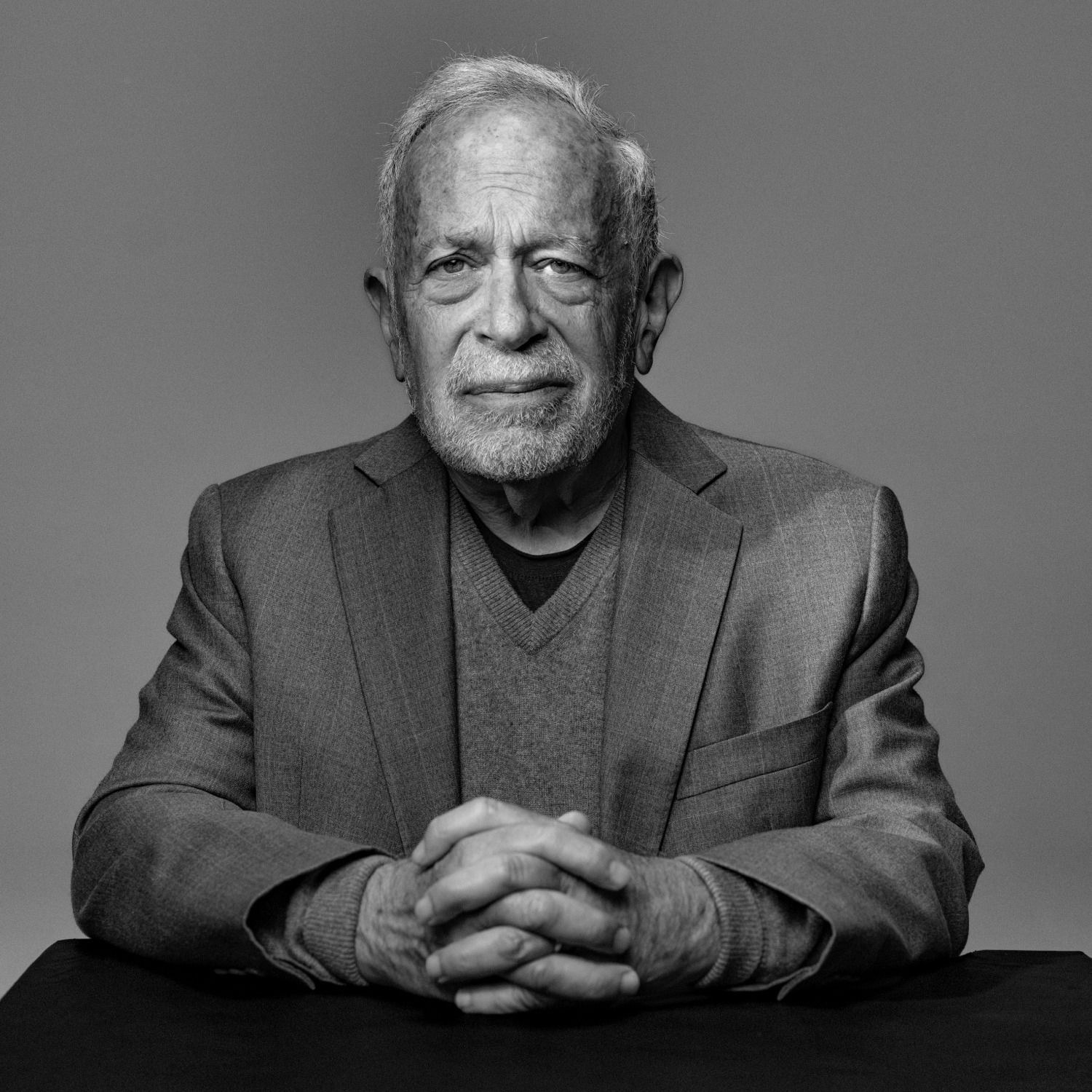
'The Interview': Robert Reich Thinks the Baby Boomers Blew It
EThe former U.S. Labor Secretary on how complacency and corporate ties created a “bully in chief.” Subscribe today at nytimes.com/podcasts or on Apple Podcasts and Spotify. You can also subscribe via your favorite podcast app here https://www.nytimes.com/activate-access/audio?source=podcatcher. For more podcasts and narrated articles, download The New York Times app at nytimes.com/app. Hosted by Simplecast, an AdsWizz company. See https://pcm.adswizz.com for information about our collection and use of personal data for advertising.
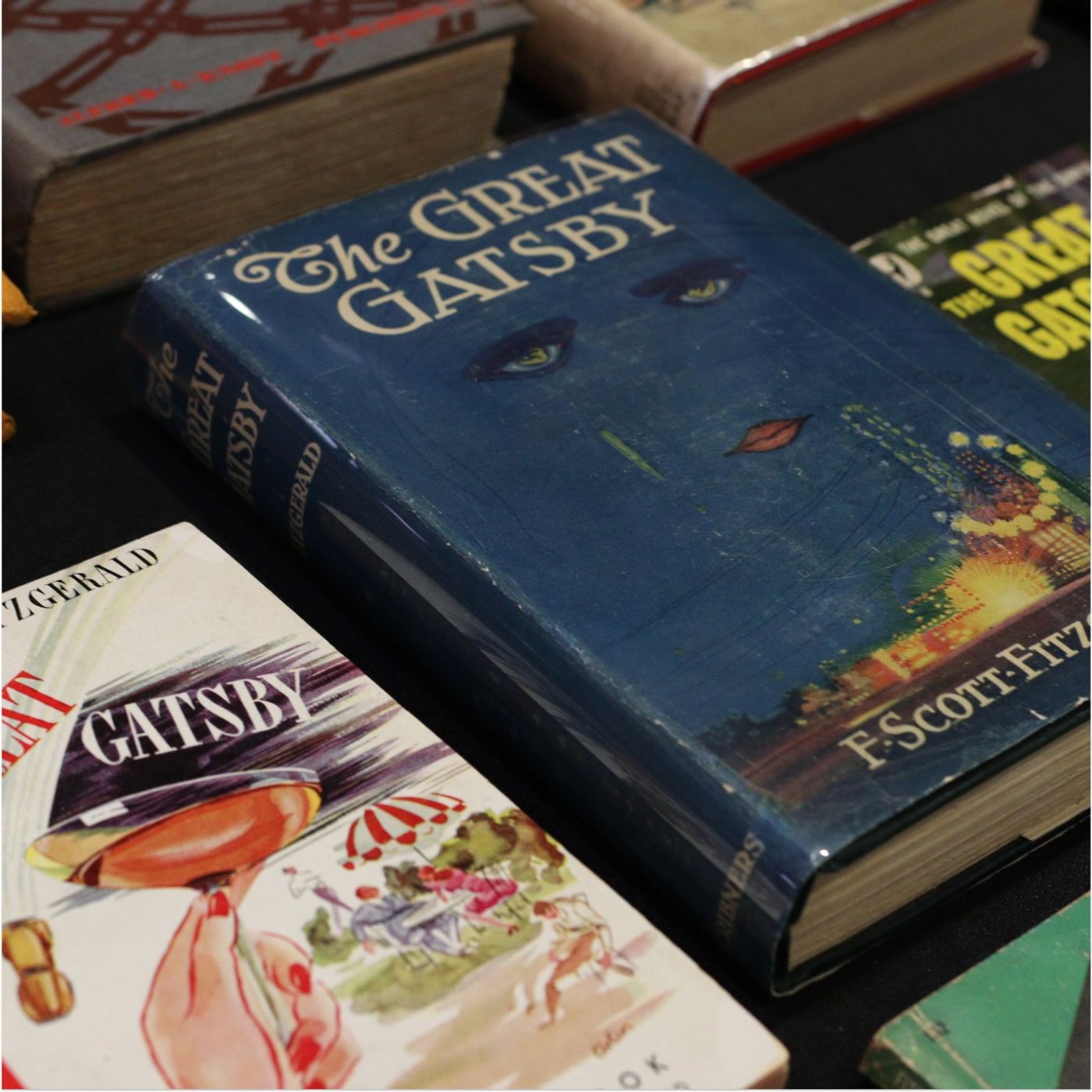
100 Years of ‘The Great Gatsby’
This year, “The Great Gatsby” turns 100.A.O. Scott, a critic at large for The New York Times Book Review, tells the story of how an overlooked book by a 28-year-old author eventually became the great American novel, and explores why all of these decades later, we still see ourselves in its pages.Guest: A.O. Scott, a critic at large for The New York Times Book Review, writing about literature and ideas.Background reading: What the hero in “The Great Gatsby” tell us about how we see ourselves.For more information on today’s episode, visit nytimes.com/thedaily. Transcripts of each episode will be made available by the next workday. Photo: Abigail Cole/University of South Carolina Libraries Subscribe today at nytimes.com/podcasts or on Apple Podcasts and Spotify. You can also subscribe via your favorite podcast app here https://www.nytimes.com/activate-access/audio?source=podcatcher. For more podcasts and narrated articles, download The New York Times app at nytimes.com/app. Hosted by Simplecast, an AdsWizz company. See pcm.adswizz.com for information about our collection and use of personal data for advertising.

How Seeking Food in Gaza Has Become So Deadly
The suffering in Gaza has reached new depths, and now finding food, which was already scarce, has become a deadly endeavor.Israeli forces have opened fire on crowds of desperate and hungry people who were trying to reach aid sites established by a new and controversial humanitarian group. Hundreds of people have been killed, according to Gaza health officials.Aaron Boxerman, who covers Gaza for The Times, explains who is behind the distribution system and why it has been so deadly.Guest: Aaron Boxerman, a reporter for The New York Times covering Israel and Gaza.Background reading: Dozens were killed in shootings that took place after thousands of Palestinians gathered in the hope of getting humanitarian aid from U.N. trucks entering the Gaza Strip.Israel-backed aid sites in Gaza pose a lethal risk for Palestinians.For more information on today’s episode, visit nytimes.com/thedaily. Transcripts of each episode will be made available by the next workday. Photo: Eyad Baba/Agence France-Presse — Getty Images Subscribe today at nytimes.com/podcasts or on Apple Podcasts and Spotify. You can also subscribe via your favorite podcast app here https://www.nytimes.com/activate-access/audio?source=podcatcher. For more podcasts and narrated articles, download The New York Times app at nytimes.com/app. Hosted by Simplecast, an AdsWizz company. See pcm.adswizz.com for information about our collection and use of personal data for advertising.
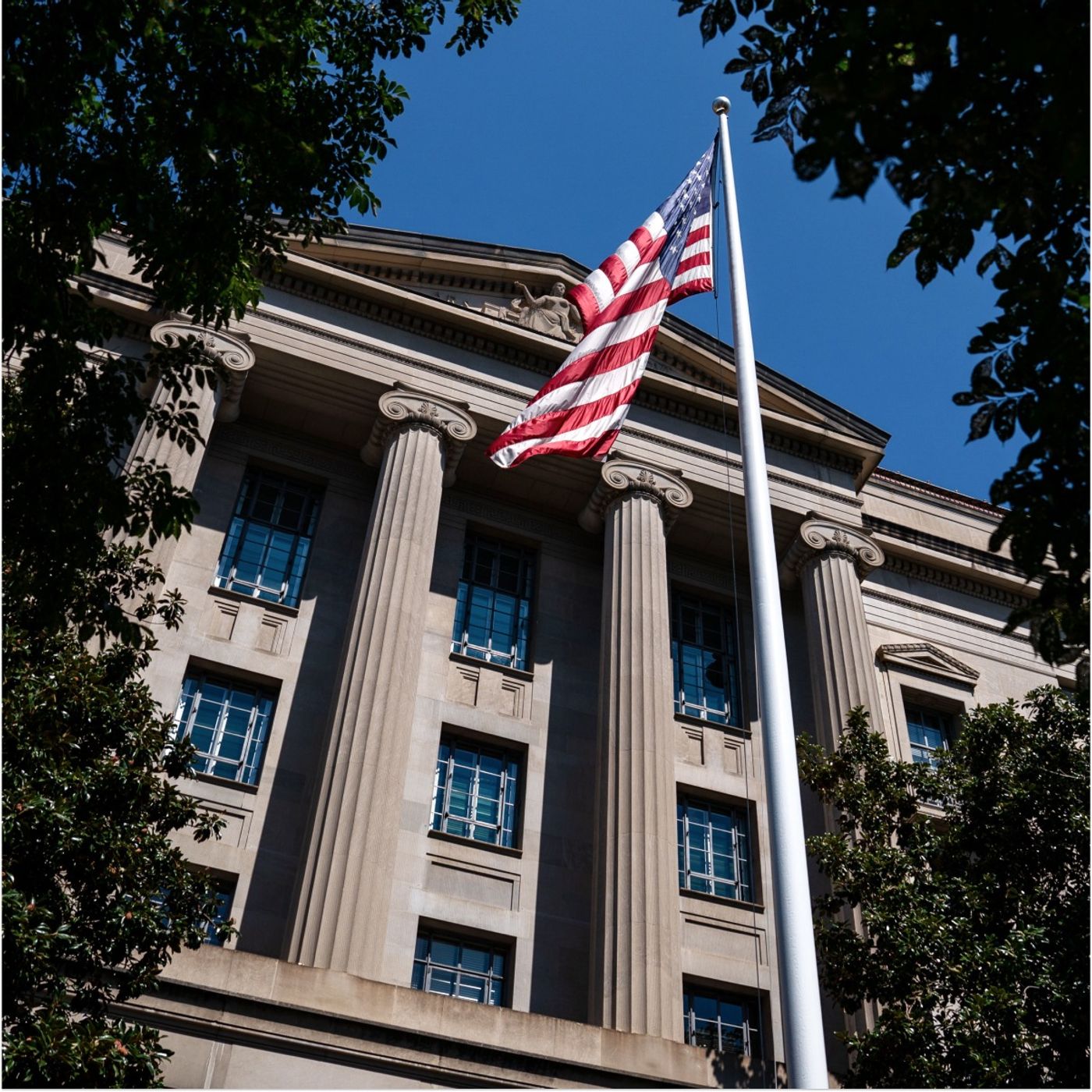
A D.O.J. Whistleblower Speaks Out
EWarning: This episode contains strong language.An explosive whistle-blower report claims that the Justice Department is asking government lawyers to lie to the courts, and that this has forced career officials to chose between upholding the Constitution and pledging loyalty to the president.Rachel Abrams speaks to the whistle-blower about his career in the Justice Department and his complaint saying he was fired for telling the truth.Guest: Erez Reuveni, who filed a whistle-blower complaint against the Department of Justice.Background reading: Mr. Reuveni has warned of an assault on the law by the Trump administration.At the Justice Department, Emil Bove III suggested violating court orders, according to the complaint.For more information on today’s episode, visit nytimes.com/thedaily. Transcripts of each episode will be made available by the next workday. Photo: Kent Nishimura for The New York Times Subscribe today at nytimes.com/podcasts or on Apple Podcasts and Spotify. You can also subscribe via your favorite podcast app here https://www.nytimes.com/activate-access/audio?source=podcatcher. For more podcasts and narrated articles, download The New York Times app at nytimes.com/app. Hosted by Simplecast, an AdsWizz company. See pcm.adswizz.com for information about our collection and use of personal data for advertising.

Why Trump Just Gave China the Keys to A.I.’s Future
In the global fight to dominate A.I., China is quickly catching up to the United States — which is why President Trump barred the tech giant Nvidia from selling its superpowered computer chips to Chinese companies.Then, a few days ago, Mr. Trump abruptly changed course.Tripp Mickle, who covers Silicon Valley for The New York Times, explains how Nvidia’s C.E.O. persuaded the president that the best way to beat China at A.I. is to help them compete.Guest: Tripp Mickle, who reports about Silicon Valley for The New York Times.Background reading: Nvidia said that the U.S. had lifted restrictions on A.I. chip sales to China.How Nvidia’s Jensen Huang persuaded Mr. Trump to sell A.I. chips to China.For more information on today’s episode, visit nytimes.com/thedaily. Transcripts of each episode will be made available by the next workday. Photo: Pete Marovich for The New York Times Subscribe today at nytimes.com/podcasts or on Apple Podcasts and Spotify. You can also subscribe via your favorite podcast app here https://www.nytimes.com/activate-access/audio?source=podcatcher. For more podcasts and narrated articles, download The New York Times app at nytimes.com/app. Hosted by Simplecast, an AdsWizz company. See pcm.adswizz.com for information about our collection and use of personal data for advertising.

How Trump Lost Control of the Epstein Narrative
For the past two weeks, President Trump has been trying and failing to get his supporters to stop talking about Jeffrey Epstein.David Enrich, a deputy investigations editor for The New York Times, and Shawn McCreesh, a Times White House correspondent, explain why MAGA won’t let go of this scandal, how the president misread his own base — and what all this shows about the limits of Mr. Trump’s power. Subscribe today at nytimes.com/podcasts or on Apple Podcasts and Spotify. You can also subscribe via your favorite podcast app here https://www.nytimes.com/activate-access/audio?source=podcatcher. For more podcasts and narrated articles, download The New York Times app at nytimes.com/app. Hosted by Simplecast, an AdsWizz company. See pcm.adswizz.com for information about our collection and use of personal data for advertising.
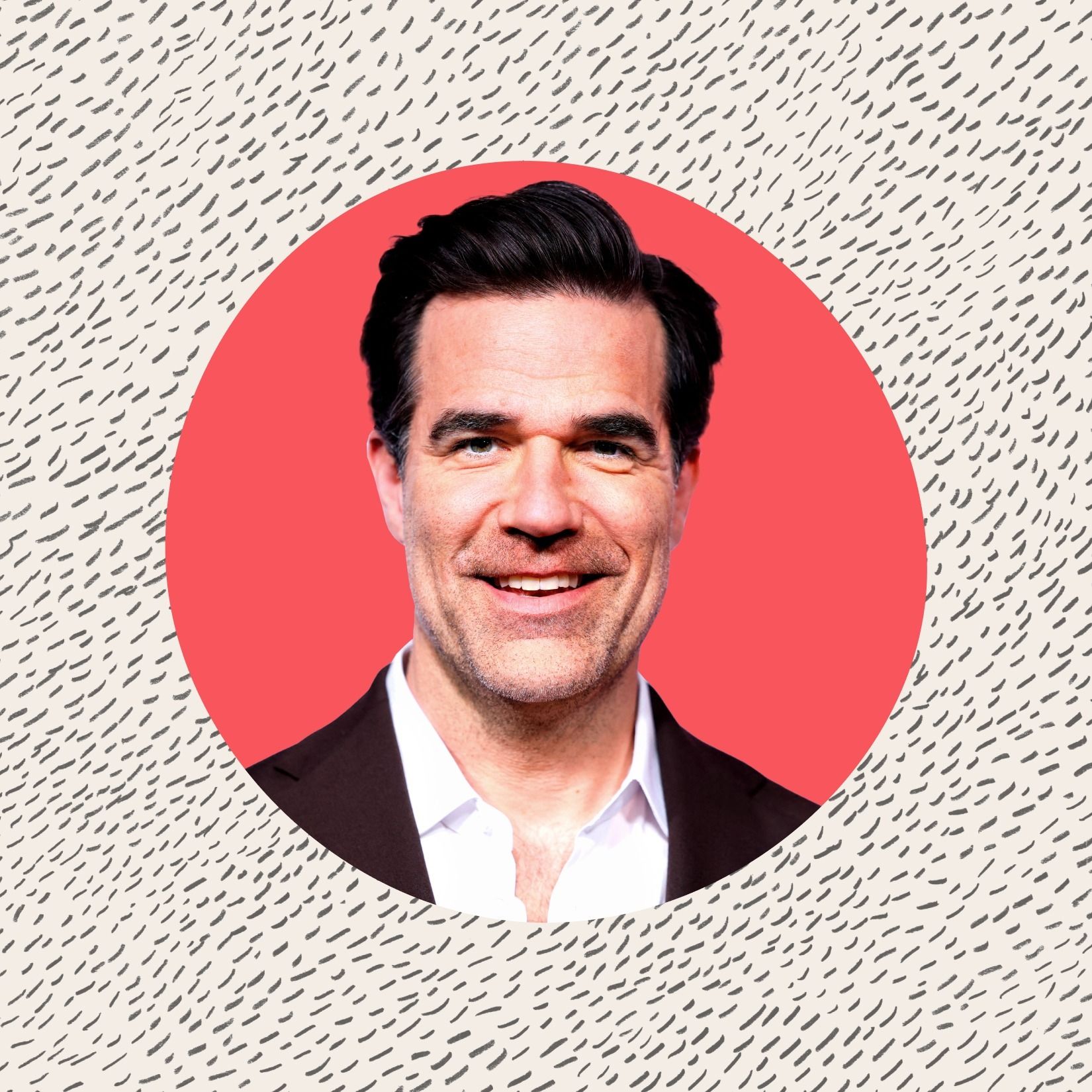
‘Modern Love’: How to Keep Love Alive, With Rob Delaney of ‘Dying for Sex’
When we meet Rob Delaney’s character, “Neighbor Guy,” in FX’s limited series “Dying for Sex,” he’s scarfing down a burrito in an elevator, dripping food on his face and the floor. But Delaney’s performance reveals that under Neighbor Guy’s messy exterior is a man capable of deep vulnerability and empathy.“Dying for Sex” follows a woman named Molly, played by Michelle Williams, who is dying of cancer and desperate to experience sexual pleasure before it’s too late. At first, Molly thinks Neighbor Guy is disgusting, but the two soon discover they make sense together, sexually and emotionally. Williams and Delaney received Emmy nominations for their roles.On this episode of Modern Love, Delaney tells host Anna Martin why exposing the messy and painful parts of ourselves to other people can be rewarding and hilarious. He talks about tending his own relationship and reads a Modern Love essay about a couple who decides to try some role play to avoid getting too comfortable with each other.For more Modern Love, search for the show wherever you get your podcasts. New episodes every Wednesday. Subscribe today at nytimes.com/podcasts or on Apple Podcasts and Spotify. You can also subscribe via your favorite podcast app here https://www.nytimes.com/activate-access/audio?source=podcatcher. For more podcasts and narrated articles, download The New York Times app at nytimes.com/app. Hosted by Simplecast, an AdsWizz company. See pcm.adswizz.com for information about our collection and use of personal data for advertising.
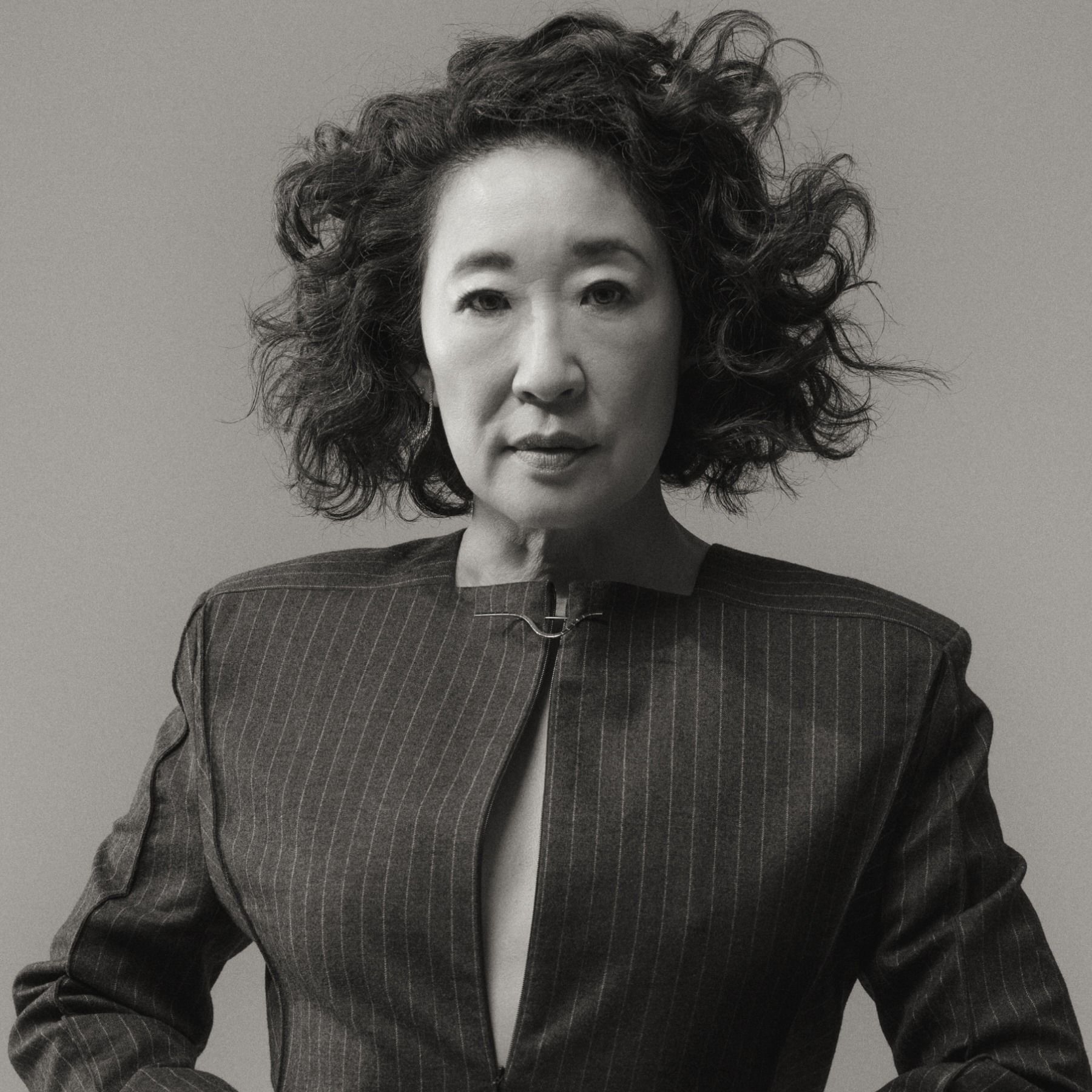
'The Interview': Sandra Oh Knows What's Great About Middle Age
The actress discusses discrimination in Hollywood, what she’s learned about herself in her 50s and her iconic role on "Grey's Anatomy.” Subscribe today at nytimes.com/podcasts or on Apple Podcasts and Spotify. You can also subscribe via your favorite podcast app here https://www.nytimes.com/activate-access/audio?source=podcatcher. For more podcasts and narrated articles, download The New York Times app at nytimes.com/app. Hosted by Simplecast, an AdsWizz company. See https://pcm.adswizz.com for information about our collection and use of personal data for advertising.
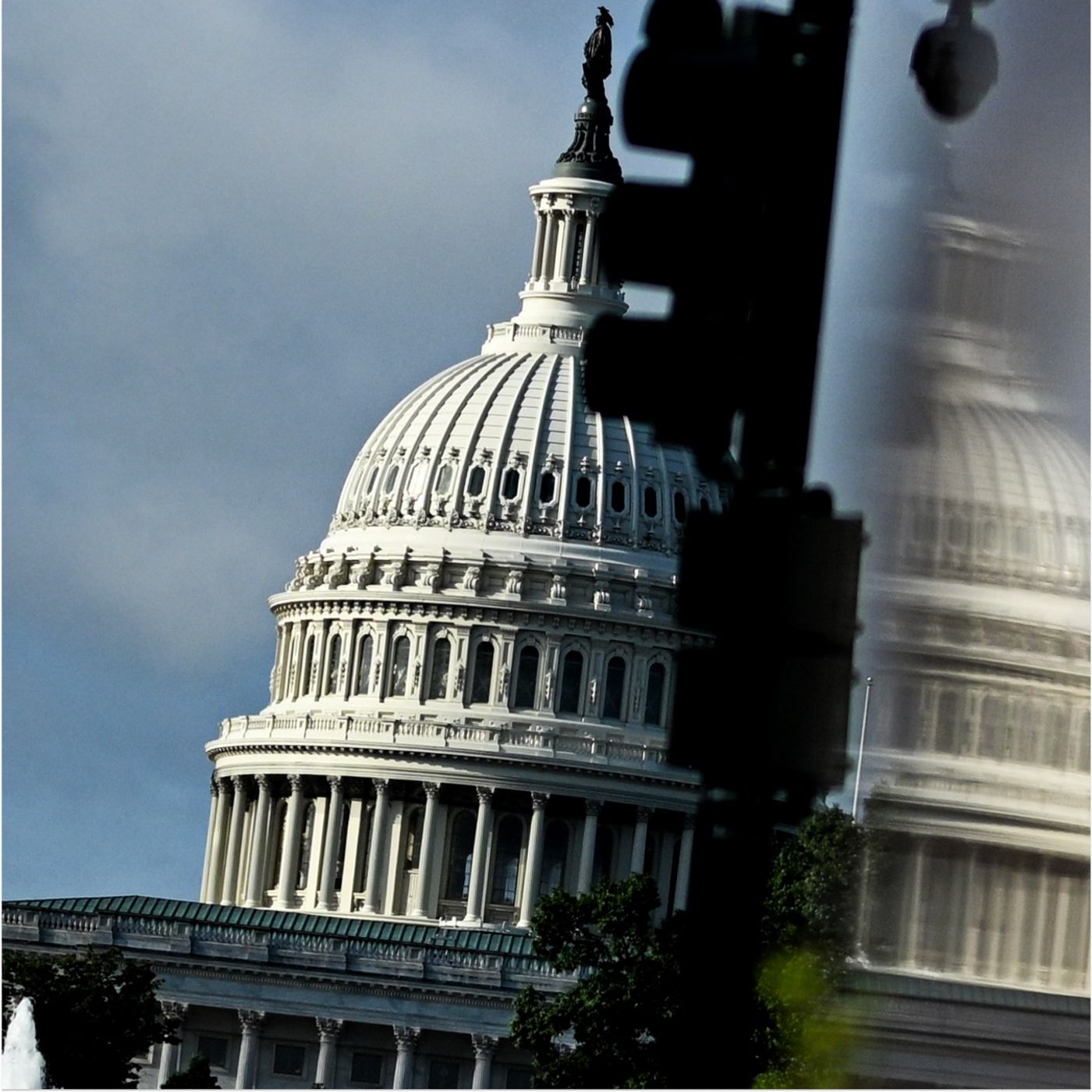
Congress Just Gave Away Its Power to Trump
Last night, President Trump achieved a major victory: persuading both chambers of Congress to cancel billions of dollars in spending that they had already approved.In the process, the Republican-led Congress is giving President Trump the power that it, and it alone, is supposed to have.Guest: Catie Edmondson, a congressional correspondent for The New York Times.Background reading: Congress approved a White House request to claw back $9 billion for foreign aid and public broadcasting, sending the measure to the president.Here’s where the cuts threaten access to PBS and NPR.For more information on today’s episode, visit nytimes.com/thedaily. Transcripts of each episode will be made available by the next workday. Subscribe today at nytimes.com/podcasts or on Apple Podcasts and Spotify. You can also subscribe via your favorite podcast app here https://www.nytimes.com/activate-access/audio?source=podcatcher. For more podcasts and narrated articles, download The New York Times app at nytimes.com/app. Hosted by Simplecast, an AdsWizz company. See pcm.adswizz.com for information about our collection and use of personal data for advertising.
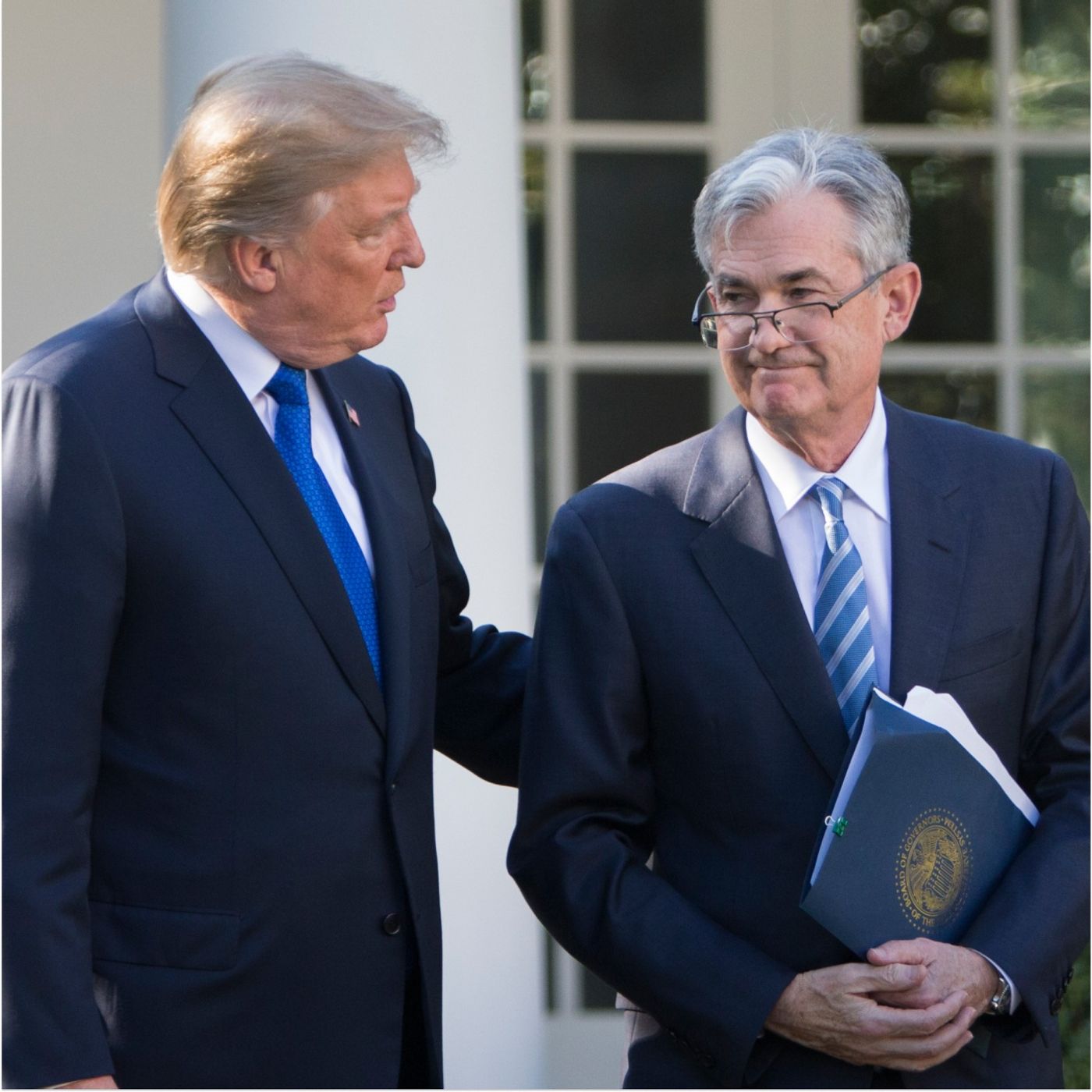
The Most Toxic Relationship in Washington
During an Oval Office meeting with congressional Republicans a few days ago, President Trump showed off the draft of a letter that would fire Jerome H. Powell, the chair of the Federal Reserve.It’s the latest chapter in a dysfunctional relationship that has major implications for the global economy.Guest: Colby Smith, who covers the Federal Reserve and the U.S. economy for The Times.Background reading: President Trump waved a copy of a draft letter firing Jerome H. Powell at a meeting in the Oval Office with House Republicans.Can Trump fire Powell? It’s likely that he lacks a case, legal experts say.For more information on today’s episode, visit nytimes.com/thedaily. Transcripts of each episode will be made available by the next workday. Photo: Tom Brenner/The New York Times Subscribe today at nytimes.com/podcasts or on Apple Podcasts and Spotify. You can also subscribe via your favorite podcast app here https://www.nytimes.com/activate-access/audio?source=podcatcher. For more podcasts and narrated articles, download The New York Times app at nytimes.com/app. Hosted by Simplecast, an AdsWizz company. See pcm.adswizz.com for information about our collection and use of personal data for advertising.

Project 2025’s Other Project
During a congressional hearing yesterday, Republican lawmakers accused university leaders of failing to do enough to combat antisemitism on their campuses. That’s a claim that the university officials strongly rejected.The hearing was the latest attempt by Republicans to use what they see as the growing threat against Jews to their political advantage. And it reflects a plan that was first laid out by the Heritage Foundation, the same conservative think tank that produced Project 2025.That plan, known as Project Esther, may have once seemed far-fetched. Katie J.M. Baker explains how it has become a reality.Guest: Katie J.M. Baker, a national investigative correspondent for The New York Times.Background reading: Even before President Trump was re-elected, the Heritage Foundation, best known for Project 2025, set out to destroy pro-Palestinian activism in the United States. University leaders rejected Republican attacks, saying they were working to protect Jewish students but also free speech on their campuses.For more information on today’s episode, visit nytimes.com/thedaily. Transcripts of each episode will be made available by the next workday. Photo: Jared Soares for The New York Times Subscribe today at nytimes.com/podcasts or on Apple Podcasts and Spotify. You can also subscribe via your favorite podcast app here https://www.nytimes.com/activate-access/audio?source=podcatcher. For more podcasts and narrated articles, download The New York Times app at nytimes.com/app. Hosted by Simplecast, an AdsWizz company. See pcm.adswizz.com for information about our collection and use of personal data for advertising.

Did the Texas Floods Have to Be This Deadly?
A little over a week after the devastating floods in Central Texas, the death toll has reached more than 130 people — and the search for the missing continues.In the aftermath of the disaster, there have been mounting questions about how local officials handled the critical hours before and after the storm. Today, we look at the missed opportunities that may have contributed to the growing tragedy — and whether anything more could have been done to save lives.Guest: Christopher Flavelle, a Times reporter covering how President Trump is transforming the local government..Background reading: Kerr County, where most of the deaths occurred, failed to secure a warning system, even as local officials remained aware of the risks and as billions of dollars were available for similar projects.Years before the floods, the Federal Emergency Management Agency had approved the removal of many Camp Mystic buildings from flood zones, records show.Eight-year-olds at camp, families in their R.V.s: These were some of the lives lost to the Texas floods.For more information on today’s episode, visit nytimes.com/thedaily. Transcripts of each episode will be made available by the next workday. Photo: Carter Johnston for The New York Times Subscribe today at nytimes.com/podcasts or on Apple Podcasts and Spotify. You can also subscribe via your favorite podcast app here https://www.nytimes.com/activate-access/audio?source=podcatcher. For more podcasts and narrated articles, download The New York Times app at nytimes.com/app. Hosted by Simplecast, an AdsWizz company. See pcm.adswizz.com for information about our collection and use of personal data for advertising.

One Rural Doctor on the Cuts to Medicaid
When Republicans passed their big domestic policy bill just over a week ago, they kept making the same argument about sweeping changes to Medicaid: that the measures, including new work requirements, would encourage able-bodied adults to earn their health care, ultimately creating a fairer system for everyone. Critics said the opposite: they have predicted that millions of working people who need health care will lose it.The truth will emerge in rural and often Republican-voting areas where cuts to Medicaid funding will be felt most deeply. Natalie Kitroeff spoke to a family doctor in one of those places, western North Carolina, about what she thinks will happen to her patients.Guest: Shannon Dowler, a family physician and health advocate in western North Carolina.Background reading: In North Carolina, President Trump’s domestic policy law jeopardizes plans to reopen one rural county’s hospital — and health coverage for hundreds of thousands of state residents.The nonpartisan Congressional Budget Office predicted that the Senate’s version of Trump’s bill would mean that 11.8 million more Americans would become uninsured by 2034.For more information on today’s episode, visit nytimes.com/thedaily. Transcripts of each episode will be made available by the next workday. Photo: Kaoly Gutierrez for The New York Times Subscribe today at nytimes.com/podcasts or on Apple Podcasts and Spotify. You can also subscribe via your favorite podcast app here https://www.nytimes.com/activate-access/audio?source=podcatcher. For more podcasts and narrated articles, download The New York Times app at nytimes.com/app. Hosted by Simplecast, an AdsWizz company. See pcm.adswizz.com for information about our collection and use of personal data for advertising.

‘Modern Love’: Let Mel Robbins Share Her 5 Tips for a Healthy Relationship
The best-selling author and motivational podcast host Mel Robbins is known for her blunt advice and viral wisdom, from The 5-Second Rule to countless proverbs on relationships, confidence and everyday stuck-ness. Her most recent book, “The Let Them Theory,” has given her readers a fresh perspective for navigating disappointment, rejection and uncertainty in life.On this week’s “Modern Love,” Robbins shares fives tips for letting go of control, and explains how these transformed her marriage and her relationship with her kids. She also reads a Modern Love essay, "You Have to Let Go to Move On,” about a woman who finally learns that real love doesn’t come from holding on tighter.For more Modern Love, search for the show wherever you get your podcasts. New episodes every Wednesday. Subscribe today at nytimes.com/podcasts or on Apple Podcasts and Spotify. You can also subscribe via your favorite podcast app here https://www.nytimes.com/activate-access/audio?source=podcatcher. For more podcasts and narrated articles, download The New York Times app at nytimes.com/app. Hosted by Simplecast, an AdsWizz company. See pcm.adswizz.com for information about our collection and use of personal data for advertising.

'The Interview': The Grody-Patinkin Family Is a Mess. People Love It.
EThe couple, successful artists married for 45 years, reflect on their newfound TikTok fame. Subscribe today at nytimes.com/podcasts or on Apple Podcasts and Spotify. You can also subscribe via your favorite podcast app here https://www.nytimes.com/activate-access/audio?source=podcatcher. For more podcasts and narrated articles, download The New York Times app at nytimes.com/app. Hosted by Simplecast, an AdsWizz company. See https://pcm.adswizz.com for information about our collection and use of personal data for advertising.