
The Daily
3,002 episodes — Page 12 of 61

ICE on Campus
Immigration arrests are taking place at universities across the country. The story of three Columbia students helps explain what’s happening, and why.Hamed Aleaziz, who covers immigration policy, lays out what their cases reveal about the latest immigration crackdown — and about this administration’s views on free speech.Guest: Hamed Aleaziz, who covers the Department of Homeland Security and immigration policy in the United States for The New York Times.Background reading: A Columbia student hunted by ICE has sued to prevent deportation.How a Columbia student fled to Canada after ICE came looking for her.What we know about the detentions of student protesters.For more information on today’s episode, visit nytimes.com/thedaily. Transcripts of each episode will be made available by the next workday. Photo: Eduardo Munoz/Reuters Subscribe today at nytimes.com/podcasts or on Apple Podcasts and Spotify. You can also subscribe via your favorite podcast app here https://www.nytimes.com/activate-access/audio?source=podcatcher. For more podcasts and narrated articles, download The New York Times app at nytimes.com/app. Hosted by Simplecast, an AdsWizz company. See pcm.adswizz.com for information about our collection and use of personal data for advertising.
The Sunday Read: ‘Why Airline Pilots Feel Pushed to Hide Their Mental Illness’
Troy Merritt, a pilot for a major U.S. airline, returned from his 30th birthday trip in Croatia in October 2022 — sailing on a catamaran, eating great food, socializing with friends — and cried. This wasn’t back-to-work blues but collapsed-on-the-floor, full-body-shaking misery. When he wasn’t crying, he slept.“I’ve got to find a therapist,” he told himself. And he did, quickly. If that therapist didn’t write down “depression,” Merritt would be OK. He could still fly planes, keep his job — as long as he wasn’t diagnosed with a mental illness.Merritt, like all pilots, knew that if he was formally diagnosed with a mental-health condition, he might never fly a plane again. Subscribe today at nytimes.com/podcasts or on Apple Podcasts and Spotify. You can also subscribe via your favorite podcast app here https://www.nytimes.com/activate-access/audio?source=podcatcher. For more podcasts and narrated articles, download The New York Times app at nytimes.com/app. Hosted by Simplecast, an AdsWizz company. See pcm.adswizz.com for information about our collection and use of personal data for advertising.

'The Interview': Megyn Kelly Is Embracing Her Bias and Rejecting the 'Old Rules'
EThe former Fox News and current YouTube host on her professional evolution, conservative media and why she endorsed Trump. Subscribe today at nytimes.com/podcasts or on Apple Podcasts and Spotify. You can also subscribe via your favorite podcast app here https://www.nytimes.com/activate-access/audio?source=podcatcher. For more podcasts and narrated articles, download The New York Times app at nytimes.com/app. Hosted by Simplecast, an AdsWizz company. See https://pcm.adswizz.com for information about our collection and use of personal data for advertising.

Trump 2.0: Group Chats and a New Spat
What does the continuing fallout from the Signal text security breach tell us about President Trump’s cabinet’s approach to blame and accountability?The Times journalists Michael Barbaro, Eric Schmitt, Julian E. Barnes and Maggie Haberman sit down to make sense of the latest week.Guest: Eric Schmitt, a national security correspondent for The New York Times based in Washington.Julian E. Barnes, a reporter covering the U.S. intelligence agencies and international security matters for The New York Times.Maggie Haberman, a White House correspondent for The New York Times.Background reading: Analysis: President Trump takes government secrecy seriously. But only when it suits him.Intelligence officials faced a fresh round of questions about the Signal leak.A disregard for the rules trickles down from Mr. Trump to his aides.For more information on today’s episode, visit nytimes.com/thedaily. Transcripts of each episode will be made available by the next workday. Photo: Kayla Bartkowski/Getty Images Subscribe today at nytimes.com/podcasts or on Apple Podcasts and Spotify. You can also subscribe via your favorite podcast app here https://www.nytimes.com/activate-access/audio?source=podcatcher. For more podcasts and narrated articles, download The New York Times app at nytimes.com/app. Hosted by Simplecast, an AdsWizz company. See pcm.adswizz.com for information about our collection and use of personal data for advertising.

J.F.K., the C.I.A. and the Original ‘Deep State’
For the past three decades, the U.S. government has released documents related to the assassination of John F. Kennedy with an overriding goal of dispelling conspiracy theories.Julian E. Barnes, who covers the U.S. intelligence agencies, explains why President Trump’s motivations behind releasing the latest batch are far more complicated.Guest: Julian E. Barnes, a reporter covering the U.S. intelligence agencies and international security matters for The New York Times.Background reading: Inside the 24-hour scramble among top national security officials over the Kennedy documents.The thousands of documents posted online this week disappointed assassination buffs. But historians are finding many newly revealed secrets.For more information on today’s episode, visit nytimes.com/thedaily. Transcripts of each episode will be made available by the next workday. Photo: Reuters Subscribe today at nytimes.com/podcasts or on Apple Podcasts and Spotify. You can also subscribe via your favorite podcast app here https://www.nytimes.com/activate-access/audio?source=podcatcher. For more podcasts and narrated articles, download The New York Times app at nytimes.com/app. Hosted by Simplecast, an AdsWizz company. See pcm.adswizz.com for information about our collection and use of personal data for advertising.

The Editor Who Was Accidentally Texted War Plans
This week, top Trump officials inadvertently shared secret U.S. military plans with a prominent journalist after mistakenly adding him to a group chat.The journalist, Jeffrey Goldberg, who is editor in chief at The Atlantic, discusses what he was thinking as he read the messages and what he makes of the fallout.Guest: Jeffrey Goldberg, editor in chief at The Atlantic.Background reading: Read Mr. Goldberg’s piece in The Atlantic about being added to the group chat.Read more about Mr. Goldberg, the editor mistakenly added to the Signal chat.Here’s the leaked chat, annotated.President Trump has downplayed the leak and pointed the finger at Mr. Goldberg.For more information on today’s episode, visit nytimes.com/thedaily. Transcripts of each episode will be made available by the next workday. Photo: Doug Mills/The New York Times Subscribe today at nytimes.com/podcasts or on Apple Podcasts and Spotify. You can also subscribe via your favorite podcast app here https://www.nytimes.com/activate-access/audio?source=podcatcher. For more podcasts and narrated articles, download The New York Times app at nytimes.com/app. Hosted by Simplecast, an AdsWizz company. See pcm.adswizz.com for information about our collection and use of personal data for advertising.

Nixon Dreamed of Breaking the Media. Trump Is Doing It.
As President Trump set out to systematically eliminate or intimidate those who stood in his way — inspectors general, judges, law firms — the news media loomed as one of his most stubborn obstacles. Or so it seemed.Jim Rutenberg, a writer at large for The New York Times, explains how Mr. Trump is circumventing and undermining the fourth estate in a way no president before him ever has.Guest: Jim Rutenberg, a writer at large for The New York Times and The New York Times Magazine.Background reading: President Trump’s blueprint for bending the media to his will has Nixon written all over it.For more information on today’s episode, visit nytimes.com/thedaily. Transcripts of each episode will be made available by the next workday. Photo: Tierney L. Cross for The New York Times Subscribe today at nytimes.com/podcasts or on Apple Podcasts and Spotify. You can also subscribe via your favorite podcast app here https://www.nytimes.com/activate-access/audio?source=podcatcher. For more podcasts and narrated articles, download The New York Times app at nytimes.com/app. Hosted by Simplecast, an AdsWizz company. See pcm.adswizz.com for information about our collection and use of personal data for advertising.

Trump’s Escalating War With Higher Education
In recent weeks, the Trump administration has put the American university system on notice.It has pressed for changes, opened investigations — and in some cases withheld critical funds.Alan Blinder, who covers education in America, explains how schools are responding to the pressure and what it might mean for the future of higher education.Guest: Alan Blinder, a national correspondent for The New York Times, writing about education in America.Background reading: Columbia University promised changes to its protest policies, its security practices and its Middle Eastern studies department after the Trump administration moved to cut off $400 million in funding.President Trump’s battles with colleges could change American culture for a generation.For more information on today’s episode, visit nytimes.com/thedaily. Transcripts of each episode will be made available by the next workday. Photo: Hiroko Masuike/The New York Times Subscribe today at nytimes.com/podcasts or on Apple Podcasts and Spotify. You can also subscribe via your favorite podcast app here https://www.nytimes.com/activate-access/audio?source=podcatcher. For more podcasts and narrated articles, download The New York Times app at nytimes.com/app. Hosted by Simplecast, an AdsWizz company. See pcm.adswizz.com for information about our collection and use of personal data for advertising.
The Sunday Read: ‘What I Found on the 365-Mile Trail of a Lost Folk Hero’
Sometime in the 1850s or ’60s, at a terrible moment in U.S. history, a strange man seemed to sprout, out of nowhere, into the rocky landscape between New York City and Hartford, Conn. The word “strange” hardly captures his strangeness. He was rough and hairy, and he wandered around on back roads, sleeping in caves. Above all, he refused to explain himself. As one newspaper put it: “He is a mystery, and a very greasy and ill-odored one.” Other papers referred to him as “the animal” or (just throwing up their hands) “this uncouth and unkempt ‘What is it?’”But the strangest thing about the stranger was his suit. Subscribe today at nytimes.com/podcasts or on Apple Podcasts and Spotify. You can also subscribe via your favorite podcast app here https://www.nytimes.com/activate-access/audio?source=podcatcher. For more podcasts and narrated articles, download The New York Times app at nytimes.com/app. Hosted by Simplecast, an AdsWizz company. See pcm.adswizz.com for information about our collection and use of personal data for advertising.

'The Interview': Dr. Lindsay Gibson on What We Owe Our 'Emotionally Immature' Parents
The clinical psychologist explains the foundations of egocentric parental behavior, the impact it has on their children and the freedom of saying “no.” Subscribe today at nytimes.com/podcasts or on Apple Podcasts and Spotify. You can also subscribe via your favorite podcast app here https://www.nytimes.com/activate-access/audio?source=podcatcher. For more podcasts and narrated articles, download The New York Times app at nytimes.com/app. Hosted by Simplecast, an AdsWizz company. See https://pcm.adswizz.com for information about our collection and use of personal data for advertising.

Why a Worrisome Economy Doesn’t Seem to Worry Trump
As President Trump has rolled out his economic agenda, the assumption has been that he would quickly scale back his most aggressive policies once they began to scare consumers and the financial markets. But that assumption turned out to be wrong.Ben Casselman, who covers economics, and Maggie Haberman, who covers the White House, explain why Mr. Trump’s economic plan may be backfiring and why he doesn’t seem to mind.Guest: Ben Casselman, the chief economics correspondent for The New York Times.Maggie Haberman, a White House correspondent for The New York Times.Background reading: Mr. Trump has said a recession might be worth the cost. Economists disagree.Investors thought they had Mr. Trump figured out. They were wrong.For more information on today’s episode, visit nytimes.com/thedaily. Transcripts of each episode will be made available by the next workday. Photo: Brandon Bell/Getty Images Subscribe today at nytimes.com/podcasts or on Apple Podcasts and Spotify. You can also subscribe via your favorite podcast app here https://www.nytimes.com/activate-access/audio?source=podcatcher. For more podcasts and narrated articles, download The New York Times app at nytimes.com/app. Hosted by Simplecast, an AdsWizz company. See pcm.adswizz.com for information about our collection and use of personal data for advertising.

Were the Covid Lockdowns Worth It?
Five years ago, at the urging of federal officials, much of the United States locked down to stop the spread of Covid. Over time, the action polarized the country and changed the relationship between many Americans and their government.Michael Barbaro speaks to Stephen Macedo and Frances Lee, two prominent political scientists who dispute the effectiveness of the lockdowns, to find out what they think will be required when the next pandemic strikes.Unlock full access to New York Times podcasts and explore everything from politics to pop culture. Subscribe today at nytimes.com/podcasts or on Apple Podcasts and Spotify.Guest: Stephen Macedo and Frances Lee, authors of In Covid’s Wake: How Our Politics Failed UsBackground reading: As the coronavirus spread, researchers worldwide scrambled to find ways to keep people safe. Some efforts were misguided. Others saved millions of lives.For more information on today’s episode, visit nytimes.com/thedaily. Transcripts of each episode will be made available by the next workday. Photo: Hilary Swift for The New York Times Subscribe today at nytimes.com/podcasts or on Apple Podcasts and Spotify. You can also subscribe via your favorite podcast app here https://www.nytimes.com/activate-access/audio?source=podcatcher. For more podcasts and narrated articles, download The New York Times app at nytimes.com/app. Hosted by Simplecast, an AdsWizz company. See pcm.adswizz.com for information about our collection and use of personal data for advertising.

Trump’s Showdown With the Courts
President Trump’s showdown with the courts reached a new milestone on Tuesday, when he called for a federal judge to be impeached and the chief justice of the Supreme Court publicly scolded the president in response.Luke Broadwater, who covers the White House for The Times, discusses the deportation case at the center of the confrontation — and whether the constitutional crisis that many have feared has now arrived.Guest: Luke Broadwater, who covers the White House for The New York Times.Background reading: A judge ordered deportation planes to turn around. The White House didn’t listen.The order has made the judge in the deportation case a target of Republican anger.For more information on today’s episode, visit nytimes.com/thedaily. Transcripts of each episode will be made available by the next workday. Photo: Haiyun Jiang for The New York Times Subscribe today at nytimes.com/podcasts or on Apple Podcasts and Spotify. You can also subscribe via your favorite podcast app here https://www.nytimes.com/activate-access/audio?source=podcatcher. For more podcasts and narrated articles, download The New York Times app at nytimes.com/app. Hosted by Simplecast, an AdsWizz company. See pcm.adswizz.com for information about our collection and use of personal data for advertising.

How Trump Is Scaring Big Law Firms Into Submission
After engaging in a campaign of retribution against his enemies within the federal government, President Trump is turning to those outside of it.Michael S. Schmidt, an investigative reporter for The New York Times, explains what that retribution has looked like for a single law firm — and the impact it has had on the entire legal profession.Guest: Michael S. Schmidt, an investigative reporter for The New York Times, covering Washington.Background reading: The law firm Perkins Coie has sued the Trump administration over an executive order that would make it all but impossible for the firm to advocate for its clients.The president’s use of government power to punish law firms is seen by some experts as undercutting a basic tenet: the right to a strong defense.For more information on today’s episode, visit nytimes.com/thedaily. Transcripts of each episode will be made available by the next workday. Photo: Maansi Srivastava for The New York Times Subscribe today at nytimes.com/podcasts or on Apple Podcasts and Spotify. You can also subscribe via your favorite podcast app here https://www.nytimes.com/activate-access/audio?source=podcatcher. For more podcasts and narrated articles, download The New York Times app at nytimes.com/app. Hosted by Simplecast, an AdsWizz company. See pcm.adswizz.com for information about our collection and use of personal data for advertising.

The Weekend Democrats Went to War — Against Each Other
EWarning: This episode contains strong language.Over the past few days, a routine debate over government funding has exploded into an angry showdown over the Democrats’ identity in the Trump era, and whether their current leadership is right for the moment.Catie Edmondson, who covers Congress, and Shane Goldmacher, who covers national politics, discuss a weekend that rocked the Democratic Party.Guest: Catie Edmondson, a congressional correspondent for The New York Times.Shane Goldmacher, a national political correspondent for The New York Times.Background reading: Senator Chuck Schumer broke with his party to clear a path for a Republican spending bill that kept the government open.Young Democrats’ anger boiled over as Mr. Schumer retreated on a shutdown.For more information on today’s episode, visit nytimes.com/thedaily. Transcripts of each episode will be made available by the next workday. Photo: Eric Lee/The New York Times Subscribe today at nytimes.com/podcasts or on Apple Podcasts and Spotify. You can also subscribe via your favorite podcast app here https://www.nytimes.com/activate-access/audio?source=podcatcher. For more podcasts and narrated articles, download The New York Times app at nytimes.com/app. Hosted by Simplecast, an AdsWizz company. See pcm.adswizz.com for information about our collection and use of personal data for advertising.

'The Interview': Chuck Schumer on Democrats, Antisemitism and His Shutdown Retreat
EThe Senate minority leader discusses the backlash to his vote on the Republican spending bill, how he sees his role within the party and his new book. Subscribe today at nytimes.com/podcasts or on Apple Podcasts and Spotify. You can also subscribe via your favorite podcast app here https://www.nytimes.com/activate-access/audio?source=podcatcher. For more podcasts and narrated articles, download The New York Times app at nytimes.com/app. Hosted by Simplecast, an AdsWizz company. See https://pcm.adswizz.com for information about our collection and use of personal data for advertising.

Trump, Europe and the New World Order
In just a few weeks, the Trump administration has taken a hard line with allies such as Mexico and Canada. Now, a trade war is on the horizon with Europe.Mark Landler, the London bureau chief of The New York Times, explains how a fracturing alliance with Europe could affect global political dynamics.Guest: Mark Landler, the London bureau chief of The New York Times.Background reading: The European Union responded to American steel and aluminum tariffs with its own levies on boats and bourbon.Europe expected a transactional President Trump. It got something else.For more information on today’s episode, visit nytimes.com/thedaily. Transcripts of each episode will be made available by the next workday. Photo: Clemens Bilan/EPA, via Shutterstock Subscribe today at nytimes.com/podcasts or on Apple Podcasts and Spotify. You can also subscribe via your favorite podcast app here https://www.nytimes.com/activate-access/audio?source=podcatcher. For more podcasts and narrated articles, download The New York Times app at nytimes.com/app. Hosted by Simplecast, an AdsWizz company. See pcm.adswizz.com for information about our collection and use of personal data for advertising.

Elbows Up: Canada’s Response to Trump’s Trade War
A gloves-off trade war with the United States is uniting Canadians against their southern neighbor.Matina Stevis-Gridneff, the Canada bureau chief for The New York Times, explains how the dispute is shifting the country’s politics, culture and place on the global stage.Guest: Matina Stevis-Gridneff, the Canada bureau chief for The New York Times.Background reading: President Trump intensified statehood threats as he increased tariffs on Canada.For more information on today’s episode, visit nytimes.com/thedaily. Transcripts of each episode will be made available by the next workday. Photo: Amber Bracken/Reuters Subscribe today at nytimes.com/podcasts or on Apple Podcasts and Spotify. You can also subscribe via your favorite podcast app here https://www.nytimes.com/activate-access/audio?source=podcatcher. For more podcasts and narrated articles, download The New York Times app at nytimes.com/app. Hosted by Simplecast, an AdsWizz company. See pcm.adswizz.com for information about our collection and use of personal data for advertising.

The Growing Danger of Measles
A measles outbreak continues to spread in Texas. More than 200 people have been infected. One child has died. And health experts are now concerned that low vaccination rates will make it harder to contain.Teddy Rosenbluth, a health reporter at The New York Times, explains the rapid outbreak — and asks whether the government’s response will signal a turning point in how America views public heath.Guest: Teddy Rosenbluth, a health reporter at The New York Times.Background reading: The Texas measles outbreak shows signs of a riskier future for children.Here’s where measles is spreading in the United States.Robert F. Kennedy Jr. linked the outbreak to poor diet and health, citing fringe theories.For more information on today’s episode, visit nytimes.com/thedaily. Transcripts of each episode will be made available by the next workday. Photo: Desiree Rios for The New York Times Subscribe today at nytimes.com/podcasts or on Apple Podcasts and Spotify. You can also subscribe via your favorite podcast app here https://www.nytimes.com/activate-access/audio?source=podcatcher. For more podcasts and narrated articles, download The New York Times app at nytimes.com/app. Hosted by Simplecast, an AdsWizz company. See pcm.adswizz.com for information about our collection and use of personal data for advertising.

Trump’s Bid for Greenland
In his recent address before Congress, President Trump talked once again about his big ambitions for Greenland.He told the icebound island’s “incredible people” that he supported their right to determine their future. But he ended his message with a threat, declaring, “One way or the other we are going to get it.”Jeffrey Gettleman, an international correspondent for The New York Times who recently traveled to the island, explains what Mr. Trump wants from Greenland, and whether he may actually get it.Guest: Jeffrey Gettleman, an international correspondent for The New York Times, based in London and covering global events.Background reading: Trump said the U.S. would “get” Greenland. Greenlanders were not impressed.Jeffrey Gettleman spent 12 days reporting around Greenland about its big moment.The harsh reality behind the glittering promise of Greenland’s minerals.For more information on today’s episode, visit nytimes.com/thedaily. Transcripts of each episode will be made available by the next workday. Photo: Ivor Prickett for The New York Times Subscribe today at nytimes.com/podcasts or on Apple Podcasts and Spotify. You can also subscribe via your favorite podcast app here https://www.nytimes.com/activate-access/audio?source=podcatcher. For more podcasts and narrated articles, download The New York Times app at nytimes.com/app. Hosted by Simplecast, an AdsWizz company. See pcm.adswizz.com for information about our collection and use of personal data for advertising.

Trump Takes Aim at the Department of Education
In the coming days, President Trump is expected to sign an executive order that would follow through on one of his major campaign promises: to abolish the U.S. Department of Education. The catch is that he still needs the department to impose his vision on American schools.Dana Goldstein, who covers education for The Times, explains how Mr. Trump is balancing his desire both to dismantle and to weaponize the Education Department.Guest: Dana Goldstein, a reporter covering education and families for The New York Times.Background reading: Here’s why Republicans want to dismantle the Education Department.Video: What does the Department of Education actually do?For more information on today’s episode, visit nytimes.com/thedaily. Transcripts of each episode will be made available by the next workday. Photo: Kevin Lamarque/Reuters Subscribe today at nytimes.com/podcasts or on Apple Podcasts and Spotify. You can also subscribe via your favorite podcast app here https://www.nytimes.com/activate-access/audio?source=podcatcher. For more podcasts and narrated articles, download The New York Times app at nytimes.com/app. Hosted by Simplecast, an AdsWizz company. See pcm.adswizz.com for information about our collection and use of personal data for advertising.
The Sunday Read: ‘How I Learned That the Problem in My Marriage Was Me’
One thing I’ve learned from being married to my wife, Jess, who is a couples therapist, is how vast the distance is between the masks people show to the world and the messy realities that live behind them. Every couple knows its own drama, but we still fall prey to the illusion that all other couples have seamlessly satisfying relationships. The truth about marriage — including my own — is that even the most functional couples are merely doing the best they can with the lives that have been bestowed on them.This past spring, Jess and I had the first of eight sessions of couples therapy with Terry Real, a best-selling author and by far the most famous of the therapists we’ve seen during our marriage. Real, whose admirers include Gwyneth Paltrow and Bruce Springsteen, is one of a small number of thinkers who are actively shaping how the couples-therapy field is received by the public and practiced by other therapists. He is also the bluntest and most charismatic of the therapists I’ve seen, the New Jersey Jewish version of Robin Williams’s irascible Boston character in “Good Will Hunting” — profane, charismatic, open about his own life, forged in his own story of pain. Subscribe today at nytimes.com/podcasts or on Apple Podcasts and Spotify. You can also subscribe via your favorite podcast app here https://www.nytimes.com/activate-access/audio?source=podcatcher. For more podcasts and narrated articles, download The New York Times app at nytimes.com/app. Hosted by Simplecast, an AdsWizz company. See pcm.adswizz.com for information about our collection and use of personal data for advertising.

'The Interview': Lady Gaga's Latest Experiment? Happiness.
The pop superstar reflects on her struggles with mental health, the pressures of the music industry and why she’s returned to the sound that made her famous. Subscribe today at nytimes.com/podcasts or on Apple Podcasts and Spotify. You can also subscribe via your favorite podcast app here https://www.nytimes.com/activate-access/audio?source=podcatcher. For more podcasts and narrated articles, download The New York Times app at nytimes.com/app. Hosted by Simplecast, an AdsWizz company. See https://pcm.adswizz.com for information about our collection and use of personal data for advertising.

The Cinematic Masterpiece You Won’t Get to See
EWarning: This episode contains descriptions of child abuse and domestic abuse.Over the past few years, a celebrated filmmaker has tried to unlock the mysteries of the pop icon Prince.Sasha Weiss, a deputy editor at The New York Times Magazine, says that the result is a cinematic masterpiece. How is it possible that nobody will ever see it?Guest: Sasha Weiss, a deputy editor at The New York Times Magazine.Background reading: Inside Ezra Edelman’s documentary on Prince.For more information on today’s episode, visit nytimes.com/thedaily. Transcripts of each episode will be made available by the next workday. Photo: Kristian Dowling/Getty Images Subscribe today at nytimes.com/podcasts or on Apple Podcasts and Spotify. You can also subscribe via your favorite podcast app here https://www.nytimes.com/activate-access/audio?source=podcatcher. For more podcasts and narrated articles, download The New York Times app at nytimes.com/app. Hosted by Simplecast, an AdsWizz company. See pcm.adswizz.com for information about our collection and use of personal data for advertising.

How Tariffs Are Shaking Up the War on Fentanyl
For years, even as fentanyl has killed Americans at an astonishing rate, Mexico has claimed that it was doing everything possible to crack down on production of the drug.This week, President Trump began using punishing new tariffs to test that claim.Natalie Kitroeff, who is the Mexico City bureau chief for The New York Times, discusses the surprising result of his tactics.Guest: Natalie Kitroeff, the Mexico City bureau chief for The New York Times.Background reading: Mr. Trump’s threats and Mexico’s crackdown have hit Mexican cartels.Mexico gave Mr. Trump much of what he wanted. That didn’t fend off tariffs.For more information on today’s episode, visit nytimes.com/thedaily. Transcripts of each episode will be made available by the next workday. Photo: Daniele Volpe for The New York Times Subscribe today at nytimes.com/podcasts or on Apple Podcasts and Spotify. You can also subscribe via your favorite podcast app here https://www.nytimes.com/activate-access/audio?source=podcatcher. For more podcasts and narrated articles, download The New York Times app at nytimes.com/app. Hosted by Simplecast, an AdsWizz company. See pcm.adswizz.com for information about our collection and use of personal data for advertising.
Partisan Taunts and Defiant Protests: Trump’s First Speech to Congress
In his first address to Congress on Tuesday night, President Trump took a highly partisan victory lap as Democratic lawmakers openly protested against him.Maggie Haberman, a White House correspondent for The Times, walks us through the speech, including the reactions to it in the room.Guest: Maggie Haberman, a White House correspondent for The New York Times.Background reading: A combative President Trump taunted his political rivals during his speech.Here are six takeaways from Mr. Trump’s address to Congress.For more information on today’s episode, visit nytimes.com/thedaily. Transcripts of each episode will be made available by the next workday. Subscribe today at nytimes.com/podcasts or on Apple Podcasts and Spotify. You can also subscribe via your favorite podcast app here https://www.nytimes.com/activate-access/audio?source=podcatcher. For more podcasts and narrated articles, download The New York Times app at nytimes.com/app. Hosted by Simplecast, an AdsWizz company. See pcm.adswizz.com for information about our collection and use of personal data for advertising.

DOGE Has a Math Problem
Since President Trump took office, Elon Musk and DOGE have wielded an unprecedented level of power to help the administration cut the U.S. government, and they claim to have stopped tens of billions of dollars in wasteful spending.David A. Fahrenthold, an investigative reporter for The Times, explains why those claims are not what they seem — and what that tells us about Mr. Musk’s project to shrink the federal bureaucracy.Guest: David A. Fahrenthold, an investigative reporter for The New York Times.Background reading: DOGE’s only public ledger has been riddled with mistakes.The group has now deleted hundreds of claimed savings, worth billions of dollars, from that ledger.For more information on today’s episode, visit nytimes.com/thedaily. Transcripts of each episode will be made available by the next workday. Photo: Andrew Harnik/Getty Images Subscribe today at nytimes.com/podcasts or on Apple Podcasts and Spotify. You can also subscribe via your favorite podcast app here https://www.nytimes.com/activate-access/audio?source=podcatcher. For more podcasts and narrated articles, download The New York Times app at nytimes.com/app. Hosted by Simplecast, an AdsWizz company. See pcm.adswizz.com for information about our collection and use of personal data for advertising.

The Fallout From Zelensky and Trump’s Oval Office Meltdown
On Friday, President Trump and Vice President JD Vance berated President Volodymyr Zelensky of Ukraine in an explosive televised Oval Office meeting and abruptly cut short a visit that was meant to help coordinate a plan for peace.Peter Baker, chief White House correspondent for The Times, discusses the clash and its consequences.Guest: Peter Baker, the chief White House correspondent for The New York Times, covering President Trump and his administration.Background reading: Mr. Trump berated Mr. Zelensky in a fiery exchange at the White House.The public blowup could propel President Vladimir V. Putin of Russia to escalate the fight in Ukraine instead of agreeing to peace.For more information on today’s episode, visit nytimes.com/thedaily. Transcripts of each episode will be made available by the next workday. Photo: Doug Mills/The New York Times Subscribe today at nytimes.com/podcasts or on Apple Podcasts and Spotify. You can also subscribe via your favorite podcast app here https://www.nytimes.com/activate-access/audio?source=podcatcher. For more podcasts and narrated articles, download The New York Times app at nytimes.com/app. Hosted by Simplecast, an AdsWizz company. See pcm.adswizz.com for information about our collection and use of personal data for advertising.
The Sunday Read: ‘The Cryptocurrency Scam That Turned a Small Town Against Itself’
Jim Tucker could hardly believe what he was hearing. It sounded like fiction, a nightmare too outlandish for an unassuming town like his.It was July 2023, and Tucker was hosting a meeting of the board of Heartland Tri-State Bank, a community-owned business in a small Kansas town called Elkhart. Heartland was a beloved local institution and a source of Tucker family pride: Tucker served on the board with his elderly father, Bill, who founded the bank four decades earlier. All of the board members — the Tuckers and several other farmers and businesspeople — had known one another for years.That evening, however, they were gathering to discuss what seemed, on its face, an epic betrayal. Over the past few weeks, the bank’s longtime president, a popular local businessman named Shan Hanes, had ordered a series of unexplained wire transfers that drained tens of millions of dollars from the bank. Hanes converted the funds into cryptocurrencies. Then the money vanished. Subscribe today at nytimes.com/podcasts or on Apple Podcasts and Spotify. You can also subscribe via your favorite podcast app here https://www.nytimes.com/activate-access/audio?source=podcatcher. For more podcasts and narrated articles, download The New York Times app at nytimes.com/app. Hosted by Simplecast, an AdsWizz company. See pcm.adswizz.com for information about our collection and use of personal data for advertising.

'The Interview': Gov. Maura Healey Wants Democrats to Put Up a Fight
The Massachusetts leader, whose influence goes well beyond her state, discusses how the Democratic Party can pick its battles and rebuild its brand. Subscribe today at nytimes.com/podcasts or on Apple Podcasts and Spotify. You can also subscribe via your favorite podcast app here https://www.nytimes.com/activate-access/audio?source=podcatcher. For more podcasts and narrated articles, download The New York Times app at nytimes.com/app. Hosted by Simplecast, an AdsWizz company. See https://pcm.adswizz.com for information about our collection and use of personal data for advertising.

Trump 2.0: The Art of the Deal
This week, President Trump proposed two deals that would require allies to put his needs ahead of their own.Times’ Journalists Michael Barbaro, Catie Edmonson, Maggie Haberman, and Zolan Kanno-Youngs discuss how, in both cases, Trump got what he wanted.Guest: Catie Edmondson, a congressional correspondent for The New York Times.Maggie Haberman, a White House correspondent for The New York Times.Zolan Kanno-Youngs, a White House correspondent for The New York Times, covering President Trump and his administration.Background reading: Here’s what’s in the House Republican budget, and what comes next.What we know about the U.S.-Ukraine minerals deal.For more information on today’s episode, visit nytimes.com/thedaily. Transcripts of each episode will be made available by the next workday. Photo: The New York Times. Subscribe today at nytimes.com/podcasts or on Apple Podcasts and Spotify. You can also subscribe via your favorite podcast app here https://www.nytimes.com/activate-access/audio?source=podcatcher. For more podcasts and narrated articles, download The New York Times app at nytimes.com/app. Hosted by Simplecast, an AdsWizz company. See pcm.adswizz.com for information about our collection and use of personal data for advertising.

He Was America’s Highest-Ranking Military Officer. Then Came the War on D.E.I.
During his decades-long path to become America’s highest-ranking military officer, Gen. Charles Q. Brown Jr. won the crucial support of President Trump.That all changed when Mr. Brown publicly talked about a subject that is taboo in Mr. Trump’s government.Helene Cooper, who covers national security for The Times, explains why General Brown was fired and why it has rocked the military.Guest: Helene Cooper, who cover national security issues for The New York Times.Background reading: President Trump fired General Brown amid a flurry of dismissals at the Pentagon.Democratic lawmakers and retired military officers expressed concern about politicization of the military under Mr. Trump.For more information on today’s episode, visit nytimes.com/thedaily. Transcripts of each episode will be made available by the next workday. Photo: Shawn Thew/EPA, via Shutterstock Subscribe today at nytimes.com/podcasts or on Apple Podcasts and Spotify. You can also subscribe via your favorite podcast app here https://www.nytimes.com/activate-access/audio?source=podcatcher. For more podcasts and narrated articles, download The New York Times app at nytimes.com/app. Hosted by Simplecast, an AdsWizz company. See pcm.adswizz.com for information about our collection and use of personal data for advertising.

Can the Cease-Fire in Gaza Hold?
Today, as the cease-fire between Israel and Hamas enters its most fragile phase, no one knows who will control the future of Gaza.Patrick Kingsley, the Jerusalem bureau chief for The New York Times, talks through this delicate moment — as the first part of the deal nears its end — and the questions that hover over it.Guest: Patrick Kingsley, the Jerusalem bureau chief for The New York Times.Background reading: Gaza’s truce could end in days, with no extension agreed. What happens next?Alarmed by President Trump’s Gaza plan, Arab leaders brainstormed about one of their own.For more information on today’s episode, visit nytimes.com/thedaily. Transcripts of each episode will be made available by the next workday. Photo: Saher Alghorra for The New York Times Subscribe today at nytimes.com/podcasts or on Apple Podcasts and Spotify. You can also subscribe via your favorite podcast app here https://www.nytimes.com/activate-access/audio?source=podcatcher. For more podcasts and narrated articles, download The New York Times app at nytimes.com/app. Hosted by Simplecast, an AdsWizz company. See pcm.adswizz.com for information about our collection and use of personal data for advertising.

She Fell in Love With ChatGPT. Like, Actual Love. With Sex.
EWarning: This episode discusses sexual themes.Artificial intelligence has changed how millions of people write emails, conduct research and seek advice.Kashmir Hill, who covers technology and privacy, tells the story of a woman whose relationship with a chatbot when much further than that.Guest: Kashmir Hill, a features writer on the business desk at The New York Times, covering technology and privacy.Background reading: She is in love with ChatGPT.For more information on today’s episode, visit nytimes.com/thedaily. Transcripts of each episode will be made available by the next workday. Photo: Helen Orr for The New York Times Subscribe today at nytimes.com/podcasts or on Apple Podcasts and Spotify. You can also subscribe via your favorite podcast app here https://www.nytimes.com/activate-access/audio?source=podcatcher. For more podcasts and narrated articles, download The New York Times app at nytimes.com/app. Hosted by Simplecast, an AdsWizz company. See pcm.adswizz.com for information about our collection and use of personal data for advertising.

Exporting America’s Immigration Problem
EWarning: This episode contains mentions of suicide.Since President Trump took office, his plan to deport millions of undocumented people has kept running into barriers. That has forced the White House to come up with ever more creative, and controversial, tactics.The Times journalists Julie Turkewitz and Hamed Aleaziz explain why some migrants are being held in a hotel in Panama.Guest: Julie Turkewitz, the Andes bureau chief for The New York Times, based in Bogotá, Colombia. Her recent work has focused on migration.Hamed Aleaziz, who covers the Department of Homeland Security and immigration policy in the United States for The New York Times.Background reading: As President Trump “exports” deportees, hundreds have been trapped in a hotel in Panama.For more information on today’s episode, visit nytimes.com/thedaily. Transcripts of each episode will be made available by the next workday. Photo: Federico Rios for The New York Times Subscribe today at nytimes.com/podcasts or on Apple Podcasts and Spotify. You can also subscribe via your favorite podcast app here https://www.nytimes.com/activate-access/audio?source=podcatcher. For more podcasts and narrated articles, download The New York Times app at nytimes.com/app. Hosted by Simplecast, an AdsWizz company. See pcm.adswizz.com for information about our collection and use of personal data for advertising.
The Sunday Read: ‘What Happened When America Emptied Its Youth Prisons’
When David Muhammad was 15, his mother moved from Oakland, Calif., to Philadelphia with her boyfriend, leaving Muhammad in the care of his brothers, ages 20 and 21, both of whom were involved in the drug scene. Over the next two years, Muhammad was arrested three times — for selling drugs, attempted murder and illegal gun possession.For Muhammad, life turned around. He wound up graduating from Howard University, running a nonprofit in Oakland called the Mentoring Center and serving in the leadership of the District of Columbia’s Department of Youth Rehabilitation Services. Then he returned to Oakland for a two-year stint as chief probation officer for Alameda County, in the same system that once supervised him.Muhammad’s unlikely elevation came during a remarkable, if largely overlooked, era in the history of America’s juvenile justice system. Between 2000 and 2020, the number of young people incarcerated in the United States declined by an astonishing 77 percent. Can that progress be sustained — or is America about to reverse course and embark on another juvenile incarceration binge? Subscribe today at nytimes.com/podcasts or on Apple Podcasts and Spotify. You can also subscribe via your favorite podcast app here https://www.nytimes.com/activate-access/audio?source=podcatcher. For more podcasts and narrated articles, download The New York Times app at nytimes.com/app. Hosted by Simplecast, an AdsWizz company. See pcm.adswizz.com for information about our collection and use of personal data for advertising.
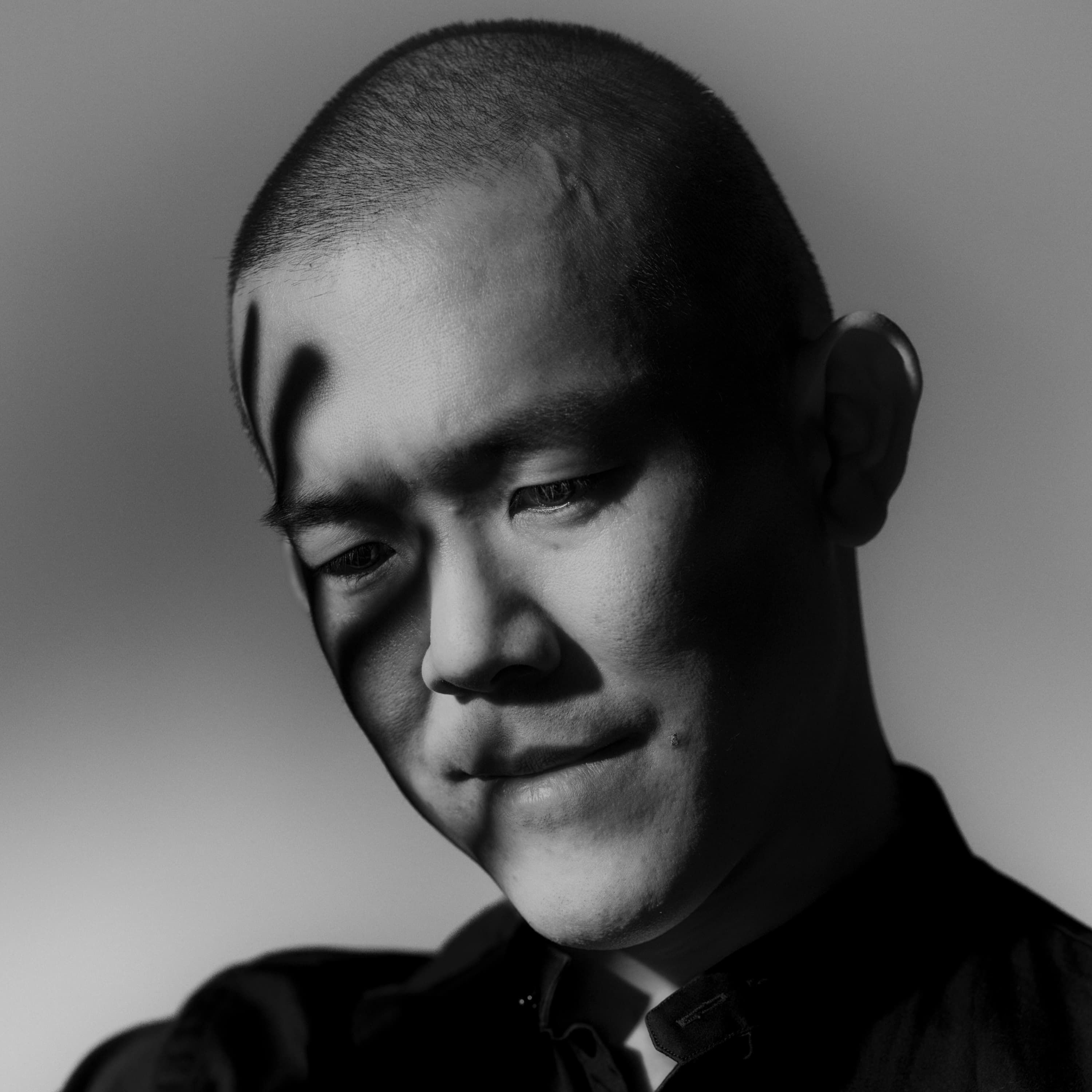
'The Interview': Ed Yong Wants to Show You the Hidden Reality of the World
The Pulitzer Prize-winning science writer talks about burnout from covering the pandemic and how bird-watching gave him a new sense of hope. Subscribe today at nytimes.com/podcasts or on Apple Podcasts and Spotify. You can also subscribe via your favorite podcast app here https://www.nytimes.com/activate-access/audio?source=podcatcher. For more podcasts and narrated articles, download The New York Times app at nytimes.com/app. Hosted by Simplecast, an AdsWizz company. See https://pcm.adswizz.com for information about our collection and use of personal data for advertising.

Trump 2.0: Rewriting Histories
This week, President Trump falsely claimed that Ukraine started the war against Russia, ordered federal agencies created by Congress to answer directly to him and installed himself as the leader of Washington’s premiere cultural institution.The Times journalists Michael Barbaro, Zolan Kanno-Youngs, Charlie Savage and Elisabeth Bumiller sit down to make sense of it all.Guest: Zolan Kanno-Youngs, a White House correspondent for The New York Times,Charlie Savage, who writes about national security and legal policy for The New York Times.Elisabeth Bumiller, a writer-at-large for The New York Times.Background reading: Trump flipped the script on the war in Ukraine, blaming Volodymyr Zelensky, not Vladimir V. Putin.The president’s moves to upend federal bureaucracy touch off fear and confusion.Trump said he would install himself as the new Kennedy Center chairman.For more information on today’s episode, visit nytimes.com/thedaily. Transcripts of each episode will be made available by the next workday. Photo: The New York Times Subscribe today at nytimes.com/podcasts or on Apple Podcasts and Spotify. You can also subscribe via your favorite podcast app here https://www.nytimes.com/activate-access/audio?source=podcatcher. For more podcasts and narrated articles, download The New York Times app at nytimes.com/app. Hosted by Simplecast, an AdsWizz company. See pcm.adswizz.com for information about our collection and use of personal data for advertising.

The Sordid Saga of President Trump and Mayor Adams
The sweeping federal corruption charges against Mayor Eric Adams seemed to spell the end of his career. Then he got a sudden reprieve from President Trump — but as the terms of that support became public, an extraordinary blowback ensued.Nicholas Fandos, who covers New York politics and government for The Times, walks us through the saga.Guest: Nicholas Fandos, a reporter covering New York politics and government for The New York Times.Background reading: Here are the charges against Mayor Adams.The mayor may avoid a criminal trial. He still faces political peril.For more information on today’s episode, visit nytimes.com/thedaily. Transcripts of each episode will be made available by the next workday. Photo: Seth Wenig/Associated Press Subscribe today at nytimes.com/podcasts or on Apple Podcasts and Spotify. You can also subscribe via your favorite podcast app here https://www.nytimes.com/activate-access/audio?source=podcatcher. For more podcasts and narrated articles, download The New York Times app at nytimes.com/app. Hosted by Simplecast, an AdsWizz company. See pcm.adswizz.com for information about our collection and use of personal data for advertising.

Inside the Trump Purge: Federal Workers Tell Their Stories
On the campaign trail, Donald J. Trump and his allies left little doubt that, if they returned to power, federal workers would face layoffs, buyouts and agency closures.Now that President Trump’s plan has become a reality, dozens of federal workers explain what it’s been like to live through it.Background reading: Here’s where Mr. Trump, Elon Musk and DOGE have cut federal workers so far.Stunned government workers are facing sleeplessness, anger and tears.For more information on today’s episode, visit nytimes.com/thedaily. Transcripts of each episode will be made available by the next workday. Photo: Mandel Ngan/Agence France-Presse — Getty Images Subscribe today at nytimes.com/podcasts or on Apple Podcasts and Spotify. You can also subscribe via your favorite podcast app here https://www.nytimes.com/activate-access/audio?source=podcatcher. For more podcasts and narrated articles, download The New York Times app at nytimes.com/app. Hosted by Simplecast, an AdsWizz company. See pcm.adswizz.com for information about our collection and use of personal data for advertising.
A Conversation With the Architect of Trump's New Trade War
During less than a month in office, President Trump has pursued more trade actions against adversaries and allies than all the trade measures he took in his entire first four-year term. There is one man guiding it all: his trade adviser Peter Navarro.Ana Swanson, who covers trade and international economics for The Times, explains why Mr. Navarro thinks tariffs will usher in a new age of American prosperity.Guest: Ana Swanson, who covers trade and international economics for The New York Times.Background reading: Mr. Navarro, a loyalist in Mr. Trump’s first term, was a thorn in the side of Wall Street.Mr. Trump’s tariffs are threatening to upend the global economic order.For more information on today’s episode, visit nytimes.com/thedaily. Transcripts of each episode will be made available by the next workday. Subscribe today at nytimes.com/podcasts or on Apple Podcasts and Spotify. You can also subscribe via your favorite podcast app here https://www.nytimes.com/activate-access/audio?source=podcatcher. For more podcasts and narrated articles, download The New York Times app at nytimes.com/app. Hosted by Simplecast, an AdsWizz company. See pcm.adswizz.com for information about our collection and use of personal data for advertising.

Trump Shocks Europe
A few days ago, the Trump administration began blowing up America’s existing approach to ending the war in Europe by embracing Russia and snubbing Ukraine.The shift has quickly turned into a broader assault on America’s relationship with Europe.Anton Troianovski, the Moscow bureau chief of The Times, explains how it’s all adding up to a stunning victory for Vladimir V. Putin.Guest: Anton Troianovski, the Moscow bureau chief for The New York Times.Background reading: Analysis: Vladimir V. Putin’s call with President Trump reinforced the Russian leader’s view that Moscow and Washington should decide the fate of Ukraine.After being left out of Ukraine talks, Europe is racing to organize a response.For more information on today’s episode, visit nytimes.com/thedaily. Transcripts of each episode will be made available by the next workday. Photo: Tyler Hicks/The New York Times Subscribe today at nytimes.com/podcasts or on Apple Podcasts and Spotify. You can also subscribe via your favorite podcast app here https://www.nytimes.com/activate-access/audio?source=podcatcher. For more podcasts and narrated articles, download The New York Times app at nytimes.com/app. Hosted by Simplecast, an AdsWizz company. See pcm.adswizz.com for information about our collection and use of personal data for advertising.

'The Interview': Senator Ruben Gallego on the Democrats’ Problem: ‘We’re Always Afraid’
The Arizona lawmaker diagnoses what he thinks needs to change in the way his party communicates with men, Latinos and Trump voters. Subscribe today at nytimes.com/podcasts or on Apple Podcasts and Spotify. You can also subscribe via your favorite podcast app here https://www.nytimes.com/activate-access/audio?source=podcatcher. For more podcasts and narrated articles, download The New York Times app at nytimes.com/app. Hosted by Simplecast, an AdsWizz company. See https://pcm.adswizz.com for information about our collection and use of personal data for advertising.

Trump 2.0: Musk in the Oval, a Gift to Mayor Adams and a Win for Putin
Over the past week, President Donald J. Trump dramatically ceded the stage to Elon Musk in the Oval Office, turned the Democratic mayor of New York City into a political pawn and ensured that Vladimir Putin begins peace talks with Ukraine on Russia’s terms.The Times journalists Michael Barbaro, Maggie Haberman, David E. Sanger and Zolan Kanno-Youngs sit down and discuss the latest week in the Trump administration.Guests: Maggie Haberman, a White House correspondent for The New York Times.David E. Sanger, the White House and National Security Correspondent for The New York Times.Zolan Kanno-Youngs, a White House correspondent for The New York Times.Background reading: Mr. Trump and Mr. Musk are hunting hunt for corruption, but very selectively.Mr. Trump says his call with Mr. Putin is the beginningis beginning of the Ukraine peace negotiations.How the Jjustice Ddepartmentt. helped sink its own case against Eric Adams.For more information on today’s episode, visit nytimes.com/thedaily. Transcripts of each episode will be made available by the next workday. Photo: The New York Times. Subscribe today at nytimes.com/podcasts or on Apple Podcasts and Spotify. You can also subscribe via your favorite podcast app here https://www.nytimes.com/activate-access/audio?source=podcatcher. For more podcasts and narrated articles, download The New York Times app at nytimes.com/app. Hosted by Simplecast, an AdsWizz company. See pcm.adswizz.com for information about our collection and use of personal data for advertising.

How Close Are We to Another Pandemic?
An outbreak of bird flu has been tearing through the nation’s dairy farms and infecting more and more people.Now there are troubling signs that the United States may be closer to another pandemic, even as President Trump dismantles the country’s public health system.Apoorva Mandavilli, who covers science and global health for The Times, explains how the virus has changed and why our government might be ill-equipped to respond.Guest: Apoorva Mandavilli, a science and global health reporter at The New York Times.Background reading: Could the bird flu become airborne?Egg prices are high. They’re likely to go higher.For more information on today’s episode, visit nytimes.com/thedaily. Transcripts of each episode will be made available by the next workday. Photo: Joe Raedle/Getty Images Subscribe today at nytimes.com/podcasts or on Apple Podcasts and Spotify. You can also subscribe via your favorite podcast app here https://www.nytimes.com/activate-access/audio?source=podcatcher. For more podcasts and narrated articles, download The New York Times app at nytimes.com/app. Hosted by Simplecast, an AdsWizz company. See pcm.adswizz.com for information about our collection and use of personal data for advertising.

A Constitutional Crisis
As President Trump issues executive orders that encroach on the powers of Congress — and in some cases fly in the face of established law — a debate has begun about whether he’s merely testing the boundaries of his power or triggering a full-blown constitutional crisis.Adam Liptak, who covers the Supreme Court for The Times, walks us through the debate.Guests: Adam Liptak, who covers the Supreme Court and writes Sidebar, a column on legal developments, for The New York Times.Background reading: President Trump’s actions have created a constitutional crisis, scholars say.Sidebar: Is Trump’s plan to end birthright citizenship “Dred Scott II”?For more information on today’s episode, visit nytimes.com/thedaily. Transcripts of each episode will be made available by the next workday. Photo: National Archives, via Associated Press Subscribe today at nytimes.com/podcasts or on Apple Podcasts and Spotify. You can also subscribe via your favorite podcast app here https://www.nytimes.com/activate-access/audio?source=podcatcher. For more podcasts and narrated articles, download The New York Times app at nytimes.com/app. Hosted by Simplecast, an AdsWizz company. See pcm.adswizz.com for information about our collection and use of personal data for advertising.

The Demise of U.S.A.I.D. — and American Soft Power
EWarning: This episode contains strong language.As President Trump demolishes the government’s biggest provider of foreign aid, the United States Agency for International Development, he is ending a 60-year bipartisan consensus about the best way to keep America safe from its enemies.Michael Crowley, who covers U.S. foreign policy, and Stephanie Nolen, a global health reporter for The New York Times, discuss the rise and fall of U.S.A.I.D. — and American soft power.Guests: Michael Crowley, a reporter covering the State Department and U.S. foreign policy for The New York Times; and Stephanie Nolen, a global health reporter for The New York Times.Background reading: With his aid cutoff, President Trump has halted U.S.A.I.D.’s legacy of “acting with humanity.”The agency’s workers are braced for the worst.For more information on today’s episode, visit nytimes.com/thedaily. Transcripts of each episode will be made available by the next workday. Photo: Safin Hamid/Agence France-Presse — Getty Images Subscribe today at nytimes.com/podcasts or on Apple Podcasts and Spotify. You can also subscribe via your favorite podcast app here https://www.nytimes.com/activate-access/audio?source=podcatcher. For more podcasts and narrated articles, download The New York Times app at nytimes.com/app. Hosted by Simplecast, an AdsWizz company. See pcm.adswizz.com for information about our collection and use of personal data for advertising.

China Seems Unstoppable. Trump Thinks Otherwise.
Over the past week, President Trump avoided a trade war with Canada and Mexico. But he escalated a trade war with China.His reasoning? China has become more powerful in domestic manufacturing than the United States, Japan, Germany, South Korea and Britain combined.Keith Bradsher, the Beijing bureau chief for The New York Times, explains why China’s dominance as a trading partner has become a threat to Trump’s agenda — and asks whether America will ever be able to catch up.Guests: Keith Bradsher, the Beijing bureau chief for The New York Times.Background reading: For China, President Trump’s moves bring pain, but also potential gains.China’s trade surplus has reached a record level: nearly $1 trillion.For more information on today’s episode, visit nytimes.com/thedaily. Transcripts of each episode will be made available by the next workday. Photo: Agence France-Presse — Getty Images Subscribe today at nytimes.com/podcasts or on Apple Podcasts and Spotify. You can also subscribe via your favorite podcast app here https://www.nytimes.com/activate-access/audio?source=podcatcher. For more podcasts and narrated articles, download The New York Times app at nytimes.com/app. Hosted by Simplecast, an AdsWizz company. See pcm.adswizz.com for information about our collection and use of personal data for advertising.
The Sunday Read: ‘Some Raw Truths About Raw Milk’
Thousands of years ago, after domesticating cows and other ruminants, humans did something remarkable: They began to consume the milk from these animals.But living closely with animals and drinking their milk also presents risks, chief among them the increased likelihood that infections will jump from animals to people. Some of humanity’s nastiest scourges, including smallpox and measles, probably originated in domesticated animals. In the 19th century, health authorities began pushing for milk to be treated by heating it; this simple practice of pasteurizing milk would come to be considered one of the great public-health triumphs of the modern era.Today, however, a small but growing number of Americans prefer to drink their milk raw. And Robert F. Kennedy Jr., President Trump’s choice to lead the Department of Health and Human Services, now stands at the vanguard of this movement. Subscribe today at nytimes.com/podcasts or on Apple Podcasts and Spotify. You can also subscribe via your favorite podcast app here https://www.nytimes.com/activate-access/audio?source=podcatcher. For more podcasts and narrated articles, download The New York Times app at nytimes.com/app. Hosted by Simplecast, an AdsWizz company. See pcm.adswizz.com for information about our collection and use of personal data for advertising.

'The Interview': Denzel Washington Has Finally Found His Purpose
The legendary actor discusses the prophecy that changed his life, his Oscar snub and his upcoming role starring alongside a “complicated” Jake Gyllenhaal in “Othello” on Broadway. Subscribe today at nytimes.com/podcasts or on Apple Podcasts and Spotify. You can also subscribe via your favorite podcast app here https://www.nytimes.com/activate-access/audio?source=podcatcher. For more podcasts and narrated articles, download The New York Times app at nytimes.com/app. Hosted by Simplecast, an AdsWizz company. See https://pcm.adswizz.com for information about our collection and use of personal data for advertising.