
The Daily
3,002 episodes — Page 13 of 61

The Story of ‘Not Like Us’
A battle between two major artists has been dominating the world of music. It’s a fight over one song — a song that may get its biggest stage ever at this weekend’s Super Bowl.Joe Coscarelli, a culture reporter for The New York Times, explains the feud between Kendrick Lamar and Drake, how Lamar’s “Not Like Us” ripped the music world apart, and why so many fell in love with a song about hate.Guest: Joe Coscarelli, a culture reporter for The New York Times, who focuses on popular music and co-hosts the podcast “Popcast (Deluxe).”Background reading: “Not Like Us” reinvented Kendrick Lamar. Is the Super Bowl ready for it?Listen to “Popcast (Deluxe)” breaking down the feud.For more information on today’s episode, visit nytimes.com/thedaily. Transcripts of each episode will be made available by the next workday. Photo: Monica Schipper/Getty Images for The Recording Academy; zz, via GOTPAP, via STAR MAX, via IPx, via Associated Press Subscribe today at nytimes.com/podcasts or on Apple Podcasts and Spotify. You can also subscribe via your favorite podcast app here https://www.nytimes.com/activate-access/audio?source=podcatcher. For more podcasts and narrated articles, download The New York Times app at nytimes.com/app. Hosted by Simplecast, an AdsWizz company. See pcm.adswizz.com for information about our collection and use of personal data for advertising.
Where Are the Democrats?
How is the Democratic Party navigating the dominance of President Trump — and reckoning with the reality that more and more voters have been souring on its message?The Times journalists Michael Barbaro, Shane Goldmacher, Reid J. Epstein and Annie Karni discuss the state of the Democrats.Guests: Shane Goldmacher, a national political correspondent for The New York Times; Reid J. Epstein, a New York Times reporter covering politics; Annie Karni, a congressional correspondent at The New York Times.Background reading: “We have no coherent message”: Democrats have struggled to oppose President Trump.Democrats chose a political operator from Minnesota as their new leader.The House Democratic Super PAC created a $50 million fund targeting the working class.For more information on today’s episode, visit nytimes.com/thedaily. Transcripts of each episode will be made available by the next workday. Subscribe today at nytimes.com/podcasts or on Apple Podcasts and Spotify. You can also subscribe via your favorite podcast app here https://www.nytimes.com/activate-access/audio?source=podcatcher. For more podcasts and narrated articles, download The New York Times app at nytimes.com/app. Hosted by Simplecast, an AdsWizz company. See pcm.adswizz.com for information about our collection and use of personal data for advertising.

How Elon Musk Is Infiltrating Washington
Elon Musk and his team have taken a hacksaw to the federal bureaucracy one agency at a time, and the question has become whether he’s on a crusade that will leave the government paralyzed or deliver a shake-up it has needed for years.Jonathan Swan, a White House reporter for The New York Times, takes us inside this hostile takeover of Washington.Guests: Jonathan Swan, a White House reporter for The New York Times.Background reading: Inside Mr. Musk’s aggressive incursion into the federal government.For more information on today’s episode, visit nytimes.com/thedaily. Transcripts of each episode will be made available by the next workday. Photo: Mike Segar/Reuters Subscribe today at nytimes.com/podcasts or on Apple Podcasts and Spotify. You can also subscribe via your favorite podcast app here https://www.nytimes.com/activate-access/audio?source=podcatcher. For more podcasts and narrated articles, download The New York Times app at nytimes.com/app. Hosted by Simplecast, an AdsWizz company. See pcm.adswizz.com for information about our collection and use of personal data for advertising.

North America Averted a Trade War — for Now
North America came within hours of a multibillion dollar trade war that was poised to hobble the economies of Mexico and Canada.The Times journalists Ana Swanson, Matina Stevis-Gridneff and Simon Romero discuss the last-minute negotiations that headed off the crisis — for now.Guests: Ana Swanson, who covers trade and international economics for The New York Times; Matina Stevis-Gridneff, the Canada bureau chief for The New York Times; and Simon Romero, an international correspondent for The New York Times based in Mexico City.Background reading: President Trump agreed to delay tariffs on Mexico and Canada for a month after both countries pledged to do more to block drugs and migrants.What does Mr. Trump really want from Canada and Mexico?For more information on today’s episode, visit nytimes.com/thedaily. Transcripts of each episode will be made available by the next workday. Photo: Jeff Kowalsky/Agence France-Presse — Getty Images Subscribe today at nytimes.com/podcasts or on Apple Podcasts and Spotify. You can also subscribe via your favorite podcast app here https://www.nytimes.com/activate-access/audio?source=podcatcher. For more podcasts and narrated articles, download The New York Times app at nytimes.com/app. Hosted by Simplecast, an AdsWizz company. See pcm.adswizz.com for information about our collection and use of personal data for advertising.
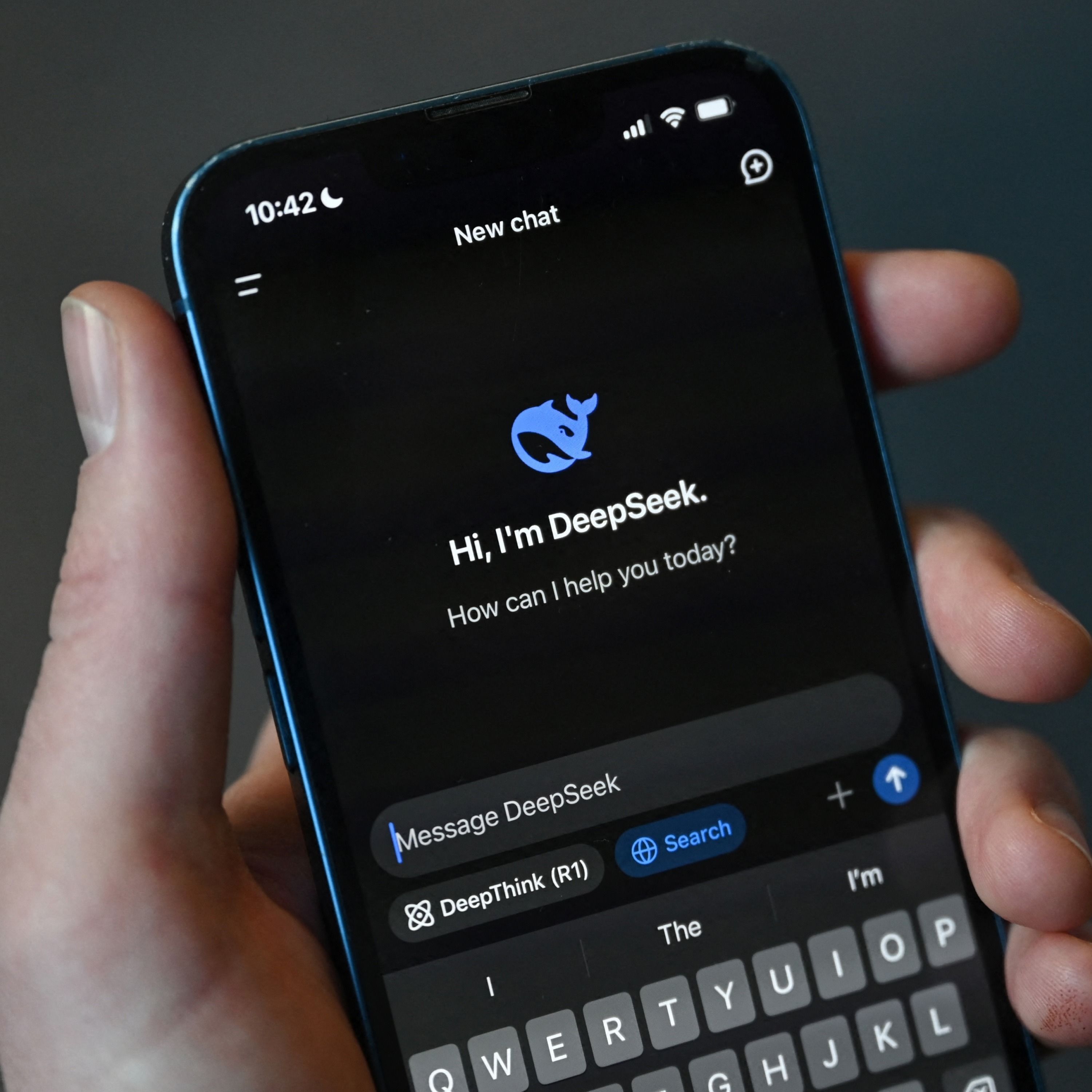
China Challenges Silicon Valley for A.I. Dominance
Financial markets went into a panic last week over an obscure Chinese tech start-up called DeepSeek. The company now threatens to upend the world of artificial intelligence and the race for who will dominate it.Kevin Roose, a tech columnist at The Times, discusses how DeepSeek caught us all off guard.Guests: Kevin Roose, a technology columnist for The New York Times and co-host of the Times tech podcast, “Hard Fork.”Background reading: DeepSeek’s model has rocked Silicon Valley and upended several fundamental assumptions about A.I. progress.Listen to “Hard Fork”: Your guide to the DeepSeek freakout.For more information on today’s episode, visit nytimes.com/thedaily. Transcripts of each episode will be made available by the next workday. Photo: Greg Baker/Agence France-Presse Subscribe today at nytimes.com/podcasts or on Apple Podcasts and Spotify. You can also subscribe via your favorite podcast app here https://www.nytimes.com/activate-access/audio?source=podcatcher. For more podcasts and narrated articles, download The New York Times app at nytimes.com/app. Hosted by Simplecast, an AdsWizz company. See pcm.adswizz.com for information about our collection and use of personal data for advertising.
The Sunday Read: ‘Chronic Pain Is a Hidden Epidemic. It’s Time for a Revolution.’
Here’s a strange story: One day two summers ago, Jennifer Kahn woke up because her arms — both of them — hurt. Not the way they do when you’ve slept in a funny position, but as if the tendons in her forearms and hands were moving through mud. What felt like sharp electric shocks kept sparking in her fingers and sometimes up the inside of her biceps and across her chest. Holding anything was excruciating: a cup, a toothbrush, her phone. Even doing nothing was miserable. It hurt when she sat with her hands in her lap, when she stood, when she lay flat on the bed or on her side. The slightest pressure — a bedsheet, a watch band, a bra strap — was intolerable.Our understanding of pain, and especially chronic pain, is far behind where it should be. We don’t know what causes a person with an injury to develop chronic pain, or why it happens in some people and not others, or why it happens more often in women. At a genetic and cellular level, we don’t know which systems get out of whack, or why, or how to fix them. Subscribe today at nytimes.com/podcasts or on Apple Podcasts and Spotify. You can also subscribe via your favorite podcast app here https://www.nytimes.com/activate-access/audio?source=podcatcher. For more podcasts and narrated articles, download The New York Times app at nytimes.com/app. Hosted by Simplecast, an AdsWizz company. See pcm.adswizz.com for information about our collection and use of personal data for advertising.
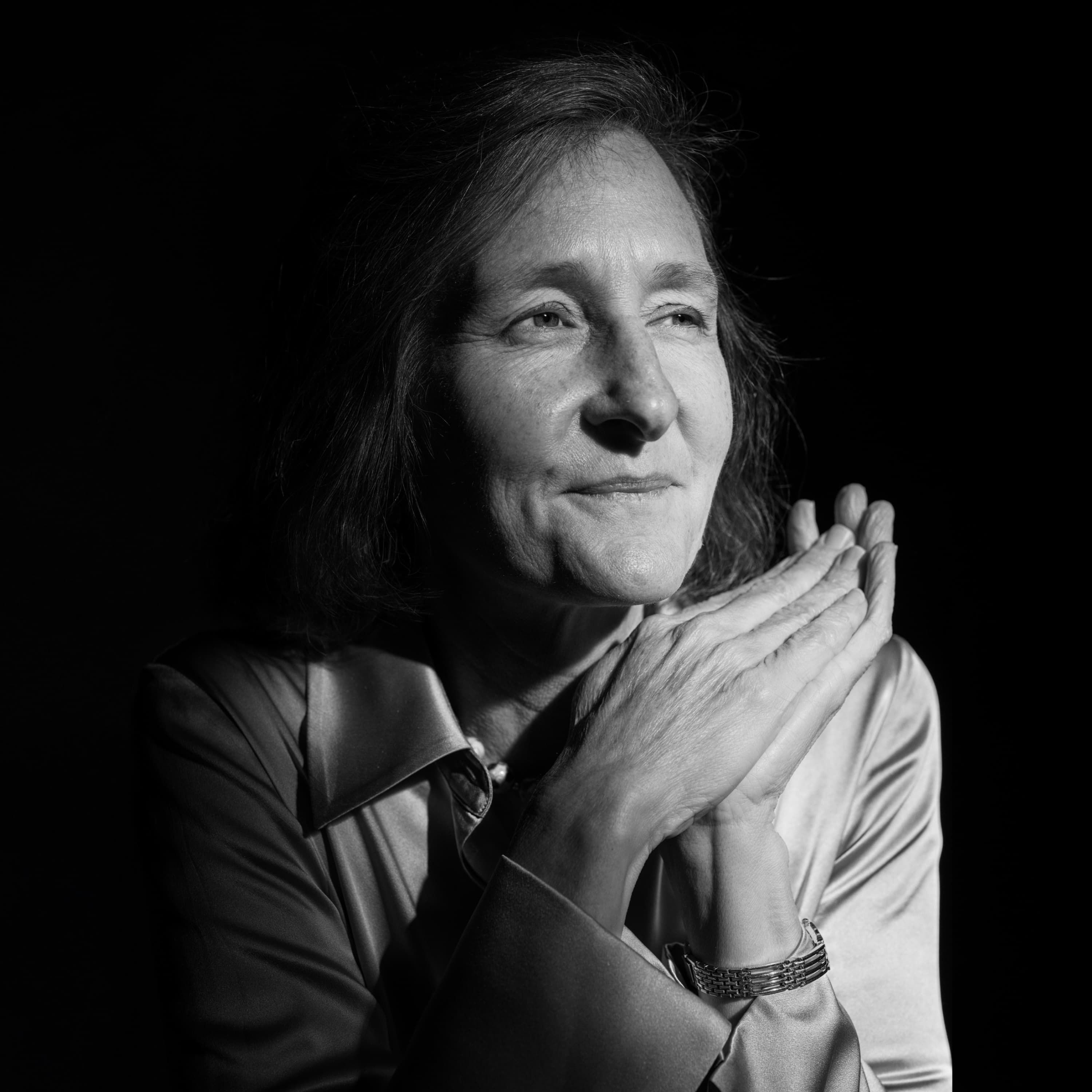
'The Interview': Digital Drugs Have Us Hooked. Dr. Anna Lembke Sees a Way Out.
The psychiatrist and author of “Dopamine Nation” wants us to find balance in a world of temptation and abundance. Subscribe today at nytimes.com/podcasts or on Apple Podcasts and Spotify. You can also subscribe via your favorite podcast app here https://www.nytimes.com/activate-access/audio?source=podcatcher. For more podcasts and narrated articles, download The New York Times app at nytimes.com/app. Hosted by Simplecast, an AdsWizz company. See https://pcm.adswizz.com for information about our collection and use of personal data for advertising.
Trump 2.0 Arrives in Force
Since his inauguration, President Trump has exercised a level of power that has directly challenged the checks and balances that, on paper, define the U.S. government.The Times journalists Michael Barbaro, Maggie Haberman, Jonathan Swan and Charlie Savage discuss Mr. Trump’s plan to institute a more powerful presidency.Guests: Maggie Haberman, a White House correspondent for The New York Times.Jonathan Swan, a White House reporter for The New York Times.Charlie Savage, national security and legal policy for The New York Times.Background reading: Mr. Trump’s “flood the zone” strategy has left opponents gasping in outrage.From Day 1 of hs second term, Mr. Trump has tested the limits of his authority.For more information on today’s episode, visit nytimes.com/thedaily. Transcripts of each episode will be made available by the next workday. Subscribe today at nytimes.com/podcasts or on Apple Podcasts and Spotify. You can also subscribe via your favorite podcast app here https://www.nytimes.com/activate-access/audio?source=podcatcher. For more podcasts and narrated articles, download The New York Times app at nytimes.com/app. Hosted by Simplecast, an AdsWizz company. See pcm.adswizz.com for information about our collection and use of personal data for advertising.
What We Know About the Plane Crash
The midair collision between a passenger jet and a helicopter over Washington on Wednesday night was the deadliest plane crash in the United States in more than 20 years.Emily Steel, a Times investigative reporter who has been covering the crash, explains what happened.Guests: Emily Steel, an investigative reporter for the business desk of The New York Times.Background reading: The crash has renewed concerns about air safety lapses.Staffing was “not normal” in the control tower at Ronald Reagan National Airport, according to an F.A.A. report.For more information on today’s episode, visit nytimes.com/thedaily. Transcripts of each episode will be made available by the next workday. Subscribe today at nytimes.com/podcasts or on Apple Podcasts and Spotify. You can also subscribe via your favorite podcast app here https://www.nytimes.com/activate-access/audio?source=podcatcher. For more podcasts and narrated articles, download The New York Times app at nytimes.com/app. Hosted by Simplecast, an AdsWizz company. See pcm.adswizz.com for information about our collection and use of personal data for advertising.
How R.F.K. Jr. and ‘Medical Freedom’ Rose to Power
Robert F. Kennedy Jr. faced a crucial nomination hearing on Wednesday where a panel of skeptical senators probed his past, often contentious remarks.Sheryl Gay Stolberg, who covers health policy for The Times, explains how someone who’s considered on the fringe in a lot of his beliefs came to be picked for health secretary to begin with.Guests: Sheryl Gay Stolberg, a correspondent based in Washington covering health policy for The New York Times.Background reading: How addiction and trauma shaped Mr. Kennedy’s turbulent life.In the hearing, Mr. Kennedy defended his shifting views on vaccines and abortion.For more information on today’s episode, visit nytimes.com/thedaily. Transcripts of each episode will be made available by the next workday. Subscribe today at nytimes.com/podcasts or on Apple Podcasts and Spotify. You can also subscribe via your favorite podcast app here https://www.nytimes.com/activate-access/audio?source=podcatcher. For more podcasts and narrated articles, download The New York Times app at nytimes.com/app. Hosted by Simplecast, an AdsWizz company. See pcm.adswizz.com for information about our collection and use of personal data for advertising.

Trump Freezes Trillions. Chaos Ensues.
In one of his most audacious moves since taking office, President Trump ordered a freeze on Tuesday on trillions of dollars in federal money — from anti-poverty programs to foreign aid — in order to purge the government of what he called woke ideology.Michael D. Shear, a White House correspondent for The New York Times, discusses the order, the chaos it prompted and whether it is likely to survive in court.Guests: Michael D. Shear, a White House correspondent for The New York Times.Background reading: A judge stayed President Trump’s freeze, but disruption to the Medicaid funding system caused fear.Uncertainty around the freeze also caused chaos in education.Photo: Doug Mills/The New York Times.For more information on today’s episode, visit nytimes.com/thedaily. Transcripts of each episode will be made available by the next workday. Subscribe today at nytimes.com/podcasts or on Apple Podcasts and Spotify. You can also subscribe via your favorite podcast app here https://www.nytimes.com/activate-access/audio?source=podcatcher. For more podcasts and narrated articles, download The New York Times app at nytimes.com/app. Hosted by Simplecast, an AdsWizz company. See pcm.adswizz.com for information about our collection and use of personal data for advertising.

The Legal Battle Riveting Hollywood
EWarning: This episode contains descriptions of alleged sexual harassment, and a fictional portrayal of domestic violence.Over the last few weeks, the Hollywood stars Blake Lively and Justin Baldoni have gone to battle over exactly what happened during the making and promotion of their latest film.It’s a dispute that has pulled back the curtain on an alleged smear campaign and the new set of tools that celebrities can use to defend themselves and redefine their enemies in the court of public opinion.Megan Twohey, an investigative reporter at The New York Times, discusses the legal complaint that started it all.Guests: Megan Twohey, an investigative reporter at The New York Times.Background reading: “We can bury anyone”: Inside a Hollywood smear machine.Mr. Baldoni and his publicists have sued The New York Times for libel over its reporting about Ms. Lively’s allegations.Photo: (l-r) Lia Toby/Getty Images; John Nacion/Variety, via Getty Images. For more information on today’s episode, visit nytimes.com/thedaily. Transcripts of each episode will be made available by the next workday. Subscribe today at nytimes.com/podcasts or on Apple Podcasts and Spotify. You can also subscribe via your favorite podcast app here https://www.nytimes.com/activate-access/audio?source=podcatcher. For more podcasts and narrated articles, download The New York Times app at nytimes.com/app. Hosted by Simplecast, an AdsWizz company. See pcm.adswizz.com for information about our collection and use of personal data for advertising.

Stephen Miller’s Return to Power
At the center of President Trump’s aggressive first week back in office is a 39-year-old adviser, Stephen Miller. His ideas and ideology have animated the blitz of executive orders.Jonathan Swan, a White House reporter for The New York Times, explains Mr. Miller’s dramatic return to the White House, and why his power has never been greater.Guests: Jonathan Swan, a White House reporter for The New York Times.Background reading: Stephen Miller has built more power than ever.Mr. Miller, the incoming deputy chief of staff, told lawmakers that early action would include directives to give Mr. Trump more control over federal workers.For more information on today’s episode, visit nytimes.com/thedaily. Transcripts of each episode will be made available by the next workday. Photo: Evelyn Hockstein/Reuters Subscribe today at nytimes.com/podcasts or on Apple Podcasts and Spotify. You can also subscribe via your favorite podcast app here https://www.nytimes.com/activate-access/audio?source=podcatcher. For more podcasts and narrated articles, download The New York Times app at nytimes.com/app. Hosted by Simplecast, an AdsWizz company. See pcm.adswizz.com for information about our collection and use of personal data for advertising.
The Sunday Read: ‘Do Our Dogs Have Something to Tell the World?’
As soon as Camille Bromley got Ellie, a black-eyed, bat-eared German shepherd puppy, she trained her to be a good dog. And so she was. Two years on, Ms. Bromley started to think she was a little too obedient. Ellie was hesitant, whining when she was unsure of herself, in a way that clashed with her big muscles and pointy canines.The solution, maybe, was buttons. Around this time, Ms. Bromley started to see dogs on social media seeming to express their desires by the most absurdly simple, low-tech means possible: stepping on multicolored plastic buttons on the floor, each disc emitting a word when the dog pressed it. Ms. Bromley scrolled through videos on her phone of dogs pawing FOOD and MORE and NOW, sometimes in that order. Subscribe today at nytimes.com/podcasts or on Apple Podcasts and Spotify. You can also subscribe via your favorite podcast app here https://www.nytimes.com/activate-access/audio?source=podcatcher. For more podcasts and narrated articles, download The New York Times app at nytimes.com/app. Hosted by Simplecast, an AdsWizz company. See pcm.adswizz.com for information about our collection and use of personal data for advertising.

Trump 2.0: Bans, Purges and Retribution
This week, President Trump has banned diversity, equity and inclusion programming in the federal government, punished former aides by taking away their security detail and celebrated the release of hundreds of Jan. 6, 2021, rioters and planners.The New York Times journalists Michael Barbaro, Maggie Haberman, Zolan Kanno-Youngs and David E. Sanger try to make sense of it all.Guests: Maggie Haberman, a senior political correspondent for The New York Times.Zolan Kanno-Youngs, a White House correspondent for The New York Times.David E. Sanger, a White House and National Security Correspondent for The New York Times.Background reading: Mr. Trump’s D.E.I. order creates “fear and confusion” among corporate leaders.The president revoked the security detail for Mike Pompeo and others despite threats from Iran.Mr. Trump granted sweeping clemency to all Jan. 6 rioters.For more information on today’s episode, visit nytimes.com/thedaily. Transcripts of each episode will be made available by the next workday. Photo: Doug Mills/The New York Times Subscribe today at nytimes.com/podcasts or on Apple Podcasts and Spotify. You can also subscribe via your favorite podcast app here https://www.nytimes.com/activate-access/audio?source=podcatcher. For more podcasts and narrated articles, download The New York Times app at nytimes.com/app. Hosted by Simplecast, an AdsWizz company. See pcm.adswizz.com for information about our collection and use of personal data for advertising.

Trump Plans to Abandon Clean Energy. Can He Do It?
Among the many plans that President Trump laid out on his first day back in office was a directive to abandon the shift toward clean energy and double down on oil.Coral Davenport, who covers energy and environmental policy for The Times, discusses whether Mr. Trump could pull it off, and what it would mean for the country if he did.Guest: Coral Davenport, a reporter covering energy and environmental policy, with a focus on climate change, for The New York Times.Background reading: President Trump wants to unleash energy, as long as it’s not wind or solar.Mr. Trump sees national emergencies where experts say there are none.For more information on today’s episode, visit nytimes.com/thedaily. Transcripts of each episode will be made available by the next workday. Photo: Charlie Riedel/Associated Press Subscribe today at nytimes.com/podcasts or on Apple Podcasts and Spotify. You can also subscribe via your favorite podcast app here https://www.nytimes.com/activate-access/audio?source=podcatcher. For more podcasts and narrated articles, download The New York Times app at nytimes.com/app. Hosted by Simplecast, an AdsWizz company. See pcm.adswizz.com for information about our collection and use of personal data for advertising.

Trump’s Immigration Crackdown Begins
At the heart of President Trump’s flurry of executive orders was a systematic dismantling of the United States’ approach to immigration.Hamed Aleaziz, who covers immigration policy for The Times, explains what the orders do and the message they send.Guest: Hamed Aleaziz, who covers the Department of Homeland Security and immigration policy in the United States for The New York Times.Background reading: Mr. Trump’s immigration crackdown enlists the military and will test the law.How Mr. Trump plans to kill the refugee system.For more information on today’s episode, visit nytimes.com/thedaily. Transcripts of each episode will be made available by the next workday. Photo credit: Paul Ratje for The New York Times Subscribe today at nytimes.com/podcasts or on Apple Podcasts and Spotify. You can also subscribe via your favorite podcast app here https://www.nytimes.com/activate-access/audio?source=podcatcher. For more podcasts and narrated articles, download The New York Times app at nytimes.com/app. Hosted by Simplecast, an AdsWizz company. See pcm.adswizz.com for information about our collection and use of personal data for advertising.

Pardons and Populism: Trump’s First Day Back in the White House
EWarning: This episode contains strong language.On Monday, in the culmination of an extraordinary political comeback, Donald J. Trump was officially sworn in as president of the United States for a second time.Mr. Trump’s return comes just four years after being voted out of office, and being impeached for trying to overturn that result.Peter Baker and Jonathan Swan, who cover the White House for The Times, discuss the message Mr. Trump sent in his inaugural address and the actions he took during his first hours in office.Guests: Peter Baker, the chief White House correspondent for The New York Times; Jonathan Swan, a White House reporter for The New York Times.Background reading: President Trump’s inauguration presented a vindication for the man and his movement.Mr. Trump pardoned Jan. 6 rioters and signed an order on TikTok.For more information on today’s episode, visit nytimes.com/thedaily. Transcripts of each episode will be made available by the next workday. Subscribe today at nytimes.com/podcasts or on Apple Podcasts and Spotify. You can also subscribe via your favorite podcast app here https://www.nytimes.com/activate-access/audio?source=podcatcher. For more podcasts and narrated articles, download The New York Times app at nytimes.com/app. Hosted by Simplecast, an AdsWizz company. See pcm.adswizz.com for information about our collection and use of personal data for advertising.

The TikTok Flip-Flop
Over the past few weeks, users of the video app TikTok braced themselves for a national ban to take effect.This weekend, the app went dark. But less than 24 hours later, it came back. And it credited President-elect Donald J. Trump with flicking the switch.Sapna Maheshwari, who covers TikTok for The Times, discusses the biggest social media ban in American history — and whether the incoming president can actually stop it.Guests: Sapna Maheshwari, a reporter covering TikTok, technology and emerging media companies for The New York Times.Background reading: TikTok flickered back to life after Mr. Trump said he would stall a ban.What we know about the TikTok ban.For more information on today’s episode, visit nytimes.com/thedaily. Transcripts of each episode will be made available by the next workday. Subscribe today at nytimes.com/podcasts or on Apple Podcasts and Spotify. You can also subscribe via your favorite podcast app here https://www.nytimes.com/activate-access/audio?source=podcatcher. For more podcasts and narrated articles, download The New York Times app at nytimes.com/app. Hosted by Simplecast, an AdsWizz company. See pcm.adswizz.com for information about our collection and use of personal data for advertising.
The Sunday Read: ‘Opioids Ravaged a Kentucky Town. Then Rehab Became Its Business.’
Ingrid Jackson had never lived in a trailer before, or a small town. She was born in Louisville, Ky., the daughter of a man with schizophrenia who, in 1983, decapitated a 76-year-old woman. Jackson was 1 at the time. In 2010, at 27, she was in a car accident and was prescribed pain pills. Not long after that, she began using heroin. Over the next decade she went through nine rounds of addiction rehab. Each ended in relapse. Her most recent attempt came in 2022 after her son was sentenced to life in prison for murder; he was 21.In eastern Kentucky, a region that is plagued by poverty and is at the heart of the country’s opioid epidemic, the burden of addressing this treatment gap has mainly been taken up by addiction-rehab companies. Many stand more like community centers or churches than like medical clinics, offering not just chemical but also spiritual and logistical services with the aim of helping people in addiction find employment and re-enter society. Subscribe today at nytimes.com/podcasts or on Apple Podcasts and Spotify. You can also subscribe via your favorite podcast app here https://www.nytimes.com/activate-access/audio?source=podcatcher. For more podcasts and narrated articles, download The New York Times app at nytimes.com/app. Hosted by Simplecast, an AdsWizz company. See pcm.adswizz.com for information about our collection and use of personal data for advertising.

'The Interview': Curtis Yarvin Says Democracy Is Done. Powerful Conservatives Are Listening.
The once-fringe writer has long argued for an American monarchy. His ideas have found an audience in the incoming administration and Silicon Valley. Subscribe today at nytimes.com/podcasts or on Apple Podcasts and Spotify. You can also subscribe via your favorite podcast app here https://www.nytimes.com/activate-access/audio?source=podcatcher. For more podcasts and narrated articles, download The New York Times app at nytimes.com/app. Hosted by Simplecast, an AdsWizz company. See https://pcm.adswizz.com for information about our collection and use of personal data for advertising.

Waiting for the Immigration Raids, Again
Five years ago, we interviewed a woman who asked that we call her Herminia. It was the summer of 2019, just as former President Donald J. Trump — then in his first term — ordered nationwide raids to round up and deport undocumented immigrants. Herminia feared she was on the list.In the end, she was never arrested. A few days ago, we called Herminia back. We asked what has happened to her since Trump left office, and how she is preparing for a second Trump term — in which he has pledged to put the deportation of people like her at the center of his presidency.Guests: Herminia, an undocumented immigrant who has been living in the United States with her husband and children for more than two decades. (Herminia is not her real name.)Background reading: We first spoke to Herminia in 2019. Listen to that interview.Here’s what we know about the situation at the U.S.-Mexico border.Across the U.S., there has been widespread anxiety about Trump’s promises to deport immigrants. Some schools are readying educators and immigrant families for a potential wave of deportations.For more information on today’s episode, visit nytimes.com/thedaily. Transcripts of each episode will be made available by the next workday. Subscribe today at nytimes.com/podcasts or on Apple Podcasts and Spotify. You can also subscribe via your favorite podcast app here https://www.nytimes.com/activate-access/audio?source=podcatcher. For more podcasts and narrated articles, download The New York Times app at nytimes.com/app. Hosted by Simplecast, an AdsWizz company. See pcm.adswizz.com for information about our collection and use of personal data for advertising.

A Fragile Cease-Fire in Gaza
After 15 months of war, Israel and Hamas have agreed to a temporary cease-fire. The deal prompted hope that the war could end soon, but also caused worry that the tentative terms could easily fall apart.Patrick Kingsley, the Times’s Jerusalem bureau chief, explains why the agreement finally happened — and what it means for Gaza, Israel and the broader Middle East.Guests: Patrick Kingsley, the Jerusalem bureau chief for The New York Times.Background reading: Here’s what we know about the agreement.The Times obtained a copy of the provisional deal. Here’s what it says.Follow continuing coverage.For more information on today’s episode, visit nytimes.com/thedaily. Transcripts of each episode will be made available by the next workday. Subscribe today at nytimes.com/podcasts or on Apple Podcasts and Spotify. You can also subscribe via your favorite podcast app here https://www.nytimes.com/activate-access/audio?source=podcatcher. For more podcasts and narrated articles, download The New York Times app at nytimes.com/app. Hosted by Simplecast, an AdsWizz company. See pcm.adswizz.com for information about our collection and use of personal data for advertising.

Drunkenness, Women and Wokeness: A Dramatic Confirmation Hearing for Pete Hegseth
On Tuesday, the confirmation process for President-elect Donald J. Trump’s cabinet picks kicked off with Pete Hegseth, for the position of defense secretary.Eric Schmitt, who covers U.S. national security, explains how the four-hour hearing unfolded, and what the odds are that Mr. Hegseth will soon be leading the Pentagon.Guests: Eric Schmitt, a national security correspondent for The New York Times.Background reading: Read four takeaways from the hearing.Here’s how Senate confirmation works.For more information on today’s episode, visit nytimes.com/thedaily. Transcripts of each episode will be made available by the next workday. Subscribe today at nytimes.com/podcasts or on Apple Podcasts and Spotify. You can also subscribe via your favorite podcast app here https://www.nytimes.com/activate-access/audio?source=podcatcher. For more podcasts and narrated articles, download The New York Times app at nytimes.com/app. Hosted by Simplecast, an AdsWizz company. See pcm.adswizz.com for information about our collection and use of personal data for advertising.

Could the L.A. Fires Have Been Stopped Sooner?
EA week after fires broke out in the Los Angeles area, Californians are grappling with the widespread destruction.They’re also seeking answers from their leaders about why so much has been lost.Mike Baker and Christopher Flavelle, who have been covering the fires, discuss the authorities’ response and whether some of the devastation could have been avoided.Guests: Mike Baker, a national reporter for The New York Times.Christopher Flavelle, a reporter for The New York Times.Background reading: Some Pacific Palisades residents said the community had long asked for more detailed fire preparation plans.The L.A. fires show the limits of America’s efforts to cope with climate change.How Los Angeles firefighters ran out of water.For more information on today’s episode, visit nytimes.com/thedaily. Transcripts of each episode will be made available by the next workday. Subscribe today at nytimes.com/podcasts or on Apple Podcasts and Spotify. You can also subscribe via your favorite podcast app here https://www.nytimes.com/activate-access/audio?source=podcatcher. For more podcasts and narrated articles, download The New York Times app at nytimes.com/app. Hosted by Simplecast, an AdsWizz company. See pcm.adswizz.com for information about our collection and use of personal data for advertising.
Big Tech’s Big Bet on Trump
Big Tech’s biggest names are throwing their weight behind Donald J. Trump in the biggest possible way, first as candidate and now as president-elect.Erin Griffith, who covers tech companies and Silicon Valley for The Times, charts the tech billionaire Marc Andreessen’s journey from top-tier democratic donor to Trump adviser, and explains what it reveals about the growing MAGA-fication of Silicon Valley.Guests: Erin Griffith, who covers tech companies and Silicon Valley for The New York Times.Background reading: Inside Mark Zuckerberg’s sprint to remake Meta for the Trump era.The executives of tech’s biggest companies largely ignored Mr. Trump before the 2016 election. This time around, they were far more friendly.Wealthy donors to the president-elect’s campaign anticipate a more business-friendly atmosphere, including the firing of Biden-era regulators.For more information on today’s episode, visit nytimes.com/thedaily. Transcripts of each episode will be made available by the next workday. Subscribe today at nytimes.com/podcasts or on Apple Podcasts and Spotify. You can also subscribe via your favorite podcast app here https://www.nytimes.com/activate-access/audio?source=podcatcher. For more podcasts and narrated articles, download The New York Times app at nytimes.com/app. Hosted by Simplecast, an AdsWizz company. See pcm.adswizz.com for information about our collection and use of personal data for advertising.
The Sunday Read: ‘What Alice Munro Knew’
“My life has gone rosy, again,” Alice Munro told a friend in a buoyant letter of March 1975. For Munro, who was then emerging as one of her generation’s leading writers, the previous few years had been blighted by heartbreak and upheaval: a painful separation from her husband of two decades; a retreat from British Columbia back to her native Ontario; a series of brief but bruising love affairs, in which, it seems, Munro could never quite make out the writing on the wall. “This time it’s real,” she wrote, speaking of a new romantic partner, Gerald Fremlin, the emphasis acknowledging that her friend had heard these words before. “He’s 50, free, a good man if I ever saw one, tough and gentle like in the old tire ads, and this is the big thing — grown-up.”The judgment would prove premature. In July 2024, two months after Munro’s death at age 92, Andrea Skinner, the youngest of her three daughters, revealed in an essay in The Toronto Star that Fremlin had sexually abused her. Subscribe today at nytimes.com/podcasts or on Apple Podcasts and Spotify. You can also subscribe via your favorite podcast app here https://www.nytimes.com/activate-access/audio?source=podcatcher. For more podcasts and narrated articles, download The New York Times app at nytimes.com/app. Hosted by Simplecast, an AdsWizz company. See pcm.adswizz.com for information about our collection and use of personal data for advertising.

'The Interview': Ben Stiller on 'Severance,' Selling Out and Being Jewish Today
The actor-director discusses the long-awaited return of the hit series, the comedies that made him a star and growing up with his famous parents. Subscribe today at nytimes.com/podcasts or on Apple Podcasts and Spotify. You can also subscribe via your favorite podcast app here https://www.nytimes.com/activate-access/audio?source=podcatcher. For more podcasts and narrated articles, download The New York Times app at nytimes.com/app. Hosted by Simplecast, an AdsWizz company. See https://pcm.adswizz.com for information about our collection and use of personal data for advertising.

Trump 2.0: A Criminal Sentencing, Presidential Legacies, and Greenland
This week, President-elect Donald J. Trump asked the Supreme Court to prevent him from being sentenced in a New York criminal case and implied that he could use military force to seize control of Greenland and the Panama Canal, while President Biden did his best to try to Trump-proof his legacy.The Times journalists Michael Barbaro, Maggie Haberman, David E. Sanger and Zolan Kanno-Youngs discuss the latest in the presidential transition.Guests: Maggie Haberman, a senior political correspondent for The New York Times.David E. Sanger, the White House and National Security Correspondent for The New York Times.Zolan Kanno-Youngs, a White House correspondent for The New York Times.Background reading: The Supreme Court denied Trump’s last-ditch effort to avoid sentencing.Trump floated using force to take Greenland and the Panama Canal.News analysis: Trump is back and chaos ensues.For more information on today’s episode, visit nytimes.com/thedaily. Transcripts of each episode will be made available by the next workday. Subscribe today at nytimes.com/podcasts or on Apple Podcasts and Spotify. You can also subscribe via your favorite podcast app here https://www.nytimes.com/activate-access/audio?source=podcatcher. For more podcasts and narrated articles, download The New York Times app at nytimes.com/app. Hosted by Simplecast, an AdsWizz company. See pcm.adswizz.com for information about our collection and use of personal data for advertising.

L.A. on Fire
Over the past 48 hours, wildfires have consumed acre after acre and building after building across greater Los Angeles. More than 100,000 people have been ordered to evacuate, and at least five people have died.The Times’s L.A. bureau chief, Corina Knoll, and our staff meteorologist, Judson Jones, explain the paths of the fires and the conditions that have made them so hard to contain.Guests: Corina Knoll, the Los Angeles bureau chief for The New York Times, covering Southern California; and Judson Jones, a meteorologist and reporter for The New York Times.Background reading: Follow the latest news on the California wildfires.Catch up on what we know about the fires.For more information on today’s episode, visit nytimes.com/thedaily. Transcripts of each episode will be made available by the next workday. Subscribe today at nytimes.com/podcasts or on Apple Podcasts and Spotify. You can also subscribe via your favorite podcast app here https://www.nytimes.com/activate-access/audio?source=podcatcher. For more podcasts and narrated articles, download The New York Times app at nytimes.com/app. Hosted by Simplecast, an AdsWizz company. See pcm.adswizz.com for information about our collection and use of personal data for advertising.

The End of Justin Trudeau’s Canada
This week, Justin Trudeau said he would step down as prime minister of Canada — a stunning downfall for a man who was once seen as a global icon of progressive politics.Matina Stevis-Gridneff, the Canada bureau chief for The New York Times, explains the forces that led to Trudeau’s collapse, and discusses the populist leader who could replace him.Guest: Matina Stevis-Gridneff, the Canada bureau chief for The New York Times.Background reading: A timeline of Justin Trudeau’s rise and fall.Here are four possible contenders to succeed Mr. Trudeau.For more information on today’s episode, visit nytimes.com/thedaily. Transcripts of each episode will be made available by the next workday. Subscribe today at nytimes.com/podcasts or on Apple Podcasts and Spotify. You can also subscribe via your favorite podcast app here https://www.nytimes.com/activate-access/audio?source=podcatcher. For more podcasts and narrated articles, download The New York Times app at nytimes.com/app. Hosted by Simplecast, an AdsWizz company. See pcm.adswizz.com for information about our collection and use of personal data for advertising.

Republicans Take Control of Congress — and Harris Certifies Her Own Loss
During their first few days in power, the Republican-controlled House and Senate vowed to put aside their furious intraparty battles to make Donald J. Trump’s sweeping agenda the law of the land.Catie Edmonson, a congressional correspondent for The New York Times, discusses how likely that actually is.Guest: Catie Edmondson, a congressional correspondent for The New York TimesBackground reading: Vice President Kamala D. Harris presided over the certification of her own loss without disputing it, and Democrats made no move to challenge the results.Speaker Mike Johnson narrowly avoided a painful and prolonged fight to keep his post, but his messy victory showed how difficult his job will be.For more information on today’s episode, visit nytimes.com/thedaily. Transcripts of each episode will be made available by the next workday. Subscribe today at nytimes.com/podcasts or on Apple Podcasts and Spotify. You can also subscribe via your favorite podcast app here https://www.nytimes.com/activate-access/audio?source=podcatcher. For more podcasts and narrated articles, download The New York Times app at nytimes.com/app. Hosted by Simplecast, an AdsWizz company. See pcm.adswizz.com for information about our collection and use of personal data for advertising.

The Reinvention of Jan. 6
Since the riot on Capitol Hill four years ago, President-elect Donald Trump and his allies have set out to sanitize the events of that day, changing it from a day of violence into, in Mr. Trump’s words, a day of love.As he prepares to take office for his second term, Mr. Trump said he plans to issue pardons to some of those responsible, throwing hundreds of criminal cases into doubt.Alan Feuer, a reporter covering extremism and political violence for The New York Times, talks to one of those rioters and explains how the pardons could help rewrite the story of what happened on Jan. 6.Guest: Alan Feuer, a reporter covering extremism and political violence for The New York Times.Background reading: How Mr. Trump inverted the violent history of Jan. 6.Hundreds of rioters accused of nonviolent crimes during the attack on the Capitol have wrapped up their cases. Here’s what some of their lives look like now.For more information on today’s episode, visit nytimes.com/thedaily. Transcripts of each episode will be made available by the next workday. Subscribe today at nytimes.com/podcasts or on Apple Podcasts and Spotify. You can also subscribe via your favorite podcast app here https://www.nytimes.com/activate-access/audio?source=podcatcher. For more podcasts and narrated articles, download The New York Times app at nytimes.com/app. Hosted by Simplecast, an AdsWizz company. See pcm.adswizz.com for information about our collection and use of personal data for advertising.

'The Interview': Antony Blinken Insists He and Biden Made the Right Calls
At the end of a tenure marked by war and division, the outgoing secretary of state defends his legacy on Gaza and Ukraine and says he’s made America stronger. Subscribe today at nytimes.com/podcasts or on Apple Podcasts and Spotify. You can also subscribe via your favorite podcast app here https://www.nytimes.com/activate-access/audio?source=podcatcher. For more podcasts and narrated articles, download The New York Times app at nytimes.com/app. Hosted by Simplecast, an AdsWizz company. See https://pcm.adswizz.com for information about our collection and use of personal data for advertising.

Terror in New Orleans
EWarning: This episode contains descriptions of violence and death.A mere three hours into 2025, terrorism struck in downtown New Orleans.The Times journalists Nicholas Bogel-Burroughs, Mike Baker, and Christina Morales discuss what we know about the attack, the man who carried it out and the victims.Guests: Nicholas Bogel-Burroughs, a reporter at The New York Times covering criminal justice.Mike Baker, a national reporter for The New York Times.Christina Morales, a reporter for The New York Times.Background reading: The attack left 15 dead and about three dozen injured, and followed a distressingly familiar pattern of assailants turning vehicles into weapons.The man identified as the suspect served in the U.S. military, worked at Deloitte and grew increasingly devout.The attacker most likely acted alone, officials said.Who were the people killed in the attack?For more information on today’s episode, visit nytimes.com/thedaily. Transcripts of each episode will be made available by the next workday. Subscribe today at nytimes.com/podcasts or on Apple Podcasts and Spotify. You can also subscribe via your favorite podcast app here https://www.nytimes.com/activate-access/audio?source=podcatcher. For more podcasts and narrated articles, download The New York Times app at nytimes.com/app. Hosted by Simplecast, an AdsWizz company. See pcm.adswizz.com for information about our collection and use of personal data for advertising.

Dana White, Donald Trump and the Rise of Cage-Match Politics
EWarning: this episode contains strong language.Over the past five years, one sports league has gained popularity faster than any other: Ultimate Fighting Championship, or U.F.C.Matt Flegenheimer, a correspondent for The Times, discusses the man behind the league and how his longtime friendship with President-elect Donald J. Trump has transformed what once was a fringe sport into a culture and political powerhouse.Guest: Matt Flegenheimer, a correspondent at The New York Times who focuses on in-depth profiles of powerful figures.Background reading: Dana White, the U.F.C.’s chief executive, has shot to the peak of Trump-era culture and political influence. What does he want?For more information on today’s episode, visit nytimes.com/thedaily. Transcripts of each episode will be made available by the next workday. Subscribe today at nytimes.com/podcasts or on Apple Podcasts and Spotify. You can also subscribe via your favorite podcast app here https://www.nytimes.com/activate-access/audio?source=podcatcher. For more podcasts and narrated articles, download The New York Times app at nytimes.com/app. Hosted by Simplecast, an AdsWizz company. See pcm.adswizz.com for information about our collection and use of personal data for advertising.

The Year in Wisdom
To end the year, Melissa Kirsch, The New York Times’s deputy editor of Culture and Lifestyle, talks with Times reporters, editors and columnists whose jobs involve thinking about how we live, and how we might live better.First, she speaks with Philip Galanes, who writes the Social Q’s column, on what makes good advice. Then, Jancee Dunn, a reporter on the Well desk, shares some of the most useful tips she has gleaned this year. Finally, Daniel Jones, who has edited the Modern Love column for more than 20 years, reflects on the lessons he has learned about love.And we hear from listeners about the best advice they received this year.Guest: Melissa Kirsch, the deputy editor of Culture and Lifestyle for The New York Times.Philip Galanes, the Social Q’s columnist for The New York Times.Jancee Dunn, the Well newsletter columnist for The New York Times.Daniel Jones, the senior editor of Modern Love for The New York Times.Background reading: Seven Ways to Love BetterFor more information on today’s episode, visit nytimes.com/thedaily. Transcripts of each episode will be made available by the next workday. Subscribe today at nytimes.com/podcasts or on Apple Podcasts and Spotify. You can also subscribe via your favorite podcast app here https://www.nytimes.com/activate-access/audio?source=podcatcher. For more podcasts and narrated articles, download The New York Times app at nytimes.com/app. Hosted by Simplecast, an AdsWizz company. See pcm.adswizz.com for information about our collection and use of personal data for advertising.

The Year in Books
As 2024 comes to a close, critics, reporters and editors at The New York Times are reflecting on the year in arts and culture, including books.The deputy editor of Culture and Lifestyle, Melissa Kirsch, speaks with the editor of The New York Times Book Review, Gilbert Cruz, about the best books of 2024 — and of the century. Also, The Times’s book critics detail their favorite reads of the year.Guest: Melissa Kirsch, the deputy editor of Culture and Lifestyle for The New York Times.Gilbert Cruz, the editor of The New York Times Book Review.M.J. Franklin, an editor for The New York Times Book Review.Jennifer Szalai, the nonfiction book critic for The New York Times Book Review.A.O. Scott, a critic at large for The New York Times Book Review.Sarah Lyall, a writer at large for The Times and the thrillers columnist for The New York Times Book Review.Alexandra Jacobs, a critic for The New York Times Book Review.Dwight Garner, a critic for The New York Times Book Review.Background reading: The 10 Best Books of 2024The 100 Best Books of the 21st CenturyFor more information on today’s episode, visit nytimes.com/thedaily. Transcripts of each episode will be made available by the next workday. Subscribe today at nytimes.com/podcasts or on Apple Podcasts and Spotify. You can also subscribe via your favorite podcast app here https://www.nytimes.com/activate-access/audio?source=podcatcher. For more podcasts and narrated articles, download The New York Times app at nytimes.com/app. Hosted by Simplecast, an AdsWizz company. See pcm.adswizz.com for information about our collection and use of personal data for advertising.

The Life and Legacy of Jimmy Carter
In 1976, after the Watergate scandal and the country’s withdrawal from the Vietnam War, American voters elected Jimmy Carter, a Washington outsider who had served one term as governor of Georgia, to the presidency. Mr. Carter brought a new humility to the Oval Office but, by 1980, many Americans had tired of his modest sensibility and chose not to re-elect him. As it would turn out, the qualities that hurt Mr. Carter in the White House formed the foundation of a post-presidential period that helped redefine, and redeem, his legacy in the final decades of his life.Peter Baker, chief White House correspondent for The New York Times, explains the life, death and legacy of former President Jimmy Carter.Background reading: Read an obituary of Jimmy Carter, whose post-presidency was seen as a model for future commanders in chief.Mr. Carter defied the unwritten rule of former presidents: Don’t criticize the occupant of the Oval Office.In a never-before-seen interview with The Times, in 2006, Mr. Carter reflected on his life and work as a leader during the Cold War, a Middle East peace broker and his post-presidential career as a citizen diplomat.For more information on today’s episode, visit nytimes.com/thedaily. Subscribe today at nytimes.com/podcasts or on Apple Podcasts and Spotify. You can also subscribe via your favorite podcast app here https://www.nytimes.com/activate-access/audio?source=podcatcher. For more podcasts and narrated articles, download The New York Times app at nytimes.com/app. Hosted by Simplecast, an AdsWizz company. See pcm.adswizz.com for information about our collection and use of personal data for advertising.
The Sunday Read: ‘Ozempic Could Crush the Junk Food Industry. But It Is Fighting Back.’
For decades, Big Food has been marketing products to people who can’t seem to stop eating, and now, suddenly, they can. The active ingredient in new drugs like Ozempic, Wegovy and Zepbound mimics a natural hormone that slows digestion and signals fullness to the brain.Around seven million Americans take these drugs, but estimates from Morgan Stanley suggest that number could increase to 24 million within the next decade. More than 100 million American adults are obese, and the drugs may eventually be rolled out to people who don’t have diabetes or obesity, as they seem to tame addictions beyond food — appearing to make cocaine, alcohol and cigarettes more resistible. Research is at an early stage, but the drugs may also cut the risk of stroke, heart and kidney disease, Alzheimer’s and Parkinson’s.Major food companies are scrambling to research the impact of the drugs on their brands — and figure out how to adjust. But for Mattson, which has invented products for the nation’s biggest food conglomerates for nearly 50 years, the Ozempic threat could be a boon. Subscribe today at nytimes.com/podcasts or on Apple Podcasts and Spotify. You can also subscribe via your favorite podcast app here https://www.nytimes.com/activate-access/audio?source=podcatcher. For more podcasts and narrated articles, download The New York Times app at nytimes.com/app. Hosted by Simplecast, an AdsWizz company. See pcm.adswizz.com for information about our collection and use of personal data for advertising.
The Sunday Read: ‘My Goldendoodle Spent a Week at Some Luxury Dog ‘Hotels.’ I Tagged Along.’
By the time Sam Apple pulled up with his goldendoodle, Steve, to their resting place, he was tired from the long drive and already second-guessing his plan. He felt a little better when they stepped inside the Dogwood Acres Pet Retreat. The lobby, with its elegant tiled entrance, might have passed for the lobby of any small countryside hotel, at least one that strongly favored dog-themed decor. But this illusion was broken when the receptionist reviewed their reservation — which, in addition to their luxury suite, included cuddle time, group play, a nature walk and a “belly rub tuck-in.”Venues like this one, on Kent Island in Maryland’s Chesapeake Bay, didn’t exist when Apple was growing up in the 1980s. If you needed a place to board your dog back then, you went to a kennel, where your dog spent virtually the entire day in a small — and probably not very clean — cage. There were no tuck-ins, no bedtime stories, no dog-bone-shaped swimming pools. There was certainly nothing like today’s most upscale canine resorts, where the dogs sleep on queen-size beds and the spa offerings include mud baths and blueberry facials; one pet-hotel franchise on the West Coast will even pick up your dog in a Lamborghini. Apple knew Dogwood Acres wouldn’t be quite as luxurious as that, but the accommodations still sounded pretty nice. So he decided to check his dog in, and to tag along for the journey. Subscribe today at nytimes.com/podcasts or on Apple Podcasts and Spotify. You can also subscribe via your favorite podcast app here https://www.nytimes.com/activate-access/audio?source=podcatcher. For more podcasts and narrated articles, download The New York Times app at nytimes.com/app. Hosted by Simplecast, an AdsWizz company. See pcm.adswizz.com for information about our collection and use of personal data for advertising.

The Year in Music
As 2024 comes to a close, critics, reporters and editors at The New York Times are reflecting on the year in arts and culture, including music.Today, The Times’s pop music critics Jon Pareles, Lindsay Zoladz and Jon Caramanica talk with Melissa Kirsch, the deputy editor of Culture and Lifestyle, about a new generation of women in pop, how the rapper Kendrick Lamar beat Drake in their feud, and why so many pop stars went country.Guest: Melissa Kirsch, the deputy editor of Culture and Lifestyle for The New York Times.Jon Pareles, the chief pop music critic for The New York Times.Jon Caramanica, a pop music critic and host of the “Popcast” podcast for The New York Times.Lindsay Zoladz, a pop music critic and writer of The Amplifier newsletter for The New York Times.Background reading: Best Albums of 2024Best Songs of 2024For more information on today’s episode, visit nytimes.com/thedaily. Transcripts of each episode will be made available by the next workday. Subscribe today at nytimes.com/podcasts or on Apple Podcasts and Spotify. You can also subscribe via your favorite podcast app here https://www.nytimes.com/activate-access/audio?source=podcatcher. For more podcasts and narrated articles, download The New York Times app at nytimes.com/app. Hosted by Simplecast, an AdsWizz company. See pcm.adswizz.com for information about our collection and use of personal data for advertising.

The Year in TV & Movies
As we approach the end of 2024, critics, reporters and editors at The New York Times are reflecting on the year in arts and culture, including television and film.The Times’s chief television critic James Poniewozik and chief film critic Manohla Dargis talk with Melissa Kirsch, the deputy editor of Culture and Lifestyle, about why recent entertainment offerings may feel a little “blah,” and also recommend shows and movies that stand out.Guest: Melissa Kirsch, the deputy editor of Culture and Lifestyle for The New York Times.James Poniewozik, the chief television critic for The New York Times.Manohla Dargis, the chief film critic for The New York Times.Background reading: Best TV Shows of 2024Best Movies of 2024For more information on today’s episode, visit nytimes.com/thedaily. Transcripts of each episode will be made available by the next workday. Subscribe today at nytimes.com/podcasts or on Apple Podcasts and Spotify. You can also subscribe via your favorite podcast app here https://www.nytimes.com/activate-access/audio?source=podcatcher. For more podcasts and narrated articles, download The New York Times app at nytimes.com/app. Hosted by Simplecast, an AdsWizz company. See pcm.adswizz.com for information about our collection and use of personal data for advertising.
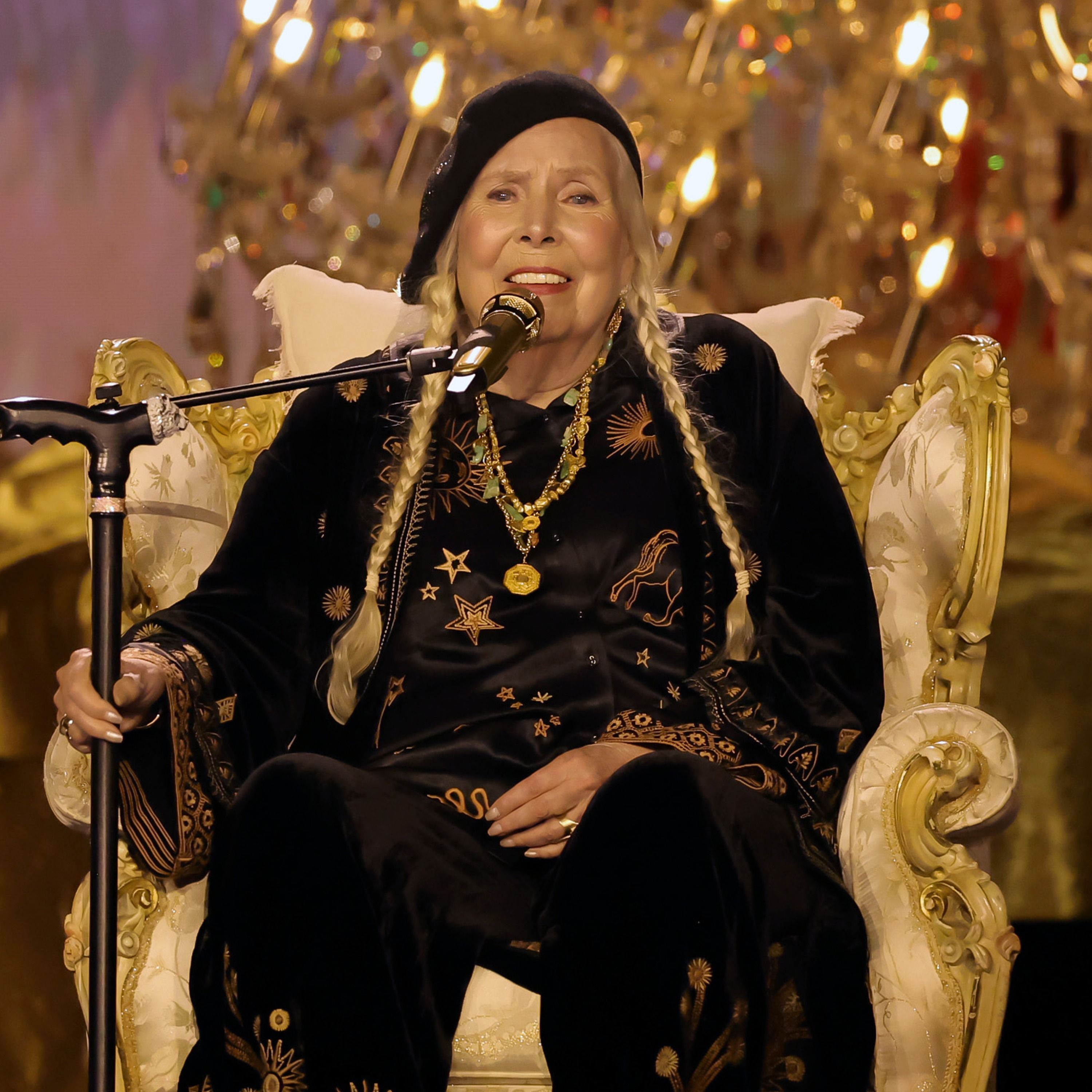
Joni Mitchell Never Lies
In 2022, seven years after surviving a brain aneurysm that left her unable to sing or even speak, Joni Mitchell appeared onstage at the Newport Folk Festival. Singing alongside her were her supportive — and emotional — musician friends, including Brandi Carlile, Marcus Mumford and Wynonna Judd.Our critic Wesley Morris had his doubts. What was really happening here? Did Joni Mitchell even want this? Or were her younger adoring musician fans propping her up for their own reasons? When he learned this fall that Joni would be appearing onstage again, at the Hollywood Bowl, he bought a ticket to see for himself.On today’s episode, Wesley talks with his editor Sasha Weiss about the concert, and what it’s like to experience an 80-year-old in full command of her meaning.Guest: Wesley Morris, a critic at large for The New York Times.Sasha Weiss, the deputy editor of the The New York Times Magazine.Background reading: 50 Reasons to Love Joni Mitchell’s “Blue”For more information on today’s episode, visit nytimes.com/thedaily. Transcripts of each episode will be made available by the next workday. Subscribe today at nytimes.com/podcasts or on Apple Podcasts and Spotify. You can also subscribe via your favorite podcast app here https://www.nytimes.com/activate-access/audio?source=podcatcher. For more podcasts and narrated articles, download The New York Times app at nytimes.com/app. Hosted by Simplecast, an AdsWizz company. See pcm.adswizz.com for information about our collection and use of personal data for advertising.

How a Skeptical Critic Came to Love Bad Christmas Movies
Hallmark Christmas movies are corny, predictable and just what our critic needed to embrace the holiday spirit.The story of how a big-city culture critic, Amanda Hess, found love where she least expected it — in the monotony of Hallmark’s Christmas movies.Guest: Amanda Hess, a critic at large for the Culture section of The New York TimesBackground reading: One December morning, a millennial critic awoke to discover that she had been begrudgingly charmed by an onslaught of Hallmark and Netflix holiday films.For more information on today’s episode, visit nytimes.com/thedaily. Transcripts of each episode will be made available by the next workday. Subscribe today at nytimes.com/podcasts or on Apple Podcasts and Spotify. You can also subscribe via your favorite podcast app here https://www.nytimes.com/activate-access/audio?source=podcatcher. For more podcasts and narrated articles, download The New York Times app at nytimes.com/app. Hosted by Simplecast, an AdsWizz company. See pcm.adswizz.com for information about our collection and use of personal data for advertising.

Could One Phone Call Lead to the 28th Amendment?
How President Biden could transform women’s rights and rescue his legacy with just a ring.Dozens of congressional Democrats have a simple pitch to President Biden: with a single phone call he can revolutionize women’s rights and salvage his damaged legacy. Annie Karni, a congressional correspondent at The New York Times, discusses whether that plan is possible and, if so, whether Mr. Biden would try. Guest: Annie Karni, a congressional correspondent at The New York Times.Background reading: Senator Kirsten Gillibrand presses Mr. Biden to amend the Constitution to enshrine sex equality.For more information on today’s episode, visit nytimes.com/thedaily. Transcripts of each episode will be made available by the next workday. Subscribe today at nytimes.com/podcasts or on Apple Podcasts and Spotify. You can also subscribe via your favorite podcast app here https://www.nytimes.com/activate-access/audio?source=podcatcher. For more podcasts and narrated articles, download The New York Times app at nytimes.com/app. Hosted by Simplecast, an AdsWizz company. See pcm.adswizz.com for information about our collection and use of personal data for advertising.
The Sunday Read: ‘The Alienation of Jaime Cachua’
His wife was spiraling into insomnia, and his children were afraid to go to school, so Jaime Cachua sought out the person he trusted most in a crisis. He sat at his kitchen table in rural Georgia across from his father-in-law, Sky Atkins, the family patriarch. Jaime, 33, hadn’t seen his own father since he was 10 months old, when he left Mexico in a car seat bound for the United States.“We have to prepare for the worst-case scenario,” Jaime told him. “There’s a chance we could lose everything.”Jaime muted the football game on TV and began to explain his new reality as an undocumented immigrant after the election of Donald Trump, who had won the presidency in part by promising to deport more than 11 million people living in the country illegally.“I’m going to be straight with you,” Sky told Jaime. “I voted for Trump. I believe in a lot of what he says.”“I figured as much,” Jaime said. “You and just about everyone else around here.”“It’s about protecting our rights as a sovereign country,” Sky said. “We need to shut down the infiltration on the border. It’s not about you.”“It is about me,” Jaime said. “That’s the thing I don’t understand.” Subscribe today at nytimes.com/podcasts or on Apple Podcasts and Spotify. You can also subscribe via your favorite podcast app here https://www.nytimes.com/activate-access/audio?source=podcatcher. For more podcasts and narrated articles, download The New York Times app at nytimes.com/app. Hosted by Simplecast, an AdsWizz company. See pcm.adswizz.com for information about our collection and use of personal data for advertising.

'The Interview': Jonathan Roumie Plays Jesus to Millions. It Can Get Intense.
The star of “The Chosen” discusses his early struggles in Hollywood, fans who conflate him with his character and how his own faith informs his work. Subscribe today at nytimes.com/podcasts or on Apple Podcasts and Spotify. You can also subscribe via your favorite podcast app here https://www.nytimes.com/activate-access/audio?source=podcatcher. For more podcasts and narrated articles, download The New York Times app at nytimes.com/app. Hosted by Simplecast, an AdsWizz company. See https://pcm.adswizz.com for information about our collection and use of personal data for advertising.
Ring-Kissing, Lawsuits and a Looming Shutdown
Weeks before his inauguration, President-elect Donald J. Trump is pushing the federal government toward a shutdown, corporate titans are flocking to Mar-a-Lago to gain his favor and a major media company has capitulated to Trump’s legal strategy of suing those who cross him.The Times journalists Michael Barbaro, Maggie Haberman, Catie Edmondson and Andrew Ross Sorkin try to make sense of it all.Guest: Maggie Haberman, a senior political correspondent for The New York Times.Catie Edmondson, a congressional correspondent for The New York Times.Andrew Ross Sorkin, a columnist and the founder and editor-at-large of DealBook.Background reading: The government is lurching toward a shutdown after the House tanked Trump’s spending plan.The billionaire rivals Jeff Bezos and Elon Musk are said to have dined with Trump at Mar-a-Lago.For more information on today’s episode, visit nytimes.com/thedaily. Transcripts of each episode will be made available by the next workday. Subscribe today at nytimes.com/podcasts or on Apple Podcasts and Spotify. You can also subscribe via your favorite podcast app here https://www.nytimes.com/activate-access/audio?source=podcatcher. For more podcasts and narrated articles, download The New York Times app at nytimes.com/app. Hosted by Simplecast, an AdsWizz company. See pcm.adswizz.com for information about our collection and use of personal data for advertising.

Crypto’s Big Bet Is Paying Off
Since Donald J. Trump won the 2024 election, cryptocurrency has surged to its highest level ever. David Yaffe-Bellany, a technology reporter for The Times, explains how a small, renegade industry that began as a challenge to the financial system ended up on top of it.Guest: David Yaffe-Bellany, a technology reporter for The New York Times.Background reading: Earlier this month, Bitcoin hit a milestone: $100,000.Eric Trump has promised the “most pro-crypto president” in history.For more information on today’s episode, visit nytimes.com/thedaily. Transcripts of each episode will be made available by the next workday. Subscribe today at nytimes.com/podcasts or on Apple Podcasts and Spotify. You can also subscribe via your favorite podcast app here https://www.nytimes.com/activate-access/audio?source=podcatcher. For more podcasts and narrated articles, download The New York Times app at nytimes.com/app. Hosted by Simplecast, an AdsWizz company. See pcm.adswizz.com for information about our collection and use of personal data for advertising.