
The Daily
3,002 episodes — Page 7 of 61

Sunday Special: ’Tis the Season for Cookies
The first week of December at The New York Times is known as “Cookie Week.” Every day, for seven days, our cooking team highlights a new holiday cookie recipe. This year’s batch features flavors that aren’t necessarily traditional holiday ones — or even, for that matter, flavors. Instead, they draw inspiration from family night at the movies, drinks like Vietnamese Coffee, and perhaps most surprisingly, an Italian deli meat.In this edition of the Sunday Special, Gilbert Cruz talks with Melissa Clark and Vaughn Vreeland from New York Times Cooking about this year’s cookies, and they answer questions from readers about how to navigate cooking and baking during the holidays.Background Reading:These 7 Cookies Will Be the Life of Every PartyMelissa Clark is a food reporter and columnist for The Times.Vaughn Vreeland is a supervising video producer for NYT Cooking and writes the “Bake Time” newsletter.Audio produced by Tina Antolini and Alex Barron with Kate LoPresti. Edited by Wendy Dorr. Engineered by Rowan Niemisto. Original music by Daniel Powell and Diane Wong. Photo credit: Rachel Vanni for The New York Times. Subscribe today at nytimes.com/podcasts or on Apple Podcasts and Spotify. You can also subscribe via your favorite podcast app here https://www.nytimes.com/activate-access/audio?source=podcatcher. For more podcasts and narrated articles, download The New York Times app at nytimes.com/app. Hosted by Simplecast, an AdsWizz company. See pcm.adswizz.com for information about our collection and use of personal data for advertising.

'The Interview': Kristen Stewart Wants to Show Us a Different Kind of Sex
The actress and director says the world of filmmaking needs a “full system break.”Thoughts? Email us at [email protected] our show on YouTube: youtube.com/@TheInterviewPodcastFor transcripts and more, visit: nytimes.com/theinterview Subscribe today at nytimes.com/podcasts or on Apple Podcasts and Spotify. You can also subscribe via your favorite podcast app here https://www.nytimes.com/activate-access/audio?source=podcatcher. For more podcasts and narrated articles, download The New York Times app at nytimes.com/app. Hosted by Simplecast, an AdsWizz company. See pcm.adswizz.com for information about our collection and use of personal data for advertising.

The Lonely Work of a Free-Speech Defender
EWarning: This episode contains strong language and mentions of suicide.Over the past year, the federal government has taken a series of actions widely seen as attacks on the First Amendment.Greg Lukianoff, the head of a legal defense group called the Foundation for Individual Rights and Expression, speaks to Natalie Kitroeff about what free speech really means and why both the left and the right end up betraying it.Guest: Greg Lukianoff, the president and chief executive of the Foundation for Individual Rights and Expression.Background reading: Read Mr. Lukianoff’s guest essay for New York Times Opinion from September.Photo: Moriah Ratner for The New York TimesFor more information on today’s episode, visit nytimes.com/thedaily. Transcripts of each episode will be made available by the next workday. Subscribe today at nytimes.com/podcasts or on Apple Podcasts and Spotify. You can also subscribe via your favorite podcast app here https://www.nytimes.com/activate-access/audio?source=podcatcher. For more podcasts and narrated articles, download The New York Times app at nytimes.com/app. Hosted by Simplecast, an AdsWizz company. See pcm.adswizz.com for information about our collection and use of personal data for advertising.
Trump Rants: ‘Let Them Go Back to Where They Came From’
President Trump on Tuesday delivered blatantly xenophobic public remarks, which included attacking Somali immigrants in Minnesota and calling them “garbage.”Ernesto Londoño, a reporter based in Minnesota, explains how Somalis became the president’s latest target in his effort to reshape America’s relationship to its immigrant communities.Guest: Ernesto Londoño, a reporter for The New York Times based in Minnesota.Background reading: Mr. Trump called Somalis “garbage” that he doesn’t want in the country.A new ICE operation is said to target Somali migrants in Minneapolis and St. Paul, Minn.Here’s how fraud swamped Minnesota’s social services system on Gov. Tim Walz’s watch.For more information on today’s episode, visit nytimes.com/thedaily. Transcripts of each episode will be made available by the next workday. Subscribe today at nytimes.com/podcasts or on Apple Podcasts and Spotify. You can also subscribe via your favorite podcast app here https://www.nytimes.com/activate-access/audio?source=podcatcher. For more podcasts and narrated articles, download The New York Times app at nytimes.com/app. Hosted by Simplecast, an AdsWizz company. See pcm.adswizz.com for information about our collection and use of personal data for advertising.
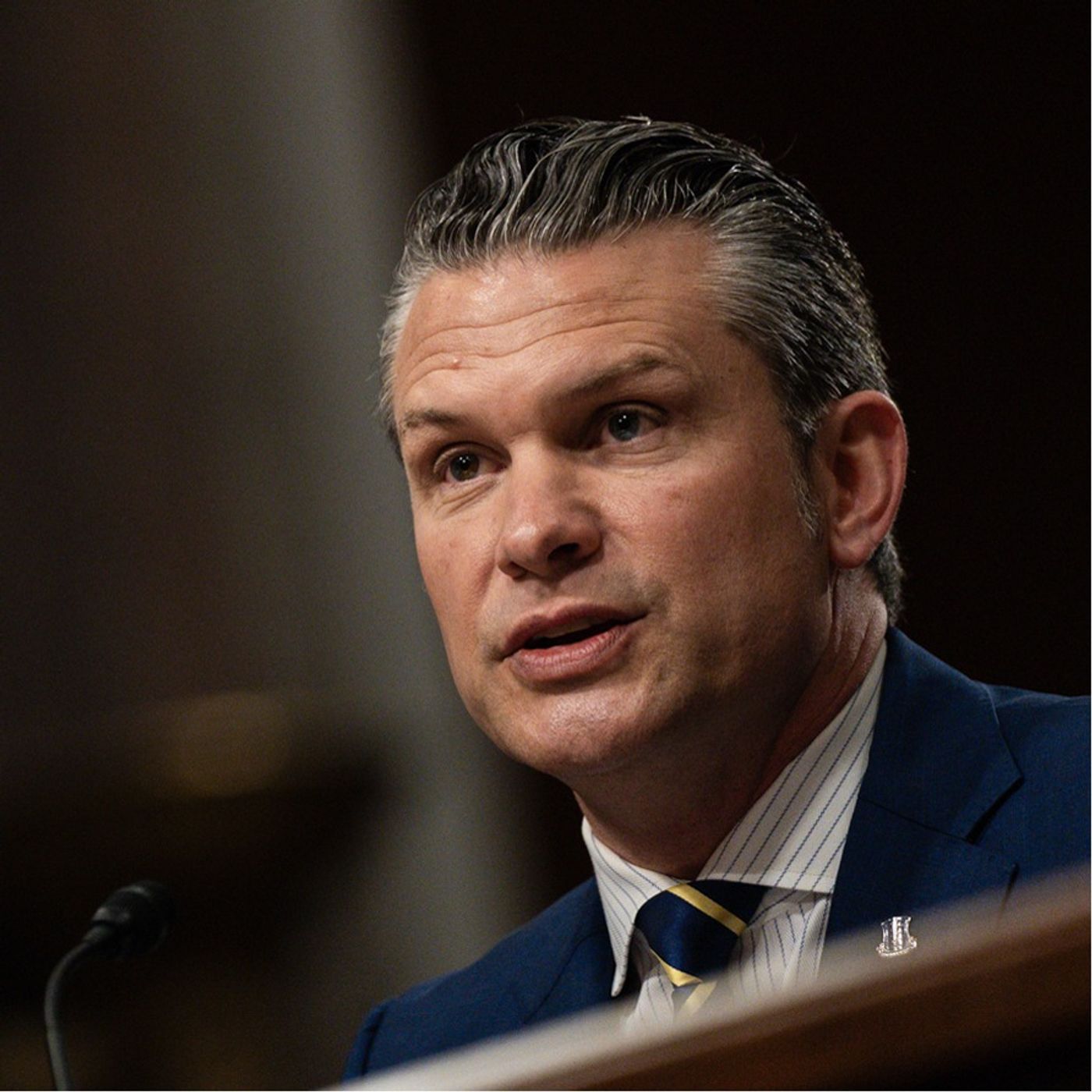
Did a U.S. Boat Strike Amount to a War Crime?
Over the past three months, the U.S. military has been firing on boats from South America, killing more than 80 people and prompting Democrats to raise urgent questions about their legality.Now, one of these operations, which killed survivors with a second missile, has prompted congressional Republicans to join those calls for accountability.Charlie Savage, who covers national security for The New York Times, explains the renewed debate and how the administration is justifying its actions.Guest: Charlie Savage, who covers national security and legal policy for The New York Times.Background reading: Lawmakers suggested that a follow-up boat strike could have been a war crime.Amid talk of a war crime, the details and precise sequence of a Sept. 2 attack on a boat in the Caribbean are facing more scrutiny.Photo: Tierney L. Cross/The New York TimesFor more information on today’s episode, visit nytimes.com/thedaily. Transcripts of each episode will be made available by the next workday. Subscribe today at nytimes.com/podcasts or on Apple Podcasts and Spotify. You can also subscribe via your favorite podcast app here https://www.nytimes.com/activate-access/audio?source=podcatcher. For more podcasts and narrated articles, download The New York Times app at nytimes.com/app. Hosted by Simplecast, an AdsWizz company. See pcm.adswizz.com for information about our collection and use of personal data for advertising.

The ‘Clean’ Technology That’s Poisoning People
Lead is an essential but toxic element of car batteries. The U.S. auto industry promotes the recycling of it as an environmental success story. An investigation by The New York Times and The Examination reveals that the initiative comes at a major human cost, especially abroad.Peter S. Goodman, who covers the global economy, explains the dirty business of a supposedly clean technology.Guest: Peter S. Goodman, who covers the global economy for The New York Times.Background reading: The U.S. auto industry was warned for years that battery recycling was poisoning people, an investigation by The Times and The Examination showed.Read more about the investigation.Photo: Finbarr O'Reilly for The New York TimesFor more information on today’s episode, visit nytimes.com/thedaily. Transcripts of each episode will be made available by the next workday. Subscribe today at nytimes.com/podcasts or on Apple Podcasts and Spotify. You can also subscribe via your favorite podcast app here https://www.nytimes.com/activate-access/audio?source=podcatcher. For more podcasts and narrated articles, download The New York Times app at nytimes.com/app. Hosted by Simplecast, an AdsWizz company. See pcm.adswizz.com for information about our collection and use of personal data for advertising.

The Fallout From the National Guard Shooting
What began as a horrific shooting of two National Guard members in downtown Washington last week has now led to a set of far-reaching changes to the U.S. immigration system.The suspect, Rahmanullah Lakanwal, was among the Afghans who came to the United States after the Taliban’s takeover of Afghanistan. Earlier, he served in a paramilitary unit that worked with U.S. forces.Hamed Aleaziz discusses Mr. Lakanwal’s journey to the United States, as well as the Trump administration’s wide-ranging response.Guest: Hamed Aleaziz, a Times correspondent covering the Department of Homeland Security and immigration policy.Background reading: The suspect in the shooting had traveled a long path of conflict from Afghanistan to America.Afghans who assisted the United States during the war underwent rigorous vetting.Photo: The New York TimesFor more information on today’s episode, visit nytimes.com/thedaily. Transcripts of each episode will be made available by the next workday. Subscribe today at nytimes.com/podcasts or on Apple Podcasts and Spotify. You can also subscribe via your favorite podcast app here https://www.nytimes.com/activate-access/audio?source=podcatcher. For more podcasts and narrated articles, download The New York Times app at nytimes.com/app. Hosted by Simplecast, an AdsWizz company. See pcm.adswizz.com for information about our collection and use of personal data for advertising.

Sunday Special: Gifting Books for the Holidays
The holiday season is here, which means it’s the time to think of great gifts for everyone on your list. While it can feel like a daunting task to choose thoughtful, personalized presents, we’ve got a fix for you: books.On this edition of The Sunday Special, Gilbert is joined by Joumana Khatib and Sadie Stein, editors at the Book Review, for a conversation about the best books to give your family and friends. Joumana and Sadie will share what excited them most this year and also provide recommendations for giftees in very specific categories.Books mentioned in this episode:“The Colony,” Annika Norlin“Perfection,” Vincenzo Latronico“Things: A Story of the 60s,” Georges Perec“The Bee Sting,” Paul Murray“The Loneliness of Sonia and Sunny,” Kiran Desai“The Director,” Daniel Kehlmann“Playworld: A Novel,” Adam Ross“A Marriage at Sea,” Sophie Elmhirst“Entertaining is Fun!,” Dorothy Draper“The Thursday Murder Club,” Richard Osman“The Mysterious Case of the Alperton Angels,” Janice Hallett“Roald Dahl’s Revolting Recipes,” Roald Dahl“Mrs. Manders’ Cook Book,” Sarah Manders, edited by Rumer Godden“Halleluja! The Welcome Table,” Maya Angelou“The Pat Conroy Cookbook: Recipes of My Life,” Pat Conroy“Les diners de Gala,” Salvador Dalí“Diaghilev’s Empire: How the Ballets Russes Enthralled the World,” Rupert Christiansen“Finishing the Hat and Look I Made a Hat,” Stephen Sondheim“Tonight in Jungleland: The Making of Born to Run,” Peter Ames Carlin“The Uncool: A Memoir,” Cameron Crowe“The Gales of November,” John U. Bacon“The Journals of Ralph Waldo Emerson,” Ralph Waldo Emerson“Cats in Color,” Stevie Smith“Archie and the Strict Baptists,” John Betjeman“Stories 1,2,3,4,” Eugène Ionesco“Trip: A Novel,” Amy BarrodaleOn Today’s Episode:Joumana Khatib is an editor at The New York Times Book Review.Sadie Stein is an editor at The New York Times Book Review. Subscribe today at nytimes.com/podcasts or on Apple Podcasts and Spotify. You can also subscribe via your favorite podcast app here https://www.nytimes.com/activate-access/audio?source=podcatcher. For more podcasts and narrated articles, download The New York Times app at nytimes.com/app. Hosted by Simplecast, an AdsWizz company. See pcm.adswizz.com for information about our collection and use of personal data for advertising.
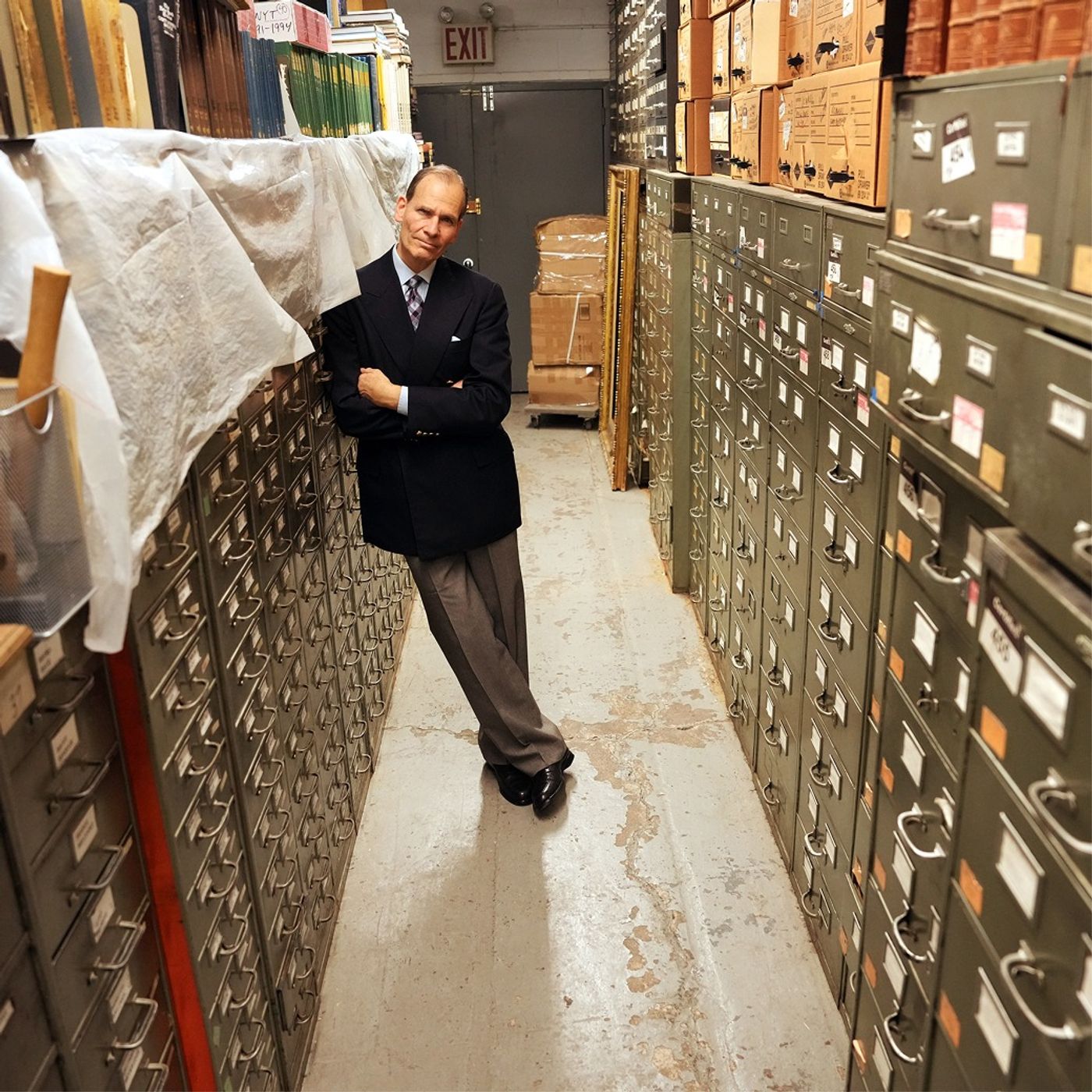
Inside 'The Morgue' at The New York Times
In this subscriber-only episode, the host Rachel Abrams ventures deep into the basement of The New York Times in Manhattan to visit a place affectionately known by staff members as “the morgue.”There, she meets Jeff Roth, the sole guardian of the vast and eclectic archive that houses the paper’s historical news clippings and photographic prints, along with its large book and periodicals library dating back to the 19th century.Guest:Jeff Roth, archivist at The New York TimesFor more information on today’s episode, visit nytimes.com/thedaily. Transcripts of each episode will be made available by the next workday. Subscribe today at nytimes.com/podcasts or on Apple Podcasts and Spotify. You can also subscribe via your favorite podcast app here https://www.nytimes.com/activate-access/audio?source=podcatcher. For more podcasts and narrated articles, download The New York Times app at nytimes.com/app. Hosted by Simplecast, an AdsWizz company. See pcm.adswizz.com for information about our collection and use of personal data for advertising.
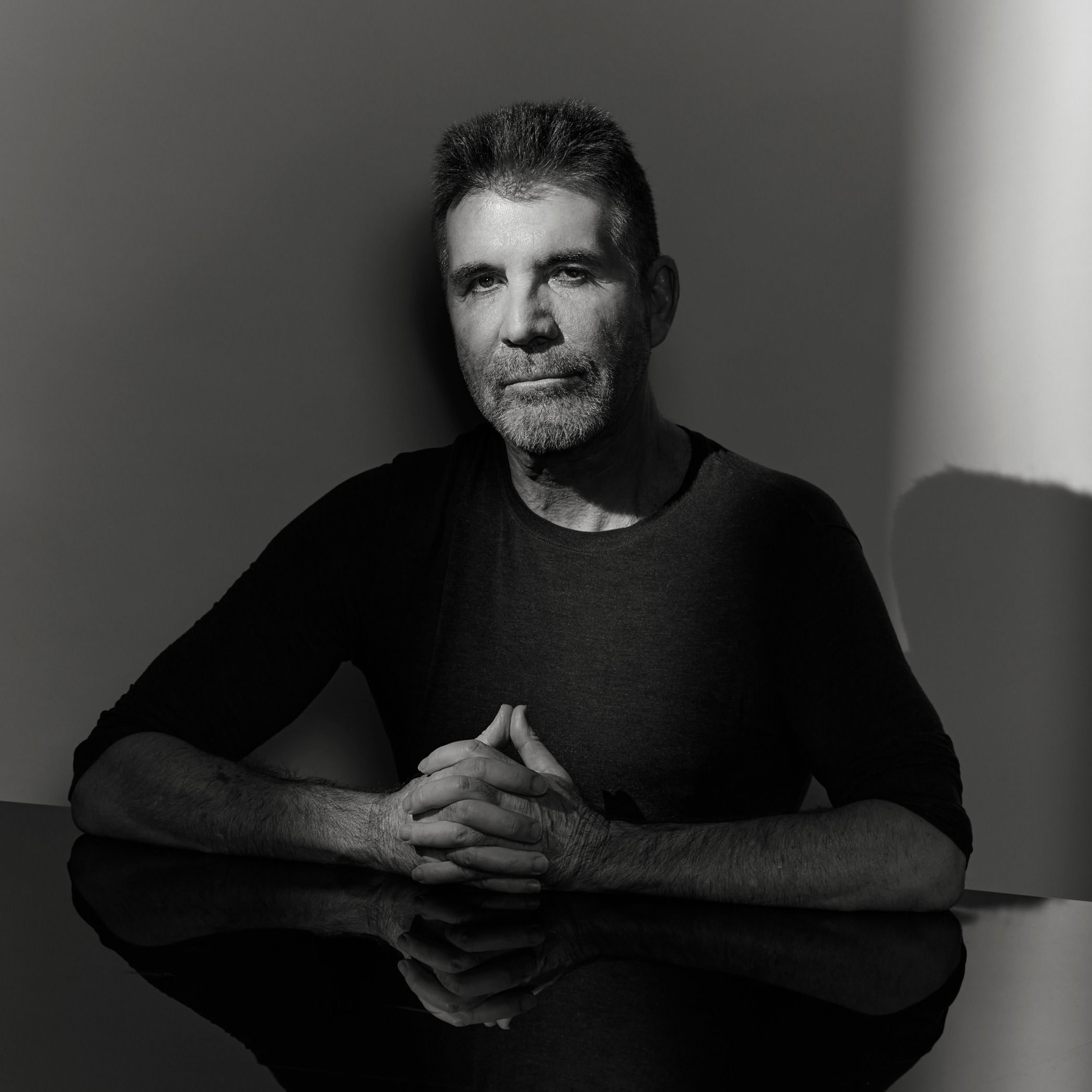
'The Interview': Simon Cowell Is Sorry, Softer and Grieving Liam Payne
The competition-TV judge changed the music industry. Now he says he’s changed too.Thoughts? Email us at [email protected] our show on YouTube: youtube.com/@TheInterviewPodcastFor transcripts and more, visit: nytimes.com/theinterview Subscribe today at nytimes.com/podcasts or on Apple Podcasts and Spotify. You can also subscribe via your favorite podcast app here https://www.nytimes.com/activate-access/audio?source=podcatcher. For more podcasts and narrated articles, download The New York Times app at nytimes.com/app. Hosted by Simplecast, an AdsWizz company. See pcm.adswizz.com for information about our collection and use of personal data for advertising.

Eating What You Kill This Thanksgiving
Here at “The Daily,” we take our annual Thanksgiving episode very seriously.A few years ago, we rang up an expert from the Butterball Turkey Talk-Line, who told us that yes, in a pinch, you can cook a turkey in the microwave. Last year, we invited ourselves over to Ina Garten’s house to learn the timeless art of holiday entertaining (Ina’s tip: flowers that match your napkins complete a table.).This year, determined to outdo ourselves, we traveled to Montana to hunt our very own food. Our guest, Steven Rinella — perhaps the country’s most famous hunter — is an avid conservationist and a lifelong believer in eating what you kill.What first drew us to Rinella was the provocative argument he put forth in his best-selling book, “Meat Eater.”“To abhor hunting,” he wrote, “is to hate the place from which you came, which is akin to hating yourself in some distant, abstract way.”So, a few weeks ago, we spoke with Rinella at his podcast studio in Bozeman, Mont, about the forces that turned him into what he describes as an “environmentalist with a gun”. The next morning, we hunted ducks with him, and then, inspired by Rinella, we ate what we had killed.Photo: Will Warasila for The New York TimesAudio Produced by Tina Antolini. Edited by Wendy Dorr. Engineered by Efim Shapiro and Alyssa Moxley. Fact-checking by Susan Lee. Original music by Daniel Powell and Marion Lozano. Subscribe today at nytimes.com/podcasts or on Apple Podcasts and Spotify. You can also subscribe via your favorite podcast app here https://www.nytimes.com/activate-access/audio?source=podcatcher. For more podcasts and narrated articles, download The New York Times app at nytimes.com/app. Hosted by Simplecast, an AdsWizz company. See pcm.adswizz.com for information about our collection and use of personal data for advertising.

The Ukrainian Peace Plan Written by ... Russia?
When President Trump’s peace plan to end the war in Ukraine was leaked last week, many felt as though Russia had written the proposal, and to a large degree, it reflected the Kremlin’s demands. The plan set off a global outcry that has forced American officials to revise their approach in the days since.Kim Barker and David E. Sanger explain the process that led to the contentious plan and why it comes at a vulnerable moment for Ukrainian leadership.Guest: Kim Barker, a reporter for The New York Times covering the war in Ukraine.David E. Sanger, the White House and national security correspondent for The New York Times.Background reading: Analysis: Mr. Trump offers a Ukraine peace plan the Kremlin can love.To many Ukrainians, the U.S. proposal looks like “capitulation.”Photo: Tyler Hicks/The New York TimesFor more information on today’s episode, visit nytimes.com/thedaily. Transcripts of each episode will be made available by the next workday. Subscribe today at nytimes.com/podcasts or on Apple Podcasts and Spotify. You can also subscribe via your favorite podcast app here https://www.nytimes.com/activate-access/audio?source=podcatcher. For more podcasts and narrated articles, download The New York Times app at nytimes.com/app. Hosted by Simplecast, an AdsWizz company. See pcm.adswizz.com for information about our collection and use of personal data for advertising.
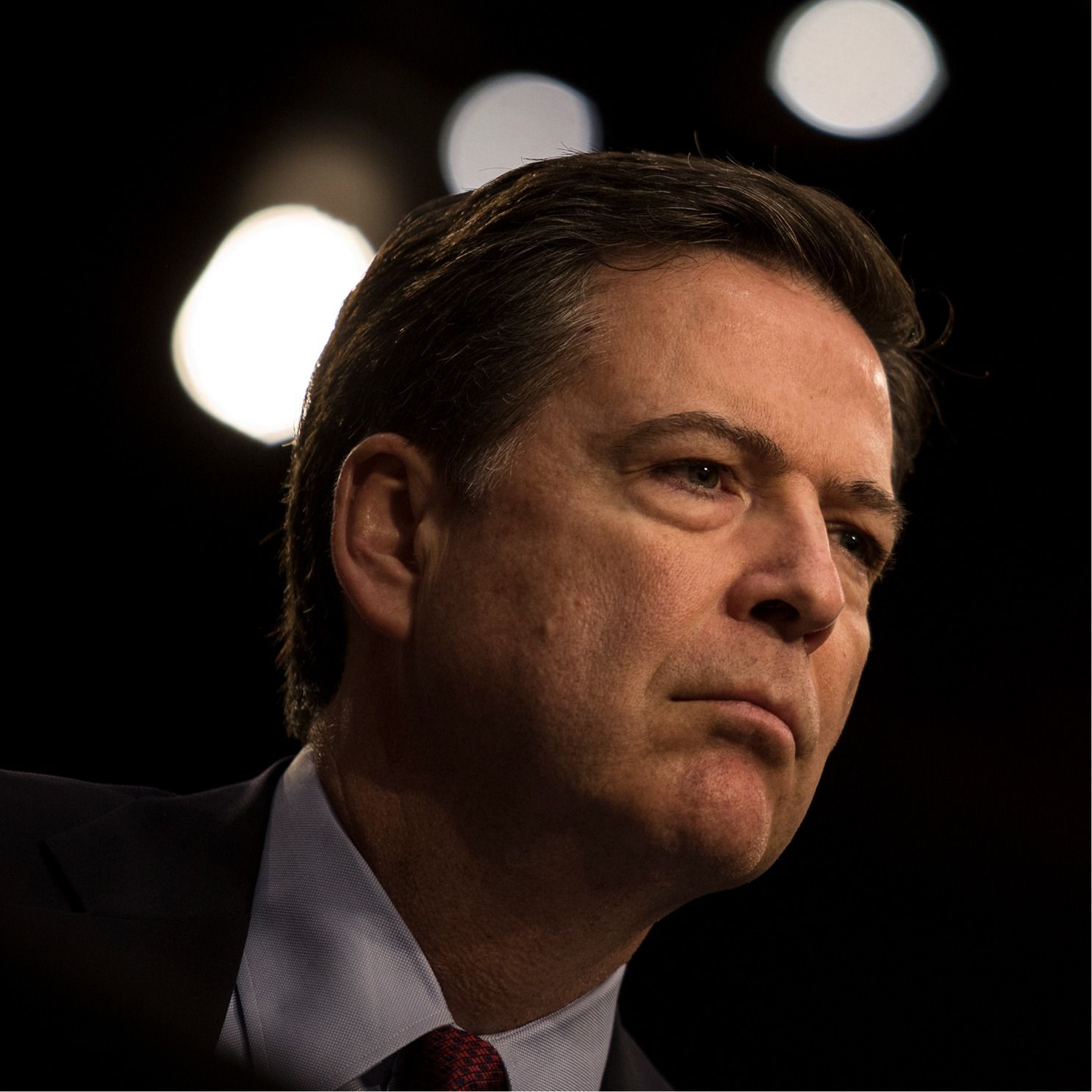
A Disastrous Day in Court for Trump
A federal judge on Monday tossed out separate criminal charges against the former F.B.I. director James B. Comey and New York’s attorney general, Letitia James.The manner in which the judge dismissed the Comey indictment could now lead to a legal fight over whether the government can try to refile the charges with another grand jury.Devlin Barrett, who covers the Justice Department and the F.B.I. for The New York Times, discusses President Trump’s campaign of retribution against his perceived enemies and walks us through the judge’s rulingsGuest: Devlin Barrett, a New York Times reporter covering the Justice Department and the F.B.I..Background reading: The cases against Mr. Comey and Ms. James are dismissed.Photo: Drew Angerer for The New York TimesFor more information on today’s episode, visit nytimes.com/thedaily. Transcripts of each episode will be made available by the next workday. Subscribe today at nytimes.com/podcasts or on Apple Podcasts and Spotify. You can also subscribe via your favorite podcast app here https://www.nytimes.com/activate-access/audio?source=podcatcher. For more podcasts and narrated articles, download The New York Times app at nytimes.com/app. Hosted by Simplecast, an AdsWizz company. See pcm.adswizz.com for information about our collection and use of personal data for advertising.
The Autism Diagnosis Problem
Once primarily limited to severely disabled people, autism began to be viewed as a spectrum that included children and adults far less impaired. Along the way, the disorder also became an identity, embraced by college graduates and even by some of the world’s most successful people, like Elon Musk and Bill Gates.Health Secretary Robert F. Kennedy Jr. has called the steep rise in autism cases “an epidemic.” He blames theories of causality that mainstream scientists reject — like vaccines and, more recently, Tylenol — and has instructed the C.D.C. to abandon its longstanding position that vaccines do not cause autism.Today, Azeen Ghorayshi explains what’s really driving the increase in diagnoses.Guest: Azeen Ghorayshi, a science reporter for The New York Times.Background reading: Should the autism spectrum be split apart?There are no easy answers for parents of children with autism.Photo: Eric Gay/Associated PressFor more information on today’s episode, visit nytimes.com/thedaily. Transcripts of each episode will be made available by the next workday. Subscribe today at nytimes.com/podcasts or on Apple Podcasts and Spotify. You can also subscribe via your favorite podcast app here https://www.nytimes.com/activate-access/audio?source=podcatcher. For more podcasts and narrated articles, download The New York Times app at nytimes.com/app. Hosted by Simplecast, an AdsWizz company. See pcm.adswizz.com for information about our collection and use of personal data for advertising.

Sunday Special: Wicked, Good?
“Wicked” was one of the biggest movies of 2024. It was culturally ubiquitous, a box office smash and an Oscar nominee for Best Picture. Now, a year later, “Wicked: For Good” arrives in theaters to finish the tale of the complicated friendship between Glinda the Good Witch and Elphaba, the Wicked Witch of the West. Can “Wicked: For Good” be the sensation that its predecessor was? Will it inject new life into a movie business that has suffered a historically bad business year? Will it satisfy the legions of “Wicked” fans who have been waiting to see their favorite musical brought to the big screen?Gilbert Cruz is joined by Kyle Buchanan, a pop culture reporter for The New York Times who profiled the stars of “Wicked,” and Madison Malone Kircher, a reporter for the Styles desk and affirmed “Wicked” fanatic, to discuss what “Wicked: For Good” means for the movies. On Today’s EpisodeMadison Malone Kircher is a reporter covering internet culture for The Times.Kyle Buchanan is a pop culture reporter and serves as The Projectionist, the awards season columnist for The New York Times.Photo: Universal Pictures Additional ReadingAriana Grande Still Has Surprises in StoreThere Have Been Dozens of “Wicked” Interviews. Why Did This One Go Viral? Subscribe today at nytimes.com/podcasts or on Apple Podcasts and Spotify. You can also subscribe via your favorite podcast app here https://www.nytimes.com/activate-access/audio?source=podcatcher. For more podcasts and narrated articles, download The New York Times app at nytimes.com/app. Hosted by Simplecast, an AdsWizz company. See pcm.adswizz.com for information about our collection and use of personal data for advertising.

'The Interview': John Green Knows That No One Really Loves You on the Internet
The writer and YouTube star on trying to get back to the experiences that make us feel alive.Thoughts? Email us at [email protected] our show on YouTube: youtube.com/@TheInterviewPodcastFor transcripts and more, visit: nytimes.com/theinterview Subscribe today at nytimes.com/podcasts or on Apple Podcasts and Spotify. You can also subscribe via your favorite podcast app here https://www.nytimes.com/activate-access/audio?source=podcatcher. For more podcasts and narrated articles, download The New York Times app at nytimes.com/app. Hosted by Simplecast, an AdsWizz company. See pcm.adswizz.com for information about our collection and use of personal data for advertising.

Parenting a Trans Kid in Trump’s America
Since starting his second term, President Trump has thrown the full weight of the federal government behind the denying the idea of transgender identity, and pushing to prevent trans minors from getting gender-affirming medical care.Two parents of a trans child discuss facing the scramble of supporting their child, and their fears of becoming targets of the government.Guest: The parents of Allie, who is trans.Background reading: Hospitals are limiting gender treatment for trans minors, even in blue states.States have sued over Mr. Trump’s efforts to end pediatric transgender medical care.Trans youth are rattled by efforts to ban gender care. So are hospitals.Photo: Christopher Capozziello for The New York TimesFor more information on today’s episode, visit nytimes.com/thedaily. Transcripts of each episode will be made available by the next workday. Subscribe today at nytimes.com/podcasts or on Apple Podcasts and Spotify. You can also subscribe via your favorite podcast app here https://www.nytimes.com/activate-access/audio?source=podcatcher. For more podcasts and narrated articles, download The New York Times app at nytimes.com/app. Hosted by Simplecast, an AdsWizz company. See pcm.adswizz.com for information about our collection and use of personal data for advertising.

Is There an A.I. Bubble? And What if It Pops?
After years of soaring optimism and colossal investment, Wall Street has begun to seriously question whether the frenzy for A.I. is justified.Cade Metz, who covers technology for The New York Times, explains why Silicon Valley companies believe so fervently in A.I. and why they’re willing to take enormous risks to deliver on its promise.Guest: Cade Metz, a technology reporter for The New York Times.Background reading: Why debt funding is ratcheting up the risks of the A.I. boom.Amazon, Google, Meta, Microsoft and OpenAI plan to spend at least $325 billion by the end of the year in pursuit of A.I.Photo: Scott Ball for The New York TimesFor more information on today’s episode, visit nytimes.com/thedaily. Transcripts of each episode will be made available by the next workday. Subscribe today at nytimes.com/podcasts or on Apple Podcasts and Spotify. You can also subscribe via your favorite podcast app here https://www.nytimes.com/activate-access/audio?source=podcatcher. For more podcasts and narrated articles, download The New York Times app at nytimes.com/app. Hosted by Simplecast, an AdsWizz company. See pcm.adswizz.com for information about our collection and use of personal data for advertising.
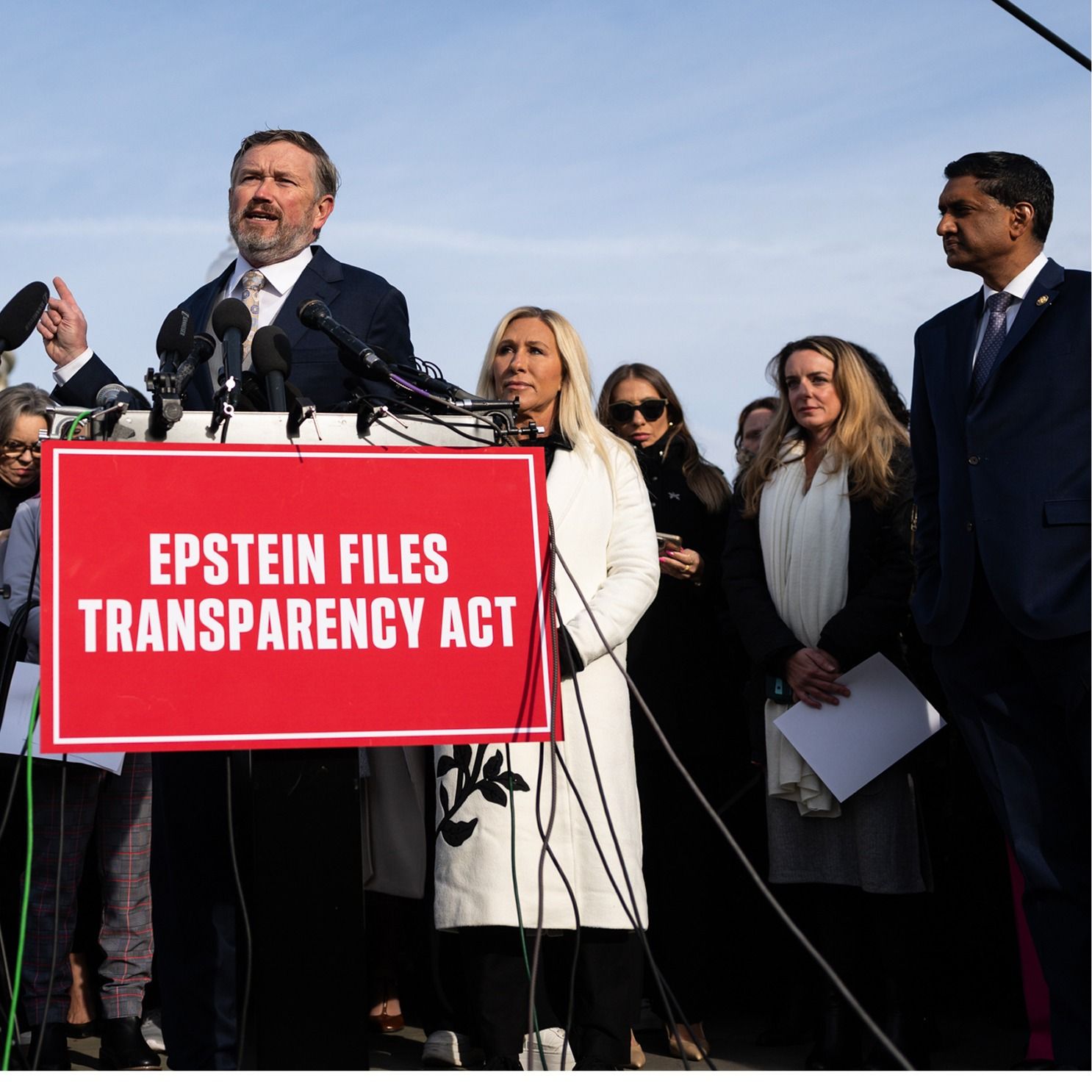
Congress Orders Trump to Release the Epstein Files
Congressional Republicans on Tuesday overwhelmingly approved a bill to release all of the files related to the sex offender Jeffrey Epstein — a bill that President Trump spent months trying to kill.The Times correspondents Anni Karni and Carl Hulse explain how a rebellion started by a handful of Republican lawmakers became a partywide mutiny, and Representative Thomas Massie talks about his role in bringing about the vote.Guest:Annie Karni, a congressional correspondent at The New York Times.Carl Hulse, the chief Washington correspondent for The Times.Representative Thomas Massie, Republican of Kentucky.Background reading: The vote to approve was a stunning turn for an effort that Republican leaders had worked for months to block.For Mr. Trump, the Epstein scandal is the story that won’t go away.Photo: Tierney L. Cross/The New York TimesFor more information on today’s episode, visit nytimes.com/thedaily. Transcripts of each episode will be made available by the next workday. Subscribe today at nytimes.com/podcasts or on Apple Podcasts and Spotify. You can also subscribe via your favorite podcast app here https://www.nytimes.com/activate-access/audio?source=podcatcher. For more podcasts and narrated articles, download The New York Times app at nytimes.com/app. Hosted by Simplecast, an AdsWizz company. See pcm.adswizz.com for information about our collection and use of personal data for advertising.

The Future of Energy Has Arrived — Just Not in the U.S.
For the first time in 30 years, the annual U.N. conference on climate change is taking place without top government representation from the United States. China has emerged as the top dog at the summit and is poised to become the world’s supplier of green energy technology.David Gelles and Brad Plumer explain the growing showdown between global superpowers over the future of energy.Guest:David Gelles, a reporter on the New York Times climate team who leads The Times’s Climate Forward newsletter.Brad Plumer, a New York Times reporter based in Washington, covering technology and policy efforts to address global warming.Background reading: There’s a race to power the future. China is pulling away.At a climate summit without the U.S., allies and rivals call for action.Photo: Gilles Sabrie for The New York TimesFor more information on today’s episode, visit nytimes.com/thedaily. Transcripts of each episode will be made available by the next workday. Subscribe today at nytimes.com/podcasts or on Apple Podcasts and Spotify. You can also subscribe via your favorite podcast app here https://www.nytimes.com/activate-access/audio?source=podcatcher. For more podcasts and narrated articles, download The New York Times app at nytimes.com/app. Hosted by Simplecast, an AdsWizz company. See pcm.adswizz.com for information about our collection and use of personal data for advertising.

Unpacking Trump’s 50-Year Mortgage Proposal
When President Trump proposed the introduction of a 50-year mortgage, he challenged a bedrock of the American housing market and financial system. He also revealed how desperate the administration is to lower prices for consumers.Conor Dougherty, who covers housing and development, explains what’s attractive about the idea and its potential drawbacks — and why housing affordability is such an intractable problem.Guest: Conor Dougherty, a reporter for The New York Times covering housing and development for more than a decade.Background reading: The Trump administration is facing backlash from U.S. consumers as higher costs from tariffs blunt wage gains.Many Americans bought their first houses during the pandemic, when mortgage rates dipped to record lows. Now, some feel trapped.Photo: Joe Raedle/Getty ImagesFor more information on today’s episode, visit nytimes.com/thedaily. Transcripts of each episode will be made available by the next workday. Subscribe today at nytimes.com/podcasts or on Apple Podcasts and Spotify. You can also subscribe via your favorite podcast app here https://www.nytimes.com/activate-access/audio?source=podcatcher. For more podcasts and narrated articles, download The New York Times app at nytimes.com/app. Hosted by Simplecast, an AdsWizz company. See pcm.adswizz.com for information about our collection and use of personal data for advertising.

Sunday Special: A Sea of Streaming Docs
EThere was once a time when documentaries could be found only on public television or in art-house cinemas. But today, documentaries are more popular and accessible than ever, with streaming services serving up true crime, celebrity documentaries, music documentaries and so much more.On today’s Sunday Special, Gilbert is joined by The New York Times’s chief television critic, James Poniewozik, and Alissa Wilkinson, a Times film critic, to talk about the documentaries that are worth your viewing time. On Today’s Episode:James Poniewozik is the chief TV critic for The Times.Alissa Wilkinson is a movie critic at The Times, and writes the Documentary Lens column. Background Reading:What ‘The American Revolution’ Says About Our Cultural Battles‘Come See Me in the Good Light’: The Sweetness After a Terminal Diagnosis Discussed on this episode:“The American Revolution,” 2025, directed by Ken Burns, Sarah Botstein and David Schmidt“The Alabama Solution,” 2025, directed by Andrew Jarecki and Charlotte Kaufman“The Jinx: The Life and Deaths of Robert Durst,” 2015, directed by Andrew Jarecki“Making a Murderer,” 2015, directed by Laura Ricciardi and Moira Demos“The Yogurt Shop Murders,” 2025, directed by Margaret Brown“The Perfect Neighbor,” 2025, directed by Beet Gandbhir“The Last Dance,” 2020, directed by Jason Hehir“Copa 71,” 2023, directed by Rachel Ramsay and James Erkine“Cheer,” 2020, created by Greg Whiteley“Last Chance U,” 2016, directed by Greg Whiteley, Adam Ridley and Luke Lorentzen“Pee-wee as Himself,” 2025, directed by Matt Wolf“The Remarkable Life of Ibelin,” 2024, directed by Benjamin Ree“Ladies & Gentlemen … 50 Years of SNL Music,” 2025, directed by Questlove“Cameraperson,” 2016, directed by Kirsten Johnson“An American Family,” 1973, created by Craig Gilbert“Look Into My Eyes,” 2024, directed by Lana Wilson“When We Were Kings,” 1996, directed by Leon Gast Photo: Mike Doyle/American Revolution Film Project and Florentine Films Subscribe today at nytimes.com/podcasts or on Apple Podcasts and Spotify. You can also subscribe via your favorite podcast app here https://www.nytimes.com/activate-access/audio?source=podcatcher. For more podcasts and narrated articles, download The New York Times app at nytimes.com/app. Hosted by Simplecast, an AdsWizz company. See pcm.adswizz.com for information about our collection and use of personal data for advertising.

'The Interview': Tina Brown on Epstein, the Über-Rich and Her Most Burning Resentments
The longtime editor and chronicler of the elite says she’s liberated and is letting it rip. Subscribe today at nytimes.com/podcasts or on Apple Podcasts and Spotify. You can also subscribe via your favorite podcast app here https://www.nytimes.com/activate-access/audio?source=podcatcher. For more podcasts and narrated articles, download The New York Times app at nytimes.com/app. Hosted by Simplecast, an AdsWizz company. See pcm.adswizz.com for information about our collection and use of personal data for advertising.

Ozempic for All?
Drugs like Ozempic and Zepbound have revolutionized weight loss. And starting next year, the drugs are going to become more affordable for Americans because of a deal struck with pharmaceutical companies by the Trump administration.Eshe Nelson, who covers economics and business news, explains how the change has its origins in a huge business blunder from the creator of Ozempic, Novo Nordisk.Guest: Eshe Nelson, a reporter for The New York Times based in London, where she covers economics and business news.Background reading: How Ozempic’s maker lost its shine after creating a wonder drug.What Trump’s new drug pricing deal means for people with obesity.Photo: Sergei Gapon/Agence France-Presse — Getty ImagesFor more information on today’s episode, visit nytimes.com/thedaily. Transcripts of each episode will be made available by the next workday. Subscribe today at nytimes.com/podcasts or on Apple Podcasts and Spotify. You can also subscribe via your favorite podcast app here https://www.nytimes.com/activate-access/audio?source=podcatcher. For more podcasts and narrated articles, download The New York Times app at nytimes.com/app. Hosted by Simplecast, an AdsWizz company. See pcm.adswizz.com for information about our collection and use of personal data for advertising.

‘He Knew’: What Epstein Said About Trump in New Emails
Thousands of pages of newly released emails between Jeffrey Epstein and his associates have put the convicted sex offender’s relationship with President Trump back in the spotlight.David Enrich and Michael Gold, who have been covering the story, explain what the new documents tell us and discuss whether they could prompt the release of the rest of the Epstein files.Guest: David Enrich, a deputy investigations editor for The New York Times.Michael Gold, a congressional correspondent for The New York Times.Background reading: Mr. Trump said the Democrats were bringing up the Epstein “hoax” to deflect from the government shutdown.House Republicans asserted that the emails revealed little information.Photo: Doug Mills/The New York TimesFor more information on today’s episode, visit nytimes.com/thedaily. Transcripts of each episode will be made available by the next workday. Subscribe today at nytimes.com/podcasts or on Apple Podcasts and Spotify. You can also subscribe via your favorite podcast app here https://www.nytimes.com/activate-access/audio?source=podcatcher. For more podcasts and narrated articles, download The New York Times app at nytimes.com/app. Hosted by Simplecast, an AdsWizz company. See pcm.adswizz.com for information about our collection and use of personal data for advertising.
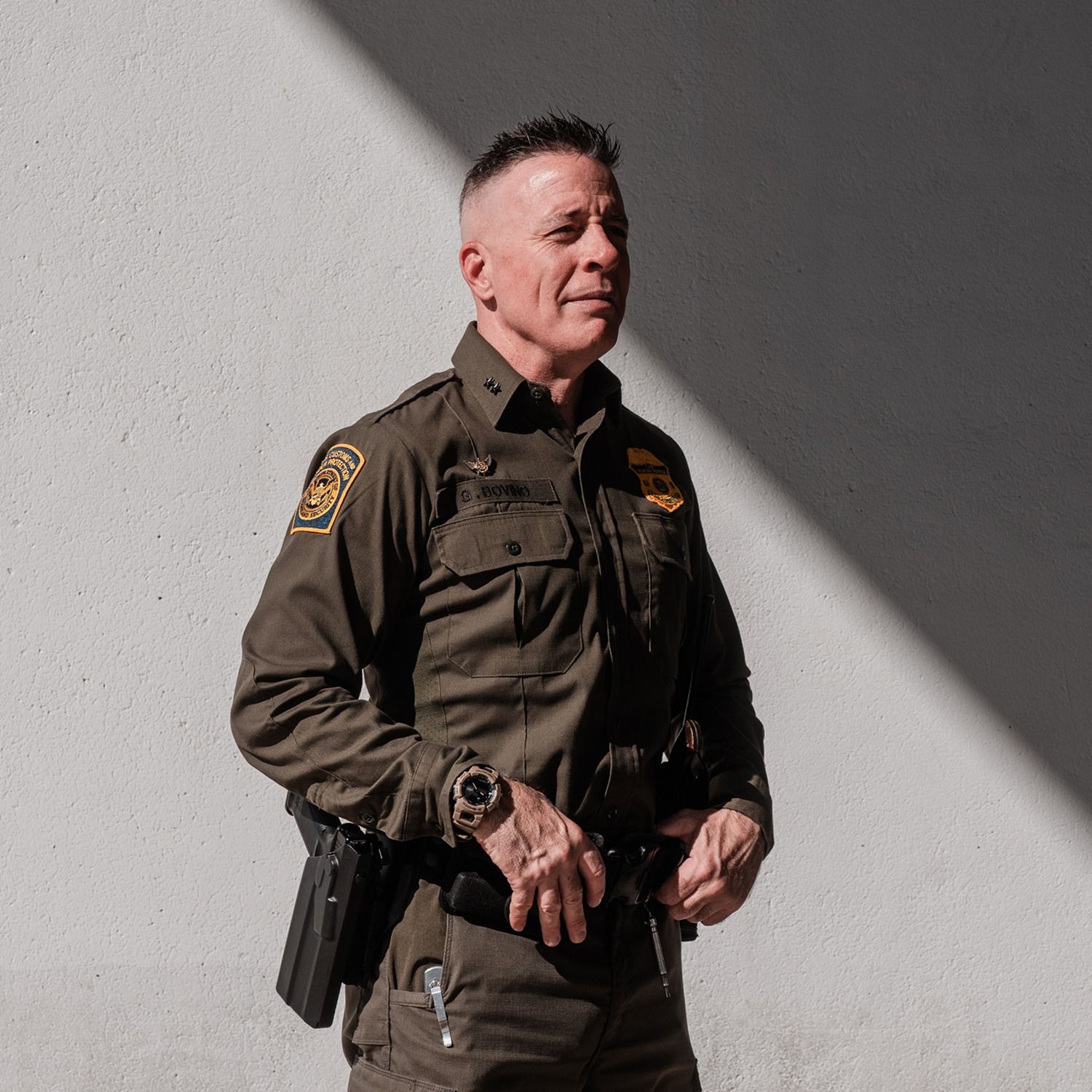
An Interview With the Man Behind Trump’s Current Immigration Crackdown
EWarning: This episode contains strong language.As the Trump administration ramps up its crackdown on illegal immigration, it has turned to Gregory Bovino, a Border Patrol official, to try to increase deportations. He has been at the center of some of the most aggressive raids and tactics being used in American cities.Hamed Aleaziz, who covers immigration policy, speaks to Mr. Bovino about his career and why his militaristic approach may be here to stay.Guest:Hamed Aleaziz, who covers the Department of Homeland Security and immigration policy in the United States for The New York Times.Gregory Bovino, the Border Patrol chief leading the Southern California immigration crackdown.Background reading: Read the interview with Mr. Bovino.A federal judge ruled that Mr. Bovino, who has also led operations in Chicago, had lied about tear gas usage in clampdowns there.Photo: Gabriela Bhaskar/The New York TimesFor more information on today’s episode, visit nytimes.com/thedaily. Transcripts of each episode will be made available by the next workday. Subscribe today at nytimes.com/podcasts or on Apple Podcasts and Spotify. You can also subscribe via your favorite podcast app here https://www.nytimes.com/activate-access/audio?source=podcatcher. For more podcasts and narrated articles, download The New York Times app at nytimes.com/app. Hosted by Simplecast, an AdsWizz company. See pcm.adswizz.com for information about our collection and use of personal data for advertising.
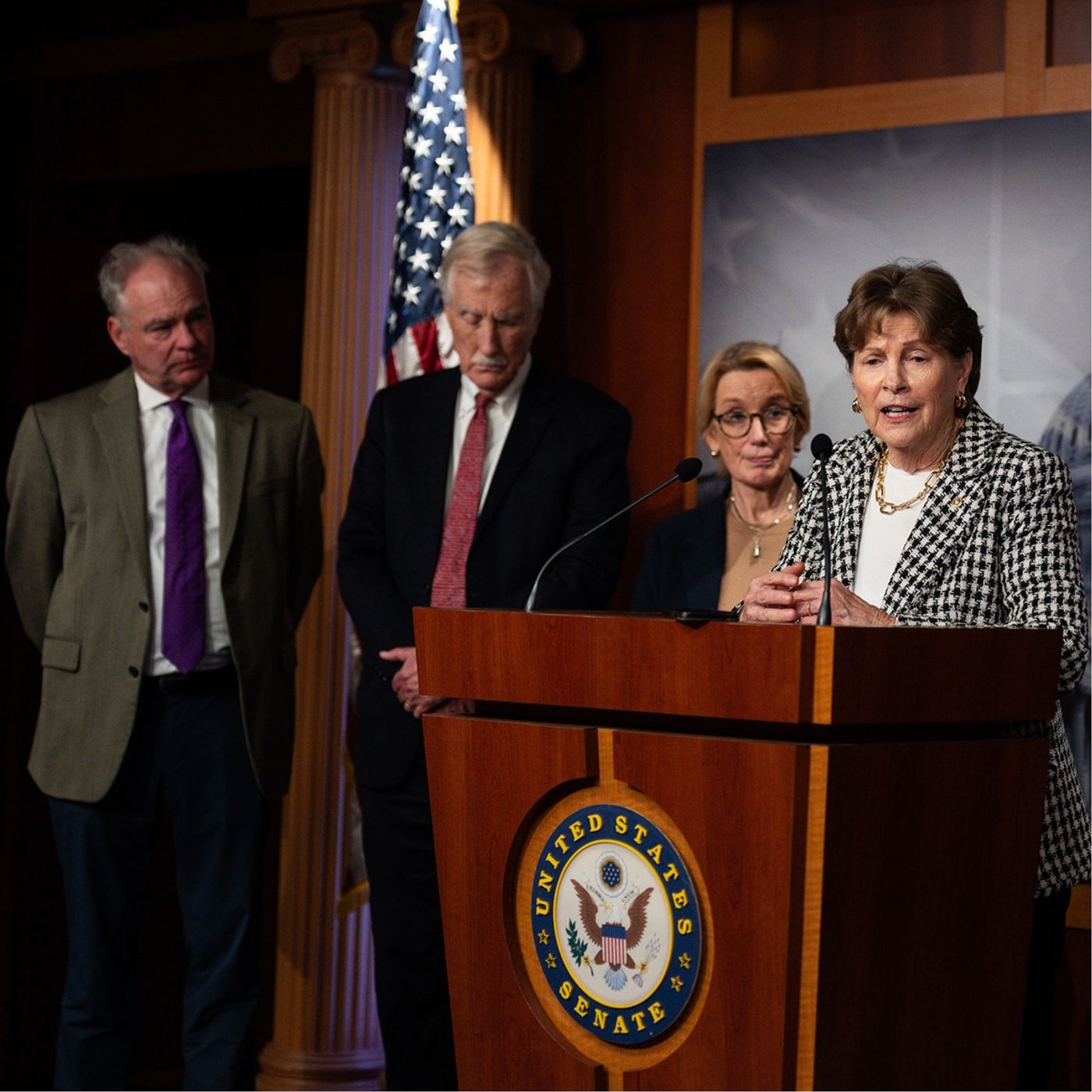
The Messy Politics of the Democratic Shutdown Deal
On Monday night, a small group of Senate Democrats broke from their colleagues and struck a deal with Republicans to try to end the government shutdown. The vote signaled a break in the gridlock that has shuttered the government for weeks.Catie Edmondson and Shane Goldmacher discuss the agreement, and the rift in the Democratic Party.Guest:Catie Edmondson, a congressional correspondent for The New York Times.Shane Goldmacher, a national political correspondent for The New York Times.Background reading: The Senate passed a bill to reopen the government.The agreement prompted a backlash within the Democratic Party.Photo: Tierney L. Cross/The New York TimesFor more information on today’s episode, visit nytimes.com/thedaily. Transcripts of each episode will be made available by the next workday. Subscribe today at nytimes.com/podcasts or on Apple Podcasts and Spotify. You can also subscribe via your favorite podcast app here https://www.nytimes.com/activate-access/audio?source=podcatcher. For more podcasts and narrated articles, download The New York Times app at nytimes.com/app. Hosted by Simplecast, an AdsWizz company. See pcm.adswizz.com for information about our collection and use of personal data for advertising.

The Gold Rush Behind a Civil War
Twenty years ago, a genocidal campaign in the Darfur region of Sudan shocked the world. Now, videos and images of new atrocities have captured global attention once more.Declan Walsh, who has been covering Sudan, discusses one of the worst humanitarian conflicts in decades, and how gold is fueling it.Guest: Declan Walsh, the chief Africa correspondent for The New York Times.Background reading: From December: The gold rush at the heart of a civil war.News Analysis: The world seems unable, or unwilling, to do much to stop a new struggle on an old battlefield as atrocities sweep villages and towns.Photo: Agence France-Presse — Getty ImagesFor more information on today’s episode, visit nytimes.com/thedaily. Transcripts of each episode will be made available by the next workday. Subscribe today at nytimes.com/podcasts or on Apple Podcasts and Spotify. You can also subscribe via your favorite podcast app here https://www.nytimes.com/activate-access/audio?source=podcatcher. For more podcasts and narrated articles, download The New York Times app at nytimes.com/app. Hosted by Simplecast, an AdsWizz company. See pcm.adswizz.com for information about our collection and use of personal data for advertising.
From Serial: 'The Preventionist'
EThe story of how this extraordinary situation in the Lehigh Valley came to light — because it almost didn’t.In the summer of 2023, reporter Dyan Neary received a tip about a problematic doctor in Pennsylvania. Families were claiming that when they sought medical care for their children, this pediatrician falsely accused them of abuse, and their children were taken away from them. The Preventionist traces this doctor’s decades-long career across multiple states, and explores the rise of a new and powerful kind of specialist, the “child abuse pediatrician” — whose decisions can be incredibly difficult to challenge. Subscribe today at nytimes.com/podcasts or on Apple Podcasts and Spotify. You can also subscribe via your favorite podcast app here https://www.nytimes.com/activate-access/audio?source=podcatcher. For more podcasts and narrated articles, download The New York Times app at nytimes.com/app. Hosted by Simplecast, an AdsWizz company. See pcm.adswizz.com for information about our collection and use of personal data for advertising.

Our Restaurant Critics Dish
In this special, subscriber-only episode of “The Daily,” we hear from The New York Times’s chief restaurant critics.Ligaya Mishan and Tejal Rao discuss their jobs, and answer listeners’ burning questions.Guest: Ligaya Mishan and Tejal RaoPhoto: Tony Cenicola/The New York TimesFor more information on today’s episode, visit nytimes.com/thedaily. Transcripts of each episode will be made available by the next workday. Subscribe today at nytimes.com/podcasts or on Apple Podcasts and Spotify. You can also subscribe via your favorite podcast app here https://www.nytimes.com/activate-access/audio?source=podcatcher. For more podcasts and narrated articles, download The New York Times app at nytimes.com/app. Hosted by Simplecast, an AdsWizz company. See pcm.adswizz.com for information about our collection and use of personal data for advertising.
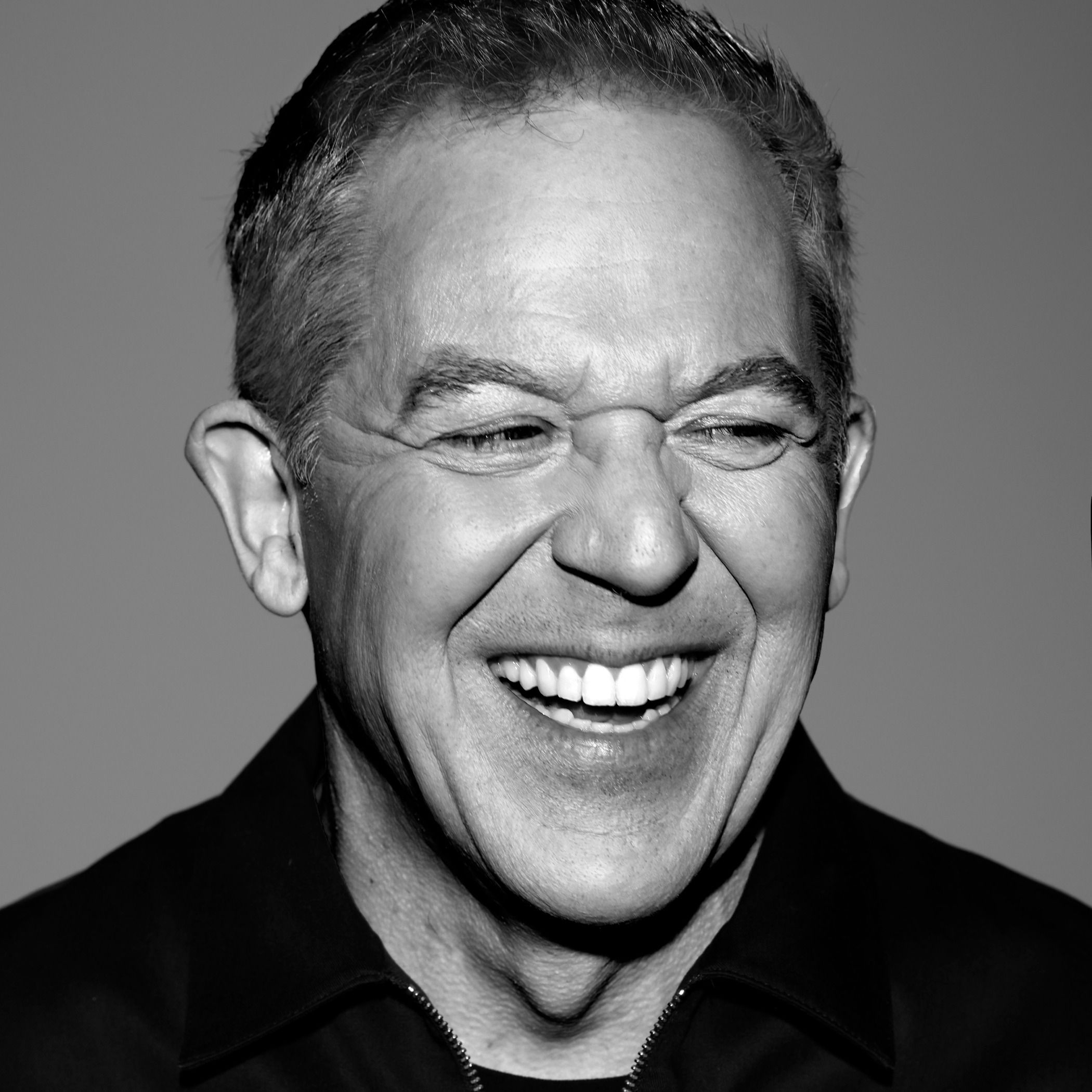
'The Interview': Fox News Wanted Greg Gutfeld to Do This Interview. He Wasn’t So Sure.
EThe pugnacious conservative late-night host on his "hierarchy of smears" and the risks of being a scold.Thoughts? Email us at [email protected] our show on YouTube: youtube.com/@TheInterviewPodcastFor transcripts and more, visit: nytimes.com/theinterview Subscribe today at nytimes.com/podcasts or on Apple Podcasts and Spotify. You can also subscribe via your favorite podcast app here https://www.nytimes.com/activate-access/audio?source=podcatcher. For more podcasts and narrated articles, download The New York Times app at nytimes.com/app. Hosted by Simplecast, an AdsWizz company. See pcm.adswizz.com for information about our collection and use of personal data for advertising.

Trump's Bad Week
Over the past few days, Republicans have suffered some major losses at the ballot box, Supreme Court justices have expressed skepticism about tariffs and Congress’s refusal to end the government shutdown will result in thousands of canceled flights. It adds up to a very bad week for the Trump White House.In a special round-table episode, The Times’s national political correspondent Lisa Lerer, the White House correspondent Tyler Pager and the congressional editor Julie Davis try to make sense of it all.Guests: Julie Hirschfeld Davis, congressional editor at The New York Times.Lisa Lerer, a national political correspondent for The New York Times.Tyler Pager, a White House correspondent for The New York Times, covering President Trump and his administration.Background reading: Republicans point fingers after their losses, but not at Trump.Here are five takeaways from the Supreme Court argument over tariffs.As the hours dwindled before flight cuts, the government spent most of the time in silence.Photo: Haiyun Jiang/The New York TimesFor more information on today’s episode, visit nytimes.com/thedaily. Transcripts of each episode will be made available by the next workday. Subscribe today at nytimes.com/podcasts or on Apple Podcasts and Spotify. You can also subscribe via your favorite podcast app here https://www.nytimes.com/activate-access/audio?source=podcatcher. For more podcasts and narrated articles, download The New York Times app at nytimes.com/app. Hosted by Simplecast, an AdsWizz company. See pcm.adswizz.com for information about our collection and use of personal data for advertising.

Supreme Court Seems Skeptical of Trump’s Tariffs
On Wednesday, the Supreme Court heard arguments about whether President Trump had the authority to impose the highest tariffs that the United States has seen in a century.Adam Liptak, who covers the Supreme Court for The Times, explains why it seems that the justices might be prepared to say no to the president.Guest: Adam Liptak, who covers the Supreme Court and writes Sidebar, a column on legal developments, for The New York Times.Background reading: Read five key takeaways from the Supreme Court’s tariff argument.The outcome of the case has immense economic and political implications for U.S. businesses, consumers and the president’s trade policy.For more information on today’s episode, visit nytimes.com/thedaily. Transcripts of each episode will be made available by the next workday. Subscribe today at nytimes.com/podcasts or on Apple Podcasts and Spotify. You can also subscribe via your favorite podcast app here https://www.nytimes.com/activate-access/audio?source=podcatcher. For more podcasts and narrated articles, download The New York Times app at nytimes.com/app. Hosted by Simplecast, an AdsWizz company. See pcm.adswizz.com for information about our collection and use of personal data for advertising.

A Good Night for Democrats
In the first big elections of the new Trump era, Democrats triumphed in New York City, Virginia and New Jersey. They also won up and down the ballot across the country.Shane Goldmacher, a national political correspondent, explains what the voting tells us about President Trump’s status and discusses whether Democrats have finally found their footing.Guest: Shane Goldmacher, a national political correspondent for The New York Times.Background reading: Read six takeaways from the elections.Here are results from key races.In New York, Zohran Mamdani became the city’s first Muslim mayor and its youngest in more than a century.Photo: Bryan Anselm for The New York TimesFor more information on today’s episode, visit nytimes.com/thedaily. Transcripts of each episode will be made available by the next workday. Subscribe today at nytimes.com/podcasts or on Apple Podcasts and Spotify. You can also subscribe via your favorite podcast app here https://www.nytimes.com/activate-access/audio?source=podcatcher. For more podcasts and narrated articles, download The New York Times app at nytimes.com/app. Hosted by Simplecast, an AdsWizz company. See pcm.adswizz.com for information about our collection and use of personal data for advertising.

The Millions of Poor Americans at the Mercy of the Shutdown
Tens of millions of Americans depend on the food-stamp program known as SNAP. Without federal assistance, many of them do not know how they will provide for themselves or their families. “The Daily” visits one of the communities most reliant on food aid.The Trump administration has agreed to restore some of the funding for SNAP, but there’s still uncertainty about how much money will come through, and when.Tony Romm, who covers economic policy and the Trump administration for The New York Times, discusses the fight over SNAP as the government enters its second month of shutdown.Guest: Tony Romm, a reporter covering economic policy and the Trump administration for The New York Times, is based in Washington.Background reading: The Trump administration will send only partial food stamp payments this month.The cuts to SNAP have exposed President Trump’s strategy to use the government shutdown to advance his agenda.Photo: Joe Raedle/Getty ImagesFor more information on today’s episode, visit nytimes.com/thedaily. Transcripts of each episode will be made available by the next workday. Subscribe today at nytimes.com/podcasts or on Apple Podcasts and Spotify. You can also subscribe via your favorite podcast app here https://www.nytimes.com/activate-access/audio?source=podcatcher. For more podcasts and narrated articles, download The New York Times app at nytimes.com/app. Hosted by Simplecast, an AdsWizz company. See pcm.adswizz.com for information about our collection and use of personal data for advertising.
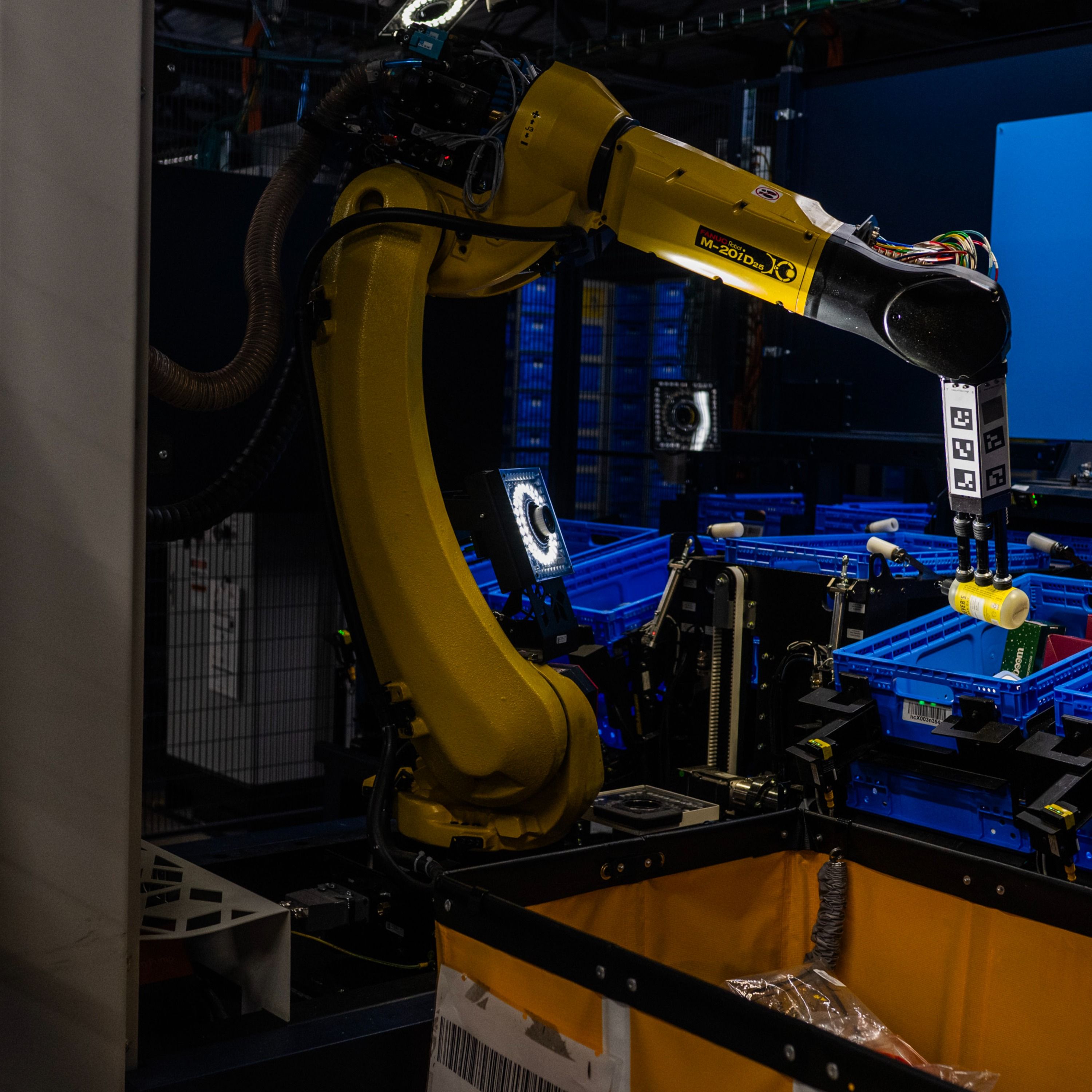
Amazon's Robot Takeover
Over the past two decades, no company has done more to shape the American workplace than Amazon. In its ascent to become the nation’s second-largest employer, it has developed an aggressive corporate culture and pioneered using technology to hire, monitor and manage workers.Now, interviews and a cache of internal strategy documents reveal that Amazon executives believe their company is on the cusp of their next big workplace shift: replacing more than half a million jobs with robots.Karen Weise takes us inside Amazon’s push toward automation and the implications for the company and potentially for the broader economy.Guest: Karen Weise, a technology correspondent for The New York Times, based in Seattle.Background reading: Amazon plans to replace more than half a million jobs with robots.Meet Sparrow, Cardinal and Proteus, the robots powering Amazon’s automation.Photo: Emily Kask for The New York TimesFor more information on today’s episode, visit nytimes.com/thedaily. Transcripts of each episode will be made available by the next workday. Subscribe today at nytimes.com/podcasts or on Apple Podcasts and Spotify. You can also subscribe via your favorite podcast app here https://www.nytimes.com/activate-access/audio?source=podcatcher. For more podcasts and narrated articles, download The New York Times app at nytimes.com/app. Hosted by Simplecast, an AdsWizz company. See pcm.adswizz.com for information about our collection and use of personal data for advertising.

Sunday Special: The Year in Gaming
This year has been a banner year for video games, with an abundance of surprise releases and unexpected hits.On this week’s Sunday Special, Gilbert Cruz talks with two fellow gamers — Zachary Small, a culture reporter, and Jason Bailey, an editor on The Times’s culture desk — about the state of the industry, the biggest releases and the games they loved playing in 2025. They also share their predictions for Game of the Year.On Today’s EpisodeZachary Small is a culture reporter for The Times.Jason M. Bailey is an editor on the culture desk, and oversees The Times’s video game coverage. Subscribe today at nytimes.com/podcasts or on Apple Podcasts and Spotify. You can also subscribe via your favorite podcast app here https://www.nytimes.com/activate-access/audio?source=podcatcher. For more podcasts and narrated articles, download The New York Times app at nytimes.com/app. Hosted by Simplecast, an AdsWizz company. See pcm.adswizz.com for information about our collection and use of personal data for advertising.

'The Interview': Jennifer Lawrence Regrets Everything She’s Ever Said or Done
EAt only 35, the actress has been through the celebrity wringer. Here’s where she landed.Thoughts? Email us at [email protected] our show on YouTube: youtube.com/@TheInterviewPodcastFor transcripts and more, visit: nytimes.com/theinterview Subscribe today at nytimes.com/podcasts or on Apple Podcasts and Spotify. You can also subscribe via your favorite podcast app here https://www.nytimes.com/activate-access/audio?source=podcatcher. For more podcasts and narrated articles, download The New York Times app at nytimes.com/app. Hosted by Simplecast, an AdsWizz company. See pcm.adswizz.com for information about our collection and use of personal data for advertising.
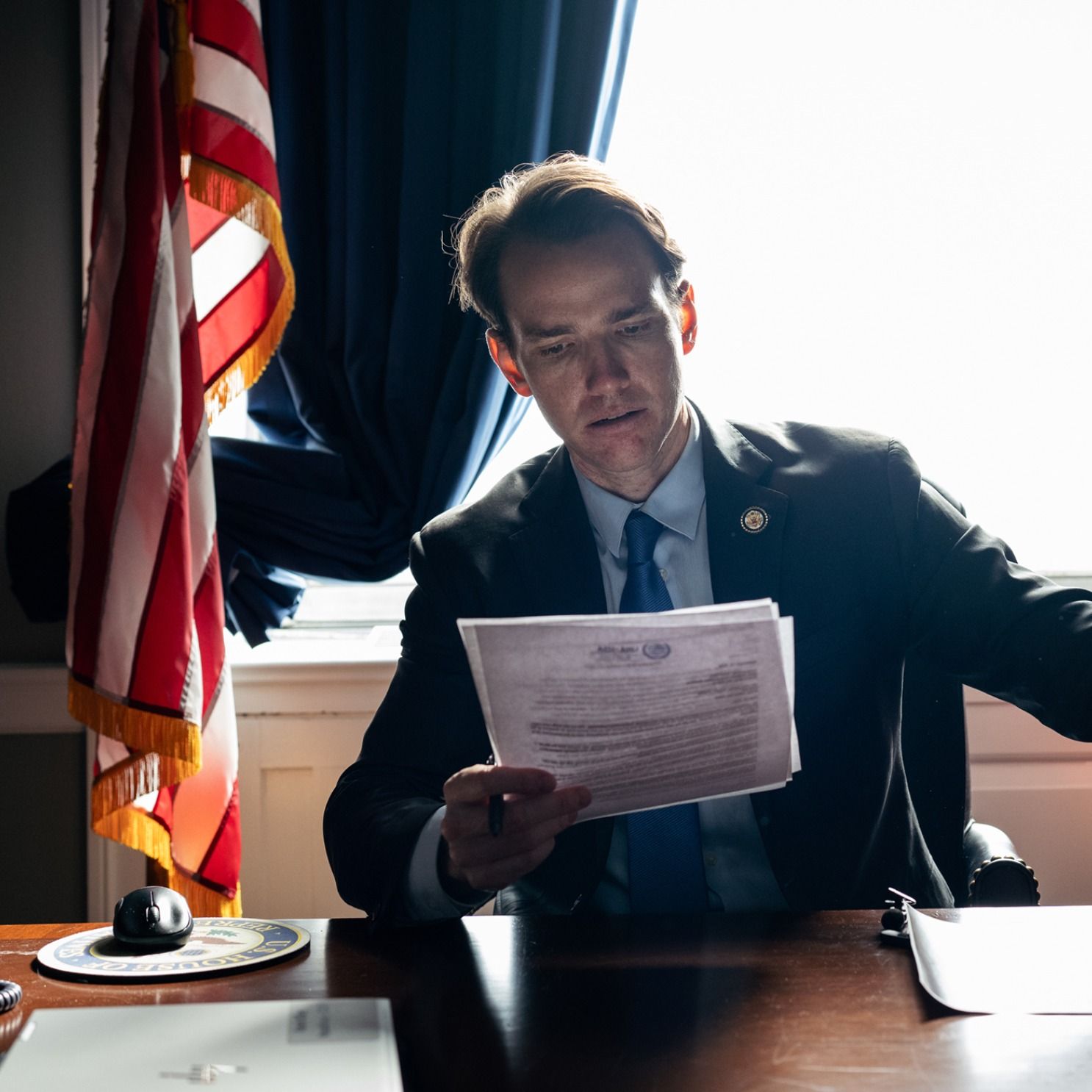
The House Republican Who Says His Party Is Mishandling the Shutdown
Representative Kevin Kiley is one of five California Republicans who are all but certain to lose their seats in the next midterm elections if voters grant final approval to Gov. Gavin Newsom’s newly drawn congressional districts.Mr. Kiley showed up to work in protest against Speaker Mike Johnson’s decision to send the House home indefinitely as the government shutdown drags on.A new poll from The Washington Post found that more Americans blame the shutdown on Trump and congressional Republicans than on Democrats.“The Daily” sat down with Mr. Kiley for a conversation about his one-man campaign to try to fix what he believes his party is getting wrong in this moment.Guest: Representative Kevin Kiley, Republican of California.Background reading: The lonely House Republican still coming to work during the shutdown.Photo: Haiyun Jiang/The New York TimesFor more information on today’s episode, visit nytimes.com/thedaily. Transcripts of each episode will be made available by the next workday. Subscribe today at nytimes.com/podcasts or on Apple Podcasts and Spotify. You can also subscribe via your favorite podcast app here https://www.nytimes.com/activate-access/audio?source=podcatcher. For more podcasts and narrated articles, download The New York Times app at nytimes.com/app. Hosted by Simplecast, an AdsWizz company. See pcm.adswizz.com for information about our collection and use of personal data for advertising.

The Long Road Home for Gazans
Earlier this month, after Israel and Hamas reached a cease-fire agreement, the Israeli military said it would withdraw from parts of Gaza — allowing some Palestinians displaced to the south to try to return home to the north.Rachelle Bonja, a producer of “The Daily,” recently spoke by phone with three Gazans who were making or contemplating the journey home. One of them, Saher Alghorra, is a photojournalist who often works with The Times; another is Nidal Kuhail, a former restaurant worker whom The Times has spoken to over the course of the war.The third is Hussein Khaled Auda, a former bodybuilder who ran a small gym in Jabalia. Mr. Auda’s story is about his family. His four young children were killed in airstrikes during the war, and his wife was seriously injured. He has been traveling back home in large part to find and bury the remains of two of his children, who had been in the rubble of his house after one of the airstrikes. We interviewed his wife, Rawa, and other relatives, and reviewed death certificates and video footage to help understand what happened to his family.In our reporting, The Times also learned that a cousin of Mr. Auda’s was a senior leader of Hamas in Gaza who was killed during the war last year. The Times asked Mr. Auda if he himself had any ties to Hamas. He said he was not a member of Hamas and not political, and had dozens of cousins. He said he had seen the one affiliated with Hamas just a couple of times in his life.Like other news organizations, The Times has not yet been able to send its own staff journalists into Gaza unescorted. This episode, like many other Times pieces for more than two years, seeks to help our audience understand the experiences of Gazans during a devastating war.Guest: Rachelle Bonja, a New York Times audio producer for “The Daily.”Saher Alghorra, a photojournalist for The New York Times.Nidal Kuhail, a former restaurant worker whom The Times has spoken to over the course of the war.Hussein Khaled Auda, a former bodybuilder who ran a small gym in Jabalia.Mohammed Abu Namous, a journalist in Gaza.Background reading: “Everything Is Gone”: Gazans return home to find devastation and little hope.Who were the 2,000 Palestinians freed by Israel?Photo: Saher Alghorra for The New York TimesFor more information on today’s episode, visit nytimes.com/thedaily. Transcripts of each episode will be made available by the next workday. Subscribe today at nytimes.com/podcasts or on Apple Podcasts and Spotify. You can also subscribe via your favorite podcast app here https://www.nytimes.com/activate-access/audio?source=podcatcher. For more podcasts and narrated articles, download The New York Times app at nytimes.com/app. Hosted by Simplecast, an AdsWizz company. See pcm.adswizz.com for information about our collection and use of personal data for advertising.

Is China Beating Trump?
President Trump’s trade war against China has so far proved harder to win than his administration ever let on. And it reached new levels of tension this month when China said it would further restrict exports of rare-earth minerals to the United States and Europe.Keith Bradsher, the Beijing bureau chief for The New York Times, discusses a potential turning point in the standoff as Mr. Trump meets this week with his Chinese counterpart, Xi Jinping, in what will be their first talks since the trade war began.Guest: Keith Bradsher, the Beijing bureau chief for The New York Times.Background reading: Chinese and U.S. officials reached a framework of a trade deal on Sunday.Trump’s deal with China may avert a crisis of his own making.Photo: The New York TimesFor more information on today’s episode, visit nytimes.com/thedaily. Transcripts of each episode will be made available by the next workday. Subscribe today at nytimes.com/podcasts or on Apple Podcasts and Spotify. You can also subscribe via your favorite podcast app here https://www.nytimes.com/activate-access/audio?source=podcatcher. For more podcasts and narrated articles, download The New York Times app at nytimes.com/app. Hosted by Simplecast, an AdsWizz company. See pcm.adswizz.com for information about our collection and use of personal data for advertising.
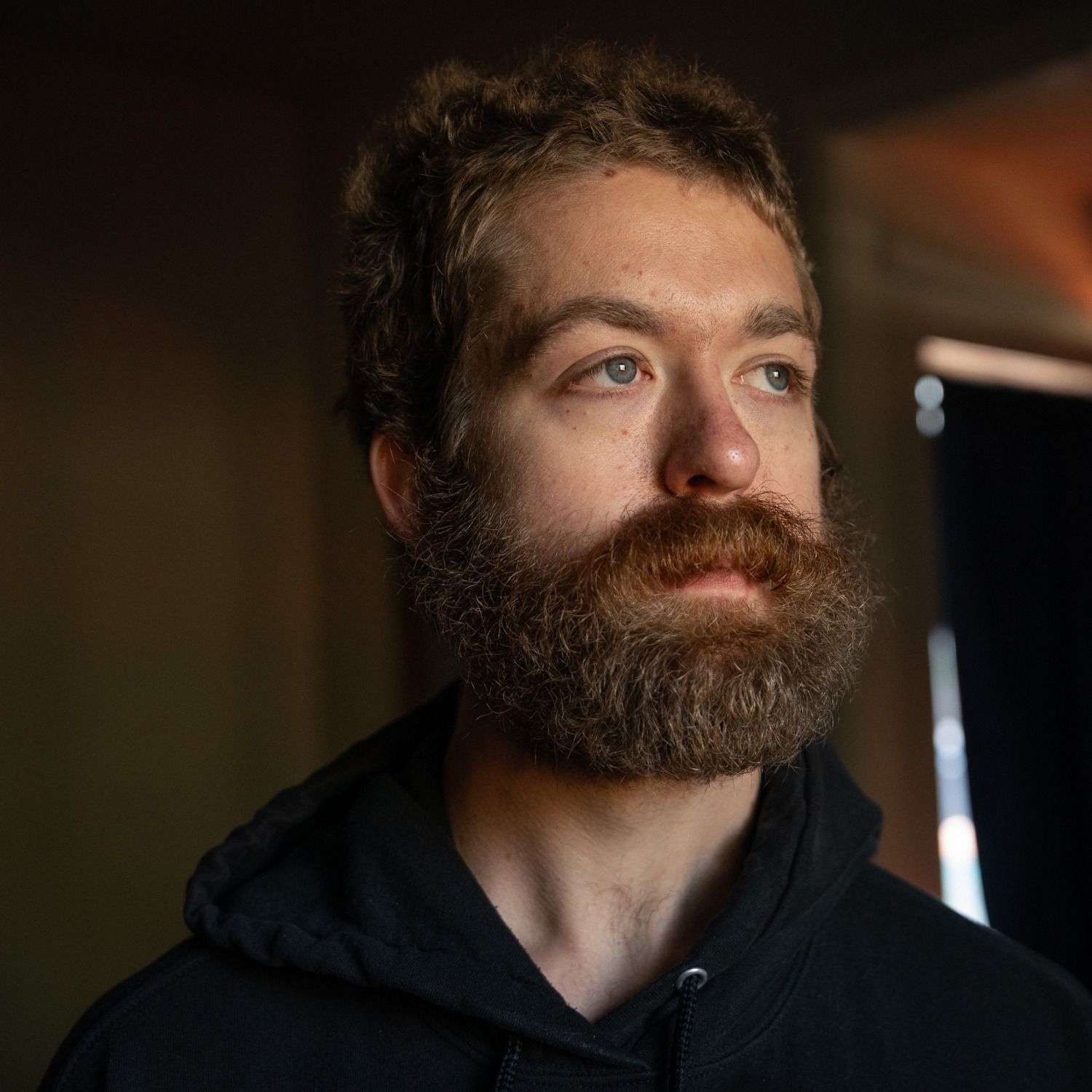
The Hidden Victims of America’s Wildfires
As wildfire seasons grow longer and deadlier, states are increasingly relying on private companies to provide thousands of firefighters to the front lines.Hannah Dreier, who has been covering the story, explains how lax rules and regulatory loopholes have left many of these firefighters sick, in debt and on their own.Guest: Hannah Dreier, a New York Times reporter who writes in-depth stories about national issues.Background reading: Wildfire fighters, unmasked in toxic smoke, are getting sick and dying.Read the story about Joel Eisiminger. Just before turning 25, he was diagnosed with a cancer that usually strikes people more than twice his age.Photo: Loren Elliott for The New York TimesFor more information on today’s episode, visit nytimes.com/thedaily. Transcripts of each episode will be made available by the next workday. Subscribe today at nytimes.com/podcasts or on Apple Podcasts and Spotify. You can also subscribe via your favorite podcast app here https://www.nytimes.com/activate-access/audio?source=podcatcher. For more podcasts and narrated articles, download The New York Times app at nytimes.com/app. Hosted by Simplecast, an AdsWizz company. See pcm.adswizz.com for information about our collection and use of personal data for advertising.

Mob Ties and Rigged Bets: Inside the N.B.A.’s Gambling Scandal
A federal investigation into illegal gambling has rocked the N.B.A. On Thursday, more than 30 people were indicted in the case, which involves the Mafia, high-profile players and the manipulation of professional basketball games to rig bets.Jonah E. Bromwich and Jenny Vrentas, who have been covering the story, discuss the shocking facts and the growing concern that online betting might be compromising the integrity of the sport.Guest:Jonah E. Bromwich, a New York Times reporter covering criminal justice in the New York region, with an emphasis on federal prosecutors and judges.Jenny Vrentas, a New York Times reporter covering money, power and influence in sports.Background reading: The United States charged an N.B.A. coach and others in gambling schemes.Who was the unnamed “Player 3” in the N.B.A. gambling case?Photo: USA TODAY Sports, via ReutersFor more information on today’s episode, visit nytimes.com/thedaily. Transcripts of each episode will be made available by the next workday. Subscribe today at nytimes.com/podcasts or on Apple Podcasts and Spotify. You can also subscribe via your favorite podcast app here https://www.nytimes.com/activate-access/audio?source=podcatcher. For more podcasts and narrated articles, download The New York Times app at nytimes.com/app. Hosted by Simplecast, an AdsWizz company. See pcm.adswizz.com for information about our collection and use of personal data for advertising.

Sunday Special: The 10 Best Horror Movie Franchises
The only thing Gilbert Cruz loves more than celebrating Halloween is watching scary movies. And between the classic horror franchises that span decades and the prestige original films of the current moment, he has seen hundreds of them. On today’s episode, Gilbert puts his knowledge to use in conversation with his fellow horror aficionados Jason Zinoman and Erik Piepenburg. They comb through a century of spooks, frights and screams to crown the Top 10 franchises in cinema history. Horror franchises discussed on this episode:“A Nightmare on Elm Street”“A Quiet Place”“Alien”“The Amityville Horror”“Candyman”“Child’s Play”“The Conjuring”“The Exorcist”“The Evil Dead”“Final Destination”“Friday the 13th”“Halloween”The Hannibal Lecter films“Hellraiser”“The Hills Have Eyes”“Insidious”“Jaws”“Night of the Living Dead”“The Omen”“Paranormal Activity”“Phantasm”“Poltergeist”“Psycho”“The Purge”“The Ring”“Saw”“Scream”“Terrifier”“The Texas Chainsaw Massacre”The Universal monster films“V/H/S” On Today’s Episode:Jason Zinoman is a critic at large for The Times and the author of “Shock Value: How a Few Eccentric Outsiders Gave Us Nightmares, Conquered Hollywood, and Invented Modern Horror.”Erik Piepenburg covers culture for The Times, and writes a monthly column about horror movies.Additional Reading:25 Jump Scares That Still Make Us JumpFive Horror Movies to Stream Now‘Good Boy’ Review: Sit. Stay. Scream. Photo: Michael Ochs Archives/Getty Images Subscribe today at nytimes.com/podcasts or on Apple Podcasts and Spotify. You can also subscribe via your favorite podcast app here https://www.nytimes.com/activate-access/audio?source=podcatcher. For more podcasts and narrated articles, download The New York Times app at nytimes.com/app. Hosted by Simplecast, an AdsWizz company. See pcm.adswizz.com for information about our collection and use of personal data for advertising.
Where ‘The Daily’ Gets Its Music
In a special, subscriber-only episode of “The Daily,” we go behind the scenes of the production process.Dan Powell and Marion Lozano, who compose the music for the show, discuss the D.N.A. of the “Daily” music and walk us through the process.Guest:Dan Powell, who leads the Audio team’s in-house music composition at The New York Times.Marion Lozano, a senior sound designer and composer for podcasts at The New York Times.For more information on today’s episode, visit nytimes.com/thedaily. Transcripts of each episode will be made available by the next workday. Subscribe today at nytimes.com/podcasts or on Apple Podcasts and Spotify. You can also subscribe via your favorite podcast app here https://www.nytimes.com/activate-access/audio?source=podcatcher. For more podcasts and narrated articles, download The New York Times app at nytimes.com/app. Hosted by Simplecast, an AdsWizz company. See pcm.adswizz.com for information about our collection and use of personal data for advertising.
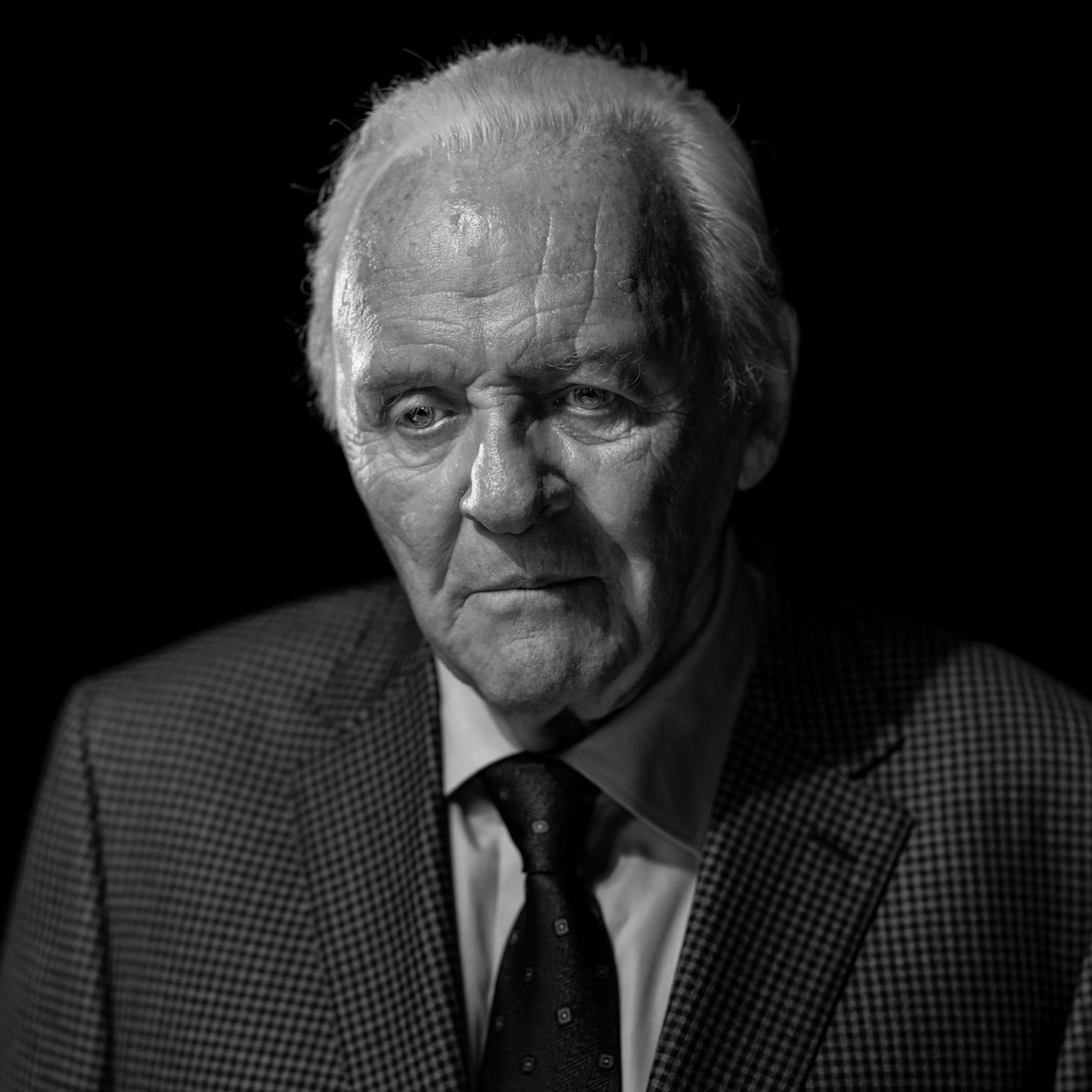
'The Interview': Anthony Hopkins on Quitting Drinking and Finding God
The legendary actor, 87, is looking back with tears in his eyes.Thoughts? Email us at [email protected] our show on YouTube: youtube.com/@TheInterviewPodcastFor transcripts and more, visit: nytimes.com/theinterview Subscribe today at nytimes.com/podcasts or on Apple Podcasts and Spotify. You can also subscribe via your favorite podcast app here https://www.nytimes.com/activate-access/audio?source=podcatcher. For more podcasts and narrated articles, download The New York Times app at nytimes.com/app. Hosted by Simplecast, an AdsWizz company. See pcm.adswizz.com for information about our collection and use of personal data for advertising.

Demolition at the White House
The Trump administration completed its demolition of the East Wing of the White House on Thursday to make way for a new presidential ballroom.Luke Broadwater, who covers the White House, explains who is paying for President Trump’s latest construction project and why the demolition is striking a nerve.Guest: Luke Broadwater, who covers the White House for The New York Times.Background reading: After 123 years, the East Wing is gone.See the White House as it stood and what Mr. Trump envisions.Photo: Jacquelyn Martin/Associated PressFor more information on today’s episode, visit nytimes.com/thedaily. Transcripts of each episode will be made available by the next workday. Subscribe today at nytimes.com/podcasts or on Apple Podcasts and Spotify. You can also subscribe via your favorite podcast app here https://www.nytimes.com/activate-access/audio?source=podcatcher. For more podcasts and narrated articles, download The New York Times app at nytimes.com/app. Hosted by Simplecast, an AdsWizz company. See pcm.adswizz.com for information about our collection and use of personal data for advertising.

Is the U.S. Trying to Oust the Government in Venezuela?
For months, President Trump has been ratcheting up the pressure on Venezuela with increasingly aggressive military actions that the administration claims are about targeting drug traffickers.But behind the scenes, some U.S. officials are pushing toward a regime change.Anatoly Kurmanaev, who has been covering the story, discusses the battle in the White House over whether to topple the government of President Nicolás Maduro.Guest: Anatoly Kurmanaev, a reporter for The New York Times covering Russia and its transformation since the invasion of Ukraine.Background reading: The United States attacked more boats as tensions with Venezuela continued to rise. Here’s what has happened so far.The Trump administration has authorized covert C.I.A. action in Venezuela.Trump officials say the mission aims to disrupt the drug trade. But military officials and analysts say the real goal might be driving Venezuela’s president from power.Photo: Jesus Vargas/Getty ImagesFor more information on today’s episode, visit nytimes.com/thedaily. Transcripts of each episode will be made available by the next workday. Subscribe today at nytimes.com/podcasts or on Apple Podcasts and Spotify. You can also subscribe via your favorite podcast app here https://www.nytimes.com/activate-access/audio?source=podcatcher. For more podcasts and narrated articles, download The New York Times app at nytimes.com/app. Hosted by Simplecast, an AdsWizz company. See pcm.adswizz.com for information about our collection and use of personal data for advertising.

Le Heist
In just under 10 minutes on Sunday, thieves stole precious jewelry from the Louvre Museum in Paris after using a truck-mounted ladder to break into a second-floor window.Catherine Porter, a New York Times international correspondent in the French capital, explains how the robbery unfolded.Guest: Catherine Porter, an international correspondent for The New York Times based in Paris.Background reading: What we know about the Louvre jewelry theft.Before the robbery, there were lingering security concerns.Photo: Kiran Ridley/Getty ImagesFor more information on today’s episode, visit nytimes.com/thedaily. Transcripts of each episode will be made available by the next workday. Subscribe today at nytimes.com/podcasts or on Apple Podcasts and Spotify. You can also subscribe via your favorite podcast app here https://www.nytimes.com/activate-access/audio?source=podcatcher. For more podcasts and narrated articles, download The New York Times app at nytimes.com/app. Hosted by Simplecast, an AdsWizz company. See pcm.adswizz.com for information about our collection and use of personal data for advertising.
How Trump Upended 60 Years of Civil Rights
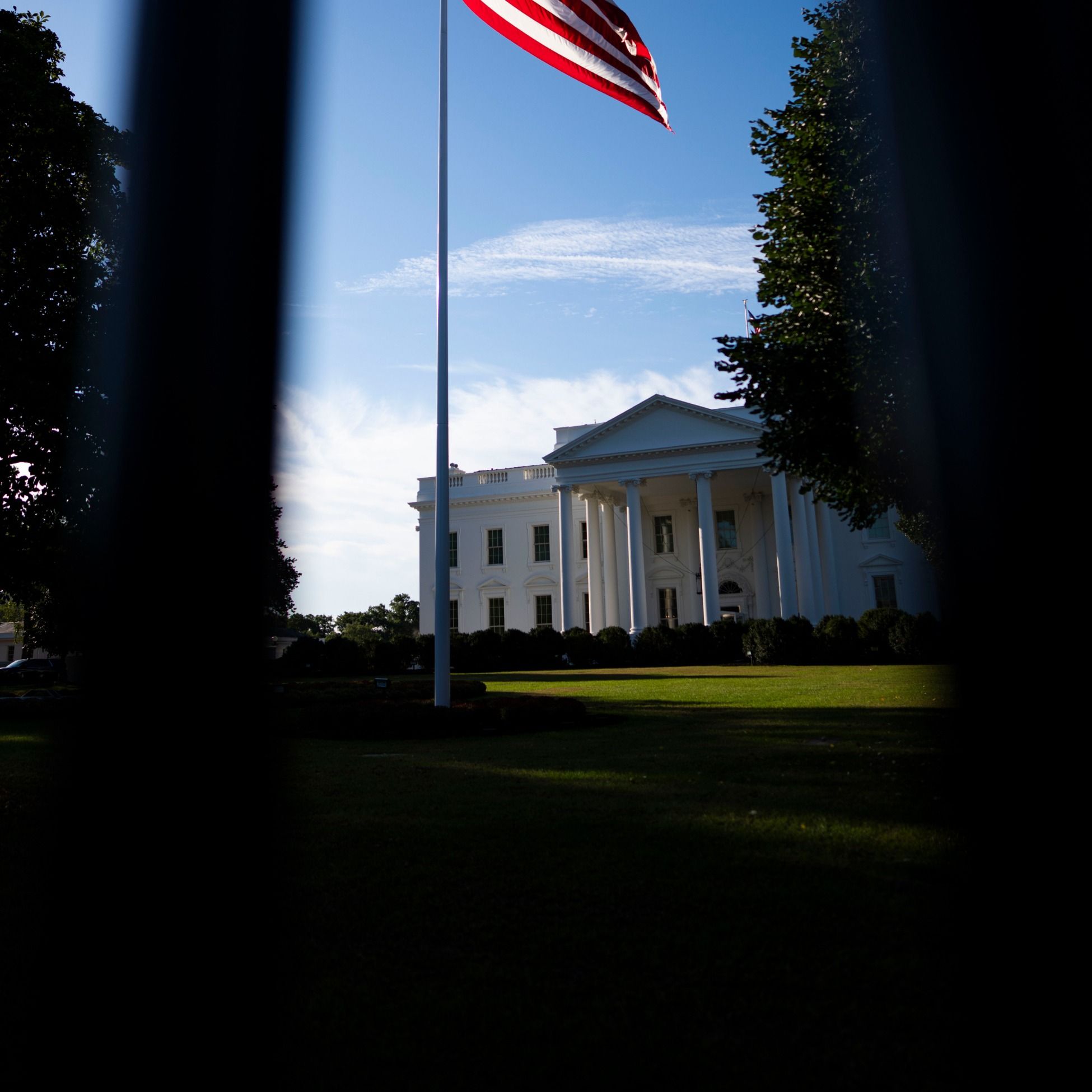
During his second term, President Trump has upended 60 years of civil rights, largely under the guise of attacking diversity, equity and inclusion.Nikole Hannah-Jones, who covers racial injustice and civil rights for The New York Times Magazine, discusses the end of an era, and the growing fears of what a post-civil rights government will mean for Black Americans.Guest: Nikole Hannah-Jones, a domestic correspondent for The New York Times Magazine covering racial injustice and civil rights.Background reading: How Mr. Trump upended 60 years of civil rights in two months.The “colorblind” campaign to undo civil rights progress.Photo: Doug Mills/The New York TimesFor more information on today’s episode, visit nytimes.com/thedaily. Transcripts of each episode will be made available by the next workday. Subscribe today at nytimes.com/podcasts or on Apple Podcasts and Spotify. You can also subscribe via your favorite podcast app here https://www.nytimes.com/activate-access/audio?source=podcatcher. For more podcasts and narrated articles, download The New York Times app at nytimes.com/app. Hosted by Simplecast, an AdsWizz company. See pcm.adswizz.com for information about our collection and use of personal data for advertising.